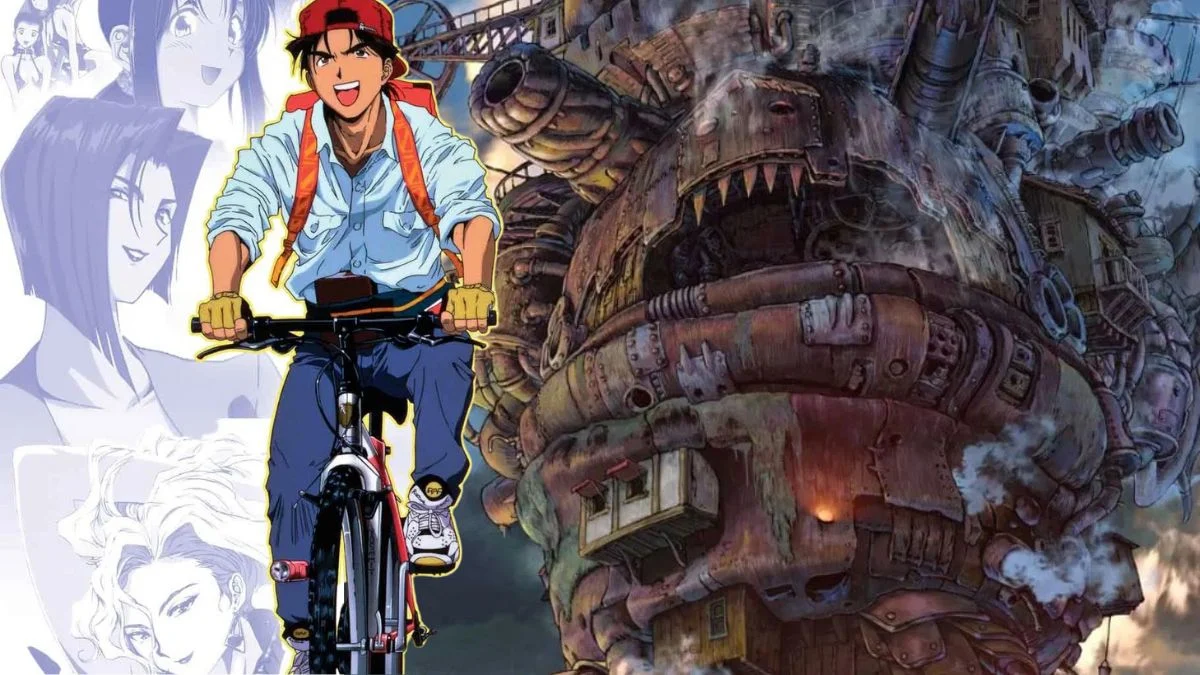
Japanese animation is often seen as a wonderfully creative and artistic field. But the truth is, making anime can be incredibly difficult, with projects often facing tight deadlines and budget problems. Many popular series almost didn’t make it, due to poor management or just plain bad luck, and nearly caused the studios that created them to fail. These difficult productions sometimes lead to surprisingly brilliant shows, or infamous flops that fans still talk about today. These stories show just how delicate and vulnerable the anime industry really is.
‘Redline’ (2009)
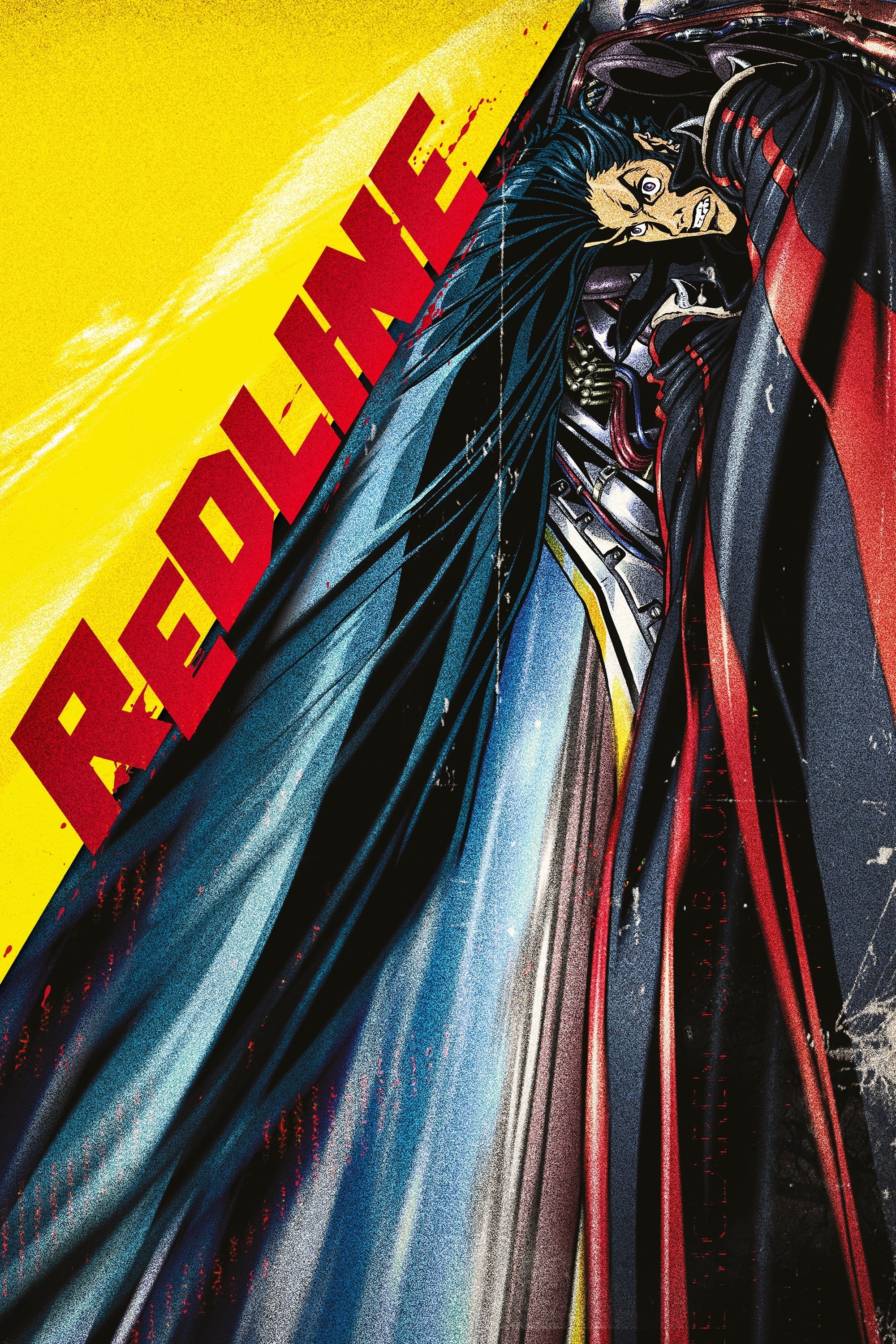
Creating the stunning visuals for this racing film was an incredible undertaking. Artist Takeshi Koike meticulously hand-drew over 100,000 frames, a process so demanding it nearly bankrupted the Madhouse studio. The hand-drawn animation achieves a sense of speed and realism that computer-generated imagery struggles to match. The final film is a breathtaking visual achievement, and its unique production makes it unlikely to ever be duplicated due to the enormous cost and effort involved.
‘Ghost Stories’ (2000)
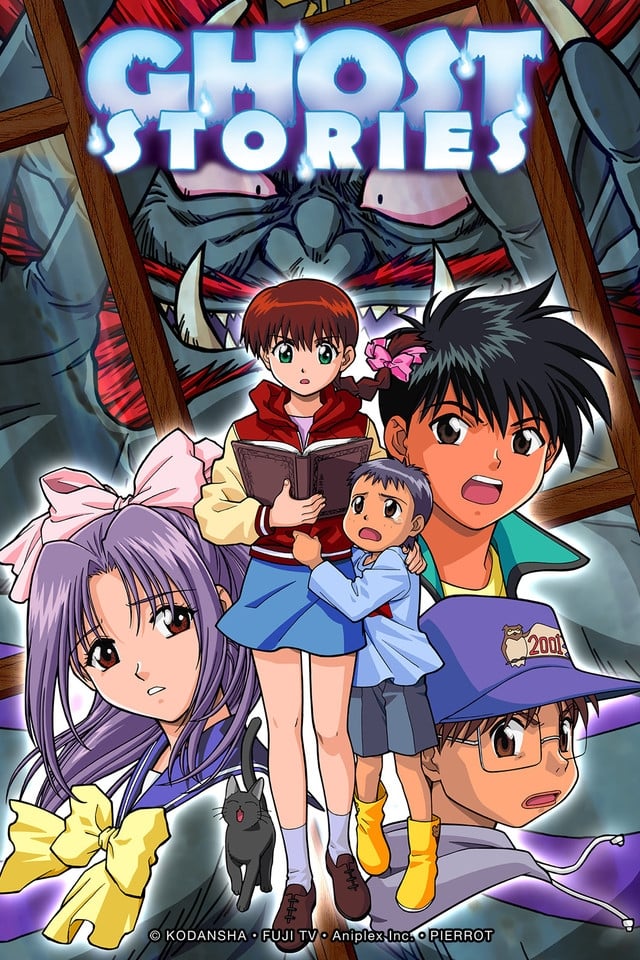
The initial Japanese release of this horror series didn’t sell well, leaving the company that owned it eager to make back its money. ADV Films was given complete freedom to revise the English dub, with only one rule: keep the main characters’ names the same. The voice actors then added their own jokes and references to popular culture, unintentionally turning the scary show into a bizarre comedy. This surprising change saved the anime from being forgotten and unexpectedly built a dedicated fanbase for the English dub.
‘Neon Genesis Evangelion’ (1995–1996)
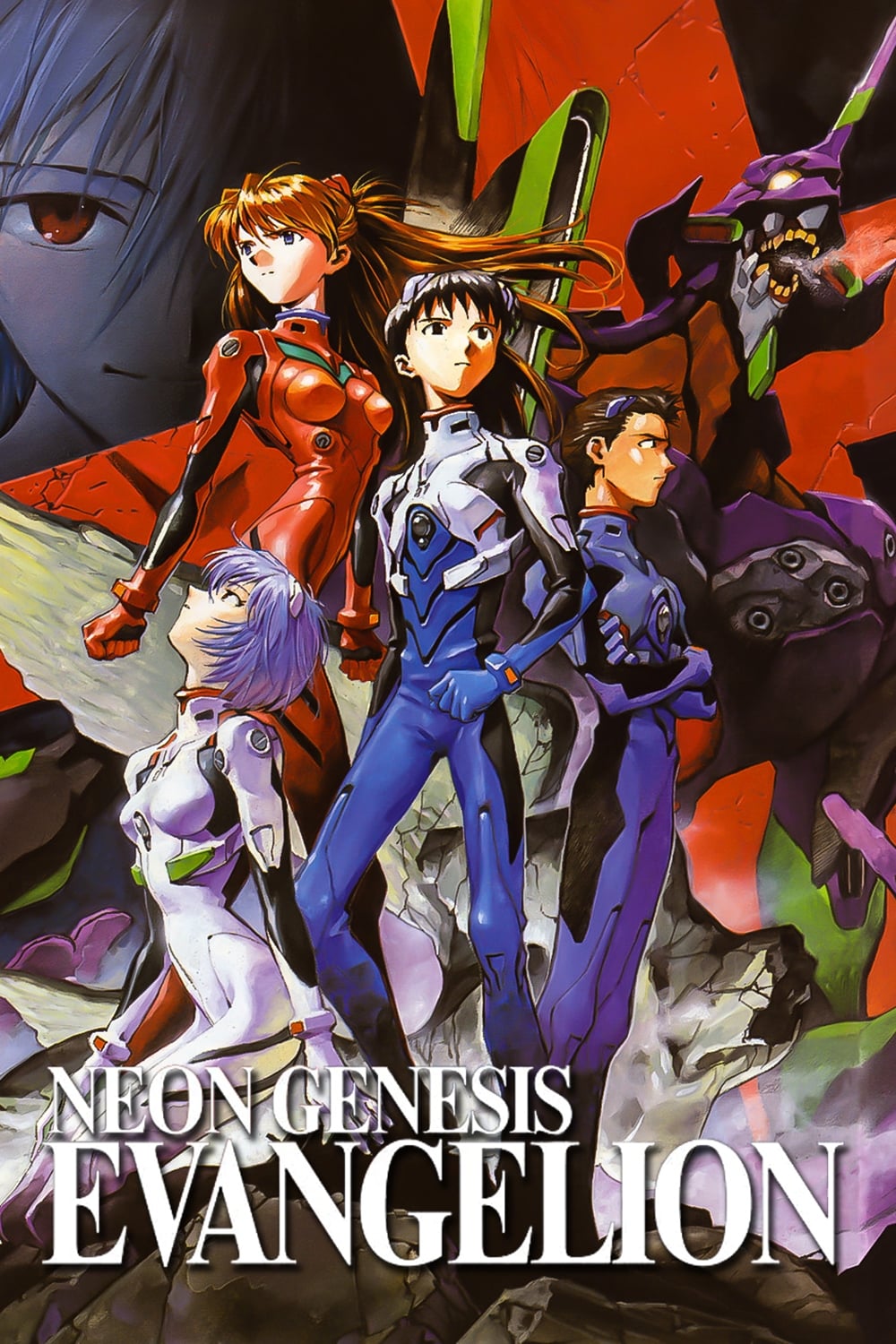
While making the series, director Hideaki Anno struggled with serious depression, which heavily impacted how he portrayed the characters’ inner struggles. As production continued, the show’s budget was cut, forcing the creators to use still images and experimental visuals. The initial TV finale sparked a lot of debate because it shifted away from the main storyline to focus on the characters’ thoughts and feelings. Because of these difficulties, a movie conclusion was eventually released to give the story a proper ending.
‘Akira’ (1988)
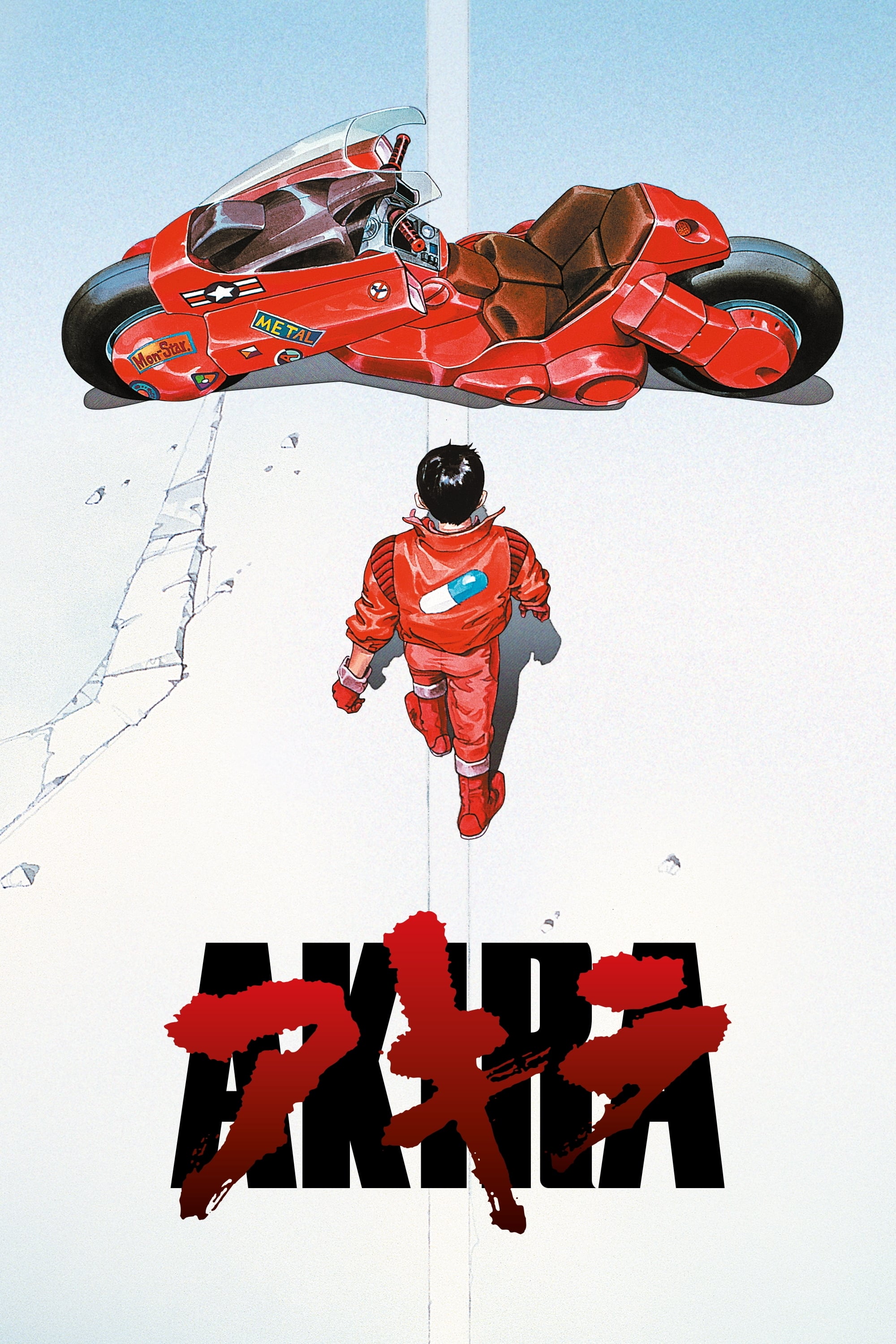
This groundbreaking cyberpunk anime film had a production budget far exceeding any previous animated movie. A unique approach was taken where dialogue was recorded before animation, forcing animators to perfectly sync lip movements to the voices – a first for the industry. To accurately portray the vibrant, neon-lit city of Neo-Tokyo, the creators even developed over fifty entirely new colors. This dedication to detail revolutionized Japanese animation and raised the bar for anime worldwide.
‘The Melancholy of Haruhi Suzumiya’ (2006/2009)
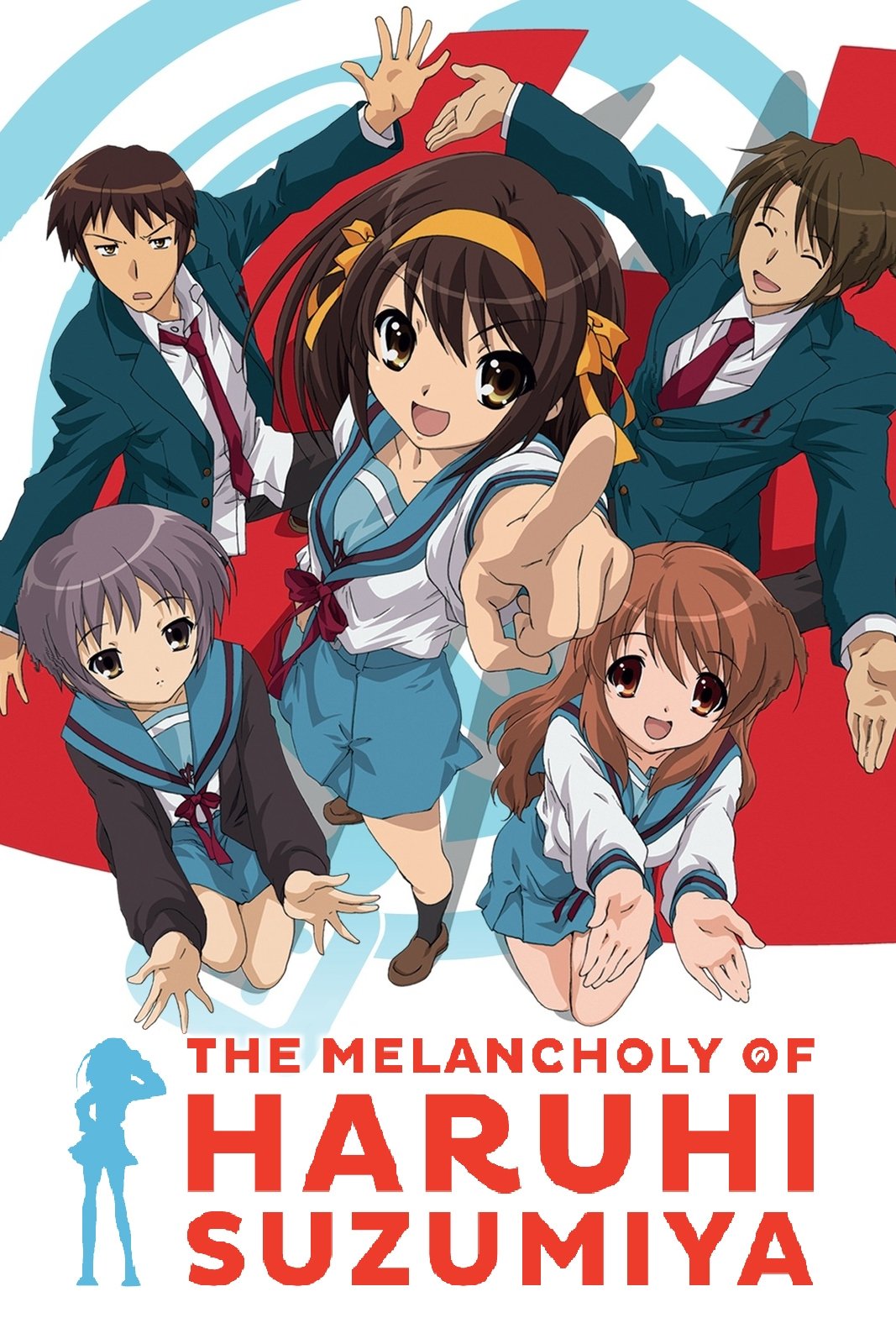
Kyoto Animation took a unique risk by animating the same summer vacation scenes repeatedly over eight episodes. While the storyline stayed almost the same, they created new animation and recorded dialogue for each installment. This experiment frustrated many viewers who felt like they were watching the same thing over and over for two months. It’s now remembered as one of the boldest – and most controversial – decisions ever made in anime.
‘Golden Boy’ (1995–1996)

Let me tell you, the voice actor for Kintaro Oe really committed to the role. To get that breathless, exhausted sound in those frantic scenes, he actually ran laps around the recording studio beforehand! It sounds crazy, but it totally worked. His performance is raw, energetic, and really defines the character. Honestly, the whole series leans heavily on that over-the-top energy to land its comedic punches – it wouldn’t be the same without it.
‘Kemono Friends’ (2017)

The show started with simple, inexpensive computer-generated visuals that didn’t immediately impress viewers. However, director Tatsuki filled the series with compelling storytelling and rich background details, unexpectedly attracting a huge online fanbase. Despite this success, the company behind the show abruptly fired the director after the first season. This decision caused a strong negative reaction from the public and led to poor results for the follow-up season.
‘Wonder Egg Priority’ (2021)
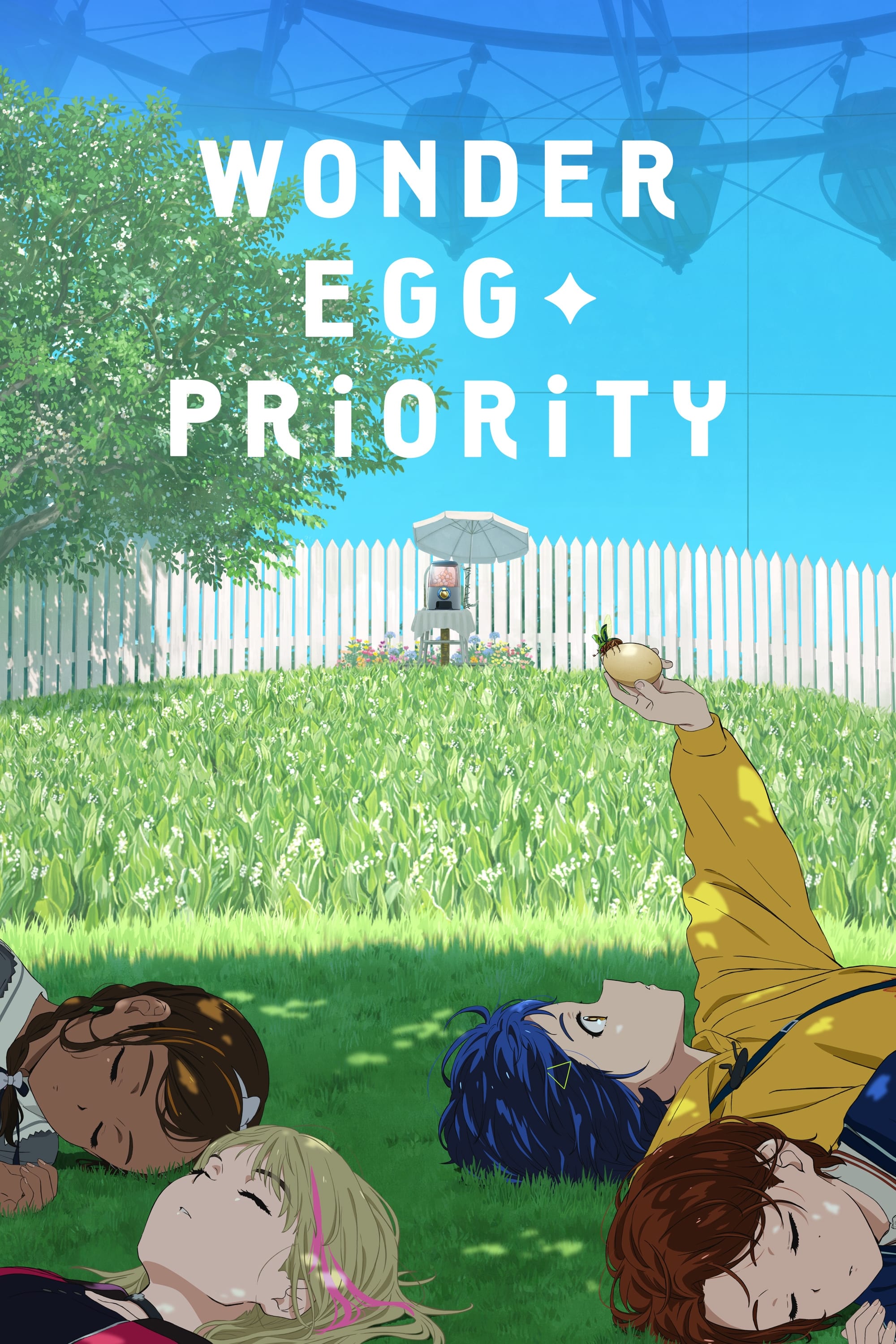
The show started strong with excellent production quality, but faced major problems when the filming schedule fell apart mid-season. The crew was pushed to their limits, working around the clock to finish episodes just before they aired. This led to a confusing storyline that needed an extra episode at the end to wrap things up. While the show had a lot of creative potential, it was ultimately let down by poor planning and execution.
‘ChargeMan Ken!’ (1974)
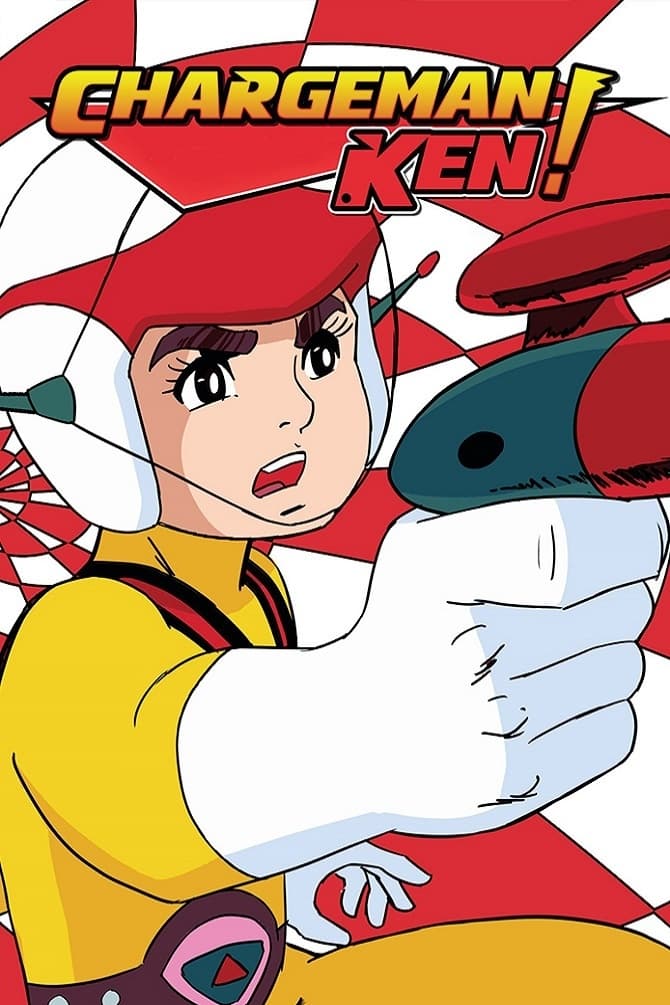
Knack Productions made this series with almost no money and didn’t seem to care much about making it good. Episodes were often finished quickly, and the team overlooked mistakes in the story and animation. Things like backgrounds vanishing and missing sound effects were common, especially during important scenes. Eventually, the show’s poor quality became so notorious it turned into a popular internet joke.
‘Pui Pui Molcar’ (2021)
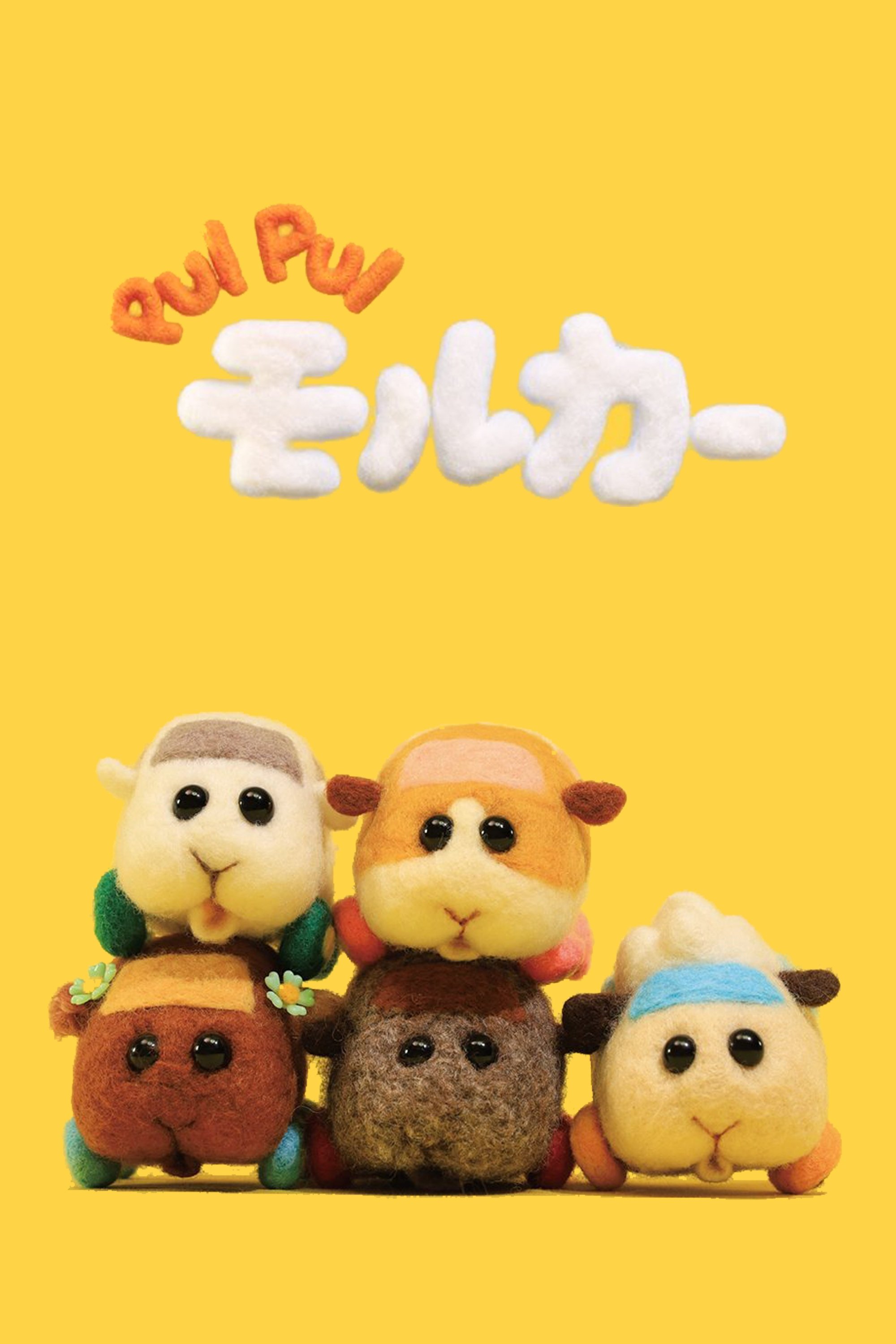
Tomoki Misato created this charming stop-motion series using cars made of wool felt, filming it mostly at home. He enlisted his family to do the voices and even used his guinea pig for sound effects! It took a lot of patience to painstakingly move the felt characters for each frame. What started as a simple family project surprisingly became popular around the world thanks to its creativity and heartwarming appeal.
‘His and Her Circumstances’ (1998–1999)
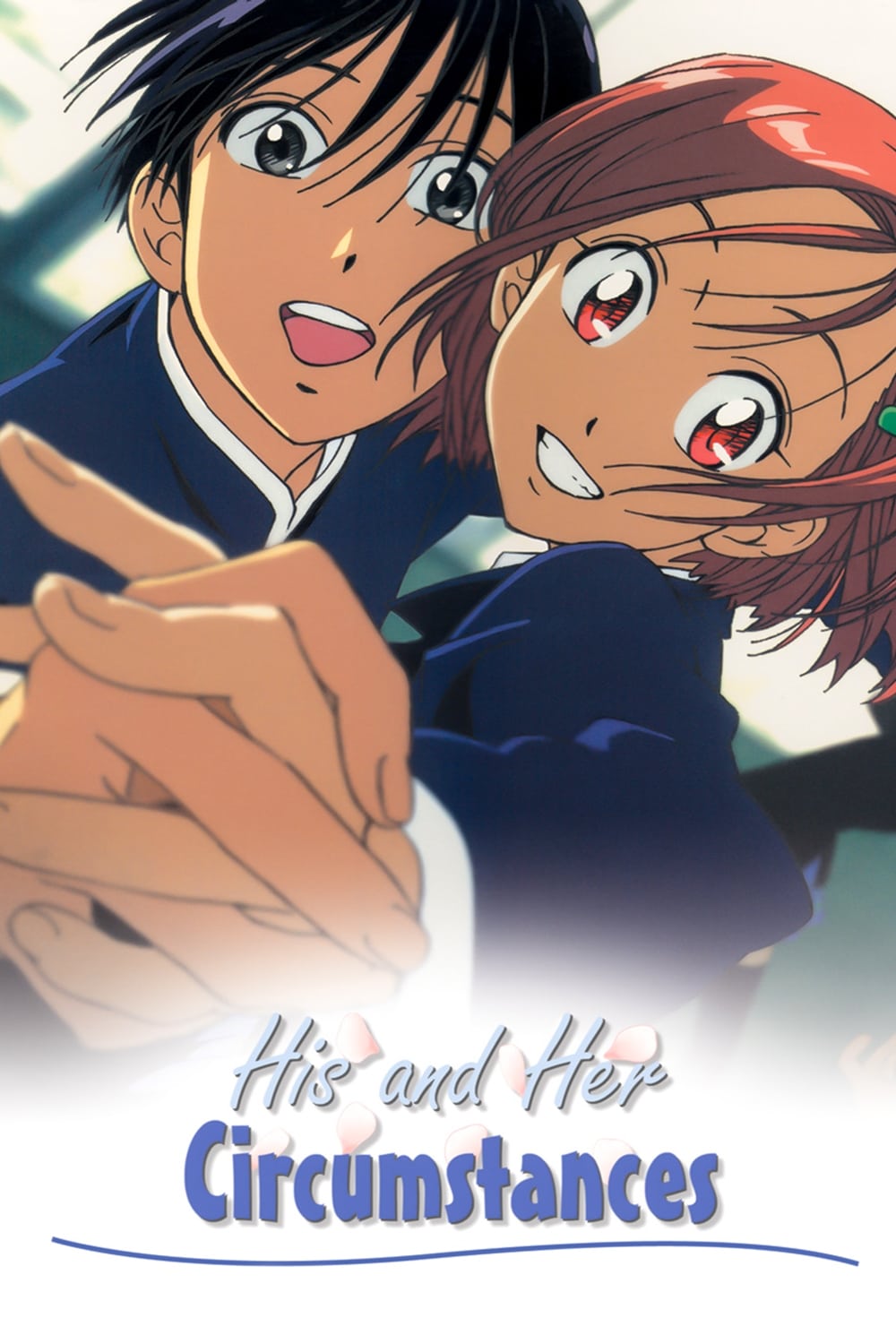
Director Hideaki Anno and the original manga creator disagreed about how the story should be adapted. As production went on, the show ran out of money, forcing the team to use simple animation techniques like puppets and paper cutouts. Eventually, the director left the project unfinished, leaving the last episodes in a bizarre and unusual state. Despite being created through both financial struggles and creative differences, the show’s unique visual style became instantly recognizable.
‘Princess Mononoke’ (1997)
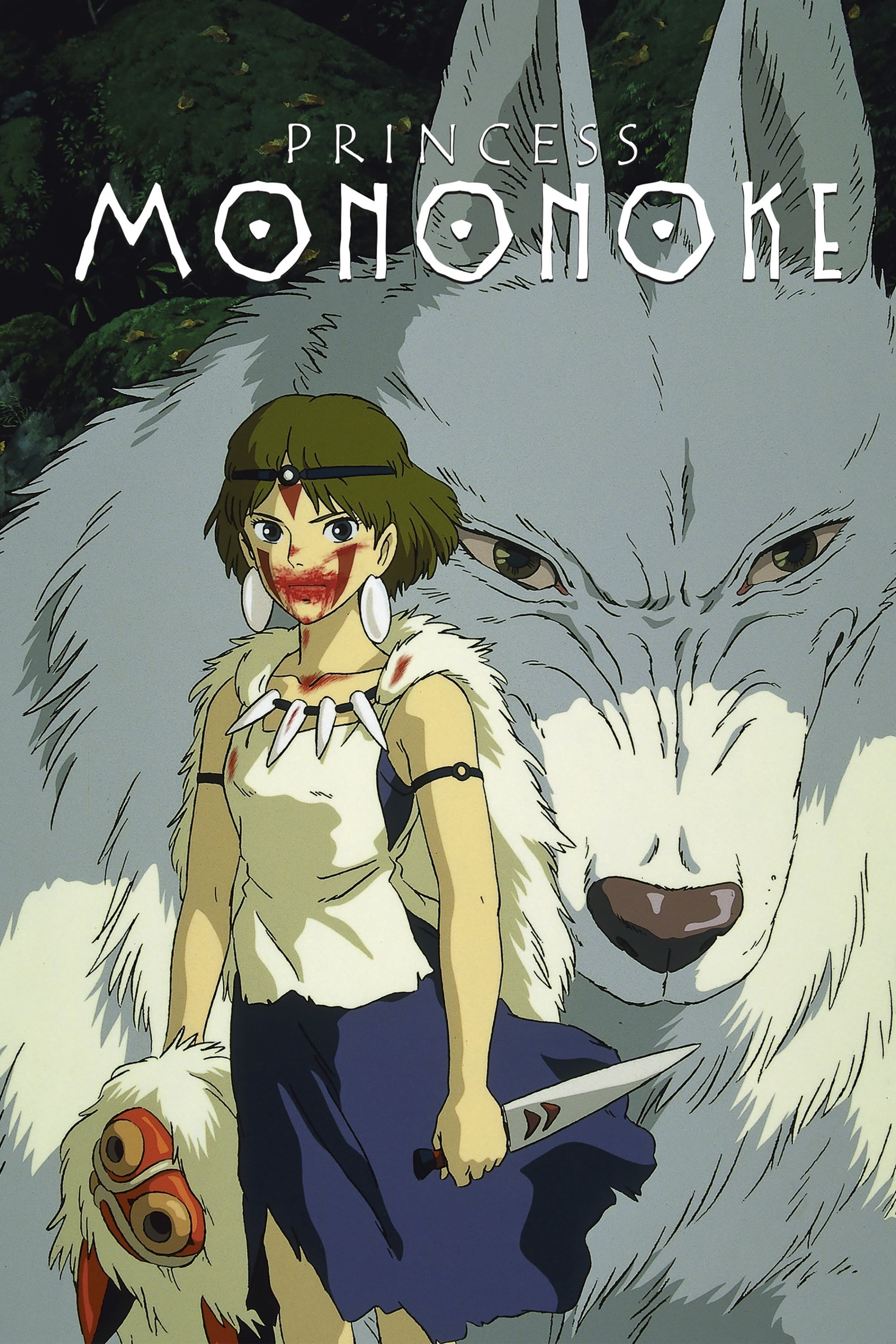
When Harvey Weinstein tried to heavily edit the American release of the film, Studio Ghibli’s Toshio Suzuki famously sent him a Japanese katana with a clear message: don’t cut it. The production process was incredibly stressful for Hayao Miyazaki, who initially announced his retirement after finishing the movie, though he later returned to filmmaking. This firm resistance ensured audiences worldwide saw the director’s original vision.
‘Steamboy’ (2004)
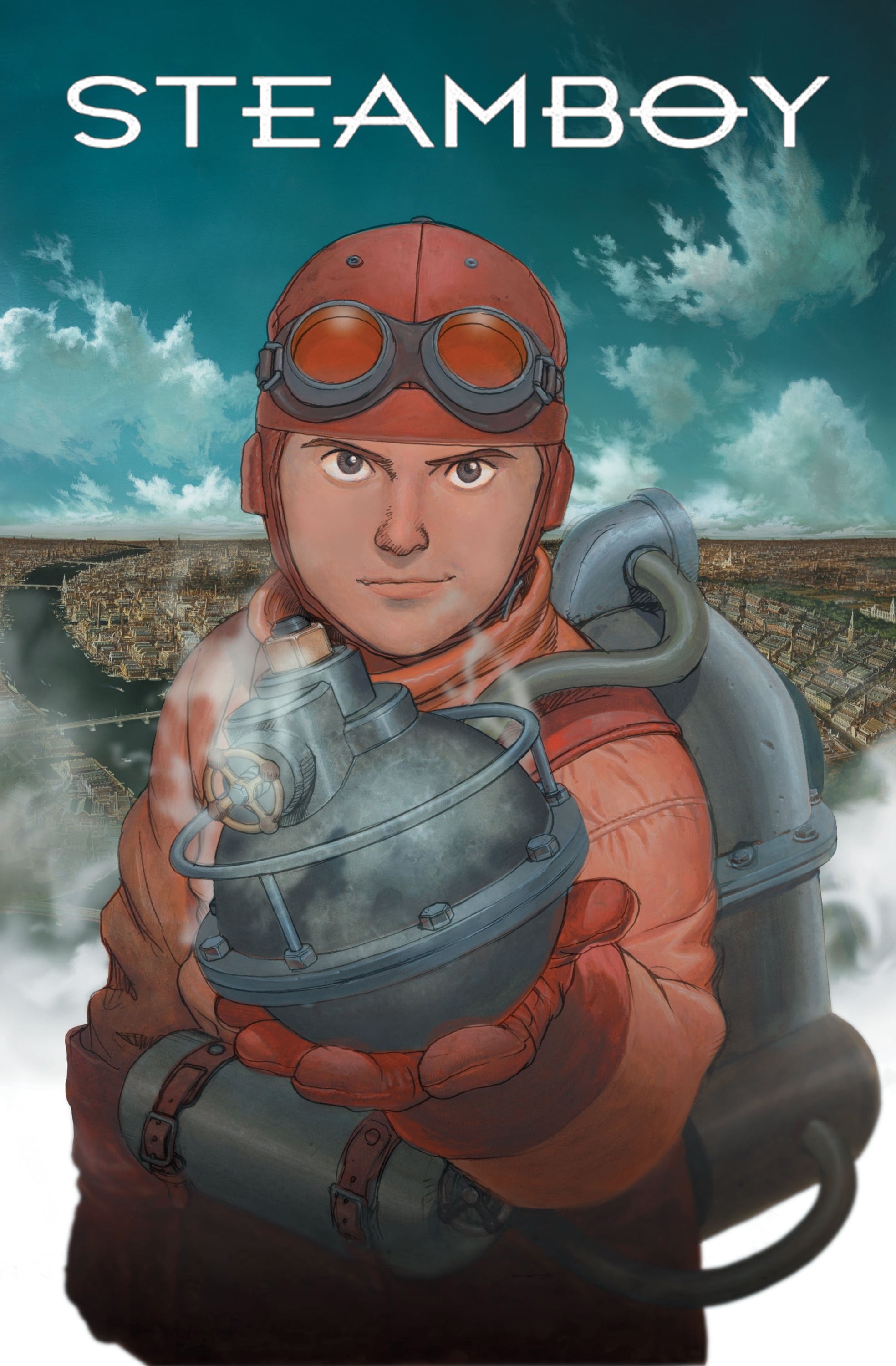
After achieving success with his earlier work, Katsuhiro Otomo dedicated a decade to creating this ambitious, steampunk-inspired film. It involved over 180,000 hand-drawn images and groundbreaking digital compositing for its time. Because of the long production process, the technology used continued to advance as the movie was being made. As a result, it remains one of the most costly and painstakingly produced animated films in Japanese history.
‘The Castle of Cagliostro’ (1979)
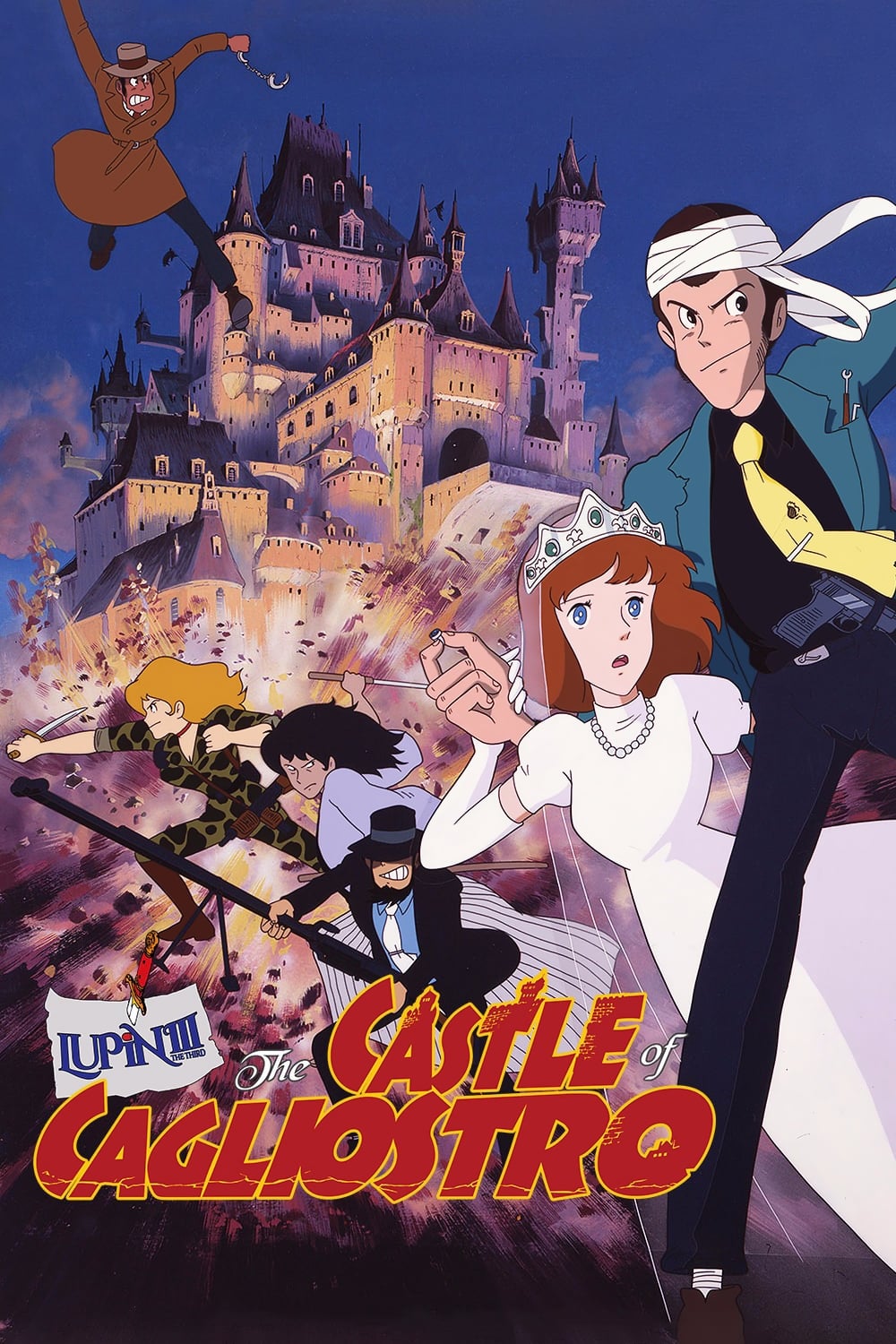
Hayao Miyazaki quickly wrote and directed this film in about four months. The tight schedule meant the team had to work constantly to finish it on time. Even with the fast pace, the movie is now considered a classic adventure film, proving that strong direction can sometimes succeed despite very limited time.
‘Ex-Arm’ (2021)
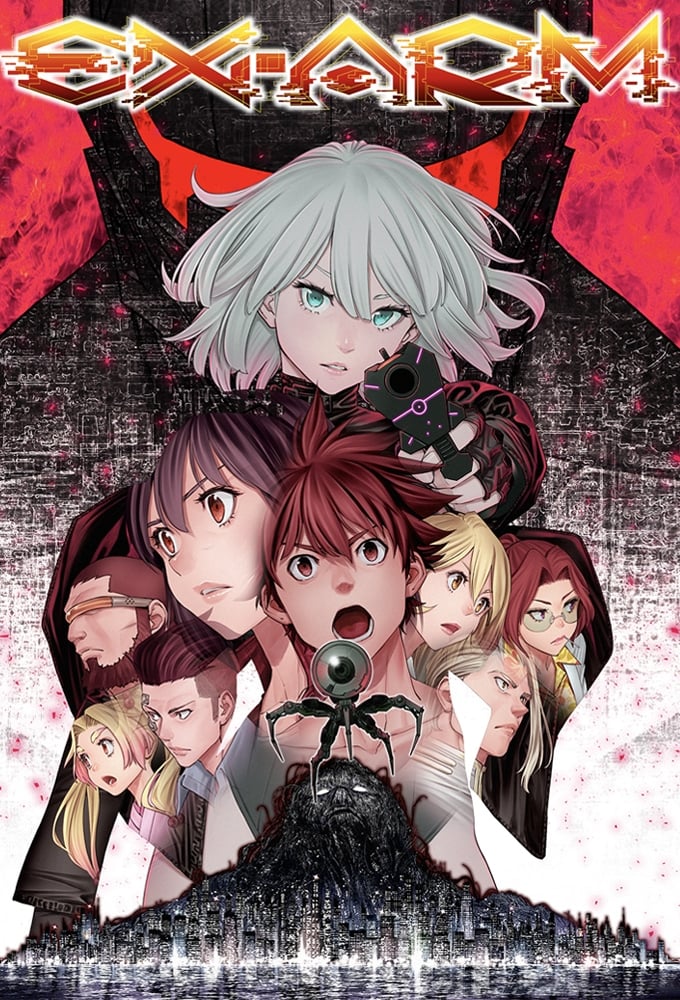
The team making the show hired a director with a background in live-action films, but no experience with animation. They chose to use motion capture instead of traditional animation methods, which resulted in characters that moved awkwardly and didn’t look realistic. Experienced animators weren’t involved in key creative decisions, and this ultimately led to poor visual quality. The show is often used as an example of what happens when you don’t listen to the advice of skilled professionals.
‘Berserk’ (2016)
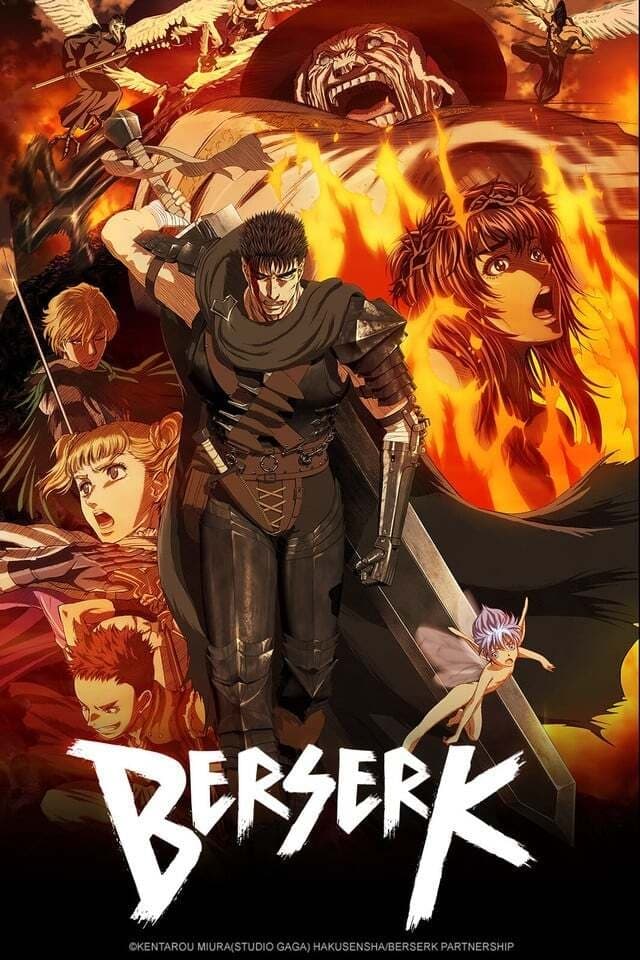
The studio tried a new technique, combining classic hand-drawn art with 3D computer graphics. Unfortunately, this experiment led to stiff character animation and flat-looking visuals, which fans strongly disliked. The director also had trouble with the lighting, making scenes appear blurry and unclear. These technical issues ultimately distracted from the story and left fans of the original work feeling let down.
‘FLCL’ (2000–2001)
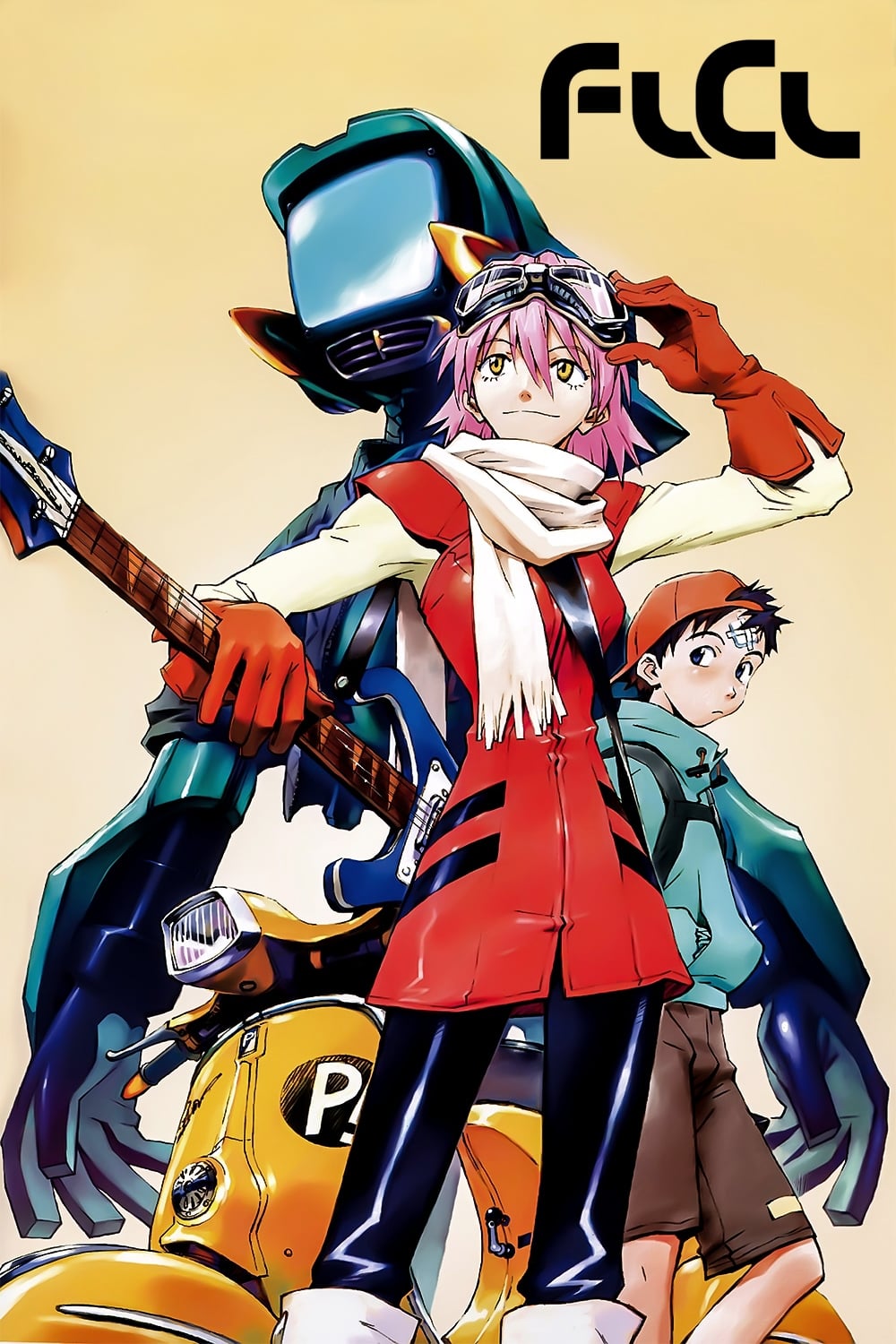
Gainax created this animated series as a way to try out new artistic techniques and relax after working on demanding projects. The animation style shifts unexpectedly throughout the episodes, playfully mixing in elements from manga and even parodies of South Park. The story doesn’t make a lot of sense on purpose – the creators prioritized visual experimentation and how well the animation synced with the music. It’s a great example of what happens when animators have complete freedom to be creative.
‘Pop Team Epic’ (2018)

To create each episode, the show’s creators worked with multiple animation studios, each handling different parts. They also recorded every episode twice, using different voice actors for the main characters each time. One particularly unique segment was made by AC-bu, who combined simple paper flip-book animation with live-action footage. This unusual and somewhat disorganized way of making the show actually fit the wacky and unpredictable humor of the original manga perfectly.
‘Mobile Suit Gundam’ (1979–1980)
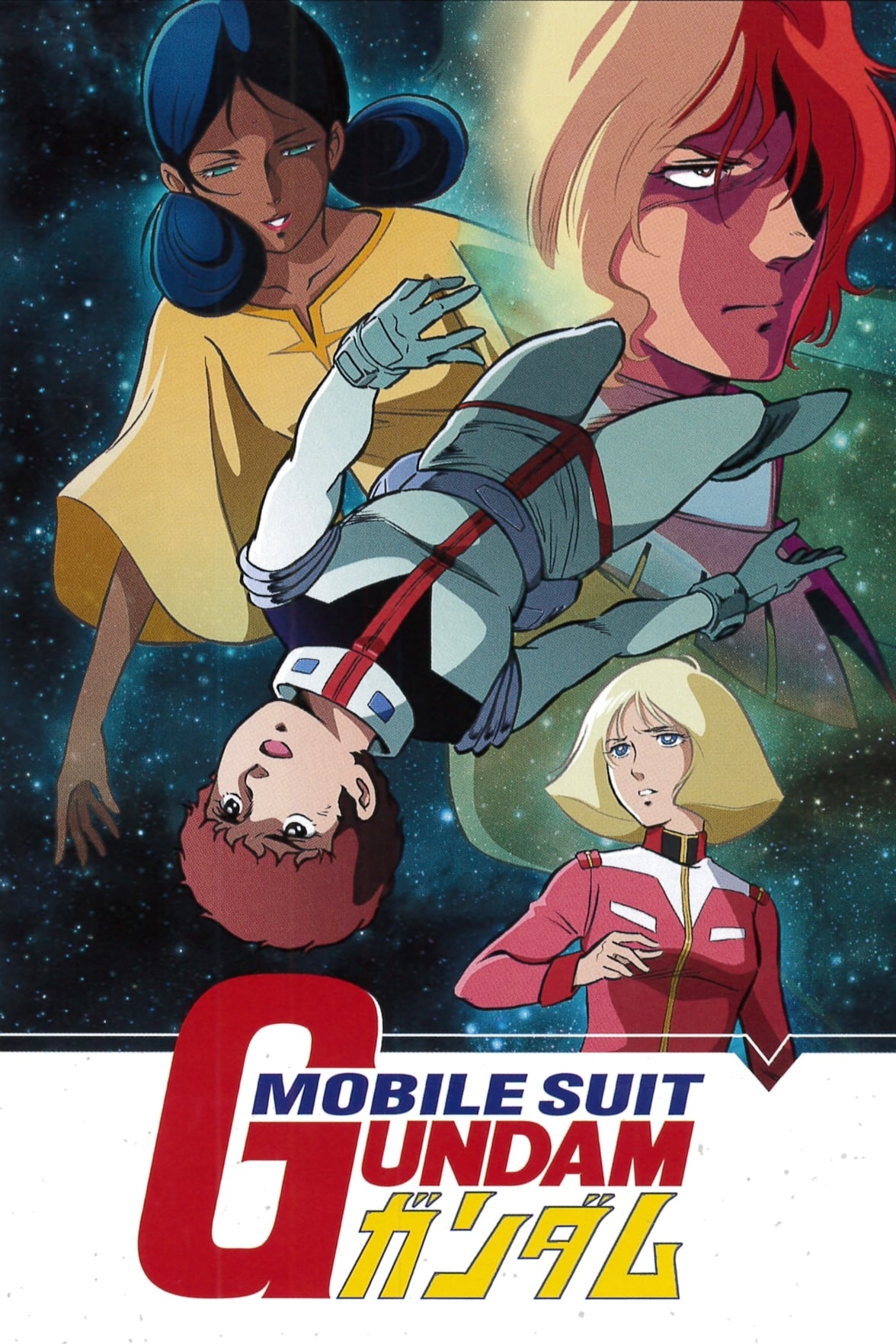
The show didn’t get many viewers at first, so the network ended the season with fewer episodes than originally planned. This forced director Yoshiyuki Tomino to quickly rework the ending and wrap up the story sooner. Surprisingly, this change actually made the show move faster and created a more exciting finale. Later on, strong sales of model kits based on the show brought it back to life and turned it into a huge cultural phenomenon.
‘Space Runaway Ideon’ (1980–1981)
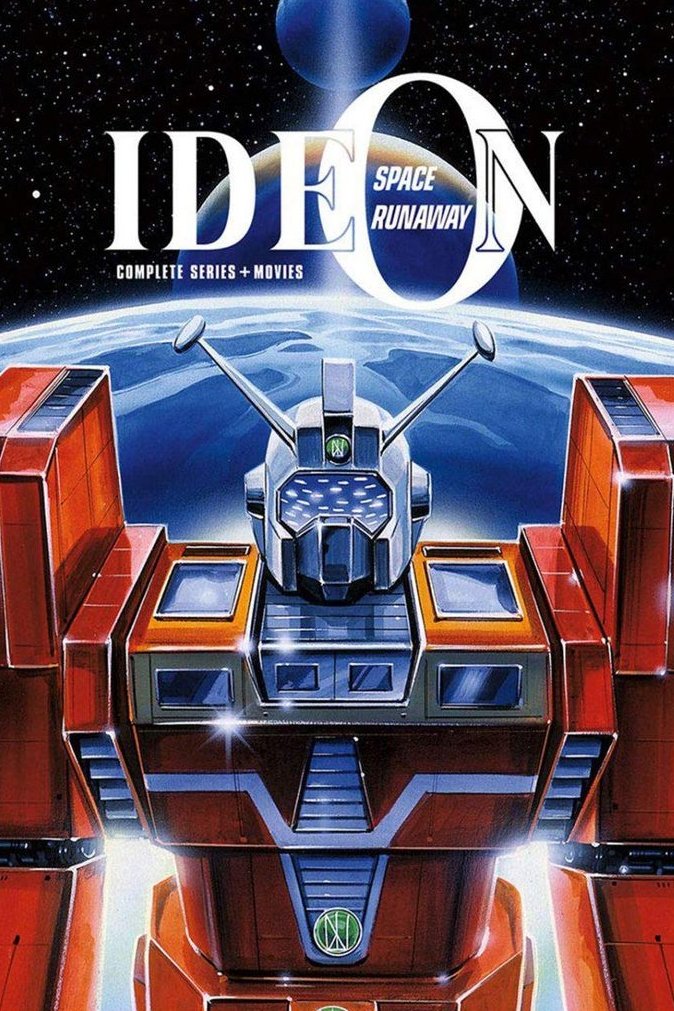
The series was canceled due to poor viewership before it could finish its story. The creators decided to end the show with the destruction of the entire universe because they didn’t have enough time to resolve the plot. Later, they were given the opportunity to release the planned final episodes as a movie, allowing for proper animation. These production struggles ultimately led to the anime being known for its particularly bleak and upsetting ending.
‘Fullmetal Alchemist’ (2003–2004)
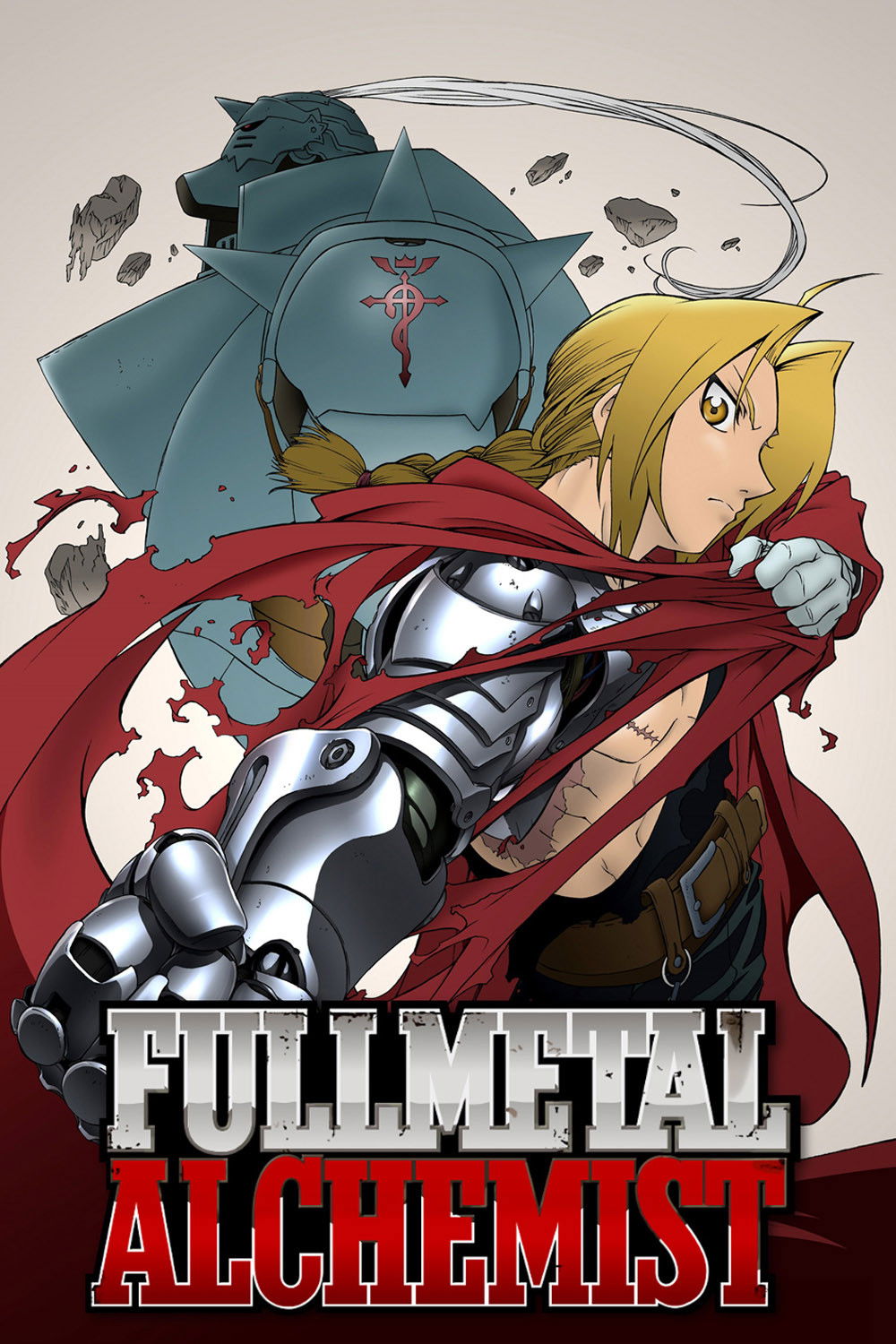
The anime adaptation quickly surpassed the manga it was based on. The studio then requested the author’s permission to go in a new direction and create its own ending. This led to a story that’s more mature and different in tone from the original manga. It’s unusual for a series to have both a faithful adaptation and a completely original one.
‘Pokémon’ (1997)
Episode 38 of the show caused seizures in many children in Japan due to a rapidly flashing strobe light. Production was paused for several months while health experts and television networks created new rules for how animation is lit. As a result, one particular Pokémon character from that episode was never shown in the anime again. This event ultimately led to changes in how lighting is used in animated shows worldwide.
‘Samurai Flamenco’ (2013–2014)
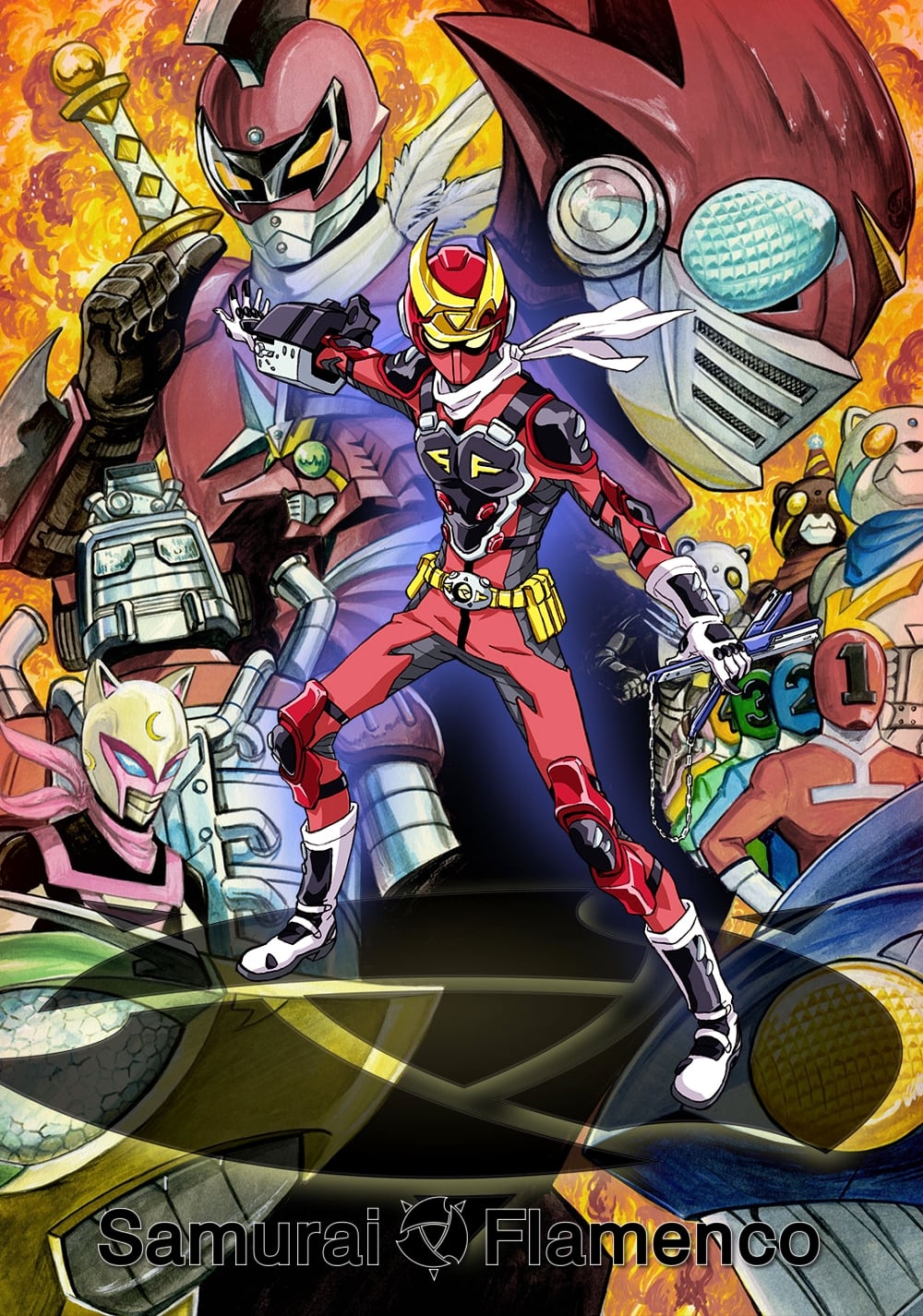
The creators of the show deliberately kept the genre a secret during promotion. It begins as a realistic crime drama, then unexpectedly transforms into a world of colorful monsters and aliens. The writing was carefully crafted to mislead viewers until the big reveal. This surprising twist was a gamble that both confused and captivated the audience.
‘Spirited Away’ (2001)
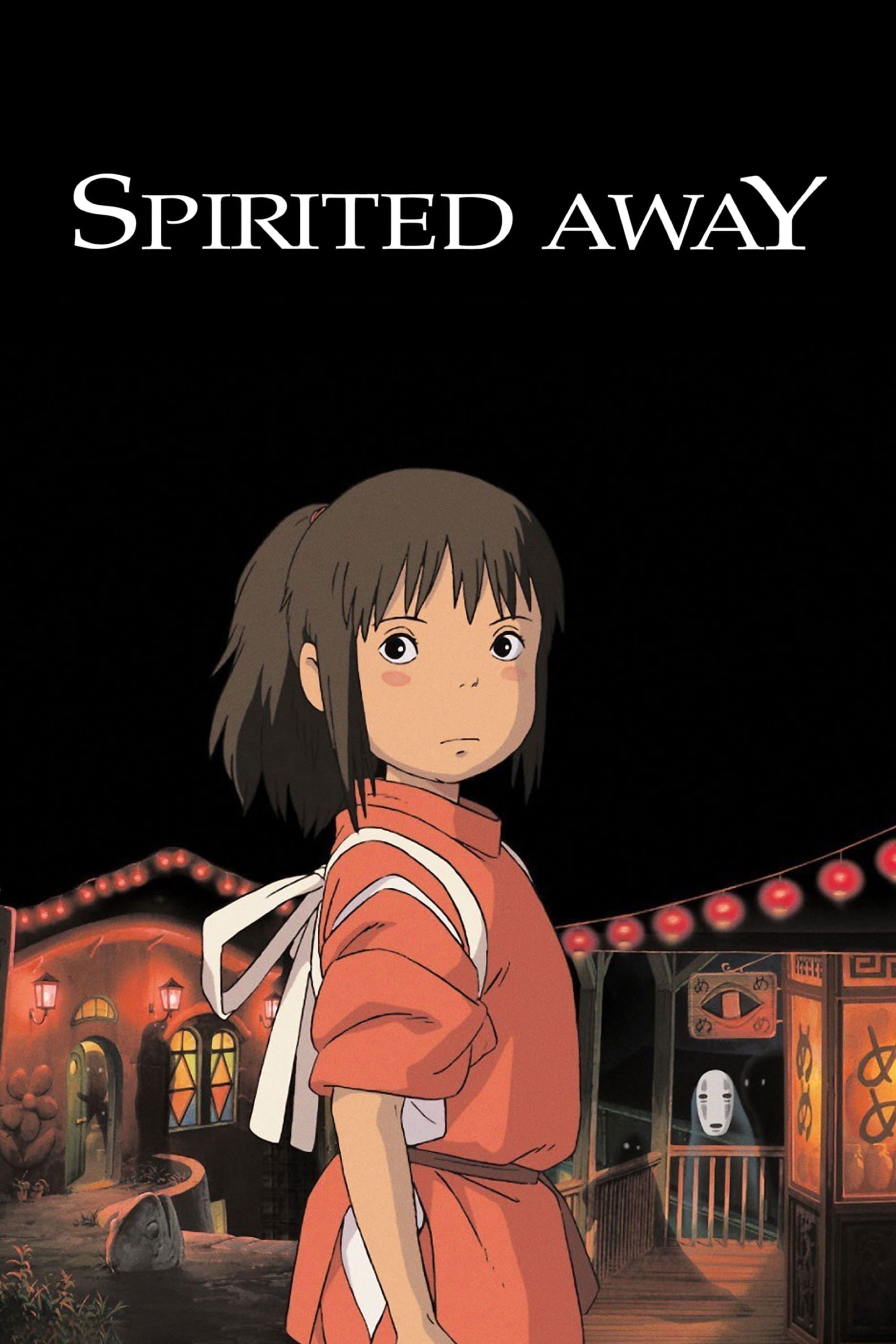
Hayao Miyazaki started creating the film’s storyboards and animation before the script was finished, and even without knowing how the story would end. As production went on, the narrative unfolded naturally, which put a lot of pressure on his team. Instead of the story dictating the visuals, the artwork actually shaped the story. This instinctive approach led to the film’s uniquely dreamlike and flowing structure, a hallmark of Miyazaki’s work.
‘Howl’s Moving Castle’ (2004)

Originally, Mamoru Hosoda was going to direct the film, but he and Studio Ghibli disagreed on the creative direction, so he left. Hayao Miyazaki, who had stepped back from directing, returned to take over and essentially start the movie all over again. This sudden change in leadership created a lot of stress for the animators as they worked to finish the film. Despite the difficult start, the finished movie clearly showcases Miyazaki’s unique style.
‘Bubblegum Crisis’ (1987–1991)
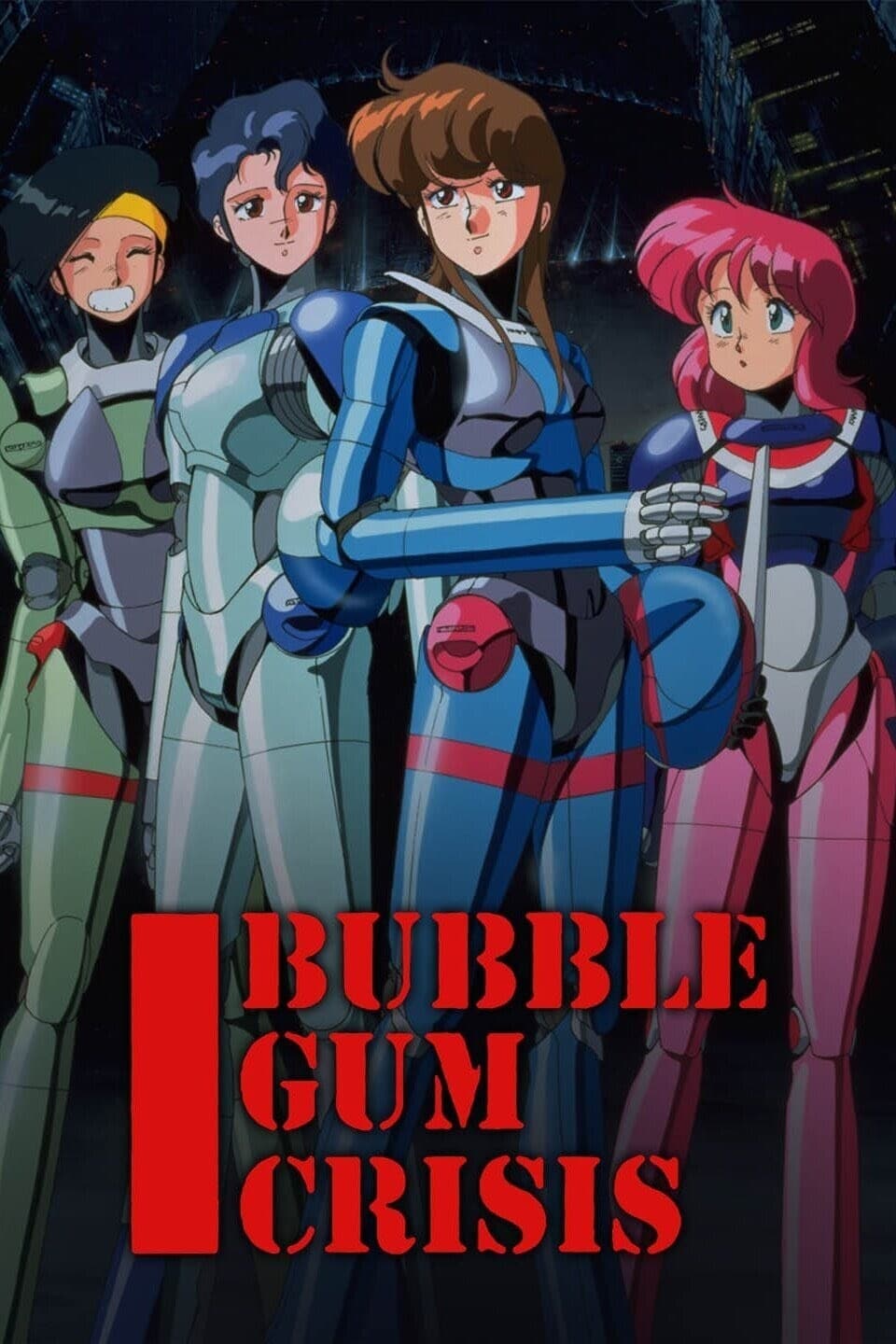
The cyberpunk show was originally planned for thirteen episodes, but it was cancelled after only eight due to disagreements and legal problems between the companies making it. Although the original story was cut short, the creators later made a new series that continued the ideas they had for the first one. Many fans still feel disappointed about how the initial series ended so suddenly.
‘Excel Saga’ (1999–2000)
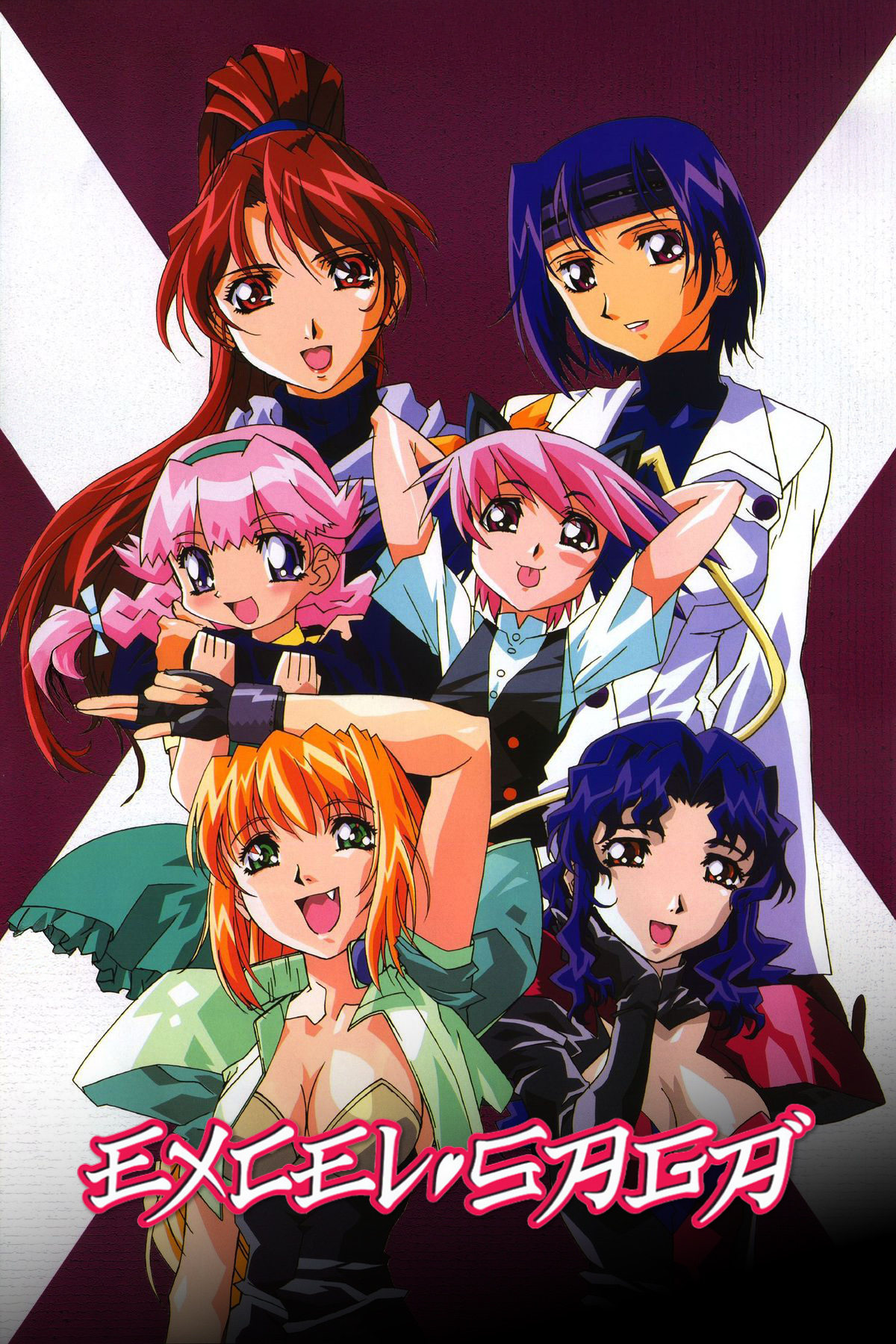
Director Shinichi Watanabe deliberately pushed boundaries with the final episode, aiming to make it too shocking for television. It featured a lot of violence and nudity, and also exceeded the standard time limit by three minutes. As a result, the network wouldn’t broadcast it, and it was only released as an extra feature on the DVD. The team successfully created an episode that was considered too controversial to air.
‘Megazone 23’ (1985)
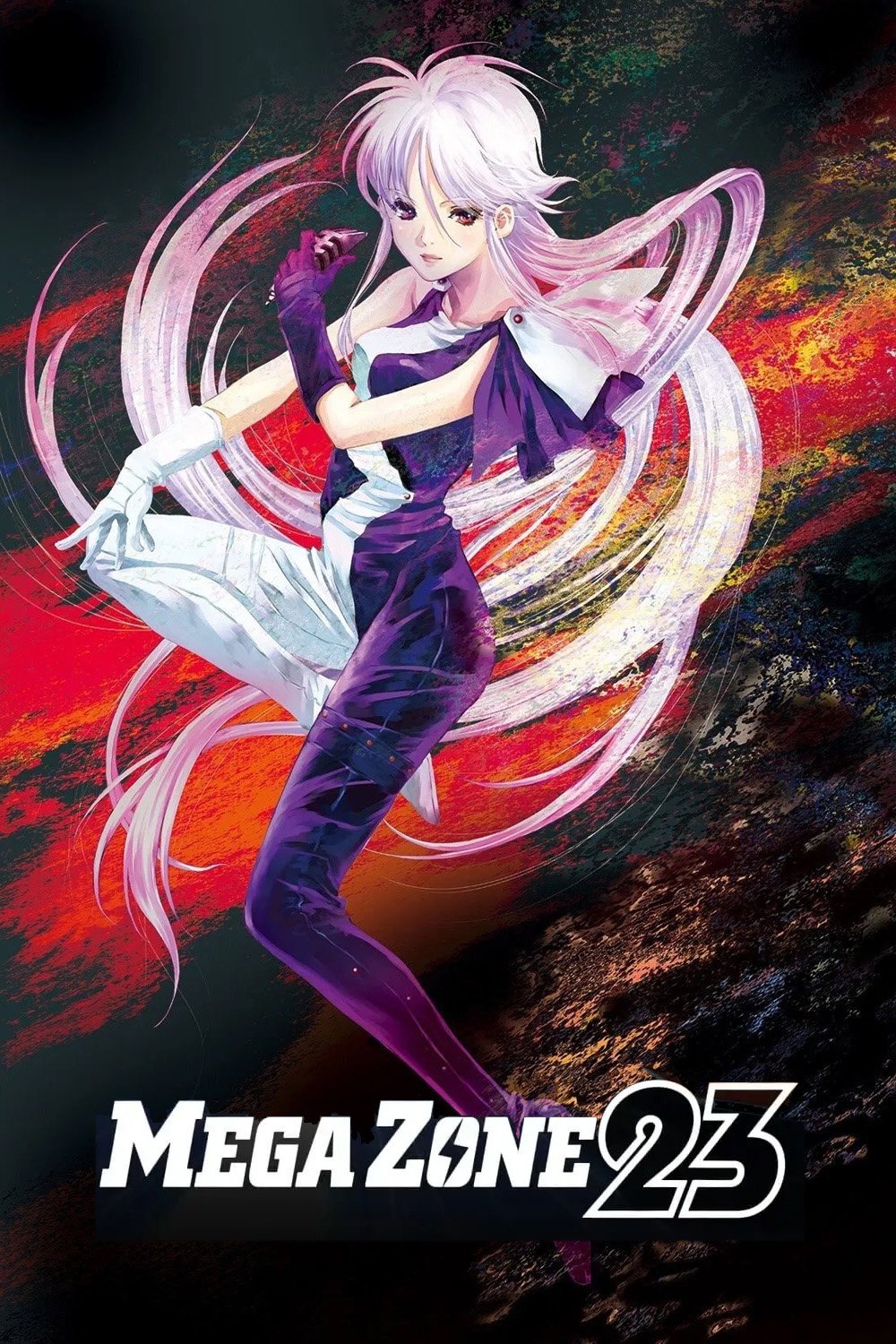
The animation was first made for a TV show that never aired. The creators then reworked the existing footage into a single, original video animation (OVA). This unexpectedly played a key role in the rise of the OVA market in Japan. The story feels a bit fragmented because it originally covered multiple episodes of the planned TV series, but was compressed into a single movie.
‘Robotech’ (1985)
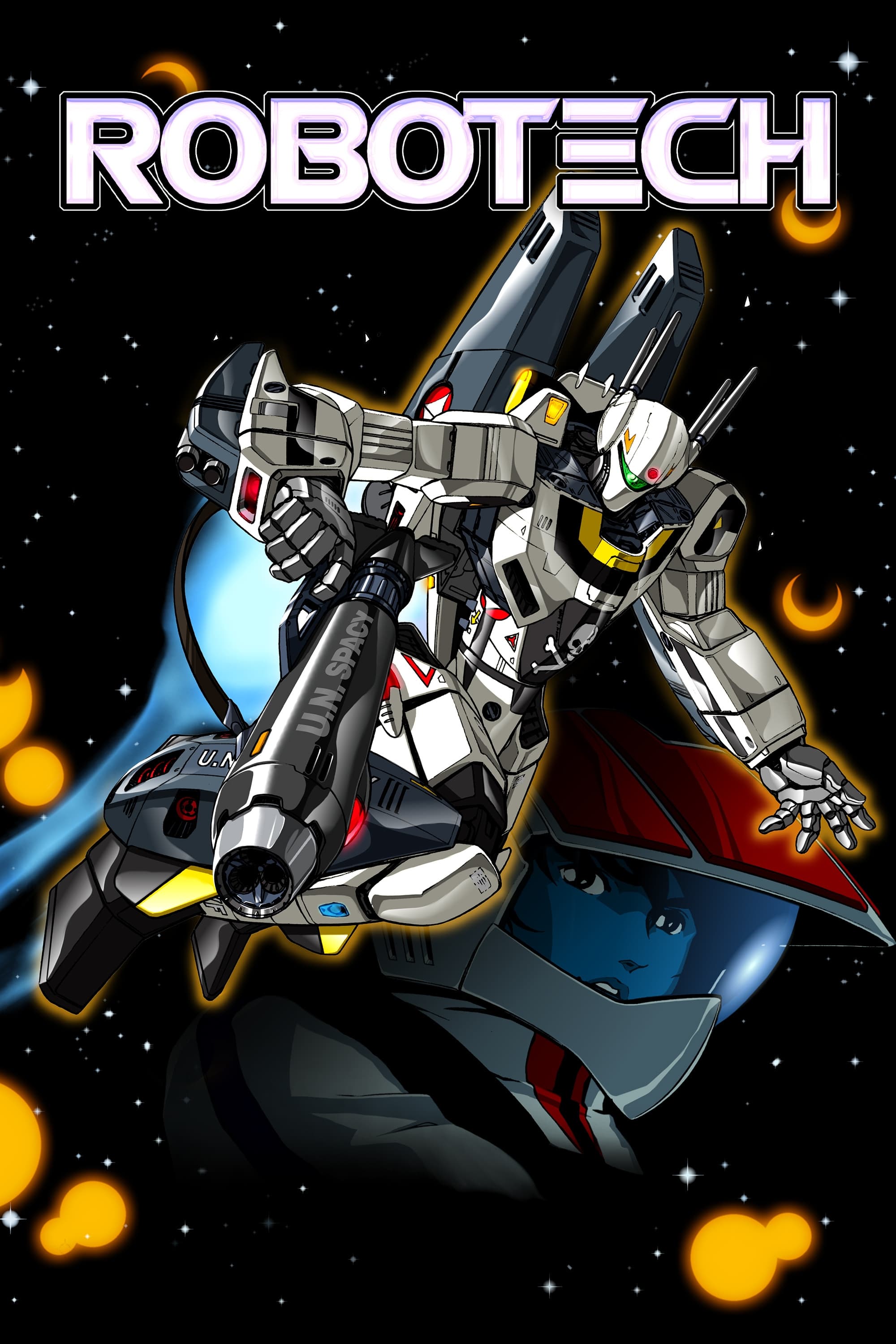
Harmony Gold bought the rights to three separate anime shows from Japan. They then creatively combined them into one long, connected story by rewriting the scripts and editing the video. To make it all work, the team created a detailed backstory to explain differences in things like technology and how characters looked. This innovative approach helped introduce many Western viewers to anime for the first time.
‘Astro Boy’ (1963–1966)
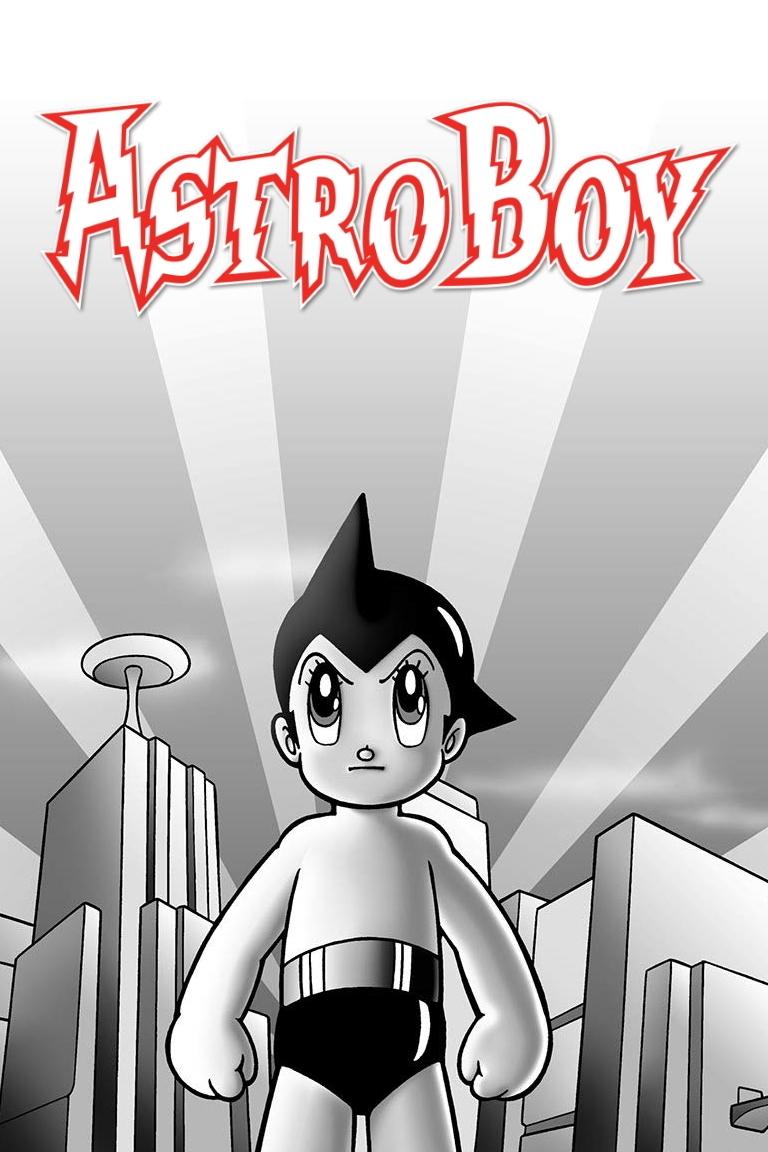
Osamu Tezuka often quoted very low prices to TV networks to get his series aired. To make this work with such a tight budget, the team developed innovative but cost-cutting animation methods, like reusing animation frames and mouth shapes. Unfortunately, this approach also established a pattern of low pay for animators, a problem that continues in the industry today. From the start, the series was made more out of dedication than with the goal of making a lot of money.
‘Shirobako’ (2014–2015)
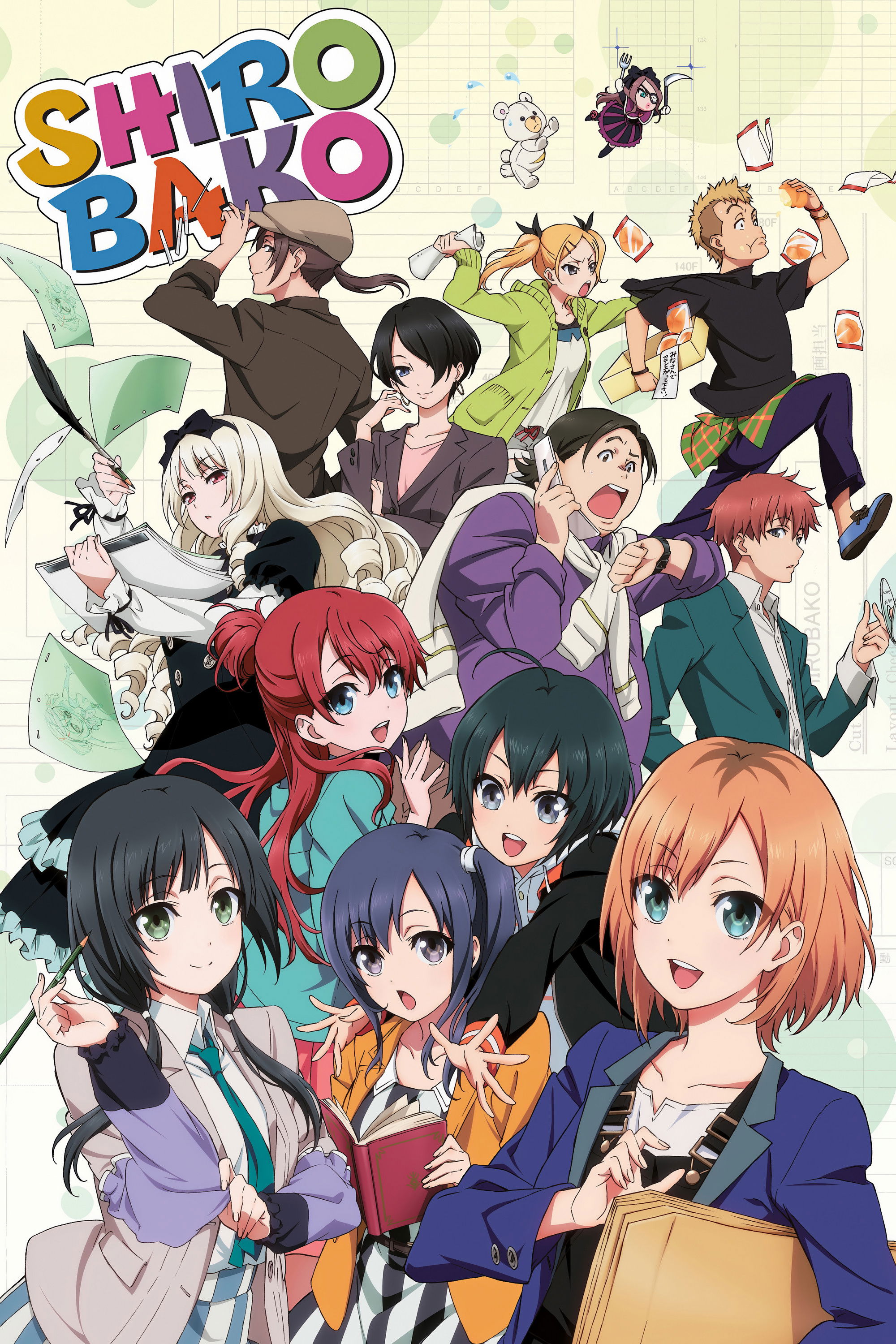
The show cleverly comments on the challenges of making anime, but it ironically experienced similar problems during its own production. The team had trouble finishing the last episodes on schedule, mirroring the anime’s storyline. The director admitted the staff was constantly rushing to meet deadlines as the show aired, essentially turning the production into a live, real-time look at the pressures of the anime industry.
‘God Eater’ (2015–2016)
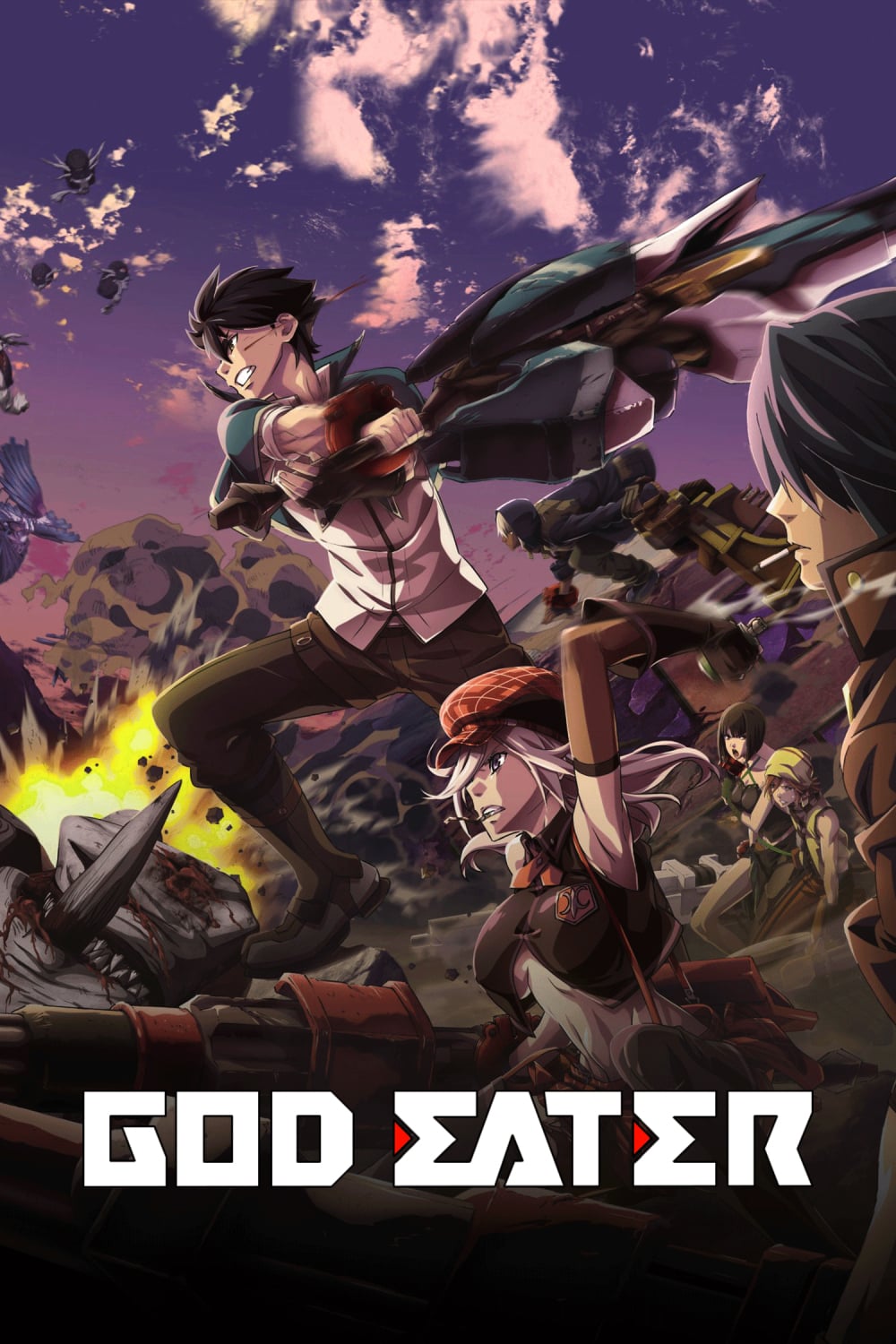
Ufotable aimed for a visually stunning look with detailed post-processing, but this took a very long time to render. Production quickly fell behind, leading to several delays in the show’s broadcast. Eventually, the series had to be put on hold, and the last episodes weren’t aired for several months. Trying to make a series with movie-level quality for television proved too ambitious and caused significant scheduling problems.
‘Girls und Panzer’ (2012–2013)
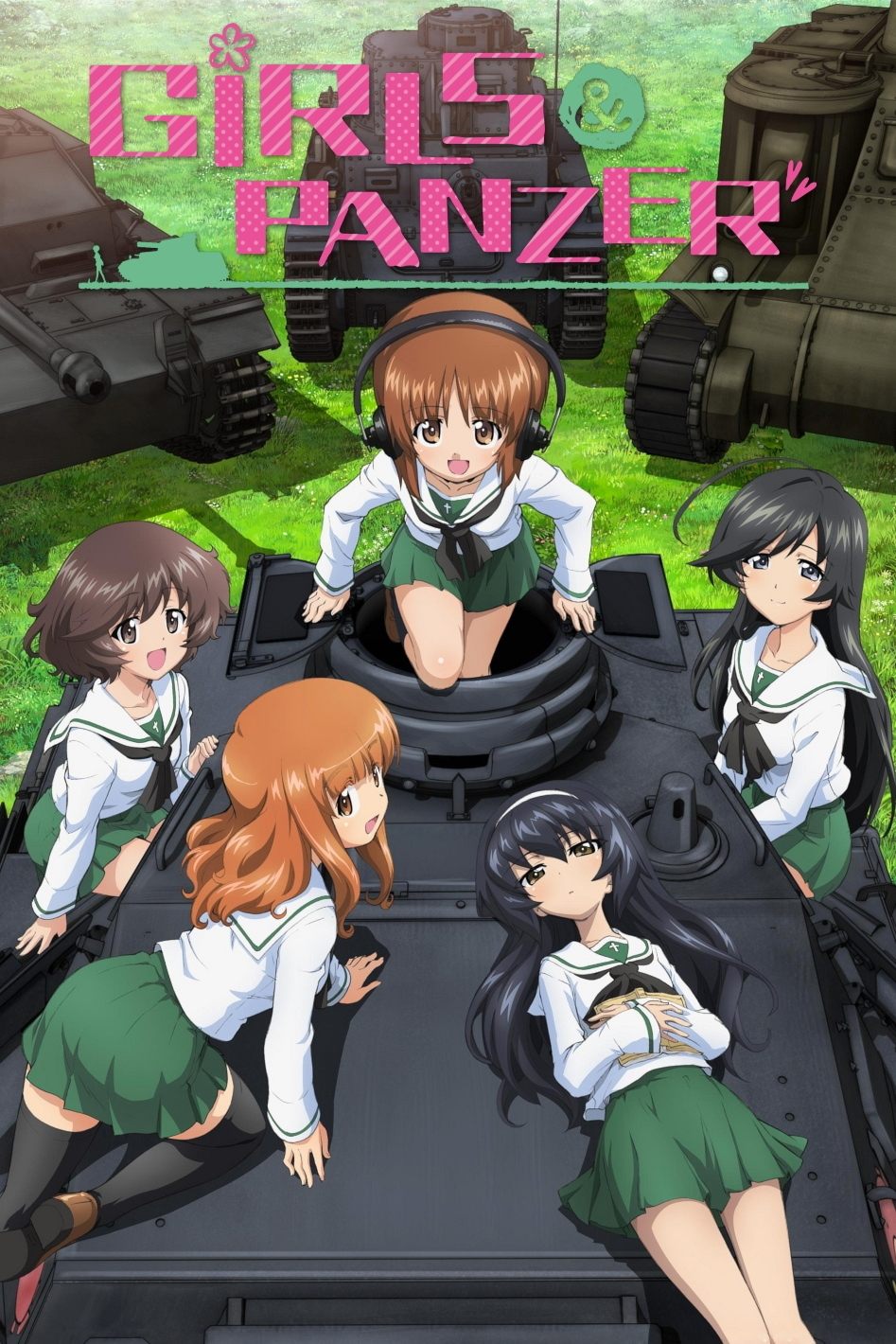
Production issues caused significant delays, forcing the show to air several recap episodes throughout the season. Completing the last two episodes took much longer than expected, leading to a three-month postponement. The director apologized for these delays, explaining they were due to the complex animation involving tanks. The team used the extra time to polish the finale and make sure it was the best it could be.
‘Zom 100: Bucket List of the Dead’ (2023)

Despite a promising start, the show’s production fell apart halfway through the season. Episodes were delayed, leading to the show being pulled from its original timeslot. The remaining episodes eventually appeared on streaming services months later, on Christmas Day. This failure was due to inadequate planning and the studio pushing its staff too hard, especially considering it was a newer company.
‘Uncle from Another World’ (2022–2023)
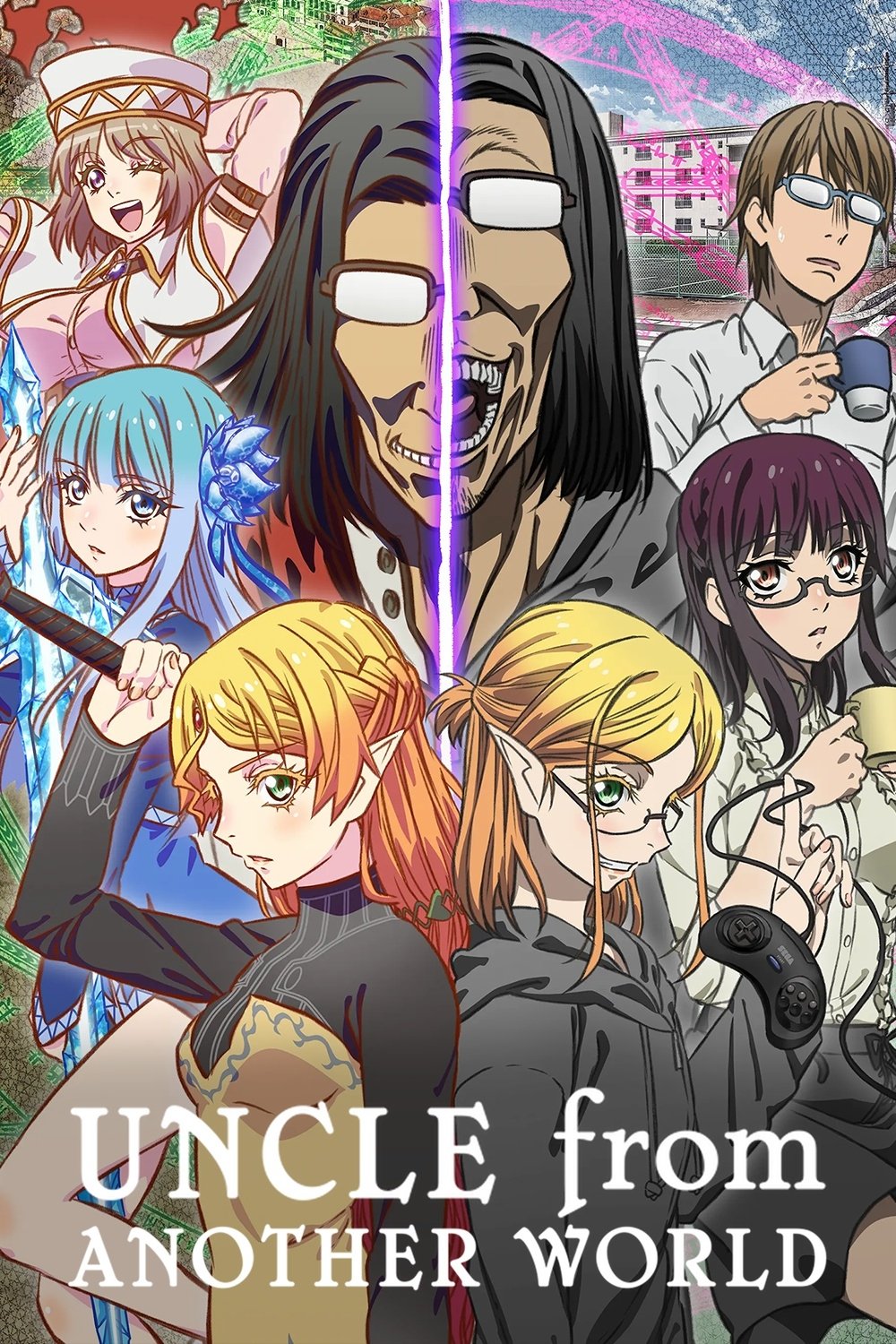
After a Covid-19 outbreak at the studio, the show stopped airing after just seven episodes. Production was put on hold for an indefinite period before eventually restarting with the first episode months later. However, even after resuming, delays kept happening, resulting in a choppy viewing experience for fans. The show unfortunately became a clear illustration of how easily disrupted modern animation production can be.
‘NieR:Automata Ver1.1a’ (2023)
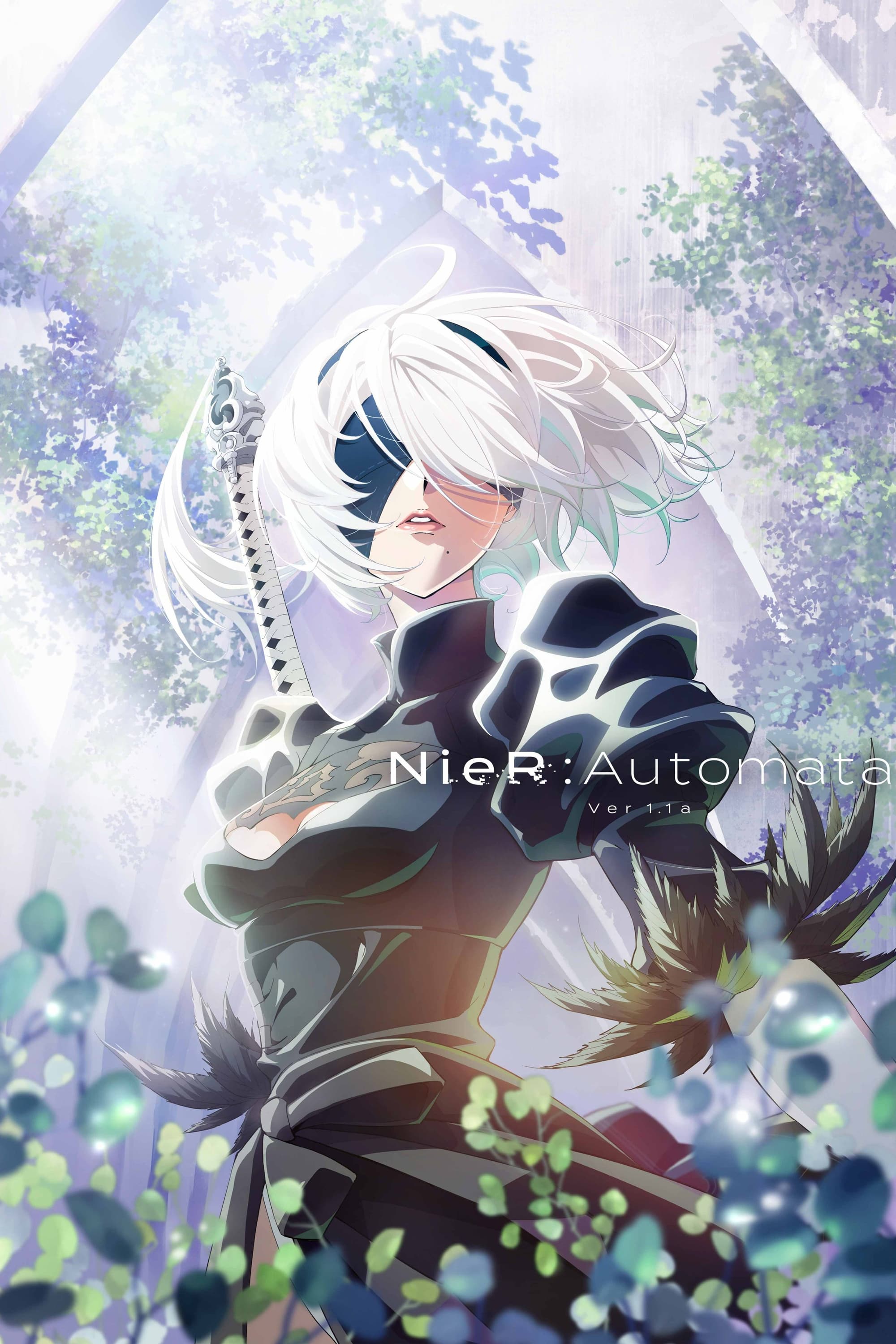
Like many shows on television, production was paused for several months because of the pandemic. The show didn’t air for quite a while before finally returning to complete the season. The team behind the show had to issue a public apology for the break, which unfortunately slowed down the series’ progress. The delays also showed how much the television industry depends on companies it works with overseas, and how those relationships were affected by global events.
‘Ninja Slayer From Animation’ (2015)
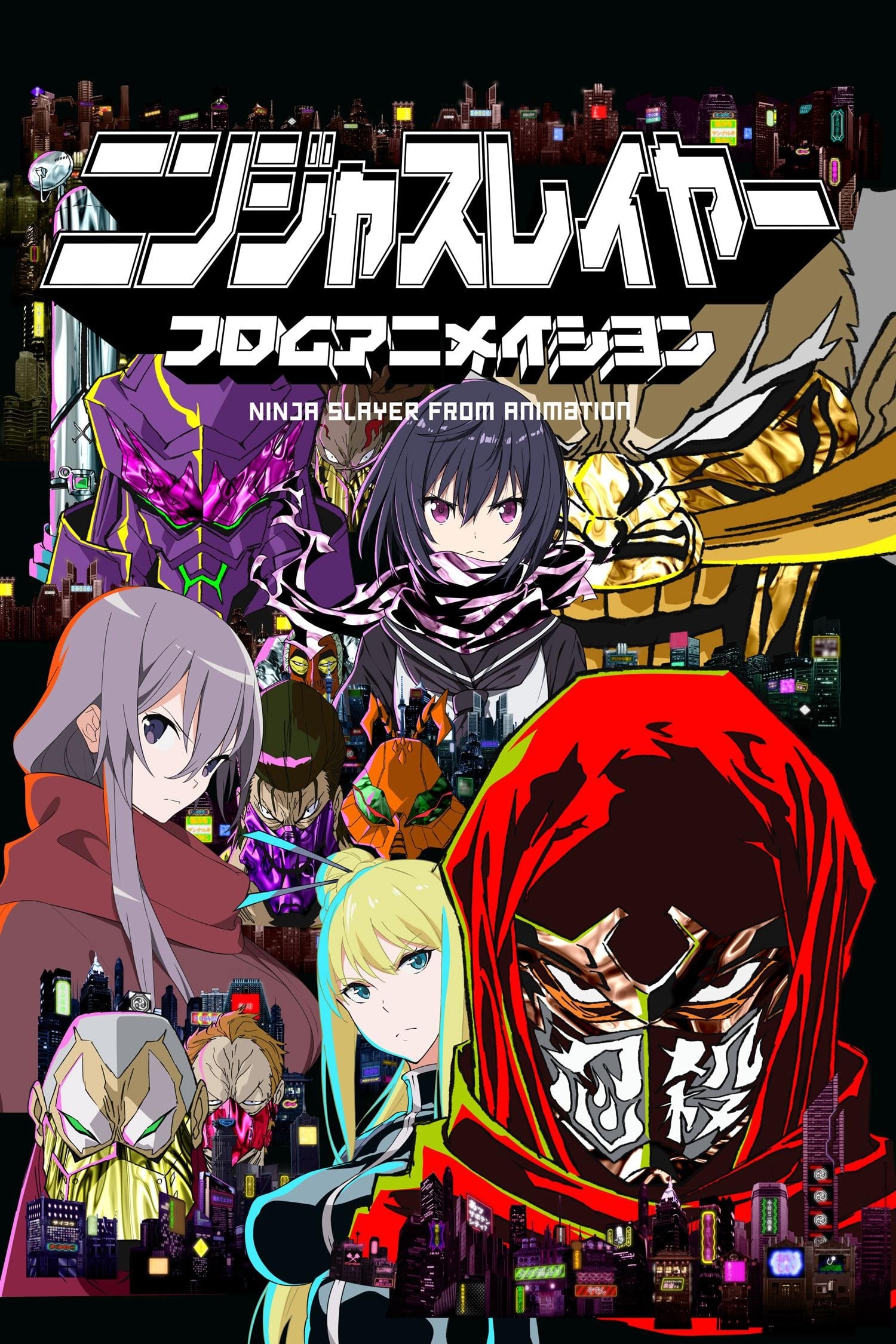
Studio Trigger intentionally gave the series a rough, fast-paced look, similar to old internet videos. Even though they could have made a traditionally formatted anime, they chose a square 4:3 aspect ratio and used simple, still images. This was a playful trick on viewers expecting their usual high-energy animation – a way to have fun with the audience while also keeping production costs down.
‘Inferno Cop’ (2012–2013)
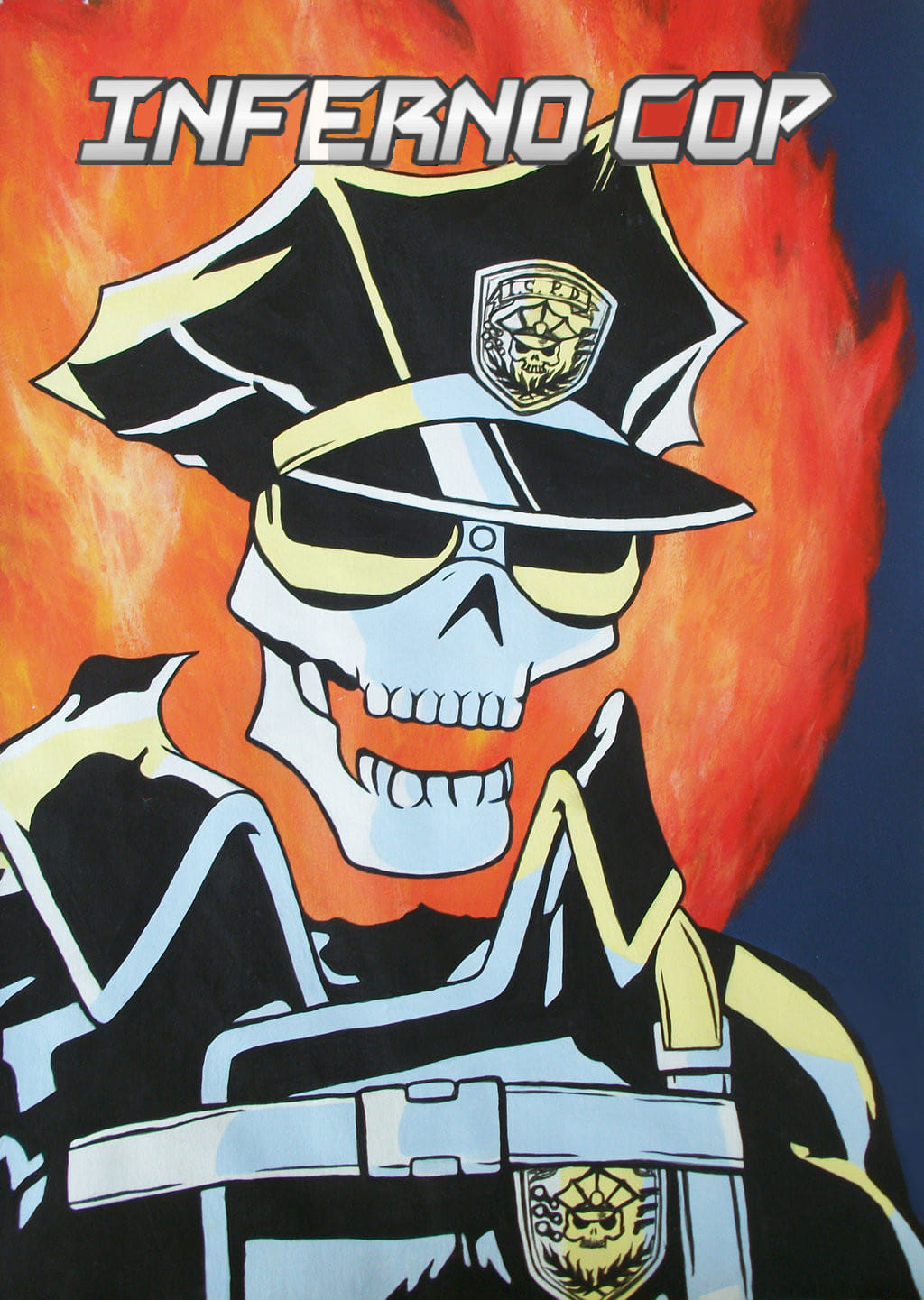
The series was made incredibly quickly by a small team with almost no money. The animation is simple – just still images moving across the screen. Voice actors improvised their lines with very little editing. Despite the limited resources, the project proved that you can create successful content even on a shoestring budget.
‘Cowboy Bebop’ (1998–1999)
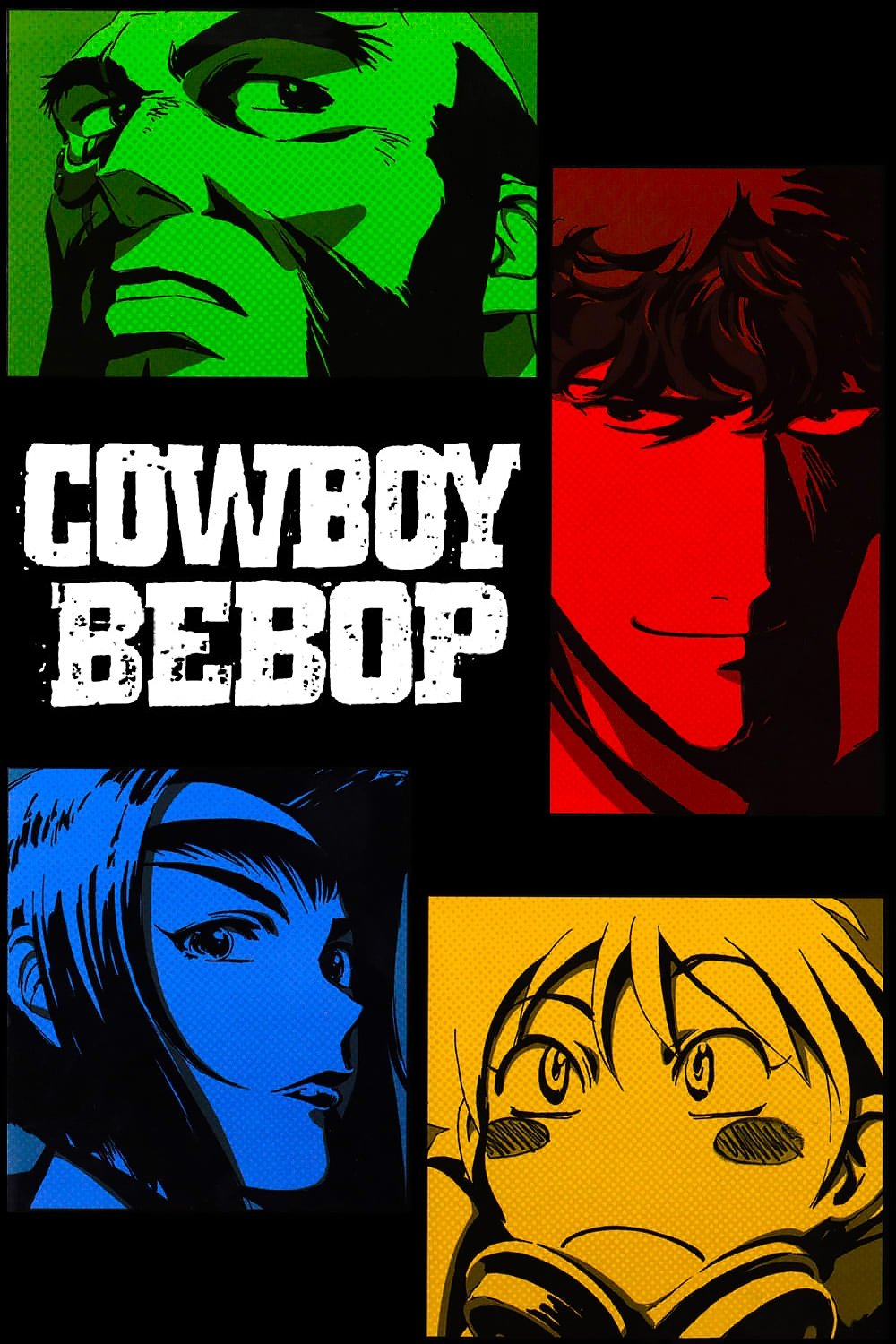
The show initially received funding from a toy company hoping to promote spacecraft-related merchandise. However, director Shinichiro Watanabe envisioned something far more complex and mature than a children’s program. When the toy company withdrew its support, the show faced cancellation. Luckily, another company stepped in, and this unexpected turn of events ultimately allowed the series to evolve into the critically acclaimed, noir-style production it became.
‘Macross: Do You Remember Love?’ (1984)
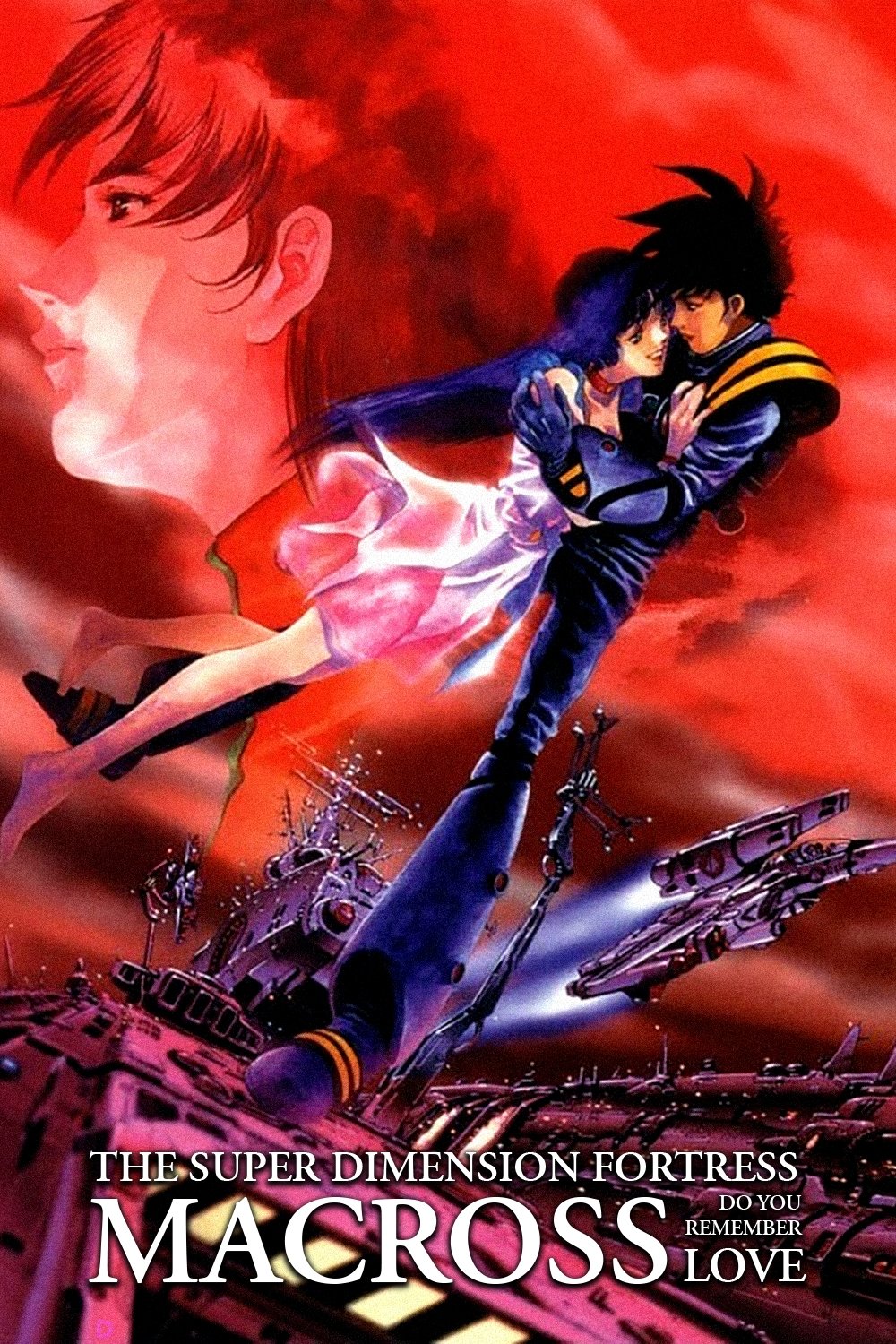
Creating the film was incredibly demanding, pushing the team to their limits. Staff members worked and lived at the studio for months, with some animators even sleeping at their desks and struggling to maintain personal hygiene to finish on time. The complex mechanical animation demanded intense concentration, leaving everyone exhausted. While the film is visually stunning, it came at a significant personal cost to those who made it.
‘Attack on Titan’ (2013–2023)
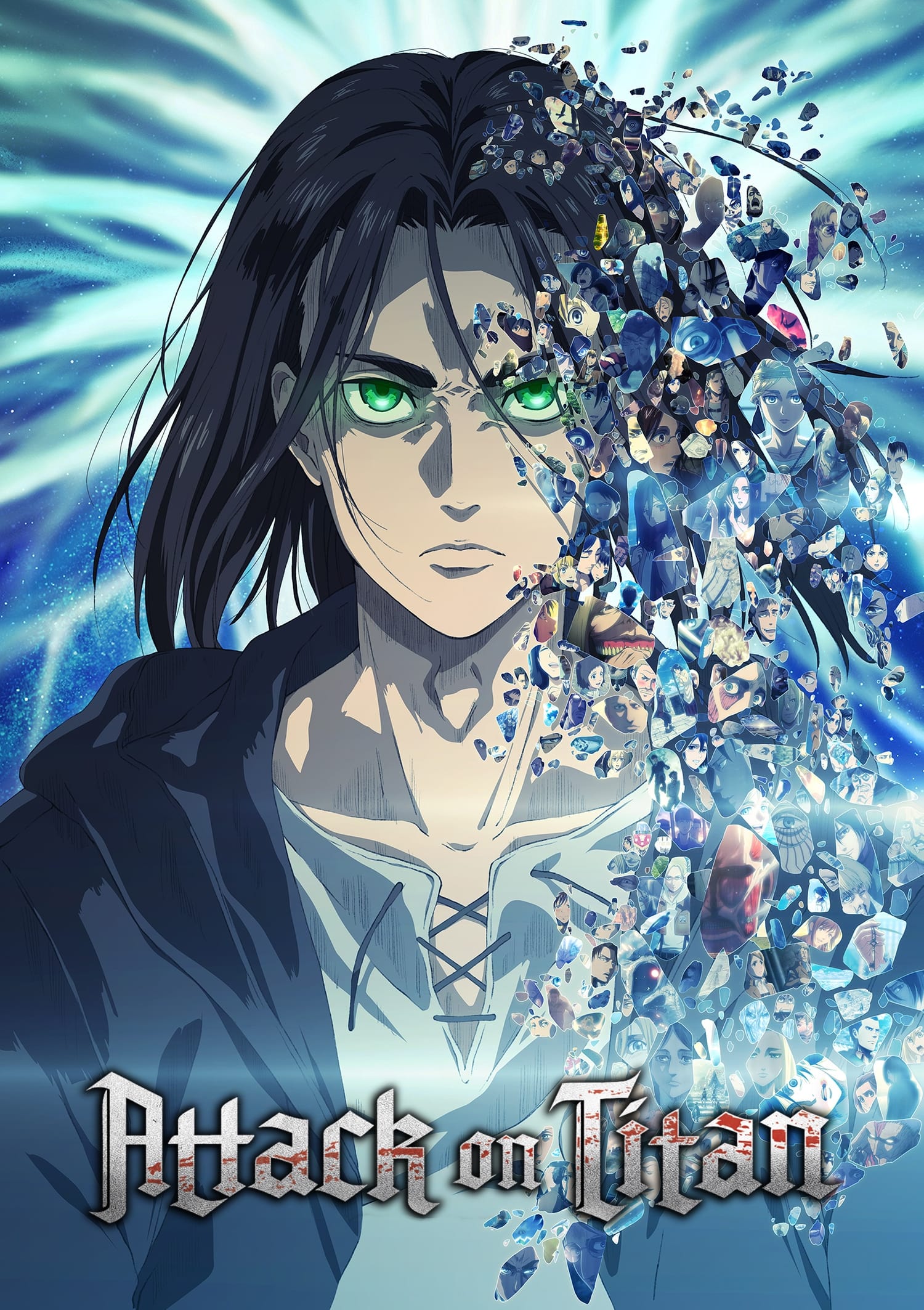
For the first three seasons, WIT Studio handled the animation, but the workload eventually became too much for them. MAPPA took over for the final season and had to work incredibly quickly to finish it. This change in studios also meant a different art style and more computer-generated imagery for the Titans. The people in charge of the show wouldn’t postpone the release date, which put a lot of pressure on MAPPA.
‘Mars of Destruction’ (2005)
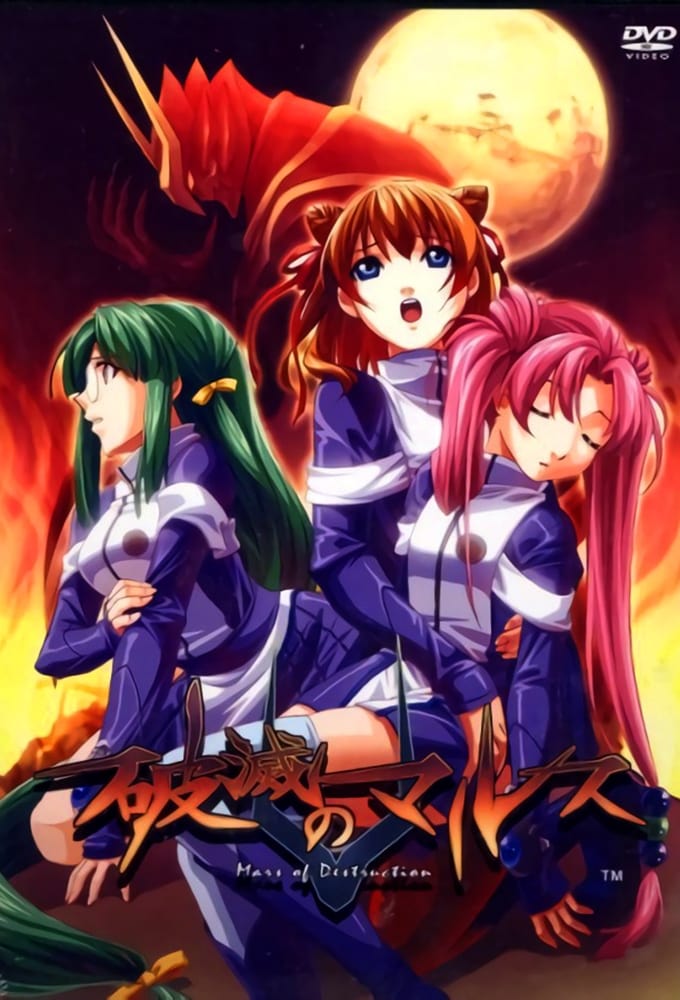
Let me tell you, as someone who’s seen a lot of anime, this OVA is consistently ranked among the absolute worst – and sadly, it’s easy to see why. Technically, it’s a disaster. The sound is so poorly mixed that you can barely hear what anyone is saying, and the animation feels incredibly rough and unfinished. It’s clear this was made by a game company dipping its toes into anime production without the necessary skills, and honestly, it fails on pretty much every level. It feels less like a lovingly crafted story and more like a clumsy advertisement.
‘Code Geass: Lelouch of the Rebellion’ (2006–2008)
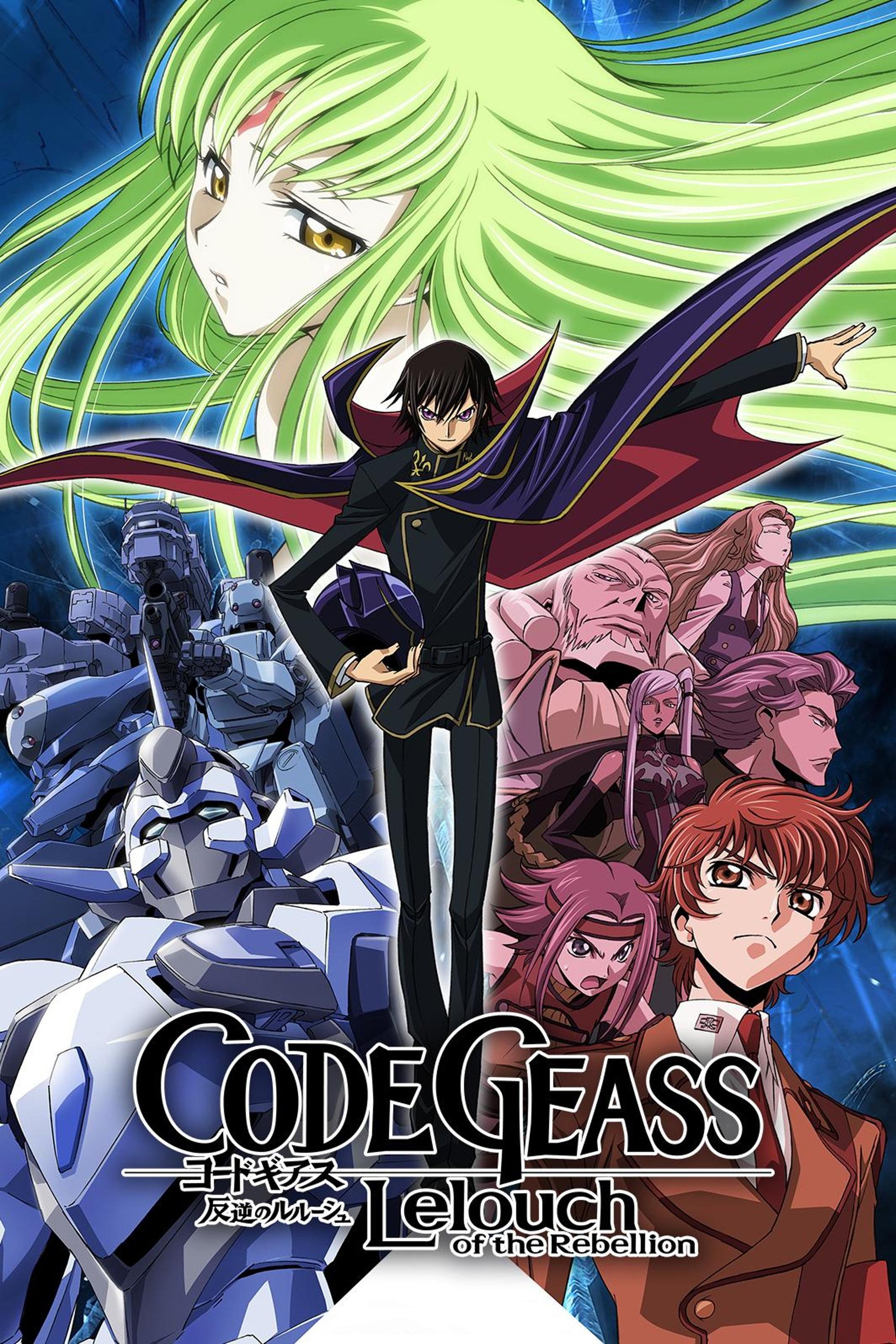
Pizza Hut sponsored the series heavily, meaning their logo and mascot, Cheese-kun, appeared throughout the show, even in dramatic moments. While this was a requirement of the sponsorship, it created a strange and often humorous clash with the fantasy setting. The funding directly shaped how the show looked.
‘Panty & Stocking with Garterbelt’ (2010)
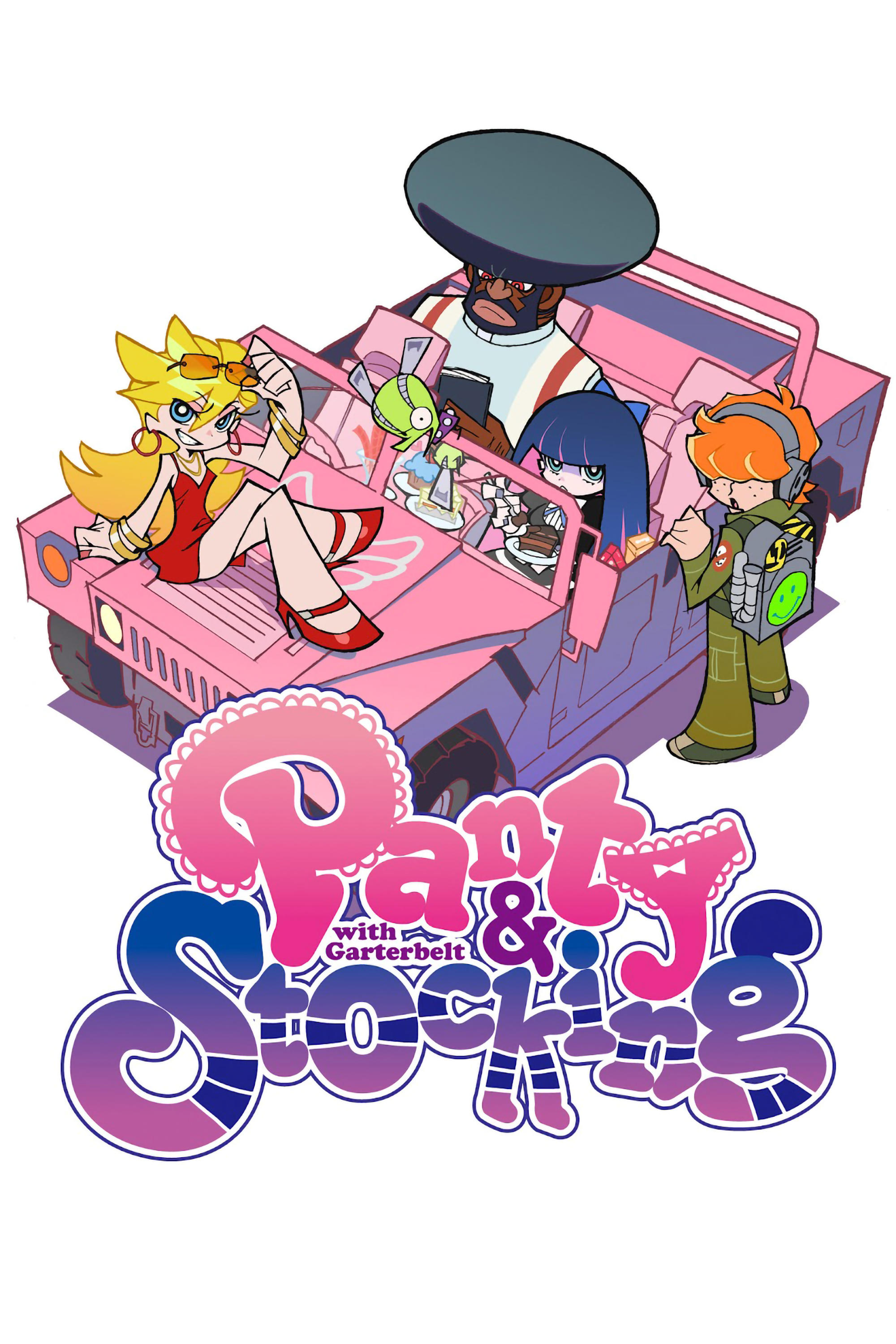
This anime was originally made to capture the style of American cartoons, especially shows like The Powerpuff Girls. However, when the original animation team moved on to create Studio Trigger, the series fell into a complicated legal situation. For over ten years, fans hoped for a second season while the creators worked to regain ownership of the show. The story behind its production is essentially a lengthy fight to reclaim their creative work.
‘Paranoia Agent’ (2004)
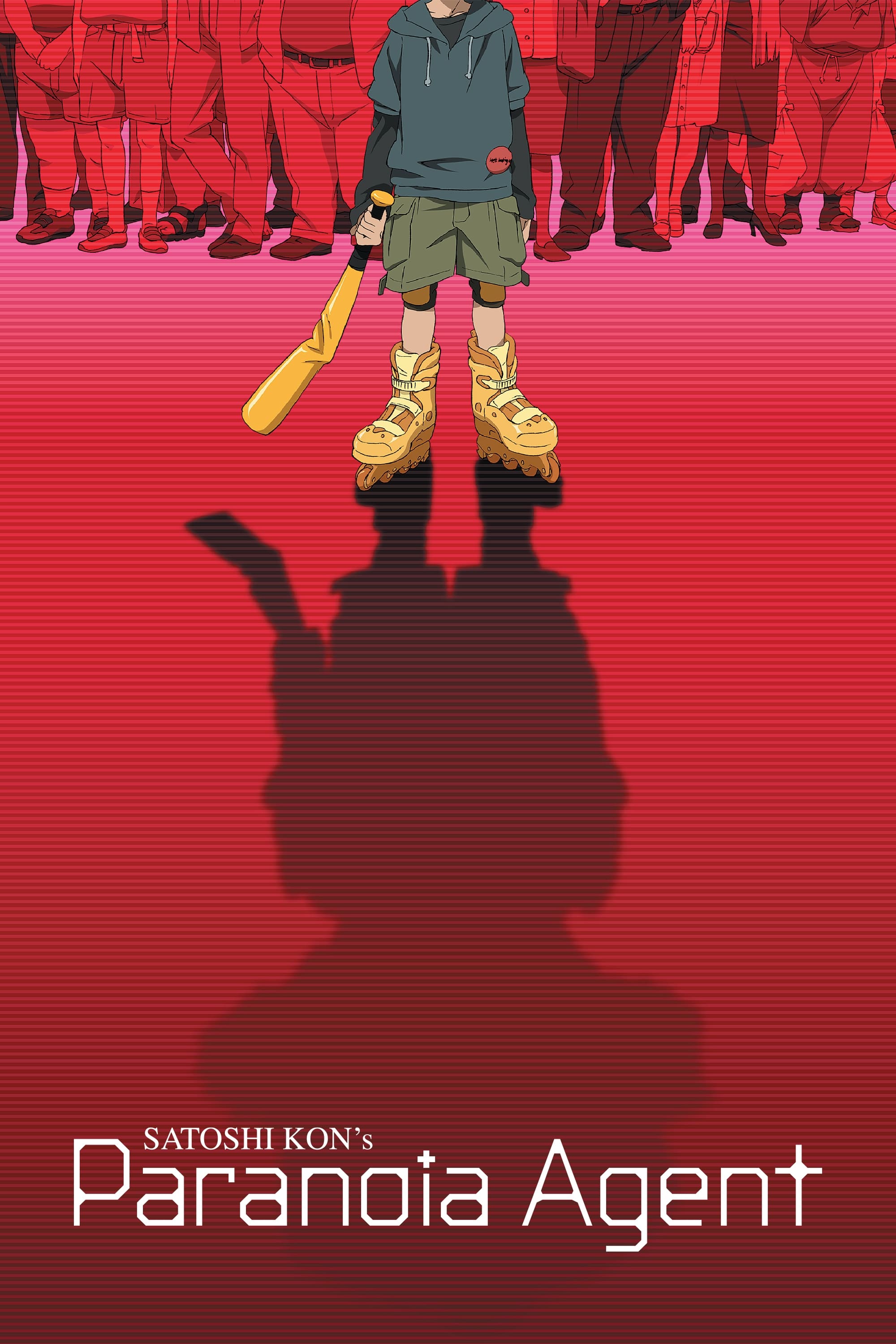
Satoshi Kon created this series as a way to explore ideas he hadn’t been able to include in his movies. It allowed him to develop unused concepts into a compelling psychological thriller, and it was his only foray into television directing before his passing. Essentially, the show came about because Kon didn’t like letting good ideas go to waste.
‘Golden Kamuy’ (2018)
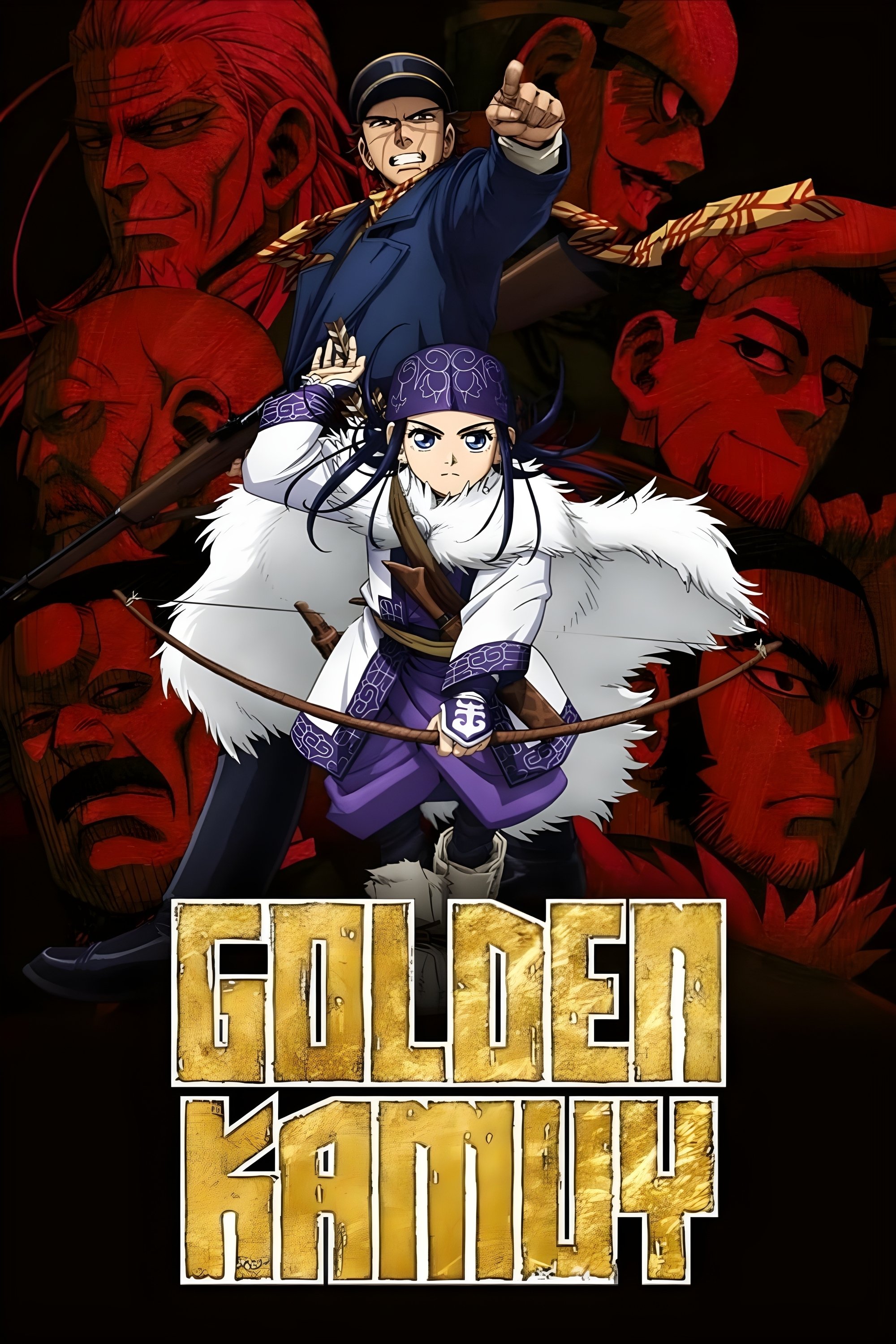
The show’s first season included a computer-generated bear that looked so bad, it didn’t fit with the cartoon style. The creators couldn’t afford to animate the bear in a more traditional way or make the CGI blend in smoothly. It became a widely mocked element, which hurt the show’s attempt to be a dramatic survival story. Thankfully, the show’s visuals improved a lot in later seasons after the negative reaction.
Read More
- Trading on Thin Air: AI Agents Conquer Crypto Volatility
- 20 Movies Where the Black Villain Was Secretly the Most Popular Character
- Invincible Season 4 Gender Swaps Tech Jacket As Fans Question Major Comic Change
- Silver Rate Forecast
- 22 Films Where the White Protagonist Is Canonically the Sidekick to a Black Lead
- Gold Rate Forecast
- 15 Films That Were Shot Entirely on Phones
- Trading Smarter: AI-Powered Execution Schedules
- Celebs Who Narrowly Escaped The 9/11 Attacks
- Smarter Order Execution: How AI is Outperforming Wall Street’s Playbook
2026-02-01 09:26