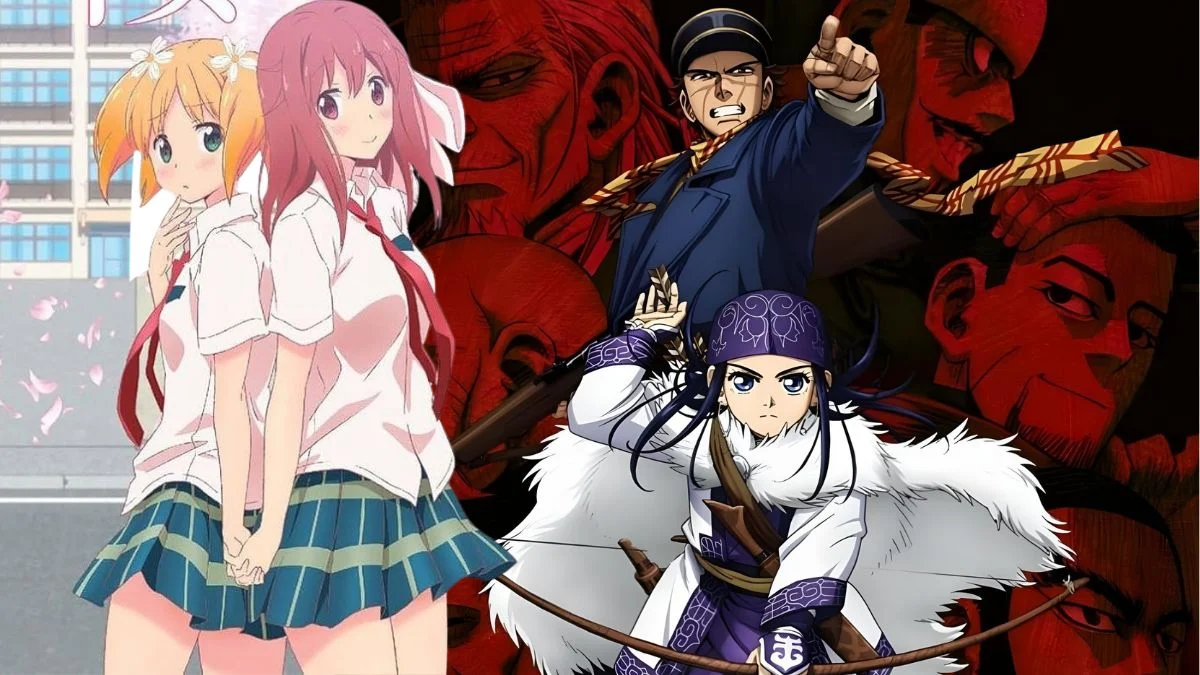
As a longtime anime watcher, I’ve noticed a trend: queer characters and themes are popping up more and more, which is great! But sometimes, it feels like these characters aren’t fully developed. Instead of giving them complex stories and motivations, some shows seem to include them mainly for… well, let’s just say to appeal to certain audiences with overly sexualized portrayals. This list highlights anime where queer representation feels more about fan service and visual appeal than genuine storytelling for LGBTQ+ characters. It’s a bit disappointing, because the potential for truly meaningful representation is definitely there.
‘Valkyrie Drive: Mermaid’ (2015)
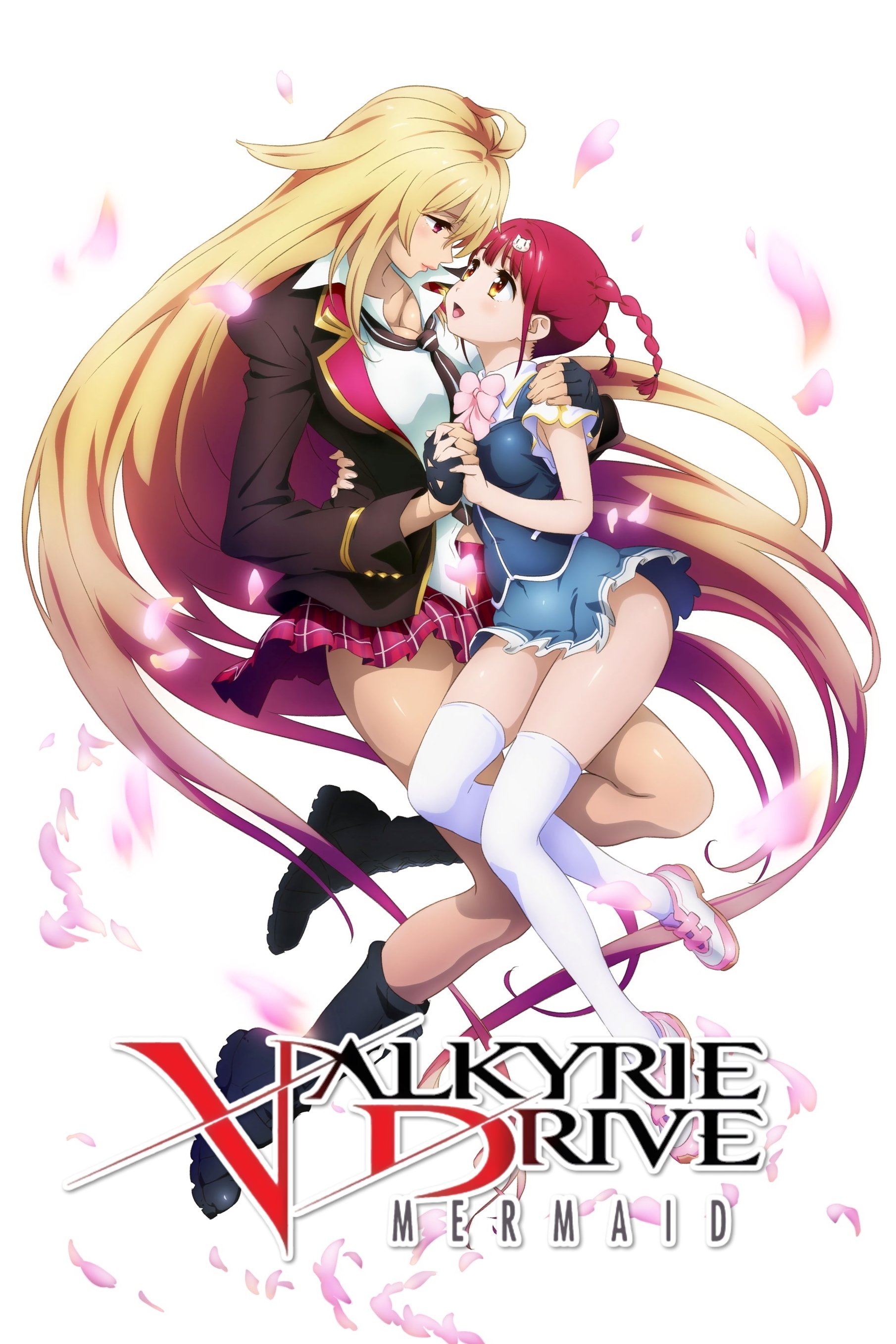
‘Valkyrie Drive: Mermaid’ centers around artificial islands and young women who gain combat powers through physical intimacy. The game’s core gameplay involves using arousal to activate special abilities in battle. Relationships between characters are often presented as fanservice rather than meaningful connections, with queer dynamics primarily intended as provocative visual content. The story often takes a backseat to scenes of intense physical interaction.
‘Queen’s Blade’ (2009–2012)
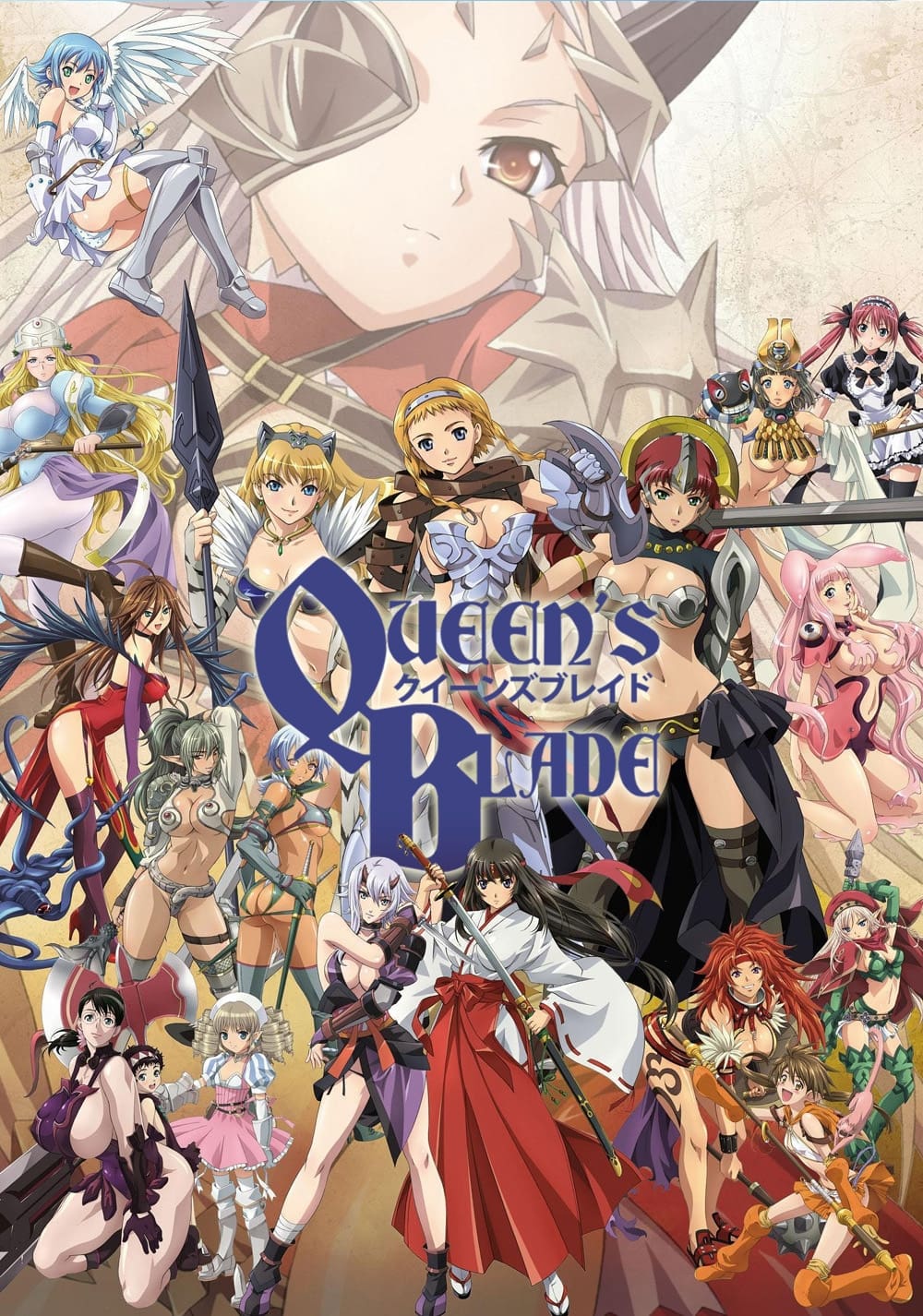
The show revolves around a competition where female warriors battle to become the ruler of the land. Throughout and after these fights, many characters express romantic or sexual attraction to their opponents. The way these interactions are filmed focuses heavily on the fighters’ bodies, using suggestive camera angles. Each fight is designed to be visually stimulating for the audience. Beyond these moments, the characters’ identities and potential queer relationships aren’t really explored.
‘Sakura Trick’ (2014)
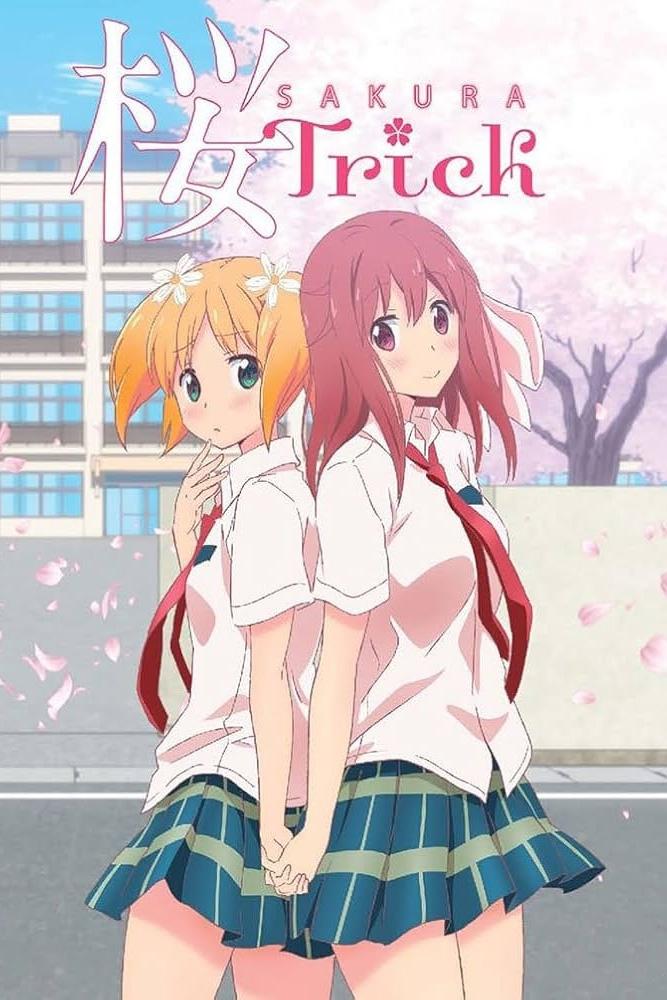
‘Sakura Trick’ centers around two best friends who begin a relationship marked by frequent and passionate kissing. The show primarily showcases these intimate moments between the main characters, prioritizing the visual appeal of their connection. It deliberately avoids exploring deeper themes of sexuality or the complexities of being queer, instead offering a lighthearted and playful experience with plenty of fan service. Each episode features numerous scenes designed to delight fans of the yuri genre with sweet and suggestive visuals.
‘Seven Mortal Sins’ (2017)
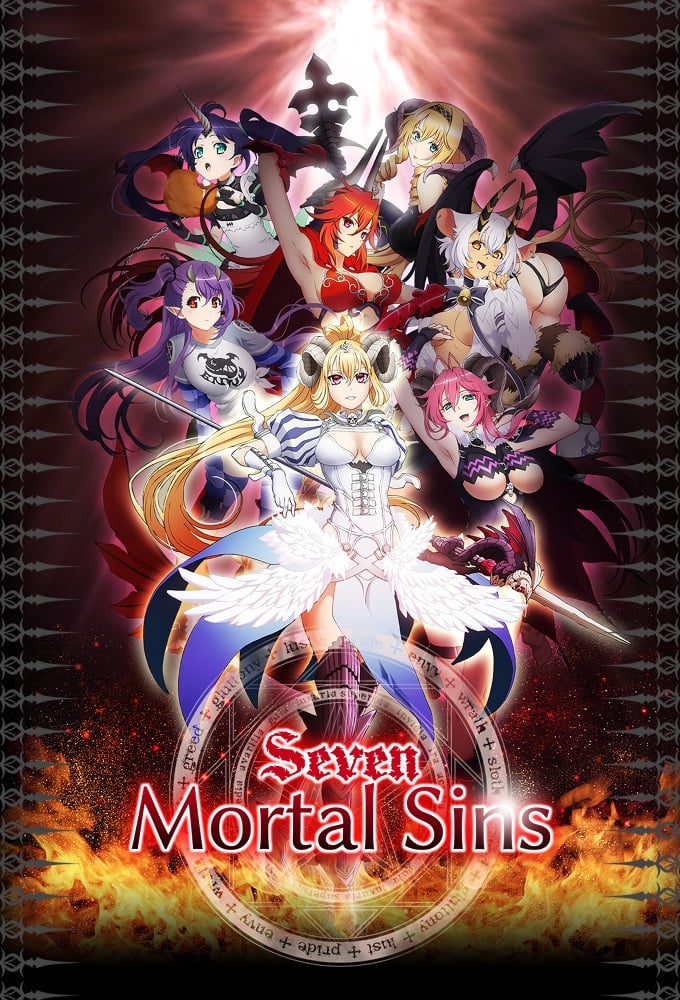
This anime features the seven deadly sins as beautiful, strong women. The story includes many scenes of these characters in suggestive and intimate situations. While these relationships hint at queer themes, they mostly serve to emphasize the characters’ sinful qualities and appeal to fans. The focus is largely on their appearances and provocative interactions, with little development given to genuine romance or exploring their identities.
‘Keijo!!!!!!!!’ (2016)

This anime features a unique sport where girls compete by trying to push each other off a platform using only their bodies. The show, called ‘Keijo!!!!!!!!’, often highlights physical contact and has suggestive themes. There are hints of romantic attraction between the competitors, which are used for comedic effect and to add excitement. However, the anime primarily focuses on the action and spectacle of the sport itself, rather than deeply exploring the characters’ feelings or motivations.
‘Ikki Tousen’ (2003–2015)
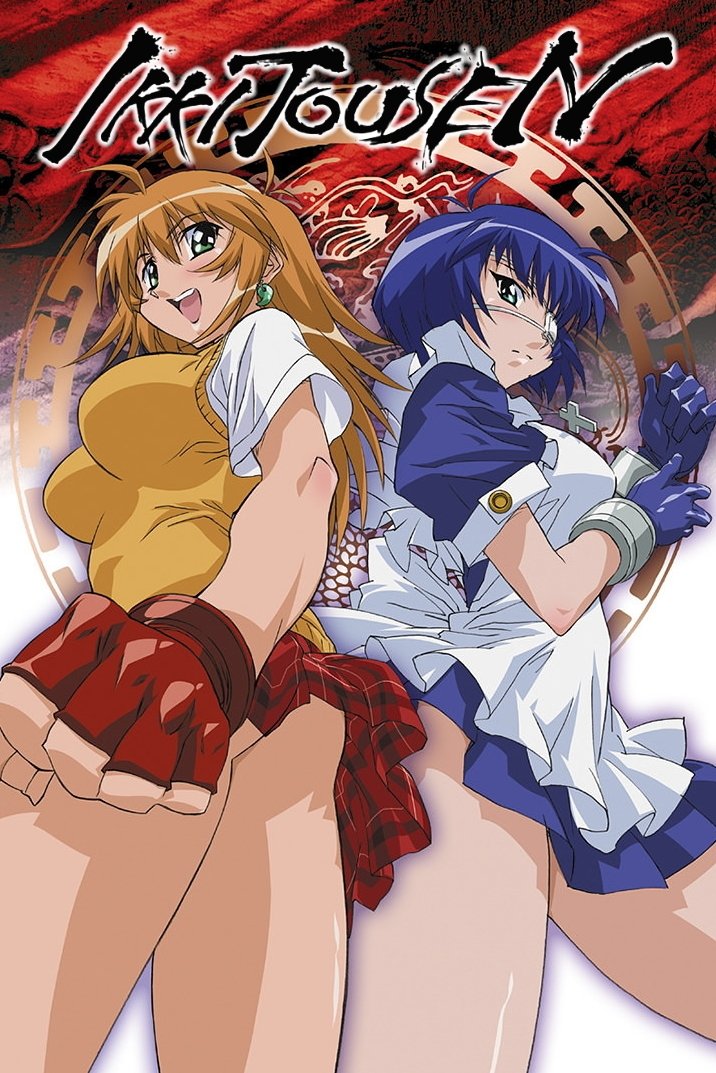
‘Ikki Tousen’ takes characters from classic stories and places them as students in a modern high school, where they fight each other. These battles frequently involve the female fighters’ clothing being torn and often feature provocative poses. The series includes moments where female characters display strong attraction to each other during combat, but these scenes are primarily for fans and don’t contribute to developing genuine relationships. This type of content is a consistent element of the show, used to make the action more visually exciting.
‘Free!’ (2013)
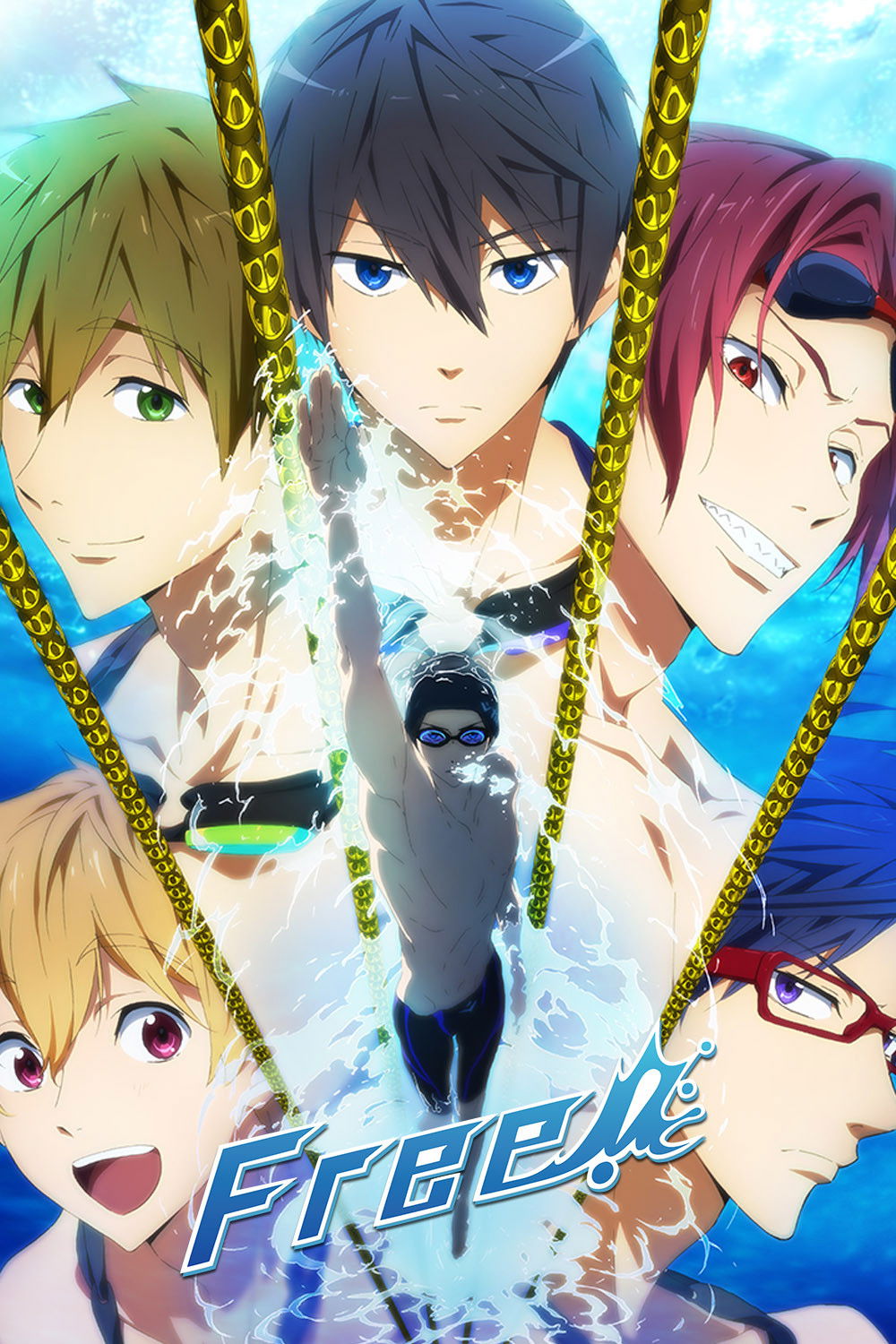
As a huge anime fan, I’ve noticed something interesting about ‘Free!’. It’s a sports anime centered around a high school swim club, but it’s become popular for reasons beyond the sport itself. While the characters aren’t explicitly gay, the show is filled with a lot of implied romantic tension between the guys, and a lot of focus on their physical appearance. It’s clear the creators are playing with those kinds of feelings and appealing to fans who like ‘shipping’ characters – imagining them as couples. It feels like they’re hinting at queer relationships to keep viewers engaged, but stopping short of actually showing them. It’s a tactic that’s become pretty common, and honestly, as much as I enjoy the show, it can be a little frustrating as a viewer hoping for genuine representation.
‘Kakegurui’ (2017–2019)

In the anime ‘Kakegurui,’ students at an elite school risk everything – their wealth and reputation – in dangerous, high-pressure games that push them to their mental and physical limits. The series features several female characters who develop intense, almost obsessive, fixations on their opponents or the student council president. These moments are marked by strong physical responses and flirtatious behavior that build during the excitement of the games. This underlying queer tension adds to the show’s dark and provocative tone. However, these relationships usually prioritize the thrill of gambling over genuine romantic connection.
‘Cross Ange’ (2014–2015)
‘Cross Ange’ follows a princess who is banished to a military base and forced to battle massive dragons with other outcast women. The series is known for its highly sexualized atmosphere, with frequent depictions of physical contact and harassment among the female soldiers. Early on, relationships between characters, including those with queer themes, are often presented as shocking or fueled by aggression. While some of these connections develop over time, they are frequently tied to past trauma or used for sensationalism. The show utilizes these intense dynamics to create a consistently provocative and harsh tone.
‘The Testament of Sister New Devil’ (2015)
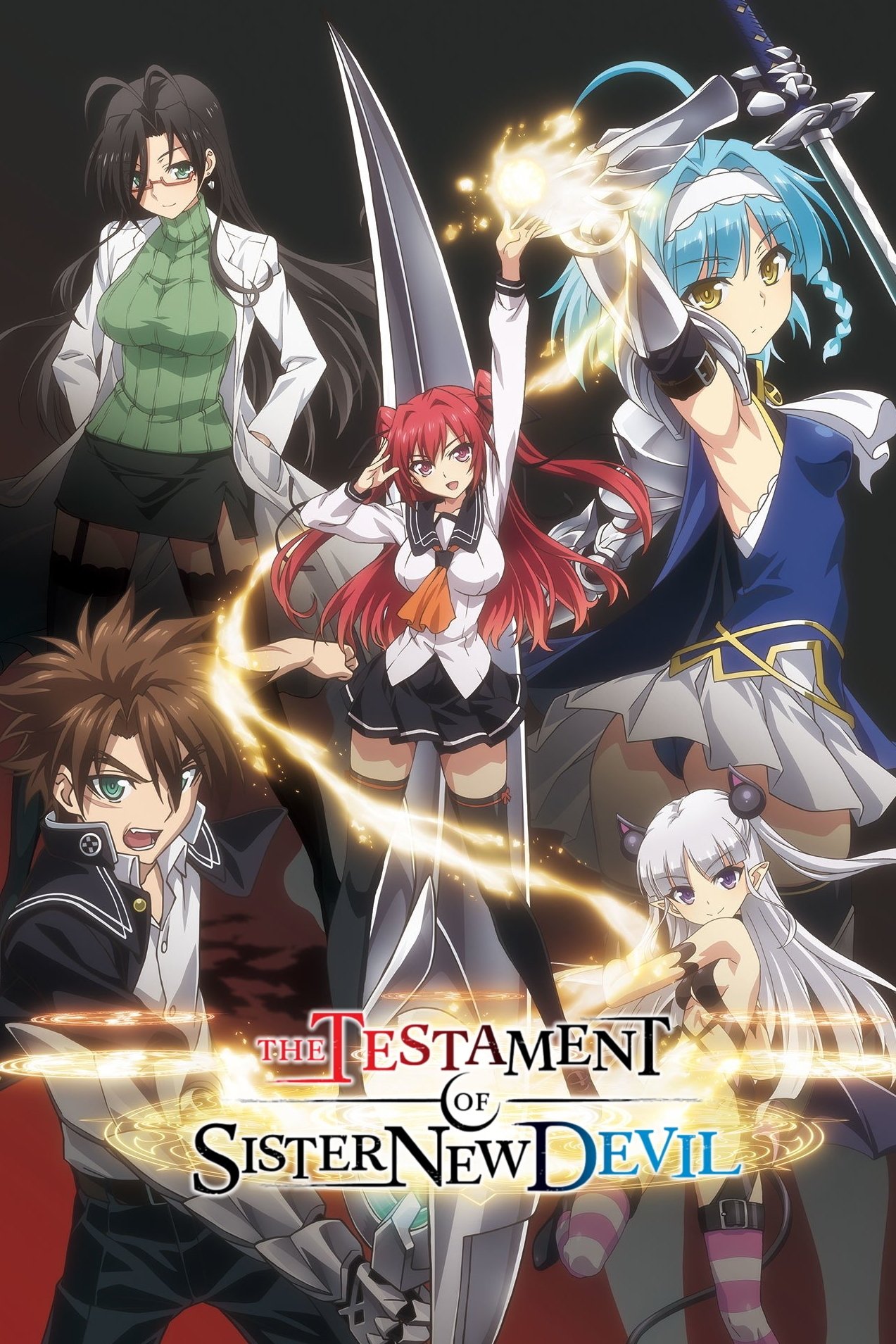
In ‘The Testament of Sister New Devil,’ a young man learns his new sisters are demons and is forced to make a deal with them. This deal requires physical intimacy, and the show features interactions between the sisters that contribute to its adult themes. However, any queer representation is solely linked to the supernatural rules of the show and exists primarily to provide fanservice, with little to no development of these relationships beyond their sexual aspects.
‘Gushing over Magical Girls’ (2024)
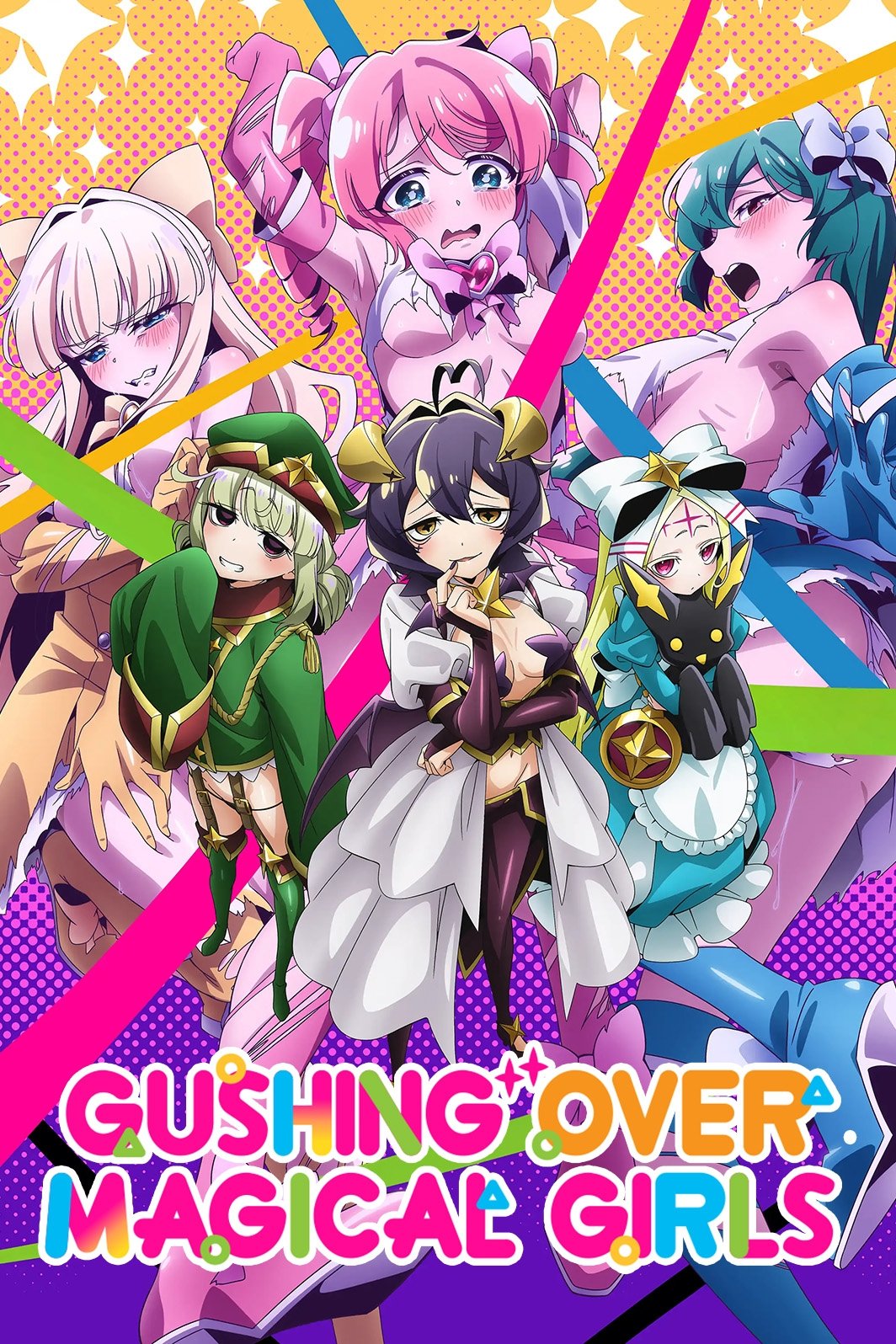
‘Gushing over Magical Girls’ tells the story of a girl who’s a huge fan of magical girls, but finds herself turned into a villain tasked with fighting them. The battles are unusual, focusing on physical dominance and intentionally causing arousal in the heroes. The protagonist’s romantic feelings for these magical girls fuel the provocative nature of the fights. The series is heavily based on fan service tropes and explores fetish themes, with all relationships and character development revolving around these sexually charged interactions.
‘Candy Boy’ (2008)
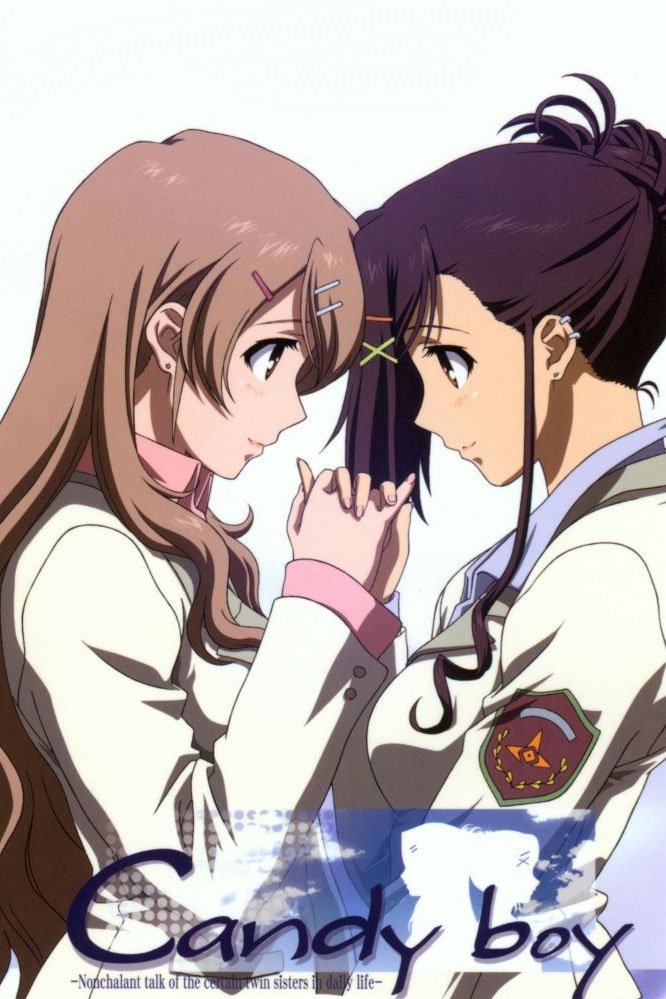
This series follows twin sisters with a deeply close, and sometimes flirtatious, relationship. The show deliberately keeps viewers guessing about whether their connection is purely sisterly or something more, often hinting at romantic feelings. Episodes typically feature short scenes of the sisters in revealing outfits or close together. The show aims to captivate audiences with the characters’ appeal and the suggestive tension between them, intentionally avoiding clear answers about their sexual orientation to keep things intriguing.
‘Kämpfer’ (2009–2011)

Okay, so ‘Kämpfer’ has this really wild premise – a guy gets turned into a magical fighter, but he can only fight when he’s a girl! It sounds crazy, but it leads to a lot of funny and… interesting situations. A big part of the show is how other girls react to him when he’s in his female form, and let’s just say there’s definitely some attraction going on. Honestly, a lot of the humor comes from those awkward moments and the show definitely plays up the visual aspect of his transformations and the interactions that follow. It’s a bit fanservice-y, but it’s definitely memorable!
‘Prison School’ (2015)
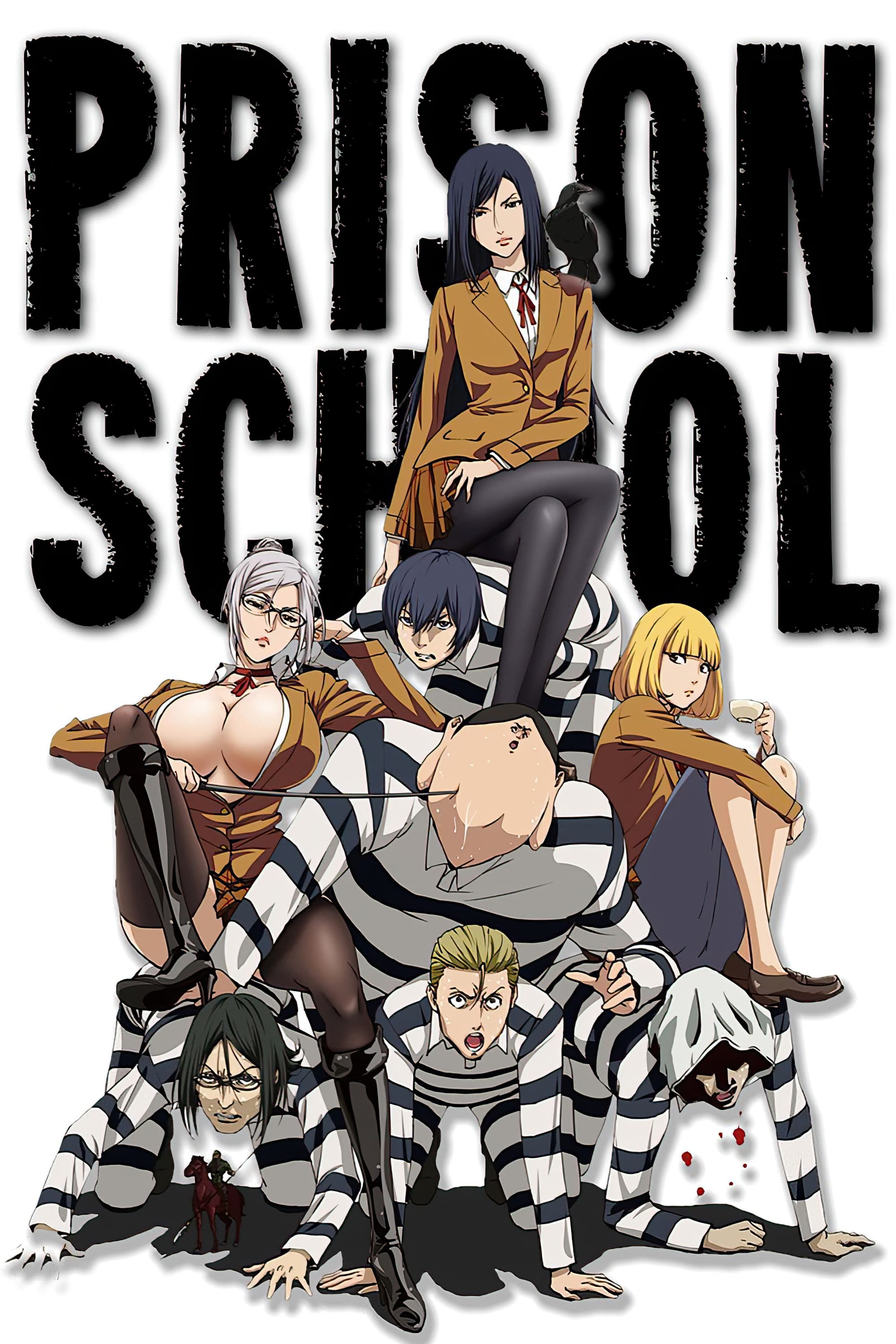
In the anime ‘Prison School,’ five boys are sent to an all-girls school and end up confined for spying on the students. The school’s student council, who act as the boys’ guards, frequently engage in flirtatious and suggestive interactions, creating a power imbalance and appealing to the audience. While hinting at same-sex attraction, these relationships focus on dominance and physical appearance to emphasize the show’s mature themes, but are never fully developed beyond their immediate purpose in the plot.
‘Bikini Warriors’ (2015)
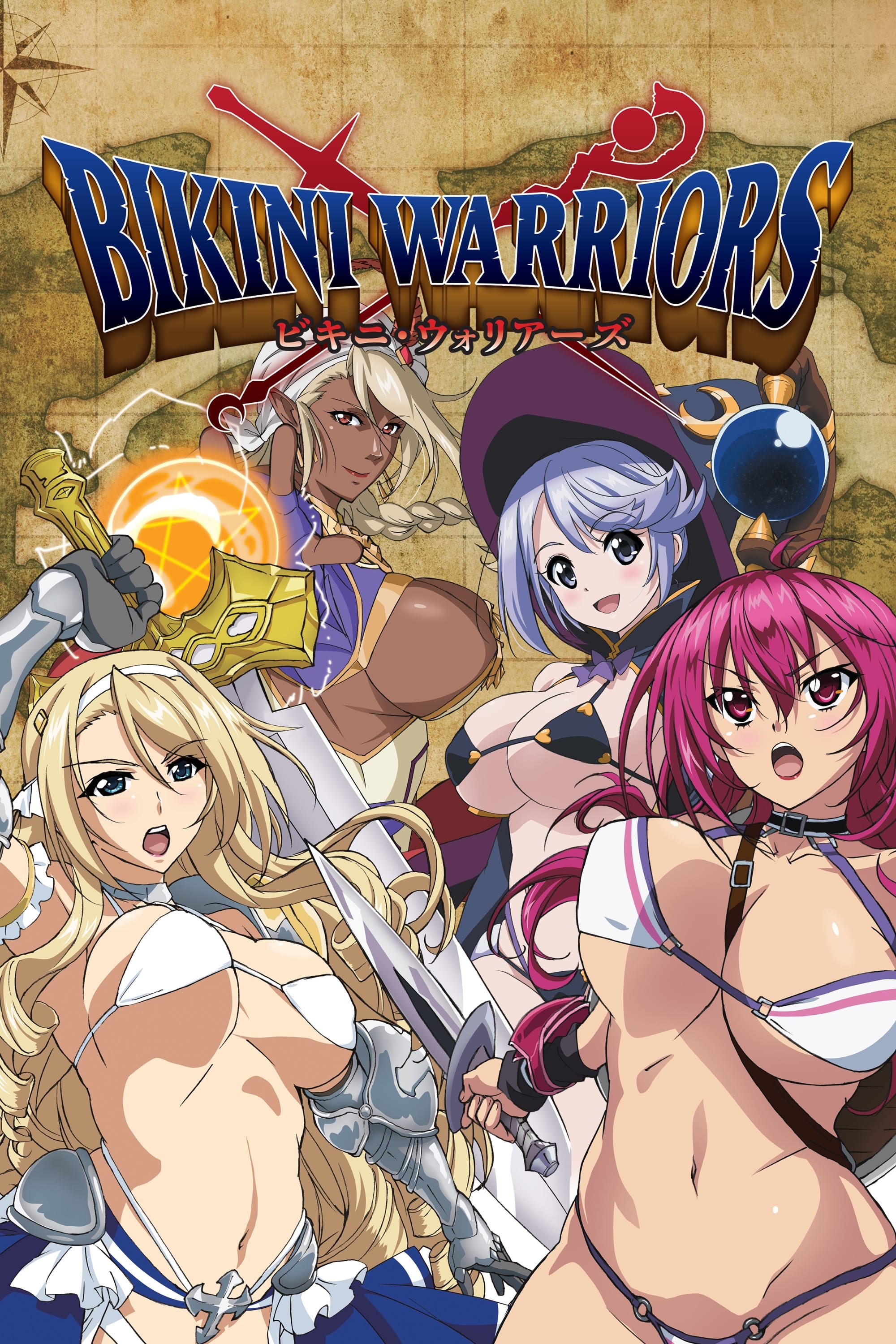
This anime is a short, comedic series about a team of female adventurers known for their skimpy armor and typical fantasy quests. ‘Bikini Warriors’ playfully exaggerates common fantasy themes, prioritizing the characters’ appearances above all else. The show often features suggestive interactions between the women, used for humor or to appeal to fans. It’s designed to be a fast-paced, visually focused experience, with little emphasis on developing the characters or telling a complex story.
‘Softenni’ (2011)
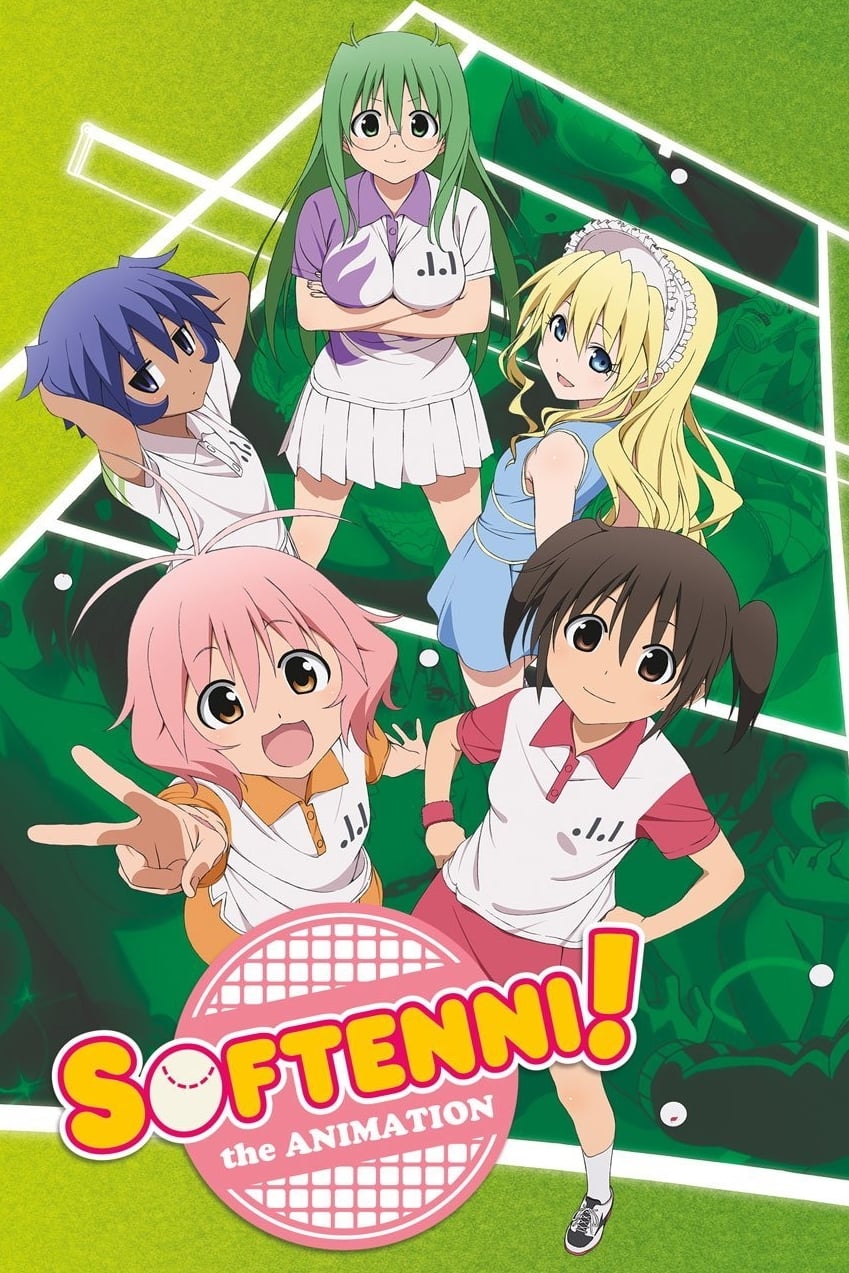
I’ve been watching this soft tennis anime, and honestly, it’s… something else. The girls on the team spend more time doing really strange, over-the-top training and just generally messing around than actually playing tennis. It’s pretty well-known for playing up the appeal of the female characters, and they’re always physically close to each other. There’s a lot of teasing and fantasy sequences where the characters clearly have crushes on each other, but it feels like it’s just there for laughs and visual interest. It doesn’t really add anything to their stories or personalities. To be honest, the tennis matches themselves often feel like they’re just an excuse for all the playful interactions and suggestive humor.
‘Vermeil in Gold’ (2022)
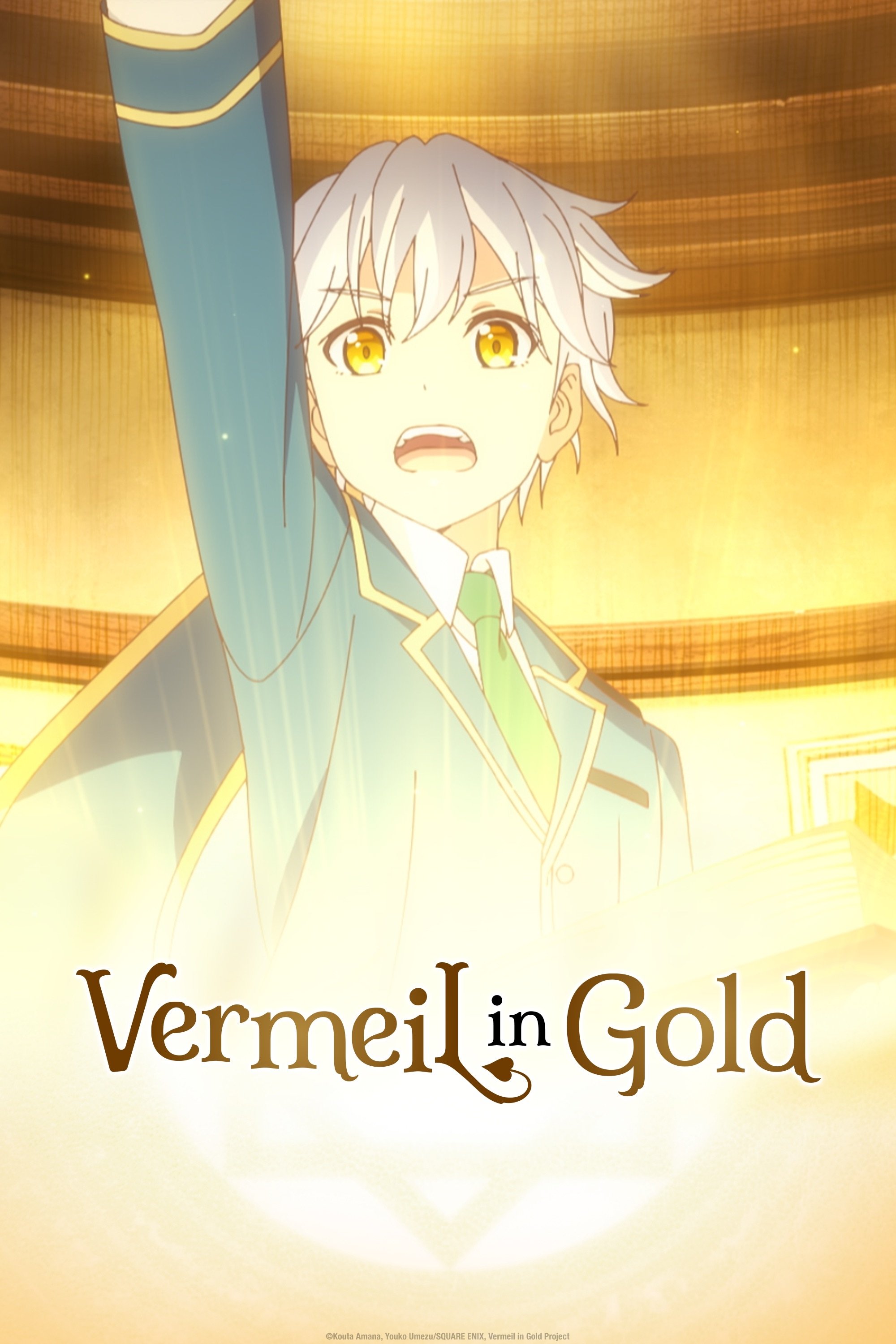
‘Vermeil in Gold’ centers around a magic student who unintentionally summons a strong demon. To regain her magical energy, the demon needs physical intimacy with her. While their relationship is the main focus, the show also features other female characters and includes scenes with suggestive themes, often showcasing attraction or physical contact between them. These moments are presented as part of the magical world’s rules and happen frequently, primarily to emphasize the provocative nature of how magical energy is exchanged.
‘Trinity Seven’ (2014)
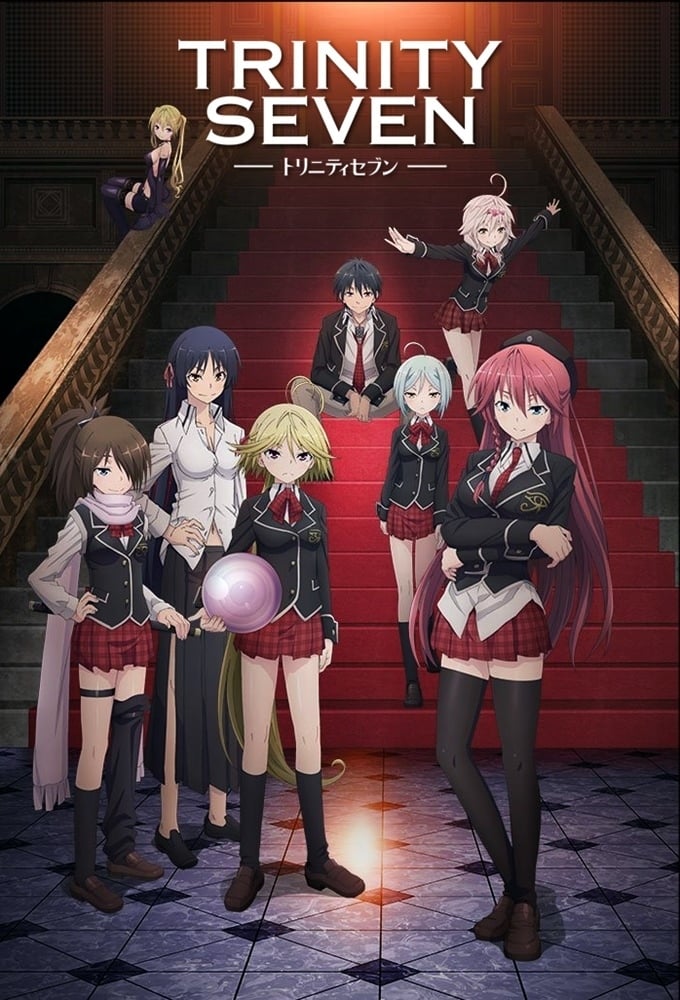
‘Trinity Seven’ is an anime about a male student at a magic school who interacts with seven powerful female mages. It’s a harem anime known for using a lot of fan service to attract viewers. The show features close, sometimes suggestive, relationships between the female characters, intended to be exciting for fans of the genre. However, these relationships aren’t explored in depth – the focus remains on their visual presentation.
‘Vampire Knight’ (2008)
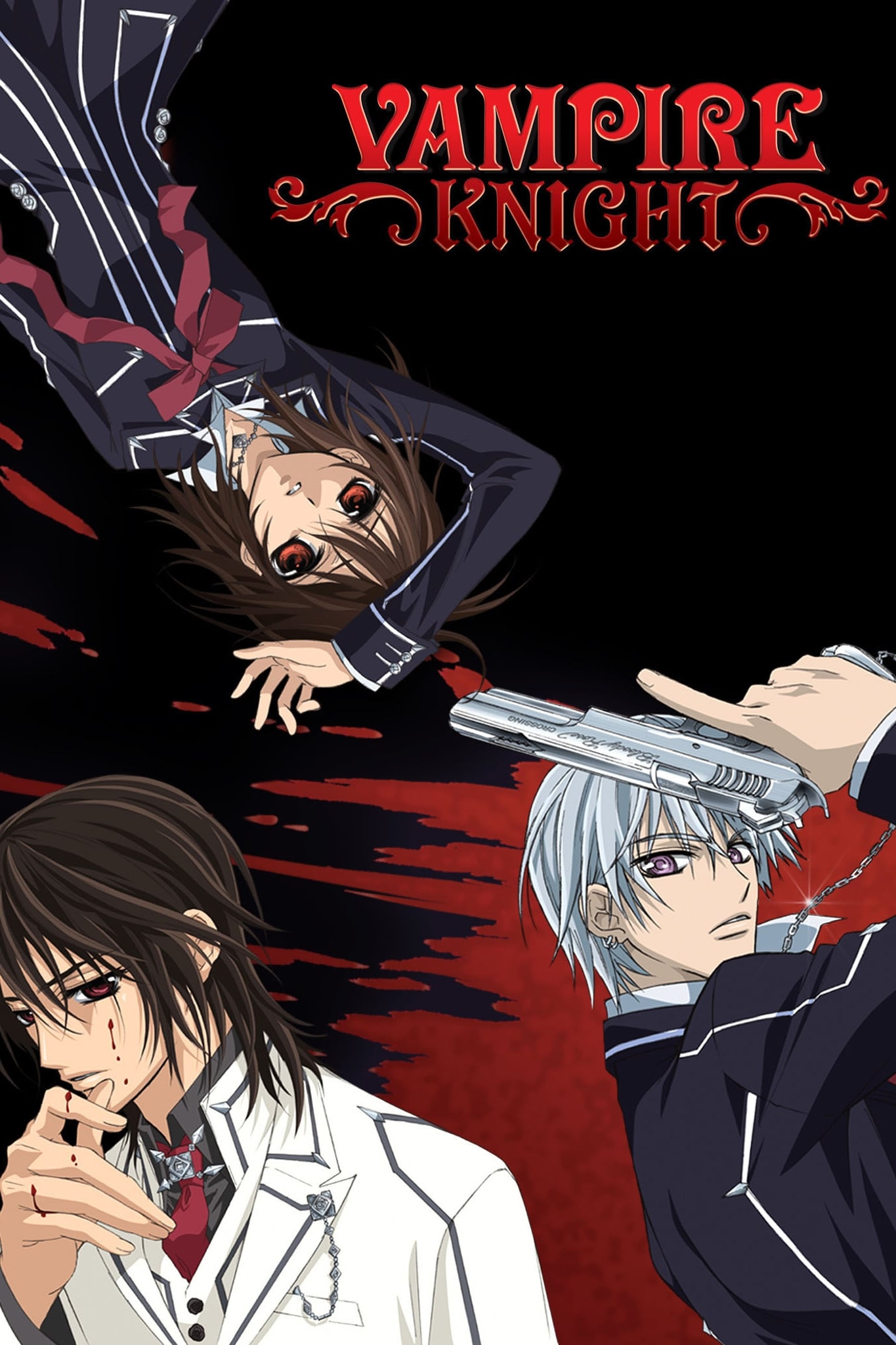
The series centers on a girl who protects students at a school where humans and vampires attend classes together. Although the main romantic storyline involves a love triangle, there’s a strong undercurrent of attraction between the two male leads in ‘Vampire Knight’. The show uses dramatic tension and suggestive interactions between them to appeal to fans, hinting at a possible romantic connection without ever fully exploring it. This tactic is used repeatedly to keep viewers engaged and cater to the desires of the fanbase.
‘Black Butler’ (2008–2010)
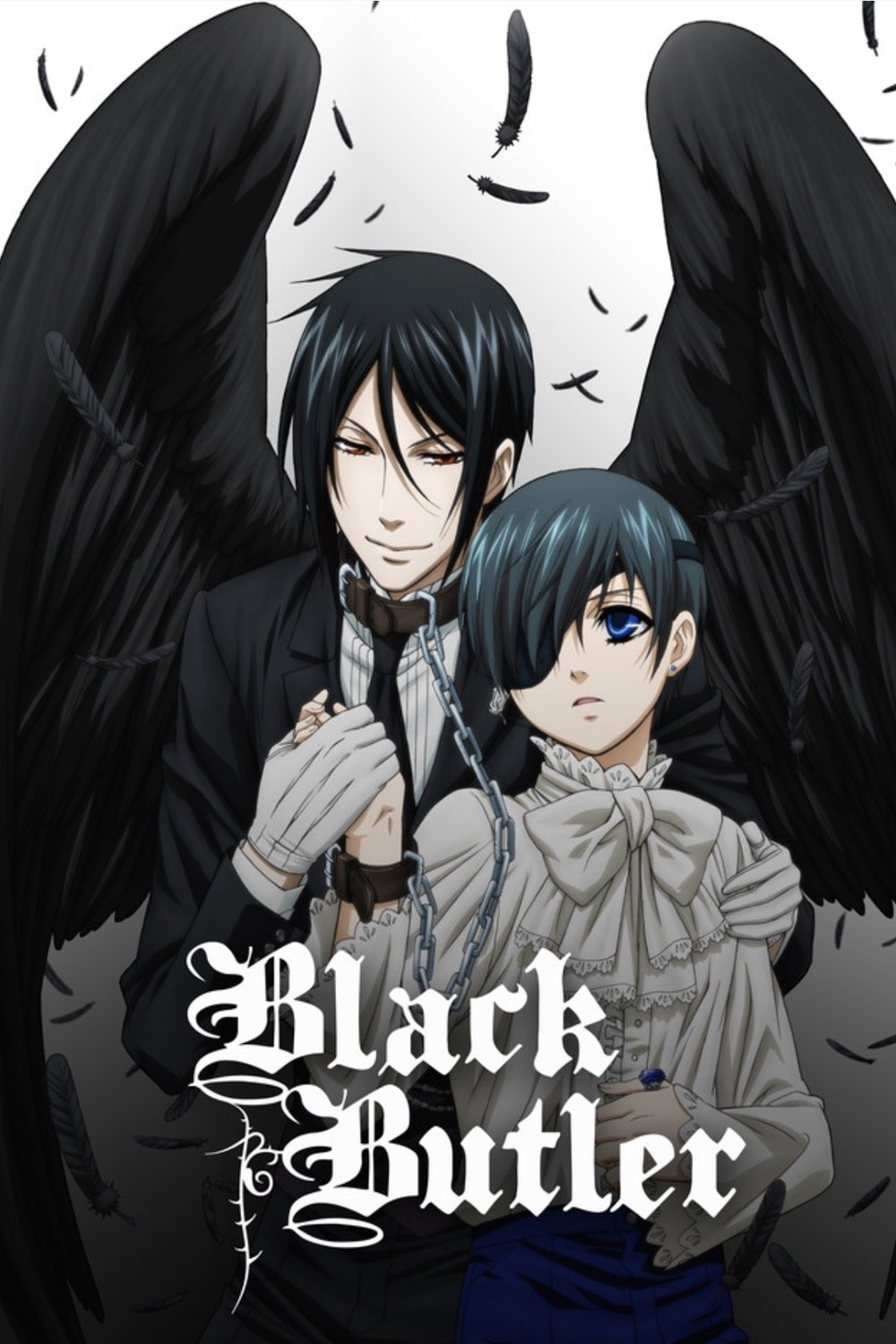
In ‘Black Butler,’ a boy teams up with a demon butler to get revenge on those who hurt his family. A recurring character, a flamboyant reaper, is strongly attracted to the butler and often provides comic relief through exaggerated and provocative interactions. This character leans heavily on queer stereotypes and is primarily used to appeal to fans with dark or suggestive content, with little development of their personality beyond these tropes.
‘Is This a Zombie?’ (2011–2012)
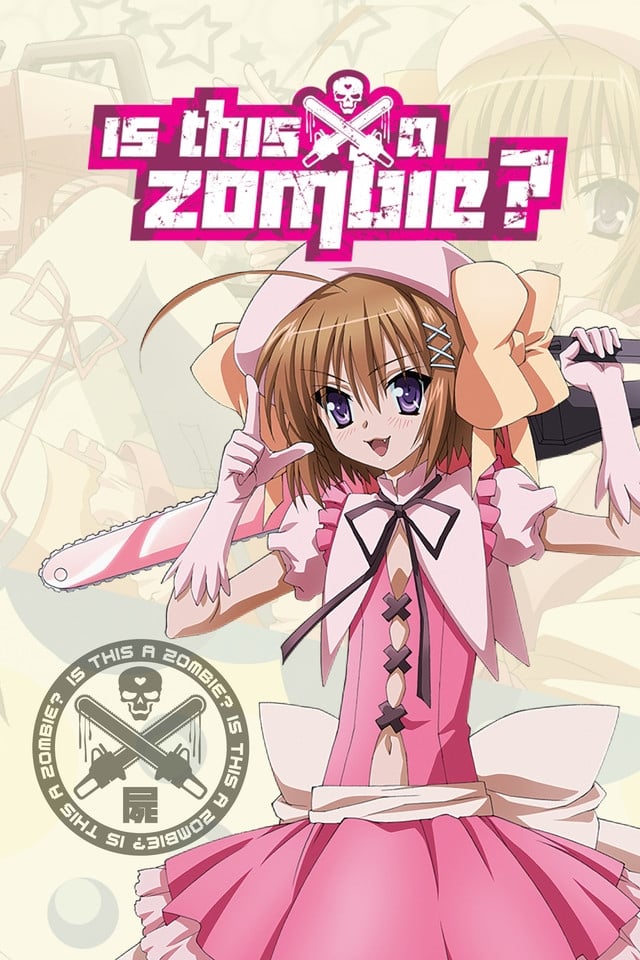
‘Is This a Zombie?’ is a comedy anime known for its over-the-top humor and suggestive content. The story follows a high school boy brought back to life as a zombie, who ends up living with a necromancer and a group of magical girls. The show features playful interactions and accidental physical comedy between the characters, often with a romantic undertone, creating a lighthearted but provocative atmosphere. These elements, including hints of same-sex attraction, are used to add to the show’s comedic and fan-service appeal.
‘Golden Kamuy’ (2018–2023)
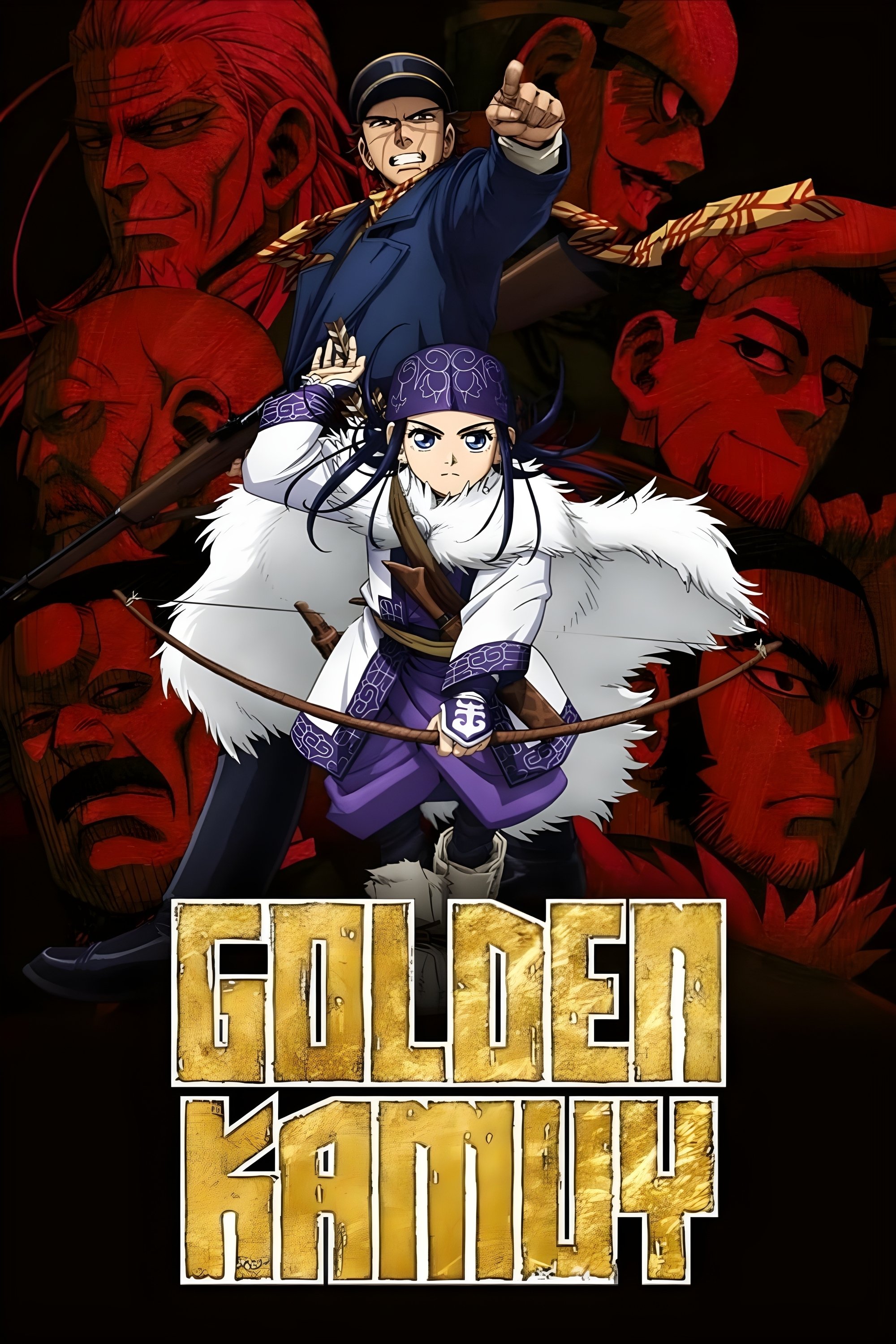
Set in the early 1900s, ‘Golden Kamuy’ is an adventure story about a war veteran and a young girl on a quest for treasure. The series is known for its frequent focus on the muscular physique of its male characters, often with scenes that have romantic or suggestive undertones. While the characters are well-developed, these moments are often included for visual impact and sometimes used for comedic effect within the show’s rough and realistic setting. The series incorporates queer themes through both humor and provocative imagery.
‘Brave Witches’ (2016)

‘Brave Witches’ presents a world where magical girls defend Earth from aliens. The show centers on the close relationships between these female pilots, particularly their lives together. It frequently highlights the characters’ appearances with suggestive imagery and physical closeness. While some characters share romantic attraction, this is often used more for fan appeal and dramatic effect than for meaningful character development. Like other works in the series, ‘Brave Witches’ tends to prioritize visually striking scenes over in-depth storytelling.
‘Strike Witches’ (2008–2020)

The ‘Strike Witches’ series is known for its depiction of young women who fight aliens using mechanical legs that allow them to fly. A defining characteristic of the show is its character design – the witches famously don’t wear pants, which results in frequent fan service. The series also explores close relationships between the characters, often with romantic or suggestive undertones, creating a sense of teamwork that is heavily sexualized. This queer subtext is a major part of the show’s marketing and attracts a dedicated audience.
‘Azur Lane’ (2019–2020)
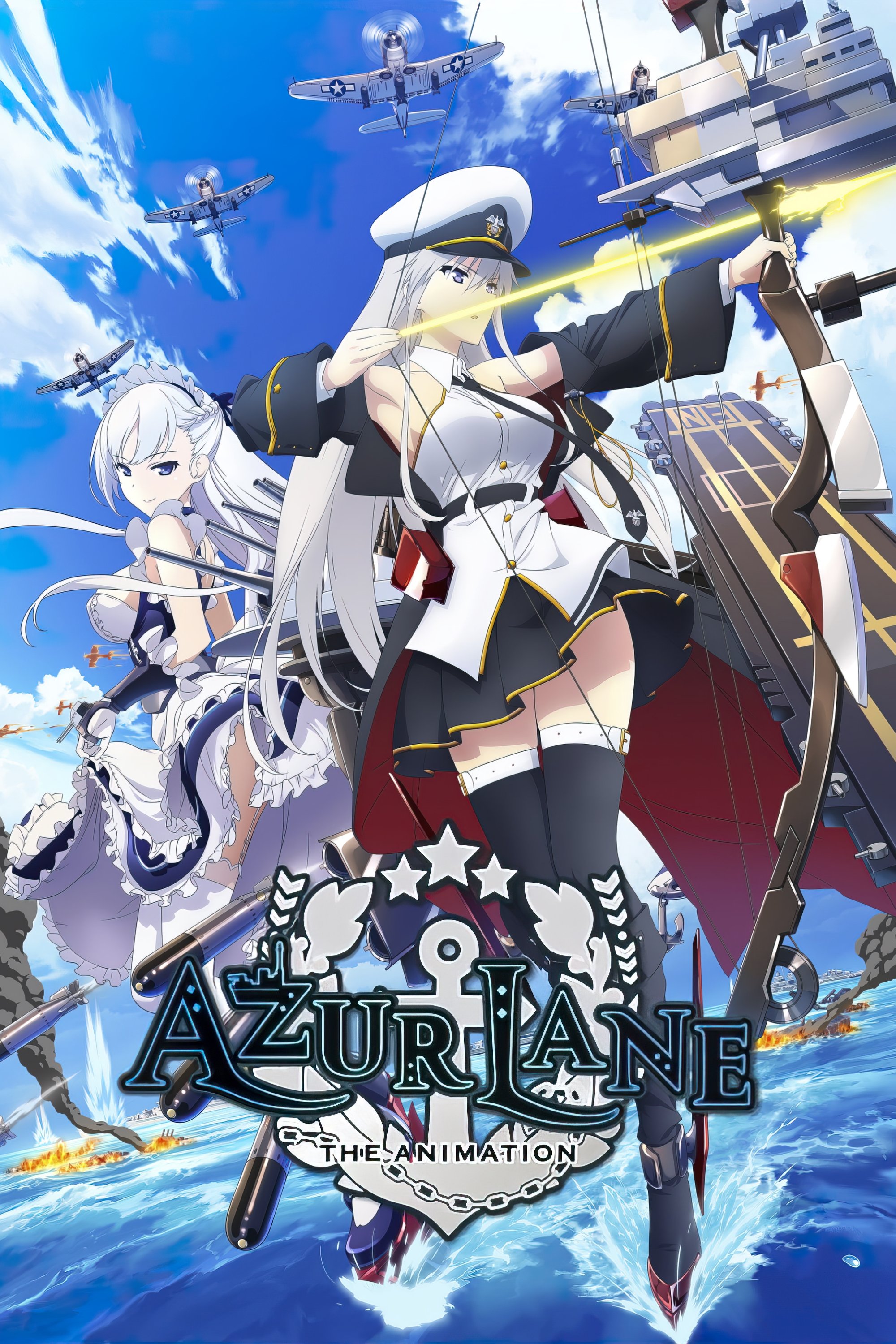
The anime ‘Azur Lane’ depicts warships as young women who fight in naval battles and deal with their personal relationships. The show includes romantic and suggestive interactions between characters, catering to fans of the original game who enjoy seeing different characters paired together. A major focus is on the visual appeal of the all-female cast and creating moments designed to please fans, often by portraying the characters in a flirtatious or revealing manner.
Share your thoughts on these anime depictions in the comments.
Read More
- 20 Movies Where the Black Villain Was Secretly the Most Popular Character
- Transformers Under the Microscope: What Graph Neural Networks Reveal
- Celebs Who Narrowly Escaped The 9/11 Attacks
- Silver Rate Forecast
- Trading on Thin Air: AI Agents Conquer Crypto Volatility
- Gold Rate Forecast
- Invincible Season 4 Gender Swaps Tech Jacket As Fans Question Major Comic Change
- Every Notable ‘Star Trek: The Original Series’ Actor Who Died
- 22 Films Where the White Protagonist Is Canonically the Sidekick to a Black Lead
- Trading Smarter: AI-Powered Execution Schedules
2026-01-10 07:48