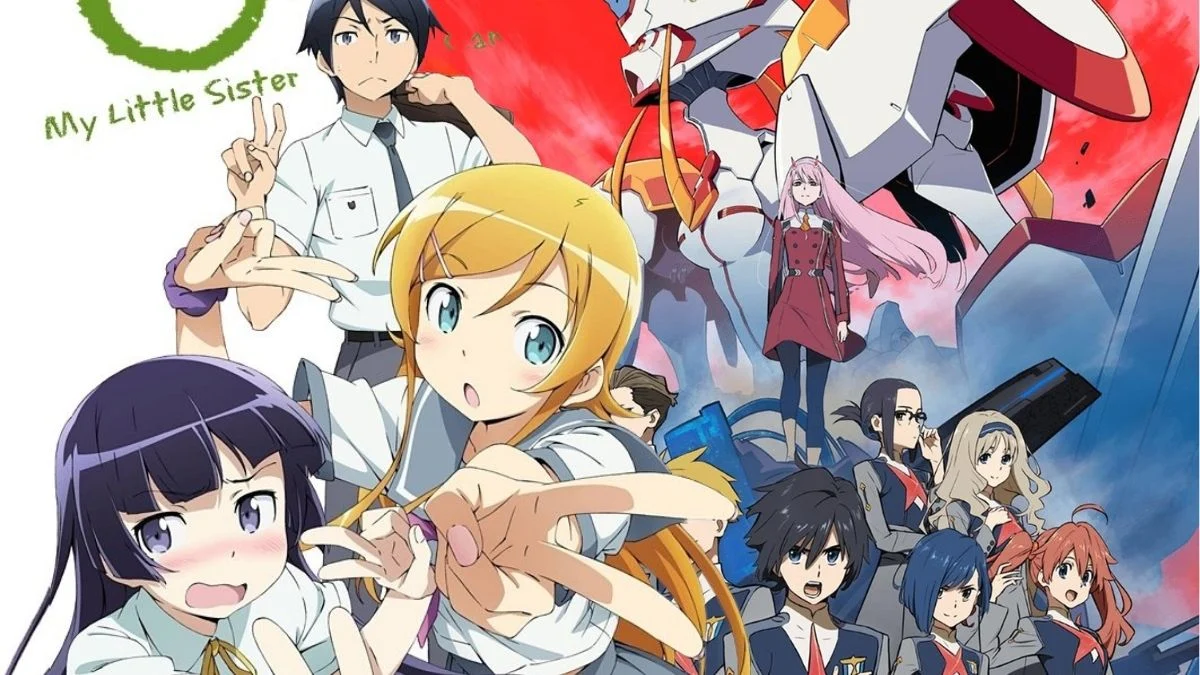
It’s common for anime endings to cause strong reactions, with fans sometimes feeling disappointed or even upset by how a favorite series concludes. While creators often receive criticism for their choices, they frequently defend their decisions, explaining how the ending fit their overall vision for the story. This list highlights several anime where the creative teams stood by their finales, even when fans strongly disagreed.
‘Neon Genesis Evangelion’ (1995–1996)
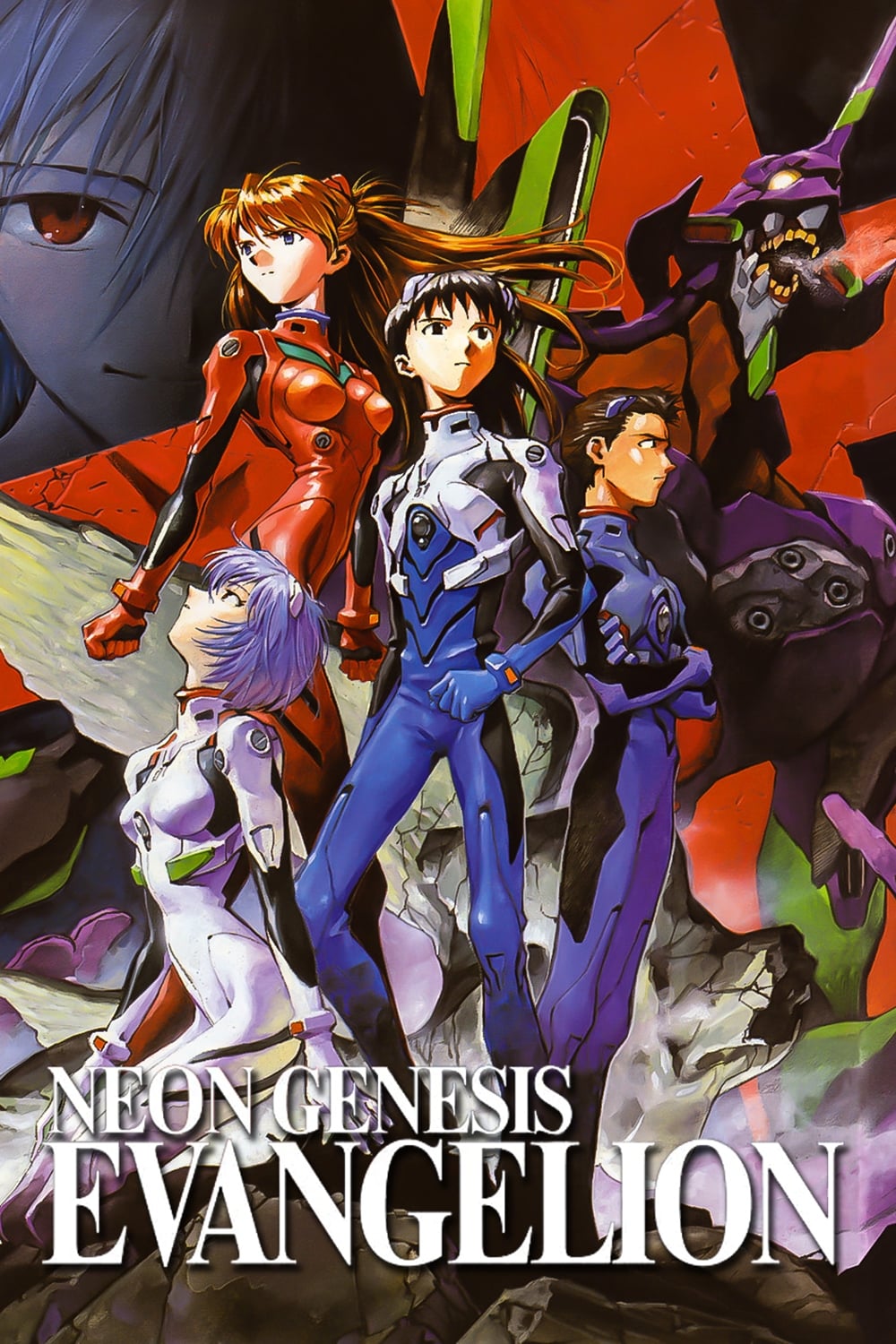
Hideaki Anno, the creator of the series, made a bold decision to end the original show with a focus on the characters’ inner thoughts and feelings, rather than a typical action-packed battle. This upset many fans, who reacted with anger – even sending threats and damaging studio property – because they wanted a more straightforward conclusion. Anno defended his choice, explaining that the ending was meant to show the main character, Shinji, learning to accept himself and the difficulties of life. He believed the series wasn’t meant to be pure entertainment, but rather a catalyst for viewers to reflect on their own lives.
‘Bleach’ (2004–2012)
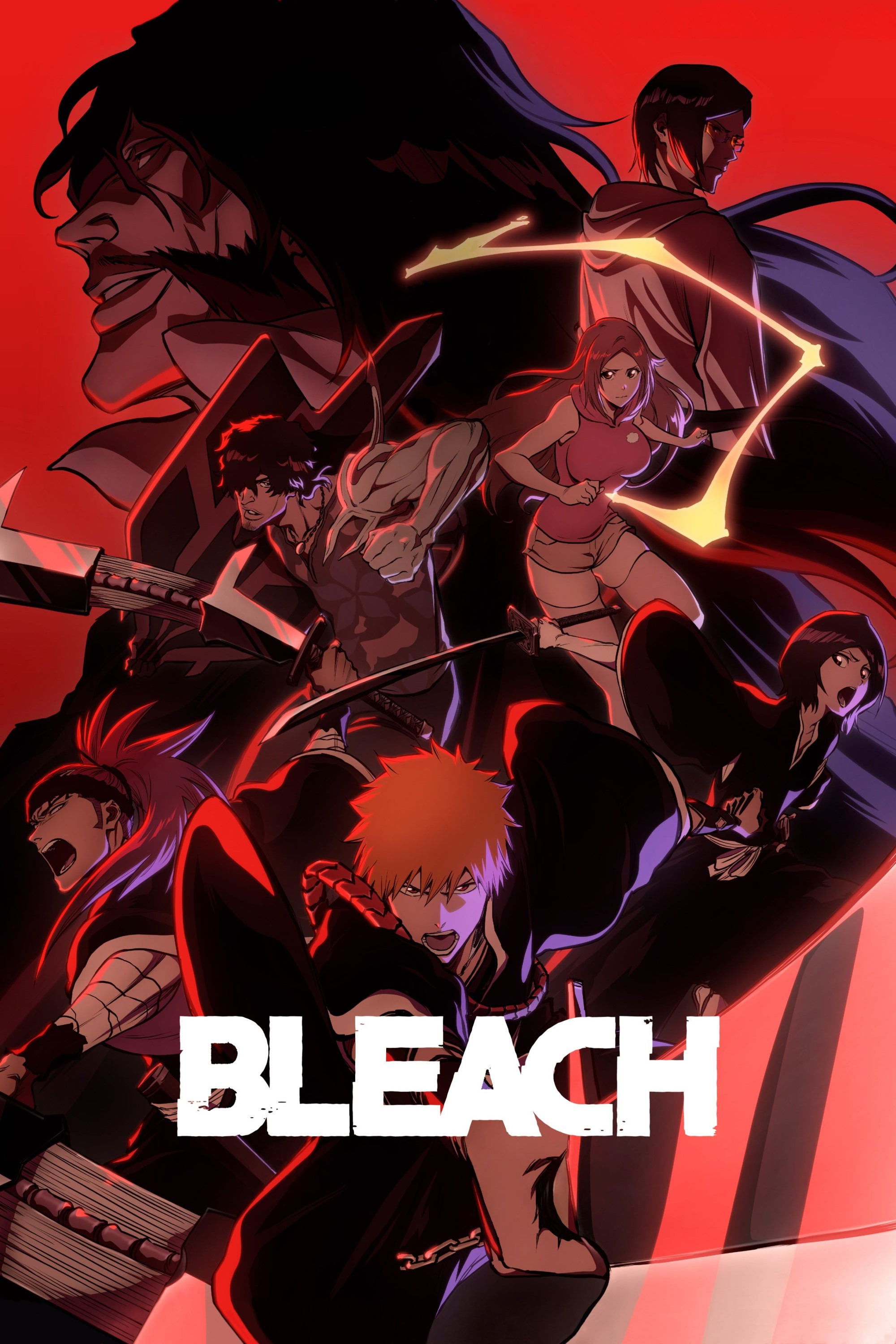
The ending of this manga series upset many fans because the final fights felt hurried and the romantic relationships weren’t satisfying. Fans reacted by harassing the author, Tite Kubo, online, asking him to rewrite the ending for the characters Ichigo and Rukia. Kubo responded by stating he created the story he envisioned and encouraged dissatisfied readers to make their own manga. Despite pressure and tight deadlines, he affirmed that the ending was exactly as he intended.
‘Attack on Titan’ (2013–2023)
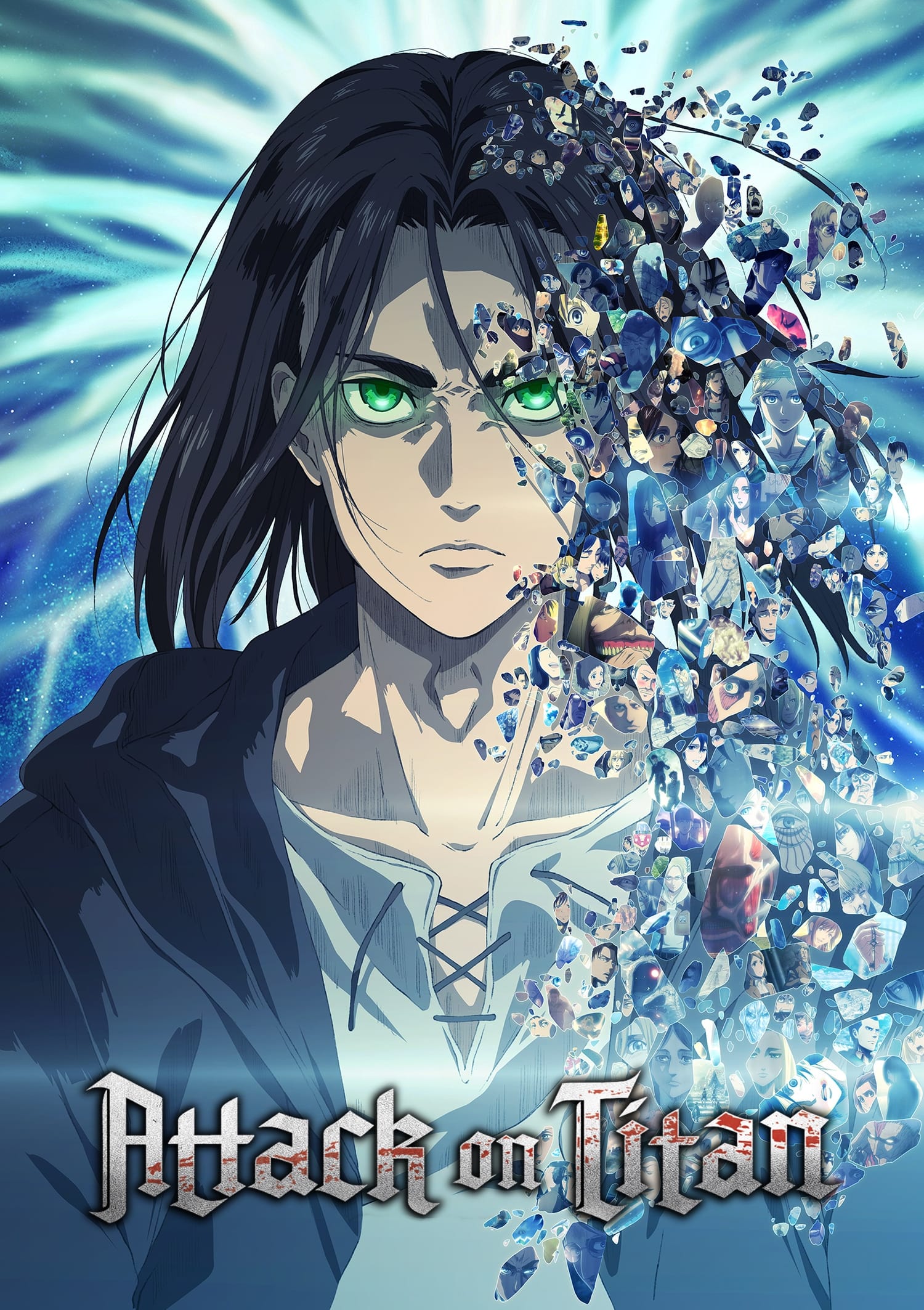
When the manga ended with a surprising reveal about Eren Yeager’s reasons for his actions, creator Hajime Isayama received a lot of criticism. While he acknowledged the ending might not have been perfect, he firmly stood by the story’s central idea: the endless cycle of violence. Isayama felt a cheerful conclusion wouldn’t have been true to the grim world he’d created over ten years, and the anime followed suit, preserving those controversial elements because he believed they were the only logical way to finish the story.
‘Domestic Girlfriend’ (2019)
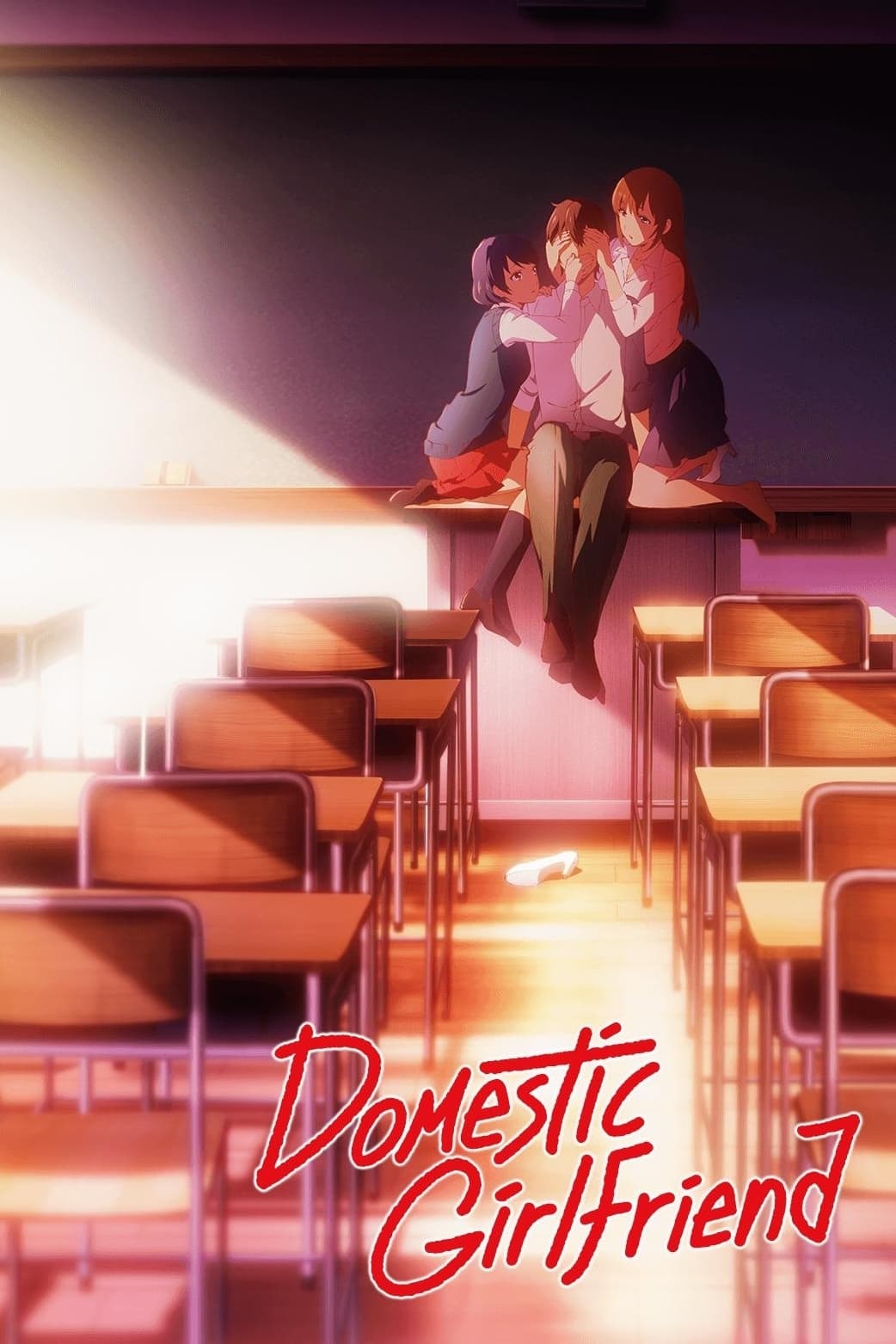
After the manga ended with a surprising twist, author Kei Sasuga faced a lot of harassment from fans worldwide. Many were upset that the ending seemed to undo the characters’ growth. Sasuga responded by blocking abusive users on Twitter and publicly defending her decision. She explained that this ending was what she had planned from the beginning and that she wouldn’t apologize for it. She believed that true fans would appreciate the story’s themes of destiny.
‘Oreimo’ (2010–2013)
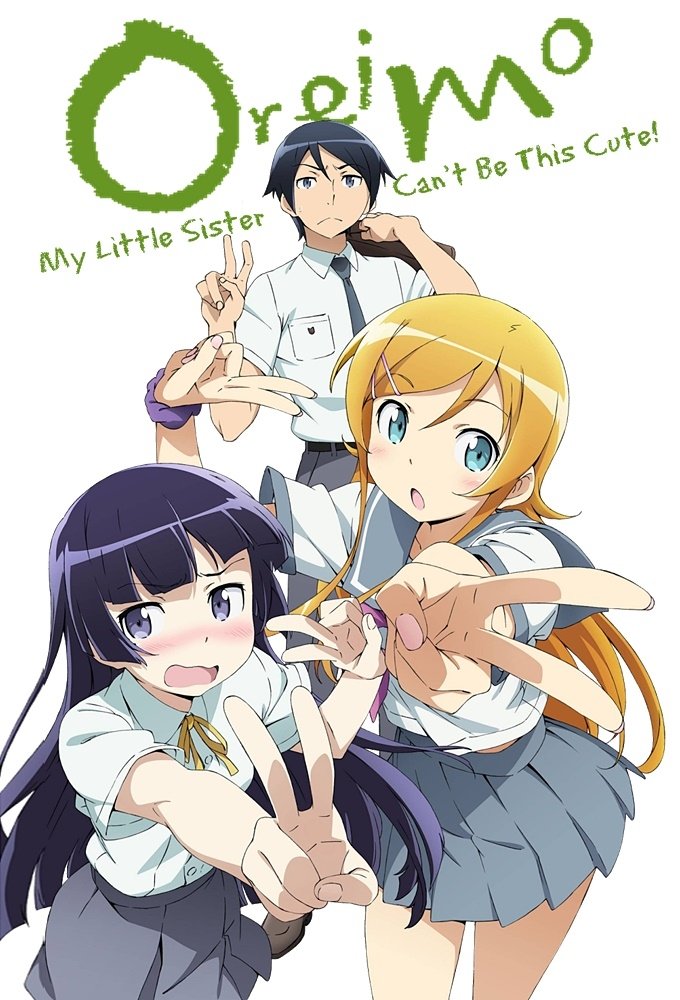
The final installment of Tsukasa Fushimi’s story featured a brief romantic relationship between siblings, ending right after a fake wedding. The author shared that he had to argue with his editors to include these elements, as they were strongly against it. He wanted to explore how far he could go creatively within the limits of what publishers would allow. Fushimi maintained that the short-lived nature of the relationship was essential to telling the story he envisioned.
‘Cyberpunk: Edgerunners’ (2022)
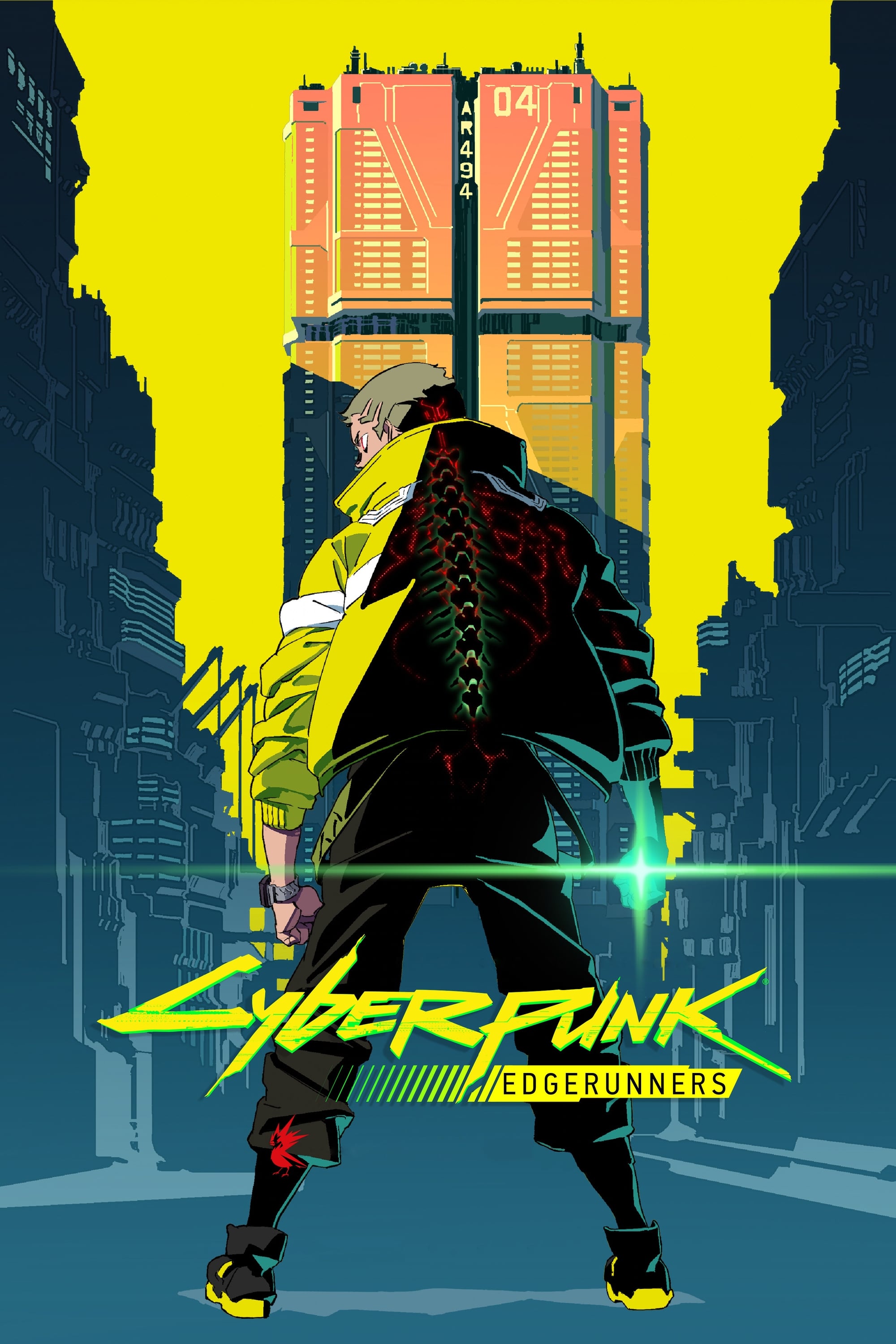
It was so tough watching the main character die, even though his love interest did make it through. The show’s creator, Rafal Jaki, and Studio Trigger explained that they didn’t want a simple happy ending for this story, because Night City is a really dark and unforgiving place. They felt that giving everyone a perfect outcome wouldn’t have fit the bleak, realistic world of the original video game, and it would have gone against everything the story was trying to say.
‘Gurren Lagann’ (2007)
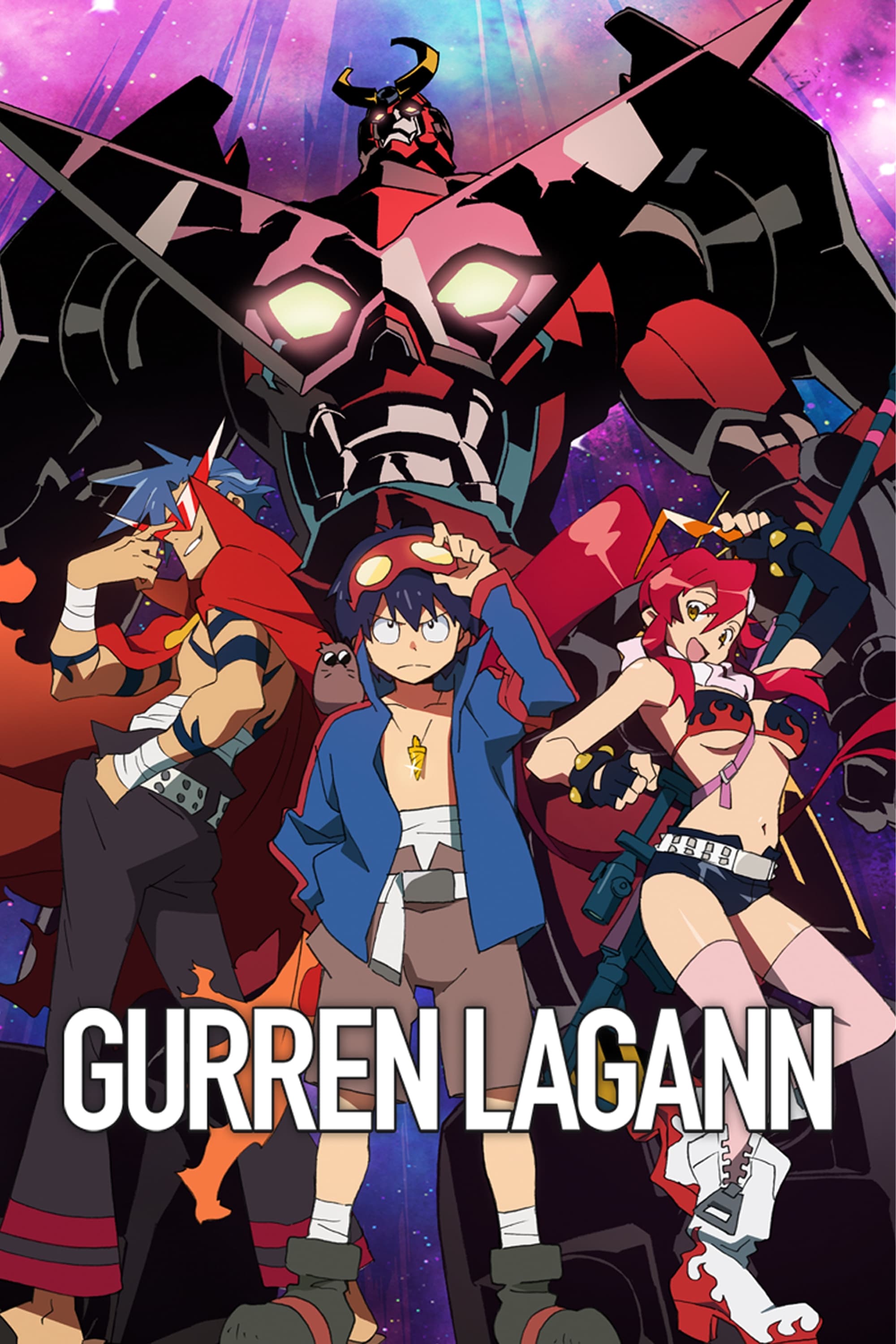
Nia’s death at the end of the show upset many fans who were hoping for a completely happy resolution after Simon’s win. The writer, Kazuki Nakashima, explained that this difficult choice was made to show Simon understanding the realities of life and death. He felt that bringing people back from the dead with Spiral Power would have turned Simon into a power-hungry ruler, much like the villain he had fought. The creative team believed this bittersweet ending was crucial to demonstrate Simon’s growth and sense of responsibility.
‘Mobile Suit Gundam: Iron-Blooded Orphans’ (2015–2017)

The director, Tatsuyuki Nagai, and writer, Mari Okada, made the controversial decision to kill the main character and dismantle his group at the end of the story. Many fans were unhappy with this dark conclusion, feeling the characters deserved a more positive resolution after everything they went through. The creators explained their choice, stating they wanted to portray the grim reality of child soldiers and show that violence doesn’t always result in a happy ending, emphasizing that the characters were always facing a hopeless situation.
‘Aldnoah.Zero’ (2014–2015)
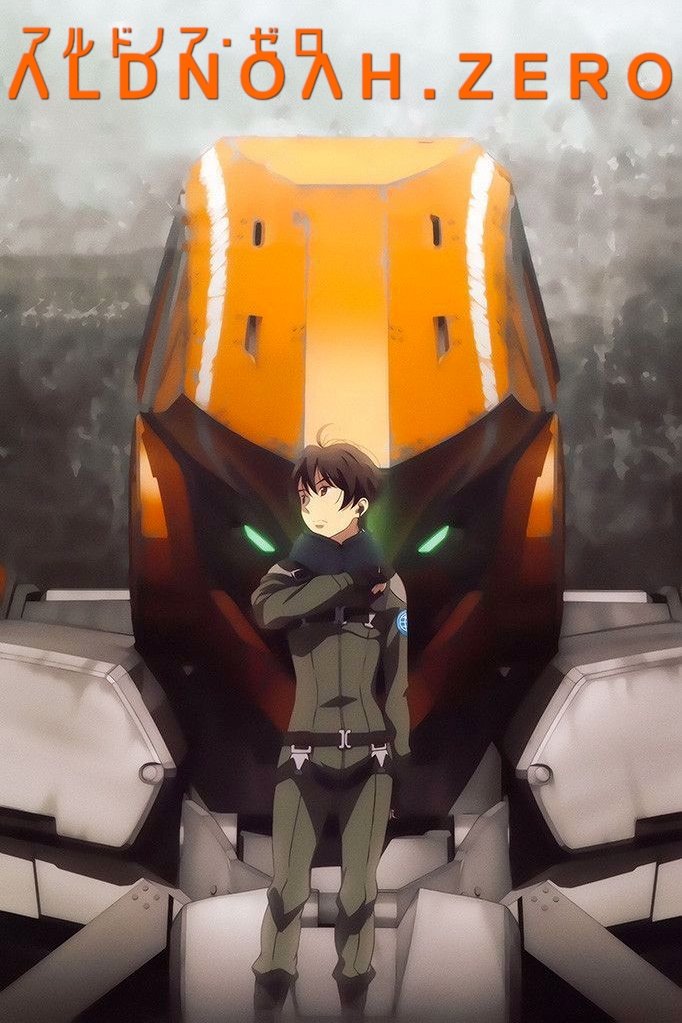
The audience was shocked when the princess married a less prominent character instead of one of the two main love interests. The show’s creators explained this decision, saying the story focuses on war and politics, not romance. They emphasized the marriage was a strategic political alliance meant to bring peace between Earth and Mars, and that in a realistic war setting, personal happiness often has to be put aside for the sake of a larger goal.
‘The Quintessential Quintuplets’ (2019–2021)
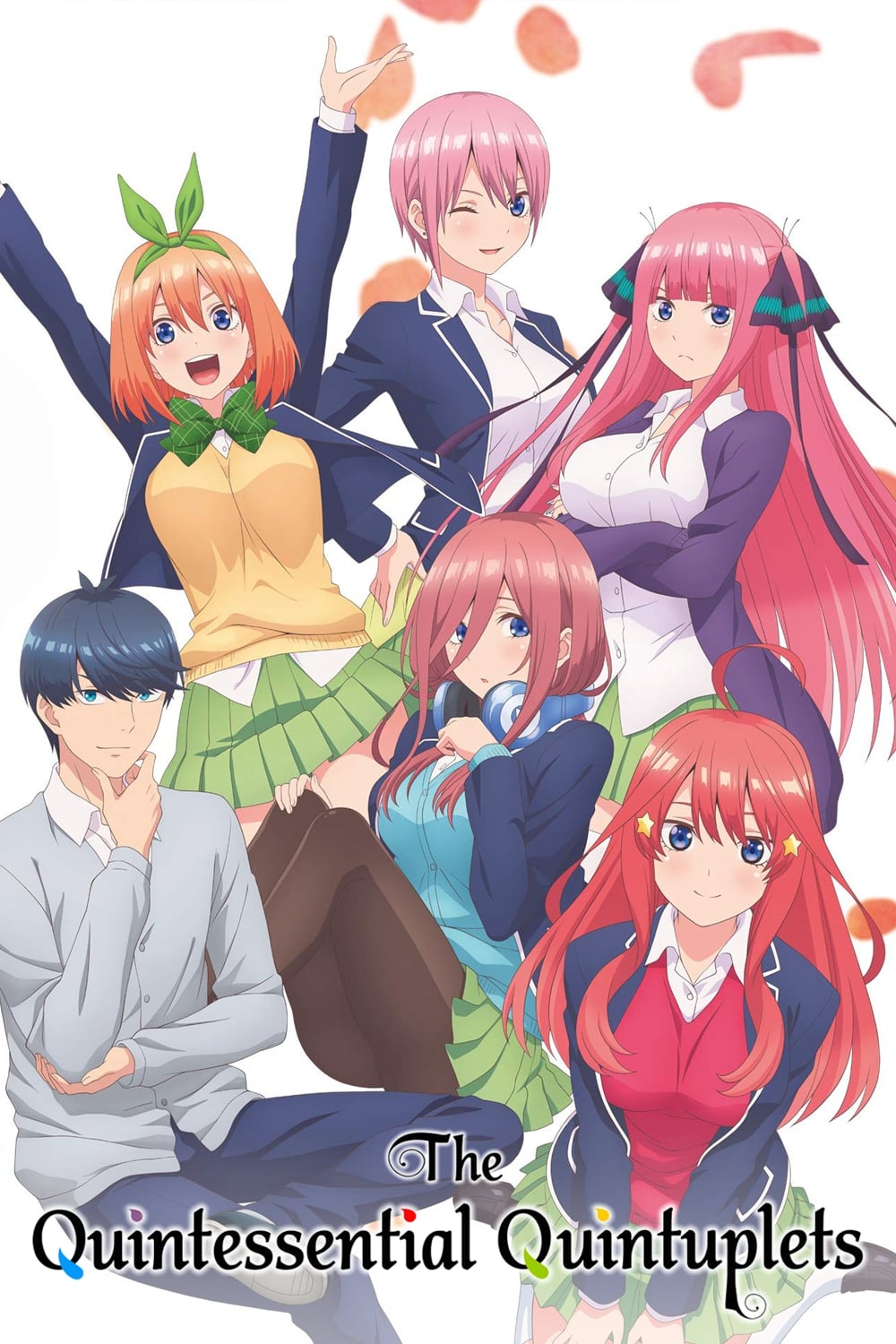
Negi Haruba shocked fans when he revealed Yotsuba would win the love story, even though she hadn’t been featured as much as her sisters. The author explained that he’d decided on this outcome from the start, wanting to avoid the typical trope of the first character introduced being the winner. Haruba believes careful readers would have noticed hints throughout the manga supporting this choice.
‘Death Note’ (2006–2007)
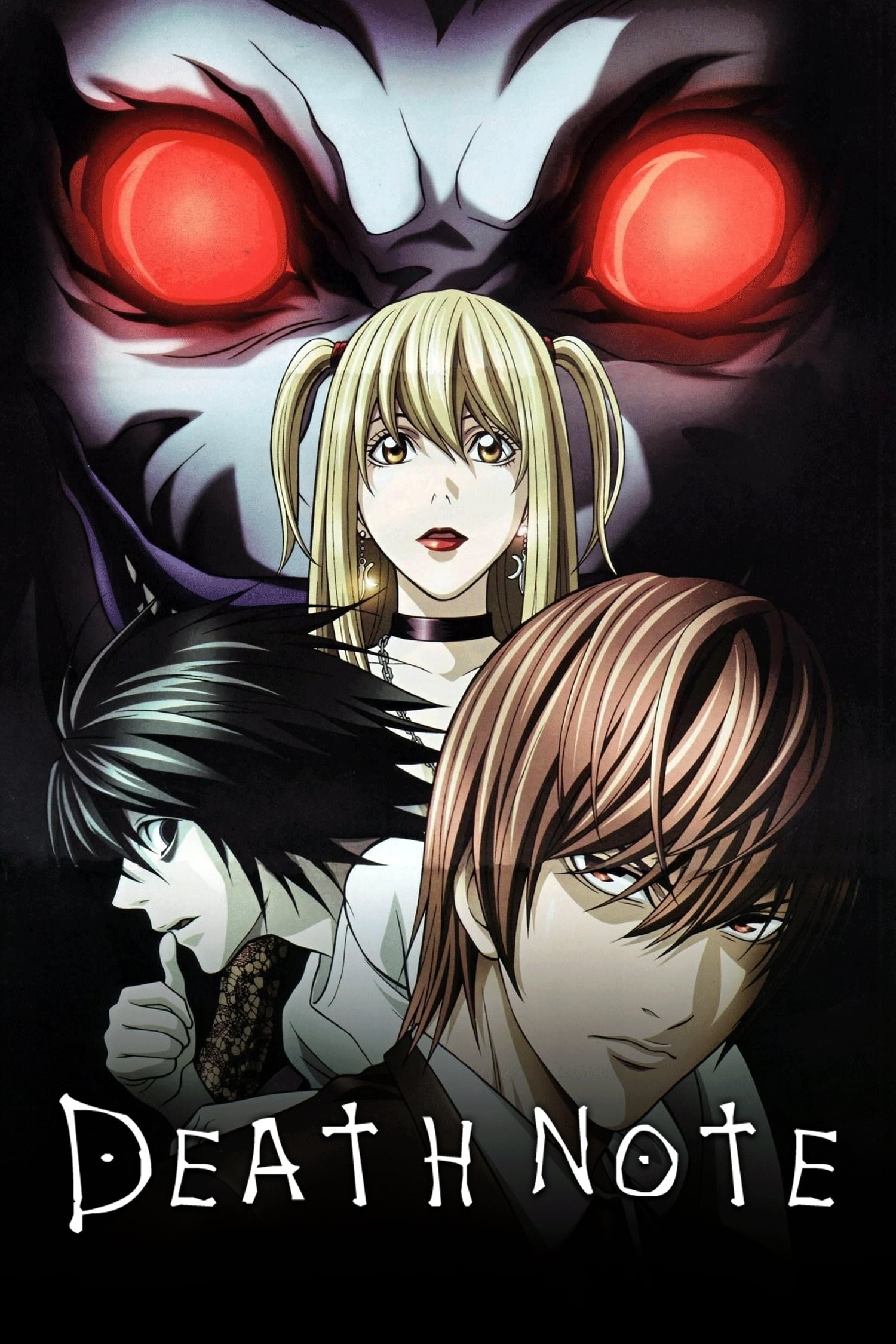
Some viewers were upset that Light Yagami’s death was undignified and filled with desperation, rather than heroic. However, writer Tsugumi Ohba explained that he never intended for Light to be seen as a god or a hero. He believed that as a mass murderer, Light deserved a humiliating end to demonstrate the futility of his goals. The creators aimed to show that the notebook ultimately brings only suffering to those who use it.
‘Fullmetal Alchemist’ (2003–2004)
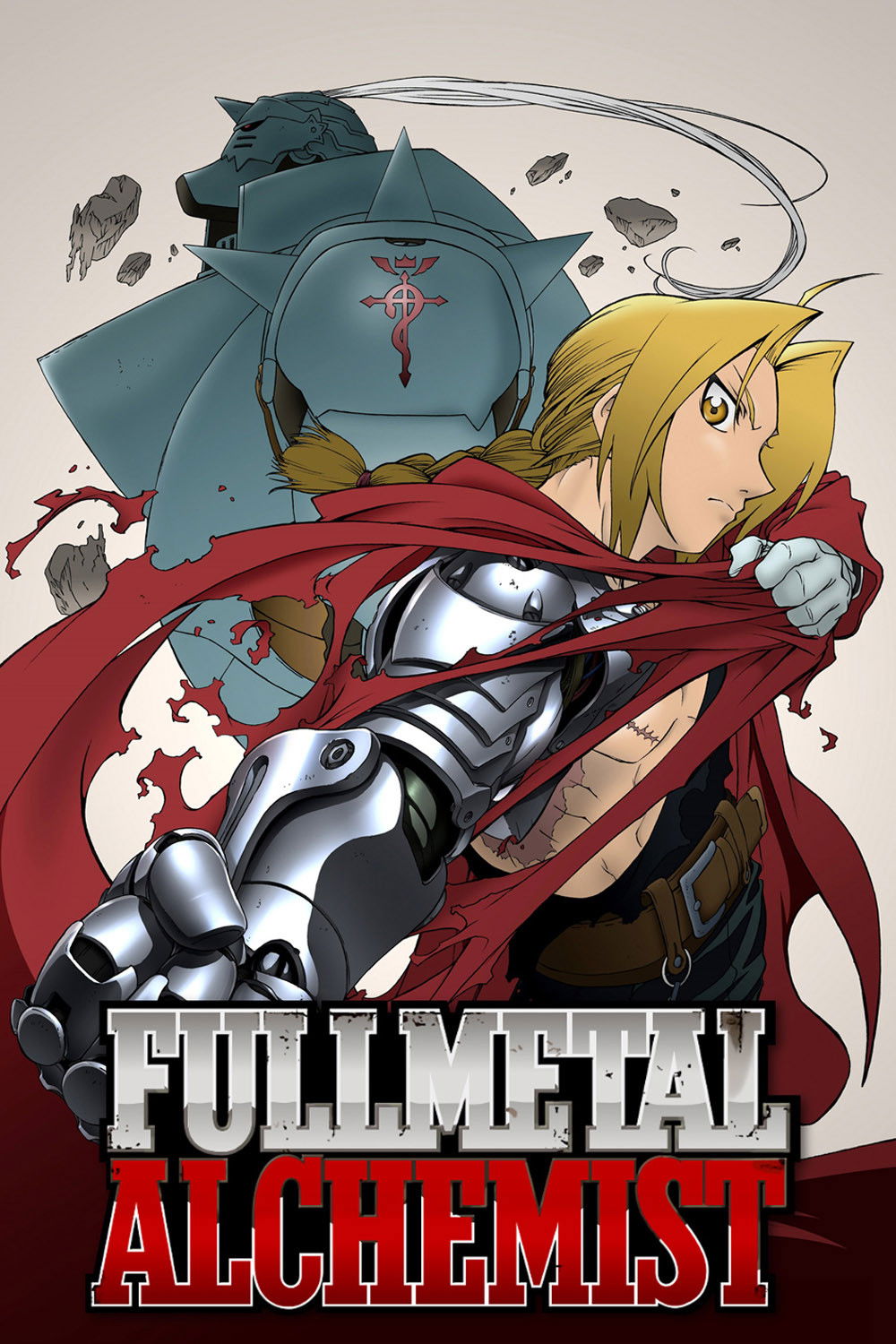
The initial anime series concluded with Edward stuck in our world, separated from Alphonse. Director Seiji Mizushima explained this ending was intentional, designed to show the true cost of Equivalent Exchange. He felt a completely happy ending wouldn’t have honored the sacrifices Edward and Alphonse made. The creative team believed this bittersweet conclusion offered a meaningful and fitting interpretation of the original story.
‘Cowboy Bebop’ (1998–1999)

Many fans were left wondering if Spike Spiegel survived the ending of the series. Director Shinichiro Watanabe has consistently avoided giving a definitive answer about his fate. He argues that the uncertainty is intentional, enhancing the artistic quality and staying true to the show’s themes. Watanabe feels that a clear resolution would diminish the power and emotional resonance of the final scene.
‘Samurai Flamenco’ (2013–2014)
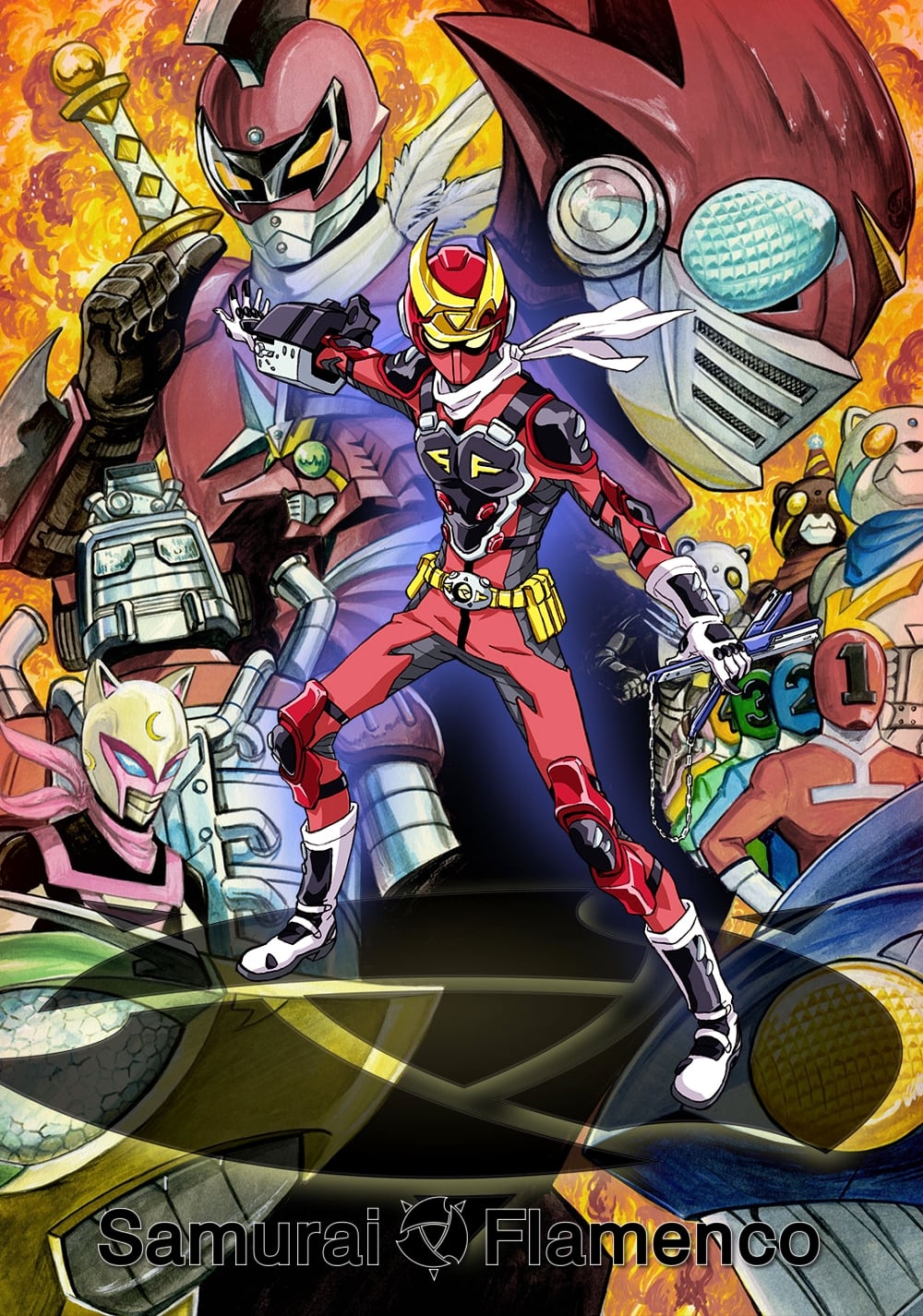
Many viewers were surprised and upset by the show’s sudden change from a gritty, realistic crime drama to a fantastical series with monsters. Director Takahiro Omori explained this shift was a deliberate homage to classic Japanese hero shows. He stated the series was always designed to explore and challenge the way superhero stories typically escalate. The creators stood by these dramatic changes, believing they were essential to the show’s overall message and refused to apologize for them.
‘Akame ga Kill!’ (2014)

The anime series took a surprising turn by killing off its main character, Tatsumi, and its storyline began to differ greatly from the original manga, which was still being created. The creators explained this tragic ending was necessary to wrap up the story within the limited number of episodes. They also felt the large number of deaths fit the harsh and violent world they had built. The team behind the show remained firm in their belief that the hero’s sacrifice was a fitting end, given the revolution’s stakes.
‘Soul Eater’ (2008–2009)
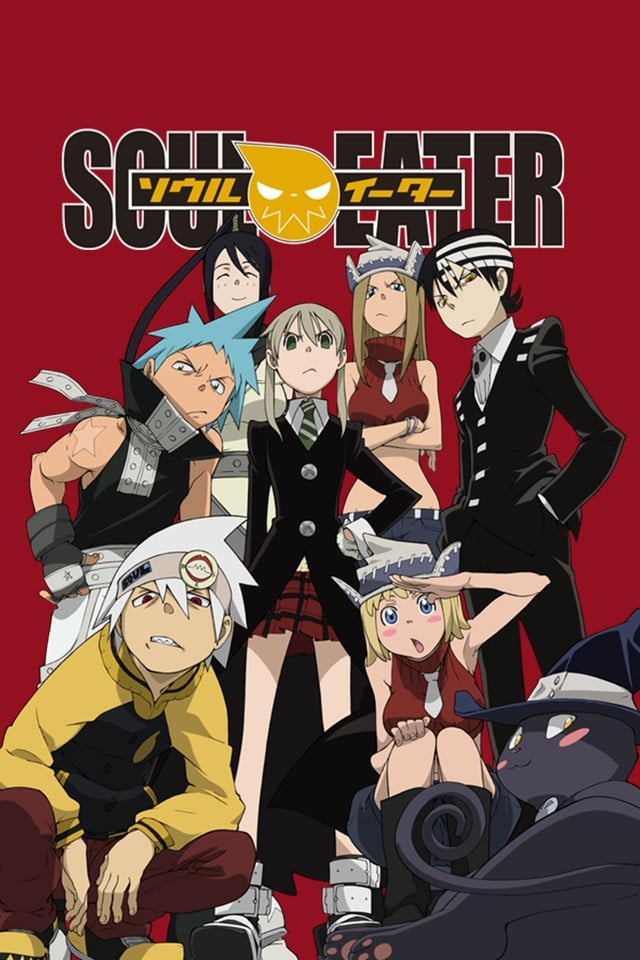
The anime series ended with Maka defeating the villain through sheer courage, opting for a simple punch instead of a complicated attack. The animation studio, Bones, explained this choice was necessary because they had reached the end of the source manga and needed to create their own conclusion. They emphasized that the show’s central message was about conquering fear, not just winning through power. The creators believed a triumph of spirit was a more fitting end than a purely forceful one.
‘Darling in the Franxx’ (2018)
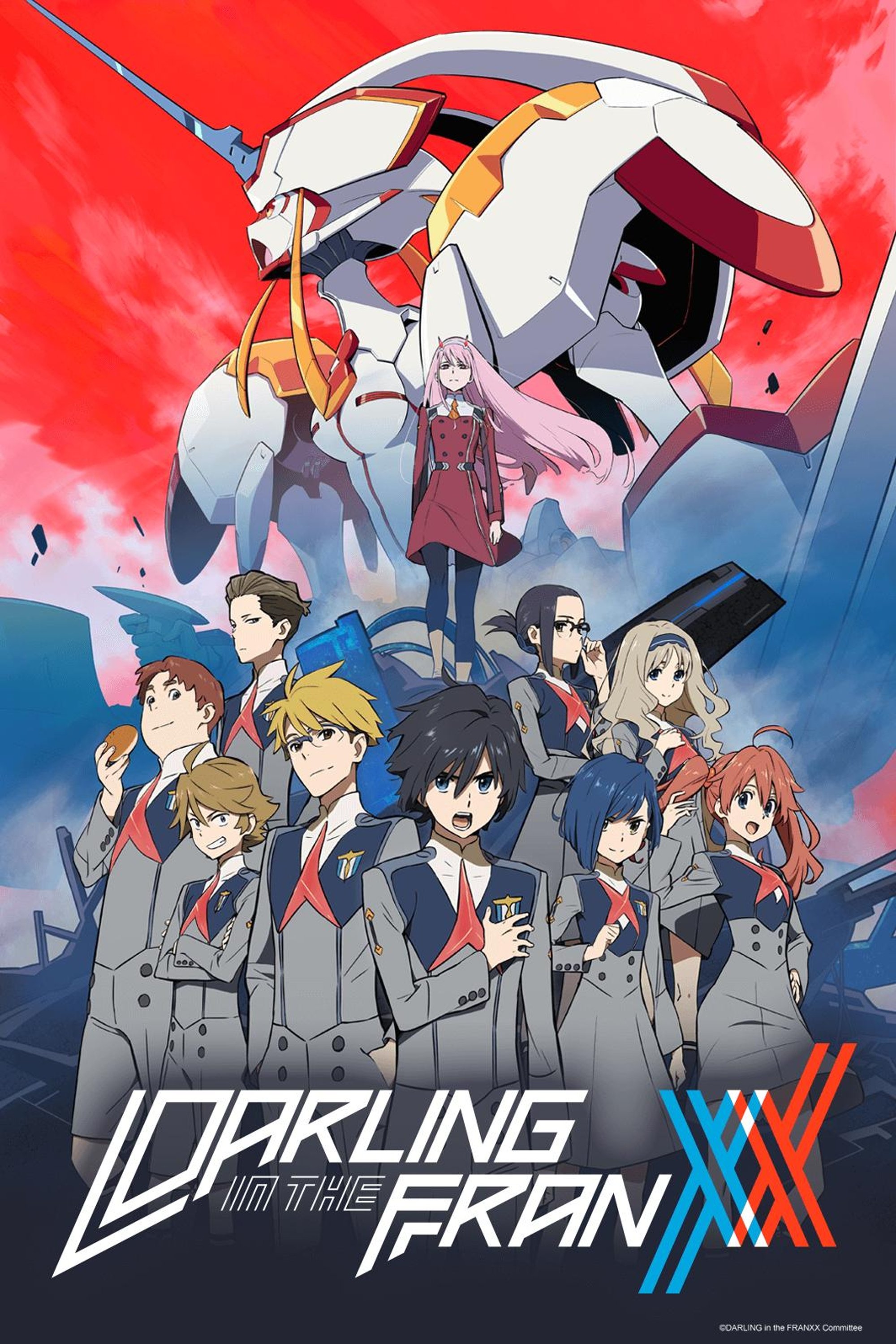
Many viewers were surprised by the sudden shift to space battles and an alien hive mind in the final episodes. Director Atsushi Nishigori explained that he wanted the finale to be grand in scale to demonstrate the boundless power of love. He felt the story needed to expand beyond Earth to truly showcase the deep connection between Hiro and Zero Two. The creators ultimately supported the choice to transform the mecha romance into a large, galactic story.
‘Prison School’ (2015)
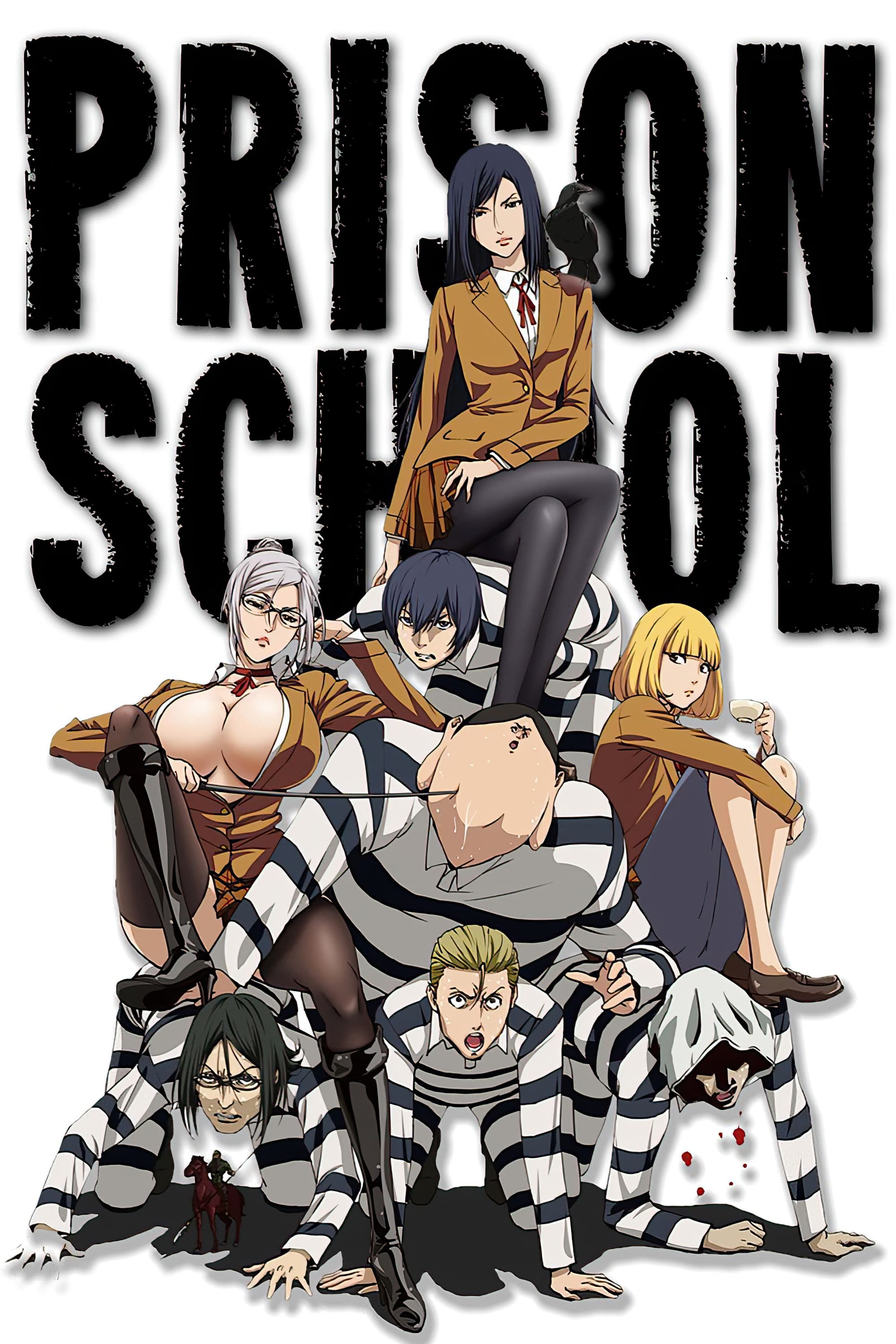
The manga’s ending frustrated many fans because it seemed to ignore the characters’ growth over the years, ultimately leaving the main character unhappy. Author Akira Hiramoto explained that this was intentional – he wanted to challenge expectations for typical romantic comedies. He suggested he deliberately aimed to surprise, and even playfully mislead, readers who were hoping for a conventional happy ending, believing the bizarre conclusion was consistent with the series’ overall humor.
‘School Days’ (2007)
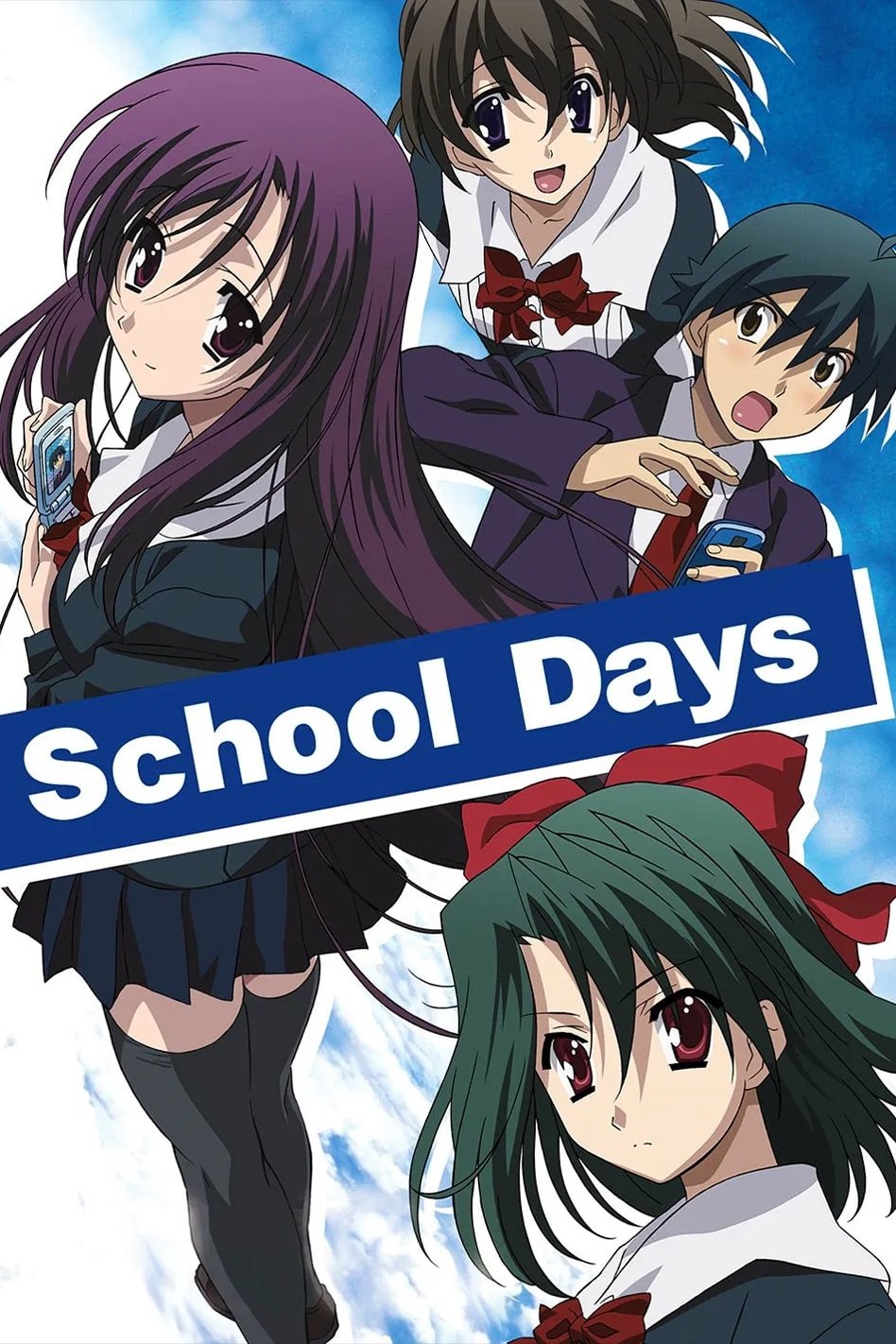
The romance anime ended with a shockingly violent scene that became widely known for its harshness. The creators explained this grim conclusion by saying it was a direct result of the main character’s poor choices. They felt a typical happy ending wouldn’t have adequately addressed his betrayal. The team intentionally aimed for a shocking impact, believing it would make the series more unforgettable.
‘Wolf’s Rain’ (2003)
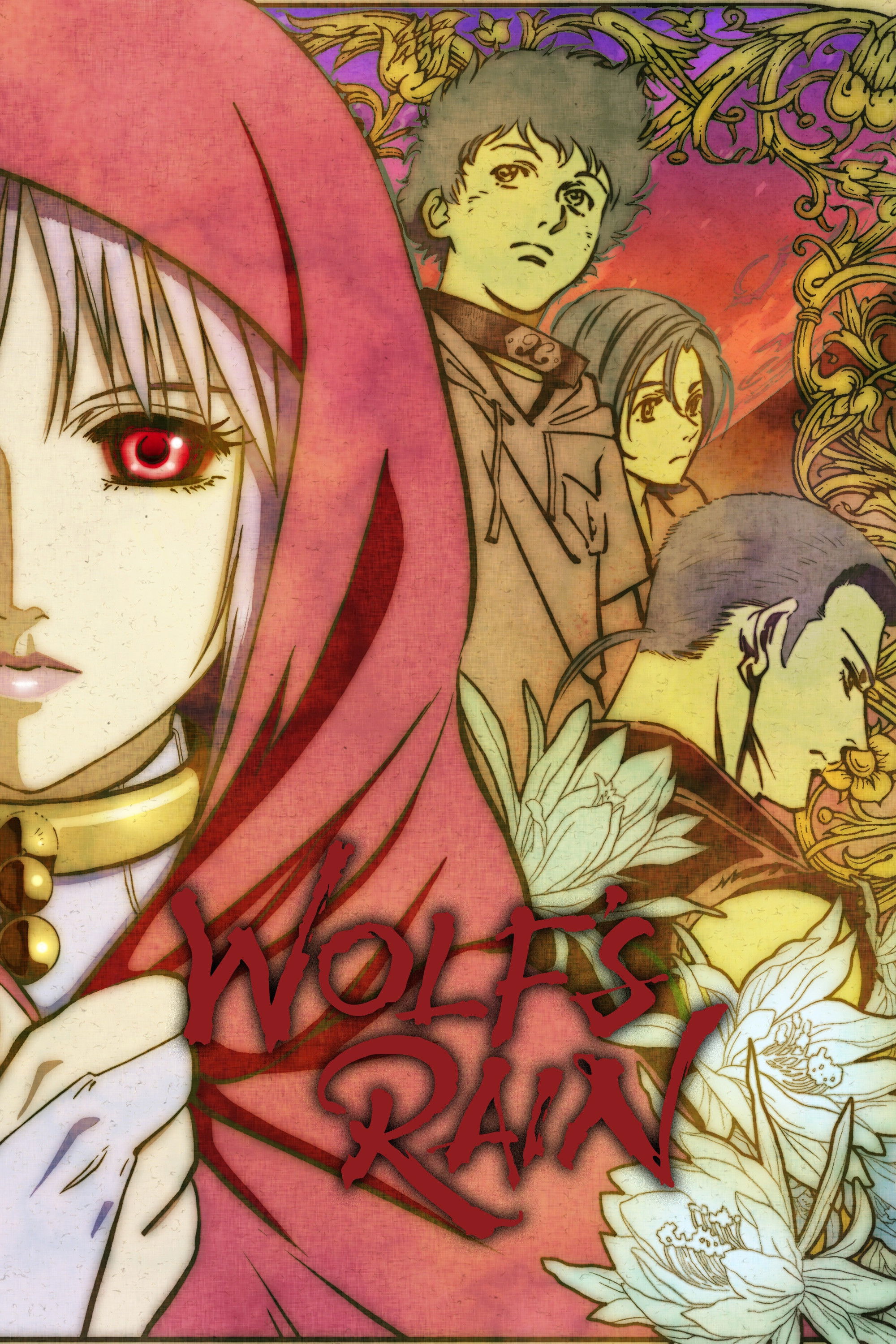
The final episode of the OVA series dramatically killed off all the main characters and reset the world, suggesting their struggles would begin again. The writers justified this bleak ending by explaining that the pursuit of a perfect world is a never-ending process. They argued that only through death could the characters escape their flawed reality, and the creative team felt a cheerful resolution wouldn’t have fit the show’s serious and thoughtful atmosphere.
‘Texhnolyze’ (2003)
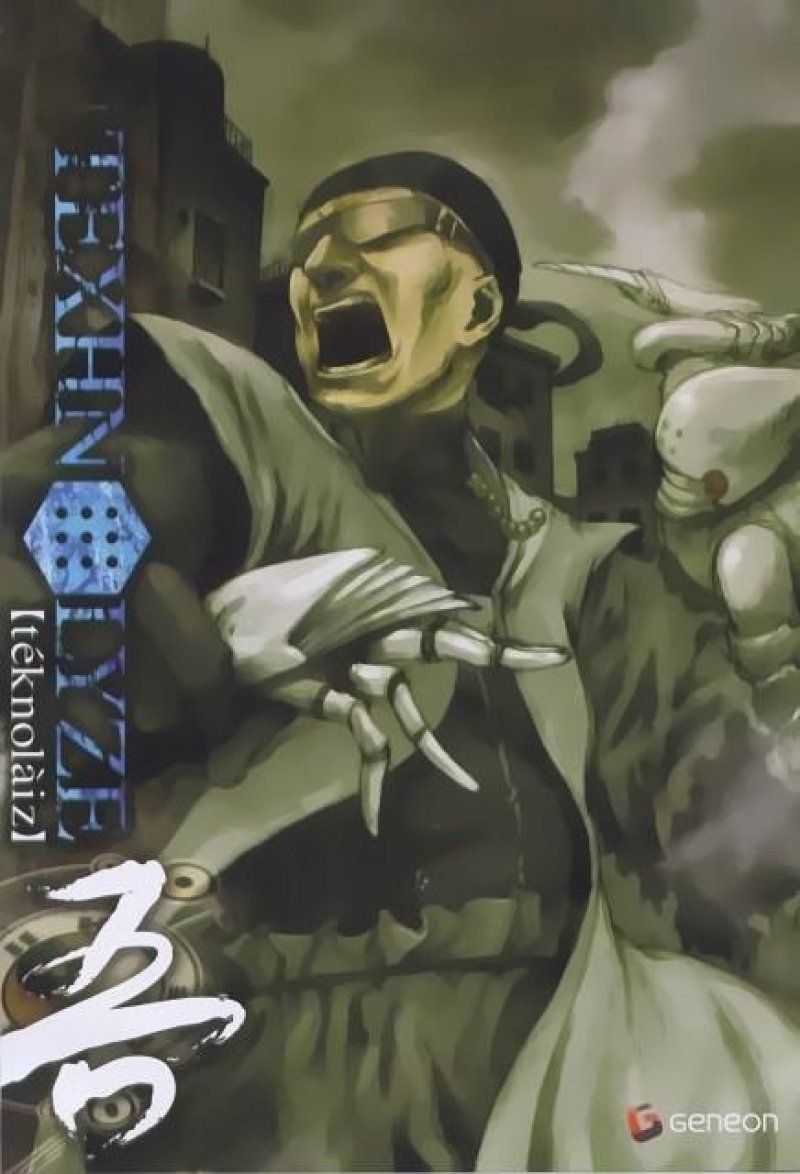
The show concluded with the complete disappearance of humankind and the protagonist’s death in a bleak, underground setting. The creators explained the story’s consistently dark tone as a deliberate embrace of nihilism, emphasizing their commitment to artistic vision over audience expectations. They firmly believed in the power of an ending where no characters survive, defending it as a matter of artistic principle.
‘Devilman Crybaby’ (2018)
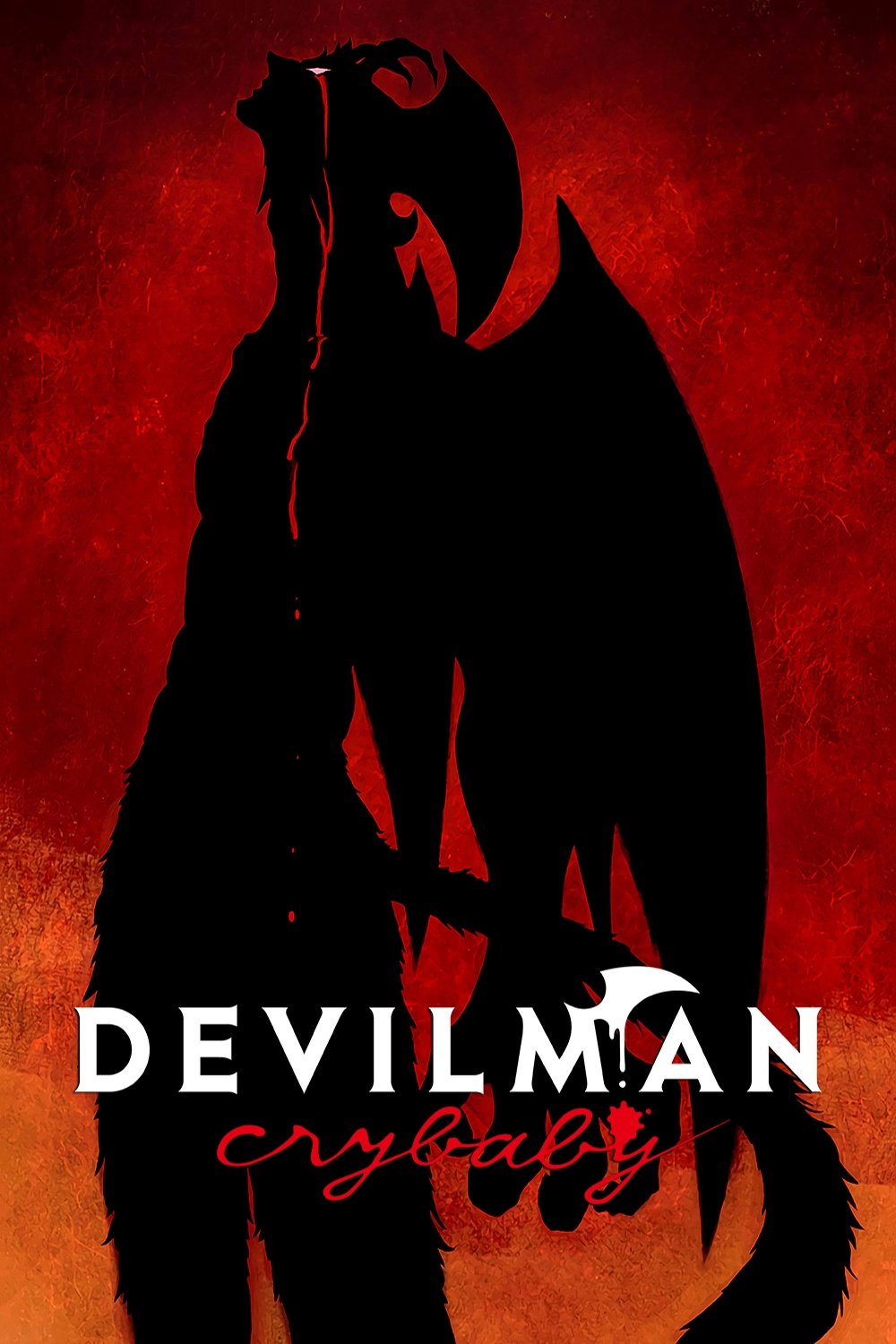
Director Masaaki Yuasa stayed true to the manga’s bleak ending, showing Satan weeping over the hero’s broken body. He believed this tragic conclusion was central to the story’s overall message – that love and sorrow are all that endure after everything is destroyed. Yuasa intentionally didn’t shy away from the sadness, wanting viewers to fully experience the impact of the loss.
‘Erased’ (2016)
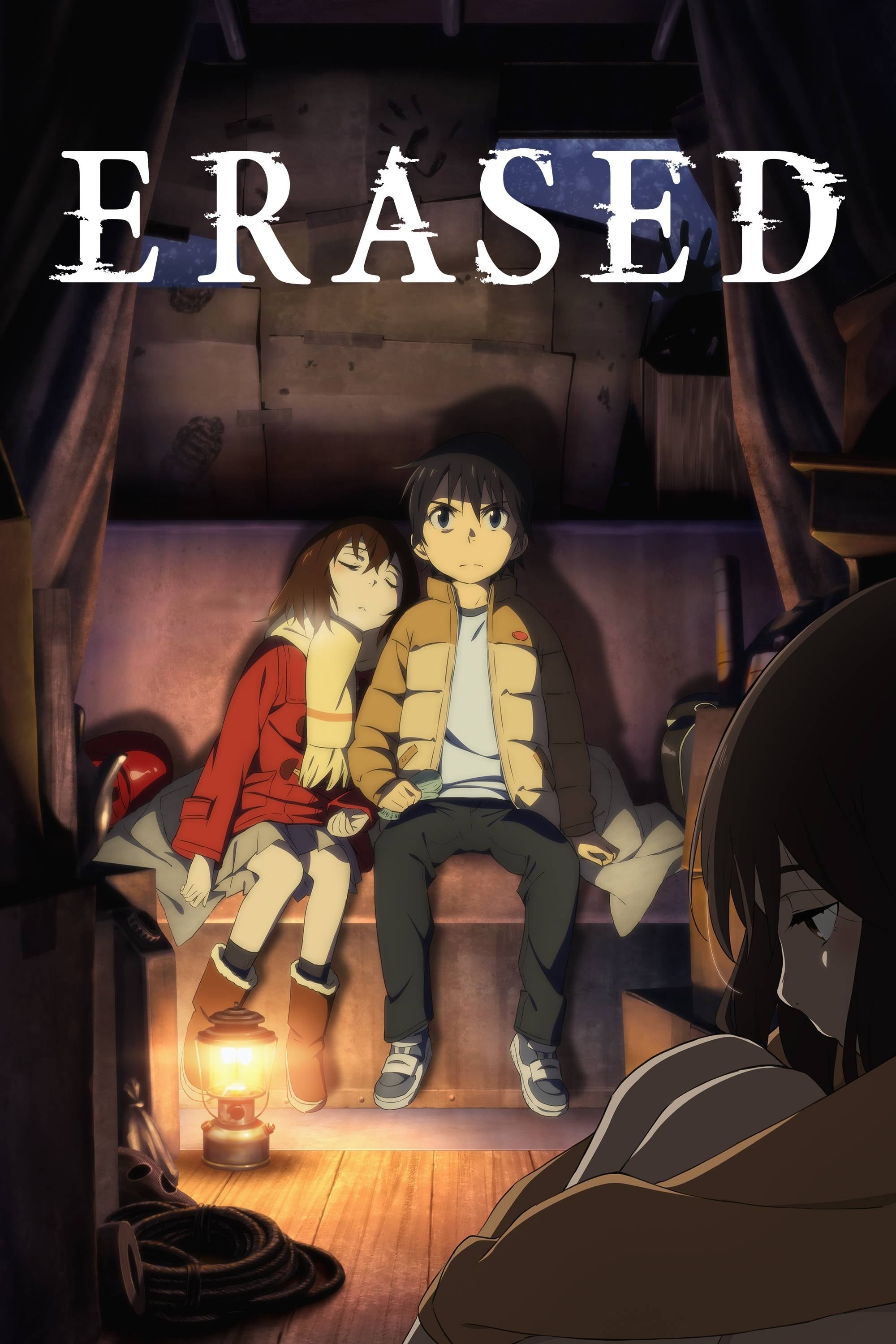
Many viewers were disappointed that the main character didn’t end up with the woman he rescued from a serial killer. However, the author and director explained their decision, stating that after years in a coma, people’s lives naturally move forward. They felt it showed the hero’s success that the woman found happiness with someone else, emphasizing that the story focused on heroism, not romance.
‘5 Centimeters Per Second’ (2007)
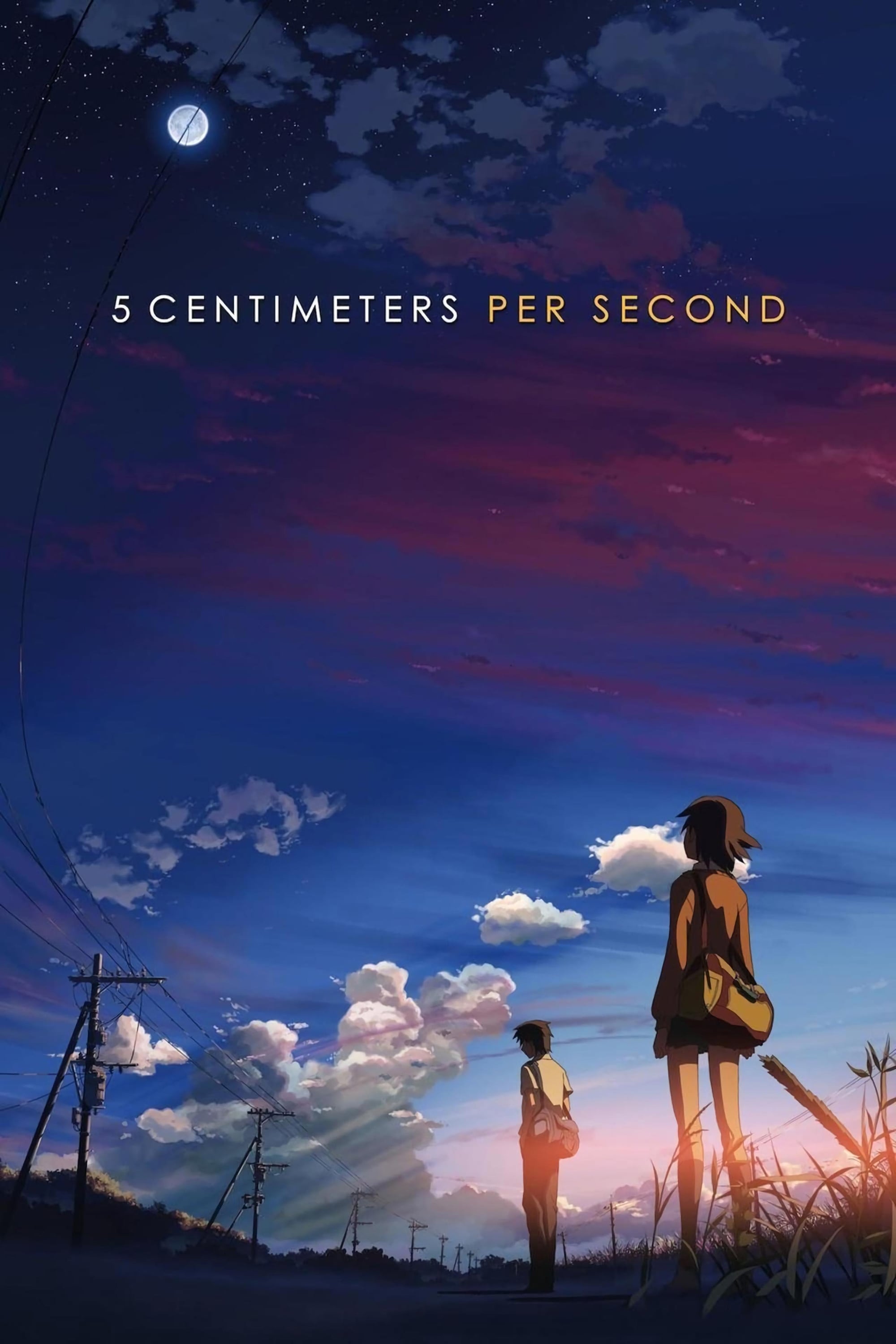
Makoto Shinkai chose not to have the main characters reunite at the end of the film, letting them simply pass each other at a train crossing. He explained this decision by saying he aimed for a realistic portrayal of relationships, acknowledging that people often grow apart. Shinkai believes there’s a certain beauty in cherishing past memories and that life doesn’t always provide neat and tidy endings. He felt the ending accurately reflected this reality.
‘Panty & Stocking with Garterbelt’ (2010)
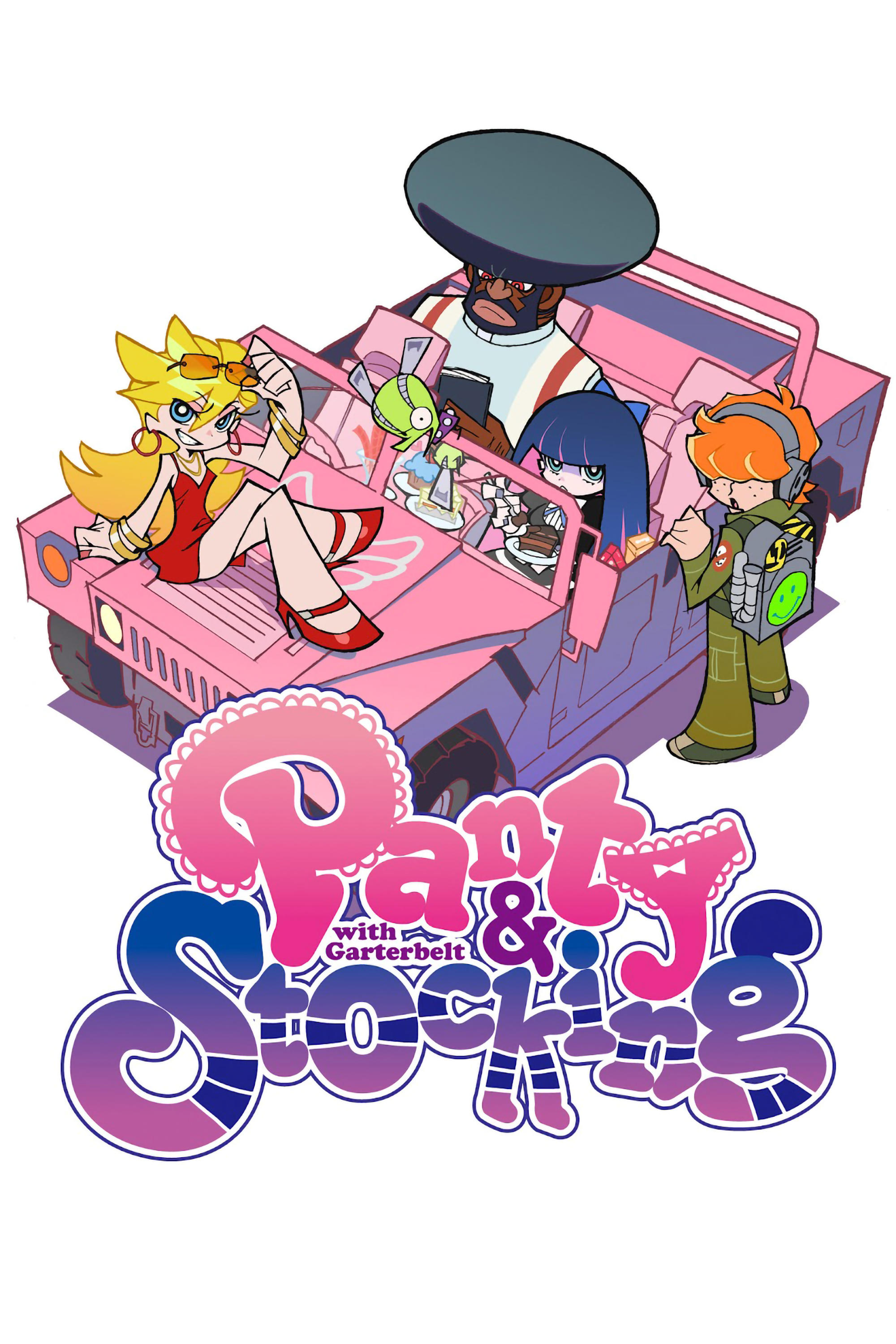
The last episode ended with a surprising and confusing turn: one of the main characters betrayed her sister, leaving the story feeling disjointed. Director Hiroyuki Imaishi said this unexpected twist was intentional, a final playful joke for viewers. He explained that the show was always meant to be chaotic, so a straightforward, serious ending wouldn’t have fit. The creators believed the confusion actually added to the entertainment.
‘Dragon Ball GT’ (1996–1997)
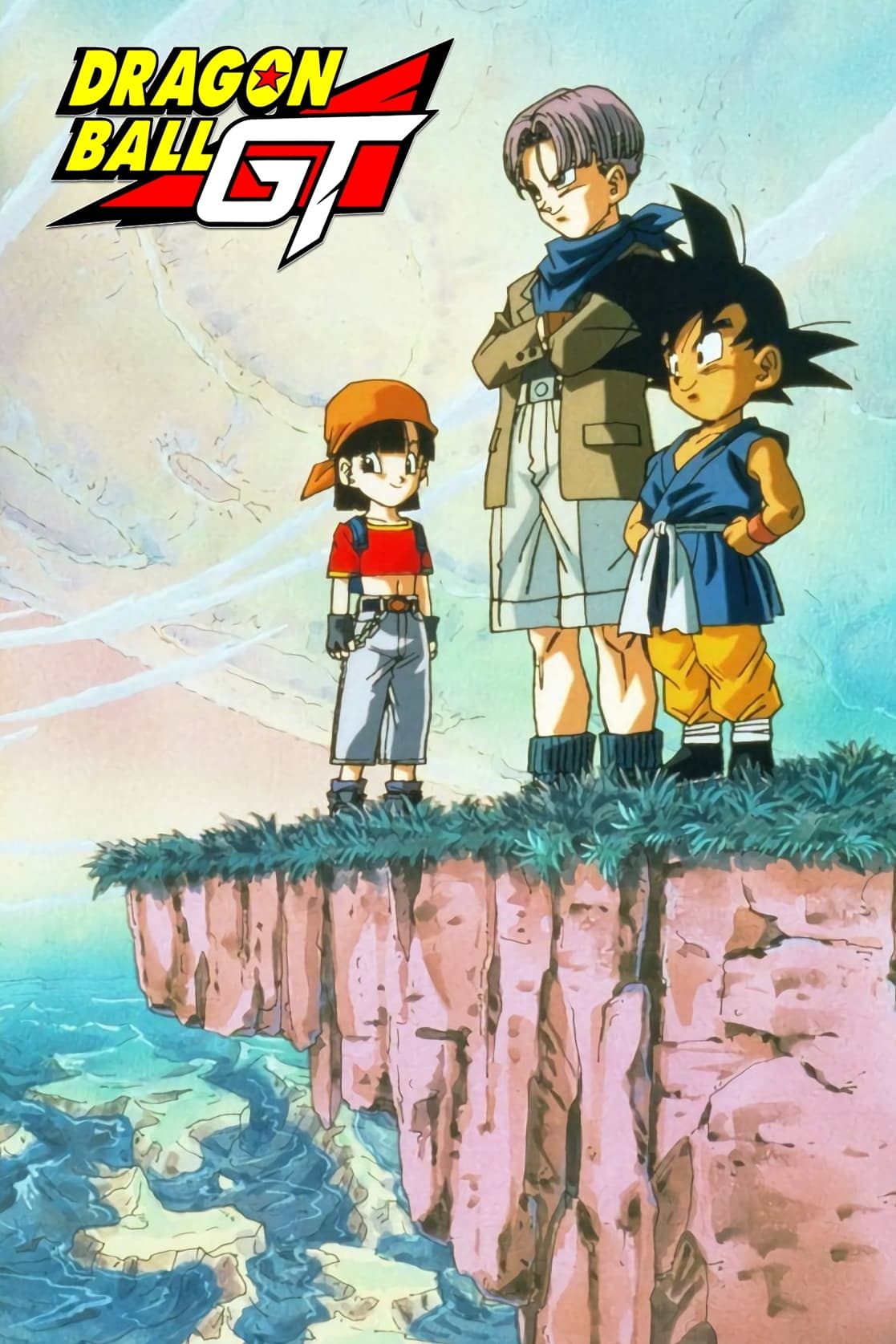
The series concluded with Goku fusing with the dragon and leaving Earth. The creators explained this ending as a fitting retirement for the character after many years of battles. They felt Goku had become too strong for the world and needed to move on to a higher level of existence. They believed this emotional farewell was the best way to conclude the story at that moment.
Tell us which anime ending you think deserved the defense it got in the comments.
Read More
- Invincible Season 4 Gender Swaps Tech Jacket As Fans Question Major Comic Change
- Building Agents That Learn and Improve Themselves
- Gold Rate Forecast
- Superman Flops Financially: $350M Budget, Still No Profit (Scoop Confirmed)
- Games That Faced Bans in Countries Over Political Themes
- Silver Rate Forecast
- Trading Crypto with AI: A New Approach to Portfolio Management
- Unveiling the Schwab U.S. Dividend Equity ETF: A Portent of Financial Growth
- 22 Films Where the White Protagonist Is Canonically the Sidekick to a Black Lead
- 15 Films That Were Shot Entirely on Phones
2026-02-04 04:17