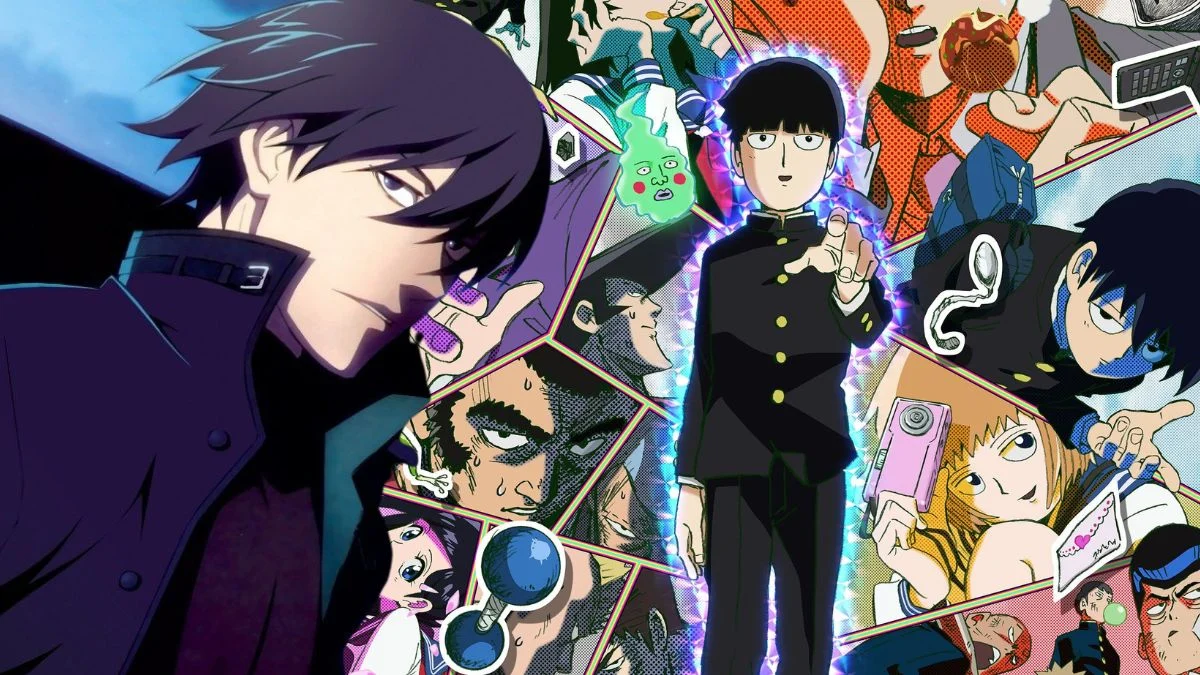
Anime that blends ancient myths with futuristic technology is a captivating genre. These shows explore what happens when traditional spirits and magic meet smartphones and high-tech weapons. Creators often retell classic stories, reimagining them with science fiction and modern digital elements. This creates a fresh and unique world where you might see gods texting or supernatural hunters using mechanical tools.
‘Yo-kai Watch’ (2014)
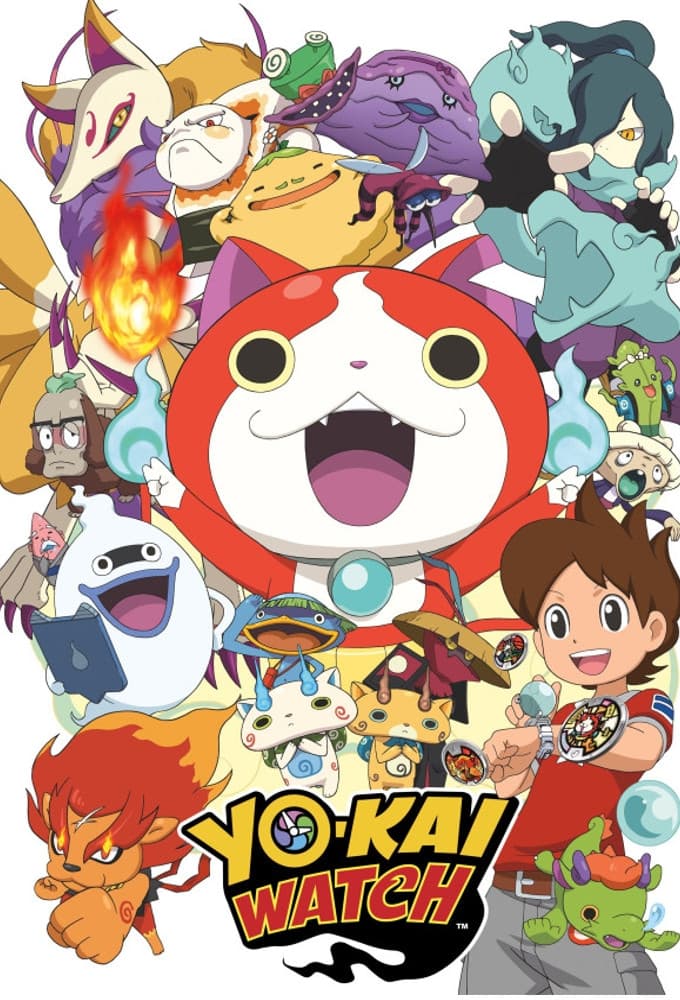
While exploring the forest, the main character finds a strange machine that gives him a unique wristwatch. This watch allows him to see Yo-kai – playful spirits that affect how people act. Instead of just being able to sense spirits, the watch turns it into a game of finding and collecting them, making it appealing to today’s audiences. Essentially, it connects the ordinary world with the hidden, magical realm of Japanese legends.
‘Neon Genesis Evangelion’ (1995–1996)
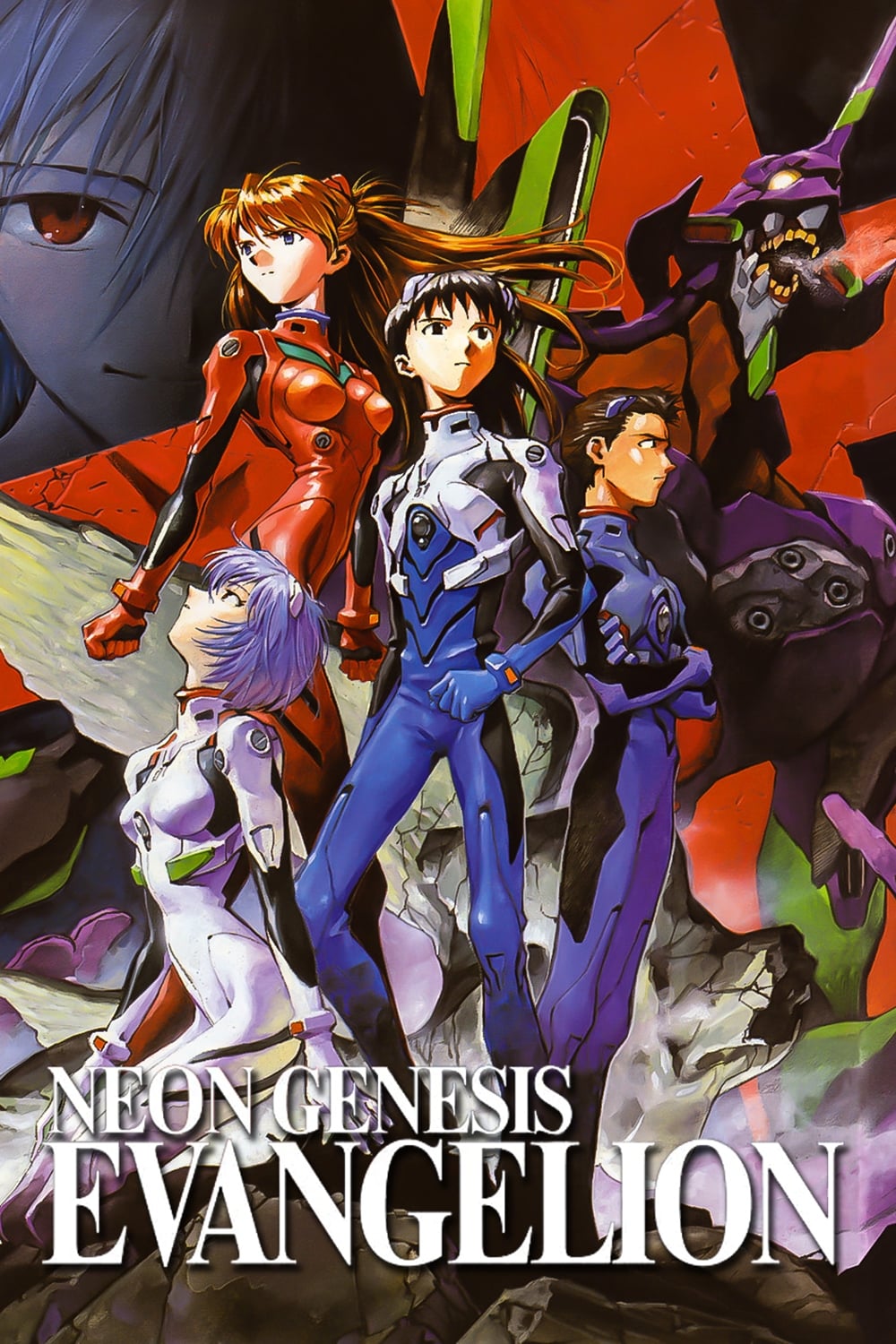
Okay, so I just finished watching this, and wow. It’s a really unique take on the giant robot genre. Forget simple robots – these ‘Evangelions’ are basically living, breathing machines built with biological parts and, get this, human souls. The whole thing is steeped in religious imagery – think angels, the Dead Sea Scrolls, a lot of Judeo-Christian symbolism – but it’s presented alongside all this complex scientific explanation. It’s not just about fighting monsters; it’s a deep dive into the characters’ psychological trauma and explores what it means to have a soul…inside a machine. It’s heavy, it’s thought-provoking, and definitely not your typical action flick.
‘Outlaw Star’ (1998)
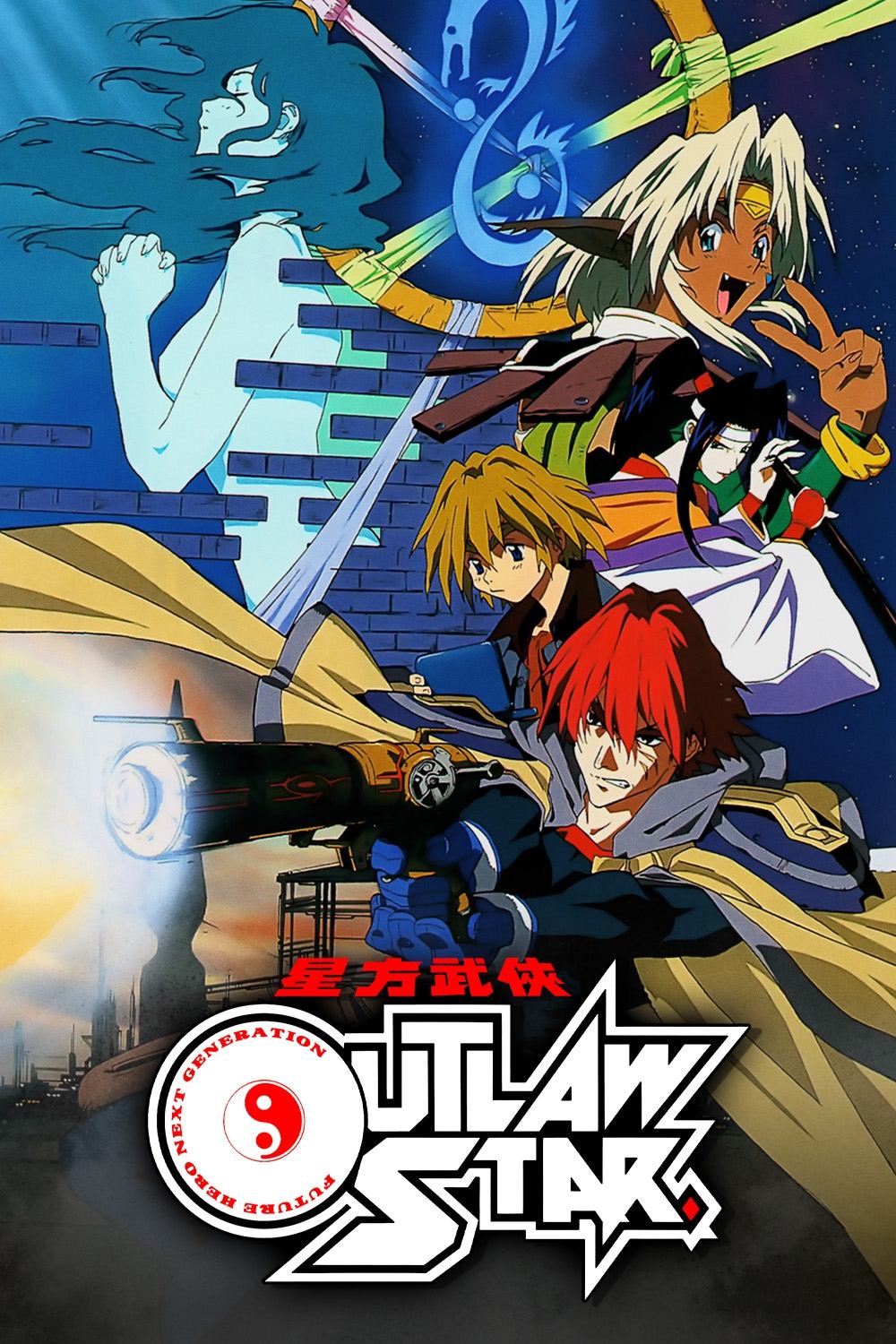
A spaceship crew is on a quest to find the Galactic Leyline, a source of incredible power. Instead of bullets, they use special guns that fire magical energy contained in ancient spell-shells. The story blends the excitement of space adventures with the wonder of fantasy magic, drawing inspiration from Taoist philosophy. This unique combination creates a world where both technology and magical energy are essential for staying alive.
‘Ghost in the Shell’ (1995)
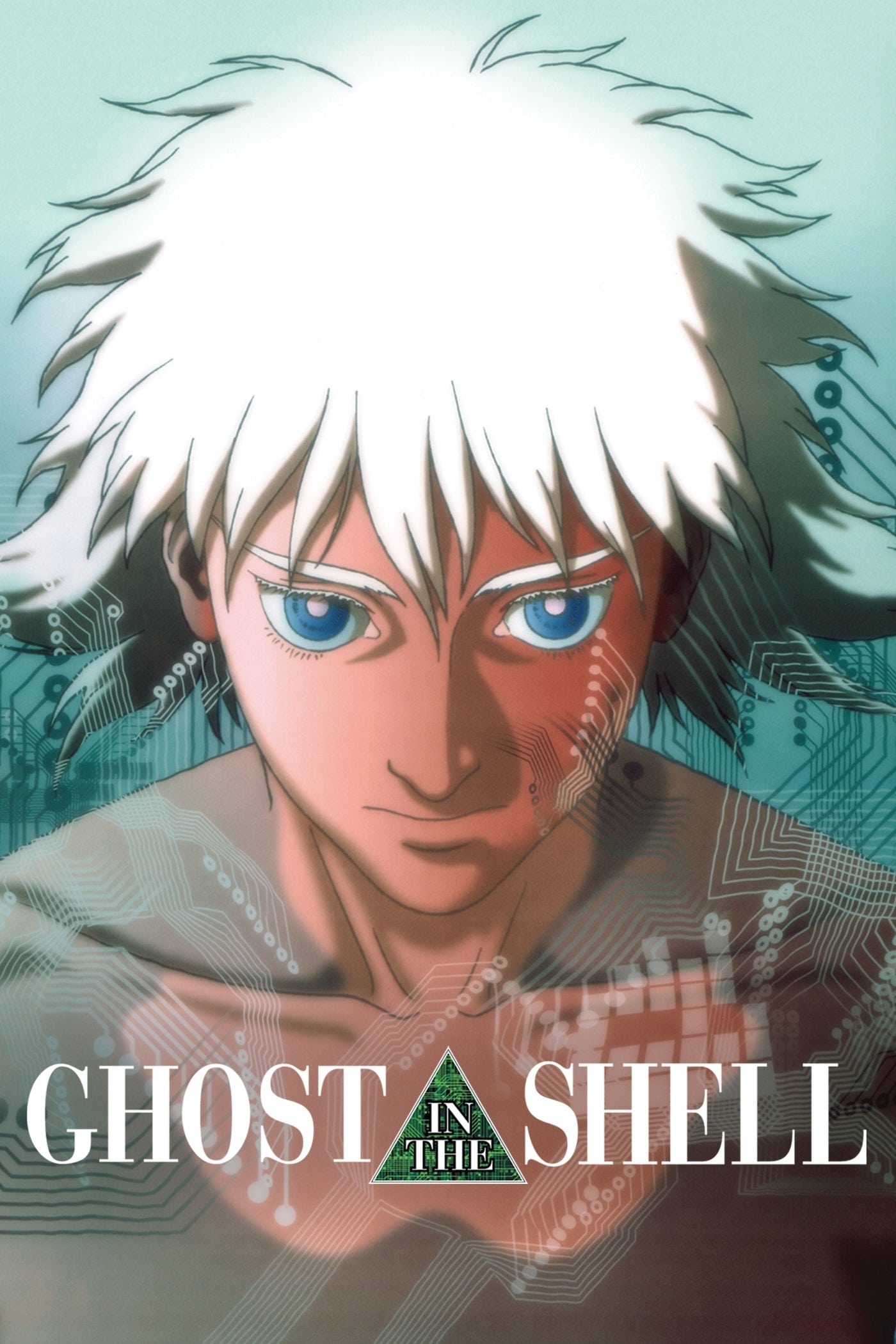
The movie delves into the big questions about what happens when we can upload our minds into robotic bodies. It uses the idea of a ‘ghost’ – representing our soul or inner self – to highlight the difference between who we are inside and the artificial bodies we might inhabit. This connects to age-old ideas about the mind being separate from the body, and makes us wonder what truly defines being human if our physical form is completely artificial.
‘Ah! My Goddess’ (2005)

A college student misdials a phone number and unexpectedly reaches a goddess who offers him one wish. This goddess exists in a world where everything – from reality to spiritual energy – is controlled by a massive, complex computer system called Yggdrasil. Think of angels and demons as programs running within this system – some helpful, some harmful, like software or viruses. The show puts a unique spin on Norse mythology by reimagining it with ideas from computer science and system administration.
‘Serial Experiments Lain’ (1998)
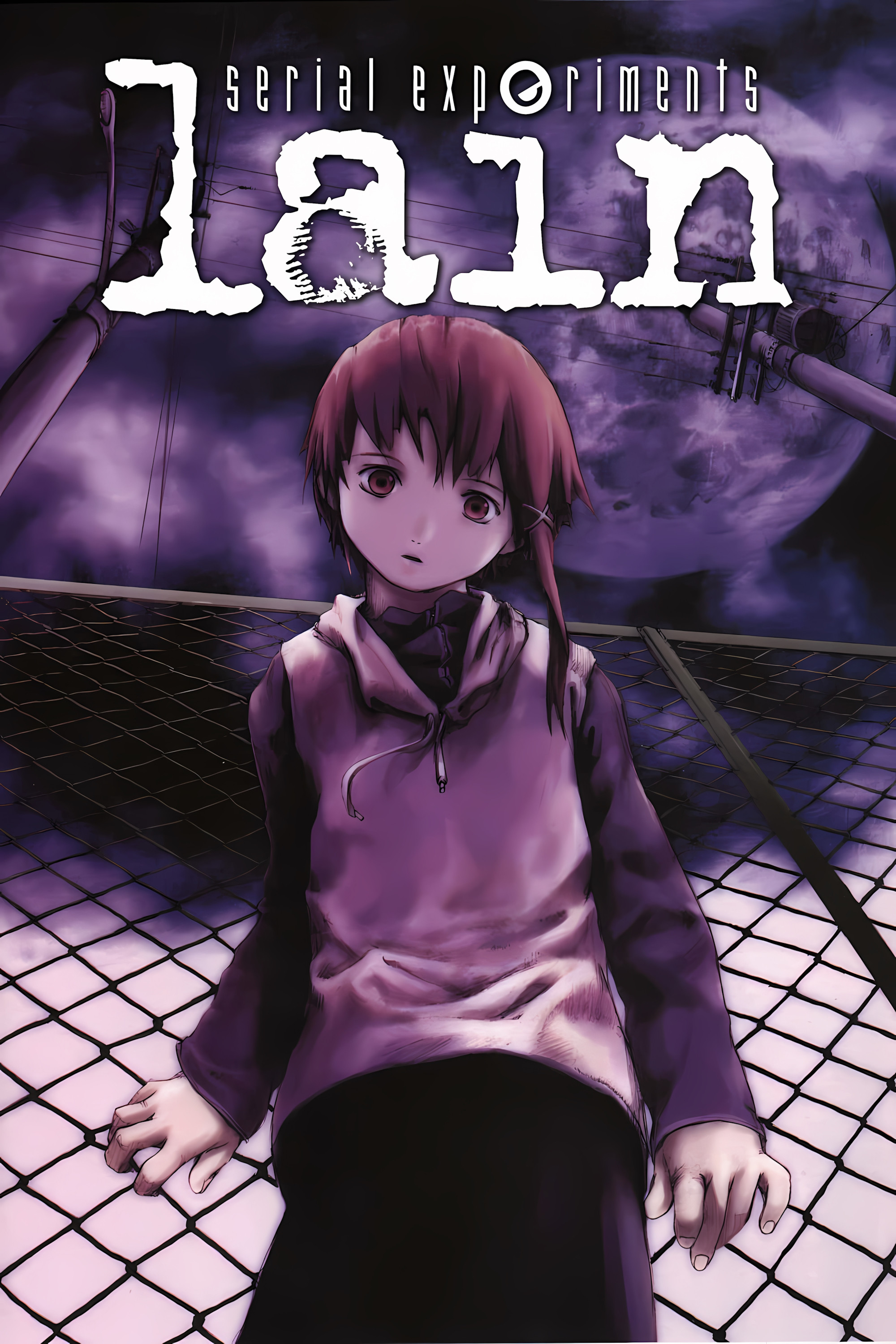
A shy young woman becomes fascinated with the Wired, a worldwide communication network like the internet. As she spends more time online, the line between reality and the digital world becomes increasingly unclear, fueled by whispers of a powerful intelligence within the network. The story explores the concept of a shared human consciousness taking shape through technology, portraying the digital world as a new home for the human spirit.
‘Shaman King’ (2001–2002)
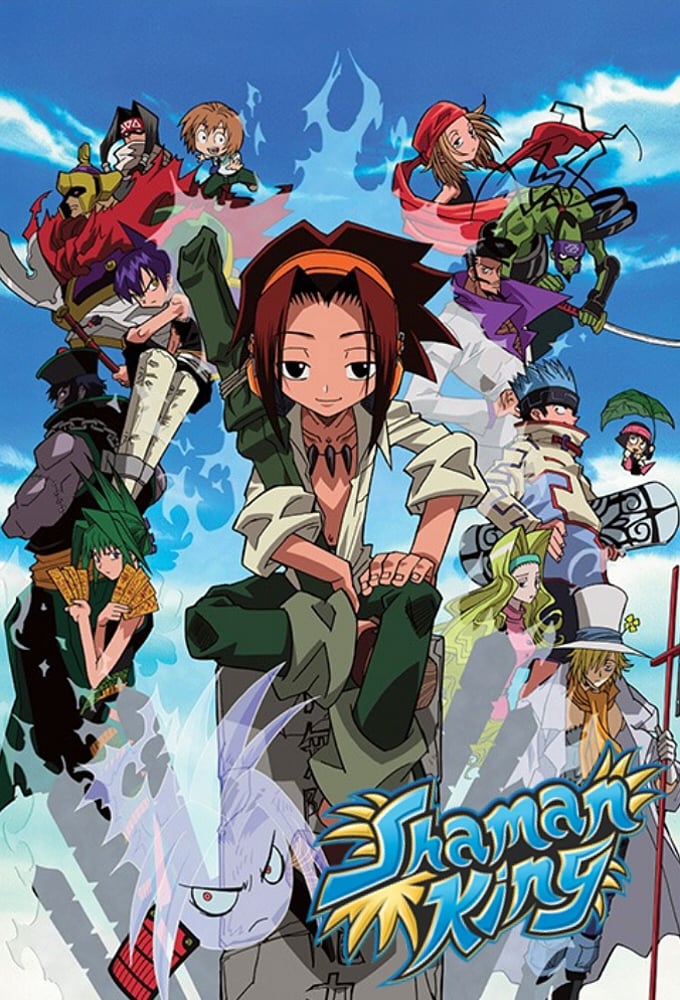
Shamans from different cultures gather to compete for the title of Great Spirit’s chosen one. They use special devices called Oracle Bells – handheld tools that measure their spiritual energy and help them stay connected with tournament organizers. These Bells combine ancient shamanic practices with modern technology, showing how spiritual traditions are evolving in today’s world.
‘Digimon Tamers’ (2001–2002)
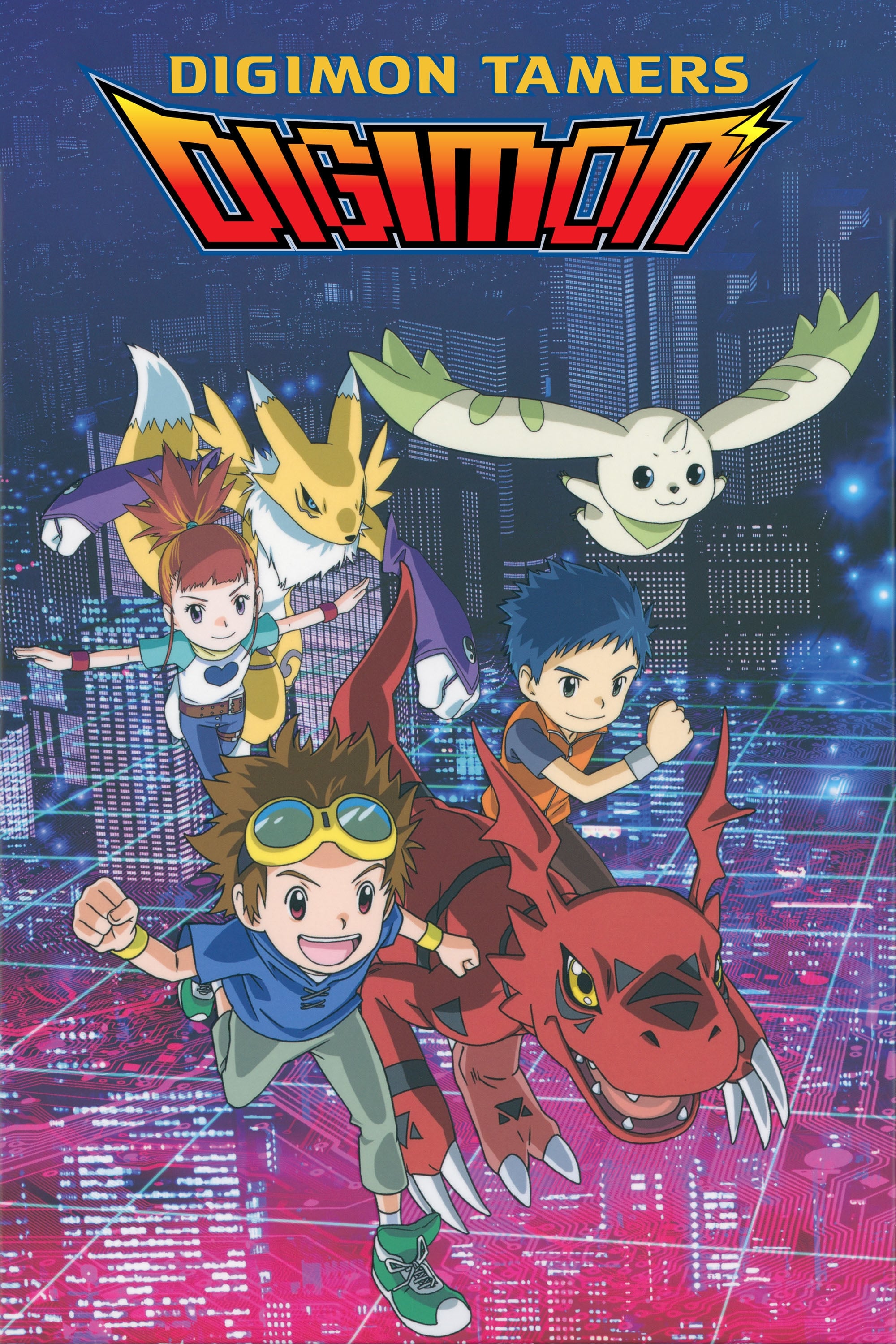
Kids use special cards to change and strengthen their digital monsters when they battle. These monsters are made of data and are often based on myths and legendary creatures from around the world. The technology lets players directly affect how these digital creatures grow and what they can do. It’s like computer code bringing folklore to life in Tokyo, creating a constantly evolving world.
‘Magical Girl Lyrical Nanoha’ (2004)
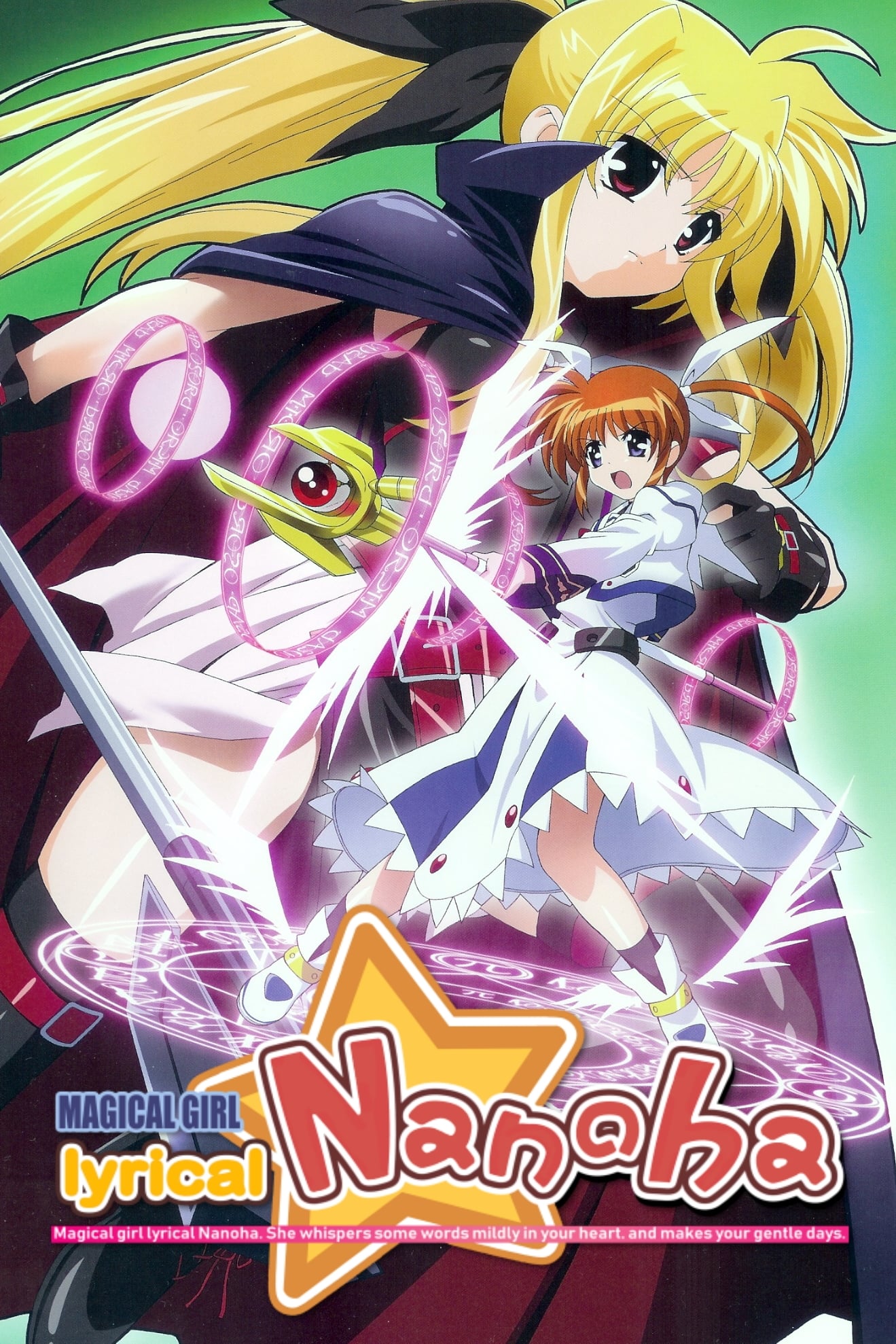
The story begins when the main character finds an injured ferret, who is secretly a powerful mage from another world. She’s given a high-tech device that acts as both a weapon and a tool for casting spells. In this world, magic isn’t about chanting—it works more like computer programming, demanding exact calculations and commands. Instead of traditional spells, the series uses technology and energy beams to create magical effects.
‘The Irregular at Magic High School’ (2014)

As a total cinema lover, I’ve seen a fascinating trend in recent films: magic isn’t some mysterious, ancient art anymore. It’s become almost…scientific. In this world, kids learn magic in high school, but it’s less about rituals and more about technology. Forget wands and staffs – they use these cool devices, kind of like smartphones or pistols, to cast spells quickly and accurately. It’s like they’ve figured out the physics of magic and are just engineering it to work better. It’s a really interesting take on supernatural abilities!
‘A Certain Magical Index’ (2008–2009)
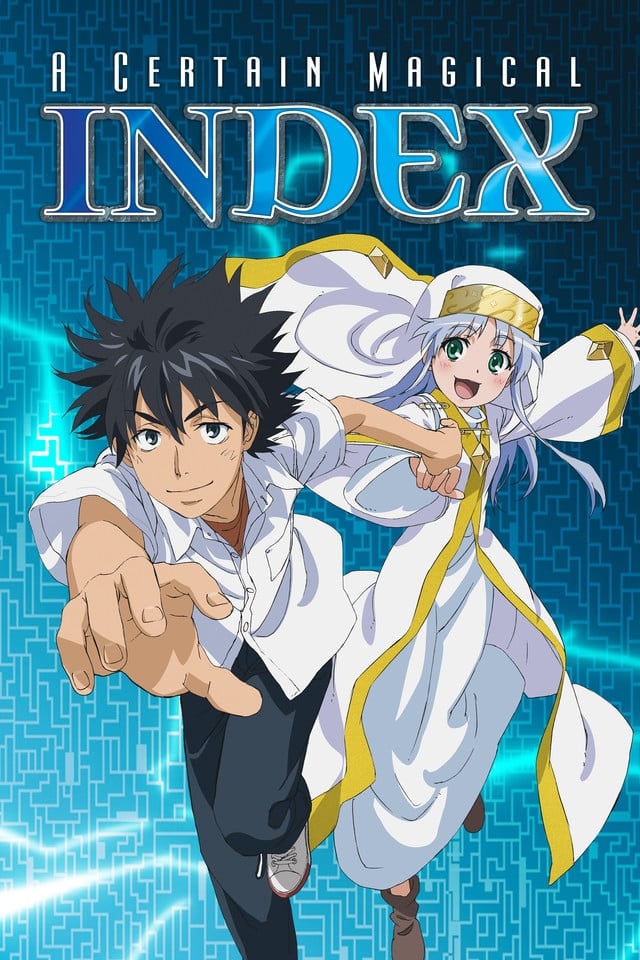
The story is set in Academy City, a highly advanced society where people develop superpowers through science and medication. This world sharply contrasts with the realms of traditional magic and religion. A key character has a unique ability: a right hand that can cancel out any supernatural power, whether it comes from scientific experiments or magical sources. The central conflict explores the uneasy relationship and common ground between ancient mystical traditions and the development of psychic abilities.
‘Blue Exorcist’ (2011)

A son of Satan unexpectedly chooses to become an exorcist, determined to defeat his father and save humankind. This order of exorcists blends ancient traditions with modern tools – they use everything from swords and holy texts to firearms and high-tech gear. Their arsenal includes things like Holy Water grenades and other religiously-enhanced tactical equipment, bringing a new level of strategic, military-style precision to the classic fight against evil.
‘Hell Girl’ (2005–2006)

A strange website appears only at midnight, letting people enter the name of someone they want to get revenge on. If you submit a name, a spirit appears and offers a voodoo doll. Accepting it means making a deal to send that person to hell. The show takes the idea of curses or grudges and updates it for the internet age, showing how old traditions can adapt when used online and how easily they can spread anonymously.
‘Psycho-Pass’ (2012–2013)
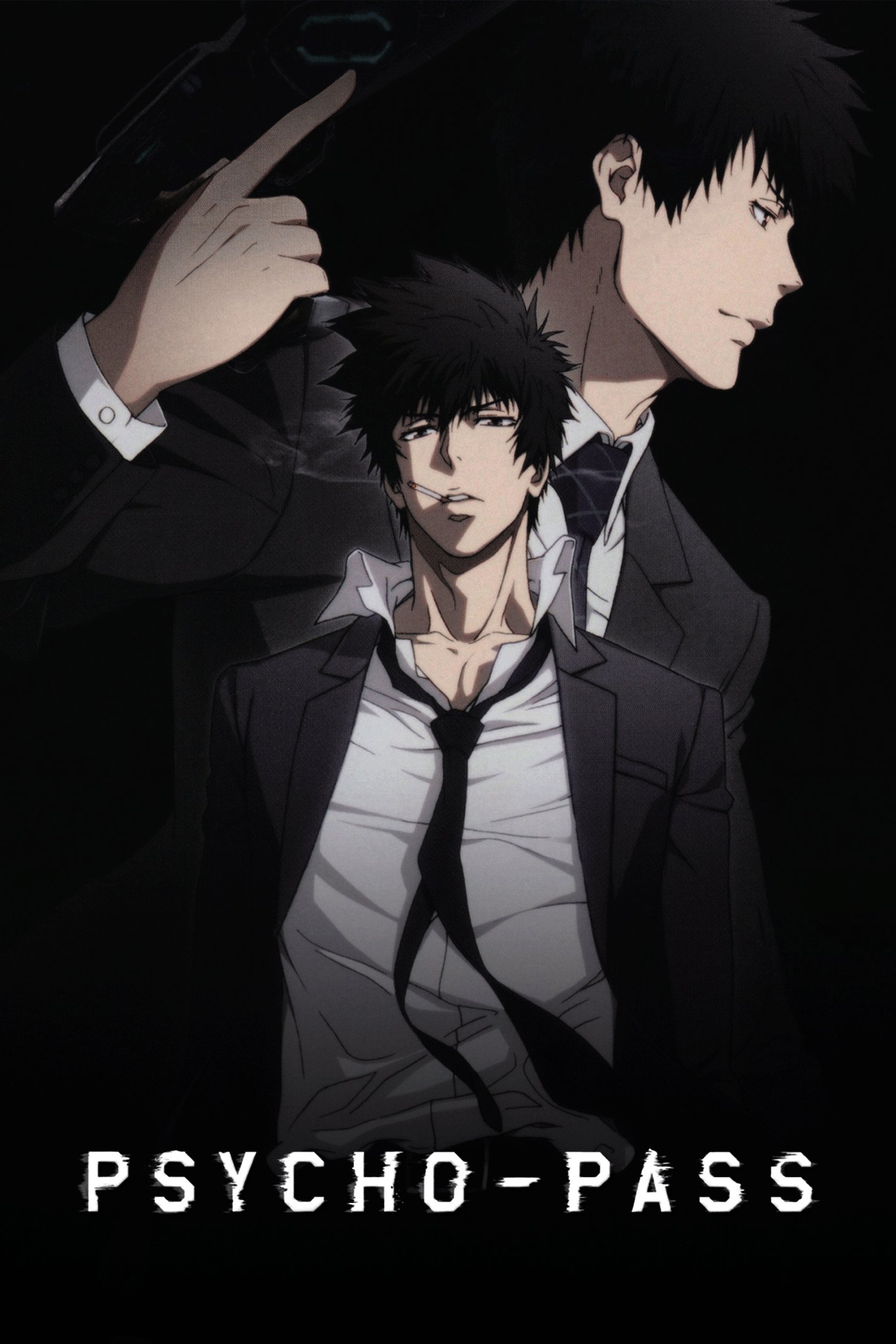
In this futuristic society, a powerful computer network continuously monitors everyone’s thoughts and feelings. It predicts who might commit a crime, effectively acting as an automated judge. Police use special guns that only fire if the system detects a potential threat, implying a sense of pre-determined fate or punishment. The technology functions like a form of instant karma, deciding who deserves consequences in this unsettling world.
‘Fate/Extra Last Encore’ (2018)
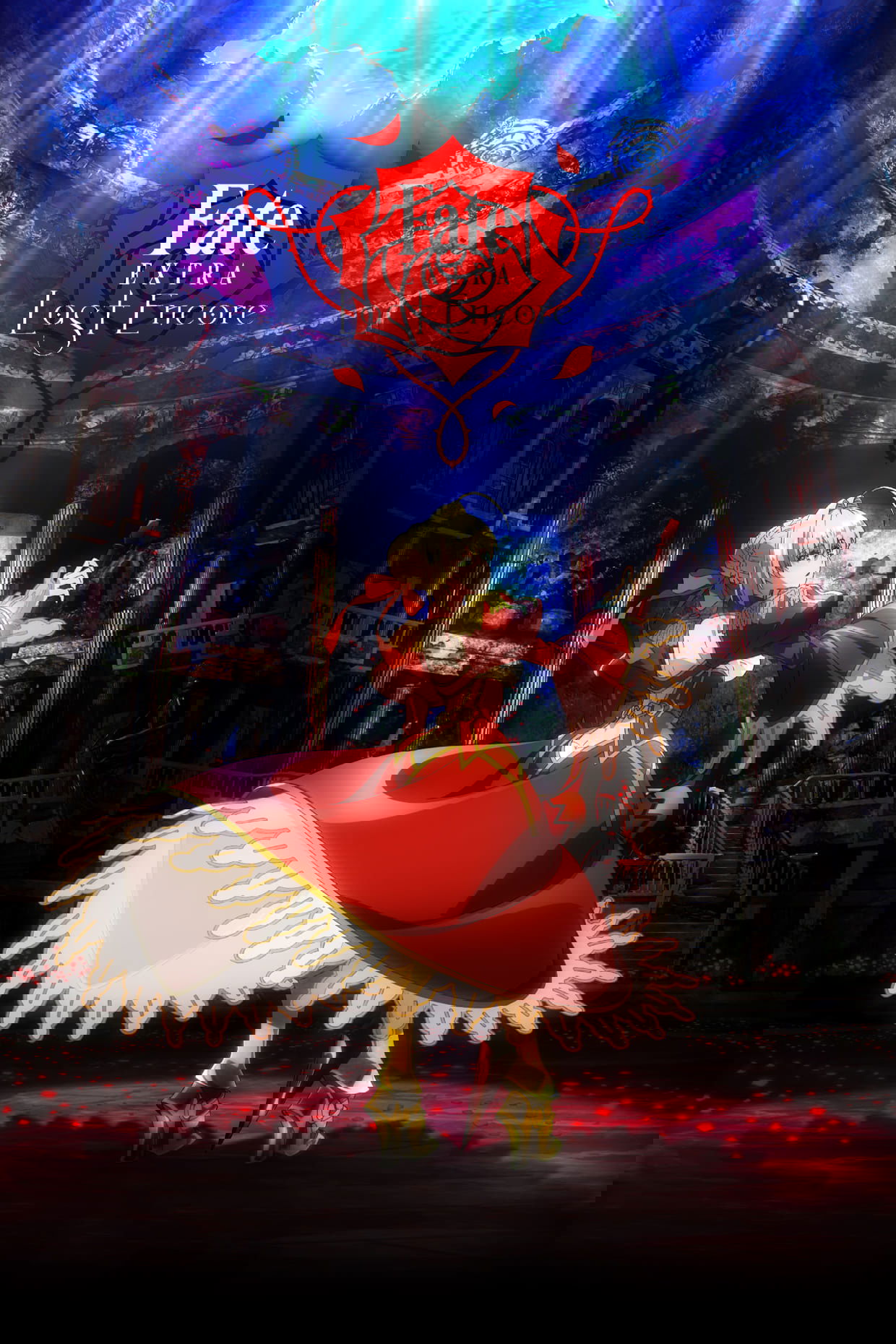
In a futuristic magical war, mages battle for a powerful wish-granting artifact within a digital world located on the moon. They don’t fight alone, though – they summon historical and mythical heroes as digital fighters called Servants. This reimagines the series’ magical traditions as a high-tech, dungeon-crawling adventure, portraying ancient warriors’ spirits as data battling inside a massive supercomputer.
‘Sword Art Online’ (2012)

Players find themselves stuck inside a huge, online role-playing game. The story then moves to a world inspired by Norse myths, where players become fairies. Advanced technology lets them experience flying and magic – things that were once only possible in dreams and stories. The game explores how these digital worlds let people live out fantastic, mythical adventures.
‘Eden of the East’ (2009)
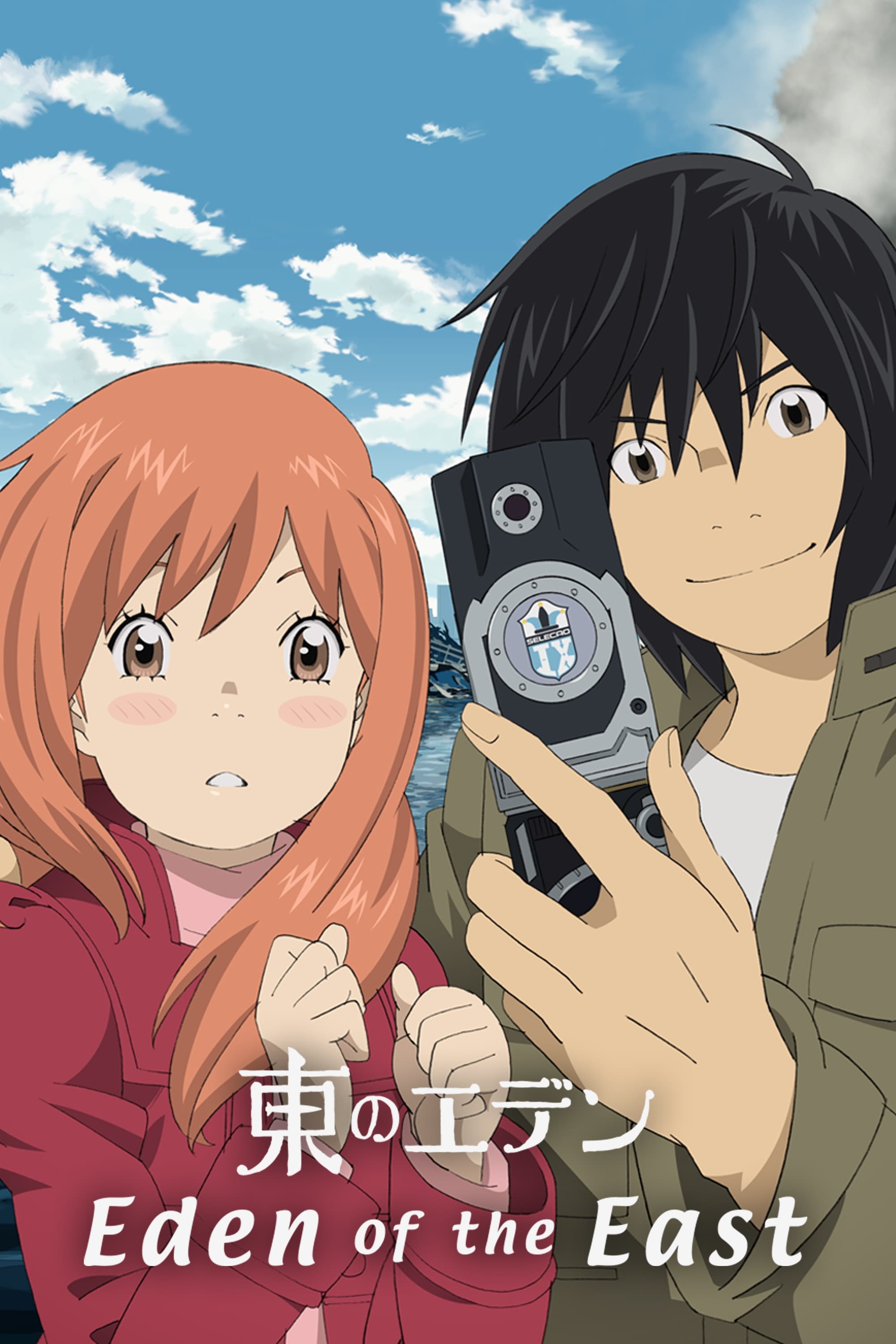
A group of twelve people receive special phones pre-loaded with a huge sum of money and paired with a concierge dedicated to revitalizing Japan. These phones link them to a secret system capable of fulfilling nearly any request by skillfully manipulating people and technology. Essentially, the device is a modern-day genie, granting wishes not through magic, but by navigating bureaucracy and leveraging technology, all in an effort to overcome political gridlock and save the nation.
‘Occultic;Nine’ (2016)
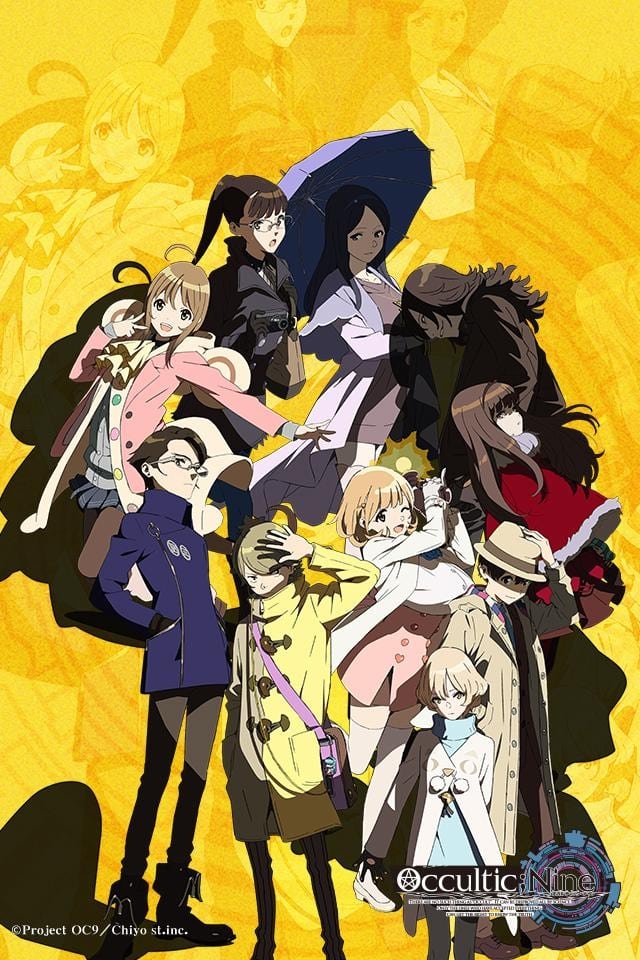
The show follows a quirky group of people who investigate supernatural claims through a blog. The story mixes ghost stories and curses with scientific ideas about elements like scandium and the use of radio waves. Instead of dismissing spirits, the series suggests they can be understood and even controlled using advanced technology, blending classic urban legends with modern biophysics.
‘Steins;Gate’ (2011)
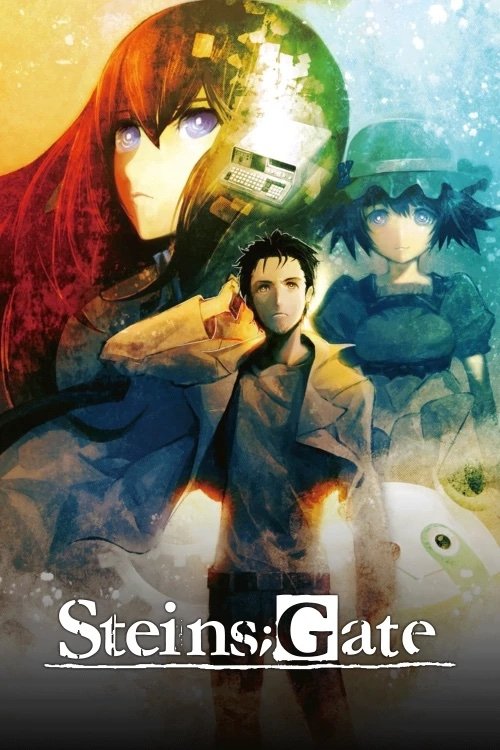
An eccentric scientist unintentionally creates a device capable of texting the past. The story draws inspiration from online time travel myths and legends, particularly those surrounding John Titor. Using a modified microwave – dubbed the ‘phonewave’ – the story attempts to explain how changing the past might be possible, focusing on a realistic, low-budget approach to time travel experimentation.
‘Noragami’ (2014)
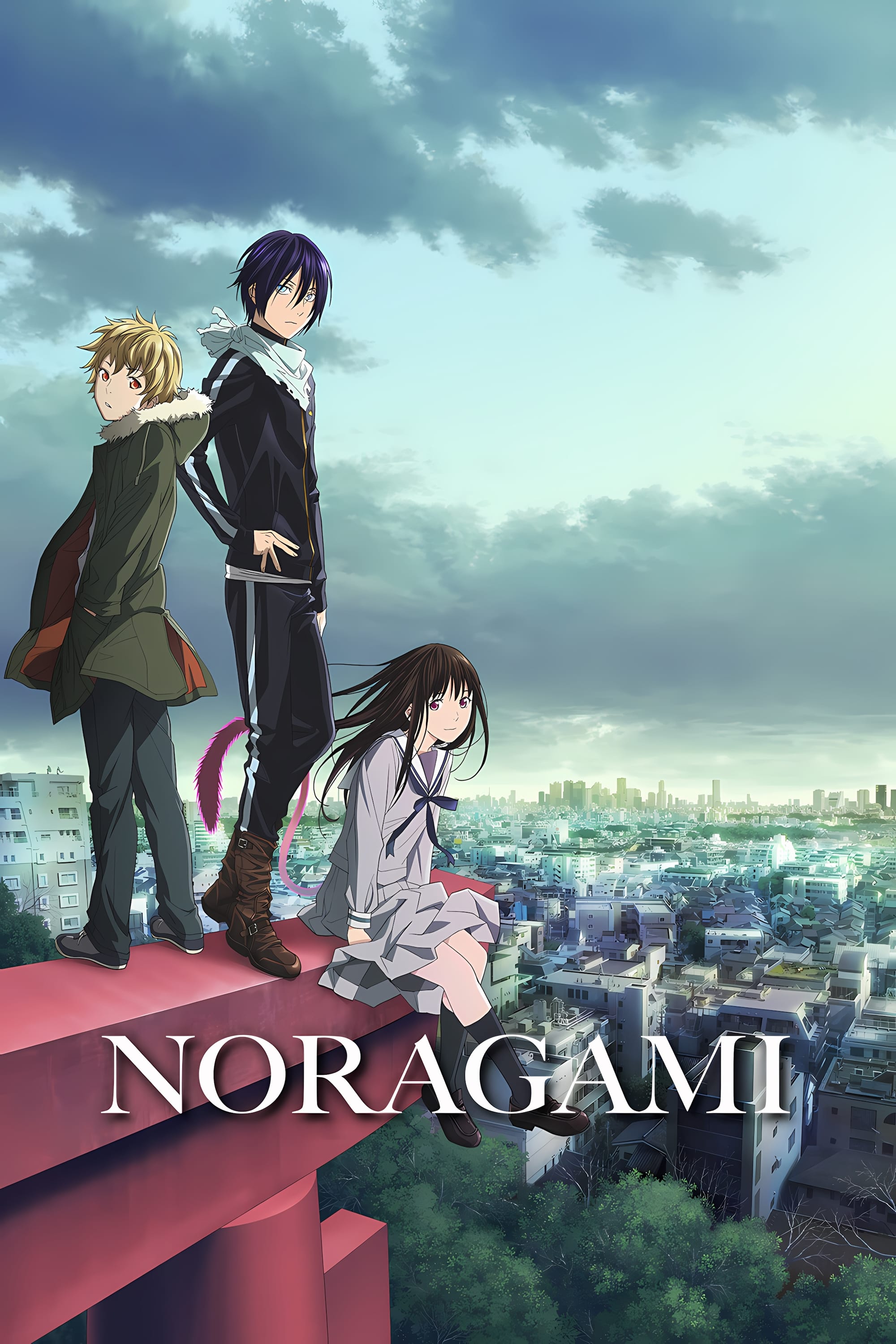
A little-known god is trying to become popular by taking on small tasks for just five yen. He and other gods use smartphones to talk to each other and manage their work in today’s world. Their powers appear as stylish, modern objects. The story follows these gods as they learn to use social media and cell phones to stay connected and important.
‘Kamisama Kiss’ (2012)
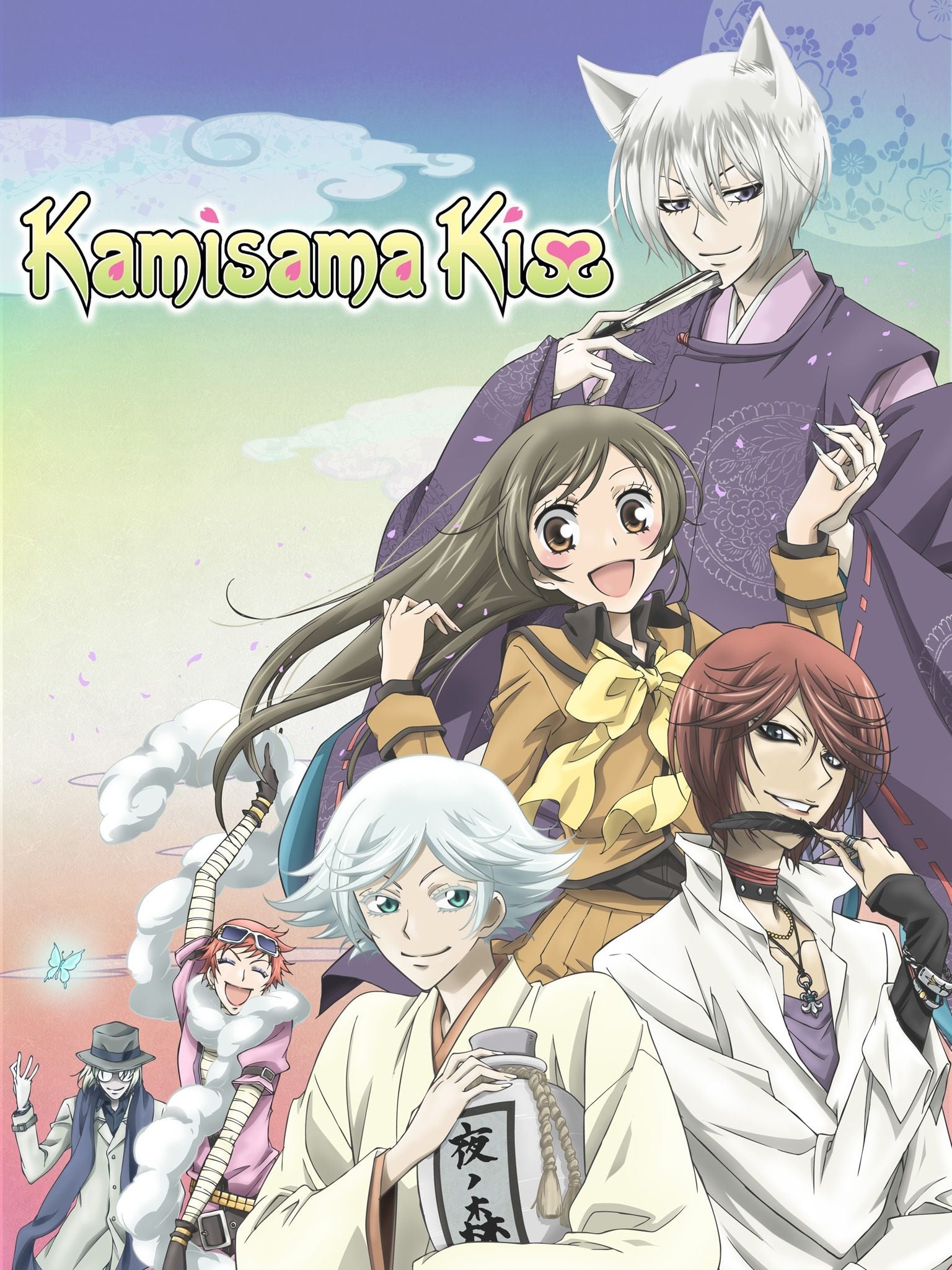
A teenage girl experiencing homelessness unexpectedly finds herself in charge of a neglected shrine as its resident deity. Juggling the duties of a Shinto priestess with everyday teen life, she uses a mix of magical artifacts – including an incense burner that can travel through time – and her smartphone to get by. The story playfully contrasts the world of ancient spirits with the conveniences of modern technology.
‘Tokyo Ravens’ (2013–2014)
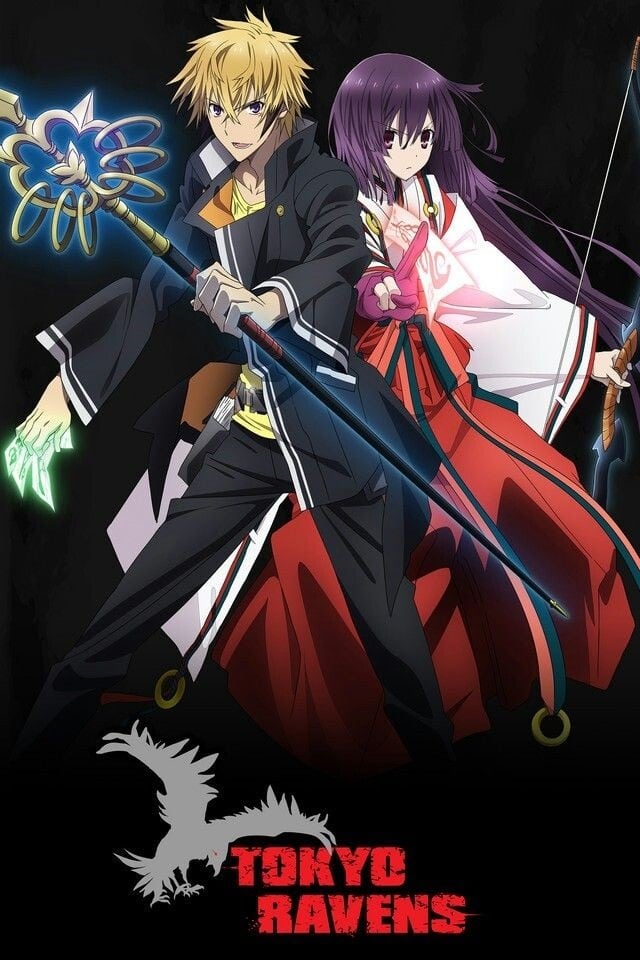
Modern Onmyoudou is a form of magic now used to protect the nation and help its people. Practitioners, who are essentially government-certified shamans, use charms and technology to harness spiritual power and control spirits called shikigami. In this world, magical rituals and spells are simply part of everyday work for these civil servants.
‘D.Gray-man’ (2006–2008)
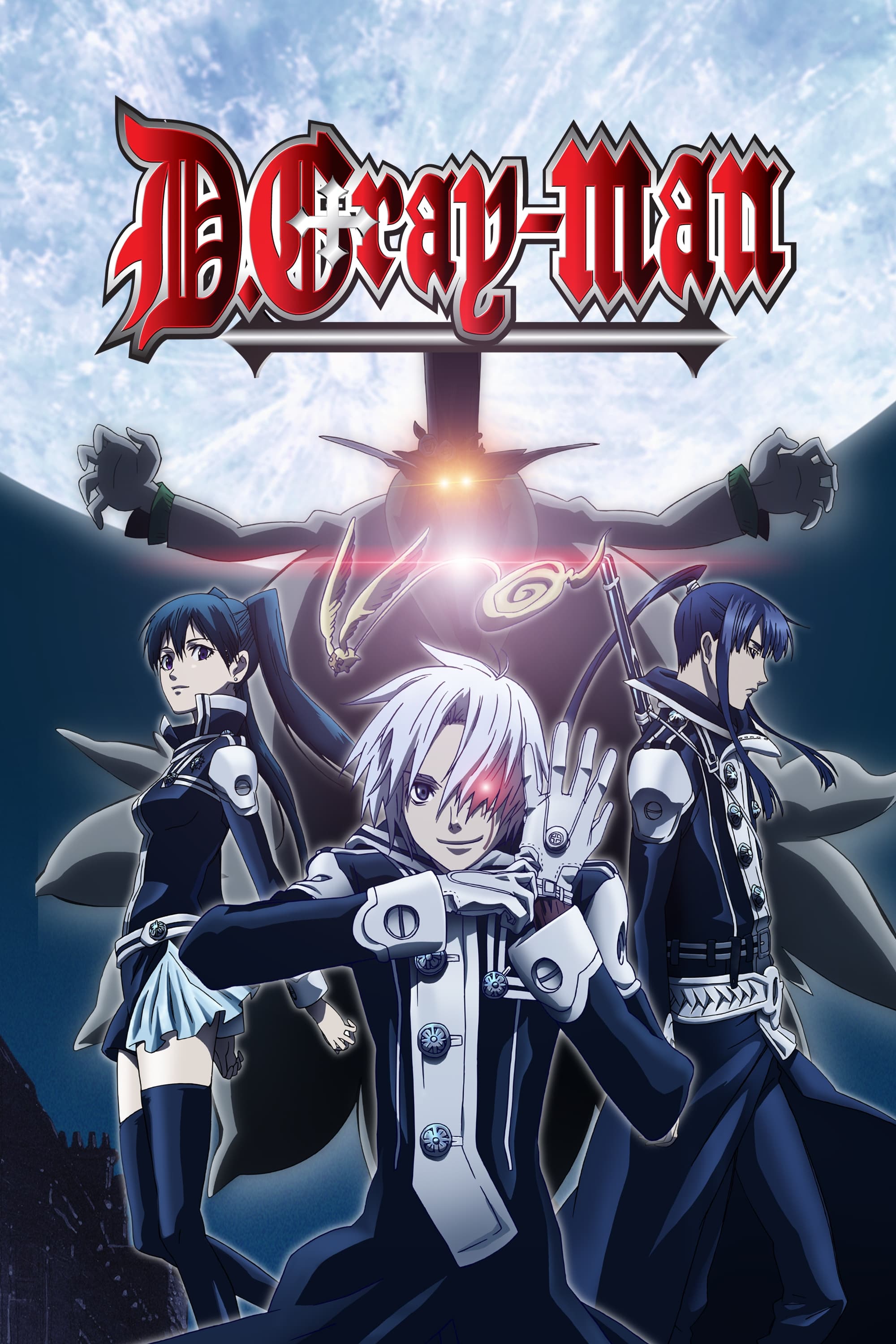
I’ve been following this incredible story about exorcists battling the terrifying Earl of Millennium. He’s got this awful power to create demons called Akuma using the souls of the deceased. Thankfully, the heroes aren’t defenseless! They wield something called Innocence, a divine power that connects with them and transforms into amazing weapons – often really cool, mechanical ones like guns or boots. What’s even more fascinating is how the story blends dark, gothic horror with a sense of religious struggle, all wrapped up in this awesome steampunk aesthetic. It’s a truly unique and captivating world.
‘Tenchi Muyo!’ (1992–1993)
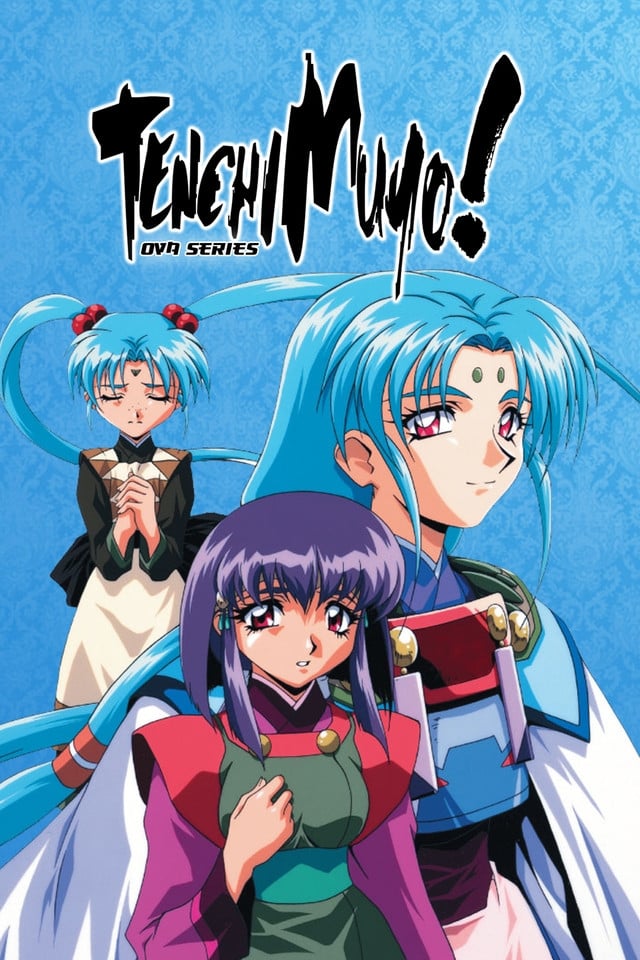
A prince from another planet crash-lands on Earth, and his spaceship turns out to be a living tree! His people, the Jurai, don’t build technology – they grow it, based on a deep respect for nature. These living ships form a powerful connection with their pilots and have abilities that seem almost magical. The story blends futuristic science with ancient beliefs about the spirits found in trees.
‘Ghost Hunt’ (2006–2007)
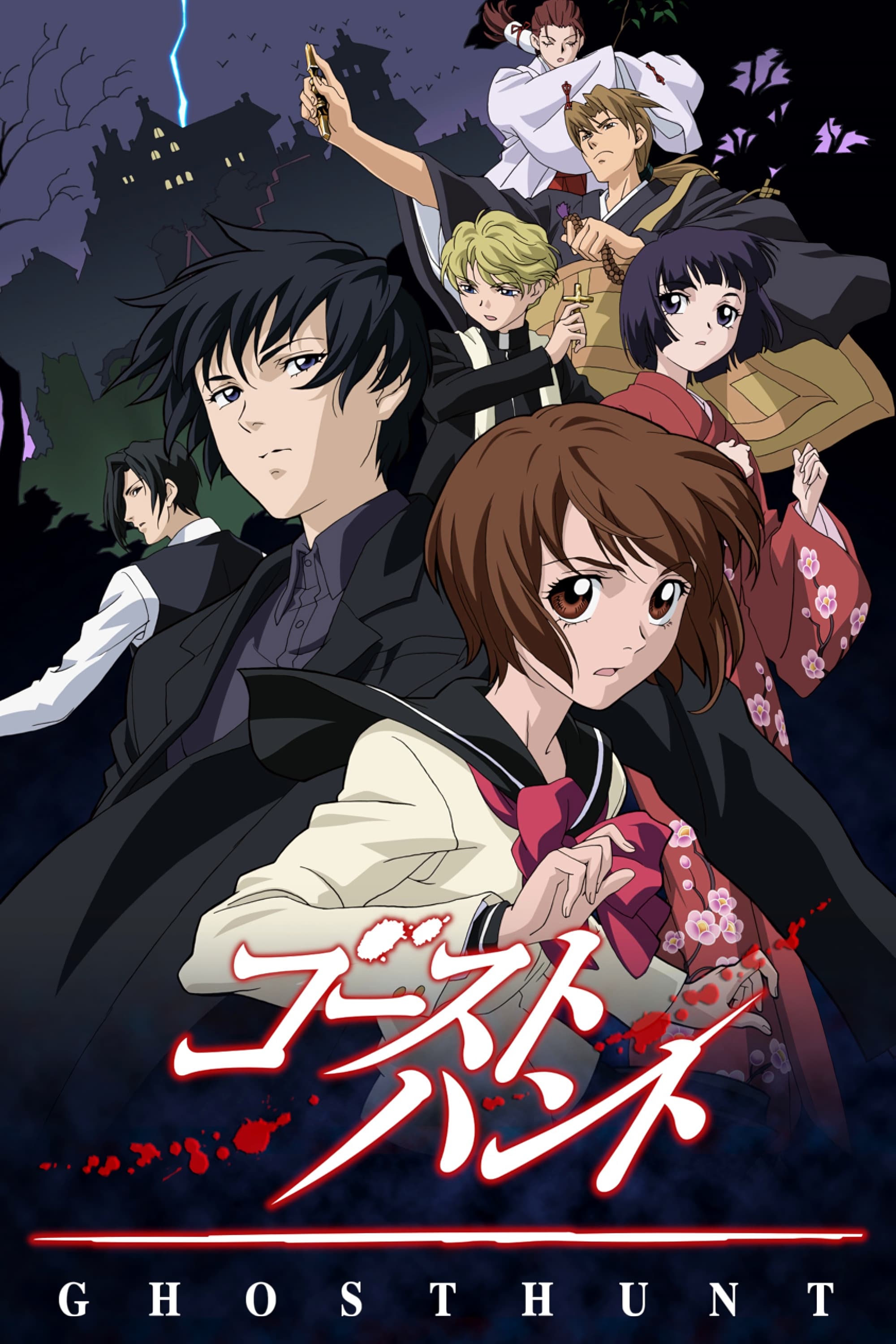
This show follows a team of paranormal investigators who combine psychic abilities with advanced technology to solve mysteries. They use tools like thermal cameras and sensitive microphones to find evidence of ghosts, alongside traditional practices like Buddhist chanting. The show focuses on proving the existence of supernatural events using scientific data, presenting a perspective where science and spirituality work together rather than one disproving the other.
‘Guilty Crown’ (2011–2012)
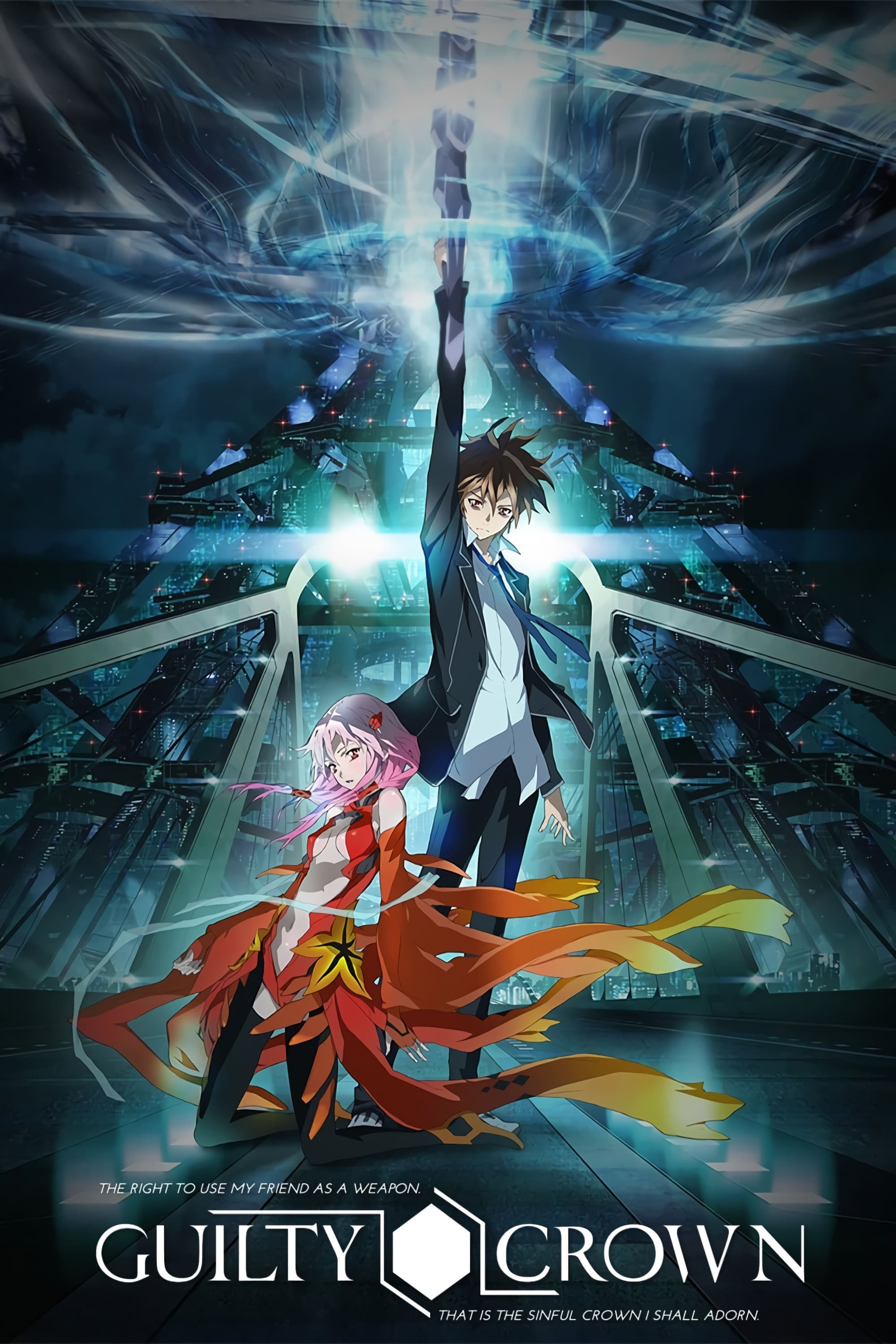
A teenager discovers he has the ability to pull weapons from people’s hearts, a power connected to a strange virus and a person’s genetic makeup – and even their soul. These weapons aren’t just tools; they physically embody a person’s personality and deepest insecurities. Set in a futuristic world, the story uses this unique ability to delve into what makes people tick and explore the hidden depths of the human heart.
‘RahXephon’ (2002)
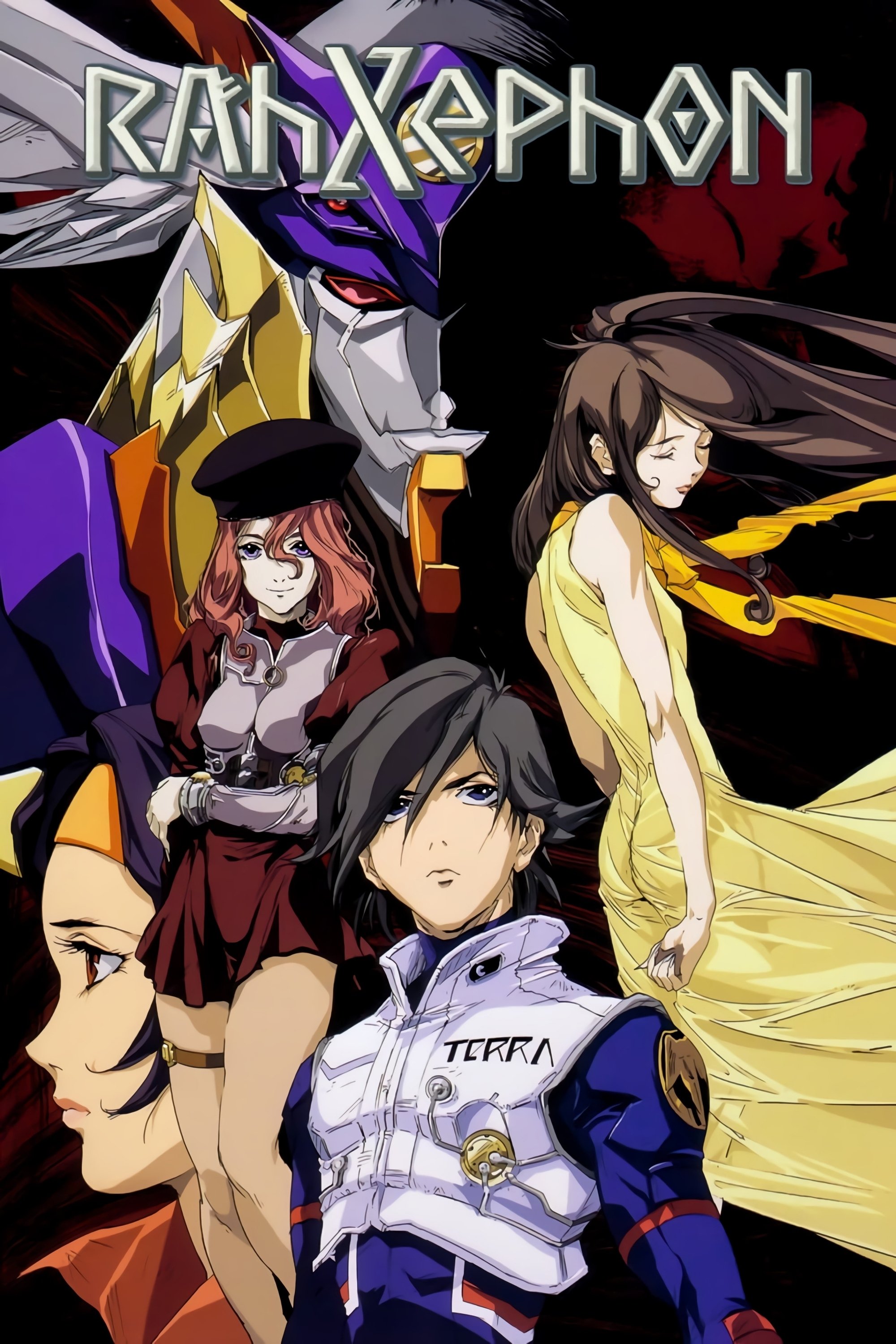
The story follows a young pilot who controls a massive robot powered by music and inspired by ancient Mesoamerican legends. This robot isn’t just a machine; it’s a powerful force that uses sound to change the world around it, almost like a god. They face enemies who are strange beings resembling clay sculptures and abstract artwork. Unlike typical robots used for war, this one is presented as a sacred instrument with incredible abilities.
‘Aquarion’ (2005)
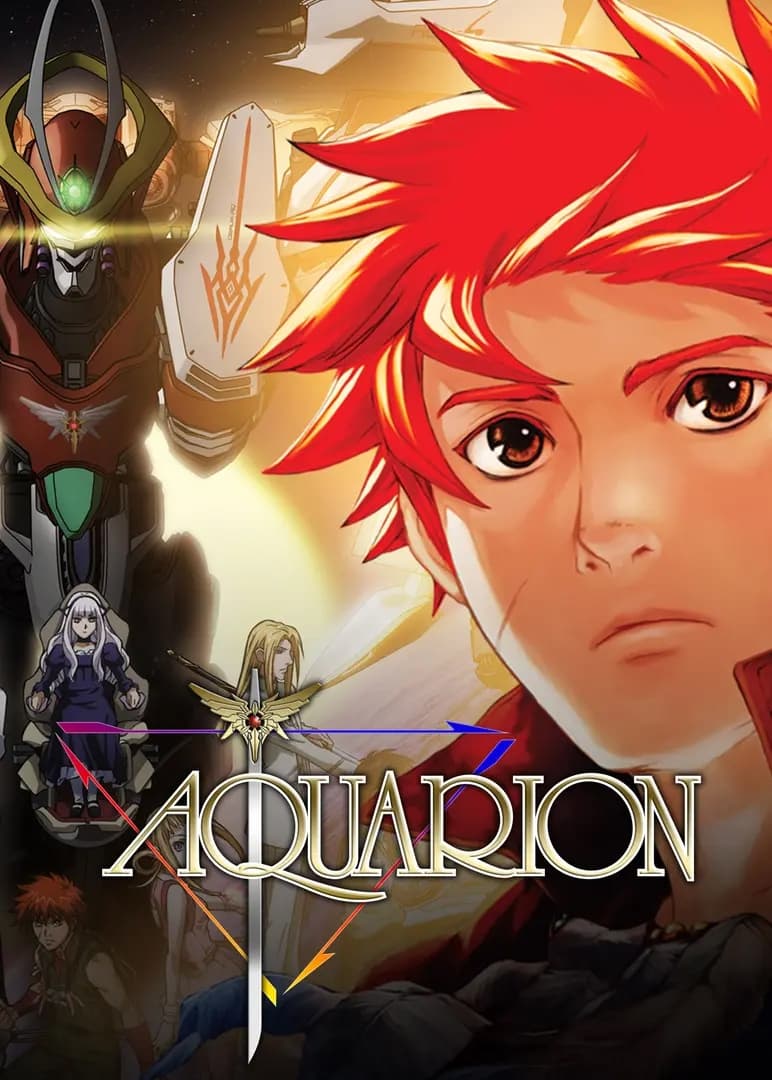
Pilots have to connect deeply – emotionally and spiritually – to control a massive robot that was once a powerful angel. This robot draws its energy from nature and requires its pilots to be completely in sync. The story focuses on themes of rebirth and a love that lasts for centuries, and the robot only works when the pilots’ connection is genuine and strong.
‘Star Driver’ (2010–2011)
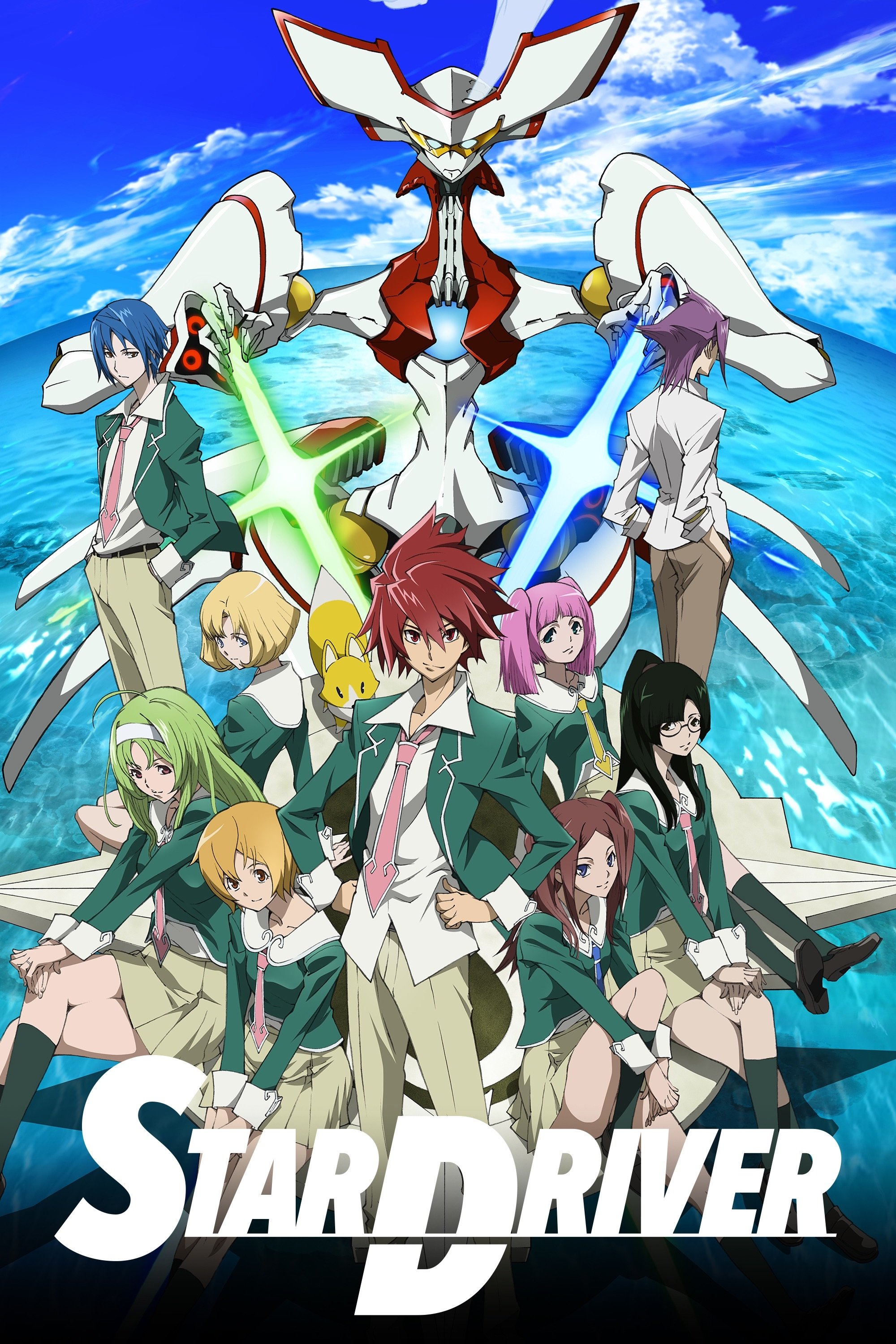
A young boy finds himself stranded on an island with a hidden secret: a group controls massive robots using special masks within a separate, contained world. These robots are locked away in ancient shrines and can only be activated by chosen young women. The series blends dramatic stage performances with elements of space mythology and exciting robot battles, portraying piloting as a beautiful, ceremonial act.
‘Darling in the Franxx’ (2018)
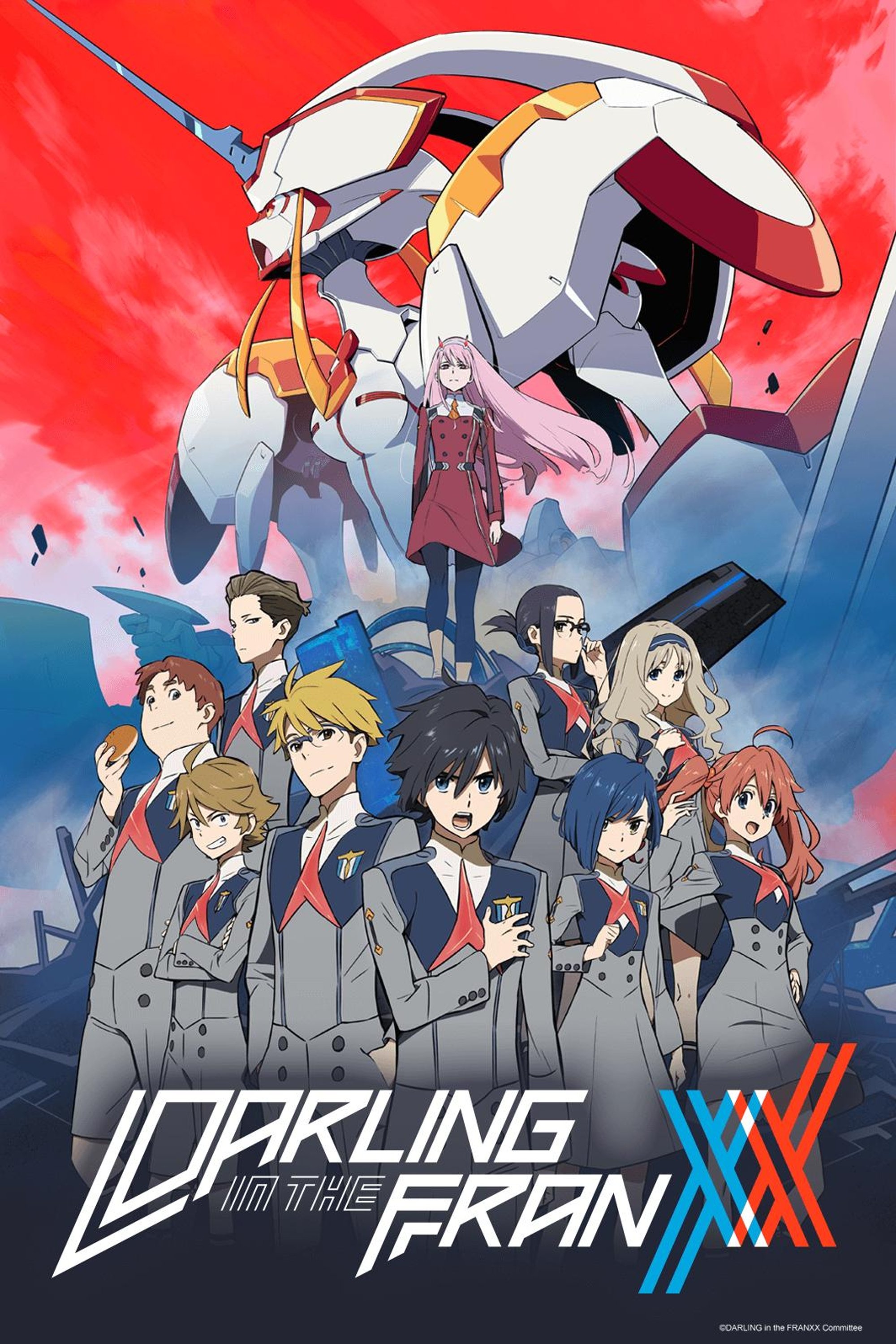
People live in giant, moving cities and fight off monstrous creatures called Klaxosaurs using special robots. These robots are always piloted by a boy and a girl working together. The designs of both the robots and the monsters are based on things found in nature, like rocks and dinosaurs. What makes the robots work is a unique connection between the two pilots – a bond that’s tied to the idea of partnership and emotional closeness. The series blends futuristic technology with an ancient legend about a bird that needs a mate to be able to fly.
‘Eureka Seven’ (2005–2006)
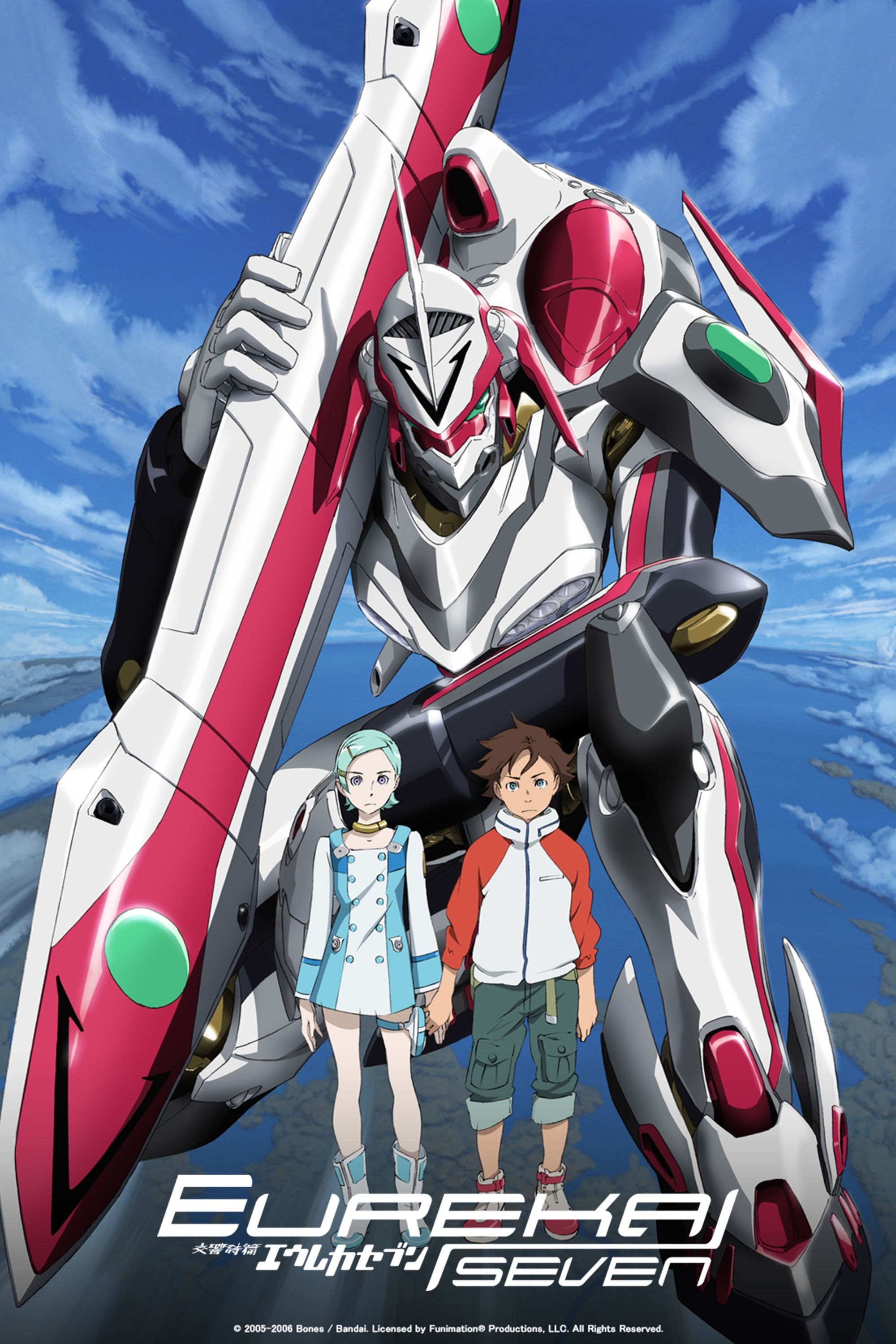
As a movie buff, I’m picturing something truly wild: a world where robots aren’t made, they’re dug up – almost like they grew out of the planet itself. And it’s not just dirt they’re emerging from, but a landscape overflowing with strange, beautiful, coral-like organisms. The coolest part? These robots are riding waves of shimmering particles in the air! The story centers around a girl who is the spirit of the planet, and it’s a really unique mix of surfing vibes and the idea that the Earth is a living being. It sounds like a beautiful, thought-provoking film.
‘Cardcaptor Sakura’ (1998–2000)
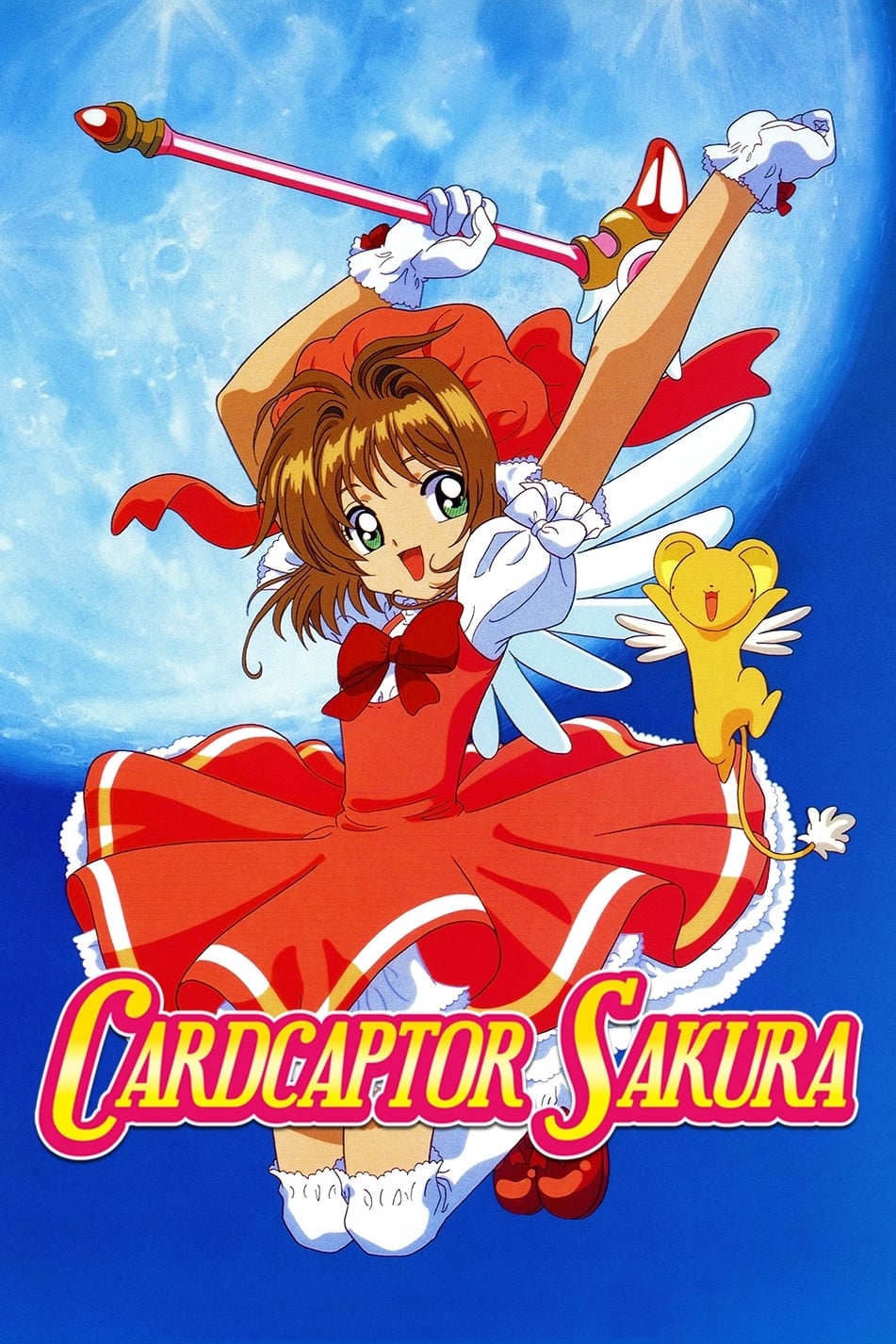
A young girl unintentionally unleashes magical cards from an old book, and now she has to get them back before something terrible happens. These aren’t ordinary magic tricks, though – the cards affect everyday life, and she zips around on rollerblades trying to catch them. Each card is unique, with its own personality and power over things like the wind or even time. The show portrays magic as a secret, wondrous part of an otherwise normal neighborhood.
‘xxxHOLiC’ (2006)

A troubled high schooler haunted by ghosts discovers a strange shop that can make wishes come true – but everything has a cost. This shop isn’t limited by our world, existing between different realities and connecting to both magical and everyday places. Run by an enigmatic owner who uses magic and a pipe to influence luck and destiny, the story delves into what happens when you get what you want in a world where every gain requires a sacrifice.
‘Vampire Knight’ (2008)
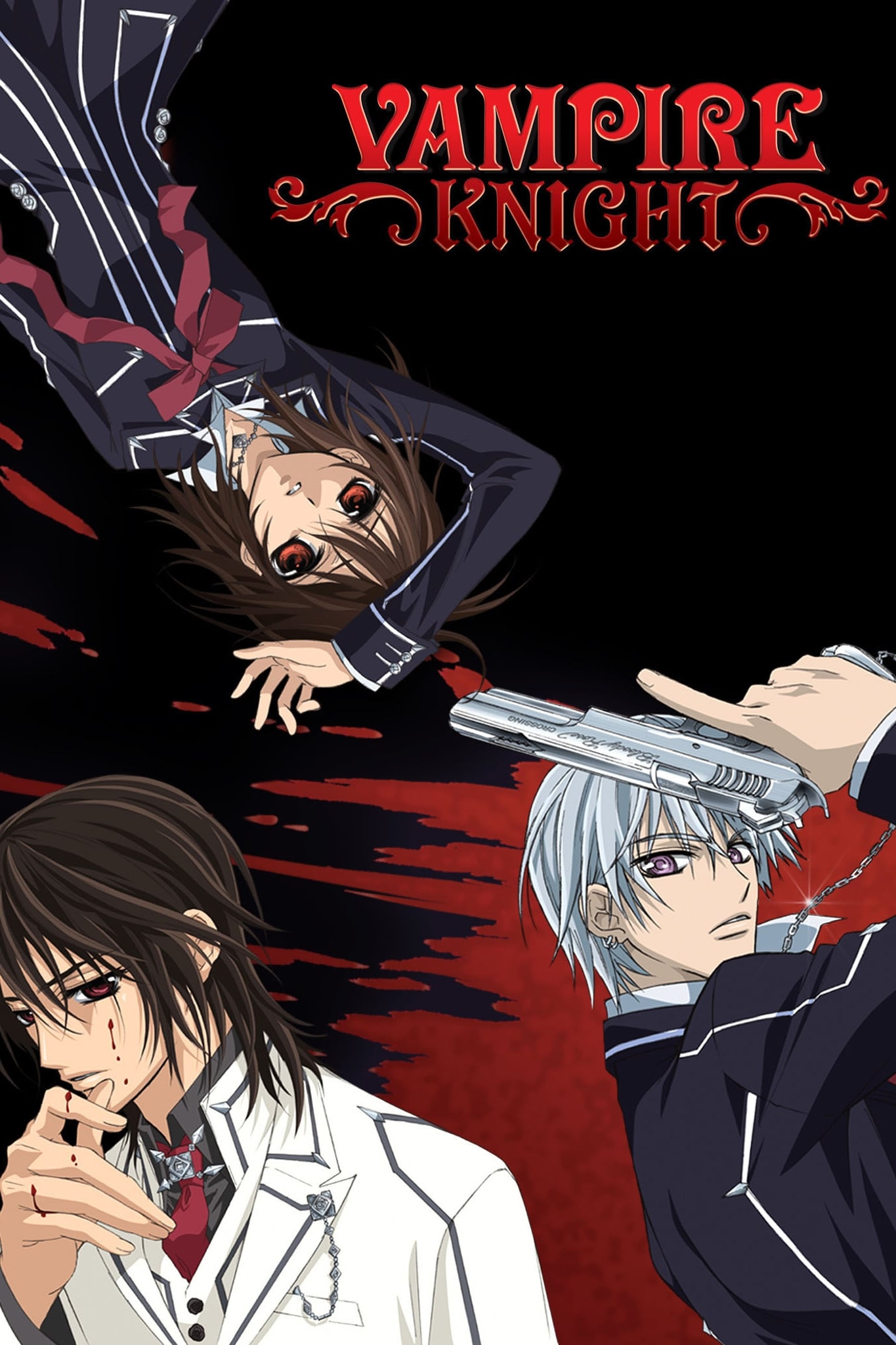
At an elite school, a group of guardians hides the fact that all the students in the night class are vampires. The main characters fight these vampires using special weapons like the Bloody Rose gun and the Artemis rod. While these weapons are high-tech, they also depend on magic and protective spells to work. The story blends classic gothic romance with the tools and technology of monster hunters.
‘Hellsing Ultimate’ (2006–2012)

Hellsing is an organization dedicated to defending England from supernatural dangers, relying on a potent vampire named Alucard and advanced military technology. Alucard fights with incredibly powerful handguns decorated with sacred texts and magical symbols. The series blends elements of Nazi occultism and Protestant religious beliefs, and is known for its over-the-top action, featuring lots of heavy firepower used against monsters and armies of the undead.
‘Trinity Blood’ (2005)
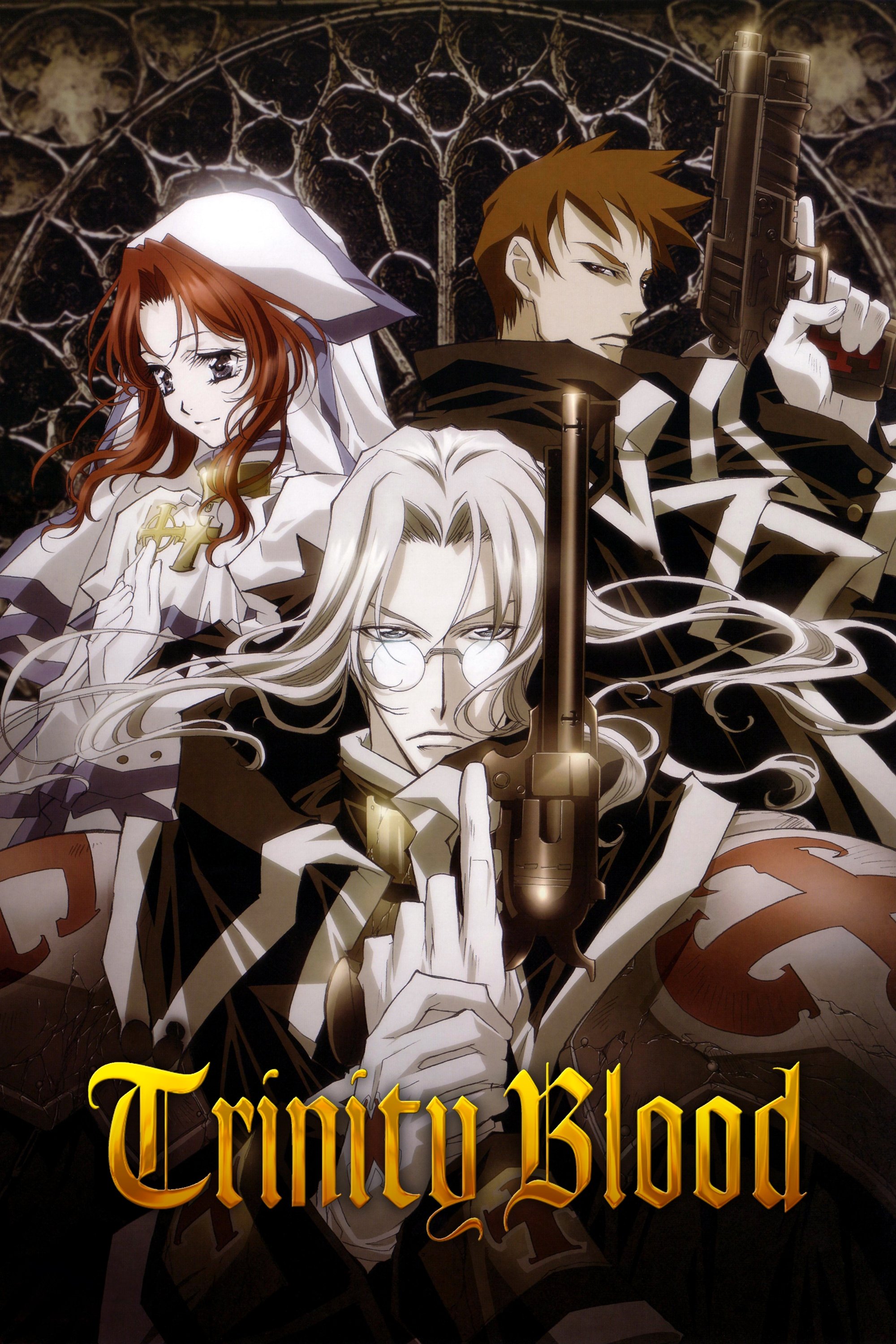
Centuries after a global catastrophe, the Vatican and a powerful vampire nation are locked in a tense standoff. The story follows a Crusnik – a warrior who hunts vampires for their blood and uses advanced nanobots to enhance their abilities. This series presents the church as a high-tech military force and explains vampirism not as magic, but as the result of forgotten technology and dangerous scientific experiments.
‘Witch Hunter Robin’ (2002)
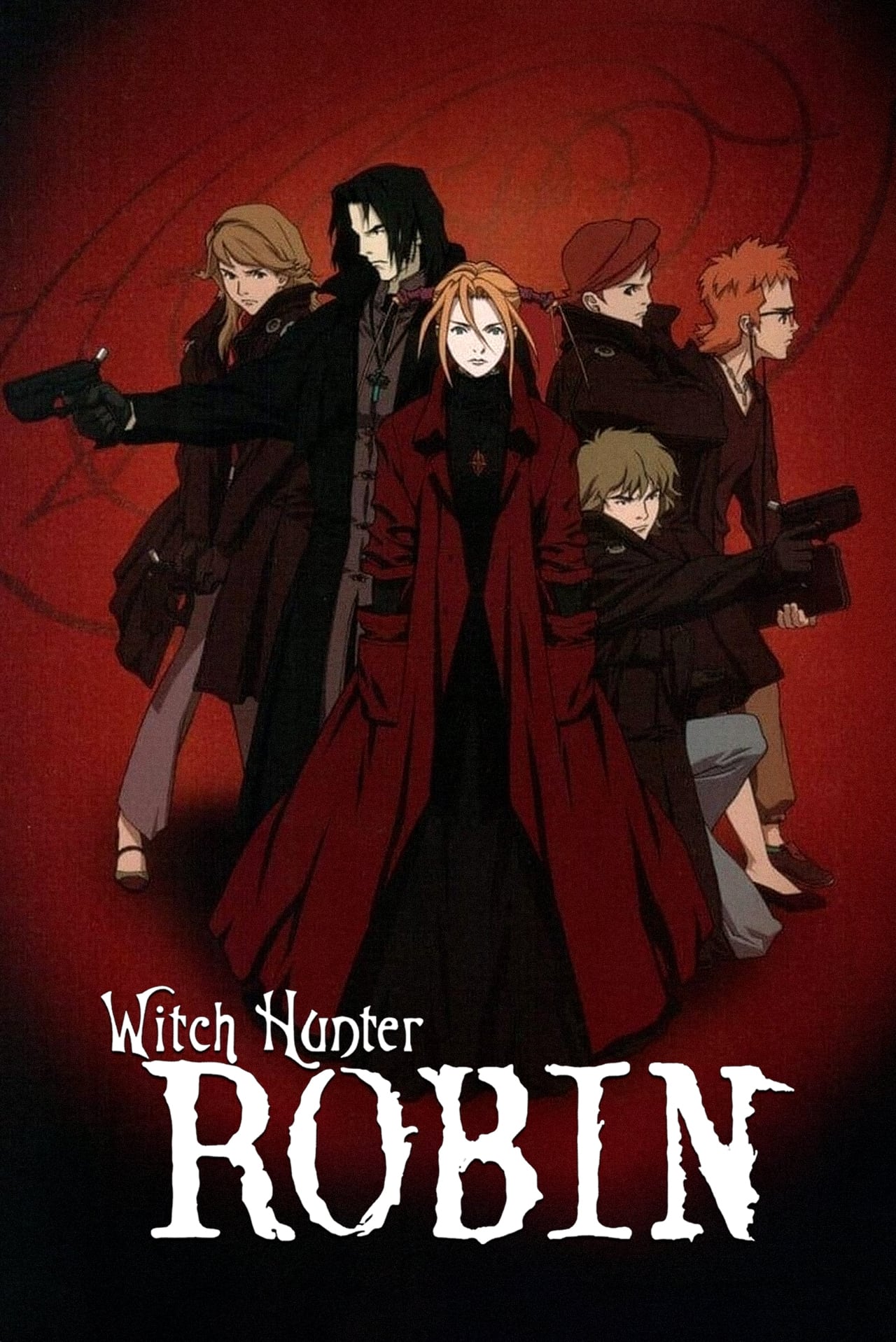
This show follows a clandestine group that hunts people with magical abilities and powers stemming from their genes. They use a special liquid called Orbo to disable these powers, portraying magic as something inherited that can be controlled with scientific methods. The series combines the feel of a crime drama with the classic idea of witch hunting.
‘Darker Than Black’ (2007)
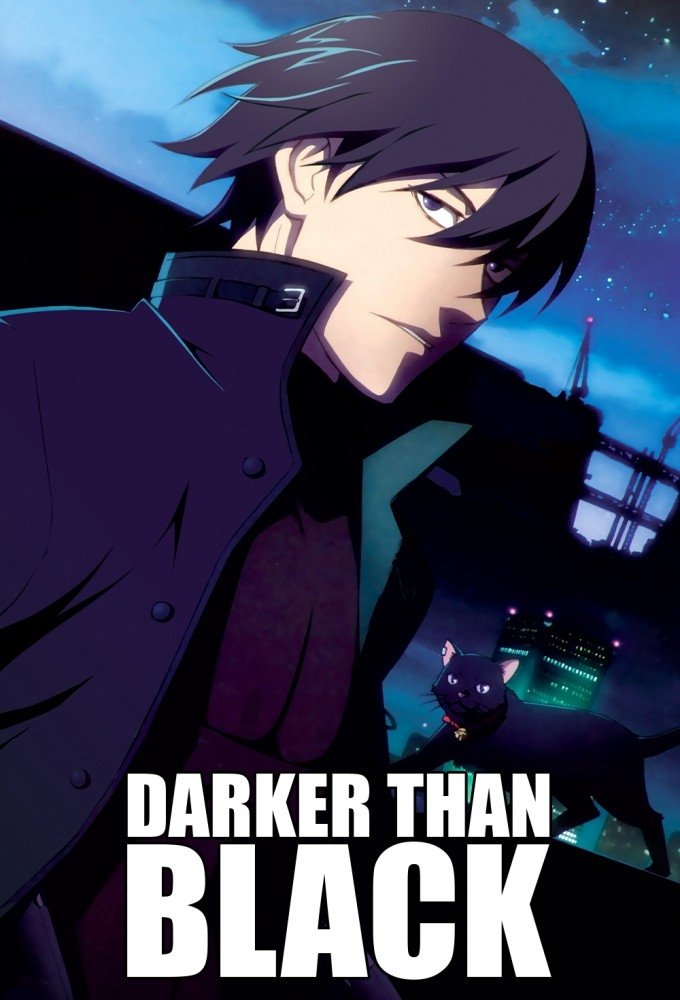
A strange wall suddenly appears in Tokyo, giving some people incredible powers, but at a terrible cost – they lose pieces of their humanity. These people, known as Contractors, must pay a steep price or fulfill a dangerous obligation every time they use their abilities. Powers vary widely, from controlling gravity to wielding electricity, and are frequently used for spying. The story blends these supernatural powers with a classic noir spy thriller, focusing on the world of intelligence agencies.
‘Chobits’ (2002)
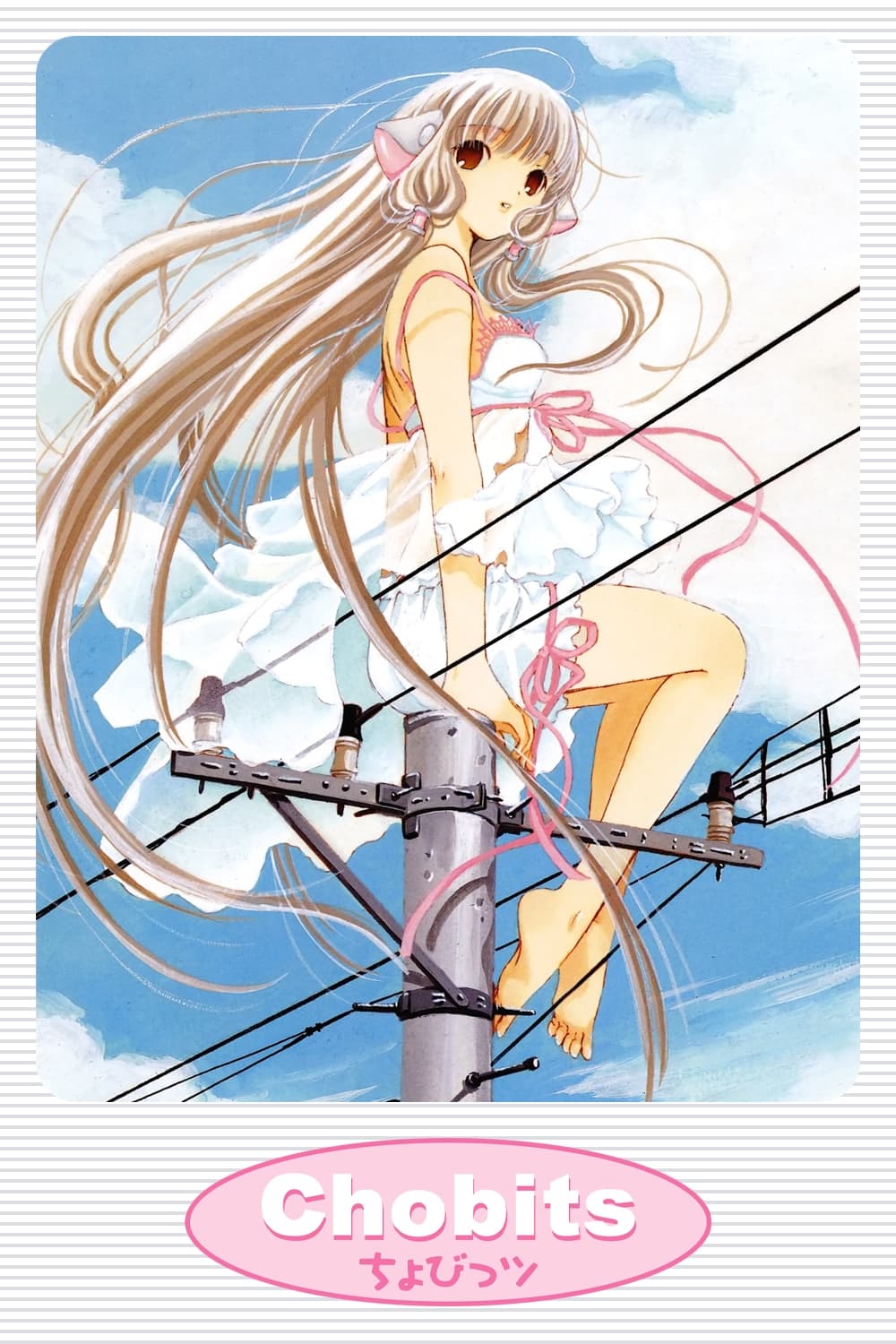
Personal computers have advanced into incredibly lifelike androids called Persocoms, capable of handling many different jobs. The story centers around a character who discovers a discarded Persocom that might be a ‘Chobit’ – a legendary type said to have its own free will. The narrative explores what it means to love and be conscious, even in artificial life, framing the idea of truly intelligent machines as a kind of modern fairytale.
‘Angelic Layer’ (2001)

Competitors control unique dolls in a special arena using only their minds. This technology, called the Layer, lets the dolls move and battle each other physically. How well a competitor connects with their doll directly impacts its speed and power, essentially bringing the creator’s will to life through advanced technology.
‘Saber Marionette J’ (1996–1997)
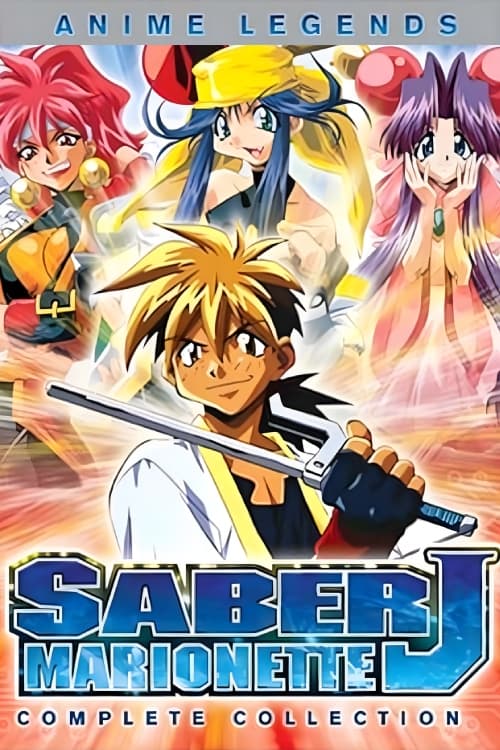
Okay, so I just heard about this really cool sci-fi flick. It’s set on a planet populated entirely by men, and they’ve created these androids – they call them Marionettes – to basically do all the work and keep everyone company. But get this: our main character stumbles upon three Marionettes that are different. They’ve got these things called Maiden Circuits, and they actually give the androids emotions. It’s wild! The movie is a comedy, but it really makes you think about what it means to grow as a person and, like, what even is a soul, you know? It’s a fun ride with some surprisingly deep stuff.
‘Kannagi: Crazy Shrine Maidens’ (2008)

A sculptor brings a goddess to life when he carves her from the wood of a sacred tree. She decides to live with him, wanting to purify the world, but quickly gets distracted by things like TV and other gadgets. The story explores the funny and challenging contrast between her ancient responsibilities and the everyday pleasures of modern life.
‘Mob Psycho 100’ (2016)
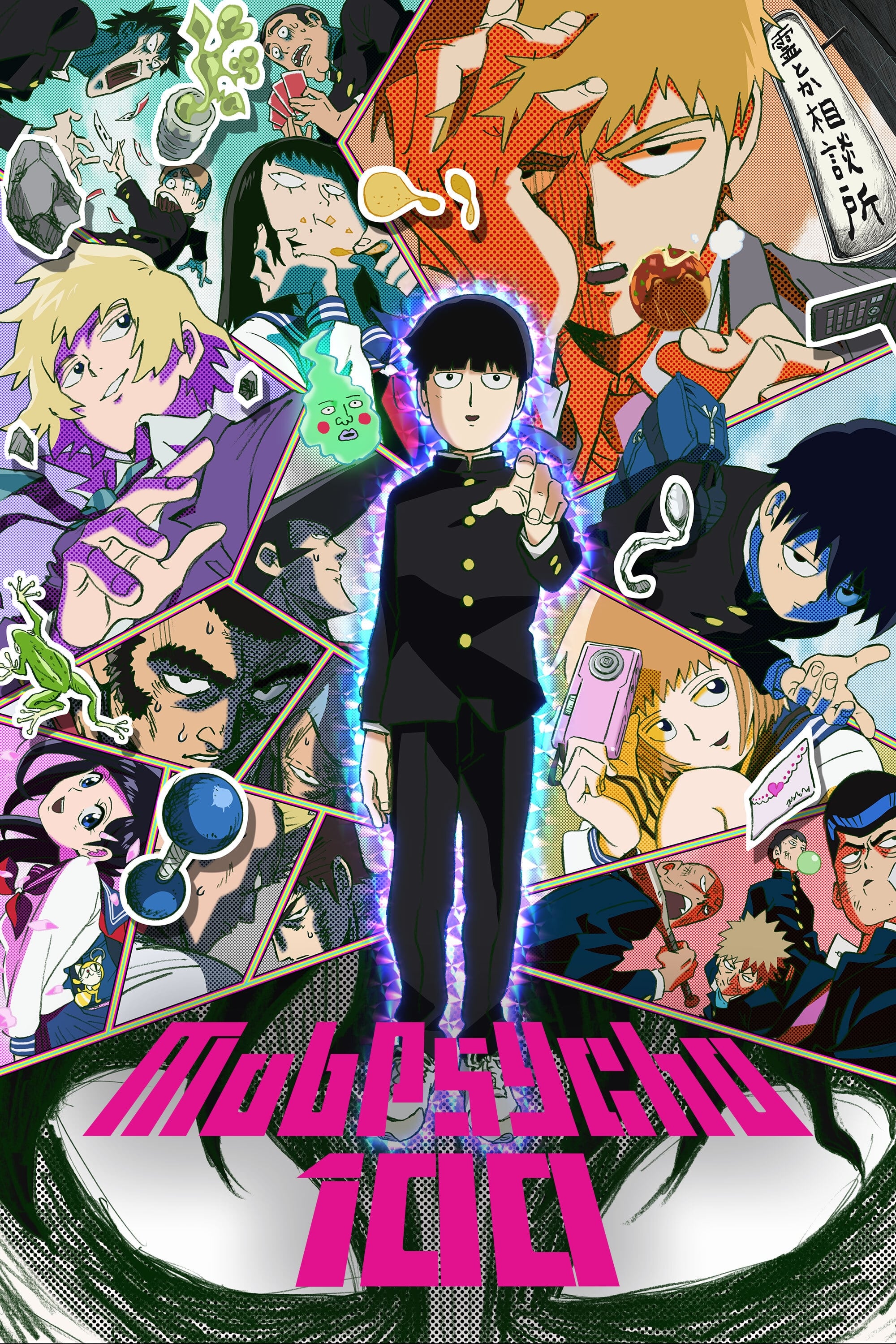
A boy with incredible psychic abilities dreams of an ordinary life, but he’s stuck working for a fake exorcist. This mentor stages elaborate scams, using simple tricks like splashing salt and editing photos to convince clients he’s performing real spiritual cleansings. The story focuses on the deception and everyday aspects of this fake world, creating comedy by highlighting the difference between genuine psychic power and cheap illusions.
Share your favorite example of folklore meeting technology in the comments.
Read More
- 20 Movies Where the Black Villain Was Secretly the Most Popular Character
- Transformers Under the Microscope: What Graph Neural Networks Reveal
- Celebs Who Narrowly Escaped The 9/11 Attacks
- Trading on Thin Air: AI Agents Conquer Crypto Volatility
- Silver Rate Forecast
- Gold Rate Forecast
- Invincible Season 4 Gender Swaps Tech Jacket As Fans Question Major Comic Change
- Every Notable ‘Star Trek: The Original Series’ Actor Who Died
- 22 Films Where the White Protagonist Is Canonically the Sidekick to a Black Lead
- Trading Smarter: AI-Powered Execution Schedules
2025-12-15 16:23