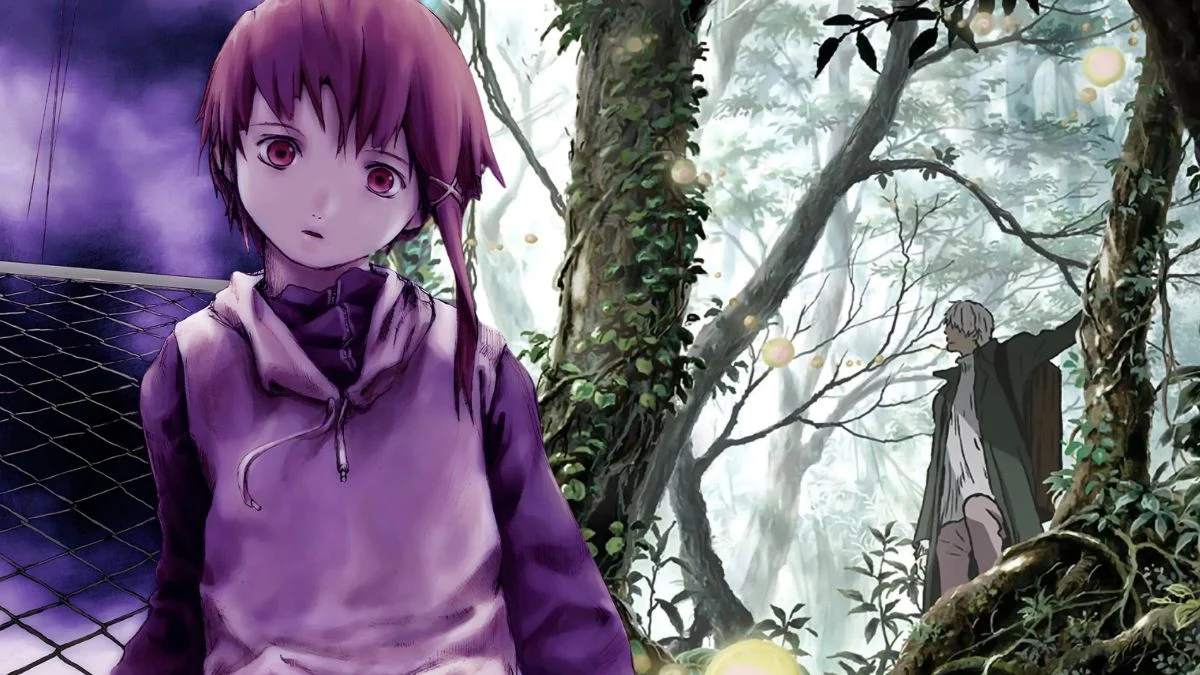
I’ve noticed a lot of amazing anime struggle to get noticed when they first come out. Sometimes it’s just bad timing with when they air, or maybe the story isn’t what everyone’s looking for right then. But you know what’s cool? These shows don’t always disappear. They often find their fans over time, through DVDs, streaming, and just people telling their friends. The anime I’m about to talk about are perfect examples – they didn’t hit it big right away, but they’ve become real classics for those of us who love the medium.
‘Cowboy Bebop’ (1998)
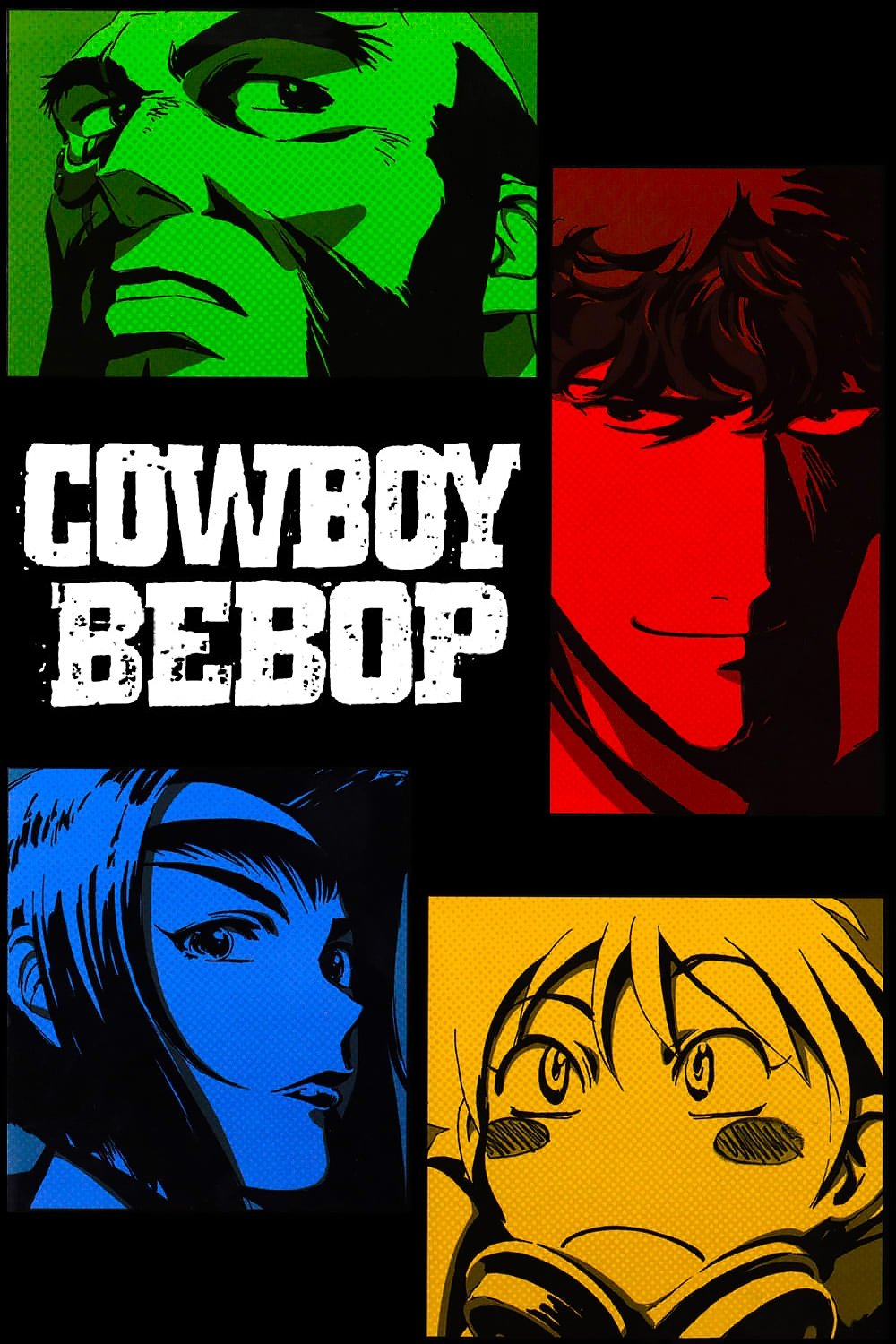
It’s surprising that ‘Cowboy Bebop,’ a unique blend of jazz, space adventure, and western themes, was initially cancelled by TV Tokyo. The network stopped showing it after just a few episodes, believing it was too adult for their schedule. The show really took off when it moved to the WOWOW satellite channel, where all the episodes could be aired. Later, it became hugely popular with viewers in the West thanks to Adult Swim, and is now considered a classic anime that introduced many people to the genre.
‘Gunbuster’ (1988)
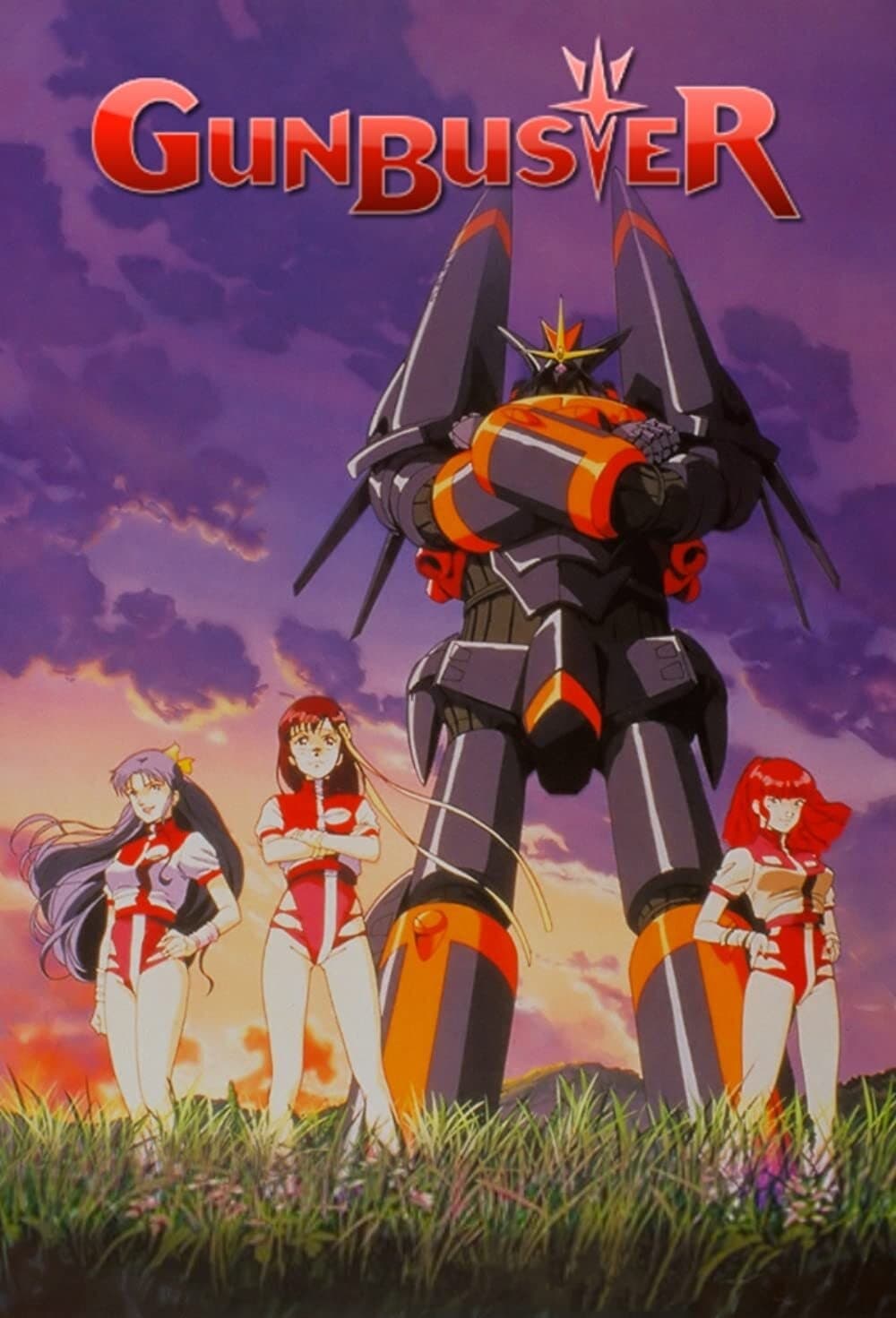
Hideaki Anno’s first directed project was this six-episode animated series, which cleverly blends comedy with realistic science fiction. It begins as a playful parody of sports anime, specifically tennis shows, but quickly transforms into a thought-provoking story about time travel and a galactic war. While it wasn’t an instant hit due to how it was released and its changing tone, it’s now considered a hugely influential work that helped shape the future of giant robot (mecha) anime.
‘The Big O’ (1999)
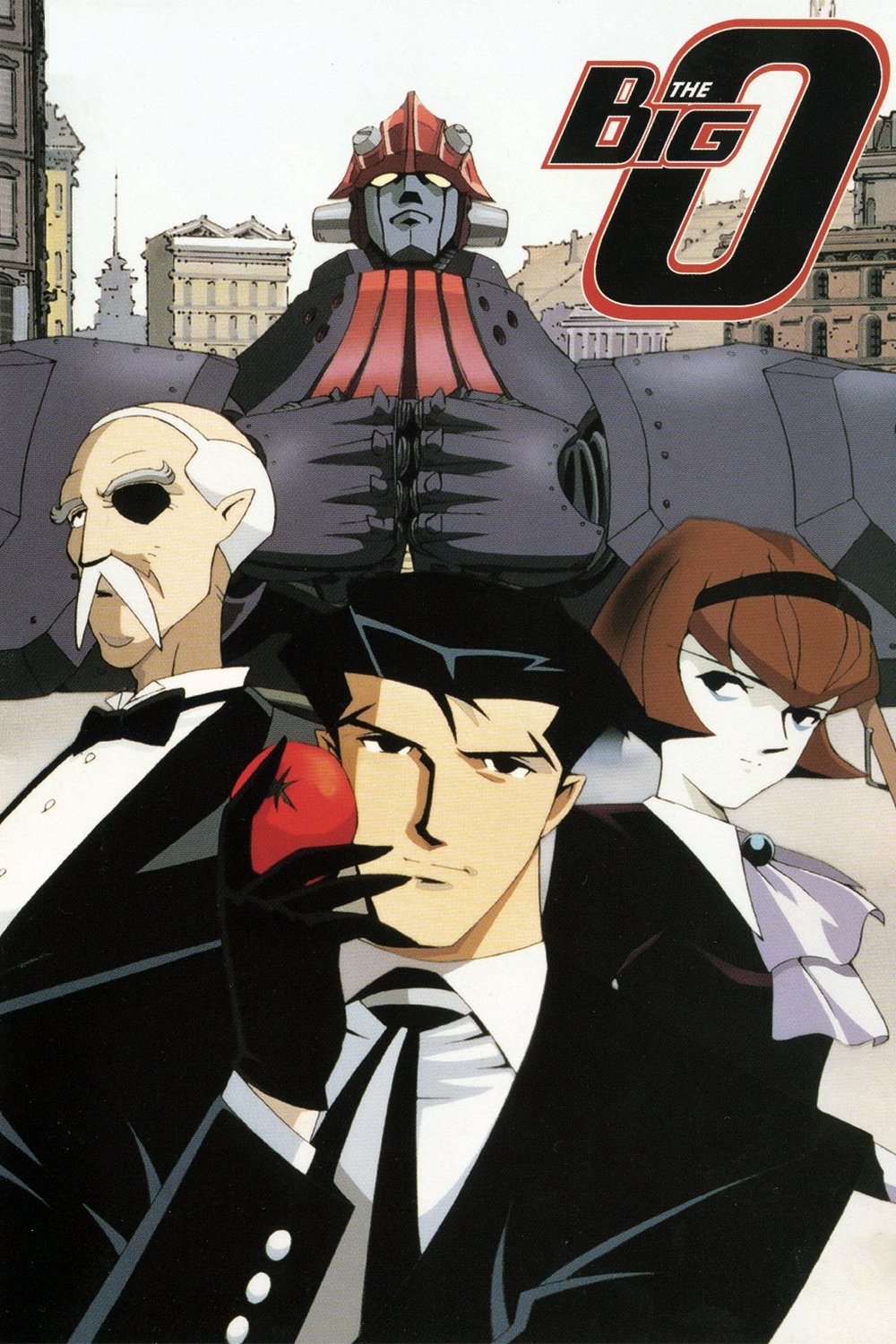
This dark and stylish mecha series didn’t initially do well in Japan, resulting in fewer episodes being made. Its creators gave it a Western look that didn’t appeal to Japanese anime fans at the time. However, when it aired on Cartoon Network internationally, it became very popular, earning enough support to create a second season. Now, the show is praised for its unique style, which draws inspiration from Batman and classic giant robot shows.
‘Serial Experiments Lain’ (1998)
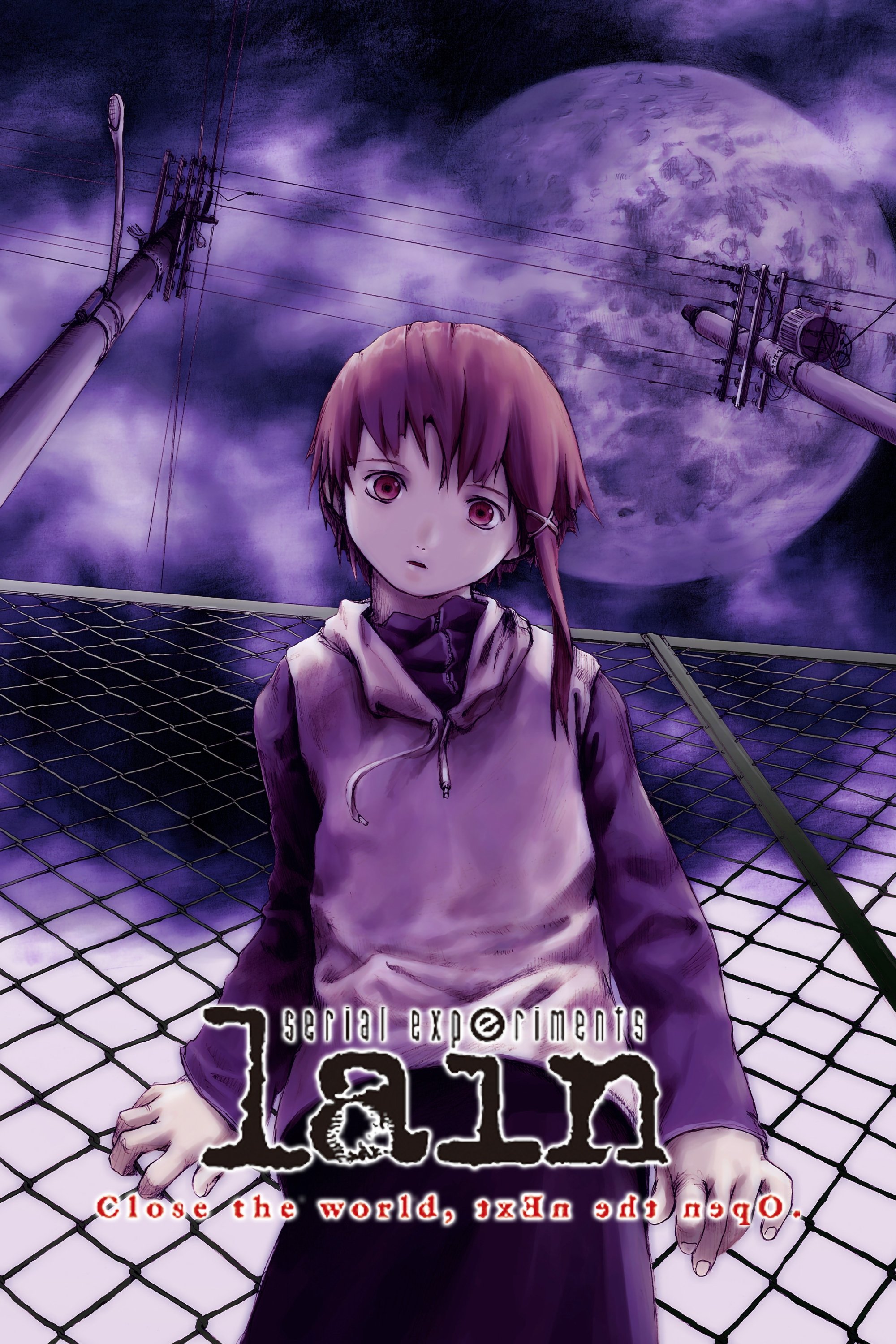
The show initially confused many viewers when it first aired late at night due to its challenging and philosophical ideas. It centers around a girl named Lain who becomes deeply connected to a worldwide computer network called the Wired. The series thoughtfully examines internet culture and what it means to have an identity online, and it predicted many trends years before they became common. Eventually, tech-minded fans embraced it, and it became a key work in the cyberpunk genre through online communities.
‘Haibane Renmei’ (2002)
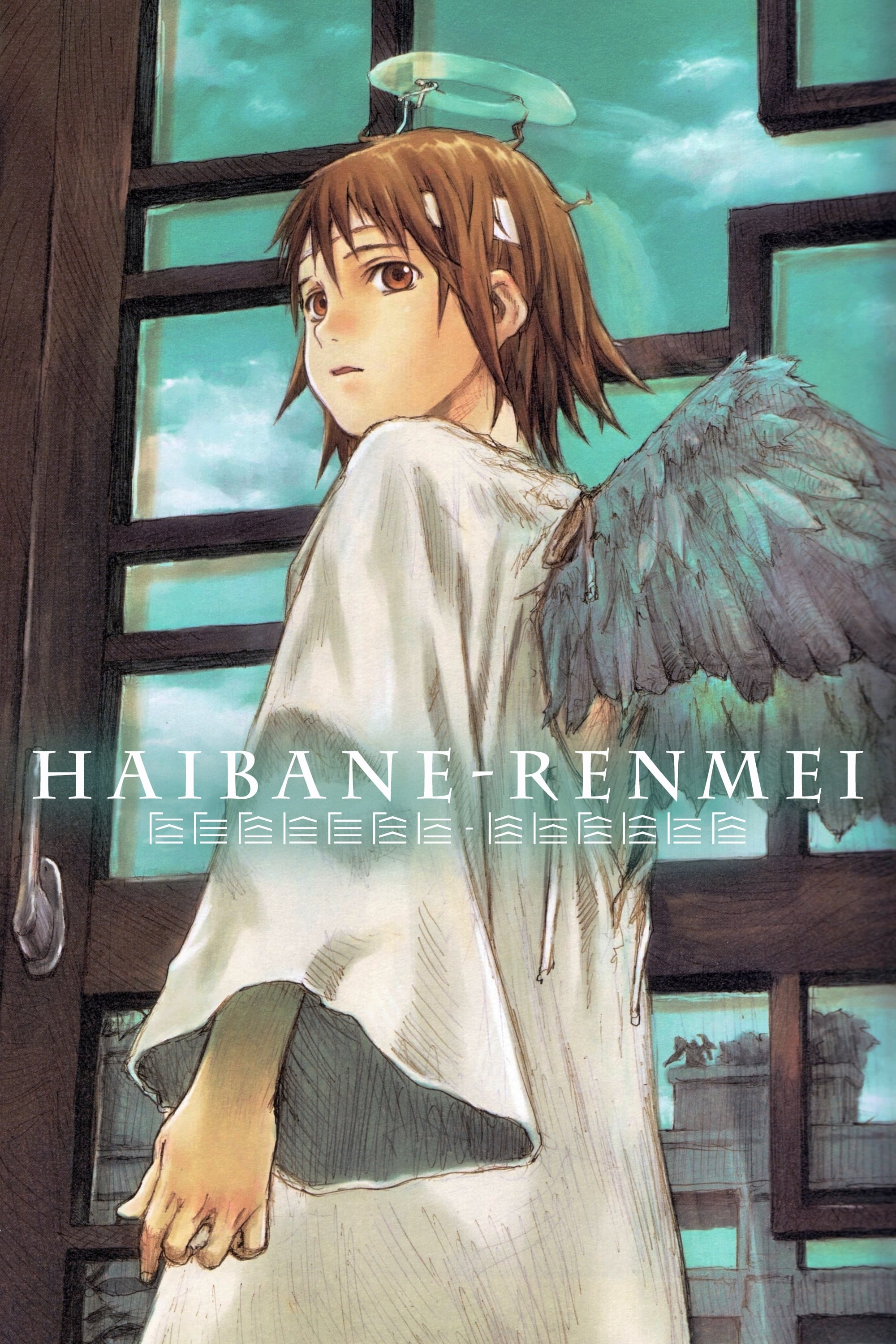
Yoshitoshi ABe’s series is a tender and bittersweet story about angelic creatures who live within the walls of a town. Rather than focusing on action, the show takes a slow, thoughtful approach, exploring its characters and using symbolism to tell a story about wrongdoing and forgiveness. Because of its calm and subtle nature, it didn’t initially receive much attention compared to more exciting shows released around the same time. However, it’s now considered a brilliant example of quiet, character-driven fantasy.
‘Texhnolyze’ (2003)
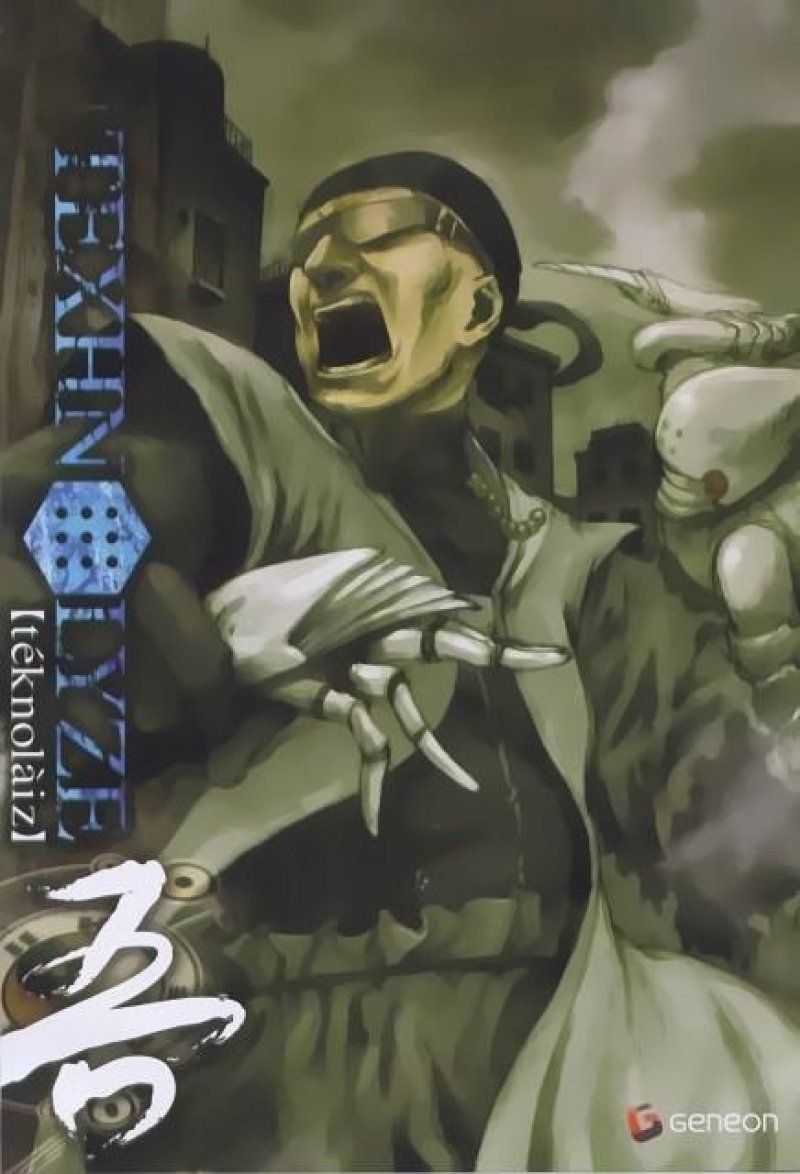
This sci-fi series, created by Madhouse, is dark and pessimistic, and it wasn’t for everyone. Its slow speed and minimal dialogue turned off many casual viewers. The story unfolds in a decaying underground city where groups battle for power with technologically enhanced bodies. However, those who persevered through the series’ heavy atmosphere discovered a unique and powerful artistic experience. It’s become a beloved favorite among fans who enjoy intense, thought-provoking stories.
‘Paranoia Agent’ (2004)
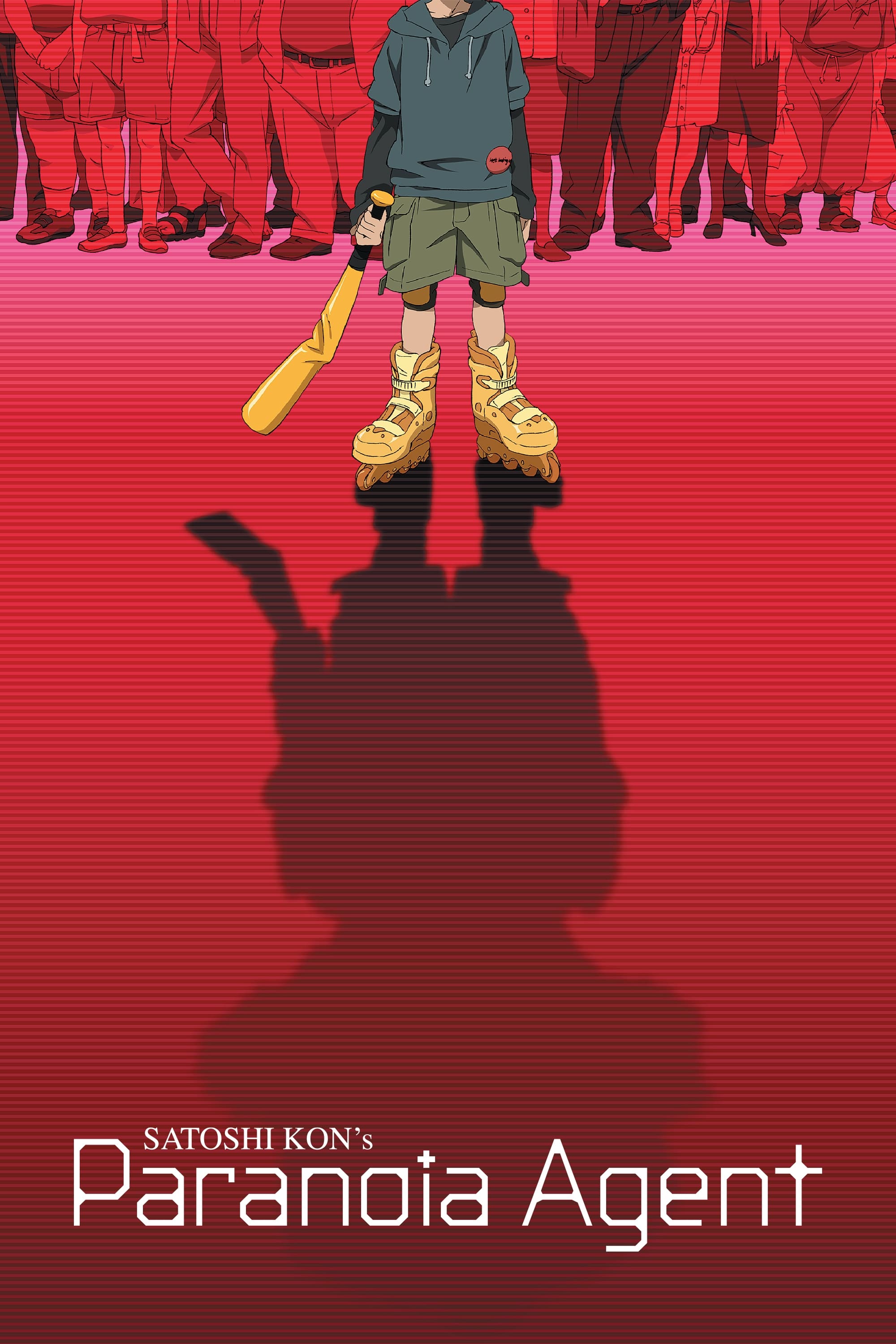
Satoshi Kon, best known for his films, created this unique television series – his only one – to delve into themes he didn’t have room for in his movies. Each episode follows a different Tokyo resident targeted by a strange attacker called Li’l Slugger. When it first aired, the show’s unusual style and dreamlike visuals baffled many viewers. However, it’s now celebrated by both critics and fans as a clever commentary on how quickly people can fall into mass panic and seek ways to avoid reality.
‘Outlaw Star’ (1998)
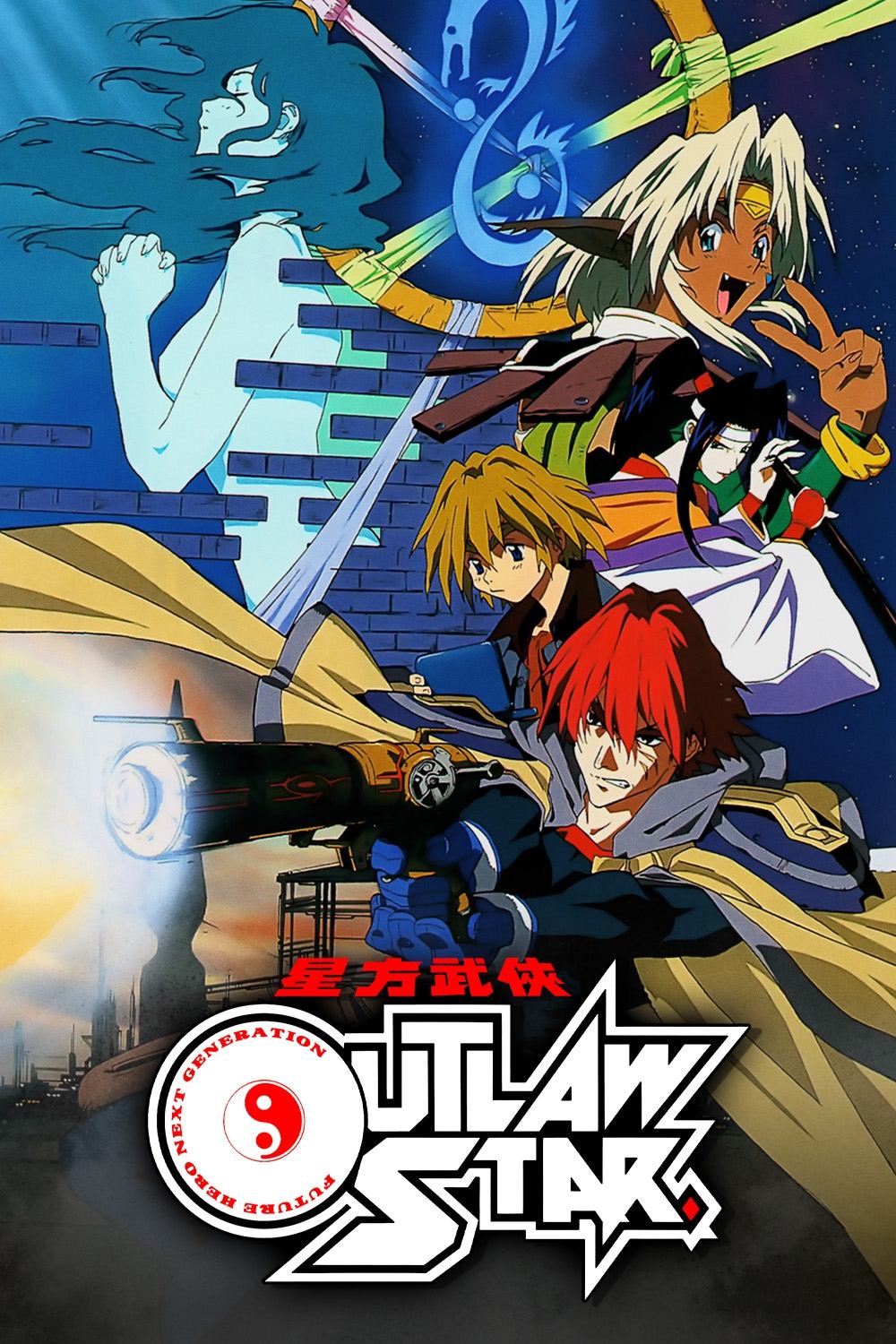
This sci-fi adventure series didn’t get as much attention as ‘Cowboy Bebop’ when it first came out in the late 90s. It follows a diverse crew on a quest for a famous treasure called the Galactic Leyline. Although it did okay in Japan, it became hugely popular after being shown on TV channels like Toonami in Western countries. Viewers love its exciting stories and the one-of-a-kind way its spaceships fight using grappling arms.
‘Wolf’s Rain’ (2003)
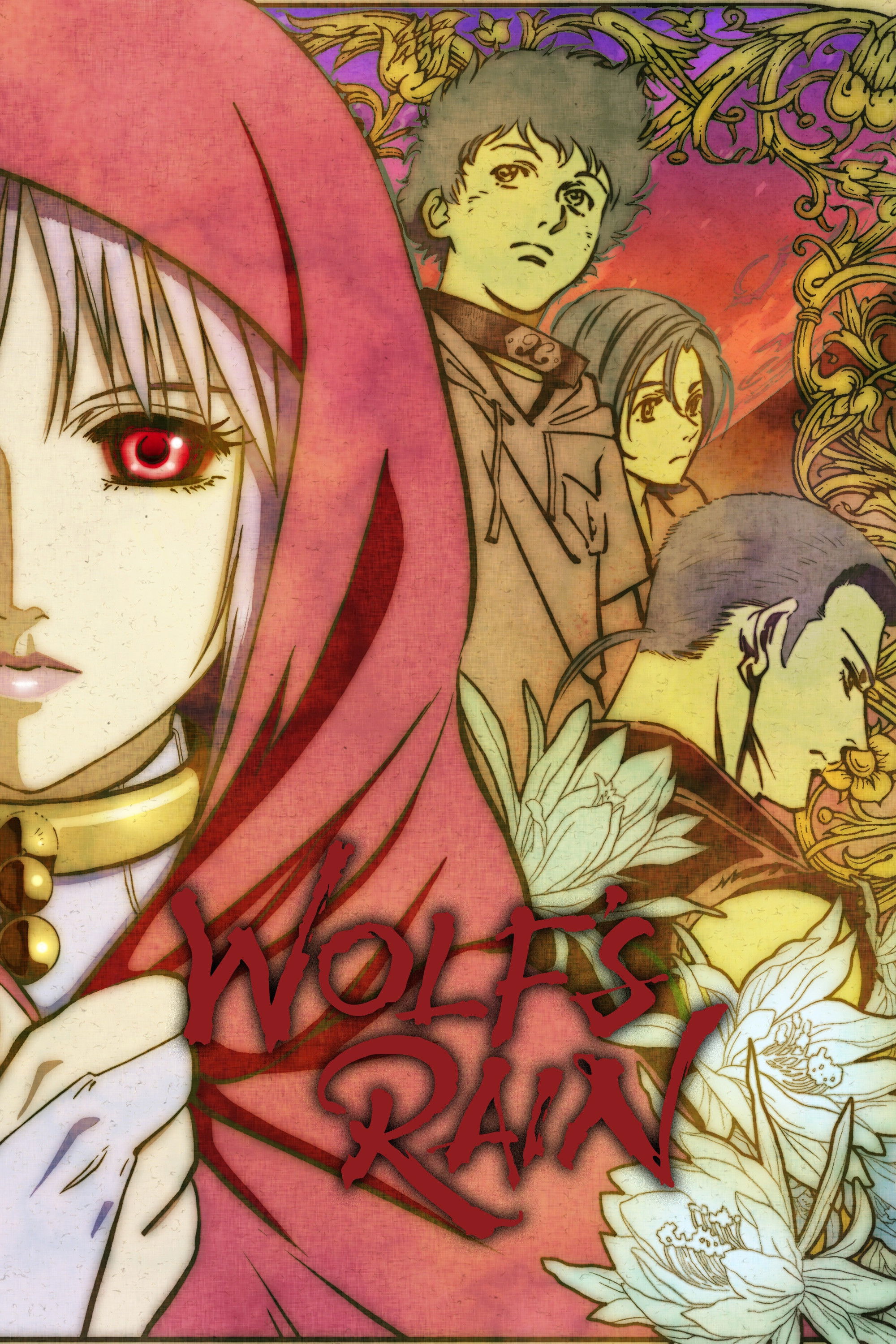
Bones studio created this anime about wolves who can turn into humans as they search for a legendary paradise. The show experienced several production setbacks, leading to four episodes that simply rehashed earlier events. This disrupted the broadcast and caused many viewers to stop watching before the final episodes were released as a special OVA. Despite this, the series eventually gained a dedicated fanbase who loved Yoko Kanno’s music and the show’s heartbreaking story.
‘Ergo Proxy’ (2006)
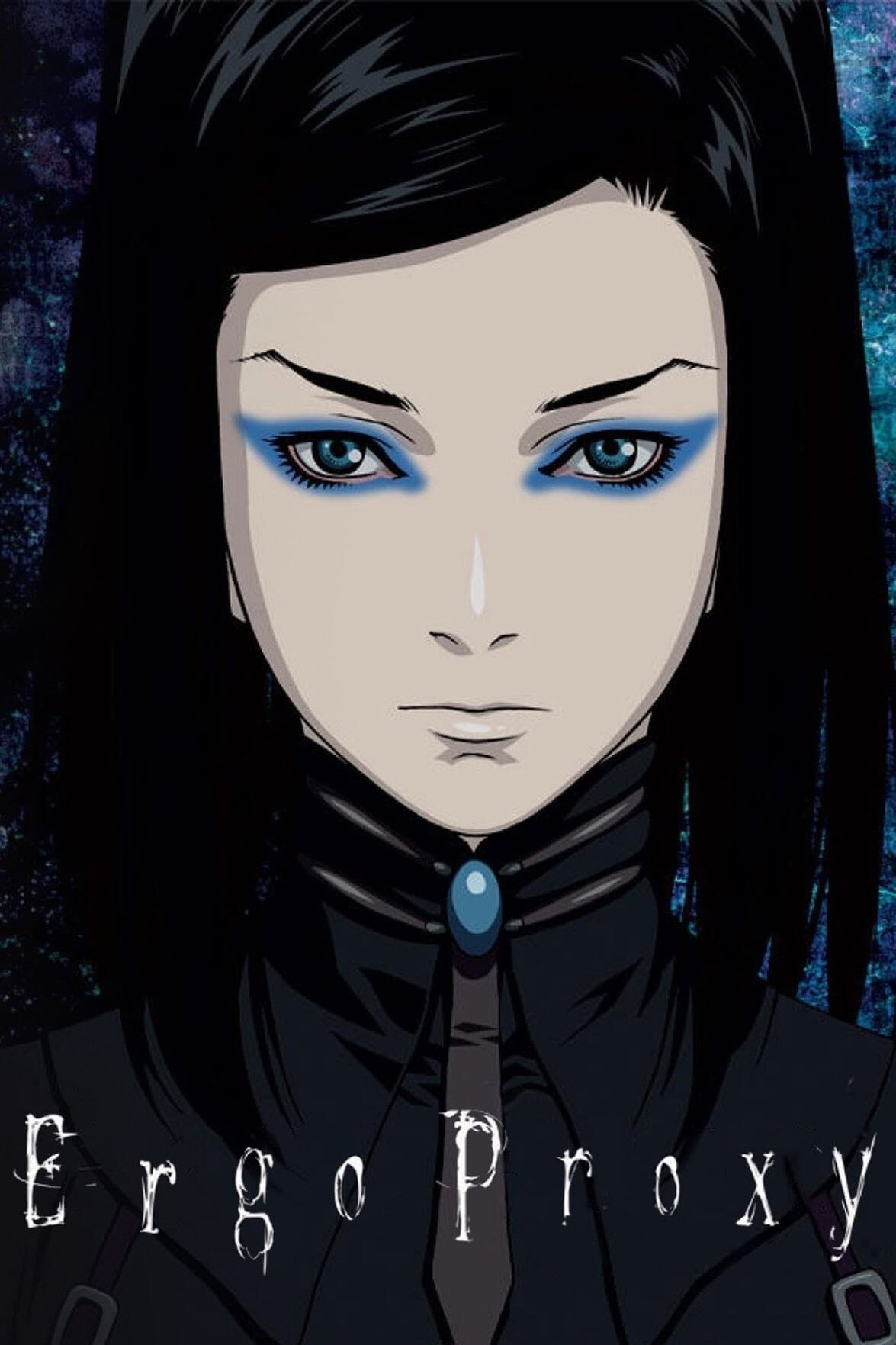
This cyberpunk mystery blends gothic visuals with deep ideas from philosophers like Descartes and Turing. The story takes place in a domed city of the future where humans and androids live together. Some viewers initially found the plot confusing and the middle episodes a bit slow, but it’s now considered a beautiful and inventive piece of science fiction that has stood the test of time.
‘Revolutionary Girl Utena’ (1997)
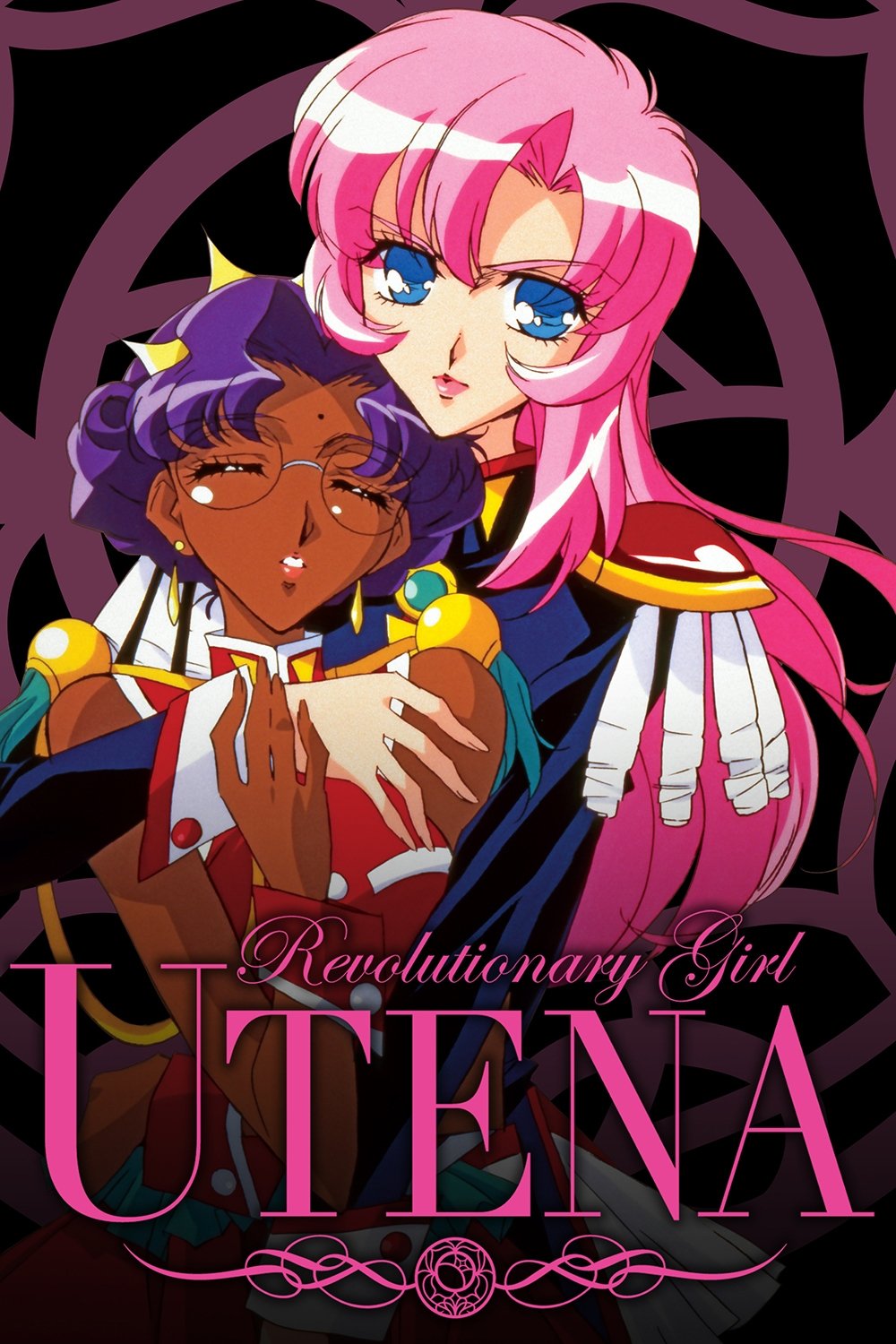
Directed by Kunihiko Ikuhara, this show playfully takes apart the typical magical girl and shoujo genres, creating a dreamlike experience. While younger viewers found its repeating images and symbolic battles confusing, older audiences appreciated its deeper exploration of growing up and expectations around gender. It’s now celebrated as an important work for its daring use of symbolism and storytelling through allegory.
‘Baccano!’ (2007)
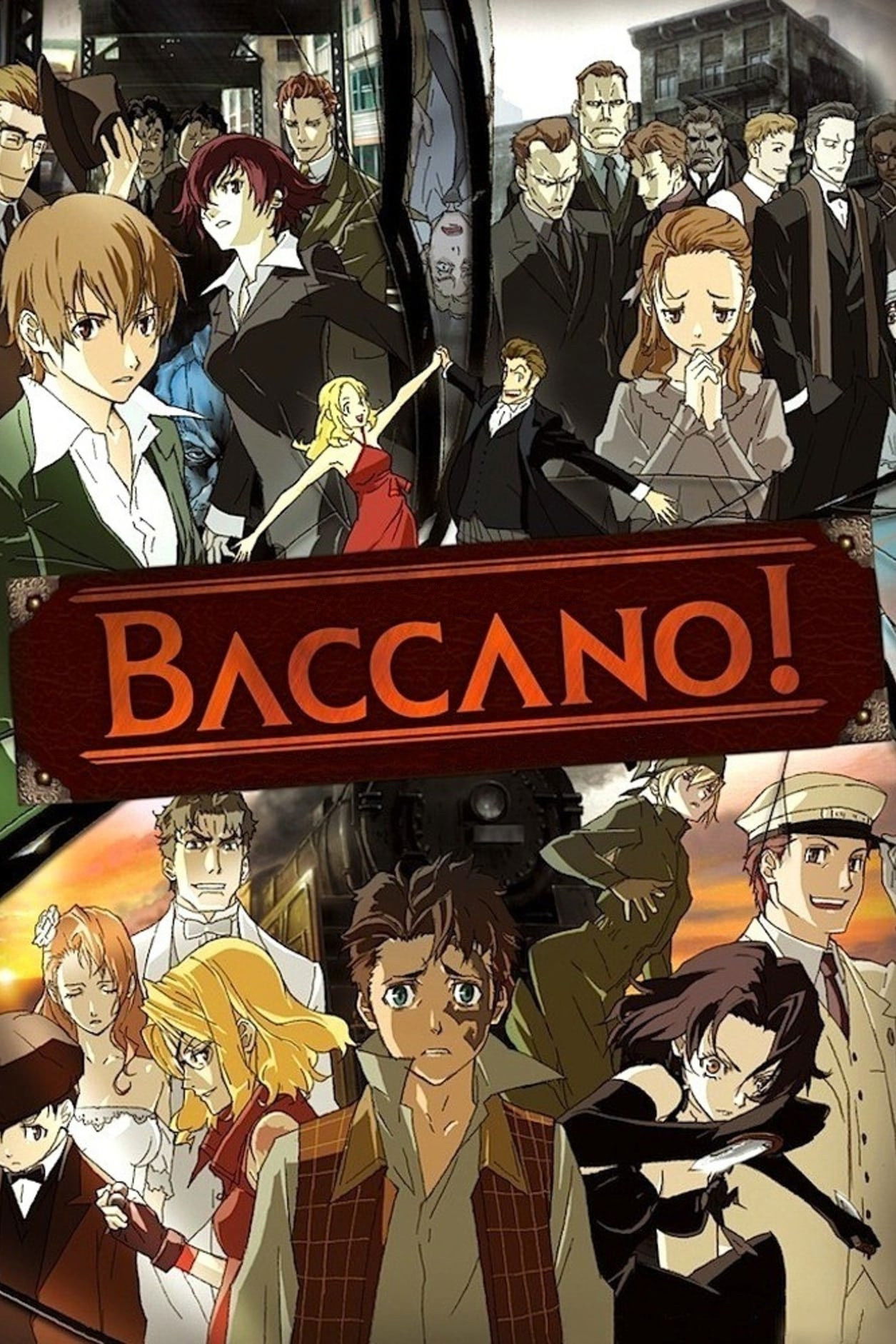
The show features a complex, out-of-order story about alchemists and gangsters during the Prohibition. Its timeline jumps around between years and characters, which made it hard to follow when it originally aired each week. While the show looked and sounded great, with a lively jazz score, DVD sales started off slow. However, it gained a following when people discovered it on streaming platforms and watched all the episodes at once, piecing together the story.
‘Mushi-Shi’ (2005)
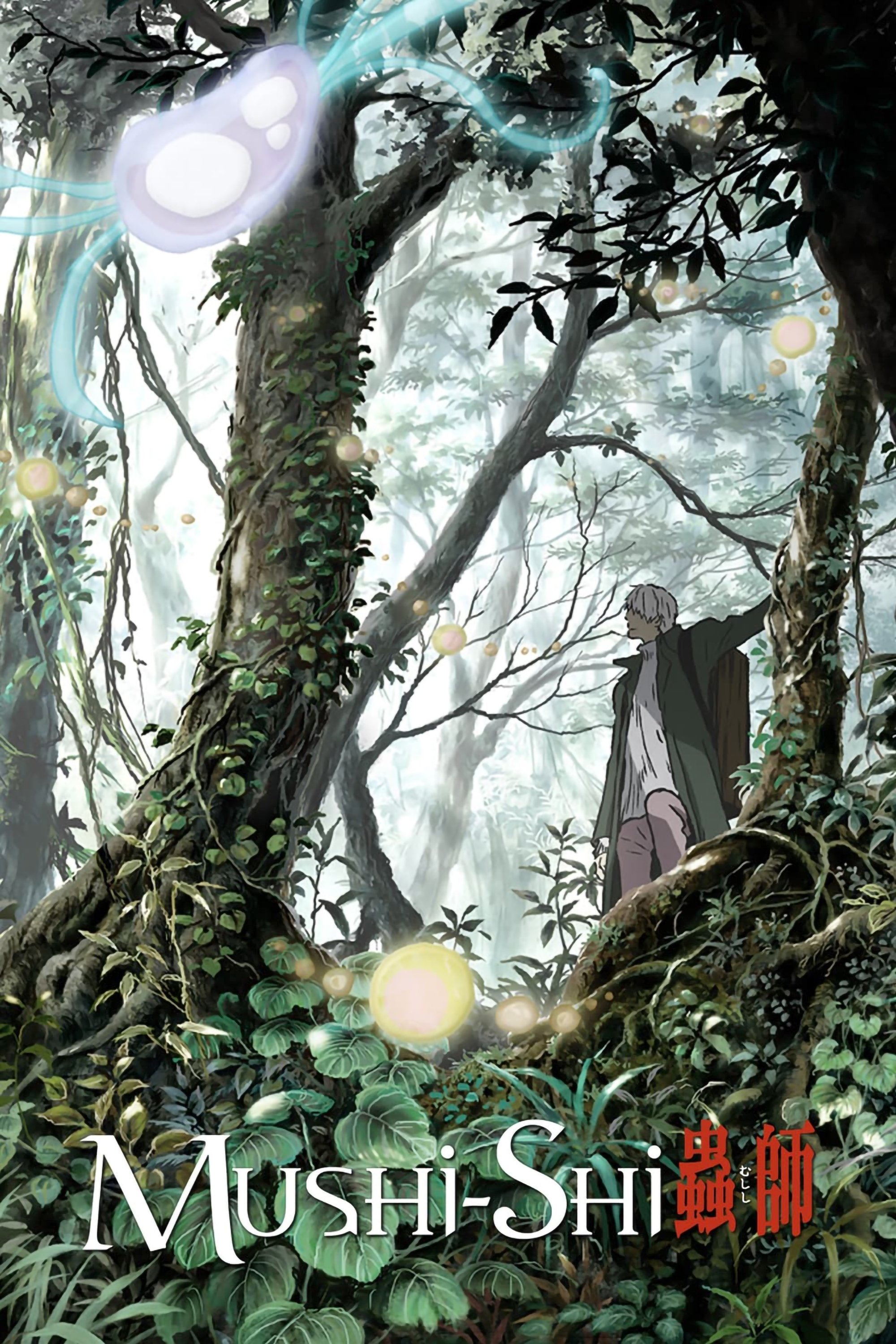
As a huge anime fan, I stumbled upon ‘Mushishi’ and it completely captivated me. It’s not your typical action-packed series; instead, it follows this traveler, Ginko, as he wanders around helping people troubled by these strange, almost spiritual creatures called Mushi. It’s an episodic show, meaning each story is self-contained, and honestly, there isn’t a big bad villain or constant cliffhangers. That might have turned some people off at first, but what really drew me in – and a lot of other fans, it seems – was the incredibly peaceful vibe and the way it made you think about nature and life. Now, it’s often talked about as one of the most calming and genuinely thought-provoking anime out there, and I totally get why.
‘Monster’ (2004)

Naoki Urasawa’s thrilling series has seventy-four episodes and centers on a neurosurgeon tracking down a former patient who has become a serial killer. Some viewers found the length and realistic style of the mystery a bit slow-paced, but those who stuck with it lauded the complex plot and frightening villain. It’s often hailed as one of the best suspenseful stories ever told.
‘Planetes’ (2003)
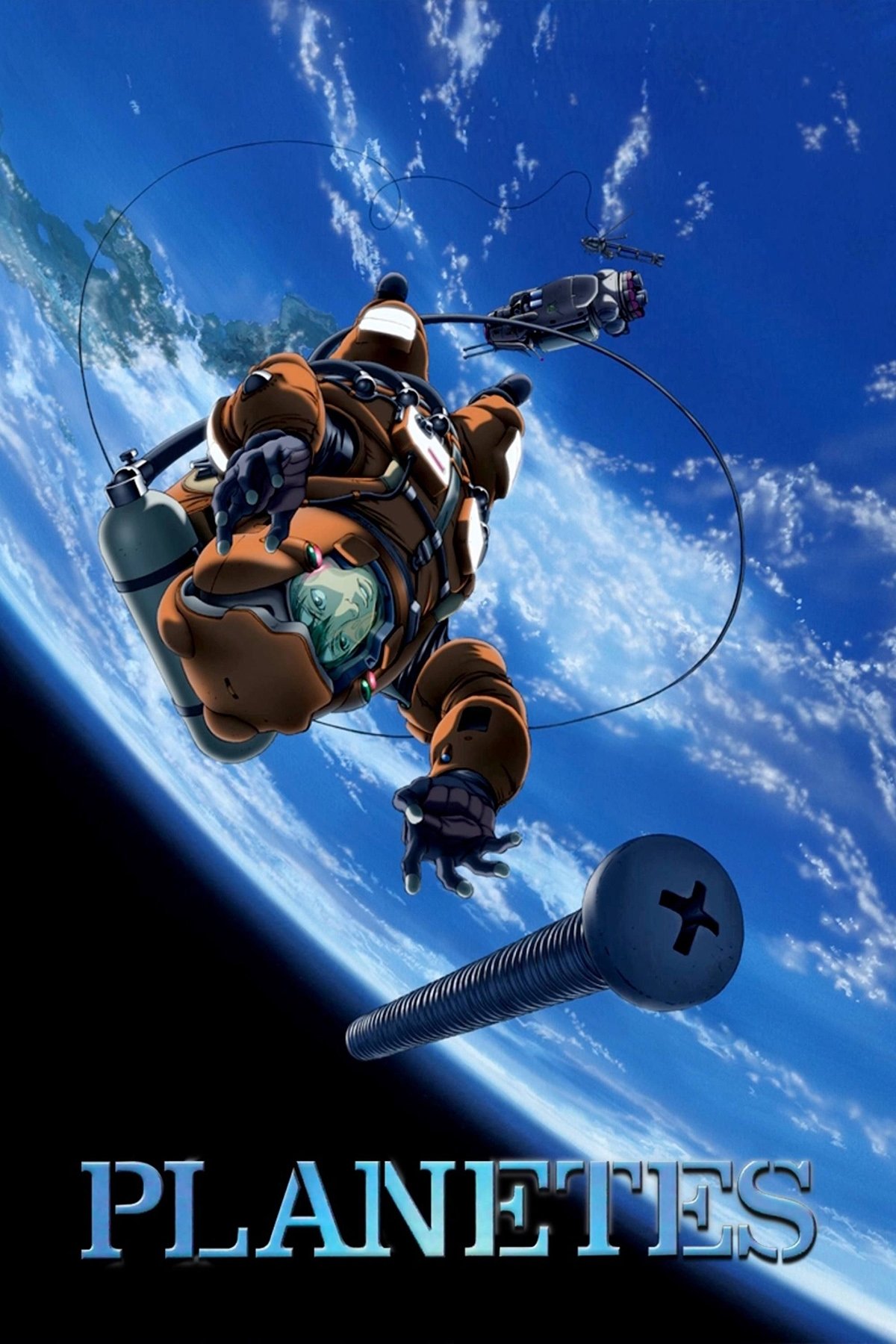
The show follows a crew that cleans up space debris, working to avoid collisions in orbit. What starts as a funny workplace comedy gradually turns into a complex political story about the future of space colonization. Fans of realistic science fiction praised its accurate portrayal of how things work in zero gravity, and it’s still considered one of the best examples of believable space travel in television.
‘Ghost Stories’ (2000)
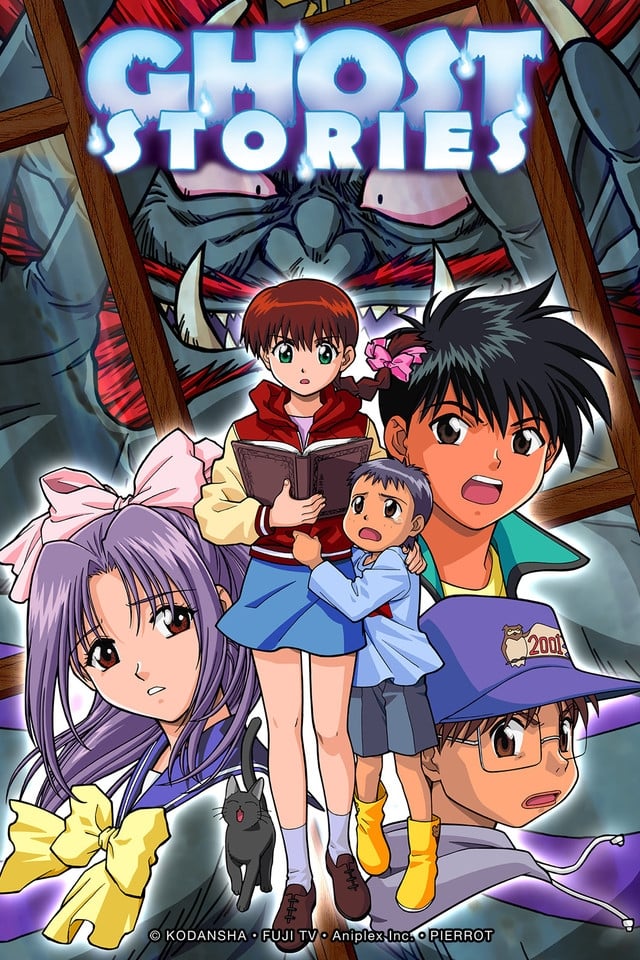
The initial Japanese version of ‘Ghost Stories’ was a typical, but unsuccessful, children’s horror show. When an American company acquired the rights, they created a completely new, deliberately offensive comedic script. This unexpected change turned the show from a forgotten failure into a viral sensation in Western countries. Even today, funny clips from the dub continue to be shared online.
‘Samurai Champloo’ (2004)
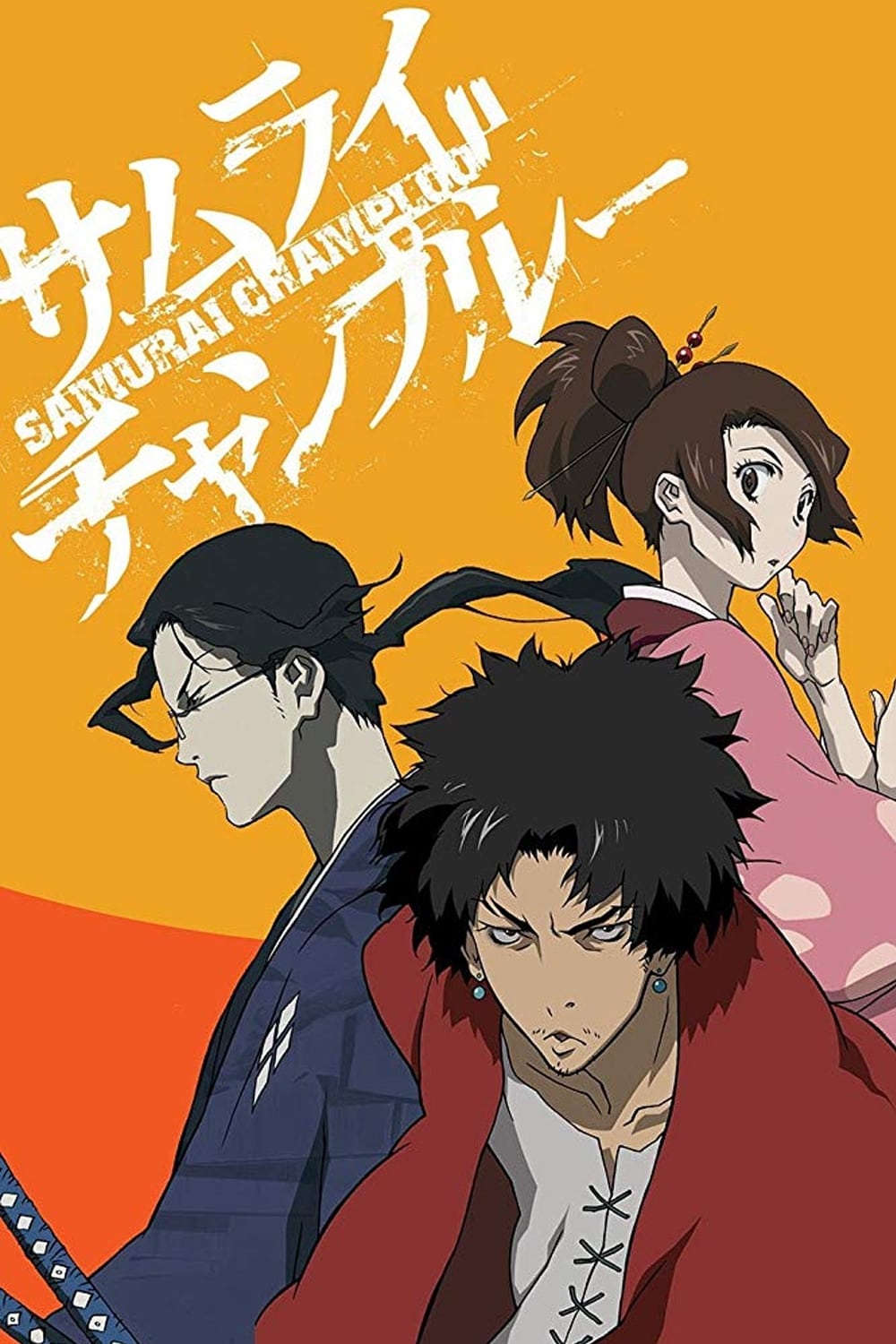
Following the success of his previous work, Shinichiro Watanabe created this series, which uniquely combines historical Japan with contemporary hip-hop. Although it was well-received, it didn’t immediately achieve the same massive cultural impact. Over time, thanks to its incredible soundtrack by Nujabes and its beautifully animated sword fights, it gained a dedicated following and is now considered a perfect complement to his famous space western.
‘Golden Boy’ (1995)

This six-episode animated series centers around Kintaro, a drifter who takes on a series of strange jobs. While initially criticized for its often crude humor, the show gained a dedicated following due to its English dub, particularly the wildly energetic performance of the main character. It’s become well-known online for its funny and surprisingly informative style, and is often the subject of internet memes.
‘Beck: Mongolian Chop Squad’ (2004)
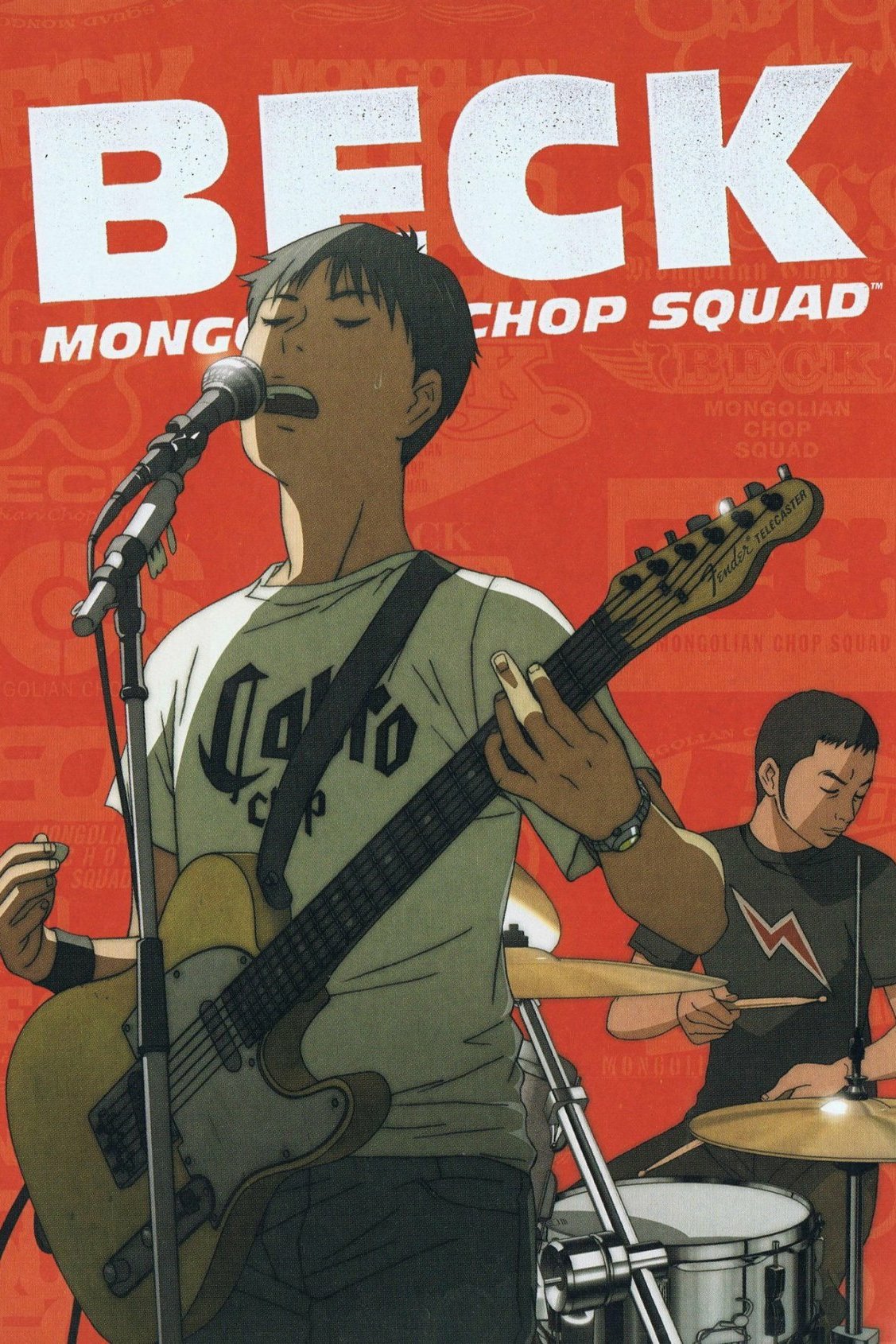
This story follows a rock band as they grow and face challenges while pursuing their dreams. While the animation wasn’t always perfect, potentially disappointing some animation fans, those who love music really connected with its realistic depiction of the indie rock world and the musicians themselves. The anime’s soundtrack continues to be popular with fans of music-based shows.
‘Honey and Clover’ (2005)
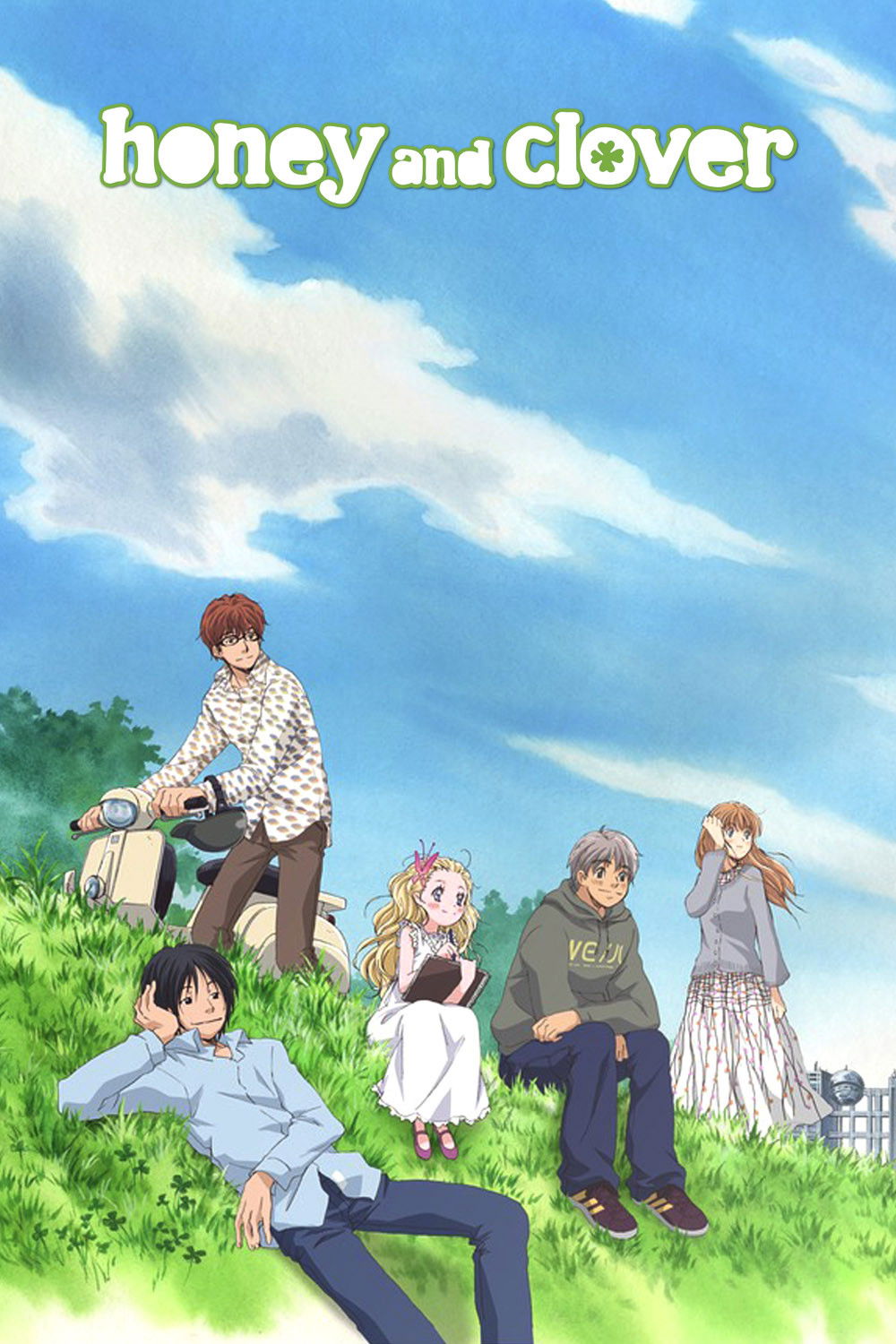
This gentle drama follows five art students as they grapple with both romance and figuring out their futures. Its soft, pastel colors and thoughtful inner dialogues appealed to an audience often overlooked by popular action series. The show connected with viewers through its honest portrayal of unreturned feelings and the challenges of discovering your passion, setting a new standard for stories set in college.
‘Kino’s Journey’ (2003)
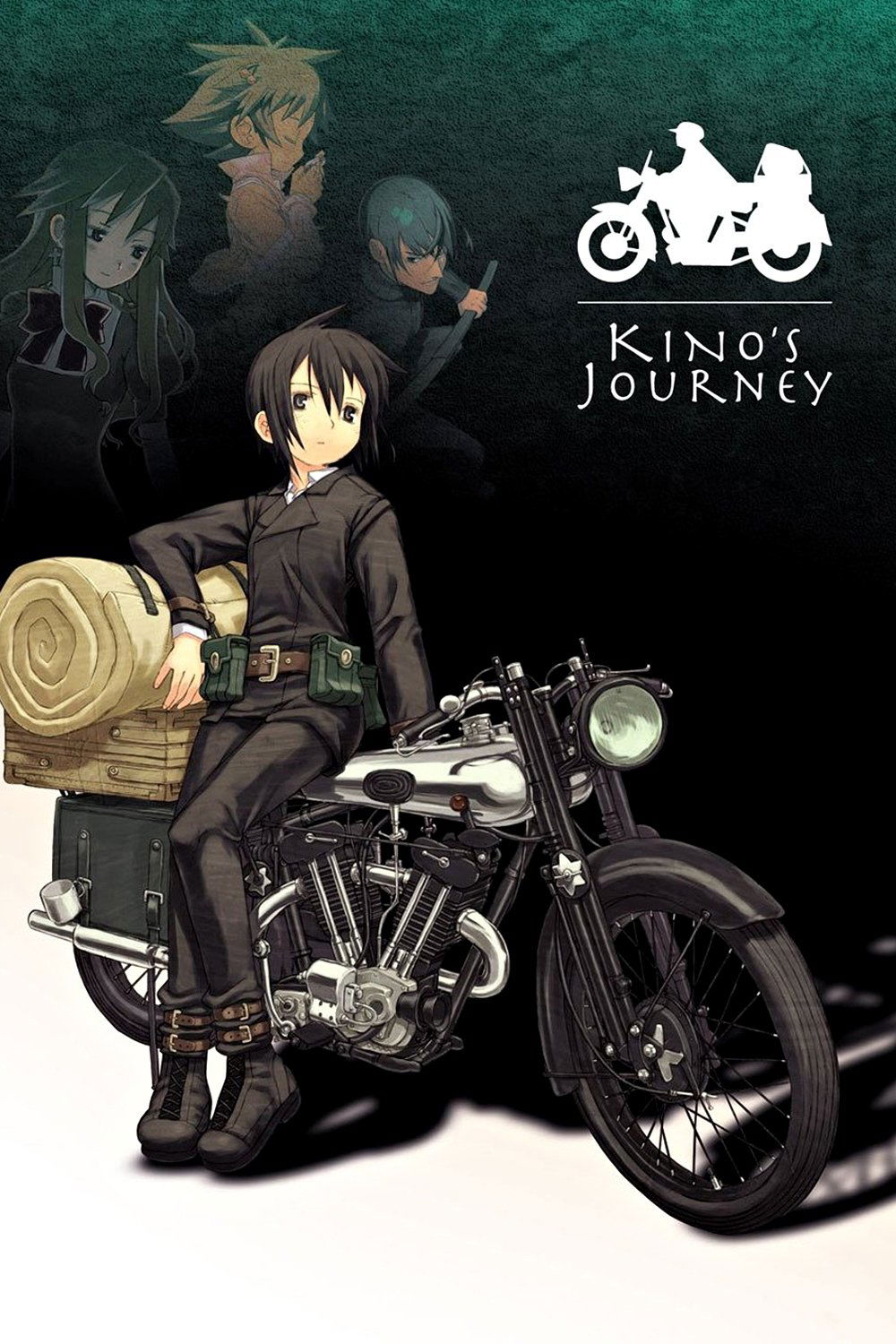
Kino journeys across the globe on a motorcycle that can talk, spending just three days in each place. Each story is like a short, thought-provoking tale that examines society and what it means to be human. The series is quiet and subtle, which meant it didn’t get as much attention as more flashy fantasy shows at the time. However, it’s now celebrated for its deep ideas and its beautifully sad mood.
‘Mononoke’ (2007)
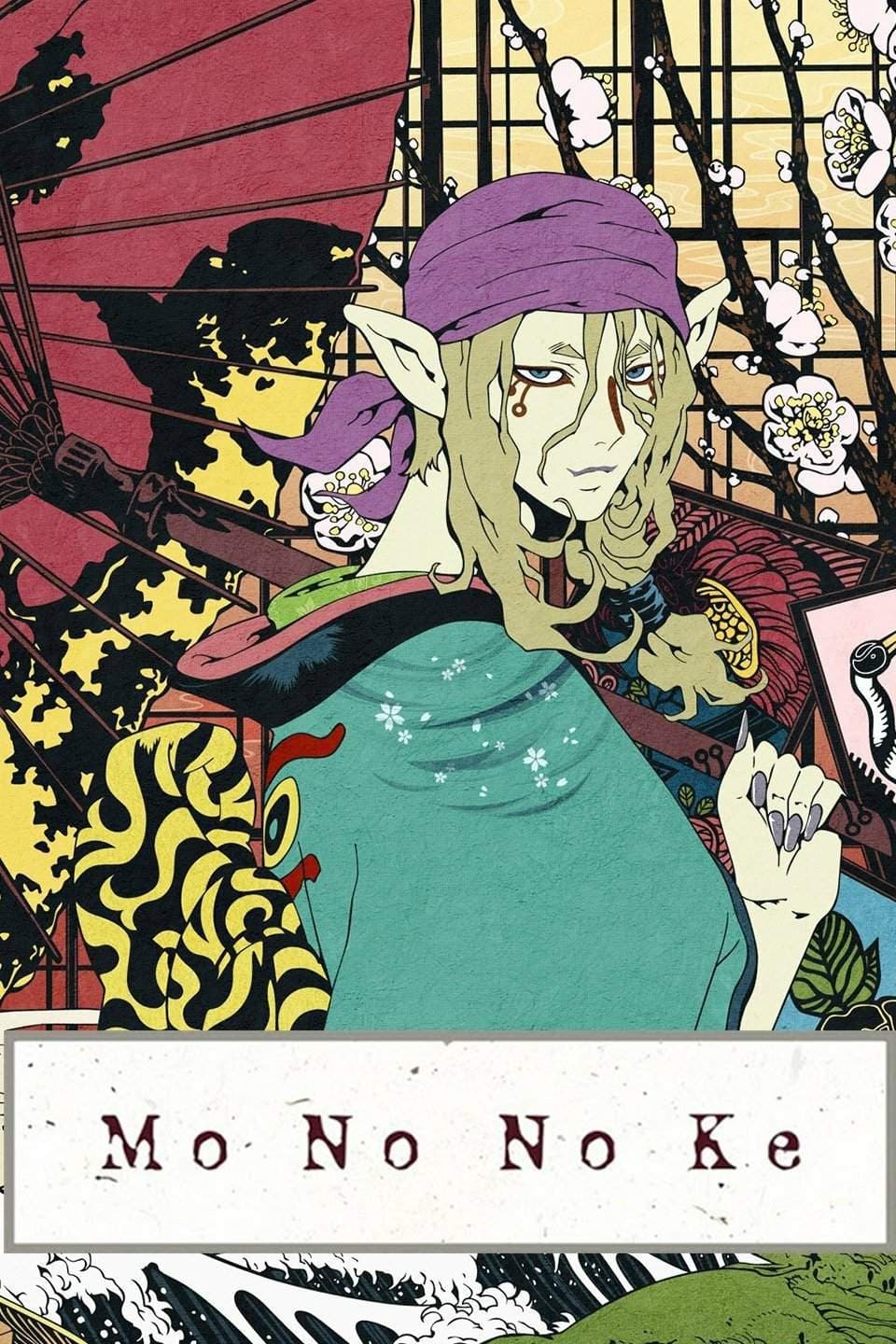
This story follows a medicine seller journeying through feudal Japan, where he frees spirits by understanding their true nature and form. The animation stands out due to its unique style, inspired by traditional Japanese paper art and paintings, moving away from typical anime looks. While this unconventional approach initially meant fewer viewers, it’s now celebrated as a beautiful and artistic achievement, and is often studied for its rich visual details and use of color.
‘Kaiba’ (2008)
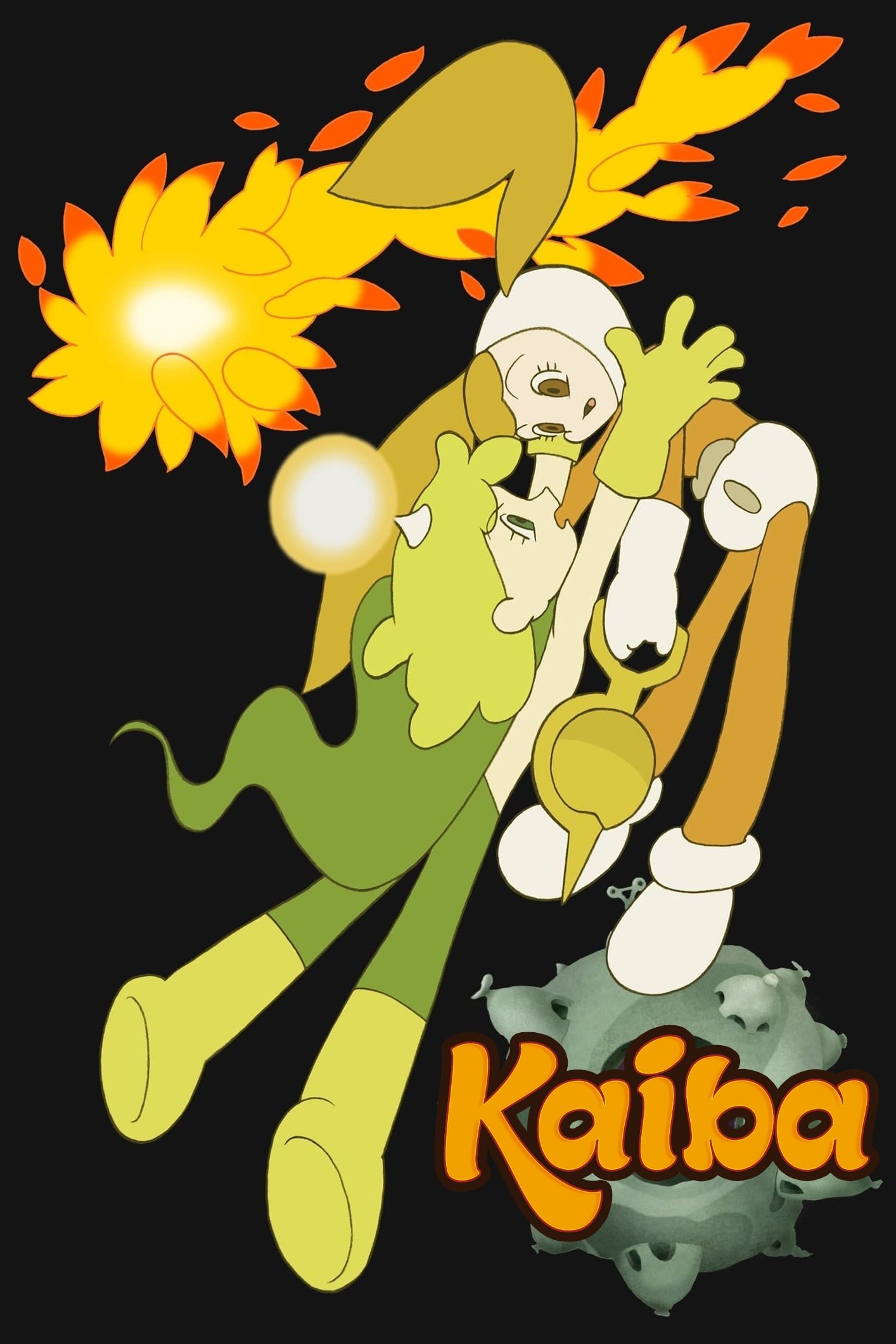
This sci-fi series, directed by Masaaki Yuasa, has a charming, old-fashioned animation style—think classic Astro Boy or early Disney. But don’t let the cute visuals fool you! It tells a surprisingly complex and sometimes unsettling story about switching bodies and transferring memories. A lot of people initially missed out on it, assuming it was just for kids. Now, it’s celebrated as a thoughtful and profound look at what makes us who we are.
‘The Tatami Galaxy’ (2010)
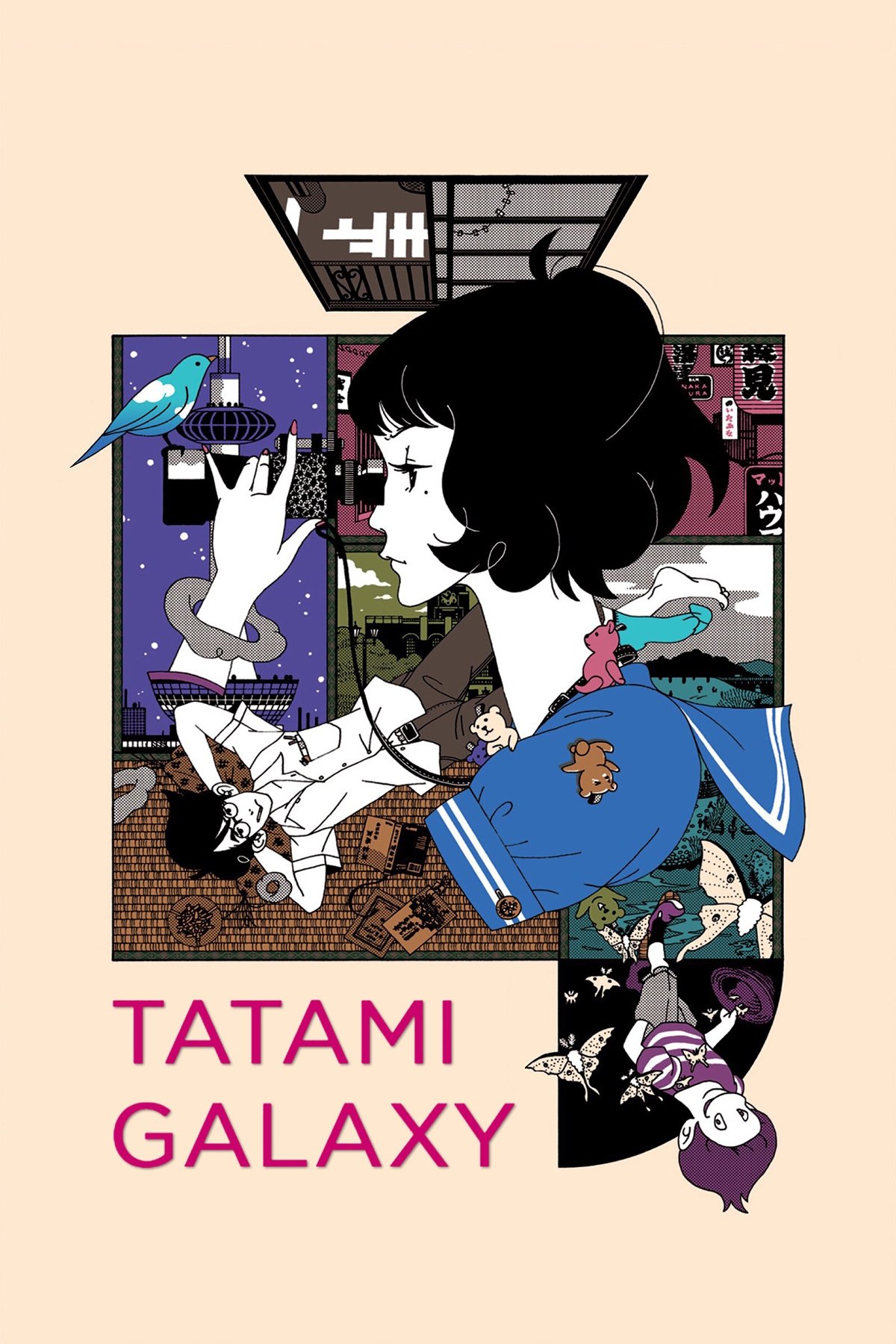
This anime is known for its fast-paced conversations and dreamlike visuals, which might take some getting used to. The story follows a student stuck repeating his college years, trying to create an ideal experience. Once viewers adjust to the quick subtitles, they’ll discover a funny and touching story about making the most of life and dealing with past mistakes. Many consider it one of the most well-directed anime series from the 2010s.
‘Ping Pong the Animation’ (2014)
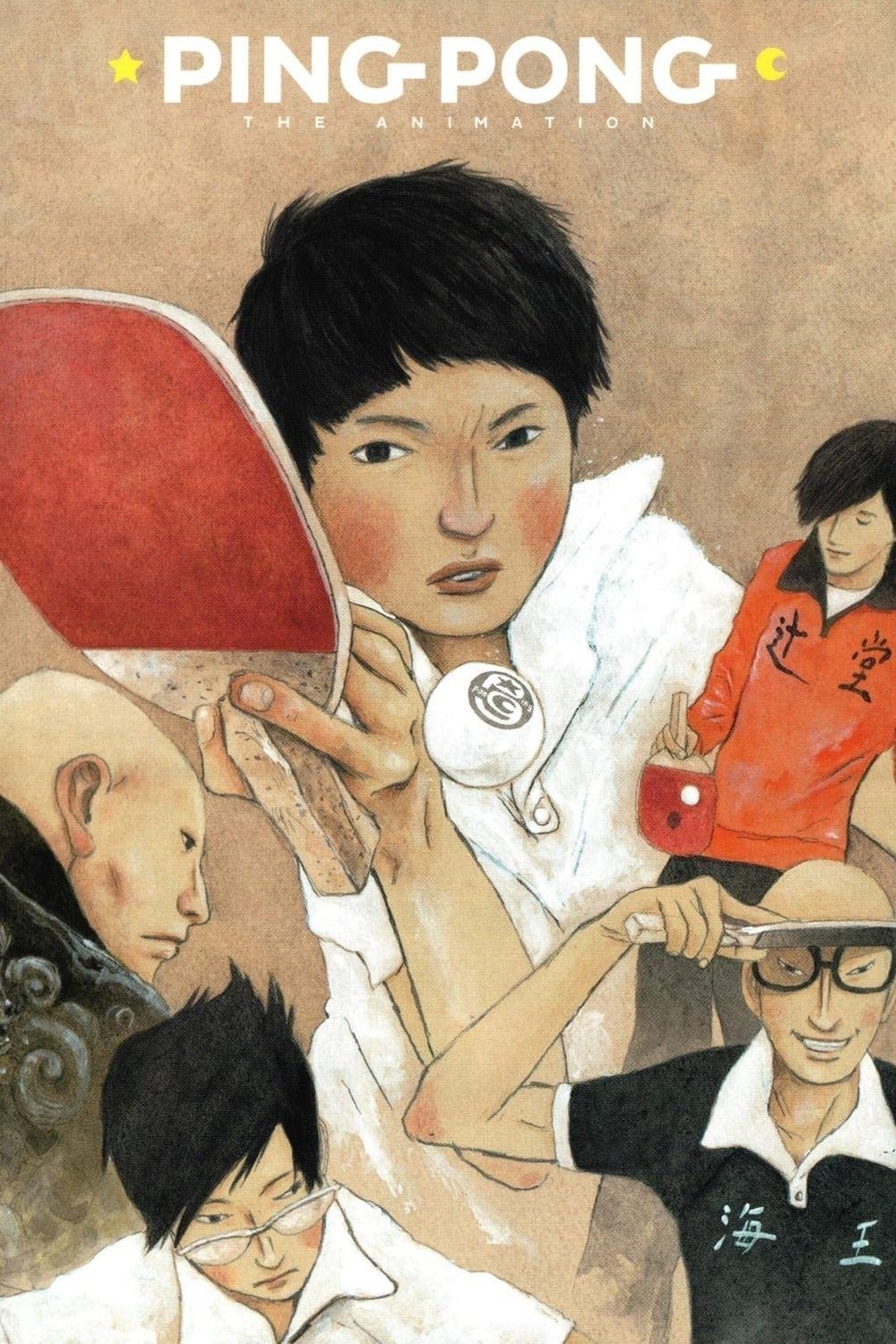
Many viewers were initially put off by the anime’s rough and unusual art style, preferring more polished character designs. However, those who looked past the visuals found a brilliantly written story focusing on the characters and the sport of table tennis. The unique animation style allows for incredibly realistic and energetic movement, something you don’t often see. Now, it’s considered a top-tier sports anime by many fans.
‘Princess Tutu’ (2002)
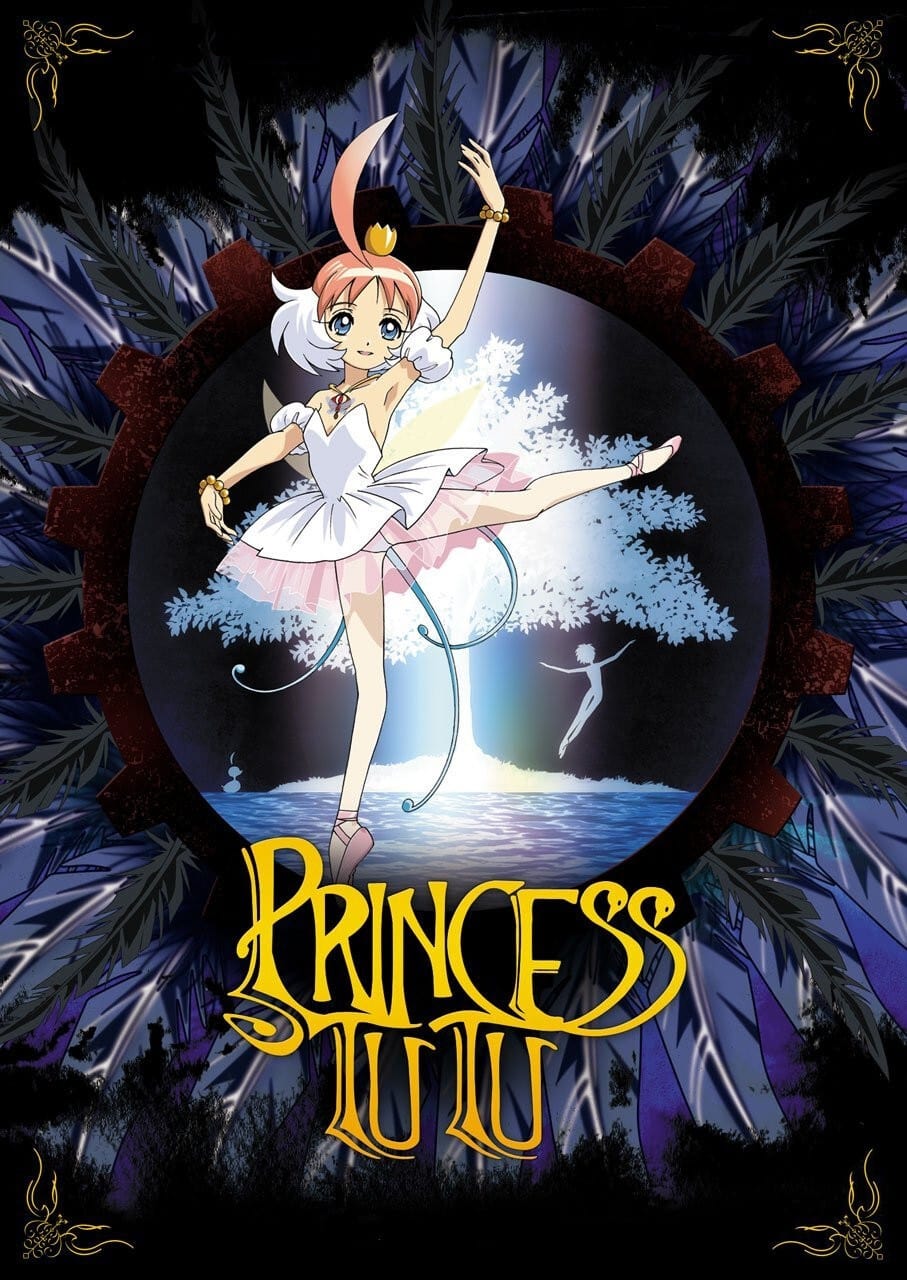
Okay, so when I first saw this show, I’ll admit, I almost dismissed it. The title and the whole magical girl aesthetic – ballet, fairy tales – it screamed ‘show for young girls.’ But boy, was I wrong! It completely flips those expectations on their head. This isn’t a fluffy, feel-good story; it’s a surprisingly dark and tragic one, a really clever meta-narrative about battling against destiny. It flew under the radar for a while, mostly ignored by guys and older viewers, but then word started spreading about just how brilliantly written it is. Honestly, it’s the perfect example of why you shouldn’t judge a book – or a series – by its cover. It’s a real gem.
‘Redline’ (2009)
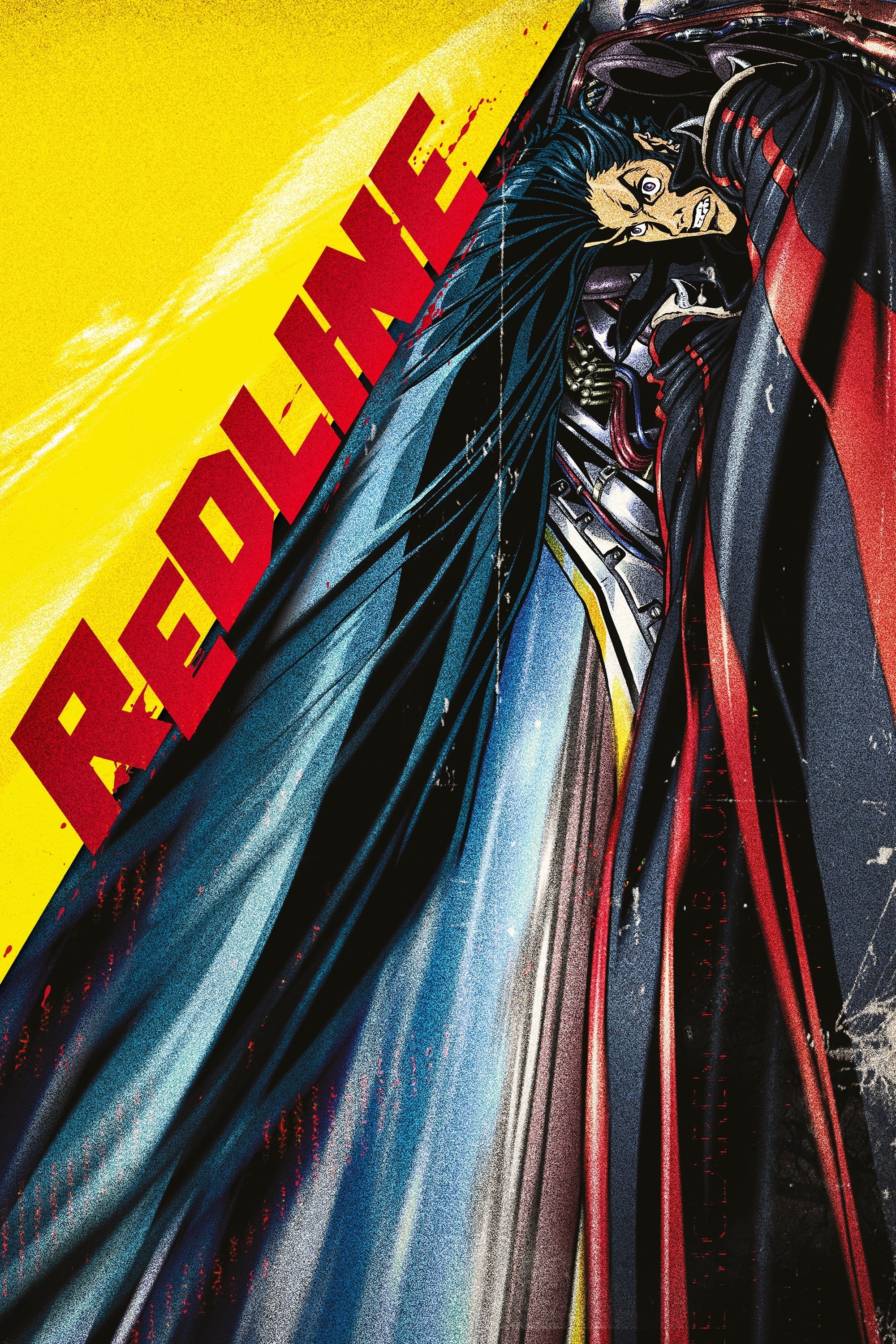
Takeshi Koike dedicated seven years to meticulously hand-drawing the fast-paced racing film ‘Redline,’ refusing to use any computer-generated techniques. Although the film didn’t earn back its production costs in theaters, it later gained a devoted following among animation fans who celebrated its incredibly smooth movement and distinctive look. Today, ‘Redline’ is remembered as a remarkable example of classic, hand-drawn animation – a style that’s becoming increasingly rare.
‘Angel’s Egg’ (1985)
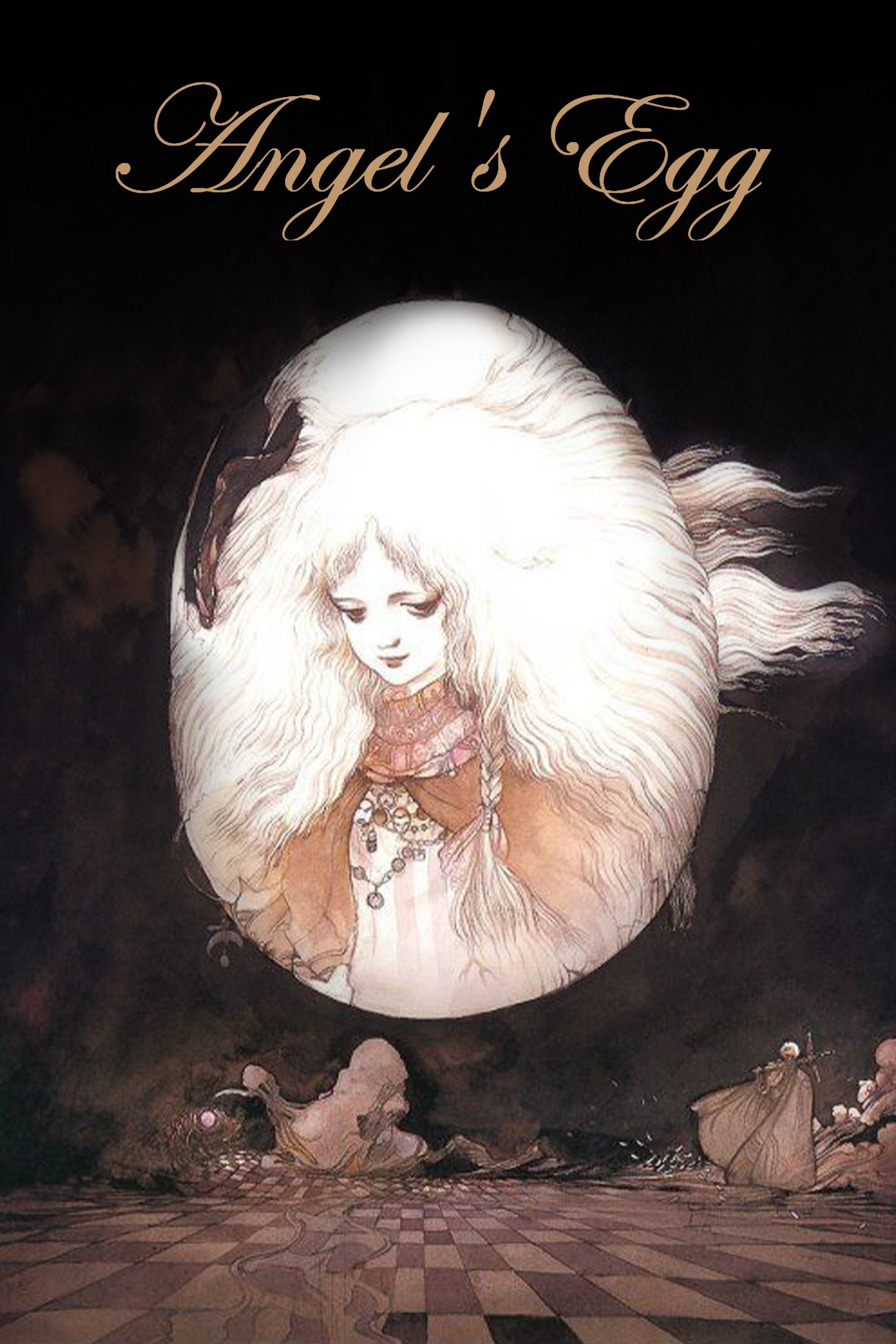
This short animated film was a collaboration between director Mamoru Oshii and artist Yoshitaka Amano. It’s known for having very little dialogue and focuses on striking visuals of a girl safeguarding an egg in a barren landscape. While its unconventional, non-traditional story made it difficult for general audiences to understand when it was released in the eighties, it’s now celebrated by art film enthusiasts as a visually stunning and atmospheric masterpiece.
‘Perfect Blue’ (1997)
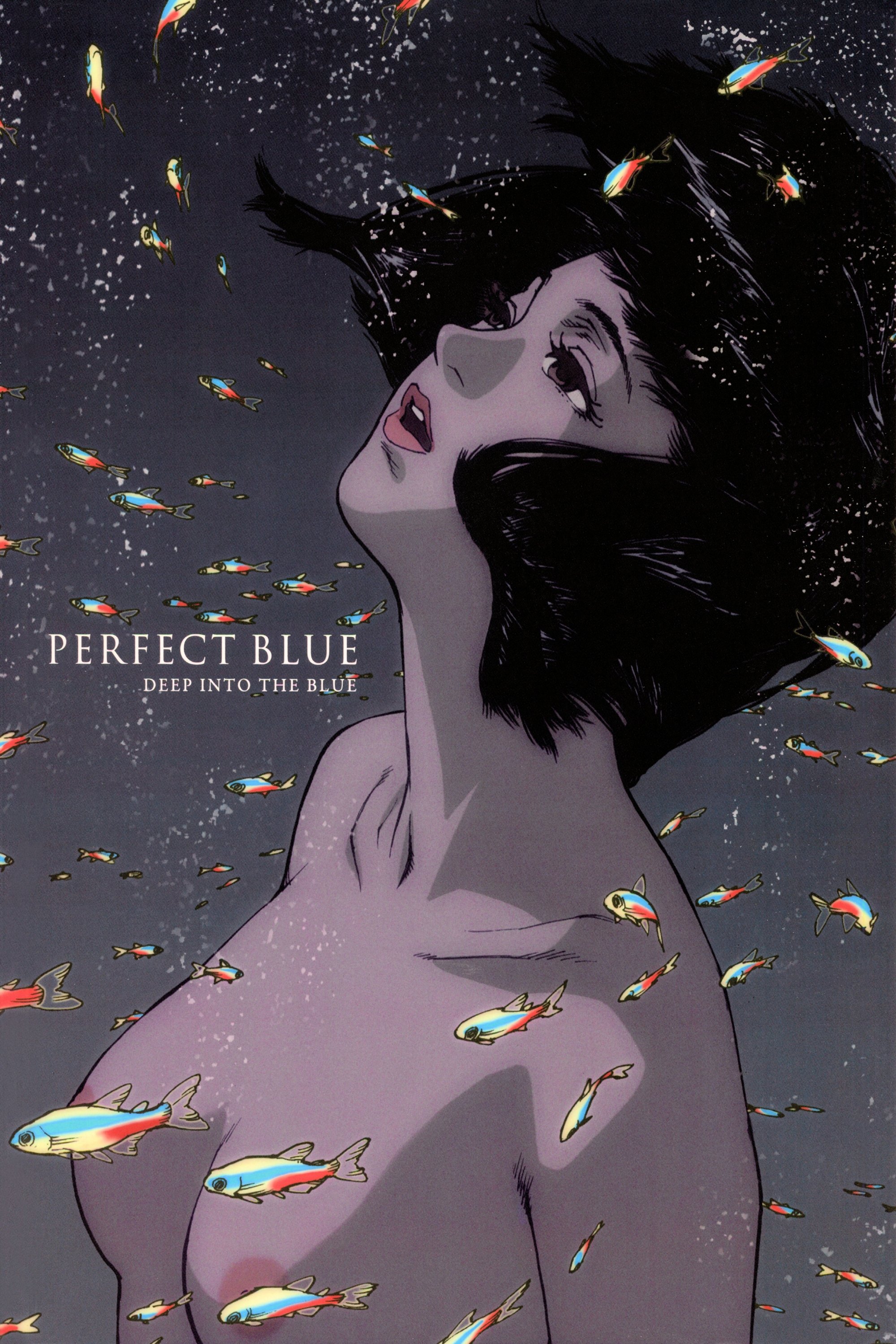
I absolutely love Satoshi Kon’s first film! It’s a really unsettling psychological horror story about a pop star trying to become an actress, and it’s fascinating how she starts to lose touch with what’s real. It didn’t make a huge splash right away, but it’s become incredibly well-known and respected internationally. I’ve even read that some Hollywood directors were inspired by it when making their own thrillers. To me, it’s still a really powerful and scary look at how damaging fame can be.
‘Millennium Actress’ (2001)
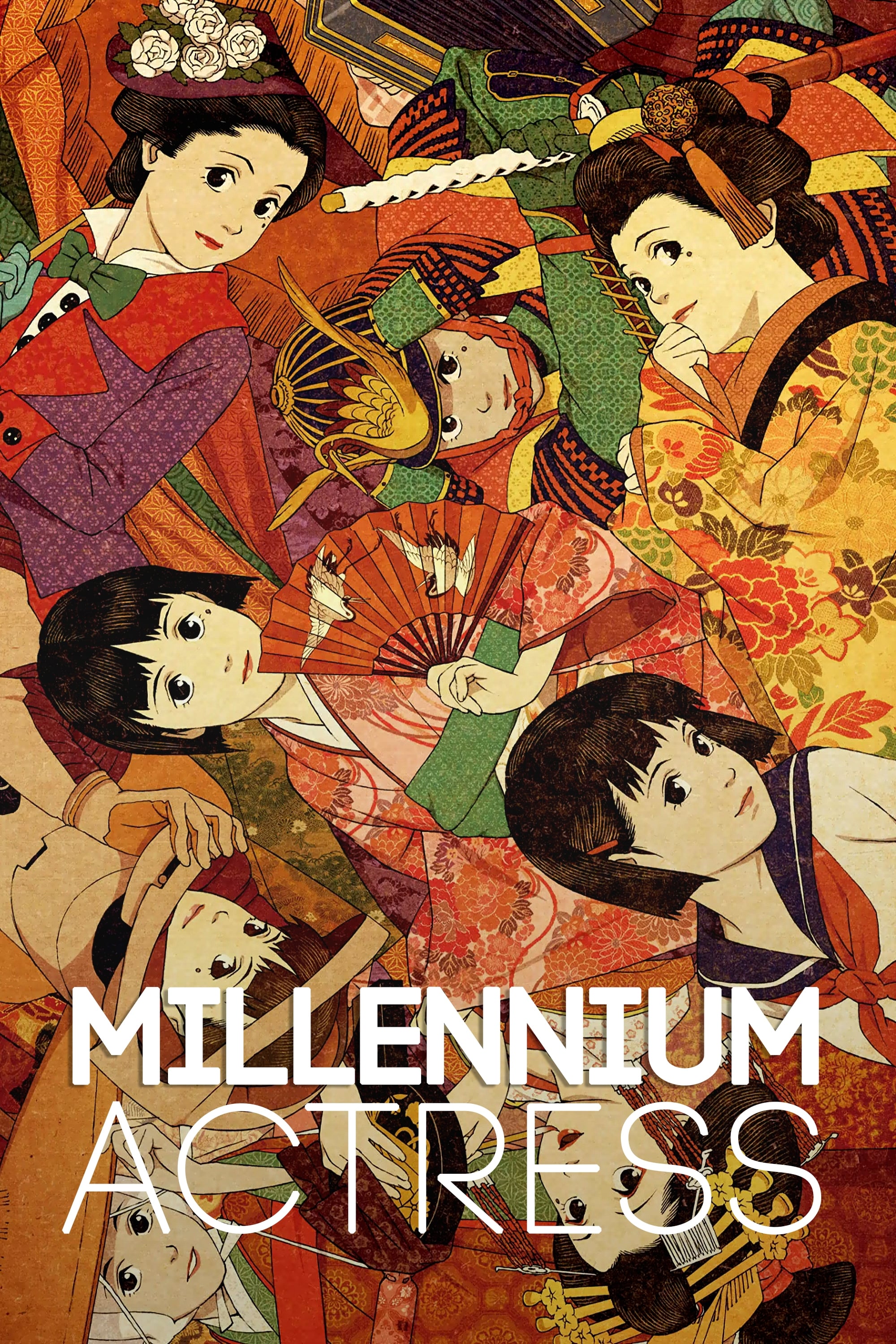
I just finished watching a truly remarkable documentary. It follows two filmmakers as they interview a retired actress, and it’s fascinating how her life mirrored the characters she portrayed on screen. The movie beautifully weaves together the history of Japanese cinema with the actress’s own personal journey. While it didn’t have the blockbuster success of some of the Studio Ghibli films that came out around the same time, critics are now recognizing it as a masterpiece of animation, particularly praising its stunning editing and incredibly well-crafted story.
‘Bubblegum Crisis’ (1987)
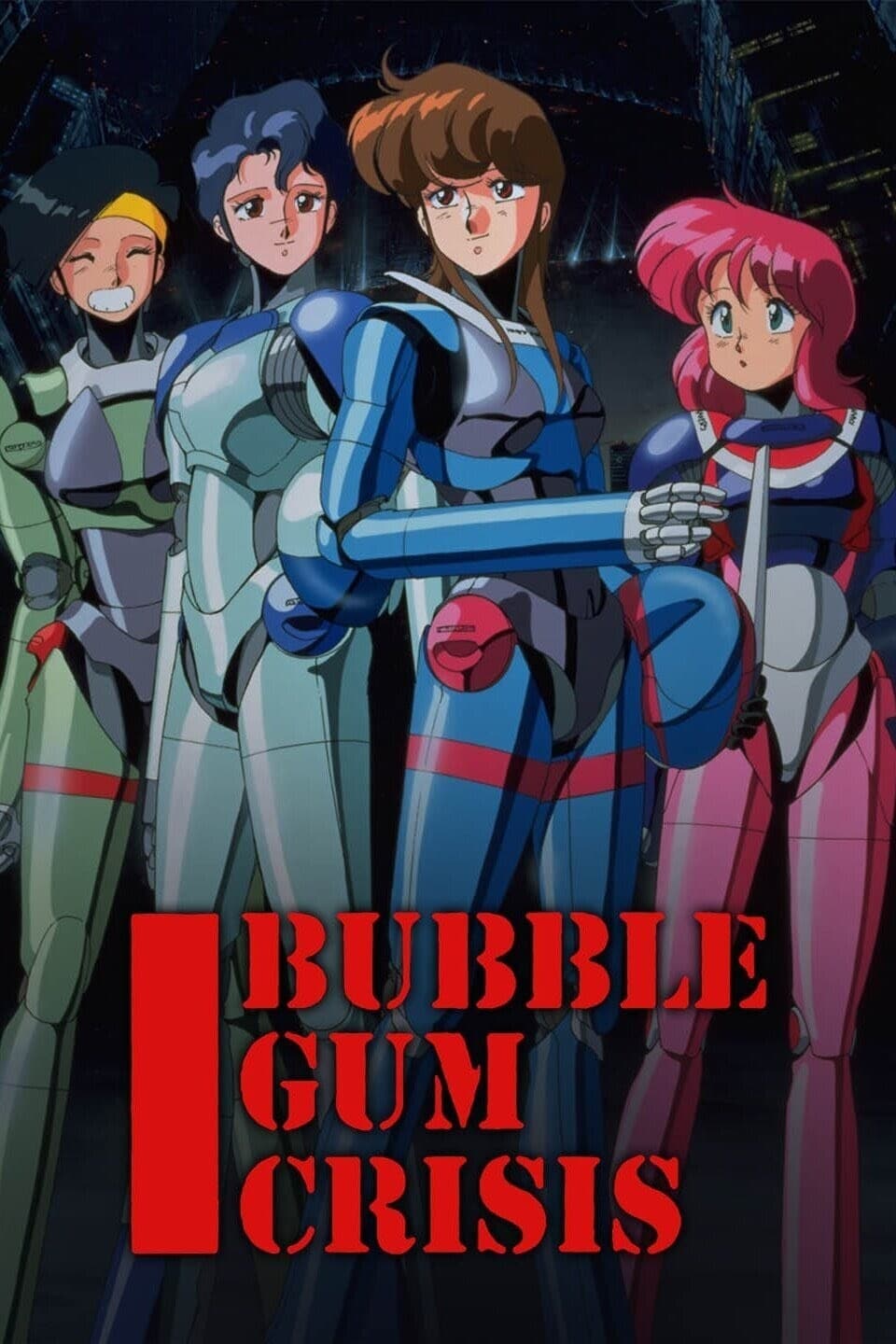
This animated series is heavily influenced by ‘Blade Runner’ and follows a team of women battling rebellious robots in a futuristic Tokyo. Production problems and legal battles stopped it from being finished as initially intended. However, it became popular overseas, with fans drawn to its 1980s style and energetic rock music. For many fans of older anime, it’s become a defining example of the cyberpunk look of that decade.
‘Legend of the Galactic Heroes’ (1988)
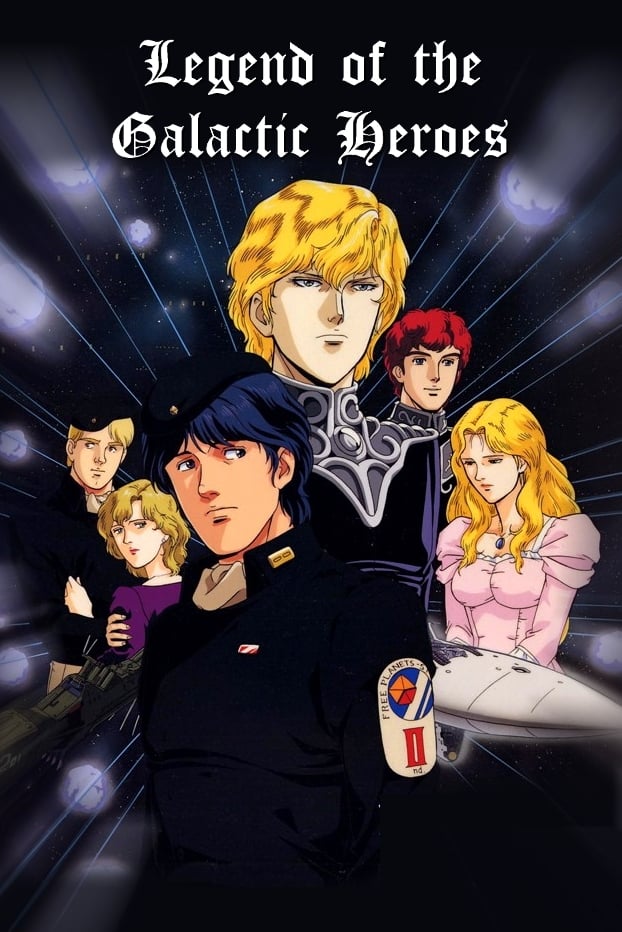
This epic anime series consists of over a hundred episodes and was initially released on home video over a period of almost ten years. Its length and complex political discussions made it difficult for most viewers to get into. However, through fan translations and sharing, it gained a reputation as one of the most thoughtful and intelligent anime ever created. A newer version of the series has now introduced it to a wider audience, allowing them to appreciate the original’s depth.
‘Now and Then, Here and There’ (1999)
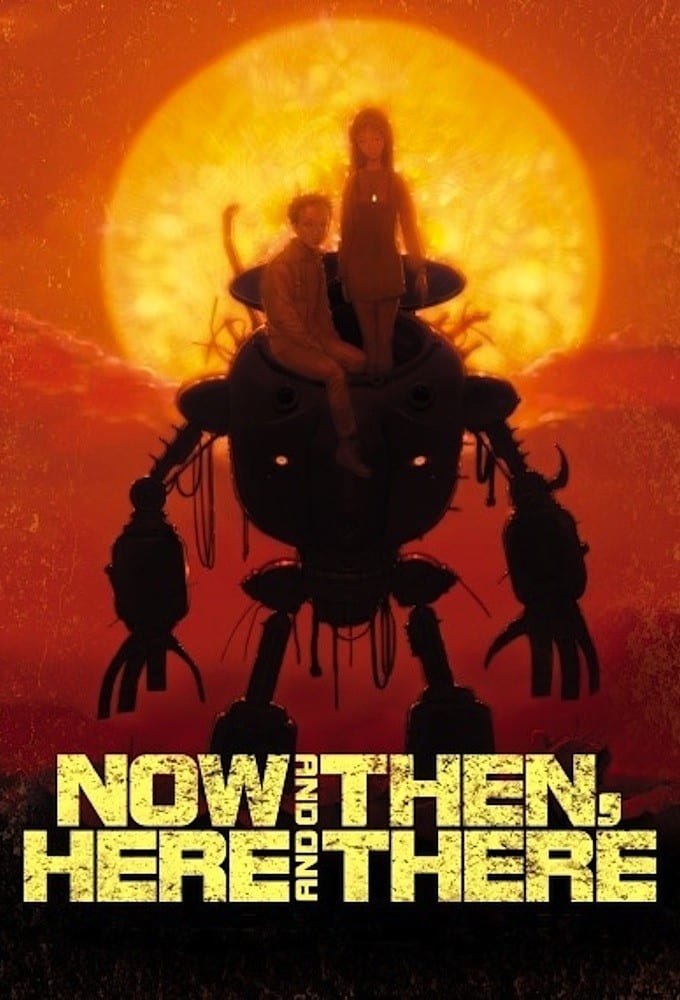
A boy finds himself suddenly in a harsh, futuristic world where water is precious and children are forced to fight in wars. The series was made to counter what the director saw as the romanticizing of war in other animated shows. Many viewers found it hard to watch because of its dark atmosphere and realistic portrayal of suffering, but it’s now remembered for its honest depiction of the terrible realities of war.
‘Infinite Ryvius’ (1999)
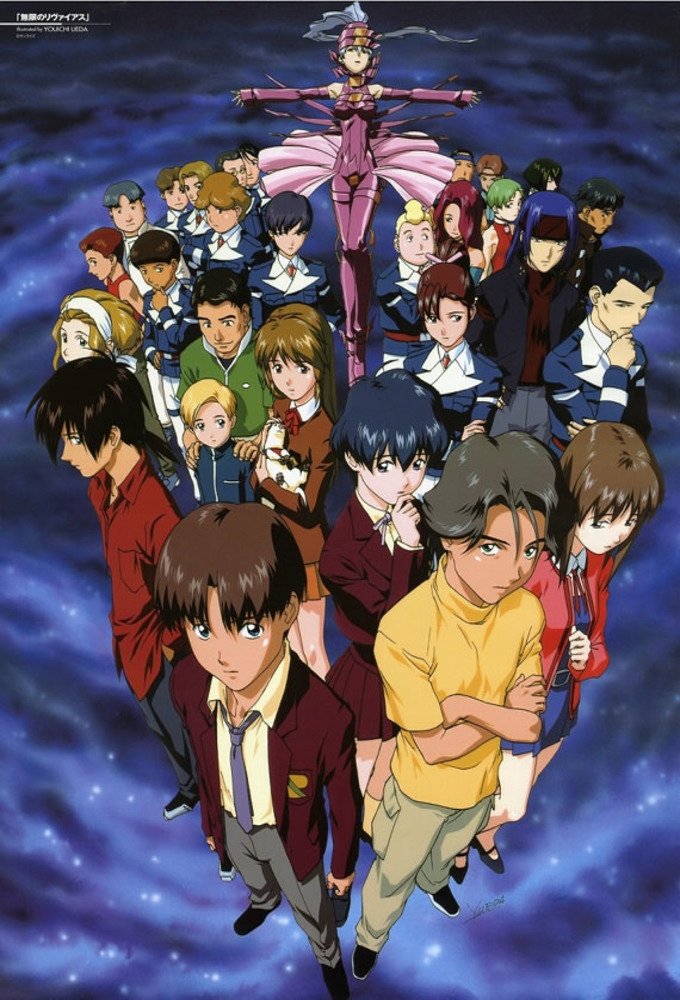
A group of students find themselves stranded on a space station, completely isolated from Earth. The show delves into how they cope with limited supplies, leading to psychological struggles and power plays. Many compare it to ‘Lord of the Flies’ set in space, creating a gripping and suspenseful story. The series stands out for its realistic characters and the fact that there are no simple good guys or bad guys.
‘Casshern Sins’ (2008)
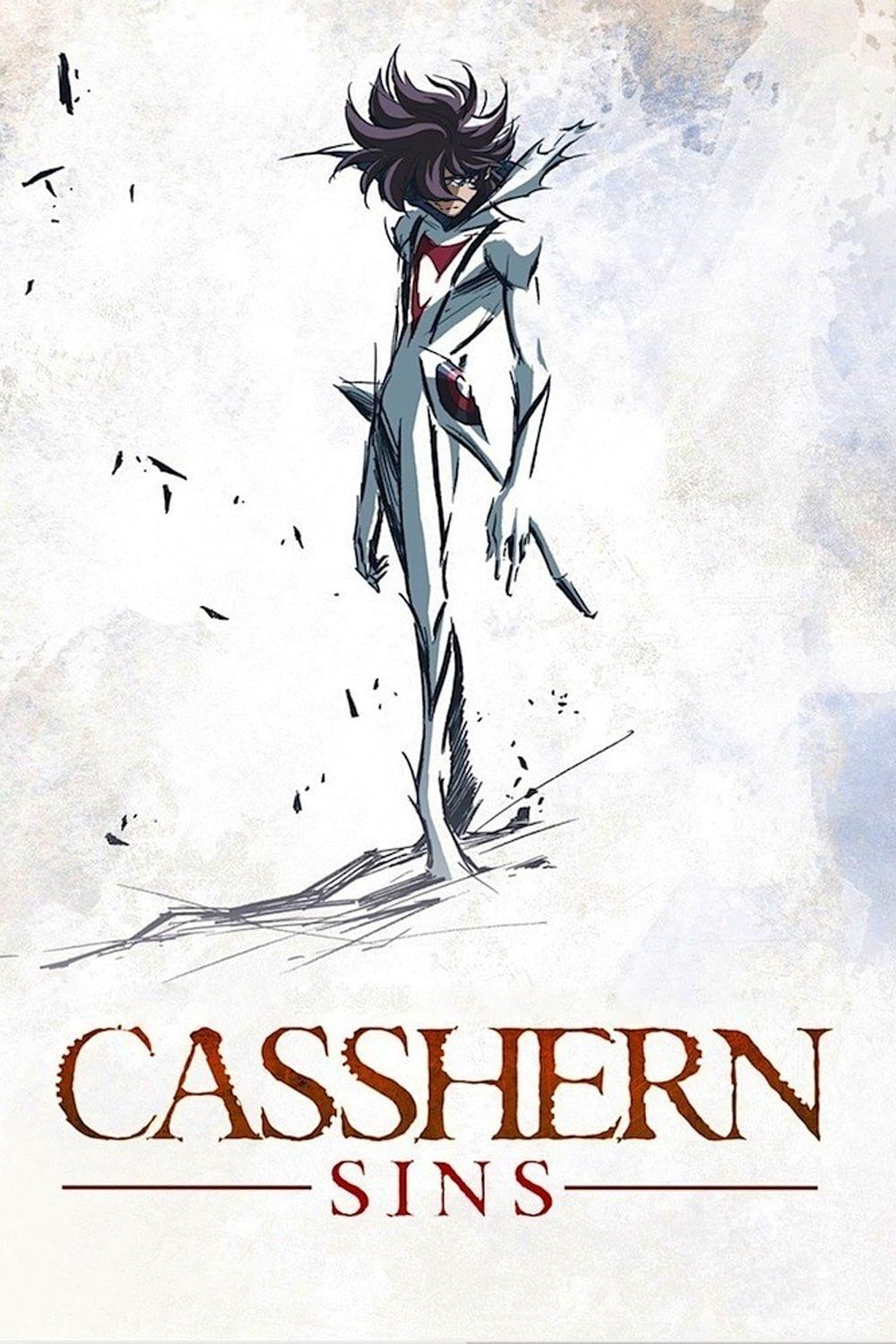
This reimagining of a beloved seventies hero transforms the series into a dark and brooding story set in a world after a catastrophe. Casshern travels through a decaying landscape, encountering robots who believe he’s responsible for their fate. Unlike the fast-paced original, this version is slower and more focused on creating a sad, reflective mood. Despite the change in style, it developed a dedicated fanbase thanks to its beautiful visuals and impressively staged fight scenes.
‘Dead Leaves’ (2004)
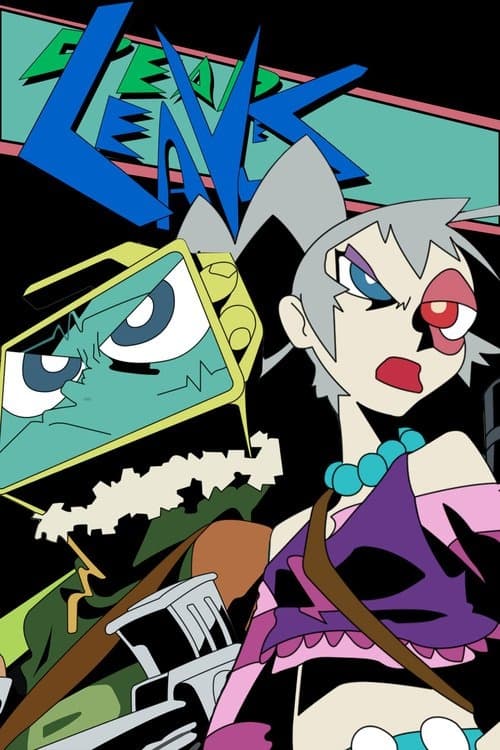
Production I.G made this fast-paced and unusual movie about two people with memory loss escaping from a space prison. It’s visually wild and often disturbing, and it doesn’t take time to explain what’s happening. While it wasn’t a big hit with general audiences, it became popular with fans of unique animation. Many see it as an influence on the distinctive style of Studio Trigger.
‘Mind Game’ (2004)
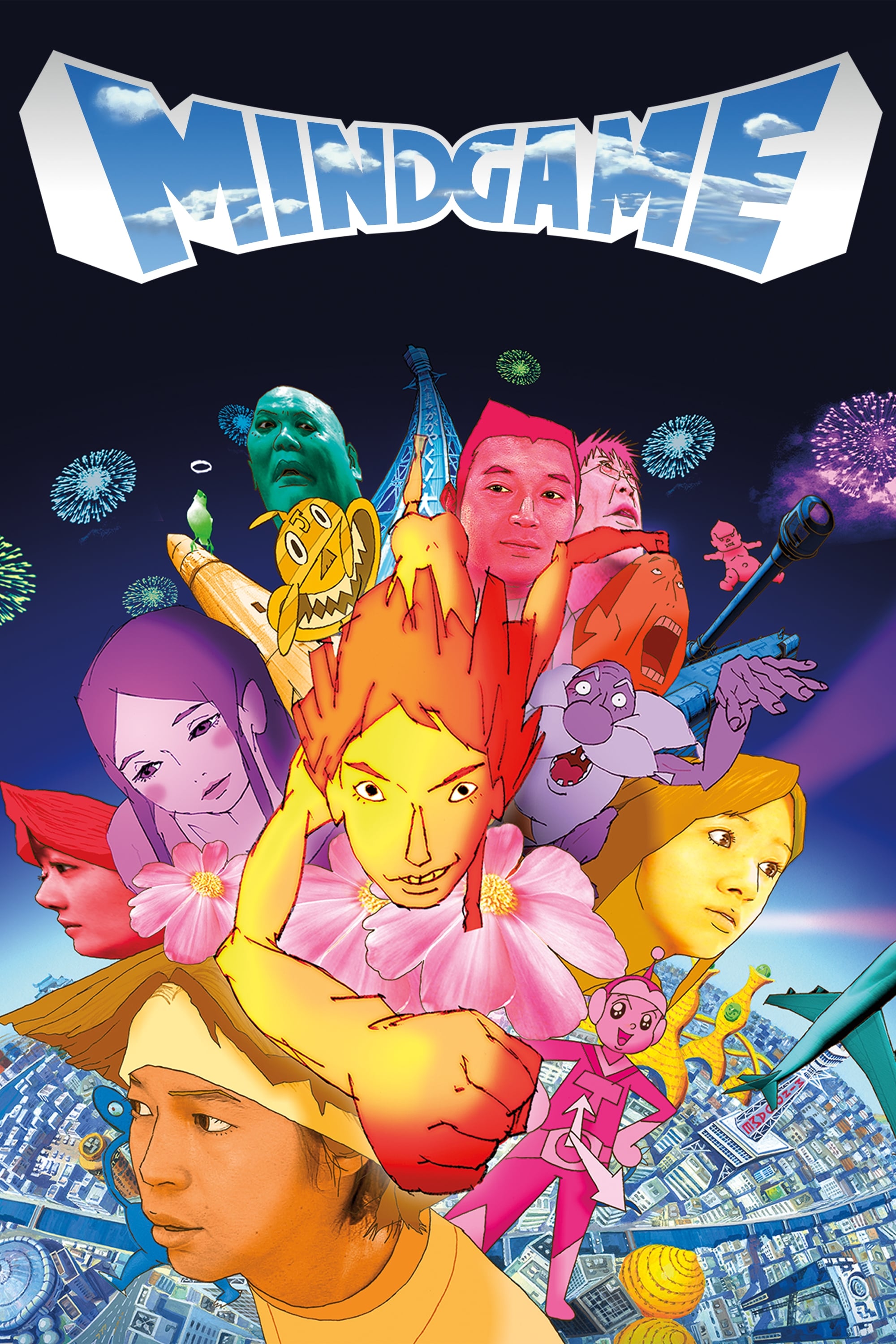
Masaaki Yuasa’s film is a visually striking and unique story about embracing life, told through a blend of different animation techniques. The plot centers on a man down on his luck who is murdered by the yakuza, but finds a way to come back to life. While the film’s unusual style and storytelling won it critical acclaim and awards, it didn’t perform well in theaters. Today, it’s celebrated as a groundbreaking achievement in experimental animation.
‘Michiko & Hatchin’ (2008)

The series follows an escaped prisoner who rescues a young girl from a difficult home life and they embark on a journey through a made-up South American nation. What sets it apart is its unique visual style and fashion, moving away from common anime clichés. It’s become popular internationally thanks to its powerful female characters and fantastic music, creating a genuinely cool and captivating atmosphere that’s rare to find.
‘Shiki’ (2010)
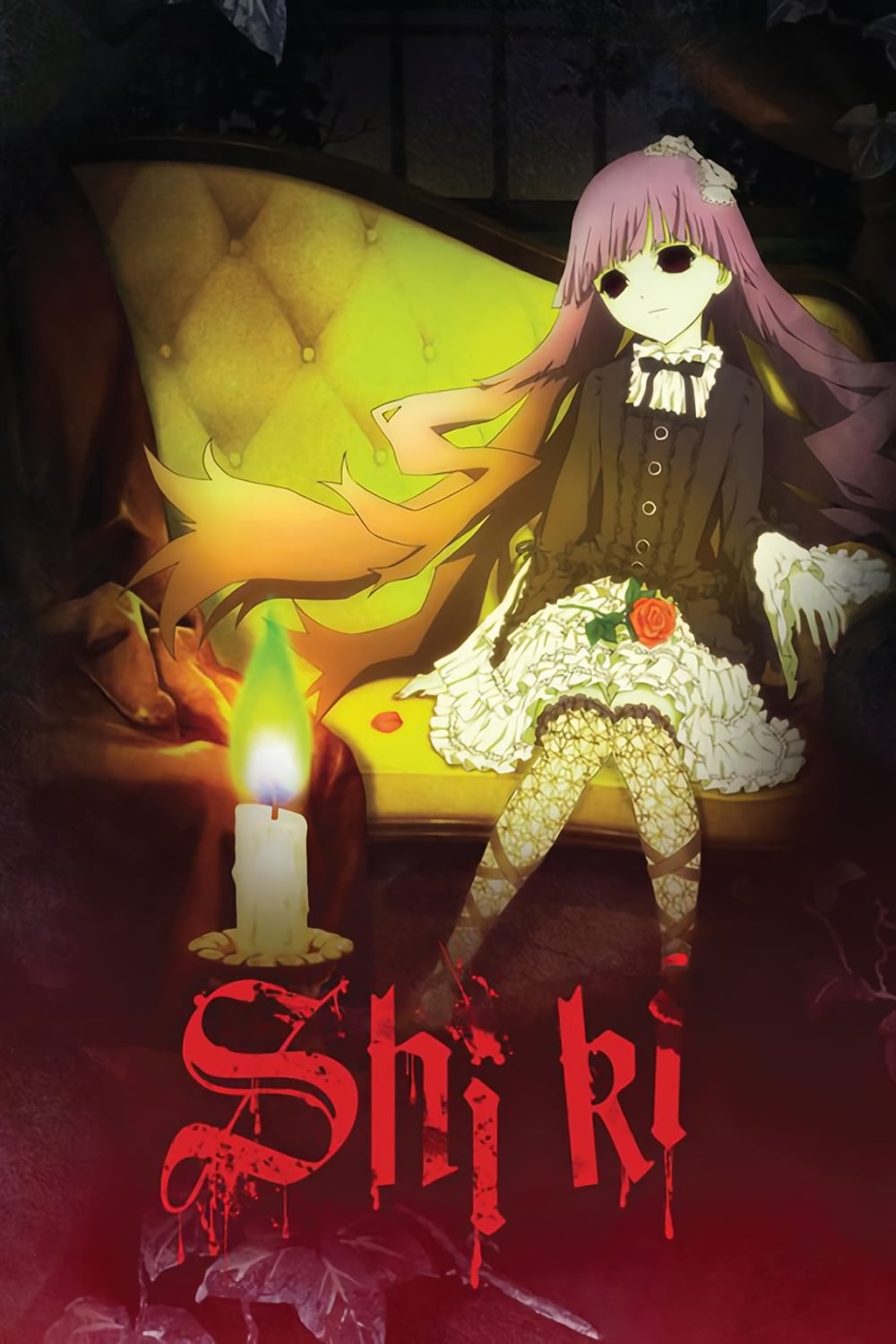
A quiet village is terrorized by a family of vampires after they settle into a large house overlooking it. While the character designs are unusual, with over-the-top hairstyles, some viewers found it pulled them out of the scary atmosphere. The story gradually escalates into a violent clash, forcing you to consider who the true monsters really are. Fans of horror enjoy the bleak ending and the fact that the story doesn’t offer easy answers.
‘Flip Flappers’ (2016)

This show follows two girls as they journey through strange, dreamlike worlds that represent their own minds. It’s known for its stunning animation and constantly changing art styles, with each new world looking completely different. While the story can be a bit complicated and hard to follow, making it not a mainstream success, animation enthusiasts and critics continue to praise its unique and creative visuals.
Share your favorite overlooked anime gems in the comments.
Read More
- Invincible Season 4 Gender Swaps Tech Jacket As Fans Question Major Comic Change
- Silver Rate Forecast
- Gold Rate Forecast
- 22 Films Where the White Protagonist Is Canonically the Sidekick to a Black Lead
- Building Agents That Learn and Improve Themselves
- 15 Films That Were Shot Entirely on Phones
- 20 Movies Where the Black Villain Was Secretly the Most Popular Character
- Celebs Who Narrowly Escaped The 9/11 Attacks
- Trading Crypto with AI: A New Approach to Portfolio Management
- 18 TV Series Filming Rehearsals as Bonus Content
2026-02-01 18:58