Anime doesn’t always have an easy time reaching audiences worldwide. Differences in cultural norms and government rules often create problems, with some shows being completely banned in certain countries. This usually happens because of content that’s considered violent, politically sensitive, or religiously inappropriate. Major countries like China and Russia often have strict rules about what media people can watch, aiming to protect their values or maintain social stability. Knowing why these bans happen helps us understand the different laws and cultural expectations that anime creators have to consider.
‘Death Note’ (2006–2007)
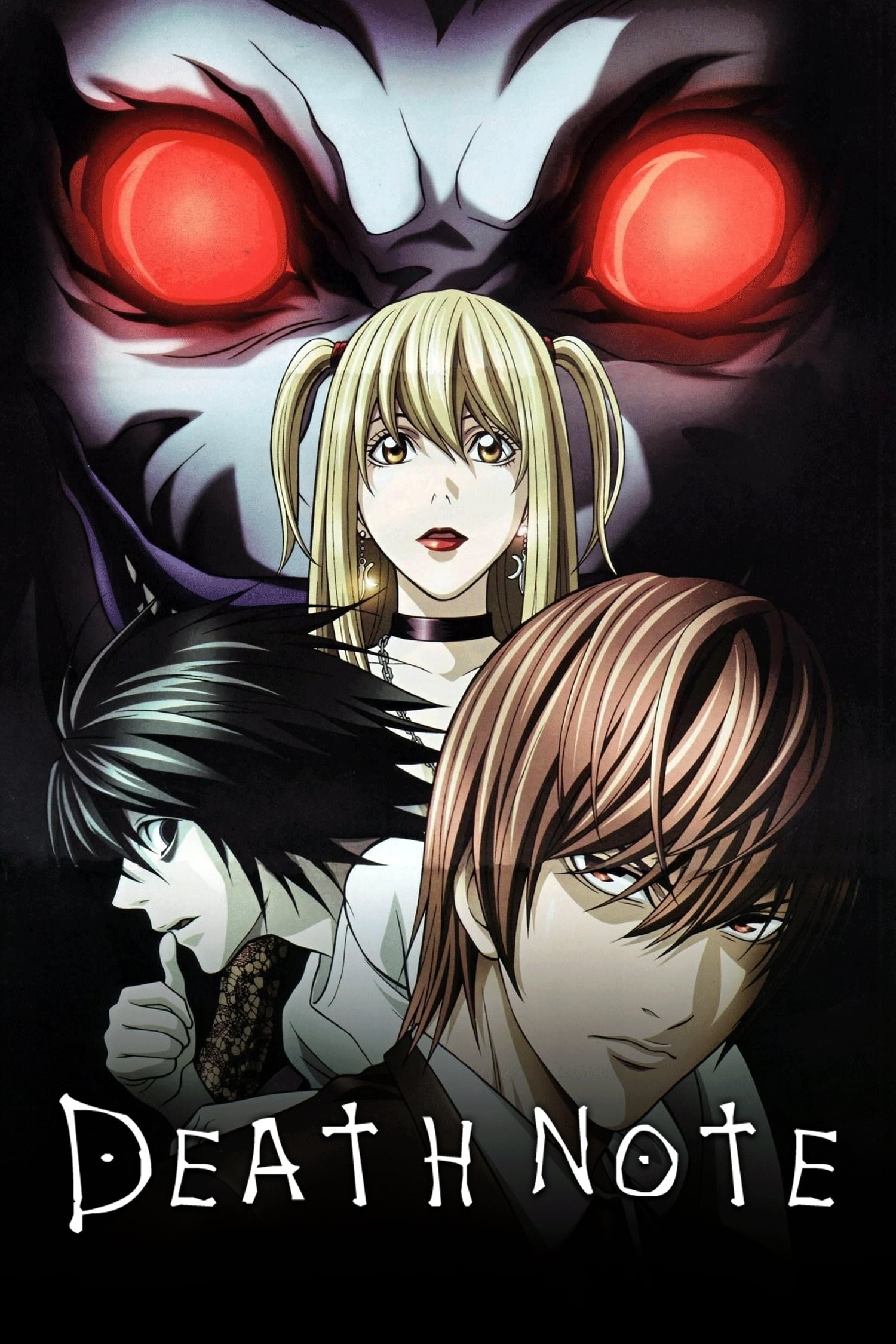
In 2015, China banned the manga series ‘Death Note’, officially citing worries it might lead young people to commit crimes. Before the official ban, some Chinese schools had already stopped students from reading it after they started making their own notebooks similar to the one in the story, listing names of classmates and teachers. More recently, in 2021, a Russian court blocked the series on certain websites, believing its content could negatively affect teenagers’ mental wellbeing. The show, which features a student using a magical notebook to kill criminals, was considered too disturbing for young viewers in both countries.
‘Attack on Titan’ (2013–2023)
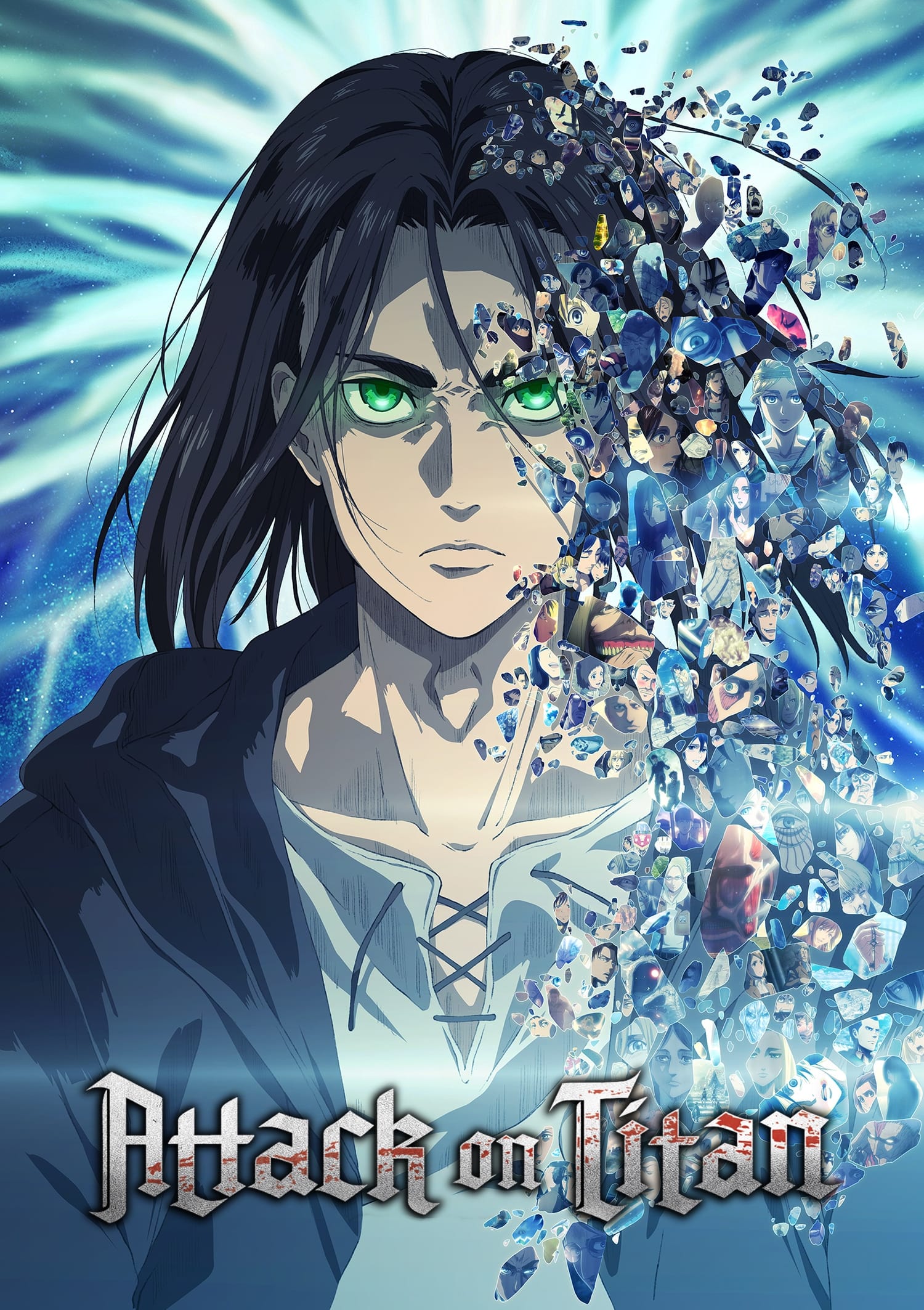
In 2015, China banned the popular anime series ‘Attack on Titan’ along with 37 other shows due to their violent content. The government removed ‘Attack on Titan’ from all Chinese streaming sites, aiming to protect young people from what they considered harmful material. Specifically, officials objected to the show’s graphic violence, including scenes of cannibalism and its generally dark and gruesome style. The ban is still active today, making it hard for Chinese fans to watch the series legally.
‘Pokémon’ (1997–Present)

In 2001, Saudi Arabia banned Pokémon after religious leaders declared it went against Islamic law, claiming it encouraged both gambling and support for Zionism. A few years earlier, in 2000, Turkey briefly stopped airing the Pokémon TV show when children began trying to imitate characters by jumping from balconies. Several other Middle Eastern countries also limited or banned Pokémon due to similar safety worries and cultural differences.
‘Puni Puni Poemy’ (2001)

New Zealand has banned the anime series ‘Puni Puni Poemy’ because it contains sexually suggestive material involving minors. Officials determined the two-episode series lacked any significant artistic value to justify its disturbing content. As a result, it’s now against the law to sell, share, or even own this anime in New Zealand. ‘Puni Puni Poemy’ is often used as a key example of how parody can go too far and break the law in Western countries.
‘Midori’ (1992)
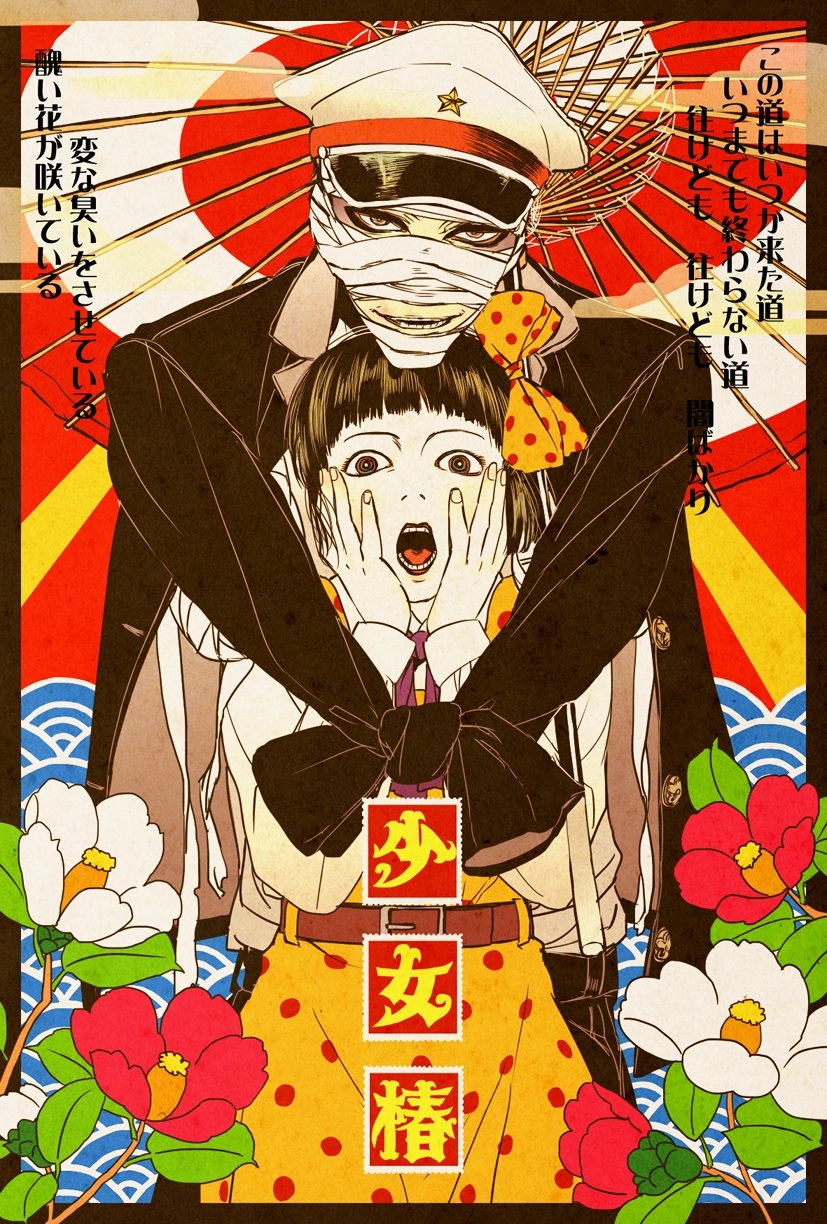
Let me tell you, ‘Midori: Shoujo Tsubaki’ is a film that really pushes boundaries – and it did so much so that it was actually banned in Japan right after it came out in 1992. It dives into incredibly dark territory with themes of abuse and cruelty, and authorities reacted by seizing and destroying the film reels. Even outside of Japan, it’s faced bans or heavy censorship in Europe. Honestly, it’s a film you rarely see shown in full, and it remains a bit of a hidden, underground cult classic – and understandably so, given how disturbing it is.
‘Highschool of the Dead’ (2010)
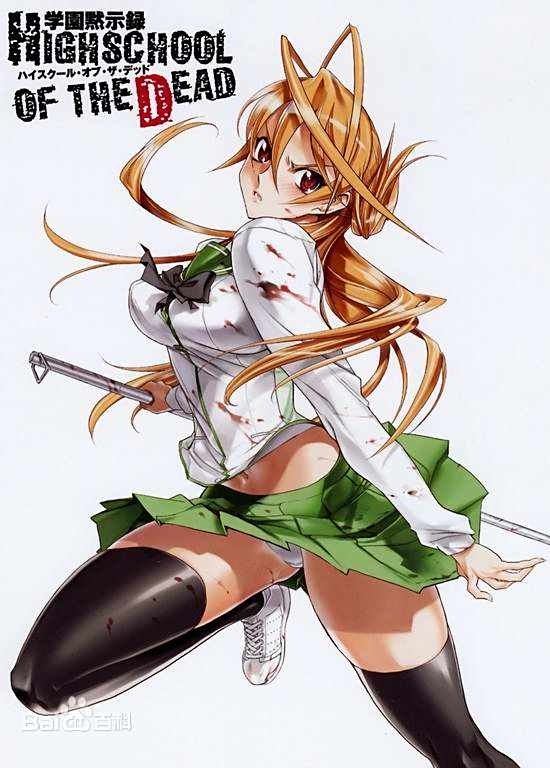
In 2015, China blocked access to the anime series ‘Highschool of the Dead’ as part of a larger campaign to remove violent and sexually explicit content from the internet. The show, about teenagers surviving a zombie outbreak, received criticism for its excessive use of suggestive content alongside graphic violence. China’s Ministry of Culture took down the series from all local streaming platforms to stop the spread of what it considered inappropriate material. This action ended any official release or promotion of the series within China.
‘Black Butler’ (2008–2014)
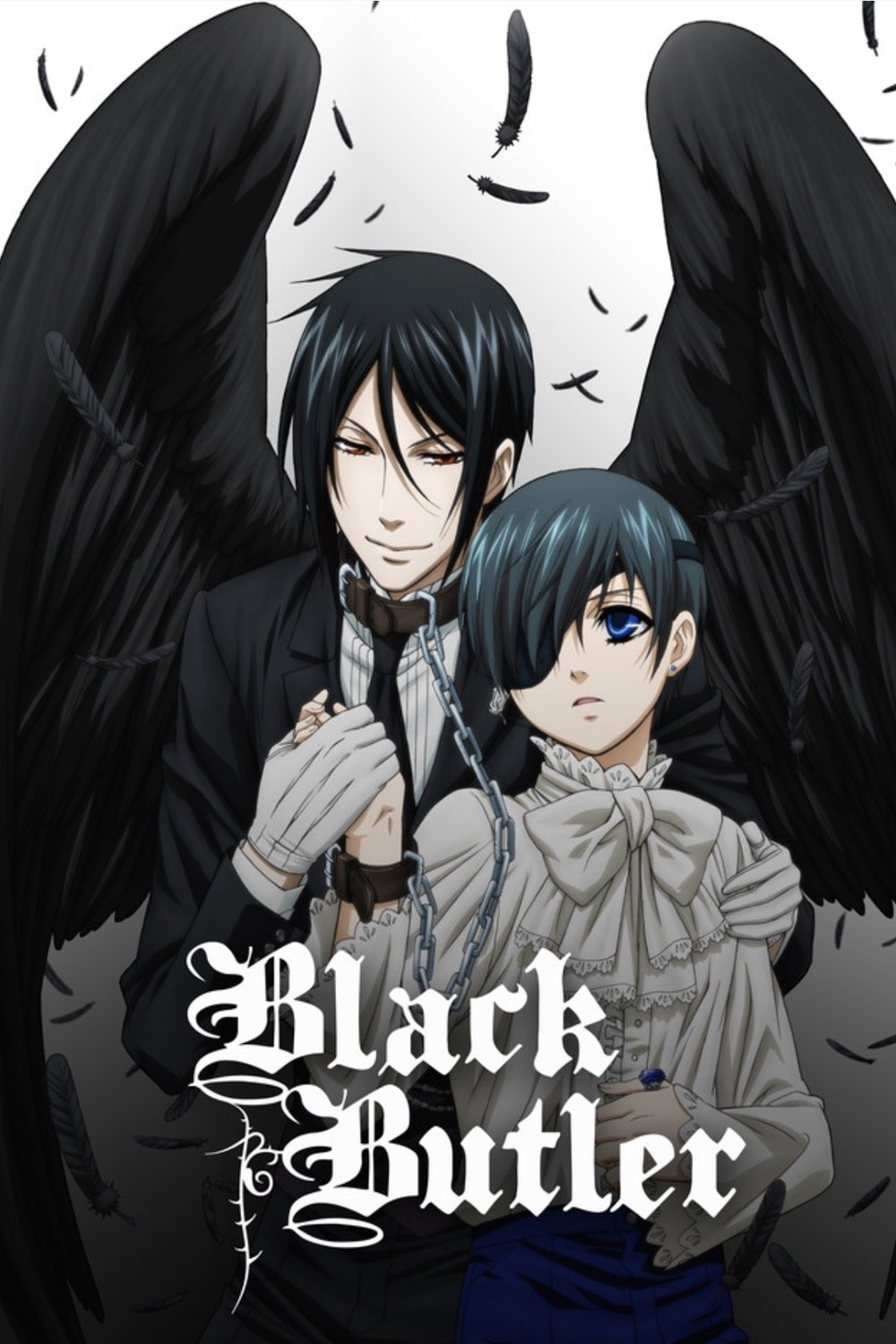
As a big anime fan, I remember when ‘Black Butler’ got into serious trouble in China back in 2015. Basically, the government added it to a blacklist, claiming it could cause social problems. They were worried about the violence and the whole dark, gothic vibe being a bad influence on younger viewers. It wasn’t just a warning, either – they completely removed the series from the Chinese internet. Their concern was that it didn’t align with the kind of positive values they wanted to instill in kids and teenagers.
‘Tokyo Ghoul’ (2014–2018)
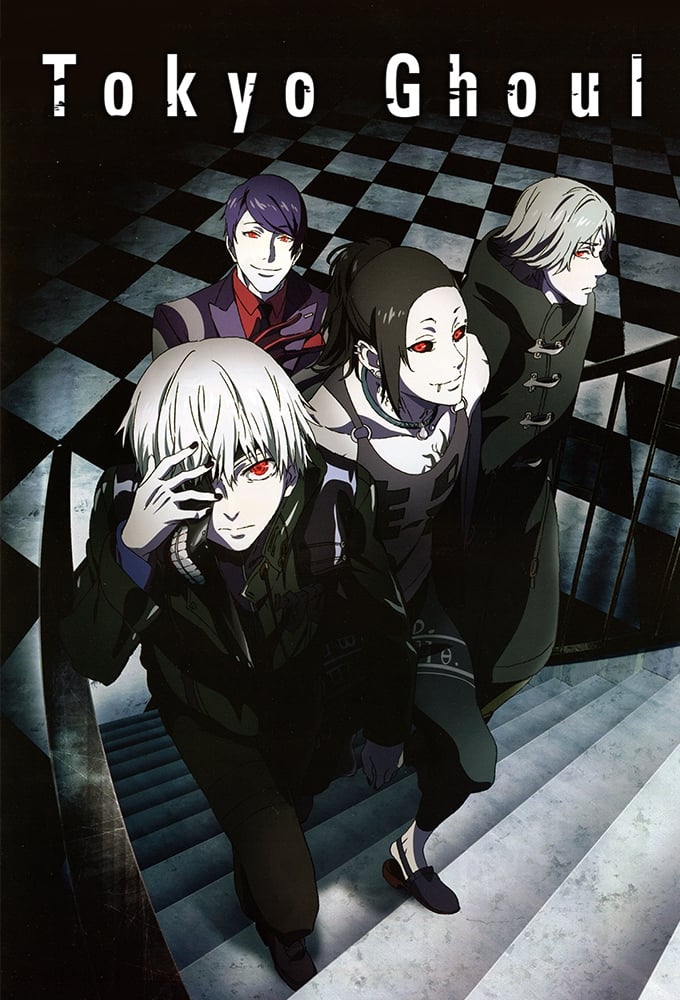
I was really surprised to learn that ‘Tokyo Ghoul’ has been banned in both Russia and China! Apparently, in 2021, a Russian court took it off streaming services because they were worried it might encourage violence and self-harm. China actually banned it way back in 2015, and their government didn’t like how graphic the transformations were or the whole cannibalism thing. They thought it could mess with young people and even cause public disorder. It’s a shame, because it makes it super hard to watch legally in those countries now.
‘Kite’ (1998)

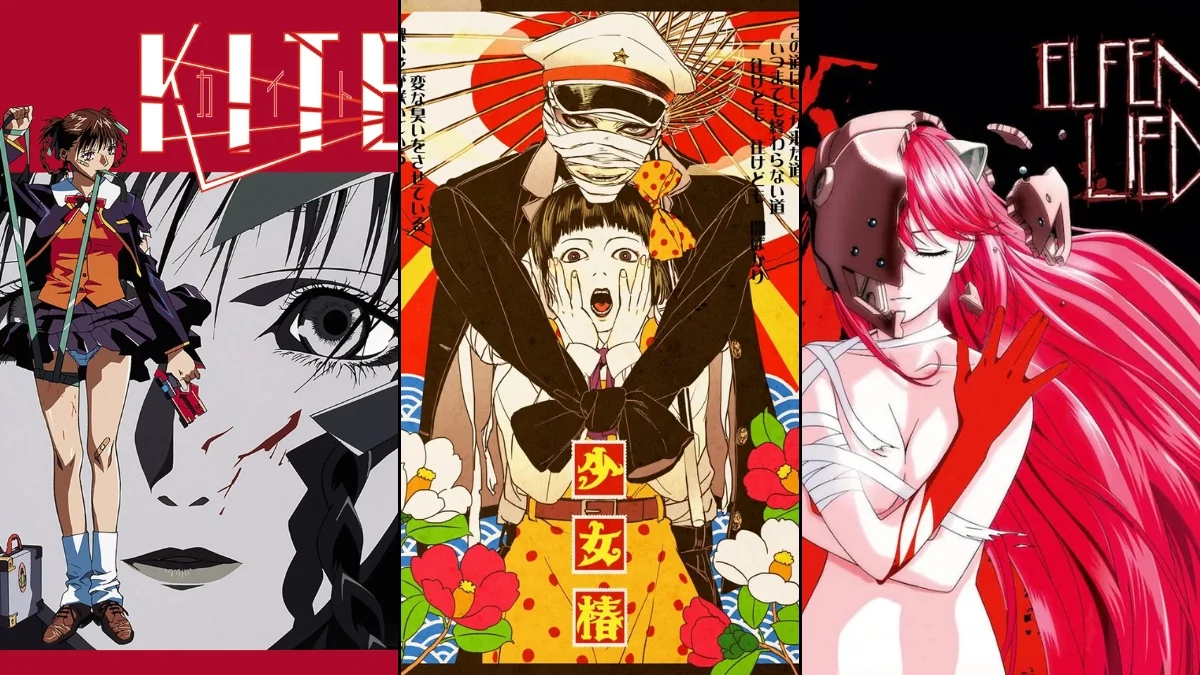
The anime film ‘Kite’ was banned in Norway because it showed very graphic violence and sexual content involving a young main character. This led to legal problems in other countries, and the film had to be heavily edited for release internationally. Distributors in the United Kingdom and the United States had to cut out several minutes of footage to meet local laws about what is considered obscene. Although it’s become popular with collectors, the original, uncut version of the film is still illegal in many places.
‘Psycho-Pass’ (2012–2019)
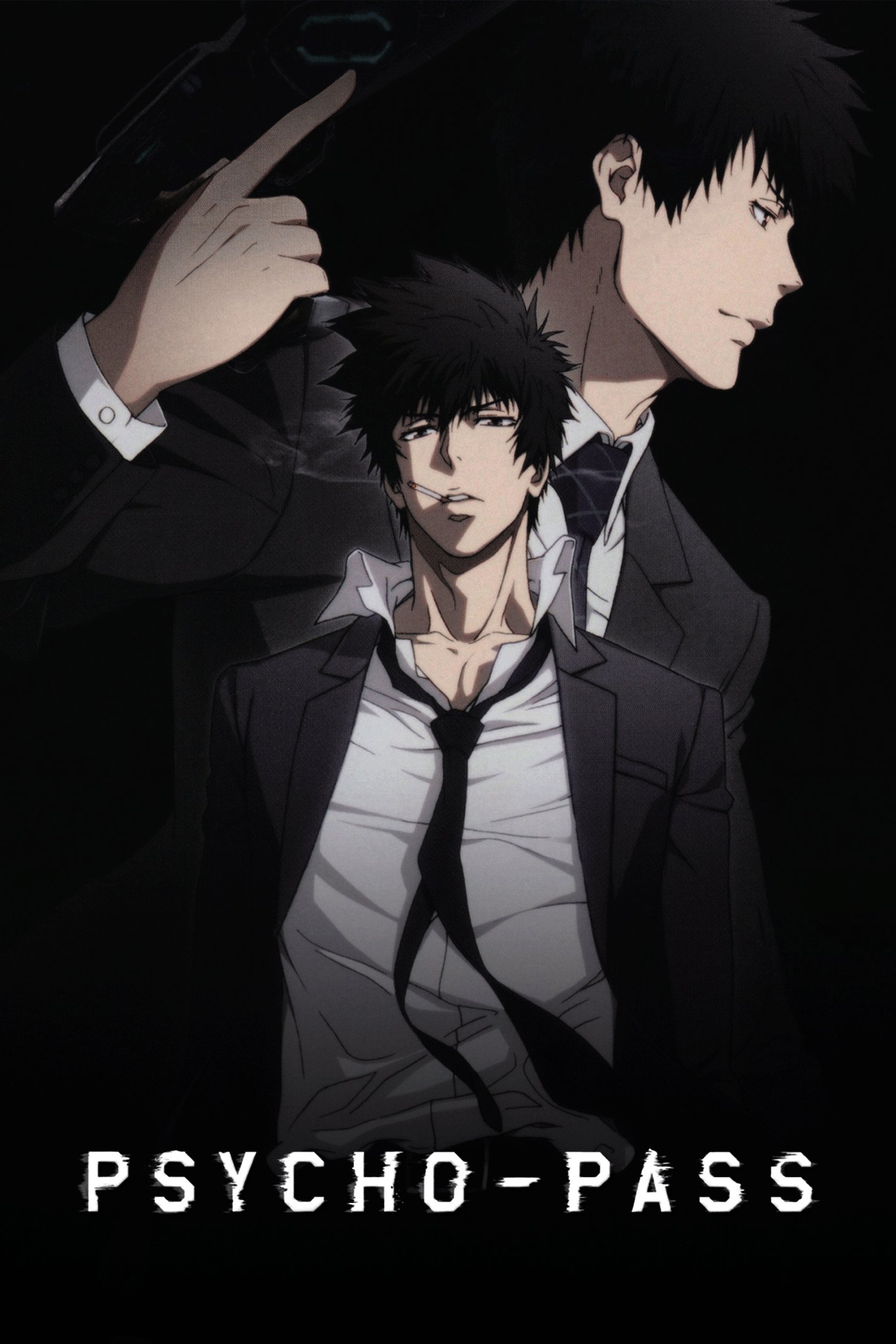
In 2015, China banned the anime series ‘Psycho-Pass’ as part of a larger crackdown on popular shows. The government considered its themes of resisting a controlling, surveillance-based society to be politically risky and potentially disruptive. The show’s violent content also played a role in the decision to remove it from streaming services. The ban aimed to promote social stability and discourage content that questioned authority.
‘Elfen Lied’ (2004)
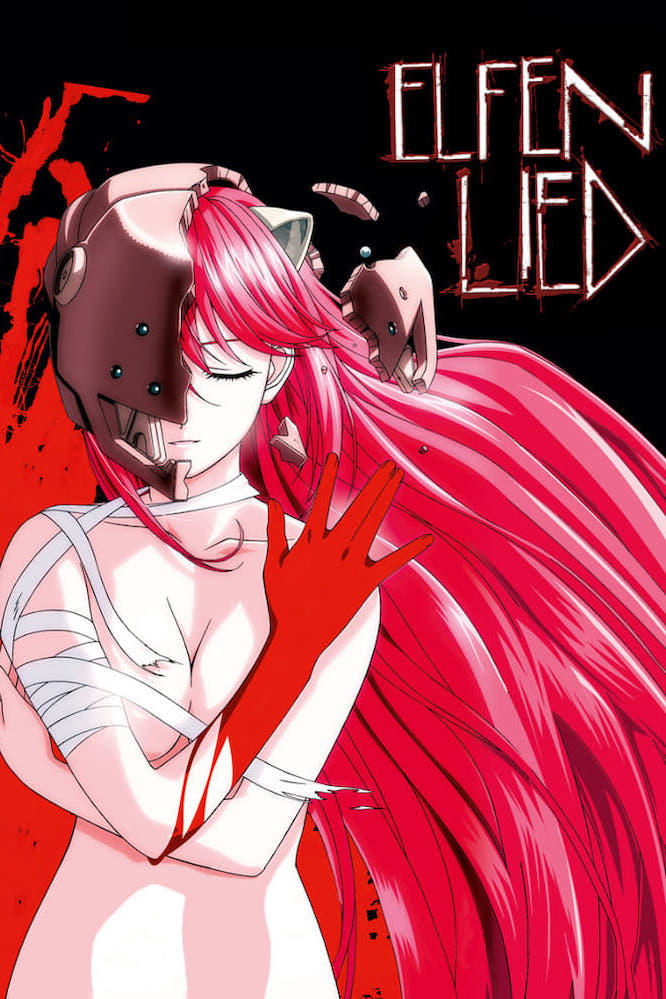
As a big anime fan, I’ve always been aware of ‘Elfen Lied’ being…intense. It’s notorious for its graphic violence and nudity, and that led to it being completely banned in China back in 2015. Apparently, the government felt the extreme gore and psychological themes were just too much for public viewing. Over in Germany, it didn’t get banned outright, but several episodes were heavily cut and edited to make it acceptable for TV. Honestly, it’s become something of a lightning rod for censors worldwide, thanks to its reputation for being so shocking.
‘Sword Art Online’ (2012)

While the initial season of ‘Sword Art Online’ was briefly accessible, China banned ‘Sword Art Online II’ in 2015. The Ministry of Culture explained that the show’s depictions of violence and disturbing psychological topics were considered damaging to young viewers. Specifically, the “Phantom Bullet” storyline, with its emphasis on gun violence and the characters’ resulting trauma, drew criticism. This ban was part of a larger government initiative to shield children from potentially harmful violent content online.
‘Parasyte -the maxim-‘ (2014–2015)
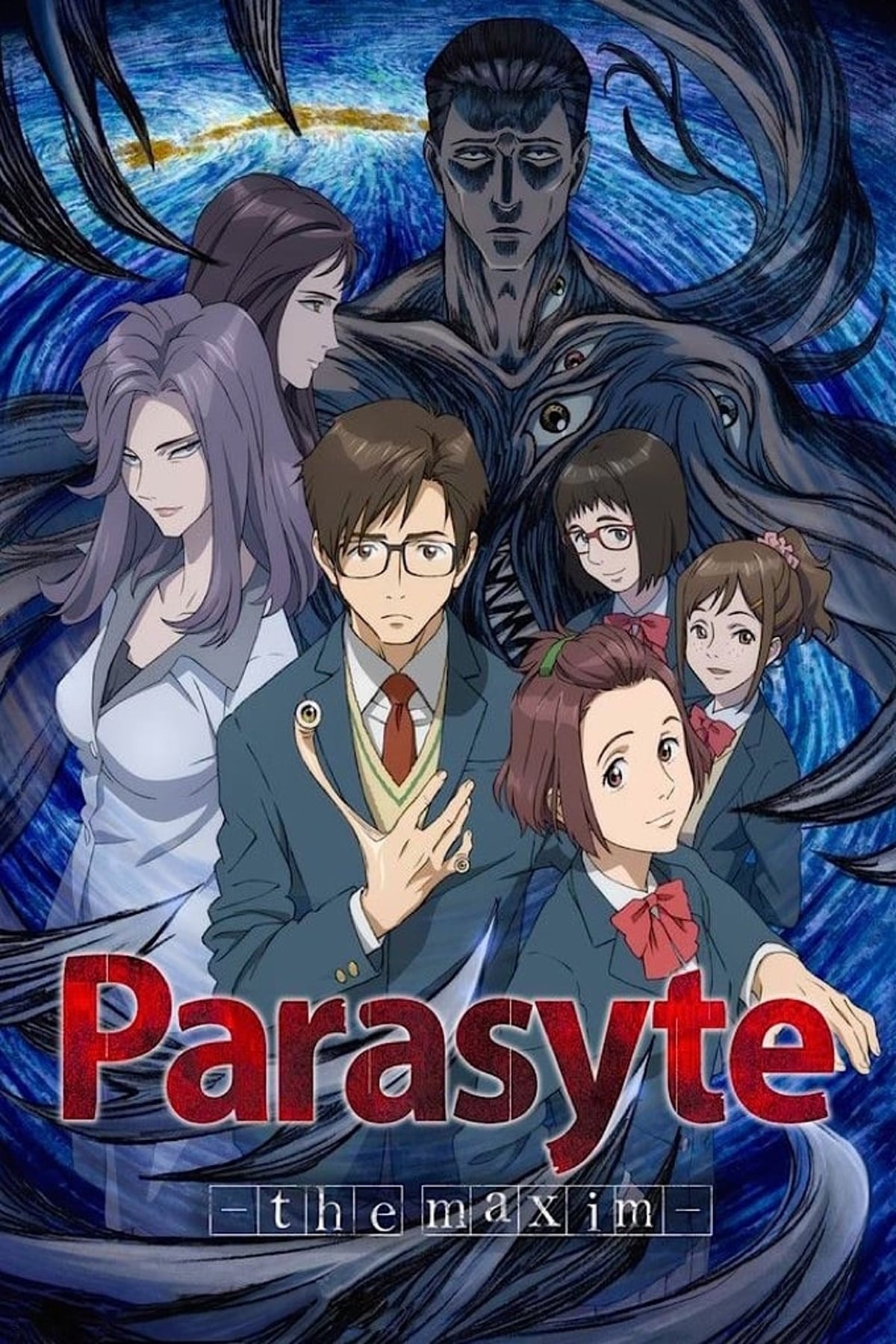
The anime series ‘Parasyte: The Maxim’ is banned in China due to its violent and graphic content. The government cited its disturbing imagery, body horror, and potentially negative effect on young viewers as the reasons for removing it from online platforms. Despite being well-regarded by critics, the series is still not available on any official Chinese media outlets.
‘Hetalia’ (2009–2010)
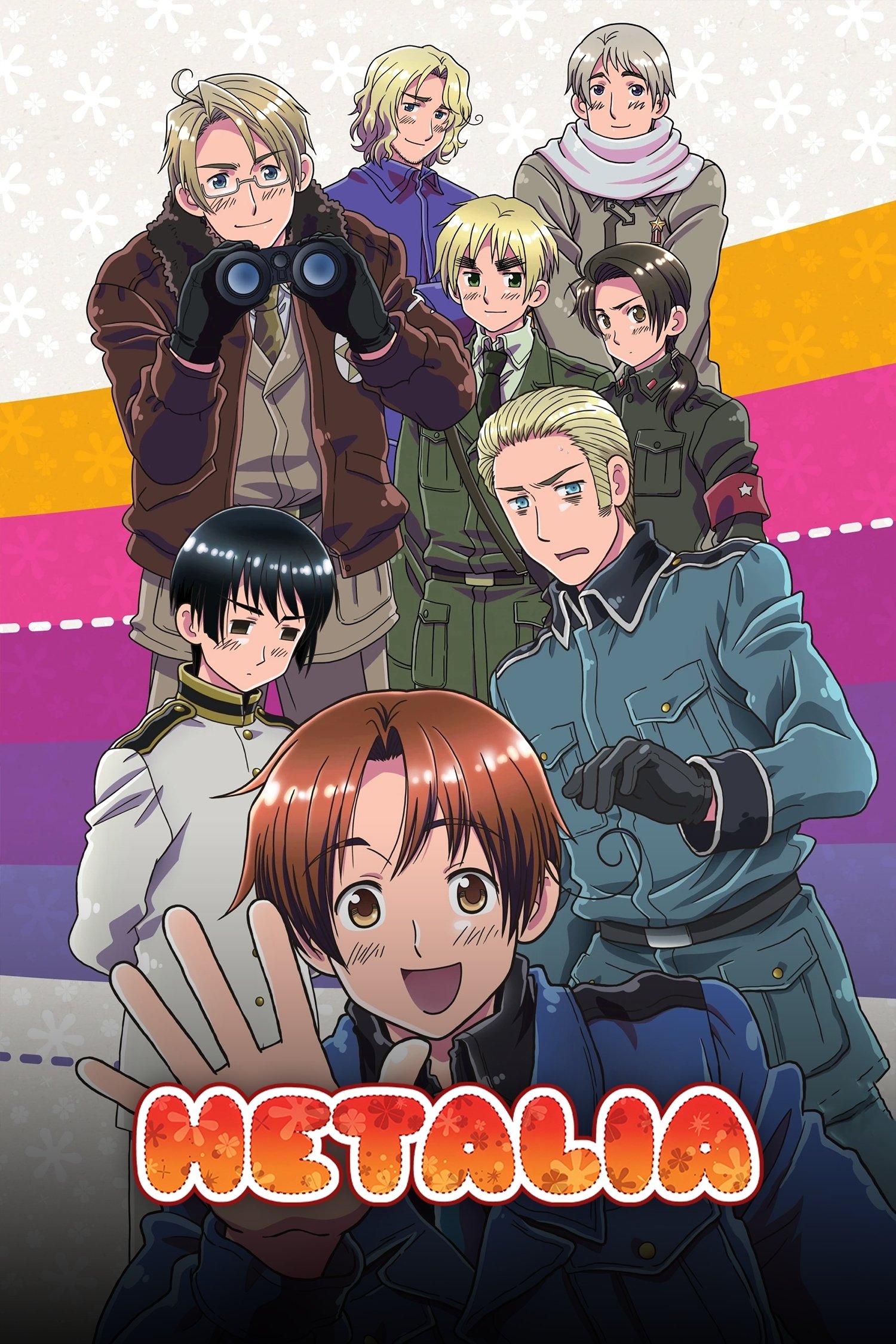
The anime series ‘Hetalia: Axis Powers’ was pulled off the air in South Korea after widespread public anger and protests. Viewers found the show’s portrayal of Korea offensive, disrespectful, and historically wrong. Even after the creators tried to fix the problem by removing the Korean character, the negative reaction led to the cancellation of the show on the Kids Station channel. This situation showed how sensitive political and historical issues are in East Asia.
‘Interspecies Reviewers’ (2020)
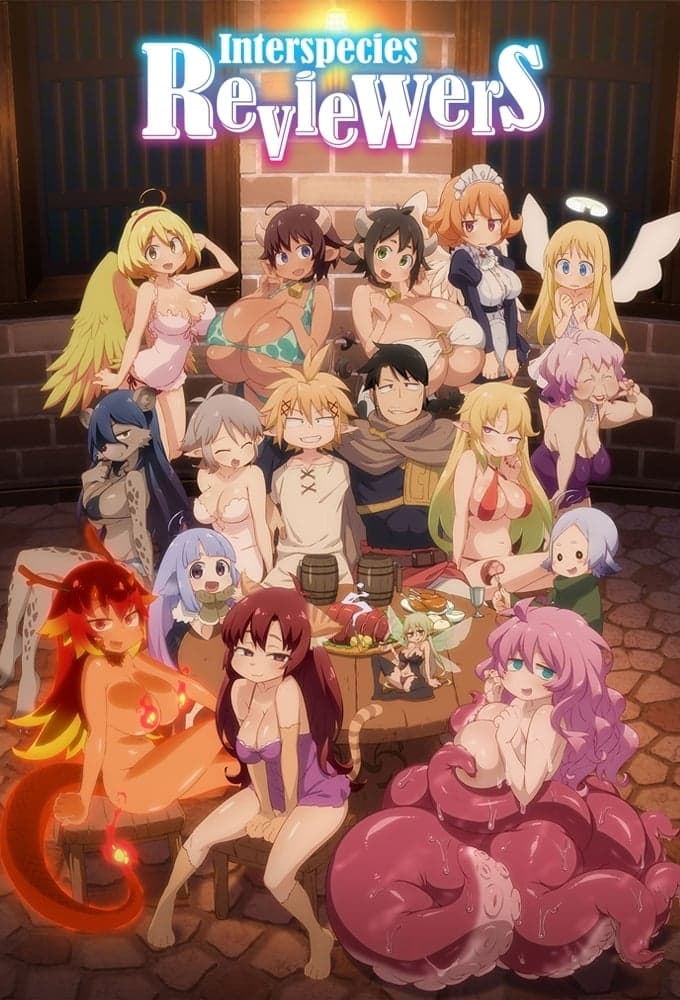
As a fan, I was really disappointed when ‘Interspecies Reviewers’ started disappearing from streaming services and TV in Japan and around the world back in 2020. Funimation, here in the US, pulled it because they said it didn’t fit their guidelines. It wasn’t always a direct government ban, but because the show is so explicit, it was basically blocked from being shown on most mainstream platforms. They all said they just wanted to keep their content libraries clean and compliant, but it felt like a real shame to see it disappear like that.
‘Record of Ragnarok’ (2021–Present)
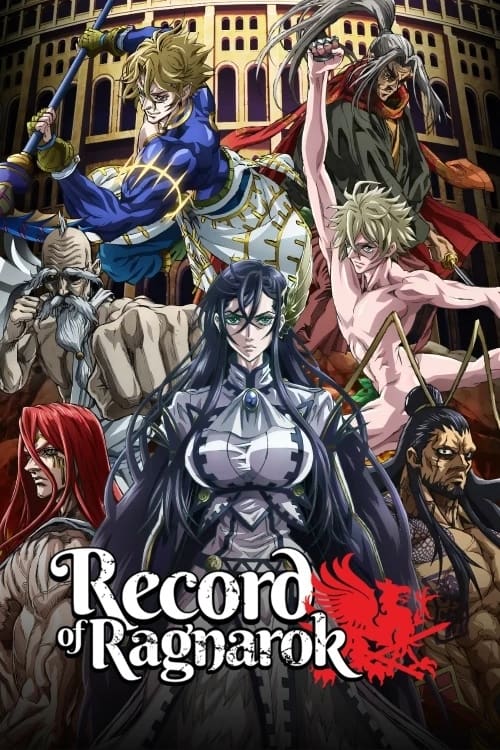
Netflix briefly removed the anime series ‘Record of Ragnarok’ from its platform in India before its planned launch. This was due to concerns about how the Hindu god Shiva was depicted, which many found offensive and disrespectful. Critics felt the portrayal didn’t accurately represent sacred figures and caused hurt feelings within the Hindu community, making the show unavailable to a large audience in India.
‘Doraemon’ (1979–2005)
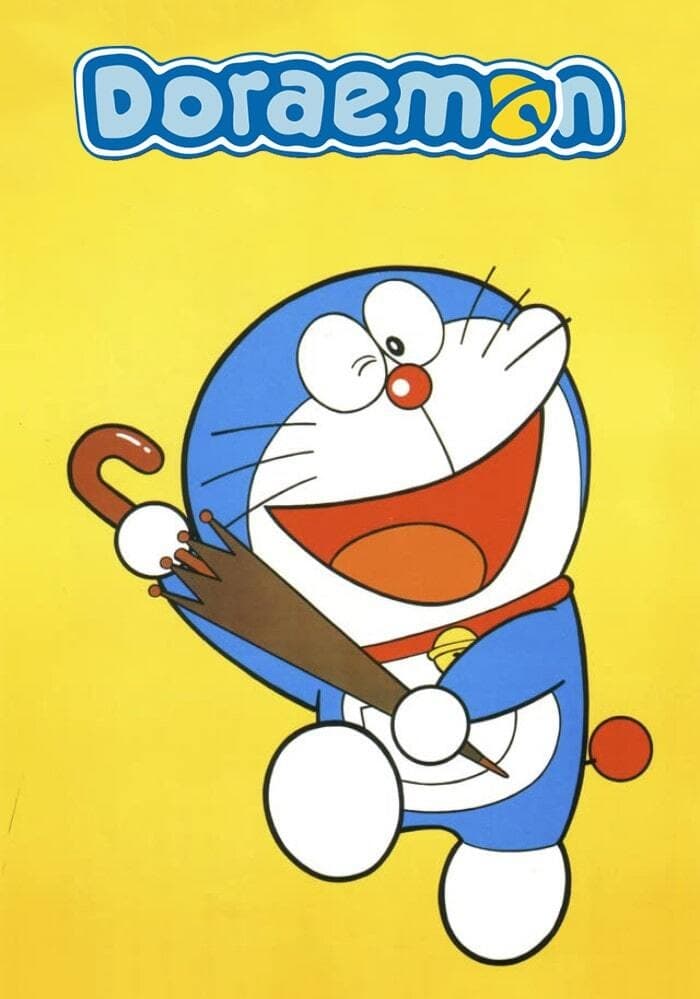
Over the years, ‘Doraemon’ has faced restrictions and calls for bans in countries like Pakistan and India. In 2016, Pakistani officials tried to ban the show, arguing it discouraged children from learning their local language and encouraged misbehavior. Similarly, some in India have criticized the show, suggesting that the character Nobita’s dependence on gadgets could negatively influence students. Although rarely resulting in a complete, nationwide ban, ‘Doraemon’ continues to be a topic of discussion and debate among regulators in South Asia.
‘Dragon Ball Super’ (2015–2018)

In 2021, Argentina’s Ministry of Women, Genders, and Diversity successfully requested the removal of the anime series ‘Dragon Ball Super’ from television. The complaint centered on a scene featuring the character Master Roshi, which was deemed to depict sexual harassment. As a result, Cartoon Network stopped airing the show in the region. This situation led to a broader discussion about how older anime conventions are viewed today.
‘Deadman Wonderland’ (2011)
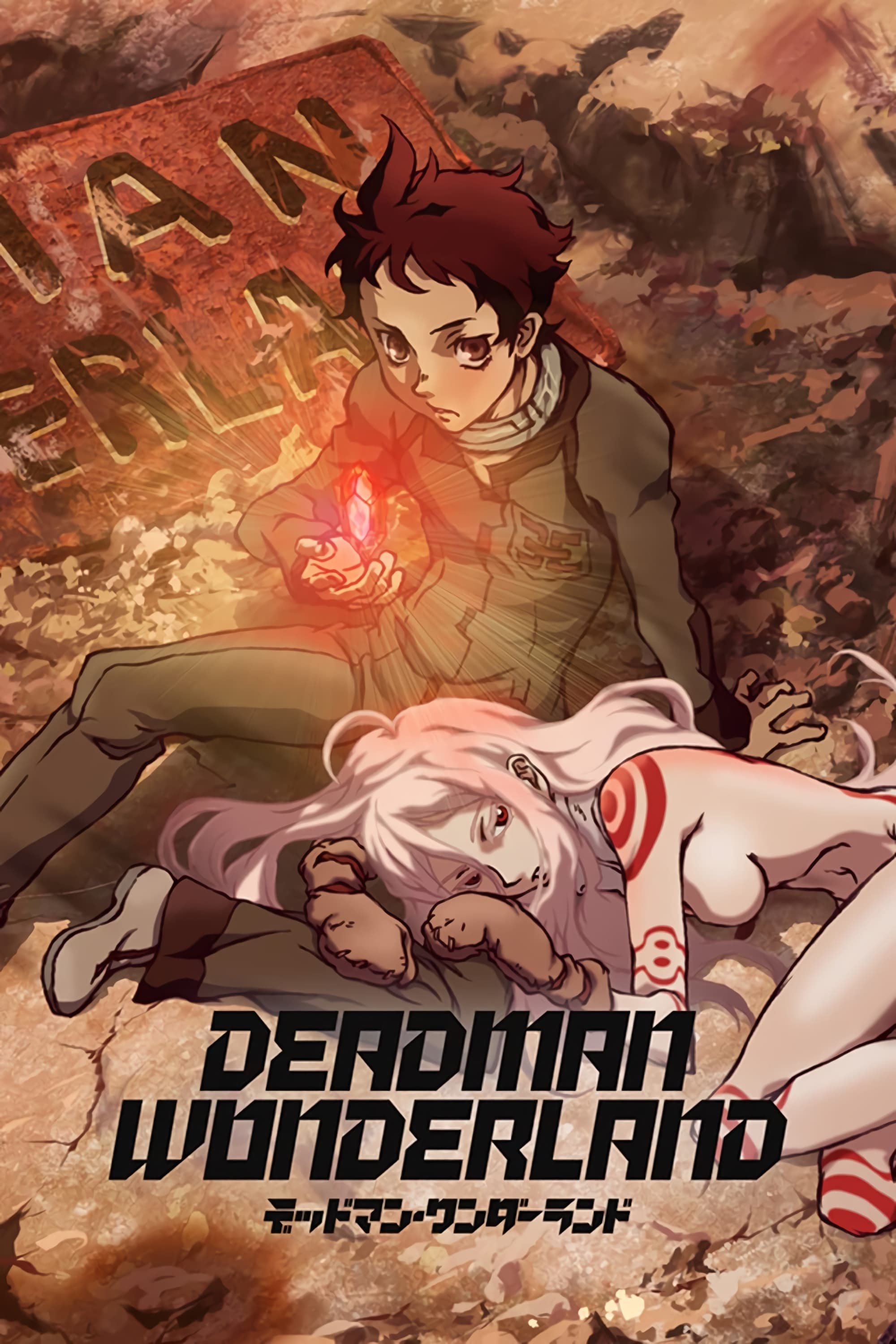
As a big anime fan, I was pretty surprised to learn that ‘Deadman Wonderland’ got completely banned in China back in 2015. Apparently, the show’s intense violence and really dark subject matter – it’s set in this incredibly brutal prison where everyone’s fighting to live – was considered way too graphic for viewers. The Ministry of Culture stepped in, and as part of a larger effort to clean up the Chinese internet, they pulled every legal copy of the anime from all the video sites. It’s still blocked there to this day, which is a shame because it’s a pretty unique series.
‘Assassination Classroom’ (2015–2016)
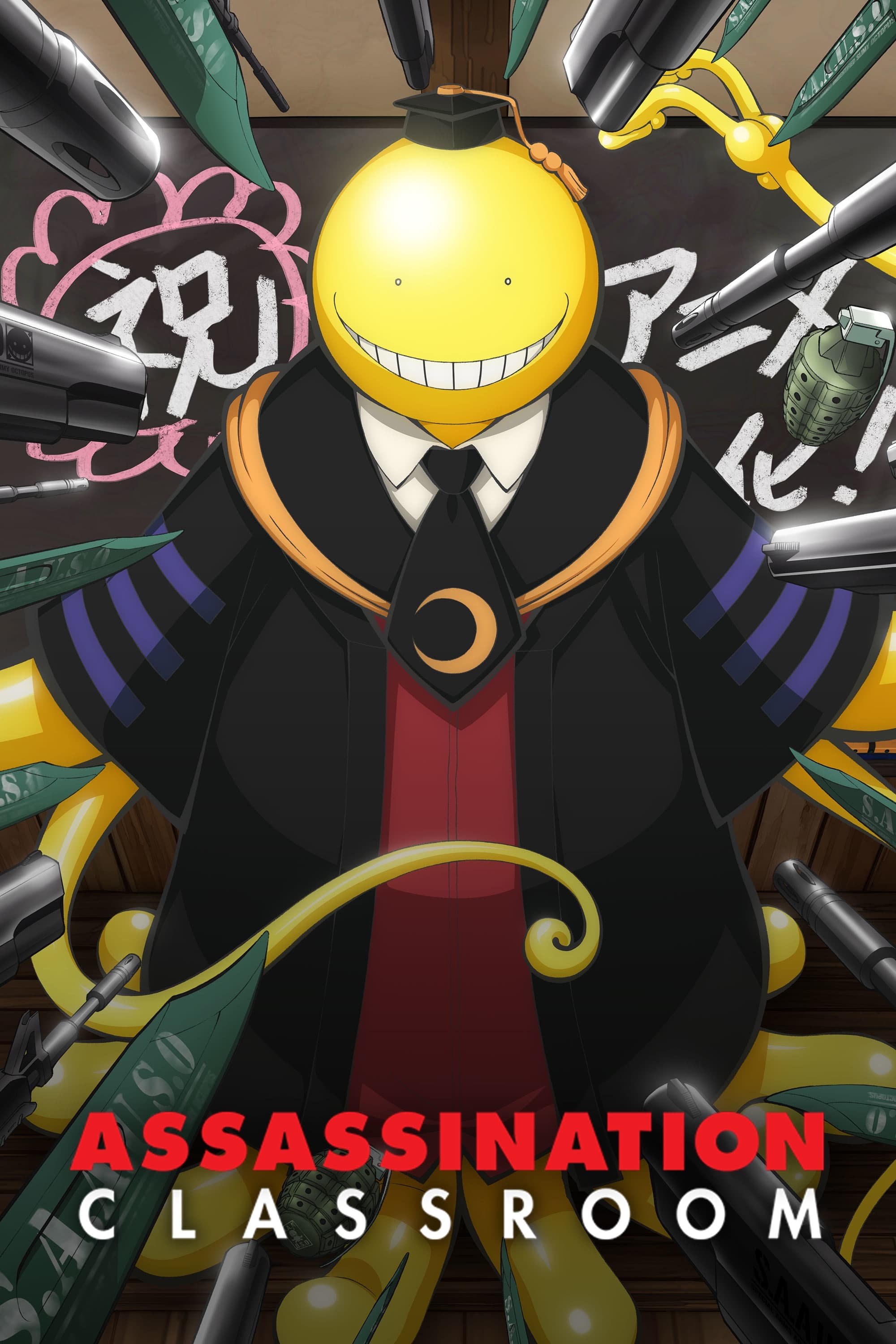
China banned the anime series ‘Assassination Classroom’ due to concerns that its storyline – where students try to kill their teacher – could promote violence and disrespect towards authority figures and educators. Even though the teacher is an alien with special abilities, officials believed the show threatened the country’s education system and social stability, leading to a complete removal of the series and all related products from the Chinese market.
Please share your thoughts on these controversial bans in the comments.
Read More
- Gold Rate Forecast
- Silver Rate Forecast
- Games That Faced Bans in Countries Over Political Themes
- 15 Films That Were Shot Entirely on Phones
- Unveiling the Schwab U.S. Dividend Equity ETF: A Portent of Financial Growth
- 20 Movies Where the Black Villain Was Secretly the Most Popular Character
- Brent Oil Forecast
- New HELLRAISER Video Game Brings Back Clive Barker and Original Pinhead, Doug Bradley
- Superman Flops Financially: $350M Budget, Still No Profit (Scoop Confirmed)
- 14 Movies Where the Black Character Refuses to Save the White Protagonist
2026-02-06 15:18