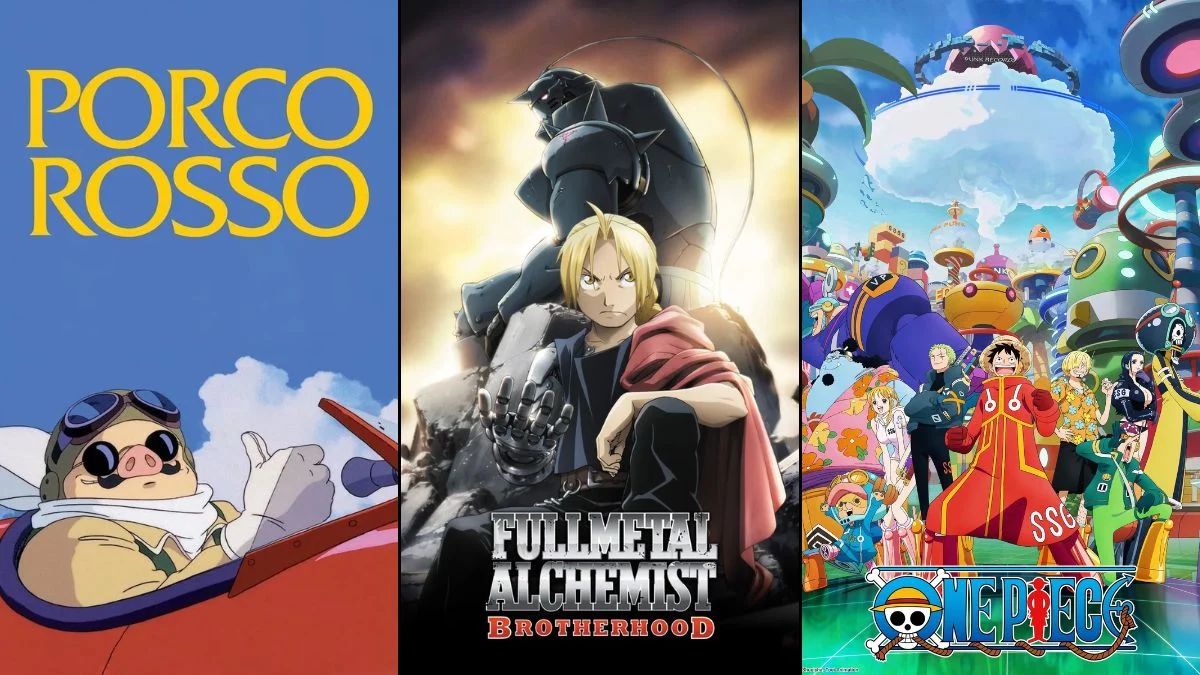
As a huge anime fan, I’ve always appreciated how it can be so much more than just entertainment. It often holds a mirror up to history and society. What really fascinates me is how creators use fictional worlds to explore the dangers of dictatorships and authoritarianism – you see echoes of real-world power struggles in these stories. They really dig into what happens when power goes unchecked and the terrible effects totalitarian regimes have on people. I’ve put together a list of anime that, in my opinion, offer some really insightful critiques of historical dictatorships, often through incredibly complex villains and oppressive governments.
‘Mobile Suit Gundam’ (1979–1980)
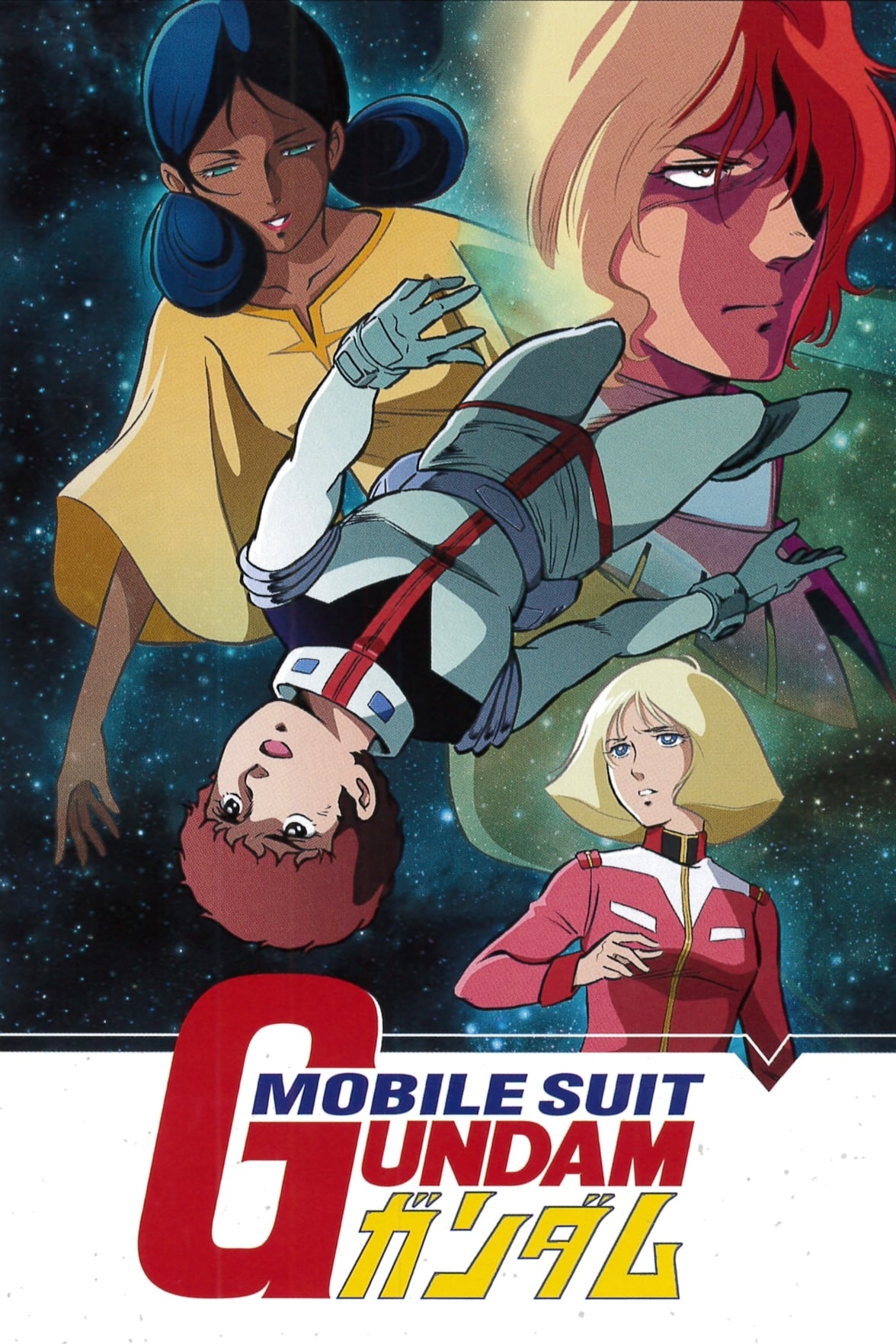
The Principality of Zeon is intentionally designed to be similar to Nazi Germany during World War II. The Zabi family takes power and changes a democratic government into a harsh, military dictatorship based on the idea that some people are better than others. Their attacks using falling space colonies are like the use of weapons that cause massive destruction and harm civilians. The creators deliberately made Zeon’s uniforms and propaganda resemble those of the Axis powers to remind viewers of that dark period in history.
‘Fullmetal Alchemist: Brotherhood’ (2009–2010)
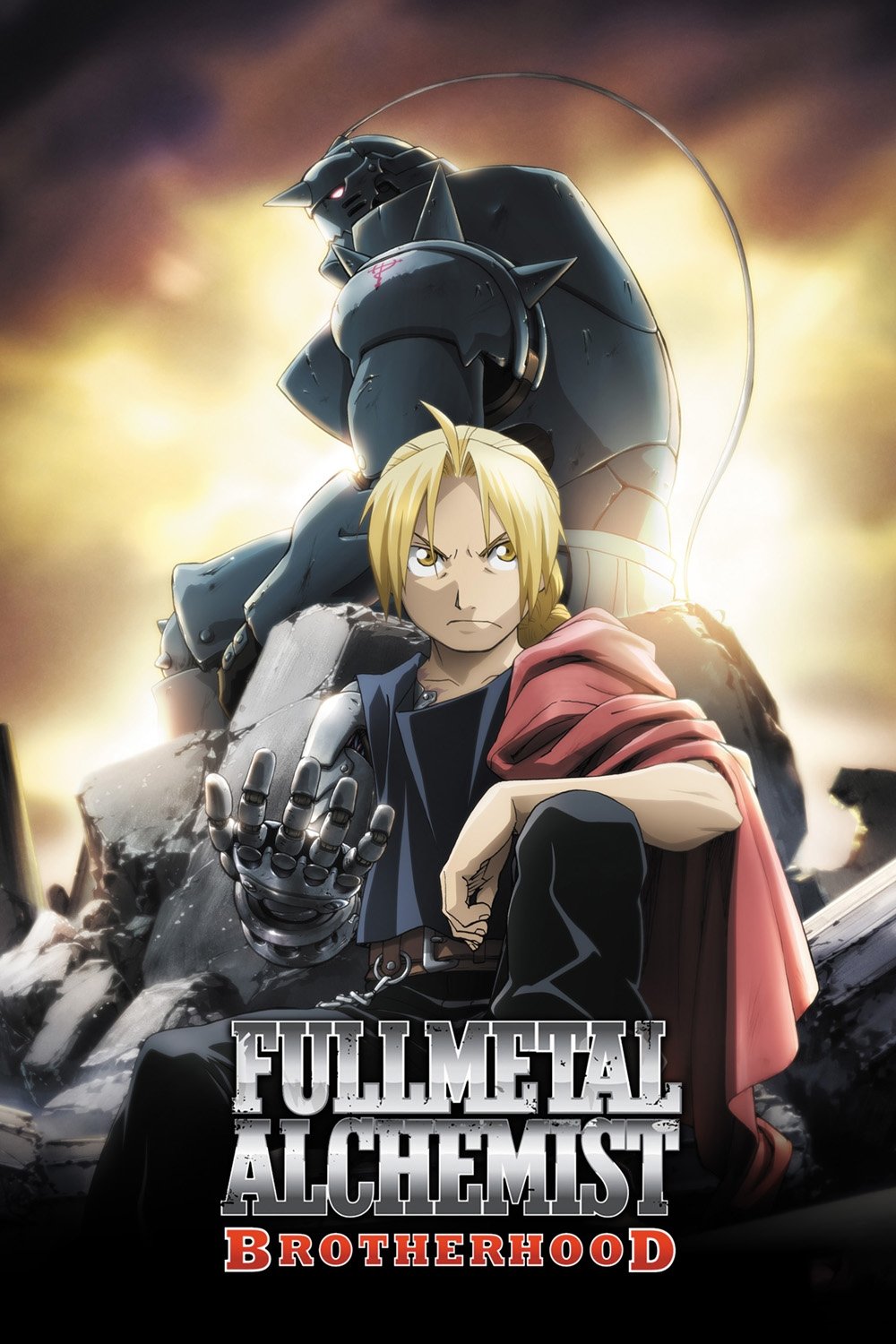
King Bradley rules Amestris as its leader, driving a nation focused on constant military growth. The country is run by the military, which controls all parts of life and makes all the important decisions. The look and feel of Amestris – from its buildings to the soldiers’ uniforms – are strongly inspired by Germany in the early 1900s. The story examines how the government uses propaganda and a special form of science called alchemy to convince people to support its wars.
‘Attack on Titan’ (2013–2023)
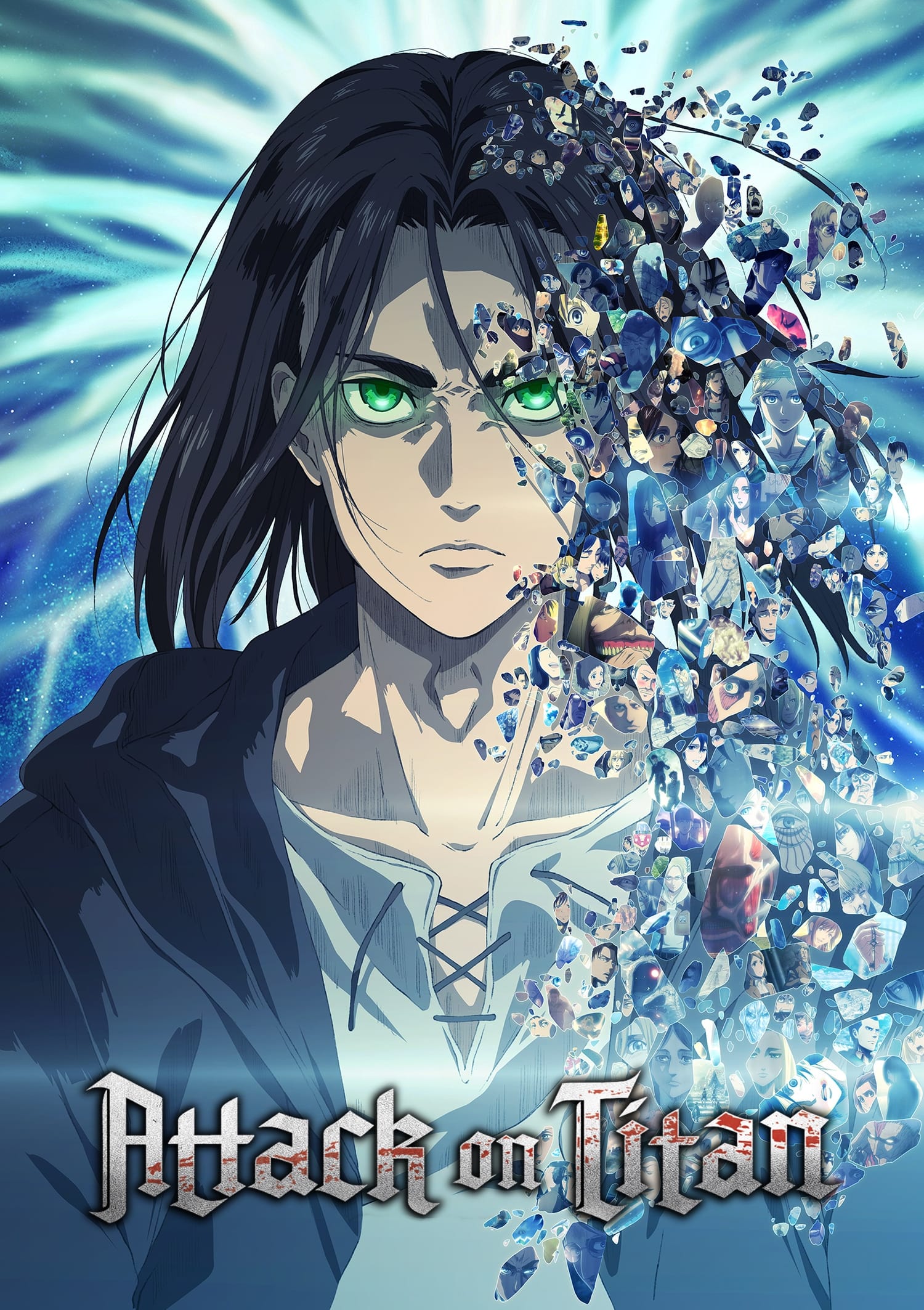
As a lifelong movie fan, what really struck me about this story is how it portrays the brutal oppression of the Eldian people. They’re essentially trapped and treated as less than human within these walled zones, which immediately brought to mind the horrific Jewish ghettos of WWII Europe. It’s deeply disturbing to see how the government actively brainwashes Eldian children, turning them into soldiers meant to fight against their own people. Ultimately, the story feels like a powerful exploration of how hatred can repeat itself and the devastating results of extreme nationalism. It’s a tough watch, but a really important one.
‘Code Geass: Lelouch of the Rebellion’ (2006–2007)
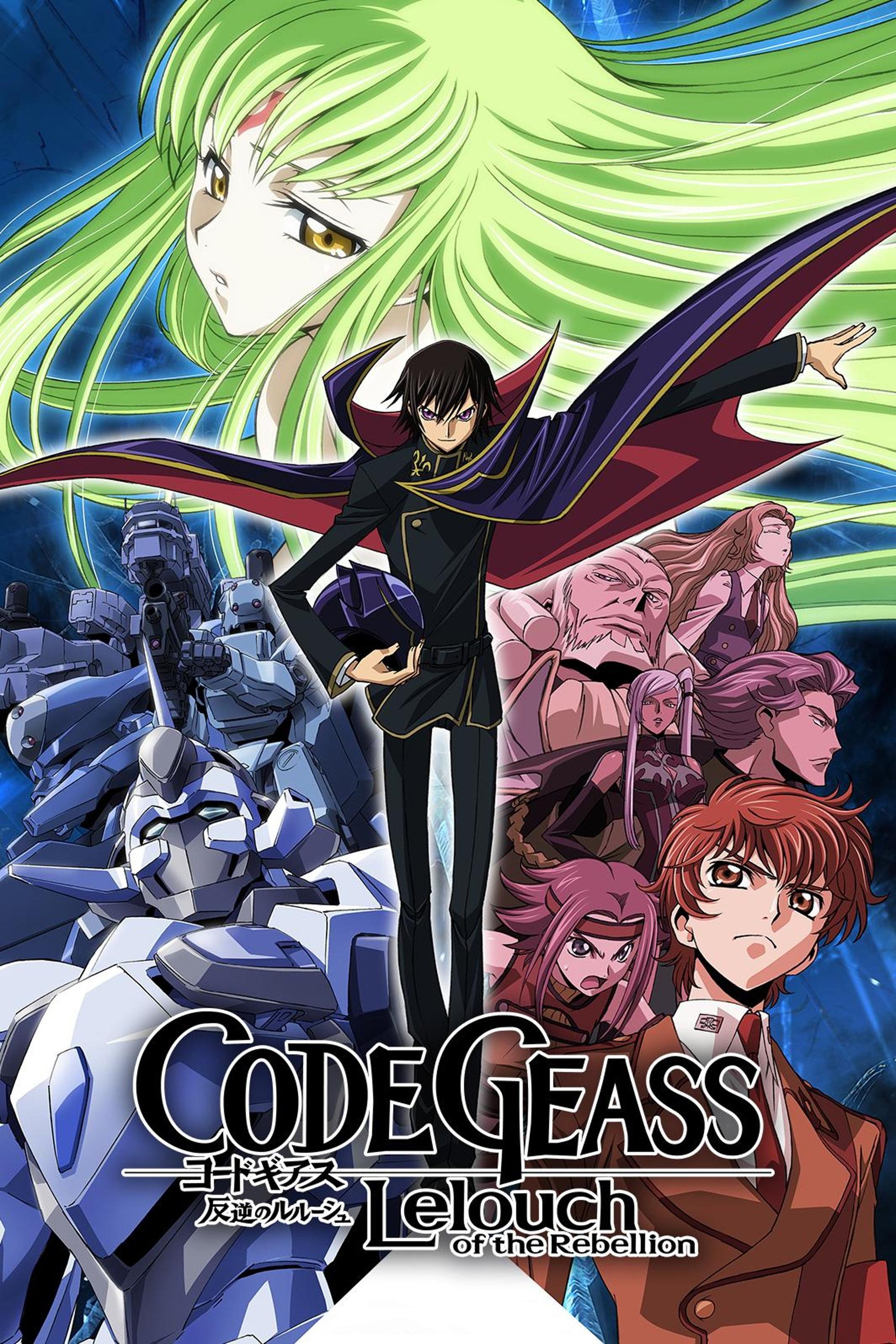
The Holy Britannian Empire believes in a harsh ‘survival of the fittest’ philosophy and actively conquers other countries. Emperor Charles zi Britannia publicly defends this system, arguing that stronger nations have the right to rule over weaker ones. Britannia’s practice of numbering conquered territories and erasing local cultures is a direct commentary on the injustices of past empires. The story follows a hero who rebels against a society that values the powerful few over the needs of ordinary people.
‘Legend of the Galactic Heroes’ (1988–1997)
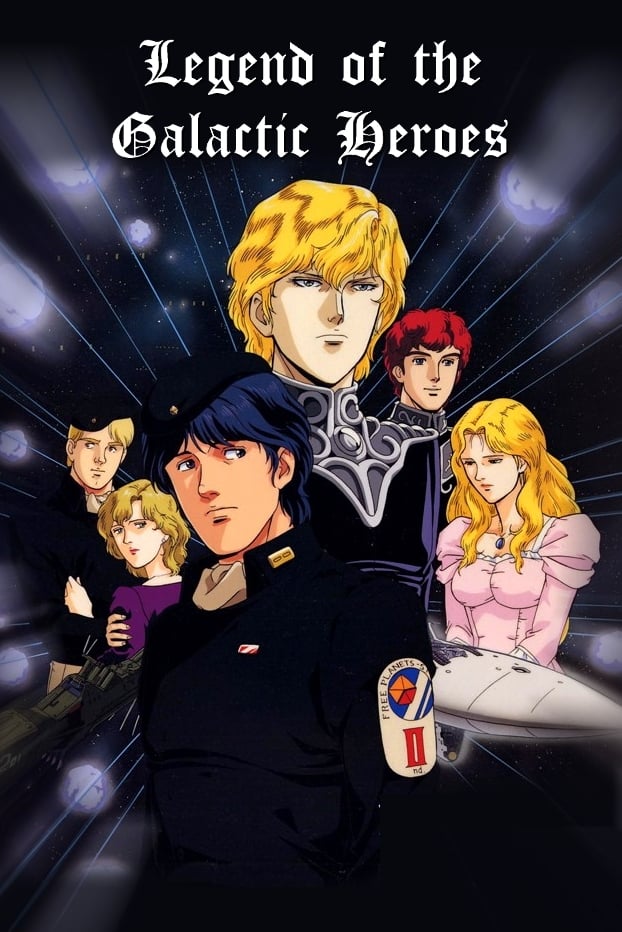
Rudolf von Goldenbaum gains power by appealing to popular sentiment and skillfully navigating politics, ultimately becoming a galactic emperor. His rise and the empire he creates are reminiscent of the historical shift from the democratic Weimar Republic to Nazi Germany. He establishes a strict class system and removes anyone he considers genetically undesirable in an attempt to improve humanity. The story explores a complex political discussion about the weaknesses of democratic systems compared to the effectiveness of a single ruler.
‘Porco Rosso’ (1992)

Set in Italy between World War I and II, the film depicts the rise of fascism and follows a main character who strongly opposes the ruling regime, famously declaring his refusal to ever support it. Through this story, the film criticizes the way war was glorified and the intense national pride that took hold in Italy under Mussolini. The oppressive environment of the time is emphasized by the constant presence of secret police and military force.
‘Hellsing Ultimate’ (2006–2012)

Millennium is a dangerous group formed from the remains of a Nazi unit, and their goal is to start a never-ending war. The Major, their leader, revels in conflict and destruction, and his fiery speeches are reminiscent of those given by violent dictators throughout history. The anime portrays the horrifying consequences of being obsessed with military power and the idea of a ‘pure’ race.
‘Saga of Tanya the Evil’ (2017)
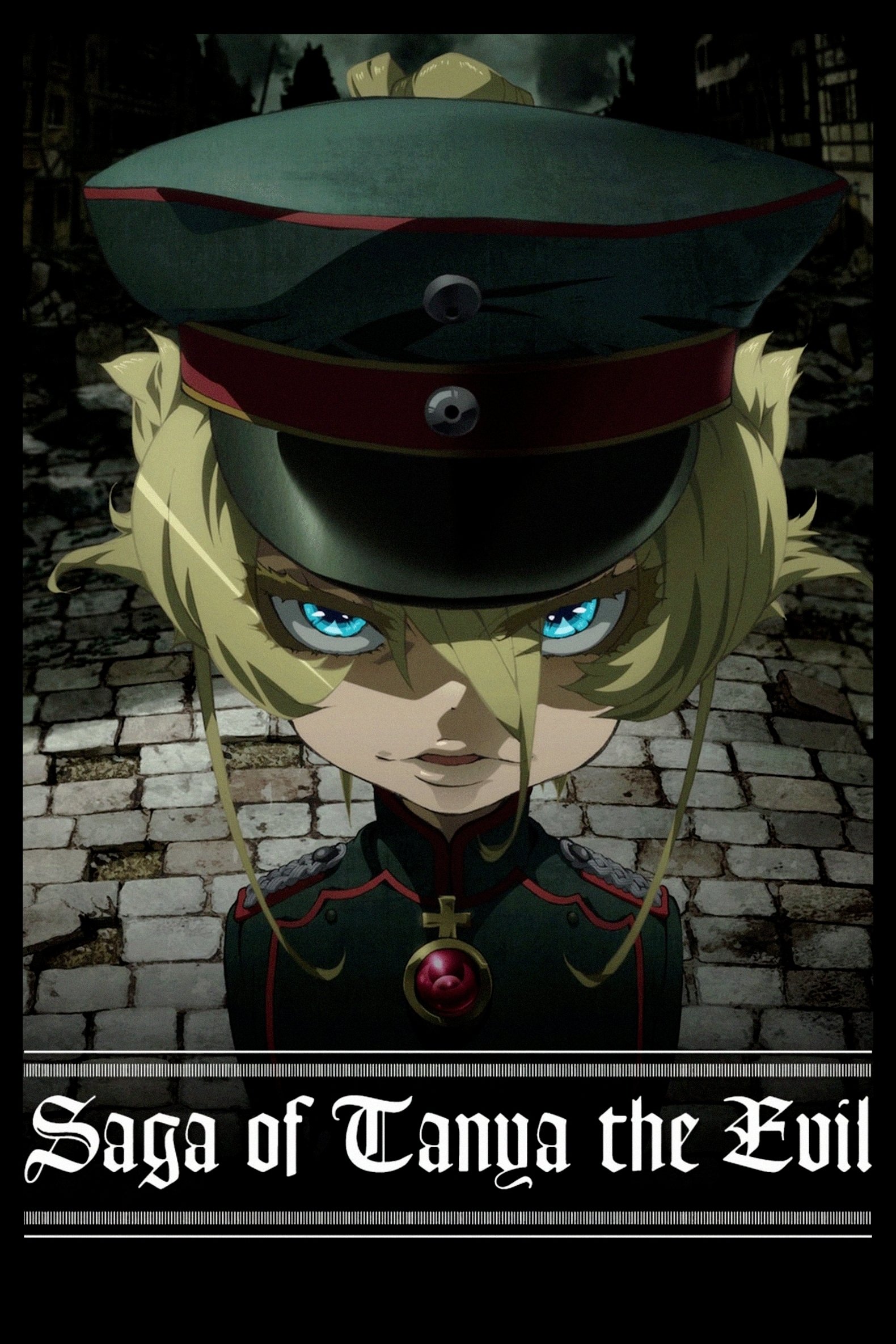
The fictional empire in the series draws inspiration from both Imperial Germany and Nazi Germany. The main character serves a government that prioritizes efficiency and logic, even at the cost of human life and ethics. The show’s battle strategies and military campaigns closely resemble historical conflicts in Europe. It powerfully illustrates how evil can flourish within a bureaucracy, enabling people to commit terrible acts simply by claiming they were following orders.
‘Psycho-Pass’ (2012–2013)
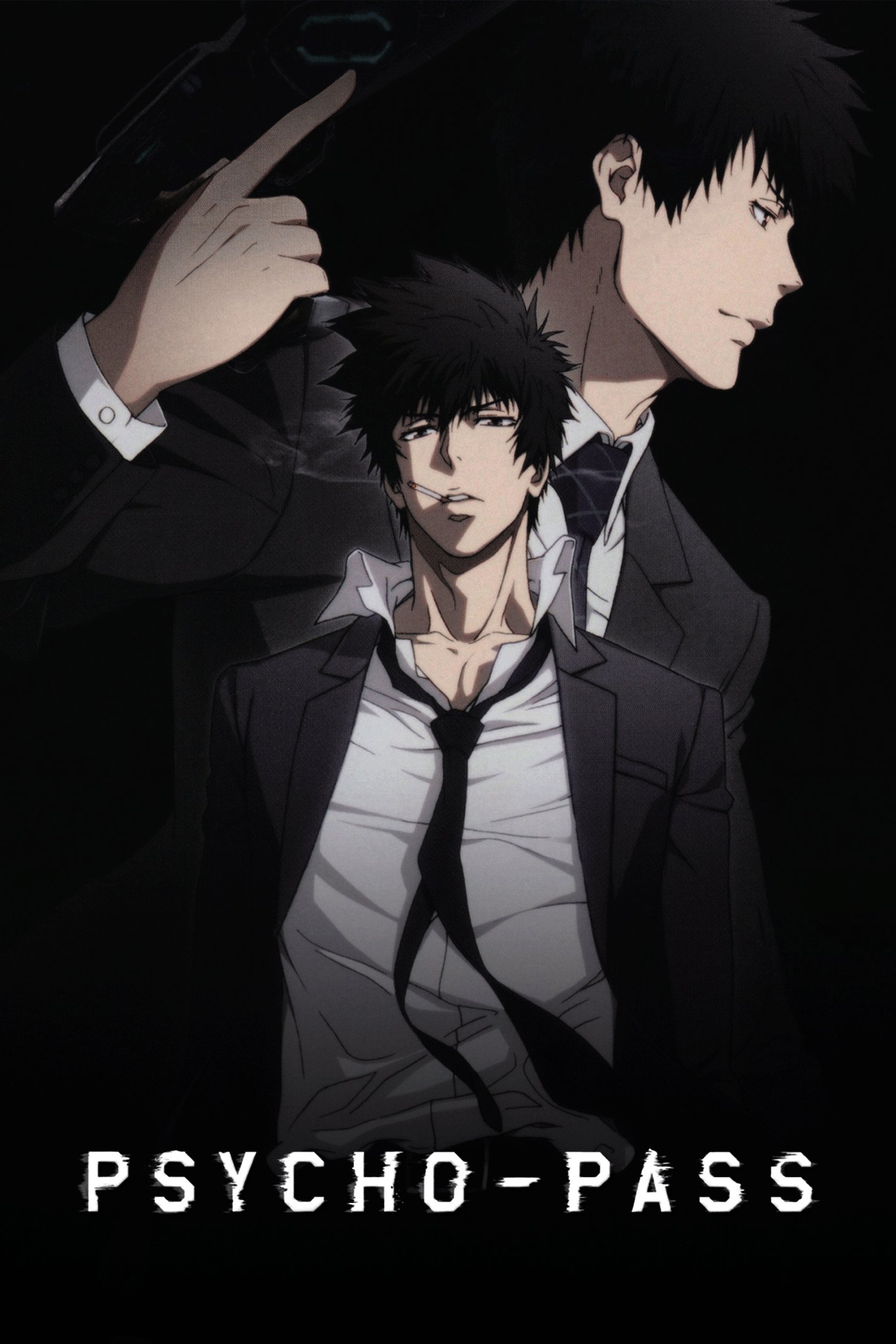
The Sibyl System maintains order by constantly watching people and measuring their thoughts and feelings. While this eliminates crime, it also takes away citizens’ freedom and privacy. This type of control is similar to that seen in totalitarian governments, where even thinking differently can be policed. The show asks if complete safety is worth sacrificing personal freedom and the ability to make your own choices.
’86 Eighty-Six’ (2021–2022)
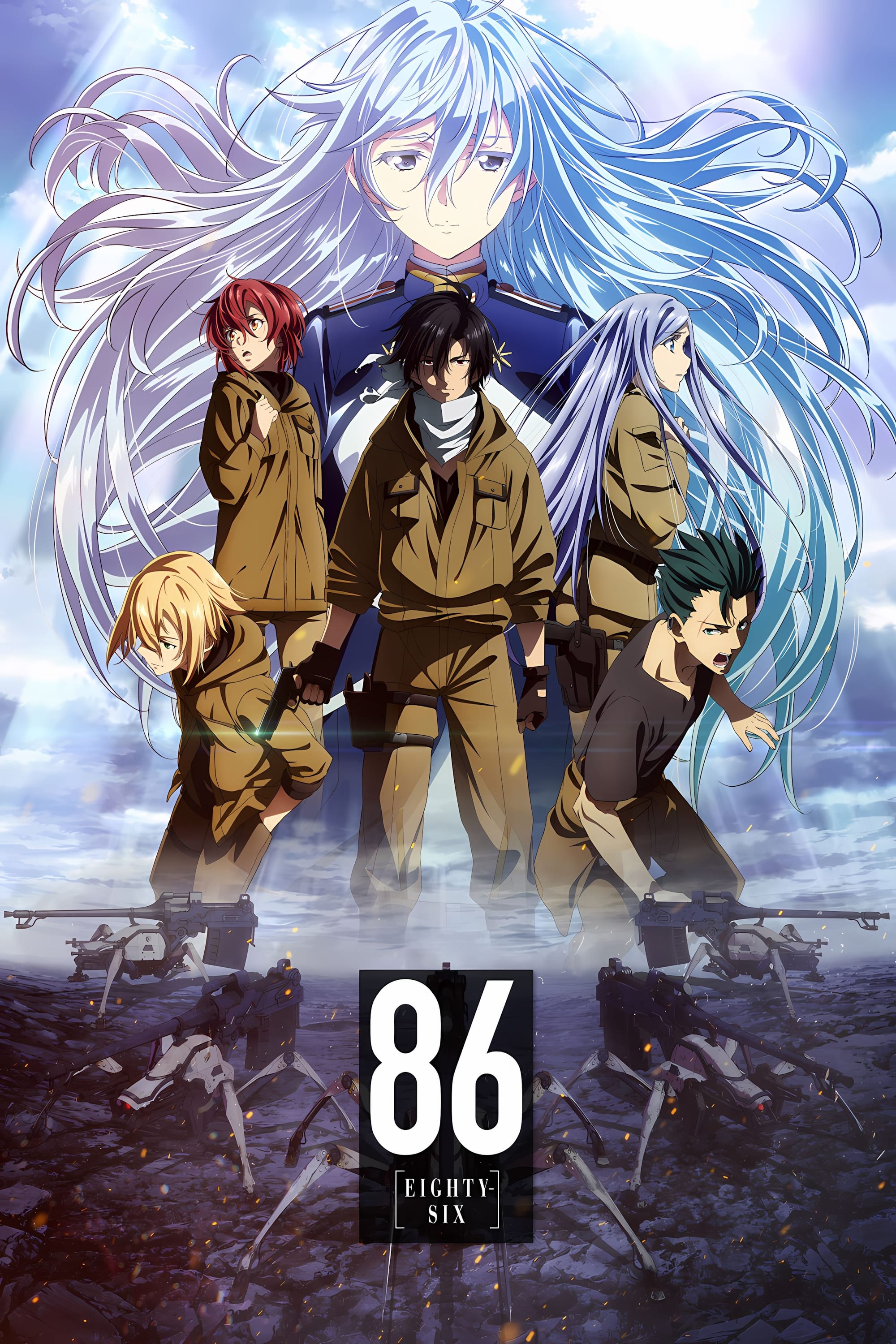
I’ve been learning about San Magnolia, and it’s heartbreaking. They’ve essentially imprisoned the Colorata people in a place called the Eighty-Sixth Sector, and worse, they don’t even see them as people. The majority, the Alba, just go on with their lives, completely unaware of what’s happening. The Colorata are forced to fight the country’s wars, but they don’t pilot the machines themselves – they control them remotely through drones. It’s a really powerful story that reminds me of things like apartheid and how easily governments can use lies and propaganda to justify treating people horribly. It really makes you think about how even supposedly ‘free’ countries can depend on exploiting others to maintain their way of life, and how messed up that is.
‘Now and Then, Here and There’ (1999–2000)
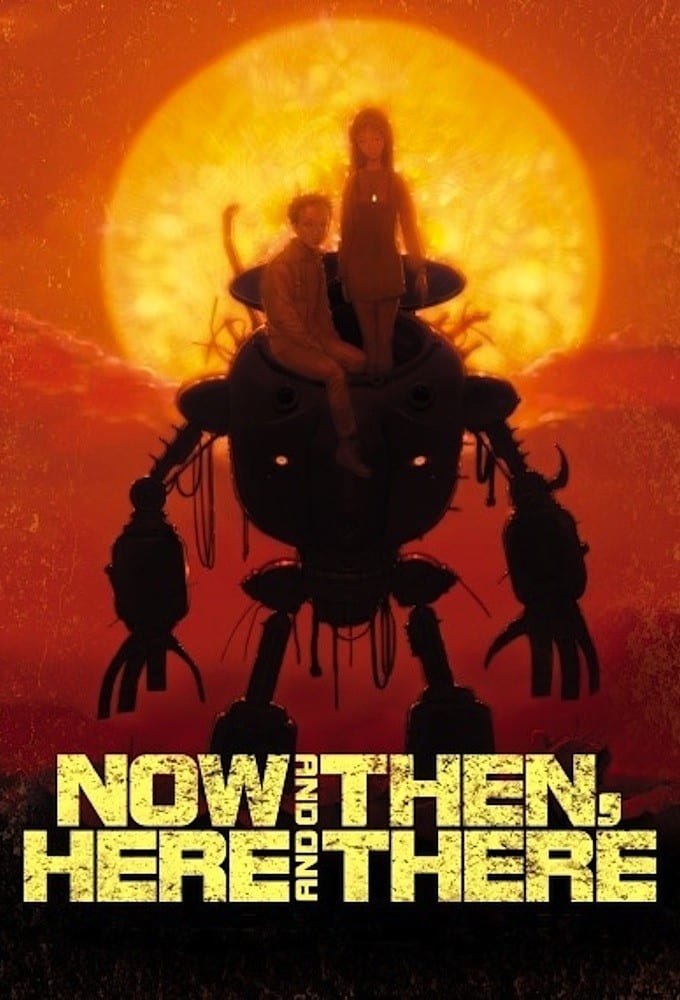
King Hamdo is a dangerously unstable ruler who conscripts children into the army because of his deep-seated fears. His cruel actions and lack of respect for life are similar to those of notorious dictators like Idi Amin. The anime realistically depicts the horrors faced by child soldiers and the devastation caused by a leader with an inflated ego. It’s a stark and upsetting portrayal of how war harms those who are least able to protect themselves.
‘Space Battleship Yamato 2199’ (2012–2013)
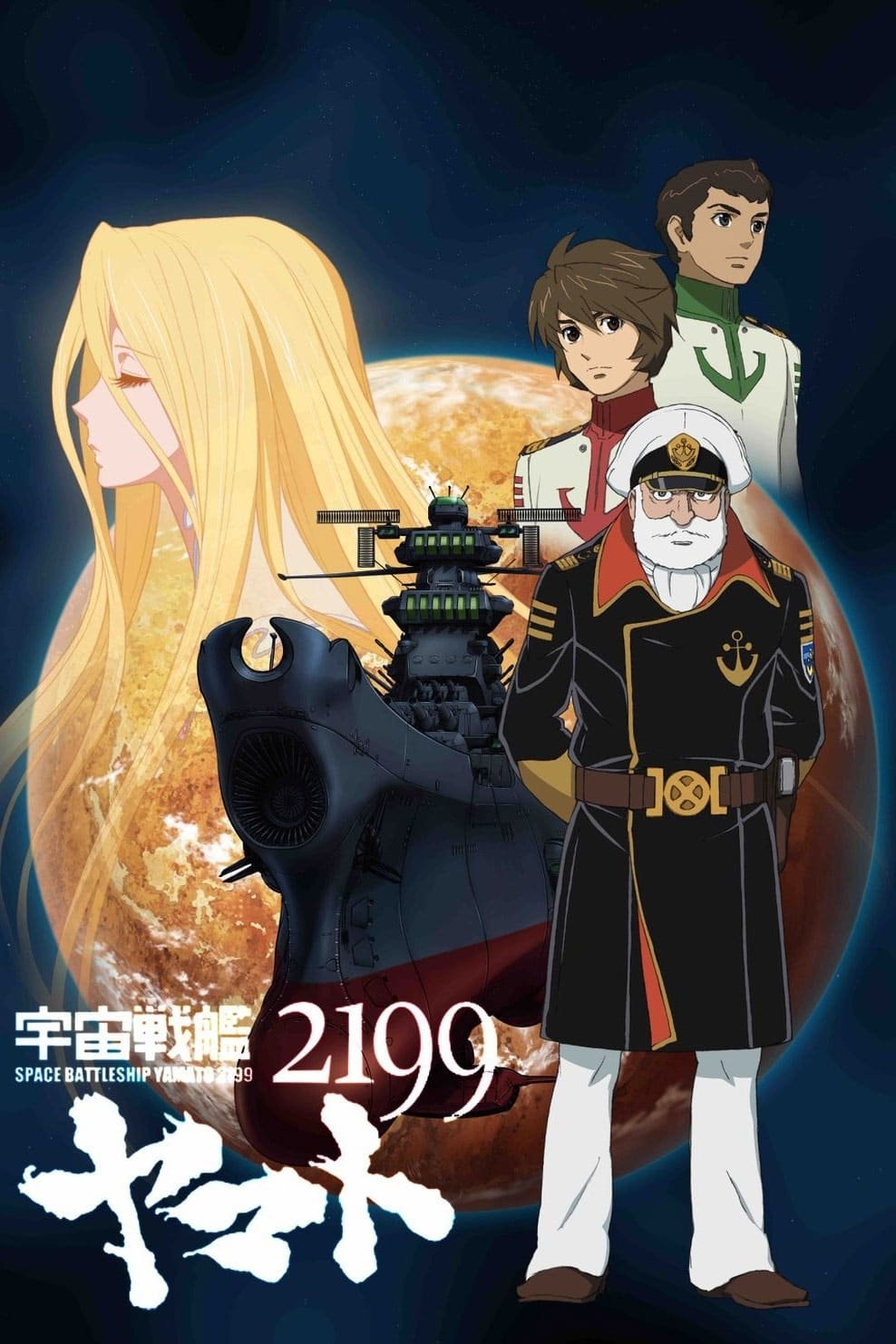
Emperor Dessler rules the Gamilas Empire, a society focused on conquering other worlds and forcing its culture onto them. The Gamilan way of life is strongly inspired by Nazi Germany, with a strict social order and a focus on power. Dessler believes destroying Earth is essential for his people’s survival and greatness. The story highlights the extreme danger of a leader who sees mass murder as an acceptable way to achieve political goals.
‘Jin-Roh: The Wolf Brigade’ (1999)
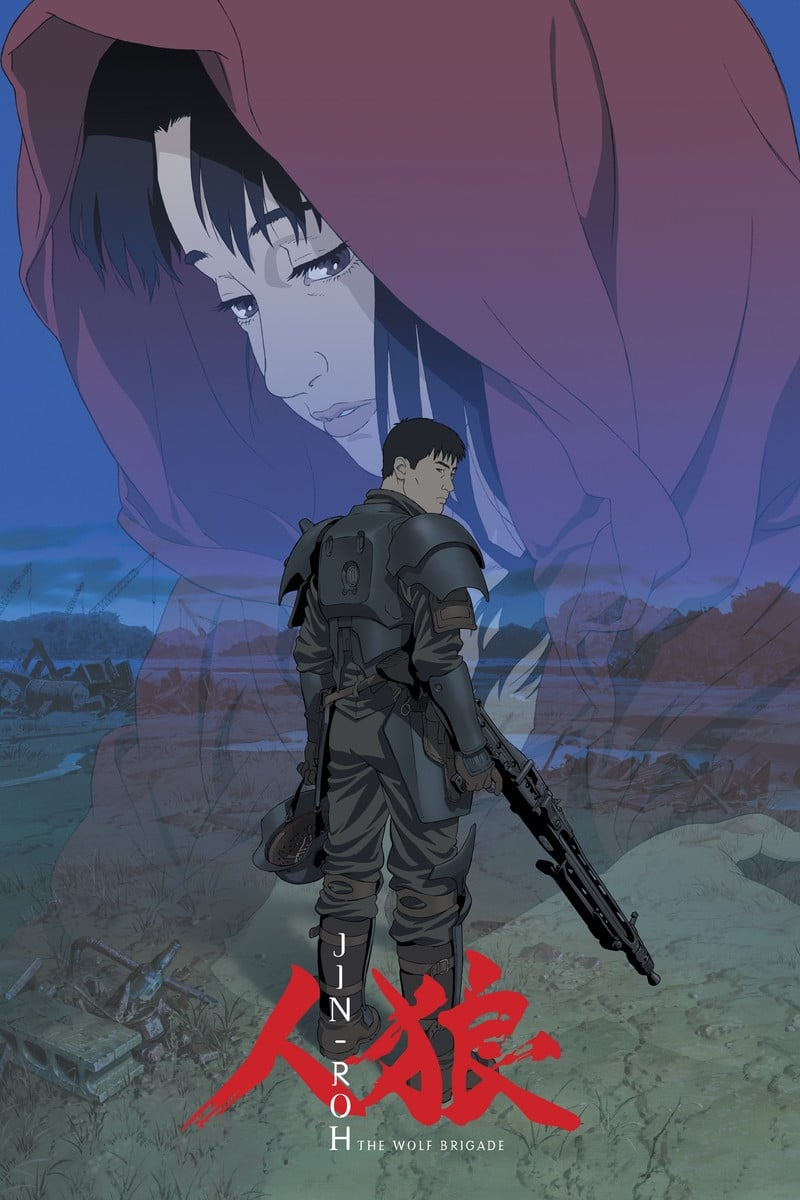
Okay, so this movie throws you into a really unsettling version of 1950s Japan. Imagine a government that’s completely taken over, using this incredibly powerful police force to silence anyone who speaks out. It’s not about justice, it’s about control, and they operate way outside the law to wipe out any opposition. What really struck me was how it felt like a warning about what happens when governments choose power over people’s freedoms. And visually? It’s chilling. The movie does a fantastic job of making the violence feel impersonal and terrifying, like it’s coming from this faceless, all-powerful system. It’s not just action; it’s a statement.
‘Akame ga Kill!’ (2014)

Prime Minister Honest controls the young emperor, allowing widespread corruption and cruelty to take hold across the empire. While the capital city thrives, the rural areas are plagued by poverty and heavy taxes. The government maintains control through fear, using public executions and torture. The anime highlights how those in power often hide their selfish motives by using a figurehead ruler.
‘One Piece’ (1999–Present)
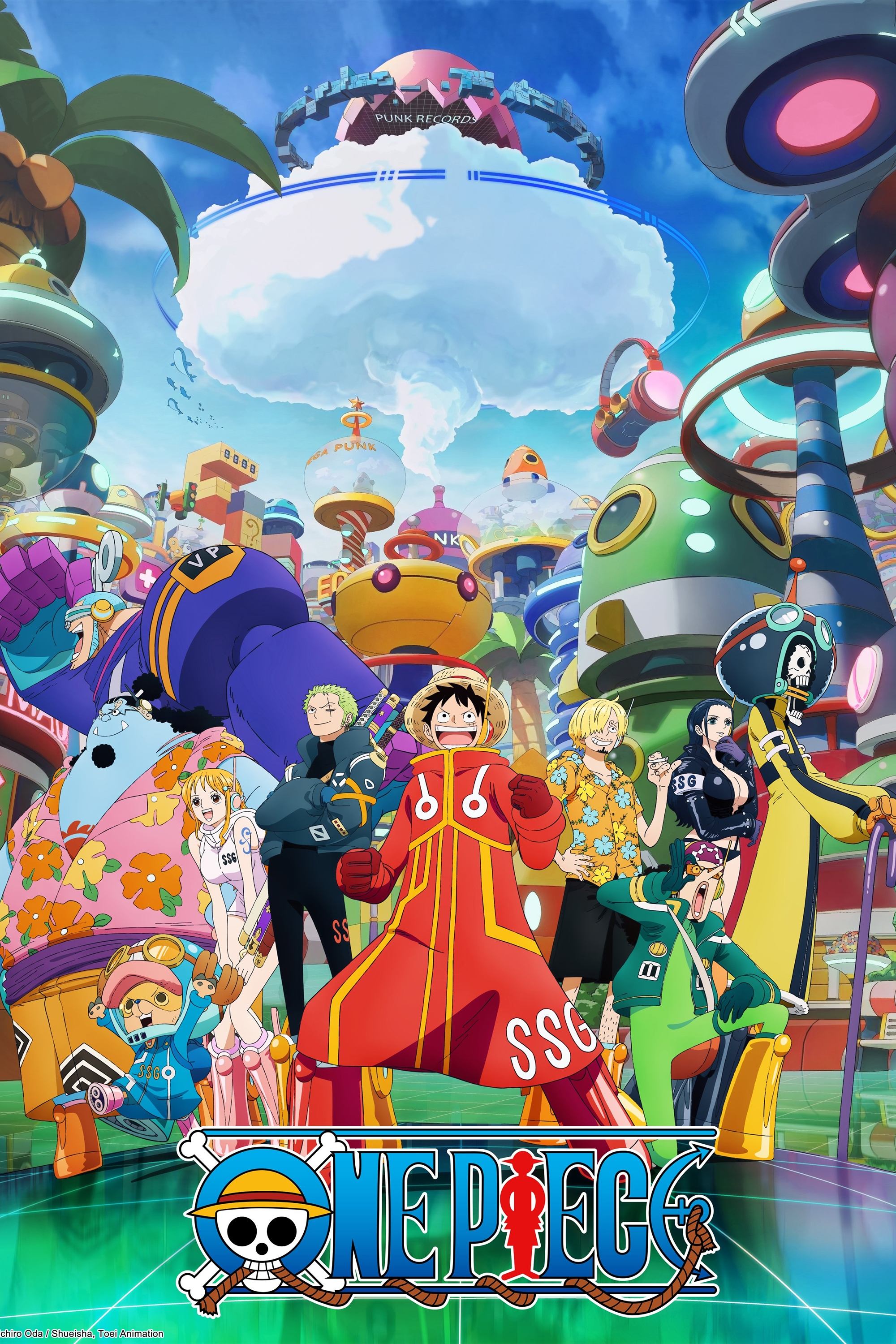
As a huge film buff, what really grabs me about this story is how it portrays power. You’ve got this World Government and these incredibly powerful figures, the Celestial Dragons, who basically rule with an iron fist – and they don’t even hesitate to use slavery to get what they want. It’s chilling how they rewrite history and wipe out entire countries just to stay in control. It feels like a really clever commentary on how real-world powers manipulate information – things like ‘absolute justice’ and this mysterious ‘Void Century’ seem to represent how regimes censor things to control the story. Ultimately, it’s a fantastic tale about fighting for freedom against a system built on unfair advantages and inherited power. It’s a story that really resonates with me.
‘Kill la Kill’ (2013–2014)
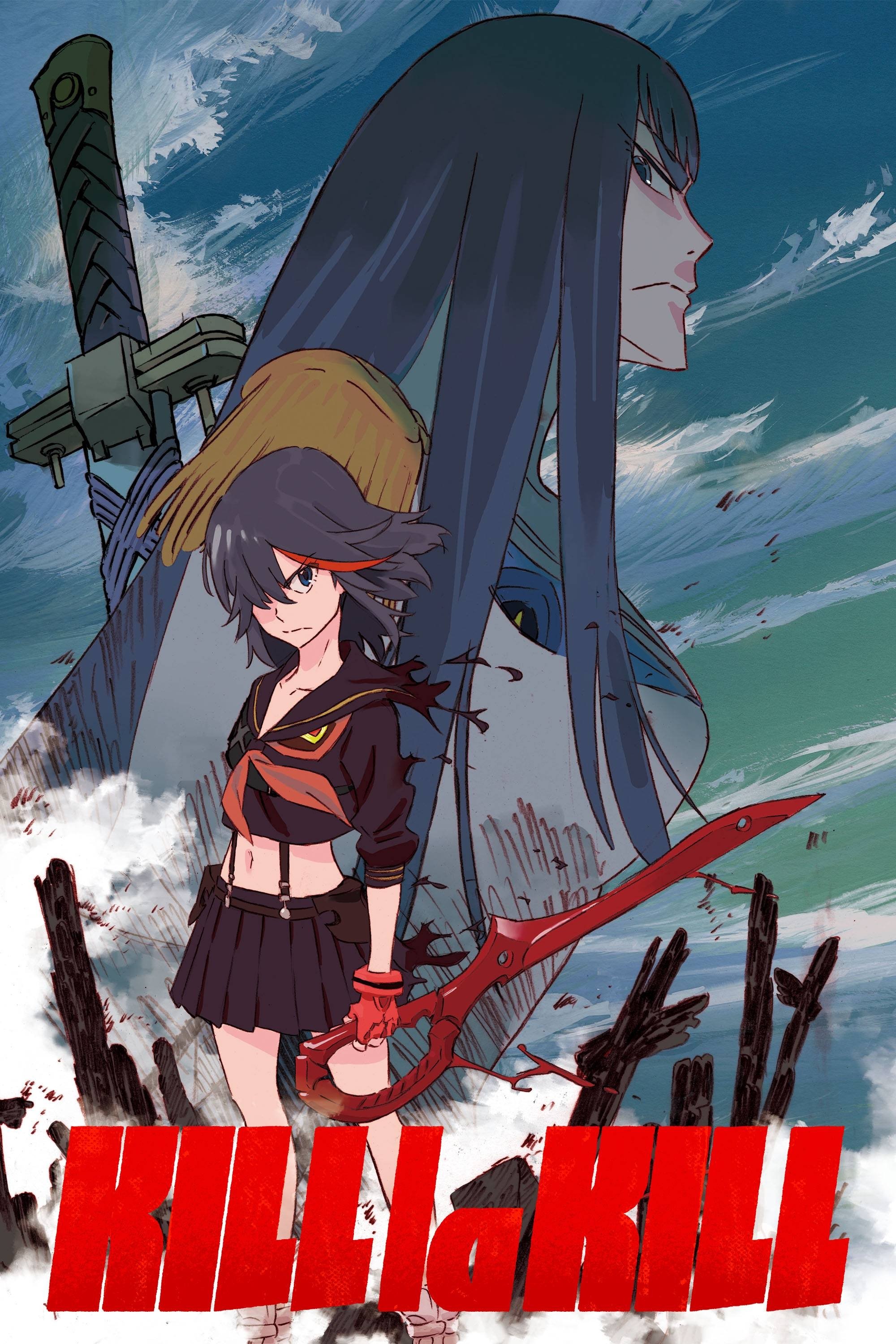
Honnouji Academy operates like a small, controlling society where a student’s power is measured by their uniform. Satsuki Kiryuin leads with strict control, ironically claiming that being controlled and living in fear actually leads to freedom. The school’s organization closely resembles that of oppressive regimes. The story exaggerates situations to mock how ridiculous it is to blindly follow unfair rules and expectations.
‘The Rose of Versailles’ (1979–1980)

This series portrays the lavish lifestyle of the French royal family and nobility before the French Revolution. It emphasizes the huge gap between the rich and the poor, and how the ruling class didn’t care about the suffering of ordinary people. King Louis XVI and Marie Antoinette are shown as out-of-touch leaders, and the anime illustrates how ignoring the needs of the population ultimately led to the downfall of their government.
‘Appleseed’ (1988)
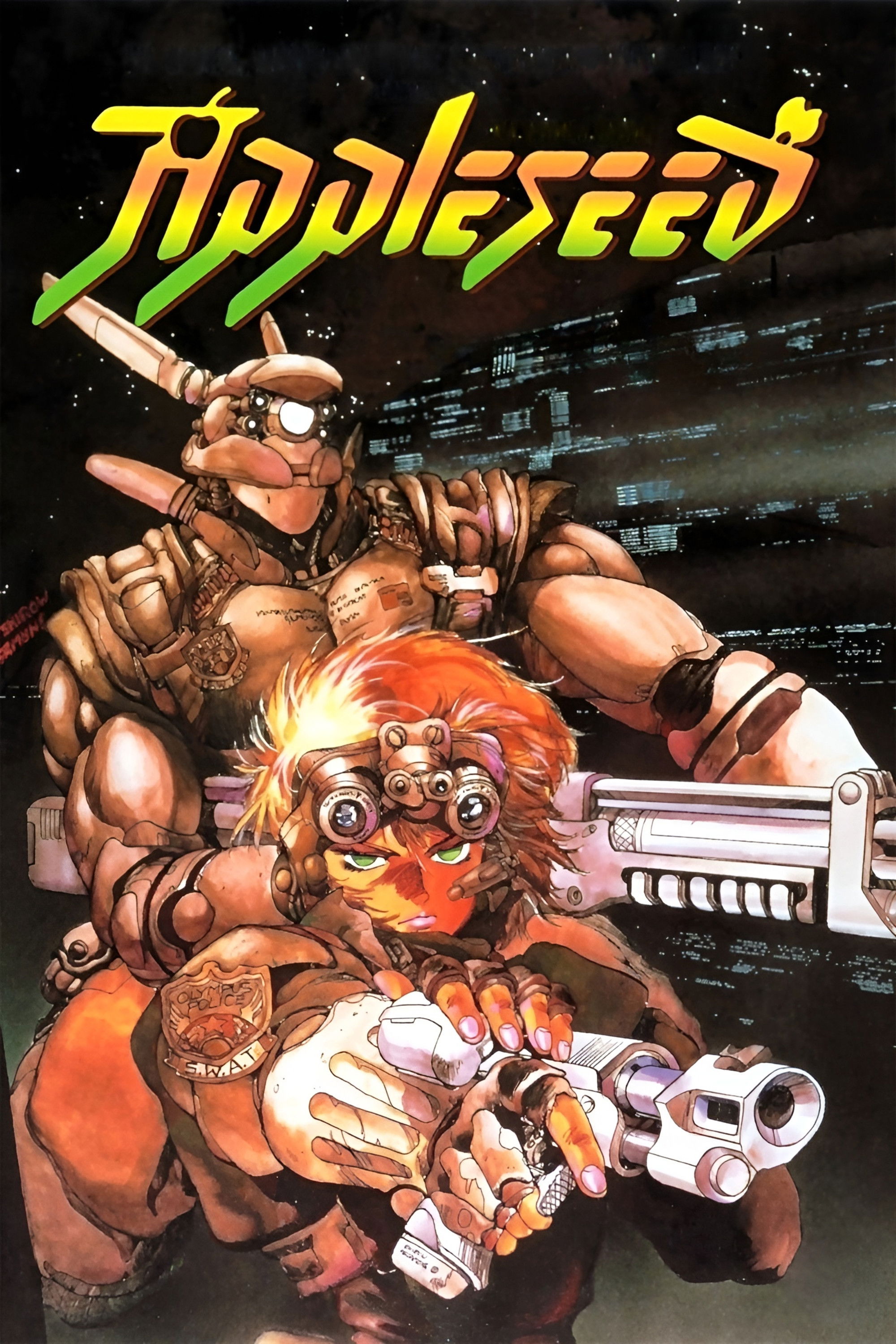
Olympus is a city run by a powerful computer called Gaia and a group of artificial beings. This seemingly perfect society keeps the peace by carefully controlling people’s feelings and stopping any signs of aggression. The story looks at what happens when a kind but controlling government prioritizes order over freedom, and asks if a peaceful life under strict control is better than the uncertainty of genuine liberty.
‘No. 6’ (2011)
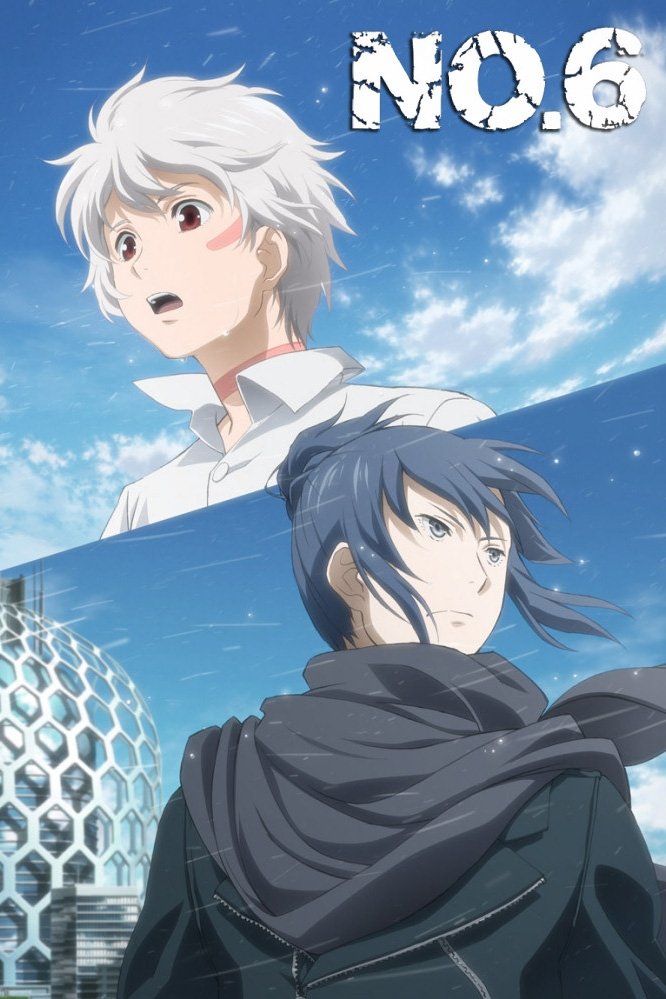
The city of No. 6 appears to be a perfect society, but it’s actually built on secrets and the suppression of anyone who disagrees with the government. A huge wall divides the wealthy citizens from the poor people living in a neglected area called the West Block. The government tightly controls information and uses a special prison to silence anyone who opposes them. The story shows how seemingly perfect societies can hide terrible things.
‘Guilty Crown’ (2011–2012)
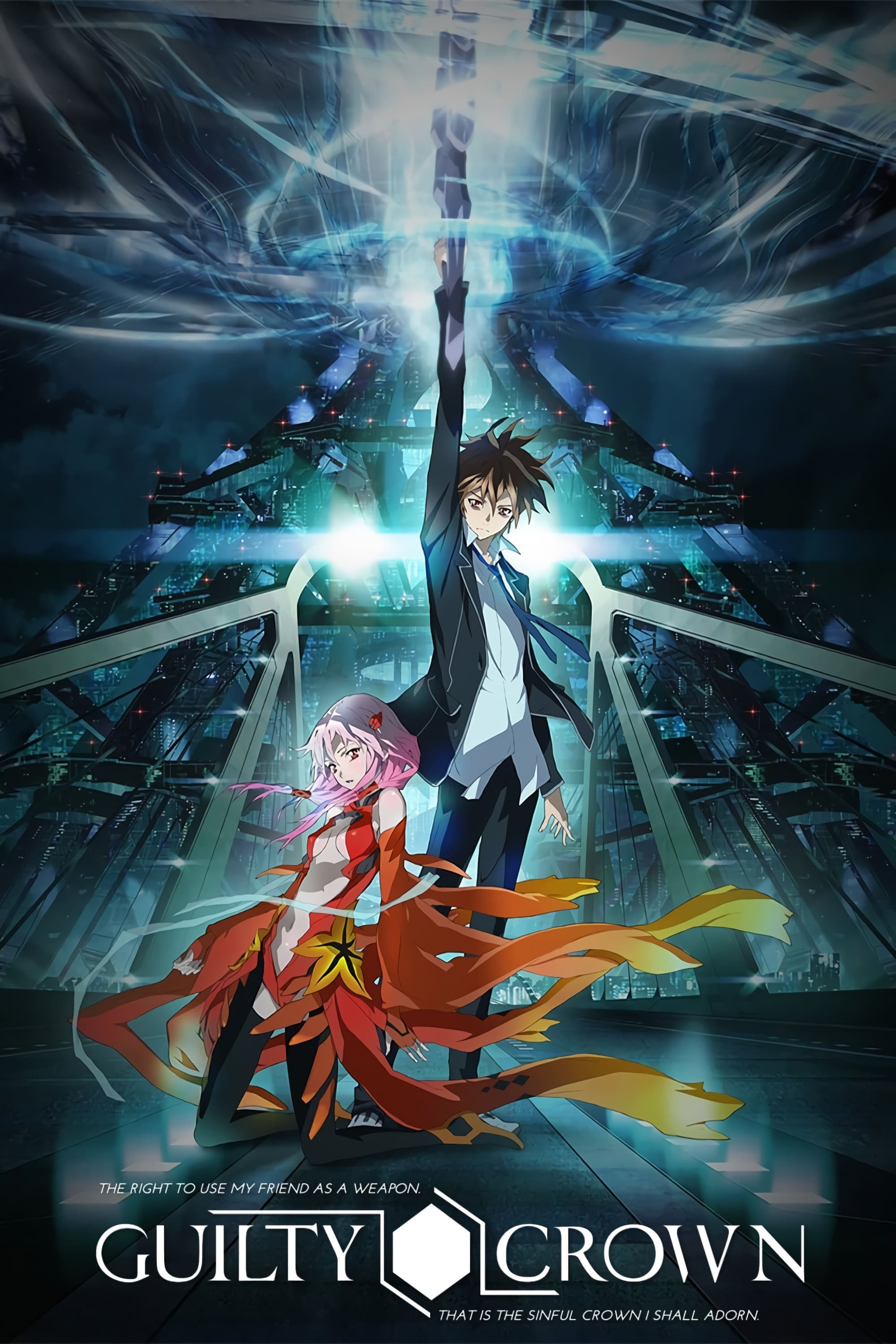
After a devastating biological event called the Lost Christmas, the GHQ imposes martial law on Japan. The resulting military government treats Japanese people as inferior and enforces harsh quarantines. They use the disaster as an excuse to eliminate constitutional rights and solidify their complete control. The anime offers a critical look at foreign occupation and how national tragedies can be manipulated for political advantage.
Share your thoughts on which of these fictional regimes felt the most realistic in the comments.
Read More
- Top 20 Dinosaur Movies, Ranked
- 20 Movies Where the Black Villain Was Secretly the Most Popular Character
- 25 “Woke” Films That Used Black Trauma to Humanize White Leads
- Celebs Who Narrowly Escaped The 9/11 Attacks
- Silver Rate Forecast
- Spotting the Loops in Autonomous Systems
- Gold Rate Forecast
- 22 Films Where the White Protagonist Is Canonically the Sidekick to a Black Lead
- From Bids to Best Policies: Smarter Auto-Bidding with Generative AI
- Can AI Lie with a Picture? Detecting Deception in Multimodal Models
2025-12-11 22:48