Japanese animation is often known for its big, popular series that become hits right away. But many incredibly important anime started small, gaining fans gradually through recommendations and later being praised by critics. These shows often challenged typical genre expectations or used innovative visual techniques. Over time, these initially overlooked projects have become essential to the art form, and are now celebrated for their creativity and lasting influence on other animators and creators.
‘Mushi-shi’ (2005–2006)
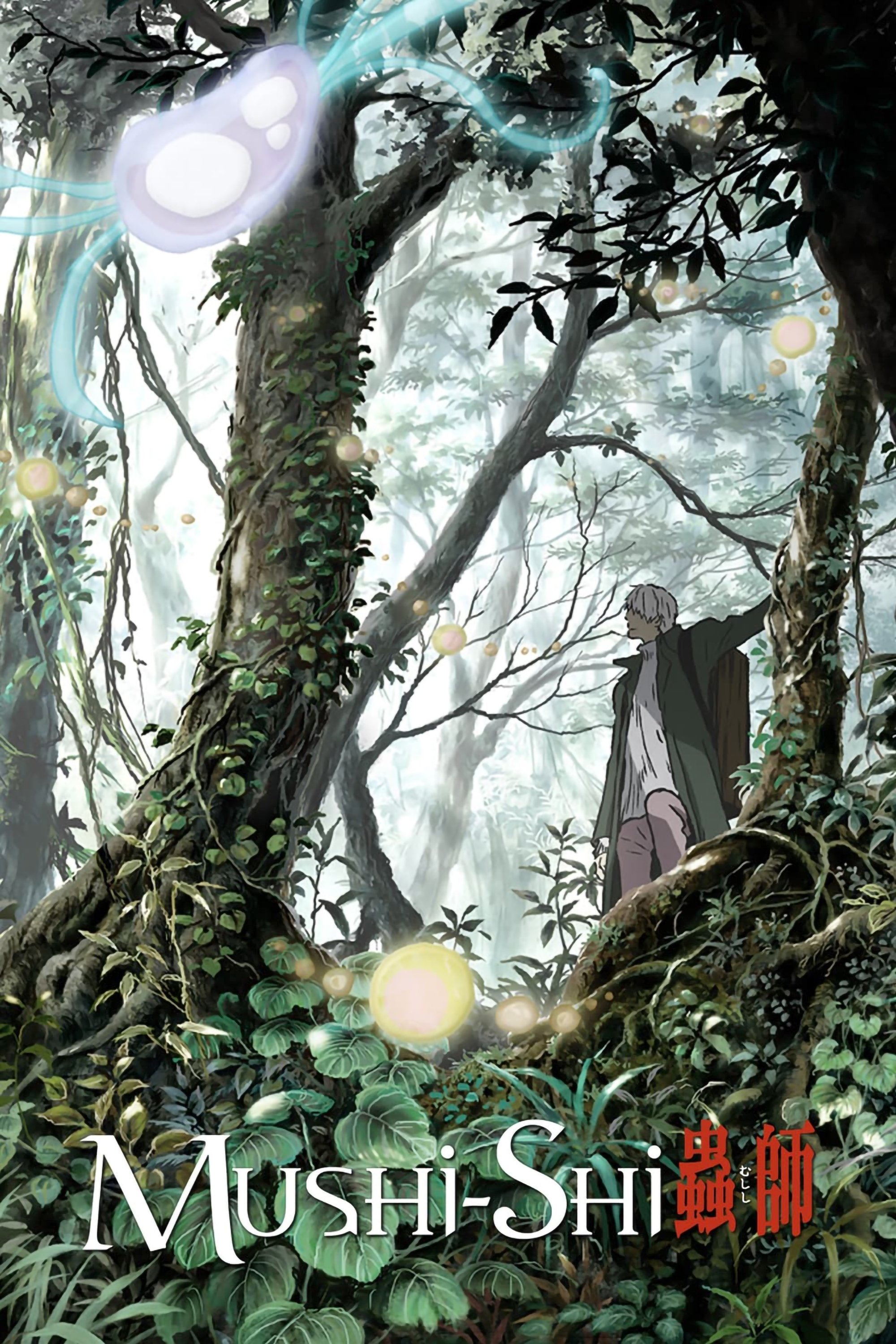
Mushishi centers around Ginko, a unique investigator who travels the countryside studying Mushi – primitive life forms that can cause strange illnesses in people. Each episode tells a self-contained story, exploring the relationship between humans and the natural world in a beautifully realized, historical Japan. Rather than relying on action or intense conflict, the show creates a calming and thoughtful atmosphere, encouraging contemplation. Though not a huge hit when it first aired, Mushishi is now considered a classic example of the ‘iyashikei’ genre – stories designed to soothe and heal – and is highly praised for its beautiful music and peaceful storytelling style.
‘The Tatami Galaxy’ (2010)
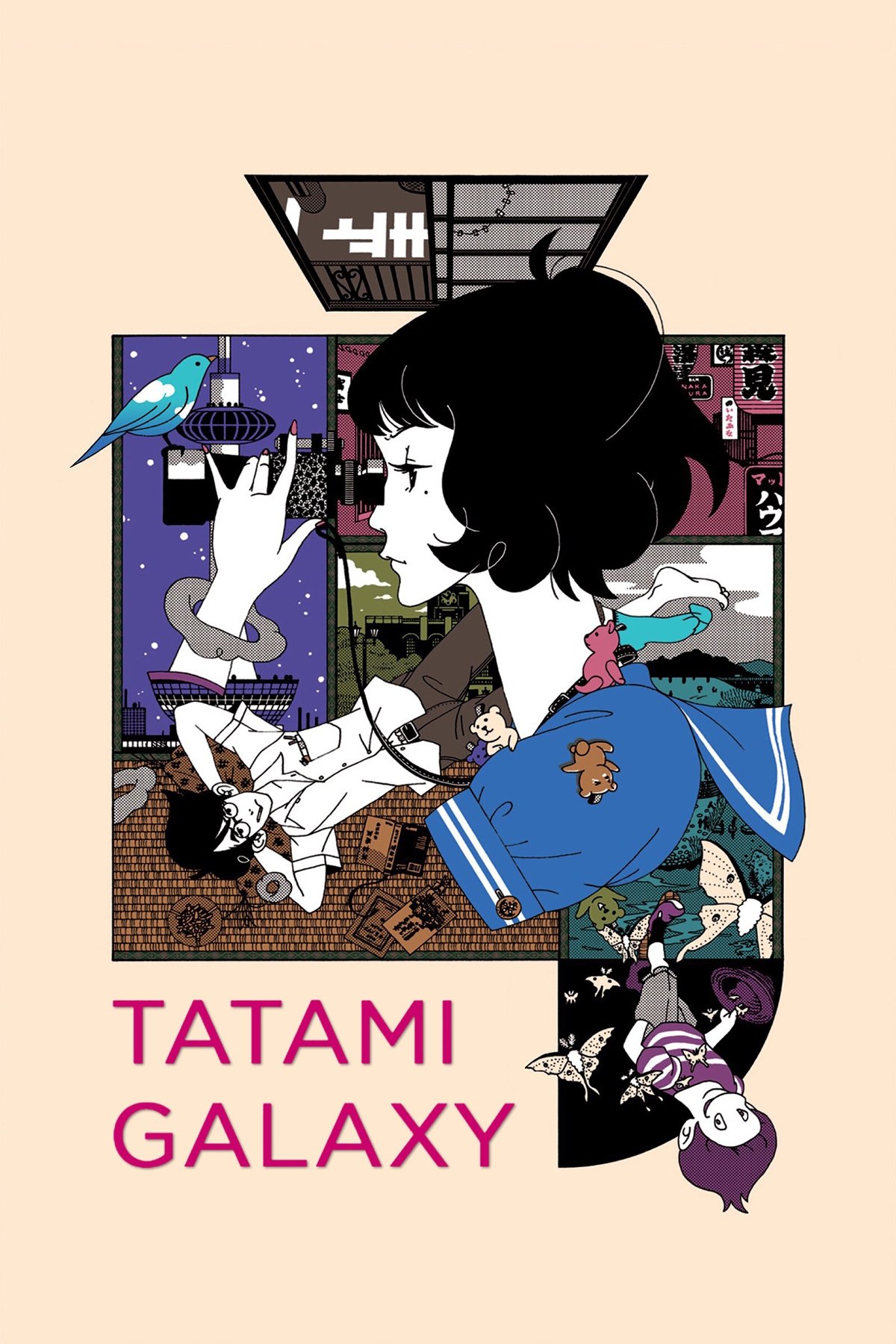
‘The Tatami Galaxy’ follows a college student who keeps reliving his first two years, hoping to find the perfect university experience. Each time, he joins a different club, but things always go wrong, leading to funny and unpredictable situations. Created by Masaaki Yuasa, the show is known for its fast-paced conversations and unique visuals that change with the character’s feelings. It originally aired late at night and didn’t reach a large audience right away, but it’s since become famous for its clever story and thoughtful look at destiny, earning its place as one of the most interesting anime series of recent years.
‘Paranoia Agent’ (2004)
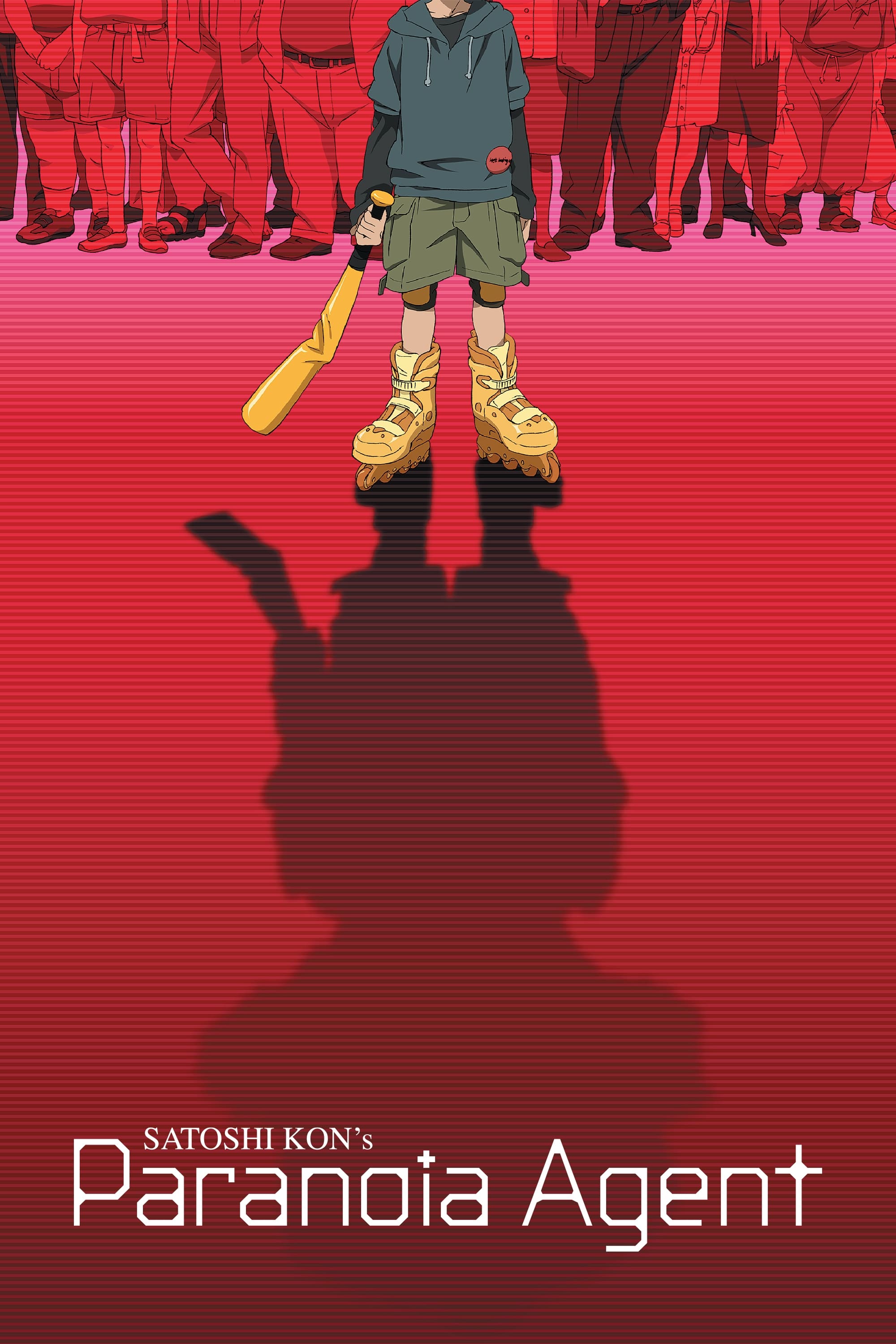
The anime series ‘Paranoia Agent’ starts with a strange attack by a boy on rollerblades called Lil’ Slugger, which quickly leads to copycat incidents throughout Tokyo. As the police try to solve the crimes, it becomes hard to tell what’s real and what’s mass panic, impacting people from all backgrounds. Directed by the late Satoshi Kon, it’s his only television work and offers a sharp look at modern anxieties and how people try to escape through shopping and entertainment. When it first came out, its dreamlike style and confusing timeline were difficult for many viewers. However, it’s now considered a classic psychological thriller and is often analyzed for its clever editing and insightful social themes.
‘Monster’ (2004–2005)

The anime series ‘Monster’ follows Dr. Kenzo Tenma, a brilliant surgeon whose life changes forever when he chooses to save a young boy instead of a prominent politician. Years later, he realizes the boy has become a ruthless serial killer, and the doctor sets out on a quest across Germany to stop him. Known for its realistic portrayal of events and complex characters, ‘Monster’ avoids typical anime clichés, offering a deeply psychological and suspenseful story. While its length of 74 episodes and deliberate pacing once made it hard for some viewers to get into, it’s now considered a masterpiece of suspense and one of the best stories ever told in anime.
‘Serial Experiments Lain’ (1998)
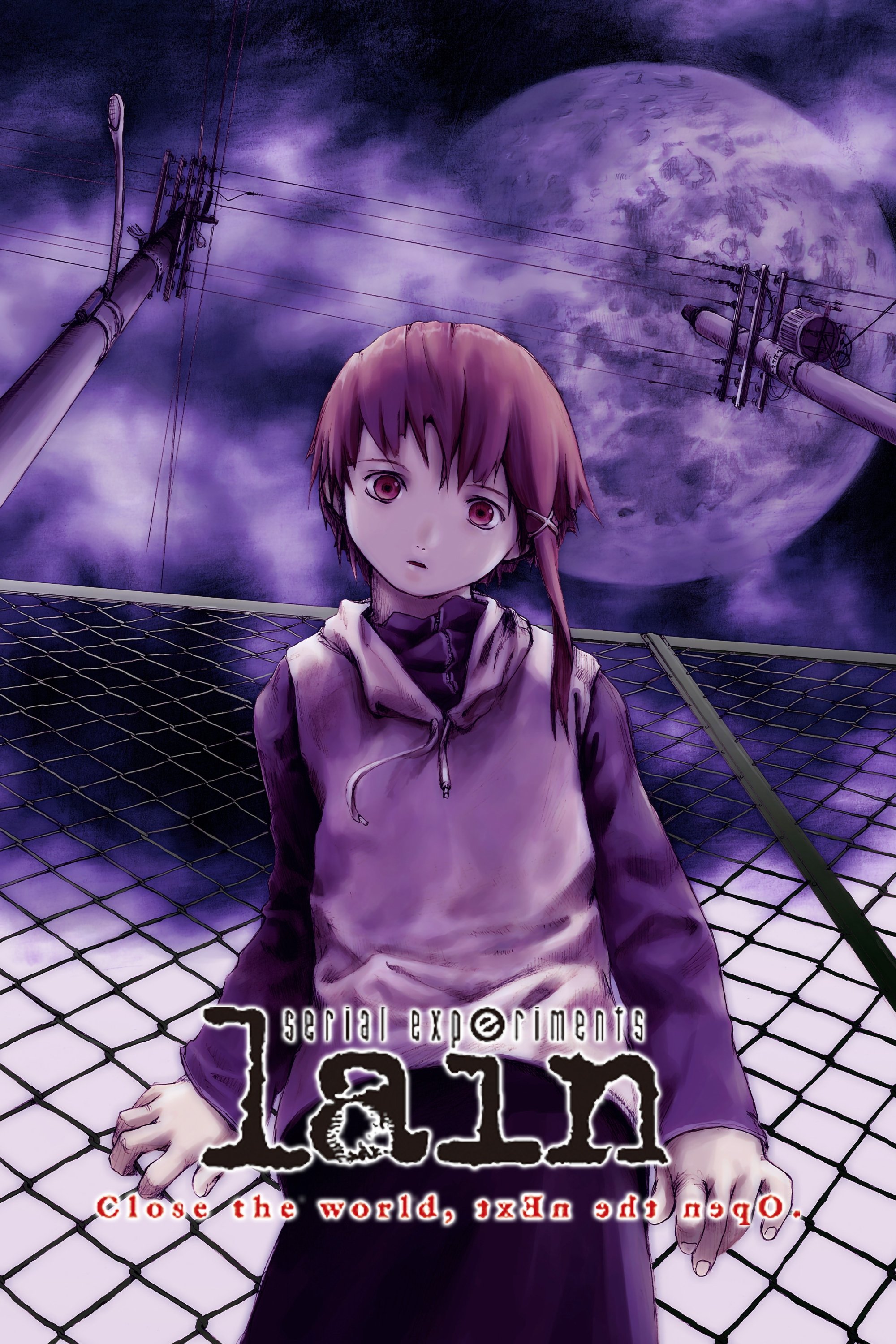
‘Serial Experiments Lain’ centers on Lain, a shy teenager who becomes fascinated with the Wired, a network much like the internet. As she spends more time online, the line between her real life and the digital world starts to blur. The show remarkably foresaw many features of today’s social media and the mental impact of being constantly connected, doing so years before these things became common. While its complex visuals and thought-provoking ideas made it a hit with a dedicated fanbase in the late 90s, it didn’t achieve widespread popularity. Now, it’s often studied by academics for its insightful look at identity and technology.
‘Texhnolyze’ (2003)
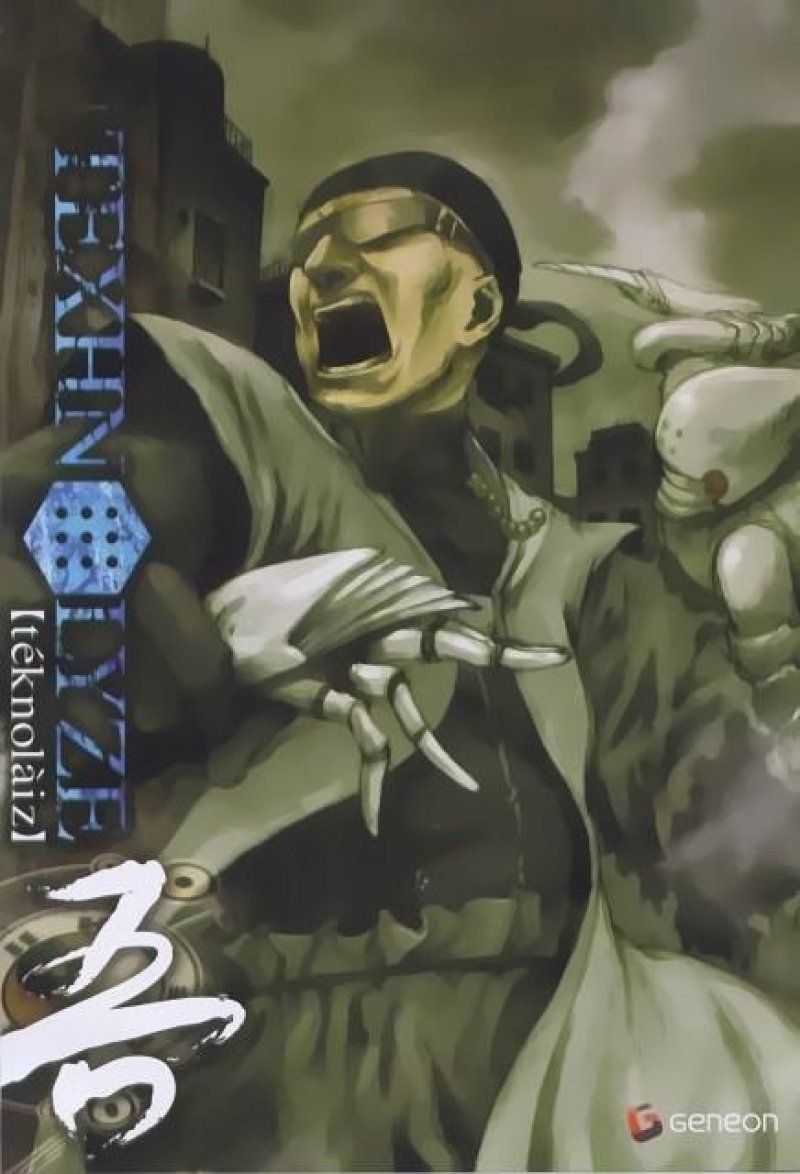
I first discovered ‘Texhnolyze’ and was immediately drawn into its incredibly unique world. It takes place in Lukuss, this decaying city built underground, where different groups are constantly battling for control of the tech that makes artificial limbs. The story centers around Ichise, a fighter who gets seriously injured and ends up with these experimental prosthetics, which throws him into a much bigger, darker plot about what the future holds for all of us. Honestly, it’s a really slow burn – the first episode barely has any talking! A lot of people were turned off by that, expecting a fast-paced cyberpunk adventure. But if you stick with it, you realize it’s something truly special. It’s not afraid to be bleak and really dives into themes of meaninglessness and what it means to evolve. It’s a tough watch, but incredibly rewarding if you appreciate a truly uncompromising artistic vision.
‘Mononoke’ (2007)
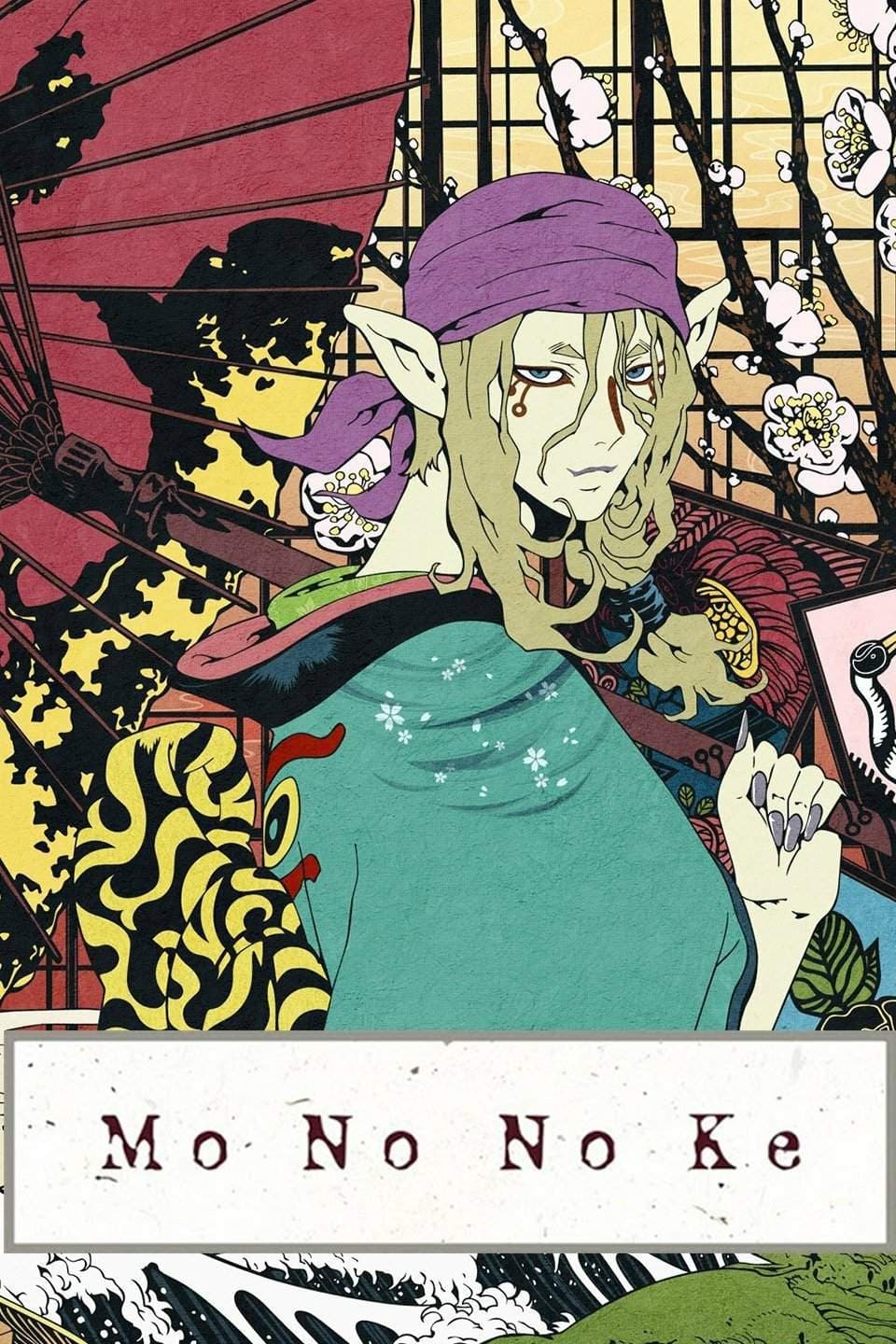
‘Mononoke’ follows the mysterious Medicine Seller as he journeys through different eras of Japan, battling dangerous spirits. To defeat each spirit, he has to understand its origins – its shape, its truth, and its sorrow – through careful detective work. The show is known for its striking visuals, which look like traditional Japanese paper art and use bold, colorful designs. Though it began as a spin-off of the ‘Ayakashi: Samurai Horror Tales’ series and started with a smaller audience, ‘Mononoke’ has become celebrated as a stunning work of psychological horror thanks to its unique style and deep storytelling.
‘Haibane Renmei’ (2002)
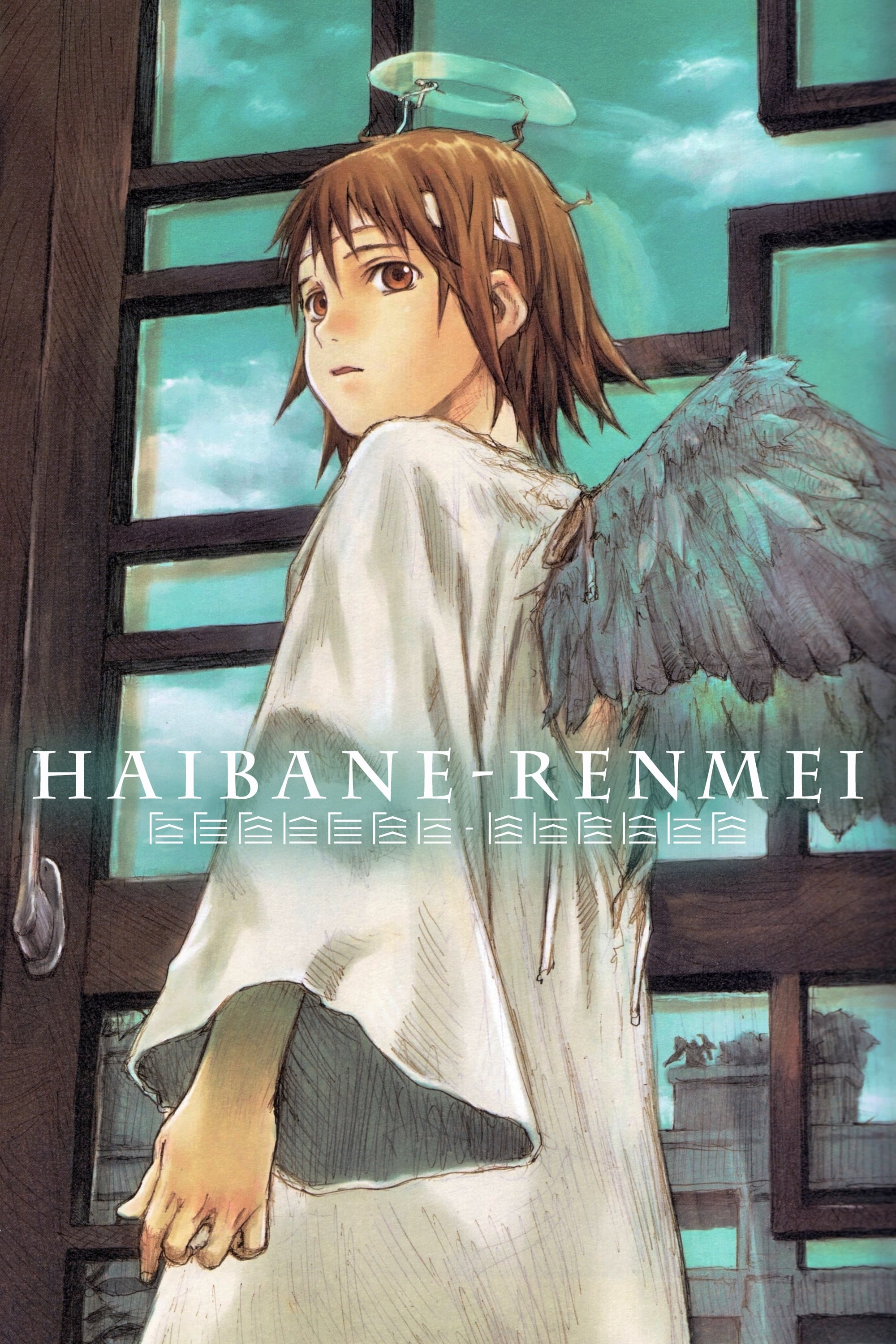
‘Haibane Renmei’ introduces Rakka, a young woman who emerges from a cocoon in a walled city populated by winged beings called Haibane. These residents have no memories of their past and live by a set of rules as they await a significant event known as their “Day of Flight.” The story centers on the everyday lives and emotional journeys of the Haibane community, rather than offering clear explanations to the series’ mysteries. While its calm and somewhat sad atmosphere meant it didn’t gain much attention compared to more action-packed shows at the time, it’s now praised for its thoughtful exploration of themes like guilt, forgiveness, and what it means to be human.
‘Baccano!’ (2007)
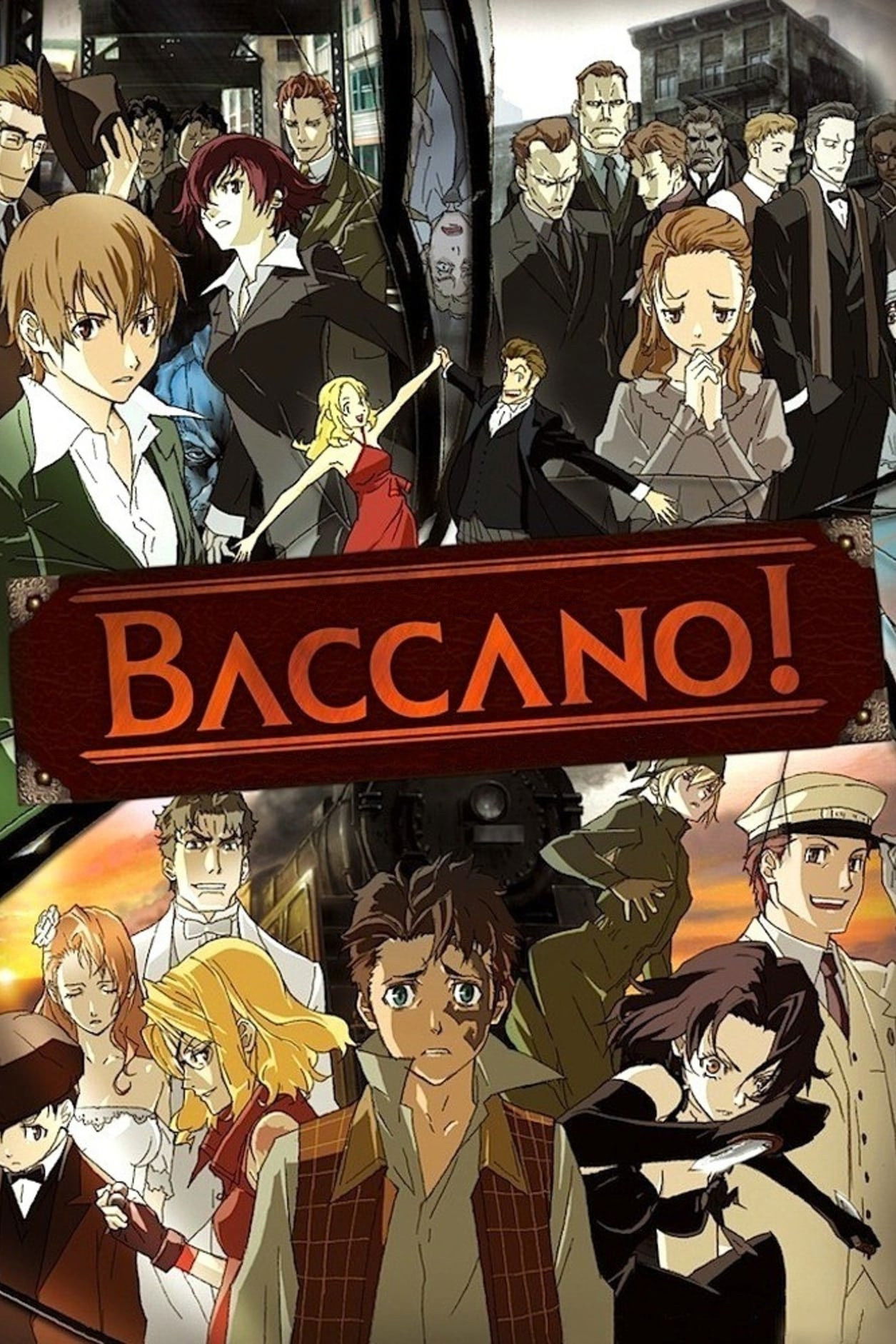
I first found ‘Baccano!’ really confusing, honestly. It jumps all over the place – different years, different cities – and throws you right into this world of alchemists, gangsters, and thieves during the Prohibition. A lot of it centers around a crazy train ride on the Flying Pussyfoot, and keeping track of everyone and everything was tough when it first came out. But it really took off when people started watching it at home and it became popular overseas. Now, I totally get why everyone loves it! It’s so fast-paced and energetic, the music is fantastic, and it’s amazing how all the different storylines eventually come together so perfectly.
‘Ergo Proxy’ (2006)
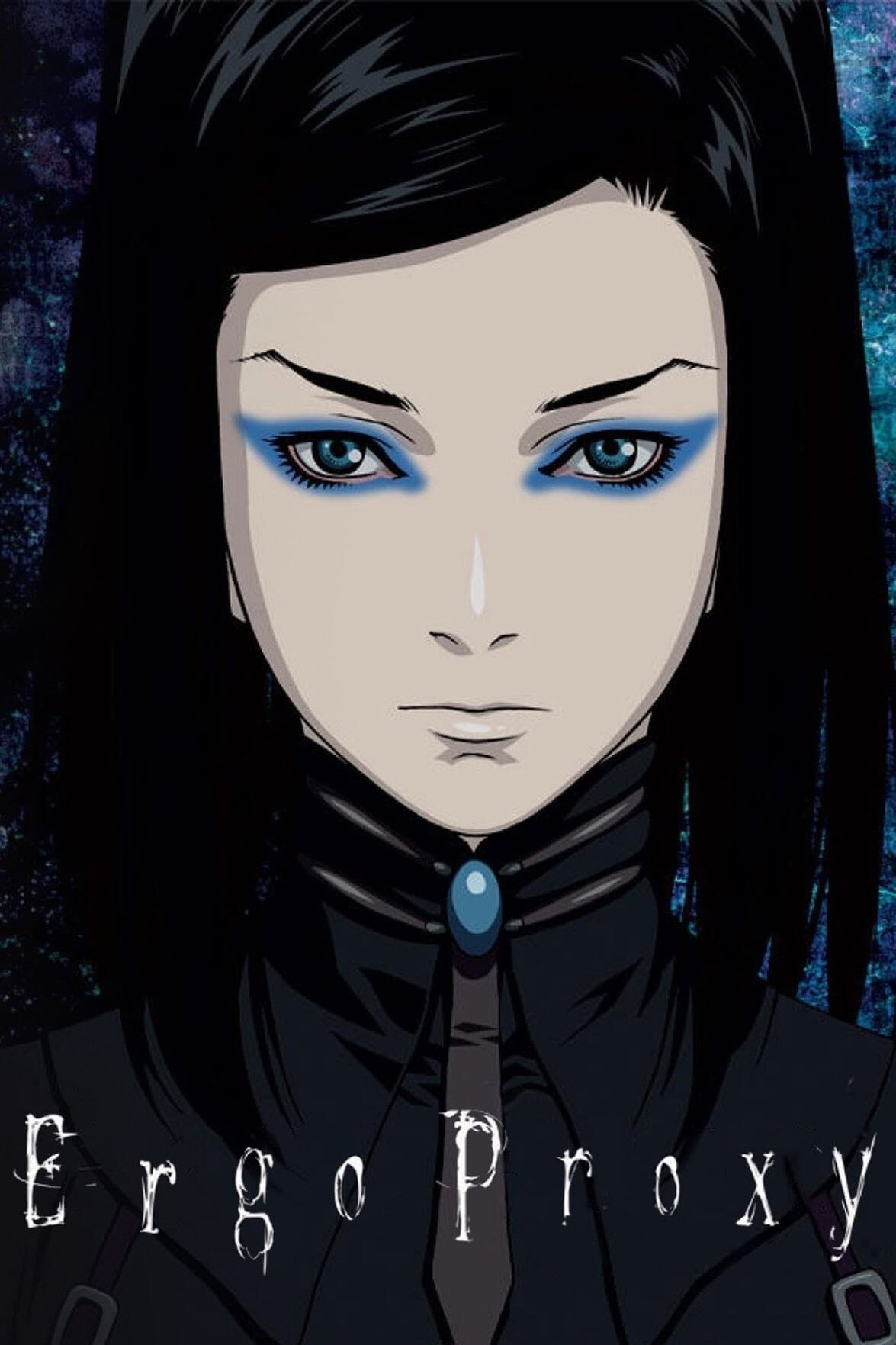
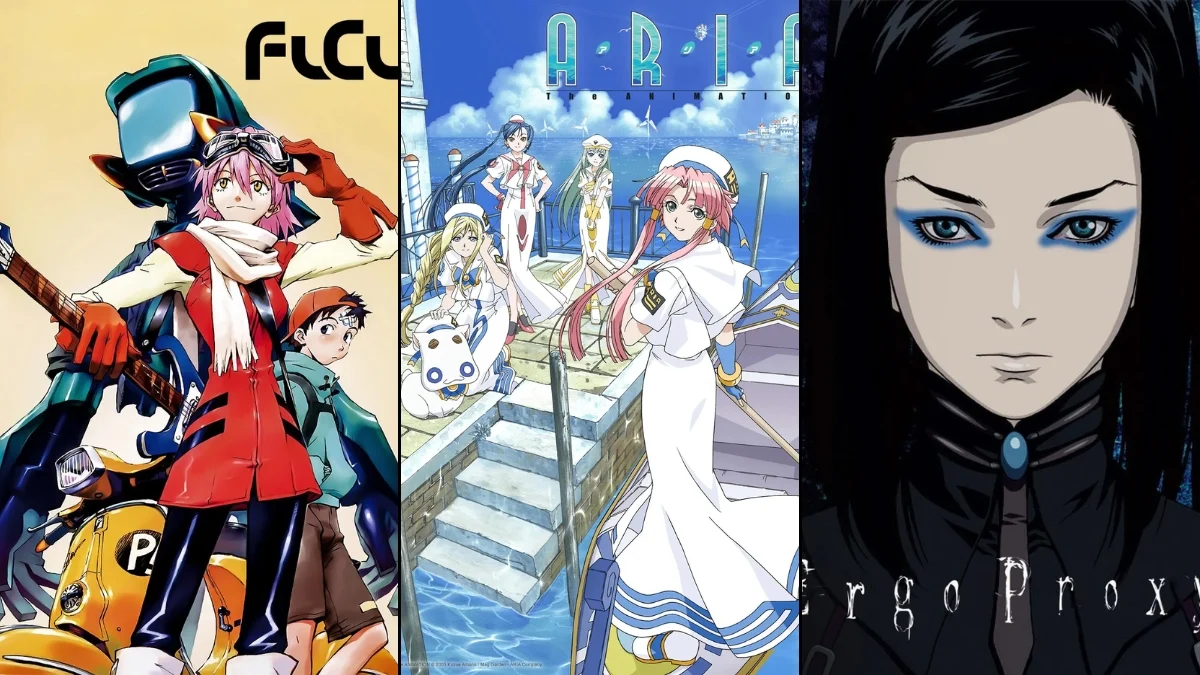
‘Ergo Proxy’ is a dark, futuristic anime series set in the enclosed city of Romdo, where people live alongside highly advanced androids called AutoReivs. The story centers on inspector Re-l Mayer, who investigates a strange virus that gives androids consciousness. Her investigation uncovers the hidden truths about how the city was built. The show is filled with ideas from Western philosophy, psychology, and classic literature, making it a thought-provoking watch. Though it wasn’t immediately popular due to its complex themes and gloomy style, it’s now considered a landmark anime from the mid-2000s, proving the genre can explore serious and complicated subjects.
‘Katanagatari’ (2010)
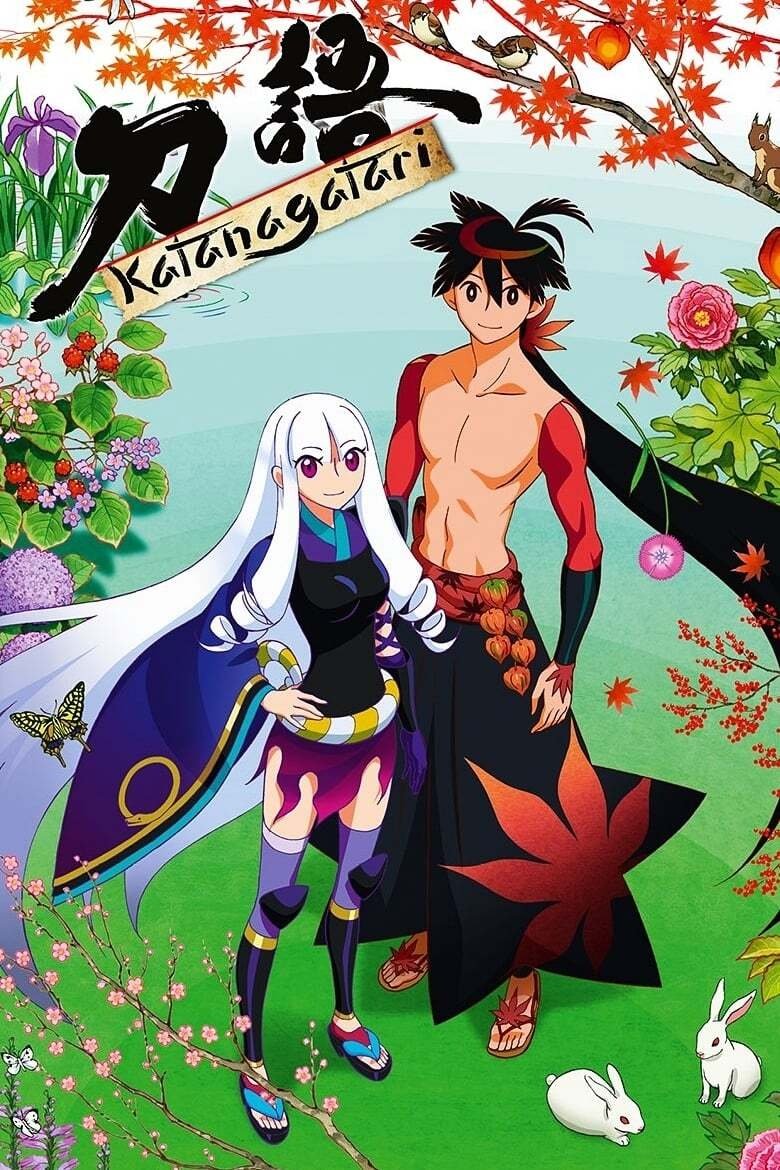
‘Katanagatari’ centers on the swordsman Shichika and the clever strategist Togame as they travel throughout historical Japan seeking twelve powerful, legendary swords. The show originally aired over a year with just two episodes released at a time, which slowed down its initial popularity. It’s known for having a lot of conversation and a very unique, unconventional art style. Although it features extensive dialogue, the story ultimately leads to a deeply satisfying and meaningful conclusion. Over time, ‘Katanagatari’ has become highly regarded as a modern classic, praised for its fresh take on adventure stories and its distinctive visuals.
‘Ping Pong the Animation’ (2014)
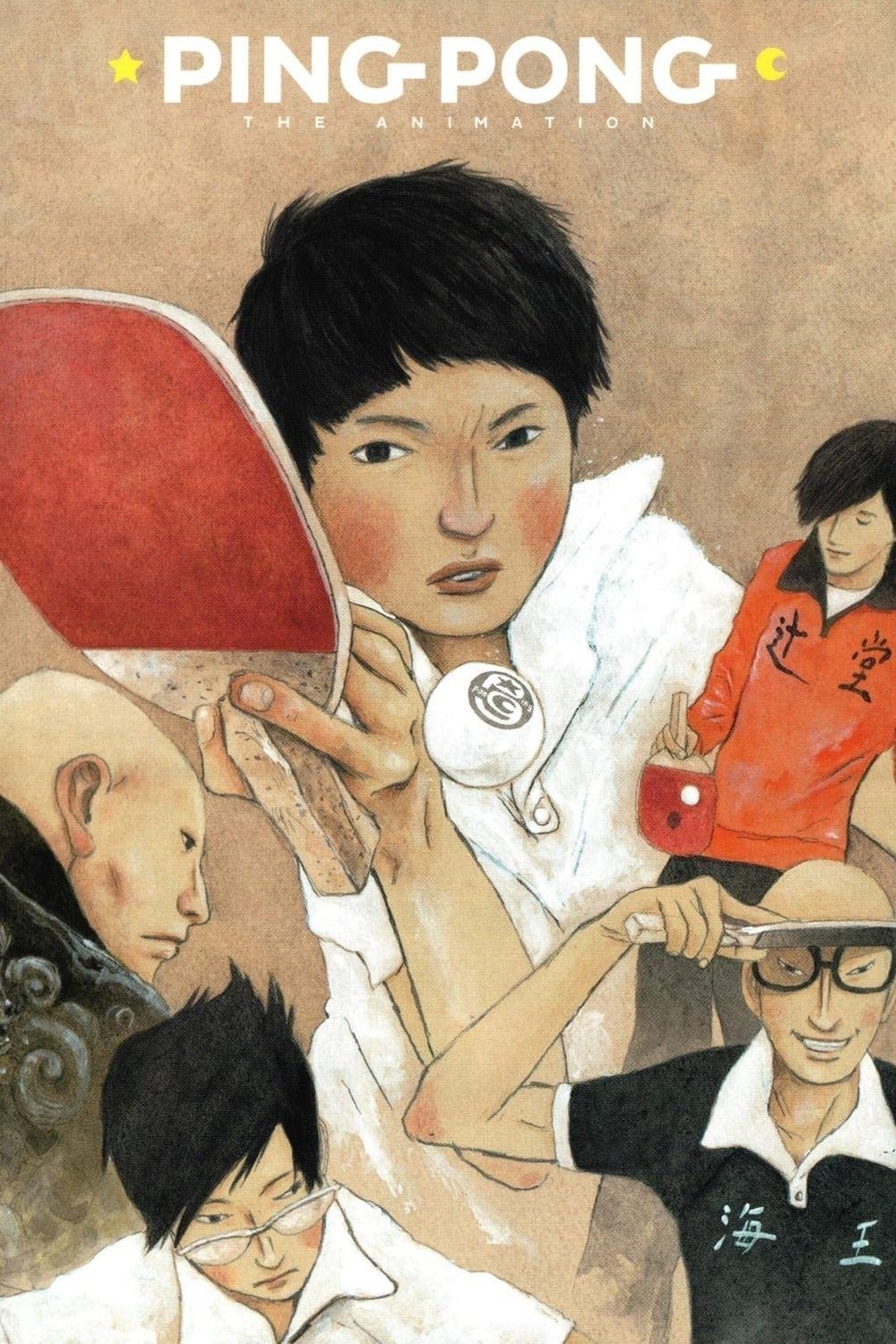
‘Ping Pong the Animation’ tells the story of Peco and Smile, two friends who face off against each other in the intense world of high school table tennis. The show stands out visually with a unique, energetic animation style that was different from most anime at the time. While some viewers were initially surprised by the unconventional look, the series quickly gained praise for its strong direction and deeply developed characters. Many now consider it one of the greatest sports anime ever made, thanks to its realistic portrayal of the mental challenges athletes face.
‘March Comes in Like a Lion’ (2016–2018)
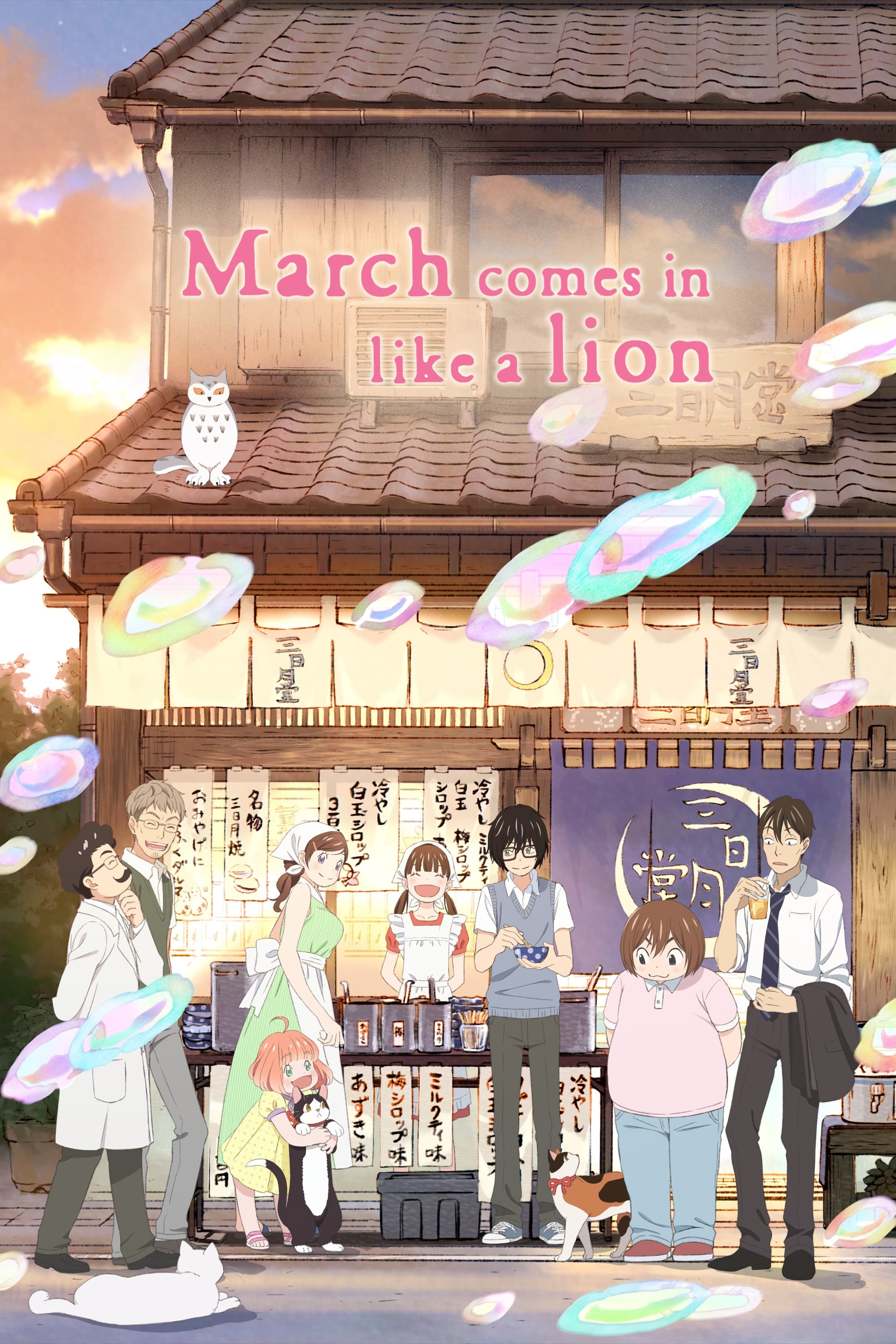
‘March Comes in Like a Lion’ tells the story of Rei Kiriyama, a professional shogi player battling loneliness and depression. His life starts to improve when he’s taken in by three sisters who provide the family and support he’s always needed. The series skillfully combines the detailed world of competitive shogi with a sensitive and honest exploration of mental health and past trauma. Though critically acclaimed from the beginning, its subtle storytelling meant it gradually gained popularity internationally. Now, it’s celebrated for its beautiful animation by Studio SHAFT and its relatable depiction of human relationships.
‘Gankutsuou’ (2004–2005)
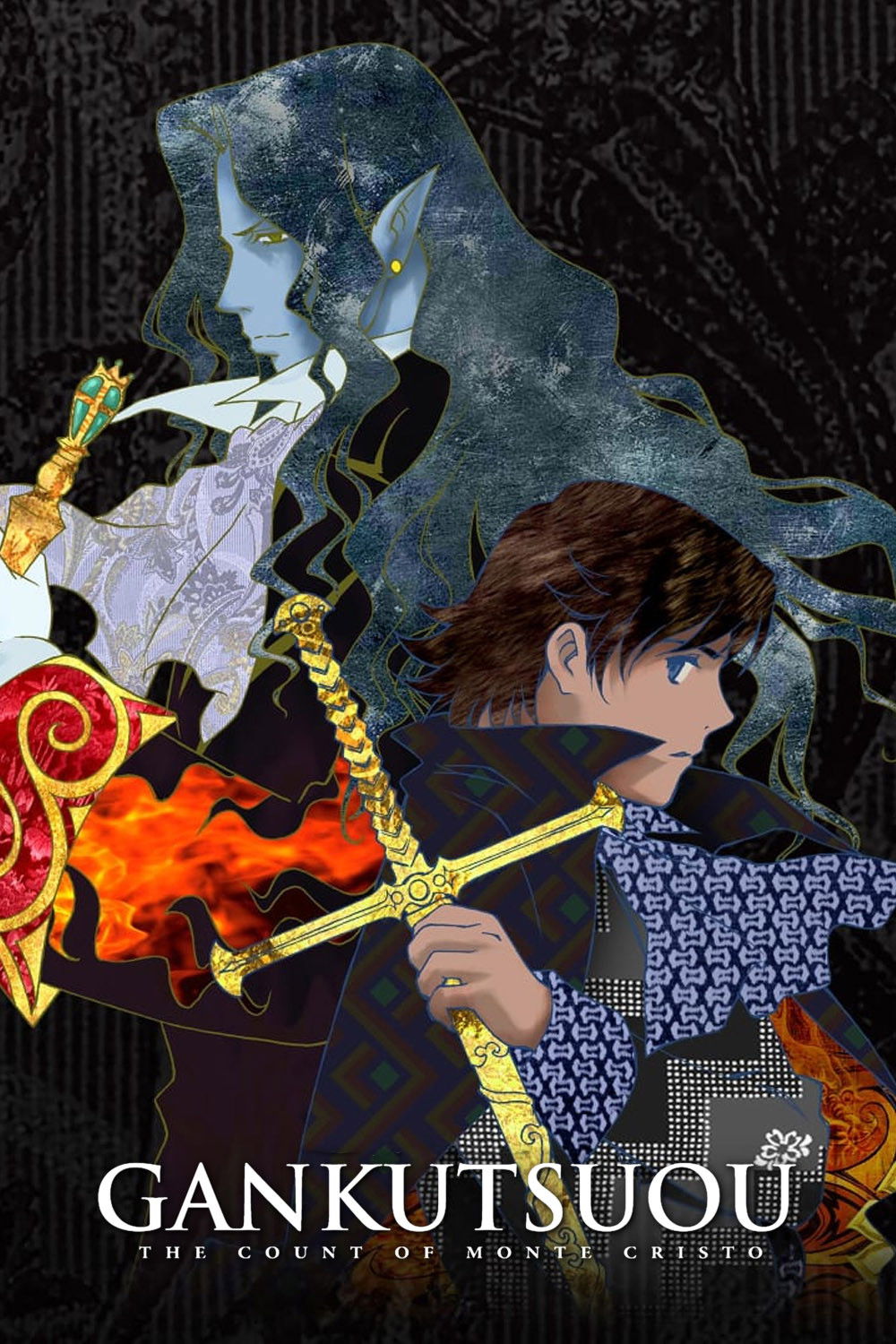
‘Gankutsuou: The Count of Monte Cristo’ is a visually stunning and futuristic take on the classic Alexandre Dumas story, taking place in the year 5053. The story unfolds through the eyes of Albert de Morcerf, a young nobleman captivated by the enigmatic and incredibly rich Count. The series is well-known for its unique and experimental art style – it uses still digital patterns and textures as characters move around. Though unusual when it first aired, this bold approach has earned it a reputation as a creative masterpiece, praised for its innovative adaptation and beautiful design.
‘Revolutionary Girl Utena’ (1997)
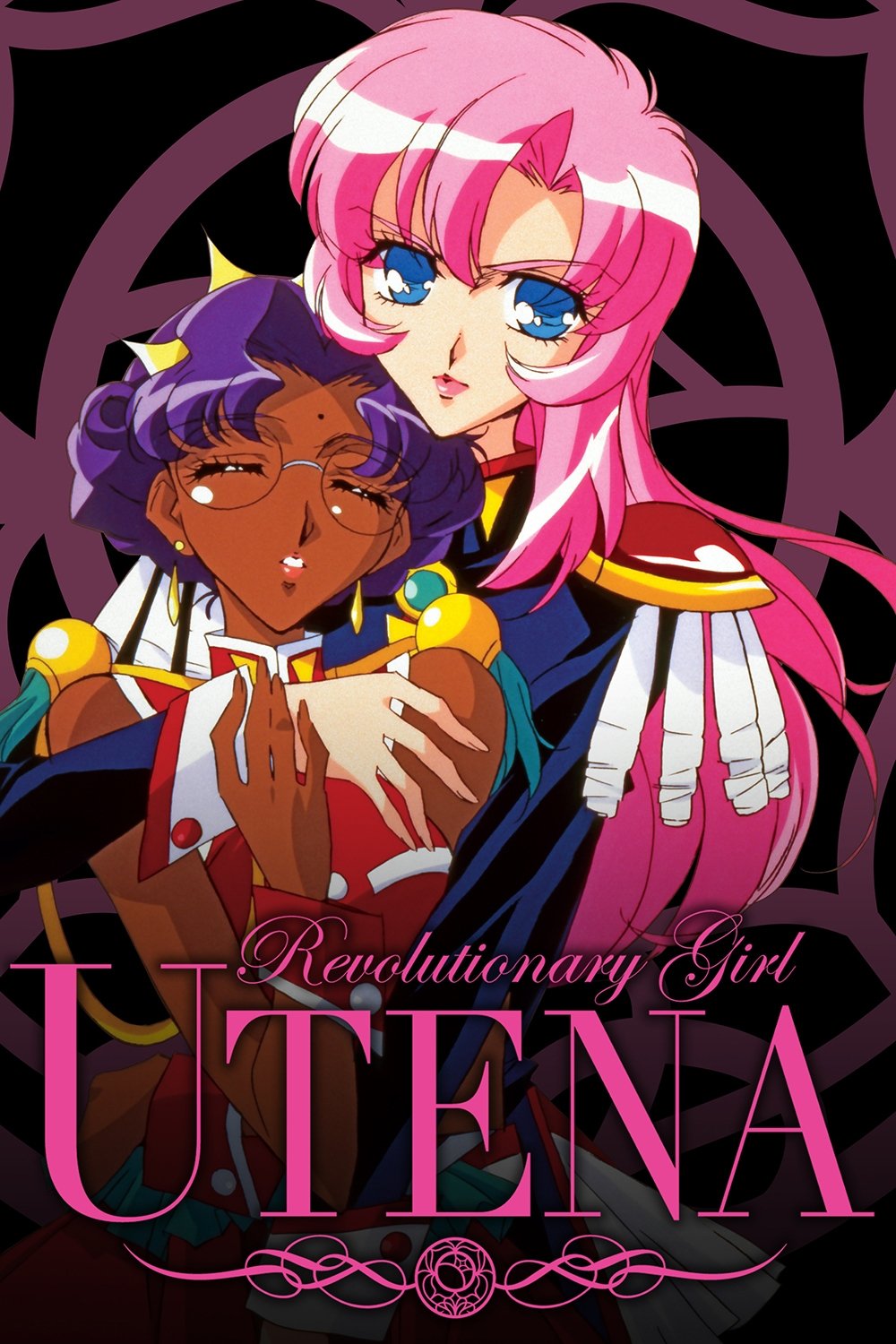
‘Revolutionary Girl Utena’ centers on Utena Tenjou, a girl who wants to be a prince, and her involvement in strange sword fights at Ohtori Academy. These duels are all for the chance to marry the Rose Bride, who is believed to have the power to change the world. The series is filled with symbolism and repeating images, and it tackles complex themes like gender, sexuality, and growing up. Though popular with a dedicated fanbase in the late 90s, its impact on the “magical girl” genre and LGBTQ+ representation wasn’t fully appreciated until later. Today, it’s celebrated as a key work in feminist anime.
‘Legend of the Galactic Heroes’ (1988–1997)
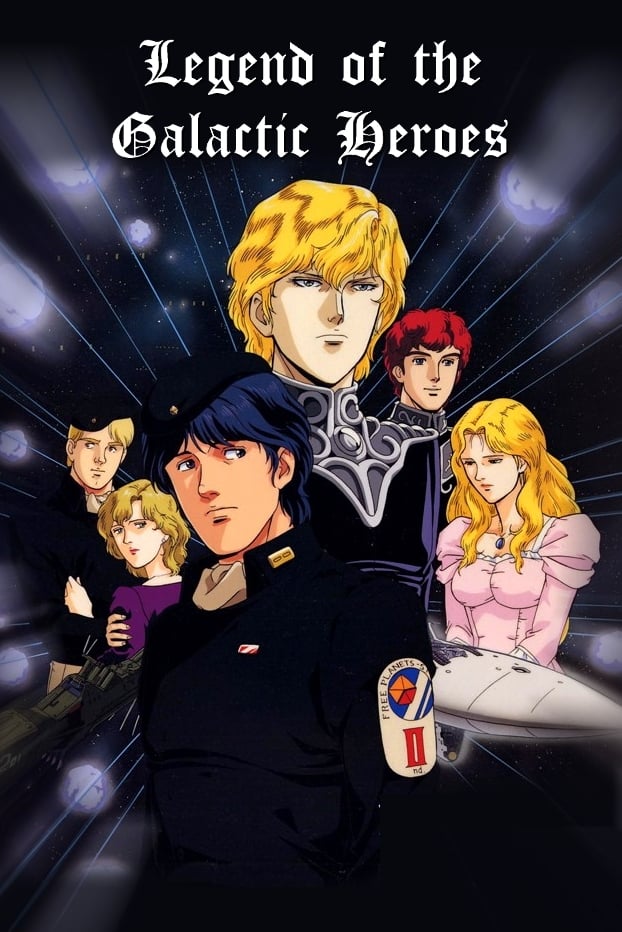
‘Legend of the Galactic Heroes’ is an epic space opera that tells the story of a huge war between the Galactic Empire and the Free Planets Alliance. At its heart, it’s about the intense competition between two incredibly talented military leaders, Reinhard von Lohengramm and Yang Wen-li. For many years, the series was a well-kept secret, released mainly through mail order. With a vast cast of hundreds of characters, it delves into complicated ideas about politics and history. Thanks to streaming and digital availability, the 110-episode series has become increasingly popular with fans around the world.
‘Welcome to the N-H-K’ (2006)
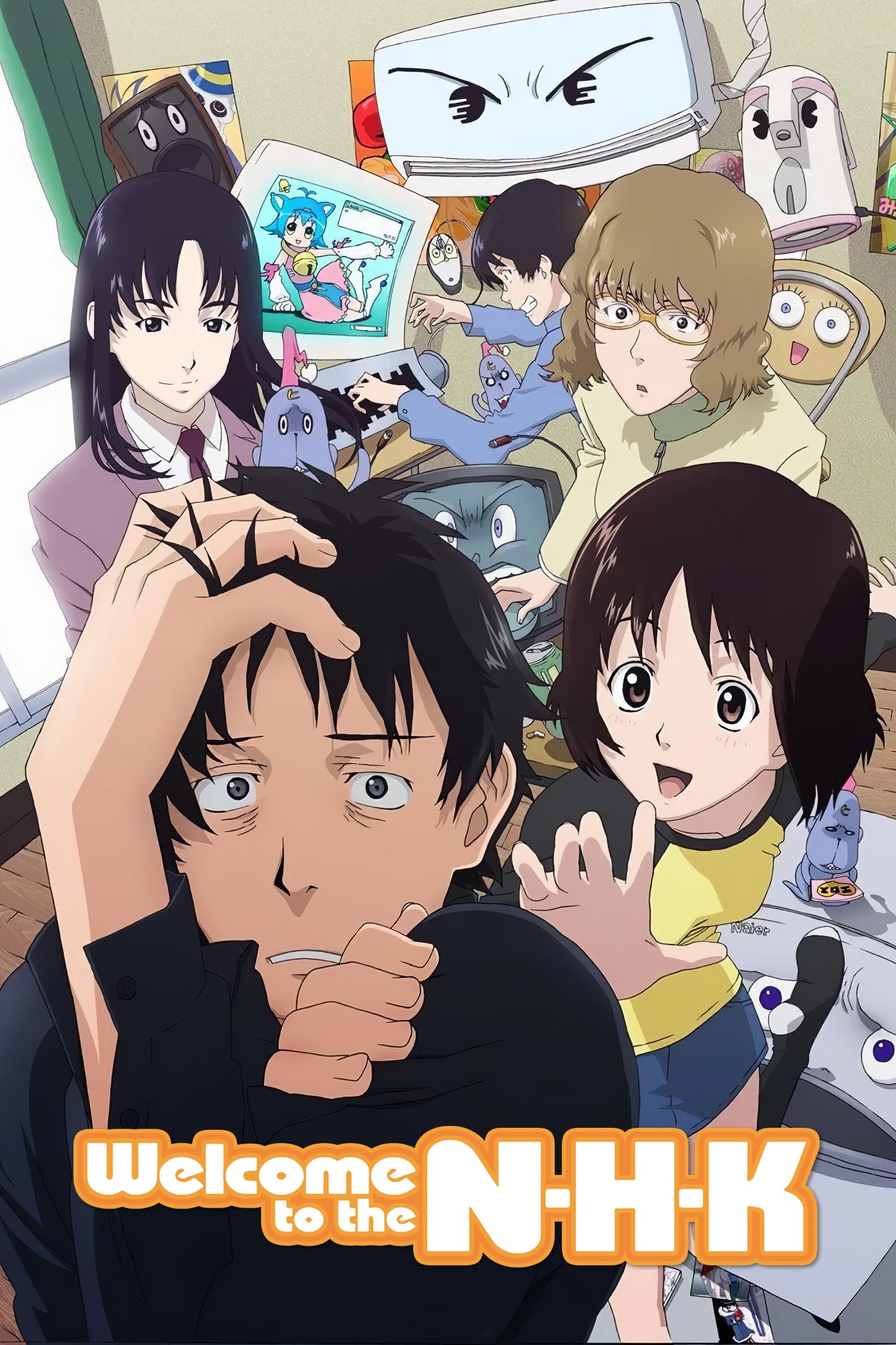
‘Welcome to the N.H.K.’ follows Tatsuhiro Sato, a 22-year-old who has dropped out of college and shut himself off from society. He’s convinced that the public broadcasting station NHK is behind his problems and isolation. The show uses dark comedy to explore difficult issues in Japan, like joblessness, online suicide groups, and deceptive pyramid schemes. When it first came out, the show’s topics were considered unusual and disturbing for many. However, it’s since gained a dedicated following for its realistic and honest portrayal of social anxiety and the challenges of reconnecting with the world.
‘Kyousougiga’ (2013)
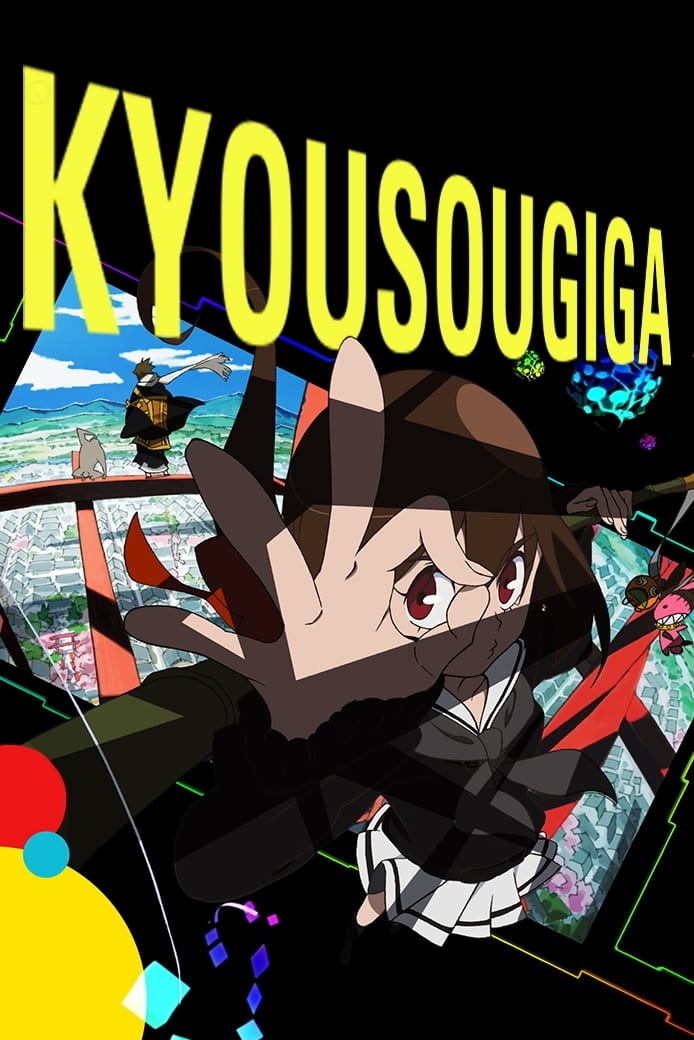
Kyousougiga is set in Mirror Kyoto, a lively city filled with both humans and spirits, ruled by three siblings. The story centers around Koto, a girl searching for her parents, whose arrival throws the city’s balance into chaos. Originally released as online animated shorts, the series was later developed into a full TV show. While it didn’t immediately gain widespread attention, its fast-paced action and complex backstory eventually attracted a dedicated fanbase who appreciate its focus on family and its creatively designed world.
‘The Big O’ (1999–2003)
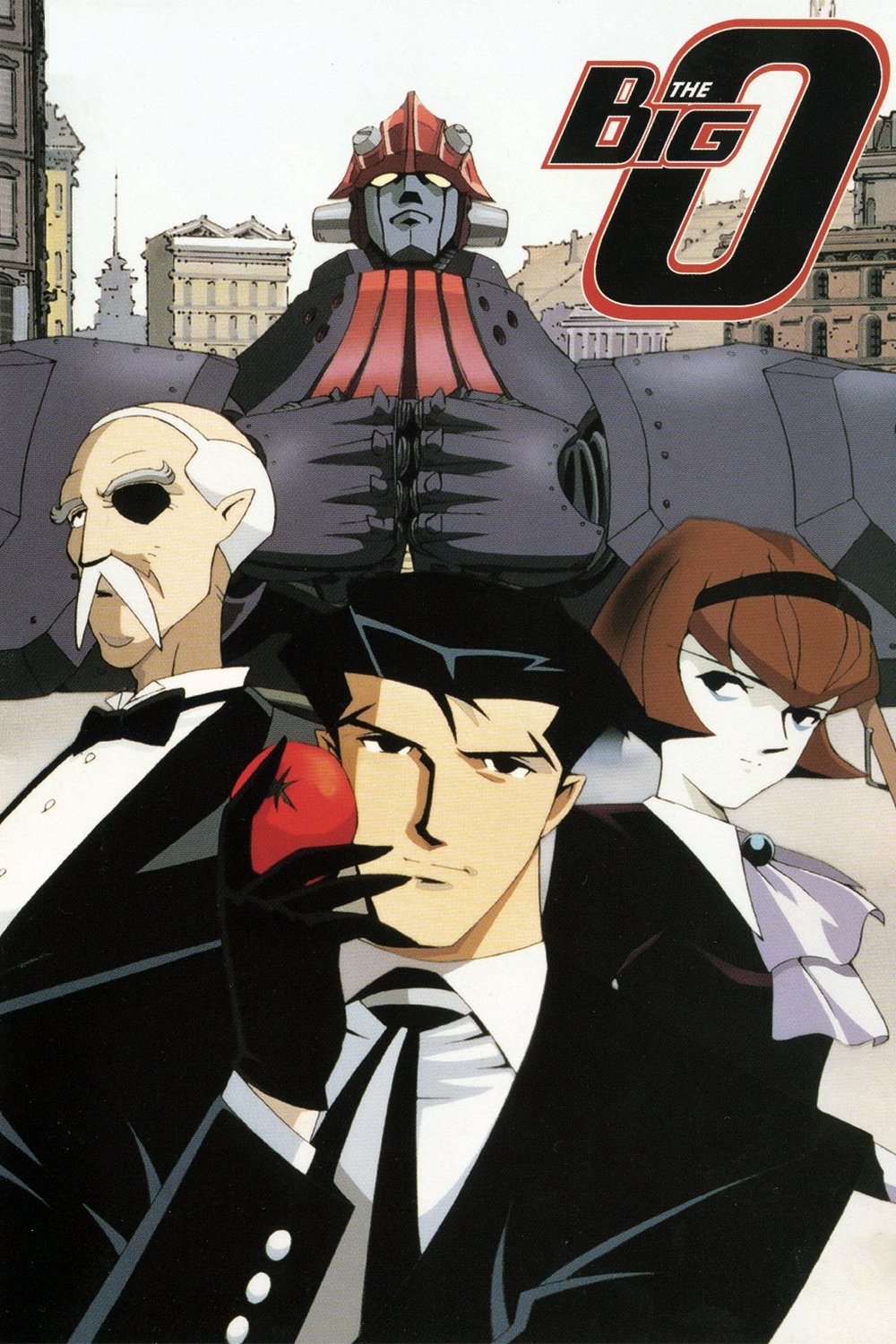
“The Big O” is a stylish, futuristic detective show with giant robots. It takes place in Paradigm City, where everyone lost their memories decades ago. The main character, Roger Smith, is a negotiator who pilots a massive robot to investigate mysteries and fight dangers connected to the city’s lost history. The show’s visuals are strongly inspired by classic American cartoons and “Batman: The Animated Series.” Originally, it wasn’t popular in Japan and was almost canceled, but its growing fanbase in Western countries led to a second season. Now, it’s celebrated for its unusual blend of Western detective stories and Japanese mecha (giant robot) themes.
‘FLCL’ (2000–2001)
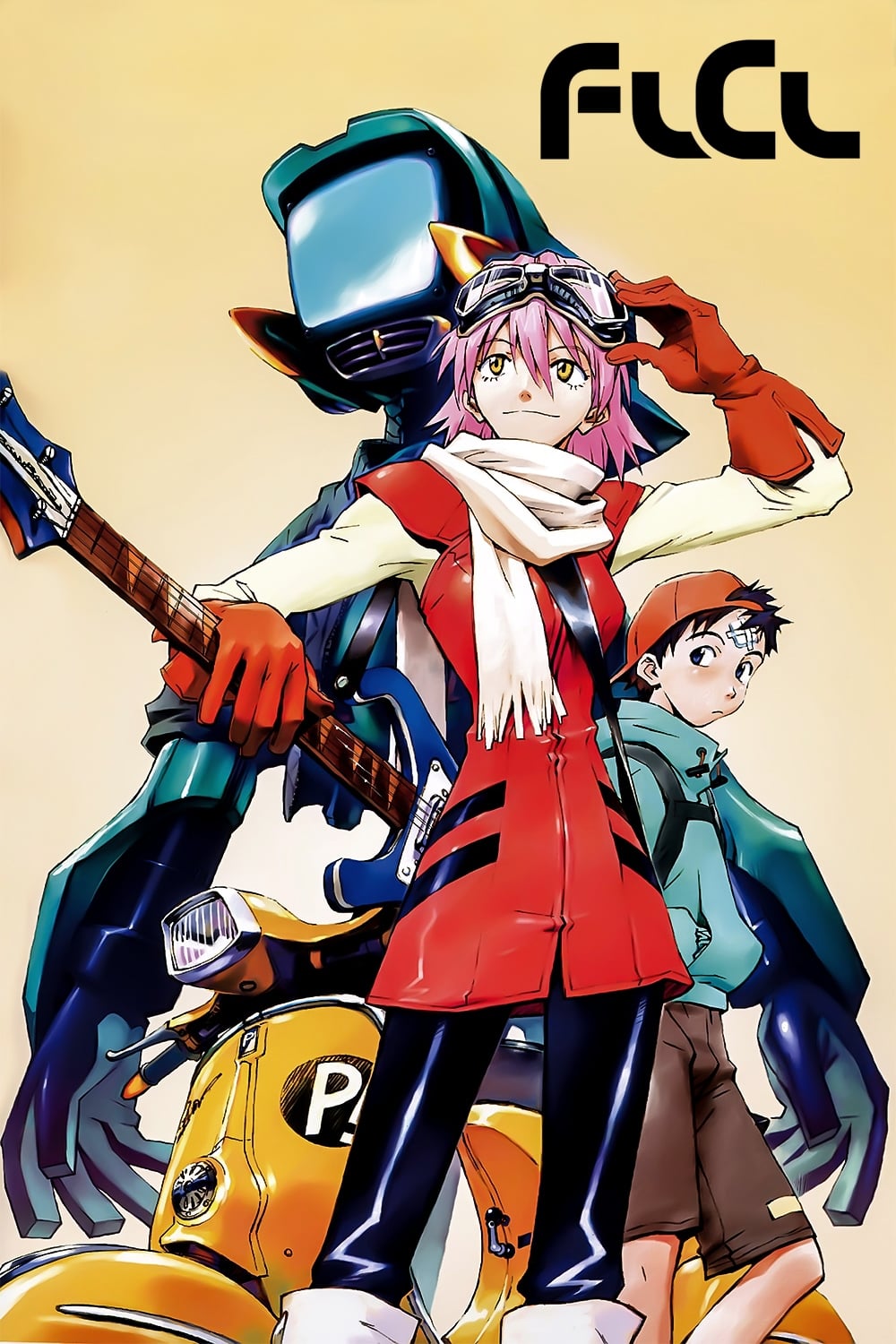
FLCL is a short, six-episode animated series about a twelve-year-old boy named Naota whose ordinary life is turned upside down when he meets Haruko, a woman who rides a Vespa. The show is known for its incredibly energetic and unconventional animation style, and it uses a bizarre storyline to represent the confusing experience of growing up. When it first came out, many people found its plot and fast pace confusing, but its amazing soundtrack by the band The Pillows and its unique visual style eventually gained it a large international following. Today, FLCL is considered a groundbreaking anime from the early 2000s that really expanded the possibilities of animation.
‘Kaiba’ (2008)
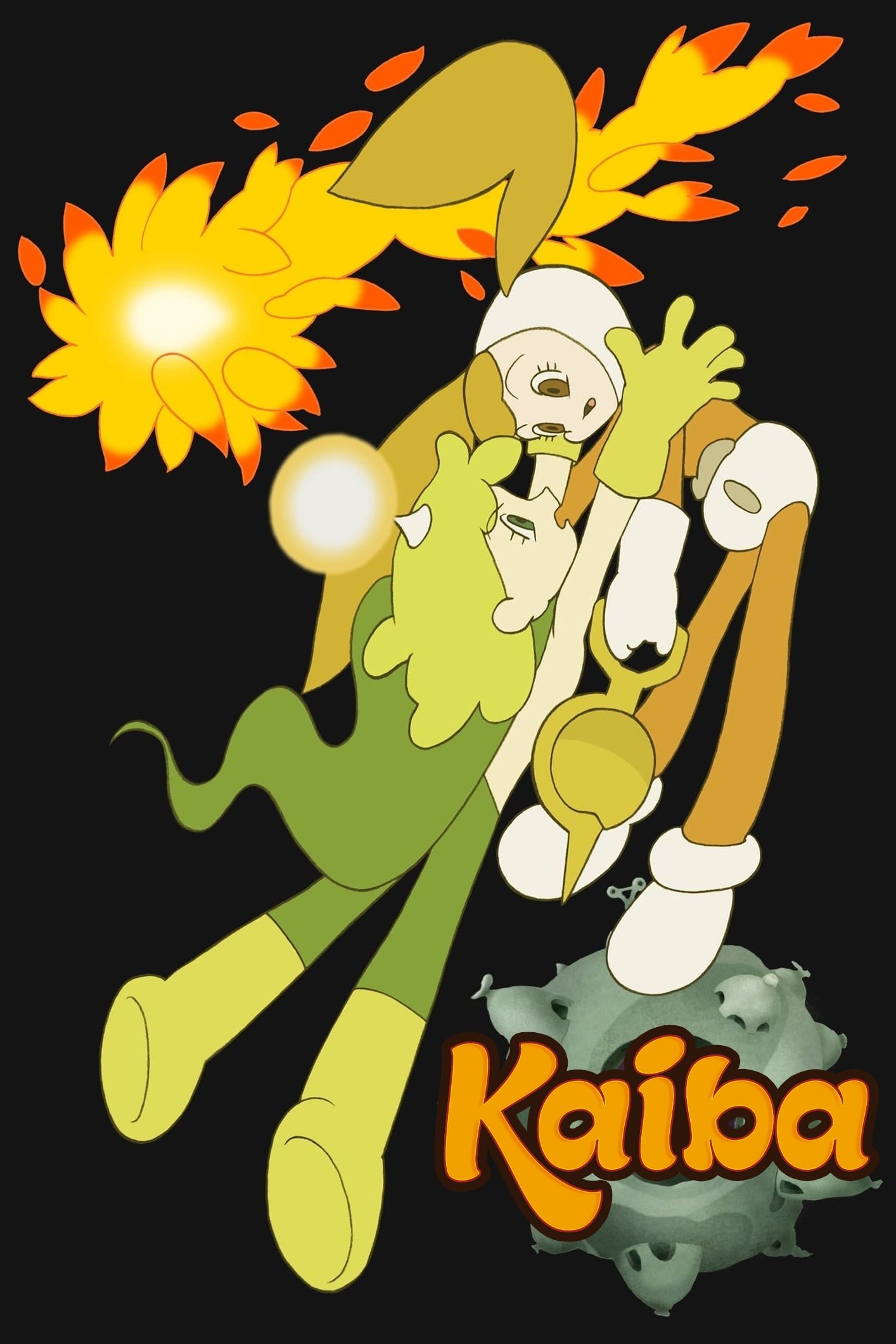
In the world of ‘Kaiba,’ people can save their memories on chips and transfer them to new bodies, giving the rich a path to immortality. The story centers on Kaiba, a man who wakes up with amnesia and journeys across planets, trying to figure out who he is. The anime has a unique art style, looking like cartoons from the early 1900s, which is surprising given its serious and often sad themes. While it didn’t become widely popular when it first came out because of its unusual look, it’s now celebrated for its beautiful visuals and deeply moving look at memory and what it means to be human.
‘Princess Tutu’ (2002–2003)
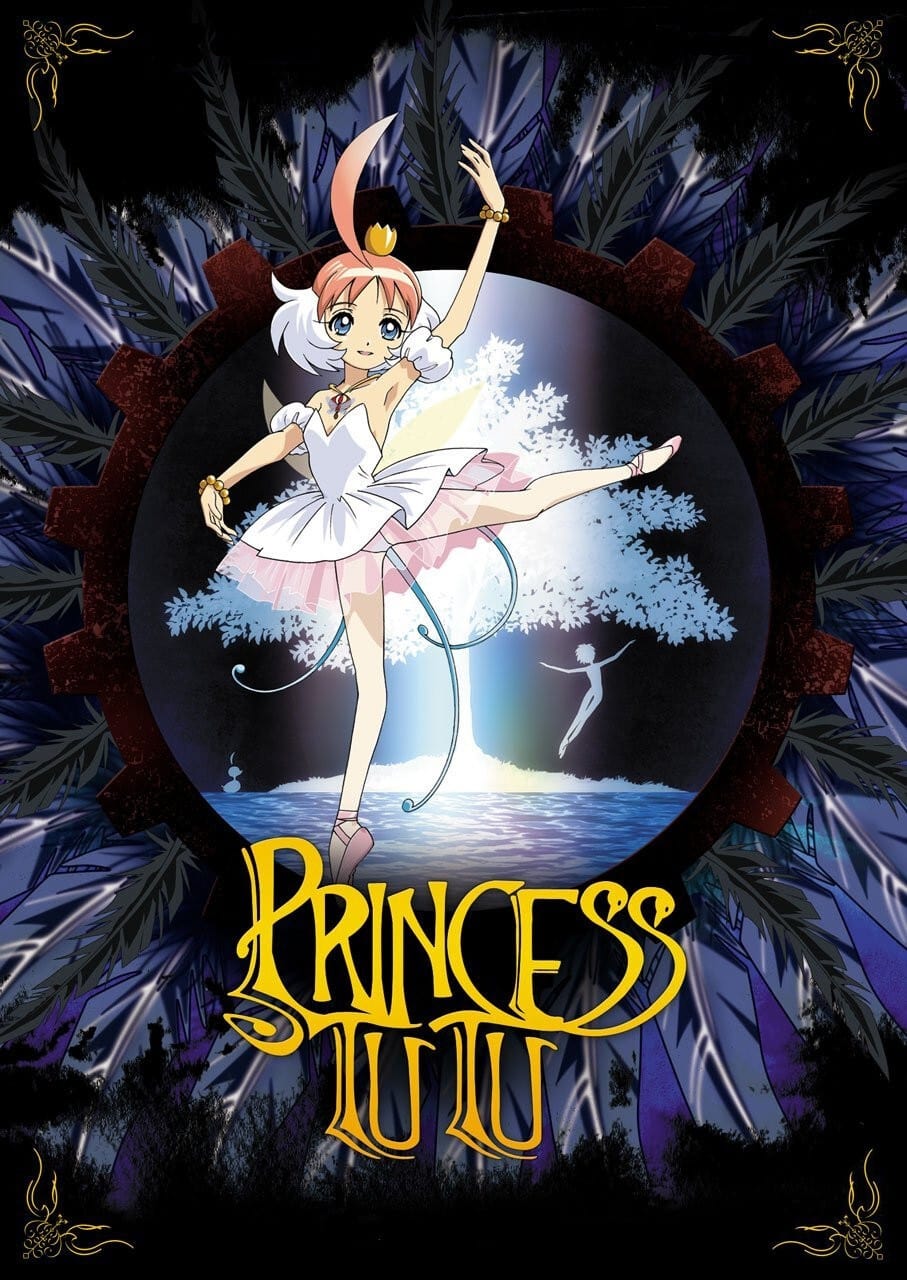
‘Princess Tutu’ appears to be a simple story about a duck turned into a girl tasked with helping a prince feel emotions again. However, it’s much more than a typical magical girl show – it’s a thoughtful and surprisingly dark reimagining of classic fairy tales. The series uniquely blends classical ballet and music into its storytelling, and delves into themes of free will versus fate. Initially overlooked because of its initial marketing, ‘Princess Tutu’ has since gained a dedicated following and is now celebrated for its intelligent writing and deeply moving story, often appearing on ‘must-watch’ lists.
‘Aria’ (2005)
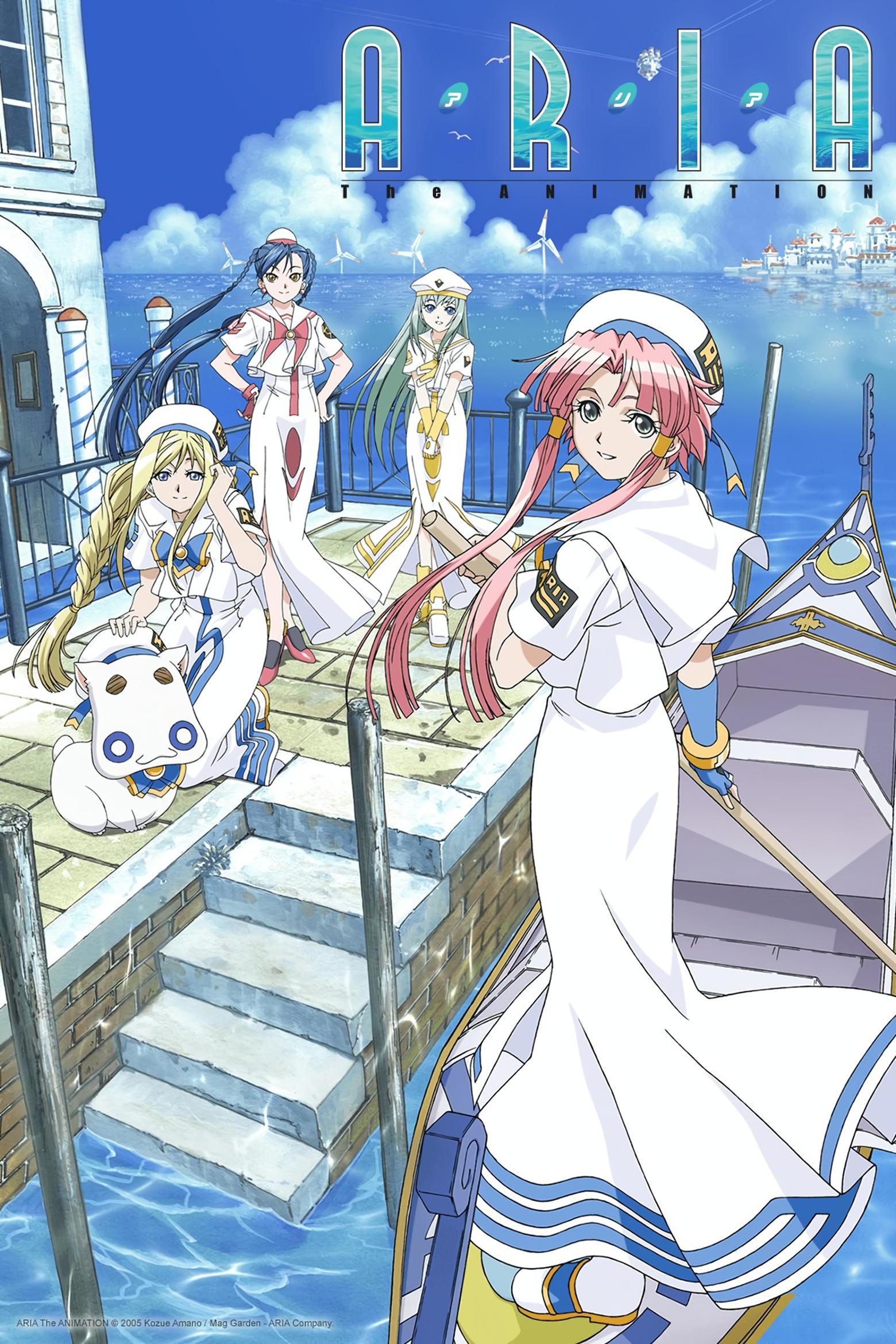
‘Aria the Animation’ takes place on Mars, which has been transformed into a water world called Aqua, and features a city named Neo-Venezia inspired by Venice. The story centers around Akari Mizunashi and her journey to become a professional gondolier, known as an Undine. The series is well-known for its relaxed pace and its ability to find beauty in everyday moments. Released during a time when fast-paced action and complex sci-fi were popular, ‘Aria’ quietly gained a loyal international following. Today, it’s considered a prime example of the ‘healing’ anime genre, celebrated for its positive and peaceful vibe.
‘Kino’s Journey’ (2003)
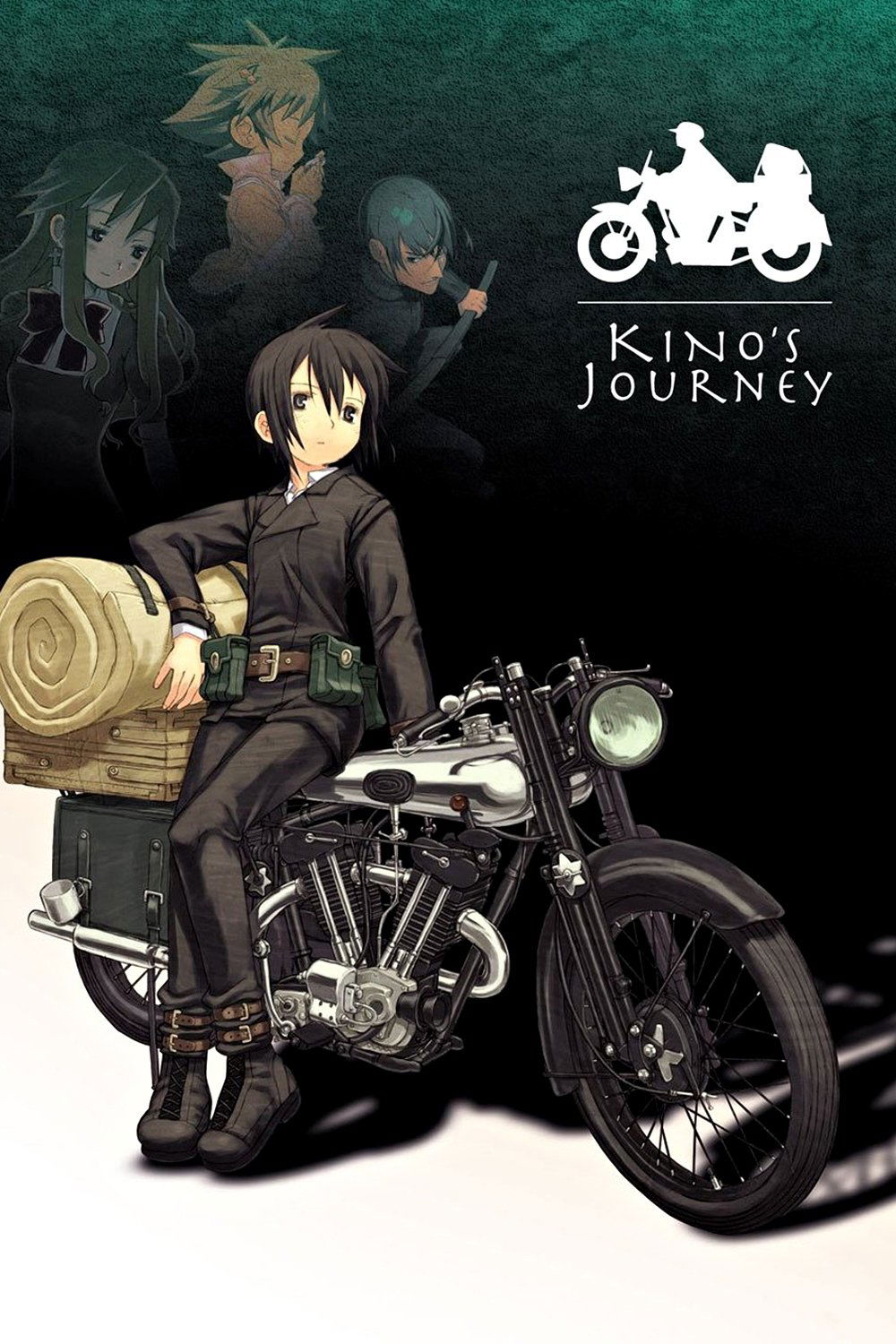
‘Kino’s Journey’ centers around Kino, a traveler, and Hermes, her talking motorcycle, as they explore different countries, each with its own strange rules and traditions. Kino has a rule: she only stays in each place for three days, simply observing and never getting involved. The show is a series of thought-provoking stories that delve into the stranger and sometimes darker sides of people. While it didn’t become hugely popular right away due to its simple art style and self-contained episodes, it’s now considered a classic of the ‘travel’ genre, known for its insightful and often disturbing stories.
‘Last Exile’ (2003)
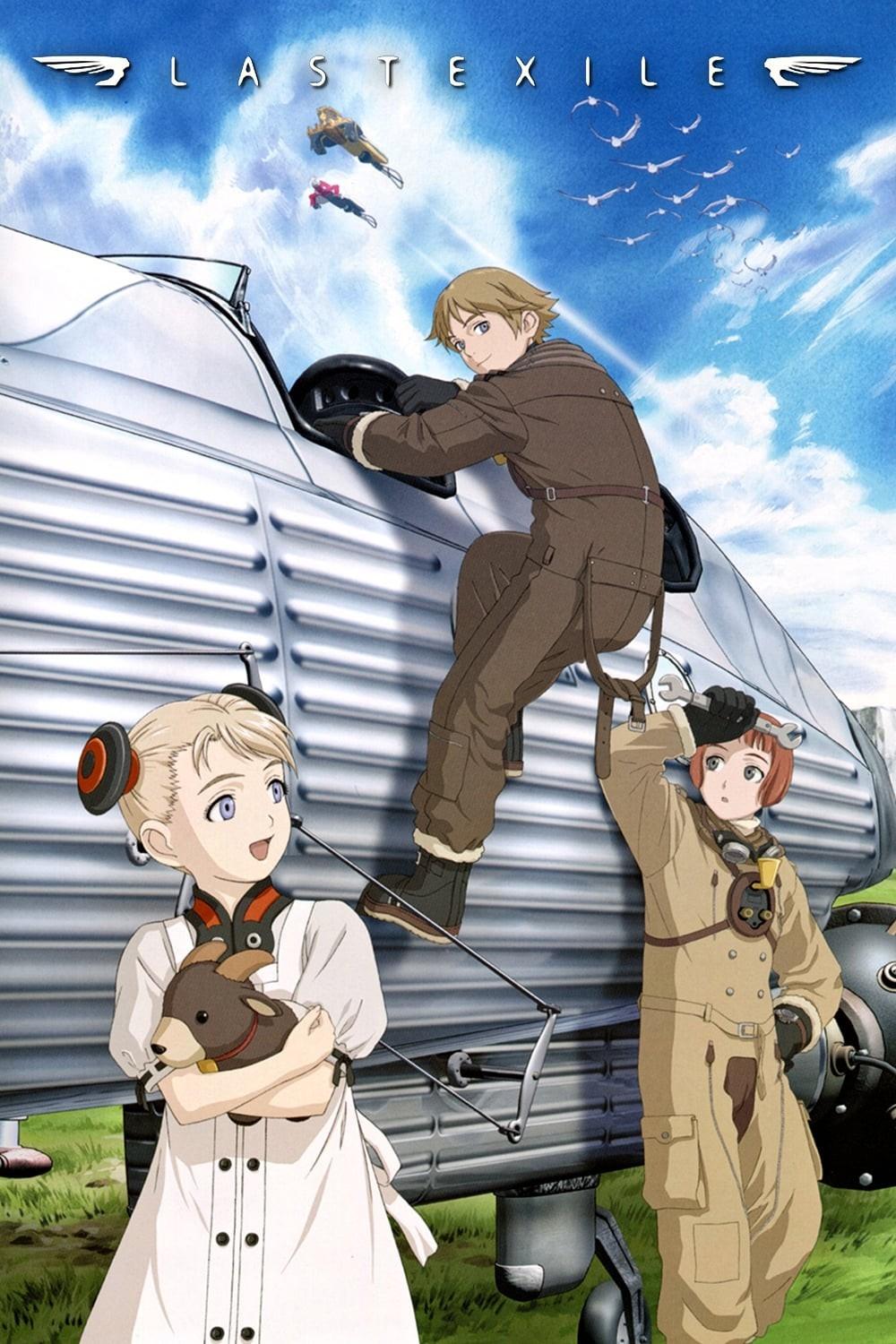
‘Last Exile’ is a steampunk adventure series taking place in the world of Prester. It follows two couriers, Claus and Lavie, who find themselves caught up in a war between two countries. The show is famous for its stunning 3D animated aerial combat featuring unique aircraft called “vanships.” Created by Studio Gonzo, it was part of a period when studios were trying out expensive digital animation, though it didn’t always succeed commercially. However, thanks to its detailed world and character designs by Range Murata, ‘Last Exile’ has become a key work in the steampunk genre. It’s still a visually striking series that evokes the excitement of early 20th-century flight.
‘Planetes’ (2003–2004)
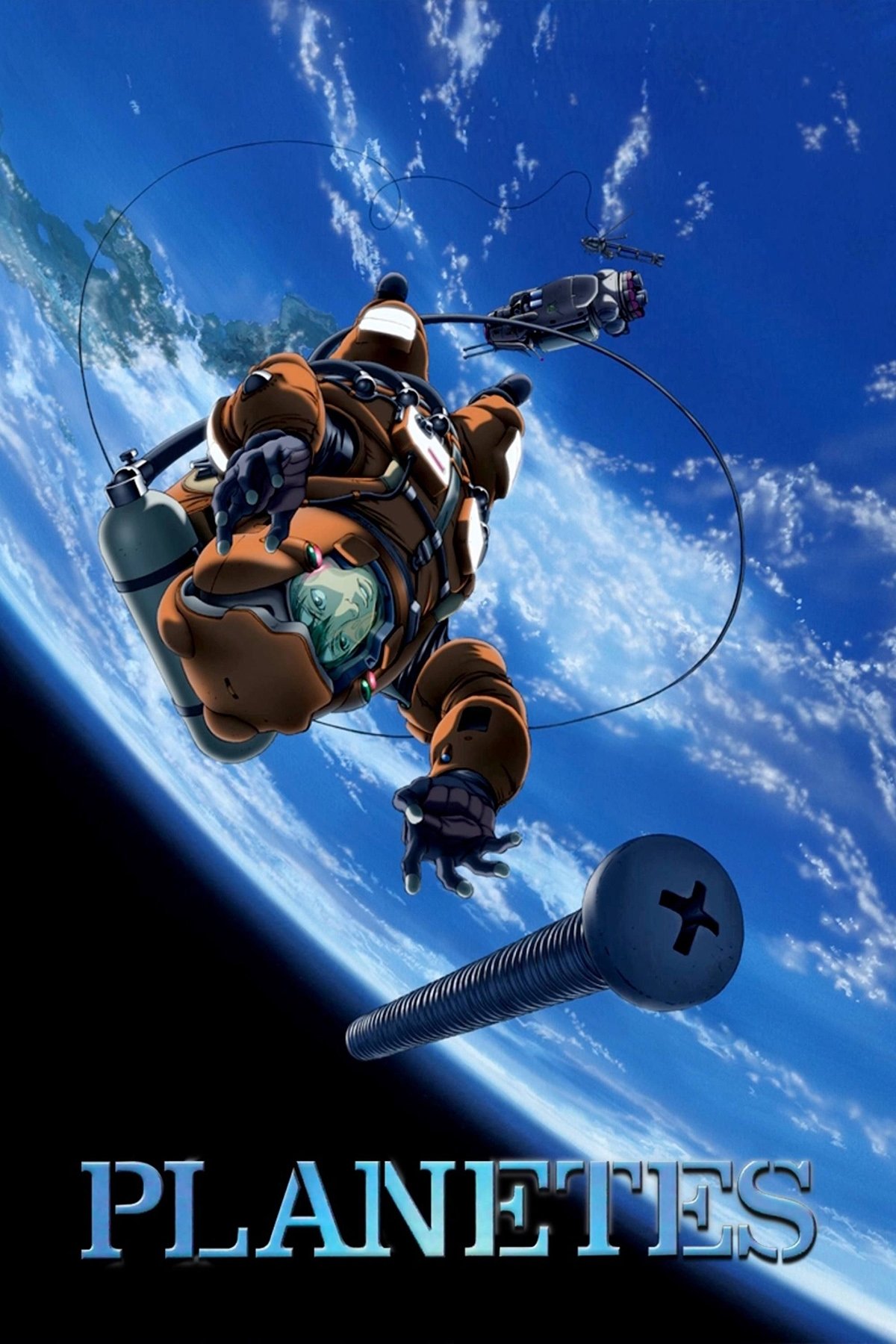
Set in 2075, ‘Planetes’ follows a team whose job is to clean up dangerous space debris orbiting Earth. What sets it apart from other sci-fi anime is its commitment to scientific accuracy and its focus on the everyday, business side of space travel. The series expertly blends technical detail with a touching story about chasing dreams and the sacrifices made in the name of progress. While it didn’t have the explosive action often found in science fiction, ‘Planetes’ gradually gained a dedicated following and is now celebrated as a realistic and deeply human depiction of space exploration.
‘Wolf’s Rain’ (2003)
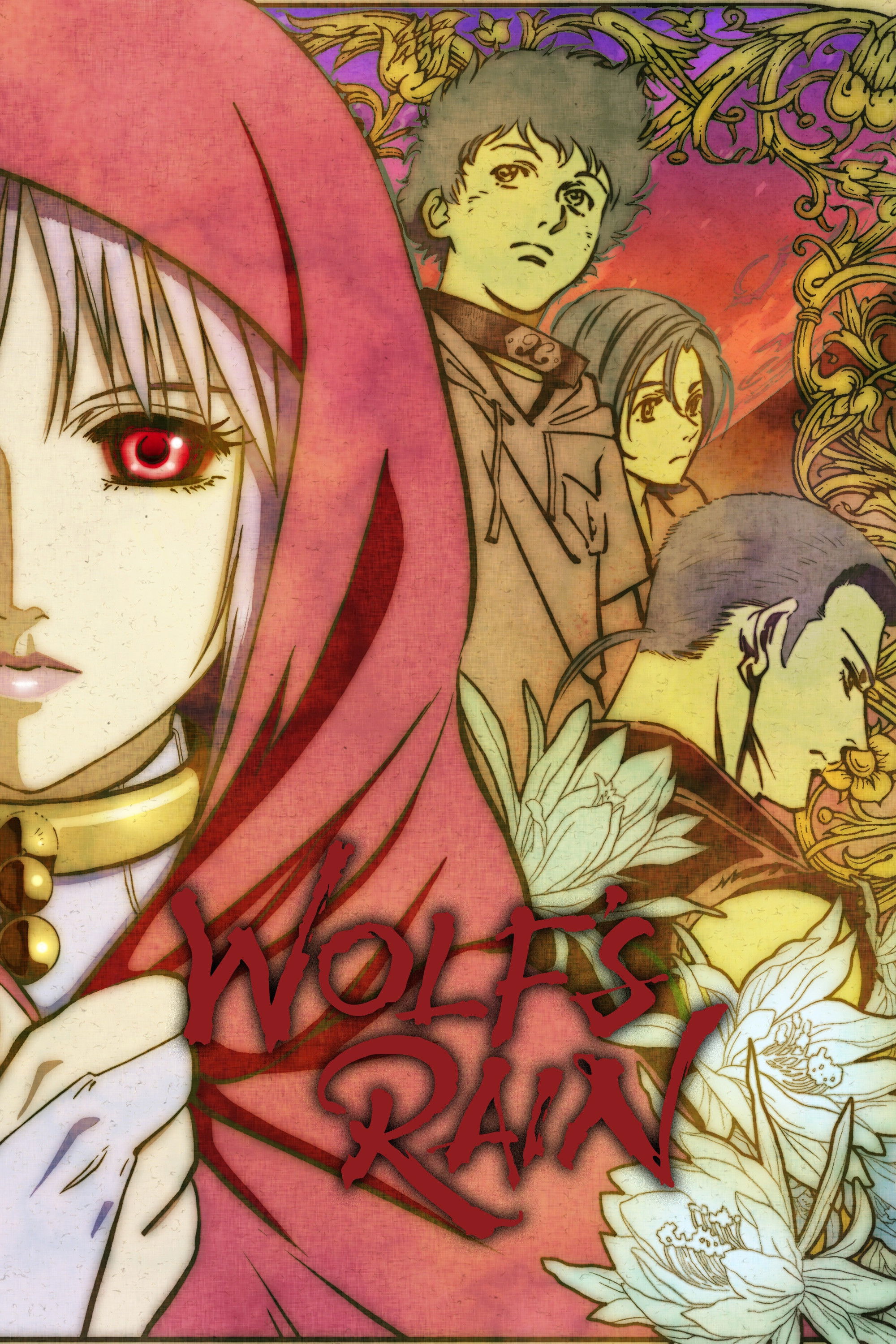
In the anime ‘Wolf’s Rain,’ the world is fading away, and wolves are thought to be gone. However, they secretly live among humans by taking on human forms. The story follows a pack of wolves searching for the mythical Lunar Flower, believing it will lead them to Paradise before the world’s end. Praised for its sad, beautiful music by Yoko Kanno and stunning animation by Studio Bones, the series gained popularity over time, though its slow pace and gloomy mood weren’t immediately for everyone. Today, it’s remembered as a visually gorgeous and deeply moving exploration of a world falling apart.
‘Natsume’s Book of Friends’ (2008–Present)
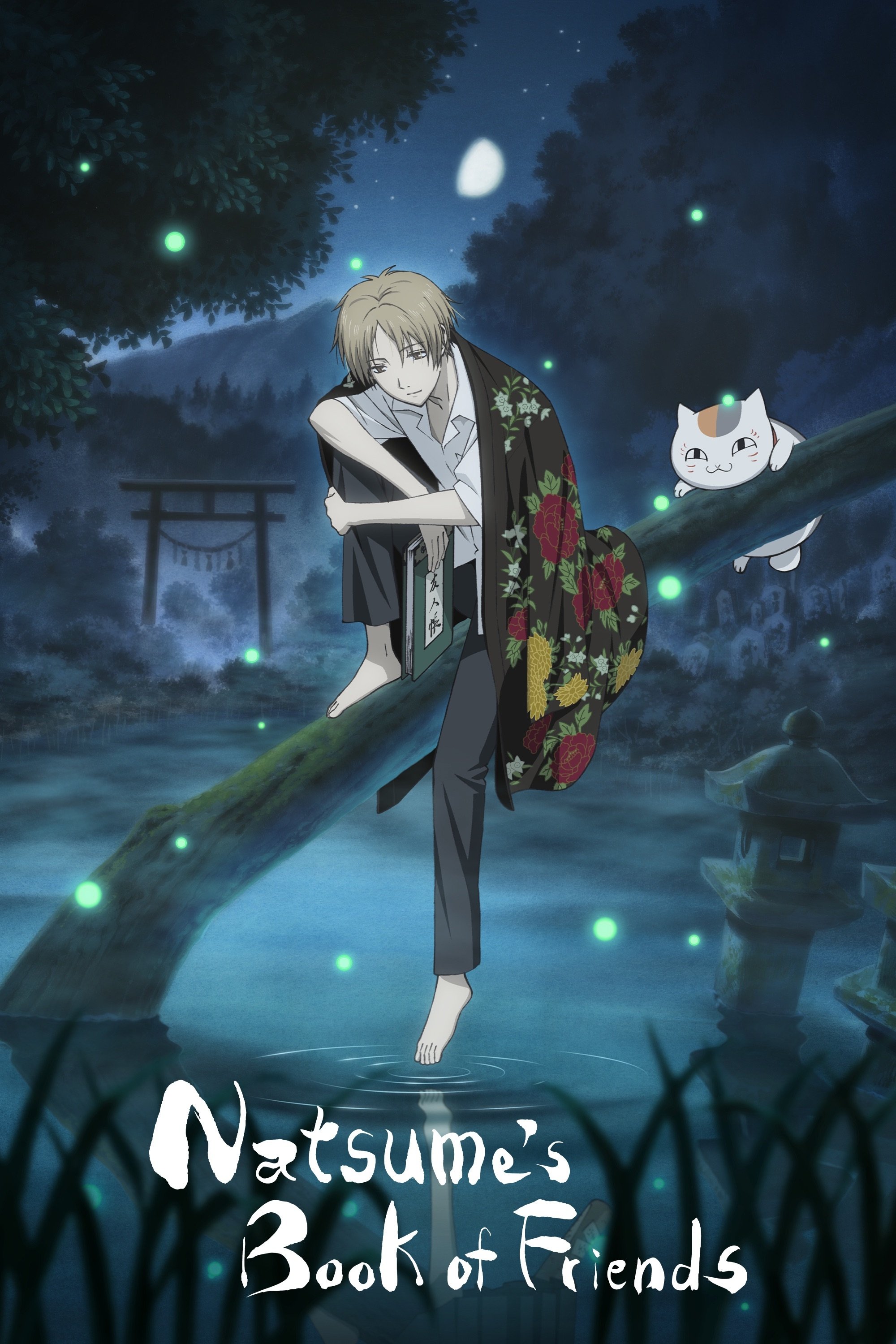
‘Natsume’s Book of Friends’ centers around Takashi Natsume, a high school student who can see spirits. He comes into possession of a book filled with the names of spirits his grandmother had previously bound. Rather than vanquishing these spirits, Natsume dedicates himself to returning their names and freeing them, and through these encounters, he learns about their individual stories. Over more than ten years, the series has steadily gained popularity, becoming a remarkably successful franchise without ever experiencing a huge surge in mainstream attention. Its consistently high quality and deeply emotional stories have earned it a large and devoted fanbase, and it’s now recognized as a defining example of the supernatural slice-of-life genre.
‘Showa Genroku Rakugo Shinju’ (2016–2017)
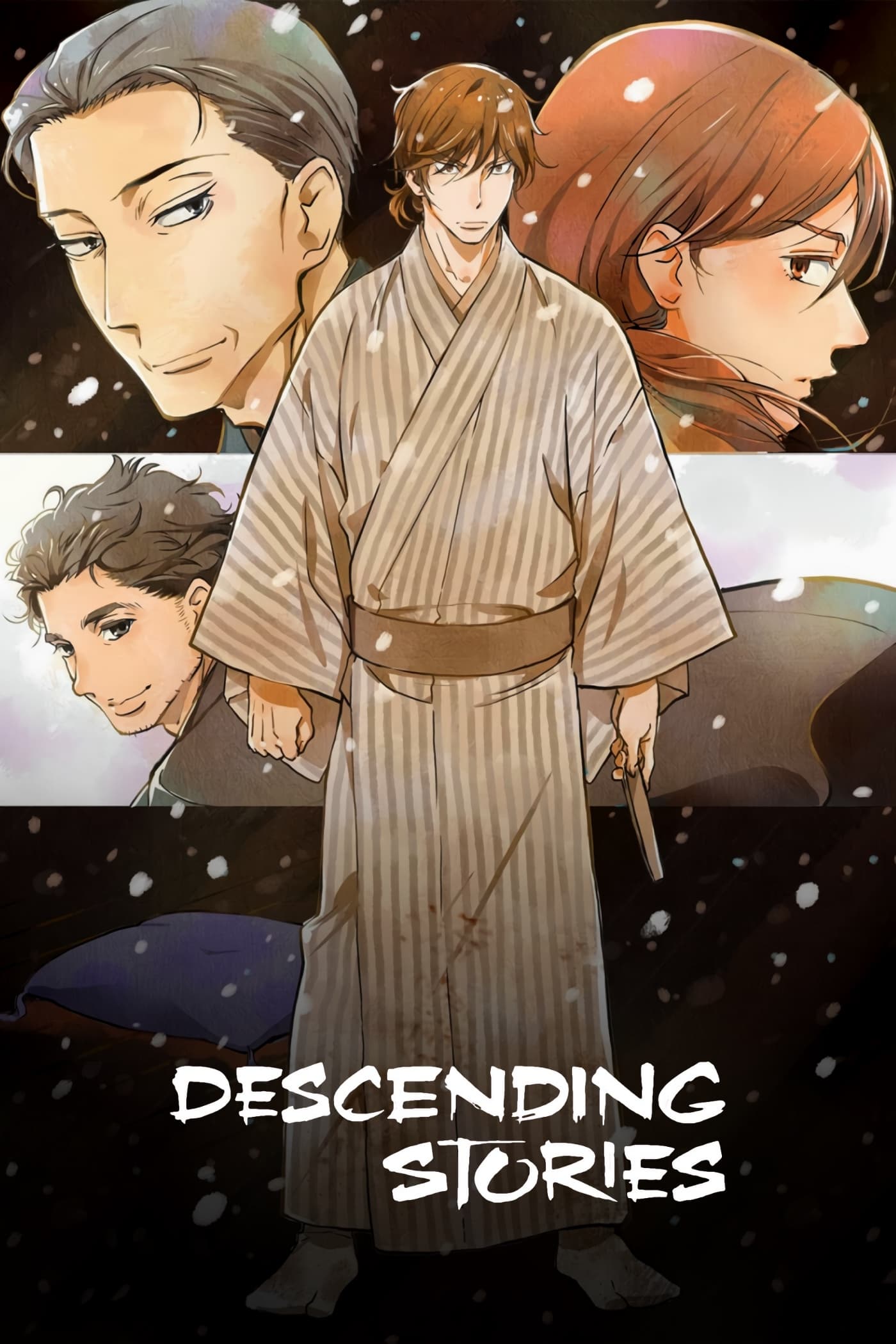
As a huge fan of dramas, I stumbled upon ‘Showa Genroku Rakugo Shinju’ and it completely blew me away. It’s a historical story all about rakugo, which is this incredible Japanese art of comedic storytelling. The show follows two performers over many years, showing their lives and how they compete with each other as Japan changes in the 20th century. Honestly, because it’s so focused on a specific part of Japanese culture, I thought it might be a little hard to get into. But the writing is just phenomenal, and the voice acting and direction are top-notch. It’s quickly become one of my favorite dramas ever, and a lot of people agree – it’s considered a true classic for how beautifully it explores themes of art, envy, and what we leave behind.
‘Land of the Lustrous’ (2017)
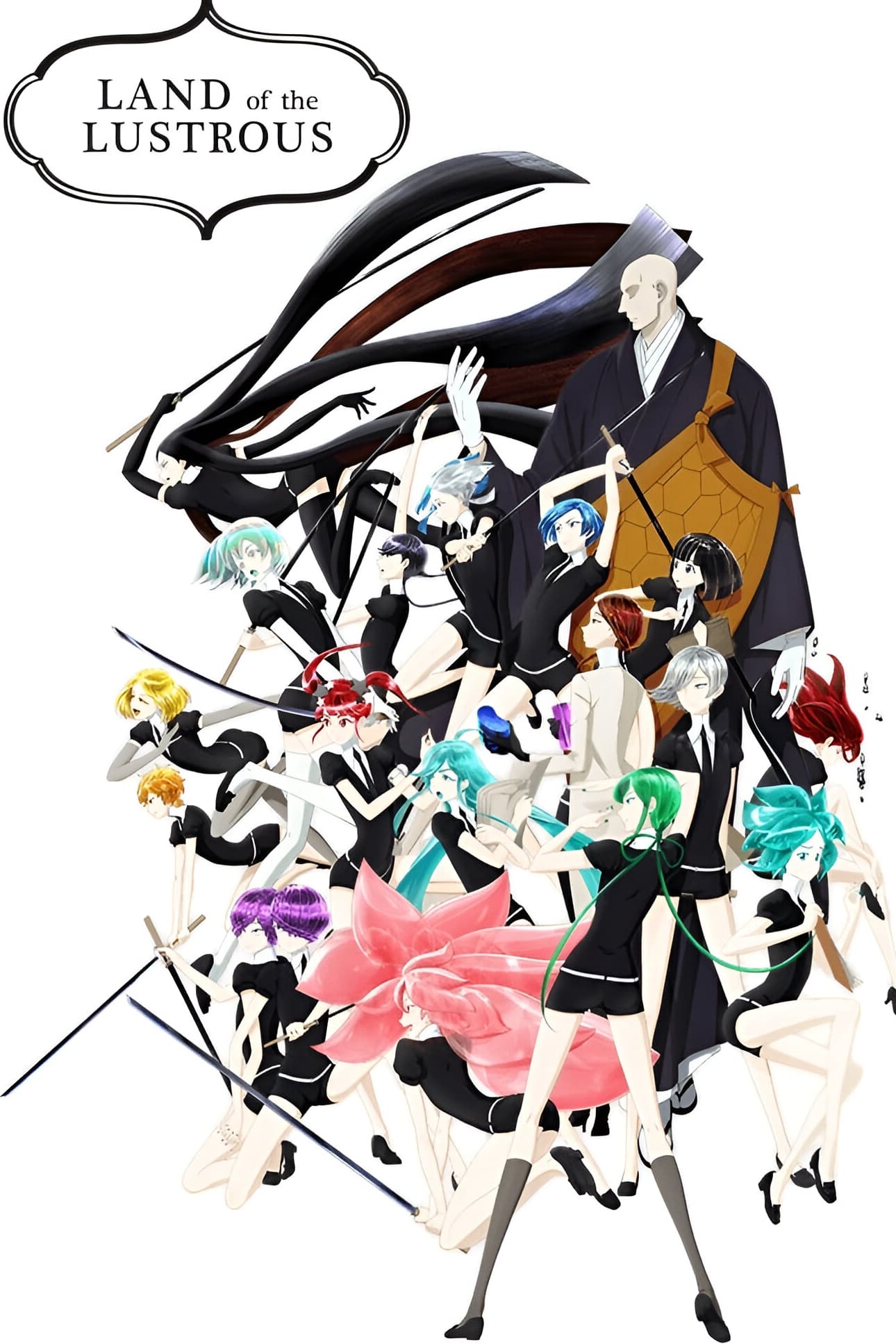
‘Land of the Lustrous’ takes place far in the future, in a world populated by intelligent gems who must fight off beings called Lunarians that want to capture them. The story centers on Phos, the youngest and most delicate of these gems, and their journey to find meaning and grow, both inside and out. The show is famous for its innovative 3D animation, which beautifully portrays the gem characters. While some viewers were initially unsure about the animation style, the show’s stunning visuals and thought-provoking themes quickly gained them over. Today, it’s celebrated as a groundbreaking work that demonstrated the artistic possibilities of 3D animation.
Please share your own experiences with these anime titles in the comments.
Read More
- 20 Movies Where the Black Villain Was Secretly the Most Popular Character
- Celebs Who Narrowly Escaped The 9/11 Attacks
- 25 “Woke” Films That Used Black Trauma to Humanize White Leads
- Top 20 Dinosaur Movies, Ranked
- Transformers Under the Microscope: What Graph Neural Networks Reveal
- The 10 Most Underrated Jim Carrey Movies, Ranked (From Least to Most Underrated)
- 22 Films Where the White Protagonist Is Canonically the Sidekick to a Black Lead
- Trading on Thin Air: AI Agents Conquer Crypto Volatility
- The Best Directors of 2025
- Silver Rate Forecast
2026-01-29 19:51