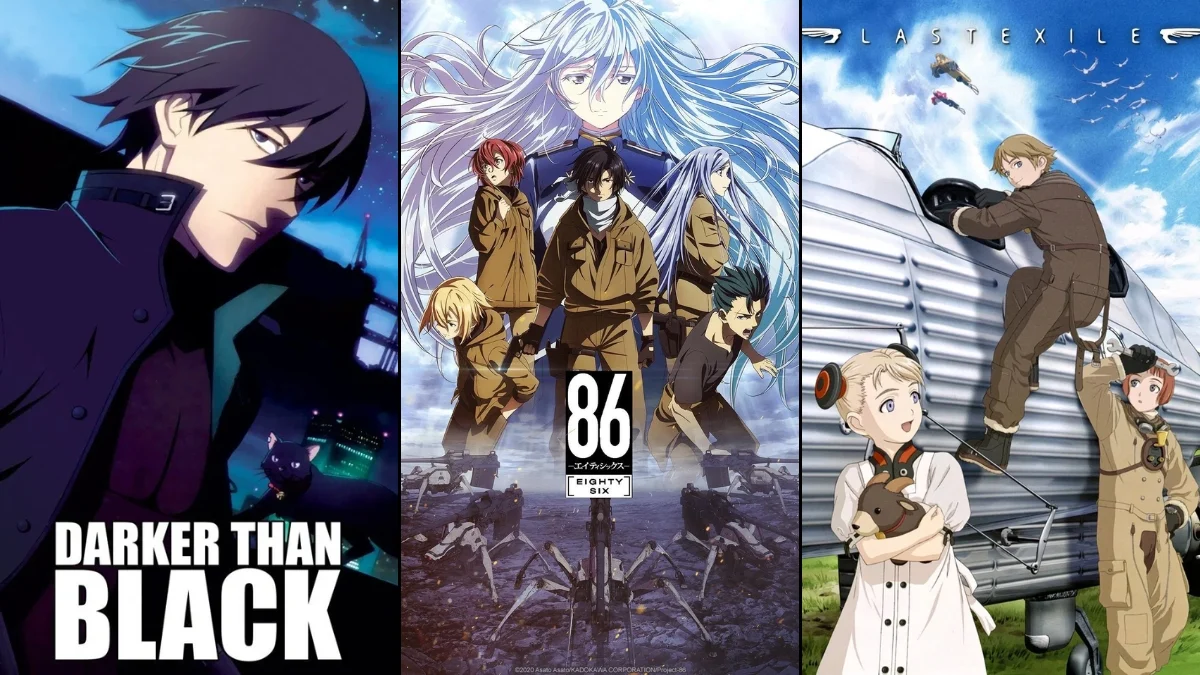
Anime often delves into the tricky world of international relations and how easily political agreements can fall apart. Many shows portray a world where countries form alliances supposedly to maintain peace, but these alliances ultimately crumble, leading to widespread conflict or systemic failure. These stories frequently mirror real-world concerns about the stability of global cooperation, exploring issues like resource scarcity and conflicting ideologies. The following series offer examples of how global partnerships can break down when secret motives and past conflicts become more important than working together for everyone’s safety.
‘Darker than Black’ (2007–2009)

After strange spatial distortions appear in Tokyo and South America, intelligence organizations around the world secretly team up to deal with them. They recruit people with superpowers for covert missions, including eliminating political opponents. However, these alliances are unstable, as countries constantly try to secretly gain an edge in studying the distortions. ‘Darker than Black’ depicts a world built on distrust, where international cooperation is often a disguise for spying and corporate greed.
‘Eureka Seven’ (2005–2006)
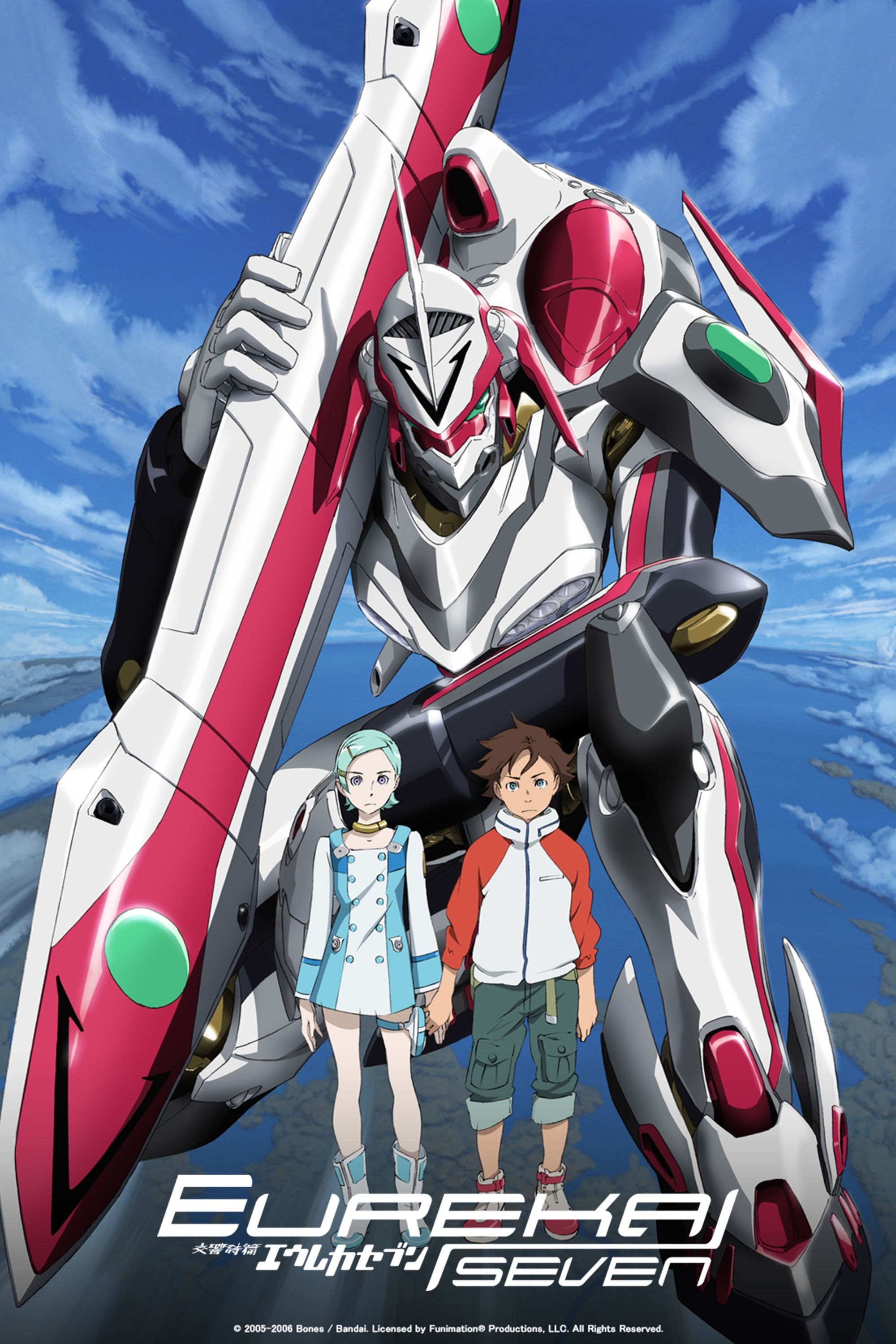
On a planet where the land is alive and unpredictable, the United Federation of Predestined States keeps control through military force. They use this power to put down religious groups and manage essential resources. The government also exaggerates the danger of alien life to excuse taking over more land and building colonies. The anime ‘Eureka Seven’ illustrates how these systems ultimately fall apart when the world’s true history and the origins of its people are exposed.
‘Last Exile’ (2003)
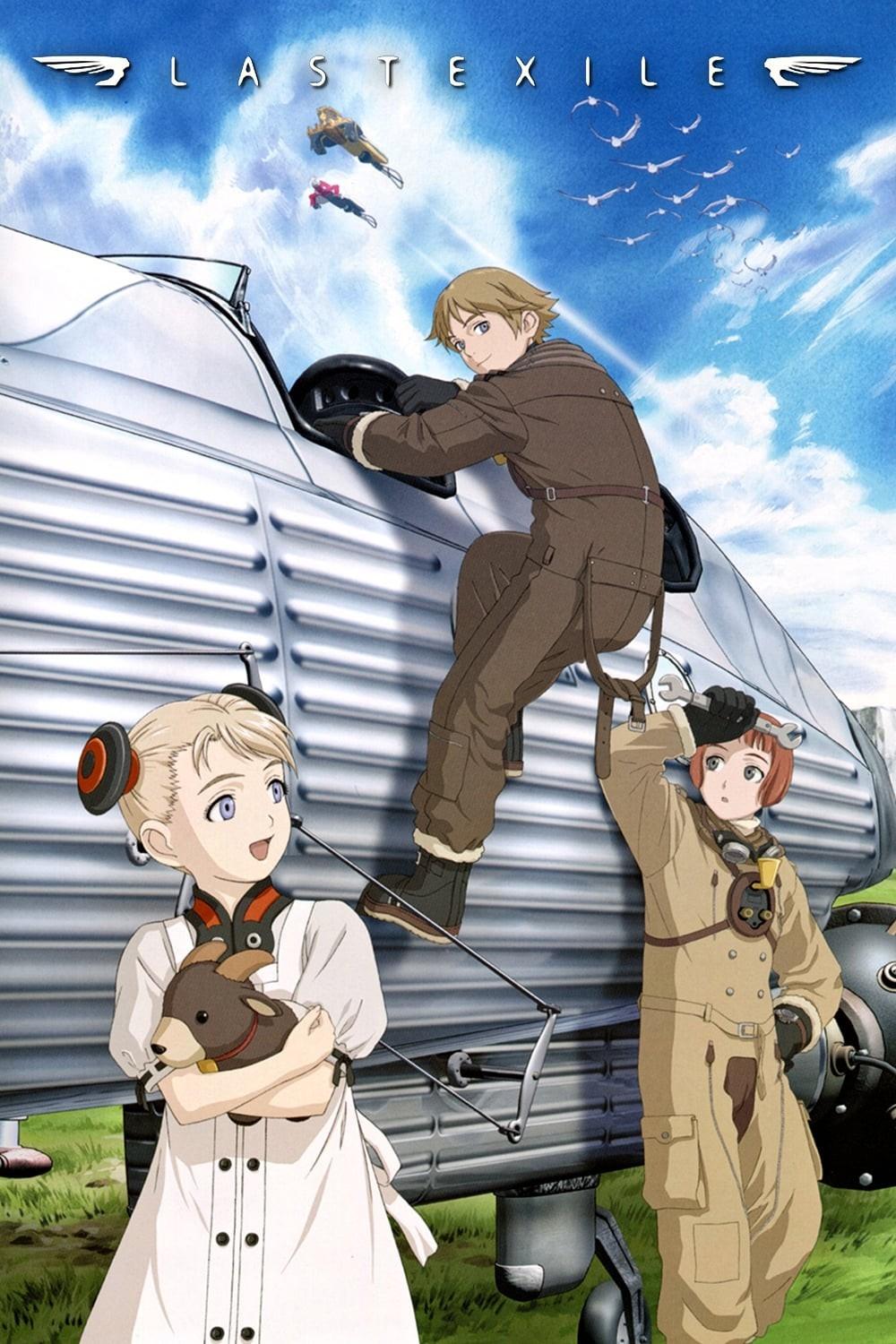
In ‘Last Exile,’ two countries are trapped in a never-ending war carefully controlled by a secret group called the Guild. The Guild maintains the balance of power by limiting the resources and technology available to each side, guaranteeing the war goes on without a clear victor. This strange arrangement keeps both nations from finding lasting peace or improving their societies. The story follows characters who must expose this worldwide deception if they hope to break the cycle of conflict and destruction.
‘Mobile Suit Gundam: Iron-Blooded Orphans’ (2015–2017)

Earth’s powerful economic groups control Mars, keeping a shaky peace through a worldwide peacekeeping force. The story centers on young soldiers who fight back against this system of economic exploitation and widespread corruption. We see how the major powers on Earth form predatory alliances, prioritizing the preservation of a status quo that only helps the wealthy and powerful. This conflict reveals how organizations meant to oversee global affairs can easily become instruments of oppression, especially for colonies and territories on the fringes.
‘Mobile Suit Gundam Wing’ (1995–1996)

The United Earth Sphere Alliance once firmly controlled numerous space colonies, but internal power struggles weakened its grip. This created an opportunity for hidden groups and wealthy families to gain control using advanced military robots. In response, the colonies dispatched their best pilots to overthrow the Alliance and regain independence. ‘Gundam Wing’ suggests that global alliances often serve the interests of corporations and the elite, rather than the people they are meant to protect.
‘Vivy: Fluorite Eye’s Song’ (2021)

I’m following a really incredible story about a future where humans and AI live together, but things go terribly wrong and a war erupts. It centers around a singer who’s trying to fix things by traveling back in time – over a century! – to change crucial moments in history. It’s fascinating because it shows how these events often boil down to failures in the rules and ethics surrounding new technology. It really highlights that even with the best intentions and global agreements, things can still go disastrously wrong if nobody keeps a close watch on how technology is developing and being used.
‘Mobile Suit Gundam 00’ (2007–2009)
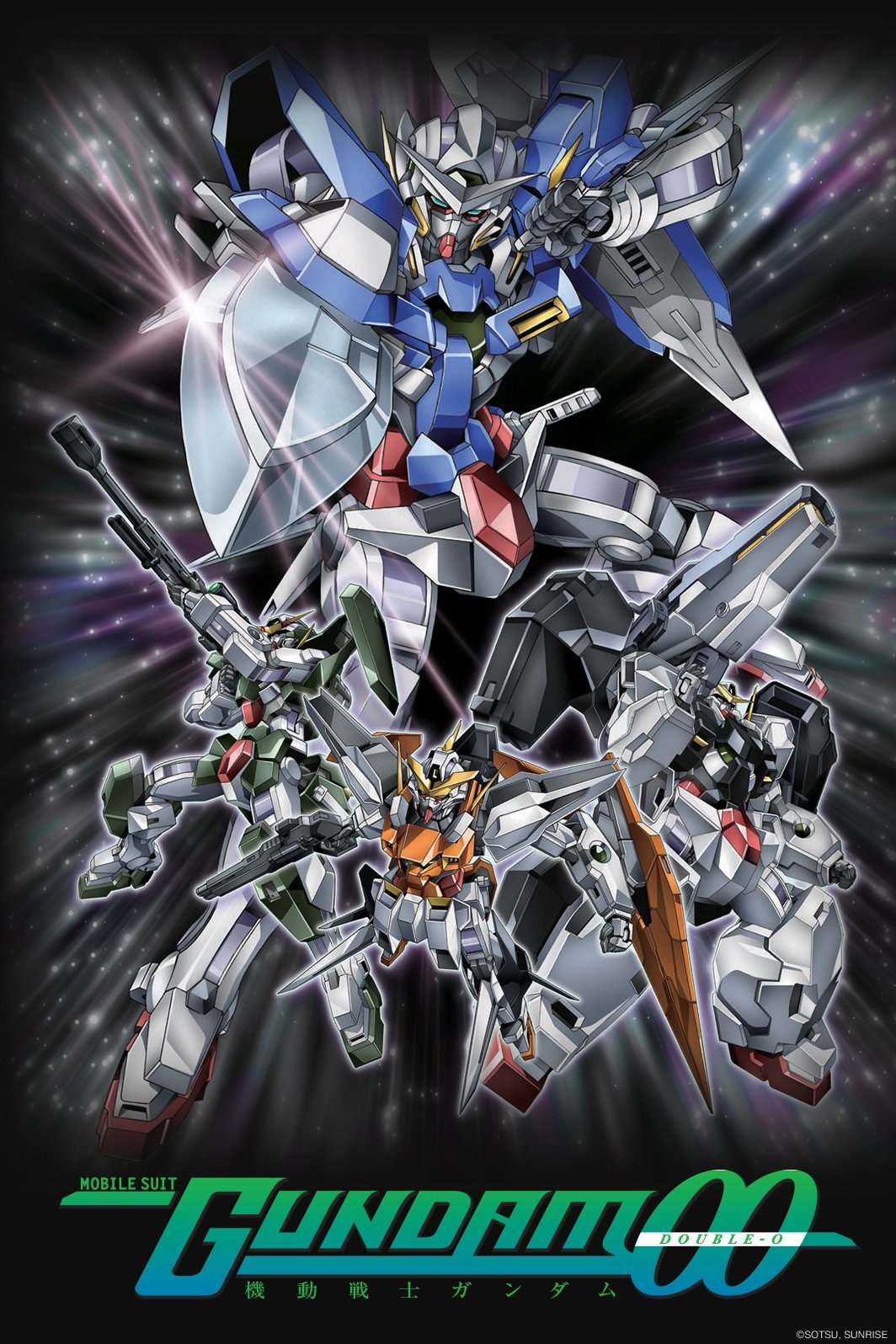
In a world fractured by economic and military rivalries, three powerful nations battle for dominance over space elevators and solar power. Constant conflicts and indirect wars create a fragile peace. A private military organization steps in, aiming to end the fighting with decisive force. ‘Gundam 00’ shows how this intervention ultimately leads to the formation of a single world government, but one that isn’t without its own problems and injustices.
’86 Eighty-Six’ (2021–2022)
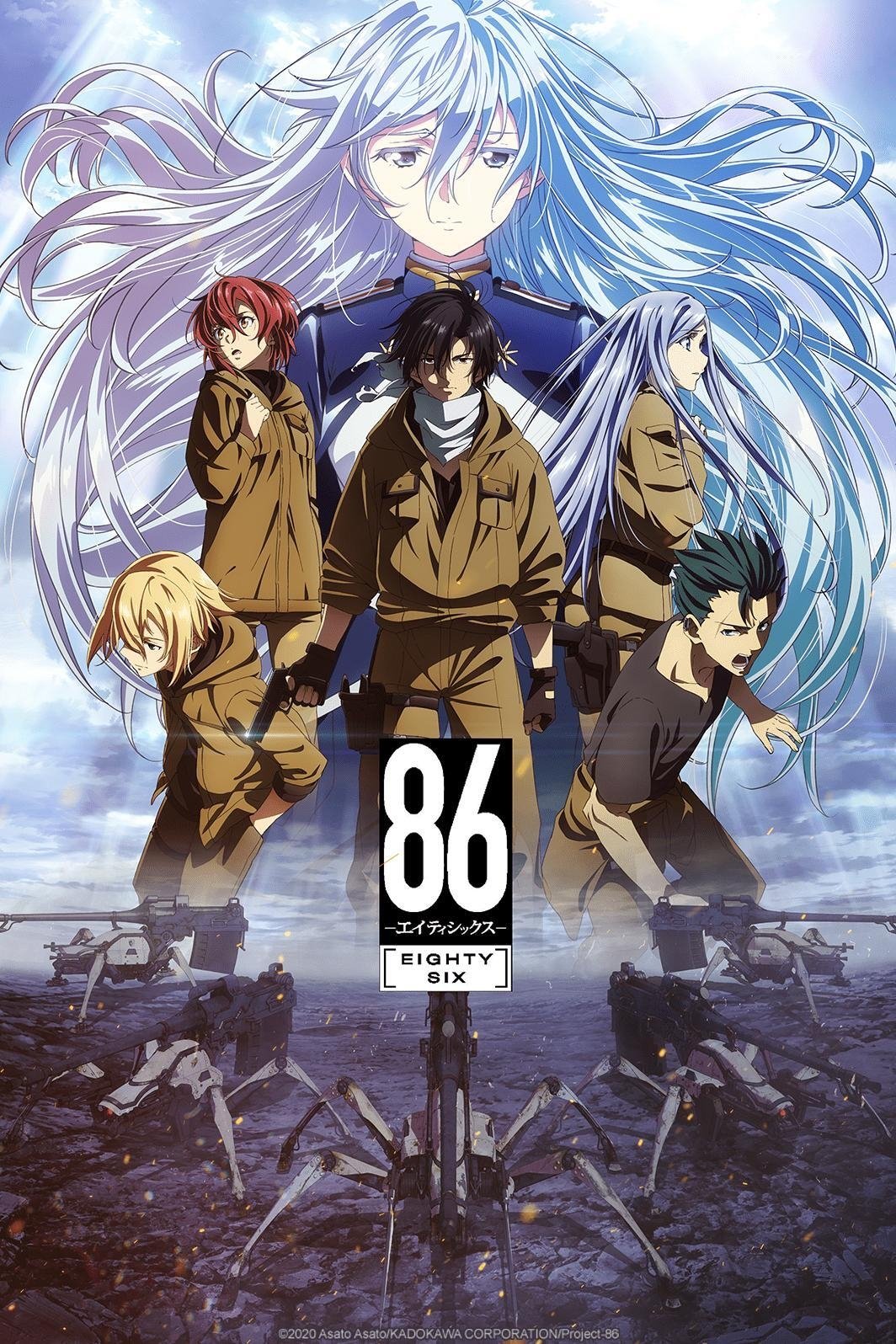
The seemingly peaceful Republic of San Magnolia hides a dark secret: it forces a discriminated group to fight a war against robots. This war began after nearby countries fell apart and old alliances failed. The empire that built these robots once unified the land, but its downfall shattered all cooperation between nations. ’86’ portrays a world where countries are on their own, focused solely on surviving.
‘Psycho-Pass’ (2012–2019)

Japan has achieved stability through a highly advanced system of monitoring people’s mental states, while the rest of the world is plagued by wars and broken agreements. To protect itself from this global turmoil and conflicting beliefs, Japan remains largely cut off from the outside world. The series ‘Psycho Pass’ argues that international cooperation is difficult because different cultures have very different ideas about what’s right and wrong, and about basic human rights. This lack of shared standards creates a dangerous and unpredictable international landscape.
‘Neon Genesis Evangelion’ (1995–1996)
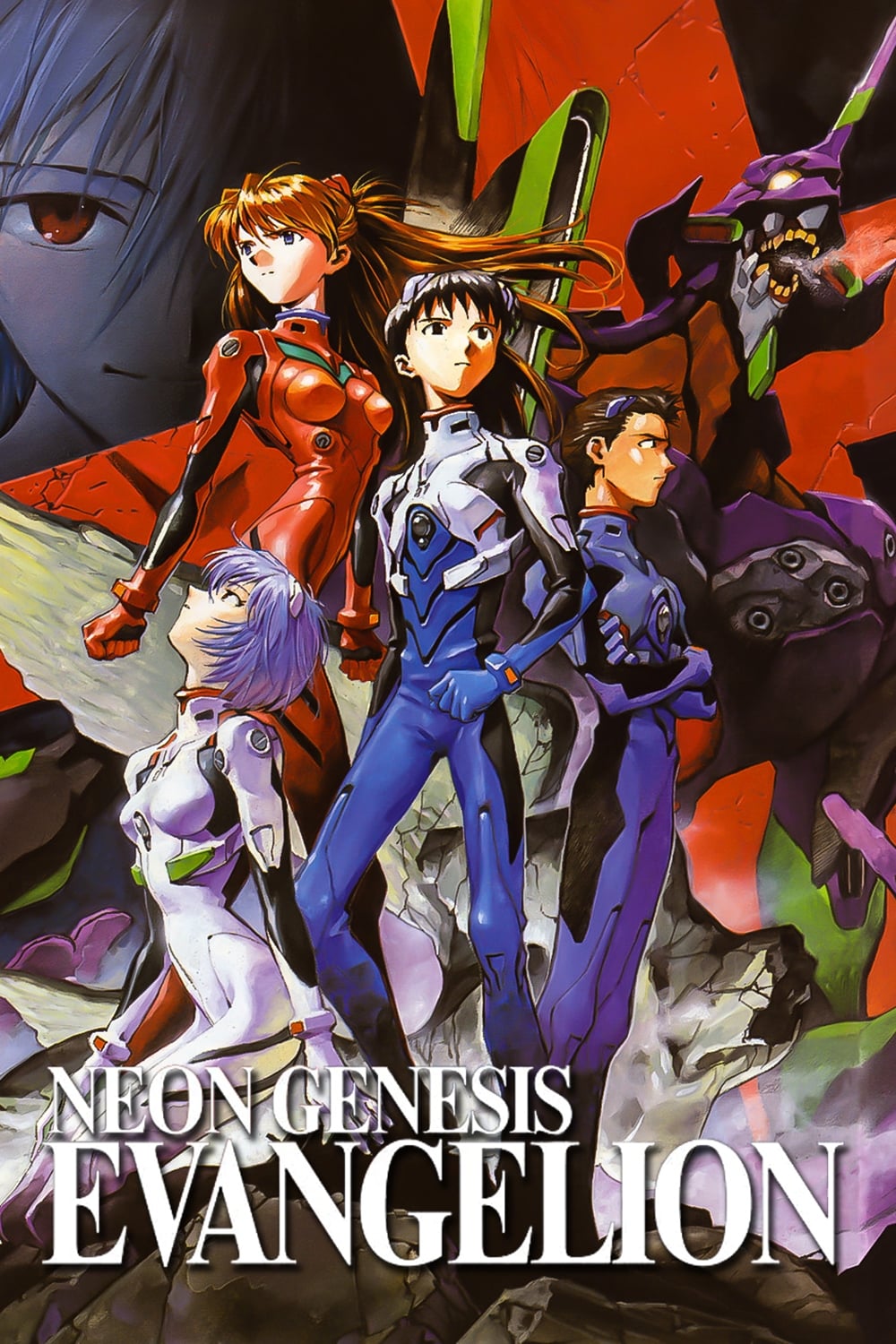
The United Nations teams up with a clandestine group to protect Earth from alien attacks, but their partnership is built on lies and secret plans about humanity’s future. While a military force appears to be leading this global effort, it’s actually pursuing its own hidden objectives. As seen in ‘Neon Genesis Evangelion,’ this alliance ultimately falls apart, leading to open warfare between its original members as their real motives come to light.
‘Ghost in the Shell: Stand Alone Complex’ (2002–2005)
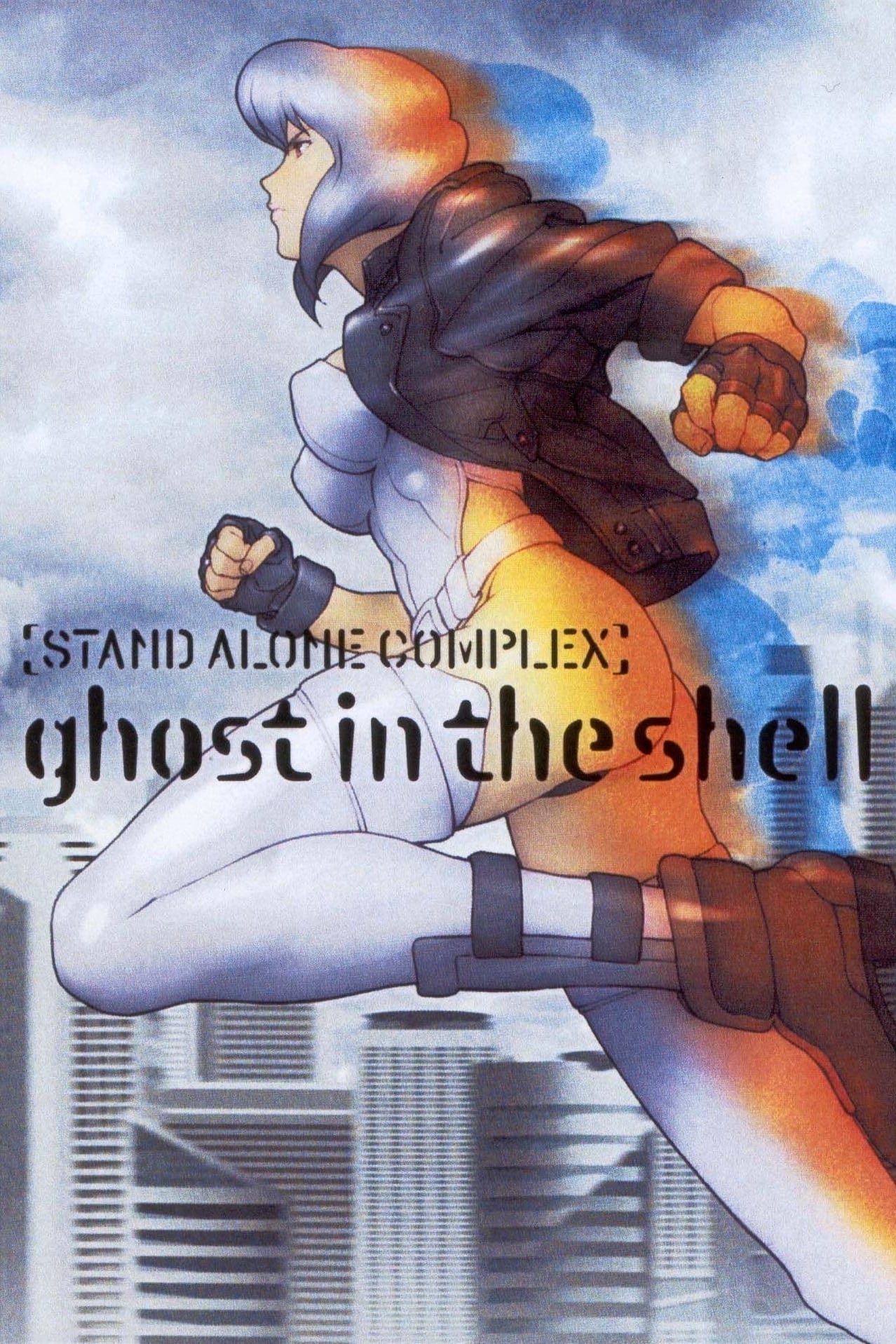
This show takes place in a future where people are connected to a worldwide network through technology. It explores the tensions between Japan and other powerful nations, complicated by refugees and corporate spying. The government struggles to maintain international agreements while dealing with individuals who use technology to further their own political goals. ‘Ghost in the Shell’ demonstrates that global partnerships often fall short in protecting everyday citizens when conflicts are fought through digital means and control of information.
‘Code Geass: Lelouch of the Rebellion’ (2006–2008)
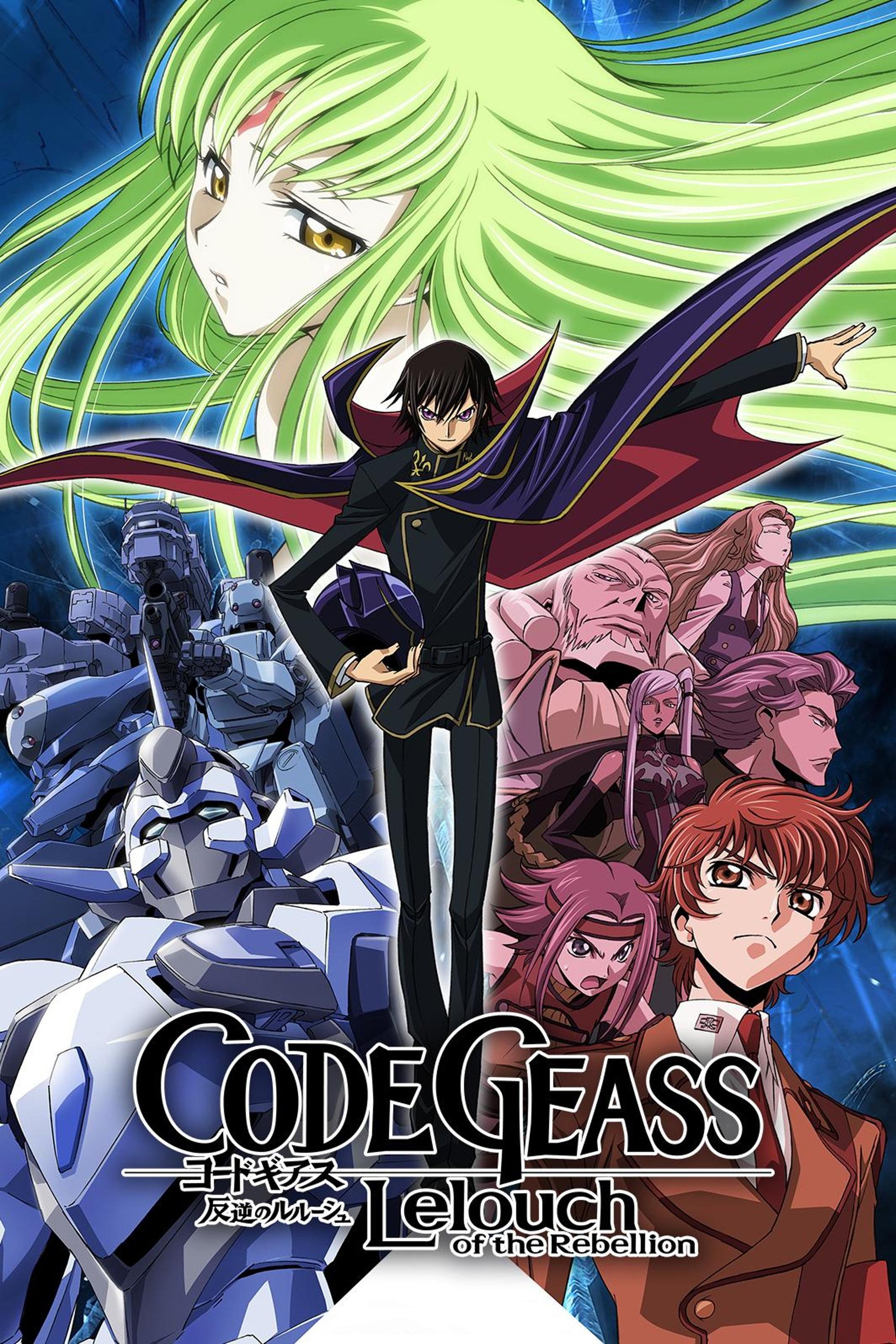
The Holy Britannian Empire rules much of the world by conquering lands and creating countries that it controls. Other powerful nations fight to stay independent, but their alliances are unstable, with leaders often switching sides to gain land or power. The series ‘Code Geass’ shows how quickly international agreements can be broken when a stronger military or a new strategy appears.
‘Legend of the Galactic Heroes’ (1988–1997)
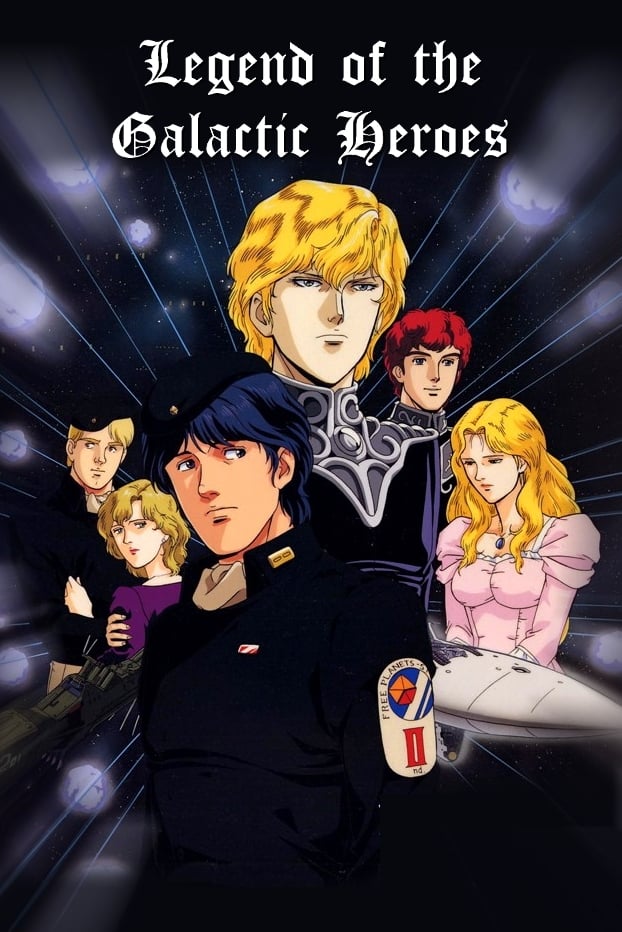
The series tells the story of a centuries-long war between an empire ruled by a monarch and a federation of planets that champions democracy. Both sides struggle with corruption within their own ranks and have trouble maintaining good relationships with their allies. It examines how differing beliefs can lead to full-scale war and the slow loss of democratic principles when security becomes the top priority. ‘Legend of the Galactic Heroes’ demonstrates how these large-scale conflicts often end in a standstill, benefiting those who are secretly pulling the strings.
‘Attack on Titan’ (2013–2023)
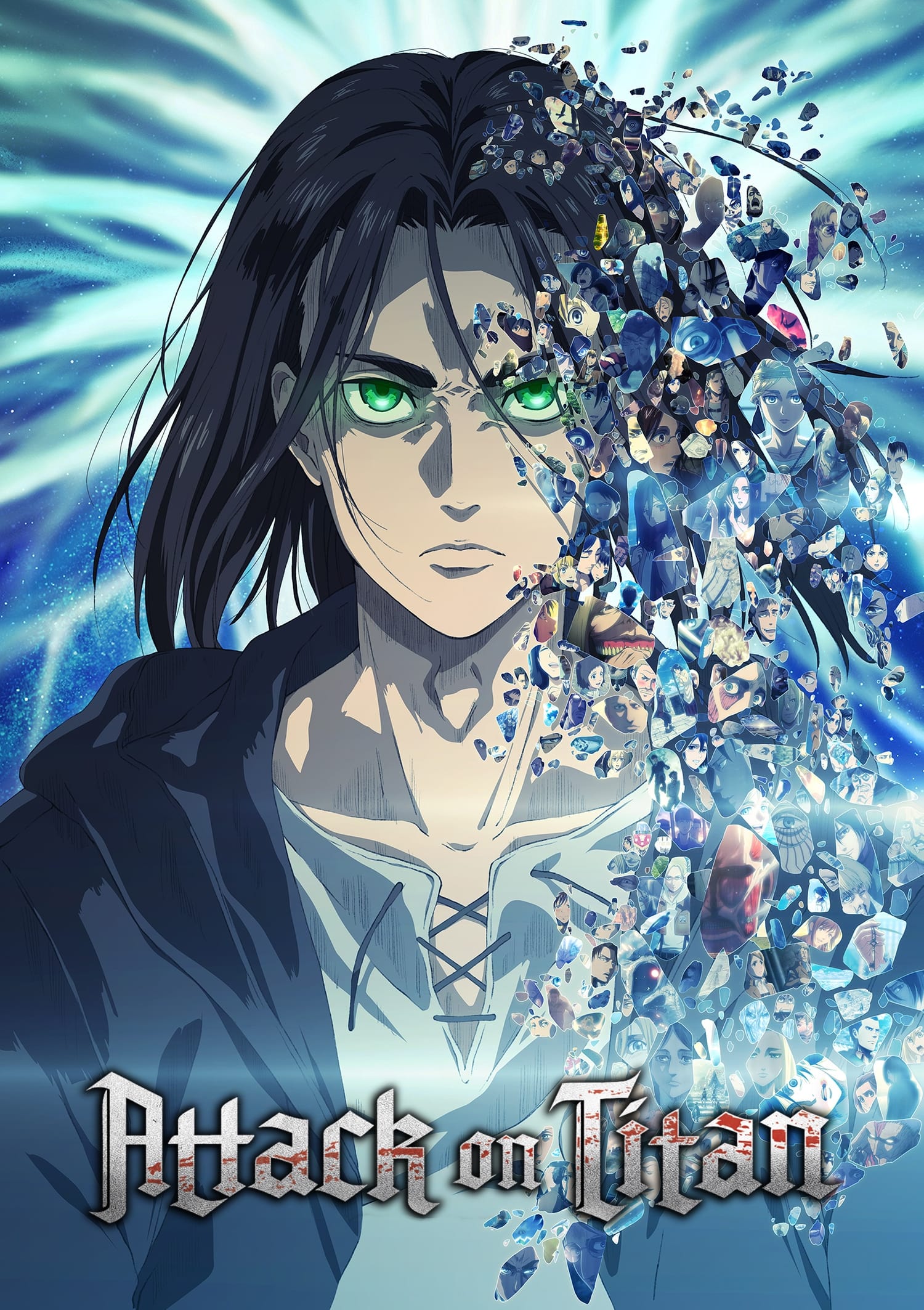
Major world powers have formed an unsteady alliance to eliminate what they see as a threat from a remote island country. This alliance is based on old grudges and the desire to control valuable minerals found there. The leading empire manipulates world opinion through diplomacy and manufactured crises, turning global sentiment against a particular ethnic group. As shown in ‘Attack on Titan,’ this pattern of hatred and the spread of false information ultimately leads to a devastating event that endangers all nations involved.
‘Fullmetal Alchemist: Brotherhood’ (2009–2010)
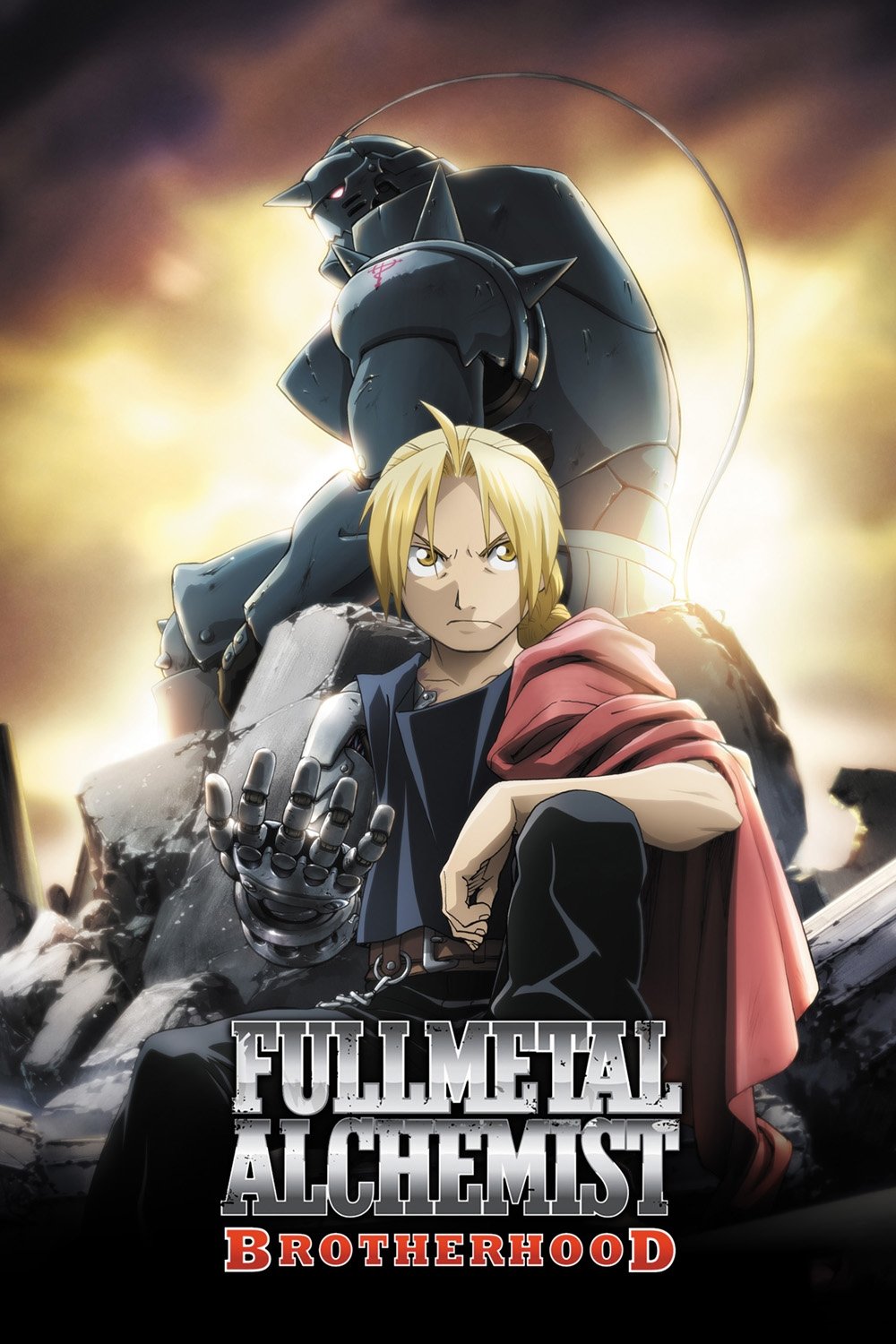
Amestris appears to be a country focused on military strength and forming alliances, but these actions conceal a dark and supernatural plan. The nation constantly fights with its neighbors, seemingly to expand its territory, but in reality, these conflicts are part of a much larger, hidden design. Powerful, non-human beings are secretly manipulating these alliances and wars, intending to sacrifice the entire population to gain ultimate power. The anime ‘Fullmetal Alchemist’ reveals how those in charge often create international conflicts not for the sake of national safety, but to achieve their own selfish goals.
We’d love to hear your opinion: which of these shows do you think best captured the realities of international politics? Share your thoughts in the comments below.
Read More
- Gold Rate Forecast
- Invincible Season 4 Gender Swaps Tech Jacket As Fans Question Major Comic Change
- 22 Films Where the White Protagonist Is Canonically the Sidekick to a Black Lead
- Unveiling the Schwab U.S. Dividend Equity ETF: A Portent of Financial Growth
- 14 Movies Where the Black Character Refuses to Save the White Protagonist
- Silver Rate Forecast
- Why Won’t It Just *Do* What You Ask? Unpacking the Quirks of AI Language
- The Best Former NFL Players Turned Actors, Ranked
- ONE PIECE Season 2 Confirms Sanji’s OTHER Backstory in the Live-Action
- Superman Flops Financially: $350M Budget, Still No Profit (Scoop Confirmed)
2025-12-25 08:46