
I’ve been so impressed lately with how anime is tackling really important topics like mental health. It’s amazing to see characters open up and show vulnerability, and even more powerful when the stories show that asking for help isn’t weakness, but actually takes courage. Seeing these characters break through isolation by connecting with others feels incredibly relatable and gives me hope. What I really appreciate is that these shows don’t offer just one way to heal – they show all sorts of paths, whether it’s through therapy or just leaning on a good community. It’s really meaningful representation.
‘March Comes in Like a Lion’ (2016–2018)
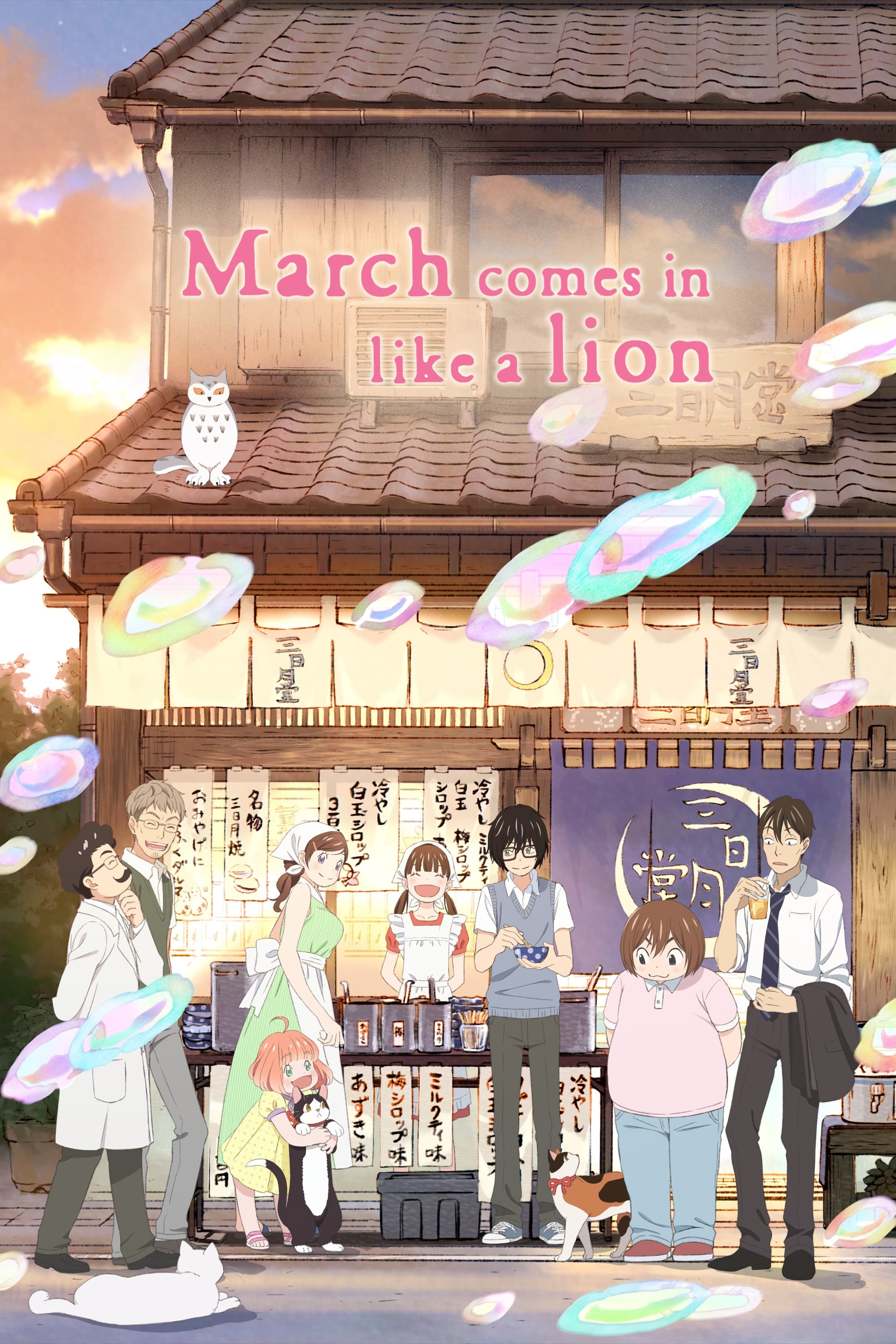
I’m totally captivated by Rei Kiriyama’s story. He’s an incredibly talented shogi player, but he’s really battling some deep loneliness and sadness after losing his family. What’s so moving is seeing him slowly find a family with the Kawamoto sisters – they’re just so kind and supportive, and you can really see him start to heal. It’s a beautiful story about how important it is to have people around you, and how hard it can be to share what you’re going through. Seeing Rei finally realize he doesn’t have to deal with everything on his own, and actually ask for help with his trauma, is just so powerful and hopeful.
‘Orange’ (2016)
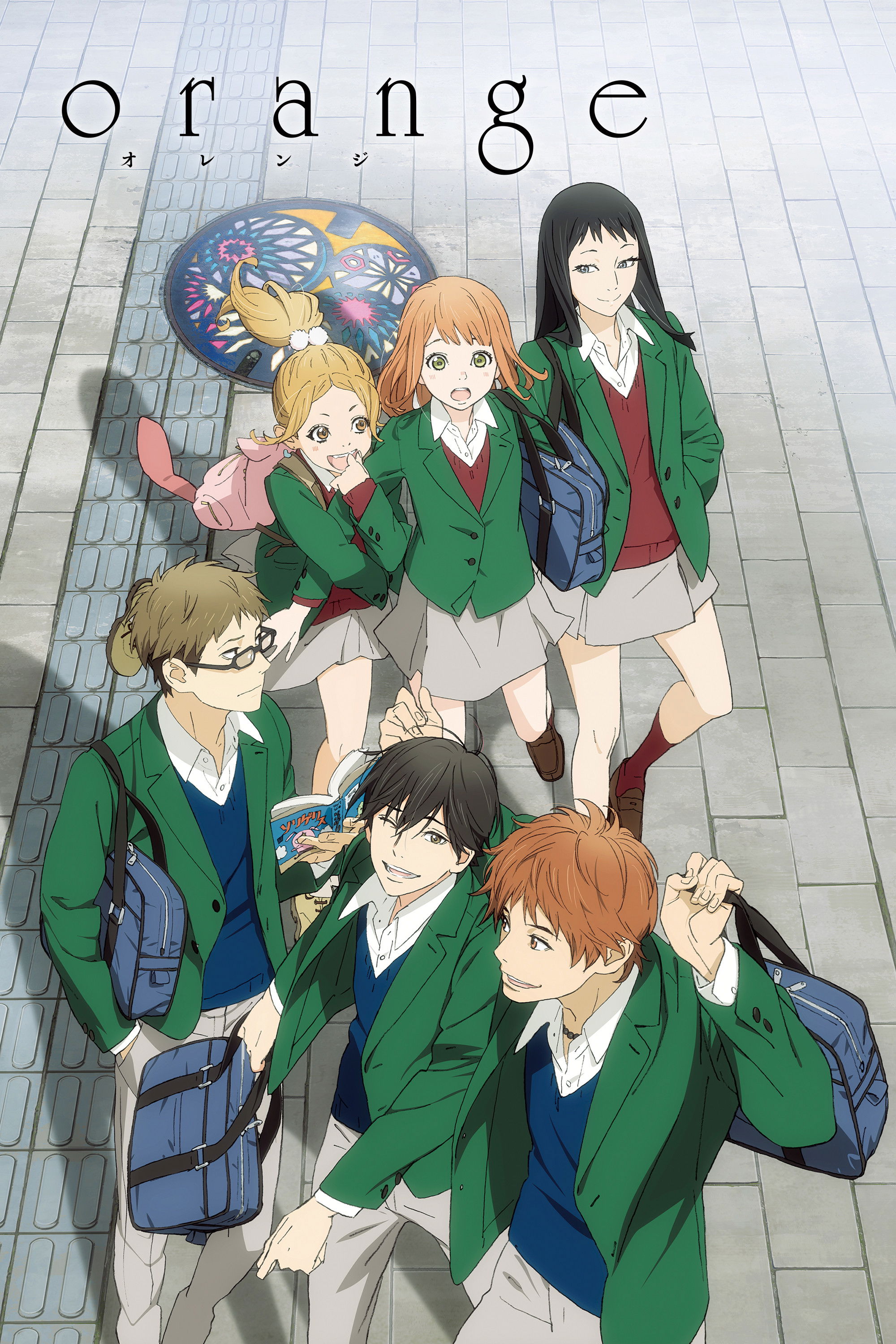
Naho Takamiya starts receiving letters from her future self, revealing a tragic fate for her classmate, Kakeru Naruse. The story follows Naho and her friends as they try to save Kakeru from his struggles with suicidal thoughts. It highlights how important it is to be a good friend, communicate openly, and recognize when someone is deeply hurting. By working together to support Kakeru, they show that it’s okay to ask for help when facing a mental health crisis.
‘Blue Period’ (2021)

I recently discovered this amazing story about Yatora Yaguchi, a seemingly perfect student who felt totally lost until he stumbled into the world of art. It’s so relatable because he really struggles with feeling burned out and constantly questions if he’s good enough, especially with the pressure of exams looming. What I loved is seeing how much he benefited from having mentors and friends who encouraged him to actually deal with his frustrations instead of bottling them up. It really highlights how important it is to find someone to guide you and healthy ways to cope when things get stressful, both in school and in life.
‘Wonder Egg Priority’ (2021)
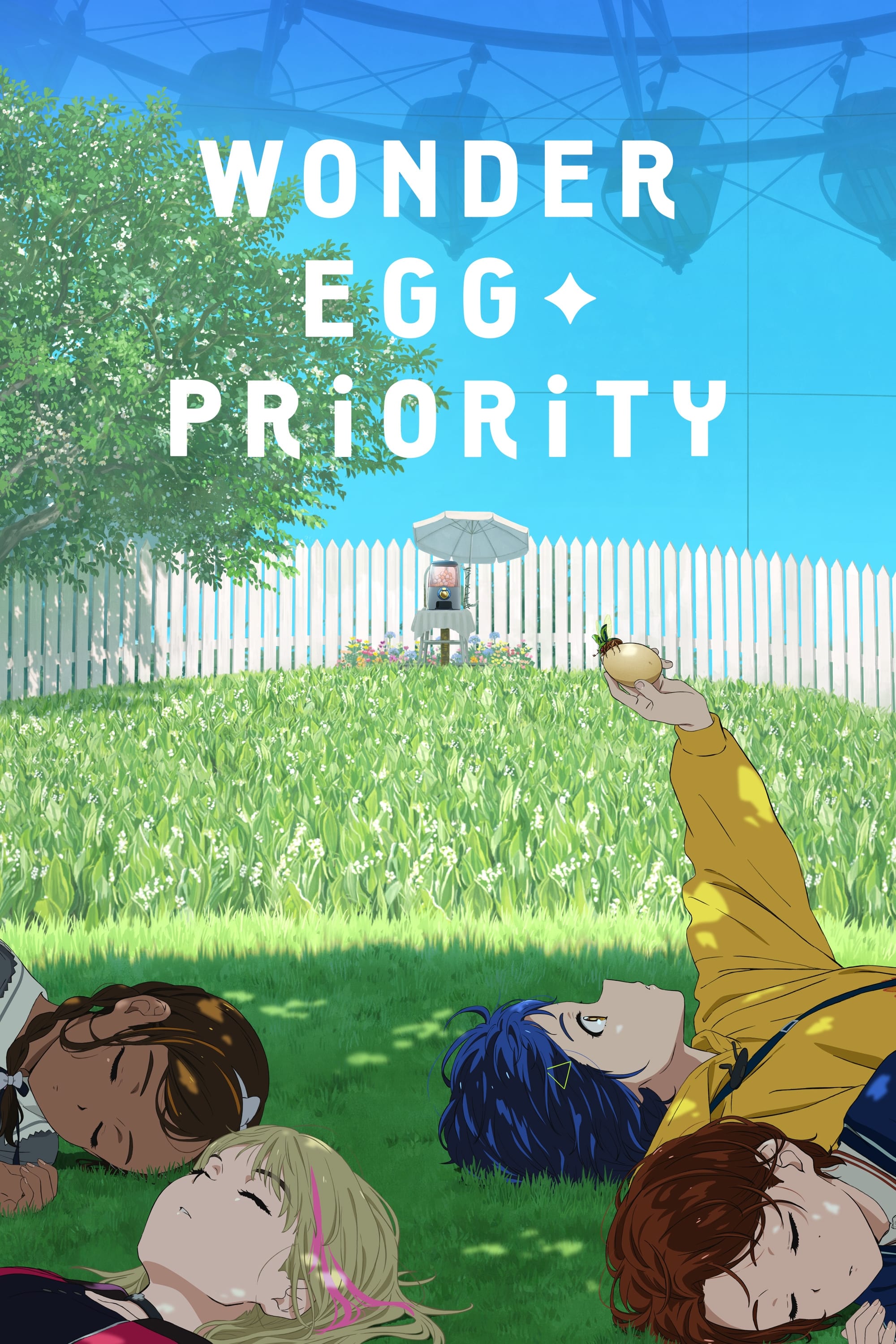
The series follows Ai Ohto and her friends as they journey through a dream world, battling to save the spirits of those who have taken their own lives. Each character is grappling with deeply personal and painful experiences – like bullying or harassment – and must face these traumas to heal. The show uses imaginative and often unsettling visuals to portray internal struggles and emphasizes how important it is to have a supportive community and professional help when dealing with difficult issues, especially for young people facing larger societal problems.
‘Neon Genesis Evangelion’ (1995–1996)

Neon Genesis Evangelion follows young pilots like Shinji Ikari as they fight to protect the world while struggling with deep feelings of loneliness and insecurity. The show explores the characters’ inner thoughts and emotions through unique animation, often resembling therapy sessions. Despite its dark tone, the story is ultimately about the characters’ search for connection and a sense of belonging. The ending emphasizes the importance of self-acceptance and understanding that a person’s value isn’t determined by what they can do for others.
‘Welcome to the N-H-K’ (2006)
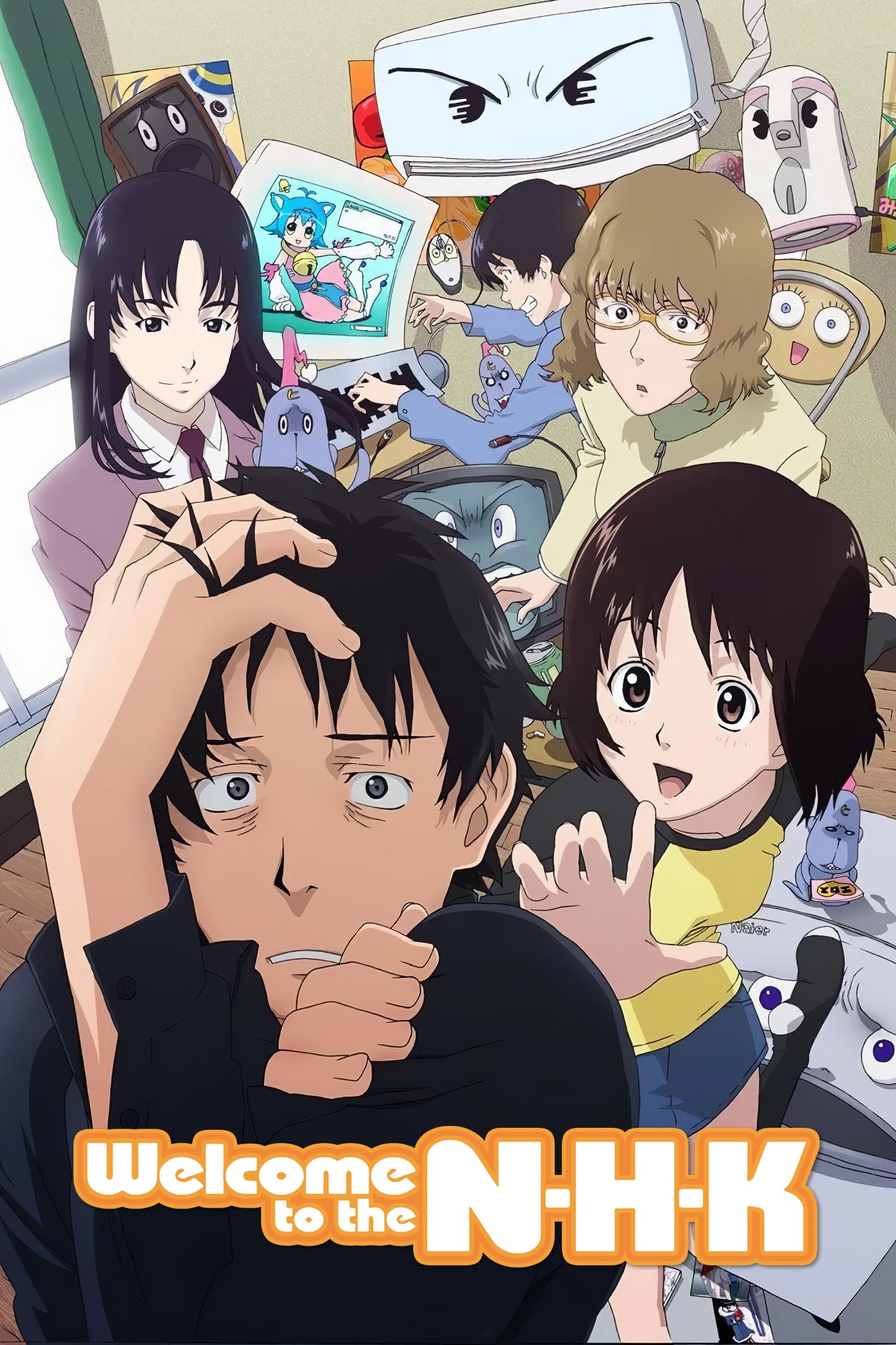
Tatsuhiro Satou is a recluse struggling with severe social anxiety and delusions. When a mysterious girl named Misaki Nakahara offers to help, he begins a series of meetings designed to address his isolation. The show realistically portrays the challenging and often unpredictable journey of recovery, highlighting how important support from others is to overcome negative patterns. It’s a powerful and honest look at mental health issues and the different ways people can find help when they feel marginalized.
‘Your Lie in April’ (2014–2015)

Kosei Arima was a brilliant pianist, but after his mother died, he lost his ability to hear the music he played. He then meets Kaori Miyazono, a lively violinist who encourages him to perform again and confront the painful memories holding him back. The story shows how pursuing dreams and dealing with loss are often linked, and how support from others is essential. Through his connection with Kaori, Kosei learns to depend on his friends to overcome his deep emotional struggles.
‘A Silent Voice’ (2013)
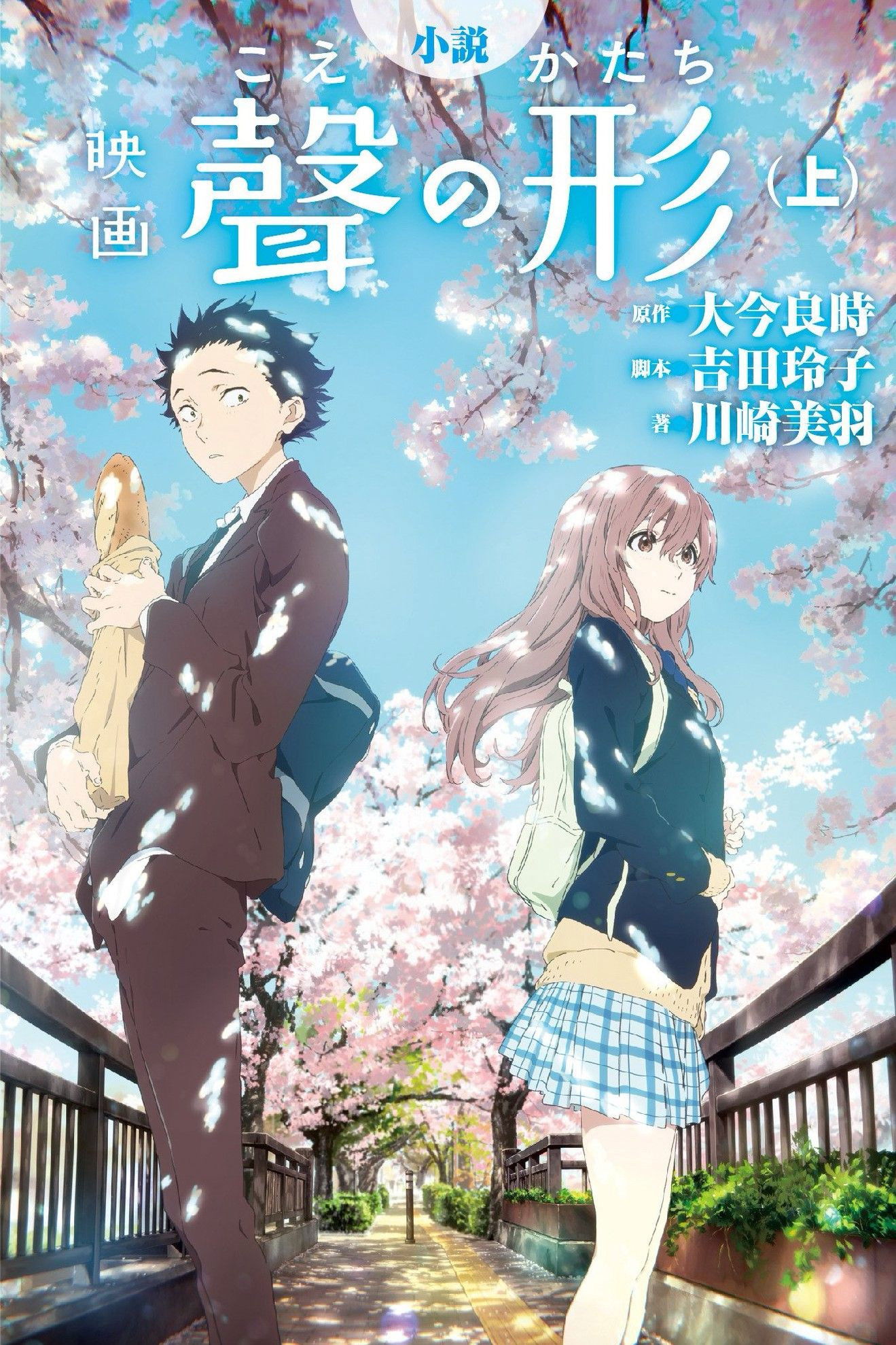
Years after severely bullying a deaf classmate, Shoko Nishimiya, Shoya Ishida tries to make amends. However, both Shoya and Shoko struggle with intense guilt and thoughts of suicide. The film shows that true healing comes from forgiving yourself and bravely apologizing to others. It highlights the importance of connecting with people to overcome the loneliness caused by past actions and emotional pain.
‘The Anthem of the Heart’ (2015)
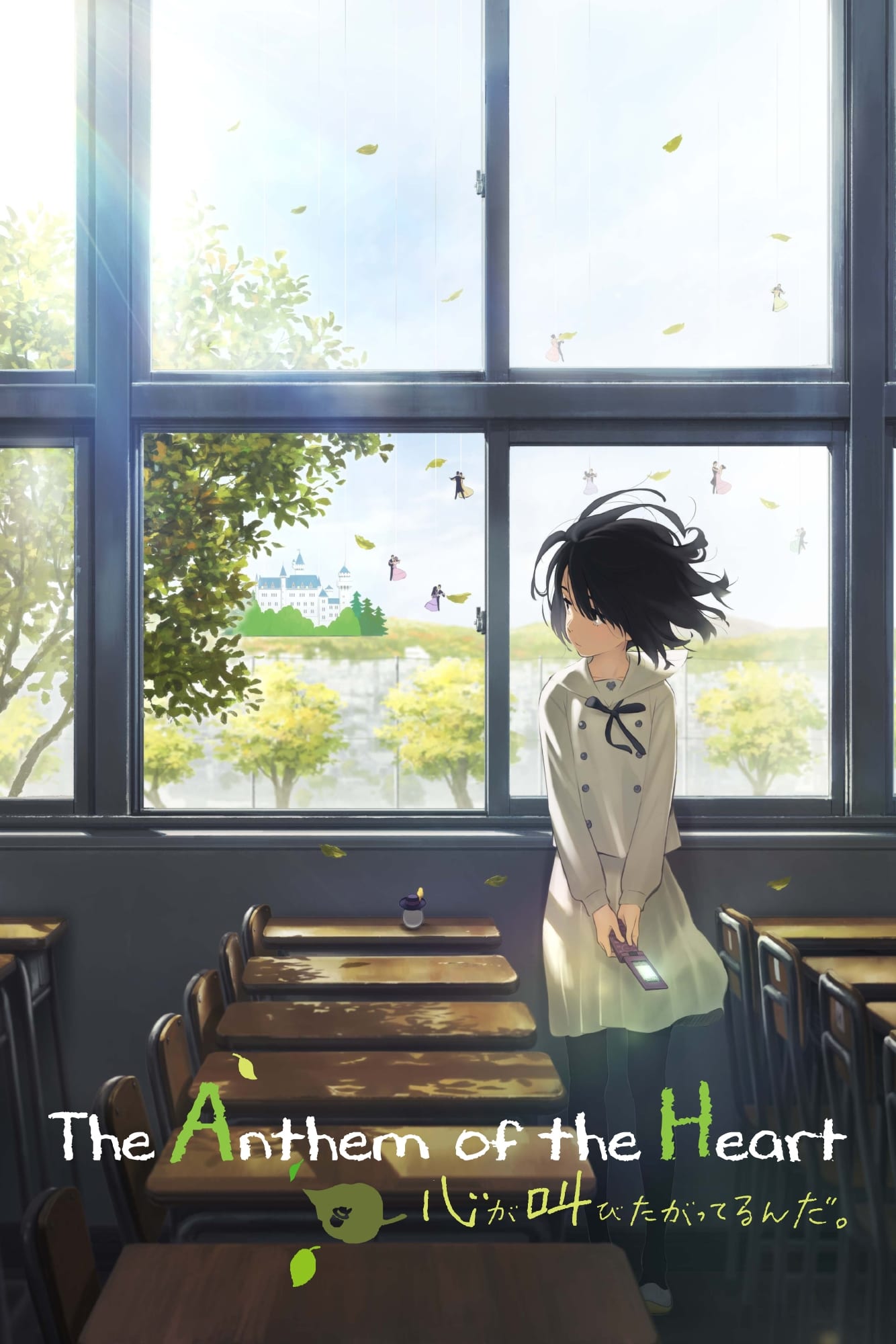
I’m really moved by the story of Jun Naruse. She’s a sweet girl who stopped speaking after something difficult happened when she was little, because she thought her words might hurt the people she loved. Then, she gets a chance to be in a school musical, which is so brave of her! It makes her find other ways to express everything she’s been holding inside. It’s amazing to see how her classmates rally around her and help her realize that sharing what she feels is so important for her to heal and grow. To me, this film beautifully shows how hard it can be to talk about painful things, and how much it means to finally be heard and understood.
‘Great Teacher Onizuka’ (1999–2000)
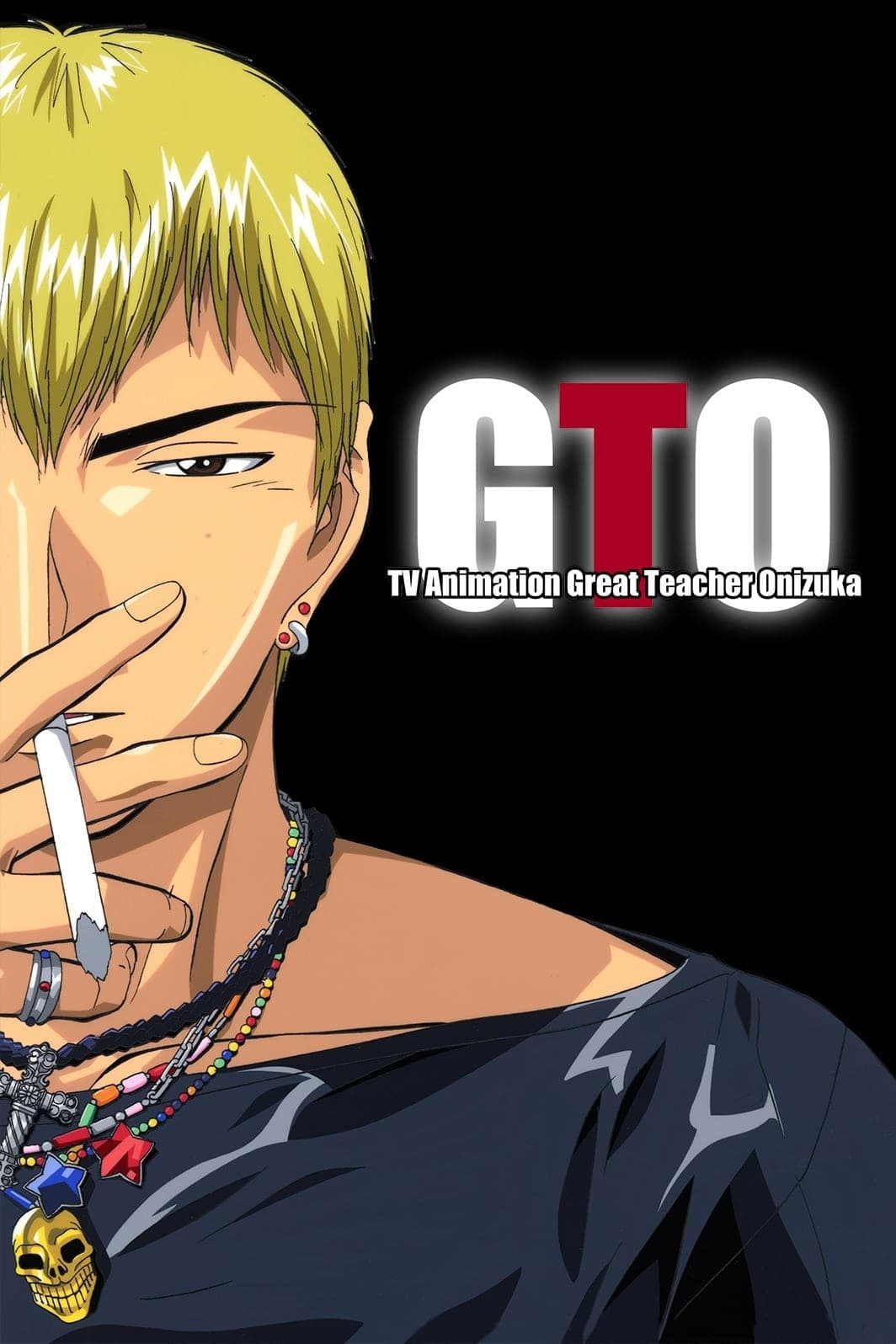
Eikichi Onizuka isn’t your typical teacher. He tackles his students’ personal struggles – like bullying and difficult home lives – in ways most schools don’t. He creates an open environment where students feel comfortable talking to him and asking for help, challenging the usual distance between teachers and students. The series highlights that students need emotional support and someone to stand up for them just as much as they need to learn in the classroom.
‘Mob Psycho 100’ (2016–2022)
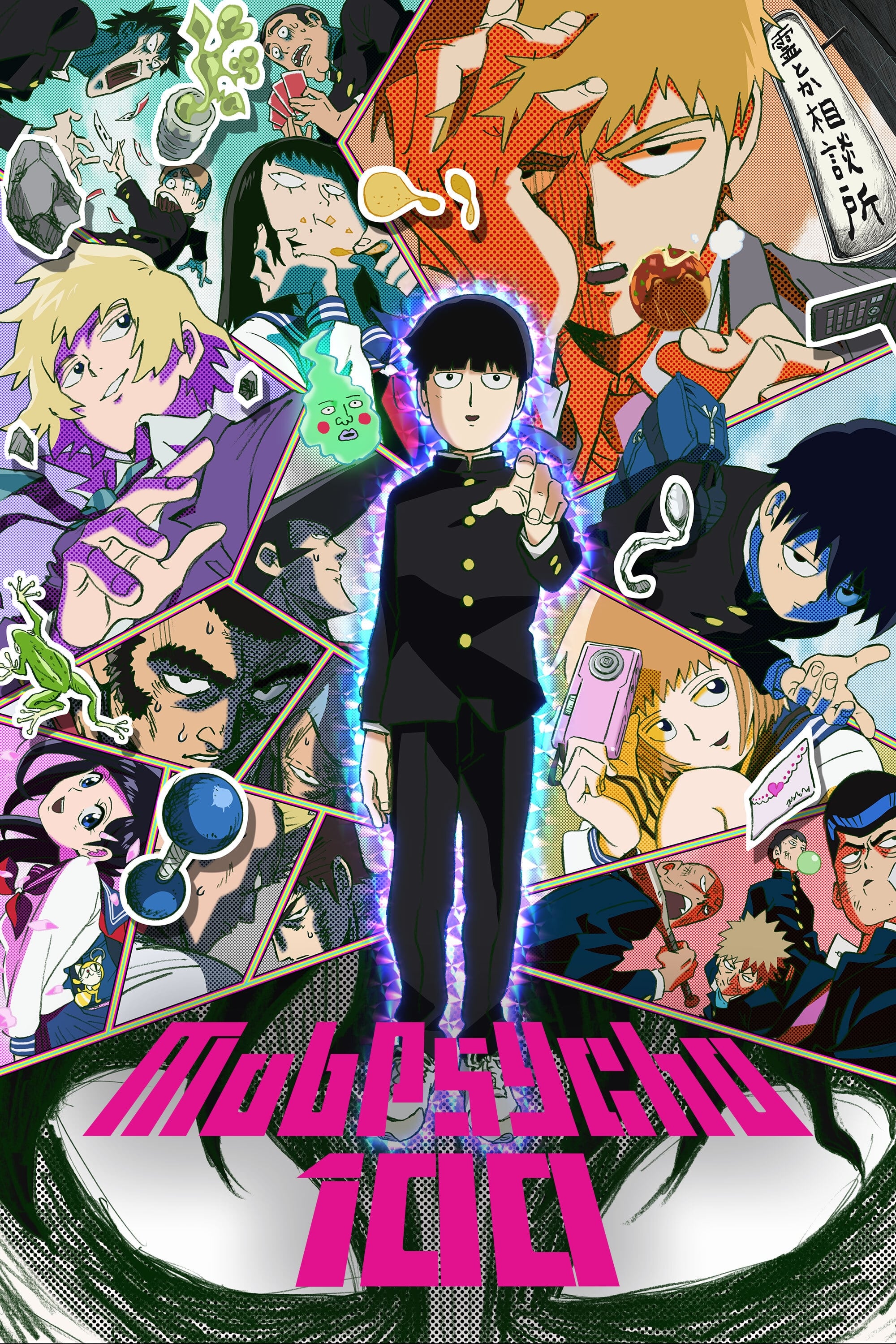
Shigeo “Mob” Kageyama is an incredibly powerful psychic, but he has trouble dealing with his strong emotions and often feels awkward around people. He turns to Reigen Arataka, a man who claims to be a medium, for help and surprisingly good advice. The story highlights that everyone, even those with amazing abilities, needs support and someone to talk to in order to stay balanced and healthy. Mob learns to grow by opening up about his fears and weaknesses instead of keeping them hidden.
‘Fruits Basket’ (2019–2021)
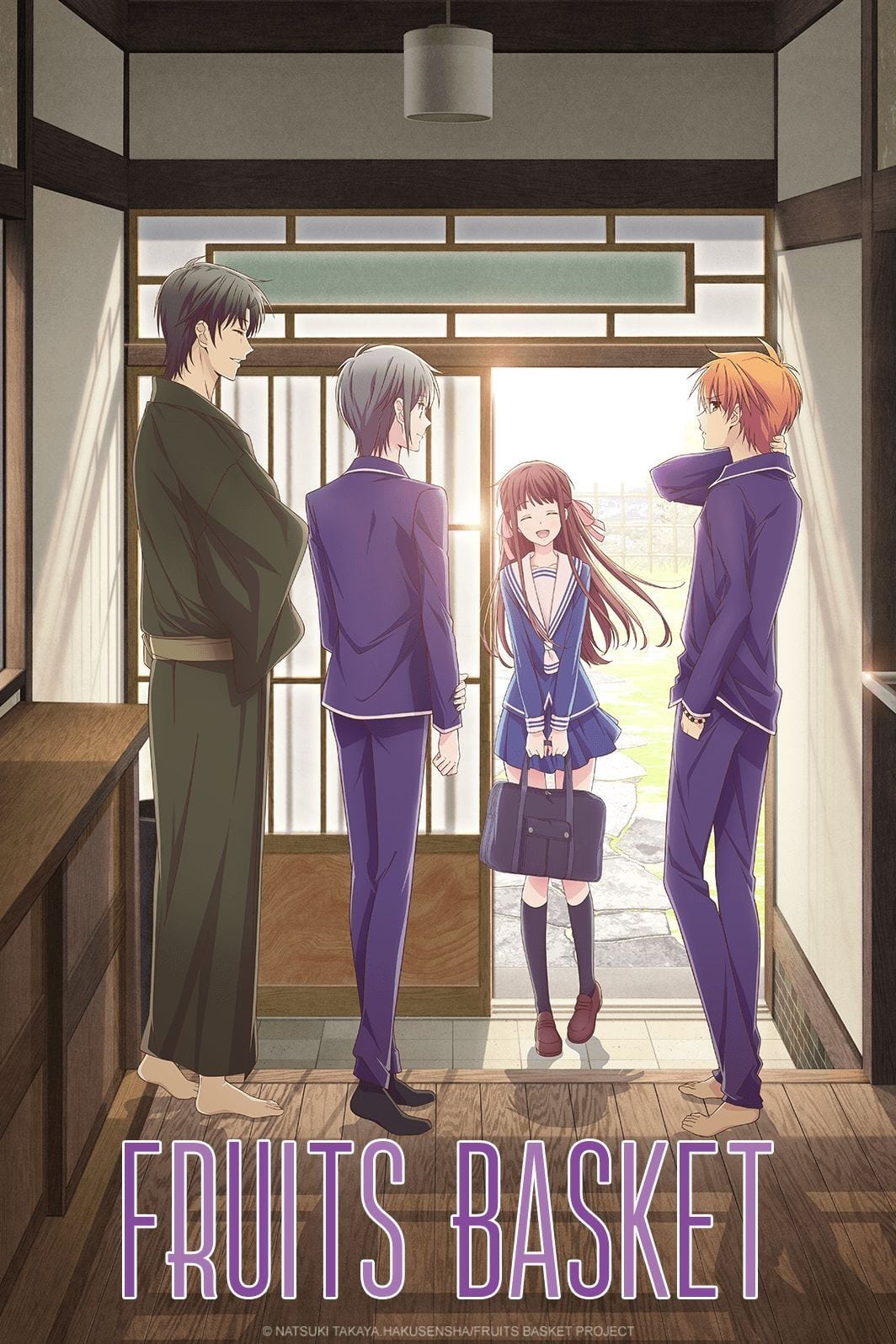
Tohru Honda’s life changes when she meets the Sohma family, who are dealing with a long-standing curse and painful pasts. She offers them kindness and support, encouraging them to overcome unhealthy family patterns and find happiness. The story looks at the effects of abuse and how important it is to build strong, chosen relationships – a “found family” – to truly heal. It shows that sometimes, it takes someone from outside the situation to help break a cycle of pain and trauma.
‘ReLIFE’ (2016)
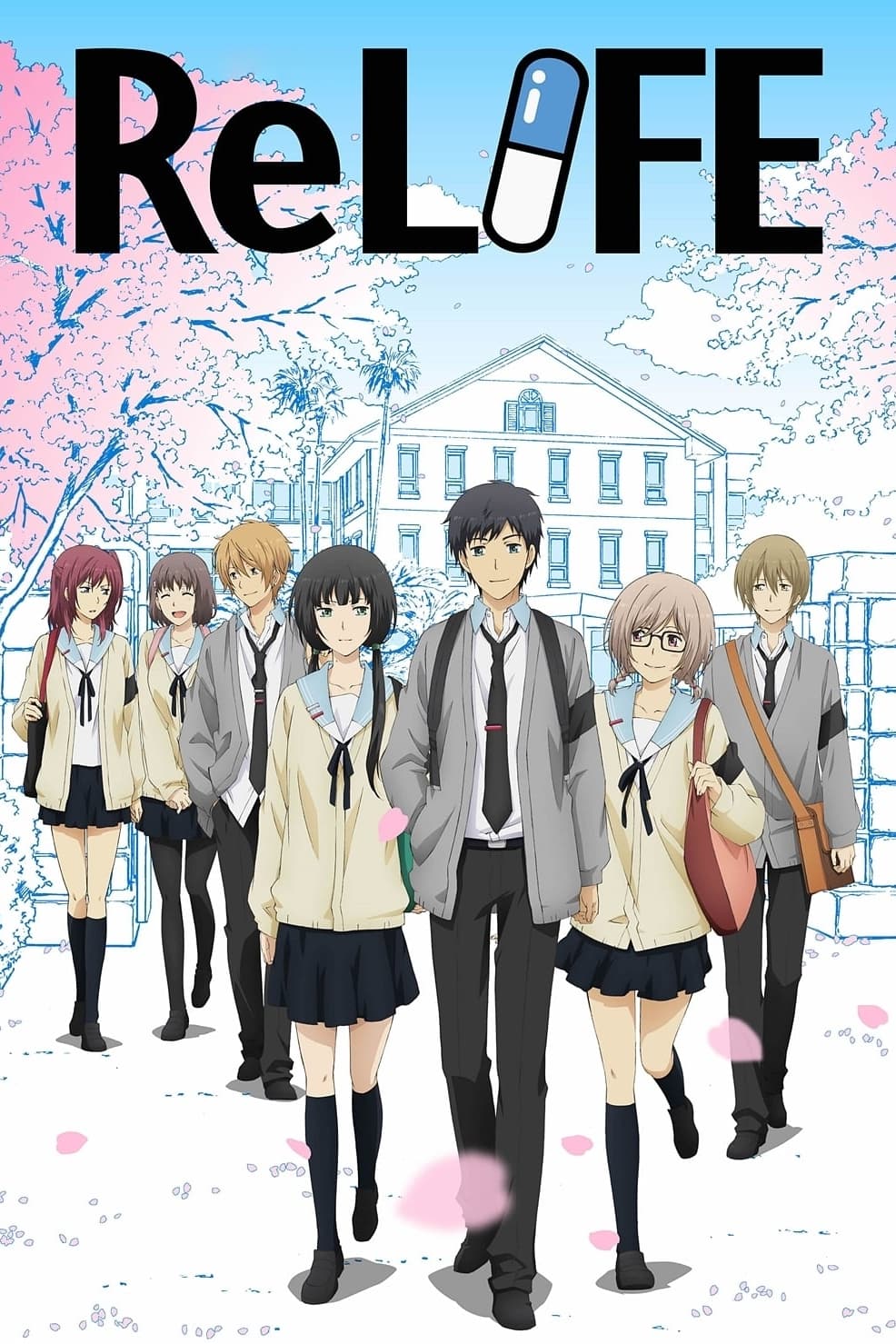
Arata Kaizaki, a 27-year-old struggling with unemployment and social anxiety, gets a unique opportunity: he’s sent back to high school for a year. This experiment gives him a chance to deal with the painful experiences that have held him back in life. With support and through connecting with current students, Arata begins to overcome the emotional issues that stopped him from growing. The show highlights that it’s possible to improve your mental health at any point in life and start fresh.
‘Violet Evergarden’ (2018)
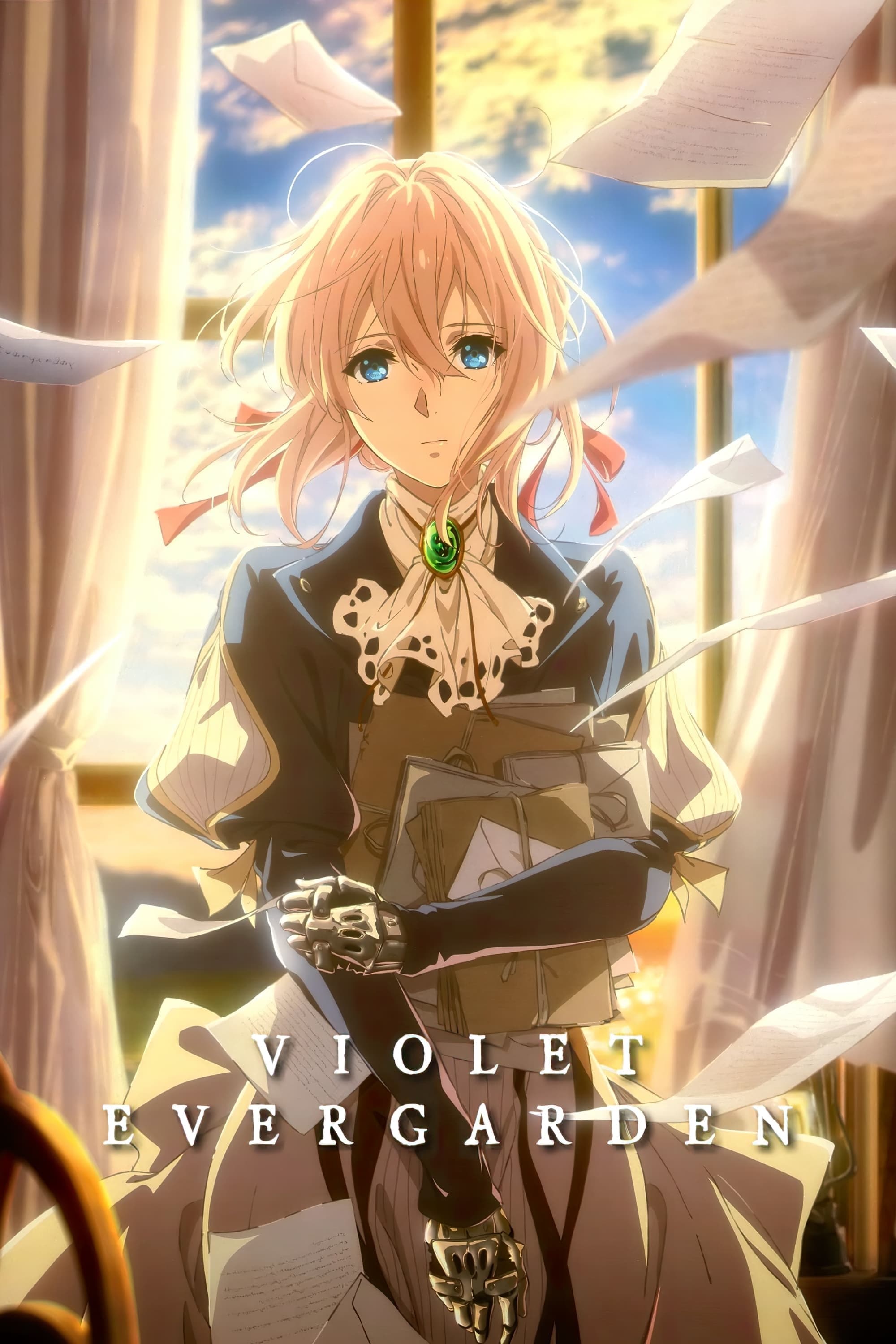
Violet used to be a child soldier and now finds it hard to adjust to normal life and understand her own feelings. She becomes an Auto Memory Doll, writing heartfelt letters for others, which surprisingly helps her deal with her own painful memories and trauma. The story shows that by helping others express themselves, Violet begins to understand her own emotional wounds and eventually consider healing.
‘Kono Oto Tomare!: Sounds of Life’ (2019)

Chika Kudo seems like a troublemaker, but he joins his school’s koto club to remember his grandfather. He and the other club members are all dealing with their own personal struggles and past issues. As they work together to create music, they find a safe place to be open with each other and support one another. The series shows how sharing a hobby and working as a team can help people feel emotionally supported and build healthy relationships.
‘Given’ (2019)

Mafuyu Sato is a high schooler who carries a guitar, even though he doesn’t know how to play, as a reminder of a painful past. He joins a band after meeting Ritsuka Uenoyama, and through writing songs, he starts to cope with the loss of someone close to him who died by suicide. The anime highlights how expressing yourself creatively and having supportive friends can help you deal with grief. It shows that talking about your pain is a courageous and important part of healing.
‘Say “I Love You.”‘ (2012)

Mei Tachibana has always kept to herself, convinced that everyone will eventually let her down. This has made it hard for her to form friendships. But when she meets Yamato Kurosawa, she starts to question her solitary life and cautiously begins to trust others. The story follows Mei’s journey as she learns to open up, seek connection, and realize that having someone supportive – whether a friend or a partner – can help overcome the fear of getting hurt and build meaningful relationships.
‘My Roommate is a Cat’ (2019)
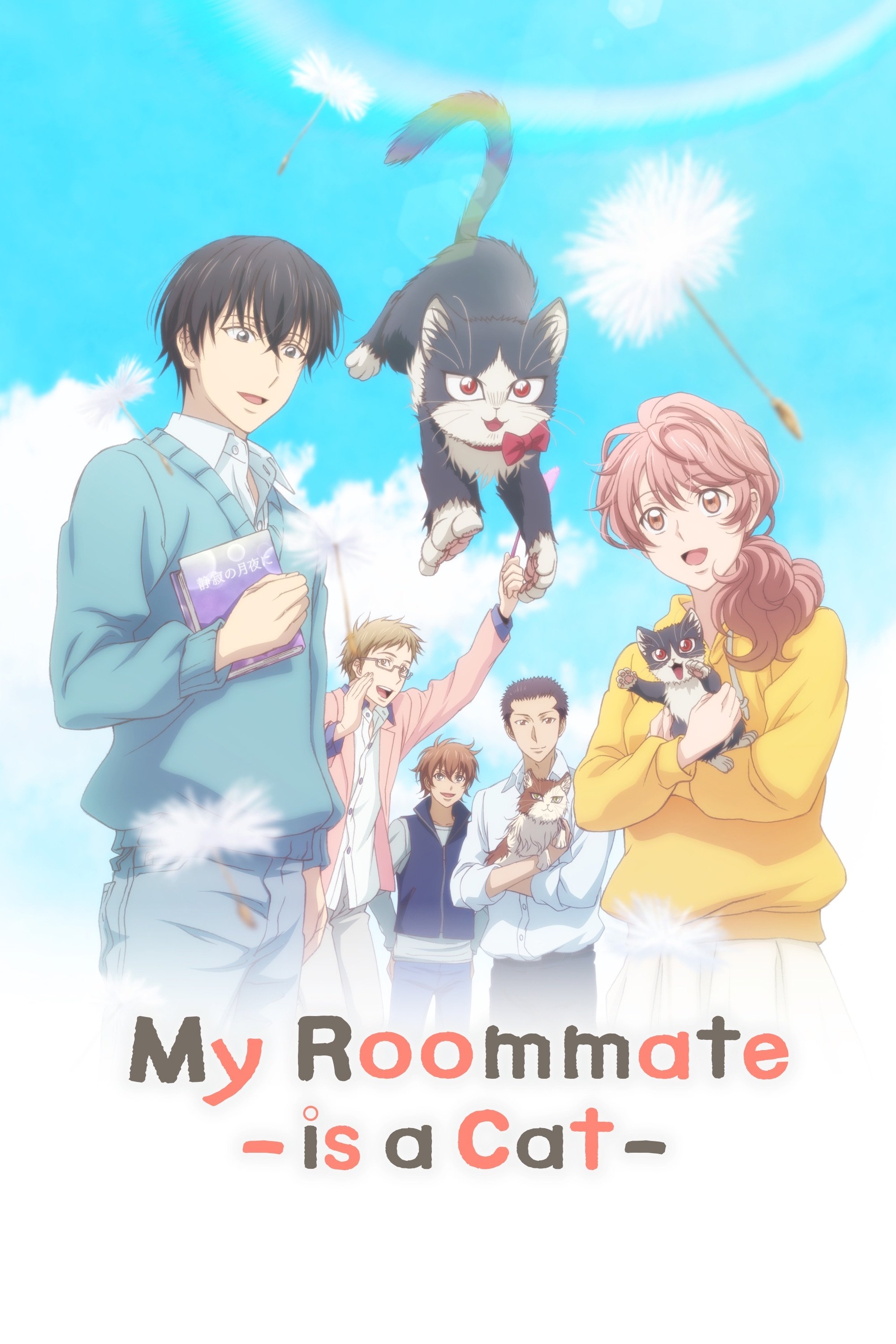
Subaru Mikazuki is a reclusive mystery writer still grieving the unexpected loss of his parents. His life starts to open up when he takes in a stray cat, which encourages him to connect with others as he cares for it. Through these connections, he finds friendship and support in processing his grief. The anime sensitively portrays how pets can help people heal and unexpectedly build social connections for those who are struggling.
‘Paranoia Agent’ (2004)
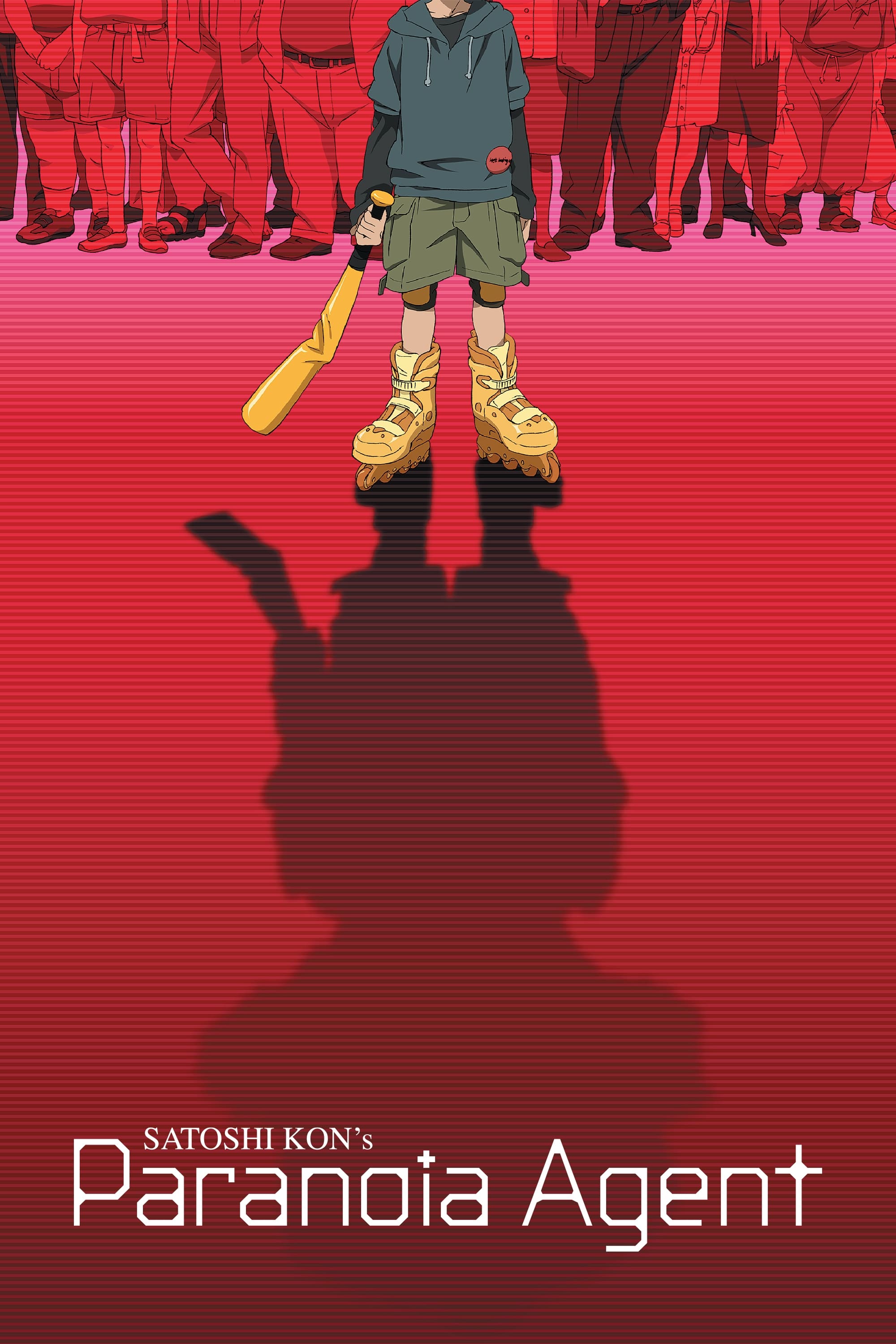
In Tokyo, a strange phenomenon centers around a figure called Lil’ Slugger, who targets people experiencing intense emotional distress. These individuals are all grappling with personal problems they feel overwhelmed by, and Lil’ Slugger’s actions offer a brief, involuntary escape from their difficulties. The story is a commentary on how modern society often encourages people to hide their problems instead of getting help, and it shows the harmful effects of bottling up stress and the importance of finding healthy ways to cope.
‘Sweetness & Lightning’ (2016)

Kouhei Inuzuka, a teacher and single father, is trying to raise his young daughter, Tsumugi, while still dealing with the loss of his wife. He realizes he’s struggling to give her the care she needs, so he asks a student for help learning to cook. The show highlights that it’s okay to ask for help as a parent, and that building a strong support system is crucial when facing challenges like single parenthood and grief.
‘Kotaro Lives Alone’ (2022)
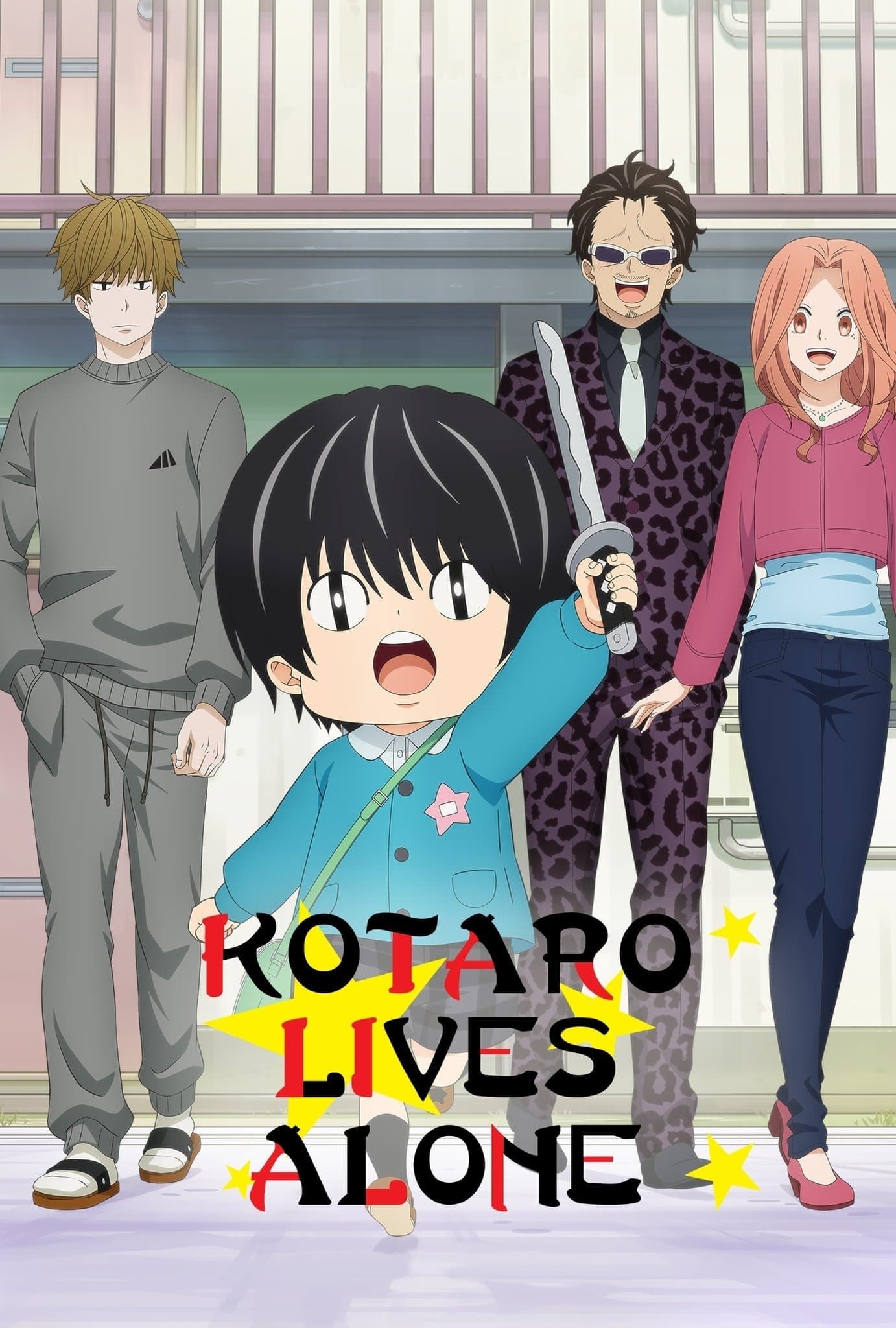
Kotaro, a remarkably independent four-year-old, moves into a new apartment alone. His neighbors quickly discover he’s had a difficult past and realize he needs help. They begin to care for him, understanding that all children – and especially those who have experienced trauma – need support to grow and heal. The story highlights the power of community in providing the care and security someone might be lacking.
‘Blue Spring Ride’ (2014)

Futaba is thrilled to reconnect with Kou, a boy she liked in middle school, but she’s surprised to find he’s become withdrawn and distant after losing his mother. The story centers on Futaba’s attempts to help Kou open up and deal with his sadness and feelings of guilt. It shows how hard it can be to connect with someone who’s emotionally closed off, and how much patience and effort it takes to support them. Ultimately, the story emphasizes that overcoming pain is a team effort, requiring both the person struggling and the support of those who care about them.
‘From Me to You: Kimi ni Todoke’ (2009–2011)

Sawako Kuronuma is a sweet girl who unintentionally scares her classmates because she looks like a character from a horror film. When the popular Shota Kazehaya becomes her friend, her life begins to change. He helps her learn to connect with others and make friends, something she’s never really experienced before. The story explores the challenges of social anxiety and how misunderstandings can lead to loneliness. It shows how having a supportive friend can help someone overcome these difficulties, leading to personal growth and better well-being.
‘Clannad: After Story’ (2008–2009)

Tomoya Okazaki struggles with deep sadness and withdrawal after experiencing significant personal losses. With the help of his father-in-law and friends, he slowly begins to rebuild his relationship with his daughter and family. The story realistically depicts the lasting impact of grief and emphasizes how important it is to have a support system when dealing with tragedy. It shows that while suffering is a part of life, you don’t have to go through it alone.
‘Honey and Clover’ (2005–2006)
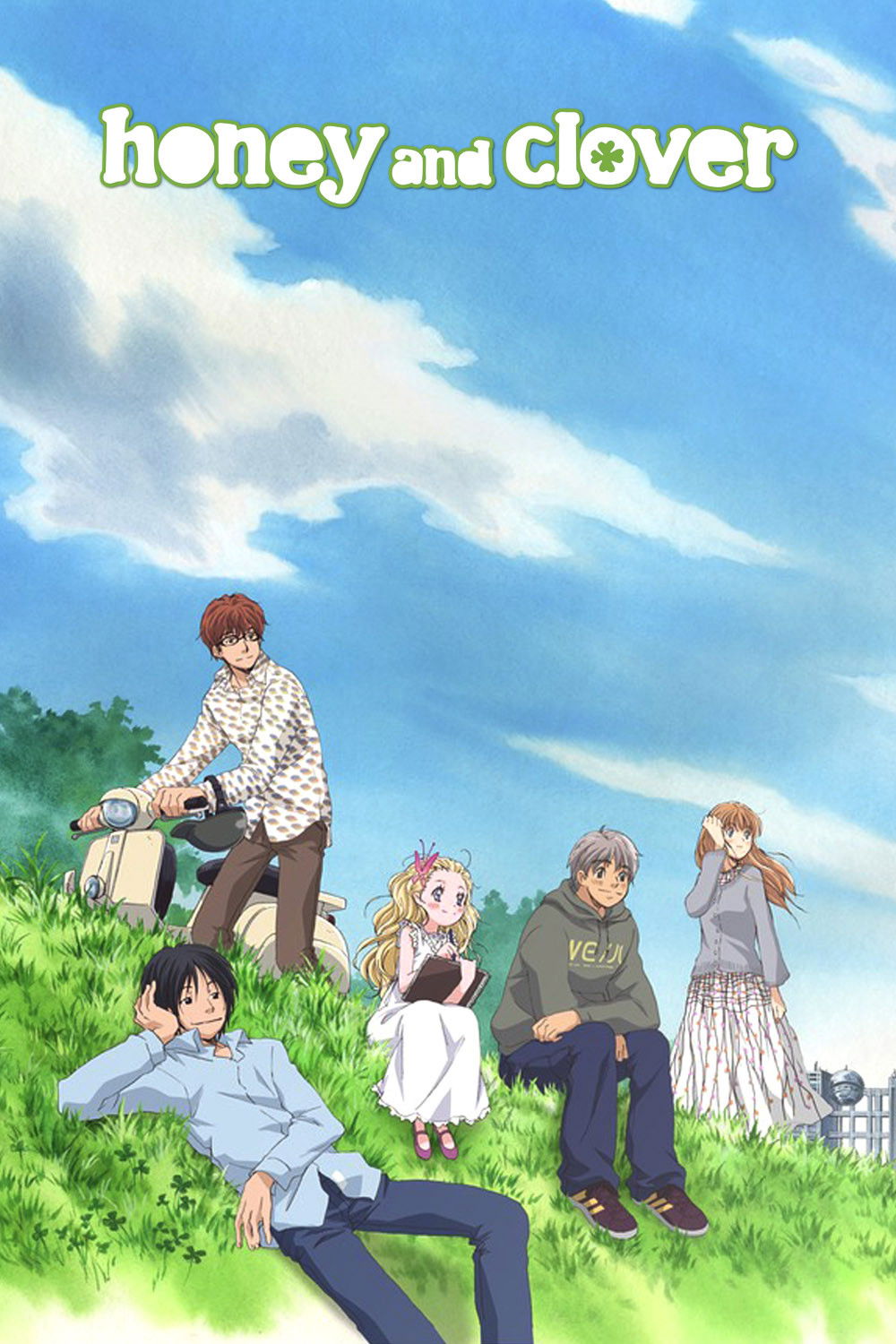
This story follows five art students as they navigate the challenges of growing up, including figuring out their careers and dealing with unrequited love. It’s a look inside their personal struggles and how they lean on each other for support. The narrative highlights the confusion and uncertainty of being young, and how valuable it is to have someone – a mentor or a friend – to talk to about your fears and setbacks. The characters develop by learning to admit when they’re struggling and asking for help.
‘Ping Pong the Animation’ (2014)
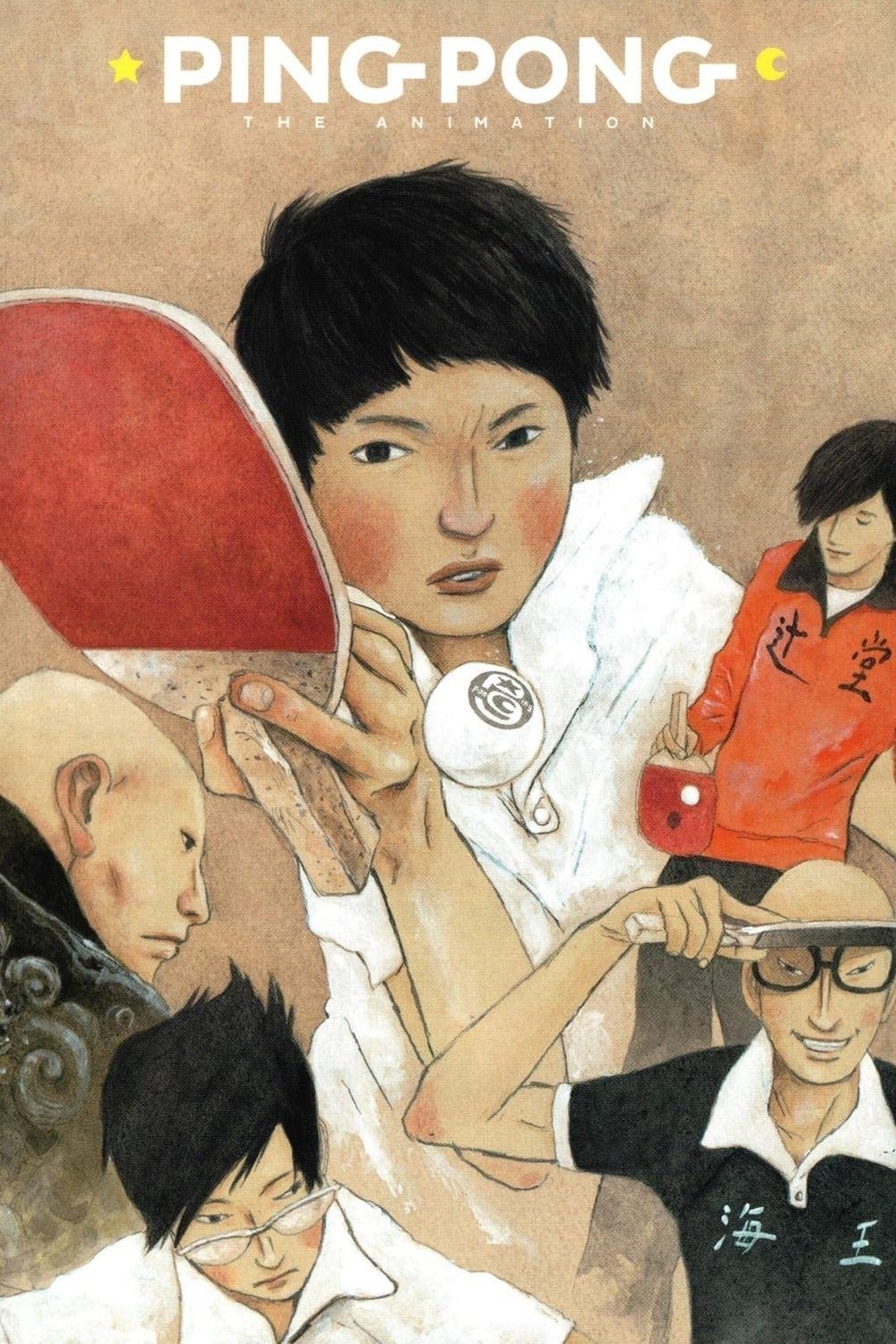
Smile is a naturally gifted table tennis player, but he doesn’t have the same competitive spirit as other players. His coach, Jojo, believes in his ability and encourages him to push past his own doubts and mental blocks. The story focuses on the complex bond between a coach and student, and how good mentorship can help someone achieve their full potential. It highlights the importance of having someone who recognizes your strengths, even when you can’t see them yourself.
‘Haganai: I Don’t Have Many Friends’ (2011–2013)

Kodaka and Yozora start the Neighbors Club, a group for students who struggle with making friends and being social. Although the show is funny, it honestly portrays the loneliness and social difficulties its characters face. The club is like a support system where they can practice interacting with others and find a sense of community. It shows that it’s okay to connect with people who understand your social challenges and work together to feel more comfortable.
‘Barakamon’ (2014)
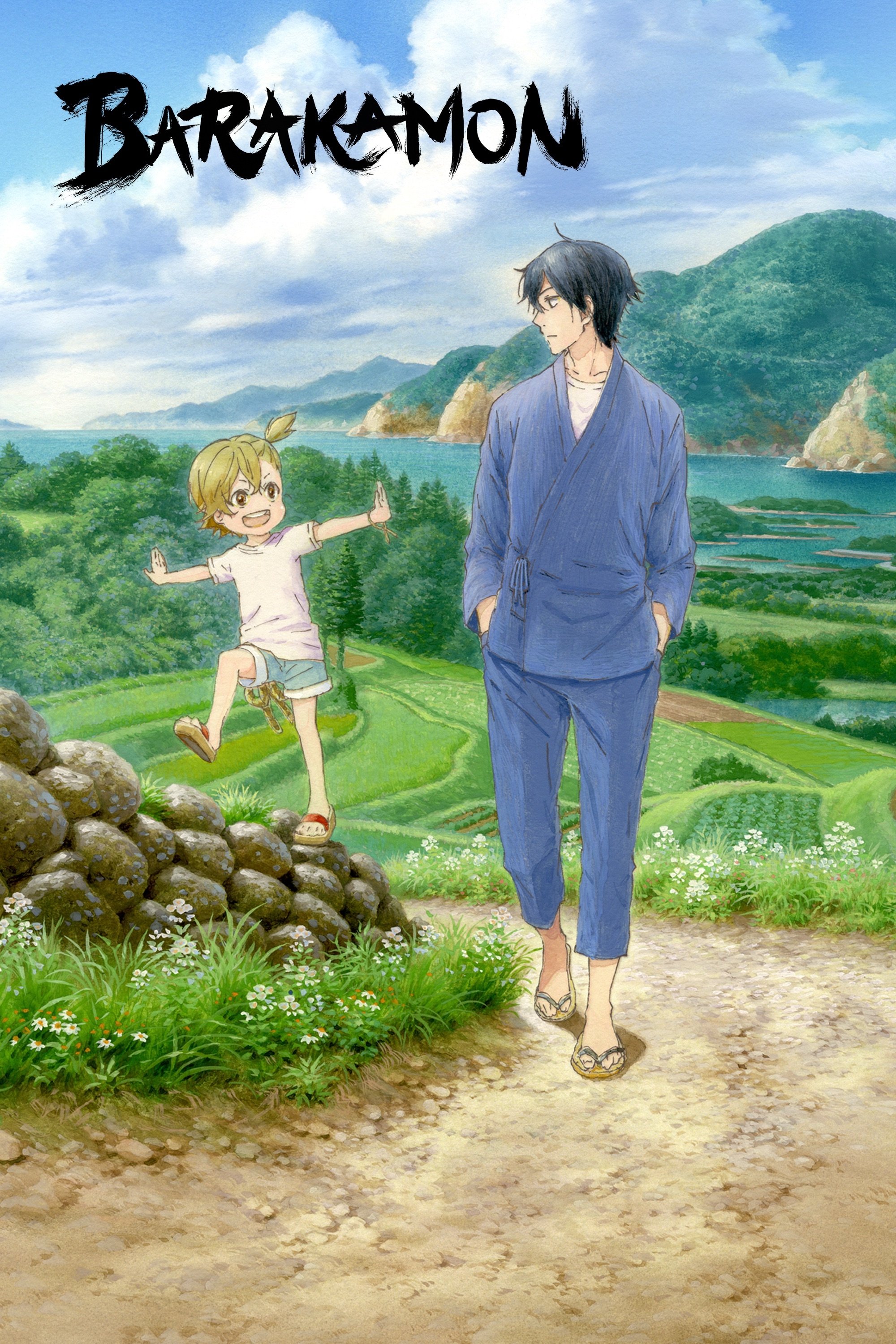
Seishuu Handa, a skilled calligrapher, is exiled to a small island after angrily responding to feedback on his work. There, he connects with the island’s cheerful residents, who help him find his love for calligraphy again and manage his temper. The new surroundings and genuine support from the villagers allow him to overcome his creative struggles and his own pride. The story shows how a fresh outlook and a supportive community can lead to meaningful personal growth and inner peace.
‘The Pet Girl of Sakurasou’ (2012–2013)
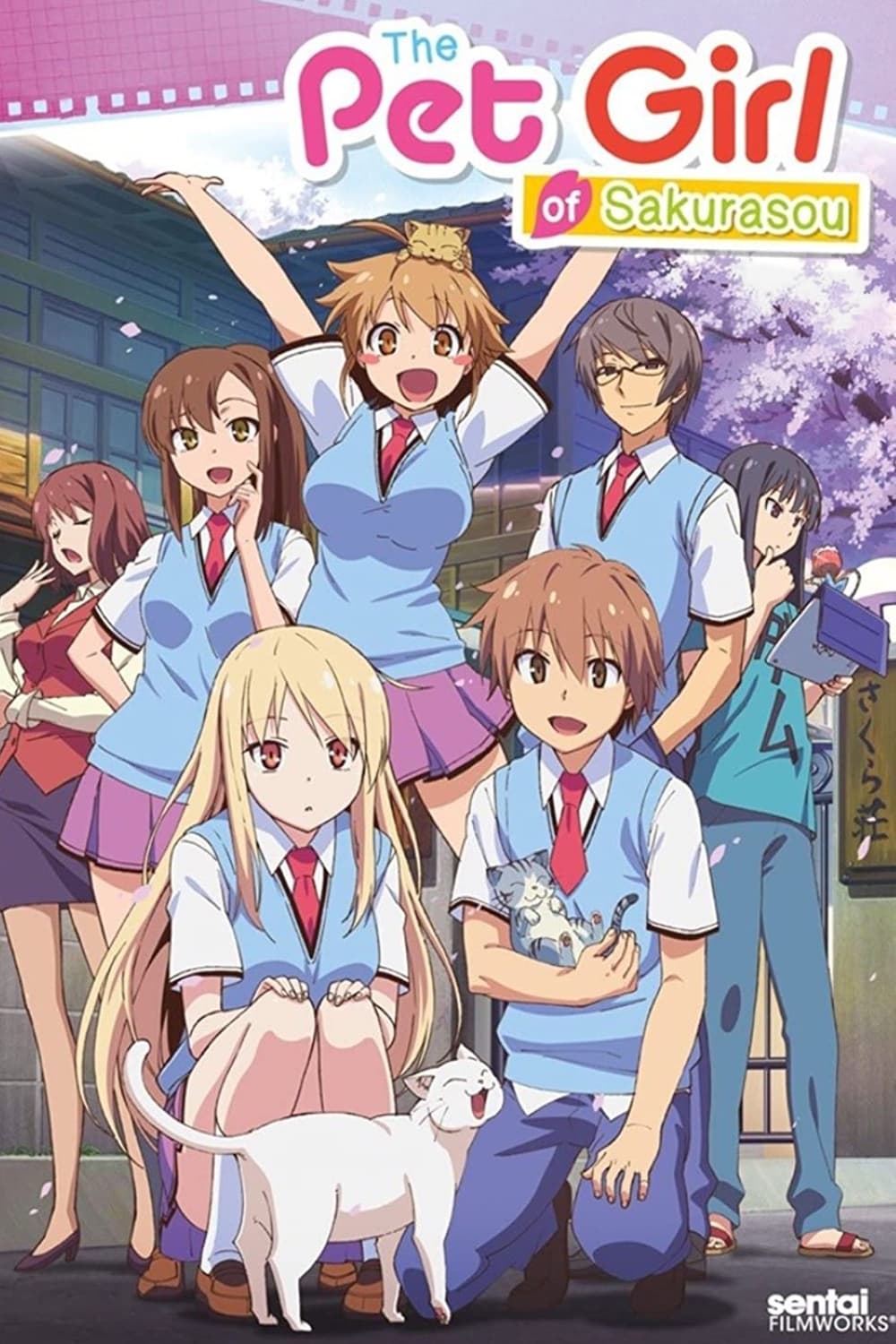
Sorata Kanda lives in a dorm full of unique students, and ends up looking after Mashiro Shiina, an incredibly talented artist who struggles with everyday social interactions. The residents of the dorm are all facing challenges and setbacks in their creative pursuits, whether it’s animation, game design, or other fields. They rely on each other for support through these difficulties and personal struggles, creating a close community. The story highlights that even exceptionally gifted people need help and encouragement from others to succeed.
‘Anohana: The Flower We Saw That Day’ (2011)

Years after the tragic death of their friend Menma, a close-knit group of childhood friends have grown distant. When Menma’s ghost suddenly appears to Jinta, the former leader, she asks him to fulfill a wish. This unexpected event compels the group to reunite and finally address the guilt and grief they’ve all been holding onto. The story highlights the importance of supporting each other and openly communicating when dealing with a shared, painful past to truly heal.
Please share your thoughts on these stories and how they handle personal struggles in the comments.
Read More
- 20 Movies Where the Black Villain Was Secretly the Most Popular Character
- Can AI Lie with a Picture? Detecting Deception in Multimodal Models
- 25 “Woke” Films That Used Black Trauma to Humanize White Leads
- 22 Films Where the White Protagonist Is Canonically the Sidekick to a Black Lead
- Silver Rate Forecast
- Top 10 Coolest Things About Invincible (Mark Grayson)
- From Bids to Best Policies: Smarter Auto-Bidding with Generative AI
- When AI Teams Cheat: Lessons from Human Collusion
- Top 20 Dinosaur Movies, Ranked
- Unmasking falsehoods: A New Approach to AI Truthfulness
2026-01-20 22:48