Occasionally, an anime will focus on the villain, giving them a detailed backstory, understandable goals, and a role that actively shapes the story. This can redirect the audience’s focus from the hero to the character everyone is opposing, ultimately changing how the story feels and how it’s remembered.
As a total TV fanatic, I’ve been putting together a list of shows that really nail the villain game. I’m talking about antagonists who aren’t just ‘bad guys,’ but complex characters with real reasons for what they do, clear strategies, and a huge impact on the world around them. What I love about these series is how they really delve into *why* these characters are the way they are, showing us what systems they’re fighting against and how their stories unfold.
‘Death Note’ (2006–2007)
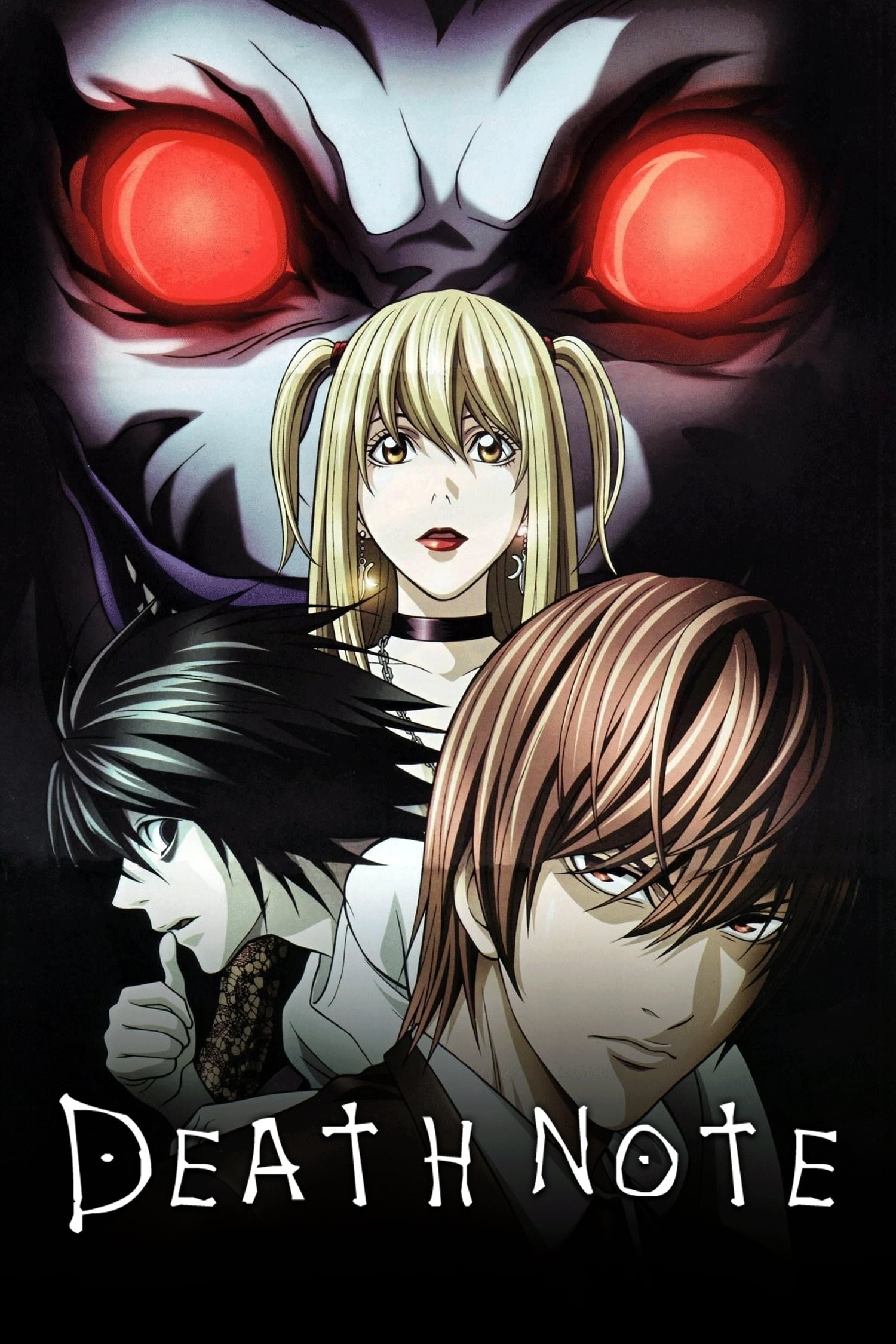
Light Yagami discovers a mysterious notebook with the power to kill anyone whose name he writes in it. He begins a campaign against criminals, calling himself Kira, and tries to stay one step ahead of a worldwide investigation. As Light carries out his plans, he draws the attention of the Japanese Task Force, the brilliant detective L, and eventually, Near and Mello, who all try to uncover his identity.
The series explains how the Death Note works, details the investigation into the Yotsuba Group, and shows how Light uses memory alteration to hide his actions. It also explores how the police investigate, how the media responds, and how a following of Kira supporters develops, offering a wide-ranging look at themes of crime, justice, and power.
‘Code Geass’ (2006–2008)
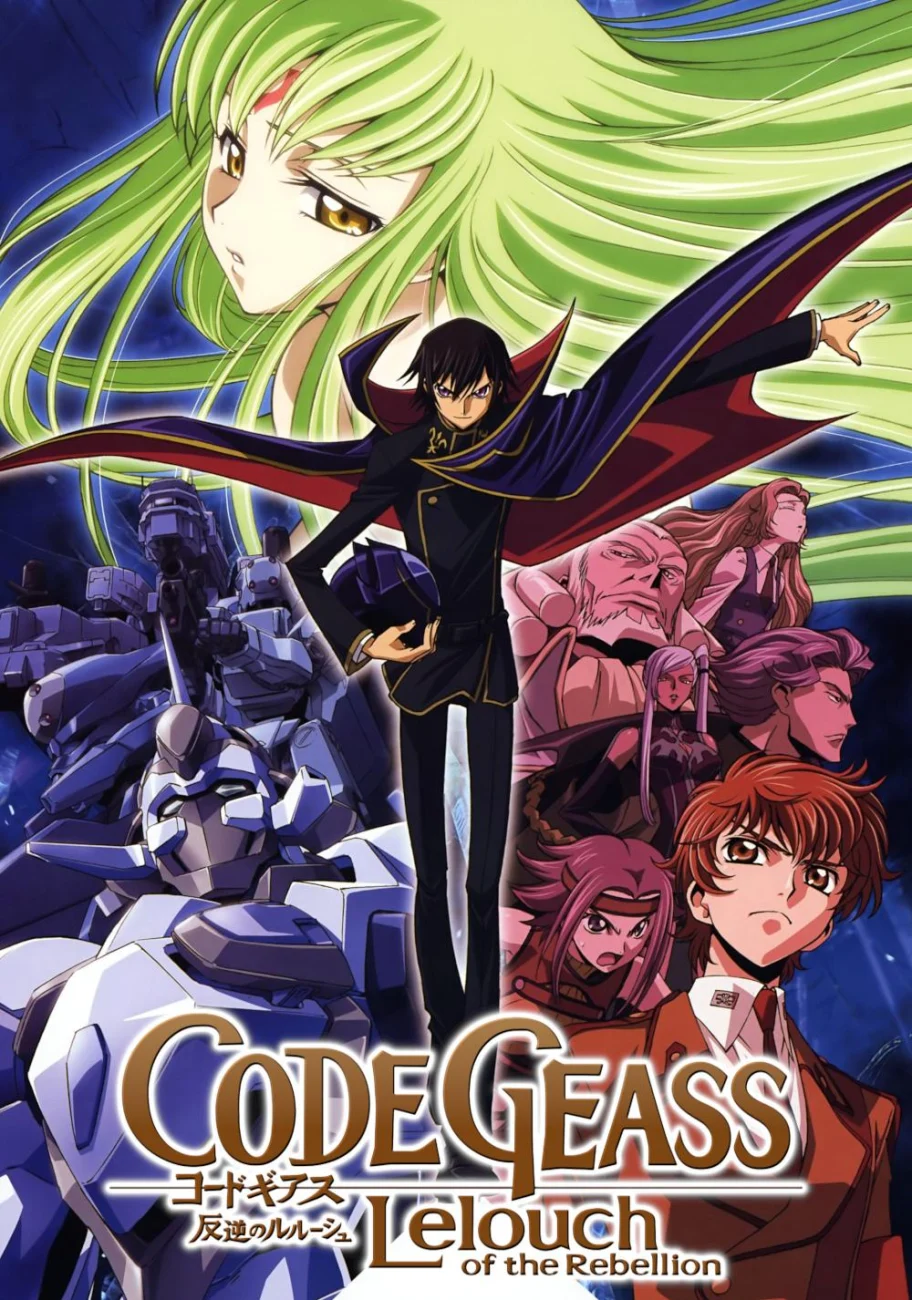
Lelouch vi Britannia gains a special ability from C.C. and transforms into Zero, the mysterious leader of the Black Knights, a group fighting against the Holy Britannian Empire. The series follows both the battles they wage, Lelouch’s time as a student at Ashford Academy, and the shifting political landscape within the empire.
Key moments in the story include the creation of the Special Administrative Zone, a tragic massacre caused by a mistakenly given order, and a carefully planned final strategy called Zero Requiem. The series shows how powerful robots called Knightmare Frames, different noble families, and the feelings of the general public all influence what happens.
‘Attack on Titan’ (2013–2023)
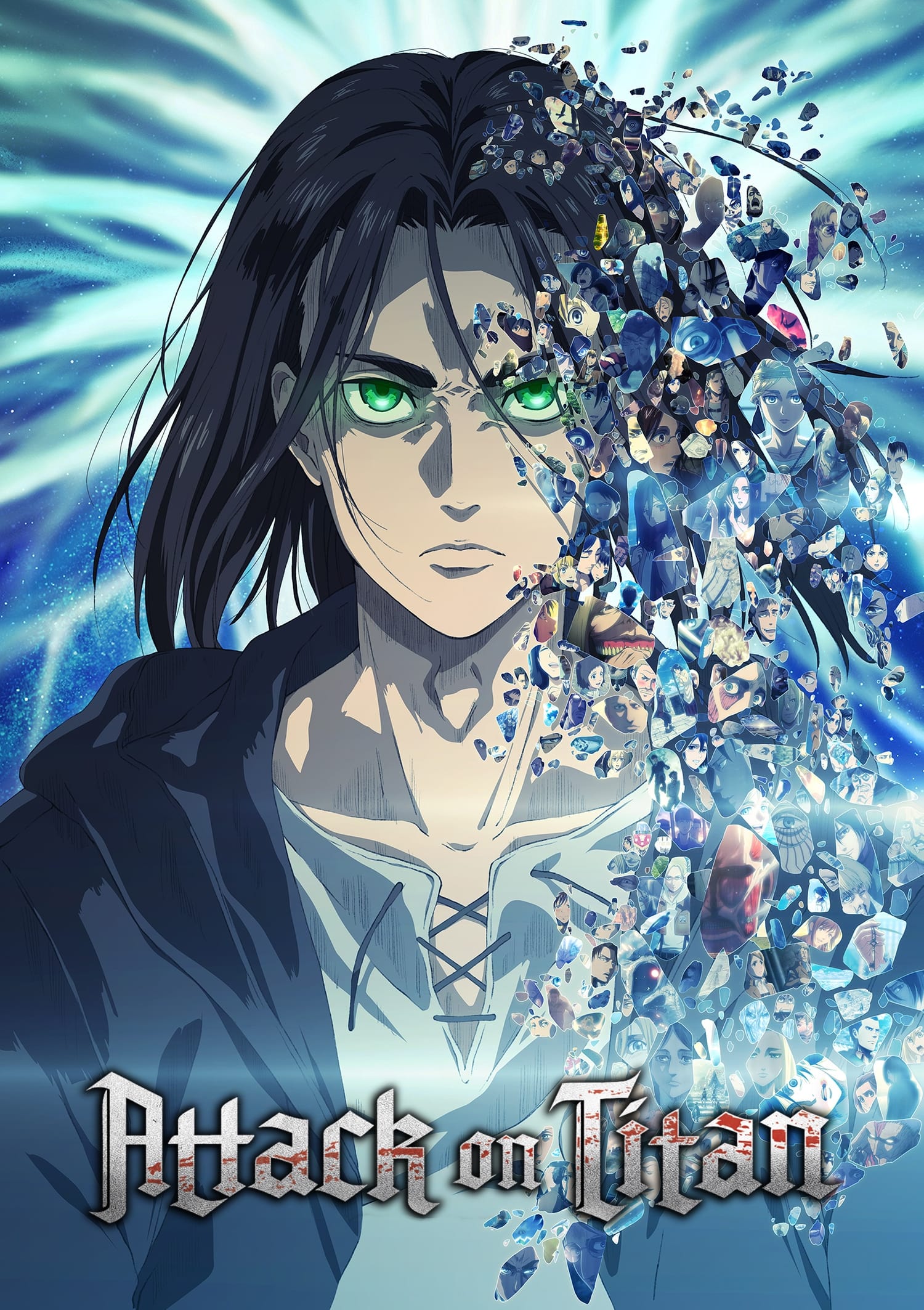
The battle against the Titans grows into a full-scale war between Marley and Eldia, with Eren Yeager making choices that impact the entire world. We learn who controls the Armored and Colossal Titans, and the story explores covert operations both on Paradis Island and within enemy territory.
The story revolves around crucial concepts like the Founding Titan’s connection to the Paths, Zeke’s plan for a world without titans, and the devastating event known as the Rumbling. It also details the military structure, shifting alliances, and how Titan abilities influence both political negotiations and battles.
‘Hunter x Hunter’ (2011–2014)
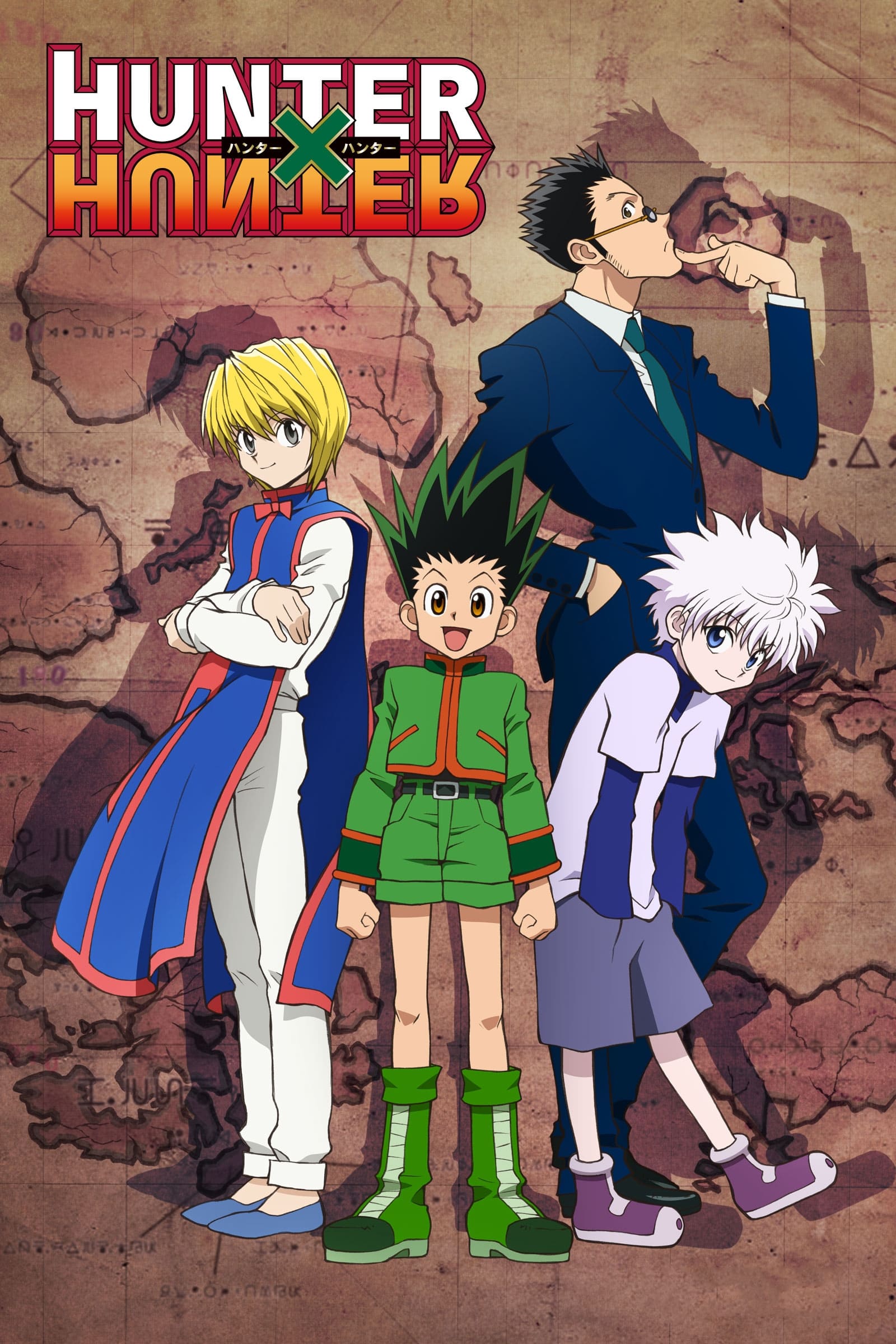
The Chimera Ant storyline centers on the arrival of Meruem and his Royal Guards, culminating in a conflict at the palace in East Gorteau. Following events at NGL, Gon focuses on finding Neferpitou, while the Hunters develop a strategy based on the skills of Chairman Netero.
Key elements of this story arc involve Nen abilities, how characters use En and Gyo techniques while infiltrating, and the King’s changing plans during the fight. The events trigger a series of consequences that impact the Hunter Association and multiple countries.
‘Fullmetal Alchemist: Brotherhood’ (2009–2010)
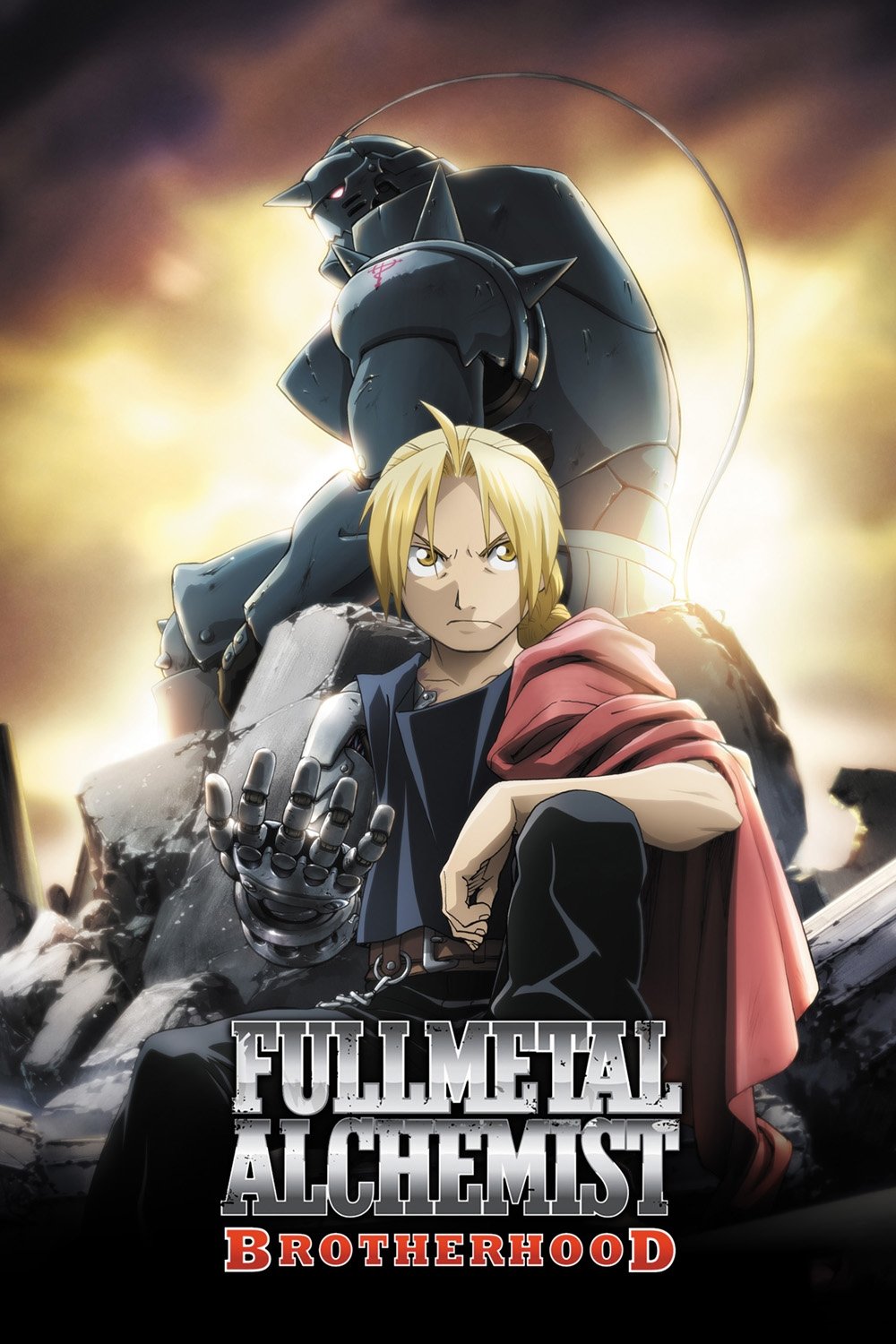
Those opposing the protagonists include figures like Scar and the Homunculi, all controlled by Father, who uses a massive transmutation circle powered by the entire nation of Amestris and its army. King Bradley secretly acts as the Homunculus Wrath while he maintains his position in government, but the Elric brothers are getting closer to uncovering the secrets of the Philosopher’s Stone.
This series explores the backstory of Scar, focusing on the war with Ishval and the changing loyalties of Greed. It also explains key concepts like the Gate of Truth, the dangers of human transmutation, and how the military forces of Briggs, Central, and Xing worked together.
‘Naruto: Shippuden’ (2007–2017)
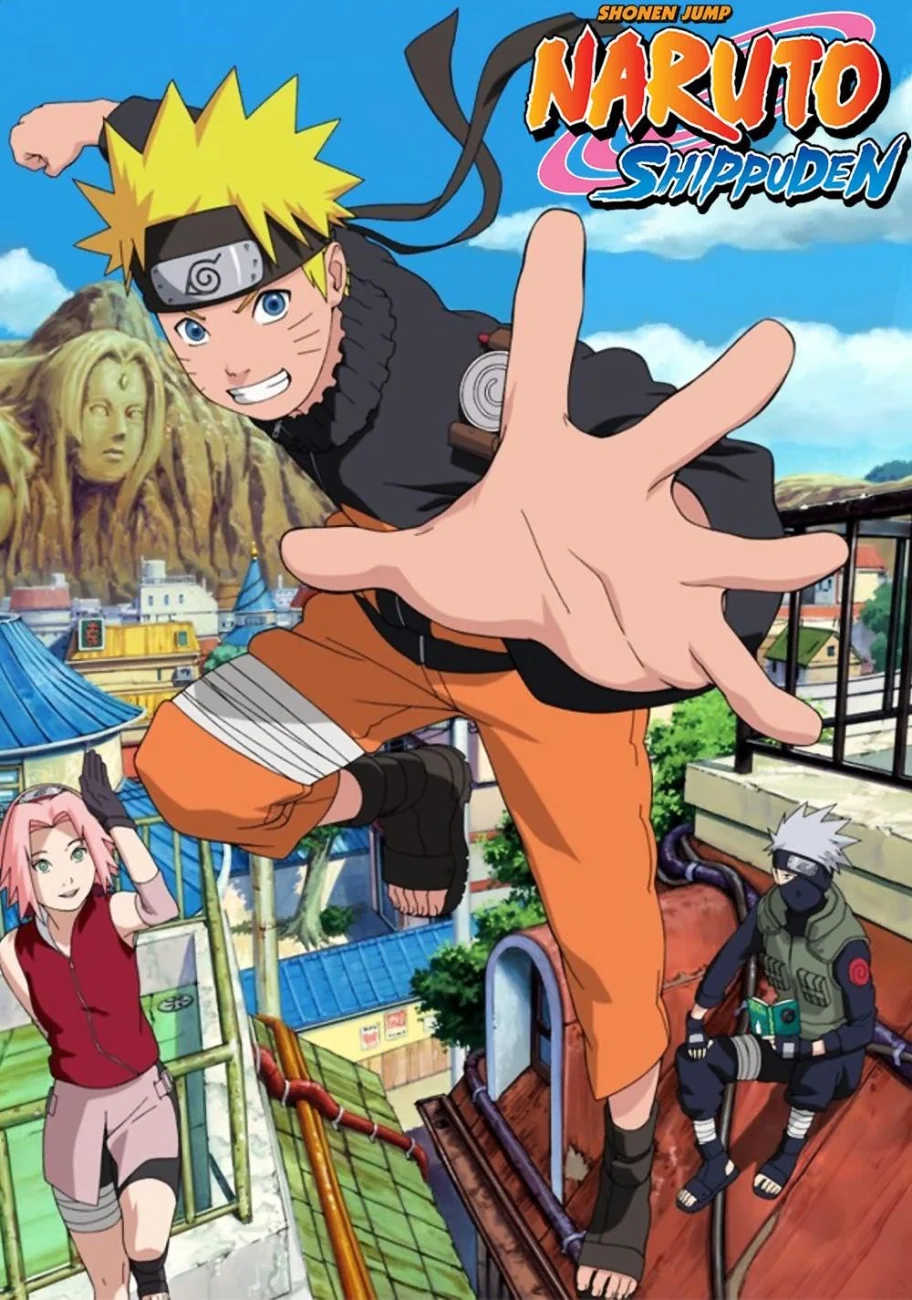
The Akatsuki group is central to many storylines, with Itachi Uchiha’s actions during the Uchiha clan’s downfall and Nagato’s forceful approach to peace significantly impacting several villages. Their pursuit of the powerful tailed beasts leads them across different countries and involves individuals who host these beasts from all regions.
The story features key events like the attack on Konoha, the actions of Pain, and the truth behind Itachi’s orders. It also details the shifting alliances, powerful and secret techniques, and the structure of leadership during the Fourth Great Ninja War.
‘JoJo’s Bizarre Adventure’ (2012–2019)
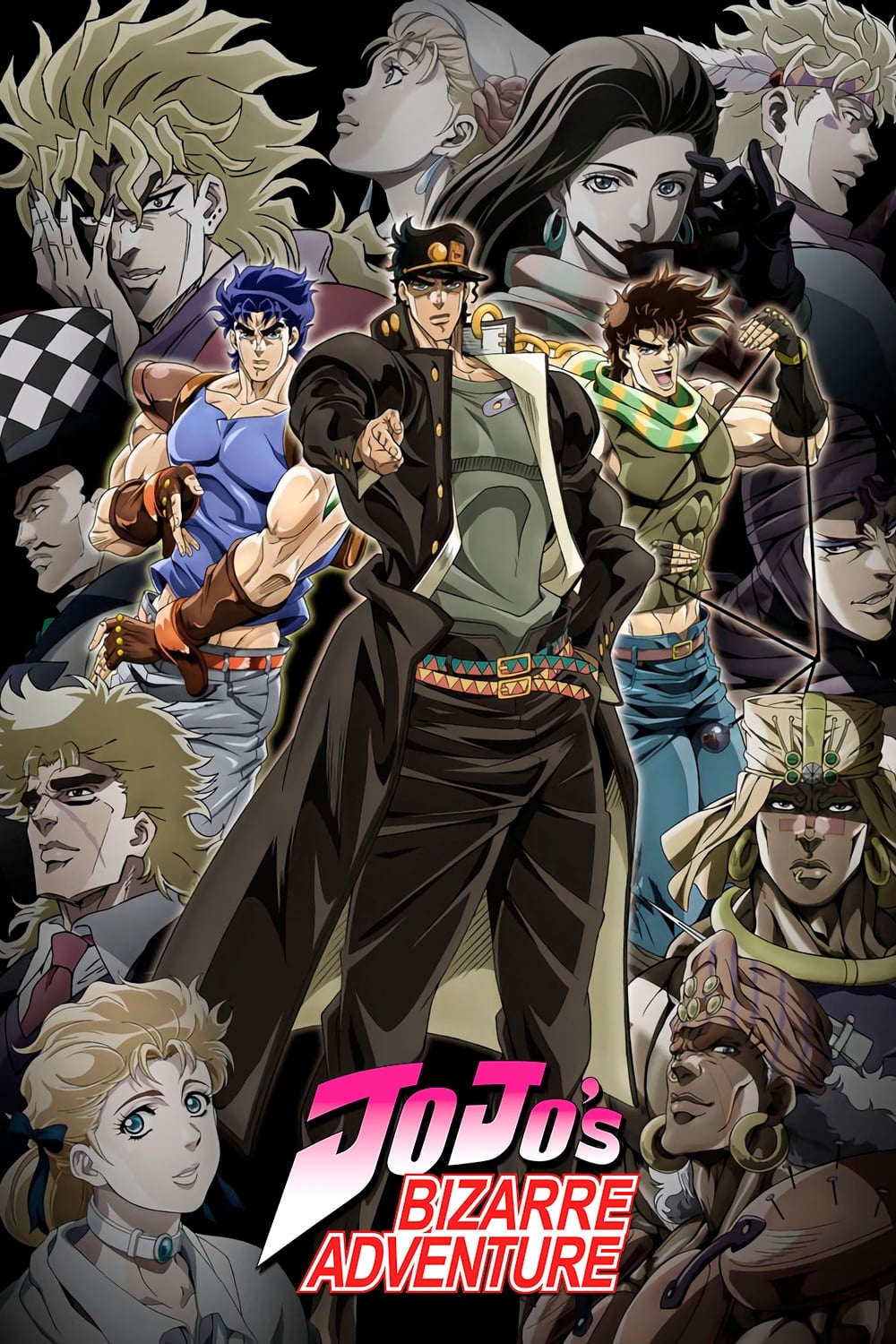
Many storylines in this series revolve around villains who dictate the terms of each fight. For example, DIO’s comeback brought time-stopping abilities into play, dramatically altering how battles were fought. The Joestar family’s trip to Egypt is specifically designed as a series of challenges set by powerful enemies who control the paths they take and what they have available.
The story details how characters’ unique abilities (called Stands) and family ties influence their actions, and how they form teams to overcome challenges. It also illustrates how shifting enemy power structures and changing environments force them to constantly adapt their plans.
‘Monster’ (2004–2005)

After Dr. Kenzo Tenma saves his life, Johan Liebert becomes the central figure in an international manhunt. The story follows a trail of murders across Germany and other countries, pursued by police, the press, and ex-intelligence agents.
The series explores several key elements: a place called Kinderheim 511, the impact of a childhood storybook, and the history of covert operations. It details the legal processes involved, accounts from those who witnessed events, and the gradual uncovering of Johan’s life story.
‘Psycho-Pass’ (2012–2013)
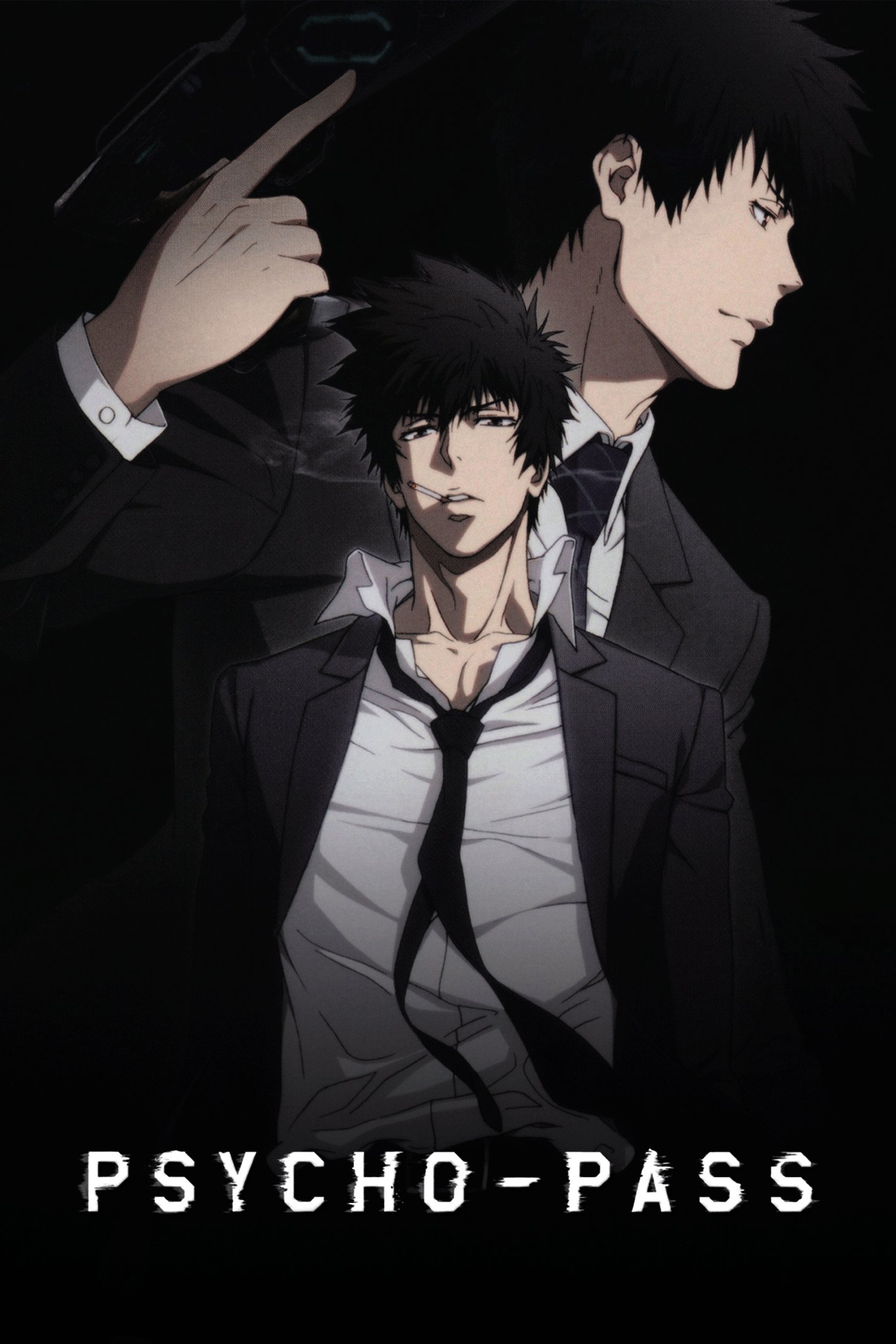
Shogo Makishima opposes the Sibyl System, a technology that predicts criminal behavior, leading Inspectors and Enforcers to confront difficult cases that push the limits of their approaches. The Bureau investigates incidents that reveal weaknesses in how the Dominator system is used and maintain public safety.
The series focuses on key elements like Makishima’s crime readings, Kogami’s work as an Enforcer, and Akane Tsunemori’s responses to crises. It also explains how the Sibyl System is built, who makes it work, and the consequences of its rules.
‘Puella Magi Madoka Magica’ (2011)
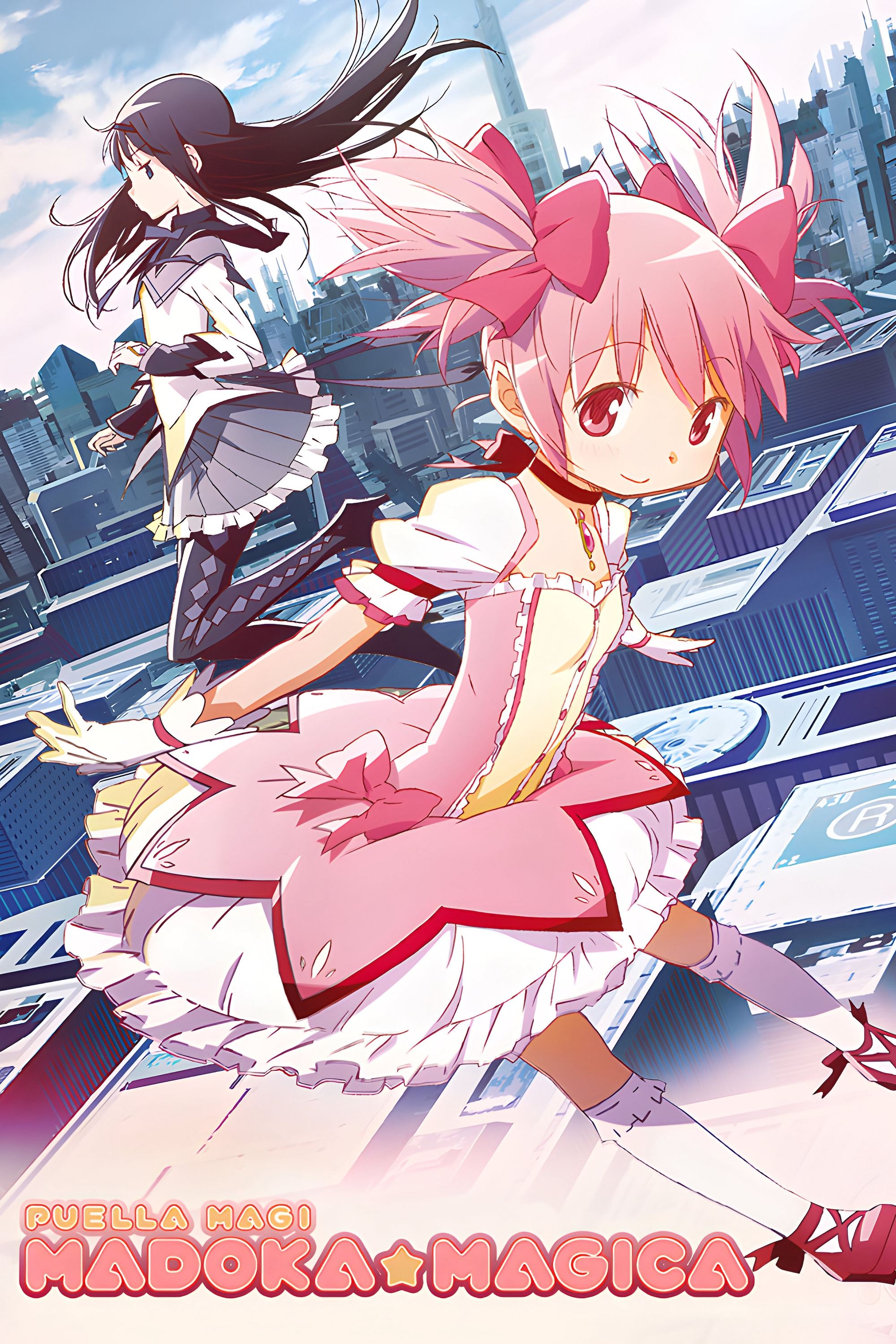
Kyubey finds girls and offers them a deal: he’ll grant one wish if they become magical girls. Their power comes from Soul Gems. However, this system works by converting negative emotions into energy, and if a magical girl feels too much despair, she’ll eventually transform into a witch.
The story follows Homura Akemi as she relives events multiple times, culminating in the Walpurgisnacht battle. It clarifies how magical contracts work, including the creation and use of Grief Seeds and Soul Gems, and reveals the Incubators’ true purpose in collecting energy and how wishes actually change reality.
‘Vinland Saga’ (2019–2023)
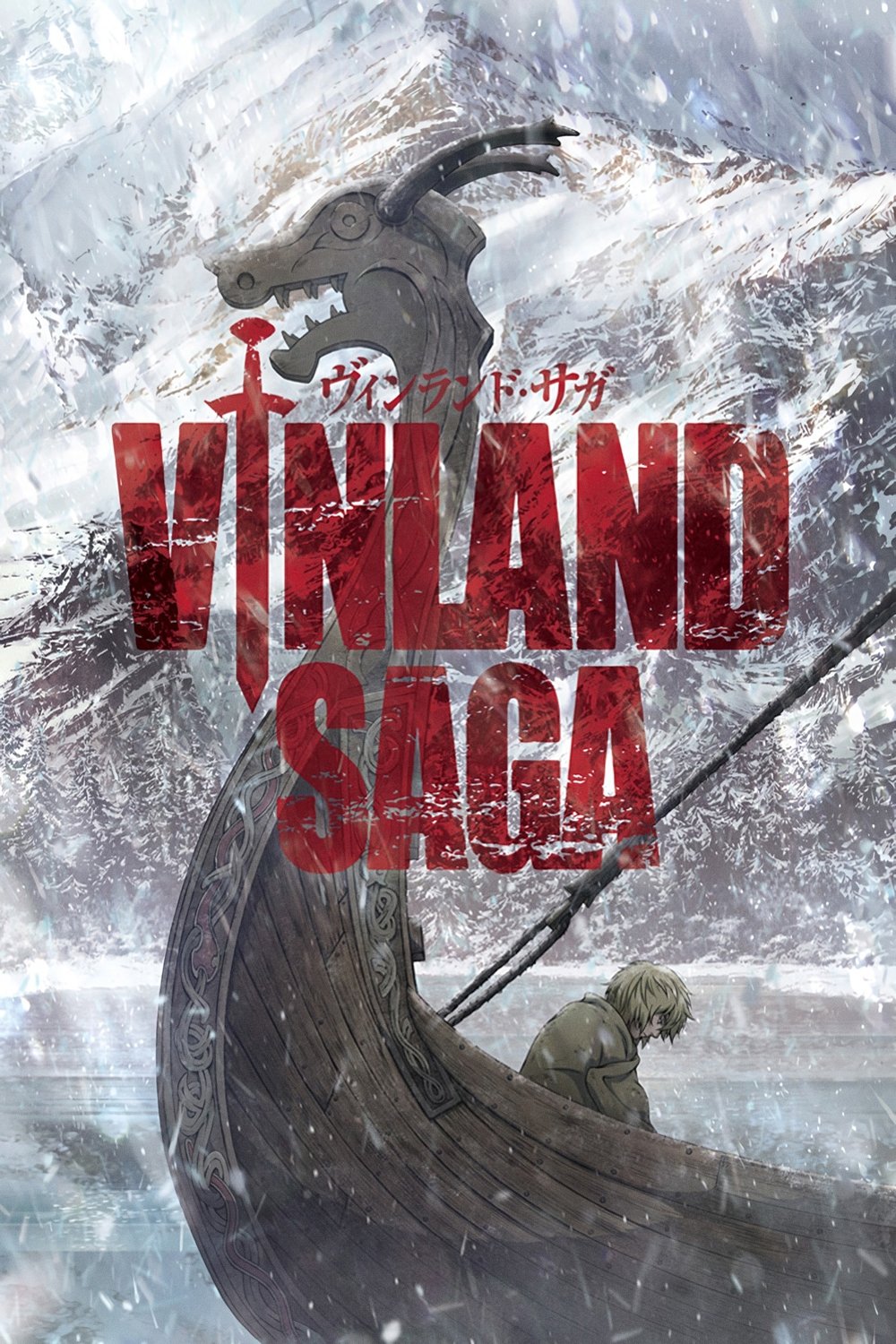
Askeladd commands a group of mercenaries and plays a key role in the conflict for control of England. Meanwhile, Thorfinn finds himself caught up in the political games between Denmark and England, as Prince Canute rises to power with his own innovative ideas.
This series delves into Askeladd’s past, exploring his motivations for getting involved with Wales and how he built and managed his mercenary group. It chronicles their military campaigns, diplomatic efforts, and their evolution from simple raiders to players in larger political games.
‘Berserk’ (1997–1998)
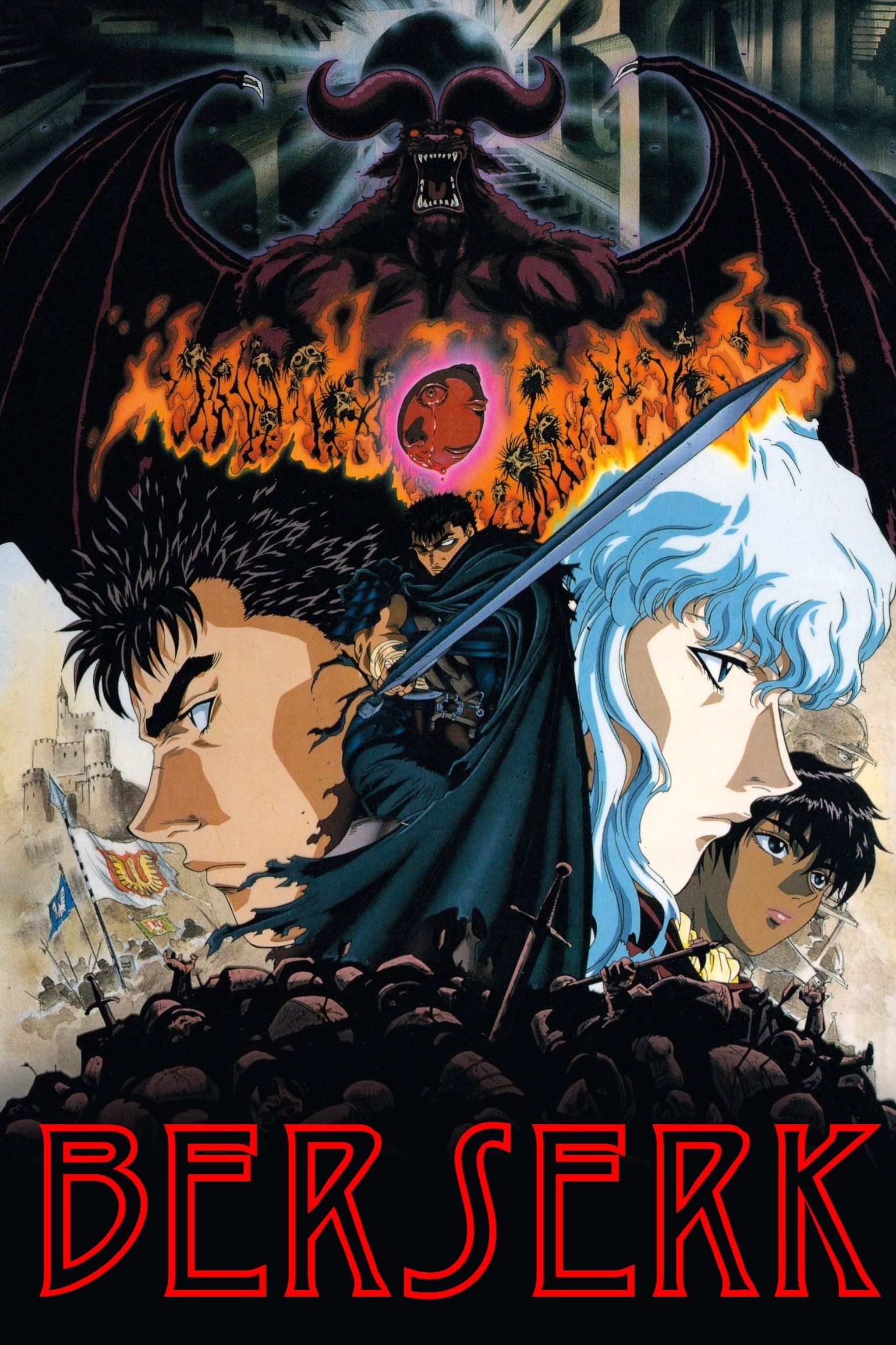
Griffith climbed the ranks in Midland by leading the Band of the Hawk, but ultimately sacrificed his humanity during the Eclipse using a Behelit, transforming into the God Hand’s member, Femto. Though Guts and Casca lived through the ordeal, they were deeply scarred, and these wounds would fuel the conflicts to come.
This story explores a world of lords and hired soldiers, and the influence of religious figures. It focuses on the significance of family crests, ancient ceremonies, and the chaos that erupts when a powerful group, the Hawks, vanishes.
‘Tokyo Ghoul’ (2014–2018)
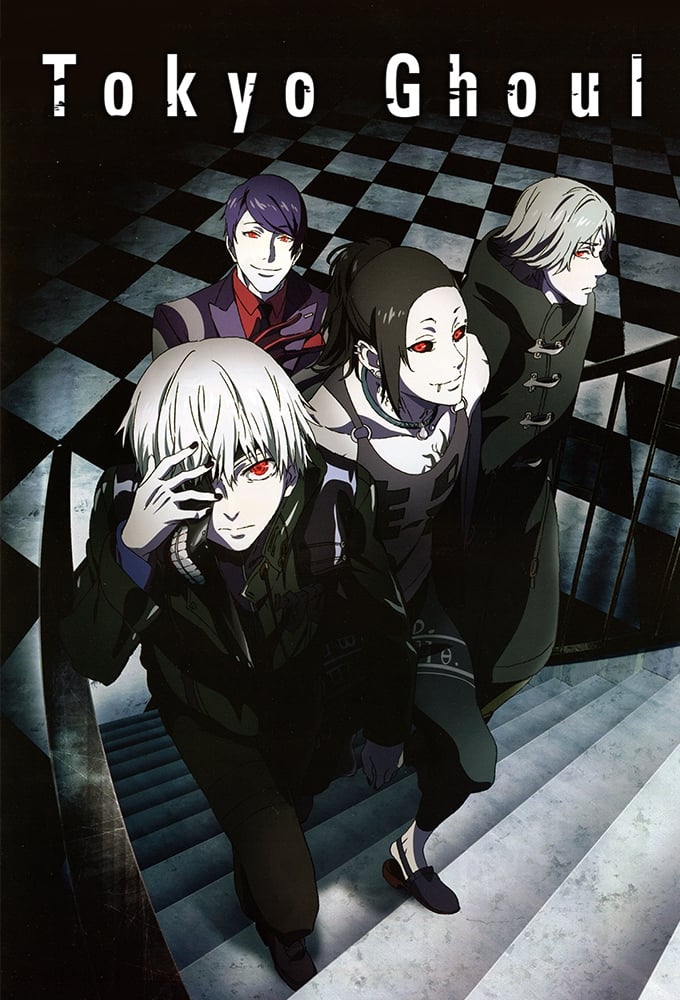
I’m completely hooked on the story of Ken Kaneki! His life changes forever when he becomes half-ghoul, and suddenly he’s caught between this cozy café called Anteiku and these really dangerous groups like Aogiri Tree. It’s intense! And the people trying to fight ghouls – the Commission of Counter Ghoul – are fascinating. They’ve got these investigators who study ghoul powers – they call them ‘kagune’ – and they change how they fight depending on the area. It’s a really clever system, but it makes everything feel so high-stakes.
The story explores the histories of characters like Rize, details Tsukiyama’s relentless hunts, and reveals the work of Arima Kishou. It also establishes the ranking system for ghouls, introduces specialized weapons called quinque, and shows how the power dynamic between ghouls and humans is constantly shifting.
‘Overlord’ (2015–2022)
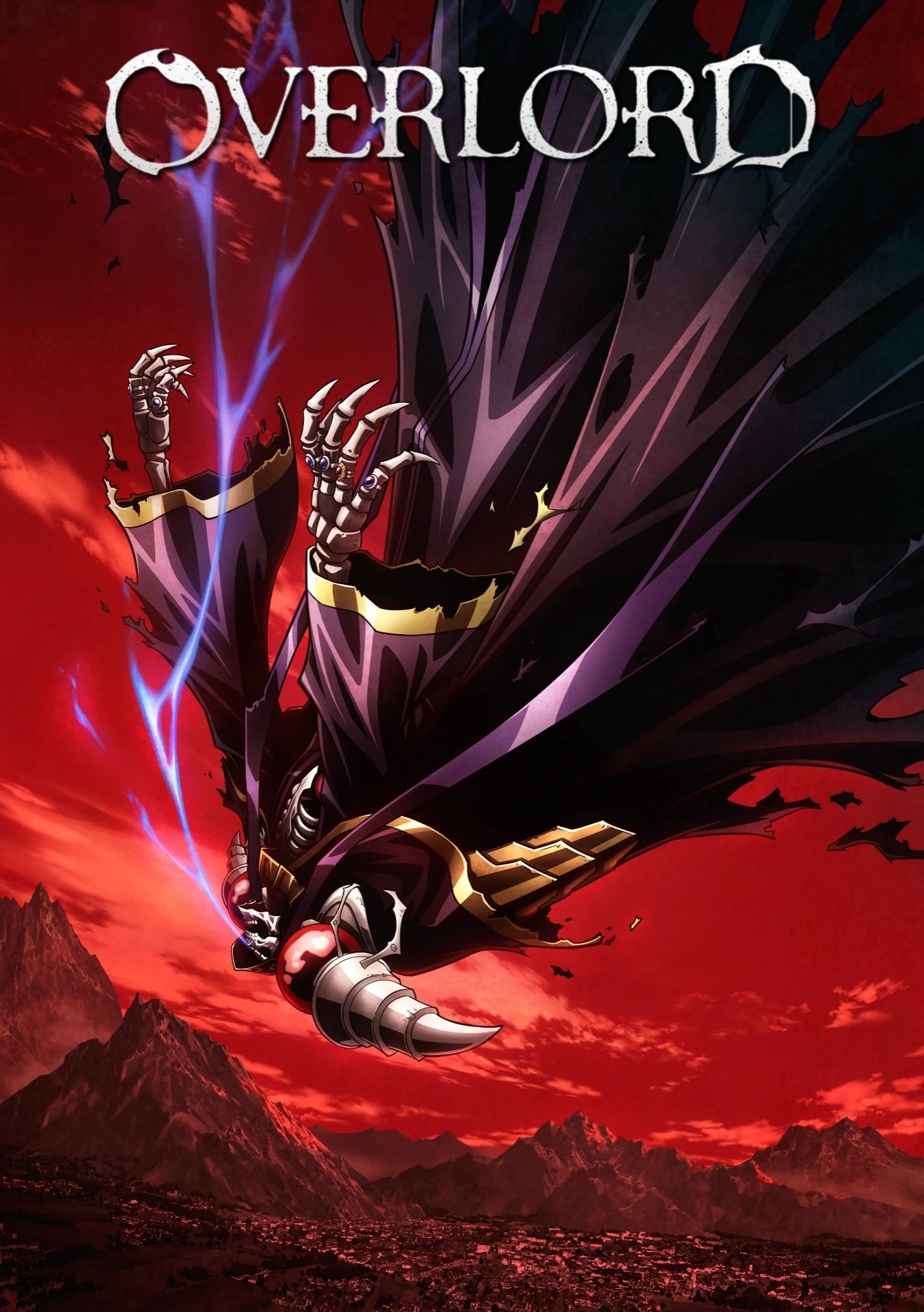
Okay, so picture this: I just finished watching this fascinating series, and it centers around Momonga, who gets stuck inside a video game as his powerful character, Ainz Ooal Gown. He’s not just wandering around, though; he’s essentially the ruler of this massive, spooky tomb called Nazarick, and he’s got these incredibly loyal, powerful guardians carrying out plans that stretch *years* into the future. It’s a really cool mix of subtle scheming and all-out war, and it all builds towards him establishing this whole kingdom – the Sorcerer Kingdom, naturally. It’s a surprisingly complex story about power, loyalty, and what it means to rule, even when you didn’t exactly *plan* to be a king.
The story features intricate plans from Demiurge, Albedo’s leadership role, and the employment of powerful artifacts. It details Ainz’s dealings with human kingdoms, adventurer groups, and competing forces.
‘The Saga of Tanya the Evil’ (2017)
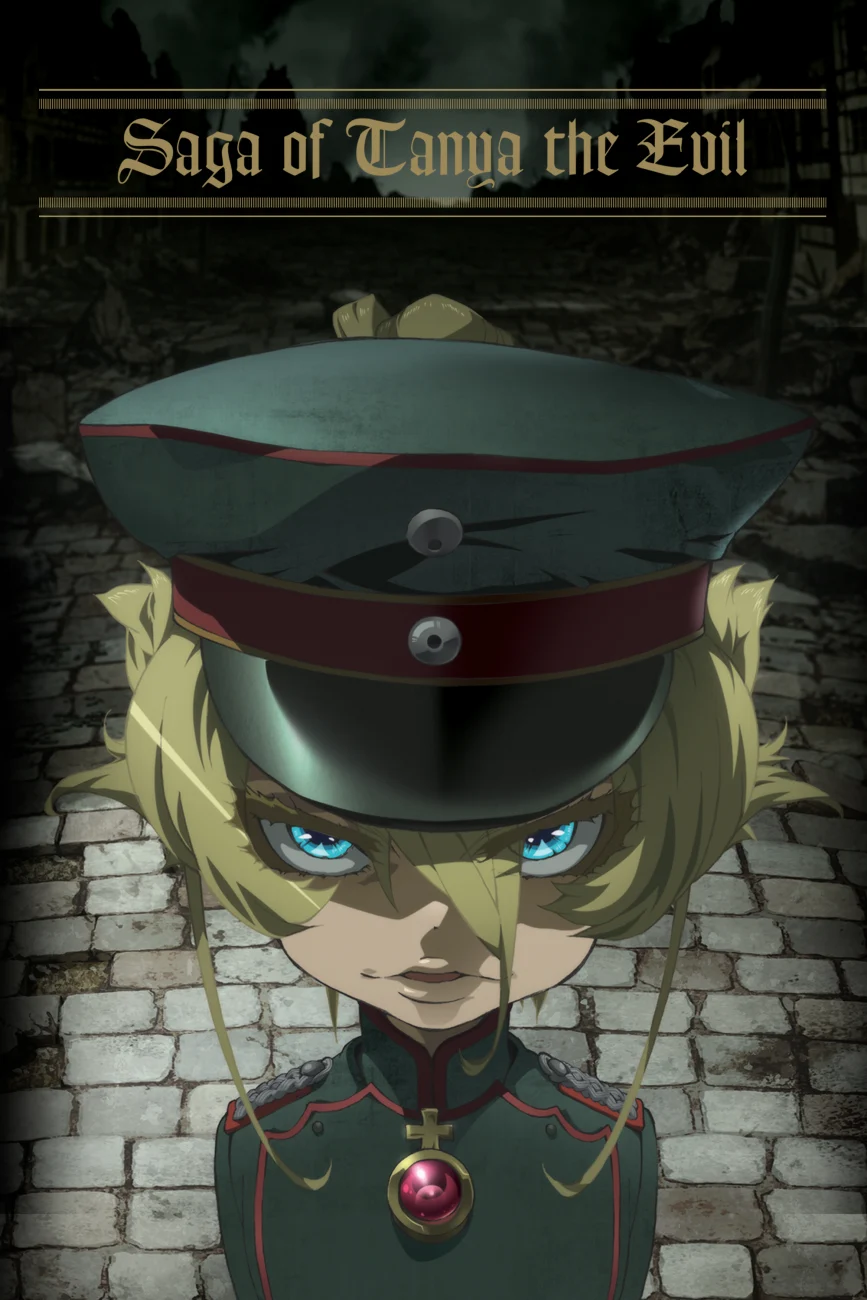
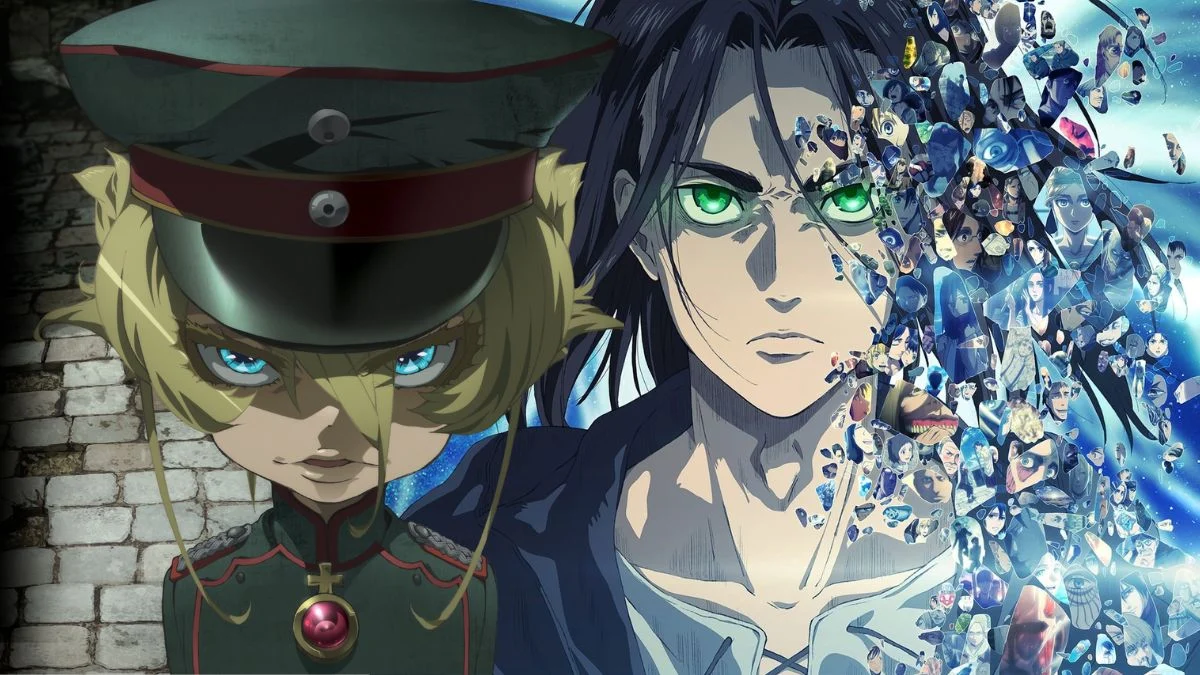
A Japanese office worker is reincarnated as Tanya Degurechaff and enlists in the imperial army as a mage. In this world, strict discipline and military strategy are key to staying alive. As part of the 203rd Aerial Mage Battalion, Tanya and her unit carry out missions that have a significant impact on the war, disrupting enemy lines and supply routes.
As a film buff, I’d describe the story as centering around the actions of this mysterious figure, Being X, and how they impact the growth of a character named Mary Sioux. We also see a lot of how decisions are made and orders are given that send people into action. It’s fascinating because the film delves into research surrounding these incredible technological advancements – they call them ‘computation jewels’ – and shows how each test pushes things further, often with escalating consequences. It’s a really cool premise!
‘Akame ga Kill!’ (2014)

Esdeath leads the Jaegers, an elite unit fighting for the Empire, and uses a special substance called Demon’s Extract to create powerful ice attacks that can dominate entire battlefields. Meanwhile, Night Raid fights against the Empire’s corruption, and the Revolutionary Army continues to move closer to the capital city.
The show details powerful weapons called Imperial Arms, explaining their special requirements and the dangers of using them too much or with the wrong people. We see teams come together, fight, and sometimes lose members as they pursue different goals throughout the city.
‘Dr. Stone’ (2019–2023)
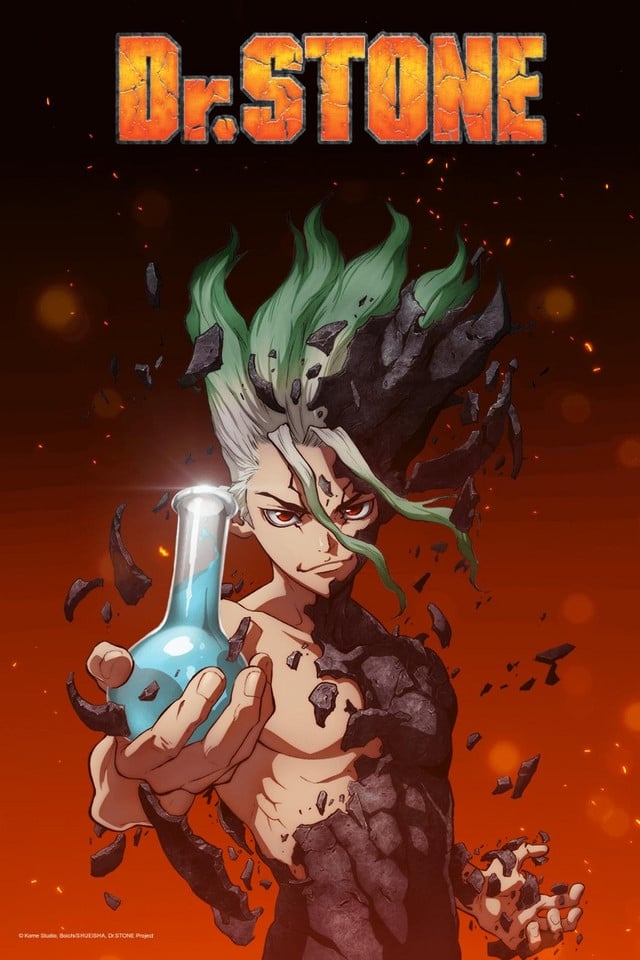
A mysterious event turns everyone to stone, forcing humanity to rebuild from scratch. Senku establishes a community based on science, but his efforts are challenged by Tsukasa, who believes in a different vision for the new world. Both leaders gather supplies, attract skilled individuals, and work towards their own goals.
The series highlights key developments like the methods used to restore civilization, the conflicts known as the Stone Wars, and preparations for venturing into new territories. It also details the inventions, resource management, and communication systems that allow for widespread cooperation.
‘The Promised Neverland’ (2019–2021)
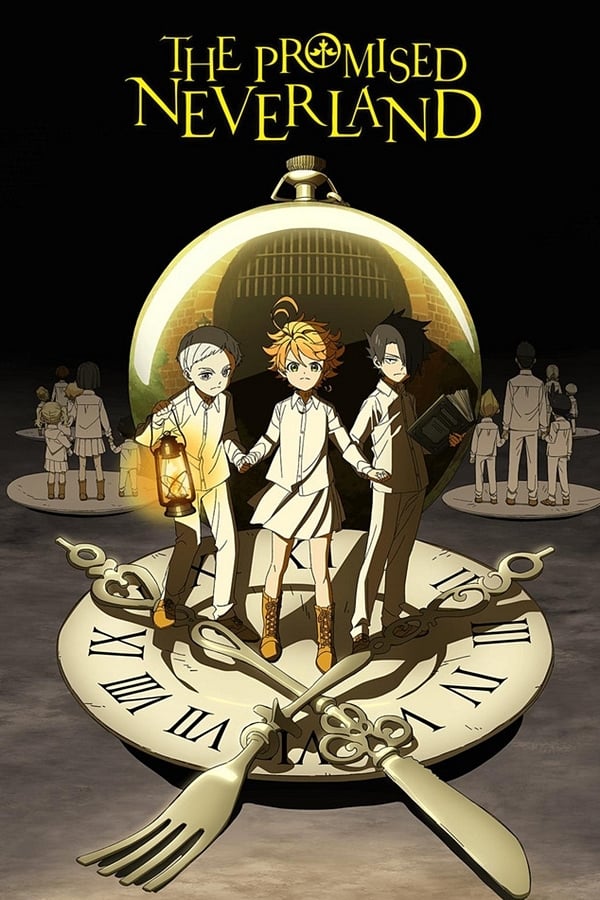
Isabella is in charge of Grace Field House, where she cares for children who are being raised as food for demons. Meanwhile, Emma, Norman, and Ray are secretly investigating their surroundings and developing an escape plan, carefully observing the house’s security and routines.
The story details how people are identified and tracked within the farm system, as well as the farm’s social structure. It also explores Isabella’s background, the importance of her Grandmother, and the practical challenges of getting children to safety outside the farm’s walls.
‘My Hero Academia’ (2016–2024)
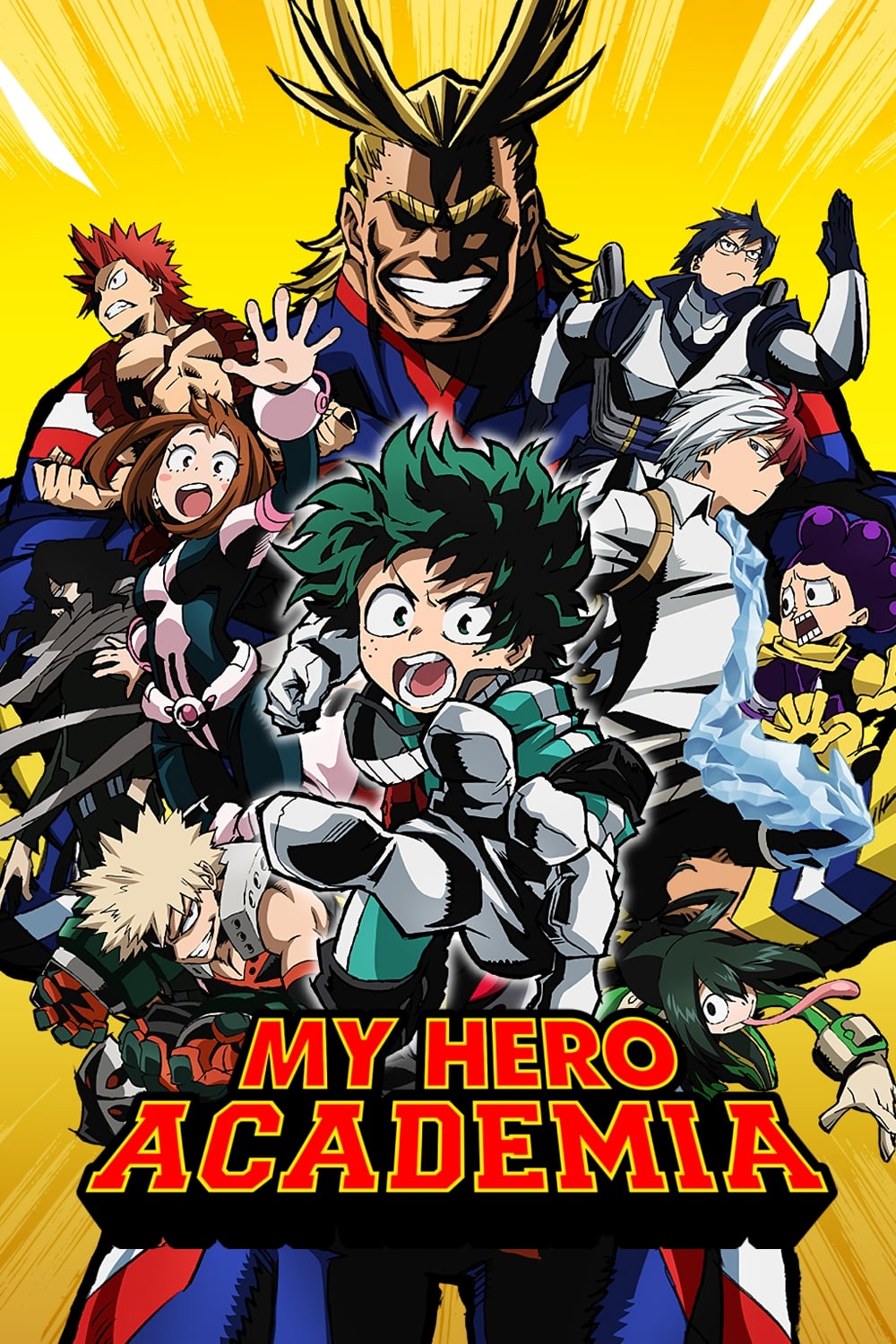
Tomura Shigaraki is the leader of both the League of Villains and the Paranormal Liberation Front, operating with guidance from All For One. These groups clash with hero organizations, schools that train heroes, and the government’s overall response to villain activity.
The story reveals Shigaraki’s past as Tenko Shimura, details how his powers have grown, and explores the contributions of characters like Twice and Toga. It also explains how heroes are licensed, ranked, and how people are evacuated during major emergencies.
‘Jujutsu Kaisen’ (2020–2023)
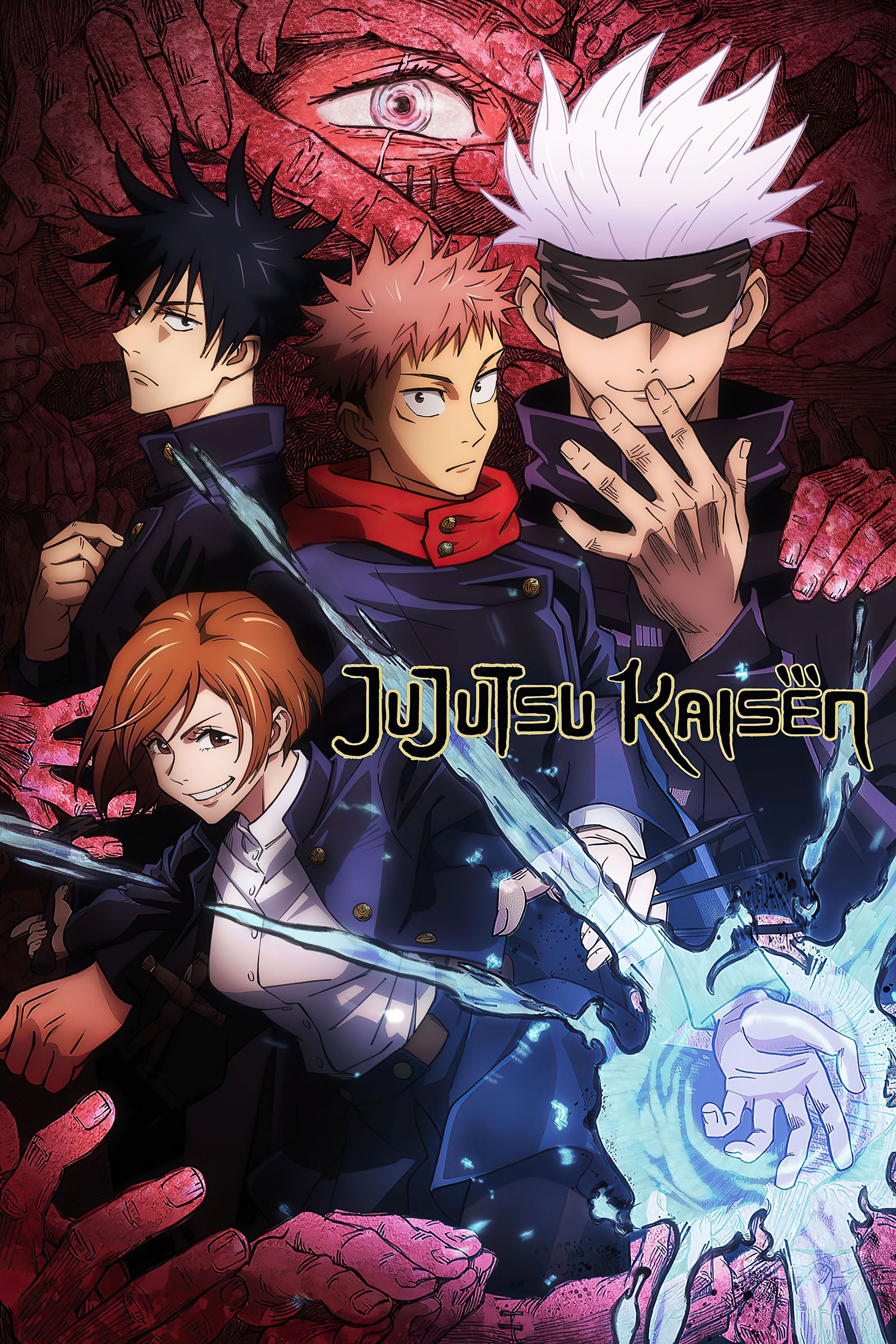
Suguru Geto is the mastermind behind many attacks, working with powerful Cursed Spirits like Mahito and Jogo. The rivalry between Satoru Gojo and Geto, stemming from their shared history, is central to the current storyline.
The story features major events like the Shibuya Incident and the sealing of Gojo within the Prison Realm. It also delves into the mechanics of cursed energy and domain expansions, and reveals the truth about Kenjaku and his connection to Geto’s body.
‘Gintama’ (2006–2018)
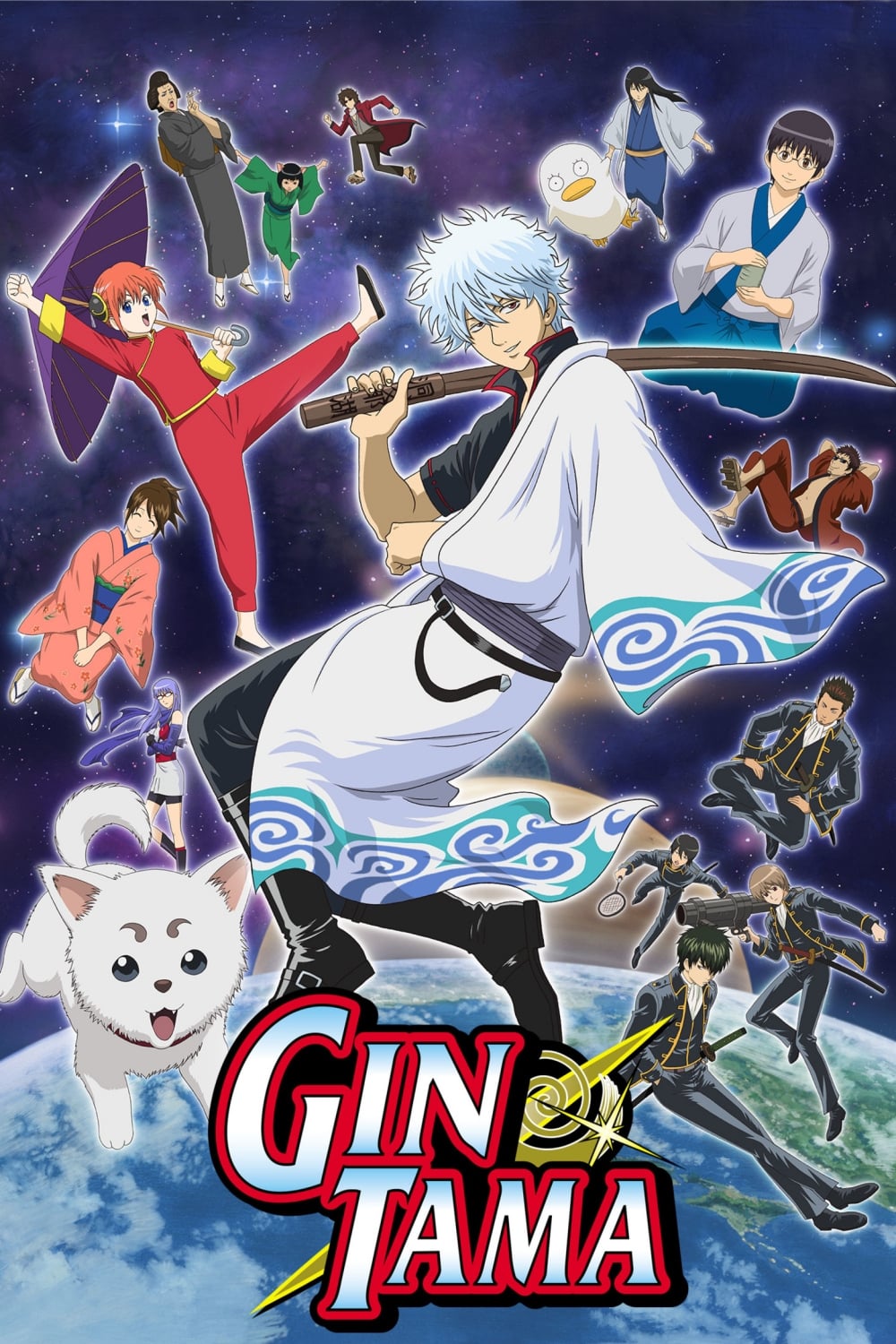
Shinsuke Takasugi, leading a military group called the Kiheitai, seeks revenge on those responsible for his teacher’s death. The narrative shifts between everyday life in Edo and larger conflicts involving the nation’s leaders and even forces beyond Earth.
The story revisits the Joui War and explores the complex connections between Gintoki, Katsura, and Takasugi. Important story arcs like the Shogun Assassination and the Farewell Shinsengumi highlight shifting loyalties, betrayals, and the flaws within the existing power structure.
‘Fate/Zero’ (2011–2012)
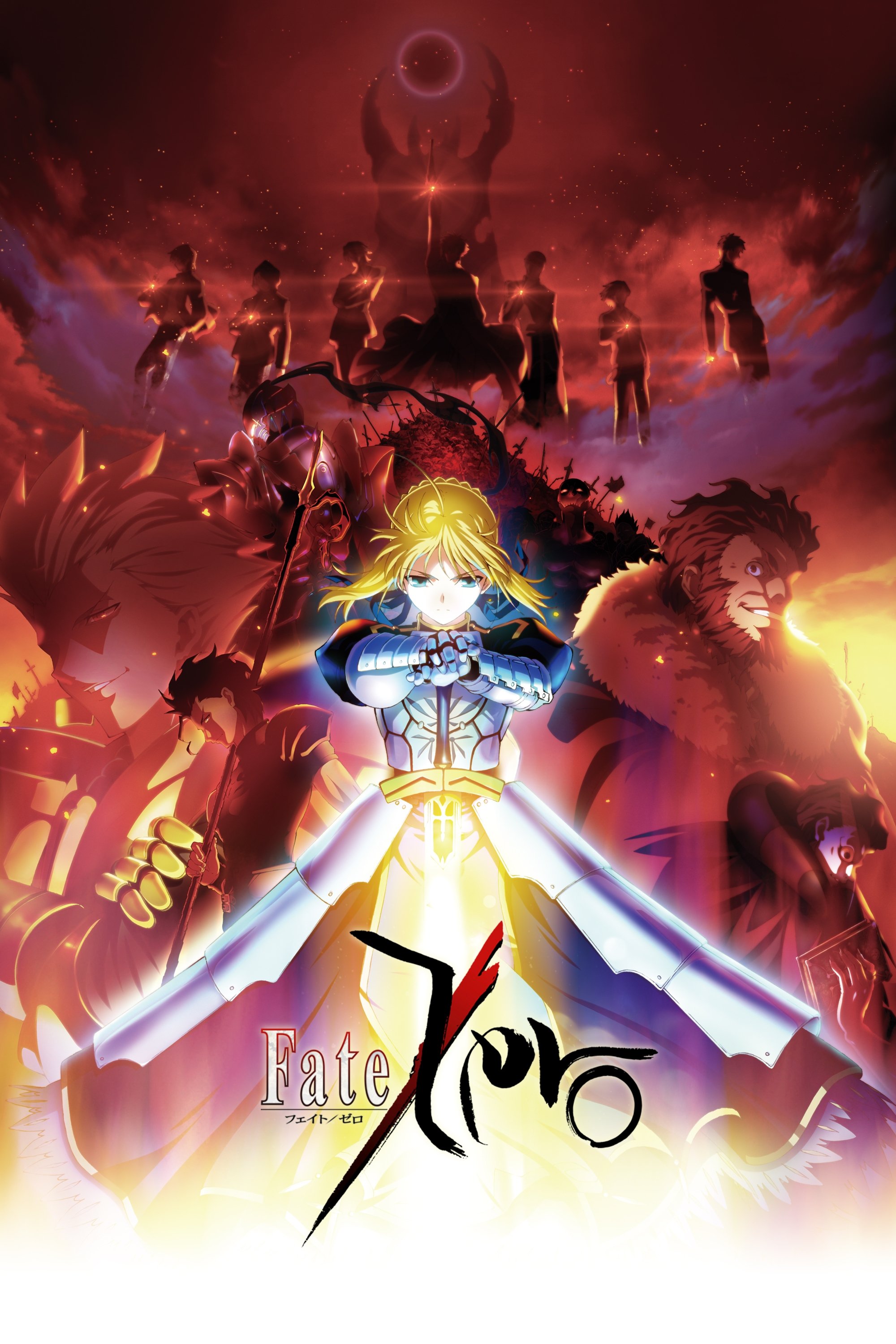
Kotomine Kirei is a major opponent in the Fourth Holy Grail War, which takes place in Fuyuki City and involves powerful Servants summoned by various Masters. As the war unfolds, Gilgamesh increasingly guides Kirei’s decisions.
The series explains key concepts like Command Seals and mana, and introduces important families such as the Tohsakas and Einzberns. It also explores how the Grail becomes corrupted and how this impacts future happenings.
‘Devilman Crybaby’ (2018)
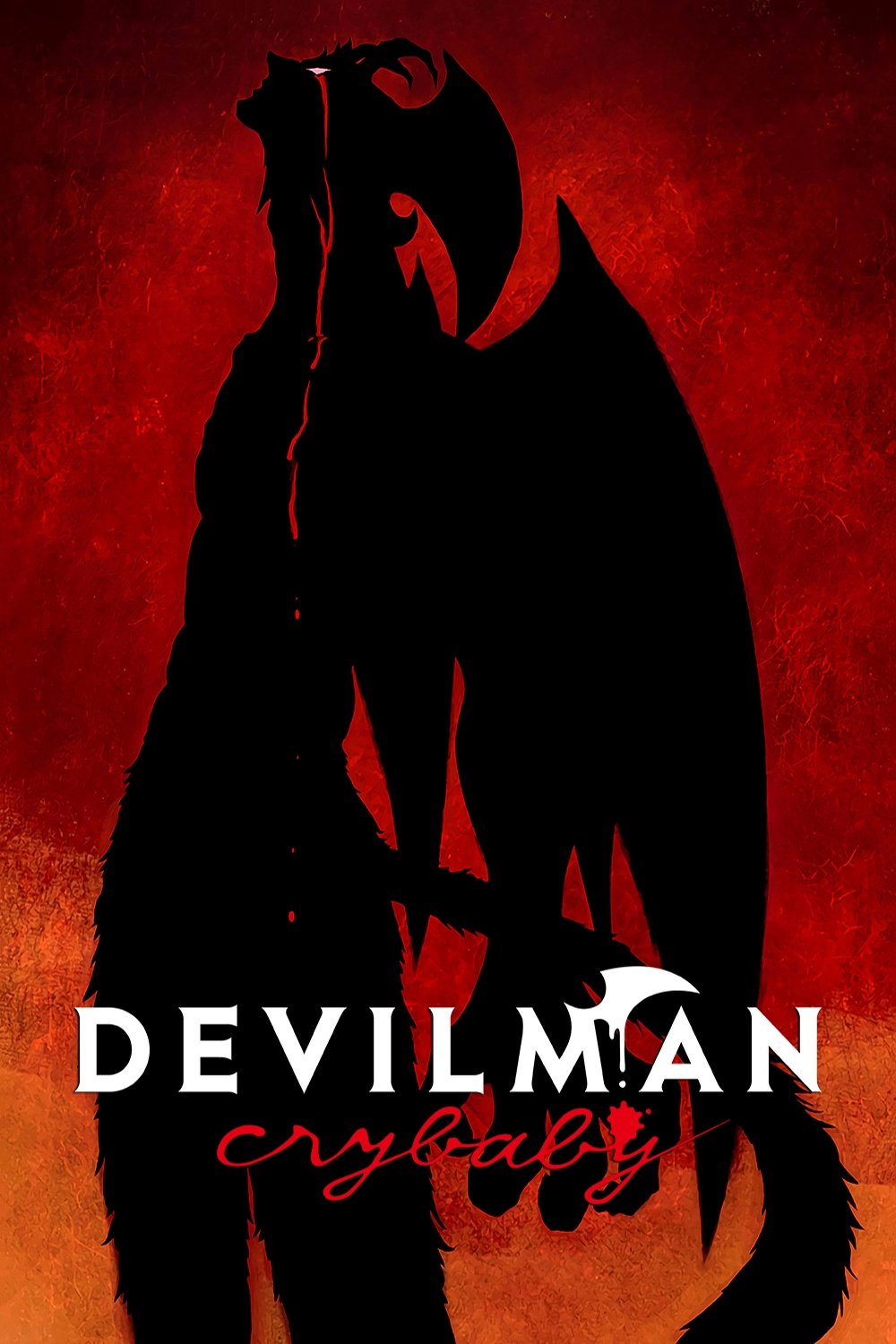
Ryo Asuka’s scheme puts Akira Fudo right in the center of worldwide panic and unrest. As demons begin appearing, widespread fear erupts and quickly spreads through the news and across communities.
The story centers around a specific event on the Sabbath, the growing threat of violent mobs, and the unraveling of hidden identities. We see Ryo’s investigation unfold alongside Akira’s changes as he merges with Amon, all building towards a climactic showdown.
‘Made in Abyss’ (2017–2022)
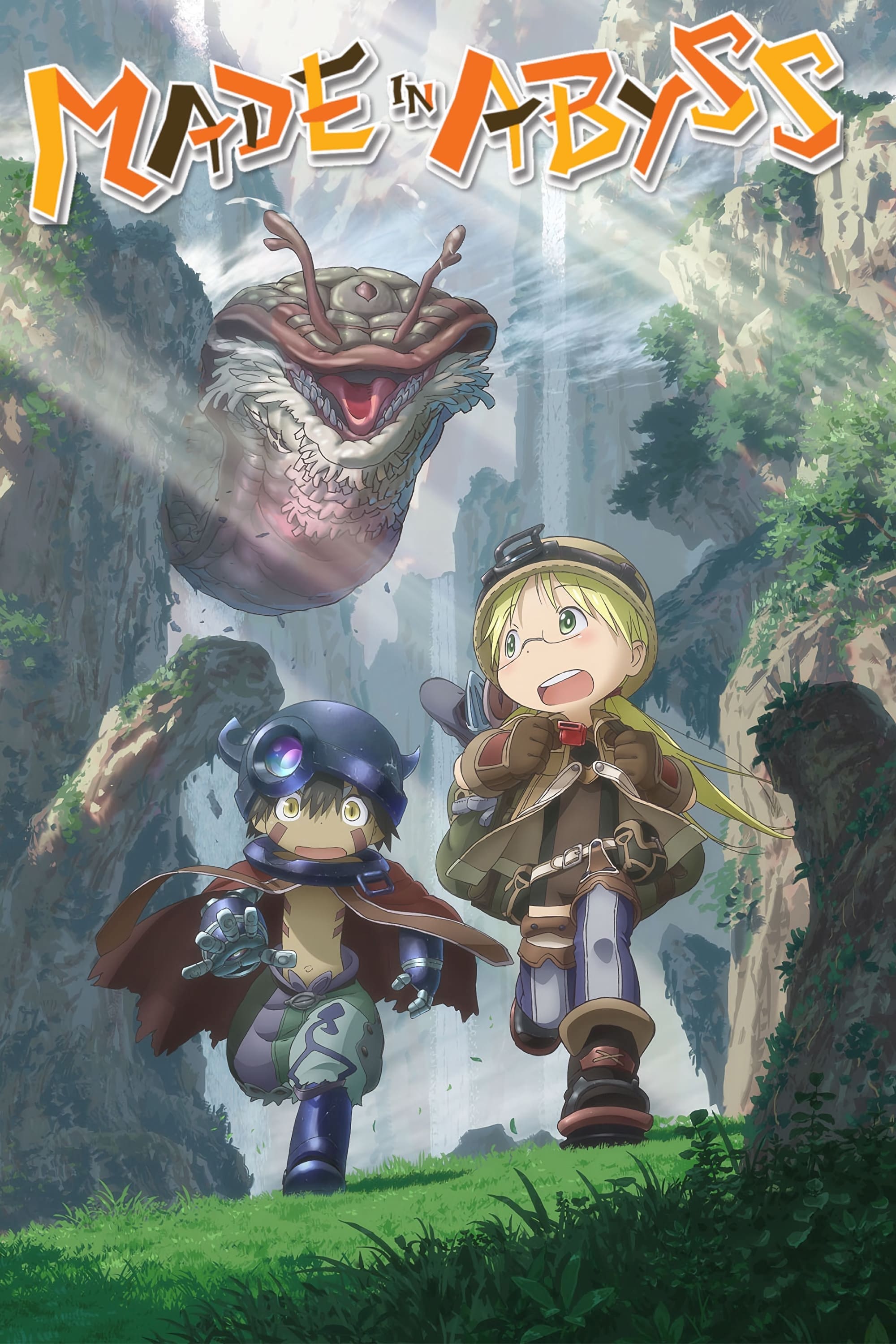
Bondrewd operates out of Idofront in the Abyss’s fifth layer, where he researches the Curse of the Abyss using highly demanding and costly methods. Every expedition he undertakes is carefully structured around the ranking of White Whistles, artifacts, and relics.
The story centers around key elements like Prushka’s beginnings, the unique cartridge system, and the challenges of climbing through different layers. It follows the journeys of explorers, powerful leaders known as Sovereigns, and the technology they rely on to survive.
‘Parasyte -the maxim-‘ (2014–2015)
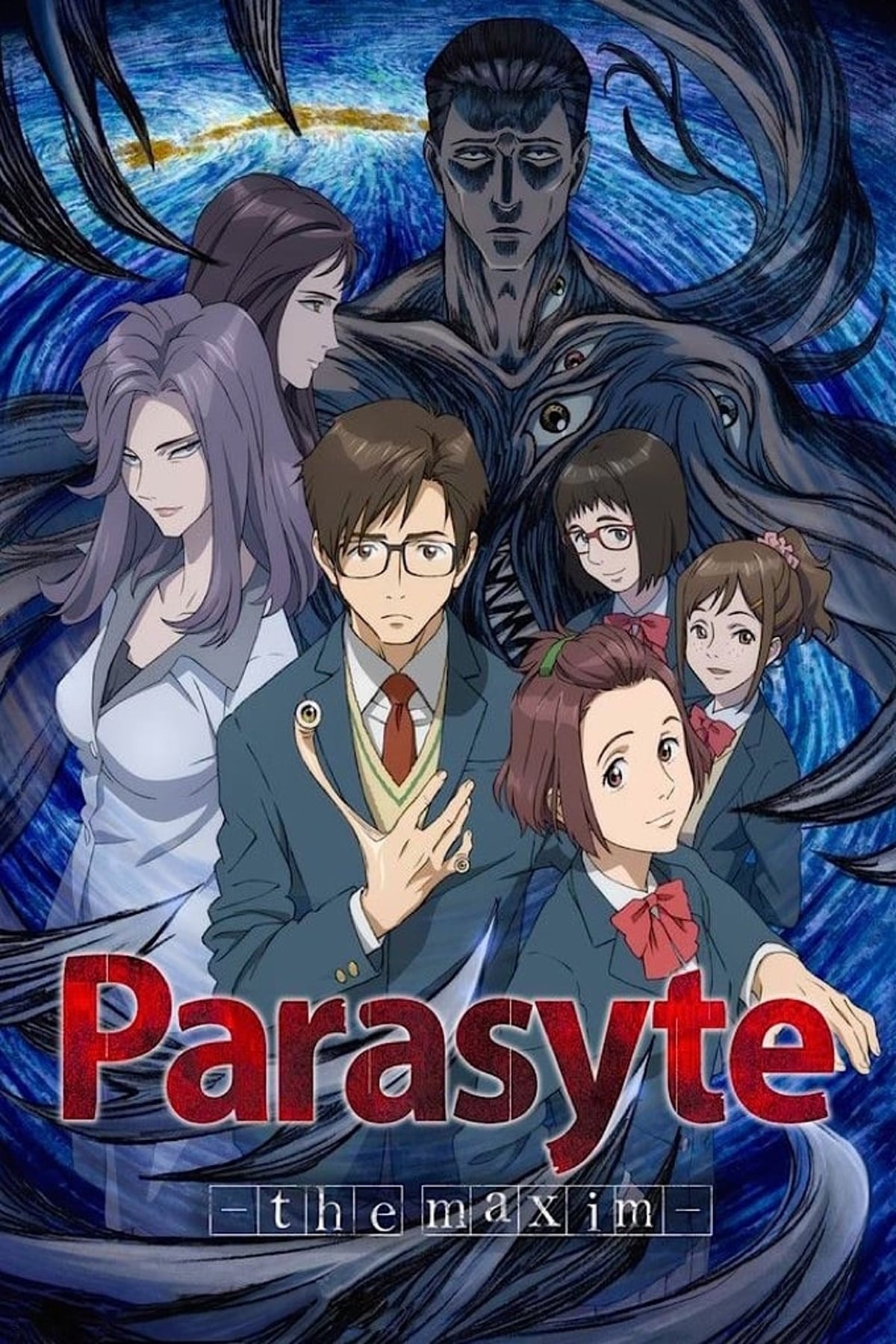
Reiko Tamura is an alien who lives inside a human host, researching the customs and reproduction of her species. Shinichi Izumi is different because an alien named Migi lives in his right hand, granting him strange powers that baffle the police.
The story centers on detective Hirama’s investigation of coordinated attacks by parasites who are constantly evolving their tactics. It details how these creatures hunt, what their vulnerabilities are, and the internal arguments they have about whether to live alongside humans.
Share which titles you would add to this list in the comments.
Read More
- Top 20 Dinosaur Movies, Ranked
- 20 Movies Where the Black Villain Was Secretly the Most Popular Character
- Celebs Who Narrowly Escaped The 9/11 Attacks
- 25 “Woke” Films That Used Black Trauma to Humanize White Leads
- The 10 Most Underrated Jim Carrey Movies, Ranked (From Least to Most Underrated)
- Transformers Under the Microscope: What Graph Neural Networks Reveal
- The Best Directors of 2025
- Every Notable ‘Star Trek: The Original Series’ Actor Who Died
- 22 Films Where the White Protagonist Is Canonically the Sidekick to a Black Lead
- Trading on Thin Air: AI Agents Conquer Crypto Volatility
2025-09-28 02:23