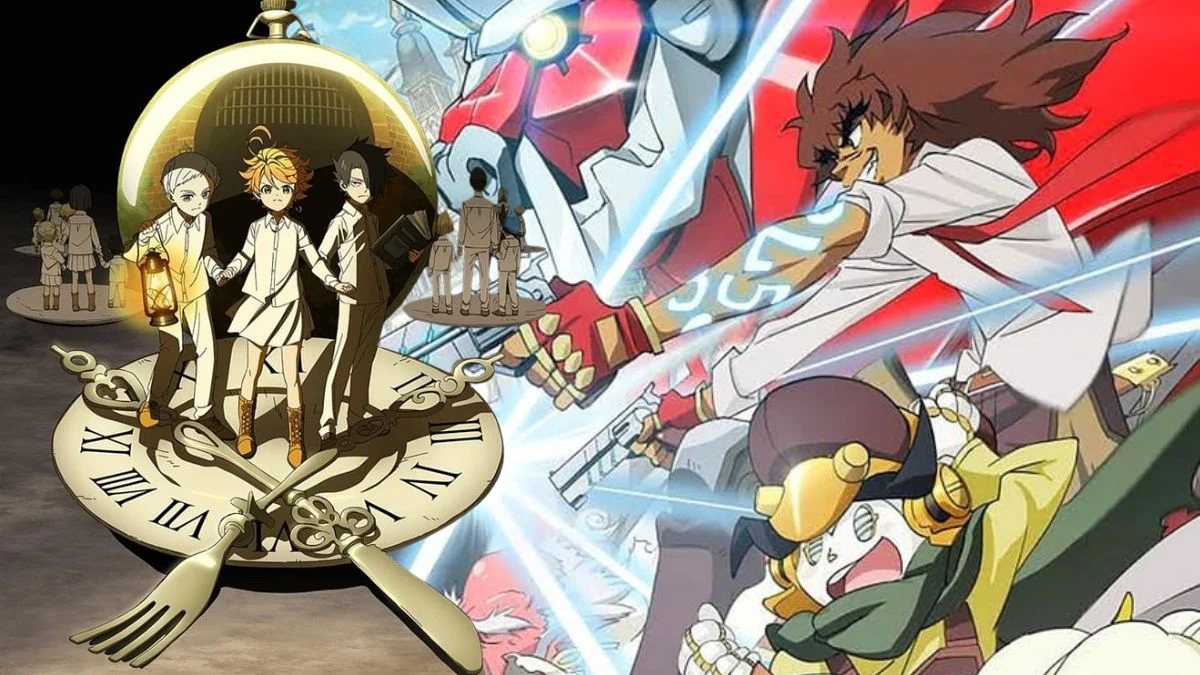
As Japanese animation has become popular worldwide, creators have made changes to ensure it’s appropriate for different cultures and TV regulations. A frequent discussion point is how characters with darker skin are shown. Over time, studios have altered designs or colors to meet international expectations, sometimes making significant changes and other times just subtly lightening skin tones when updating older shows. This list highlights several examples of these modifications made for international audiences.
‘Dragon Ball Z’ (1989–1996)

As a long-time fan, I remember when Mr. Popo’s design caused some issues. Originally, he had dark skin and very red lips, and some people felt that looked like a harmful stereotype. To avoid controversy, especially when the show came to America, they changed his color to bright blue! It’s a pretty famous example of a character being altered for different audiences, and honestly, the blue Mr. Popo is what I, and a lot of Western fans, grew up with and remember fondly. It’s a unique part of the show’s history over here.
‘Pokémon’ (1997–Present)

The Pokémon Jynx initially faced criticism because its original dark black face was seen as resembling offensive racial stereotypes. To make the character appropriate for audiences around the world, the creators changed its face color to purple. This change was made consistently across the anime series and video games to ensure a unified brand image globally. All current versions of Jynx now feature the purple face.
‘One Piece’ (1999–Present)
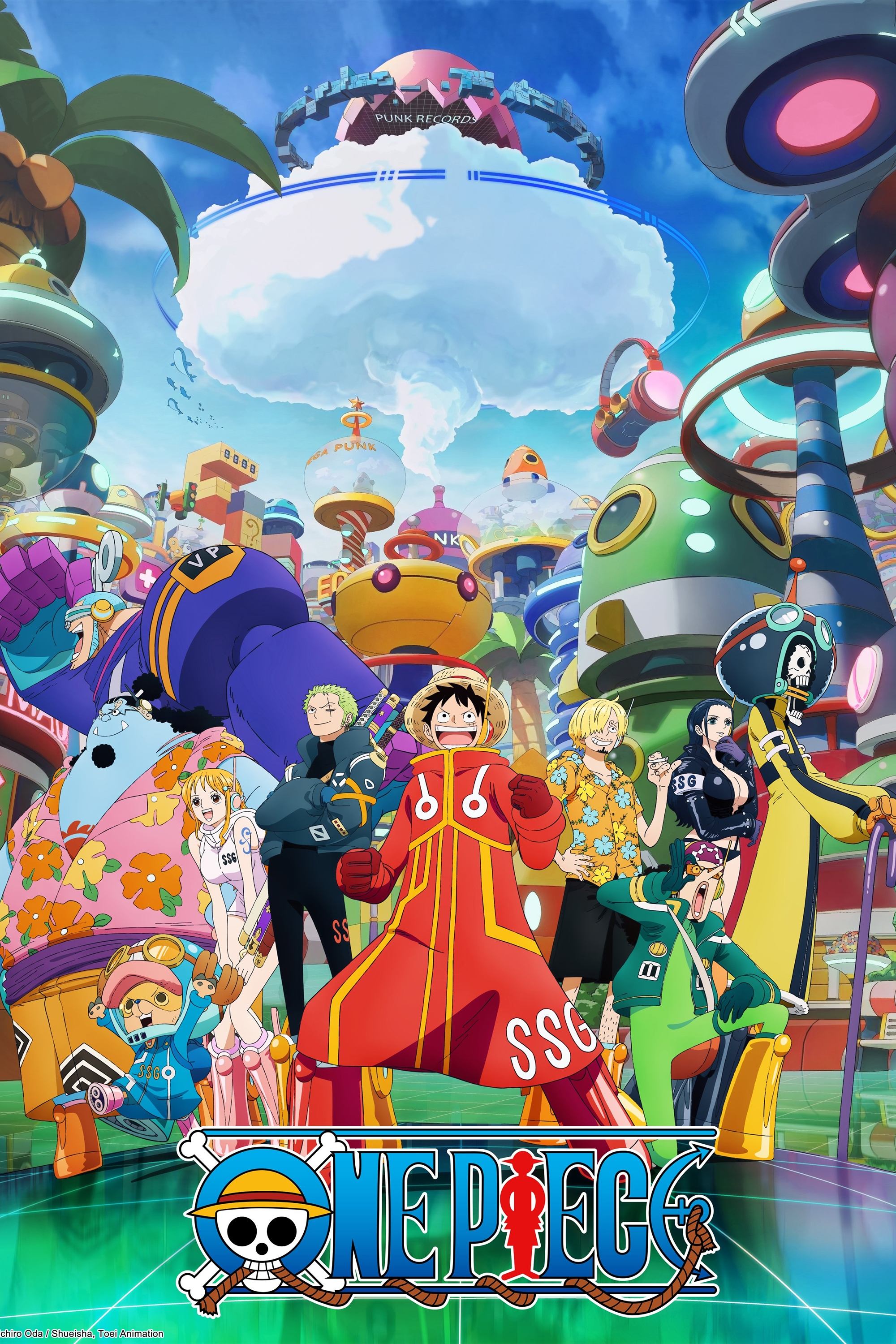
After a two-year gap in the story, Nico Robin’s skin tone was noticeably lighter. When she first appeared, she had a tan that many fans liked because it made her stand out. When the story resumed, her skin color was changed to be fairer, similar to other female characters. This new look more closely matched the original color designs from the manga’s author. Fans outside of Japan still discuss whether this change was an artistic decision or a shift towards a more typical appearance.
‘Bleach’ (2004–2012)
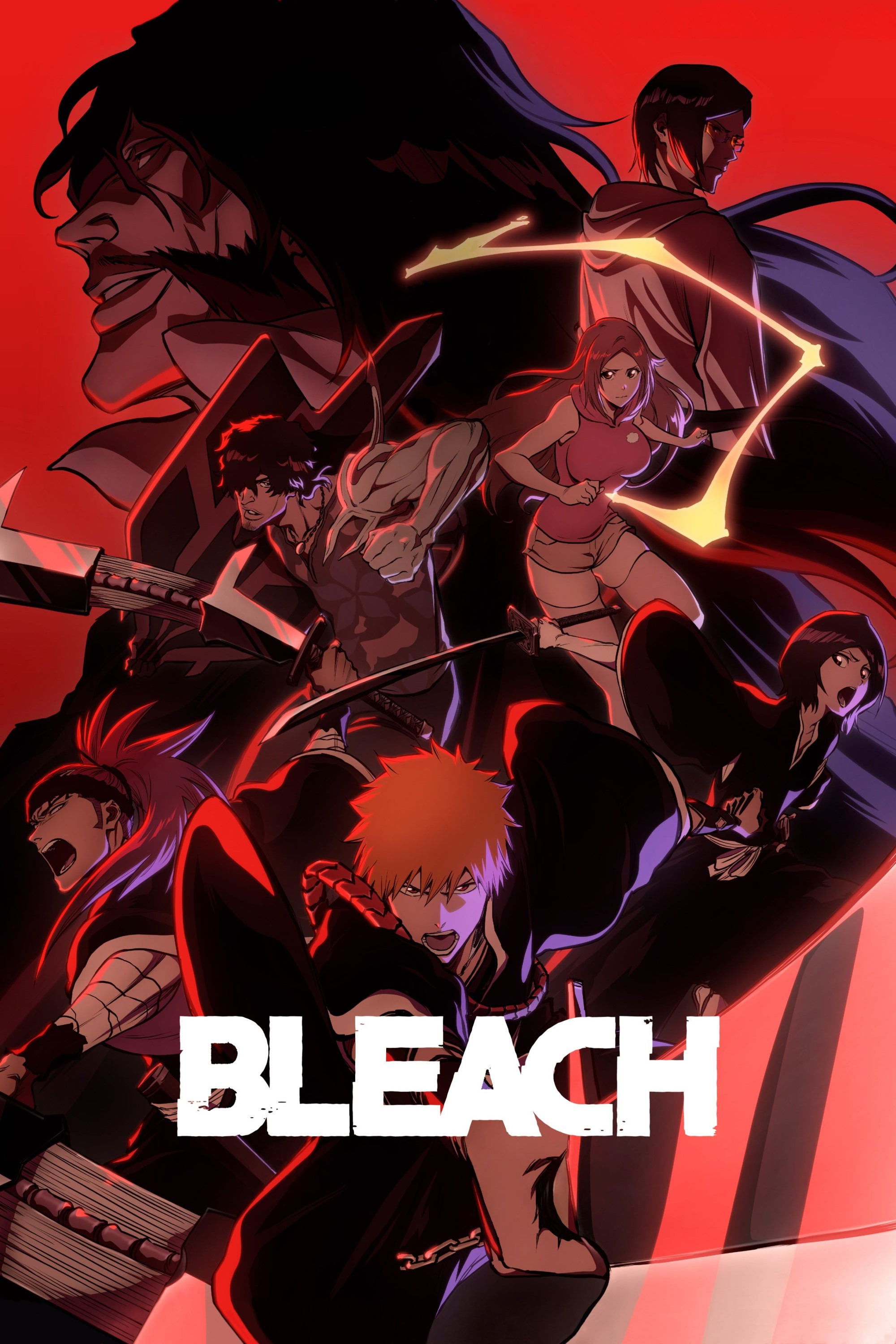
Yoruichi Shihoin’s skin tone is a noticeable part of her character, but it’s often depicted differently depending on where you see her. While early anime versions showed her with darker skin, later artwork and products aimed at international audiences often made her appear lighter. Some fans have even noticed this shift happening within the story itself. This inconsistency seems to be driven by a preference for lighter skin tones in marketing materials. Despite these changes to her appearance, Yoruichi remains a popular character.
‘Shaman King’ (2001–2002)
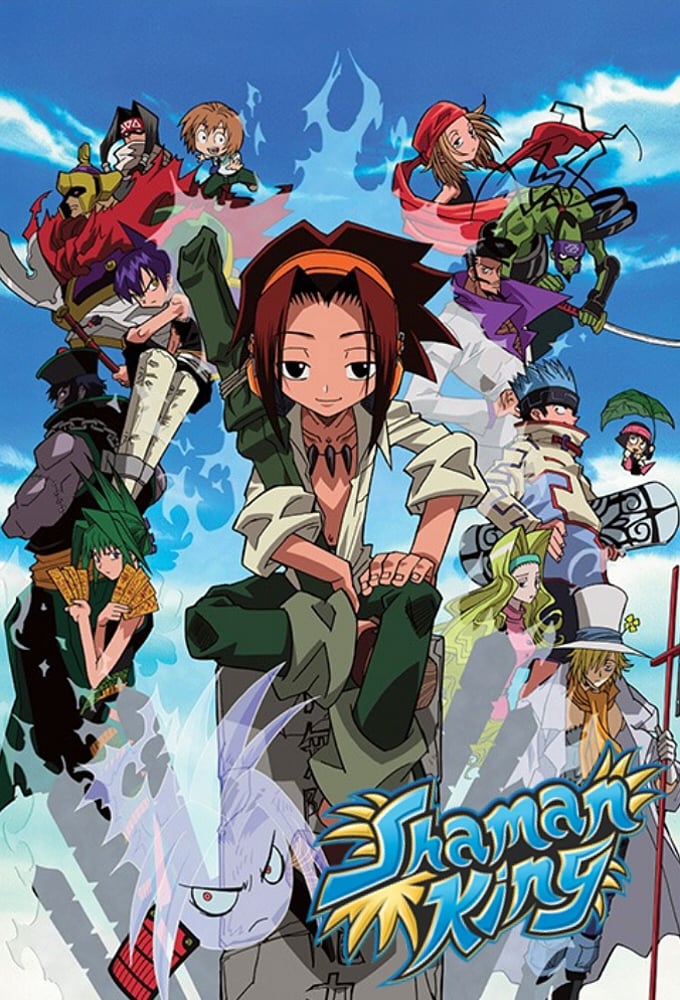
When the Chocolove McDonnell character was released internationally, his design was significantly updated. His initial appearance in the manga and early anime had features that Western censors considered offensive. For the remake and versions shown around the world, his face was made less exaggerated, and his skin tone was changed. These adjustments were made to meet international guidelines for portraying characters of different ethnicities and to avoid reinforcing negative stereotypes in other countries.
‘Yu-Gi-Oh! Duel Monsters’ (2000–2004)
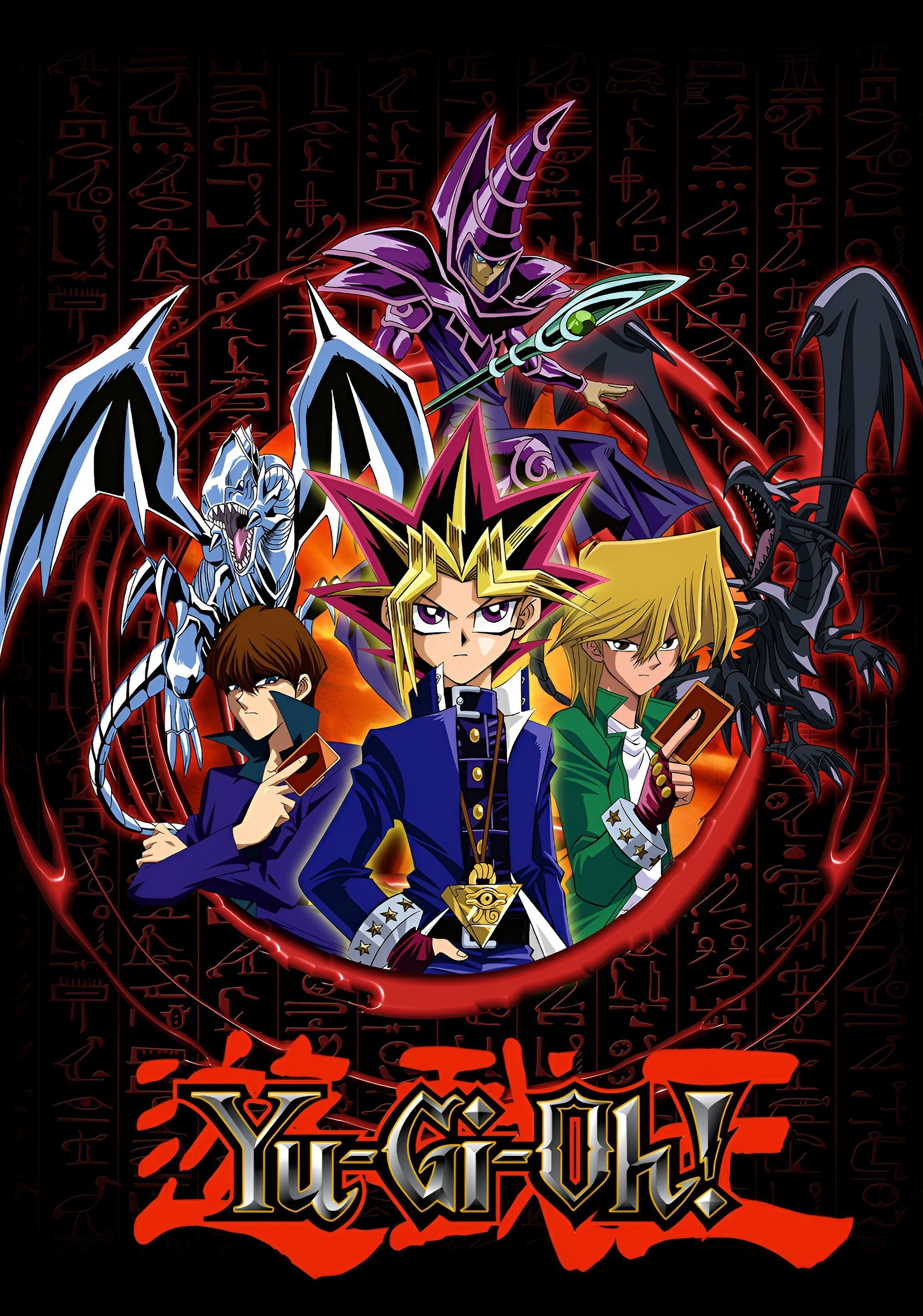
Marik Ishtar and his sister Ishizu are characters with Egyptian ancestry who were originally depicted with darker skin tones in the Japanese version of the series. When the show was released internationally, the colors were often made brighter, making the characters appear much lighter. This change was done to make the series more appropriate for younger viewers in Western countries. The difference in how they look is clear when comparing the original animation with the international versions.
‘Fullmetal Alchemist’ (2003–2004)
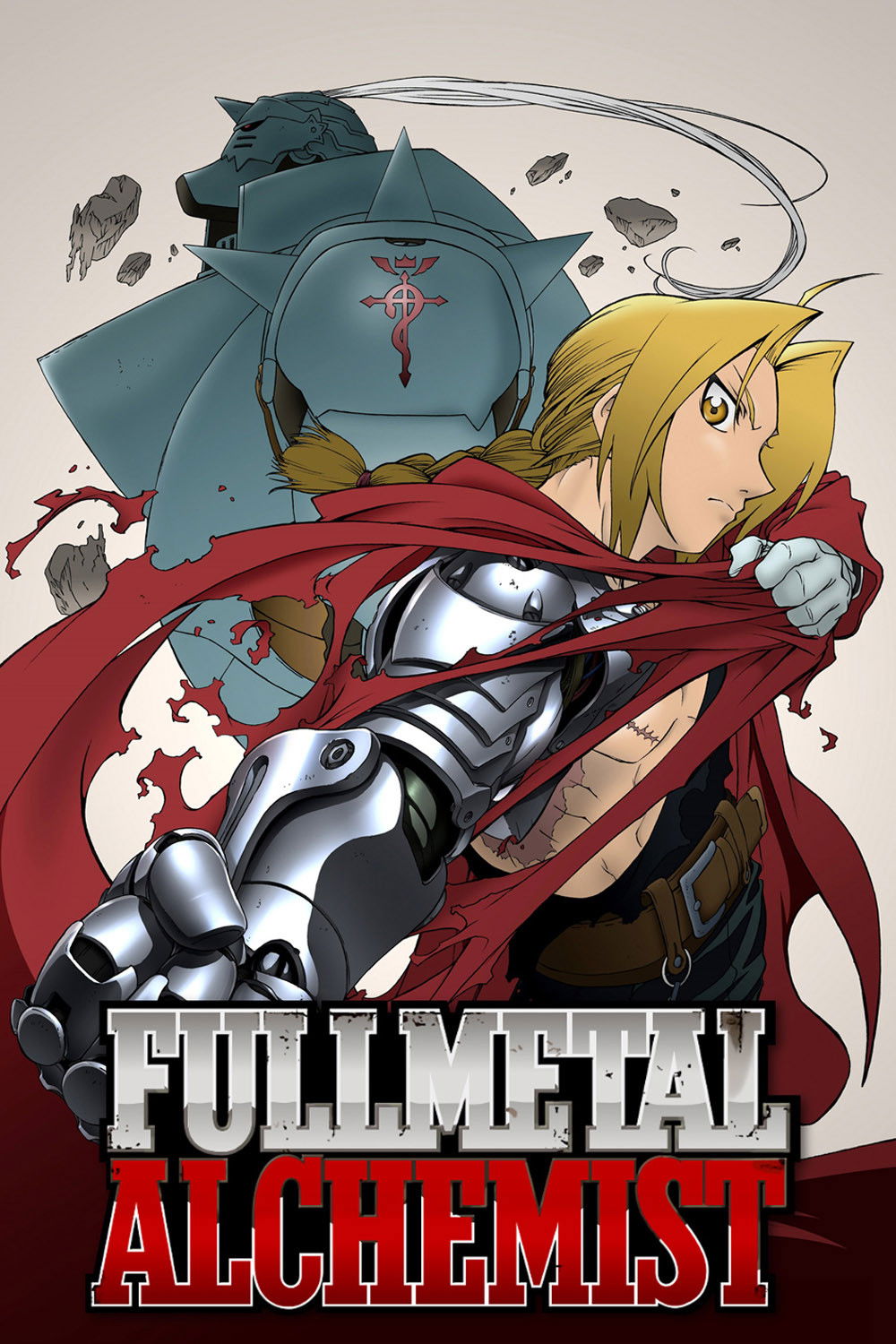
The Ishvalan people are a key group in this story, visually distinguished by their dark skin and red eyes. While characters like Scar were originally shown with dark tan skin, some international marketing and later versions of the series sometimes depicted them with lighter tones. This change in coloring can subtly shift how the story’s themes of ethnic conflict are perceived. The way the Ishvalans are visually represented continues to be an important topic for fans interested in the show’s social and political messages.
‘Black Butler’ (2008–2010)
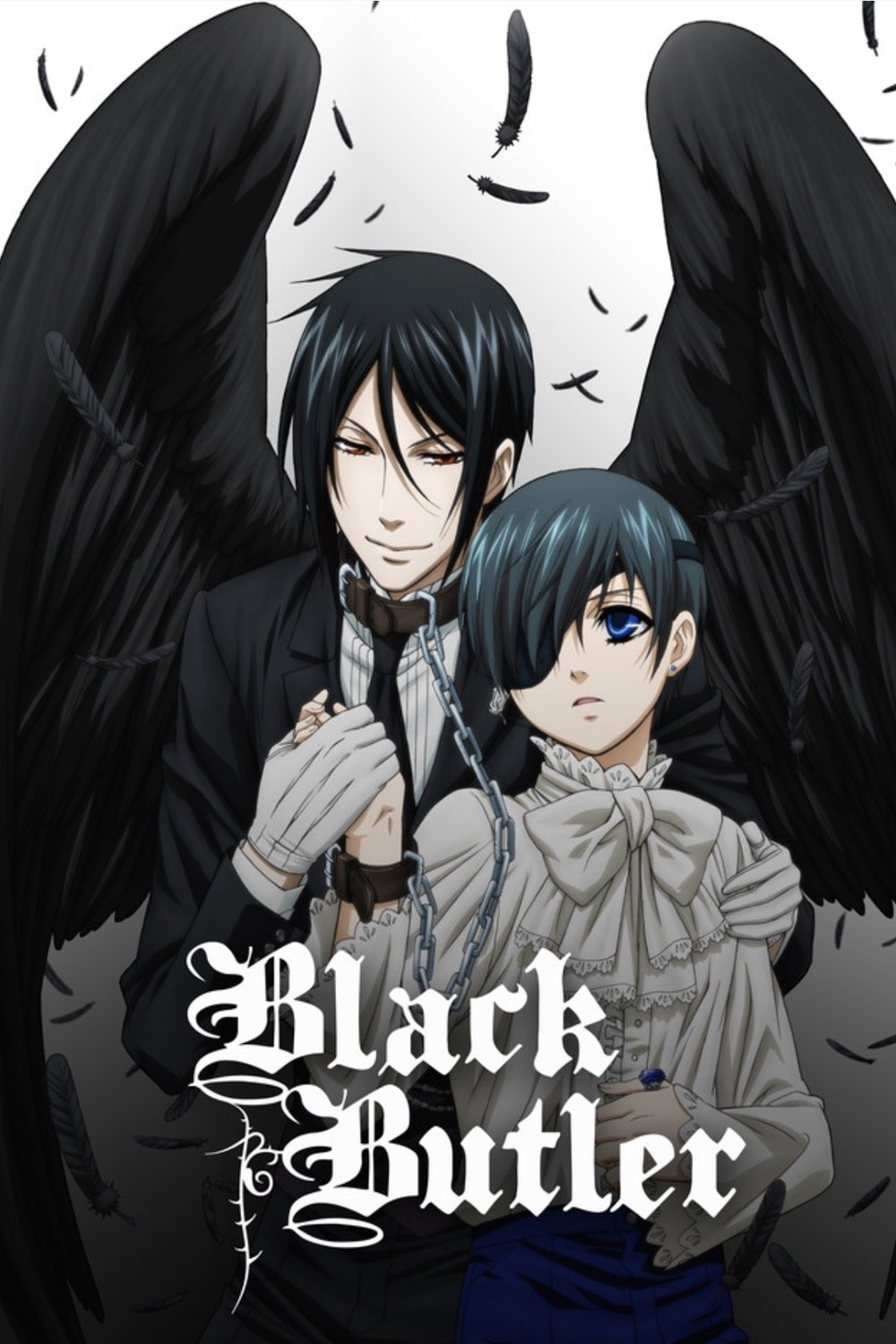
Agni is an important supporting character in the series, portrayed as an Indian priest. His skin tone is a significant aspect of his design, representing his cultural background. However, some international releases of the anime and official artwork show him with a lighter complexion than in the original manga. This change can diminish the unique visual details that make him recognizable. It’s a subtle adjustment made to appeal to a wider, international audience.
‘Sailor Moon’ (1992–1997)
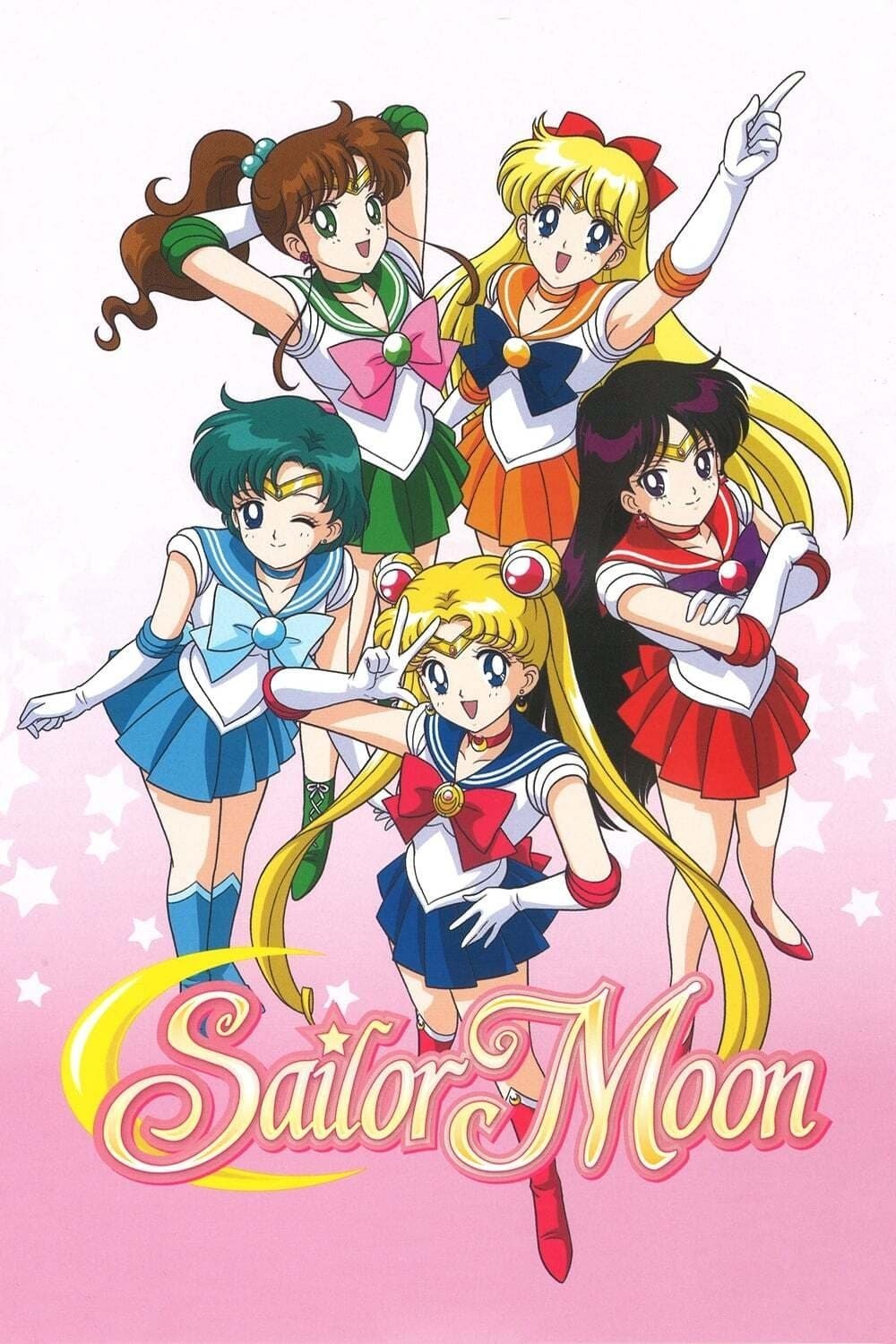
Sailor Pluto was originally known for having the darkest skin of all the main Sailor Guardians, which made her stand out. However, in the new version of the series and on some products sold in other countries, her skin tone has been made much lighter. This change has upset some fans who liked her original appearance. It’s not uncommon for older shows that are updated to make similar changes over time.
‘Revolutionary Girl Utena’ (1997)
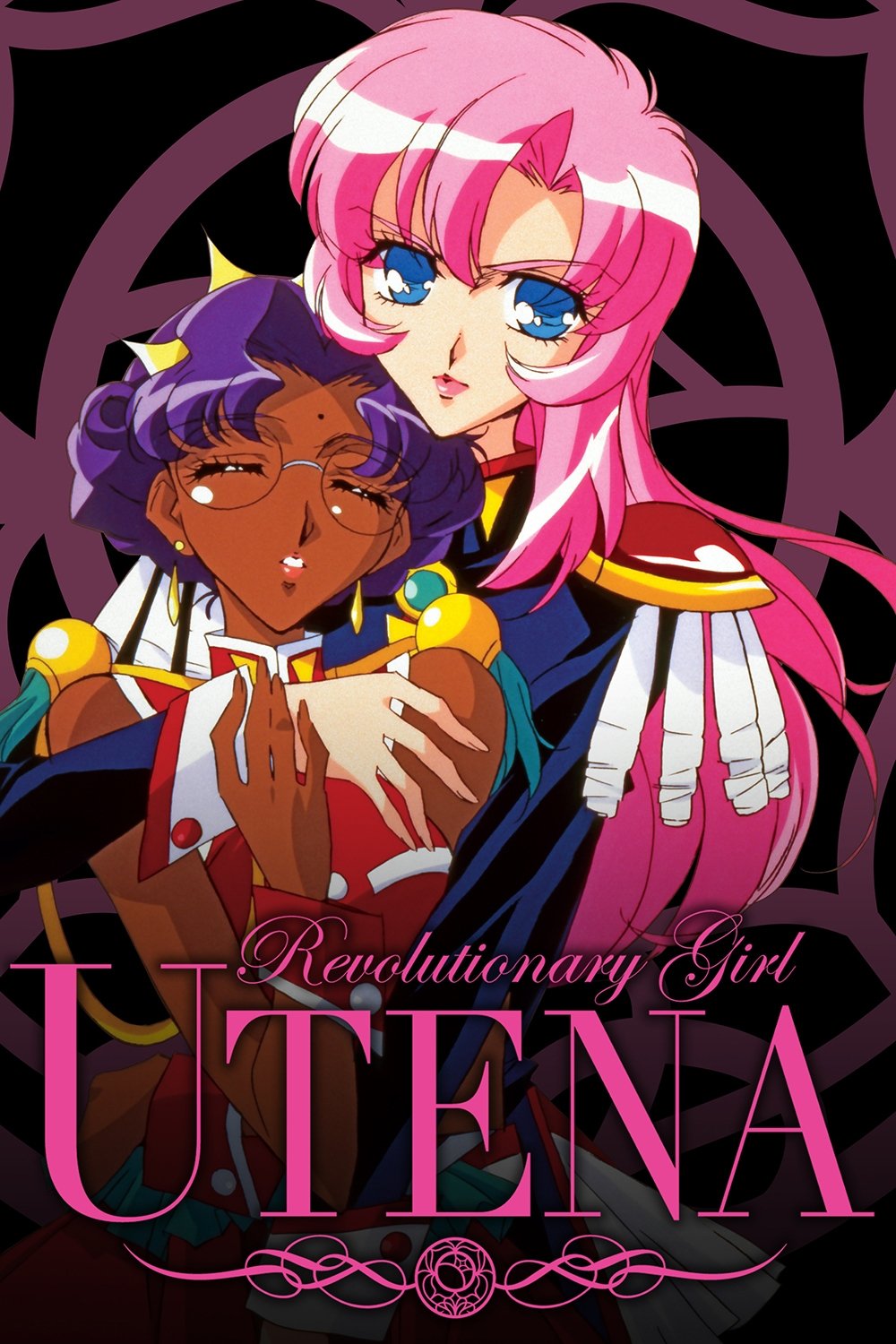
Anthy Himemiya is a key character, and her dark skin is a defining feature of her design and represents her position as an outsider. While some versions of the media she appears in have reduced the contrast of her skin tone, this change alters the original artistic message the creators intended to convey through her appearance. Despite these color differences across various releases, she remains a well-known and important character in her genre.
‘Cowboy Bebop’ (1998–1999)
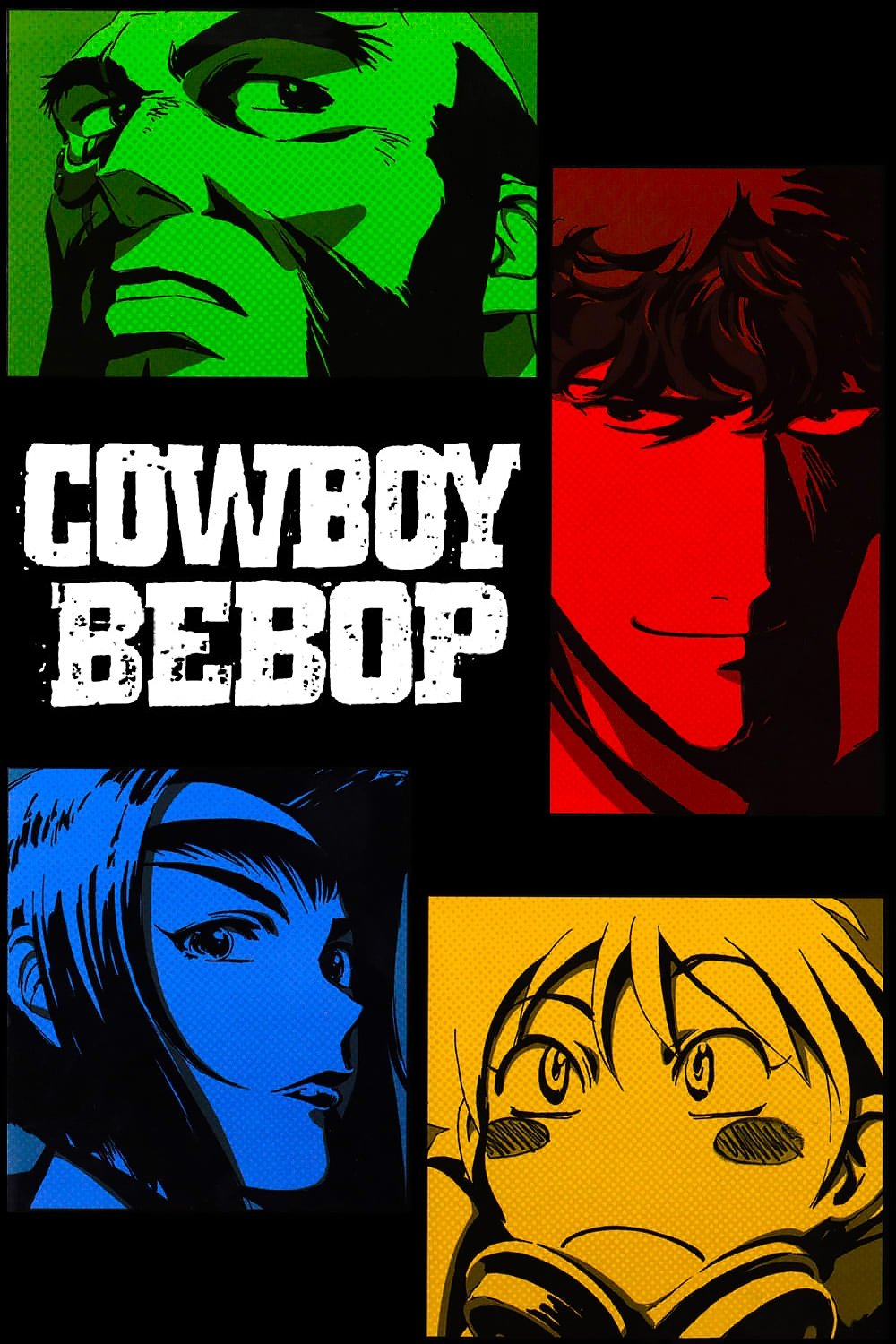
The character Coffee makes a striking appearance in one episode, notable for her dark skin and unique look. Her design was inspired by the popular blaxploitation films of the 1970s. Unfortunately, some international versions of the show brightened the animation, unintentionally making her skin tone lighter. This change affects the visual style of the episode, which carefully used color to create a specific atmosphere. Despite this, Coffee remains a beloved character known for her distinctive design and importance to the story.
‘Dragon Ball’ (1986–1989)
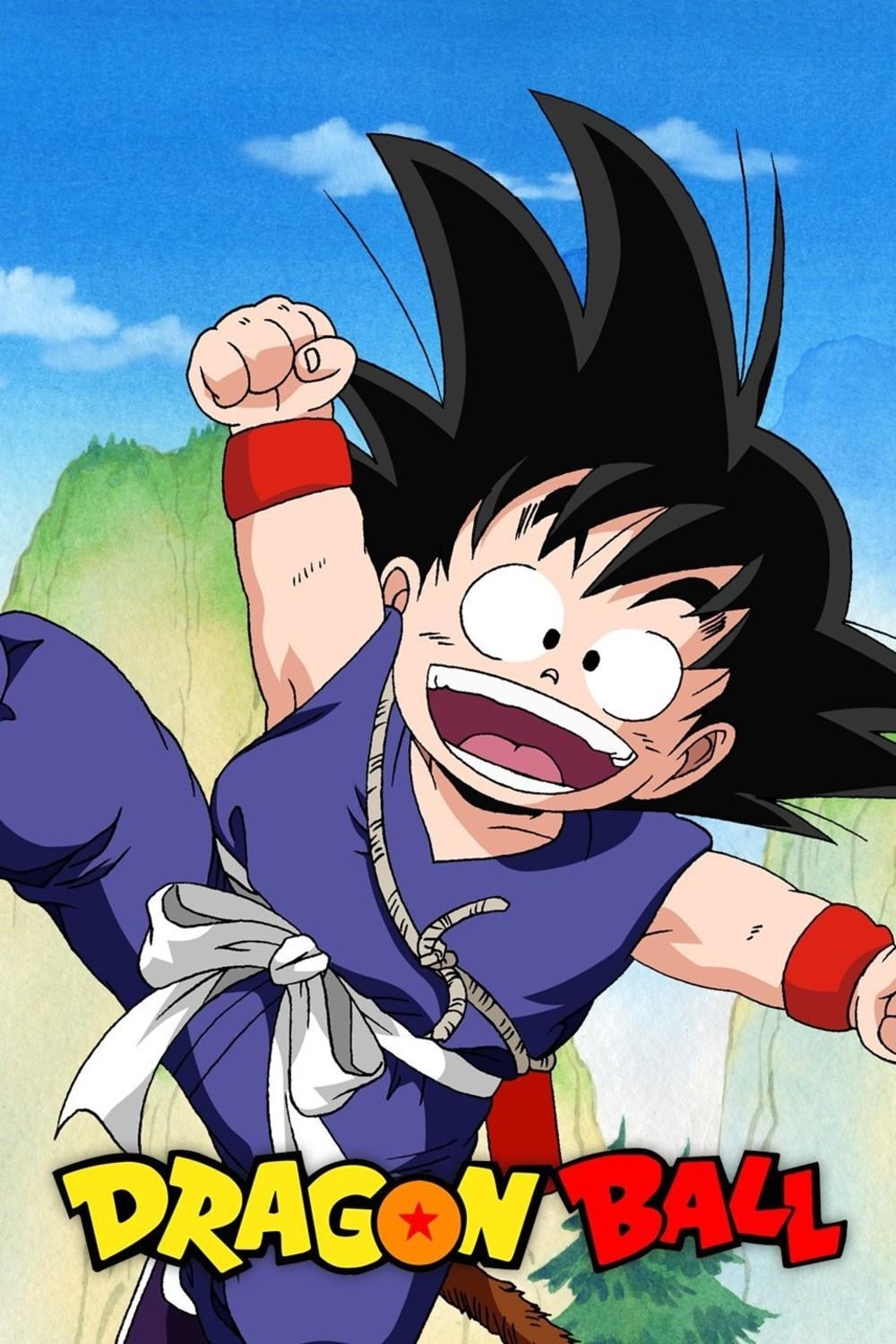
Staff Officer Black, a character from the Red Ribbon Army, originally had a design that relied on harmful racial stereotypes. When the series was released internationally, distributors raised concerns about his appearance. Later versions of the show and home video releases sometimes altered his features and skin color to make the series more inclusive and avoid causing offense to viewers around the world. This change in his design shows how views on representation in media have evolved over time.
‘Mobile Suit Gundam Seed’ (2002–2003)
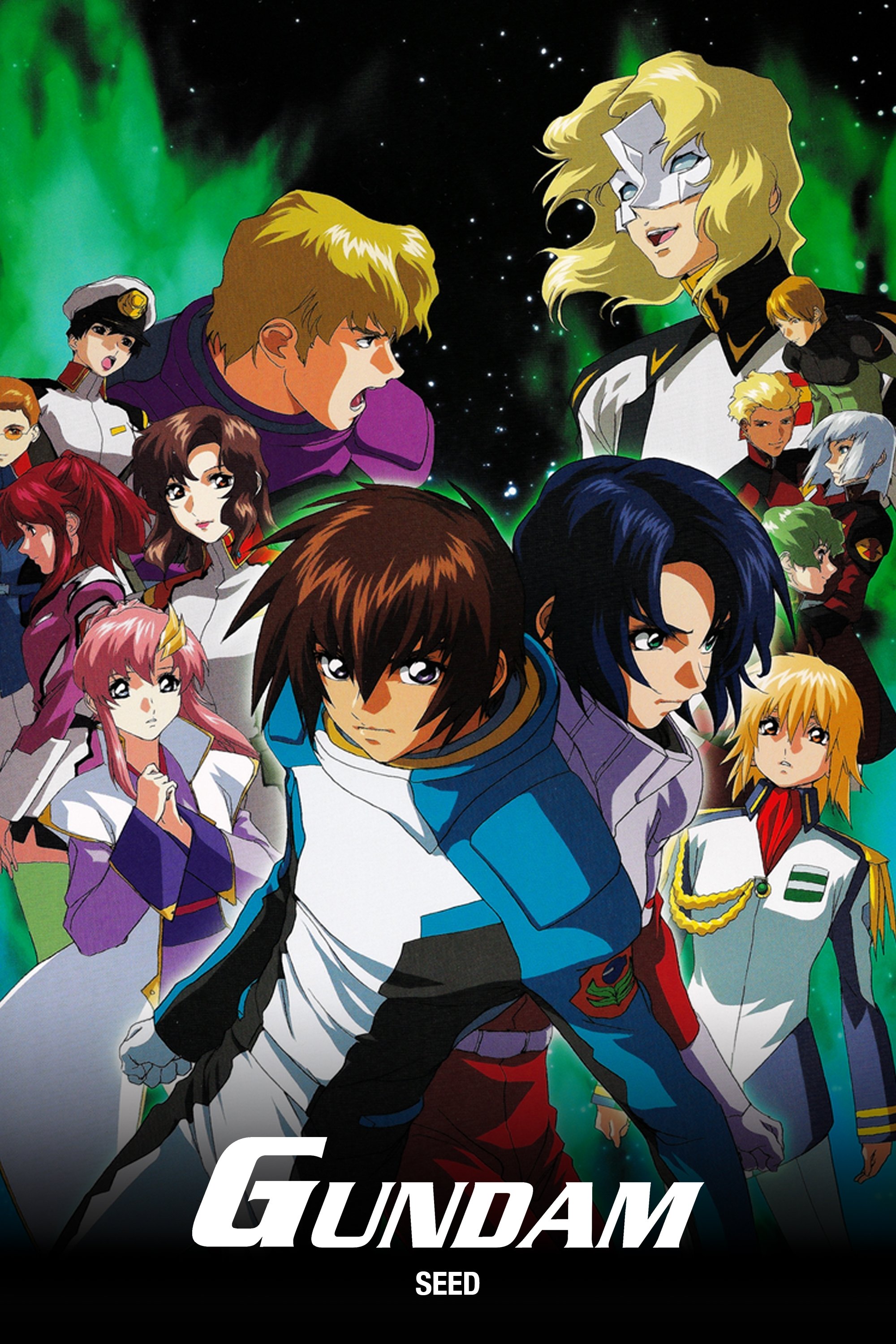
Andrew Waltfeld is a well-known commander who stands out with his tan and charming personality. When the show first aired, his appearance was different from most of the other pilots. However, in newer, high-definition versions and international releases, his skin looks noticeably paler. This kind of color change often happens when older shows are remastered for today’s screens. Dedicated fans have definitely noticed the difference in how he looks.
‘Hunter x Hunter’ (2011–2014)
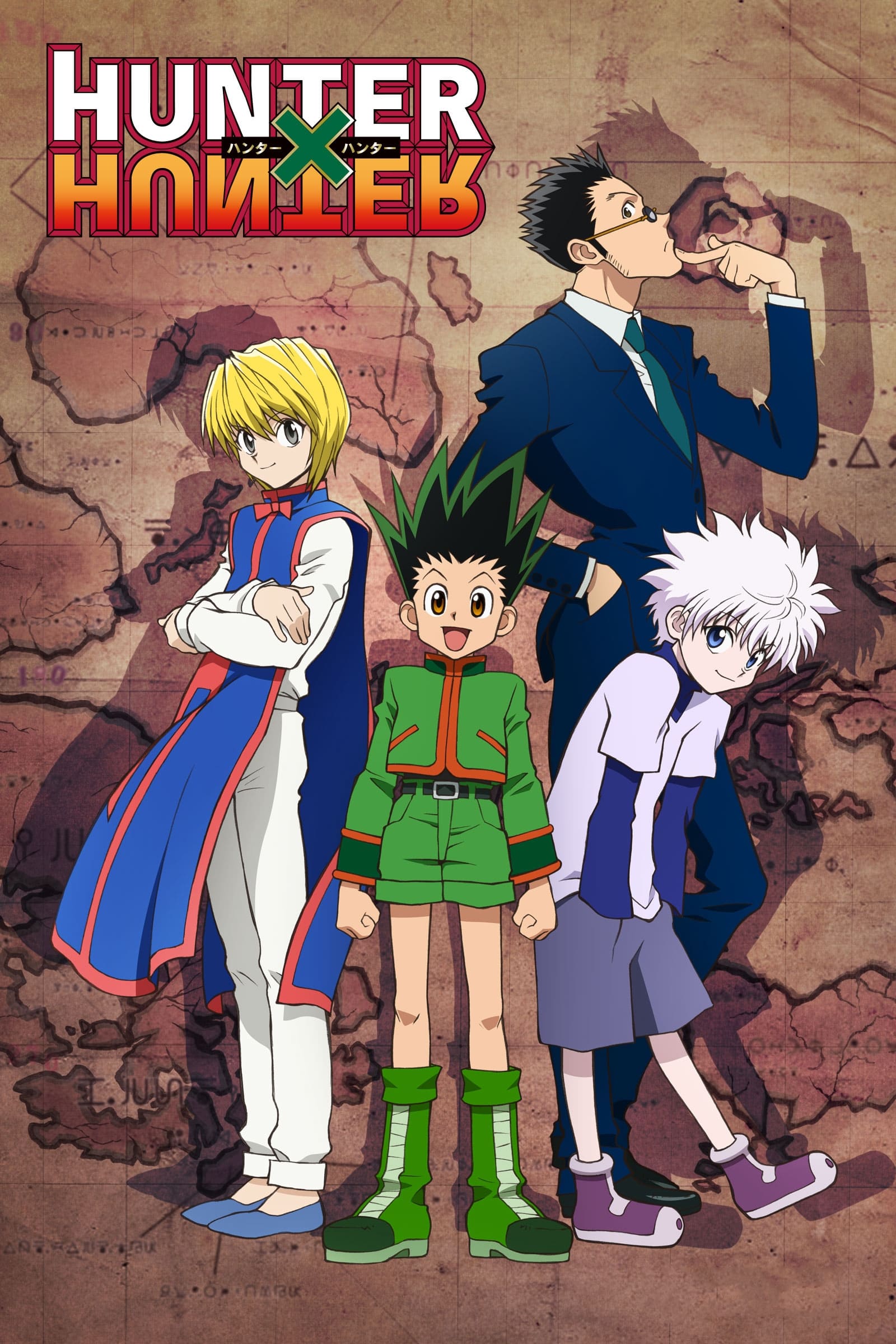
Canary is a young butler for the Zoldyck family, easily recognized by her dark skin and calm personality. While her original appearance in the manga and anime consistently showed her with this complexion, some international promotional artwork and game versions have depicted her with much lighter skin. This change can be upsetting to fans who value accurate and consistent portrayals of diverse characters. Despite these inconsistencies, Canary remains a popular character, remembered for her dedication and bravery.
‘JoJo’s Bizarre Adventure’ (2012–Present)
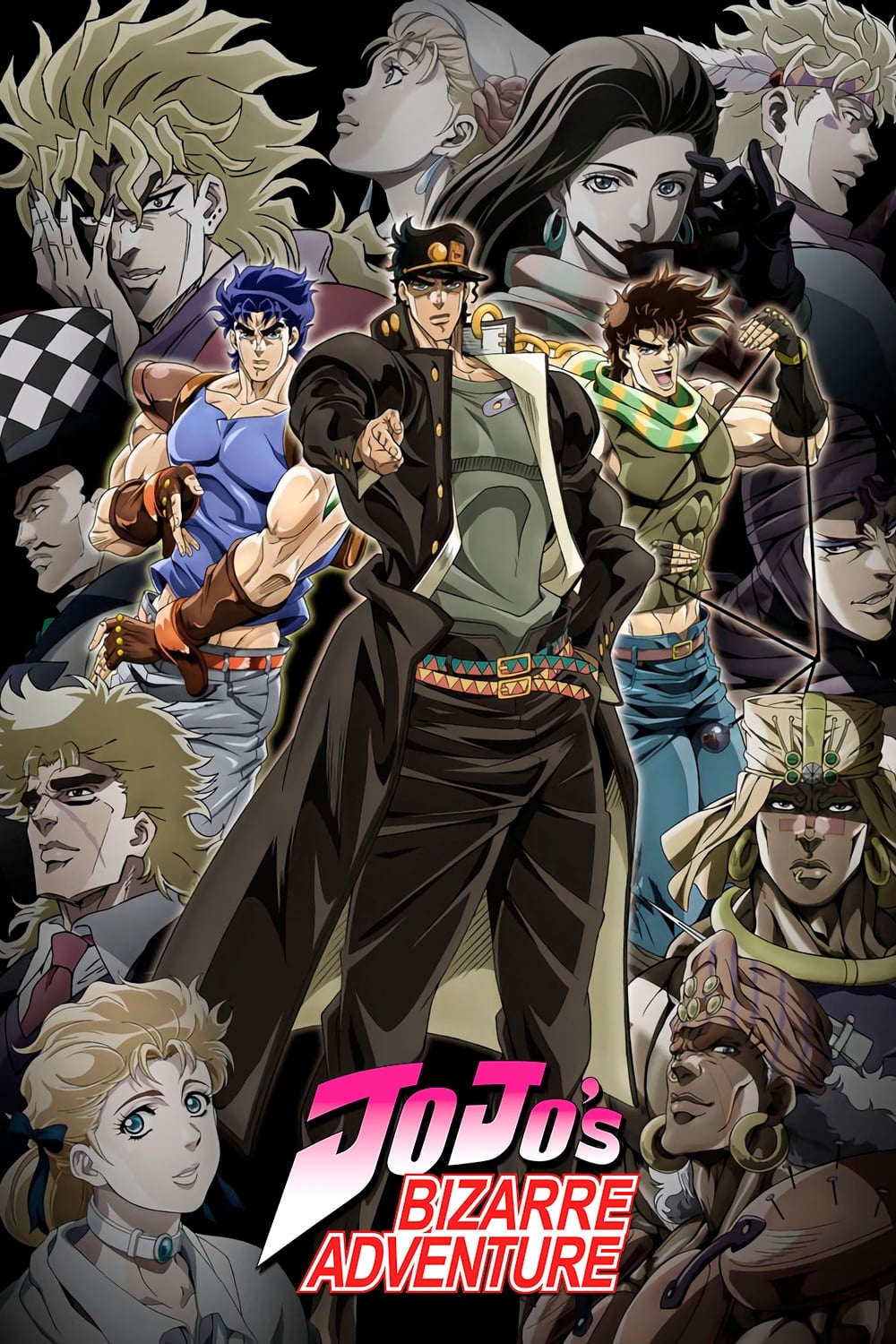
Mohammed Avdol is a fortune teller from Egypt and an important character in the third part of the series. Originally, he was depicted with dark skin in the manga and early animated versions. However, more recent versions and some promotional materials sometimes show him with a lighter, more orange skin tone. This change in coloring can affect how the character appears. Despite these differences, Avdol remains a well-known dark-skinned character within the series.
‘The Promised Neverland’ (2019–2021)
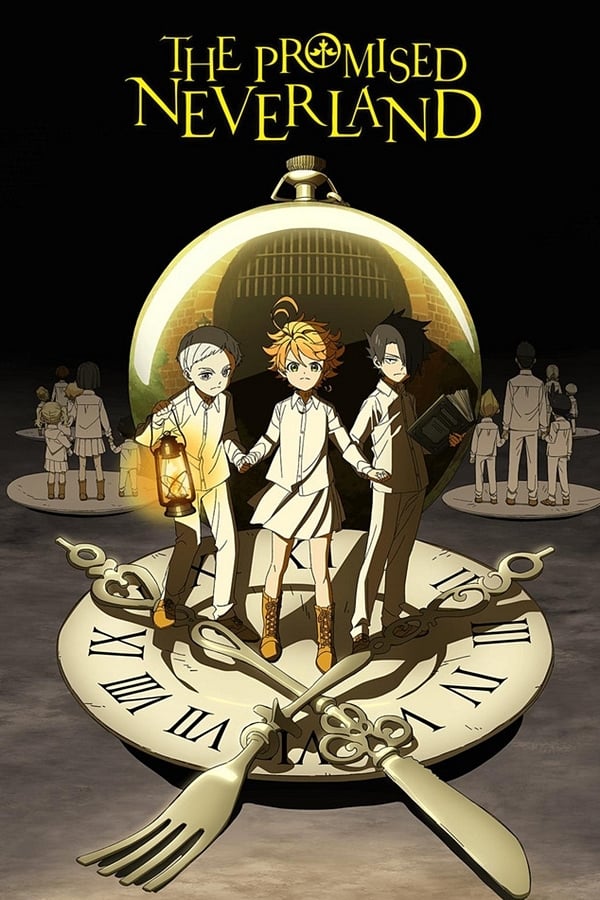
When the anime was released internationally, the character Sister Krone sparked discussion about her design. Some viewers found her dark skin and dramatic expressions troubling. Although her original skin tone wasn’t changed in the anime itself, certain streaming platforms used lighting and filters to make her appear lighter, likely to make her design more appealing to a wider audience. Despite this, Sister Krone remains a nuanced and complex character within the series’ storyline.
‘Fire Force’ (2019–2020)
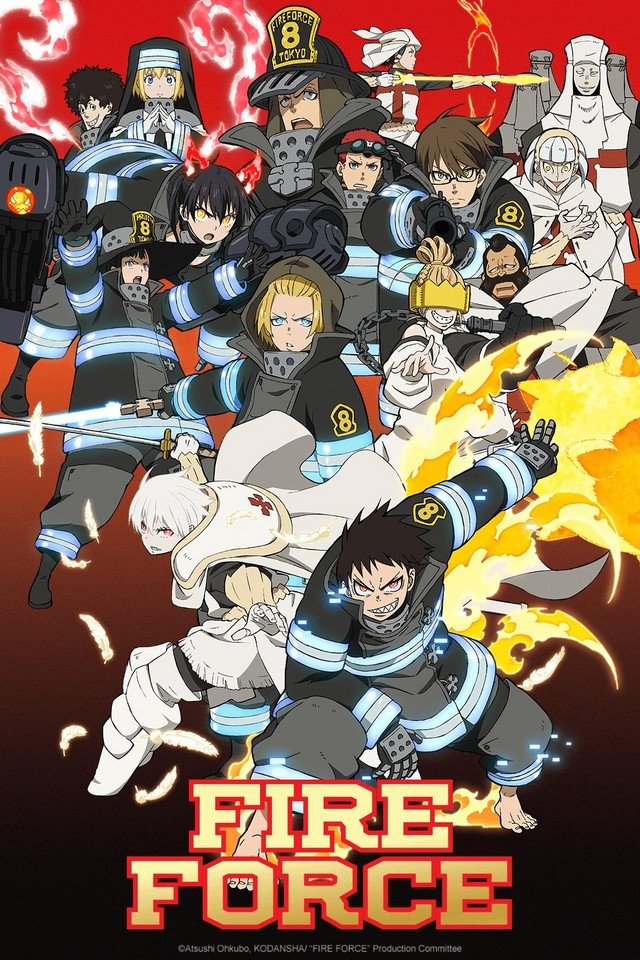
Ogun Montgomery is a strong and skilled fire-based character whose appearance reflects his background, notably through his tattoos and skin tone. Although he’s consistently shown with dark skin in the anime series, some promotional artwork and posters have depicted him with a lighter complexion. These changes usually happen due to variations in lighting or digital coloring. This can sometimes upset fans who prefer his original design. Despite these variations, Ogun remains a popular character because of his special abilities and the cultural significance he represents.
‘My Hero Academia’ (2016–Present)
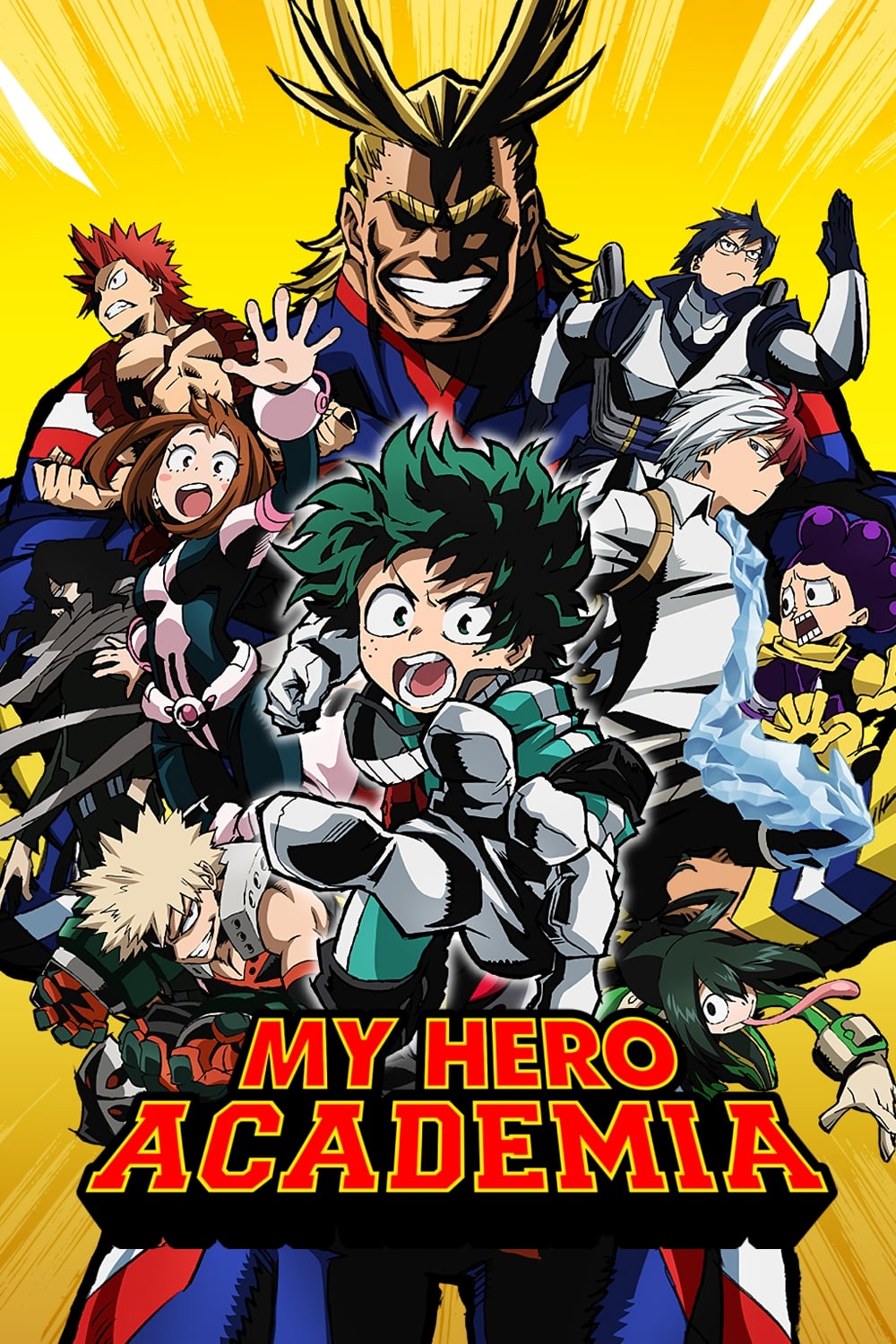
Mirko, a popular hero known for her dark skin and strong physique, has gained a large fanbase. While the anime version of her design closely matches the original manga, some merchandise made outside of Japan has shown her with lighter skin. Fans frequently notice and discuss these differences online, hoping for more accurate and consistent depictions of the character. Despite this, Mirko stands out as a great example of diversity in modern anime hero designs.
‘Black Clover’ (2017–2021)

Sol Marron is a member of the Blue Rose Knights, known for her dark skin and her loyalty to her captain. Her unique complexion is a key part of her character design in the anime. Unfortunately, some international versions and digital releases have altered the colors, making her appear lighter due to issues with converting the video for different screens. Despite this, Sol remains a strong and memorable character throughout the series.
‘Food Wars! Shokugeki no Soma’ (2015–2020)

Akira Hayama is a skilled spice expert whose dark skin reflects his heritage and experience. His complexion is a defining feature that makes him easily recognizable among the academy students. However, some international releases and promotional materials have noticeably lightened his skin tone, altering his appearance and potentially changing how people perceive his ethnicity. Despite this, Akira remains a beloved character thanks to his talent and calm demeanor.
‘Fate/stay night’ (2006)
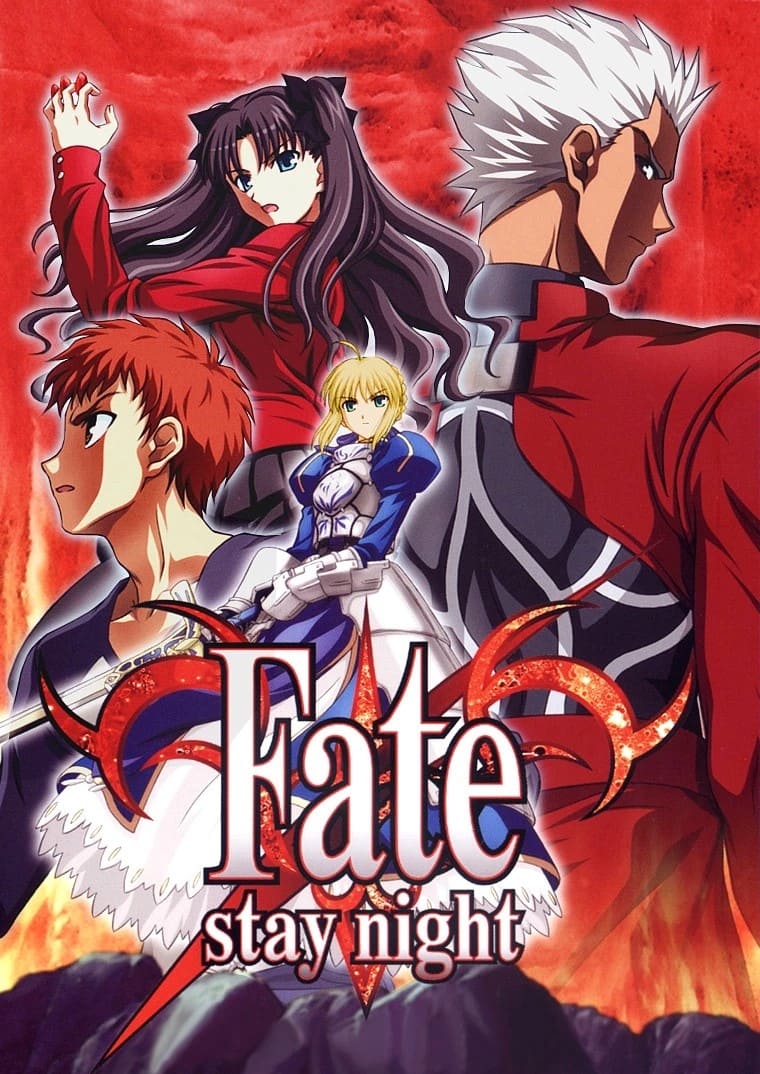
Archer is easily recognized by his tanned skin and white hair, which contribute to his enigmatic look. Throughout the original series and its follow-ups, the exact shade of his skin has changed, ranging from a dark bronze to a lighter tone. Fans internationally have noticed that recent versions of the character often feature a paler complexion. These shifts are often due to different animation teams working on the show or changes in artistic style. Despite these variations in skin tone, Archer remains a core character in the franchise.
‘Soul Eater’ (2008–2009)
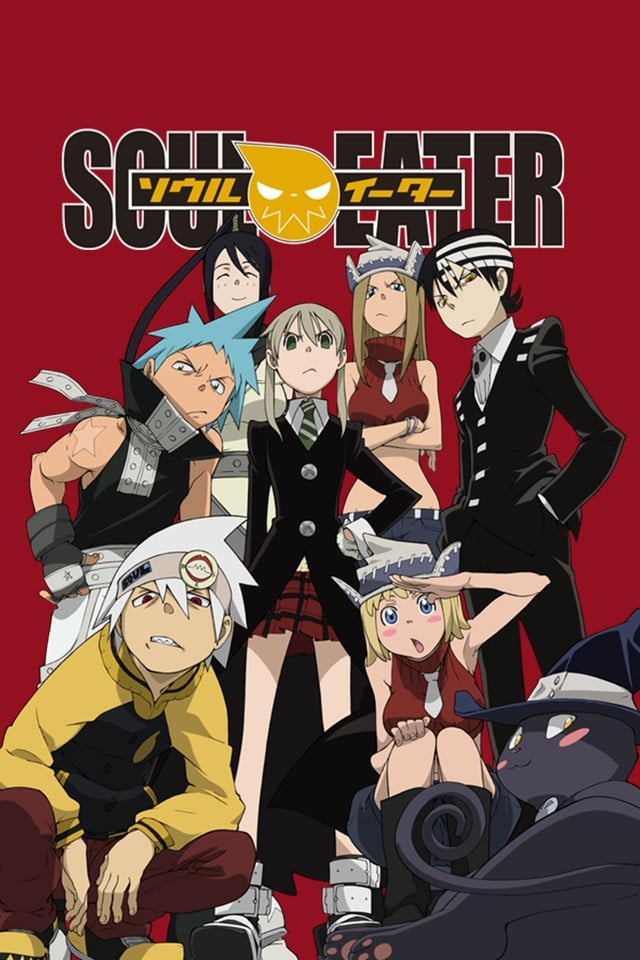
Kilik Rung is a skilled fighter known for his unique look, including his dark skin and memorable hairstyle. He brought welcome diversity to the show’s cast. However, some international releases and promotional artwork show him with a noticeably lighter skin tone, a change that fans have often pointed out. Despite this, Kilik remains a popular character celebrated for his fighting abilities and cool design.
‘D.Gray-man’ (2006–2008)
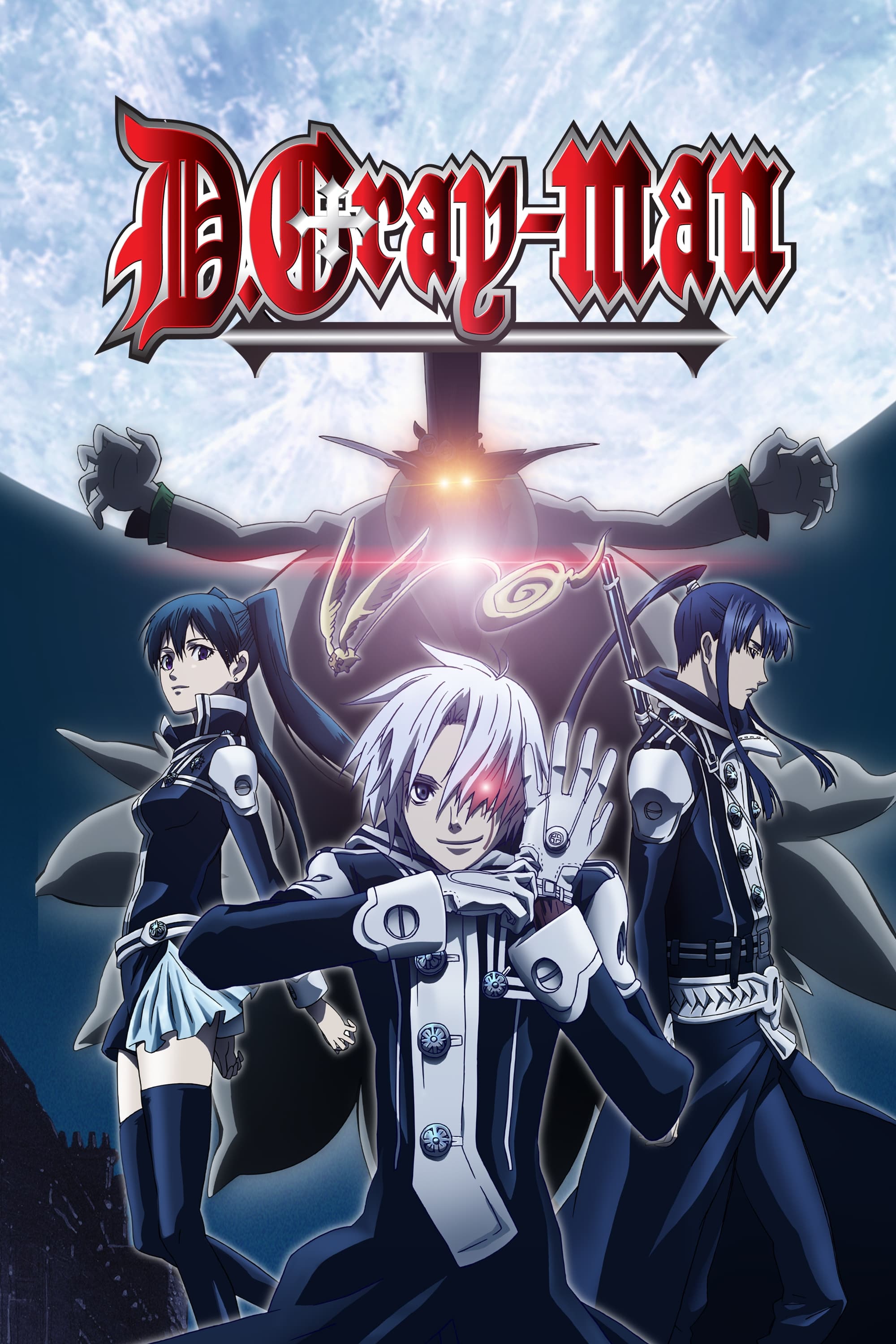
Road Kamelot, a member of the Noah Family, is known for her unusual gray or tanned skin, which gives her an otherworldly appearance. This is intentional, as she’s meant to stand out from the human characters in the story. However, in some versions released outside of Japan, her skin tone is made lighter, making her look more human and less supernatural. This change can lessen the impact of her original character design and the contrast within the dark fantasy setting. Despite this, Road remains a compelling and dangerous villain thanks to her playful personality.
‘Michiko & Hatchin’ (2008–2009)

Michiko Malandro is a strong, dark-skinned woman who drives the plot in a colorful and varied world. The show is praised for its authentic and diverse portrayal of different ethnicities. However, some international marketing materials have altered Michiko’s skin tone to appear lighter. This feels inconsistent with the show’s emphasis on its unique cultural style and visual identity. Despite this, Michiko remains a powerful and independent figure in anime.
‘Cannon Busters’ (2019)
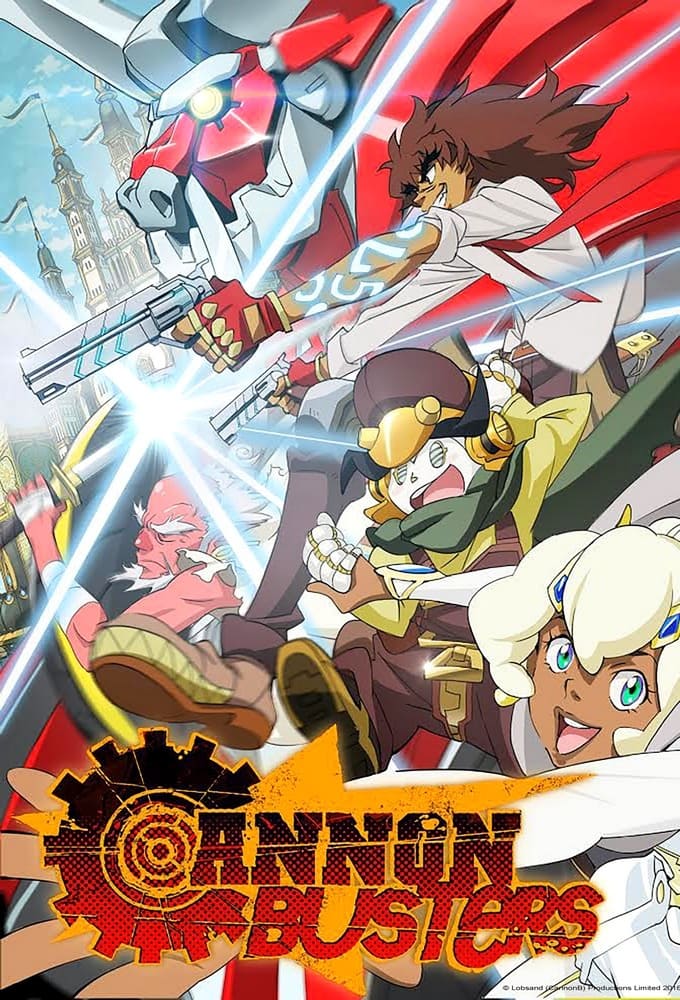
Philly the Kid is a character with brown skin who lives in a vibrant and creative world. The show was created to appeal to viewers worldwide and includes a variety of diverse characters. However, some promotional materials in other countries have shown these characters with lighter skin depending on the lighting. This shows how difficult it can be to ensure characters look the same in all advertising. Philly the Kid is a special character because he can’t be harmed and loves going on adventures.
‘Afro Samurai’ (2007)
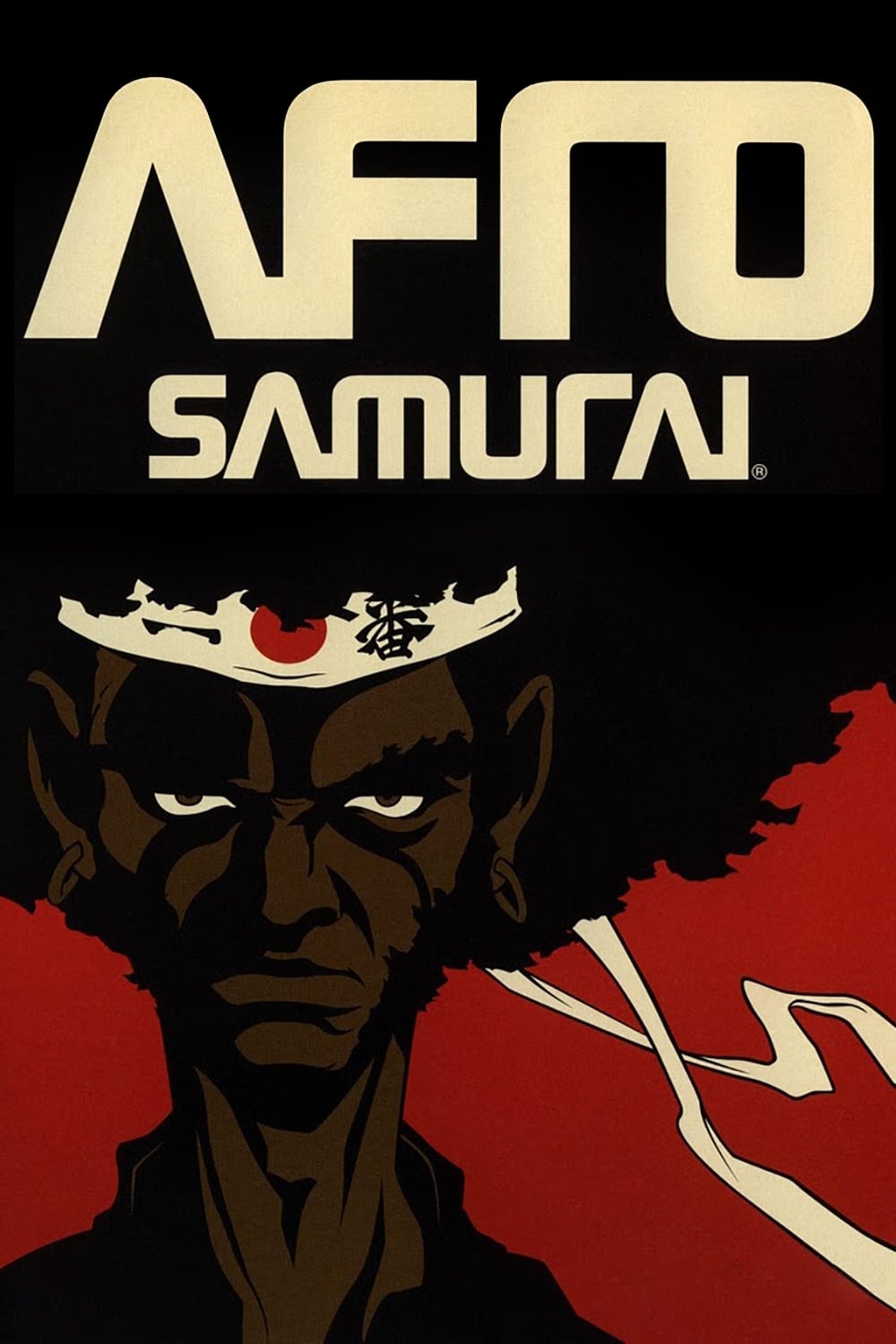
Afro, the main character, is known for his dark skin and his quest for revenge in a futuristic setting. Created with international collaboration, the series aimed for a worldwide audience. Unfortunately, some versions altered the colors and contrast, making the characters appear lighter. These changes affected the animation’s intended dark and stylish aesthetic. Despite this, Afro remains a highly memorable dark-skinned character in animation history.
‘Blue Exorcist’ (2011)
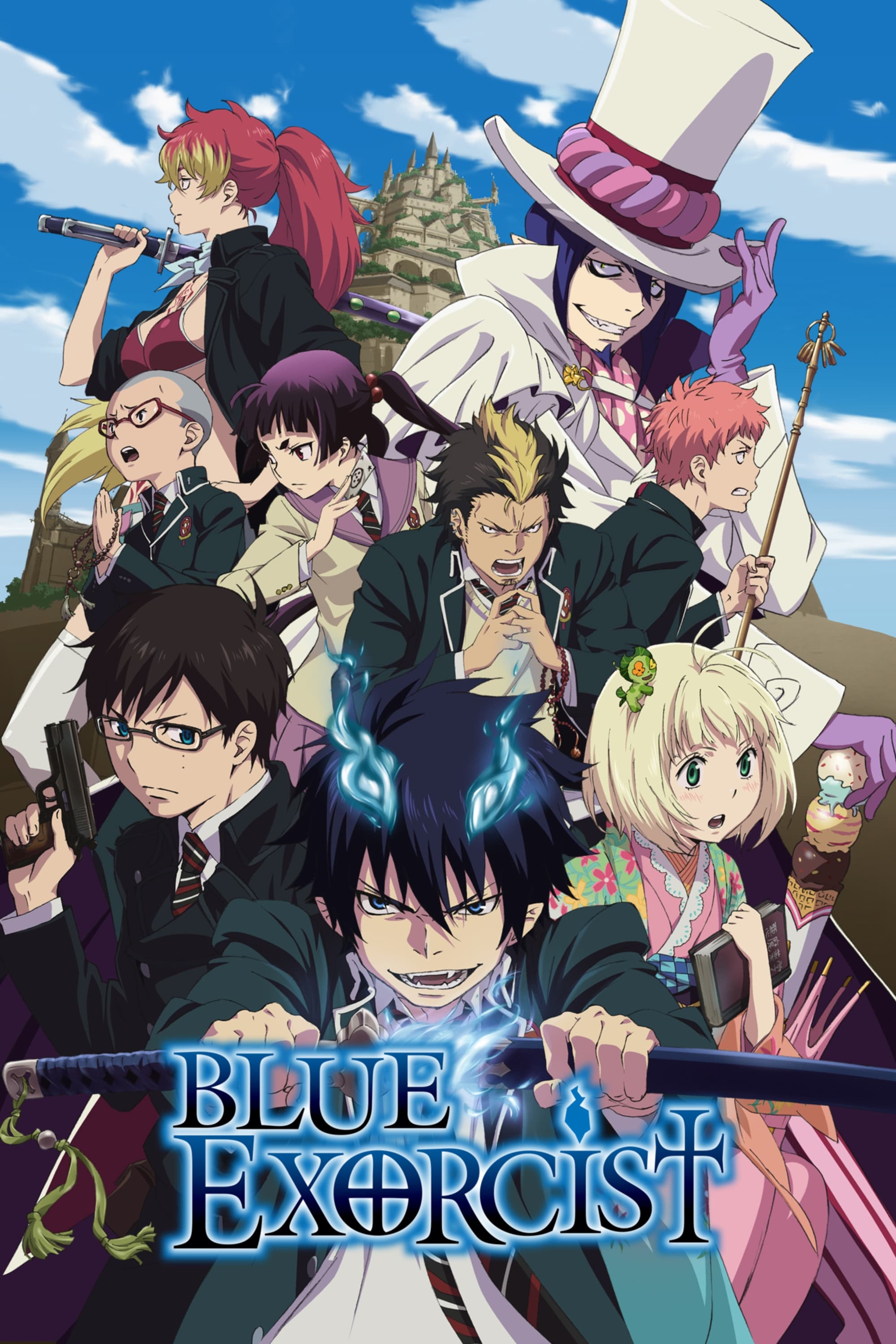
Agni, a character from the Order of the True Cross with roots in Indian culture, is designed with dark skin to reflect his heritage and showcase the organization’s international scope. However, some international releases have altered his skin tone to be lighter, which can diminish the significance of his background. Despite these changes, Agni remains a powerful and well-regarded character known for his wisdom.
‘Hellsing Ultimate’ (2006–2012)

Zorin Blitz is a powerful villain from the Millennium forces, easily recognized by her tattoos and dark skin. Her look is meant to be scary and stand out from other villains. However, in some versions released outside of Japan, her skin tone is lighter, which can lessen her intimidating presence. Despite this, Zorin is still remembered as a ruthless and psychologically cunning character.
Share your thoughts on these character design changes in the comments.
Read More
- Invincible Season 4 Gender Swaps Tech Jacket As Fans Question Major Comic Change
- Silver Rate Forecast
- Gold Rate Forecast
- 22 Films Where the White Protagonist Is Canonically the Sidekick to a Black Lead
- 15 Films That Were Shot Entirely on Phones
- Building Agents That Learn and Improve Themselves
- 20 Movies Where the Black Villain Was Secretly the Most Popular Character
- Celebs Who Narrowly Escaped The 9/11 Attacks
- Trading Crypto with AI: A New Approach to Portfolio Management
- 14 Movies Where the Black Character Refuses to Save the White Protagonist
2026-01-12 16:18