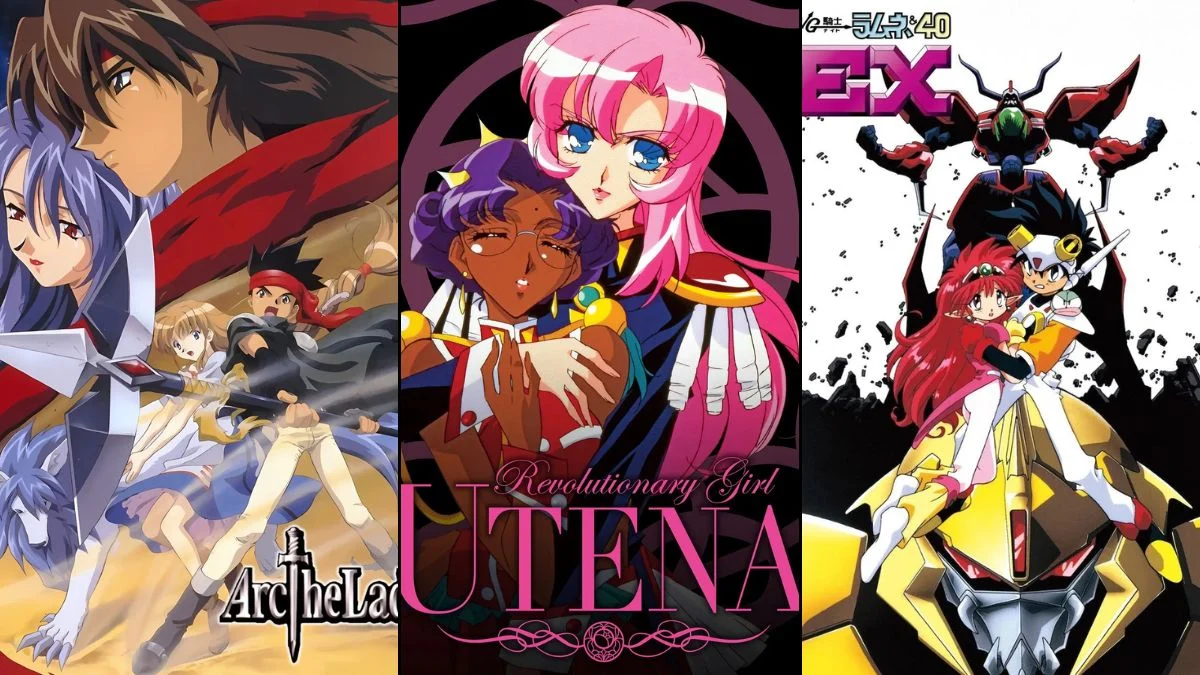
Pink-haired princesses are now a common sight in anime, often embodying both purity and magical abilities. These characters frequently have contrasting personalities, ranging from kind and gentle to strong and even intimidating. This trend really took off in anime created before the year 2000, with artists trying out different looks and designs. The idea of a ‘dark’ or ‘black’ version of a pink-haired princess was a way to explore corrupted characters or simply create a striking visual style that was popular at the time.
‘Sailor Moon R’ (1993)
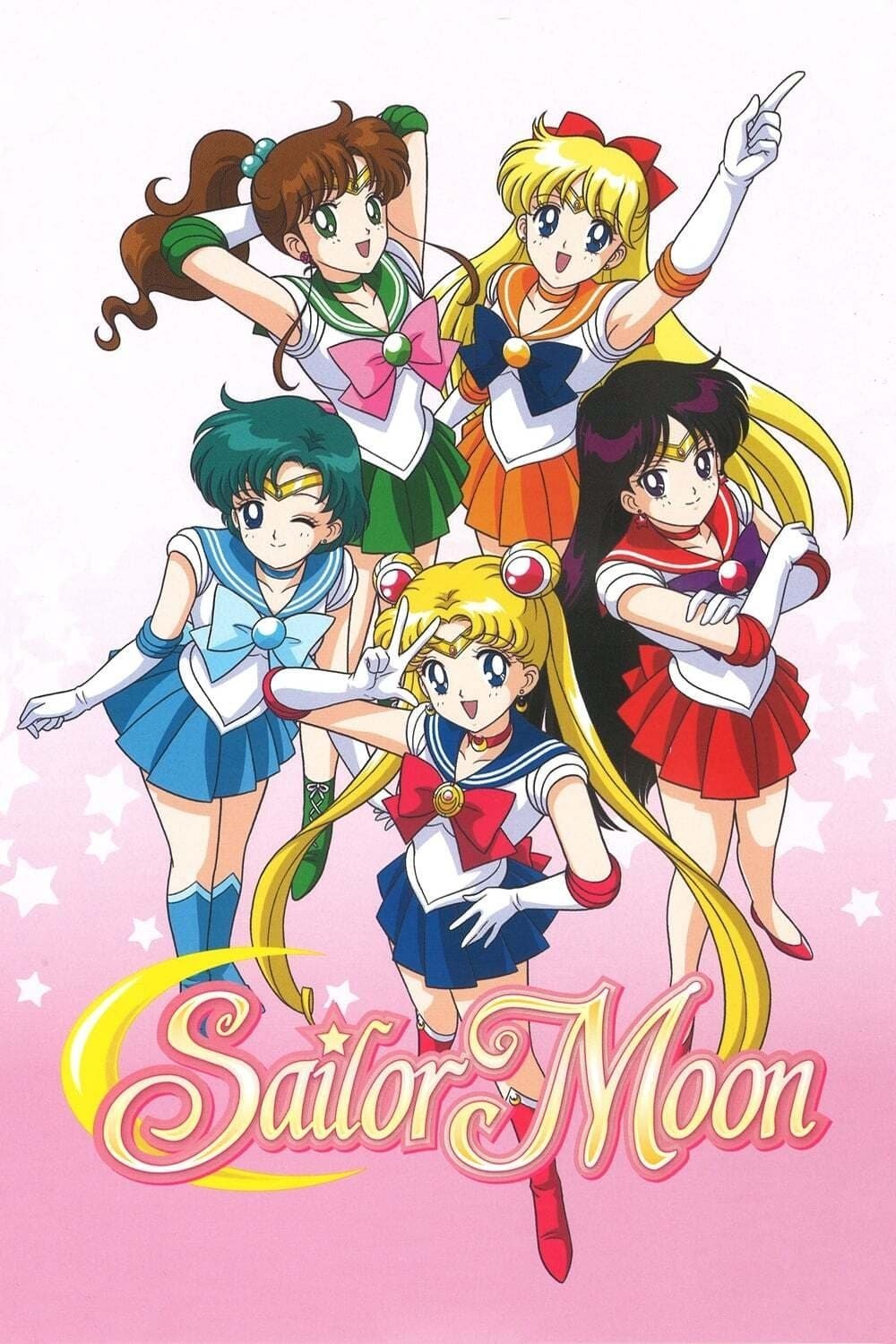
Chibiusa perfectly embodies this story pattern when she becomes the villain Black Lady. While she still has her recognizable pink hair, this darker version of herself wears a black dress and acts cruelly. Black Lady works for the villain Wiseman and tragically fights against her own mother and the Sailor Guardians. Her story highlights how easily children can be hurt and how loneliness can lead someone down a dark path.
‘Magical Princess Minky Momo’ (1982)
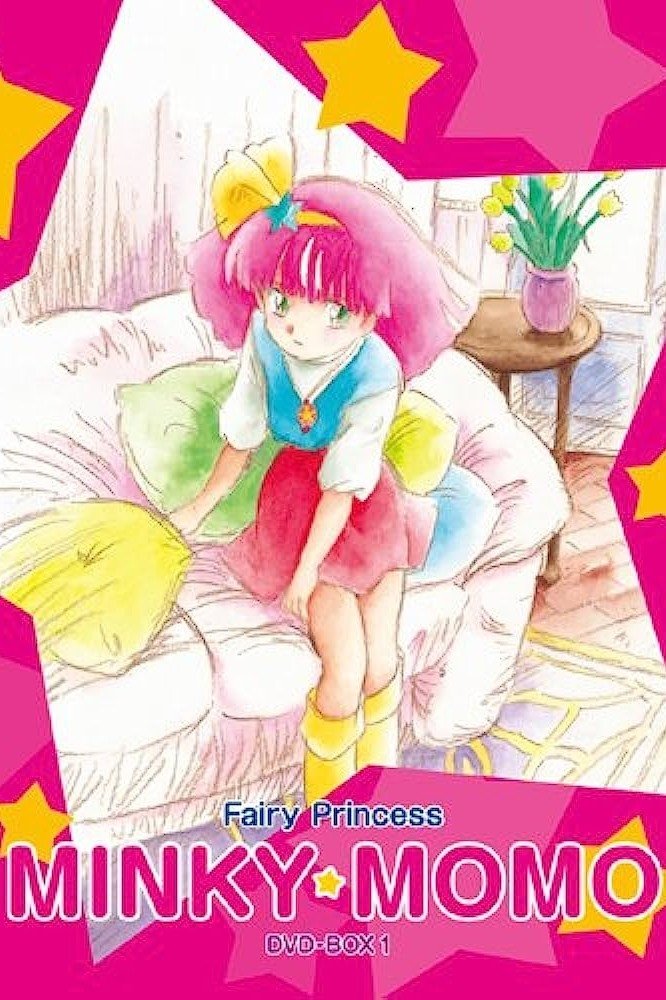
Momo is a princess from the dream world of Fenarinarsa, sent to Earth with a vital mission: to rekindle hope and imagination in people. She’s easily recognized by her pink hair and has the power to transform into an adult capable of any profession. This series is famous for pioneering the magical girl princess concept, inspiring countless anime that followed. Though always optimistic, Momo carries a hint of sadness knowing she must save her weakening kingdom.
‘Mobile Suit Gundam ZZ’ (1986)
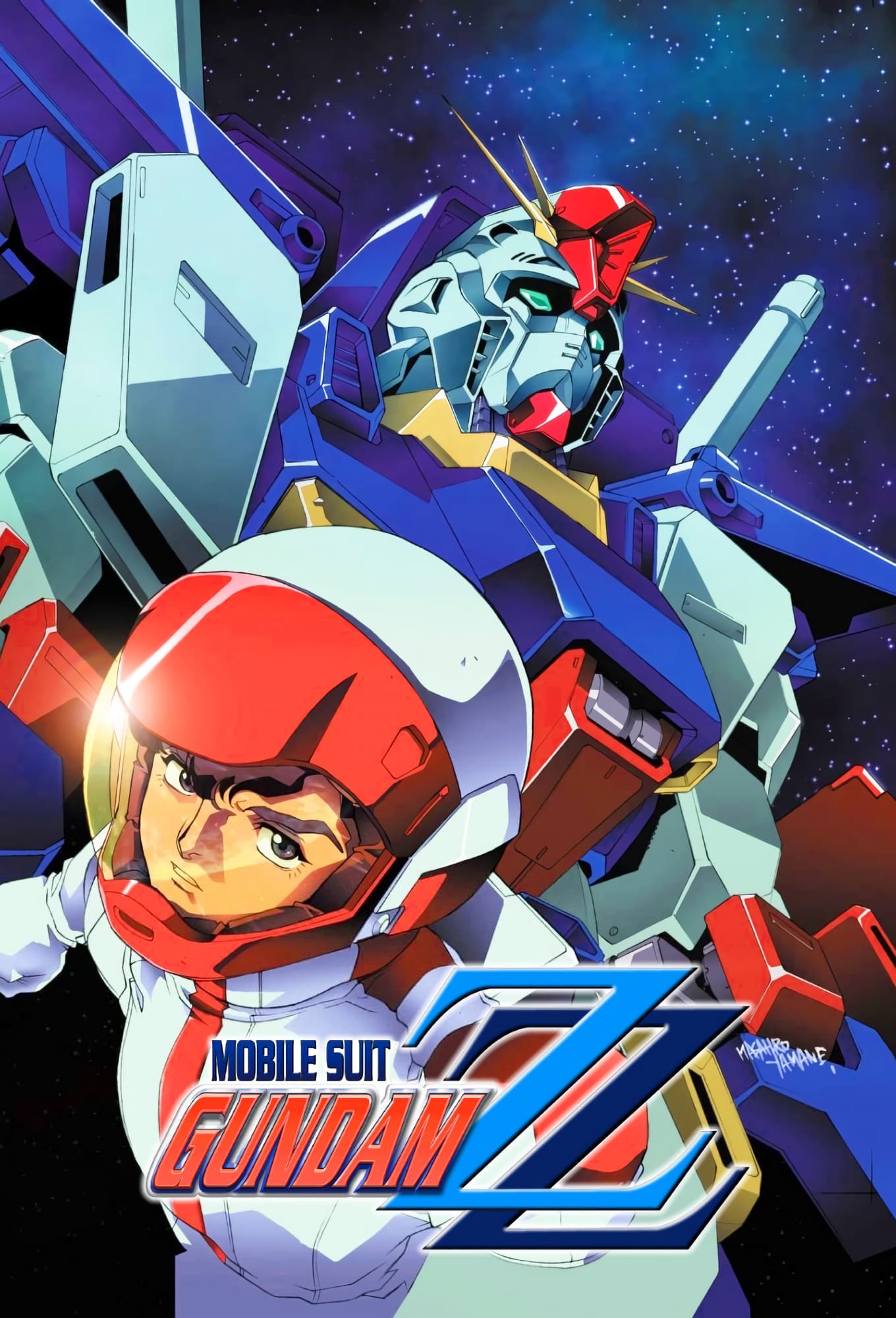
Haman Karn is essentially the ruler of Neo Zeon, acting as both queen and regent. Known for her distinctive pink hair, she’s a powerful leader who commands armies and controls the government with a firm hand. Haman is a complicated villain – she carries herself like royalty, but rules with the coldness of a dictator. Her unique look, especially her hair, has made her a lasting and iconic character in the Gundam series.
‘Dragon Half’ (1993)
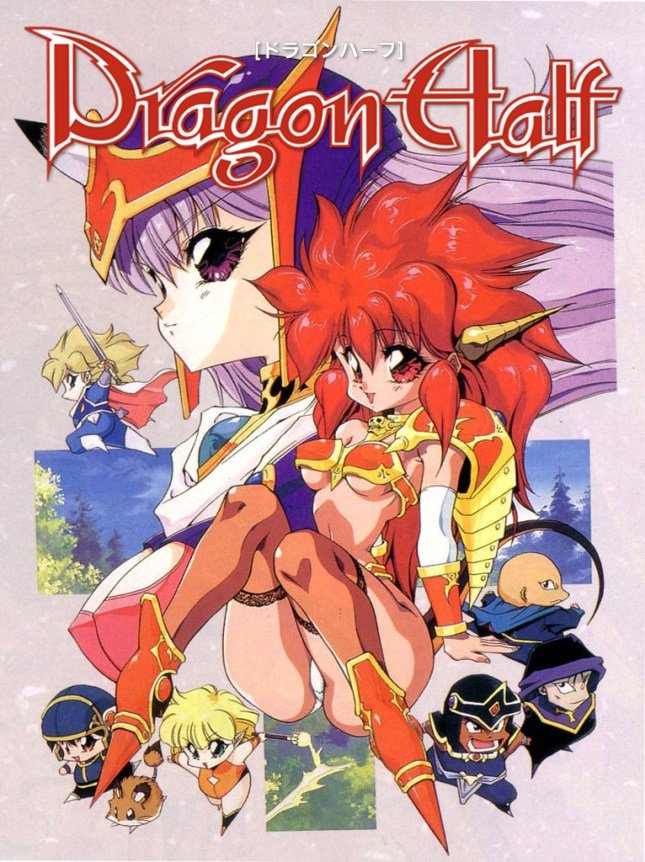
Mink is a cheerful, half-dragon princess who falls for a dragon slayer, leading to a funny and chaotic journey as she tries to win him over despite their families being enemies. She’s easily recognizable with her bright pink hair and horns, symbols of her royal dragon blood. The series is known for its over-the-top slapstick comedy and Mink’s endearing, but often clumsy, efforts to figure out who she is.
‘NG Knight Lamune & 40 EX’ (1991)
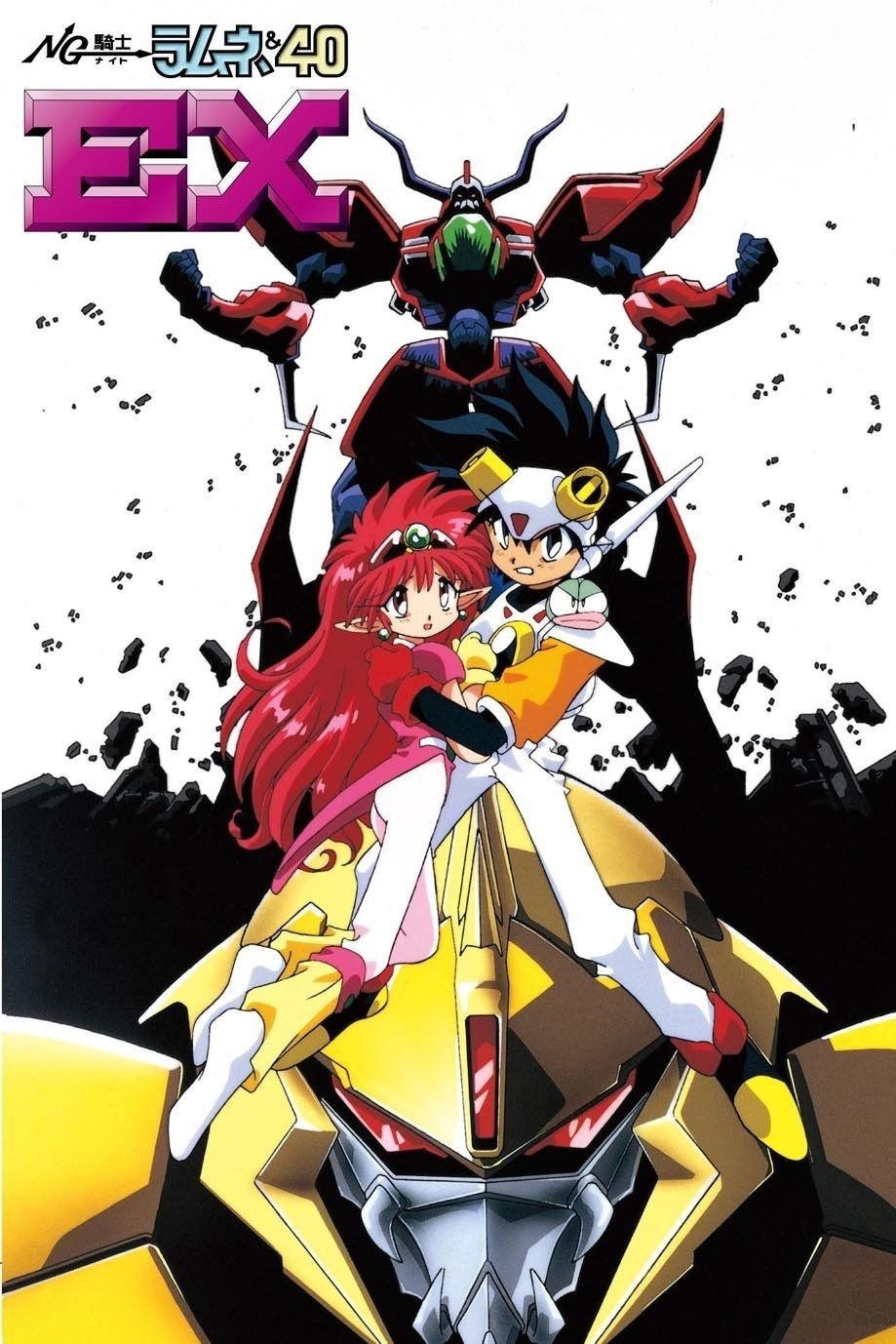
Princess Milk is the true heir to the throne of Hara-Hara World and a key character in this exciting mecha fantasy. Known for her long pink hair and a never-ending appetite – a humorous trait throughout the story – Milk joins Ramune on his quest to prevent a dark god from returning. She provides both laughs and displays the weight of her royal duties.
‘Legend of the Last Labyrinth’ (1997)
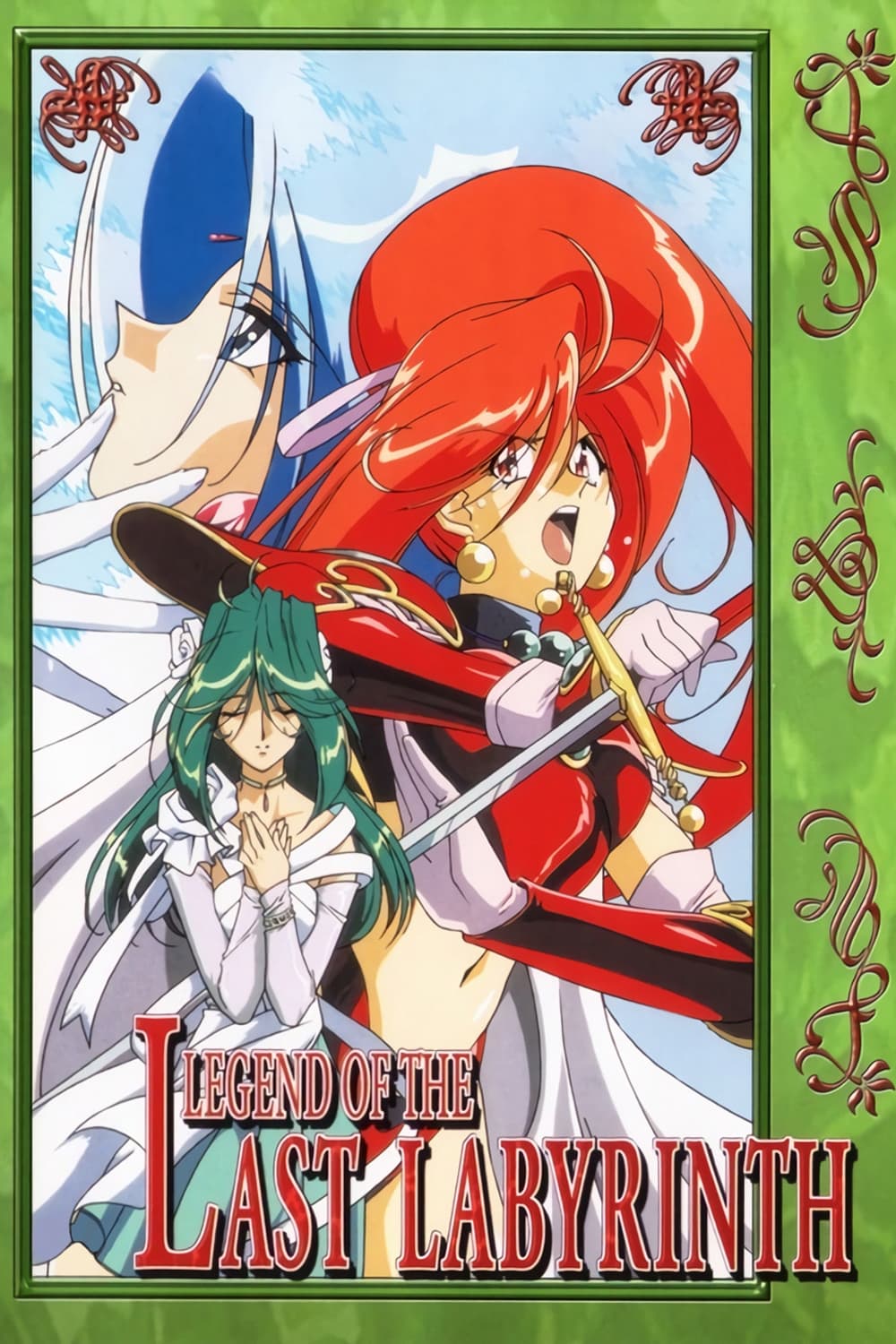
Rouge is a princess from a magical realm who runs away to the human world to escape a forced marriage. She has pink hair and incredibly strong magical abilities, but has trouble controlling them while living with a college student. The story follows her as she adjusts to life on Earth and deals with the constant threat of assassins sent to bring her back. She’s a classic runaway princess, but with a fantastical, supernatural element.
‘Lil’ Red Riding Hood Cha-Cha’ (1994)
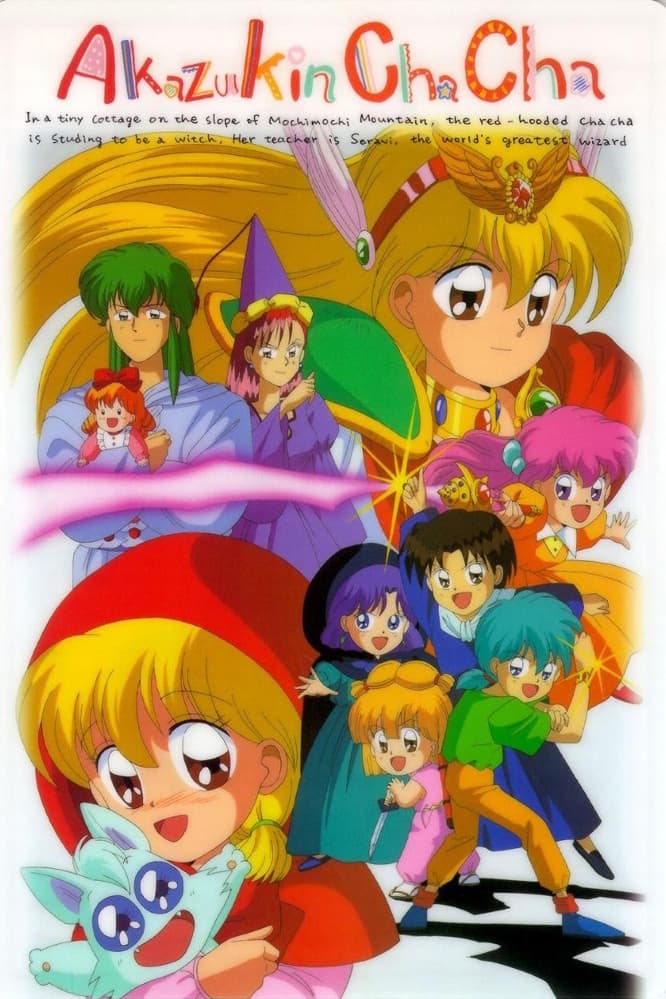
Marine is a mermaid princess who often causes trouble for Chacha and her friends. Unlike most princesses, she’s a bit spoiled and only cares about herself. She’s completely infatuated with a boy named Riiya, and she’s not afraid to cause drama to try and get his attention. Marine’s mischievousness and competitive spirit bring a lot of funny chaos to the magical academy where the story takes place.
‘Revolutionary Girl Utena’ (1997)
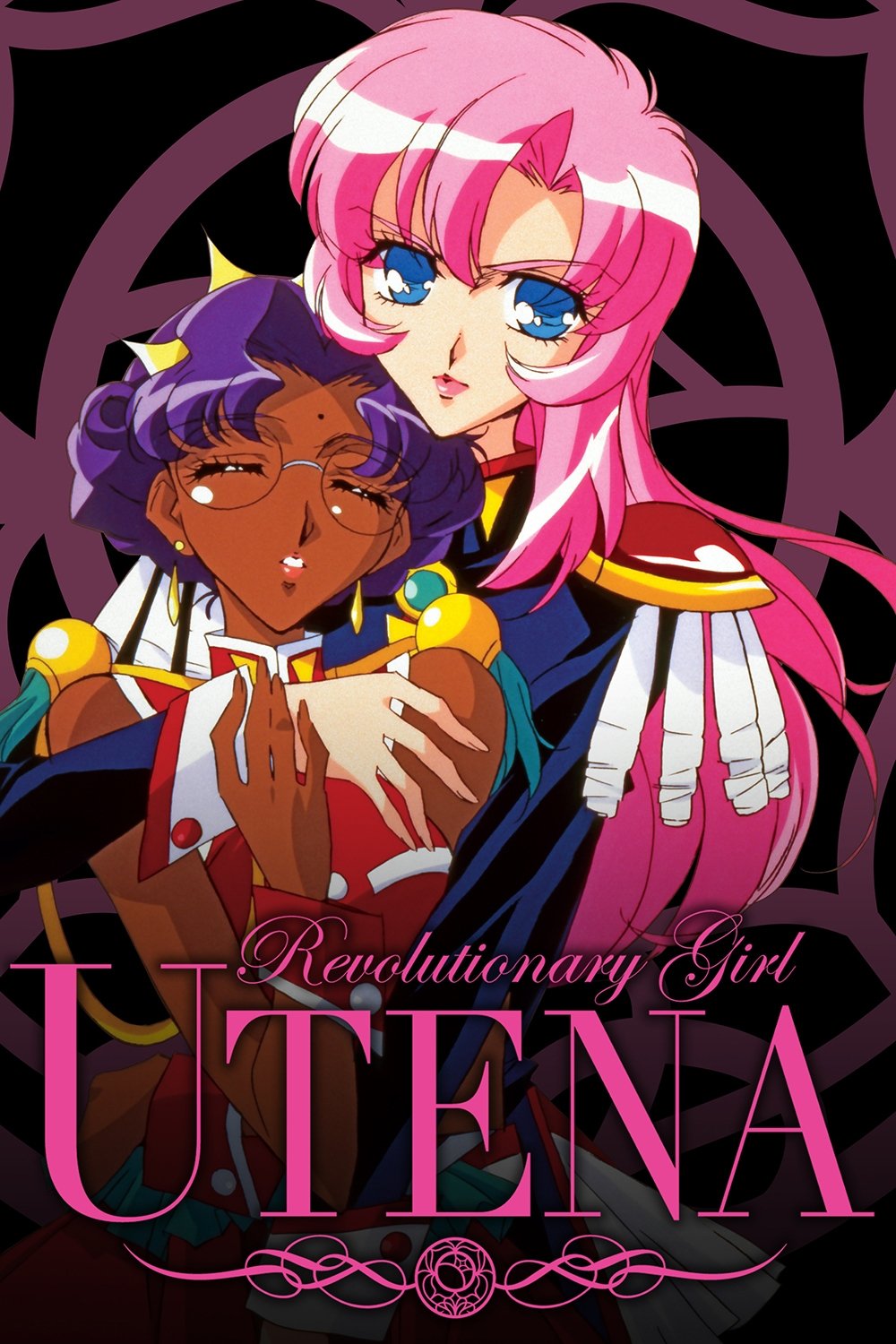
Utena Tenjou breaks with expectations by wanting to be a prince instead of a princess. With her distinctive pink hair, she fights to safeguard the Rose Bride from people who want to misuse her abilities. Even though she doesn’t want to be called a princess, Utena naturally embodies qualities of nobility and grace. The story cleverly reimagines classic fairy tales, delving into the complex and often troubled psychology behind power and privilege.
‘Wedding Peach’ (1995)

Momoko Hanasaki learns she’s the reborn form of a famous angel of love, making her a princess in the angel realm. She transforms into Wedding Peach and battles demons who want to eliminate love from the world. Her transformation is visually striking, featuring a pink color scheme and a change in hair color that highlights her angelic heritage. The series blends typical magical girl themes with a strong emphasis on romance and wedding imagery.
‘Tenchi Muyo!’ (1992)
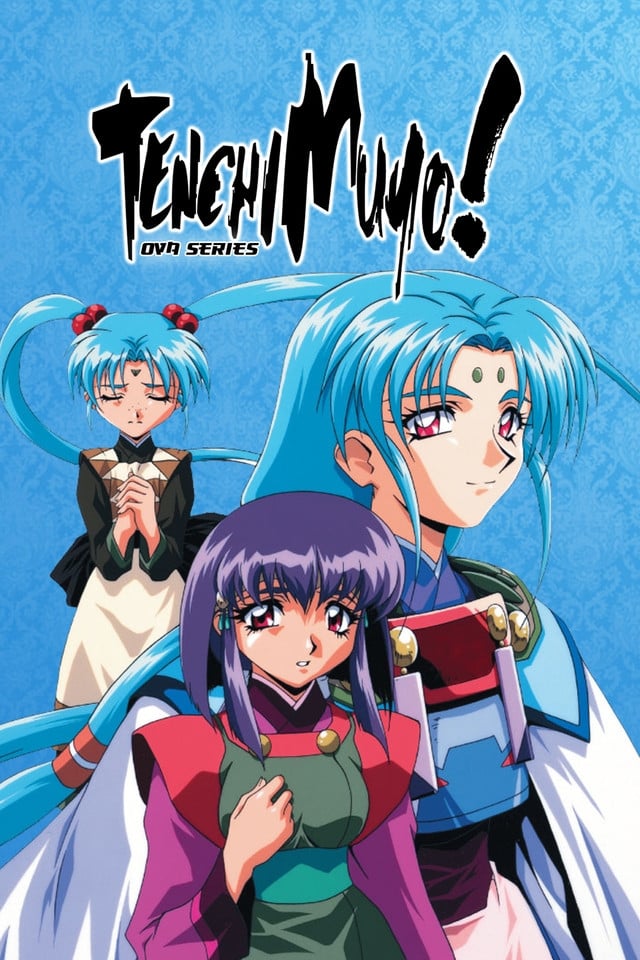
Washu Hakubi is a powerful goddess and a former princess from the Jurai Royal Family, with a surprisingly detailed history. She’s famous throughout the universe as the most brilliant scientific mind around, and is easily recognized by her distinctive spiky pink hair. Though she sometimes lets her younger sisters, Ayeka and Sasami, take the spotlight, Washu still holds an important position within the royal family. Unlike typical princesses, she’s much more interested in science and reason than in politics or love.
‘Nurse Angel Ririka SOS’ (1995)
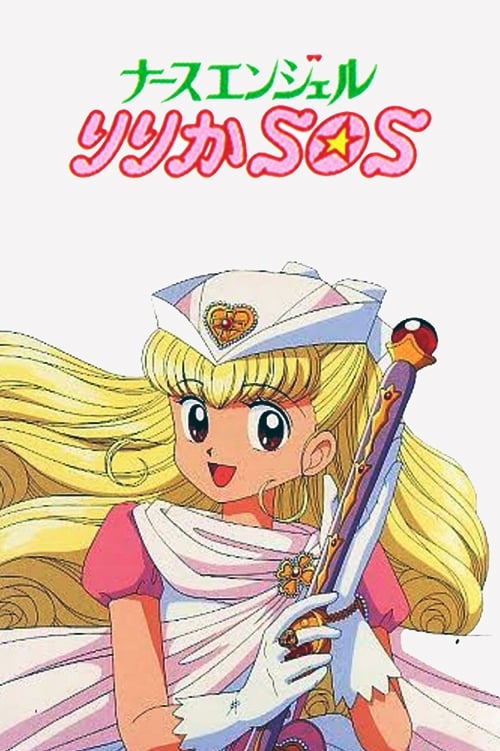
Ririka Moriya becomes Nurse Angel, a magical hero dedicated to defending Earth from the villainous Dark Joker group. Seen as a beloved savior, she must collect the lost Flowers of Life. As Nurse Angel, she has pink hair and wears a special nurse-inspired costume. Ririka’s mission is to protect her friend from childhood and prevent the world from being destroyed by environmental disaster.
‘Arc the Lad’ (1999)
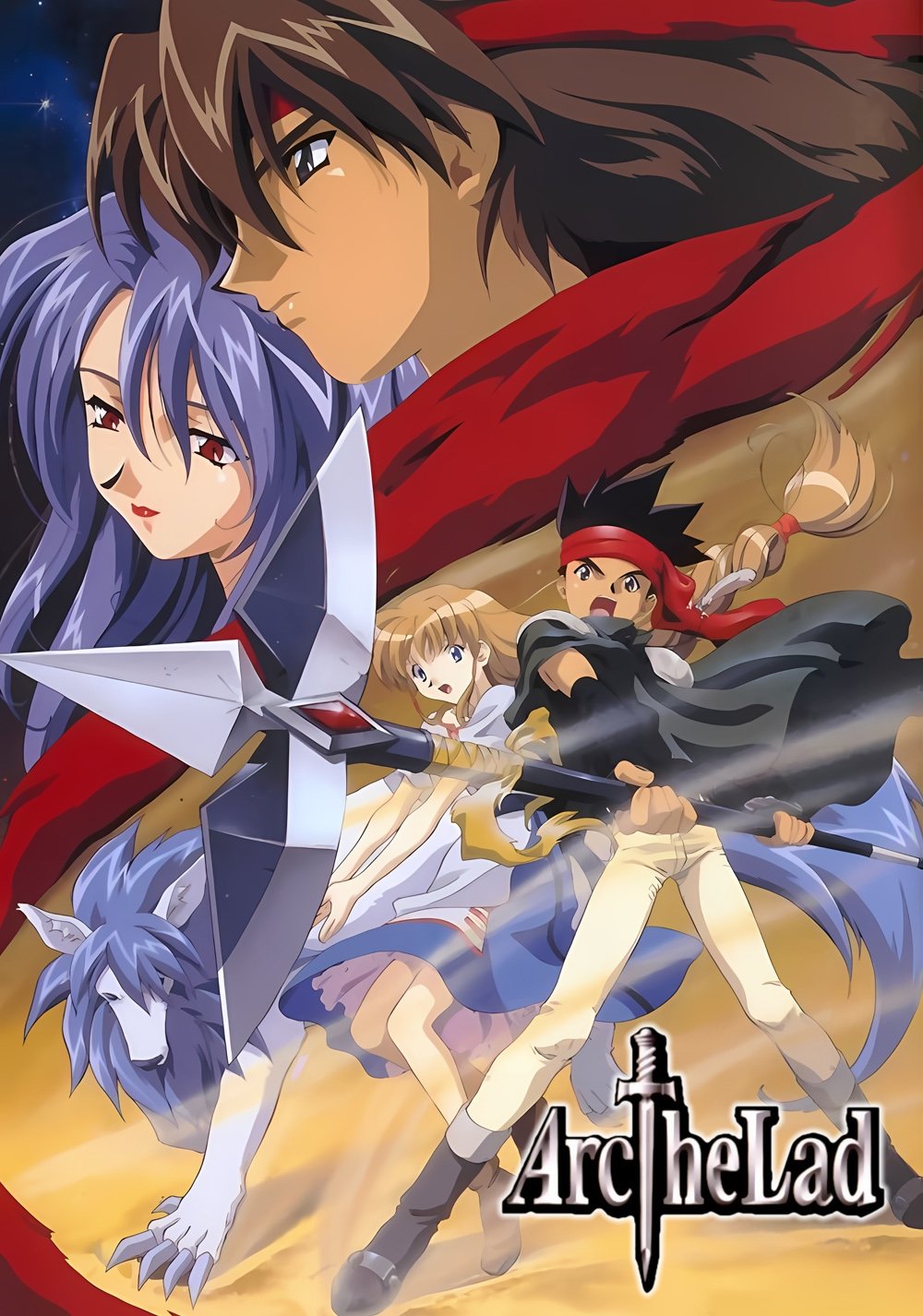
Kukuru is a priestess and the future leader of the White Magic Clan, making her highly respected – almost like royalty. She has pink hair and is responsible for guarding an important seal that contains a dangerous, dark force. Her story is filled with hardship and responsibility, as she constantly has to make tough choices to protect her people. The anime shows her connection with the main character, Arc, and how she deals with her serious fate.
‘Cyber Team in Akihabara’ (1998)
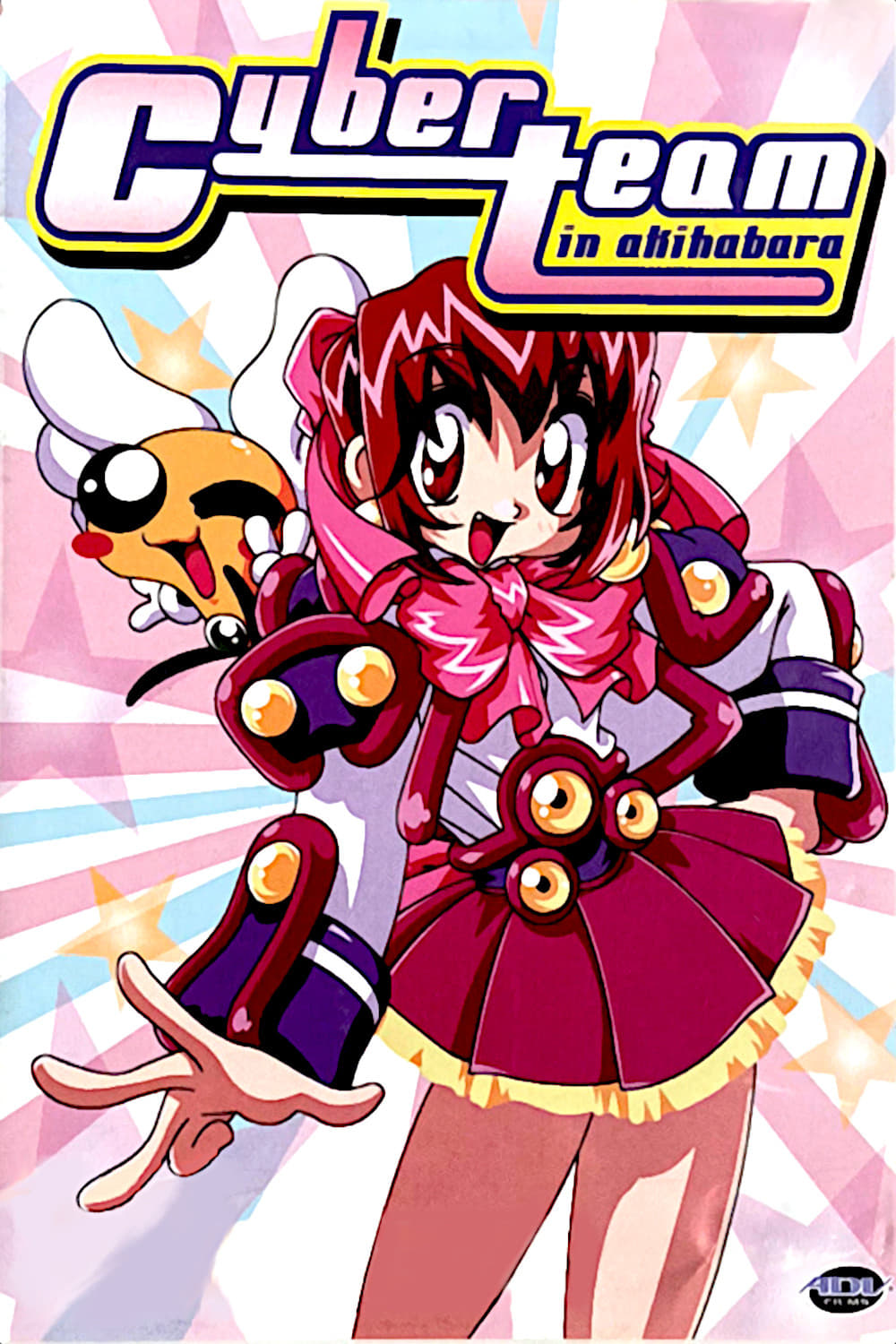
Hibari Hanakoganei is the main character of the series, joining the Cyber Team and often being treated like royalty or a star. She has pink hair and fights alongside a companion called PataPi against strange forces in a futuristic Tokyo. The story takes inspiration from the prince and princess themes of another series, ‘Utena,’ but places them within a high-tech world. Throughout the series, Hibari grows from a shy girl into a strong and capable leader.
‘Cutie Honey Flash’ (1997)
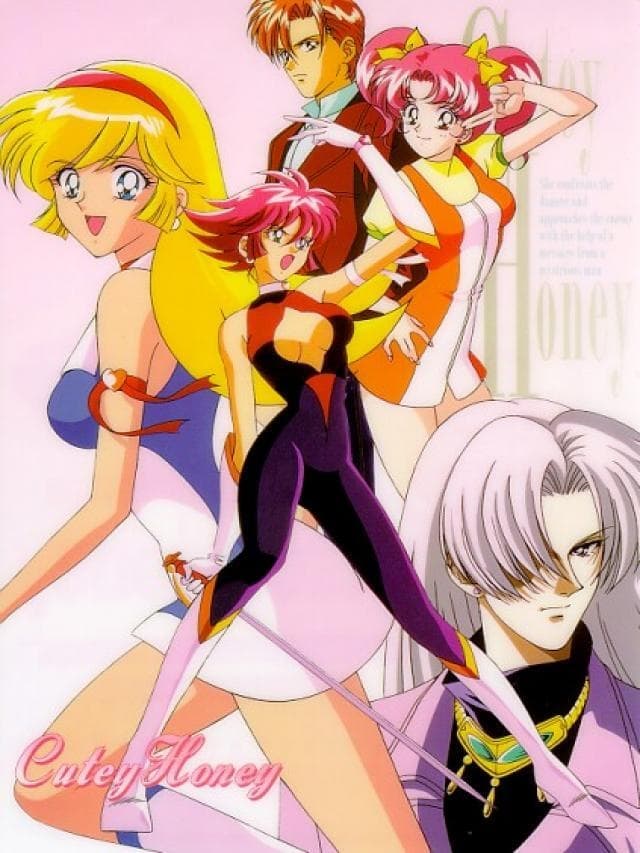
Honey Kisaragi is a powerful android who can transform into different forms, including a “Princess” mode. This version of the story gives her pink hair and focuses more on magical girl themes than earlier iterations. She fights against the evil Panther Claw organization while also attending boarding school. This new take on the character presents a more gentle and traditionally feminine heroine.
‘Steel Angel Kurumi’ (1999)
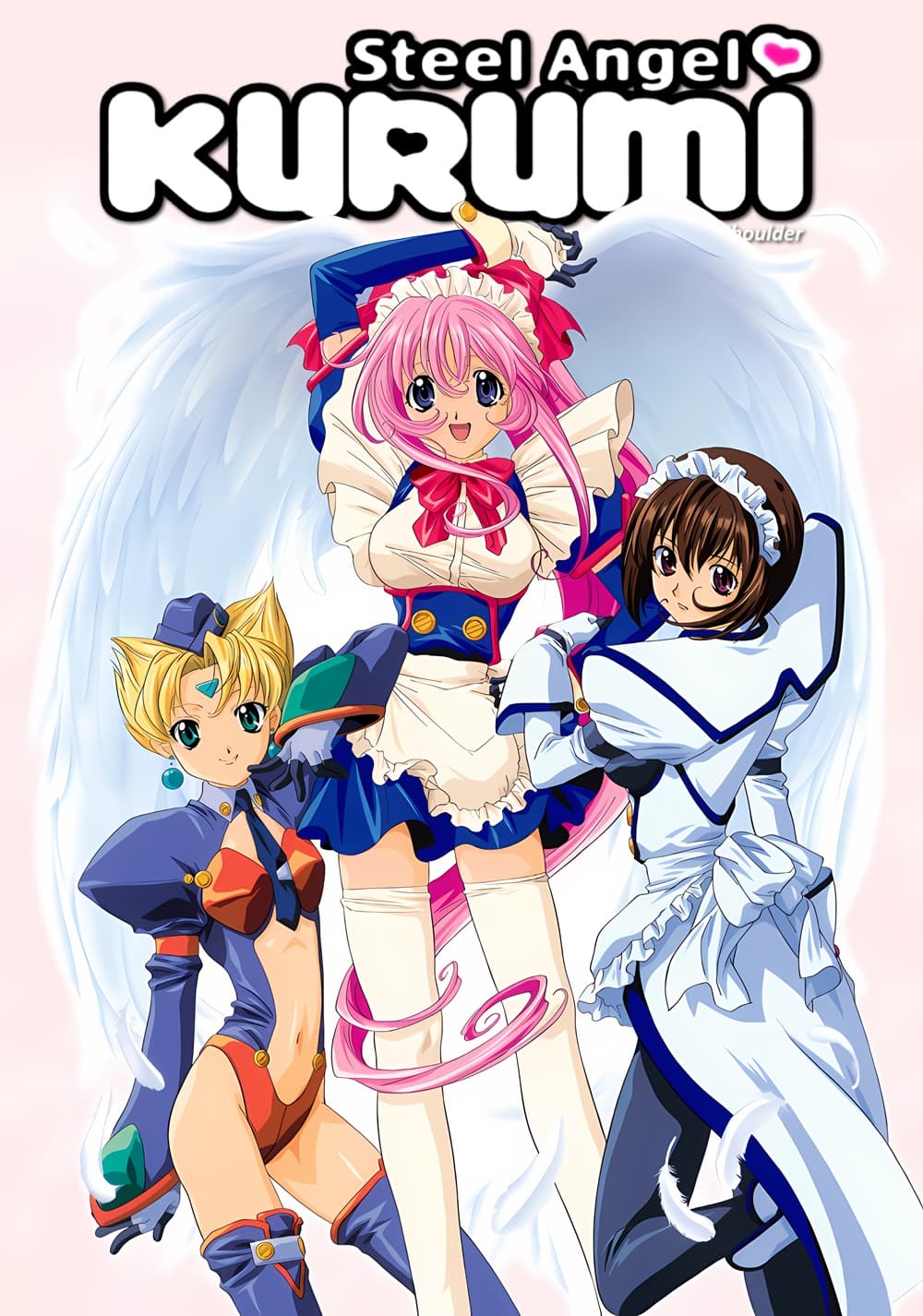
Kurumi is a highly advanced android, nicknamed a Steel Angel, completely dedicated to her owner. She has long pink hair and is an incredibly skilled fighter, exceeding the capabilities of today’s technology. Though built as a weapon, she’s often portrayed as a romantic interest – a princess or bride – for the main character. The series combines action with the lighthearted romantic comedy style popular in anime from the late 1990s.
Share your favorite pink-haired royal from classic anime in the comments.
Read More
- Invincible Season 4 Gender Swaps Tech Jacket As Fans Question Major Comic Change
- Gold Rate Forecast
- Silver Rate Forecast
- 20 Movies Where the Black Villain Was Secretly the Most Popular Character
- 22 Films Where the White Protagonist Is Canonically the Sidekick to a Black Lead
- Building Agents That Learn and Improve Themselves
- 15 Films That Were Shot Entirely on Phones
- Games That Faced Bans in Countries Over Political Themes
- Celebs Who Narrowly Escaped The 9/11 Attacks
- Trading Crypto with AI: A New Approach to Portfolio Management
2025-12-18 09:46