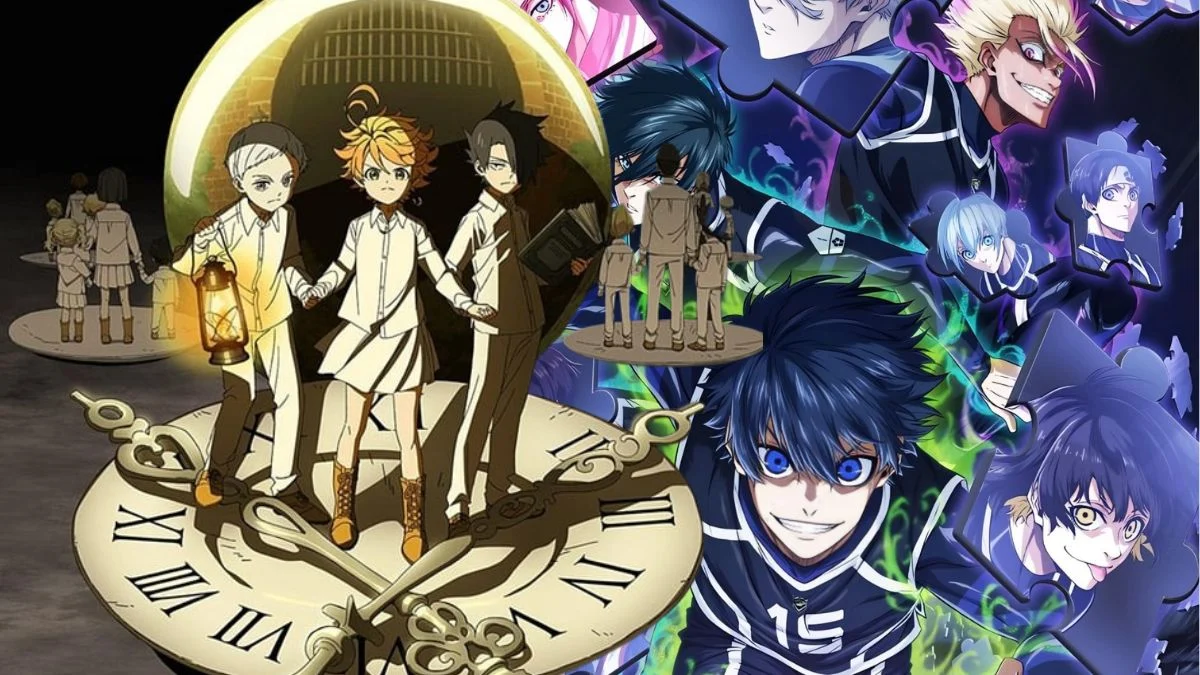
As a longtime anime fan, I’ve noticed a pattern over the years – some older character designs just haven’t aged well. What might have been common back then sometimes comes across as really problematic now, especially to international viewers. It’s often a case of creators not fully understanding different cultures, and those misunderstandings ended up as harmful stereotypes. Fans often call out these characters – you see it a lot online – because they rely on outdated and frankly offensive tropes. It really shows how the conversation around who gets represented, and how they’re represented, is constantly changing in the anime world, and for the better, I think.
‘Dragon Ball’ (1986–1989)
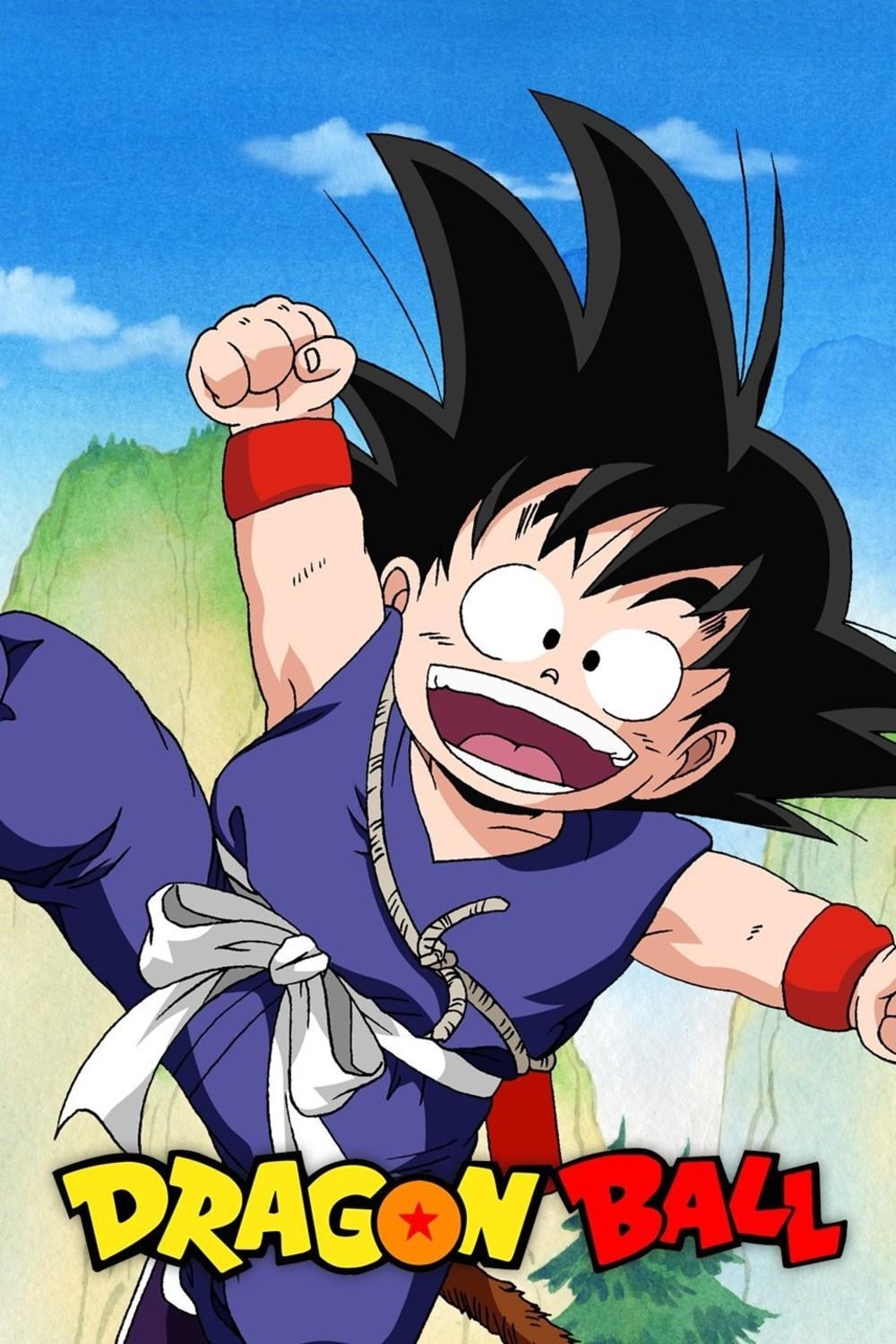
Staff Officer Black is a high-ranking member of the Red Ribbon Army and works closely with Commander Red. His character design has been criticized for relying on outdated and harmful racial stereotypes, particularly in his exaggerated facial features. Despite being a skilled strategist who eventually turns against his commander, his appearance continues to be a source of controversy. Due to these concerns, the original series underwent changes when it was released internationally.
‘Dragon Ball Z’ (1989–1996)

Mr. Popo is a recurring character in the series, known as the assistant to the Guardian of Earth. His original design, featuring dark skin and bright red lips, has been criticized for resembling blackface. To address these concerns, some American versions of the show changed his color to purple. He’s frequently mentioned as a prominent example of potentially harmful racial stereotypes within anime.
‘Pokémon’ (1997–2023)
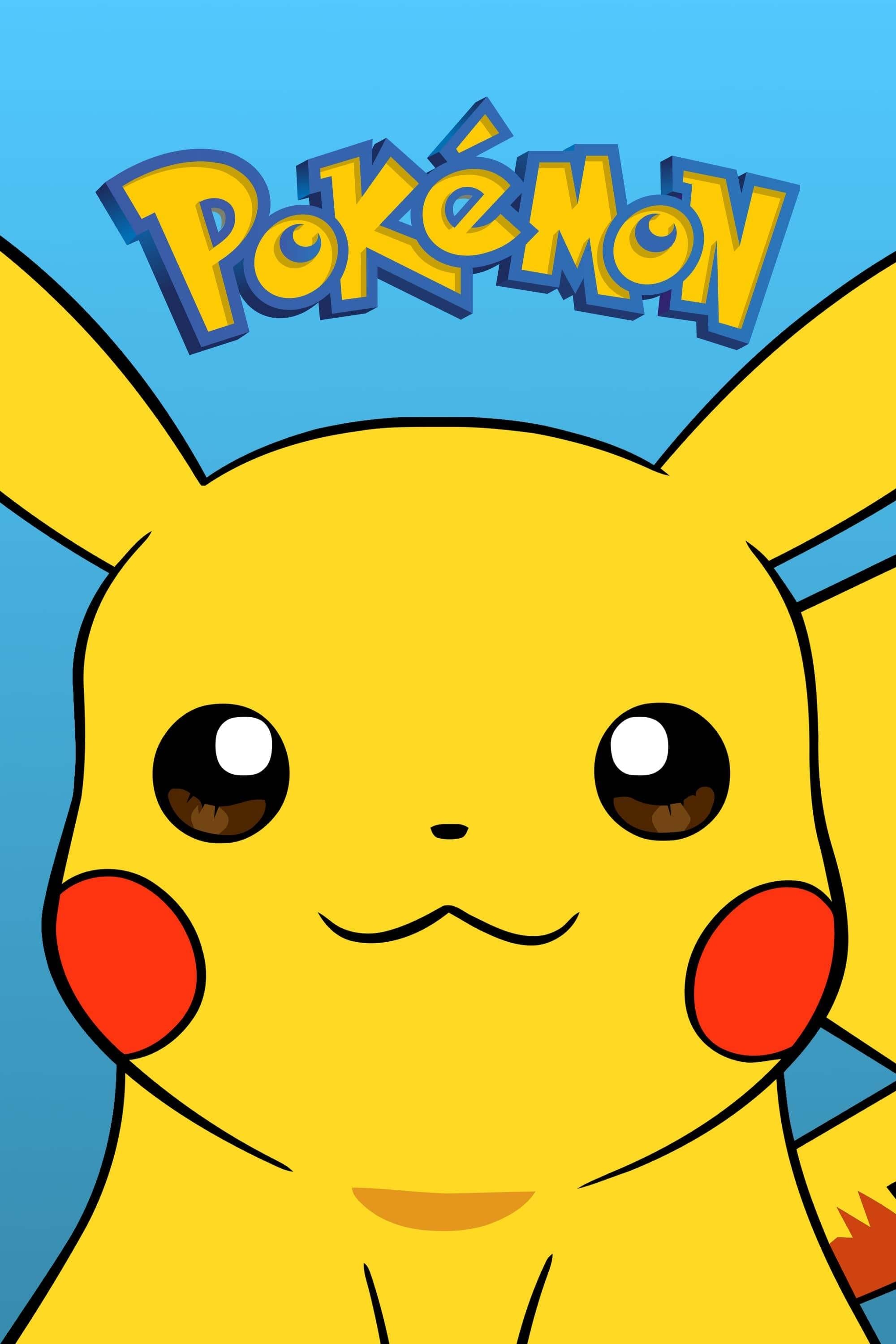
When the Pokémon Jynx first appeared, it sparked controversy because its original design resembled harmful caricatures historically used in blackface, featuring dark skin and overly exaggerated features. Due to public criticism, the creators changed Jynx’s skin color to purple in all future versions to avoid any connection to these offensive stereotypes.
‘Shaman King’ (2001–2002)
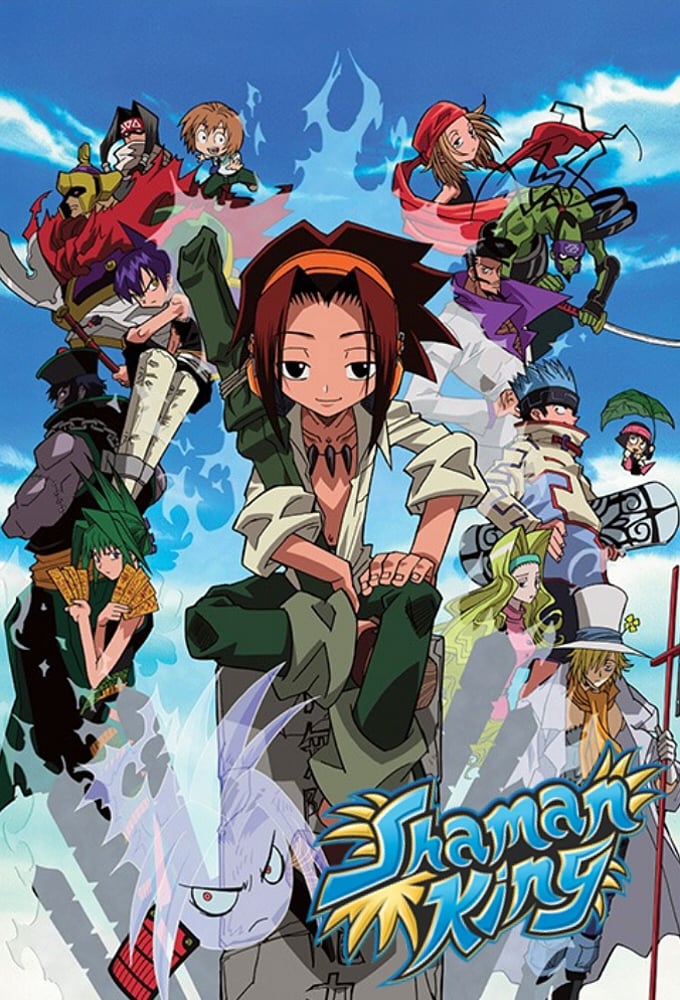
Chocolove McDonell is a powerful shaman who becomes an ally to the main characters during their quest to compete in the Shaman Fight. While portrayed as a kind and courageous hero, his appearance – specifically his exaggerated facial features – sparked criticism from fans. These features were present in both the original manga and anime versions, and were later altered in international releases. Many felt the design choices overshadowed his strengths as a warrior and hindered his character development.
‘The Promised Neverland’ (2019–2021)
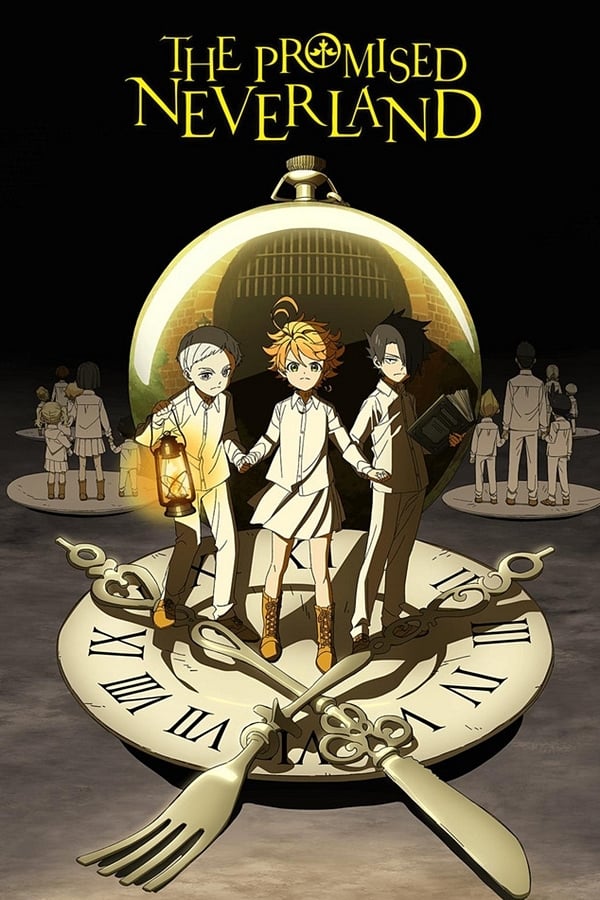
Sister Krone is presented as a villain who helps manage the children at Grace Field House. Some viewers felt her character design relied too heavily on exaggerated features reminiscent of harmful historical stereotypes. Although she’s a complicated character with understandable reasons for her actions, her appearance caused discussion about how she was portrayed. Many found the difference between her look and that of the other characters to be concerning.
‘One-Punch Man’ (2015–Present)
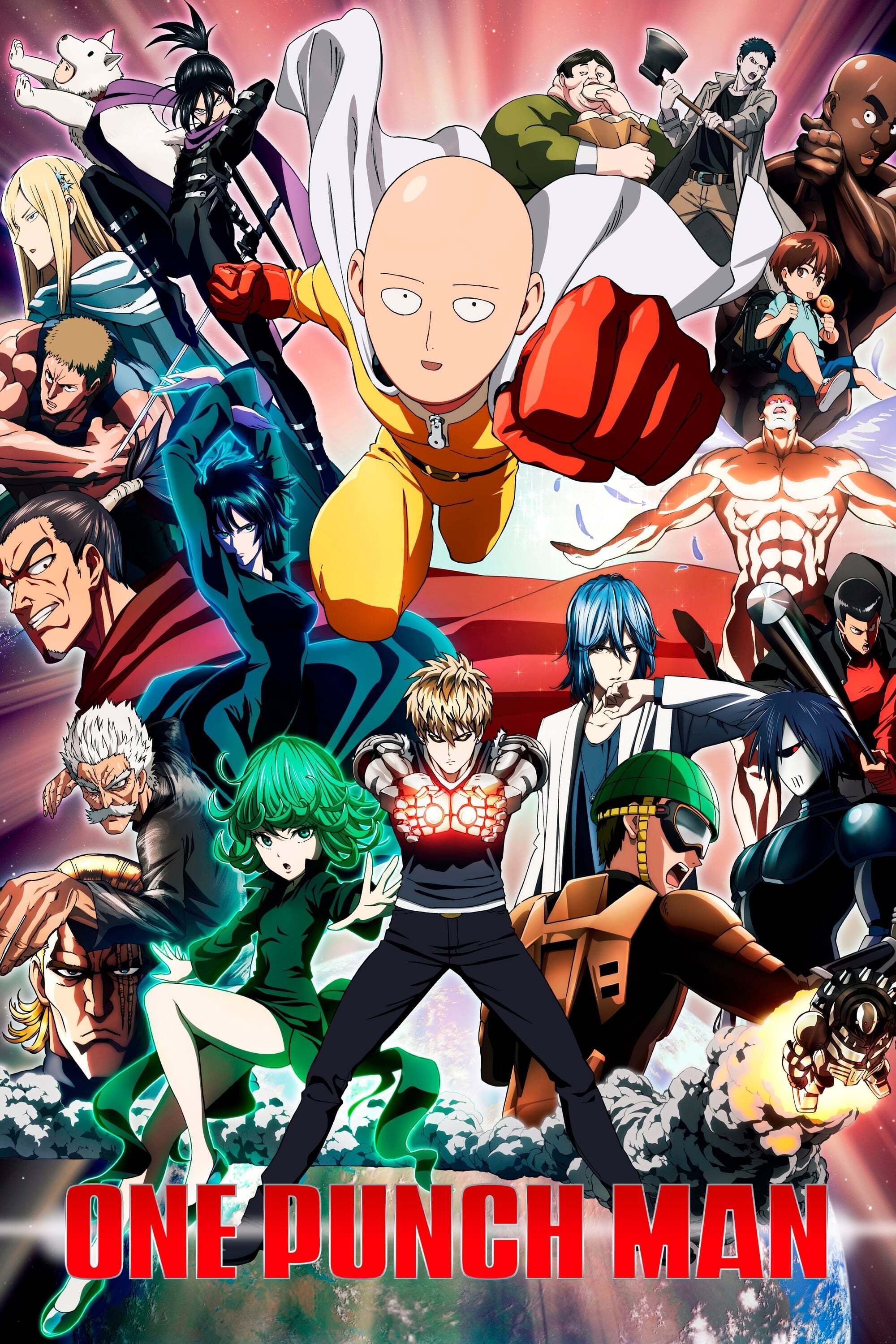
Superalloy Darkshine is a powerful hero famous for his strength and incredibly tough body. Originally portrayed with lighter skin, he becomes much darker through rigorous training. This change in appearance has led some fans to draw comparisons to problematic depictions of race, specifically ‘darkface’ tropes. The character continues to spark conversation about how creators represent muscle tone and skin color.
‘Cyborg 009’ (1968)
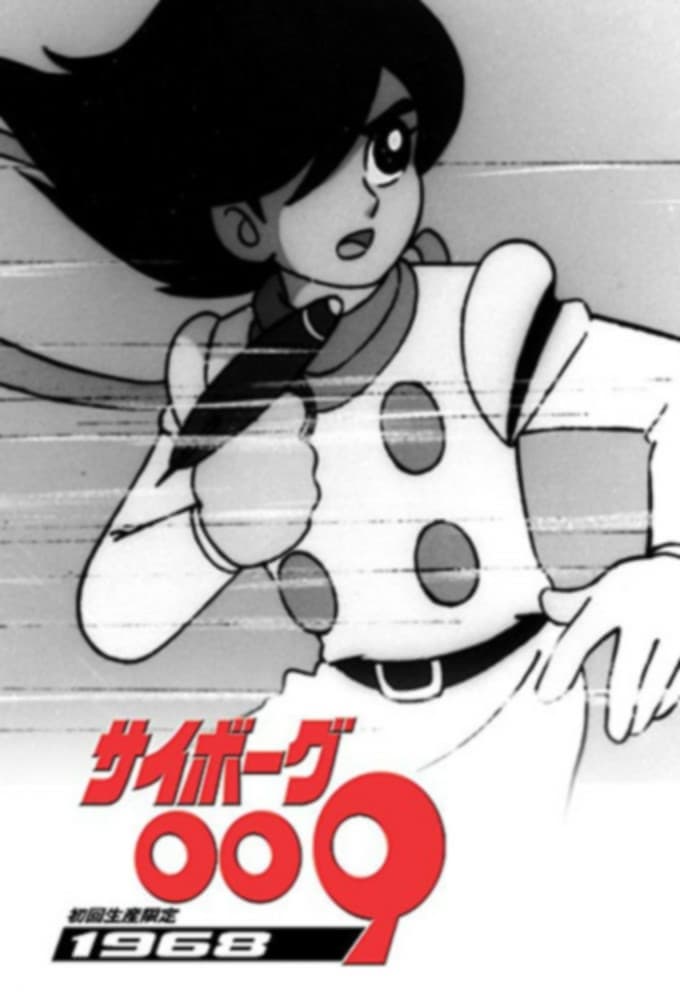
Pyunma is the 008 member of a team of cyborgs, and he represents the continent of Africa. When he was first created, his design included overly large lips and a body type that many people today find problematic. Despite being a heroic and important character, his original appearance relied on outdated and insensitive stereotypes common in older Japanese animation. More recent versions of the series have redesigned him with a more modern and respectful look.
‘Astro Boy’ (1963–1966)
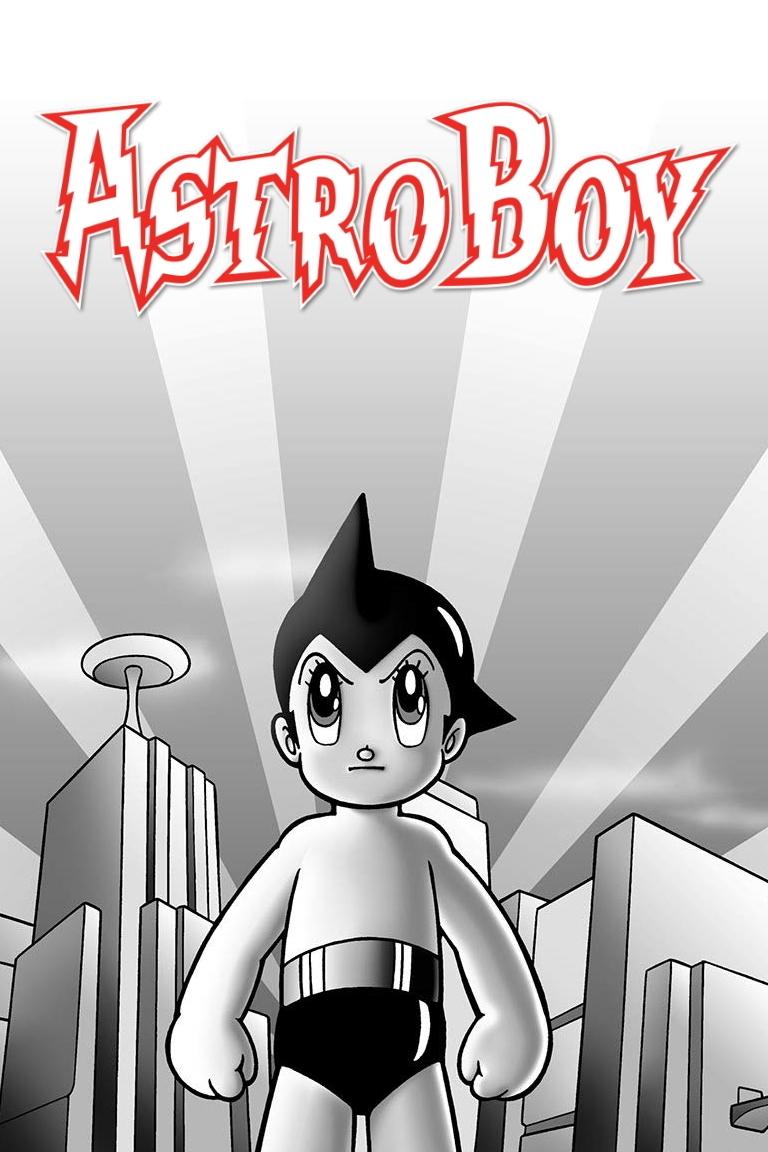
The original series included many minor characters and villains who were based on harmful racial stereotypes. Often, characters with dark skin were given exaggerated features. This was common in early animation around the world, where secondary characters were frequently depicted using offensive caricatures. Today, viewers recognize these episodes as examples of how animation has improved over time.
‘Tiger & Bunny’ (2011)
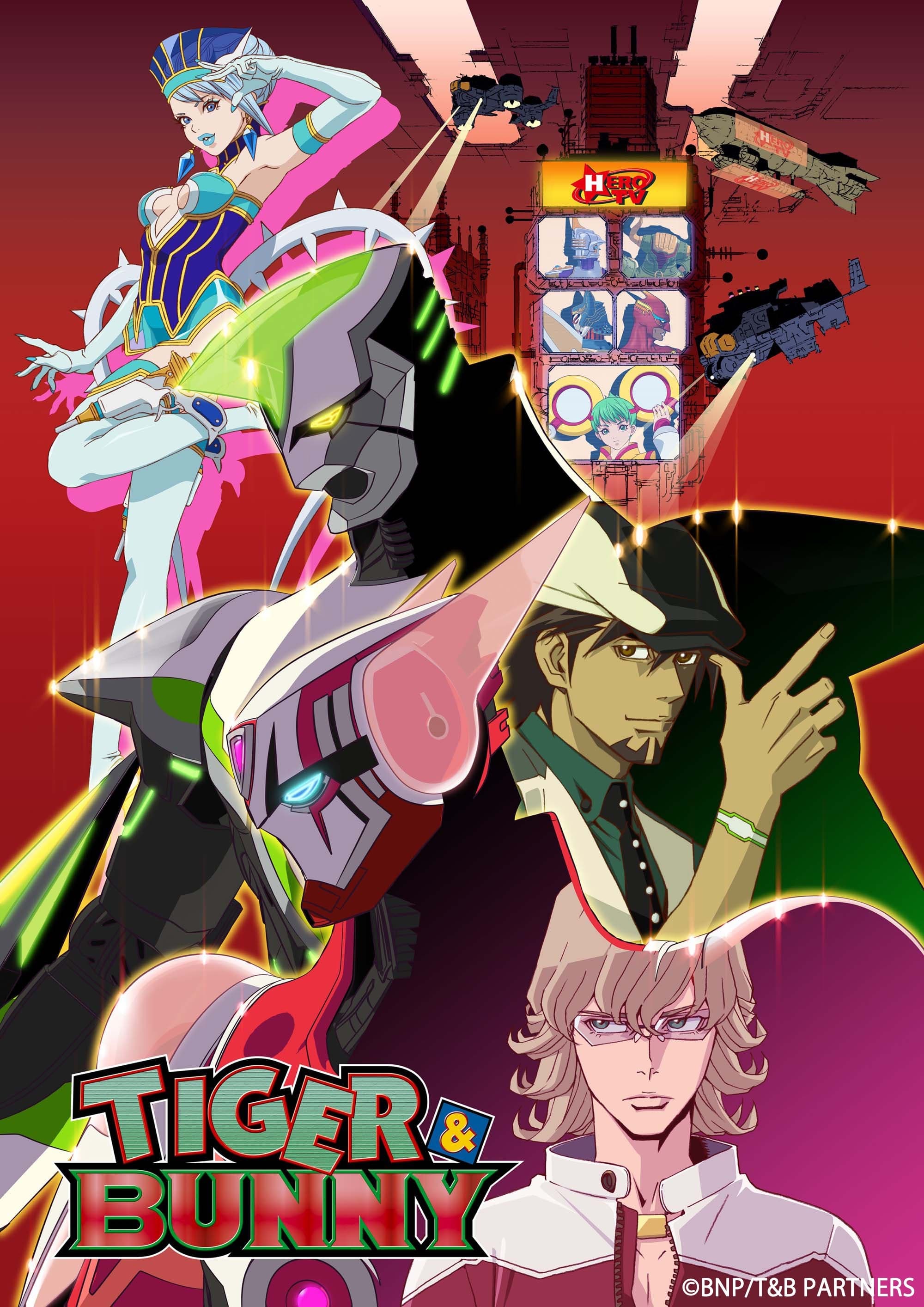
Nathan Seymour, also known as the hero Fire Emblem, is a successful and prominent figure in the series. However, his character is built on several familiar tropes, including being dramatic and expressive. Some viewers have interpreted the combination of these traits, along with his race, as a problematic and stereotypical representation of Black queer people. This has sparked debate about how to create distinct characters without reinforcing harmful stereotypes.
‘Terra Formars’ (2014)
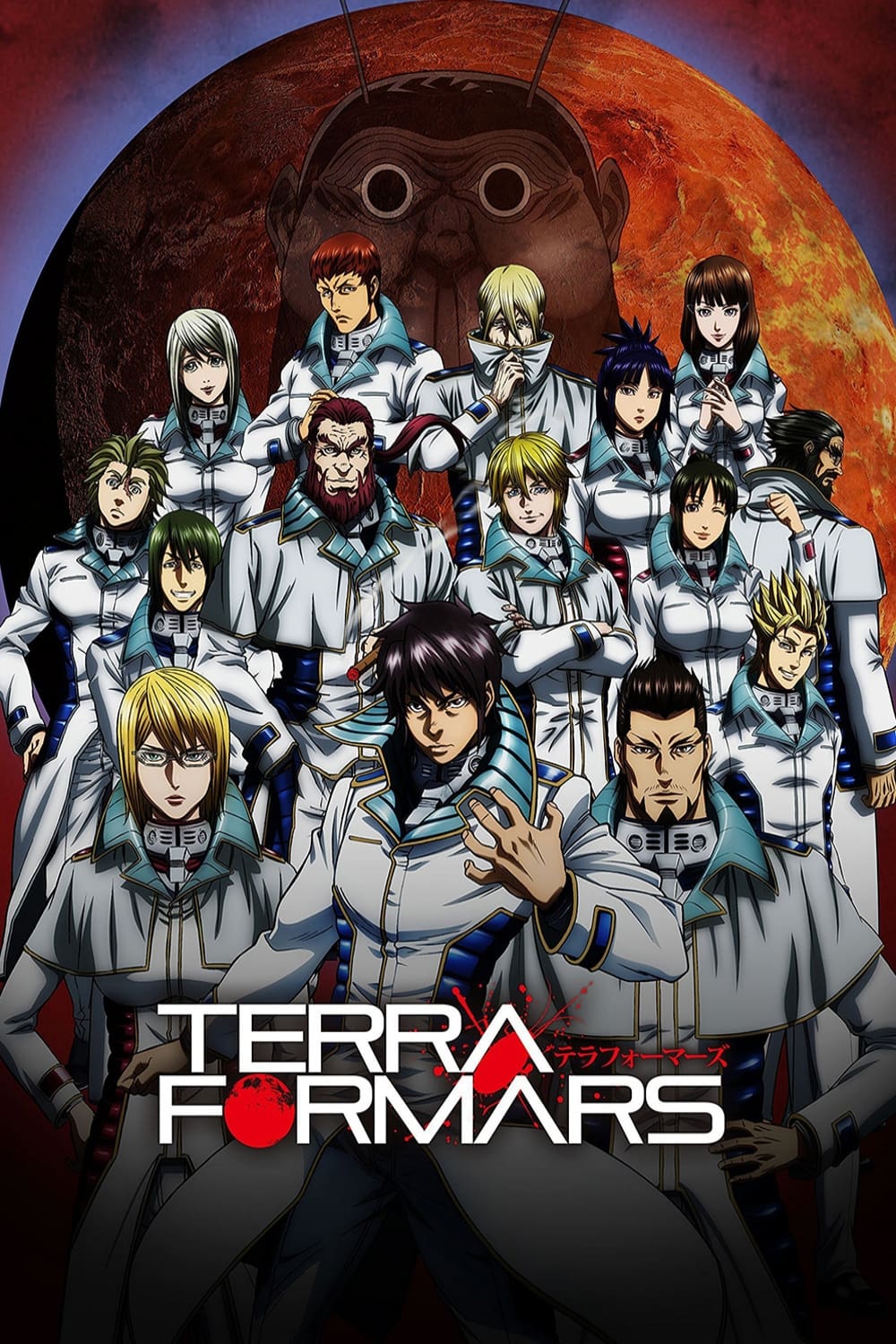
The main villains in this series are advanced, human-like cockroaches from Mars. Many viewers and critics noticed that their appearance closely resembled harmful, racist depictions of Black people. The issue was made worse by the story portraying them as violent and uncivilized enemies of the human characters. This problematic design is still frequently discussed as a notable example of insensitive imagery in anime.
‘Kuroko’s Basketball’ (2012–2015)
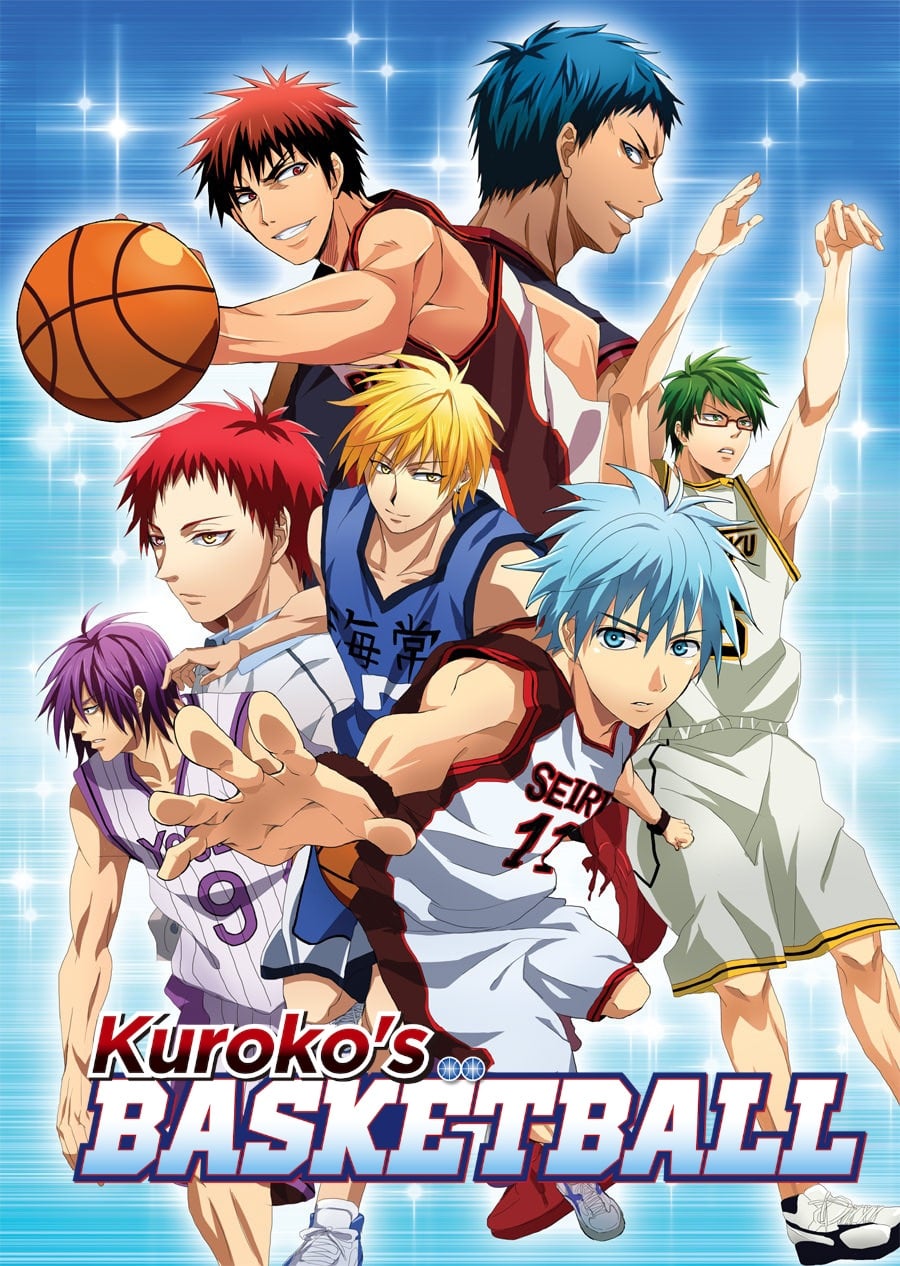
Jason Silver is a villain in the film who plays for the American team, Jabberwock. He’s depicted as a highly competitive and arrogant player who doesn’t respect his Japanese rivals. Many viewers criticized the character as relying on harmful stereotypes about Black athletes and their conduct, and his powerful role in the story only highlighted these problematic traits.
‘One Piece’ (1999–Present)
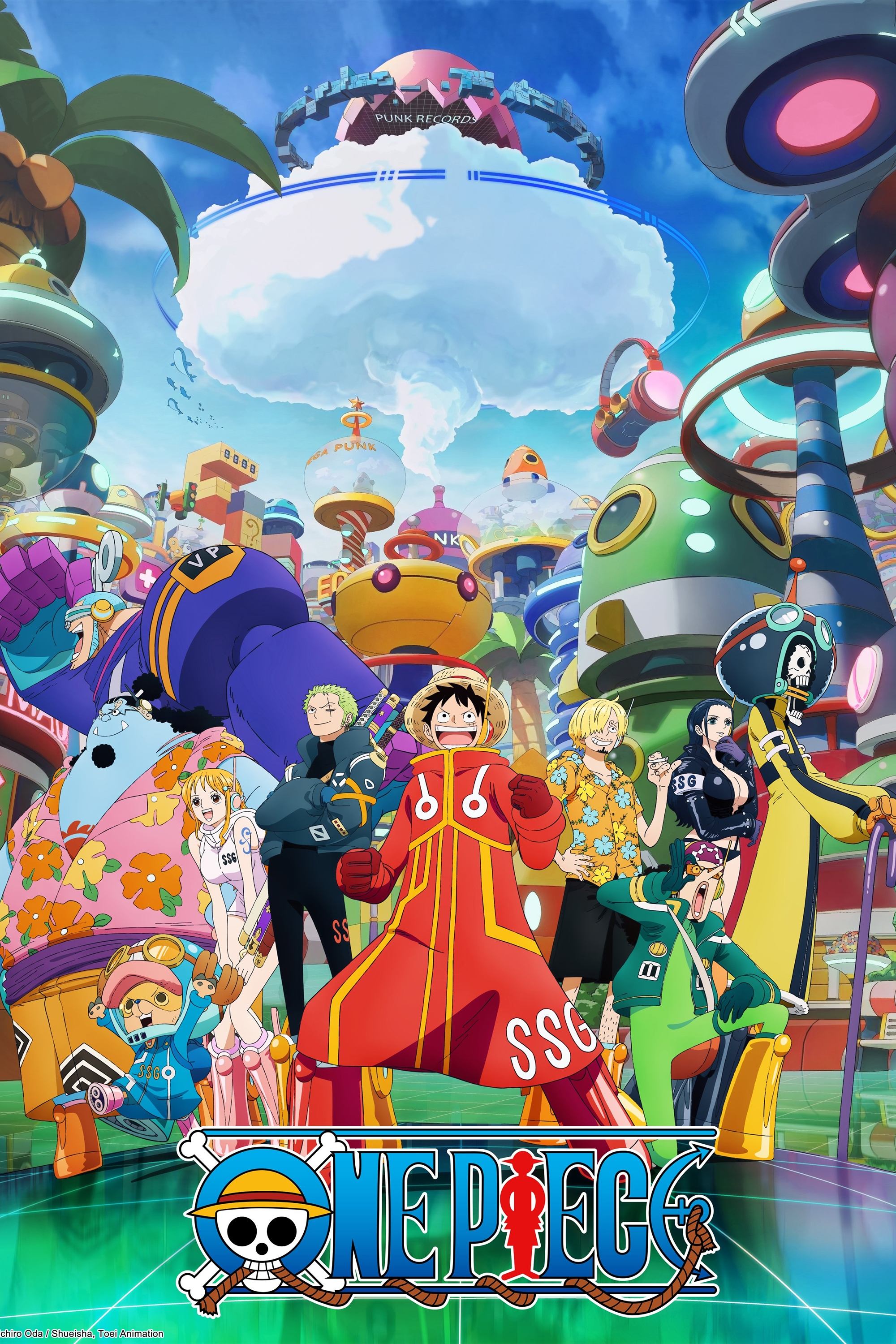
Miss Monday is a bounty hunter who initially works with the Baroque Works organization. Her character design, which emphasizes a very muscular physique and certain facial features, proved controversial with some international viewers who found it stereotypical or unattractive. Although the series generally features diverse and unique character designs, Miss Monday’s introduction sparked criticism. Later in the series, her character is portrayed more positively, but her initial appearance remains a debated topic.
‘Baki’ (2018–2020)
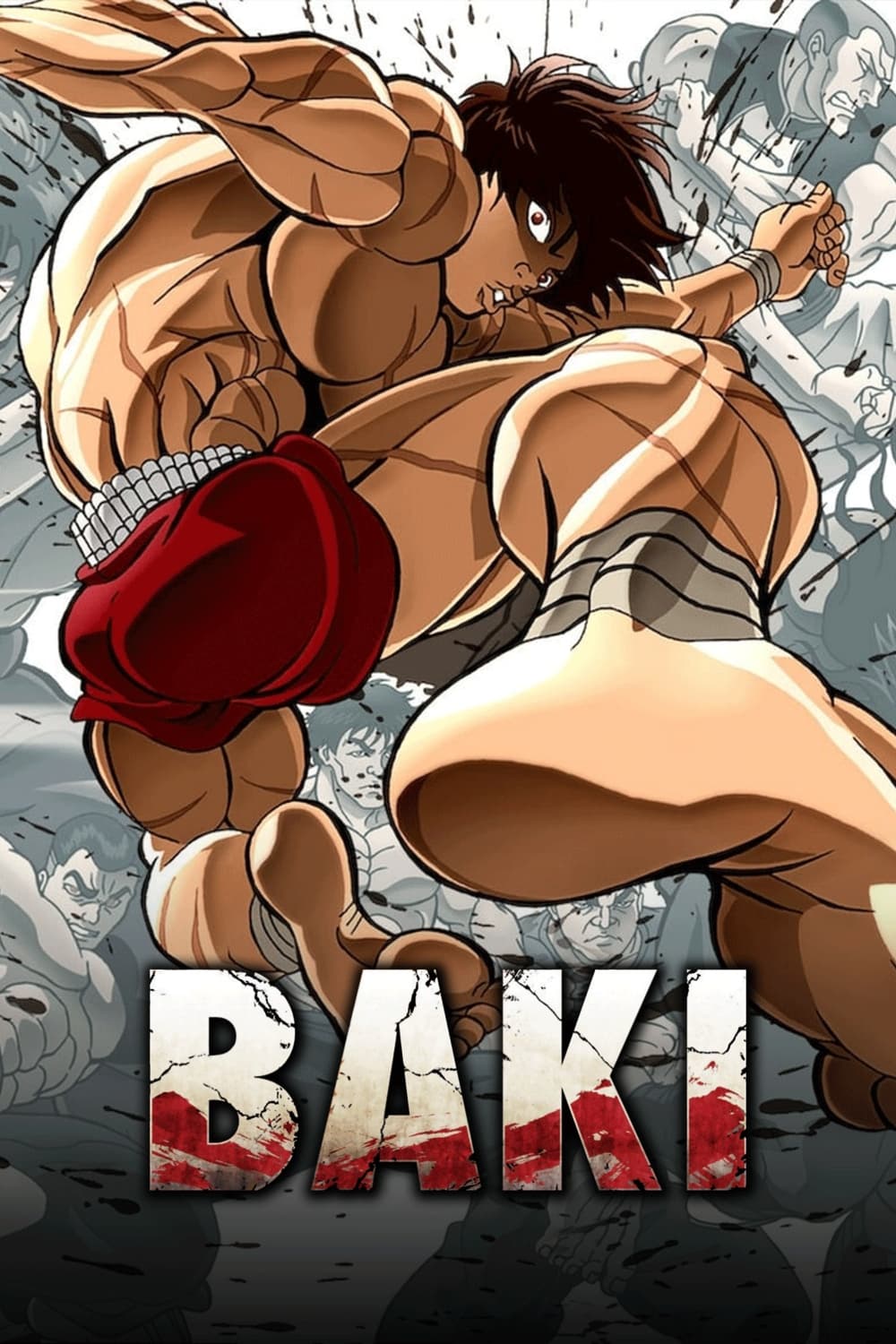
Biscuit Oliva is a powerful prisoner within the show’s world, known for being incredibly strong. His character is designed with extremely exaggerated muscles and features, which some viewers see as relying on outdated and stereotypical depictions. While presented as a skilled and intelligent fighter, his appearance is often seen as a cartoonish exaggeration. The show frequently uses these overly muscular and stereotypical visuals when portraying American characters.
‘Bleach’ (2004–2012)
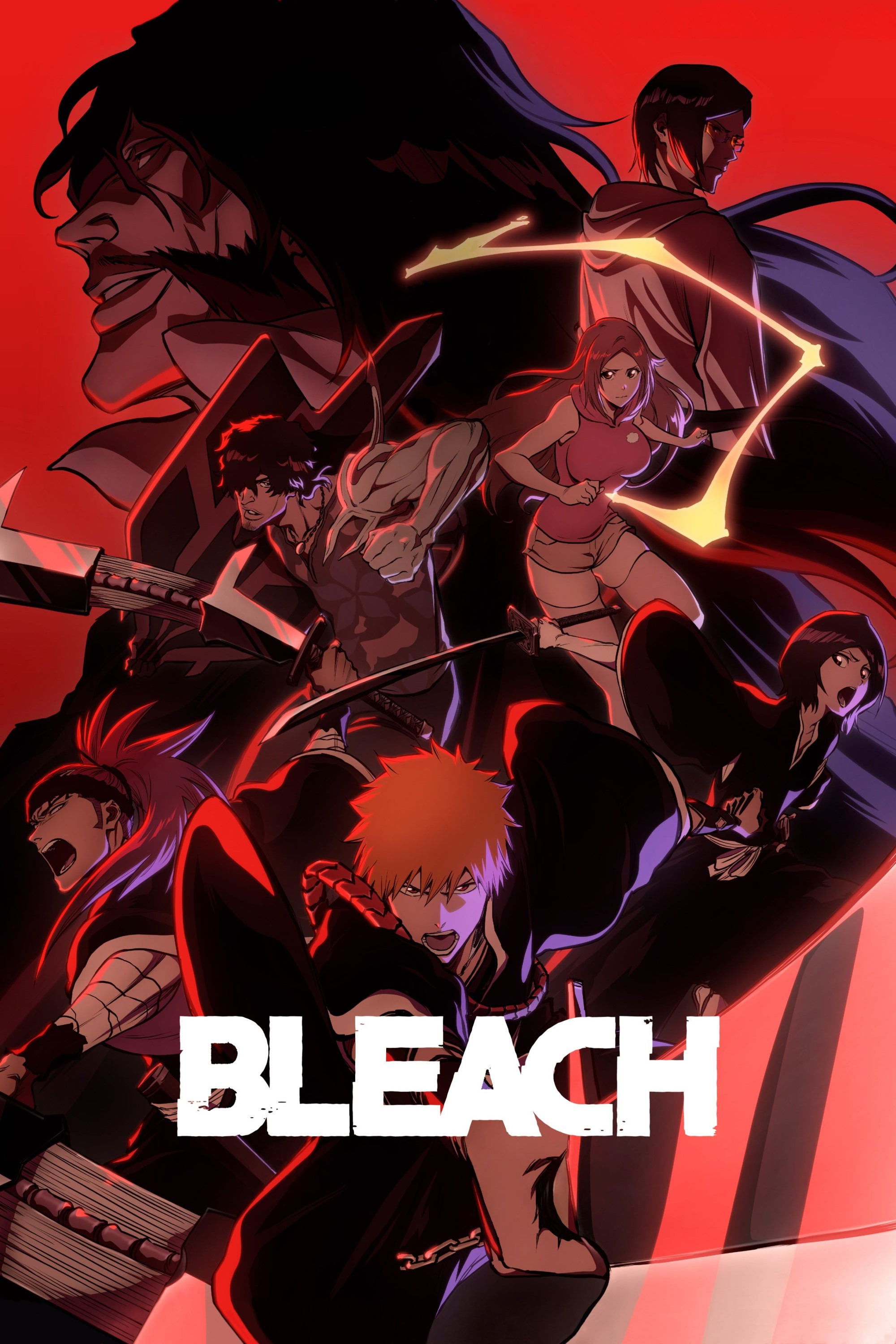
Zommari Rureaux, a character from the Espada, fought the Soul Reapers during the attack on Las Noches. However, his design and powers, which resembled voodoo, were criticized for relying on harmful cultural stereotypes. Many viewers felt his appearance and fighting style combined to create offensive representations. This is particularly noticeable because the series usually includes a diverse range of well-developed and positively received characters.
‘Eyeshield 21’ (2005–2008)
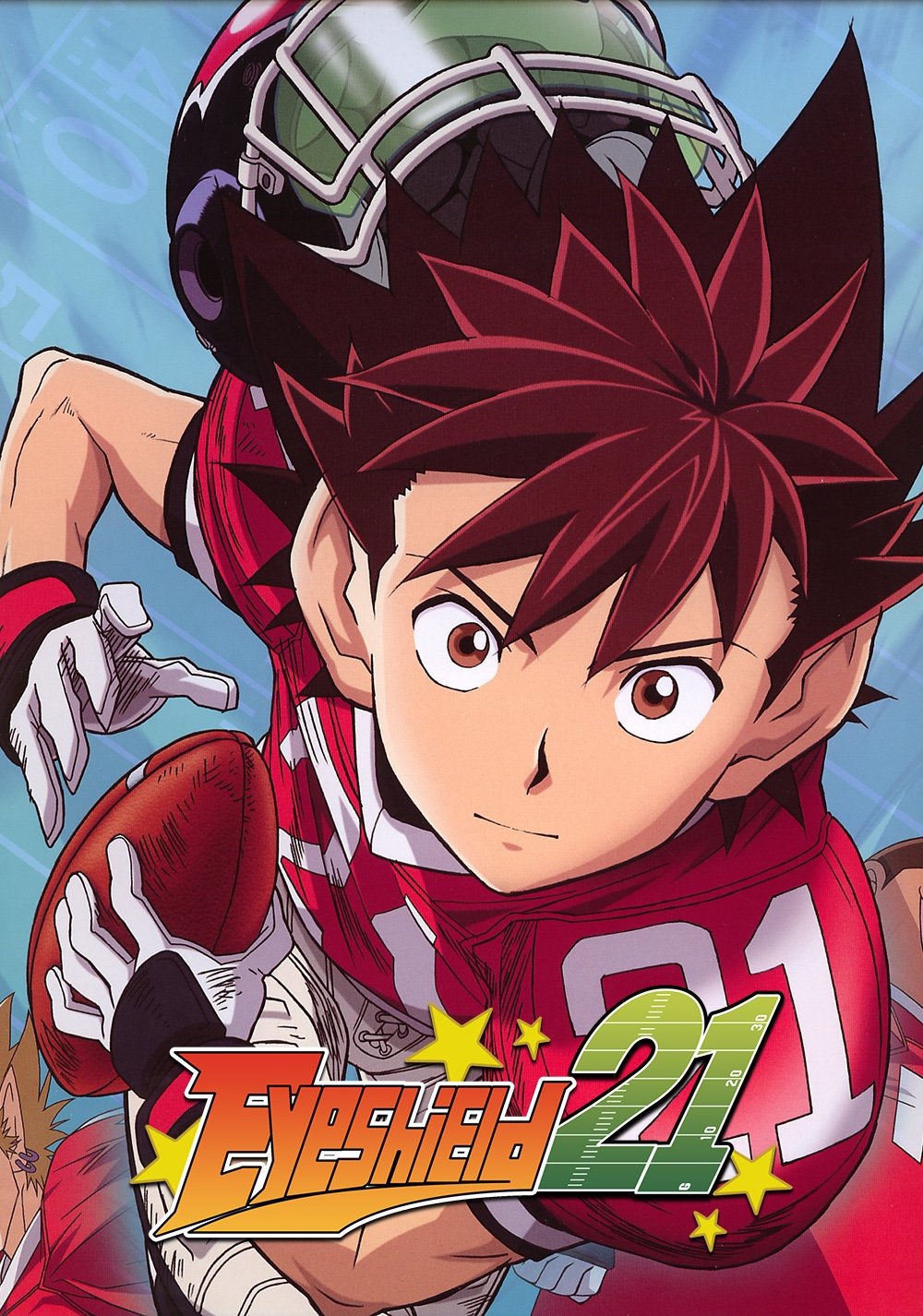
Patrick Spencer, nicknamed Panther, is a gifted running back. He’s often described with animal-like imagery that highlights his natural athleticism. Some viewers have pointed out that this focus on raw talent, rather than learned skills, is a common and potentially harmful pattern when portraying Black athletes in the media. While he’s a positive character overall, these descriptions have drawn criticism.
‘Slam Dunk’ (1993–1996)
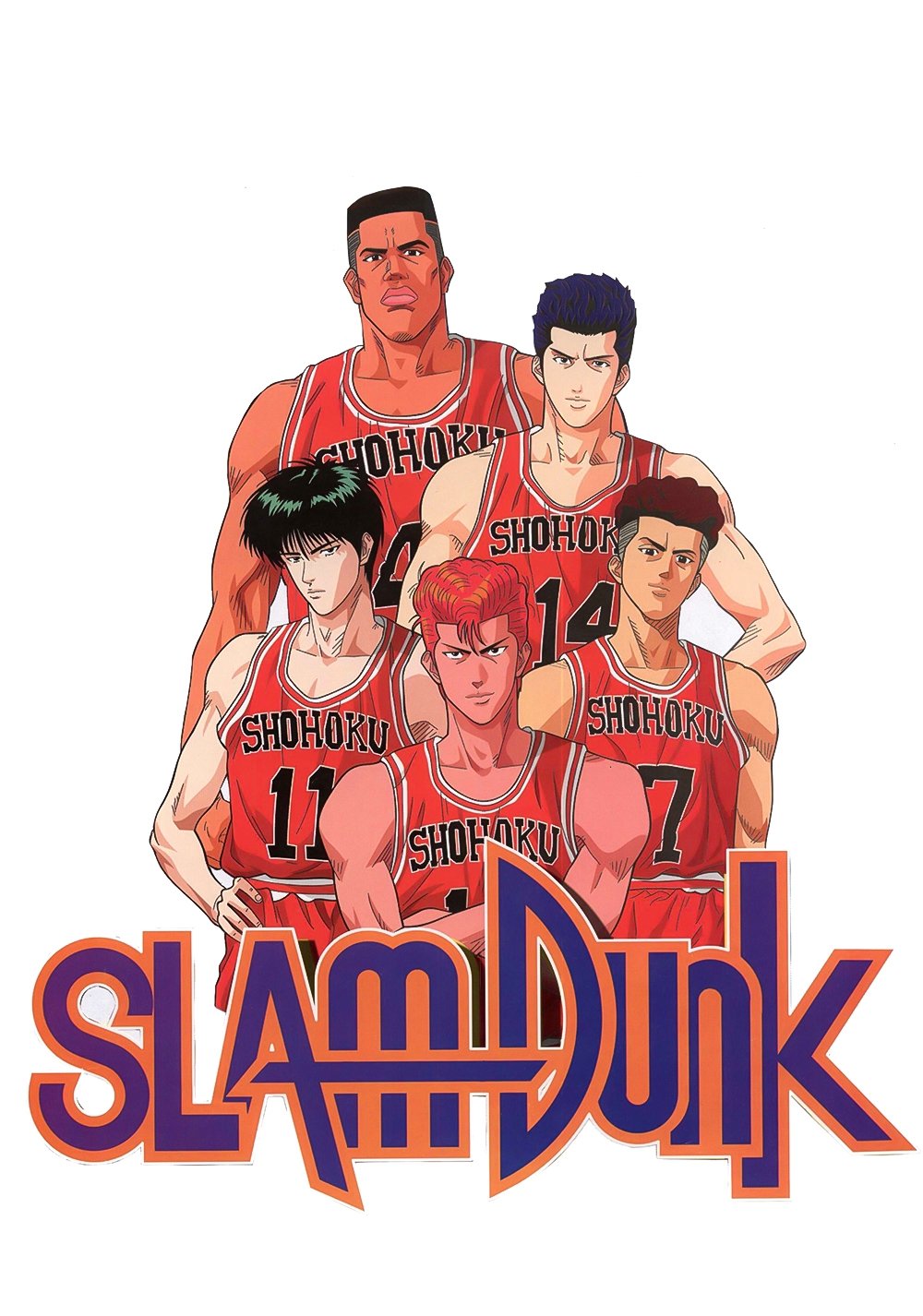
This sports series centers around Japanese high school basketball. However, when players from other countries appear, they’re often designed to look very different – and sometimes rely on stereotypes. Some viewers feel this makes the international players seem more imposing and unfamiliar compared to the Japanese teams. This type of character design was fairly common in Japanese manga and anime from the early 1990s.
‘Blue Lock’ (2022–Present)

Dada Silva is a powerful international athlete featured in a crucial match against rising stars. While designed to be aggressive and physically imposing, some viewers felt this character relied on overused tropes. The series generally explores the competitive drive and personalities of athletes, but many felt Dada Silva’s portrayal was overly simplistic. This has sparked conversations about how sports anime can better represent athletes from diverse backgrounds.
‘JoJo’s Bizarre Adventure’ (2012–2013)
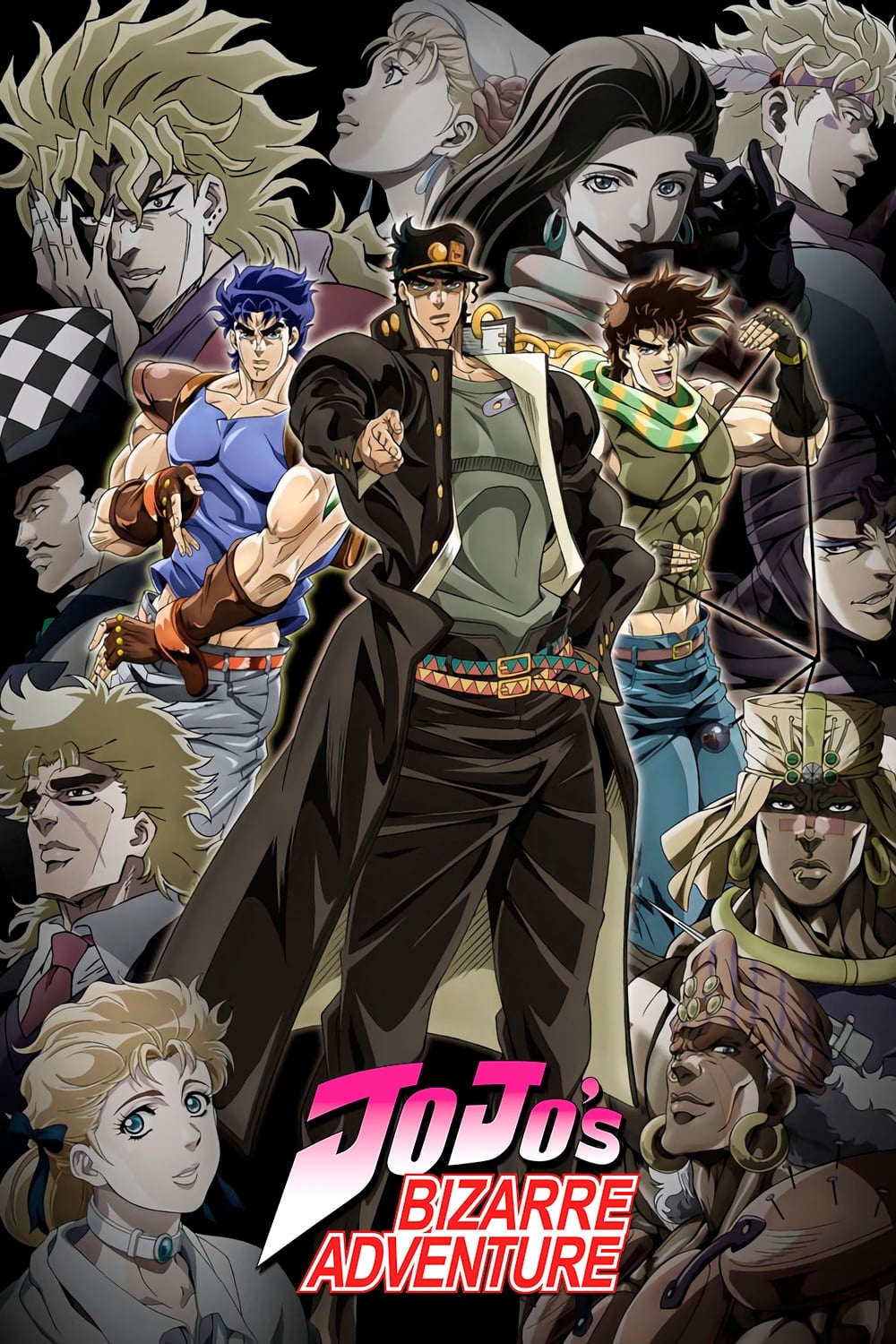
Smokey Brown is a young boy who befriends Joseph Joestar early in the second part of the story. He starts as a pickpocket, which some viewers found to be an overused trope. His character design also contained elements historically used to depict Black characters in Japanese media. Fans have talked about how the series moved beyond these initial representations to create more complex characters as it went on.
‘Gantz’ (2004)
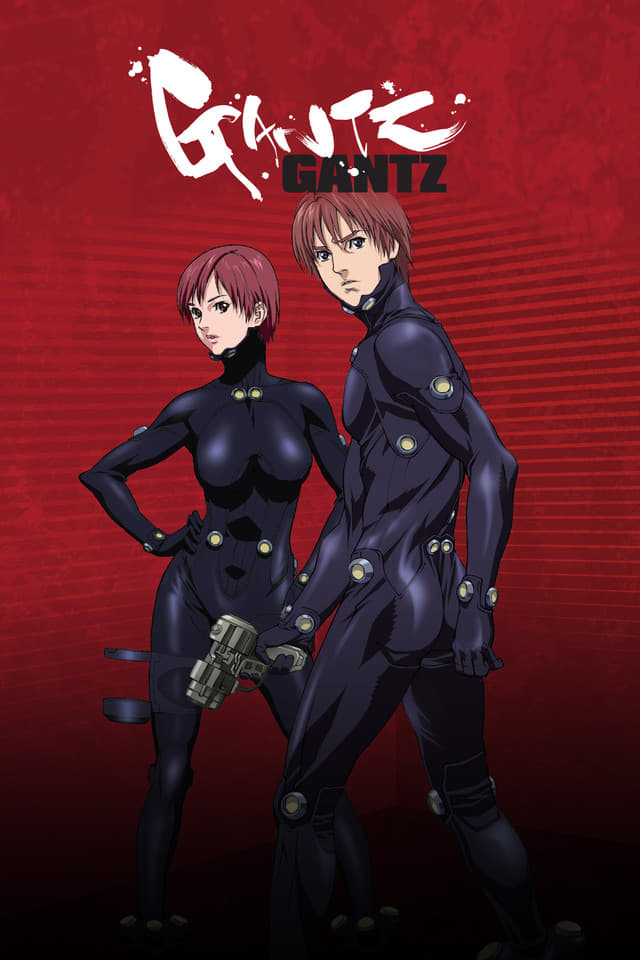
The show is known for being intense and sometimes disturbing, focusing on people forced to compete to survive. It has faced criticism for how it portrays characters from outside Japan, particularly when introducing new characters for specific storylines. Some viewers found the depiction of Black characters especially problematic, citing offensive designs and behaviors. Overall, the series has been repeatedly called out for its handling of non-Japanese characters.
‘High School of the Dead’ (2010)
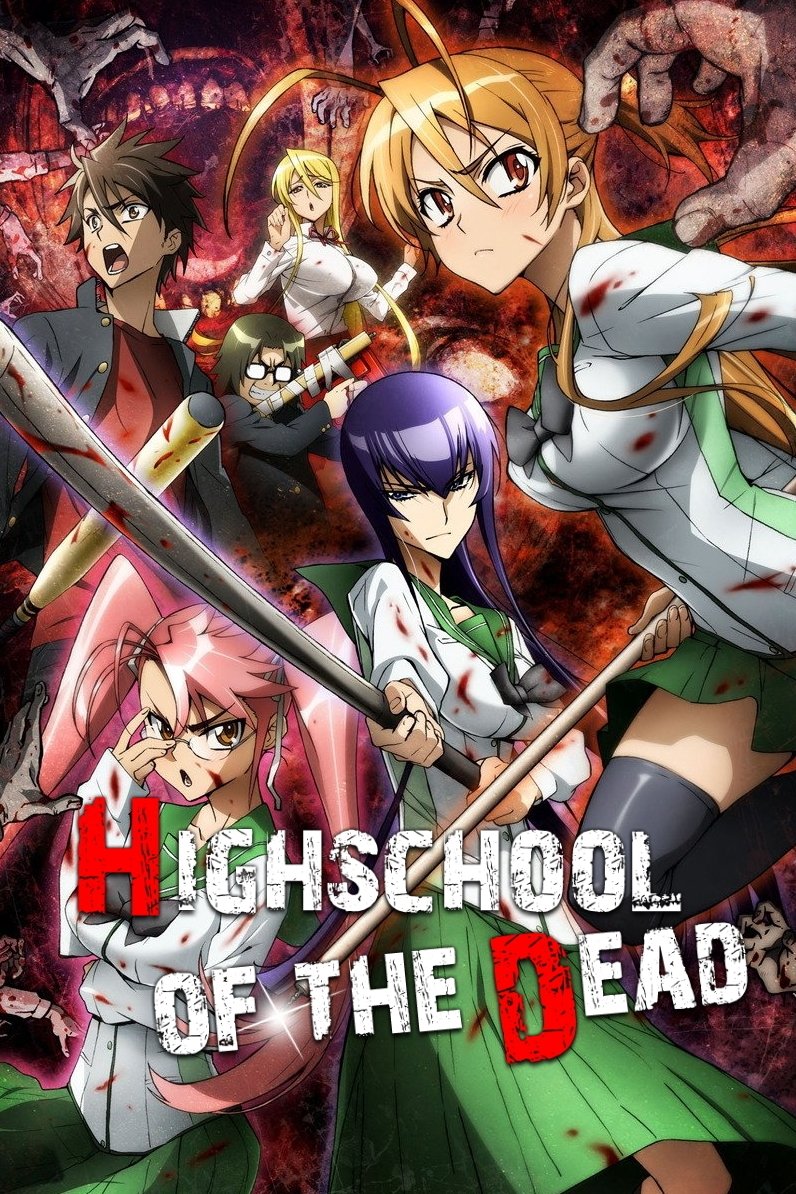
This zombie series features Black soldiers within the American military, but their portrayal sometimes relies on familiar, and potentially stereotypical, tropes focusing on strength and how they speak. The show frequently uses established tropes and caters to fan expectations when depicting various nationalities, and some viewers felt this approach didn’t allow for nuanced or respectful character development for these supporting roles.
‘Speed Racer’ (1967–1968)
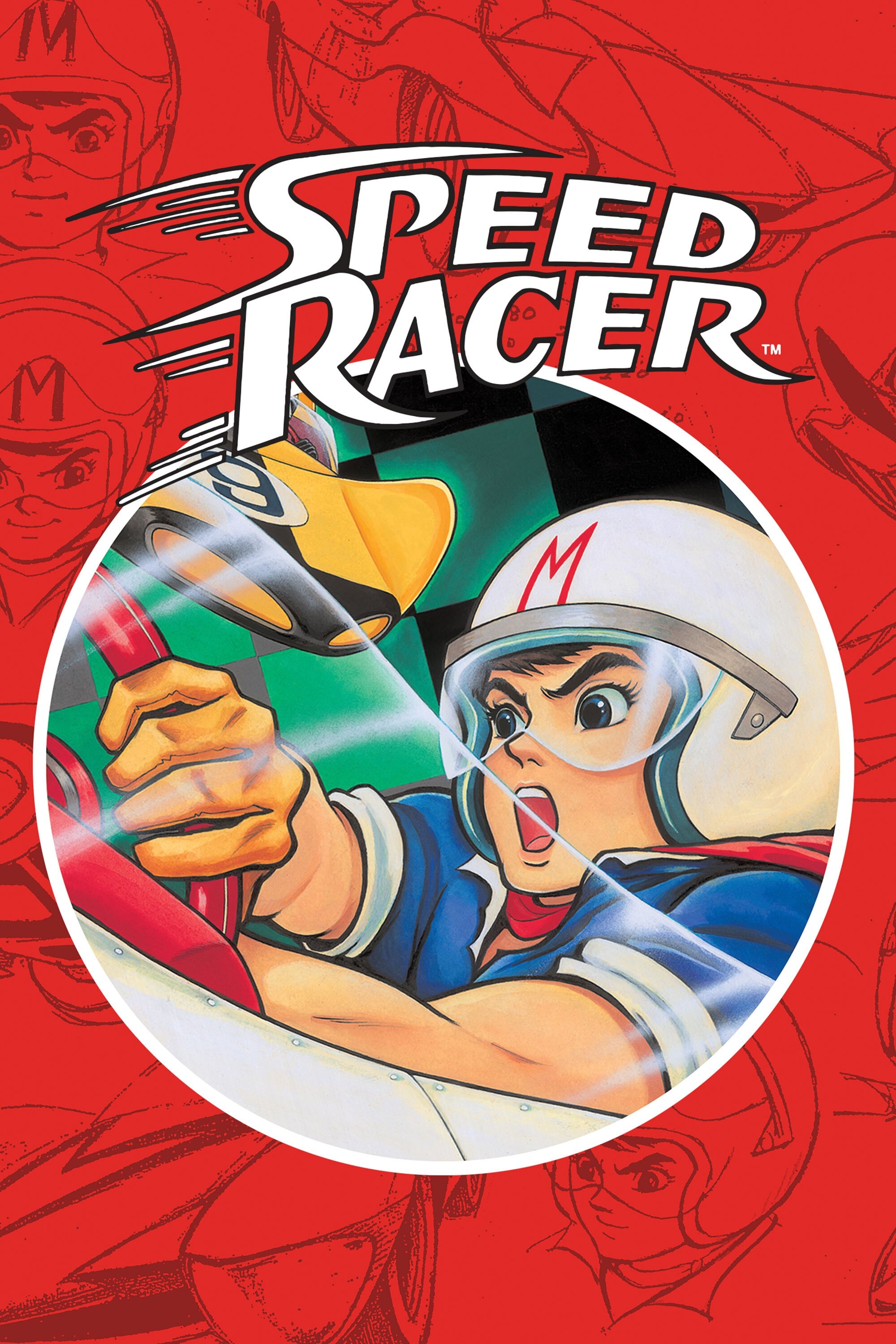
The original cartoon showcased racers from different countries who competed against the main character. Unfortunately, many of these international characters were created using outdated and stereotypical ideas about race and nationality, common in cartoons from the 1960s. Black characters, especially, were often portrayed with exaggerated features based on harmful caricatures of the time. Today, viewers generally recognize these depictions as offensive and a product of the animation’s historical context.
‘Mobile Suit Gundam’ (1979–1980)
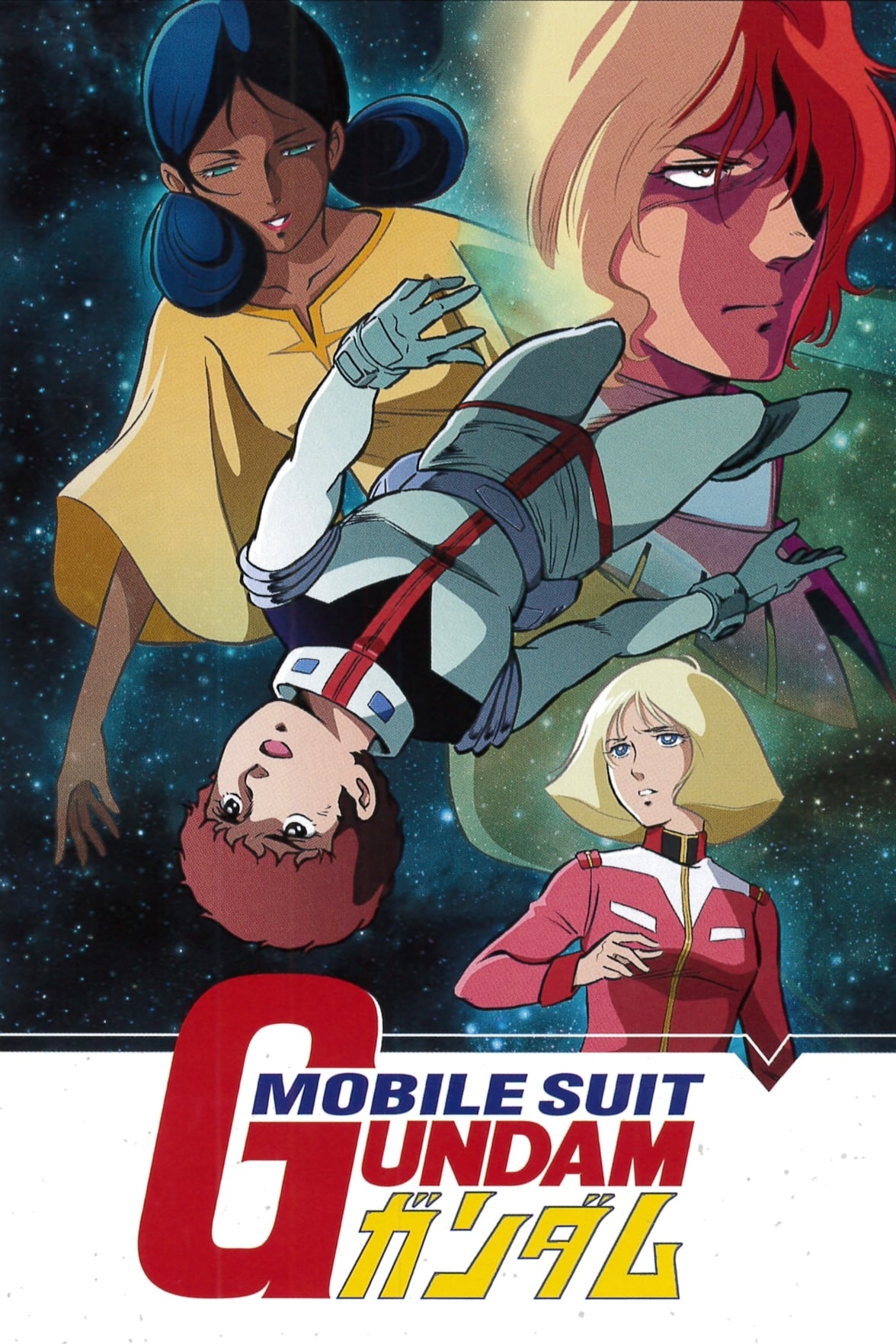
This highly impactful anime is known for its large number of characters and complex conflicts between different groups. Some early episodes, however, included background characters with designs that relied on outdated and simplistic racial stereotypes. The series has since improved significantly, offering more diverse and thoughtfully developed characters in its later installments.
‘Fist of the North Star’ (1984–1987)

This series takes place in a dangerous, post-apocalyptic world where gangs and lone survivors fight to live. Some of the characters – often minor villains – rely on harmful racial stereotypes, portraying them as either overly simplistic or aggressively hostile obstacles for the main hero. These examples are frequently cited when people discuss common themes found in action anime from the 1980s.
‘Dr. Slump’ (1981–1986)

This funny series, created by Akira Toriyama, is filled with unusual characters and people who visit their village. Some of the designs for minor or one-time characters rely on outdated and harmful stereotypes that many viewers today find offensive. The show uses a lot of physical comedy and over-the-top visuals to get laughs. These choices are often discussed when people talk about how older works by famous artists represent different groups of people.
‘Yu-Gi-Oh! Duel Monsters’ (2000–2004)
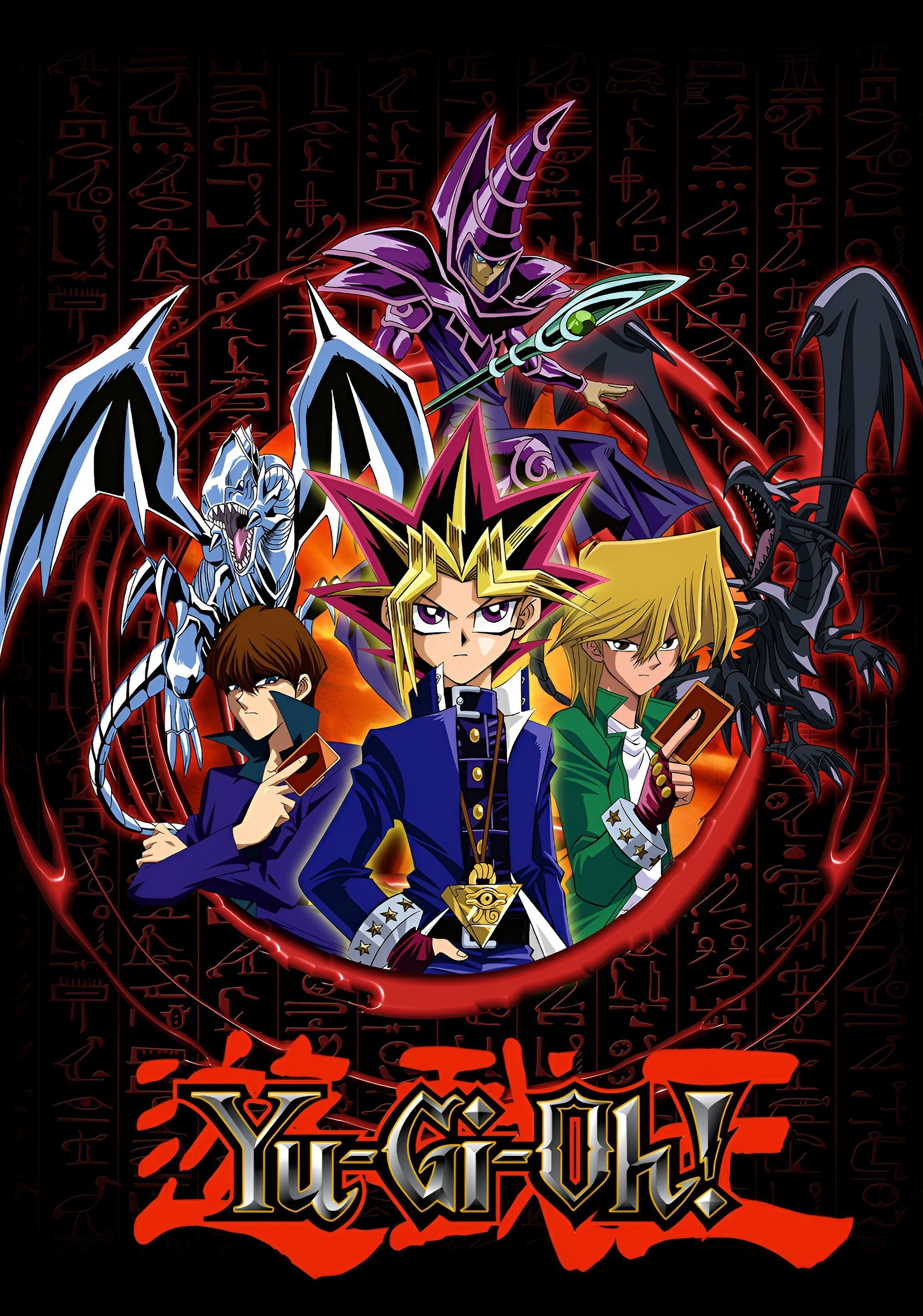
I remember The Seeker from Yu-Gi-Oh! – he was one of Marik Ishtar’s guys, and honestly, he always struck me as a bit odd. It wasn’t just that he used a deck of fake cards, but his whole look… a lot of fans, especially internationally, felt it relied on some really problematic stereotypes. He didn’t stick around for long in the Battle City arc, but he definitely left an impression, and I’ve seen a lot of discussion over the years about how his design fit into the way the show portrayed its villains.
Please share your thoughts on these controversial character designs in the comments.
Read More
- 20 Movies Where the Black Villain Was Secretly the Most Popular Character
- Top 20 Dinosaur Movies, Ranked
- 25 “Woke” Films That Used Black Trauma to Humanize White Leads
- Gold Rate Forecast
- Spotting the Loops in Autonomous Systems
- Silver Rate Forecast
- 22 Films Where the White Protagonist Is Canonically the Sidekick to a Black Lead
- Top 10 Coolest Things About Invincible (Mark Grayson)
- Can AI Lie with a Picture? Detecting Deception in Multimodal Models
- Celebs Who Narrowly Escaped The 9/11 Attacks
2026-01-01 06:17