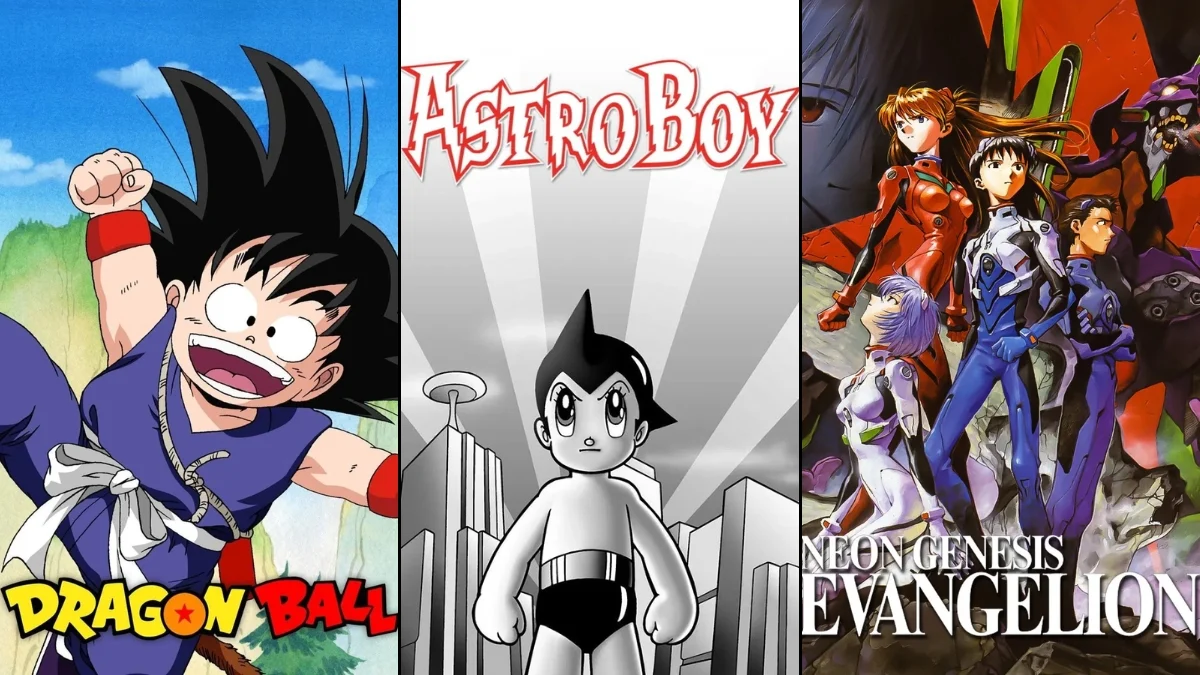
Anime’s development is usually highlighted by huge, popular shows, but some of the most important changes happen gradually. While big hits often get the credit, many series have quietly reshaped their genres with clever new approaches to storytelling, characters, and visuals. These shows created the common patterns and themes we see today, often without anyone noticing the exact moment things changed. From revolutionizing sports anime to adding more complex characters to fantasy, these 30 series helped build the foundation for how anime stories are told now.
‘Astro Boy’ (1963–1966)
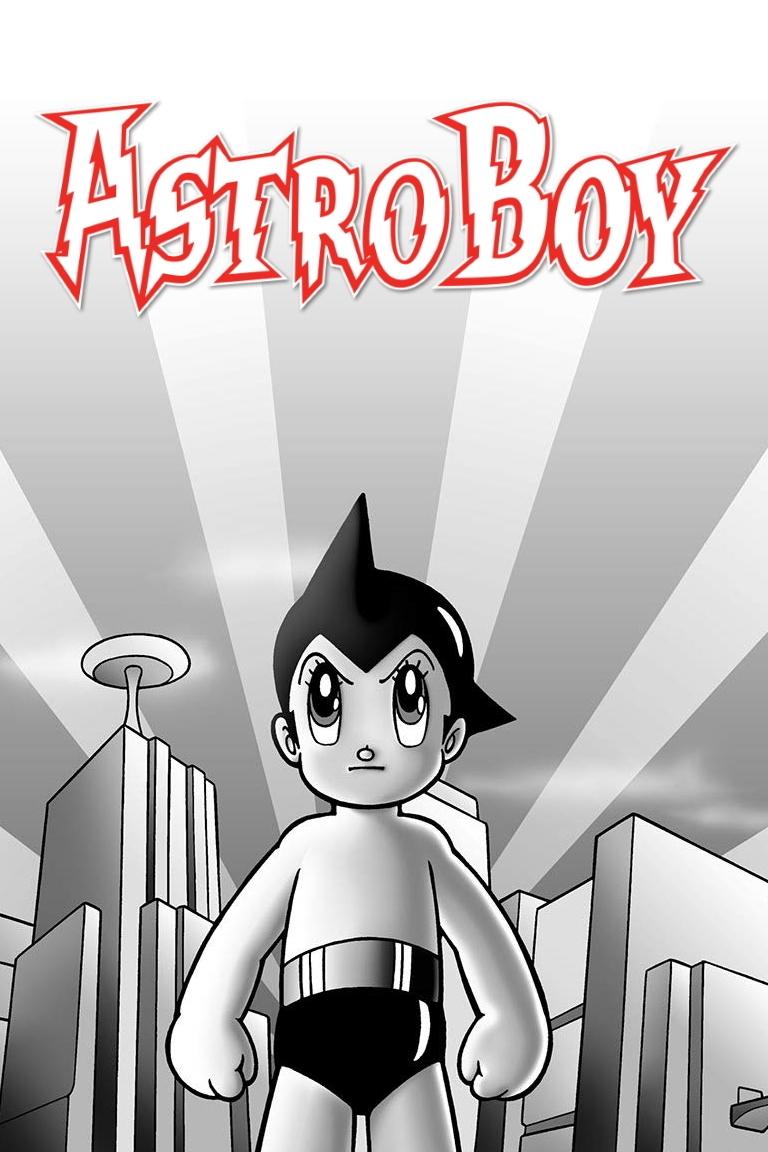
‘Astro Boy’ was a groundbreaking series that essentially established the standard for almost all anime that followed. To reduce production costs, it popularized simplified animation techniques. The now-iconic ‘large eye’ style, common in anime today, was first standardized in this show to effectively communicate emotion using fewer animation frames. Beyond its visuals, ‘Astro Boy’ also pioneered the idea of long, story-driven television series, a departure from the short animated films of the time. Its success demonstrated that animated television could tackle complex science fiction and explore serious moral questions.
‘Tomorrow’s Joe’ (1970–1971)
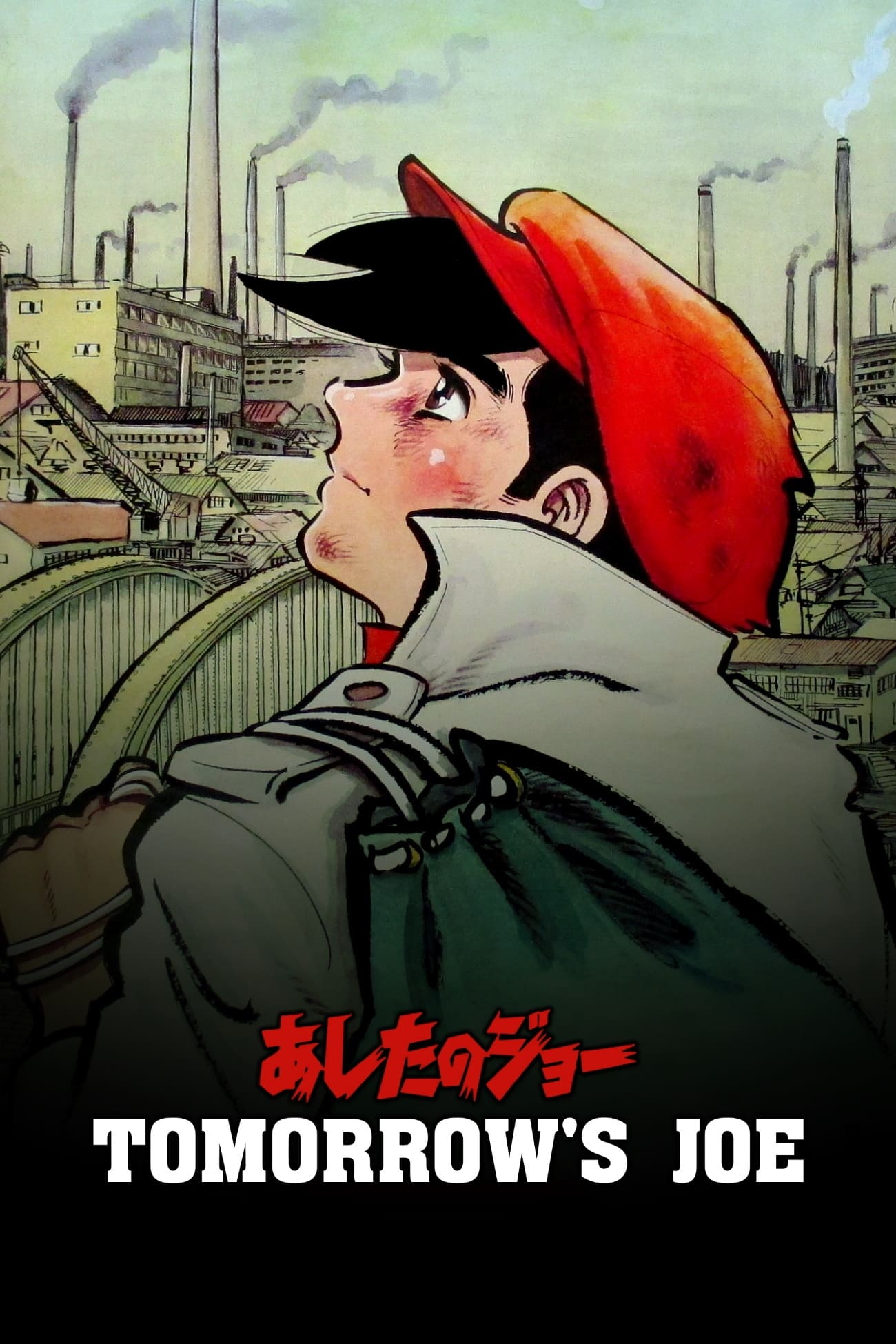
Before this anime, most sports shows celebrated winning and the skill of athletes. This series was different; it showed the harsh realities of professional boxing and how it affects people both physically and mentally. It focused on the personal challenges of the main character, Joe Yabuki, making his inner struggles just as important as the boxing matches themselves. The series is well-known for its ending, which changed what people expected from a sports story in terms of sadness and emotional release.
‘Mazinger Z’ (1972–1974)
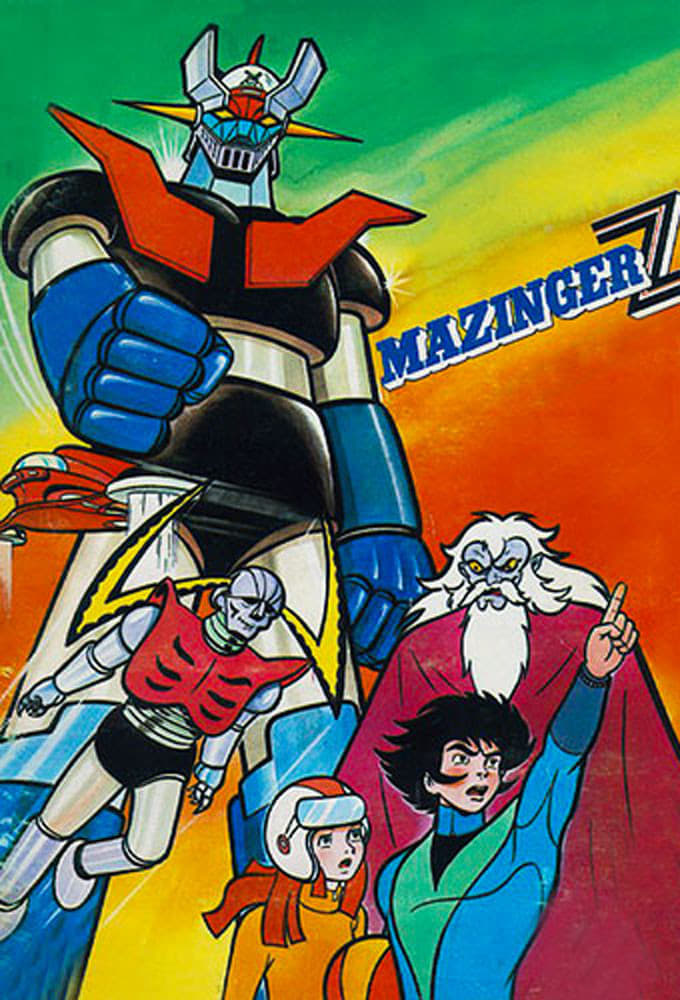
Giant robots had appeared in fiction before, but this series was the first to show a pilot actually inside the robot, physically controlling it. This simple idea completely changed the genre, moving it away from robots being remote-controlled tools and toward them being like extensions of the pilot’s own body and mind. It created the blueprint for the “Super Robot” – complete with unique attacks and weapons – which became incredibly popular and continues to influence anime today. In fact, every modern anime where a pilot sits inside a robot’s cockpit builds upon this original design concept.
‘Heidi, Girl of the Alps’ (1974)
This series redefined the ‘slice-of-life’ genre with its focus on realistic rural settings and deeply developed characters, moving away from dramatic action. Created by Isao Takahata and featuring scene designs by Hayao Miyazaki, it brought a film-like quality to TV animation that hadn’t been seen before. It highlighted the emotional power of ordinary moments and the beauty of nature, establishing a new standard for animated storytelling. The show’s popularity demonstrated that a calm, realistic story could attract viewers worldwide.
‘The Rose of Versailles’ (1979–1980)
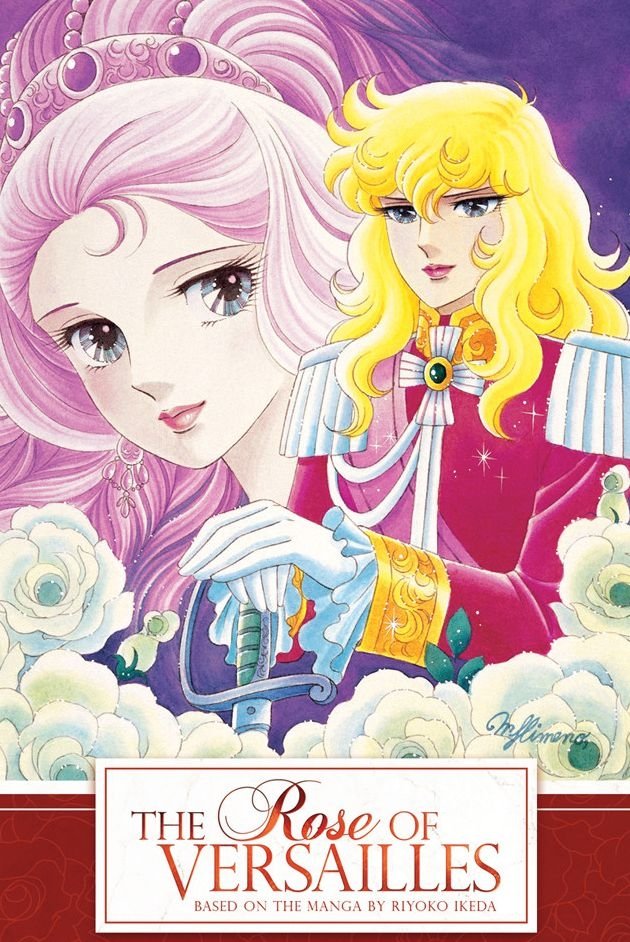
This groundbreaking series changed shoujo anime by combining a sweeping historical setting with gripping political drama and thoughtful explorations of gender roles. Instead of focusing solely on romance, it used the French Revolution as a backdrop, with the character Oscar François de Jarjayes at its heart, to examine ideas about who we are and what we owe to others. The show’s smart storytelling and serious tone proved that shoujo anime could successfully handle complex historical events. You can still see its impact today in any series with beautiful, aristocratic visuals and a tragic, epic love story.
‘Mobile Suit Gundam’ (1979–1980)
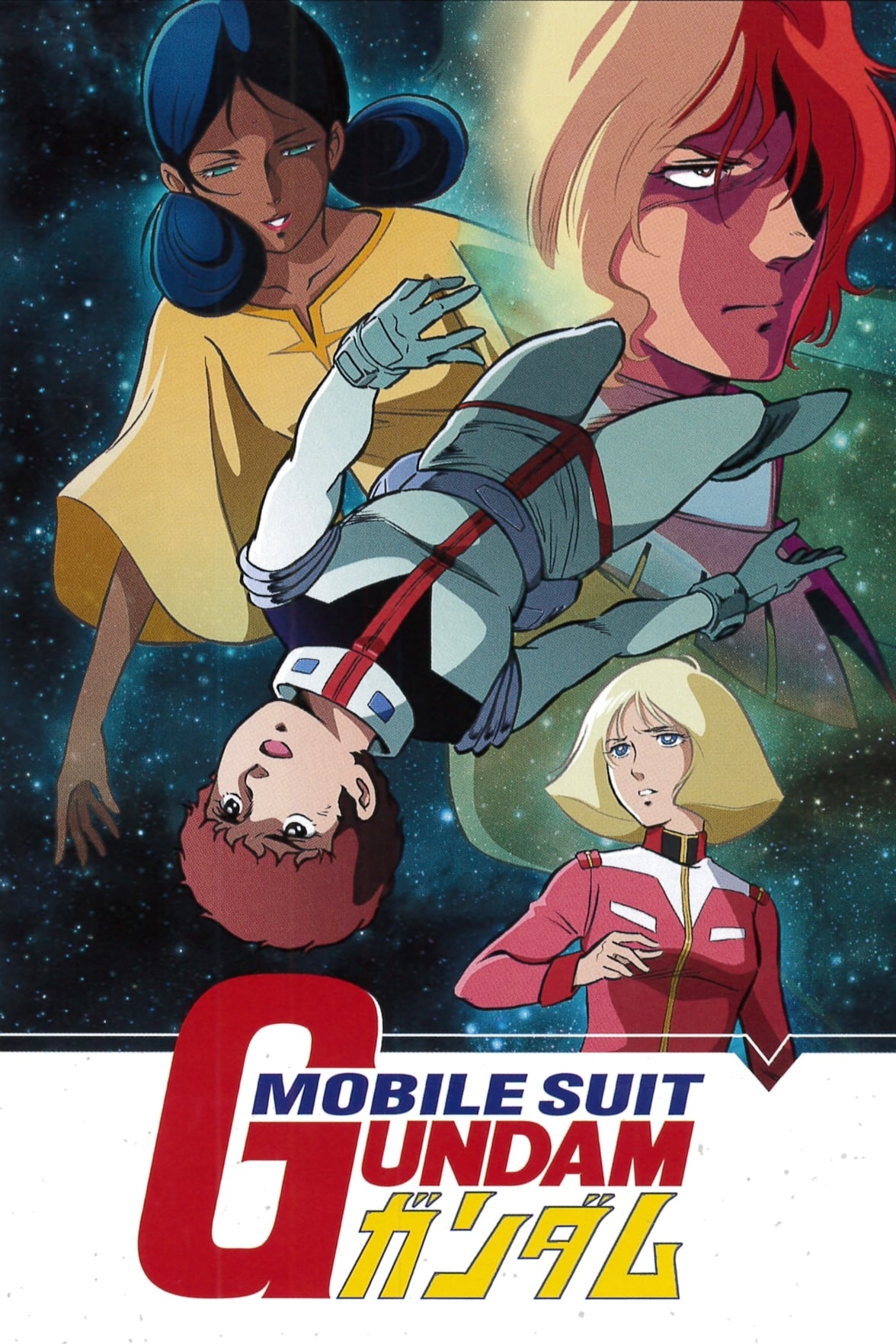
Although ‘Mazinger Z’ popularized robots controlled by pilots, this series truly launched the ‘Real Robot’ genre. Instead of portraying robots as one-of-a-kind heroes, it depicted them as mass-produced military machines. This changed mecha anime from simple monster battles to a more complex war story with understandable motivations on both sides and heartbreaking consequences. The show also introduced realistic details – robots could run out of gas, get damaged, and need repairs – which emphasized political storytelling and the vulnerability of people. This shift fundamentally reshaped science fiction anime.
‘Urusei Yatsura’ (1981–1986)

This show essentially created the formula for many romantic comedies we see today, especially the idea of a supernatural girl living with a normal boy. It shifted away from serious, heartfelt romance and instead focused on fast-paced, silly humor with a large group of quirky, recurring characters. Its energetic and folklore-based comedy heavily influenced the “harem” and “magical girlfriend” styles that became popular in the 1990s and 2000s. Many modern rom-com fans don’t realize that the characters and situations they enjoy today were first made popular by this show’s leads, Lum and Ataru.
‘Super Dimension Fortress Macross’ (1982–1983)
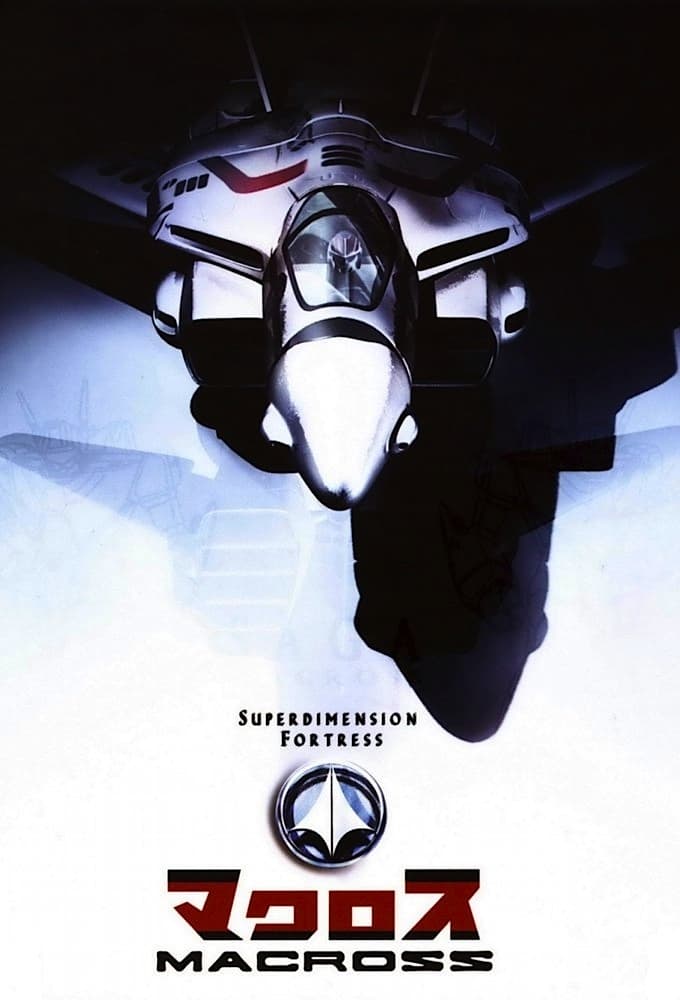
This show revolutionized the mecha genre by cleverly blending idol culture and love triangles with an epic space war. It pioneered the idea that music and culture could be powerful weapons, a concept that’s become common in sci-fi anime. The show’s use of transforming fighter jets also became a popular design element in both Japanese and Western animation. By focusing on a love story within a space opera, it made mecha anime appealing to a much broader audience.
‘Fist of the North Star’ (1984–1987)

This series revolutionized the battle shonen genre with its raw, intense, and often brutal fight scenes. Drawing from post-apocalyptic movies and martial arts films, it created a world where battles were incredibly powerful and often deadly. The main character, Kenshiro, became the archetype of the strong, silent hero burdened by a crumbling world. The series’ popularity helped open the door for more serious and action-packed stories in popular magazines, shifting the genre away from simpler, more cheerful tales.
‘Dragon Ball’ (1986–1989)
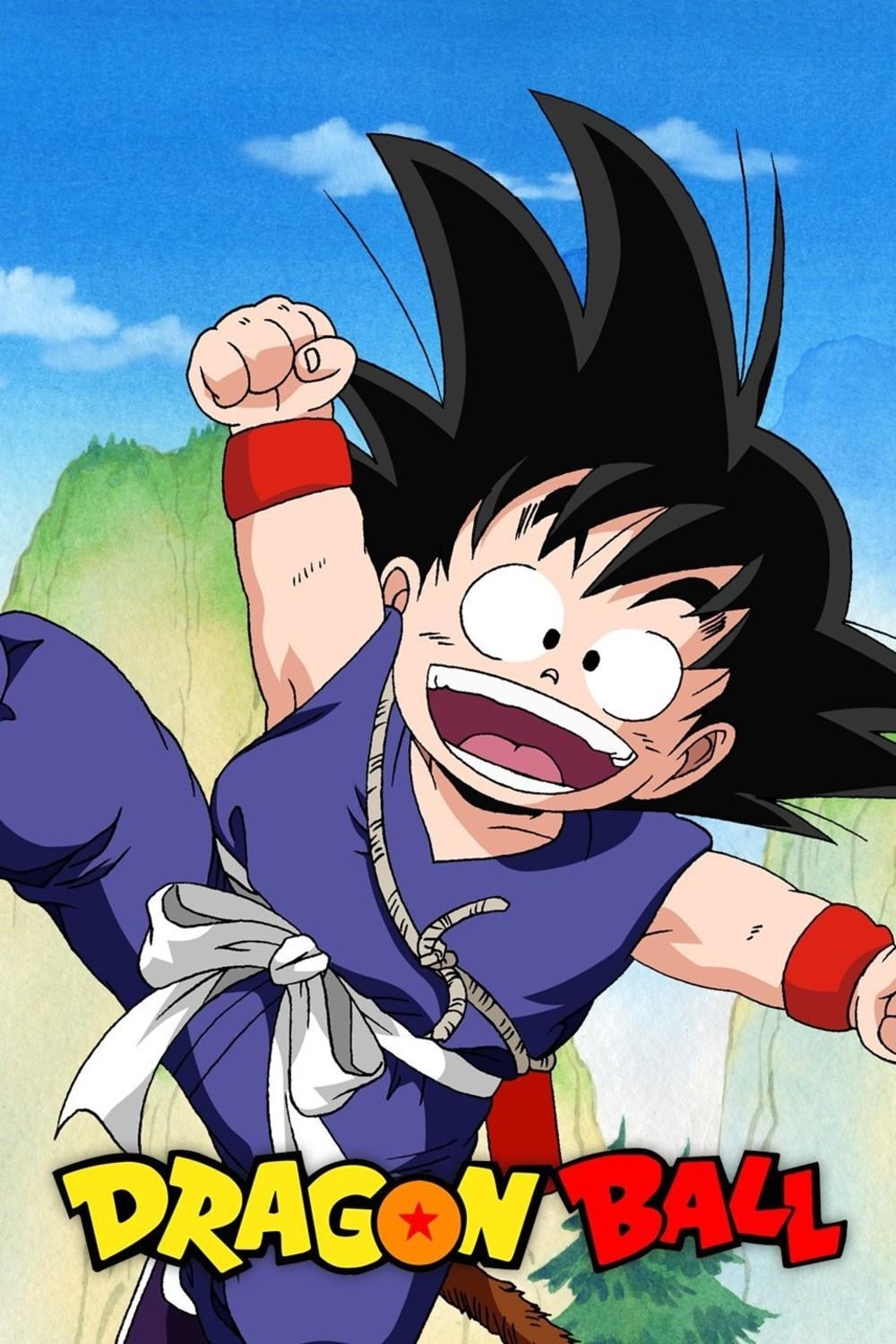
Beginning as a fun adaptation of ‘Journey to the West,’ this series became the defining example of the “battle shonen” genre, establishing how power levels and training sequences are structured. It popularized the idea of a main character always searching for tougher opponents to grow stronger – a pattern still common in today’s action anime. By moving from a series of separate adventures to tournament-style fights and battles against world-ending threats, it created a formula that most successful shonen series now follow. Even the way its fights look, with energy beams and fast-paced action, has become the standard for the entire industry.
‘Akira’ (1988)
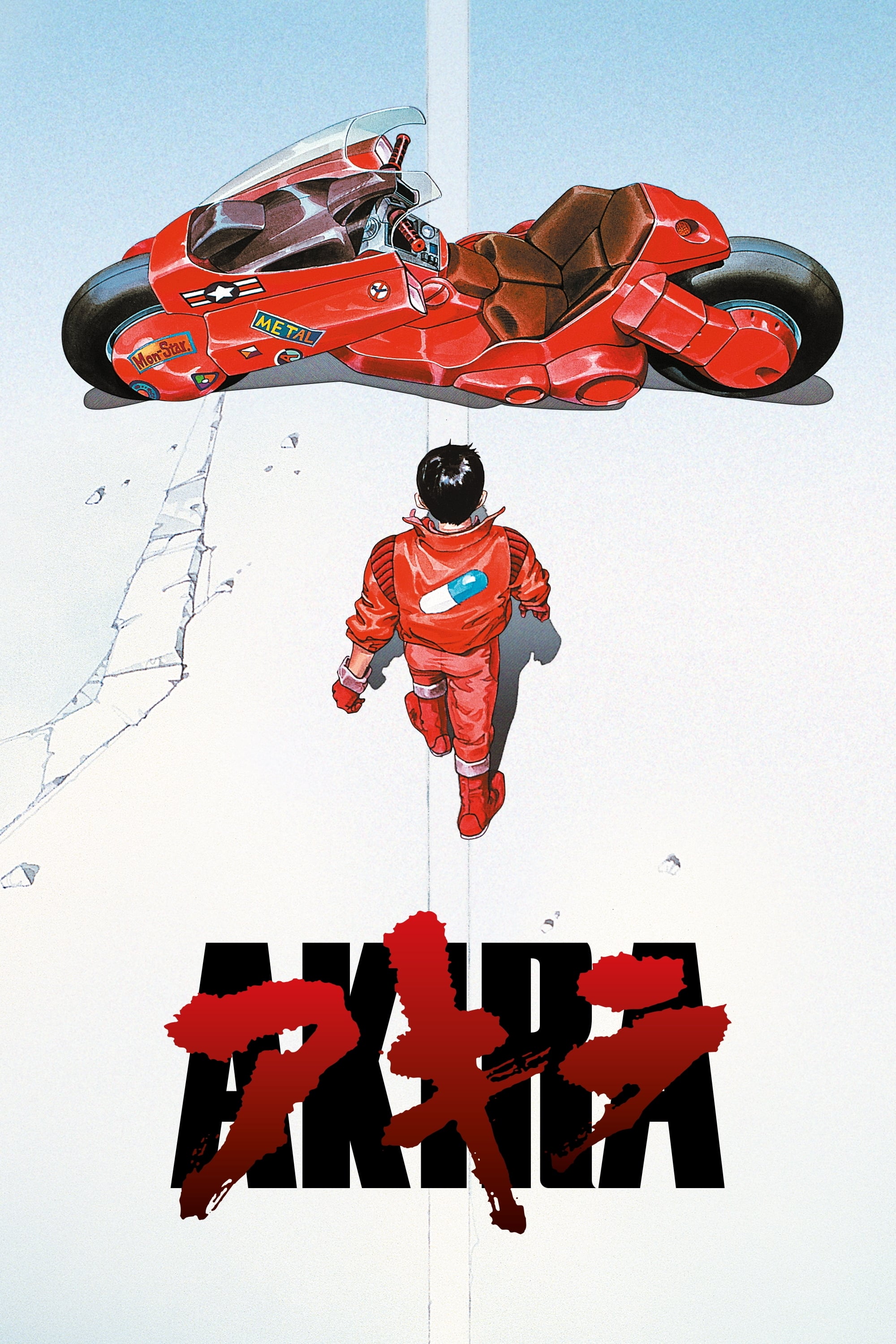
This film revolutionized how people worldwide viewed anime, demonstrating its potential for stunning visuals and thought-provoking themes. It shifted the focus of cyberpunk and science fiction from optimistic, polished futures to darker, more realistic, and socially aware dystopias. Its incredibly smooth animation and deep dive into issues like government corruption and psychological trauma were groundbreaking, and few films have matched its quality since. It established anime as a legitimate art form, inspiring filmmakers around the world.
‘Sailor Moon’ (1992–1997)
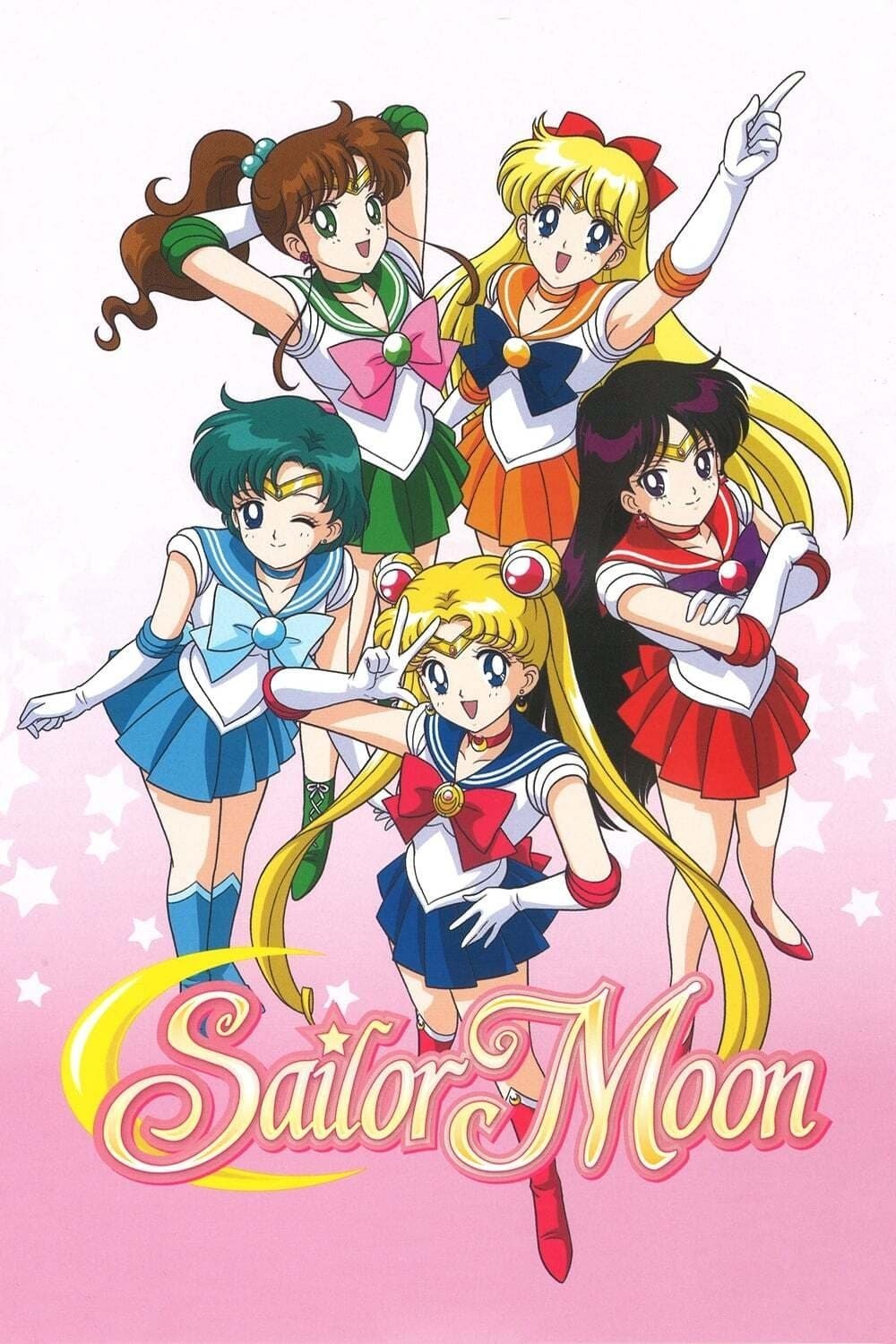
This show revolutionized the magical girl genre by borrowing the team dynamic usually seen in action shows aimed at boys. Instead of focusing on a single magical girl, it featured a group of diverse heroines with unique powers working together to protect the world. By combining classic romance with exciting action and a complex storyline, it attracted a huge international fanbase. The series is still celebrated for its strong portrayal of female friendships and continues to inspire the magical girl genre today.
‘Neon Genesis Evangelion’ (1995–1996)
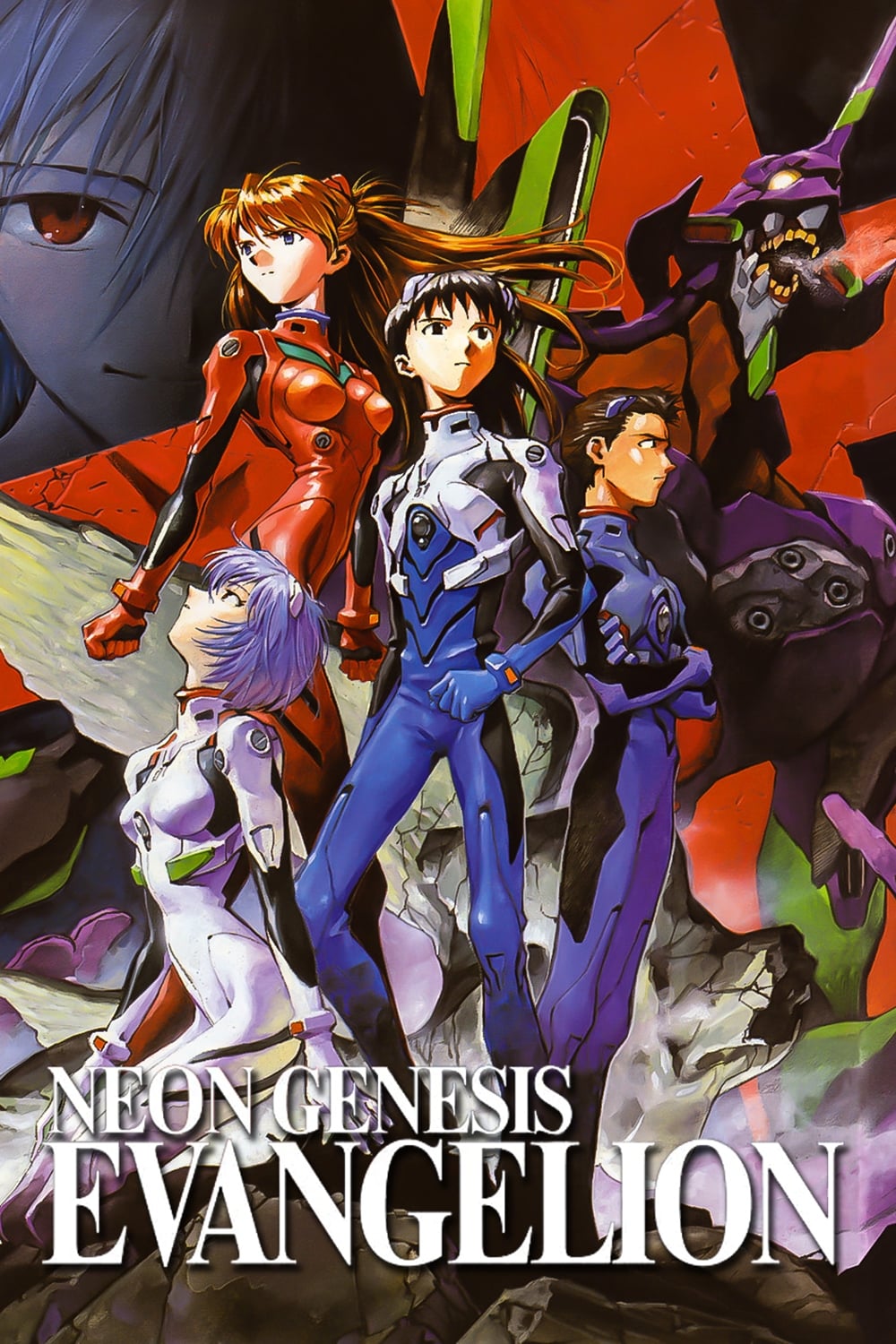
While well-known for reimagining giant robot stories, this series quietly revolutionized action anime by adding complex psychological depth. It moved away from simply celebrating robot pilots and instead explored the damaging trauma and mental health issues faced by its teenage characters. The show also stood out with its unusual use of religious imagery and experimental editing, pushing the boundaries of storytelling at the time. Ultimately, it made the anime industry rethink how to incorporate meaningful character development and philosophical questions into popular entertainment.
‘Ghost in the Shell’ (1995)
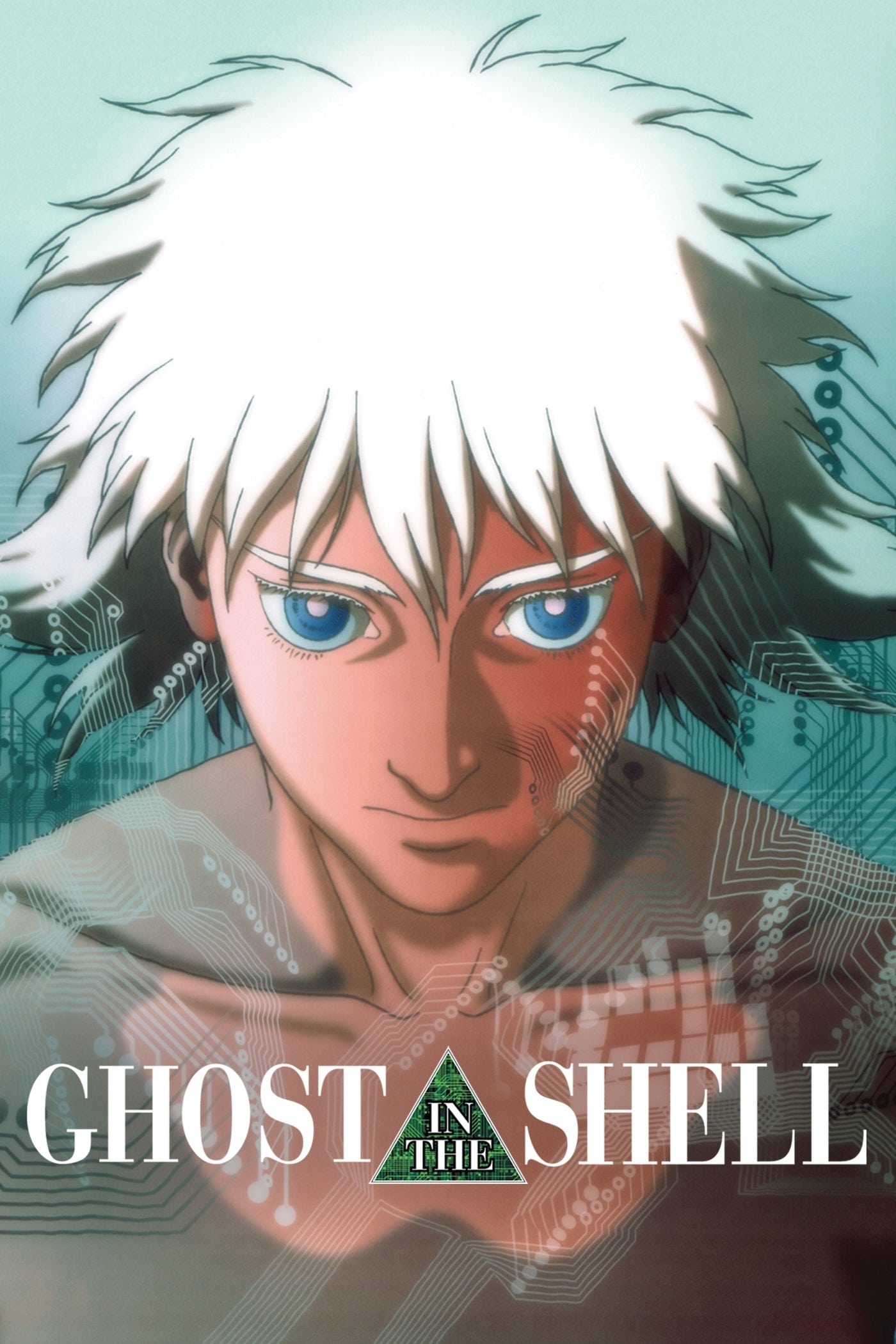
Though ‘Akira’ offered a raw visual style, this film truly gave cyberpunk its thoughtful core. It explored what it means to be human when technology becomes so advanced, focusing on atmosphere and big questions about consciousness within machines, rather than just action. The film cleverly predicted the importance of information control and the political landscape of a highly connected world. Its ideas have become so common that many are now standard elements in science fiction stories about technology.
‘Revolutionary Girl Utena’ (1997)
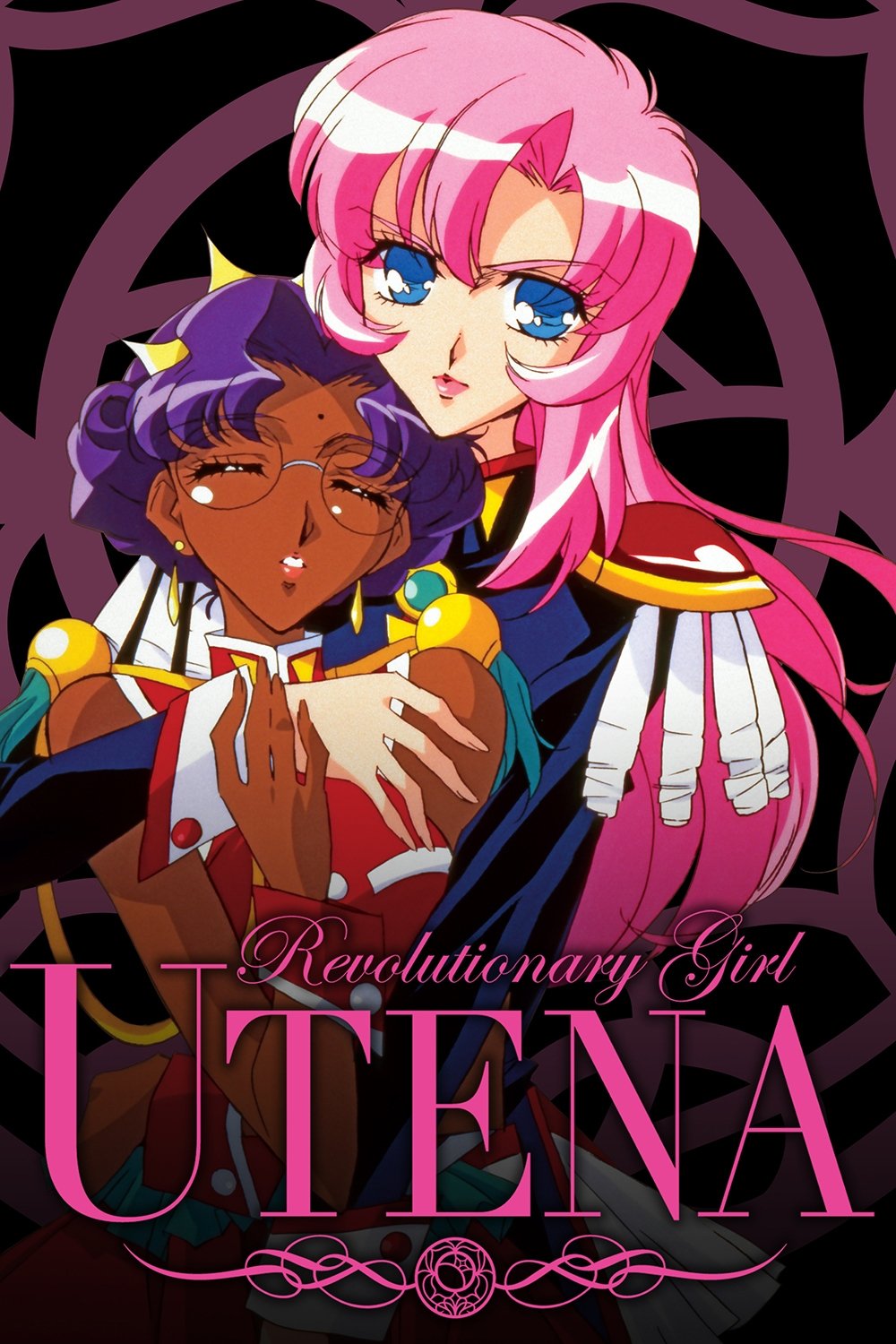
This show cleverly took familiar magical girl and charming prince storylines and reimagined them in a strange, symbolic way. It used repeating images and dramatic presentation to examine issues like growing up, expectations based on gender, and widespread dishonesty. By avoiding a straightforward plot, it paved the way for more creative and unusual anime aimed at young girls. You can see its influence in any recent anime that relies on deep symbolism to tell a story about finding freedom and self-discovery.
‘Serial Experiments Lain’ (1998)
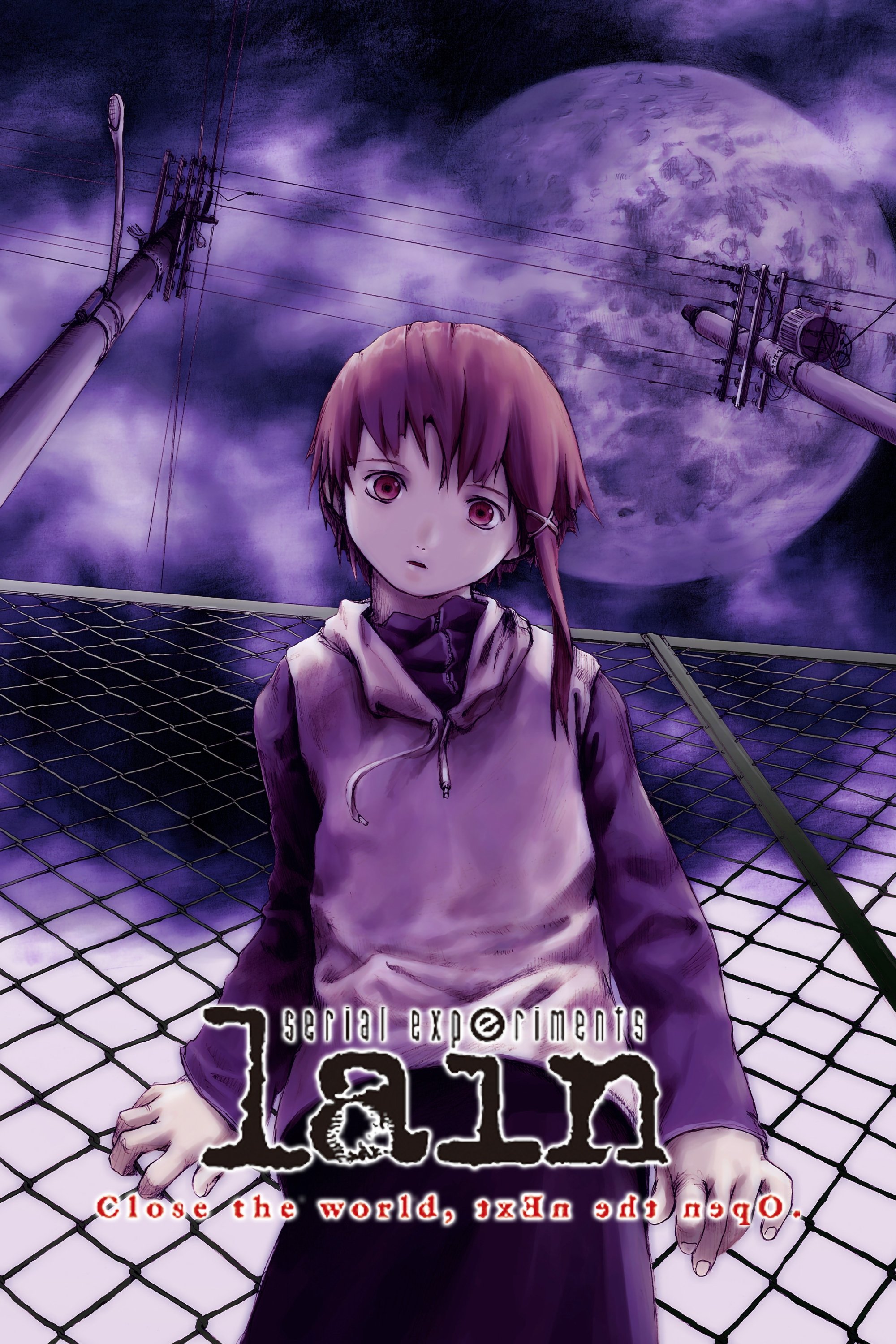
Long before the internet became commonplace, this groundbreaking series accurately predicted its effects on society and our minds. It shifted the focus of cyberpunk from physical enhancements to how technology affects our inner selves and sense of identity, portraying a world where people become lost in digital connections. With its confusing, non-traditional storytelling and eerie mood, the show set the standard for anime that emphasizes feeling and ideas over a straightforward plot. It’s still a prime example of how anime can use simple visuals to tackle difficult questions about technology and its impact on us.
‘Cowboy Bebop’ (1998–1999)
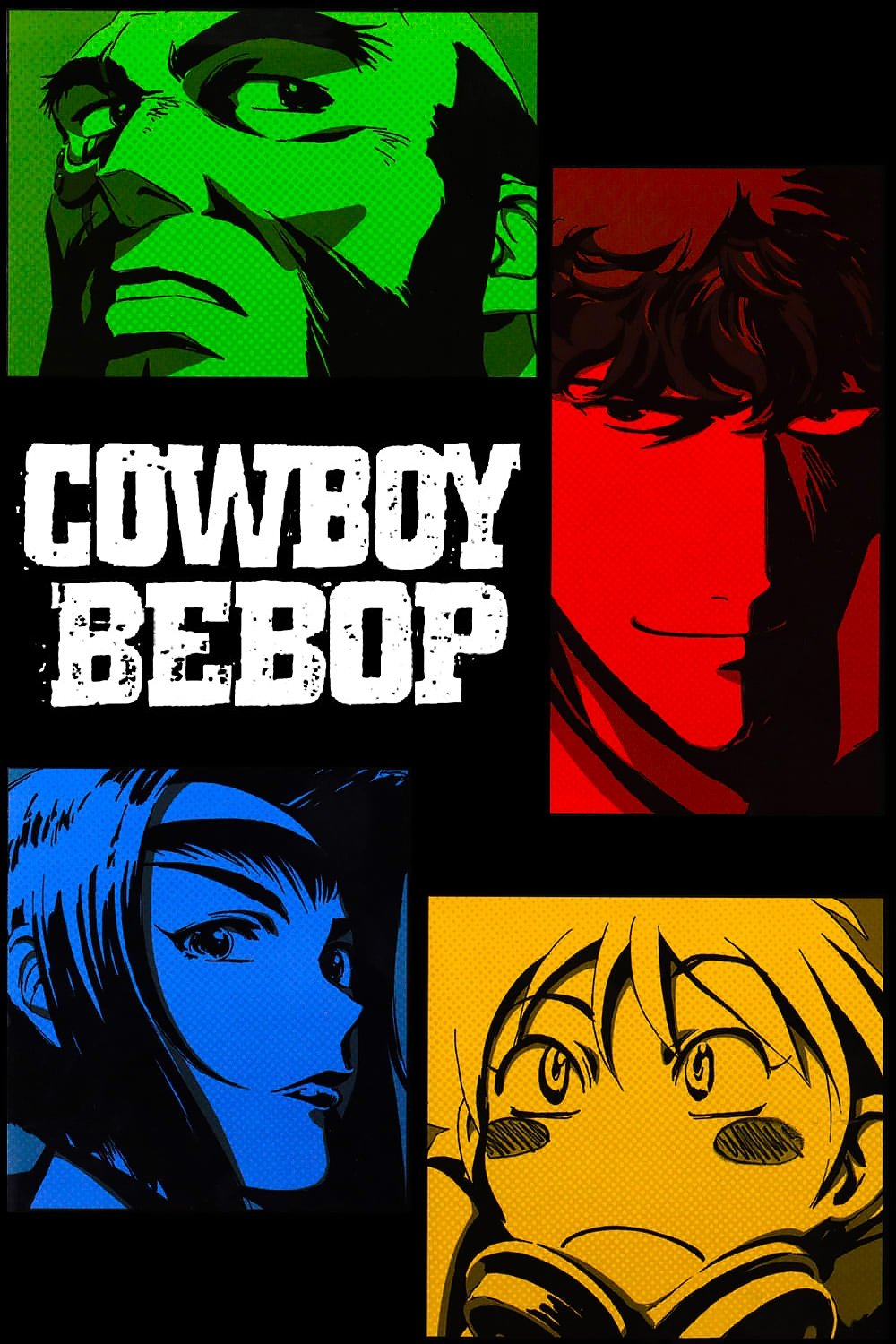
This show quietly reshaped science fiction by creating a uniquely stylish, jazz-influenced world and telling stories in a way that felt more like classic detective films than typical anime. It helped popularize the ‘space western’ look, mixing futuristic technology with rough, realistic characters. The series also stood out for its thoughtful focus on the past and how it impacts the characters, adding a touch of sadness to the fast-paced action. Its popularity proved that a visually striking, western-inspired approach could appeal to viewers around the world.
‘Cardcaptor Sakura’ (1998–2000)
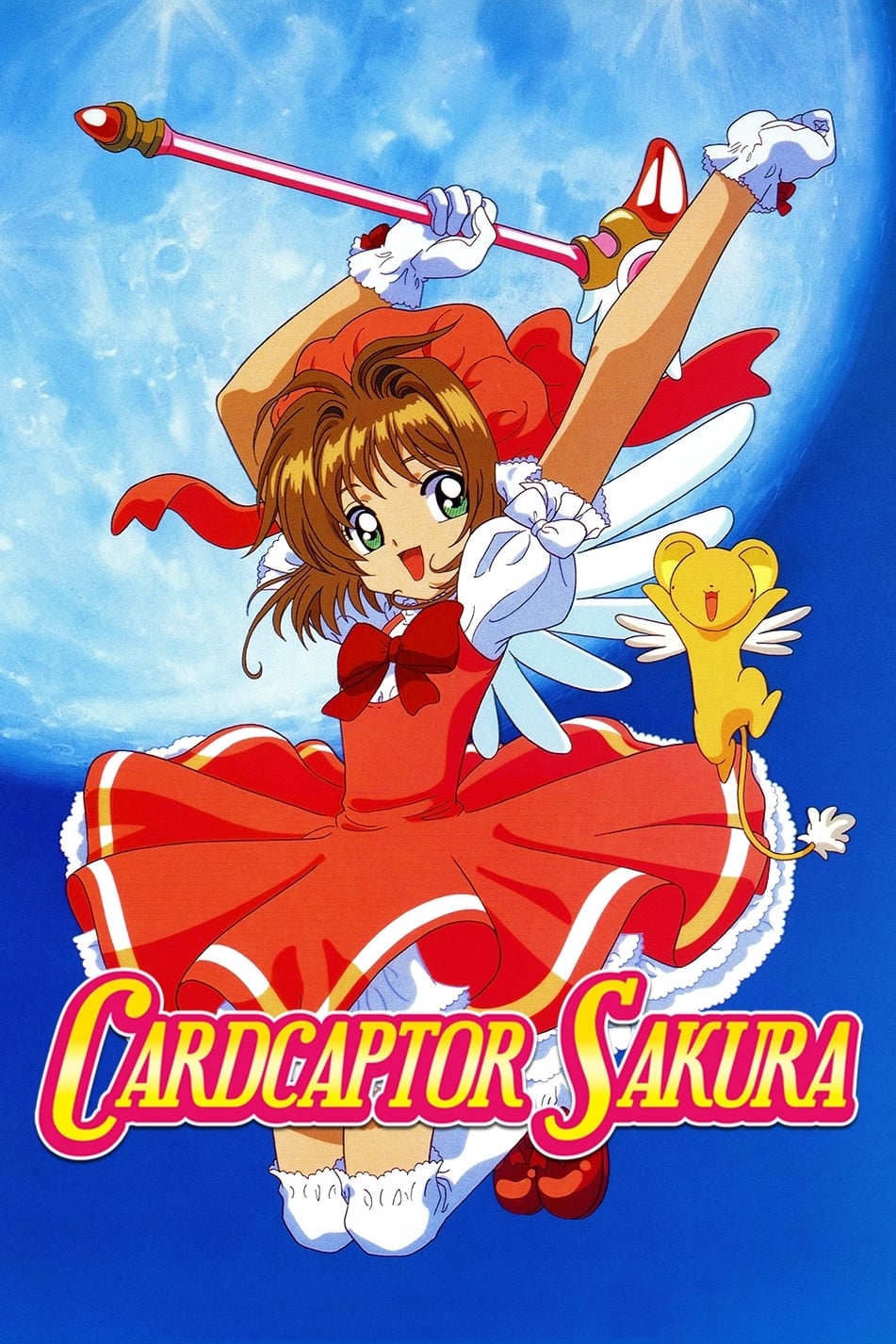
I absolutely loved how this show broke the mold of typical magical girl series! Instead of just fighting bad guys, it was all about collecting and really focusing on feelings. It wasn’t about who was ‘winning’ a battle, but about how the main character grew as a person and the amazing friendships she made. Plus, the costumes were incredible – so many different looks, and it wasn’t just the same transformation sequence over and over. It really proved that you could have a successful magical girl show built on kindness, fashion, and stories that focused on the characters themselves.
‘Inuyasha’ (2000–2004)

I truly believe this series was groundbreaking! It basically laid the foundation for a lot of the ‘portal fantasy’ or ‘isekai’ stories we see everywhere today, even before those terms were common. What I loved was how it effortlessly mixed exciting historical action with a really engaging romance, bringing together fans of both action-packed adventures and sweet love stories. It was one of the first to really explore the idea of someone from our world ending up in a fantastical past, and it set up so many of the time-travel and parallel world ideas that are popular now. Plus, it wasn’t just about the quest itself – the characters and their relationships were what really drove the story, and that’s something I’ve noticed in a lot of adventure series since.
‘Princess Tutu’ (2002–2003)
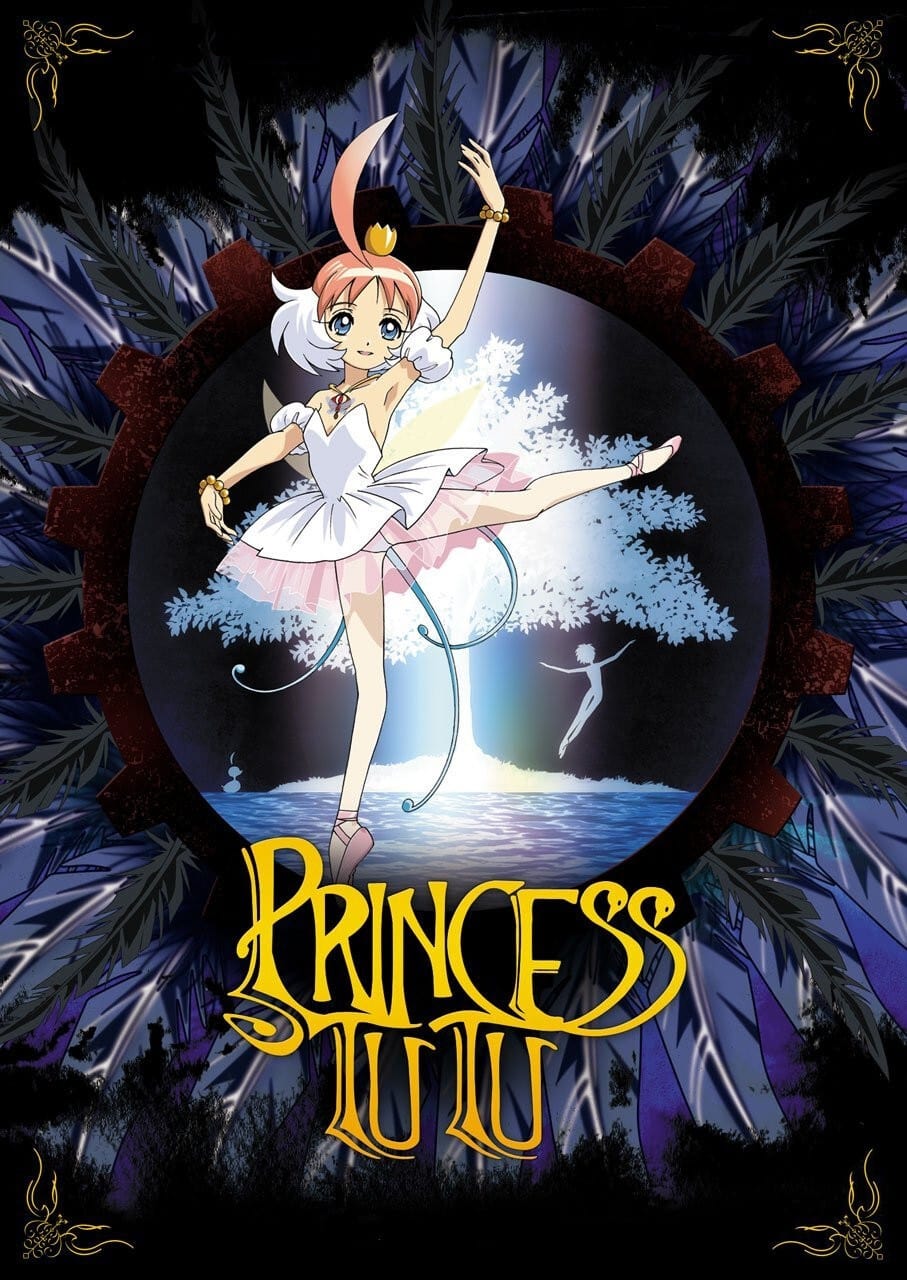
This show cleverly reimagined the magical girl formula by blending it with the worlds of ballet and fairytale storytelling. It focused on characters trying to escape the paths laid out for them by a powerful, unseen storyteller. Unlike many shows at the time that relied on fighting, this series used music and dance to resolve conflicts. It proved that a show could both celebrate and thoughtfully question how stories are usually told.
‘Azumanga Daioh’ (2002)
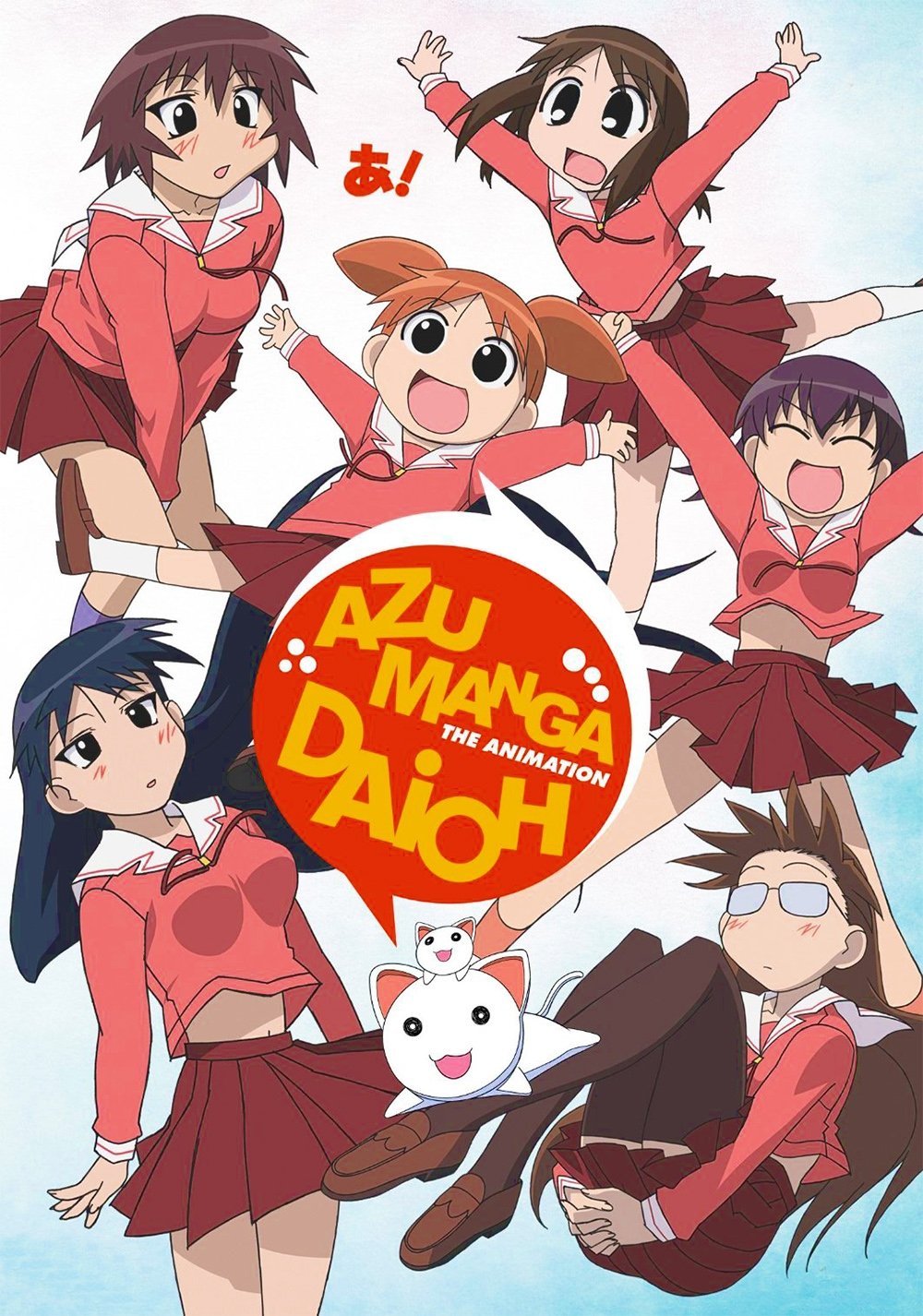
This anime is widely considered the originator of the now-popular ‘cute girls doing cute things’ genre. Instead of a central storyline or romance, it simply focuses on the funny, everyday lives of a group of high school girls. It also popularized a specific style of comedy, using short, quick jokes similar to four-panel comics, rather than drawn-out stories. Many of today’s school-based comedies have borrowed characters and a similar comedic pace from this show.
‘The Melancholy of Haruhi Suzumiya’ (2006–2009)
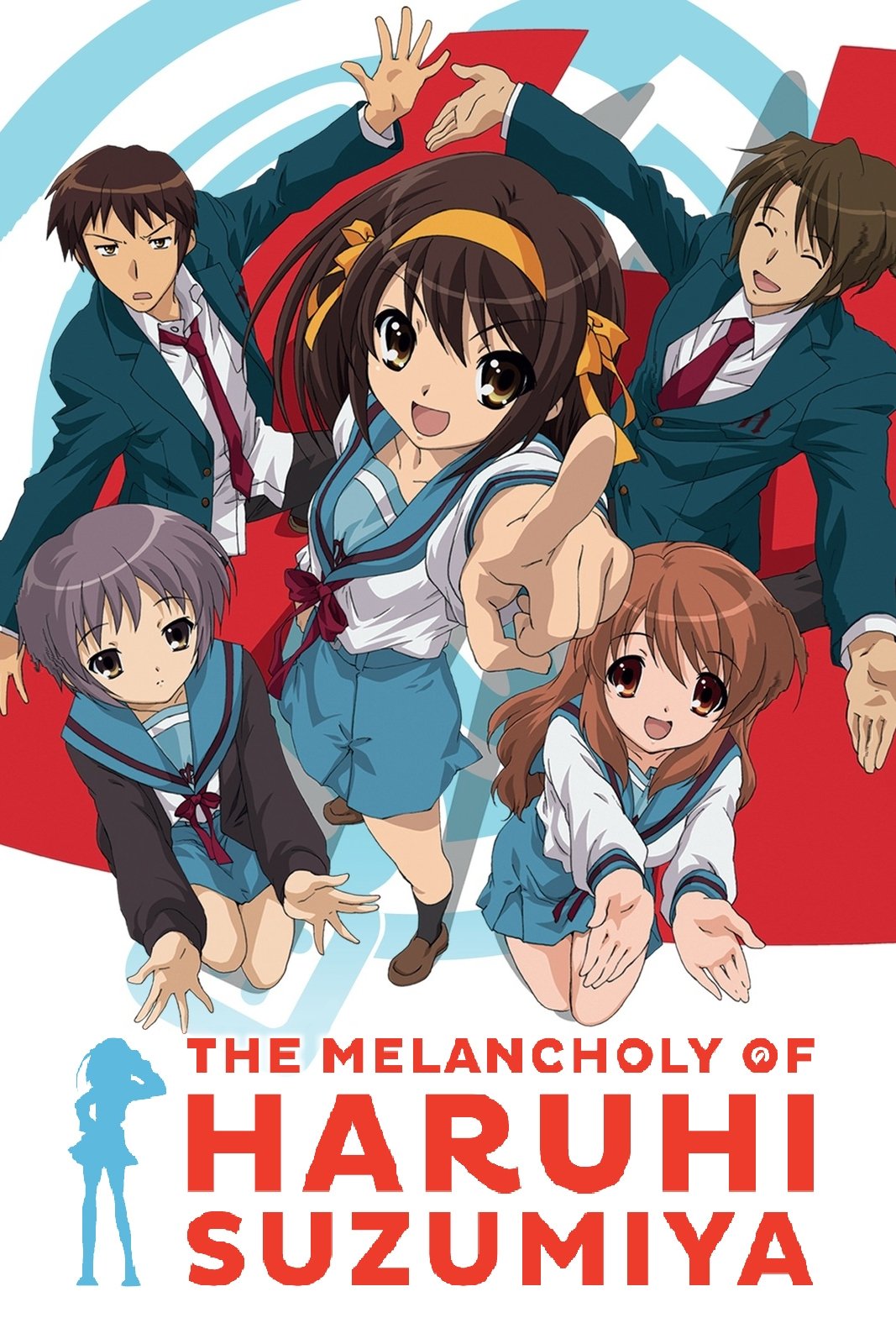
This show was a game-changer for anime based on light novels, bringing a clever, self-referential humor to a wider audience. It defied typical storytelling by shuffling episode order and presenting a main character who was secretly a god. Its popularity led to a surge in anime adaptations of light novels and established a trend for energetic, cute character designs. The show also popularized the now-common practice of using a catchy, viral dance as part of the ending credits, becoming a major marketing tool for anime in the years that followed.
‘The Familiar of Zero’ (2006–2012)
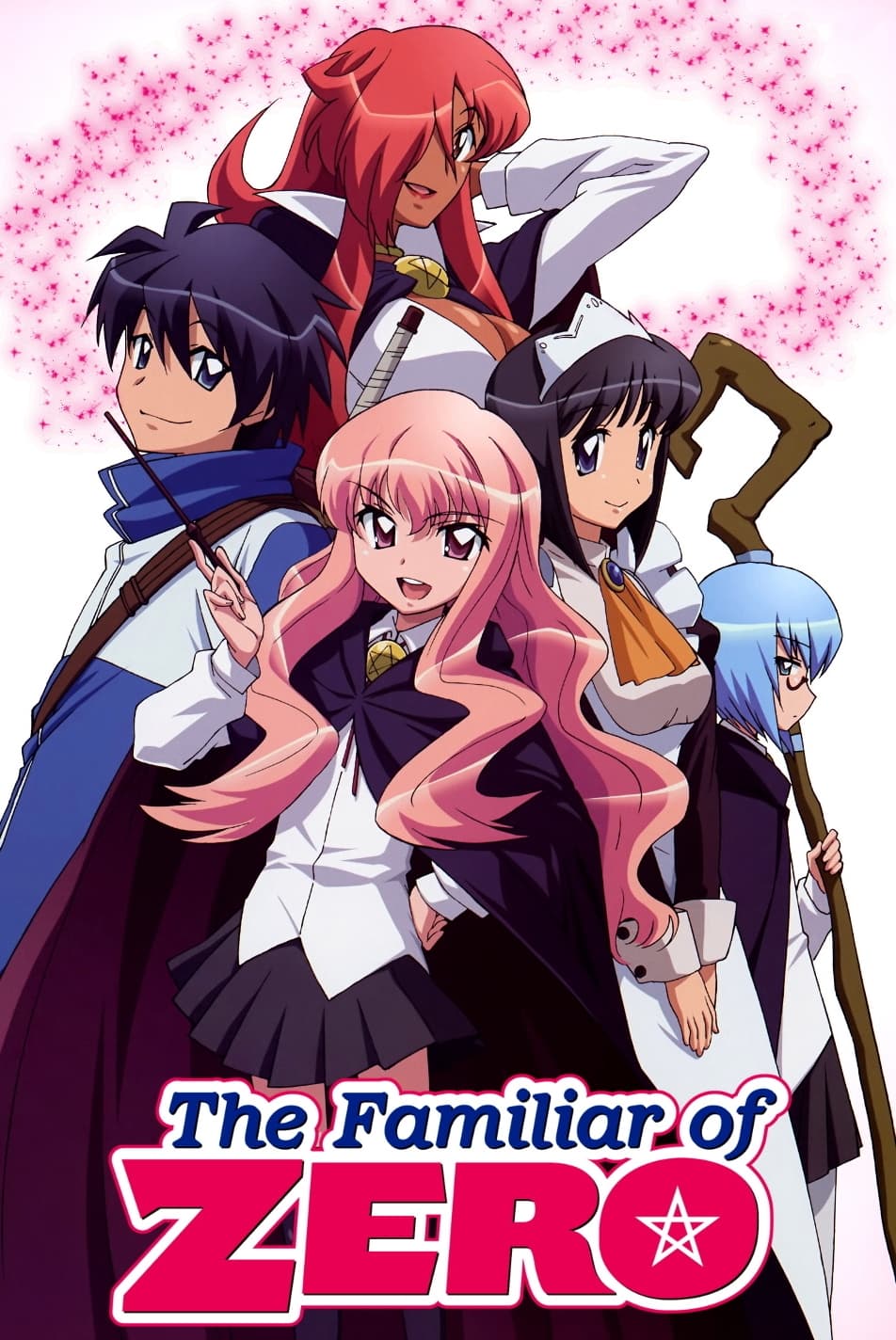
Though it’s often forgotten now, this show was incredibly influential in shaping the isekai genre we see today. It popularized the idea of characters being transported to a fantasy world, specifically a school, and established the common pairing of a weak male lead with a strong, initially cold female character. Its mix of romance, school drama, and epic battles essentially set the standard for many fantasy stories and adaptations that became popular in the 2010s. Many viewers are likely familiar with these elements without knowing they originated with this series.
‘Lucky Star’ (2007)
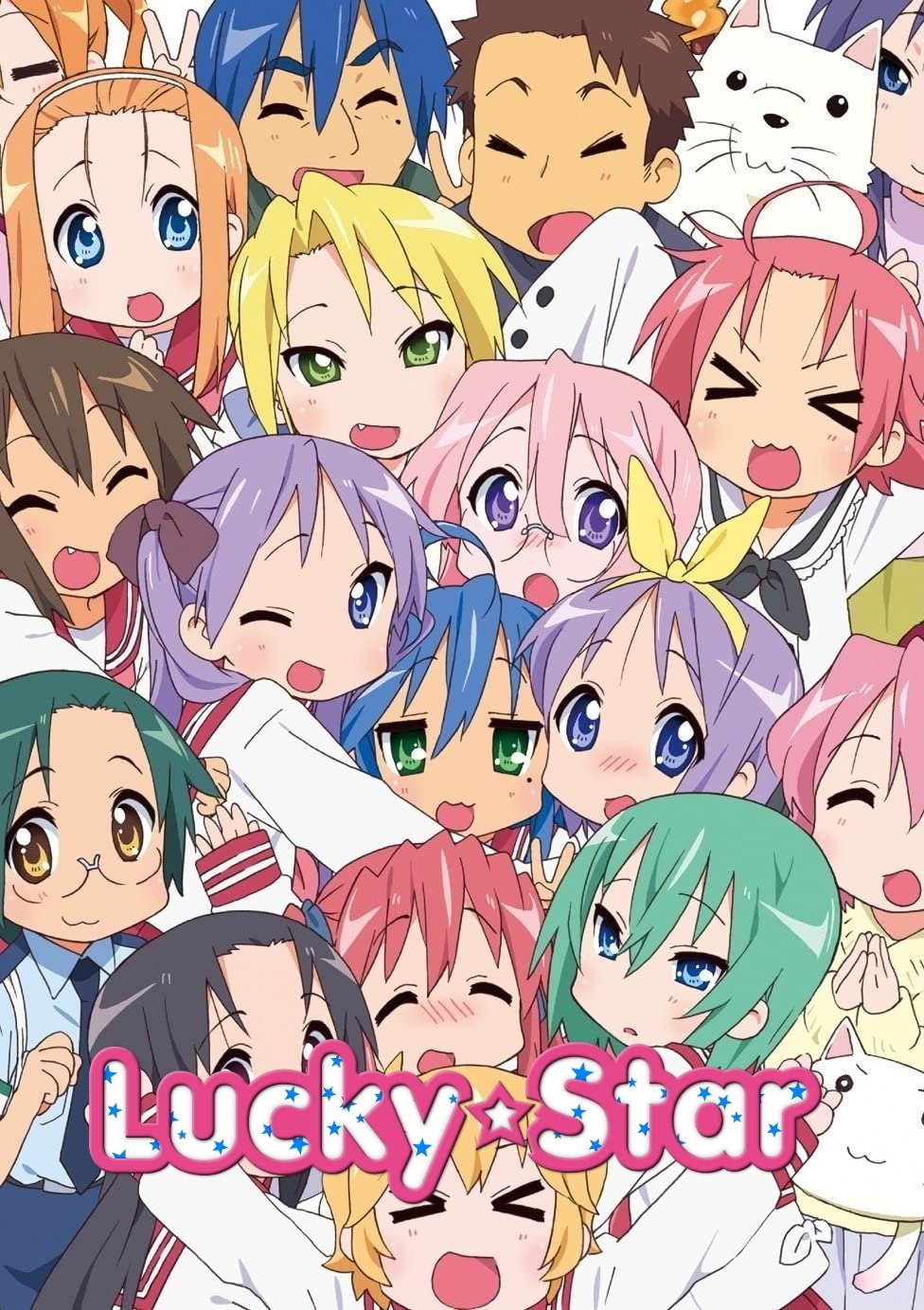
This show really pushed the boundaries of the ‘slice-of-life’ genre, centering almost entirely on the world of anime fans and everyday chats about food and pop culture. It was a pioneer in using ‘meta’ humor – jokes that directly referenced other anime and the industry itself. Its popularity demonstrated a huge demand for realistic, relatable stories celebrating the specific interests of anime fans. It also helped establish the ‘moe’ style – cute, endearing characters – as a major trend in anime during the late 2000s.
‘Bakemonogatari’ (2009–2010)
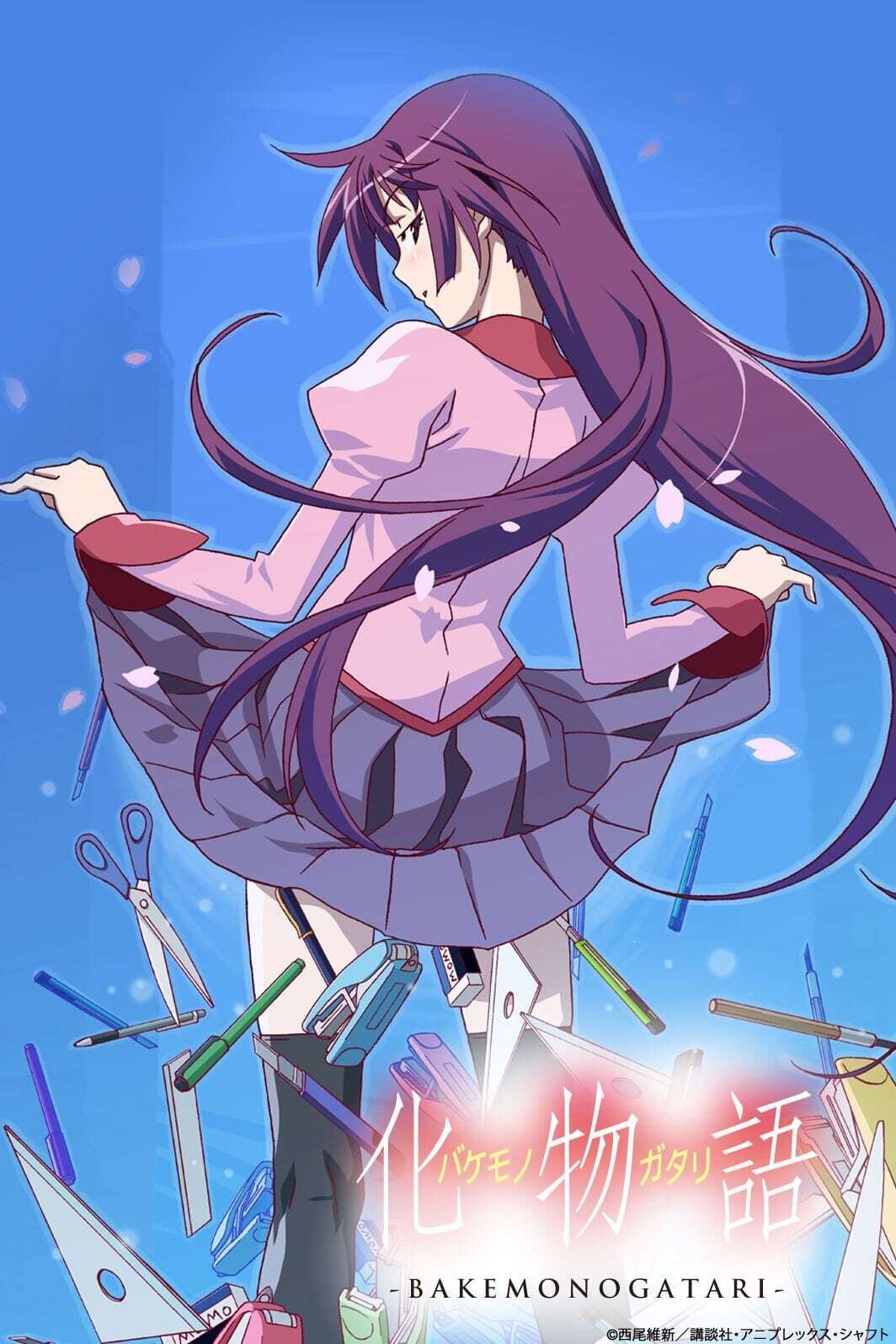
This show completely changed the “supernatural mystery” genre with its unique and artistic visuals, focusing on conversations rather than action. It broke away from typical animation, using fast-paced text, photographs, and abstract art to show what the characters were feeling. By prioritizing dialogue and clever wordplay, it set a new benchmark for adapting light novels into animated series. The show’s popularity demonstrated that even unconventional and seemingly difficult-to-adapt styles could be incredibly successful with audiences.
‘K-On!’ (2009–2010)
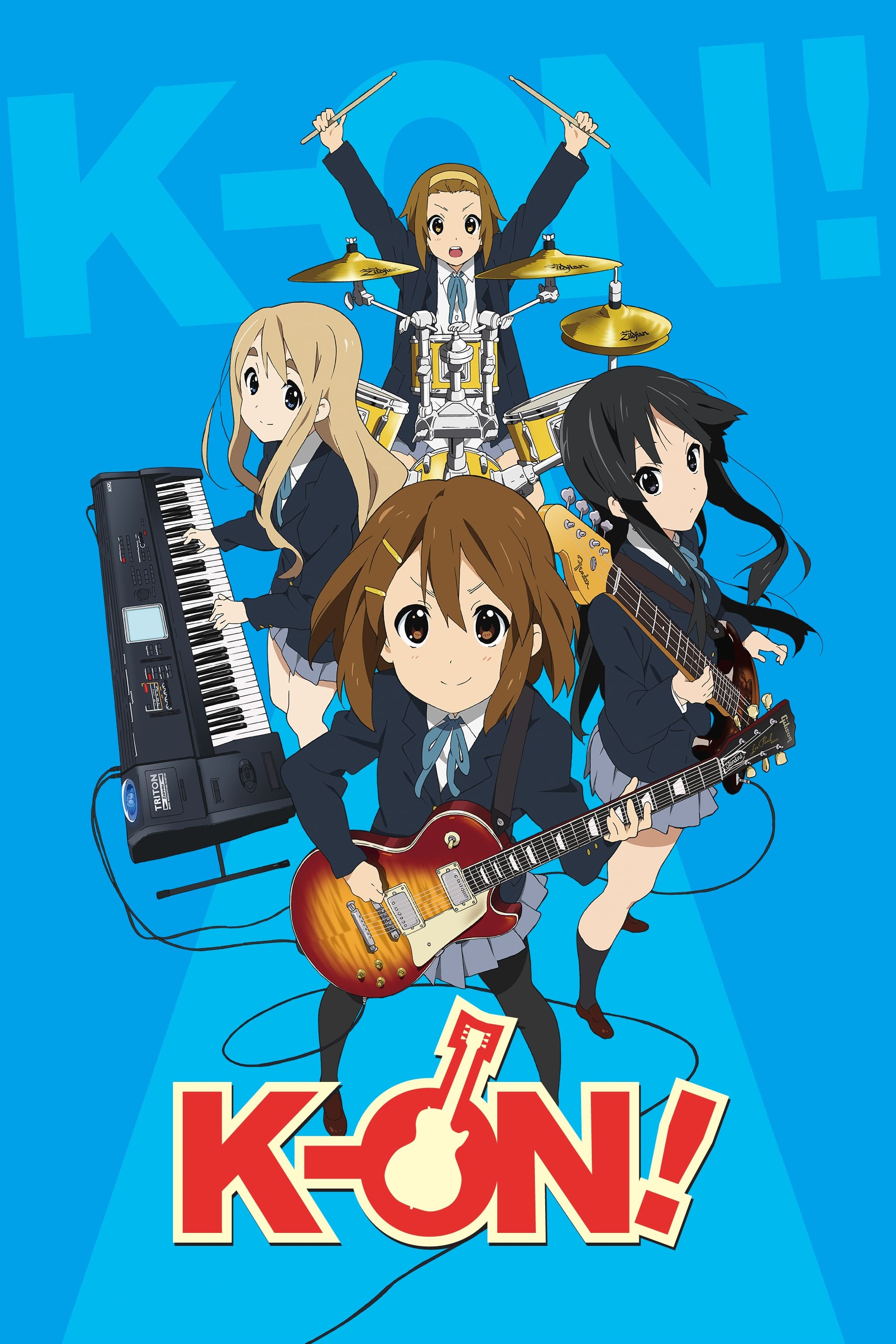
Building on the groundwork of shows like ‘Azumanga Daioh,’ this series transformed the simple ‘slice-of-life’ genre into a major cultural trend. It perfected the ‘moe’ style, prioritizing lovable and relatable characters over storylines about skills or achievements. With its gentle lighting, beautiful animation, and cozy, relaxed feel, the show pioneered a new kind of comforting anime. It also changed what anime companies focused on, leading to more merchandise based on characters and music inspired by idol culture.
‘Puella Magi Madoka Magica’ (2011)
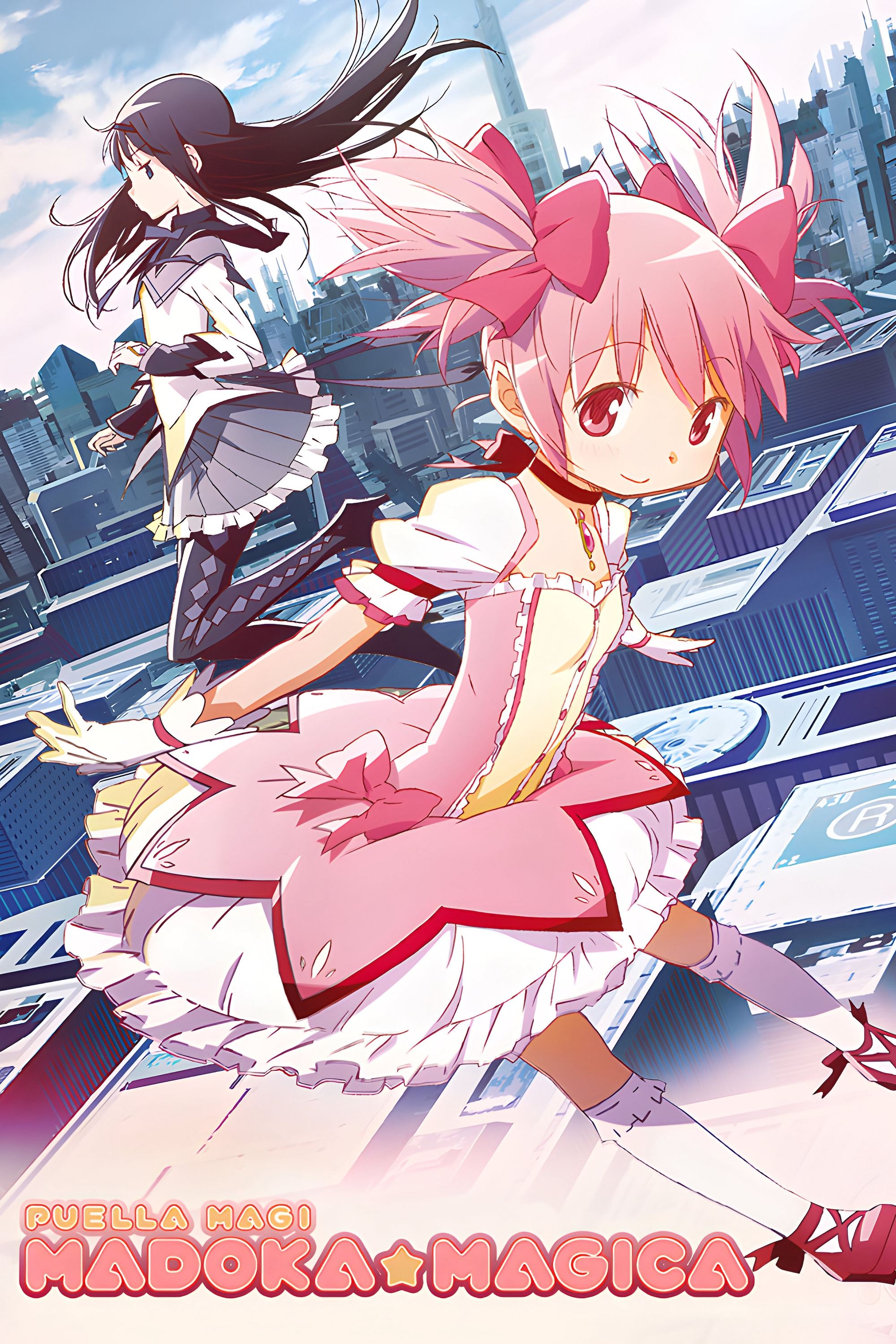
Though it initially seemed like a typical magical girl show, this series became well-known for unexpectedly blending in elements of cosmic horror and intense psychological drama. It redefined how people thought about magical girl stories, essentially creating a new subgenre of darker, more critical takes on the formula. Unlike the bright, cheerful visuals usually associated with the genre, this show used a strange, fragmented art style for its villains. Most importantly, it made viewers consider the hidden, potentially terrible consequences of becoming a magical girl – a concept that has been widely copied in similar shows ever since.
‘Sword Art Online’ (2012)

While the idea of being stuck inside a game wasn’t new, this series really sparked the huge popularity of isekai and LitRPG stories. It made certain elements – like a very powerful main character, a fantasy world built around game rules, and intense romance and danger – incredibly common. The show was a turning point for anime, leading to many fantasy stories incorporating “game-like” systems. Its impact has been so significant that it essentially set the standard for how modern fantasy anime is created.
‘Attack on Titan’ (2013–2023)
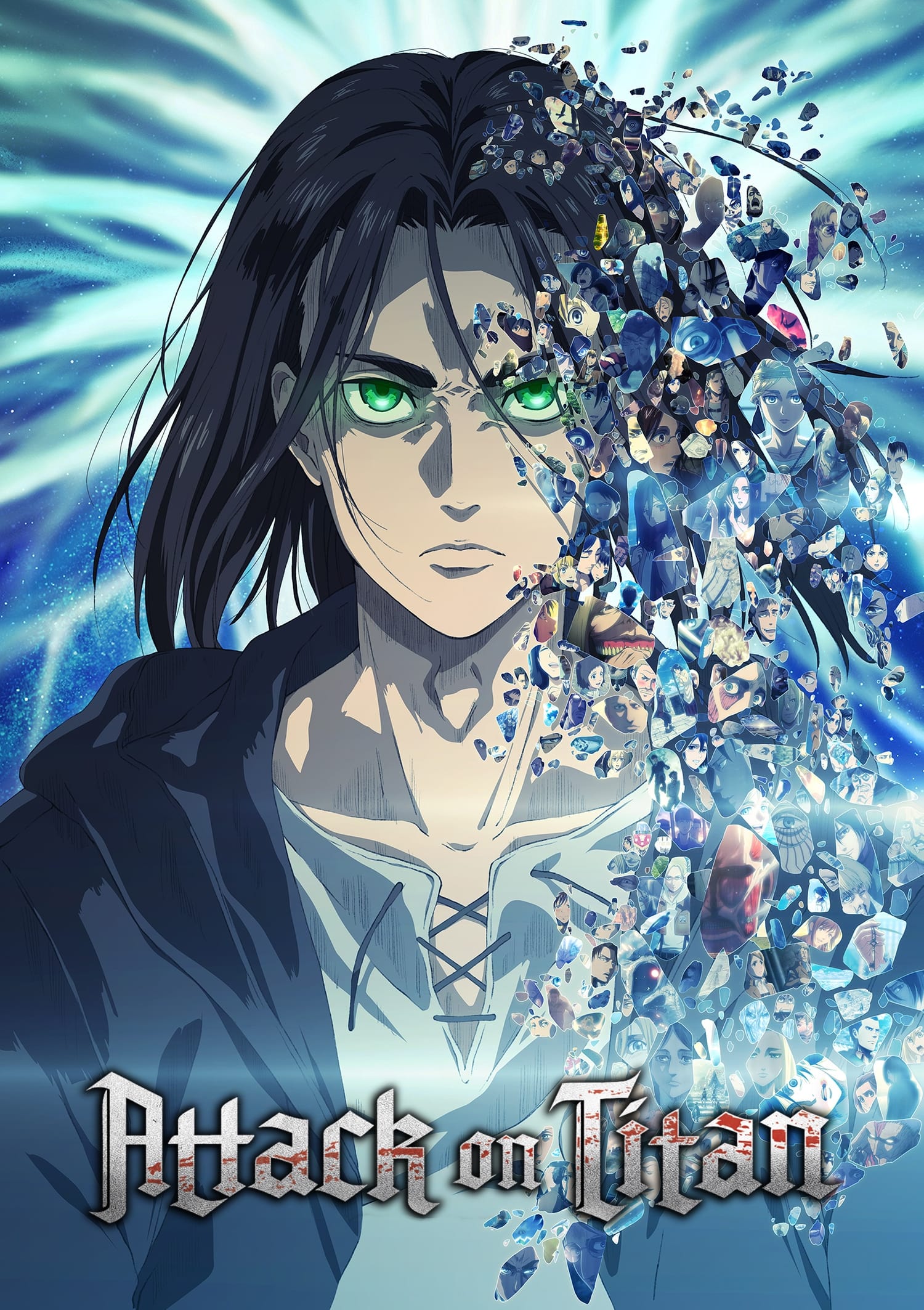
This anime revolutionized the shonen genre with its intense, terrifying atmosphere and a decade-long, intricate mystery. Unlike typical shows focused on the strength of friendship, it presented a grim, politically charged war story where any character could die unexpectedly. The series also raised the bar for anime production values with its movie-like pacing and detailed world. It demonstrated that a dark, complex, and consistently suspenseful story could become just as popular as more cheerful action shows.
‘One-Punch Man’ (2015)
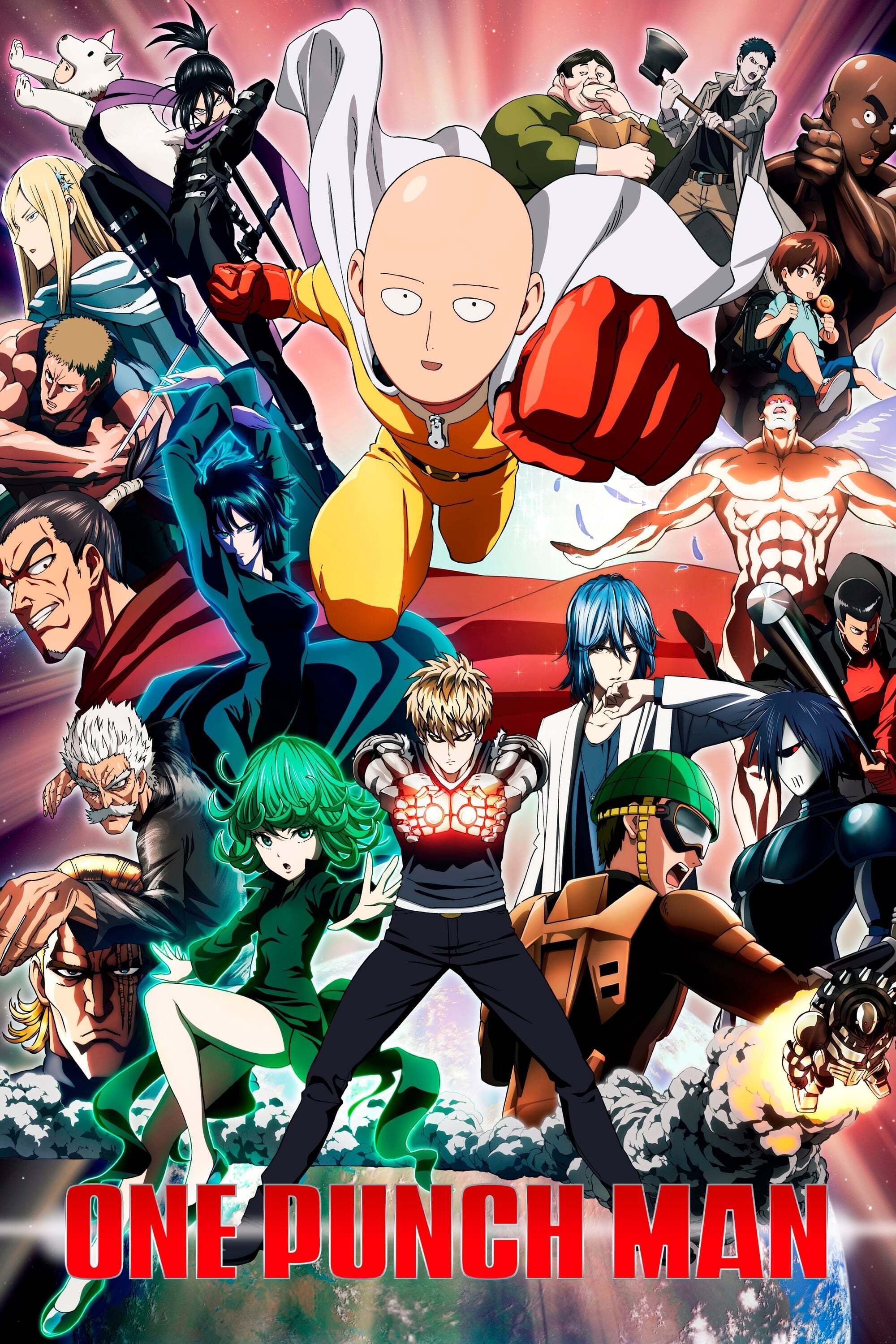
This show cleverly redefined the superhero and action genres by playfully poking fun at the tendency for characters to become overwhelmingly powerful. Instead of starting with a weak hero who needs to train, the story begins with the strongest being imaginable, which led to humorous situations stemming from his boredom. It flipped the usual formula of intense training and dramatic villain introductions, often defeating enemies quickly and without much fanfare. This approach allowed the series to offer a wider commentary on common superhero clichés and how the pursuit of justice can become commercialized.
When you first watched these films, did you recognize the ways they changed their genre, or did you only understand their impact later on as you saw other movies influenced by them?
Read More
- Top 20 Dinosaur Movies, Ranked
- 20 Movies Where the Black Villain Was Secretly the Most Popular Character
- Celebs Who Narrowly Escaped The 9/11 Attacks
- 25 “Woke” Films That Used Black Trauma to Humanize White Leads
- The 10 Most Underrated Jim Carrey Movies, Ranked (From Least to Most Underrated)
- Transformers Under the Microscope: What Graph Neural Networks Reveal
- The Best Directors of 2025
- Every Notable ‘Star Trek: The Original Series’ Actor Who Died
- 22 Films Where the White Protagonist Is Canonically the Sidekick to a Black Lead
- Trading on Thin Air: AI Agents Conquer Crypto Volatility
2026-01-29 19:19