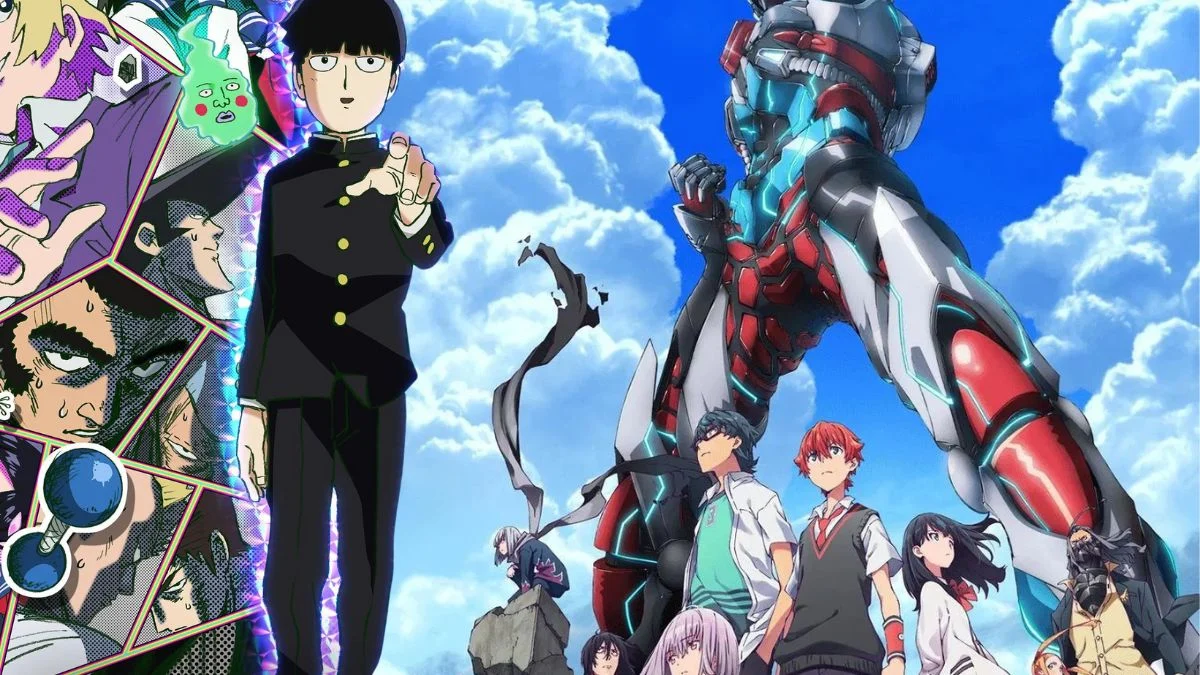
It’s tough for anime shows to win over viewers at first. People often quickly give up on a series if the art style is unusual or the story starts slowly. Many great shows face criticism early on, before the plot really gets going or the animation improves. However, over time, audiences often revisit these shows and realize their value. What starts as a misunderstood project can eventually become a beloved classic with a dedicated fanbase.
‘Mobile Suit Gundam’ (1979)
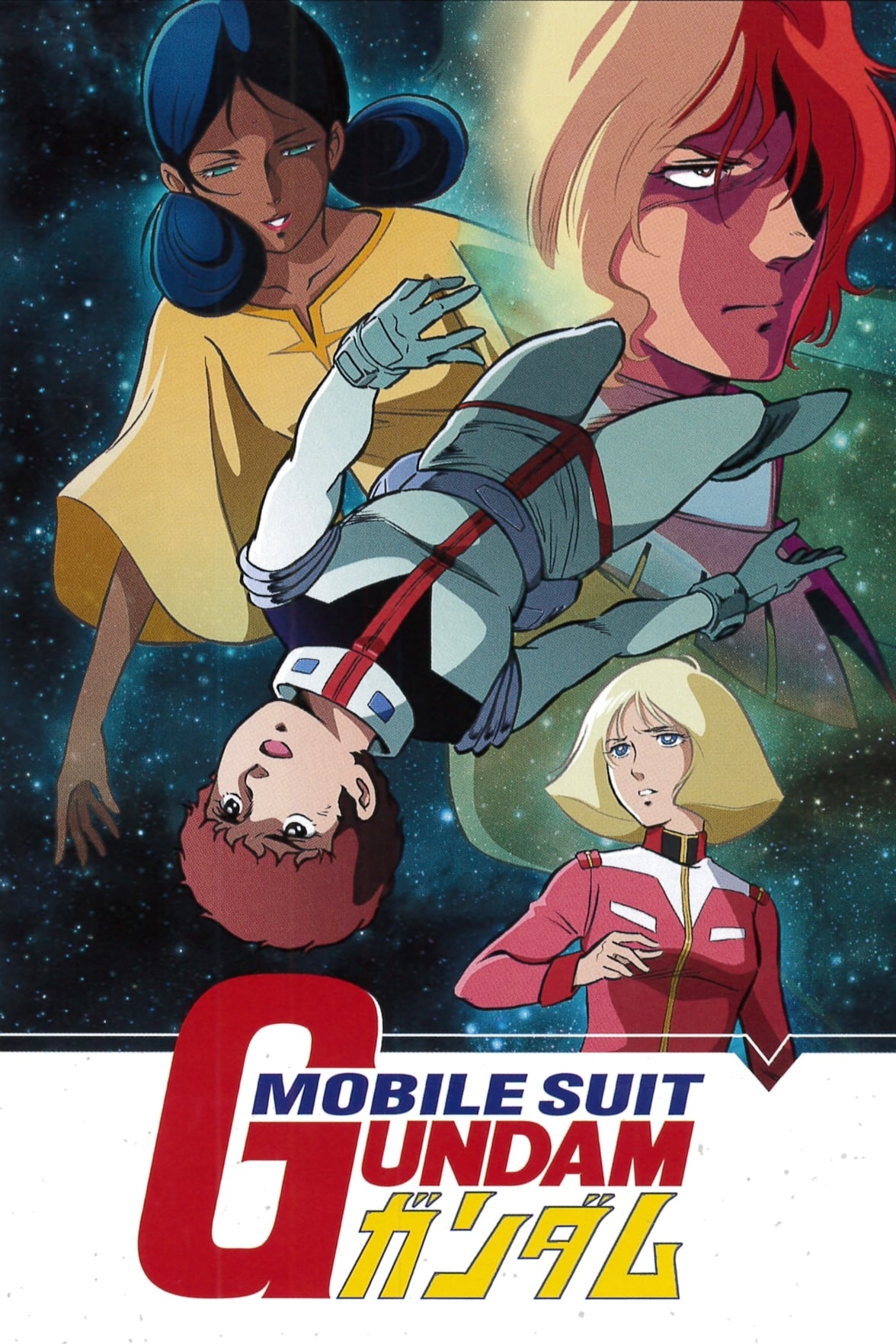
When ‘Mobile Suit Gundam’ first aired, it wasn’t a hit and was quickly canceled. Viewers back then were used to simple robot shows with straightforward action, but ‘Gundam’ offered a complicated war story. Its serious political ideas and main character who wasn’t perfect were too different for young audiences at the time. However, after the show ended, the release of model kits and edited movies created a huge cultural impact. Today, ‘Gundam’ is recognized as the show that started the ‘Real Robot’ genre.
‘Neon Genesis Evangelion’ (1995)
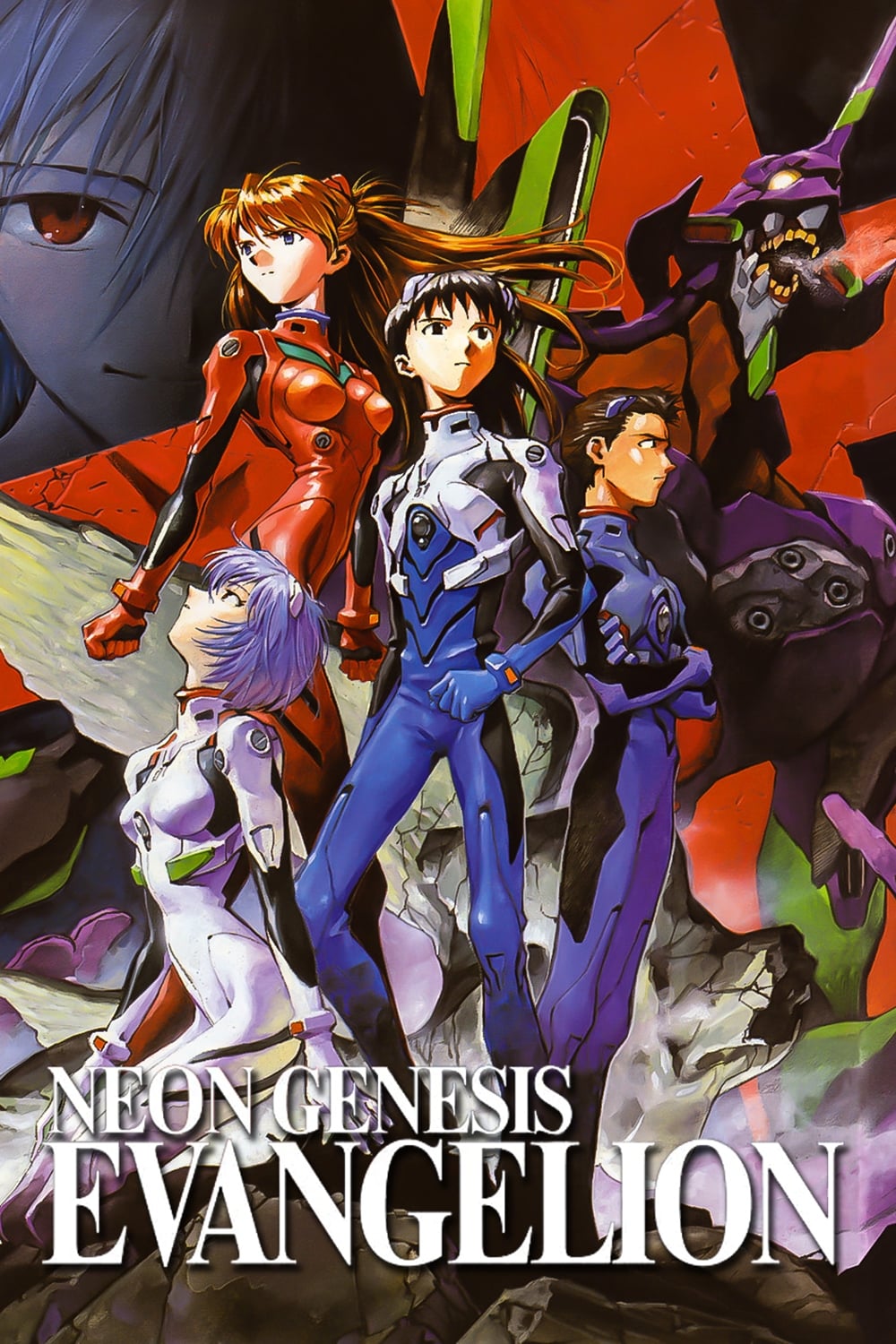
The first ending of ‘Neon Genesis Evangelion’ deeply upset many fans. Instead of a traditional action-packed finale, it shifted to a complex and abstract look inside the characters’ minds, leaving viewers confused and frustrated. The studio even received death threats because of the unconventional ending. However, over time, the series has been re-evaluated and is now considered a groundbreaking exploration of deconstruction and mental health. Today, ‘Neon Genesis Evangelion’ is a hugely successful and influential franchise.
‘Cowboy Bebop’ (1998)
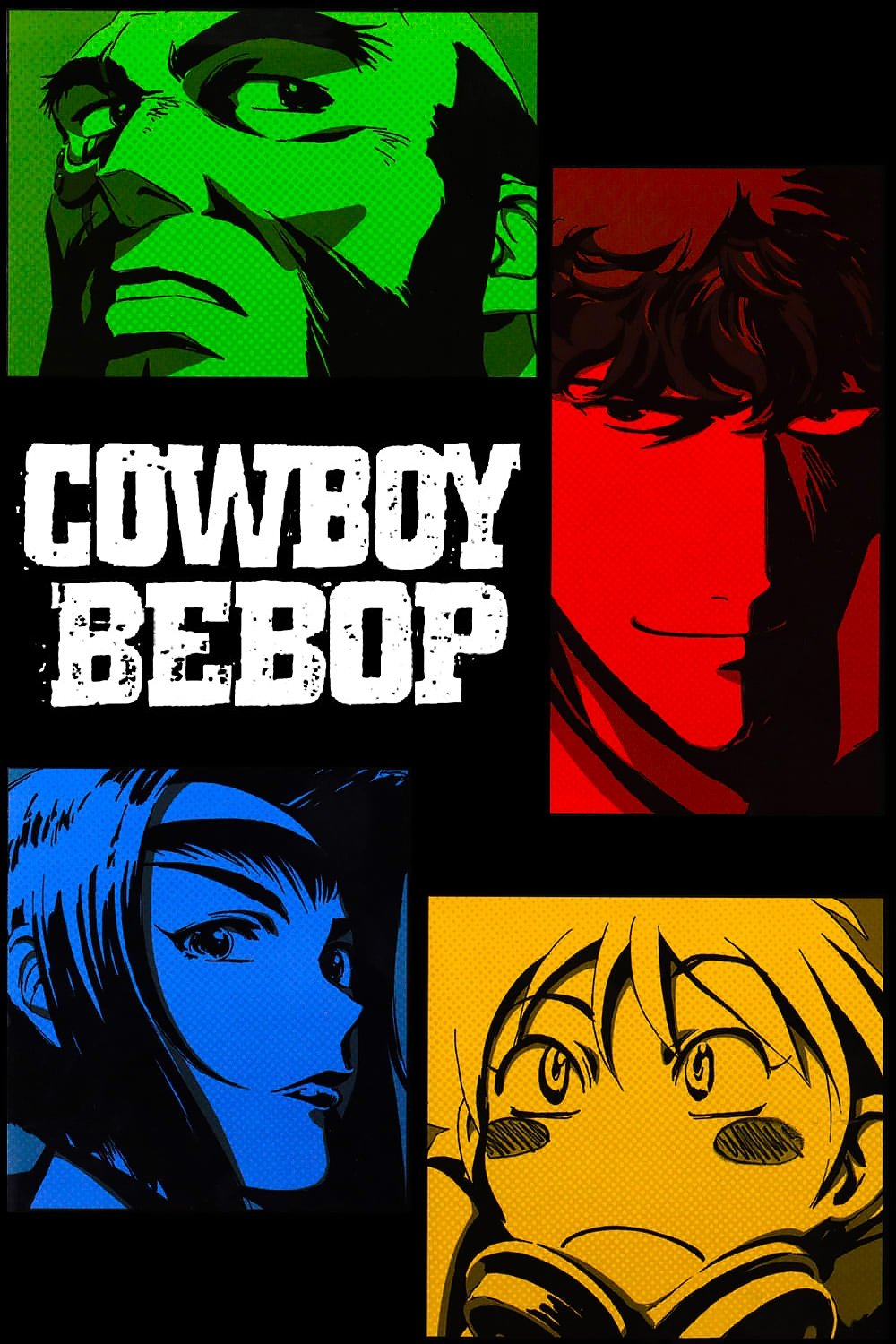
The acclaimed series ‘Cowboy Bebop’ faced challenges airing on Japanese TV because of its mature content and censorship concerns. It was briefly shown with only a few episodes before being taken off the air. The series didn’t gain widespread popularity until it was broadcast on satellite television and reached viewers outside of Japan. Today, its unique combination of jazz music and film noir style is highly praised and sets a standard for anime. ‘Cowboy Bebop’ has become a popular introduction to anime for many fans around the world.
‘Kingdom’ (2012)
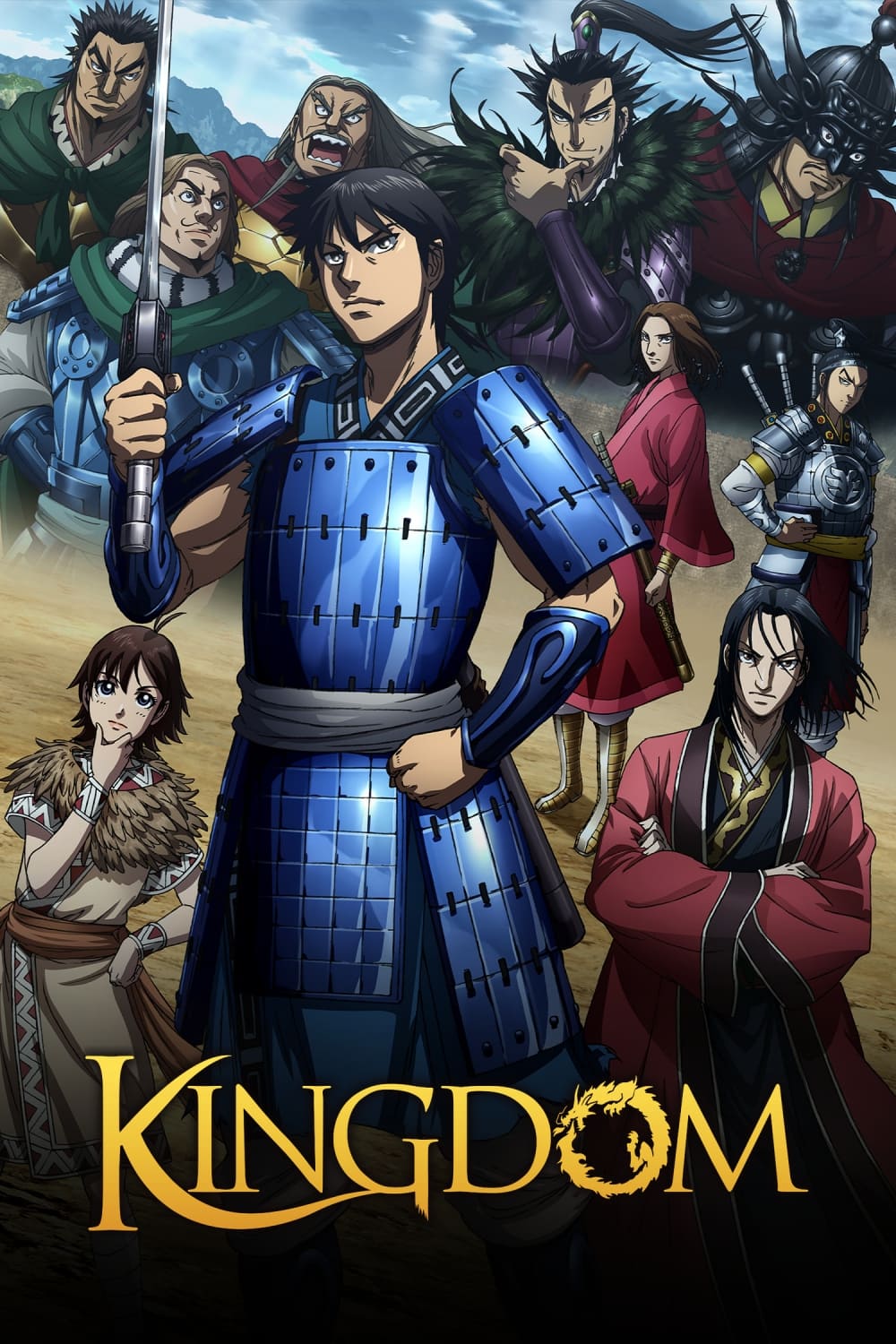
When ‘Kingdom’ first came out, many viewers didn’t like the early computer animation, which looked rough and didn’t match the detailed artwork of the original manga. However, those who continued watching saw a significant improvement in the animation quality over time. The show’s compelling story of political maneuvering and epic battles eventually became more important than its initial visual flaws. Now, ‘Kingdom’ is considered a standout war story in animation.
‘Ping Pong the Animation’ (2014)
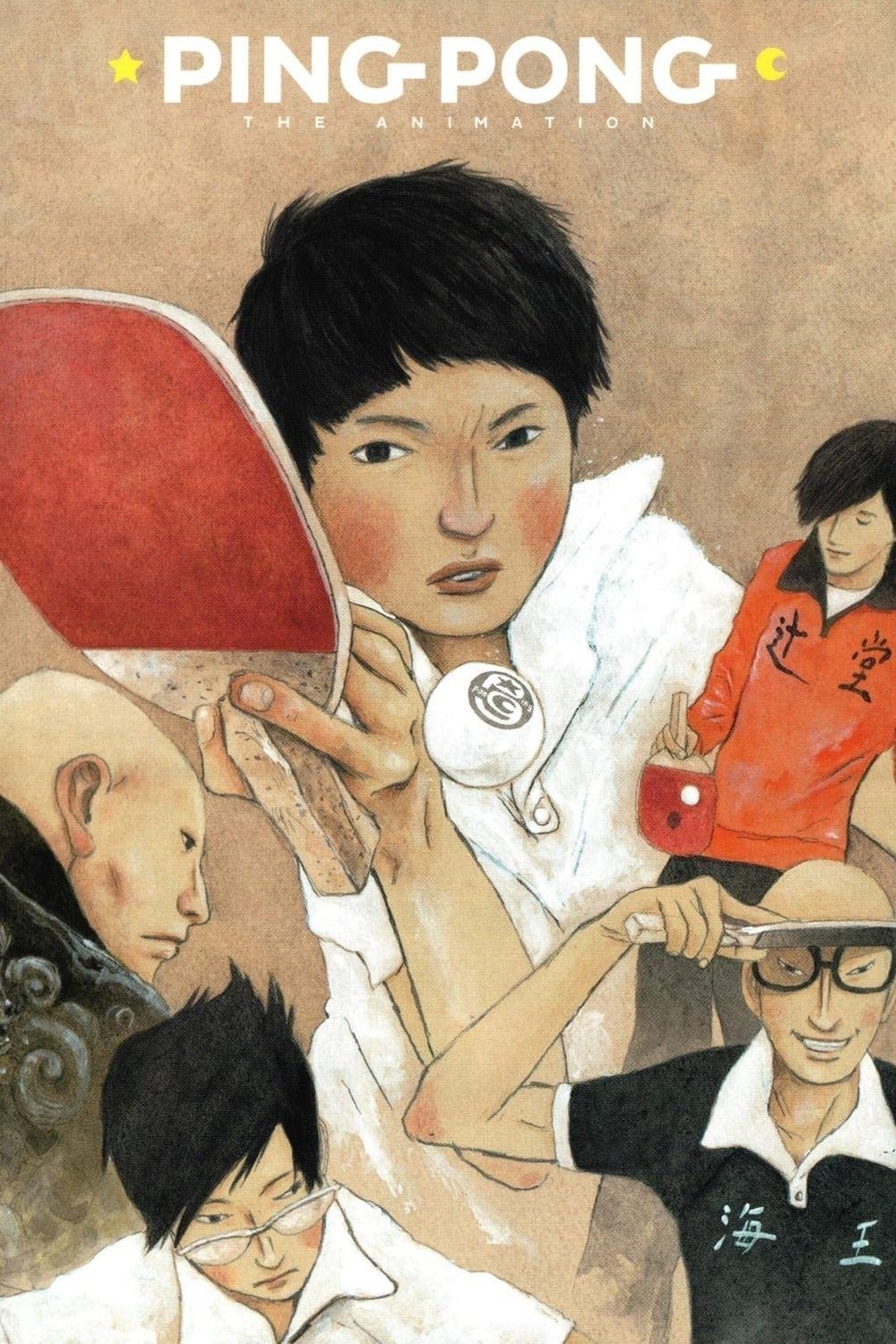
I have to admit, when I first saw ‘Ping Pong the Animation,’ the art style was… different. It wasn’t the typical polished look most anime have, and I know a lot of people were turned off by it right away, even calling it unattractive. But I’m so glad I stuck with it! Beyond that unusual exterior, I discovered a truly beautiful and heartfelt story about growing up. The way it was directed, with that looser style, actually allowed for incredibly fluid movement and genuine emotion that you just don’t get with more conventional animation. Now, I think it’s rightly considered a masterpiece – easily one of the best sports anime ever created.
‘Black Clover’ (2017)

When ‘Black Clover’ first came out, many viewers were bothered by the main character, Asta, and his frequent yelling. Some found the voice acting annoying and the story similar to other popular action anime. However, the series improved over time, creating a charming group of characters. The yelling became less prominent, and the quality of the fight scenes greatly increased. Eventually, ‘Black Clover’ became incredibly popular worldwide, gaining a large and devoted fanbase.
‘Kemono Friends’ (2017)

Okay, so when I first saw the trailers for ‘Kemono Friends,’ I’ll be honest, I wrote it off. The animation looked…rough, and the basic idea didn’t grab me. But wow, was I wrong! The story slowly unfolded to reveal a really fascinating and surprisingly deep world, hinting at a post-apocalyptic mystery. It completely took Japan by storm, becoming a huge hit thanks to people sharing it online. Honestly, ‘Kemono Friends’ is a perfect example of a great story overcoming some pretty obvious technical hurdles. It’s proof that compelling storytelling can truly shine, no matter what.
‘Trigun Stampede’ (2023)
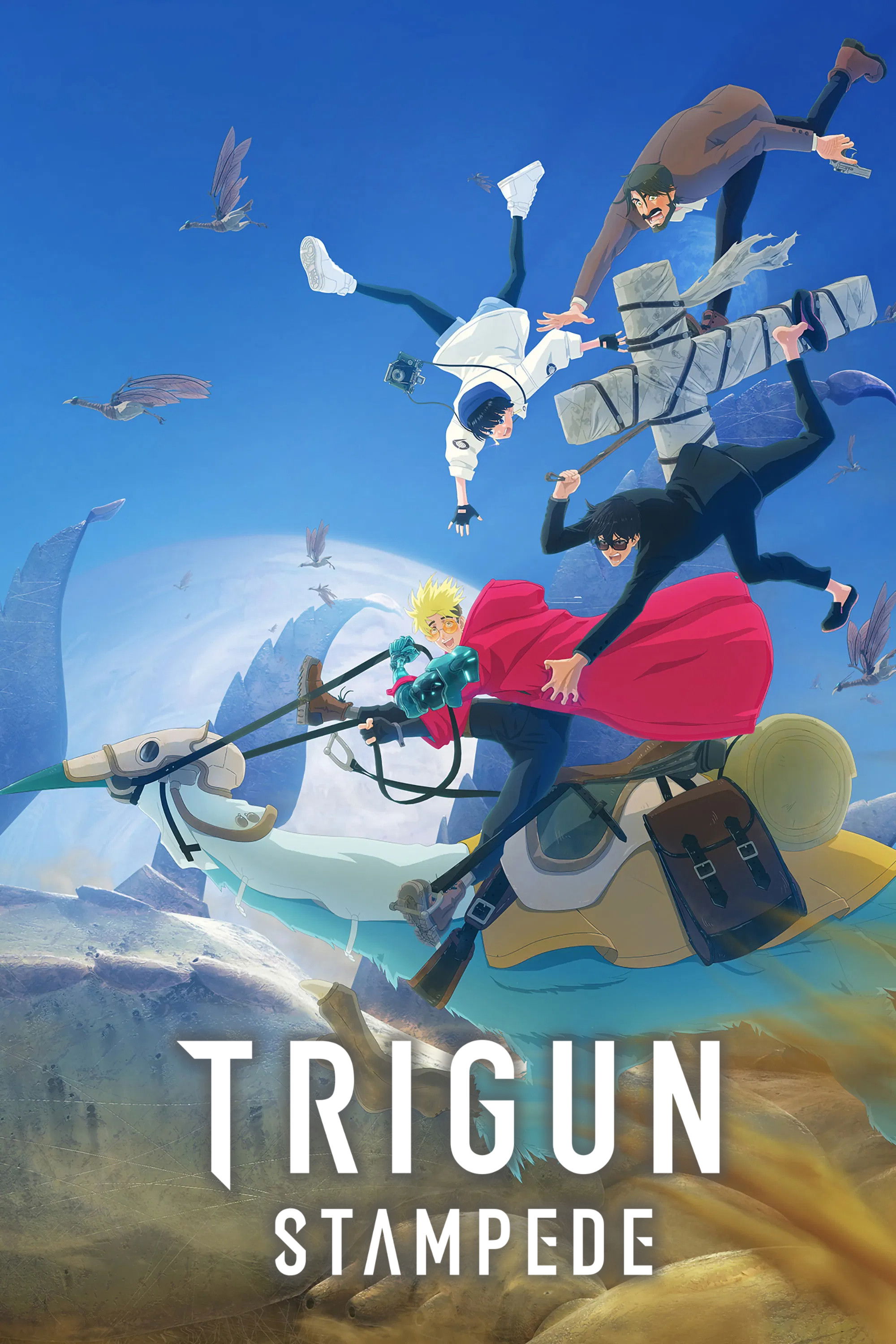
Okay, so I went into ‘Trigun Stampede’ bracing for disappointment. As a longtime fan of the original, I was worried about the switch to full CGI and the new look for Vash. Honestly, a lot of us were! Plus, the show felt different in tone at first, and that rubbed some people the wrong way. But let me tell you, it quickly won me over. The action is absolutely incredible – some of the best I’ve seen in anime recently. And while it took a little getting used to, the new direction they took with the story actually added a lot of emotional weight. Even the most die-hard fans, like myself, came to appreciate it. It’s a fantastic reboot that breathes new life into the ‘Trigun’ universe and will definitely appeal to a whole new audience.
‘Gintama’ (2006)
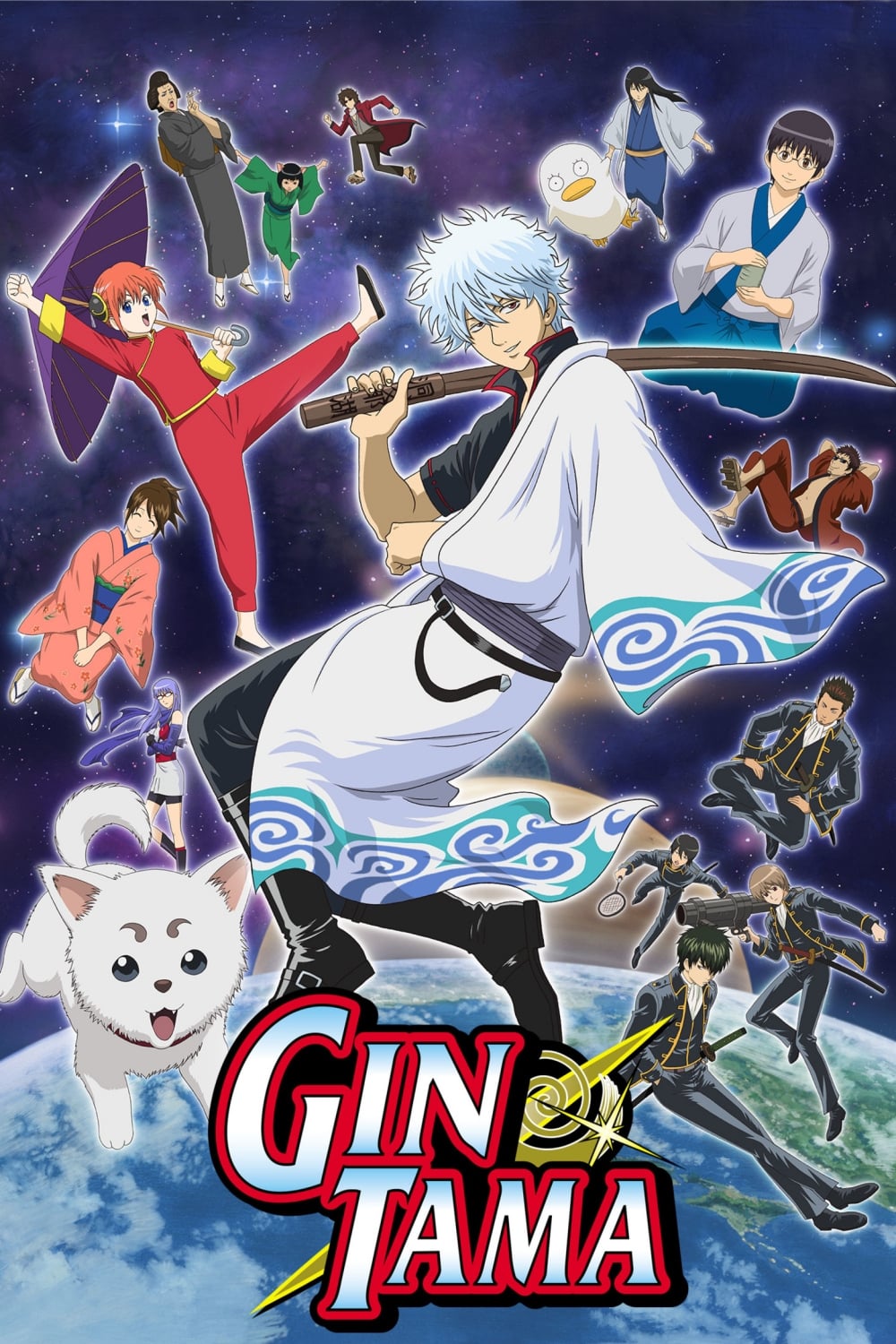
The beginning of ‘Gintama’ wasn’t easy for newcomers. The first two episodes were a lengthy, self-contained story that left many confused, and its early reliance on Japanese culture made it difficult for international viewers to get into. However, as more characters were introduced and the show’s comedic style developed, it became incredibly popular. ‘Gintama’ is now famous for its ability to mix hilarious, over-the-top humor with surprisingly emotional and moving storylines, and it consistently ranks among the highest-rated shows.
‘Steins;Gate’ (2011)
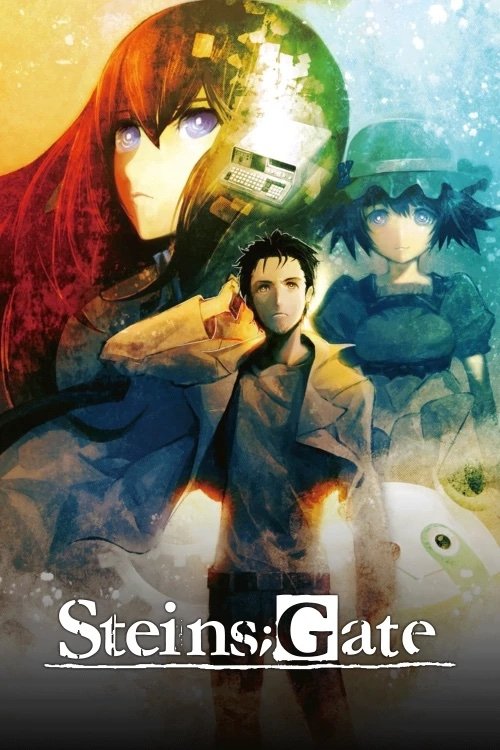
Many viewers initially find the first part of ‘Steins;Gate’ to be slow-paced and a bit hard to follow, feeling it doesn’t quite deliver on the exciting sci-fi premise. However, the story truly comes together in the second half, making everything that happened before click into place like a clever puzzle. The emotional power of the later episodes depends heavily on that initial, slower development. In fact, it’s widely considered to have one of the most satisfying conclusions in anime.
‘Clannad’ (2007)
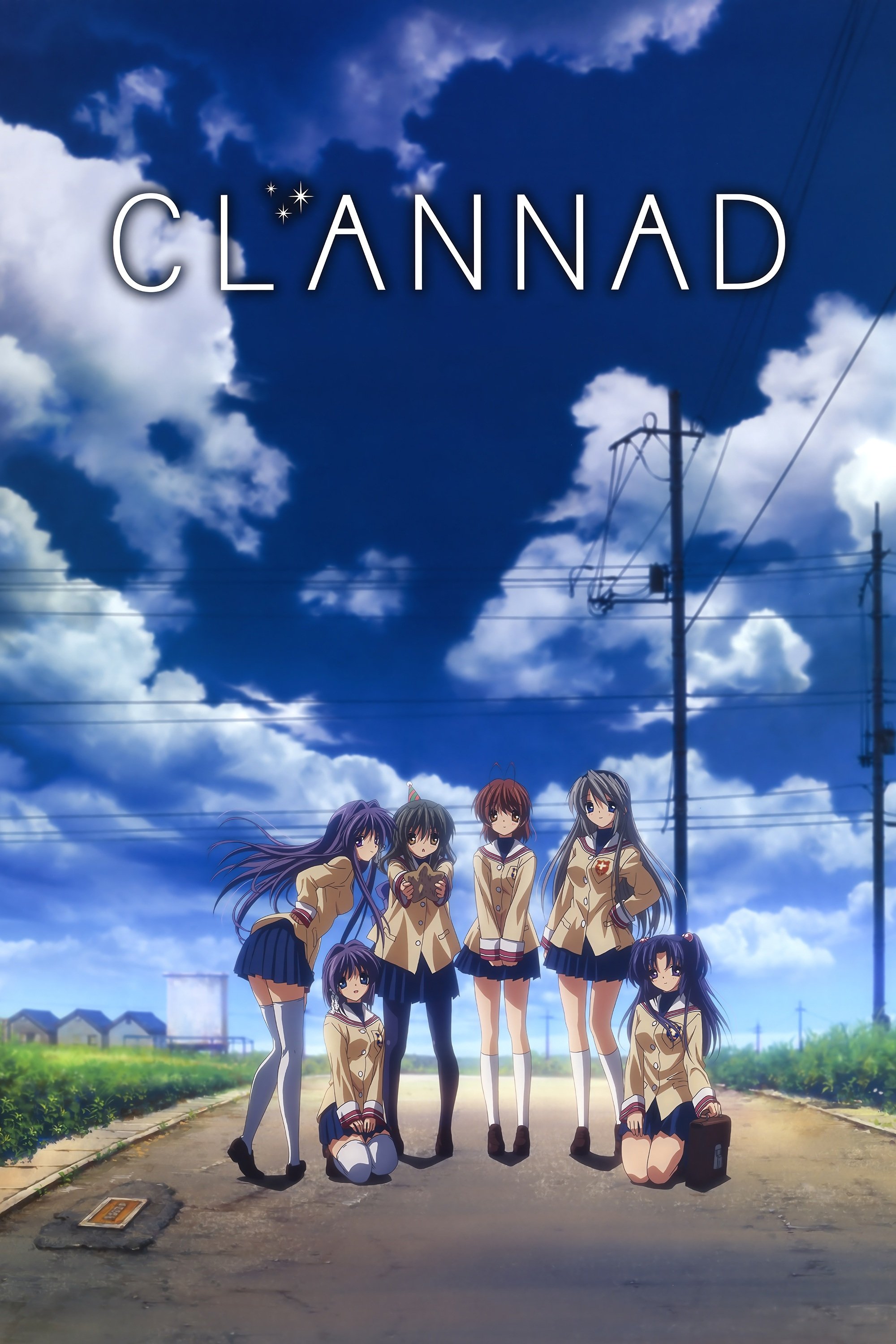
The unique character designs in ‘Clannad,’ with their large eyes, didn’t appeal to everyone at first. Many viewers initially thought it was just another typical high school romance because of how it looked. However, the second season, ‘Clannad After Story,’ told a deeply moving story that became a standard for the genre. Now, the series is famous for its incredibly emotional moments and focus on family. It proved that despite its unusual appearance, it could become a beloved and unforgettable classic.
‘Mob Psycho 100’ (2016)
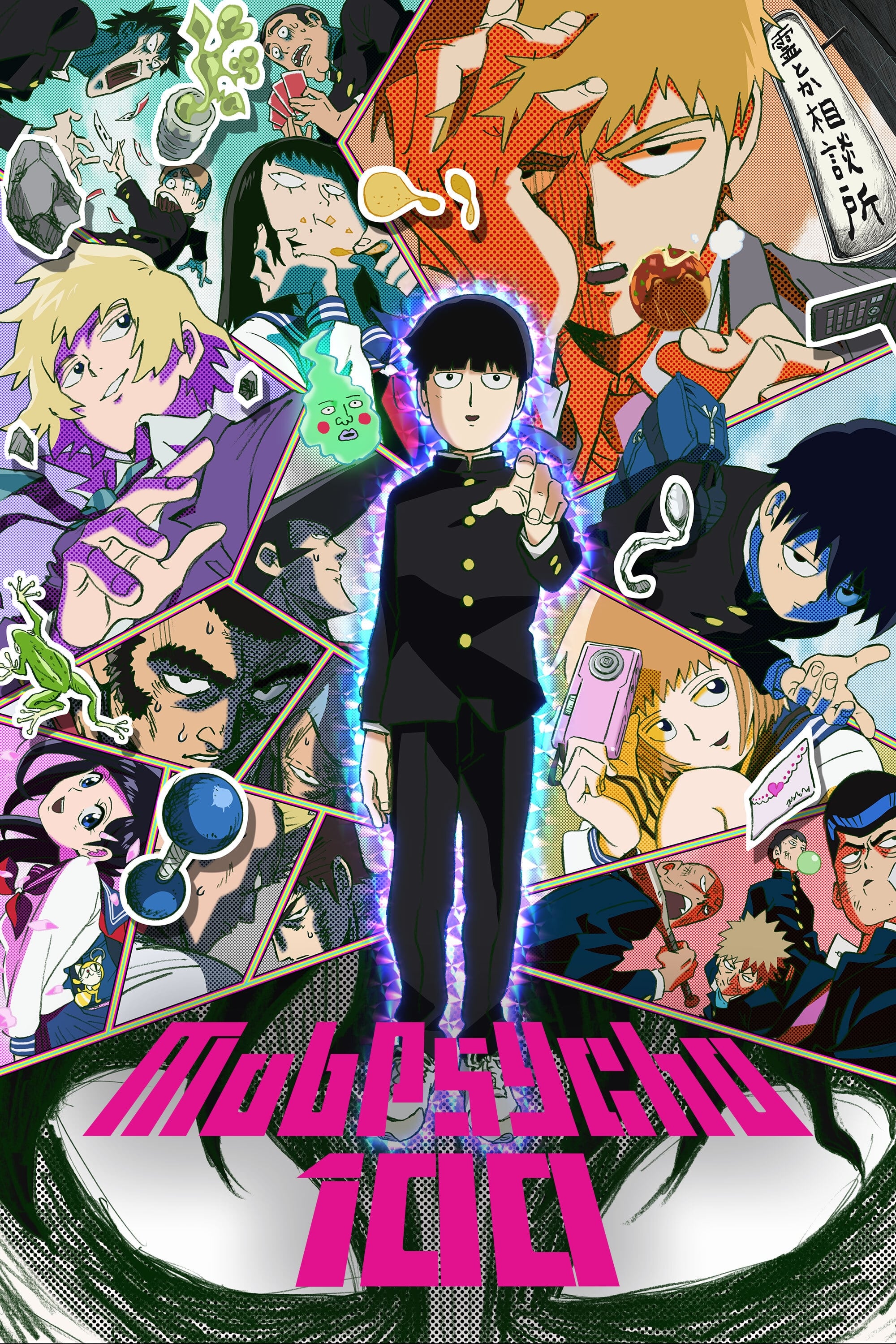
‘Mob Psycho 100’ intentionally kept the rough, distinctive art style of the original work, which wasn’t to everyone’s taste. Some anime fans, used to more polished visuals, were initially put off. However, the studio cleverly used this unique design to create incredibly imaginative and visually stunning animation. Beyond its look, the story thoughtfully explores themes of power, personal growth, and the challenges of self-improvement. Many now consider it one of the best anime series of the last ten years.
‘Land of the Lustrous’ (2017)
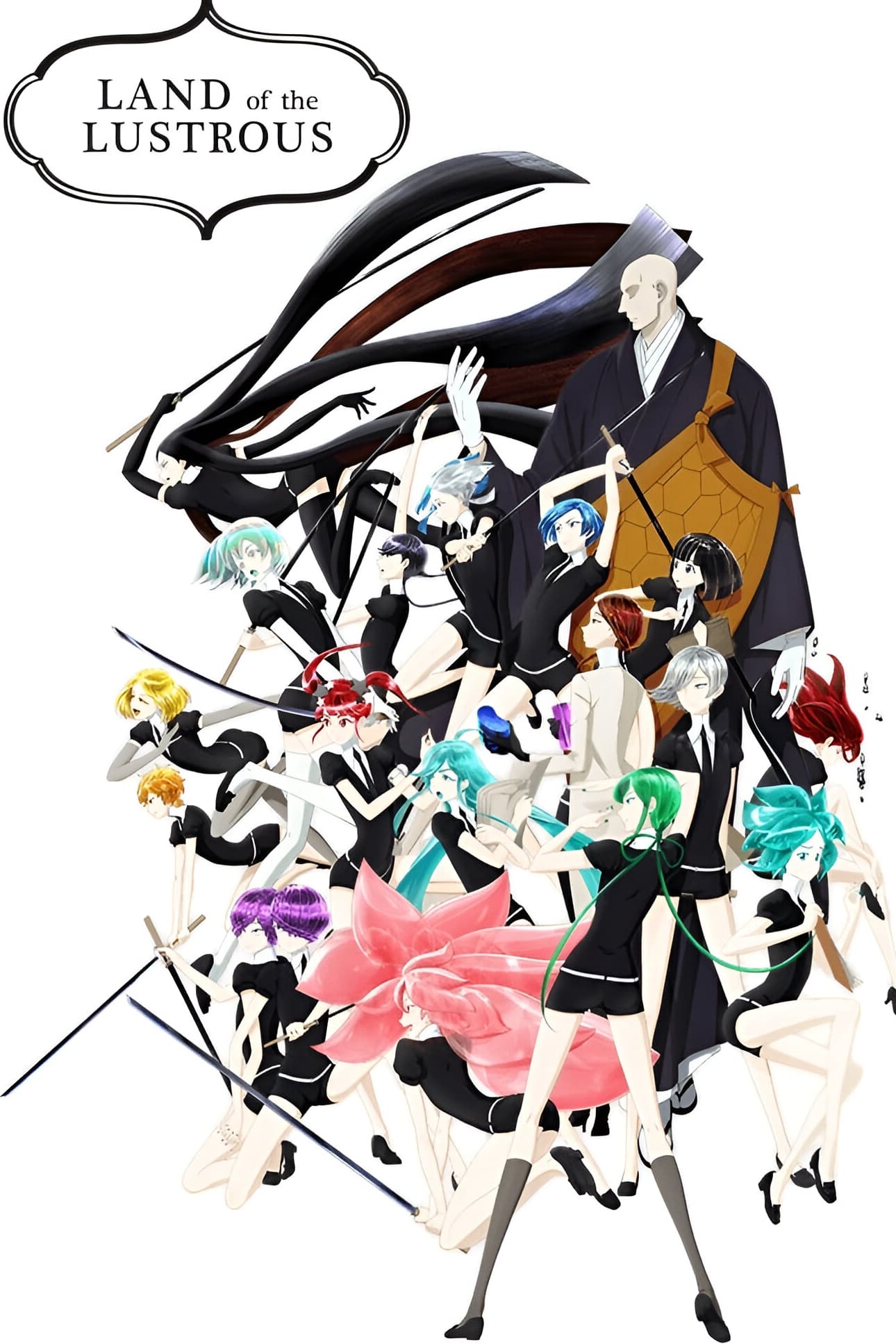
Before ‘Land of the Lustrous’ came out, computer-generated anime often had a bad reputation. Many viewers expected it to be another awkward and uninspired 3D animation. However, the studio Orange completely changed expectations with its smooth action sequences and stunning visuals. The show’s story, about gems battling to survive, won over anyone who watched it. Now, it’s considered the standard for high-quality 3D animation.
‘Beastars’ (2019)
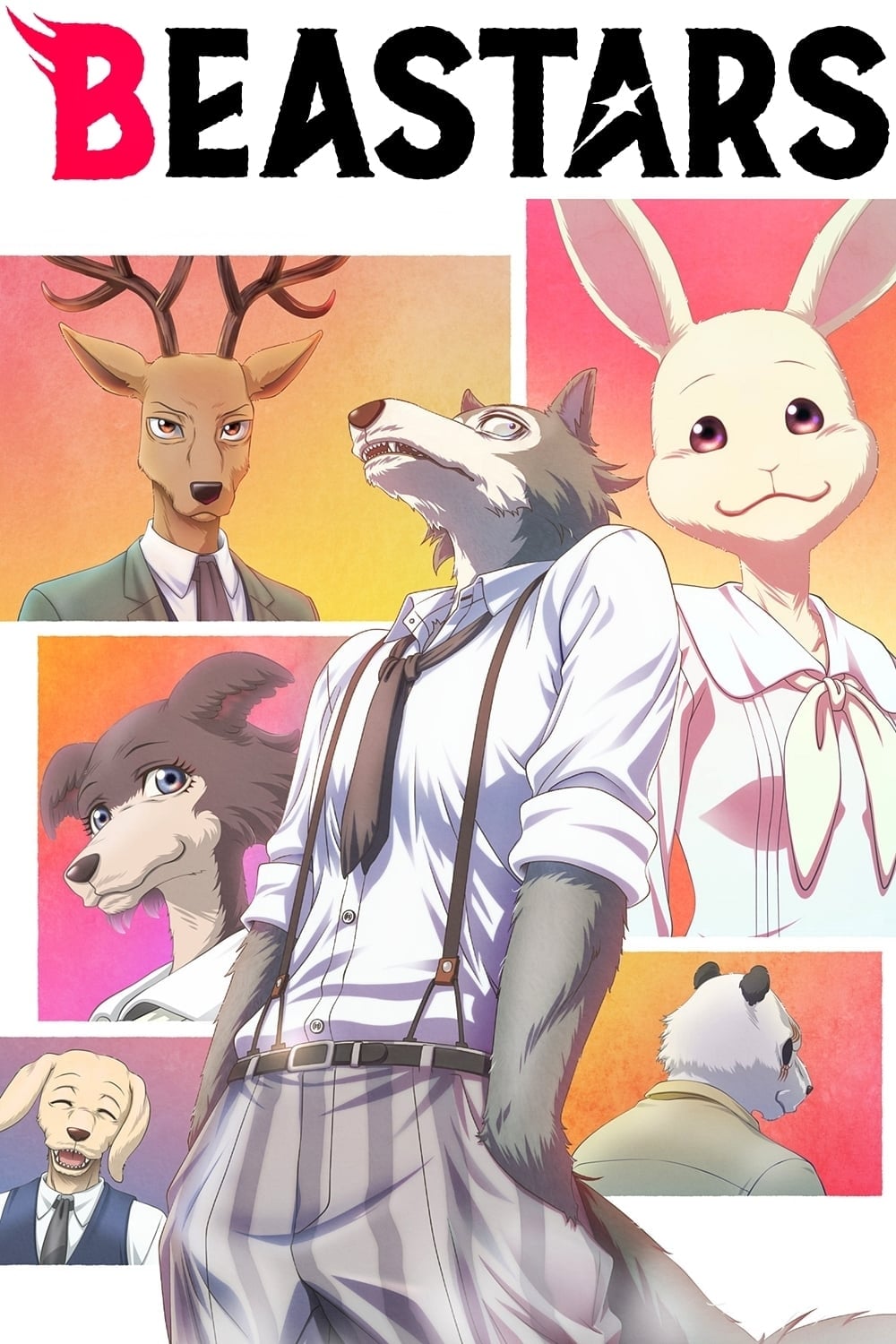
Initially, many people doubted ‘Beastars’ because it was a computer-animated series with animals acting like humans. Some thought it would only appeal to a small group of fans. However, the show surprised everyone by becoming a dark and complex drama that explored important social themes. Its unique animation style allowed for incredibly detailed and nuanced expressions, something difficult to achieve with traditional animation. Ultimately, ‘Beastars’ became a popular and critically praised success, reaching a much wider audience than expected.
‘Zombie Land Saga’ (2018)
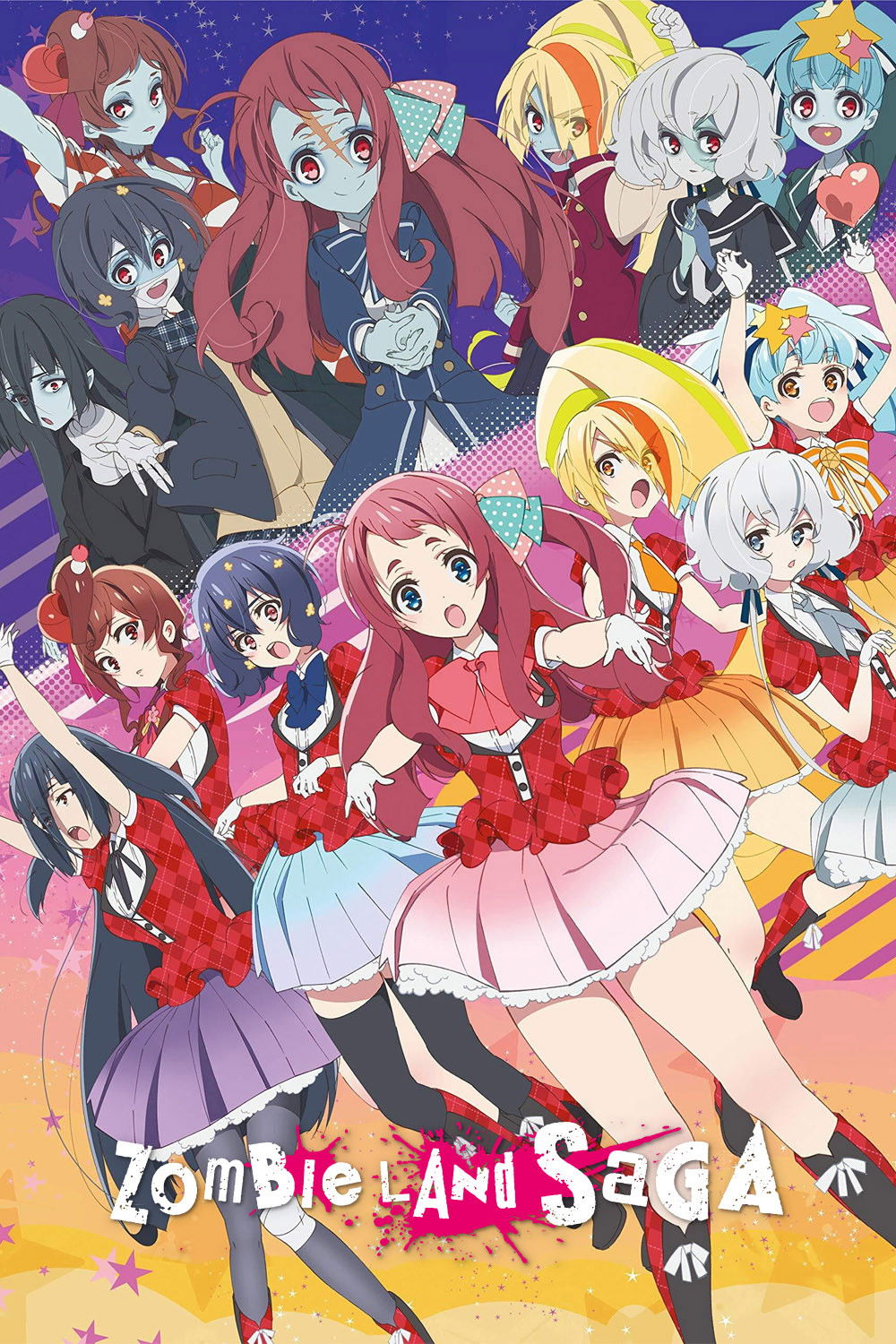
When ‘Zombie Land Saga’ was first announced, many people were tired of the endless stream of typical idol shows. Everyone assumed it would be another predictable story about girls forming a pop group. But the very first episode surprised everyone with its funny and unexpected horror-comedy approach. Combining intense metal and rap with the concept of zombie idols made for a completely new experience. The show breathed fresh life into the idol genre by not taking itself too seriously.
‘Puella Magi Madoka Magica’ (2011)
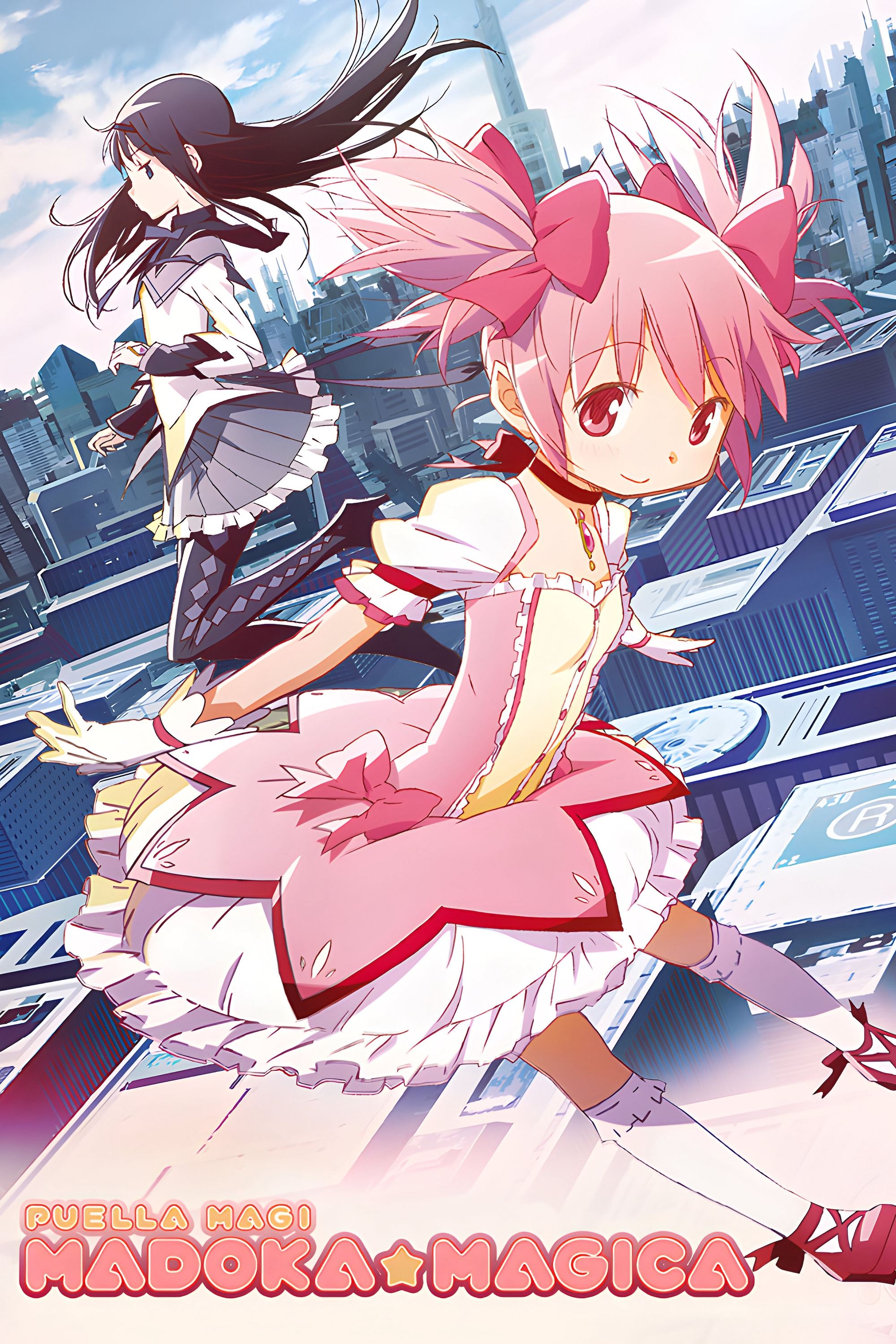
The initial advertisements for ‘Puella Magi Madoka Magica’ made it look like a typical, lighthearted magical girl show, leading many to assume it was just for kids. However, the third episode dramatically changed everything with a surprisingly dark and violent turn, completely upending expectations for the genre. This shift transformed the series into a groundbreaking dark fantasy that delved into themes of sacrifice and hopelessness. It’s now considered essential viewing for anyone wanting to understand the trends in modern anime.
‘Ranking of Kings’ (2021)
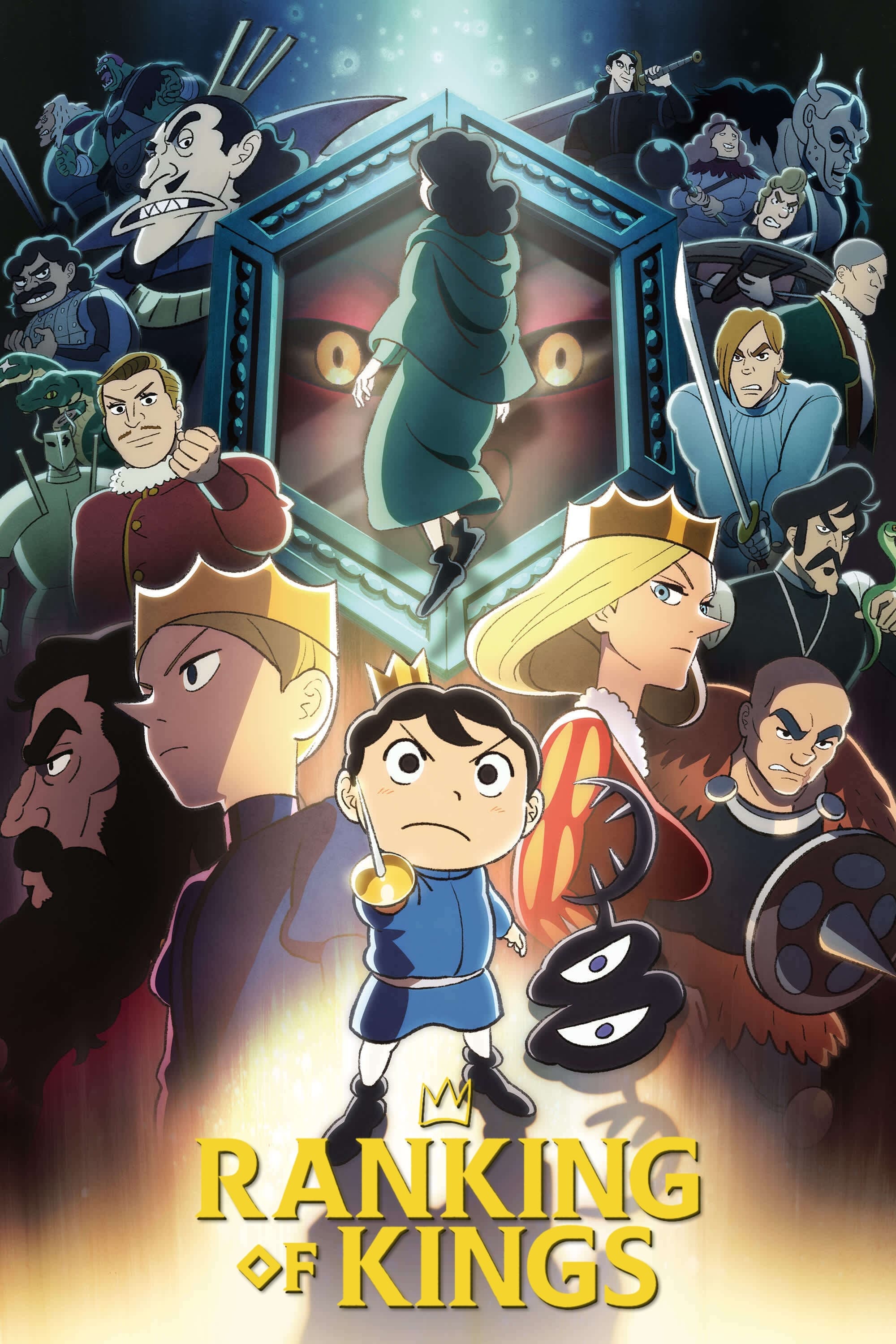
Many people initially thought ‘Ranking of Kings’ was a basic children’s story because of its charming, storybook-like art style. The fact that the main character is deaf and unable to speak also seemed like a bold move. However, viewers quickly realized it was a complex story with political intrigue and characters facing difficult moral choices. The show’s beautiful animation and powerful emotions surprised everyone, and it quickly became a fan favorite, known for being both incredibly touching and deeply sad.
‘Made in Abyss’ (2017)
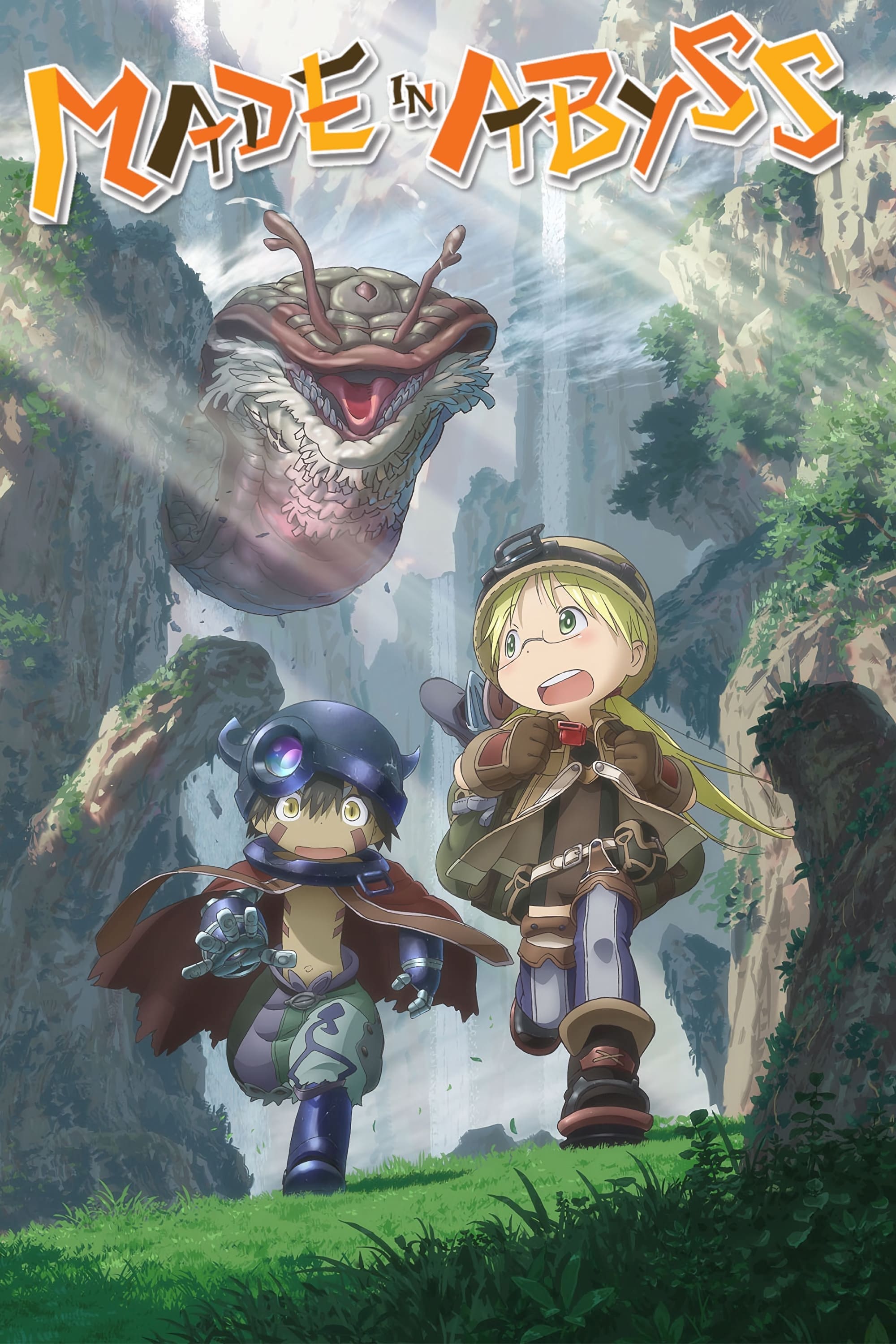
The adorable character designs in ‘Made in Abyss’ initially gave the impression of a cheerful adventure. However, many parents and casual viewers were shocked by the series’ dark themes, intense violence, and emotional trauma. This unexpected contrast between the cute art style and the grim reality of the story created a truly unique and captivating atmosphere. The show’s incredibly detailed world-building is now highly acclaimed as some of the best in the fantasy anime genre, and it’s a prime example of why you shouldn’t base your expectations on a show’s appearance alone.
‘Princess Tutu’ (2002)
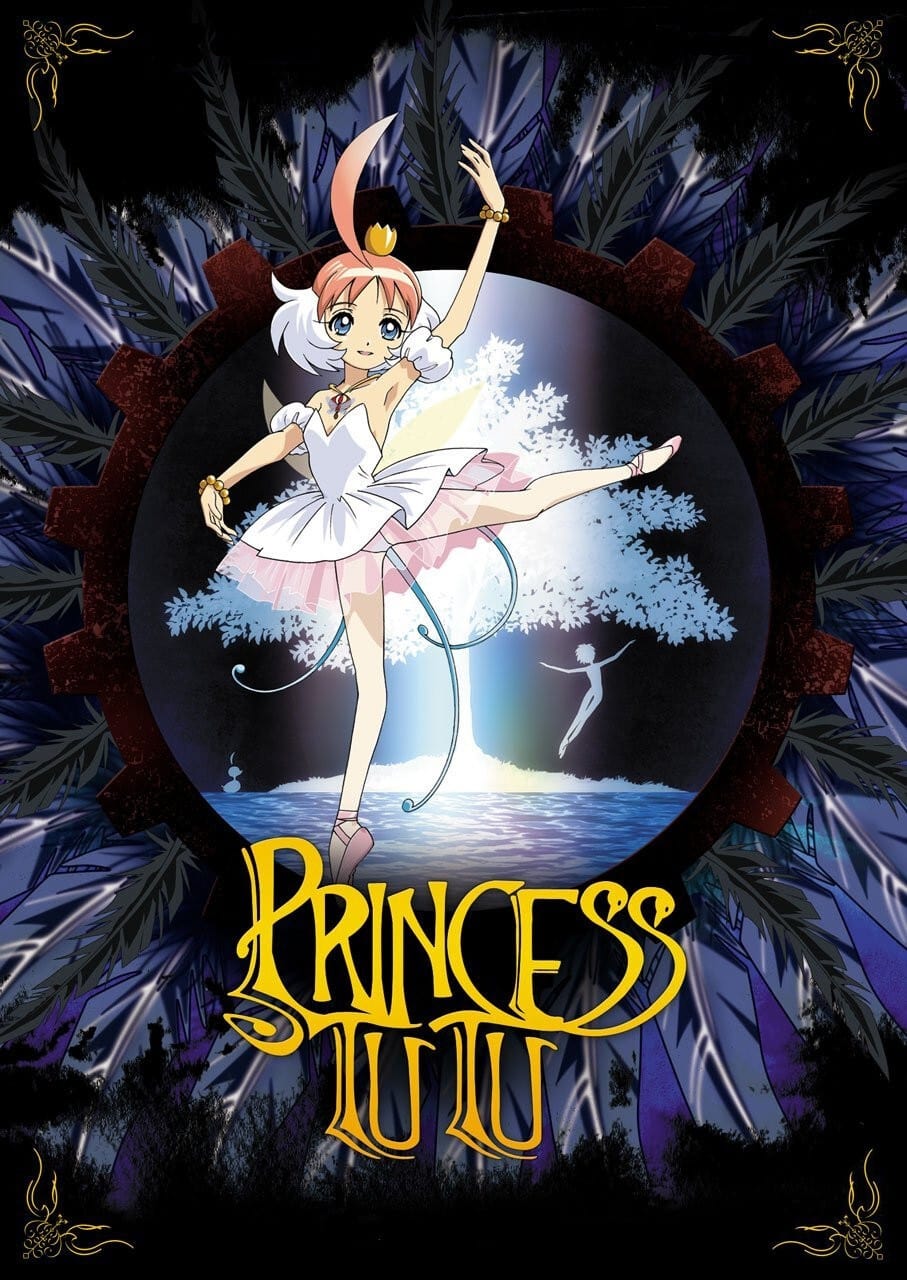
‘Princess Tutu’ initially appeared to be a typical, girly anime thanks to its title and pink color scheme, and many serious anime fans overlooked it. However, the show is a surprisingly complex and dark fairy tale that delves into themes of destiny and free will. It uniquely uses ballet as a way to represent fighting, creating scenes that are both visually stunning and heartbreaking. Over time, ‘Princess Tutu’ has developed a devoted fanbase who appreciate its thoughtful and mature storytelling.
‘Revolutionary Girl Utena’ (1997)
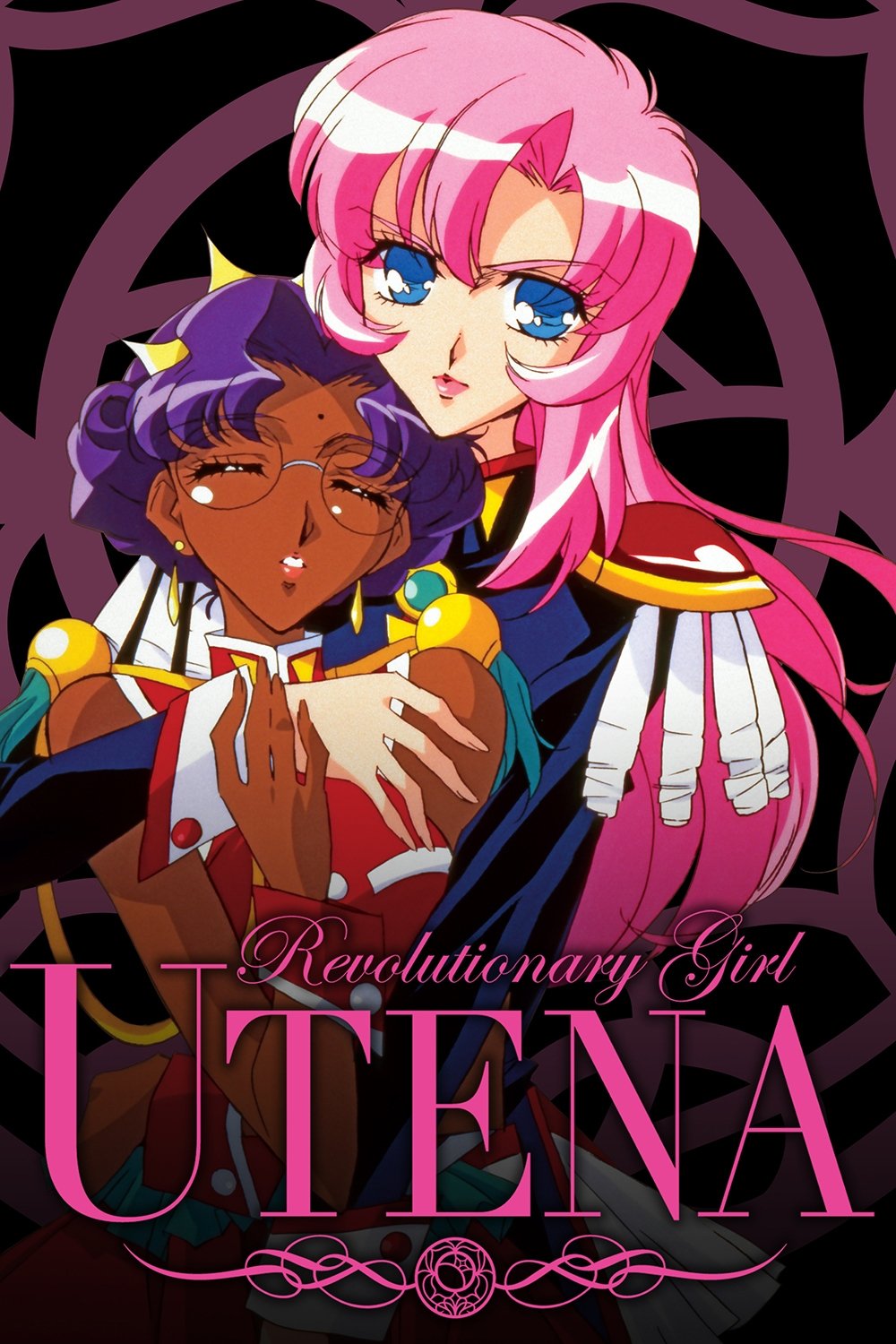
‘Revolutionary Girl Utena’ initially puzzled audiences with its complex symbolism and frequent use of repeated scenes. Its dreamlike style and exploration of gender roles were quite innovative for the time, but it wasn’t immediately popular. Today, the series is recognized for its feminist ideas and symbolic narrative, and is considered a hugely important work in the shojo anime genre.
‘Serial Experiments Lain’ (1998)
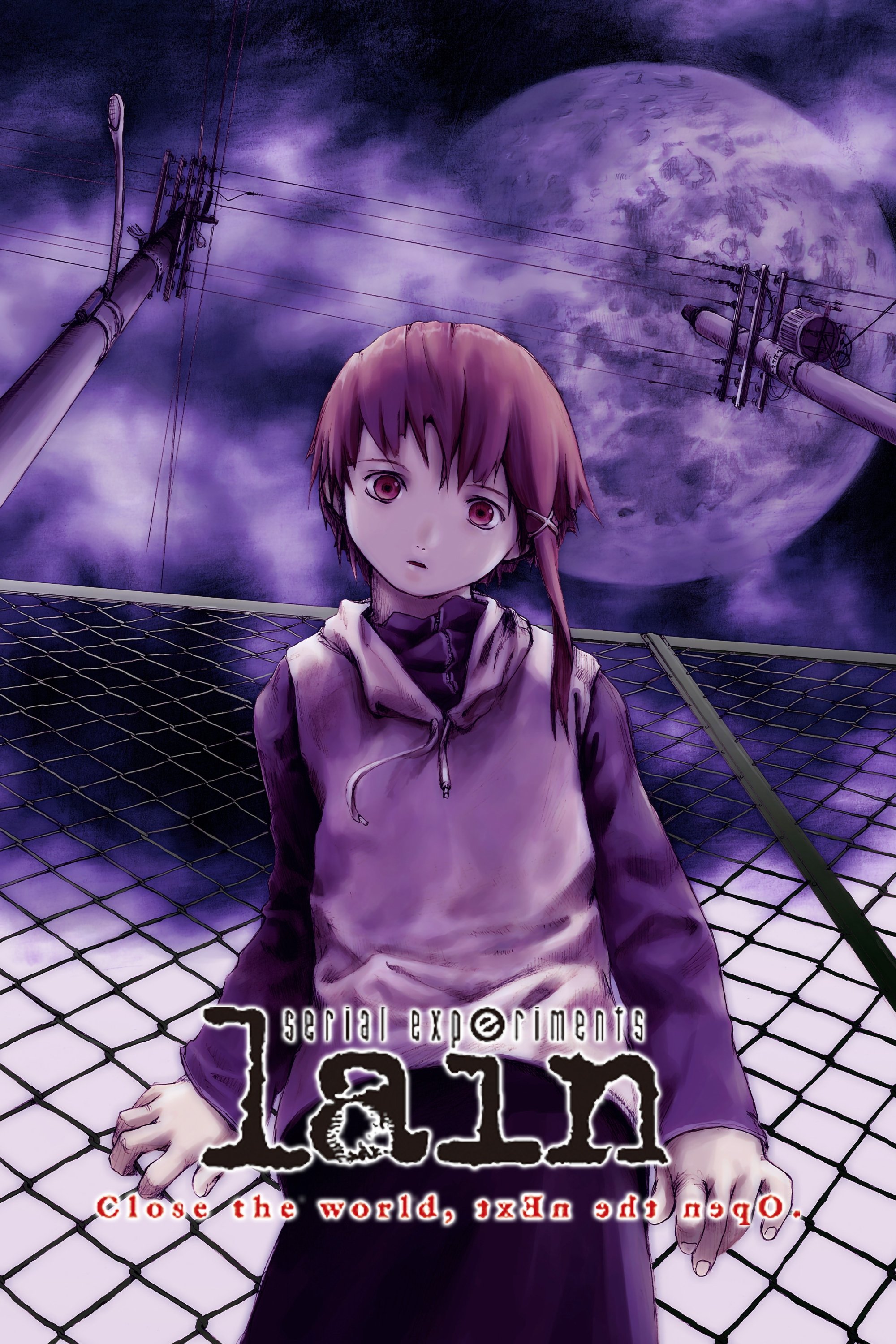
I remember when ‘Serial Experiments Lain’ first came out in the late nineties – it totally flew over a lot of people’s heads, myself included at first! It was just so different, with its super slow pace and really abstract conversations. It wasn’t easy to figure out what was going on. But looking back, it was eerily accurate in predicting how the internet would take over our lives and how isolating it could be. Now, everyone sees it as a classic cyberpunk show – it just got the digital world before anyone else really did. And honestly, its style still pops up all over the internet today – it’s hugely influential.
‘Texhnolyze’ (2003)
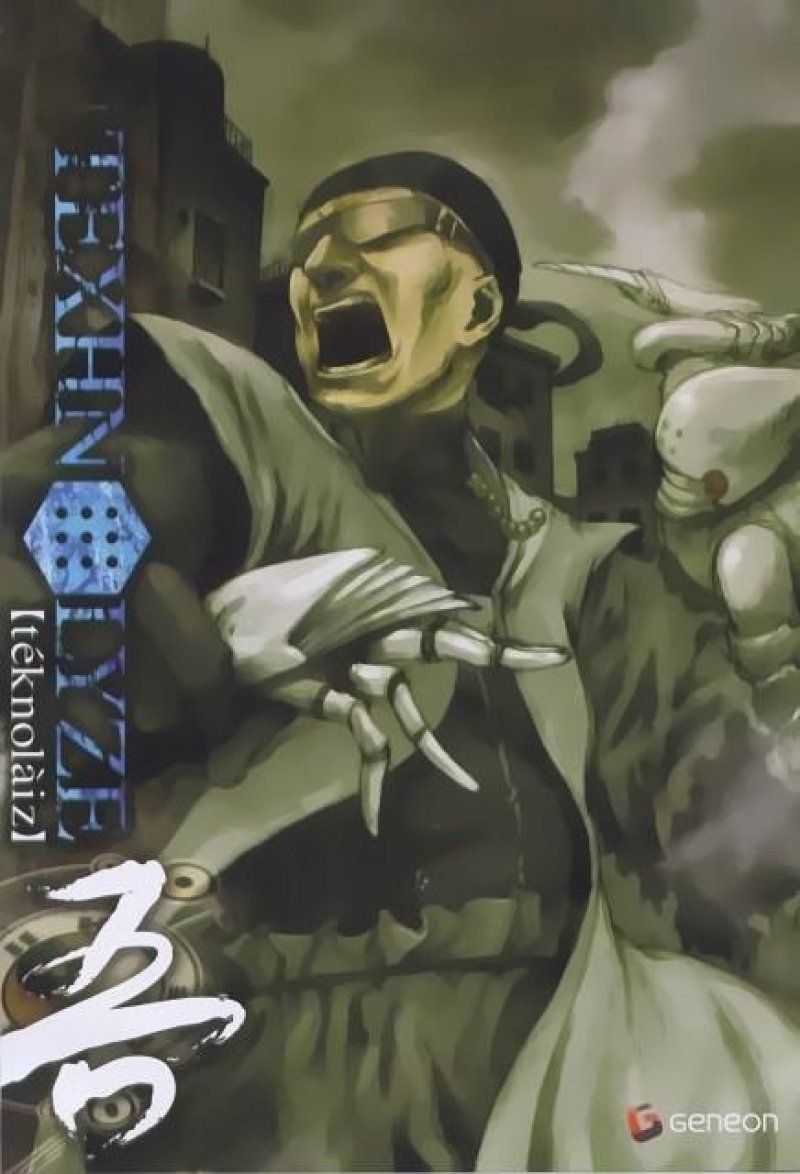
Texhnolyze is a very dark and deliberately paced series that initially turned many viewers off. The first episode is almost entirely visual, prioritizing mood over conversation. Its consistently bleak outlook can make it challenging to watch. However, it’s now celebrated by fans as a bold and unique artistic portrayal of a world in decline, and has become a cult favorite among those who enjoy thought-provoking, dystopian science fiction.
‘FLCL’ (2000)
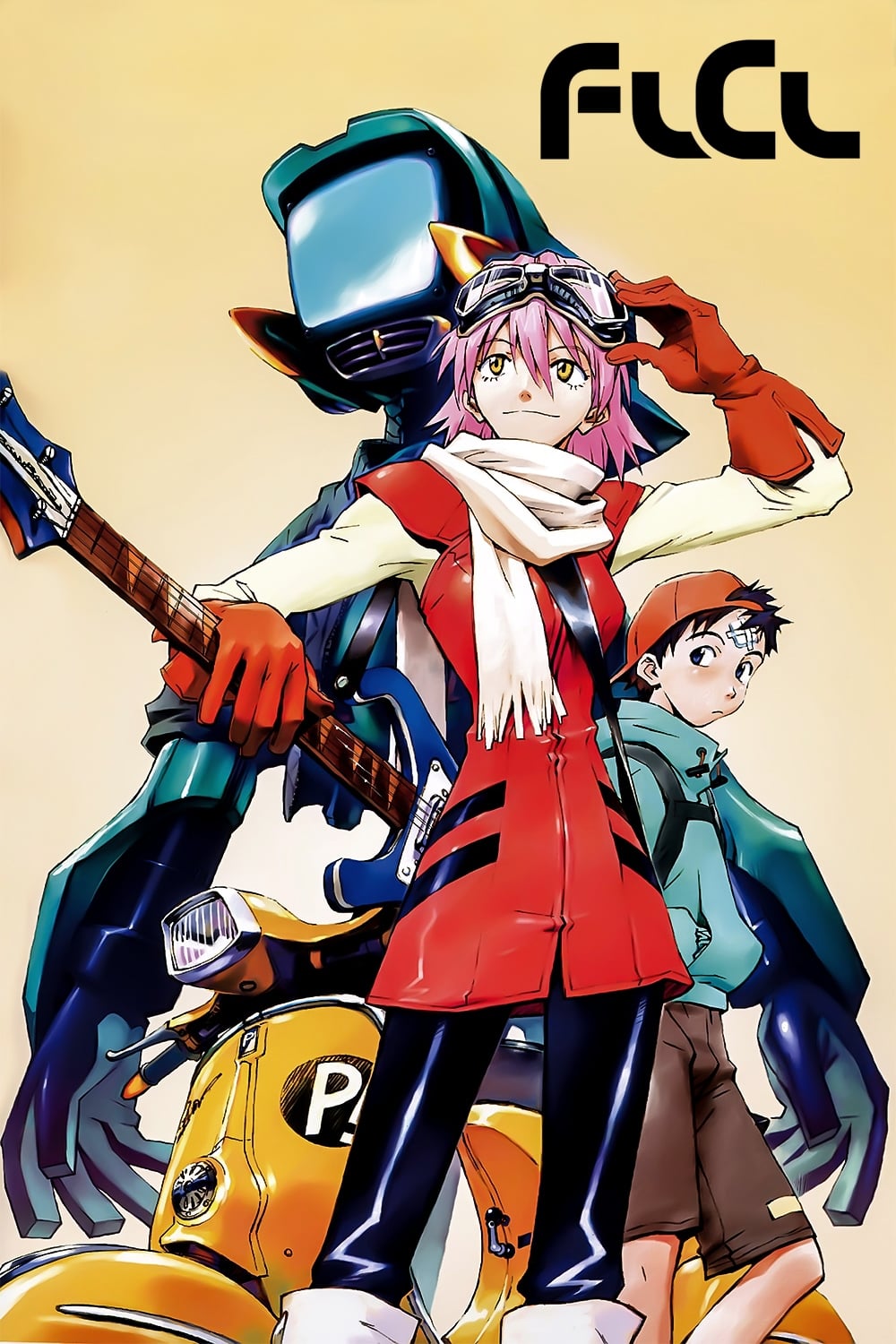
‘FLCL’ initially baffled many viewers with its chaotic energy and seemingly random storyline. It often felt more focused on visuals than a clear plot. However, rewatching the series reveals a surprisingly deep story about growing up hidden beneath all the craziness. The show’s soundtrack, created by The Pillows, is now legendary and a huge part of what makes ‘FLCL’ so special, perfectly capturing the awkwardness and confusion of adolescence.
‘Paranoia Agent’ (2004)
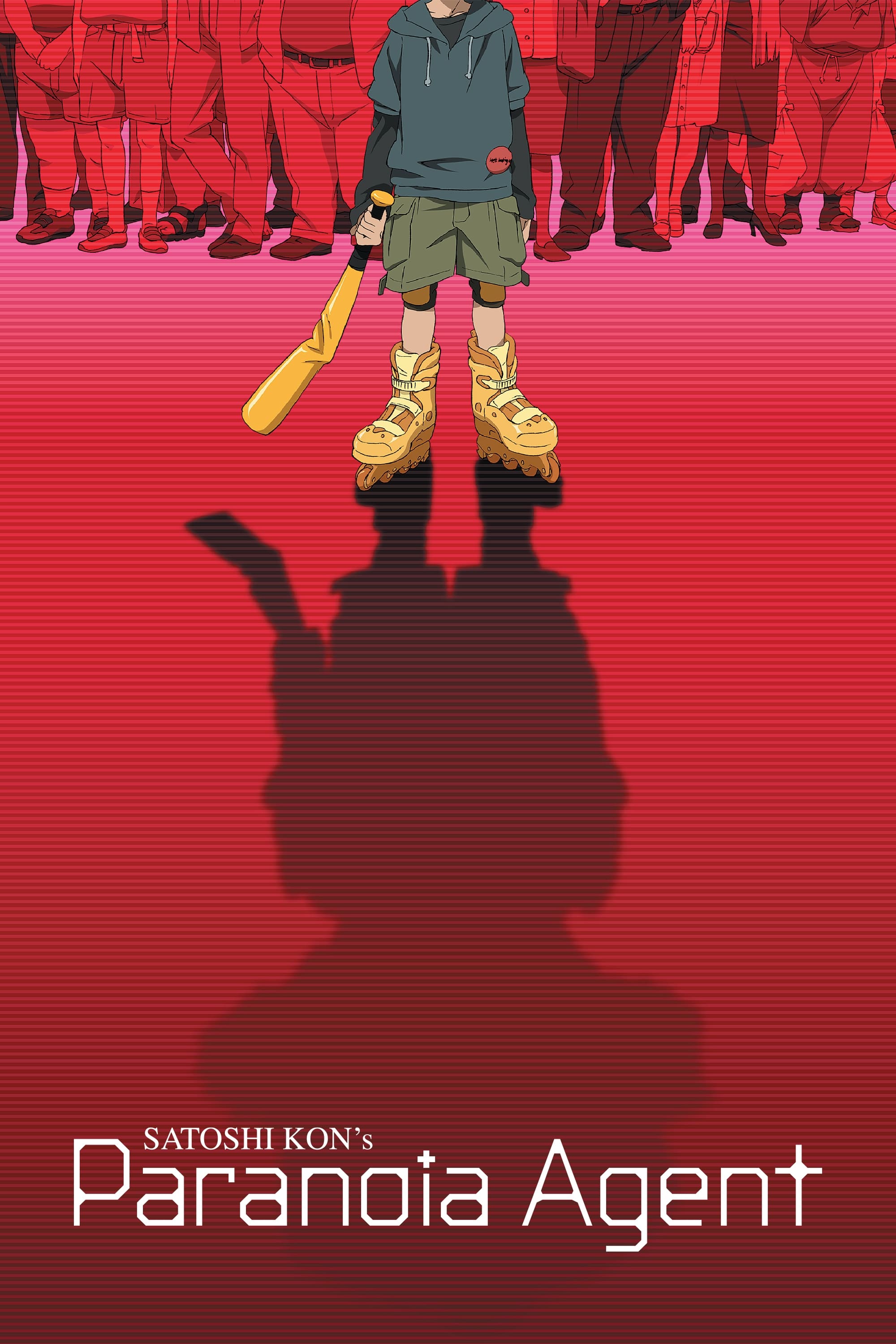
Satoshi Kon, the acclaimed filmmaker, created ‘Paranoia Agent’ as a way to delve into ideas he couldn’t fully explore in his movies. The series is intentionally fragmented and doesn’t follow a straightforward mystery, which initially confused some viewers. However, it’s a sharp critique of how easily people fall into mass panic and try to avoid reality. Over time, ‘Paranoia Agent’ has been praised for its insightful look at the pressures of modern life, and it stands as the only television series Kon ever directed.
‘The Tatami Galaxy’ (2010)
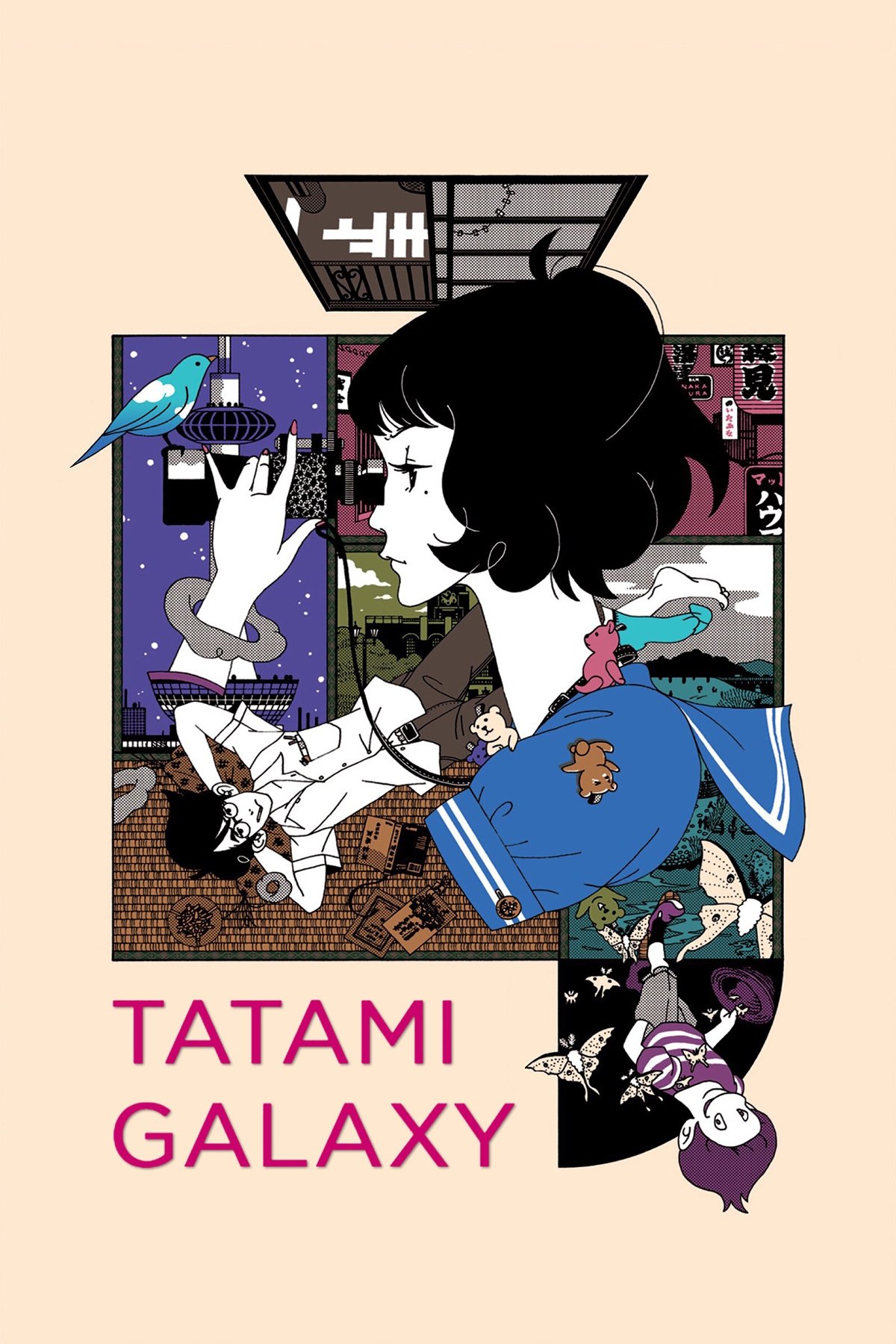
Some viewers found ‘The Tatami Galaxy’ challenging to watch because of its fast-paced conversations and quick subtitles. Its unusual art style also kept it from appealing to everyone. However, those who stuck with it discovered a deeply meaningful story about college life and the things we regret. The show uses a clever time-loop structure to explore complex ideas, and many now consider it a true animation masterpiece.
‘Pop Team Epic’ (2018)

When ‘Pop Team Epic’ first aired, many viewers were baffled and called it nonsensical. The show intentionally defied expectations with a chaotic format, repeating episodes with different voice actors and embracing anti-humor. This was a deliberate strategy to shock both the audience and the television industry. Surprisingly, this rule-breaking approach led to the show becoming a viral hit, and it’s now seen as a unique and artistic experiment, similar to Dadaist performance art.
‘School Days’ (2007)
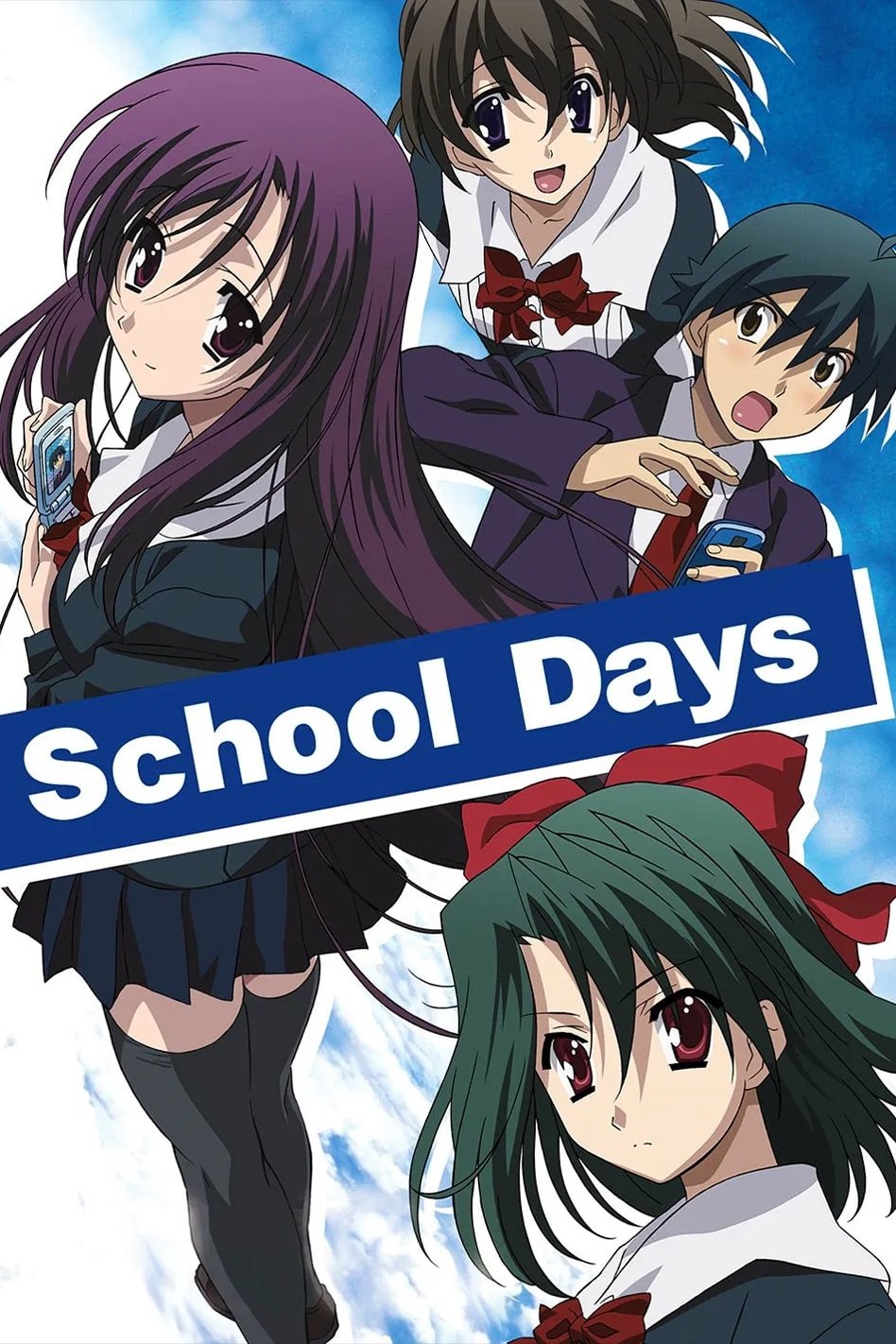
Originally, ‘School Days’ started as a typical, and rather dull, love story with a protagonist many viewers disliked. However, the anime version took a shocking turn, focusing on the unhealthy and damaging parts of the relationships. The incredibly violent and unexpected ending became famous among anime fans. Now, it’s not remembered as a simple romance, but as a disturbing critique of the harem genre, forever linked to the infamous ‘Nice Boat’ meme.
‘Golden Kamuy’ (2018)
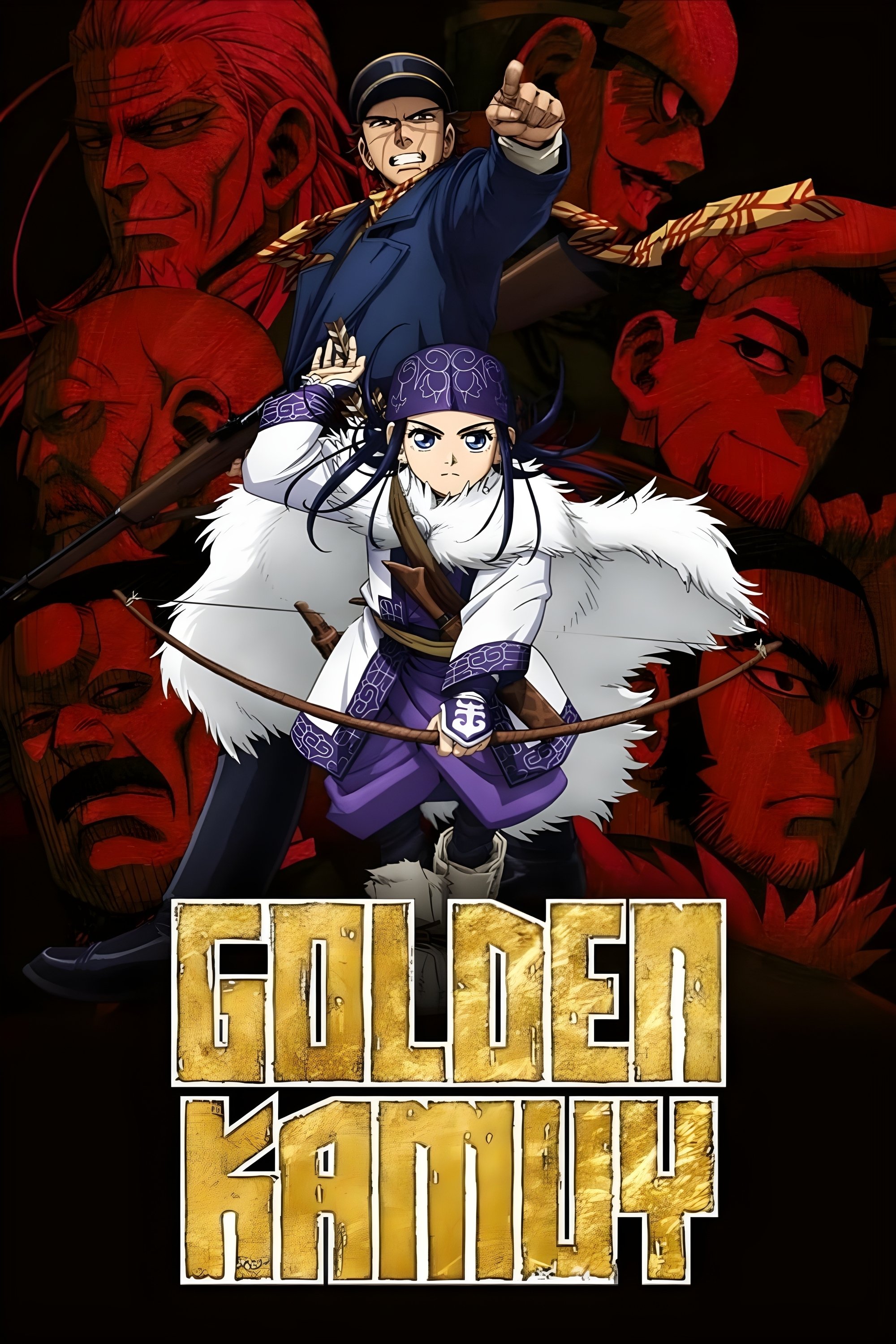
The first few episodes of ‘Golden Kamuy’ were criticized for having poorly made computer-generated imagery of a bear, which led some viewers to stop watching, thinking the whole show looked cheap. However, the series quickly proved to be a compelling historical adventure, remarkably well-researched in its depiction of Ainu culture. With exciting characters and a surprising plot, ‘Golden Kamuy’ has become a critically acclaimed show, despite that rocky start.
‘Dorohedoro’ (2020)
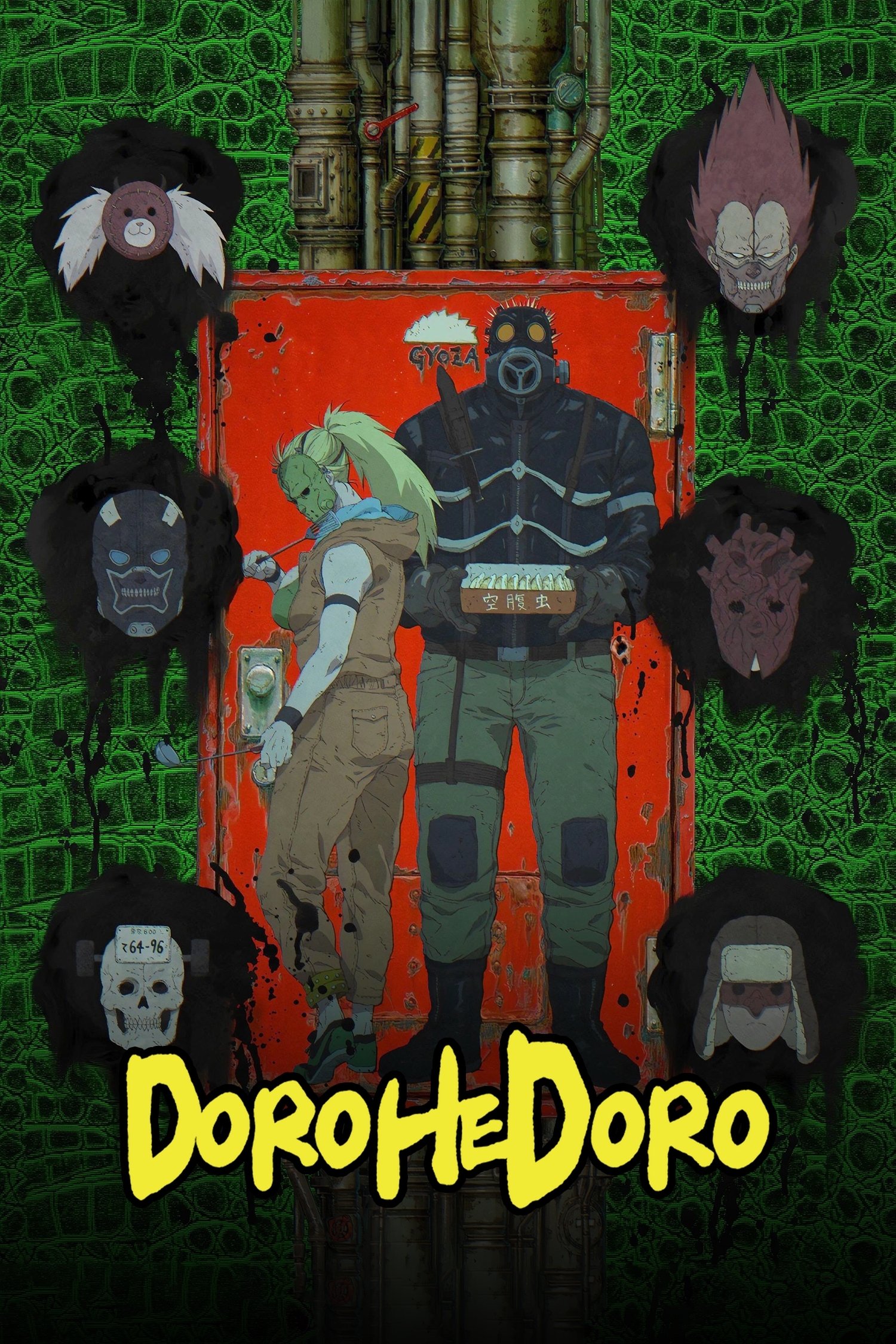
Many fans feared a computer-animated version of the dark manga ‘Dorohedoro’ wouldn’t live up to the original. Its rough and messy art style seemed difficult to recreate in 3D. However, the anime successfully captured the source material’s gritty look and darkly funny tone. The detailed backgrounds and music created a special atmosphere that impressed even those who were doubtful. The show became popular thanks to its unique visuals and memorable villains.
‘Samurai Flamenco’ (2013)
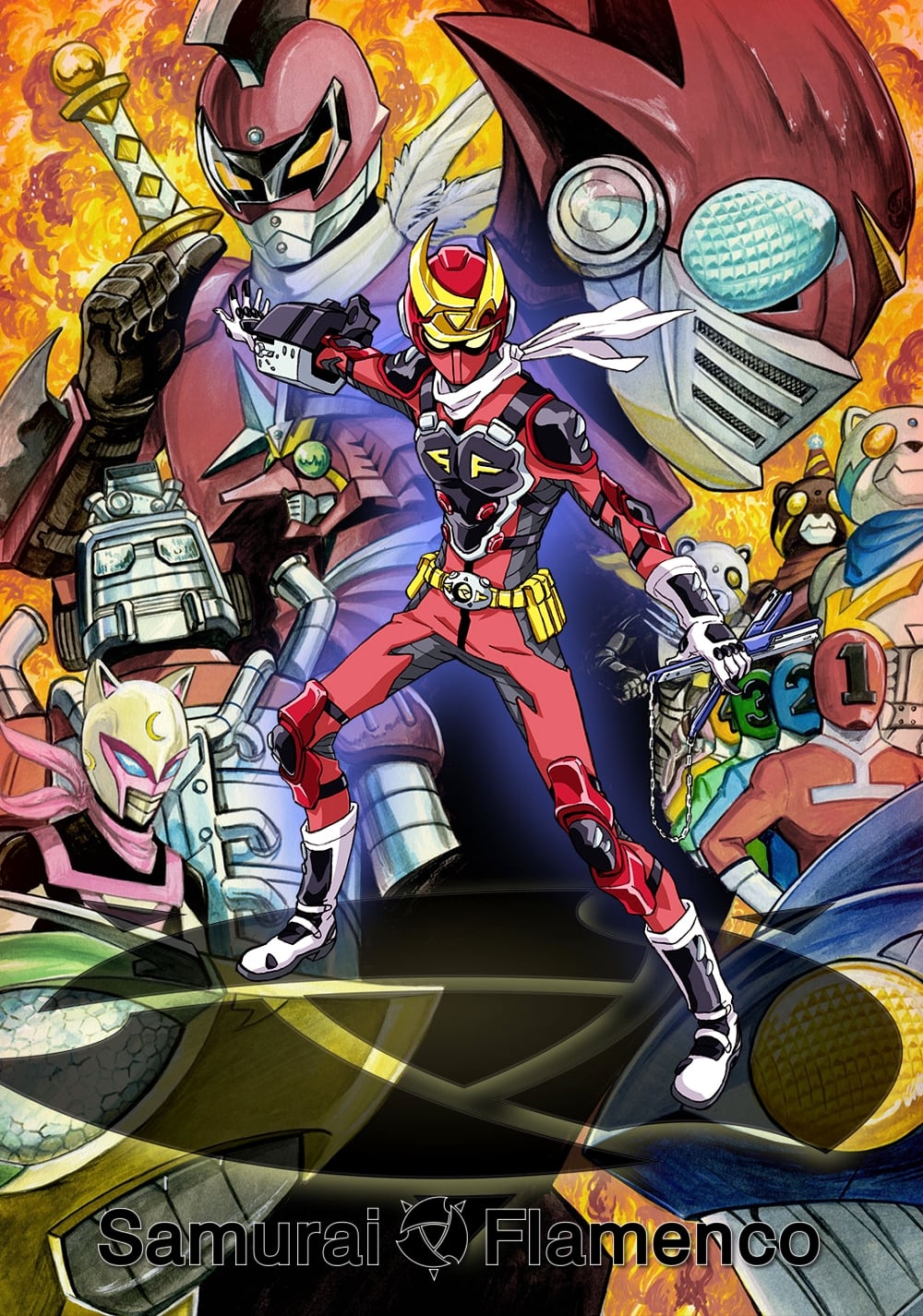
‘Samurai Flamenco’ began as a realistic superhero story, initially appealing to fans of ‘Kick-Ass’. However, the show took a surprising turn with the introduction of a bizarre villain – a Guillotine Gorilla – which drastically altered its tone. While some viewers were disappointed by this unexpected shift into fantasy and stopped watching, those who stuck with it discovered the series was actually a heartfelt homage to the history of Japanese tokusatsu heroes. It’s now recognized for its daring and complex storytelling.
‘Scum’s Wish’ (2017)
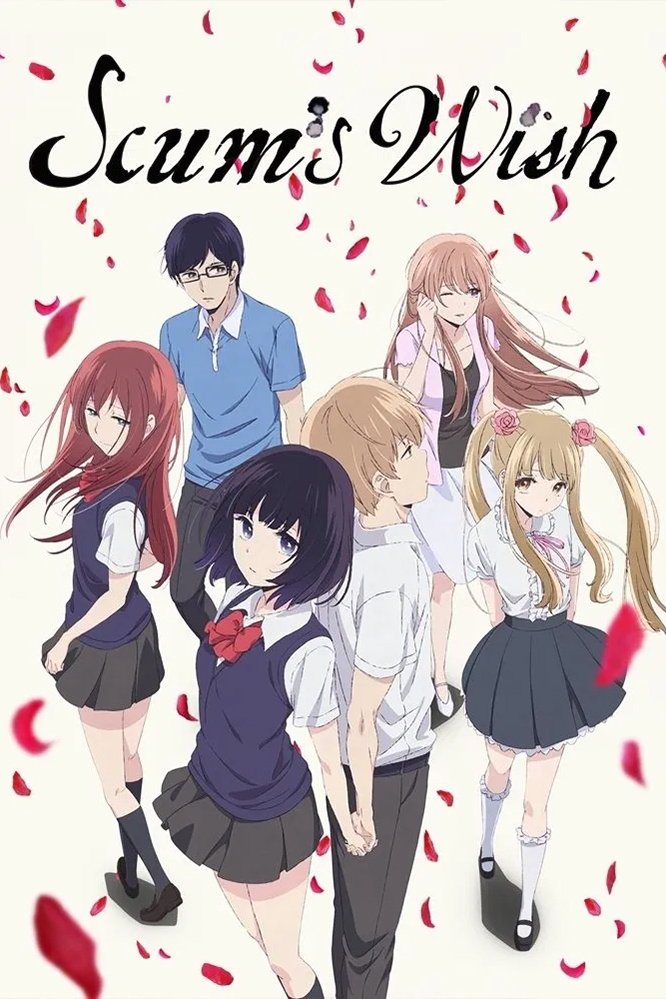
‘Scum’s Wish’ initially turned off many viewers with its difficult subject matter and portrayal of manipulative teens, often being dismissed as overly dramatic and featuring unlikeable characters. However, the show has since gained appreciation for its realistic and unflinching look at unhealthy relationships and feelings of isolation. Strong direction and a haunting soundtrack further enhanced the story. While still controversial, it’s now considered a thoughtful and respected take on young love.
‘SSSS.Gridman’ (2018)
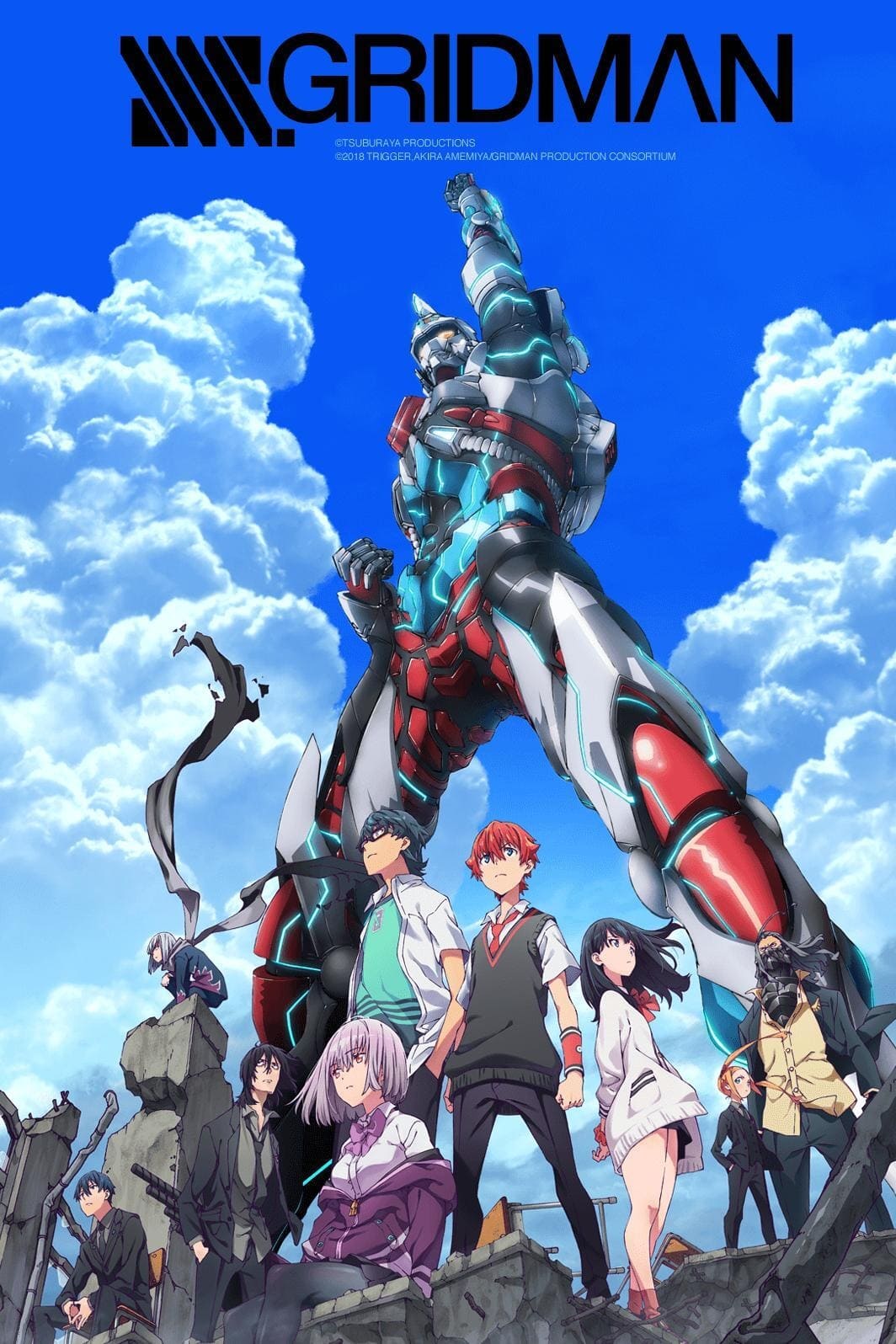
Initially, ‘SSSS.Gridman’ appeared to be a very specific homage to classic Japanese tokusatsu shows, and many thought it wouldn’t resonate with today’s viewers. The combination of giant robots and monsters felt like a thing of the past. However, the series proved everyone wrong with its impressive animation and surprisingly emotional character development. A clever plot twist involving a digital world added a fascinating psychological element, and ultimately, the show successfully revived a previously forgotten franchise for a new generation.
‘Vinland Saga’ (2019)
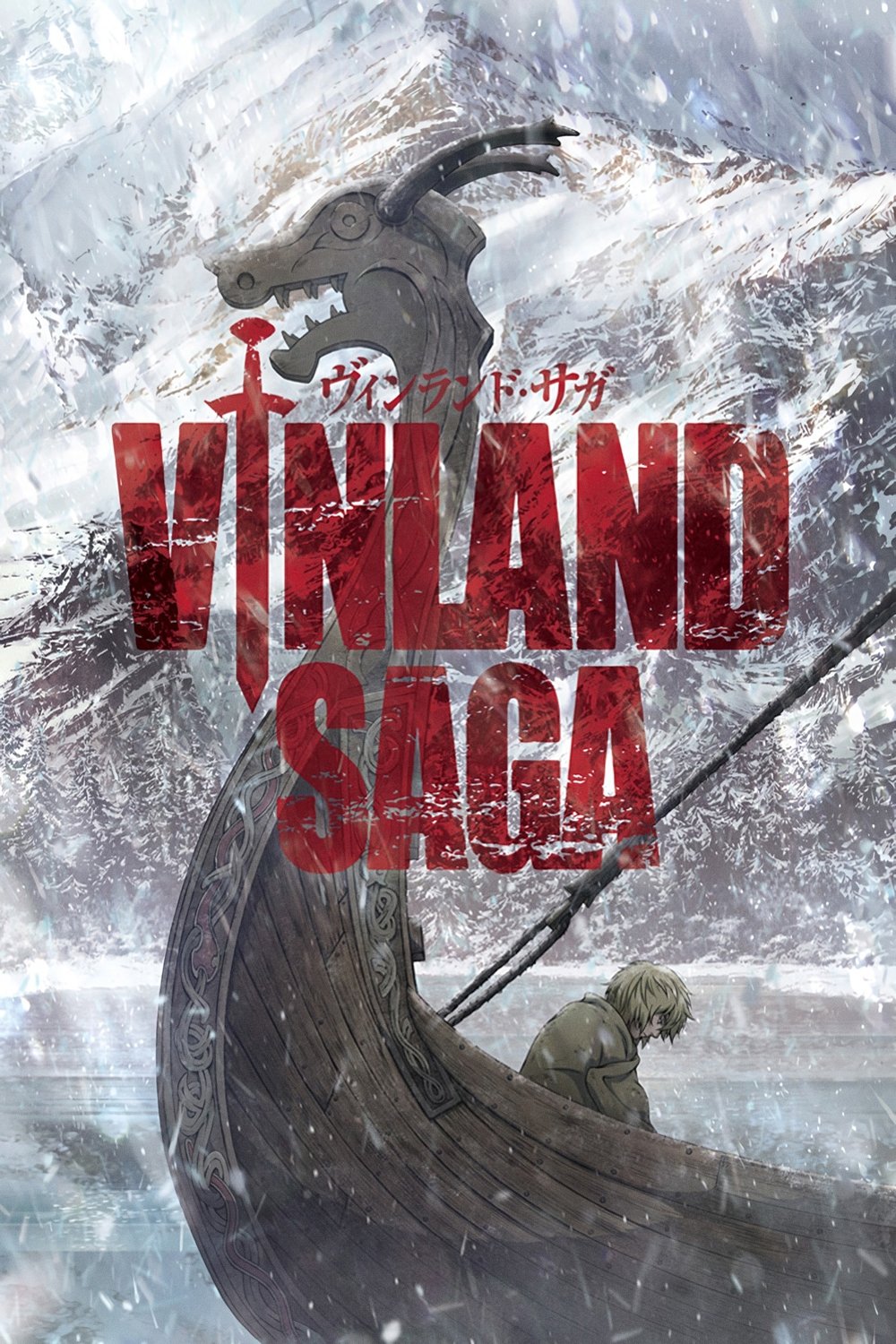
The second season of ‘Vinland Saga’ surprised many viewers who loved the action-packed first season. Some fans were disappointed by the slower pace and focus on farm life, but this section of the story, known as the “Farmland Arc,” is now considered a high point for the main character’s growth. The show’s shift from a revenge story to one about finding peace is seen as excellent writing, and it encouraged viewers to experience the same changes as the protagonist.
Share which of these anime you dropped and picked up again in the comments.
Read More
- Invincible Season 4 Gender Swaps Tech Jacket As Fans Question Major Comic Change
- Silver Rate Forecast
- Gold Rate Forecast
- Building Agents That Learn and Improve Themselves
- 15 Films That Were Shot Entirely on Phones
- 22 Films Where the White Protagonist Is Canonically the Sidekick to a Black Lead
- 20 Movies Where the Black Villain Was Secretly the Most Popular Character
- Celebs Who Narrowly Escaped The 9/11 Attacks
- 18 TV Series Filming Rehearsals as Bonus Content
- Trading Crypto with AI: A New Approach to Portfolio Management
2026-02-01 23:57