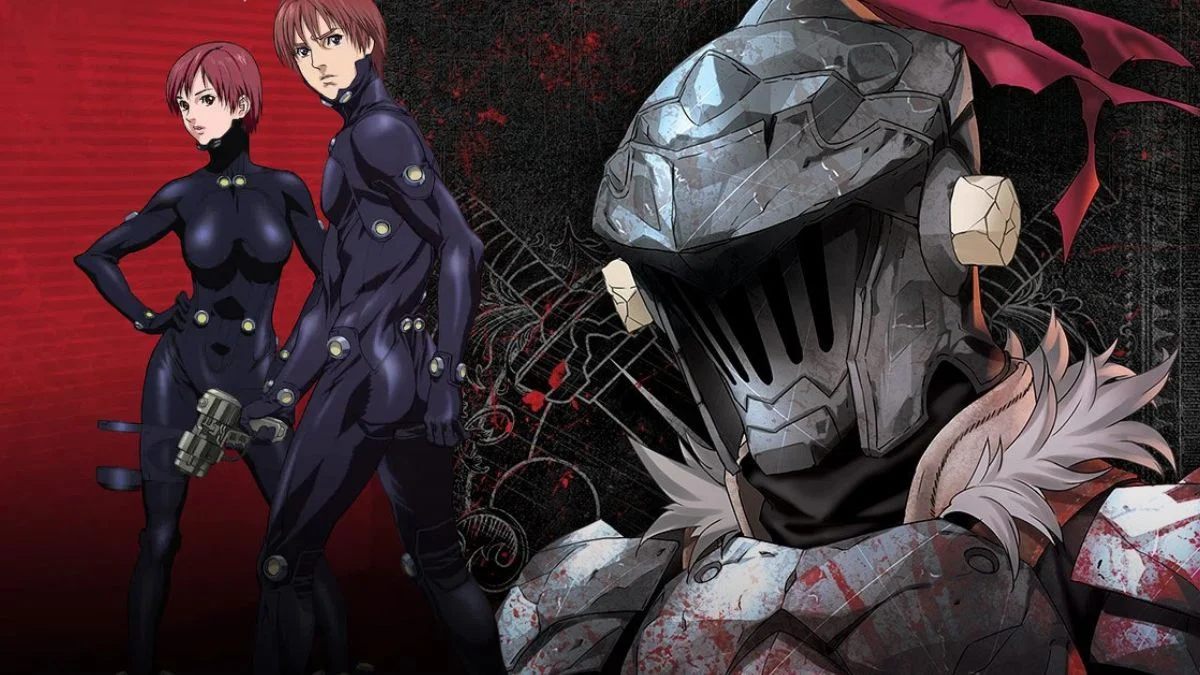
Japanese animation, or anime, is incredibly diverse, exploring all sorts of stories and visual styles. While many series become popular worldwide for their originality and complex themes, some face bans and censorship in certain countries. These restrictions usually stem from concerns about protecting local values or preventing the spread of violent or politically charged content. These differences highlight how cultural norms and government rules vary around the world. Examining why certain anime are banned helps us understand the complicated relationship between international entertainment and local laws.
‘Death Note’ (2006–2007)
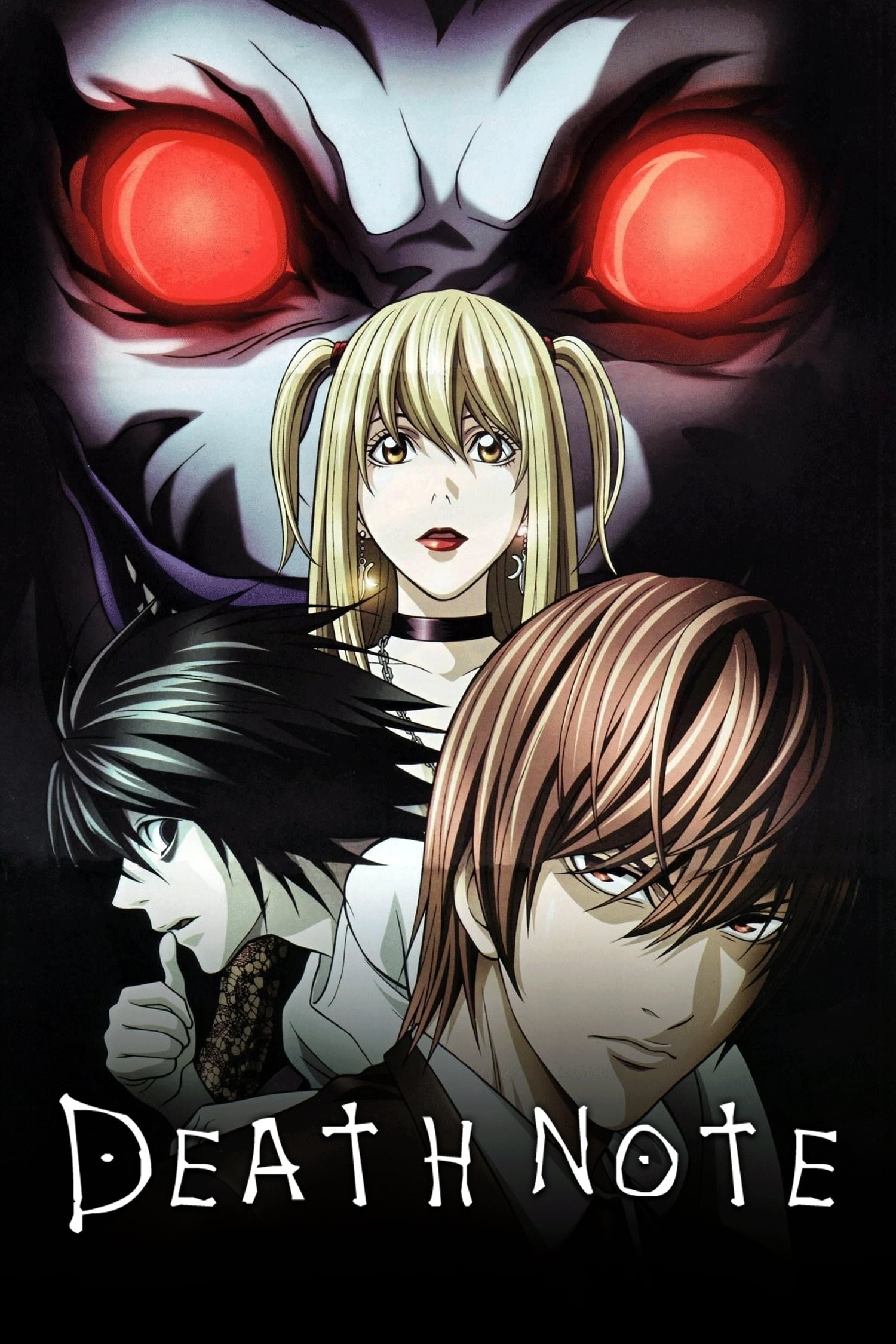
The anime ‘Death Note’ centers around a student who discovers a supernatural notebook that allows him to kill criminals, with the goal of creating a crime-free world. However, the show sparked controversy and was banned in countries like China due to fears it would encourage bad behavior in young people. Concerns were also raised by parents and teachers who worried students would create their own lists, targeting classmates or teachers. Because of its intense psychological themes, strict rules were put in place to discourage viewers from copying the main character’s actions. ‘Death Note’ is now a well-known example of anime censorship and its strong influence on youth culture.
‘Attack on Titan’ (2013–2023)
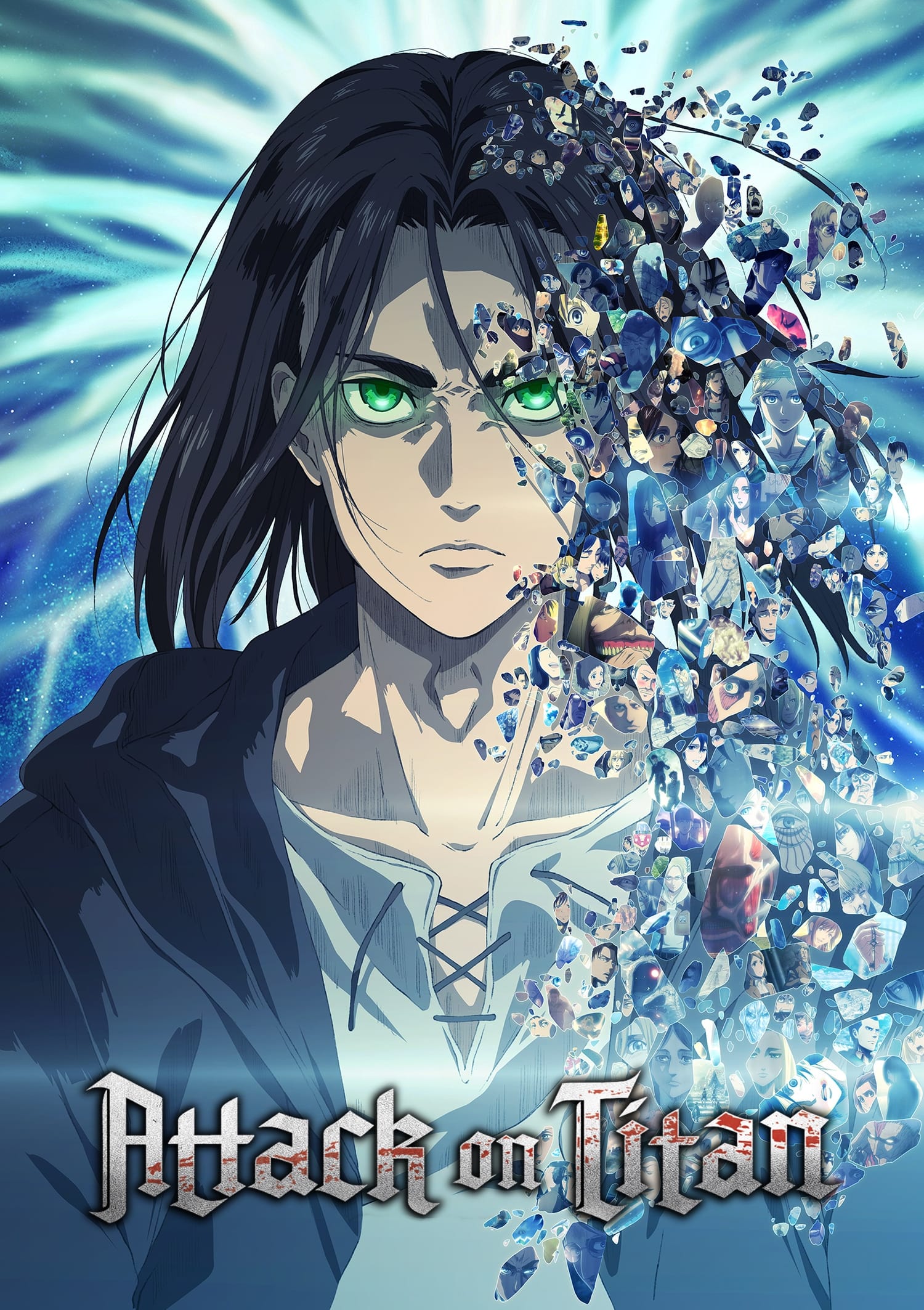
The popular series ‘Attack on Titan’ is set in a world where humanity lives in fortified cities to defend against enormous, man-like creatures that prey on people. Its graphic violence and mature political storylines led to it being banned in China, where officials feared it could disrupt social order and negatively impact young viewers. The show’s bleak atmosphere and portrayal of resistance to authority also contributed to the ban, forcing fans in China to find unofficial ways to watch it.
‘Tokyo Ghoul’ (2014)
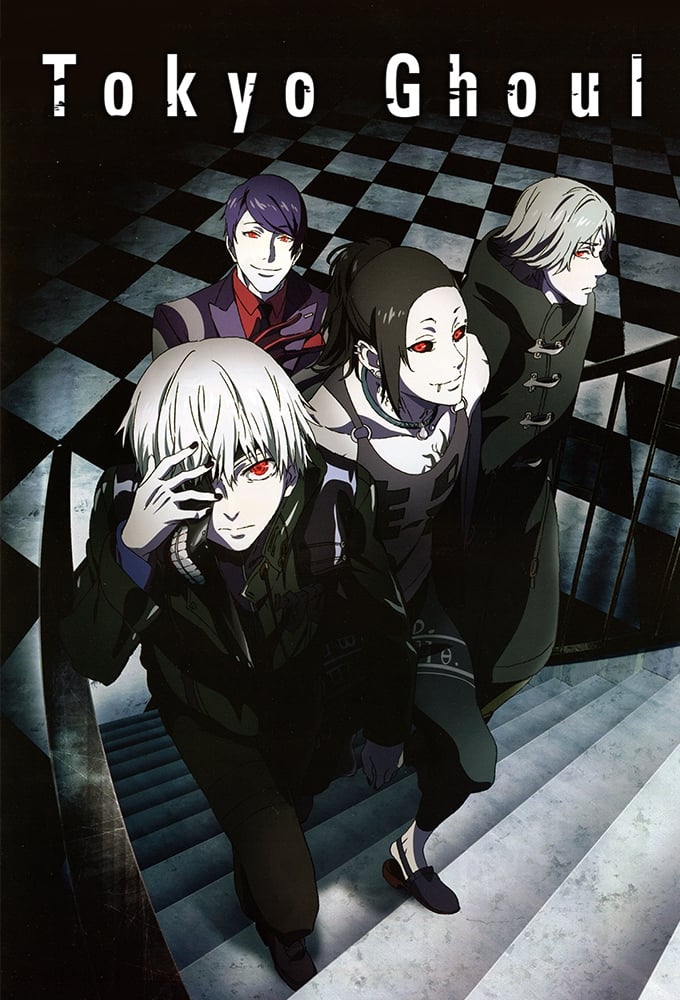
‘Tokyo Ghoul’ follows a college student who is transformed into a half-ghoul and struggles to live in a world where humans and ghouls are constantly at odds. The series was prohibited in China because of its graphic violence and depictions of cannibalism. Officials worried the disturbing imagery was too intense for the public, especially young people, and could have a negative impact. Its dark themes, psychological horror, and disturbing visuals led to it being classified as harmful content. ‘Tokyo Ghoul’ is a key instance of how strong visual content can lead to country-wide censorship.
‘Record of Ragnarok’ (2021–2023)
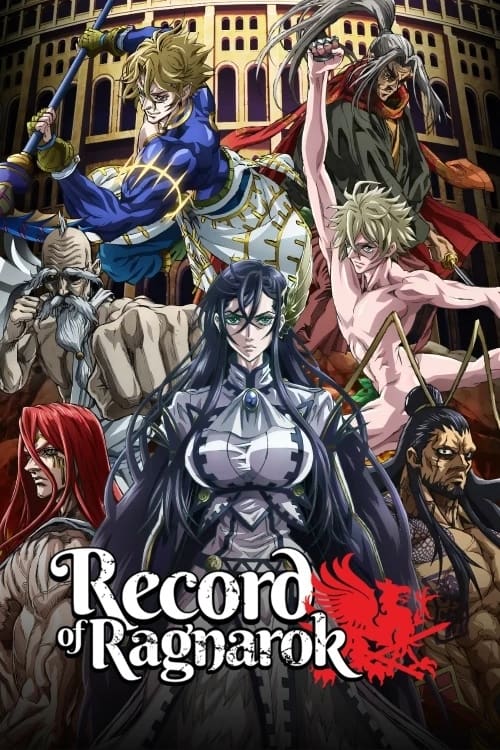
The anime ‘Record of Ragnarok’ features a battle tournament between gods from different myths and famous people from history. It was completely banned in India due to its depiction of the Hindu god Shiva in fight scenes. Many felt this portrayal was disrespectful to Hindu beliefs, leading to its removal from streaming platforms to prevent further protests. This situation demonstrates how using religious figures in entertainment can create legal problems and controversy in certain countries.
‘Pokémon’ (1997–Present)
The popular ‘Pokémon’ series, where trainers catch and battle creatures, has faced challenges and restrictions for many years. Saudi Arabia, for example, once banned ‘Pokémon’ games and media, worried it promoted both Zionism and gambling. Religious leaders there felt the show’s symbols and card game mechanics were unsuitable. Though some of these restrictions have eased, the series still faces criticism for its underlying messages. Globally, certain episodes were also pulled from broadcast after causing health problems for some viewers in Japan.
‘Assassination Classroom’ (2015–2016)
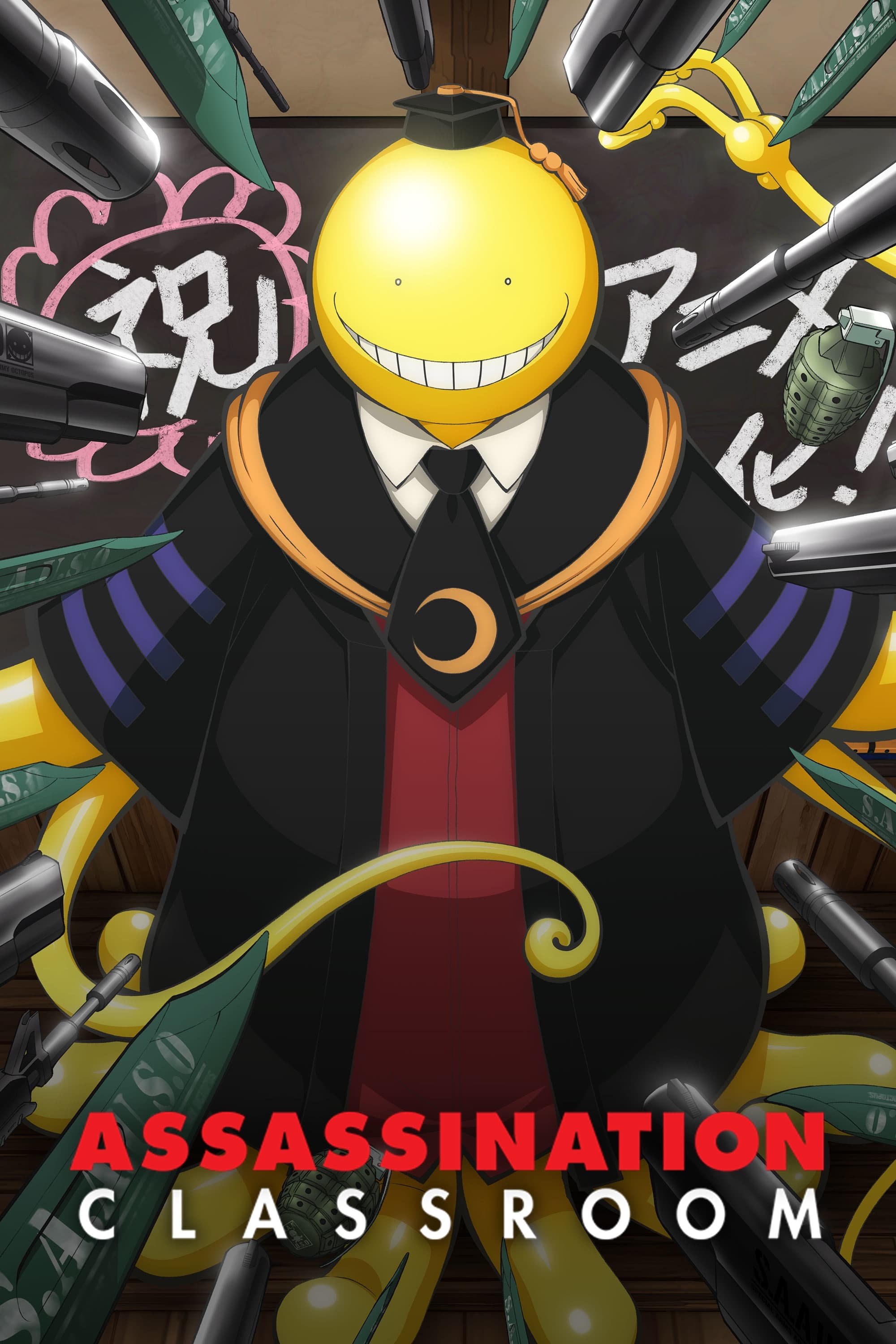
Okay, so there’s this crazy anime I heard about called ‘Assassination Classroom’. Basically, this super-powerful alien shows up and is like, ‘Hey, I’m gonna destroy Earth, but first let me teach middle school!’ The catch? His students have to try and kill him before he does. It sounds wild, right? Well, it actually got banned in China. Apparently, the government wasn’t thrilled with the idea of kids trying to assassinate their teacher, even as a plot point. They felt it was a bad message for schools. It’s a shame because people say the show actually has some cool themes about growing up and mentorship, but it got caught up in their rules about what’s okay to show in media related to schools. It’s become a big example of how strictly controlled those kinds of stories are over there.
‘Pupa’ (2014)
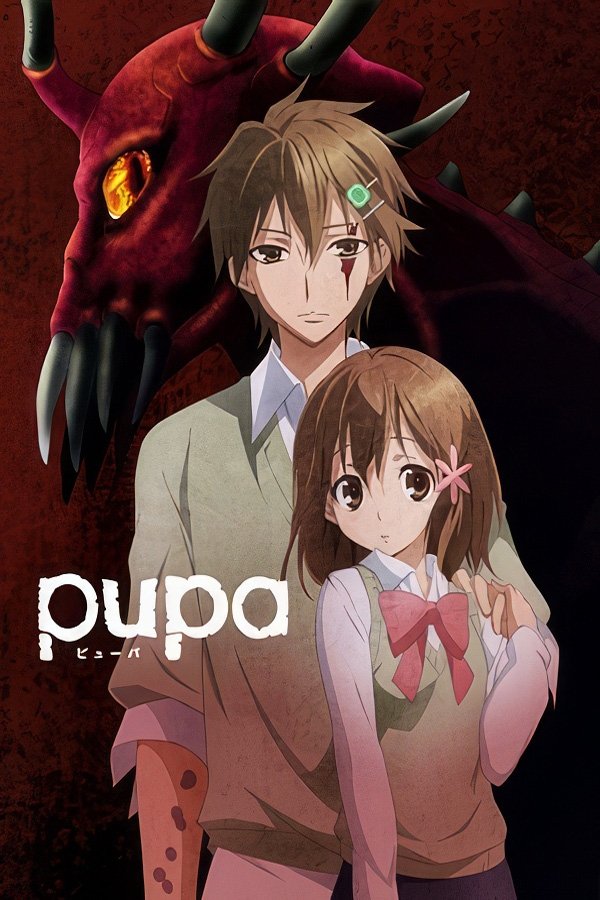
‘Pupa’ tells the story of two siblings caught in a terrifying situation: one must consume the other’s flesh to stay alive. Due to its intensely graphic and disturbing content, the series was banned in China. Critics also found the short episodes overly focused on gore and the psychological trauma of the storyline. Even in Japan, the show was heavily censored when it first aired to comply with broadcasting regulations. The disturbing depiction of the siblings’ relationship ultimately led to it being prohibited in many places.
‘Midori’ (1992)
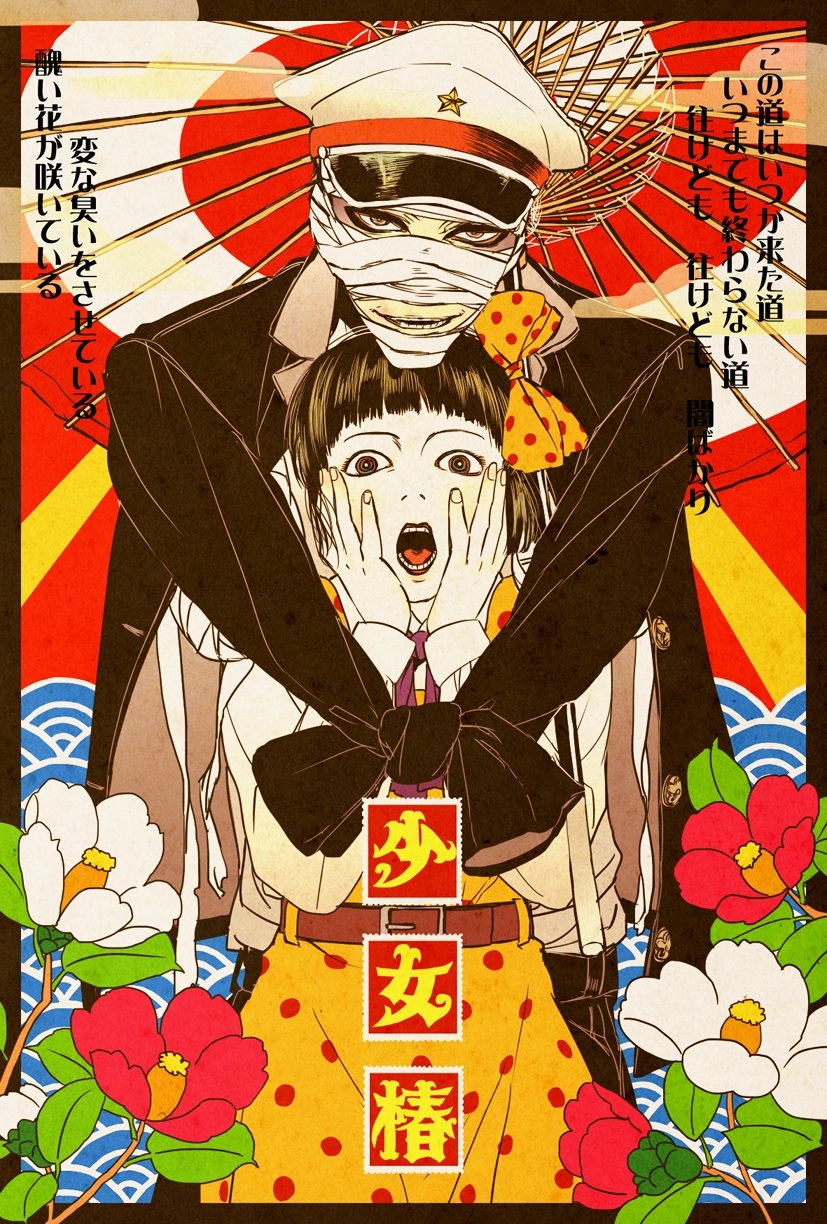
Often called ‘The Camellia Girl,’ this anime tells the heartbreaking story of a young girl working in a traveling show featuring unusual performers. Due to its graphic and disturbing content – including scenes of animal cruelty and human suffering – the film was banned in many countries and faced censorship in Japan. Its dark art style and depressing story made it hard to distribute widely, and ‘Midori’ is now known as one of the most shocking and restricted anime films ever made.
‘Blood-C’ (2011)
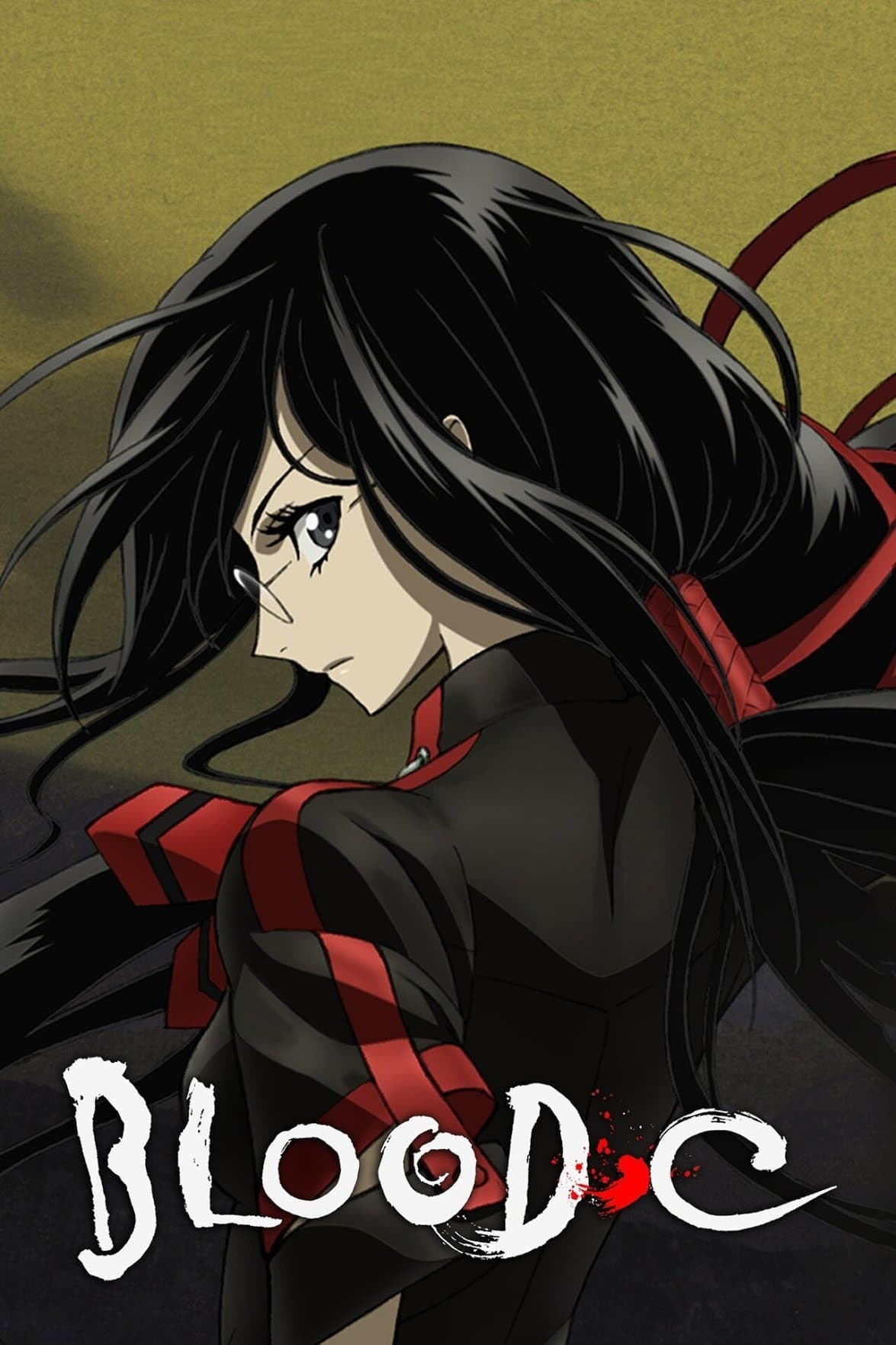
In a peaceful village, a young girl battles terrifying monsters while discovering secrets about who she really is. The anime ‘Blood-C’ is notorious for its shocking and intense violence, which led to it being banned in China. Chinese authorities deemed the show too graphic and potentially disruptive, specifically objecting to the brutal ways characters were killed. It remains a well-known example of a horror anime that is prohibited from being shown there.
‘Deadman Wonderland’ (2011)
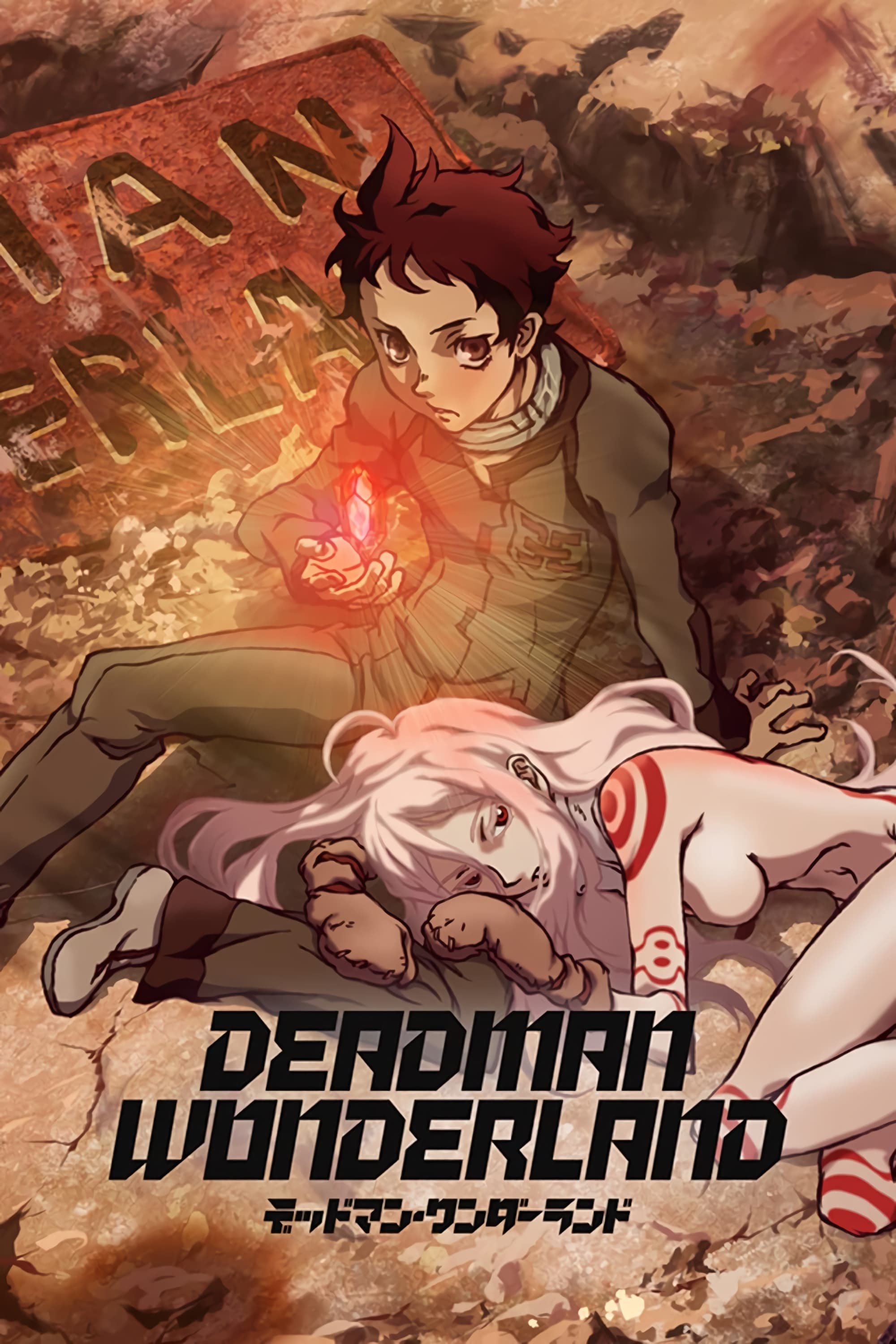
‘Deadman Wonderland’ is a series about a teenager falsely accused of a terrible crime and imprisoned in a brutal, privately-run facility where survival means fighting. It was banned in China because of its extreme violence and disturbing depiction of the prison system. The show is known for its intense fight scenes, even featuring characters using blood as a weapon. Chinese censors deemed the content unsuitable for its audience, highlighting the strict rules surrounding media that focuses on prisons.
‘Elfen Lied’ (2004)
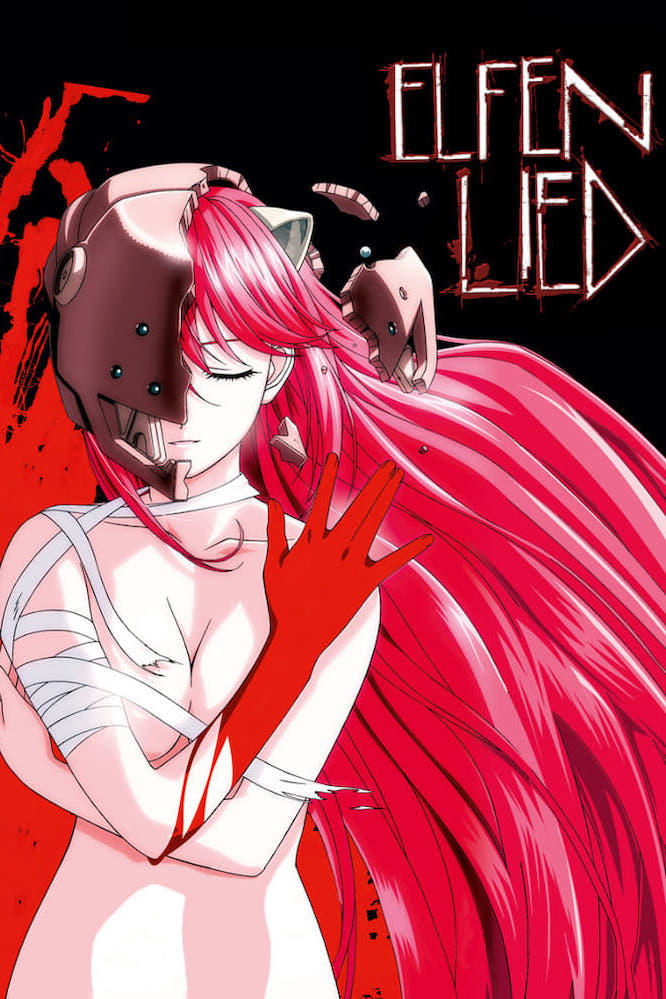
This anime tells the story of a woman with psychic powers, created through genetic mutation, who breaks out of a lab and sets out for revenge. It was banned in China because of its intense violence and disturbing psychological themes. The series is well-known for a very graphic and explicit opening scene. Because of its mature content, many countries require it to be rated for adult audiences. While it explores difficult themes like human cruelty and isolation, it’s often more recognized for its shocking imagery.
‘Psycho-Pass’ (2012–2013)
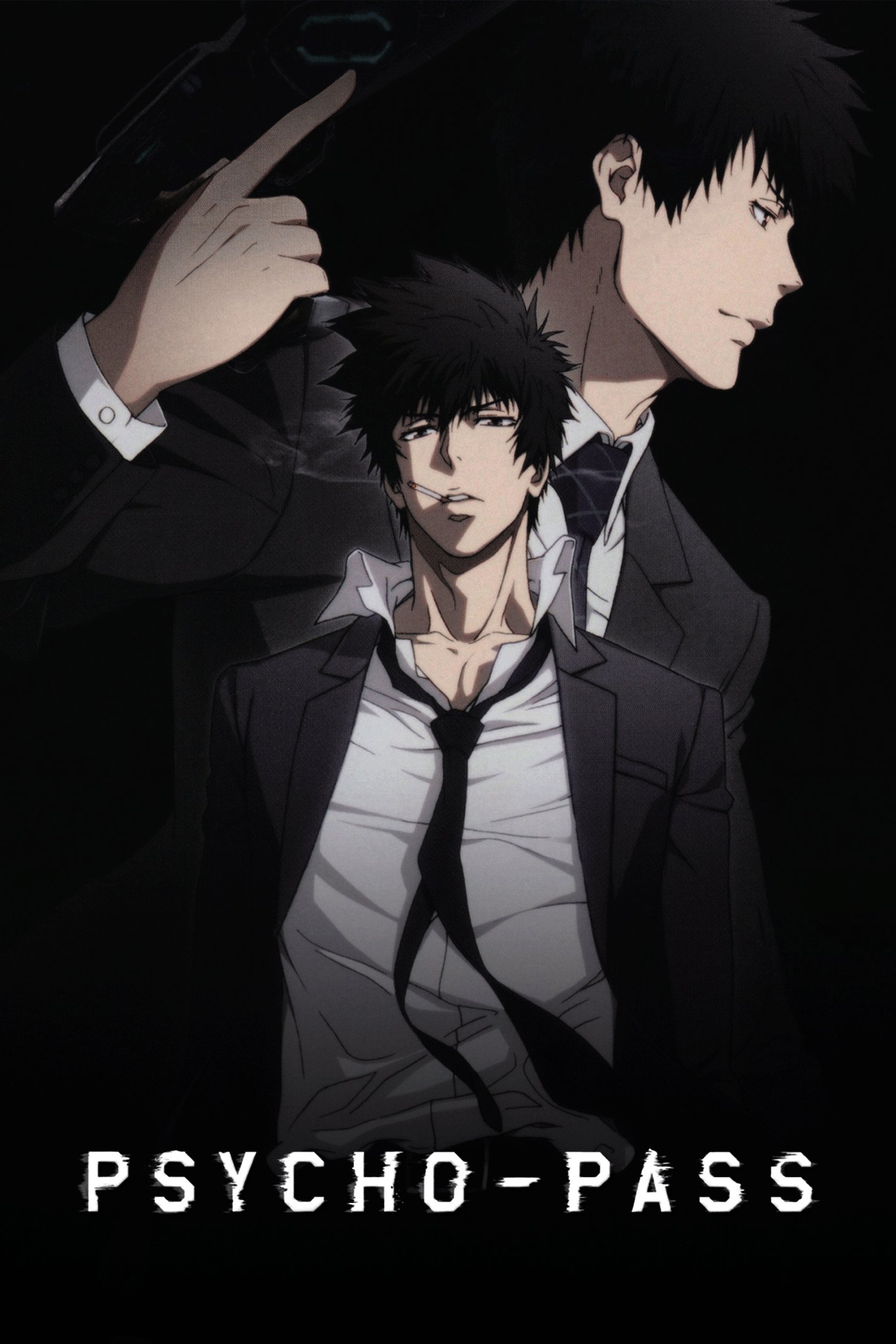
In a futuristic world, a computer program predicts whether people will commit crimes by analyzing their thoughts and feelings. The anime series ‘Psycho-Pass’ was banned in China because it shows people rebelling against authority and finding ways around government monitoring. Officials worried the show’s bleak depiction of a heavily controlled society might inspire protests. The violent crime scenes also contributed to the ban. ‘Psycho-Pass’ is often noted for addressing politically sensitive topics.
‘Terror in Resonance’ (2014)
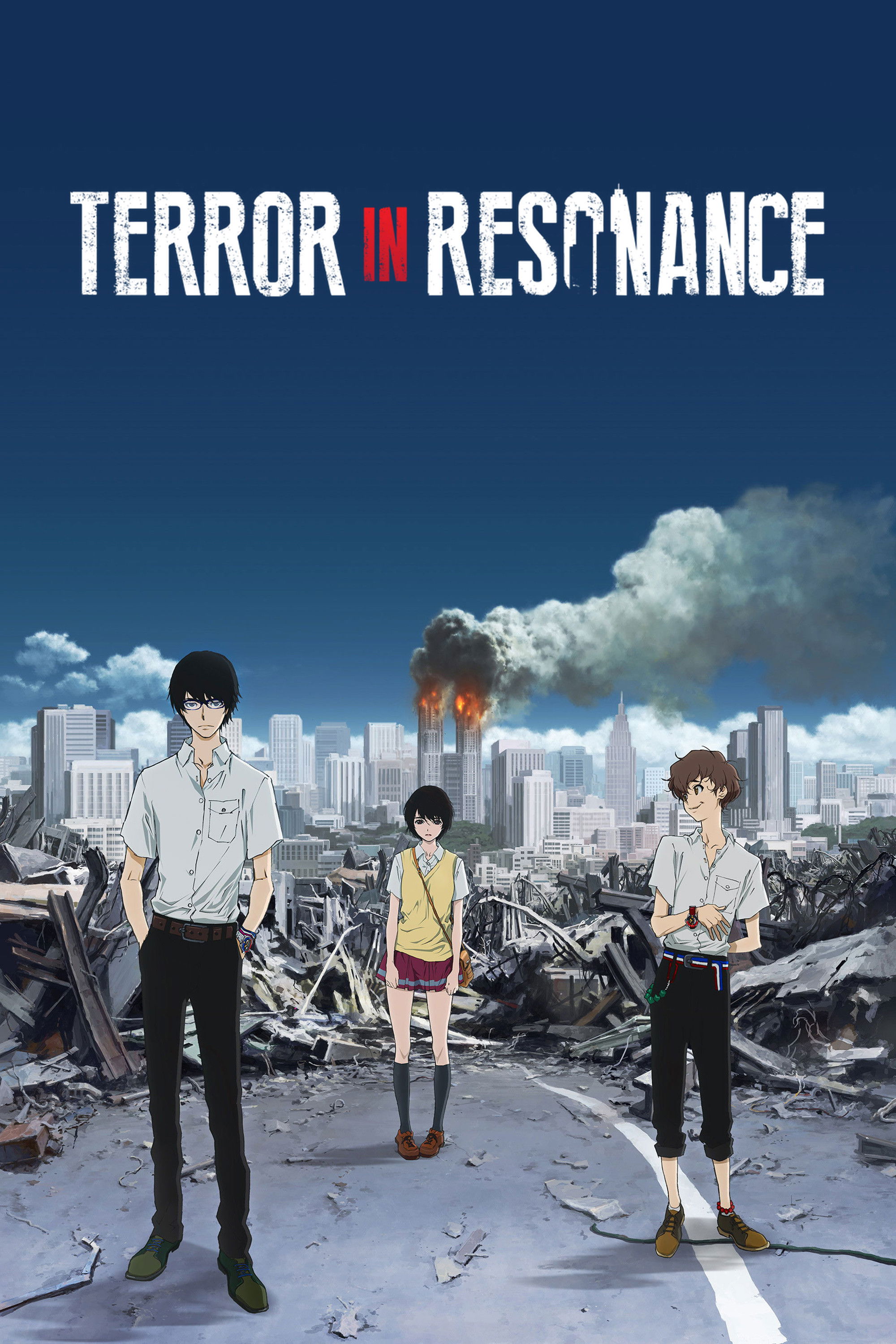
A thrilling anime series, ‘Terror in Resonance,’ follows two teenage boys who commit acts of terrorism in Tokyo, hoping to expose a government cover-up and shake up society. The show faced a ban in China due to its portrayal of terrorism and the use of explosives by young characters. Officials feared it could negatively influence viewers or even inspire real-life crimes. Its suspenseful mood and critical stance towards the government led to censorship. Despite receiving praise for its high production values, ‘Terror in Resonance’ is still unavailable in some countries.
‘Highschool of the Dead’ (2010)
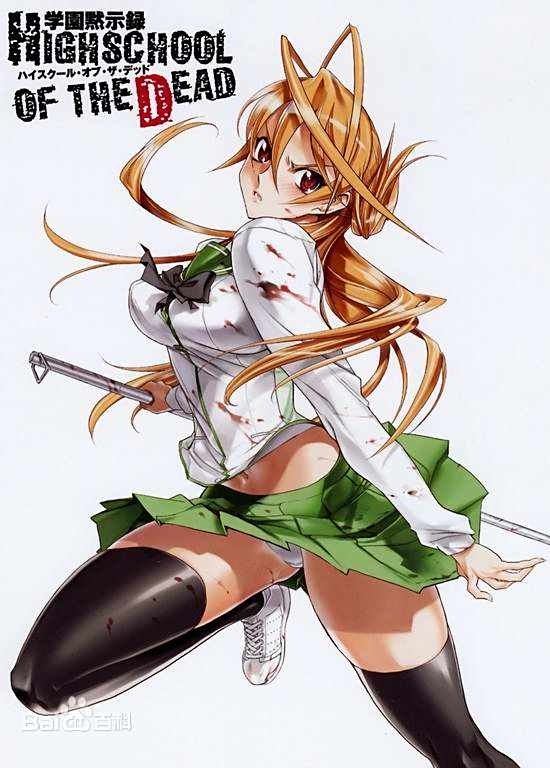
‘Highschool of the Dead’ is an anime about a group of high school students trying to survive a zombie outbreak, all while facing drama within their group. It was banned in China due to its graphic violence and overly sexualized depictions of characters. Censors specifically objected to the combination of intense horror and suggestive content, which pushed the limits of what’s acceptable on television. The show is often cited as an example of media that’s been prohibited for being too provocative.
‘Fate/Zero’ (2011–2012)
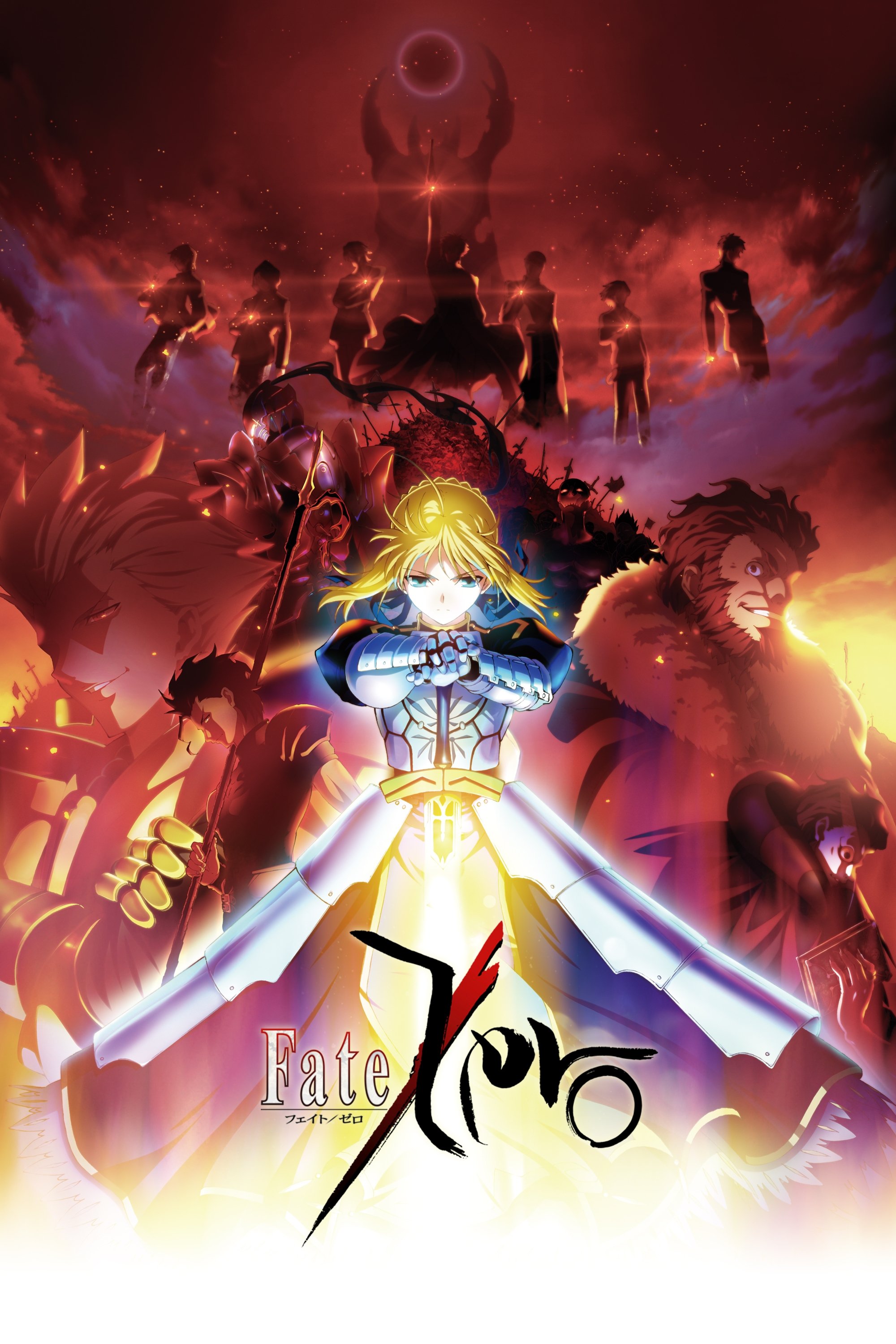
A hidden war is fought between magicians and the spirits they summon, all vying for control of the Holy Grail, an object said to grant wishes. China banned ‘Fate/Zero’ along with thirty-seven other anime series, believing it contained harmful content. The show explores dark and complex psychological themes and includes scenes of significant violence and distress. Chinese officials specifically targeted it to limit the spread of content they considered damaging. Despite being banned in China, ‘Fate/Zero’ remains widely popular around the world.
‘No Game No Life’ (2014)
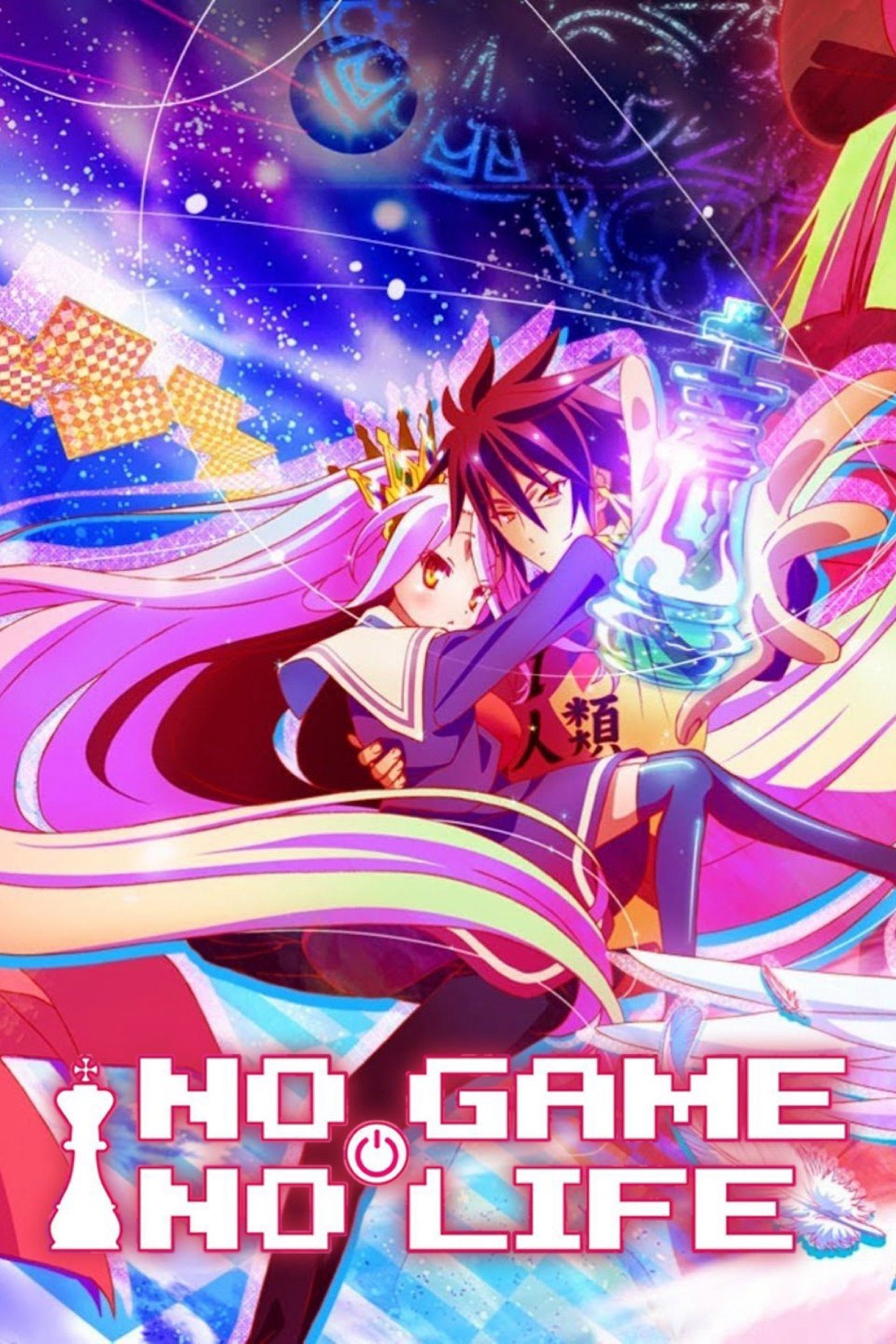
The anime ‘No Game No Life’ follows two gifted siblings who find themselves in a fantasy world where all disputes are settled through games. It was banned in Russia due to concerns about depictions of child pornography, specifically focusing on suggestive portrayals of a young female character. This led to its removal from major streaming services in the country, and the series continues to be debated legally regarding its content and the age of its characters.
‘Death Parade’ (2015)
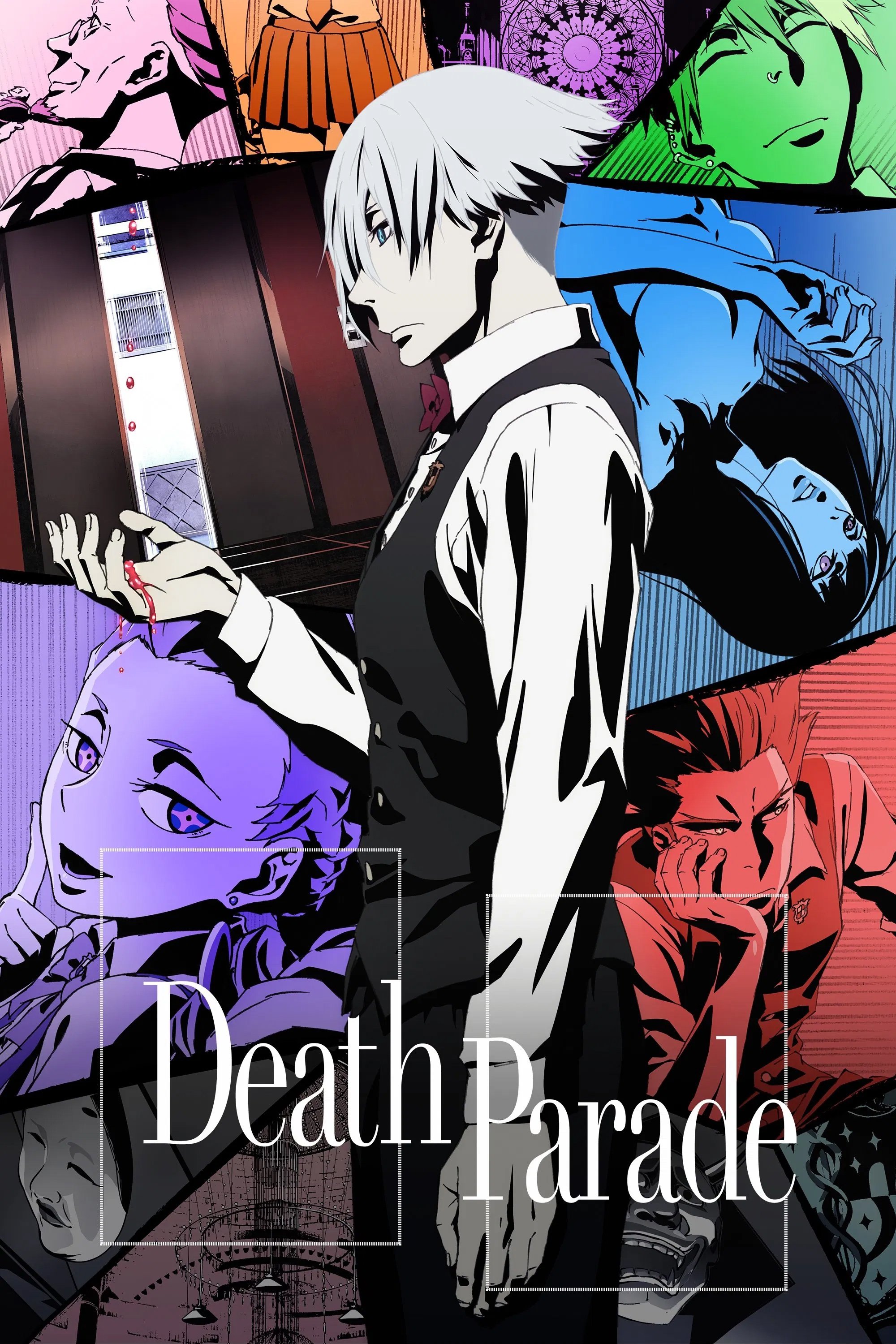
‘Death Parade’ takes place in a strange bar where people go after they die. To decide whether they’ll be reincarnated or disappear forever, they have to play games. The show was banned in China because of its dark and unsettling themes, focusing on death and the psychological challenges the characters face. Officials felt it was too grim and showed too much human suffering, especially for young viewers. ‘Death Parade’ stands out as a rare example of a thought-provoking series being censored for its serious and somber mood.
‘Sword Art Online’ (2012–2014)

The anime series ‘Sword Art Online’ features players stuck inside a virtual reality game where death in the game means real-life death. China banned the show because of its violent content and themes considered potentially damaging to young viewers. Specifically, scenes of physical attacks and the intense psychological stress within the game led to the ban. While once very popular in China, the show was removed as part of a broader effort to regulate online streaming content, demonstrating how even successful shows can be taken down due to changing rules.
‘The Seven Deadly Sins’ (2014–2021)
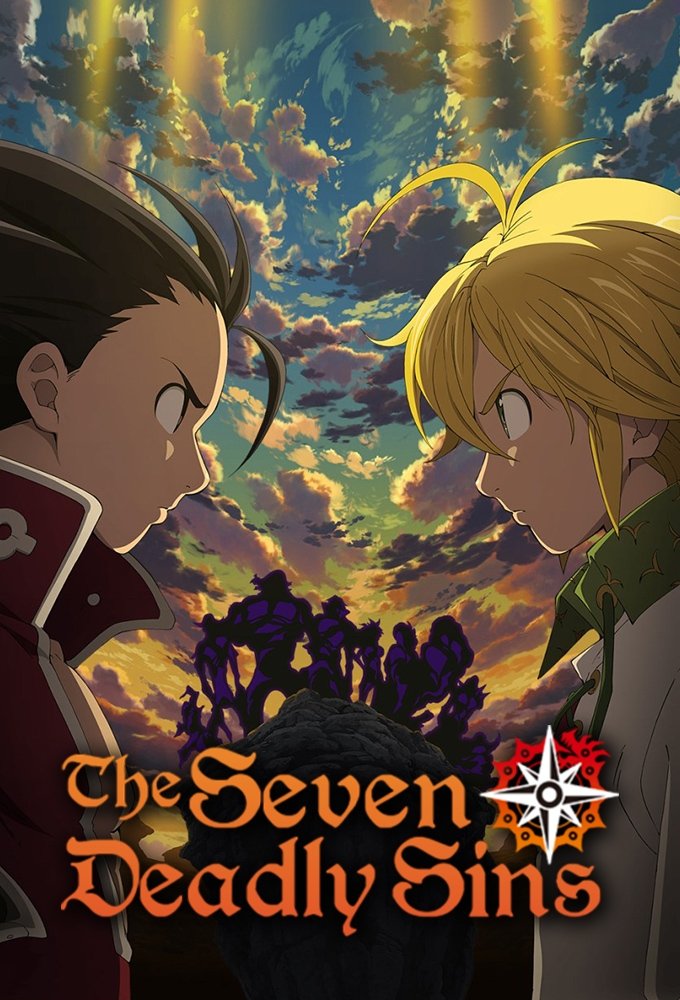
A band of strong knights fights to take back their kingdom from leaders who have become corrupt, all while facing off against monsters and other supernatural dangers. The series was banned in China due to its violent content and themes that were seen as critical of the government. Specifically, the knights’ revolt against the ruling religious organization raised red flags with censors, and some suggestive content featuring the characters also led to its prohibition. ‘The Seven Deadly Sins’ was one of many action series banned in China during the mid-2010s.
‘Prison School’ (2015)
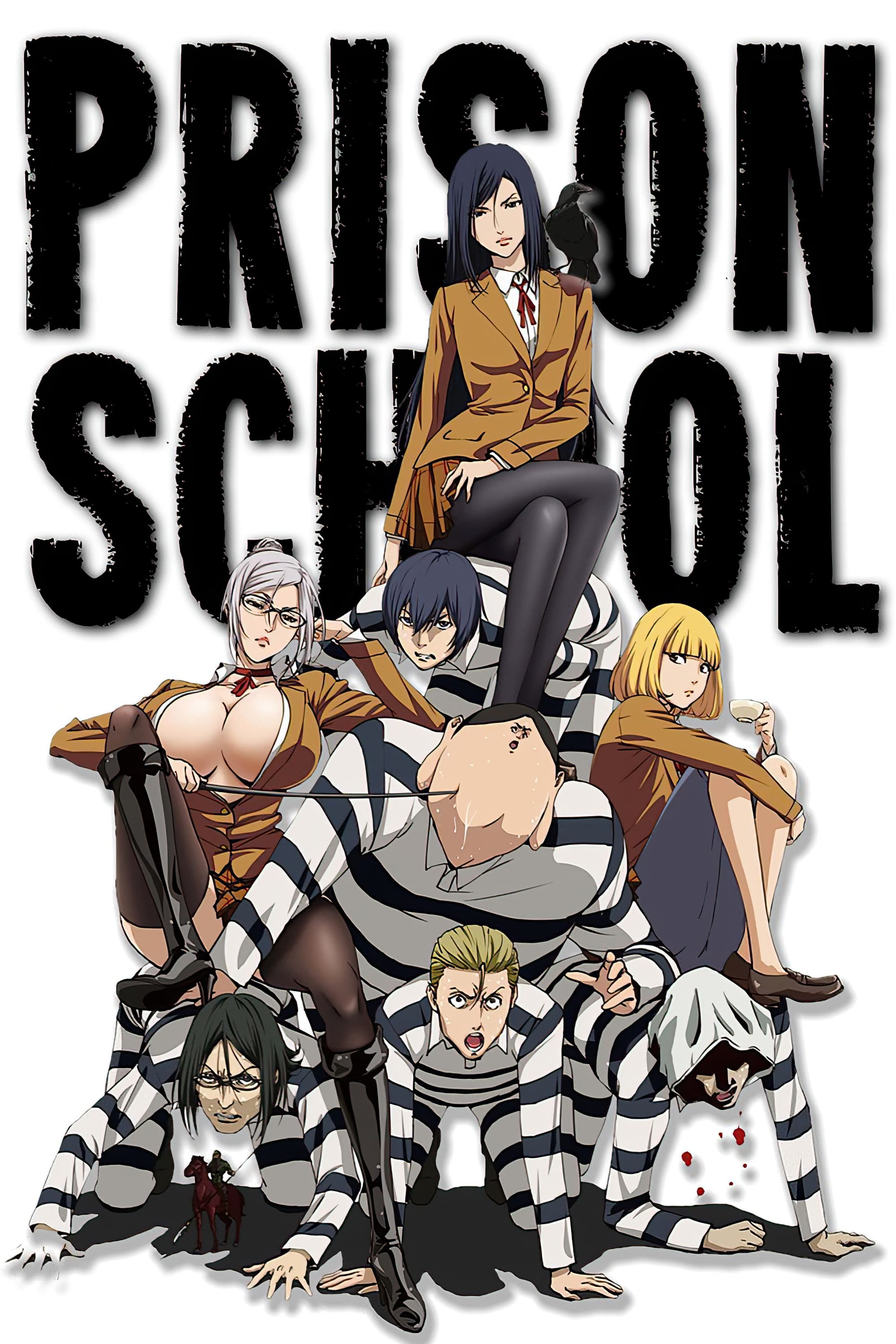
‘Prison School’ is an anime about five boys who attend an all-girls school and end up in a campus detention after being caught spying on students. It faced a ban in China because of its excessive fanservice and often crude jokes. The show is known for its provocative scenes and its humorous, though often over-the-top, portrayal of high school life. Authorities found the content to be inappropriate and lacking in educational merit. The series continues to be debated for its very direct and explicit style of comedy and how its characters interact.
‘That Time I Got Reincarnated as a Slime’ (2018–2021)
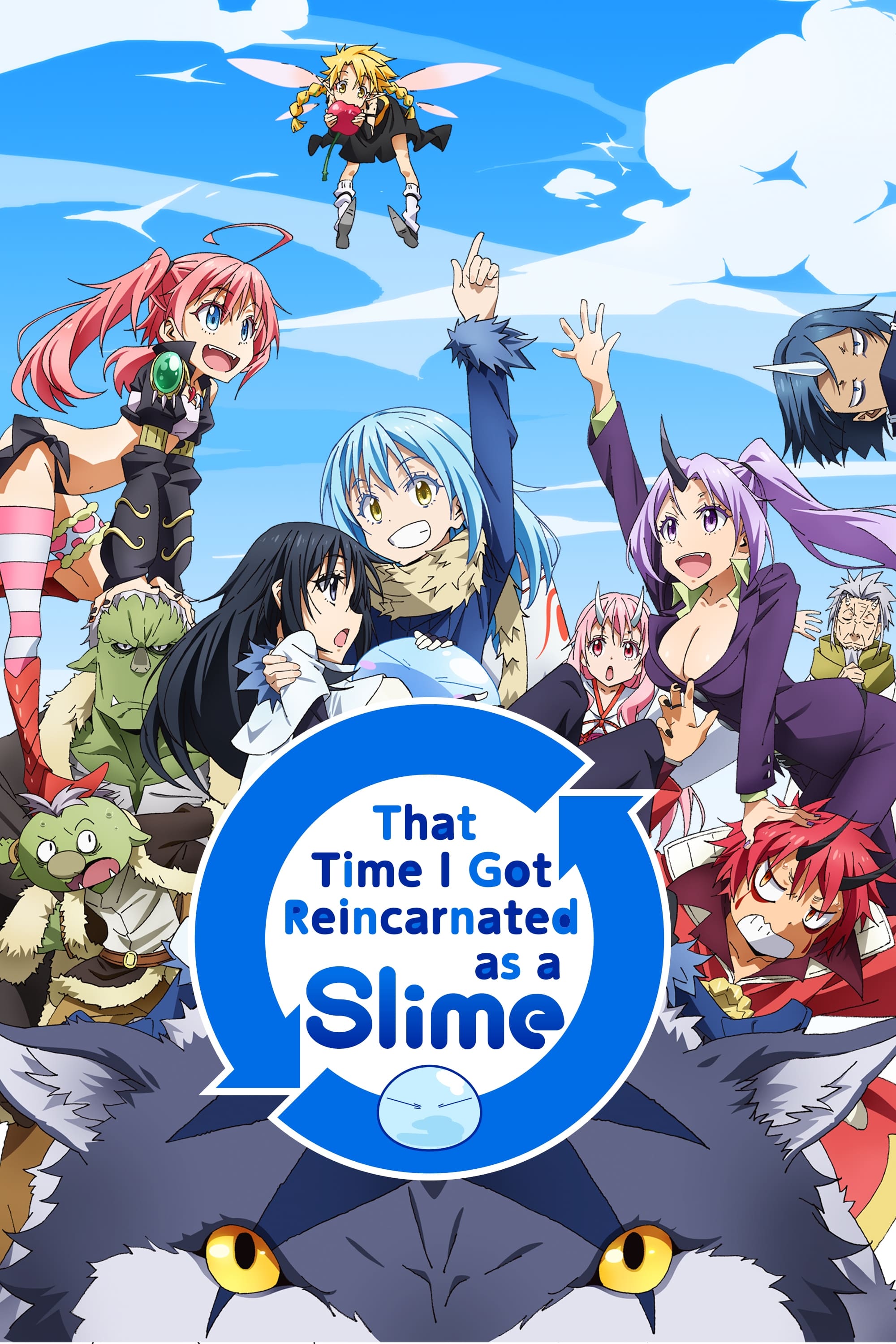
I’ve been completely captivated by this story! It follows a man who tragically dies and is reborn as a slime – can you believe it? – in a fantastical world. What really gets me is how he doesn’t just survive, but builds an entire nation for all sorts of amazing creatures. It’s similar to other stories where someone is transported to another world, but it actually ran into trouble in Russia. Apparently, the authorities worried that the idea of dying to start a new life might be seen as something positive, especially for young people. It’s a shame it’s restricted there now, because the show is a huge hit everywhere else and I think everyone should be able to enjoy it!
‘Another’ (2012)
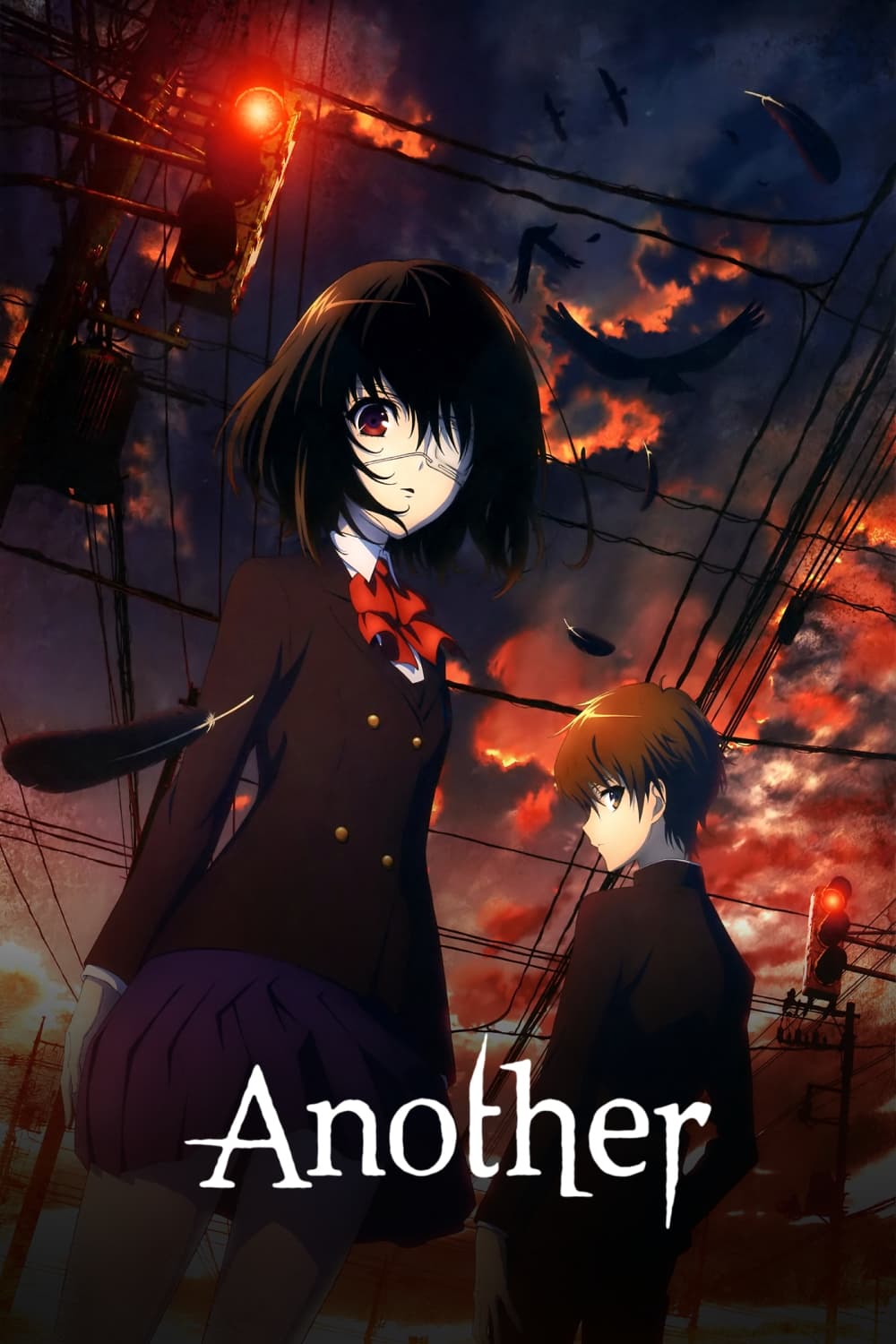
A chilling curse haunts a middle school class, leading to tragic and violent deaths for students and their families. Due to its intense horror and graphic content, the anime ‘Another’ was banned in China. Authorities found the constant sense of dread and detailed depictions of fatal accidents to be too disturbing and potentially harmful to viewers, and sought to prevent its spread. ‘Another’ remains well-known as a powerful, yet controversial, horror anime from its era.
‘Gantz’ (2004)
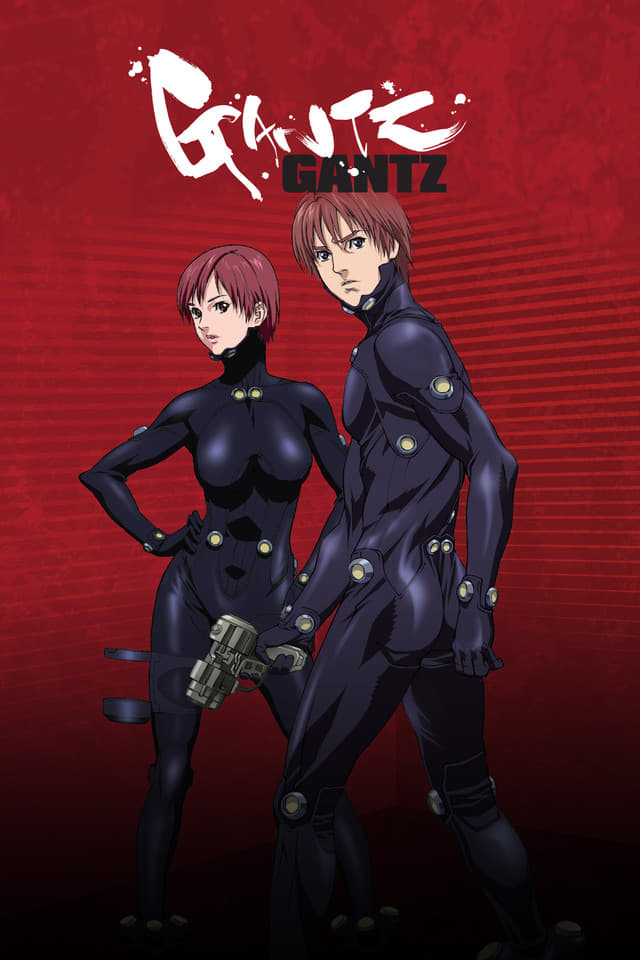
In ‘Gantz,’ people who have died are resurrected and forced to compete in a deadly game, hunting aliens secretly living on Earth. The series was banned in China because of its intense violence and sexual content. Known for its dark and pessimistic themes, ‘Gantz’ is infamous for how harshly it treats its characters. Authorities deemed the show unsuitable for public viewing due to its constant brutality. Despite being banned in some countries, it remains a popular favorite among a dedicated fanbase.
‘Redo of Healer’ (2021)

This anime follows a powerful healer who, after being abused in the past, sets out for revenge. However, it’s faced widespread censorship and has been banned in several countries and on many streaming services because of its graphic depictions of sexual violence. The show was so controversial that even some channels in Japan declined to broadcast it, and it’s become known as one of the most shocking and restricted anime ever made. ‘Redo of Healer’ ignited a significant discussion about the boundaries of acceptable content within the anime industry.
‘Goblin Slayer’ (2018)

After seeing the terrible things goblins do to people, a solitary warrior makes it his life’s mission to destroy them. The anime series ‘Goblin Slayer’ quickly became controversial and faced limitations in many areas because its first episode was very graphic. Some reviewers and authorities felt the scenes of sexual assault and violence were too intense for regular television. Although not completely banned everywhere, it often requires viewers to prove their age or is altered for broadcast. ‘Goblin Slayer’ highlights how a single, impactful scene can determine where and how a show is allowed to be seen.
‘Afro Samurai’ (2007)
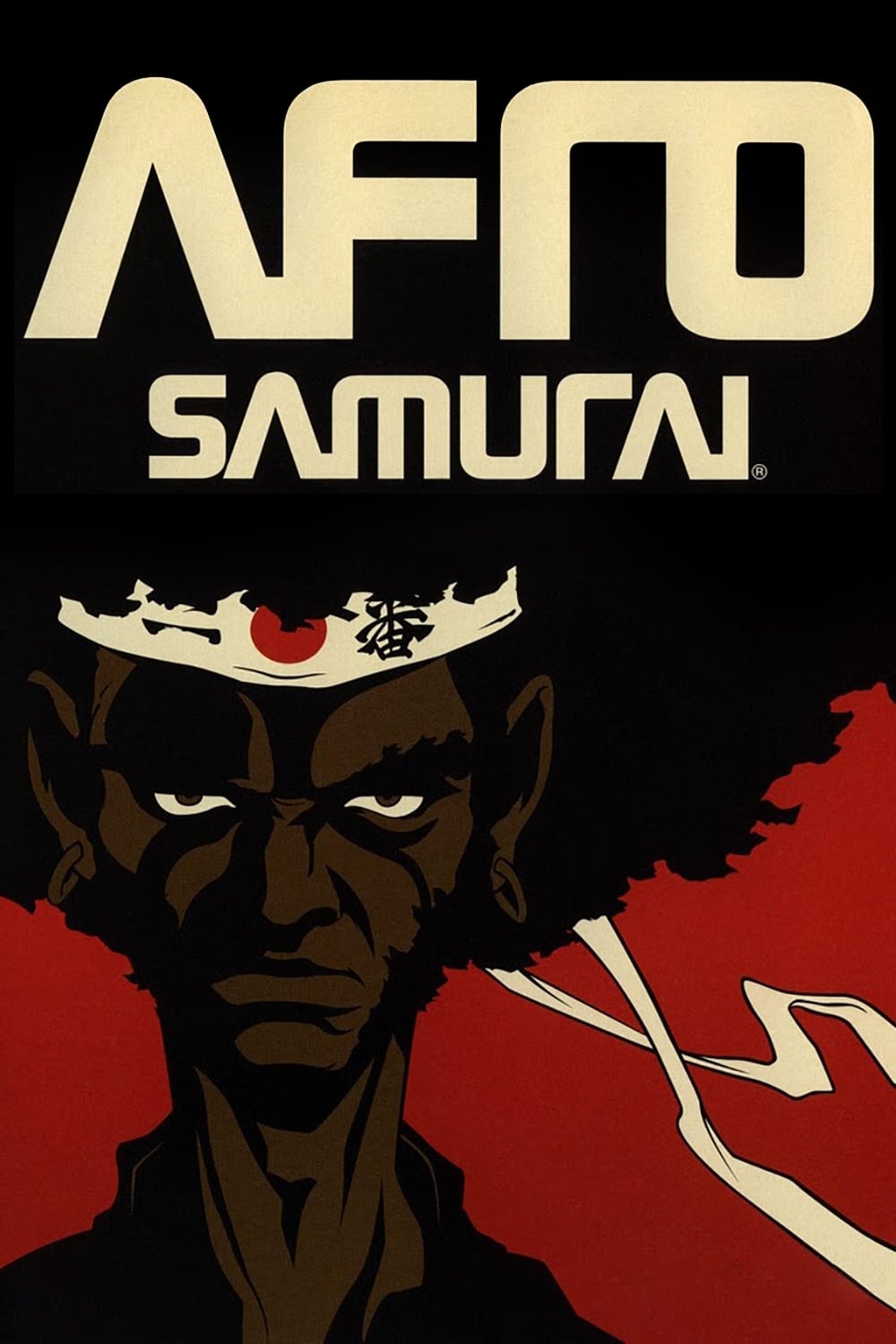
Okay, let me tell you about ‘Afro Samurai.’ It’s a visually striking anime that throws you into a wild, futuristic take on feudal Japan, following a black samurai on a seriously bloody quest for revenge after his father is killed. The action is intense – think constant sword fights and a whole lot of stylized violence. Honestly, it’s a bit over-the-top, and that’s apparently why it was banned in China. Despite being made with creators from around the world, it just couldn’t get past their censorship rules. While everyone acknowledges the show’s unique look and feel, it’s still unavailable in certain parts of the world. It’s a shame, but the violence was clearly a sticking point.
‘Black Butler’ (2008–2010)
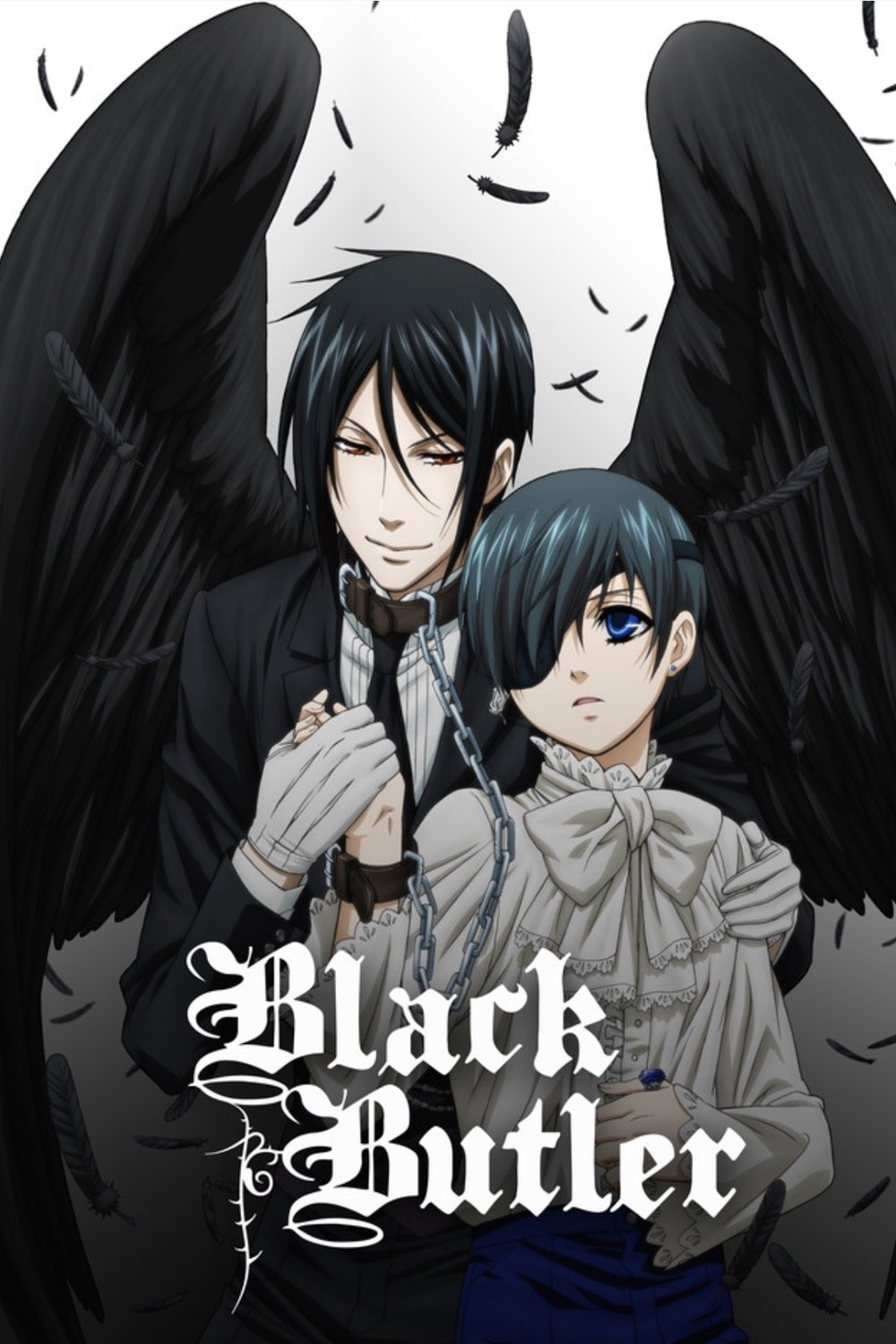
A boy forms an unlikely partnership with a demon, who serves as his butler, to investigate the deaths of his family. The anime and manga series ‘Black Butler’ was banned in China due to its dark themes, supernatural content, and elements that were seen as occult. Some censors were also worried about the relationship between the young main character and the demon. Authorities considered the series’ mix of mystery and horror damaging to social values. Despite the ban, ‘Black Butler’ remains popular and is unavailable in China.
‘Claymore’ (2007)
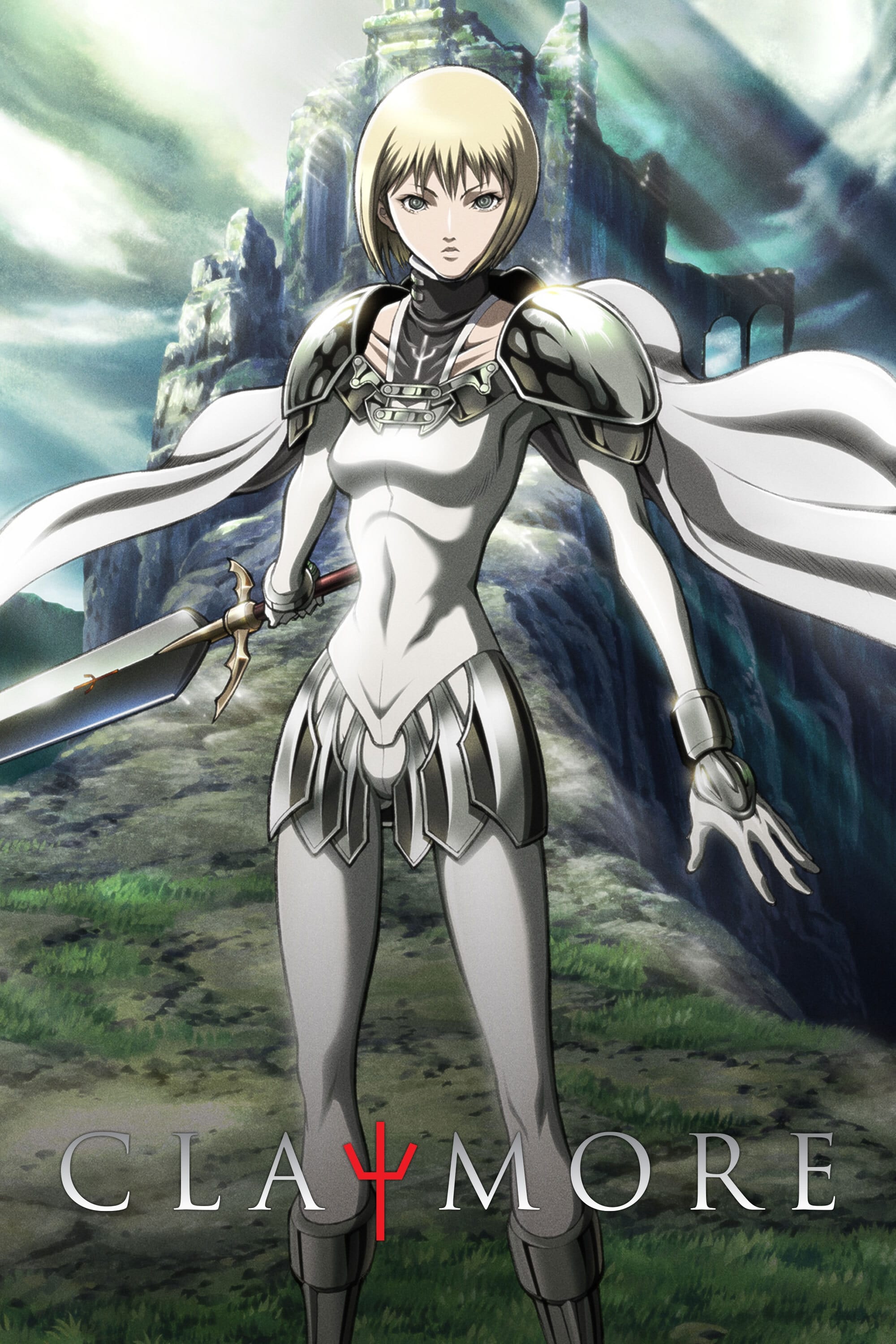
I’m a huge fan of ‘Claymore,’ and it’s a really intense show about these incredible warriors – they look human, but have silver eyes and fight monsters using powers from the demons themselves! It’s a shame it got banned in China, though. It’s definitely dark and doesn’t shy away from showing the brutality of the fights – characters get seriously injured, even losing limbs. The authorities there thought it was just too violent for everyone to see. It’s similar to other fantasy series that have run into trouble in Asia for being a bit too graphic, but honestly, that’s part of what makes ‘Claymore’ so compelling to me.
‘Tokyo Ravens’ (2013–2014)
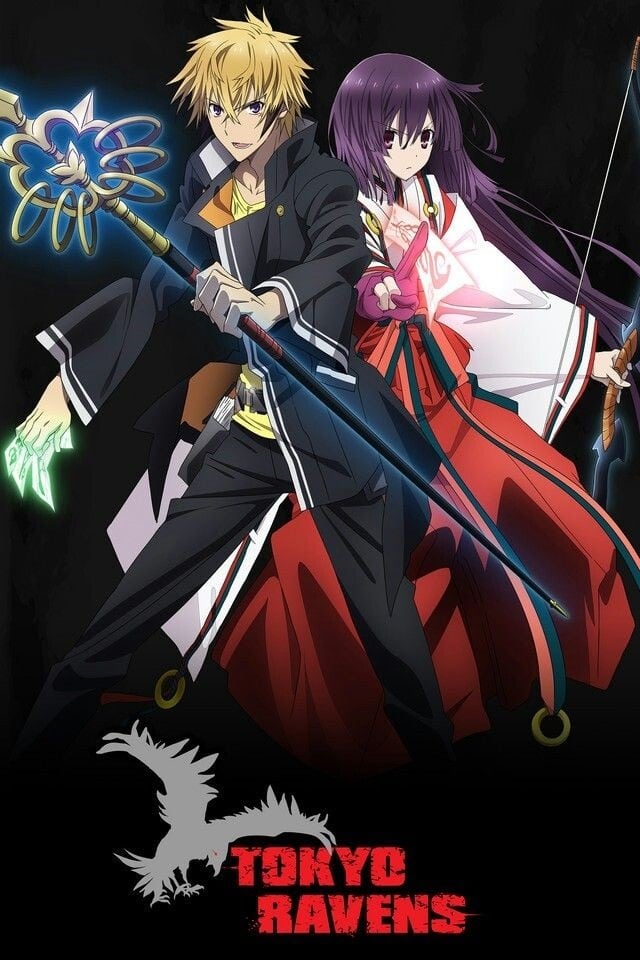
A new show about young magic users training to fight supernatural threats has faced restrictions in China. The series, set in the modern world, was banned due to its focus on sorcery and themes seen as promoting superstition. Chinese regulators often limit content featuring spirits and the occult to uphold non-religious values, and this series was removed from official platforms as part of a larger effort to control supernatural content. This situation demonstrates how different cultures view magic in entertainment.
‘Blue Exorcist’ (2011)
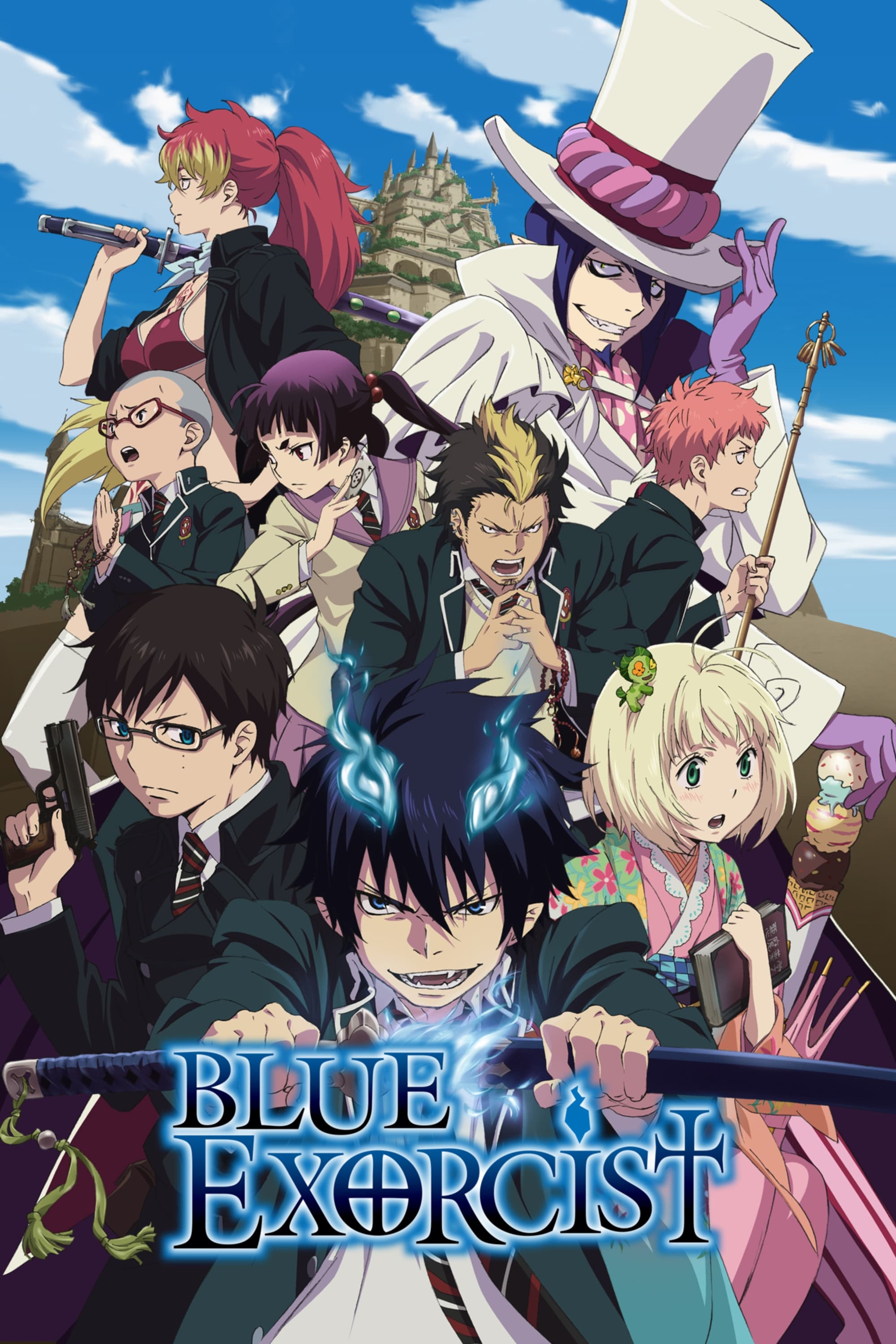
In ‘Blue Exorcist,’ a teen learns he’s the son of Satan and chooses to become an exorcist to fight his father. The show was banned in China due to its religious content and depictions of demons and exorcisms. Chinese authorities worried about how the show portrayed religious symbols and the idea of a main character with a demonic background, deeming it inappropriate for the country’s values. ‘Blue Exorcist’ is now a well-known case of censorship related to religion and the supernatural.
‘Log Horizon’ (2013–2021)
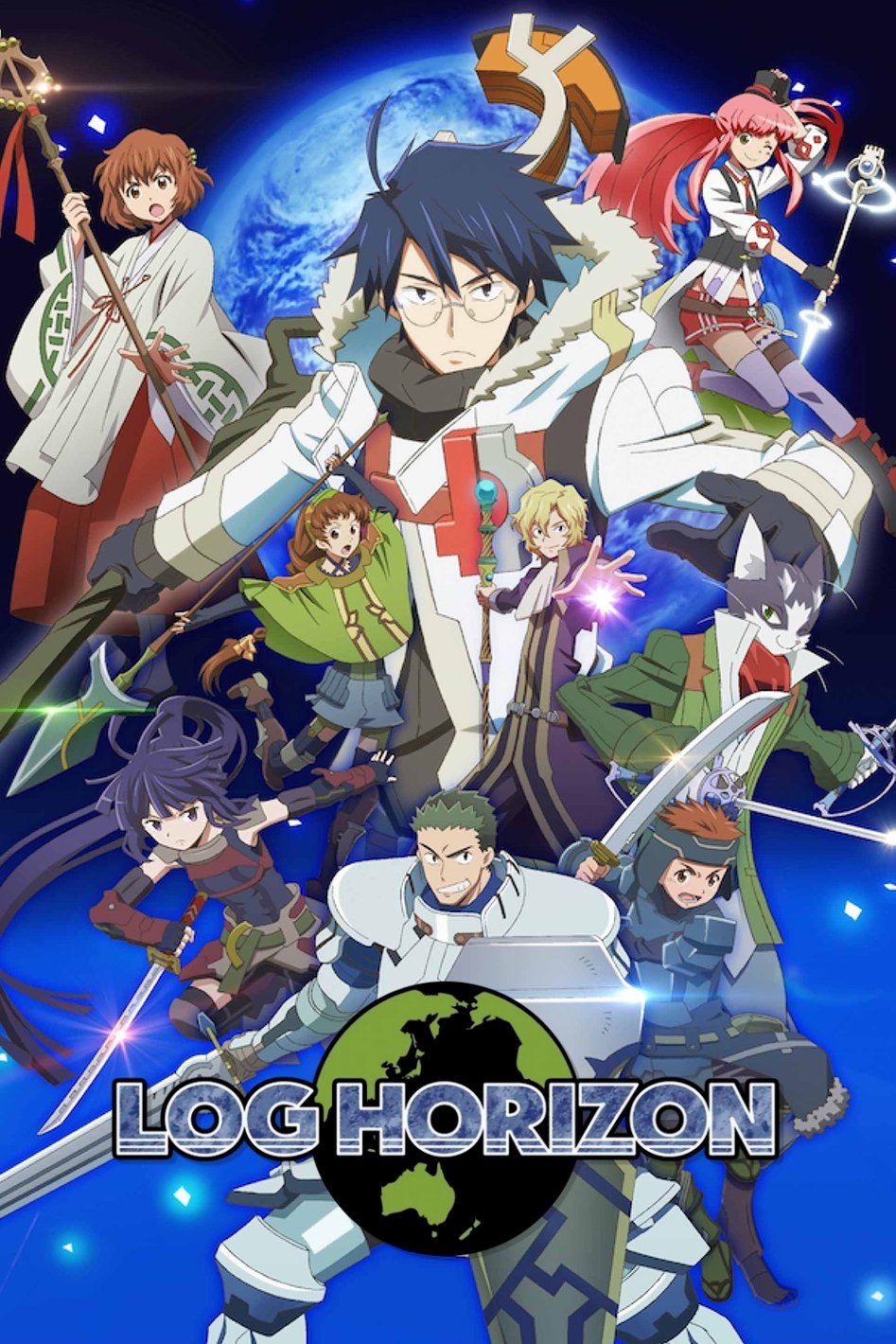
As a big anime fan, I recently learned about ‘Log Horizon,’ which has a really interesting premise – thousands of players get sucked into a fantasy game and have to basically start a new civilization. But here’s the catch: it got banned in China, and it’s a really frustrating situation. Apparently, the author was involved in some tax evasion issues, and the Chinese government has a policy of pulling any media connected to people who’ve broken the law or lost public trust. So, even though the show itself wasn’t the problem, it got removed from all official streaming sites and stores. It just goes to show how real-world legal troubles can completely affect whether or not we get to enjoy a series, which is a real shame.
‘Danganronpa: The Animation’ (2013)
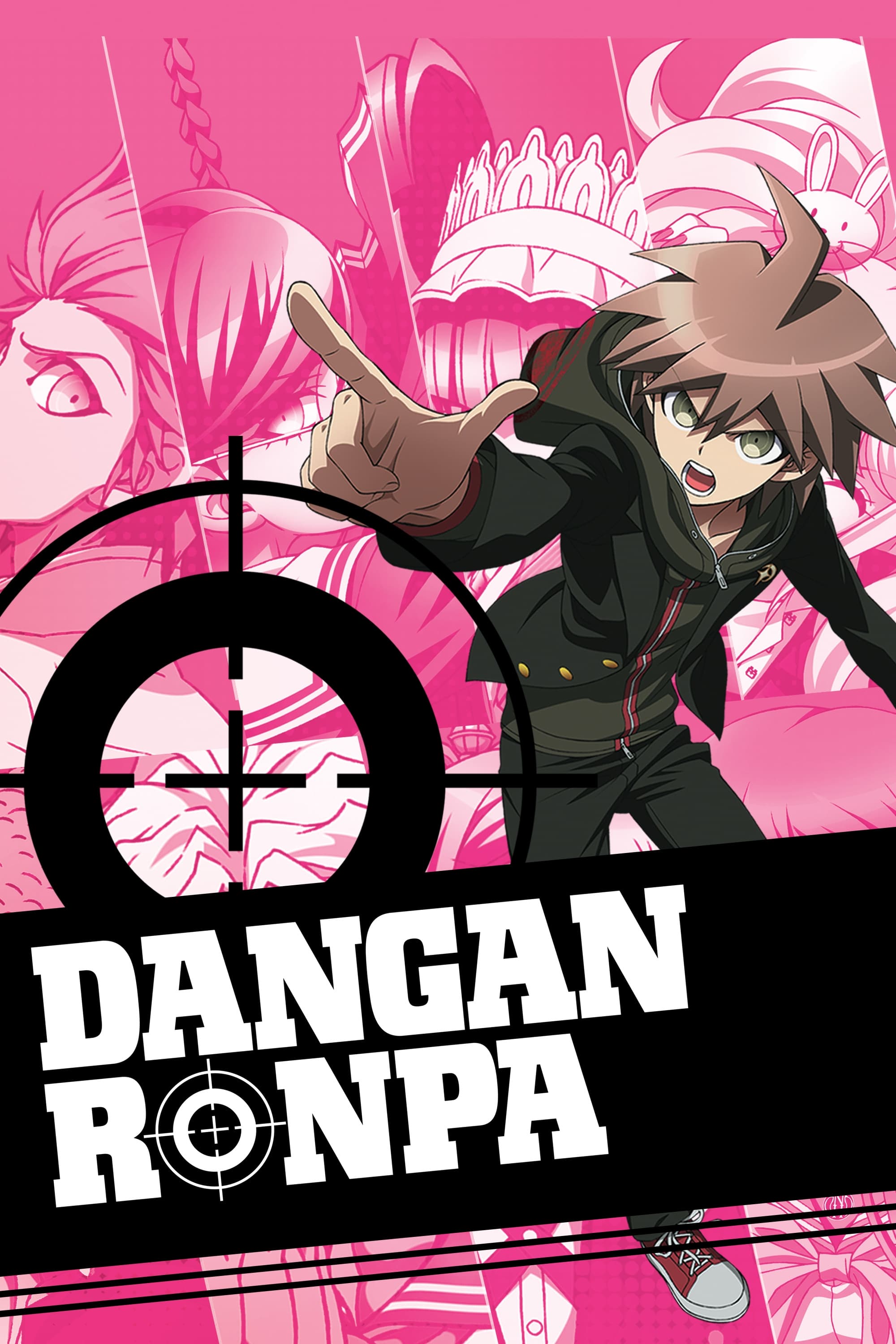
The anime series ‘Danganronpa’ was banned in China because it depicts a violent game where students are forced to kill each other to escape a school. Even with its unusual visual choice of pink blood, officials found the show’s focus on student-on-student violence and its disturbing psychological themes to be harmful to young viewers’ mental health. This ban remains a notable example of a video game adaptation being restricted due to its dark and unsettling story.
‘Akame ga Kill!’ (2014)

‘Akame ga Kill!’ follows a young man who teams up with a group of assassins to fight against a dishonest empire and bring fairness back to the country. The series was banned in China due to its intense violence and focus on political assassination. It gained notoriety for unexpectedly and violently killing off important characters, shocking viewers. Chinese censors considered the show a danger to social stability and public safety, and it was among the action series targeted during a 2015 censorship campaign.
Tell us which of these banned anime surprised you the most in the comments.
Read More
- Gold Rate Forecast
- Games That Faced Bans in Countries Over Political Themes
- Silver Rate Forecast
- 22 Films Where the White Protagonist Is Canonically the Sidekick to a Black Lead
- Unveiling the Schwab U.S. Dividend Equity ETF: A Portent of Financial Growth
- How to Do Sculptor Without a Future in KCD2 – Get 3 Sculptor’s Things
- Celebs Who Narrowly Escaped The 9/11 Attacks
- 14 Movies Where the Black Character Refuses to Save the White Protagonist
- 20 Movies Where the Black Villain Was Secretly the Most Popular Character
- The Best Directors of 2025
2026-02-08 19:26