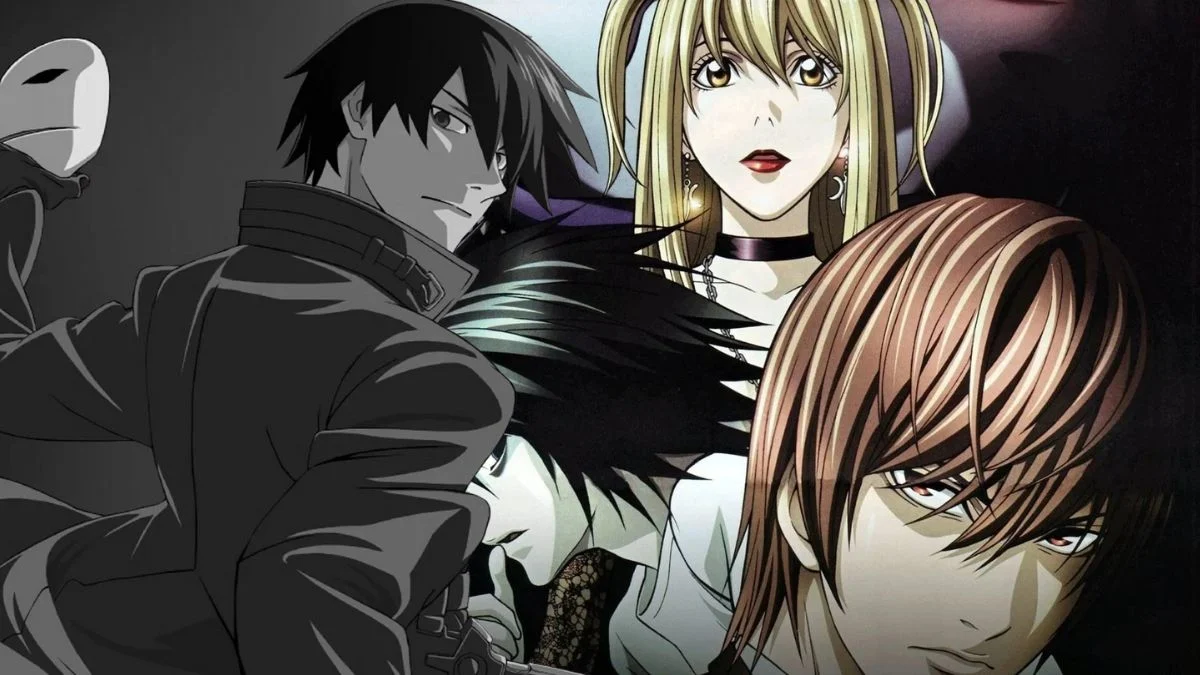
China heavily censors media, including Japanese anime. The government’s Ministry of Culture has strict rules to make sure content supports its values and keeps society stable. Many anime series have been banned for things like violence or storylines that challenge authority. Sometimes, the reasons for these bans seem unusual, reflecting how officials think the content might affect viewers. As a result, fans in China have had to change how they watch and enjoy their favorite anime.
‘Death Note’ (2006–2007)
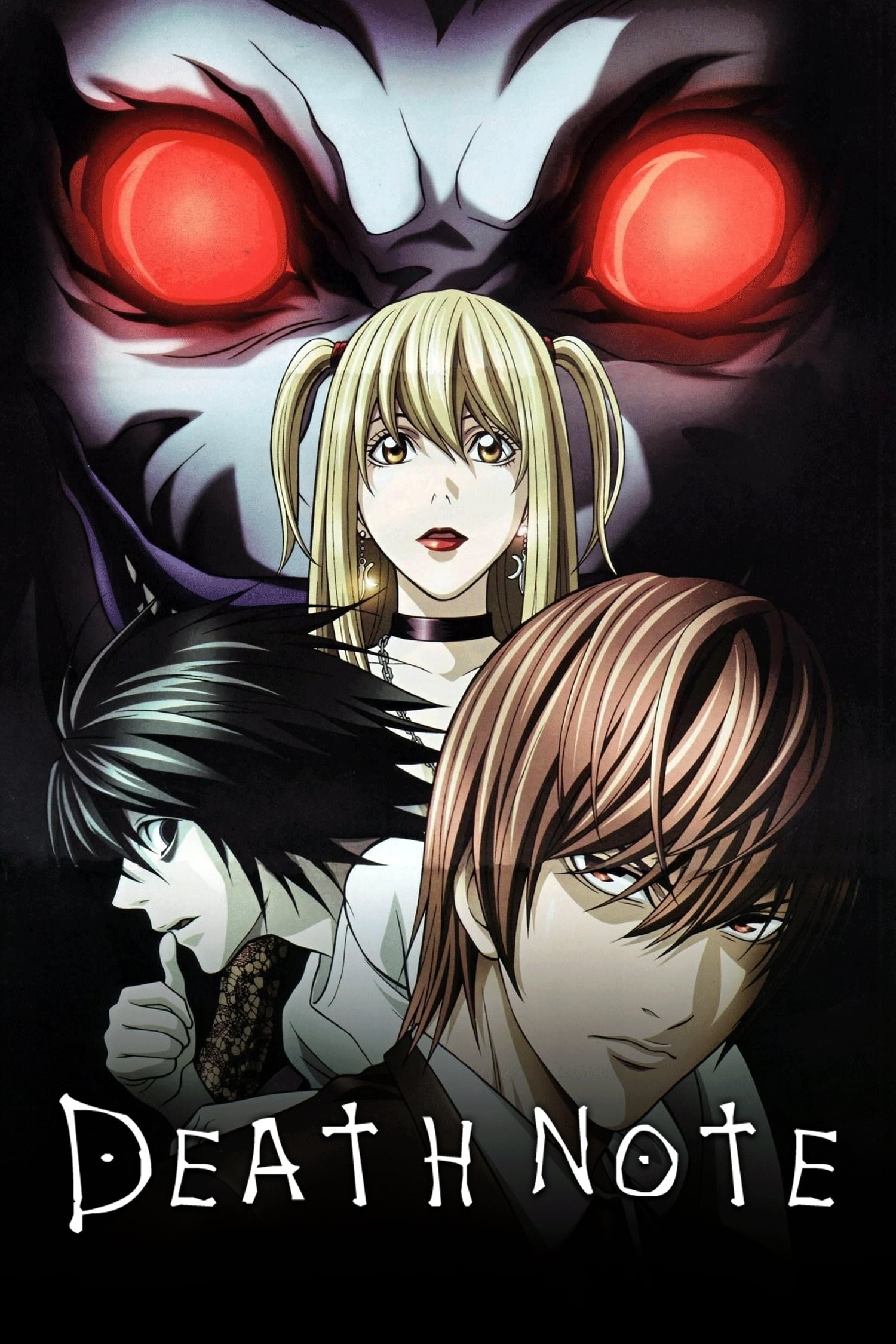
China prohibited the anime series ‘Death Note’ after students started making their own versions of the notebooks from the show and writing their teachers’ names in them. Officials were concerned the show’s supernatural elements could disrupt public order and encourage belief in superstitions. The anime centers around a student who discovers he can kill people simply by writing their names in a special notebook. The government deemed the series inappropriate for children and banned it as an illegal publication. This ban is well-known as a significant instance of anime censorship within China.
‘Attack on Titan’ (2013–2023)
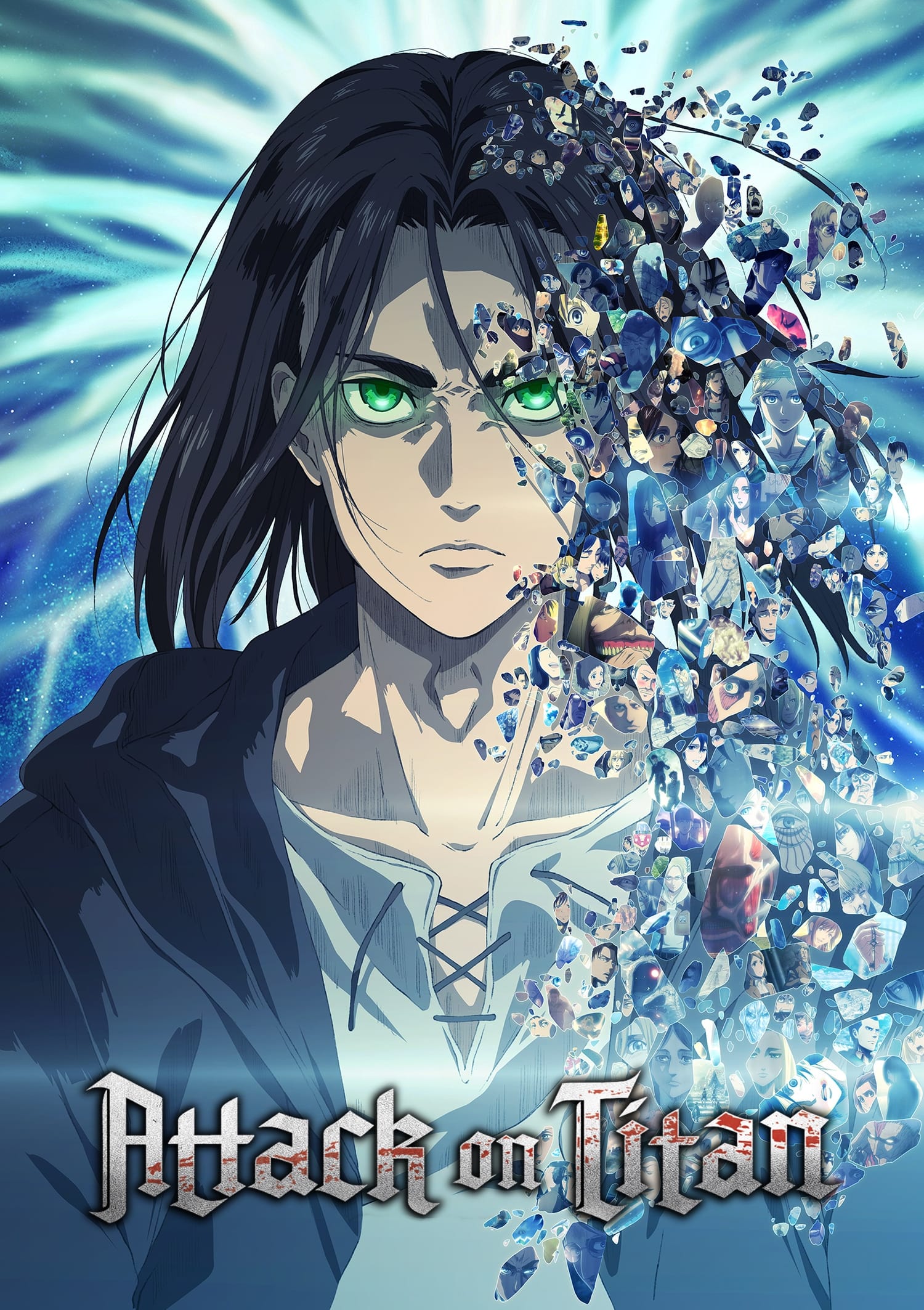
China banned ‘Attack on Titan’ right away due to its intense violence and graphic content. Beyond the action, the show’s story about fighting against a controlling government also worried officials. The Ministry of Culture said the series was damaging to public values and social order, and it was one of thirty-eight titles blocked in 2015. As a result, fans in China have had to find clever ways to watch the series’ final episodes.
‘Tokyo Ghoul’ (2014)
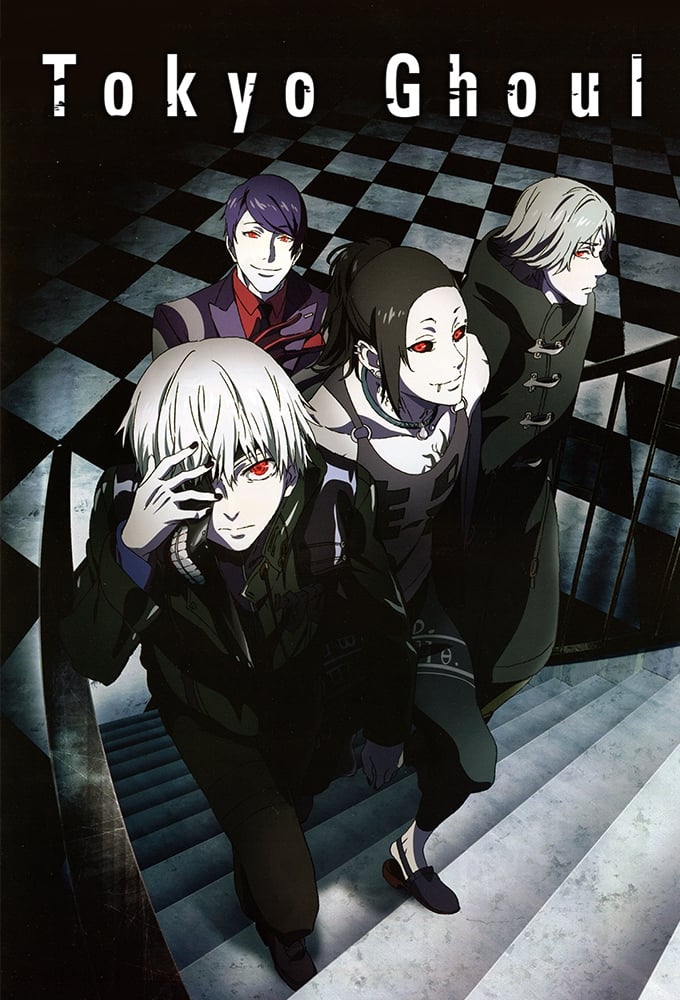
Chinese streaming platforms removed ‘Tokyo Ghoul’ mainly because of its dark and violent content. Officials worried that the show’s depiction of creatures eating human flesh and scenes of torture could negatively affect young viewers. The series follows a college student who becomes half-ghoul after an accident. The government has banned the show online, classifying it as prohibited content.
‘Assassination Classroom’ (2015–2016)
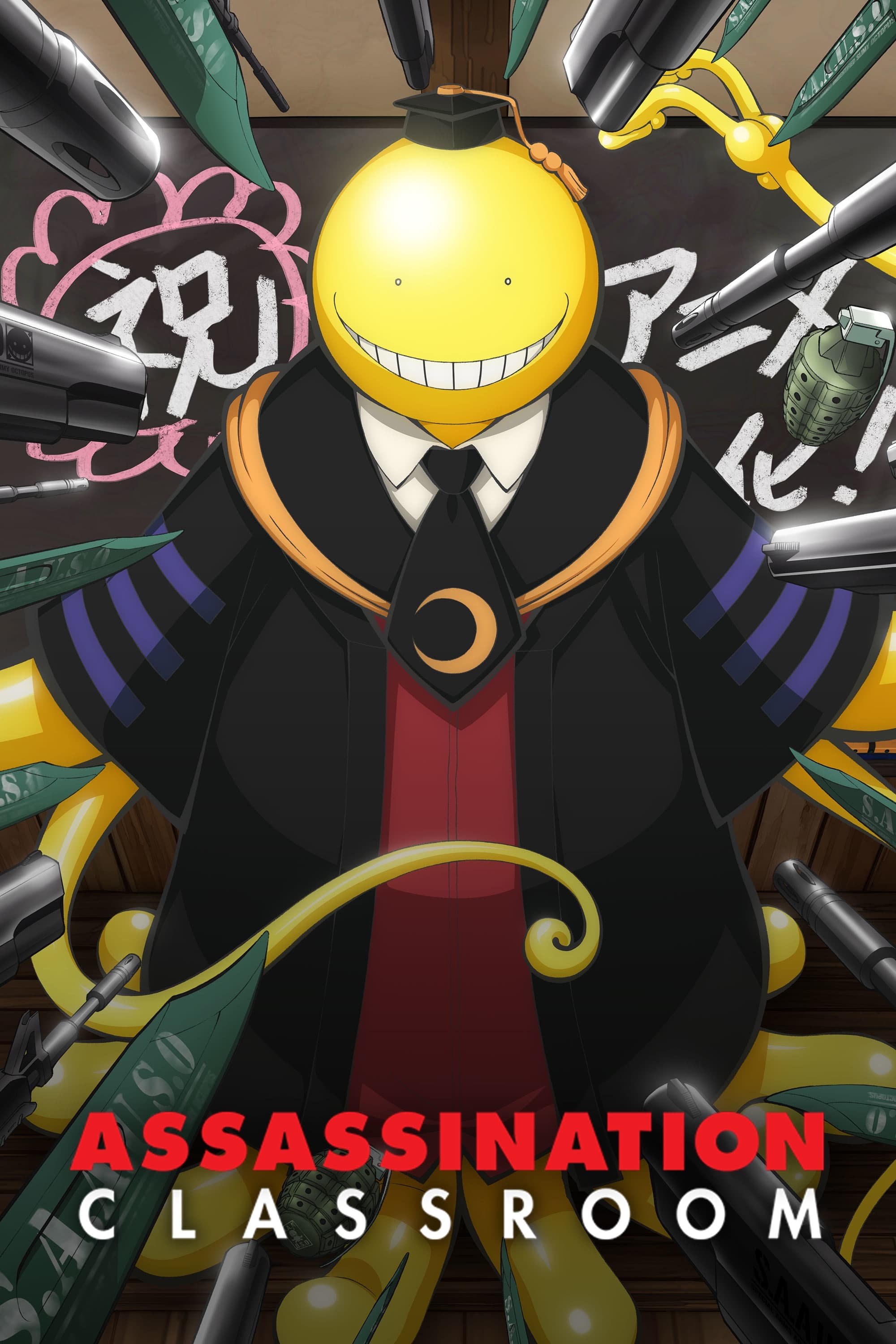
‘Assassination Classroom’ was banned in China because of its core idea: students trying to kill their teacher, even though he’s an alien and ultimately wants to help them save the world. Chinese censors believed this concept was unacceptable, as it showed students attacking an authority figure and promoted violence in schools. They worried it would disrespect teachers and encourage dangerous behavior among young viewers, leading to the show being removed from all official online platforms.
‘Black Butler’ (2008–2010)
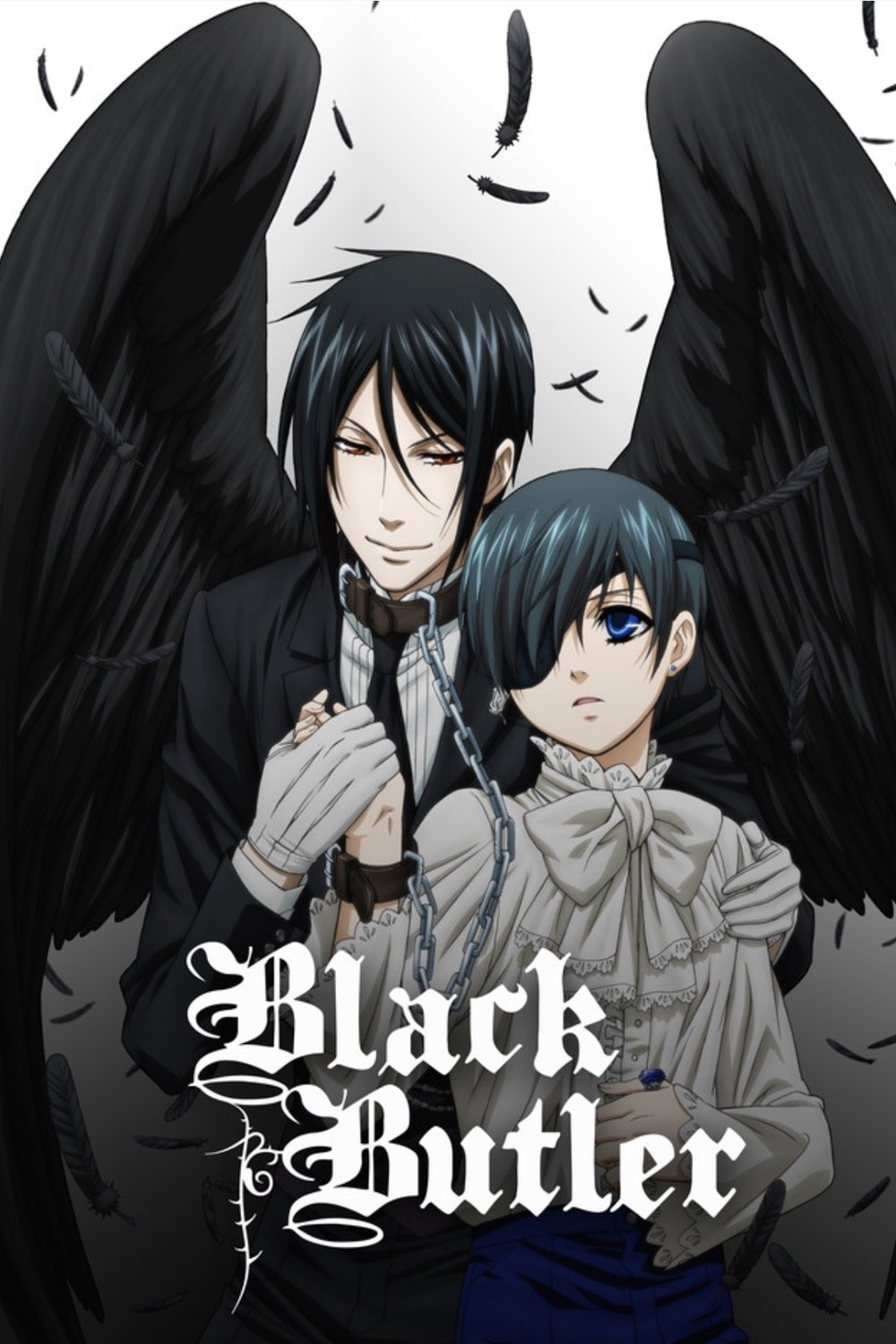
The anime ‘Black Butler’ tells the story of a boy who teams up with a demon butler to avenge his family. However, the Chinese government banned it because of its focus on the supernatural, including demonic imagery and contracts. Officials considered these themes inappropriate for viewers, and also objected to how the relationship between the main characters was portrayed. As a result, ‘Black Butler’ was removed from the internet as part of a larger effort to regulate online content.
‘Psycho-Pass’ (2012–2019)
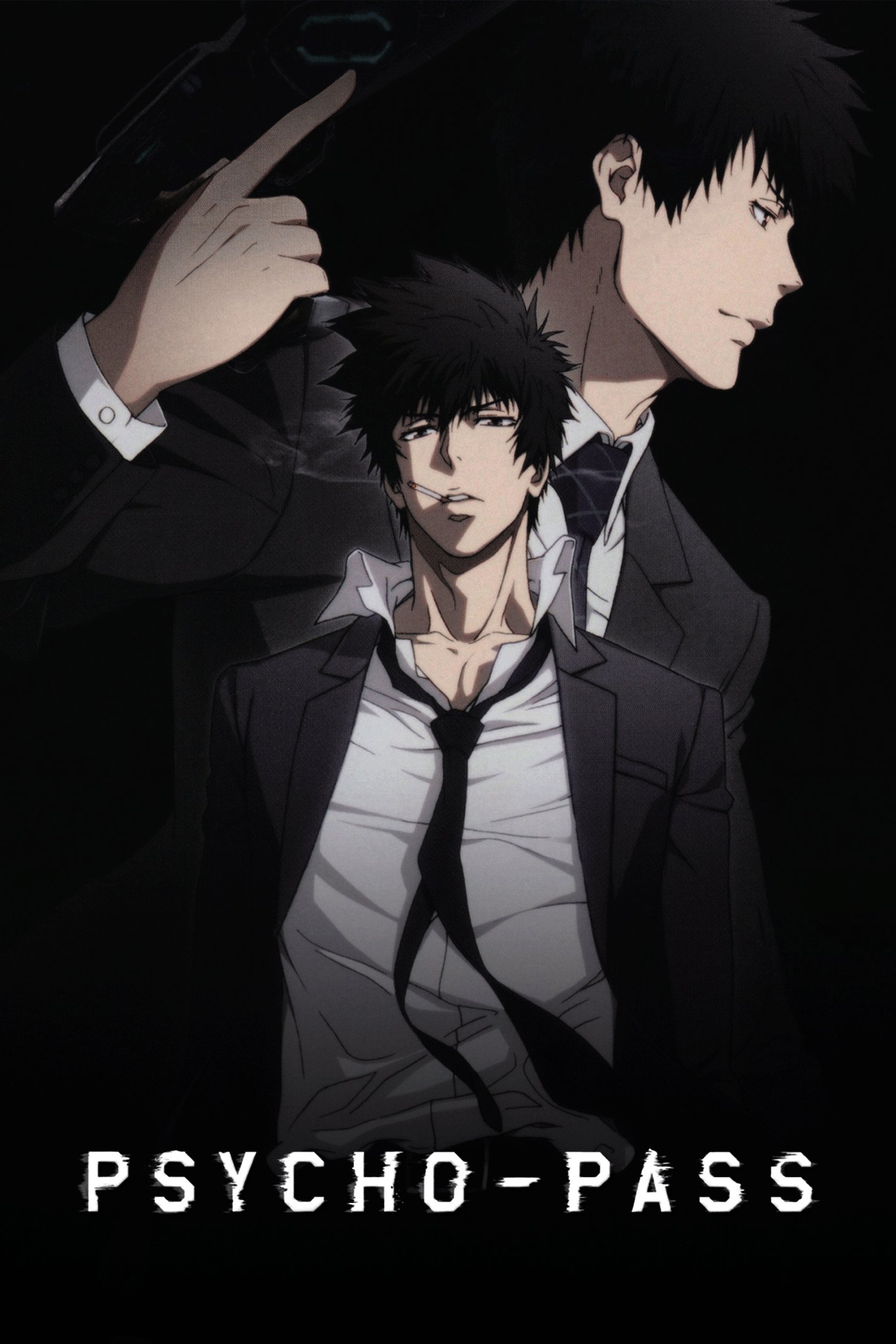
The anime series ‘Psycho-Pass’ is set in a future where a computer system predicts who might commit crimes. Chinese authorities objected to the show because it portrays a justice system that isn’t perfect and can be questioned. The series’ themes of fighting back against authority and challenging power were seen as a threat to social stability. As a result, censors labeled it as content that encourages criminal activity and praises the overthrow of the government. Consequently, ‘Psycho-Pass’ is no longer available on popular video platforms in China.
‘Deadman Wonderland’ (2011)
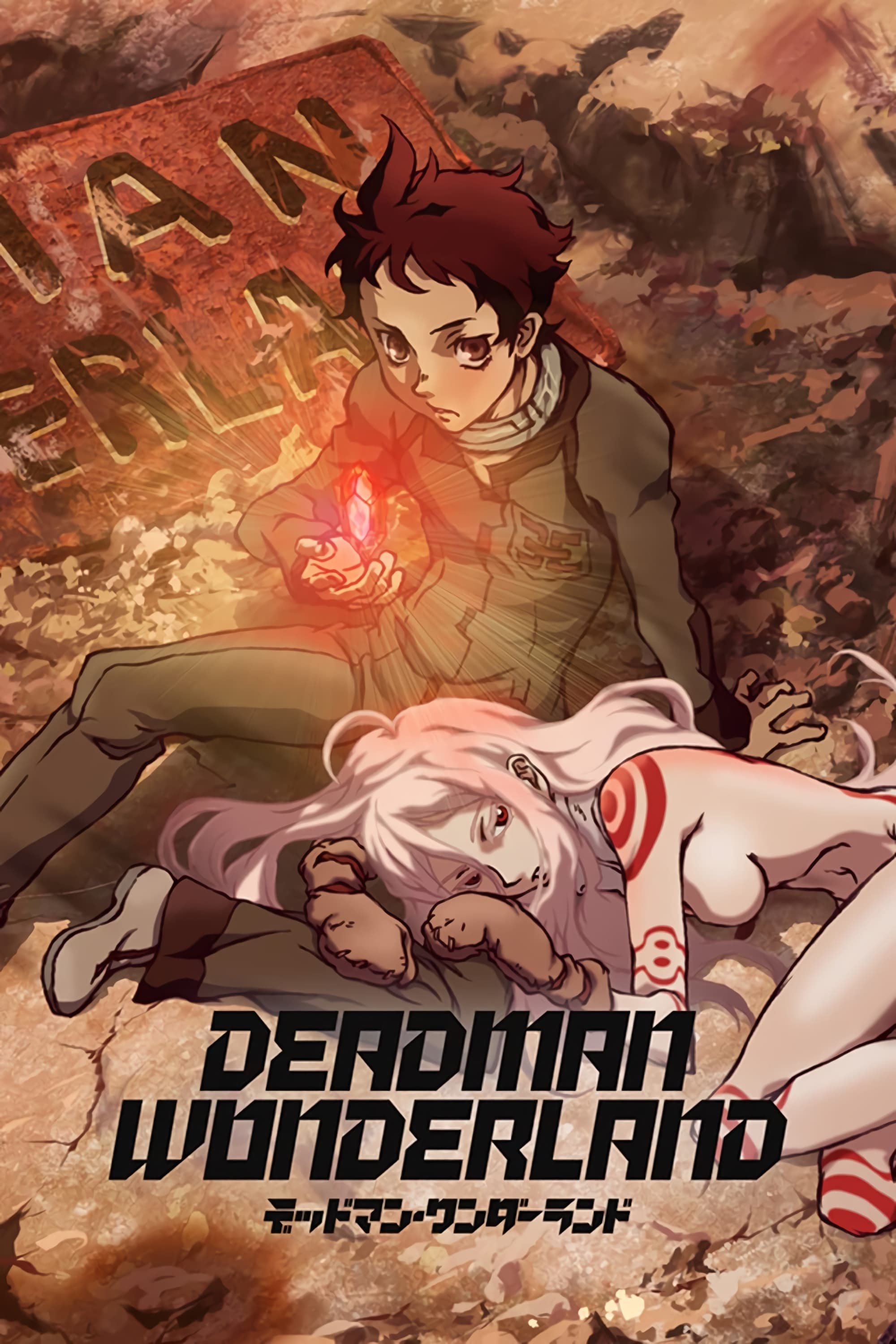
‘Deadman Wonderland’ takes place in a terrifying prison that’s also a twisted amusement park, and it’s known for its intense violence. Due to its graphic content and portrayal of a flawed justice system, the series was banned in China. Specifically, censors objected to the use of blood as a weapon and the disturbing psychological effects on the characters, fearing it could negatively influence young people and disrupt social order. Consequently, the series was removed from all official streaming services in China.
‘Akame ga Kill!’ (2014)

‘Akame ga Kill!’ is an action series about a team of assassins trying to take down a dishonest and power-hungry empire. The Chinese government prohibited the show due to its depictions of political assassination and rebellion, worrying that it could encourage viewers to oppose the government. Beyond the political content, the series is known for its intense violence and frequent character deaths, leading to its classification as a threat to social stability.
‘Highschool of the Dead’ (2010)
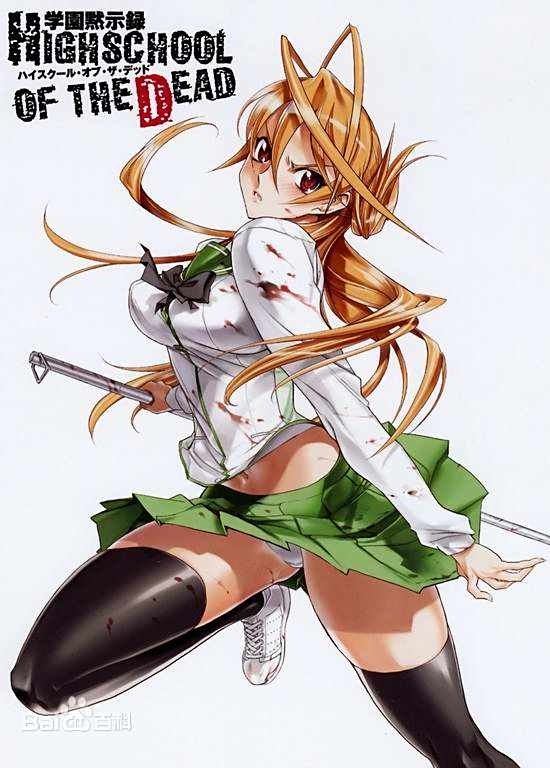
The anime ‘Highschool of the Dead’ is banned in China due to its intense violence and sexually suggestive themes. The show follows high school students trying to survive a zombie outbreak, but Chinese censors objected to its graphic content, including the deaths of teenage characters, deeming it inappropriate and harmful to young viewers. The Ministry of Culture specifically cited the show’s encouragement of vulgarity and potential negative impact on minors. As a result, it is no longer available on official platforms within China.
‘Terror in Resonance’ (2014)
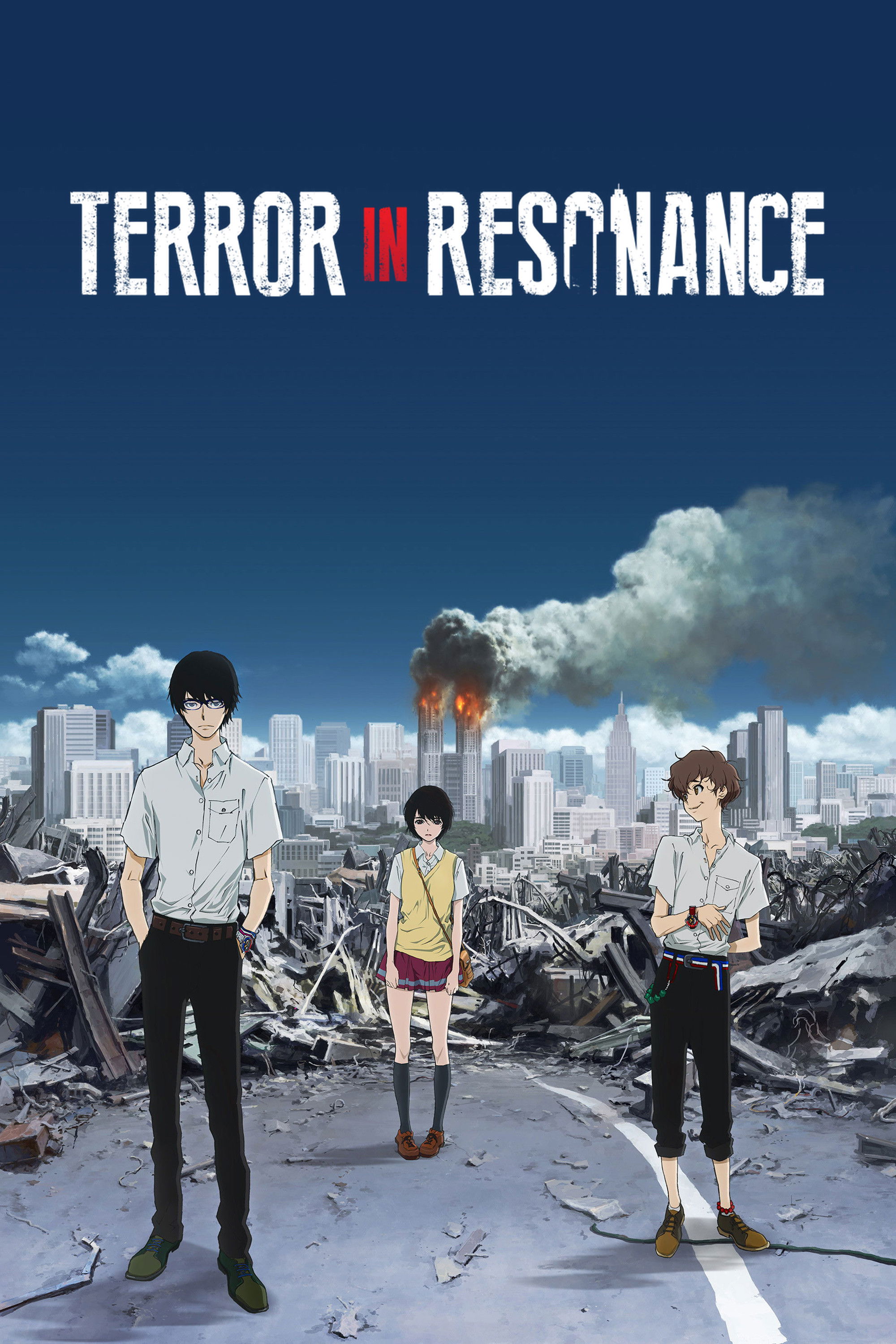
‘Terror in Resonance’ is a show about two teenage boys who commit terrorist attacks in Tokyo. Chinese authorities banned it for two main reasons: it seemed to portray the terrorists with understanding, and it showed how to make explosives, which they feared people might imitate. The government believed the show could cause social unrest and encourage crime, so they removed it from the internet as part of a larger effort to control harmful online content.
‘Code Geass: Lelouch of the Rebellion’ (2006–2008)
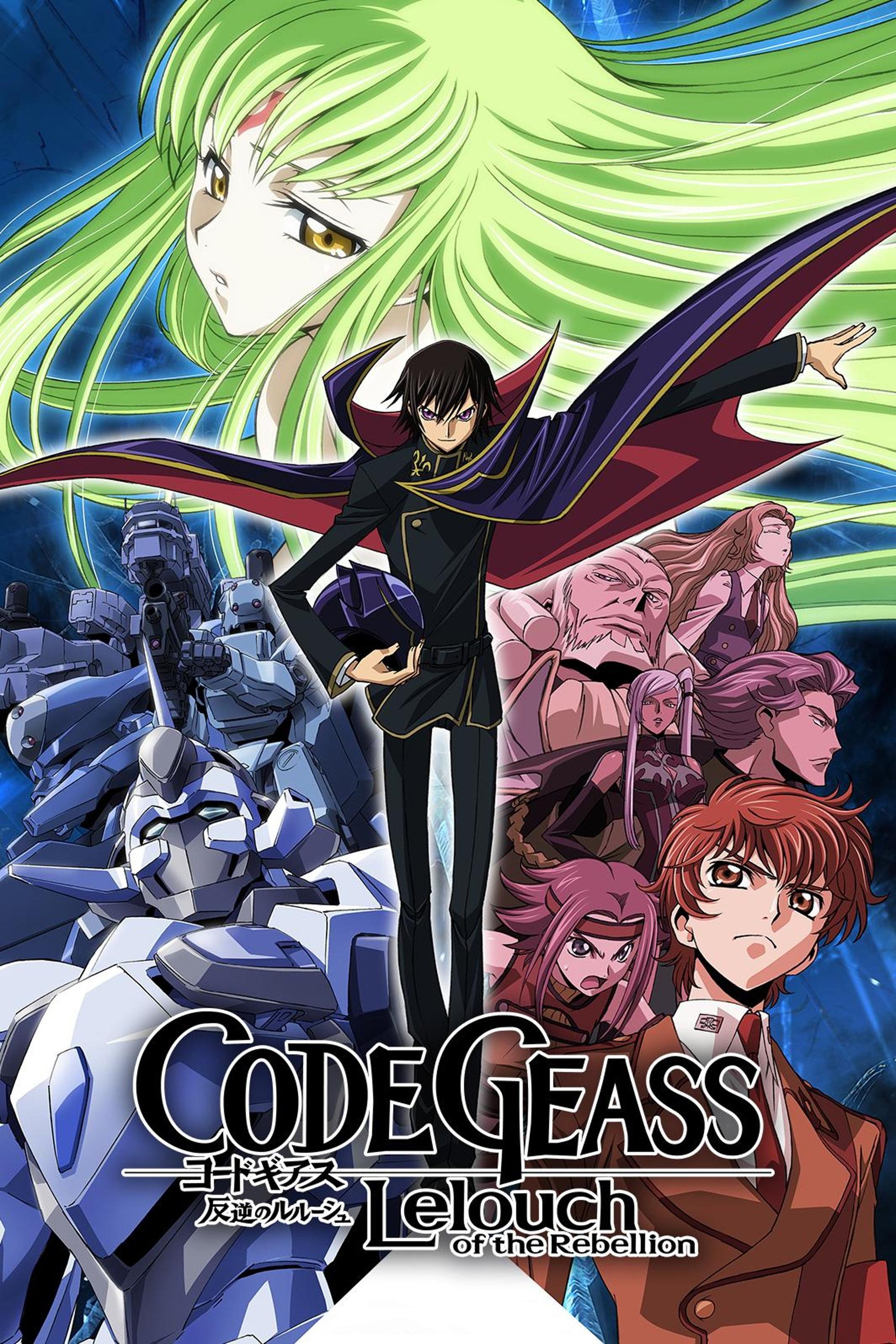
The anime series ‘Code Geass’ tells the story of a leader who starts a revolution to free his nation from a powerful, controlling empire. Chinese authorities banned the show because it centered on political revolt and the toppling of governments. They considered the show’s military strategy and rebellious themes a potential danger to their own country’s peace. The series’ use of a supernatural power – the Geass – which involves mind control, was also a concern. As a result, ‘Code Geass’ is still heavily censored and isn’t accessible on popular streaming platforms within China.
‘Elfen Lied’ (2004)
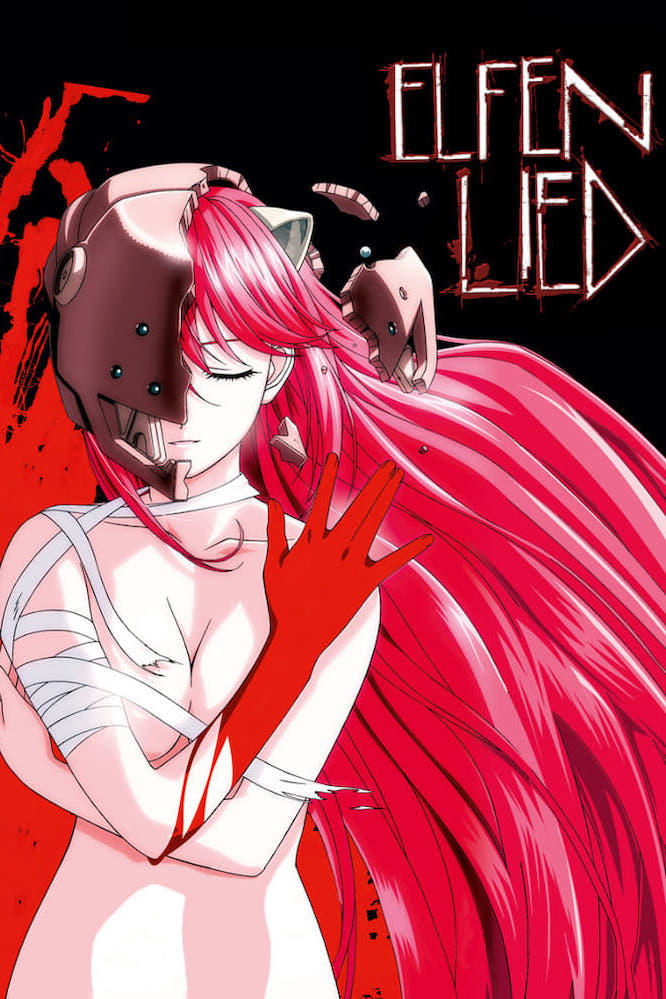
Okay, let me tell you about ‘Elfen Lied’. It’s a series that really pushes boundaries, and honestly, it’s no surprise it was completely banned in China. The show centers around a heartbreaking story of a mutant girl with incredible, yet unseen, powers. But it’s how that story is told that caused all the trouble. We’re talking incredibly graphic violence – lots of dismemberment – and frequent nudity. Chinese censors didn’t just deem it unsuitable for viewers; they straight-up classified it as pornography, citing both the character designs and specific scenes. Ultimately, the Ministry of Culture officially labeled it as harmful and morally corrupting material. It’s a tough watch, even without the ban, and it’s easy to see why it caused such a strong reaction.
‘Blood-C’ (2011)
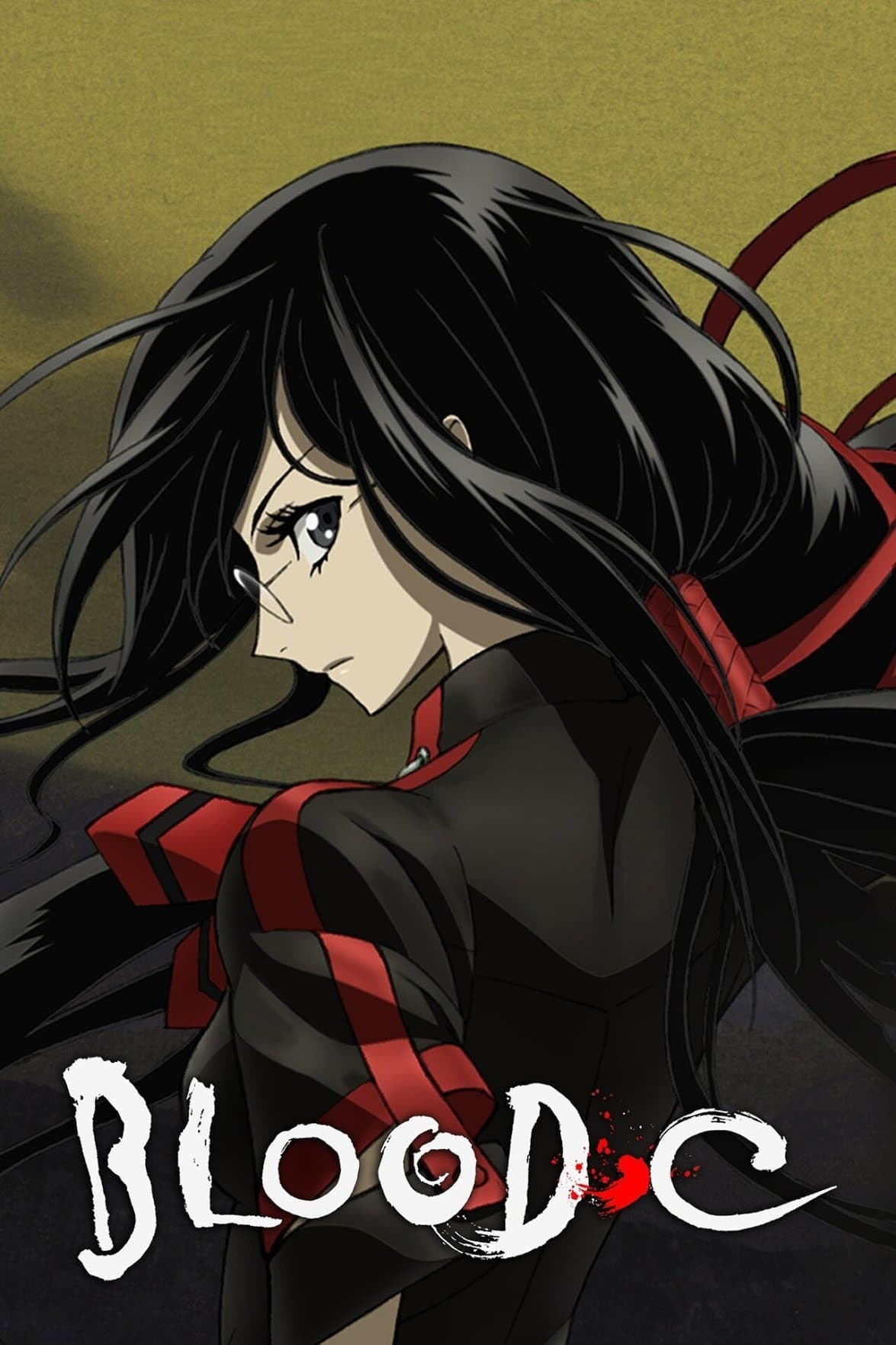
‘Blood-C’ faced a ban due to its extremely graphic and creative depictions of violence. The series contains detailed and bloody scenes of monsters tearing people apart, which Chinese officials found far too disturbing for audiences. As a result, it was removed from circulation during a government effort to control violent and supernatural media, and it remains unavailable for legal streaming in China.
‘Hellsing Ultimate’ (2006–2012)

‘Hellsing Ultimate’ is an anime about a vampire who defends England from supernatural dangers while working for a secret group. It was banned in China due to its extreme violence and its use of religious imagery in disturbing scenes. Chinese authorities objected to the show’s dark, occult subject matter, particularly the graphic bloodshed and depictions of undead armies. The series is officially considered to promote superstition and violence.
‘Prison School’ (2015)
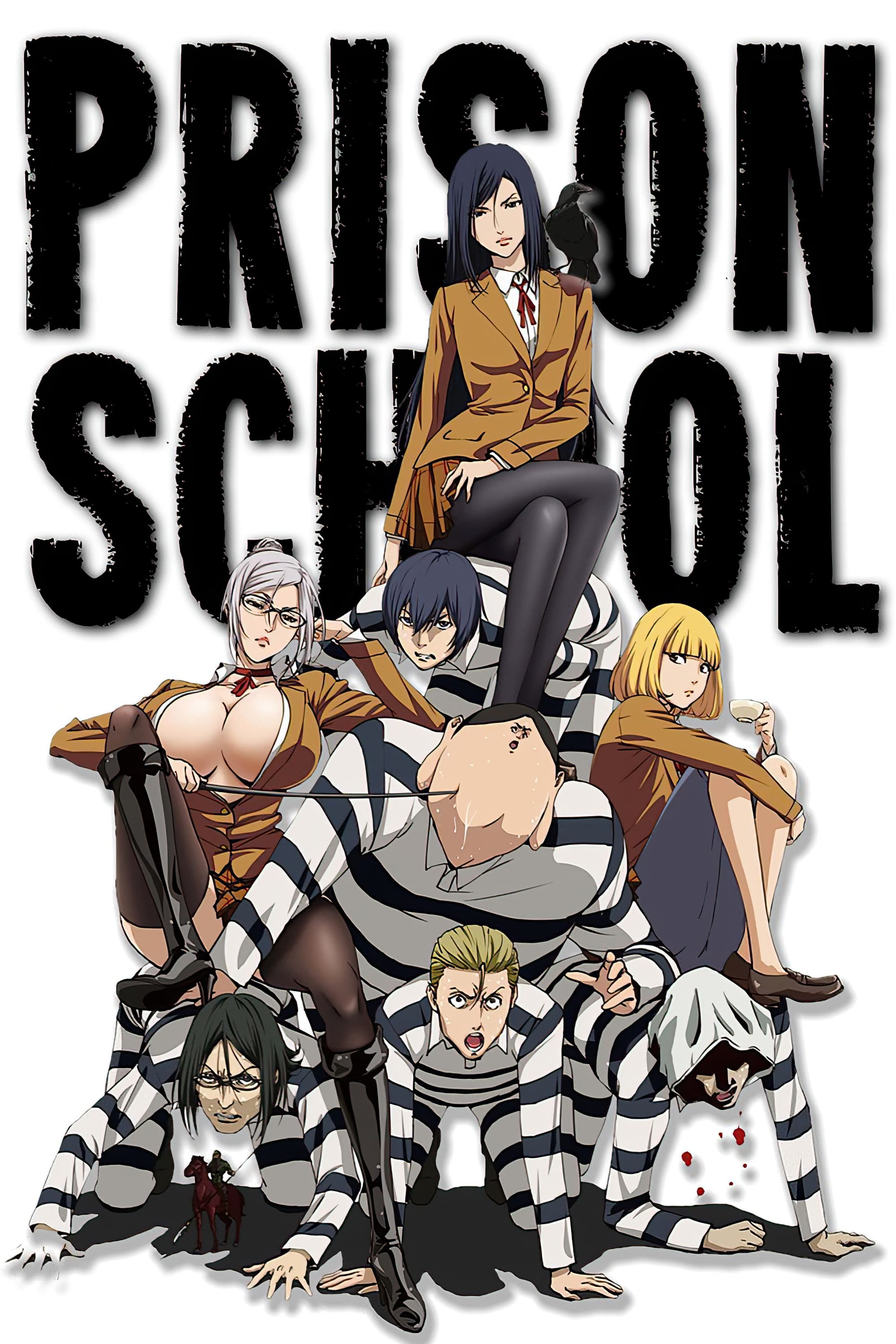
Chinese authorities banned the comedy series ‘Prison School’ because of its crude language and sexual content. The show centers around five boys who are held captive by the student council at an all-girls school. Officials believed it promoted harmful ideas and had no educational value, and its suggestive animation was seen as a negative influence on young people. The ban came as part of a broader effort to increase control over online content.
‘The Testament of Sister New Devil’ (2015)
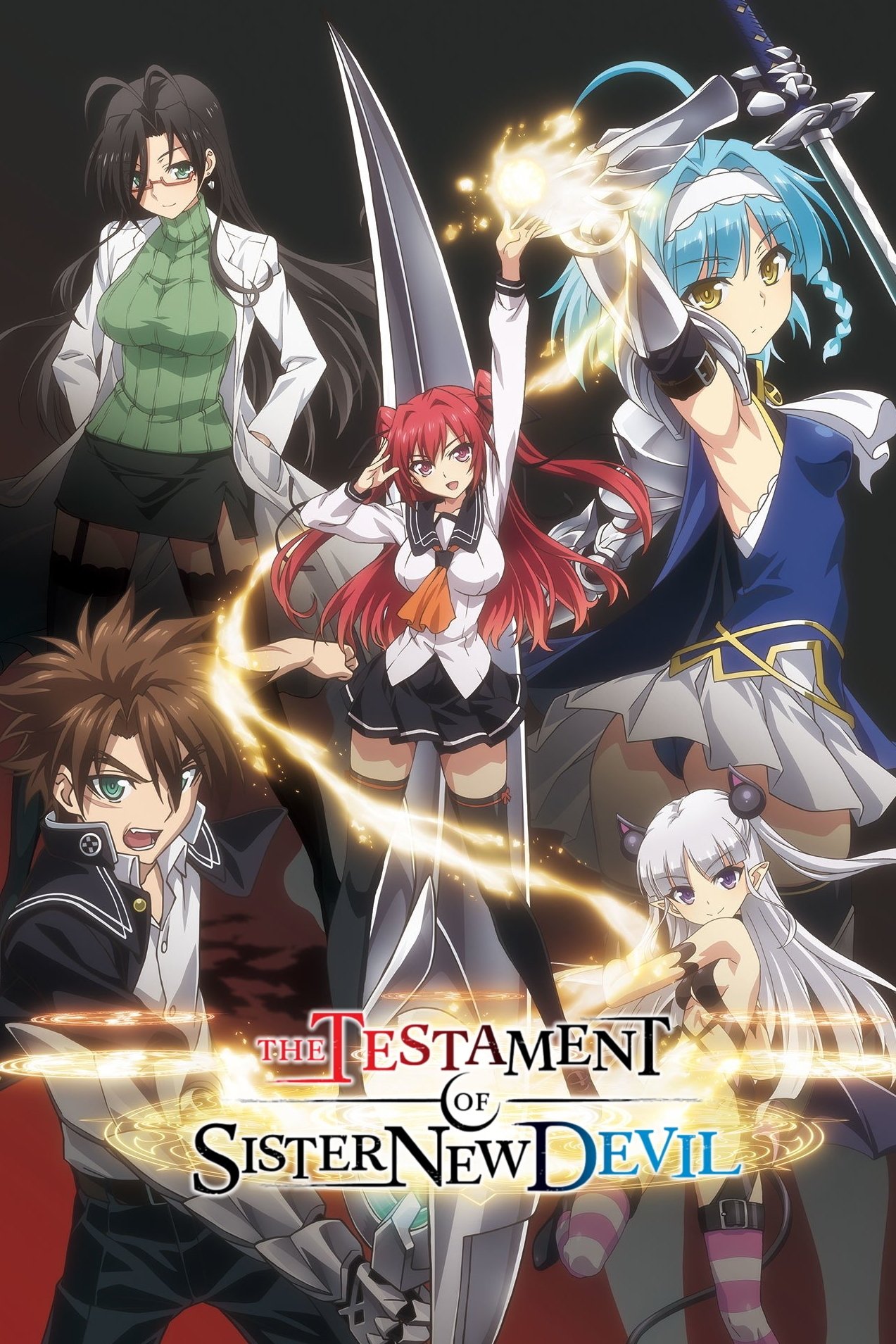
This animated series was banned in China due to its explicit sexual content and suggestive themes. The story centers around a high school student who learns his new stepsisters are actually demons. Chinese officials deemed the series close to pornography and unsuitable for public viewing, citing its provocative visuals and the troubling theme of supernatural incest as harmful to society. The ban was part of a larger effort in 2015 to remove content considered culturally inappropriate.
‘Corpse Party: Tortured Souls’ (2013)
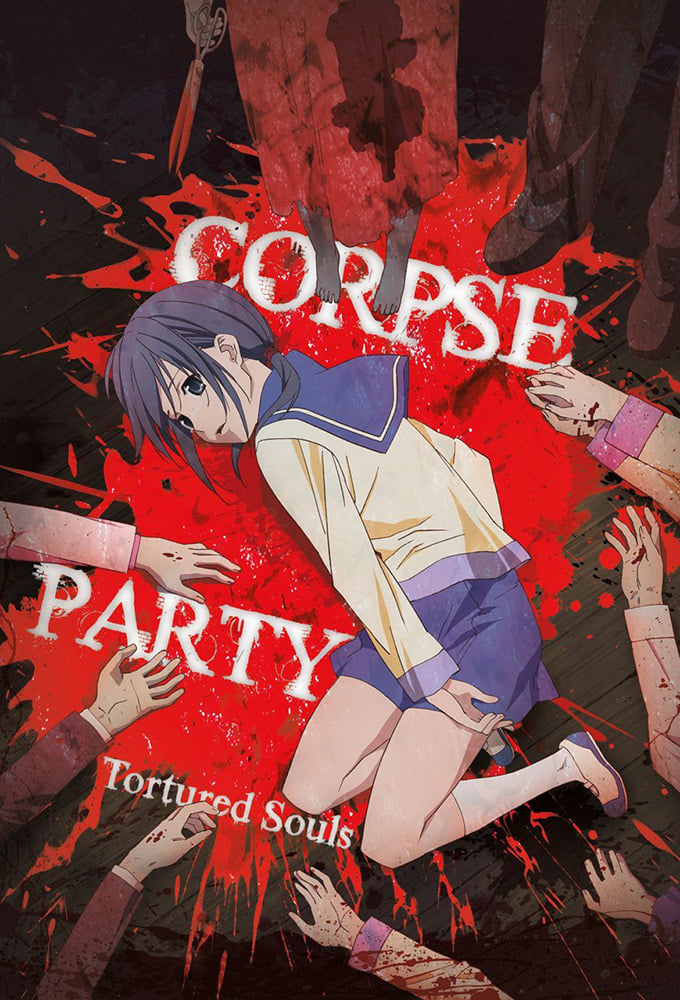
‘Corpse Party: Tortured Souls’ is a horror series based on a video game where students are violently killed in a haunted school. Chinese authorities banned it due to its extremely graphic violence and disturbing content involving children. Censors considered the deaths excessively gruesome and harmful, and the Ministry of Culture warned it could cause emotional and psychological distress. It’s still considered one of the most heavily censored horror titles in China.
‘Pupa’ (2014)
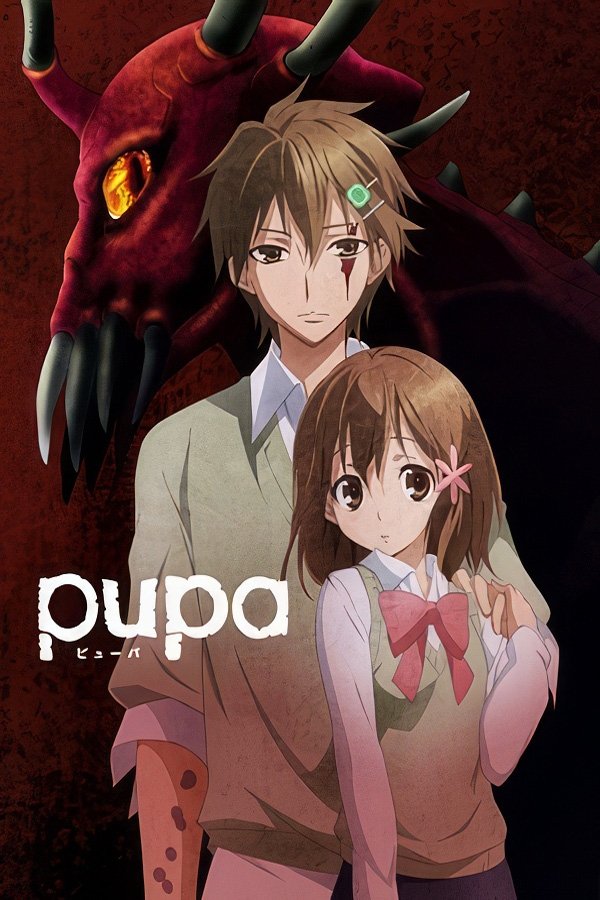
I was really shocked when I first heard about ‘Pupa’! It’s this incredibly dark anime about a brother who basically sacrifices parts of himself to feed his sister, who’s turned into a monster that needs human flesh. Honestly, it’s super disturbing. That’s why the Chinese government banned it – they thought the whole idea of cannibalism and the really graphic transformations were just too much and didn’t have any positive message. They pulled it off the internet almost immediately after announcing the ban in 2015. It’s definitely not a show for the faint of heart!
‘Devil May Cry’ (2007)

The anime series ‘Devil May Cry,’ based on the well-known video game, was banned in China. Officials were worried the show’s focus on demons and the supernatural would encourage superstition and occult beliefs. The ban also stemmed from its frequent use of violence and guns. The series was deemed unsuitable as a positive cultural product.
‘Afro Samurai’ (2007)
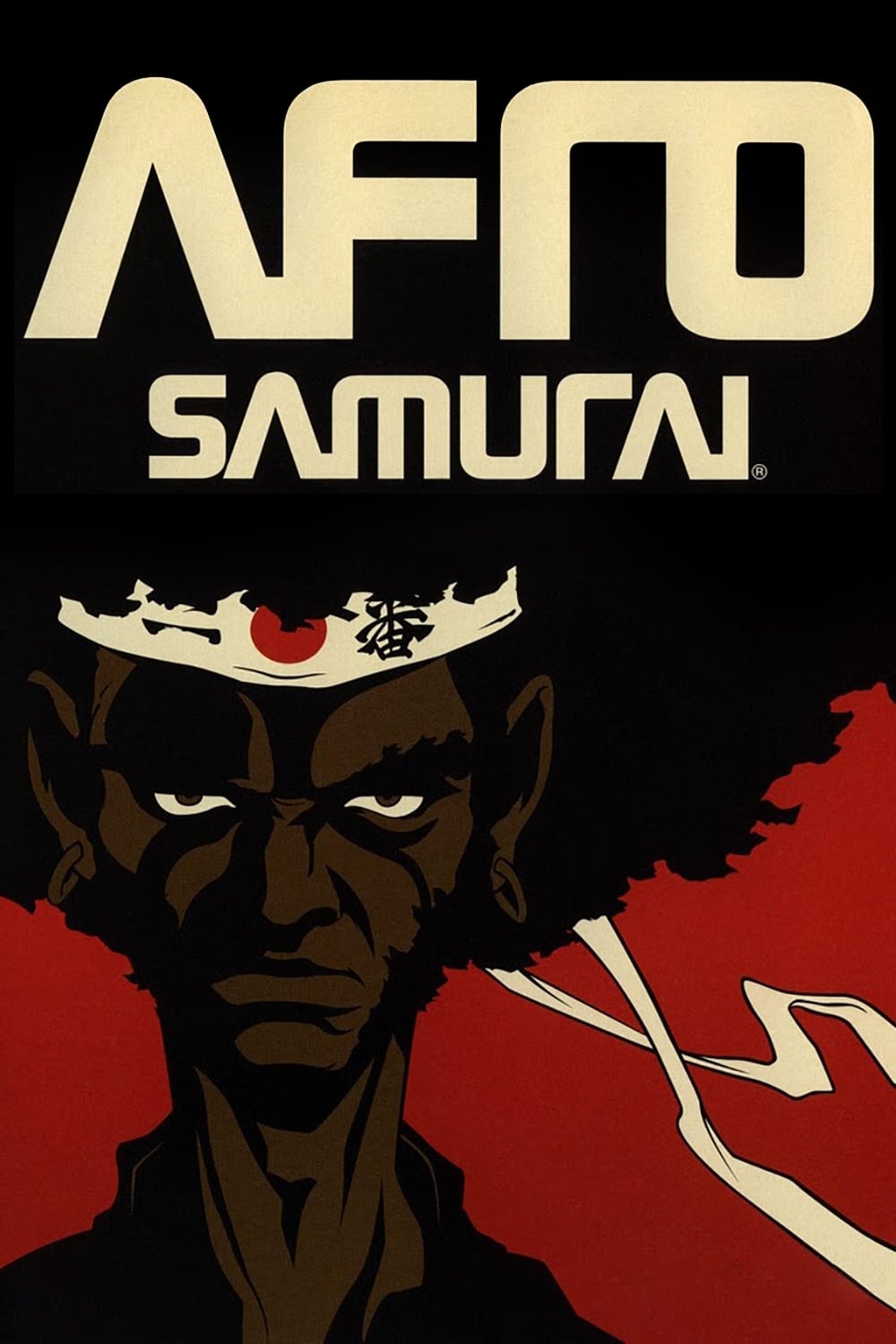
‘Afro Samurai’ is an animated series about a warrior on a quest for revenge in a Japan that blends futuristic and old-fashioned elements. It was banned in China due to its extremely violent and graphic content, including frequent scenes of characters being dismembered. Chinese censors believed the show’s emphasis on revenge and bloodshed could disrupt social order. The series also faced criticism for its dark tone and strong language, leading to its removal from Chinese websites as part of a broader effort to control violent media.
‘Darker than Black’ (2007–2009)
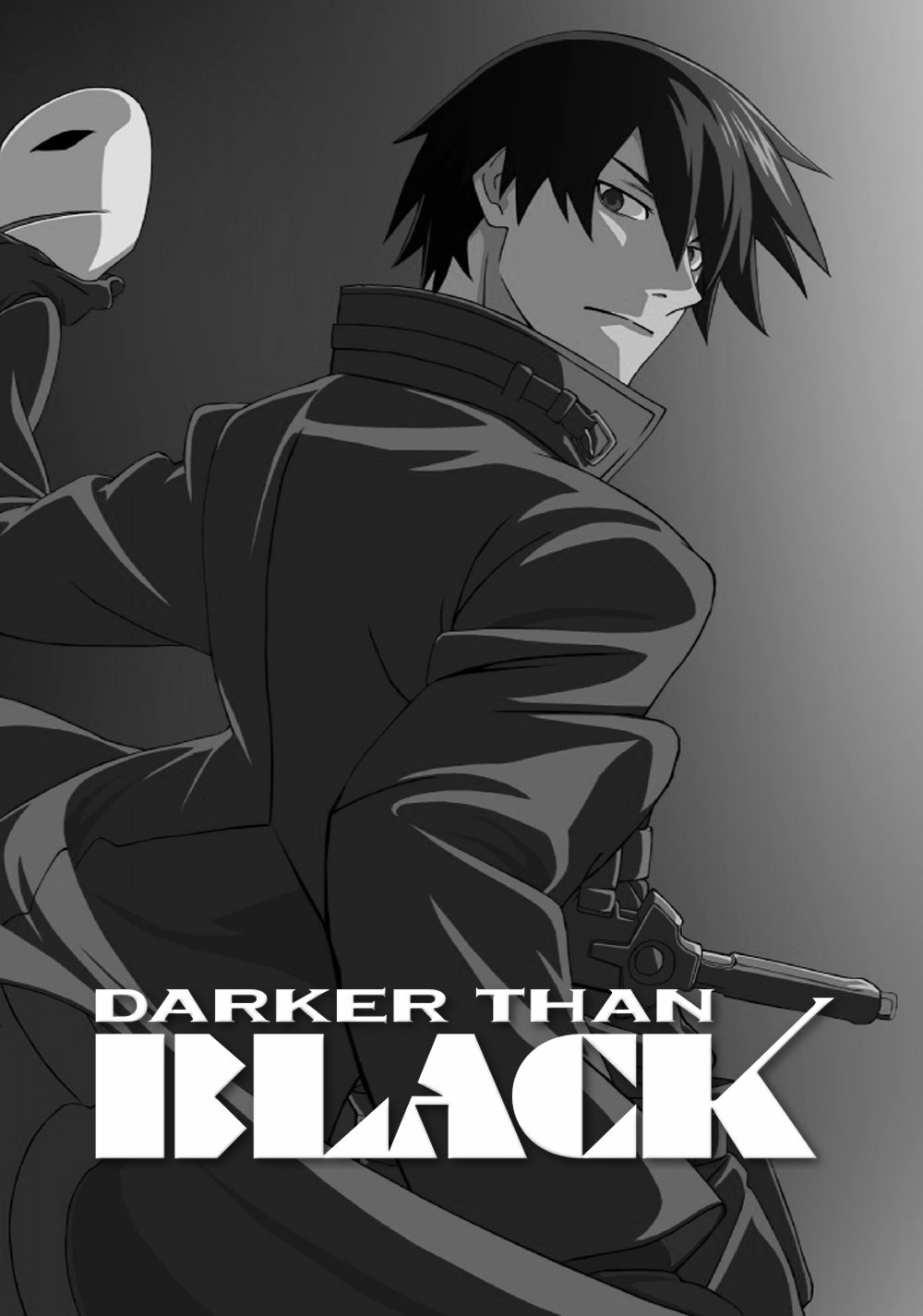
‘Darker than Black’ is a show set in a world where people called Contractors develop special powers, but lose a part of their humanity in the process. It was banned in China due to its mature themes and depiction of criminal behavior. Officials objected to the portrayal of secret, unlawful groups and believed the show’s supernatural elements encouraged superstition. The ban occurred as the Chinese government increased its control over online media.
‘Btooom!’ (2012)
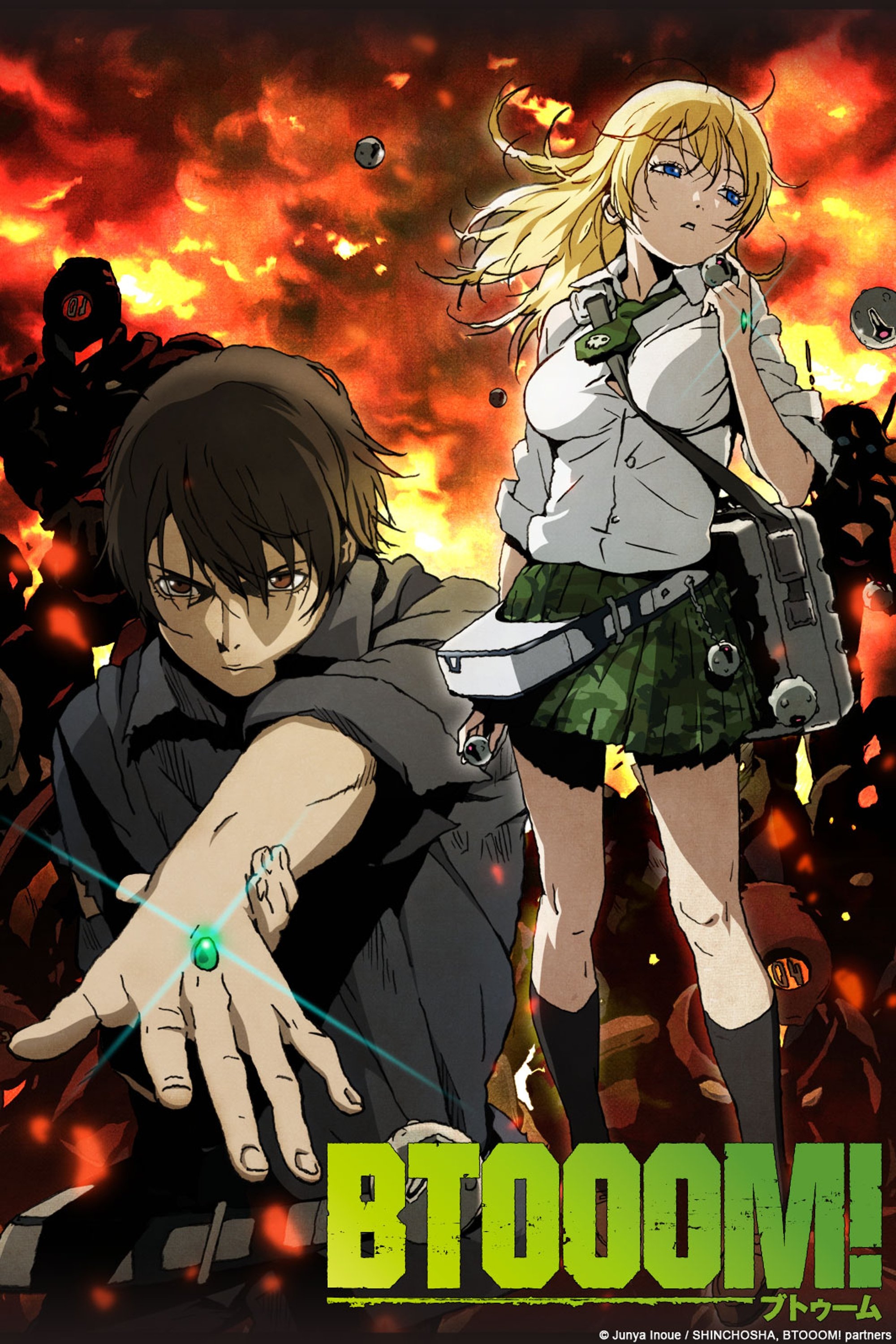
‘Btooom!’ is a series about people forced to participate in a deadly survival game using bombs. Chinese authorities banned it because of its heavy focus on explosives and violent, ‘kill or be killed’ premise. Censors worried that the detailed depiction of bomb usage could inspire dangerous behavior in real life, and they also objected to the show’s extreme violence and depictions of sexual assault. As a result, the series was removed from all official online platforms to prevent the spread of potentially harmful content.
‘Claymore’ (2007)
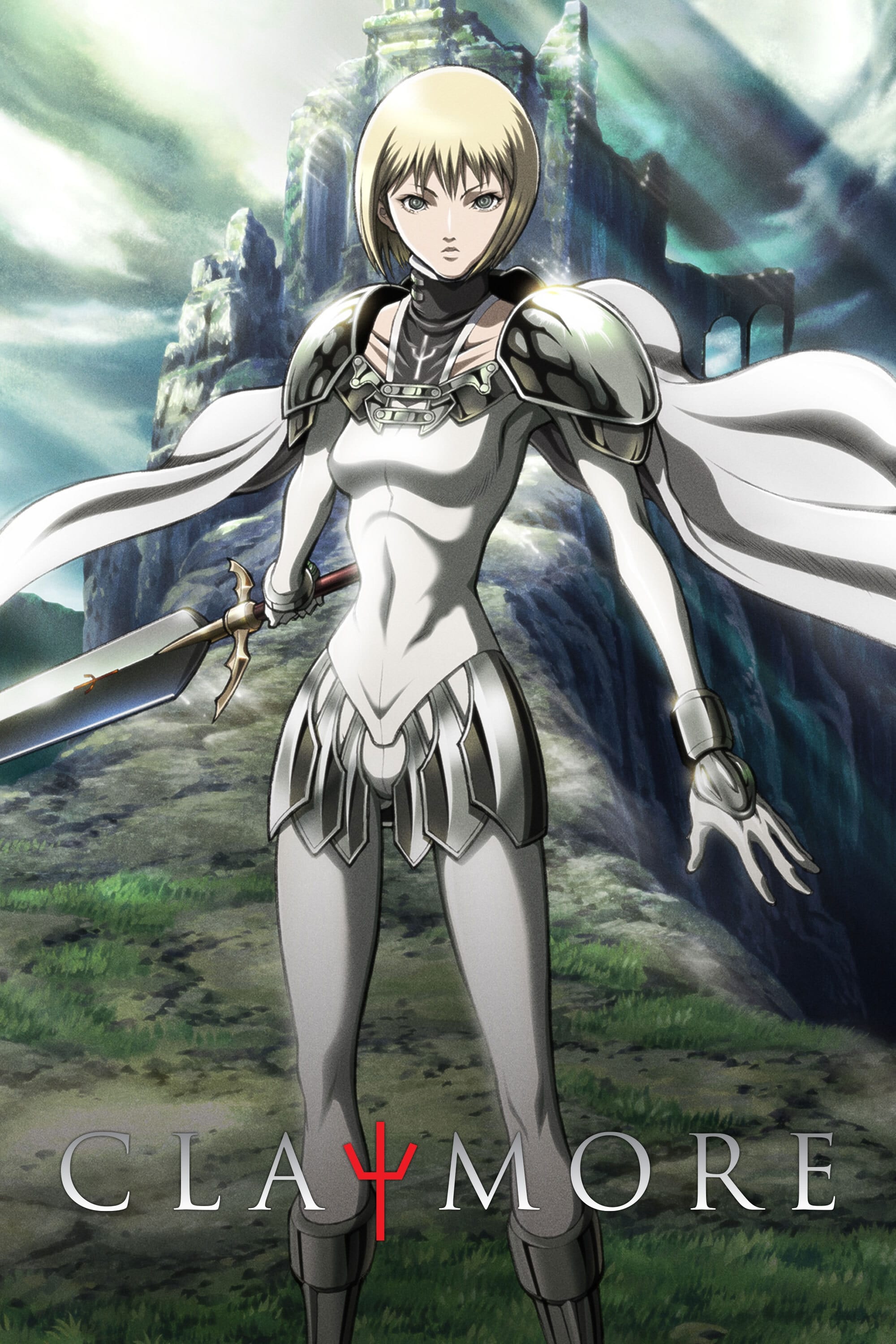
Claymore is a dark fantasy series about female warriors who hunt monsters. It was banned in China due to its violent and graphic content, including depictions of monster attacks and injuries. Chinese authorities believed the series’ bleak and disturbing atmosphere was inappropriate for public viewing, and its supernatural elements promoted forbidden beliefs. The ban was officially put in place to safeguard the mental health of young people.
‘Dance in the Vampire Bund’ (2010)

The series depicts the establishment of a special zone for vampires and the resulting political conflicts. However, it was banned in China due to its depiction of vampires and suggestive content, especially involving young characters. Specifically, censors objected to the clothing and certain scenes they considered indecent, as well as the idea of supernatural beings coexisting with humans. Following a review by regulators, the show was taken off all Chinese streaming and video platforms.
‘Ergo Proxy’ (2006)
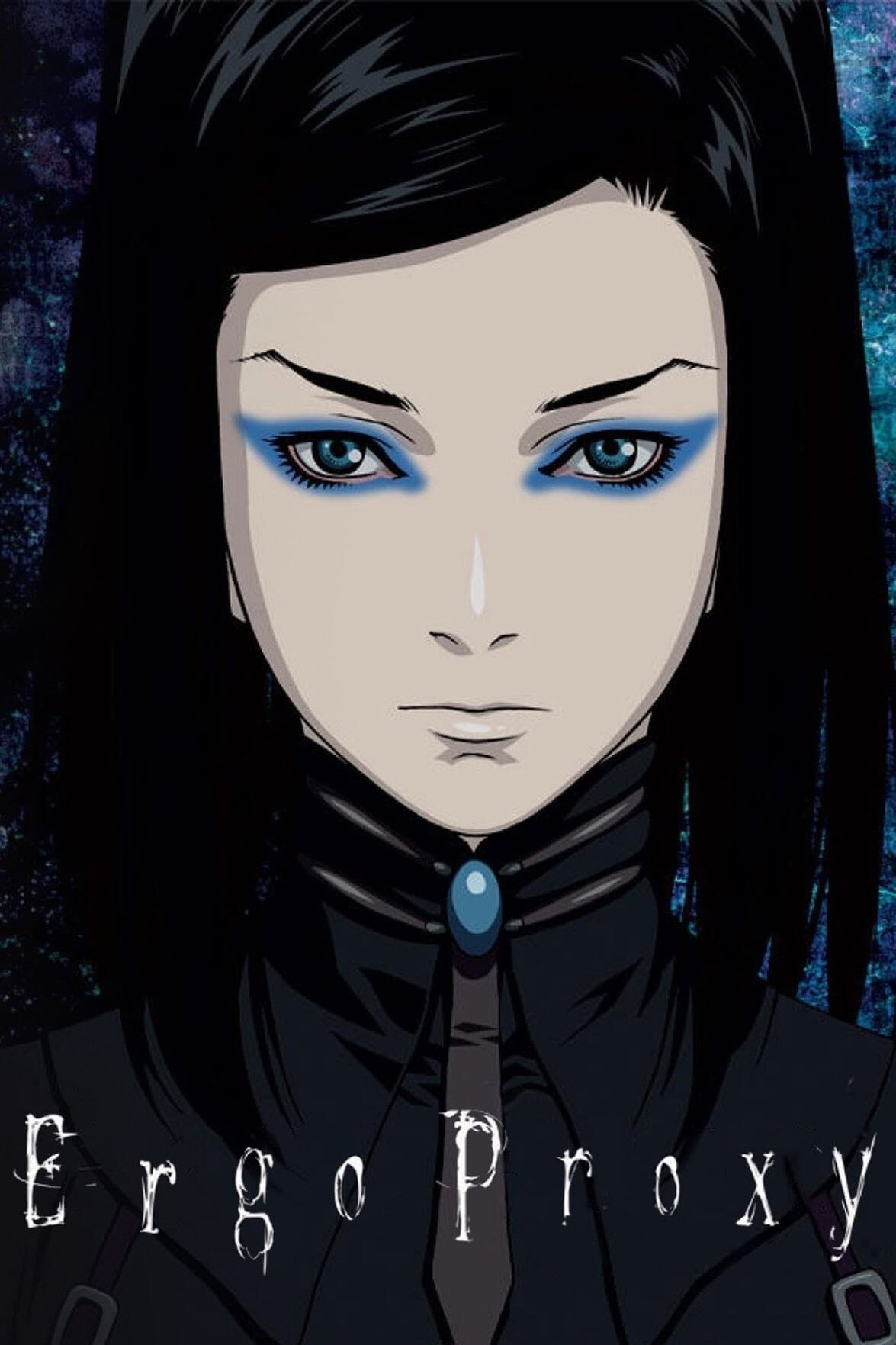
‘Ergo Proxy’ is a thought-provoking science fiction series taking place in a domed city after a global catastrophe. The Chinese government banned it due to its complex exploration of existential themes and its critique of societal control. Officials were concerned that the story, which involves characters uncovering unsettling truths about those in power, could be disruptive. Its dark visuals and intense psychological atmosphere were also considered potentially harmful to social stability, leading to its inclusion in a list of prohibited foreign animated series.
‘Freezing’ (2011)
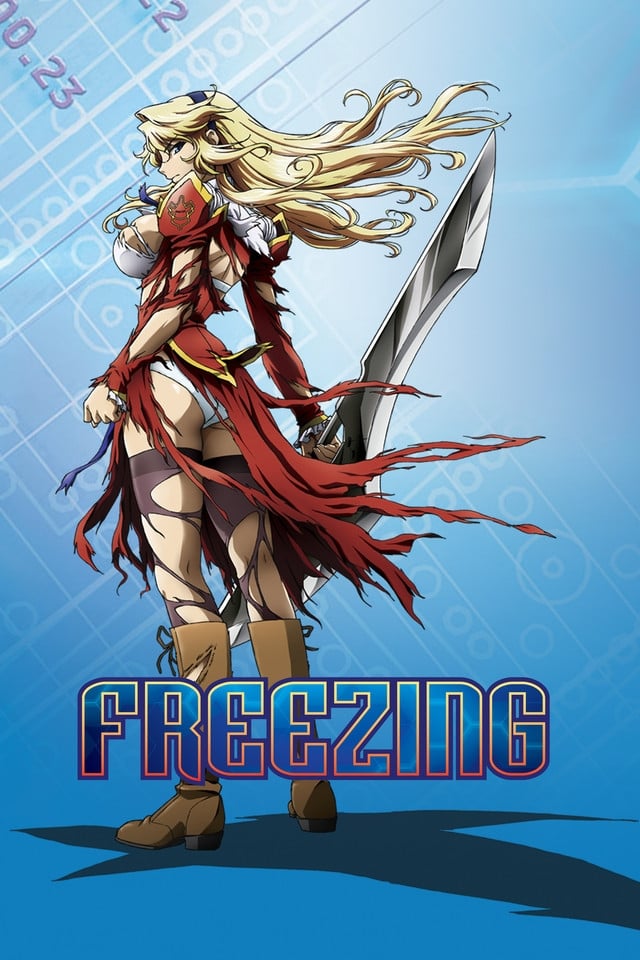
‘Freezing’ is an anime about students at a military academy battling invaders from other dimensions. It was banned in China due to excessive sexual content and violent combat scenes. Chinese censors objected to the show’s focus on the sexualization of female characters and considered scenes of damaged clothing during fights to be inappropriate and offensive. The Ministry of Culture cited the series as a violation of social values.
‘Inferno Cop’ (2012–2013)
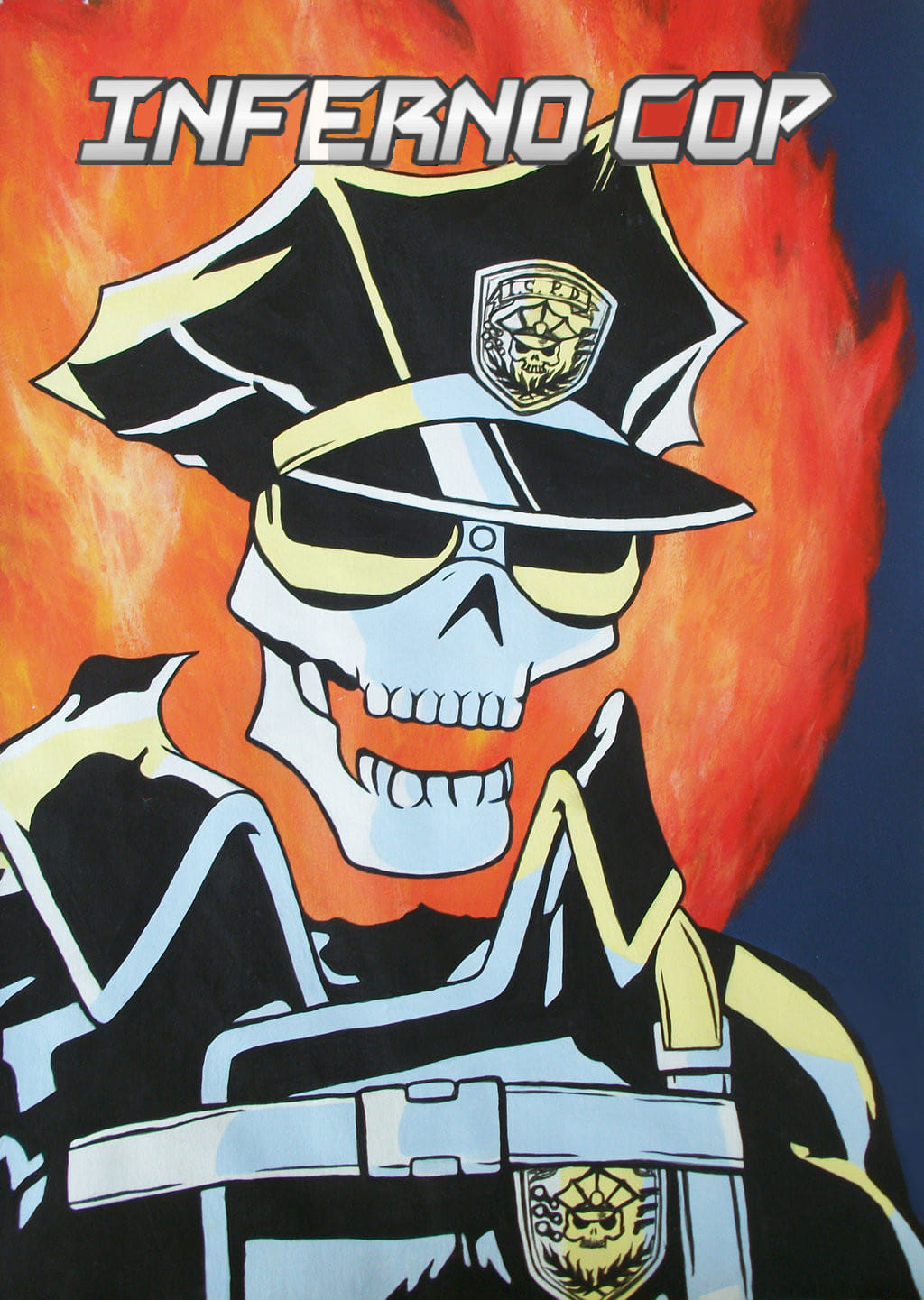
‘Inferno Cop’ is a short-form animated series known for its wild, chaotic animation and over-the-top violence. Chinese authorities banned it because they considered it too chaotic and felt it made fun of the police. They believed the show had no positive message and could encourage disregard for the law. The constant explosions and bizarre storyline were also seen as unsuitable for viewers. As a result, it was taken off official streaming platforms during a routine content check.
‘No Game No Life’ (2014)
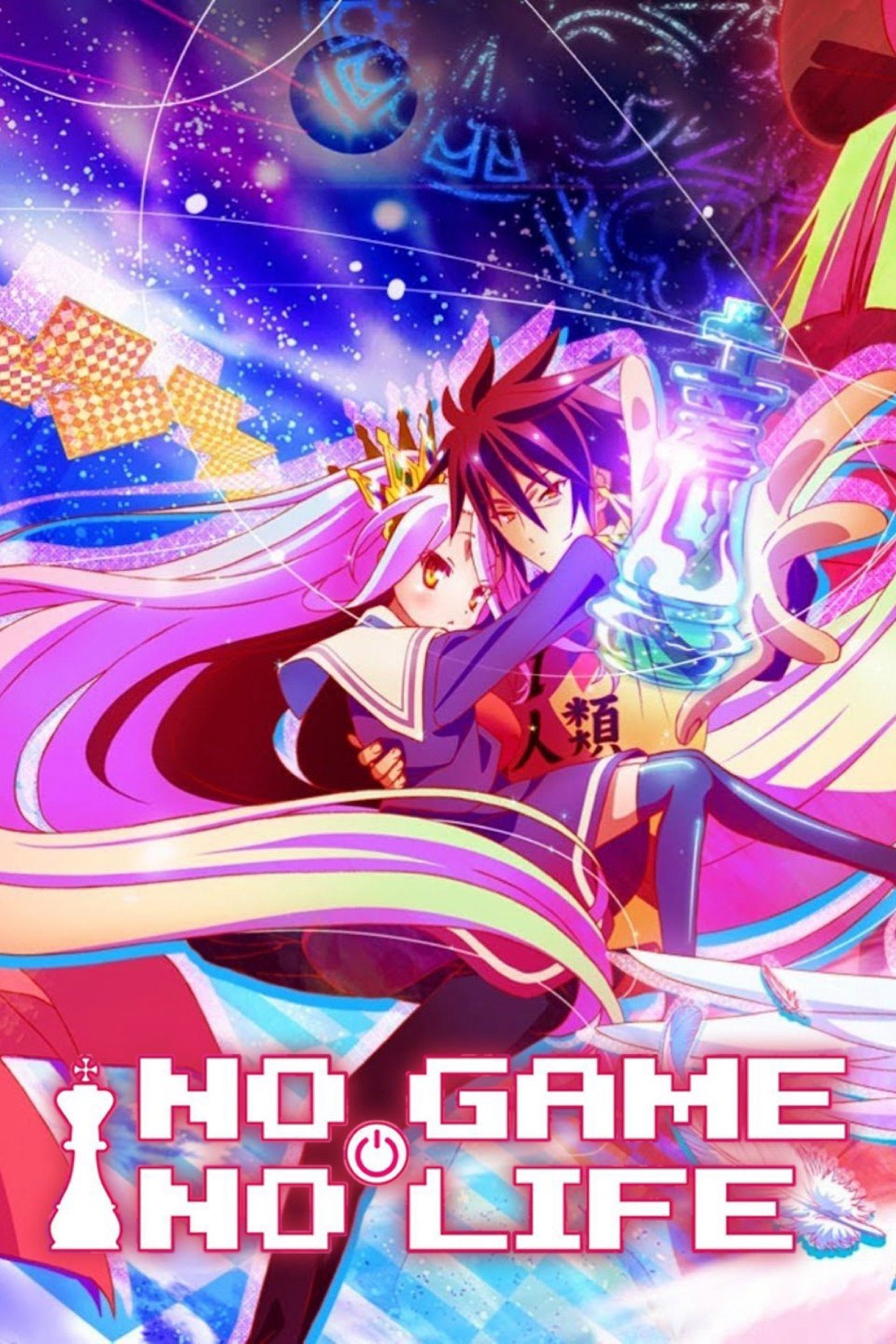
The anime ‘No Game No Life’ is set in a world where conflicts are resolved through games, not fighting. However, it was banned in China due to concerns about its content. Censors objected to themes they considered suggestive and the presence of gambling. They worried the show could encourage gaming addiction and inappropriate behavior, and also took issue with the way female characters were portrayed. As a result, the series was removed from online platforms to protect young viewers.
‘The Qwaser of Stigmata’ (2010)
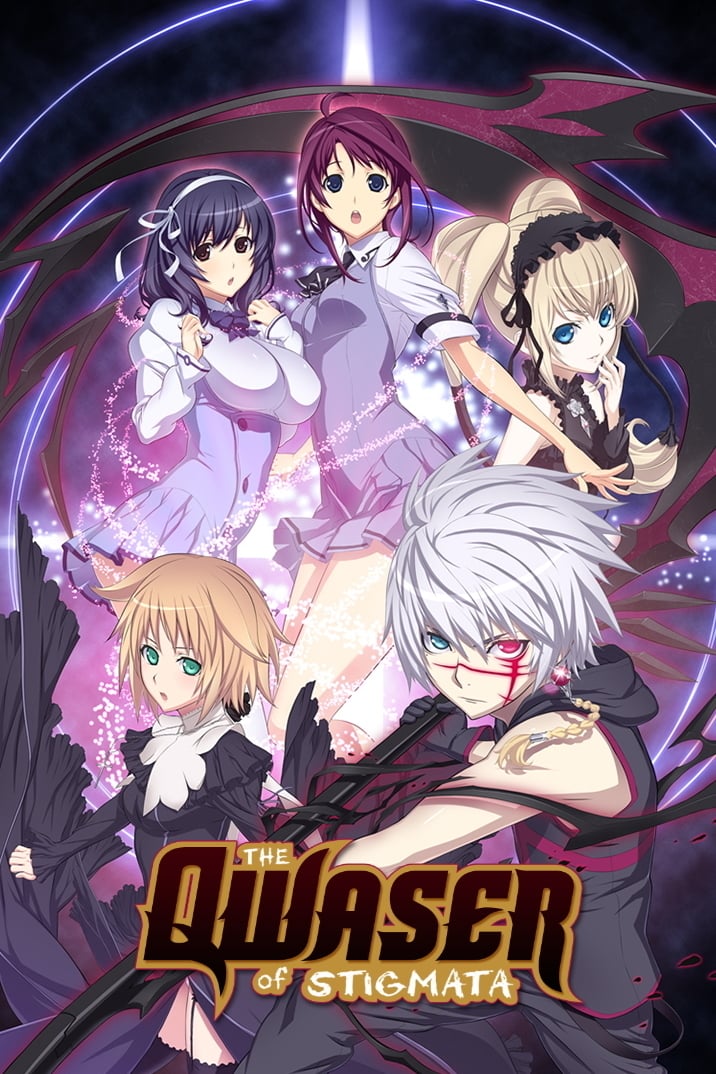
The anime series ‘The Qwaser of Stigmata’ features characters with the ability to control elements by drinking a special fluid obtained from women. Due to its explicit sexual content and frequent nudity, the Chinese government prohibited the show, labeling it as pornography unsuitable for public viewing. Officials found the show’s core concept to be offensive and indecent, and it became a primary target during government efforts to enforce stricter moral standards.
‘Witchblade’ (2006)
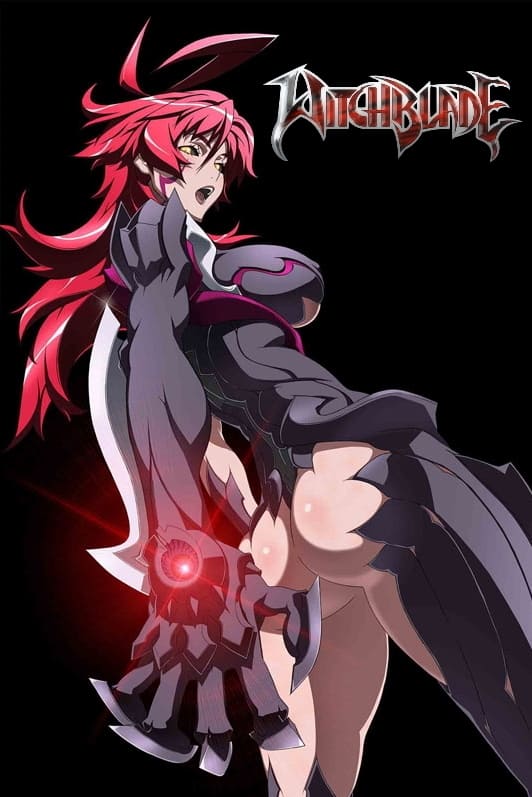
‘Witchblade’ centers around a woman connected to a powerful, living weapon. The show was prohibited in China due to its suggestive imagery and violent content. Officials found the revealing costumes and body transformations unsuitable, and also objected to the show’s dark themes and supernatural aspects. The ban aimed to maintain appropriate standards for online media.
‘Beelzebub’ (2011–2012)
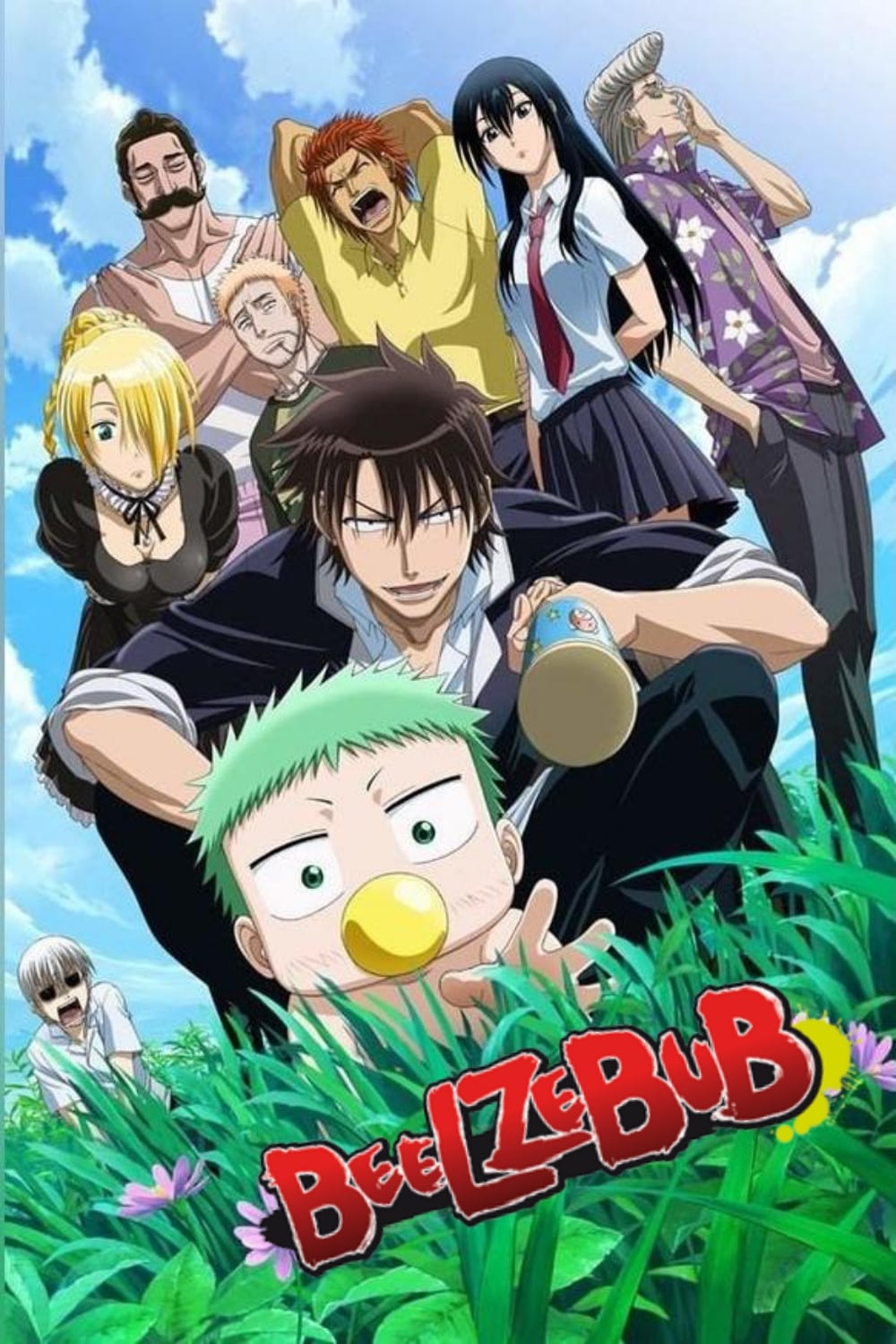
The anime series ‘Beelzebub’ tells the story of a troublemaking high school student who unexpectedly becomes the caretaker of the Demon King’s baby. Chinese authorities banned the show because they worried it encouraged violence and disrespect for rules, portraying school fights in a positive light. They also objected to the demonic elements, believing a demon baby promoted harmful superstitions to young viewers. The series was removed from circulation as part of a larger effort to eliminate media with undesirable social messages.
‘Knights of Sidonia’ (2014–2015)
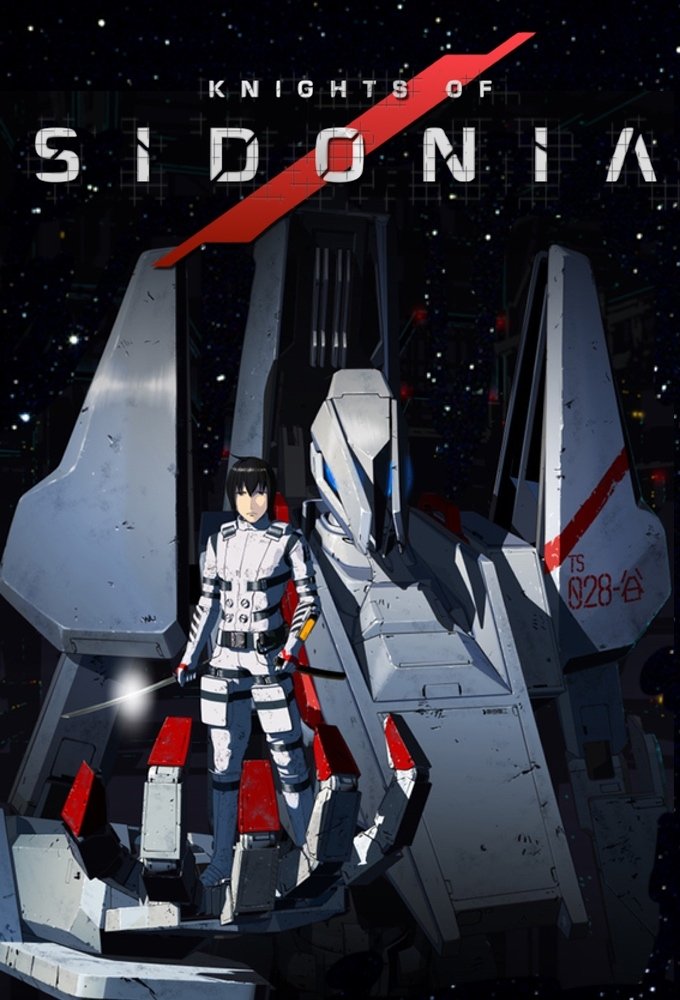
I was completely captivated by ‘Knights of Sidonia,’ this incredible anime set on a huge spaceship lost in space. It’s a thrilling war story against these terrifying aliens that can change their shape! Sadly, it got banned in China, and I was really surprised to learn why. Apparently, the show’s violence and how many characters died were considered too graphic. They also worried about the heavy military focus and the bleak, desperate situation everyone was in – they thought it was all too intense for viewers. It was taken off all the streaming sites during a big crackdown on science fiction content, which is a real shame because it’s such a compelling story.
‘Gantz’ (2004)
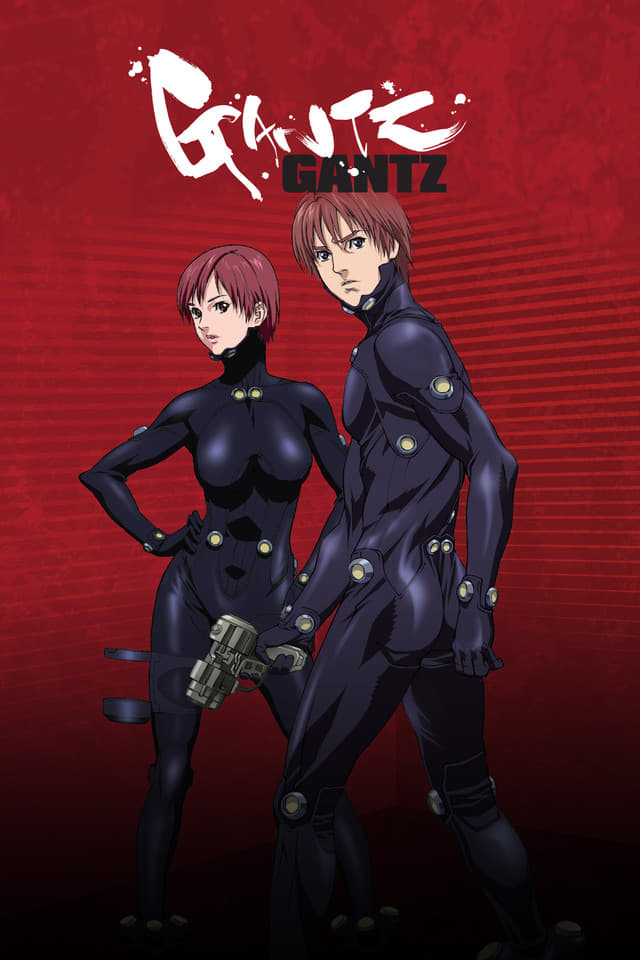
The anime series ‘Gantz’ centers around recently deceased individuals compelled to hunt aliens in a deadly game. It was banned in China due to its graphic violence, bleak outlook, and sexual content. Chinese authorities deemed the show excessively violent and lacking in positive moral lessons, arguing that its portrayal of death and ruthless competition could negatively influence society. It continues to be one of the most heavily censored anime series in China.
‘Another’ (2012)
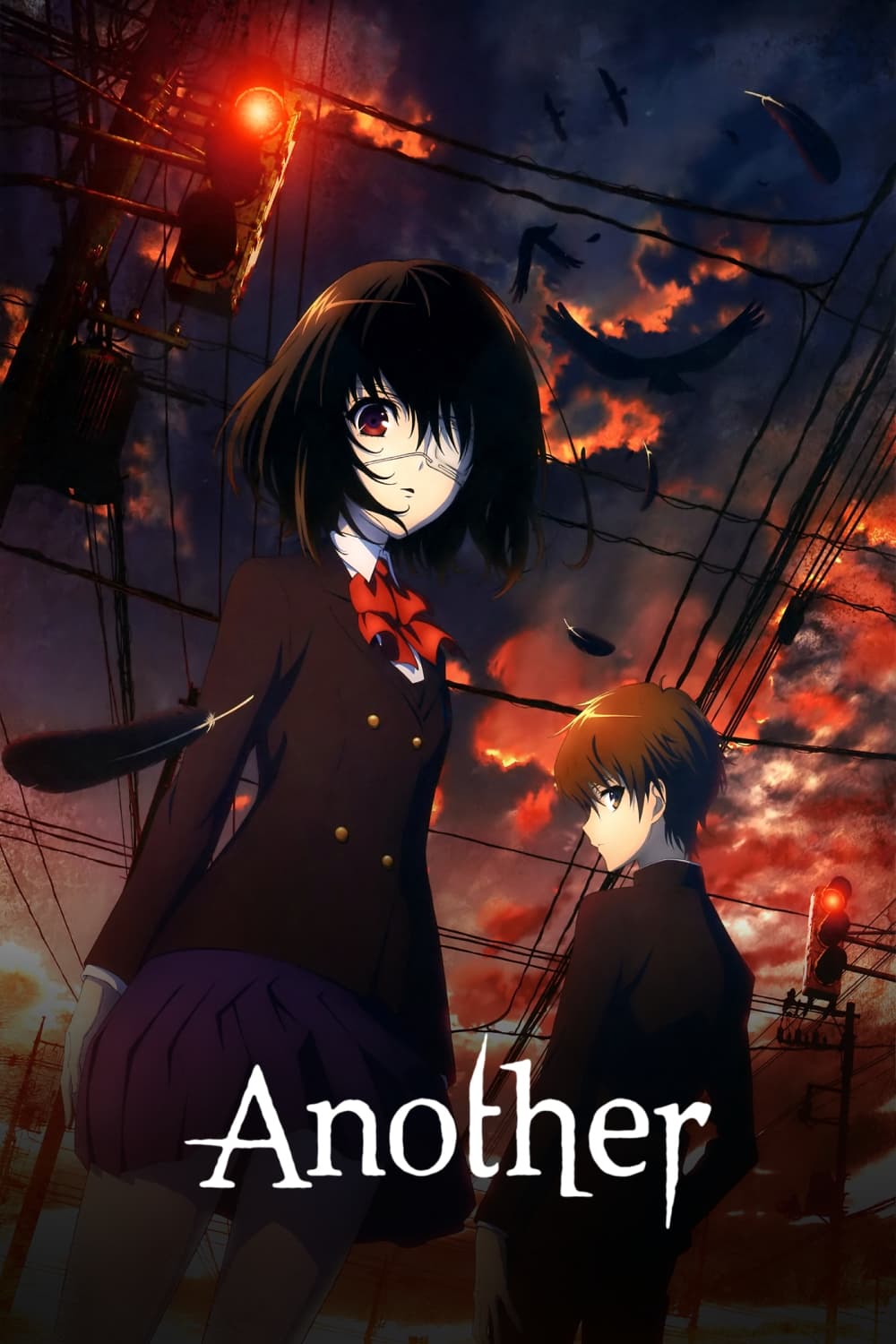
The horror series ‘Another’ revolves around a strange curse that leads to the disturbing deaths of students and their families. Chinese officials banned the show because of its focus on death and its dark, unsettling tone. They worried the show’s realistic and imaginative depictions of death could negatively affect young viewers. The government believed it was too scary and promoted beliefs in curses, so they removed it from all official channels to safeguard the mental well-being of young people.
Share your thoughts on these controversial bans in the comments.
Read More
- Games That Faced Bans in Countries Over Political Themes
- Gold Rate Forecast
- Silver Rate Forecast
- Unveiling the Schwab U.S. Dividend Equity ETF: A Portent of Financial Growth
- 22 Films Where the White Protagonist Is Canonically the Sidekick to a Black Lead
- The Best Directors of 2025
- 15 Films That Were Shot Entirely on Phones
- Superman Flops Financially: $350M Budget, Still No Profit (Scoop Confirmed)
- 20 Movies Where the Black Villain Was Secretly the Most Popular Character
- Brent Oil Forecast
2026-02-07 06:55