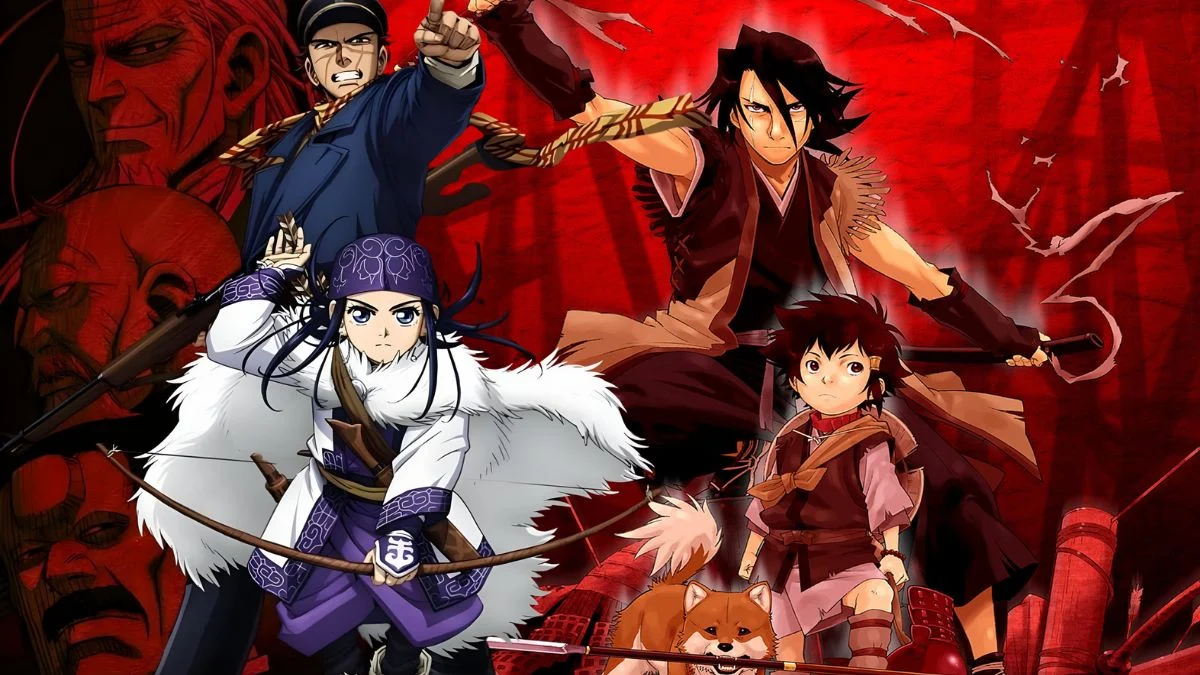
Anime frequently draws inspiration from history, using real events and people to make fantastical stories feel more believable. By blending fact with fiction, creators add depth and impact to their narratives, often creating dramatic twists rooted in actual historical occurrences. This approach means that sometimes, the biggest surprises in these shows can be discovered by looking into the history books themselves.
‘Vinland Saga’ (2019–)
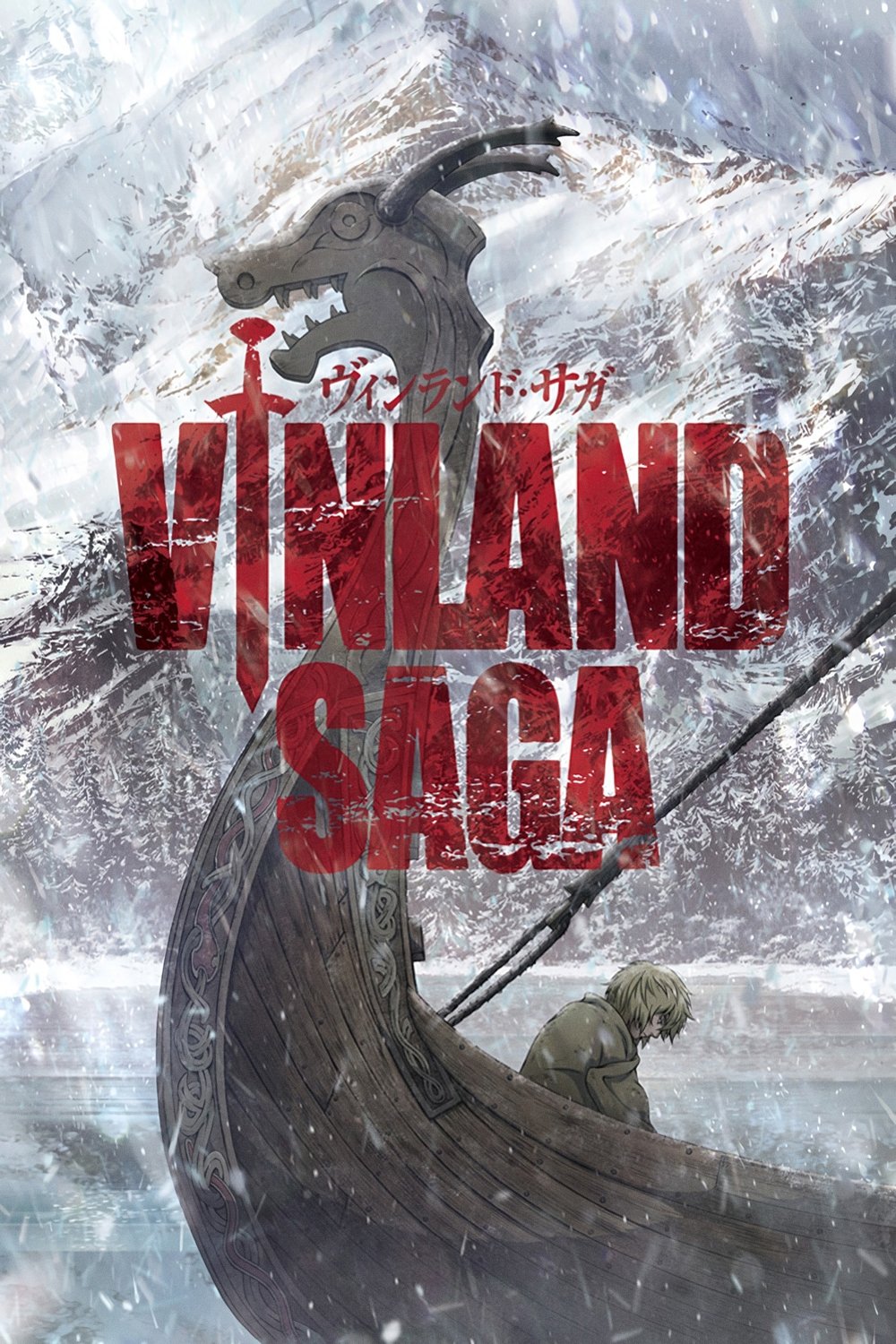
The story follows Thorfinn as he seeks revenge against the mercenary Askeladd amidst the Viking invasion of England. It weaves in historical figures like King Sweyn and Prince Canute, showcasing the political strategies behind the Danish conquest. Key moments in history, such as Canute’s rise to power, dramatically impact the characters’ journeys. The series vividly depicts the violent shift from the chaotic Viking era to a more structured, royal government.
‘The Rose of Versailles’ (1979–1980)

Oscar François de Jarjayes is a guard captain at the Palace of Versailles in the years before the French Revolution. The story closely follows the life of Marie Antoinette, including the famous Diamond Necklace Affair, and culminates in the tragic events surrounding the storming of the Bastille. This series is known as a powerful and visually striking portrayal of late 18th-century France.
‘Kingdom’ (2012–)
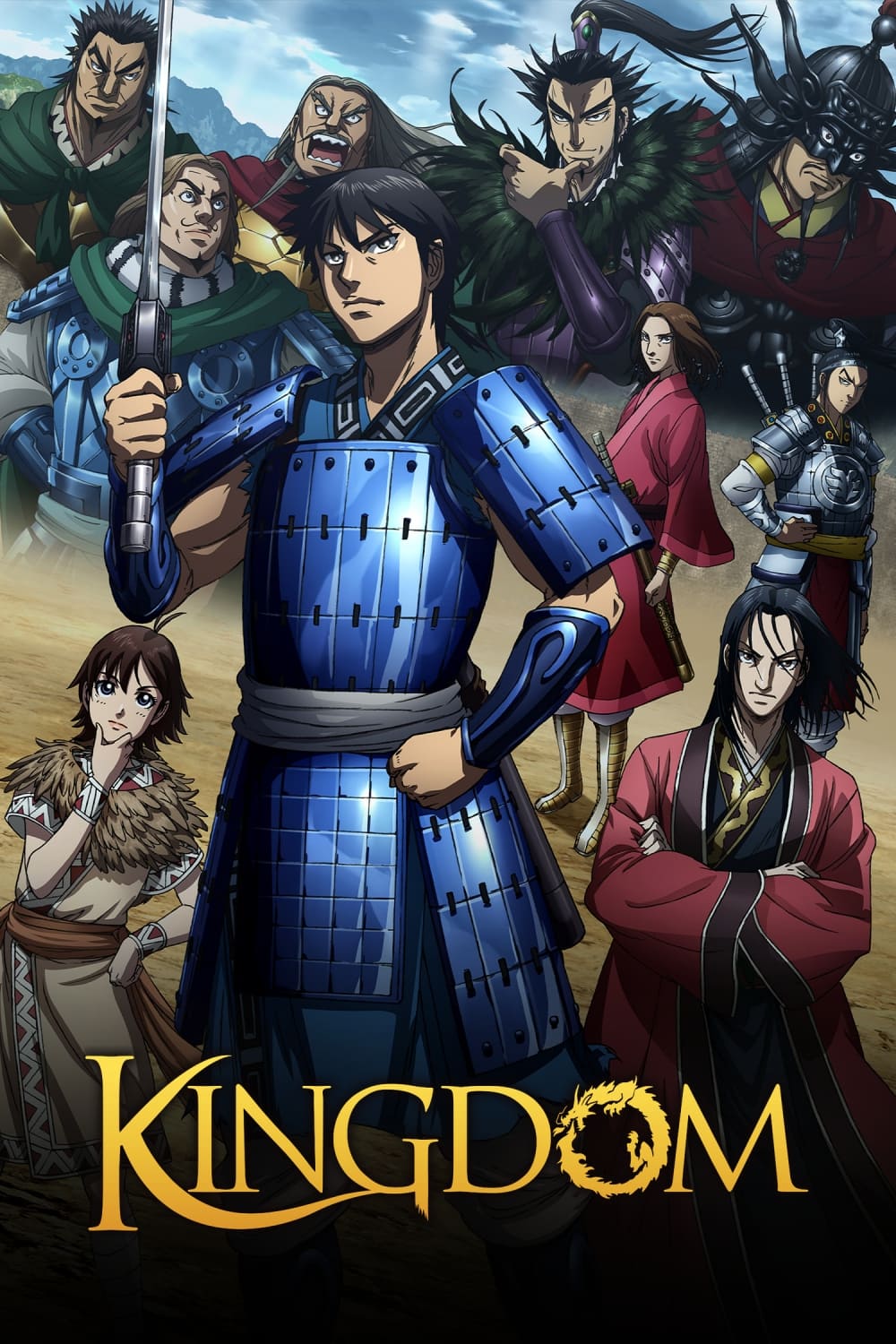
As a huge fan of historical dramas, I’m completely captivated by this series! It follows the incredible journey of Shin, an orphan who dreams of becoming a legendary general during China’s chaotic Warring States period. What’s really cool is that it’s based on the true story of Ei Sei, the future Qin Shi Huang, and his ambition to unite all of China. The creators didn’t shy away from the harsh realities of ancient warfare, and the battles and political maneuvering are ripped straight from historical accounts like the Shiji. It’s not just action though; it really digs into the complex strategies and brutal conditions needed to build an empire. It’s a seriously immersive experience!
‘Golden Kamuy’ (2018–)
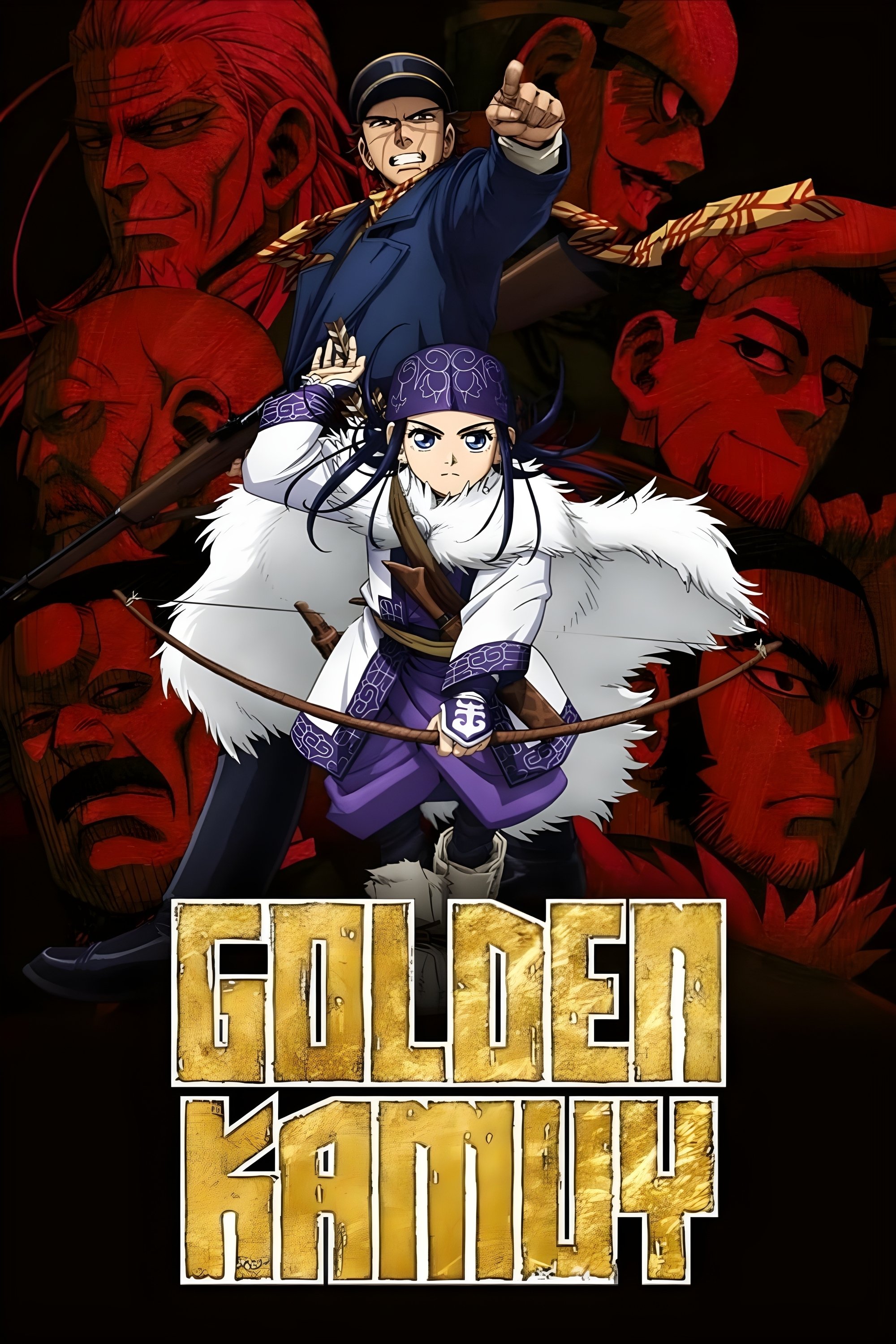
Following the Russo-Japanese War, Saichi Sugimoto embarks on a quest to find a secret treasure of Ainu gold hidden in Hokkaido. The story blends historical fact with fiction, featuring characters like Hijikata Toshizo – a famous figure from the Shinsengumi, reimagined as an older rebel. The plot explores the conflicts between the Japanese army and groups fighting for independence, while also offering a rich portrayal of Ainu culture and the challenges facing Japan after the war in the early 1900s.
‘The Wind Rises’ (2013)
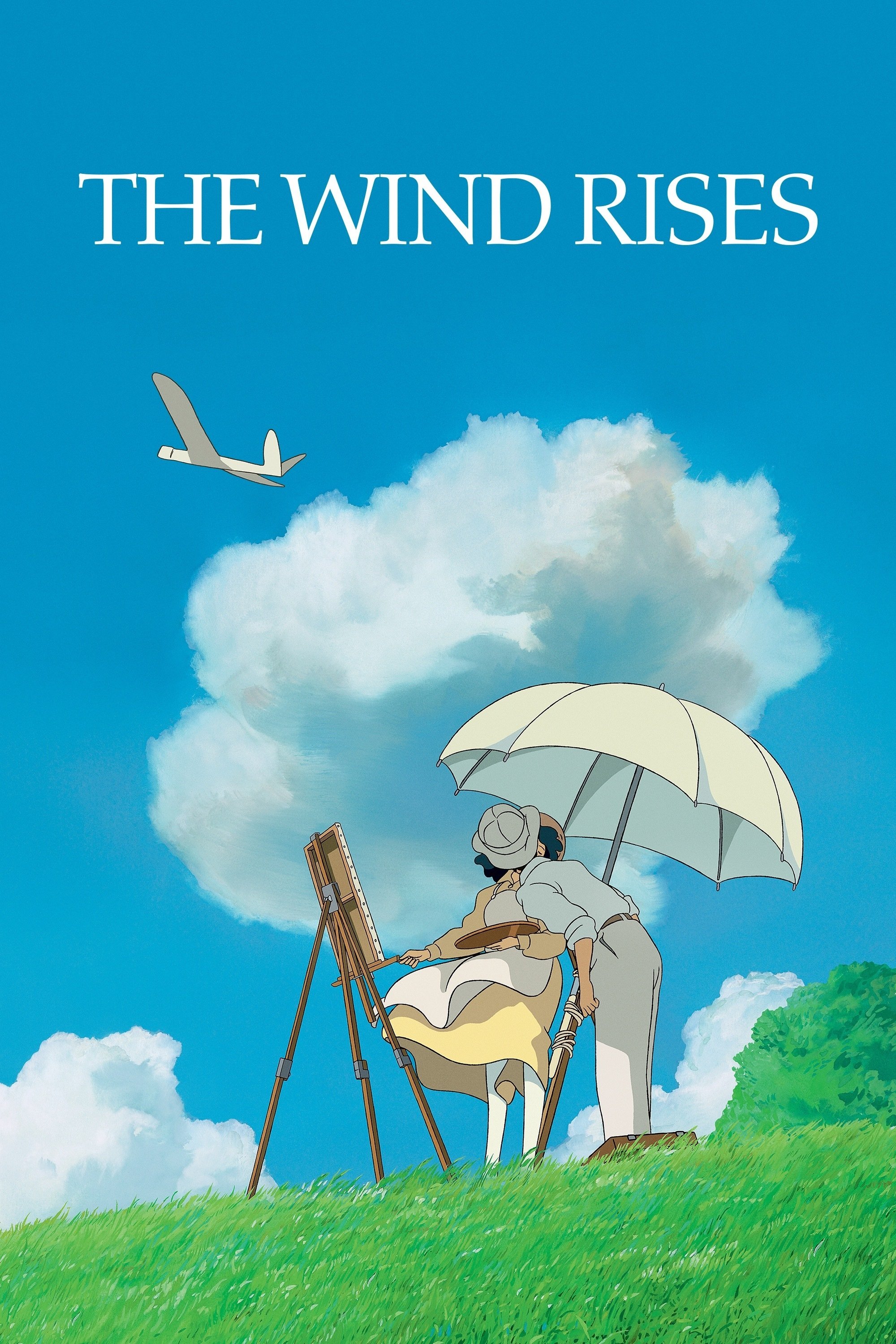
Jiro Horikoshi, a talented designer, longed to create stunning airplanes, even though he couldn’t become a pilot due to poor eyesight. The movie tells a fictionalized story of the engineer who designed the Mitsubishi A6M Zero, a fighter plane used in World War II. It highlights the contrast between his love for beautiful aircraft and the destructive power of the planes he built. The story is set against the backdrop of the Great Kanto Earthquake and the economic hardship that followed, both of which greatly influenced his life.
‘Grave of the Fireflies’ (1988)
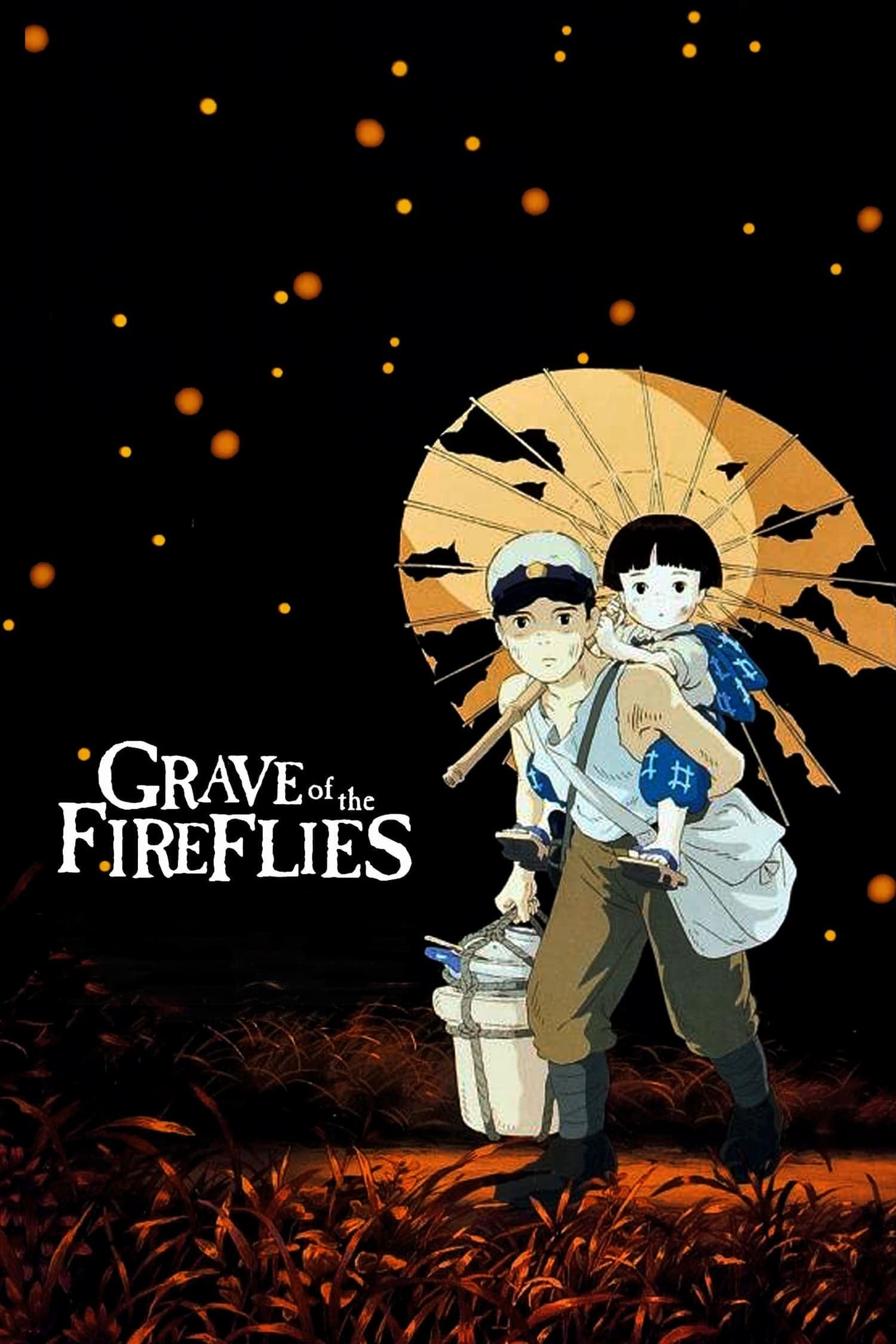
During the last months of World War II, Seita and his little sister Setsuko try to survive on their own. The movie shows the devastating firebombing of Kobe and how ordinary people suffered when the government couldn’t help them. Their heartbreaking story reflects the real hunger and shortages faced by people in Japan in 1945. It’s a powerful and disturbing look at the human cost of war, beyond just the fighting.
’91 Days’ (2016)
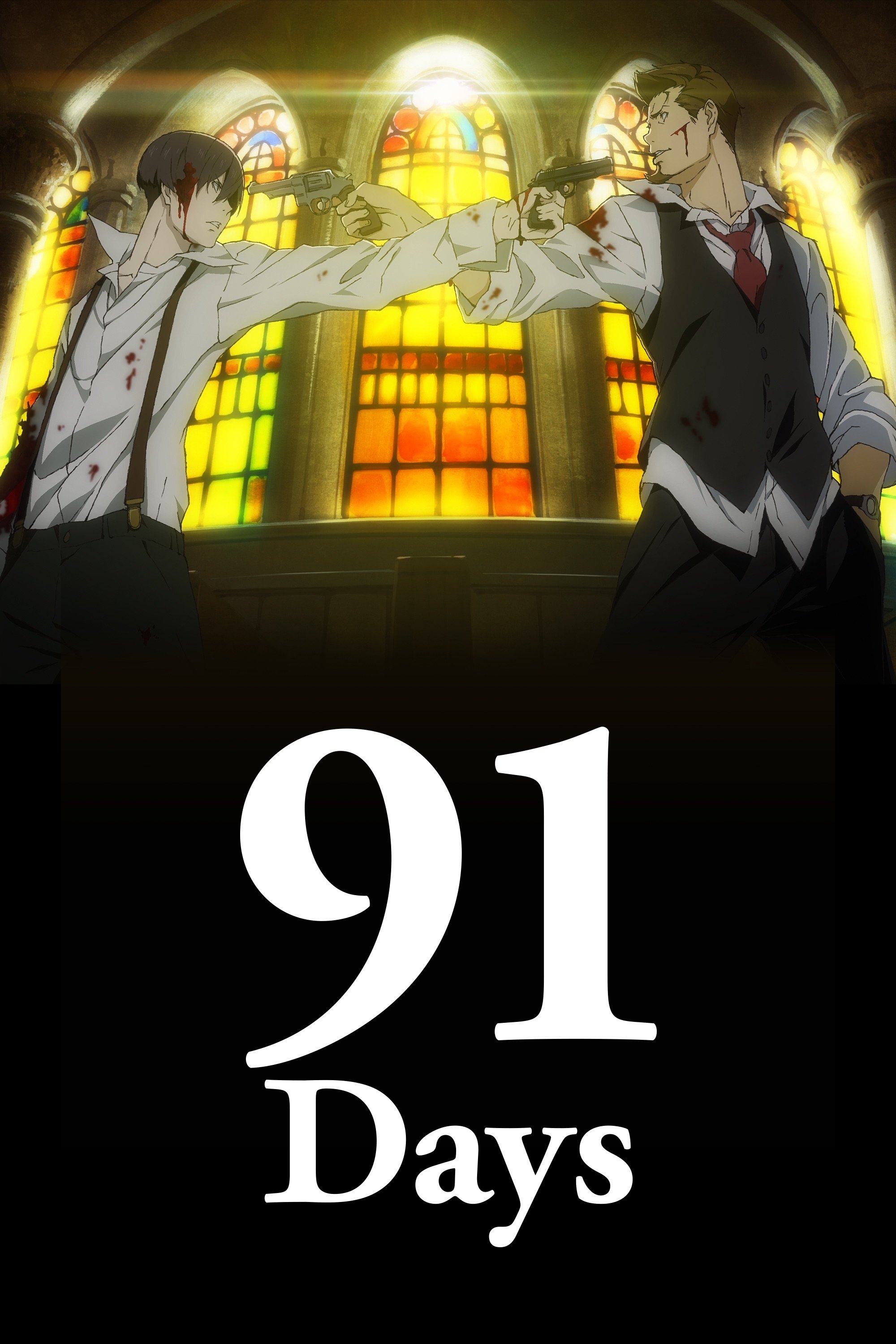
Driven by the murder of his family, Angelo Lagusa goes undercover within the powerful Vanetti crime family to get revenge. The story unfolds during the violent Prohibition era in America, a time when the mafia controlled much of life. It’s heavily inspired by actual mafia wars and the gritty world of 1920s Illinois, where alliances are constantly broken and trust is a rare commodity. Angelo uses this dangerous environment to pursue his long-awaited vengeance.
‘Joker Game’ (2016)
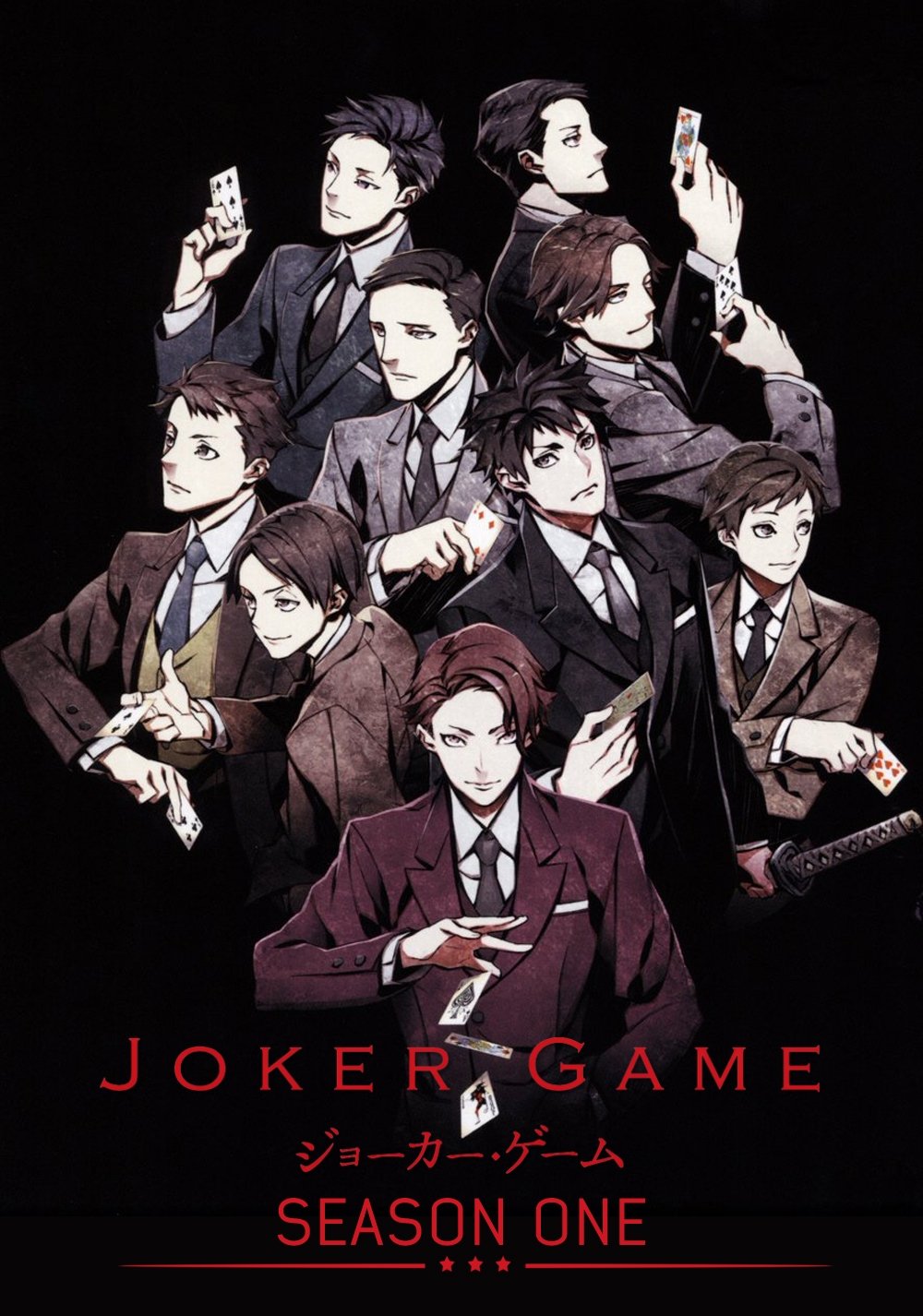
As a film buff, I’m completely hooked on this series! It follows a secret intelligence agency – the D Agency – that’s prepping for war in the lead-up to World War II. What’s really fascinating is the lead character, Lieutenant Colonel Yuuki. He throws out the old rulebook and builds his network on deception and controlling information. Each story feels incredibly grounded because it’s based on actual political tensions and diplomatic struggles from the late 1930s. It’s not about battles and explosions, but the secret, shadowy conflicts that happened before the war officially started – the real intrigue is in those hidden power plays.
‘Rurouni Kenshin’ (1996–1998)
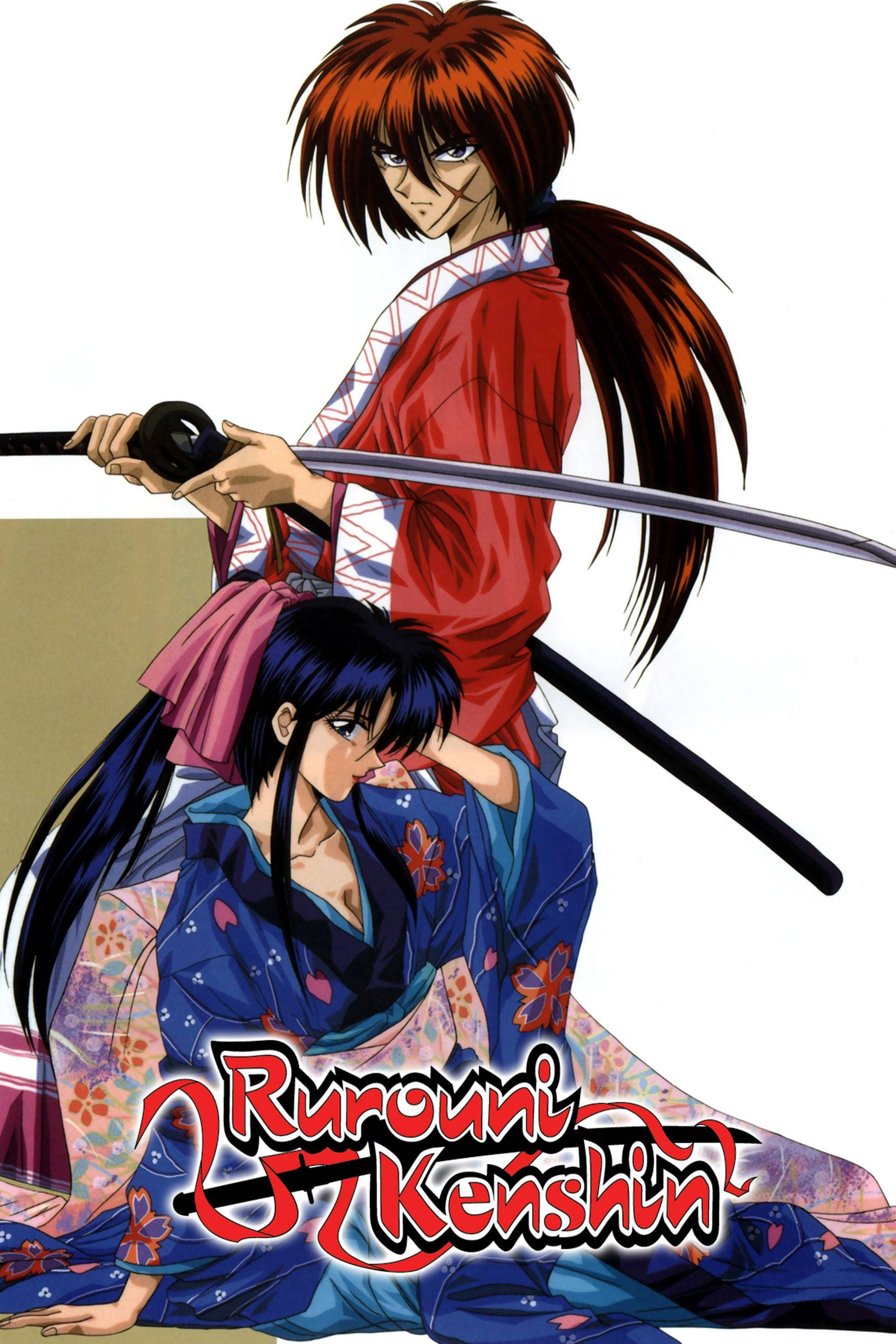
Kenshin Himura travels throughout Japan, helping people as a way to make up for his violent past as a hitman during a turbulent time in history. The story takes place as Japan is changing, with traditional samurai values clashing against new Western ideas. Characters based on real historical figures, like Hajime Saito, appear and highlight the bloody conflicts that led to the country’s new government. Ultimately, the story examines how hard it is to find peace after a period of intense fighting.
‘In This Corner of the World’ (2016)
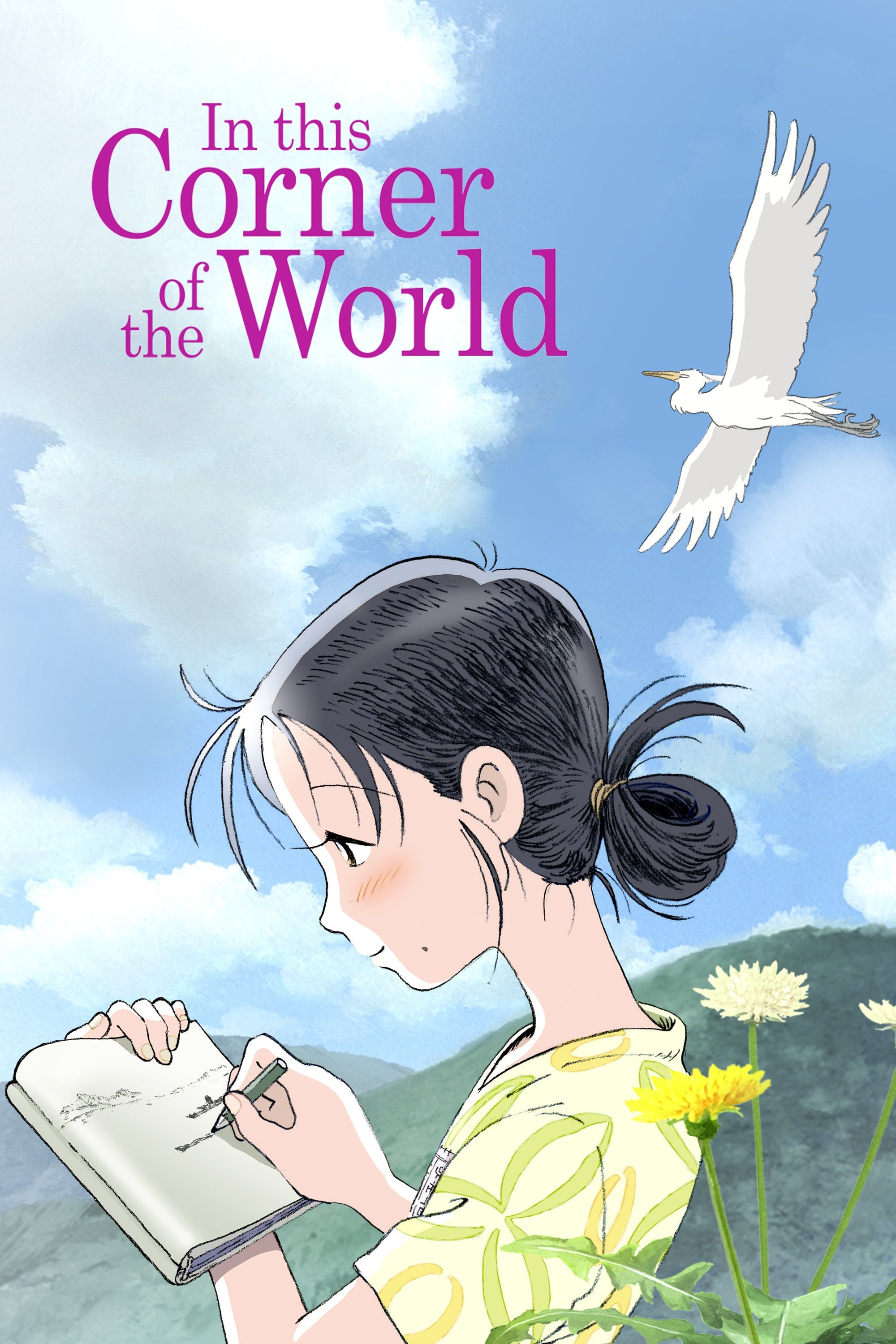
Suzu relocates to Kure to marry a naval officer and finds herself running a household as World War II intensifies. The film carefully depicts wartime Hiroshima and the everyday challenges faced by its residents. Key moments in Suzu’s life are shaped by historical events, including air raids and ultimately, the atomic bomb. The story emphasizes the strength and perseverance of people continuing to live their lives despite the immense destruction around them.
‘Showa Genroku Rakugo Shinju’ (2016–2017)
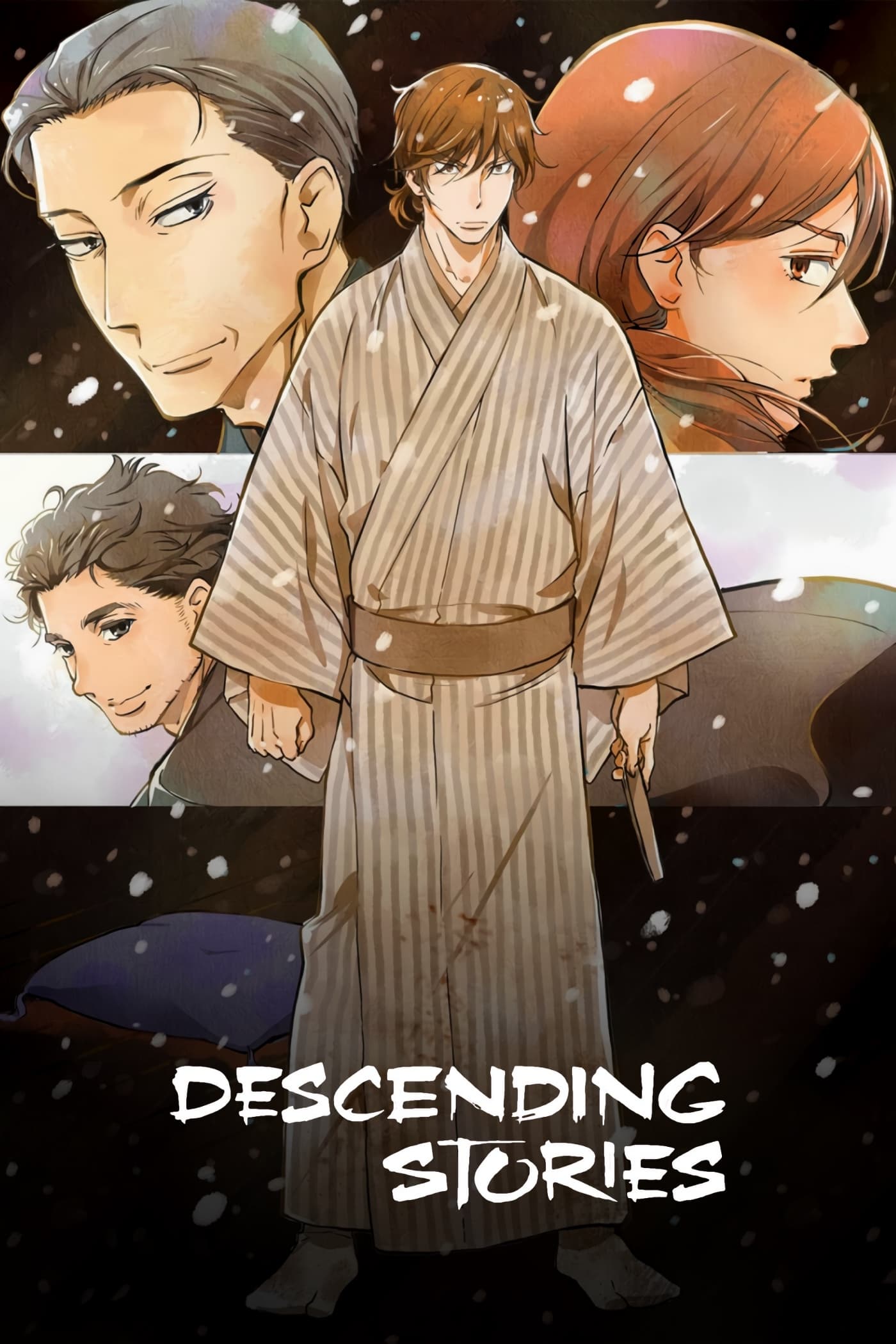
Yakumo Yurakutei’s story follows his life as a rakugo performer, stretching across Japan’s Showa and Heisei periods. His experiences reflect how traditional arts faded as Japan modernized after the war and its culture changed quickly. The story shows how shifts in entertainment and social expectations affected the lives of the characters and their art. Ultimately, it’s a look at Japan’s journey to redefine itself after wartime loss.
‘Requiem of the Rose King’ (2022)
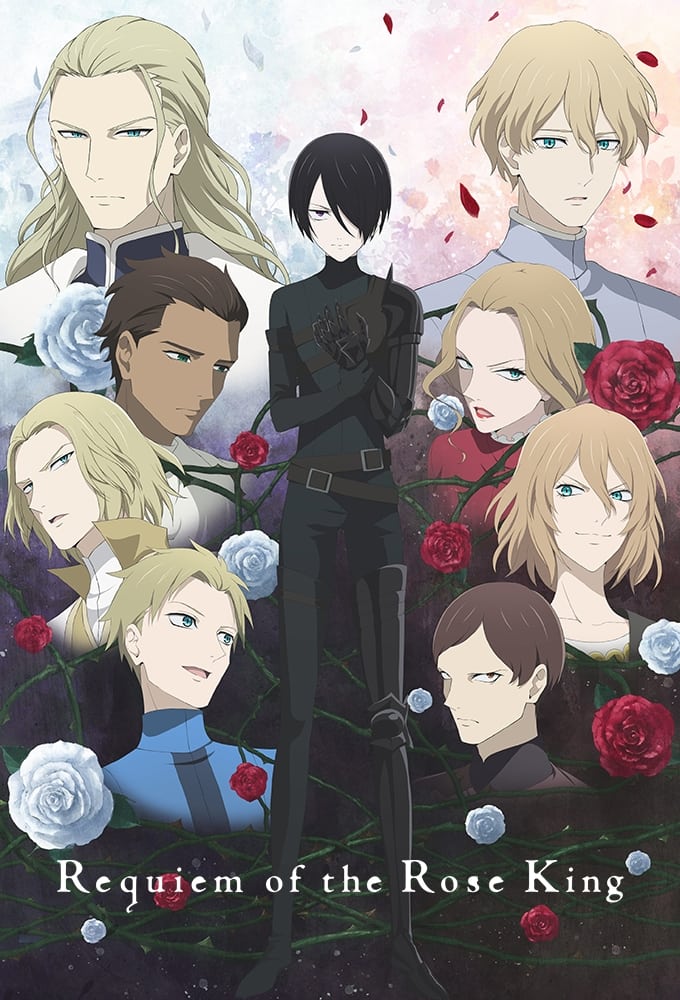
This dark fantasy series reimagines the historical Wars of the Roses through Shakespearean drama. It follows Richard Plantagenet, who is grappling with questions of identity, as his family fights for the English throne. The story is full of shifting loyalties and betrayals, mirroring the real, turbulent power struggles between the Houses of York and Lancaster. Throughout it all, Richard feels trapped by a cruel fate.
‘Zipang’ (2004–2005)
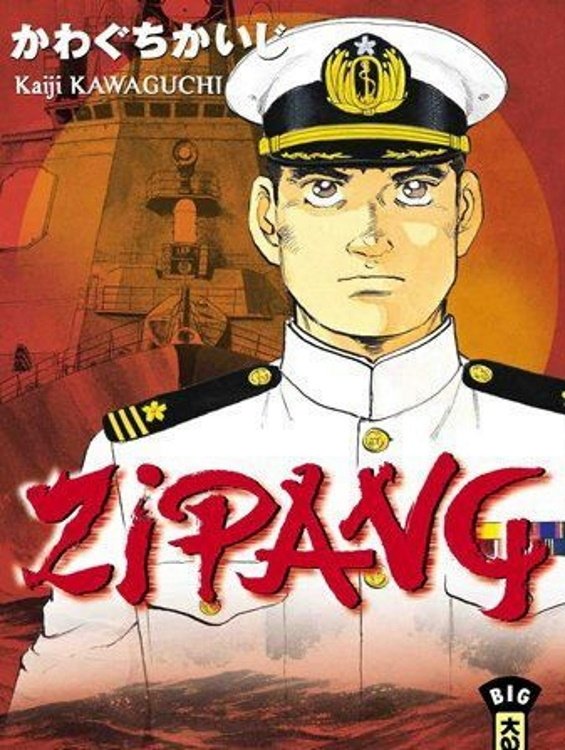
A cutting-edge Japanese warship is unexpectedly thrown back in time to the pivotal Battle of Midway during World War II. The crew faces a difficult choice: should they use their advanced technology to try and change the outcome of the battle, potentially saving lives but also rewriting history? Or should they remain observers, knowing the tragic fate that awaits their ancestors? The series explores both the technological advantages and the complex moral questions that arise when modern capabilities collide with a historical conflict.
‘Barefoot Gen’ (1983)
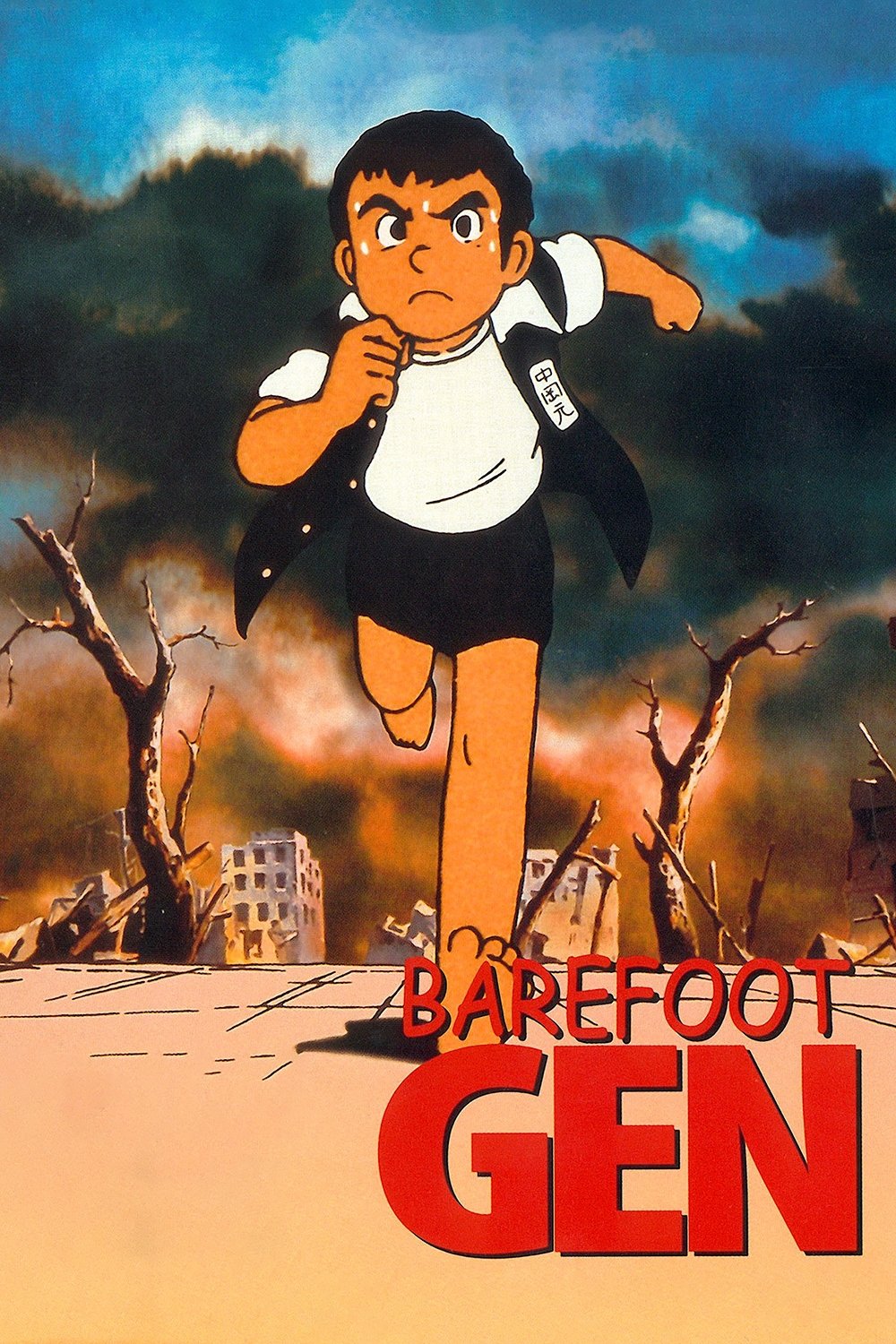
Gen Nakaoka and his family struggle with hardship and hunger in Hiroshima during wartime. The film realistically depicts the devastating atomic bombing on August 6th and the horrific aftermath. Based on the author’s own frightening experiences as a survivor, it powerfully shows the effects of the blast and radiation poisoning, serving as a stark warning against the use of nuclear weapons.
‘Hyouge Mono’ (2011)
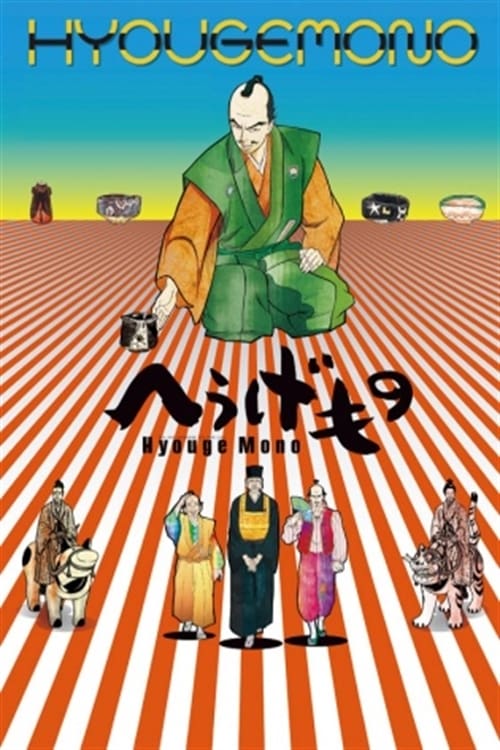
Furuta Oribe was a powerful figure who prioritized tea ceremonies and beauty over winning wars. The story is set during a turbulent time in Japanese history and explores how politics and art intertwined under the rule of Oda Nobunaga and Toyotomi Hideyoshi. Instead of simply focusing on battles and power grabs, it examines historical events – like assassinations and changes in leadership – through the impact of culture. It provides a fresh look at how artistic ideals influenced the lives and times of the samurai.
‘Miss Hokusai’ (2015)

Set in 19th-century Edo, this film tells the story of O-Ei, who worked with her renowned father, Katsushika Hokusai. It delves into the life of the artist behind Japan’s famous ukiyo-e prints, and captures the vibrant energy of the city at the time. The film is rich in historical detail about the art world and entertainment districts, and reveals the significant, yet often forgotten, contributions O-Ei made to her father’s lasting artistic legacy.
‘Gintama’ (2006–2010)
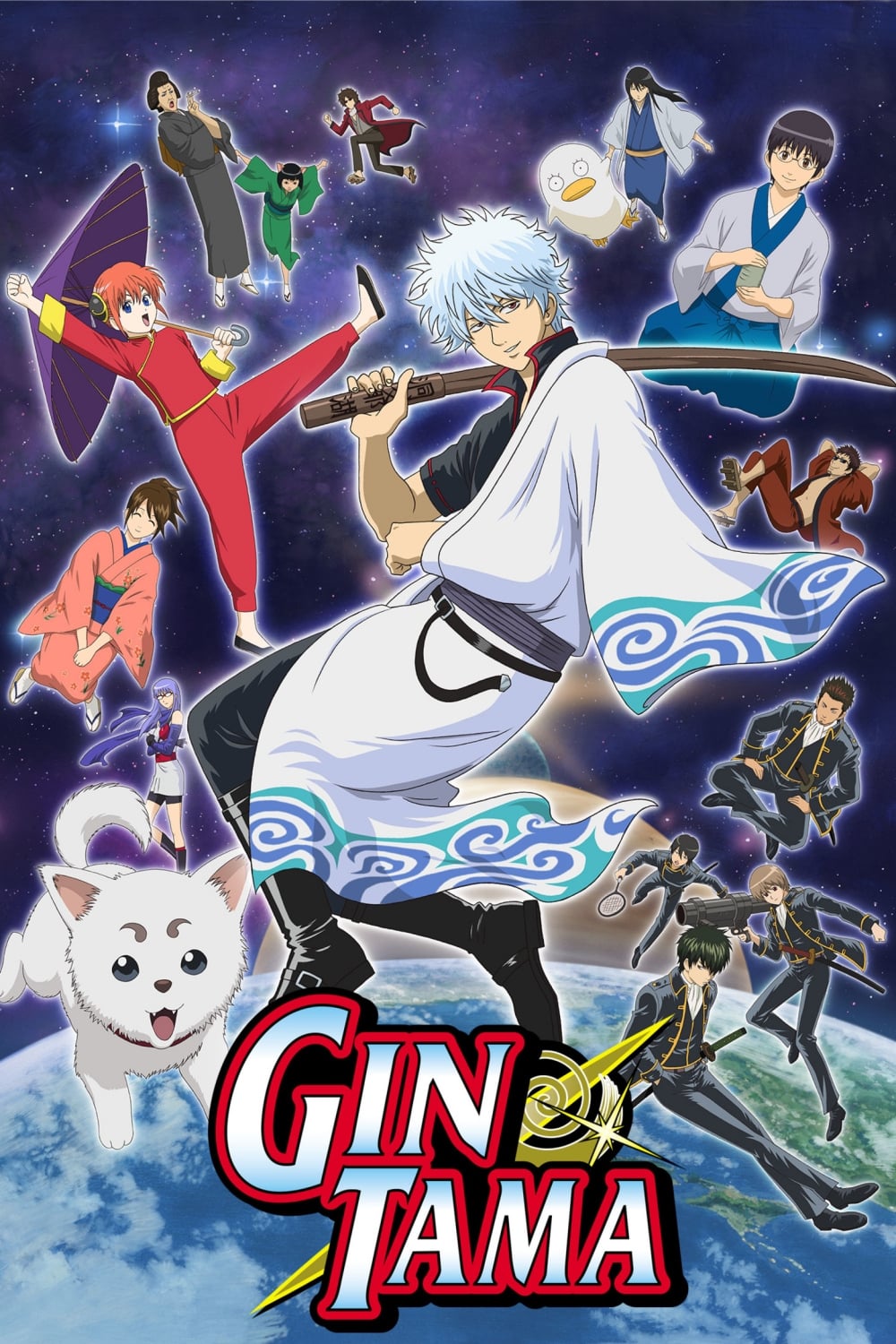
Gintoki Sakata runs a jack-of-all-trades business in a version of Edo, Japan that’s been taken over by aliens. Though the show is often very funny, it’s deeply rooted in the historical Bakumatsu period, playfully poking fun at groups like the Shinsengumi and other figures from the time. The aliens represent the arrival of Commodore Perry and Western ideas in Japan. The show’s storylines often take real historical events and explore them through a humorous and satirical perspective.
‘Hakuoki’ (2010)
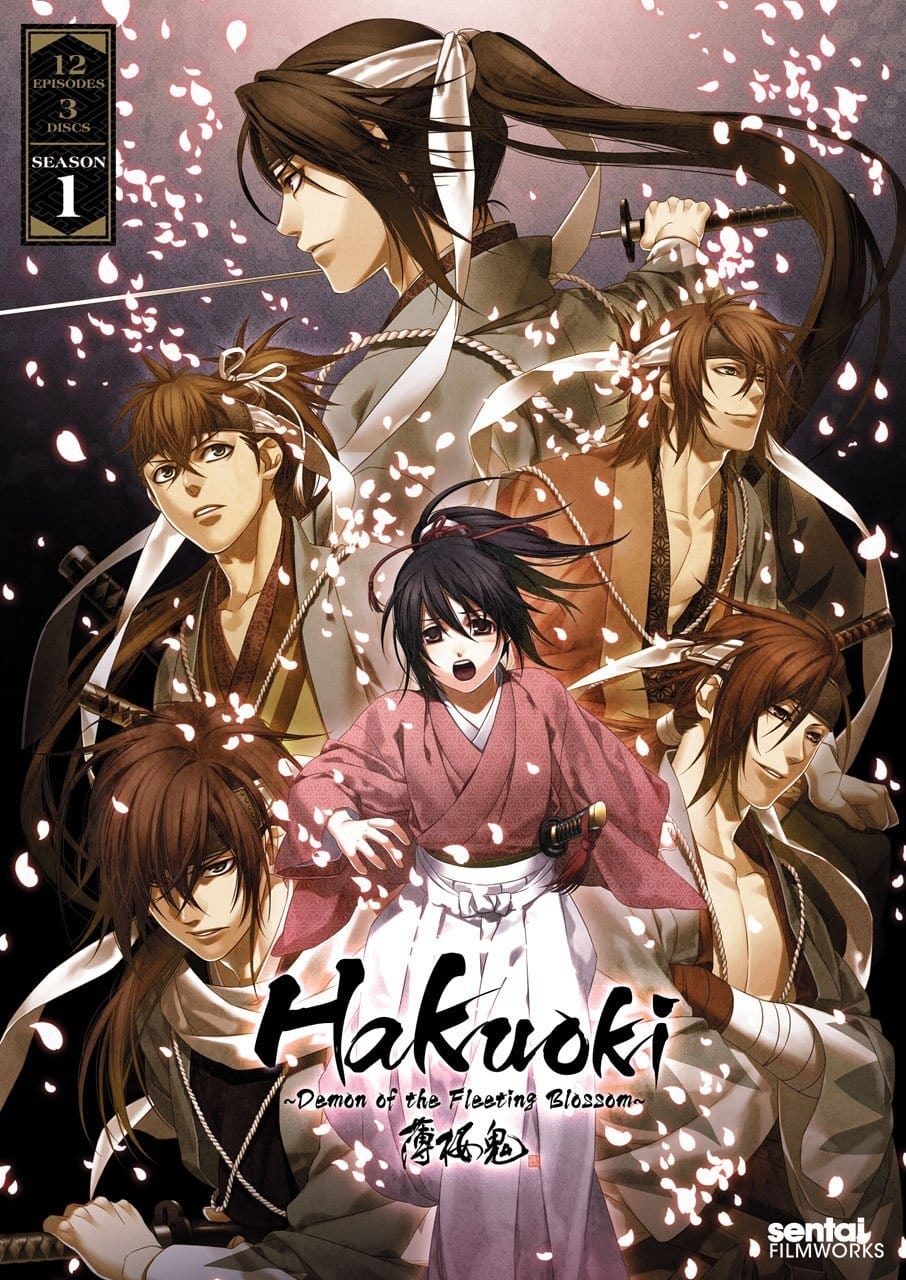
Chizuru Yukimura goes to Kyoto searching for her father and unexpectedly gets caught up with the Shinsengumi, a special police force. The story presents the Shinsengumi as powerful warriors who use a mysterious serum to enhance their abilities. While it includes fantastical elements, the plot largely follows the real history of the Shinsengumi, including their eventual downfall during the Boshin War. The characters’ stories and fates closely mirror those of the actual historical figures.
‘Night Raid 1931’ (2010)
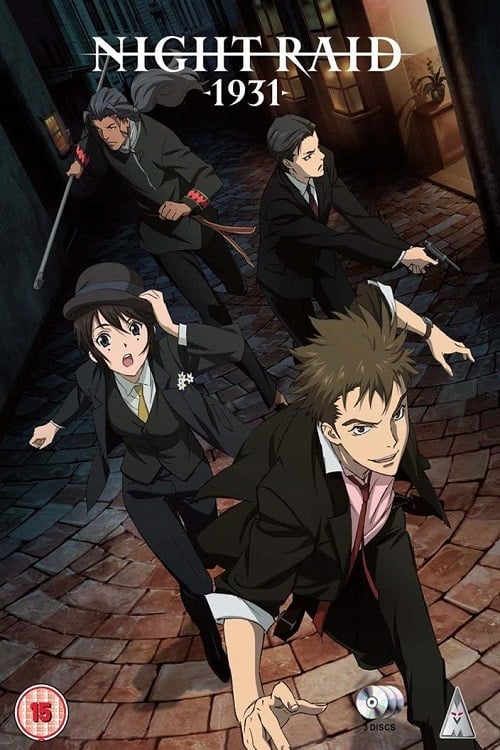
Set in 1930s Shanghai against the backdrop of the Manchurian Incident, the story follows a clandestine Japanese organization called the Sakurai Kikan, dedicated to neutralizing threats to the Japanese Army. The series blends supernatural elements with historical espionage, featuring interactions with real figures like Puyi, the last emperor of China, and explores the events leading up to the Second Sino-Japanese War.
‘Angolmois: Record of Mongol Invasion’ (2018)
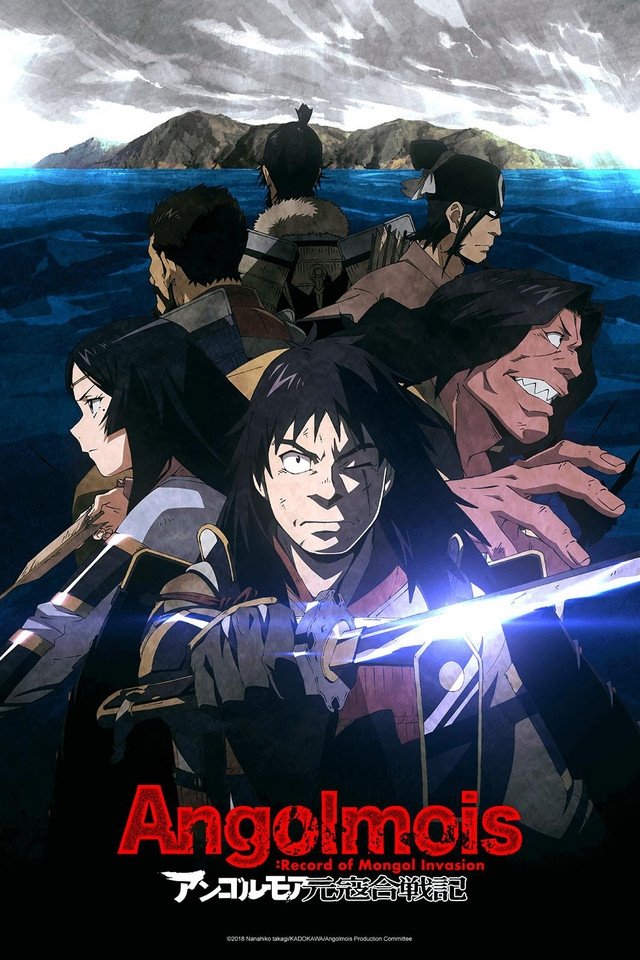
In 1274, exiled samurai Kuchii Jinzaburo fights to protect Tsushima Island from a Mongol invasion. The anime shows the Mongols’ powerful army and the resourceful, but desperate, fighting strategies of the Japanese defenders. It focuses on a harsh and often-forgotten moment in history, portraying the brutal realities of medieval war and surviving on a remote island.
‘Rainbow’ (2010)
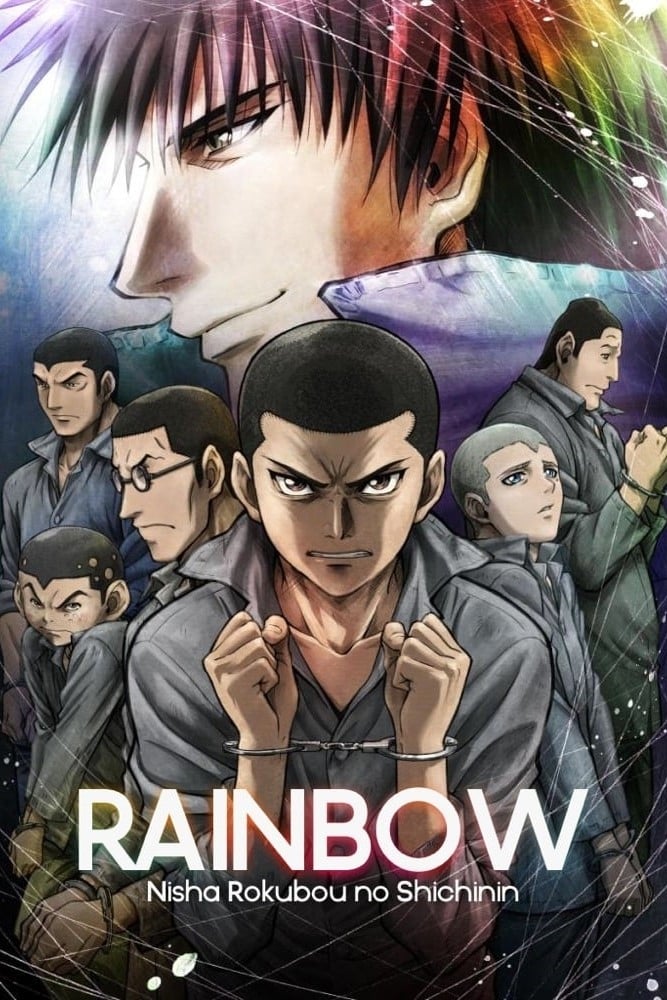
In 1955 Japan, seven teenage boys, all facing tough circumstances at a disciplinary school, forge a strong connection. The story vividly portrays the hardships experienced by orphans and troubled youth in the years following World War II. The boys’ challenges are deeply connected to Japan’s occupation by American forces and its difficult climb toward economic recovery, mirroring the nation’s own struggle to rebuild and move forward.
‘Kids on the Slope’ (2012)
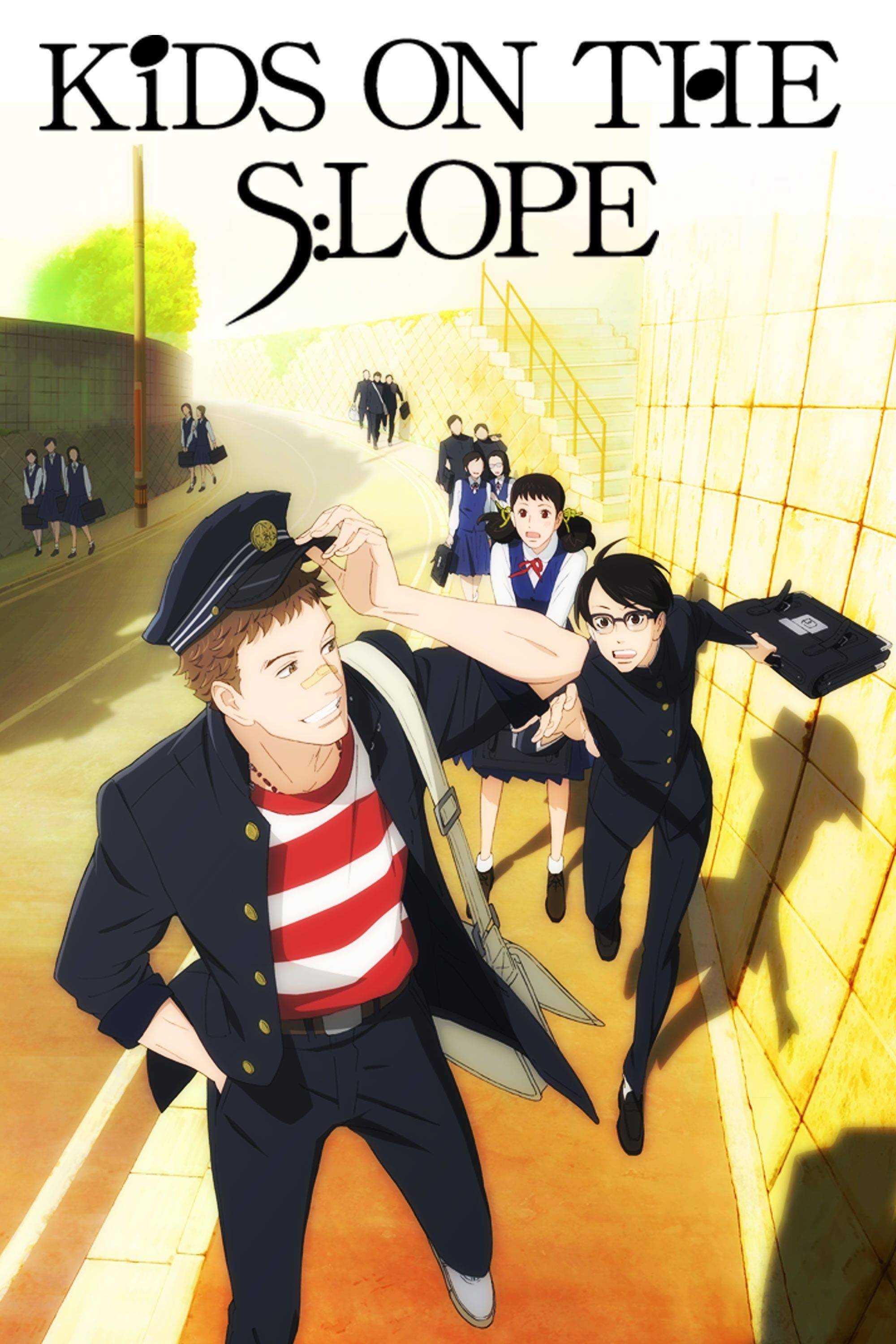
In 1966, Kaoru Nishimi relocates to Kyushu and develops a passion for jazz thanks to his friendship with Sentaro Kawabuchi. The story unfolds during a time of student protests and cultural shifts in 1960s Japan. As historical events take place around them, the characters grapple with issues like family disapproval and questions of faith. The novel beautifully portrays the feelings of a generation navigating the tension between traditional values and the growing influence of Western culture.
‘From Up on Poppy Hill’ (2011)
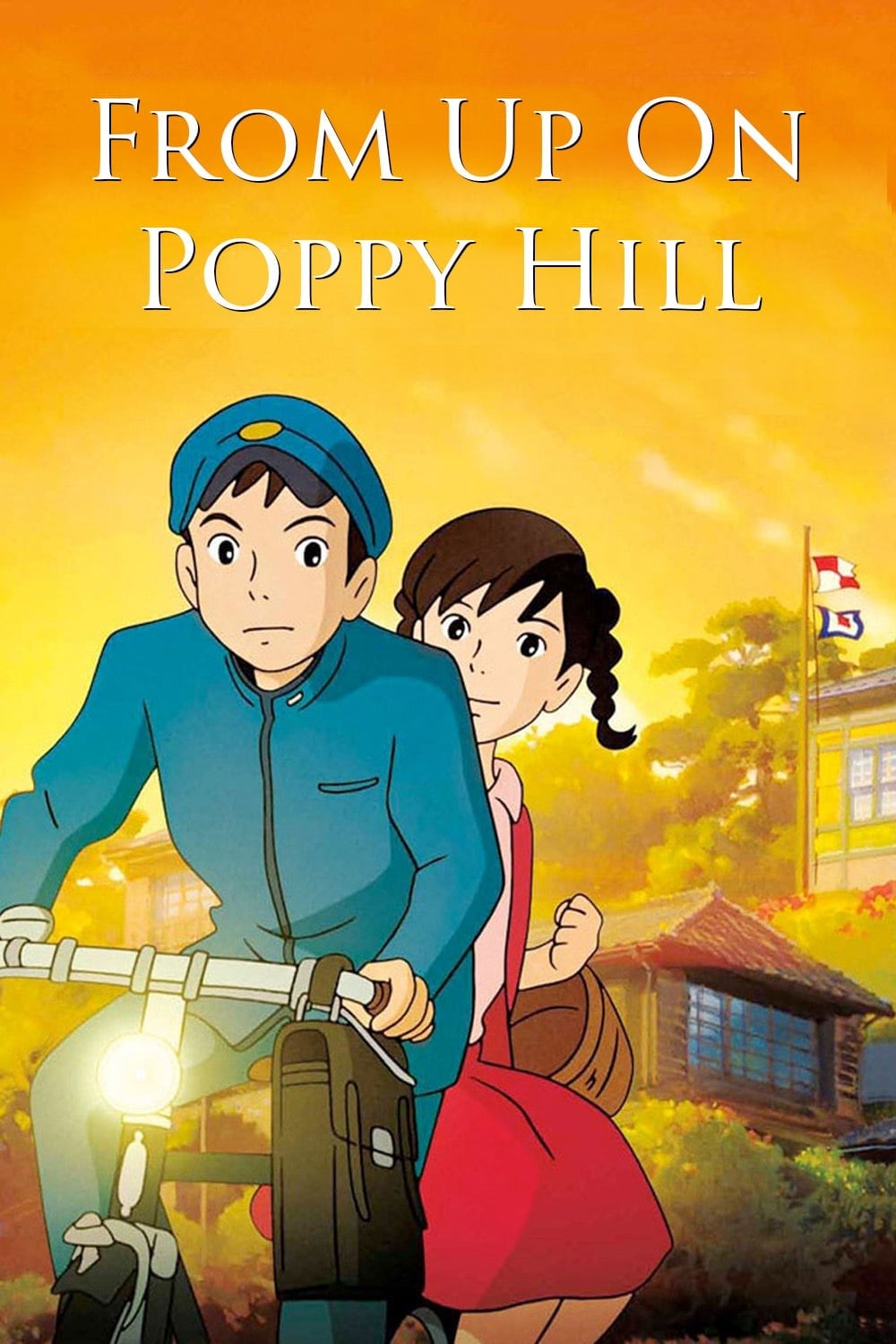
In 1963, Umi Matsuzaki begins each day raising signal flags while looking out over the port of Yokohama. The story revolves around a group of students trying to save their beloved clubhouse, the Latin Quarter, as Japan gets ready to host the 1964 Tokyo Olympics. The film beautifully portrays the tension between the country’s push for modernization and the students’ longing to hold onto their past and cherished memories, capturing a hopeful yet nostalgic moment in Japanese history.
‘Porco Rosso’ (1992)

Marco Pagot is a skilled WWI pilot, but a curse has left him with the appearance of a pig. Now, he works as a bounty hunter in the Adriatic Sea. The story takes place as fascism is growing in Italy and focuses on the struggles of soldiers returning from war. Marco is threatened by both secret police and the military, who want to control him. The film contrasts the excitement of early flight with the increasingly troubled political climate in Europe.
‘The Cockpit’ (1993)
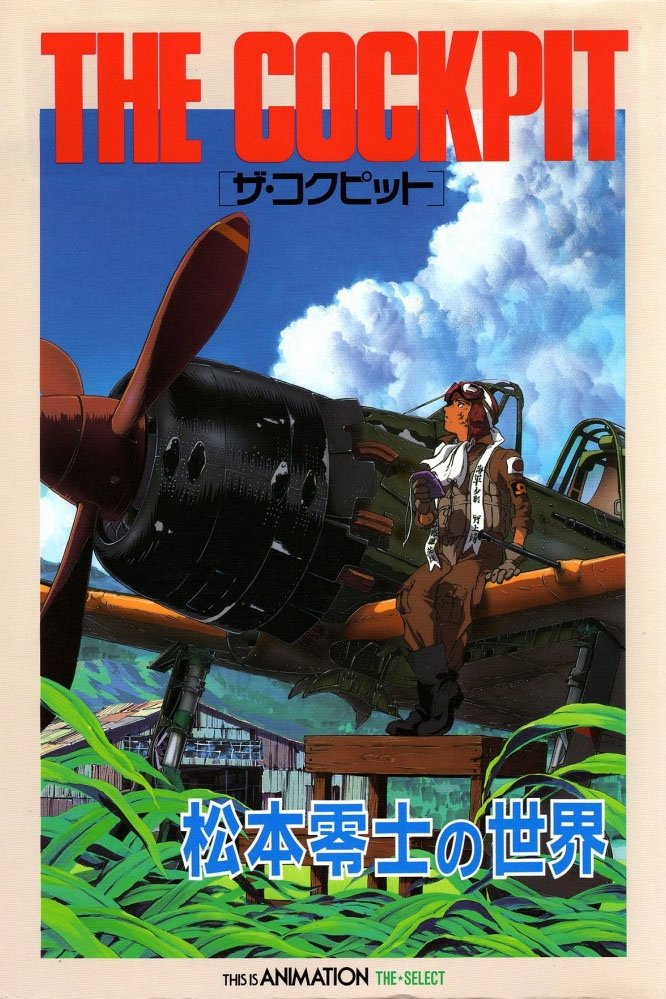
This collection of three stories delves into the difficult and heartbreaking decisions made by soldiers and pilots fighting for the Axis powers in World War II. It particularly examines the immense mental strain of using weapons like the Ohka, a suicide plane. Rather than celebrating war, the stories highlight the senseless loss of life and the overall futility of the conflict. The stories are grounded in historical reality, with careful attention paid to the details of the military technology used.
‘Emma: A Victorian Romance’ (2005)

Set in 1800s London, this story follows Emma, a housemaid, who falls in love with William Jones, a man from a higher social class. The series carefully depicts the rigid social rules and customs of the Victorian period, and their romance is threatened by the fact that relationships between people of different classes weren’t accepted at the time. It’s a rich look at what everyday life and society were like back then.
‘Croisée in a Foreign Labyrinth’ (2011)
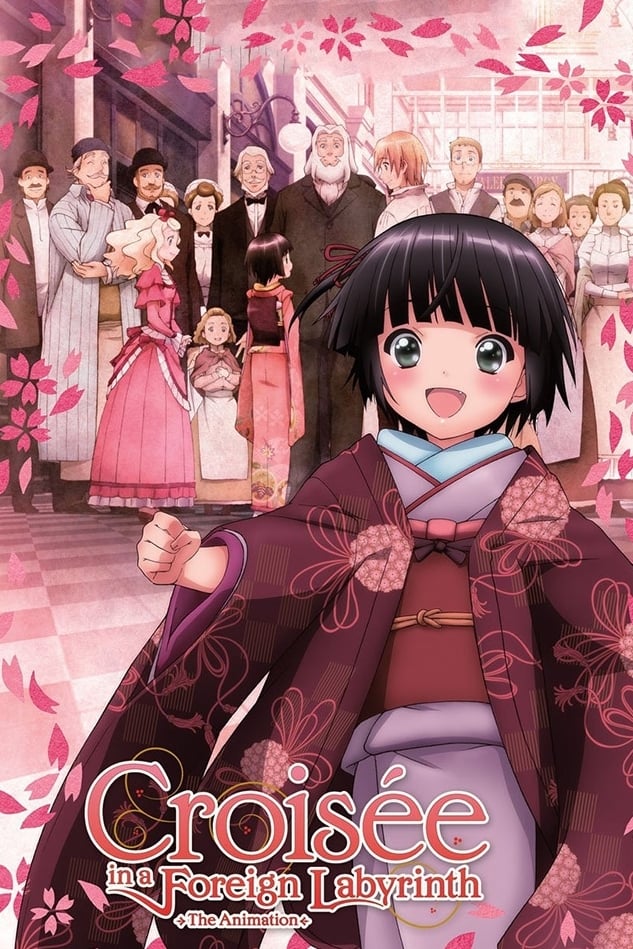
In the late 1800s, Yune, a young woman from Japan, goes to Paris to work in a metalworking shop. The story follows her experiences and explores the fascinating cultural connections between Japan and France, a time when French artists and designers were heavily inspired by Japanese art – a period known as Japonisme. The narrative realistically portrays Parisian life and architecture, while also showing the curiosity and occasional miscommunications that arose when Japanese and Western cultures intersected.
‘Arte’ (2020)

Arte is a young noblewoman living in 16th-century Florence who breaks societal expectations by pursuing her dream of becoming a painter. The anime beautifully portrays the lively Renaissance era while also highlighting the significant obstacles women faced when trying to work in the arts. The story’s conflicts stem from the strict rules of the artist guilds and how art was funded at the time, all set against the backdrop of a pivotal moment in European history.
‘Maria the Virgin Witch’ (2015)
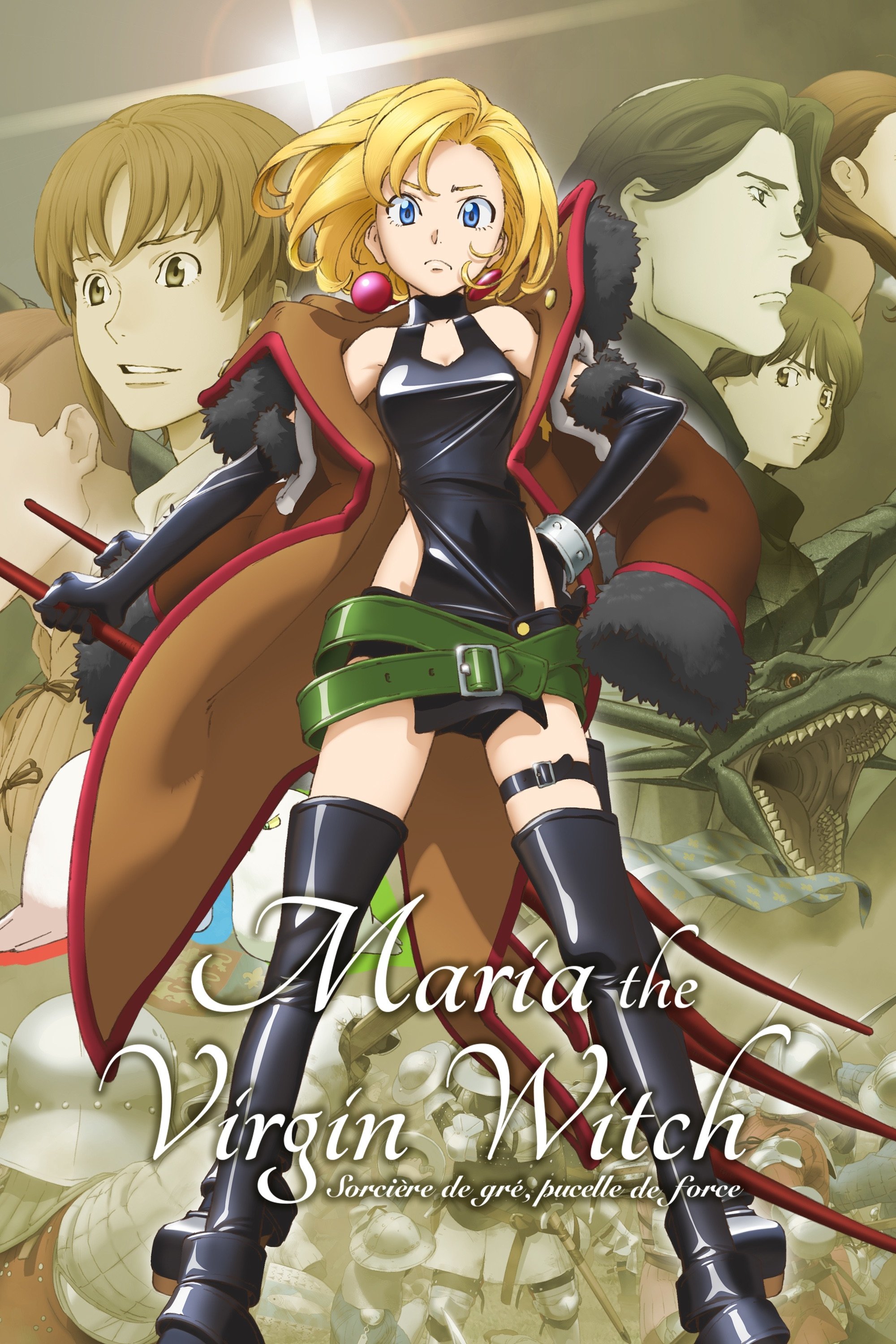
Maria is a witch who tries to stop fighting during the Hundred Years’ War, as she hates violence. While the story has magical elements, it realistically portrays medieval battles and armor. The plot centers around the church and hired soldiers who benefit from the long-running conflict between France and England. It explores whether a higher power was truly involved, or if the war was simply fueled by people’s greed and political maneuvering.
‘Drifters’ (2016)
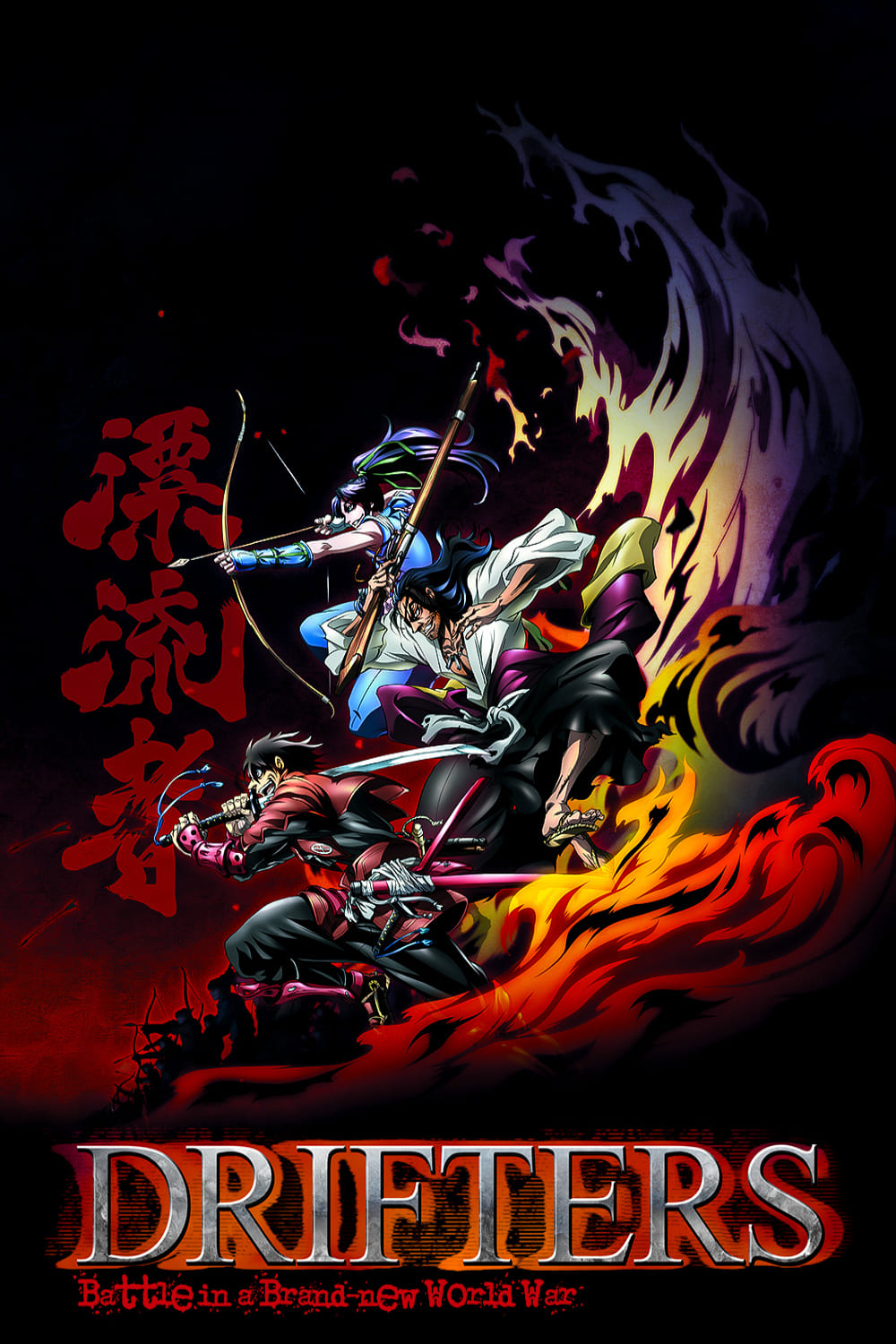
Legendary warriors from throughout history find themselves in a magical world, battling a mysterious enemy known as the Ends. The story centers around Shimazu Toyohisa, a genuine samurai, who fights with famous figures like Oda Nobunaga and Nasu no Yoichi. They use the strategies and leadership skills they developed in their lifetimes, and the plot explores how these historical tactics work – or don’t – in a world of magic.
‘Yasuke’ (2021)
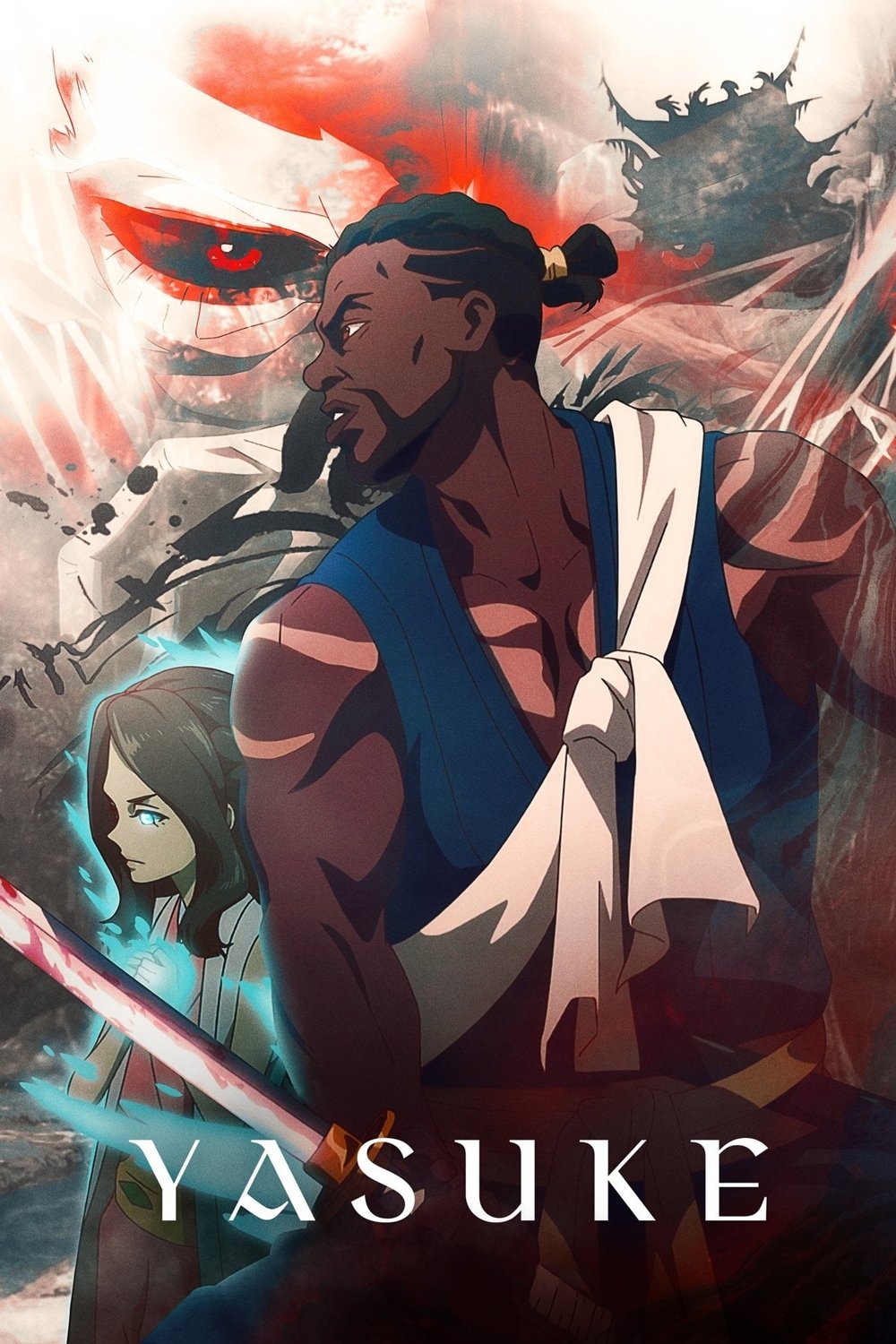
The anime ‘Yasuke’ tells the story of a Black warrior who served under the famous Japanese leader Oda Nobunaga. Though the show includes fantastical elements like robots and magic, it’s based on actual historical events, particularly the Honno-ji Incident. Yasuke had been trying to live a peaceful life as a simple boatman when he’s forced back into battle to safeguard a young child. The series emphasizes the remarkable place Yasuke held in Japan’s feudal era.
‘Shigurui: Death Frenzy’ (2007)
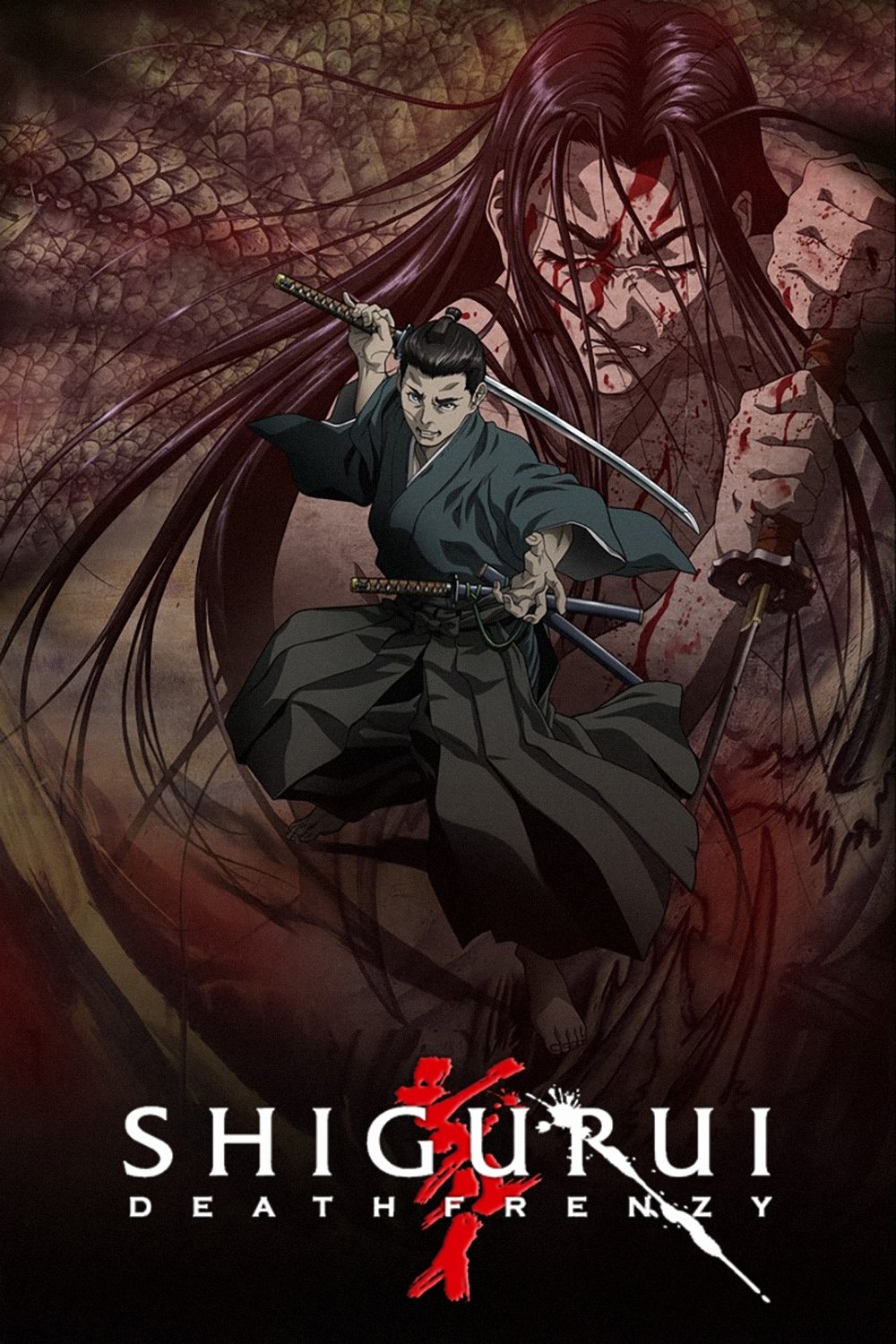
Two battle-scarred swordsmen meet in a tournament hosted by Lord Tokugawa Tadanaga. Through flashbacks, the story reveals the fierce competition and bitter animosity that led to their injuries. The series offers a starkly realistic look at the samurai way of life during the generally peaceful, but strict, Edo period. It challenges the idealized image of samurai, exposing the harsh realities and cruelties of the class system in historical Japan.
‘Blade of the Immortal’ (2019–2020)
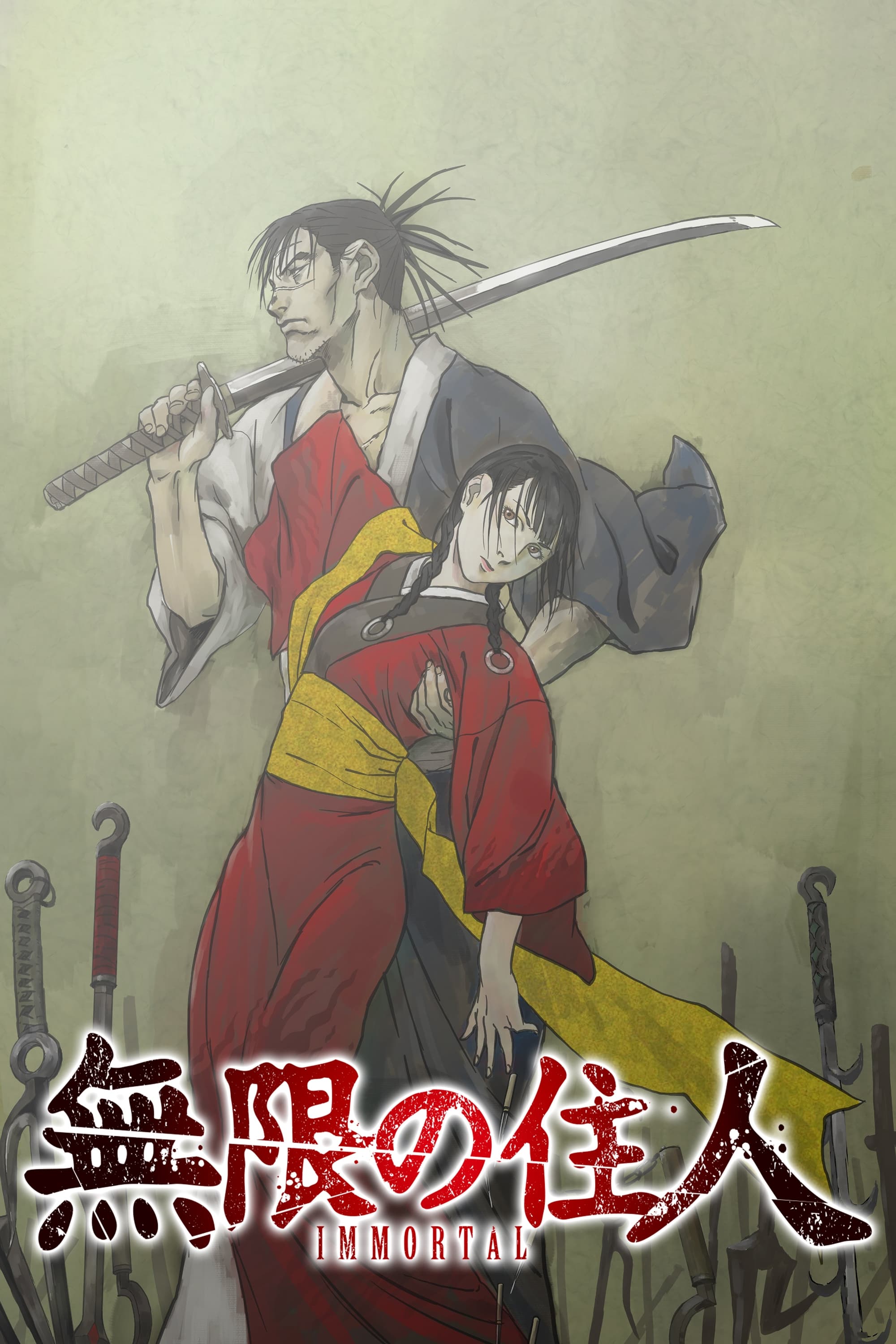
Manji is a cursed swordsman on a quest to become human again – he must defeat a thousand evil warriors to break his curse. The story unfolds during Japan’s Tokugawa shogunate, a time of upheaval, and centers on the emergence of a new sword fighting school, Itto-ryu, that threatens the existing traditions. Filled with realistic historical weapons and fighting techniques, the story follows Manji as he safeguards a young girl named Rin, all while navigating a world of revenge and the possibility of finding redemption.
‘Intrigue in the Bakumatsu: Irohanihoheto’ (2006–2007)
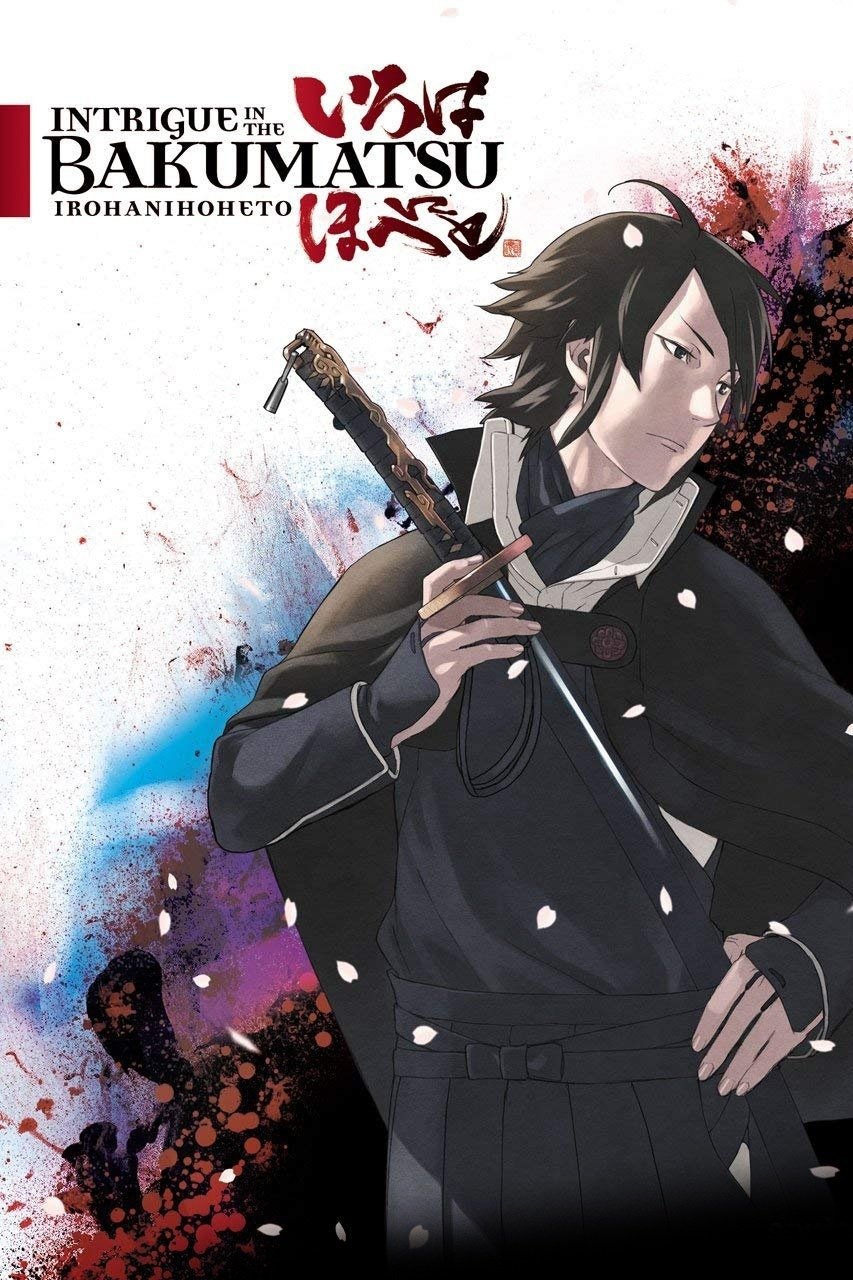
Akizuki Yojiro is a hired swordsman on a quest for a mysterious artifact in the chaotic final years of Japan’s Edo period. His journey crosses paths with famous historical figures like Sakamoto Ryoma and unfolds against the backdrop of the Boshin War. A traveling theater group provides a disguise for Yojiro and his allies as they deal with the complex political schemes surrounding the country’s changing leadership. The story combines historical events with supernatural elements to explore the reasons behind Japan’s turbulent shift in power.
‘Le Chevalier D’Eon’ (2006–2007)
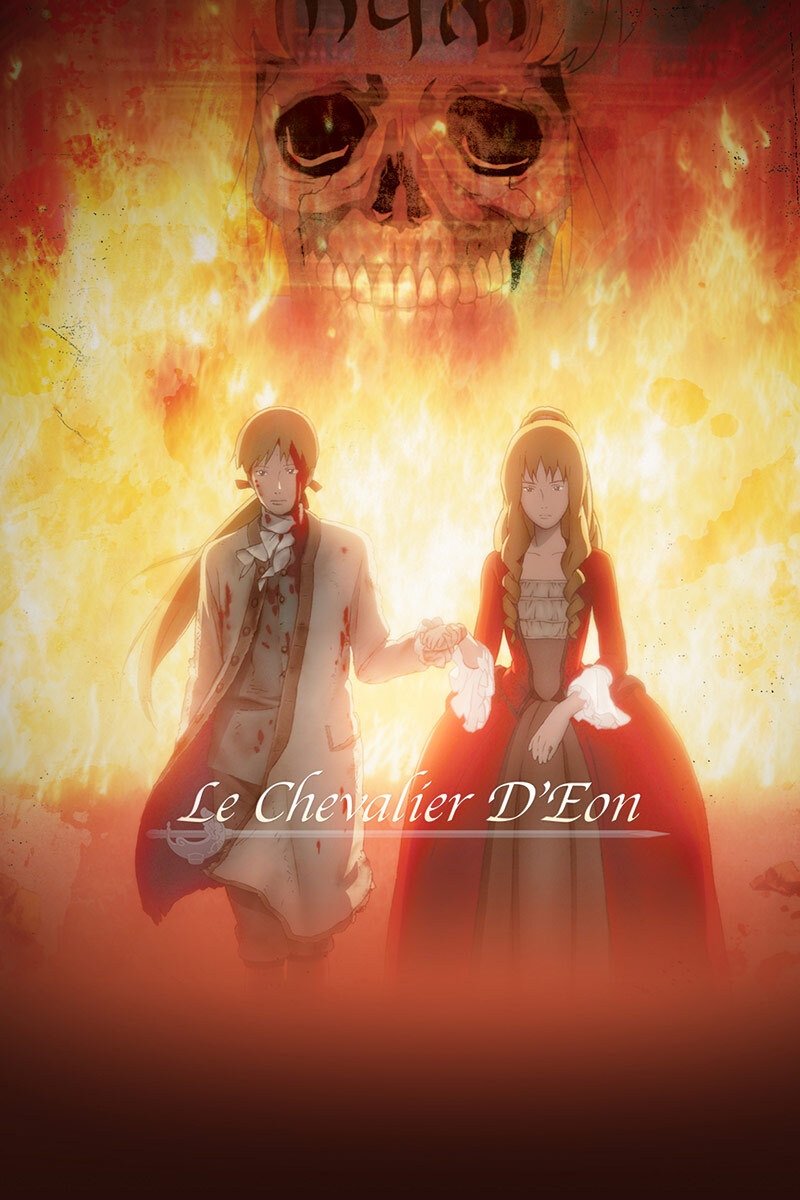
This anime follows D’Eon de Beaumont as he investigates his sister Lia’s murder at the court of King Louis XV. The story is inspired by the life of a real historical figure – a renowned spy who lived as both a man and a woman. Set against the backdrop of pre-Revolutionary France and Russia, the series blends political intrigue with supernatural elements, reimagining D’Eon’s actual diplomatic missions as secret battles to save the nation’s spirit.
‘Moriarty the Patriot’ (2020–2021)
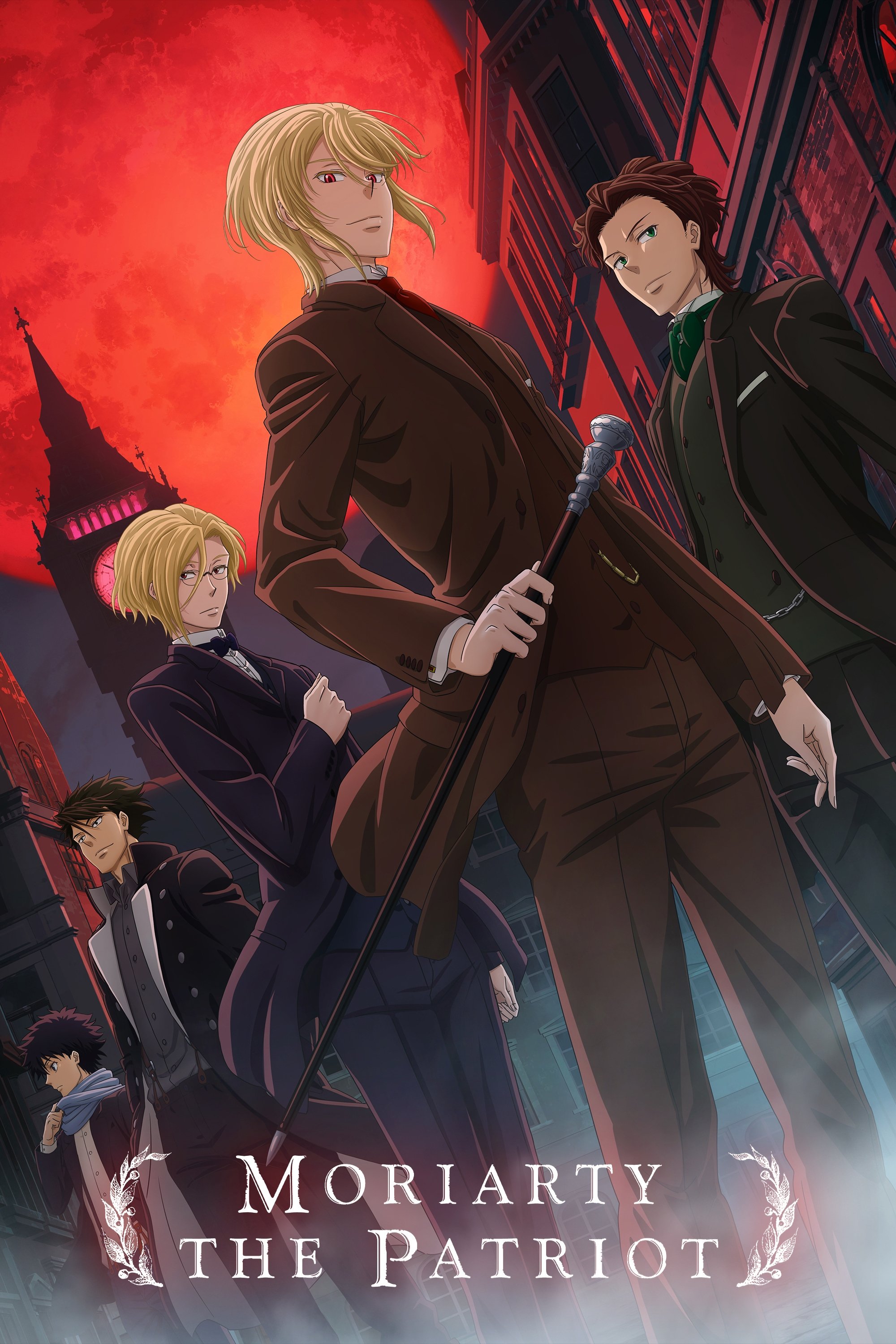
William James Moriarty, a mathematics professor, secretly works as a criminal mastermind with a surprising goal: to dismantle the unfair class system in Victorian Britain. The series reimagines Sherlock Holmes’s iconic enemy as a rebel fighting against the deep social inequalities of the time. Moriarty’s actions are fueled by real historical events and the extreme gap between rich and poor in 19th-century London, turning the familiar detective story into a commentary on the flaws within the British Empire’s society.
‘Black Butler’ (2008–2009)
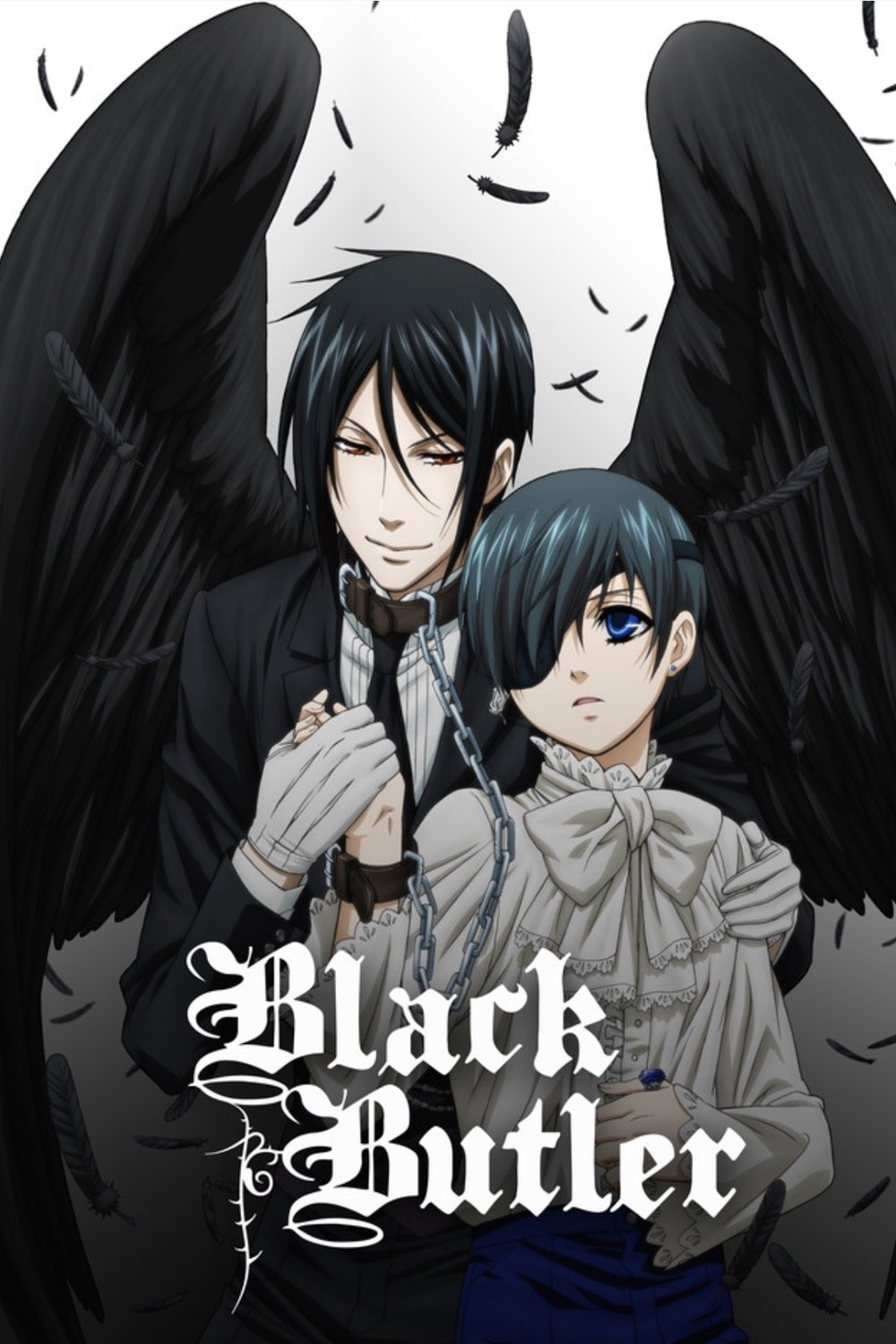
In Victorian London, Ciel Phantomhive works with the Queen to investigate and solve crimes in the city’s criminal underworld. The series blends supernatural elements with actual historical events, such as the Jack the Ripper murders. The story heavily features the fashion and social customs of the time, especially in the relationship between Ciel and his demon butler, Sebastian. It also explores the harsh realities of the industrial revolution and the lives of the wealthy elite.
‘Gosick’ (2011)

I’m completely captivated by the story of Kazuya Kujo! It follows him as he travels from Japan to this beautiful, made-up country called Sauville back in 1924. He teams up with Victorique de Blois, who’s incredibly clever, and together they unravel these fascinating mysteries. What’s really striking is how the stories are woven into the history of post-World War I Europe, and you can feel the growing dread of another war looming over everything. It’s a truly tragic atmosphere, knowing what’s coming for these characters.
‘Saga of Tanya the Evil’ (2017)
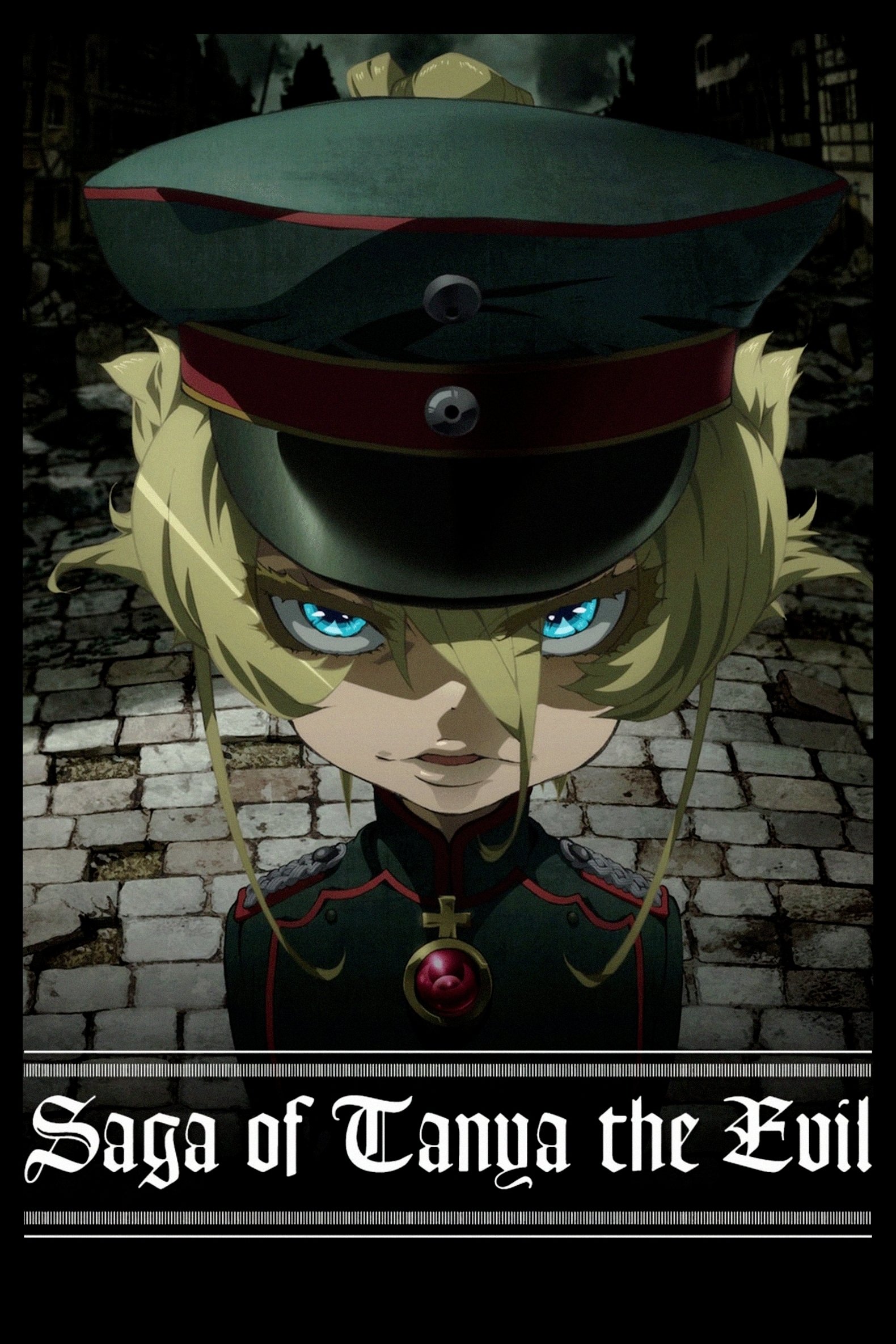
A Japanese office worker is reborn as a young female soldier in a world very similar to Europe during World War I. The story closely mirrors the brutal realities of early 20th-century trench warfare, including its strategies and supply challenges. Using his knowledge of history, the main character cleverly outmaneuvers opponents and climbs the military ladder. The story is a dark look at how efficiently and mercilessly wars were industrialized in the past.
‘Legend of the Galactic Heroes’ (1988–1997)
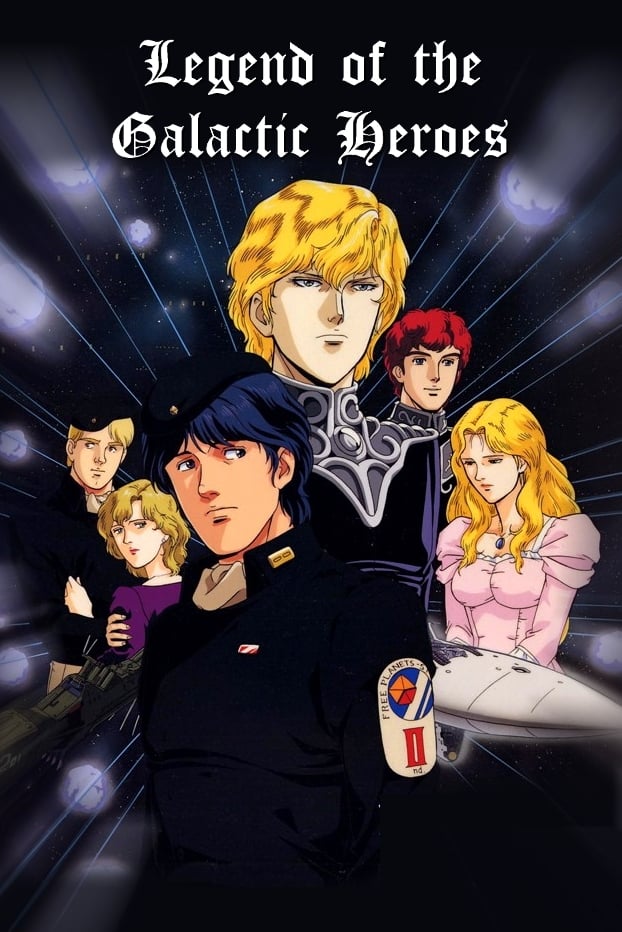
I’m completely captivated by this series! It follows the epic war between the Galactic Empire and the Free Planets Alliance, led by the brilliant Reinhard von Lohengramm and Yang Wen-li. What’s really fascinating is how the story draws so much from history – specifically, the rise of Prussia and the Napoleonic Wars. It’s not just about space battles, though; it really makes you think about why democracies can stumble and how strong leaders can take control, showing how history seems to repeat itself, even out here among the stars.
‘The Heroic Legend of Arslan’ (2015)
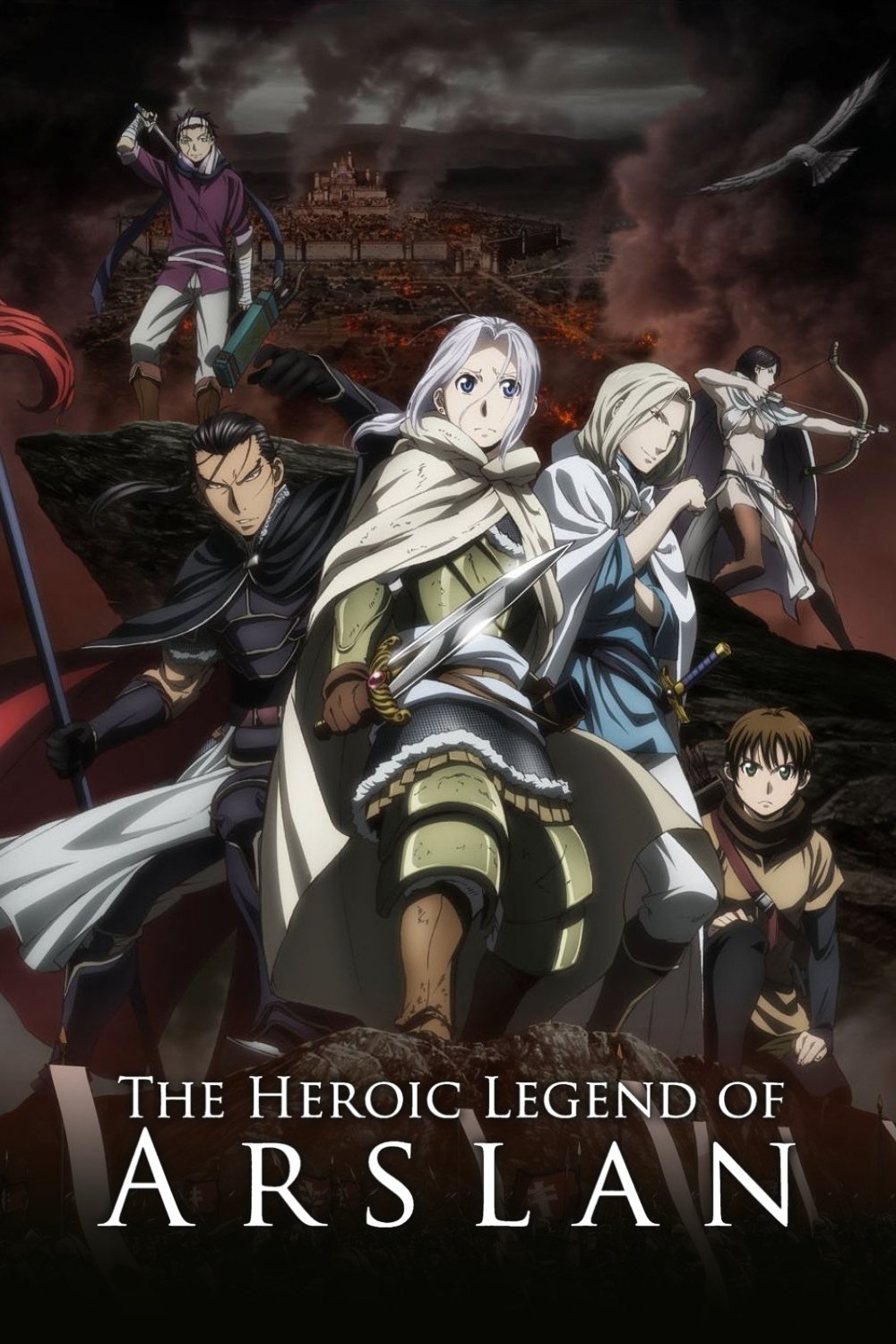
Prince Arslan is on a quest to reclaim his kingdom of Pars after it’s taken over by a zealous group called the Lusitanians. The story is inspired by the ancient Persian tale of Amir Arsalan and reflects events like the Crusades and other conflicts in the Middle East. Throughout his journey to become a fair ruler, Arslan faces important battles and fights to end slavery. The world of the story is based on the history of Persia before the rise of Islam.
‘Samurai Champloo’ (2004–2005)
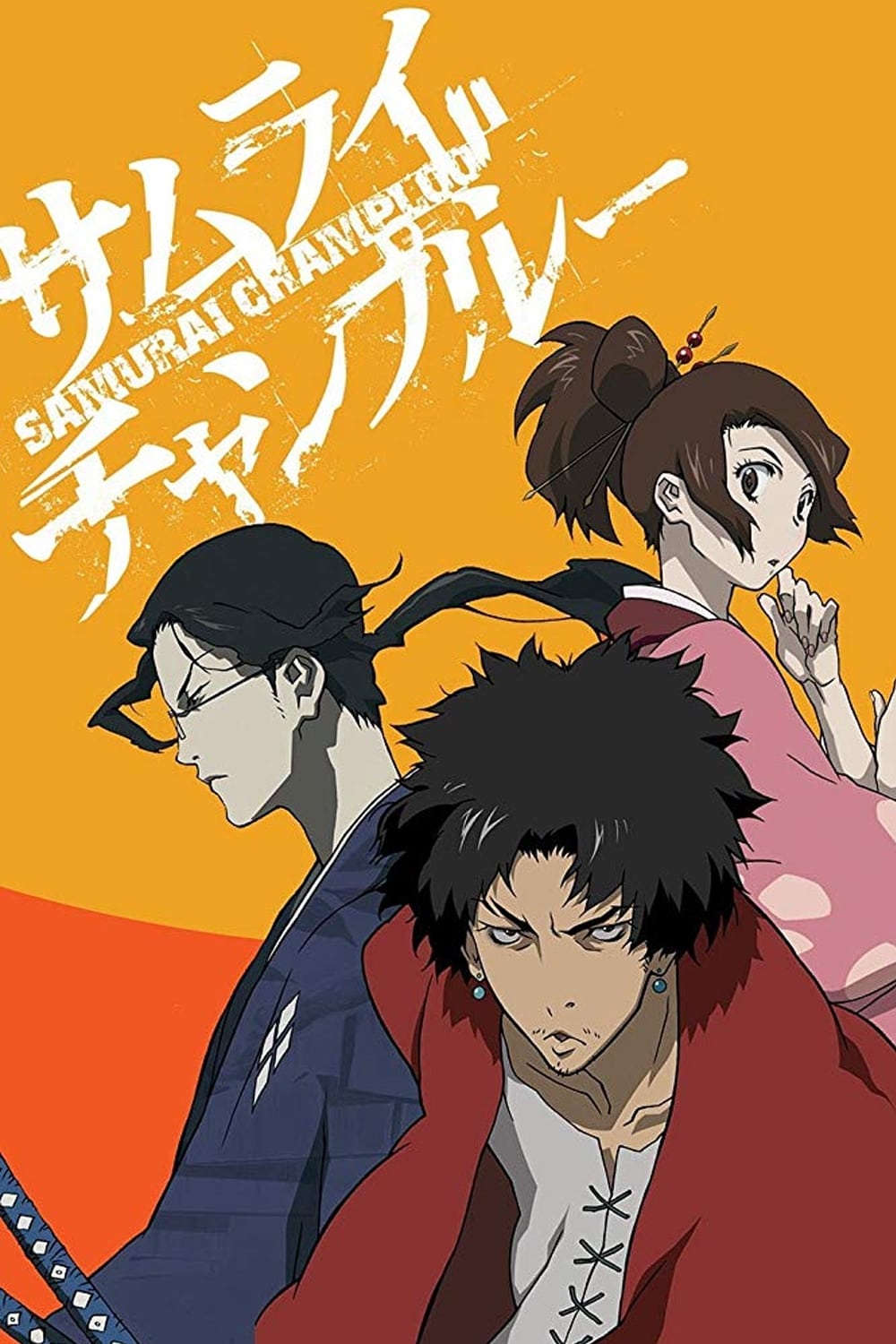
Mugen, Jin, and Fuu journey across Japan during the Edo period, searching for a mysterious samurai who carries the scent of sunflowers. The show uniquely blends historical Japan with modern hip-hop and intentionally includes elements that don’t fit the time period. Despite its stylistic choices, the series also explores real historical events, such as the mistreatment of Christians and Japan’s policy of shutting itself off from the outside world. Through their travels, the show uncovers the many different and often overlooked communities and ways of life that existed throughout Japanese history.
‘Sword of the Stranger’ (2007)
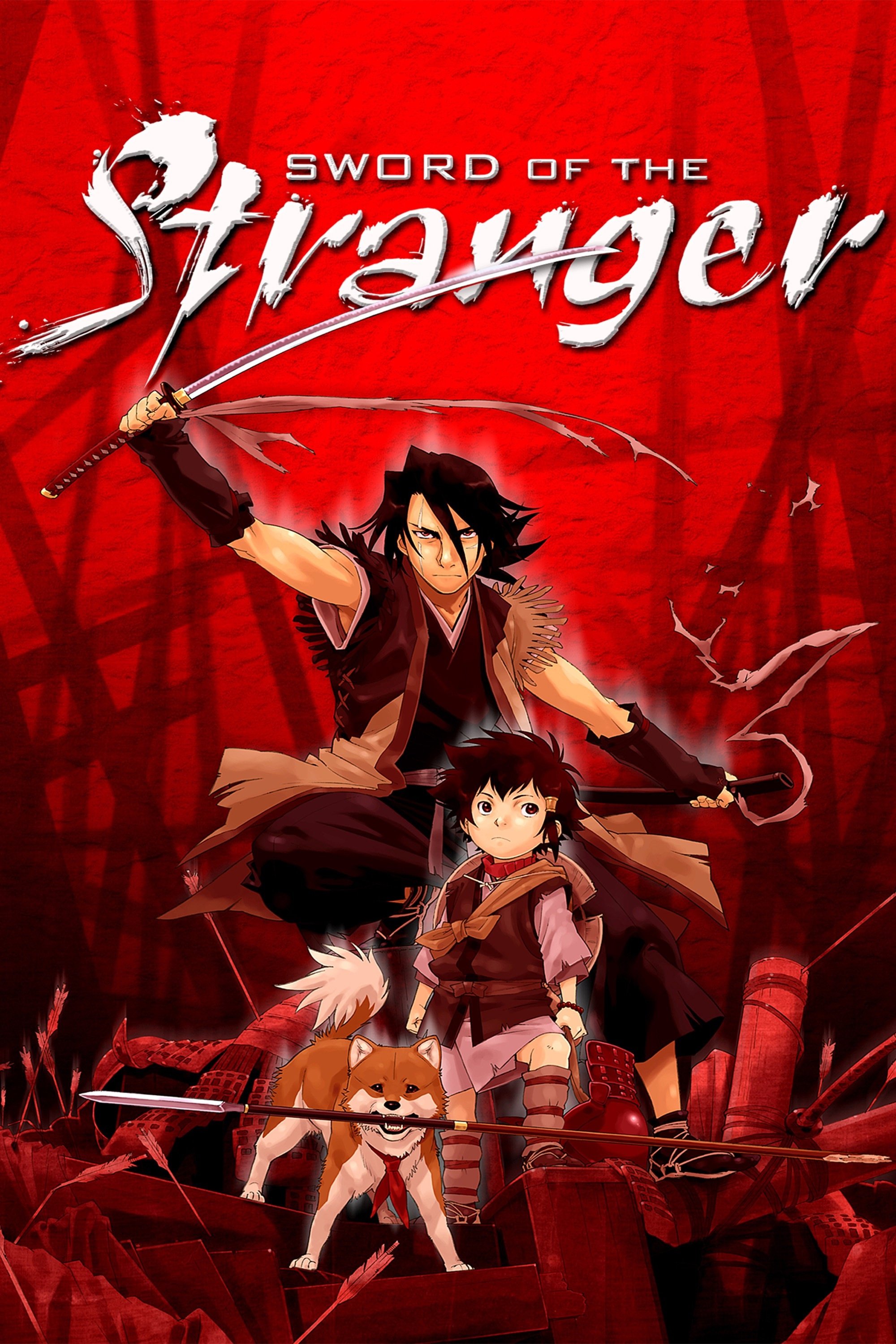
During Japan’s turbulent Sengoku period, a wandering samurai steps in to shield a young boy and his dog from soldiers of the Ming Dynasty who are hunting them. The film focuses on a personal story of finding peace within the larger, chaotic conflicts of the time, and features believable sword fighting instead of fantastical powers. It portrays a self-contained narrative about a ronin’s journey amidst the growing influence of foreign forces in Japan’s civil war.
‘Basilisk’ (2005)
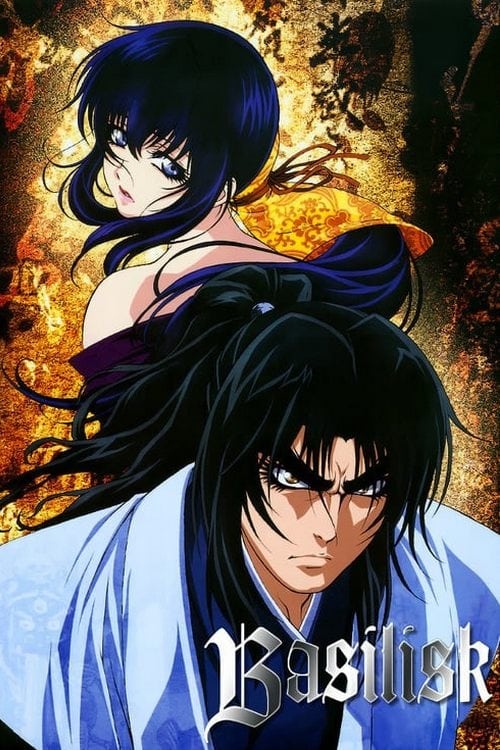
During Japan’s Azuchi-Momoyama period, under the leadership of Tokugawa Ieyasu, the traditionally rival Iga and Kouga ninja clans are compelled to fight each other as part of a power struggle for the shogunate. This conflict is fueled by a tragic love story between the heirs of the two clans, which is exploited by the government. The story reveals how the Tokugawa shogunate ruthlessly eliminated the ninja clans to secure its power and maintain control.
‘Giovanni’s Island’ (2014)
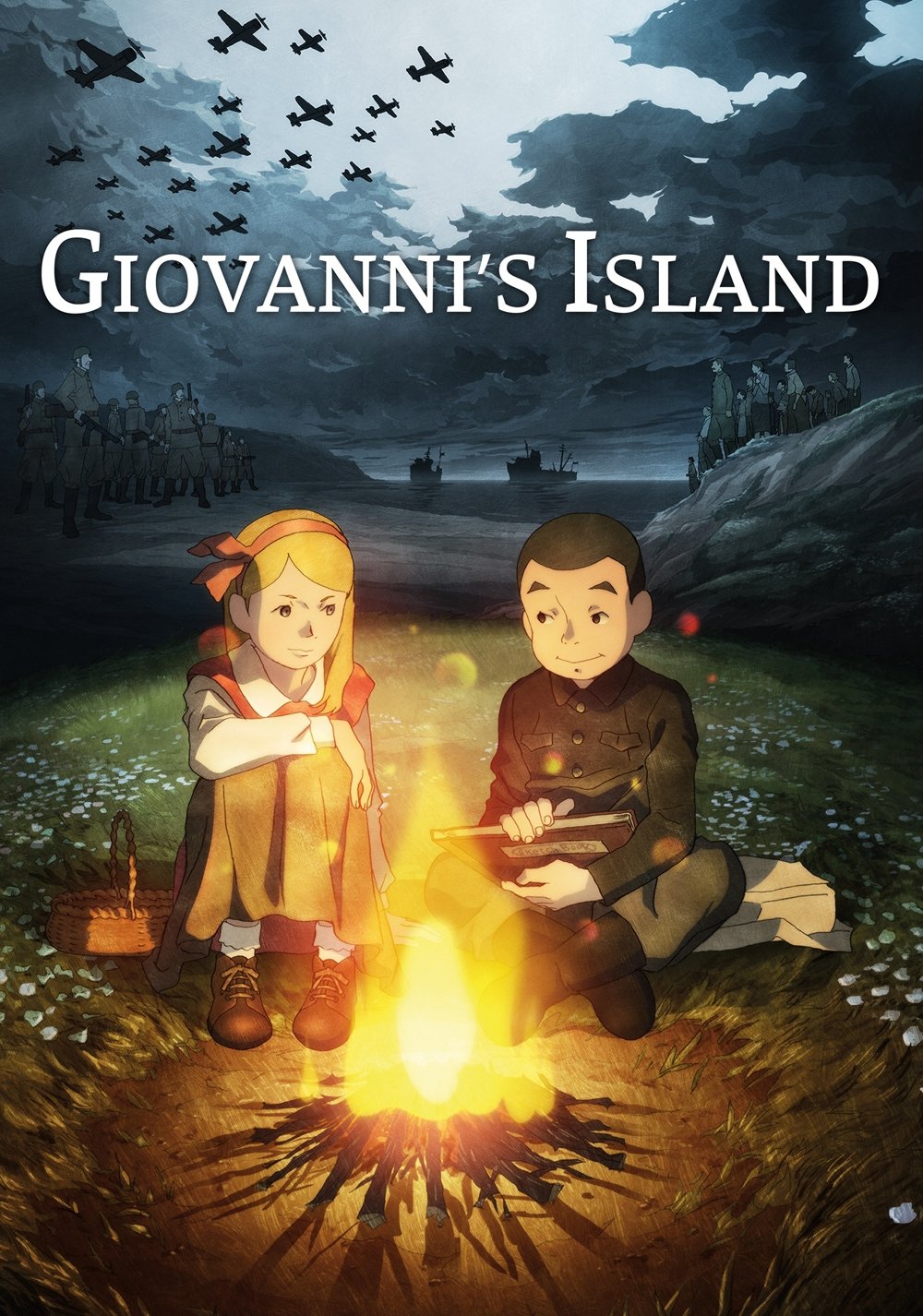
After World War II, when the Soviet army took over Shikotan Island, two brothers become friends with a Russian girl. The film portrays the difficulties and uncertainty faced by Japanese families as borders changed and people were forced to leave their homes. It’s inspired by the real experiences of those who lived in the Kuril Islands during this time, and highlights how the children managed to remain innocent despite the historical conflict between their countries.
‘Trapp Family Story’ (1991)
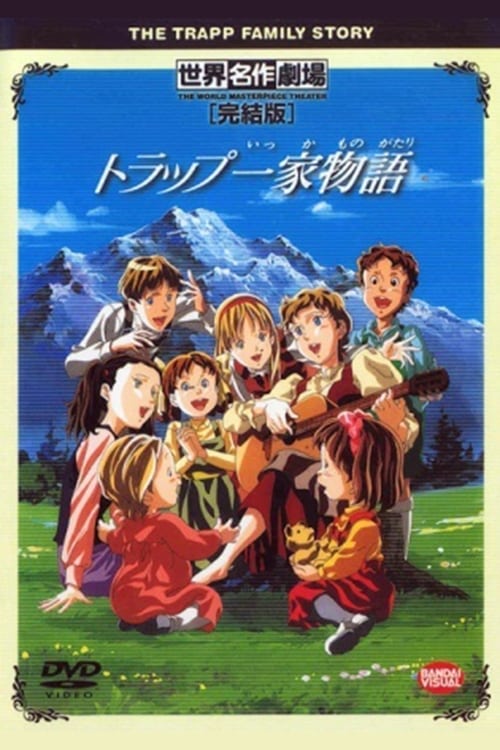
Maria Kutscher takes a job as a governess for the seven children of Baron von Trapp in Salzburg. The story is based on the real Maria von Trapp’s memoir, which also served as the inspiration for the movie The Sound of Music. It follows the family’s growing musical talent and their eventual escape from Austria after it was taken over by the Nazis. The approaching Nazi annexation creates a tense atmosphere and ultimately forces the family to leave their home.
Share your favorite historical anime twist in the comments.
Read More
- 20 Movies Where the Black Villain Was Secretly the Most Popular Character
- 25 “Woke” Films That Used Black Trauma to Humanize White Leads
- Top 20 Dinosaur Movies, Ranked
- Gold Rate Forecast
- Silver Rate Forecast
- 22 Films Where the White Protagonist Is Canonically the Sidekick to a Black Lead
- Can AI Lie with a Picture? Detecting Deception in Multimodal Models
- Top 10 Coolest Things About Invincible (Mark Grayson)
- Celebs Who Narrowly Escaped The 9/11 Attacks
- When AI Teams Cheat: Lessons from Human Collusion
2025-12-10 05:27