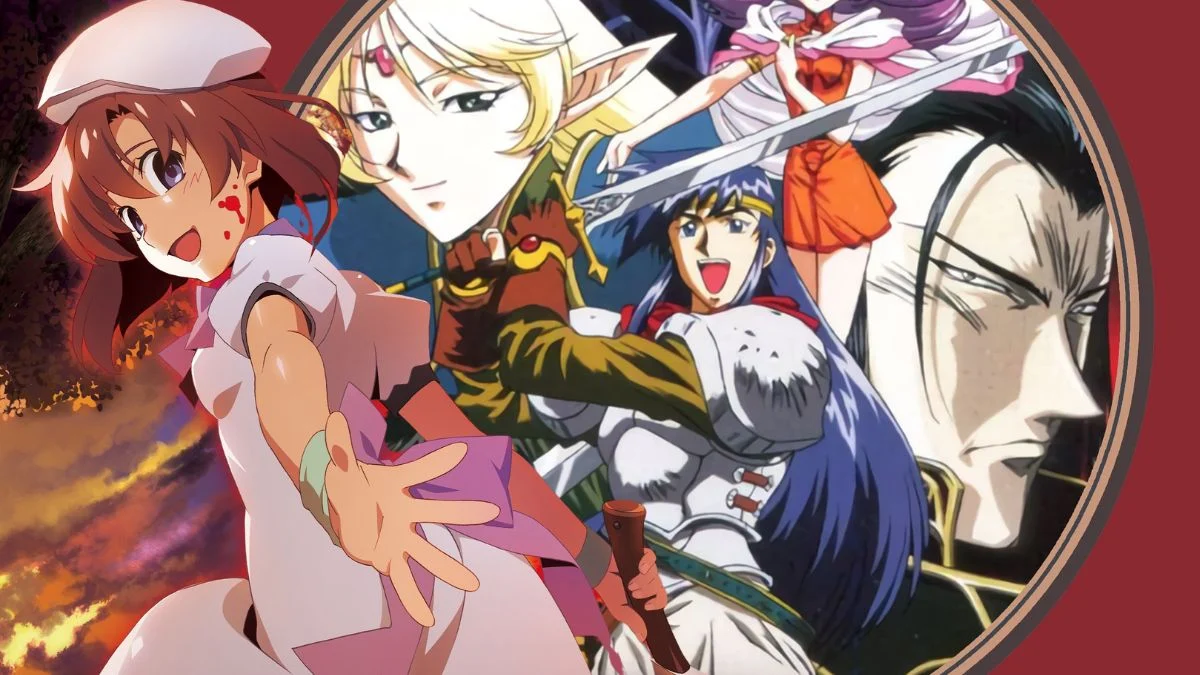
Long-running anime series often get visual updates over time due to changes in animation technology and artistic styles. A common change fans notice is characters getting lighter skin tones than they originally had. This often happens when a show switches from hand-drawn animation to digital methods, or when a new animation studio takes over. Sometimes these changes are meant to stay true to the original manga artwork, or simply to reflect current trends that prefer brighter, more colorful visuals. This article highlights several anime where characters’ skin tones were noticeably lightened in newer seasons or remakes.
‘One Piece’ (1999–Present)
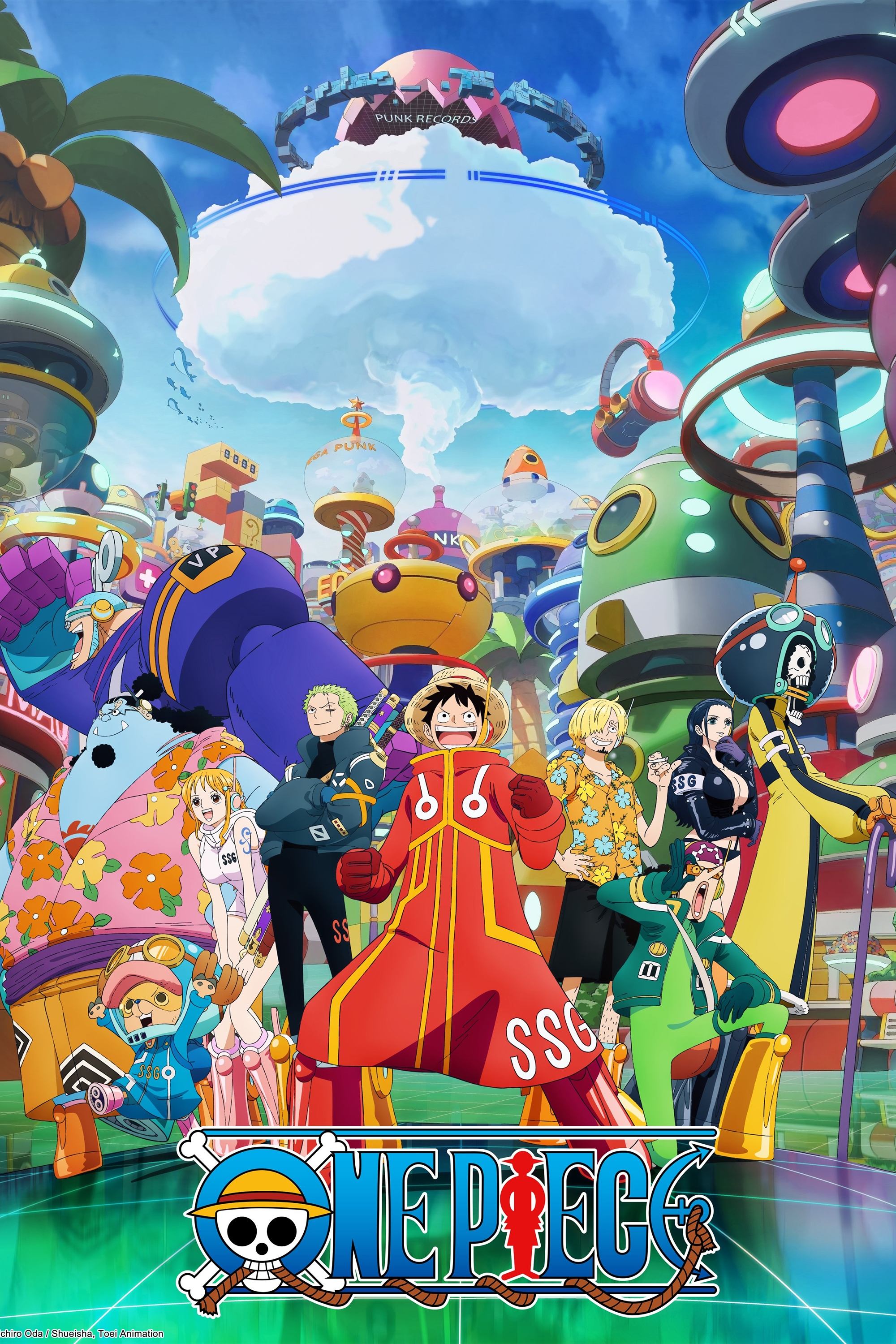
As a long-time fan, I’ve definitely noticed the change in Nico Robin’s appearance! When we first met her, she had this beautiful tan that really fit her as an archaeologist, someone who spends time outdoors and travels to desert-like places. But after the time skip, the animators updated her design to be more like the manga version, and she ended up with much lighter skin. It’s something a lot of us have talked about, and while it’s a minor detail, it’s definitely a noticeable difference in how she looks now.
‘Bleach’ (2004–2023)
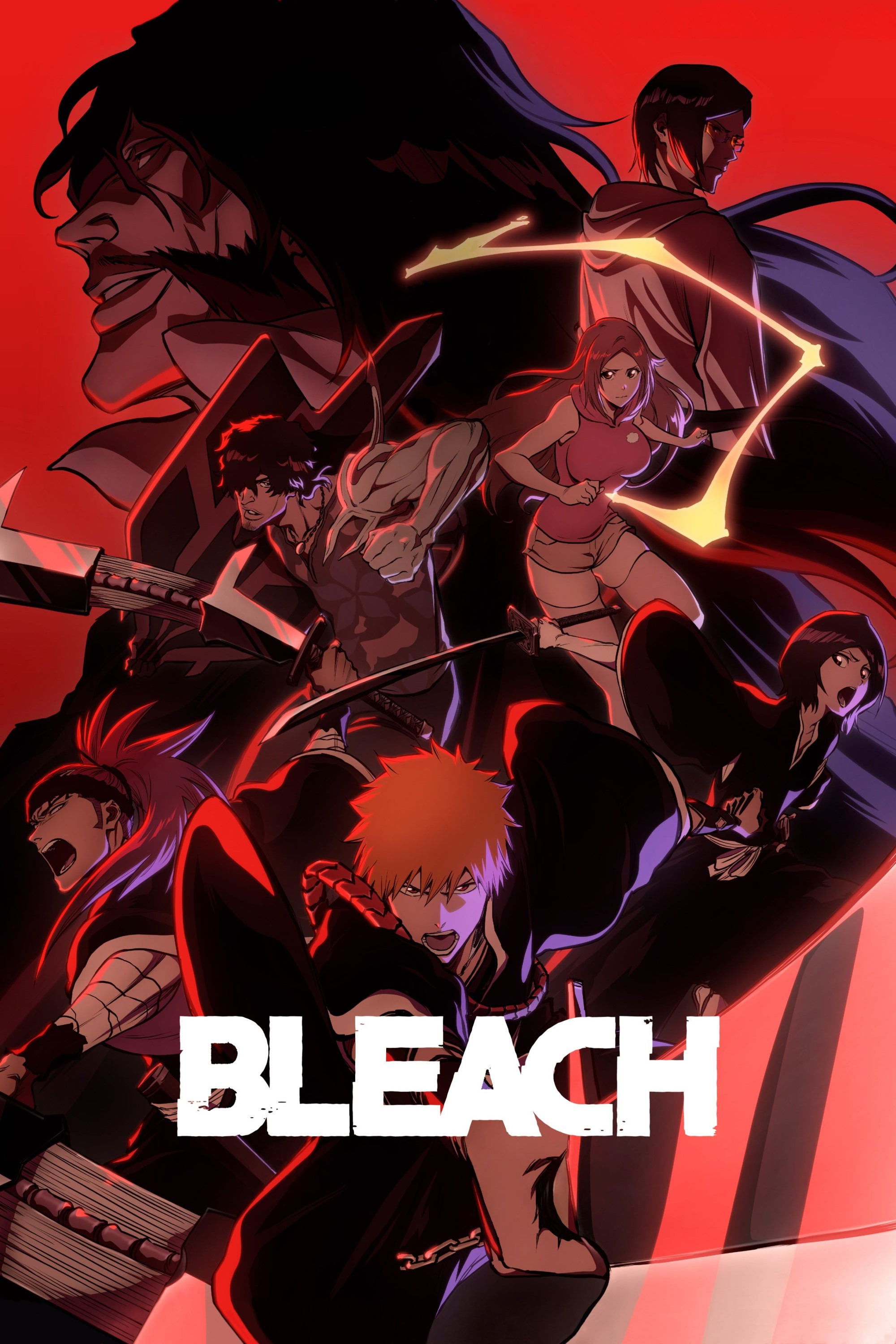
Yoruichi Shihoin is a popular character known for her dark skin and strong personality. When the Bleach anime returned with the Thousand Year Blood War arc, many viewers noticed her skin looked much lighter than it did in the original series. This change is likely because the new animation uses brighter colors and digital lighting techniques. Other characters, like Tier Harribel, also appear to have lighter skin tones in the newer season.
‘Dragon Ball Super’ (2015–2018)

Uub first appeared as a dark-skinned character at the end of the previous Dragon Ball series, being a reincarnation of Kid Buu. However, more recent versions and promotional artwork show him with a much lighter skin tone. This change has upset many longtime fans who liked the diverse character designs created originally. The newer art style uses brighter colors, which tends to make the darker shades from the older series less noticeable.
‘Shaman King’ (2021–2022)
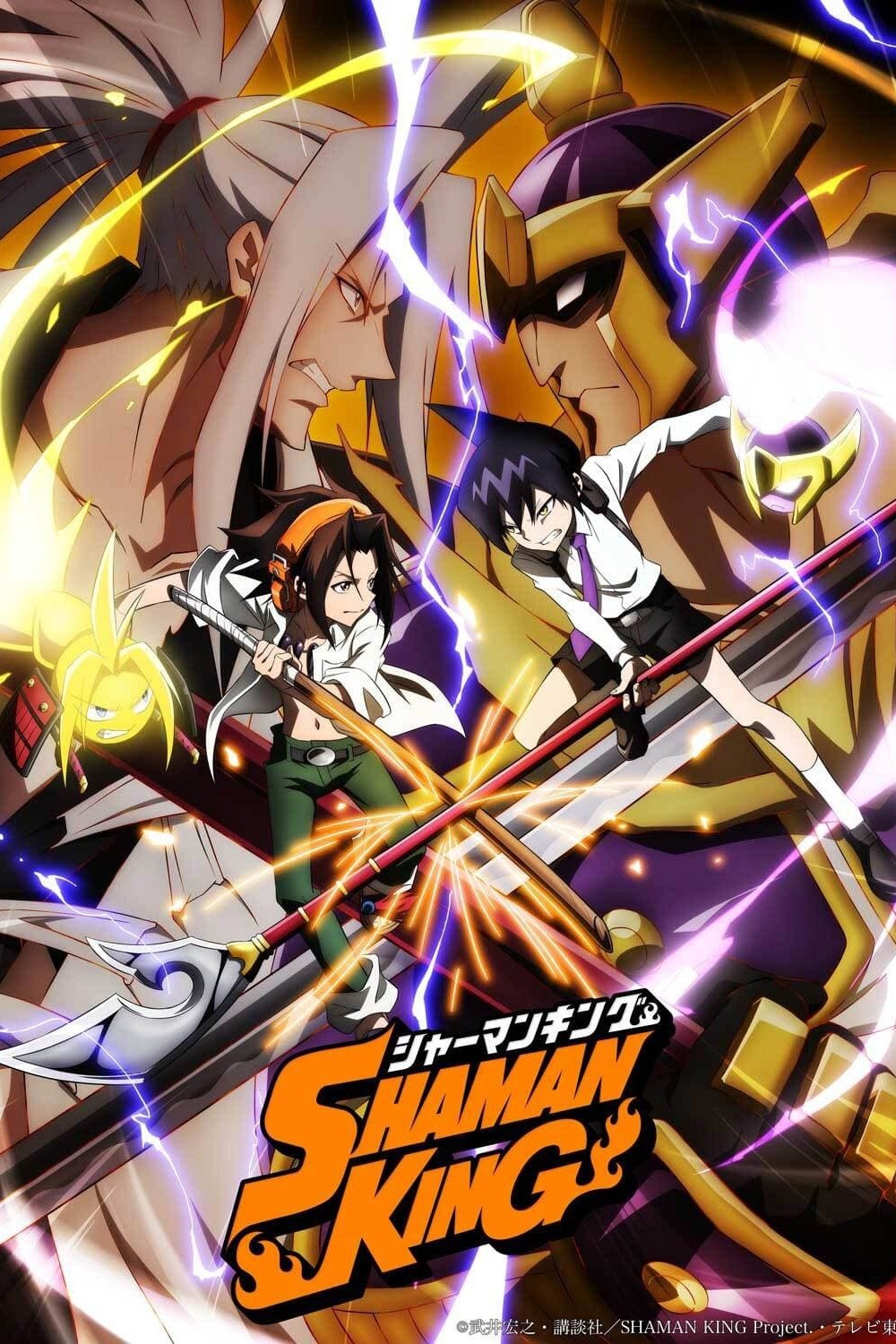
Chocolove McDonell looks quite different in the recent reboot compared to the 2001 version. His skin tone is now a lighter brown, whereas it was very dark before. The creators also updated his facial features to fix issues people had with the original design. Overall, the studio gave him a more modern look, changing many aspects of how he appeared in the early 2000s.
‘Sailor Moon Crystal’ (2014–2016)
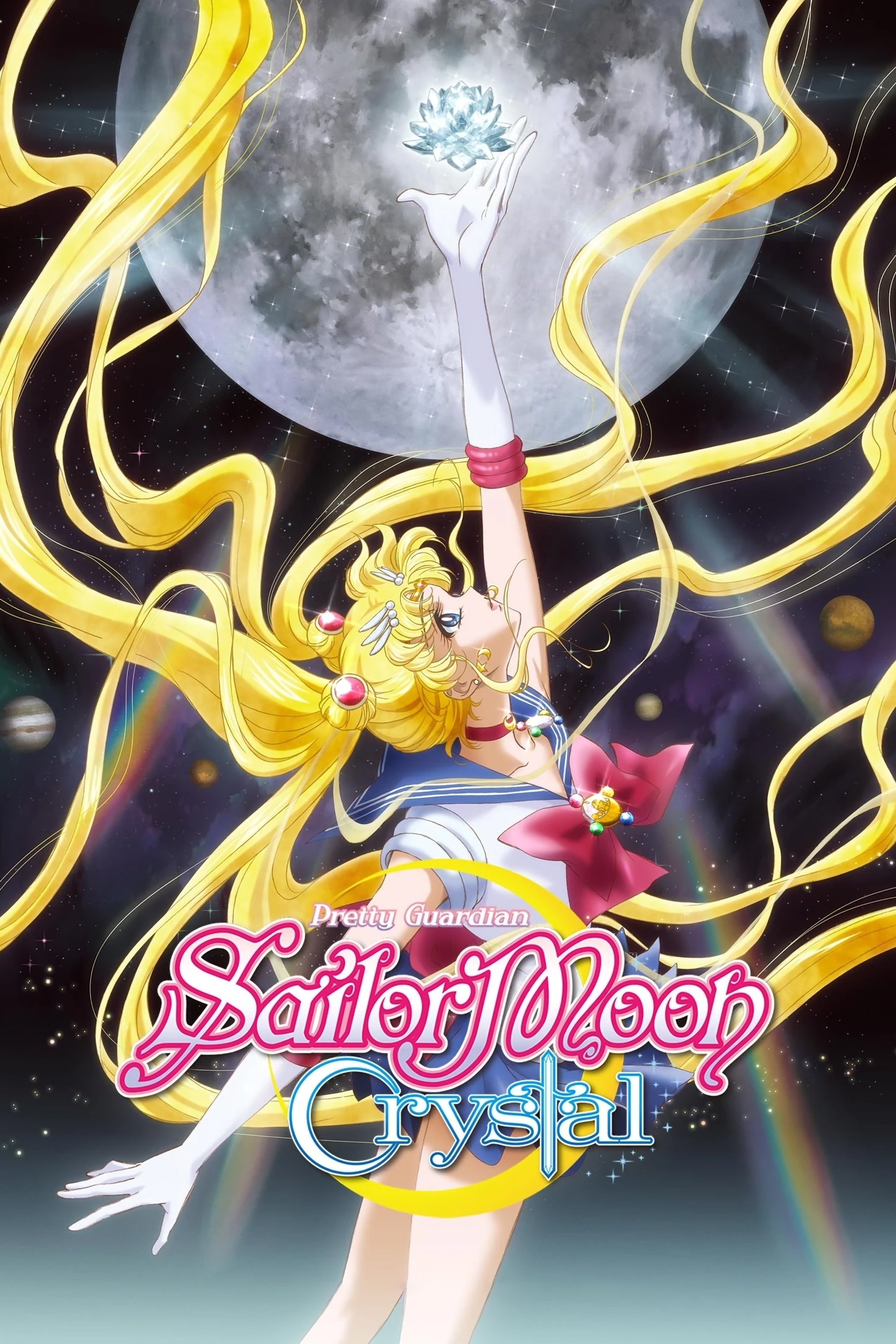
In the original 1990s anime, Setsuna Meioh had a darker skin tone, giving her a unique and mysterious look. When the series was updated, her skin was lightened to match the other characters. Many fans were disappointed by this change, feeling it removed a key part of her identity. The reboot aimed to be more accurate to the manga’s art style, which generally uses lighter colors for all the Sailor Guardians.
‘Hunter x Hunter’ (2011–2014)
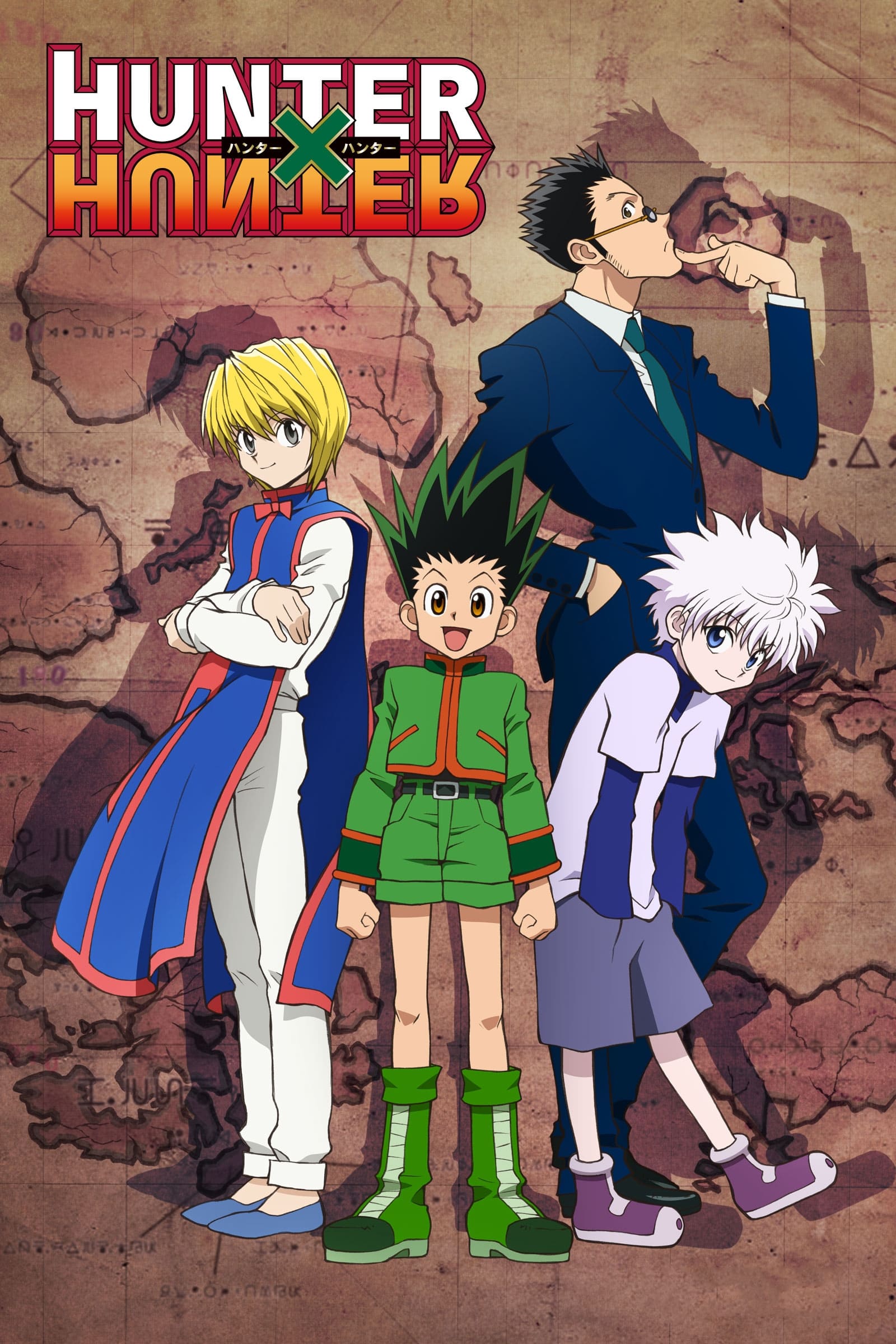
Geretta was a relatively minor villain during the Hunter Exam storyline. In the original 1999 anime, he had dark skin, but the 2011 remake lightened his skin tone and gave him a new outfit. This change was part of a larger decision to make the whole series look brighter and more colorful. Some fans thought the updated design lost the rough, intense atmosphere of the original animation.
‘Fruits Basket’ (2019–2021)
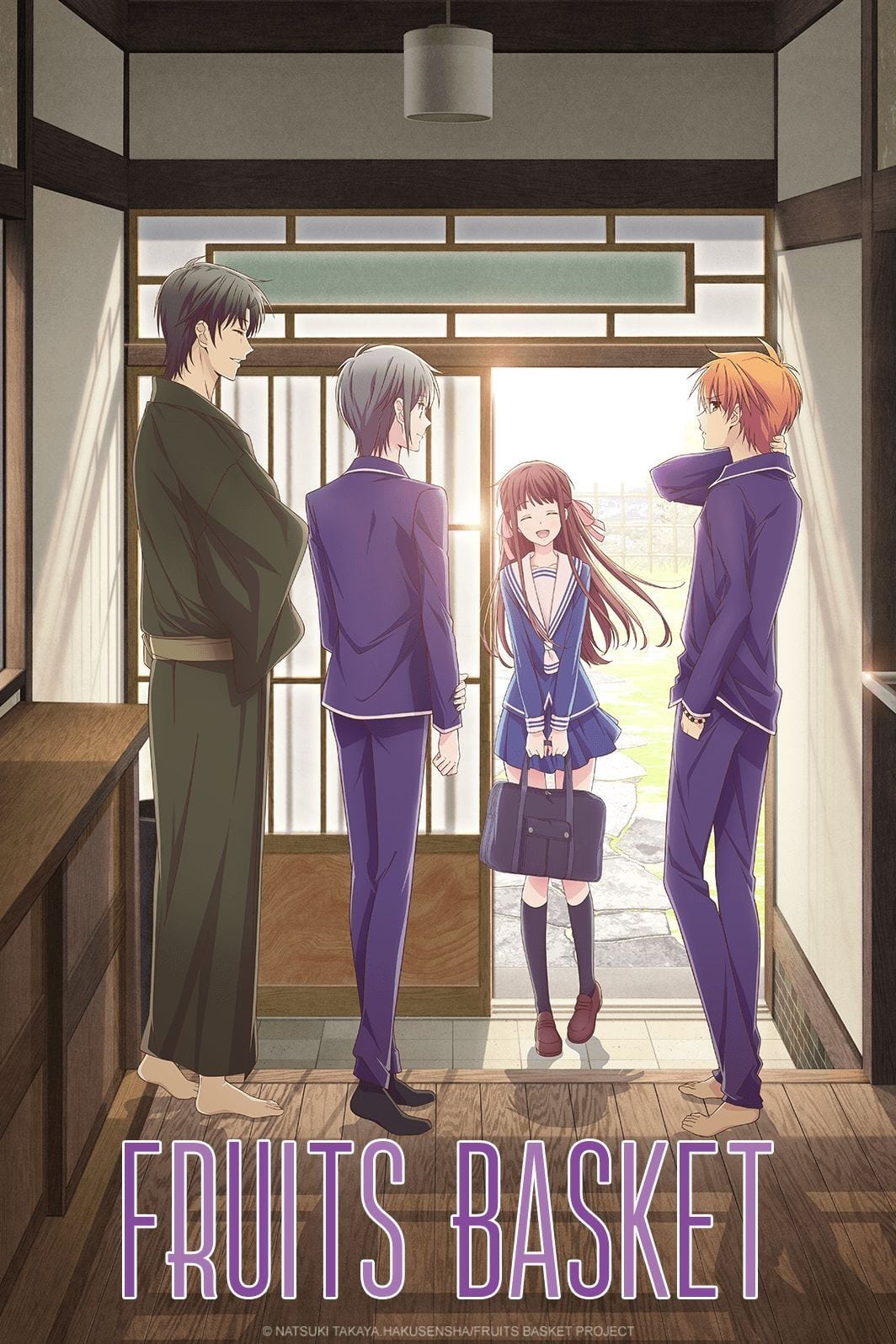
Akito Sohma’s appearance was significantly redesigned between the 2001 and 2019 versions of the series. The original version gave him darker skin tones to make him seem more intimidating. The newer adaptation gave him a much lighter, softer look to fit his revised story arc. This change is part of a broader move in the art style towards the lighter, more dreamlike visuals common in contemporary shojo anime.
‘Fullmetal Alchemist: Brotherhood’ (2009–2010)
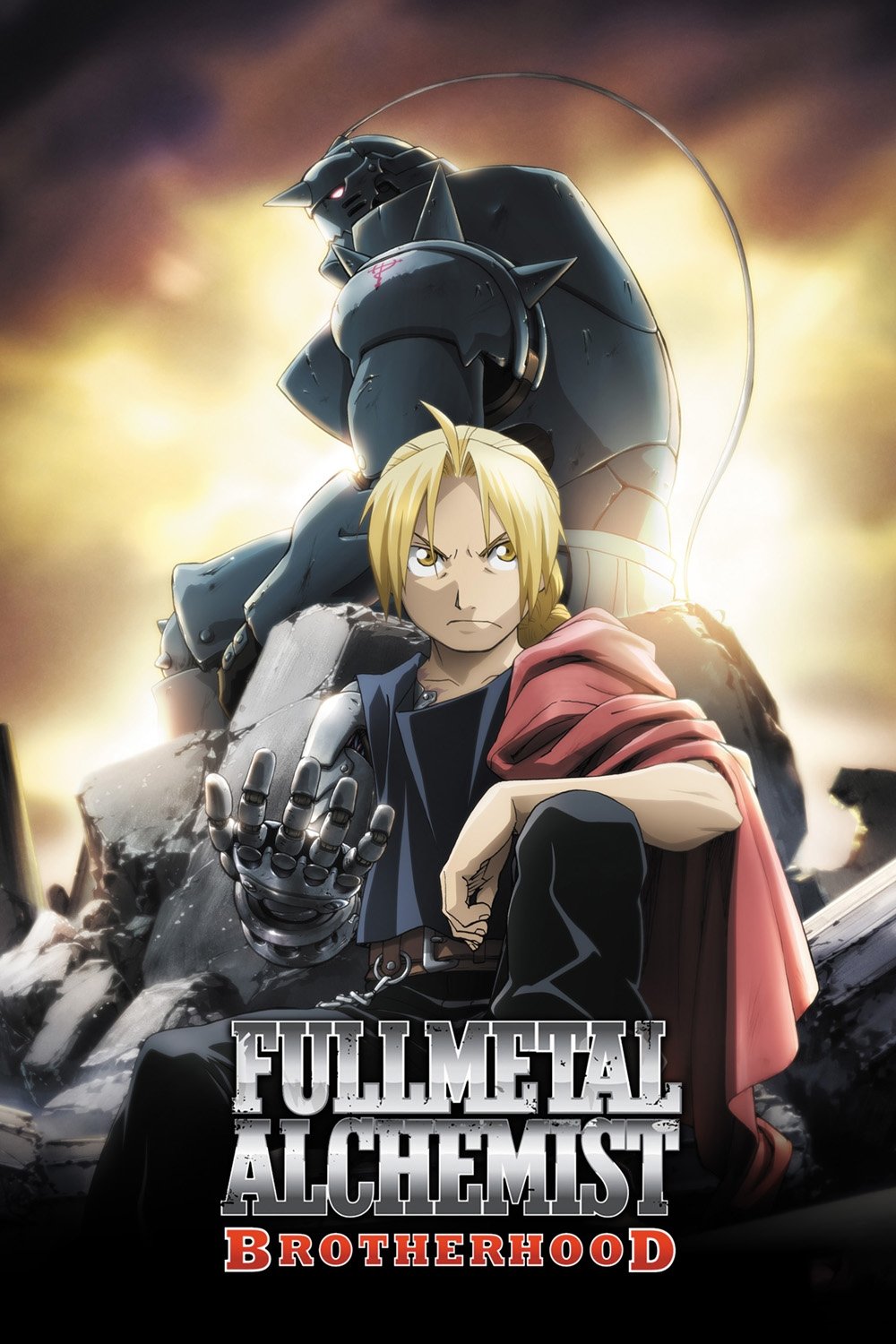
Scar is an important character of Ishvalan descent, and his skin color is a significant aspect of his identity. In the original 2003 anime series, he was depicted with very dark brown skin, creating a strong contrast with the Amestrian characters. However, the 2009 remake changed his skin tone to a lighter, reddish-tan color. This adjustment was applied to all Ishvalan characters in the new series, reflecting a different artistic approach to the manga’s visuals.
‘Yu-Gi-Oh! Duel Monsters‘ (2000–2004)
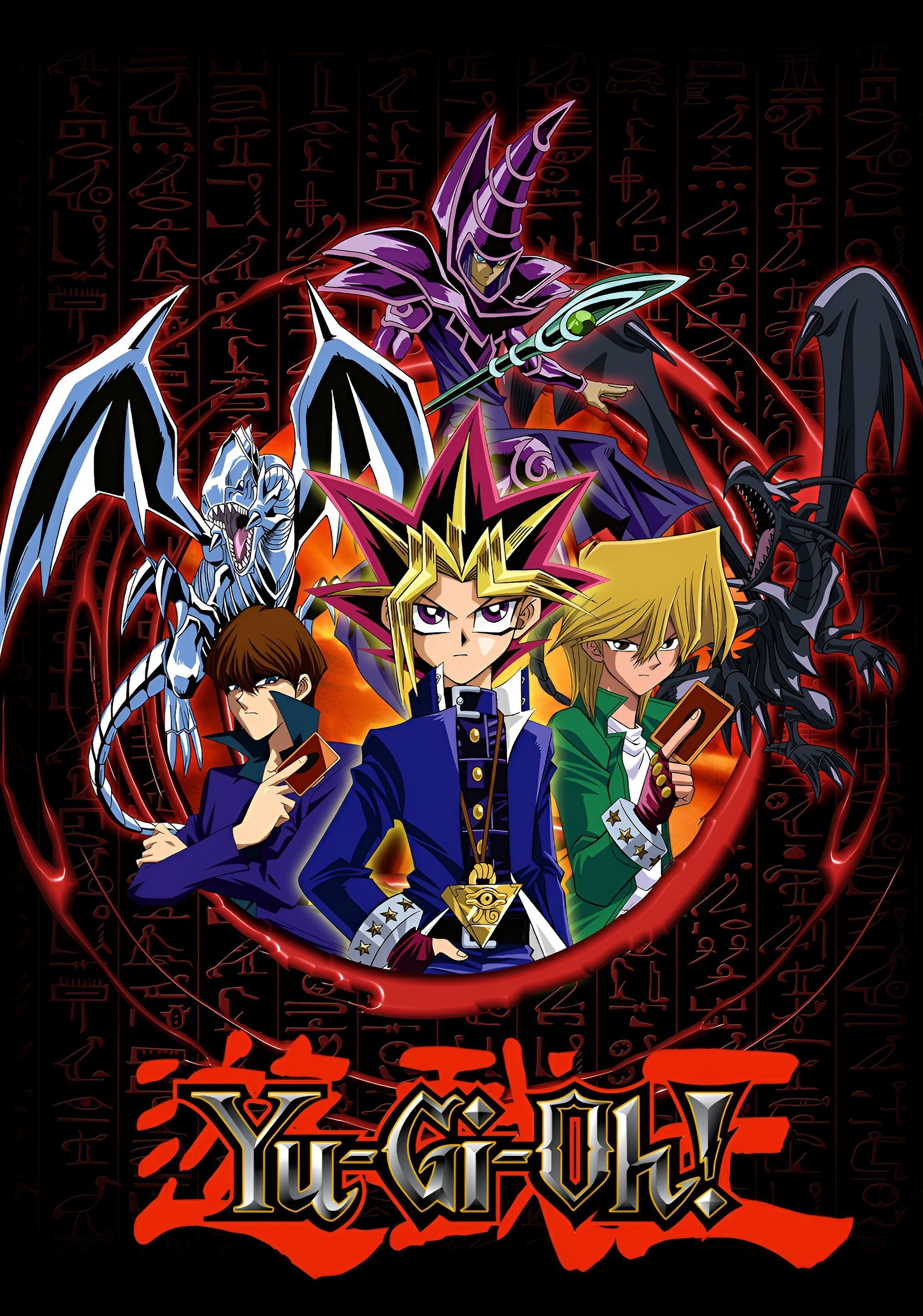
As a longtime fan of the Yu-Gi-Oh! series, I always noticed something a bit odd with Marik and Ishizu. When they were first introduced, they had noticeably darker skin tones, which really emphasized their Egyptian background – it felt authentic and cool. But as the series went on, and especially when they started using more digital coloring, their skin seemed to get lighter and lighter. It wasn’t a huge change, but it was definitely noticeable, and sometimes it made them look almost unrecognizable compared to how they appeared during the original Battle City arc. It always struck me as a bit of a strange visual shift.
‘JoJo’s Bizarre Adventure’ (2012–2022)
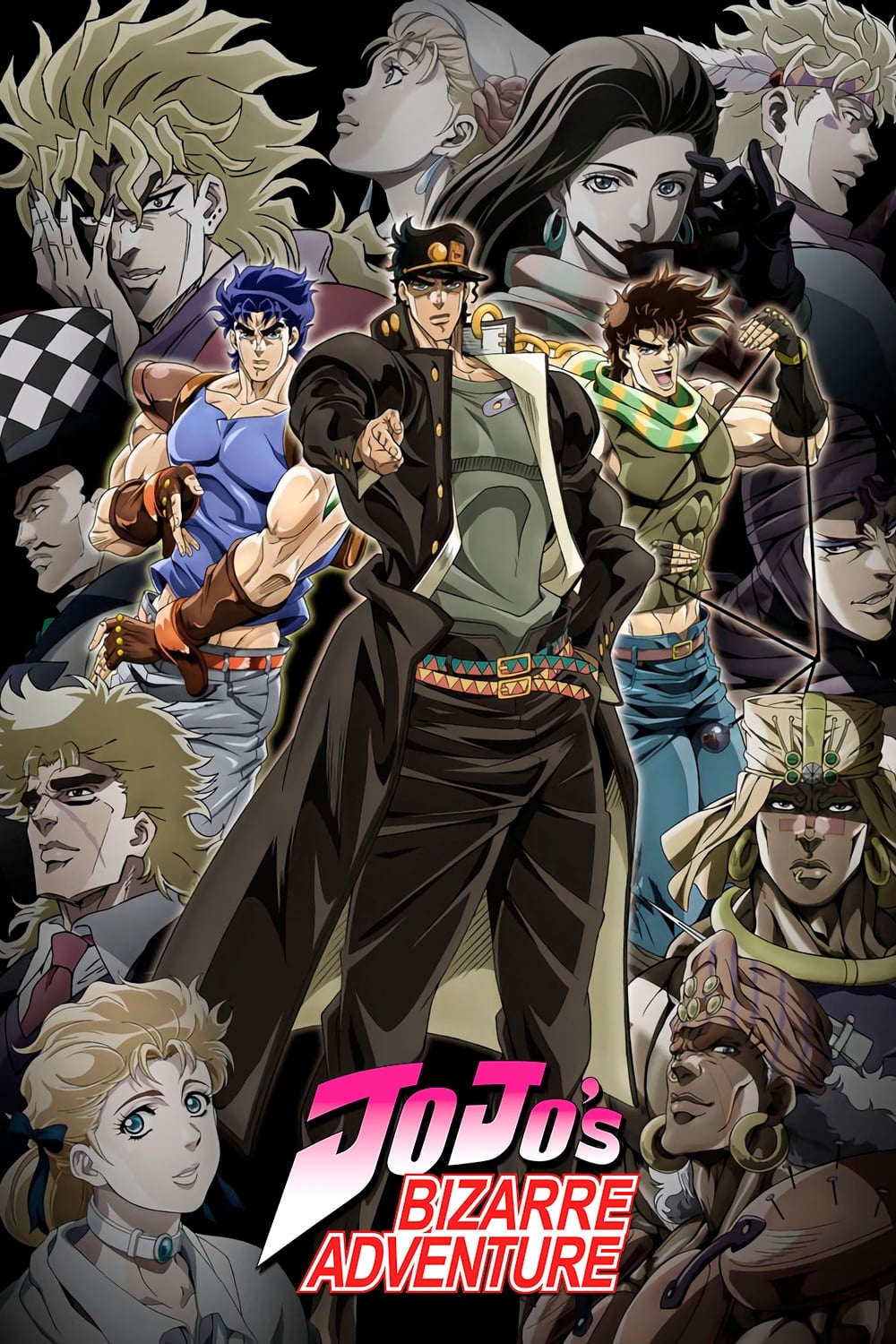
Muhammad Avdol is a popular character, and his skin color has changed in different versions of the animated series. In the older episodes from the nineties, his skin was a dark brown, reflecting his Egyptian heritage. However, the 2014 series made his skin much lighter, giving him an orange or tan tone. This change fit with the bright, colorful style of the newer adaptations.
‘Urusei Yatsura’ (2022–2024)
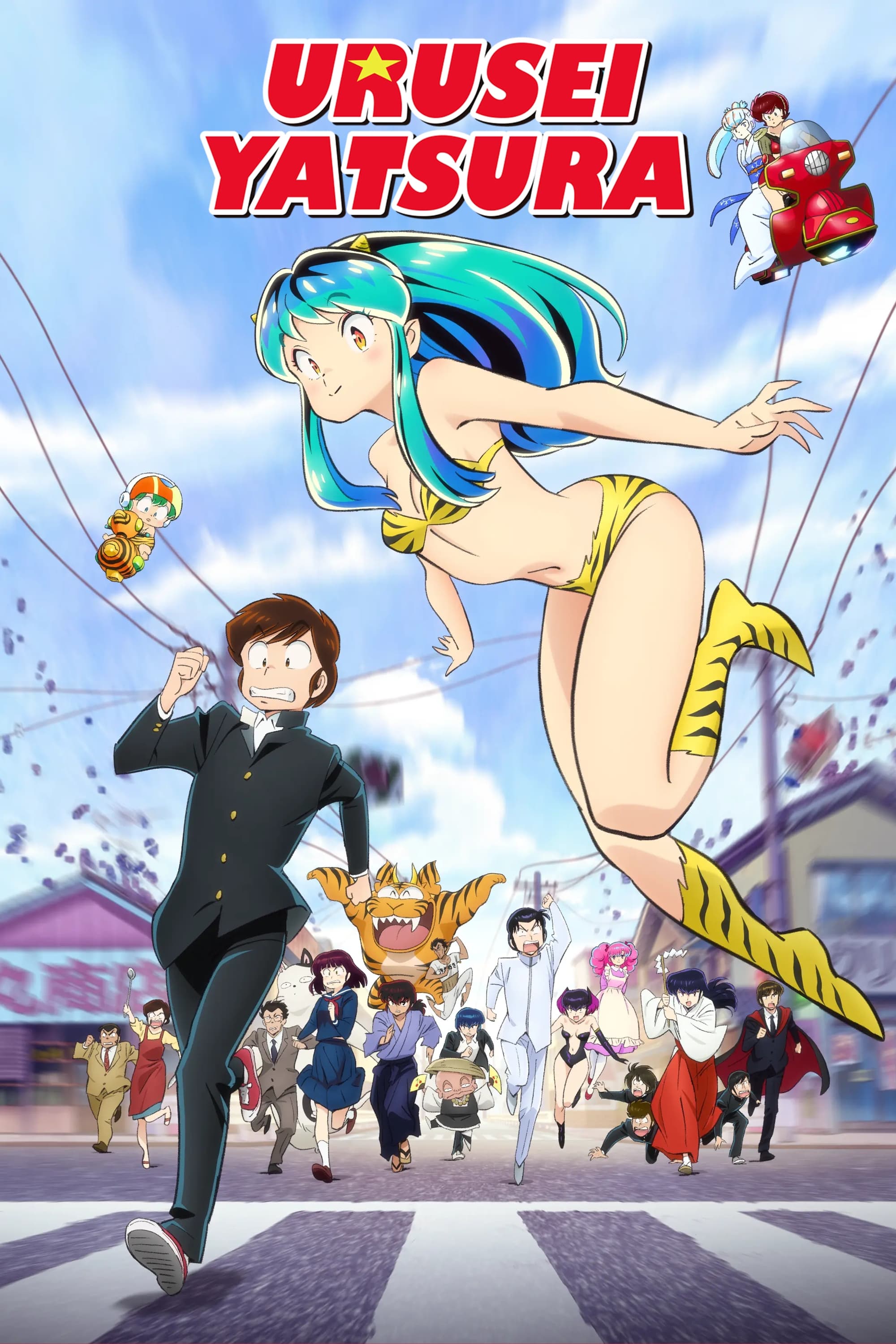
In the original 1980s version of the show, the popular characters Lum and Benten were depicted with tan skin. The recent remake, however, uses much lighter skin tones for nearly all the characters, including the aliens. This change, combined with the shift from traditional animation to modern digital techniques, has given the characters a cleaner, brighter appearance. Although the new look is visually impressive, some fans feel that the original’s darker shades added more depth and visual interest to the character designs.
‘Tokyo Mew Mew New’ (2022–2023)
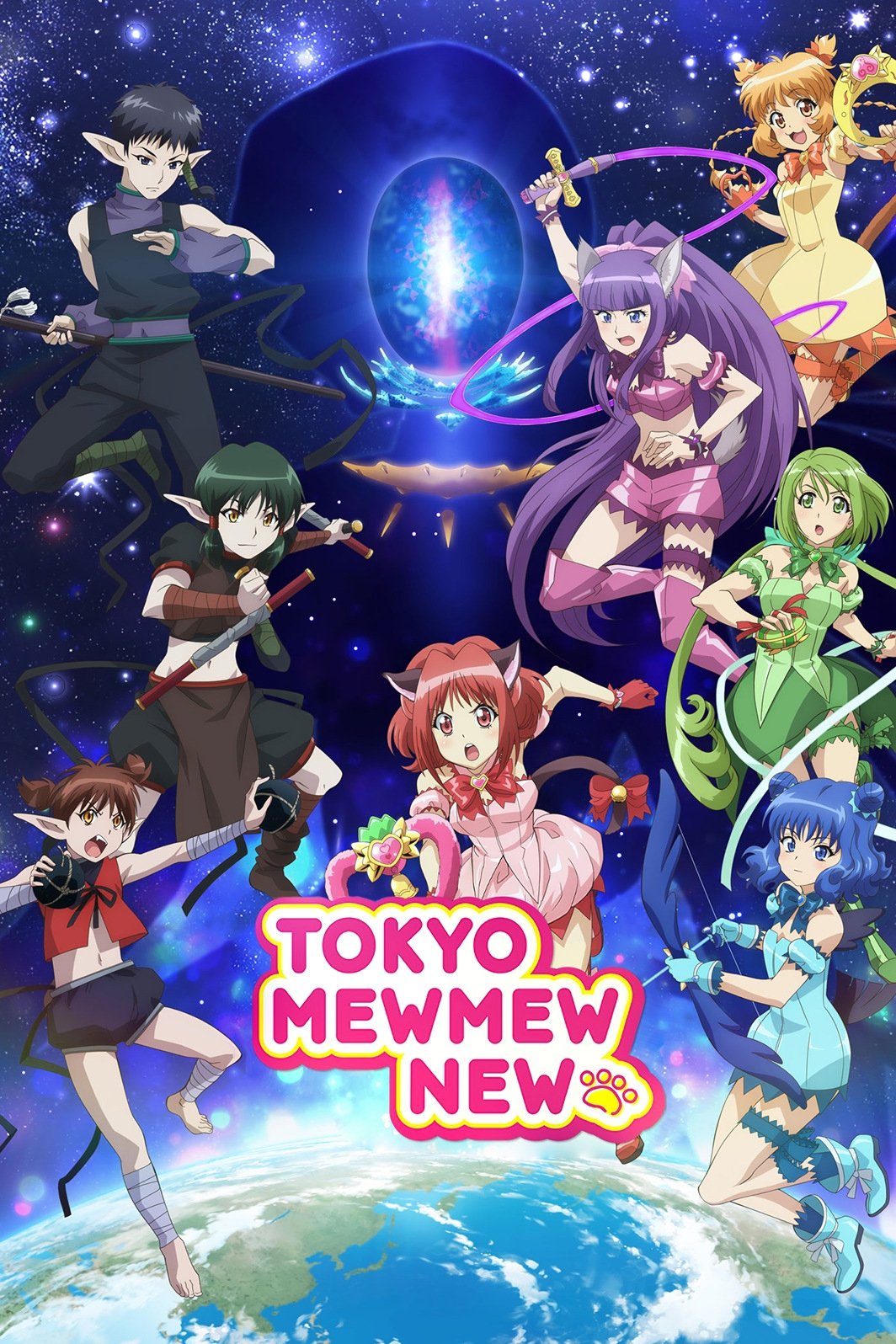
The 2022 remake of this beloved magical girl series features a fresh look with a completely new art style and color scheme. Compared to the original from 2002, characters now have much fairer, softer skin tones – a change that reflects popular trends in the magical girl genre, which currently leans towards bright and gentle visuals. While the update was designed to attract a new audience, it significantly altered the series’ unique visual identity from the earlier version.
‘Higurashi: When They Cry – Gou’ (2020–2021)
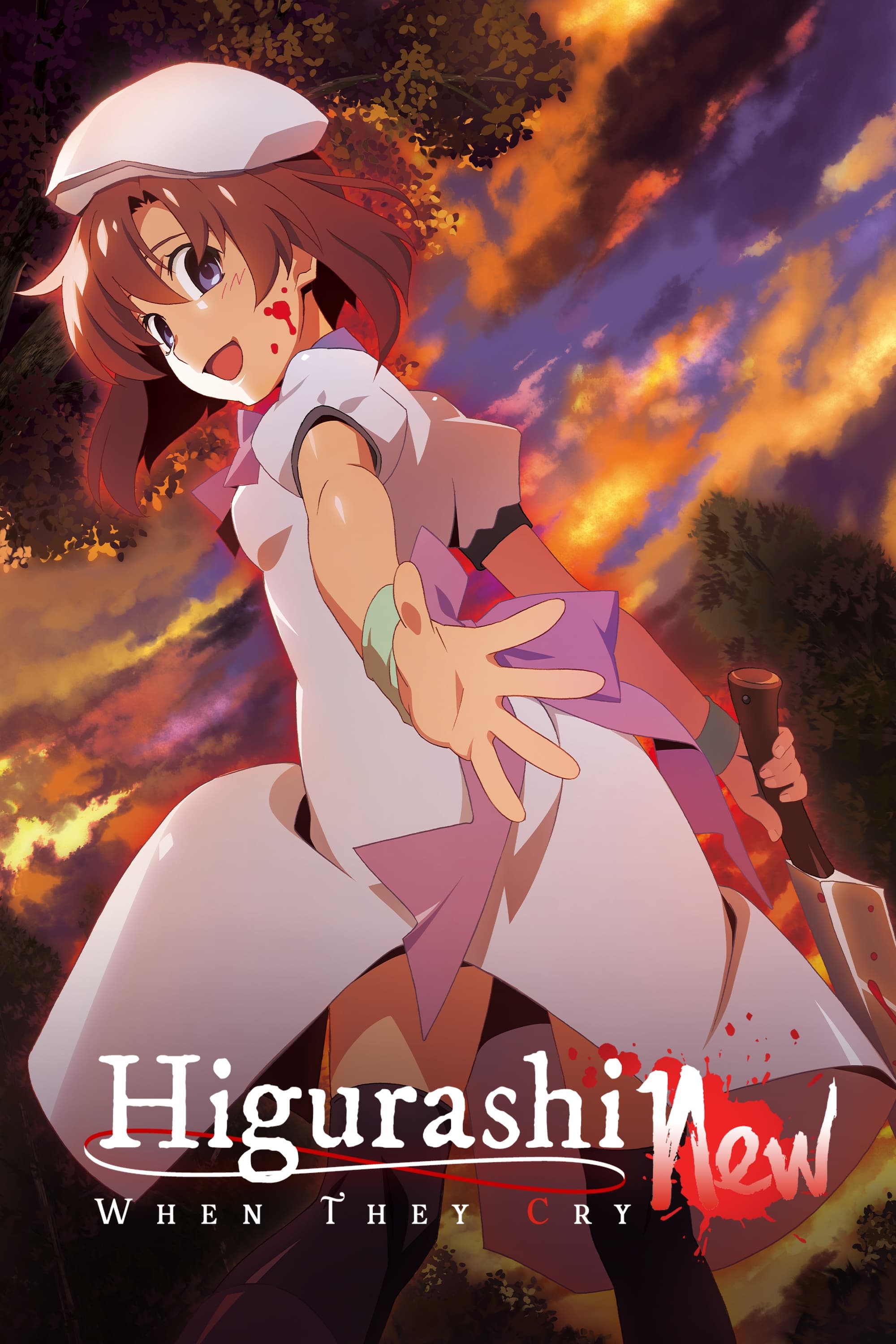
Recent seasons of this horror series significantly changed the characters’ appearances. The original series from 2006 used natural, varied skin tones, but the newer version gave characters a much brighter and more consistent look. This made them appear paler and smoother than before, a stark contrast to the rougher style of the original. The clear, digital coloring actually heightened the show’s disturbing atmosphere.
‘Hellsing Ultimate’ (2006–2012)

As a long-time Hellsing fan, I always noticed a big difference in Integra’s look between the original TV series and the later OVA. In the 2001 show, she had a pretty noticeable tan, but when they rebooted it as an OVA, they made her skin much paler. Apparently, the creators wanted her design to be more faithful to Kouta Hirano’s original manga artwork. It wasn’t just about the color, though; the paler skin and cooler tones really helped emphasize how cold, powerful, and commanding she is as a character.
‘Record of Lodoss War: Chronicles of the Heroic Knight’ (1998)
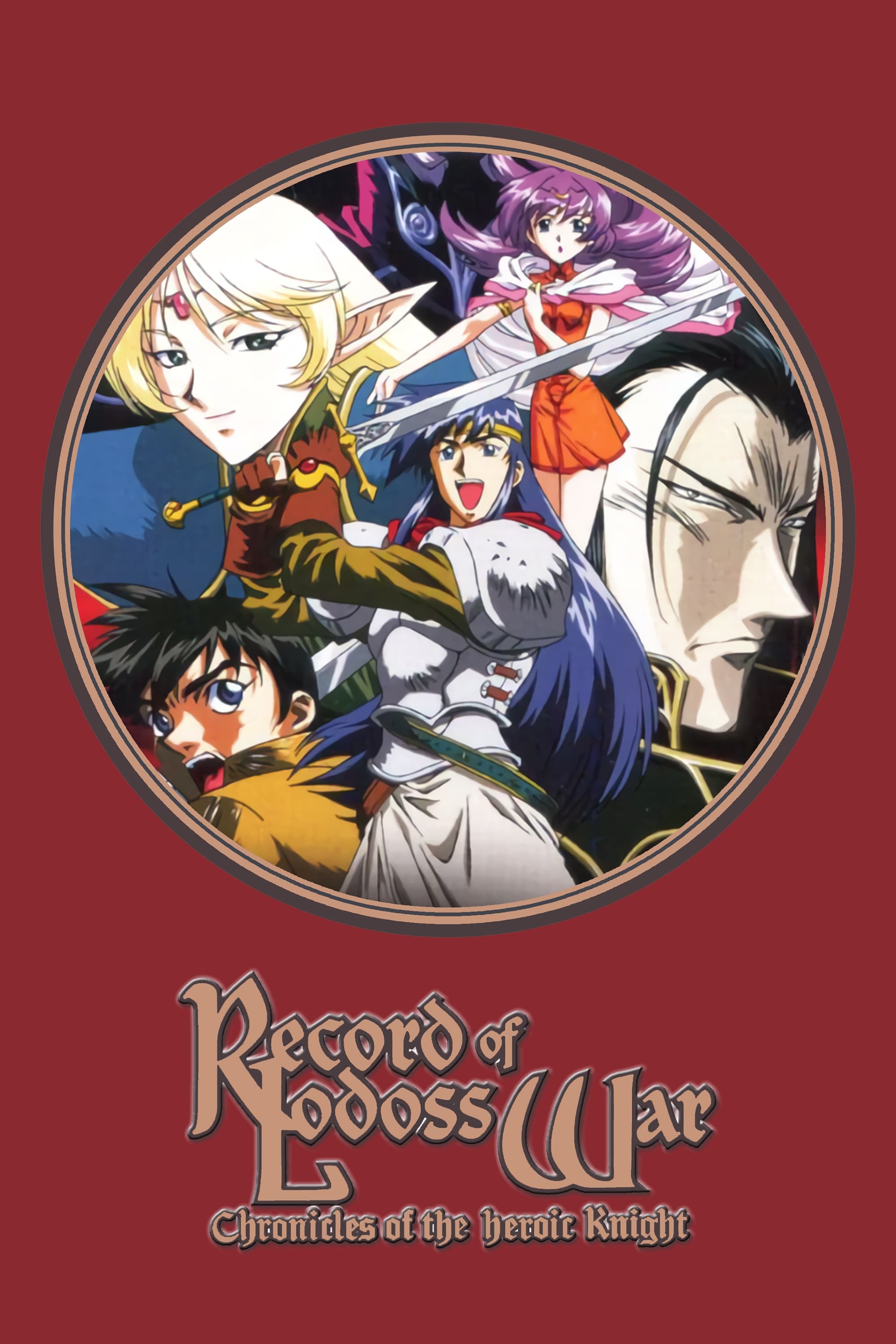
This TV show was a follow-up to a previous one and featured updated character designs. Notably, many characters who had darker skin tones in the original were shown with lighter skin in the new series. This change was often due to budget limitations and a new team of character designers. As a result, the different cultures within the story became harder to tell apart visually.
‘Boruto: Naruto Next Generations’ (2017–2023)

Killer Bee was originally portrayed as a dark-skinned, powerfully built ninja. However, in recent appearances, his skin tone has often looked paler and less defined. This change isn’t about the character himself, but rather a result of the updated, flatter, and brighter coloring style used in the newer series, which tends to make all character complexions appear less detailed.
‘That Time I Got Reincarnated as a Slime’ (2018–2024)
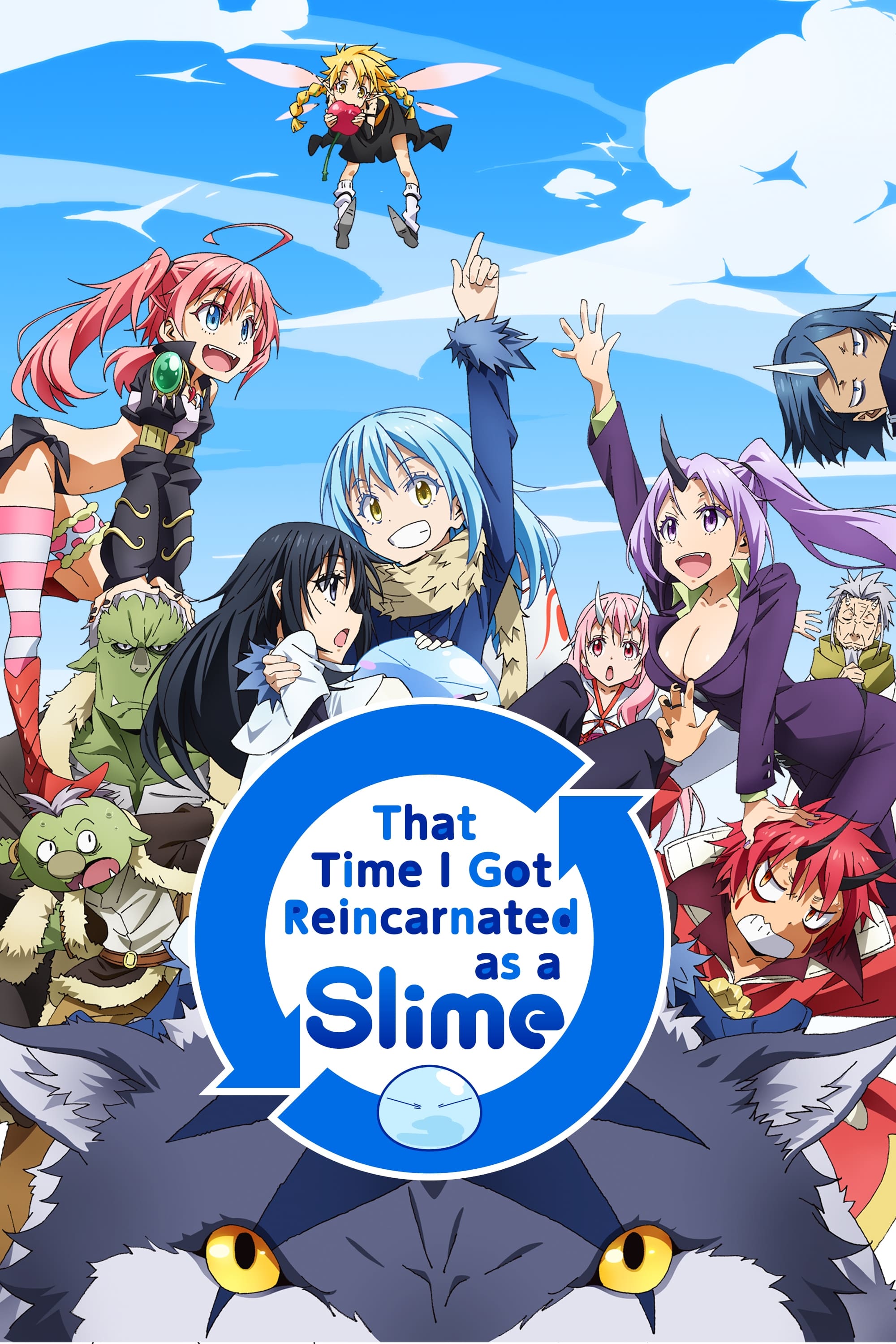
Throughout this series, the monster characters frequently change how they look. Recently, characters who used to have darker, rougher skin have been redesigned with lighter, more human-like features. While this is presented as part of their development in the story, it also reflects the show’s evolving art style. Over time, this has led to the characters having increasingly similar skin tones.
‘The Rising of the Shield Hero’ (2019–2023)
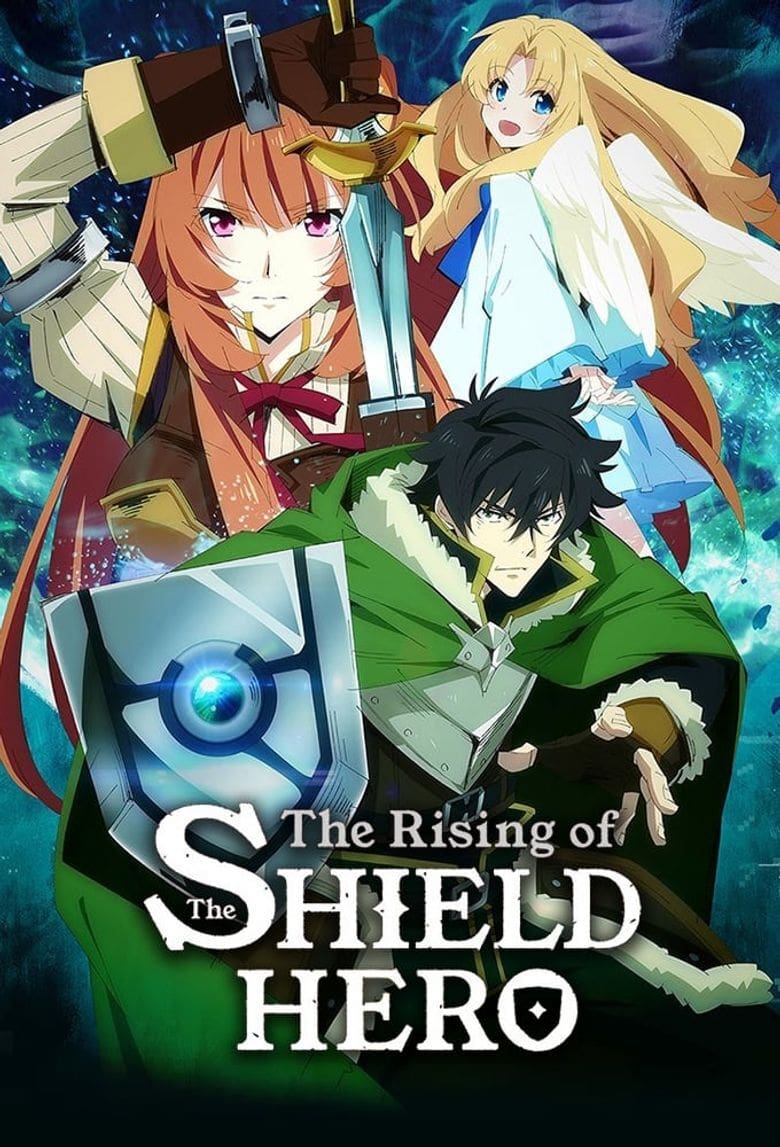
Starting with the second season, the show added new characters and refreshed the appearance of the existing ones. Notably, some characters with darker skin tones were shown with lighter complexions in the newer episodes. This was done as part of an overall effort to make the show look brighter and more colorful. Viewers noticed the change, with some feeling the first season had a more unique and interesting range of colors.
‘Saint Seiya Omega’ (2012–2014)
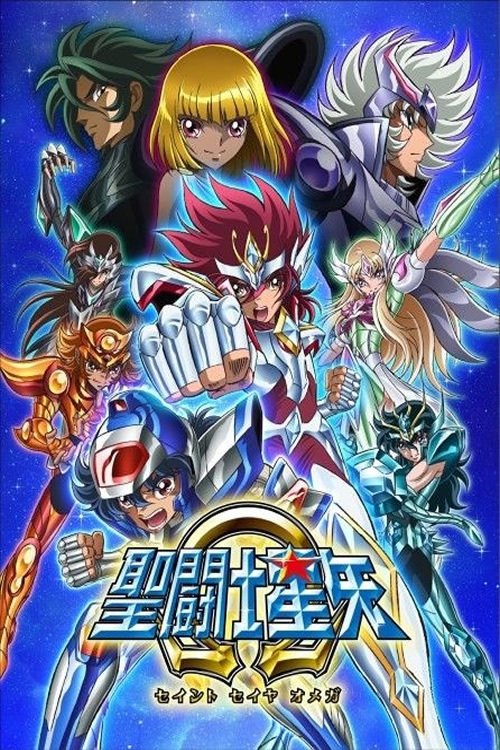
The new series featured a completely different art style compared to the original from the eighties. Characters who once looked tanned and tough now had much lighter and softer appearances. The creators went for a more modern, streamlined look, using bright colors and smooth lines. This made the characters look more similar in skin tone than they did in the original series.
‘Bungo Stray Dogs’ (2016–2023)
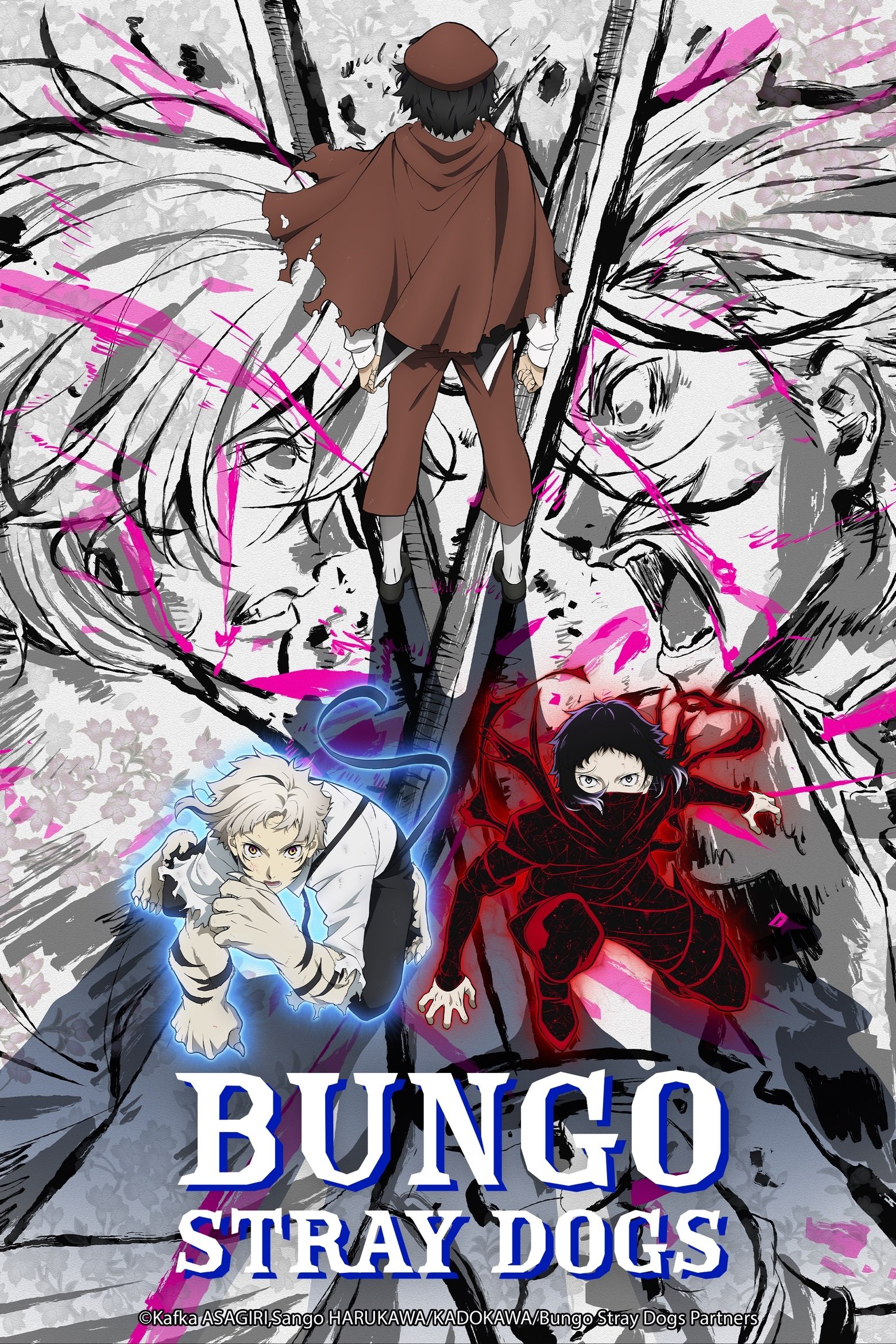
In the fourth season, the show used flashbacks to reveal the characters’ younger years. Many viewers noticed that the characters appeared much lighter-skinned in both these flashbacks and the present-day scenes compared to the first season. This change was intentional, as the show adopted a new, more dramatic and visually striking style.
‘Aria the Avvenire’ (2015–2016)
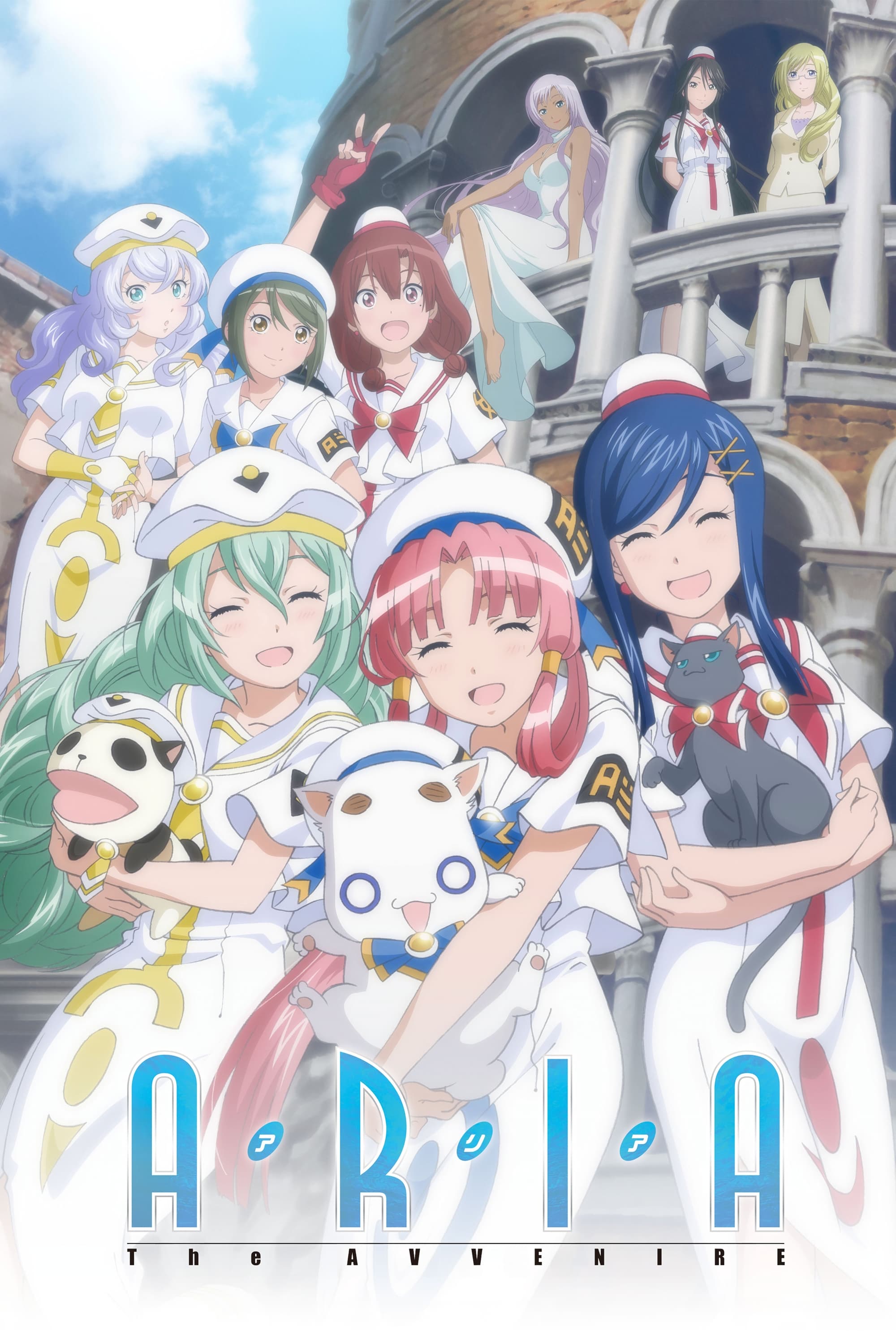
To celebrate the series’ anniversary, the character designs were refreshed for a new audience. The original characters had warm, tanned skin, but this was changed to paler, softer tones. This was done to create a more dreamlike and peaceful feel. While the update resulted in a visually stunning experience, it significantly altered how fans remembered the characters’ appearances.
‘Gintama’ (2006–2018)
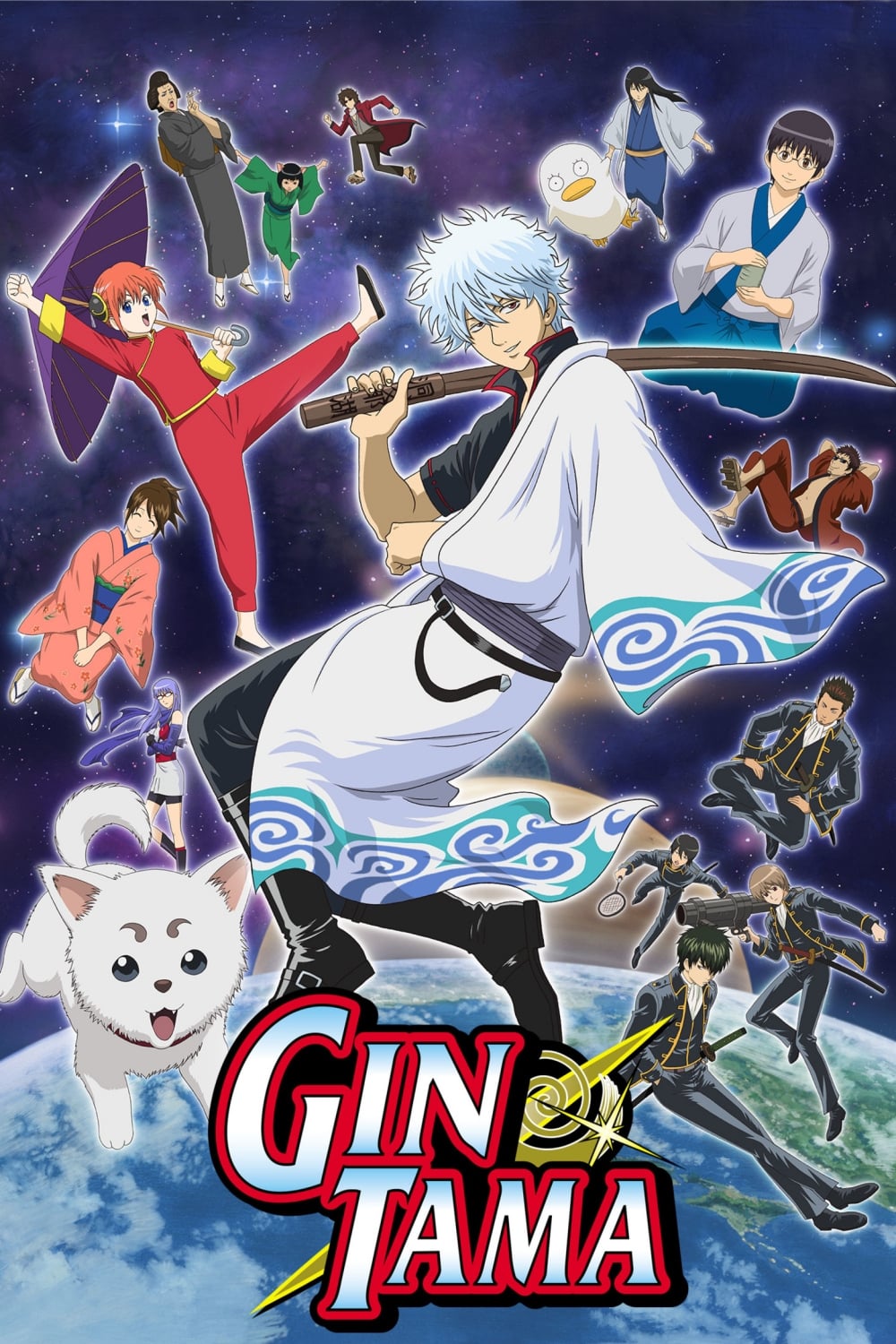
Over the many seasons of the comedy series, the art style changed. The show initially used a realistic range of colors for its characters, but later seasons featured lighter and more consistent skin tones to keep up with current digital animation trends. This change was especially noticeable in the final movie and special episodes that wrapped up the series.
Please share which of these character design changes surprised you the most in the comments.
Read More
- 20 Movies Where the Black Villain Was Secretly the Most Popular Character
- Celebs Who Narrowly Escaped The 9/11 Attacks
- Transformers Under the Microscope: What Graph Neural Networks Reveal
- Top 20 Dinosaur Movies, Ranked
- Trading on Thin Air: AI Agents Conquer Crypto Volatility
- Silver Rate Forecast
- Gold Rate Forecast
- 22 Films Where the White Protagonist Is Canonically the Sidekick to a Black Lead
- Every Notable ‘Star Trek: The Original Series’ Actor Who Died
- Games That Faced Bans in Countries Over Political Themes
2026-01-09 20:17