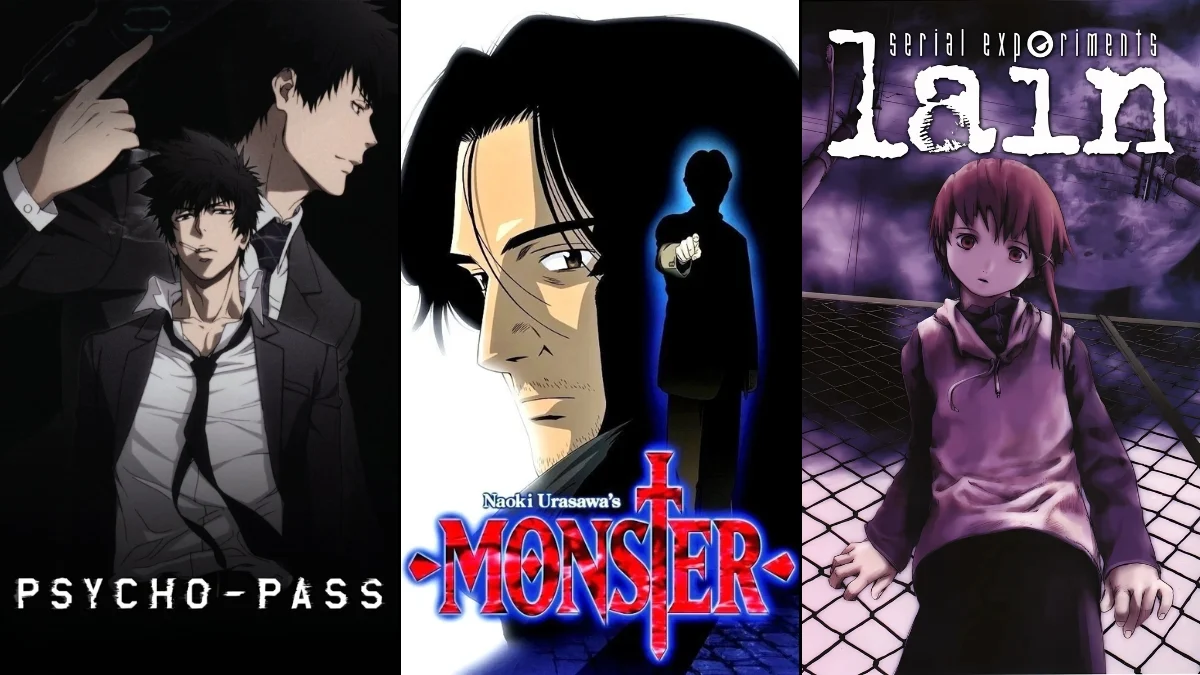
Anime is known for its exciting action and complicated stories, but its most meaningful parts are often found in the small, peaceful scenes. Writers frequently hide deep questions about life and morality within normal conversations. These quiet moments make viewers think about their own beliefs and what it means to be human. The anime series below are particularly good at blending these complex ideas into everyday dialogue.
‘Monster’ (2004–2005)

When Dr. Kenzo Tenma chooses to save a young boy instead of the mayor, he unknowingly starts a series of terrible events. The story delves into what it means to be human, with unsettling dialogues between serial killers and everyday people. Characters frequently question if all lives are equally valuable, or if some matter more than others. These debates force the main character – and viewers – to consider what truly defines evil.
‘Mushi-shi’ (2005–2006)
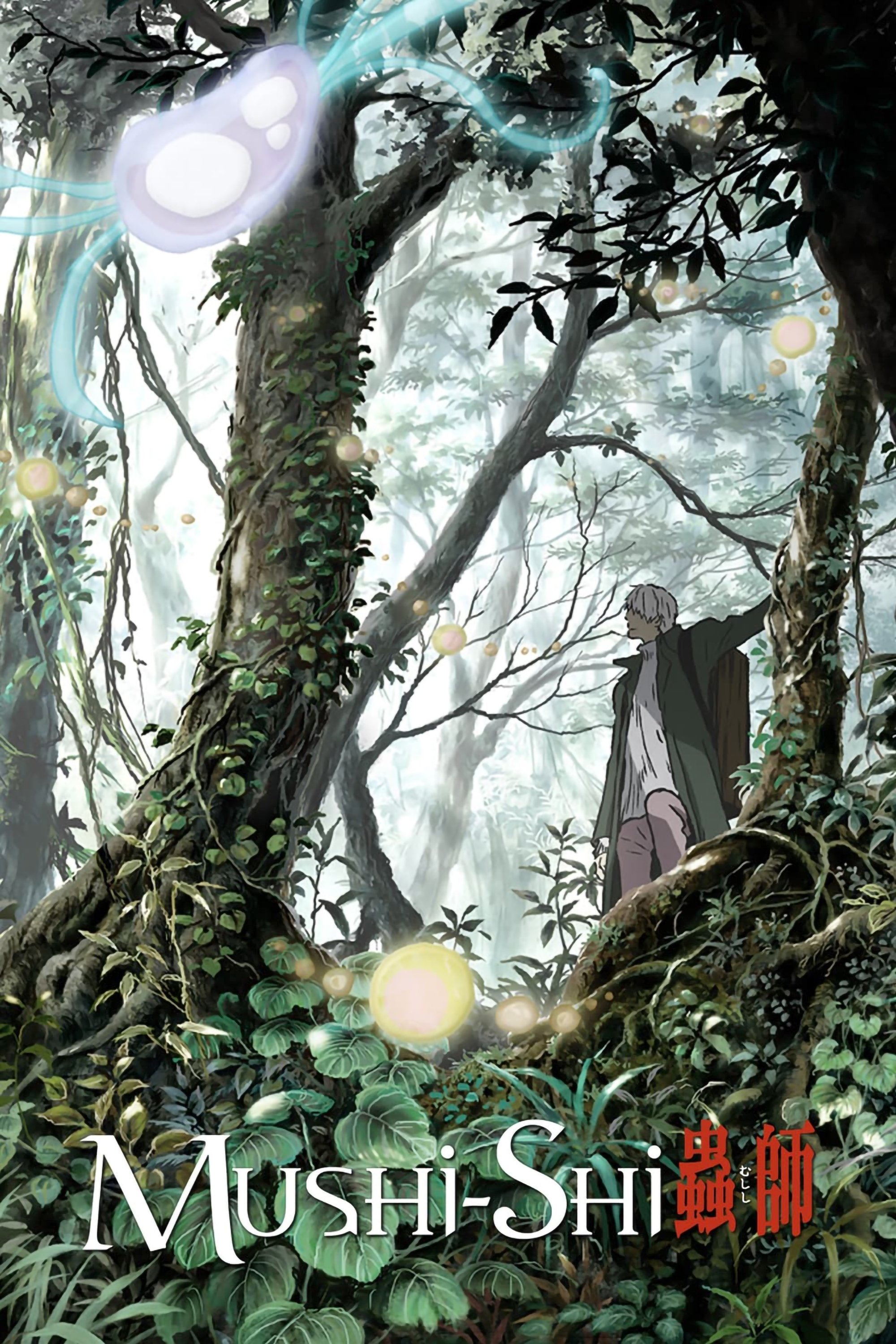
Ginko journeys through the countryside, helping people with issues caused by mysterious, supernatural beings called Mushi. Each episode tells a self-contained story that explores the relationship between humans and the natural world. Often, villagers are afraid of what they don’t understand, but Ginko encourages them to try and live in harmony with these creatures. The show subtly implies that humans are just a small piece of a much bigger, interconnected world.
‘Psycho-Pass’ (2012–2013)
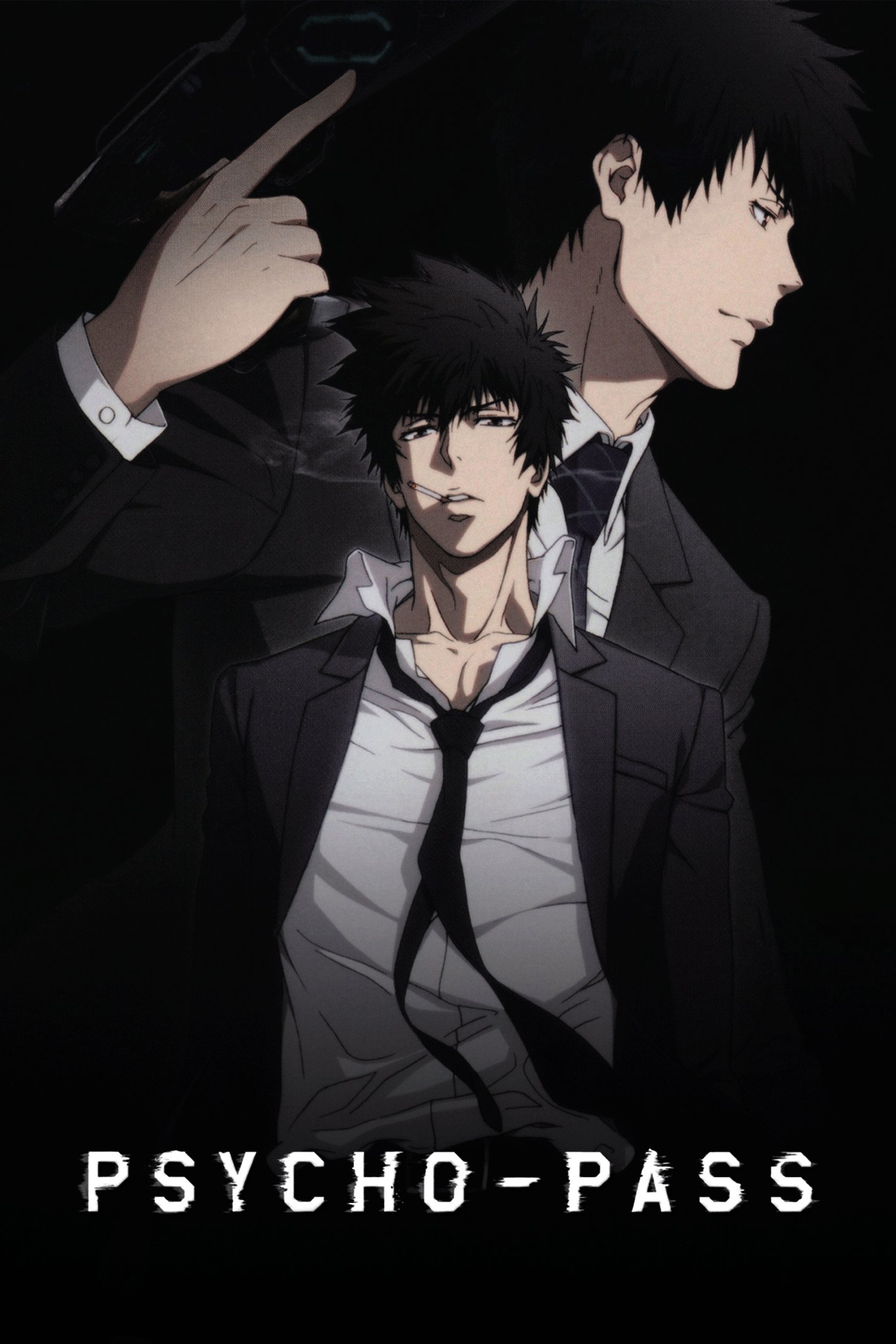
In the future depicted in this story, a powerful computer system analyzes the personality of every person. As law enforcement officers investigate crimes, they frequently debate how much safety is worth sacrificing individual liberties. The villains raise difficult questions about whether it’s right to punish people for what they might do, rather than for actual crimes. These arguments push the characters to reconsider what true justice really means.
‘Kino’s Journey’ (2003)
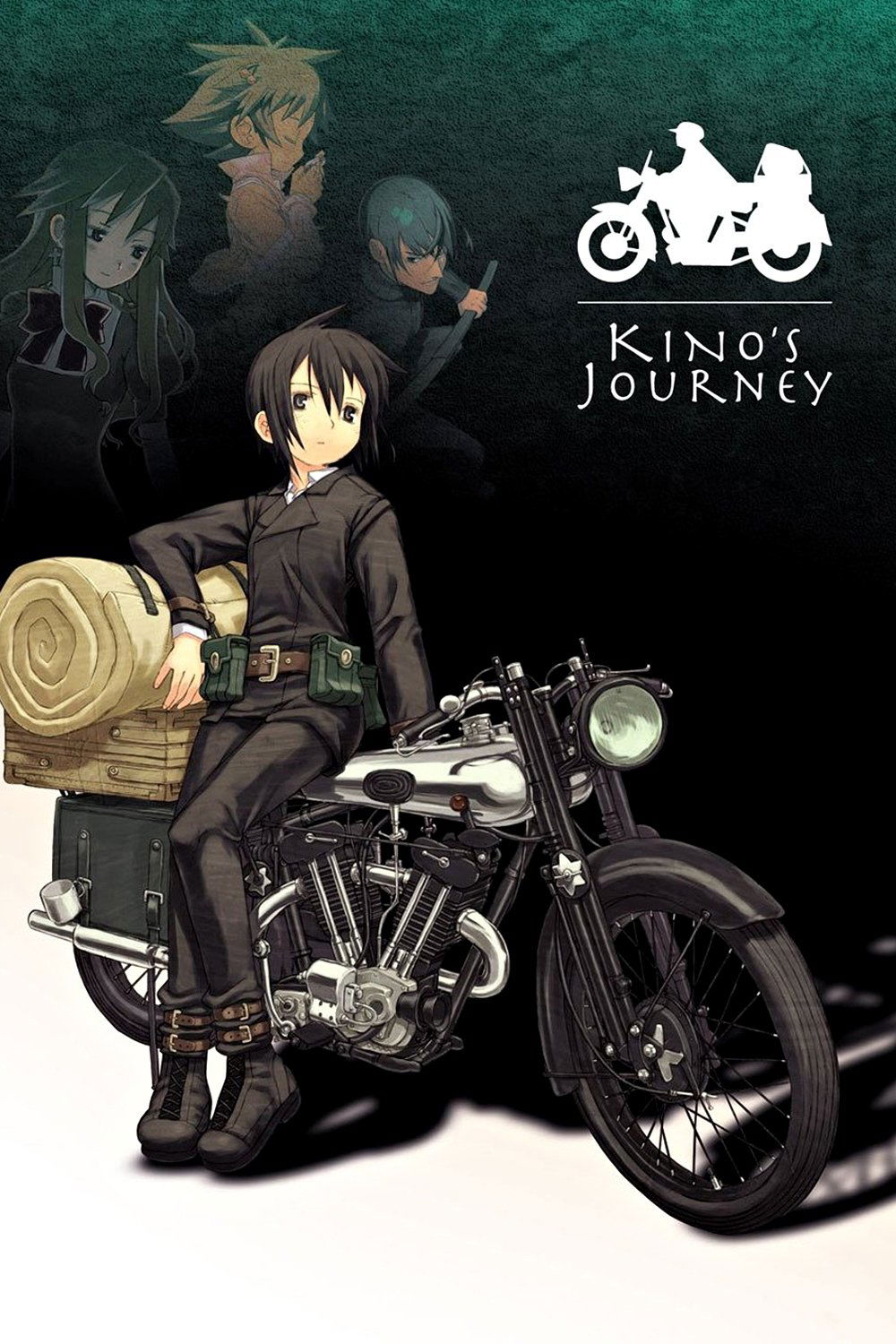
Kino journeys through countries with strange and unusual customs. By talking to the people who live there, Kino uncovers the inconsistencies and problems within each society. Kino doesn’t judge, but simply lets the locals explain their way of life, highlighting how different cultures have different ideas about what’s right and wrong, and how complicated human behavior can be.
‘Ghost in the Shell: Stand Alone Complex’ (2002–2003)

Section 9 tackles crimes involving advanced technology in a future where people and machines are closely connected. The agents often find themselves questioning what truly makes someone human when bodies are largely or completely artificial. They explore the impact of altering memories and the dangers of losing one’s unique identity. Through these detailed, technical discussions, ‘Ghost in the Shell: Stand Alone Complex’ delves into the very nature of human consciousness.
‘Cowboy Bebop’ (1998–1999)

Space bounty hunters grapple with painful memories as they journey across the galaxy. During quiet moments, the characters often reflect on life, loneliness, and the difficulty of escaping the past. Conversations between characters like Spike Spiegel and Jet Black delve into these themes, using relaxed dialogue to explore feelings of existential sadness and ultimately, finding acceptance.
‘Fullmetal Alchemist: Brotherhood’ (2009–2010)
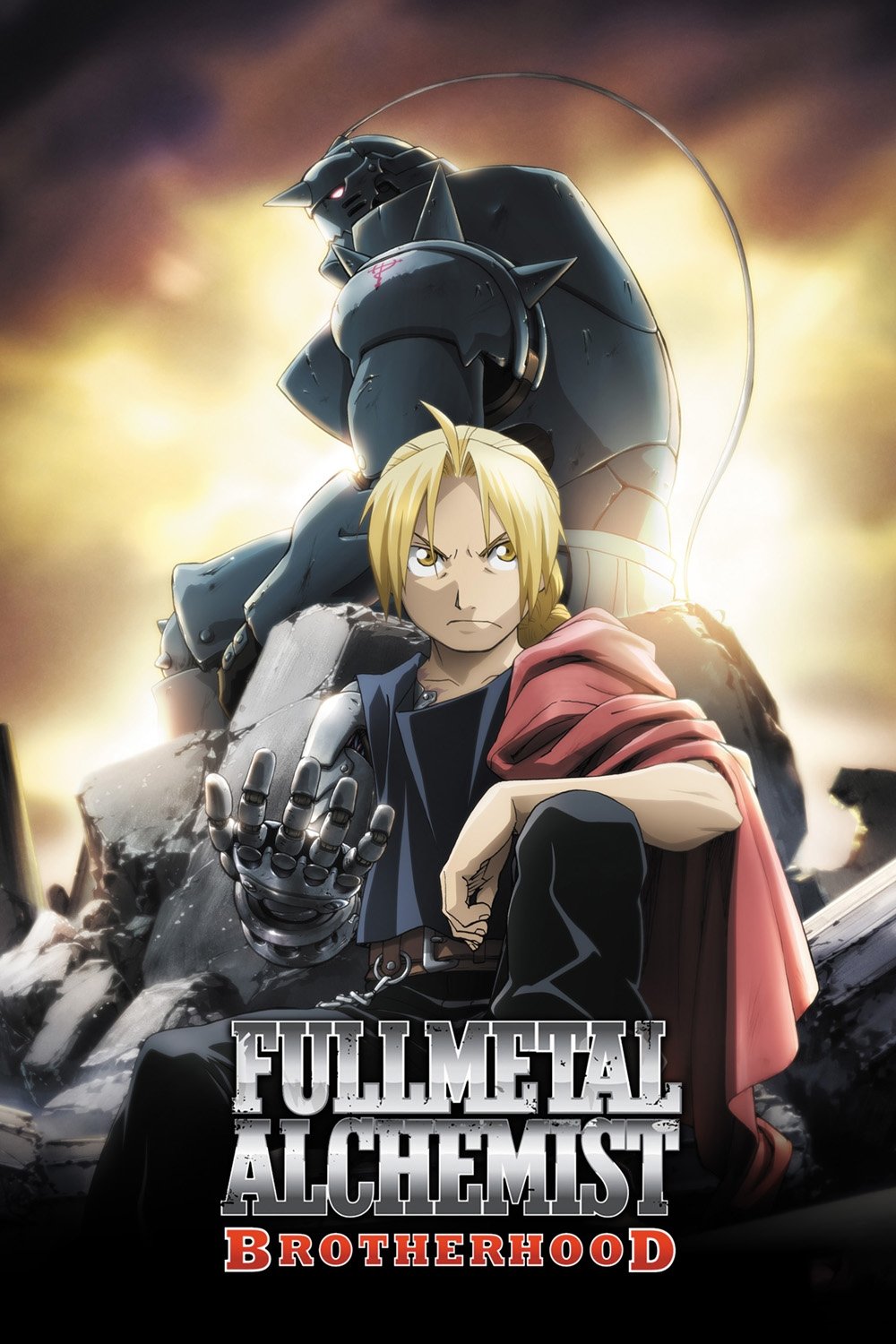
Two brothers are on a quest to fix their bodies after a dangerous alchemy experiment went wrong. Throughout the story, people constantly discuss the idea that everything has a cost – a principle known as equivalent exchange. The characters often debate whether gaining power is worth the moral consequences, and what happens when people try to control things they shouldn’t. The story stresses that you always have to give something up to get something in return, and nothing is truly free.
‘Trigun’ (1998)

Vash the Stampede travels a desolate planet, committed to peace even though he’s incredibly powerful. He frequently clashes with more pragmatic characters like Wolfwood, who challenge his commitment to non-violence. These discussions reveal how hard it is to stay true to your beliefs in a brutal world. The story explores whether trying to save everyone is simply unrealistic, or if it’s a goal worth striving for.
‘Parasyte -the maxim-‘ (2014–2015)
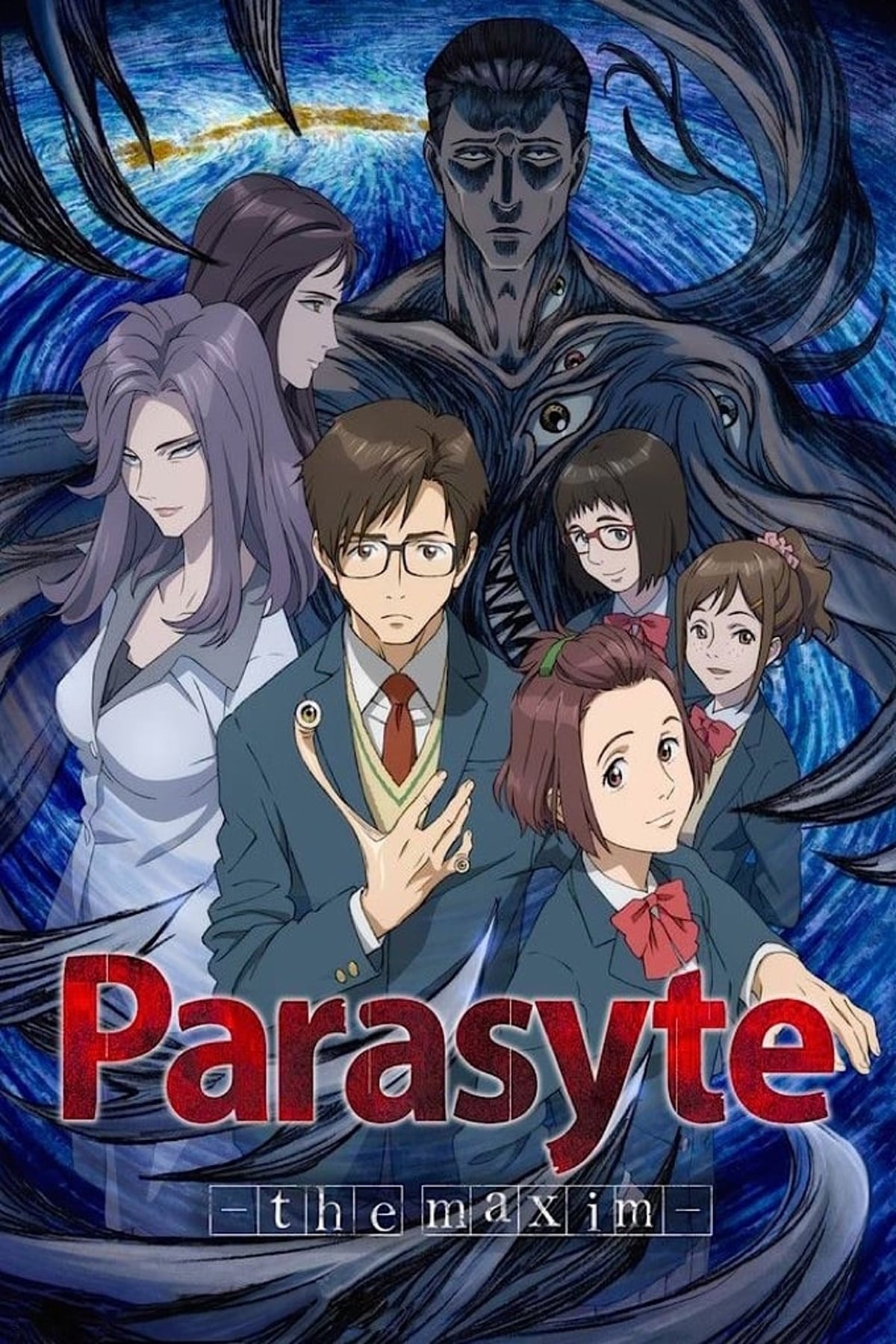
In ‘Parasyte: The Maxim,’ alien creatures invade Earth, taking control of humans to stay alive. The story follows Shinichi, whose body is invaded by a parasite named Migi. They frequently discuss the basic need to survive and how that compares to human ideas of right and wrong. The series challenges the idea that humans are morally better than other creatures who kill to eat, exposing the contradictions within human kindness and selflessness through a logical lens.
‘Violet Evergarden’ (2018)

A young man who was once a child soldier now writes letters for others, hoping to finally understand what it means to say “I love you.” As Violet crafts these letters for her clients, she begins to learn about sadness and compassion. Through her work with families who are grieving, she discovers how powerfully expressing genuine emotions can help people heal and connect. The story highlights that words are vital for overcoming emotional pain and building relationships.
‘Death Note’ (2006–2007)

Okay, so I recently watched this incredible series about a guy named Light Yagami who discovers this supernatural notebook. It’s seriously wild – whatever name you write in it, that person dies. But it’s not just a simple thriller. It quickly becomes this intense cat-and-mouse game between Light and this brilliant detective, L. They’re constantly trying to outsmart each other, and it’s all built around this fascinating debate about justice – what’s right and wrong, and if punishing criminals, even killing them, is ever okay if it creates a better world. It really makes you think – could a perfect society actually be built on fear, and would that even be worth the price? It’s a total mind-bender, honestly.
‘Neon Genesis Evangelion’ (1995–1996)
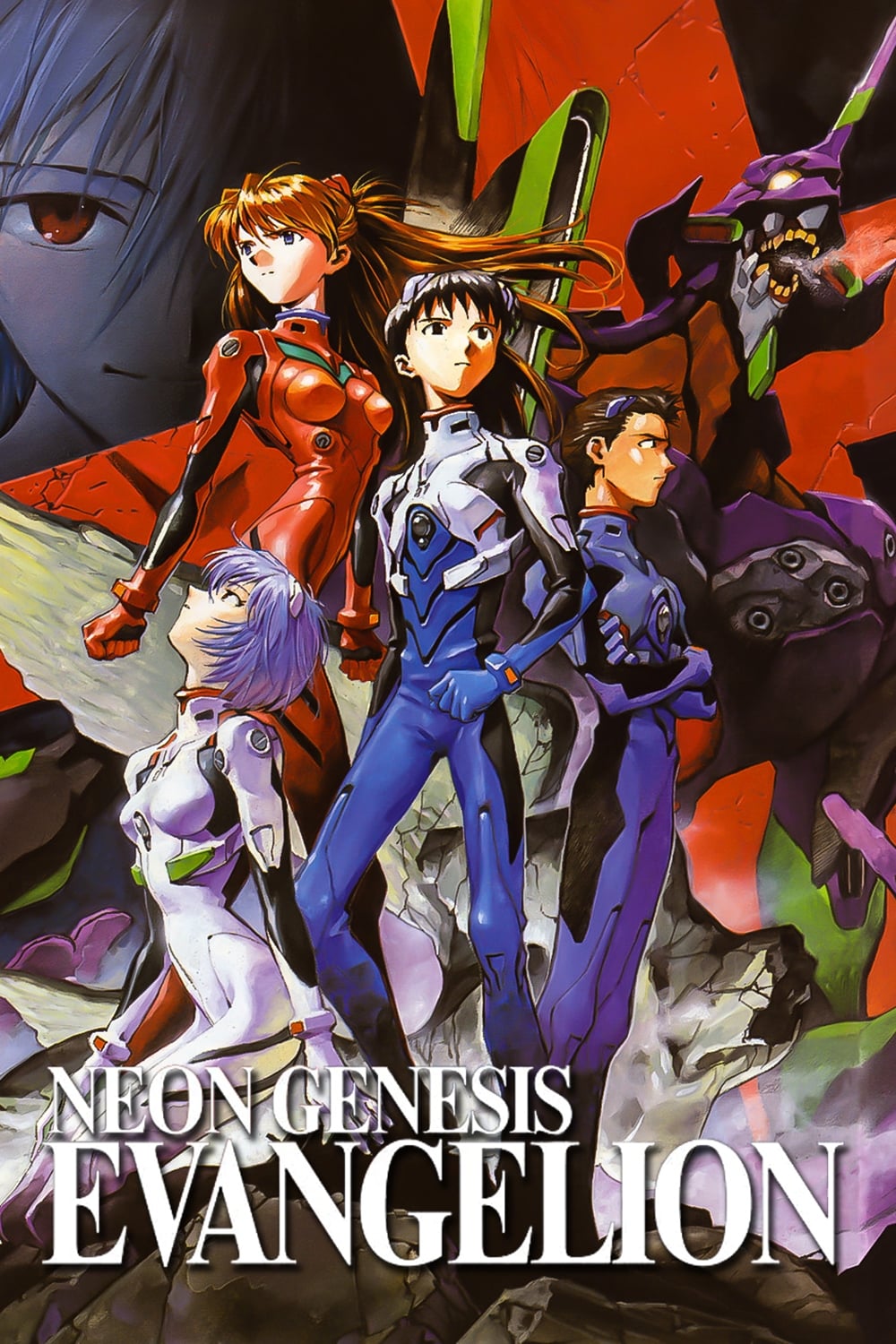
This anime features teens who fight colossal robots to protect Earth from strange creatures called Angels. Throughout the series, the characters grapple with the difficulties of close relationships, often referencing the idea that getting close to others can also cause pain. It delves into complex questions about identity and how we relate to one another, suggesting that the fear of being hurt or rejected often stops us from connecting with others in meaningful ways.
‘The Tatami Galaxy’ (2010)
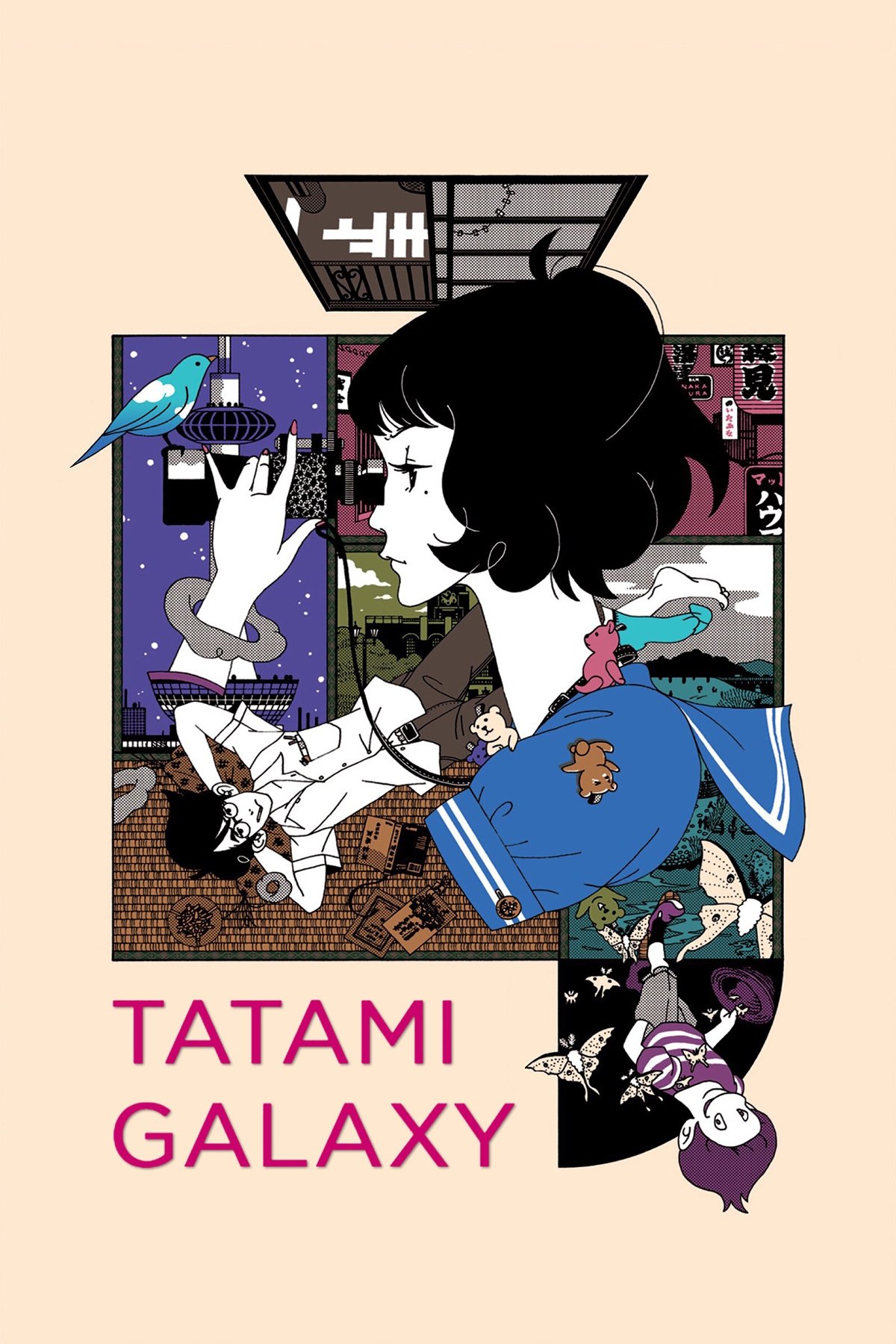
This series follows a college student who jumps between different versions of his college life, all while trying to find the perfect experience. The fast-paced conversations explore the idea that we often wonder ‘what if?’ and the frustration of trying to be perfect. Throughout his journey, other characters help him realize that true happiness comes from enjoying the present moment, not dwelling on possibilities. Ultimately, the show suggests that every decision, even those with disappointing results, offers a worthwhile lesson.
‘March Comes in Like a Lion’ (2016–2017)
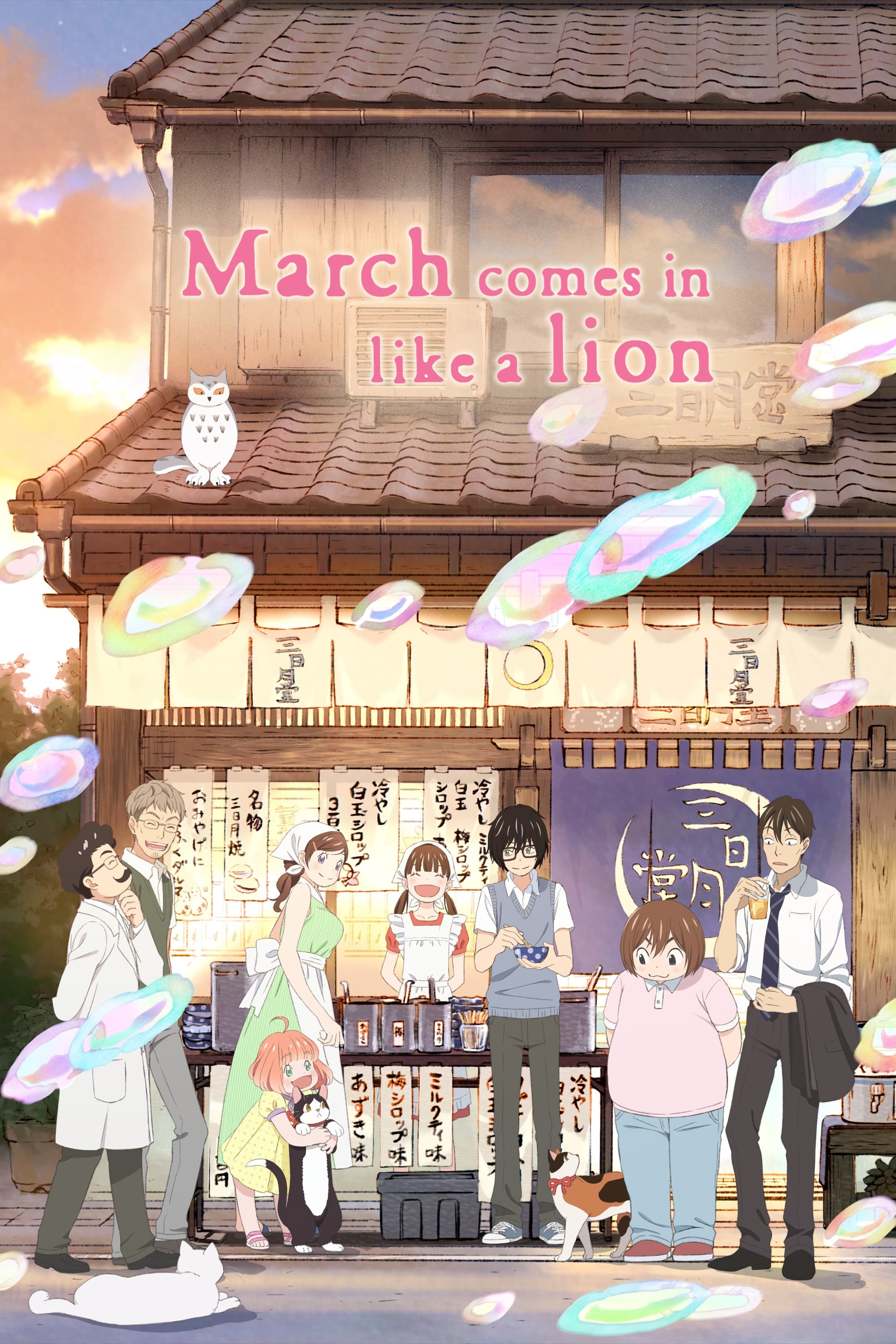
This series follows a young shogi player struggling with depression and loneliness after a family tragedy. The warmth and support he receives from the Kawamoto sisters offer a stark contrast to the fiercely competitive and often isolating world of professional shogi. Throughout the story, characters explore the power of connection, the courage it takes to be vulnerable, and how even small acts of kindness can make a huge difference in someone’s life.
‘Vinland Saga’ (2019)

The story follows Thorfinn as he tries to avenge his father’s death in a world of Vikings. Throughout the series, characters debate what it truly means to be a warrior and question whether violence ever really solves anything. Figures like Thors and Askeladd share powerful insights about how being controlled by anger and seeking revenge ultimately leaves you feeling empty. The central message is that real strength comes from forgiveness, not destruction.
‘Great Teacher Onizuka’ (1999–2000)
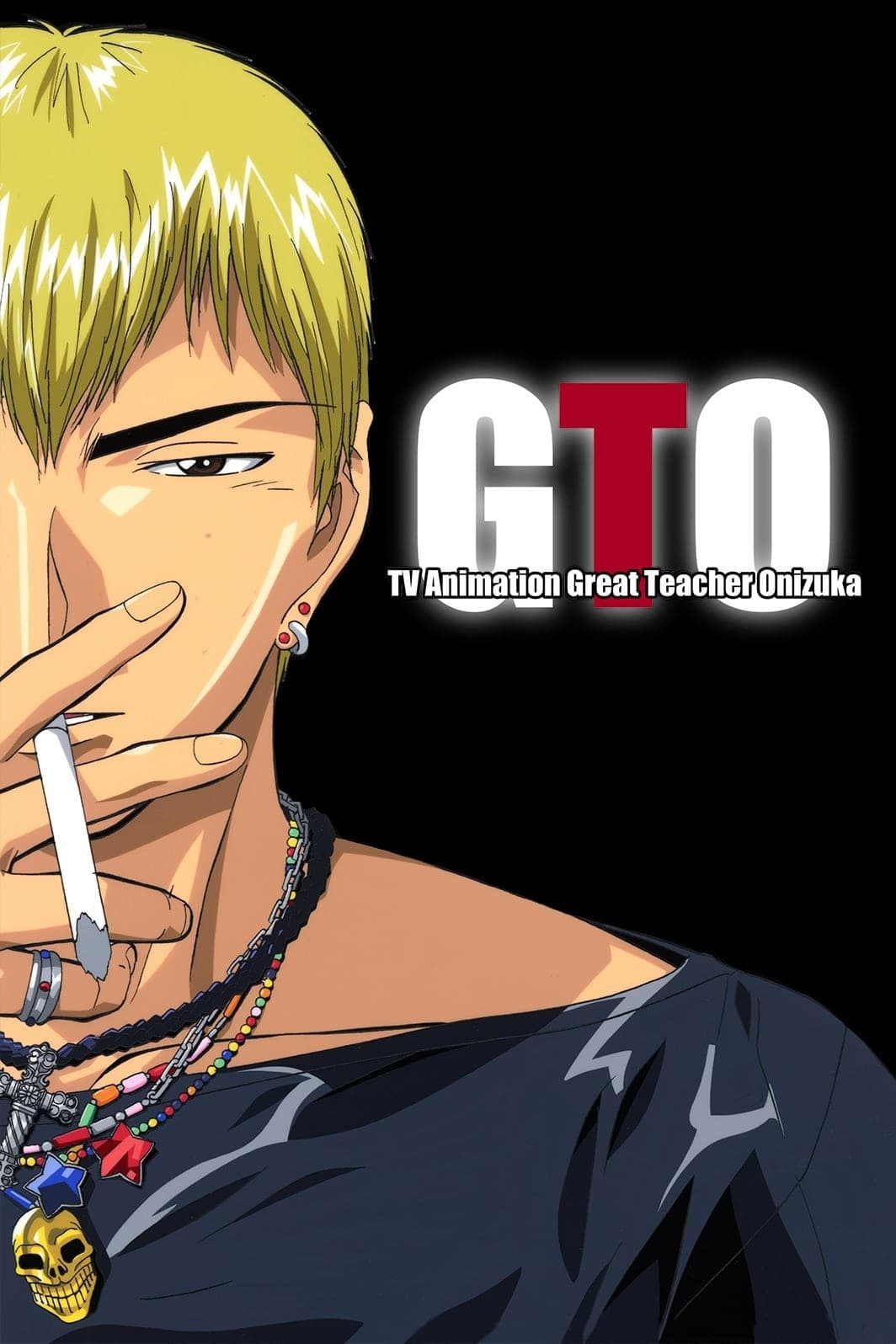
Eikichi Onizuka, a reformed ex-gang member, takes on a teaching job and uses unique approaches to help his students. He’s known for honest, sometimes blunt, talks about the flaws in schools and what society expects. Onizuka stresses that character and kindness are more important than good grades, and believes real-life lessons are the most valuable education a person can receive. ‘Great Teacher Onizuka’ highlights the power of experience in shaping young lives.
‘Mob Psycho 100’ (2016–2022)
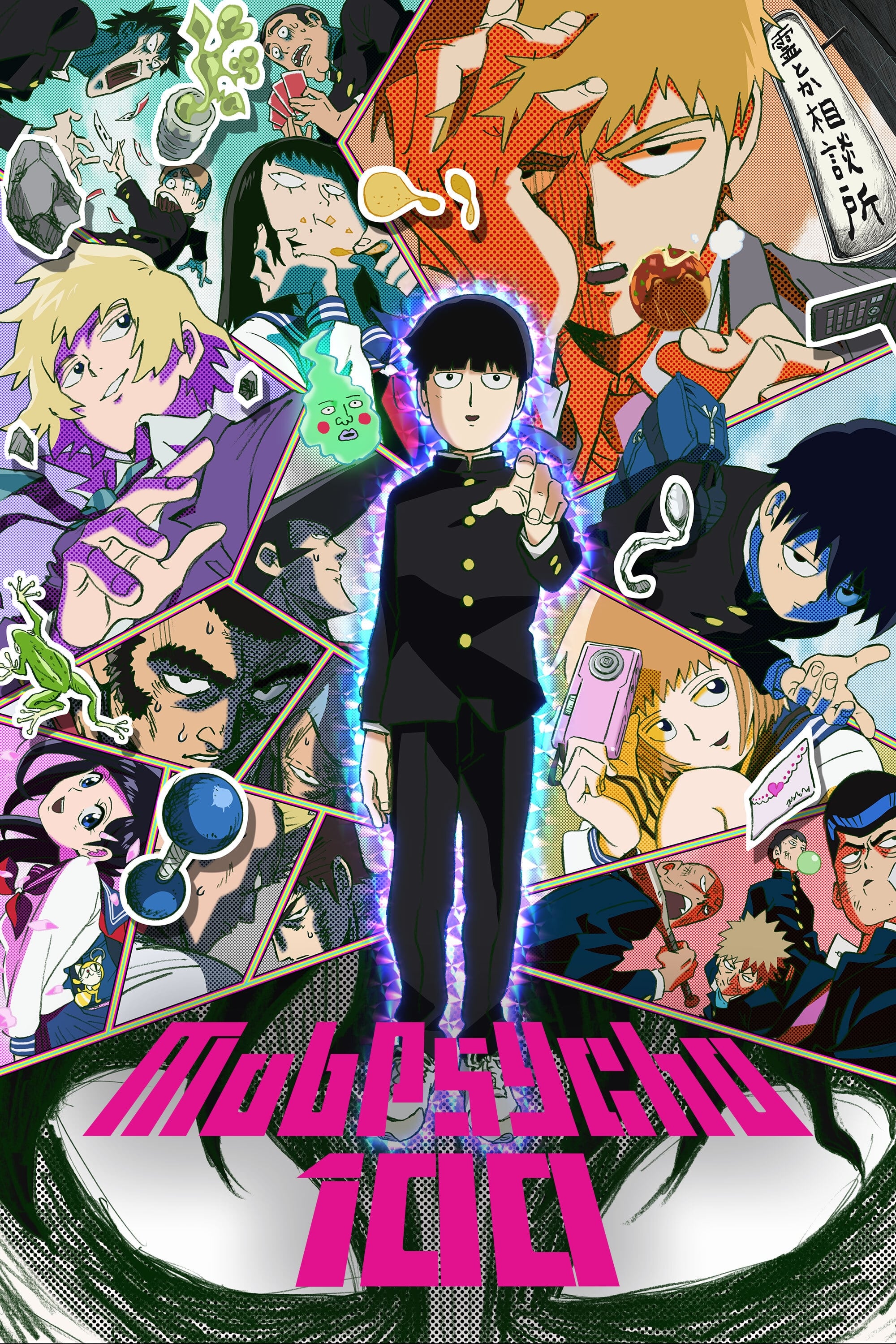
A middle schooler with incredible psychic powers attempts to live a typical life, avoiding using his abilities whenever possible. His mentor, Reigen, constantly reminds him that having powers doesn’t make him superior to others. Through their conversations, the story emphasizes that being kind and working hard are more valuable qualities than simply being naturally gifted. Ultimately, the series highlights the importance of growing emotionally, rather than relying on strength – whether physical or supernatural.
‘Serial Experiments Lain’ (1998)

Lain Iwakura finds herself drawn deeper into the Wired, a worldwide network much like the internet. The show explores conversations that make it hard to tell what’s real and what’s happening online. Characters grapple with the idea of what it truly means to exist – is it about being physically present, or how others see you? The anime strikingly foreshadowed today’s issues with online identity and the challenges of protecting our privacy.
‘Natsume’s Book of Friends’ (2008)
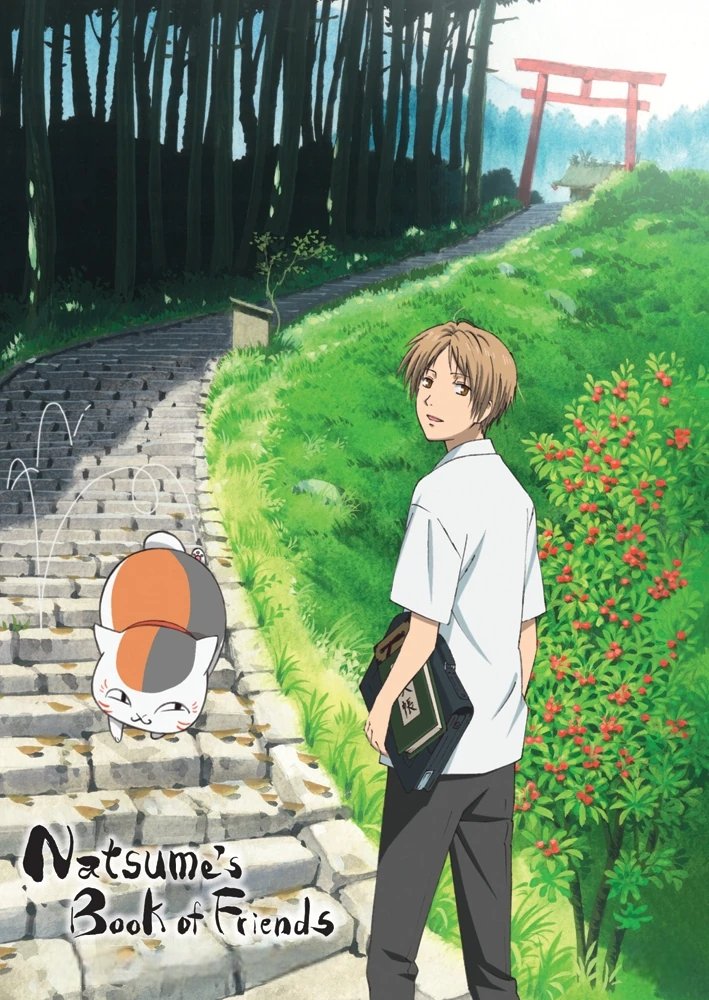
Natsume has the ability to see spirits, and he dedicates his time to returning the names these spirits have lost, using a book inherited from his grandmother. Through these encounters, the spirits often reveal feelings of loneliness and how quickly their connections with people fade. These short interactions show how much it hurts to be forgotten, and how wonderful it is to be remembered. The series demonstrates that even brief relationships can deeply affect us.
‘Haibane Renmei’ (2002)

In a walled town, winged figures with halos live without any memories of who they once were. The story explores themes of sin, forgiveness, and the importance of relying on others for healing. Characters grapple with unexplained guilt and try to understand and overcome past mistakes. Ultimately, the show is a hopeful and delicate story about working through trauma and finding peace, much like a journey through purgatory.
Please tell us which of these series made you think the most in the comments.
Read More
- Top 20 Dinosaur Movies, Ranked
- 20 Movies Where the Black Villain Was Secretly the Most Popular Character
- Celebs Who Narrowly Escaped The 9/11 Attacks
- 25 “Woke” Films That Used Black Trauma to Humanize White Leads
- The 10 Most Underrated Jim Carrey Movies, Ranked (From Least to Most Underrated)
- Transformers Under the Microscope: What Graph Neural Networks Reveal
- The Best Directors of 2025
- Every Notable ‘Star Trek: The Original Series’ Actor Who Died
- 22 Films Where the White Protagonist Is Canonically the Sidekick to a Black Lead
- Trading on Thin Air: AI Agents Conquer Crypto Volatility
2025-12-12 17:46