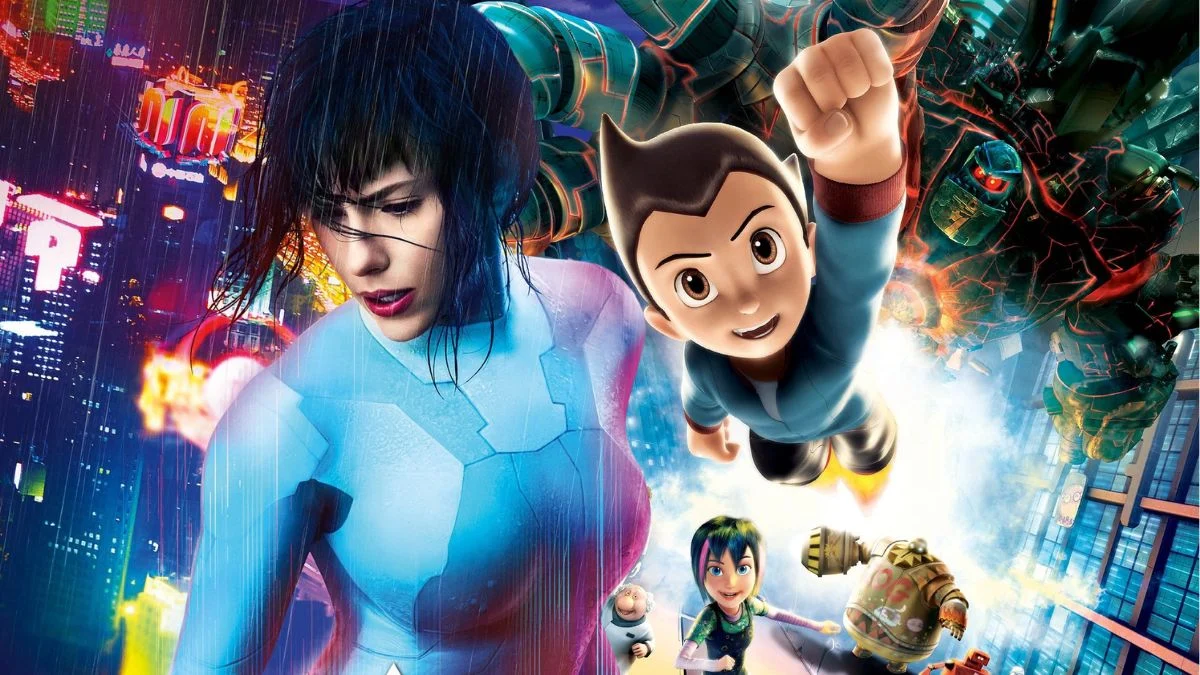
Anime adaptations often spark controversy when brought to Western audiences. This usually happens when Asian characters are replaced with white actors, or when Japanese cultural details are removed to make the content more appealing to a wider audience. Fans frequently feel upset by this, as it erases cultural identity and limits opportunities for Asian actors to play leading roles. These situations demonstrate the difficulties of adapting content across different cultures in the entertainment world. The following examples illustrate times when viewers strongly objected to these decisions.
‘Ghost in the Shell’ (2017)
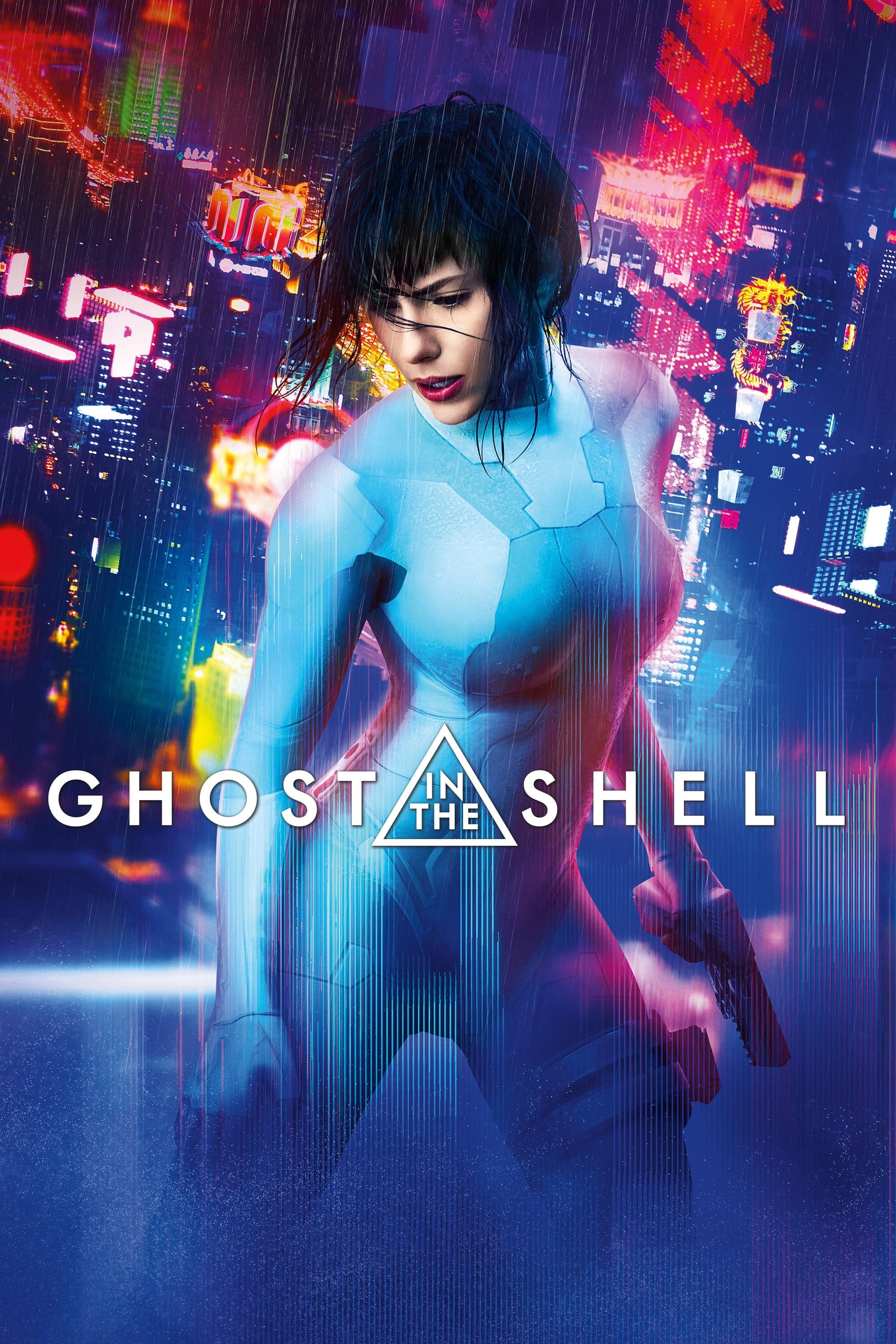
The movie ‘Ghost in the Shell’ faced strong criticism for casting a white actress in the lead role of Major Motoko Kusanagi. This led to a broad discussion about the lack of Asian representation in Hollywood. Many felt a Japanese actress should have played the part to stay true to the original story. The filmmakers were also criticized for potentially using technology to change the actress’s appearance, adding to the controversy. Even though the movie looked good visually, the casting decision remained a major issue for many viewers.
‘Death Note’ (2017)
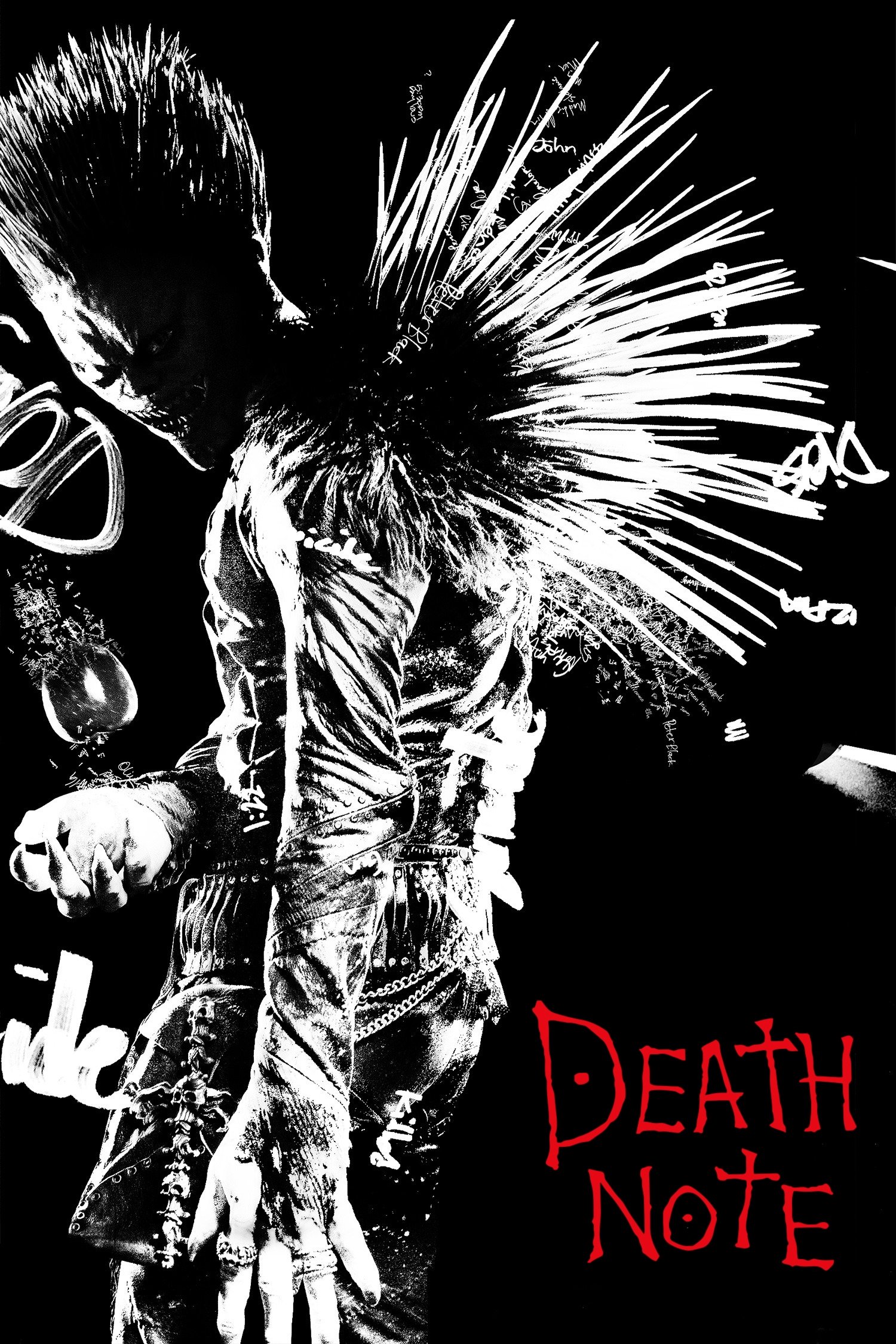
The American remake of ‘Death Note’ relocated the story from Tokyo to Seattle and gave the main characters new names. Critics noted that the casting choices for Light Turner and Mia Sutton erased the original series’ unique Japanese cultural background. Removing elements rooted in Shinto beliefs about justice and morality led to accusations that the adaptation stripped away important cultural aspects. Although the filmmakers aimed for a story with broad appeal, many fans felt the changes were an instance of unnecessary whitewashing. This adaptation is frequently mentioned as a prime example of a problematic anime-to-film remake.
‘Dragonball Evolution’ (2009)
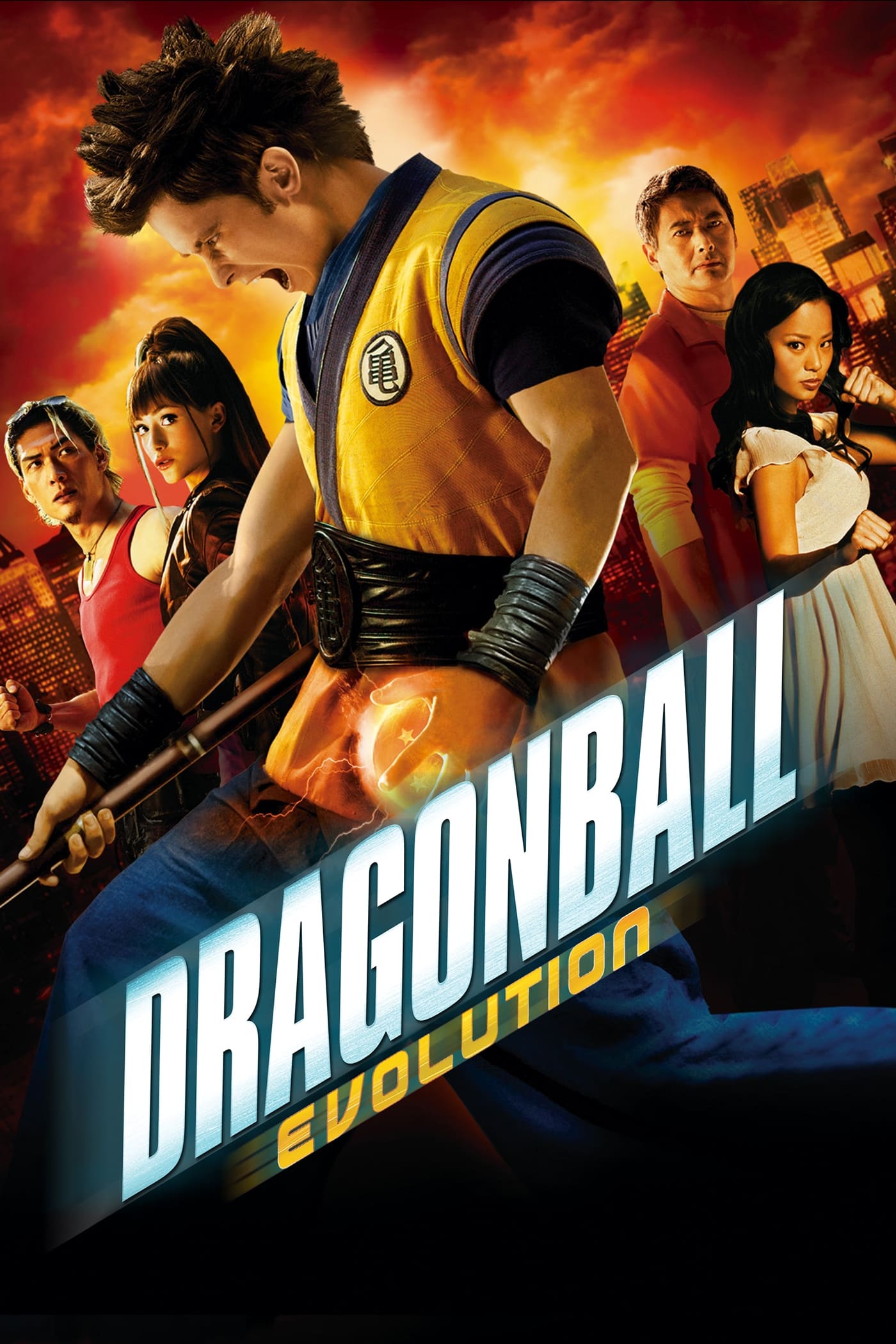
The live-action ‘Dragonball’ movie sparked controversy by casting a white actor as the main character, Goku, and setting the story in a high school. Many viewers felt this ‘westernized’ version ignored the story’s origins in the classic Chinese tale ‘Journey to the West.’ The casting choices for several key roles, traditionally portrayed by East Asian actors, drew significant criticism. The film was largely criticized for straying from the original anime’s visuals and cultural elements, and is often cited as an example of Hollywood’s disregard for Asian-inspired source material.
‘Speed Racer’ (2008)
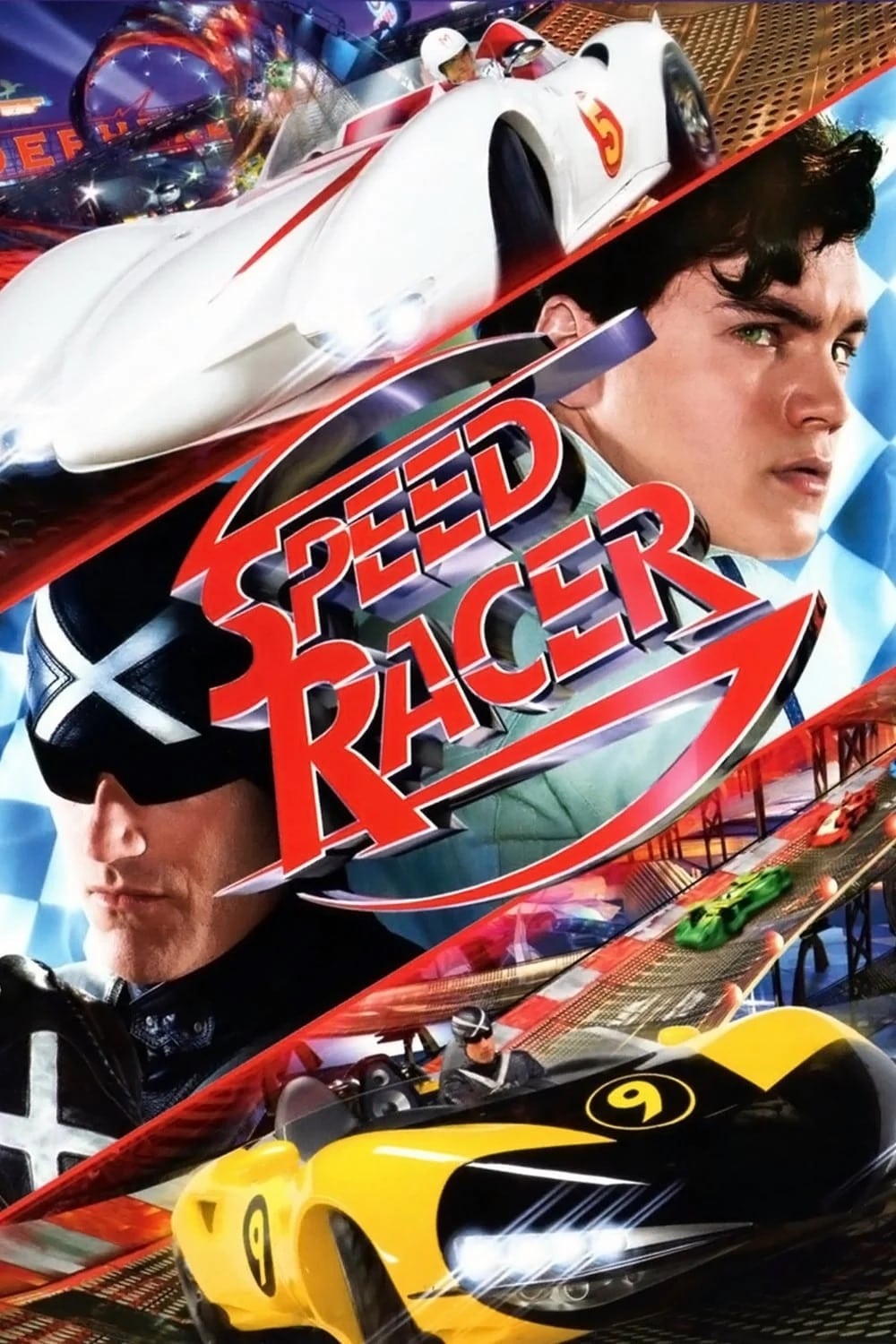
The movie ‘Speed Racer’ replaced the original Japanese characters with mostly white actors. Although the film was visually impressive, many fans were upset by the lack of Asian representation in the main roles, particularly for characters like Pops and Trixie, who were portrayed by actors of different ethnicities than in the original 1960s series. This practice of changing Japanese stories for American audiences has happened before. Some critics felt the movie could have been a great opportunity to showcase Asian actors to the world.
‘Kite’ (2014)
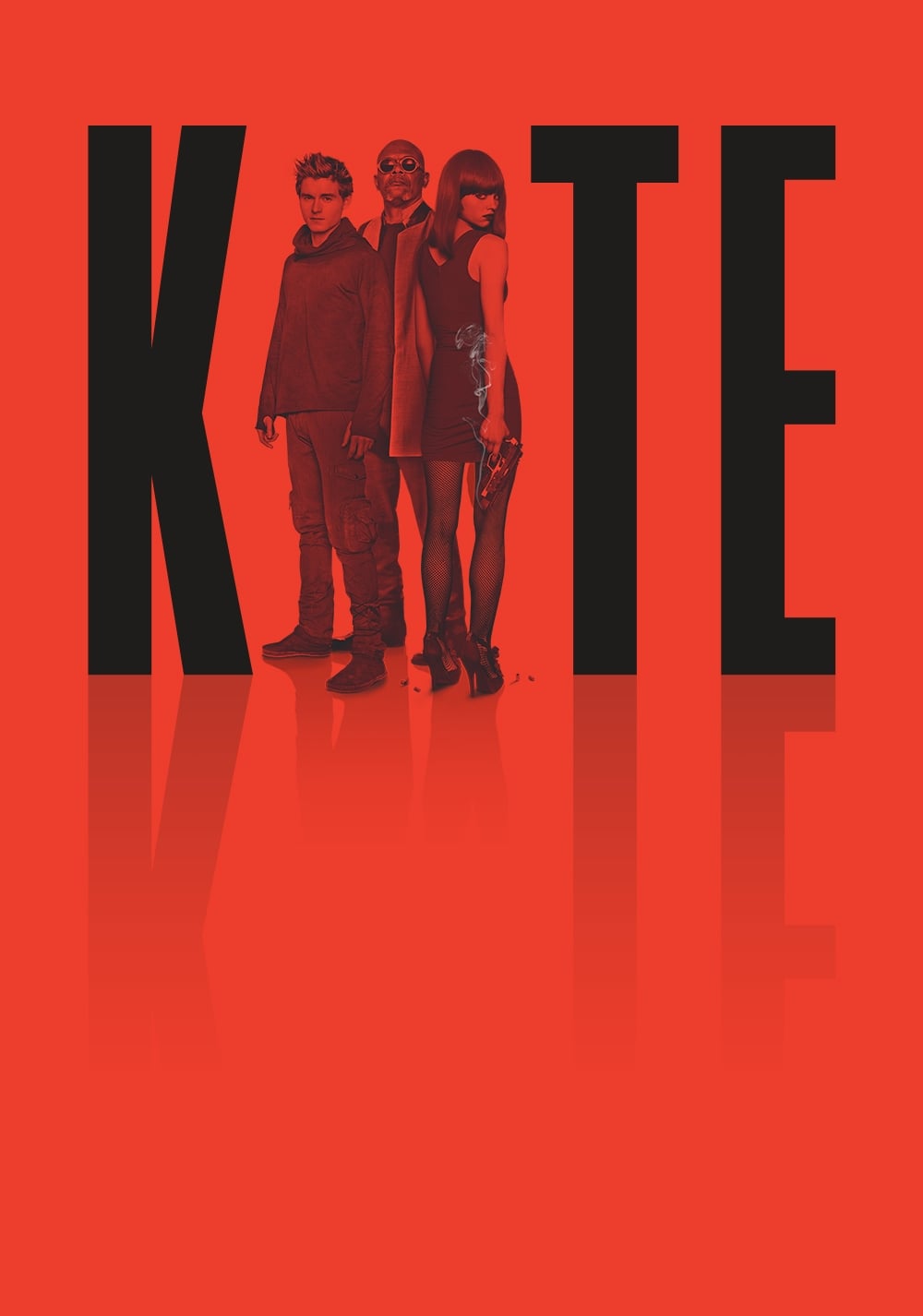
As a big anime fan, I was really disappointed by the live-action ‘Kite’ remake. The biggest issue for me, and a lot of other fans, was the decision to cast a white actress as Sawa, a character originally rooted in a very specific Japanese setting and culture. The story is about a young girl’s quest for revenge in a fictionalized Japan, and changing her ethnicity and the location just felt like it stripped away what made the original so special. It felt like they were aiming for a wider Western audience at the expense of respecting the source material. Honestly, it sparked a larger discussion about how little diversity we see in action movies in general, and it was frustrating to see that happen with this adaptation.
‘All You Need Is Kill’ (2014)
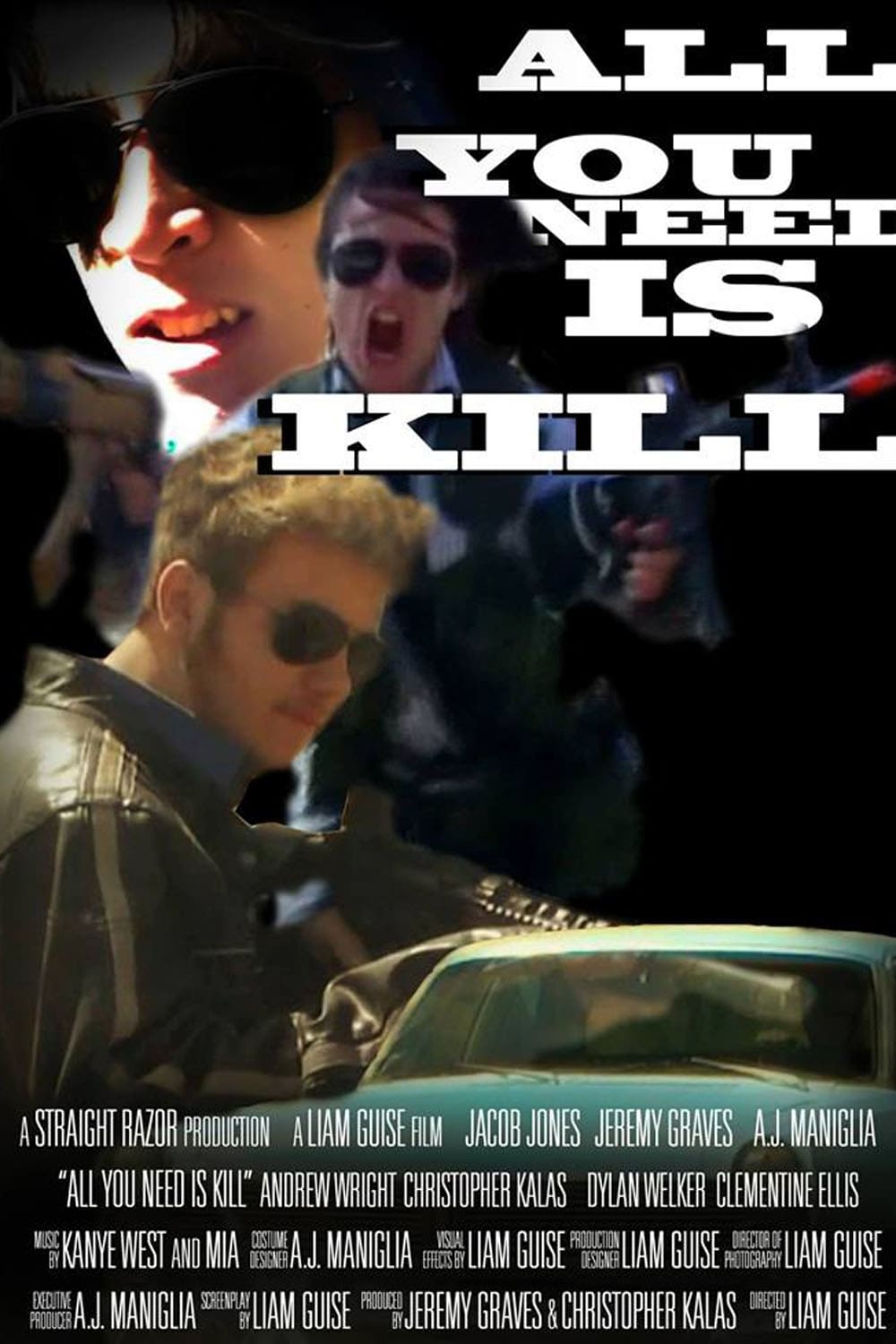
The movie ‘Edge of Tomorrow’ is based on the Japanese novel ‘All You Need Is Kill.’ However, the film changed the main character from Japanese to a white American, which sparked criticism. Many felt this showed a reluctance in Hollywood to cast Asian actors in leading roles in big-budget sci-fi films. Although the movie was well-received, the change in the character’s ethnicity continued to be a talking point. This highlights a frequent issue with adapting Japanese stories – often, their original cultural elements are removed in the process.
‘Fist of the North Star’ (1995)
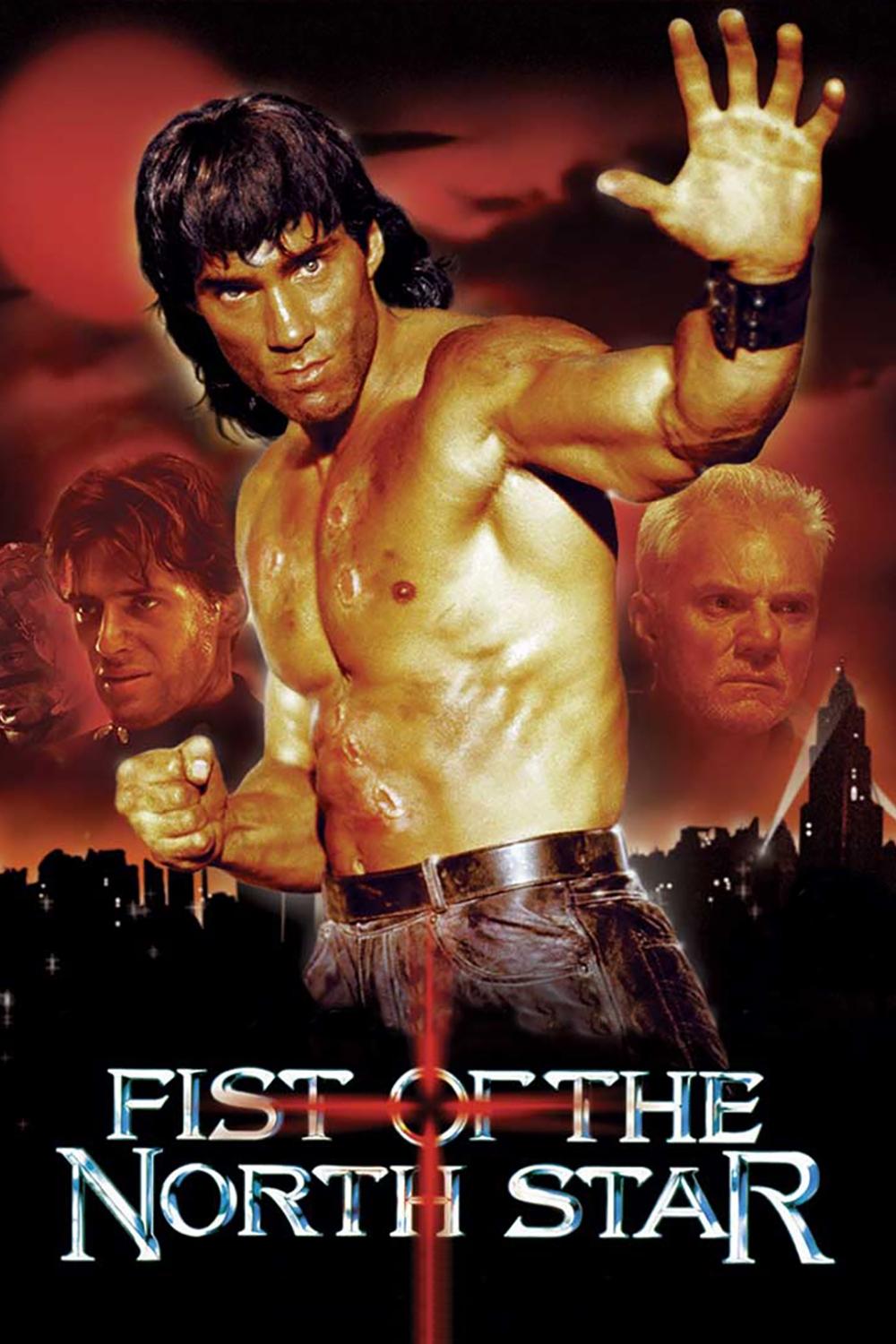
The American movie version of ‘Fist of the North Star’ sparked criticism for casting a white actor as the main character, Kenshiro, who is traditionally Japanese. Fans were upset by this change, feeling it strayed too far from the look and feel of the original Japanese manga and anime. The film also altered supporting characters to fit typical Western action movie tropes, and is widely considered a poor adaptation of the source material.
‘The Guyver’ (1991)
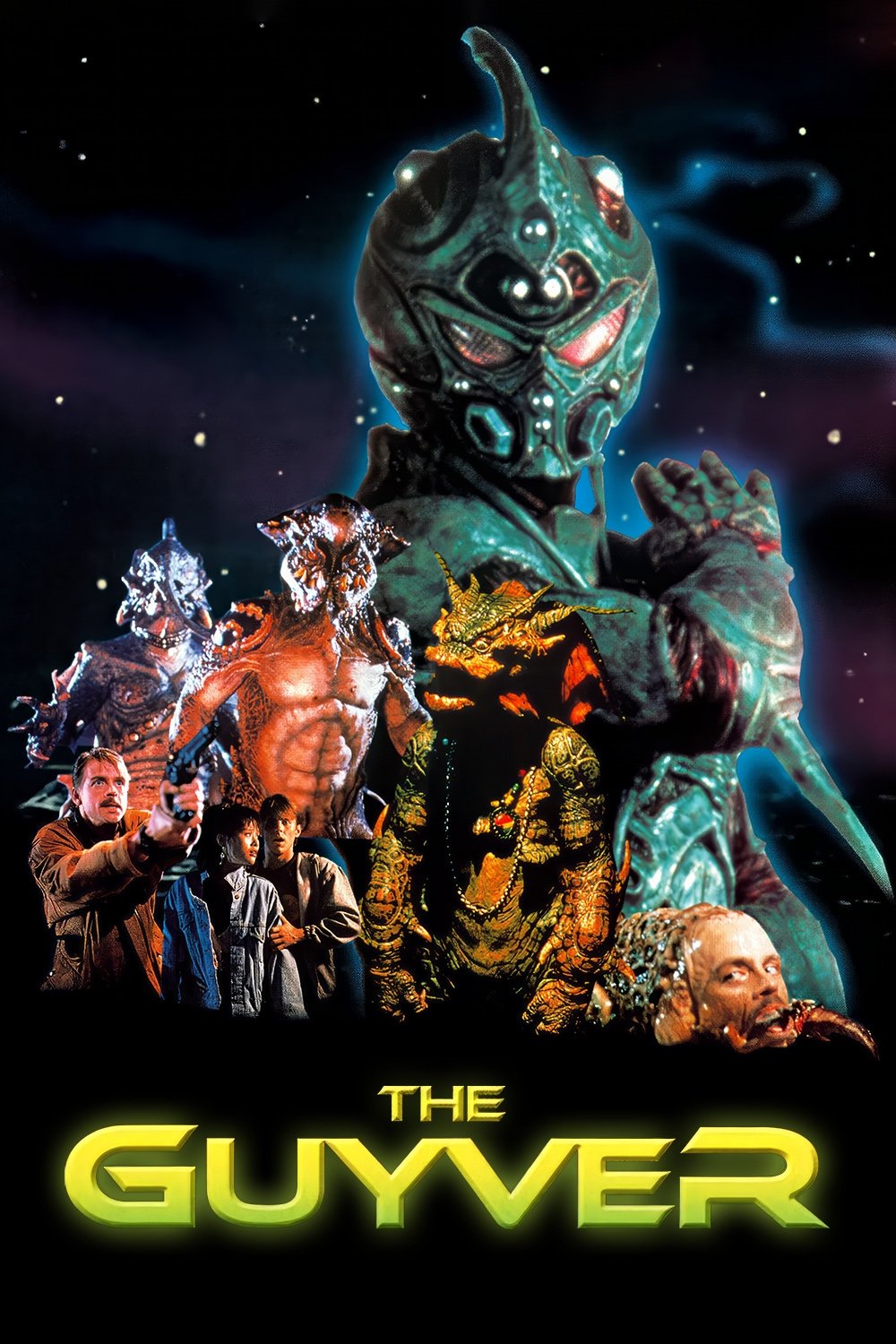
The movie version of ‘The Guyver’ changed the main character from the original Japanese hero, Sho Fukamachi, to an American named Sean Barker. This also shifted the story’s setting from Japan to the United States and removed any connection to Japanese culture. Many fans of the original anime and manga were upset by this change, feeling it unnecessarily altered the story for American audiences. Although the film had good special effects for its time, the casting choice remained a major point of criticism. It’s remembered as a prime example of a trend where Japanese stories were often changed to appeal to Western viewers.
‘Oldboy’ (2013)
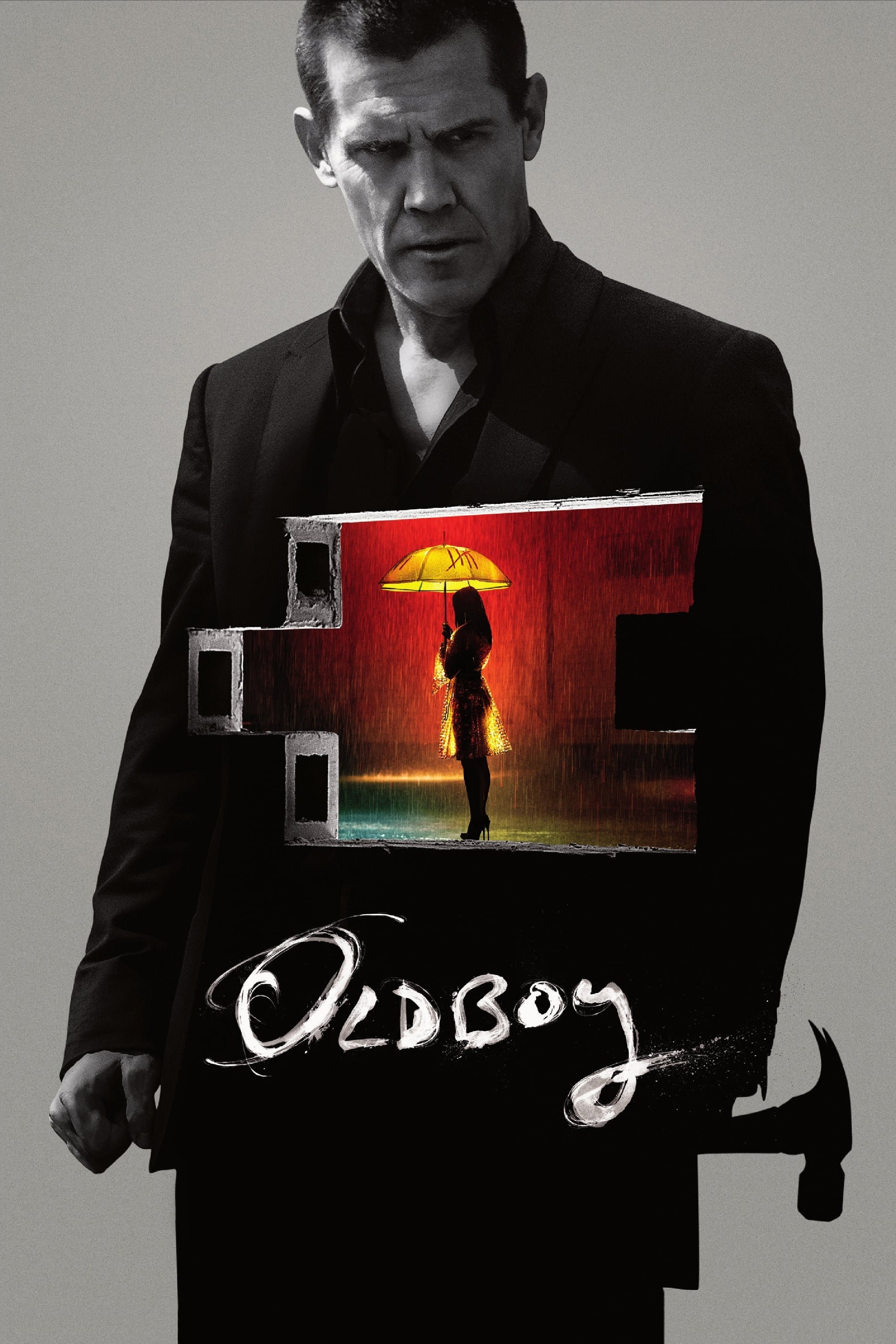
The American remake of ‘Oldboy’, originally a Japanese manga and then a popular Korean film, received criticism for its lead casting choice. Many felt it was unnecessary to cast a white actor in a story so strongly connected to Asian cinema. Reviewers pointed out that the remake didn’t offer enough fresh ideas to warrant changing the cultural background and ethnicity of the characters. The film didn’t perform well with audiences and was often seen as inferior to the original versions, demonstrating the challenges of updating beloved films for new viewers.
‘Crying Freeman’ (1995)
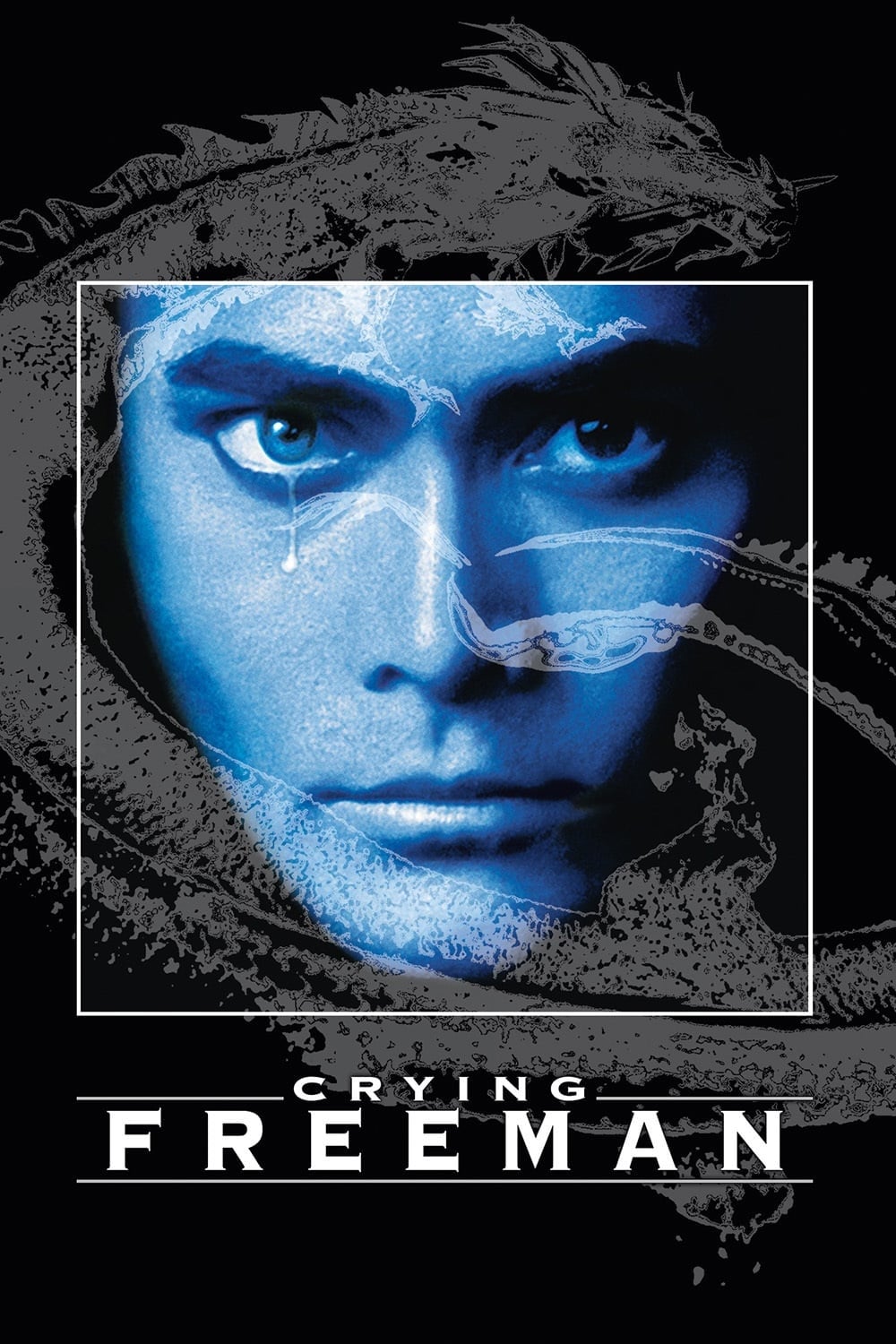
The movie adaptation of ‘Crying Freeman’ sparked controversy by casting a white actor as the main character, a Japanese assassin. Fans who wanted a faithful portrayal of Yo Hinomura criticized the decision. While the film kept some elements of the original Japanese setting, the lead casting remained a major issue. Many believed this change fundamentally altered the character’s identity. The film is now often cited as an example of ‘whitewashing’ that was common in anime adaptations during the 1990s.
‘Street Fighter’ (1994)
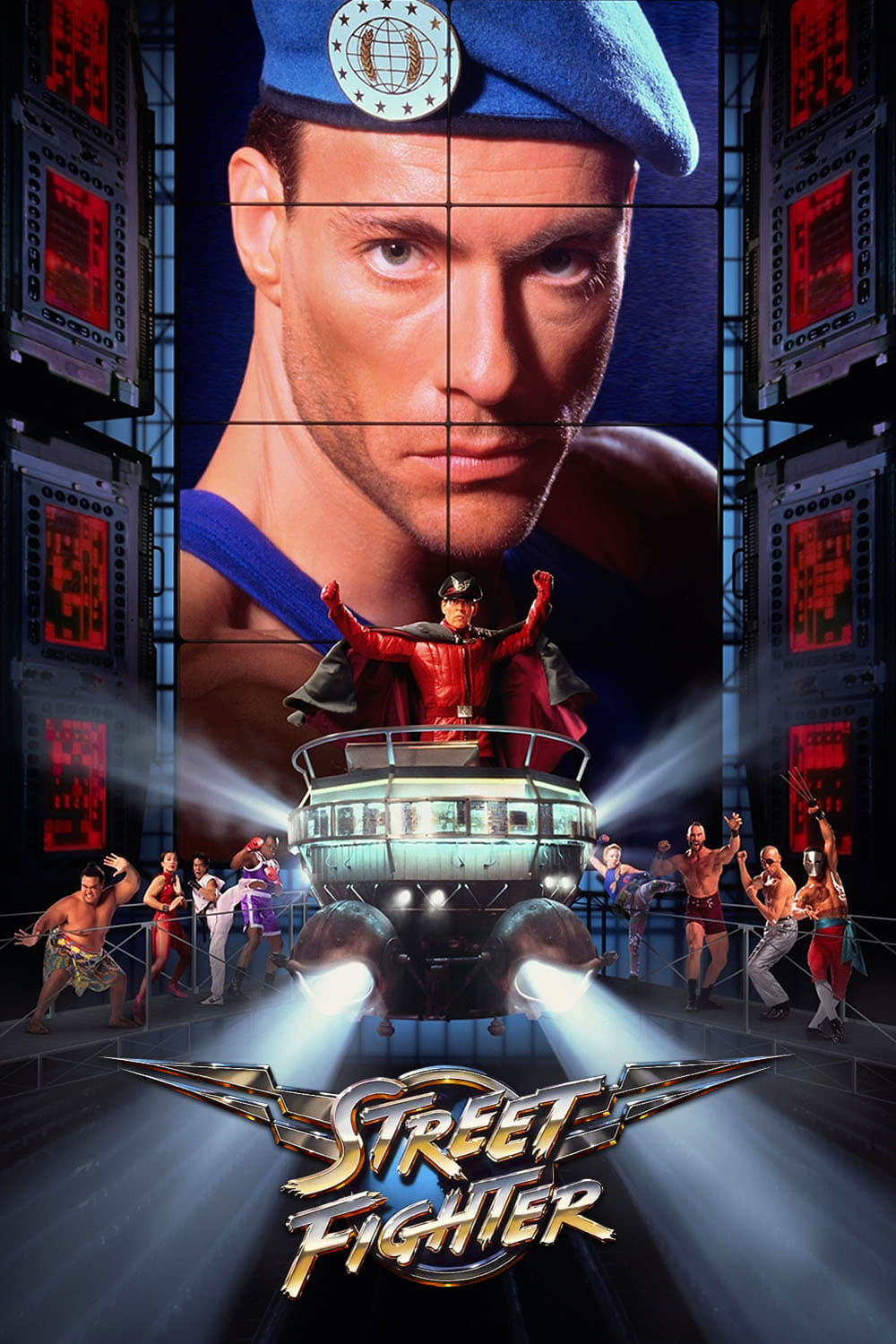
The ‘Street Fighter’ movie received criticism because it cast white or non-Asian actors in roles of well-known Asian characters. For example, Ryu, a popular Japanese character in video games and anime, wasn’t played by an actor of Japanese background. Fans also felt that the portrayals of characters like Ken and Chun-Li didn’t respect their cultural origins. While the movie aimed for widespread success, these casting choices were seen as a departure from the original source material and sparked a negative reaction, highlighting how important fans feel it is to accurately represent a character’s ethnicity.
‘Tekken’ (2009)
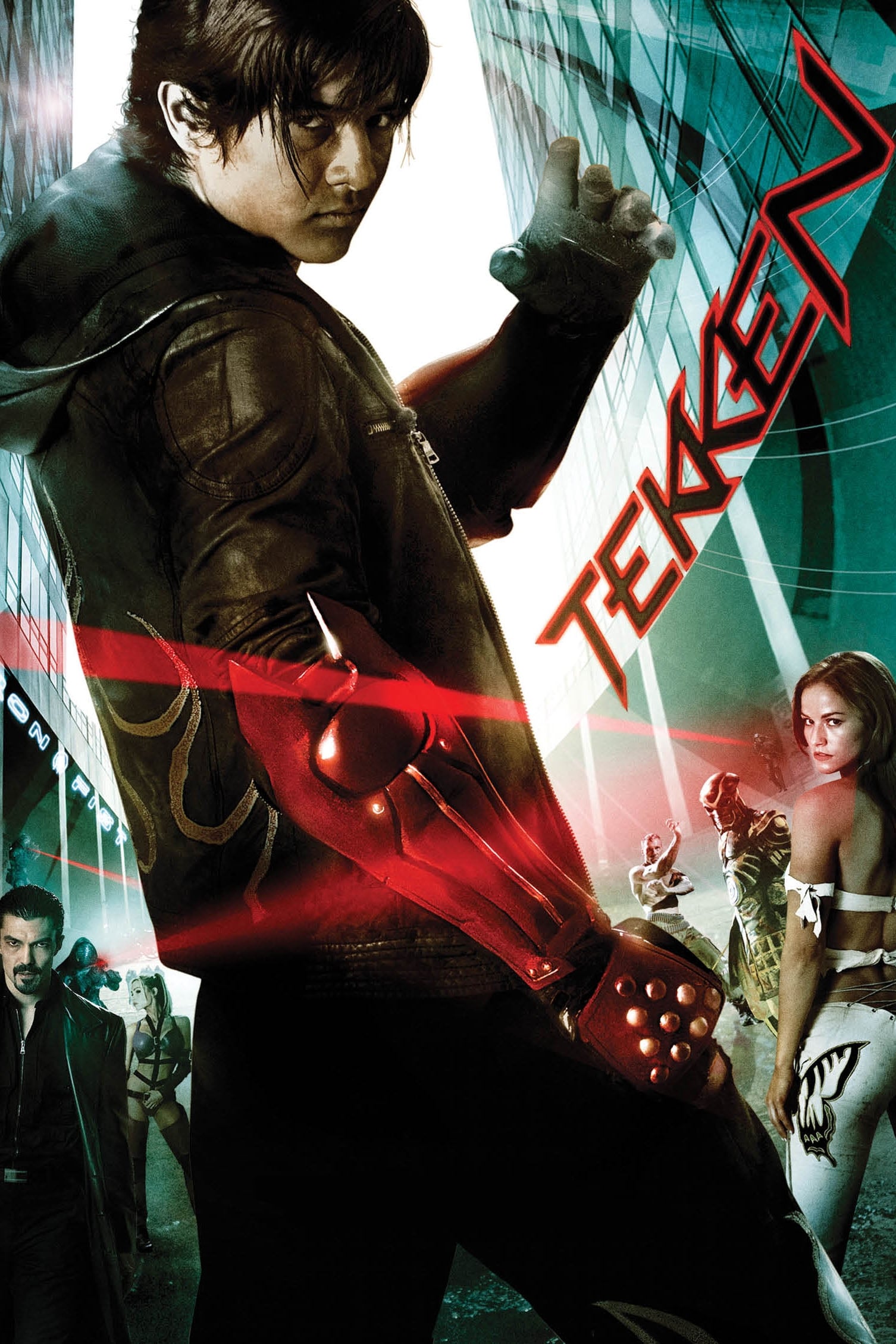
The ‘Tekken’ movie received a lot of criticism, especially for casting non-Japanese actors as the central Mishima family members, Jin Kazama and Heihachi Mishima. Many fans felt this disregarded the franchise’s Japanese roots and cultural importance. The film was poorly received by both critics and viewers, who disliked the weak story and lack of genuine representation. It serves as a warning to studios considering adaptations of popular Asian fighting game series.
‘Blood: The Last Vampire’ (2009)

The movie adaptation of ‘Blood The Last Vampire’ received criticism for casting a non-Japanese actress in the main role of Saya. Many fans pointed out that the story takes place on a US military base in Japan and centers around a Japanese character, and that the casting choice erased important cultural elements. Critics also felt the film relied on typical action movie tropes, losing the original anime’s unique mood and atmosphere. This contributed to wider concerns about how Western studios approach and adapt Asian-created stories.
‘Priest’ (2011)
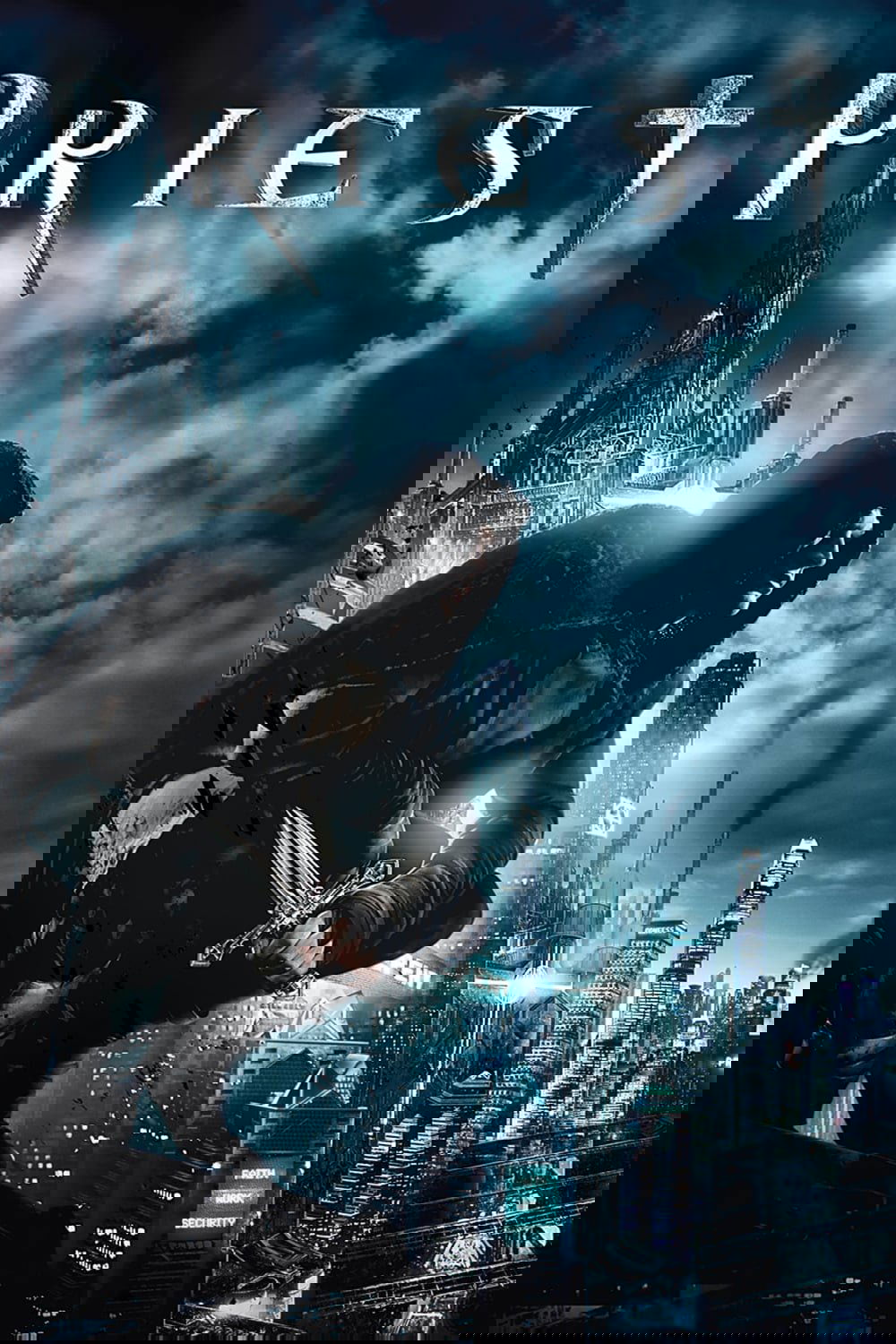
As a critic, I have to say ‘Priest’ was a real letdown. It was based on a fantastic Korean comic, a unique mix of Western and Eastern horror, but the movie completely missed the point. They took this vibrant, culturally rich story and transplanted it into a generic post-apocalyptic world with a mostly white cast. Longtime fans of the original comic, myself included, were really disappointed – it felt like the studio just took a cool idea from an Asian creator and erased everything that made it special. The reviews were mixed, and honestly, the film just didn’t capture the heart or spirit of what made the source material so compelling.
‘Astro Boy’ (2009)
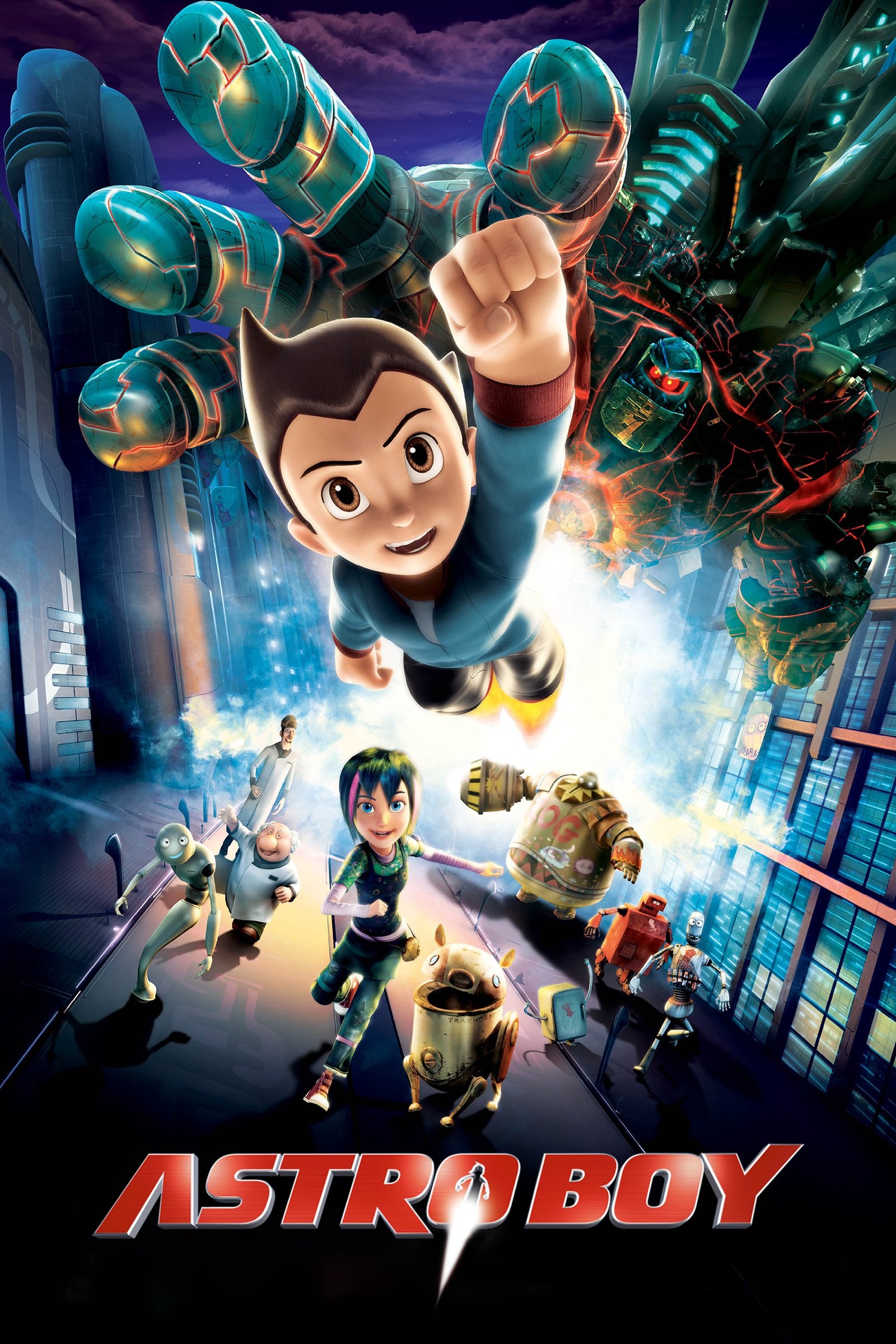
The animated movie ‘Astro Boy’ received criticism for casting mostly white actors to voice characters originally created by Japanese artist Osamu Tezuka. Tezuka is a hugely important figure in animation, and his work is celebrated for its cultural impact. Many fans felt the all-American voice cast was a case of ‘vocal whitewashing.’ Even though the film was set in the future, the lack of Asian representation in a story rooted in Japanese culture was a major issue. This situation demonstrated that whitewashing isn’t limited to live-action films and can happen in animation through casting choices.
‘Robotech’ (1985)

‘Robotech’ was made for North American audiences by combining three different Japanese anime shows into one continuous story. To appeal to Western viewers, the creators changed character names and histories – for example, Hikaru Ichijyo became Rick Hunter, losing his original Japanese background. Many fans of the original ‘The Super Dimension Fortress Macross’ feel these changes were a way of removing cultural details to make the show more suitable for children in the West. This approach to adapting anime became common with many imports during the 1980s and 90s.
‘Battle of the Planets’ (1978)
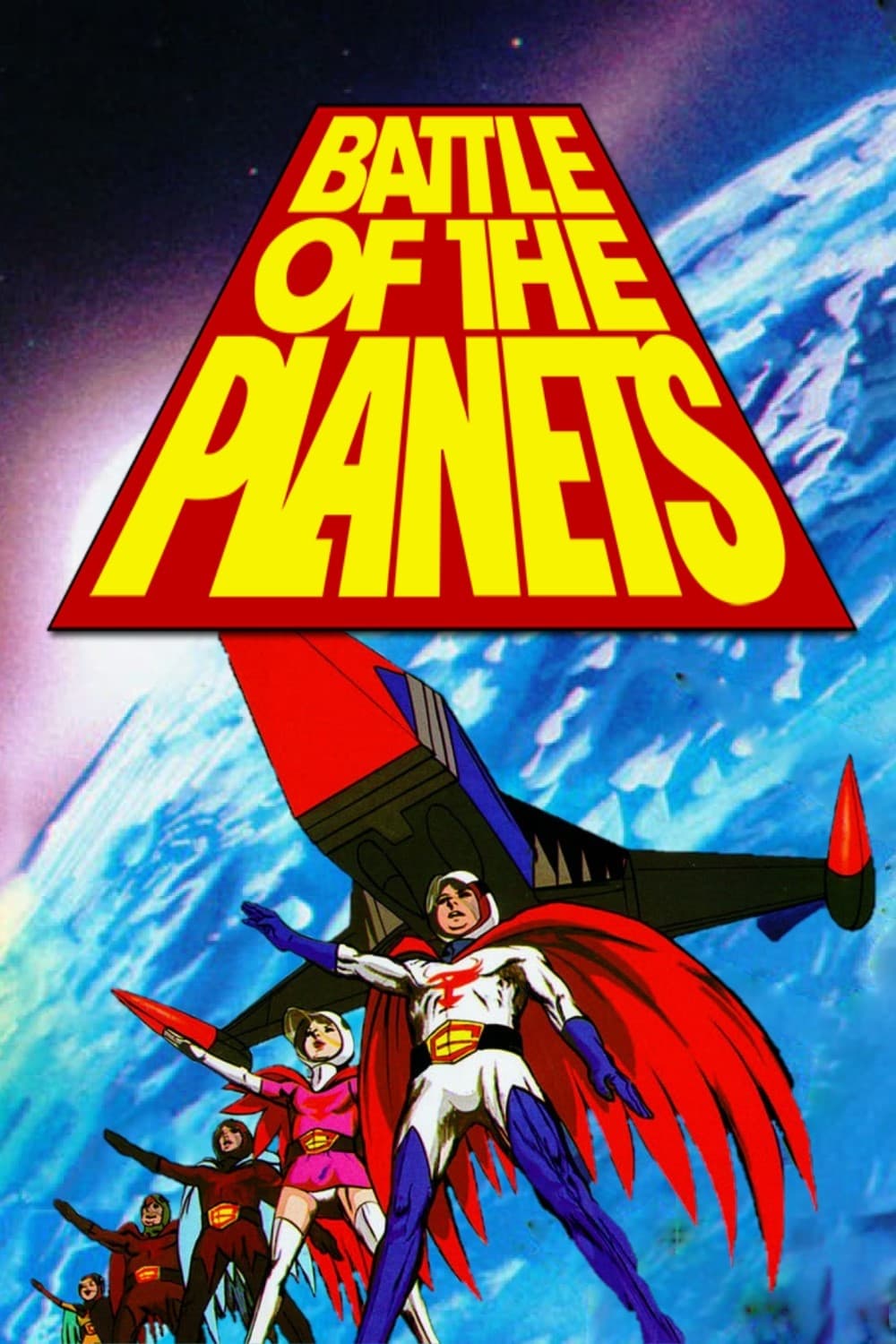
This show was based on the Japanese anime ‘Science Ninja Team Gatchaman’, but it was significantly changed for American audiences. The characters’ names were westernized – for example, Japanese characters became Mark and Jason – and a robot was added. These changes were made because some of the original show’s violence was removed. Some fans believe this adaptation represents an early instance of altering Japanese culture to better suit Western television. As a result, the overall feel and cultural meaning of the original series were quite different.
‘Sailor Moon’ (1995)
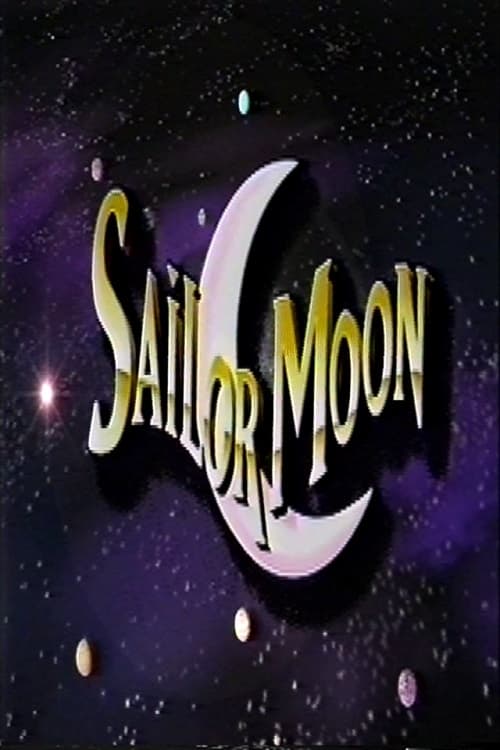
The initial English dub of ‘Sailor Moon’ by DiC Entertainment is famous for significantly altering the original Japanese version. Character names were changed – for example, Usagi Tsukino became Serena – and many cultural details specific to Japan were removed or replaced. These changes even extended to how characters related to each other, making it more appropriate for Western audiences at the time. Many fans felt these edits erased Japanese culture and implied the original version wasn’t suitable for children. Thankfully, later English dubs brought back the original names and cultural background of the show.
‘Initial D’ (2005)
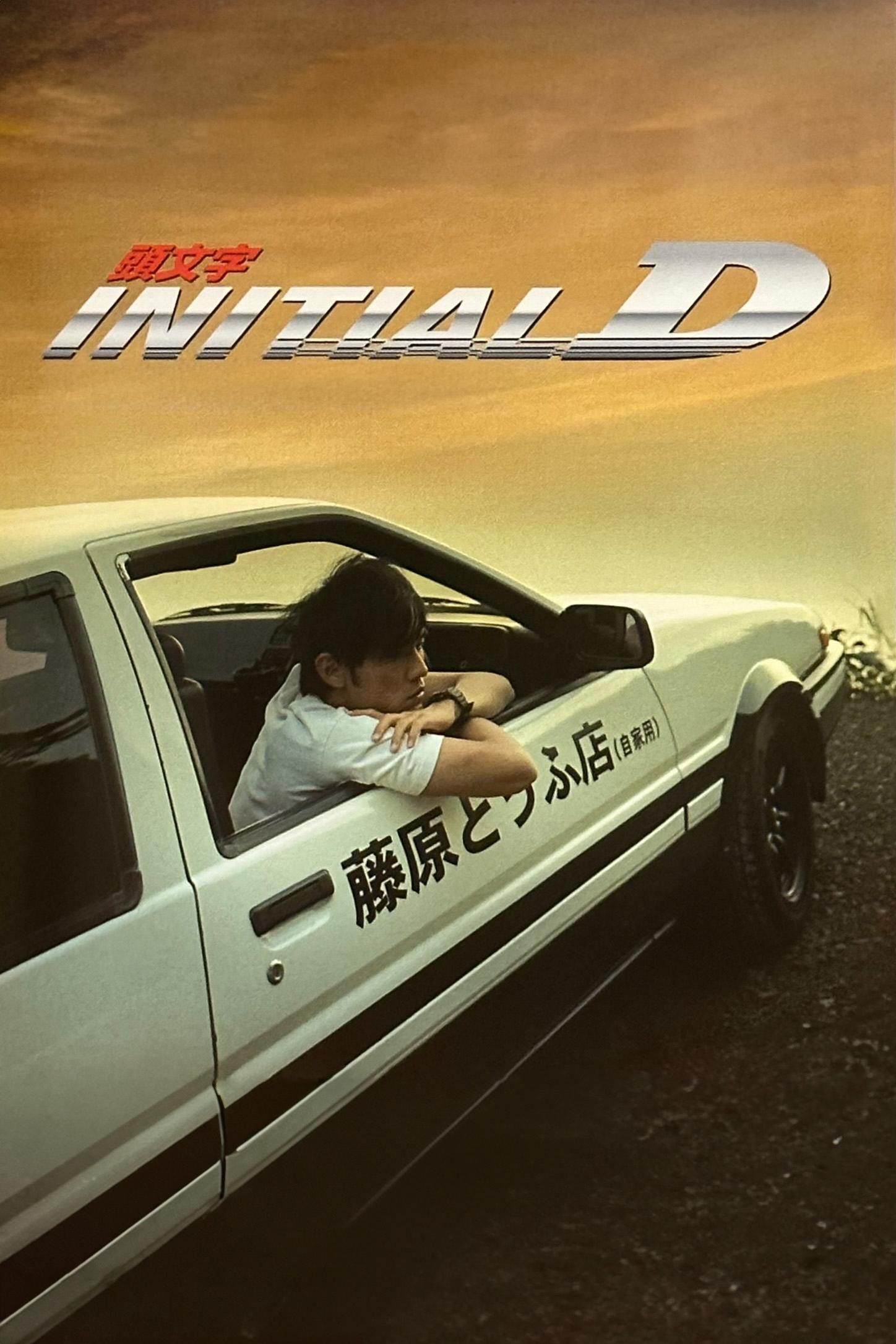
When Tokyopop brought the anime ‘Initial D’ to English-speaking audiences, they made significant changes that angered many fans. To appeal to a wider audience, they completely renamed the characters – for example, Takumi Fujiwara became simply ‘Tak’ – and replaced the original soundtrack with hip hop. Many felt these changes were a deliberate attempt to remove the series’ Japanese identity and its unique street racing culture. The strong negative reaction ultimately led to a new, more accurate version of the series being released by a different company.
‘Akira’ (1988)
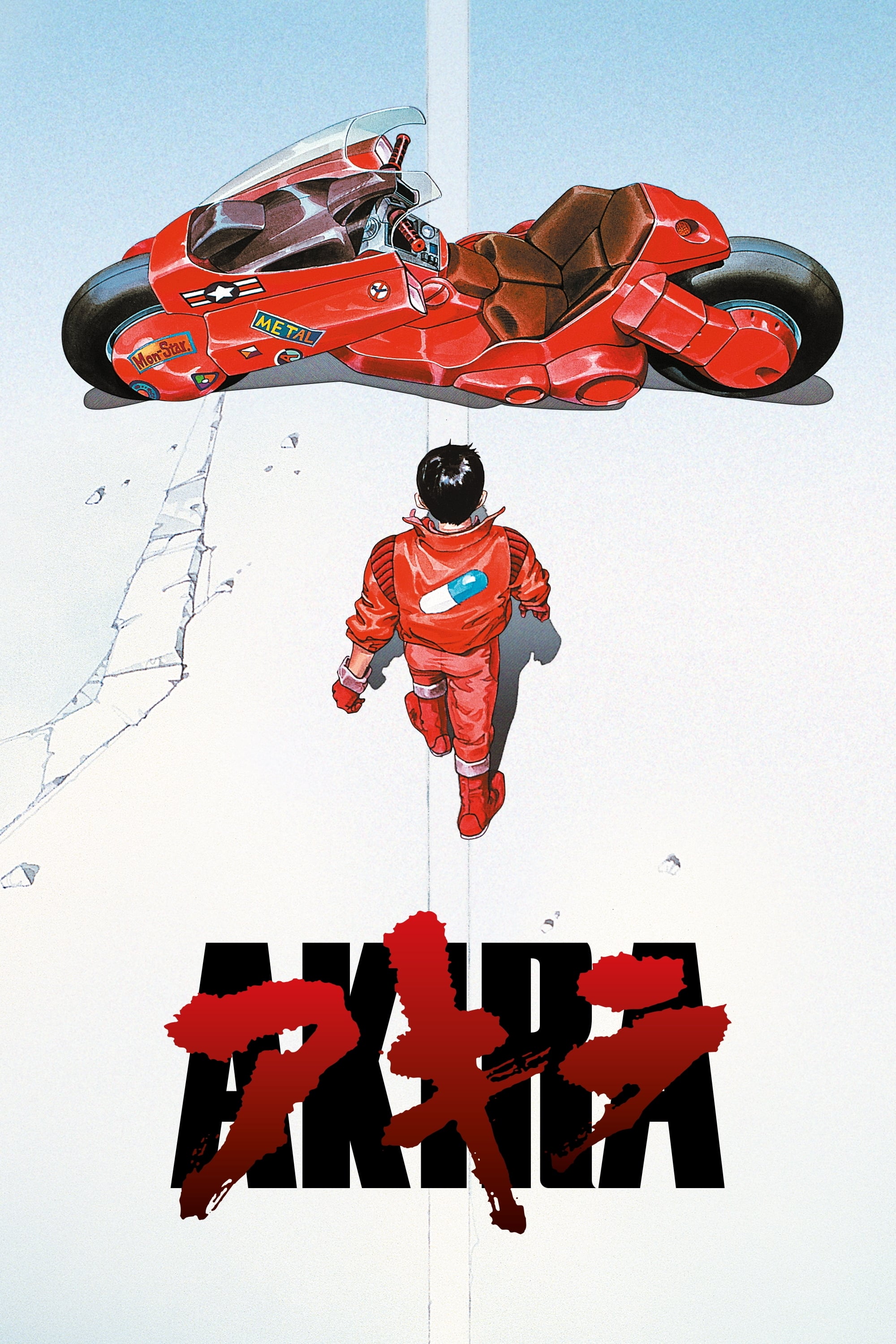
The live-action ‘Akira’ movie has been controversial due to reports of casting white actors. Initially, there was talk of changing the setting from Neo Tokyo to New Manhattan and using Western characters. This sparked strong criticism from fans who believed the story was deeply rooted in Japanese culture and the anxieties following World War II. Many argued that changing the characters’ Japanese heritage would remove the story’s core meaning. These issues with casting and creative direction have caused significant delays in the film’s production.
‘Cowboy Bebop’ (2021)
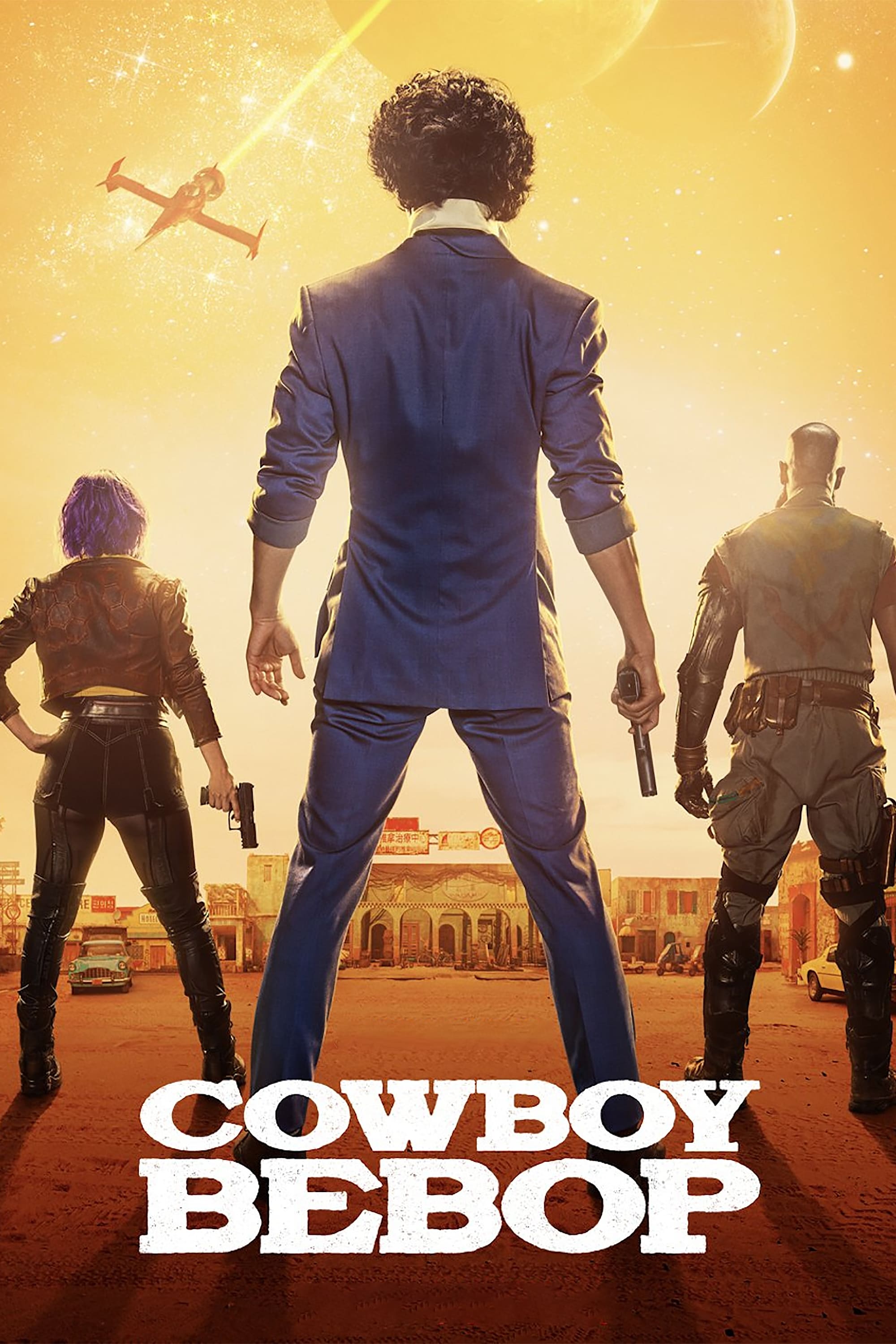
The live-action ‘Cowboy Bebop’ series sparked debate about the casting choices, particularly for characters who were originally Asian in the anime. While the show was more diverse than many similar adaptations, some fans criticized changes made to characters’ backgrounds and whether the series adequately respected the original’s cultural roots. Some viewers welcomed the new approach, but others saw it as another instance of a Western studio changing an Asian work. Ultimately, the series was canceled after one season.
‘One Piece’ (1999)
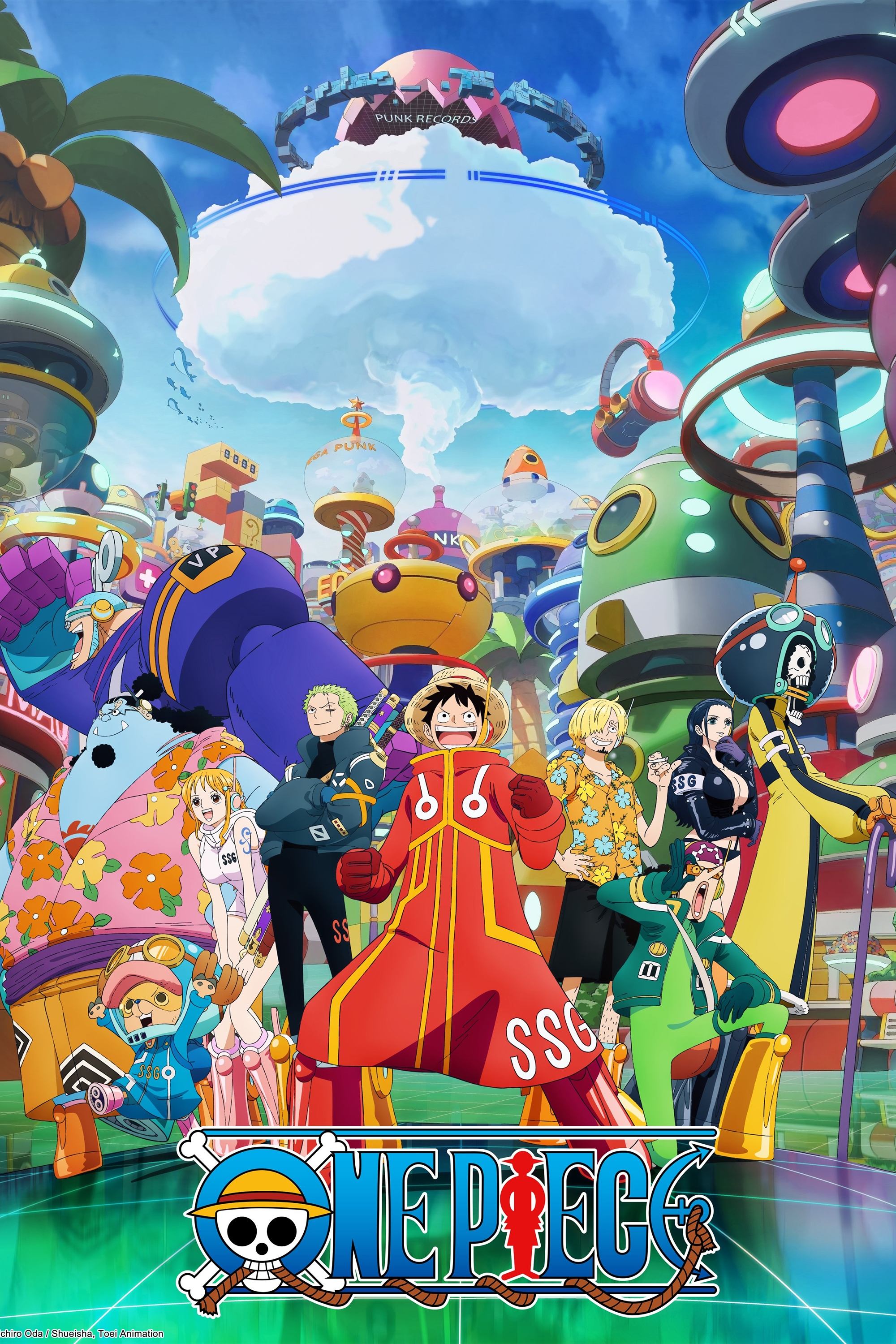
The first North American release of ‘One Piece’ by 4Kids Entertainment faced a lot of criticism for making big changes to the story to suit Western audiences. Character names were changed, and Japanese cultural details were swapped for things Americans would recognize. This included replacing Japanese food with snacks like crackers and cookies. Many fans felt these changes didn’t respect the original story and its Japanese roots. Eventually, the negative reaction led to more accurate translations and localizations of the series later on.
‘Bleach’ (2018)

Talk of a Hollywood live-action version of the anime ‘Bleach’ has worried fans, who are concerned about the possibility of ‘whitewashing’ – replacing Japanese characters with white actors. Fans feel especially strongly about characters like Ichigo Kurosaki and Rukia Kuchiki, as their stories are deeply rooted in Japanese culture and spirituality. The strong reaction to potential Western casting choices has become a significant topic of discussion. Many believe the recent successful Japanese live-action film demonstrates that using a Japanese cast would be the most effective approach, and the idea of a white actor playing Ichigo remains highly controversial among anime fans.
‘Bullet Train’ (2022)
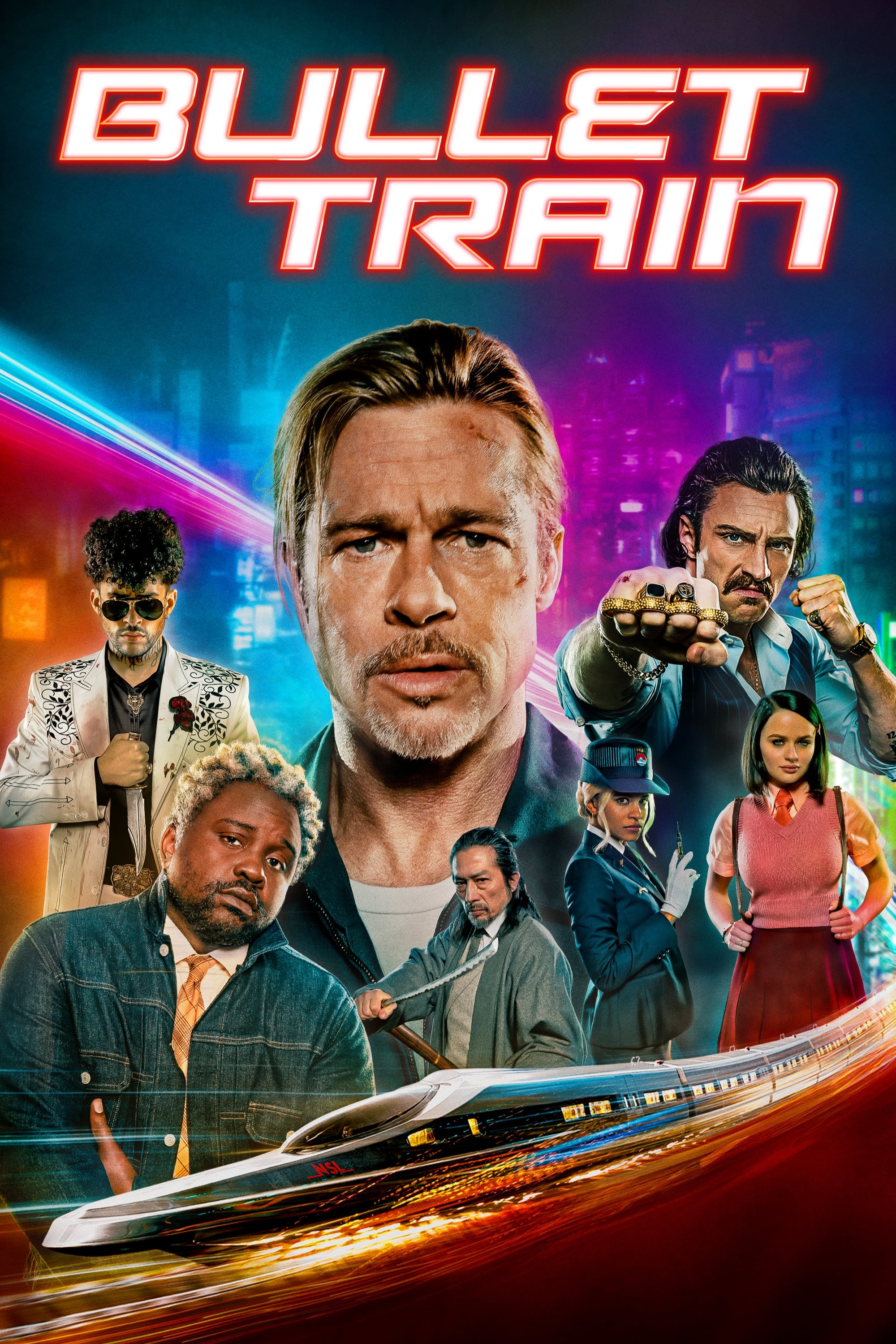
The movie ‘Bullet Train’ is adapted from the Japanese novel ‘Maria Beetle’ by Kotaro Isaka. However, the film significantly changed the cast, replacing mostly Japanese actors in the book with white actors for the main roles. This casting choice drew criticism, with many arguing that it removed important cultural details from the original story, particularly for characters like Nanao and the Prince. While some defended the decision by highlighting the film’s international setting, the criticism regarding the lack of Asian representation continued. This movie is often brought up when discussing how Western adaptations can change or overlook the cultural context of Japanese literature.
‘Rurouni Kenshin’ (1996)
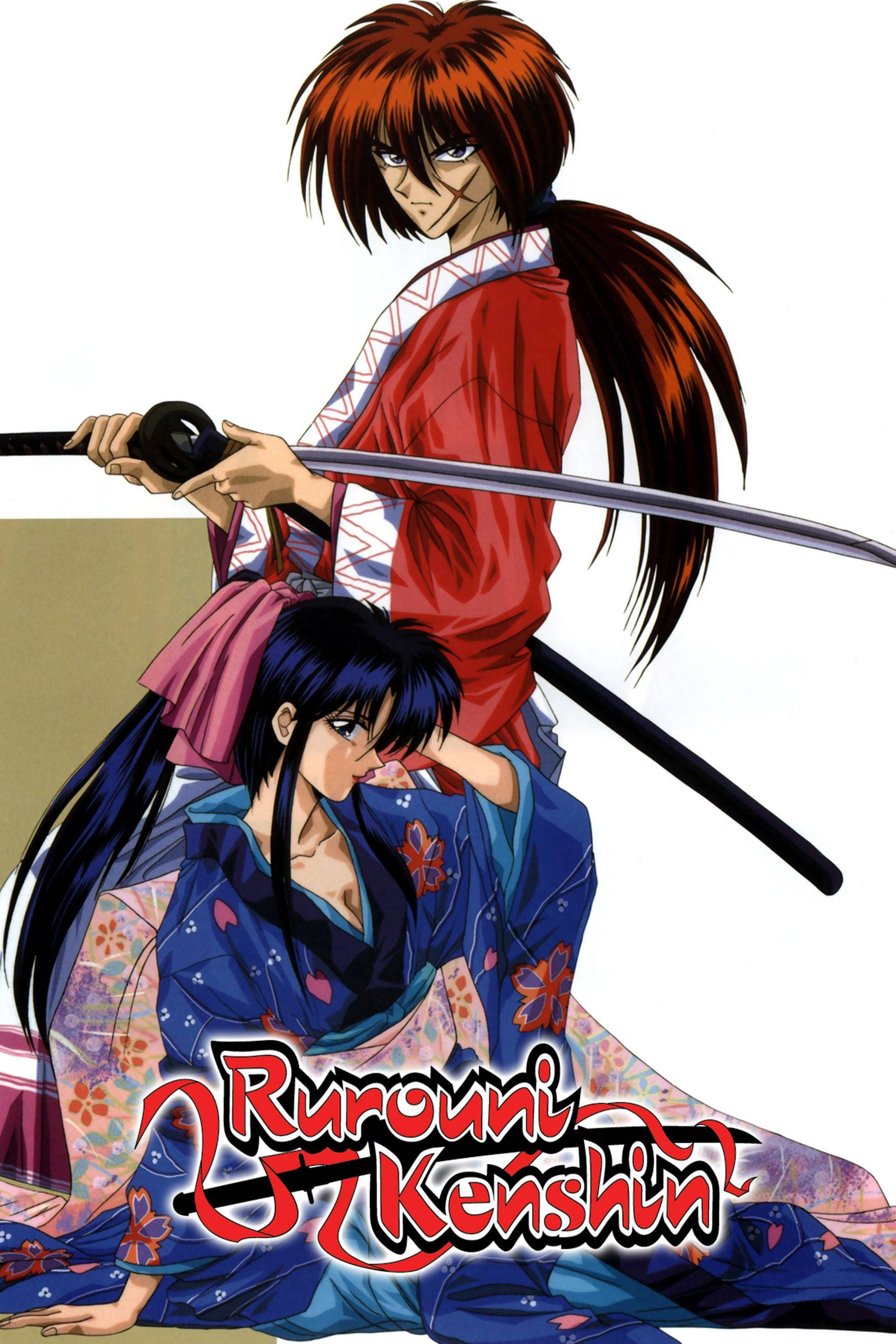
As a longtime anime fan, I remember being really frustrated with some of the initial Western dubs of ‘Rurouni Kenshin’. They actually changed the characters’ names to sound more Western, seemingly thinking it would help audiences connect with the story. But honestly, it completely gutted the historical feel and cultural context of the Meiji era setting. Thankfully, the fans weren’t having it! The outcry was immediate and powerful, and it forced the distributors to stick to the original Japanese script in later releases. It’s a great example of how anime fans can really step up and protect a series from being culturally whitewashed during localization.
We’d love to hear what you think about the recent choices for actors and how the content has been adapted for different regions. Share your opinions in the comments below!
Read More
- 20 Movies Where the Black Villain Was Secretly the Most Popular Character
- Celebs Who Narrowly Escaped The 9/11 Attacks
- Top 20 Dinosaur Movies, Ranked
- 25 “Woke” Films That Used Black Trauma to Humanize White Leads
- Transformers Under the Microscope: What Graph Neural Networks Reveal
- The 10 Most Underrated Jim Carrey Movies, Ranked (From Least to Most Underrated)
- 22 Films Where the White Protagonist Is Canonically the Sidekick to a Black Lead
- Gold Rate Forecast
- Silver Rate Forecast
- The Best Directors of 2025
2026-01-05 07:27