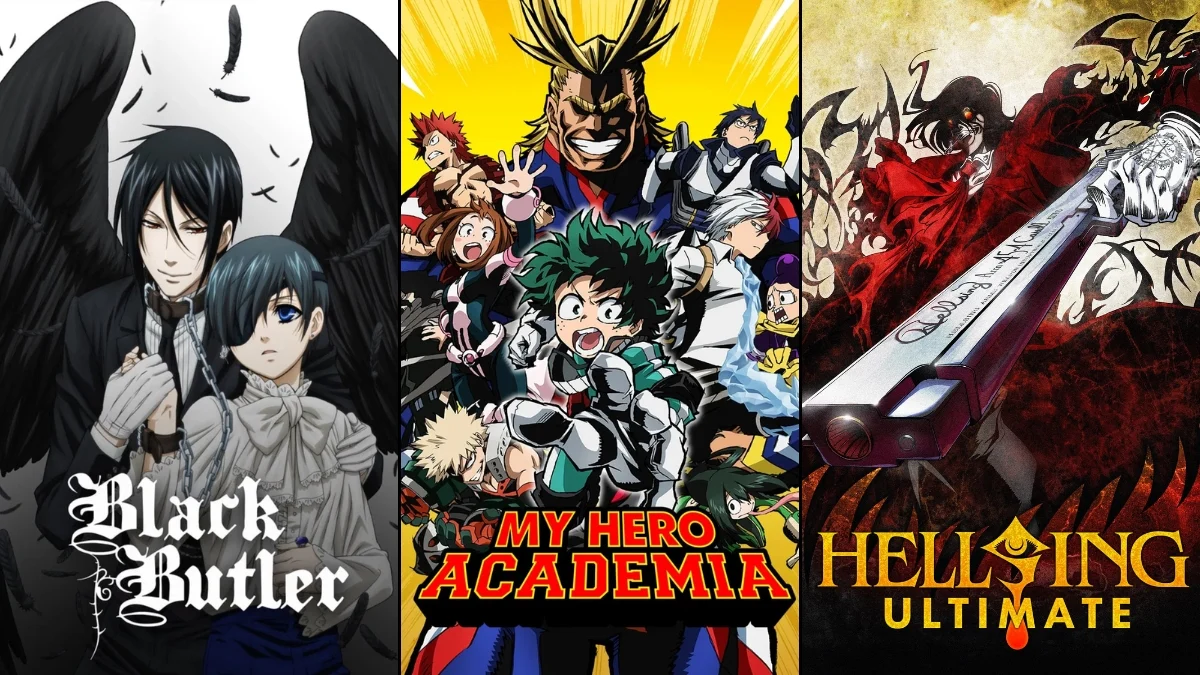
Anime is known for its creative storytelling, but it sometimes relies on problematic patterns. One common issue is portraying characters with disabilities or mental illness as villains. This often happens through things like scars, prosthetics, or exaggerated depictions of mental instability, which are used to make audiences feel scared or uncomfortable. Even though many anime creators try to develop nuanced characters, using these familiar, negative stereotypes continues to be a significant point of discussion and criticism among fans and advocates.
‘Fullmetal Alchemist’ (2003–2004)
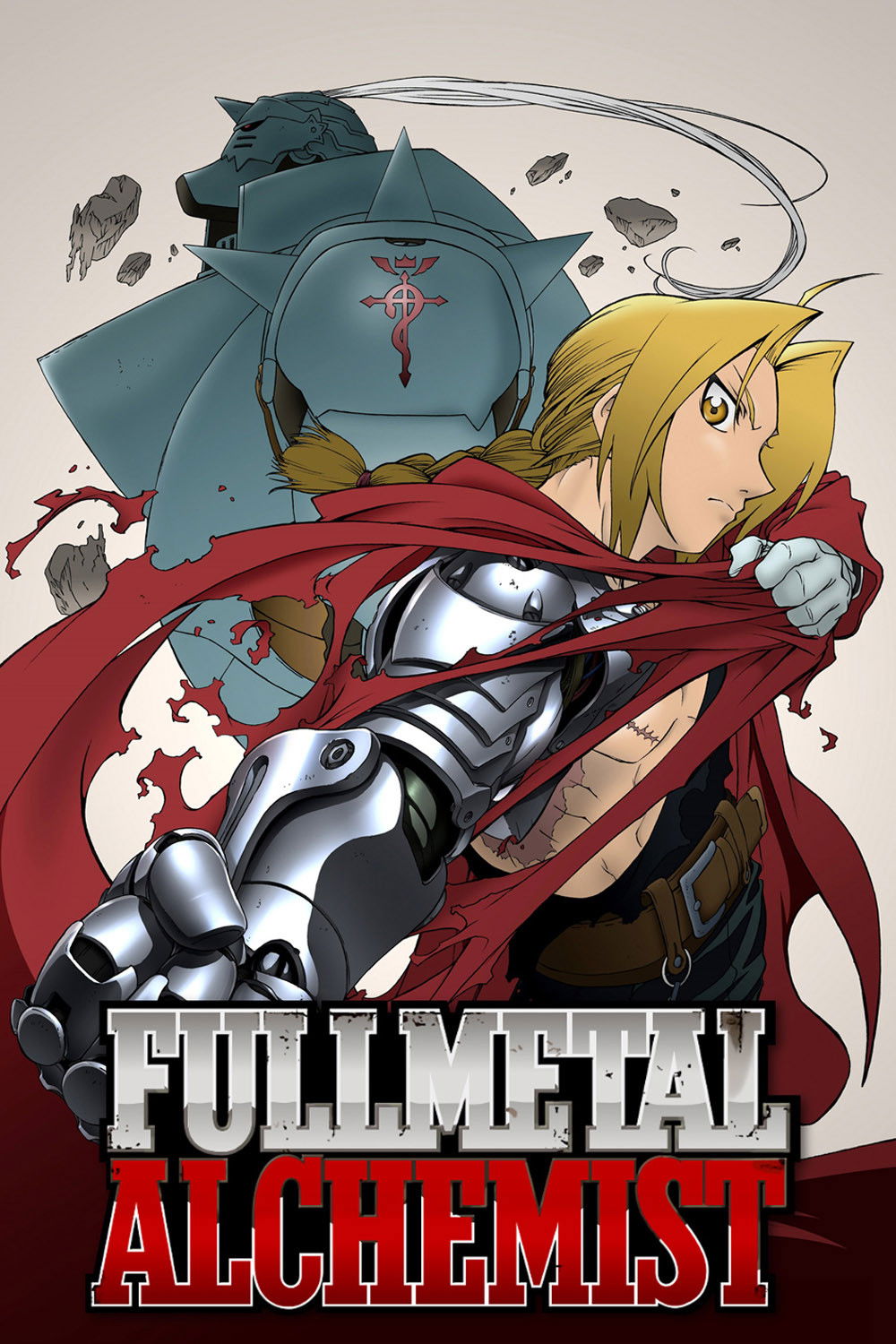
This version of the story features Frank Archer becoming a cyborg after being severely injured. Many viewers and critics have noted that his robotic parts are shown in a disturbing way, highlighting his growing lack of compassion. This fits a common pattern in fiction where artificial limbs represent a character losing their humanity or becoming a villain. The story uses his mechanical body to visually show his inner decline. While the main character also has prosthetics, the contrast emphasizes Frank’s disconnection from the more natural heroes.
‘My Hero Academia’ (2016–Present)
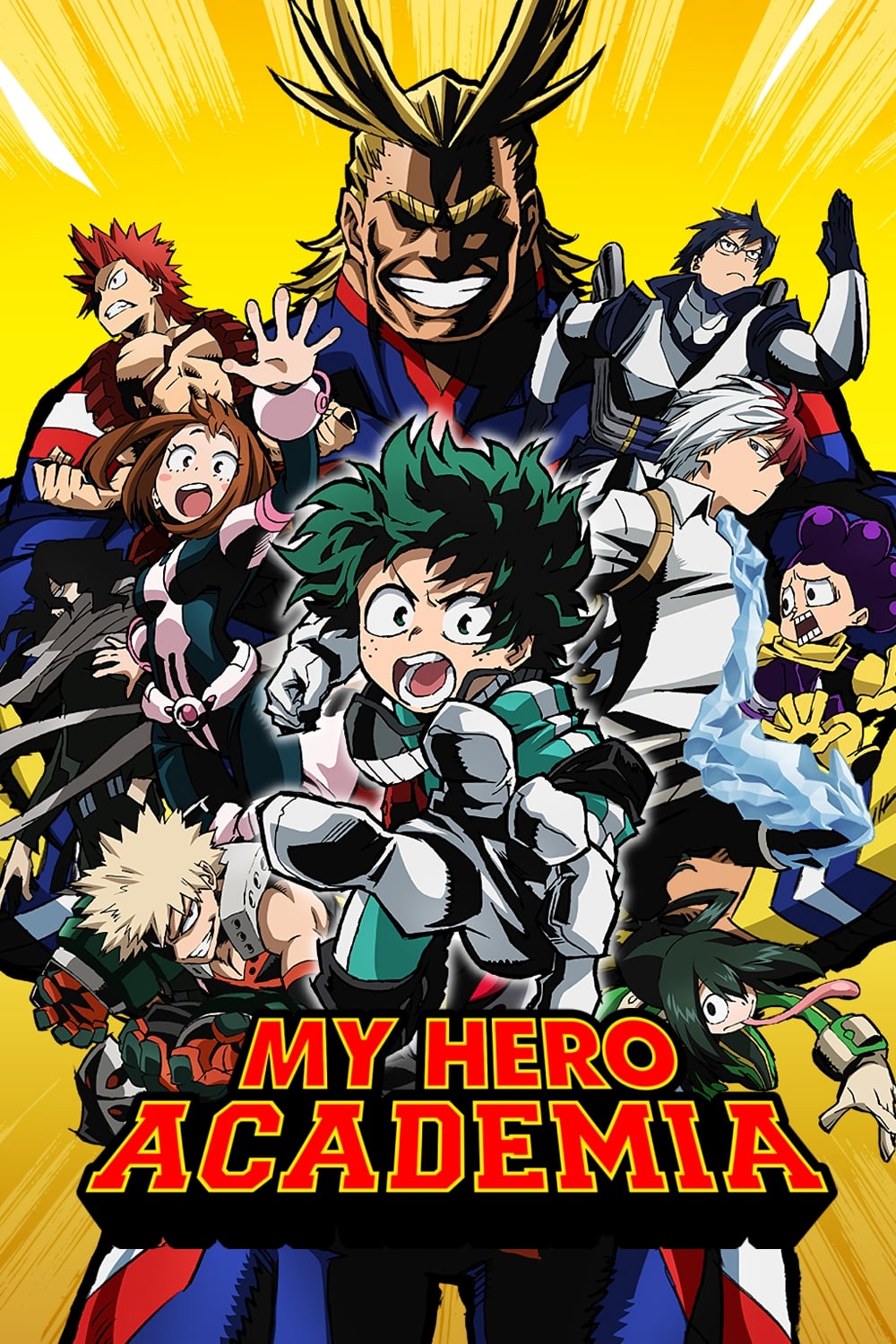
The main villain, All For One, is shown with extensive scars and needs machines to stay alive. Some fans have pointed out that this design unfortunately suggests that being physically different or needing medical help is connected to being evil. His story also focuses on people without superpowers, who are often portrayed as having a disability in the series. This has led to conversations about how the show explores the relationship between strength and physical condition. His mask and life-support equipment visually separate him from the healthy heroes.
‘Naruto Shippūden’ (2007–2017)
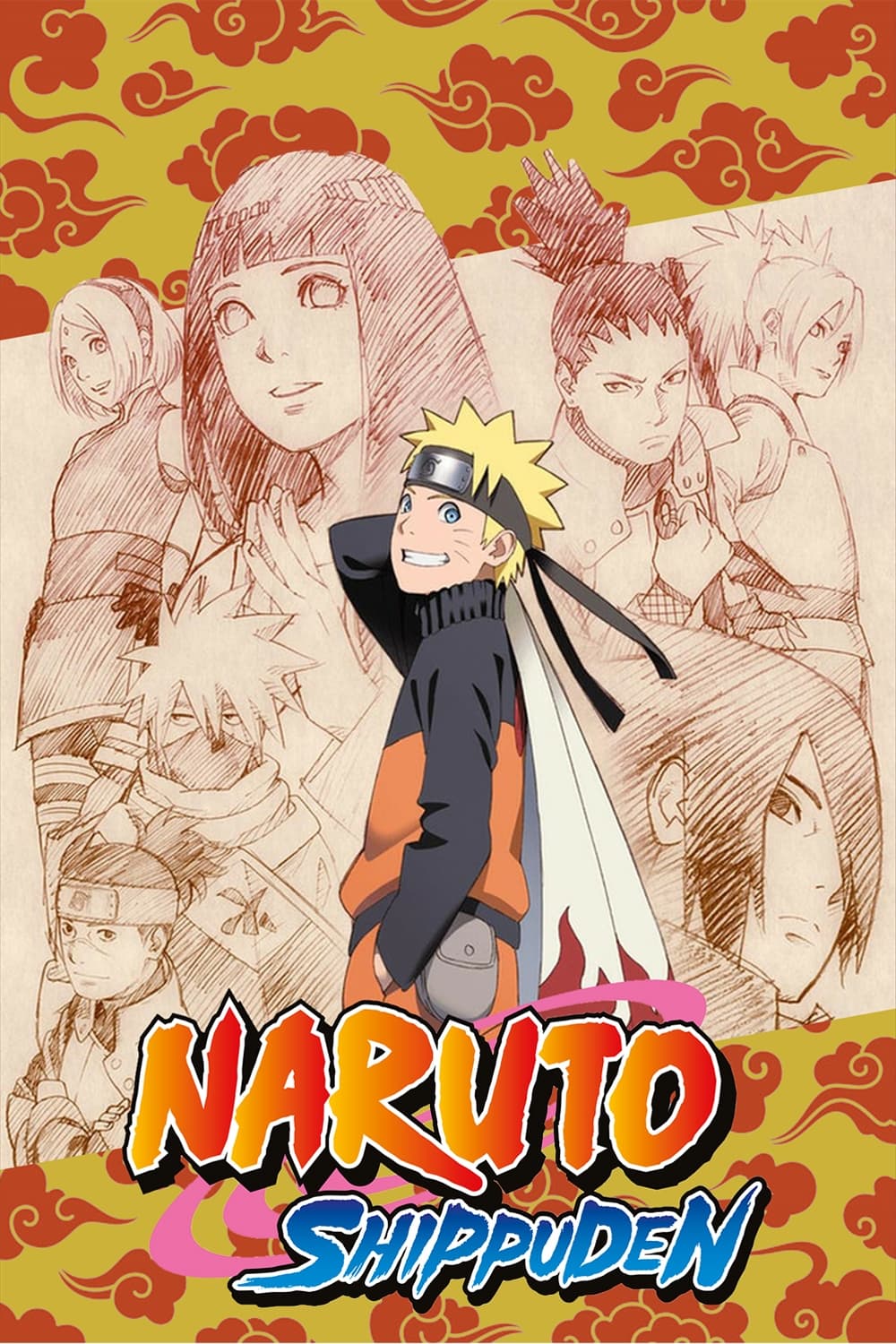
The character Nagato, who is also known as Pain, is portrayed with a very frail body and relies on a mechanical device to use his powers. Many viewers have observed that his disability is used to emphasize the sadness and resentment behind his villainous actions. The device, similar to a wheelchair, is often presented as something he must rise above using supernatural abilities. This portrayal often relies on the common story element where a character’s physical suffering is used to explain or excuse their harmful behavior. The fact that he only recovers when he dies further suggests that living with a disability is seen as worse than death.
‘One Piece’ (1999–Present)
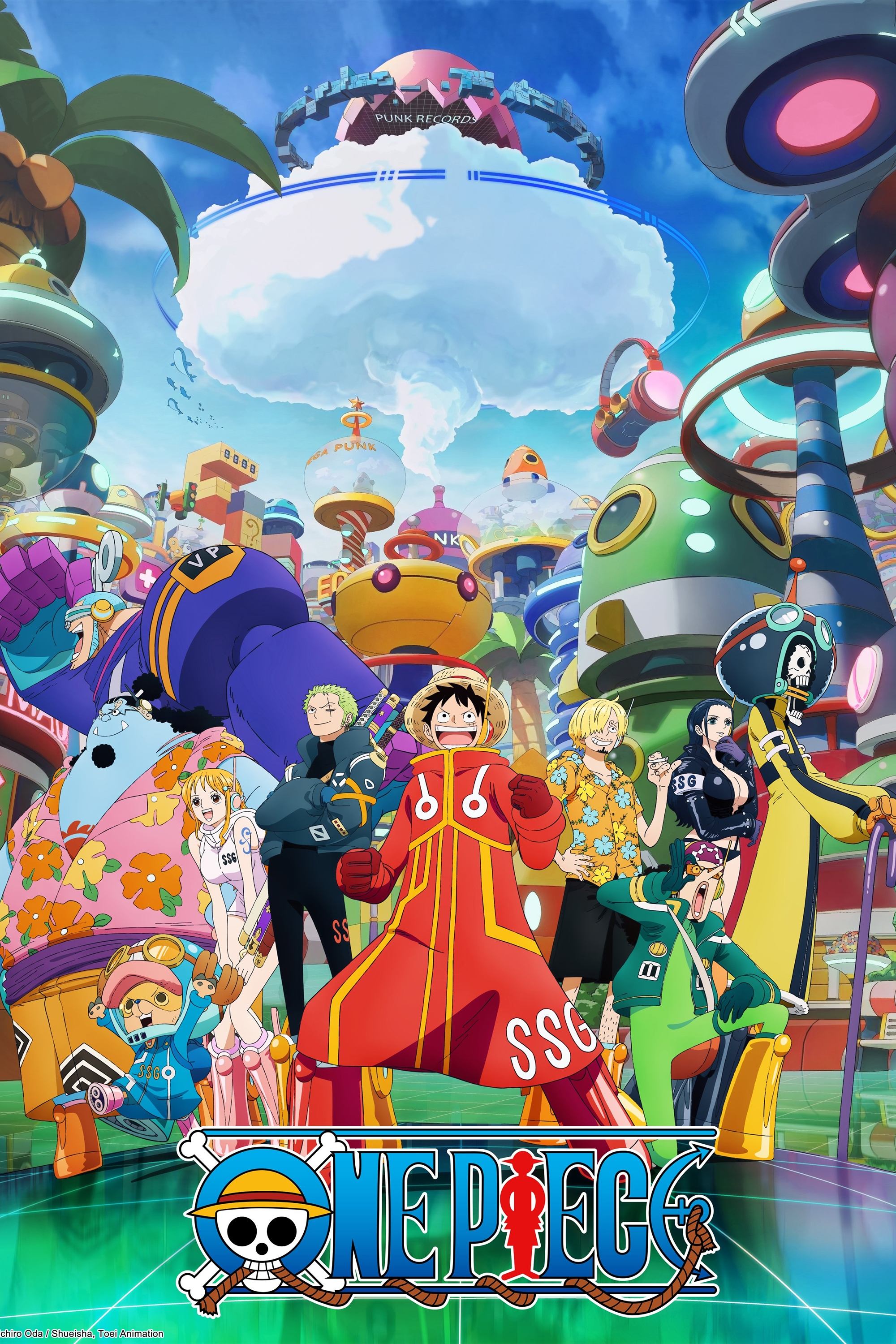
Sir Crocodile is a major villain from the early part of ‘One Piece’, easily identified by the golden hook that serves as his left hand. Unlike other characters who have prosthetics, fans have noticed Crocodile’s hook is clearly meant as a dangerous, poisoned weapon. This plays into a common story idea where a physical difference isn’t just a limitation, but a sign of hidden, evil strength. The scars on his face also contribute to this image of a villain. Overall, his appearance suggests his physical imperfections mirror his cruel personality.
‘Berserk’ (1997–1998)
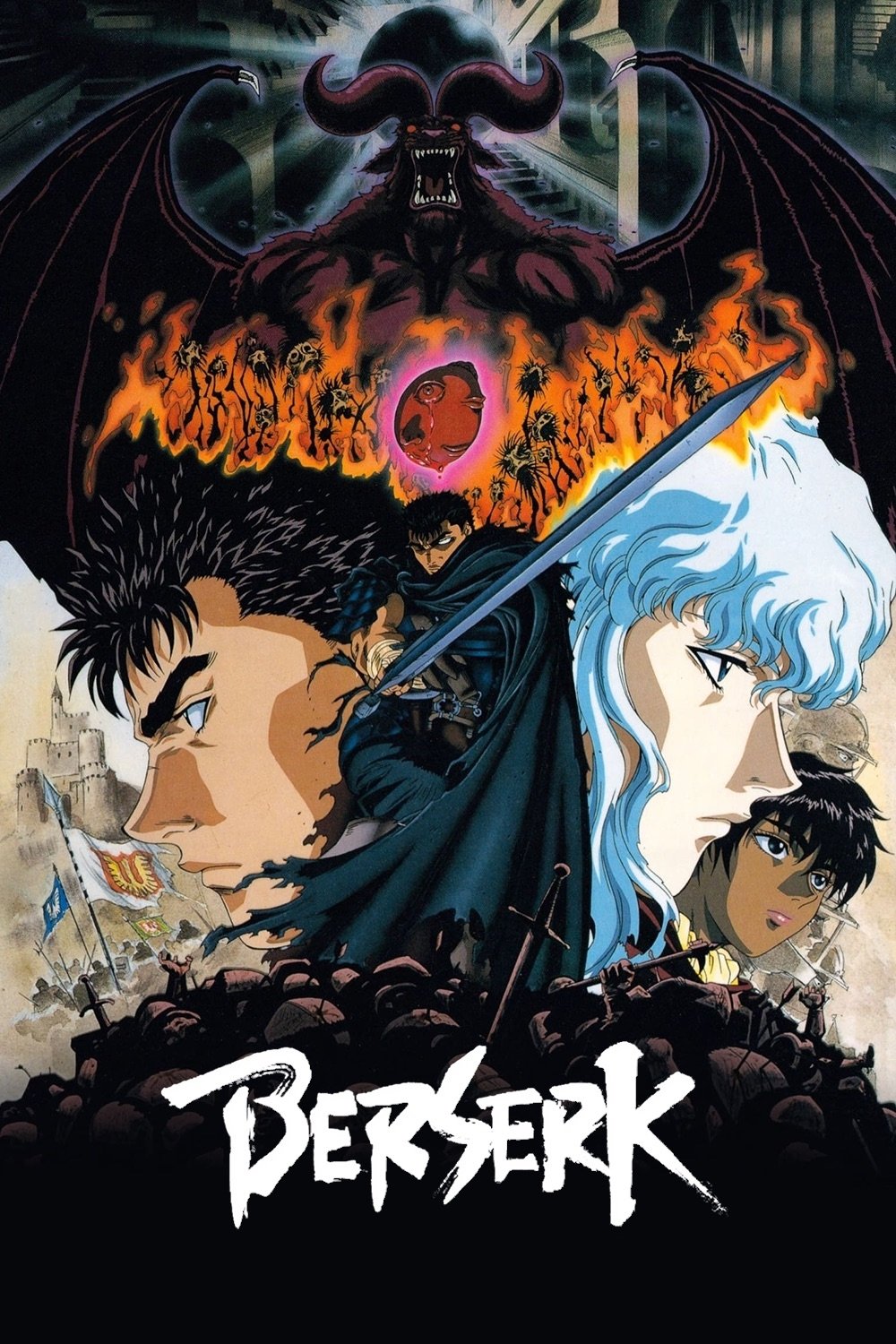
After being severely tortured, the character Griffith is left completely paralyzed and unable to speak. Many viewers interpret his transformation into the demon Femto as a way to escape a broken, useless body, which suggests the story views disability as a fate worse than death. He’s shown sacrificing his friends as the only path to regaining his former strength and perfection. This depiction has drawn criticism for implying that having a disability means losing all hope and who you are.
‘Tokyo Ghoul’ (2014–2018)
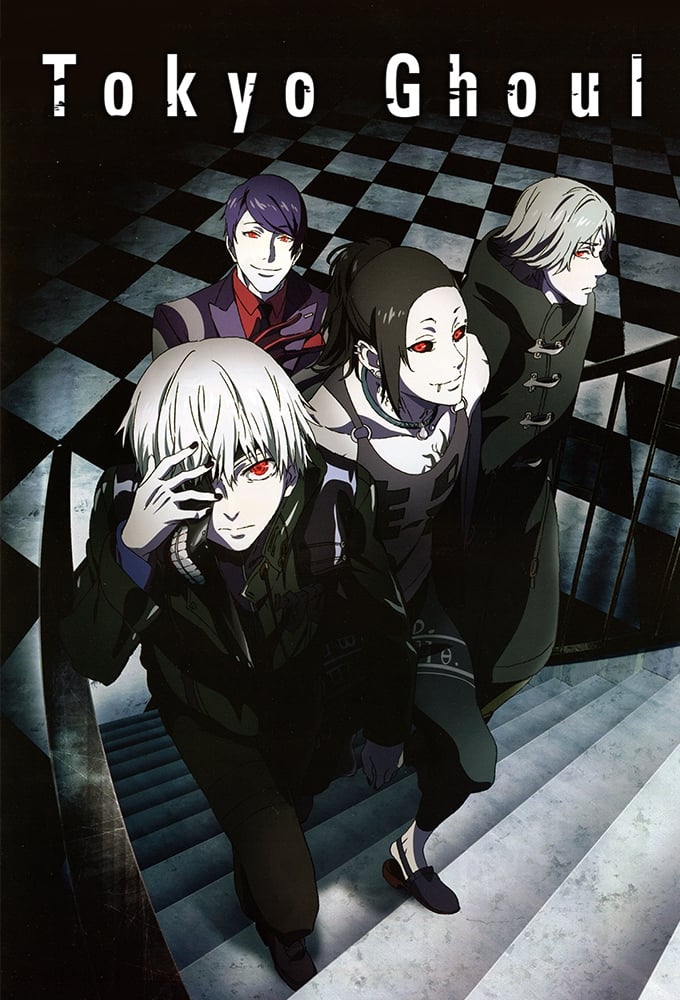
Yakumo Oomori, known as Jason, is a powerful villain whose extreme cruelty stems from a history of torture. The story directly links his sociopathic actions to the trauma he experienced, a connection some viewers feel oversimplifies the complexities of mental health. By focusing on his mental instability as the core reason for his violence, the show relies on a common, and potentially harmful, trope. This portrayal has drawn criticism for how it depicts trauma and recovery. Ultimately, his character suggests that enduring suffering will inevitably turn someone into a villain.
‘Black Butler’ (2008–2014)
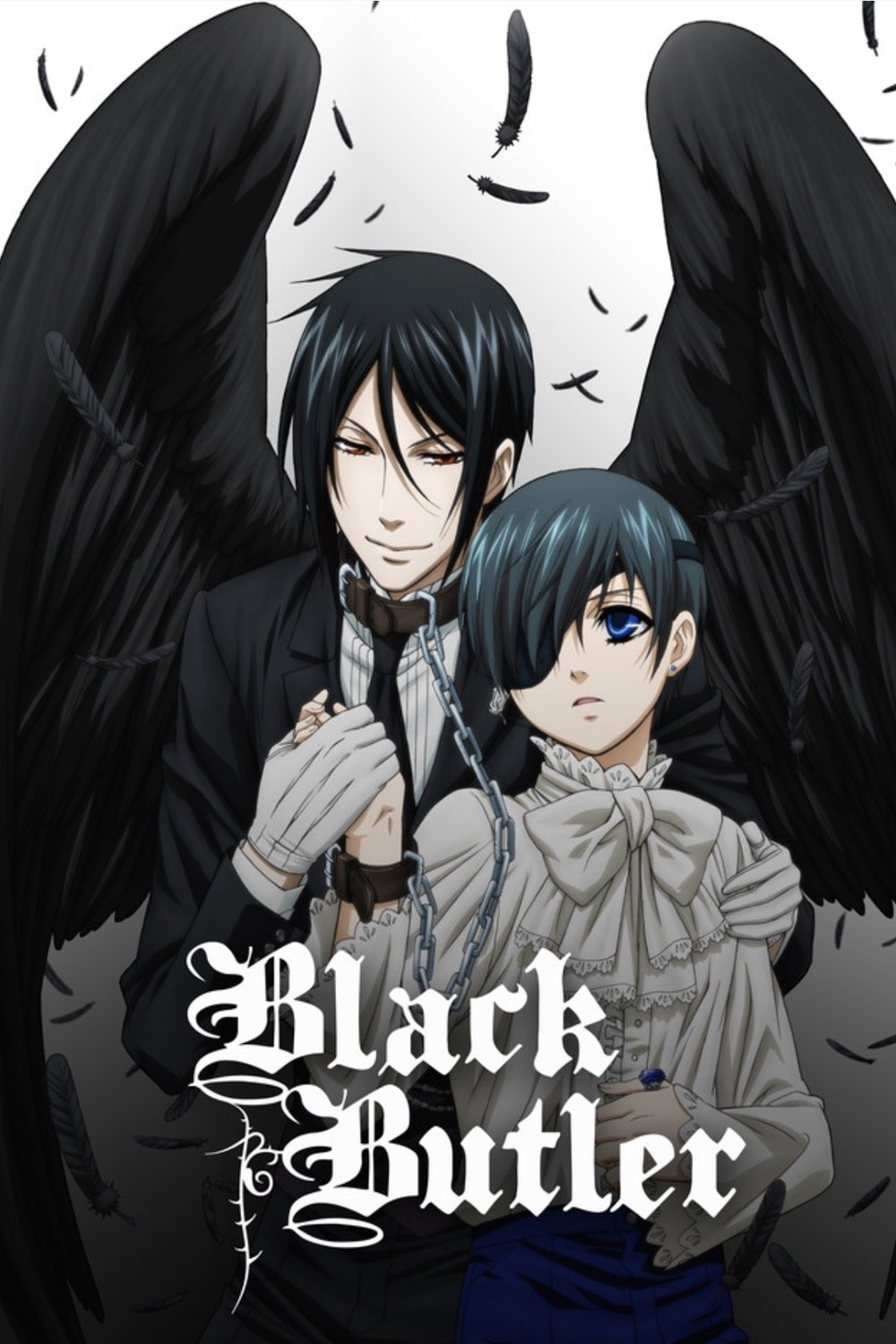
The ‘Book of Circus’ storyline includes villains with disabilities who use prosthetics. Many viewers have criticized the series for portraying these characters in a way that feels like a traditional freak show, connecting their physical differences to their villainous actions. Although the story tries to give them sympathetic backgrounds, their disabilities are still used to create a shocking effect. Critics argue this uses disability to evoke horror and pity. Ultimately, the way their story ends reinforces the harmful idea that the lives of people with disabilities are automatically tragic and unimportant.
‘Soul Eater’ (2008–2009)
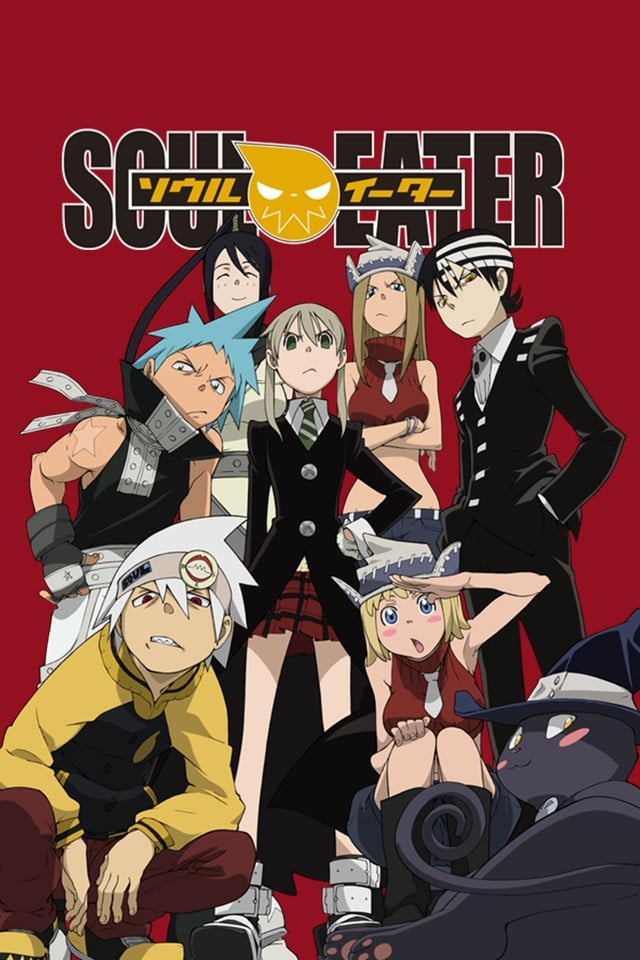
In the anime ‘Soul Eater’, the primary villain, Asura, embodies pure madness. The show portrays mental instability as something contagious and destructive, which some viewers feel unfairly equates mental health issues with terrifying, world-threatening forces. By making madness a source of power for the villain, the series unfortunately reinforces negative stereotypes about neurodiversity and suggests that a lack of mental stability is the greatest evil – something to be destroyed.
‘Sword Art Online’ (2012–Present)

Sugou Nobuyuki, the villain in the ‘Fairy Dance’ arc, is shown as overly dramatic and unstable to clearly mark him as the bad guy. However, some viewers have pointed out that the series frequently uses exaggerated and stereotypical portrayals of mental health issues when creating its villains, making them seem beyond redemption. Rather than giving these characters complex reasons for their actions, the show often falls back on the tired ‘psychopath’ stereotype to explain their harmful behavior. This approach has been criticized as a simple and harmful way to tell a story, as it reinforces negative stereotypes about mental illness and suggests that a villain’s neurodivergence is what drives their violence and abuse.
‘Dororo’ (2019)
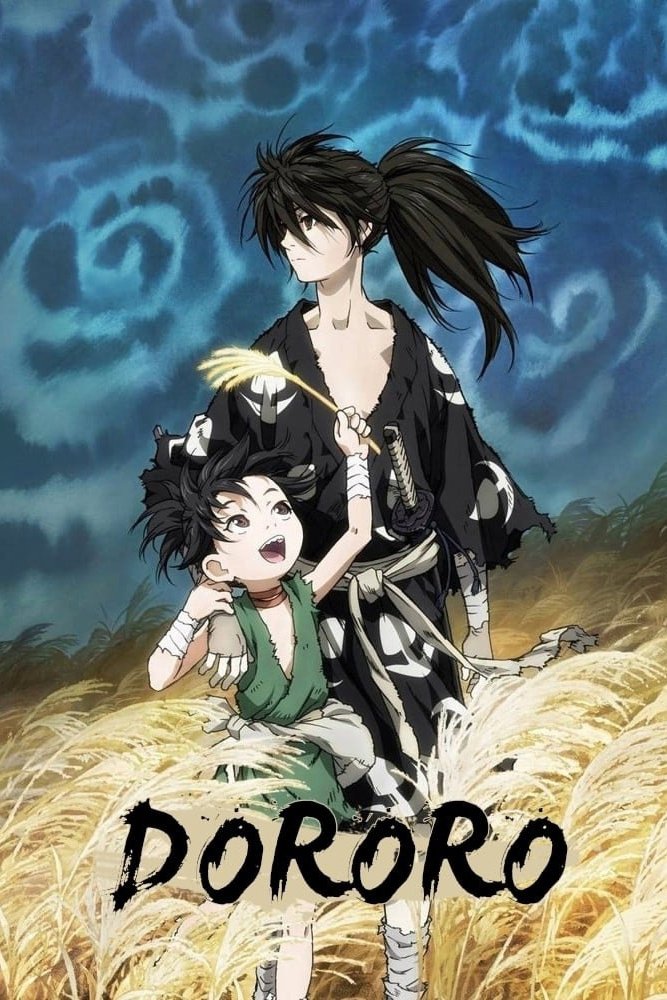
I’ve been watching the new ‘Dororo’ series, and while I love the story of Hyakkimaru trying to get his body back, I’ve been thinking a lot about the demons he fights. It struck me that they’re often shown as broken or monstrous because they have his missing parts. It feels like the show is saying you need a complete body to be truly human or happy, and that being different – or having a disability – is something that needs to be ‘fixed’ for a good ending. It’s a bit troubling, honestly, because it frames disability as a curse rather than just a part of life.
‘Inuyasha’ (2000–2004)

Naraku, the main villain in ‘Inuyasha’, can change his shape and is always trying to get rid of his human side. He’s often shown as a shadowy, fragmented figure, and deeply hates his own body. Some fans believe his desire for a perfect body promotes harmful ideas about what it means to be whole and able-bodied. The way he discards imperfect bodies is meant to show he lacks compassion or a soul, implying that being physically incomplete leads to evil.
‘Psycho-Pass’ (2012–2019)
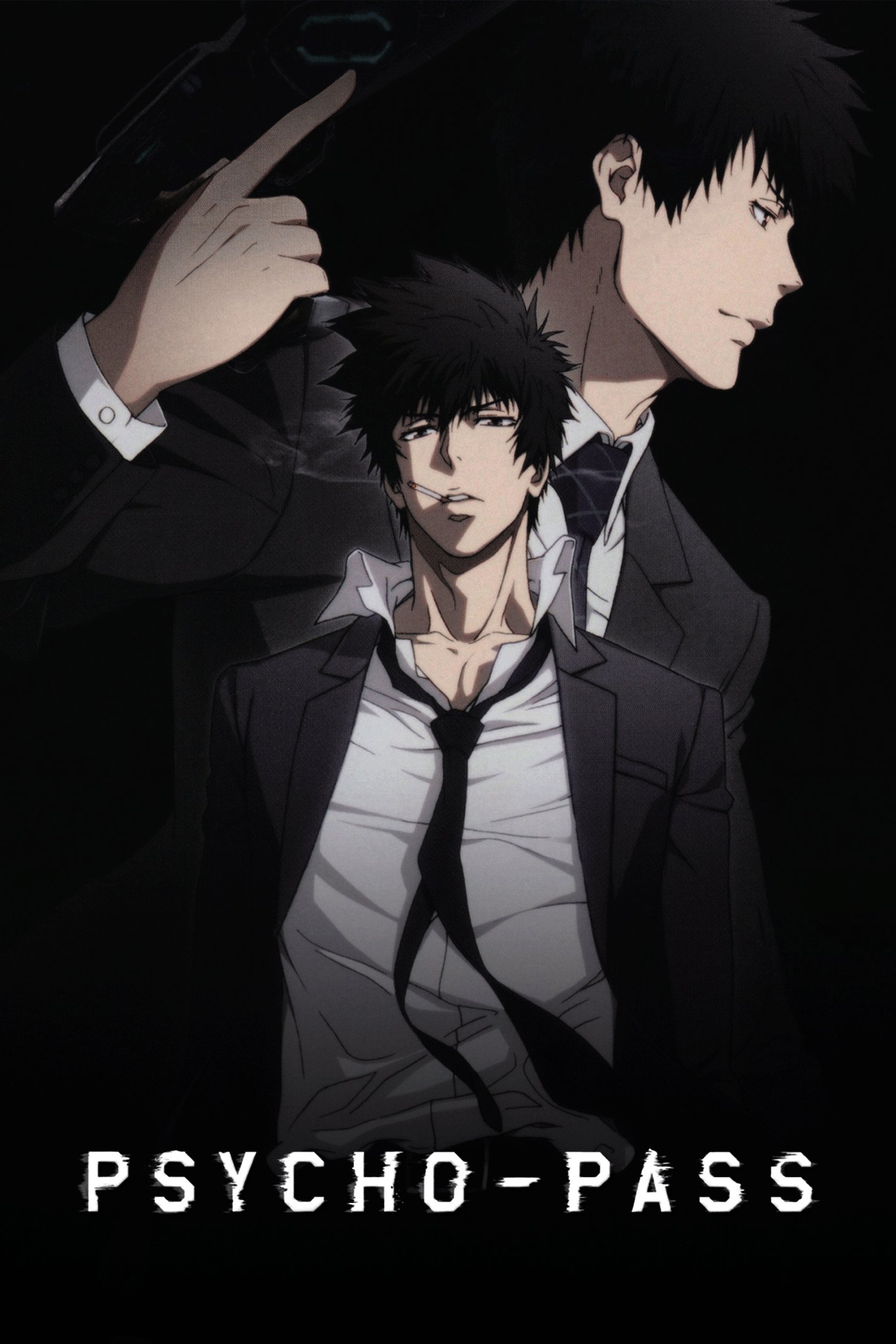
In the world of ‘Psycho-Pass,’ a system called the Sibyl System tracks everyone’s mental state to try and predict who might commit crimes. People with high ‘Crime Coefficients’ – often those dealing with past trauma or mental health challenges – are flagged as potential criminals. Many viewers have pointed out that the show seems to connect mental illness with a tendency towards violence. This creates a rigid ‘normal’ versus ‘criminal’ framework, and doesn’t allow for differences in how people’s minds work without facing consequences. Often, the ‘villains’ are simply people who have been pushed to the margins by this unfair system.
‘JoJo’s Bizarre Adventure: Golden Wind’ (2018–2019)
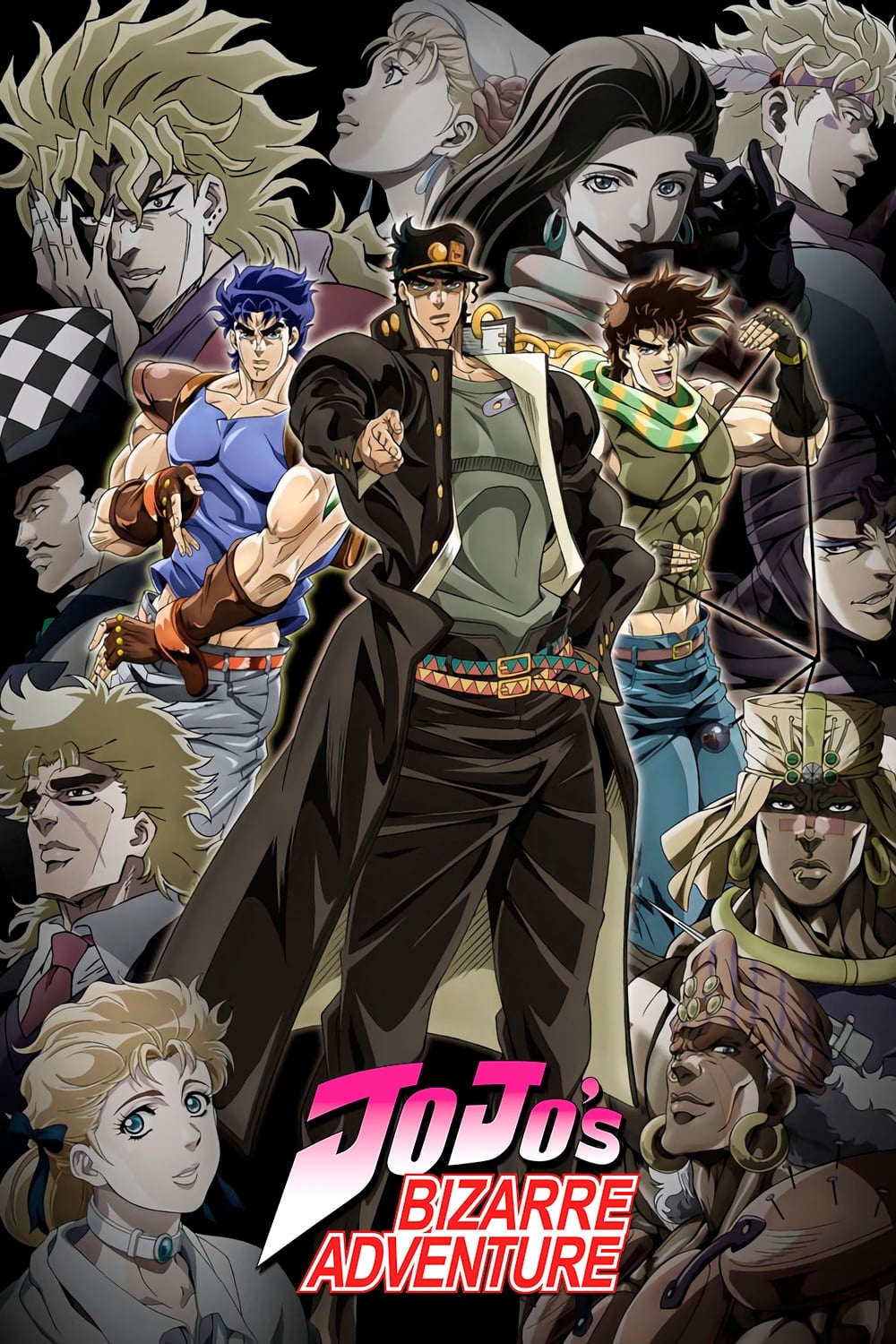
Cioccolata is presented as a disgraced former doctor who lost his job for operating on healthy people. He embodies the classic ‘mad doctor’ archetype, combining medical expertise with a disturbing need to cause pain. Viewers have pointed out that his character relies on stereotypes about mental illness to create a frightening effect. Some have also criticized his relationship with Secco, who acts like an animal and rarely speaks, arguing that it unfairly connects differences in how people think and behave with being a villainous follower. These characteristics are used to establish them as the most evil characters in the series.
‘Death Note’ (2006–2007)
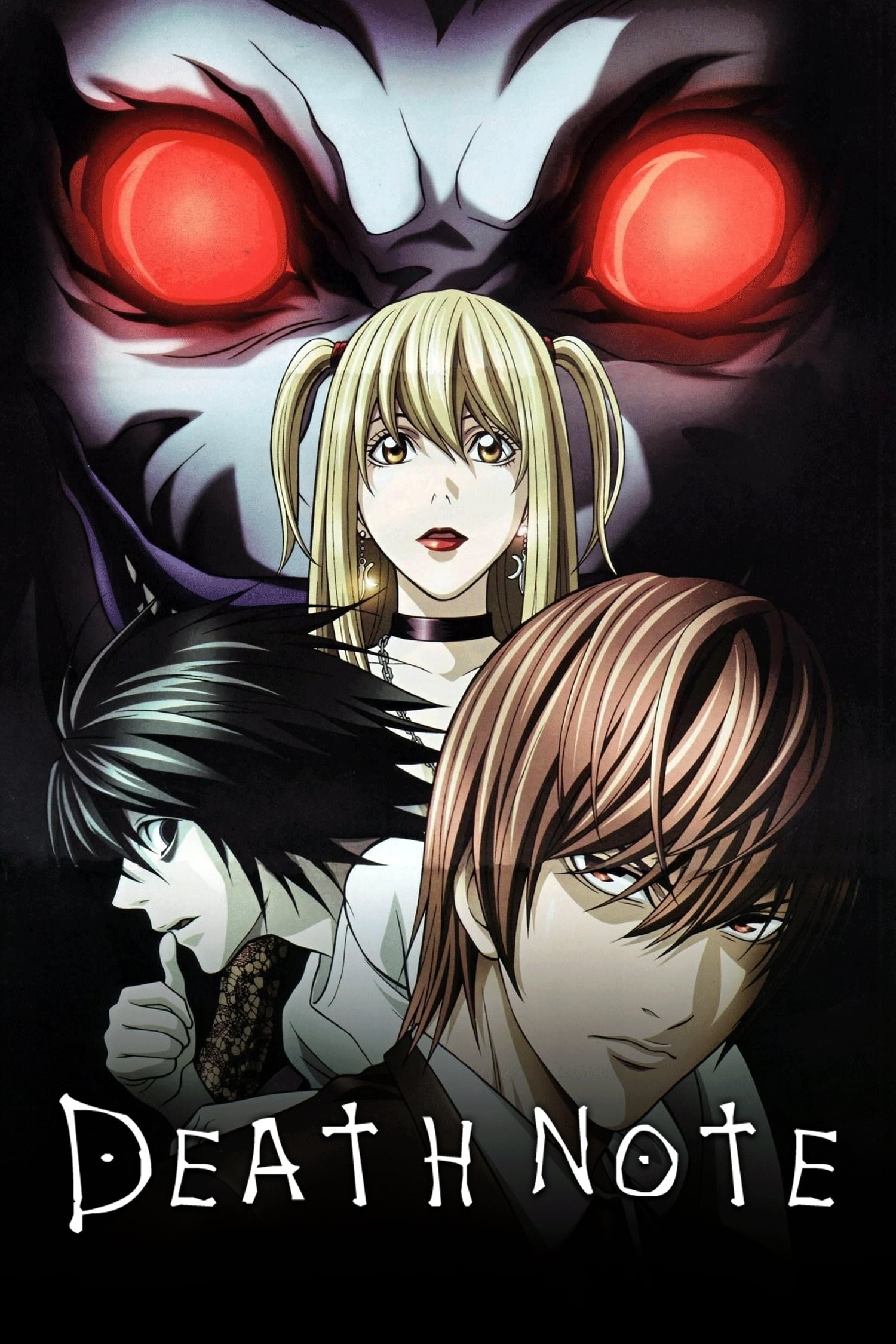
As a viewer, I found Teru Mikami’s arc in the series particularly unsettling. He starts as this incredibly devoted follower of Kira, but as things escalate, he really begins to unravel. The show signals his breakdown with pretty classic ‘insanity’ tropes – jerky movements, that over-the-top, maniacal laughter. It became clear his usefulness to Light was fading, and his downfall felt… inevitable. What struck me is how the series connects his fanaticism directly to a pre-existing fragility. While it made for dramatic tension, I couldn’t help but feel a little uneasy about the way his mental health decline was used as a key part of his character’s failure. It felt like a plot device more than a nuanced exploration of a troubled mind.
‘Demon Slayer: Kimetsu no Yaiba’ (2019–Present)
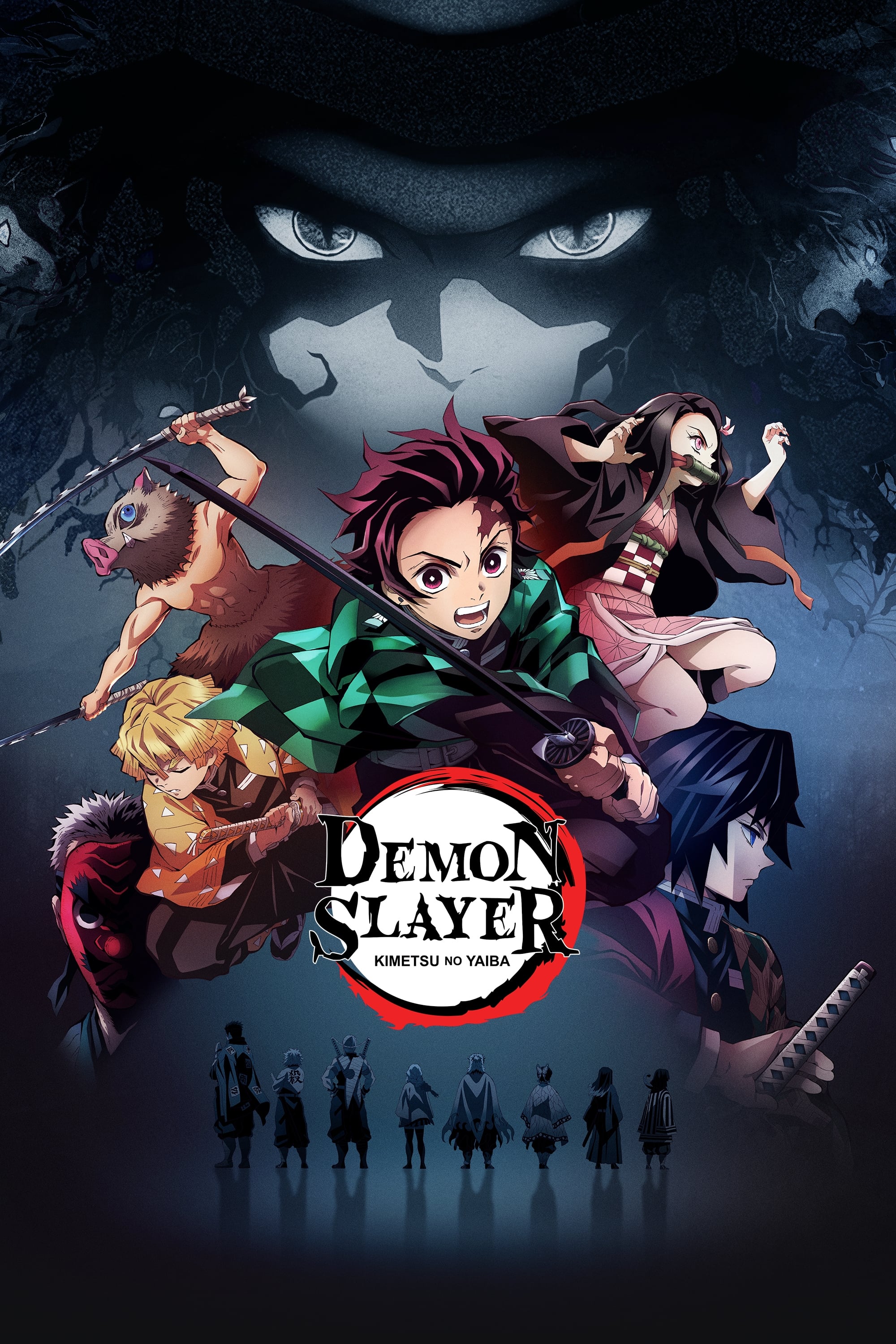
Muzan Kibutsuji, the series’ main villain, became a demon after a medical treatment meant to cure a life-threatening illness went wrong. He’s driven by a deep fear of death and a desperate need to become perfectly healthy. Many viewers have pointed out that his original illness is what caused him to become a monster, suggesting the story connects struggling with serious illness to a decline in one’s morals. His journey focuses on his refusal to accept human frailty, and this is directly linked to physical weakness and disability.
‘Dragon Ball Z’ (1989–1996)

Following his loss on Namek, Frieza returns as Mecha Frieza, a cyborg with many mechanical parts. This change isn’t presented as a power-up, but rather as a sign of his desperation and weakness, a stark contrast to the natural abilities of heroes like Goku. The design of his mechanical components is intentionally bulky and awkward, highlighting his diminished state. This transformation foreshadows his swift defeat, emphasizing that he’s now much weaker due to his dependence on technology, visually demonstrating his downfall.
‘Hunter x Hunter’ (2011–2014)
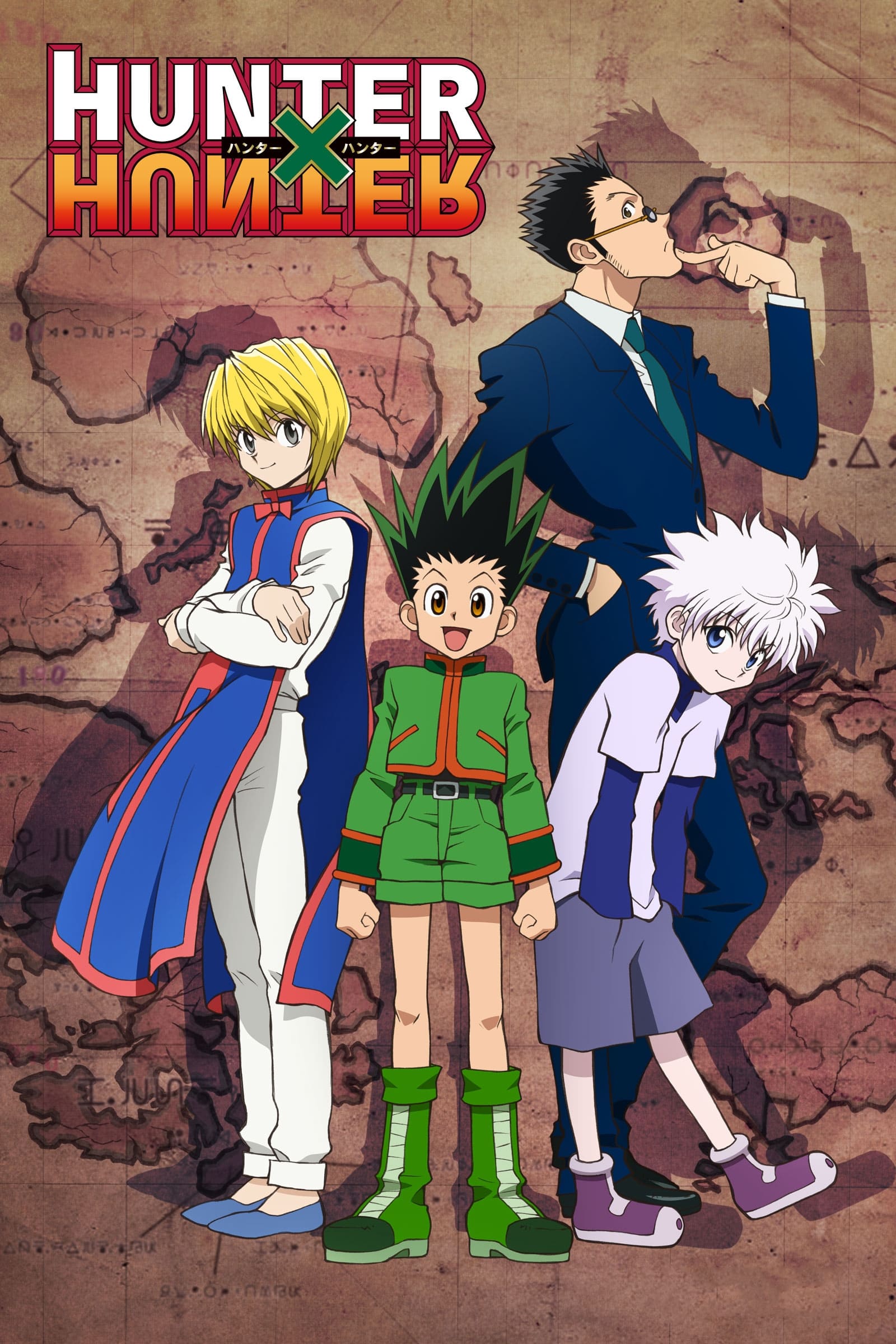
The Chimera Ant storyline centers around Meruem, a villain who at first believes only the strong deserve value. His perspective changes when he repeatedly loses to Komugi, a blind board game player. While their connection is popular with many viewers, some criticize how Komugi’s blindness is used. They argue it mainly serves to develop Meruem’s character, falling into the common trope of a helpless disabled person with a single skill. The story relies on her disability to teach the villain about humanity, instead of letting her be a fully independent character.
‘Code Geass: Lelouch of the Rebellion’ (2006–2008)
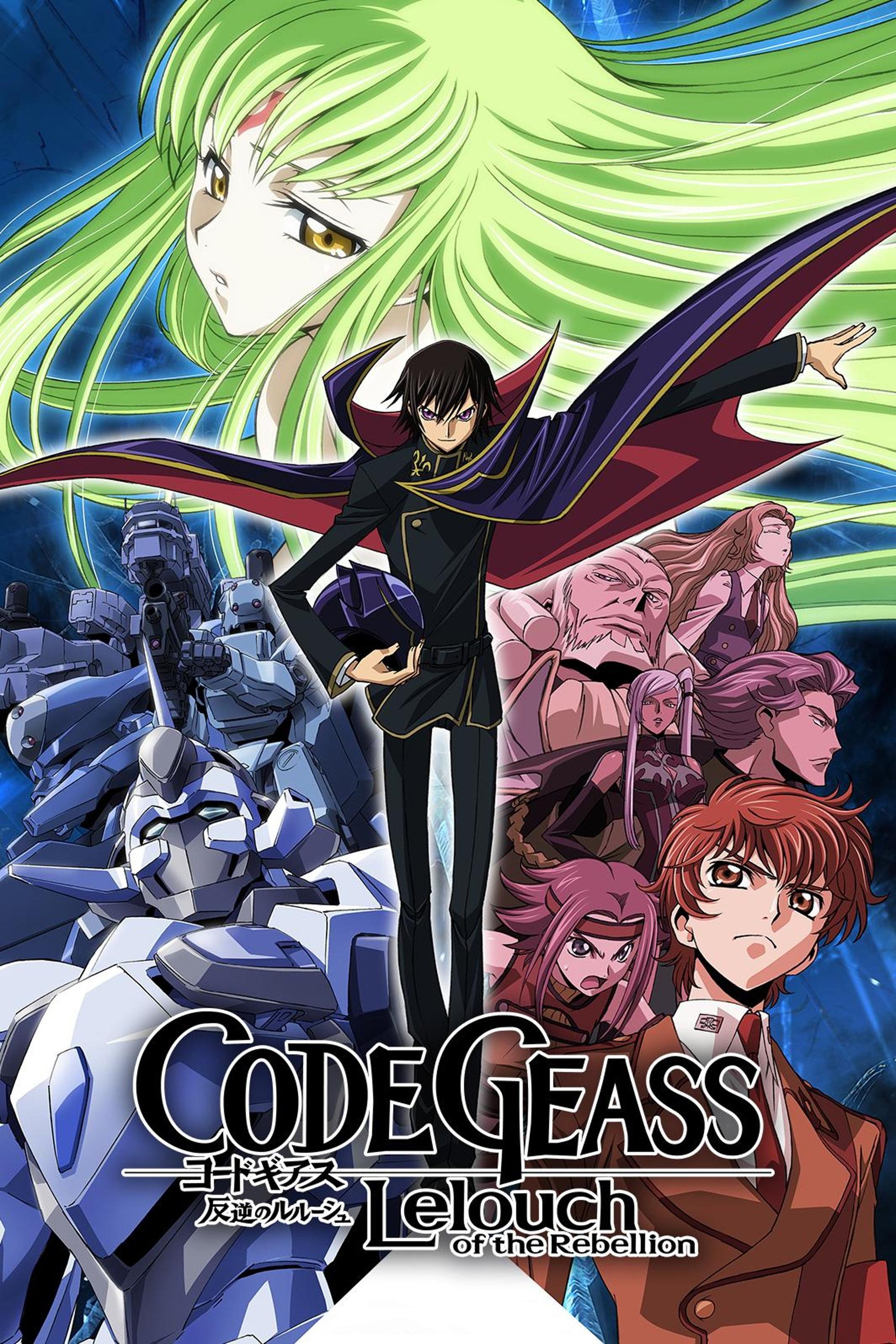
Mao is a villain with a unique ability: he can hear the thoughts of everyone around him. Unfortunately, he can’t control this power, which has caused him significant mental distress and instability. He’s become fixated on the one person whose thoughts he can’t access. Some viewers have criticized the show for depicting his overwhelming sensory input and mental anguish as justification for his dangerous and obsessive behavior. Essentially, his inability to manage his uncontrollable power is presented as the root cause of his villainy, and the series suggests his suffering explains his lack of empathy and eventual violence.
‘Hellsing Ultimate’ (2006–2012)

In ‘Hellsing Ultimate’, the villain known as The Major is revealed to be mostly a machine, built to keep him alive. He strongly believes that humans are too weak and die too easily, and sees becoming a cyborg as a way to fight forever. Many critics have noted that his character suggests losing one’s humanity when relying too much on technology. His intense focus on himself, even though he’s mostly a machine, is portrayed as a dangerous and twisted goal, playing into the common idea that artificial body parts make someone monstrous.
‘Bungo Stray Dogs’ (2016–Present)
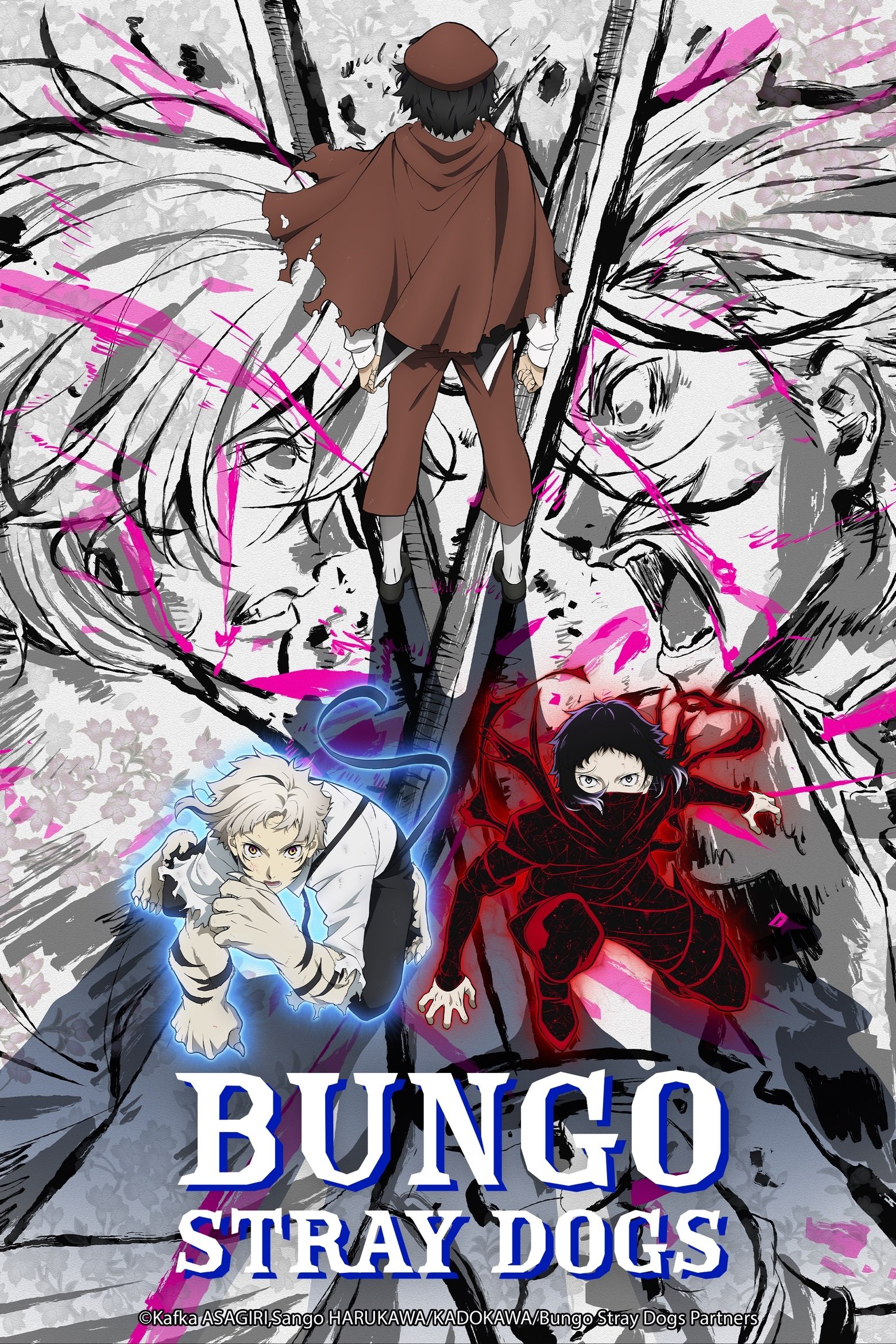
Kyusaku Yumeno, called Q, has a power activated by physical pain, which leads to his solitary confinement and depiction as deeply troubled. Some viewers have criticized the series for using Q’s past trauma and fragile mental state to create a frightening villain, specifically a child villain. The story presents Q as an inherent threat, suggesting his mental health makes it impossible for him to rejoin society. This storyline unfortunately reinforces the harmful idea that people who experience trauma are destined to be destructive and beyond help.
Share your thoughts on these tropes and how they affect your viewing experience in the comments.
Read More
- Invincible Season 4 Gender Swaps Tech Jacket As Fans Question Major Comic Change
- Gold Rate Forecast
- Silver Rate Forecast
- Building Agents That Learn and Improve Themselves
- 15 Films That Were Shot Entirely on Phones
- 20 Movies Where the Black Villain Was Secretly the Most Popular Character
- 22 Films Where the White Protagonist Is Canonically the Sidekick to a Black Lead
- Games That Faced Bans in Countries Over Political Themes
- Celebs Who Narrowly Escaped The 9/11 Attacks
- 14 Movies Where the Black Character Refuses to Save the White Protagonist
2026-01-13 10:19