
Anime often falls into harmful patterns when portraying disability, frequently linking physical or mental impairments to villainy or tragedy. Many viewers are concerned that these portrayals reinforce the idea that disabled people are inherently flawed or dangerous. Critics point out that these tropes can negatively impact how disabled individuals are seen in real life. This list highlights several anime series where fans have noticed and criticized the use of these problematic tropes in character design and storylines.
‘Fullmetal Alchemist: Brotherhood’ (2009–2010)
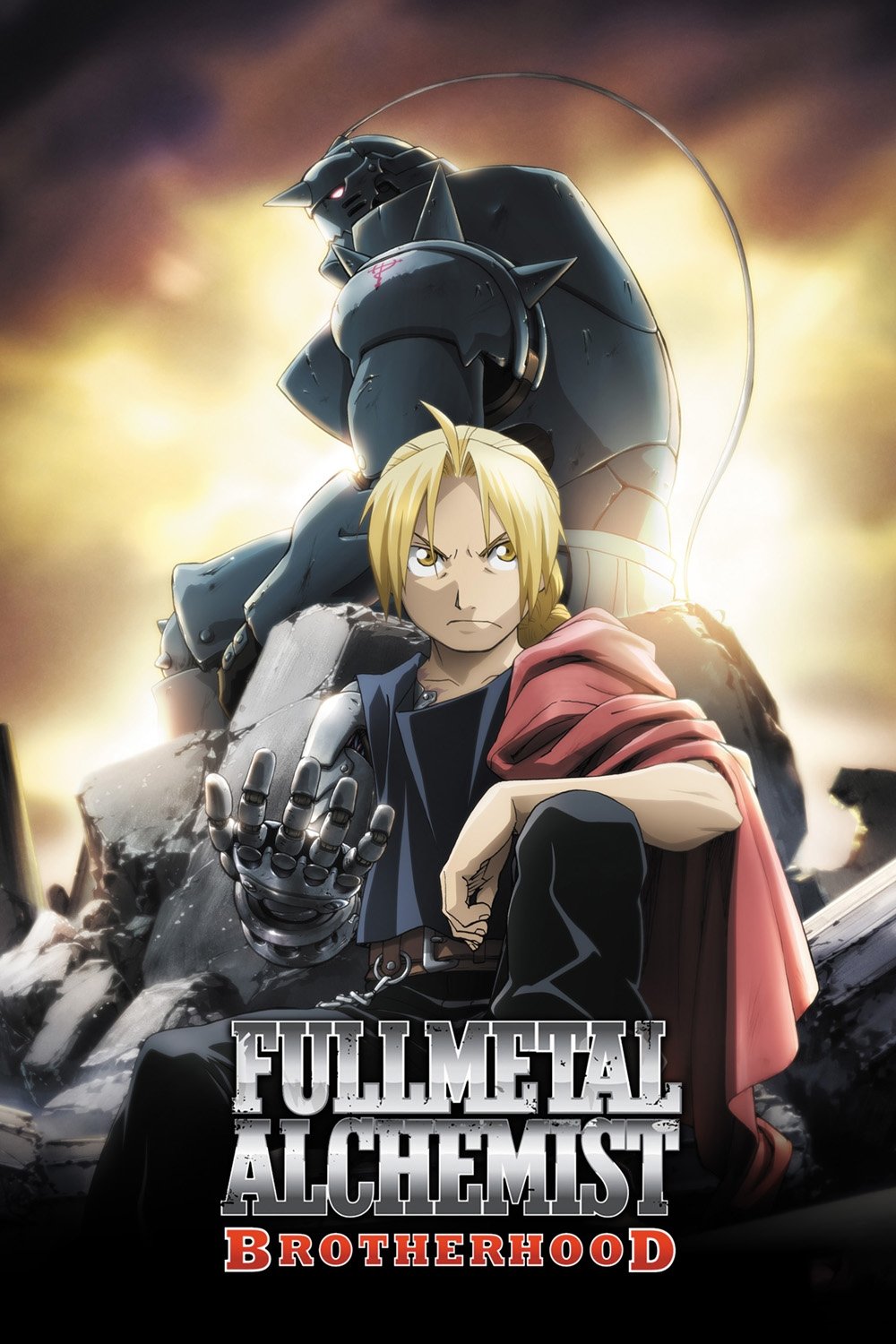
As a huge fan of ‘Fullmetal Alchemist: Brotherhood’, I’ve always been struck by how the villains are portrayed. It’s not just that they’re ‘bad guys,’ but their bodies – how artificial and different they are – really seems to drive their lack of empathy. The show constantly brings up lost limbs and physical pain, and it feels connected to the characters’ arrogance and downfall. It’s like the series is saying that becoming ‘whole’ physically is also about becoming a better person. It creates this strong contrast where being physically flawed is tied to being morally broken, which is a really powerful idea.
‘My Hero Academia’ (2016–Present)
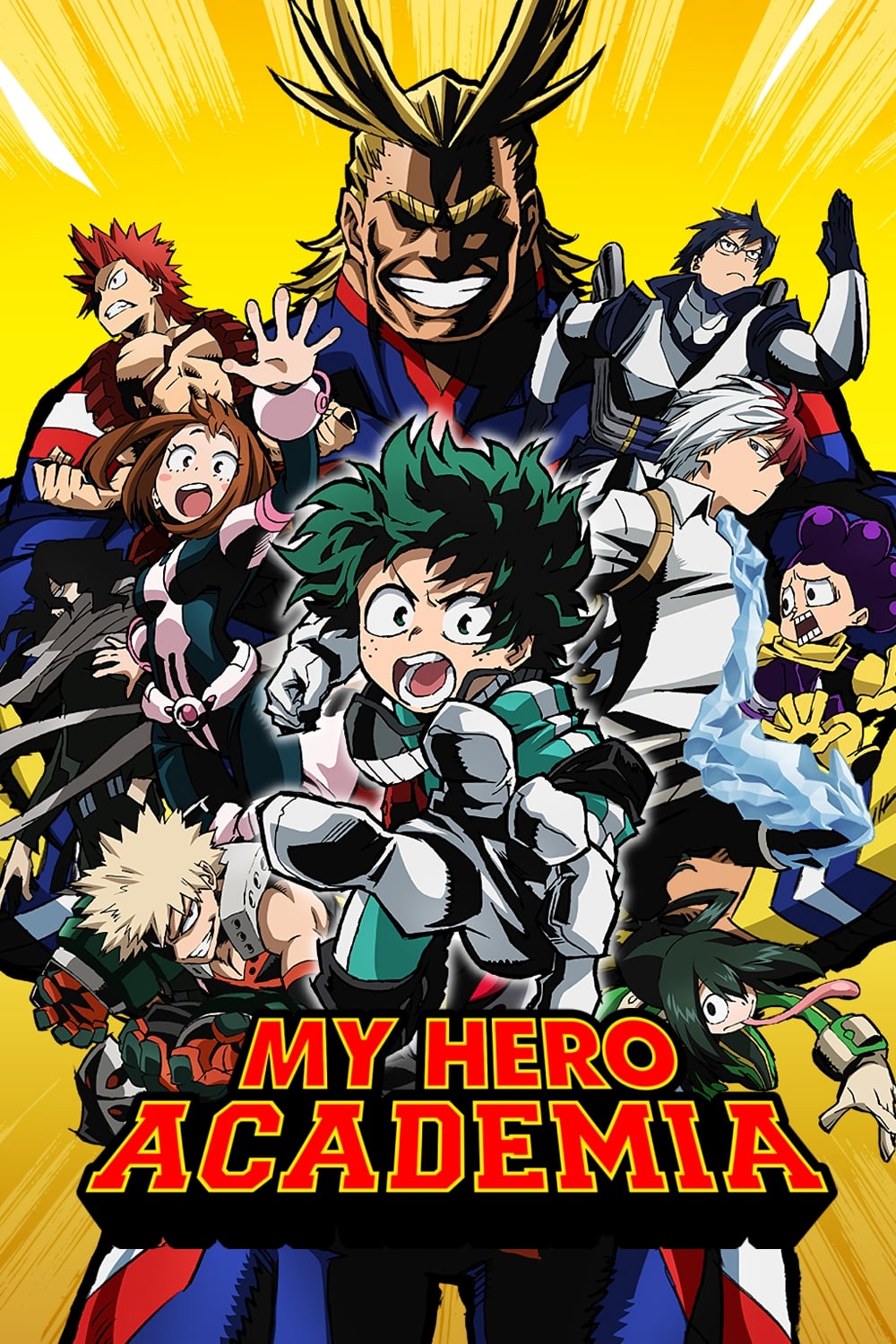
‘My Hero Academia’ often uses physical scars and mental health struggles to show when a character becomes a villain. For example, Shigaraki Tomura’s skin problems are connected to his inner pain and dangerous abilities, and Overhaul displays obsessive behavior that emphasizes his lack of compassion. Some viewers have pointed out that this creates a link between differences—whether physical or mental—and being evil. This approach can be upsetting to those who believe disability shouldn’t be used as a simple way to represent villainy.
‘Demon Slayer: Kimetsu no Yaiba’ (2019–Present)
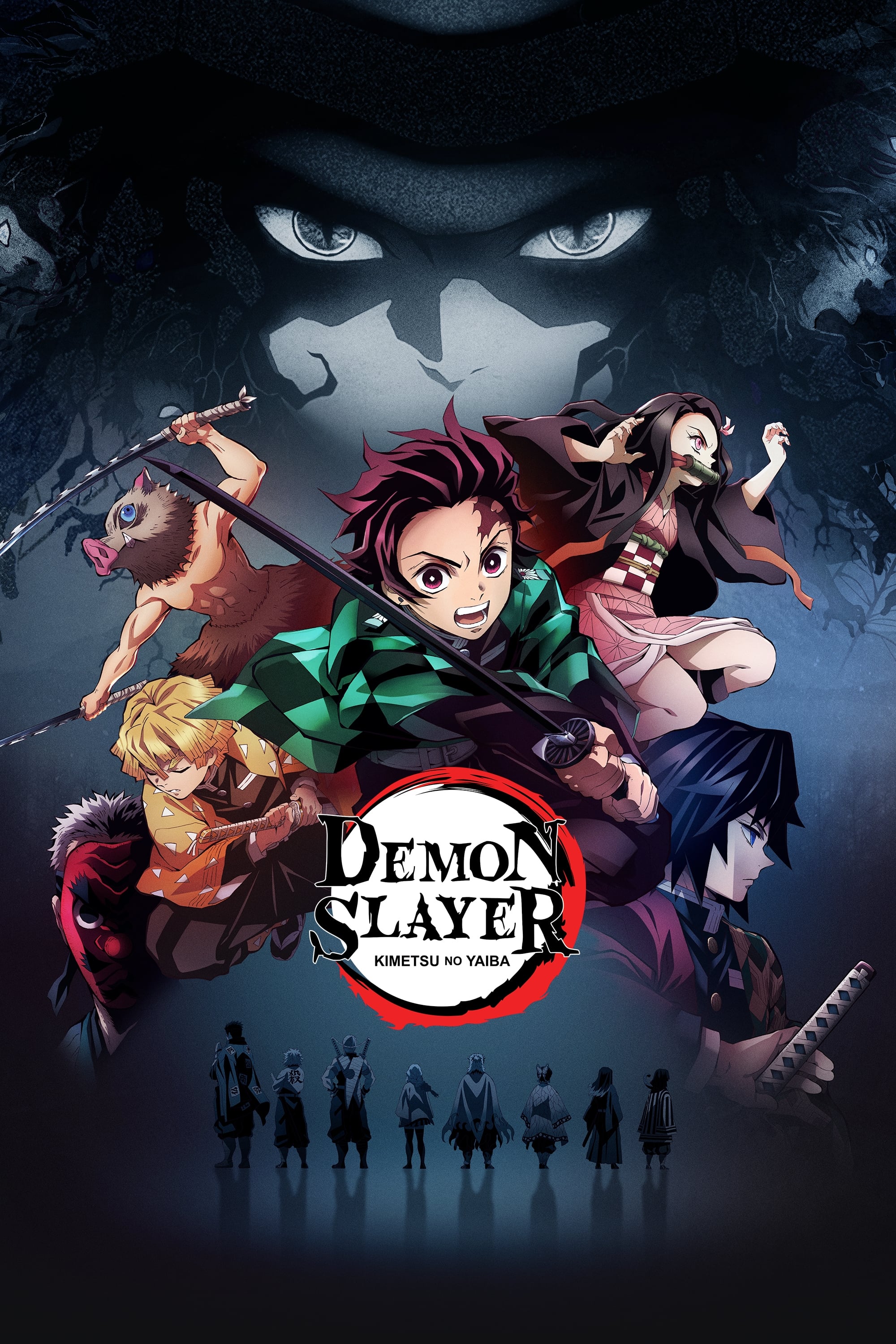
In ‘Demon Slayer: Kimetsu no Yaiba’, the villain Muzan Kibutsuji’s evil actions stem from a life-threatening illness and his desperate attempt to find a cure. This origin story has drawn criticism because it suggests that wanting to overcome a serious health condition is naturally evil. Many viewers feel it unfairly portrays people with chronic illnesses as potentially dangerous or desperate. The series further emphasizes this idea by giving multiple demons backstories that connect their villainy to past physical weaknesses.
‘Berserk’ (1997–1998)
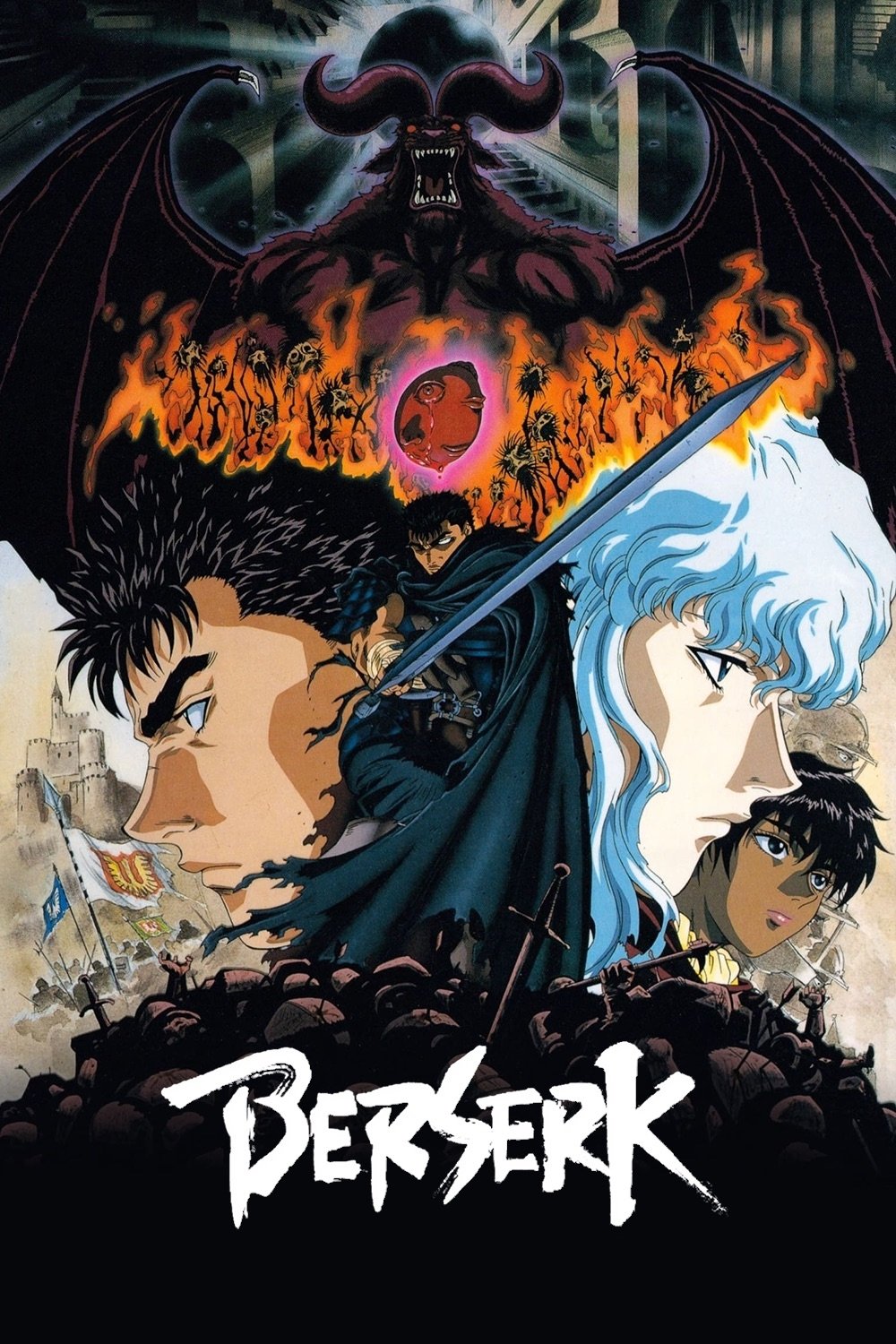
After enduring horrific torture that left him unable to speak or move, the character Griffith makes a shocking decision: he sacrifices his friends. Some viewers of ‘Berserk’ have criticized this storyline, arguing that it suggests losing physical ability is a fate worse than death, or a justifiable reason to become evil. This plot point unfortunately perpetuates harmful stereotypes, implying that disabled people are more likely to become bitter and treacherous, and uses disability as the reason someone turns to villainy.
‘Sword Art Online’ (2012–2014)

Many villains in ‘Sword Art Online’ are portrayed with traits linked to mental health issues. Characters like Sugou Nobuyuki exhibit obsessive and predatory behavior, presented as evidence of psychological instability. The story often uses these characteristics to make sure viewers see these characters as unforgivable and monstrous. Some fans believe this relies on harmful stereotypes, falsely connecting mental health problems with a lack of morality. This simplifies complex psychological issues, turning them into simple questions of good versus evil.
‘Code Geass: Lelouch of the Rebellion’ (2006–2008)
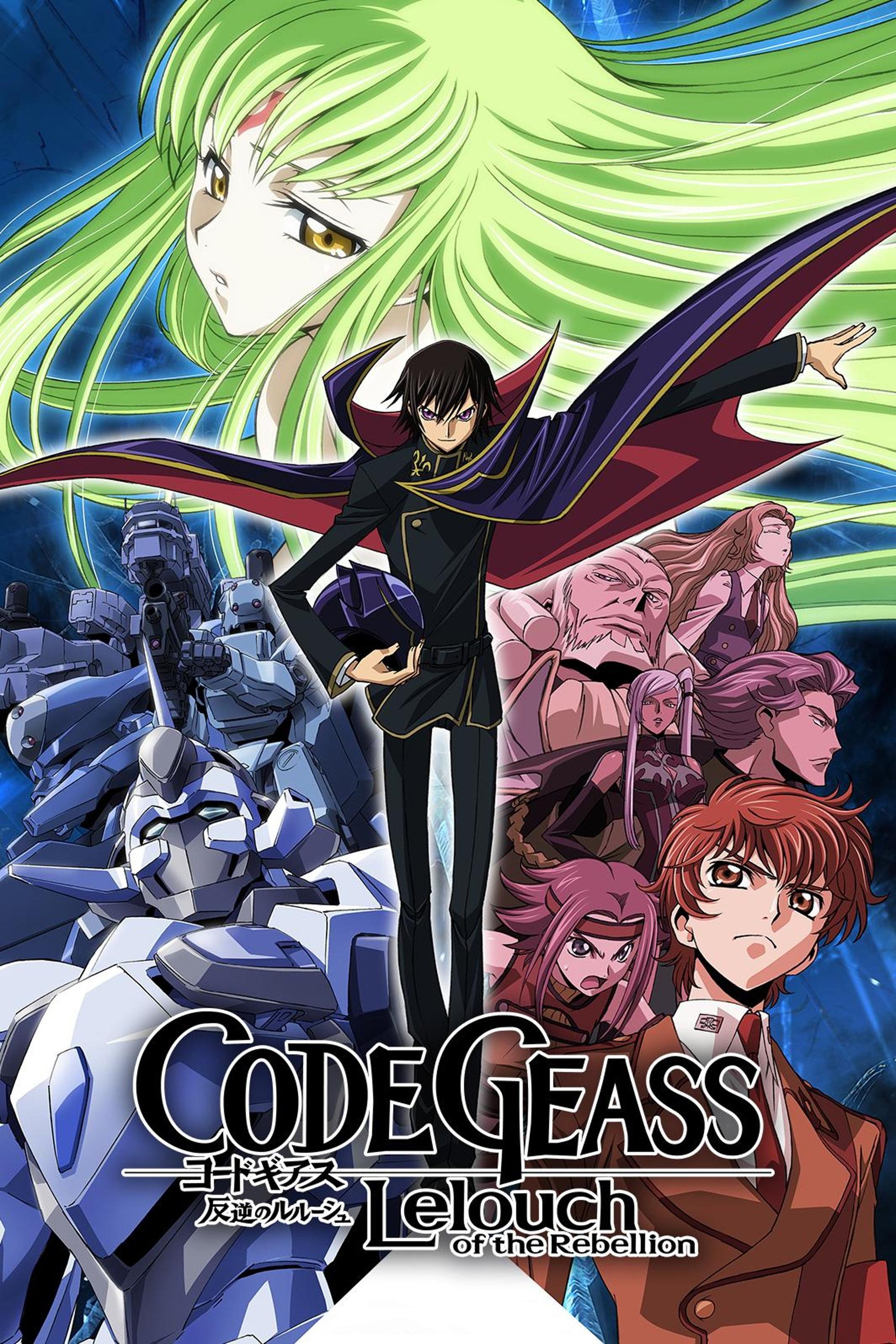
Nunnally in ‘Code Geass’ is a likable character, but some viewers feel her role relies too heavily on her blindness and paralysis. The show’s villains often use her condition to support their ideas about power and who deserves to survive. Many feel the depiction of her disability is used to create sympathy instead of developing a fully realized character. Critics argue that these traits are used for dramatic effect without giving Nunnally genuine control over her own destiny, which can reinforce negative stereotypes about people with disabilities.
‘Tokyo Ghoul’ (2014–2015)
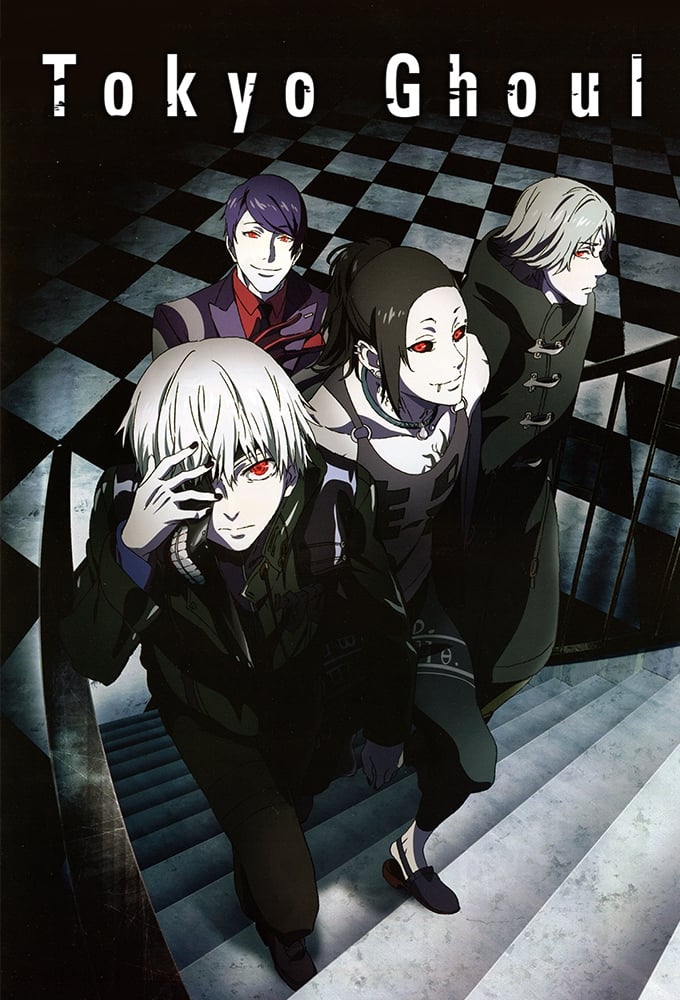
The character Jason in ‘Tokyo Ghoul’ is a villain whose extreme cruelty is shown as a result of past trauma and mental health problems. The series connects his psychosis to his enjoyment of causing pain. However, this approach has drawn criticism because it implies that people who experience trauma are fated to become monstrous. Some viewers have also pointed out that Jason’s mental state is visually emphasized to make him seem more frightening. This kind of depiction can unfortunately reinforce negative stereotypes about mental health by associating it with violence.
‘Death Note’ (2006–2007)
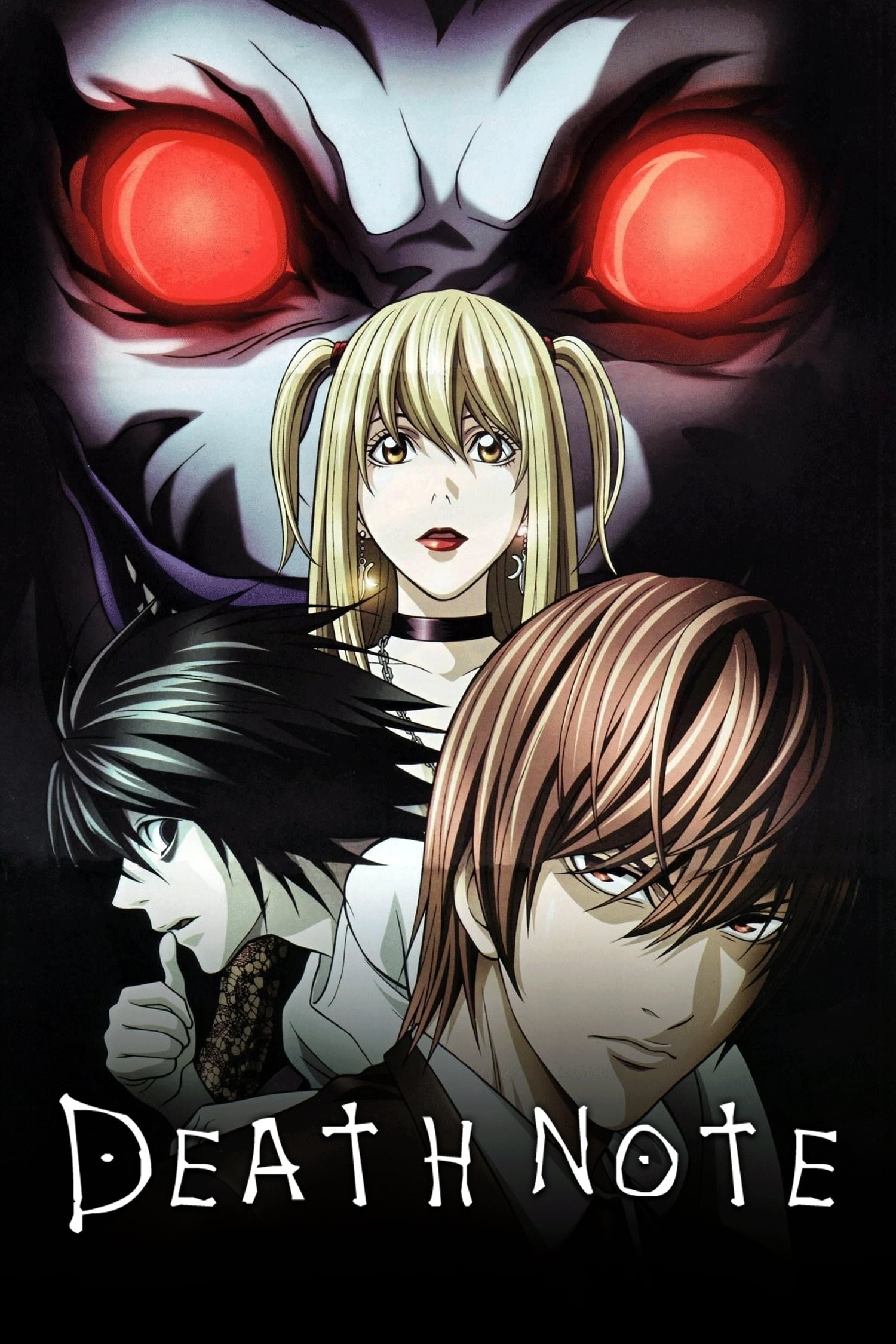
Fans often talk about the characters Near and Mello from ‘Death Note’ and how they show traits that could be seen as neurodivergent, though these are usually presented as just unusual habits or fixations. While they aren’t villains, their behavior is often highlighted as being different from what’s considered normal, emphasizing that they’re outsiders. Some viewers have noticed that these traits are sometimes used to make them seem unemotional or distant, which could be seen as unfairly suggesting that people with neurodivergent traits aren’t capable of feeling empathy. The story often uses these unique qualities to show how brilliant they are, but it does so in a way that makes them seem less human.
‘Re:Zero -Starting Life in Another World-‘ (2016–Present)

Petelgeuse Romanee-Conti is a major villain in ‘Re:Zero -Starting Life in Another World-’ known for his unpredictable and self-destructive actions. The show uses his unstable mental state to make him frightening and difficult to anticipate. His behavior and way of speaking are presented as clear signs of a severely damaged psyche, disconnected from reality. However, some critics argue that this depiction exploits mental illness for shock value and entertainment, perpetuating the dangerous idea that people with serious mental health issues are naturally violent or erratic.
‘Inuyasha’ (2000–2004)

In the anime ‘Inuyasha,’ the villain Naraku is portrayed as a being made up of different pieces, often appearing incomplete or weak. This instability is linked to his evil nature – he’s constantly trying to absorb others to fix his form, showing he’s parasitic and corrupt. Many viewers have observed that Naraku’s lack of a solid body represents his lack of morals. The show seems to suggest that a strong, complete body symbolizes goodness, while a broken or fragmented one represents evil. Naraku’s physical changes consistently mirror his deceitful and harmful personality.
‘Bleach’ (2004–2012)
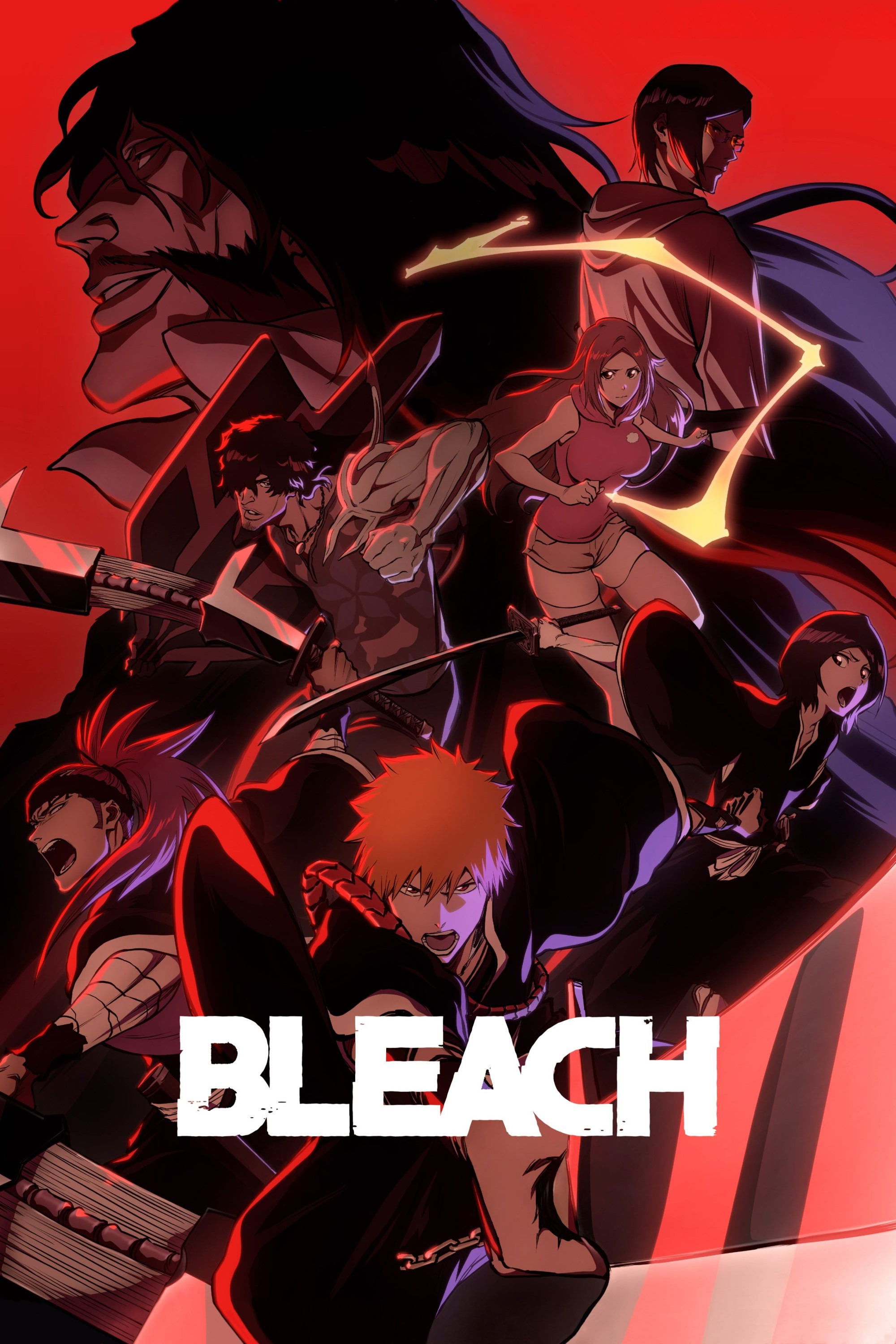
In the anime Bleach, the character Nnoitra Gilga is driven by a need to be strong, stemming from a deep fear of weakness. His unusual appearance – with multiple arms and a visible hollow hole – reflects his flawed and incomplete nature. The story portrays his relentless pursuit of power as a way to compensate for these inherent flaws. Some viewers have pointed out that this creates a problematic connection between physical differences and a damaging desire for control, suggesting that these variations fuel a psychological obsession that ultimately leads to destructive behavior.
‘Black Butler’ (2008–2010)
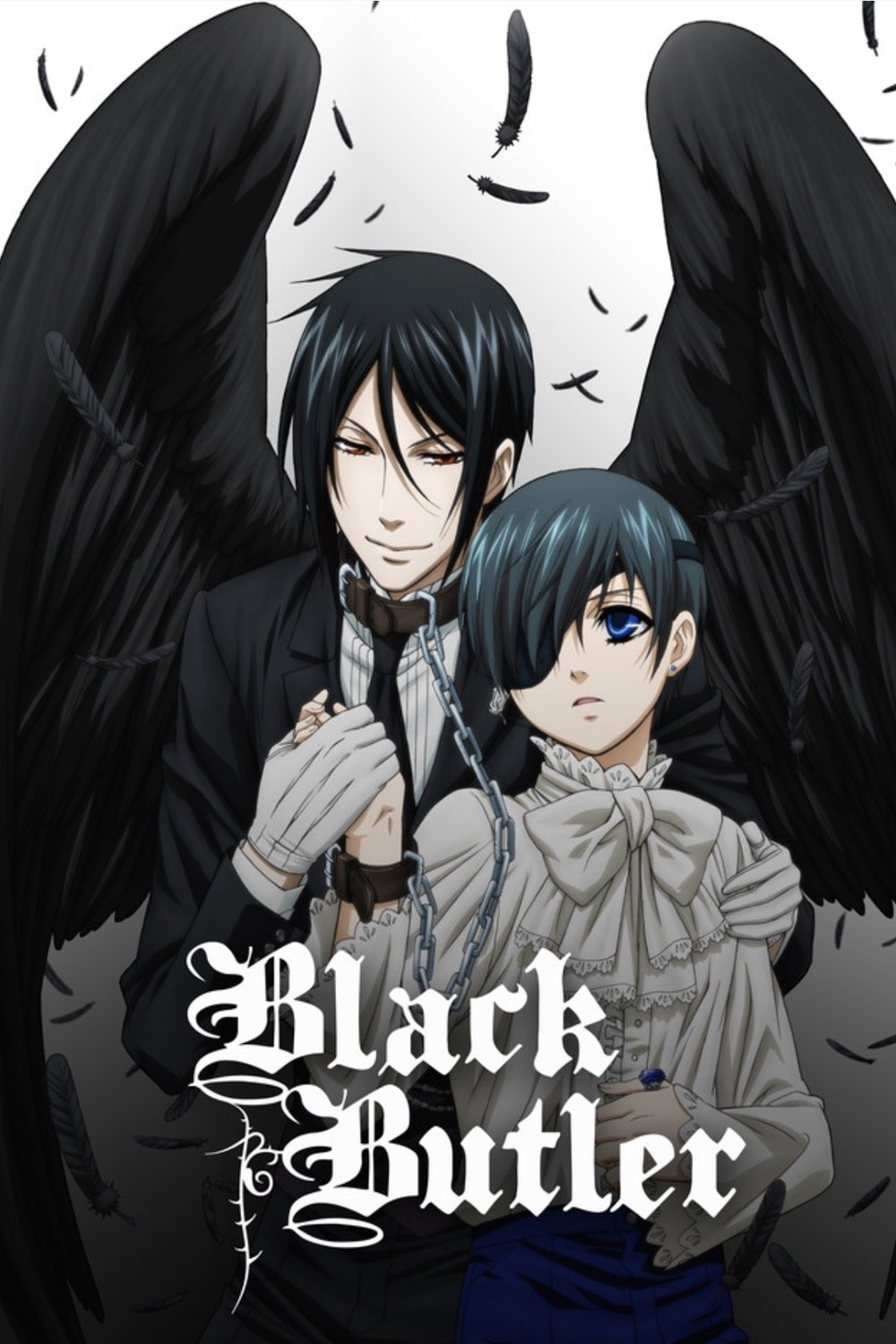
Okay, so I’ve been thinking about the circus storyline in ‘Black Butler,’ and it really bothered me. The show introduces a bunch of characters with disabilities, but they’re all painted as these really sad, tragic figures… who then turn out to be the villains! It feels like the show tries to get you to feel sorry for them, and then completely flips it when they start doing awful things. A lot of fans, myself included, feel like it suggests that their disabilities somehow make them susceptible to manipulation, or even that it’s just natural for them to become criminals. The show really focuses on their prosthetics and scars, constantly reminding you they’re ‘outsiders,’ and honestly, it feels like it reinforces this harmful idea that having a disability somehow damages your moral character. It’s a really problematic trope, and it left a bad taste in my mouth.
‘Jojo’s Bizarre Adventure’ (2012–Present)
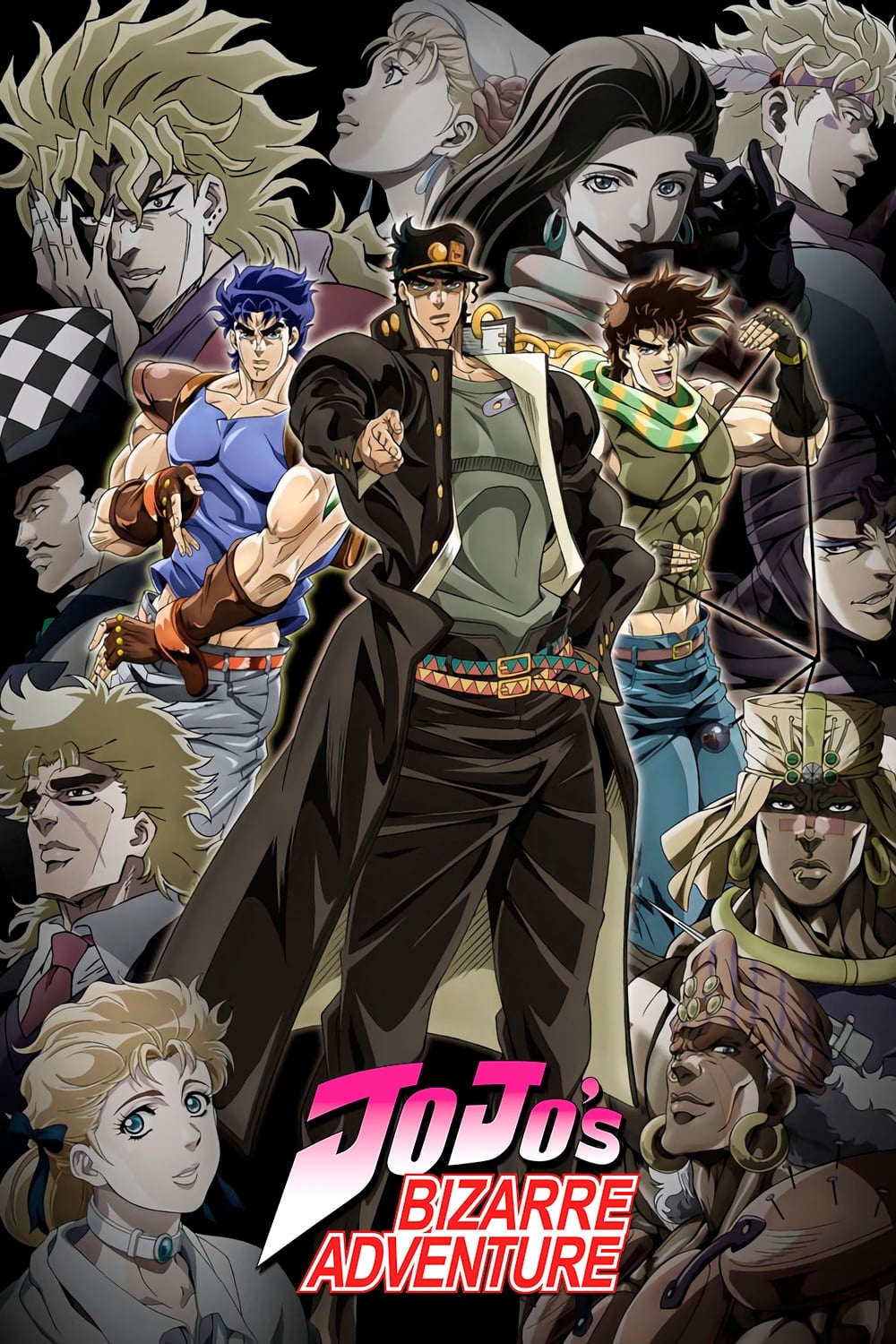
As a huge fan of ‘JoJo’s Bizarre Adventure’, I’ve noticed a recurring pattern in how the villains are designed. So many of them have visible physical differences or struggles with their mental health, and it feels connected to why they’re portrayed as ‘evil’. Characters like Polpo, or a lot of the Stand users, are often really exaggerated in their appearance, which immediately makes them seem…off, and highlights their moral failings. It definitely creates a really striking, sometimes grotesque aesthetic. I’ve seen some people point out that this design choice almost implies that physical perfection equals goodness. It ends up creating a world where, unfortunately, a character’s disability or unusual appearance often marks them as the bad guy, and it’s something I’ve been thinking about a lot while watching.
‘Made in Abyss’ (2017–2022)
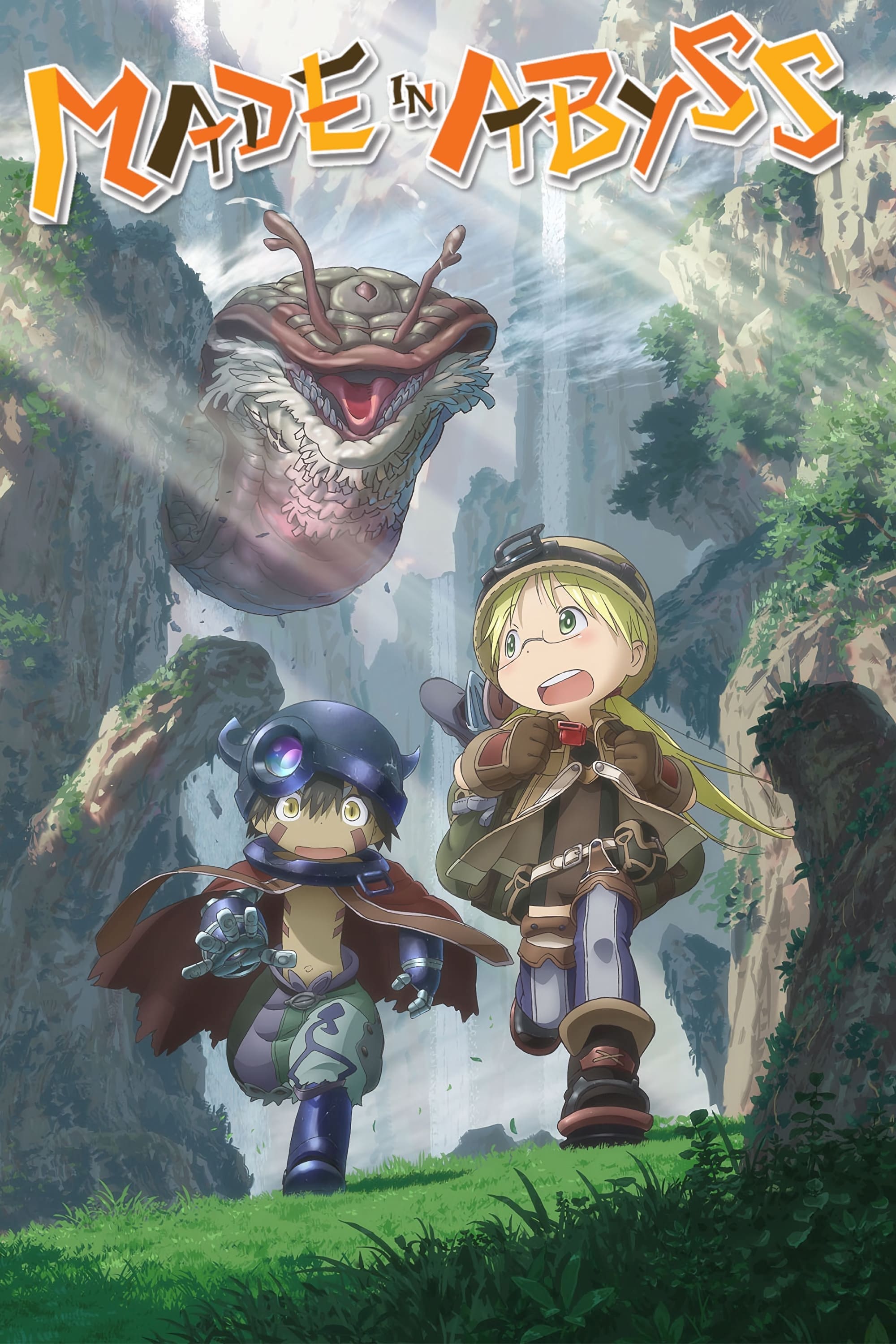
Bondrewd, a villain in ‘Made in Abyss,’ conducts cruel experiments on children, frequently leaving them with severe and disturbing physical deformities. The show uses these resulting conditions to shock viewers and highlight the villain’s brutality. Many critics argue that the series relies on disability and physical difference mainly for shock value and to manipulate emotions. These characters are often reduced to their physical state, losing their individuality to serve the story. This has drawn criticism for being a thoughtless and insensitive portrayal of trauma and disability.
‘The Promised Neverland’ (2019–2021)
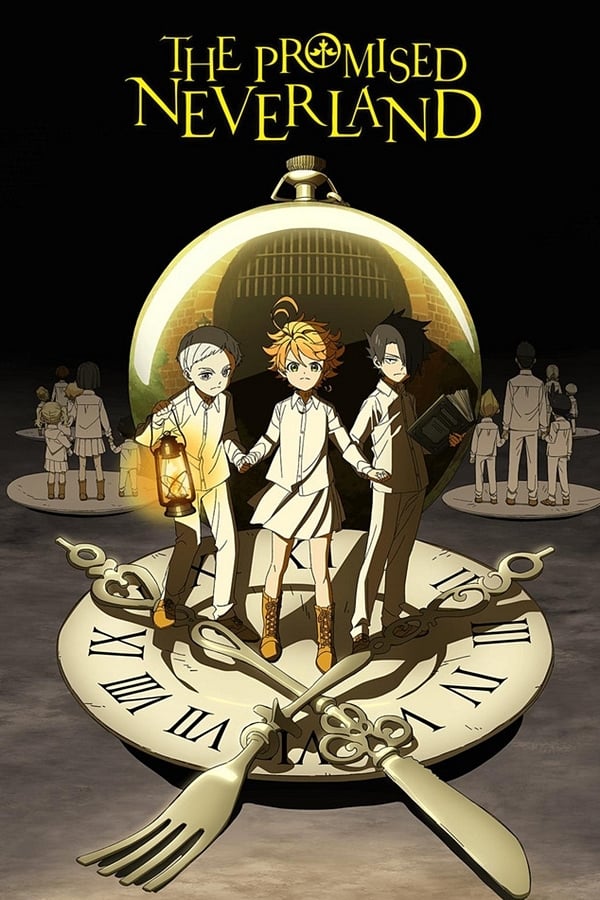
Peter Ratri, a villain from ‘The Promised Neverland’, believes his own humanity gives him the right to control others. The story explores dangerous ideas about eugenics and judging people’s worth based on their abilities. Although the heroes oppose this system, the series sometimes presents the villains’ prejudiced views without clearly condemning them. Many viewers have pointed out that the villains’ pursuit of genetic perfection mirrors and reinforces harmful real-world standards, making the story’s danger stem from the idea that some people are inherently less valuable due to perceived flaws.
‘Elfen Lied’ (2004)
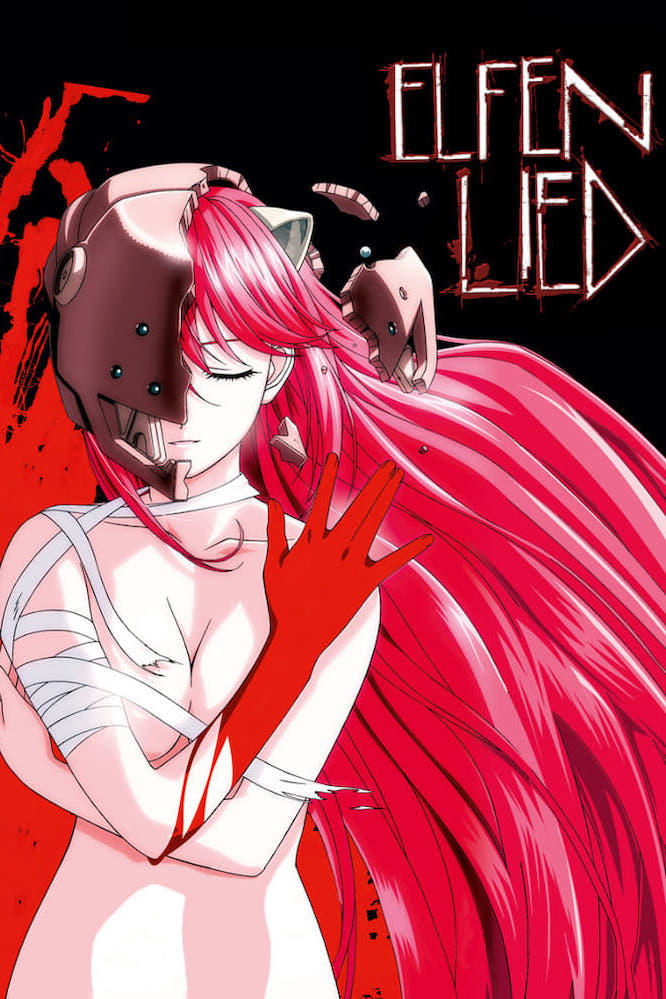
‘Elfen Lied’ centers around characters grappling with deep psychological trauma and multiple personalities, which fuel the show’s main conflicts. The protagonist, Lucy, is often shown as someone whose mental health issues cause sudden and violent outbursts. However, some critics believe the show uses a condition similar to dissociative identity disorder simply as a way to shock viewers with gore and horror. This representation can reinforce the harmful idea that people with mental health conditions are prone to unpredictable aggression. A major criticism of the show is that it connects Lucy’s past trauma to her violent actions in a way that is insensitive and perpetuates negative stereotypes.
‘Danganronpa: The Animation’ (2013)
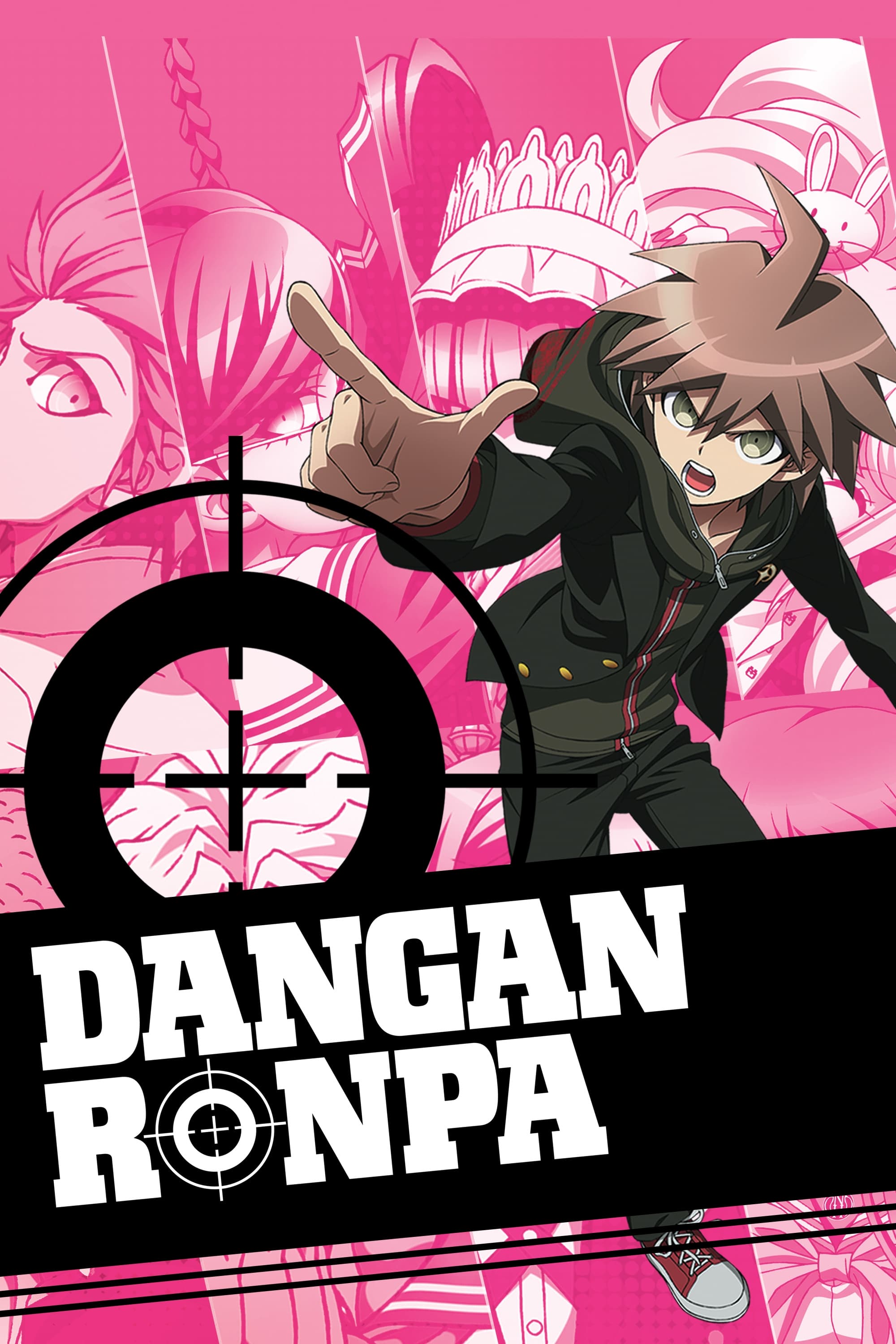
The anime ‘Danganronpa: The Animation’ features a character, Touko Fukawa, who is presented with a second personality as a serial killer. This portrayal of dissociative identity disorder has received significant criticism from fans, who argue it’s inaccurate and damaging. The show uses her condition as a plot twist to make her seem dangerous and erratic, which unfortunately reinforces the harmful stereotype that people with personality disorders are violent or unreliable. The character’s design and actions prioritize shock value and humor over a respectful and accurate depiction of mental health.
‘Soul Eater’ (2008–2009)
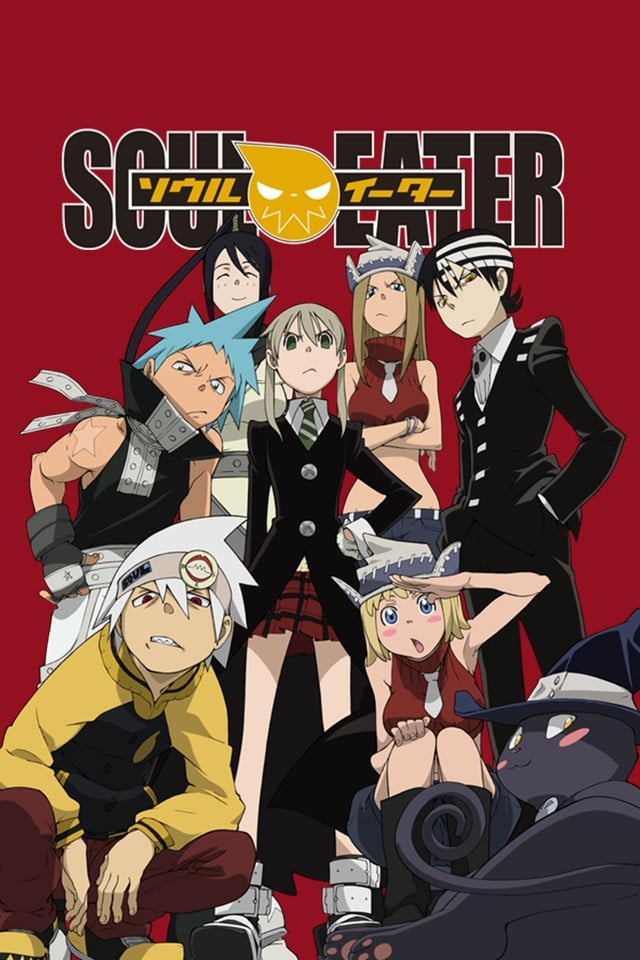
In the anime ‘Soul Eater,’ the main villain, Asura, represents the very idea of madness and extreme paranoia. The story portrays his mental state as a dangerous, spreading influence that could destroy the world. Many viewers have pointed out that this depiction relies on harmful stereotypes, suggesting that mental illness is something to be feared and eliminated, rather than something to be understood with compassion. The way Asura’s madness is visually shown is meant to be frightening, and unfortunately, this reinforces the idea that mental health issues are monstrous.
‘Attack on Titan’ (2013–2023)
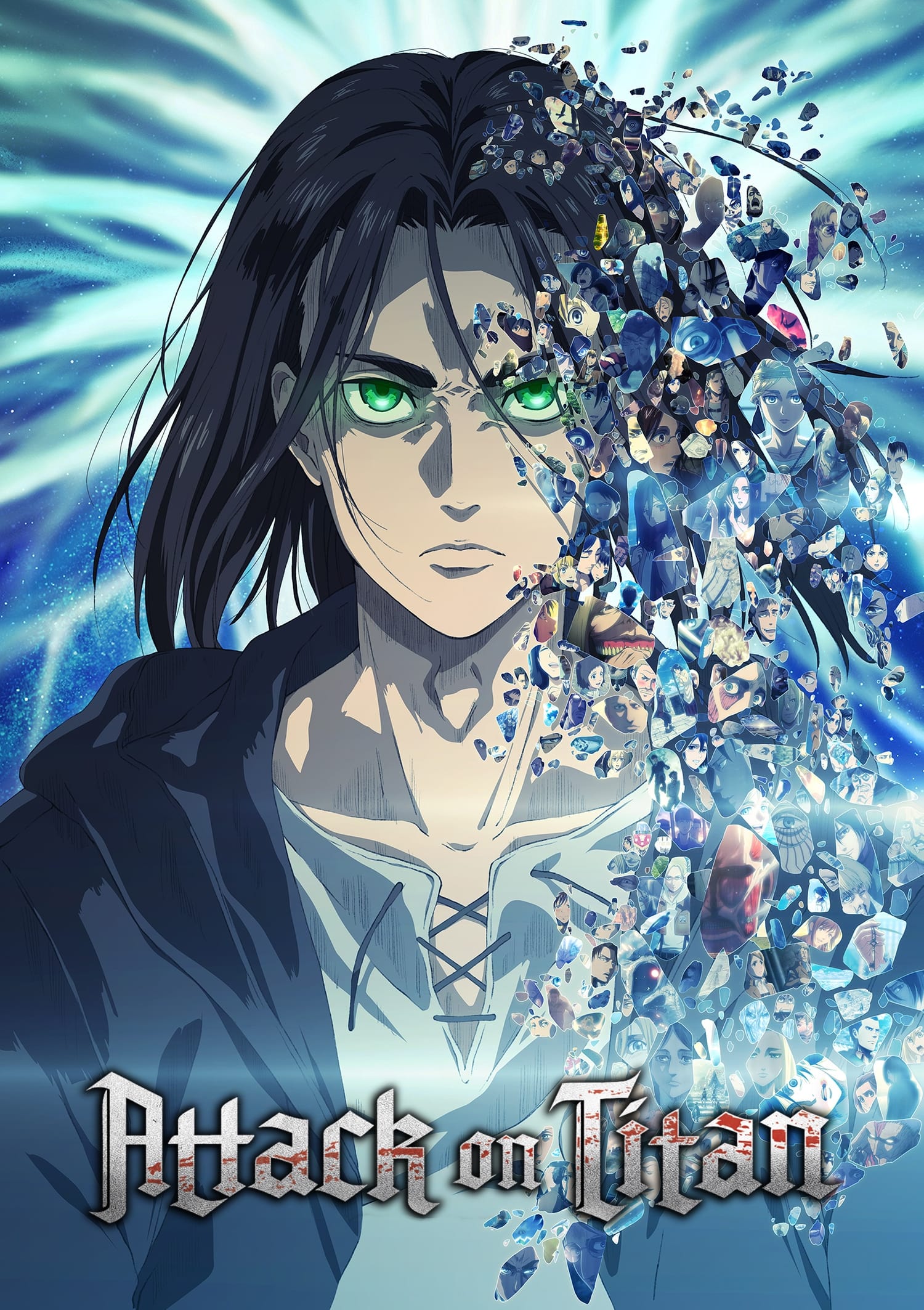
Zeke Yeager’s plan in ‘Attack on Titan’ involves preventing his people from having children, aiming to end their hardship. This storyline explores difficult ideas about eugenics and whether some lives are not worth living due to inherent characteristics. Many viewers have criticized it for echoing ableist and eugenicist beliefs. The series features debates about the value of life that often portray certain traits as tragic, and the idea of eliminating a group to achieve peace has proven very controversial.
‘Bungo Stray Dogs’ (2016–Present)
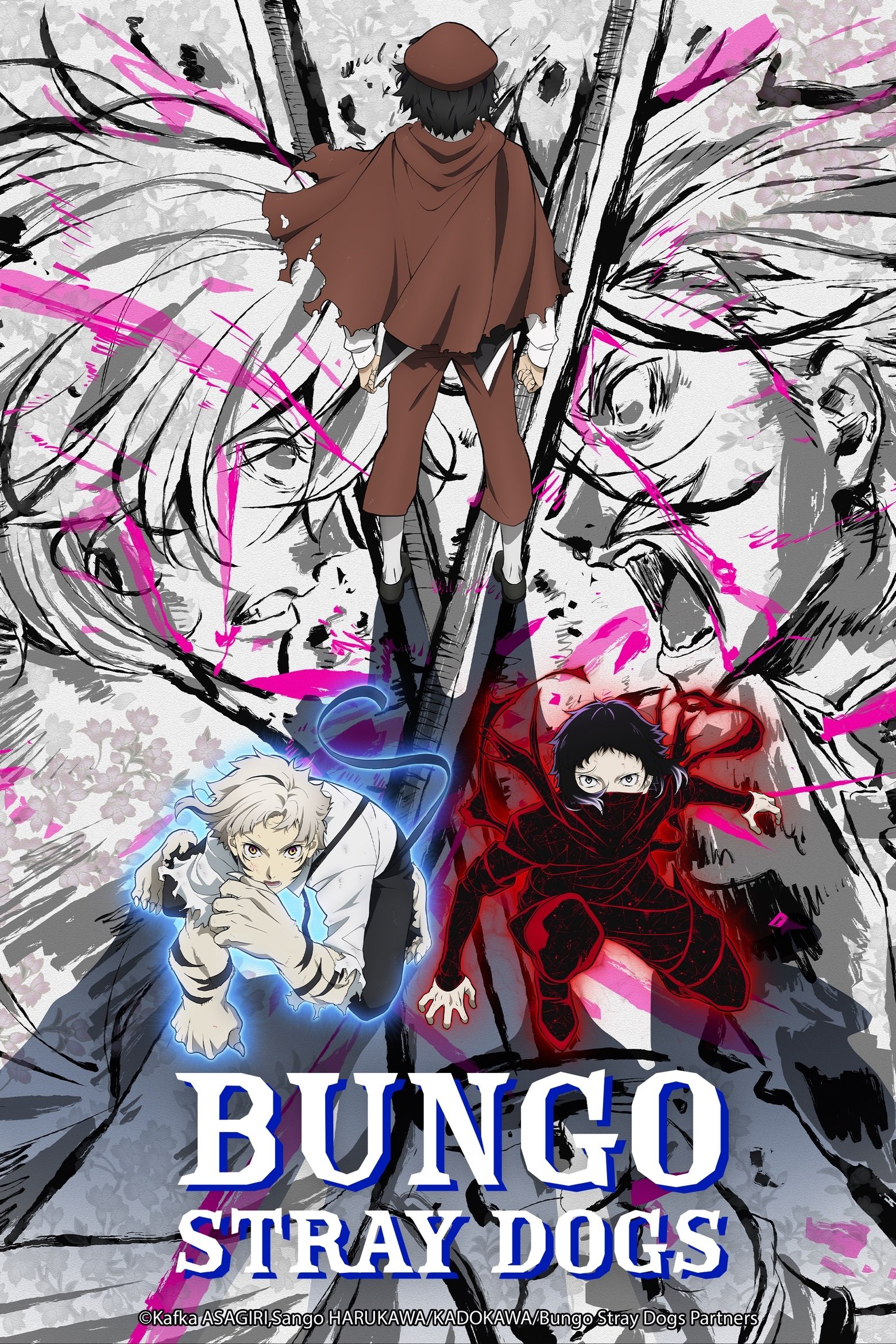
In ‘Bungo Stray Dogs,’ the villain Fyodor Dostoevsky is presented as physically weak but incredibly intelligent. The show uses his frailty to emphasize how dangerous and manipulative he is. This common trope suggests that because he lacks physical strength, he’s become obsessed with controlling others. Some critics argue this implies a connection between disability or illness and a need for extreme cunning, which limits how we see the character – he’s always defined by his physical condition rather than who he is as a person.
‘A Certain Scientific Accelerator’ (2019)
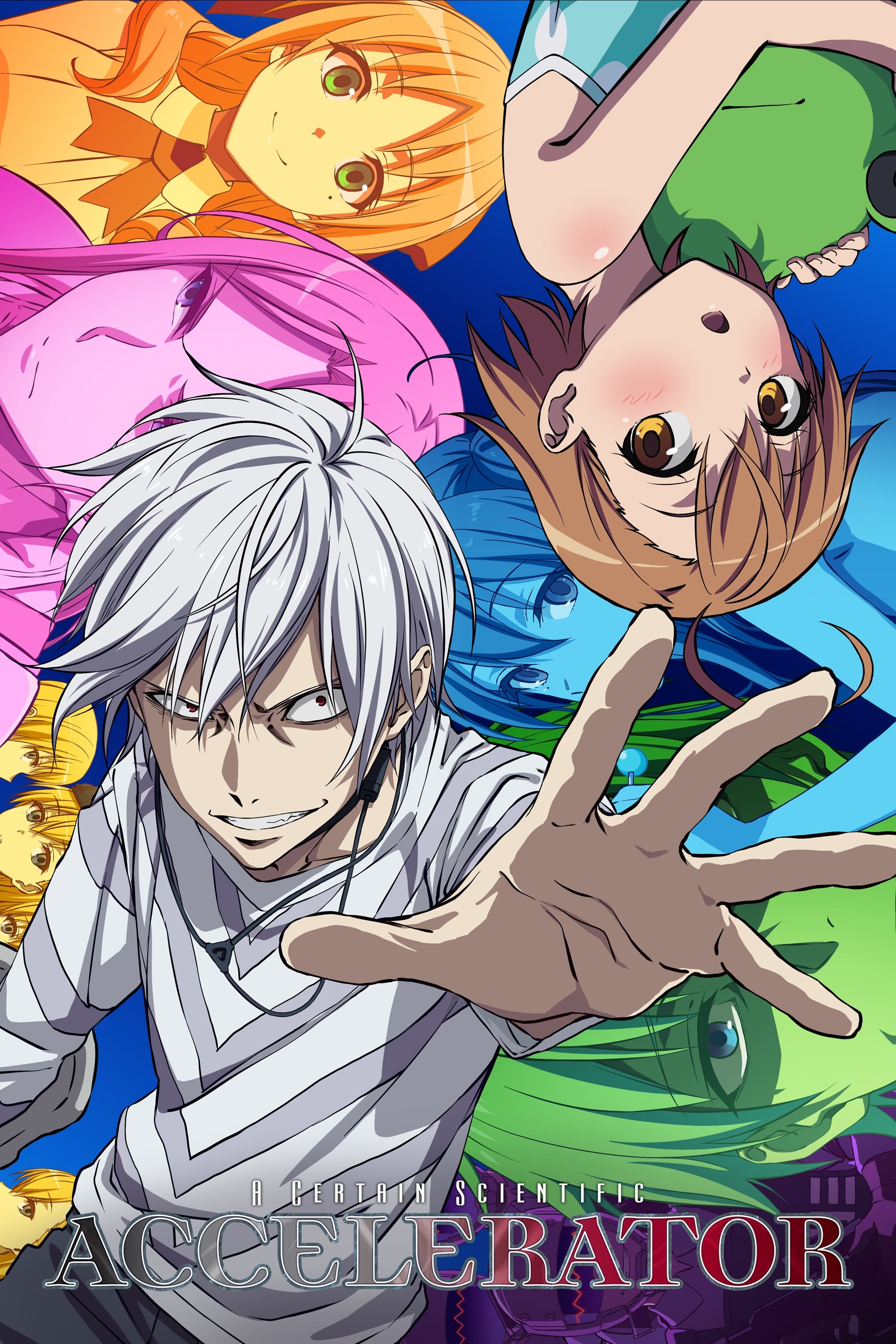
Accelerator is a character with a cane and a device to help him cope with brain damage and physical weaknesses. Though he’s the main character in this series, he started as a ruthless villain known for his overwhelming power and pride. The story often connects his current physical condition to the harmful things he did in the past and his attempts to make amends. Some viewers believe his disability serves as a consequence for his earlier wrongdoings, essentially a visible reminder of his past mistakes.
‘Mob Psycho 100’ (2016–2022)
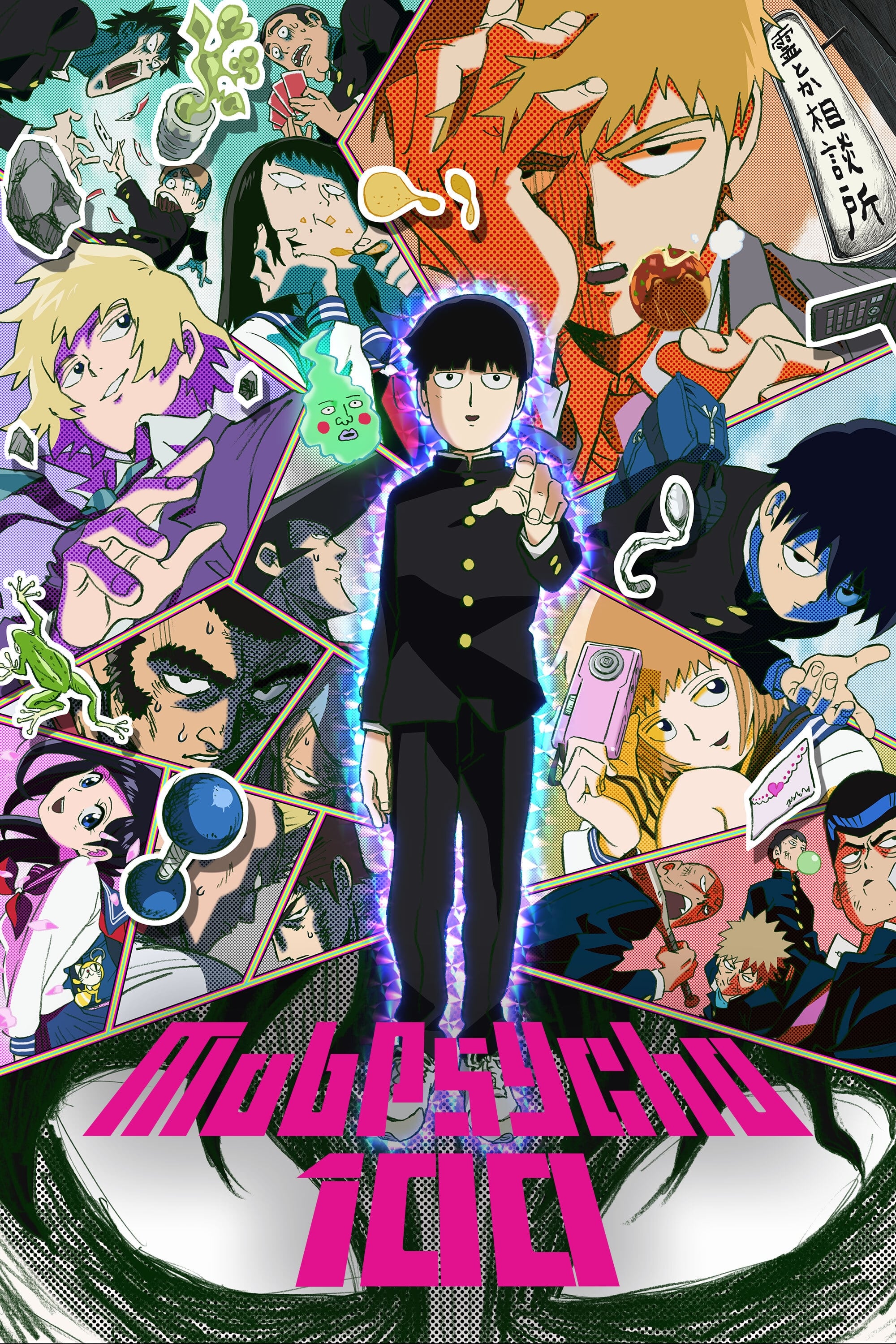
‘Mob Psycho 100’ features Suzuki, the leader of a powerful organization called Claw, who sees himself as a god due to his psychic abilities. The show examines how his relentless pursuit of power damages his relationships and hurts those around him. Many critics have observed that the villains in the series struggle with controlling their emotions and have unstable mental states. This suggests the show’s message that a lack of self-control can be harmful to others. Often, the story concludes with these characters being forced to behave in ways that are considered mentally and emotionally healthy by society.
‘Vinland Saga’ (2019–2023)
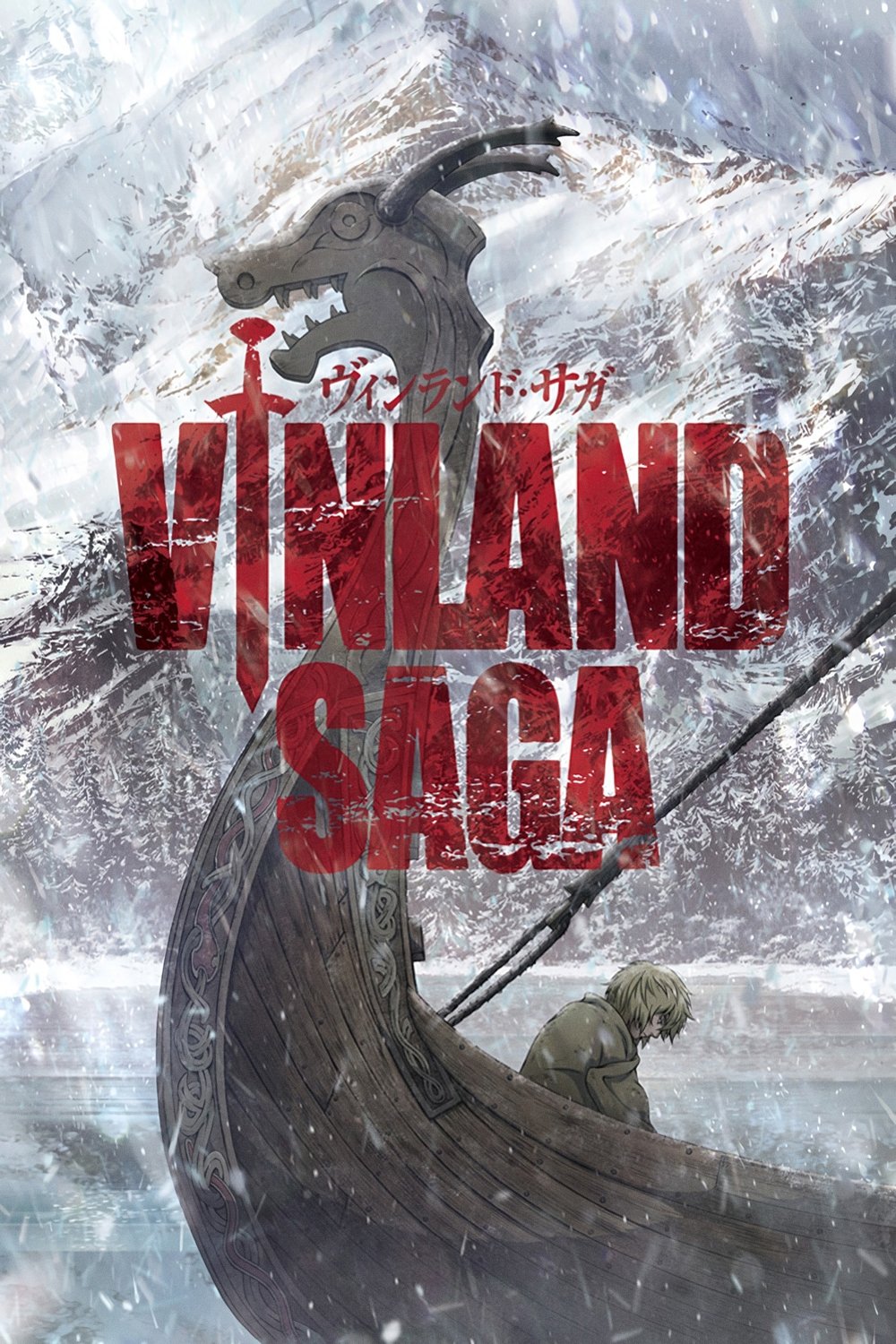
A central storyline in ‘Vinland Saga’ follows Prince Canute’s evolution from a shy, delicate young man into a ruthless king. The series frequently links his earlier weakness – both physical and emotional – to his later skill at manipulating politics. Some viewers and critics believe the show portrays his development as a conscious effort to shed what he saw as flaws. This implies that effective leadership requires abandoning qualities like vulnerability and sensitivity. A common topic of discussion among fans is the relationship between Canute gaining power and seemingly losing his compassion, with some suggesting the story contains harmful ideas about disability and weakness.
‘Monster’ (2004–2005)

Johan Liebert, a central character in ‘Monster,’ is often seen as a villain whose actions are linked to a difficult childhood and his psychological issues. The series presents him as someone lacking empathy and the ability to connect with others – a portrayal some criticize for simply labeling his psychopathy as pure evil instead of exploring the complexities of mental health. Many viewers have pointed out that the story relies on his coldness and detachment to create a frightening atmosphere, which can unfortunately reinforce the harmful idea that people with personality disorders are naturally dangerous and incapable of being helped.
‘Psycho-Pass’ (2012–2019)
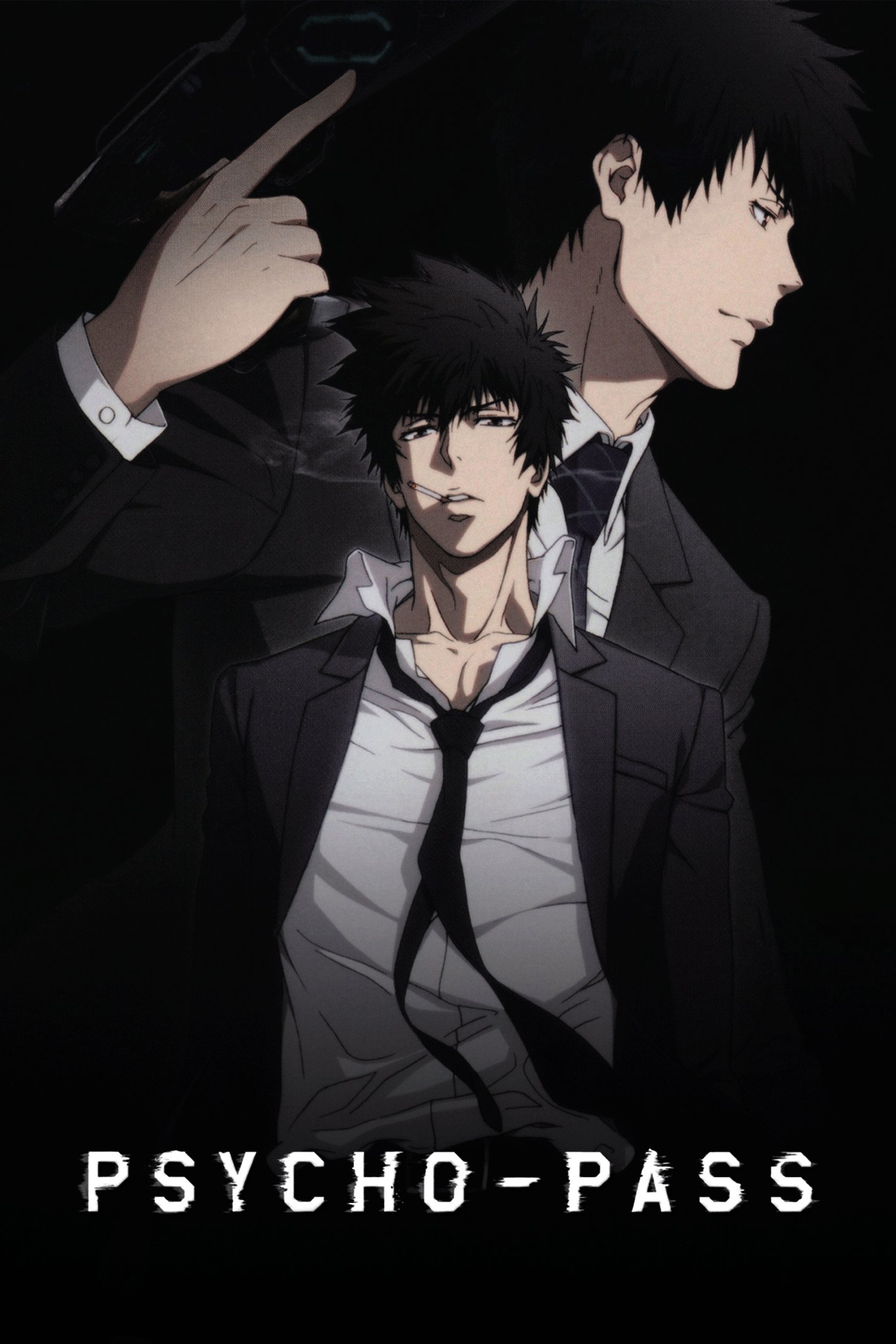
‘Psycho-Pass’ takes place in a world where a system constantly monitors people’s mental states to predict if they might commit crimes. Interestingly, some characters, like Makishima Shogo, can commit terrible acts without ever showing up on the system’s radar. The show’s premise is built on the idea that mental health can be measured and used to divide people into ‘safe’ and ‘dangerous’ groups. Some viewers have criticized this approach, arguing that it suggests a person’s mental state determines their worth and freedom. The story often portrays those with unusual mental states as the main cause of problems in society.
‘Blue Exorcist’ (2011–2017)

The anime ‘Blue Exorcist’ frequently connects demons, including Satan and his children, with physical imperfections or mental instability. The story visually portrays their demonic qualities by showing them struggle to maintain a normal, healthy human appearance. This suggests the series implies a damaged spirit will naturally result in a damaged or impaired body. Many viewers have noted this connection between the supernatural and physical disability is a recurring, but problematic, pattern. It strengthens the harmful idea that a person’s physical health is tied to their goodness or spiritual state.
‘Fire Force’ (2019–2020)
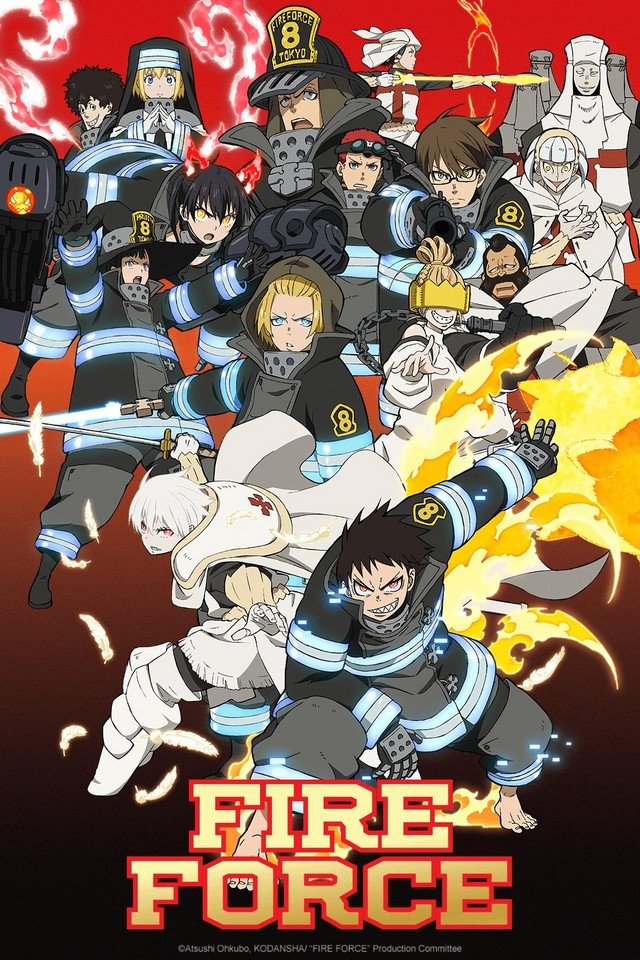
In the anime ‘Fire Force,’ Haumea is a villain known for her wildly unpredictable and emotionally unstable behavior. The series portrays her instability, which some viewers interpret as symptoms of mental illness, to make her a particularly dangerous and frightening member of the White Clad. This portrayal has drawn criticism from some fans who feel it relies on harmful tropes linking mental illness to villainy. Often, her actions are used to create shocking moments and highlight the chaotic nature of the show’s antagonists.
‘Black Clover’ (2017–2021)

In ‘Black Clover,’ the character Patry is motivated by a painful past and a thirst for revenge, which ultimately leads him to inhabit another person’s body. The story examines how his past trauma has warped his perspective and turned him into a danger to the kingdom. Many viewers and critics have observed that Patry’s villainy stems from his inability to heal from deep emotional wounds. This suggests the series portrays trauma as a destructive force that can lead to ruin if left unaddressed. The emphasis on his internal struggles as the root cause of his actions has sparked considerable discussion among fans.
‘Dr. Stone’ (2019–2023)
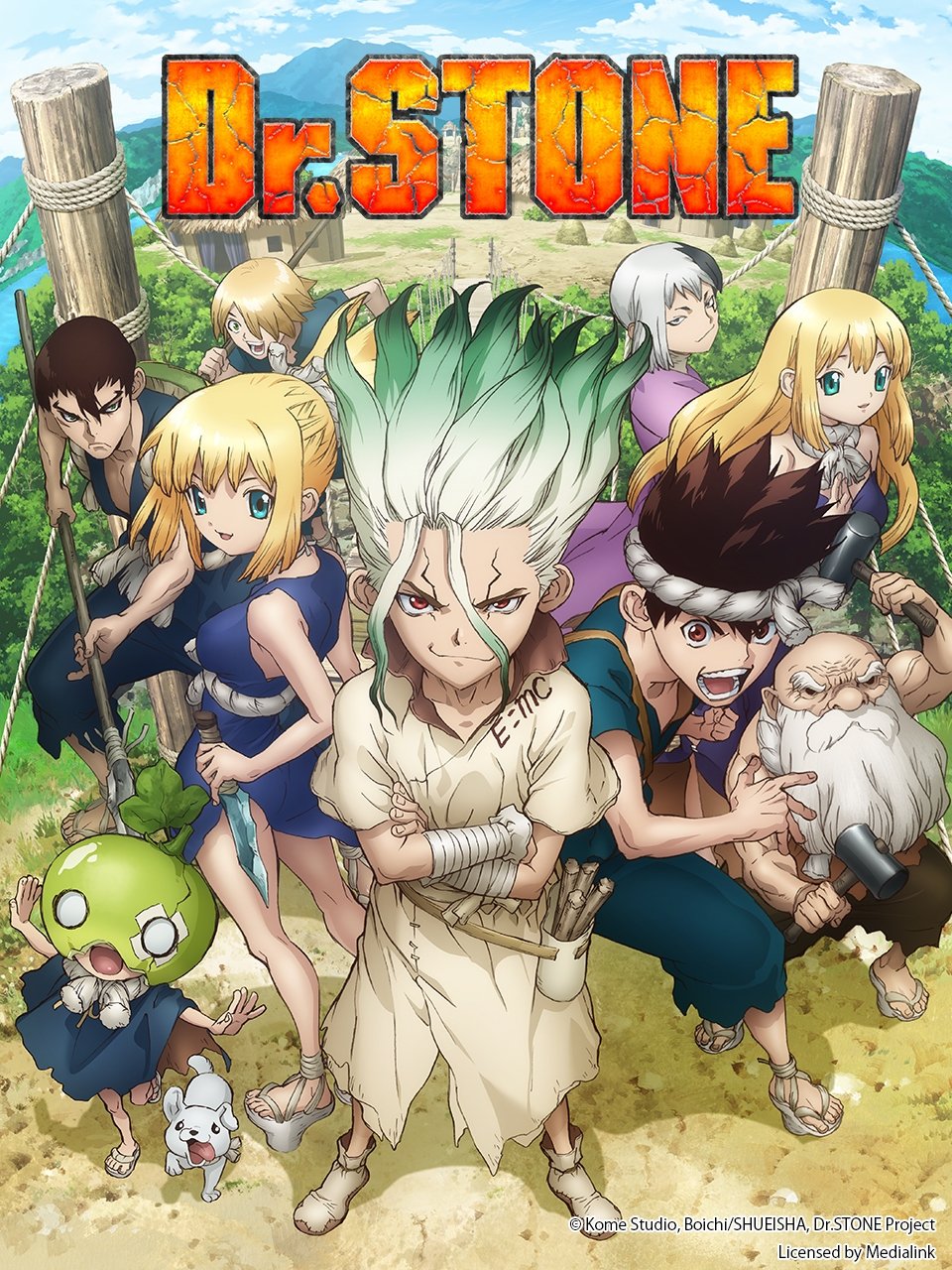
The character Hyoga in ‘Dr. Stone’ believes only the strongest and most capable people deserve to survive, a philosophy rooted in Social Darwinism. This belief drives his actions as the villain, placing him against the heroes who believe all lives have value. Many viewers have noted that this storyline reflects how villains are often motivated by prejudiced ideas about who is ‘worthy.’ Although the show ultimately argues against Hyoga’s views, it still presents the harmful concept that some people are naturally more valuable than others.
‘Fruits Basket’ (2019–2021)

Akito Sohma is a character often depicted as both physically vulnerable and emotionally troubled. In ‘Fruits Basket,’ she acts as the main antagonist, hurting her family members as a way to keep them near her. Some viewers have criticized the show for connecting her harmful actions to her loneliness and perceived frailty. The story frequently presents her abusive behavior as stemming from her own internal pain. This approach has been seen as problematic, potentially reinforcing the harmful idea that suffering and illness lead to cruelty.
‘Mobile Suit Gundam’ (1979–1980)
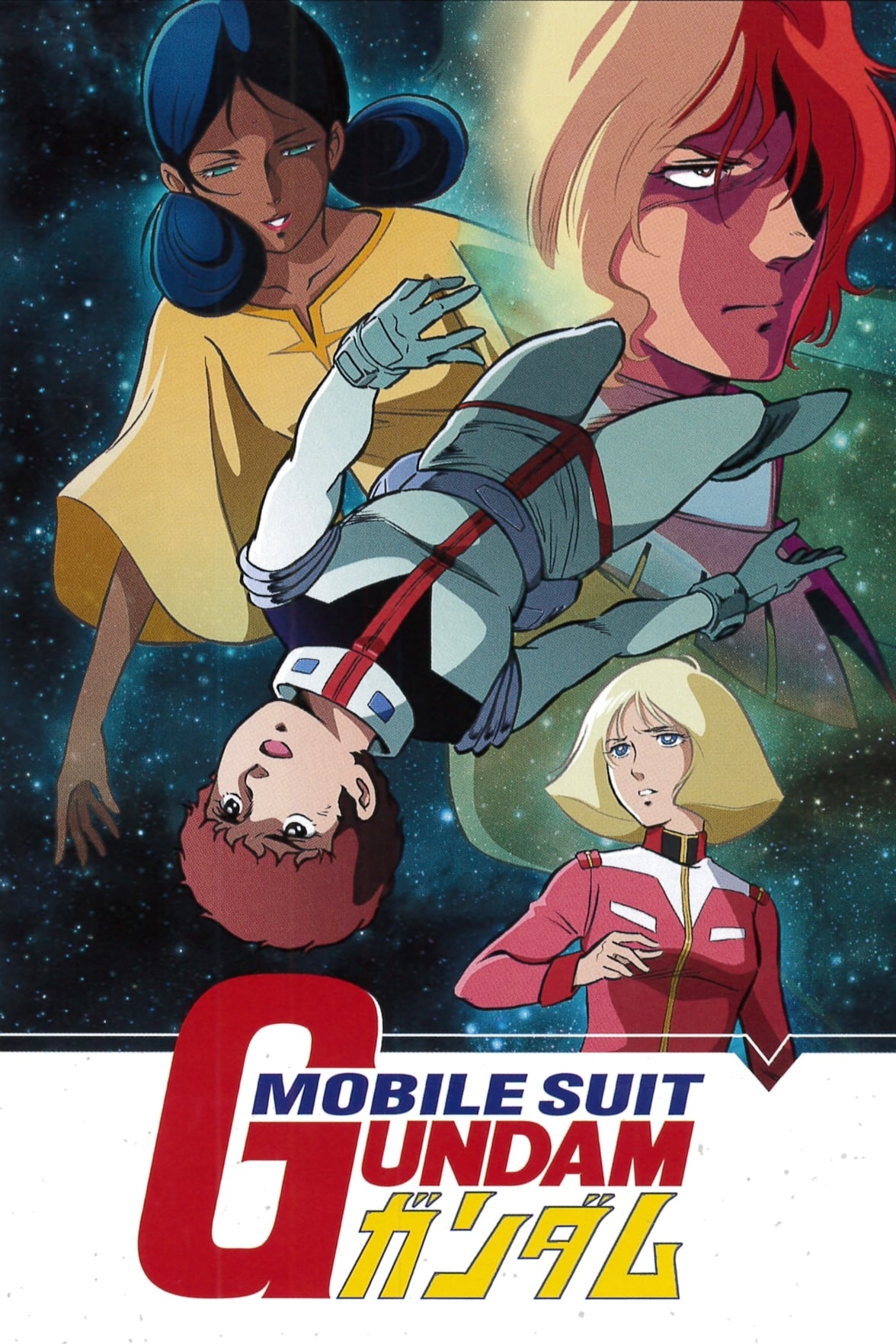
Char Aznable, a well-known villain, often wears a mask to conceal both his identity and a past injury. This mask and scar aren’t just physical traits; they represent his hidden intentions and the trauma he’s experienced. The series uses these visual cues to suggest that characters with visible imperfections are often concealing secrets or have questionable morals. Some critics point out that the frequent use of masks and scars in ‘Mobile Suit Gundam’ and similar shows relies on harmful stereotypes, portraying physical differences as something to be hidden or as a sign of inner darkness.
‘Sailor Moon’ (1992–1997)
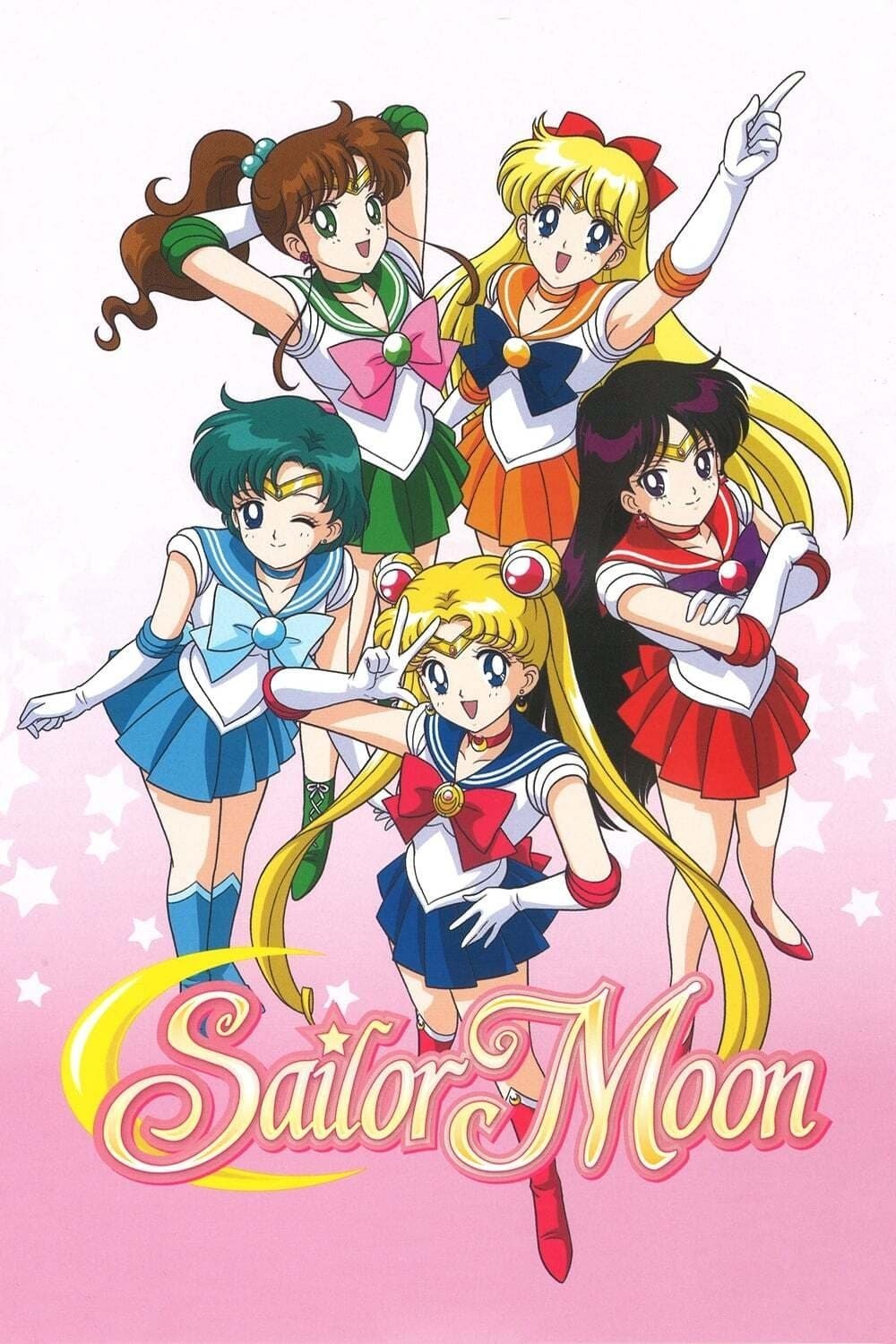
Sailor Galaxia is a villain whose immense power twists her appearance, showing her descent into darkness. The story highlights the difference between how she used to look and her corrupted form. These changes often make her seem less human and more frightening, leading viewers to associate this look with evil – something distinct from simply being unhealthy or unattractive. The visual transformation is a clear signal that she’s no longer a force for good.
‘Cowboy Bebop’ (1998–1999)
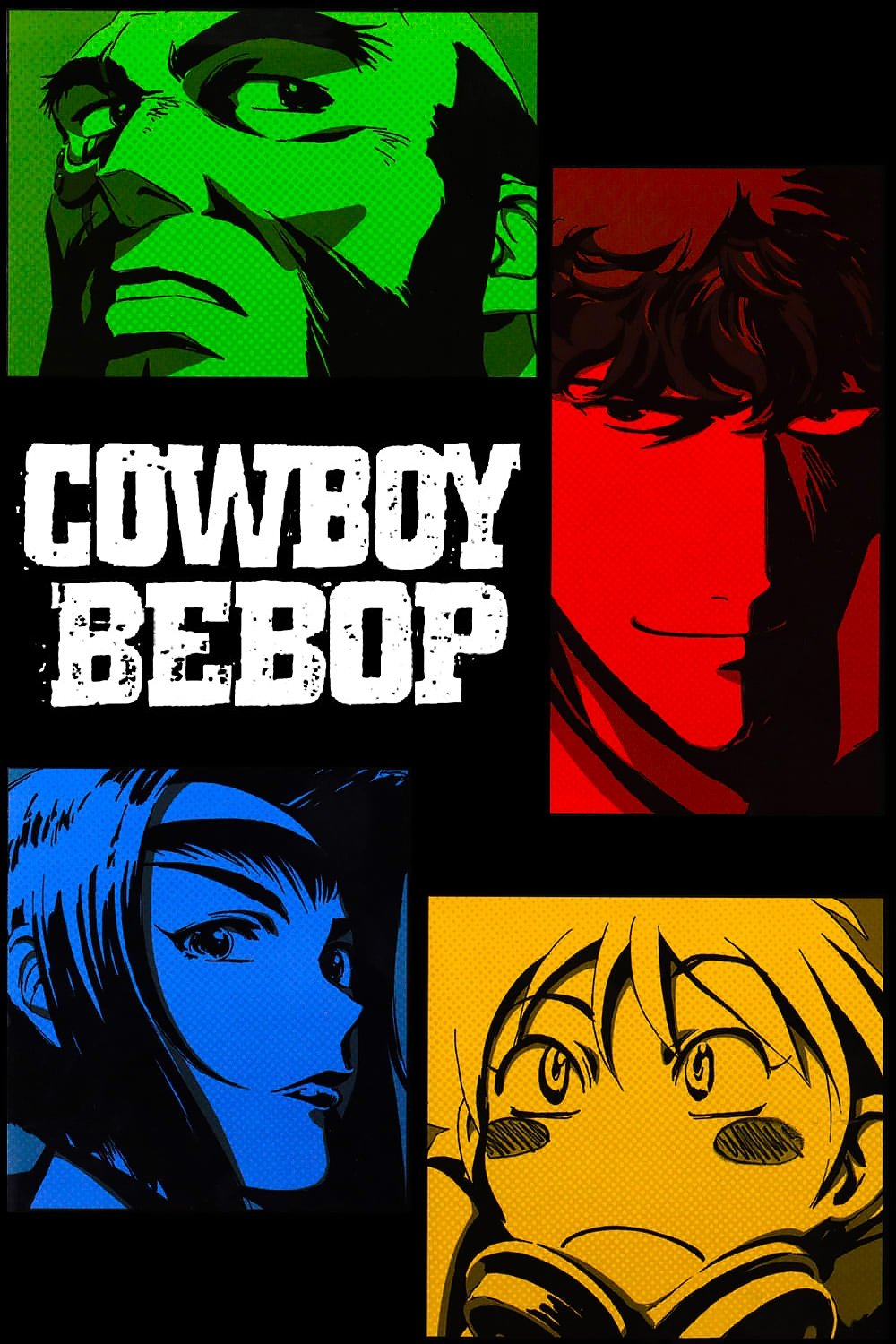
In the anime ‘Cowboy Bebop,’ the villain Mad Pierrot is a tragic figure created by a flawed experiment. He possesses the strength of an adult but thinks like a child, making him both unsettling and sympathetic. The show links his dangerous behavior directly to his limited mental capacity. However, some critics argue that the episode unfairly portrays mental disability as frightening, implying that anyone with impaired cognitive function is a danger to others.
‘Neon Genesis Evangelion’ (1995–1996)
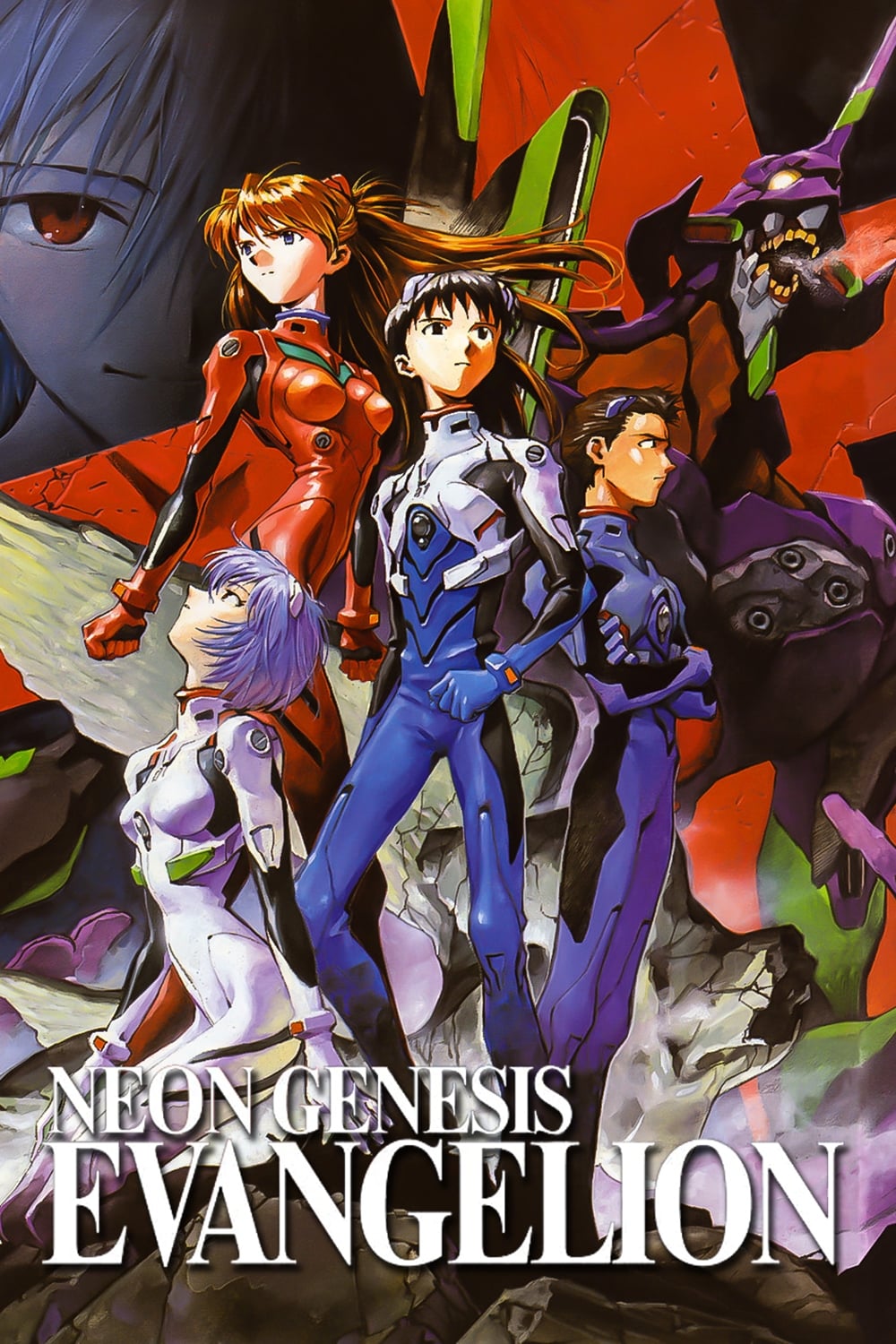
Gendo Ikari is a villain known for being cold and emotionally distant. The story delves into his troubled past, showing how personal losses have deeply affected him. Many viewers have discussed whether his behavior might be explained by neurodiversity or difficulty with social connection. Some believe the series unfairly connects these traits to his villainy, suggesting that being socially detached makes someone dangerous or unethical. This implies that a lack of normal social bonds is a sign of a flawed or immoral character.
‘Devilman Crybaby’ (2018)
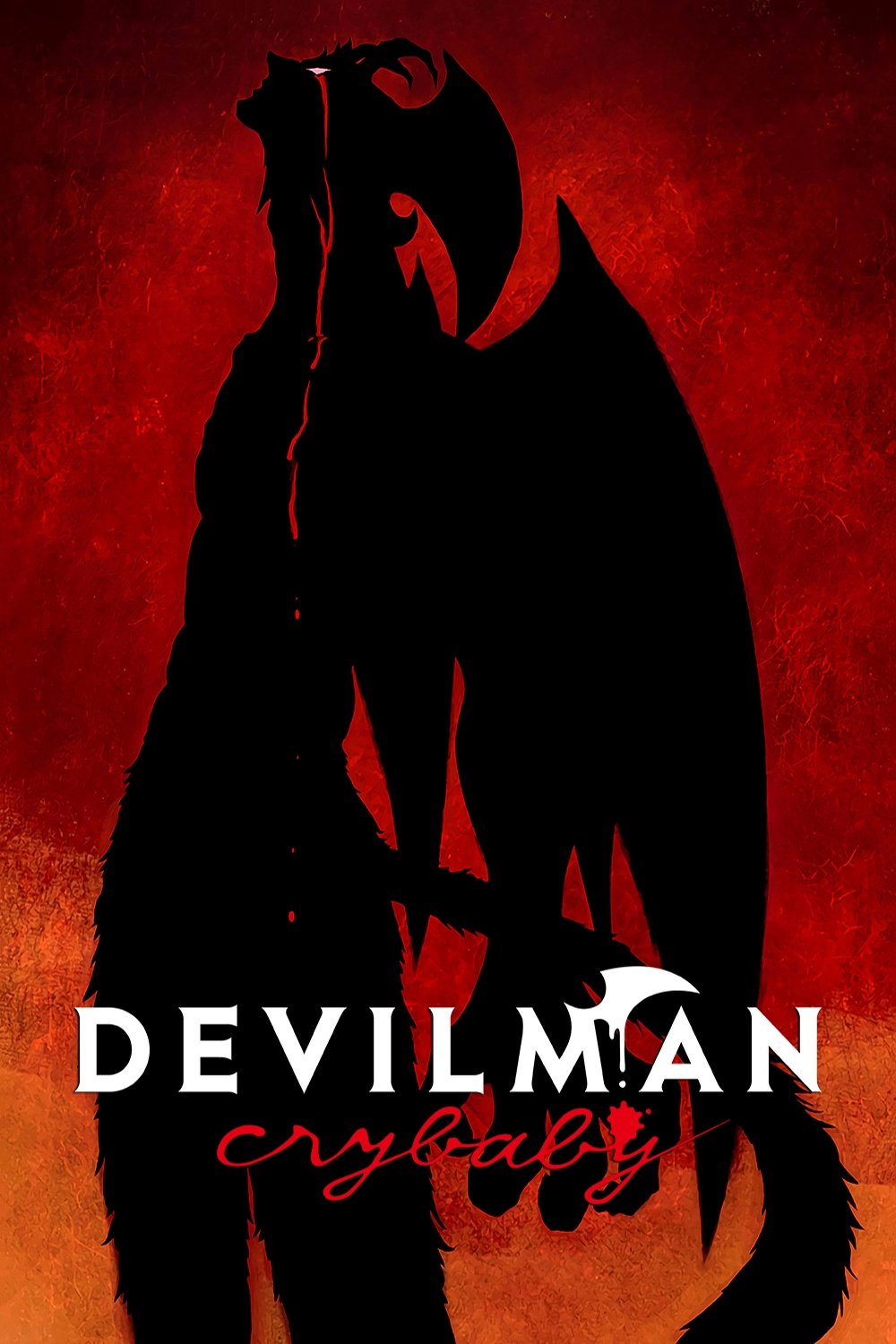
Ryo Asuka is a character defined by his inability to feel or understand emotions, which ultimately makes him the villain. The story emphasizes this by contrasting his cold, logical thinking with the strong feelings of the main character, portraying him as fundamentally different from humans. However, some critics argue this approach unfairly suggests that anyone who experiences emotions differently is inherently bad. His emotional distance is presented as a reason for his harmful actions against humanity, and this depiction could be considered insensitive to those with differing emotional or social experiences.
‘Yu-Gi-Oh! Duel Monsters’ (2000–2004)
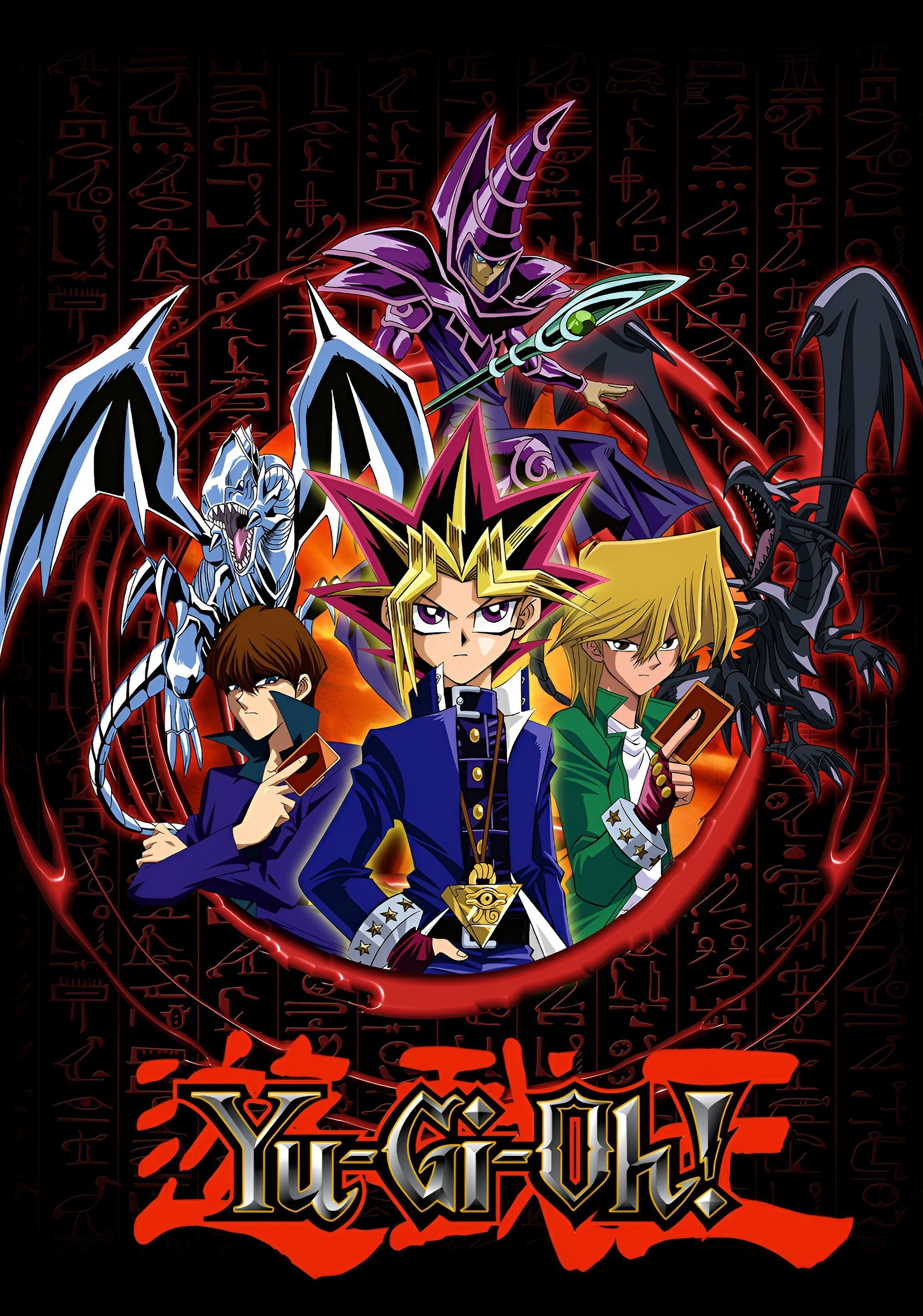
Marik Ishtar is a villain whose actions stem from a painful childhood and a traumatic ritual. This experience causes him to develop a separate, purely evil personality. The show uses this split personality to justify his violence and hunger for power. However, some viewers have criticized the series for its flawed and harmful depiction of mental health, suggesting it incorrectly links trauma and mental illness to inherently evil behavior.
‘One-Punch Man’ (2015–2019)
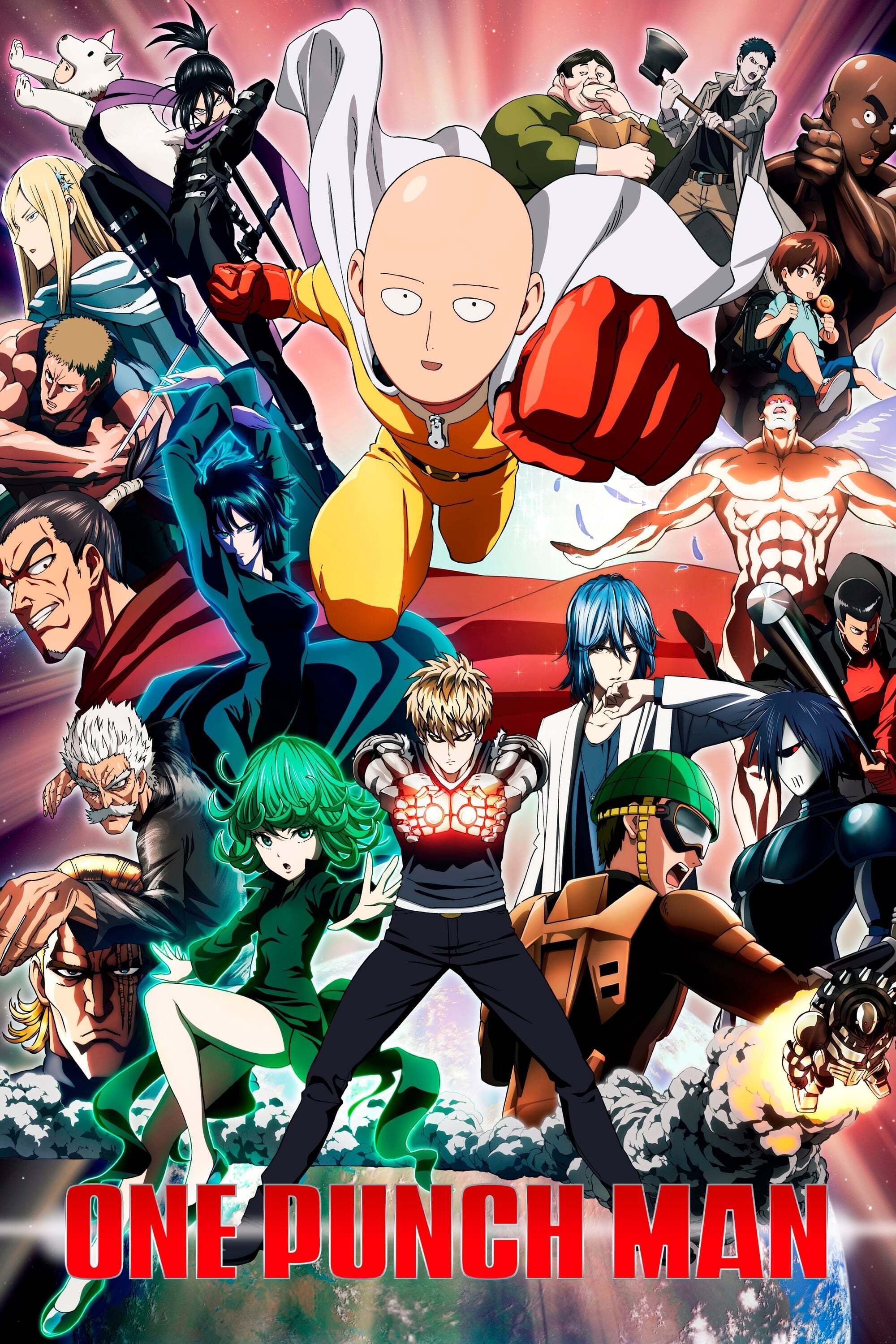
In ‘One-Punch Man,’ the villains of the Monster Association often have frightening appearances that reflect their inner obsessions or physical transformations. These designs frequently suggest they’ve lost their connection to humanity and their place in the world. Some viewers believe that using physical differences to represent villainy can be seen as a form of prejudice. The story consistently portrays heroes as physically ideal and powerful, while villains are often shown with deformities, creating a strong visual contrast between good and evil.
‘Deadman Wonderland’ (2011)
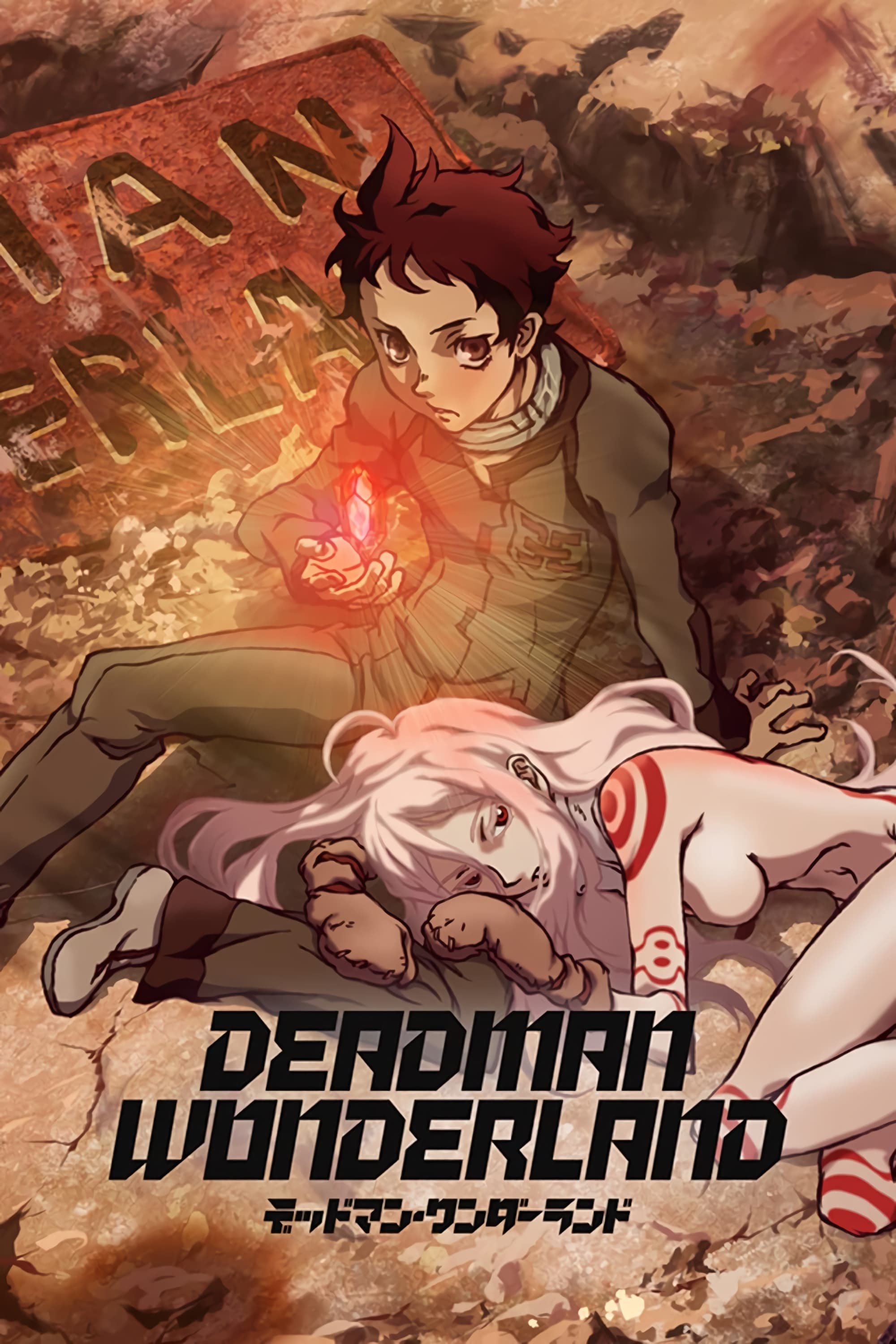
Toto Sakigami is a villain who looks weak, even though he’s incredibly powerful. The series highlights his frail condition to create a disturbing effect and show how the prison has changed him. He also acts unpredictably and cruelly, leading to questions about his sanity. Many critics note that these characteristics make him a particularly unsettling and effective villain in ‘Deadman Wonderland.’ This combination of physical and mental instability creates a feeling of something being deeply wrong and dangerous.
‘Dororo’ (2019)
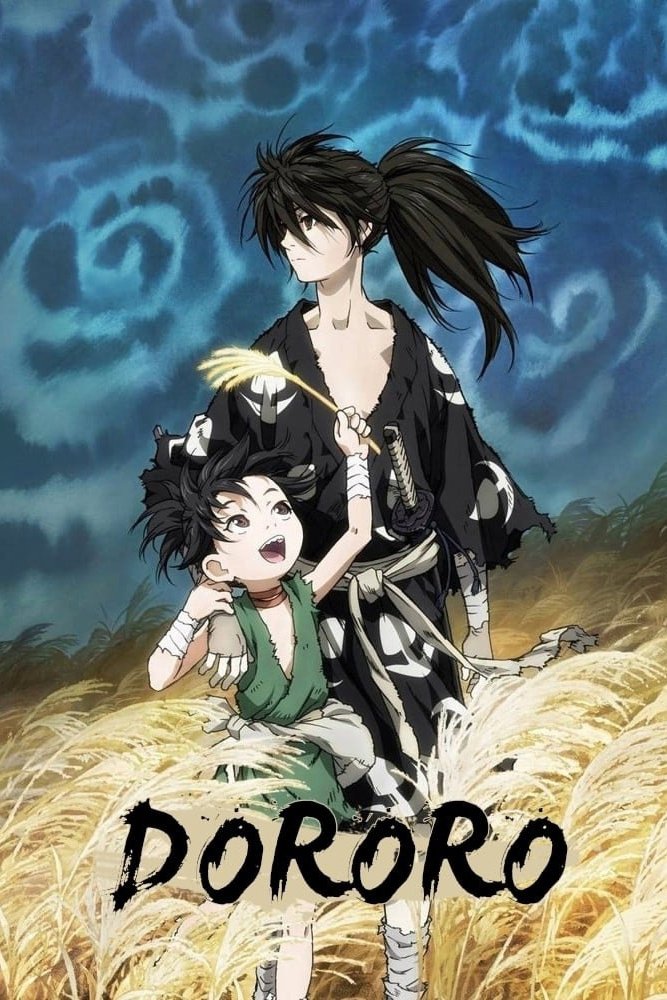
The anime ‘Dororo’ features a villain, Daigo Kagemitsu, who makes a deal with demons, sacrificing his son’s body parts to bring good fortune to his province. The story follows this son, born without limbs or senses, as he journeys to defeat demons and reclaim what was lost. While he’s the hero, some critics argue the story presents his birth condition as a terrible problem to be solved. The villains justify his suffering as a necessary cost for their own gain, which can shift the focus from the character’s identity to the perceived tragedy of his disability.
‘Hunter x Hunter’ (2011–2014)
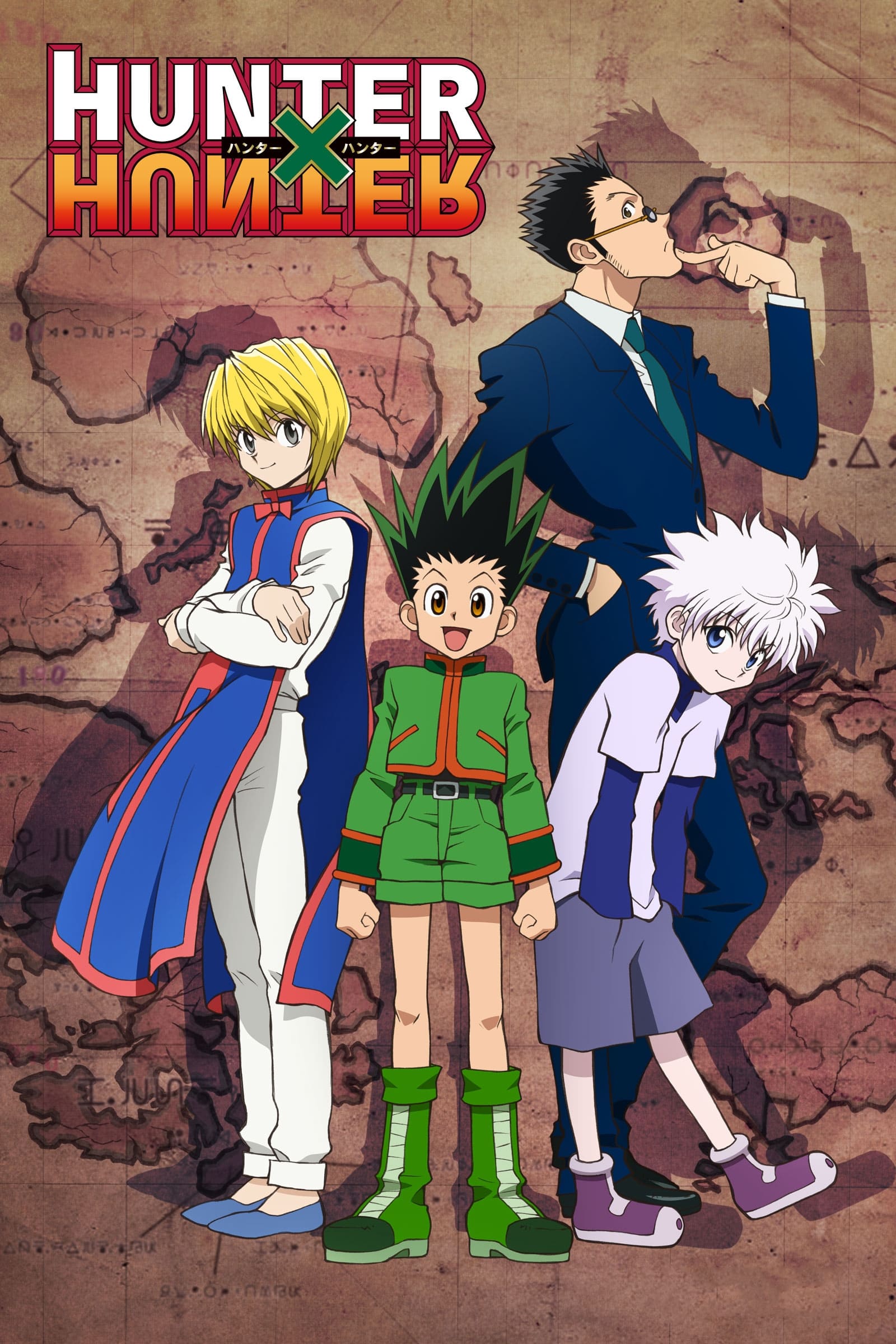
In ‘Hunter x Hunter,’ Genthru is a villain known for being cold, calculating, and willing to kill to achieve his aims. The show portrays him as someone who doesn’t care about the lives or safety of others. Many viewers have noted how his emotional distance highlights his dangerous nature, and how he’s deliberately written as the opposite of the series’ more compassionate heroes. This emphasizes that a lack of empathy is a defining trait of his villainy.
‘The Rising of the Shield Hero’ (2019–Present)
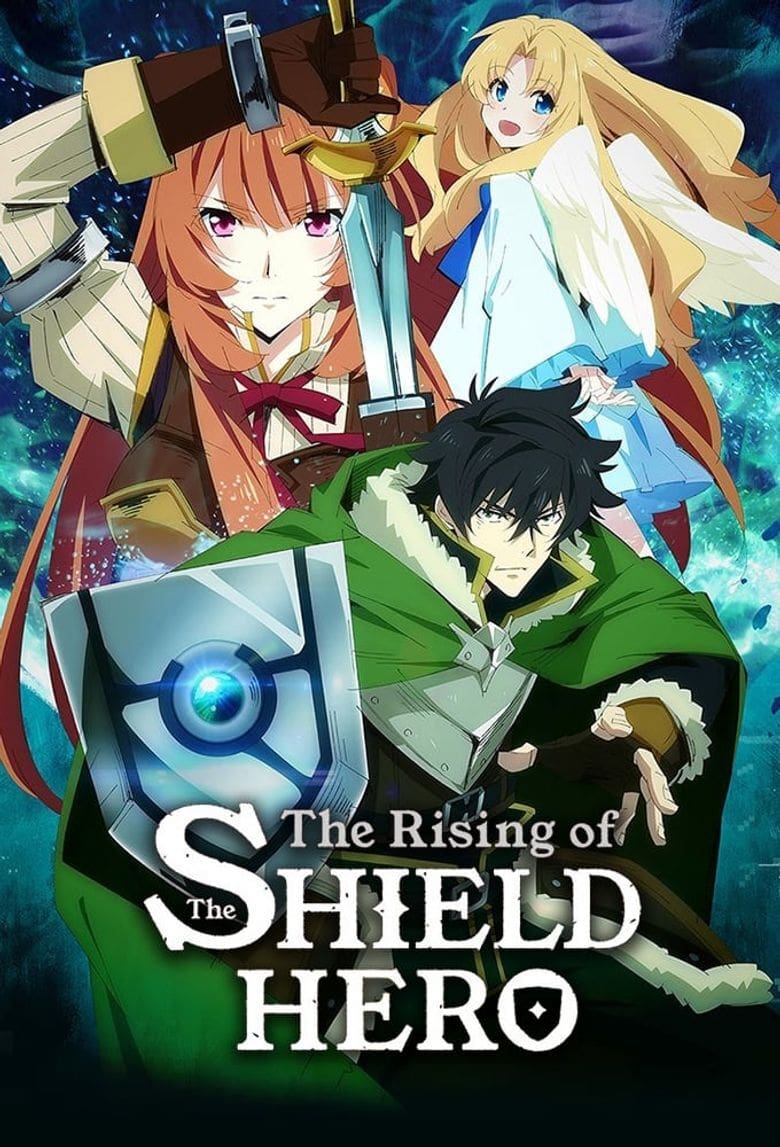
Kyo Ethnina is a villain who sees people only as subjects for his experiments. The story highlights his coldness and relentless pursuit of scientific ideals as evidence of his wickedness. However, some critics note that he embodies the familiar ‘mad scientist’ stereotype – the idea that a lack of emotional connection leads to cruelty. The series intentionally makes him unlikeable by emphasizing his emotional distance.
‘Terror in Resonance’ (2014)
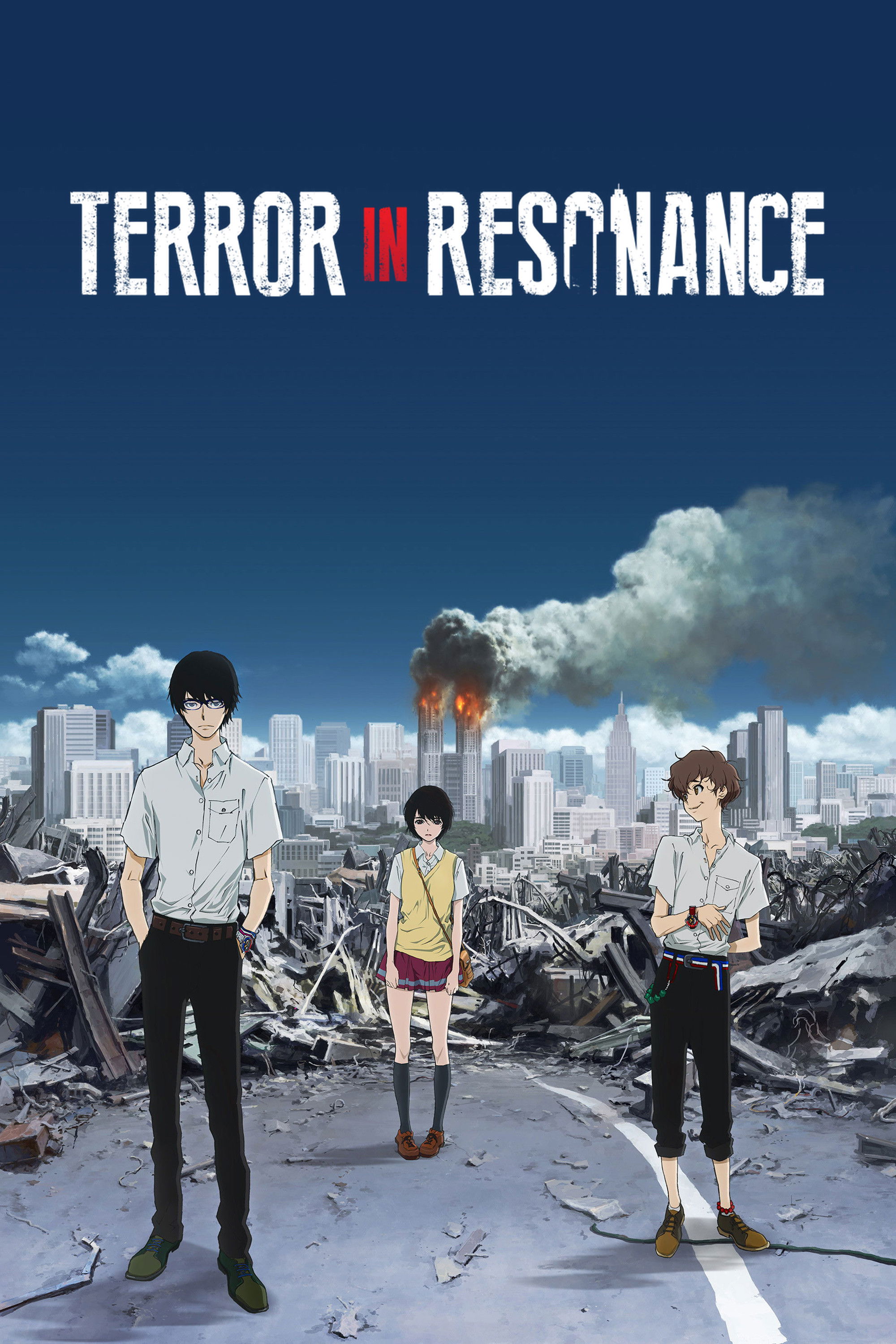
In the anime series ‘Terror in Resonance,’ the character Five is a villain whose troubled past—marked by medical experimentation—has deeply affected her both physically and emotionally. The show connects her trauma to her fixation on the main characters and her violent behavior. However, some viewers have criticized the series for portraying her suffering as justification for being a dangerous character. The narrative often presents her actions as a direct consequence of the harm she endured, which can reinforce the harmful idea that trauma and disability automatically lead to destructive outcomes.
What are your thoughts on how these anime series handle disability and villainy in the comments?
Read More
- Trading on Thin Air: AI Agents Conquer Crypto Volatility
- 20 Movies Where the Black Villain Was Secretly the Most Popular Character
- Invincible Season 4 Gender Swaps Tech Jacket As Fans Question Major Comic Change
- Silver Rate Forecast
- 22 Films Where the White Protagonist Is Canonically the Sidekick to a Black Lead
- 15 Films That Were Shot Entirely on Phones
- Gold Rate Forecast
- Trading Smarter: AI-Powered Execution Schedules
- Celebs Who Narrowly Escaped The 9/11 Attacks
- Smarter Order Execution: How AI is Outperforming Wall Street’s Playbook
2026-01-11 18:25