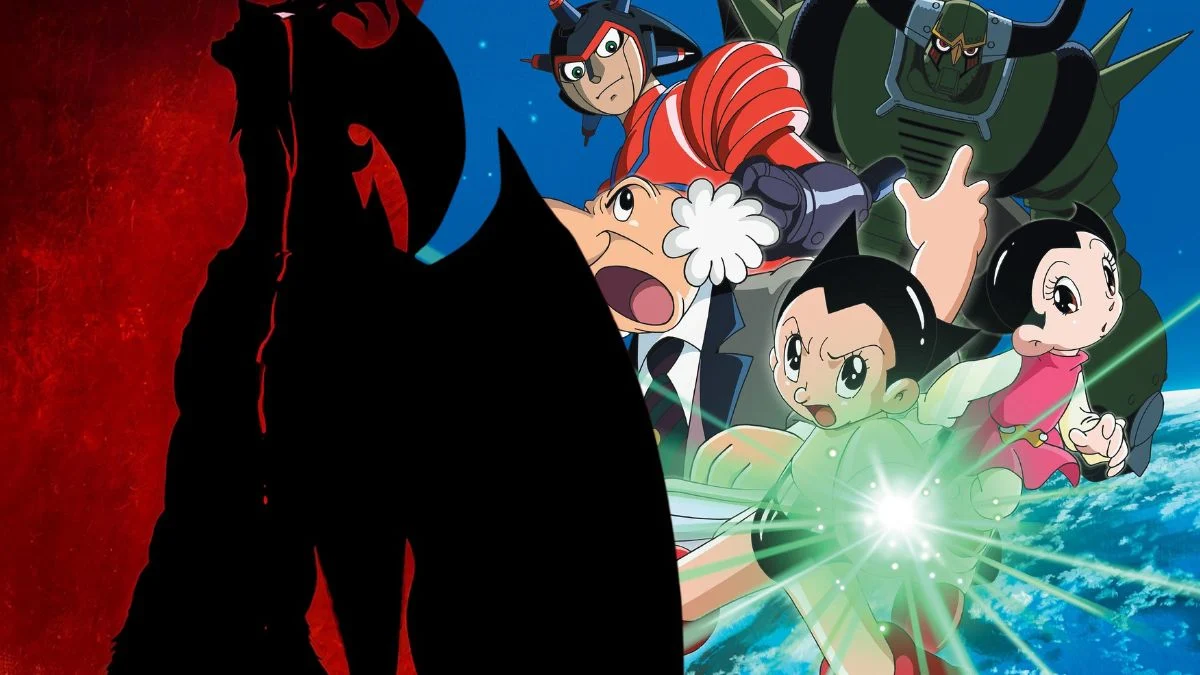
When anime series are remade, studios often update the animation and character designs to appeal to modern viewers. Unfortunately, this can lead to less variety in how characters look, particularly with body types. Remakes frequently remove or redesign characters with larger builds, favoring a slimmer, more idealized look over the diverse proportions seen in the original anime or manga. This means characters who were once larger and provided unique appearances or comedic moments may be changed or removed entirely.
‘Sailor Moon Crystal’ (2014–2016)
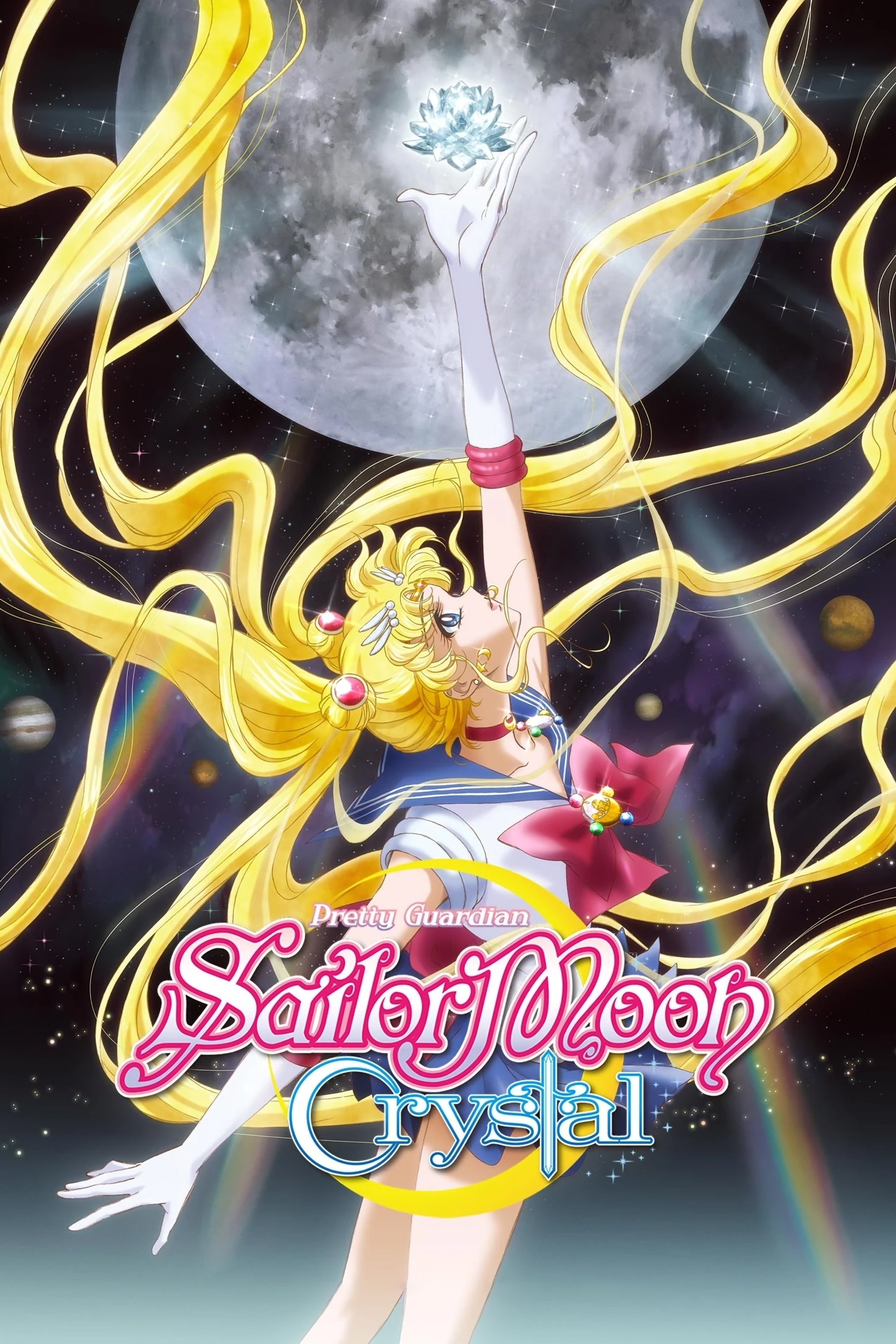
This new version of the series prioritized a look closer to the original manga, which had very slender and tall characters. To achieve this, the designers removed some of the more rounded background characters that were present in the older anime. Both the heroes and villains now have noticeably slimmer builds, especially during transformations and everyday scenes. This change means the series has less variation in body types compared to the original TV series, which sometimes included more diverse designs in its filler episodes.
‘Urusei Yatsura’ (2022–2024)
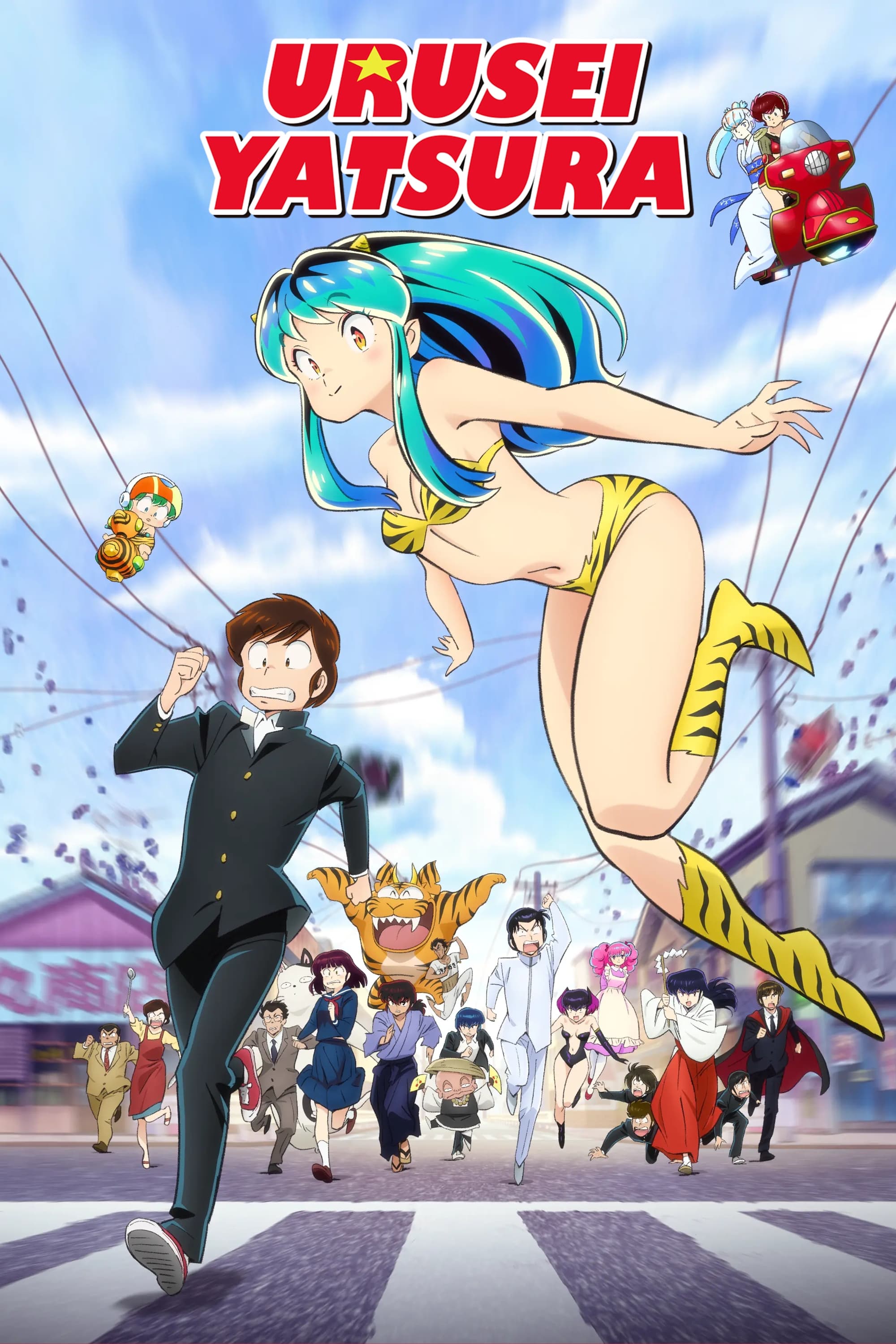
The recent reboot of this beloved series gave the characters a fresh, modern look with a cute, anime-inspired style. While the main characters still look familiar, many of the supporting students with different body types were either made simpler or cut completely. The original version from 1981 included a lot of visual jokes based on various body shapes, but these are missing from the new, more polished version. This emphasis on a cleaner art style means the students at Tomobiki High School all look more similar to each other.
‘Hunter x Hunter’ (2011–2014)
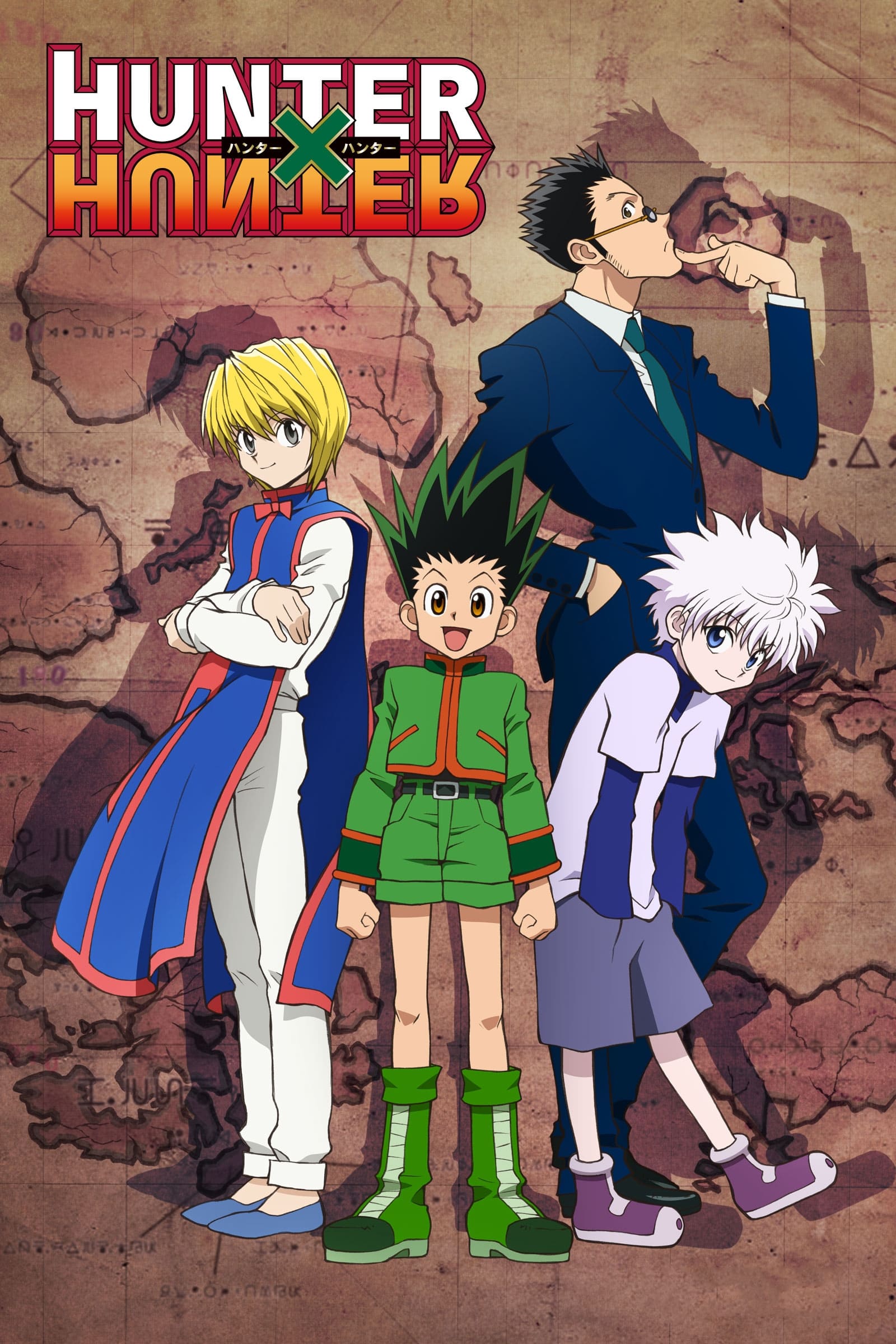
This new version of the series is a closer adaptation of the original manga. Unlike the 1999 anime, it leaves out some characters created specifically for the Hunter Exam storyline. These characters, often with unique and comical designs, were added to fill out the early episodes. By sticking more closely to the manga, the 2011 version moves the story along more quickly and focuses more on the main characters, resulting in a more uniform look for the overall cast.
‘Fruits Basket’ (2019–2021)
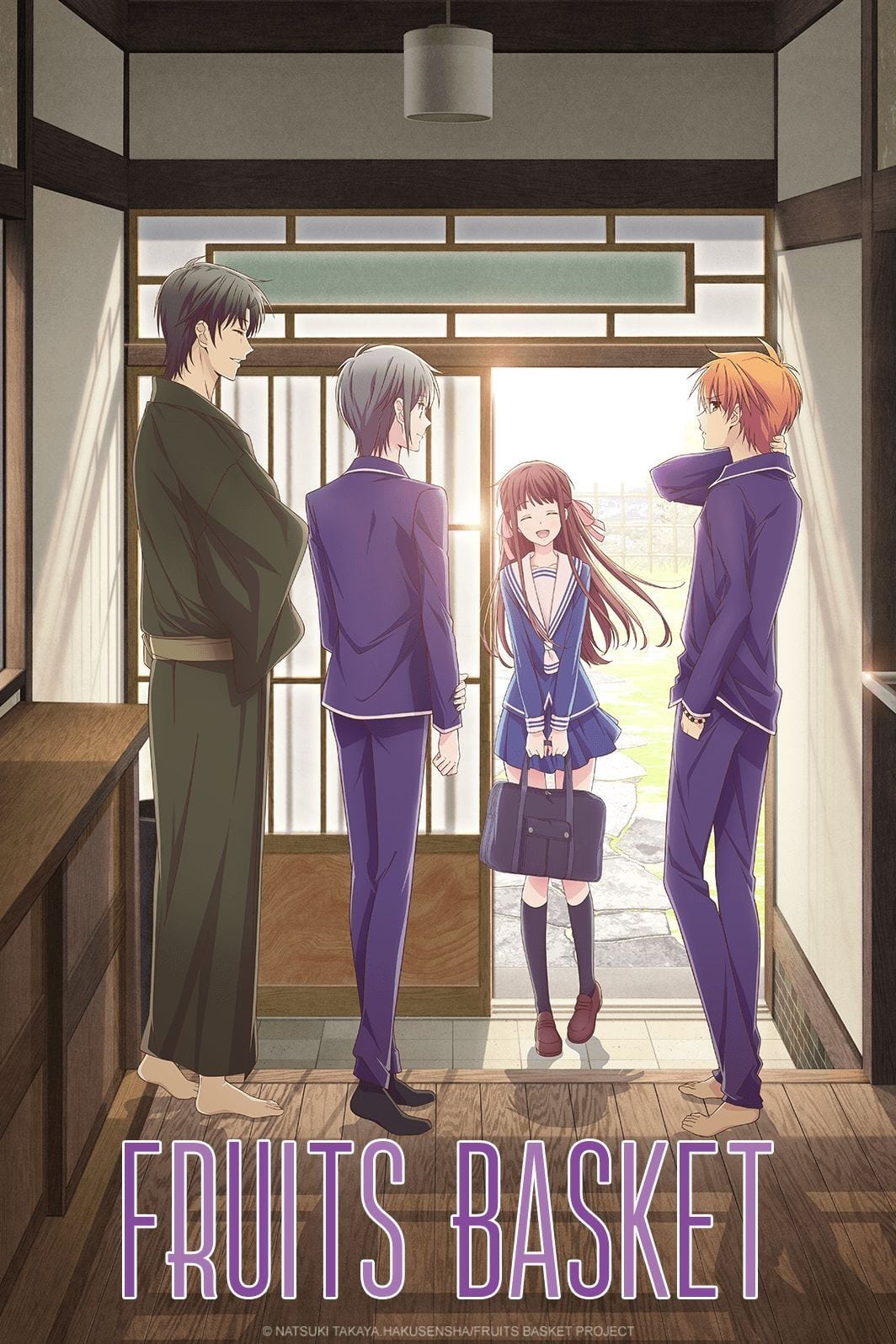
This updated version of the classic series features a new art style, similar to the later chapters of the original manga. Characters now have slimmer builds and more refined facial features compared to the 2001 version. Even minor characters were redesigned to be thinner and more conventionally attractive, reflecting current trends in romance anime.
‘Devilman Crybaby’ (2018)
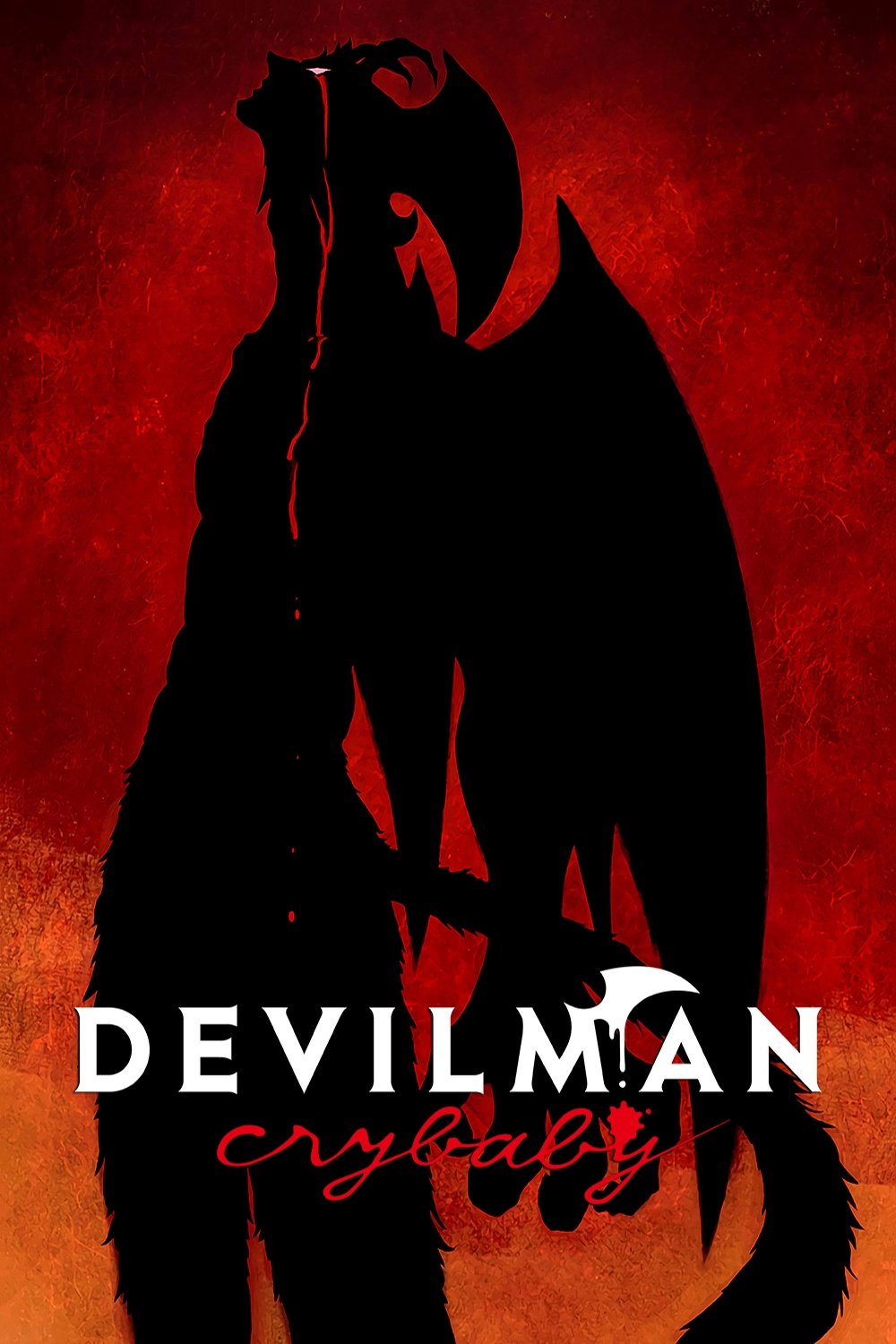
Masaaki Yuasa’s new take on this classic series features a distinctive and flowing art style. He’s visually updated the characters, especially those originally designed with larger builds. Many formerly bulky characters and minor antagonists have been redesigned with slimmer, more elongated forms, or removed altogether. The new character designs resemble modern athletes or artistic sketches, a departure from the wider range of body types seen in the original series.
‘Trigun Stampede’ (2023)
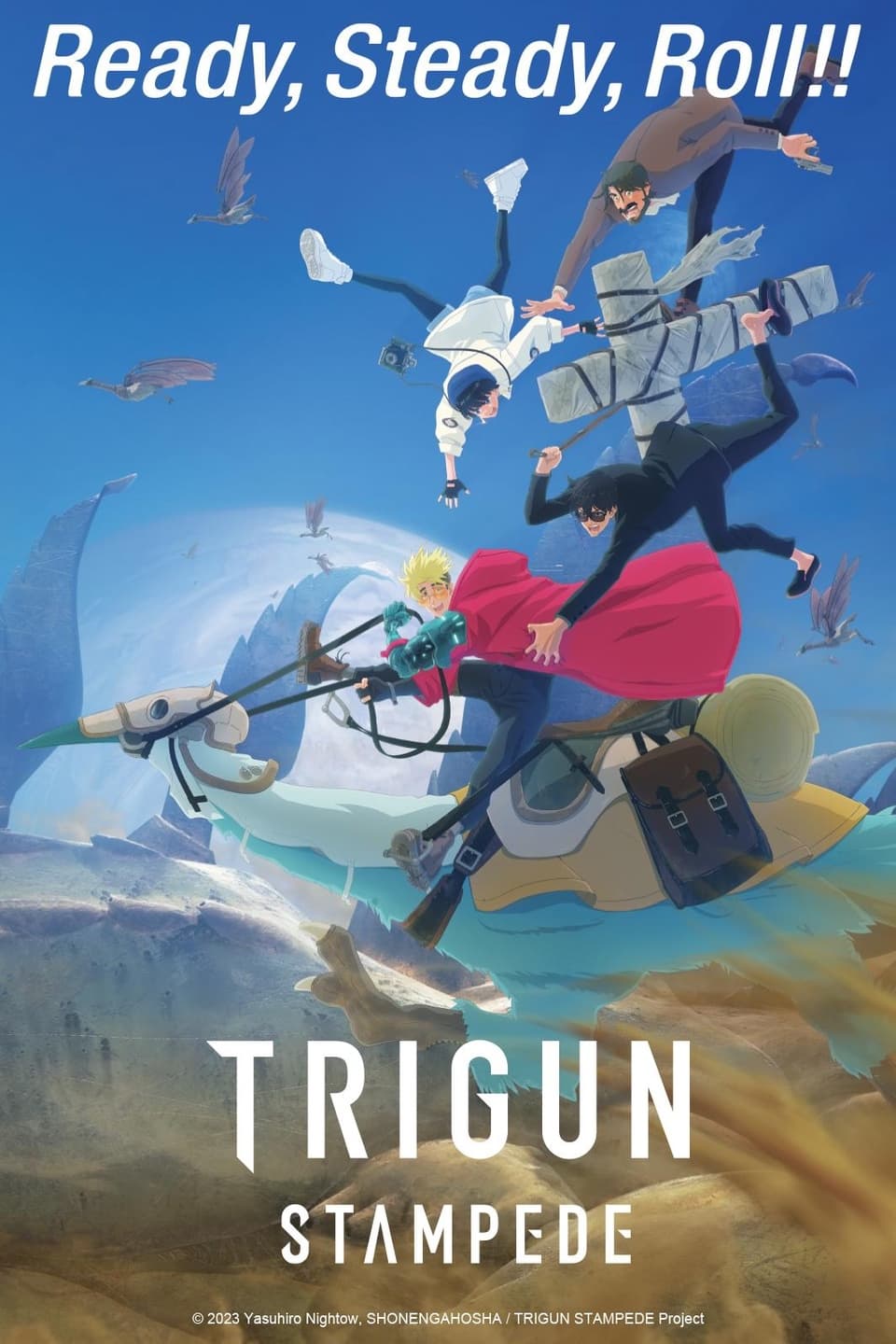
This new version of the Vash the Stampede story features a completely updated look for the world of Gunsmoke. Compared to the 1998 series, the bounty hunters—who were often portrayed as rough and bulky—now have more streamlined and even robotic appearances. The townspeople and minor villains also have a noticeably slimmer and more consistent design in this high-definition remake. The overall goal of this new style is to create a futuristic and polished feel, moving away from the gritty, worn aesthetic of the original.
‘Shaman King’ (2021–2022)
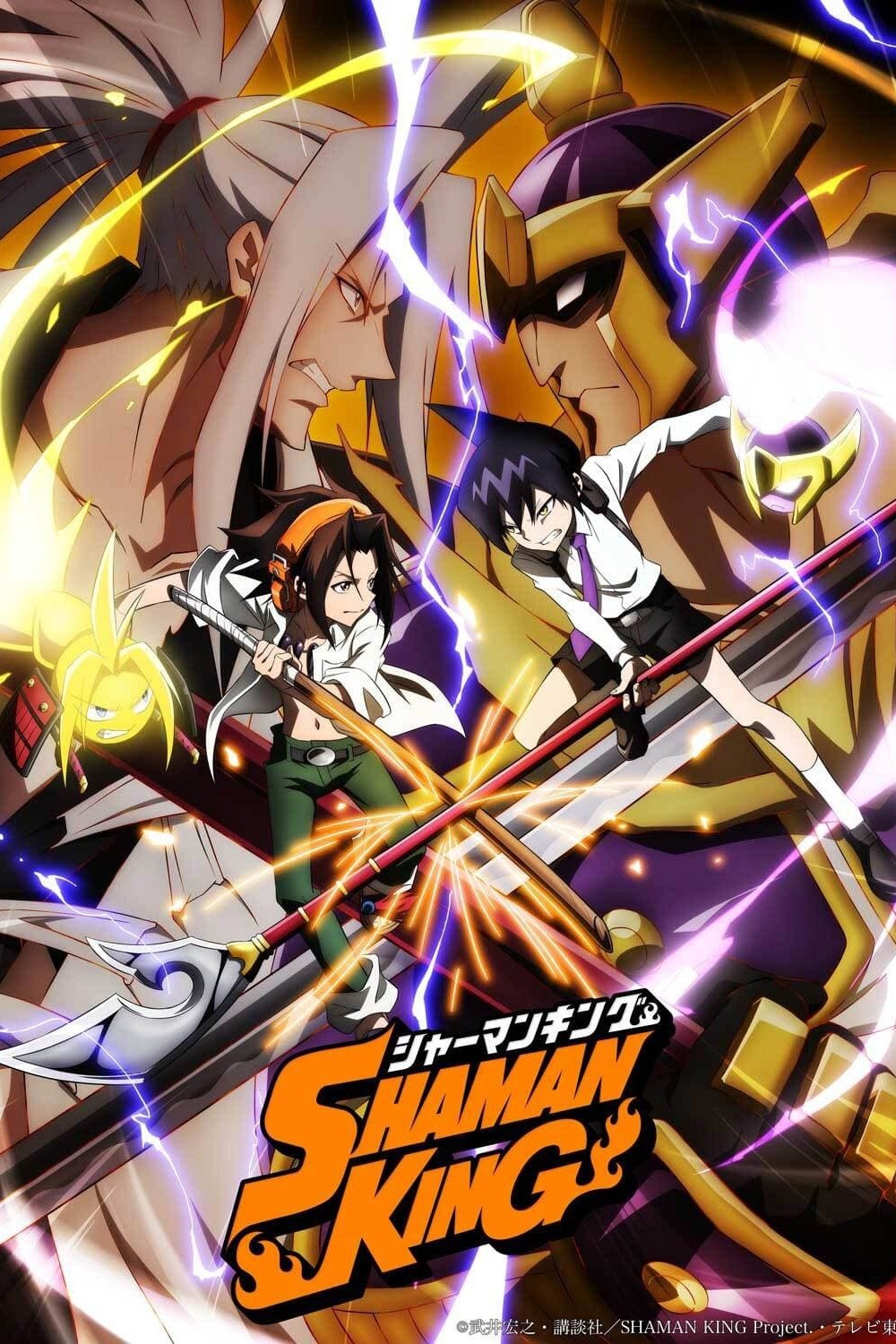
The 2021 version of the series more closely follows the original manga’s story, but also features updated character designs to appeal to contemporary viewers. Compared to the 2001 adaptation, some less important characters were made smaller or cut completely, and generally, the characters have slimmer builds. The animation uses clean, sharp lines and focuses on slender figures, which creates a more consistent look and feel, especially given the series’ fast pace.
‘Dororo’ (2019)
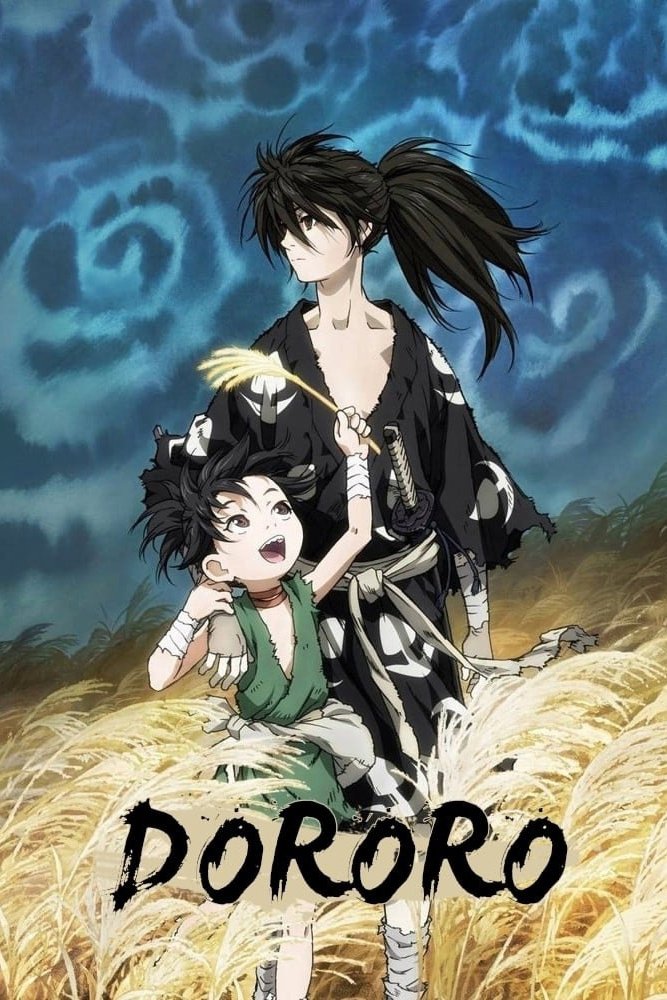
As a huge fan of the original, I was really struck by how different the 2019 remake looked. The series is based on Osamu Tezuka’s classic work, but they moved away from his iconic, rounded character designs. The 1969 anime had all these wonderfully soft, circular characters that really defined the era. But the new version completely revamped them, making everyone look much more realistic and, frankly, tougher. It’s a big change, and honestly, it creates a much darker and more serious tone for the story. Losing those original, almost bubbly designs really grounds the whole thing in a different way.
‘Fullmetal Alchemist: Brotherhood’ (2009–2010)
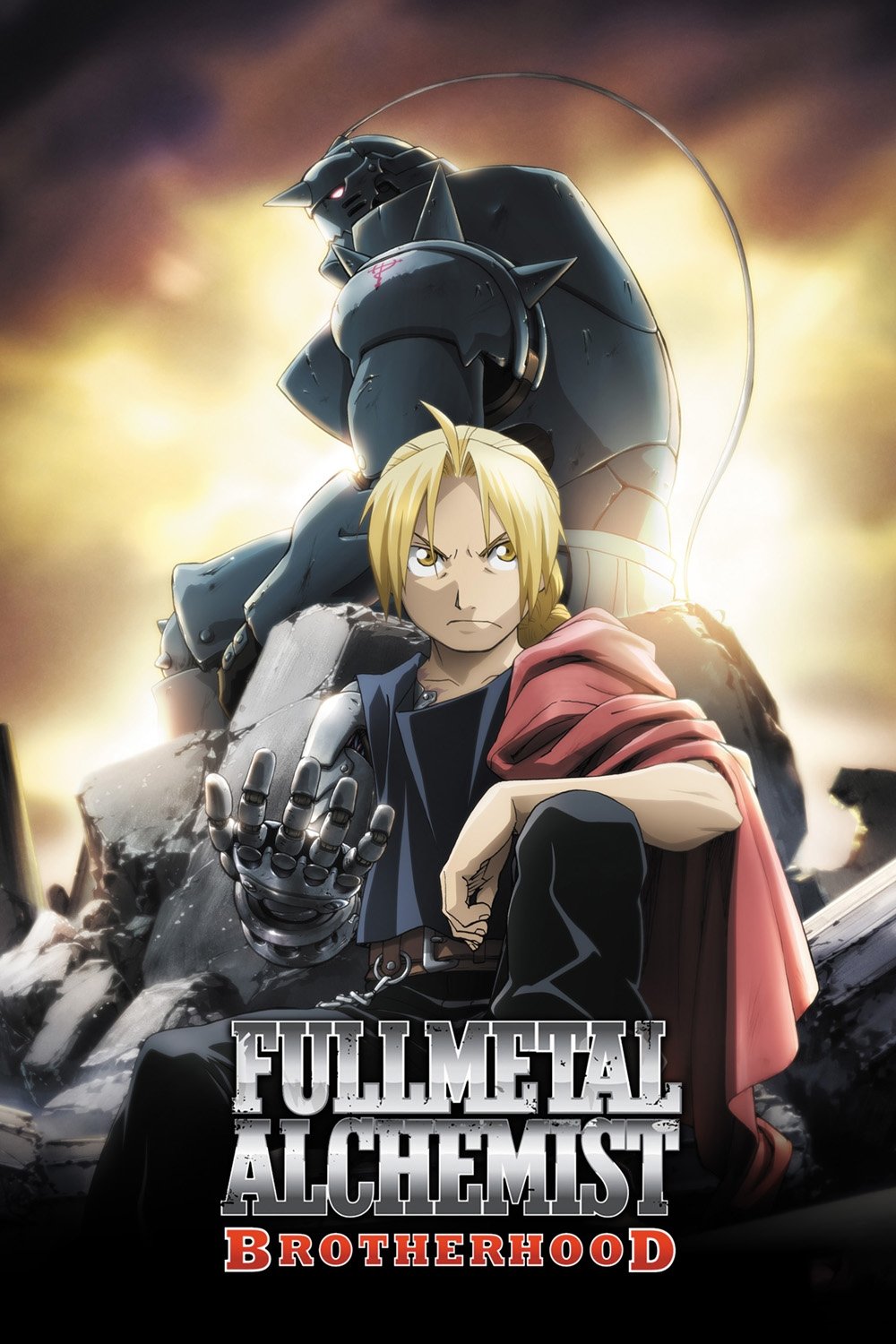
This new series closely follows the original manga, so it leaves out many of the extra characters that were added to the 2003 anime. These removed characters often included dishonest officials and townspeople who were visually exaggerated to highlight their negative traits. The 2009 version keeps a consistent, athletic build for all its characters, making the story easier to follow and keeping the focus on the central themes of alchemy.
‘Rurouni Kenshin’ (2023–2024)
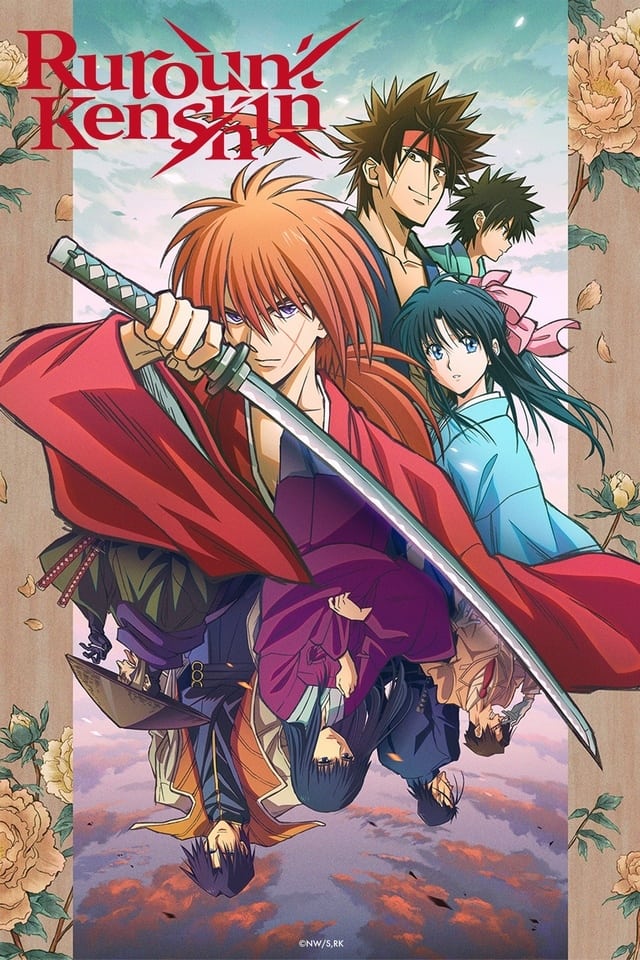
The newest version of this classic samurai story uses modern computer animation with sleek, well-defined characters. Compared to the 1996 anime, many of the smaller villains and dishonest traders have been given more average body types. This is a shift away from the exaggerated character designs common in anime from the 1990s, leading to a series where characters don’t look as physically different from each other.
‘GeGeGe no Kitaro’ (2018–2020)
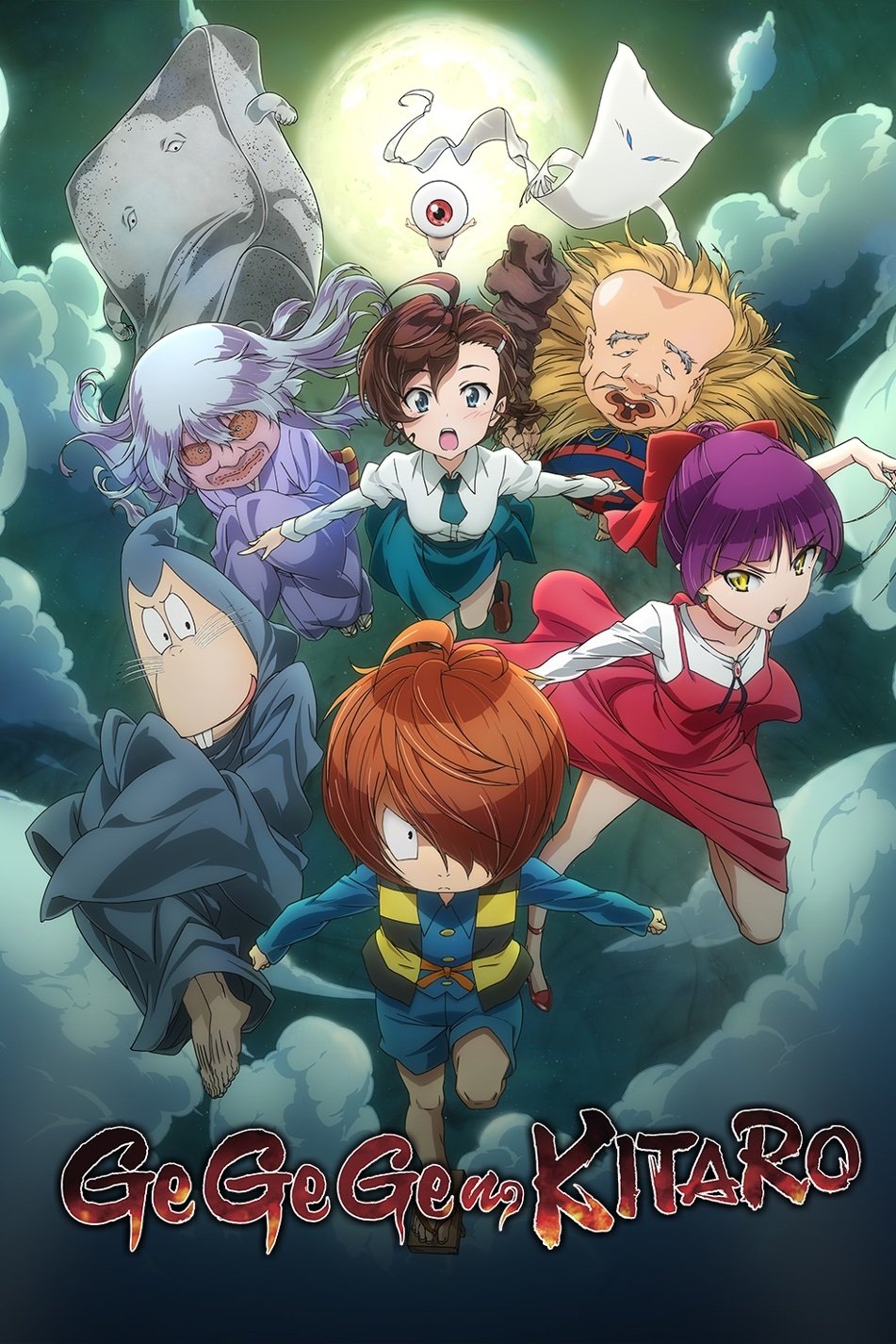
This is the sixth TV series to adapt the story, and it gave the traditional monster designs a modern makeover for today’s viewers. Many of the classic creatures and characters, who used to be drawn as round and plump, were redesigned to be slimmer and more conventionally good-looking. For example, Neko Musume is now much taller and thinner than she ever was before. The show focuses on a current aesthetic, which means it often leaves out the diverse body types seen in older versions.
‘Captain Tsubasa’ (2018–2019)
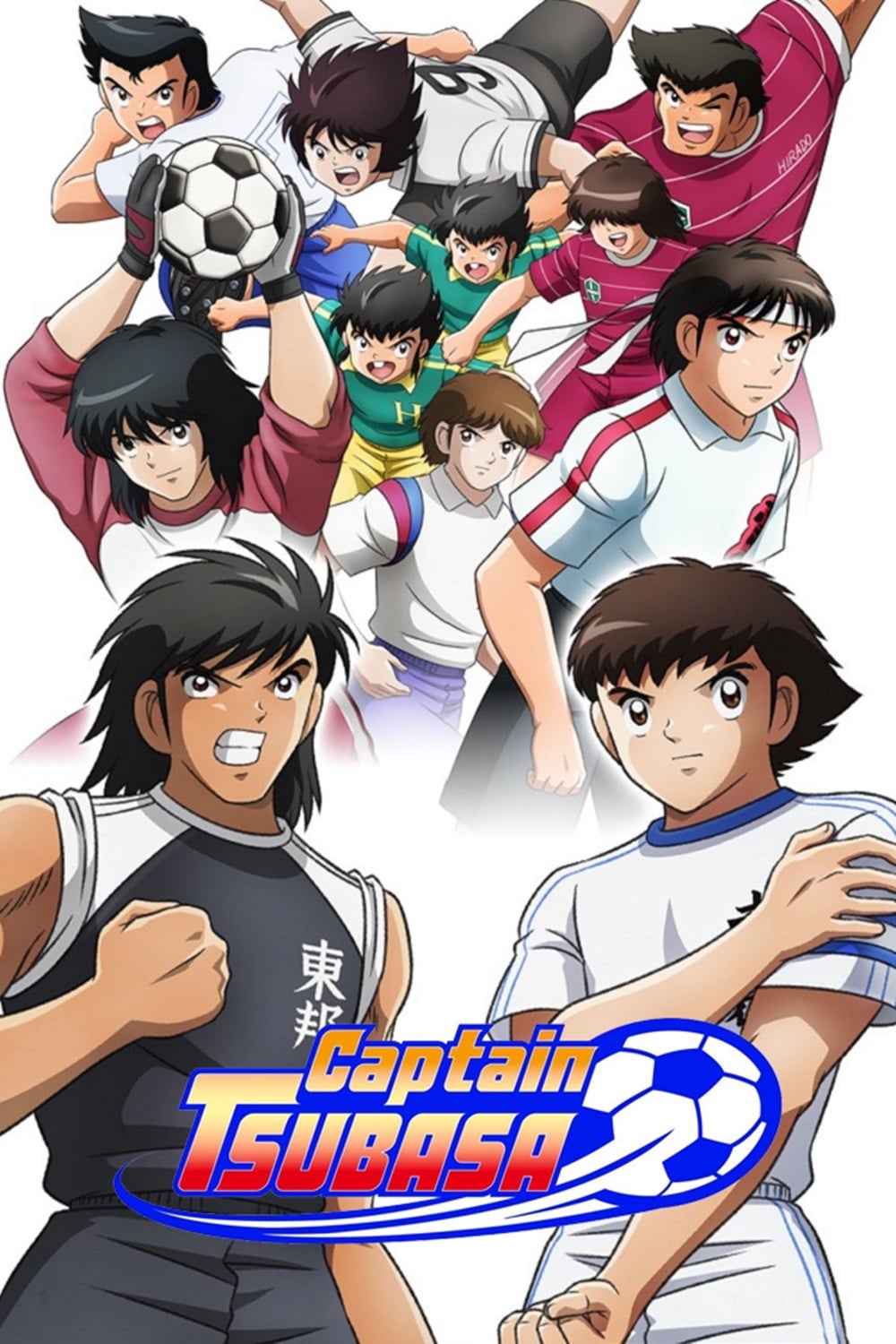
As a big fan, I really appreciate how they updated the player designs in the 2018 version! Compared to the older games, the characters aren’t as bulky or exaggerated. They went for a much more realistic look, making everyone resemble today’s professional soccer players. It means everyone on the field has a similar athletic build, no matter what position they play. While the older games had a lot of variety in body types, this new version feels more polished and consistent, and honestly, it just looks great!
‘Saint Seiya: Knights of the Zodiac’ (2019–2024)
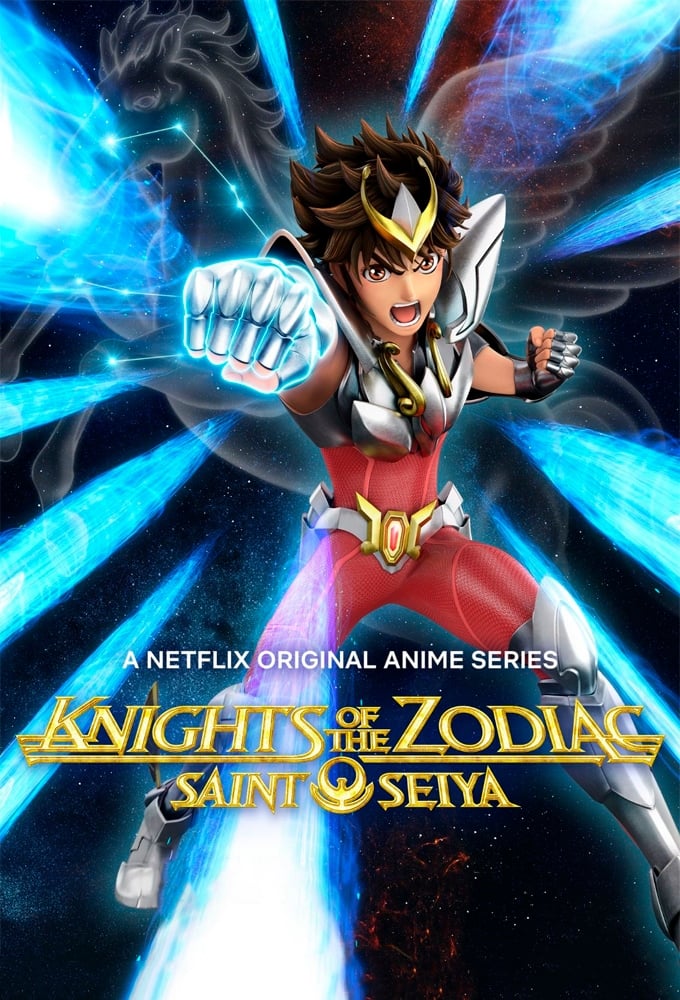
This new version of the classic series is made with computer animation and uses very similar-looking character designs. Compared to the original 1986 anime, many of the background characters and smaller enemies have been changed – they used to be bigger and more distinct, but now they’re more slender. The armor designs are also simpler and more consistent, making all the warrior groups look alike. This focus on simpler designs is common in today’s 3D animated shows.
‘Ushio and Tora’ (2015–2016)
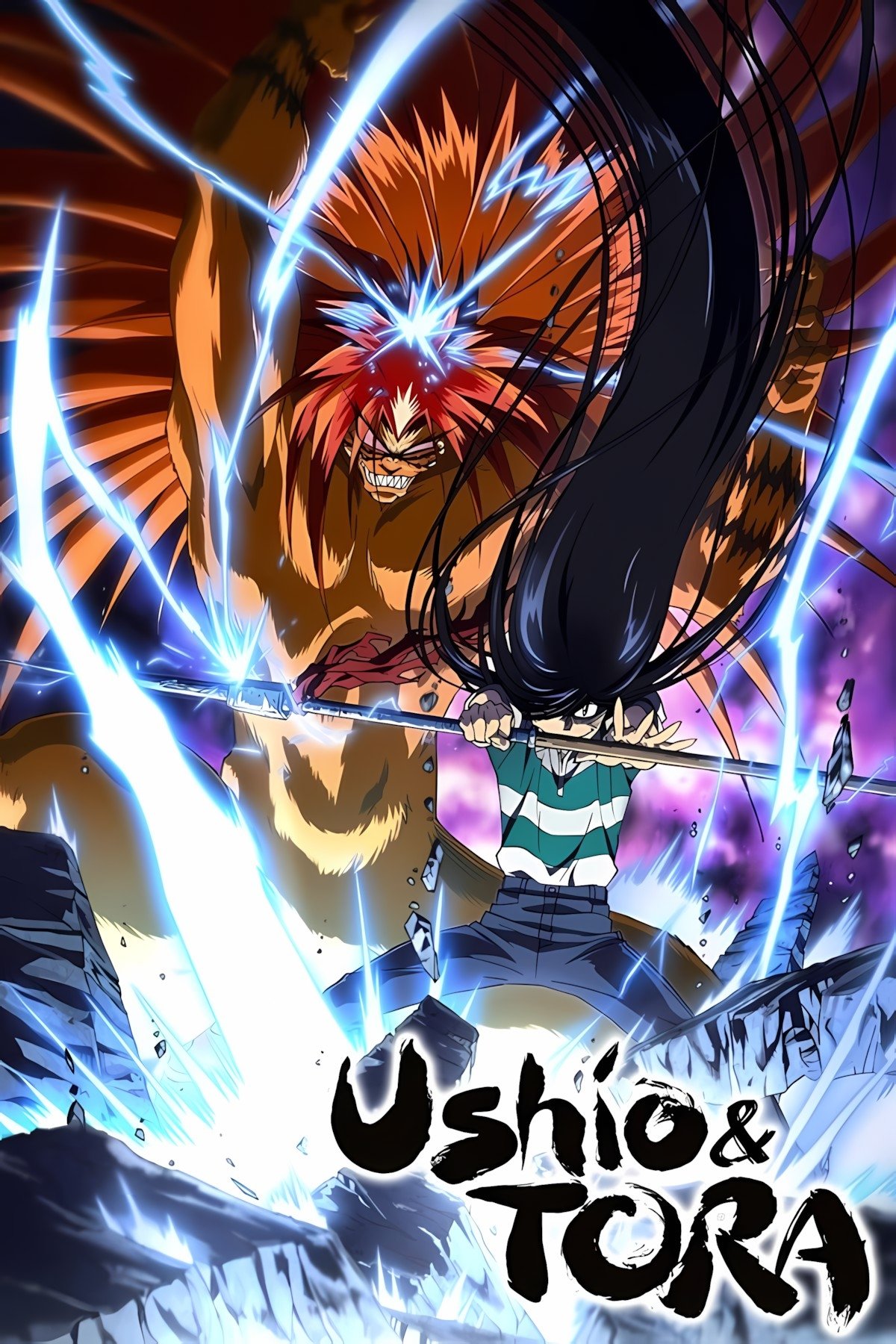
This new version of the classic manga streamlined the original, lengthy story into fewer episodes. To do this, it cut out many smaller interactions with both humans and demons, and also simplified character designs. The updated look focuses on sleek, athletic builds, moving away from the more diverse body types of the original animation. This results in a quicker, more action-packed story that emphasizes fast and nimble combatants.
‘Baki Hanma’ (2021–2023)
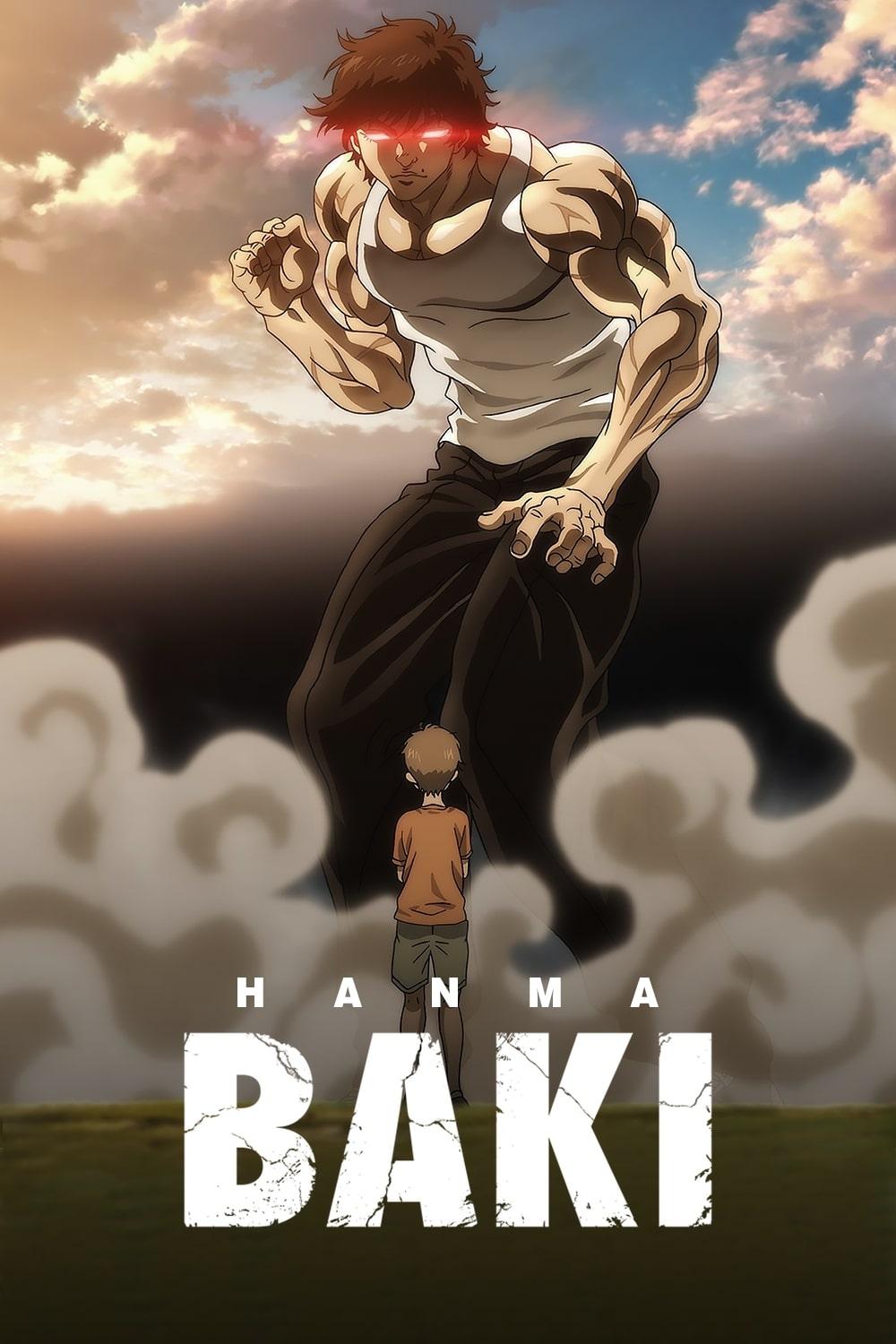
The series has always showcased very muscular characters, but the recent Netflix versions have made this even more consistent, especially with supporting roles. Previous iterations included a broader range of body types – you’d often see larger, heavier fighters and villains. Now, the show almost exclusively features characters with extremely toned, lean physiques, even if they only appear briefly. This change highlights the show’s focus on athleticism, but means we see less variety in body shapes.
‘Spriggan’ (2022)
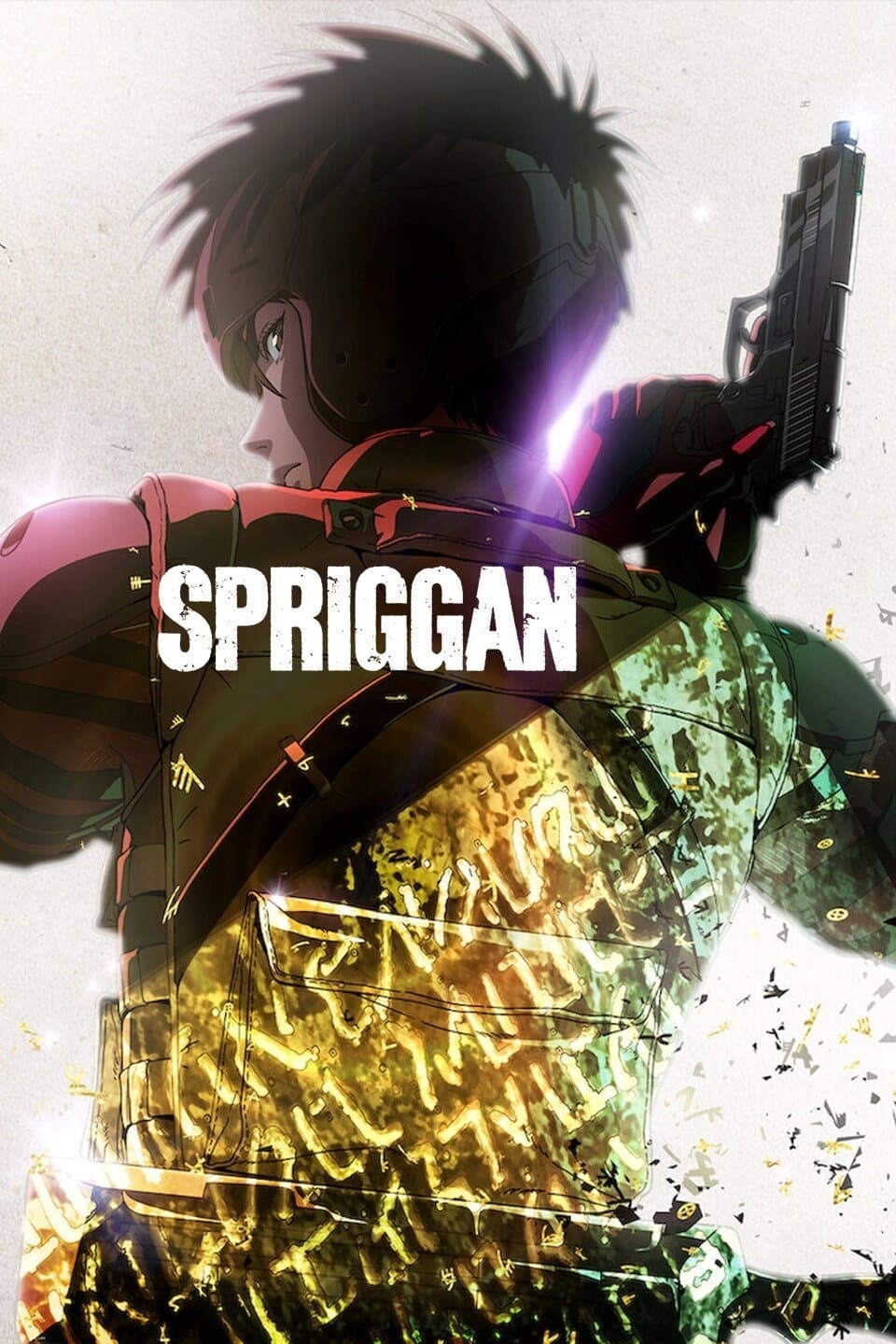
This new Netflix series updates a classic action story with a striking and realistic animation style. Unlike the original 1998 movie, where characters often had exaggerated, bulky designs, the series features mercenaries and villains who are built to be lean and fit. This sleek design choice reflects the show’s high-tech, modern science fiction setting and creates a cast that appears more physically consistent with each other.
‘Cutie Honey Universe’ (2018)
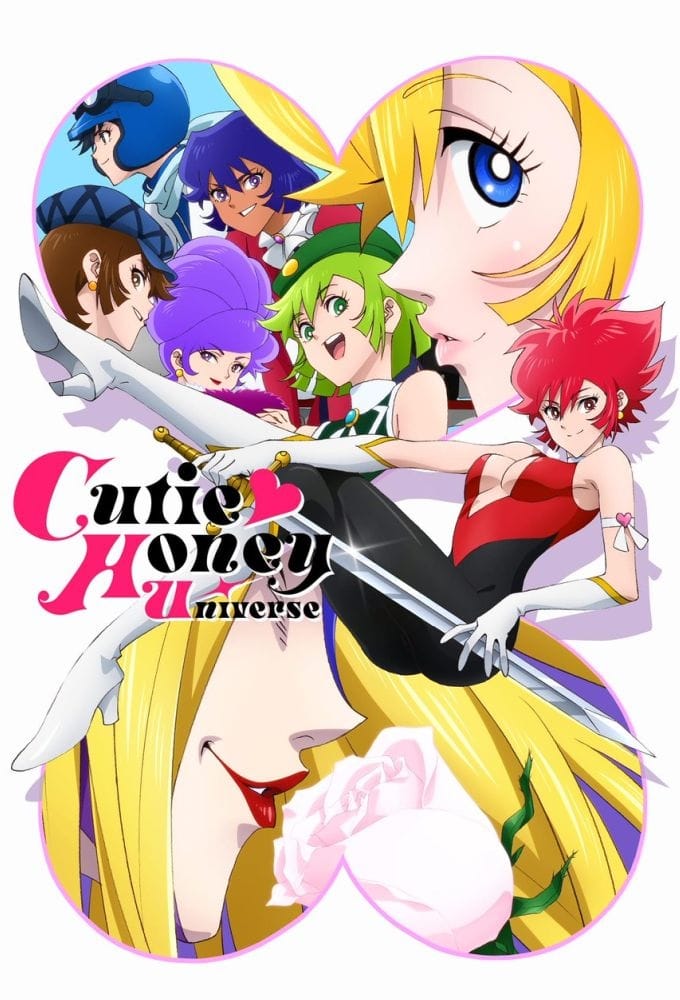
This new take on the classic Go Nagai series has a very polished and stylish look. Unlike the original 1970s anime, which featured characters with exaggerated and varied designs, this version uses a consistent cast of slender characters. The character designs and transformation scenes especially highlight a very thin build for the female characters. This change from the original’s diverse and unusual proportions results in a more visually consistent experience.
‘Blade of the Immortal’ (2019–2020)
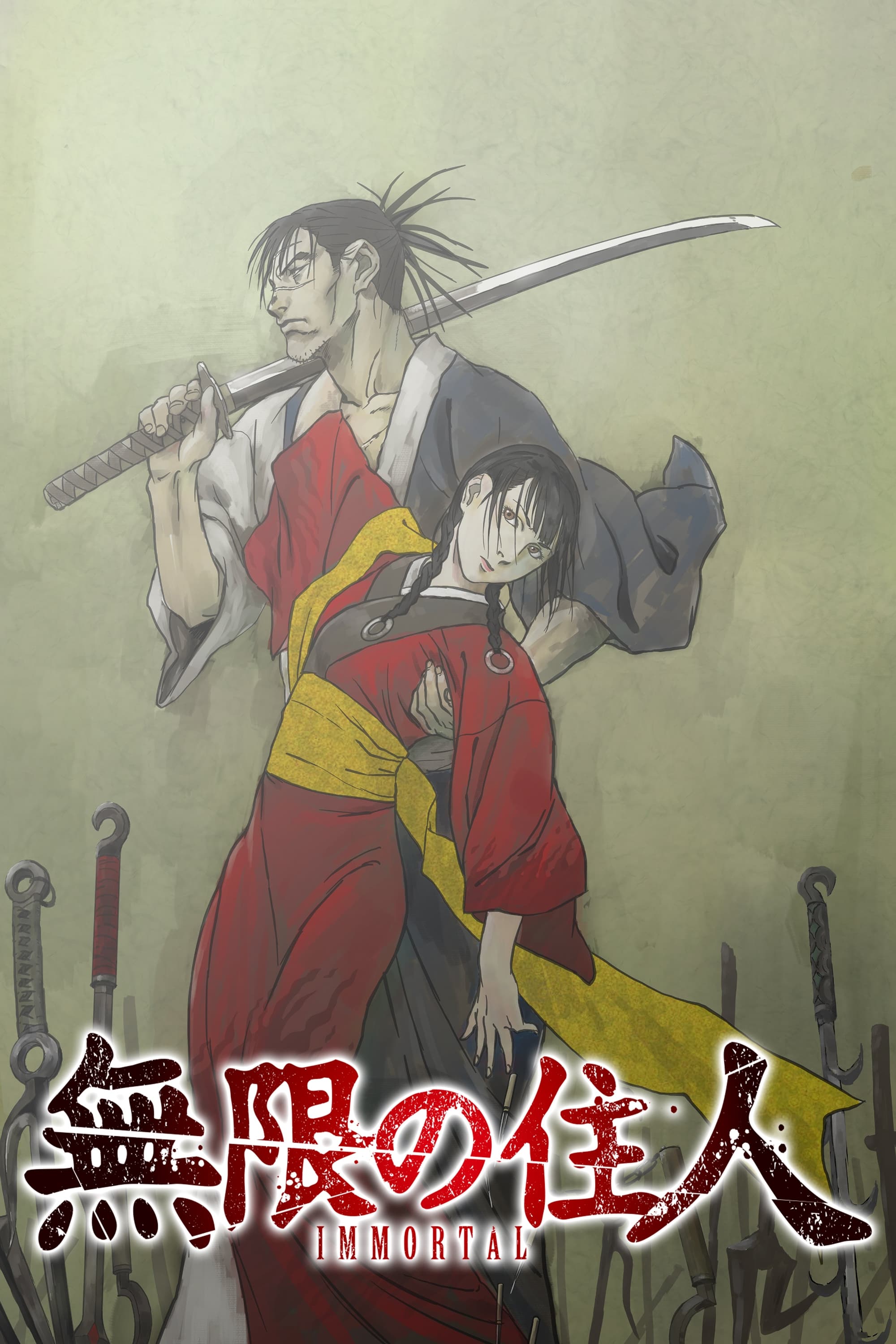
This 2019 version of the samurai story strives for a raw and realistic feel, staying true to the original comic book. Compared to the 2008 animated series, which featured diverse and sometimes exaggerated character designs, this adaptation features leaner, more muscular characters. This change is a departure from the broader range of body types often seen in older TV shows, and sometimes leads to a cast that looks quite similar physically.
‘Berserk’ (2016–2017)
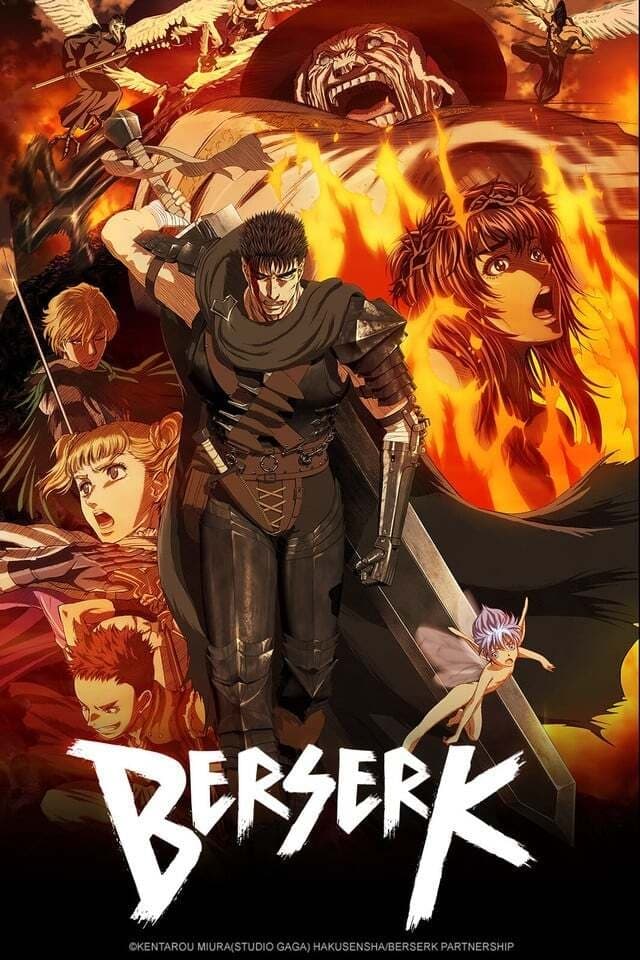
The follow-up series to the beloved 1997 anime switched from traditional hand-drawn animation to 3D models, but the result wasn’t quite the same. The original anime featured a wide variety of character designs, especially for background characters and soldiers, with different body types. However, the sequels often used the same few, slender models repeatedly. This made it difficult to capture the detailed and diverse appearances from the original series and manga, creating a world that looked less unique and more visually similar from character to character.
‘Kinnikuman Perfect Origin Arc’ (2024)
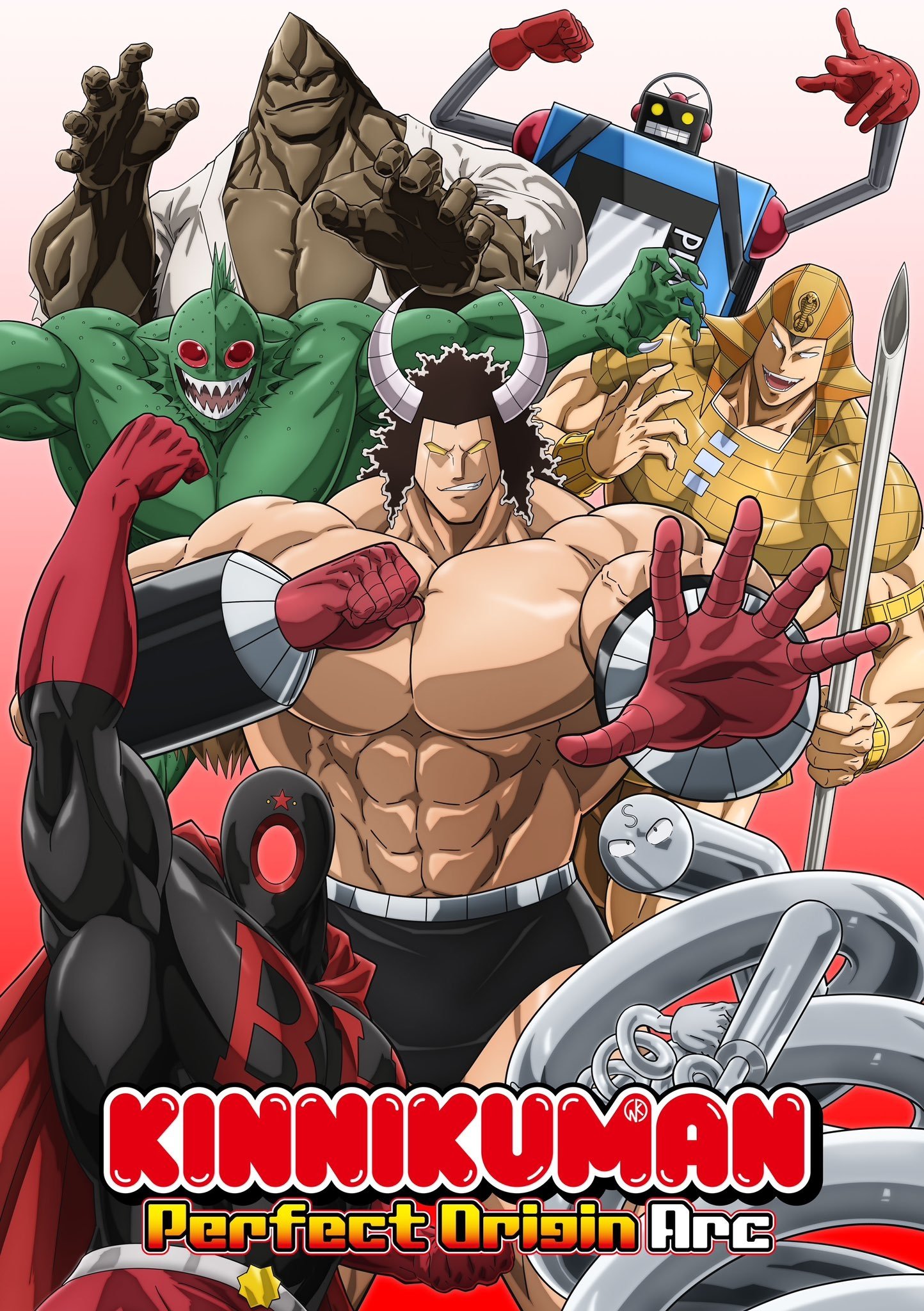
The newest game in this wrestling series gives its characters a makeover, making them look more like today’s athletes. The series is known for its over-the-top and unique character designs, but this version gives many of the supporting wrestlers leaner builds. Some of the older, more cartoonishly large fighters from the original 1983 game have been redesigned with more muscle and less body fat. This change brings the game’s look in line with what players expect from modern sports and action anime.
‘Dragon Ball Z Kai’ (2009–2011)
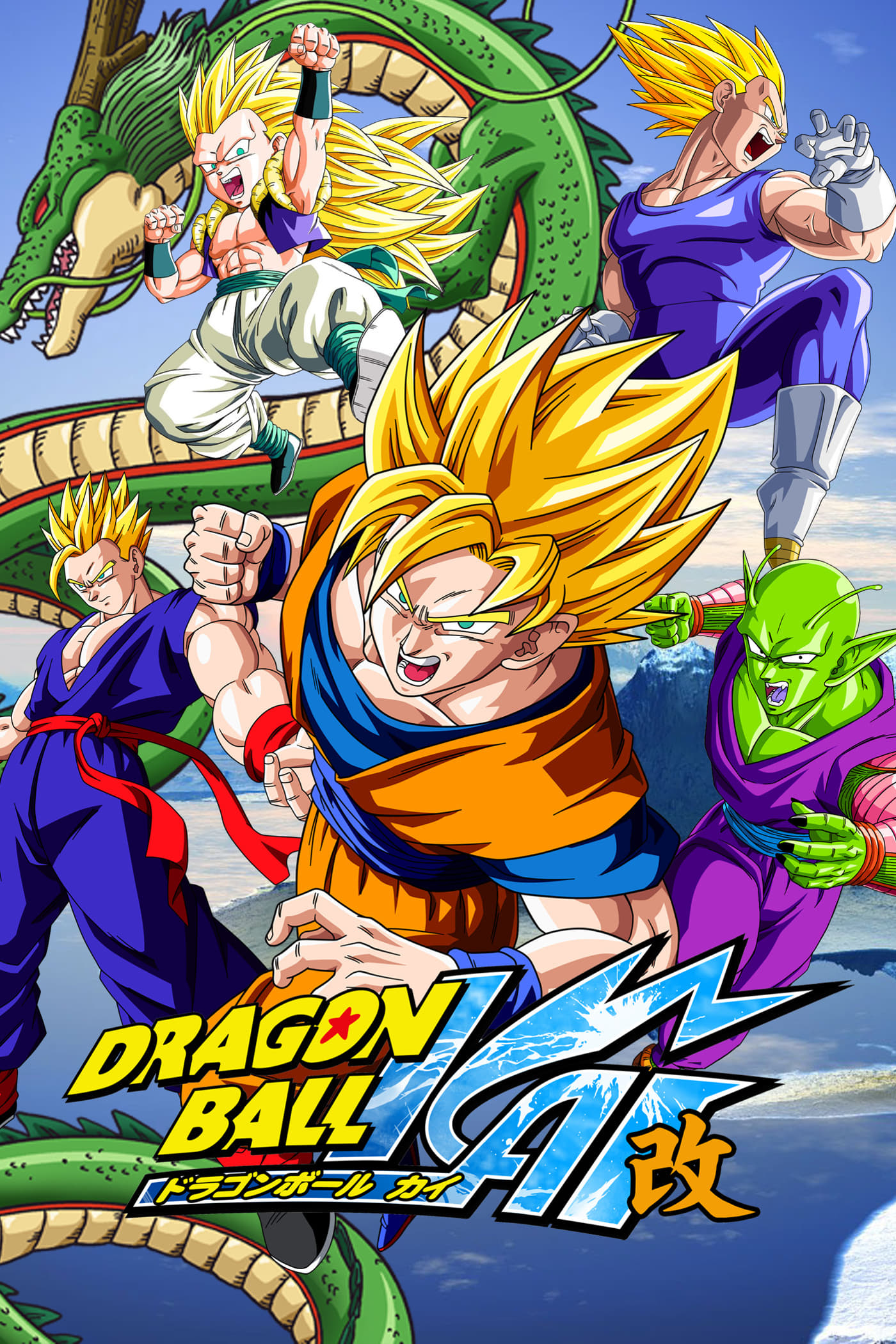
This updated version of the series streamlined the story by cutting out many of the less important episodes. Unfortunately, this also meant removing dozens of minor characters who added depth to the world. These characters, often seen in the background or as extras, included a variety of body types – some were larger or heavier built. Since these scenes weren’t part of the original manga, they were removed to make the series faster-paced and more closely follow the source material. As a result, the world now feels less diverse in terms of body shapes and sizes.
‘Hellsing Ultimate’ (2006–2012)

I’ve noticed this new series is really trying to stick closely to the original manga, much more so than the 2001 anime. But it seems like in doing so, they’ve cut some characters and storylines, especially ones that showed a wider range of body types. The art style is also very different – everything is much sharper and more angular, for both the good guys and the bad guys. Honestly, it makes all the characters look more uniform and generally thinner than how they appeared in the older adaptation.
‘Moominvalley’ (2019–2022)
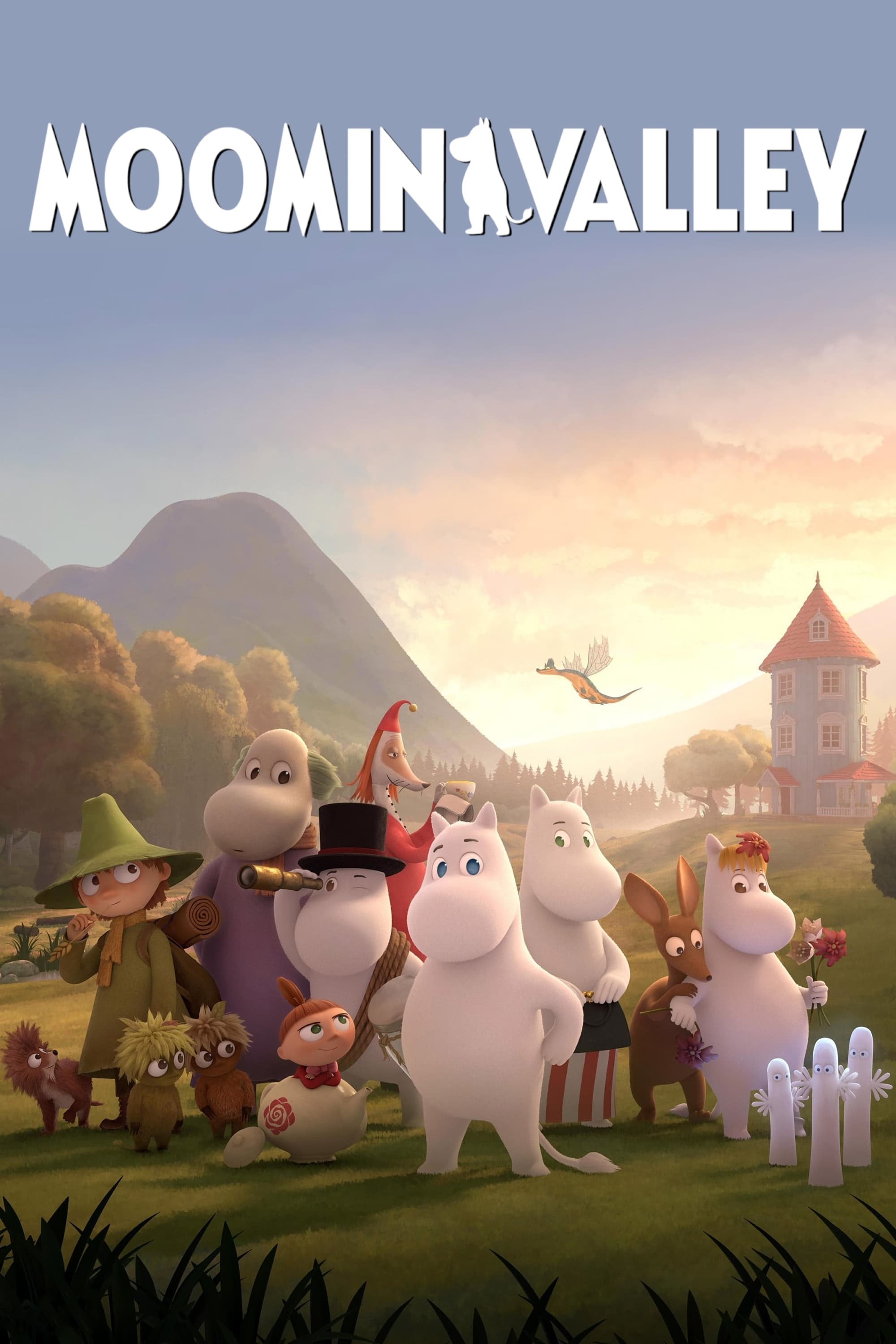
The main characters kept their original designs, but the supporting characters were simplified in this new 3D version. The 1990 anime had a lot of unique side characters with diverse body types, while the new production uses a cleaner, more consistent look. This often means removing the more bulky or exaggerated designs from the original, creating a more modern and uniform appearance for the world.
‘Astro Boy’ (2003)
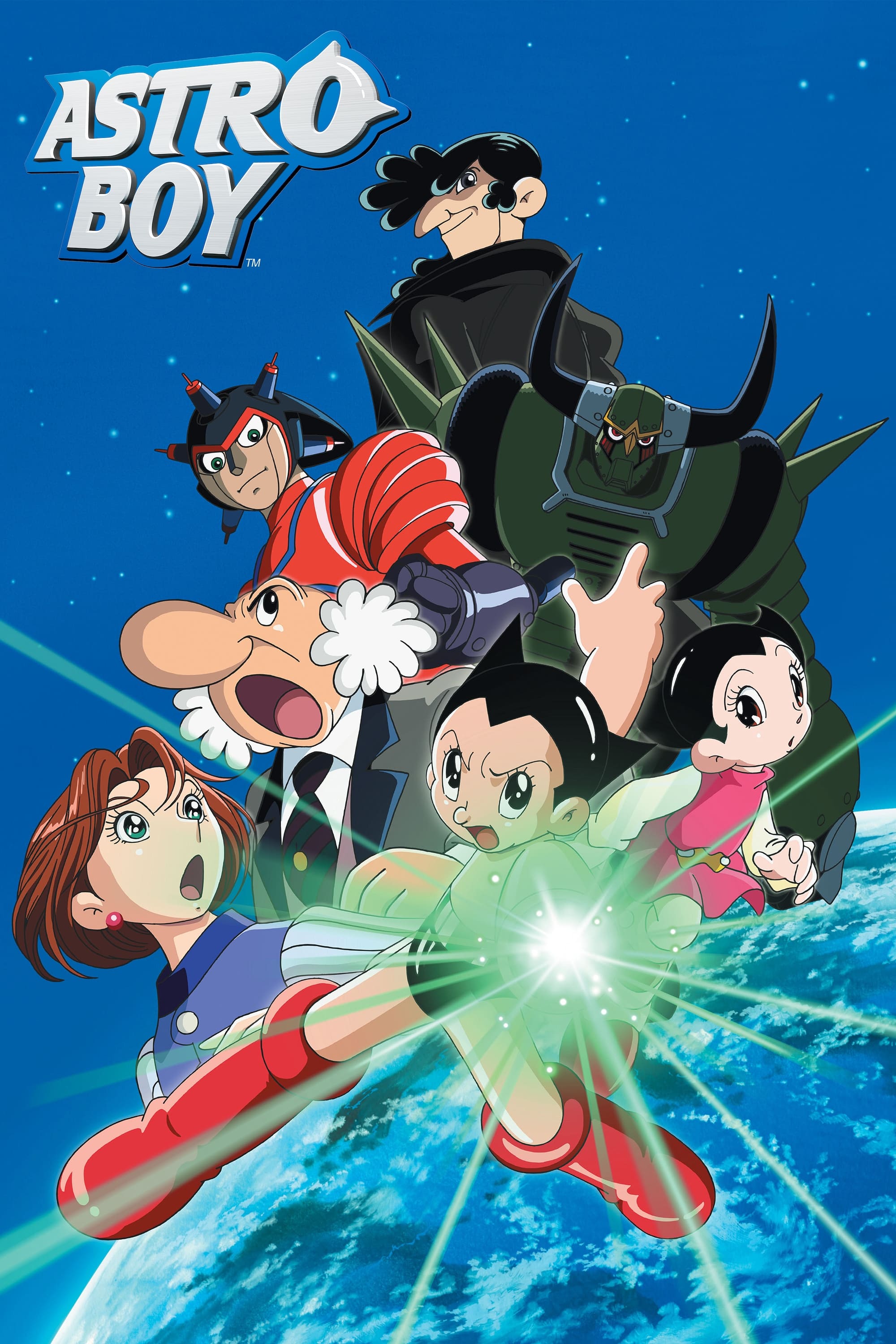
The 2003 version of this show updated the character designs, moving away from the exaggerated, cartoonish look of earlier series from the 1960s and 1980s. While familiar characters returned, they were given slimmer, more contemporary proportions. Many supporting robots and humans, previously designed with large, rounded shapes, were either removed or redesigned with a more streamlined appearance. This change mirrored the trends in character design that were becoming popular in anime during the early 2000s.
‘The Heroic Legend of Arslan’ (2015–2016)
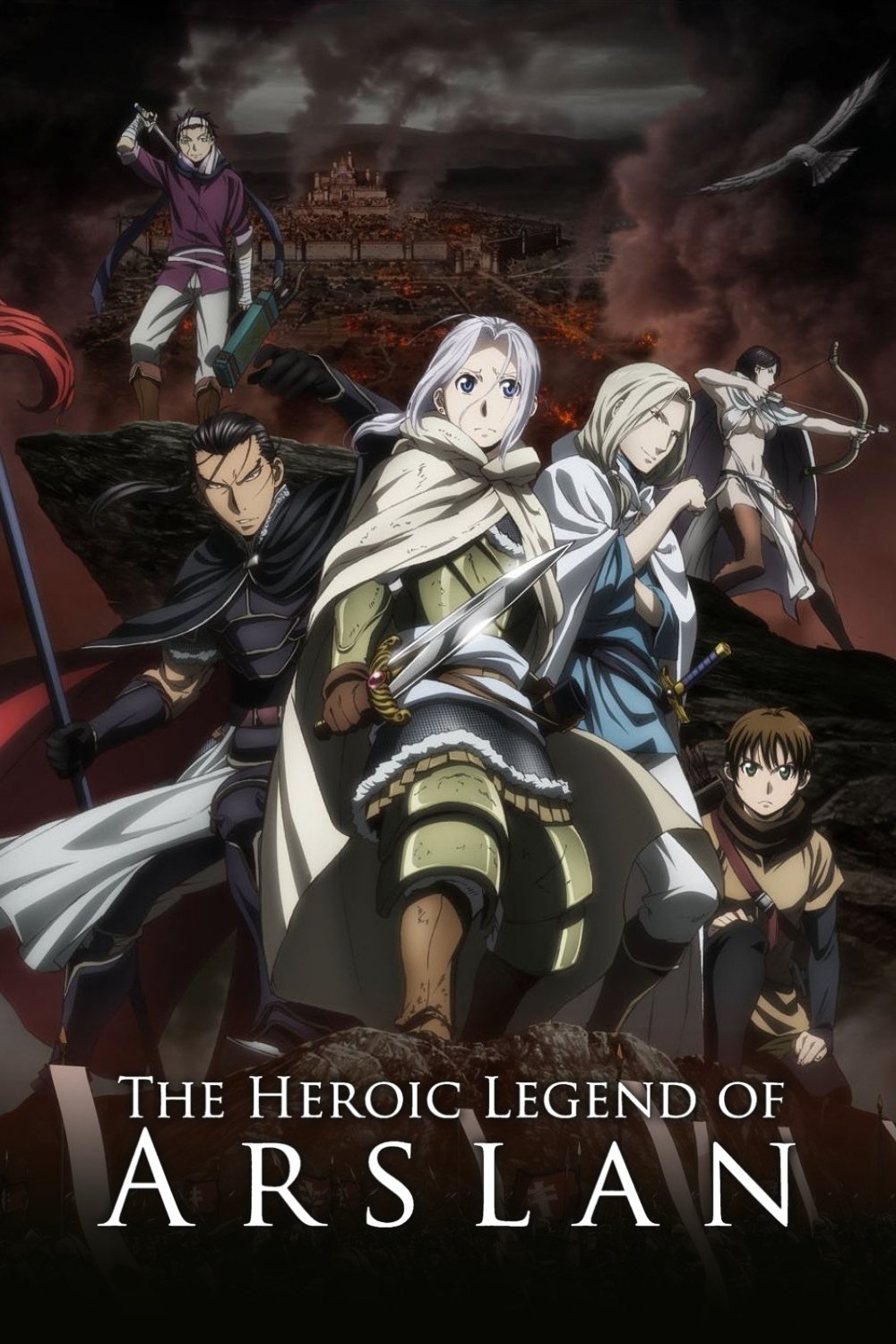
The original anime from 1991 featured characters with softer, rounder designs. This new version has completely redesigned the characters to look more athletic and fit. Many of the previously larger or stockier background characters and villains have been removed or replaced with slimmer versions. This change is part of a trend toward a more consistent and contemporary visual style in fantasy anime.
‘Tiger Mask W’ (2016–2017)
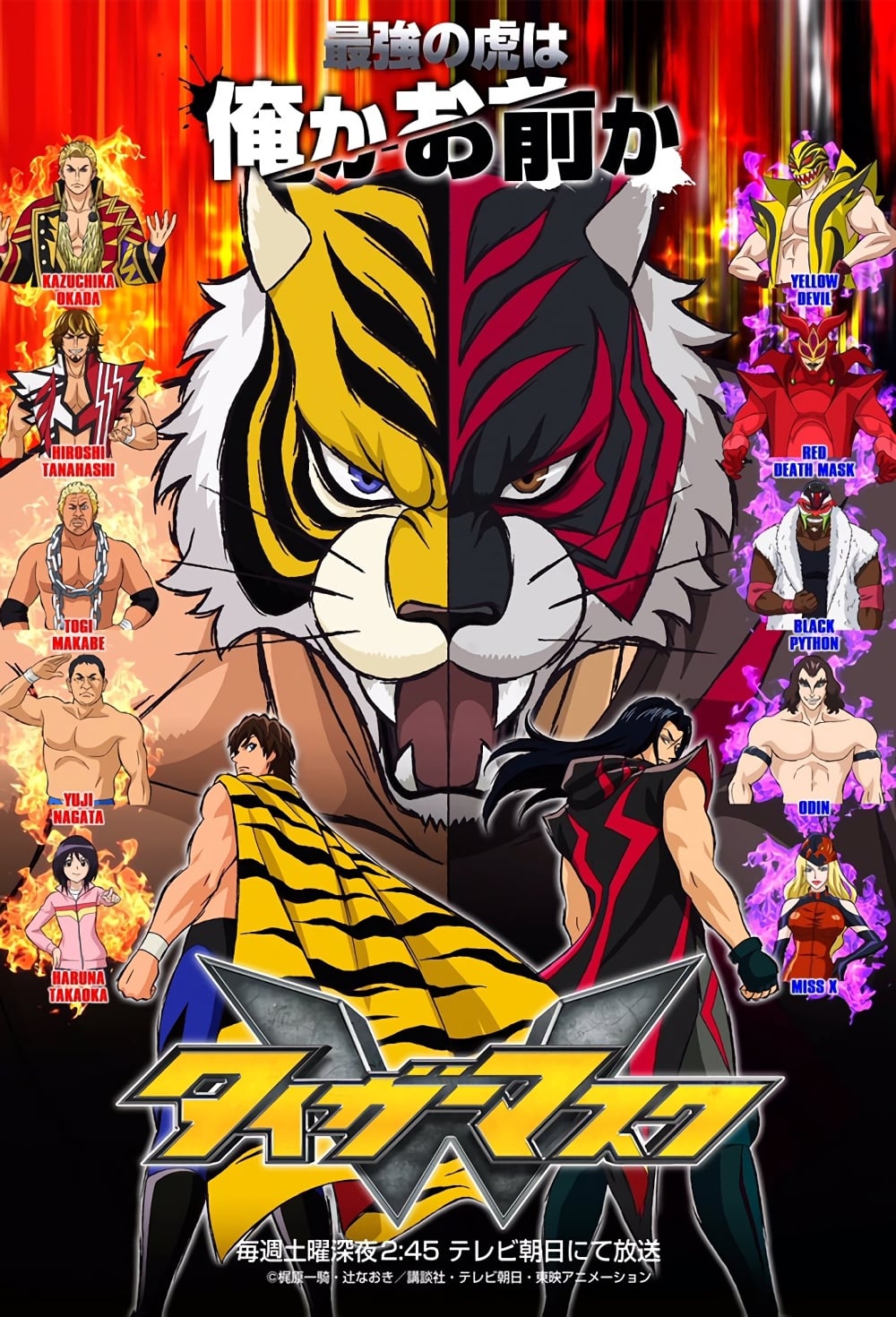
This series acts as both a continuation and a fresh start, giving the classic wrestling world a new look. The original show from 1969 featured wrestlers who were often very large to show their strength. The updated version, however, shows most fighters with toned, muscular bodies. This change mirrors how athletes are typically presented in media today.
‘Muteking the Dancing Hero’ (2021)
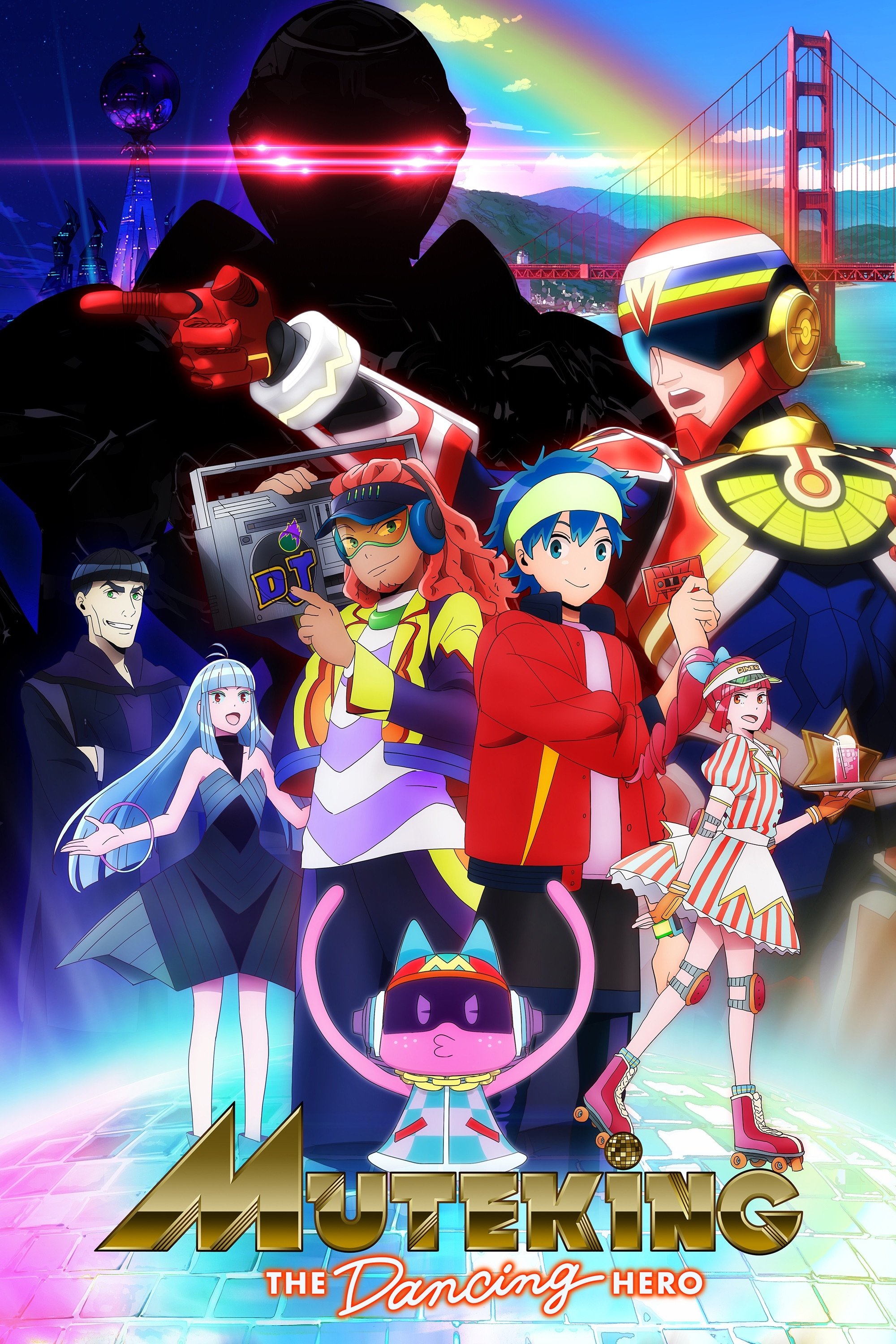
This reimagining of a beloved classic gave it a completely new look, swapping the original’s retro style for a vibrant, modern, neon-infused aesthetic. The original characters were designed with the soft, rounded shapes typical of 1980s cartoons, but the reboot features sleek, more stylized designs inspired by pop art. This change from the original’s rounder character designs gives the new series a fresh and up-to-date feel.
Please share your thoughts on these animation changes in the comments.
Read More
- Invincible Season 4 Gender Swaps Tech Jacket As Fans Question Major Comic Change
- Silver Rate Forecast
- Gold Rate Forecast
- Building Agents That Learn and Improve Themselves
- 15 Films That Were Shot Entirely on Phones
- 22 Films Where the White Protagonist Is Canonically the Sidekick to a Black Lead
- 20 Movies Where the Black Villain Was Secretly the Most Popular Character
- Celebs Who Narrowly Escaped The 9/11 Attacks
- 14 Movies Where the Black Character Refuses to Save the White Protagonist
- Games That Faced Bans in Countries Over Political Themes
2026-01-10 22:48