Filler episodes are stories added to an anime while the original manga is still being written, acting as a placeholder until more source material is available. These episodes often don’t have the same strong storylines or character growth as the main plot. Many fans dislike them because they can slow down the pace of an otherwise engaging show. This list showcases fifty examples in popular anime where these original episodes didn’t live up to viewers’ expectations.
‘Naruto’ (2002–2007)
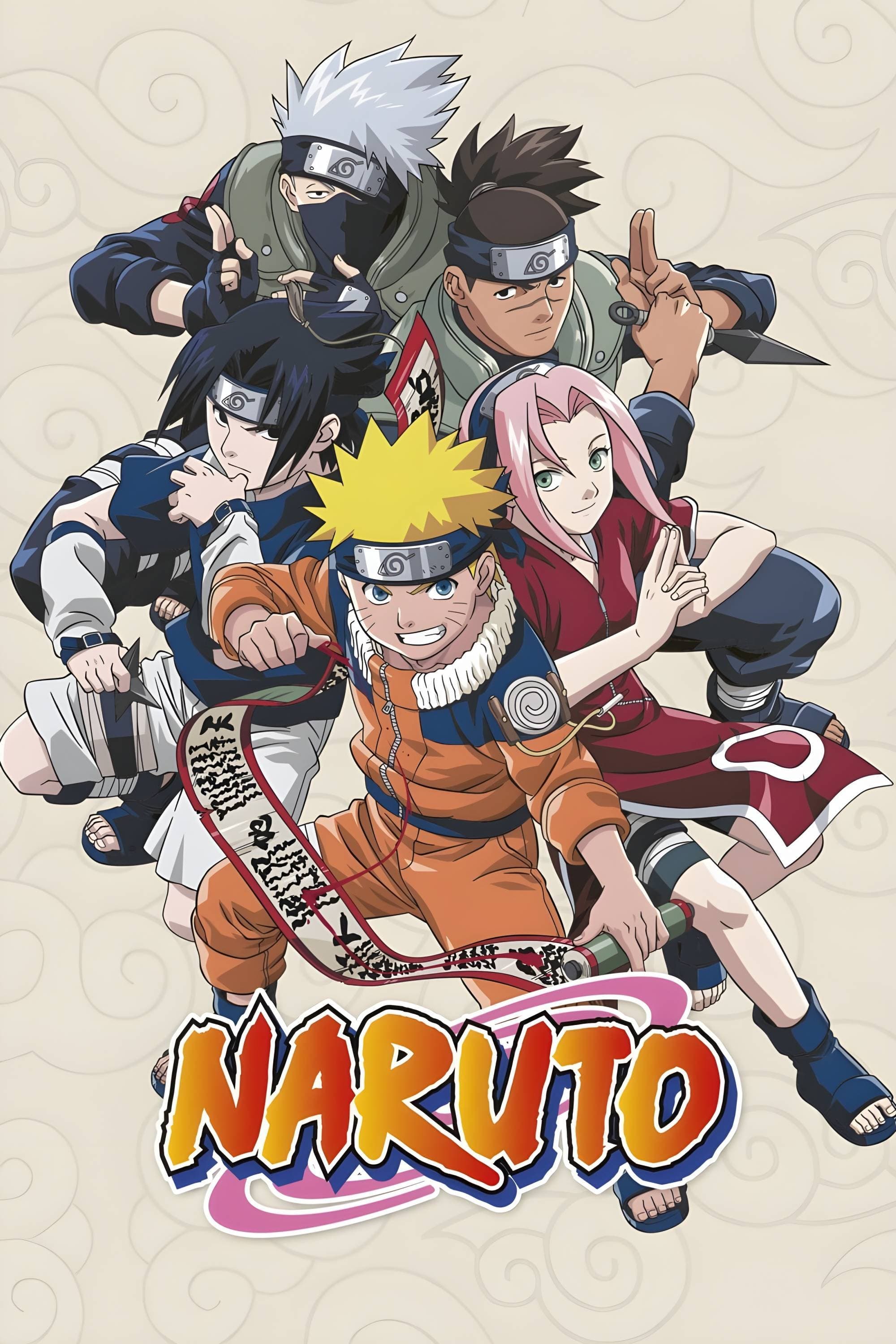
The first ‘Naruto’ series is well-known for having a large number of filler episodes that stretched on for almost two years. These side stories followed Naruto on missions that didn’t contribute to the overall storyline or his development as a ninja. A lot of fans especially disliked the ‘Land of Tea’ arc, as it interrupted the suspense surrounding Sasuke’s departure. The predictable and drawn-out nature of these episodes caused many viewers to lose interest until the next series began.
‘Bleach’ (2004–2012)
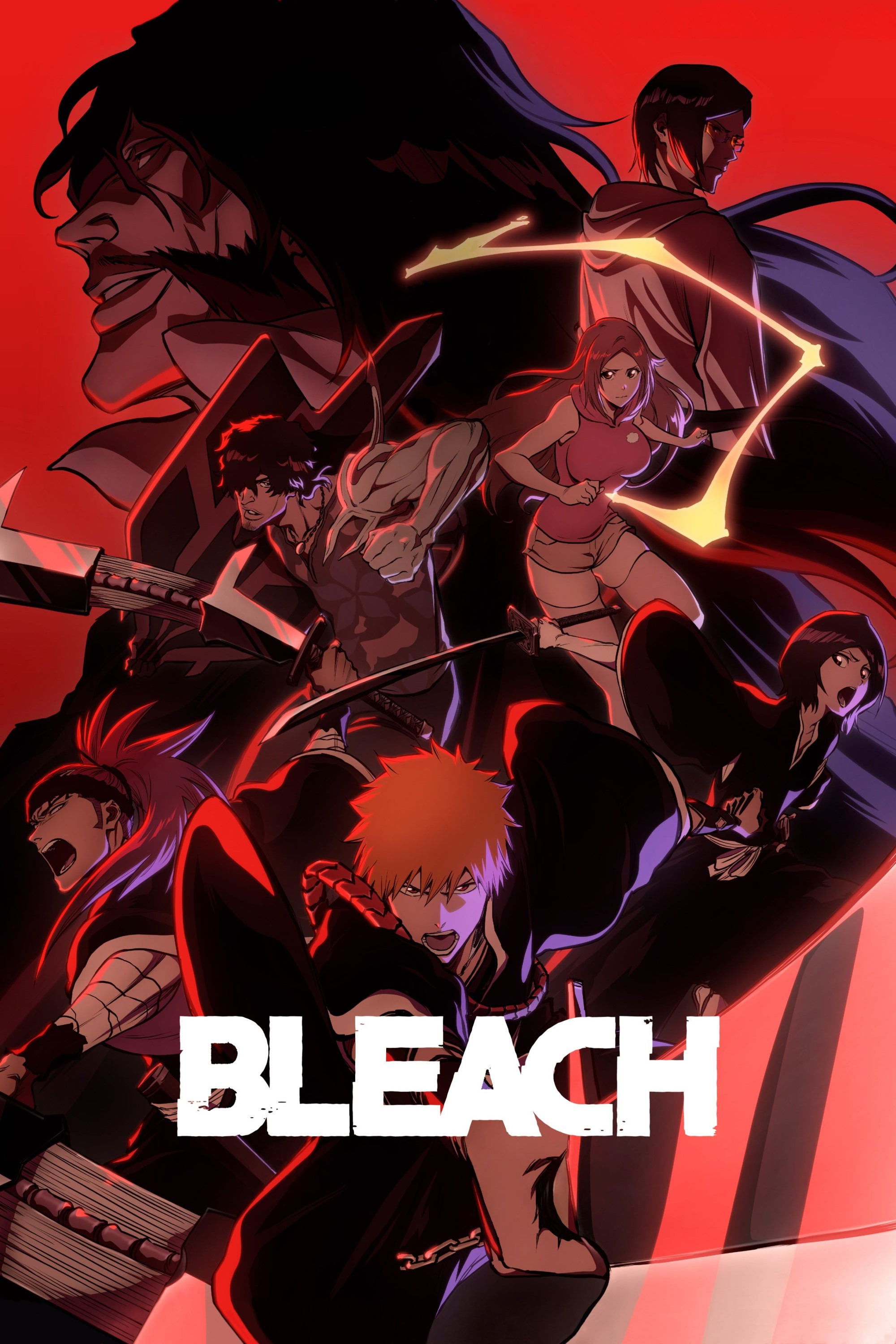
‘Bleach’ is well-known for having lengthy filler storylines that frequently interrupted important fights. One example, the Bount arc, introduced immortal characters who gained strength by consuming souls. This arc stretched on for many episodes and didn’t have the same exciting pace as the Soul Society story. Fans often feel these detours disrupted the series’ momentum and made it harder to follow.
‘One Piece’ (1999–Present)
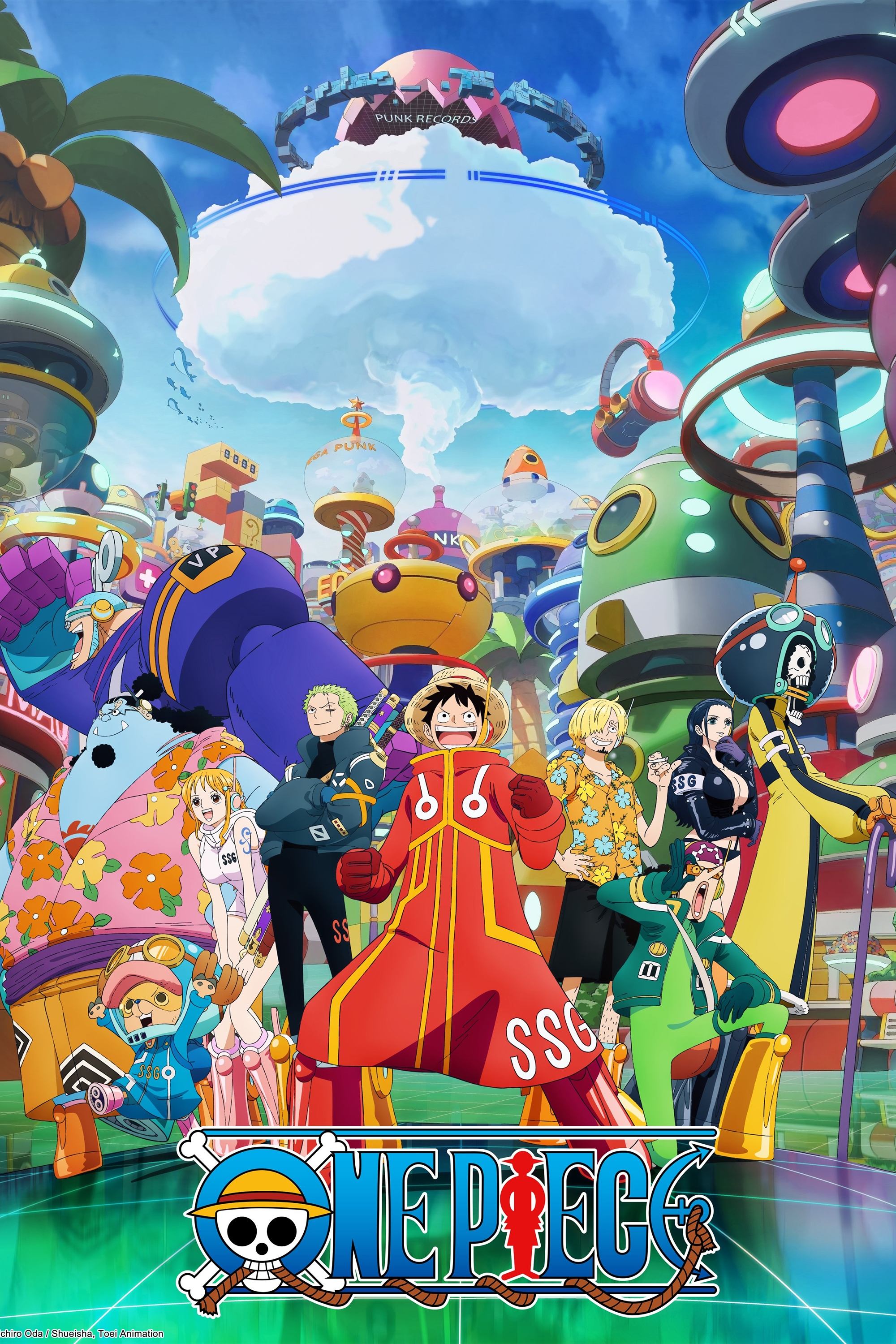
While ‘One Piece’ usually avoids unnecessary episodes, the ‘Warship Island’ arc is often considered filler. This early storyline featured a girl named Apis and a little dragon, and the Straw Hat crew helped them out. Although it was a sweet adventure, it doesn’t quite fit with how dragons are later presented in the series. Many fans suggest skipping it to avoid confusion with the established story.
‘Dragon Ball Z’ (1989–1996)

The Garlic Jr. Saga in ‘Dragon Ball Z’ happens after Goku leaves following the fight on Namek. This story brings back a villain from the first ‘Dragon Ball Z’ movie, who tries to conquer Earth with a strange, magical mist. Many fans didn’t find this arc very exciting because Goku wasn’t there, and it didn’t feel as important as other storylines. It’s often skipped by viewers because the power levels of the characters don’t quite fit with the rest of the series.
‘Fairy Tail’ (2009–2019)
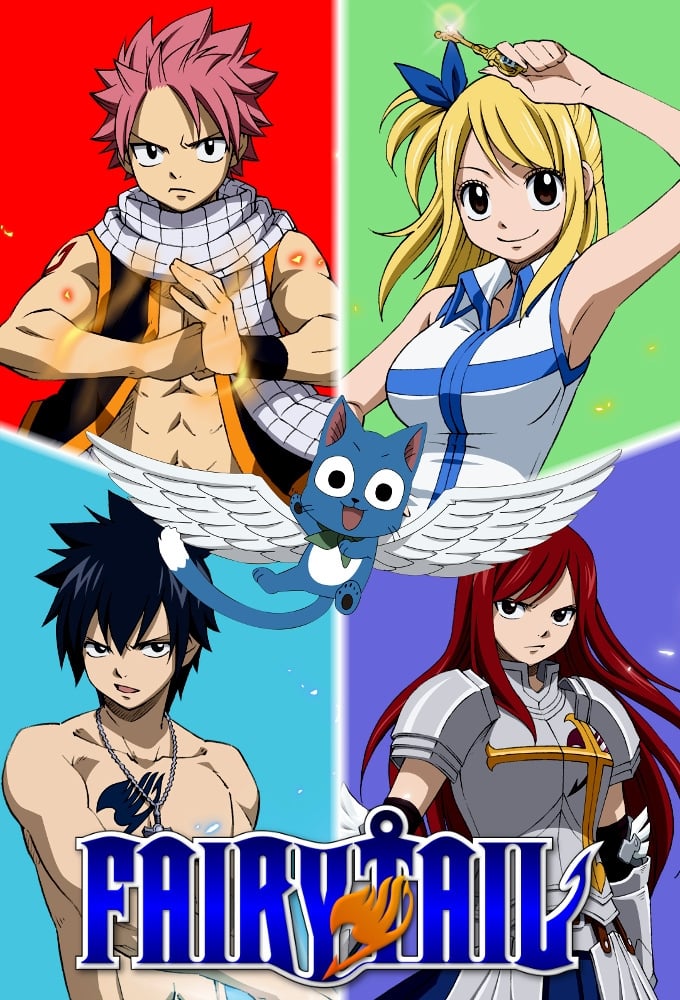
Many ‘Fairy Tail’ fans consider the Daphne arc to be one of the show’s low points. It centers around a mysterious woman who uses artificial dragons to attack Magnolia. Viewers often found Daphne frustrating because she repeated herself and her reasons for acting weren’t very clear. Because of this, many skip over this arc to get back to the main storylines about the guild’s conflicts.
‘Boruto: Naruto Next Generations’ (2017–2023)

As a fan of the series, I have to admit that ‘Boruto: Naruto Next Generations’ has a lot of episodes that weren‘t directly from the original manga – what some people call ‘filler’. The storyline focusing on Cho Cho, in particular, really dragged for me. It felt like it went on for weeks and honestly, it wasn’t that interesting. I was really hoping they’d spend more time building up the Otsutsuki threat, which is where the real story seemed to be heading. Those episodes just felt like a detour that slowed everything down and didn’t really add to the overall development of Boruto and his friends.
‘Sailor Moon’ (1992–1997)
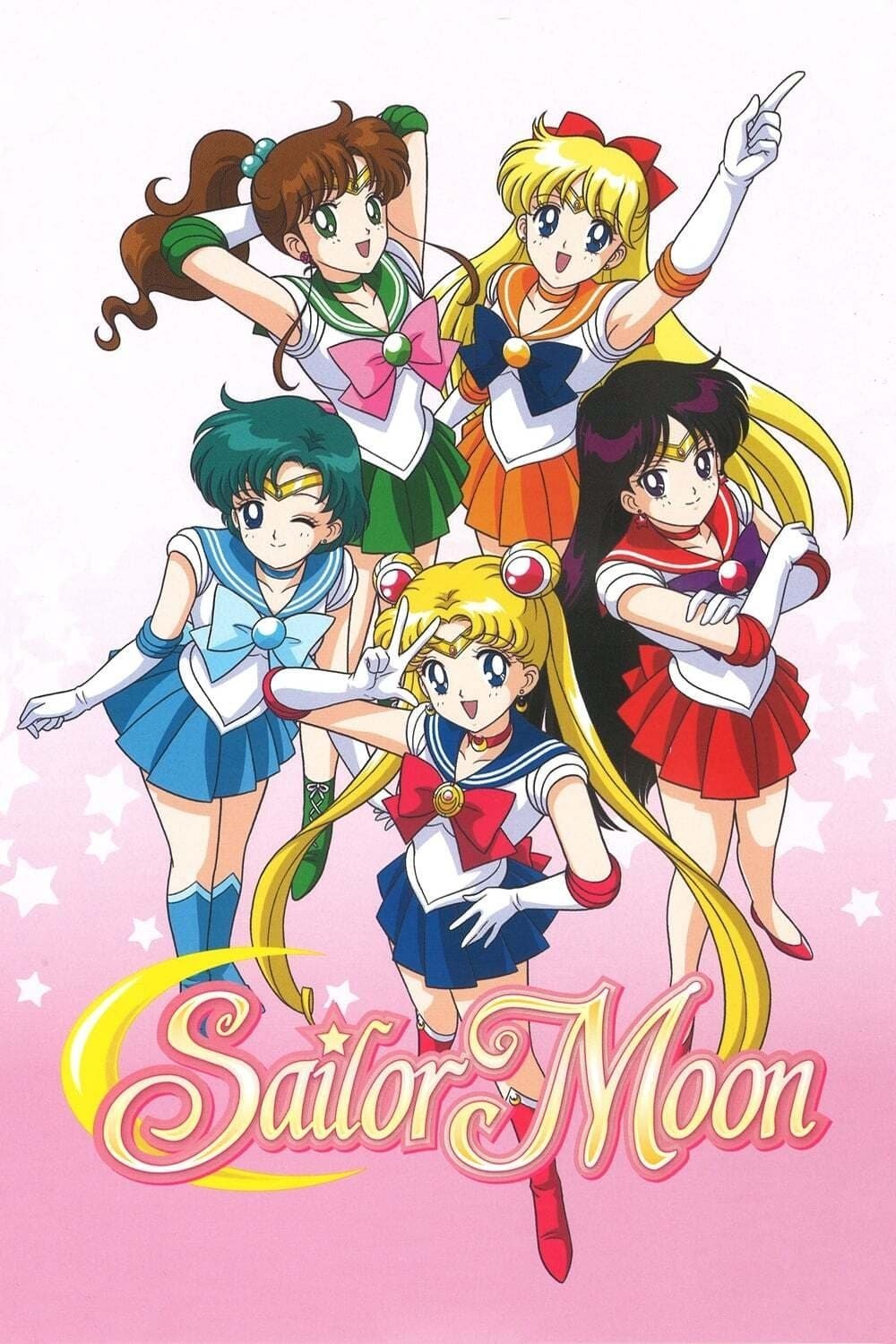
The ‘Doom Tree’ arc in the ‘Sailor Moon’ anime was added to give the manga author extra time to work on the next big story. It featured two aliens, Alan and Ann, who were gathering energy for a large tree. Although it gave the Sailor Guardians more screen time, many fans found it felt similar to earlier fights and often skip ahead to the ‘Black Moon Clan’ story arc.
‘Black Clover’ (2017–2021)

The anime ‘Black Clover’ included a training period to allow the manga more time to develop the story before the major final battle. During this time, characters traveled to different areas, facing small challenges to get better at magic. Although the idea was sound, it ended up feeling like a collection of unrelated episodes with little overall progress. Fans were hoping to see the invasion of the Spade Kingdom instead of these slower, less impactful lessons.
‘Pokémon’ (1997–2023)
The Decolore Islands episodes took place as Ash was finishing his adventures in the Unova region and heading back to Kanto. These episodes were mostly separate, self-contained stories happening on a ship, and didn’t have a central plot. A lot of viewers felt this part of the series was unnecessarily long and didn’t really develop the characters or move the story forward. It mainly seemed like filler content before the show moved on to the Kalos region.
‘Yu-Gi-Oh! Duel Monsters’ (2000–2004)
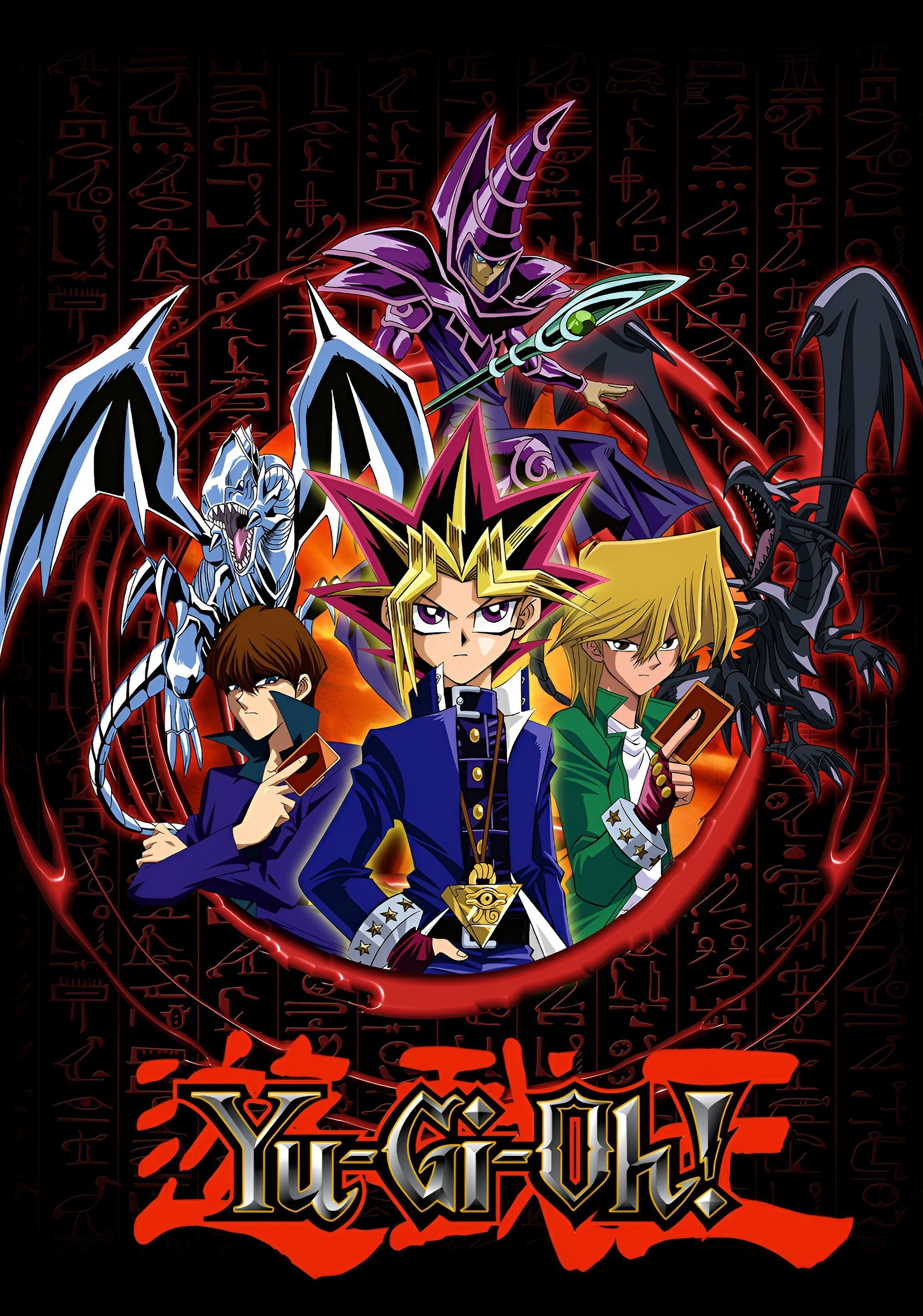
The ‘Virtual World’ storyline in ‘Yu-Gi-Oh! Duel Monsters’ unexpectedly paused the Battle City finals. This detour involved digital duels that didn’t really affect the main tournament. A lot of viewers were thrown off by the abrupt shift in location and what was at stake. While the story did return to the original tournament, it never quite regained its previous excitement.
‘Detective Conan’ (1996–Present)
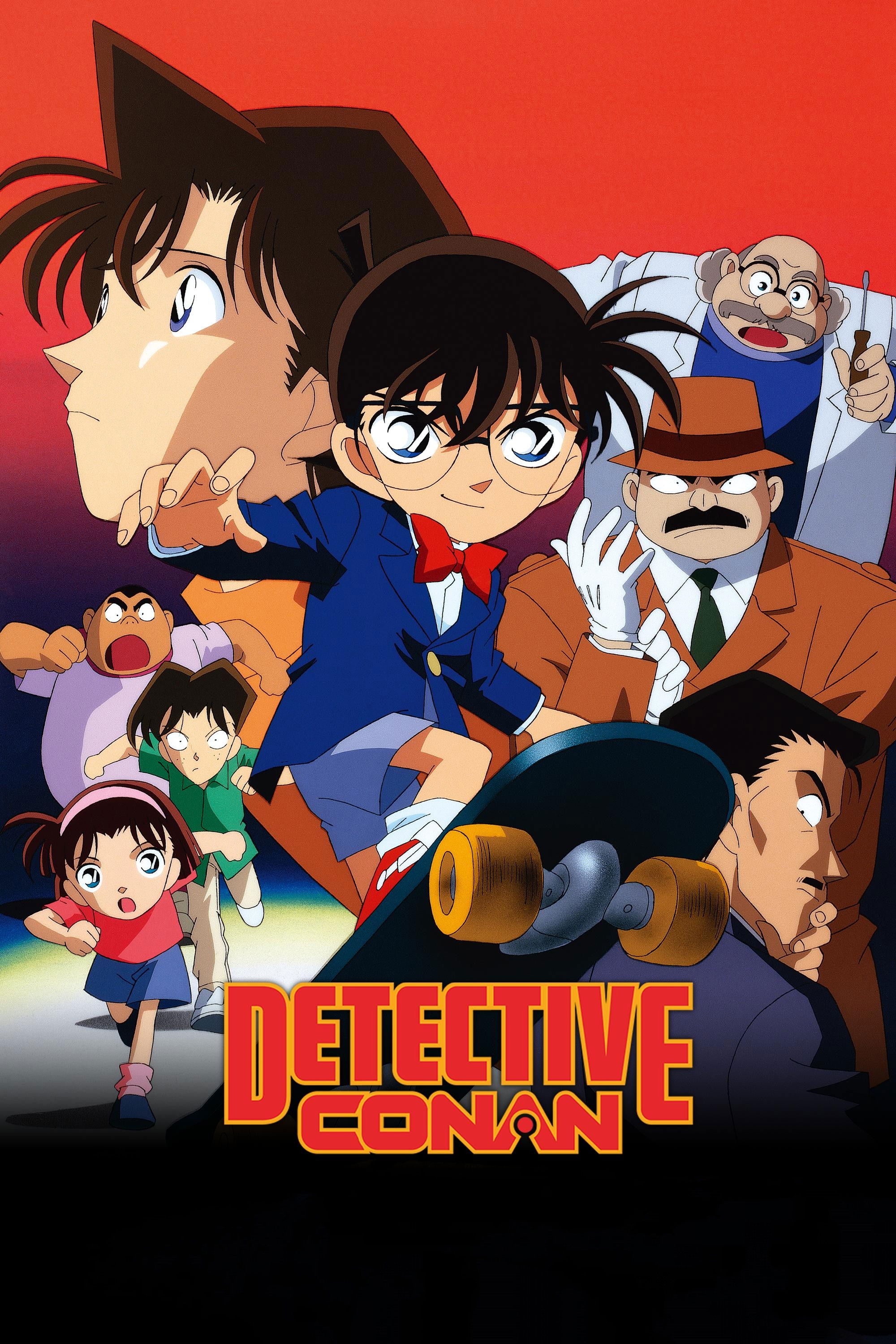
The ‘Detective Conan’ anime includes many episodes with original stories not found in the manga. These stories tend to be self-contained mysteries solved quickly, usually in about twenty minutes. Because they don’t advance the main storyline involving the Black Organization, many viewers consider them filler. Dedicated fans often seek out guides to help them skip these episodes and focus on the core plot.
‘Rurouni Kenshin’ (1996–1998)
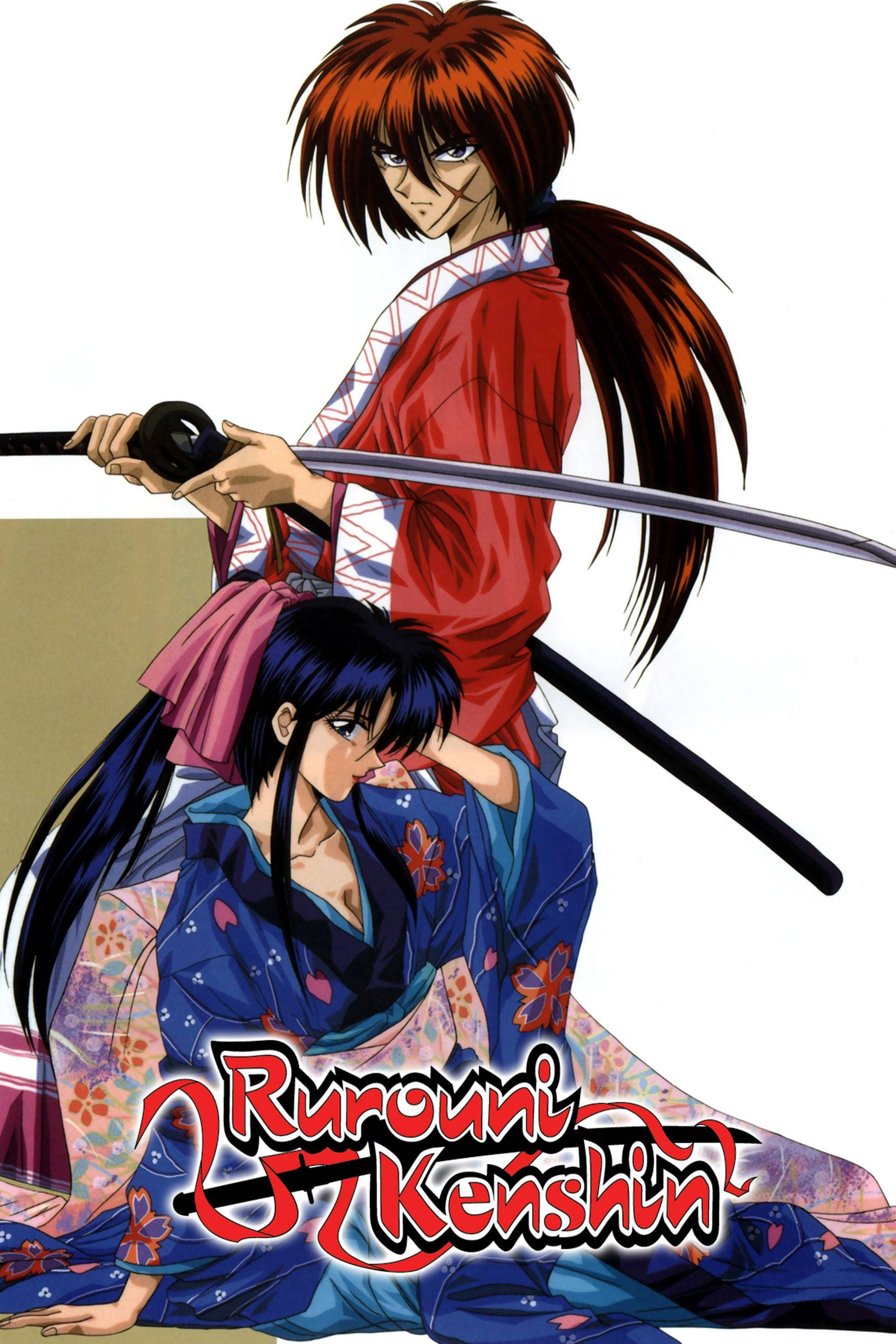
The last part of the original ‘Rurouni Kenshin’ anime contains only filler episodes because the anime overtook the manga’s storyline. The ‘Feng Shui’ arc is often criticized for introducing supernatural themes that didn’t match the show’s realistic style. These episodes caused a drop in viewership, leading to the anime’s cancellation before it could adapt the manga’s final story arc. Many fans recommend skipping these filler episodes and watching the original video animations instead.
‘Saint Seiya’ (1986–1989)
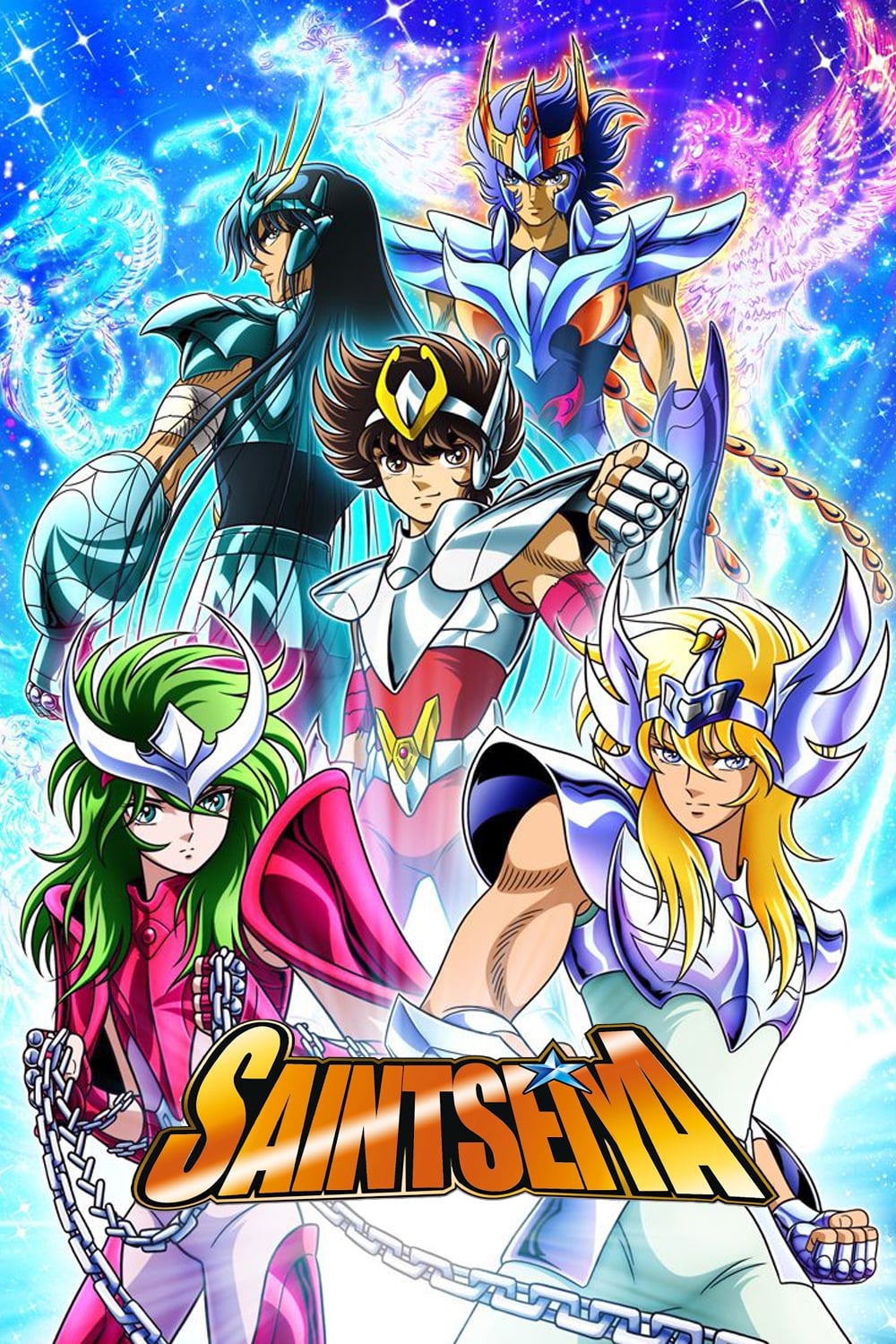
The Asgard arc in ‘Saint Seiya’ is a story created specifically for the anime, happening after the battle at the Sanctuary. Although the animation and music are excellent, the plot wasn’t written by the original author of the series. It follows the Saints as they battle the God Warriors in a frozen northern land to protect Athena. While some viewers appreciate this arc, it’s essentially a side story that postpones the beginning of the Poseidon saga.
‘Blue Exorcist’ (2011)
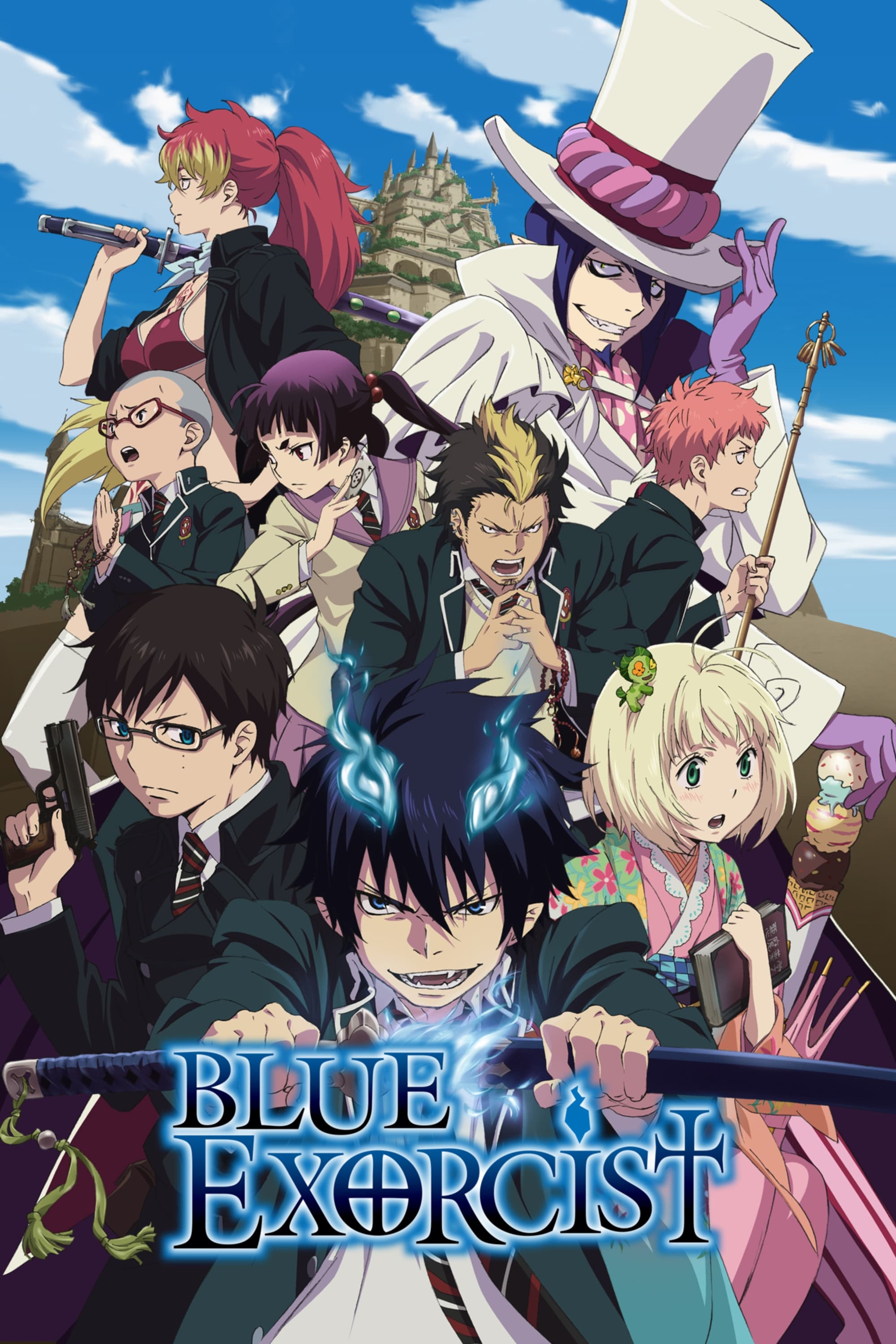
The anime ‘Blue Exorcist’ took a different path from its original manga source material around the middle of the first season. The show’s writers created their own ending, featuring a large battle with Satan, which didn’t quite fit with the overall story. This became confusing when a second season was released much later and completely disregarded that original ending. Because of this, fans now recommend that new viewers stop watching at a certain episode to avoid seeing the ending that isn’t part of the main story.
‘Soul Eater’ (2008–2009)
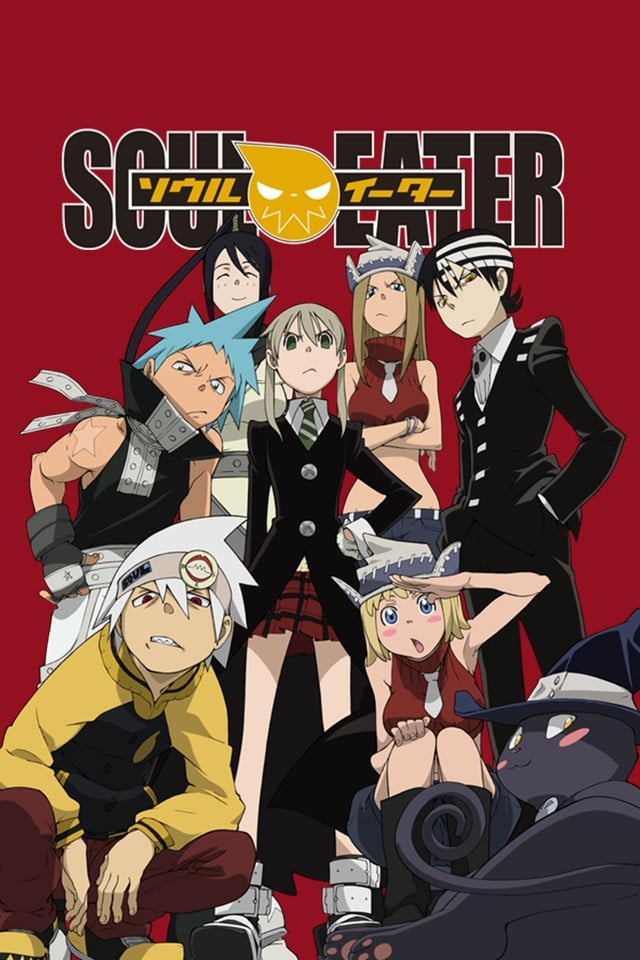
Okay, let me tell you about ‘Soul Eater.’ Initially, the anime was a really solid adaptation of the manga, staying pretty true to the source. But things changed in the final arc. The showdown with Kishin took a different route than the manga, wrapping things up with a focus on the power of courage. Honestly, a lot of fans – and I’m among them – felt like that ending was a bit too easy, especially considering how layered and complex the manga was. It’s no surprise there’s a constant call for a reboot that actually finishes the story as it was originally intended.
‘Tokyo Ghoul’ (2014–2015)
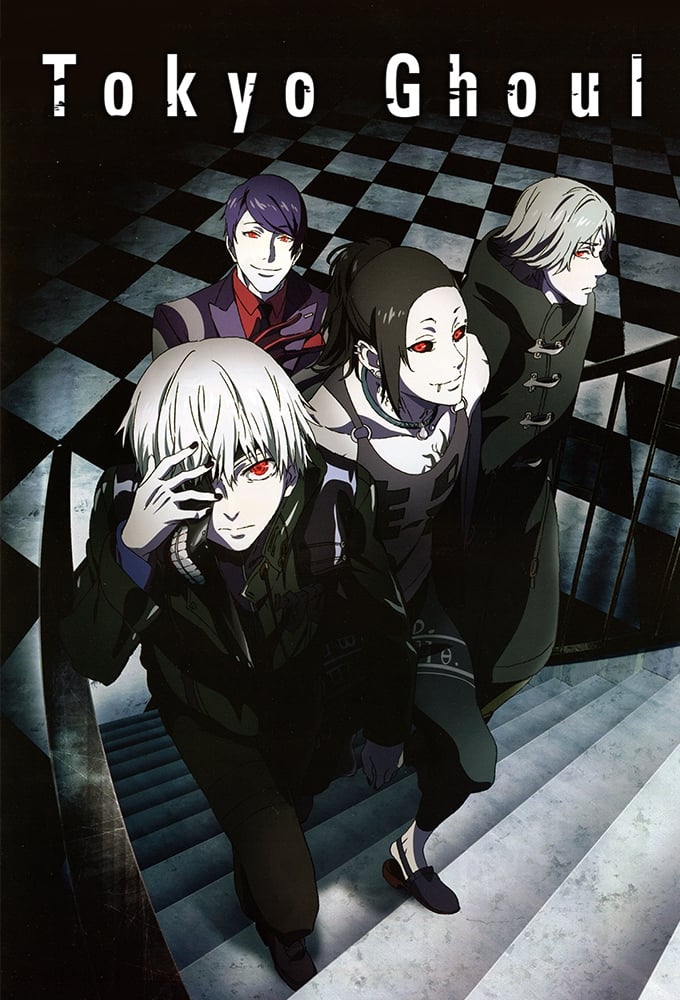
The second season of ‘Tokyo Ghoul’ took a different direction from the original manga, with the main character unexpectedly joining the group that had once held him captive. This change confused many viewers, who felt the anime’s new storyline didn’t have the same emotional impact or make as much sense as the source material. It’s often pointed to as the reason later seasons felt disconnected and difficult to understand.
‘The Promised Neverland’ (2019–2021)
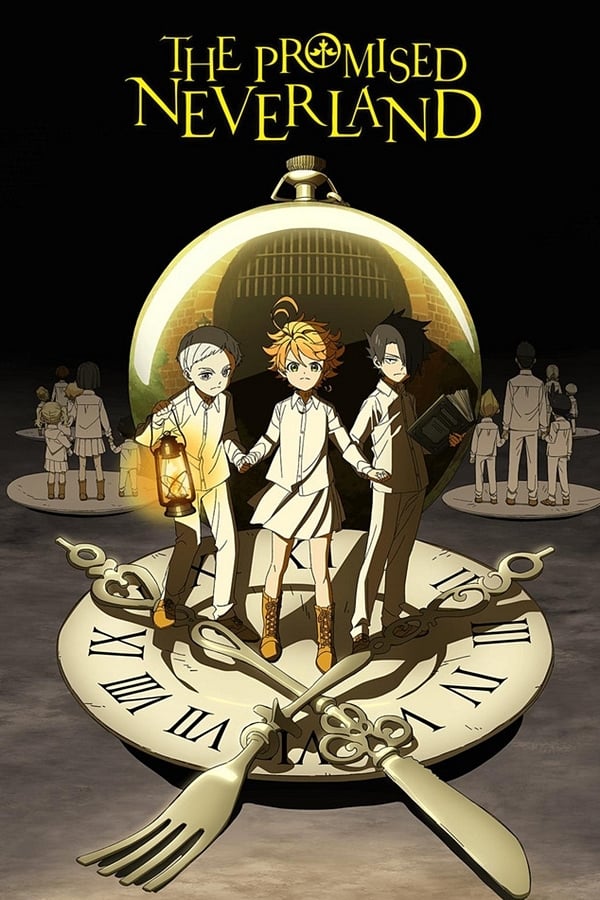
The second season of ‘The Promised Neverland’ received a lot of criticism because it significantly departed from the original manga. The creators tried to fit a huge amount of story – hundreds of chapters – into just a few episodes, and they added some new scenes as well. Unfortunately, this meant cutting out many of the characters and plot points that fans were excited to see, leading to a finale that felt hurried and didn’t offer a good ending to the series.
‘Gintama’ (2006–2018)
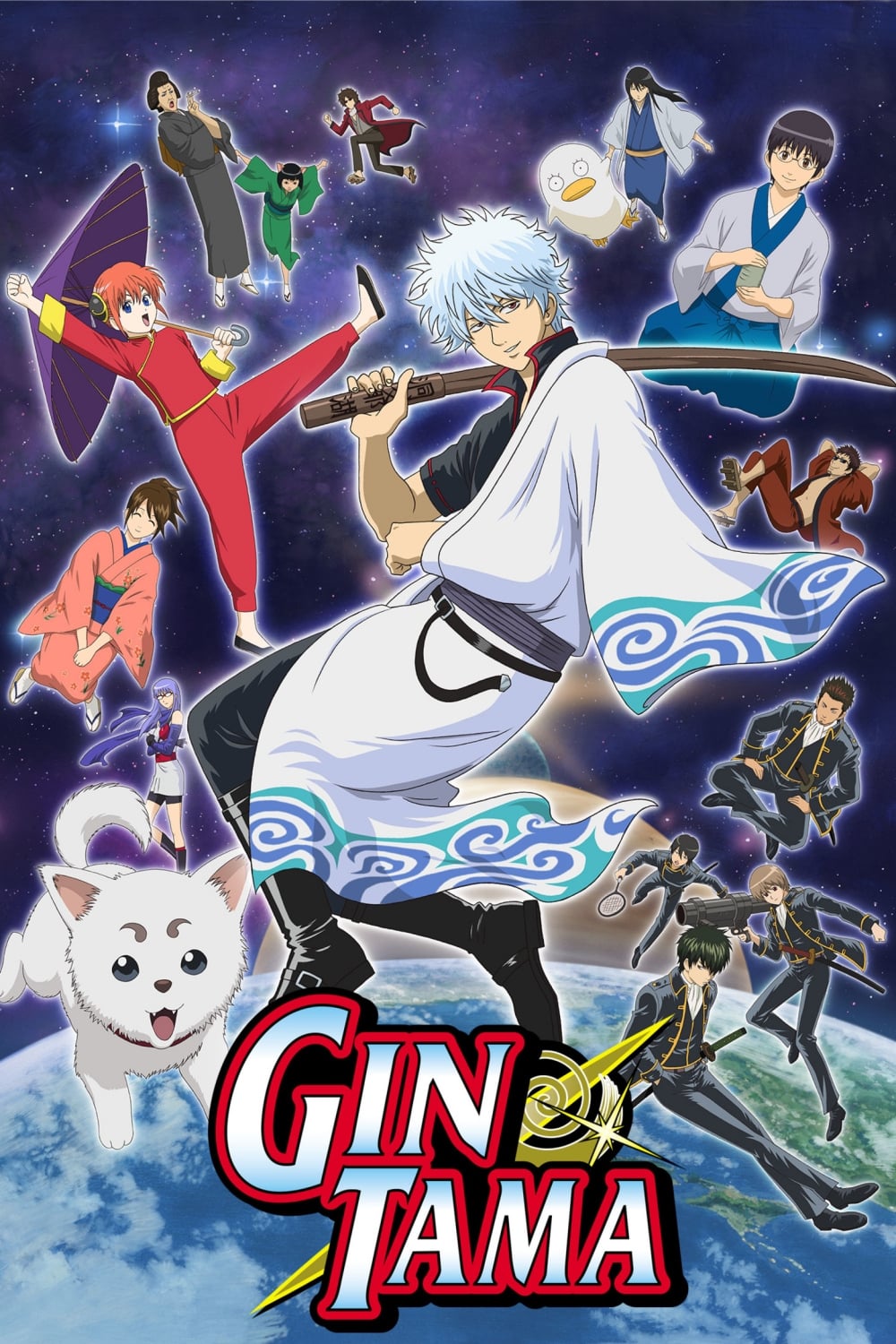
‘Gintama’ is known for its humorous filler episodes, which playfully poke fun at the common practice of using filler in anime. While these episodes are often funny, they sometimes cover very specific or unusual topics that don’t interest everyone. Occasionally, the characters will simply discuss their limited resources or creative blocks, which, though consistent with the show’s comedy, can feel like a detour for viewers eager to see more plot development.
‘Beelzebub’ (2011–2012)
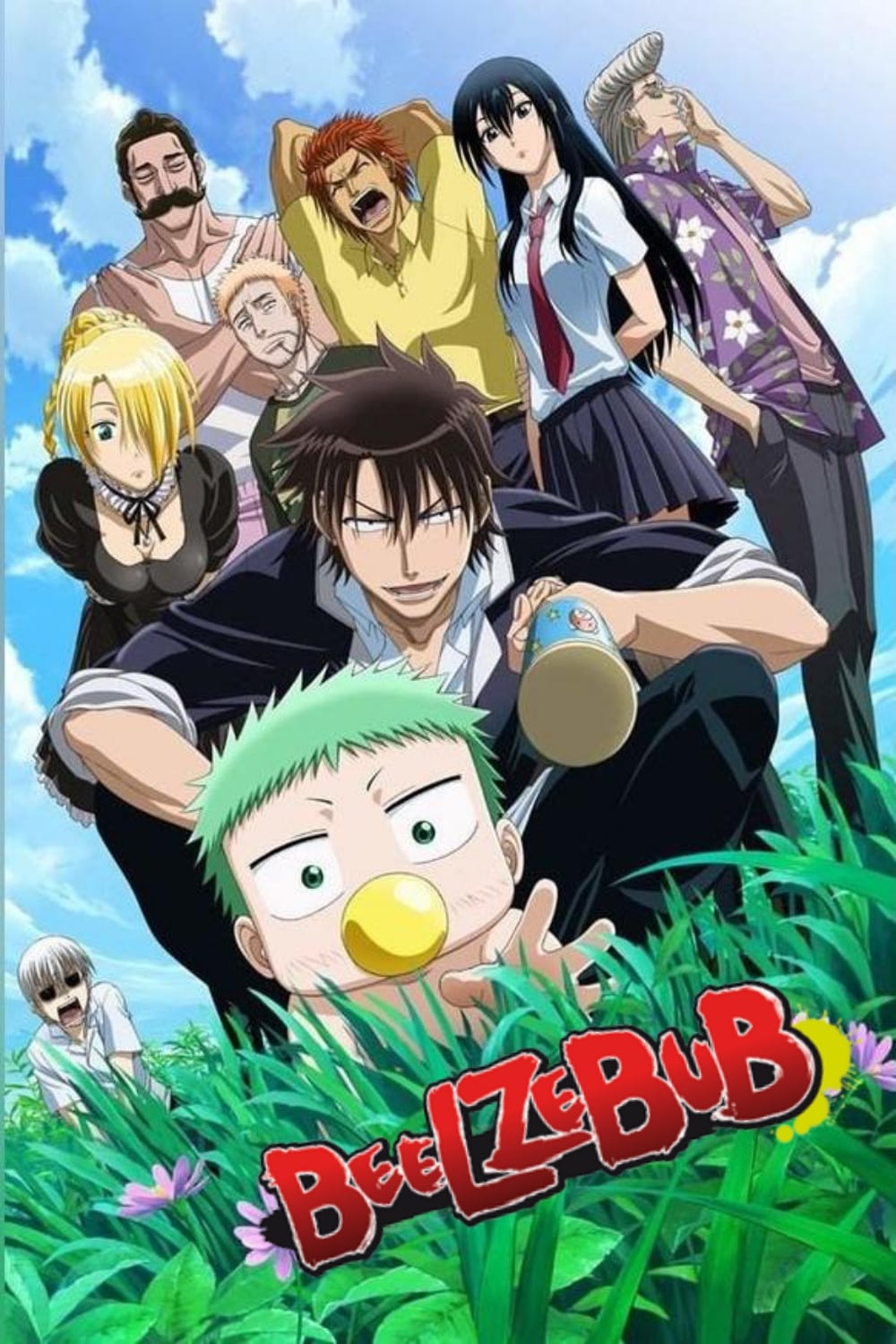
The anime series ‘Beelzebub’ finished with some unnecessary episodes that didn’t wrap up the story well. These episodes focused on unimportant, lighthearted contests. Since the original manga went on much longer, the anime felt unfinished and left viewers wanting a more complete adaptation, especially of the later, more intense battles.
‘Shaman King’ (2001–2002)
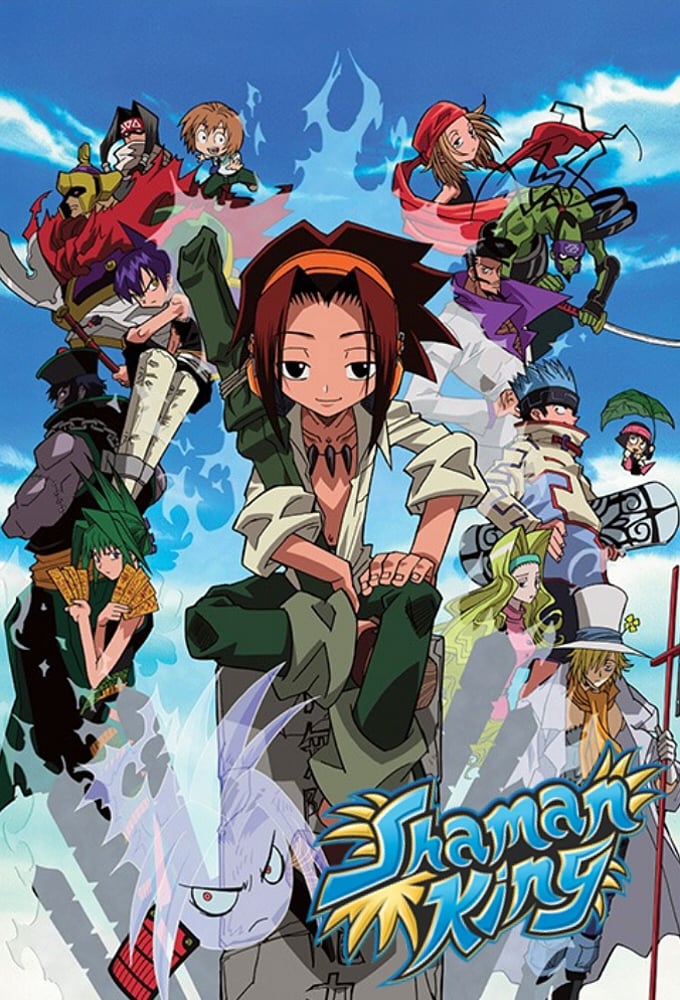
As a big fan of ‘Shaman King,’ I was pretty disappointed with the original anime from 2001. It sadly ran out of source material from the manga, and the writers had to come up with their own ending. It just didn’t feel right – the final tournament wasn’t as epic as I’d hoped, and some of the character arcs felt rushed and unnatural. Thankfully, they made a new adaptation to fix those issues and actually follow the manga’s story as it was meant to be! It’s so much better now that it’s true to the original vision.
‘Akame ga Kill!’ (2014)

The anime ‘Akame ga Kill!’ ended differently from the original manga. As the manga continued to be written, the anime’s creators chose to kill off important characters who lived on in the manga. This resulted in a particularly bleak and conclusive ending that many viewers felt was overly harsh. Because of these changes, it’s now challenging to create any sequels or continuations that follow the original storyline.
‘Claymore’ (2007)
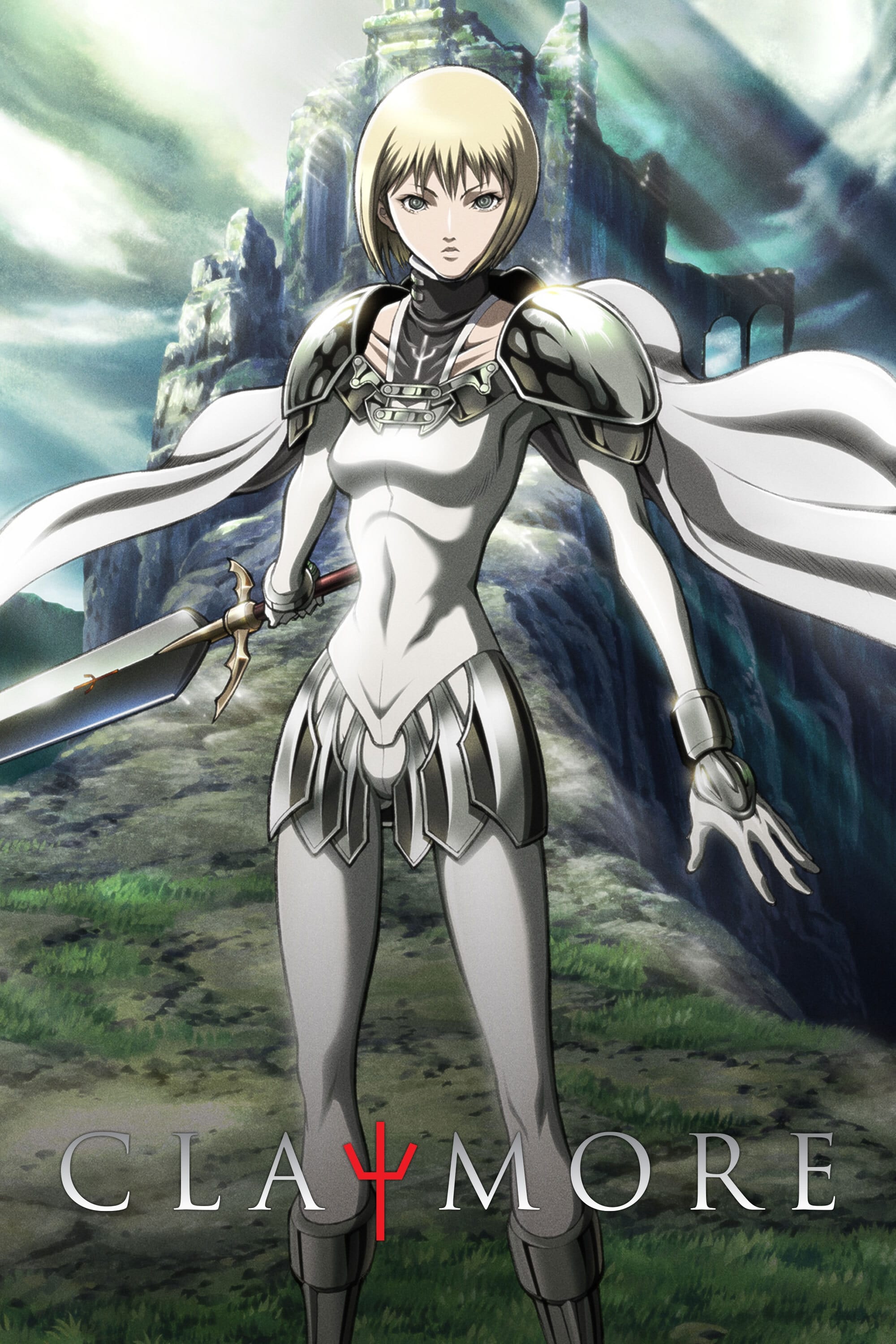
The ‘Claymore’ anime was a faithful adaptation of the manga for most of its run, but the ending diverged from the source material with a new battle. This was done to provide a sense of finality, even though the manga continued for much longer. As a result, the main character didn’t fully develop as she did in the later manga chapters. Many fans were disappointed by this sudden and non-canonical conclusion, feeling it left the story unfinished.
‘Hellsing’ (2001–2002)
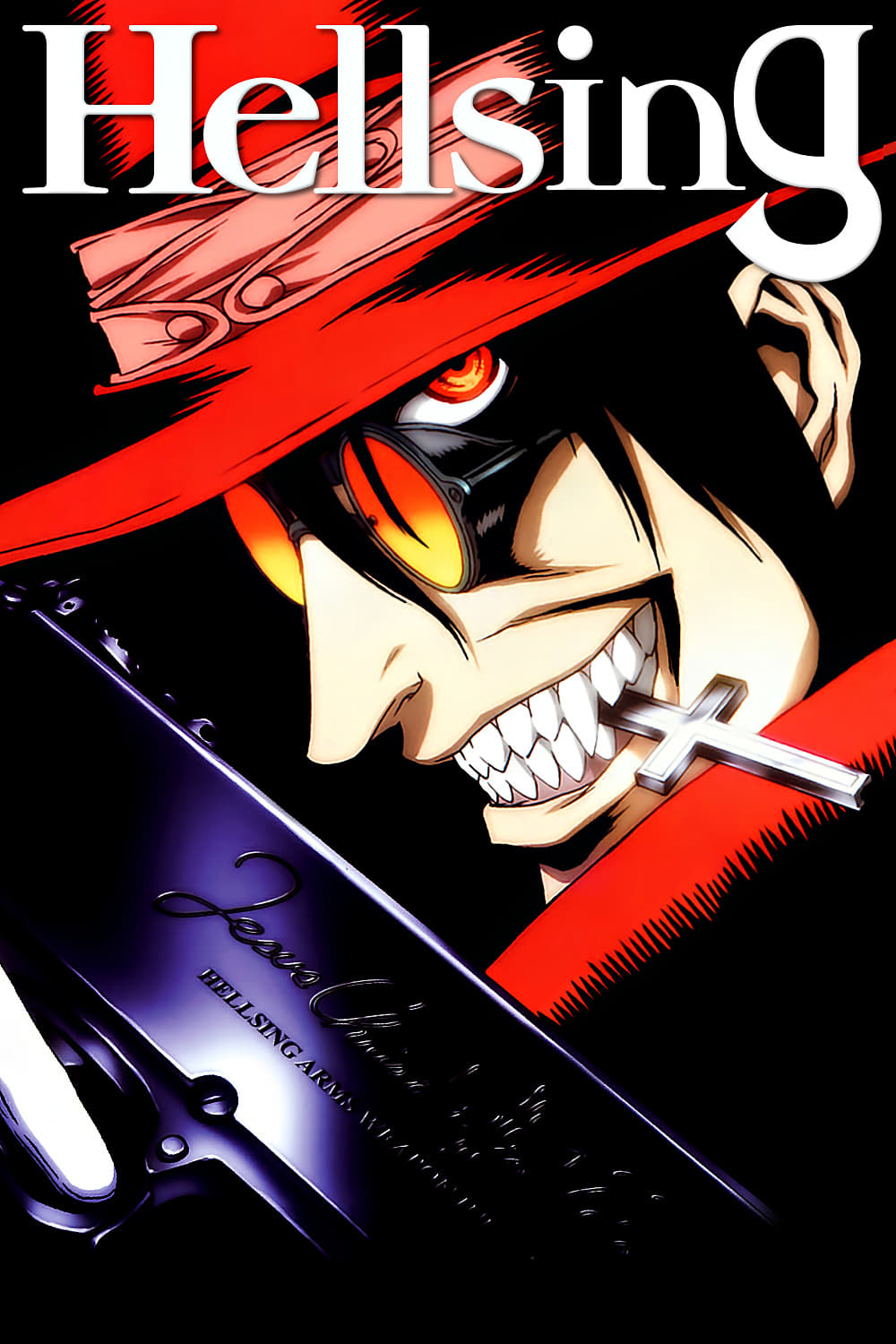
The initial ‘Hellsing’ anime quickly diverged from the original manga, creating its own villains and a plotline separate from the main organization featured in the manga. Because of this, it’s often overlooked in favor of ‘Hellsing Ultimate,’ which closely follows the entire manga story. Nowadays, the first series is largely considered a side note with a weaker story.
‘Fullmetal Alchemist’ (2003–2004)
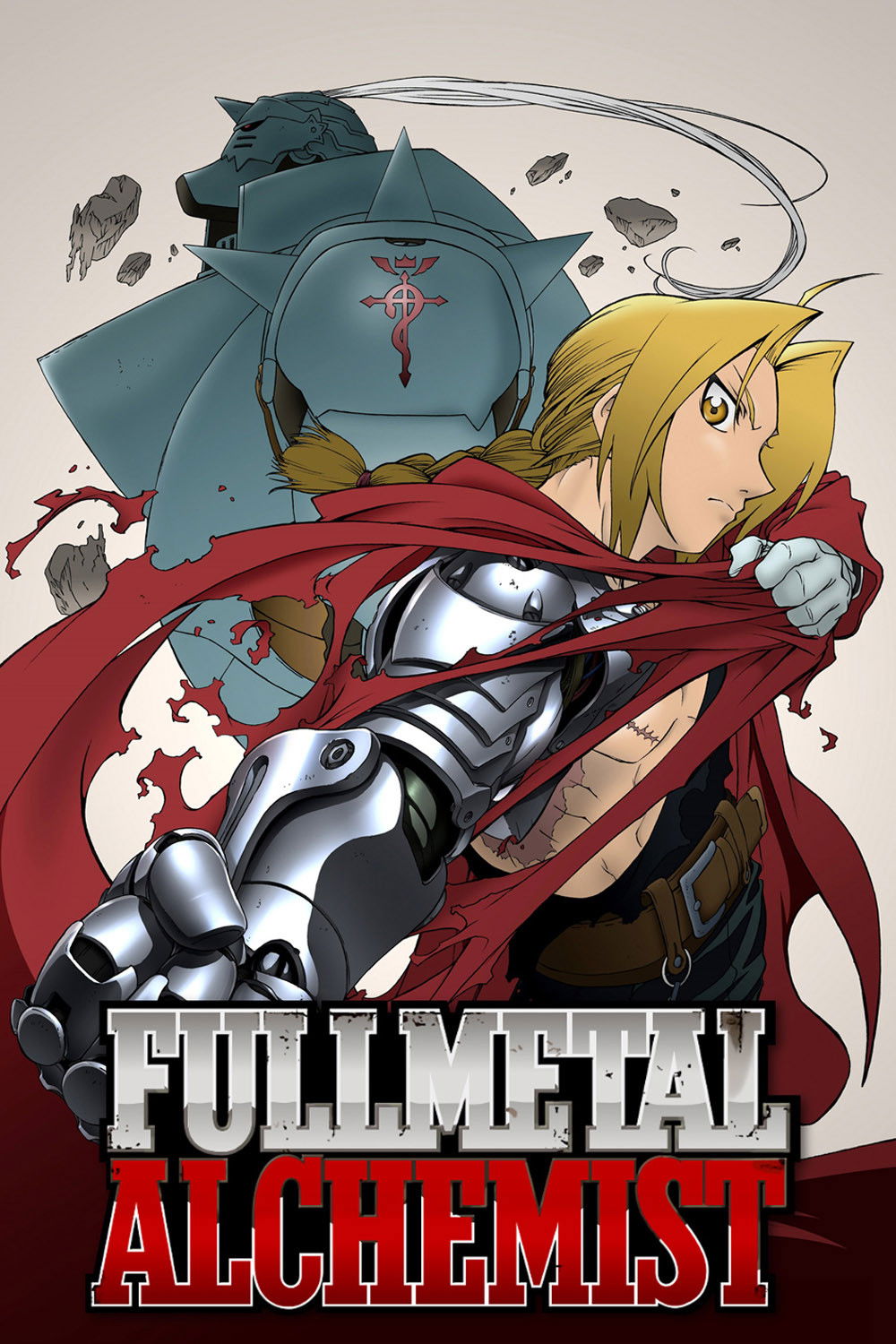
The 2003 anime series of ‘Fullmetal Alchemist’ stands out because the latter half of the show features a completely original storyline. This happened because the manga wasn’t finished yet, so the animators collaborated with the author to create a new ending. Although the 2003 series is well-loved, many fans appreciate the more detailed and consistent world-building of the manga itself. This ultimately led to the creation of ‘Fullmetal Alchemist Brotherhood,’ which closely follows the original manga’s plot.
‘Dragon Ball’ (1986–1989)
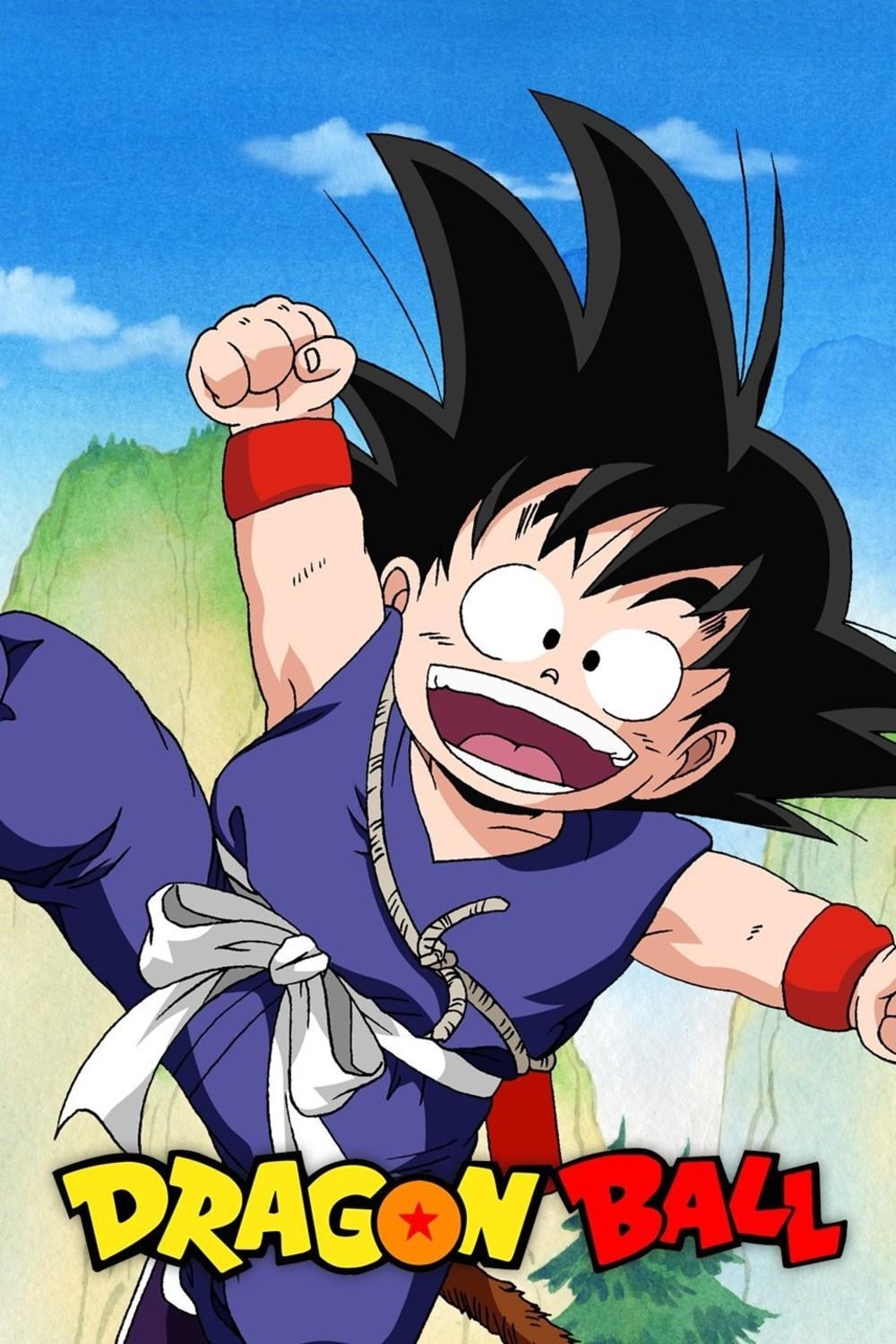
The first ‘Dragon Ball’ series included some storylines that weren’t part of the main plot, like the Wedding Dress arc at the end. This arc followed Goku and Chi Chi as they worked to extinguish a magical fire and save Chi Chi’s father’s castle. It felt like a slower, less important adventure after their intense fight with Piccolo. Many viewers consider it an extra story that wasn’t needed before moving on to the next series.
‘Inuyasha’ (2000–2004)

The anime ‘Inuyasha’ included many episodes that didn’t advance the main story, often focusing on unimportant demons and repeating familiar jokes. Many viewers found the constant search for pieces of the Shikon Jewel to be frustratingly repetitive. To address this, a shorter, more focused series was created to conclude the story without the unnecessary filler.
‘Trigun’ (1998)
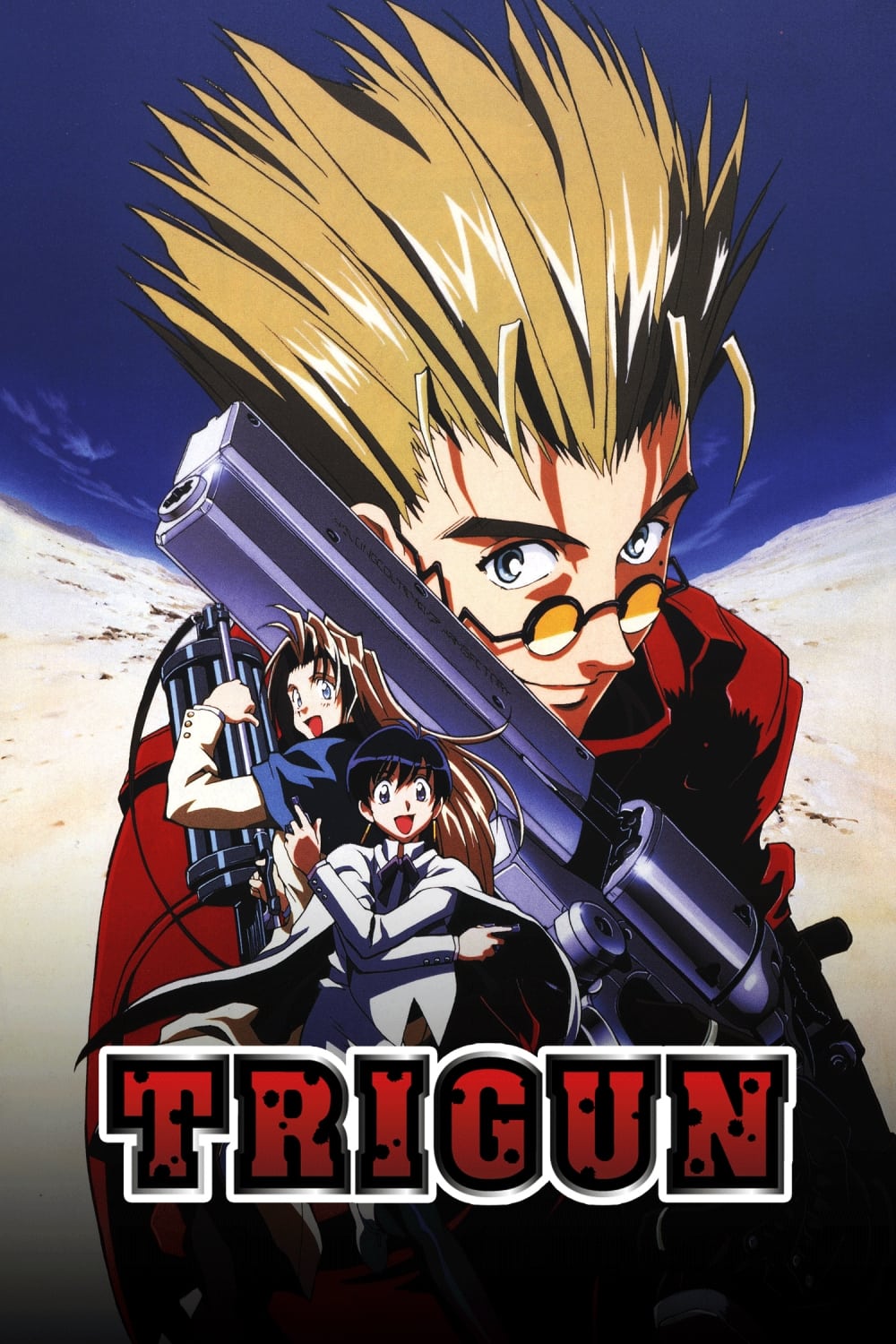
When the first ‘Trigun’ anime was being made, the manga it was based on temporarily stopped being published. To keep the anime going, the creators made some extra episodes where Vash the Stampede would help different towns with small issues. These episodes showed how much Vash valued peace, but they didn’t reveal anything about his hidden past. Eventually, the anime got back to the main storyline, but those extra episodes felt a bit separate from it.
‘Blue Dragon’ (2007–2008)
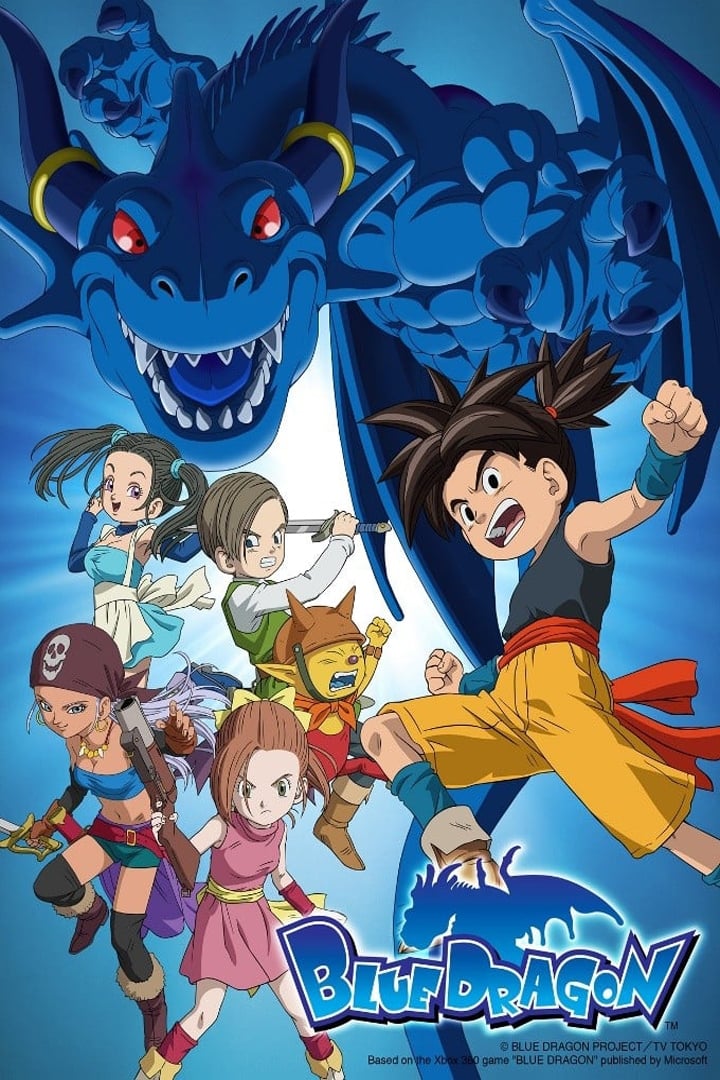
‘Blue Dragon’ is adapted from a video game, and some episodes feel unnecessarily drawn out. These filler segments typically show the characters aimlessly traveling and battling unremarkable enemies. This slows down the story and makes the series feel longer than it should be; many viewers believe the core story could have been told in significantly fewer episodes.
‘D.Gray-man’ (2006–2008)
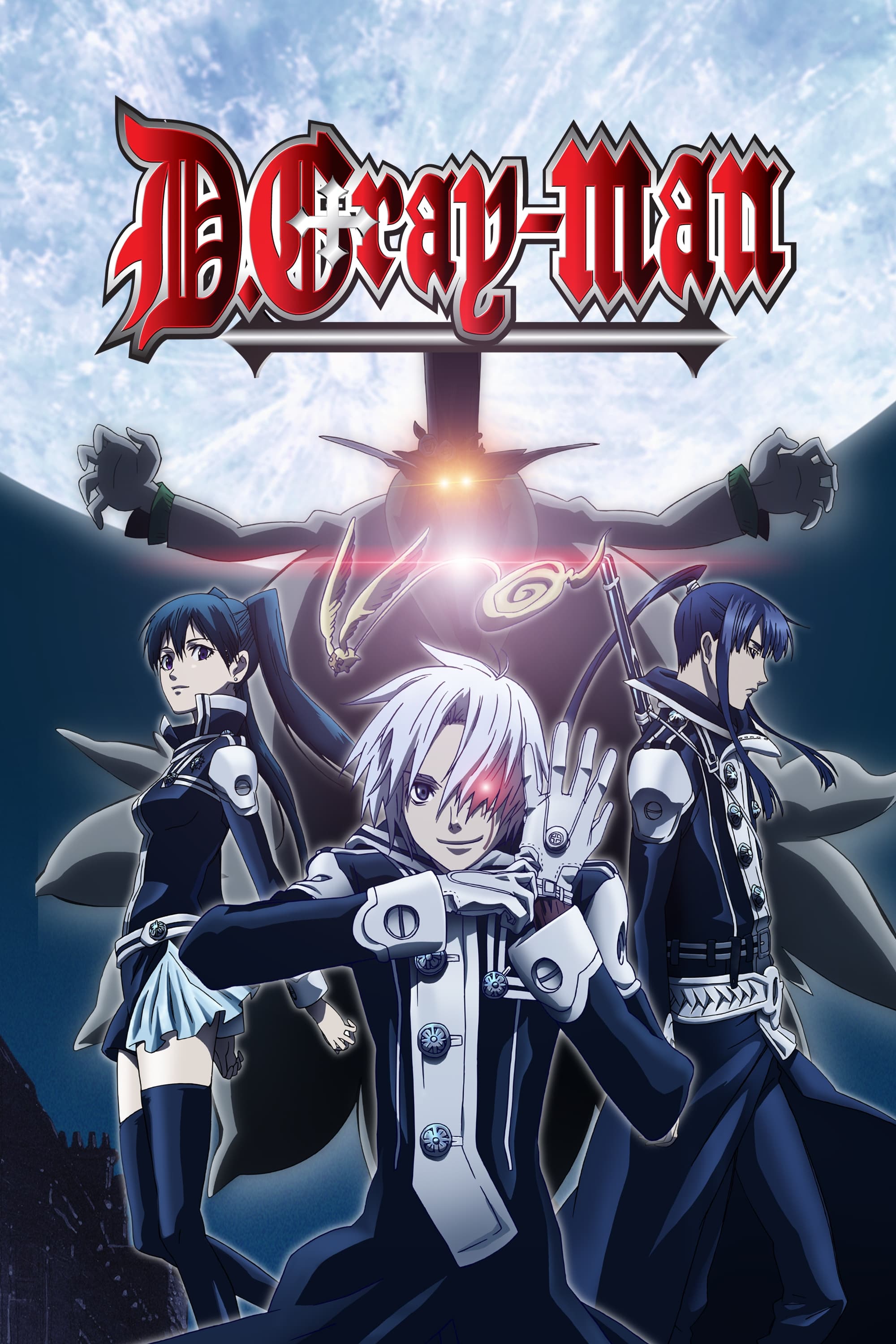
As a big fan of ‘D.Gray-man,’ I remember the original anime having some extra missions that weren’t in the manga. While it was cool to see more of the Exorcists in action, those episodes just didn’t quite capture the dark, gothic vibe that I loved about the manga. And because the anime ended before the manga was complete, those extra stories felt a bit pointless – they didn’t really lead anywhere. We fans had to wait a long time for a continuation that finally stuck to the main storyline!
‘Twin Star Exorcists’ (2016–2017)
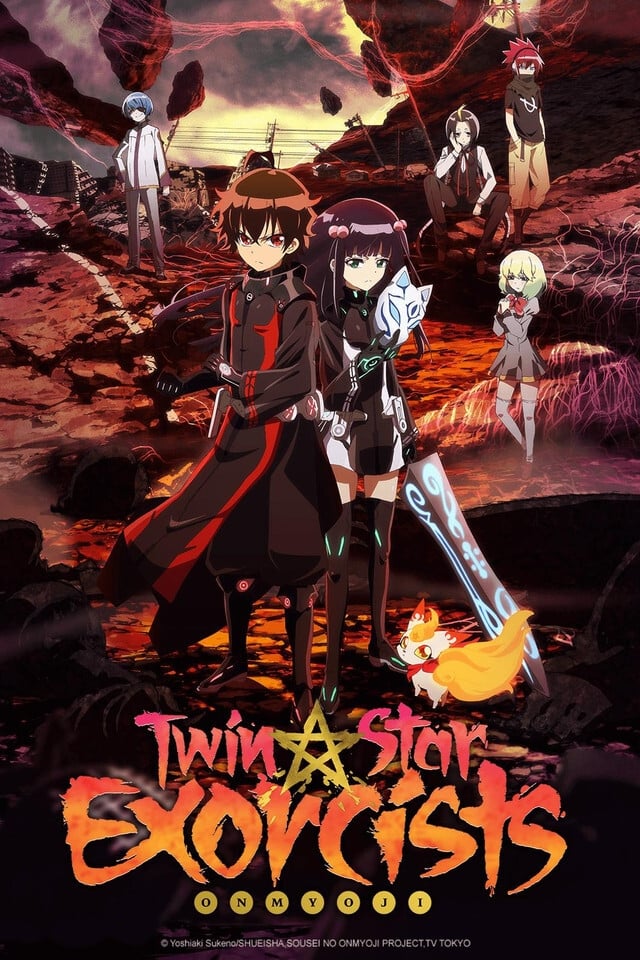
The anime ‘Twin Star Exorcists’ took a different direction from its original manga after just a few episodes. Instead of adapting the manga’s story, the anime created its own, which wasn’t popular with all fans. Many viewers had been hoping to see the story from the manga brought to life, and the new content made the anime feel quite separate from its source material.
‘World Trigger’ (2014–2016)
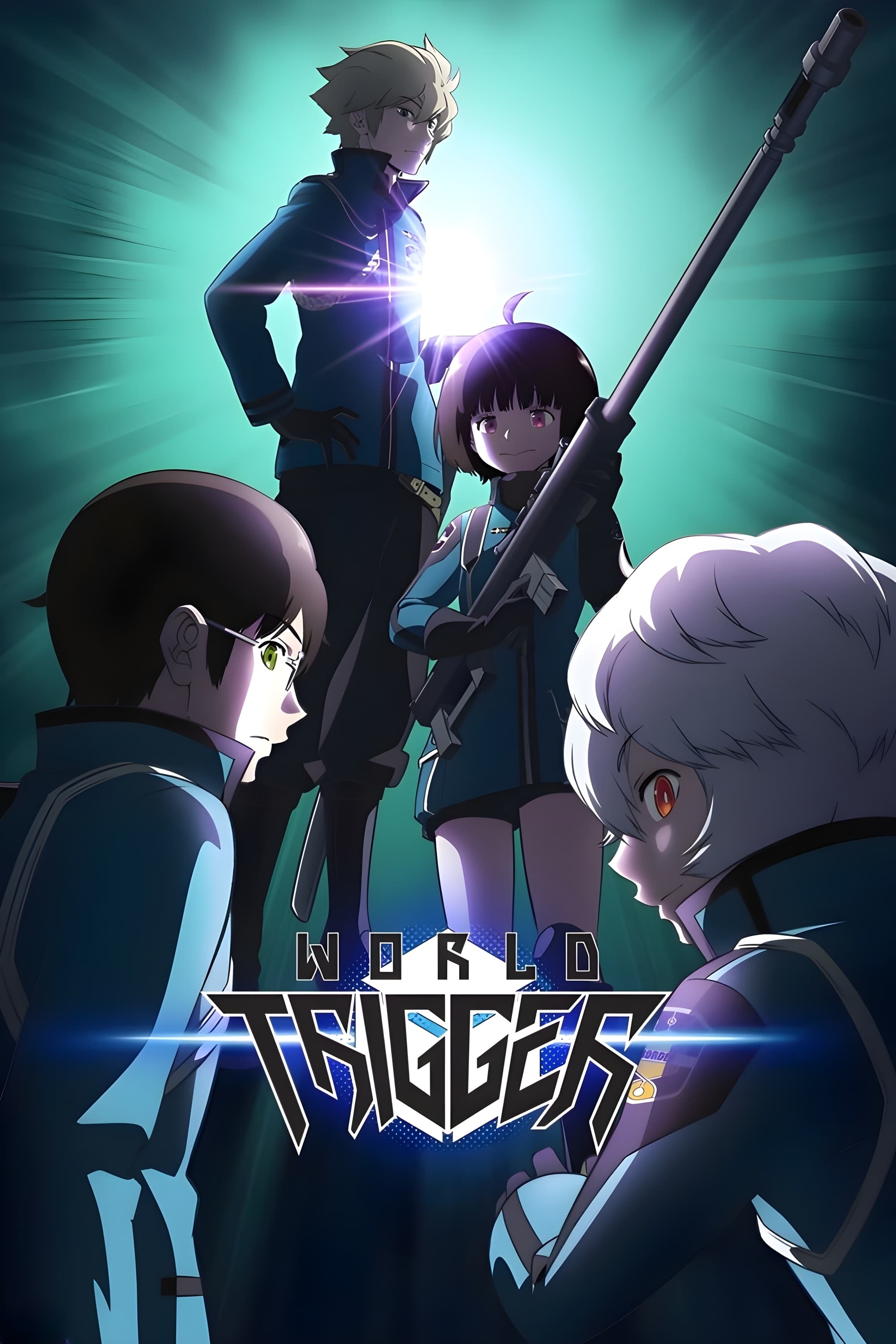
The first season of ‘World Trigger’ featured a lengthy detour from the original story with the ‘Fugitive’ arc. This arc added characters and a storyline not found in the manga. Viewers generally felt it was slower-paced and lacked the tactical depth of the manga’s battles. When the show returned for its second season, it completely disregarded everything that happened in the ‘Fugitive’ arc and resumed following the manga’s plot.
‘Toriko’ (2011–2014)
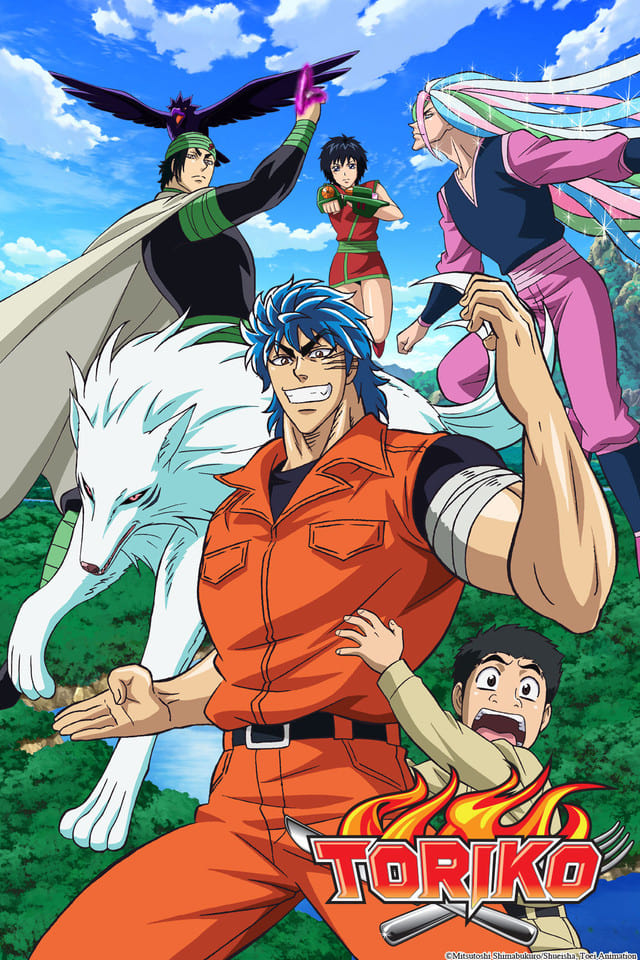
The ‘Toriko’ anime sometimes included side stories and extra content that took away from its main focus on gourmet hunting. To make it more appropriate for younger viewers, the anime also softened the ending, resulting in a finale that didn’t match the manga’s powerful conclusion. This change left fans of the original manga feeling let down by the adaptation.
‘Seraph of the End’ (2015)
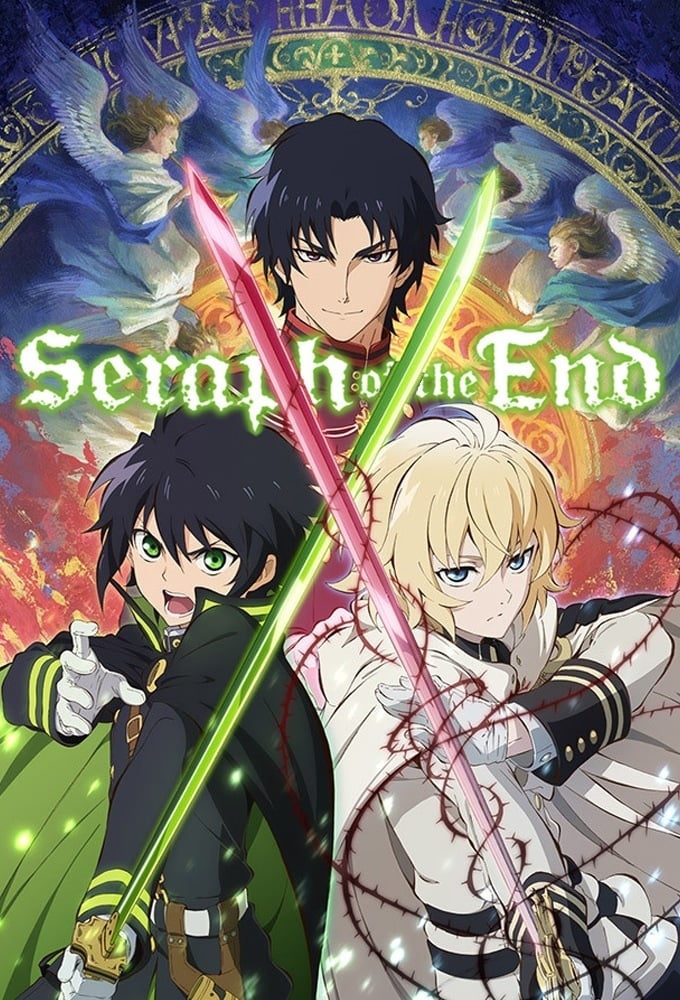
The anime series ‘Seraph of the End’ concluded with a battle that wasn’t part of the original manga storyline. This provided a temporary ending while the manga author continued writing. However, the manga later diverged significantly, meaning the anime’s ending is now considered separate from the official story. Many fans are hoping a third season will address these differences.
‘Rosario + Vampire’ (2008)
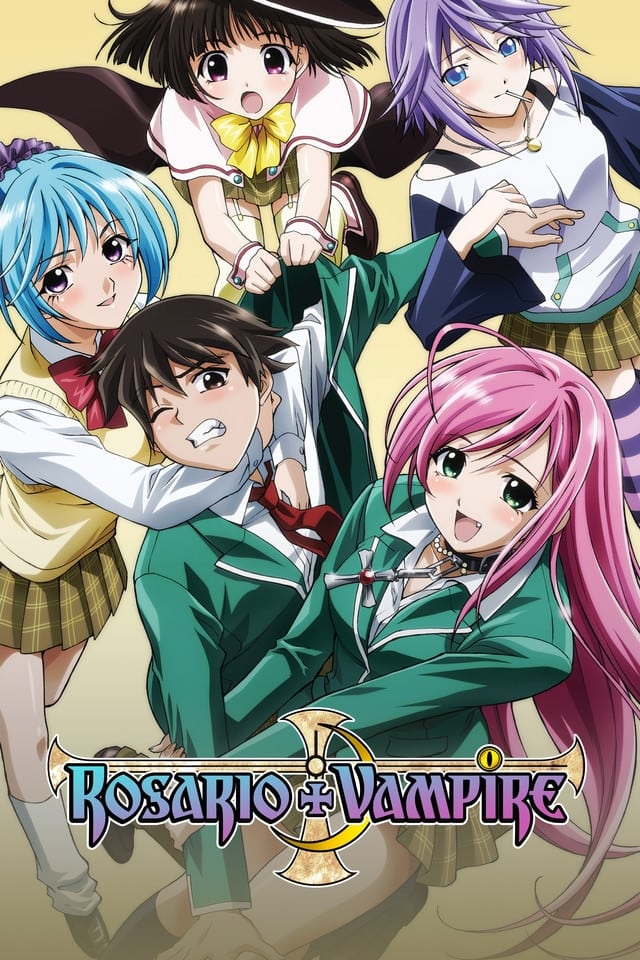
The anime adaptation of ‘Rosario + Vampire’ significantly changed the original manga, turning a serious action story into a typical harem comedy filled with unnecessary scenes. Each episode usually featured a self-contained monster problem, which meant the main storyline didn’t progress. As a result, the anime’s main character didn’t develop as much as he did in the manga. Many fans of the original story were disappointed that the anime prioritized appealing to fans with suggestive content over a strong plot and character development.
‘Elfen Lied’ (2004)

The anime series ‘Elfen Lied,’ while short, crafted its own ending that differs from the original manga. This ending streamlined the story and resolved the central conflict in a more straightforward way, but it meant some compelling side characters weren’t developed as much. Many fans suggest reading the manga to experience the complete and more detailed story of the Diclonius.
‘Deadman Wonderland’ (2011)
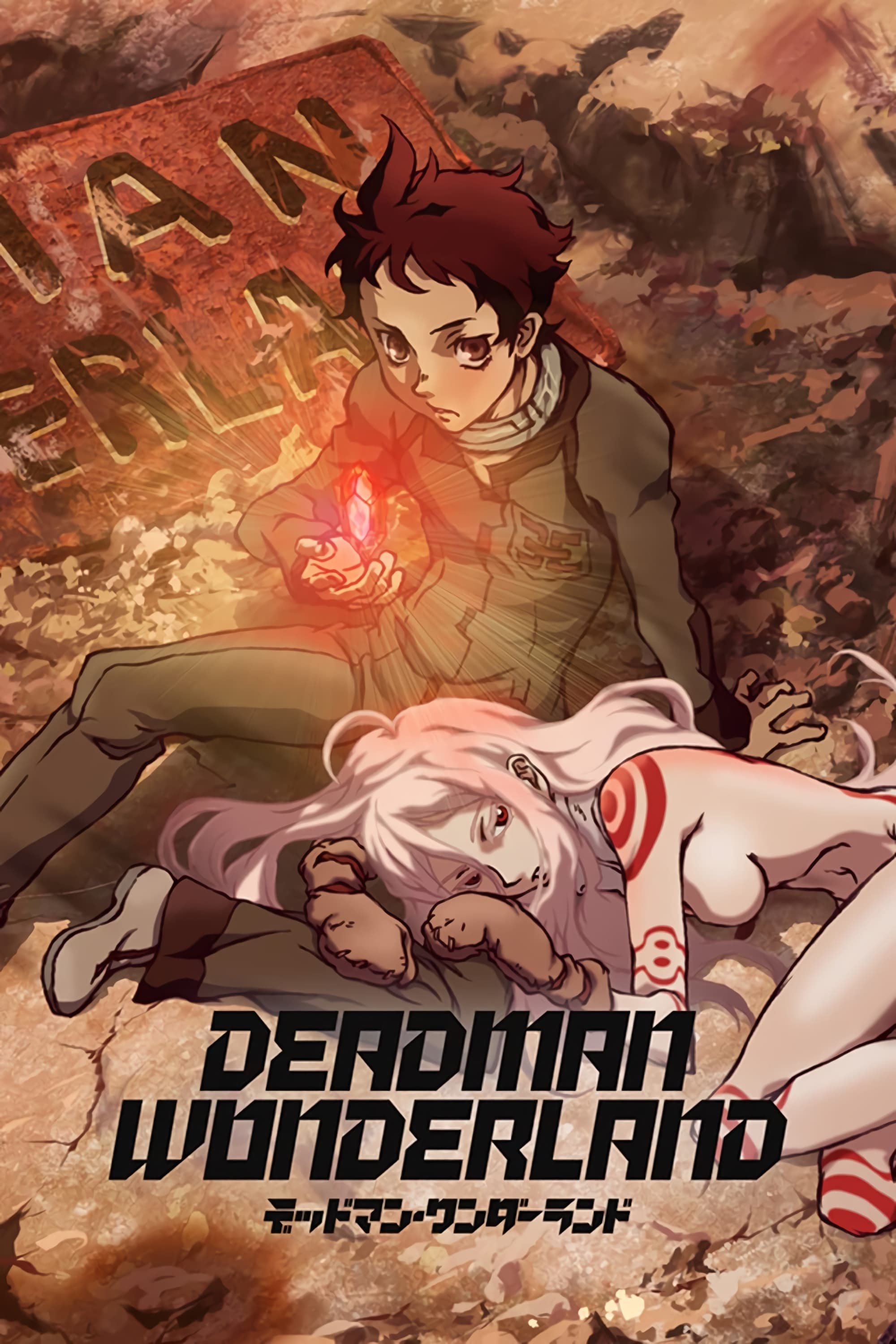
The ‘Deadman Wonderland’ anime had to shorten its story by leaving out key characters from the original manga. This made the anime feel unfinished and created a lot of unanswered questions. Since these characters played a crucial role in what happened later, it became impossible to create a second season. As a result, fans hoping for a complete adaptation of the story were left disappointed.
‘Gantz’ (2004)
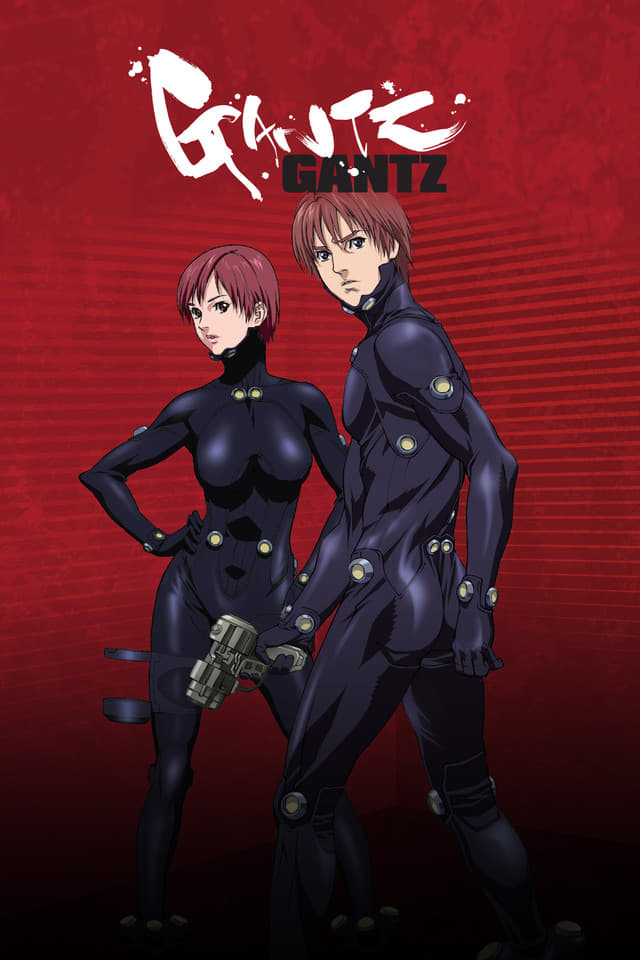
The ‘Gantz’ anime stayed true to the original manga until the very end, when it took a surprising and unexpected turn. This new ending felt confusing and didn’t have the same emotional impact as the rest of the show. It tried to explain the strange black sphere, but many viewers found the explanation lacking. Later, the manga offered a much grander and more thorough explanation of what happened.
‘Fruits Basket’ (2001)
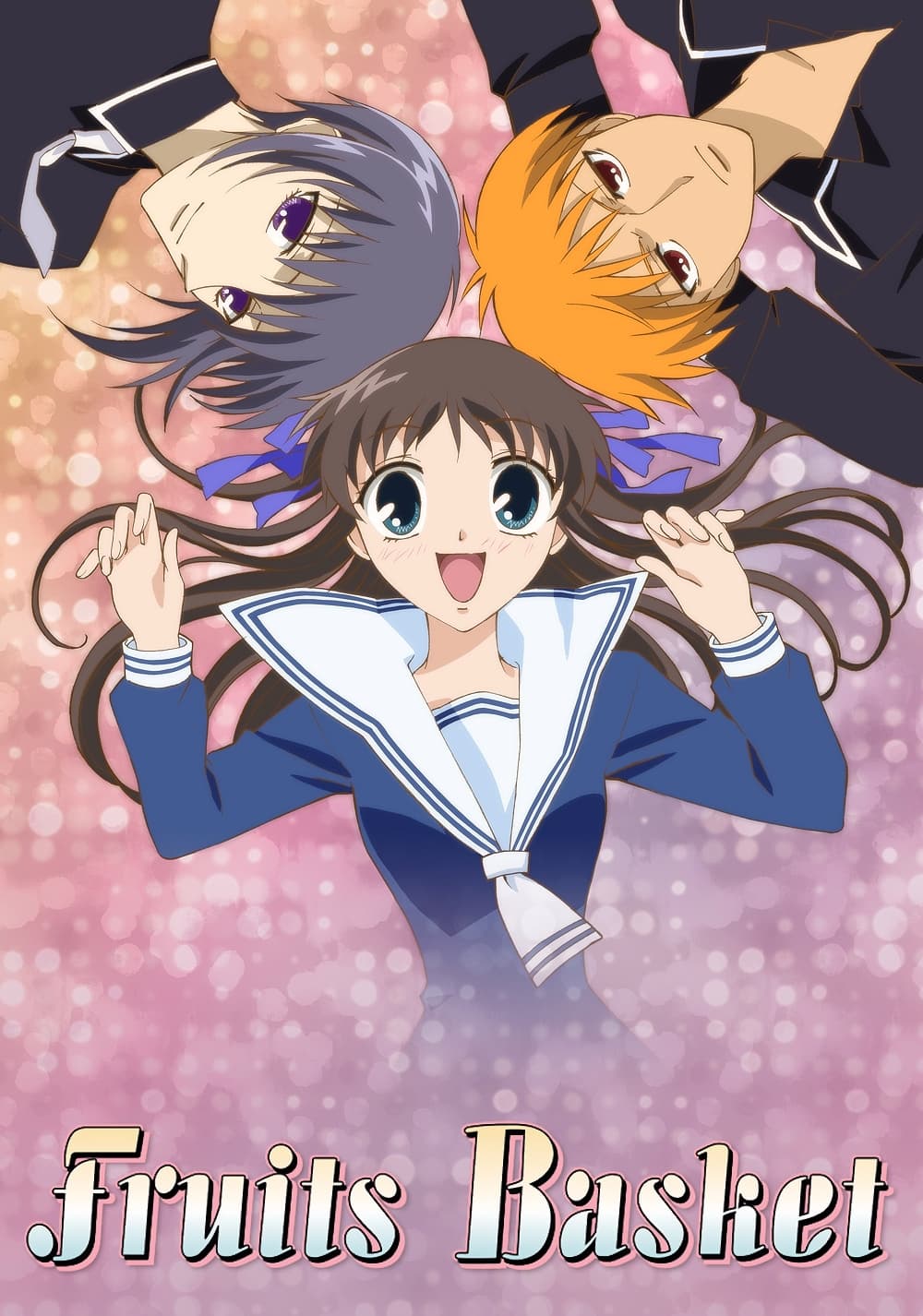
The first ‘Fruits Basket’ anime from 2001 had an ending that wasn’t part of the manga, as the manga was still being written. This meant it left out many of the sadder and more complex parts of the story, and focused more on the lighthearted romance. Eventually, a new version was created to adapt the complete manga storyline.
‘Rave Master’ (2001–2002)
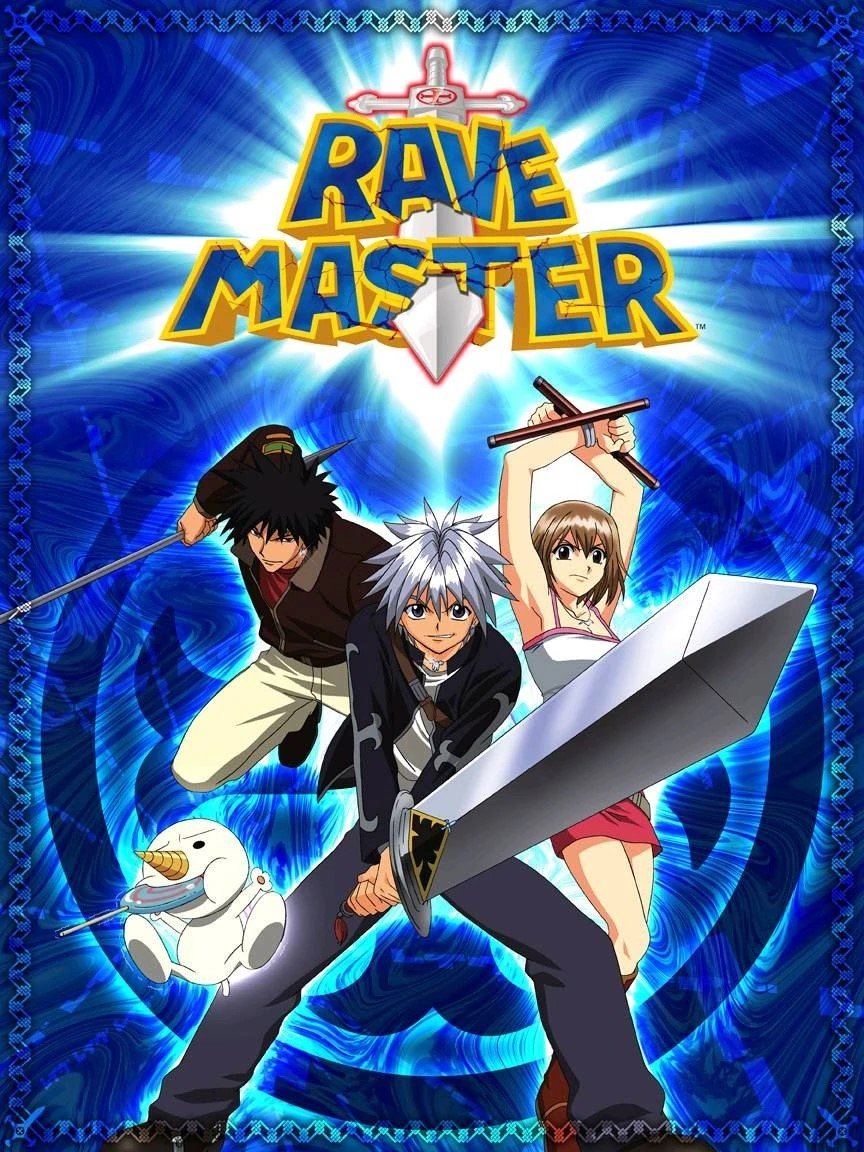
The anime series ‘Rave Master’ ended before it could adapt the entire manga story. To finish the show, the creators added extra, non-canon episodes that tied up some minor storylines. However, the central mystery involving the Rave stones and the main villain remained unanswered for anime-only viewers. As a result, many fans had to read the manga to find out the complete ending.
‘Slam Dunk’ (1993–1996)
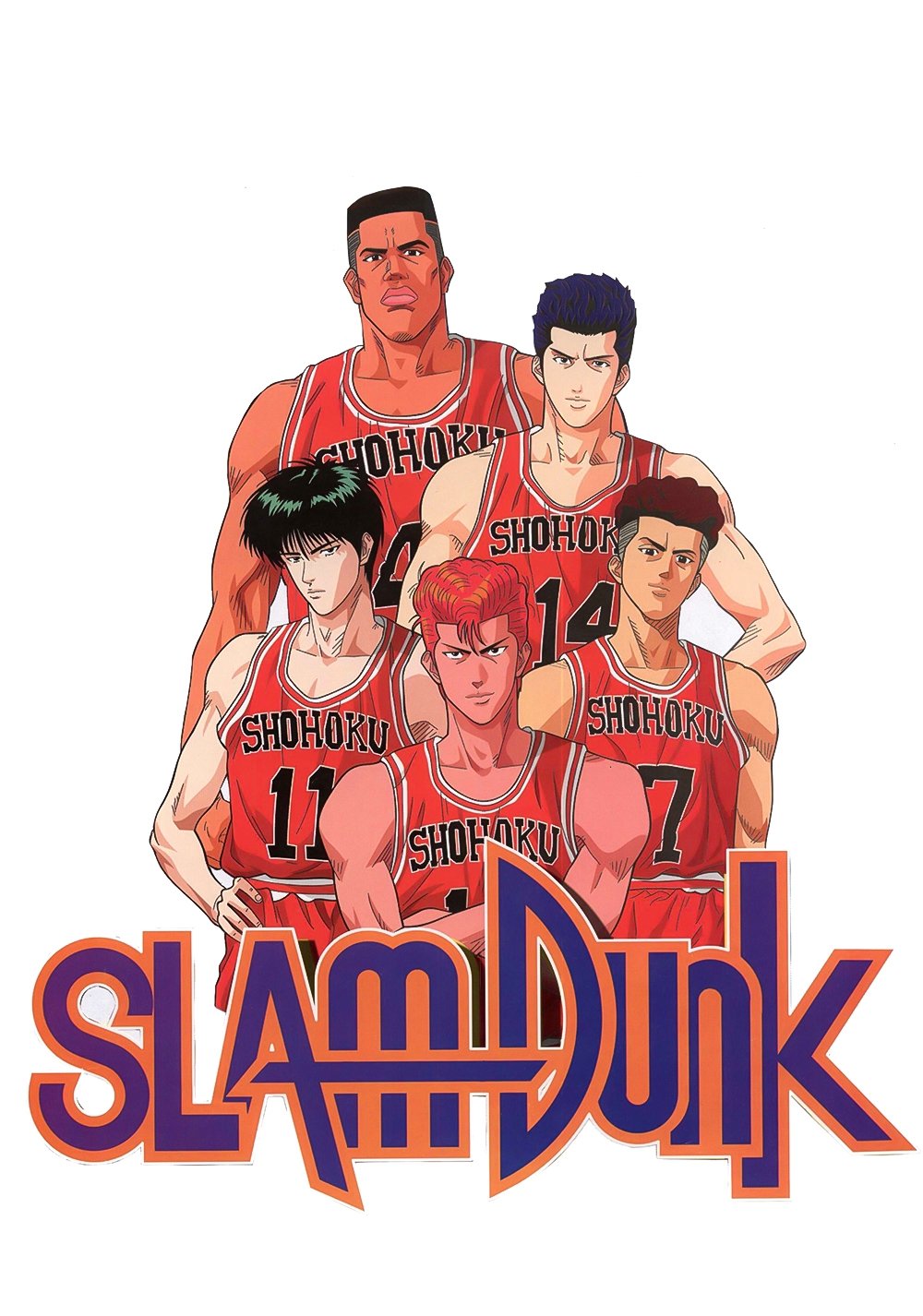
The original ‘Slam Dunk’ anime series didn’t adapt the national tournament from the manga, instead ending with a made-up game against an all-star team. This frustrated many fans who had watched the show for over 100 episodes, as they missed seeing the exciting final matches from the manga. It wasn’t until much later that a movie was released to finally show the story’s true ending.
‘Great Teacher Onizuka’ (1999–2000)
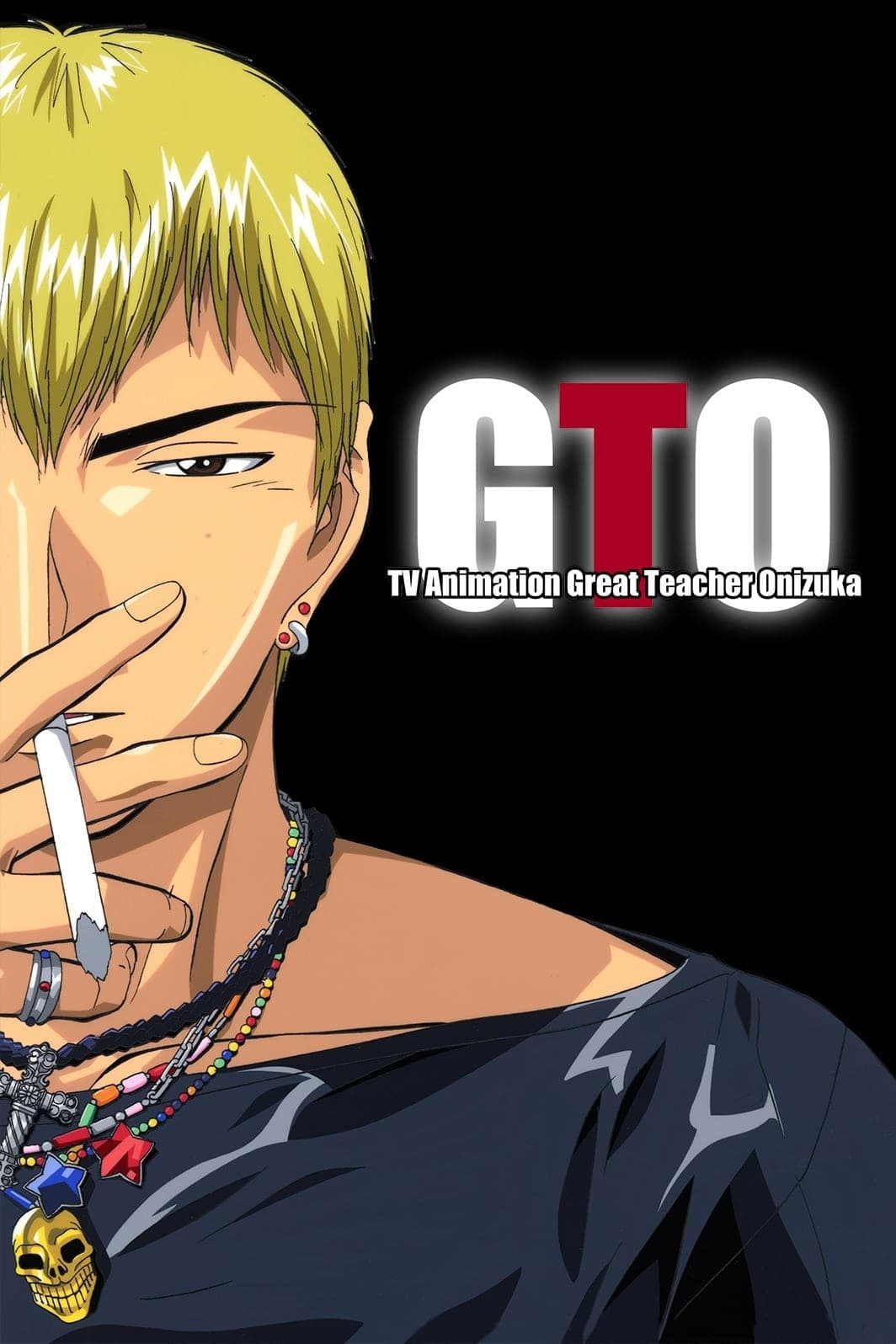
The ‘Great Teacher Onizuka’ anime finished with a story created just for the show, where Onizuka had to protect his school from a dishonest official. While it showed off his unconventional teaching style, this ending differed from the original manga. The manga series went on much longer and included even more over-the-top events. Compared to the manga, the anime feels like a simplified ending to a truly chaotic story.
‘Eyeshield 21’ (2005–2008)
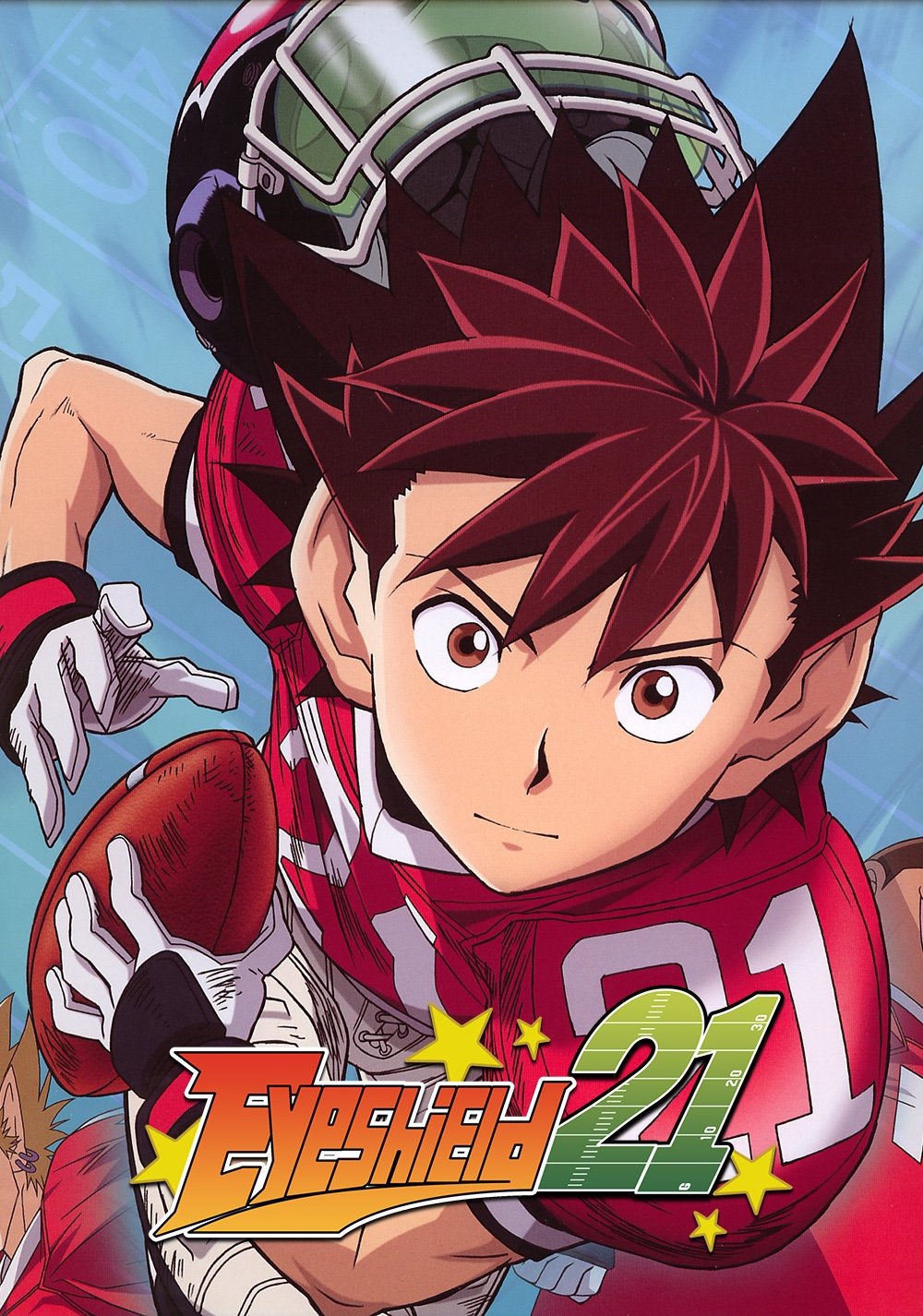
The anime ‘Eyeshield 21’ had some unnecessary episodes featuring weak opponents or pointless practice, which held up the story’s progress towards the important championship game, the Christmas Bowl. Unfortunately, the anime didn’t cover all the key matches from the original manga, leaving many sports fans feeling it didn’t capture the same excitement and energy.
‘Sonic X’ (2003–2004)
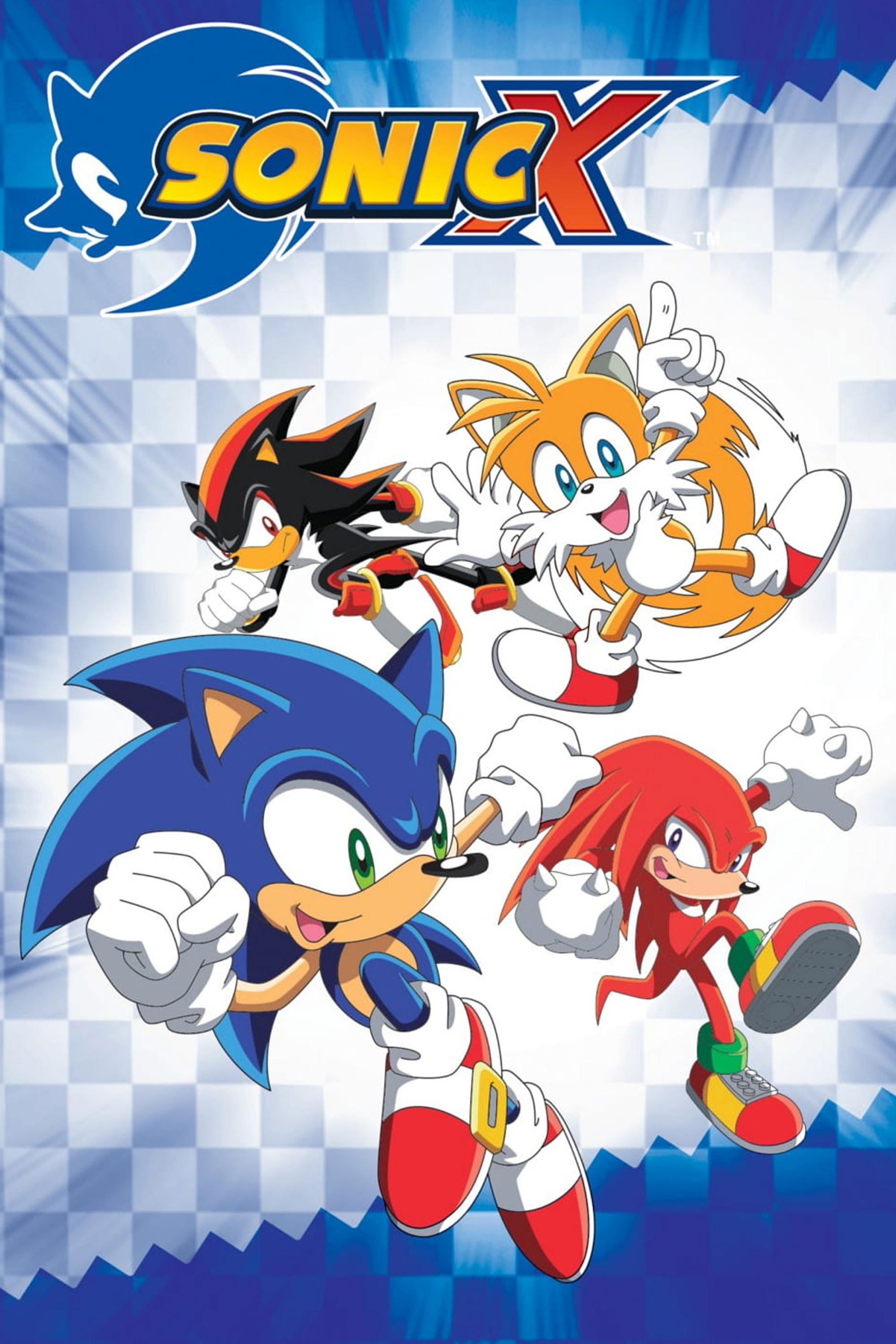
The animated series ‘Sonic X’ included a whole season of storylines that weren’t taken from the video games. This part of the show sent the characters into outer space to battle a new enemy called the Metarex. However, many fans thought this storyline dragged on too long and didn’t feel consistent with the usual Sonic adventures. Some viewers were also disappointed by the focus on new, human characters, as they preferred seeing more of the familiar Sonic cast.
‘Black Butler’ (2008–2010)
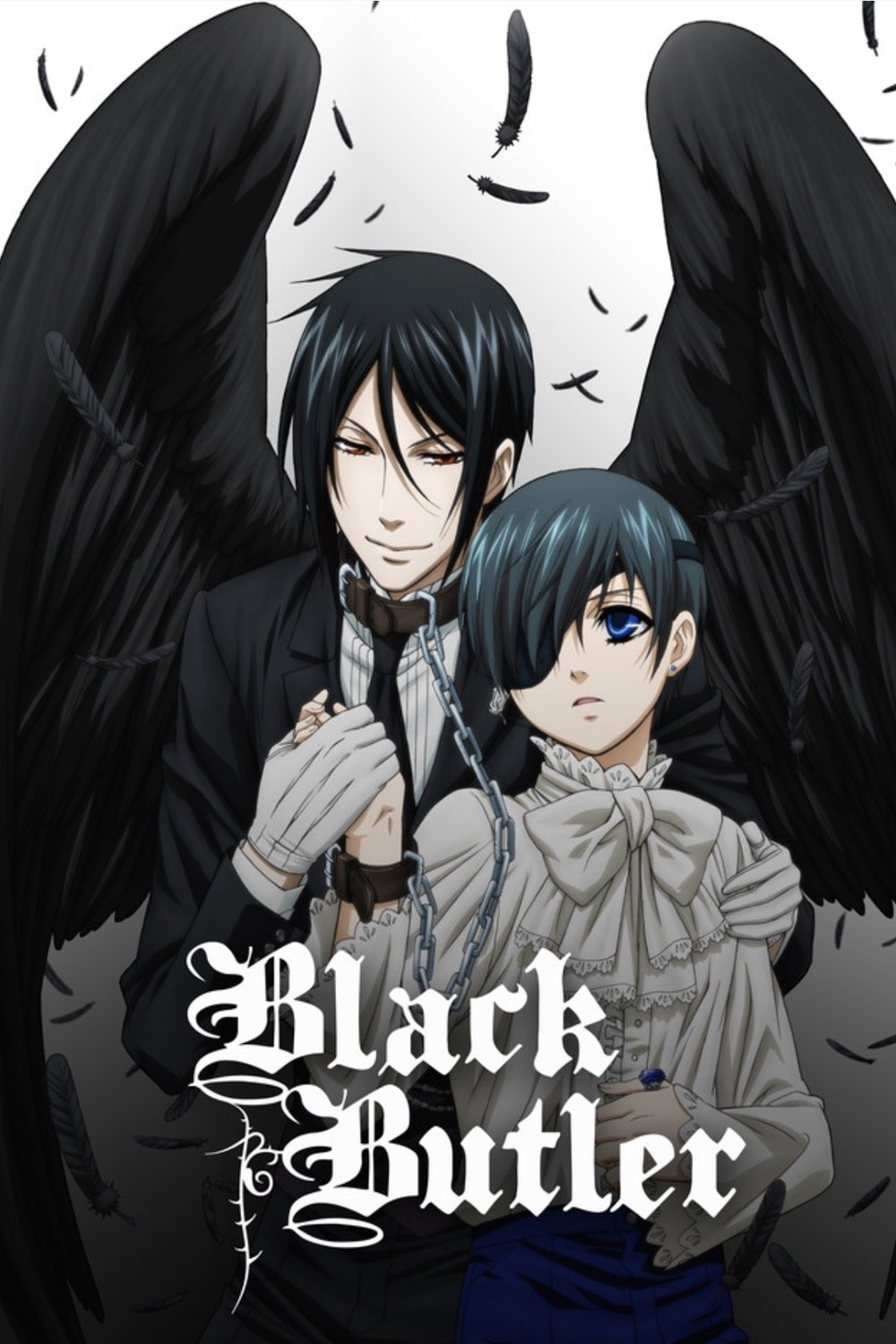
The second season of ‘Black Butler’ doesn’t follow the original story and instead introduces a completely new storyline with different characters. It disregards the ending of the first season and features a new master and butler duo. Many viewers disliked the new characters and found the plot overly harsh. Later installments, including movies and specials, effectively ignored this entire season and returned to the manga’s original plot.
Tell us which of these filler arcs made you want to skip ahead in the comments.
Read More
- Gold Rate Forecast
- Games That Faced Bans in Countries Over Political Themes
- Silver Rate Forecast
- 22 Films Where the White Protagonist Is Canonically the Sidekick to a Black Lead
- Unveiling the Schwab U.S. Dividend Equity ETF: A Portent of Financial Growth
- How to Do Sculptor Without a Future in KCD2 – Get 3 Sculptor’s Things
- Celebs Who Narrowly Escaped The 9/11 Attacks
- 14 Movies Where the Black Character Refuses to Save the White Protagonist
- 20 Movies Where the Black Villain Was Secretly the Most Popular Character
- The Best Directors of 2025
2026-02-07 20:20