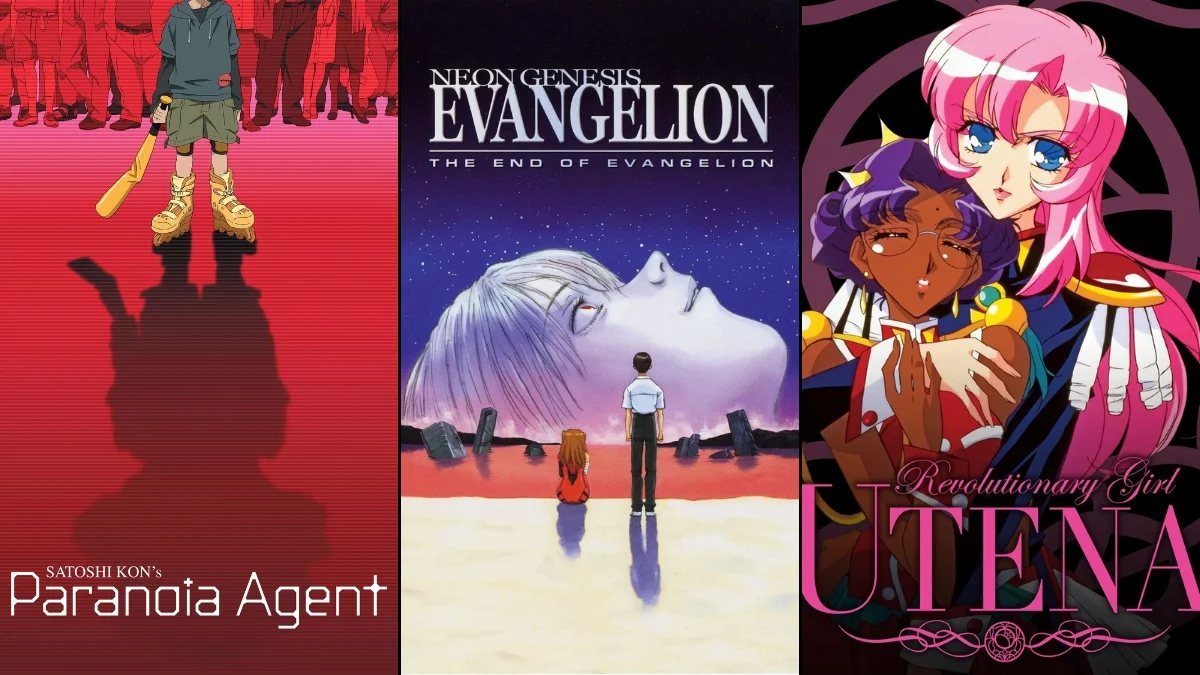
Anime is famous for tackling big ideas and challenging what’s real, often leaving viewers thinking long after an episode ends. Some shows offer neat and tidy conclusions, but others deliberately leave things open to interpretation with symbolic imagery or storylines that loop back on themselves, sparking years of discussion. These choices can be due to production difficulties, a desire to be different, or a wish to portray the complicated nature of the human mind. The following series are known for having some of the most talked-about and dissected endings in anime history, ranging from epic, universe-altering events to deeply personal character struggles.
‘Neon Genesis Evangelion’ (1995–1996)
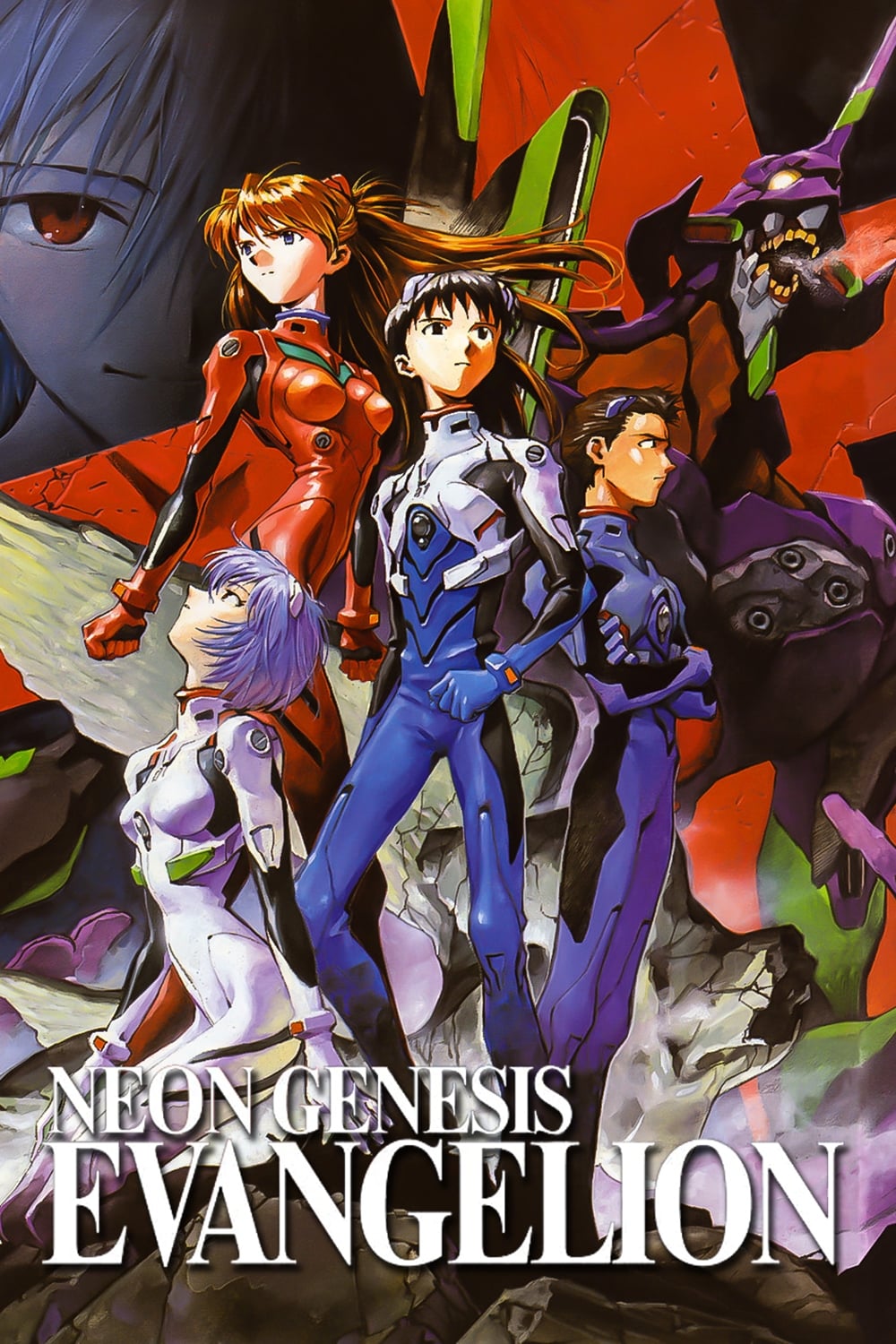
The last two episodes of ‘Neon Genesis Evangelion’ move away from giant robot battles and instead take viewers on a deeply psychological journey into the main character’s mind. Shinji Ikari experiences a process called Human Instrumentality, which blurs the lines between people, ultimately aiming to create one unified consciousness. The animation style changes dramatically, using simple drawings, still images, and photographs while characters discuss life’s big questions – what does it mean to exist, and what makes us valuable? The ending is intentionally open to interpretation, leaving it unclear whether Shinji achieves a positive mental breakthrough or completely disconnects from reality. This unusual conclusion is still remembered today as a significant moment in television, prioritizing inner struggles over a traditional, action-packed resolution.
‘Neon Genesis Evangelion: The End of Evangelion’ (1997)

Originally conceived as a different conclusion to the anime series, ‘The End of Evangelion’ offers a powerful and bleak vision of the world’s destruction during the Third Impact. The film uniquely combines animation and live-action footage to show the merging of all human consciousness. Shinji Ikari gains the ability to determine humanity’s future, and despite the inherent suffering, he chooses for people to maintain their individual lives. The concluding scene of Shinji and Asuka on a barren beach has been debated by fans and scholars for years, with interpretations ranging from hopeful to deeply pessimistic. It’s widely considered one of the most intense and emotionally challenging endings ever created for a film.
‘Serial Experiments Lain’ (1998)
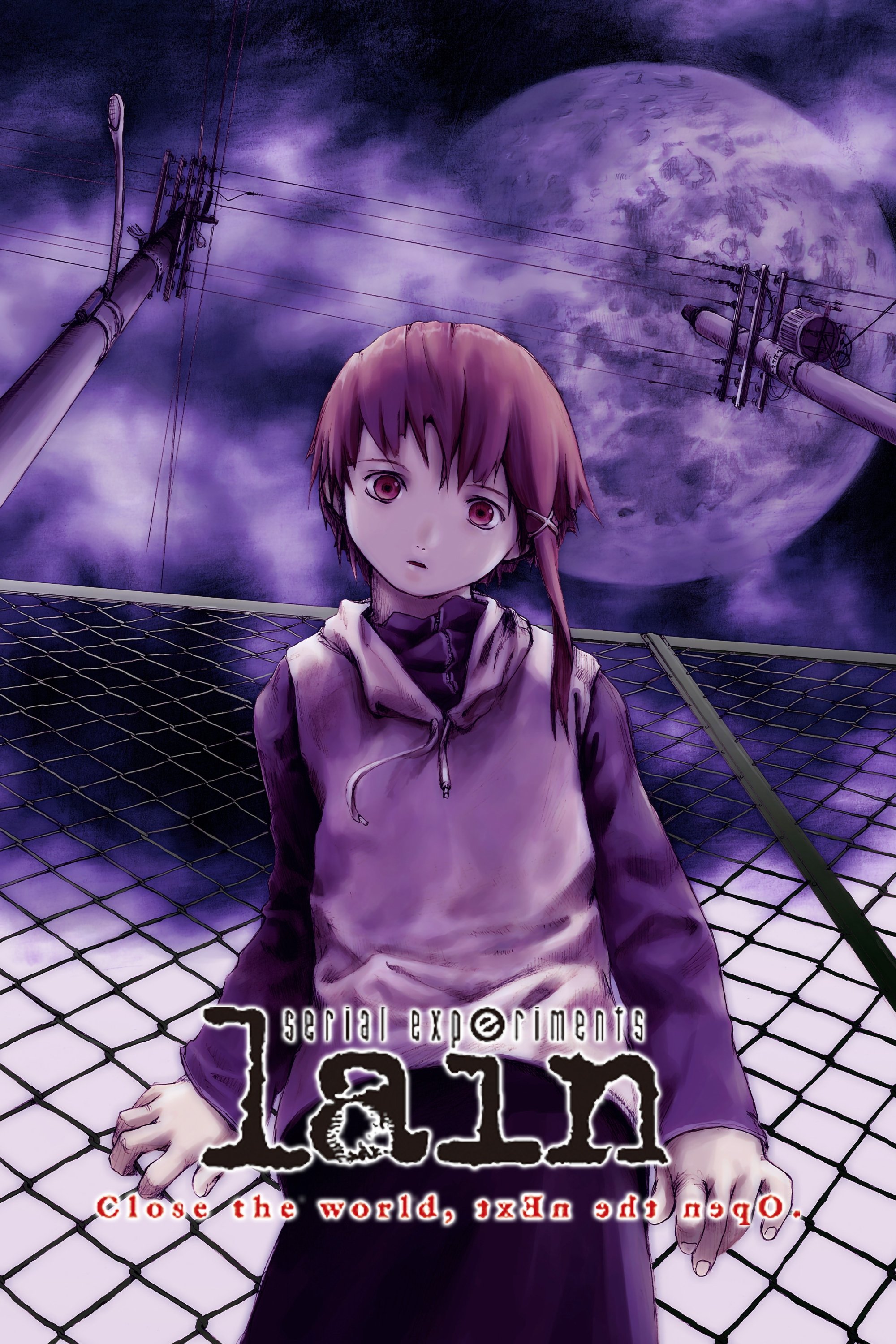
The anime ‘Serial Experiments Lain’ ends with Lain Iwakura choosing to disappear from everyone’s memories. Having discovered she’s a conscious computer program created to connect the real world with the digital realm (the Wired), she essentially resets everyone’s understanding of reality. This returns the world to normal, but leaves Lain as an all-seeing, invisible presence watching over humanity. The ending focuses on how easily our online and real-life selves can become mixed up, and the show’s predictions about the internet continue to make its open-ended conclusion relevant to viewers today.
‘Revolutionary Girl Utena’ (1997)
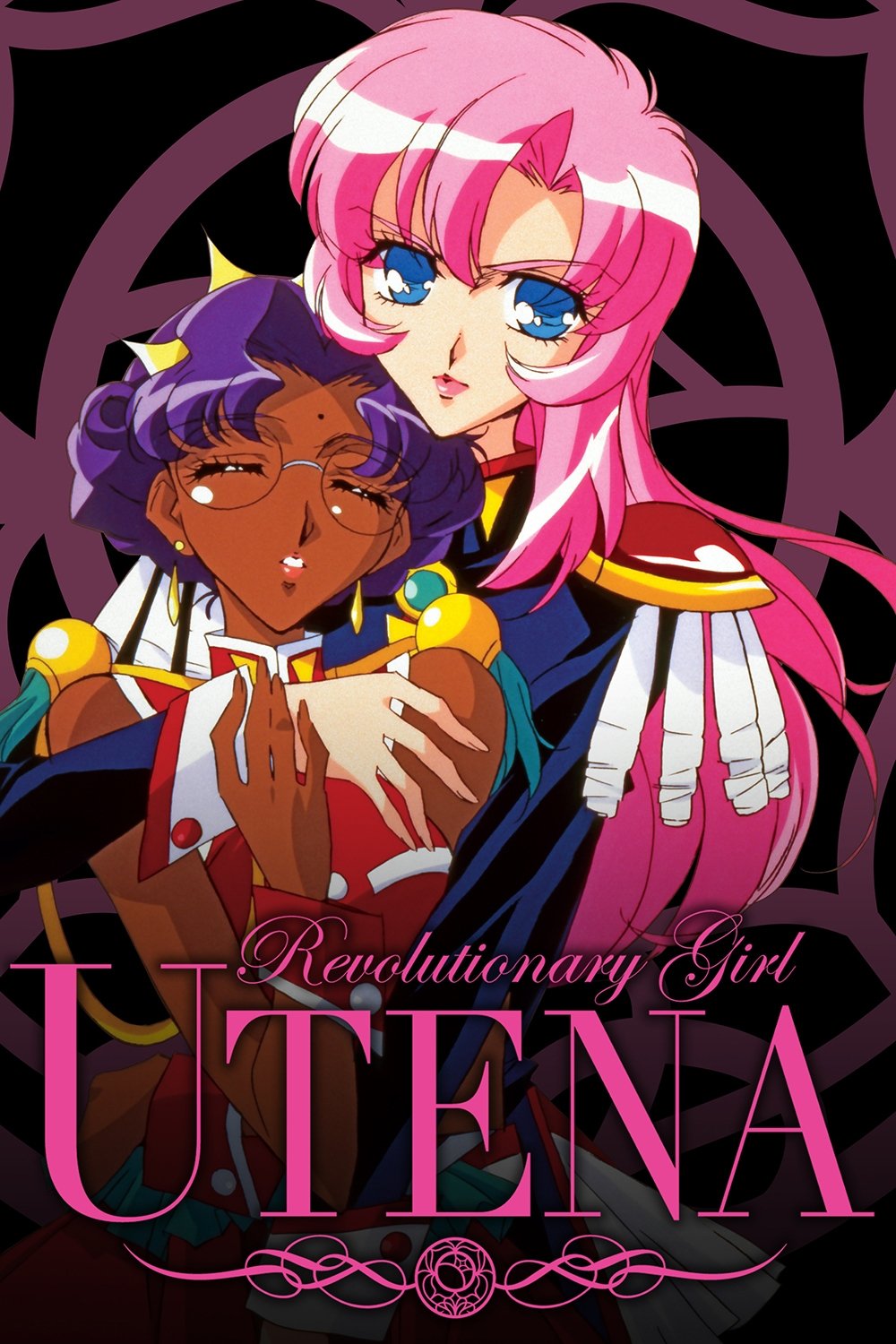
The final episodes of ‘Revolutionary Girl Utena’ see Utena lose the duel, but ultimately break free from the constraints of her world. Instead of a typical happy ending, Utena vanishes from the school, and Anthy is finally released from her duties as the Rose Bride. This ending challenges traditional power structures and emphasizes the importance of finding independence and self-determination. The show’s dreamlike visuals, like Utena turning into a car, symbolize change and rebellion. Because of its layered and meaningful conclusion, ‘Revolutionary Girl Utena’ remains incredibly influential in the magical girl genre.
‘Puella Magi Madoka Magica’ (2011)
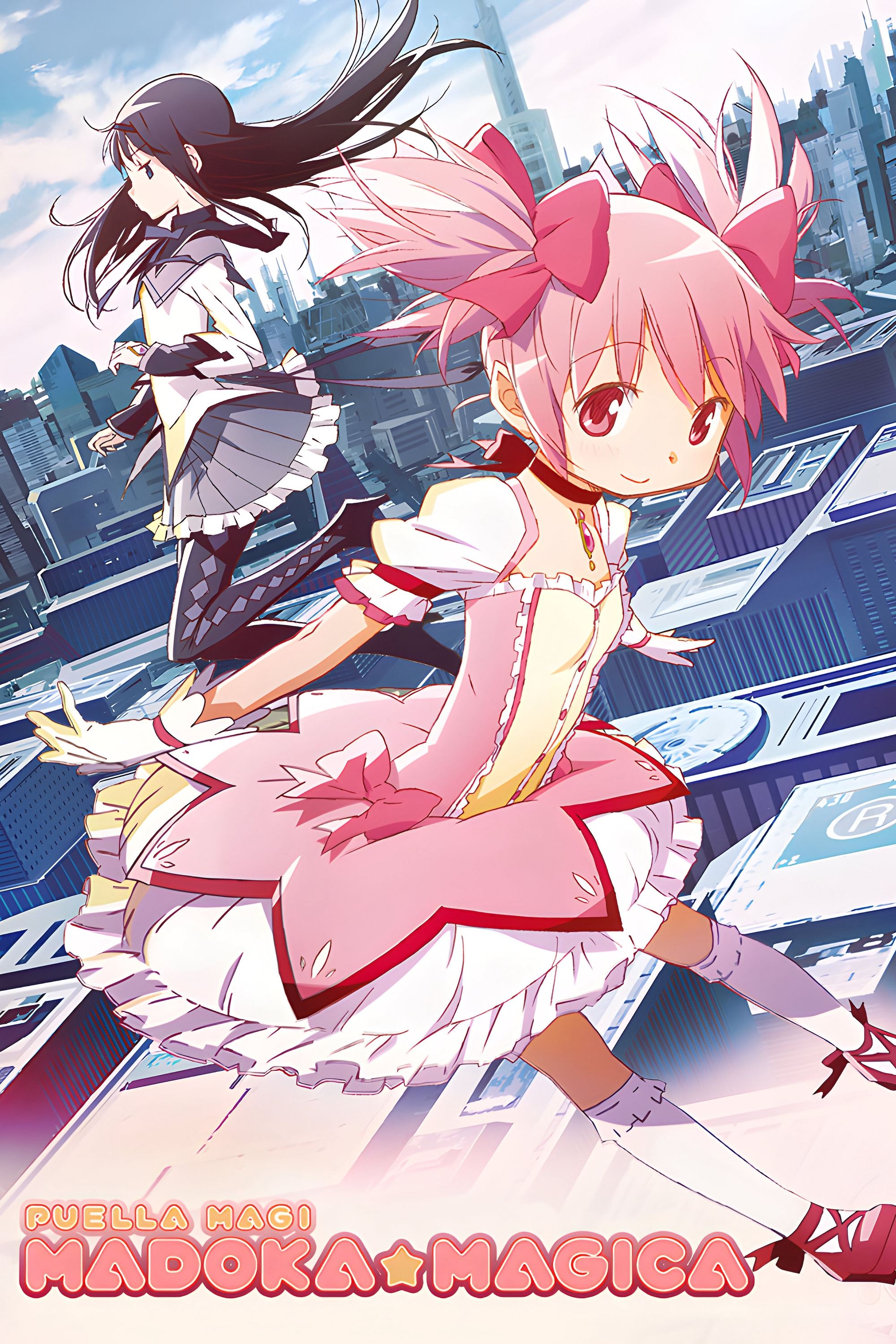
Okay, so ‘Puella Magi Madoka Magica’ ended in such a mind-blowing way! Madoka basically wished away all witches before they even existed, which completely changed the universe. It saved everyone, but it also meant she stopped being a normal person – she became like a god, existing outside of time and space. It’s bittersweet because only Homura remembers how things used to be. The new world is peaceful, but it’s still not perfect – there’s still sadness and conflict. What I loved most is how the show totally flipped the magical girl genre on its head. It wasn’t just a heroic sacrifice; it was a complete overhaul of reality itself!
‘FLCL’ (2000–2001)
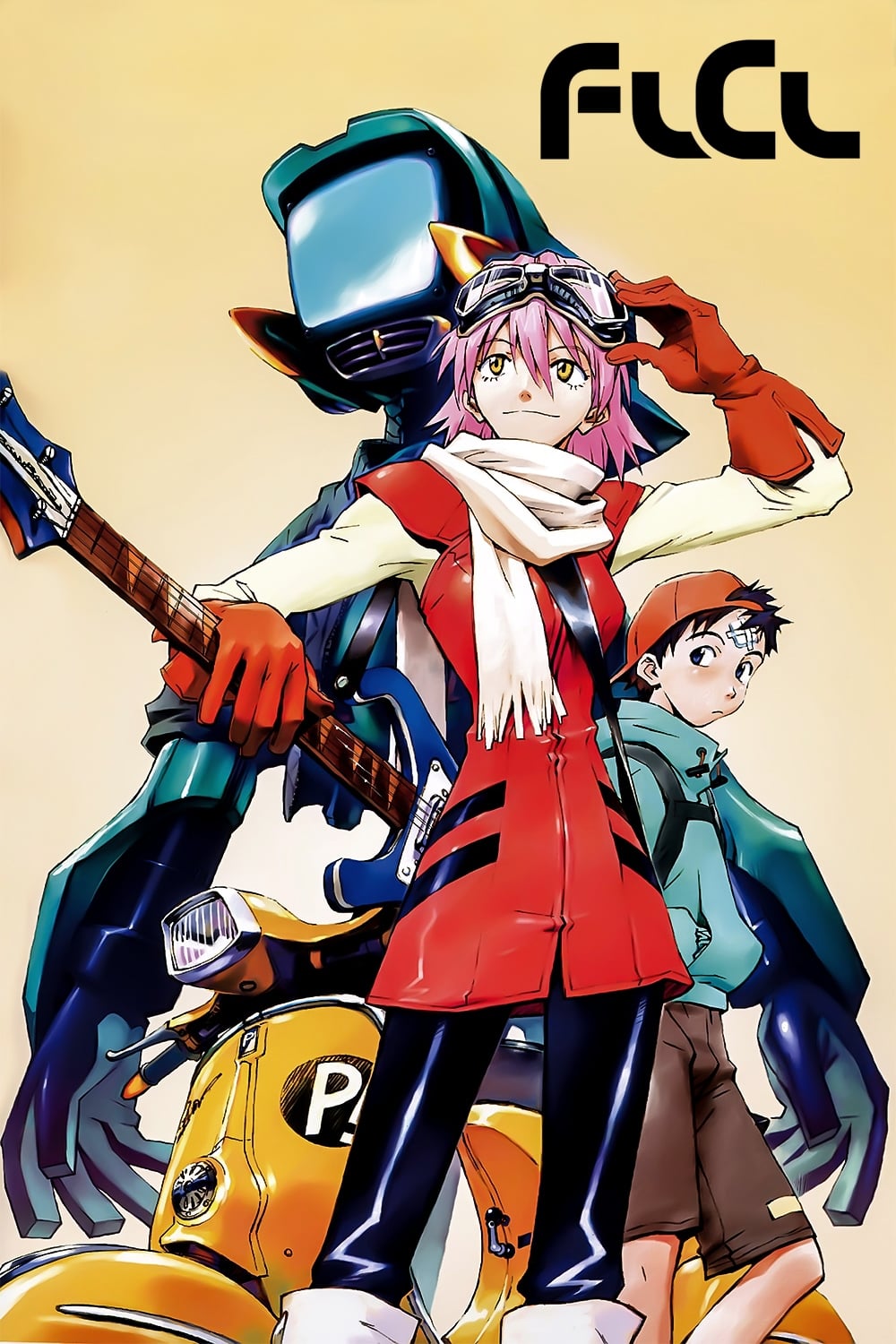
Wow, the ending of ‘FLCL’ is just… a rush. It all culminates in Naota finally unleashing this incredible power he’s had inside him, and it’s not just about defeating a space monster – it feels like watching him grow up. Haruko blasts off again, leaving Naota back in his normal life, but he’s definitely not the same kid we met at the beginning. Honestly, the show doesn’t bother explaining any of the crazy stuff that happened, and that’s kind of the point. It’s not about understanding the plot; it’s about feeling that messy, confusing journey from being a kid to becoming a teenager. It’s a beautiful, bizarre, and unforgettable finish.
‘Paranoia Agent’ (2004)
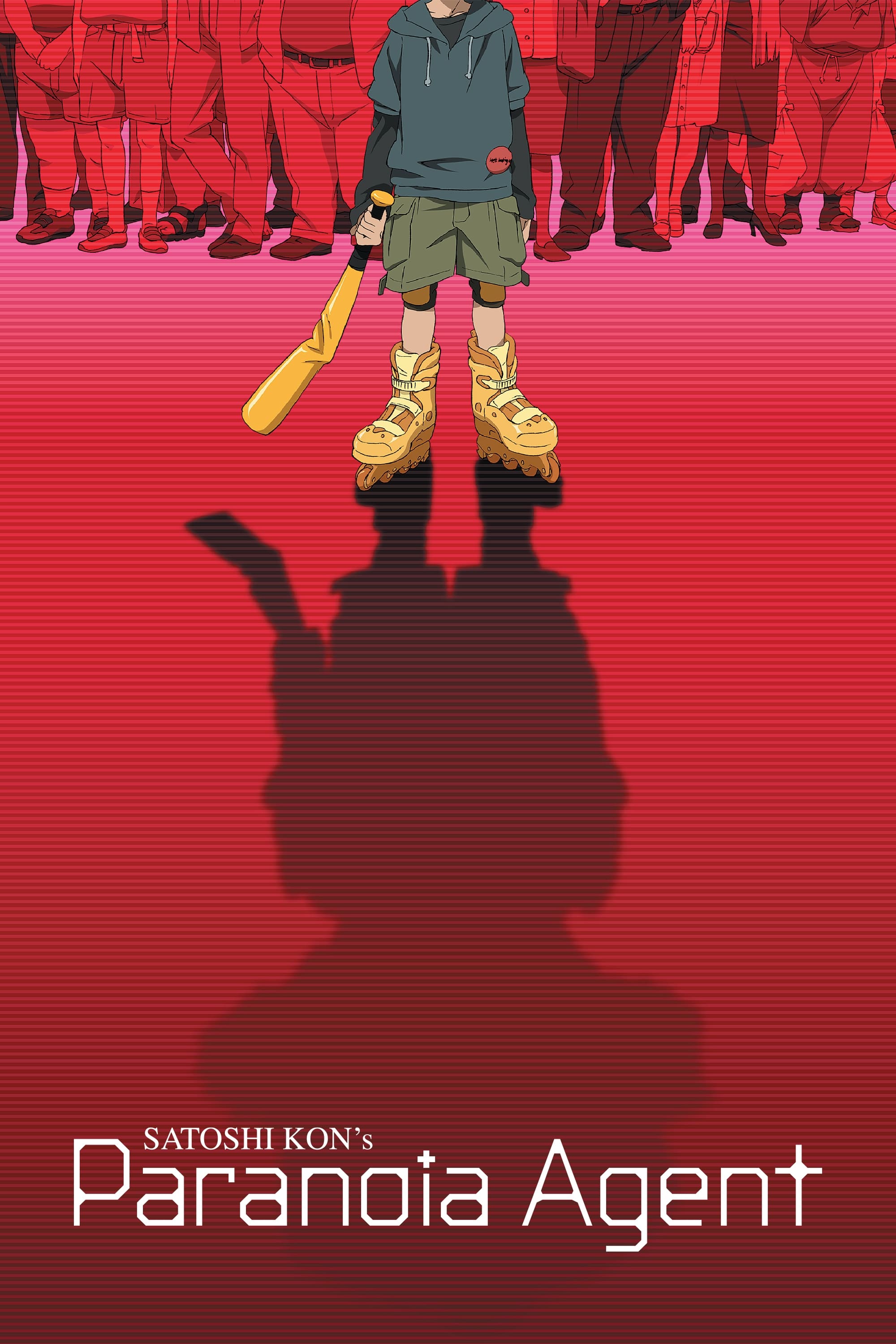
The anime ‘Paranoia Agent’ ends by explaining that the attacker, Lil’ Slugger, isn’t a real person, but a symbol of people trying to escape their problems and avoid facing their guilt. As a dark, spreading substance embodies this collective weight, the characters are forced to deal with their past traumas to save the city. While the city is eventually rebuilt, the story suggests the cycle of creating new myths to avoid reality will likely continue. Director Satoshi Kon intended this ending as a commentary on society’s tendency to use fantasy as a way to cope with difficult truths, leaving viewers to wonder if real change is ever possible.
‘Akira’ (1988)
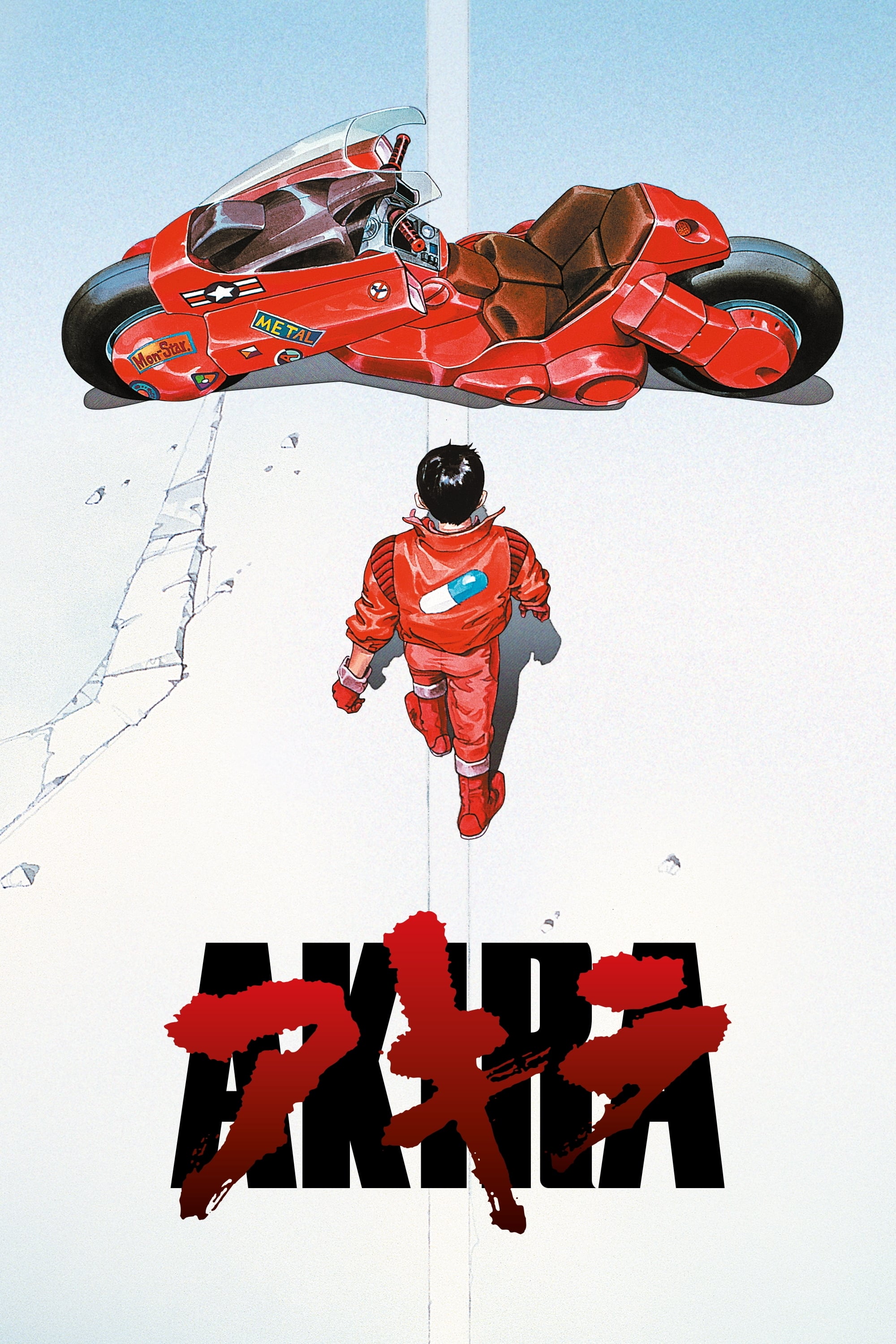
The movie ‘Akira’ reaches its peak when Tetsuo, the main character, can no longer control his powerful psychic abilities and transforms into a huge, monstrous being. This transformation causes a cataclysmic event, and Akira, along with other psychics, steps in, resulting in a massive explosion that resembles the creation of a universe. Kaneda, a key character, then sees a vision of the history of life and the incredible potential of humanity before finding himself amidst the destroyed city of Neo-Tokyo. The final words, “I am Tetsuo,” imply he’s moved beyond a physical existence and become something like a god. The ending is famous for its stunning animation and thought-provoking themes about evolution and destruction.
‘Texhnolyze’ (2003)
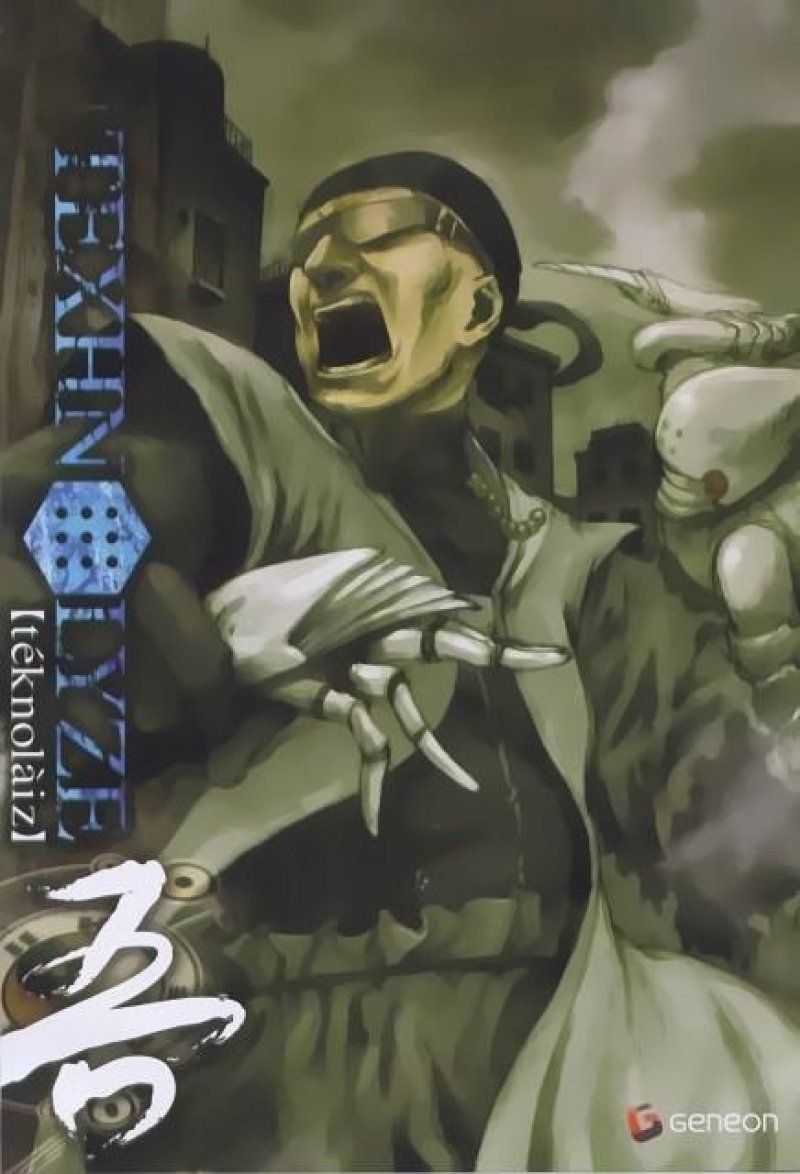
Texhnolyze is famous for being one of the most depressing anime series ever created, culminating in the complete disappearance of humanity. The main character, Ichise, is left utterly alone in the underground city of Lukuss following a chain of betrayals and technological breakdowns. The series ends with Ichise dying alone in darkness, gazing at a single, artificial flower. It offers no sense of hope, renewal, or purpose for the characters’ struggles. This unwavering dedication to a bleak ending continues to captivate those who appreciate experimental and unconventional stories.
‘Penguindrum’ (2011)

The ending of ‘Mawaru Penguindrum’ centers around a difficult sacrifice where Himari Takakura’s brothers, Kanba and Shoma, give up their lives and memories to save her. This act changes the timeline, but means they are erased from the world, living on as children in a different reality. The show uses symbols like trains, apples, and penguins to explore ideas about destiny and the strong bond between family. It’s a complex story with a lot of hidden meanings, and you often need to watch it more than once to fully understand the characters’ choices and what they gave up.
‘Ergo Proxy’ (2006)
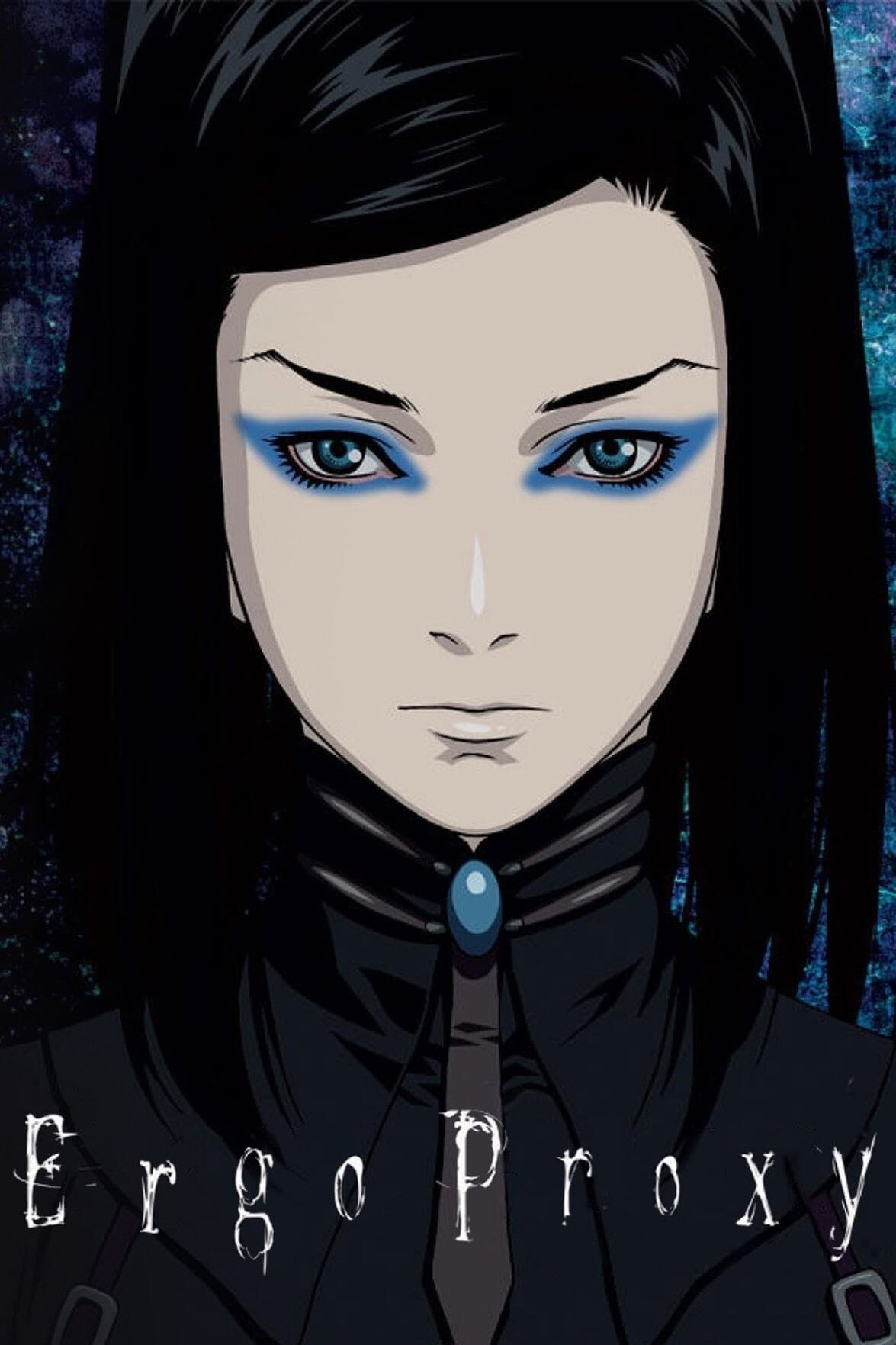
In the finale of ‘Ergo Proxy,’ Vincent Law fully accepts who he is – Ergo Proxy, representing death itself. He discovers that the original humans, who built the domed cities, are returning to Earth. Vincent decides to fight against them, effectively rebelling against the creators of his world. The story transforms from a personal search for identity into a larger battle for survival. The ending doesn’t offer a clear resolution, leaving the future of Earth and its people ambiguous and open to the viewer’s interpretation.
‘Wolf’s Rain’ (2003–2004)
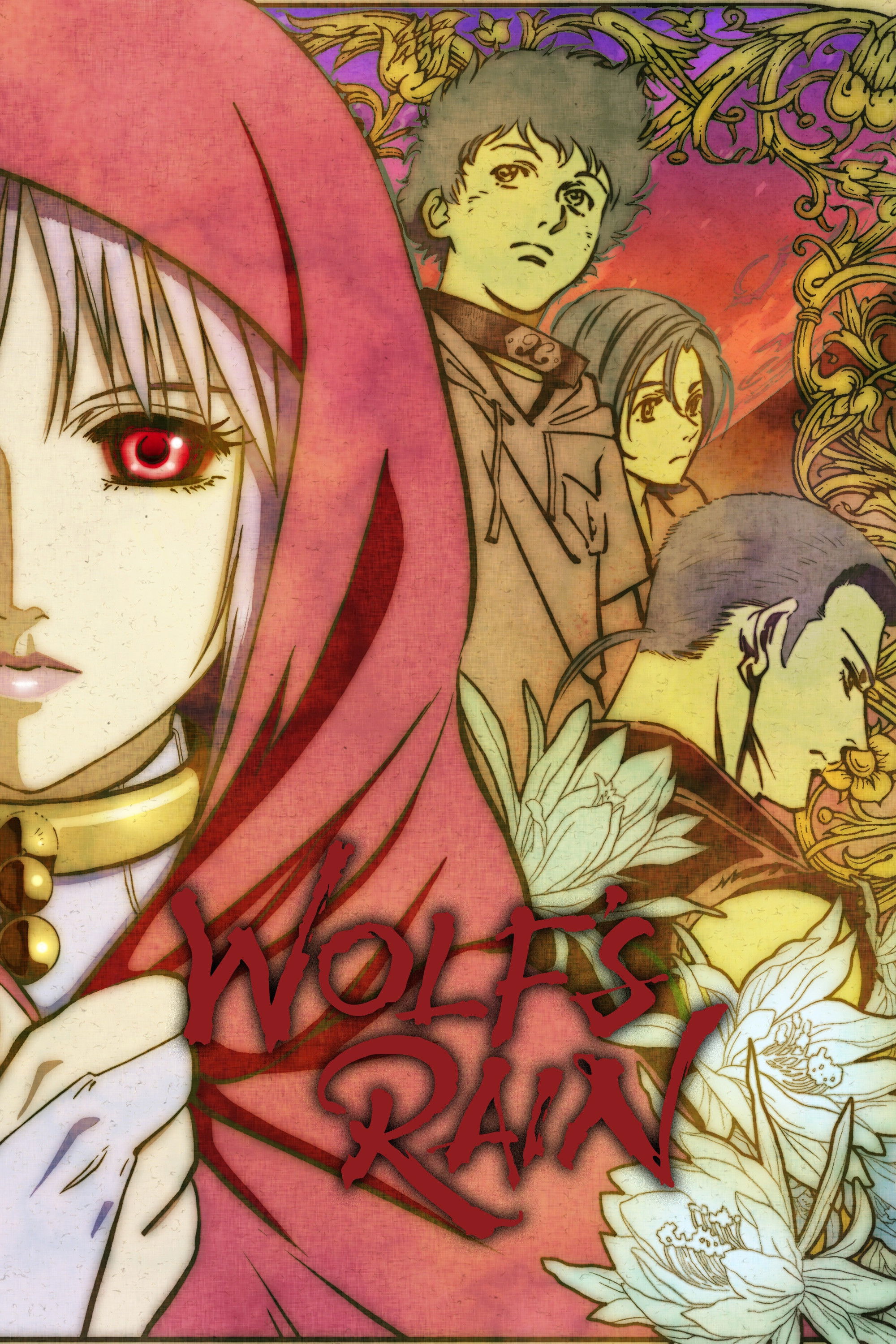
The ending of ‘Wolf’s Rain’ is presented in a series of special episodes where almost all the main characters die while searching for ‘Paradise.’ Ultimately, the world is frozen and destroyed, but then starts the cycle of life all over again, mirroring how the series began. The final shot shows the wolves in a modern city, hinting that the quest for a better world is a never-ending cycle. This circular ending highlights Buddhist ideas about reincarnation and suggests that the process of searching is more meaningful than actually reaching a destination. The finale is often described as both sad and thought-provoking, and it continues to be a popular topic of discussion among fans.
‘Devilman Crybaby’ (2018)

The anime ‘Devilman Crybaby’ concludes with the total destruction of all life on Earth after a devastating war between humans and demons. Ryo, who is also Satan, kills his close friend Akira and only then understands the depth of his love for him, but it’s too late. As the planet is consumed by heavenly light, the world resets, suggesting Ryo is cursed to relive this tragic cycle forever. This grim ending emphasizes how destructive hatred can be and how heartbreaking it is when people fail to connect emotionally. The sheer scale of the devastation and the absolute finality of the loss make it a deeply unsettling conclusion.
‘Ghost in the Shell’ (1995)
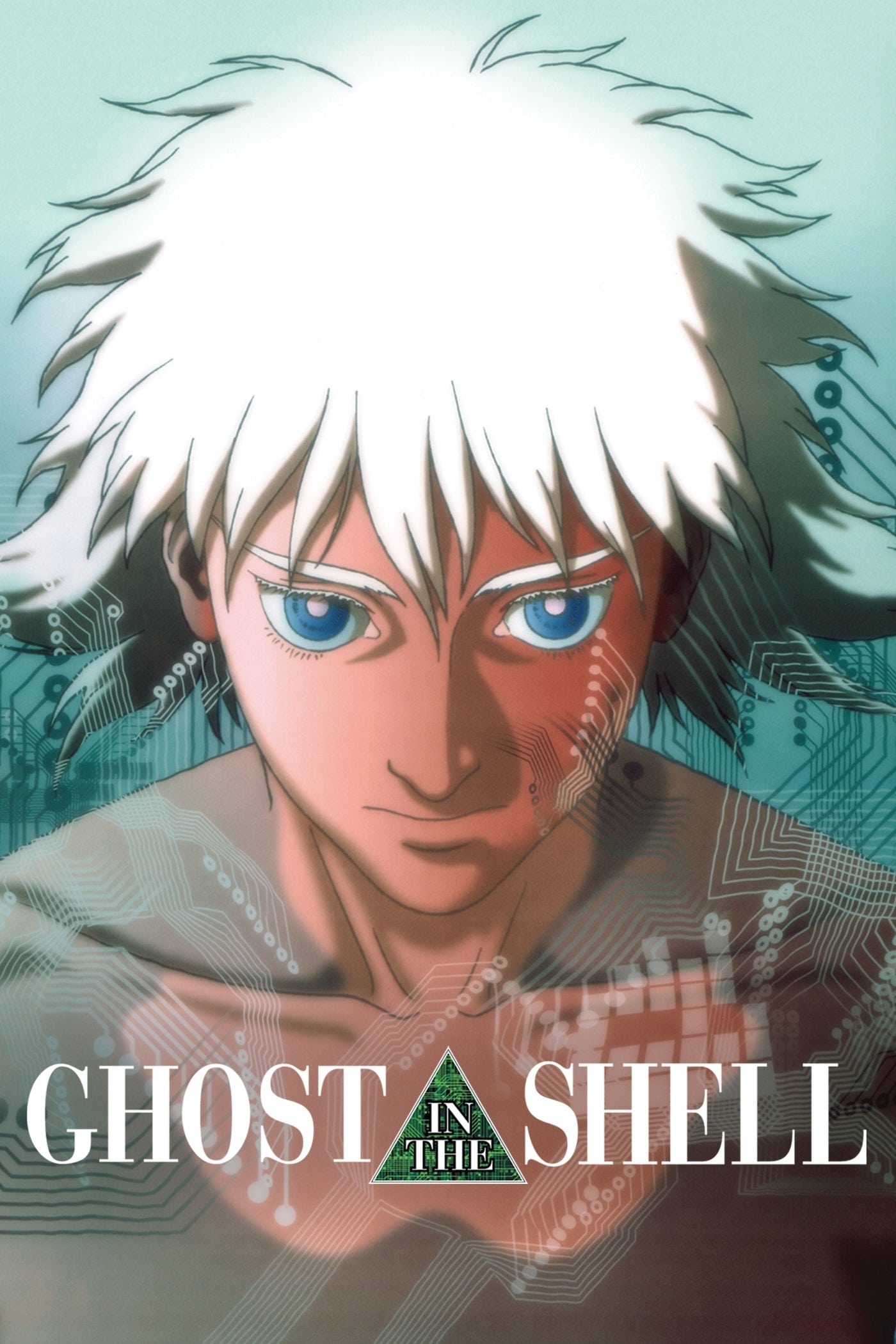
As a huge fan of ‘Ghost in the Shell’, the ending always gets me thinking. Basically, Major Kusanagi decides to fully merge with the AI known as the Puppet Master. It’s not just about them combining, but creating something new – something beyond what either of them were, free from the limits of a body or even the digital world. The final shot, looking out over that huge city while saying the net is endless, really hits home. To me, it’s a deep dive into what consciousness could become in our increasingly digital lives, and whether life needs to be tied to a physical body at all. It’s a really thought-provoking ending, and I think it set a standard for philosophical sci-fi, especially in cyberpunk, making you question what even defines a soul.
‘Angel’s Egg’ (1985)
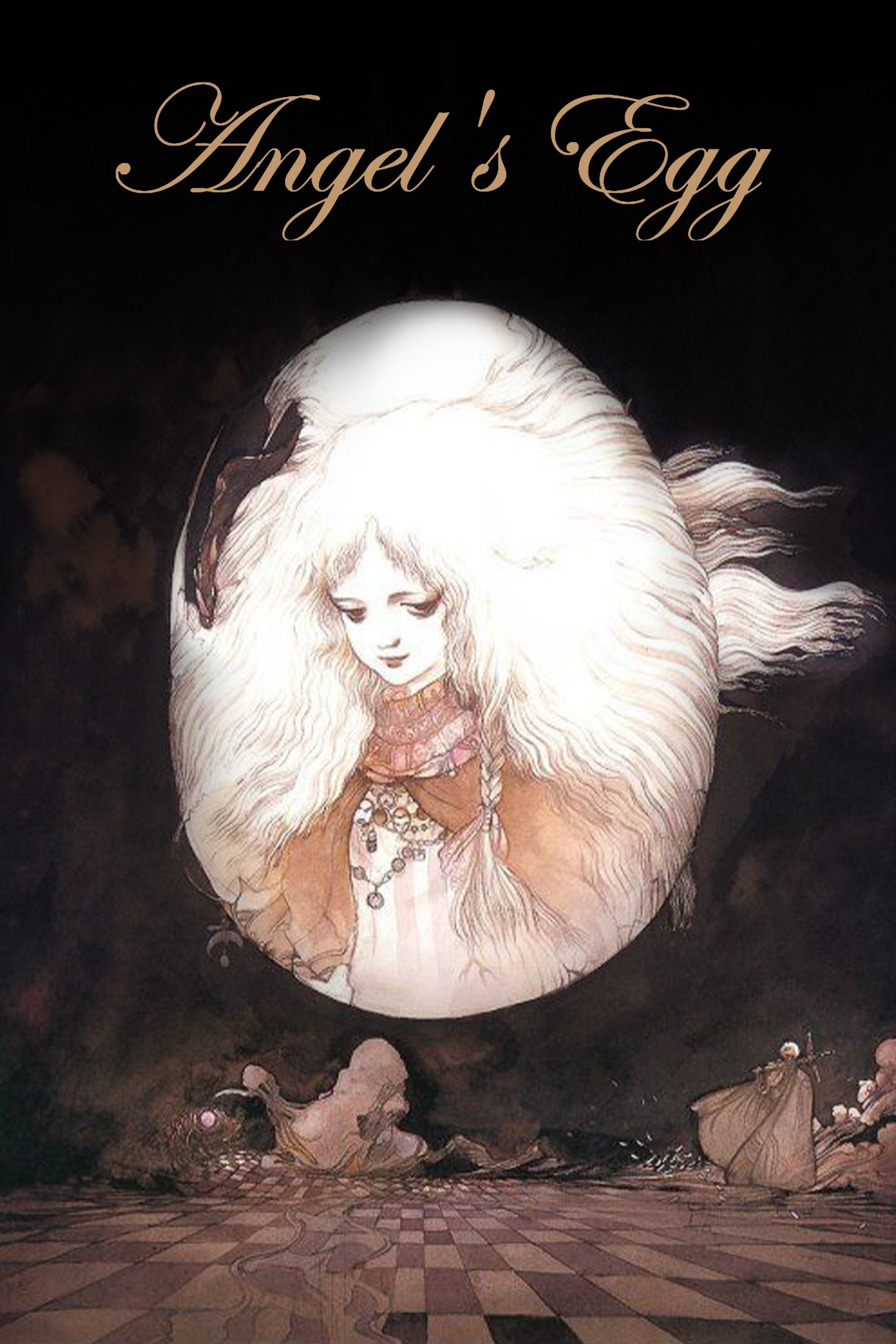
‘Angel’s Egg’ is a visually driven, experimental film with a mysterious story. It centers around a young girl and a boy, and culminates in the shattering of an egg she’s been carefully guarding. When the boy breaks the egg to reveal it’s empty, the girl falls into a deep pit and turns into many statues. The final scene shows the world they knew is actually the inside of a massive ship drifting in darkness. With almost no spoken words, the film uses powerful imagery to explore themes of belief and disillusionment, and its meaning continues to be widely discussed by fans of director Mamoru Oshii.
‘Haibane Renmei’ (2002)
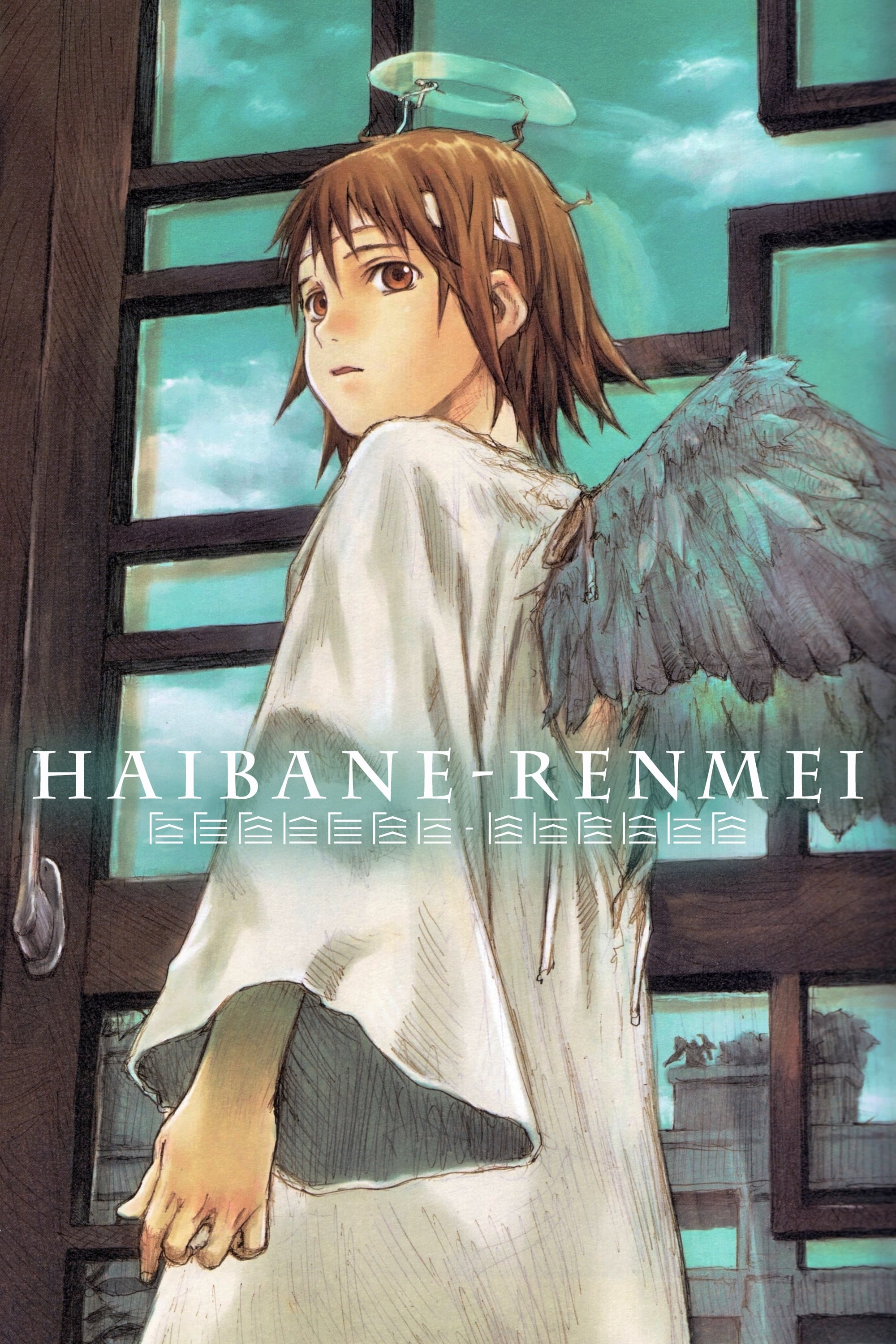
The anime ‘Haibane Renmei’ ends with Rakka supporting Reki as she confronts her inner struggles and feelings of guilt during her departure. Reki successfully leaves the walled city of Glie, fading into the light, while Rakka chooses to stay and continue her life there. The story doesn’t offer clear answers about the world or what exists beyond the walls, and instead uses this mystery to emphasize themes of forgiveness and healing from depression. The ending is peaceful and focuses on the characters’ emotional journeys, leaving the details of the setting secondary.
‘RahXephon’ (2002)
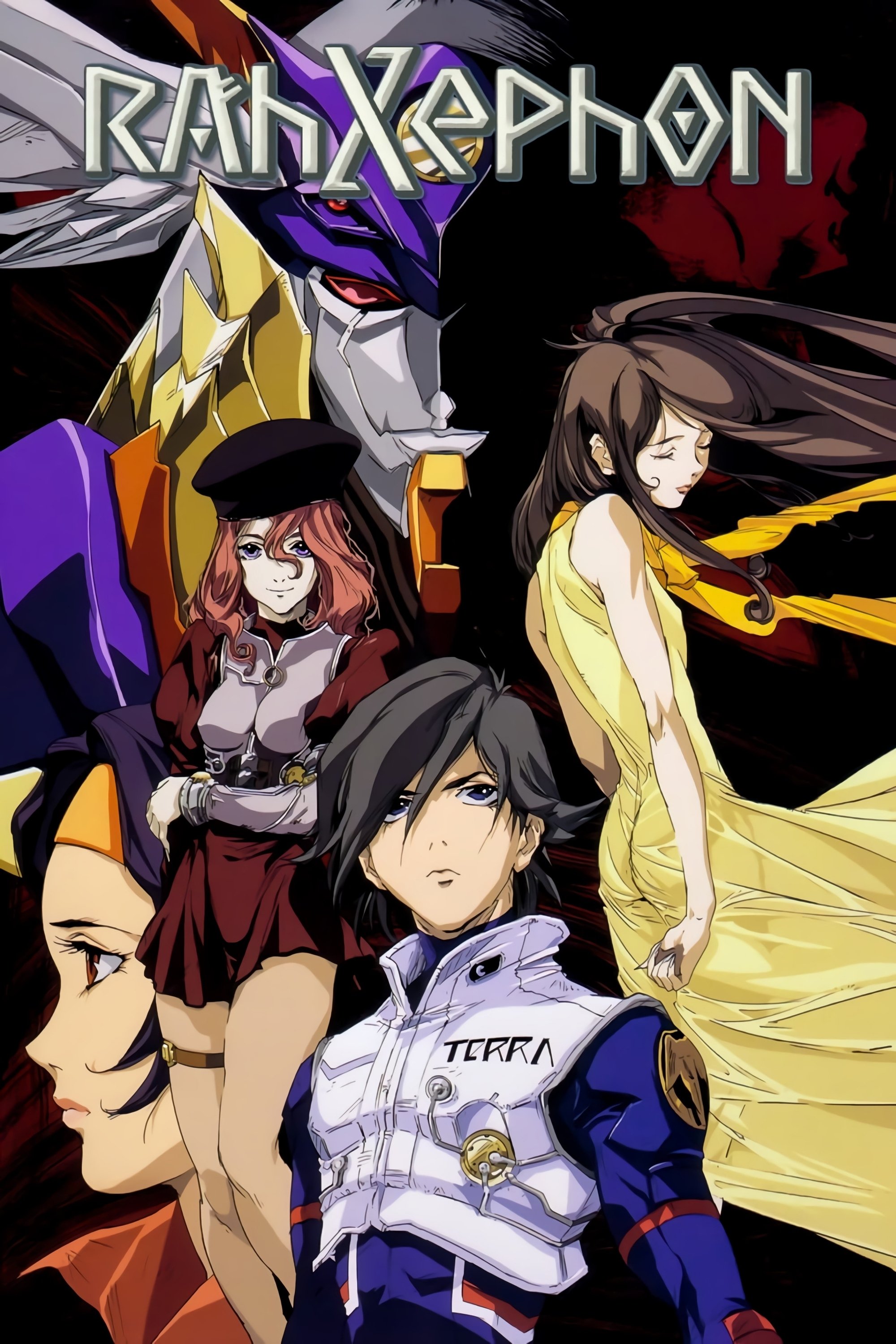
The ending of ‘RahXephon’ shows Ayato piloting the massive mecha to essentially reset the world, changing the past to protect those he cares about. He combines with the Xephon and his soulmate, Haruka, creating a new timeline where a terrible war never occurred. The series concludes with a look at this peaceful new world, but acknowledges the loss of the original reality and everyone in it. The ending explores ideas about quantum physics and how individual determination can alter existence, making it a complex and thought-provoking conclusion. It’s often seen as similar to ‘Neon Genesis Evangelion’ due to its grand, philosophical themes and focus on characters’ inner lives.
‘Wonder Egg Priority’ (2021)
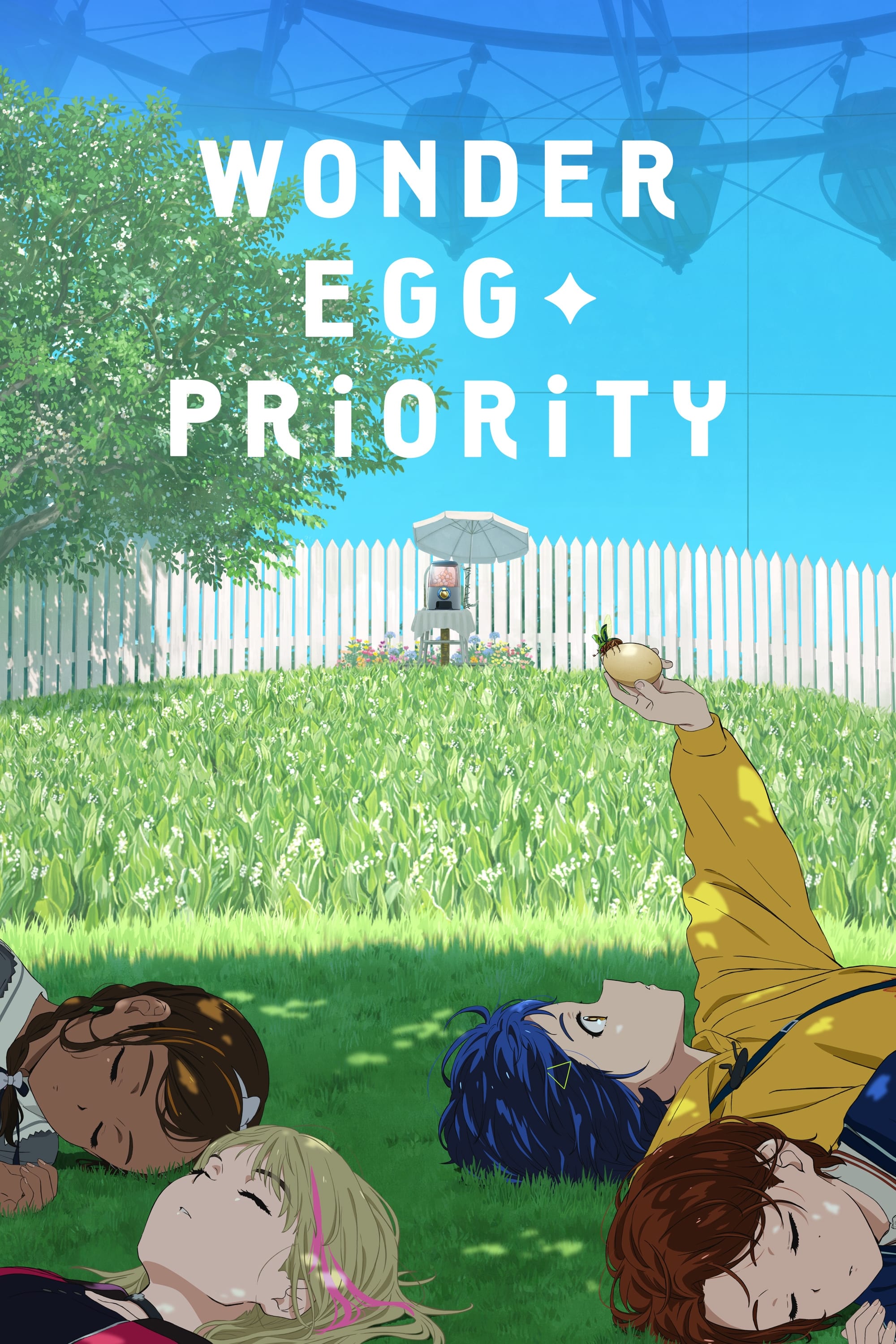
The anime ‘Wonder Egg Priority’ concluded with an ending that many viewers found confusing and divisive. The story moved away from its initial focus on characters dealing with emotional trauma and instead introduced science fiction elements like parallel universes and a mysterious force controlling the Wonder Eggs. This shift left several personal storylines unfinished and added complexity to the characters’ struggles. Ultimately, the main character, Ai, decided to return to the dream world to help another version of her friend, leaving her own future uncertain. The ending proved controversial because of its unexpected change in direction and lack of a clear resolution.
‘Sonny Boy’ (2021)
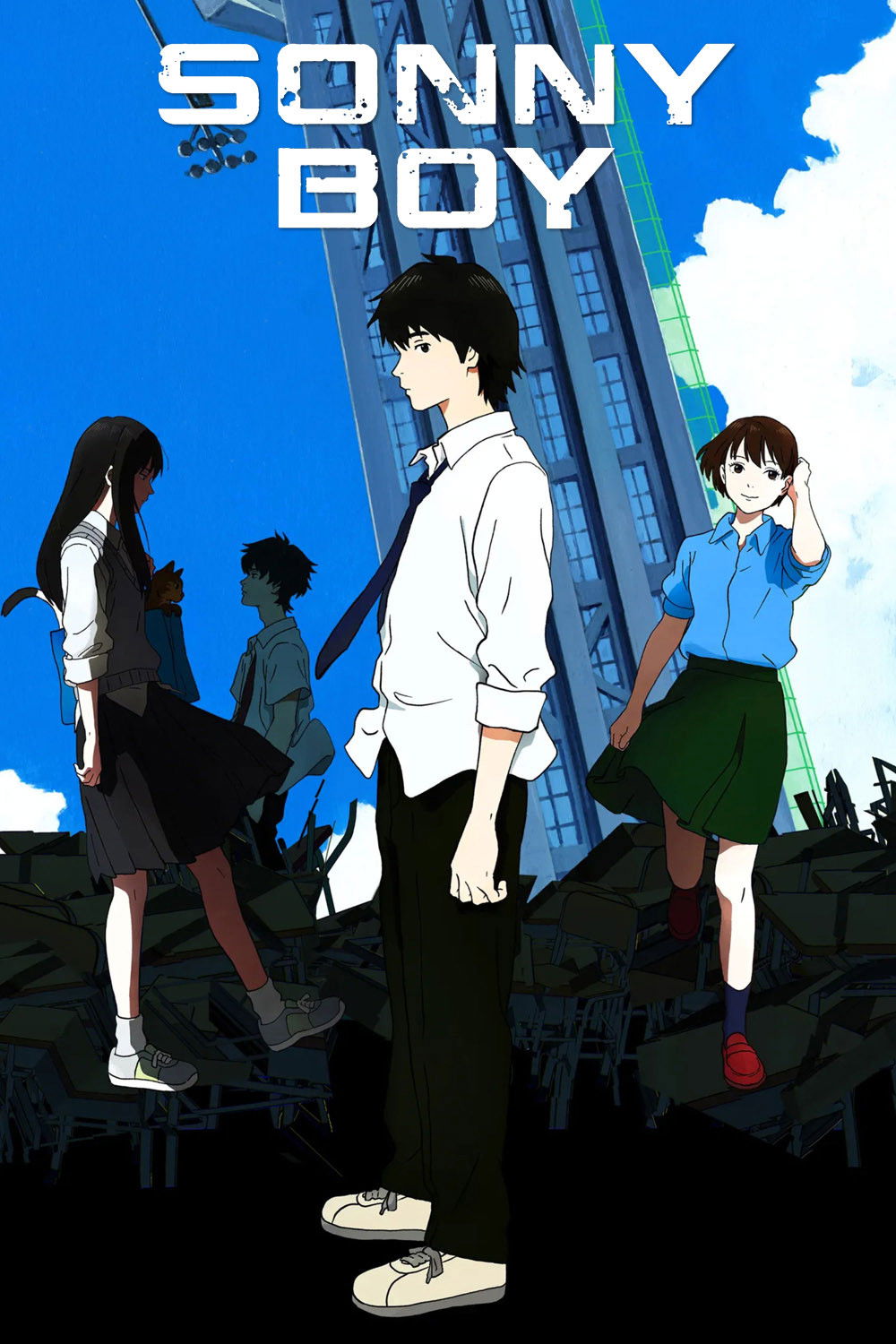
The final episode of ‘Sonny Boy’ shows Nagara and Mizuho making it back to their own world after their strange adventure. But when they return, everyone has forgotten their journey and they’ve lost their friendship. They decide to accept this ordinary, sometimes frustrating, life instead of staying in a world where they had incredible powers. This ending represents the challenges of growing up and realizing that life doesn’t always offer extraordinary experiences. The series ends with a realistic, yet slightly sad, acceptance of everyday life.
‘Darling in the Franxx’ (2018)
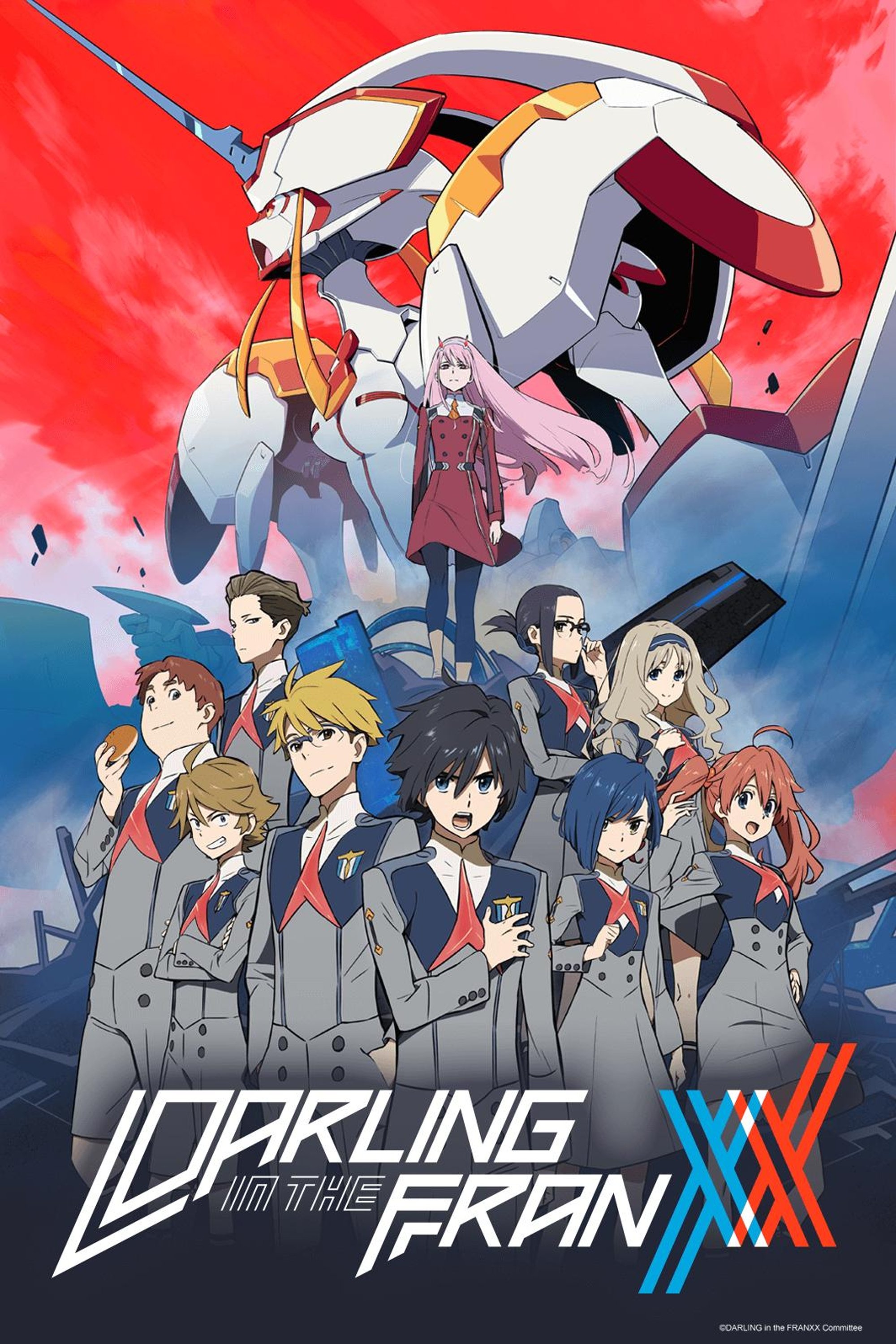
As a huge mecha anime fan, ‘Darling in the Franxx’ really threw me for a loop with its ending! It started as a story about fighting for freedom on Earth, but then it exploded into a full-blown interstellar war against this crazy alien hive mind. Hiro and Zero Two made this ultimate sacrifice, destroying the aliens’ home planet, but their souls weren’t gone for good. Centuries later, they were reborn as kids and met again under a cherry blossom tree – it was incredibly poetic! Honestly, the jump to space and the sheer cosmic scale of it all came as a surprise, but it’s also what makes the ending so memorable. It’s a fascinating attempt to blend intense mecha battles with a beautiful, eternal love story.
‘Attack on Titan’ (2013–2023)
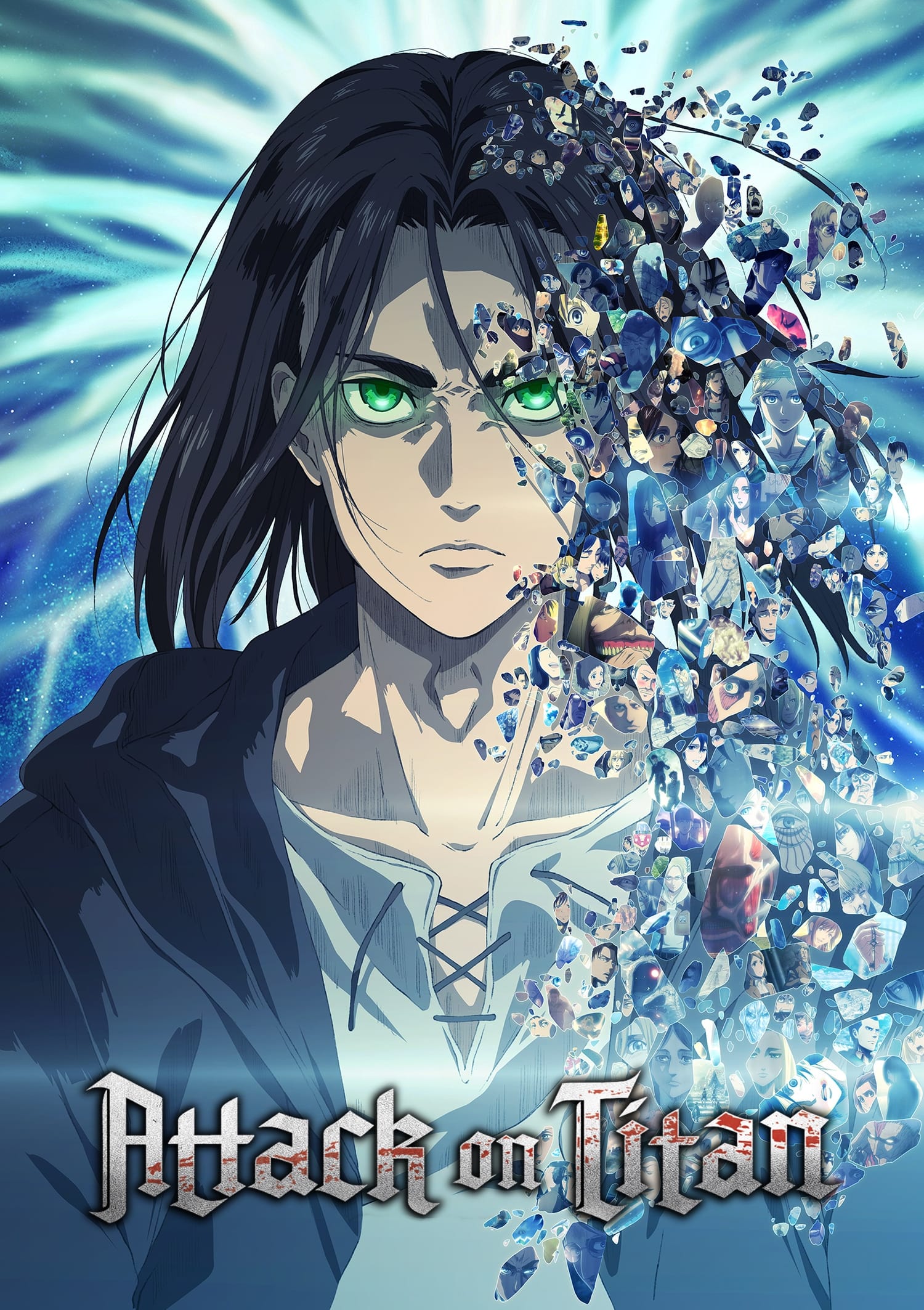
The ending of ‘Attack on Titan’ shows that Eren Yeager’s plan was to eliminate most of humanity in order to protect his friends. The final showdown is a complicated conversation between Eren and Armin in a spiritual realm, where Eren confesses his own doubts and shortcomings. While the power of the Titans is ultimately removed, the ending suggests that humans are doomed to repeat cycles of conflict. A scene after the credits hints at a distant future where war continues and the possibility of Titans returning emerges, leading to debate about the series’ overall meaning and its pessimistic outlook on history.
‘Fullmetal Alchemist’ (2003–2004)
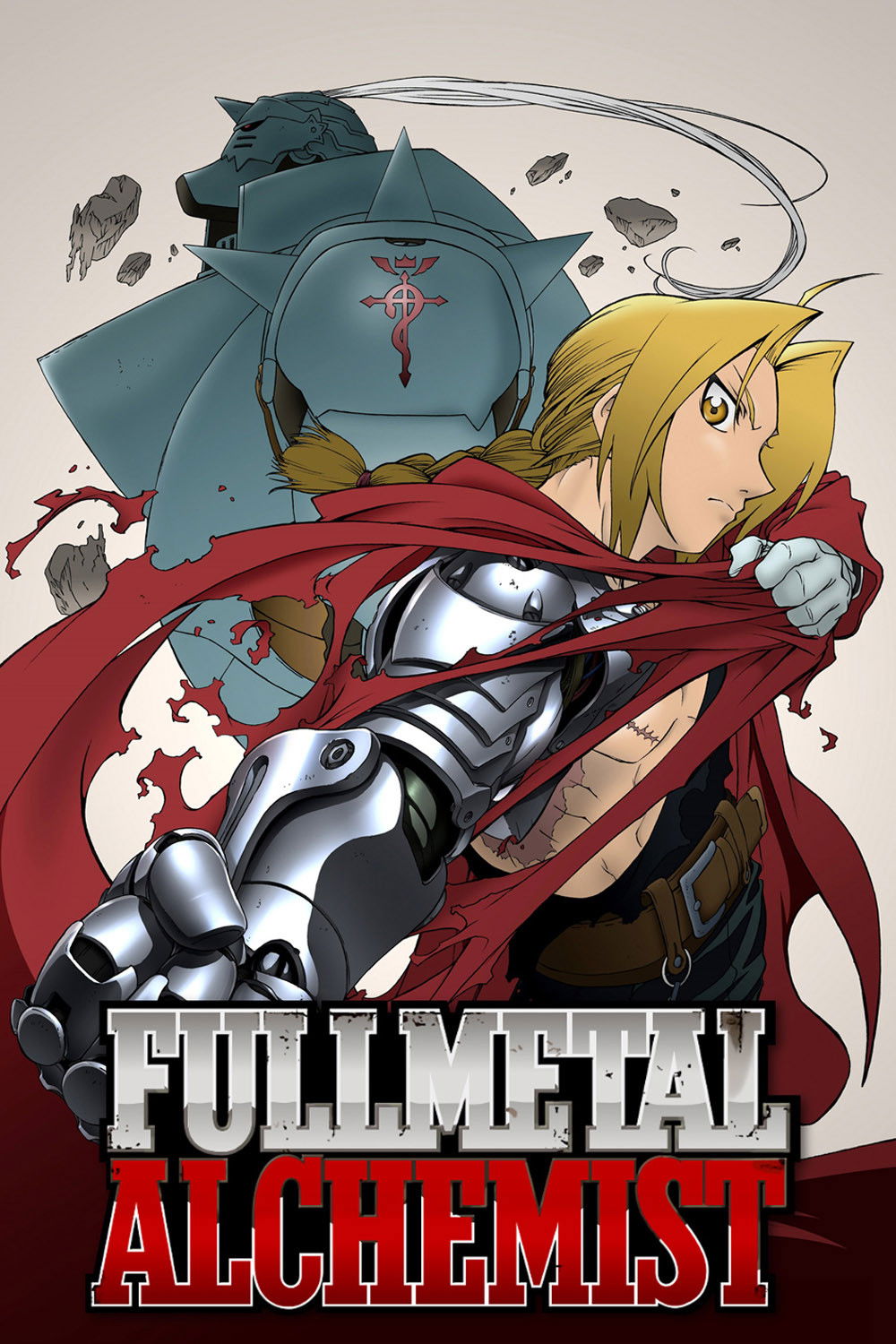
As a huge fan of ‘Fullmetal Alchemist,’ the ending of the 2003 anime always stuck with me. It’s so bold! Basically, Edward ends up pulled through a portal – ‘The Gate’ – and lands right in the middle of World War II. He gives up his alchemy and his body to save his brother, Al, who gets his original form back but forgets everything. It leaves both brothers stranded in worlds where they don’t belong, completely separated. What’s really interesting is that this ending was created just for the anime; the manga went in a different direction later on. I think it’s remembered because it bravely mixed the fantastical world of alchemy with the harsh reality of history.
‘Higurashi: When They Cry’ (2006)
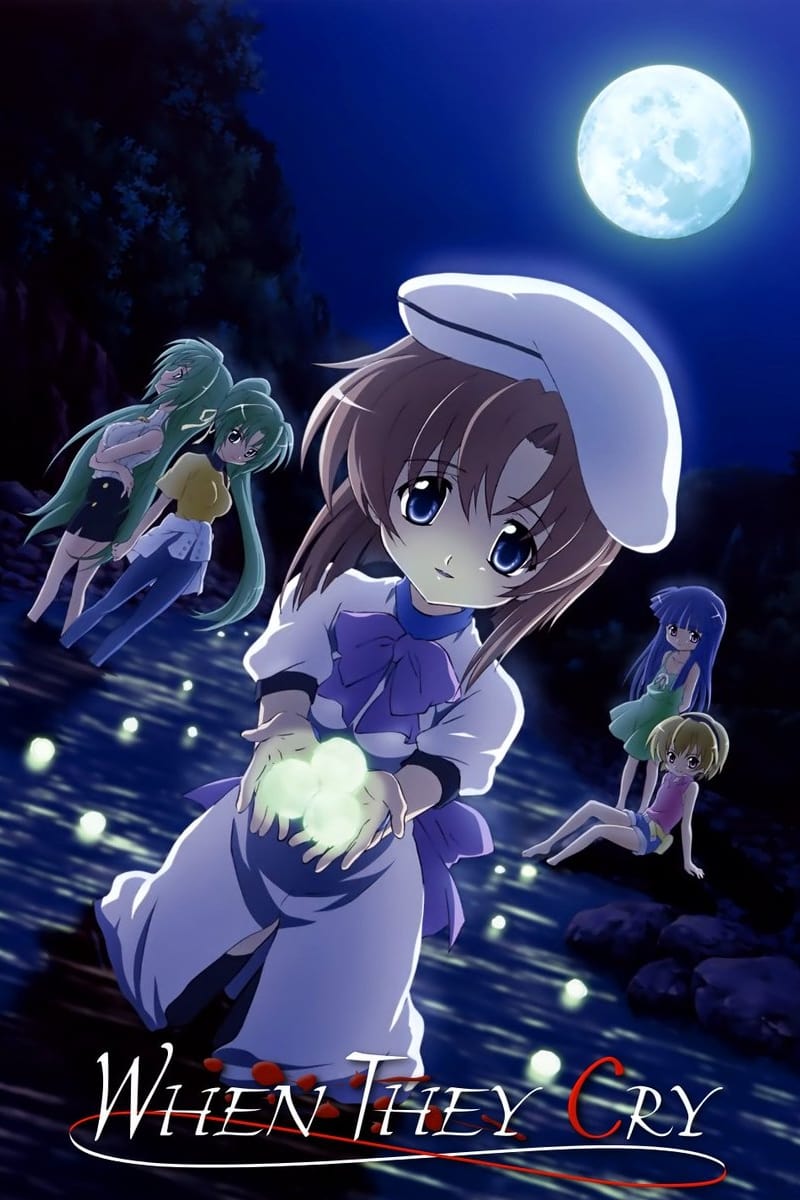
The first big story arc of ‘Higurashi: When They Cry’ ends with the shocking reveal that the terrifying events in Hinamizawa are stuck in a time loop. The main character, Rika Furude, has relived June 1983 for a century, desperately trying to avoid being killed. Instead of providing answers, the first season’s finale leaves the mystery of the ‘curse’ open-ended, challenging viewers to connect the dots from different, unsuccessful timelines. This creates a unique experience where the audience actively investigates alongside the characters. The show’s complicated, non-linear storytelling has become a defining characteristic of the psychological horror genre.
‘Noein: To Your Other Self’ (2005–2006)

The anime series ‘Noein: To Your Other Self’ ends with an epic fight spanning multiple universes, all to prevent everything from being destroyed and reduced to nothing. The main character, Haruka, uses her special ability to secure a future where all possible realities can coexist. The story is deeply rooted in the scientific idea of the Many-Worlds Interpretation of quantum physics. The animation style changes constantly during the final battle to visually show how unstable these different realities are. Ultimately, the series uniquely resolves a complex scientific concept through the emotional journey and decisions of its characters.
‘Boogiepop Phantom’ (2000)
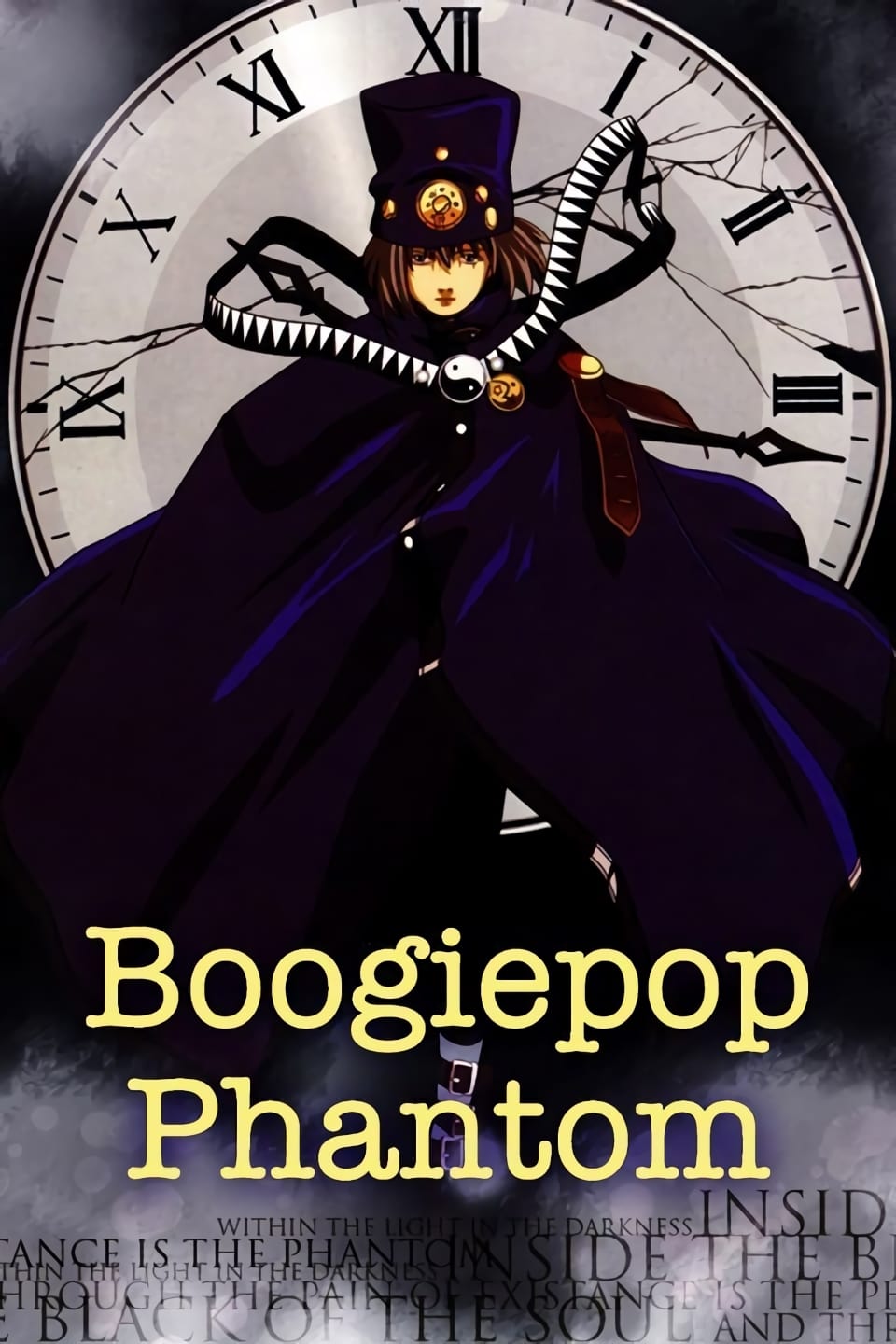
The story of ‘Boogiepop Phantom’ ends with strange, dreamlike events centered around a mysterious figure called the “King of Distortion” and the surfacing of long-forgotten memories. The ending hints that the supernatural happenings were caused by a combination of electromagnetic waves and the next stage of human development. However, the show’s confusing timeline and dark visuals leave the ultimate fate of many characters unclear. Ultimately, the finale suggests that the ‘Boogiepop’ figure is a necessary consequence that appears when human evolution goes off track. It’s a complex and moody ending that doesn’t offer simple answers.
‘Princess Tutu’ (2002–2003)
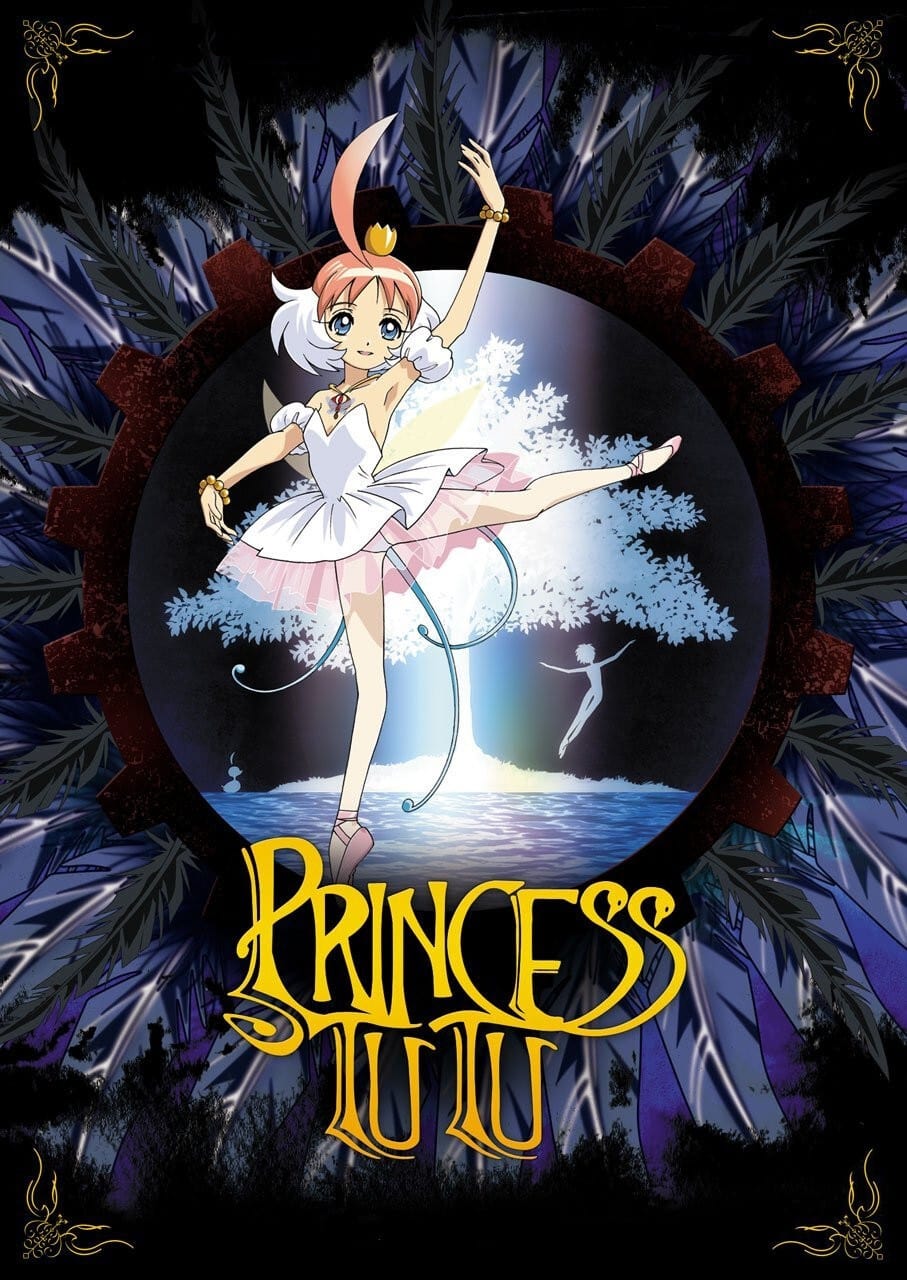
The anime ‘Princess Tutu’ concludes with the characters battling the very ‘Author’ who controls their fate, allowing them to take charge of their own lives. In a surprising twist, the main character, Ahiru, chooses to become a duck again to save the prince, rejecting the typical fairytale ending of marriage. The story emphasizes that while the past can’t be altered, characters can decide how their story will finish. This clever approach examines the connection between a writer and their creation, and the influence of storytelling itself. The ending is highly praised for being both emotionally moving and creatively structured.
‘Kaiba’ (2008)
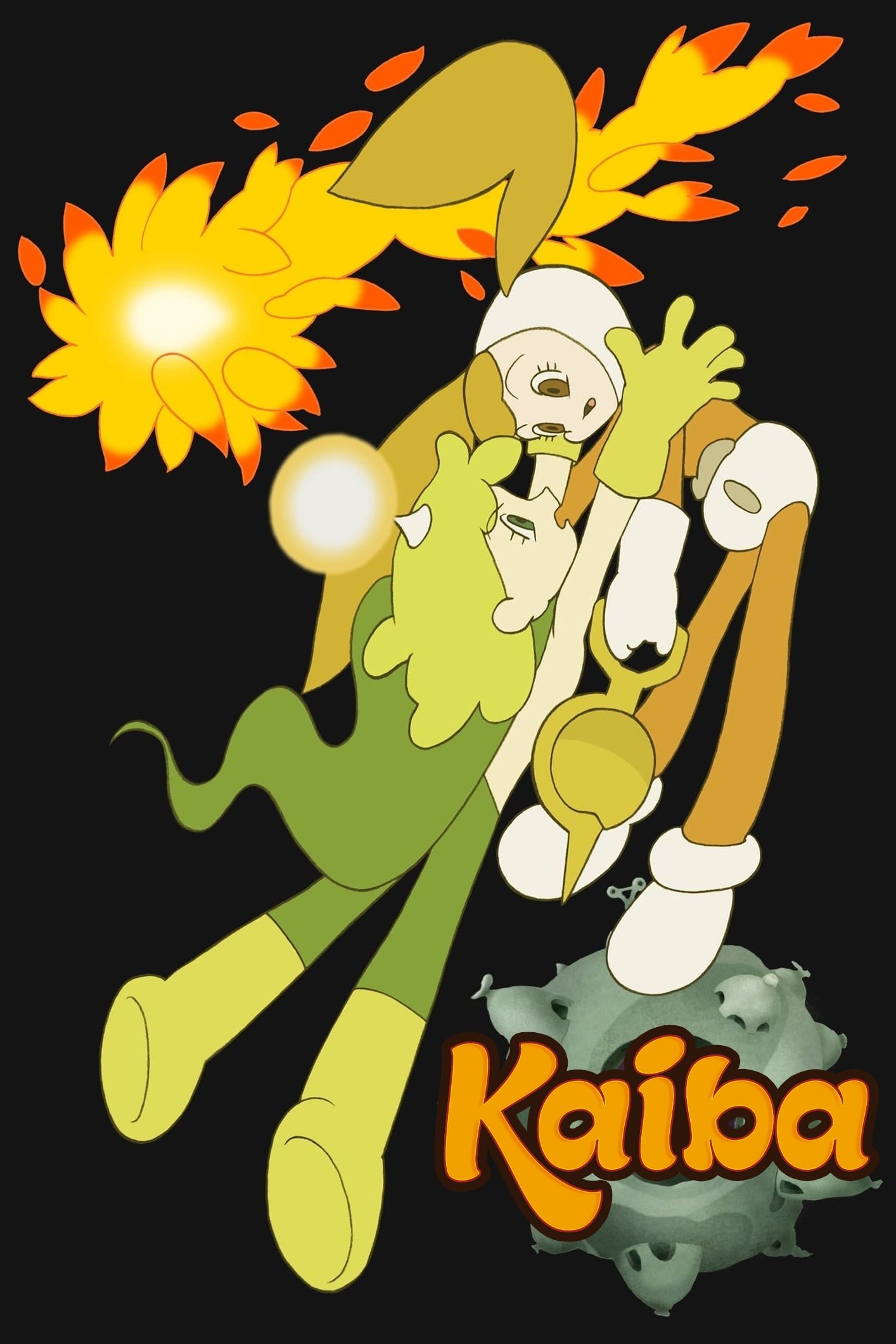
The ending of ‘Kaiba’ is a whirlwind of shifting memories as the main character battles a flawed system that sees people as just information. Bodies and memories are constantly exchanged, emphasizing how easily identity can change in this world. Ultimately, the cycle of consuming memories is stopped, but it comes at a great cost – many lives are lost and society is thrown into chaos. While the main characters find a fleeting moment of calm, the world remains unsettling and unpredictable. The show’s unusual and somewhat messy art style adds to the surreal and confusing feeling of the ending.
‘Gantz’ (2004)
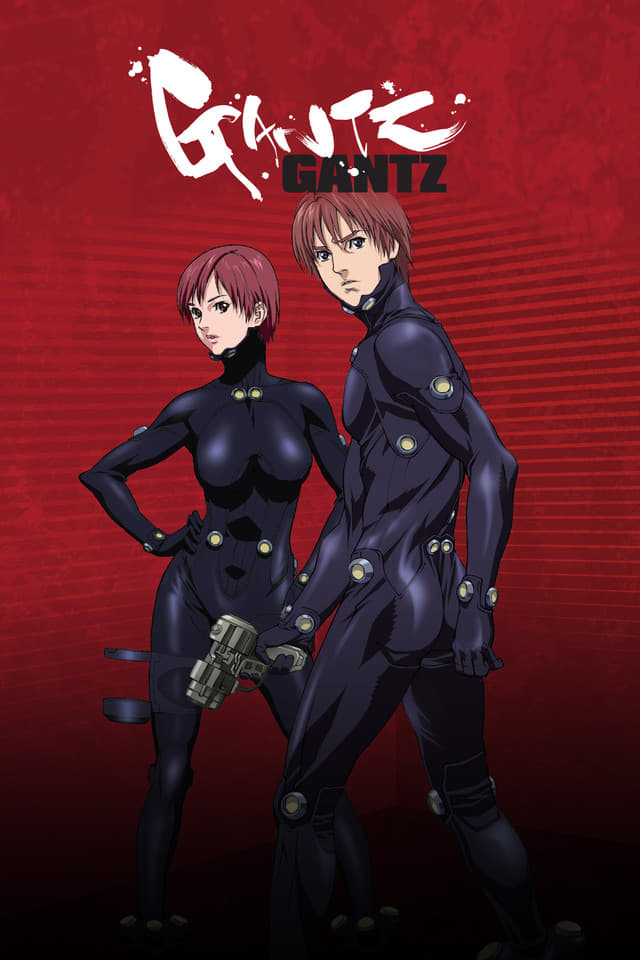
The anime series ‘Gantz’ concludes with an ending unique from the original manga. The main character, Kei Kurono, finds himself in a strange, symbolic trial within a subway tunnel, where he’s forced to grapple with his past actions and self-centeredness. The series ends with him standing on a train track as a train approaches, leaving his fate uncertain. This open-ended conclusion happened because the anime overtook the manga’s storyline, creating a cliffhanger often referenced by fans. Despite being an encouragement to read the manga, the ending is still considered artistically impactful.
‘Code Geass: Lelouch of the Rebellion’ (2006–2008)
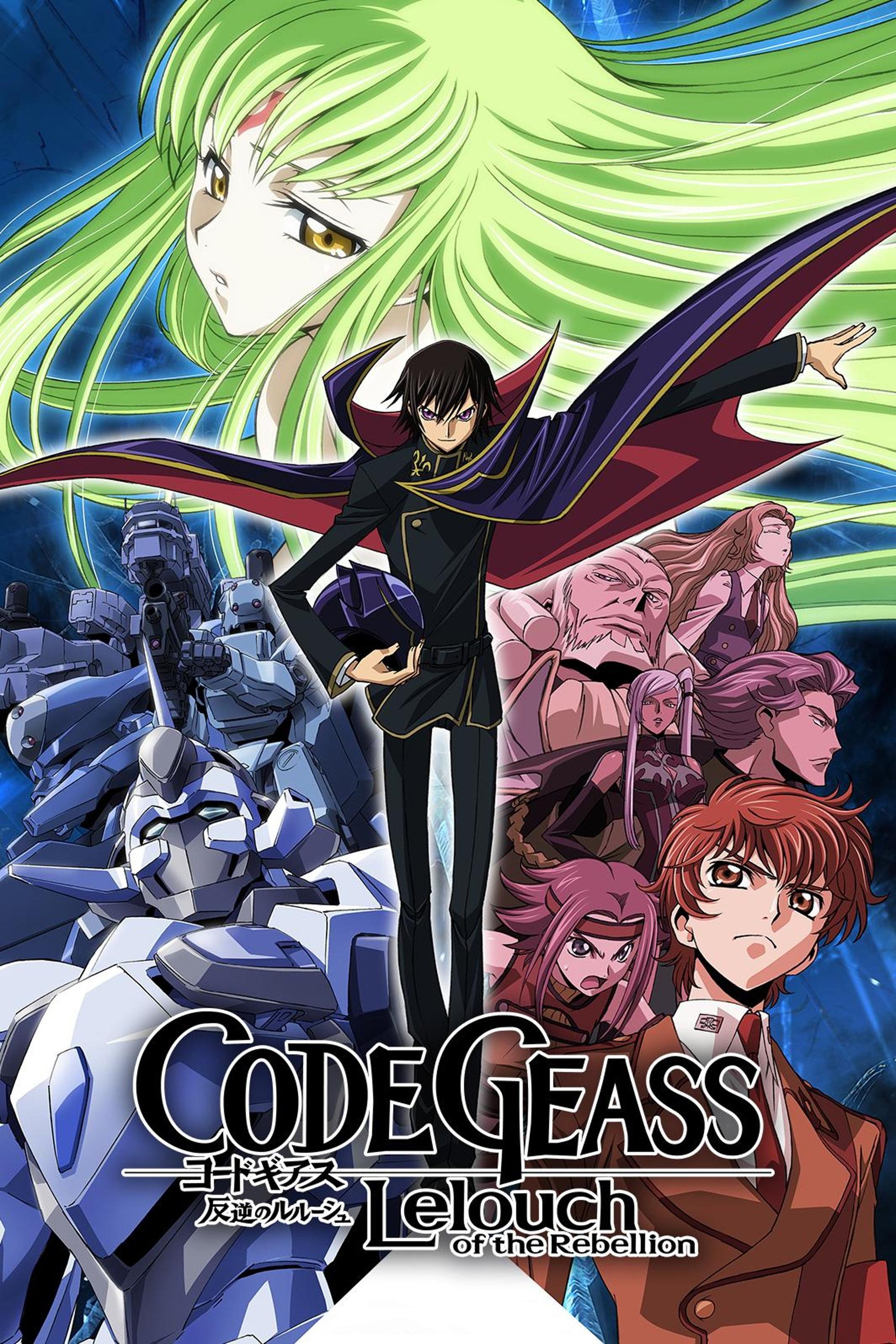
The ending of ‘Code Geass,’ known as “Zero Requiem,” features Lelouch vi Britannia deliberately becoming a hated tyrant so he could be assassinated. He planned that by taking all the world’s blame and then dying, he would finally end the cycle of war and bring about lasting peace. For years, fans wondered if Lelouch truly died or if he achieved immortality like his father, and this question remained unanswered until later stories added more details. Despite these clarifications, the original ending is still powerful because of its complicated moral questions. It’s widely considered a prime example of a successful “heroic sacrifice” storyline in anime.
‘Monster’ (2004–2005)

The series ‘Monster’ doesn’t end with a dramatic fight, but with a calm talk between Dr. Tenma and the villain, Johan Liebert, in a hospital room. After Tenma saves Johan’s life yet again, Johan shares a story that makes the doctor question his own beliefs and what it means to be a ‘monster.’ The final scene shows an empty, disturbed hospital bed, leaving viewers to wonder if Johan actually escaped, or if he was ever real. This ending doesn’t offer easy answers, instead prompting viewers to think about how evil repeats itself and how valuable life is. It’s a brilliant example of building suspense and staying true to the story’s themes.
Tell us what you thought of these show endings and which ones surprised you the most in the comments below.
Read More
- 20 Movies Where the Black Villain Was Secretly the Most Popular Character
- Celebs Who Narrowly Escaped The 9/11 Attacks
- Top 20 Dinosaur Movies, Ranked
- 25 “Woke” Films That Used Black Trauma to Humanize White Leads
- Transformers Under the Microscope: What Graph Neural Networks Reveal
- The 10 Most Underrated Jim Carrey Movies, Ranked (From Least to Most Underrated)
- 22 Films Where the White Protagonist Is Canonically the Sidekick to a Black Lead
- Gold Rate Forecast
- Silver Rate Forecast
- The Best Directors of 2025
2026-01-30 19:54