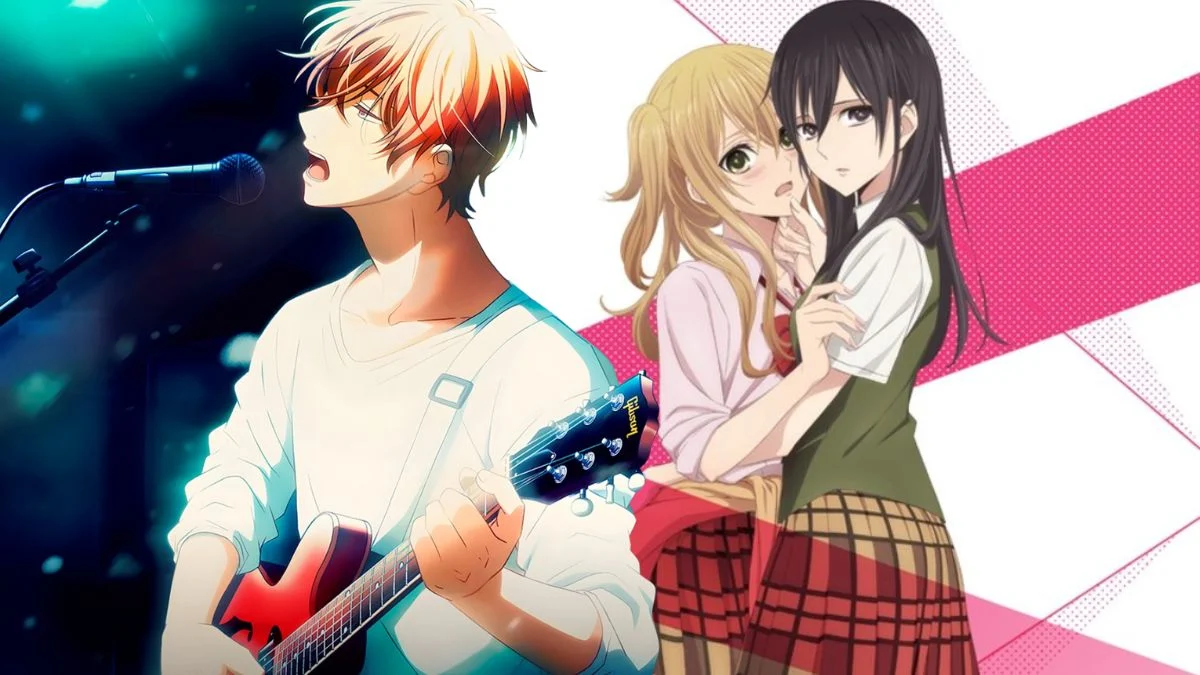
For many years, when anime was translated for audiences outside of Japan, changes were often made to how characters interacted and to any romantic storylines. These changes frequently affected relationships between same-sex characters, altering or removing them to fit cultural norms or broadcasting rules. Some changes were simple removals, while others involved changing a character’s gender or family connections. Although newer translations are generally more accurate to the original Japanese version, older, classic anime series still reflect these past edits. This list details the different ways English translations have historically changed or hidden the queer identities of popular characters.
‘Sailor Moon’ (1992–1997)
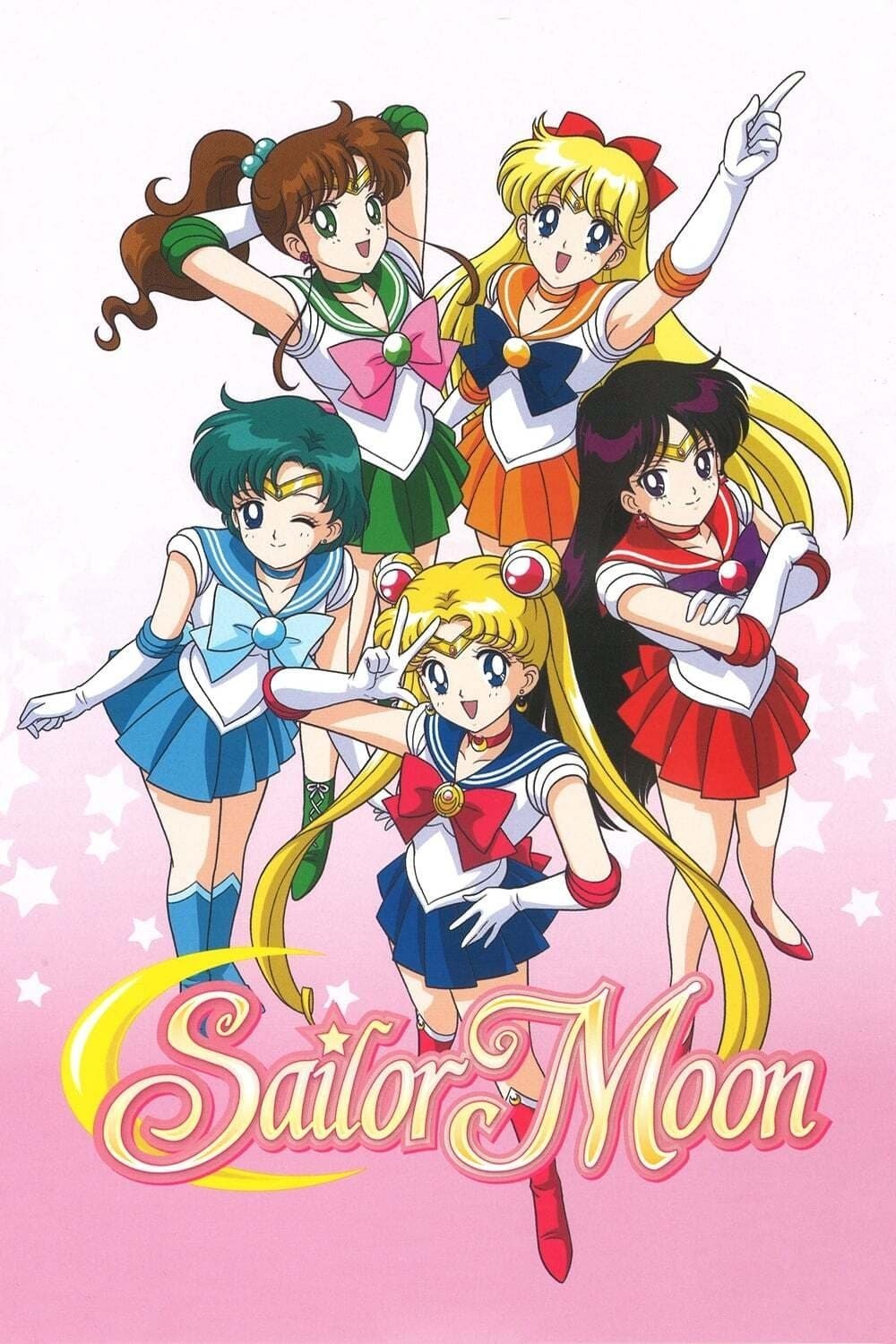
In the first two seasons of the original English dub of the show, the villains Zoisite and Kunzite were altered from their original Japanese portrayals. The English version changed Zoisite’s character to female to create a heterosexual relationship with Kunzite, as both characters were originally male and depicted as a couple in the Japanese script. This required a female voice actor and changes to the dialogue to conceal their true identities. This kind of alteration was common in early anime dubs to avoid showing same-sex relationships.
‘Cardcaptor Sakura’ (1998–2000)
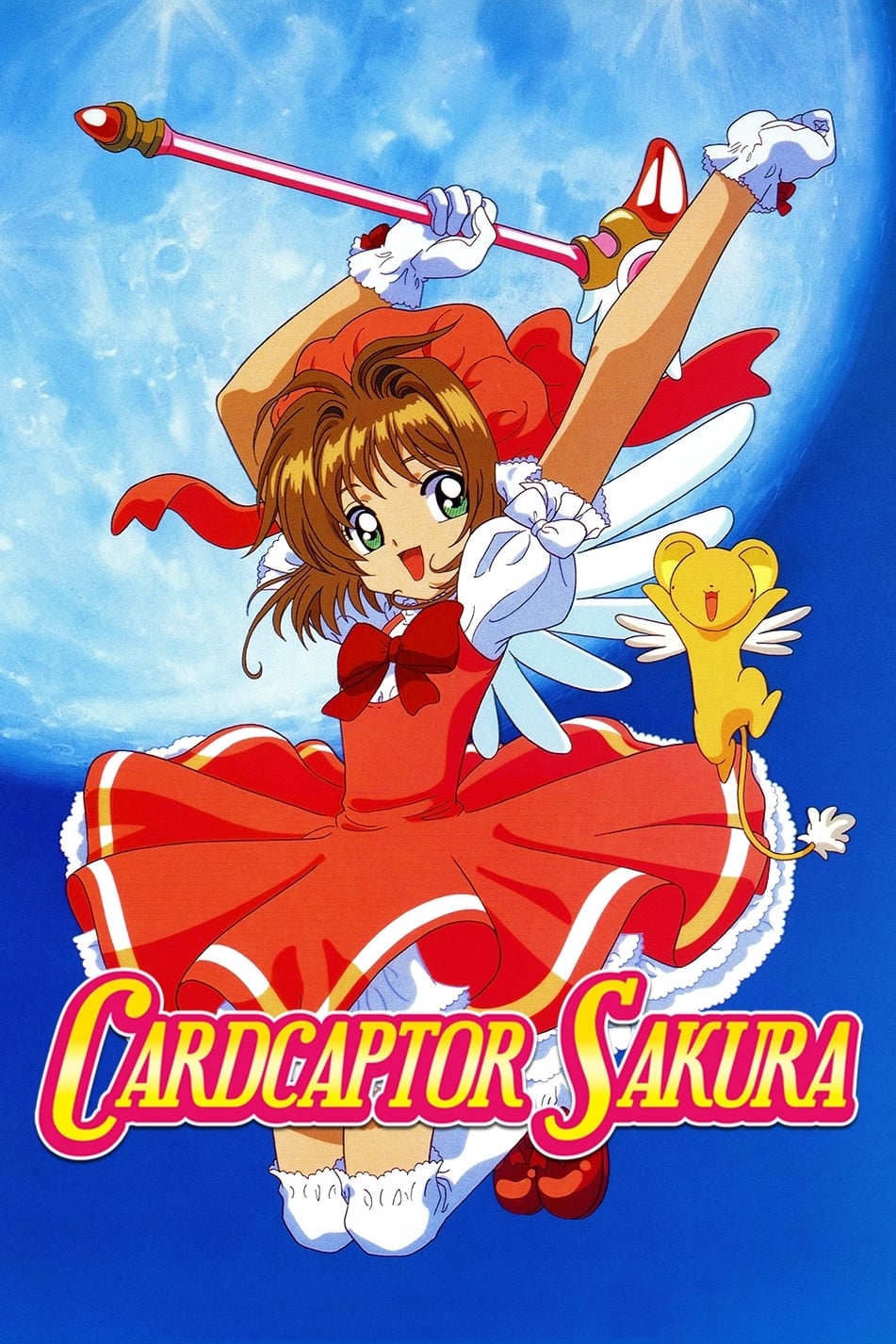
The English-dubbed version of the series, known as ‘Cardcaptors’, lessened the romantic connection between the characters Touya and Yukito. The original Japanese series clearly showed a deep, romantic love between them, which was a key part of the story. However, the English dub removed many scenes showing their connection and changed their conversations to make it seem like they were just close friends. This change removed a lot of the emotional depth and maturity of the series for Western audiences, and most of the romantic feelings were completely taken out.
‘Neon Genesis Evangelion’ (1995–1996)
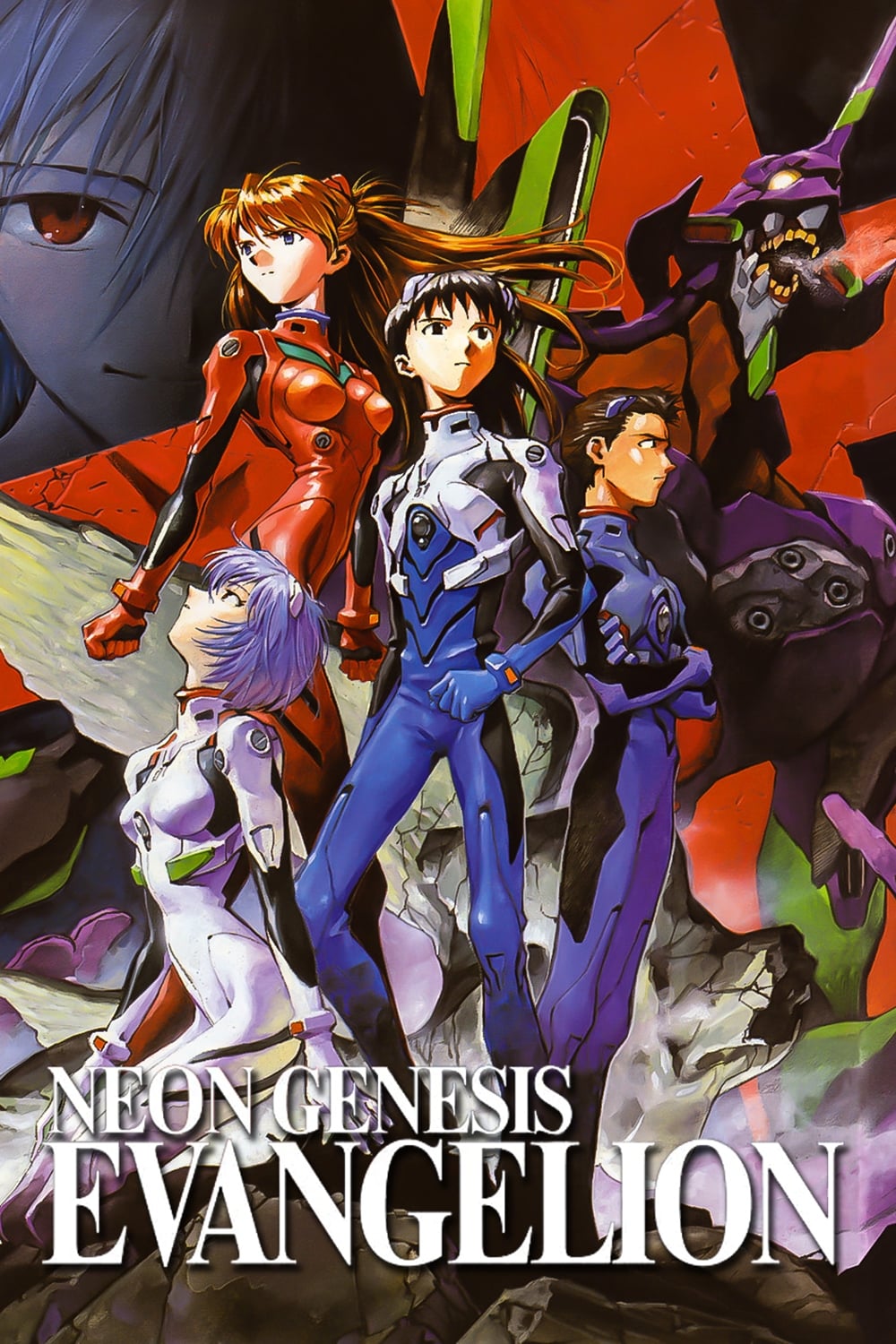
As a huge fan of this series, I was really disappointed with the 2019 redub. There was a really important moment between Shinji and Kaworu where Kaworu confessed his feelings, and the new dub completely changed it! They took out the romantic side of it and made it sound like just a friendly liking, which totally changed how I saw their connection. It just felt like they were trying to downplay any romantic feelings between them, and it’s frustrating to see even now that localizations can sometimes erase queer undertones with just a few word choices. It really lessened the impact of their relationship for me.
‘Yu-Gi-Oh! GX’ (2004–2008)

Jesse Anderson and Jaden Yuki have a very strong connection that many viewers see as romantic, thanks to their obvious chemistry and deep care for each other. However, when the show was translated into English, the more emotional parts of their conversations were toned down to focus on them being rivals and friends. Moments where they showed how much they cared were often replaced with playful jokes or teasing. This change was done to make the show appeal more to a young, male audience and fit the typical action-adventure format. As a result, their relationship felt less emotionally impactful.
‘Tokyo Mew Mew’ (2002–2003)
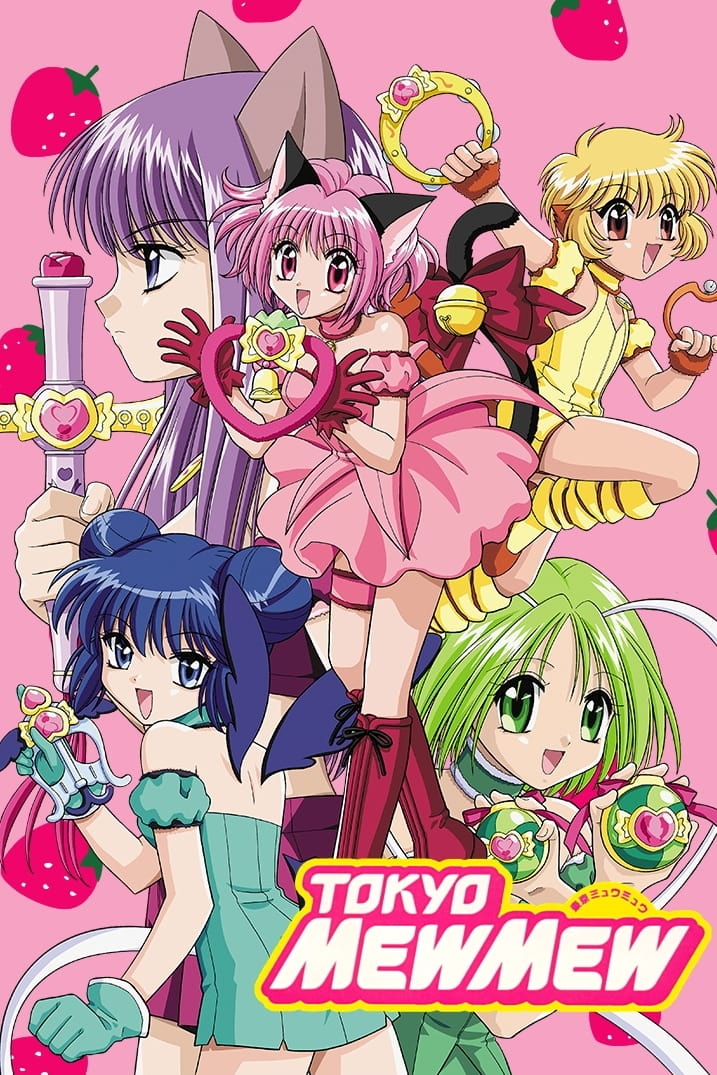
The English dub of the series, known as ‘Mew Mew Power,’ significantly changed the relationship between the characters Nanami and Zakuro. In the original Japanese version, Nanami clearly had a crush on Zakuro. However, the dub portrayed their interactions as those of a fan admiring a celebrity, effectively removing any suggestion of romantic feelings. This change eliminated the representation of a young girl discovering her sexuality and prioritized a conventional idol-fan dynamic over the original series’ subtle queer themes.
‘Revolutionary Girl Utena’ (1997)
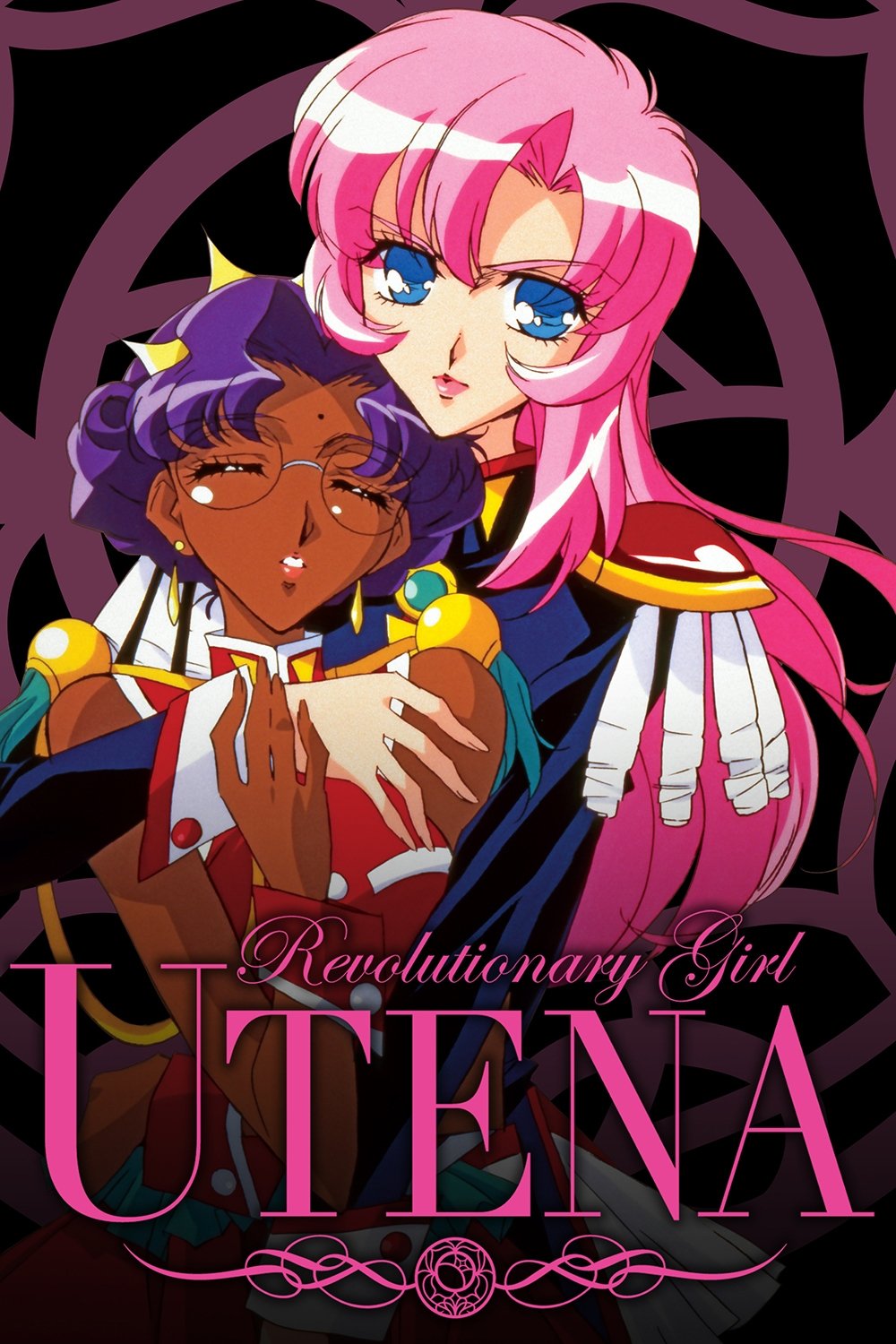
This show is well-known for its dreamlike quality and the central love story between Utena and Anthy. The English dub mostly followed the plot, but it often made their romantic conversations less direct, especially at the beginning. Different versions of the show released in various countries sometimes used vague language when describing their connection. Promotional materials occasionally minimized the physical closeness and symbolic marriage between the two characters. However, the show’s deeper themes made it hard to completely hide the true nature of their relationship.
‘Naruto’ (2002–2007)
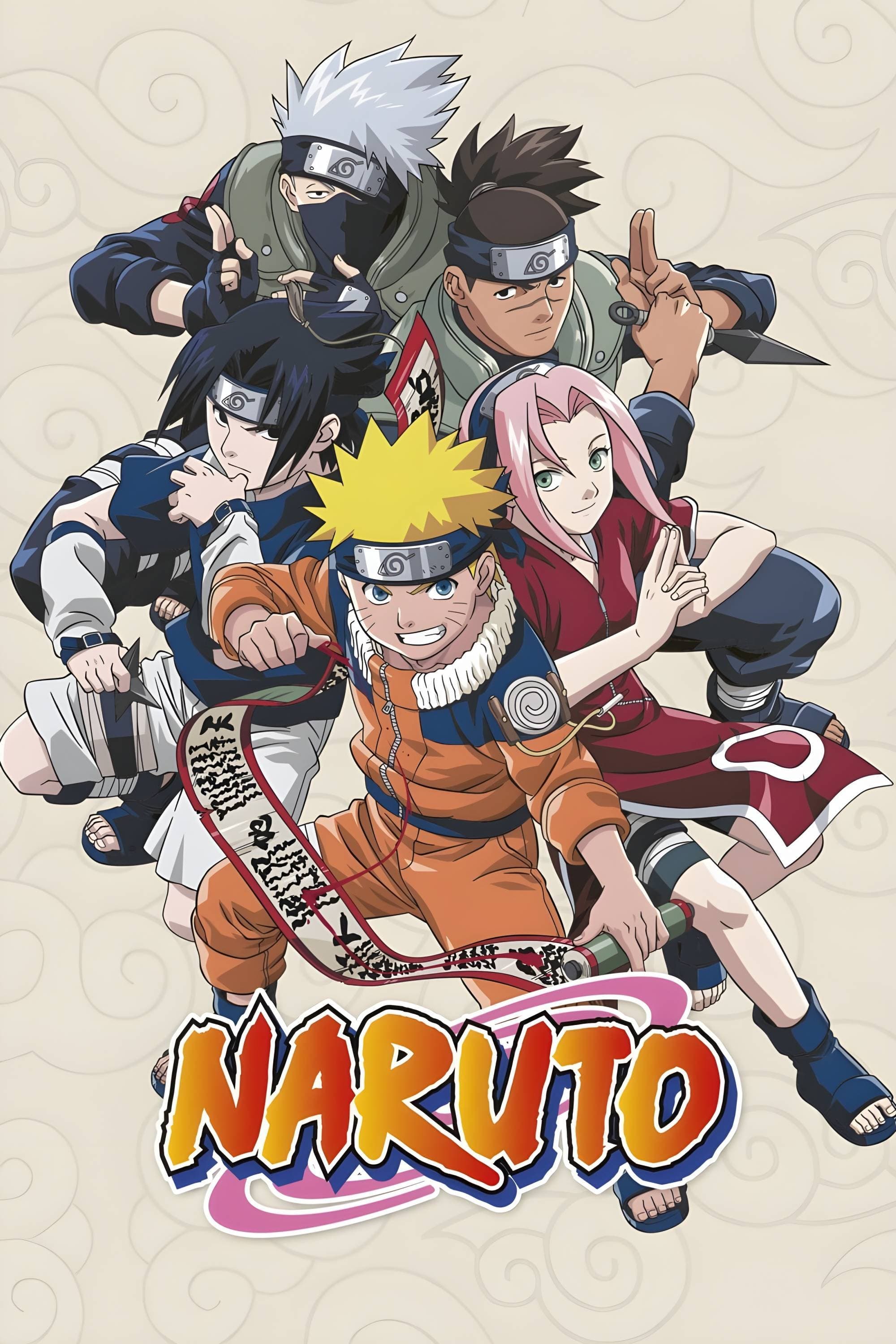
Haku is presented as a strikingly beautiful character whose gender is often ambiguous. The English dub of the series toned down the complex relationship between Haku and Zabuza, portraying it simply as a teacher-student connection. However, the original Japanese version suggests a much deeper, almost romantic devotion between them. The dub sometimes used Haku’s androgynous appearance for laughs instead of delving into the character’s identity, which ultimately obscured the subtle queer themes within their heartbreaking story.
‘Ouran High School Host Club’ (2006)
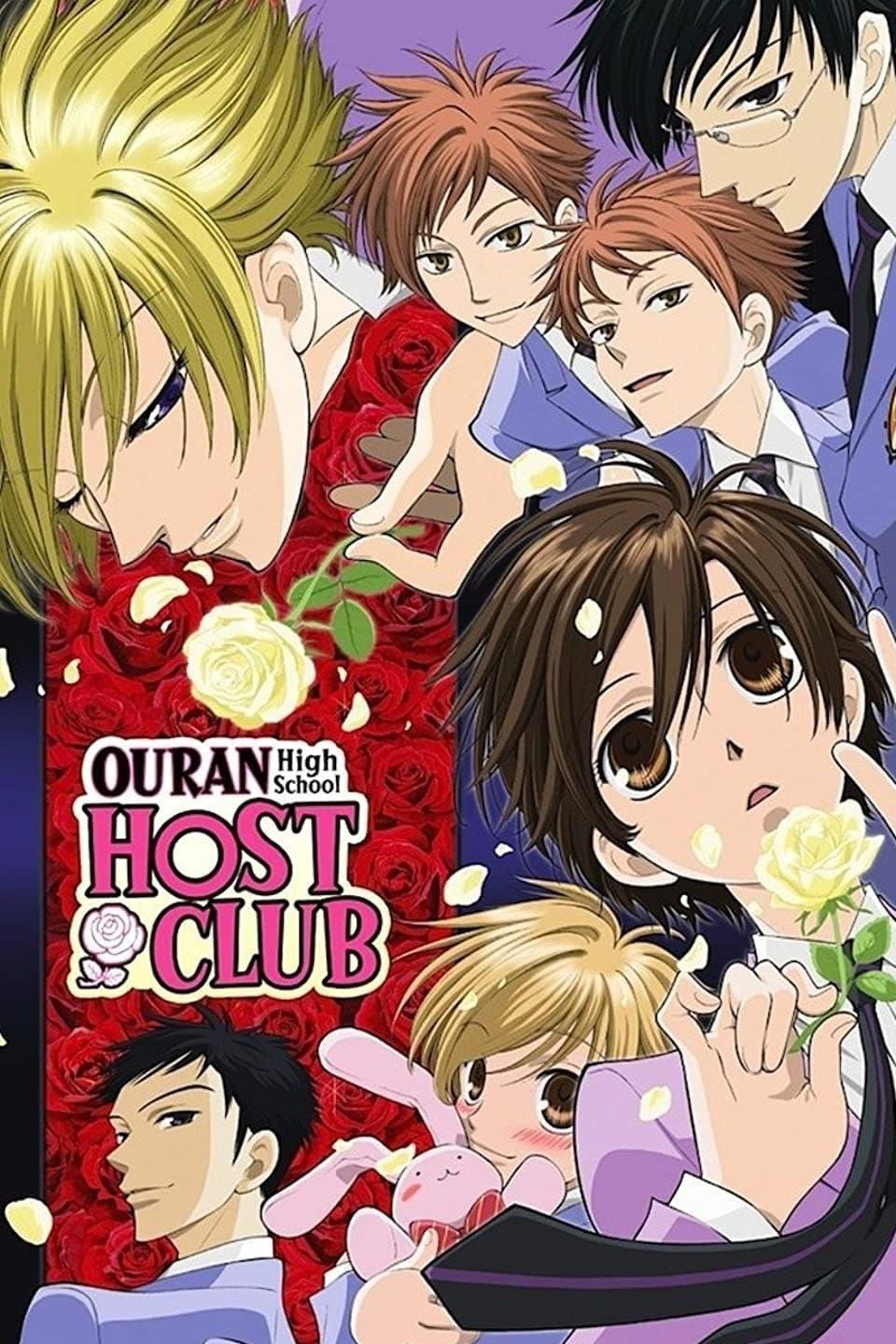
Ryoji is the protagonist’s father and a bisexual performer who crossdresses as part of his job. While the English dub stays mostly true to the original, some of the subtleties of his identity didn’t quite translate. Certain lines were changed, making his lifestyle appear more like an unusual profession than a core aspect of who he is. Although the show is generally forward-thinking, the dub occasionally uses humor that creates distance between Ryoji and meaningful LGBTQ+ representation. This can cause viewers to miss the depth of his personal story and experiences.
‘Saint Seiya’ (1986–1989)
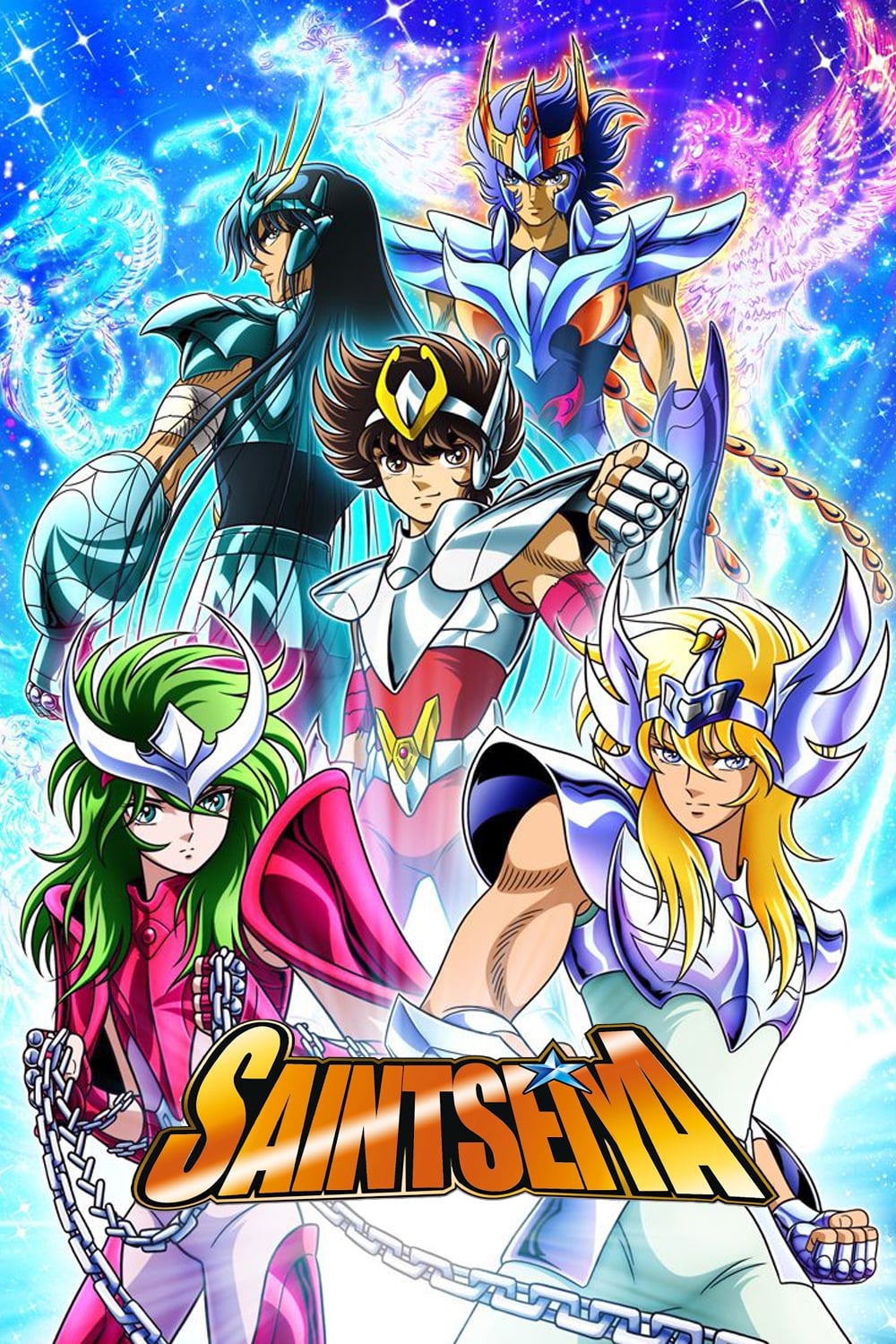
Andromeda Shun is a character famous for being kind and wearing pink armor – a unique choice that went against typical hero stereotypes of the 1980s. When the series was translated into English as ‘Knights of the Zodiac,’ many of his scenes were altered to make him seem tougher. His close relationships with other male characters were often minimized, replaced with more standard, playful dialogue. A newer version of the story even changed Shun into a female character, seemingly to avoid having a male character who expressed traditionally feminine traits. This change unfortunately removed the original character’s important challenge to traditional gender roles.
‘Robotech’ (1985)
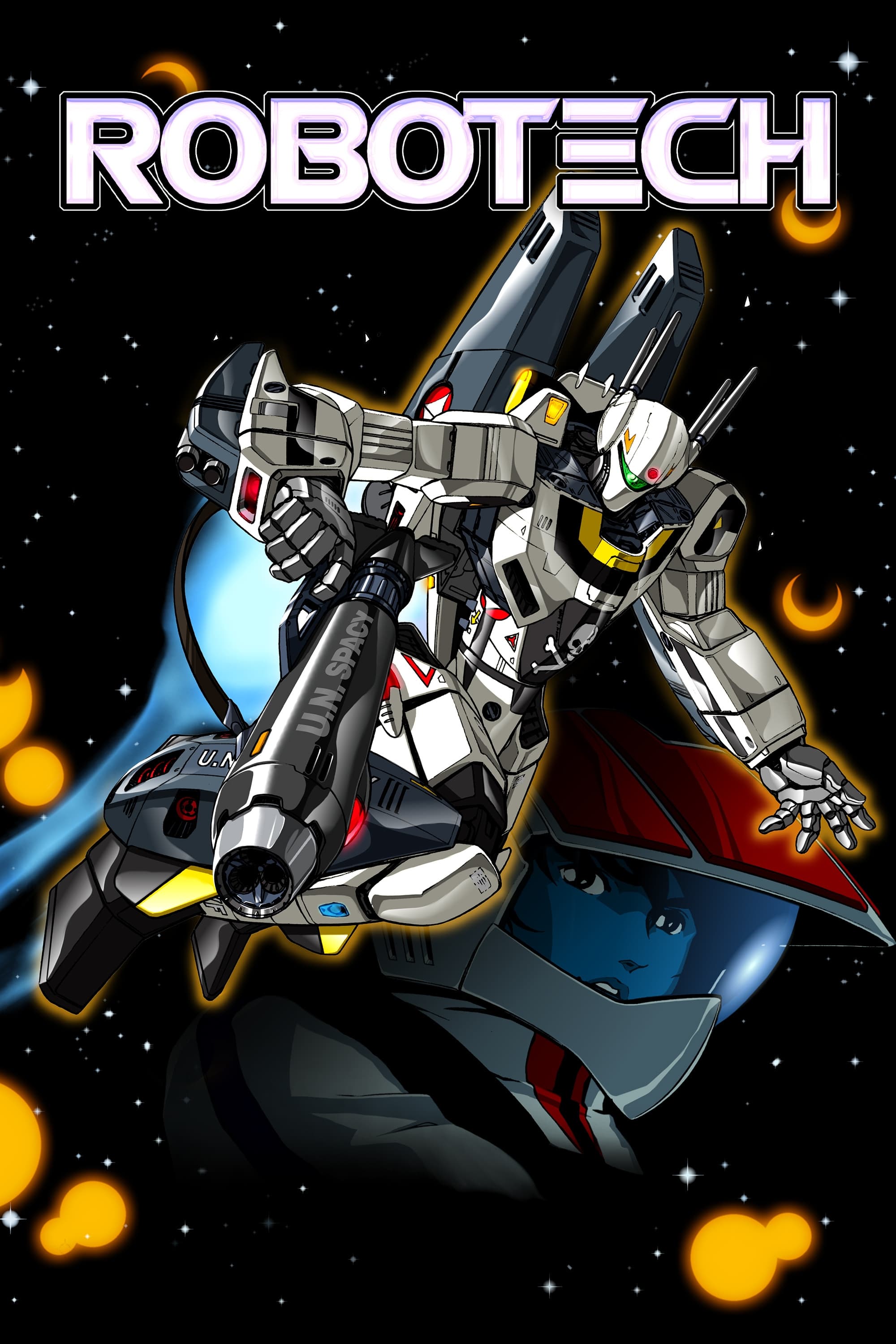
This show combined three anime series, one of which was ‘Genesis Climber MOSPEADA’ and featured the character Lancer. Lancer is a male soldier who largely portrays a female singer called Yellow Dancer throughout the series. The English dub tended to present this as a straightforward disguise for spying, without delving into the character’s feelings about gender identity. The dub often prioritized the main war storyline, overlooking the complex emotions of Lancer’s double life, and thus simplifying a groundbreaking depiction of gender expression in early anime.
‘Princess Knight’ (1967–1968)

I’ve always been fascinated by the character of Sapphire. They were born with both a male and female heart, and raised as a prince destined to rule a kingdom. But honestly, the early English dubs really missed the point of Sapphire. They tended to portray Sapphire’s dual nature as just a disguise, almost like they were trying to simplify things. It completely glossed over the really interesting, complex questions about identity that Osamu Tezuka, the original creator, built into the story. The original series was so much more thoughtful, and these versions turned it into a pretty standard adventure story, losing all that depth.
‘Battle of the Planets’ (1978–1980)
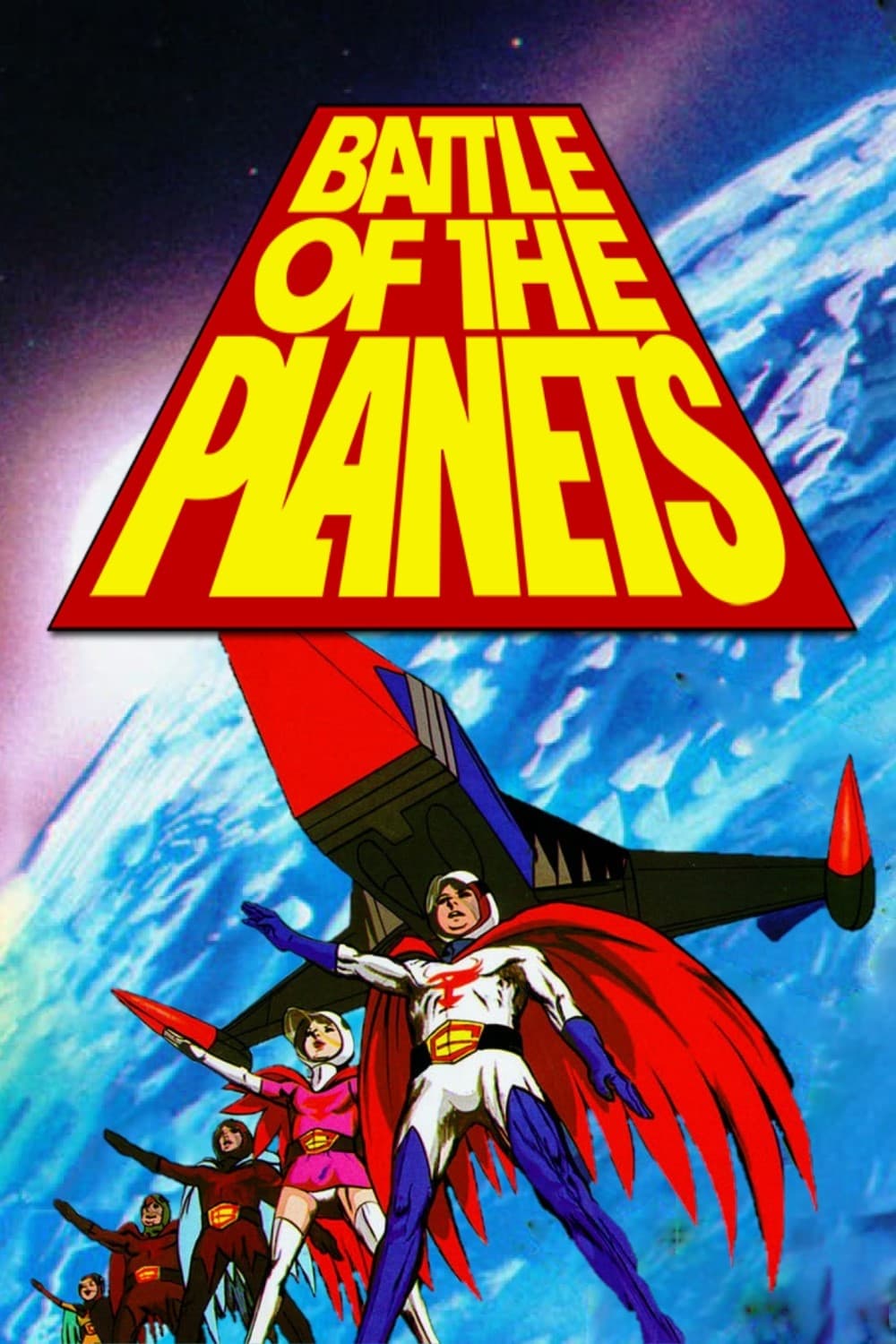
Zoltar, a villain from the Japanese series ‘Gatchaman,’ was originally designed to be gender-fluid, able to appear as either male or female. However, when the show was dubbed into English, this key characteristic was removed. Instead of one character who could change gender, the dub presented Zoltar as a man with a separate female sister. This change eliminated the original character’s queer and gender-nonconforming aspects, simplifying the story for young viewers – a common practice for children’s cartoons in the late 1970s.
‘One Piece’ (1999–Present)
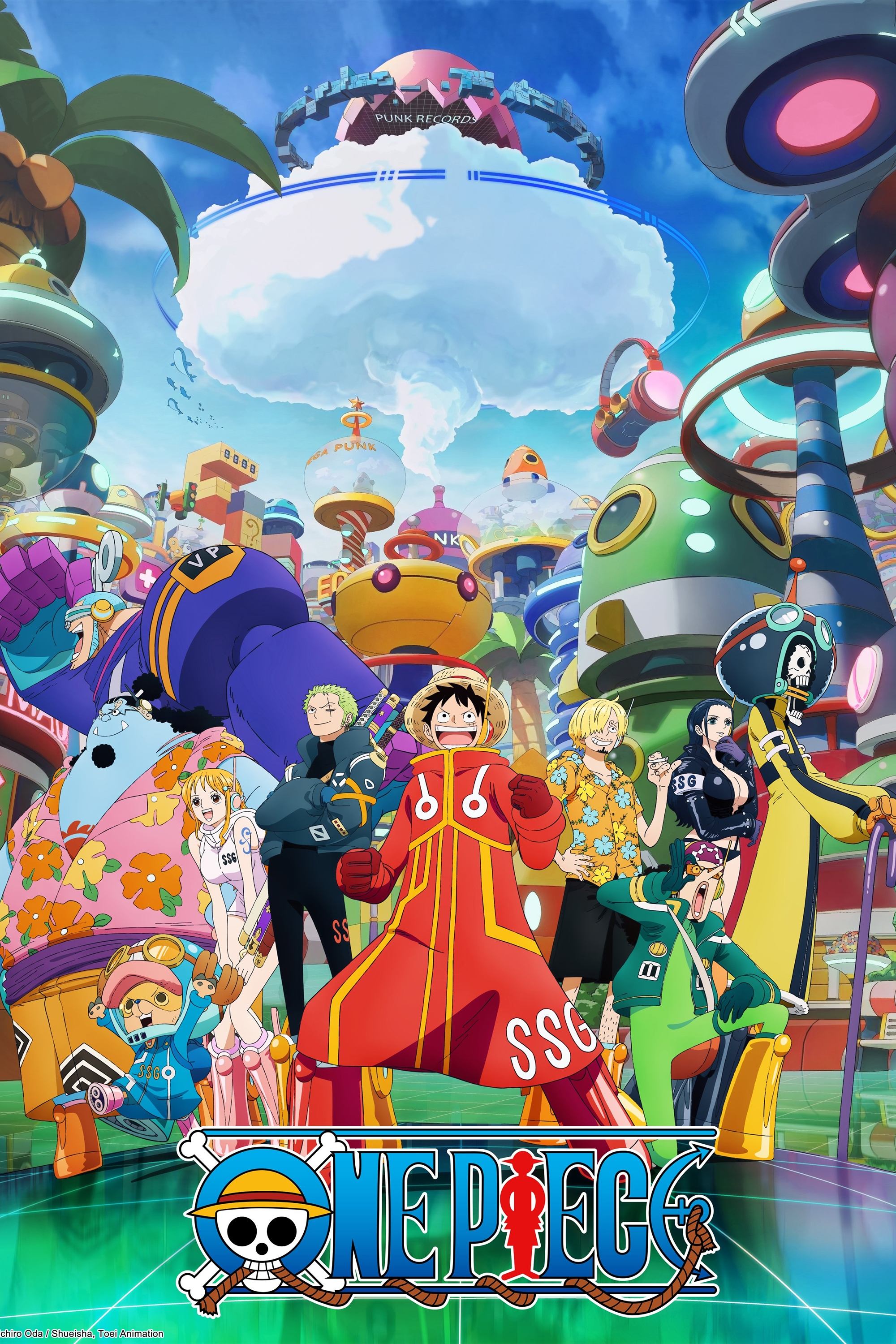
The first English dub of this show was famous for cutting out a lot of content and changing characters. For example, Bon Kurei, a character with a bold and unconventional personality, was heavily modified. His thoughtful lines about life were replaced with silly pirate talk or weak jokes. This erased the show’s depiction of Okama culture, which was important in the original Japanese version. The changes were made to make the characters seem less controversial for younger viewers in Western countries.
‘Dragon Ball’ (1986–1989)
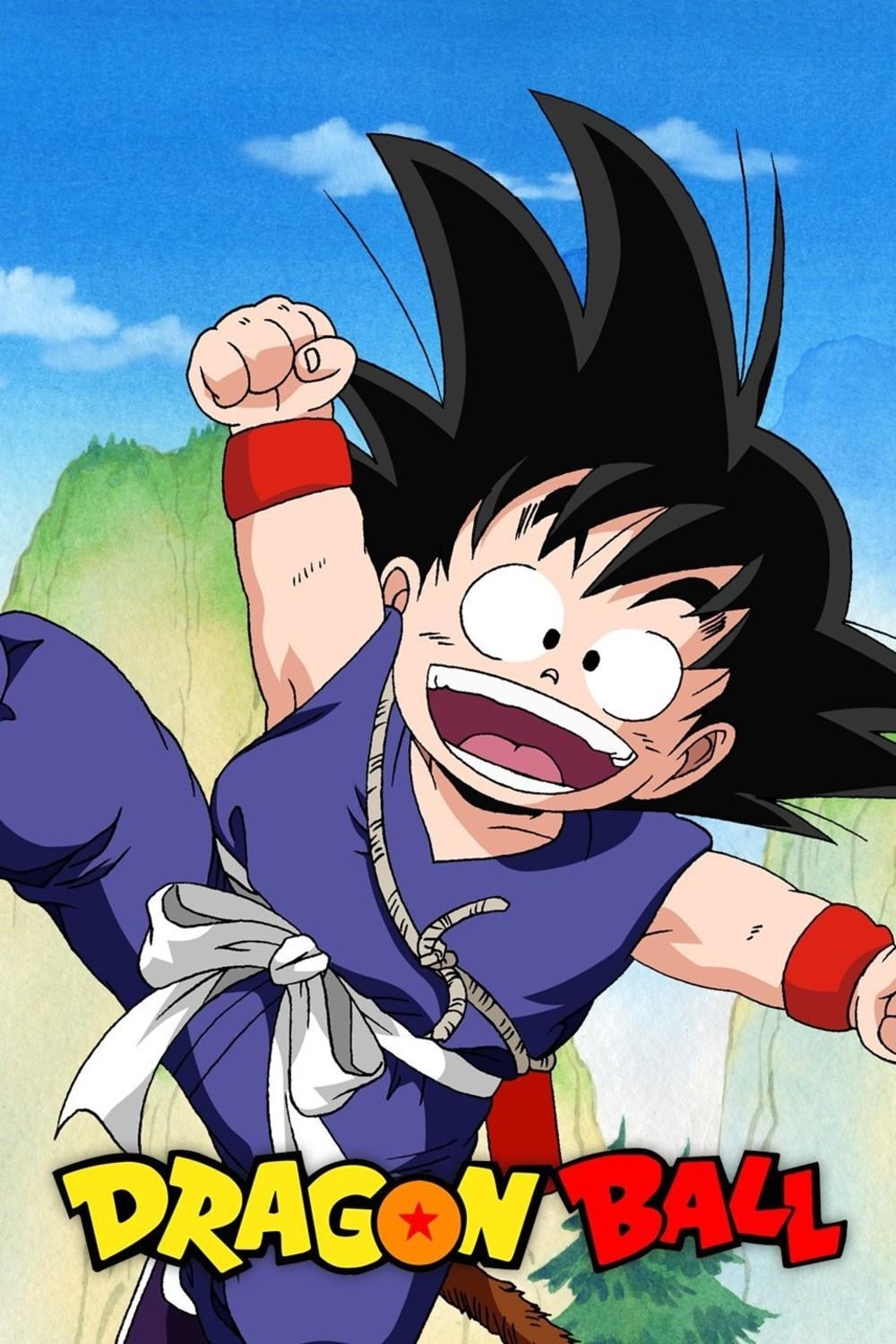
General Blue is a prominent officer in the Red Ribbon Army and was originally presented as a gay character. However, the English dub significantly altered his portrayal, removing many of the details and lines that established his attraction to men. While his vanity remained, the romantic implications were mostly erased. This change transformed him from a distinct queer character into a more typical, broadly narcissistic villain. This kind of sanitization of villains was common on television in the 1980s.
‘Fullmetal Alchemist’ (2003–2004)
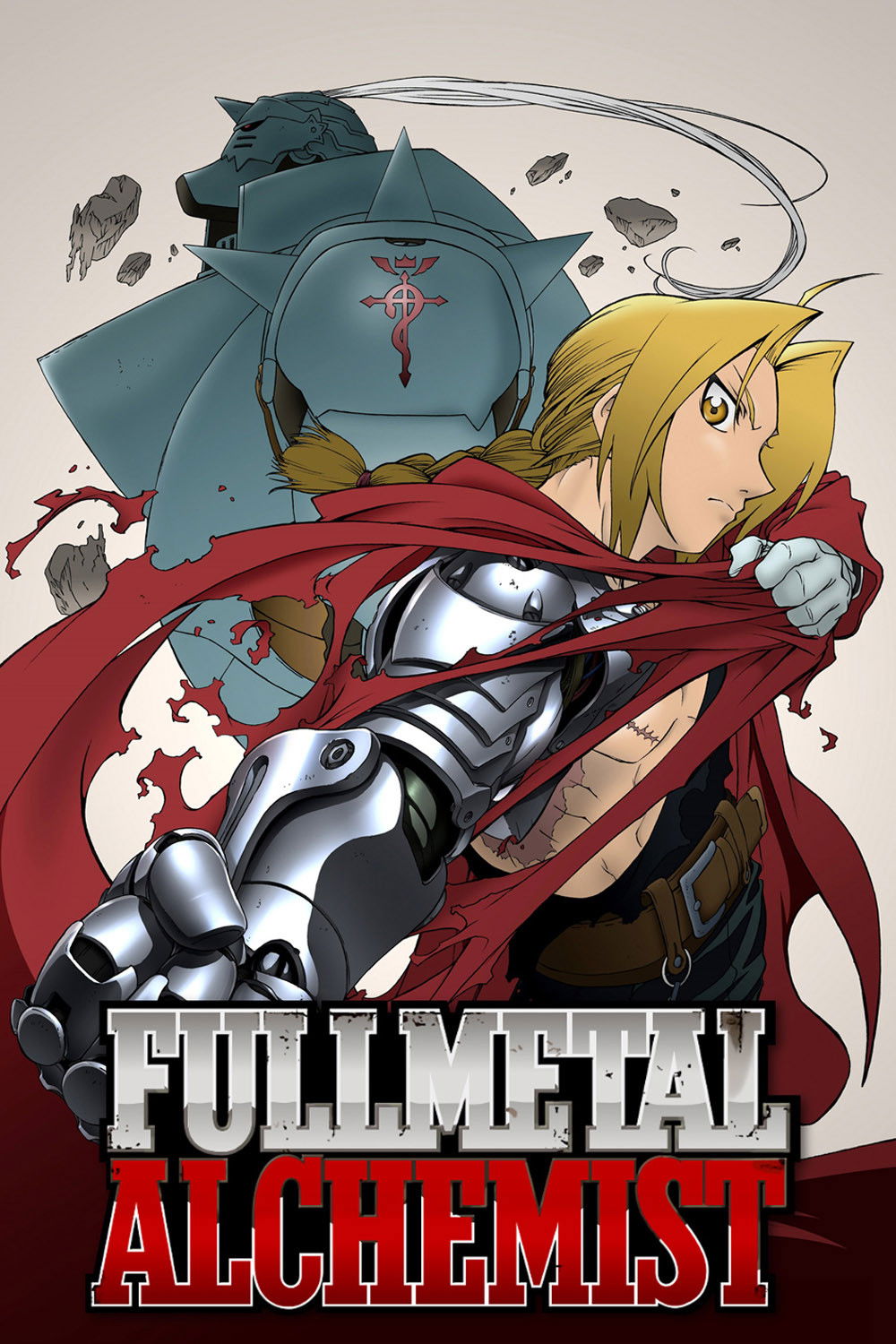
Envy is a unique, genderless artificial human who can change their appearance at will. Although the original Japanese version intentionally keeps Envy’s gender ambiguous, using gender-neutral language, the English dub often refers to them using only male pronouns. Many viewers noticed this change, which inadvertently presented Envy as a more typical male villain, simplifying a deliberately complex character.
‘Black Butler’ (2008–2010)
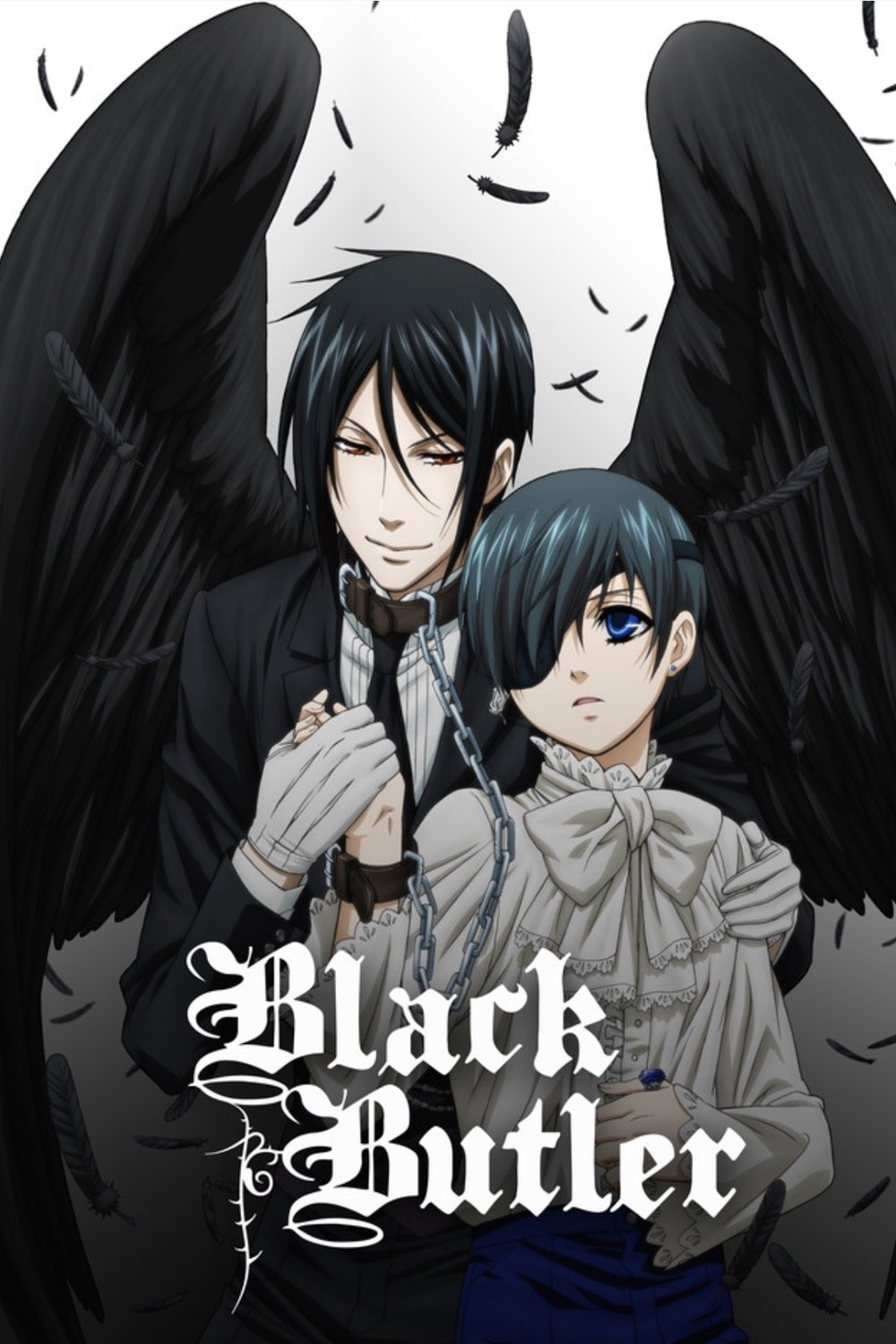
Grell Sutcliff is a female Grim Reaper with romantic feelings for the main character, Sebastian. The English dub often plays up these feelings for comedic effect, sometimes portraying them as an over-the-top, unrealistic infatuation. While the voice acting is memorable, it occasionally relies on common stereotypes of flamboyant villains. This comedic approach unfortunately overshadows some of Grell’s more genuine moments of self-expression and desire, and can make it easy to miss that Grell is a transgender character within the story.
‘My Hero Academia’ (2016–Present)
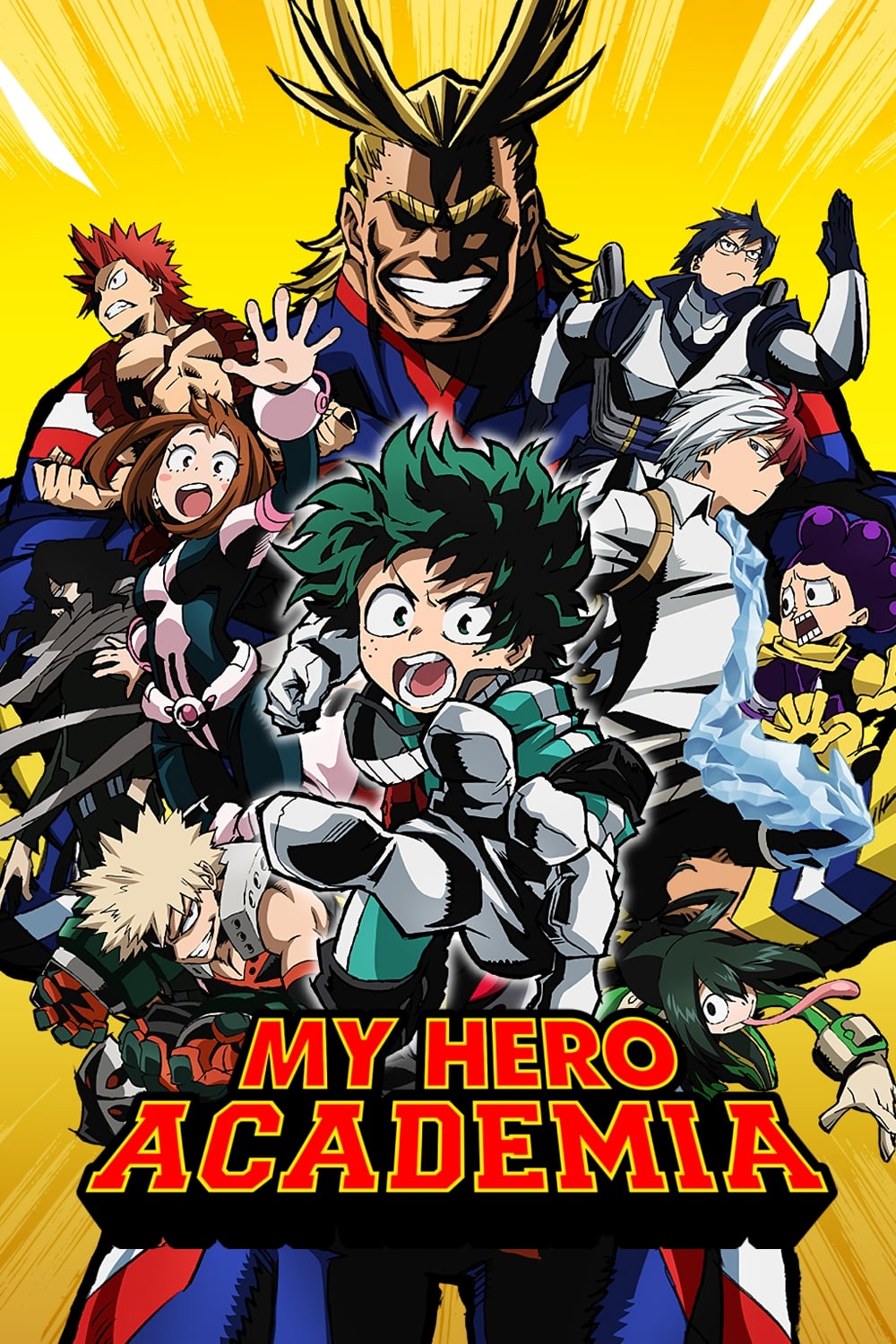
Magne, a villain in the series, is a transgender woman, and the story respectfully acknowledges her identity. Early English dubs unfortunately misgendered her, which upset many fans. Though these errors were later fixed, it demonstrated the challenges of accurately translating gendered language and briefly obscured the important support Magne received from her teammates. This situation proved that even current dubbing practices can sometimes stumble when representing queer characters.
‘Hunter x Hunter’ (2011–2014)
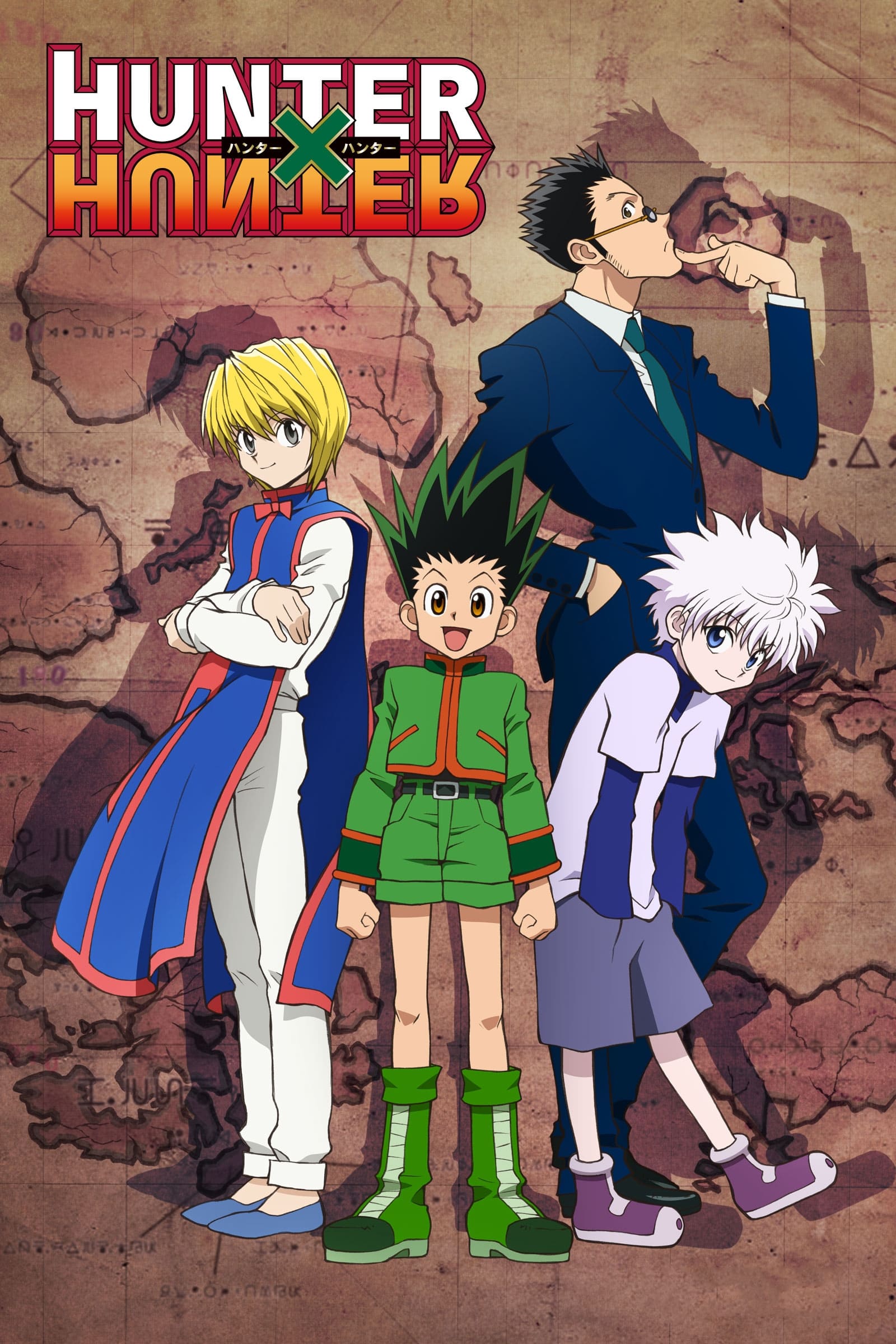
Alluka Zoldyck is a character whose gender identity is debated by her family. While her brother Killua consistently recognizes her as a girl, others refer to her with harsh, masculine language. Translators working on the English dub had to carefully choose their words to preserve the emotional weight of Killua’s acceptance. Initial translations sometimes used inconsistent pronouns, which blurred the contrast between Killua’s affection and his family’s mistreatment. Despite these challenges in adapting the story for different audiences, Alluka remains a significant example of transgender representation.
‘Steins;Gate’ (2011)
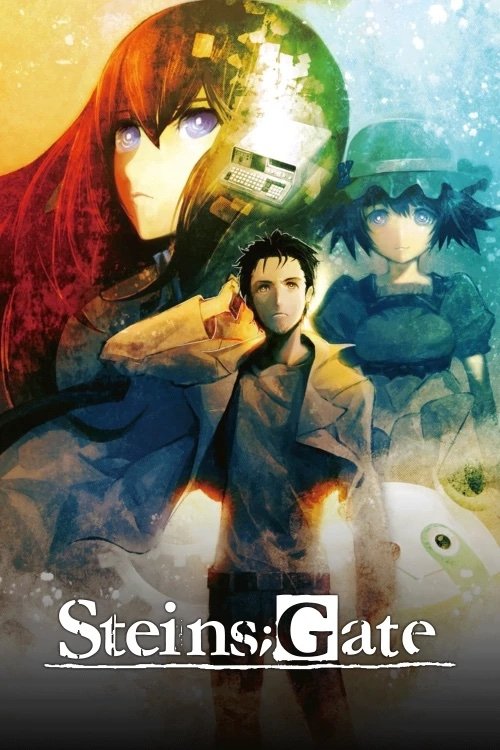
Luka Urushibara is a character who longs to be female and has romantic feelings for the main character, Okabe. The English dub often calls Luka ‘dude,’ which creates irony considering her identity. While the show uses time travel to explore Luka’s struggles, the dub sometimes focuses more on the surprise of her biological sex. This can overshadow the character’s real sadness and desire. The English localization tends to emphasize Okabe’s point of view rather than Luka’s inner turmoil.
‘Bleach’ (2004–2012)
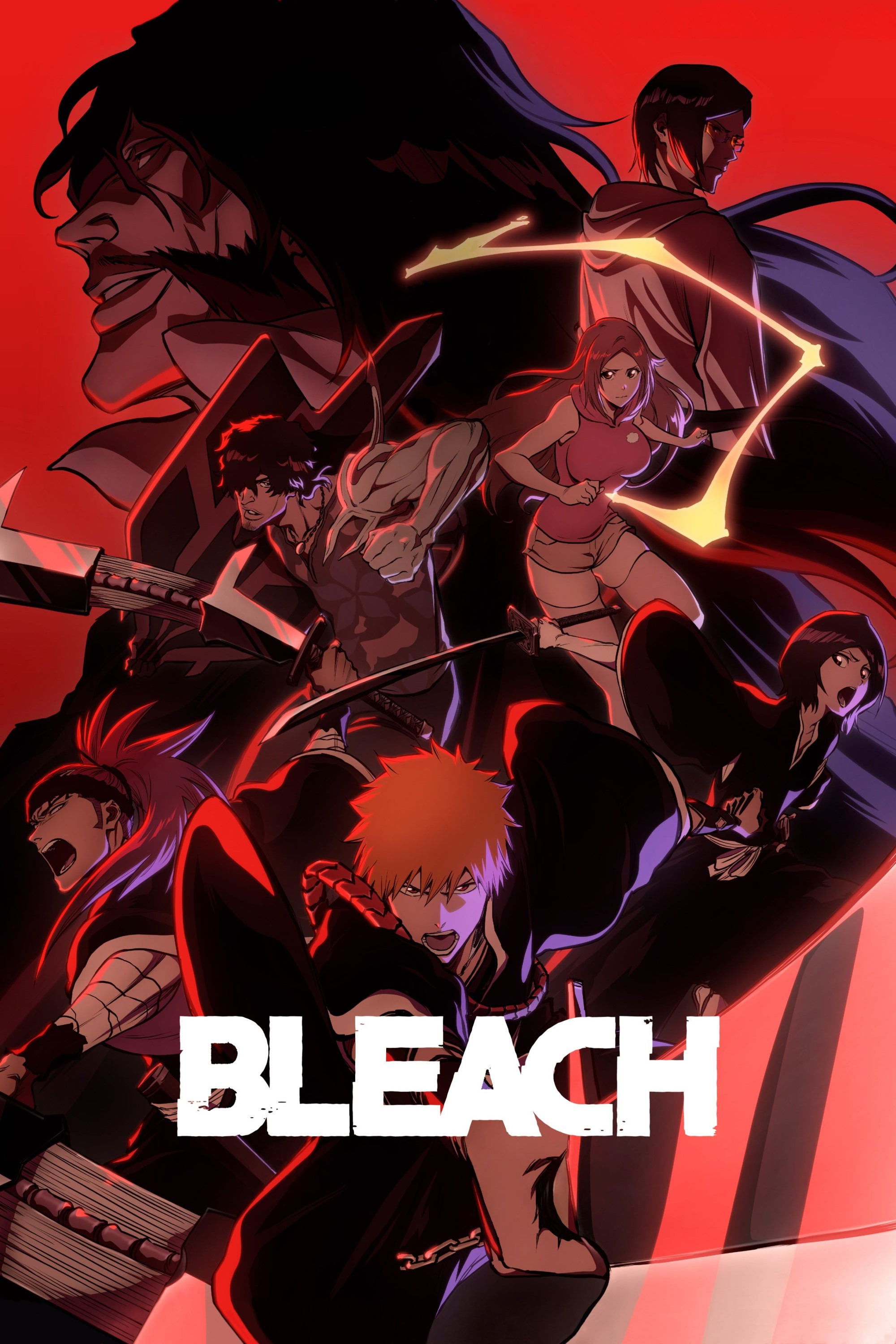
Giselle Gewelle is a character who can control people with her blood, and her true gender is revealed during a fight. When the manga and anime were translated into English, the translators had to carefully handle the negative reactions of other characters to this reveal. They adjusted some of the dialogue to avoid being too offensive, while still showing how much the other characters disliked it. This made the scene a little less harsh. However, the story’s focus on supernatural powers sometimes made Giselle’s personal journey feel less important.
‘Pokémon’ (1997–Present)

Throughout the Pokémon series, the Team Rocket character James frequently challenges traditional gender expectations, sometimes dressing in traditionally feminine clothing. Many of these scenes were heavily altered or completely removed from the English version of the show. This meant Western viewers missed out on seeing James’s more expressive and gender-bending side. Additionally, his close bond with Jessie was often presented as simply a working relationship to avoid suggesting anything beyond friendship. These changes ultimately took away from James’s complex personality, which is a big reason why he’s so popular with fans in Japan.
‘Sonic X’ (2003–2005)
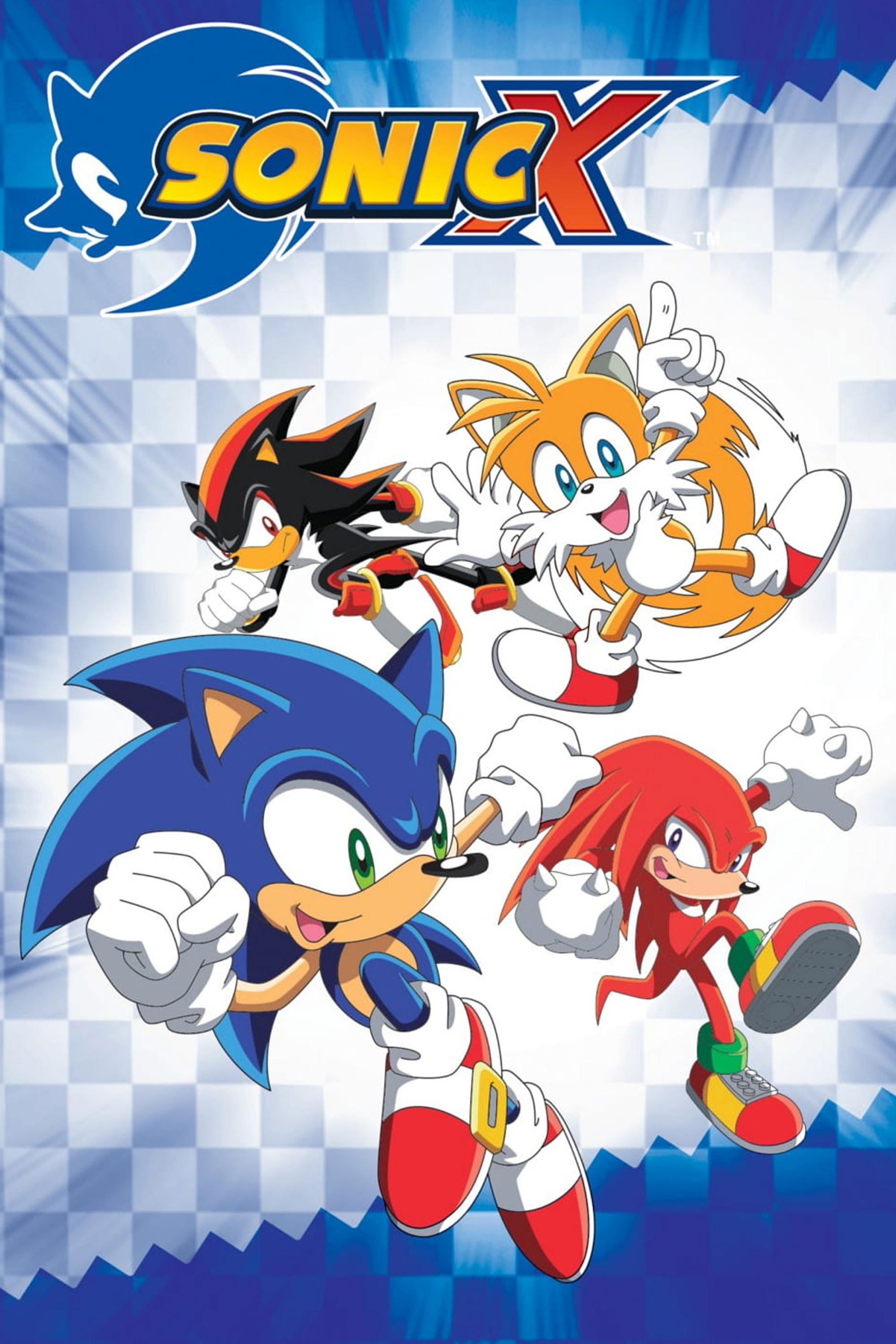
In the original Japanese release, Topaz and Rouge the Bat had a relationship with clear romantic hints. They shared close, emotionally connected scenes, but the English dub significantly softened these elements. The dialogue was changed to emphasize their working relationship as a soldier and spy, and scenes suggesting a romantic connection were altered to appear as just friendship. This change removed a unique portrayal of a relationship between a human and an animal character that hinted at same-sex attraction.
‘Shaman King’ (2001–2002)
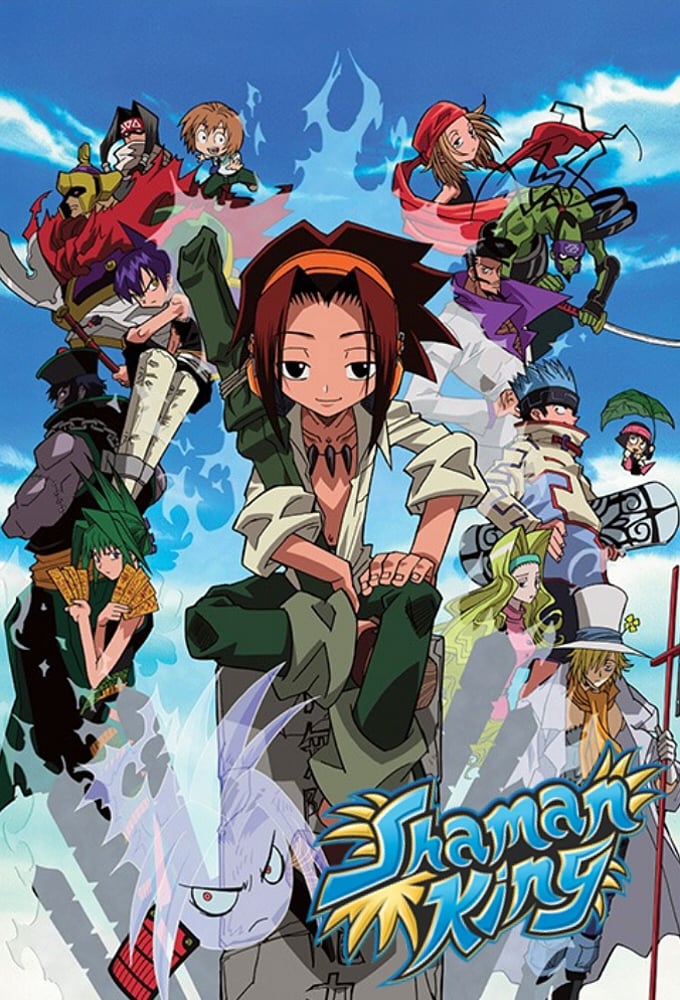
Ren Tao and the main character, Yoh, have a strong, competitive connection with a lot going on beneath the surface. The English dub of the anime tended to highlight their rivalry, but it often removed some of the more sensitive and heartfelt moments. This was typical for action-focused anime from the early 2000s. As Ren’s respect and fondness for Yoh grew, it was presented in a very traditionally masculine way, which made it harder for viewers to understand the full depth of their feelings for each other.
‘Ghost Stories’ (2000–2001)
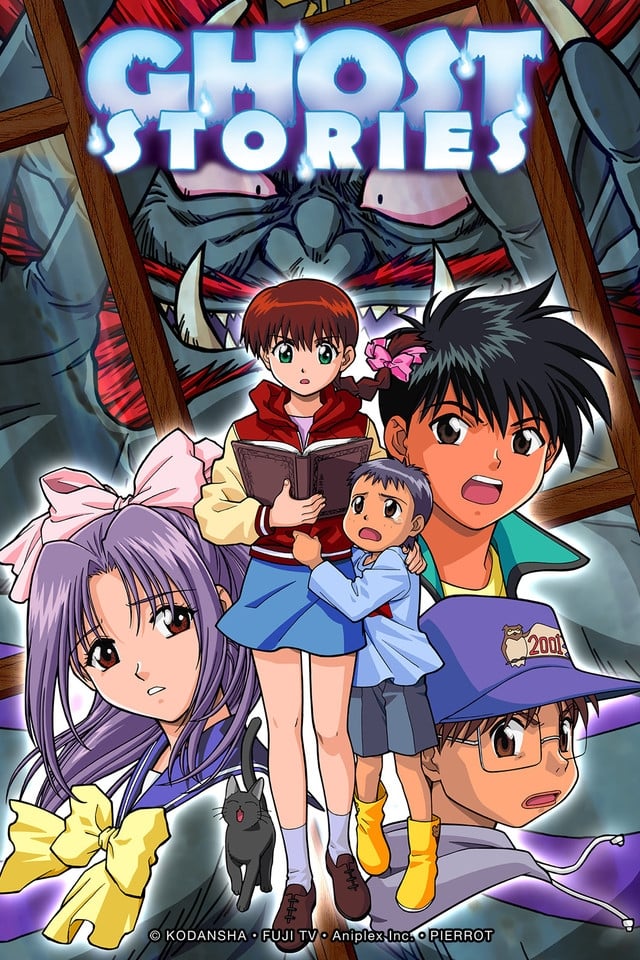
I’ve heard a lot about the English dub of this series, and it’s wild! Apparently, they didn’t just translate the script – they completely rewrote it as a dark comedy. The voice actors went even further, adding jokes that relied on harmful stereotypes about LGBTQ+ people and changing why characters did things. They even gave one character a secret crush on the main character! The original show was supposed to be straight-up horror, but the dub created all these new queer relationships, mostly for laughs. It didn’t necessarily make things straight, but it really changed how characters and relationships were meant to be seen.
‘Magic Knight Rayearth’ (1994–1995)
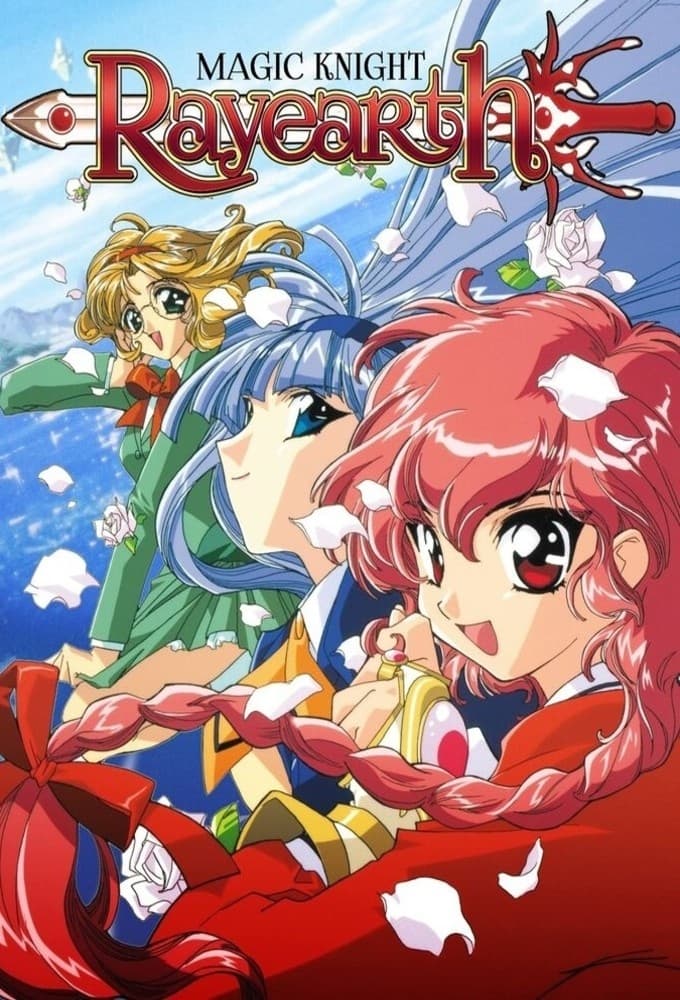
Eagle Vision and his subordinate, Lantis, share a complex and unclear relationship. The original Japanese version hinted at romantic feelings between them, but the English dub toned down this connection, focusing instead on their professional dynamic. Many of their tender conversations were replaced with more formal and task-oriented dialogue, ultimately removing a key romantic subplot that was prominent in the story’s second arc.
‘Gravitation’ (2000–2001)
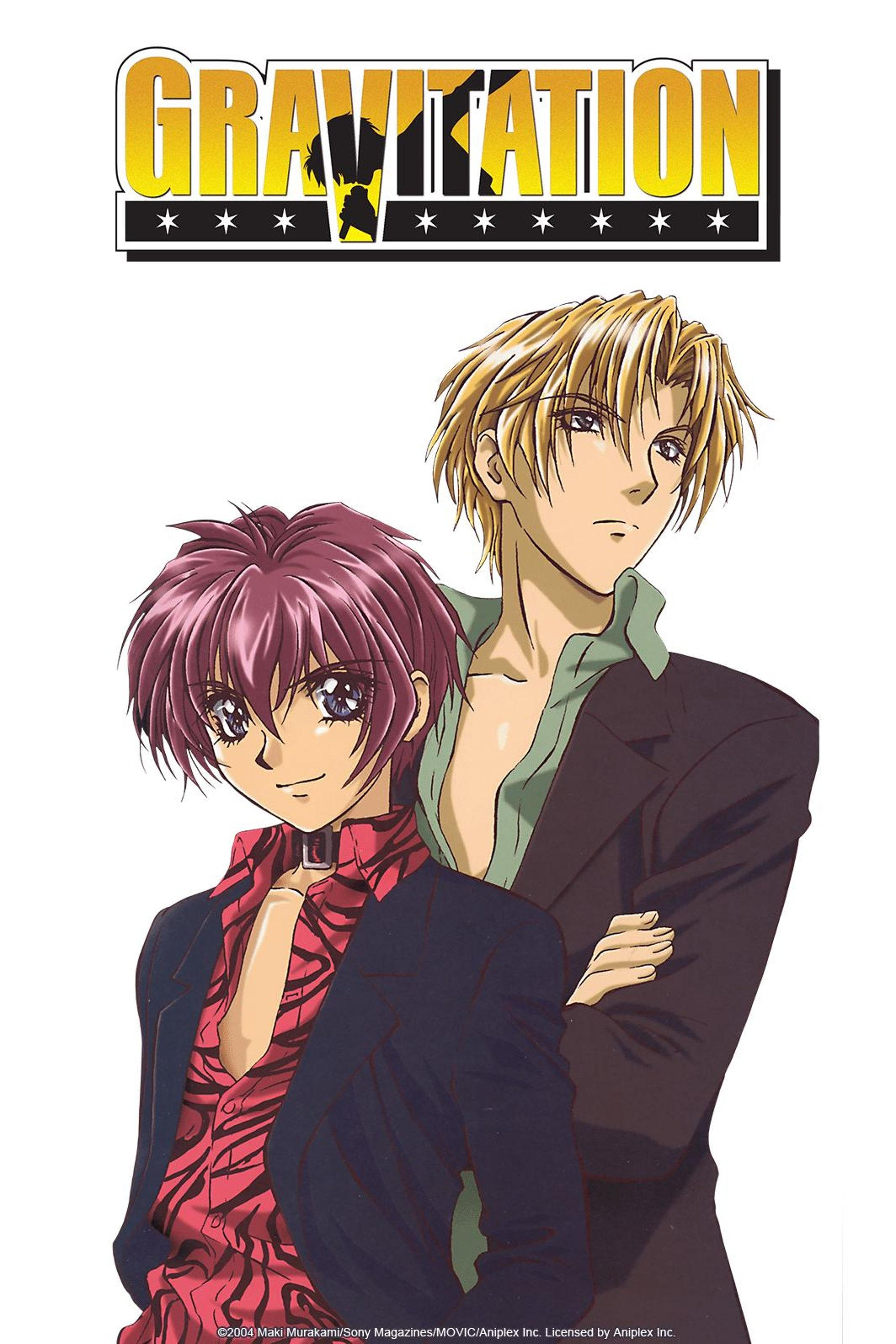
Because the show centers on a romantic relationship between two men, the English dub couldn’t eliminate it completely. However, the script often toned down how the characters expressed their feelings. For example, words like “love” were sometimes changed to “care” or “obsession” in certain scenes. The dub also emphasized the show’s funny moments to make the romance feel less intense, likely to make it more appealing to viewers in different countries.
‘No. 6’ (2011)
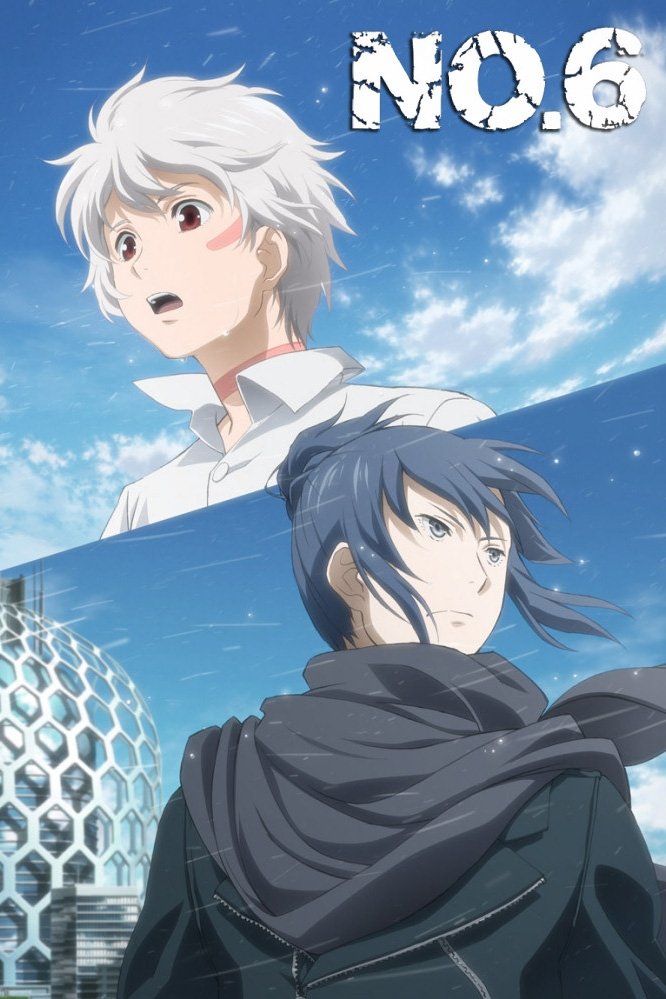
As a fan, I was completely captivated by Shion and Nezumi’s relationship – it’s just so much more than friendship, it really blossoms into something deeply romantic. I thought the English dub did a pretty good job overall, but I noticed a few things that felt a little off. Sometimes the way they talked to each other just didn’t feel as personal as it did in the original Japanese version. It’s hard to explain, but their special connection felt a bit… watered down. The big kiss is still there, thankfully, but the moments leading up to it weren’t quite as clear or intense, which changed the rhythm of how their feelings developed. It just didn’t have the same emotional build-up, you know?
‘Banana Fish’ (2018)
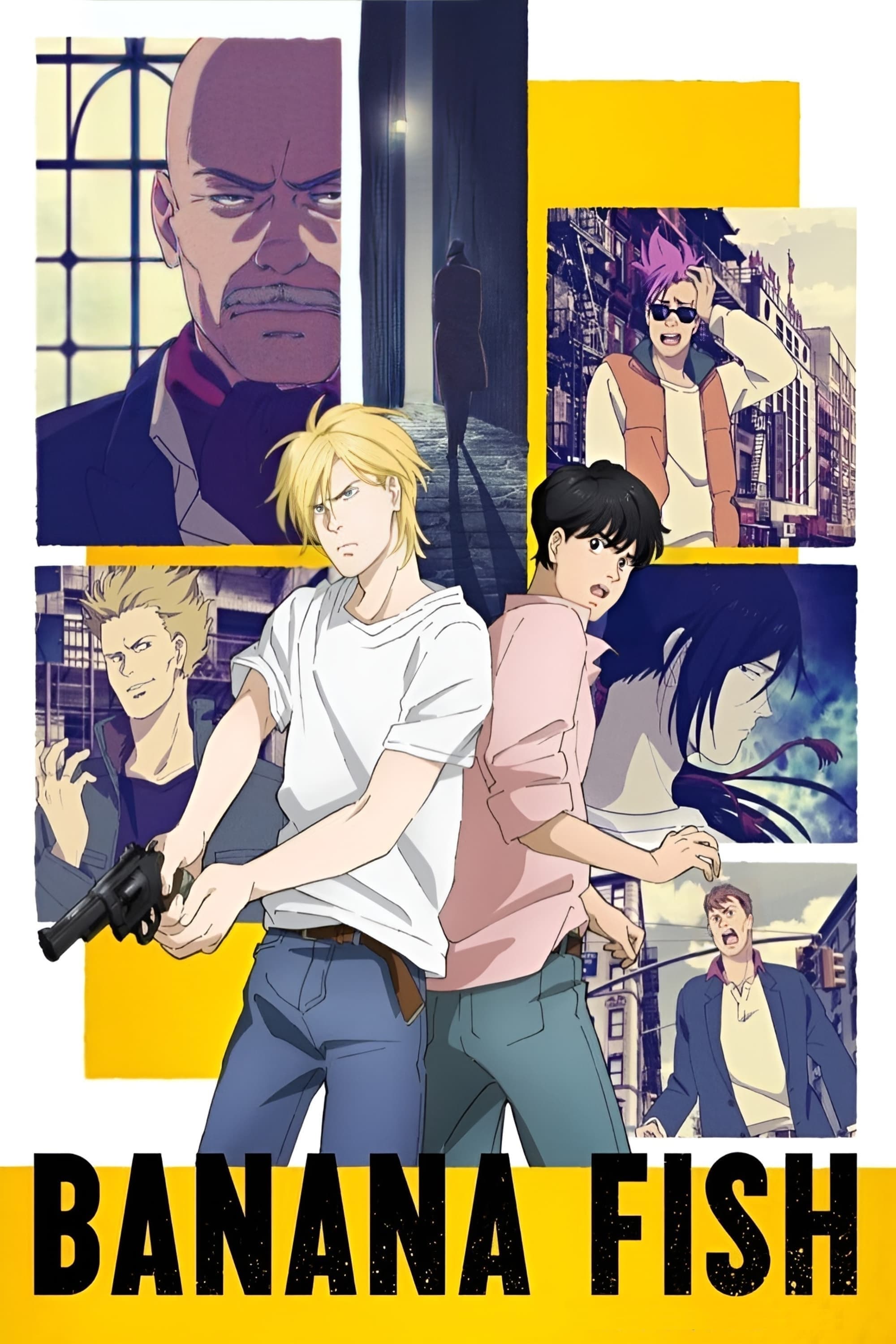
At the core of this intense crime story is the deep connection between Ash Lynx and Eiji Okumura. Translating their relationship for English-speaking audiences was tricky, as it’s never directly stated to be romantic, even though it clearly feels that way. The script focused on their strong, almost destined connection, without relying on typical romantic terms. This was a true adaptation of the original, but it meant some viewers might see their bond as simply a very close friendship. While their physical closeness was maintained, the dialogue stayed deliberately subtle.
‘Given’ (2019)
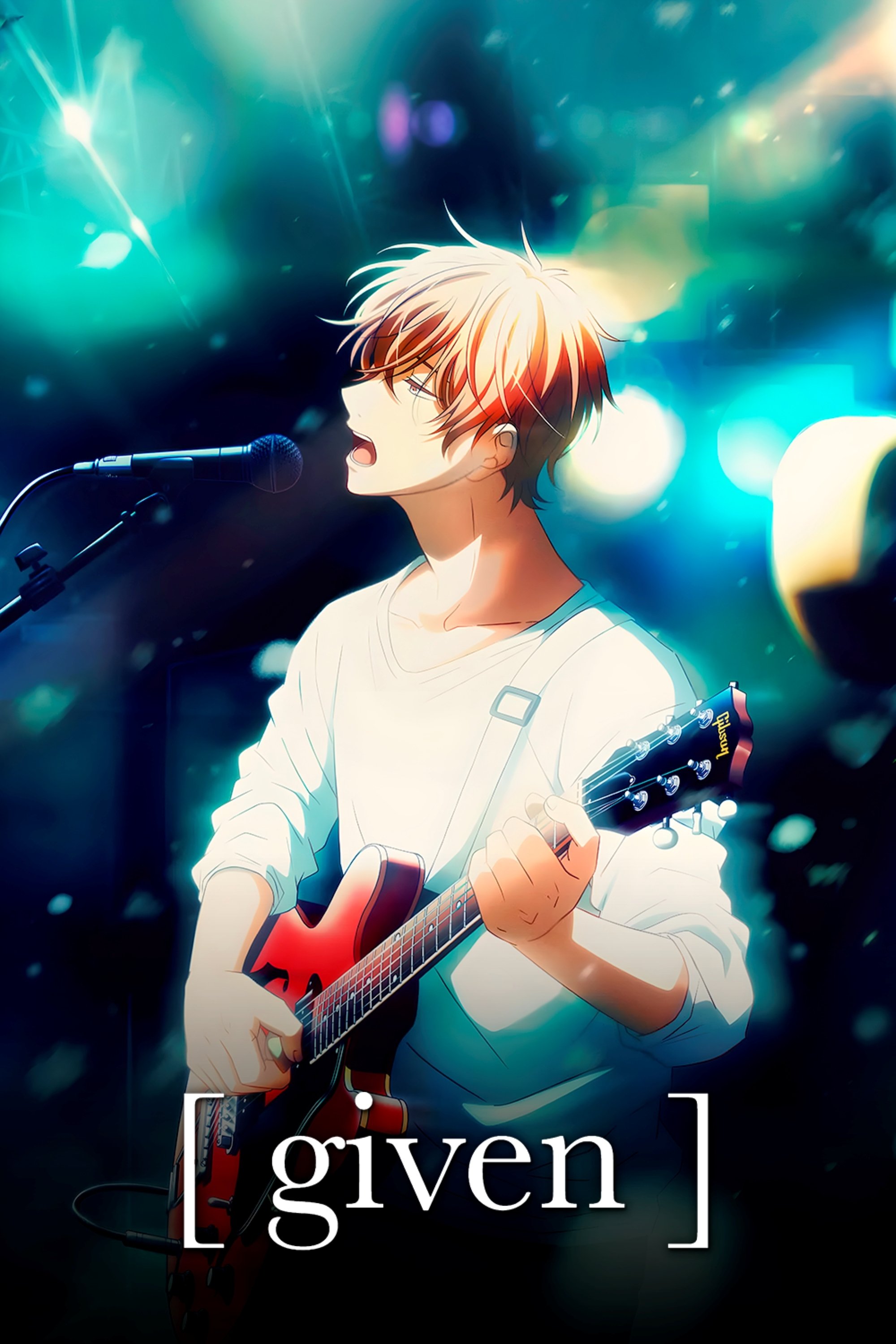
This series centers on a sweet and believable love story between two teenage boys. When adapting it for English-speaking audiences, the team had to carefully convey the characters’ very honest and vulnerable feelings. A few internal thoughts were tweaked to sound more natural in English, which subtly shifted the mood in some scenes. While the show handled the characters’ past experiences with same-sex relationships sensitively, some of the finer details didn’t quite translate. Despite these challenges, it’s still considered a standout example of modern dubbing and highlights how difficult it can be to capture the emotional depth of queer relationships in translation.
‘Bloom Into You’ (2018)
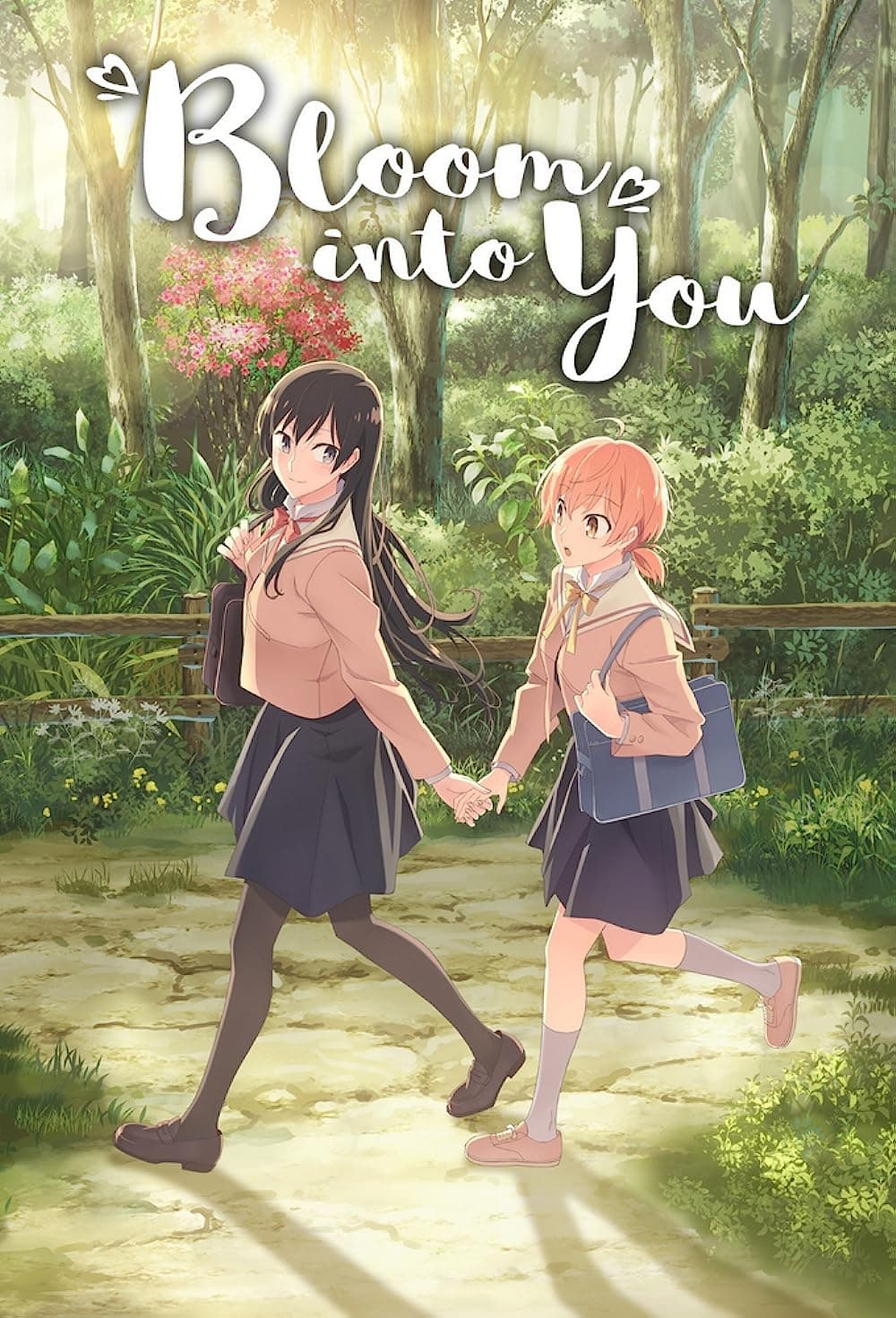
This show follows a young woman as she figures out her feelings – or lack thereof – when it comes to romance, and eventually develops a connection with another girl. Translating the English dialogue proved tricky because it dealt with complex ideas about love. Some of the more nuanced conversations were simplified in the dub, which slightly lessened the characters’ intellectual depth. While the central relationship remained important, the dub sometimes presented it as a typical romance, overshadowing the original’s unique portrayal of asexuality and aromanticism.
‘Citrus’ (2018)
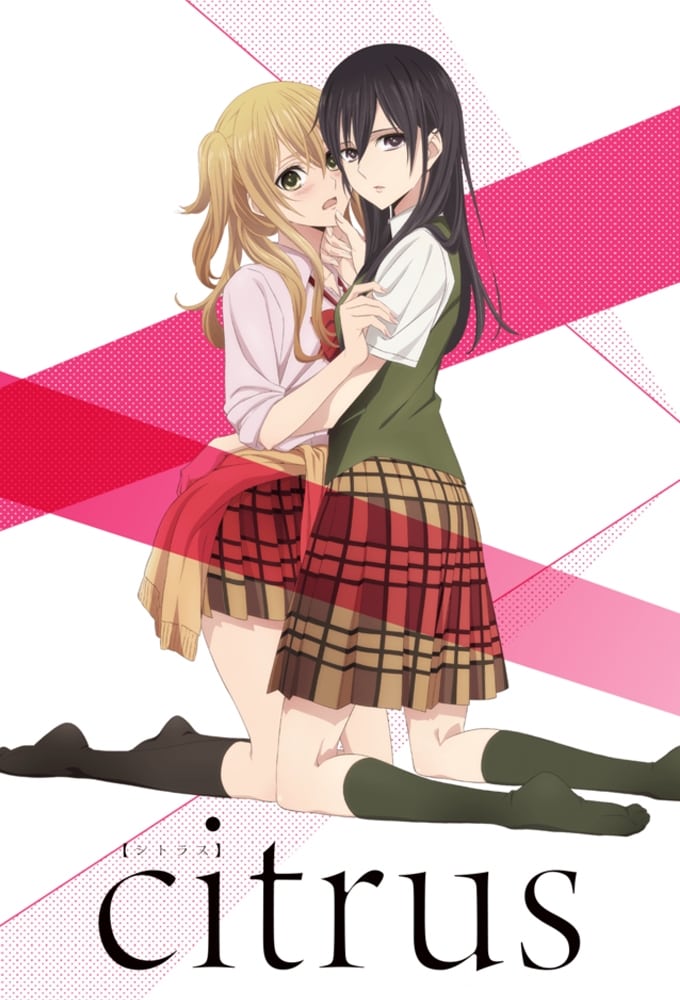
The show centers on a complex and provocative love story between two step-sisters. The English dub emphasized the most dramatic and sensational parts of their relationship, sometimes at the expense of quieter, more thoughtful moments exploring their identities. The translation choices often focused on creating shock value rather than delving into the girls’ personal feelings. Ultimately, this version of the story felt more like an over-the-top drama than a deep look into their characters.
‘Antique Bakery’ (2008)
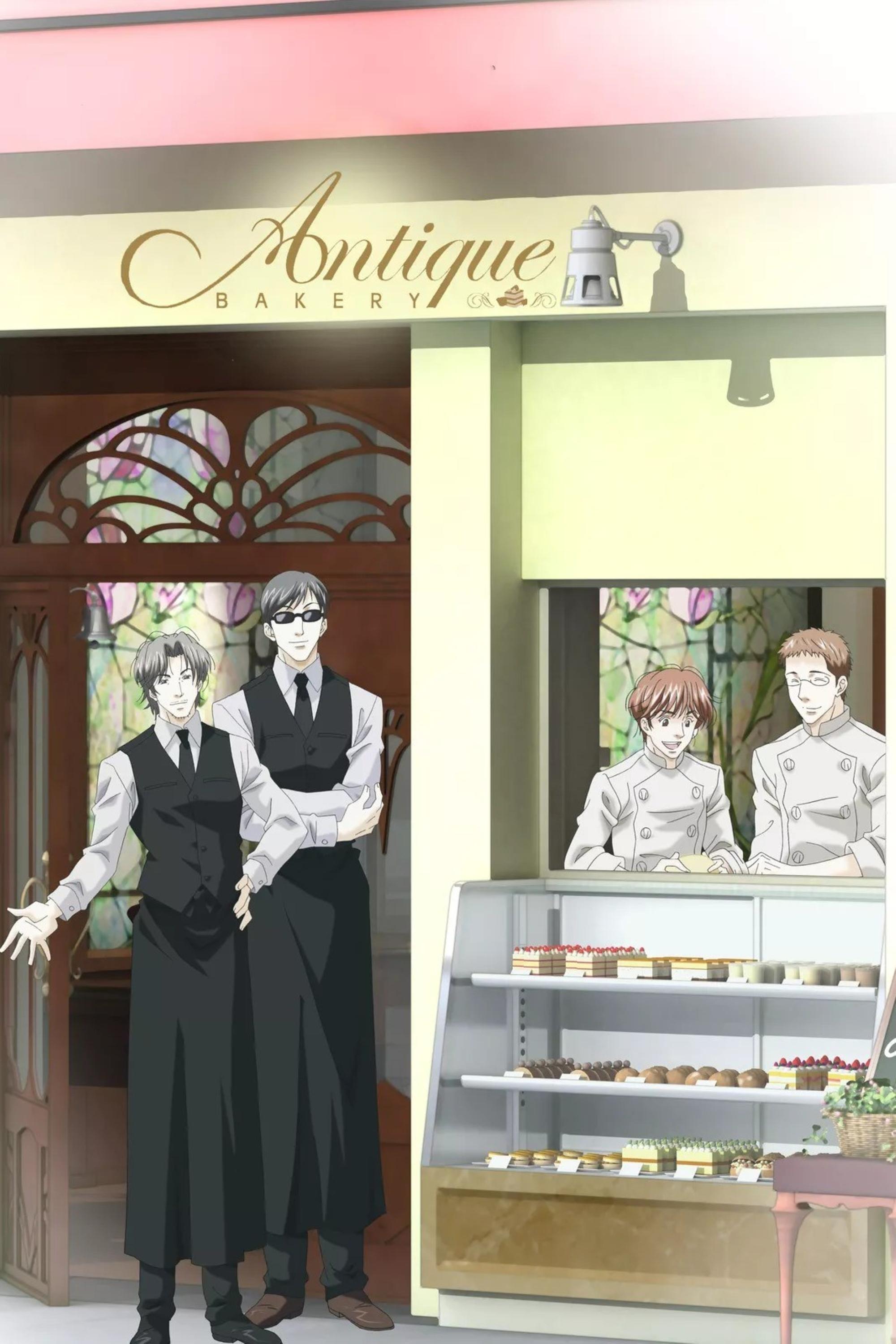
A key character is a gay pastry chef portrayed as incredibly charming and attractive. When adapting the story for English-speaking audiences, care had to be taken with his backstory of facing rejection and his open sexuality, which are important to the plot. Some of the dialogue about his experiences as a gay man was made simpler for a wider audience. Although the character remained openly gay, the English dub sometimes emphasized his charm for comedic effect, rather than fully exploring his feelings and experiences, which ultimately made his story feel less authentic.
‘Simoun’ (2006)
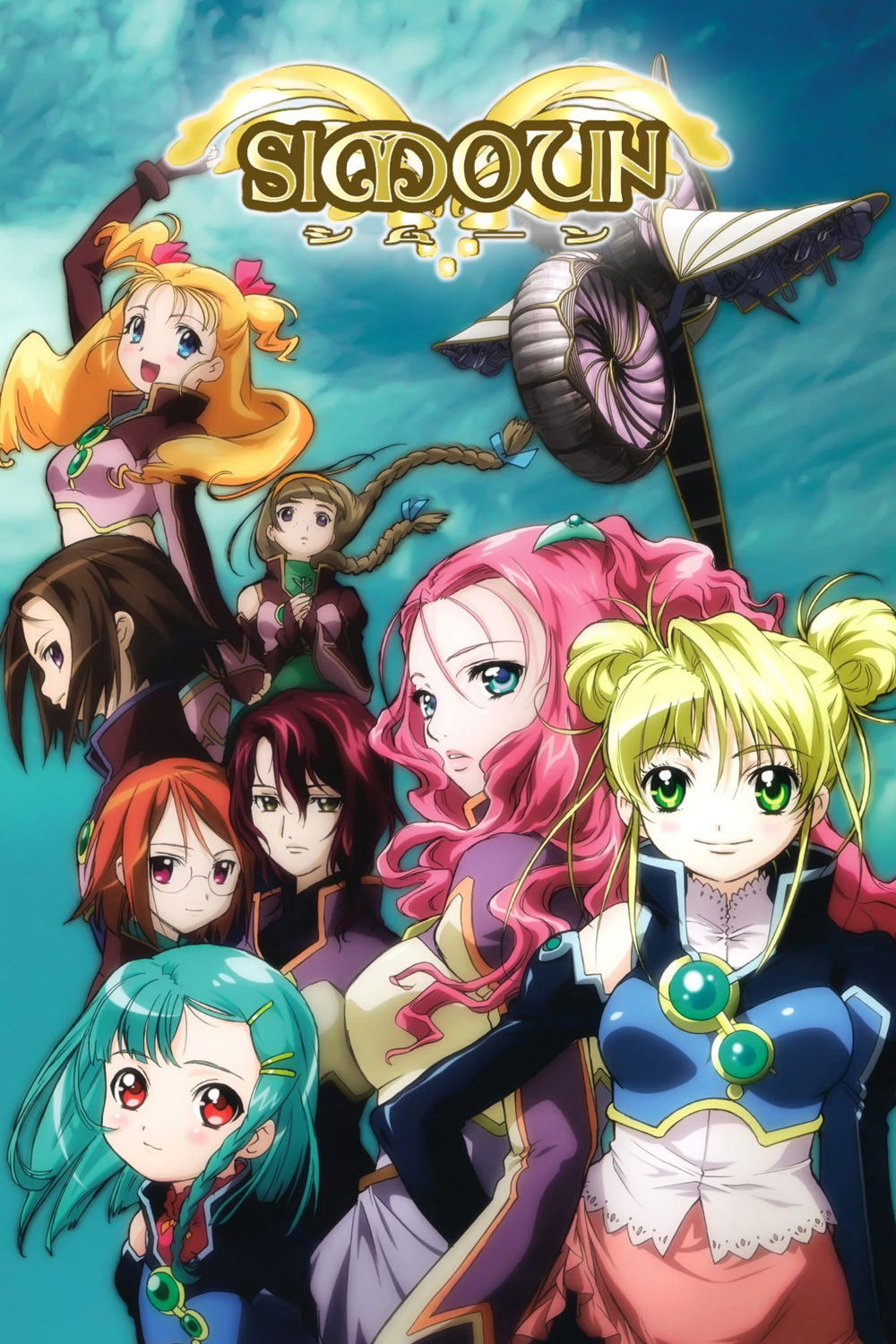
In this story, everyone is born female and decides their gender during a special coming-of-age ritual. This leads to diverse queer relationships and gender identities. Translating the story into English was difficult because the world has unique pronouns and social rules. To make it easier for viewers, the English version sometimes simplified these ideas, which meant the characters’ identities weren’t as nuanced as the original creators intended. It often presented a more straightforward, either/or view of gender than existed in the source material.
‘Wandering Son’ (2011)
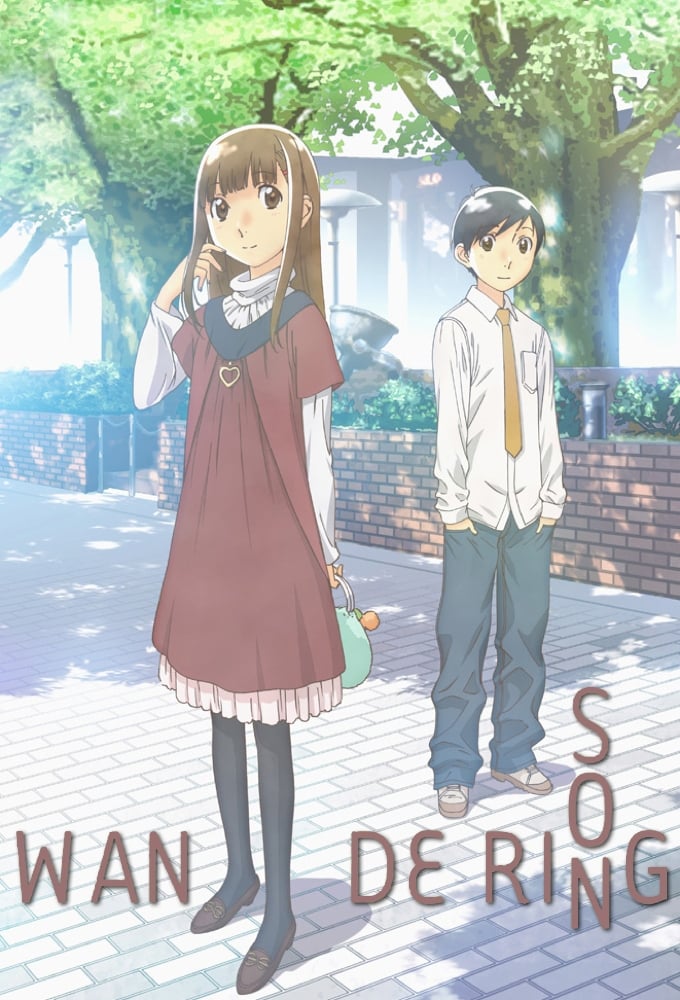
This show thoughtfully portrays the experiences of two transgender young people. While the English subtitles were handled with care, translations in other languages sometimes struggled with accurate and respectful terminology. This led to the characters’ feelings being described in ways that were less personal and more distant, and also erased important details about their cultural backgrounds, ultimately simplifying their stories.
‘Stars Align’ (2019)
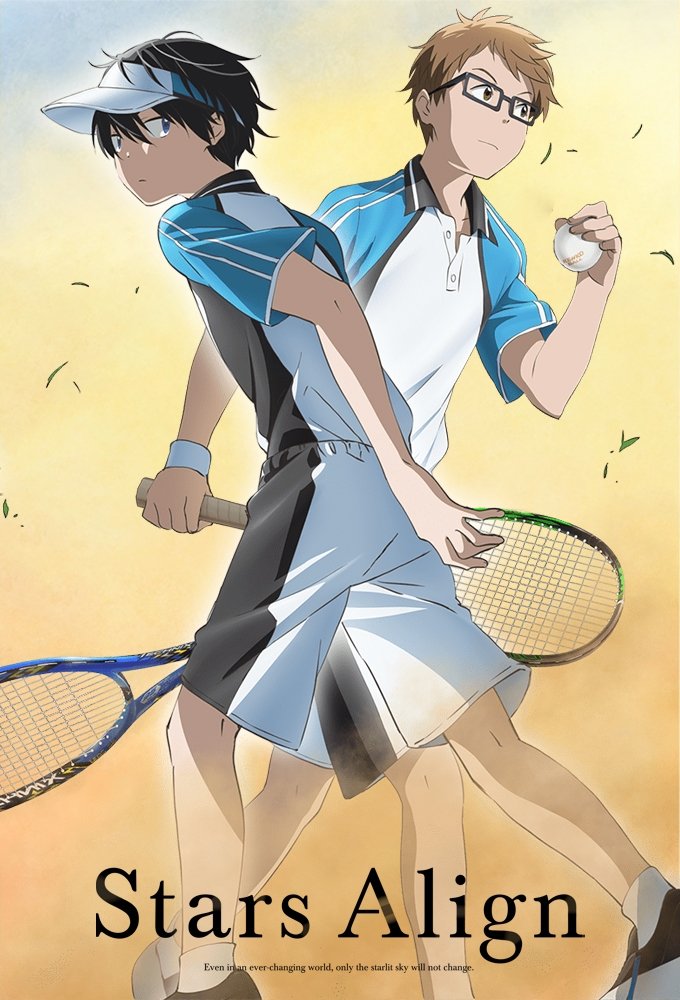
This sports anime features a supporting character who openly shares they are non-binary or questioning their gender. While the English dub was applauded for how it handled this specific scene, some of the surrounding conversation didn’t quite capture the original meaning. The English script sometimes made other characters’ reactions less impactful or more general. This softened the power of the character’s honest moment and didn’t fully reflect the social challenges they were facing. The dubbing showcased both how far things have come and where there’s still room for improvement in accurately representing these kinds of stories.
‘Wonder Egg Priority’ (2021)
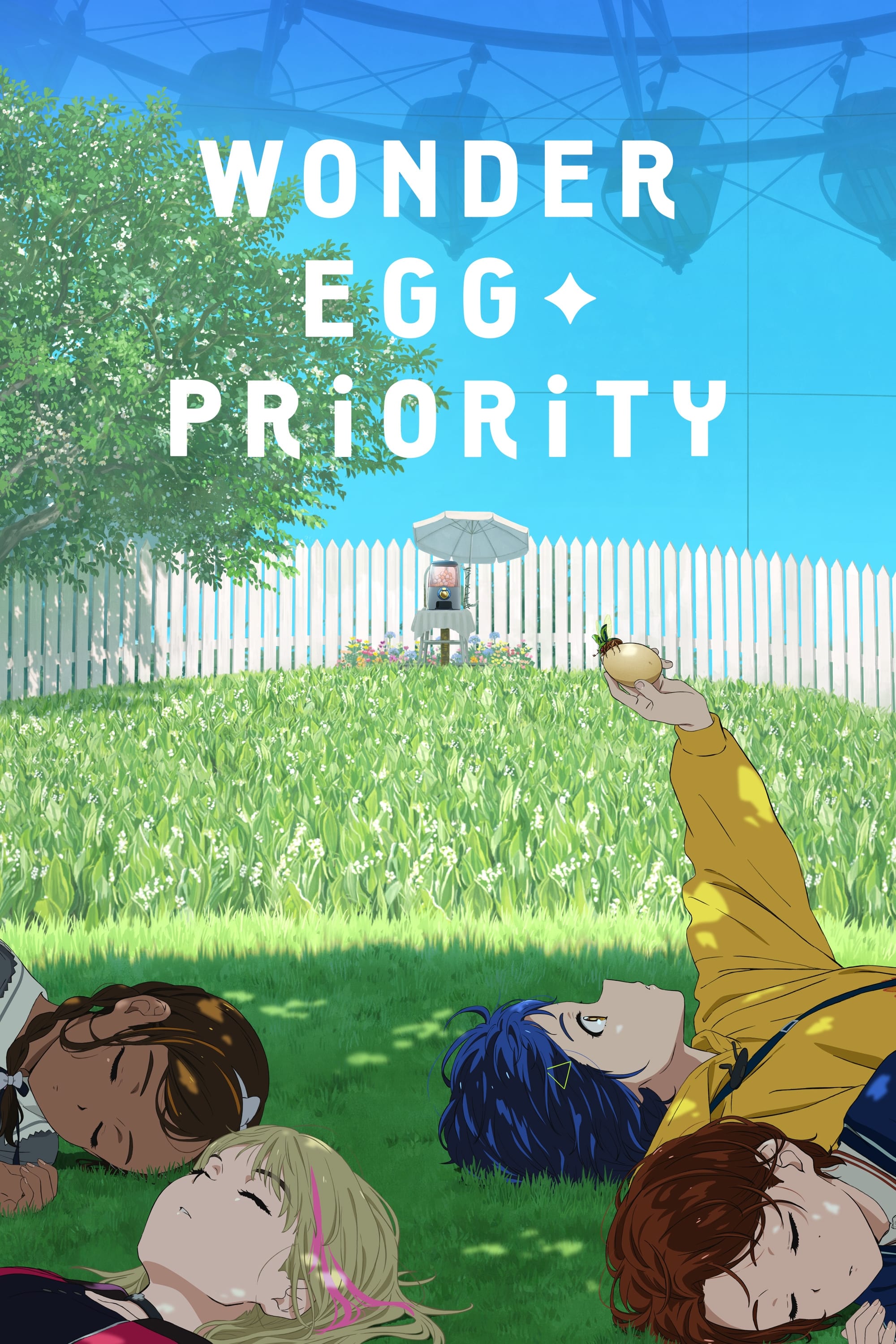
Momoe is a character who often gets seen as male, and she’s grappling with how she feels about being a girl. The English dub of the show had to carefully portray her inner struggles and her feelings for other girls. To make the dialogue sound natural in English, some of what she said about her gender was changed, but this unfortunately softened the impact of her words. Her rejection of typical gender expectations was sometimes presented as just a matter of personal style, which didn’t fully capture the depth of her journey with her identity and sexuality.
‘Sk8 the Infinity’ (2021)
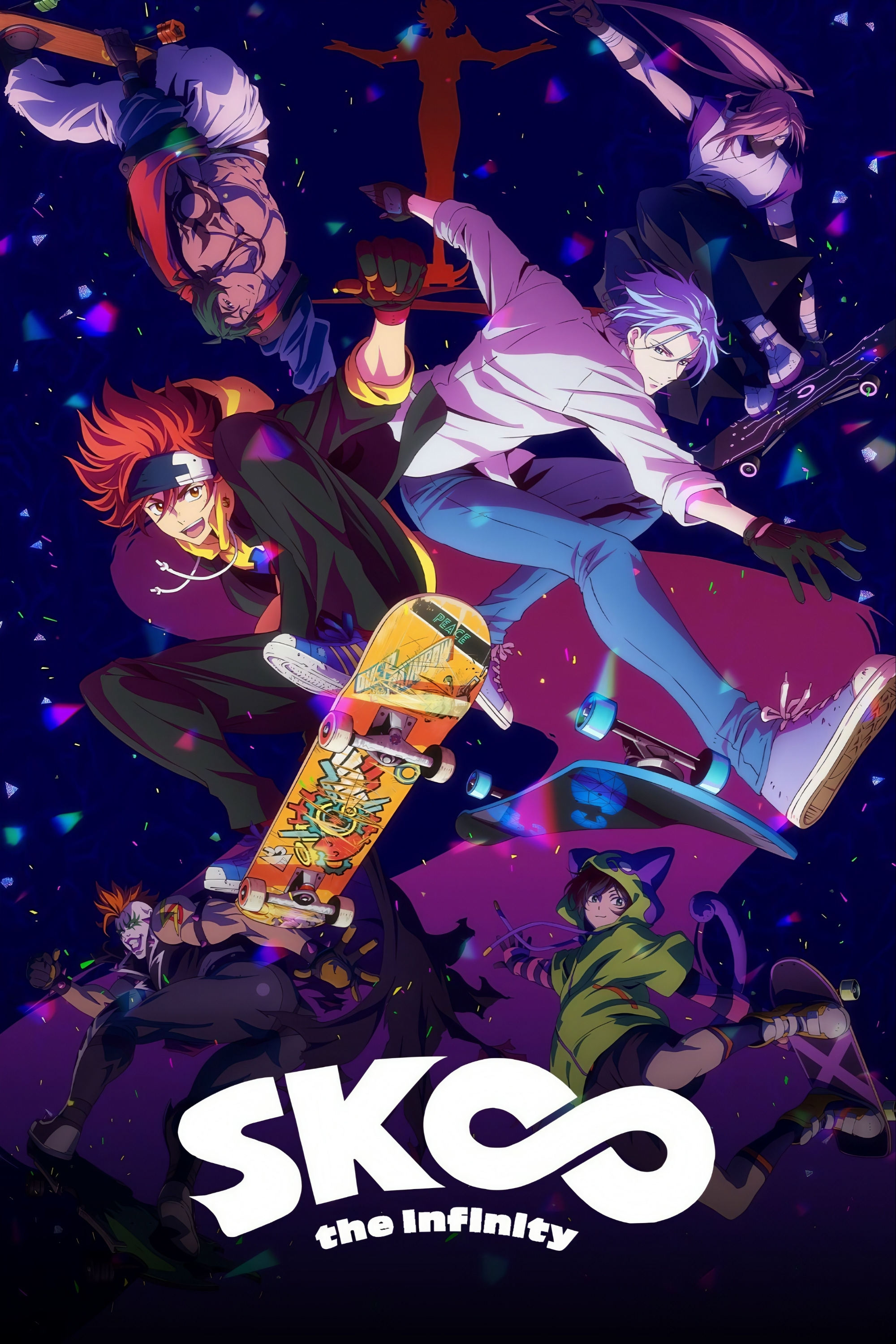
In the original Japanese version of the show, Langa’s lines suggest he’s developing romantic feelings for his friend Reki. However, the English dub softened these hints, choosing to emphasize their strong connection through their shared love of skateboarding. While Langa and Reki remain very close, some of the more romantic language was changed to focus on their friendship. This difference sparked discussion among fans about whether the dub altered the original meaning. It’s now a well-known example of how dubs often approach portraying deep relationships between male characters.
‘Blue Exorcist’ (2011)
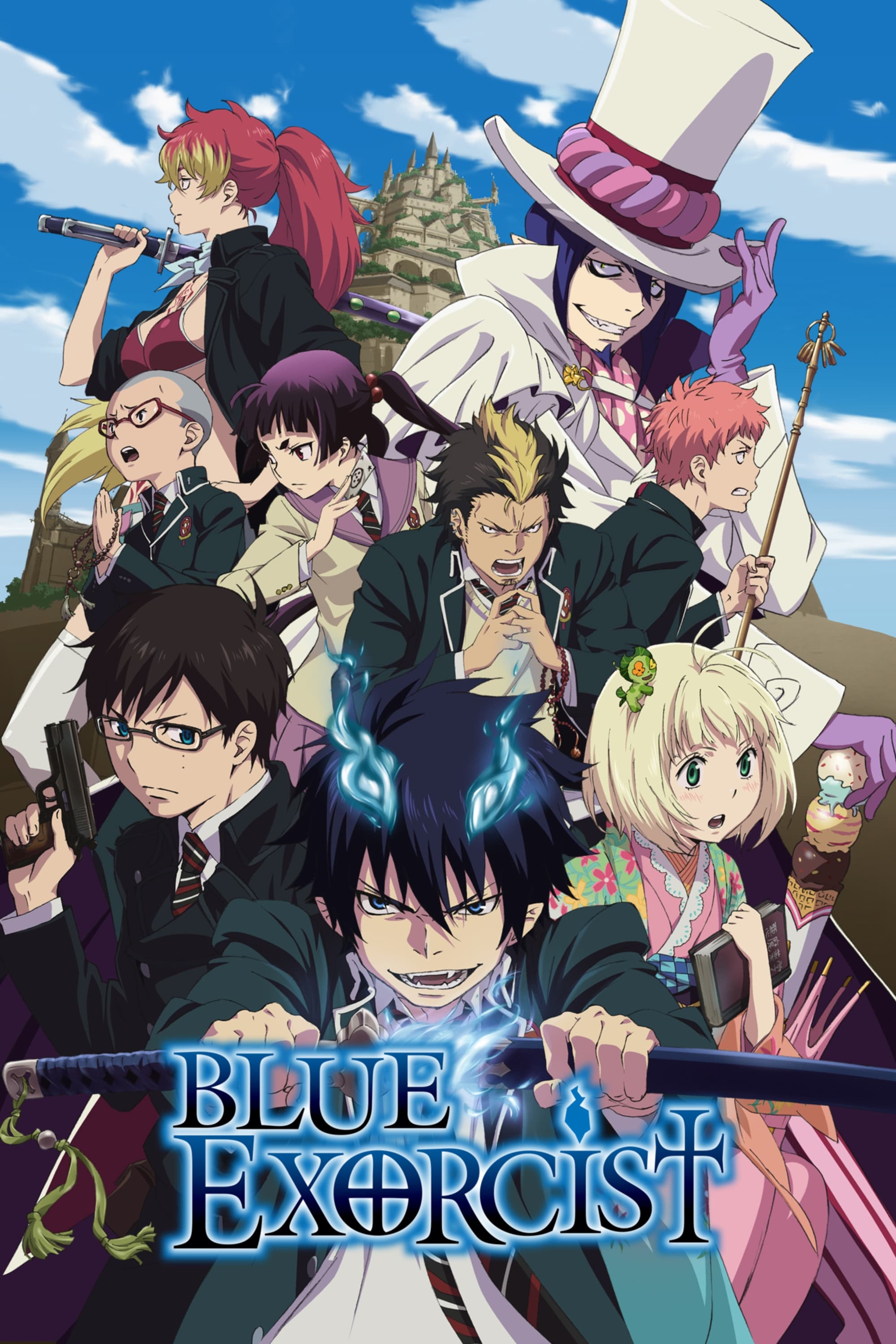
Shura Kirigakure is a character with a hinted-at, potentially complex sexuality that the English dub often overlooks. The dub frequently emphasizes either her attractiveness or her role as a strong teacher, and downplays softer, more open-to-interpretation moments she shares with other women. This makes her a more typical female character in action-focused anime, and unfortunately removes the subtle queer themes that many fans originally noticed in the manga.
‘JoJo’s Bizarre Adventure’ (2012–Present)
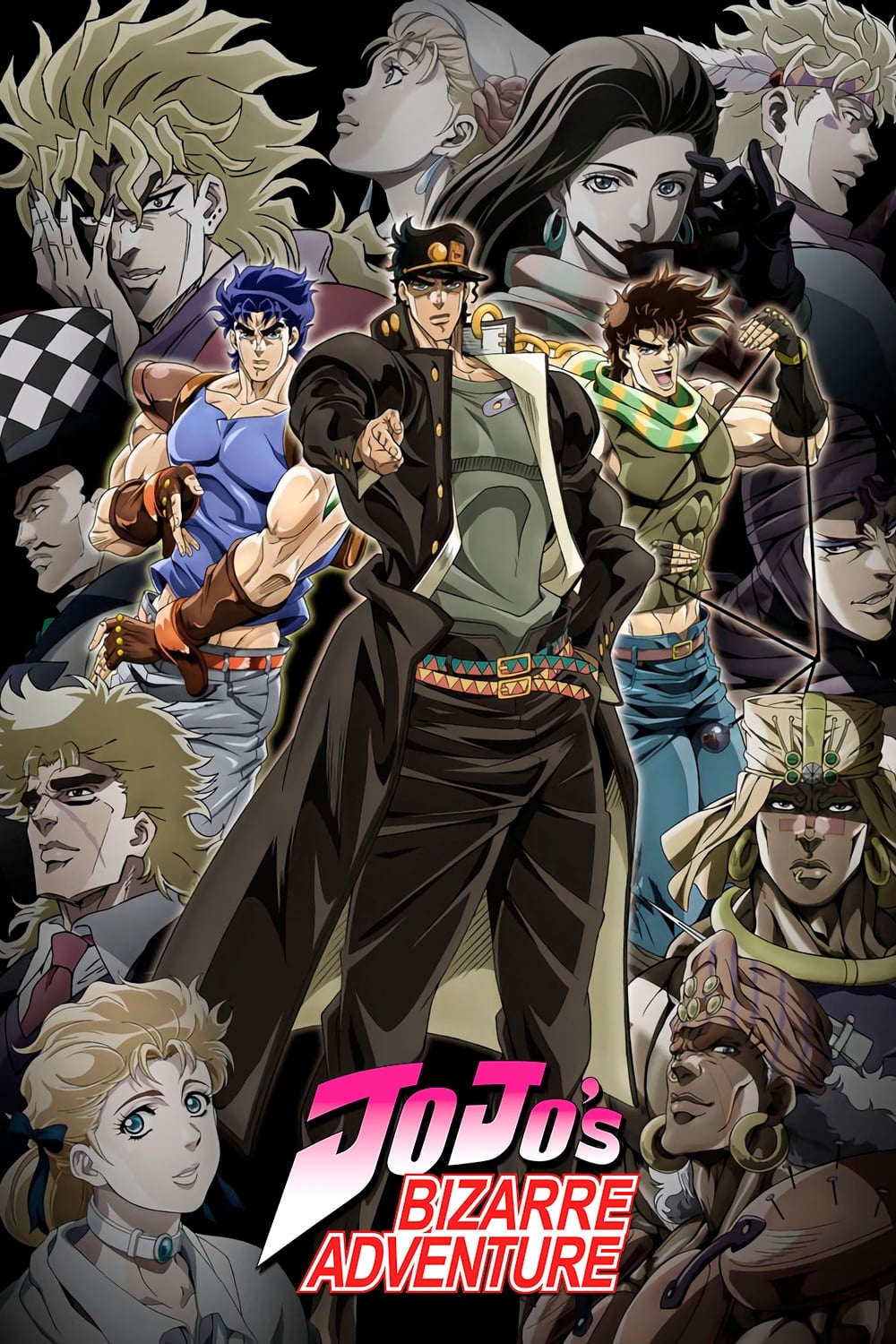
In the ‘Golden Wind’ story arc, the characters Squalo and Tiziano are portrayed as a couple with a close, romantic relationship. While the English dub largely preserved their interactions, some of the more loving lines were changed to be less explicit. Although they remained physically close, the dialogue was tweaked to emphasize their roles as assassins instead of their romantic connection. This demonstrates how dubbing can retain visual cues of a queer relationship while making the dialogue more subtle.
Please share your thoughts on these changes and any others you have noticed in the comments.
Read More
- 20 Movies Where the Black Villain Was Secretly the Most Popular Character
- Transformers Under the Microscope: What Graph Neural Networks Reveal
- Celebs Who Narrowly Escaped The 9/11 Attacks
- Silver Rate Forecast
- Trading on Thin Air: AI Agents Conquer Crypto Volatility
- Invincible Season 4 Gender Swaps Tech Jacket As Fans Question Major Comic Change
- Gold Rate Forecast
- 22 Films Where the White Protagonist Is Canonically the Sidekick to a Black Lead
- Every Notable ‘Star Trek: The Original Series’ Actor Who Died
- Trading Smarter: AI-Powered Execution Schedules
2026-01-10 16:50