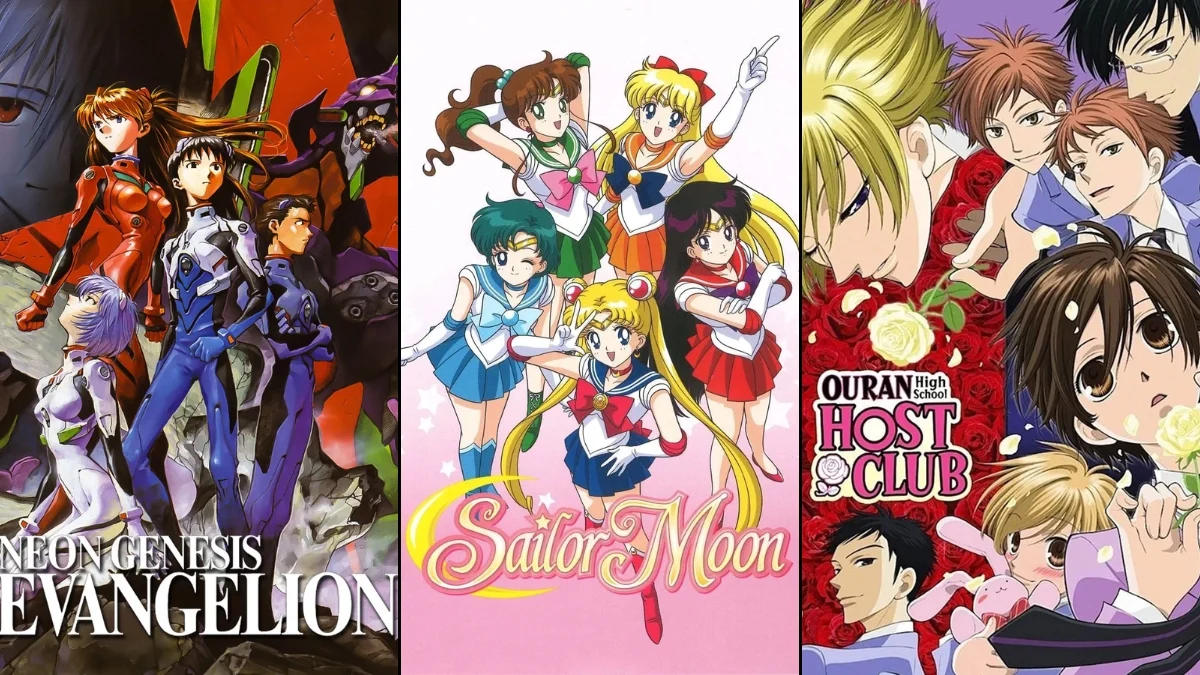
When anime is translated for viewers outside of Japan, the dialogue and character relationships are often changed to better suit different cultures. This often means that LGBTQ+ characters or romantic relationships between people of the same sex are altered or removed. Fans frequently notice these changes, which can happen through rewritten scripts or by completely changing characters. Looking at how and why these changes happen helps us understand the history of how media is shared around the world.
‘Sailor Moon’ (1992–1997)
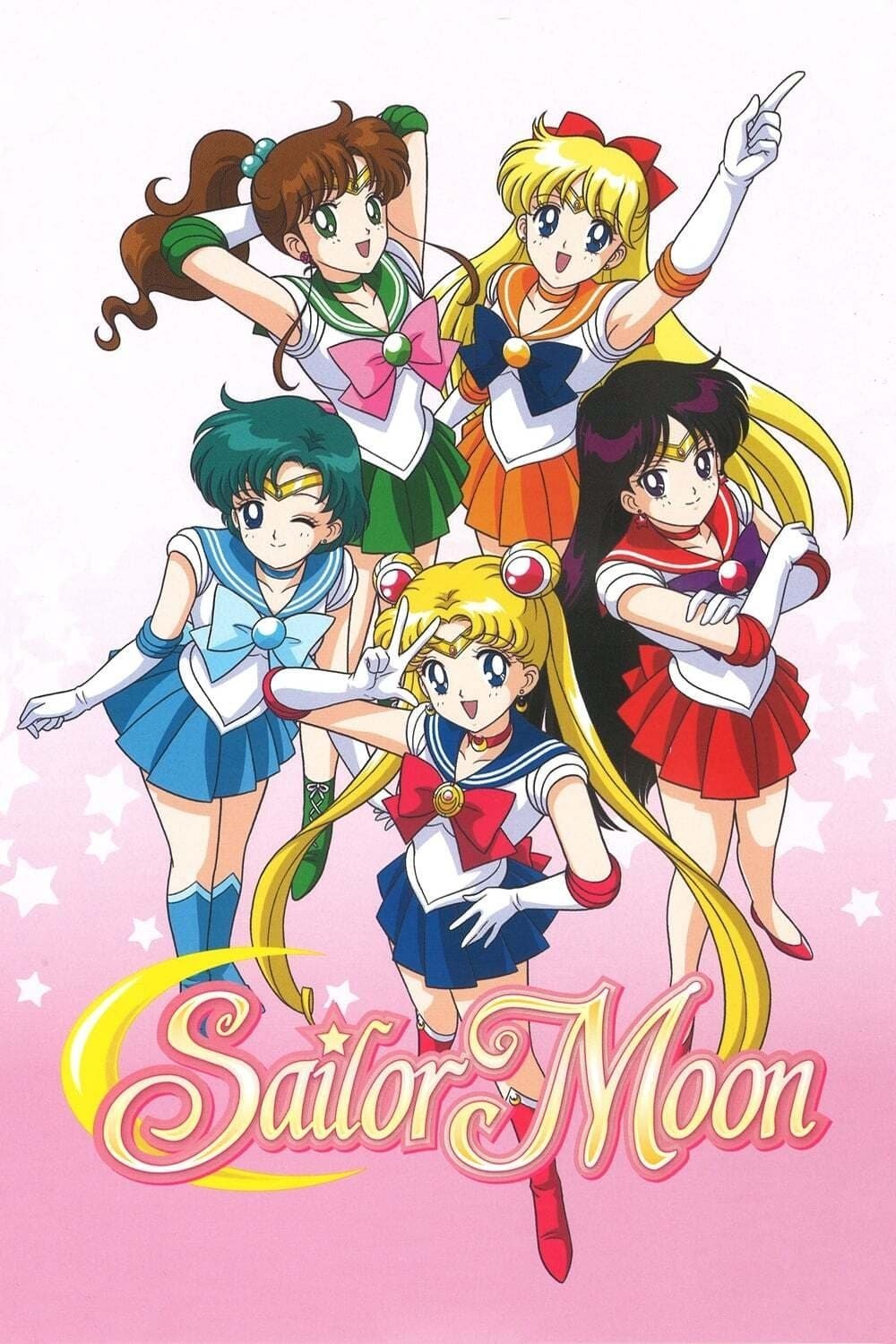
The original Japanese version of ‘Sailor Moon’ portrays a romantic relationship between Sailor Uranus and Sailor Neptune. However, when the show was first translated into English, these characters were presented as cousins. This change was made to explain why they were so close and lived together. Unfortunately, it led to strange and unnatural dialogue as the translators tried to hide the clear romantic connection between them, especially in emotional moments. Many fans felt the ‘cousin’ explanation actually made things more confusing than the original portrayal.
‘Cardcaptor Sakura’ (1998–2000)
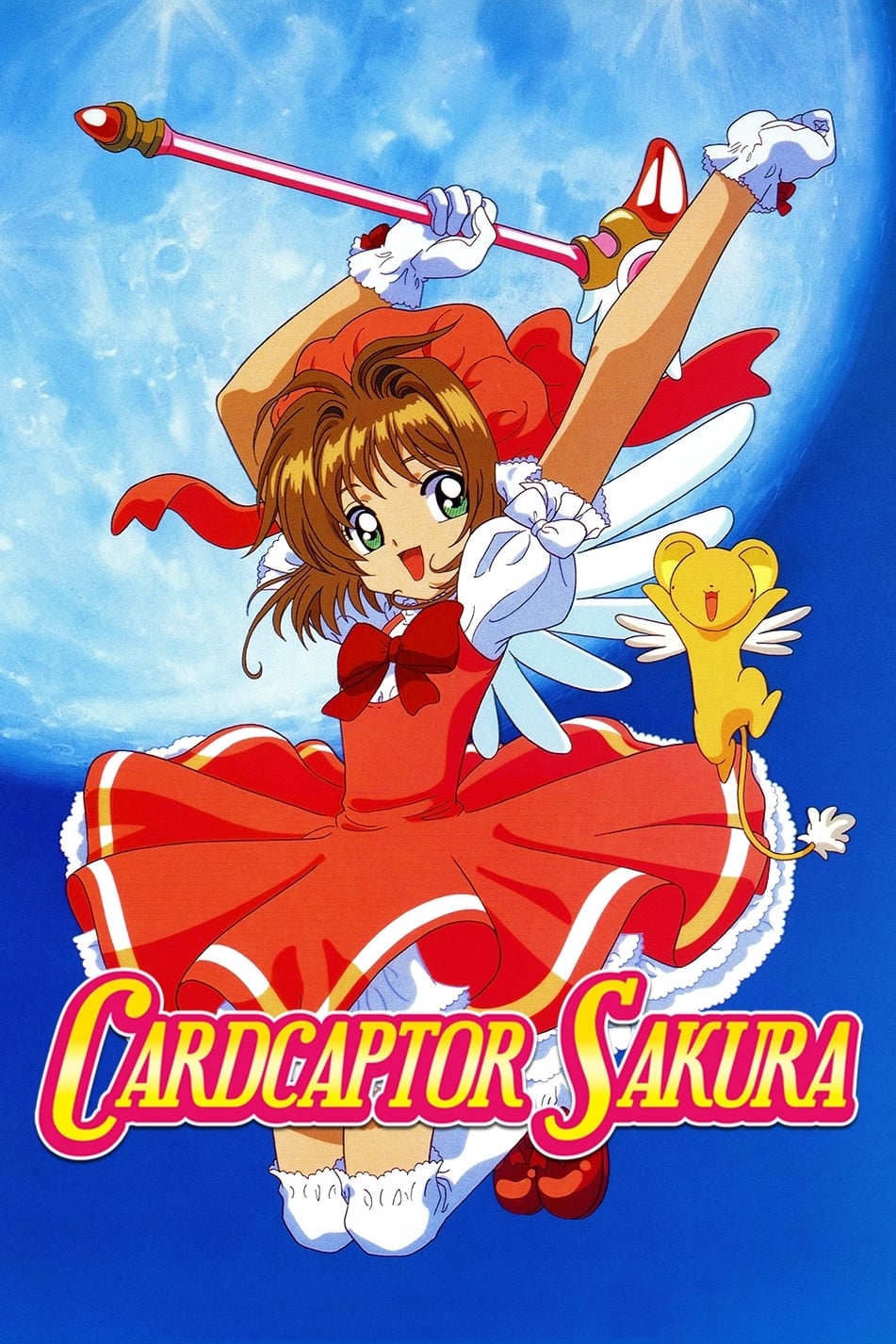
In the original Japanese version and anime, Touya Kinomoto and Yukito Tsukishiro have a clear romantic relationship. However, the English dub changed this to portray them simply as close, platonic friends, and removed scenes that showed their romantic feelings. The same thing happened with Syaoran Li, whose initial attraction to Yukito was presented as just a magical response instead of romantic interest. These changes lessened the emotional impact of the supporting characters’ relationships.
‘Neon Genesis Evangelion’ (1995–1996)
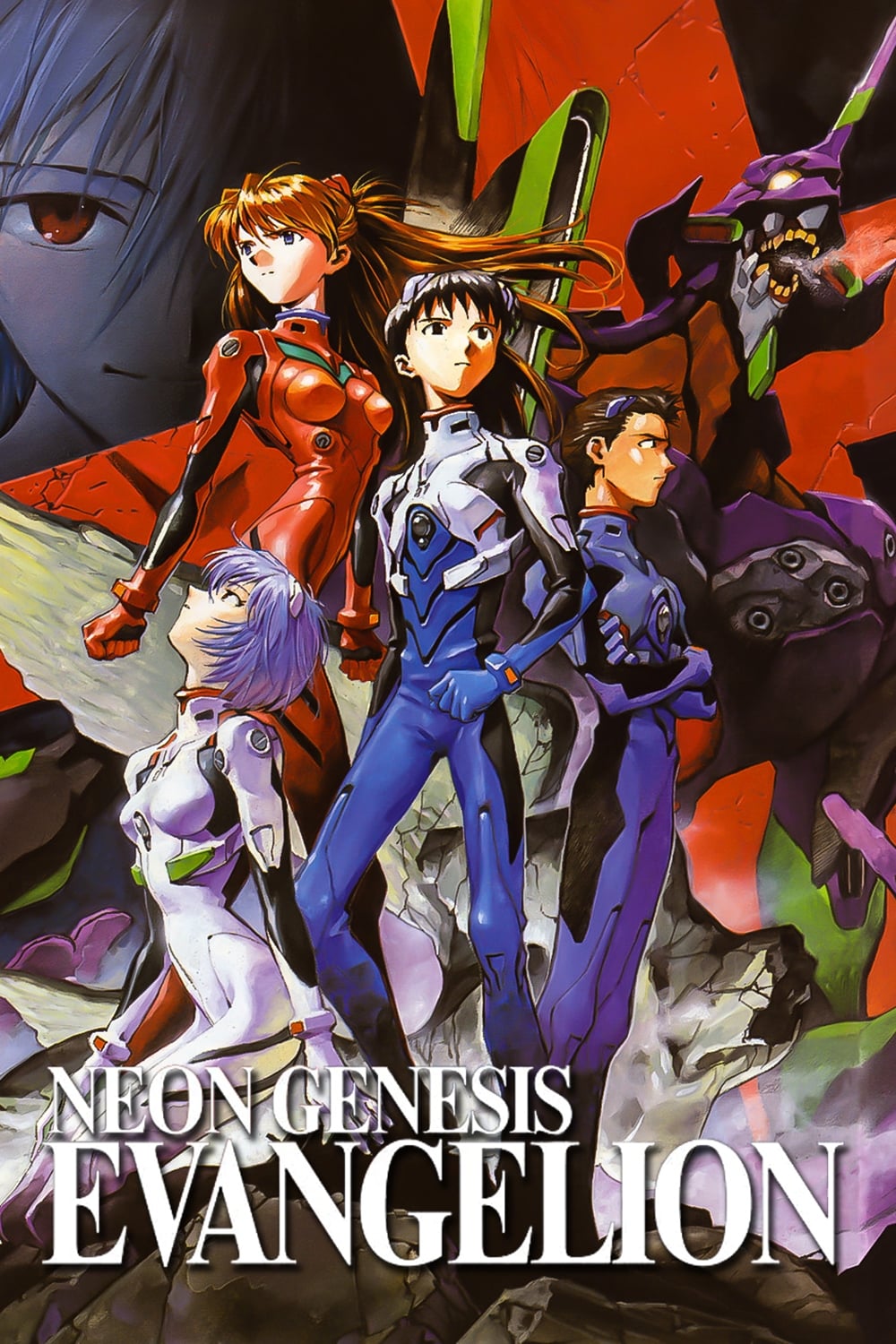
Kaworu Nagisa and Shinji Ikari share a short but important connection, featuring a direct confession of love in the original Japanese version. However, when the series was translated for different regions, the word “love” was often changed to softer terms like “grace” or “like” to downplay the romantic aspect of their interaction. This alteration led to significant discussion among fans about whether the original emotional meaning was lost. The nature of their relationship continues to be a key point of analysis when examining the protagonist’s growth.
‘Revolutionary Girl Utena’ (1997)
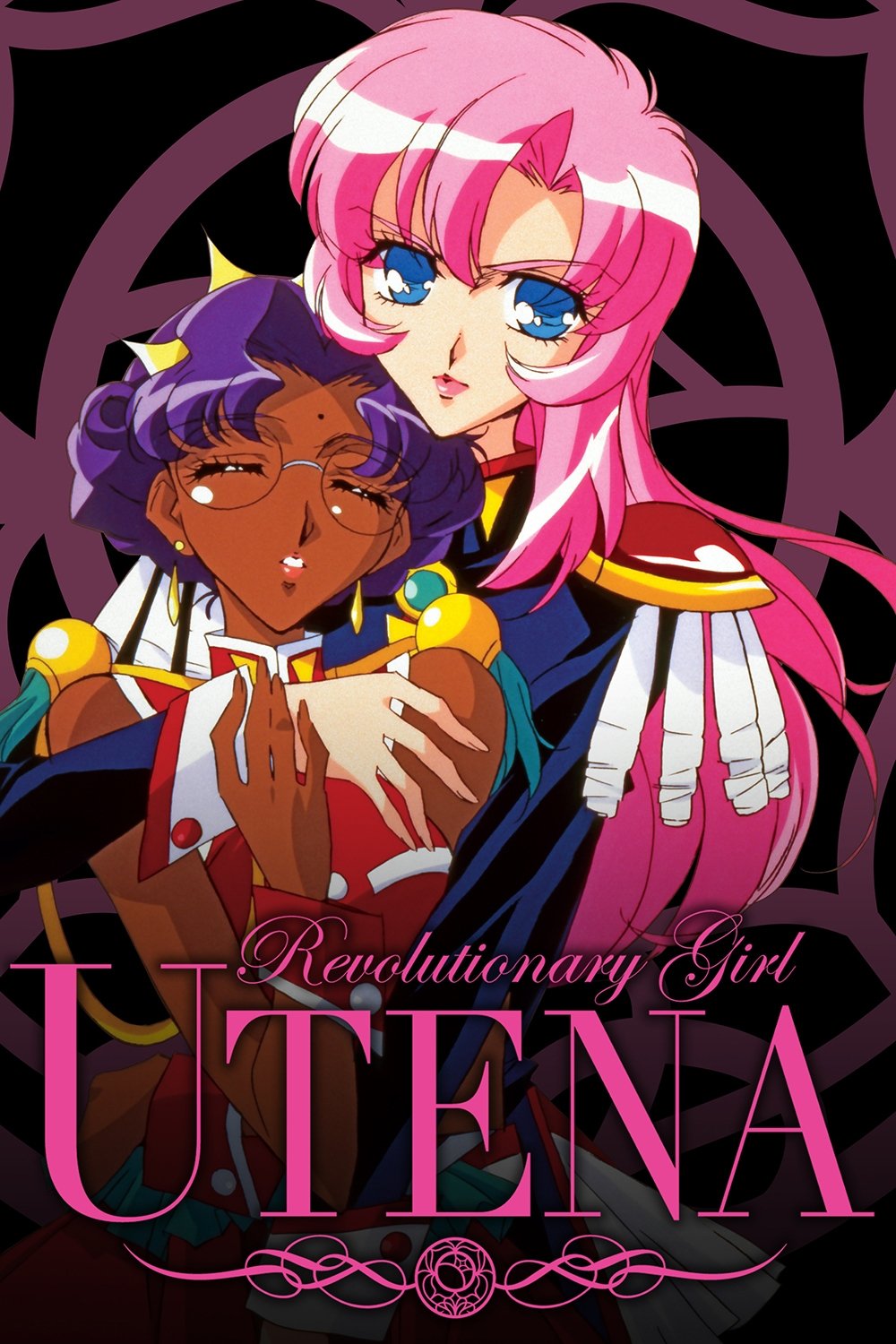
The series delves into complicated ideas about gender and sexuality, focusing on the connection between Utena Tenjou and Anthy Himemiya. When it was first translated into English and marketed, the romantic feelings between the two characters were often minimized, and presented instead as a simple friendship. Some of the dialogue was even changed to remove moments of closeness and vulnerability between them. However, even with these changes, many viewers still recognized the show’s underlying queer themes through its imagery and symbolism.
‘Yu Yu Hakusho’ (1992–1994)
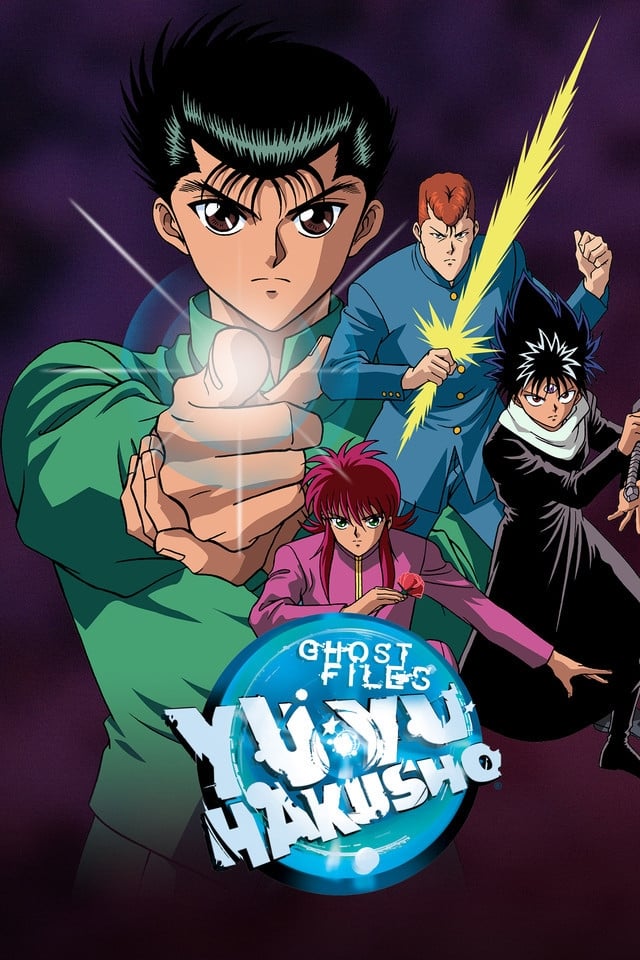
In the original Japanese version of the story, Itsuki and Shinobu Sensui, the villains, have a deeply romantic relationship. However, the English dub changed this, portraying their connection as either extreme loyalty or a shared belief in the same ideas. Lines where Itsuki expressed deep affection for Sensui were altered to sound less romantic and more like a close friendship. This change affected how audiences understood the characters’ tragic backstories and why they acted the way they did.
‘Tokyo Mew Mew’ (2002–2003)
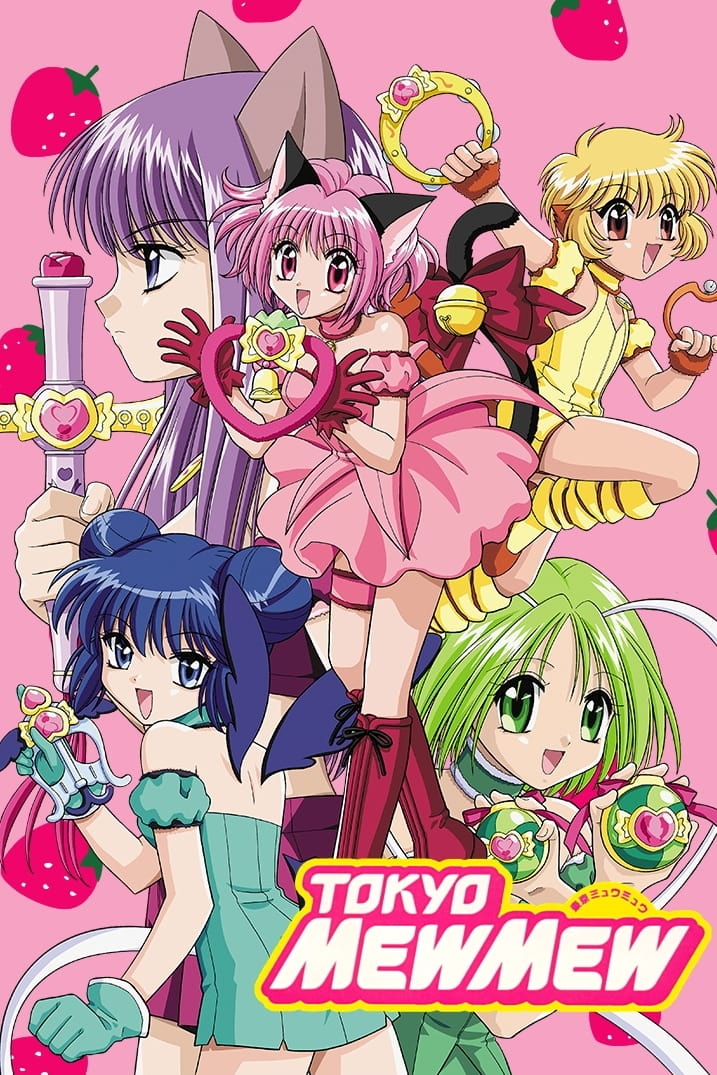
The English dub of the series, known as ‘Mew Mew Power,’ significantly altered the characters and their histories. The original Japanese version contained subtle suggestions of same-sex attraction between some characters, but the English dub shifted the focus to traditional magical girl tropes. Relationships were simplified, emphasizing heterosexual romance and teamwork, and this ultimately removed the more complex social themes found in the original Japanese scripts.
‘Shin Chan’ (1992–1997)
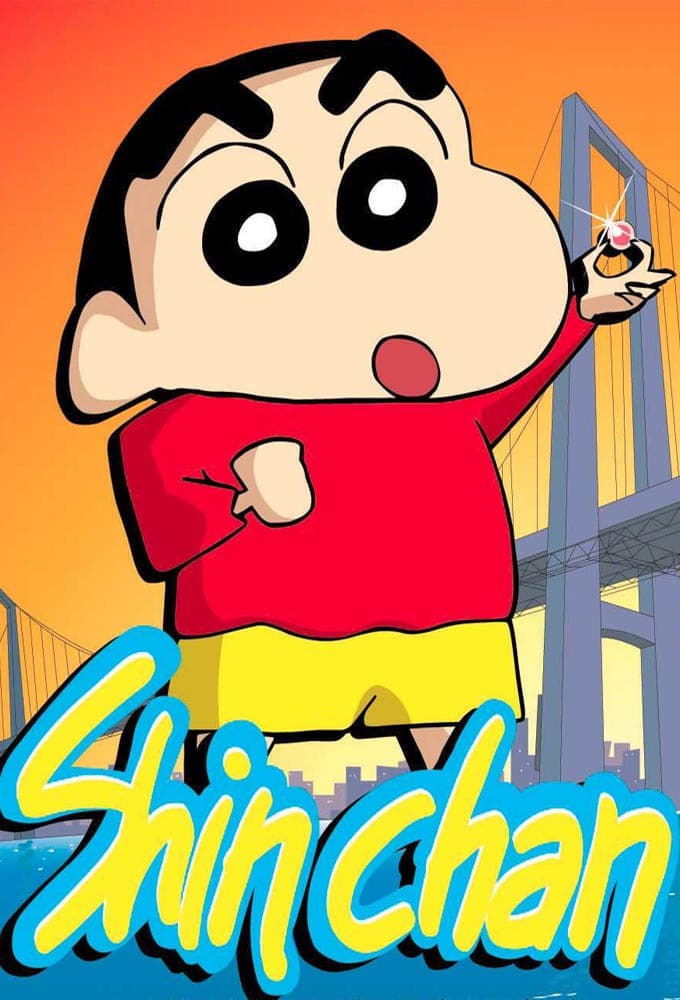
I’ve been a fan of this comedy for a long time, and one of the things I really appreciate is how it includes a lot of characters who don’t fit traditional gender roles and express themselves in ways that are queer. It’s been disappointing, though, to see how different English versions have treated those characters. Sometimes they’ve turned them into over-the-top stereotypes, and other times they’ve completely changed the characters to erase any hint of queerness. A lot of the jokes ended up being about just being weird, instead of being tied to who these characters are. It really took away from the unique and culturally relevant humor that was in the original Japanese version.
‘Ouran High School Host Club’ (2006)
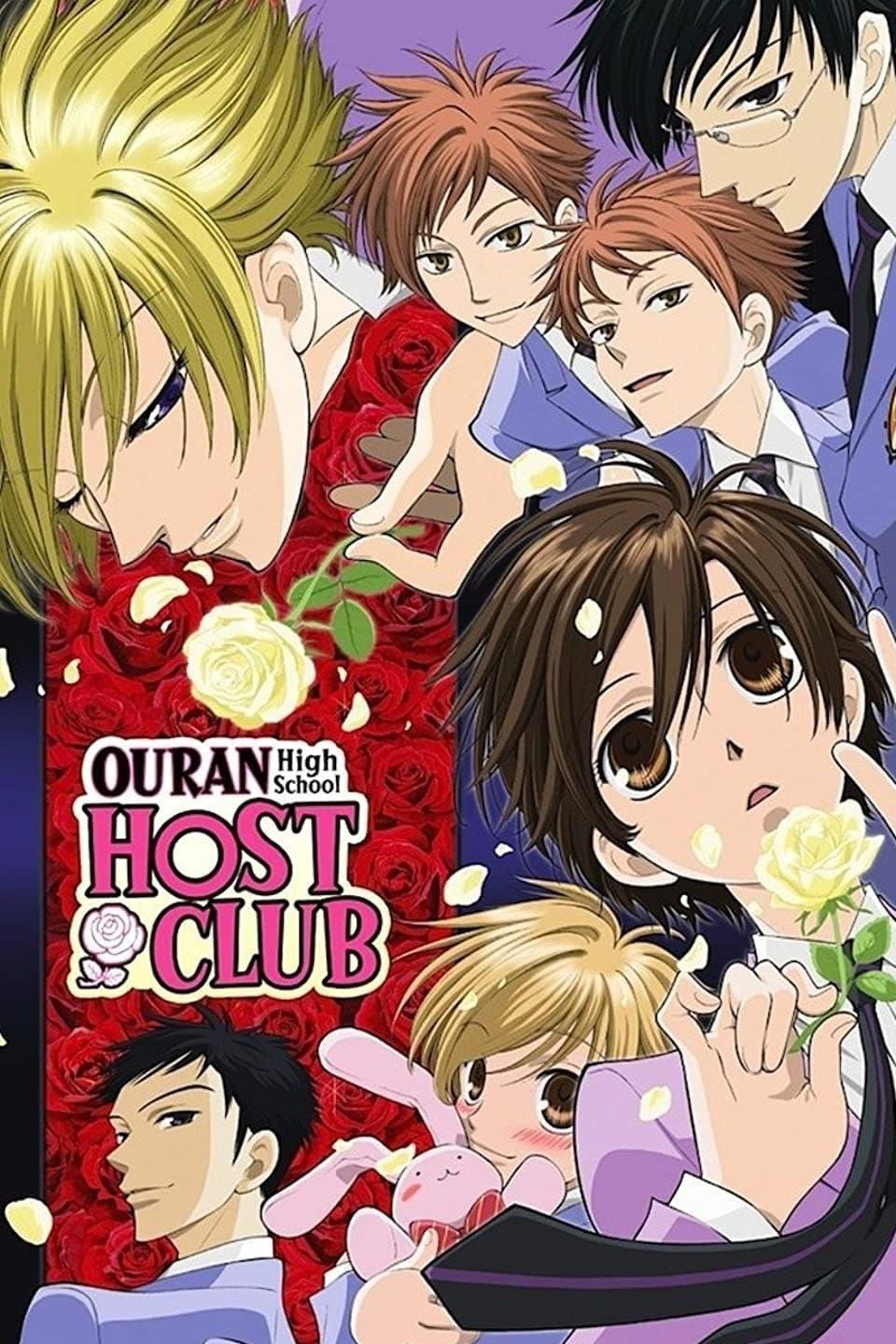
Haruhi Fujioka’s father, Ryoji, is a bisexual man who works at a bar where people dress in clothing typically associated with the opposite gender. The English translation of the series sometimes had difficulty finding the right words to describe his identity and job. As a result, some of the subtleties of his story were lost, and some viewers felt the English dub focused more on humor than accurately portraying a queer father.
‘Zatch Bell!’ (2003–2006)
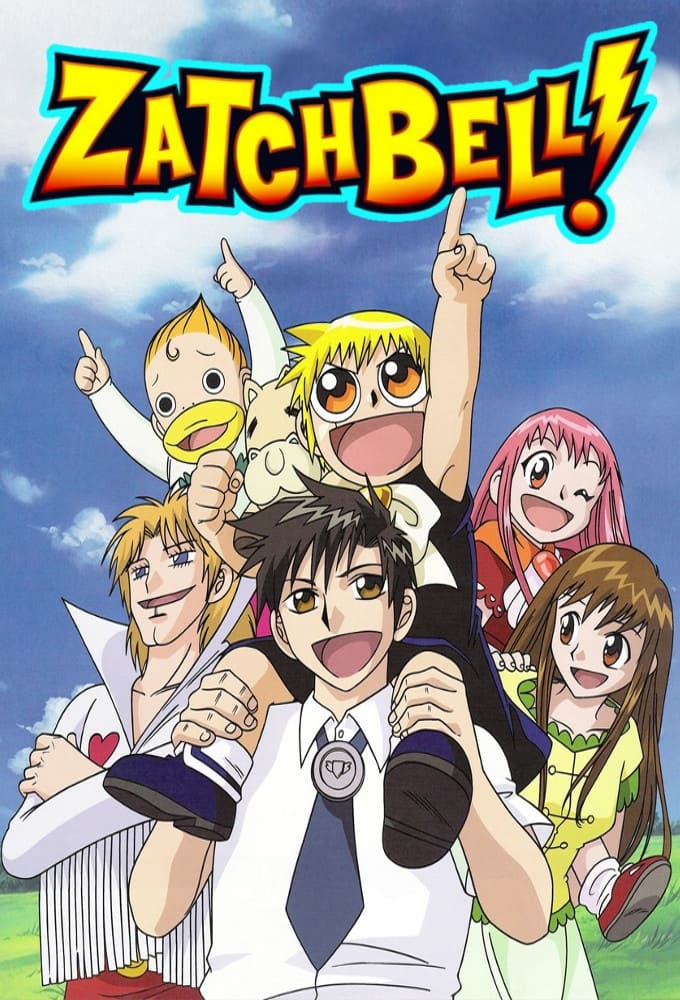
The original Japanese version of the show featured the character Parco Folgore and his songs with references to a wide range of interests. However, when it was dubbed into English, many of these references were changed or removed, along with some visual jokes, because they were considered unsuitable for younger viewers in Western countries. This included cutting scenes that showed characters with traditionally feminine qualities or unusual hobbies. As a result, the character’s funny scenes felt different in the English version.
‘Ghost Stories’ (2000–2001)
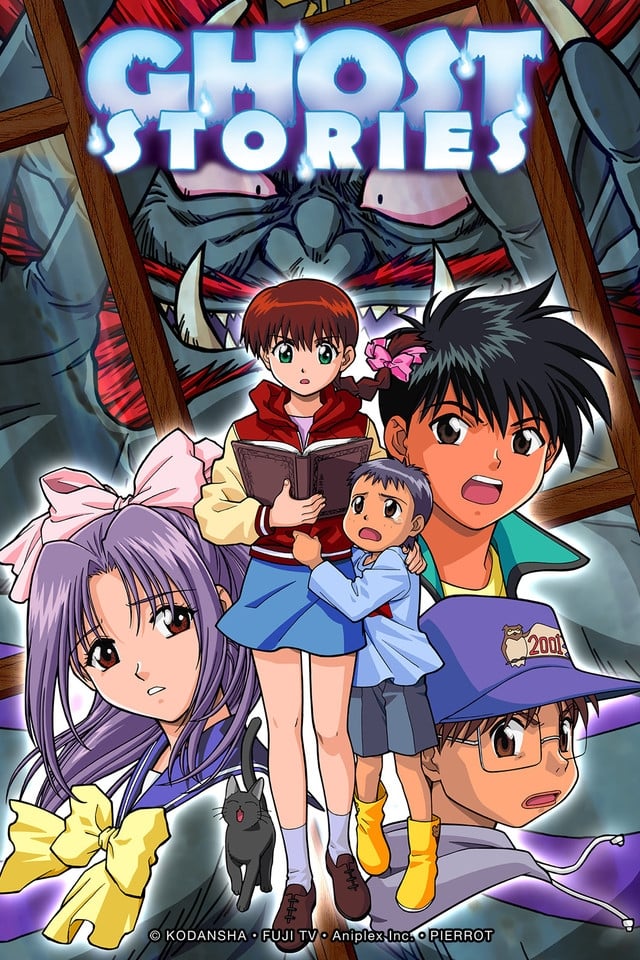
The English dub of this series is well-known for drastically changing the script and turning what was originally a serious horror show into a comedy. The dub’s writers and voice actors added many jokes about sexuality that weren’t present in the original Japanese version. Often, the dub used LGBTQ+ identities as the basis for jokes or as defining characteristics of characters, which removed the original show’s emotional impact and created a completely different experience for viewers.
‘Mobile Suit Gundam Wing’ (1995–1996)
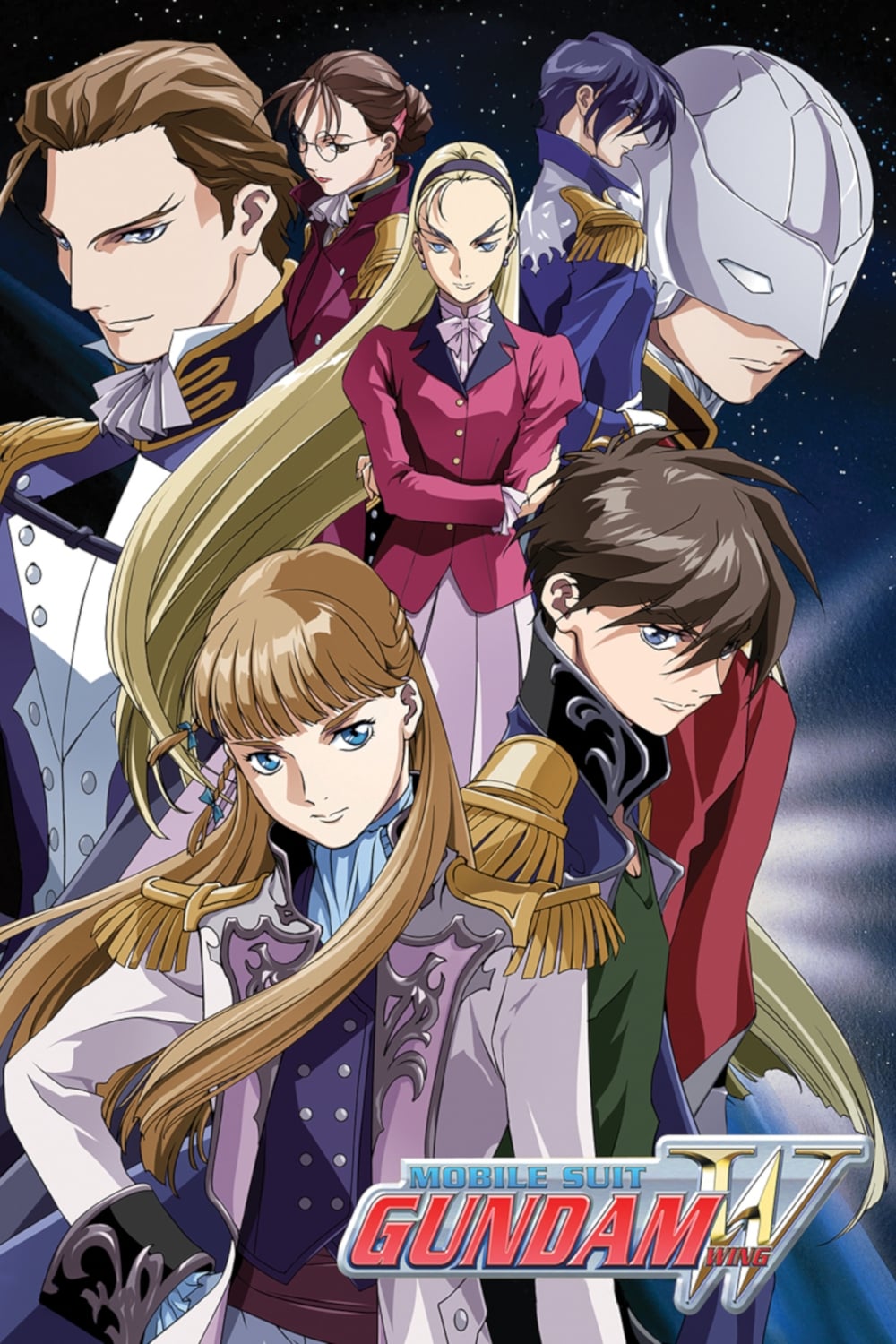
The anime ‘Gundam Wing’ depicts a deeply emotional connection between pilots Trowa Barton and Quatre Raberba Winner. However, the English dub tended to focus on their roles as fellow soldiers, downplaying the more intimate aspects of their bond. Lines hinting at a special, one-of-a-kind connection were frequently swapped for typical military language. This change led many international viewers to see their relationship as purely platonic.
‘Mobile Suit Gundam’ (1979–1980)
Fans have often debated whether there was a romantic element to the intense rivalry between Amuro Ray and Char Aznable. Older English translations of the series tended to emphasize the war and political maneuvering, sometimes at the expense of exploring the deep personal connection between the two characters. This caused their complex relationship to be simplified, making them seem like straightforward enemies instead of rivals with a shared past.
‘Princess Knight’ (1967–1968)

This series is a key early example of the magical girl genre, originally presenting a main character with a complex identity – both male and female. However, when translated into English, the story often focused on a simpler plot: a girl disguising herself as a boy to claim an inheritance. This meant that the deeper, more thoughtful exploration of gender identity present in the original Japanese version was often downplayed in favor of action and adventure, making the English release feel less groundbreaking.
‘Dragon Ball’ (1986–1989)
General Blue is a major villain in the original Japanese manga and anime who is openly gay. However, when the series was dubbed into English, this aspect of his character was toned down. The dub often presented him as simply a very tidy person or someone overly focused on their military duties. Instead of showing he had no interest in women because he was gay, it was framed as just a strange habit. This change was likely made to make the character more acceptable for Western audiences in the late 1990s.
‘Digimon Adventure’ (1999–2000)
Many fans noticed close, emotionally resonant friendships in the show – like those between Tai and Matt, or Sora and Mimi – and interpreted them as having queer subtext. However, the English dub often toned down these moments, replacing them with lighter, more playful dialogue to keep the focus on action. Important, quiet scenes that developed these relationships were frequently cut short or altered, ultimately affecting how viewers understood the depth and maturity of the children’s connections.
‘Pokémon’ (1997–2023)
James, a member of Team Rocket, was originally portrayed as a very expressive and flamboyant character in the Japanese version of the show, sometimes dressing in traditionally feminine clothing. However, when the show was brought to the United States, some episodes with these scenes were either completely removed or significantly changed. His lines were also rewritten to make him a more typical, clumsy villain, and any suggestion of him being different was taken out. These changes meant American viewers didn’t see the full range of his personality as it was originally intended.
‘Magic Knight Rayearth’ (1994–1995)
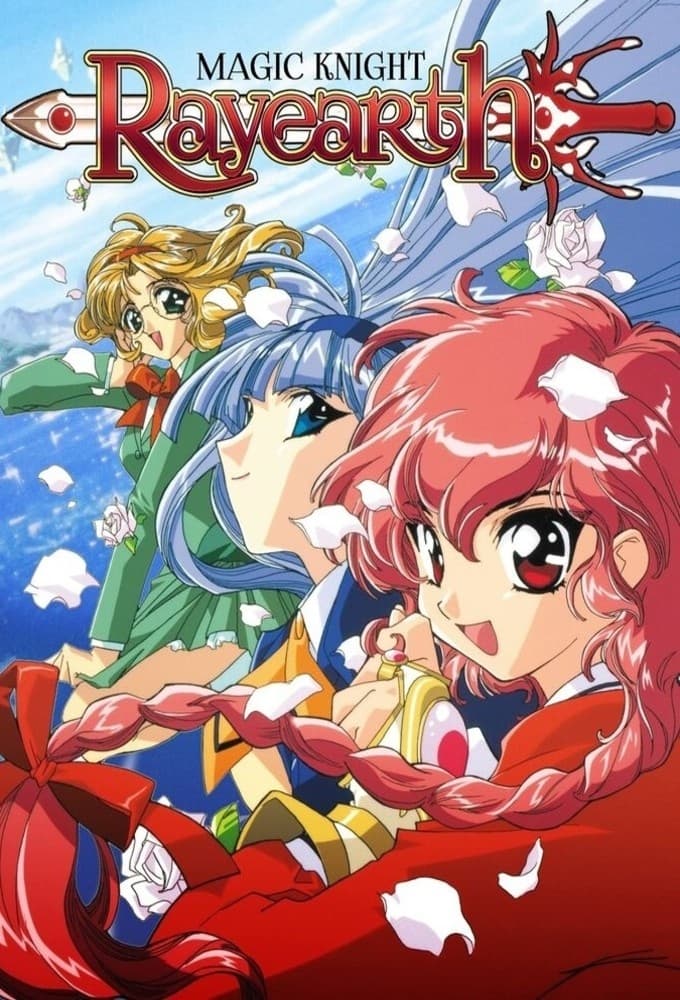
In the original version of the show, Eagle Vision and Lantis had a relationship with strong romantic undertones. However, the English dub softened this, presenting their connection as more of a competitive rivalry or strained friendship. Affectionate lines were often changed to focus on their responsibilities and fighting, which lessened the emotional impact of their final scenes for viewers who knew the original story.
‘Dirty Pair’ (1985)
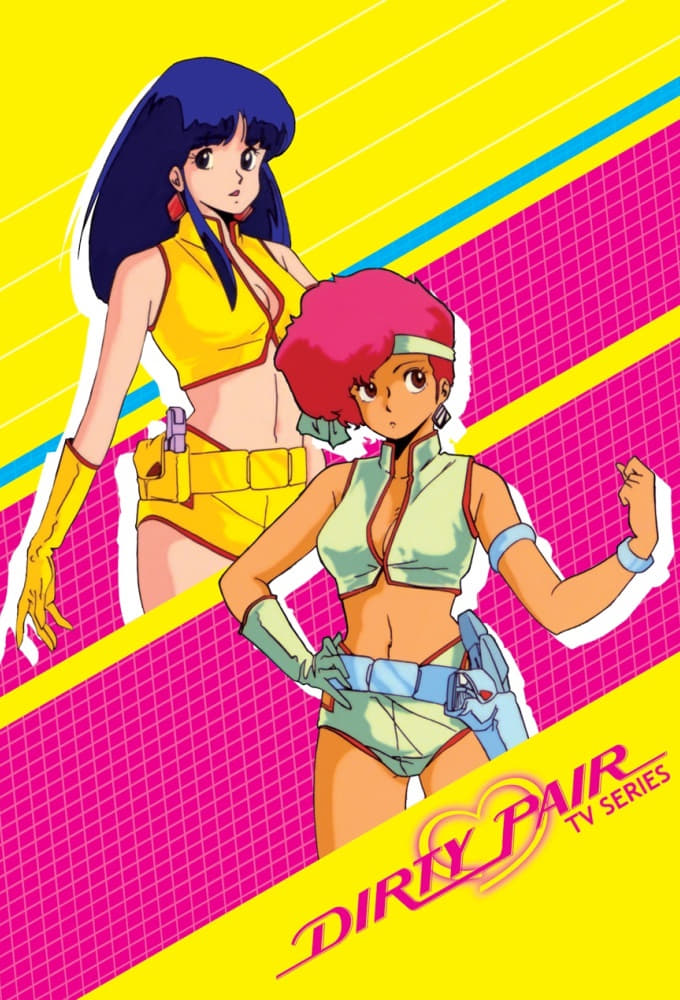
Kei and Yuri have a close bond that’s a key part of the story, and it often hints at romantic feelings. However, English dubs sometimes portrayed them as more like rivals than the original Japanese version did. By emphasizing their disagreements, the dubs hid the strong, underlying affection that truly defines their relationship. This shift in how they interacted changed the overall feeling of their adventures together.
‘Ranma ½’ (1989–1992)
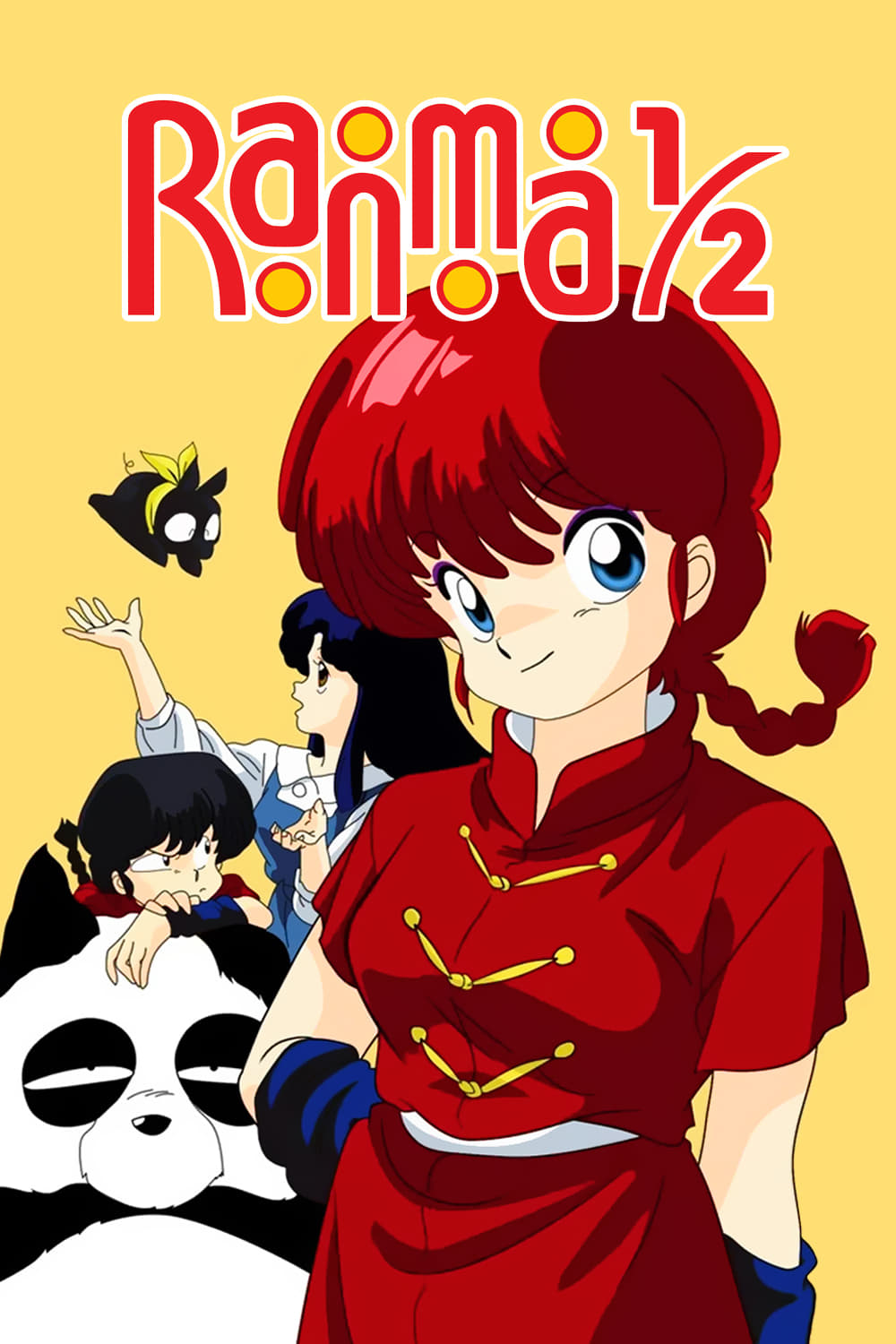
The show centers on a main character who can transform between male and female, leading to humorous and socially awkward situations. Although intended as a comedy, the English dub often relied on over-the-top physical humor instead of exploring the more complex themes of identity. Subtle romantic feelings some supporting characters had for Ranma, regardless of his gender, were also toned down. This meant the show focused more on the funny aspects of the transformations than on the characters’ real feelings and struggles.
‘Voltron: Defender of the Universe’ (1984–1985)

The American adaptation of this show significantly altered the original story and characters to make it more appropriate for a younger audience. This meant removing any mature content and changing relationships that hinted at same-sex attraction. Characters with potentially complex, even romantic, connections were simplified into just teammates with little shared background. As a result, the American version was much more lighthearted but lost the emotional complexity and depth of the original Japanese series.
Share your thoughts on these anime localization changes in the comments.
Read More
- 20 Movies Where the Black Villain Was Secretly the Most Popular Character
- Celebs Who Narrowly Escaped The 9/11 Attacks
- Transformers Under the Microscope: What Graph Neural Networks Reveal
- Top 20 Dinosaur Movies, Ranked
- Trading on Thin Air: AI Agents Conquer Crypto Volatility
- Silver Rate Forecast
- Gold Rate Forecast
- 22 Films Where the White Protagonist Is Canonically the Sidekick to a Black Lead
- Every Notable ‘Star Trek: The Original Series’ Actor Who Died
- Invincible Season 4 Gender Swaps Tech Jacket As Fans Question Major Comic Change
2026-01-06 12:47