
Anime directors often become known for certain styles or types of stories. When they suddenly create something very different, it can surprise their fans. Some fans appreciate this as a sign of the director growing as an artist, while others feel left out or disappointed by the change. This article looks at several well-known directors who have made such shifts, dividing or shocking their audiences in the process.
Hideaki Anno
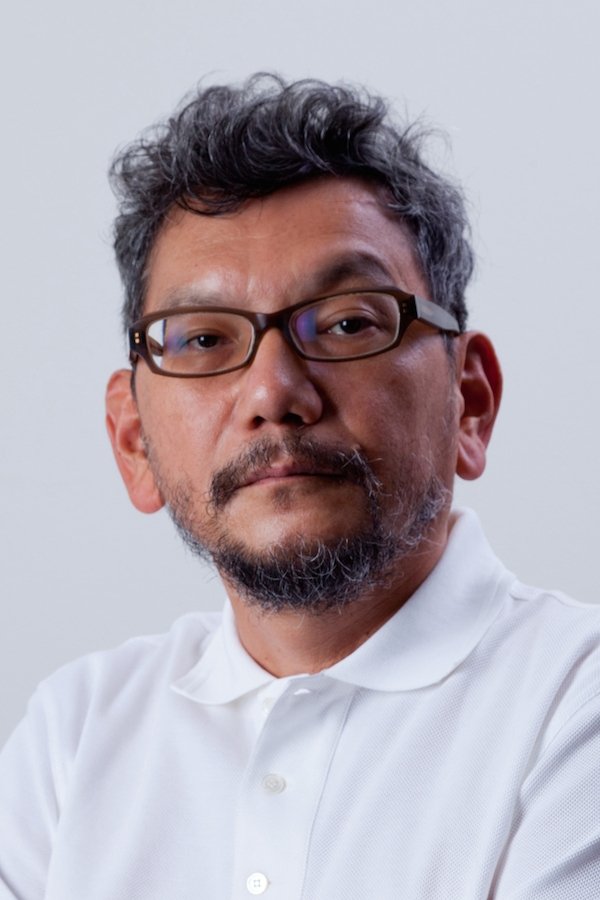
As a huge fan, I’ve always been fascinated by Hideaki Anno’s work, especially ‘Neon Genesis Evangelion.’ What started as a typical giant robot show took a really unexpected turn. Towards the end, he dove deep into the characters’ minds and feelings, making it more about their internal battles than just fighting monsters. It definitely threw a lot of people off at the time, and the ending was pretty abstract, which divided fans. But that’s what I love about it! He didn’t stop there, either, continuing to play with storytelling in the ‘Rebuild of Evangelion’ films. It’s clear he’s always pushing boundaries.
Mamoru Oshii
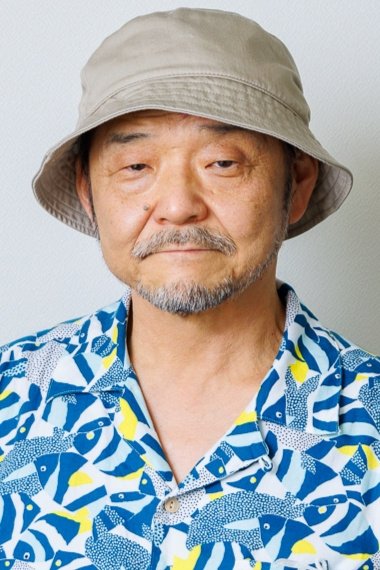
Mamoru Oshii started his career with the fun, comedic series ‘Urusei Yatsura,’ but then surprised audiences with the very different film ‘Angel’s Egg.’ Unlike his earlier work, ‘Angel’s Egg’ had very little dialogue and relied heavily on symbolism, leaving many fans puzzled. This change signaled a move towards more thoughtful and philosophical stories, a style he would later perfect in films like ‘Ghost in the Shell.’ Today, Oshii is celebrated for his visually stunning films and complex ideas that often make viewers think.
Yoshiyuki Tomino
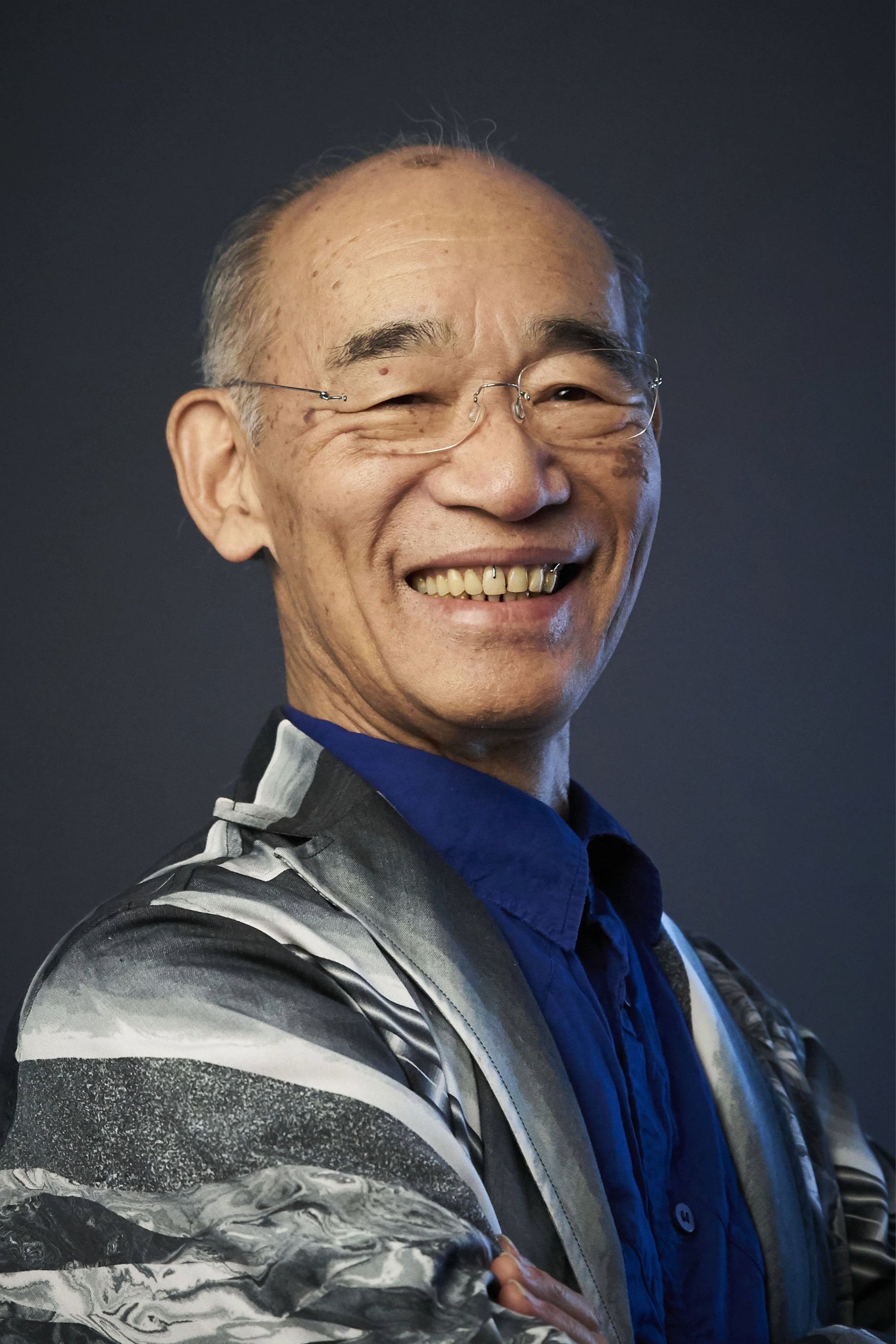
Yoshiyuki Tomino, the creator of the popular ‘Mobile Suit Gundam’ series known for its focus on war and politics, became famous for his increasingly dark storytelling. His series ‘Space Runaway Ideon’ was particularly bleak, ending with widespread destruction, and earned him the nickname “Kill ‘Em All” Tomino among anime fans. He continued to surprise audiences in his later works, often switching between hopeful, exciting stories and devastating tragedies, making it difficult to predict how things would end.
Satoshi Kon
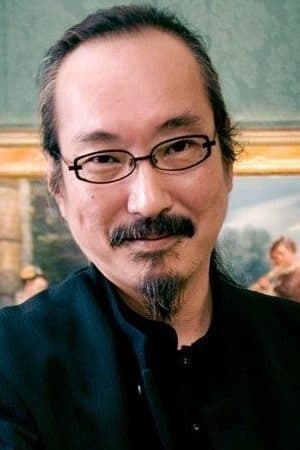
Satoshi Kon became well-known internationally with his psychological horror film, ‘Perfect Blue.’ He then surprised audiences by shifting gears to create the family comedy ‘Tokyo Godfathers.’ Although the film was well-received by critics, it was a big change from his typical mind-bending stories. Throughout his career, Kon was remarkable for his ability to move effortlessly between gripping thrillers and lighthearted tales.
Kunihiko Ikuhara
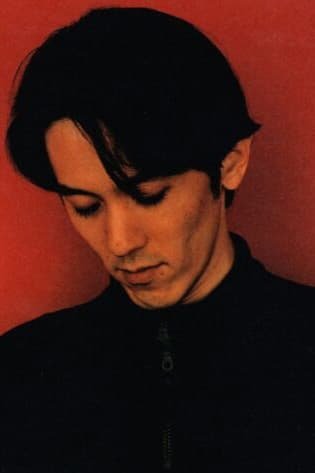
Kunihiko Ikuhara first gained recognition directing the popular anime ‘Sailor Moon’. He then surprised audiences with ‘Revolutionary Girl Utena’, a much more experimental series. This new show featured complex symbolism and dreamlike visuals, departing from typical magical girl stories. While some fans of his earlier work found it confusing, Ikuhara has continued to create unique and visually striking projects that often question societal expectations.
Hiroyuki Imaishi
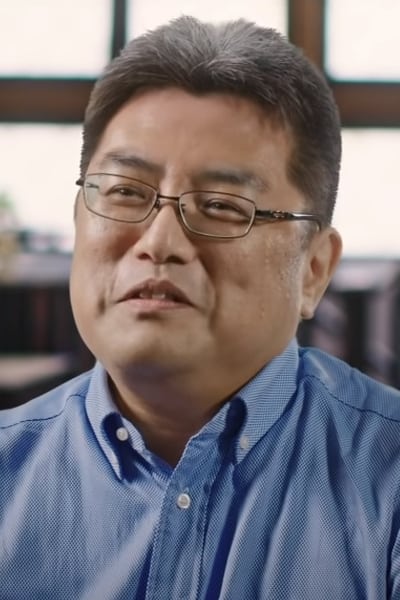
After achieving huge popularity with ‘Gurren Lagann’, Hiroyuki Imaishi created the deliberately edgy and humorous ‘Panty & Stocking with Garterbelt’. This new show, with its style inspired by Western animation, surprised some fans who were hoping for another action-packed mecha series. He later went back to making action shows with ‘Kill la Kill’, but he’s still known for his willingness to dramatically change his artistic approach. His work is consistently energetic and features bold, often shocking, comedy.
Shinichiro Watanabe
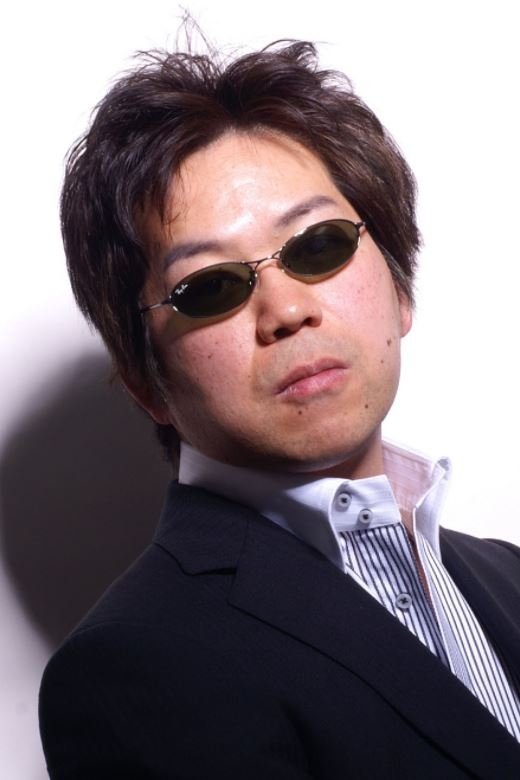
Shinichiro Watanabe first gained widespread recognition with the popular anime ‘Cowboy Bebop,’ known for its unique mix of sci-fi and jazz. He continued to experiment with music in shows like ‘Samurai Champloo,’ and later directed the more mellow ‘Carole & Tuesday.’ While some fans found this later work less intense than his earlier, grittier shows, Watanabe is celebrated for his ability to seamlessly blend various musical styles with classic animation techniques.
Akiyuki Shinbo
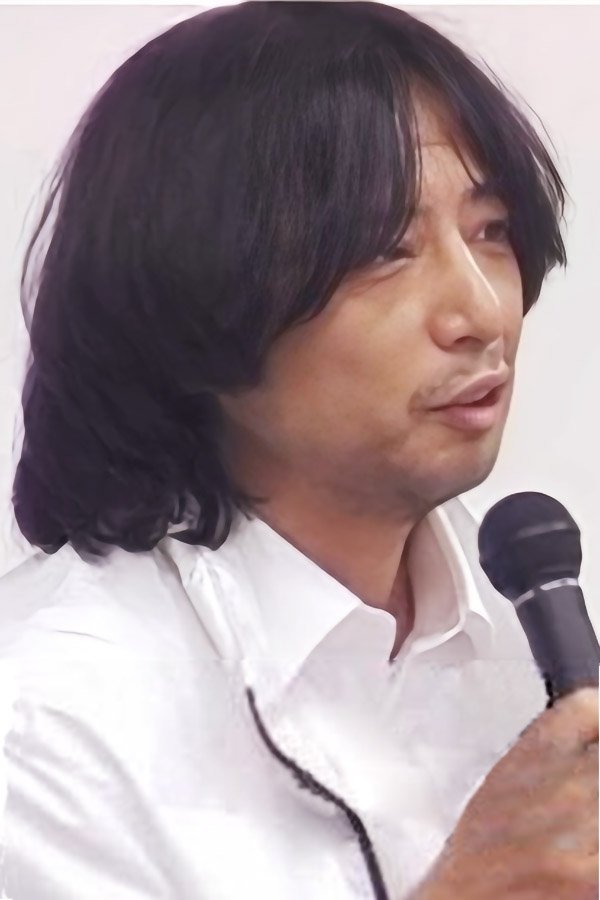
Akiyuki Shinbo first gained recognition directing ‘Magical Girl Lyrical Nanoha,’ a series that followed typical magical girl tropes. He then surprised everyone with ‘Puella Magi Madoka Magica,’ which flipped those expectations on their head with a dark and heartbreaking story. This unexpected turn significantly impacted how audiences worldwide viewed the magical girl genre. Shinbo’s work is also known for its unique visuals, featuring dreamlike backgrounds and unusual camera perspectives.
Goro Taniguchi
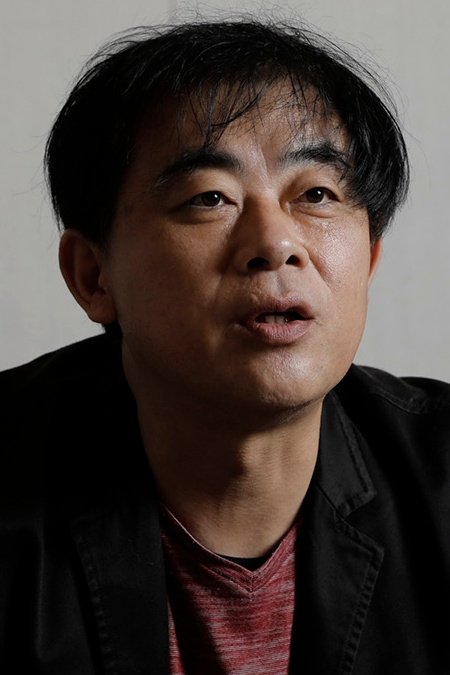
Goro Taniguchi became well-known for the complex storylines and exciting action in ‘Code Geass’. While he went on to direct other shows like ‘Active Raid’ and ‘Back Arrow’, these were generally more comedic and straightforward. Some fans of his earlier, more strategic and detailed battles found this shift disappointing. Still, Taniguchi remains a busy director, constantly trying out different styles within the world of mecha anime.
Kenji Kamiyama

Kenji Kamiyama is celebrated for directing the thought-provoking cyberpunk series ‘Ghost in the Shell Stand Alone Complex,’ which explored complex themes of philosophy and politics. He surprised many fans by then directing ‘Napping Princess,’ a charming fantasy film centered on a young girl and her dream world. This move from gritty, action-packed cyber warfare to a heartwarming family story was unexpected. Despite this shift, Kamiyama continues to be a highly respected director, known for his impressive technical abilities and ambitious storytelling.
Tatsuki

Tatsuki first gained widespread recognition with the heartwarming and delightful ‘Kemono Friends’. His next project, ‘Kemurikusa’, was a significant departure, set in a bleak, post-apocalyptic world and with a much more serious feel. This change surprised many fans who were used to the cheerful and straightforward style of his initial success. He’s often commended for his skill in creating detailed and intricate storylines within his independent animated works.
Hiroshi Hamasaki
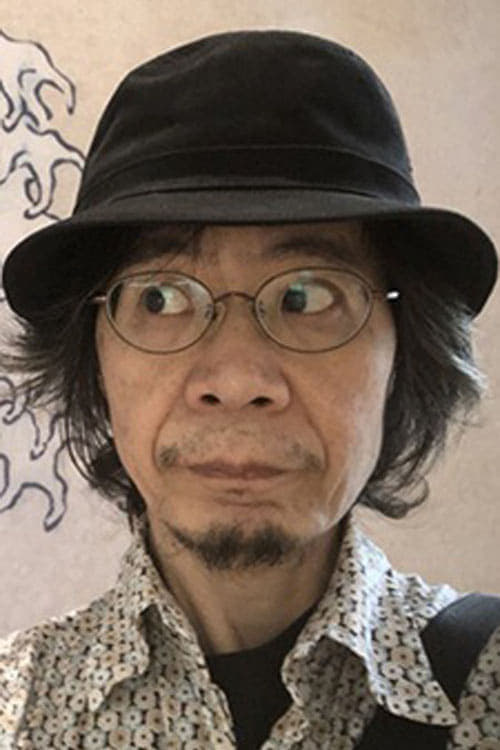
Hiroshi Hamasaki first gained recognition for his dark and unusual cyberpunk series, ‘Texhnolyze’. He then directed ‘Orange’, a touching drama about high school friends and dealing with regret. This move towards more emotional storytelling broadened his audience, though it surprised those who loved his earlier, more experimental work. Hamasaki continues to demonstrate his versatility by tackling a wide range of projects and adapting to different kinds of stories.
Kazuya Tsurumaki
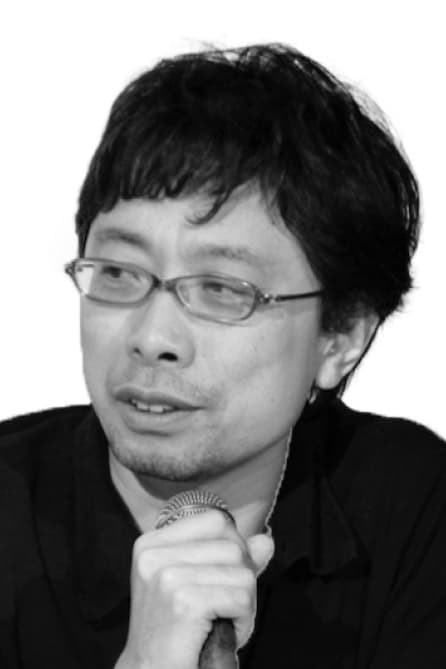
Kazuya Tsurumaki first became known for his work on the energetic and unusual anime ‘FLCL’. Later, he directed ‘The Dragon Dentist’, a more realistic and serious story about a fantasy war. Fans noticed this shift in style from his earlier, faster-paced work. He’s also played a key role in creating the recent ‘Rebuild of Evangelion’ movies.
Tsutomu Mizushima
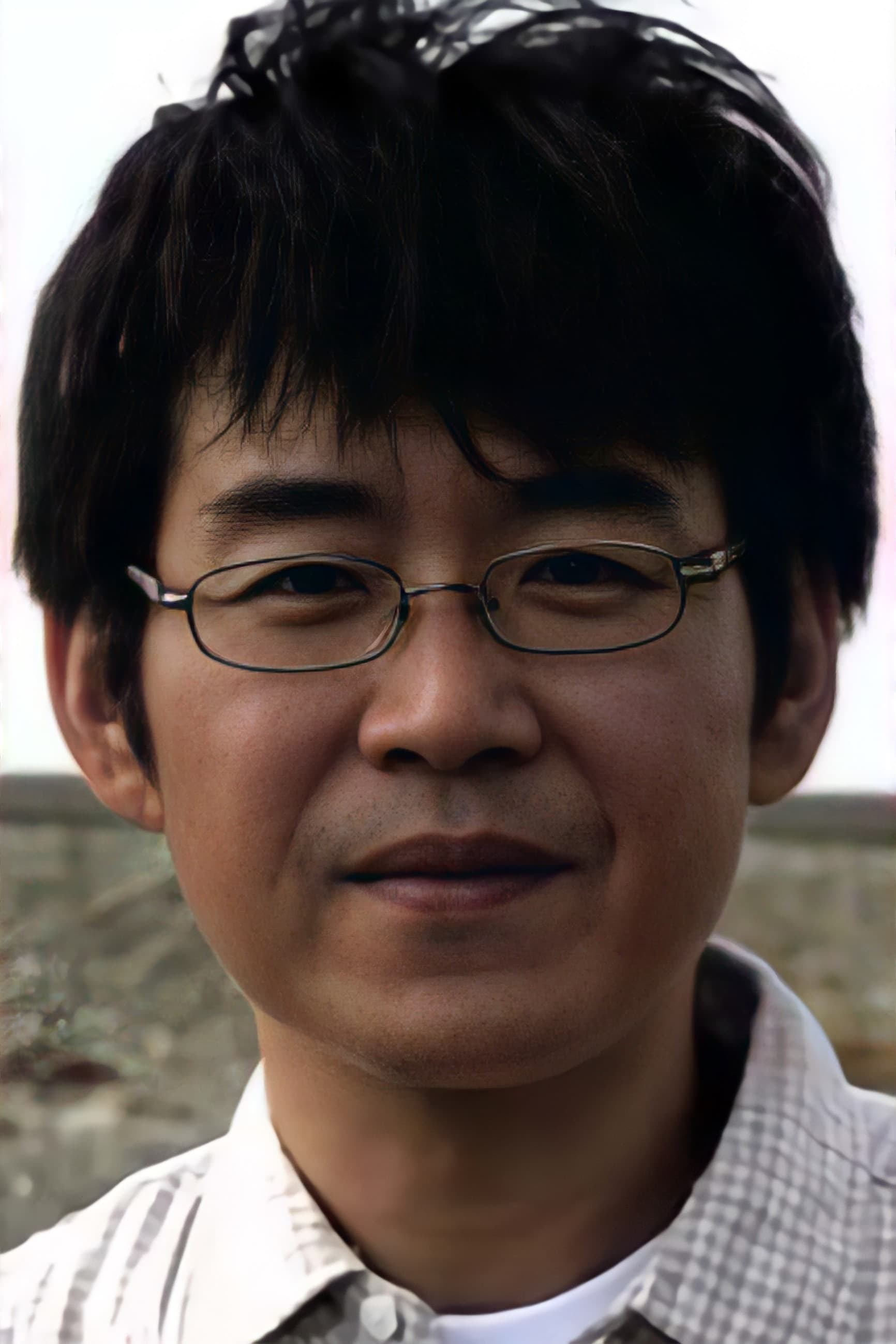
Tsutomu Mizushima is a versatile director known for his ability to switch between genres. He previously directed the spooky horror anime ‘Another,’ but then moved on to the lighthearted workplace comedy ‘Shirobako.’ Although both shows did well, the difference between a dark, suspenseful mystery and a cheerful look inside the anime world surprised many of his horror fans. This range is why he’s considered one of the most adaptable directors working today.
Please share your thoughts on these controversial director shifts in the comments.
Read More
- Gold Rate Forecast
- 22 Films Where the White Protagonist Is Canonically the Sidekick to a Black Lead
- Games That Faced Bans in Countries Over Political Themes
- Silver Rate Forecast
- Celebs Who Narrowly Escaped The 9/11 Attacks
- Brent Oil Forecast
- Unveiling the Schwab U.S. Dividend Equity ETF: A Portent of Financial Growth
- How to Do Sculptor Without a Future in KCD2 – Get 3 Sculptor’s Things
- Superman Flops Financially: $350M Budget, Still No Profit (Scoop Confirmed)
- 14 Movies Where the Black Character Refuses to Save the White Protagonist
2026-01-19 07:22