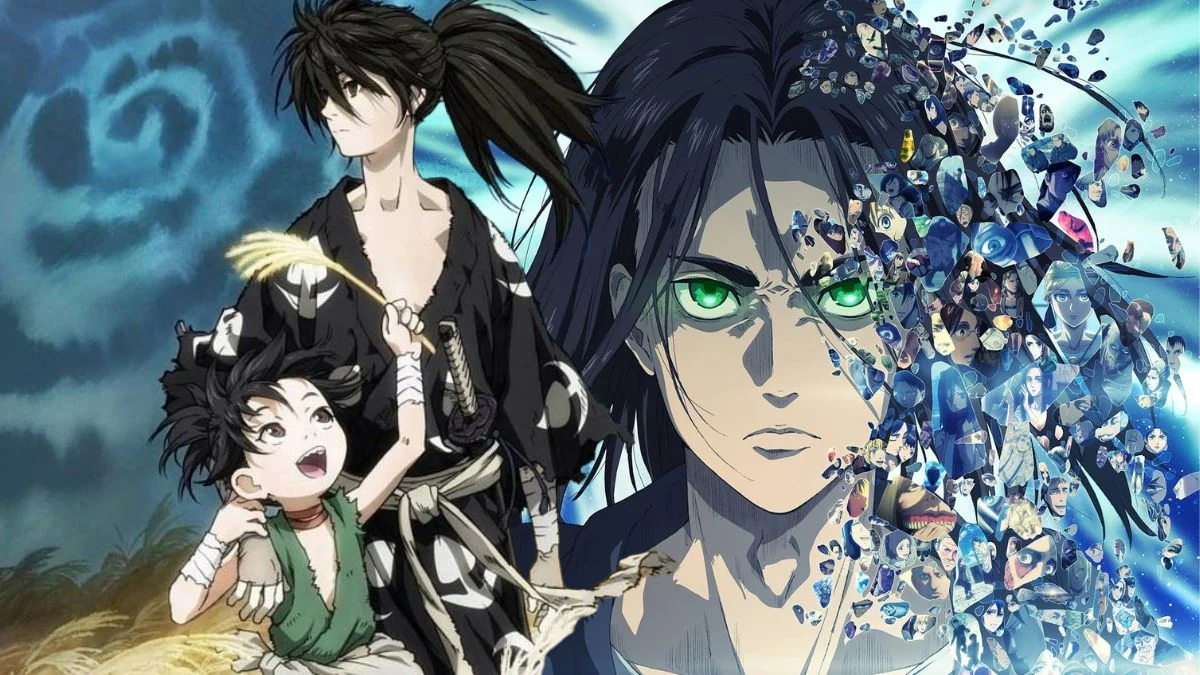
Japanese anime often delves into questions of identity, going beyond simple male or female roles. Characters commonly break traditional expectations through how they look, act, and even what pronouns they use. Because the Japanese language is flexible, creators can use neutral pronouns like “boku” or “watashi” to avoid labeling characters as strictly male or female. This allows for more diverse stories and characters that connect with viewers who don’t fit neatly into traditional gender categories.
‘Attack on Titan’ (2013–2023)
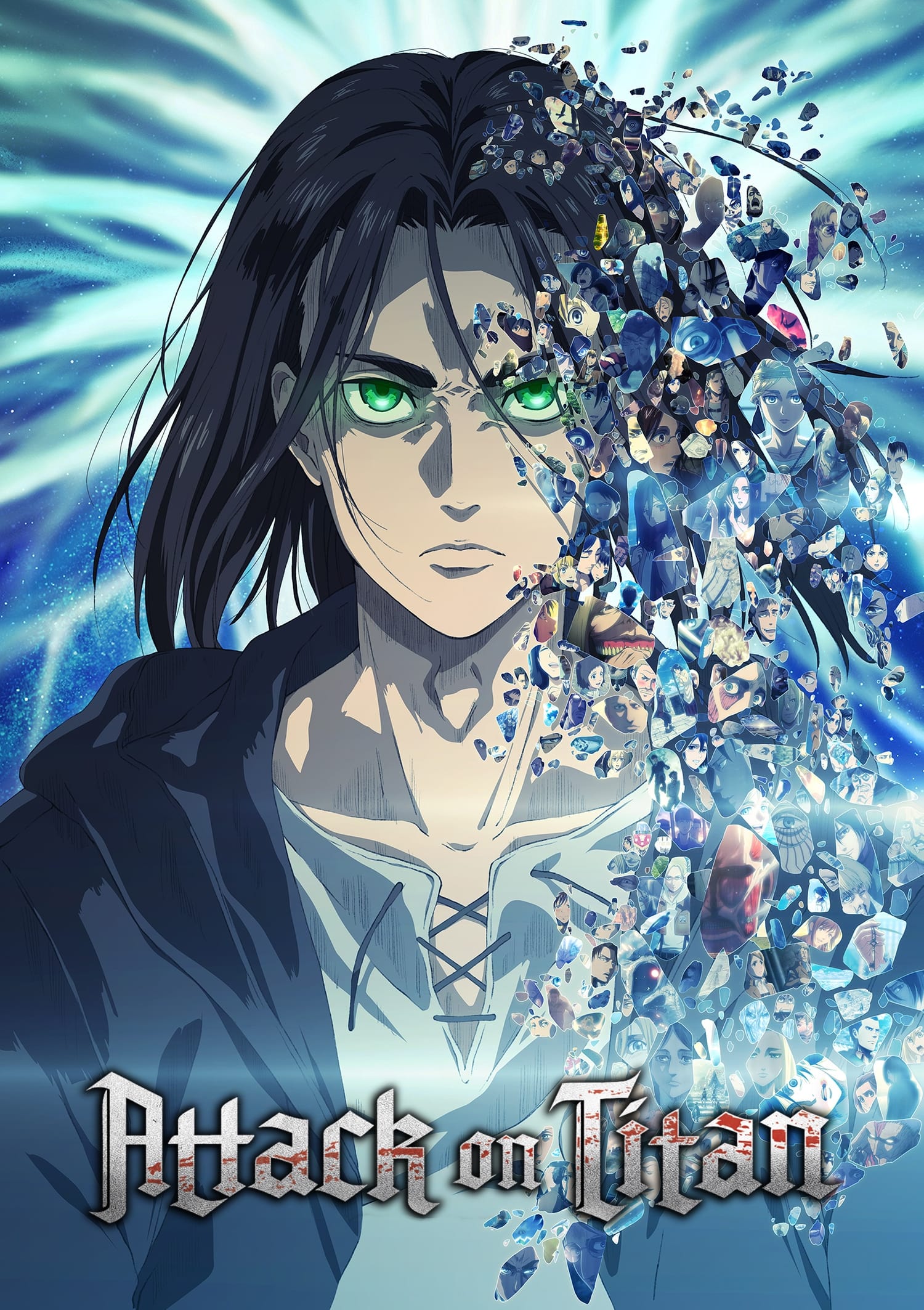
Hange Zoë is a uniquely brilliant and somewhat unusual commander in the Survey Corps, completely dedicated to understanding Titans. The author, Hajime Isayama, specifically asked publishers not to use gendered pronouns when referring to Hange in the manga. Although some anime versions used specific pronouns, the original Japanese version intentionally keeps Hange’s gender ambiguous. This choice is meant to highlight Hange’s intelligence and unpredictable leadership, rather than focusing on their gender.
‘Land of the Lustrous’ (2017)
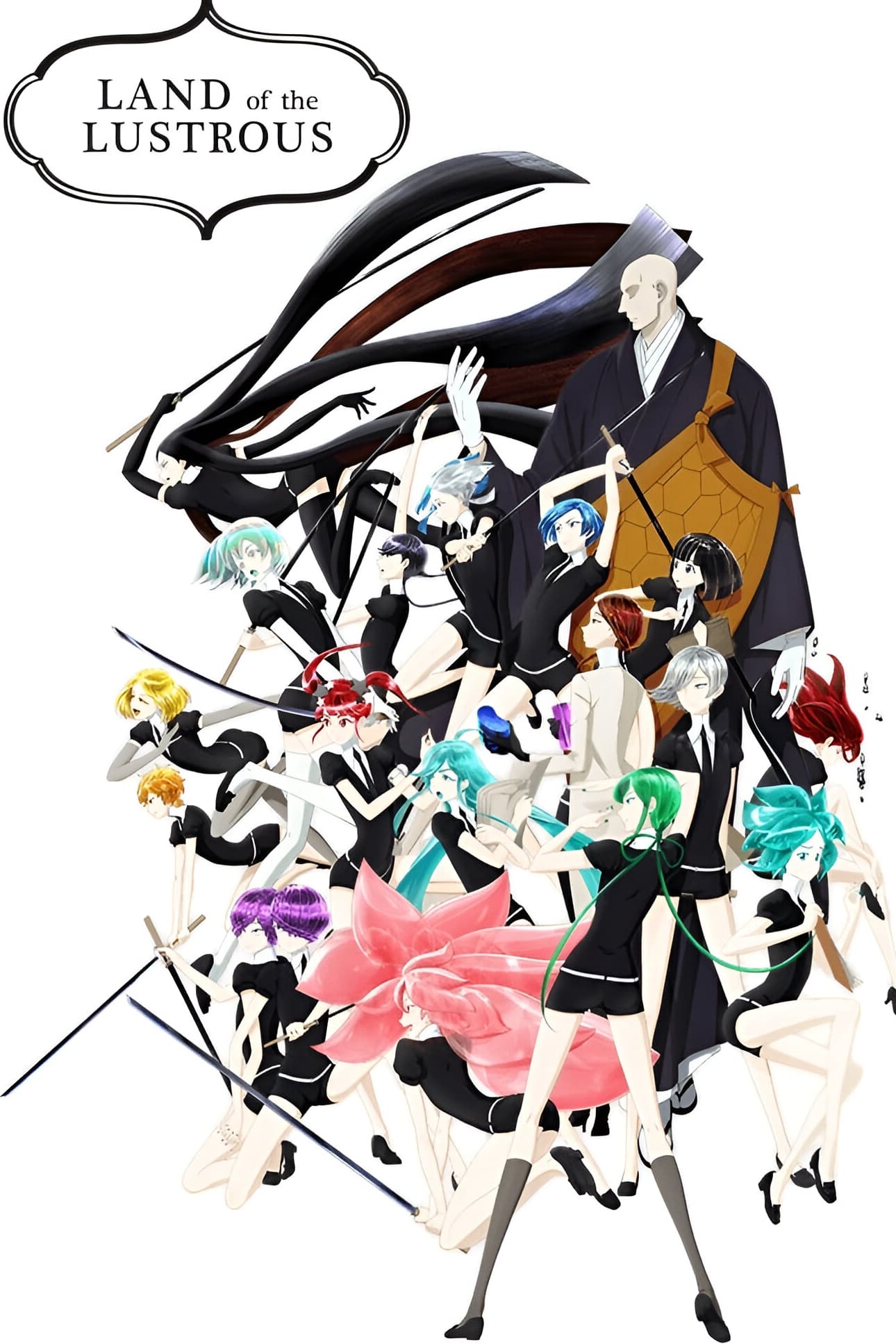
This show centers around a group of living gemstones who live in a world without humans. These immortal beings all look feminine, but in the original Japanese version, they’re referred to using mostly masculine or neutral pronouns. The English version uses gender-neutral pronouns to better represent their bodies, which aren’t defined by gender. Characters like Phos fight and think deeply about their existence, free from typical human expectations about gender.
‘Soul Eater’ (2008–2009)
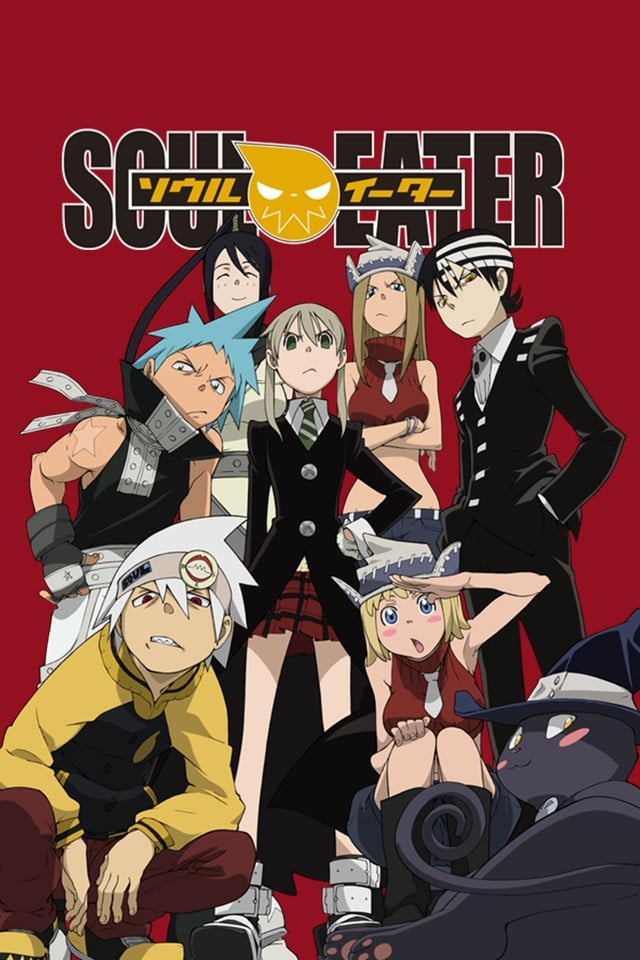
Crona is a notable example of gender ambiguity in popular anime aimed at young boys (shonen). Born to the witch Medusa, Crona endured terrible experiments and was compelled to use the powerful weapon Ragnarok. Throughout the series, other characters have difficulty defining Crona’s gender, and the show intentionally avoids giving a clear answer. This uncertainty highlights Crona’s loneliness and the sadness of being raised as a tool for battle instead of being treated as an individual.
‘Stars Align’ (2019)
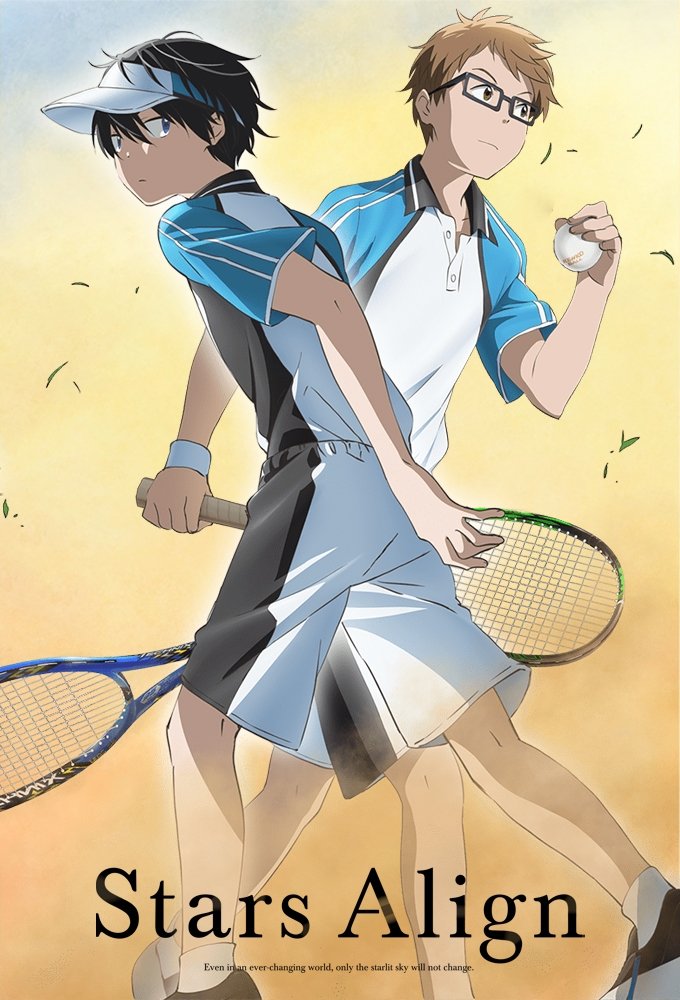
This sports drama is notable for directly tackling the topic of gender identity through its character, Yuu Mashiro. Yuu openly shares their journey of questioning their gender and feeling uncomfortable with traditional male or female labels. The show introduces the Japanese term “X-gender” to explain a non-binary identity, offering a realistic and relatable portrayal of a teenager exploring who they are in a school environment.
‘Kino’s Journey’ (2003)
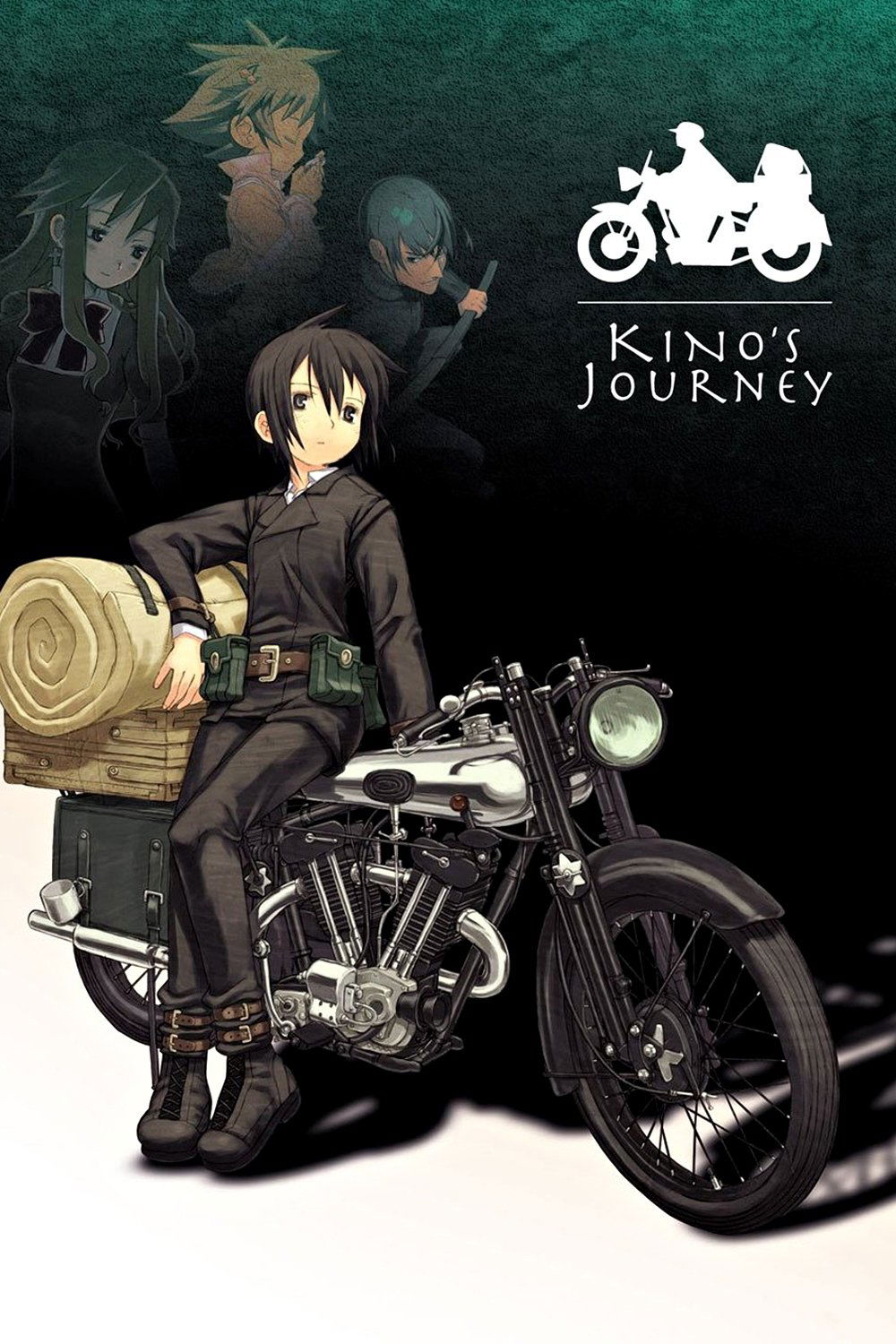
Kino journeys across various countries on a talking motorcycle called Hermes. Although Kino uses a pronoun traditionally associated with young boys (“boku”), their appearance and personality are intentionally gender-neutral. The story focuses more on Kino’s observations of people and society than on defining their gender. People Kino encounters frequently assume a gender for them, but Kino generally doesn’t confirm or deny those assumptions.
‘Hunter x Hunter’ (2011–2014)
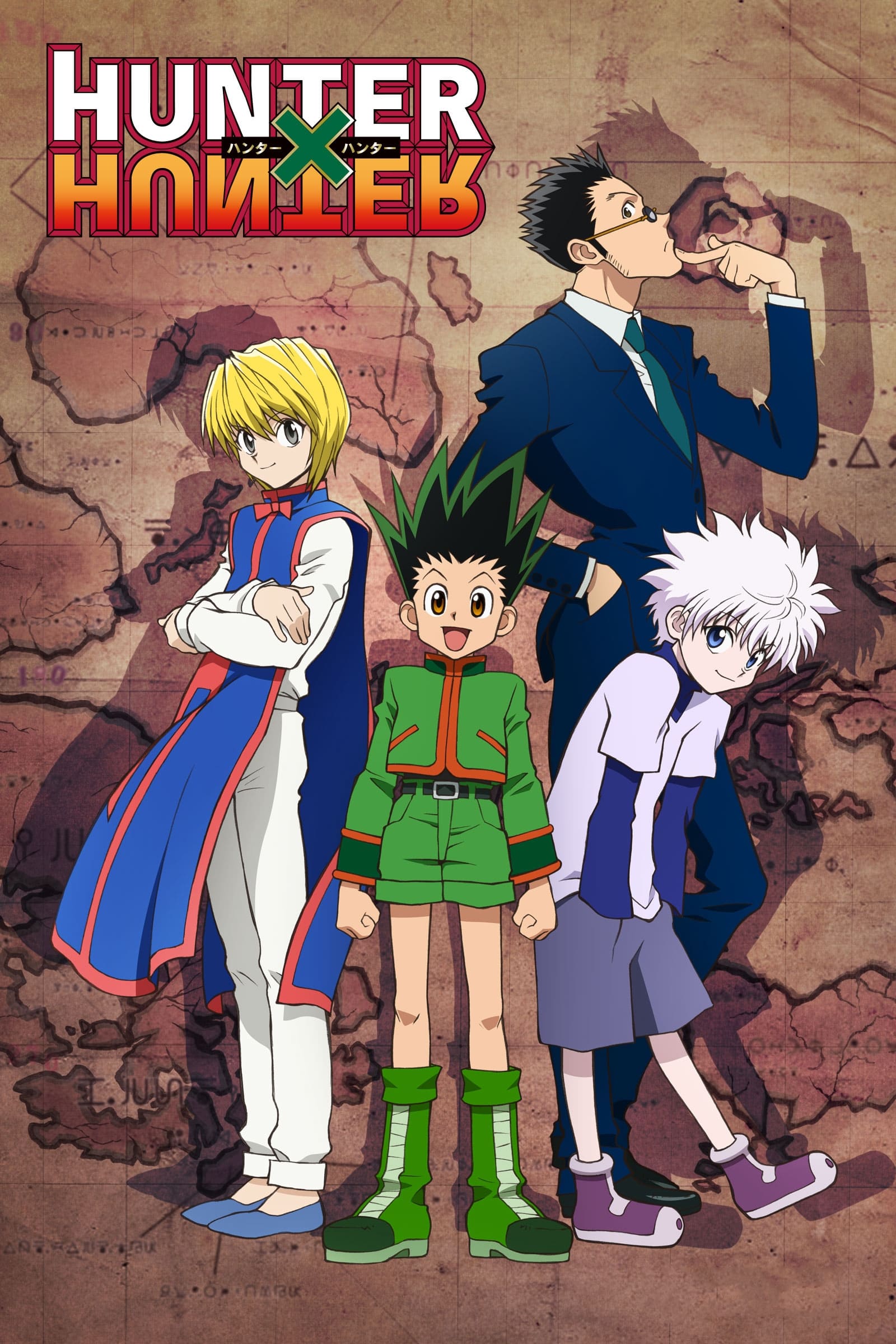
Alluka Zoldyck is part of the renowned Zoldyck family of assassins, but her life is complicated by a mysterious being called Nanika. Though her family sees her as male, Killua, her brother, always respects her identity as female. The story handles Alluka’s situation with sensitivity, highlighting the contrast between her family’s disapproval and Killua’s unwavering support. This creates a meaningful story about finding yourself and the value of having people who accept you for who you are.
‘Steins;Gate’ (2011)
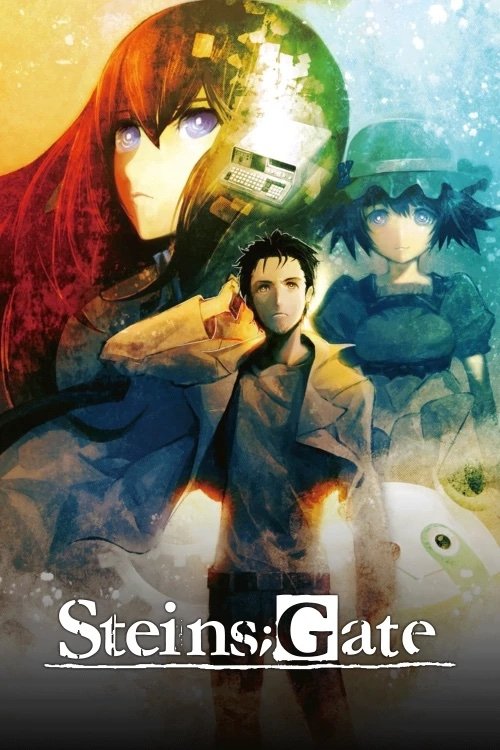
Ruka Urushibara is a character who appears as a girl but was born male. She deeply wishes to be female and uses time travel in an attempt to change her body to match her identity. Her story powerfully portrays the struggles of gender dysphoria – the feeling of disconnect between how someone appears and how they truly feel inside. While the ending of her story is open to interpretation, Ruka is an important character in conversations about gender identity in anime.
‘Sailor Moon’ (1992–1997)
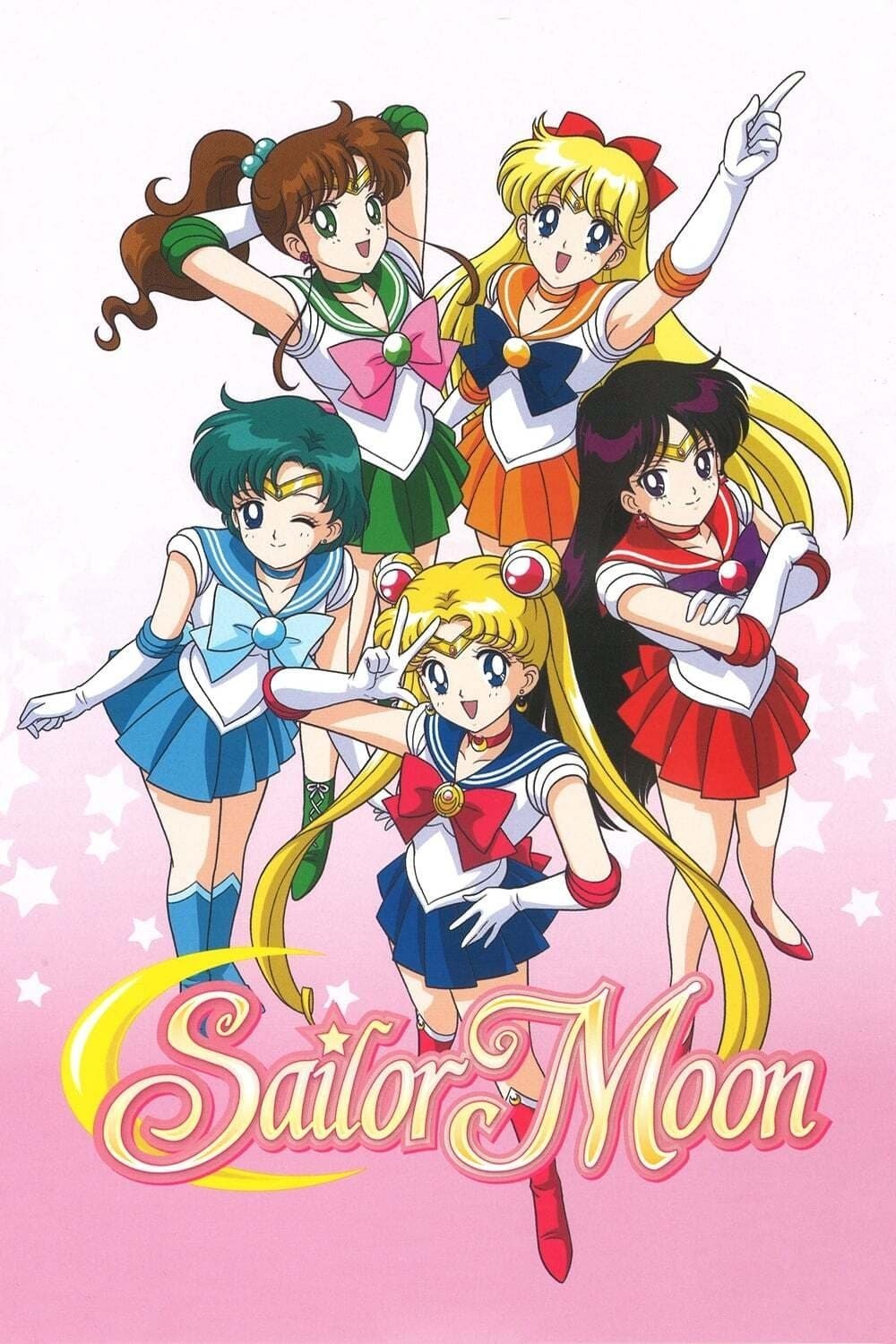
The Sailor Starlights, introduced in the last season of the series, have a special transformation ability centered around gender. They appear as a male pop group in their everyday lives, but become female Sailor Guardians when they fight. This surprising change breaks from typical magical girl conventions and shows a flexible approach to gender expression. While the English version had some difficulty with this idea at first, the original concept clearly emphasizes a fluid understanding of masculinity and femininity.
‘One Piece’ (1999–Present)
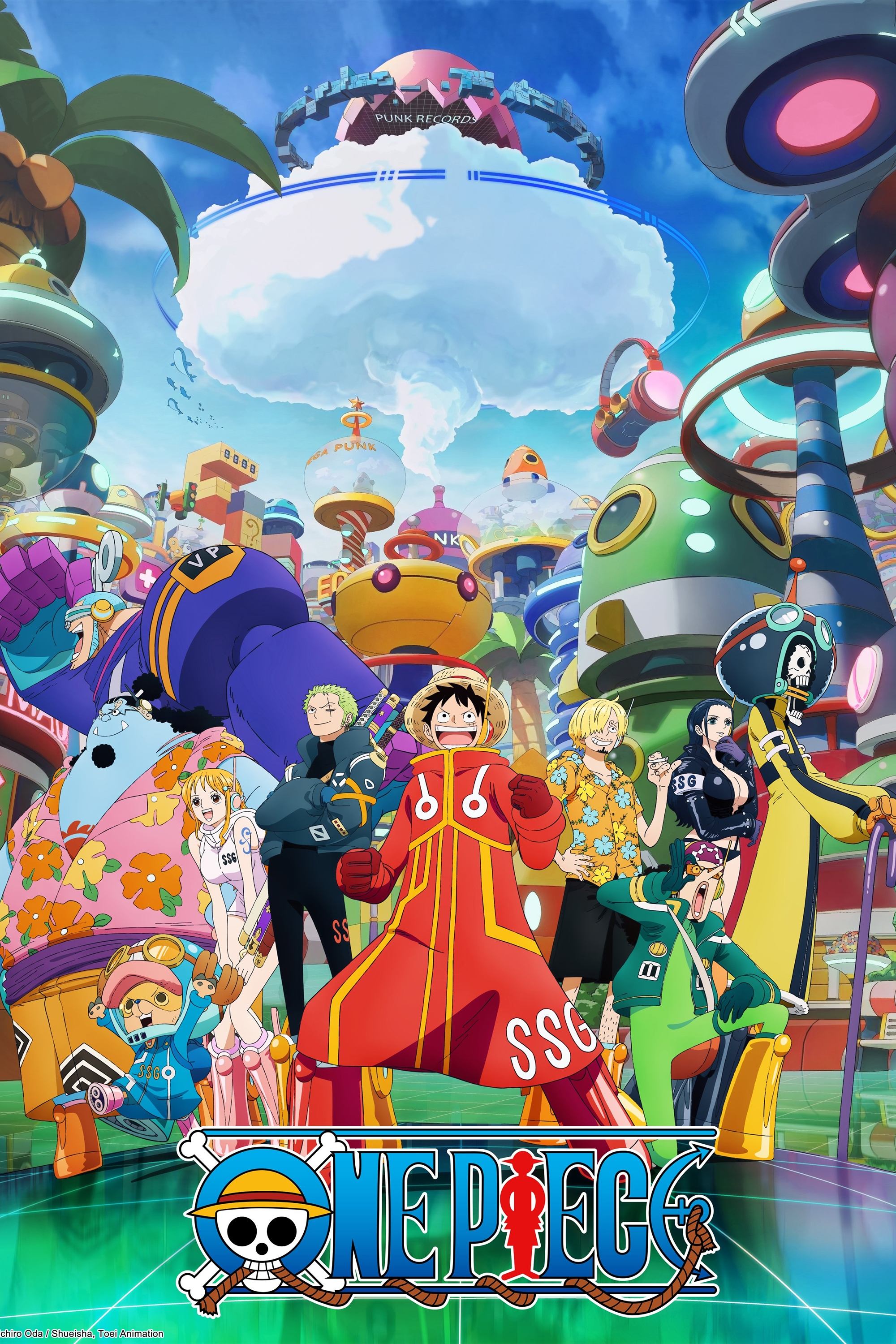
Yamato is the incredibly strong child of Emperor Kaido and believes they are the legendary samurai Kozuki Oden. Though biologically female, Yamato insists on being referred to with male pronouns and as Kaido’s son, and the Straw Hat crew fully respects this. Yamato is more focused on living up to Oden’s legacy than on conforming to typical gender roles in the pirate world.
‘Komi Can’t Communicate’ (2021–Present)
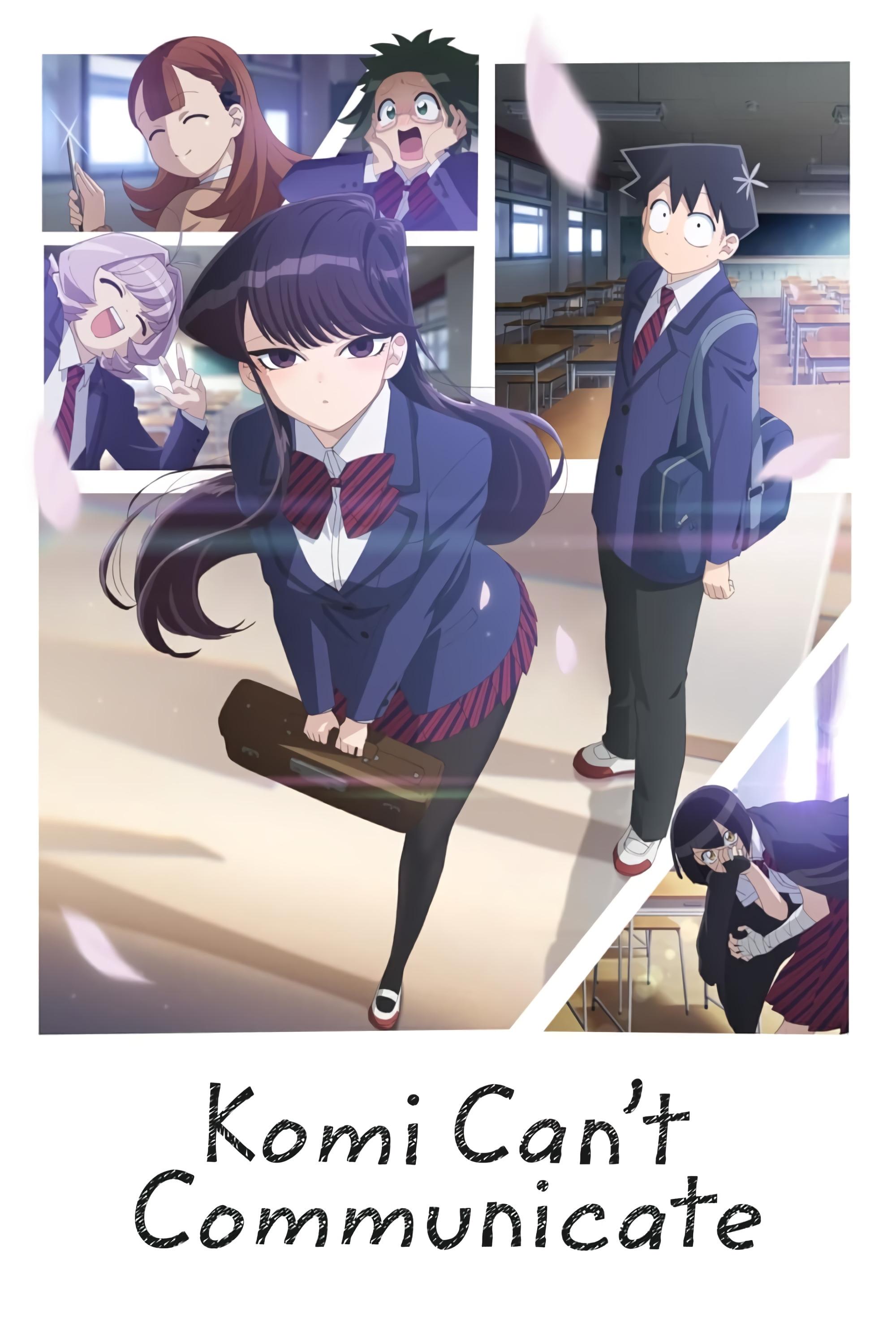
Najimi Osana is a character whose gender is intentionally unclear. They wear a combination of boys’ and girls’ school uniform pieces and adapt their behavior to fit any social situation. While Najimi’s ambiguity is often used for humorous effect, the story also shows that they don’t fit into traditional gender roles and are friends with everyone. Eventually, their peers stop trying to define Najimi and simply accept them for who they are.
‘Blue Period’ (2021)
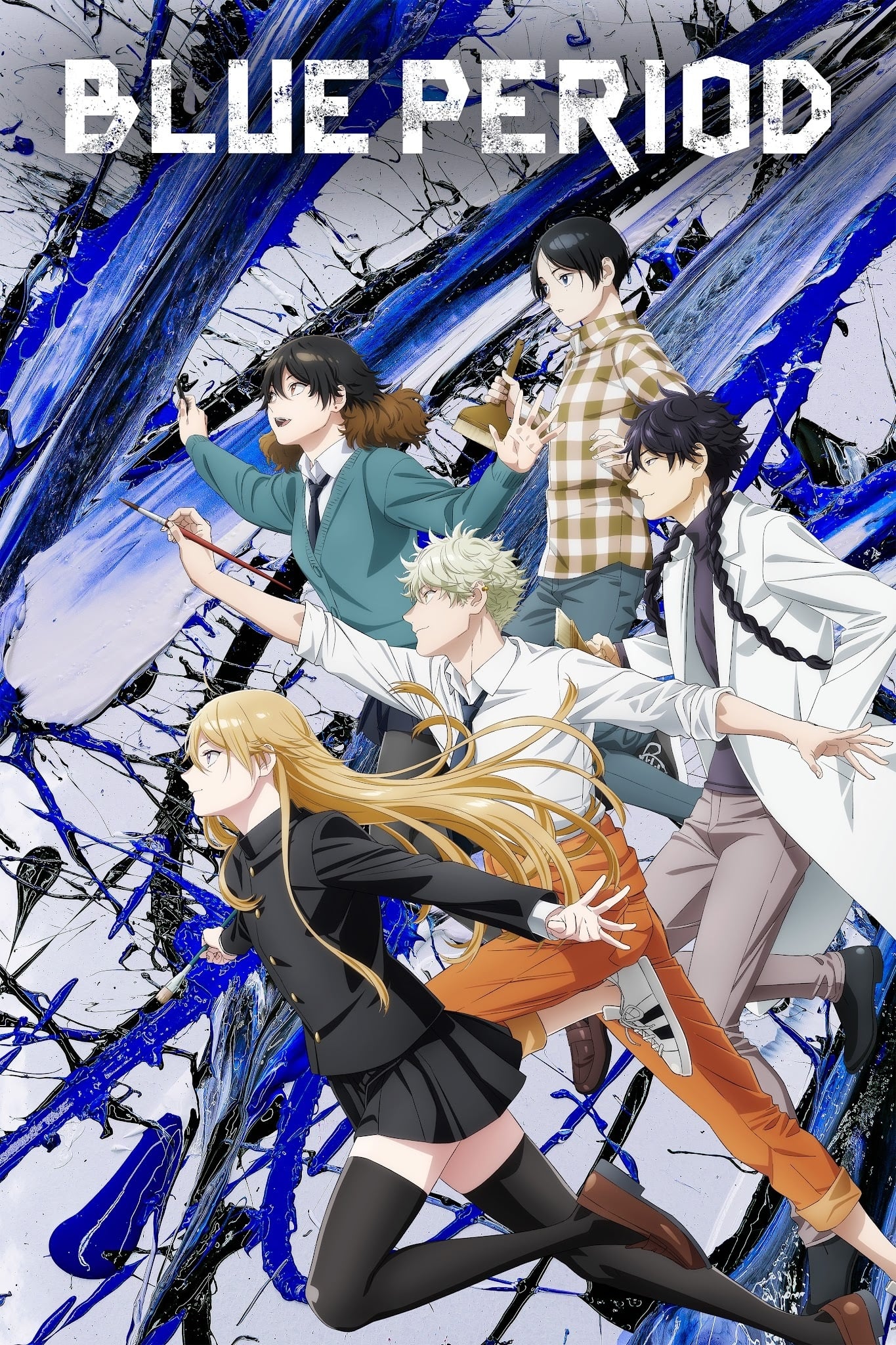
Ryuji Ayukawa, who goes by Yuka, is an art student who expresses themself in a feminine way and doesn’t conform to traditional male clothing expectations at school. Yuka faces considerable challenges and disapproval from family and society because of how they express their gender. The story doesn’t make light of these struggles; instead, it centers on Yuka’s journey to find acceptance and be loved for who they truly are. Yuka’s gender expression is presented as an important part of their growth as both an artist and a person.
‘Made in Abyss’ (2017–2022)
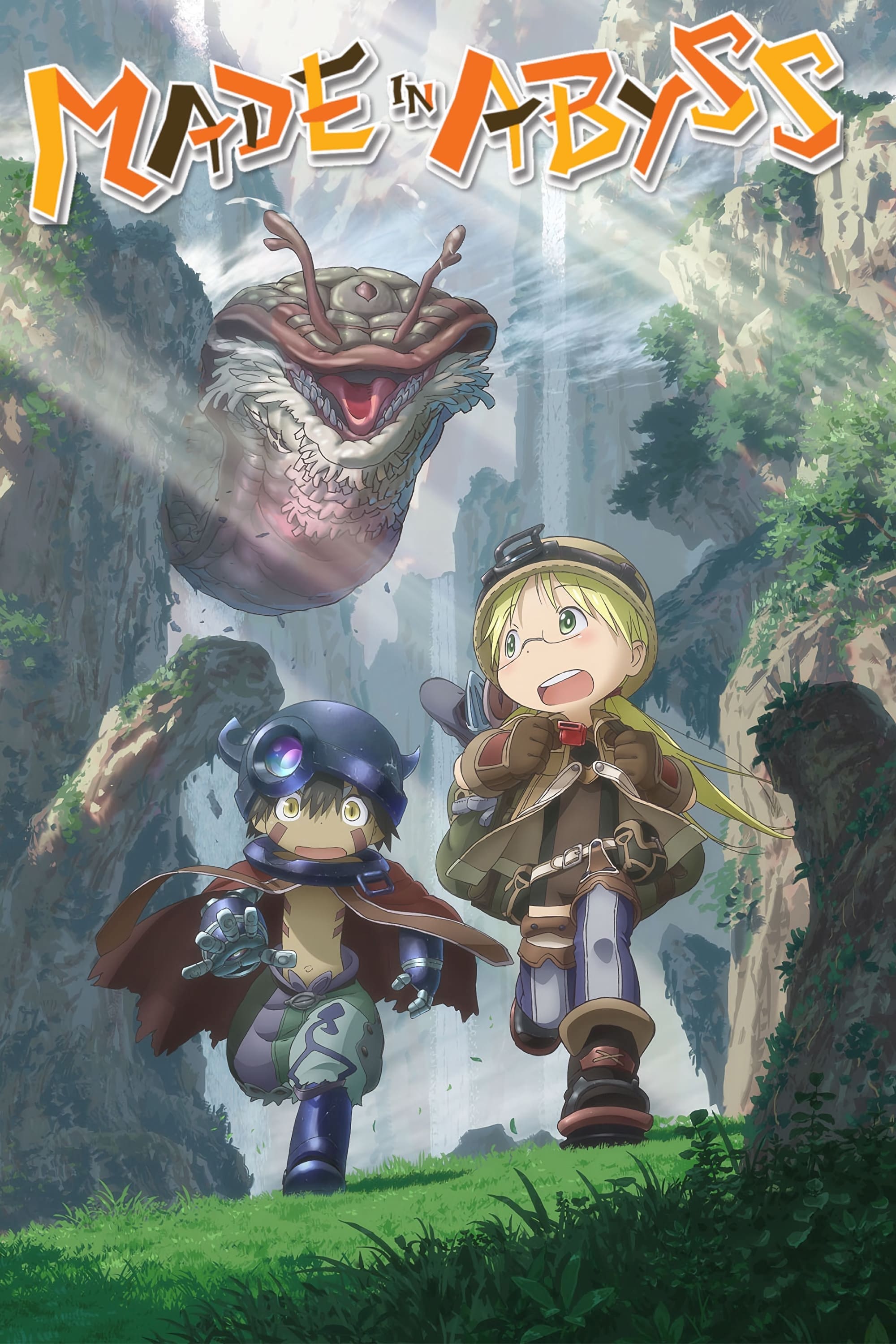
Nanachi is a unique being transformed by the dangers of the Abyss, losing their original human body and becoming a rabbit-like creature. They prefer the pronoun “oira” and don’t conform to typical male or female characteristics. The story emphasizes Nanachi’s resourcefulness, world-weariness, and sad history, rather than focusing on their gender. In a strange way, this transformation frees Nanachi from the expectations and limitations of human gender roles.
‘Tokyo Godfathers’ (2003)
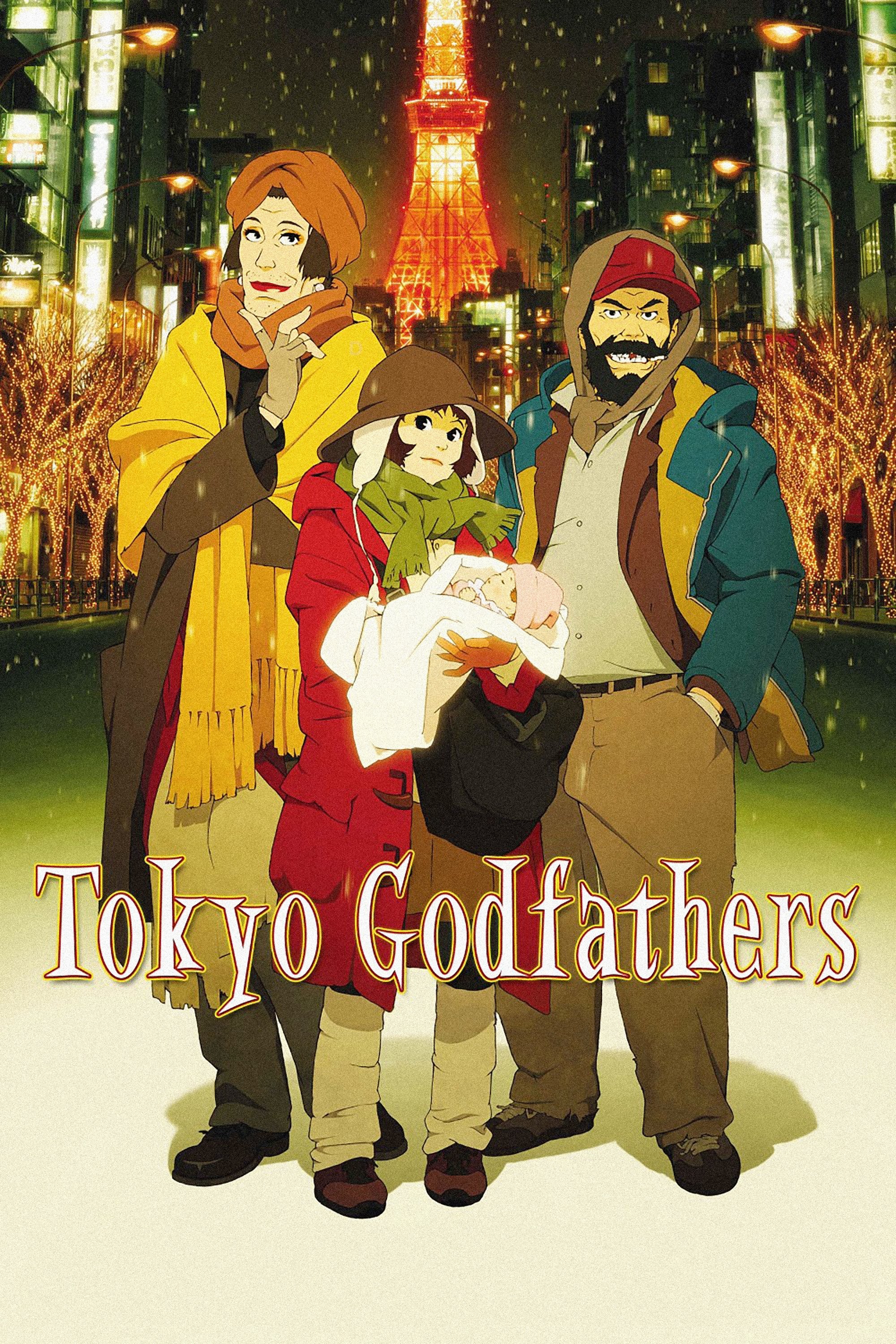
Hana is a central character in this highly praised film – a transgender woman experiencing homelessness. She firmly insists on being respected as a mother and a woman, gently correcting anyone who uses the wrong pronouns. The film presents Hana as a complex and deeply feeling person, moving past common stereotypes to showcase her loving nature and strong maternal instincts. It powerfully depicts her fight for respect and a sense of belonging in a society that often leaves her feeling isolated.
‘Gatchaman Crowds’ (2013)

Berg Katze is the main villain, an alien being with the ability to change appearance and impersonate anyone. Katze’s personality constantly shifts between traditionally masculine and feminine characteristics, never settling on one. This deliberate ambiguity is used to create confusion and control what happens on social media. Essentially, Katze’s unstable identity reflects the anonymous and ever-changing nature of the internet itself.
‘Knights of Sidonia’ (2014–2015)
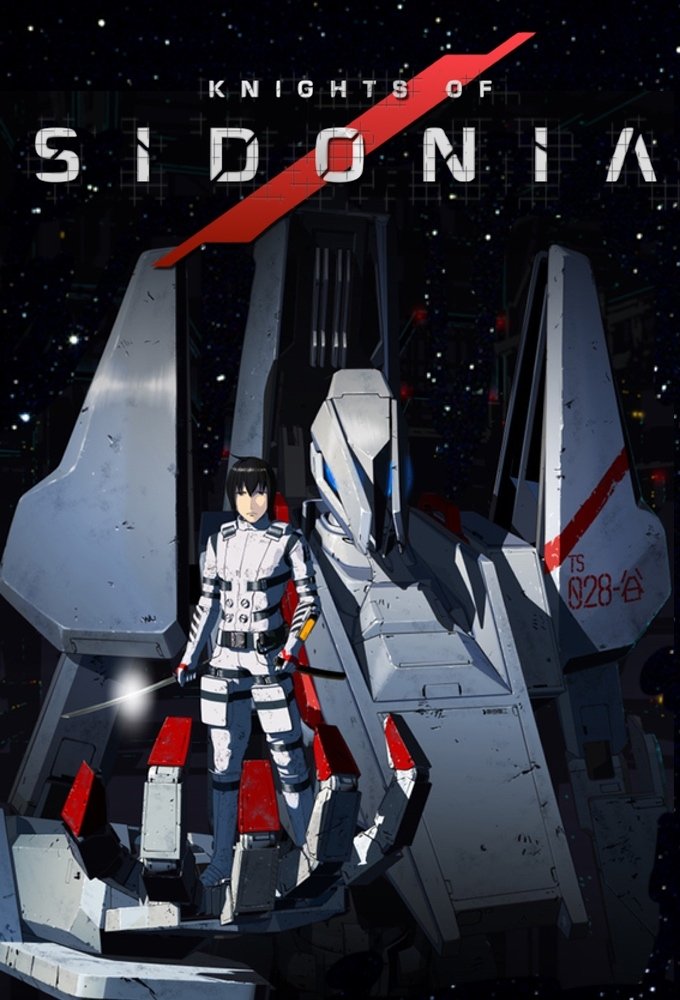
Izana Shinatose is part of a unique third gender group that developed on the spaceship Sidonia. These individuals, sometimes called hermaphrodites, have the biological ability to become either male or female, depending on their partner. Throughout the story, Izana often appears androgynous and experiences romance in a society where gender isn’t fixed. This science fiction world offers a fascinating look at gender fluidity as a natural, evolved trait.
‘Ouran High School Host Club’ (2006)
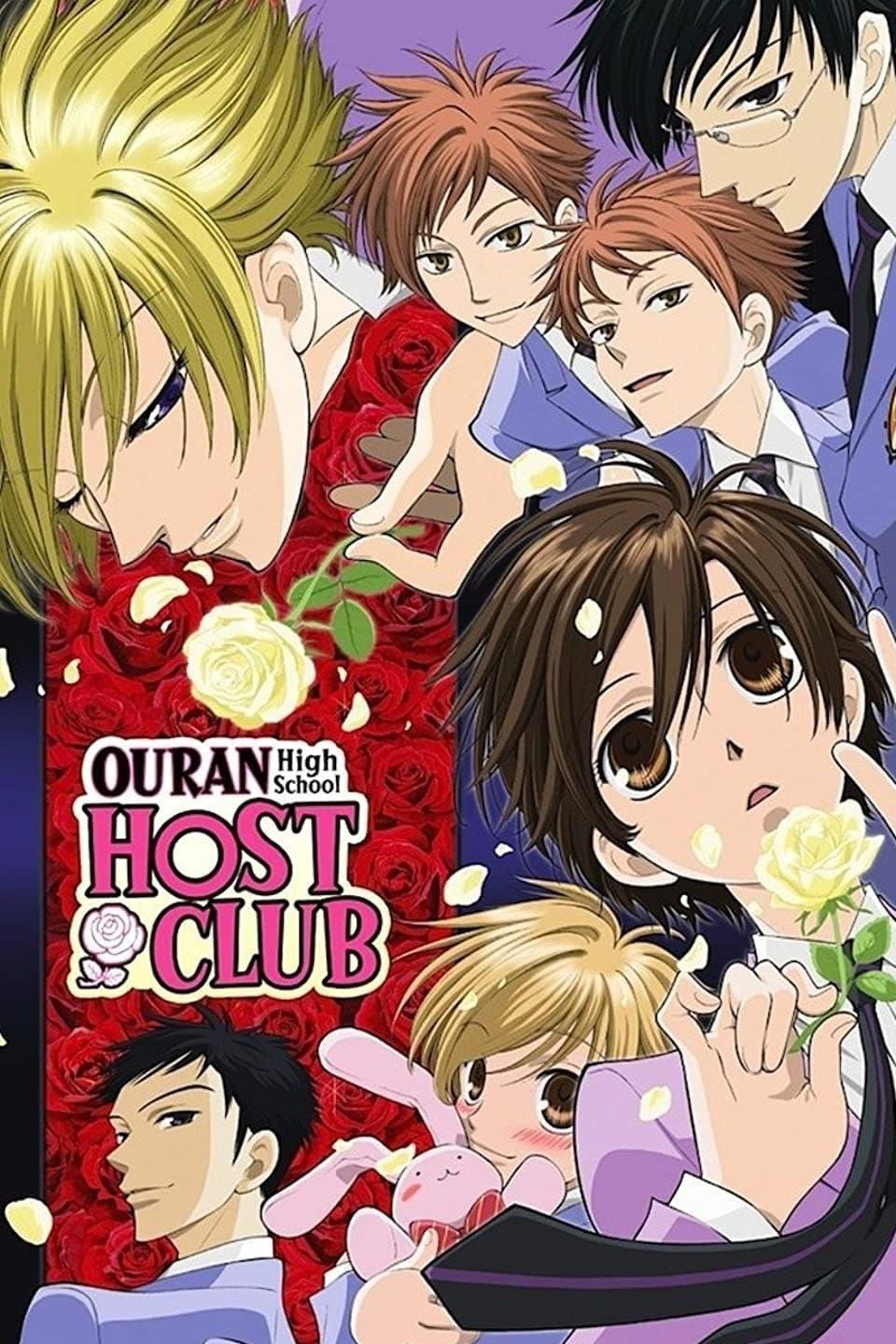
Haruhi Fujioka is a scholarship student who accidentally joins a host club and, to repay a debt, starts working as one of the male hosts. Unlike the other characters who are very concerned with traditional gender roles, Haruhi doesn’t really care whether people see her as male or female. The show uses this unique situation to playfully challenge common themes found in shoujo manga, all while staying true to Haruhi’s practical way of looking at the world.
‘That Time I Got Reincarnated as a Slime’ (2018–Present)
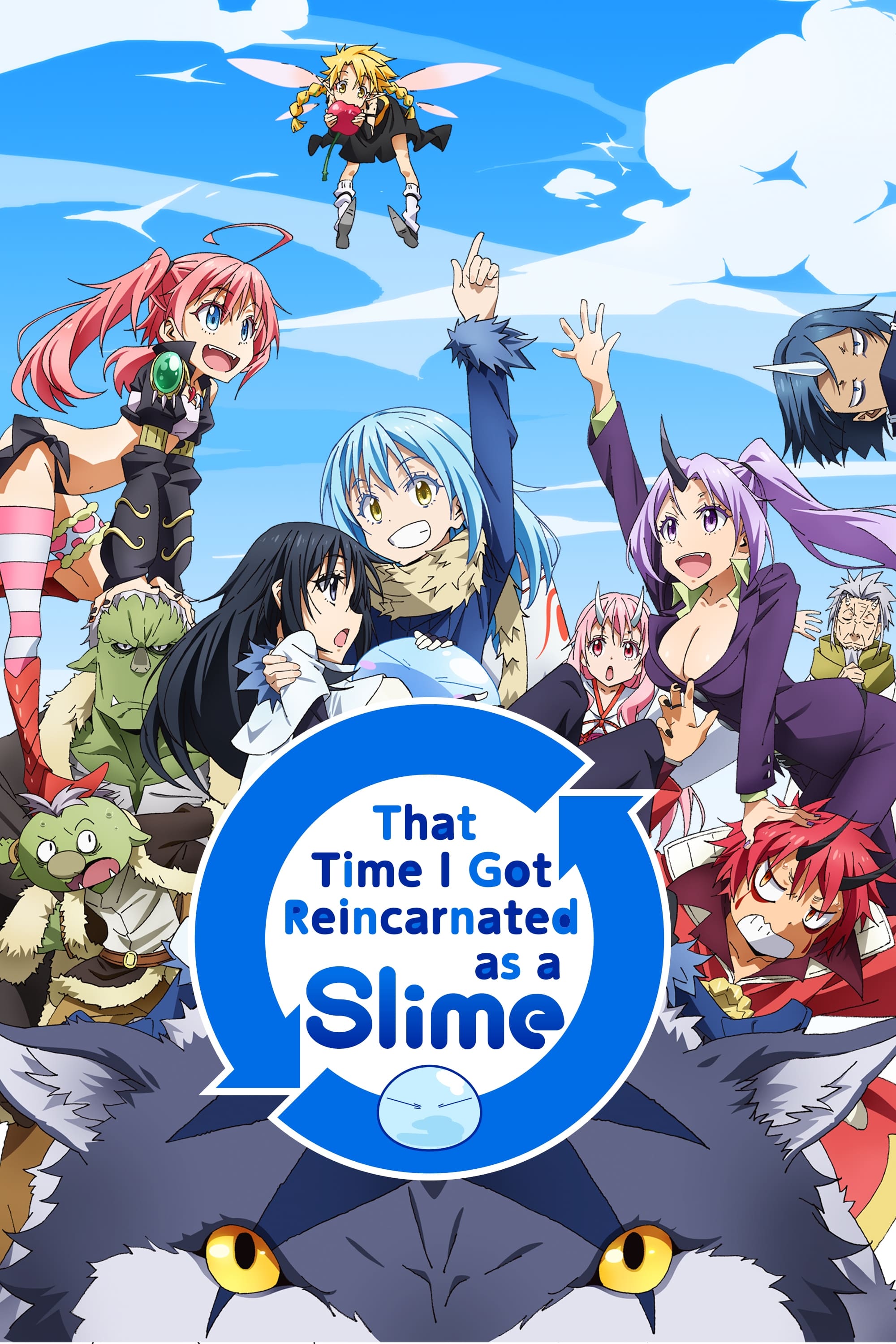
Rimuru Tempest started as a normal office worker who was reborn as a slime monster with no defined gender. When Rimuru takes on a human form, they appear androgynous, resembling a close female friend, but doesn’t have a biological sex. While Rimuru feels like a man at heart, they appreciate having a body that isn’t limited by traditional gender roles. As a leader, Rimuru builds a society based on strength and kindness, not on gender.
‘Fate/Apocrypha’ (2017)
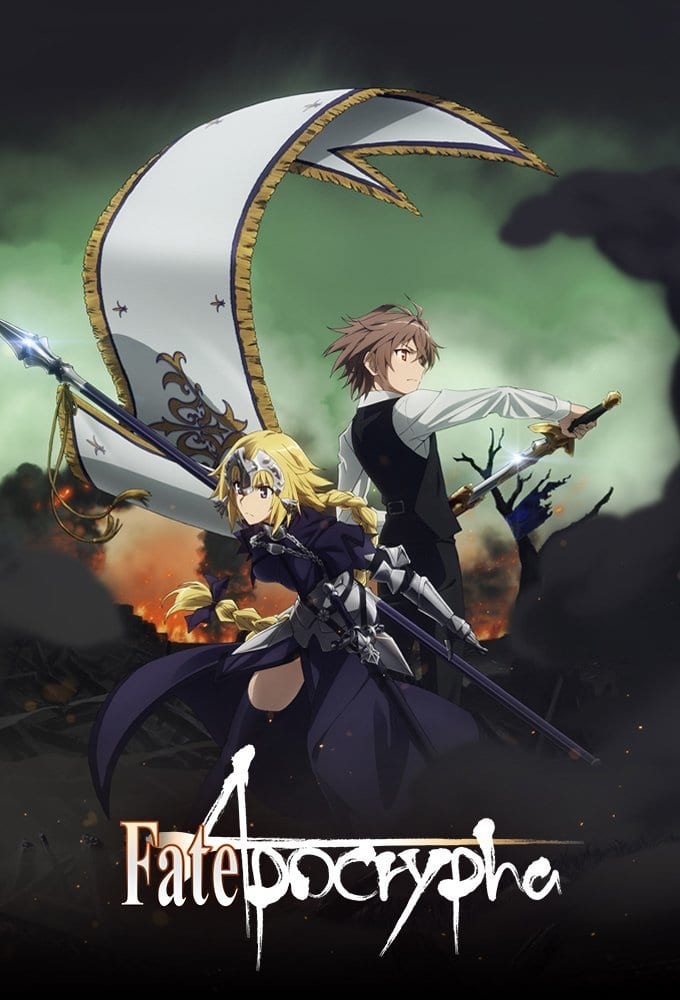
Astolfo, a powerful warrior known as the Rider of Black, is famous for wearing striking, traditionally feminine clothes and maintaining a happy-go-lucky personality. He doesn’t mind when people assume he’s a girl and actually enjoys the freedom to express himself through his style. The anime focuses on Astolfo’s bravery and dedication, showing that how he presents himself doesn’t affect his skills as a fighter. The story prioritizes creating a confident, gender-nonconforming character over strict historical accuracy.
‘Black Butler’ (2008–2014)
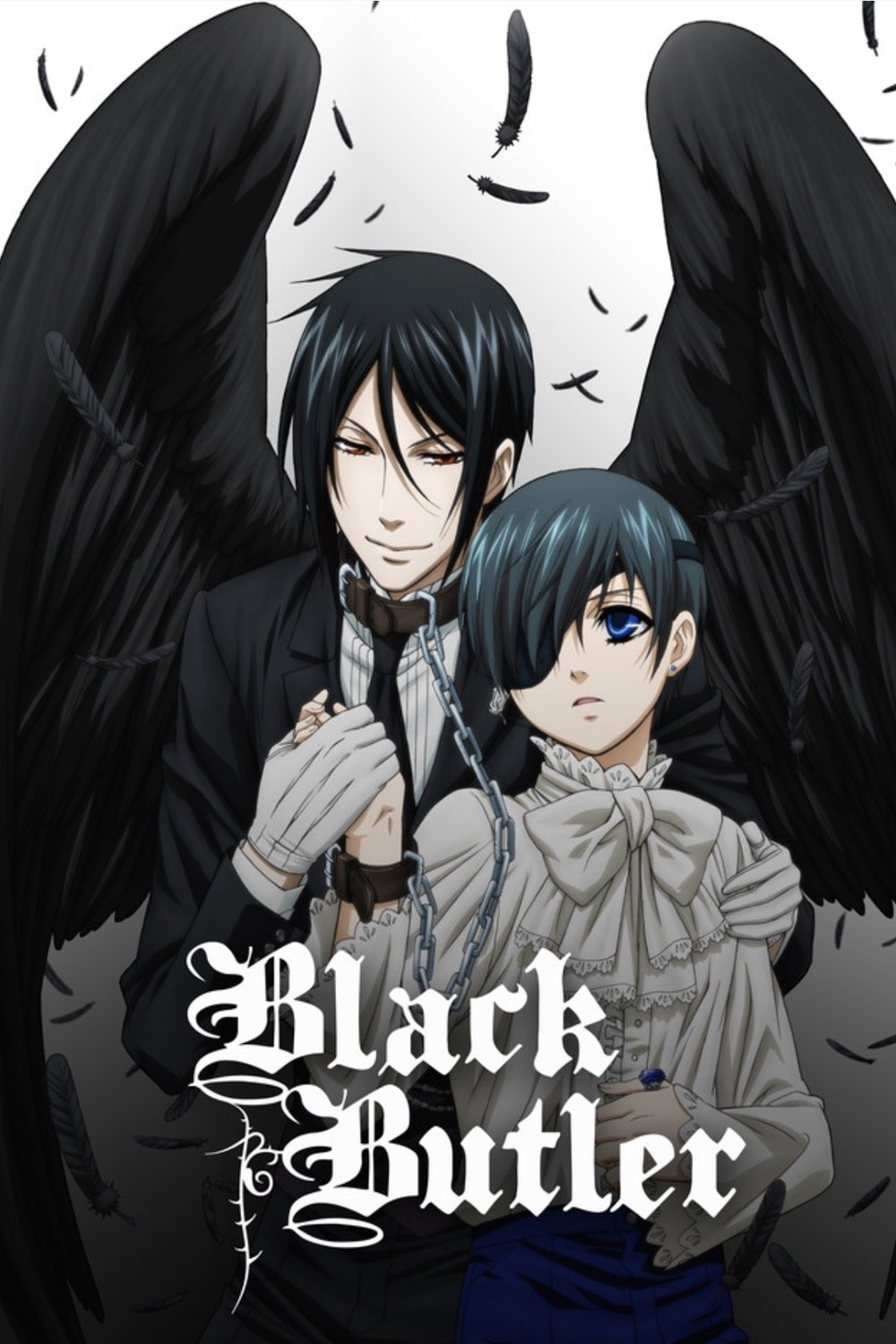
Grell Sutcliff is a Grim Reaper who identifies as a woman and consistently uses feminine pronouns, even in the original Japanese version of the series. Though English dubs have sometimes changed this, Grell’s actions and personality clearly show a strong connection to femininity. She personalizes her reaper tools and clothing to express her individual style. Throughout the series, Grell acts as a disruptive and unconventional force, rejecting the traditional, serious image expected of Grim Reapers.
‘Tiger & Bunny’ (2011)
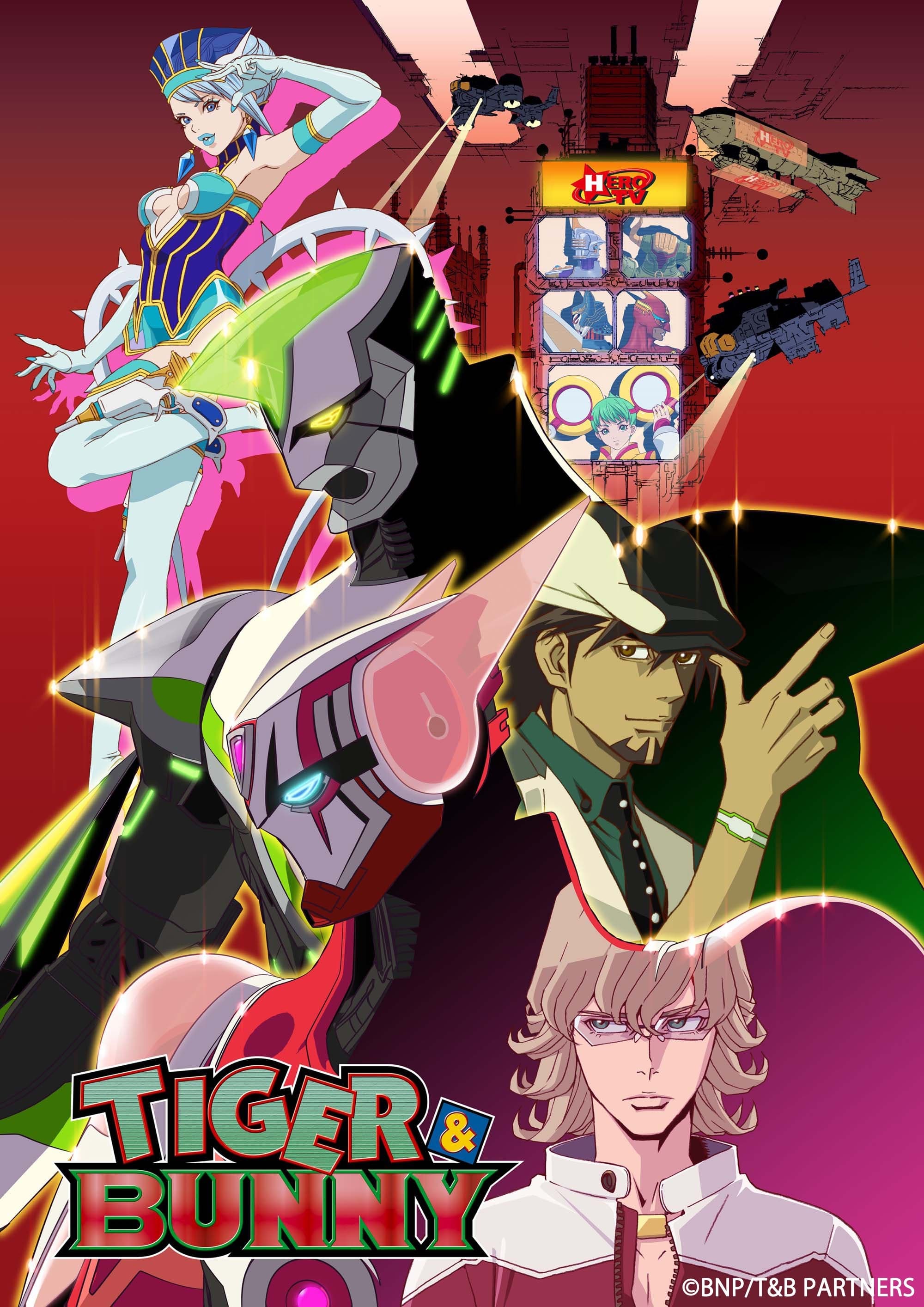
Nathan Seymour, also known as Fire Emblem, is a powerful hero who challenges traditional expectations with his personality and attraction to men. He experiences discrimination but ultimately embraces a non-binary or gender-fluid identity, identifying as both male and female. Despite facing societal prejudice, Nathan builds a successful business and earns the respect of his peers. The story highlights how his identity becomes a source of strength and helps him overcome adversity.
‘Princess Jellyfish’ (2010)
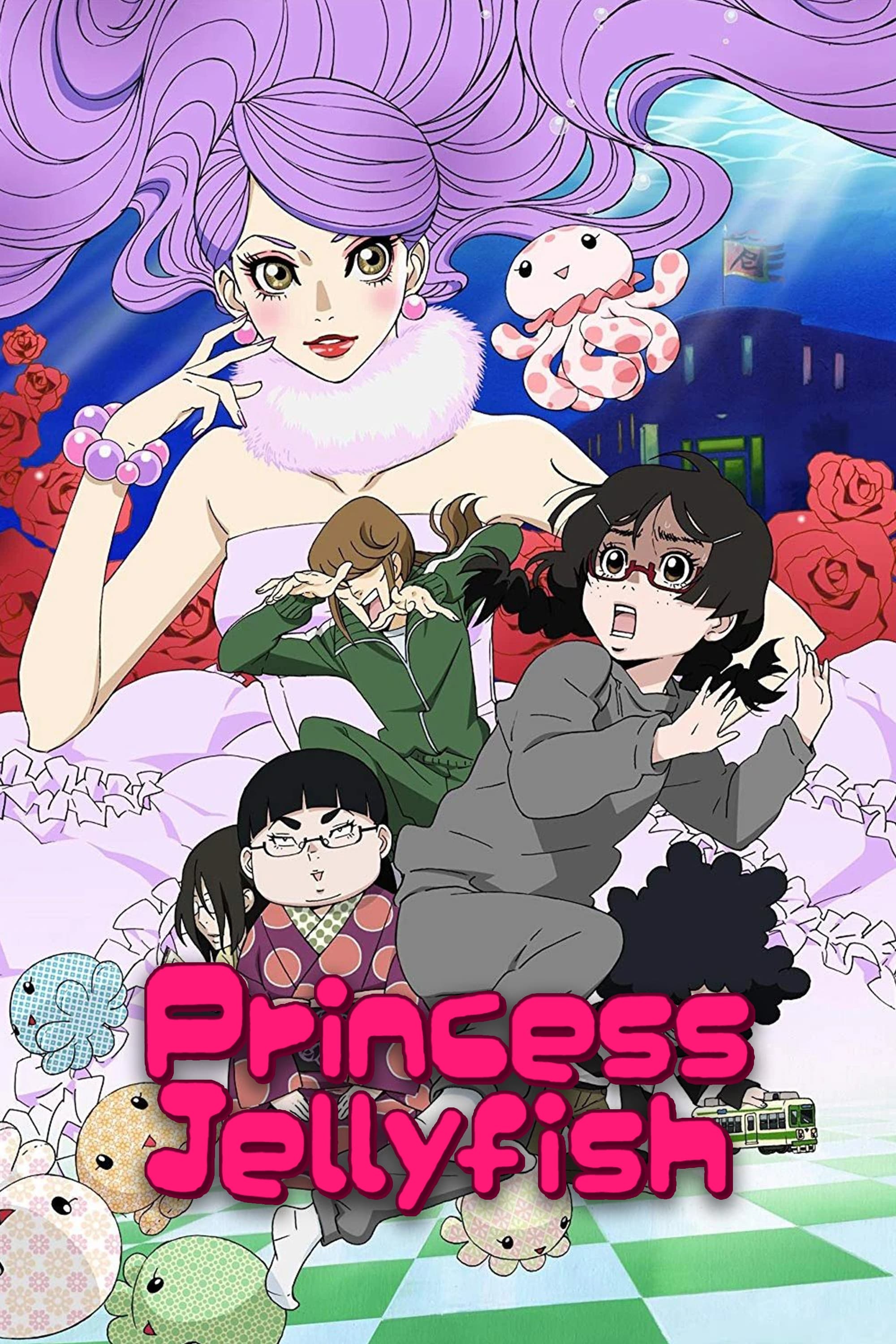
Kuranosuke Koibuchi comes from a powerful and influential family, but he prefers to express himself through women’s clothing as a way to rebel against the pressures of his upbringing. Though he identifies as straight, he feels freer and more comfortable dressing in drag. He uses his keen sense of style to boost the confidence of shy and insecure girls. Kuranosuke’s character breaks down traditional ideas about what clothes and makeup are for, and shows that they aren’t limited by gender or sexuality.
‘Stop!! Hibari-kun!’ (1983–1984)
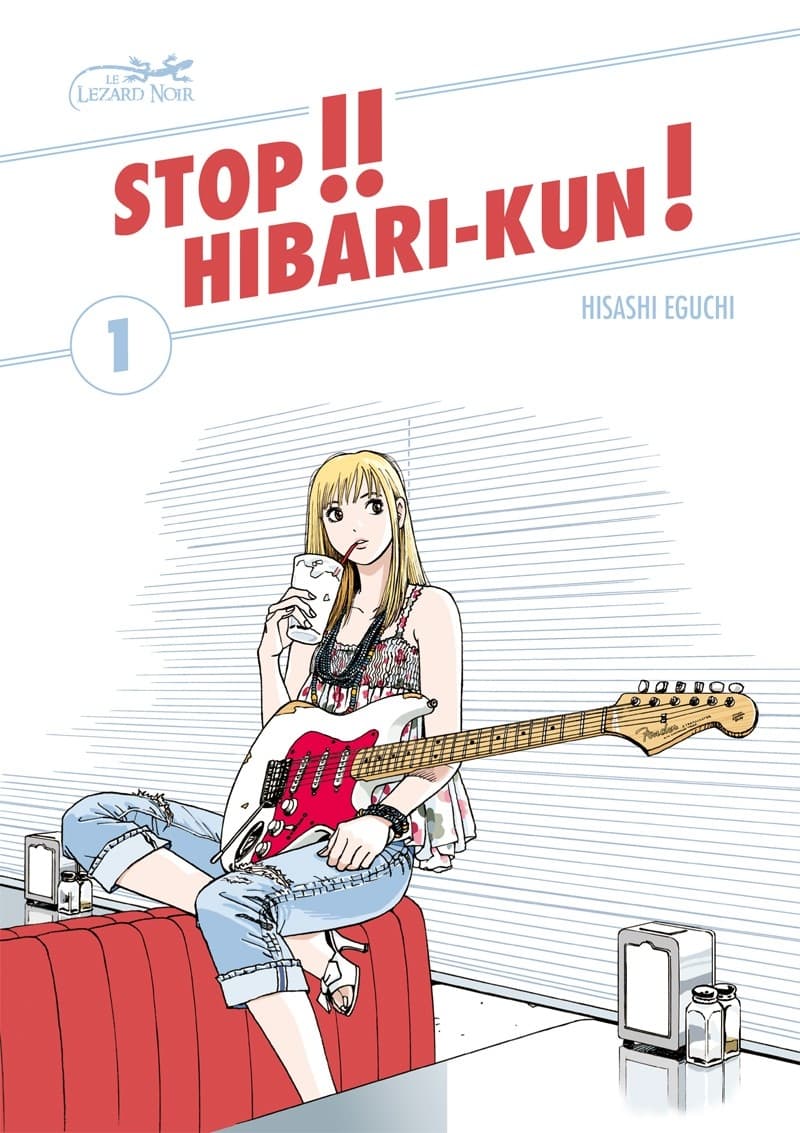
Hibari Ozora is a significant early example of a transgender character in anime. She was assigned male at birth but firmly insists on being recognized as a woman. Notably, the show portrays Hibari as capable, appealing, and self-assured. The main character grapples with his feelings for her because of what was considered normal at the time, but Hibari remains unfazed. The series was groundbreaking for featuring a transgender female character in a central role.
‘Revolutionary Girl Utena’ (1997)
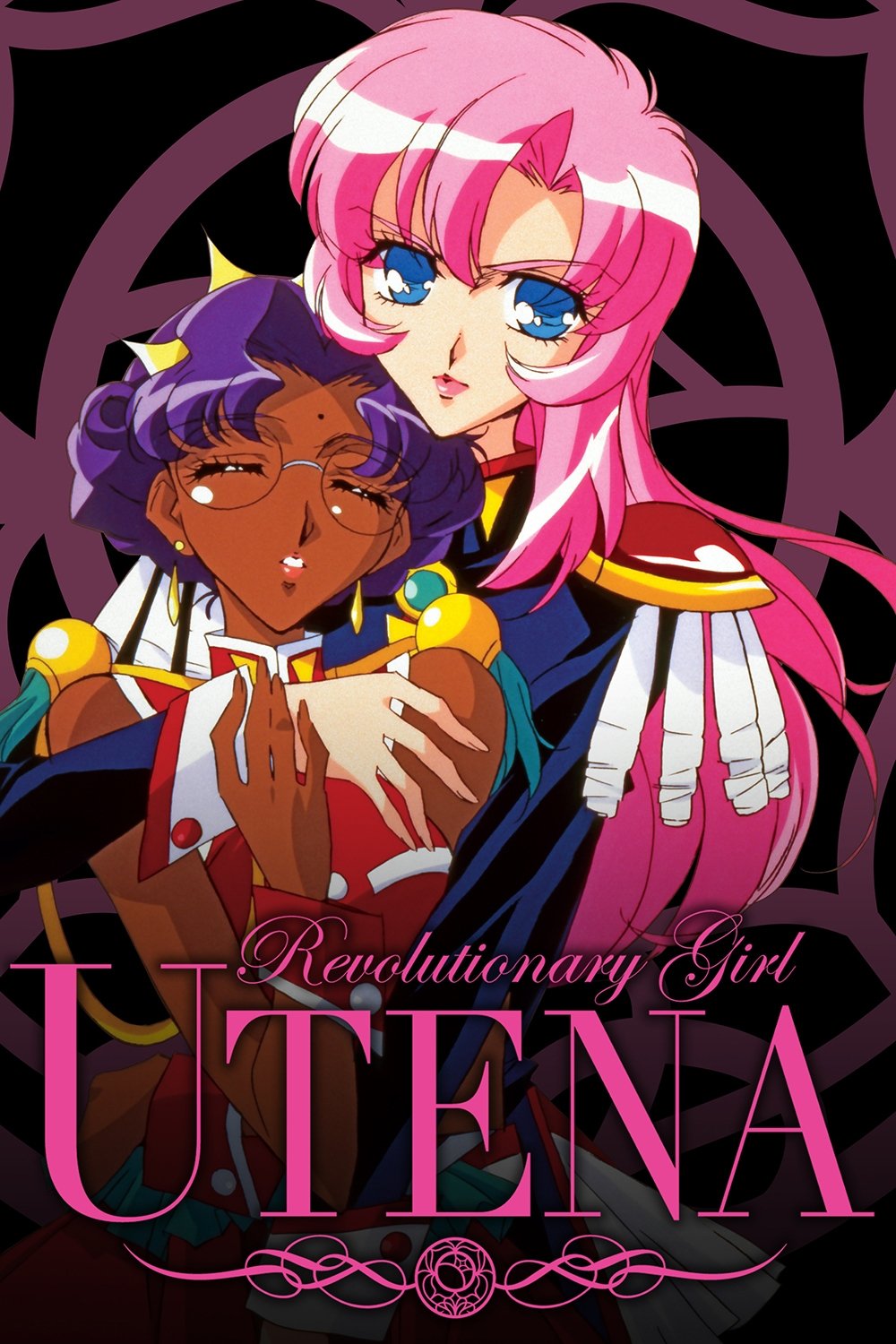
I’ve always been captivated by Utena Tenjou. After something happened when she was little, she made the bold decision to be a prince, not a princess! She even goes to school in a boys’ uniform and participates in these incredible duels, all to protect someone called the Rose Bride. But it’s so much more than just action, you see. It really makes you think about why we always see heroes as men, and what that even means. Utena completely rejects the idea of being someone who needs saving, and that’s what the whole story revolves around – her refusal to play the expected role is what drives everything forward.
‘Wandering Son’ (2011)
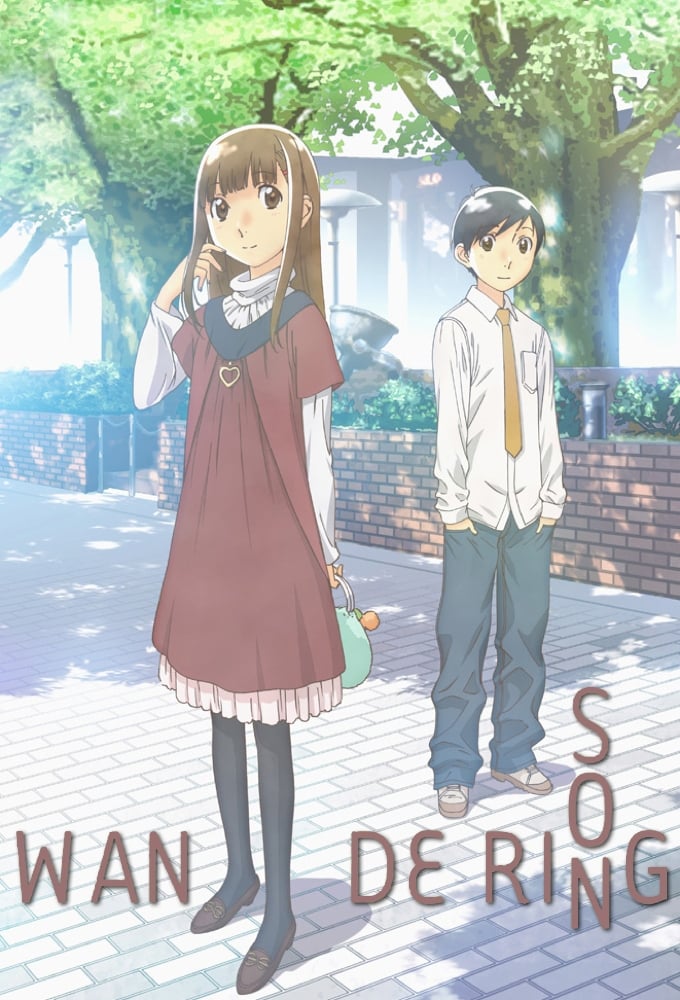
This touching anime tells the story of Shuichi and Yoshino, two middle school students grappling with wanting to be a different gender. The show uses gentle, watercolor-like animation to capture the delicate nature of their self-discovery. It’s a realistic and sensitive portrayal, focusing on the everyday challenges of being a teenager – things like school, clothes, and fitting in – and has been highly praised for its empathetic look at the experiences of transgender young people.
‘Mobile Suit Gundam 00’ (2007–2009)
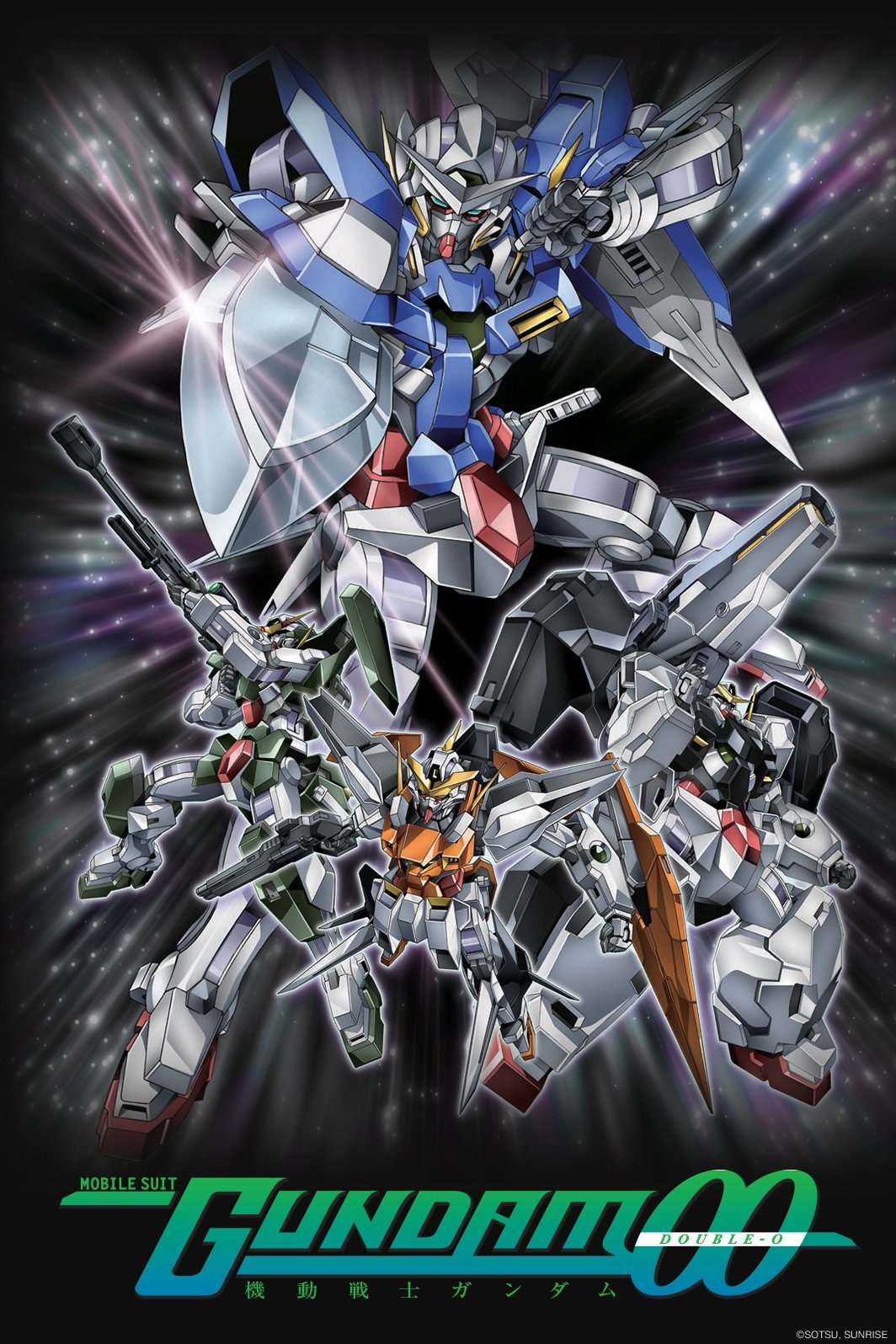
Tieria Erde is a skilled Gundam pilot with a special link to the powerful computer Veda. Unusually, Tieria can change genders physically when the mission demands it, and generally doesn’t seem concerned with traditional gender roles, appearing calm and detached. As the story progresses, Tieria’s sense of self becomes even more flexible, eventually transferring their consciousness into various bodies. The character prioritizes their mission and what makes logical sense, rather than being limited by physical form or gender.
‘Le Chevalier D’Eon’ (2006–2007)
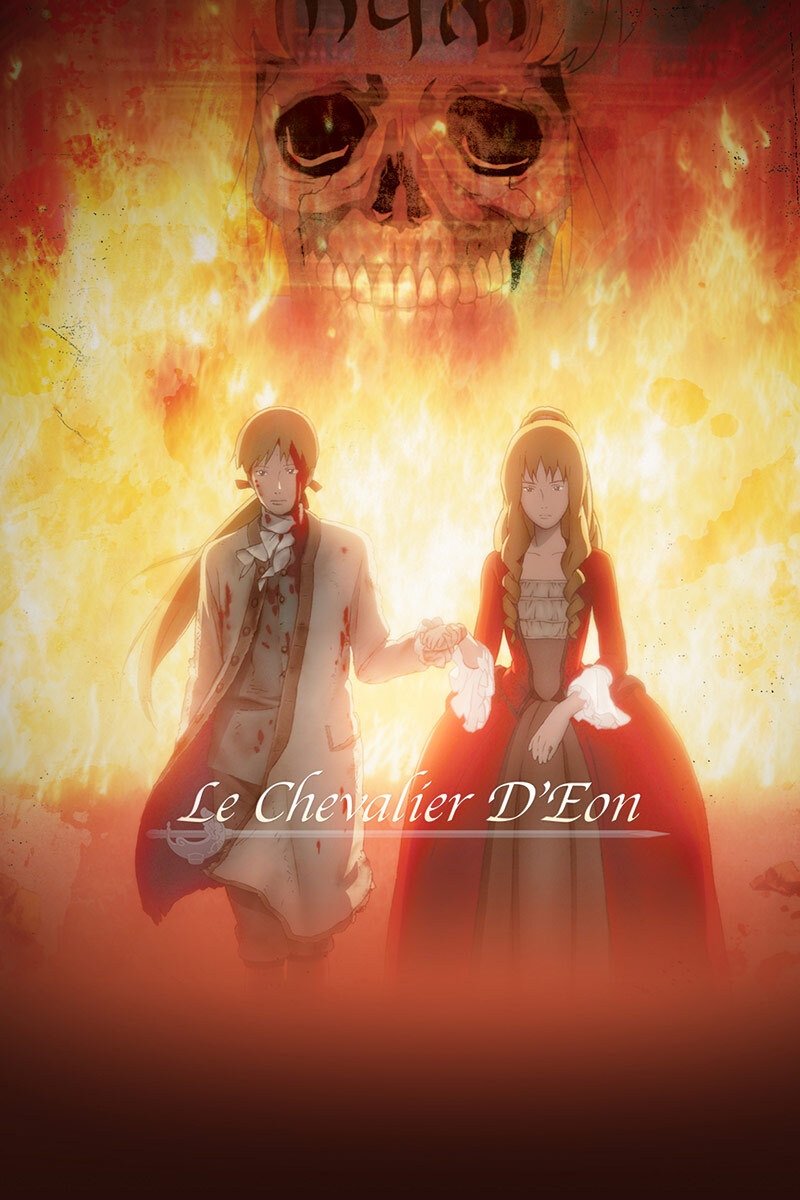
In 18th-century France, the knight D’Eon de Beaumont is haunted by the spirit of his late sister, Lia. This leads to a strange situation where he occasionally transforms into a woman. The story blends real historical events with supernatural occurrences, using this shared existence to delve into the close relationship between the siblings. D’Eon must manage the treacherous political landscape of the court while also sharing his life and body with Lia.
‘Simoun’ (2006)
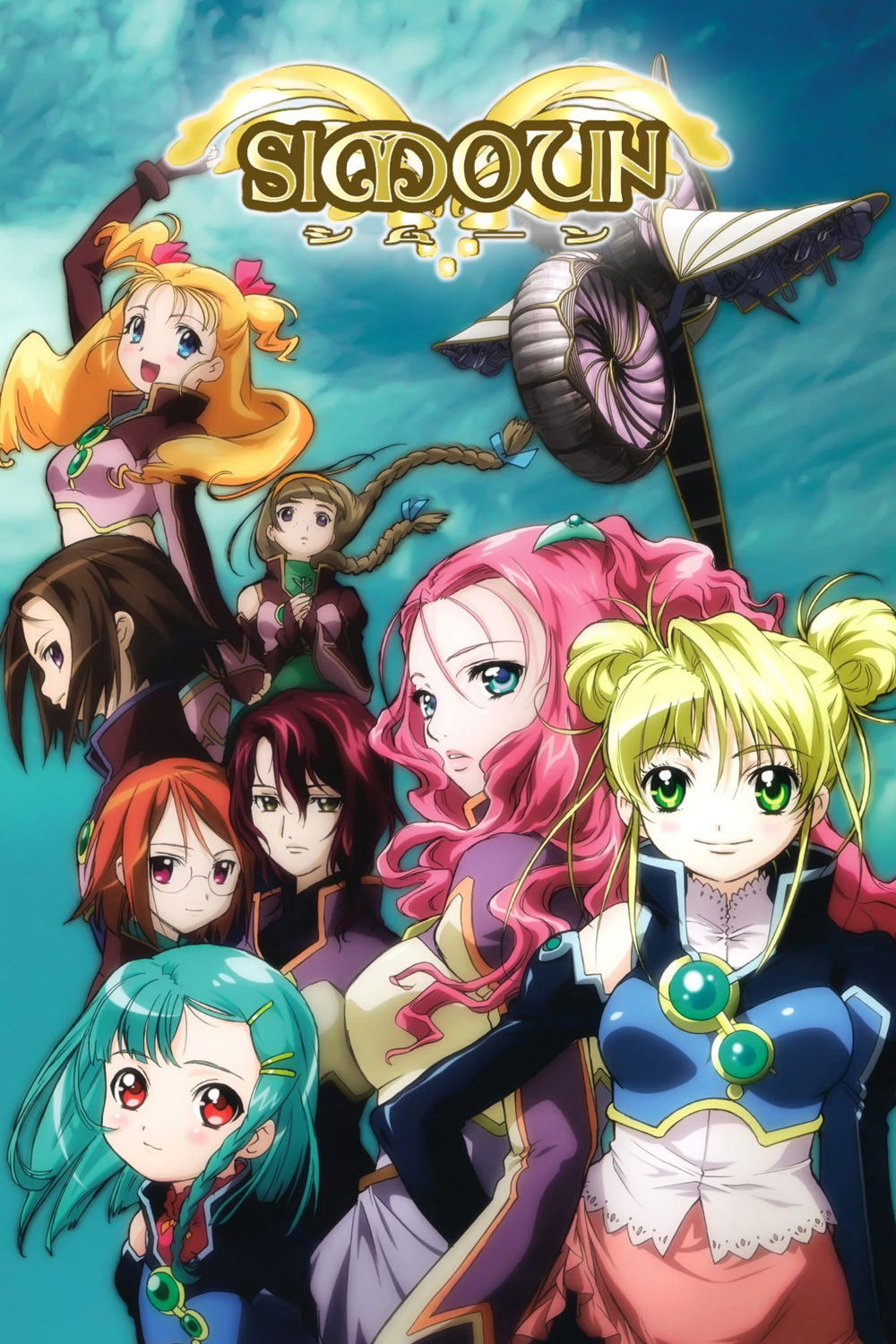
In the nation of Simulacrum, everyone is born female and selects their gender around the age of seventeen at a special spring. However, the pilots who fly Simoun aircraft remain in a transitional period, having not yet made that choice. This unique situation lets the characters explore relationships and responsibilities free from the expectations of fixed gender roles. The story asks whether a strict male/female divide is even necessary in a society where people live without it during their youth.
‘Astra Lost in Space’ (2019)
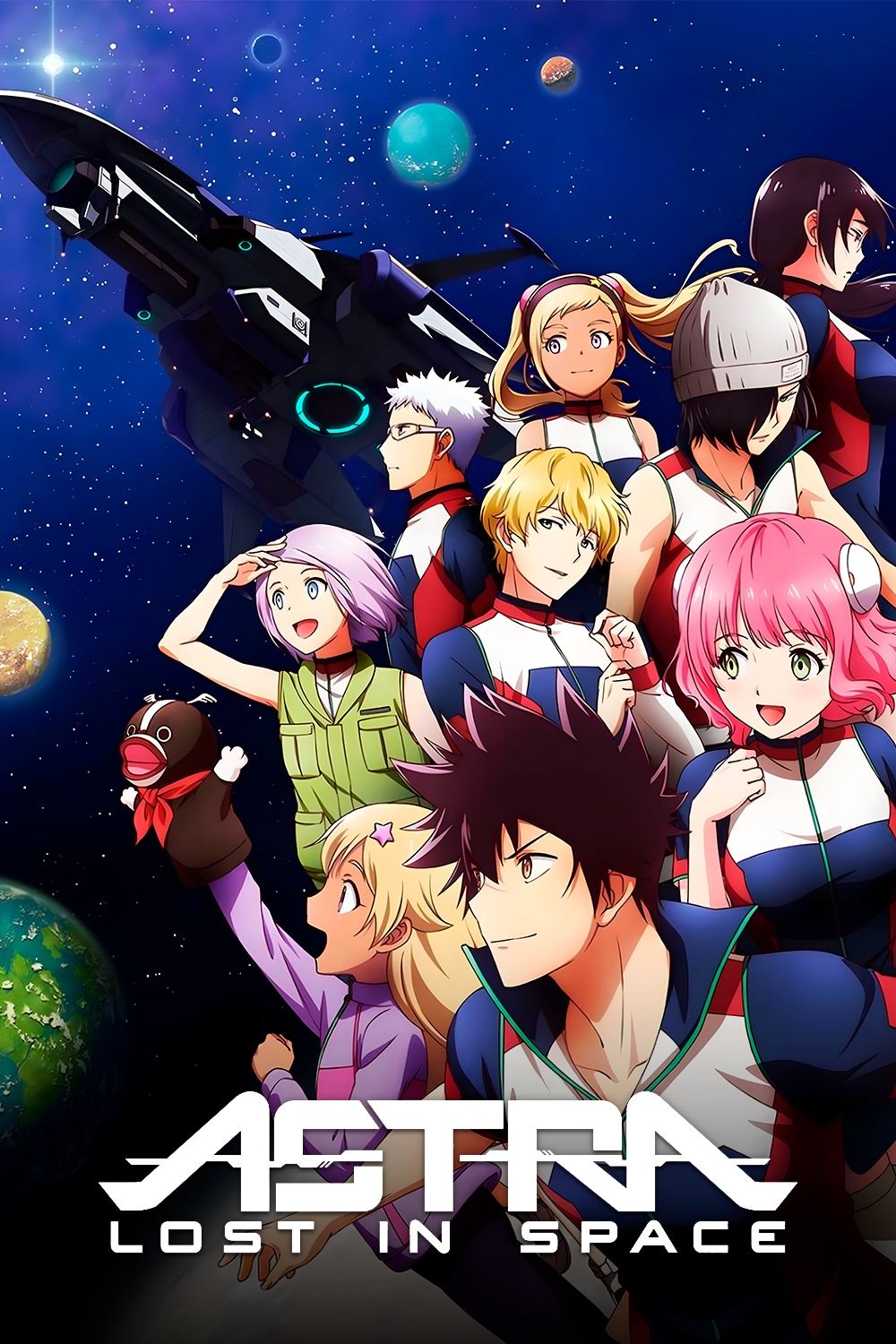
Luca Esposito, one of a group of students stranded in space, shares that he is intersex, meaning he was born with biological traits of both sexes and doesn’t identify solely as male or female. The rest of the crew readily accepts this information, and it doesn’t change how much they rely on his skills. This is a significant portrayal because it specifically uses the term ‘intersex’ and makes a clear distinction between being intersex and being transgender.
‘To Your Eternity’ (2021–Present)
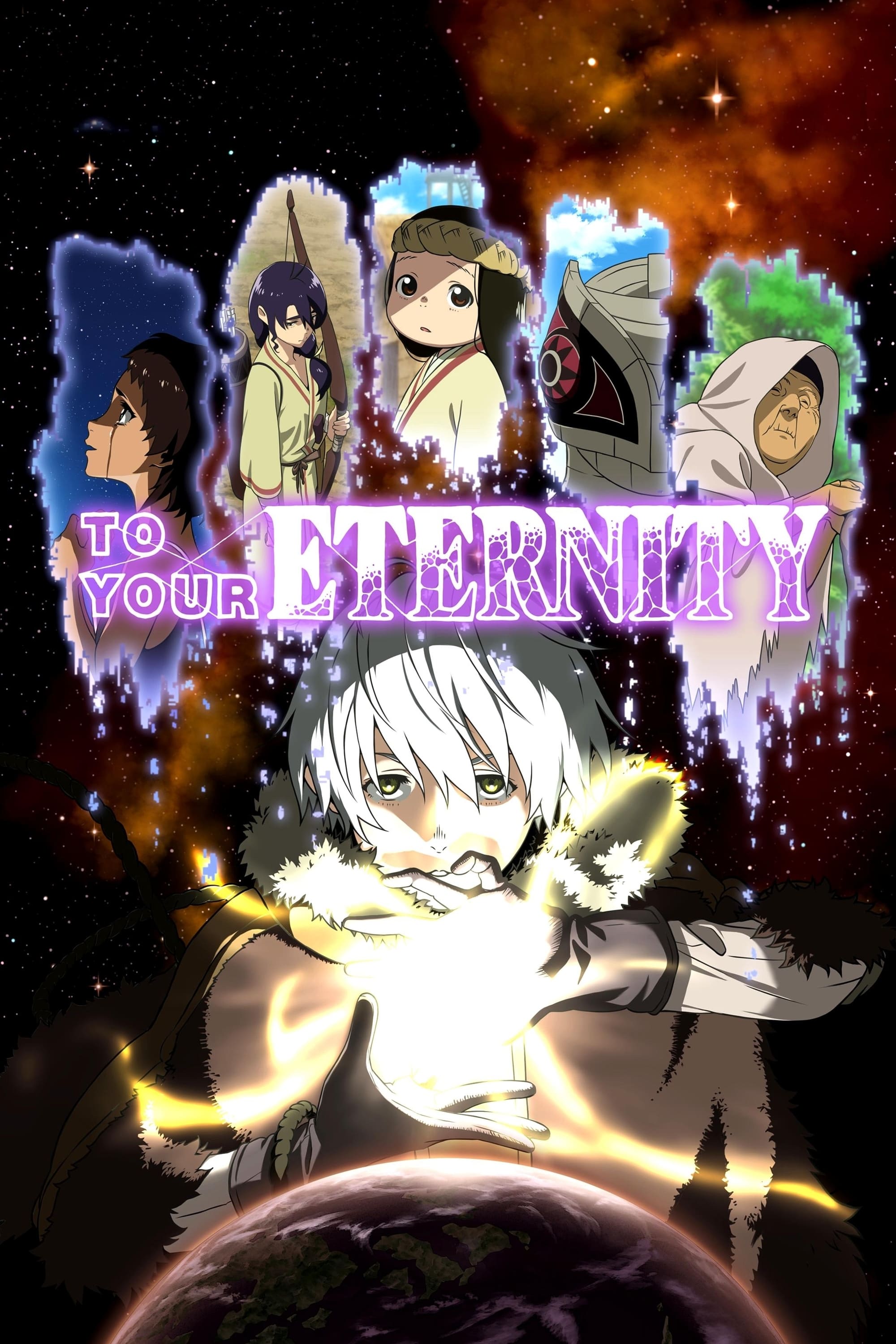
Fushi is an immortal being who can transform into the forms of those who have died, and was sent to Earth for this purpose. While often appearing as a young boy, Fushi also takes on the forms of women and the elderly. Because Fushi isn’t bound by a physical body or gender, these forms are simply tools for living and connecting with others. The story follows Fushi’s journey to understand what it truly means to be human, moving beyond just physical appearance.
‘Cardcaptor Sakura’ (1998–2000)
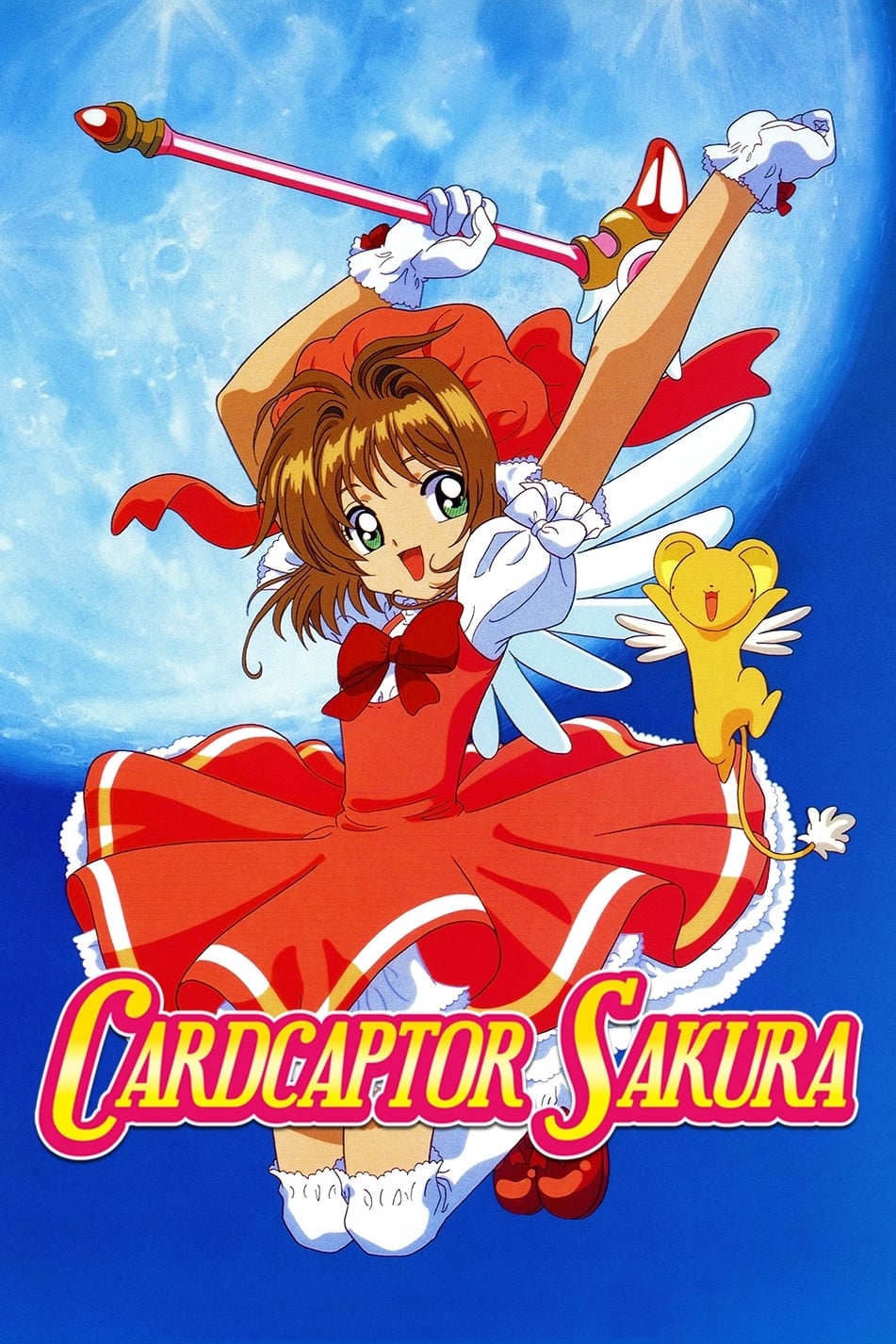
Ruby Moon is a magical being created by Eriol Hiiragizawa and goes to school with the main character’s brother. Ruby Moon doesn’t identify with a specific gender but enjoys dressing and acting feminine simply because they think it’s fun. The character doesn’t worry about traditional gender roles and focuses on self-expression instead of labels, which aligns with the show’s overall message of acceptance and love in all its forms.
‘Dororo’ (2019)
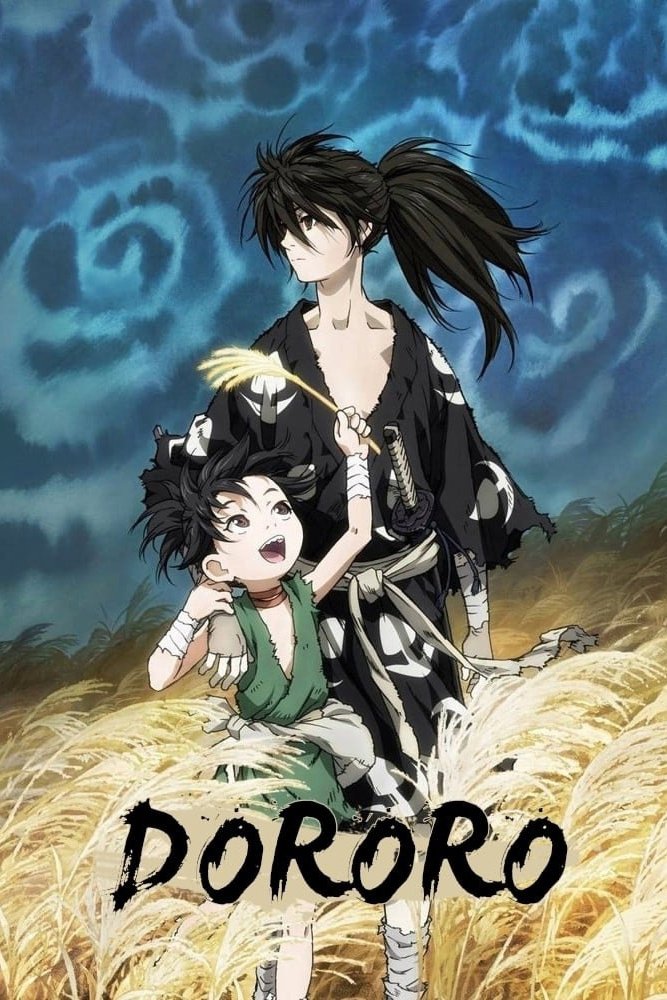
Dororo is a young person raised as a boy to shield them from the difficulties faced by women during a turbulent period in history. Though biologically female, Dororo actively rejects traditional feminine roles and continues to live as a boy, even after their birth secret is known. They cherish the independence and control that presenting as male allows. Dororo’s close relationship with Hyakkimaru is based on their need to survive together, not on romantic or gender-based expectations.
‘Samurai Flamenco’ (2013–2014)
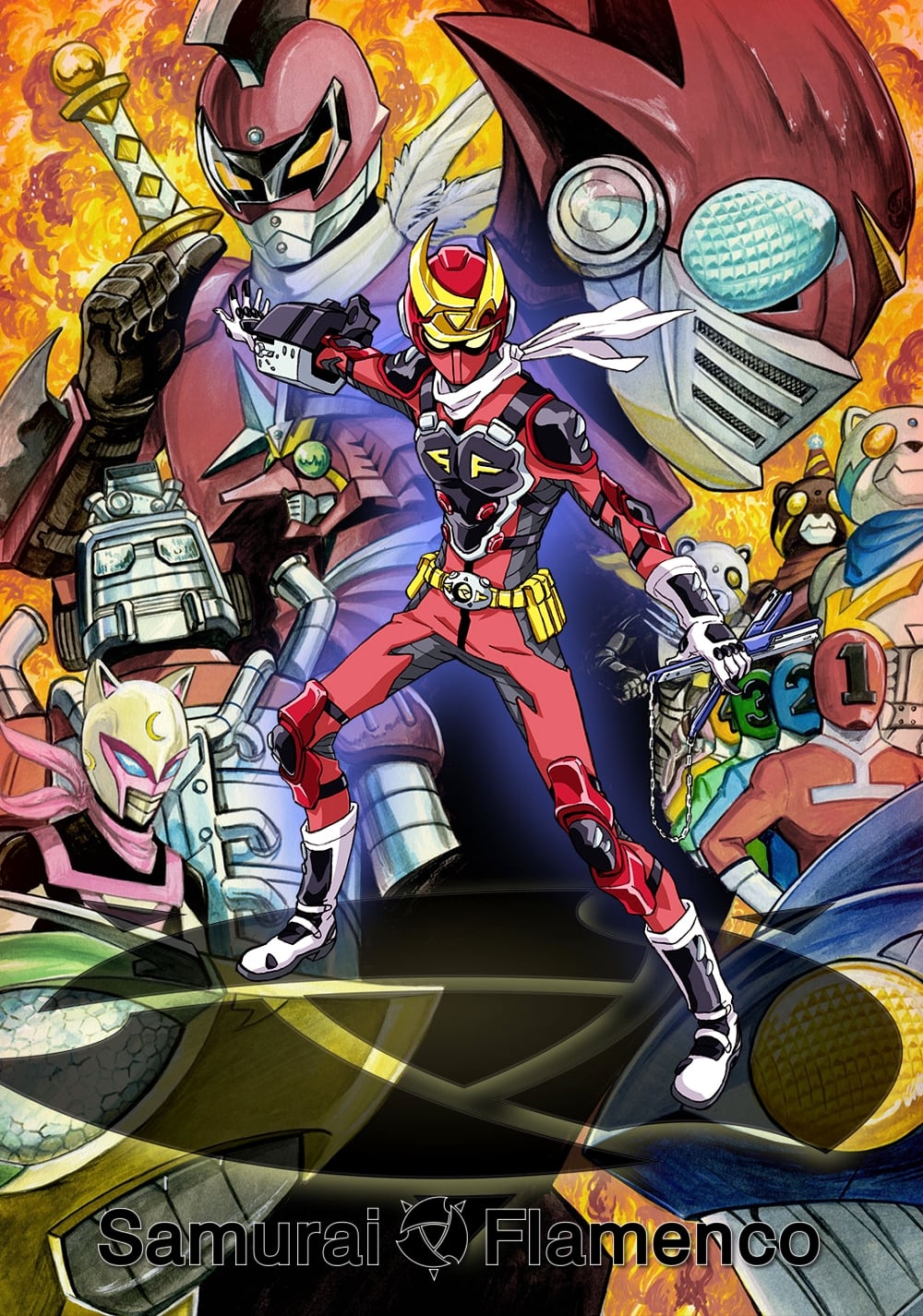
Mari Maya leads a magical girl group called the Flamenco Girls, but she’s a more nuanced character than her public image suggests. The show delves into ideas about identity and how we perform different roles, with characters struggling against the expectations placed on them by society. Though it doesn’t directly feature non-binary characters, the series challenges traditional gender roles often seen in superhero and magical girl stories, prompting viewers to consider what qualities are typically considered ‘masculine’ or ‘feminine’ in a hero.
‘Paradise Kiss’ (2005)
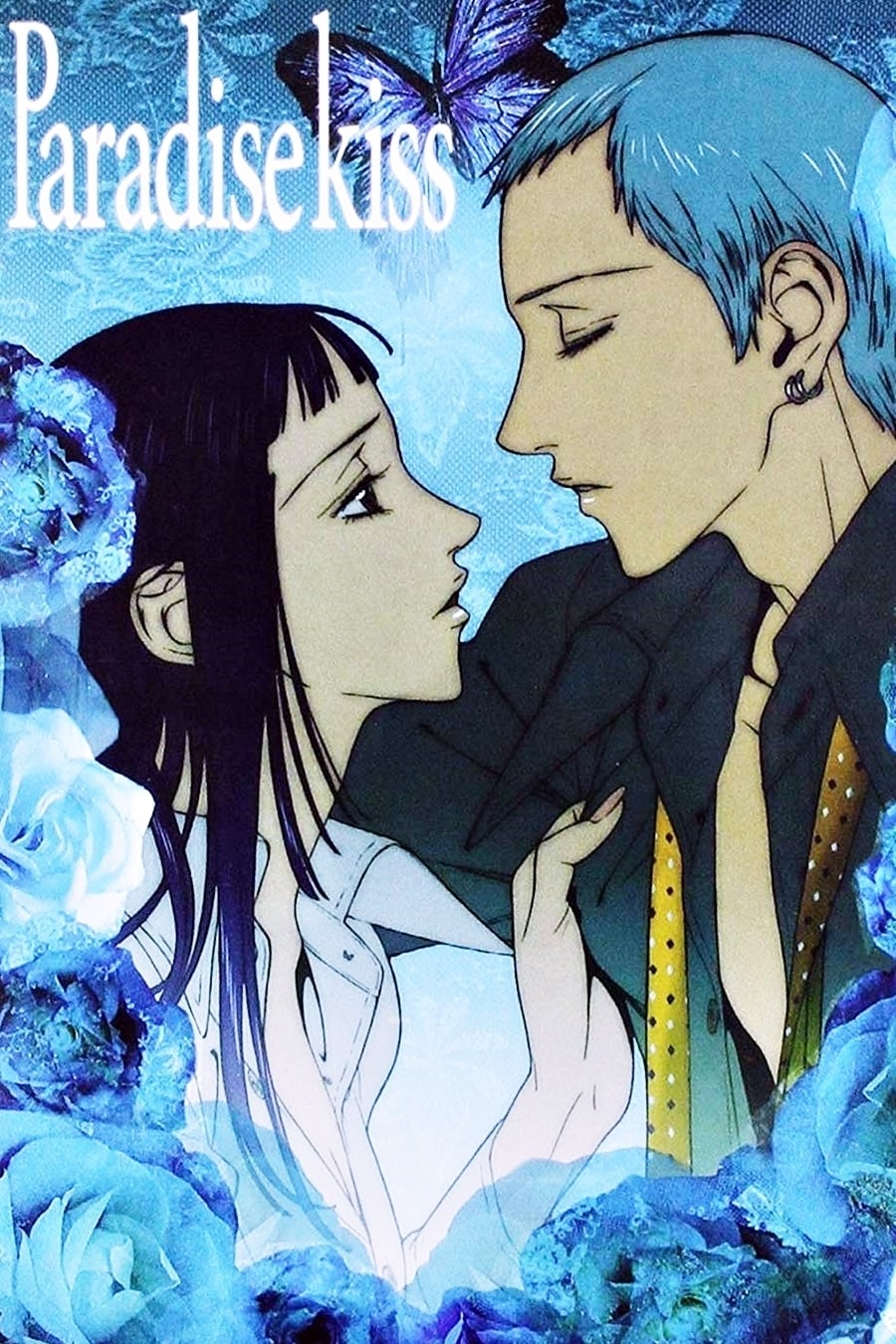
You know, I’m a huge fan of ‘Paradise Kiss,’ and Isabella is just a phenomenal character. She’s basically the mom everyone in the design group needs – always offering support and guidance. What’s really powerful is that she’s a transgender woman who’s truly found her place and confidence in the fashion world. The series does a beautiful job of showing her backstory, especially her childhood friend George, who actually made her first dress and really saw her for who she was. She’s just portrayed with so much grace and wisdom; she really holds the whole group together emotionally.
‘Wonder Egg Priority’ (2021)
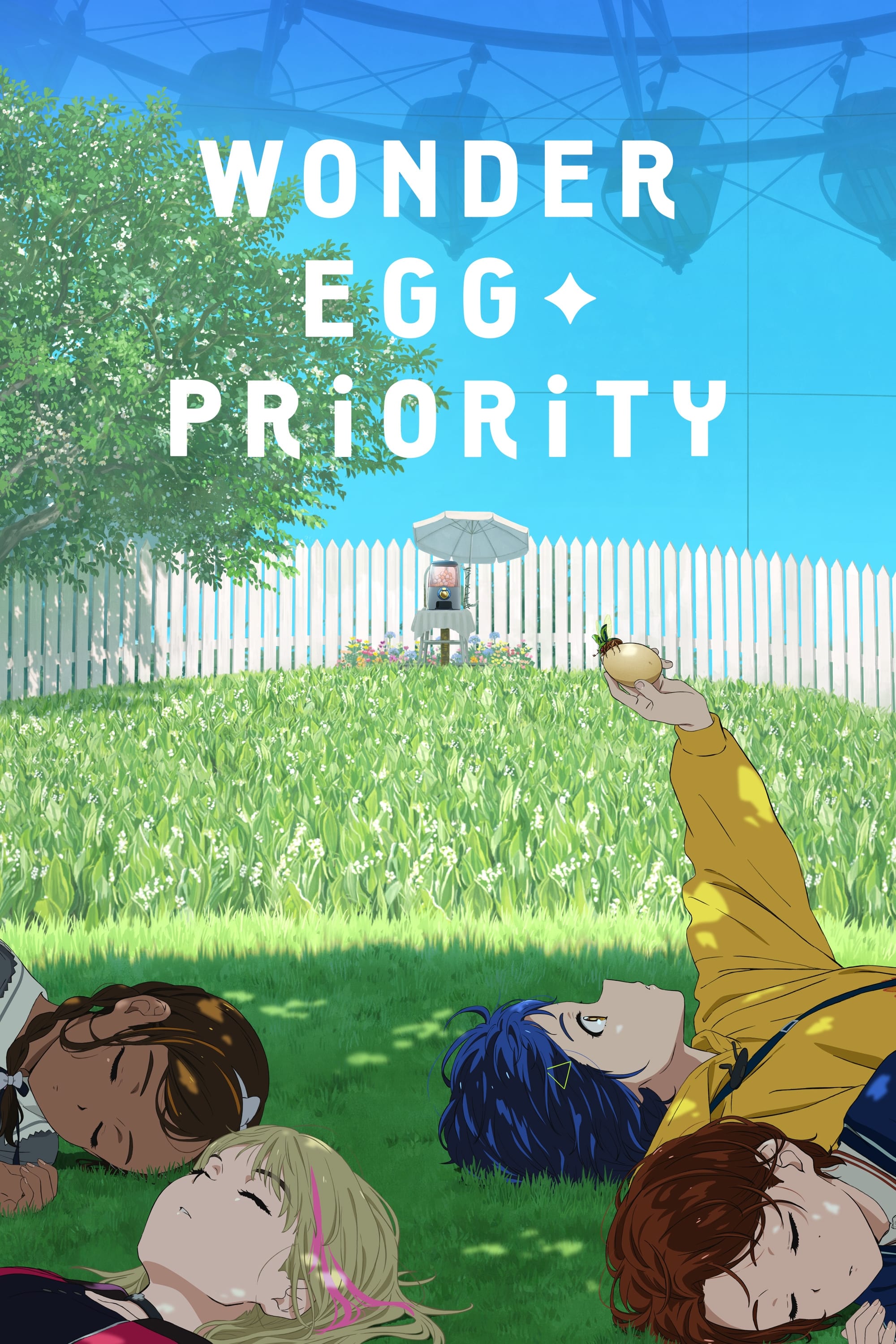
Momoe Sawaki is a central character who’s often thought to be a boy because of her clothes and tall stature. She wants people to see her as a girl, but she also gets attention from girls who see her as a handsome “prince.” The story explores her inner struggle with how others see her and how she wants to be seen. Her journey is about finding her own way to embrace her femininity.
‘High Guardian Spice’ (2021)

Snapdragon, a student at High Guardian Academy, goes through a journey of discovering their gender identity in the story. They feel uncomfortable with traditional expectations for boys and finds support and happiness through feminine magic and close friendships. The story openly shows Snapdragon talking about not identifying as male and searching for a way to express who they truly are, offering a relatable portrayal of questioning one’s gender.
‘My Hero Academia’ (2016–Present)
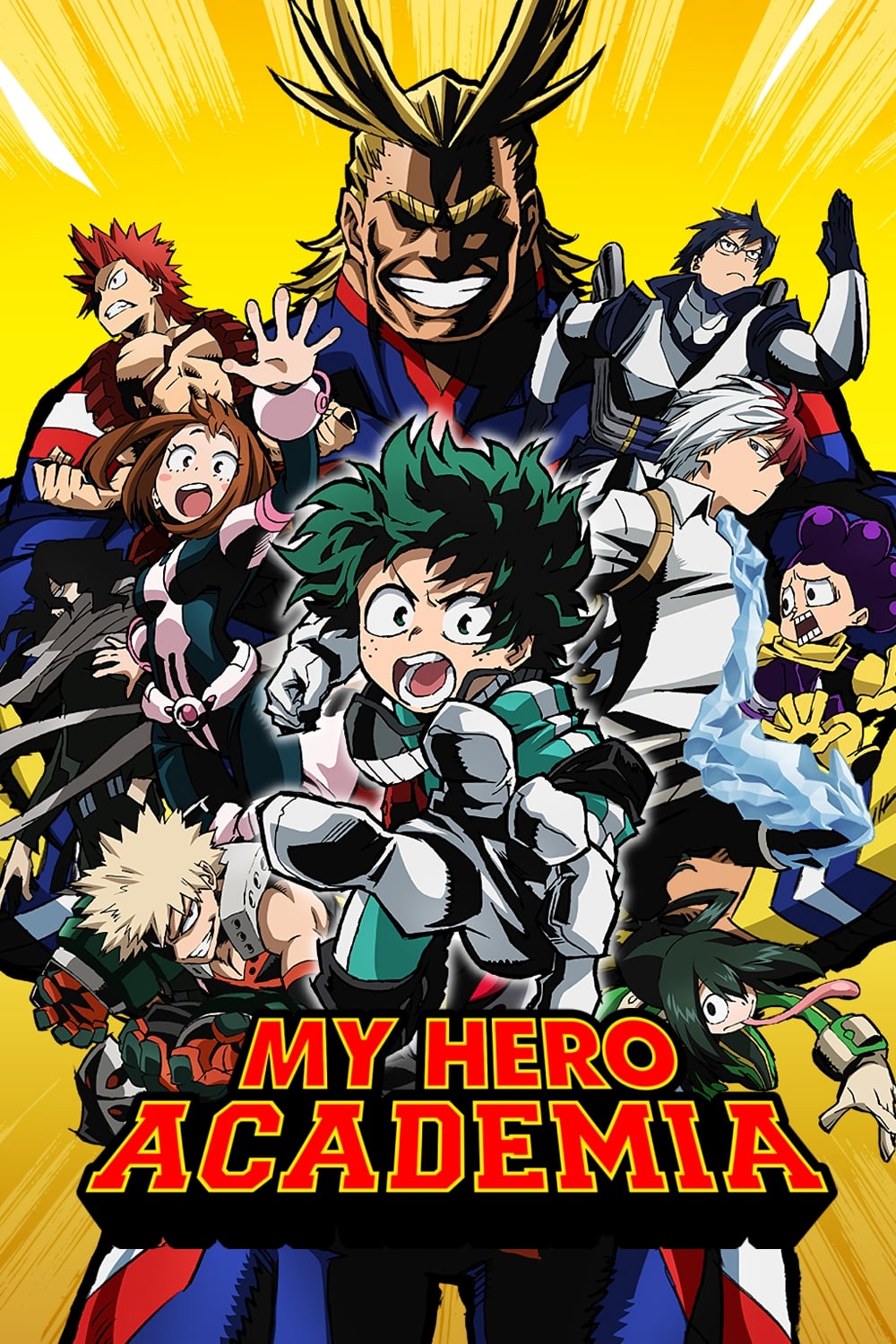
Tiger of the Wild, Wild Pussycats is a confident, muscular hero who is a transgender man and expresses his identity through a personalized version of his team’s uniform. The villain Magne is a transgender woman, and her fellow villains quickly correct Overhaul when he uses the wrong pronouns for her. This demonstrates that the story includes transgender characters on both the hero and villain sides, showcasing gender diversity within its world.
Please share which character’s journey resonated with you the most in the comments.
Read More
- Top 20 Dinosaur Movies, Ranked
- 20 Movies Where the Black Villain Was Secretly the Most Popular Character
- Celebs Who Narrowly Escaped The 9/11 Attacks
- 25 “Woke” Films That Used Black Trauma to Humanize White Leads
- Spotting the Loops in Autonomous Systems
- The 10 Most Underrated Jim Carrey Movies, Ranked (From Least to Most Underrated)
- The Best Directors of 2025
- Gold Rate Forecast
- Transformers Under the Microscope: What Graph Neural Networks Reveal
- Every Notable ‘Star Trek: The Original Series’ Actor Who Died
2026-01-26 10:19