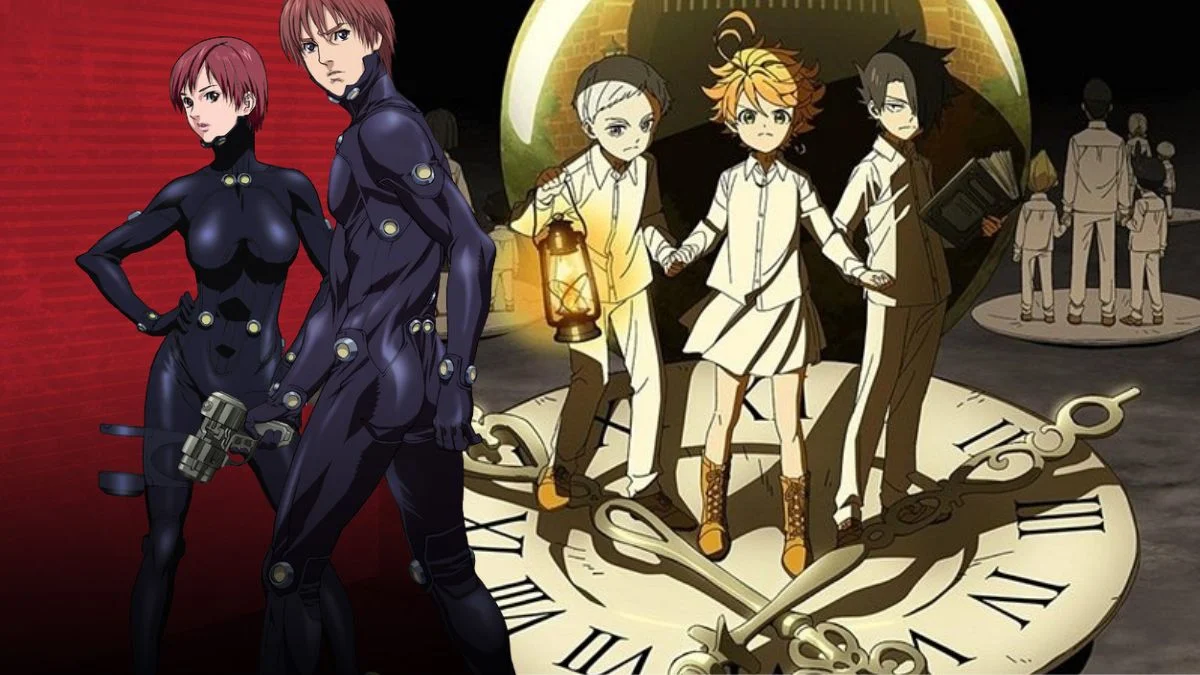
People who love manga and anime eagerly anticipate when their favorite comics come to life in animated form. A well-made adaptation can make a series incredibly popular and reach fans around the world. Unfortunately, sometimes studios make strange choices, leading to stories that feel rushed or have endings that completely change the original. This can be really frustrating for longtime fans who feel like a great story hasn’t lived up to its potential.
‘The Promised Neverland’ (2019–2021)
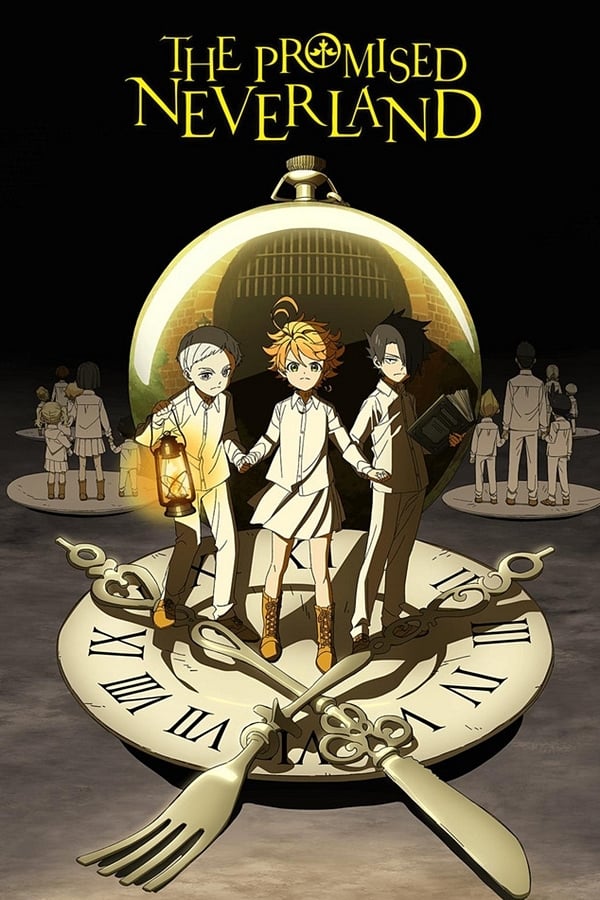
The first season of this thriller was a huge success, praised for its masterful build-up of suspense. Unfortunately, the second season tried to cram over a hundred chapters of the original story into just eleven episodes. Key parts of the story, including a popular storyline and important characters, were cut. The season ended with a quick montage that glossed over years of development in a matter of seconds. This poor pacing ultimately damaged a well-loved story and serves as a warning for how anime adaptations can go wrong.
‘Tokyo Ghoul’ (2014–2018)
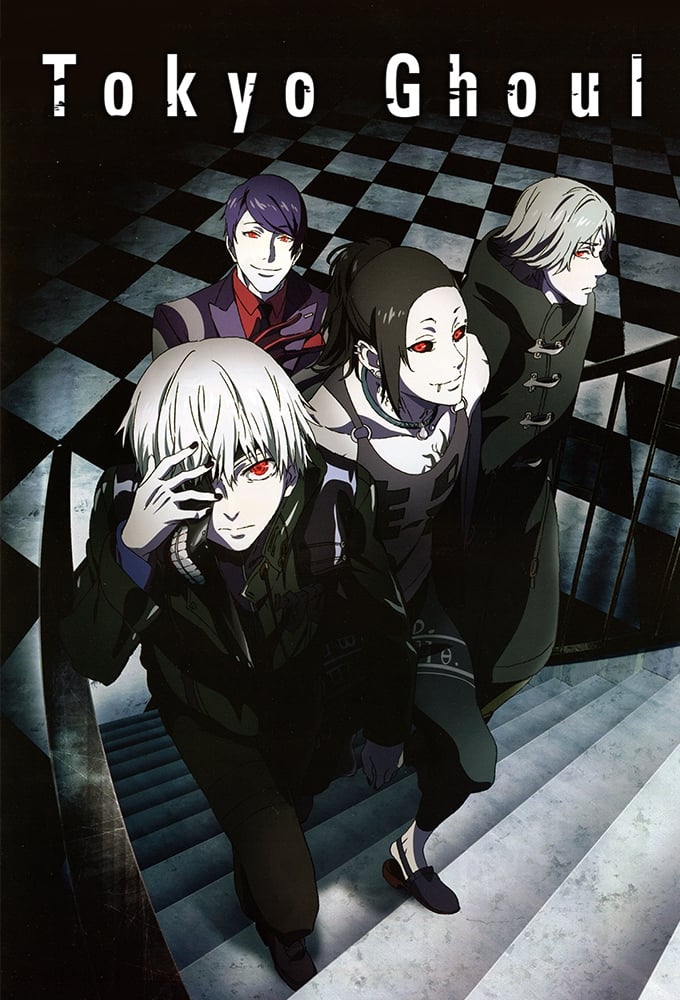
The animation studio Pierrot made big changes to the original story, which left many viewers confused. In the second season, called Root A, the plot completely strayed from the source material, and the main character unexpectedly joined forces with the villains without a clear explanation. Later seasons tried to get back on track with the original story, but they couldn’t fix the problems caused by those earlier changes. Important character arcs and plot details were left out, likely because the story was too complex to fit into the number of episodes they had. Ultimately, the series felt fragmented and didn’t make sense without also reading the original manga.
‘Berserk’ (2016–2017)
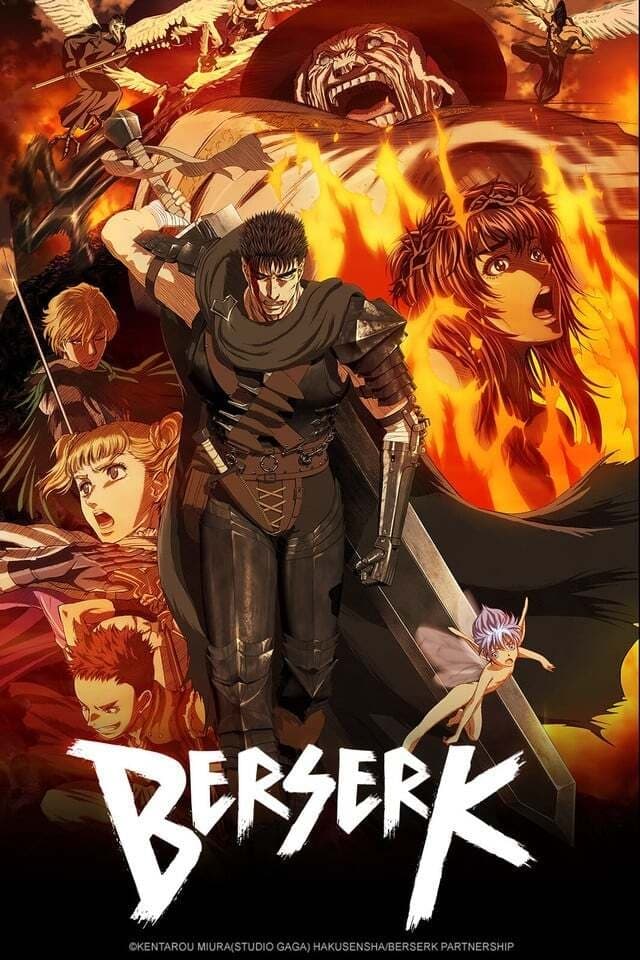
This version of the story is well-known for its poor use of computer-generated images, which didn’t match the beautiful, detailed art of the original. The animation often felt awkward and lacked impact, hurting the dark and intense atmosphere of the fantasy world. Some of the sound effects, like the hero’s sword, became unintentionally humorous online. The director’s shaky camera work also made the fight scenes hard to watch. Most fans felt that the incredible art created by the late Kentaro Miura deserved a much better overall production.
‘Ex-Arm’ (2021)
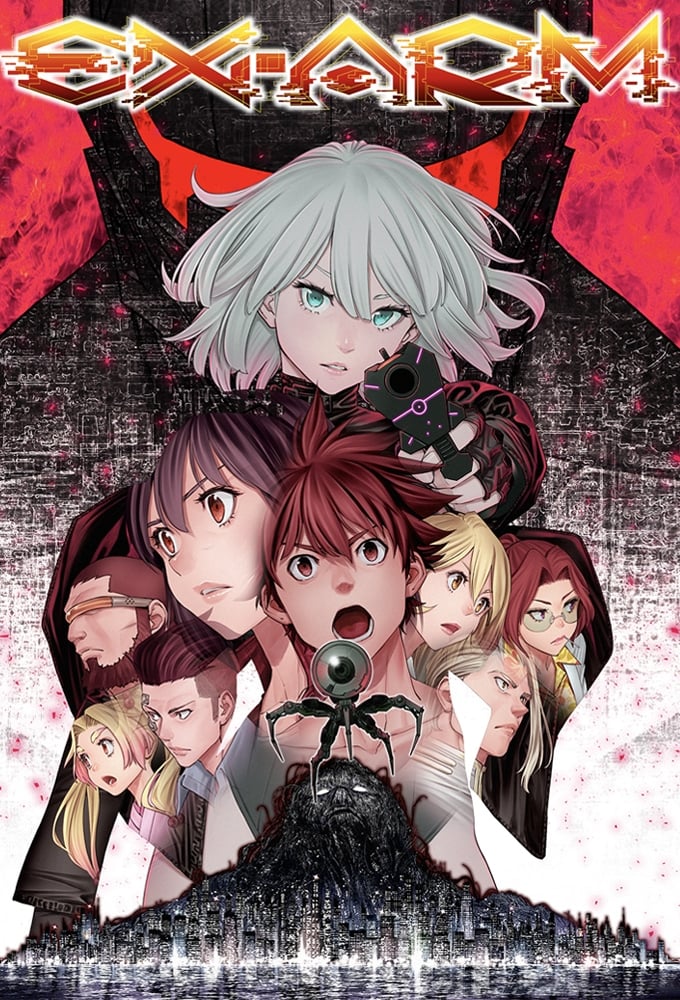
This sci-fi series confused viewers with its awkward visuals even before the season ended. The animation felt stiff and unnatural, making the characters look like puppets and preventing any real emotional connection with the audience. The action scenes were so badly done they were unintentionally funny, and the show is now known as one of the worst-rated programs ever made due to its technical problems.
‘Pupa’ (2014)
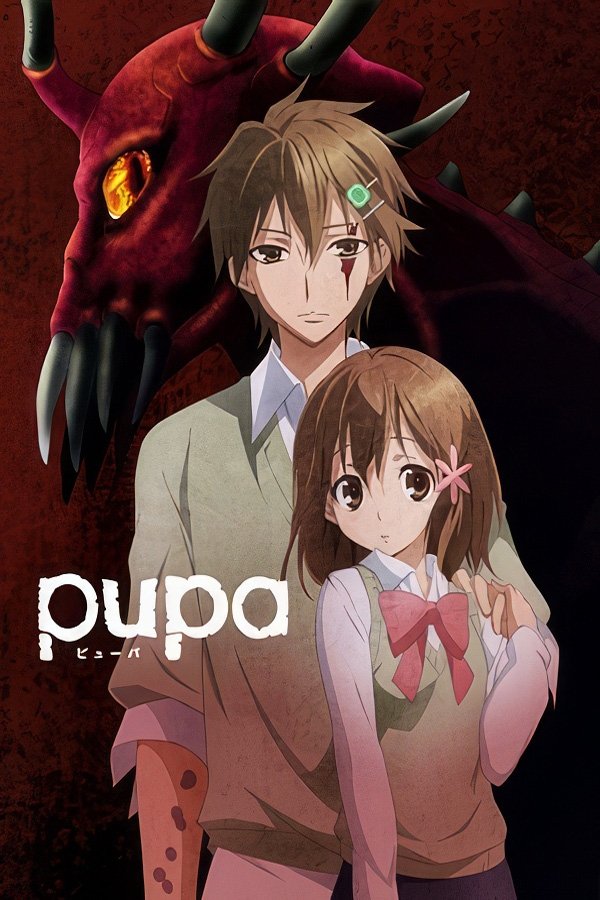
The original story was famous for its shocking violence and unsettling psychological themes. However, the anime version cut most of the gore and turned it into short, four-minute episodes. This severe censorship weakened the horror and made the plot feel empty and confusing. Because of the short episodes, the characters weren’t developed, making it hard to care about their relationship. Ultimately, the anime didn’t capture the dark, intense mood that made the original story so popular with fans.
‘Rosario + Vampire’ (2008)
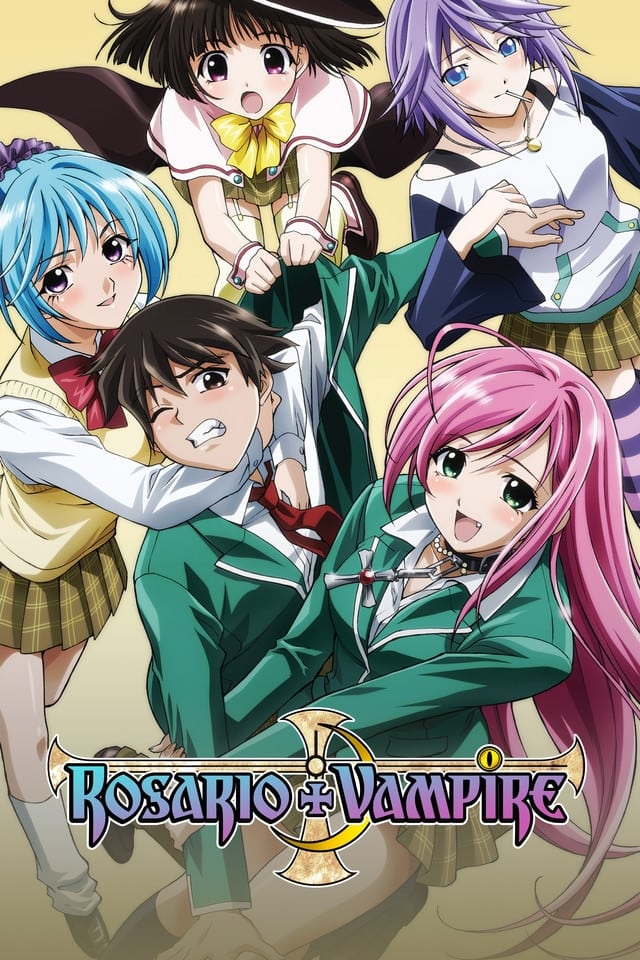
The manga started as a lighthearted romantic comedy but later transformed into a more action-packed series with a complex story and threatening villains. Unfortunately, the anime didn’t follow this change in direction. It stuck to the original, simple formula of a comedy with many romantic interests, even increasing the amount of fan service. They cut out the more serious and interesting parts of the story, and the main character stayed weak and relied on others instead of becoming a strong fighter, as he did in the manga. This disappointed fans who were hoping to see the exciting battles and deeper story from the original source.
‘Deadman Wonderland’ (2011)
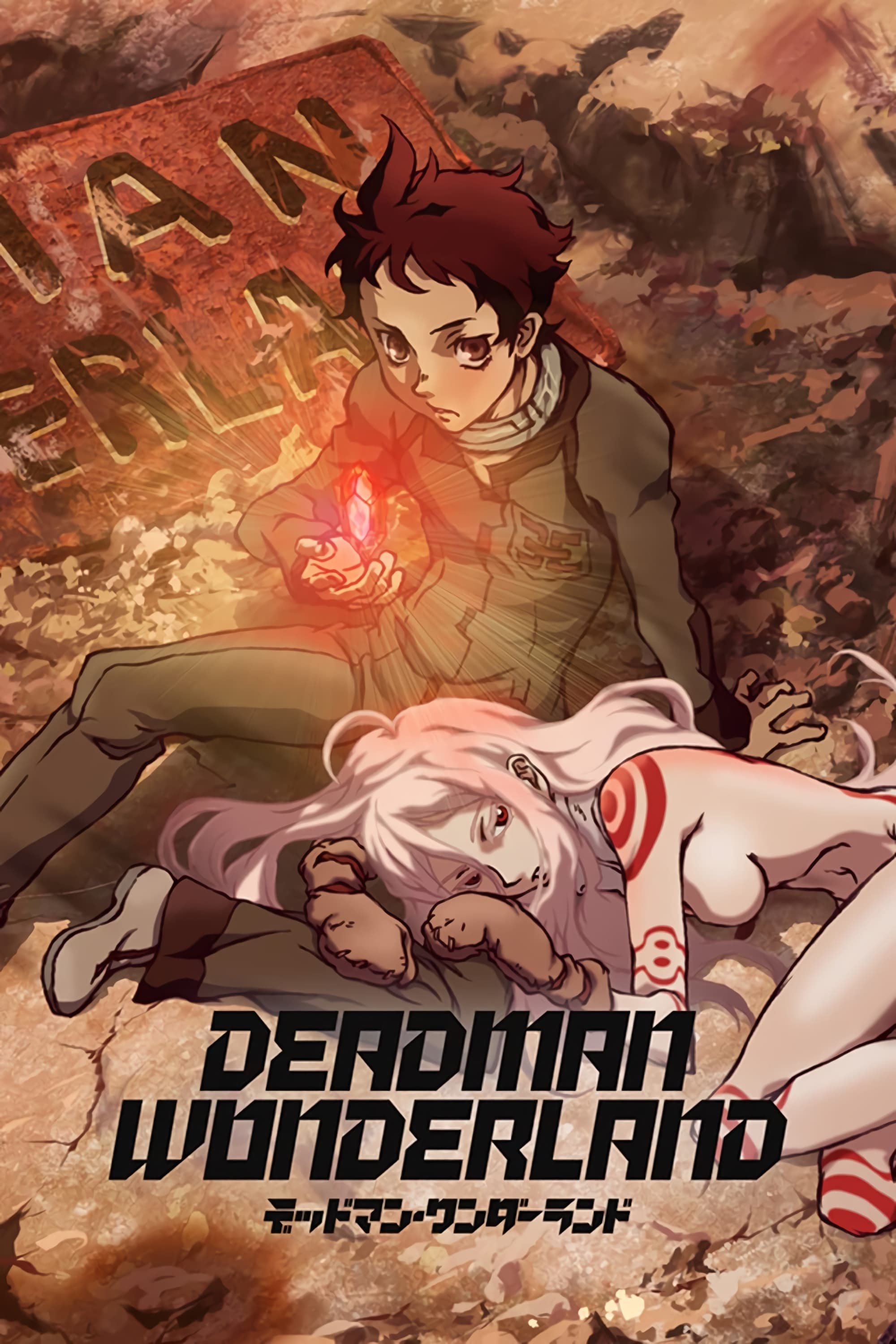
Manglobe created an anime that looked fantastic, but it had serious problems with its story. Important characters, like Mockingbird, were removed, which made it impossible to continue the story in a second season without starting over completely. The anime ended abruptly on a cliffhanger, leaving all the main questions unanswered. Ultimately, it felt unfinished and more like a teaser for the original manga than a satisfying story on its own.
‘Soul Eater’ (2008–2009)
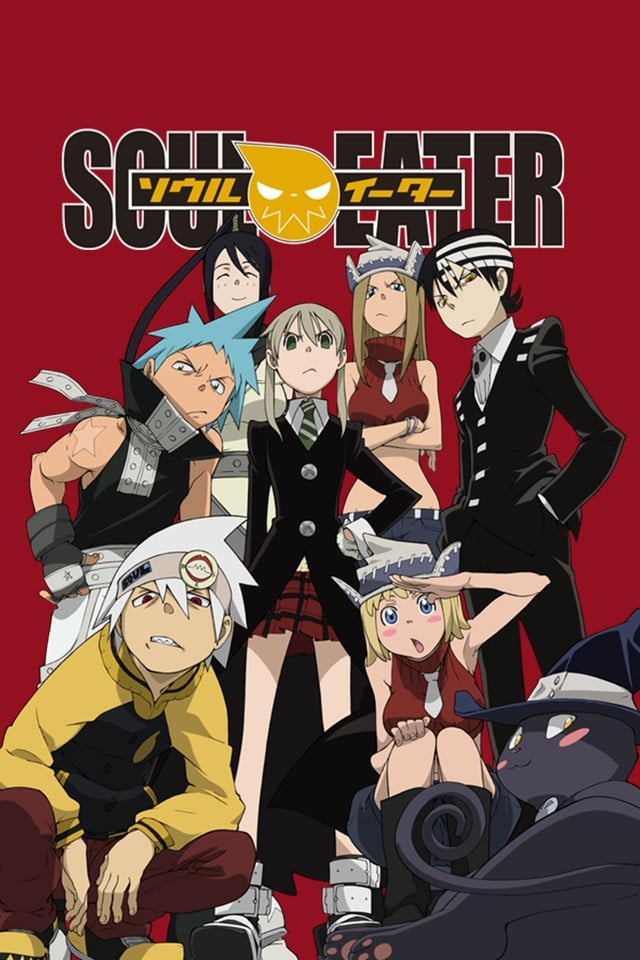
As a long-time fan, it was really frustrating watching the anime adaptation. They started making it while the manga was still being written, and eventually, they caught up and ran out of material. That’s when things went off the rails. The studio ended the story with a completely original conclusion, introducing ideas and resolutions the original author never intended. It was especially jarring when the main villain was defeated in a way that didn’t make sense given the established rules of the world and the story’s themes. A lot of character development just stopped, or was rushed to a disappointing finish just to bring the series to a close. It was such a big departure from the source material that many of us are still hoping for a more faithful remake, similar to those ‘brotherhood’ style reboots you sometimes see.
‘Akame ga Kill!’ (2014)

For the first half of the series, the anime closely followed the original manga. However, the anime then took a different path, creating its own ending. This included killing off characters who lived in the manga, which dramatically altered the emotional impact and the protagonist’s ultimate fate. The ending felt rushed and didn’t delve into the complex political details of the revolution that were well-developed in the manga. This change in direction caused a strong split between viewers who only watched the anime and those who also read the manga.
‘Claymore’ (2007)
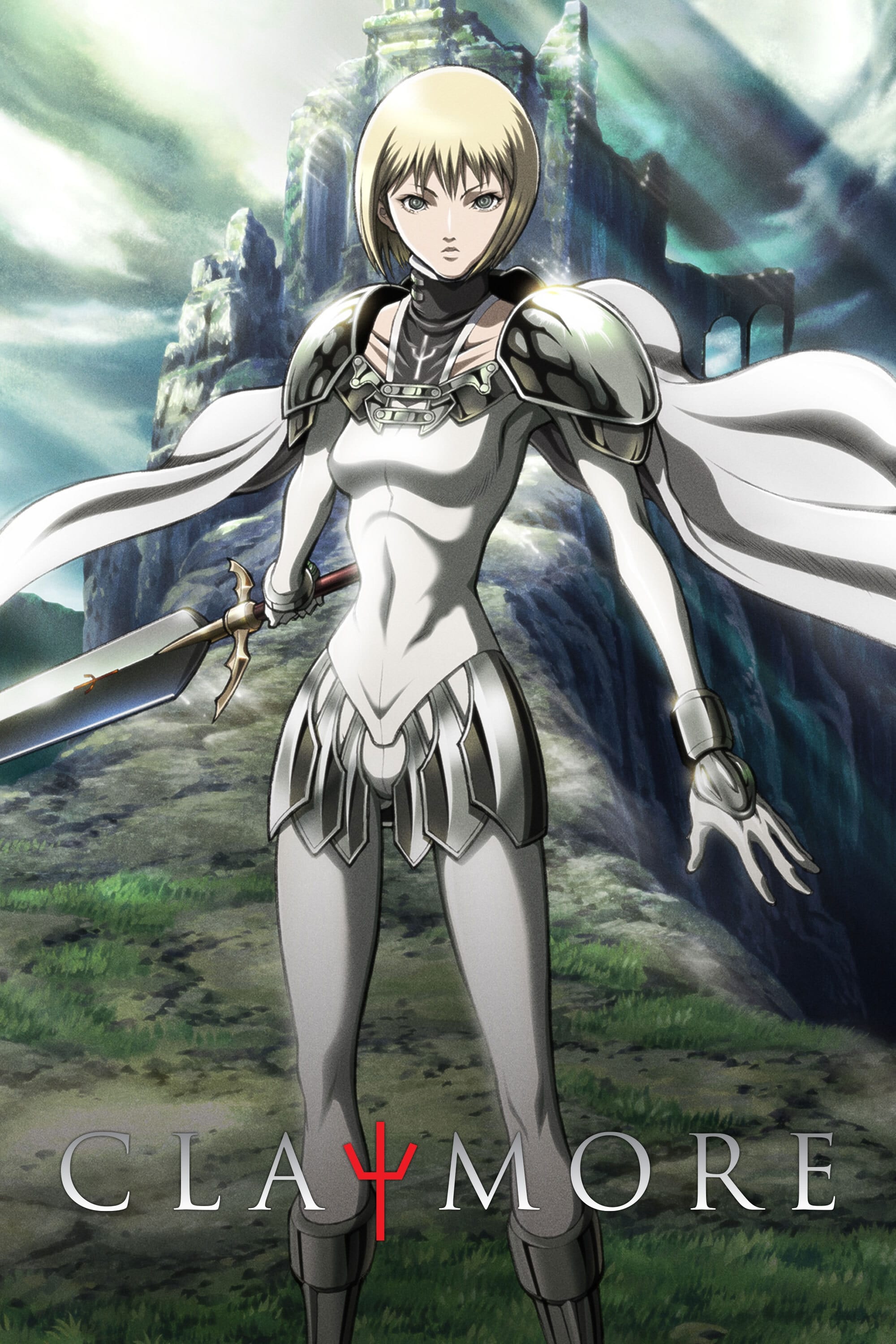
The anime started off incredibly well, with the first twenty episodes being a fantastic adaptation. However, the final few episodes took a different direction. Instead of continuing the story as it unfolded in the original manga, the anime created its own ending and a final battle that felt rushed. To make this happen, the power levels of characters were changed inconsistently. This meant viewers didn’t get to fully explore the world or learn the backstories of the monsters, and many important plot points were left unresolved.
‘Gantz’ (2004)
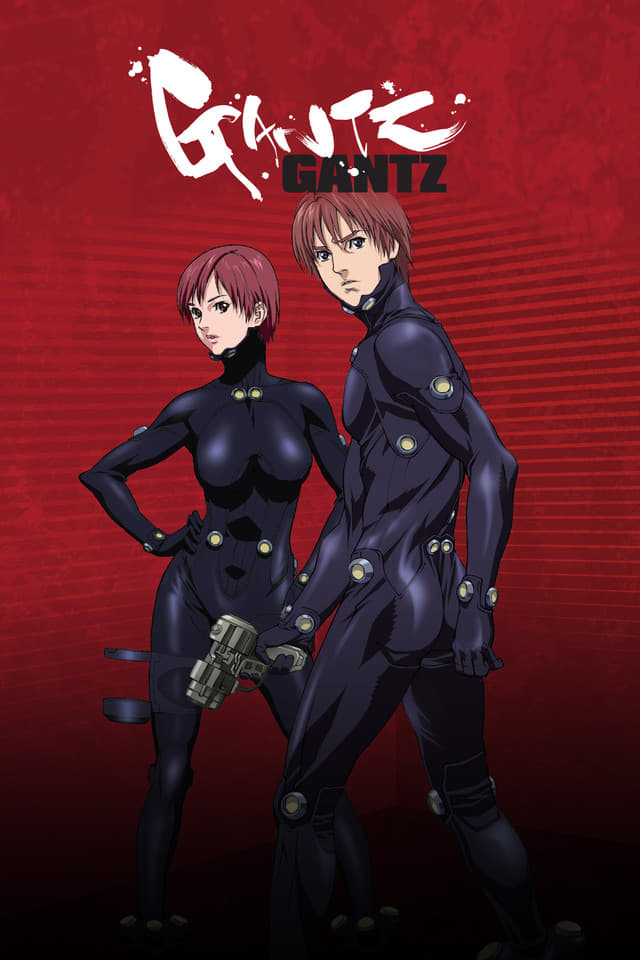
The anime version felt sluggish and drawn-out, which ruined the suspense of the life-or-death situation. The studio added a completely new storyline at the end with characters we hadn’t seen before, and it didn’t follow the rules of the world the story was set in. This new content was also less gritty and serious than the original, feeling tonally inconsistent. Ultimately, the ending didn’t offer much closure and left the central mystery of the black sphere unresolved. Overall, it wasn’t a successful adaptation of a complex and intense sci-fi story.
‘Toriko’ (2011–2014)
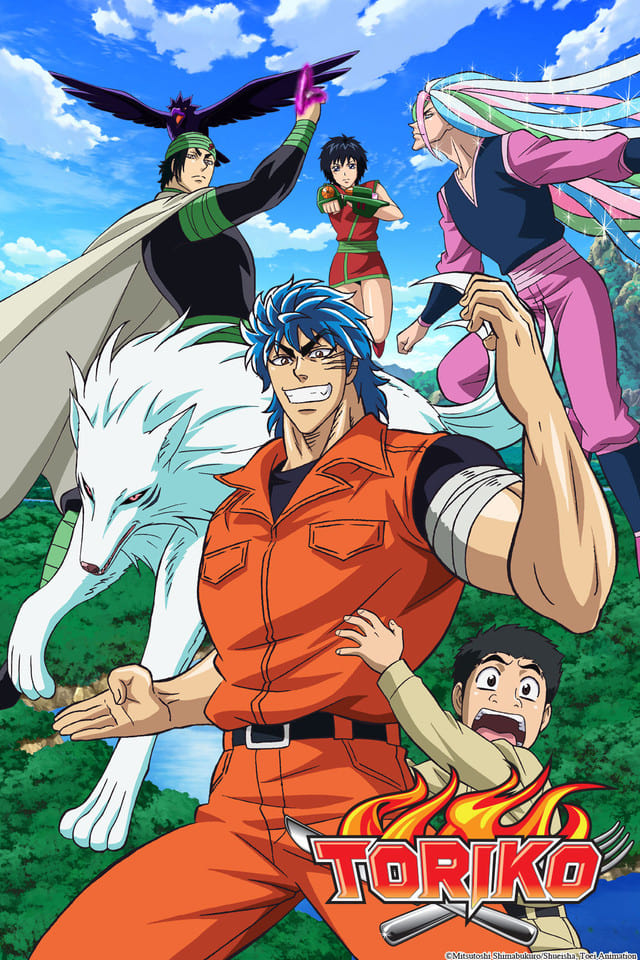
Toei Animation tried to appeal to a younger audience by removing much of the violence from the show. The intense battles, originally known for their blood and gore in the manga, were toned down. They also added a new character who didn’t contribute to the story and frustrated many viewers. The series concluded with a hurried ending that skipped over important plot points and details about the world. This made the show lose the dark edge that originally set it apart from other action series.
‘Kingdom’ (2012–2013)
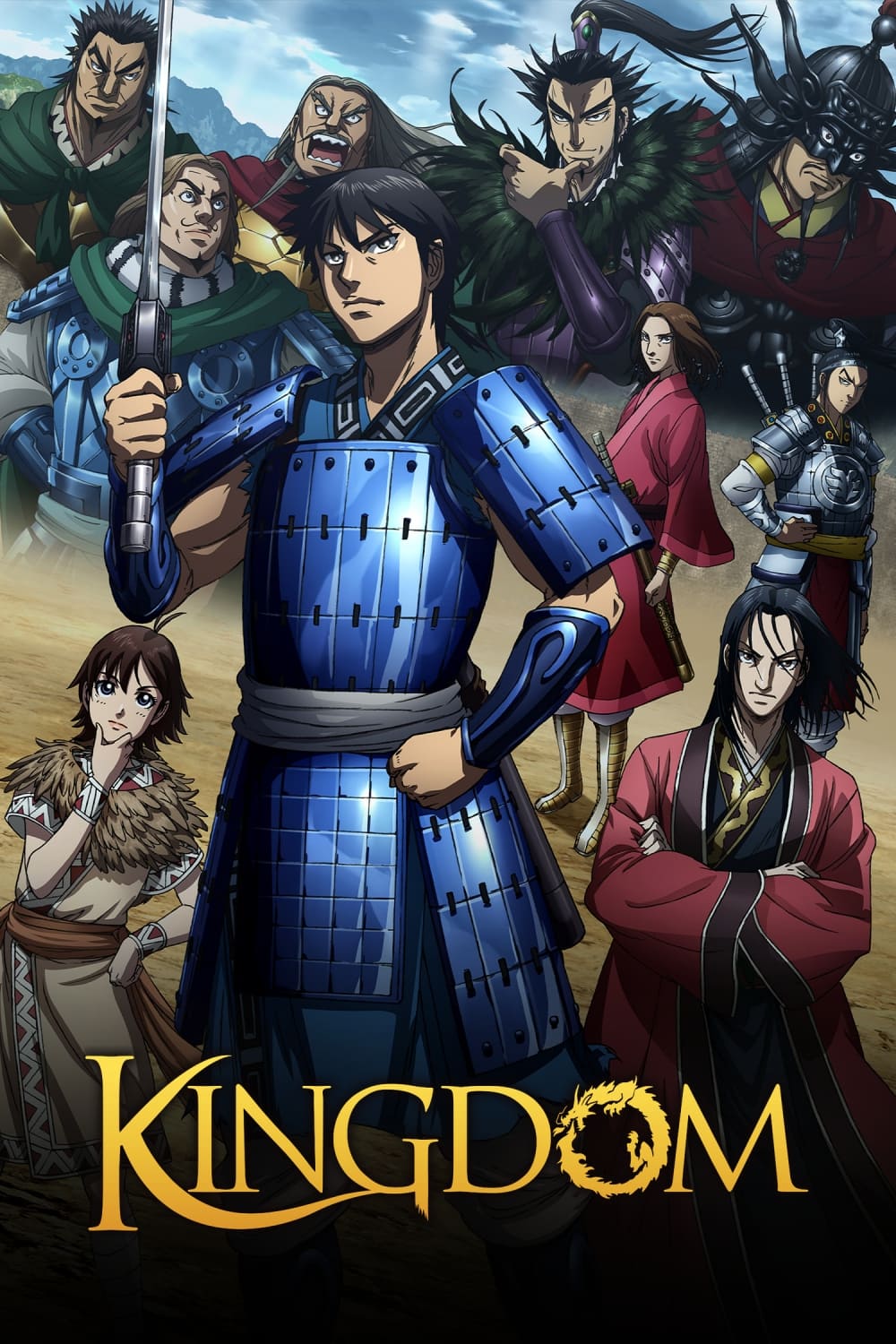
The initial season of this sweeping war story used simple computer animation to depict large armies. Unfortunately, the characters looked stiff and their movements were awkward, which pulled viewers away from the plot. Although the story stayed true to the original source, the poor visuals made it hard for new viewers to get invested. The large-scale battles that were a key part of the original manga felt underwhelming because of the limited technology. While animation quality improved in later seasons, the first season remains a challenge to overcome.
‘The Seven Deadly Sins’ (2014–2021)
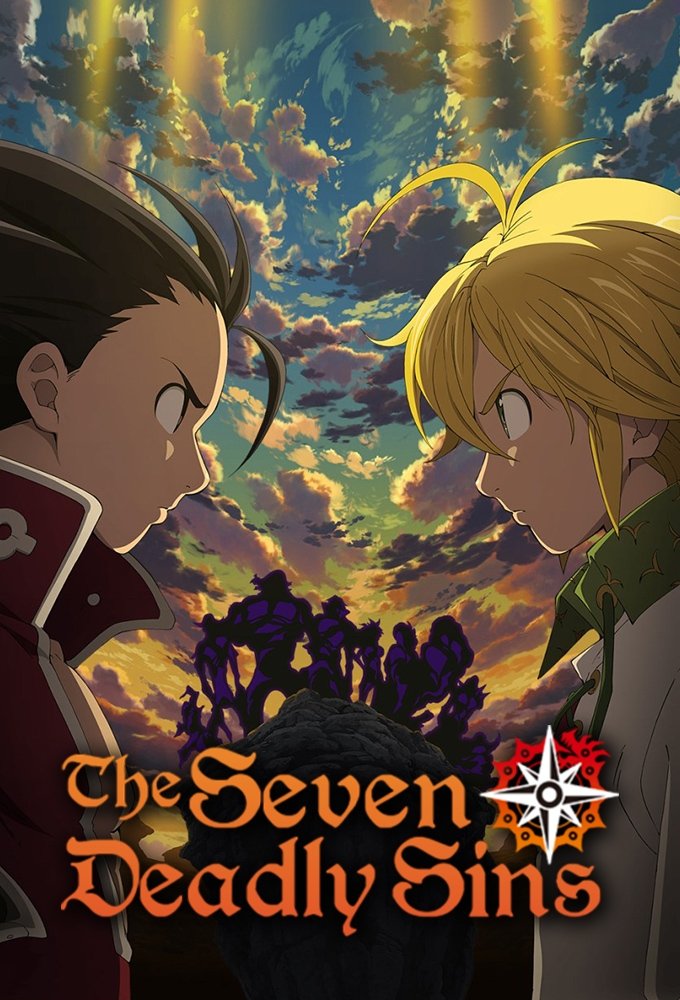
As a long-time fan, it really hurt to see what happened to this series. It started so strong, but after a studio switch, the animation took a nosedive. What used to be incredible action sequences became stiff and just…bad. I remember being so confused when they started coloring blood white – it totally took away from the seriousness of the fights and made injuries feel less impactful. The final season’s climax, which should have been epic, looked like a rough draft. Honestly, it felt like they just didn’t care about finishing the series properly, and it broke a lot of fans’ hearts, including mine.
‘Umineko: When They Cry’ (2009)
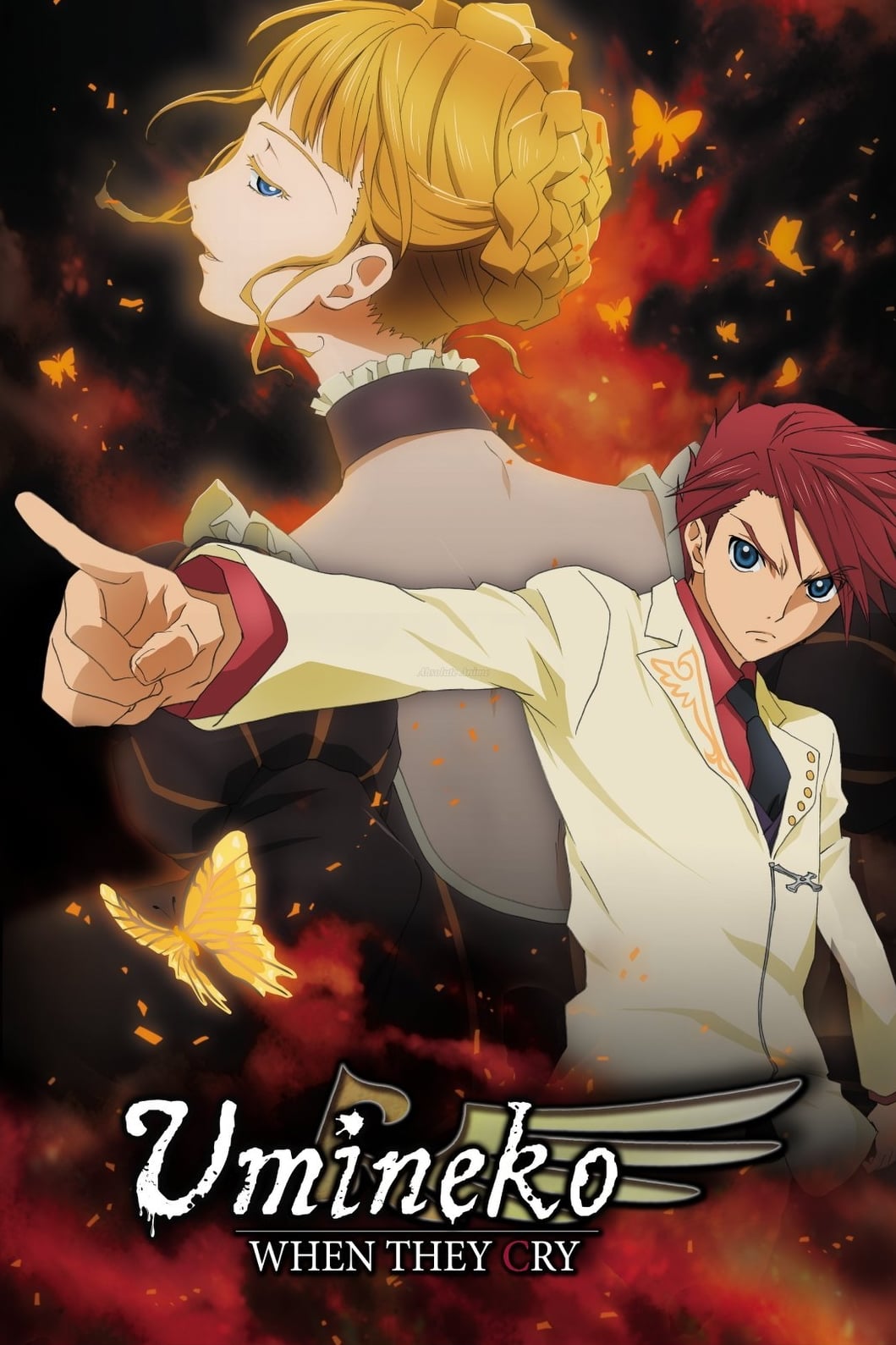
As a big fan of the original visual novel and manga, I was really disappointed with the anime adaptation. They tried to cram so much complex story into just one season, and it just didn’t work. The mystery felt rushed, and they left out key clues, making it hard to follow. What’s worse, the characters felt really flat – we didn’t get to know them or understand their motivations. And to top it all off, the main mystery wasn’t even solved! It completely missed the clever, thought-provoking puzzles that made the original so great, and honestly, it felt like a waste of time.
‘Junji Ito Collection’ (2018)
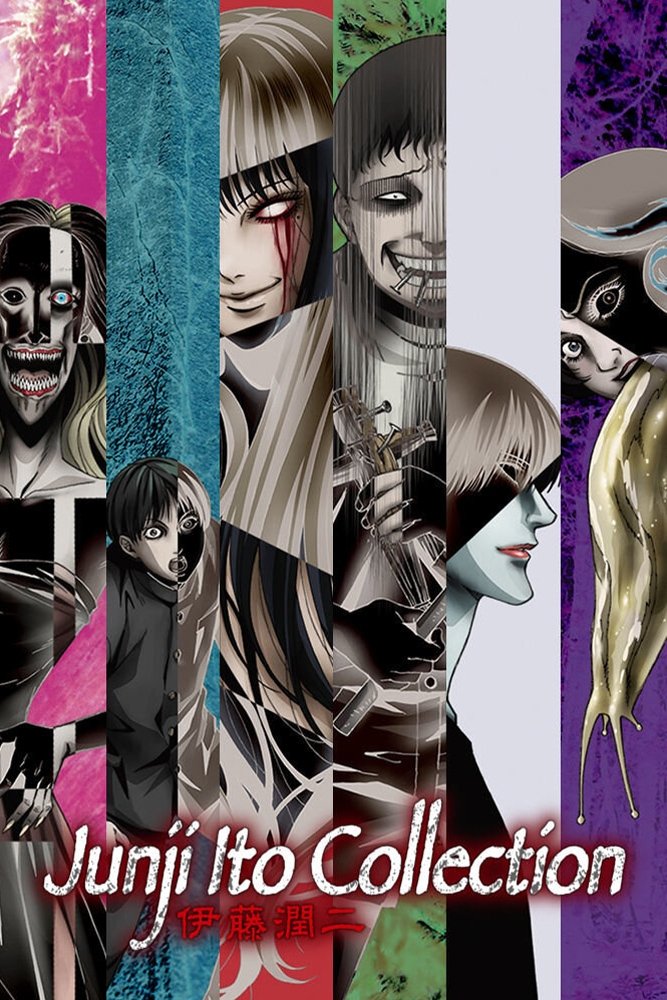
As a horror fan, I was really disappointed with the anime adaptation of this manga. The source material is known for its incredibly detailed and unsettling artwork, but unfortunately, that just didn’t translate to the screen. The animation felt flat and lifeless, and the coloring lacked the creepy atmosphere that made the manga so effective. What really hurt it, though, was the pacing – the scares just didn’t land with the same impact because the timing was off. Honestly, the whole thing looked cheap and generic, a far cry from the intricate and unique style of the original creator. It felt like they completely lost what made this series special in the adaptation.
‘Lucifer and the Biscuit Hammer’ (2022)
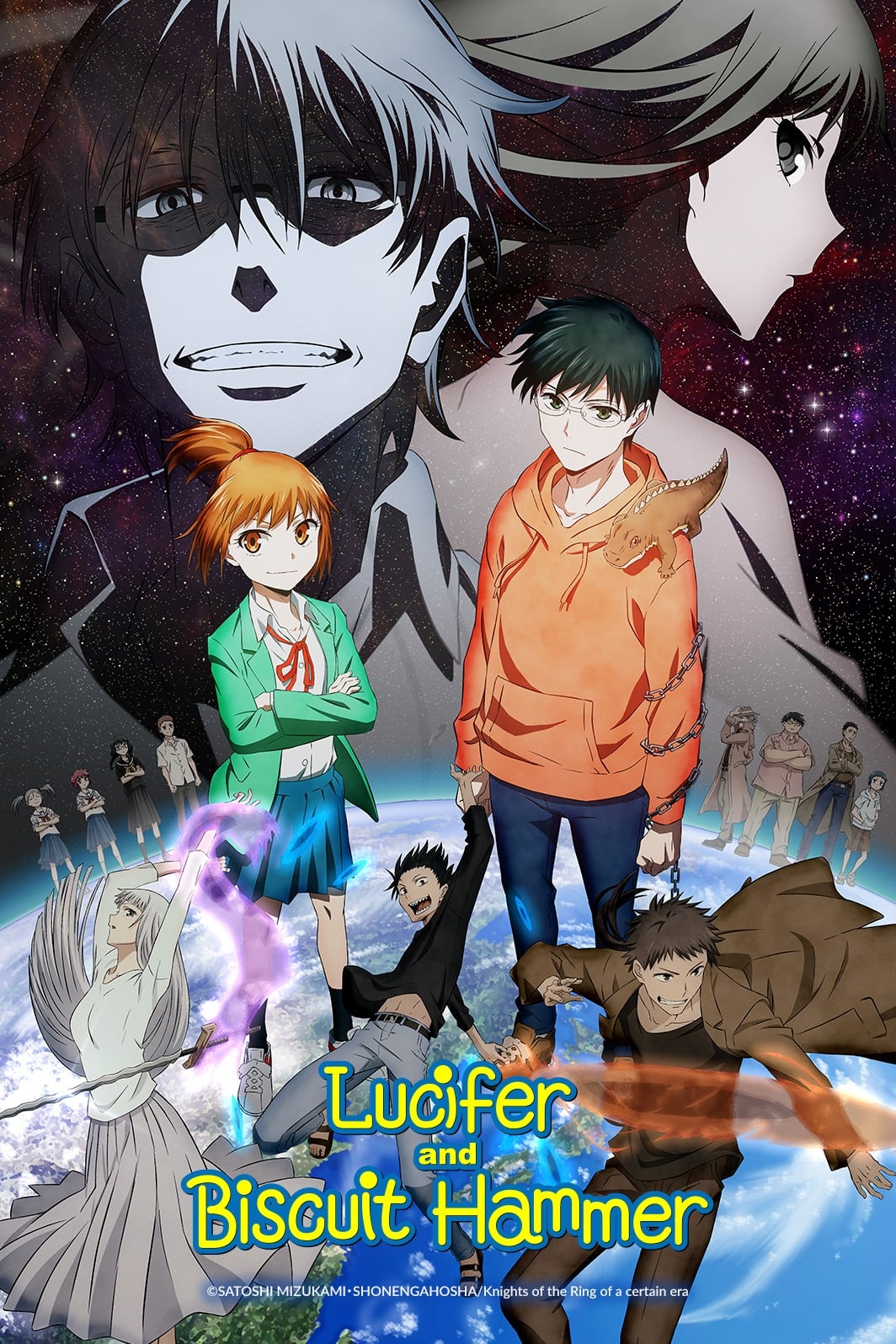
After more than ten years of waiting, fans were deeply disappointed when the anime version of their favorite manga finally arrived. The animation was shockingly poor, often looking like a series of still images with stiff, unnatural character movements. Fight scenes lacked excitement and didn’t capture the epic scope of the story. The show also felt rushed or dragged out in places, missing the emotional moments that fans loved in the original manga. It was a truly disheartening experience for those who had passionately supported the series for years.
‘Hakyu Hoshin Engi’ (2018)
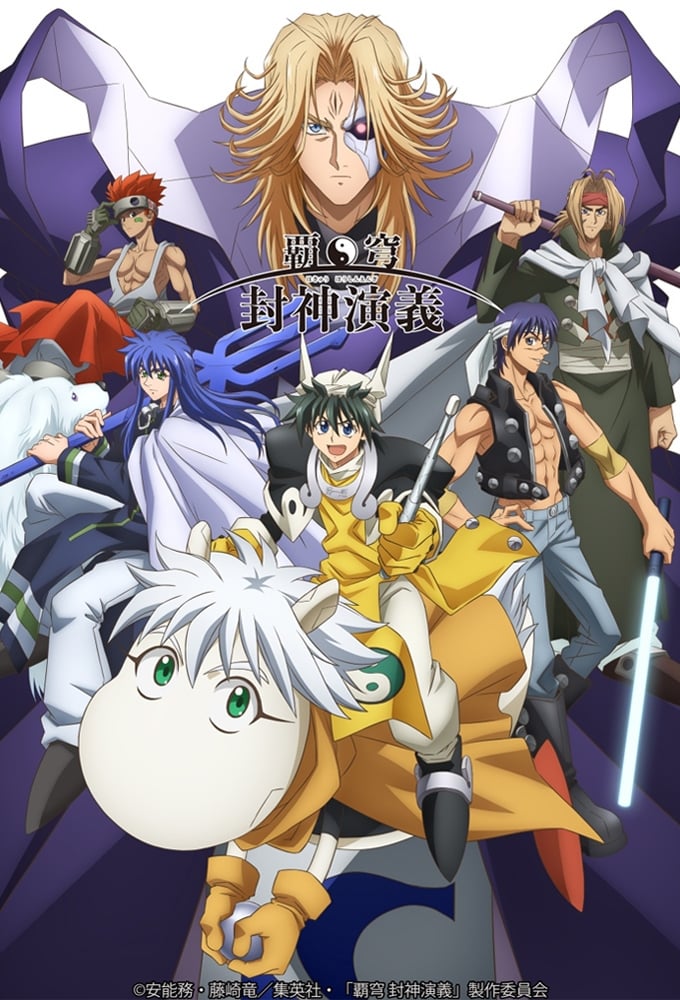
As a huge fan of the original story, I was really disappointed by this remake. They tried to cram way too much into just twenty-three episodes – twenty-three volumes of manga, to be exact! It felt incredibly rushed, jumping around so much that the story became really hard to follow. They skipped entire storylines and introduced characters just to drop them immediately, meaning no one really got a chance to develop. Honestly, it was impossible to get emotionally invested because we barely had time to meet anyone, let alone care about what happened to them. It felt less like a proper adaptation and more like a really fast, confusing summary of the whole thing.
‘Blade of the Immortal’ (2008)
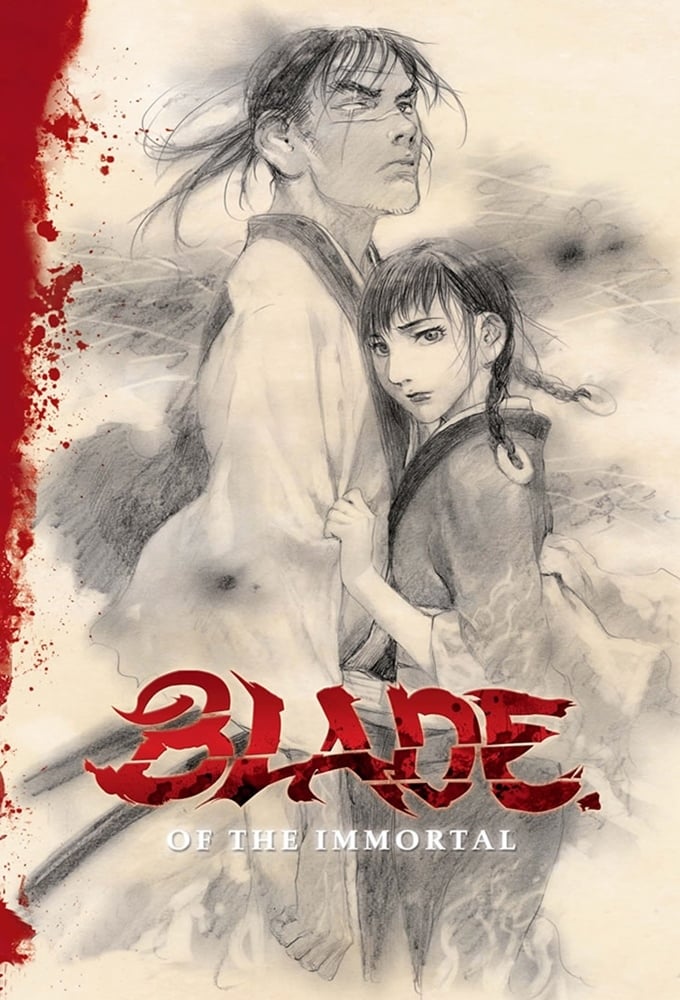
The initial anime adaptation of this samurai story didn’t quite succeed. It only covered part of the original manga, ending without finishing the hero’s quest. The visuals were also a problem – the show was too dark and made it hard to follow the action. Plus, the story relied too much on a narrator explaining things that should have been shown instead. Thankfully, a more successful adaptation came out in 2019 and finally told the complete story.
‘Negima!’ (2005)
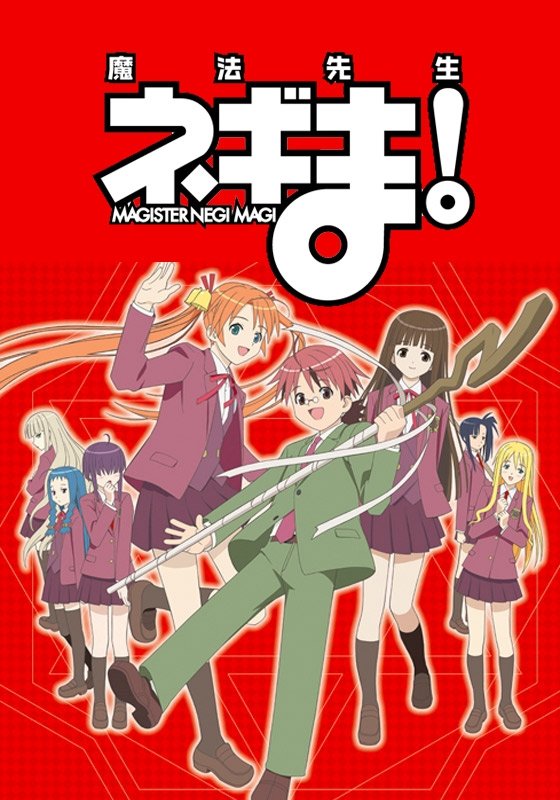
Two different anime studios tried to adapt this manga, but both attempts missed the mark. The first, by Xebec, leaned heavily into comedy and cut out the action-packed battles that became a key part of the story. The second, by Shaft, used experimental visuals that didn’t match the manga’s overall feel. Neither adaptation successfully showed how the story evolved from a lighthearted romance to a grand fantasy with intense battles. Fans who enjoyed the intricate world and magic system were disappointed with both shows, which didn’t accurately represent the story’s genre.
‘Shaman King’ (2001–2002)
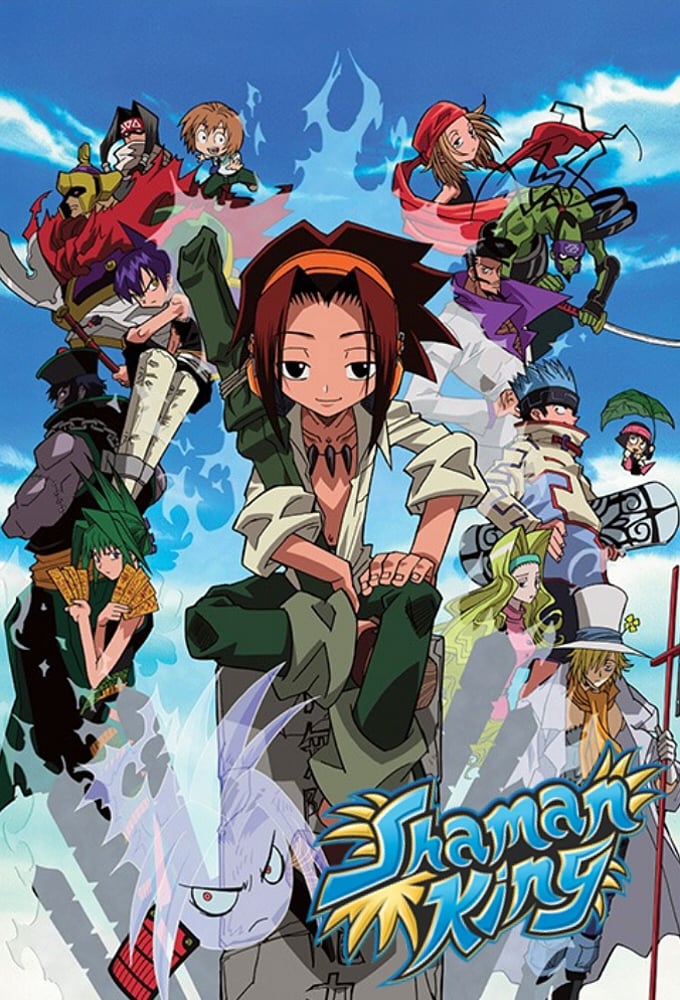
As a long-time fan, I remember being pretty disappointed when the original anime actually overtook the manga. It meant they had to start making things up as they went along, and honestly, the ending they created felt…flat. It lost a lot of the thoughtful, gray-area stuff that made the manga’s ending so powerful. They changed character motivations, and the way power worked just didn’t make sense anymore. While it holds a special place in my heart for nostalgia’s sake, it definitely didn’t give us the full, satisfying conclusion to the story’s themes. Thankfully, they eventually made a reboot to try and fix those issues and give us the ending the manga deserved.
‘Fruits Basket’ (2001)
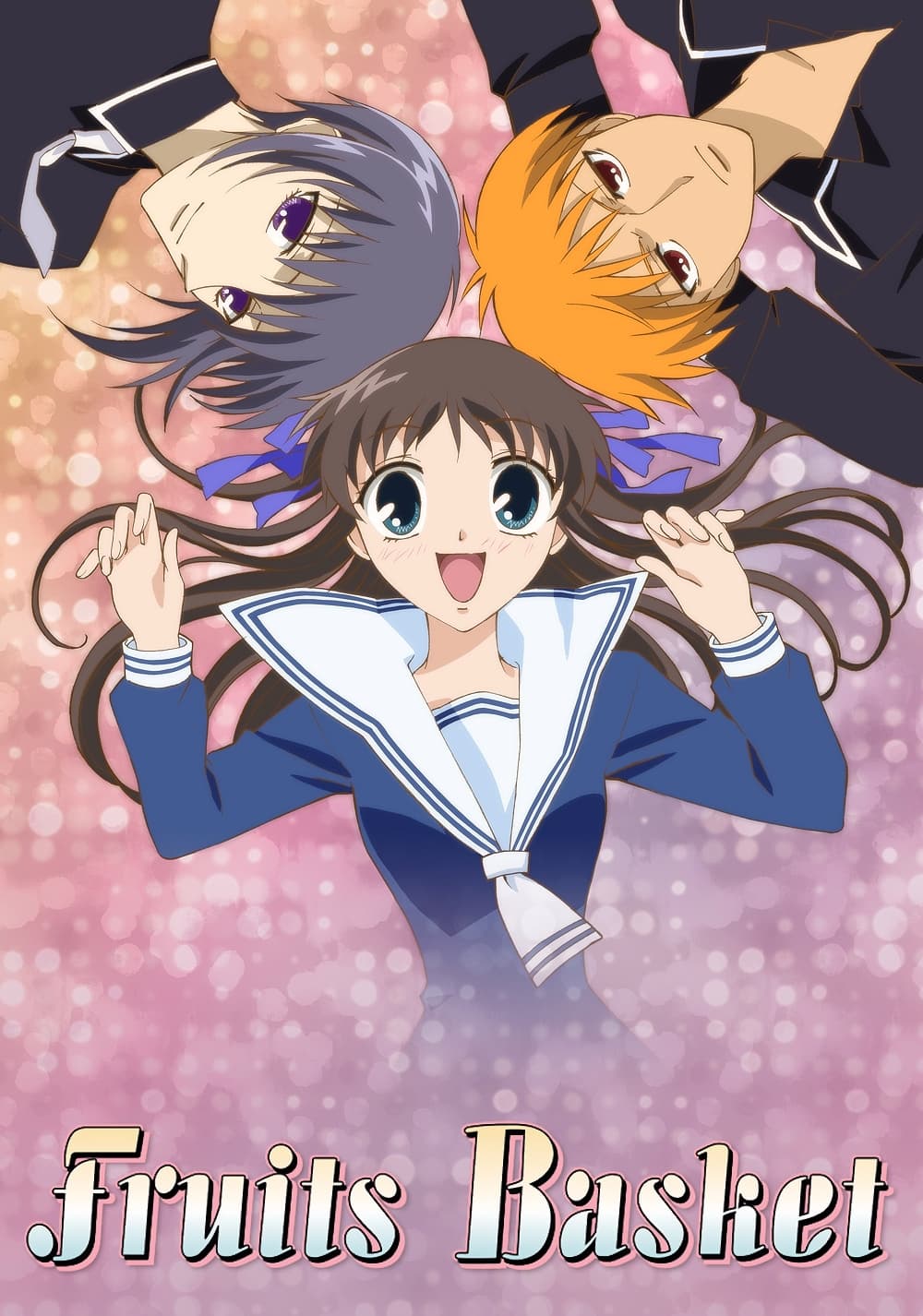
The initial anime adaptation of this beloved manga was made while the original story was still being written. To make it more lighthearted and funny, the director left out important clues about what was to come and toned down the more serious parts of the story. Several characters who played a big role in the manga never appeared, and the anime had a completely different ending. The difficult pasts of the Soma family were also simplified. It wasn’t until almost twenty years later that a new adaptation was able to fully capture the story’s emotional depth.
‘Black Butler’ (2008–2010)
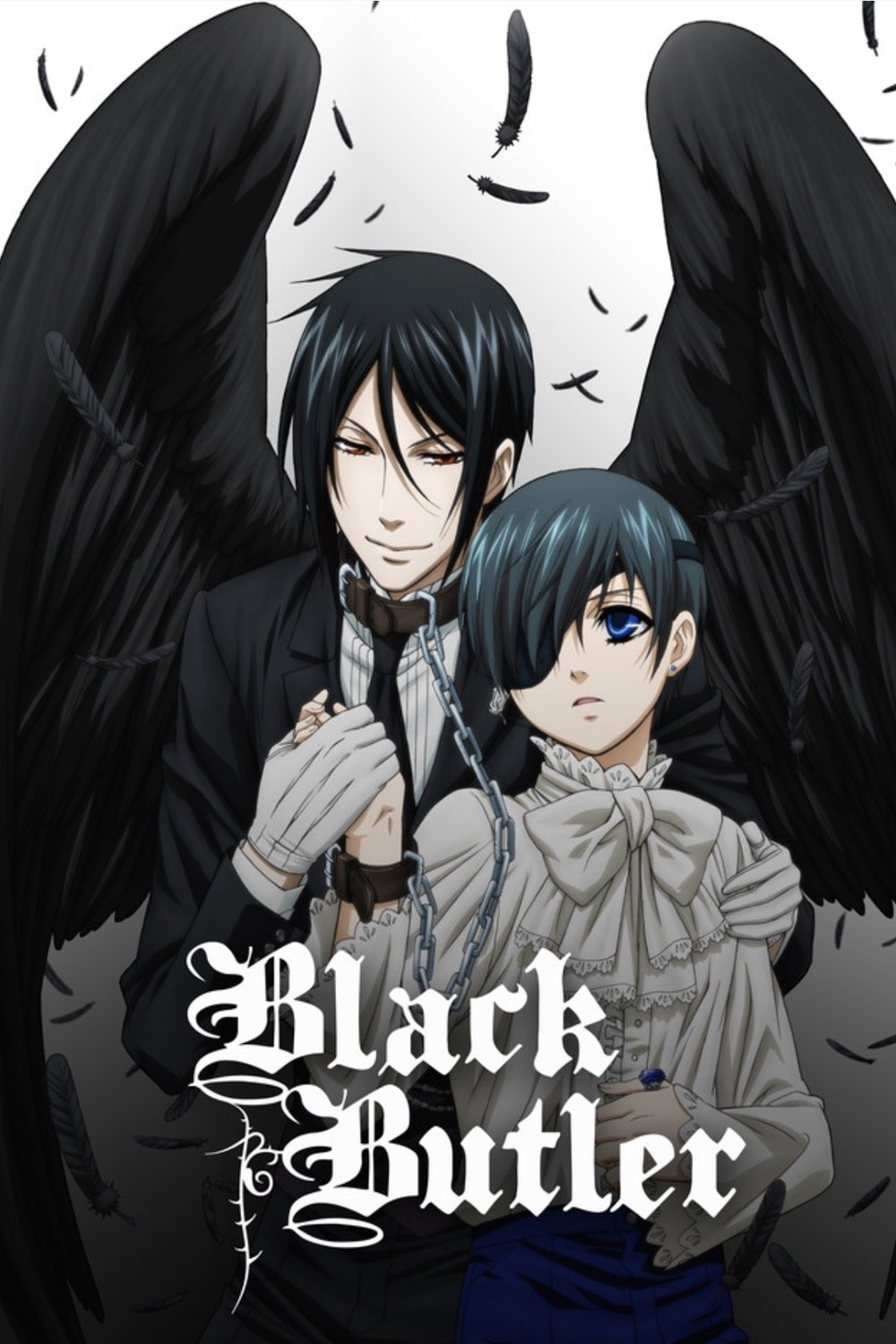
The show’s first season started following the original story but then created its own ending midway through. The second season continued this new direction with a plot that many fans disliked, as it seemed to undo previously established character growth. This led to a confusing storyline that didn’t align with the original source material. Eventually, future adaptations had to completely disregard the first two seasons to accurately follow the original story. These changes frustrated viewers who were hoping for a consistent and logical narrative.
‘Rave Master’ (2001–2002)
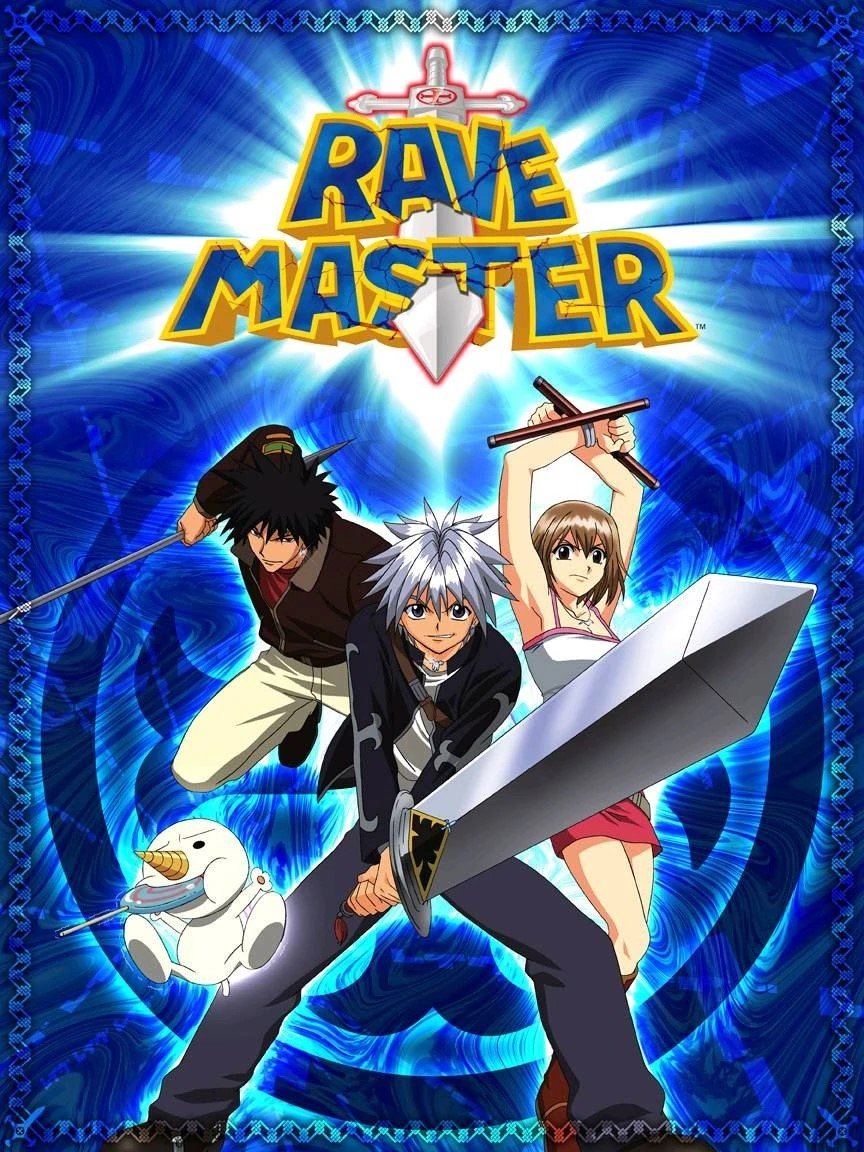
The show never got the chance to tell the most crucial parts of the story, as it was cancelled prematurely. The animation wasn’t always great, and the show often felt slow-paced compared to the original manga. Changes to the plot also created some confusing inconsistencies. Ultimately, the series ended without resolving the main storyline, and it didn’t quite capture the epic feel of the author’s world.
‘Beelzebub’ (2011–2012)
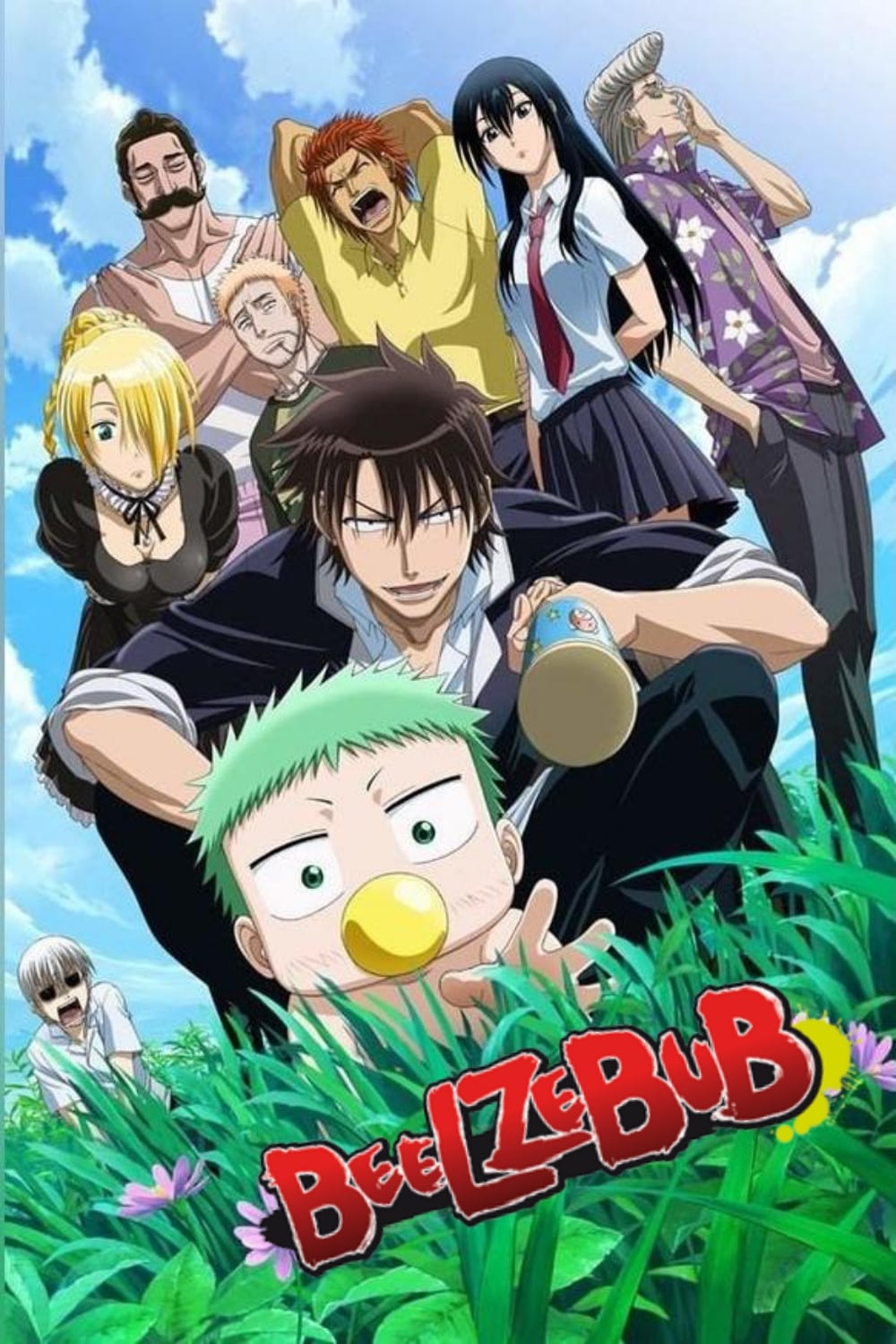
The anime adaptation had trouble blending its humorous, rebellious side with its supernatural fight scenes, a key part of the original manga. Too many unrelated episodes interrupted the story’s momentum. Ultimately, the series was unexpectedly cancelled, leading to a hurried and unsatisfying ending. Many storylines were left unfinished, and the anime never got to cover the manga’s final story arc. Overall, the series didn’t live up to its potential due to problems with its timing and how it was handled.
‘Twin Star Exorcists’ (2016–2017)
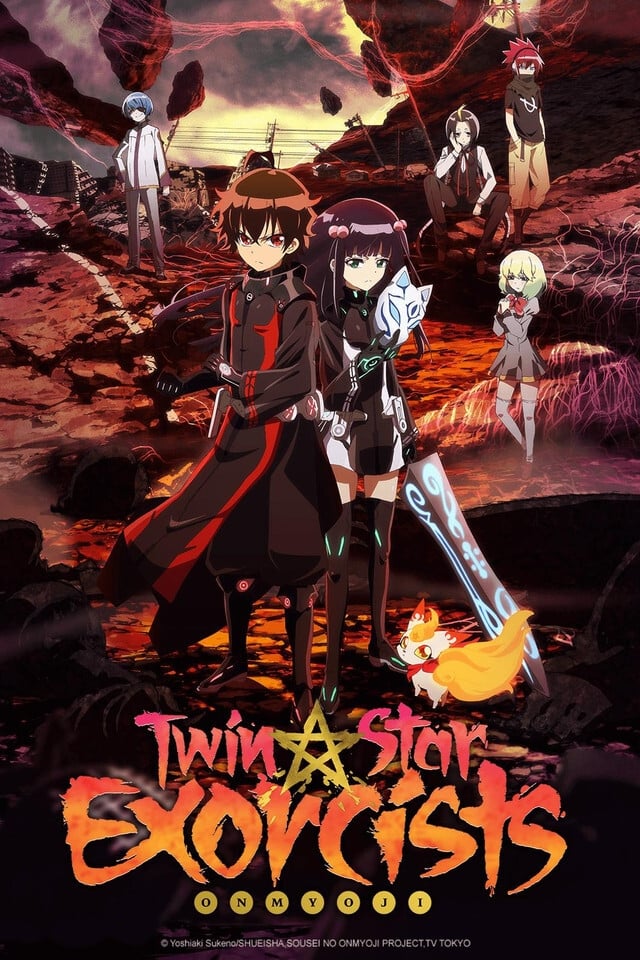
The anime adaptation by Studio Pierrot quickly moved away from the original manga. They added a bothersome new character that didn’t fit the intense atmosphere of the fight scenes. Most of the fifty episodes featured storylines not found in the manga, and the anime’s version of the main characters’ relationship felt forced. Many manga fans felt the anime became a typical action series, losing what made the original story special.
‘Chrono Crusade’ (2003–2004)
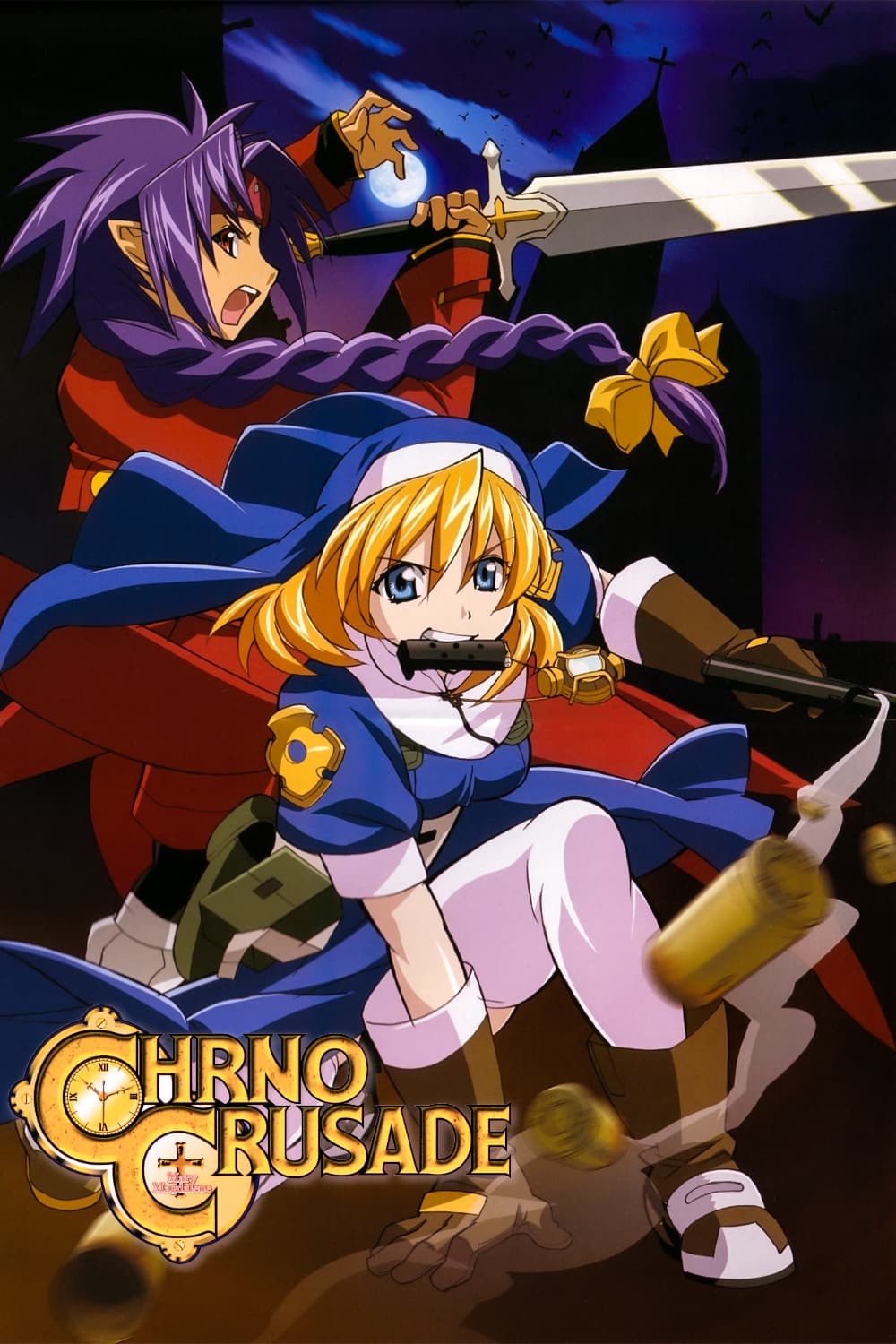
The anime version of this story is well-known for its significantly darker and different ending compared to the original manga. Though some viewers found the tragic conclusion impactful, it clashed with the manga’s overall message of hope and second chances. To achieve this new ending, the rules of the magical contracts were changed, and key events leading to the finale were rewritten. As a result, the anime tells a fundamentally different story, and remains a controversial adaptation.
‘Pandora Hearts’ (2009)
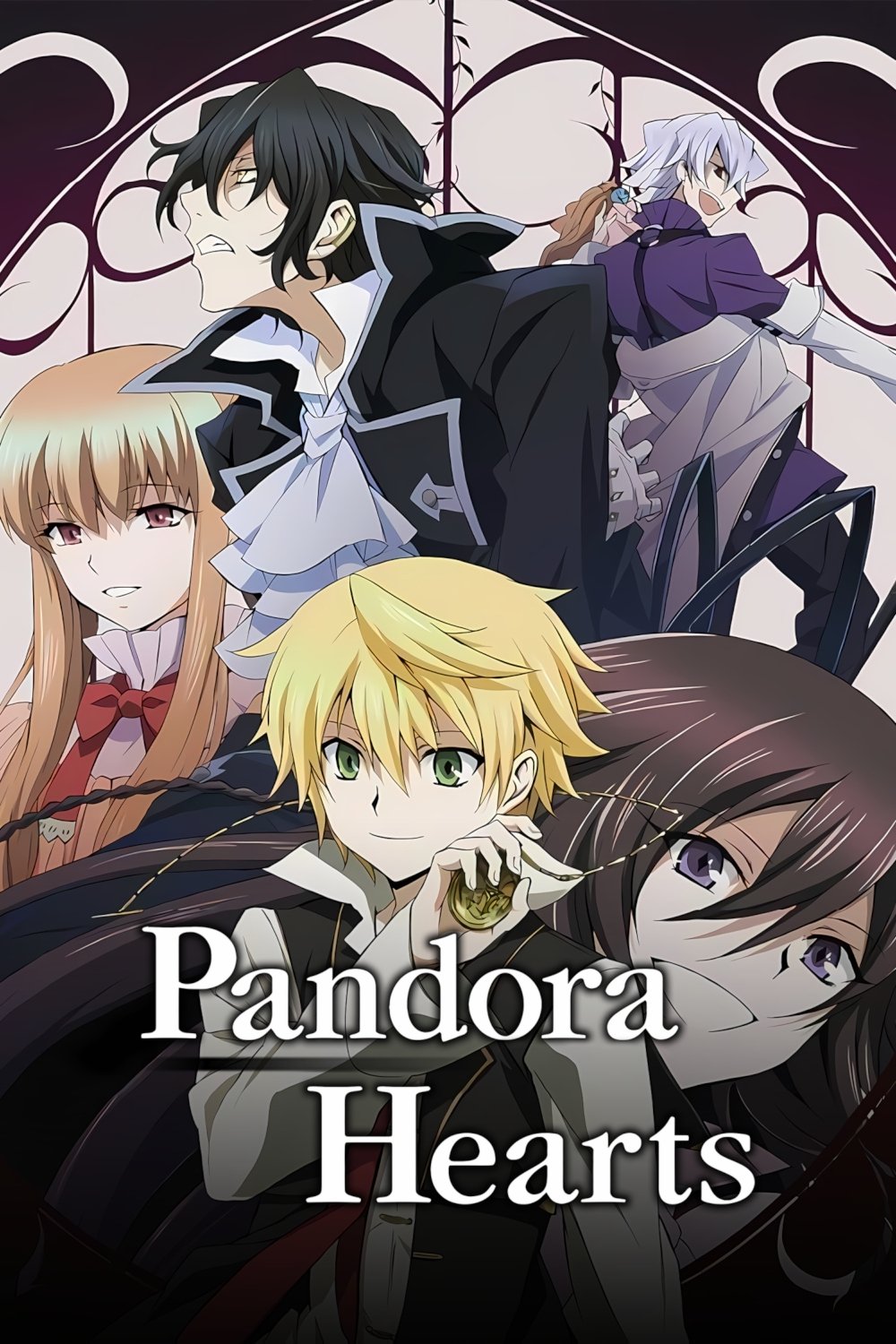
This series started with a compelling mystery, but the TV adaptation felt hurried and ended abruptly with an unresolved cliffhanger. The final episodes strayed from the original source material, resulting in a confusing and unsatisfying conclusion. Important details about the central mystery and the main character’s past were left out. While the show maintained a strong gothic atmosphere, the story ultimately suffered from too many loose ends, leaving viewers frustrated and with more questions than answers.
‘Tsubasa Reservoir Chronicle’ (2005–2006)
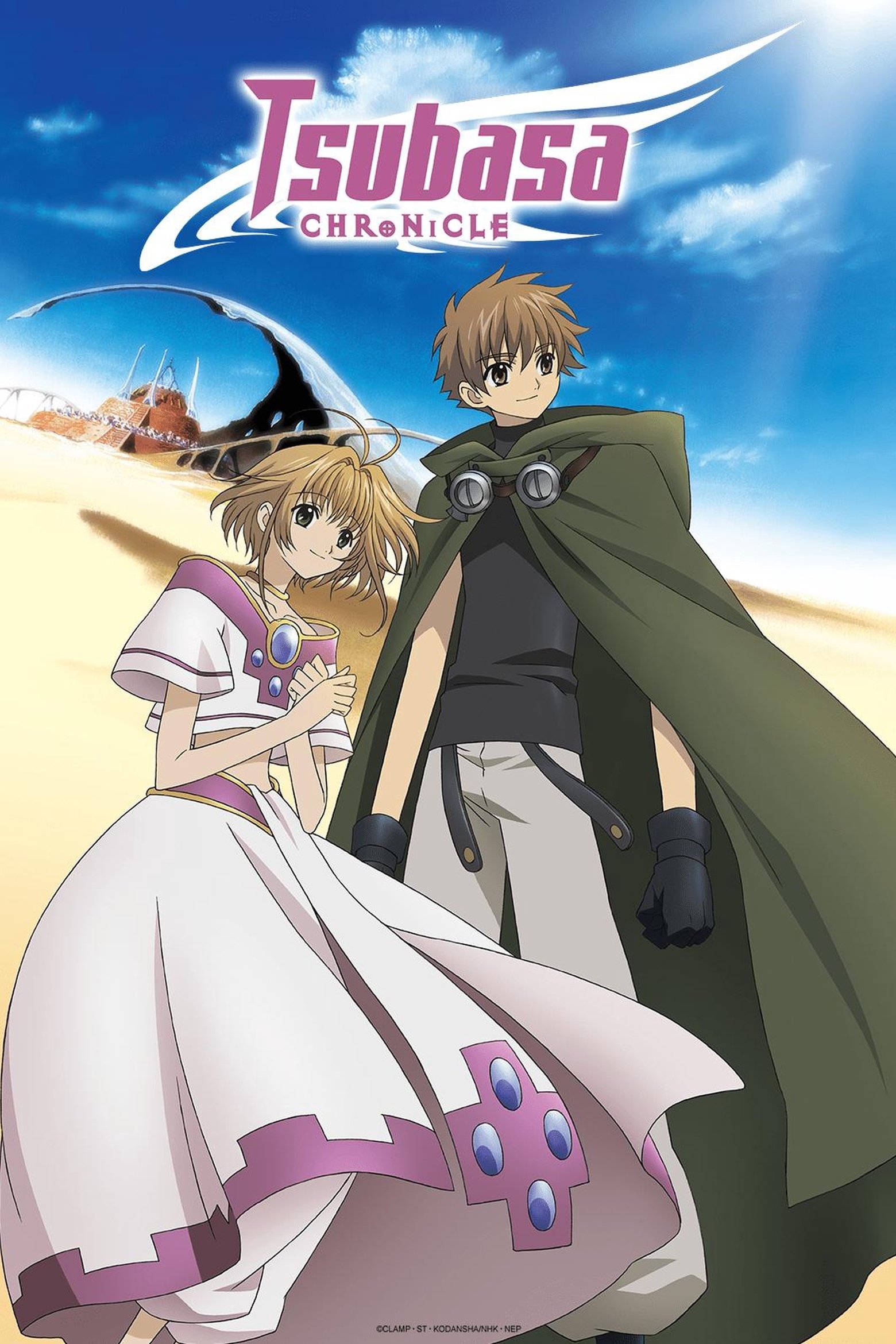
Bee Train is known for its deliberate storytelling, but this anime adaptation felt unnecessarily slow. Many episodes didn’t advance the main story about traveling between dimensions, feeling like pointless additions. Sadly, production stopped before the anime could reach the more mature and intricate parts of the original story. Connections to the author’s other works were either minimized or cut completely, leaving viewers with a watered-down version of the compelling narrative found in the manga.
‘Blue Exorcist’ (2011)
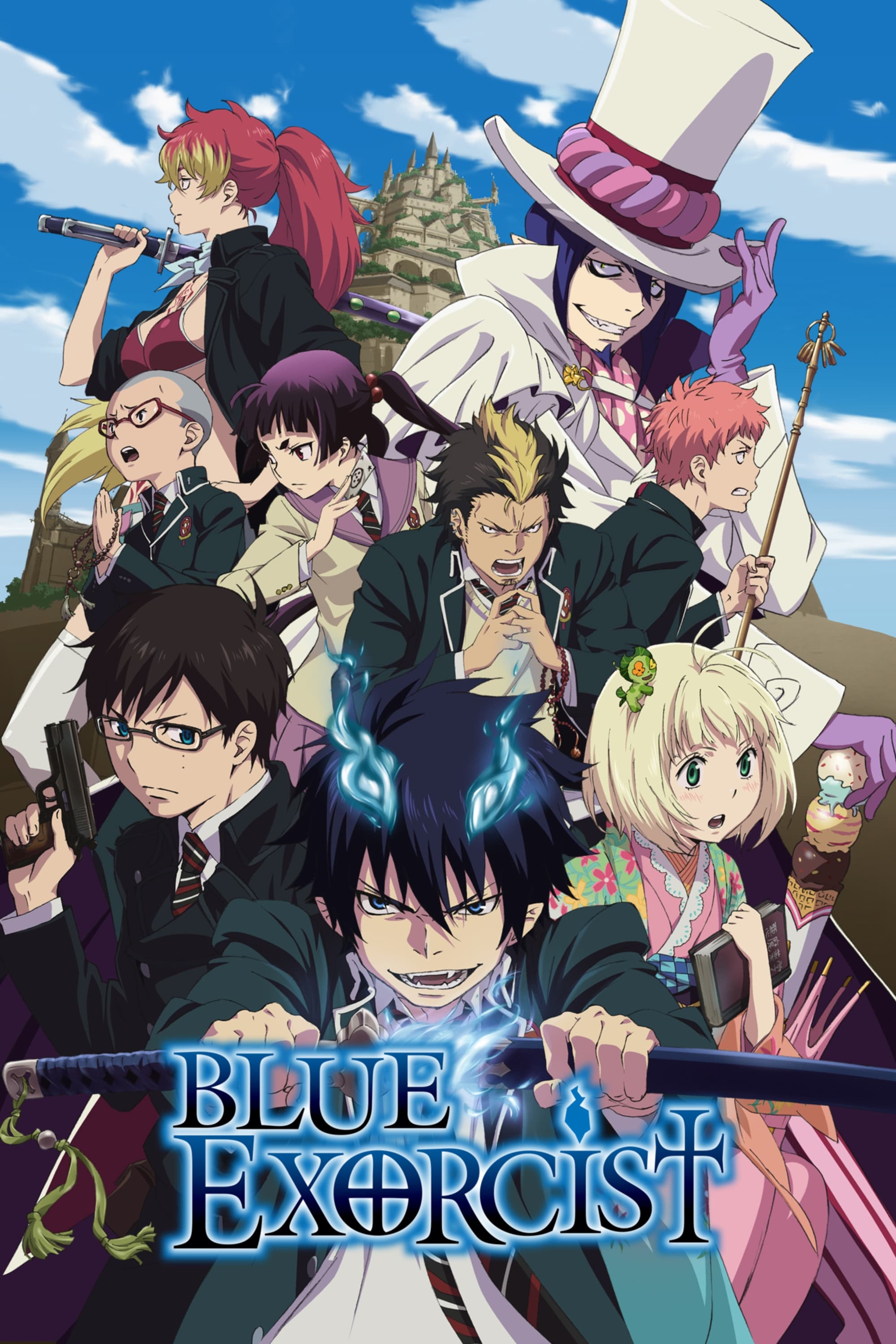
The first season of the show ran out of source material from the original manga, so the creators wrote their own ending, which included killing off important characters. This proved to be a mistake when they decided to make a second season much later. The second season had to completely ignore the first season’s ending and act like it never happened. This made it confusing for new viewers who didn’t understand why the story had started over, and ultimately hurt the series’ overall progress.
‘Hellsing’ (2001–2002)
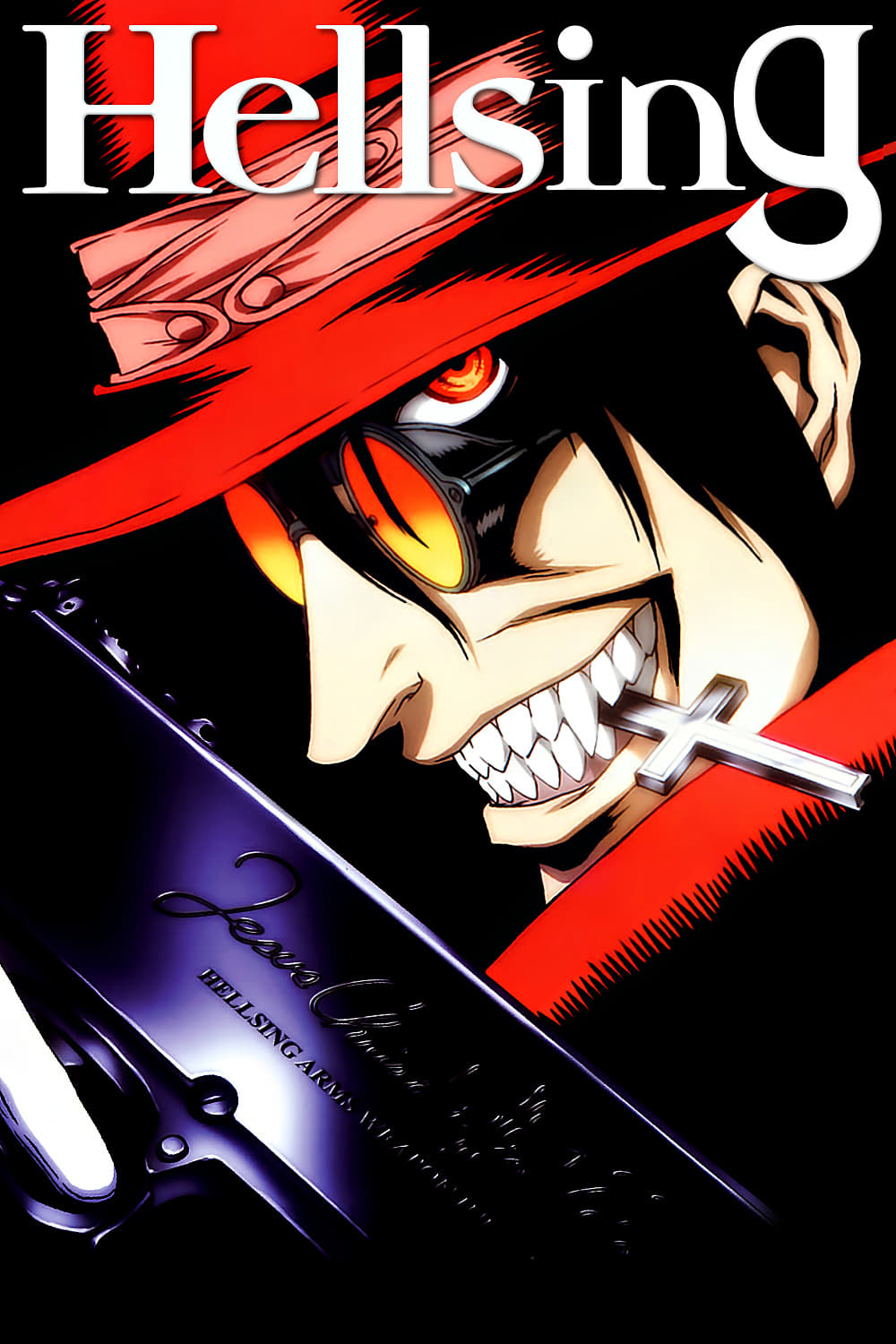
The anime adaptation of Gonzo significantly changed the story, removing the core plotline about Nazi vampires. It replaced this with a less interesting and less intimidating villain. The animation wasn’t always consistent, and the overall feel was less dramatic than the original manga. Many fans were disappointed with the underwhelming final battle, which lacked the exciting action they expected. As a result, a later OVA series was created to address the issues with the original TV series.
‘Flame of Recca’ (1997–1998)
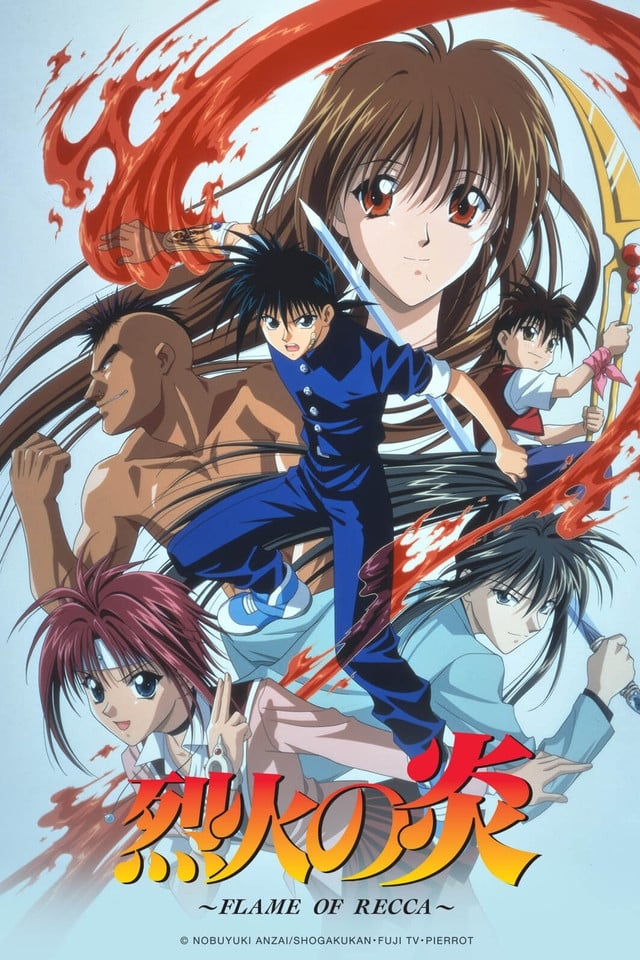
Okay, so this anime had a really great run covering a famous tournament, but honestly, it just stopped at the worst possible moment. The story was clearly building to something much bigger, but the show ended right before it could get there. The finale felt super rushed and didn’t really line up with how things were progressing in the manga. A lot of character storylines were left hanging, and the big bad guy? Not properly defeated, which was a huge bummer. The animation was okay for the 90s, but it didn’t really add anything special to the story. It’s one of those classics that just stopped when it was really hitting its stride, you know?
‘Samurai Deeper Kyo’ (2002)

This anime adaptation is famous for being drastically different from the original manga, sharing only character names. The story, world-building, and character interactions were completely reimagined, resulting in a predictable, episodic format. While the manga was a dark and complex historical fantasy, the anime aimed for a shallow, action-packed supernatural experience. Manga fans generally consider the anime a separate, unofficial timeline. It’s widely regarded as one of the most unfaithful adaptations from the early 2000s.
‘Record of Ragnarok’ (2021–)
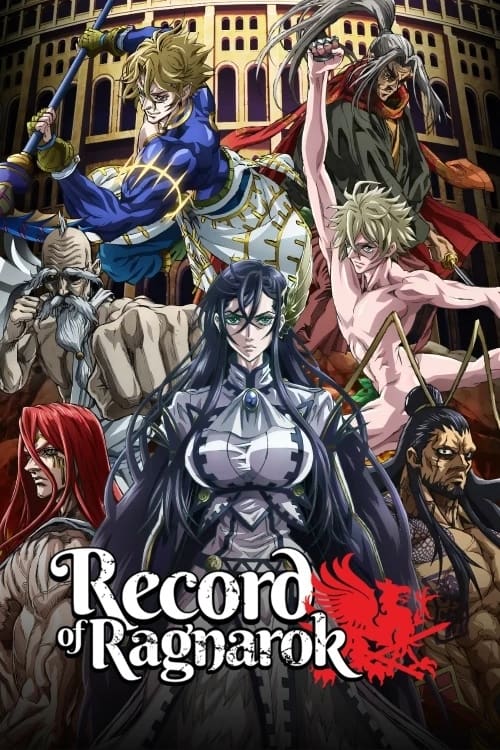
A show built around exciting tournaments needs strong, fluid animation to really work. Unfortunately, the anime version received a lot of criticism for using mostly still images and too many speed lines to show action. This made the fight scenes look more like a moving comic book than a proper animated series. The choppy movement took away from the impact and power of the battles. Many fans were upset that a manga with so much action didn’t get a bigger animation budget.
‘The Way of the Househusband’ (2021–)
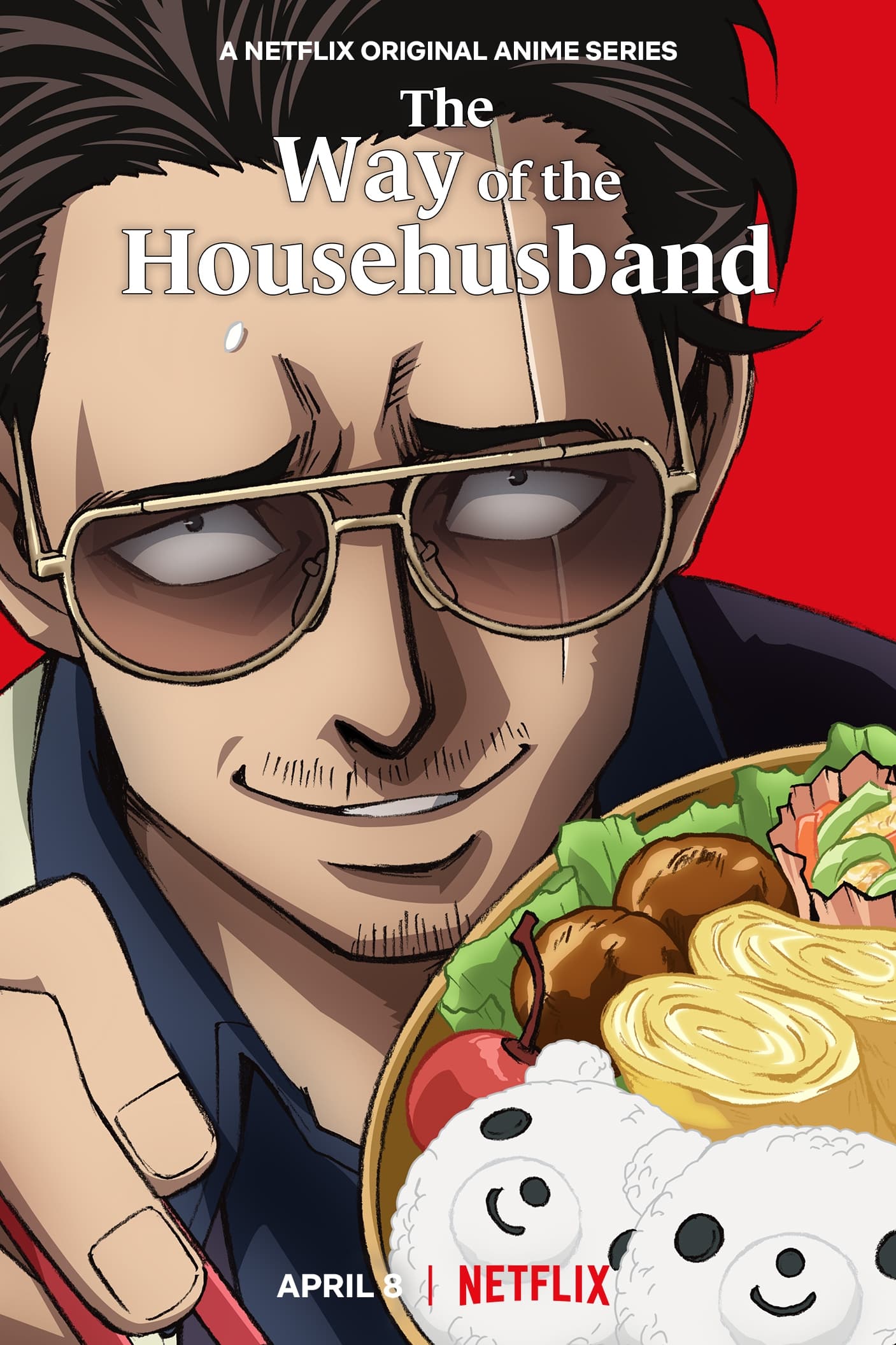
The director intentionally chose a motion comic style for the animation, meaning characters didn’t have moving lips. The idea was to capture the pacing of manga, but many viewers found it jarring and low-budget. Because of the limited animation, jokes didn’t have the same punch as they did in the original manga. Although the voice acting was good, the animation felt outdated compared to other modern anime. Ultimately, this risky choice turned off a lot of potential viewers.
‘The God of High School’ (2020)
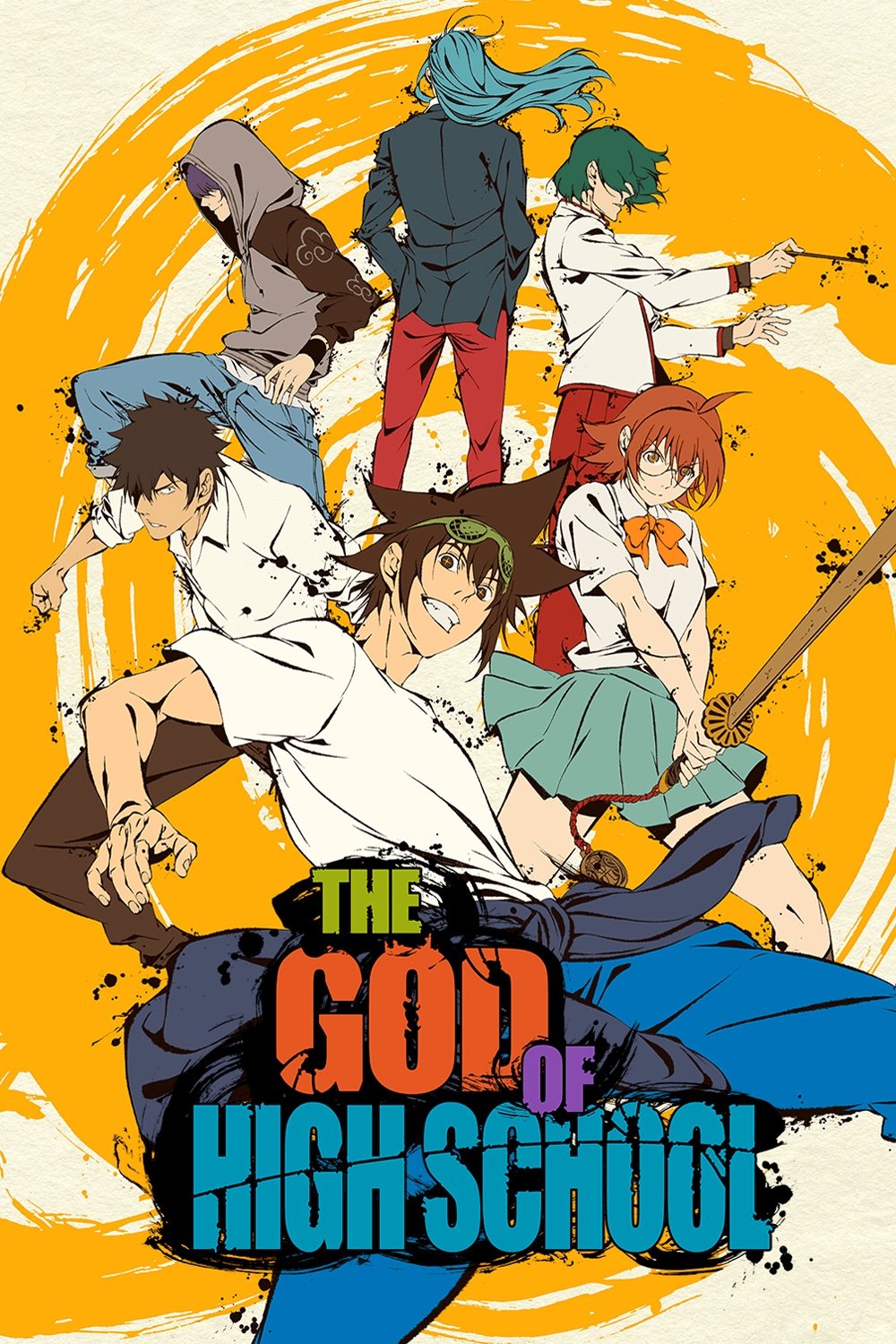
As a fan of the original webtoon, I was really disappointed with the anime adaptation. They tried to cram over a hundred chapters into just thirteen episodes, and it completely ruined the story! The action was amazing, don’t get me wrong, but everything felt so rushed. They just didn’t have time to explain anything – character backstories, the world itself, even how the magic system worked – they skipped over all the important stuff. It looked fantastic, but it lost all the depth and heart of the original story. They cut out all the training that made the magic system understandable, and it just became confusing. It was a beautiful show, but ultimately, it just didn’t deliver on the story I loved.
‘Arifureta: From Commonplace to World’s Strongest’ (2019–)

The anime version skipped the beginning of the story, immediately throwing viewers into the action without explanation. The computer-generated monsters looked cheap and unfinished, like they came from an old video game. Important moments showing the main character’s struggles and growth were either hurried or left out completely. The story felt unevenly paced and didn’t create enough suspense for the revenge storyline. While it sold well, critics agreed it was a poor adaptation of the source material.
‘So I’m a Spider, So What?’ (2021)
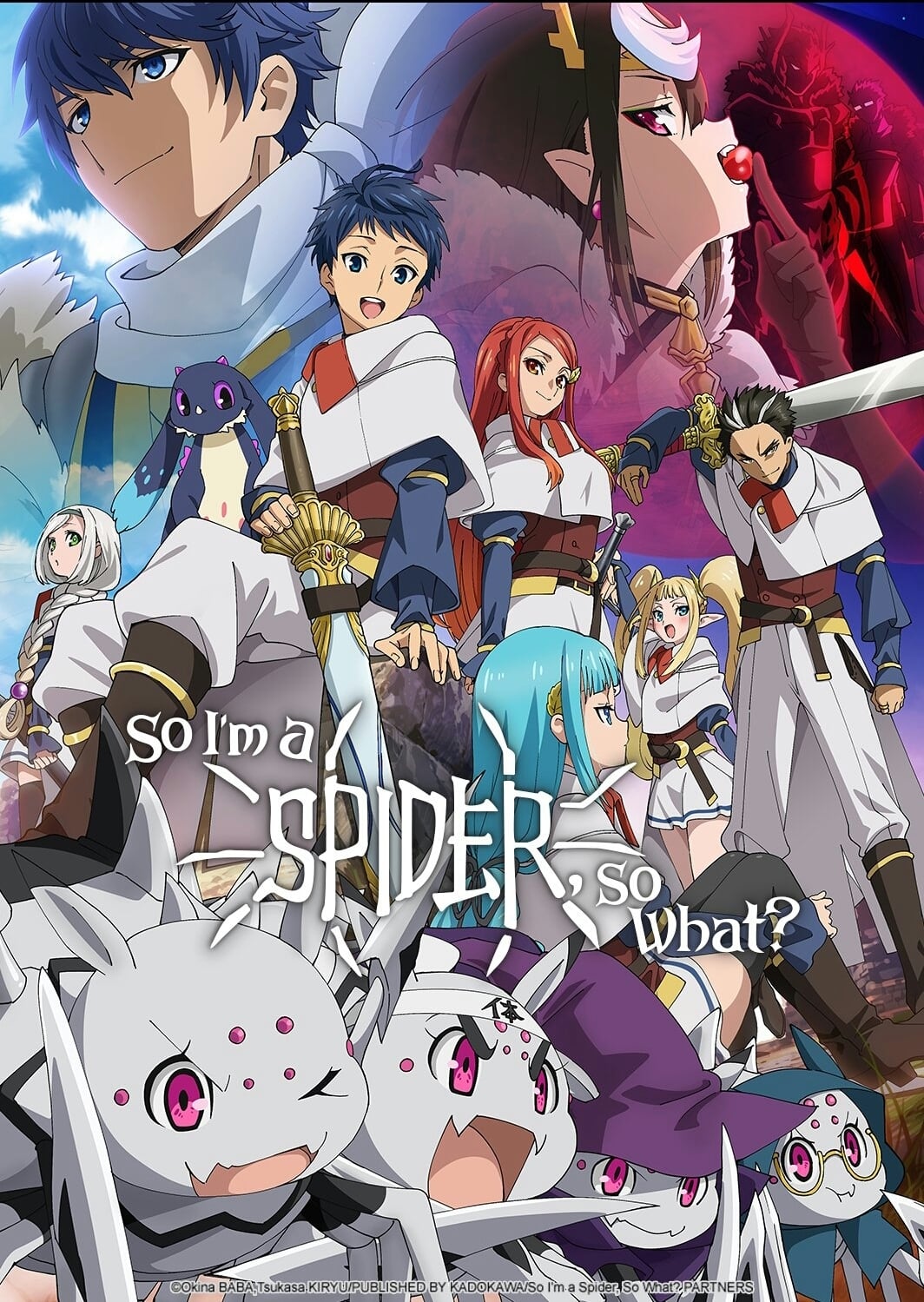
The animation quality varied greatly from episode to episode because of production problems. Scenes with the human characters looked rushed and lacked detail, making them difficult to watch, while the spider-focused parts were okay. The story’s structure was also changed, accidentally revealing important plot twists too soon. When the final episode was delayed due to these production issues, it essentially ended the series’ chances of recovery.
‘Magical Warfare’ (2014)
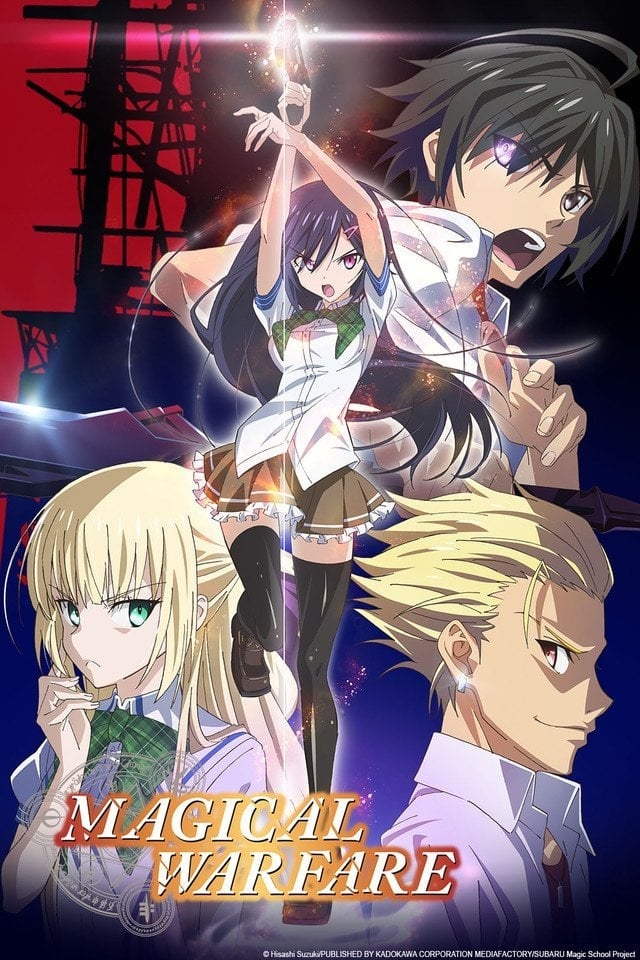
The director admitted they weren’t sure why this particular light novel was made into an anime. The story itself was a confusing jumble with many unanswered questions and inconsistencies. The animation quality wasn’t great, and the action scenes were uninspired. To make matters worse, the ending was a baffling cliffhanger that suddenly introduced time travel. Many fans consider it one of the worst anime adaptations of the last ten years.
‘Dies Irae’ (2017)
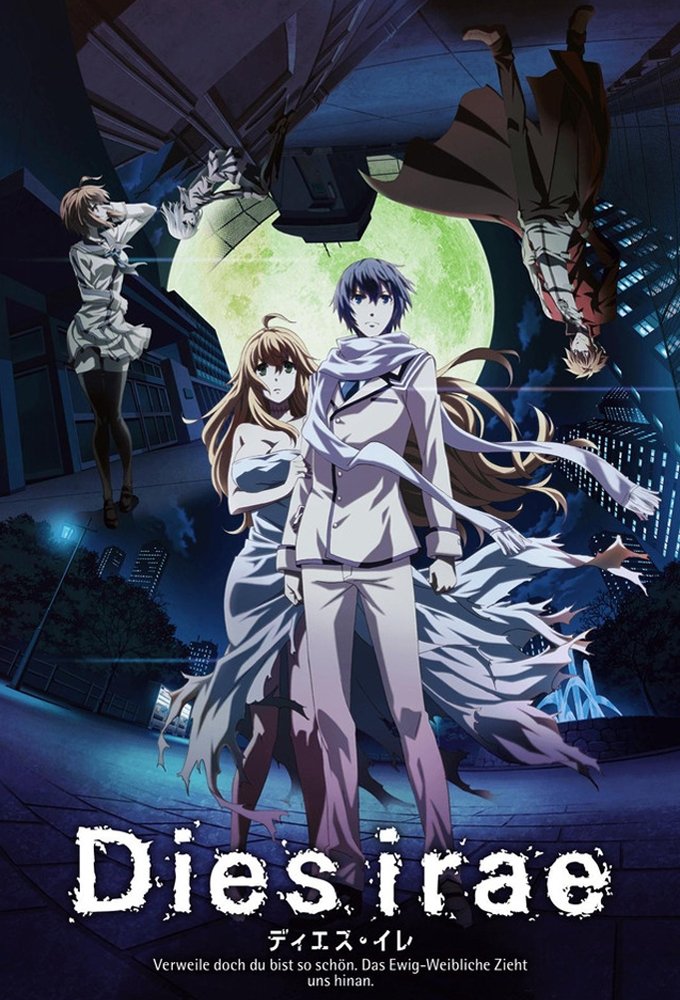
The visual novel had a complex story and deep ideas, which were too much to fit into a short anime series. Viewers unfamiliar with the original found it confusing, with unfamiliar terms and a fast-moving plot. While a crowdfunding campaign for a pilot episode created excitement, the final anime series was disappointing. The action was unclear, and the dialogue sounded overly dramatic without the background information needed to understand it. Ultimately, the series didn’t please either dedicated fans or new viewers.
‘Bokurano’ (2007)
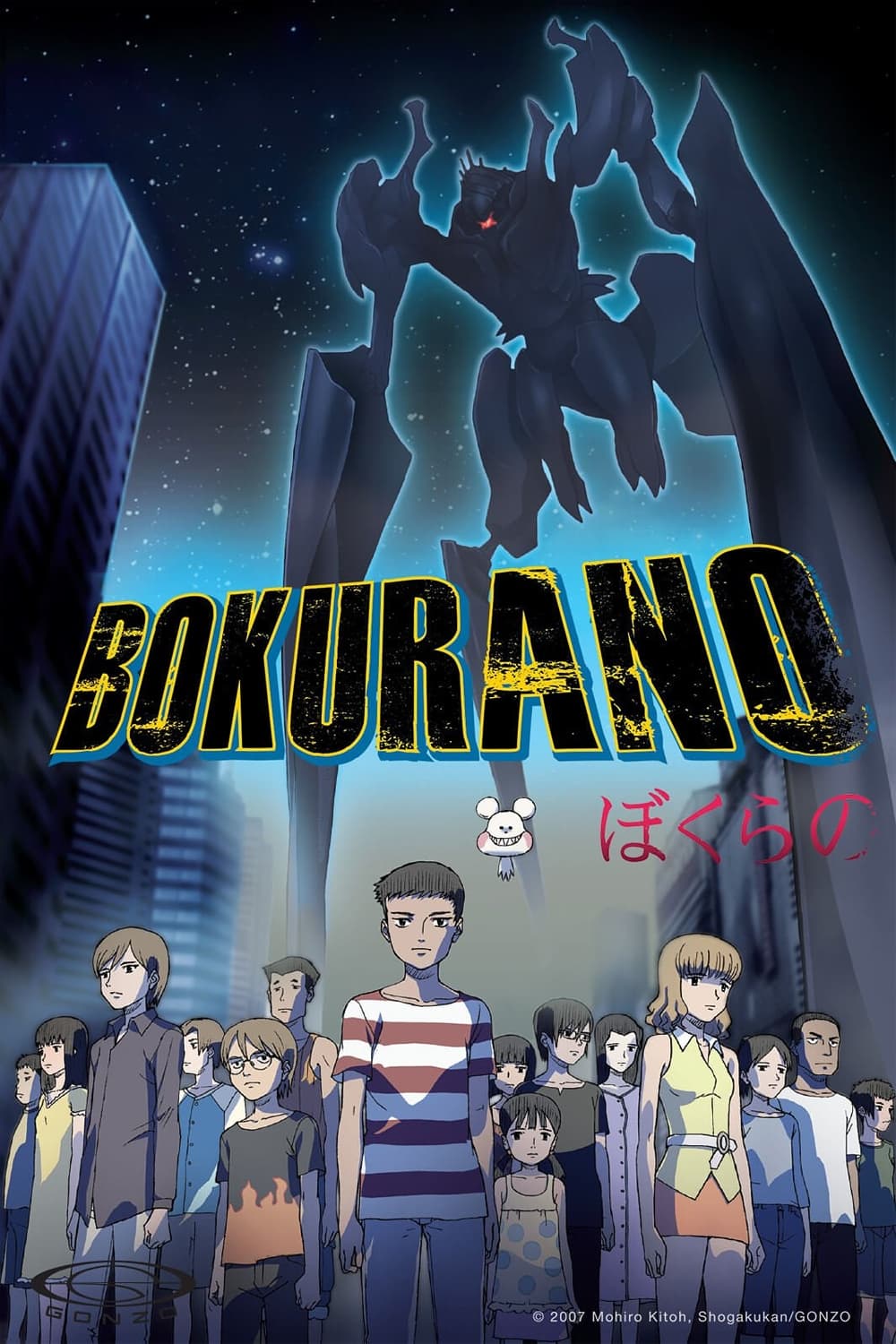
The anime director was honest about not being a fan of the original story and its ideas. He changed the plot quite a bit, including what happened to the characters who controlled the robots. While the anime was a little more optimistic than the dark and pessimistic manga, it lost some of its original power. Some characters lived or died in the anime differently than they did in the manga. This difference in approach left the final product feeling unclear about what it was trying to say.
Share your thoughts on which anime adaptation disappointed you the most in the comments.
Read More
- Gold Rate Forecast
- Games That Faced Bans in Countries Over Political Themes
- Silver Rate Forecast
- 20 Movies Where the Black Villain Was Secretly the Most Popular Character
- Unveiling the Schwab U.S. Dividend Equity ETF: A Portent of Financial Growth
- 15 Films That Were Shot Entirely on Phones
- 22 Films Where the White Protagonist Is Canonically the Sidekick to a Black Lead
- The Best Directors of 2025
- Brent Oil Forecast
- New HELLRAISER Video Game Brings Back Clive Barker and Original Pinhead, Doug Bradley
2026-02-06 19:21