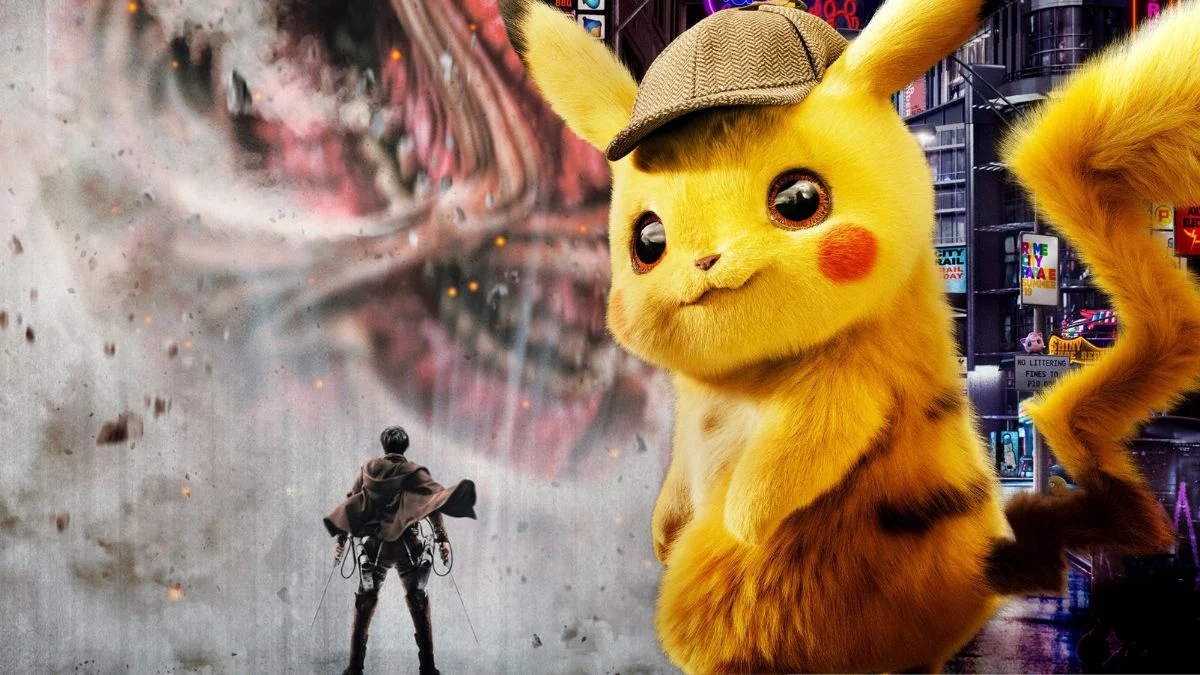
Turning anime and manga into live-action movies and shows is tricky, and often leads to disagreements about who should play certain characters, especially when it comes to their race. Sometimes studios change a character’s ethnicity to attract a wider audience or because of the actors available. However, this can upset dedicated fans who believe the adaptation should stay true to the original story. Here are some examples of productions where changing a character’s race caused a lot of discussion and debate.
‘Dragonball Evolution’ (2009)
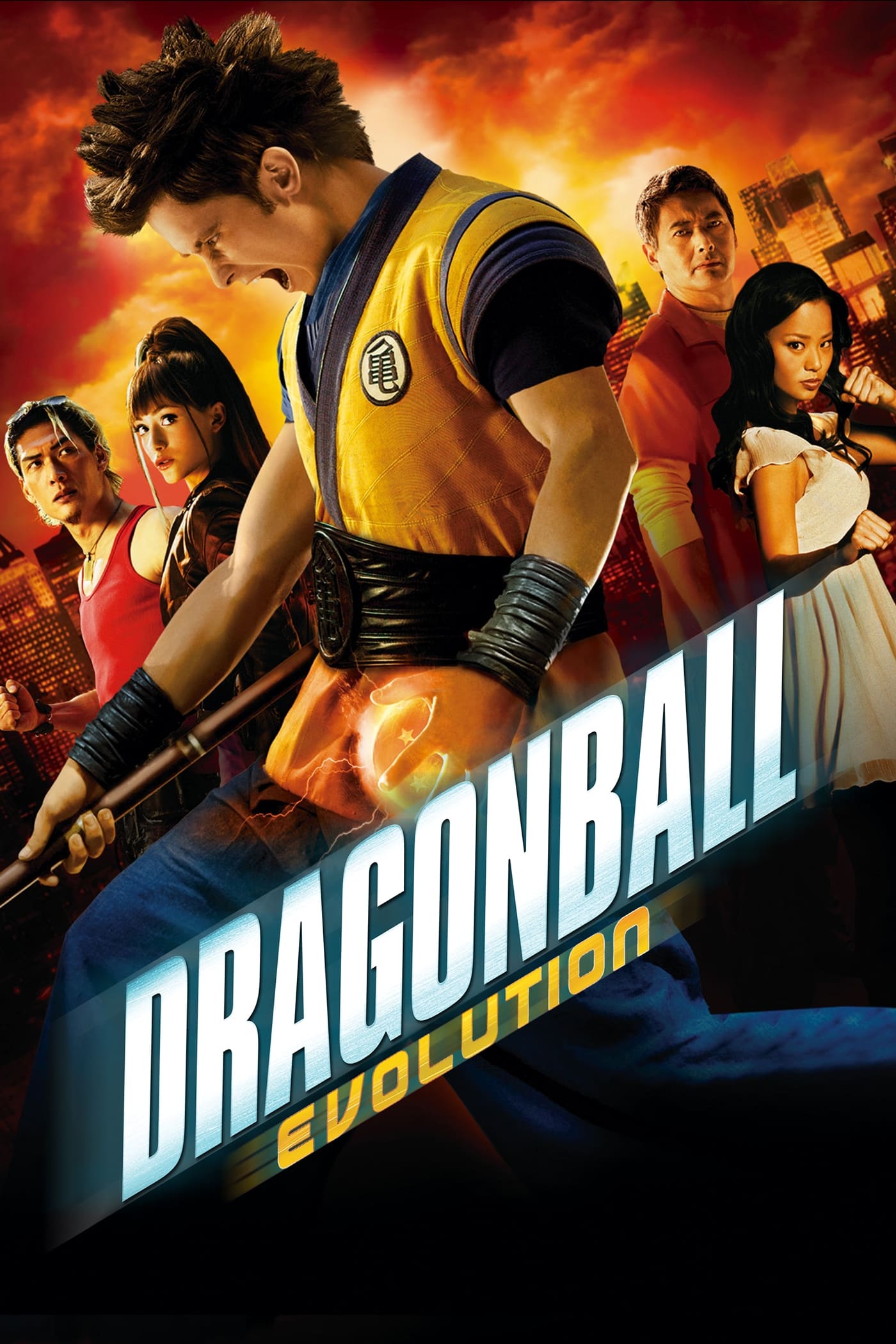
Justin Chatwin played Goku in this movie, which was inspired by Akira Toriyama’s famous manga. However, the film drastically changed the character, portraying him as an American high school student instead of the traditional martial arts warrior. Many fans were upset that a white actor was chosen for a role based on Asian mythology and design, and the film is now a well-known example of ‘whitewashing’ in adaptations of Japanese animation. The movie’s poor performance at the box office confirmed that audiences disagreed with the casting choices.
‘Ghost in the Shell’ (2017)
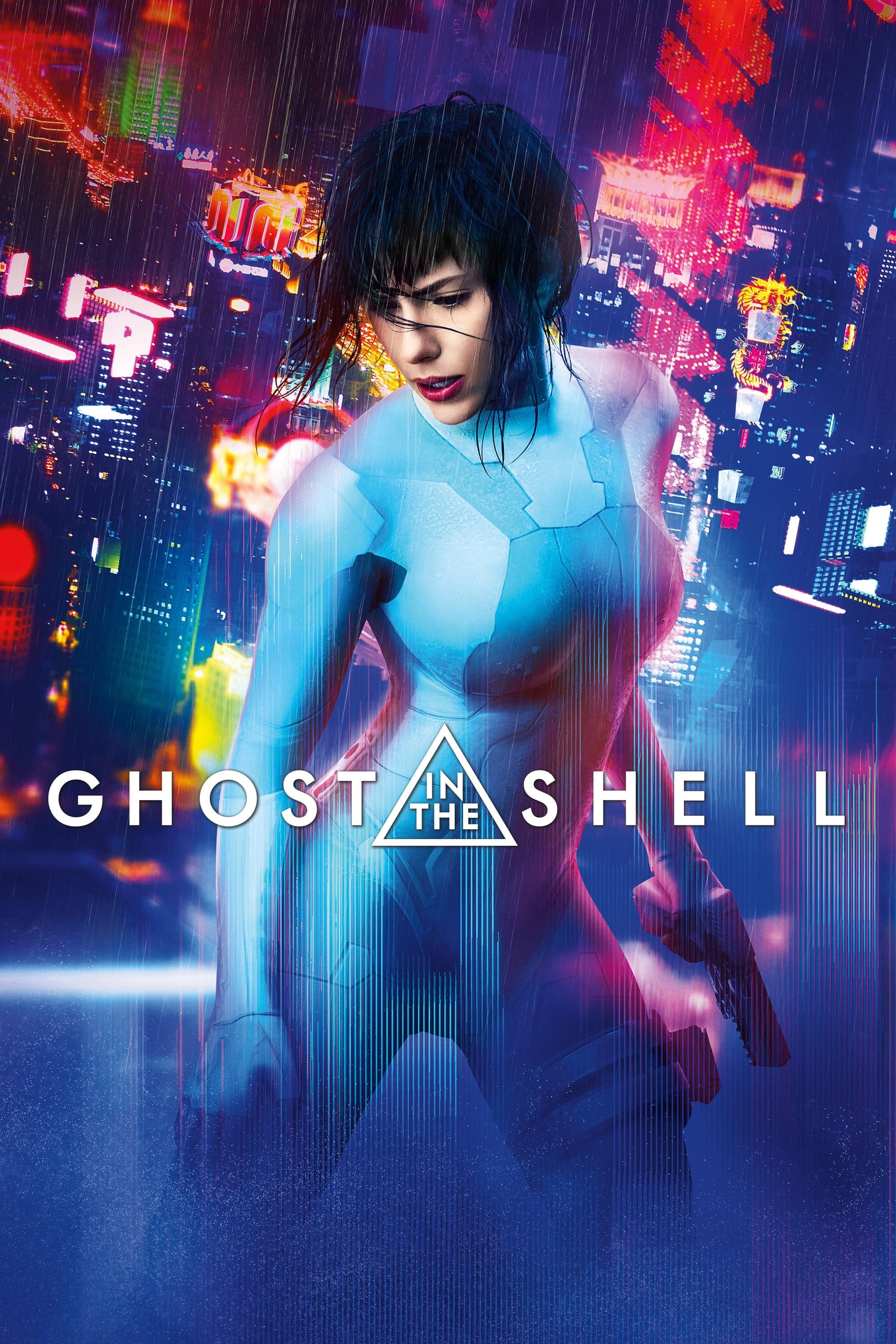
Scarlett Johansson played the lead role of Major Motoko Kusanagi, who was renamed Mira Killian for the American film adaptation. This casting choice immediately upset many fans, who believed a Japanese actress should have played the famous cyborg character. Director Rupert Sanders argued Johansson had the global appeal needed for the film’s futuristic style. The movie tried to address the change in ethnicity with a plot point about a switched identity. However, both critics and viewers were split on whether the film’s impressive visuals made up for removing the character’s original Japanese background.
‘Death Note’ (2017)
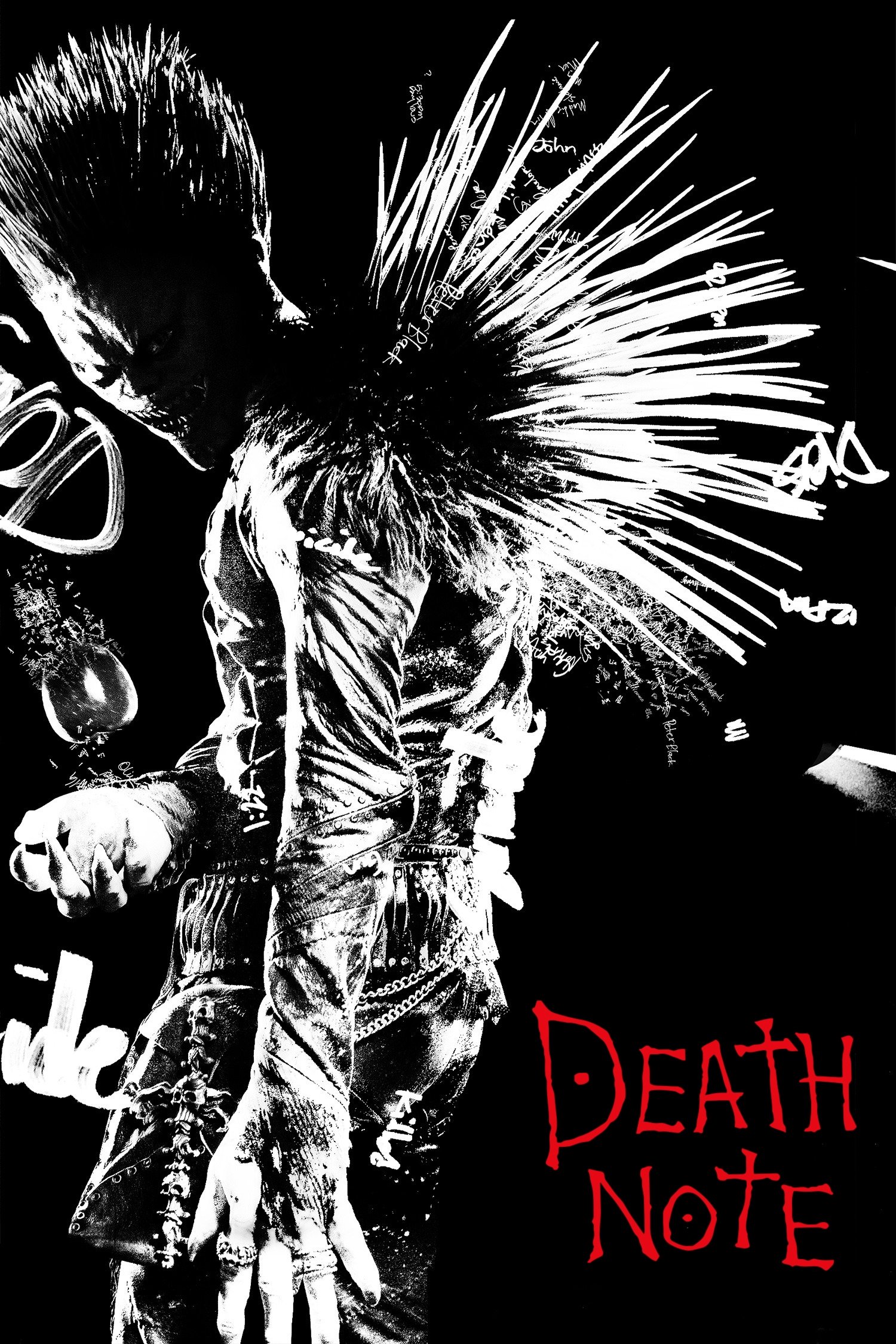
Netflix reimagined the story of ‘Death Note,’ moving it from Tokyo to Seattle and changing the main character’s name to Light Turner. Nat Wolff starred as Light, and Lakeith Stanfield played the detective L. By using an American cast, the series lost some of the cultural context from the original Japanese story that drove Light’s actions. While some viewers enjoyed Lakeith Stanfield’s take on L, others felt the core relationship between the characters wasn’t as strong. The original manga creator approved of the changes, but fans were divided on whether they worked.
‘The Last Airbender’ (2010)
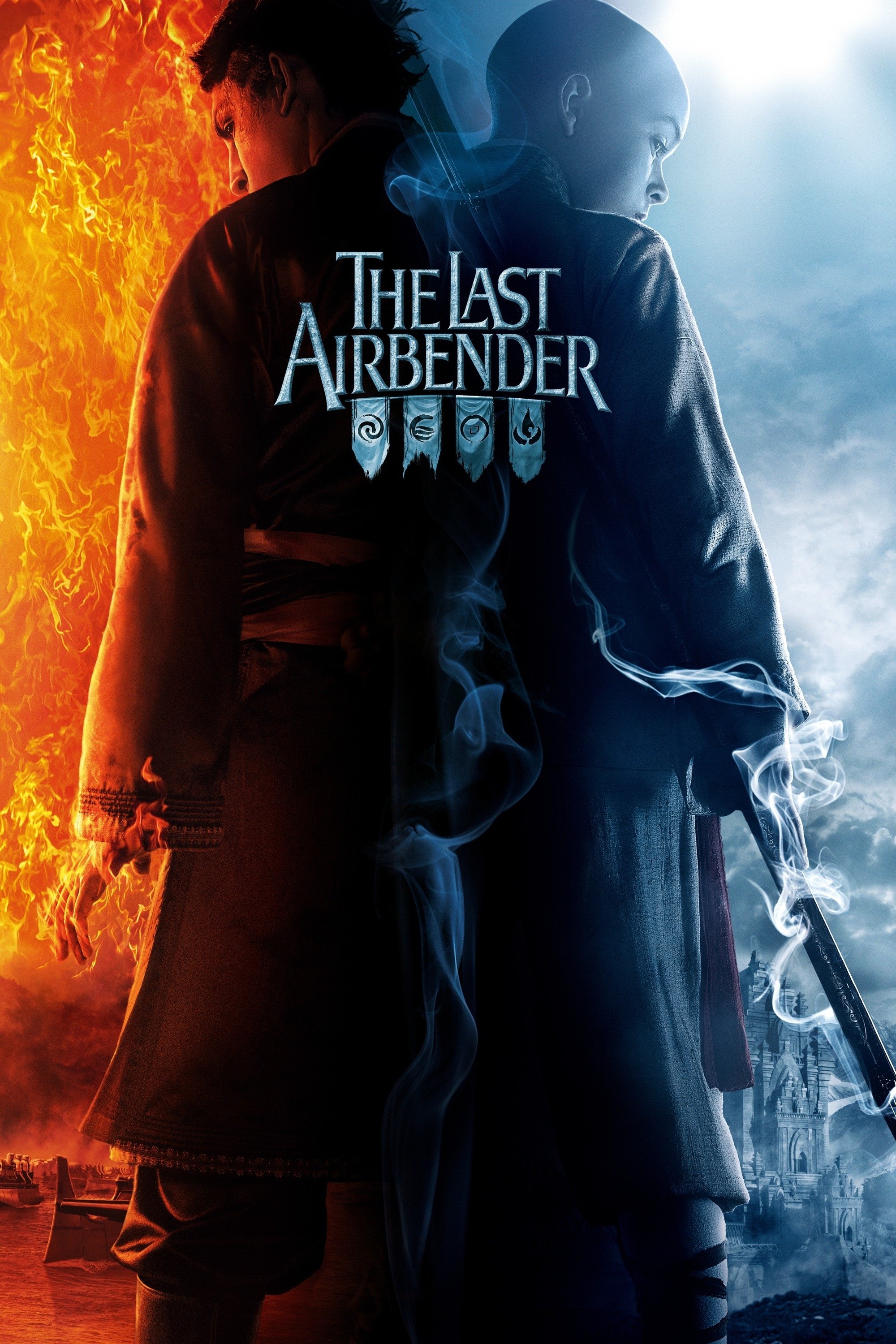
The live-action adaptation of Avatar: The Last Airbender faced significant criticism for its casting choices. Despite the story drawing heavily from Inuit and Asian cultures, the filmmakers cast white actors as the main characters, Aang and Sokka. Meanwhile, actors of Indian and Middle Eastern descent were cast as the villains from the Fire Nation, creating an awkward and problematic racial dynamic. This led to fan boycotts and protests, as viewers felt the adaptation ignored the cultural roots of the original animated series. The controversy ultimately overshadowed the film’s release and contributed to its negative reviews, leading the original creators to disassociate themselves from the project.
‘Attack on Titan’ (2015)

The recent live-action version of this popular series used an entirely Japanese cast, even though the original story primarily featured characters of European descent. In the original manga, Mikasa is specifically identified as the last person of Asian heritage inside the walled city. To explain this casting choice, the filmmakers reimagined the setting as a post-apocalyptic Japan. This change significantly altered the established backstory of humanity and where they came from, which many fans found to be a noticeable departure from the original’s diverse group of soldiers.
‘Fullmetal Alchemist’ (2017)
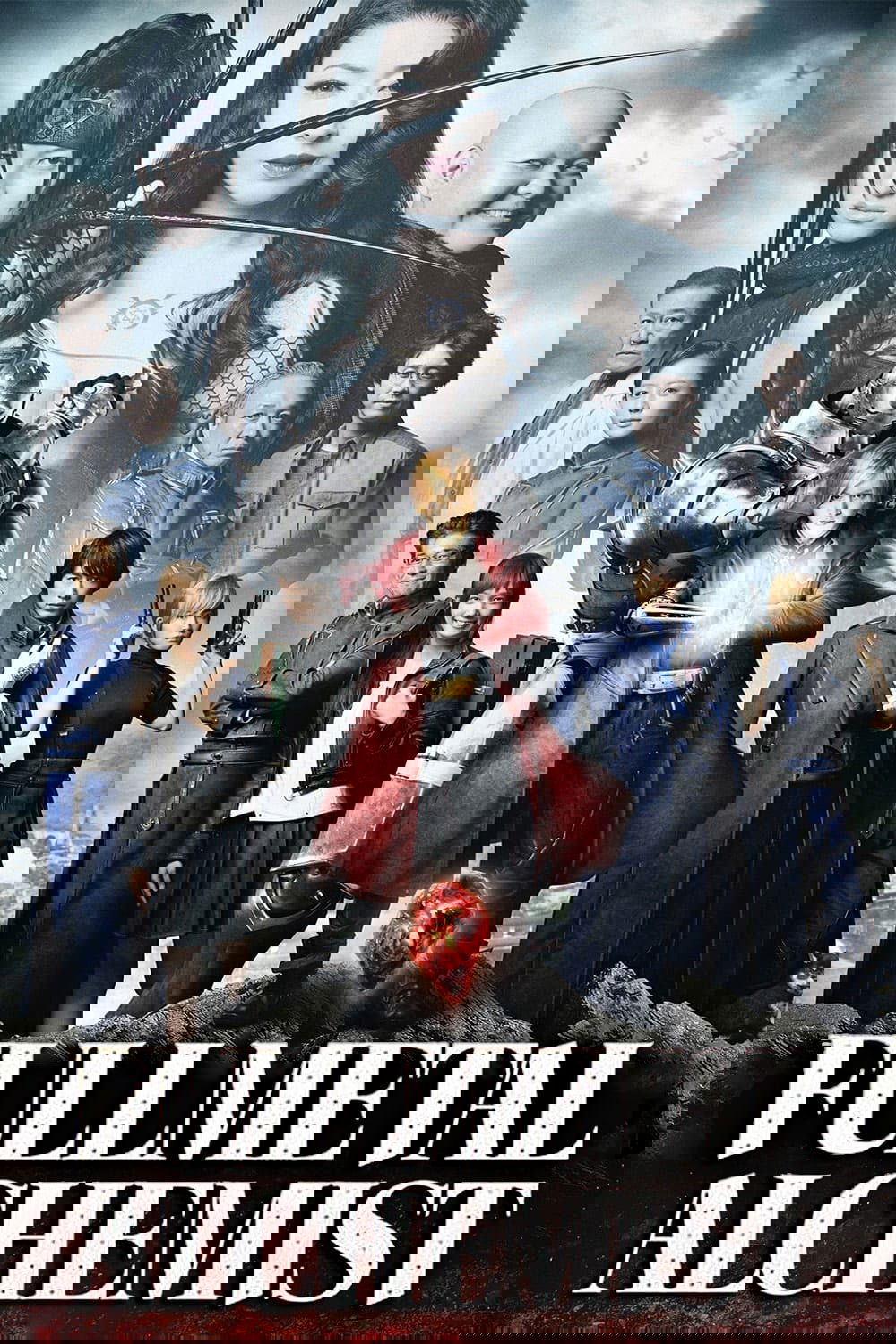
Okay, so I just finished watching this adaptation, and it was… interesting. The story is set in a fantasy Europe, but the whole cast was Japanese! Like, Edward Elric, who’s supposed to be from this country called Amestris, was played by Ryosuke Yamada, a really popular actor in Japan. It was clear the production team wanted big names from home, even if it didn’t match the characters’ look from the original anime. The costumes were spot-on, but honestly, seeing these Japanese actors in blonde wigs pretending to be the Elric brothers was a little jarring. A lot of international fans, myself included, had a hard time getting past it. It just created this weird disconnect, you know?
‘Edge of Tomorrow’ (2014)
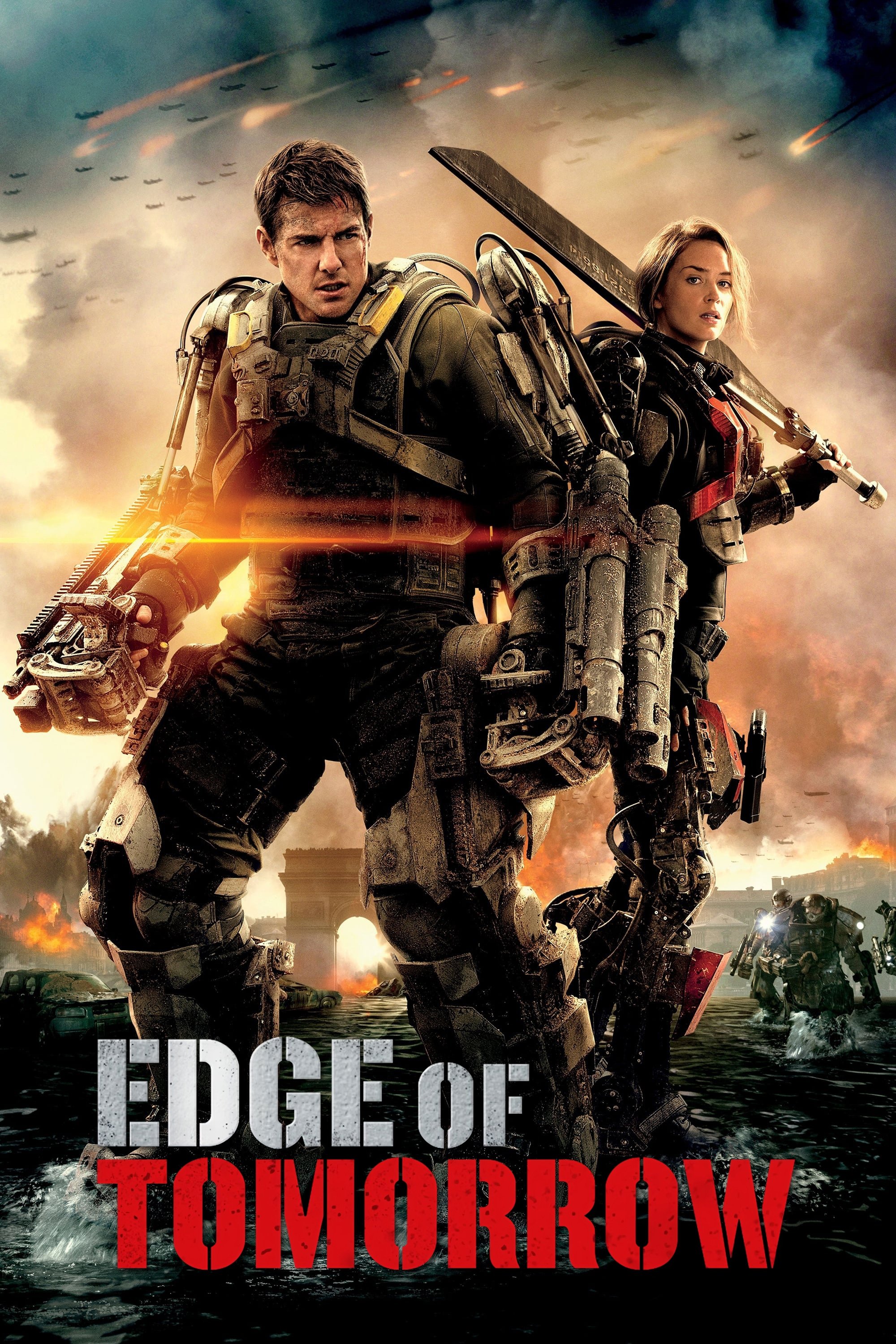
The movie ‘Edge of Tomorrow’ stars Tom Cruise as William Cage, and is based on the Japanese light novel ‘All You Need Is Kill’. The original story featured a Japanese soldier named Keiji Kiriya fighting in a future war. For the film, the story was changed to focus on an American officer and moved the setting to appeal to a wider, international audience. While the action was praised, some fans were disappointed that the movie lost the original Japanese viewpoint. The studio explained that these changes were made to help the film succeed at the box office worldwide.
‘Bullet Train’ (2022)
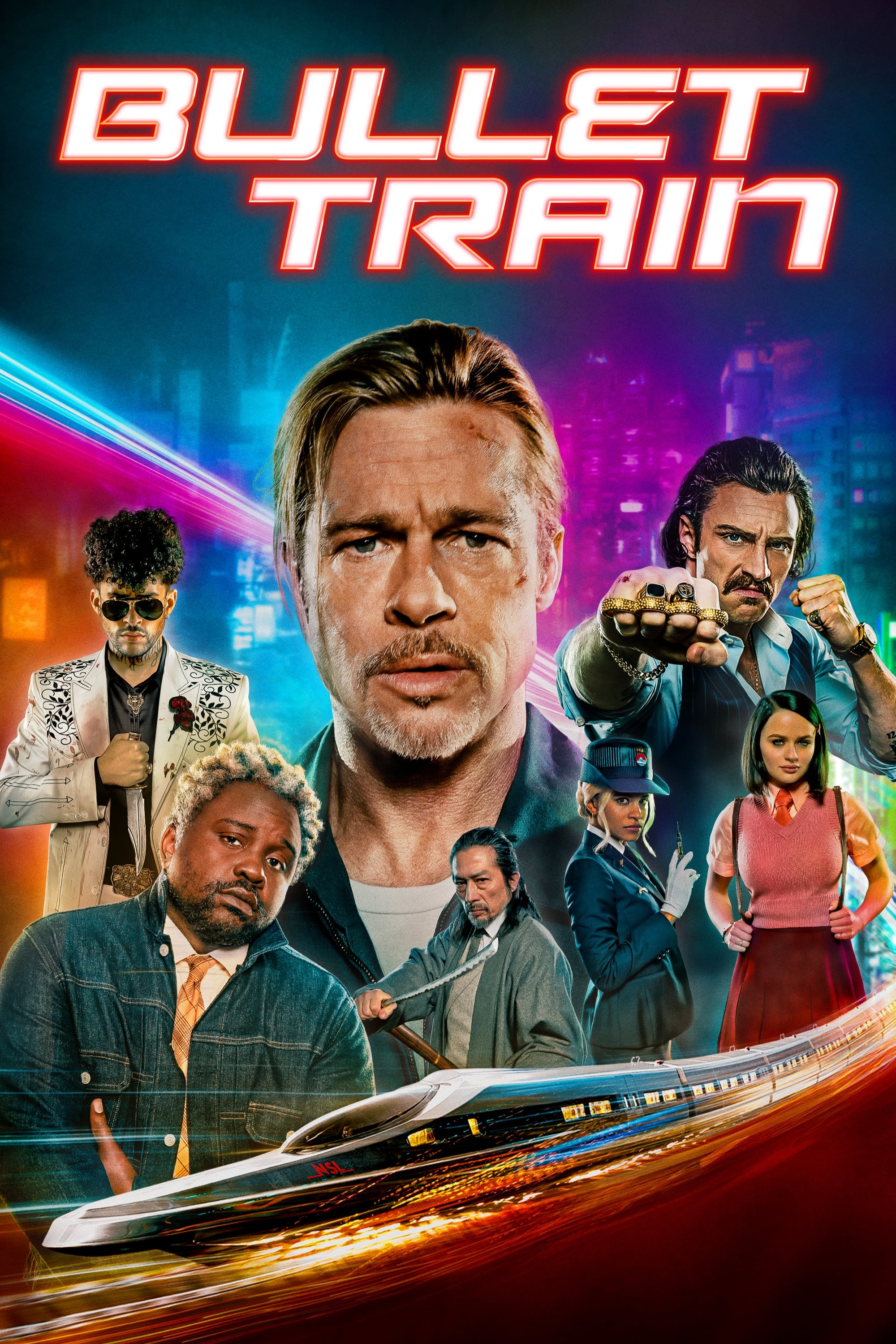
This action movie is adapted from Kotaro Isaka’s novel ‘Maria Beetle,’ which primarily featured Japanese characters. Brad Pitt plays Ladybug, a character originally named Nanao in the book and portrayed as a Japanese assassin. The filmmakers believed the story would appeal to a wider audience with an international cast instead of sticking solely to Japanese actors. Other characters, like the Prince, were also re-imagined with non-Japanese actors to suit the Hollywood adaptation. While the author approved of these changes, some fans expressed a desire for a more accurate portrayal of the original characters.
‘Speed Racer’ (2008)
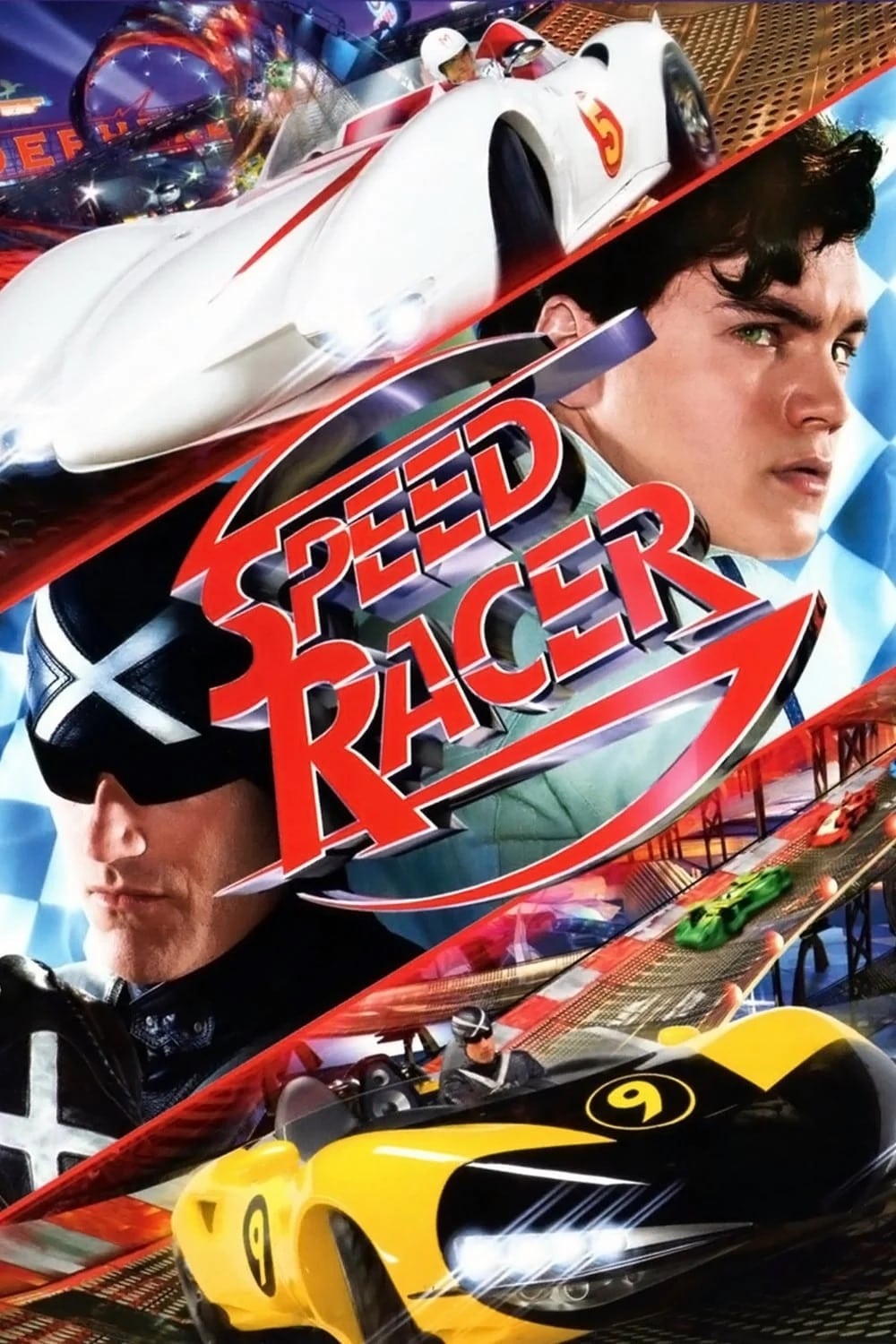
The Wachowskis’ film is based on the classic anime ‘Mach GoGoGo,’ starring Emile Hirsch. The original anime featured Japanese characters, but a 1960s English dub already changed them to be more American. The movie continued this trend by casting mostly white actors as the Racer family. To introduce some diversity, they created a new character, Taejo Togokahn, and cast Korean pop star Rain in the role. This approach acknowledged the history of the English dub but meant the film’s version of the main character, Go Mifune, lost its Japanese origins.
‘Street Fighter: The Legend of Chun-Li’ (2009)
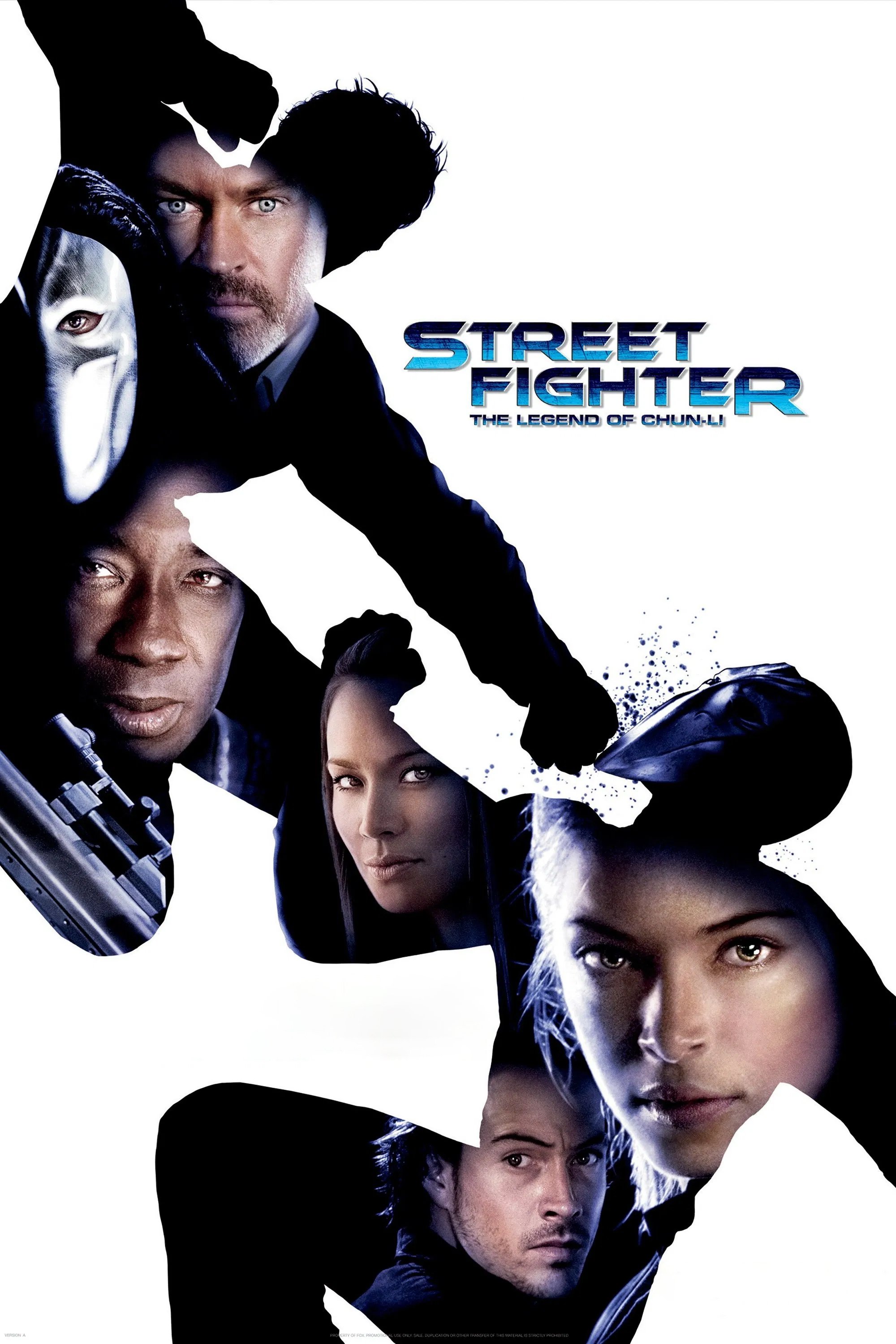
The movie starring Kristin Kreuk as Chun-Li was widely considered a disappointment. Many fans questioned the casting choice, as the actress didn’t closely resemble the character from the video game and anime, and had a different ethnic background. The film also changed Chun-Li’s history and fighting style. The supporting actors didn’t visually match their animated versions either. Gamers and anime enthusiasts frequently point to this movie as an example of a failed adaptation that didn’t honor the original source material.
‘Fist of the North Star’ (1995)
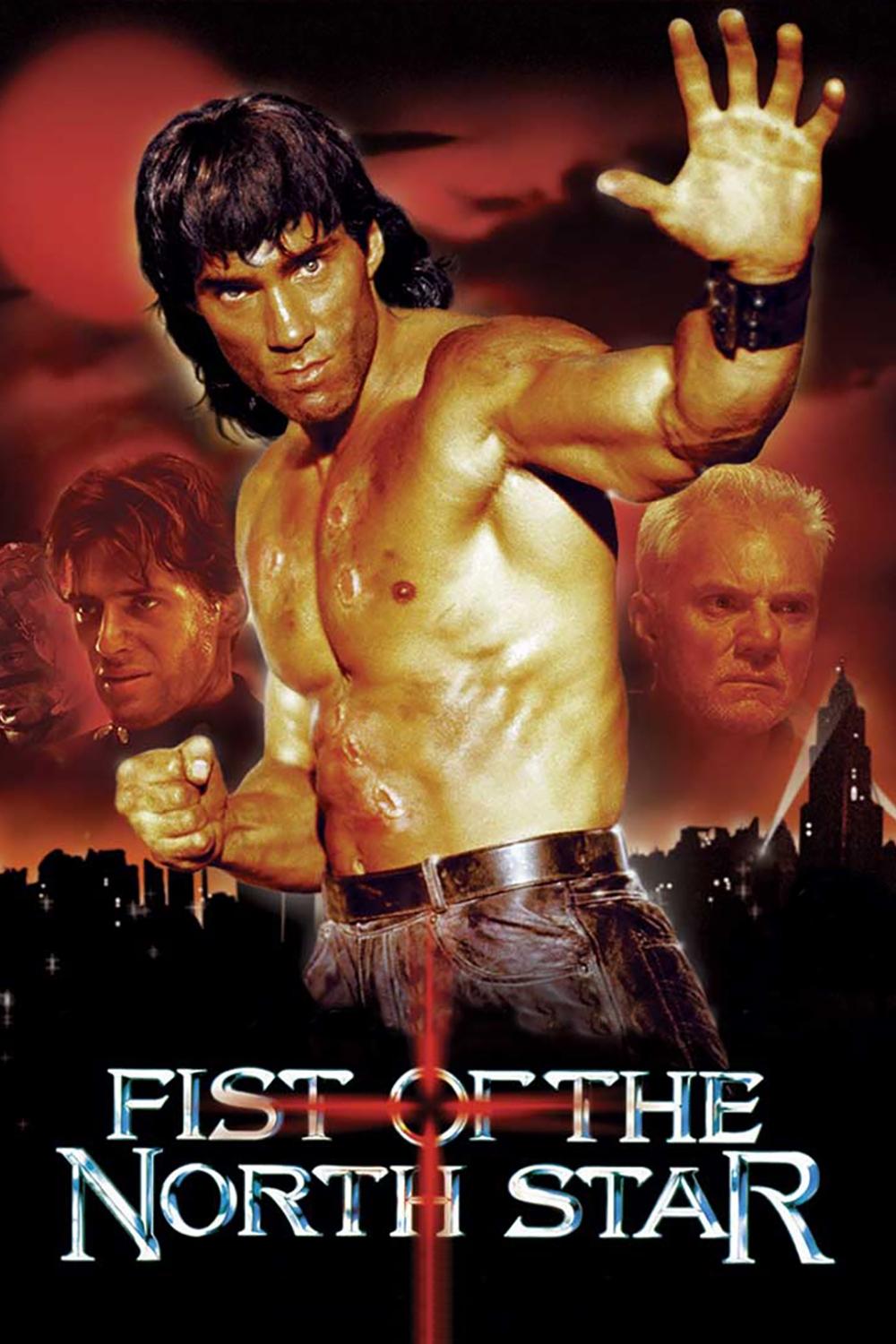
This American movie adapts the popular story of Kenshiro, played by martial artist Gary Daniels. While the character is originally Japanese in the source material and visually inspired by Sylvester Stallone and Bruce Lee, this version features a largely white cast set in a typical western-style wasteland. Fans of the original, extremely violent anime found the casting choices didn’t capture the same energy or appearance as the iconic hero. Though the film tried to recreate the action, the different cast ultimately made it feel like a standard fighting movie.
‘The Guyver’ (1991)
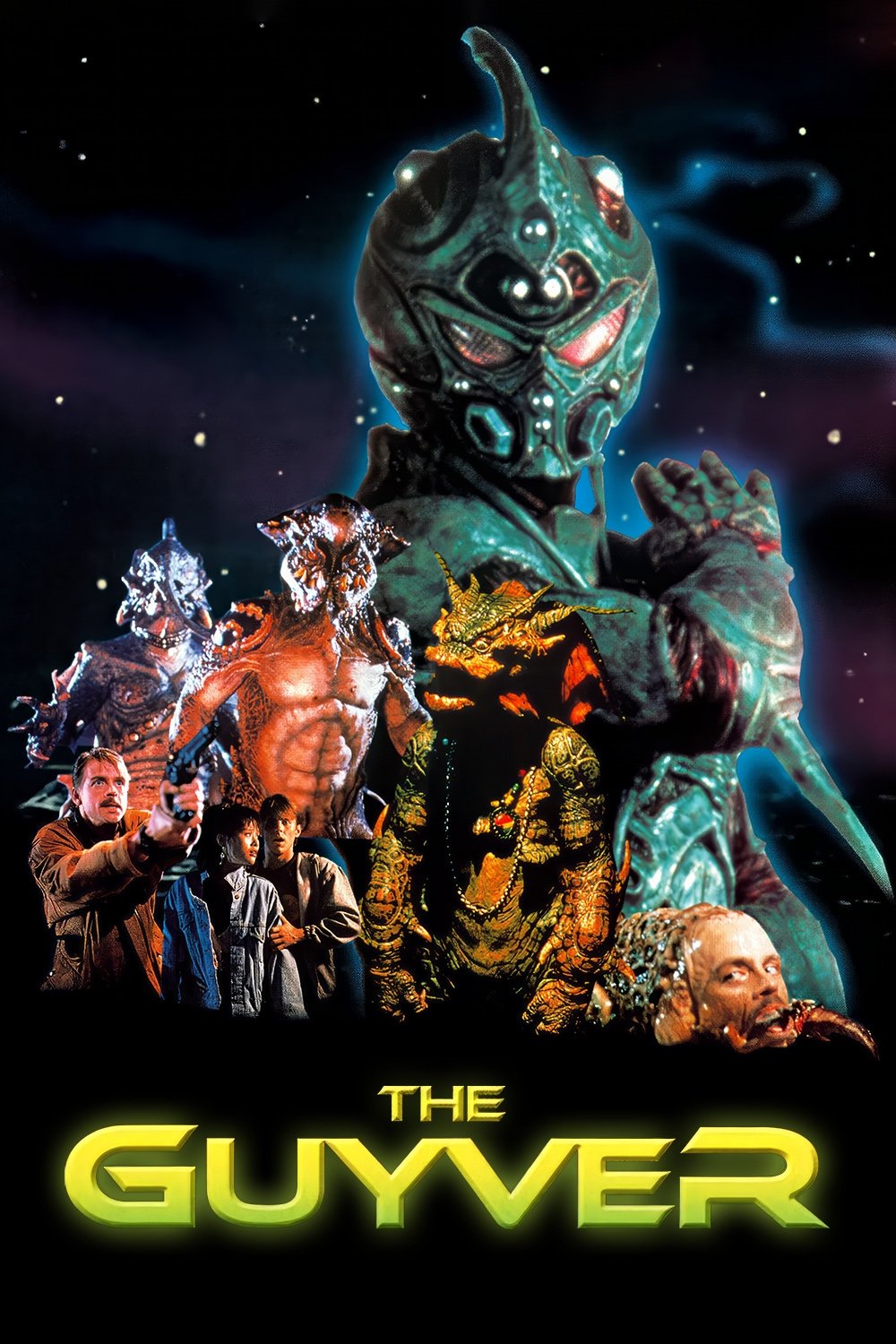
This movie, starring Mark Hamill and Jack Armstrong, was inspired by a Japanese manga but made significant changes for Western audiences. The main character was Americanized from Sho Fukamachi to Sean Barker, primarily to better showcase the film’s costumes and special effects. While the movie gained a dedicated following for its visuals, many original fans were disappointed by the altered storyline. The sequel continued this trend, further diverging from the source material and sticking with the American lead.
‘Oldboy’ (2013)
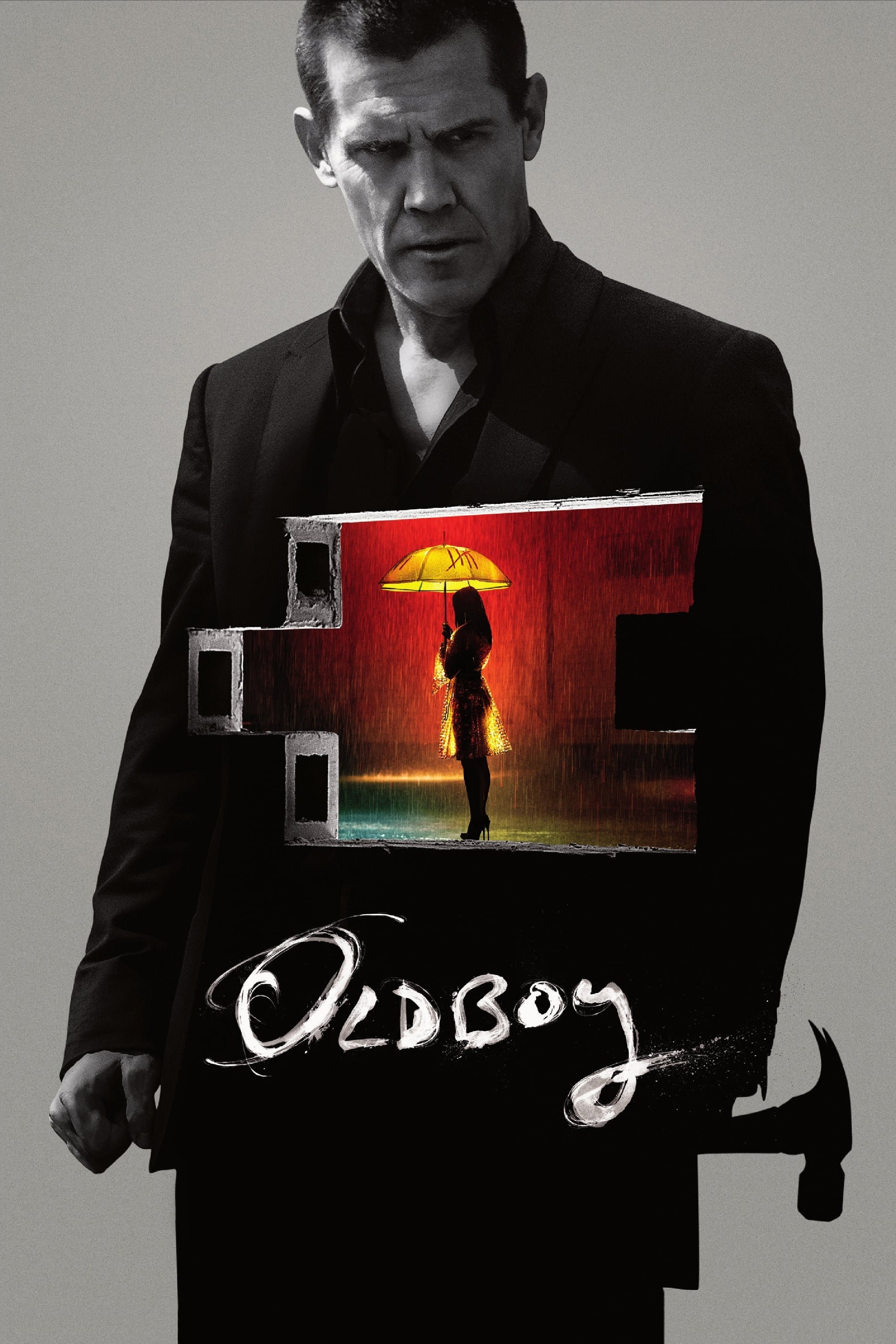
This film, directed by Spike Lee, is a remake of a popular Korean movie, which was originally inspired by a Japanese comic. Josh Brolin stars as Joe Doucett, a character adapted from the original Japanese protagonist, Shinichi Goto. The story was updated and moved to the United States, changing the context of the imprisonment. Many viewers preferred the 2003 Korean version, feeling it better captured the original story’s cultural identity. Some felt that adapting the story to an American setting lost some of the depth and subtlety of the original Japanese and Korean versions.
‘Kite’ (2014)
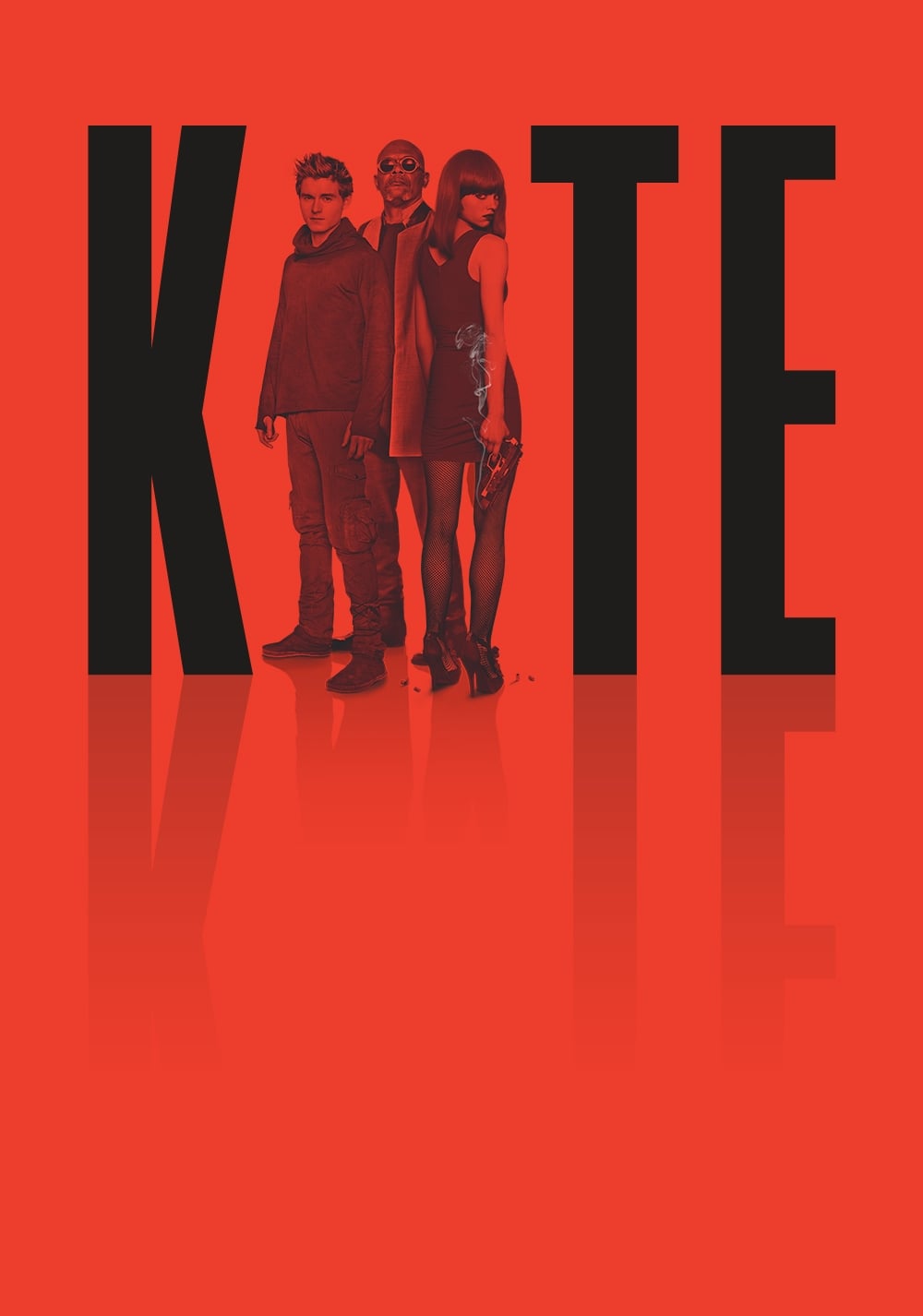
India Eisley starred as Sawa in this live-action adaptation of the well-known, but controversial, anime. While the original story took place in Japan, the movie was set in a futuristic Johannesburg. Samuel L. Jackson played a reimagined version of Akai, Sawa’s mentor. The film toned down the adult themes of the original anime, but in doing so, also lost some of its unique, dark mood. Many critics thought the changes to the location and characters made the movie feel like a typical action film, and not a true adaptation of the source material.
‘City Hunter’ (2018)
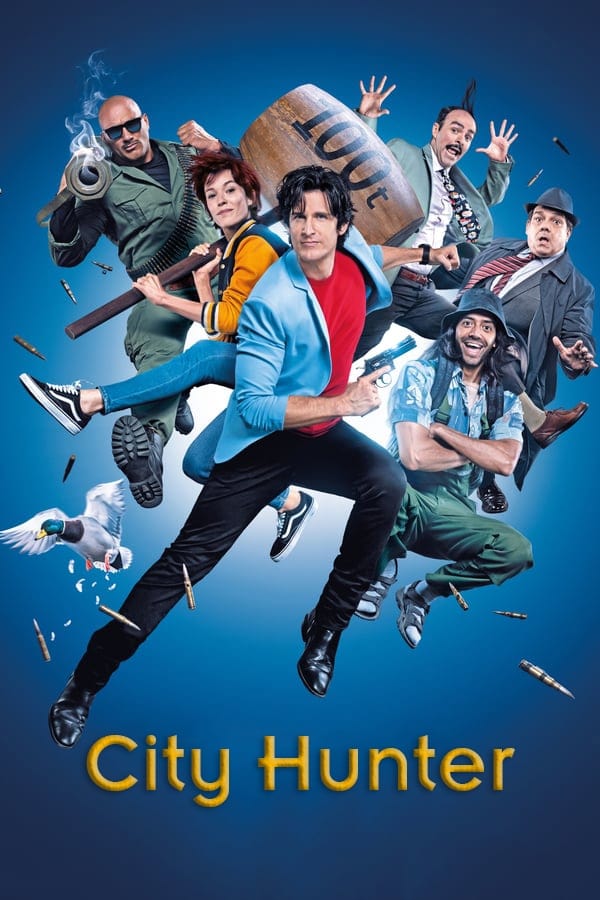
Philippe Lacheau’s French film, ‘Nicky Larson et le Parfum de Cupidon,’ is based on the anime character Ryo Saeba, who was adapted for French audiences as Nicky Larson. Although the character’s ethnicity was changed to white, the film was well-received for successfully capturing the lighthearted and humorous feel of the original anime. Surprisingly, both the original Japanese creators and fans reacted positively to this version, making it a rare instance where a change in a character’s race was accepted due to the film’s faithfulness to the source material’s overall tone.
‘Cowboy Bebop’ (2021)
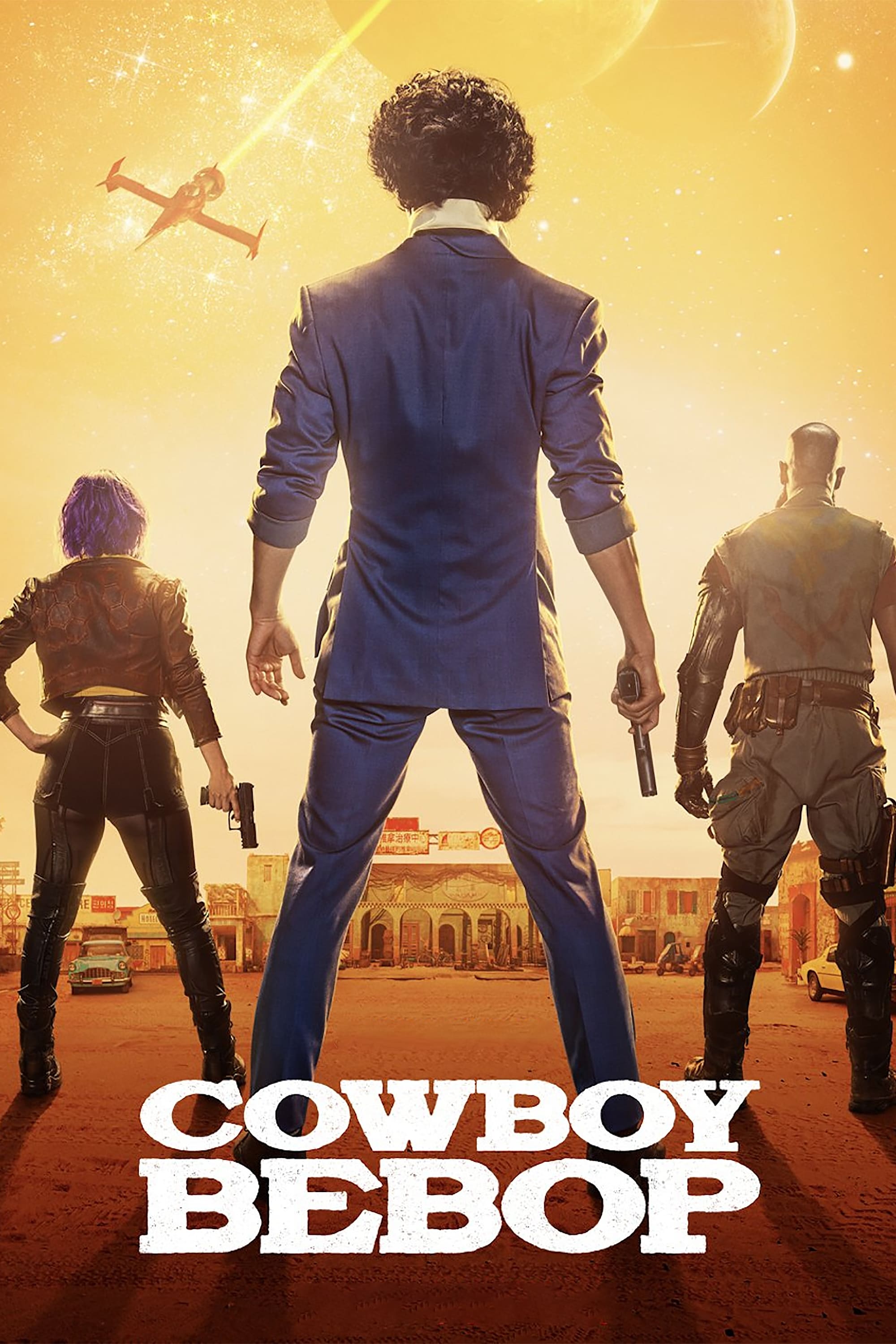
Mustafa Shakir played Jet Black in the live-action Netflix version of the classic space western, and many fans welcomed the choice to cast a Black actor in the role, despite the original character’s intentionally open-ended design. However, the casting of Daniella Pineda as Faye Valentine sparked controversy, with some arguing the character should have been played by an Asian actress. The creators explained that the casting choices were meant to represent the diverse world of the anime’s future. Unfortunately, the show was canceled after just one season, leaving those discussions about casting and how characters were portrayed unfinished.
‘One Piece’ (2023)
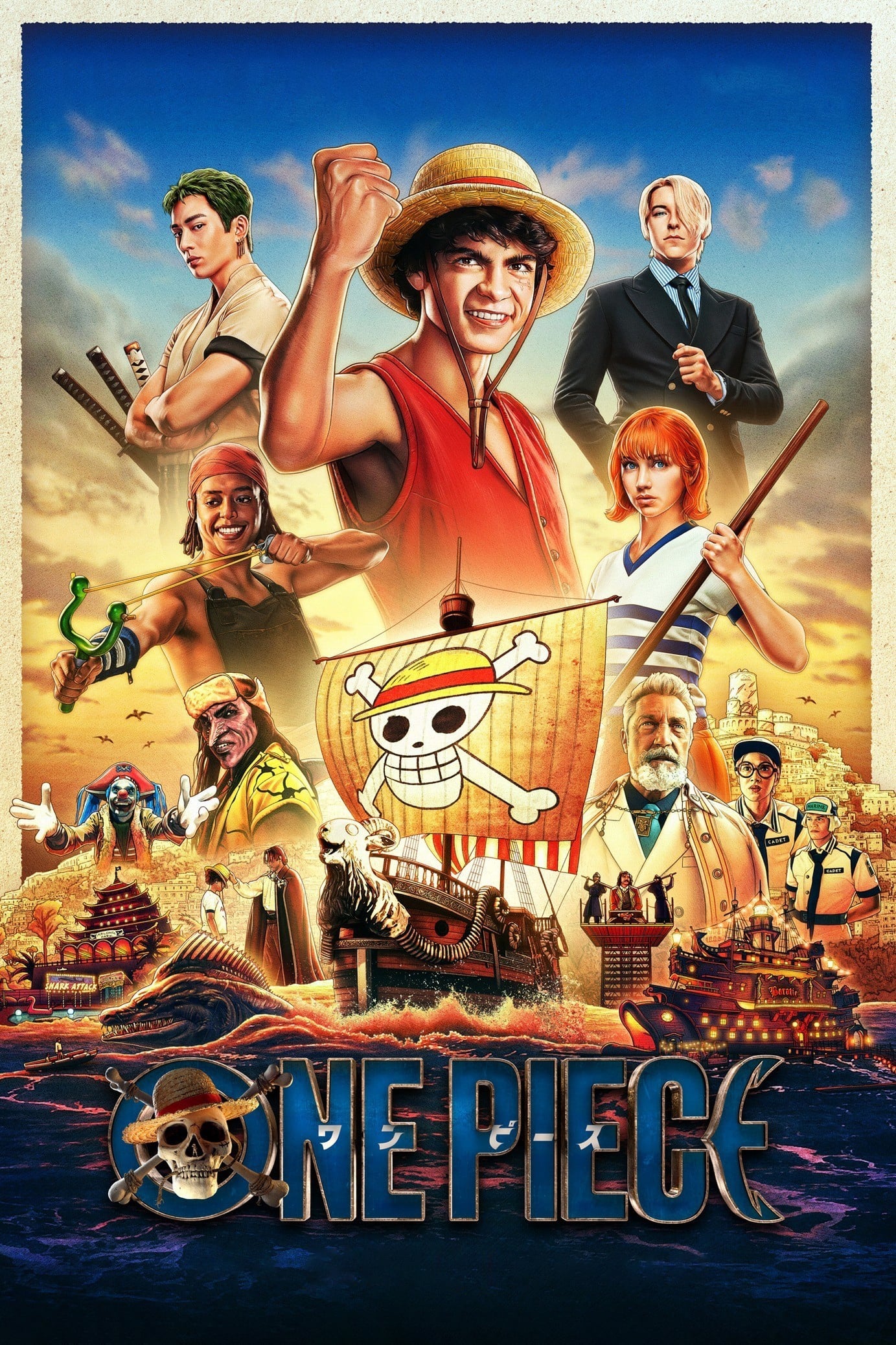
Netflix’s live-action version of Eiichiro Oda’s popular series included a diverse cast of actors from around the world. For example, the character Nojiko, who is portrayed as light-skinned in the anime, was played by Black actress Chioma Umeala. Similarly, Lucky Roux from the Red Hair Pirates was also played by a Black actor. Although some fans preferred the characters to look exactly like they do in the anime, most people celebrated the show’s diversity. Eiichiro Oda, the original creator, was involved as an executive producer and gave his approval to the casting choices, feeling they captured the essence of his story.
‘Knights of the Zodiac’ (2023)
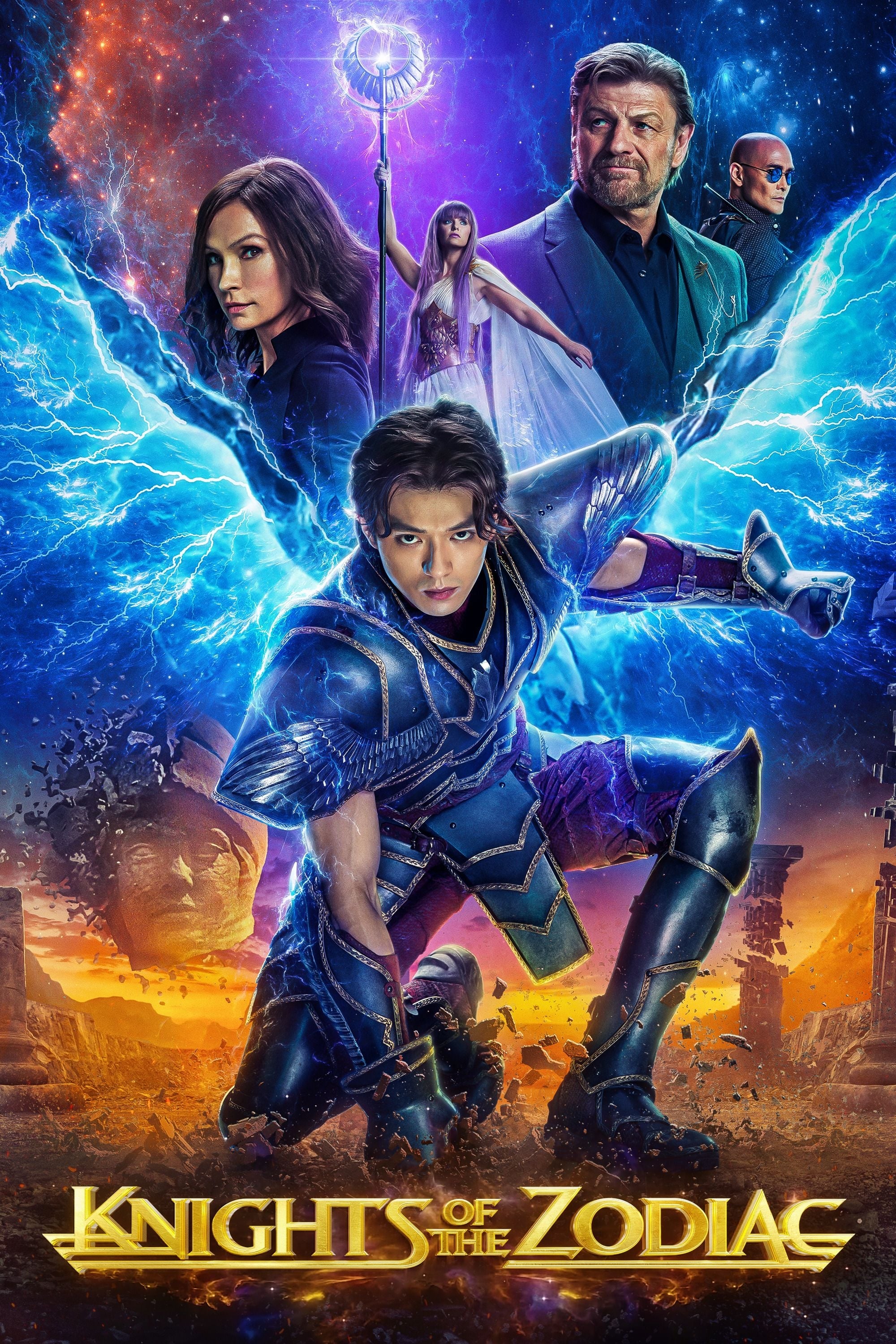
Mackenyu played the main character, Seiya, in this new version of ‘Saint Seiya’. However, most of the other characters were given Western names and played by Western actors. For example, the character Saori Kido, known as the goddess Athena in the original anime, was renamed Sienna and played by Madison Iseman. Ikki became Nero, portrayed by Diego Tinoco. These changes were made to try and appeal more to American viewers, but many dedicated fans in Latin America and Japan were upset that the Japanese backgrounds of these characters were removed.
‘Kingdom’ (2019)
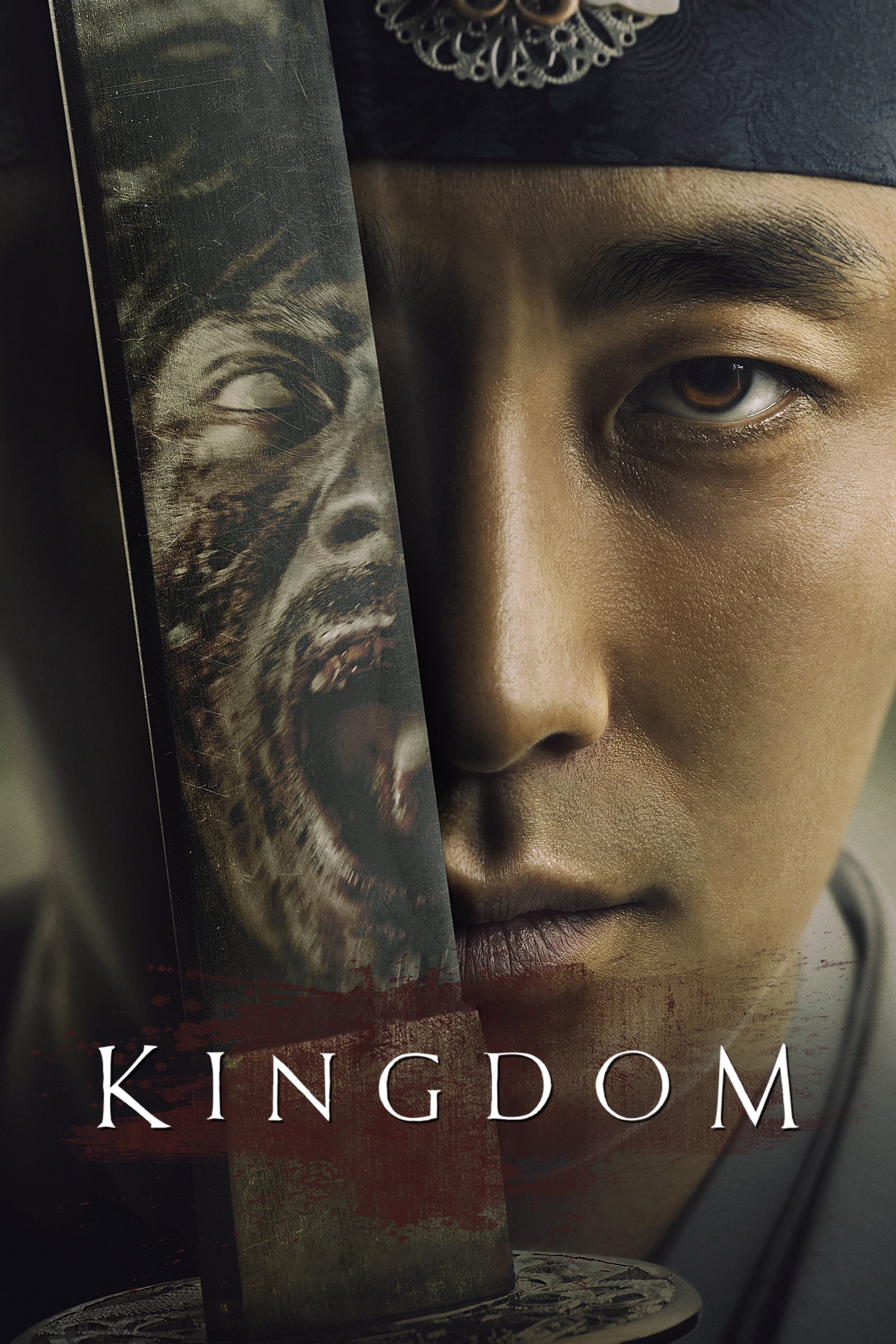
Kento Yamazaki played the lead role of Xin in this movie, which is set during ancient China’s Warring States period. Interestingly, the entire cast was Japanese, with actors portraying historical Chinese characters. While this is typical for Japanese films made for a local audience, it differs from the original historical accounts and the source manga. The movie was a big hit in Japan, but international audiences noticed the casting choice, while still appreciating the film’s impressive visuals and action sequences.
‘Thermae Romae’ (2012)

Hiroshi Abe starred as Lucius Modestus in this funny movie about a Roman architect who ends up in present-day Japan. The filmmakers intentionally cast Japanese actors, who have recognizable features, as the ancient Romans. This was a running joke in the film, highlighting the surprising similarities between Japanese and Roman bathing traditions. Although it wasn’t a case of ‘whitewashing,’ the casting choice was unexpected and asked viewers to go along with it. The movie worked well because it playfully acknowledged how unusual the casting was within the story itself.
‘Terra Formars’ (2016)
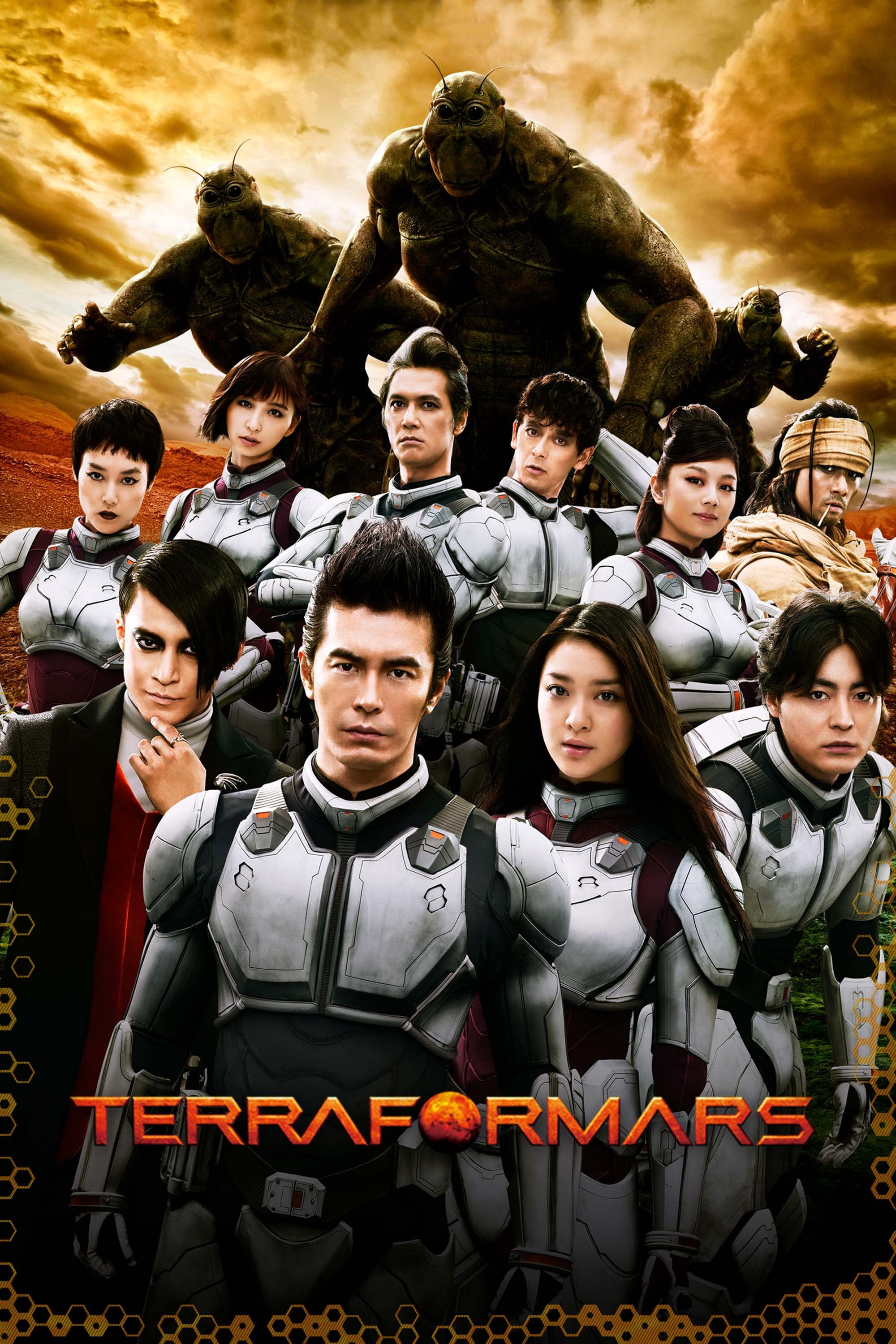
The original manga followed a diverse, international team sent to battle cockroaches on Mars. However, Takashi Miike’s live-action movie largely featured Japanese actors, even for characters originally from America or Europe – these characters were given Japanese names and backstories. This change diminished the story’s global feel and frustrated fans who appreciated the original’s diverse cast and interactions. Critics also pointed out the film’s weak visual effects and the unnecessary decision to make the cast less diverse.
‘Initial D’ (2005)
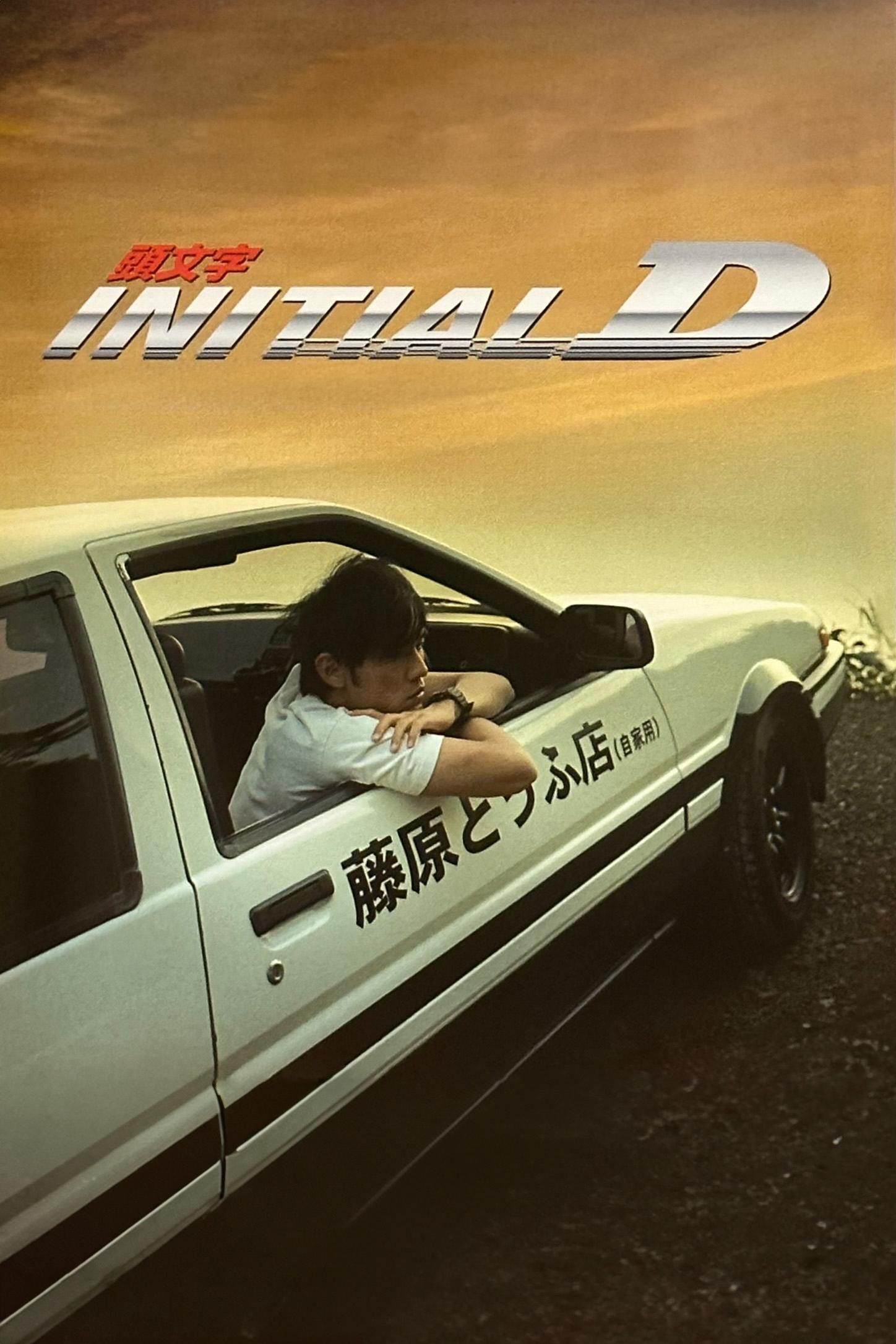
This Hong Kong film starred Jay Chou as the main character, Takumi Fujiwara, a skilled Japanese street racer. While set in Japan, the actors were Chinese and spoke Cantonese, which some fans of the original anime found jarring. The movie did a good job with the racing scenes, but the characters’ personalities were changed to better suit the cast. Despite these differences and a departure from the characters’ original backgrounds, the film remains popular throughout Asia.
‘Pokémon Detective Pikachu’ (2019)
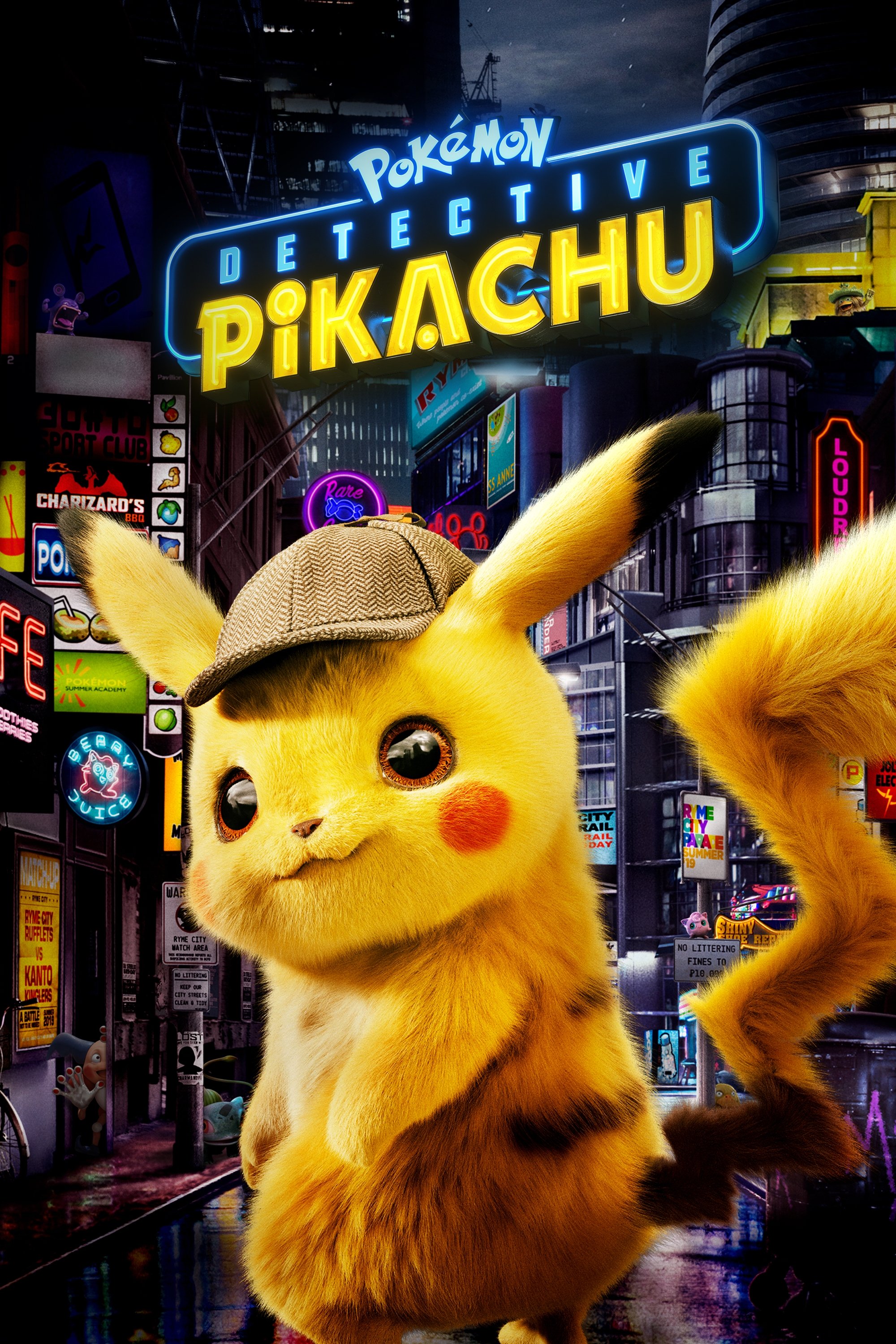
Justice Smith starred as Tim Goodman in the first real-life Pokémon movie. While the original video game featured a white main character, the filmmakers chose a mixed-race actor for the role, a change that was generally well-received and celebrated for bringing more diversity to the Pokémon universe. The movie prioritized making the Pokémon creatures look realistic, and paid less attention to how the human characters looked. In fact, many fans were much more focused on the design of Pikachu than on Tim Goodman’s race.
‘Alita: Battle Angel’ (2019)
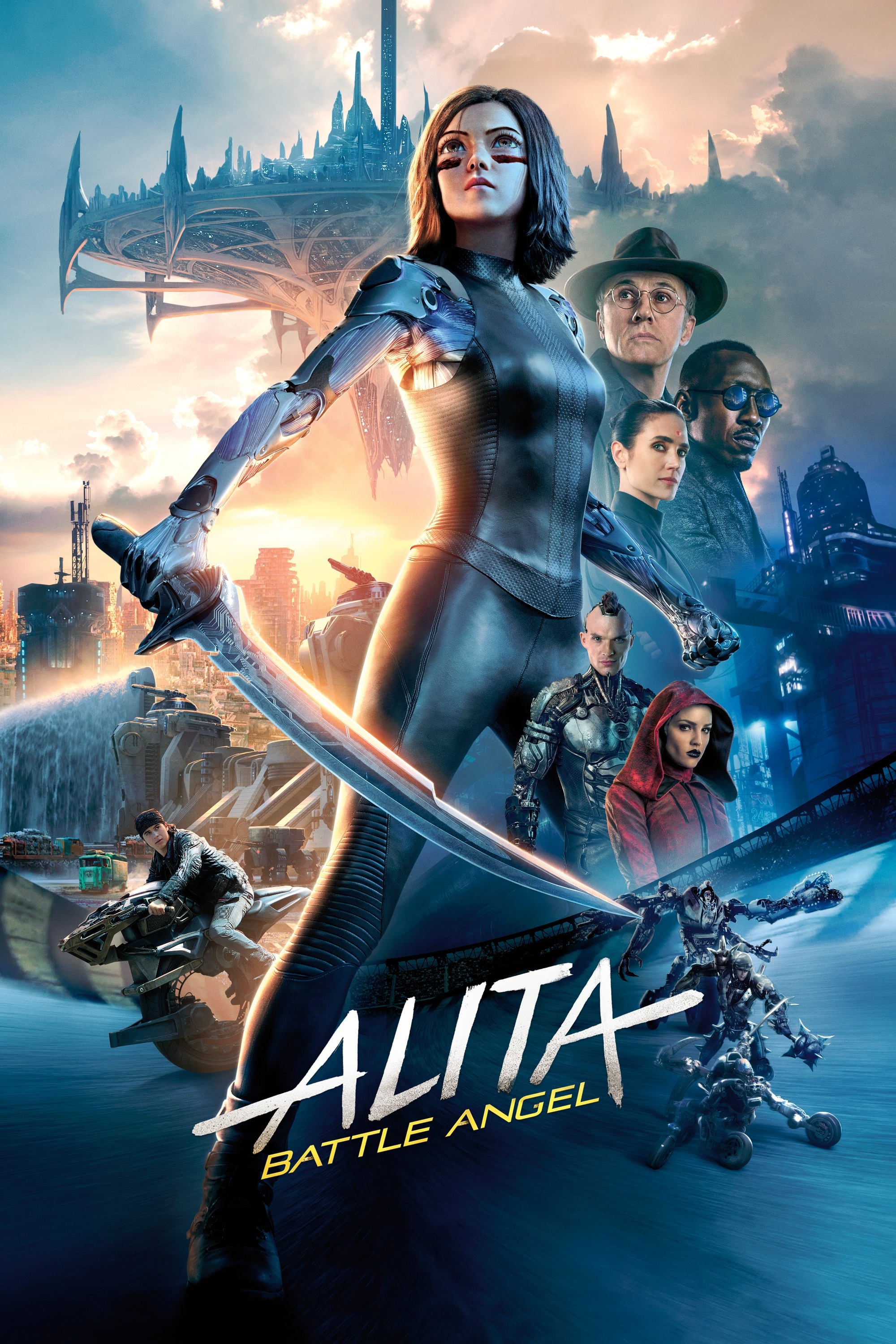
Rosa Salazar brought the cyborg Alita to life using motion capture. The character, originally named Gally in the Japanese manga, has a very specific, Japanese-inspired look. The movie gave Alita large, animated-style eyes, a contrast to Salazar’s own Peruvian and French heritage. The film also featured Mahershala Ali and Christoph Waltz, and altered the ethnicities of some important characters from the manga. Despite these visual and casting changes, the manga’s creator, Yukito Kishiro, was pleased with how the film captured the essence of his original work.
‘Crying Freeman’ (1995)
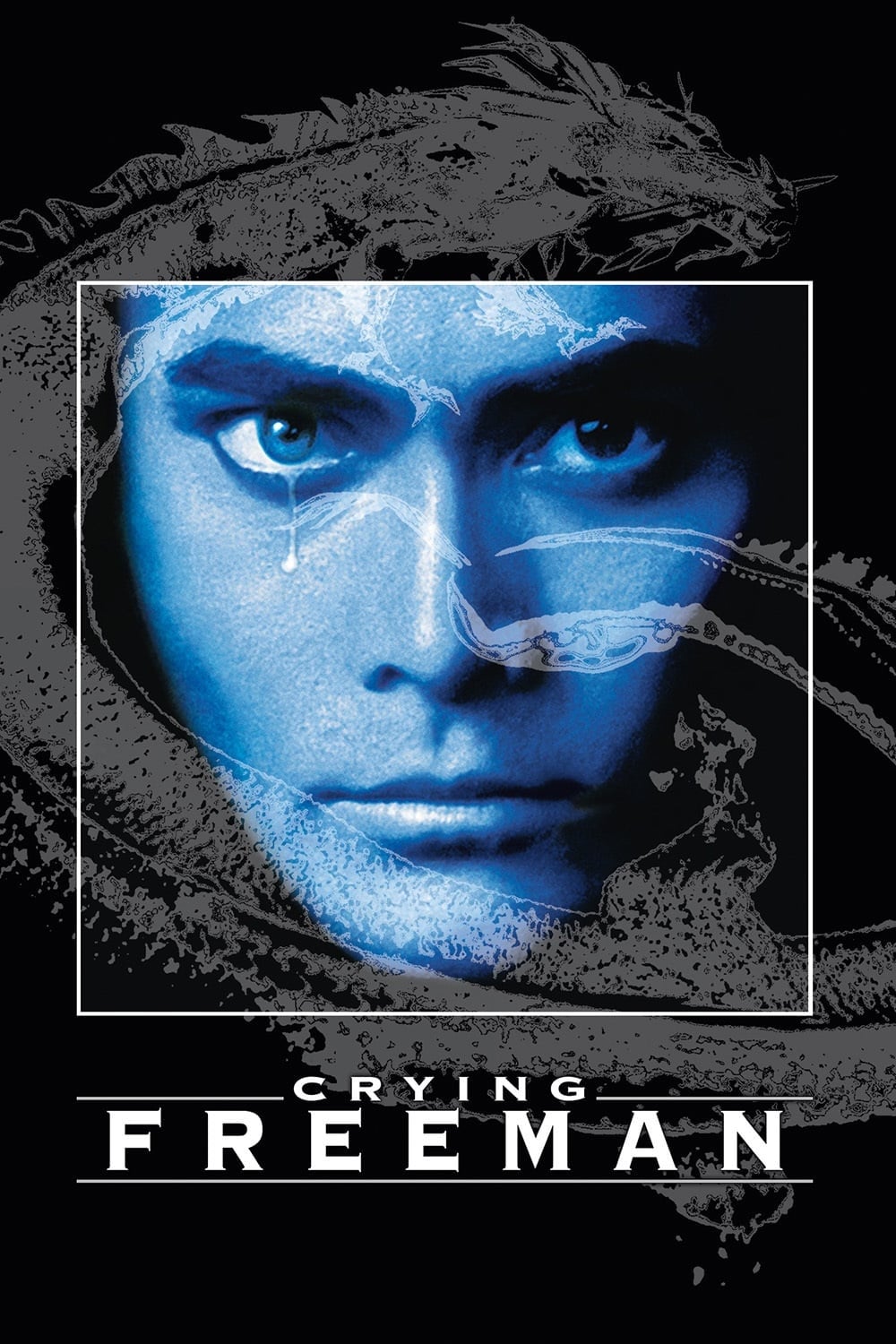
Mark Dacascos played the lead role of Yo Hinomura in this movie, which was based on a manga by Kazuo Koike. His character is a Japanese craftsman unexpectedly turned into a hitman for a Chinese gang. Dacascos’s own Japanese and Chinese heritage made him well-suited for the part, especially compared to other actors at the time. The film did change some things – the location and side characters were made more Western – to attract a wider audience through video rentals. Despite these changes, it’s become a beloved cult classic known for staying fairly true to the original manga, more so than many similar movies from the 90s.
‘Parasyte: The Grey’ (2024)
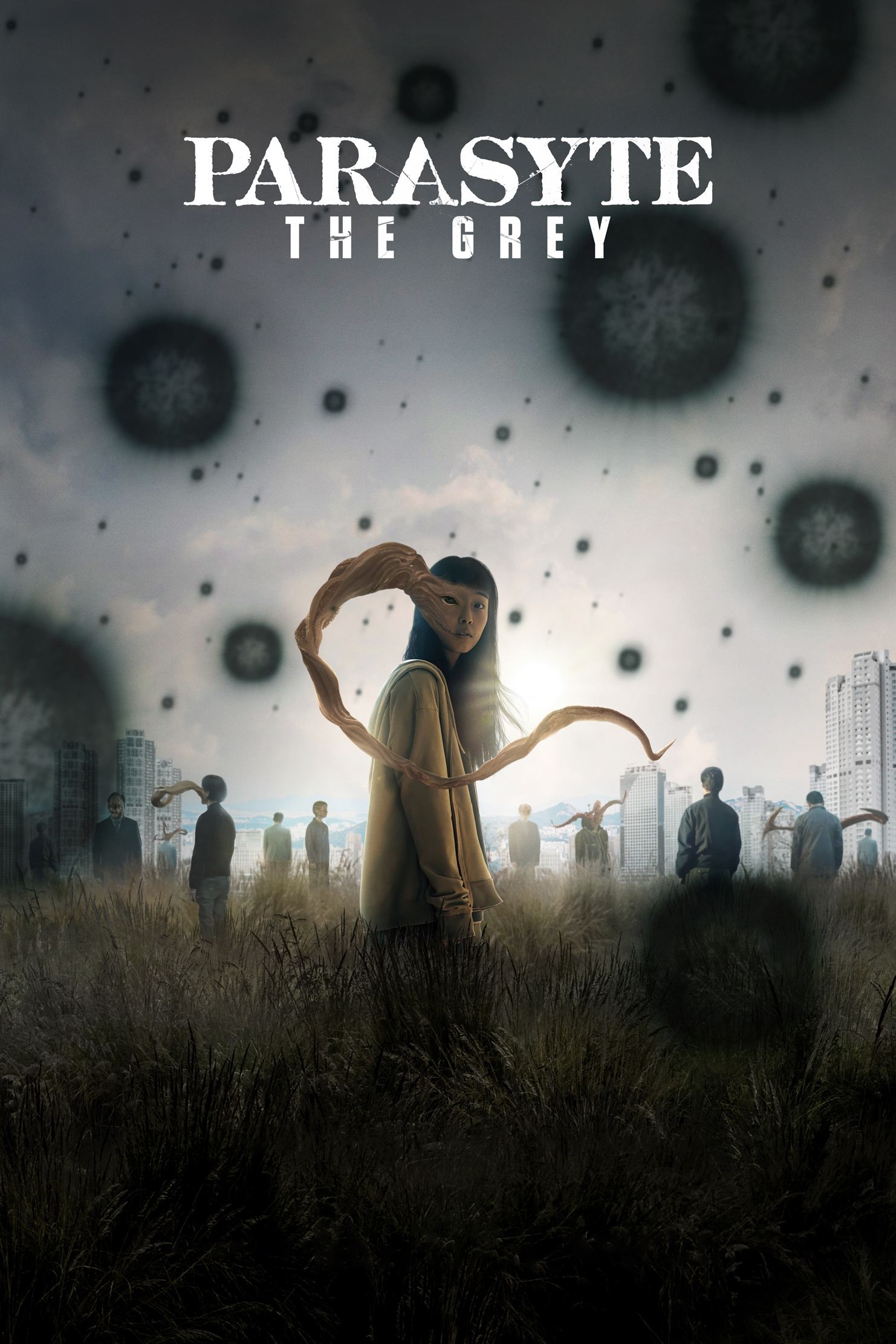
This South Korean show is based on the same idea as a Japanese manga, but it features a completely new setting and main character. Instead of a male Japanese protagonist named Shinichi Izumi, the series centers on a female Korean character, Jeong Su-in. The story reimagines a parasitic invasion happening in Korea instead of Japan. Though inspired by the original, the changes in nationality and gender led most fans to see it as a separate story, or a spin-off, rather than a direct adaptation of Shinichi’s journey.
‘Riki-Oh: The Story of Ricky’ (1991)
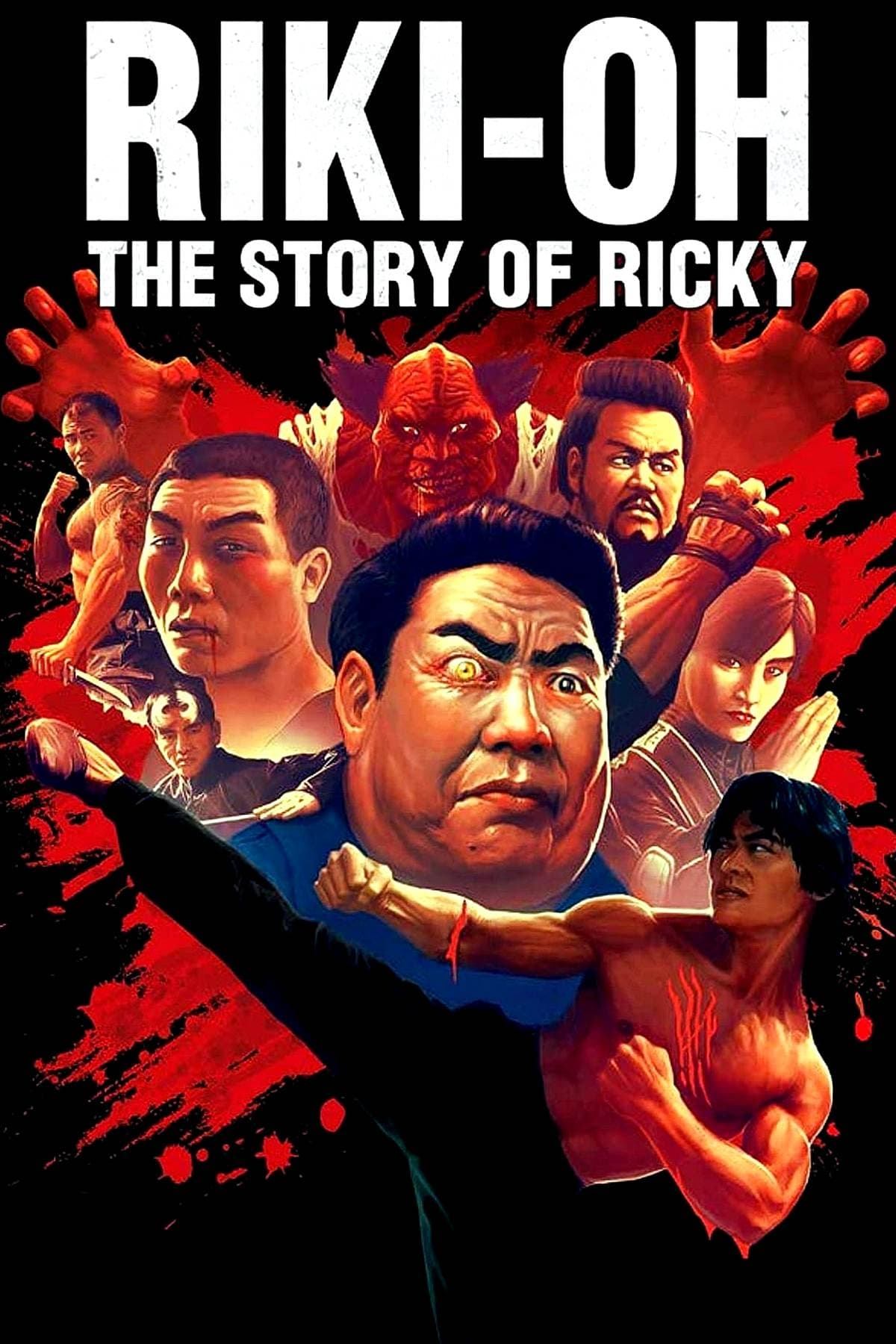
Okay, let me tell you about ‘Riki-Oh: The Story of Ricky.’ This Hong Kong flick takes a seriously violent Japanese manga and reimagines it within a futuristic Chinese prison. Fan Siu-wong steps into the lead role – originally a Japanese character – and completely owns it. What really struck me was how faithfully they recreated the manga’s over-the-top, brutal style using incredible practical effects – seriously, the gore is something else! Honestly, the change in the hero’s background barely registered because the film nails the bizarre, dreamlike atmosphere. It’s become a cult classic in the West, and I think a big part of that is thanks to the wild English dub and, of course, the absolutely outrageous violence. If you’re looking for something…different, this is it.
‘Meteor Garden’ (2001)

This Taiwanese TV series was the first to bring the popular manga ‘Boys Over Flowers’ to life. It featured Taiwanese actors playing the roles originally created for Japanese characters, and the group known as F4 quickly became hugely popular across Asia. To fit the new setting, character names and cultural details were changed. This version inspired remakes in Korea and China, which also used local actors. It showed that the story itself, and not the characters’ original nationality, was what truly resonated with audiences.
‘Black Butler’ (2014)
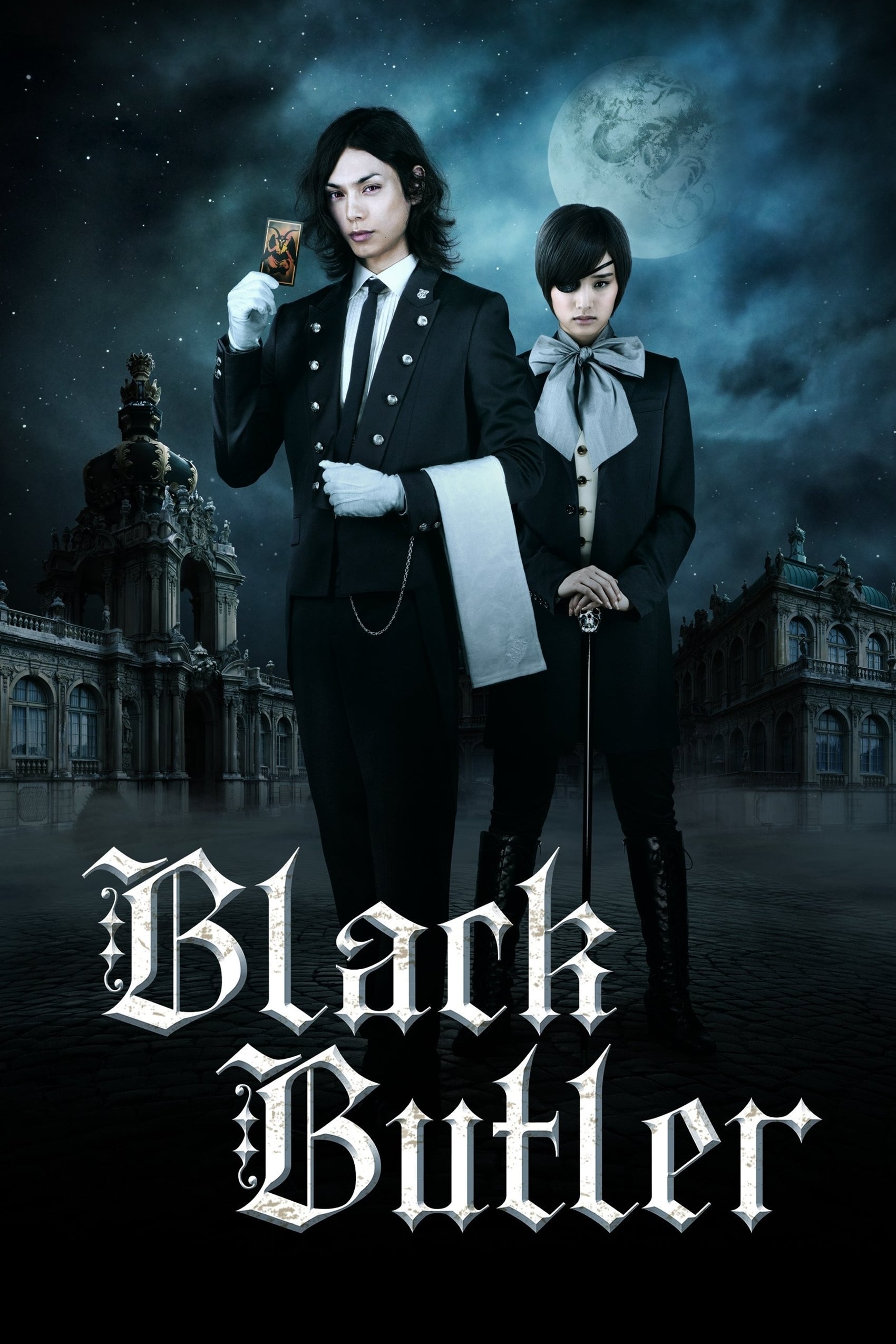
This movie version of the gothic manga took a very different approach, moving the story from 19th-century London to a futuristic Asian city. Instead of the original characters, the demon butler Sebastian Michaelis was portrayed by Hiro Mizushima, and Ciel was reimagined as a female character named Shiori. These changes, including altering the setting and characters’ backgrounds, removed the distinctive British atmosphere that was central to the manga. Fans reacted negatively to the loss of the historical setting, and many felt the movie failed to capture the original’s unique appeal because of these significant departures.
‘The King of Fighters’ (2010)
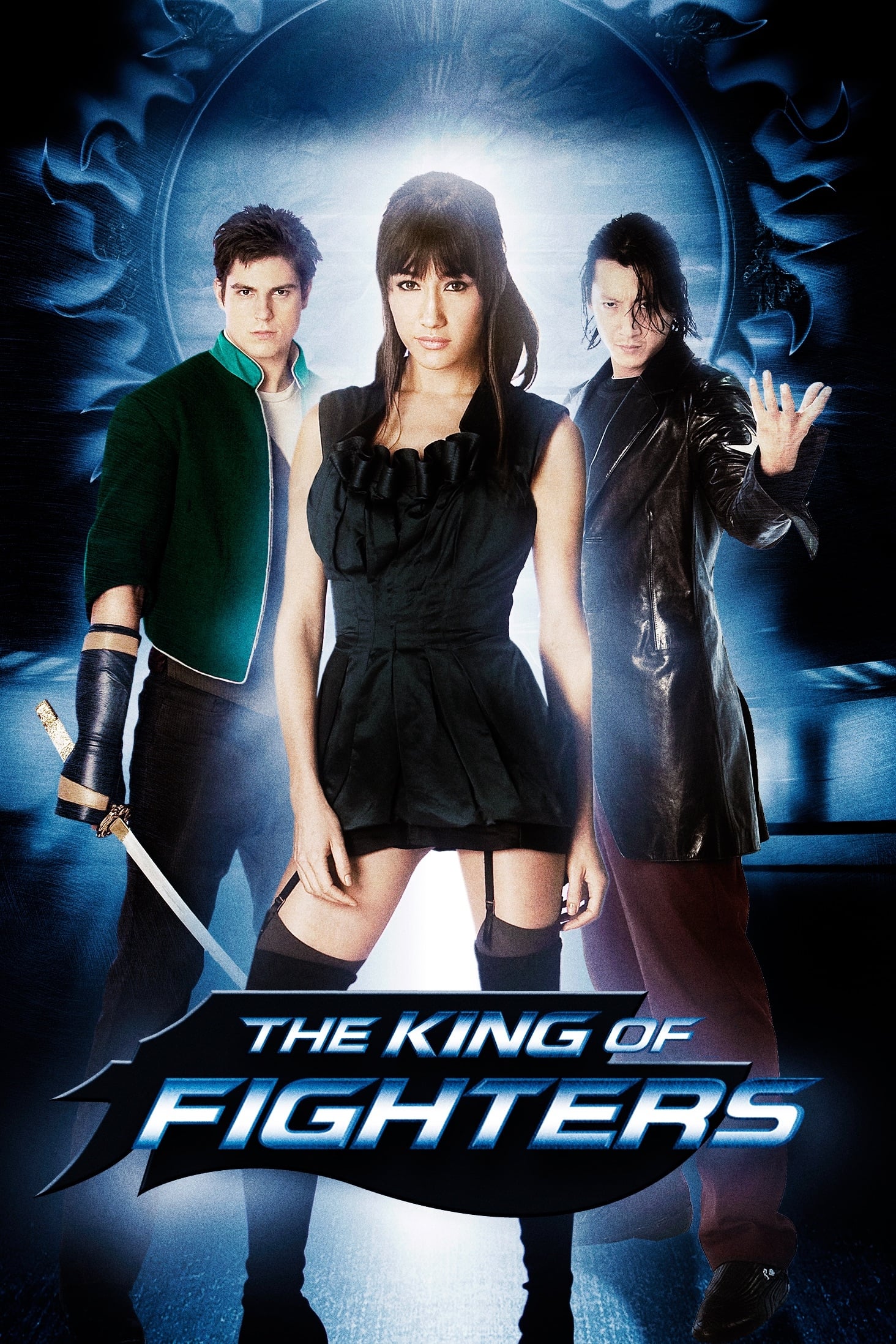
Maggie Q starred as Mai Shiranui in this movie, which was inspired by the popular fighting game and anime series. While the character is traditionally Japanese, Maggie Q is an American actress with Vietnamese and Polish roots. The film significantly changed Mai Shiranui’s background, removing her ninja origins and giving her a standard action movie past. The cast as a whole didn’t reflect the characters’ established backgrounds from the games. Many consider it a very loose adaptation, particularly when it comes to casting and the storyline.
‘Tekken’ (2010)
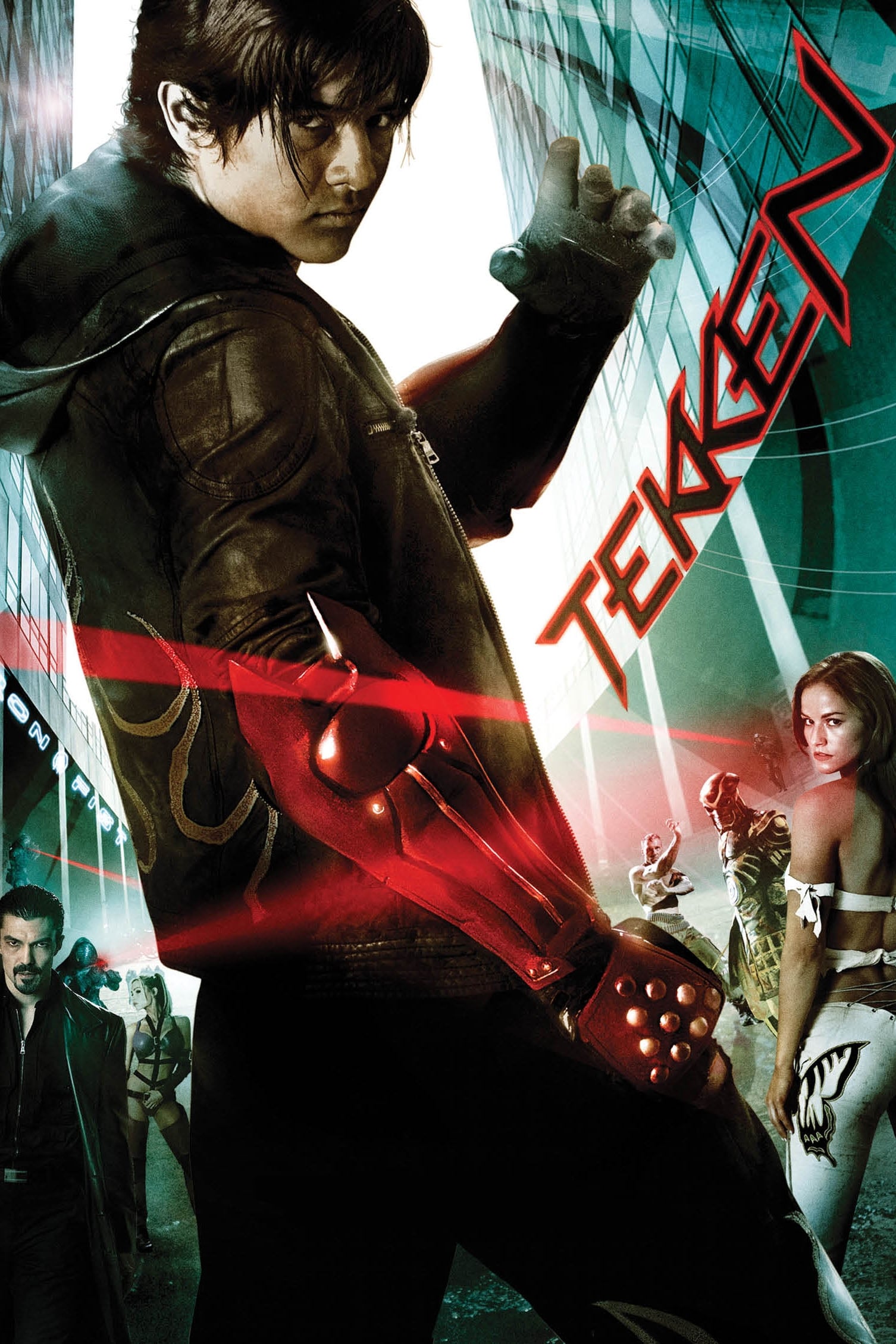
As a big fan of the Tekken games, I was really excited for the movie, but honestly, I was pretty disappointed. Jon Foo, who played Jin Kazama, is fantastic, but it felt odd casting someone of Chinese and Irish descent for a character established as Japanese in the games. The same went for Kazuya Mishima, played by American Ian Anthony Dale. It felt like the filmmakers really struggled to handle all the international characters and ended up getting a lot of their backgrounds wrong. It wasn’t just me who felt that way either – the creator of Tekken himself publicly said the movie just didn’t live up to the quality or spirit of the games.
‘Blood: The Last Vampire’ (2009)

Okay, so I’m a big fan of the Blood anime, and when I heard they were making a live-action movie, I was cautiously optimistic. But honestly, it was a little weird. They cast Gianna Jun, who’s amazing, but she’s Korean, to play Saya, a Japanese character. The whole thing felt… disjointed. It was a French production filmed in English, and they kind of glossed over Saya’s Japanese background to appeal to a wider audience. It lost a lot of the cool, atmospheric vibe of the original anime, and a lot of fans – myself included – felt it was a misstep to not cast a Japanese actress for such a culturally rooted role. It just didn’t quite feel right.
‘G-Saviour’ (2000)
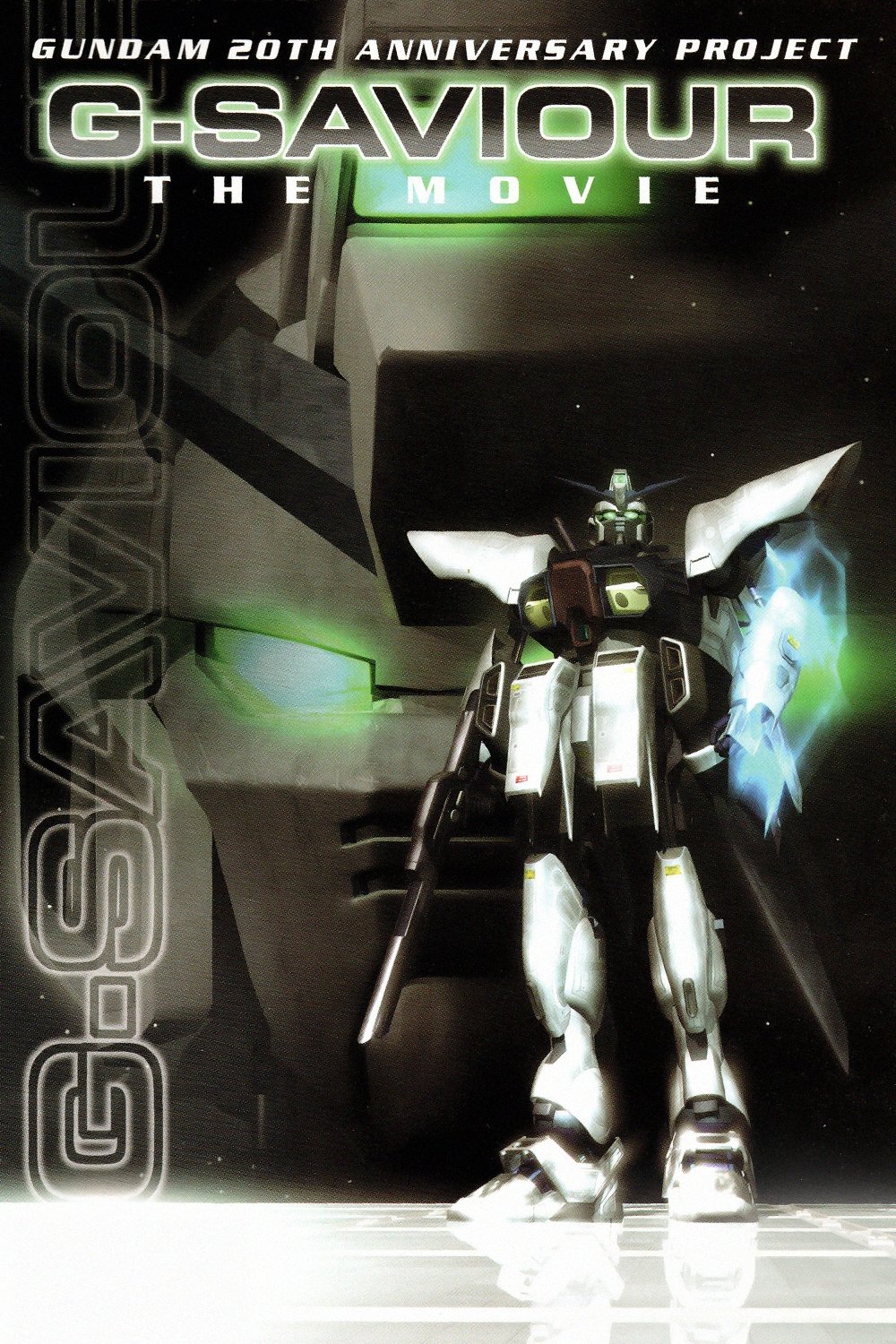
This movie was made to celebrate 20 years of the Gundam series, but it took a unique approach. It featured a completely Western cast and was filmed in English, which was unusual for a franchise so rooted in Japanese culture. Brennan Elliott played the main character, Mark Curran. Unfortunately, many Japanese fans didn’t connect with the film because it didn’t have the look and feel of the anime they loved, and it didn’t include any Japanese actors. As a result, both the studio and fans often overlook this movie, as it differs significantly from typical Gundam productions.
Let us know what you think of the actors chosen for these roles! Tell us in the comments which choices you liked and which ones didn’t quite work for you.
Read More
- 20 Movies Where the Black Villain Was Secretly the Most Popular Character
- Celebs Who Narrowly Escaped The 9/11 Attacks
- Top 20 Dinosaur Movies, Ranked
- 25 “Woke” Films That Used Black Trauma to Humanize White Leads
- The 10 Most Underrated Jim Carrey Movies, Ranked (From Least to Most Underrated)
- Transformers Under the Microscope: What Graph Neural Networks Reveal
- 22 Films Where the White Protagonist Is Canonically the Sidekick to a Black Lead
- Silver Rate Forecast
- The Best Directors of 2025
- Trading on Thin Air: AI Agents Conquer Crypto Volatility
2026-01-08 14:20