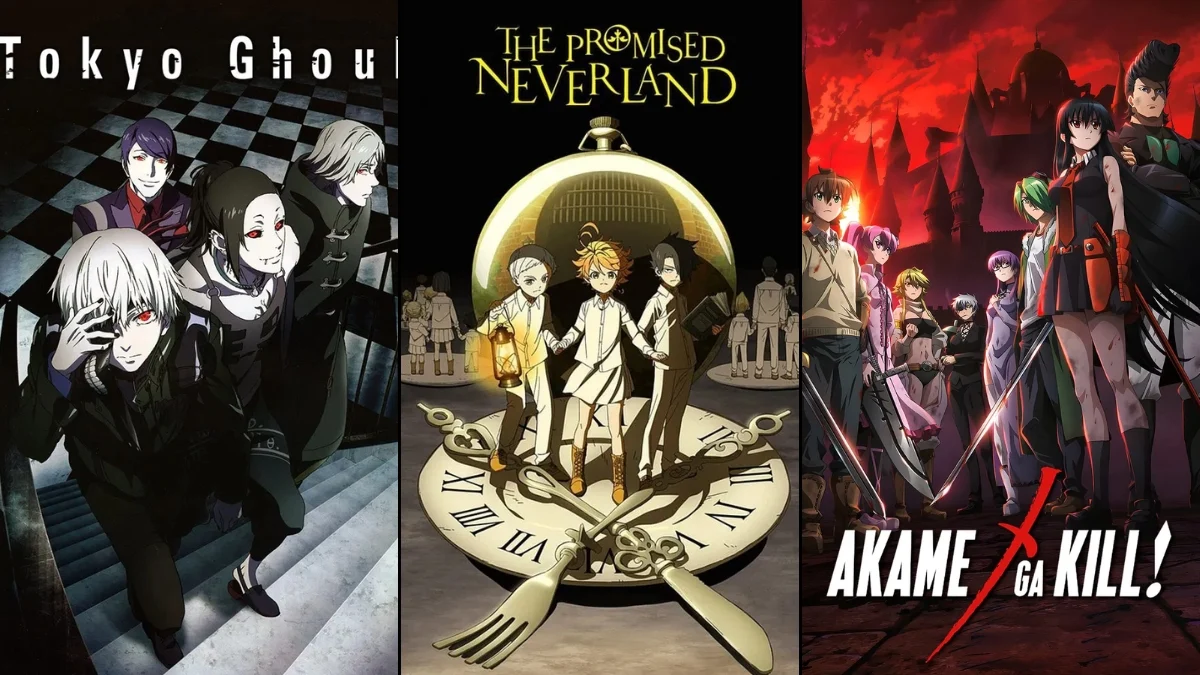
Turning a popular manga or light novel into an anime is rarely simple, and often involves tough decisions about what to change. Some anime stay very close to the original story, while others make big changes that alter key plot points or characters. These changes can be small, like leaving out minor characters, or major, such as creating completely new endings. Tight deadlines, pauses in the original manga’s release, or different creative ideas can all lead to these differences. Here are some examples of anime adaptations that surprised viewers by changing the source material.
‘The Promised Neverland’ (2019–2021)
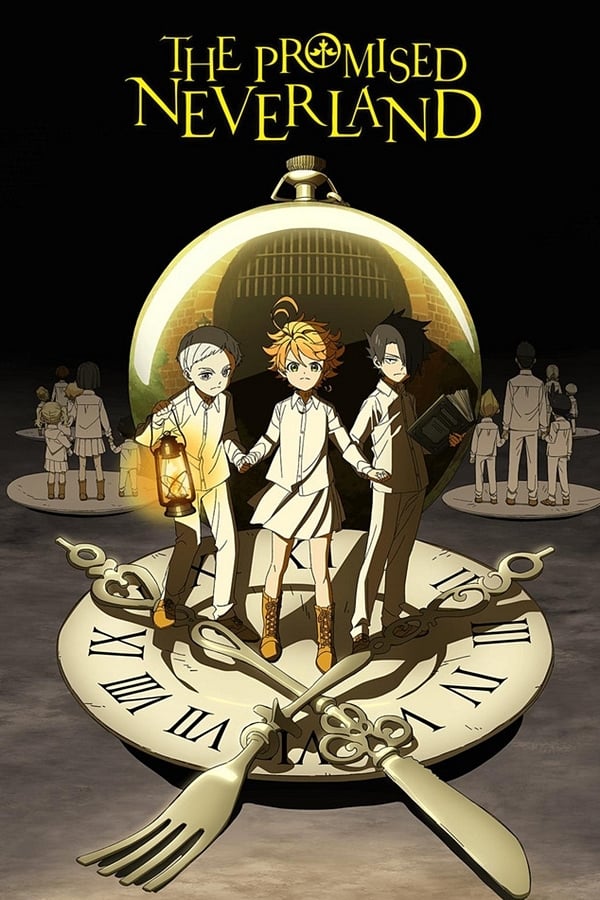
The second season of ‘The Promised Neverland’ took a different path than the original manga, leaving out important storylines. The show skipped the ‘Goldy Pond Battle,’ a major event in the manga, and as a result, several crucial characters were removed. The season ended with a fast-paced montage that tried to cover over a hundred chapters in just a few minutes. This significantly changed the depth and flow of the story compared to the manga.
‘Tokyo Ghoul’ (2014–2018)
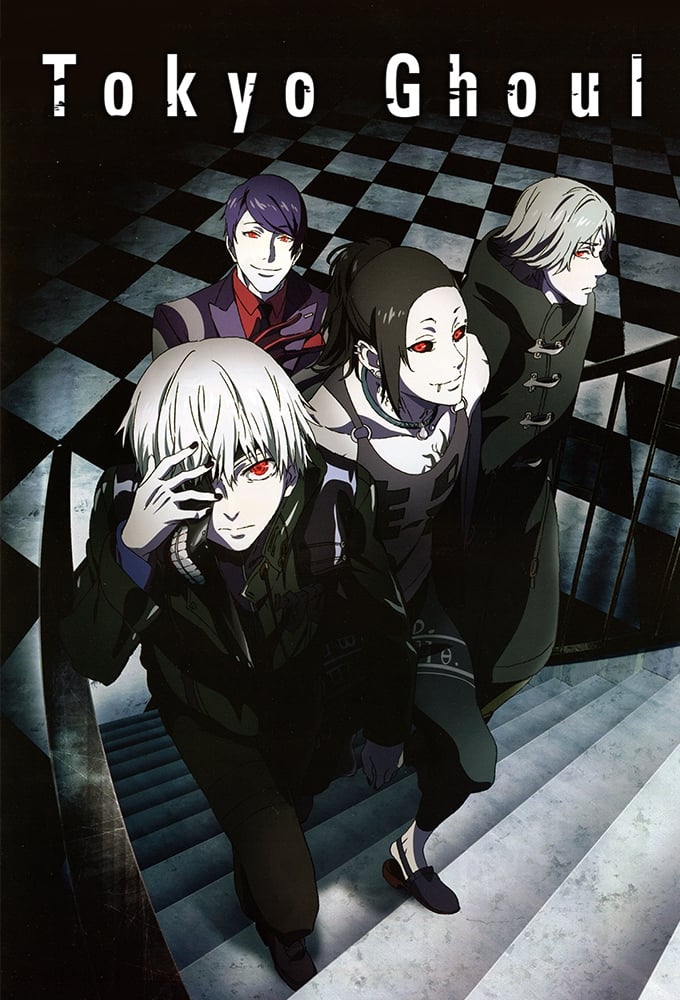
The anime version of ‘Tokyo Ghoul’ began to differ from the original manga story in its second season, ‘Tokyo Ghoul √A’. A major change was the main character joining the enemy group, Aogiri Tree – something that doesn’t happen in the manga. This caused plot holes and problems that later seasons, attempting to cover the ‘Tokyo Ghoul:re’ story arc, couldn’t fully fix. The anime also rushed the ending, squeezing hundreds of chapters of the manga into just a few episodes, which meant important character development and intricate political storylines were left out.
‘Berserk’ (2016–2017)
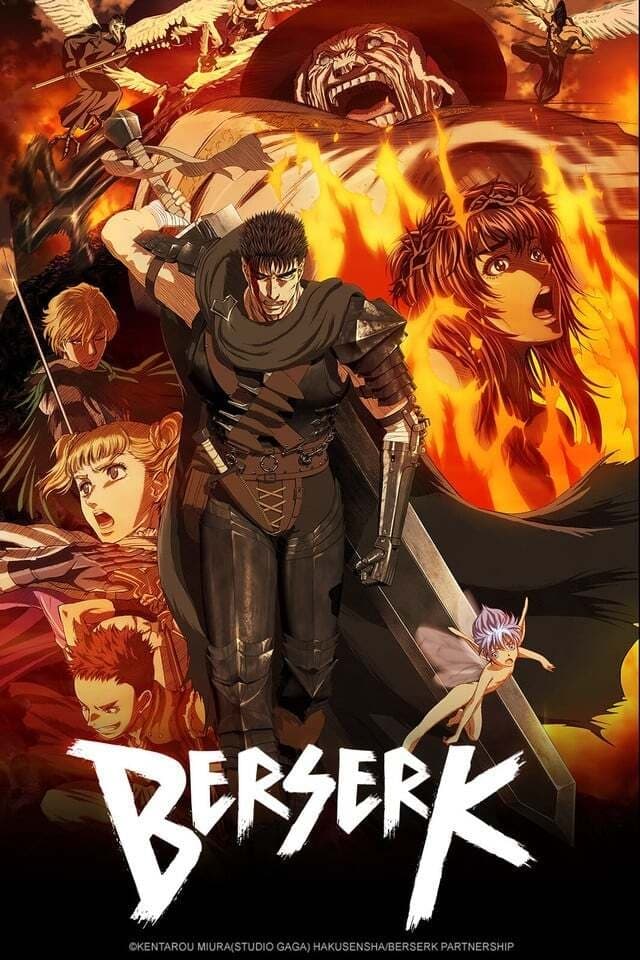
The 2016 ‘Berserk’ anime received a lot of criticism for changing the art style from the original manga by Kentaro Miura. It used 3D animation that many viewers felt didn’t fit the dark and gritty atmosphere of previous versions. The anime also skipped over the important ‘Lost Children’ story arc, which is key to understanding Guts’ growth as a character. Additionally, the production team shortened and combined parts of the ‘Conviction’ and ‘Falcon of the Millennium Empire’ arcs, resulting in a somewhat disjointed story about what happened to the main character after the Eclipse.
‘Fullmetal Alchemist’ (2003–2004)
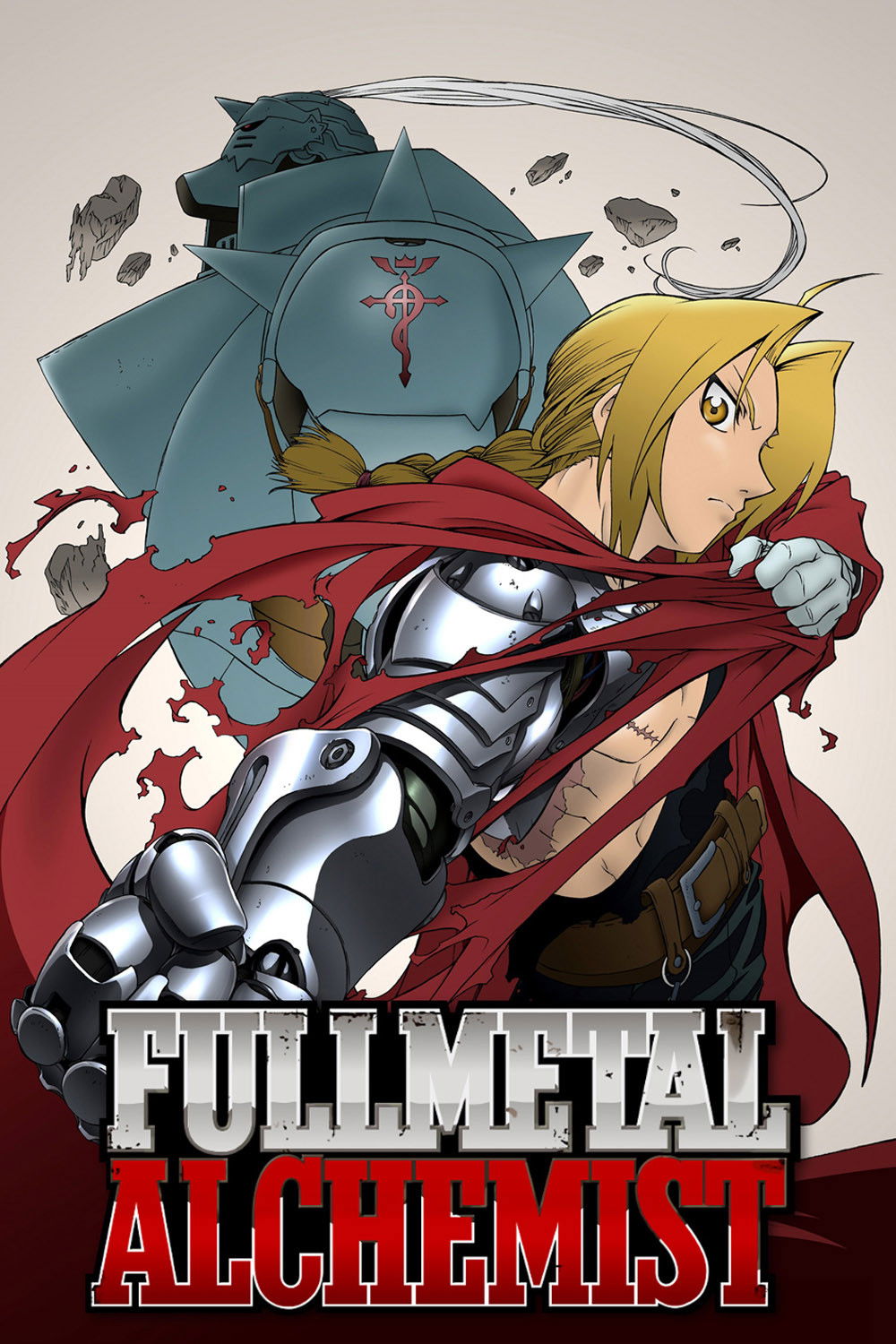
I remember when the first ‘Fullmetal Alchemist’ anime came out – it was so exciting! But the anime actually started airing before the manga was finished, which meant it eventually had to go its own way and create a completely original ending. They changed the backstory of the Homunculi and introduced this whole other world to wrap things up. While I really enjoyed the 2003 version as its own story, it wasn’t quite the ending the creator, Hiromu Arakawa, had planned. That’s why they made ‘Fullmetal Alchemist: Brotherhood’ later on – to give us the real ending that followed the manga perfectly.
‘Soul Eater’ (2008–2009)
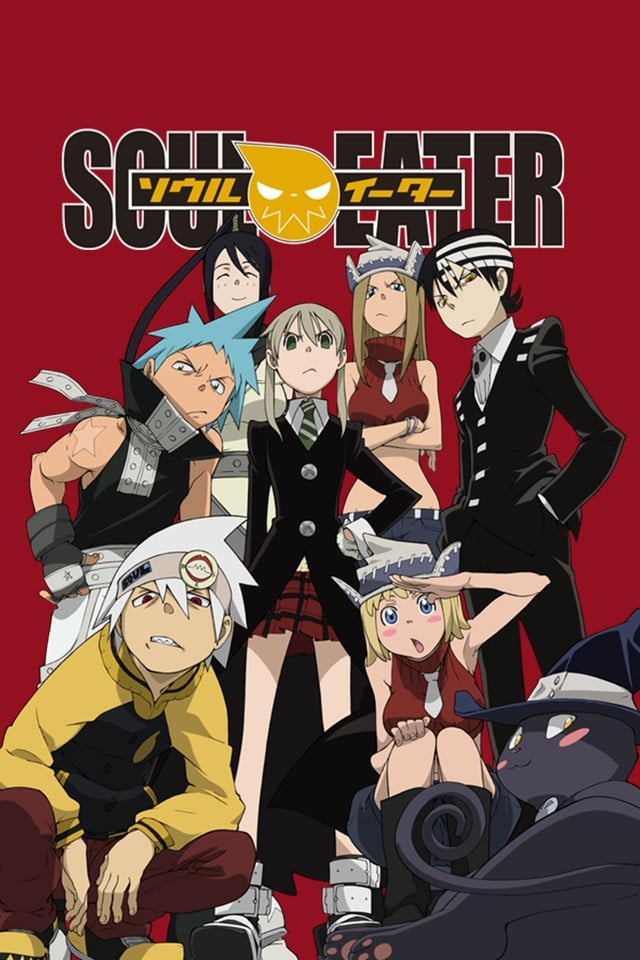
As a longtime fan, it was a little disappointing to see ‘Soul Eater’ end differently in the anime than it did in the manga. The show ran out of source material before the manga finished, so the creators had to come up with their own ending for the last ten episodes. The final fight against Kishin was resolved with a power-up that wasn’t in the manga, and a lot of the deeper story and character arcs from later chapters never made it to the screen. It felt like a lot of fans, myself included, missed out on some really cool details about the world and what was originally planned for our favorite characters.
‘Akame ga Kill!’ (2014)

The anime ‘Akame ga Kill!’ initially followed the manga’s plot very closely, but after the first eighteen episodes, it began to tell its own, original story. Unlike the manga, several key characters who lived to the end were killed off in the anime. The anime also changed the reasons behind the villains’ actions and how their stories ended, leading to a faster conclusion. Because the manga was still being published, the anime’s ending effectively finished the story in a way that made it impossible to create a faithful adaptation of the manga’s original ending. This resulted in a much more heartbreaking outcome for the Night Raid team than what the manga had planned.
‘Deadman Wonderland’ (2011)
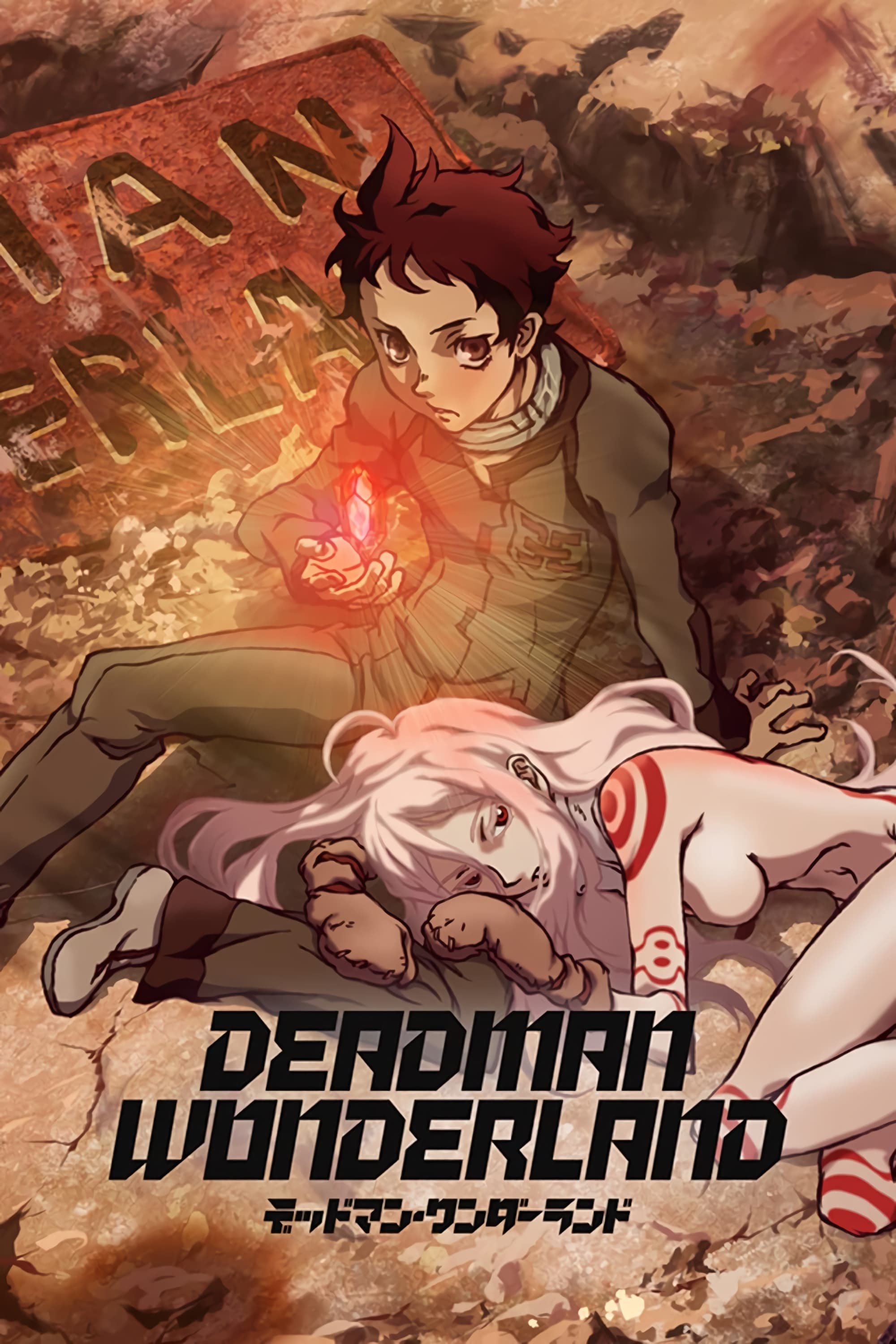
The ‘Deadman Wonderland’ anime only covered the beginning of the manga and left out an important character, Azami Mido. This significantly changed the story, especially after the first big story arc, because she’s key to what happens next. Without her, the anime couldn’t accurately adapt a later storyline, ‘Forgeries.’ The show ended abruptly, not following the manga’s path, and this is why it never got a second season to complete the story.
‘Rosario + Vampire’ (2008)
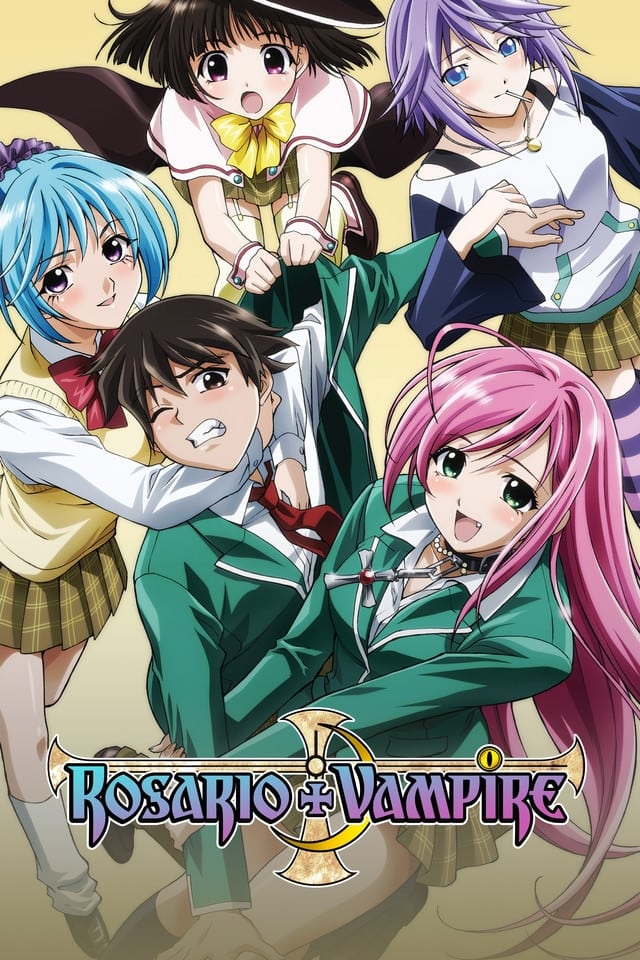
The ‘Rosario + Vampire’ anime took a different path than the original manga. While the manga developed into a more serious action story with complex characters and high stakes, the anime became a light and comedic harem show. The anime focused heavily on appealing to fans with playful content and simple, self-contained episodes, largely ignoring the deeper story and the complex backgrounds of the monsters. Manga readers felt the anime lacked the intensity and character development present in the source material.
‘Flowers of Evil’ (2013)
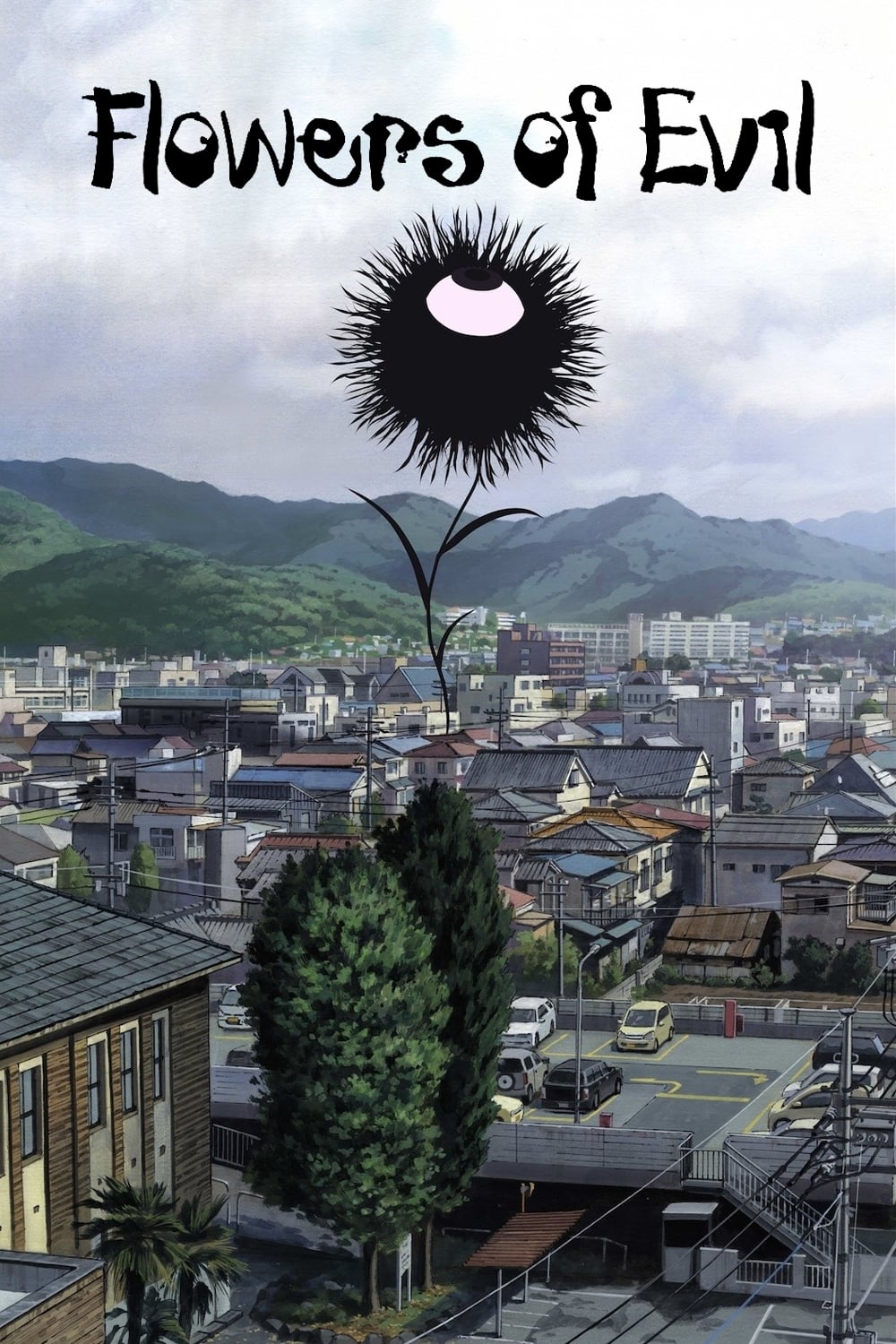
‘The Flowers of Evil’ is famous for its unusual animation style, which used a technique called rotoscoping. This replaced the original manga’s detailed artwork with visuals based on real-life movement. Although the story stayed true to the source material, the change in art style significantly altered the show’s atmosphere and how viewers experienced the psychological themes. Many felt the new character designs affected the emotional impact of their relationships. The series is still considered a highly debated example of a dramatic visual change in anime.
‘Gantz’ (2004)
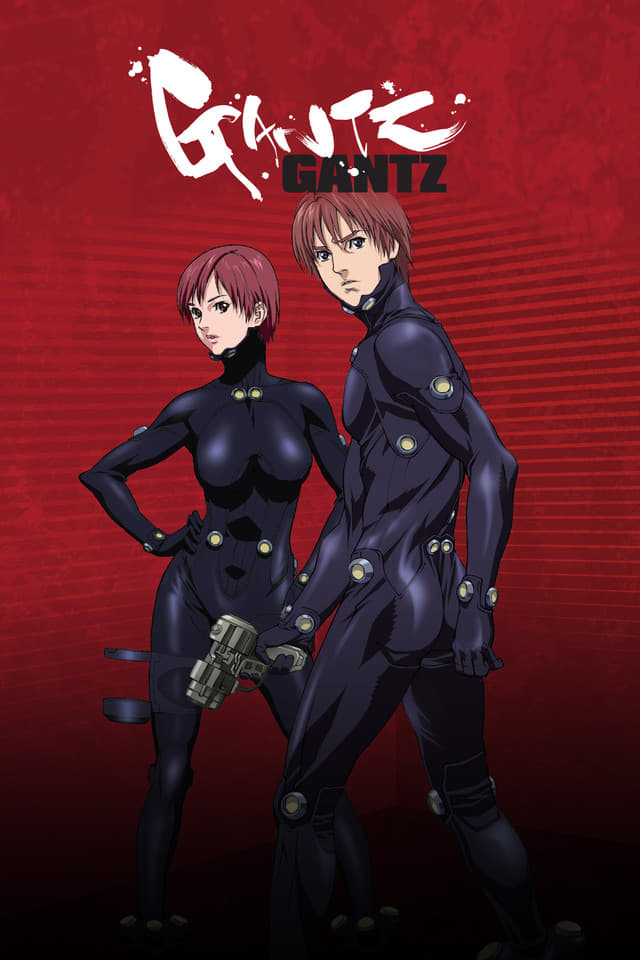
As a fan of the ‘Gantz’ manga, I have to say the anime got off to a pretty faithful start, adapting the initial missions quite well. But things took a turn when it reached the end. Since the manga was still ongoing when the anime was made, the creators had to invent their own finale – a mission called ‘Temple.’ Honestly, it felt a little…off. The manga eventually went to some truly mind-bending places with its cosmic horror, and this anime ending just didn’t have that scope. Plus, the main character, Kei Kurono, didn’t get the full psychological journey he deserved in the shorter format. It all wrapped up feeling a bit unclear and didn’t really capture the intense, complex struggle for survival that makes the manga so compelling.
‘Fruits Basket’ (2001)
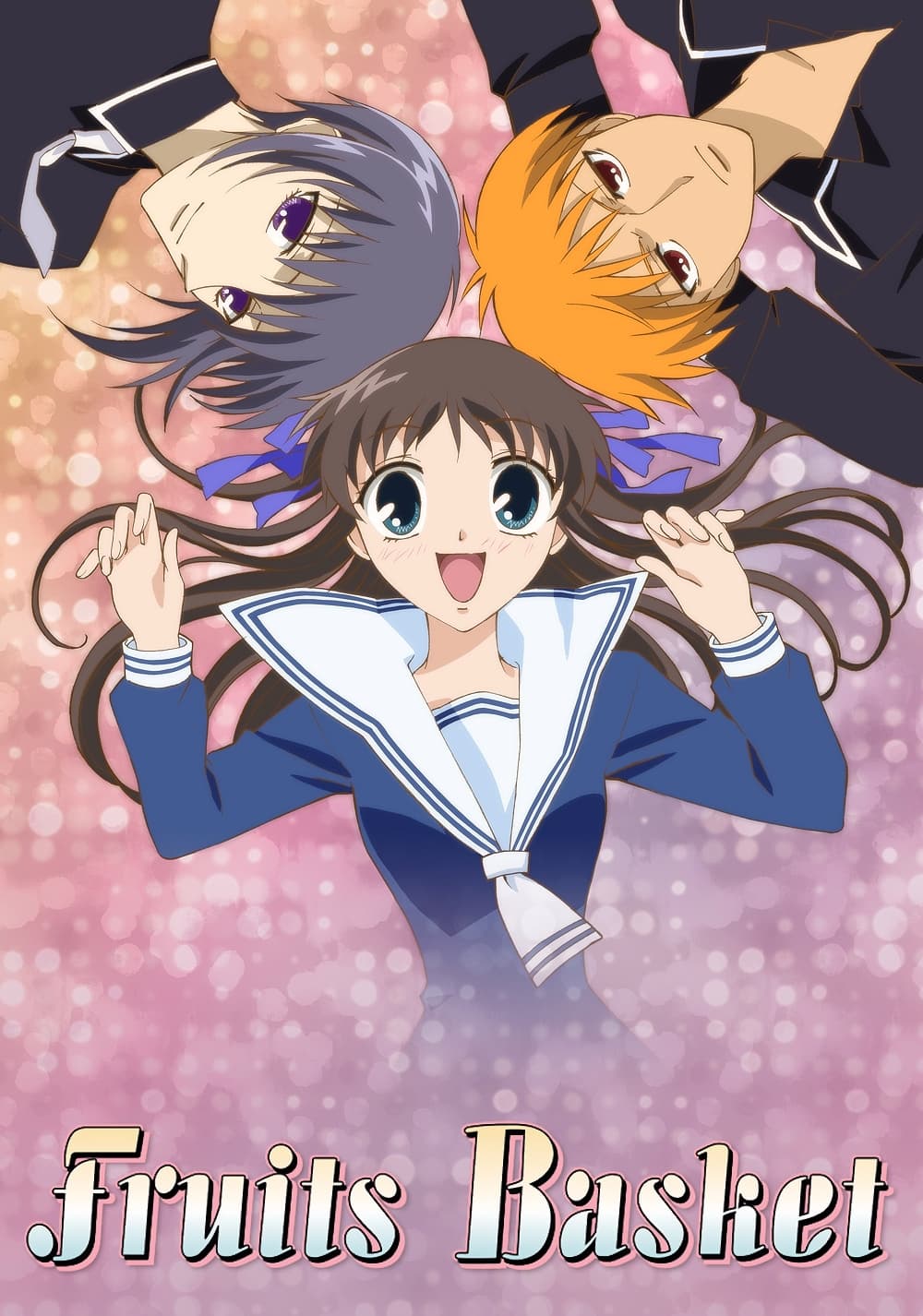
The original 2001 anime of ‘Fruits Basket’ didn’t explore the more complex and emotional parts of Natsuki Takaya’s manga. It mainly highlighted the funny moments of the Sohma family’s curse and left out important characters like Isuzu and Kureno Sohma. The anime also gave the story a finished ending, even though the manga was still being written. This led the author to ask for a new adaptation later on, one that would tell the complete story accurately. The 2019 reboot did just that, faithfully adapting the entire manga.
‘Blue Exorcist’ (2011)
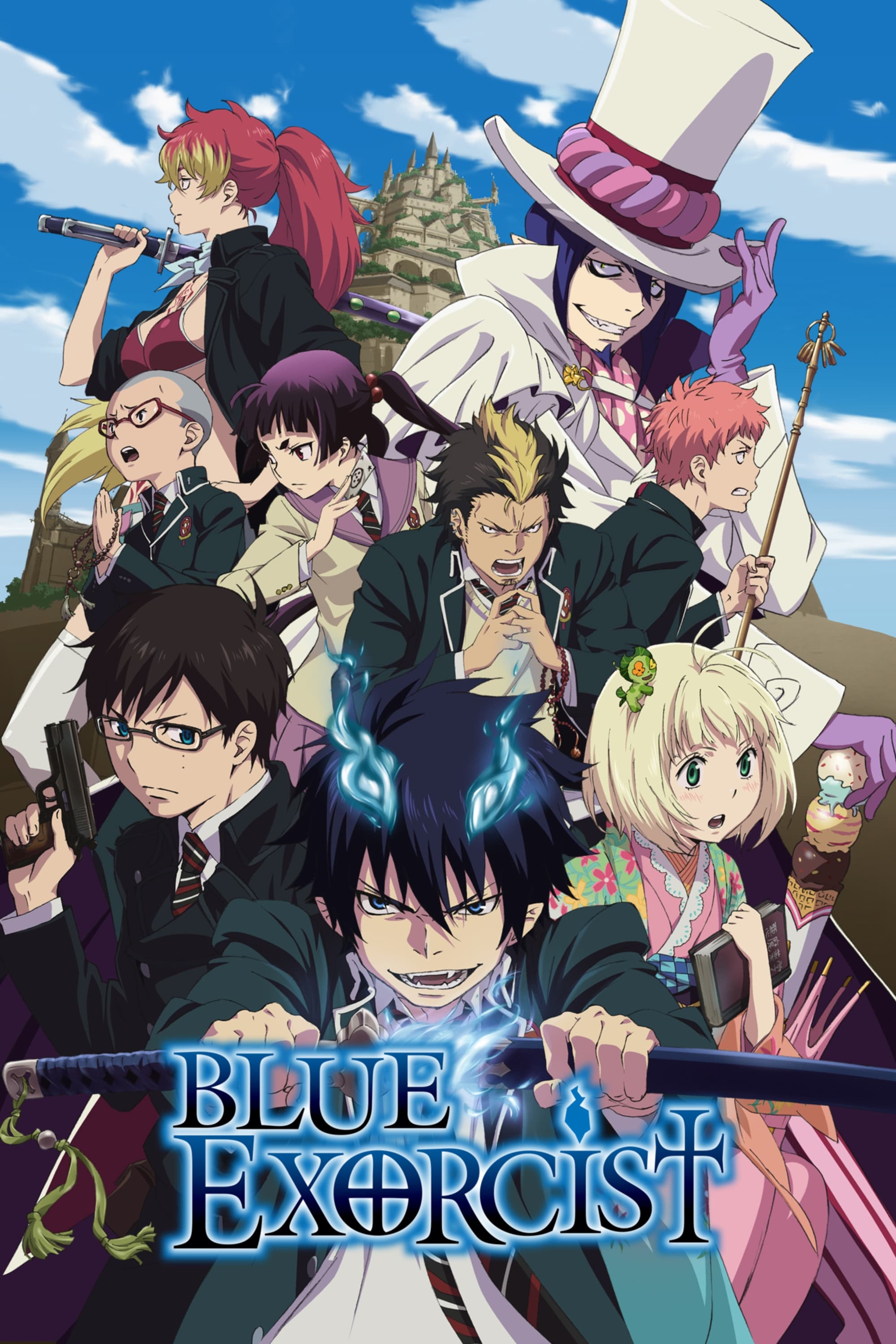
The anime ‘Blue Exorcist’ closely followed its source manga for the first half of its first season, but then introduced a storyline created specifically for the anime. This new story changed the reasons behind the villain Satan’s actions and rushed the development of the main characters, brothers Rin and Yukio. When a second season was made much later, the creators had to pretend the last part of the first season never happened to get back to the manga’s original story, called the ‘Kyoto Saga.’ This was confusing for viewers who hadn’t read the manga, as it felt like the story was being restarted. Essentially, the first season ended up having two different, separate storylines.
‘Claymore’ (2007)
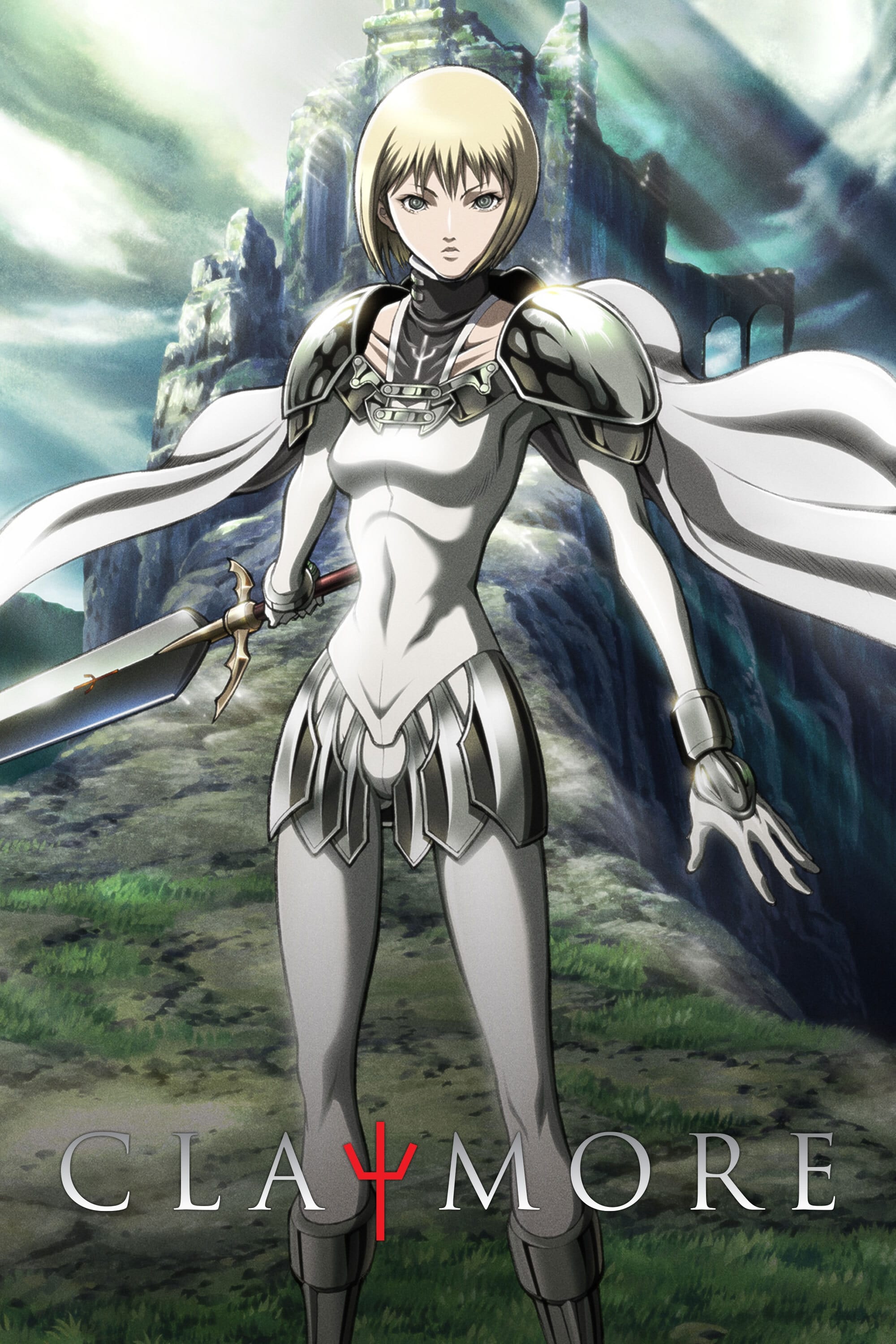
For most of its run, the ‘Claymore’ anime faithfully adapted the dark fantasy world of the original manga. However, the anime took a different path during the final battle of the ‘Northern Campaign.’ It rushed Clare’s confrontation with the main villain, Priscilla, offering a premature ending instead of the prolonged conflict shown in the manga. The manga’s version of this battle leads to a significant time jump and continues the story for several more years. By creating this self-contained ending, the anime left many important plot points and character developments unresolved.
‘Elfen Lied’ (2004)
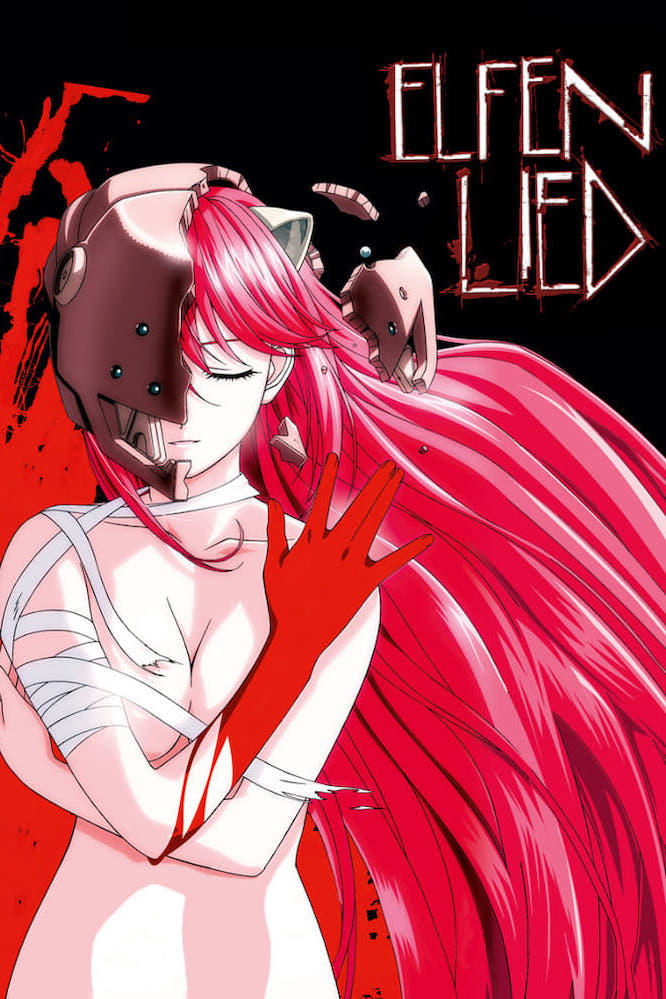
The anime series ‘Elfen Lied’ adapted a 107-chapter manga into just 13 episodes. To do this, the creators cut out many important storylines and combined several characters. As a result, the anime’s ending isn’t as detailed as the manga’s, and it doesn’t fully explain the fate of the Diclonius race. Also, some of the manga’s darker and more intense character histories were toned down or left out when making the anime. This meant the anime focused more on quick, shocking moments than on building characters over time like the original manga did.
‘Black Butler’ (2008–2010)
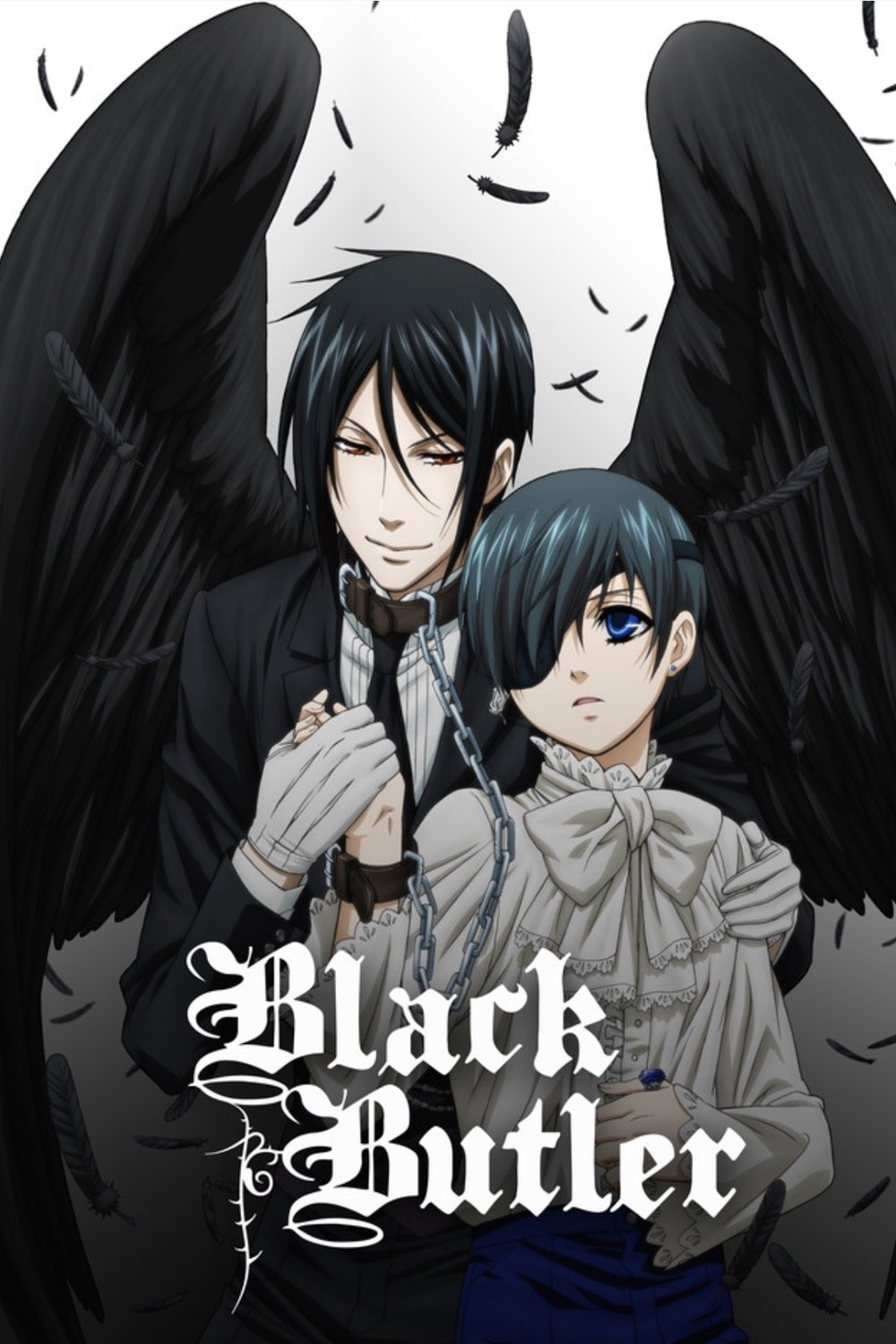
The first season of ‘Black Butler’ took a different path than the original manga halfway through, creating a unique villain and concluding Ciel Phantomhive’s story. The second season continued this new direction, introducing characters like Alois Trancy and Claude Faustus who weren’t in the manga. Because the manga continued with its own storyline, later adaptations like ‘Book of Circus’ had to present themselves as sequels only to the first part of season one, effectively ignoring the anime’s original content. This has resulted in a confusing timeline, making it difficult for viewers to follow the story accurately without some guidance.
‘Pupa’ (2014)
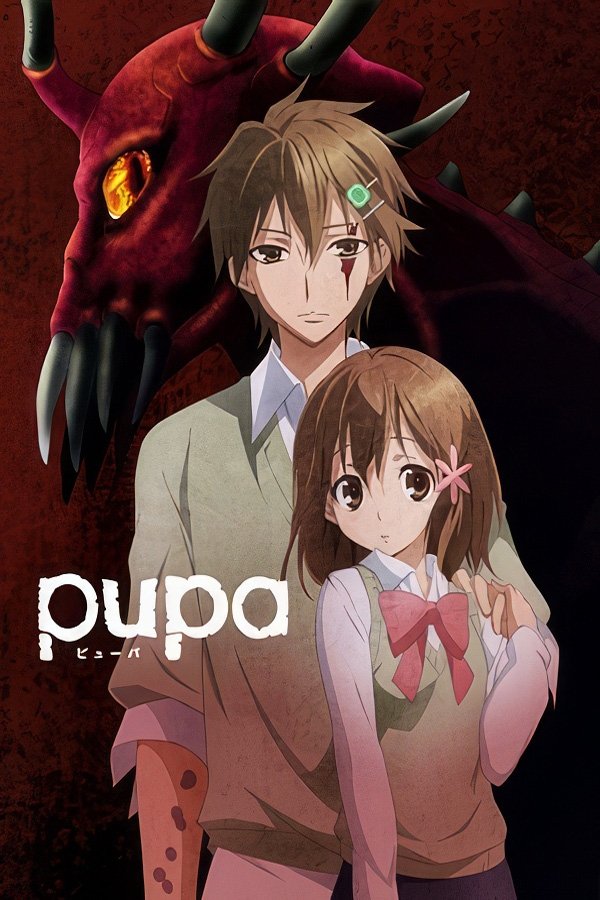
The anime ‘Pupa’ was initially advertised as a long-form psychological horror series. However, the released episodes were much shorter – only four minutes each – which forced a significant streamlining of the manga’s story. The horror aspects were also heavily censored, often with large black bars covering the screen. These limitations ultimately hindered the development of the emotional and tragic connection between the two siblings, and the final anime differed greatly from the pacing and intensity of the original manga.
‘Junji Ito Collection’ (2018)
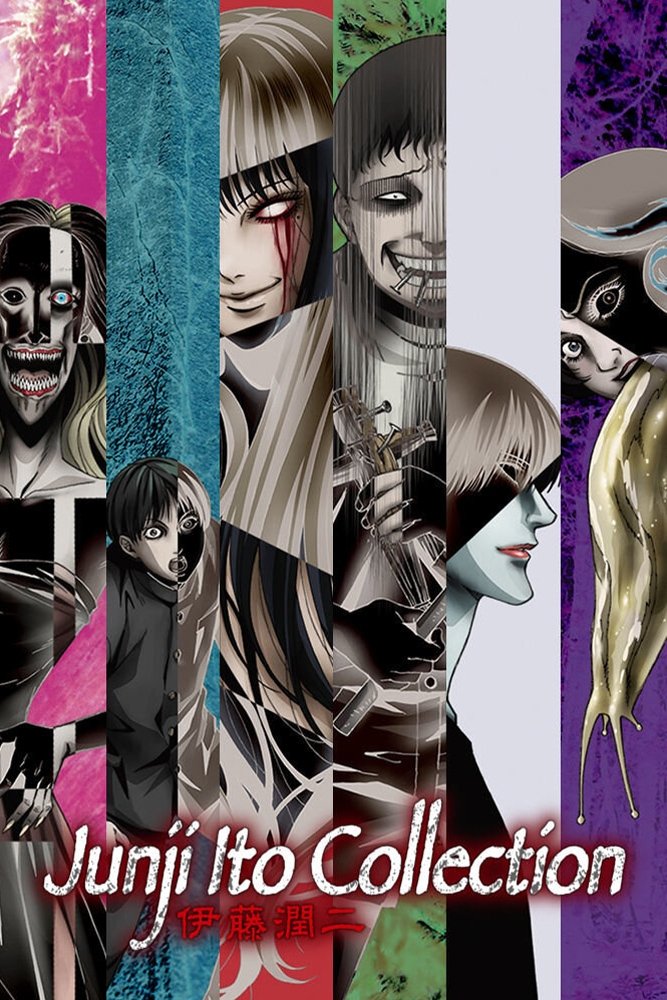
The ‘Junji Ito Collection’ aimed to bring the chilling short stories of horror manga artist Junji Ito to life. Unfortunately, it received criticism for not capturing the intricate and disturbing artwork that makes Ito’s work so iconic. The animation often felt stiff, which lessened the frightening atmosphere of the original manga. Some stories were shortened to fit the series, leading to abrupt conclusions and missing conversations. Overall, the adaptation highlighted how challenging it is to bring Ito’s highly detailed horror illustrations to the screen with a typical TV budget.
‘Umineko: When They Cry’ (2009)
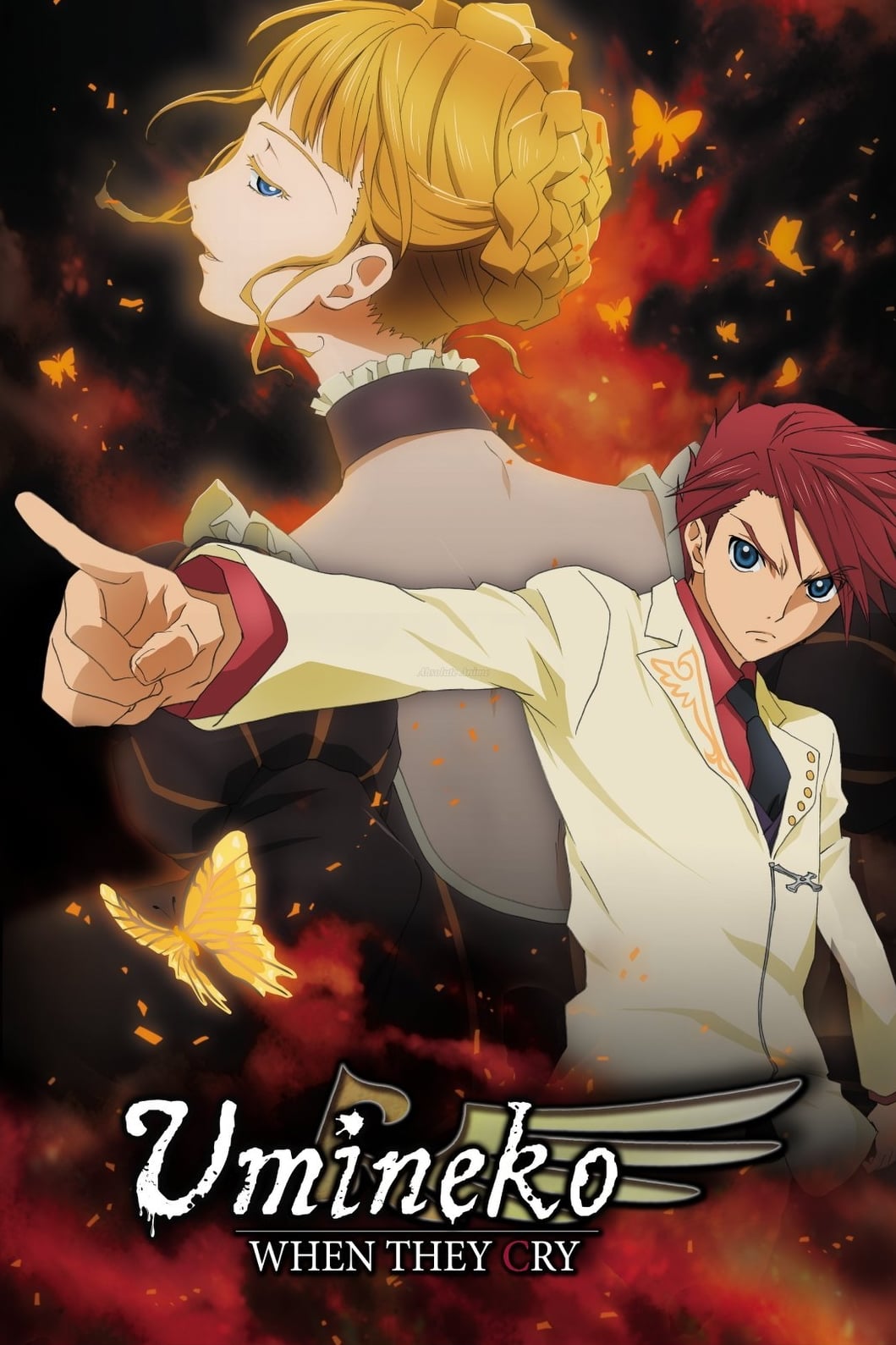
The ‘Umineko’ anime tried to bring a very long visual novel series to life, but it proved to be a challenge. The anime, with 26 episodes, only covered the first four parts of the story, so the central mystery wasn’t resolved. Importantly, the adaptation left out crucial clues and puzzles that viewers would normally use to figure out who committed the murders. The characters’ reasons for acting were also made simpler, which made the complicated mental game between Battler and Beatrice hard to understand. Since the rest of the story wasn’t animated, the anime feels unfinished compared to the original source material.
‘ChäoS;HEAd’ (2008)
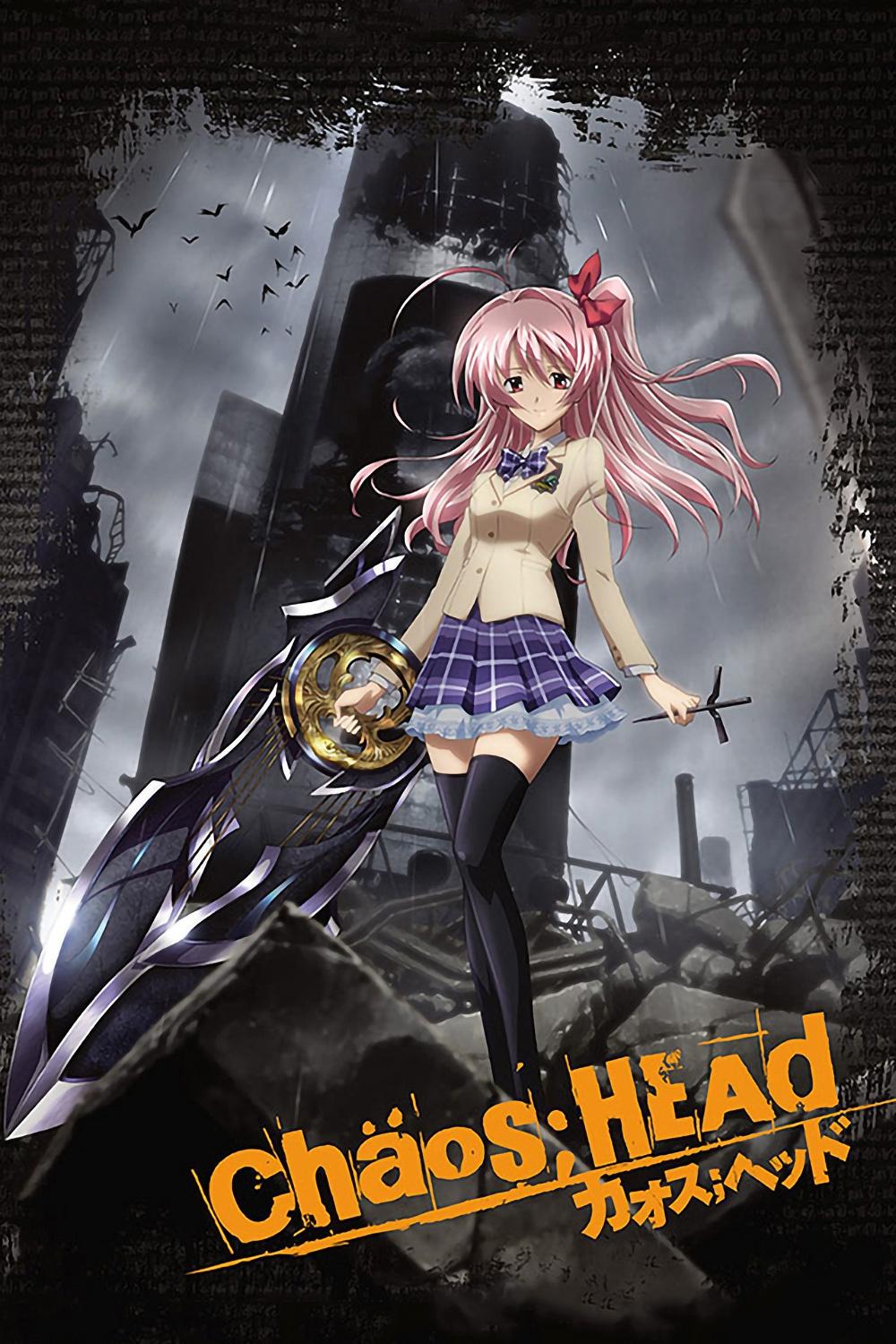
The anime ‘Chaos;Head’ is based on a popular visual novel praised for its complex story and exploration of the human mind. However, the anime adaptation had significant problems with its speed, attempting to fit a very long game into just 12 episodes. This meant important scientific details and the slow, suspenseful atmosphere were cut, leaving the plot feeling fragmented and hard to follow. Characters weren’t developed as fully, and the animation quality wasn’t as good as the original game. Ultimately, the anime struggled to effectively share the main ideas and themes of the visual novel with new viewers.
‘Record of Ragnarok’ (2021)
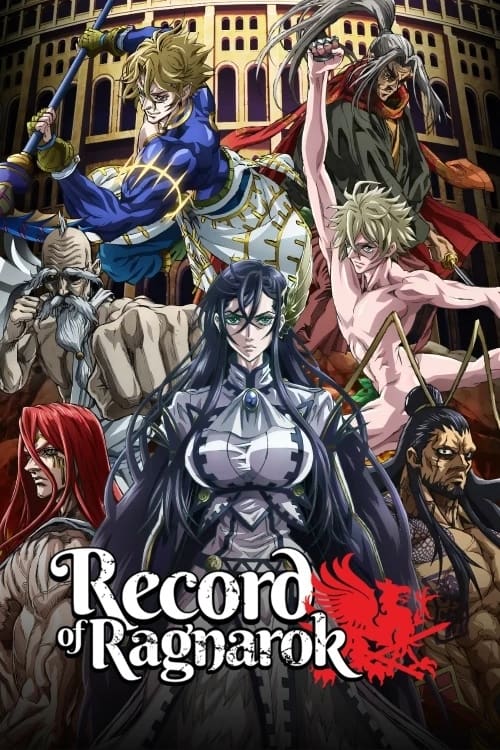
‘Records of Ragnarok’ features epic battles between gods and humans, and is known for its dynamic artwork in the original manga. However, the anime adaptation received criticism for its animation during these important fights. Several battles were shown using still images or like a slideshow, which didn’t capture the fast-paced action of the manga. The anime also changed the timing of flashbacks, which often disrupted the flow of the fights more than in the original story. As a result, many viewers felt the anime didn’t fully convey the intensity of the source material.
‘The Seven Deadly Sins’ (2014–2021)
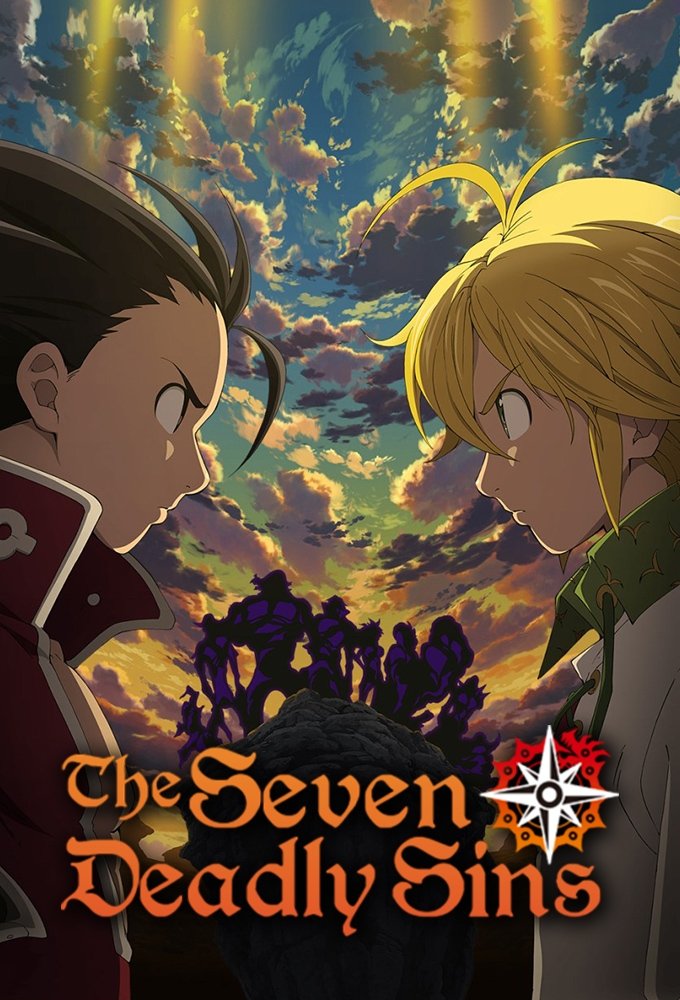
The first few seasons of ‘The Seven Deadly Sins’ stayed pretty true to the original manga, but the show’s quality started to slip in later seasons. When a new animation studio took over, the visuals became less consistent, especially during the “Imperial Wrath of the Gods” arc. Important fight scenes from the manga were made simpler or cut down for the TV version. As the series neared its end, the story also felt rushed, with smaller character moments left out. These changes in production quality ultimately made the story’s biggest moments less impactful.
‘Hellsing’ (2001–2002)
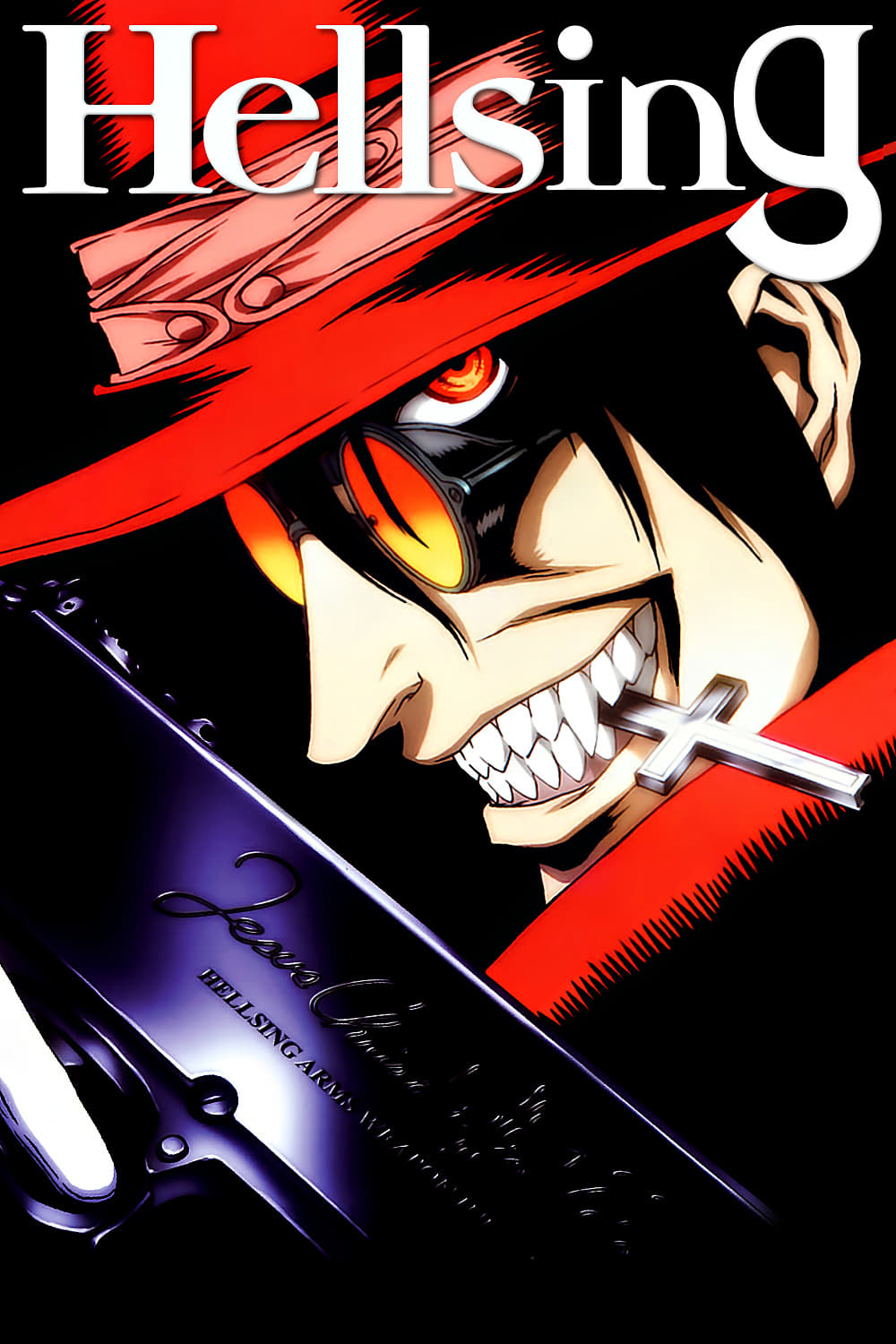
The first ‘Hellsing’ anime was made while the manga was still being written, and it quickly diverged from the source material with a new villain called Incognito. This version skipped over the ‘Millennium’ arc, which is the main storyline in the manga about an army of artificial vampires. It also had a different look and feel compared to the manga’s over-the-top, violent style. Later, ‘Hellsing Ultimate’ was created as a more accurate adaptation for manga fans.
‘Beelzebub’ (2011–2012)
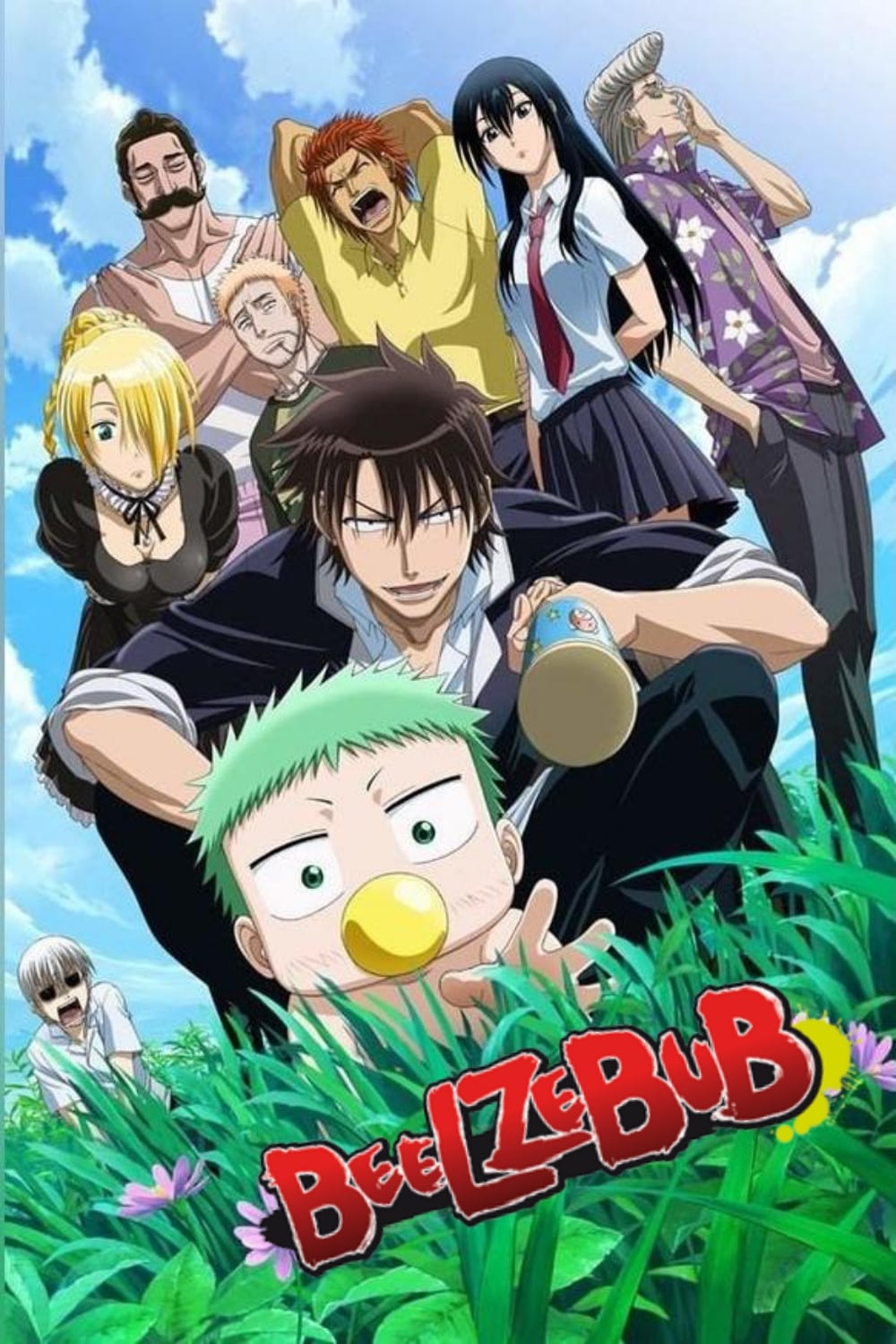
The ‘Beelzebub’ anime generally followed the manga’s mix of comedy and action, but it ended unexpectedly. The show was canceled before it could cover the more intense battles that changed the story’s direction. Instead, the final episodes included unrelated stories and a quickly paced ending, leaving many plot points unresolved. Important characters introduced later in the manga were either briefly shown or completely omitted. As a result, the anime feels incomplete, like only the beginning of a much bigger story.
‘Kingdom’ (2012–2014)
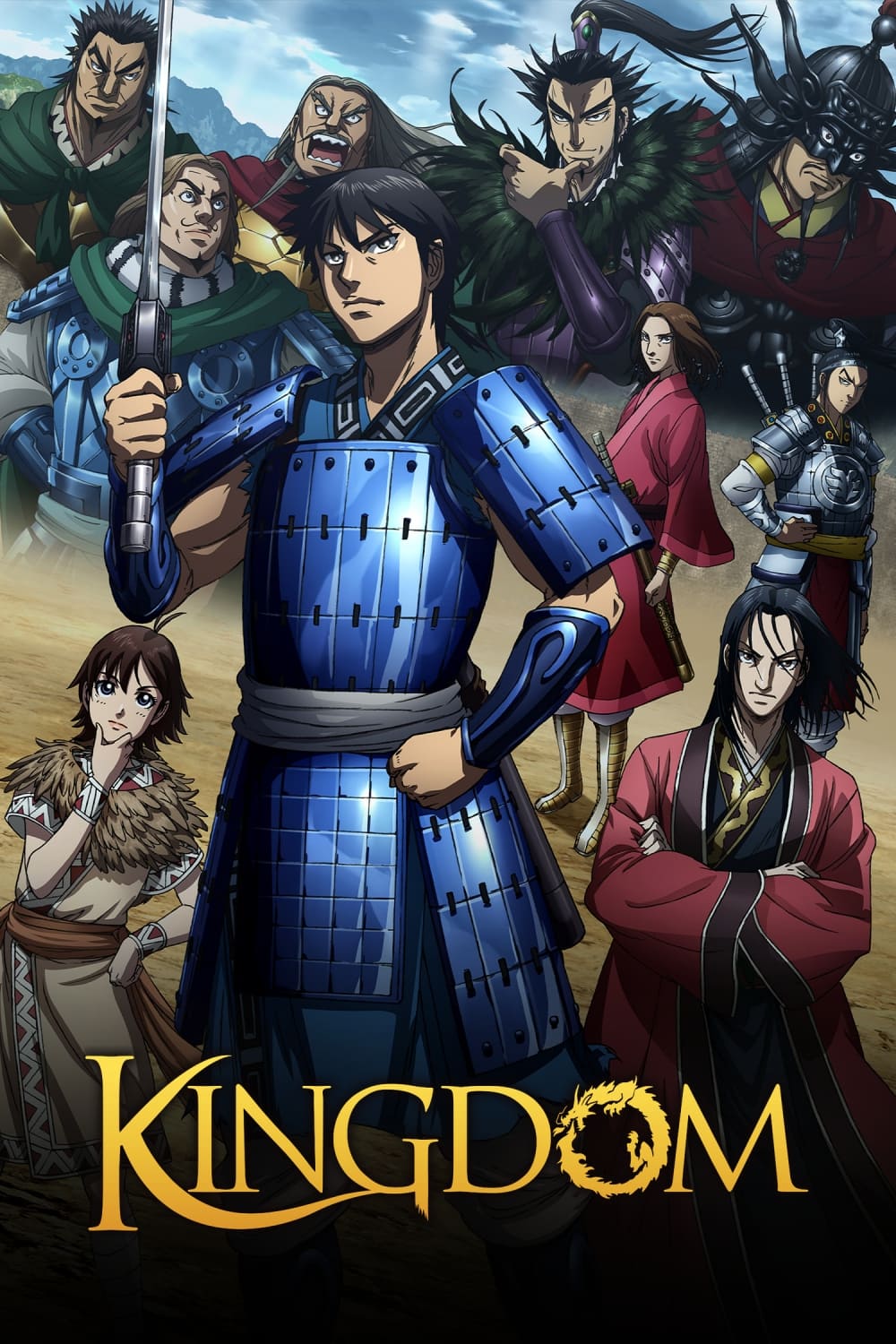
The first season of the ‘Kingdom’ anime used a lot of noticeably poor 3D animation, which didn’t match the beautiful, detailed artwork of the original manga. This made it hard for some viewers to fully enjoy the large-scale battles from the story. While the plot stayed true to the manga, some of the more intense violence was made less graphic to appeal to a broader audience. The second season looked better, but fans who loved the manga’s art style were still disappointed by the initial visual change. Thankfully, later seasons switched back to a more traditional 2D animation style.
‘Btooom!’ (2012)
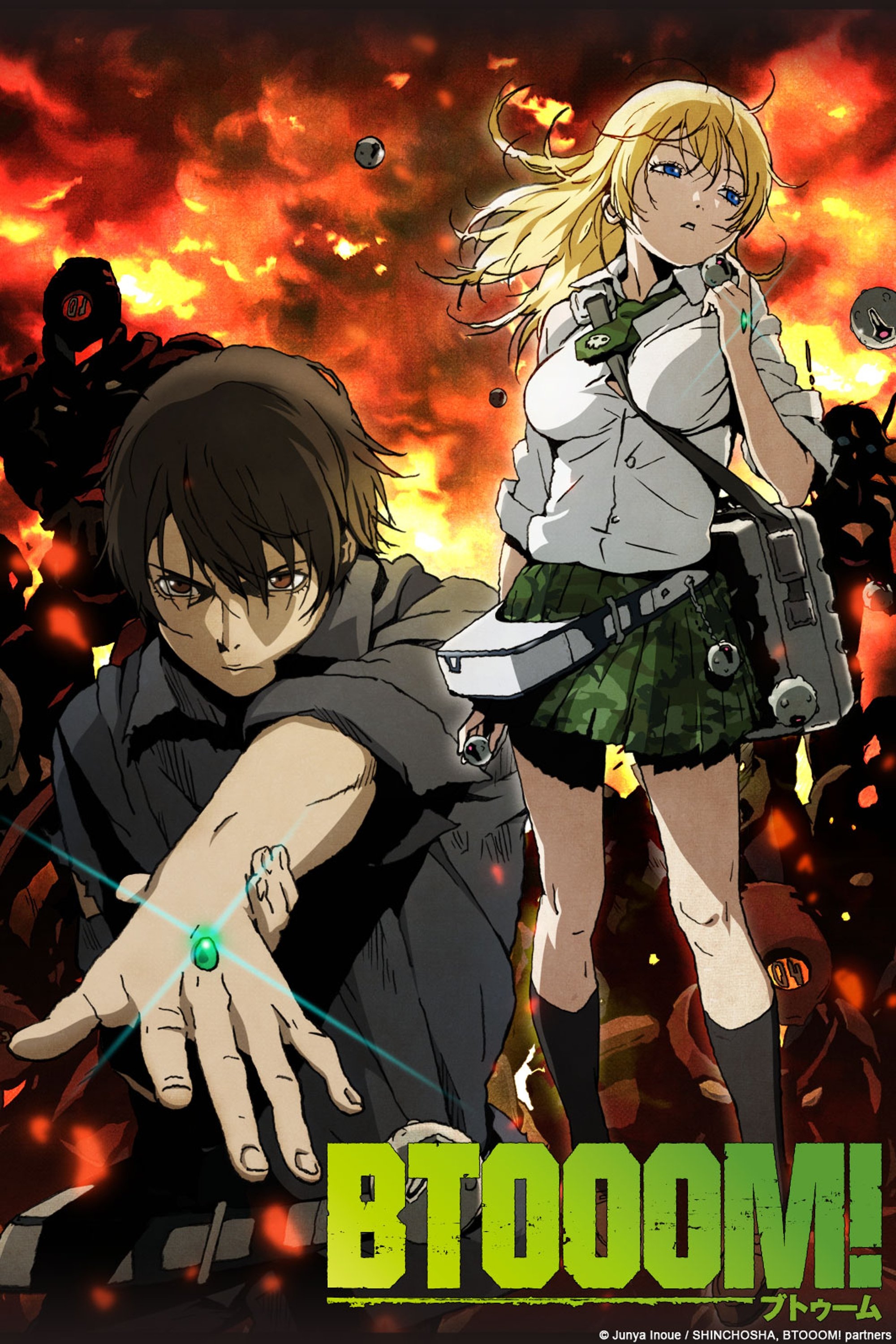
The ‘Btooom!’ anime closely follows the plot of the original manga, but it ends abruptly at a crucial moment – around chapter 50. Without a second season, the anime doesn’t offer a satisfying conclusion or the complex character development found in the manga’s two endings. The show only touches on the bigger mysteries surrounding the game’s creators, making it feel more like an advertisement for the manga than a fully realized story on its own.
We’d love to hear which anime you think changed the most from the original manga or light novel it was based on. Share your thoughts in the comments!
Read More
- Invincible Season 4 Gender Swaps Tech Jacket As Fans Question Major Comic Change
- Building Agents That Learn and Improve Themselves
- Gold Rate Forecast
- Silver Rate Forecast
- Games That Faced Bans in Countries Over Political Themes
- Superman Flops Financially: $350M Budget, Still No Profit (Scoop Confirmed)
- Trading Crypto with AI: A New Approach to Portfolio Management
- 22 Films Where the White Protagonist Is Canonically the Sidekick to a Black Lead
- Unveiling the Schwab U.S. Dividend Equity ETF: A Portent of Financial Growth
- 15 Films That Were Shot Entirely on Phones
2026-01-14 06:48