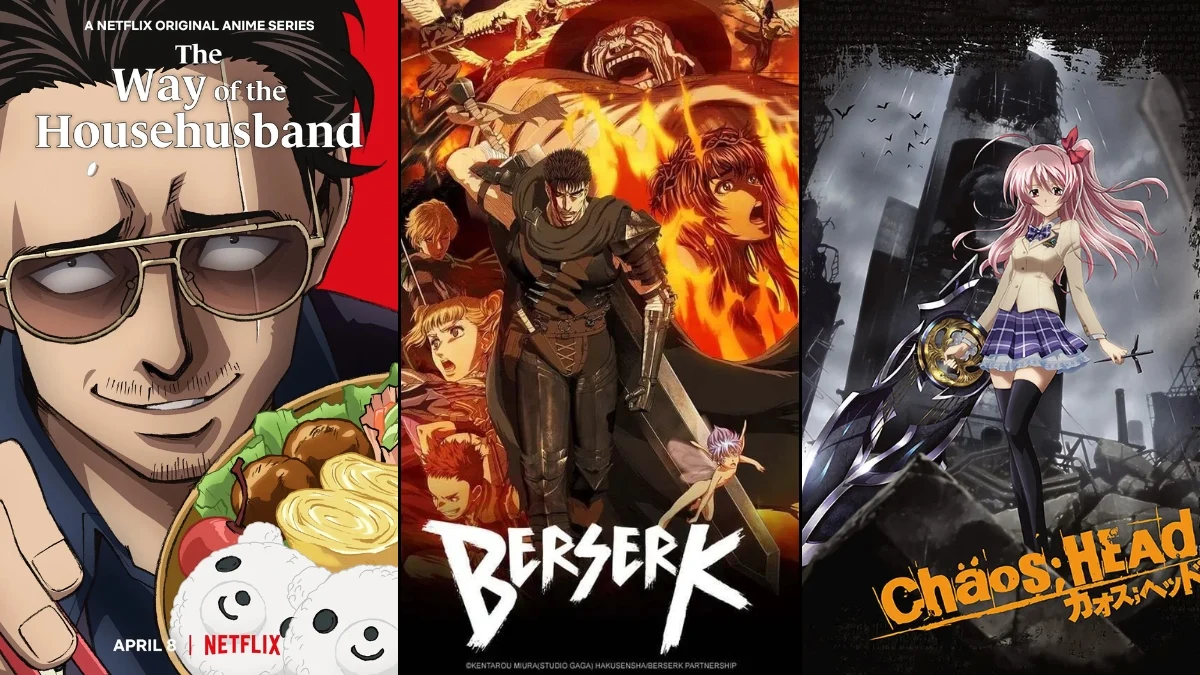
As a huge fan of both manga and anime, I’ve always been fascinated by how stories transition from page to screen. It’s a tricky process! You want the anime to honor what made the original special, but also bring something new to the table visually. Sadly, it doesn’t always work out. Sometimes, the anime just doesn’t live up to the hype – maybe the animation isn’t great, the story feels rushed, or they change things that fans really loved. It’s heartbreaking when that happens, because it feels like the heart of the original story is lost. I’ve put together a list of twenty-five anime adaptations that, unfortunately, didn’t quite capture the magic of their source material, and were met with a lot of disappointment.
‘EX-ARM’ (2021)
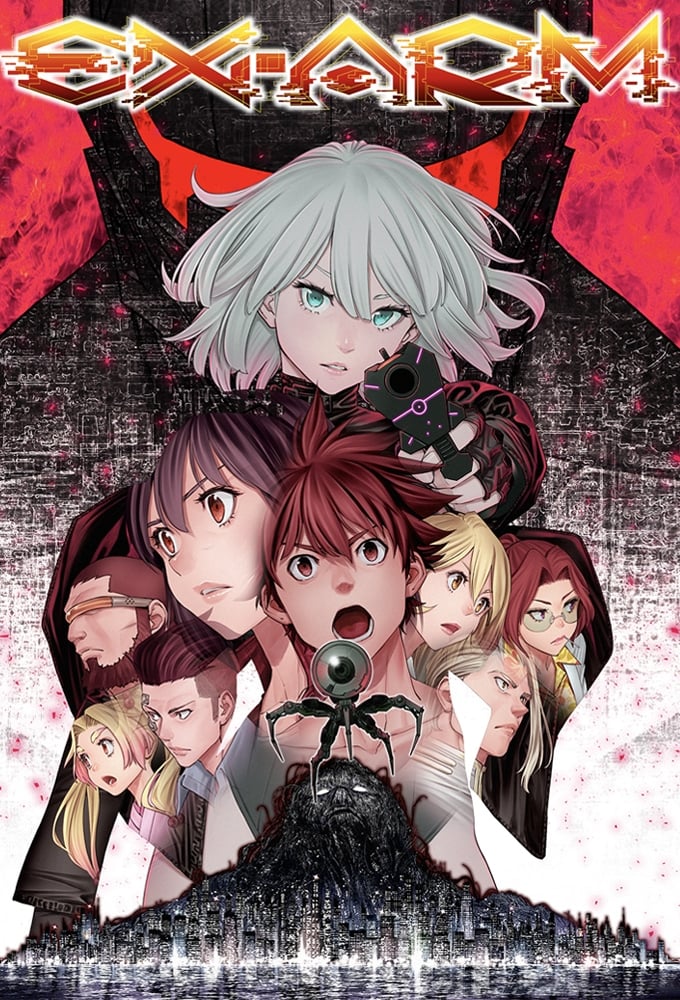
The anime ‘EX-ARM’ received strong criticism right after it premiered because of its unusual 3D animation. Many viewers found the animation looked unfinished and lacked smoothness, especially in the character movements. Fans felt the animation didn’t do justice to the detailed art style of the original manga and failed to capture the excitement of the action scenes. ‘EX-ARM’ is often cited as a case where technical problems with the animation detracted from the story. The difference between the beautiful manga artwork and the final animated product continues to be a major point of disappointment for fans.
‘Berserk’ (2016–2017)
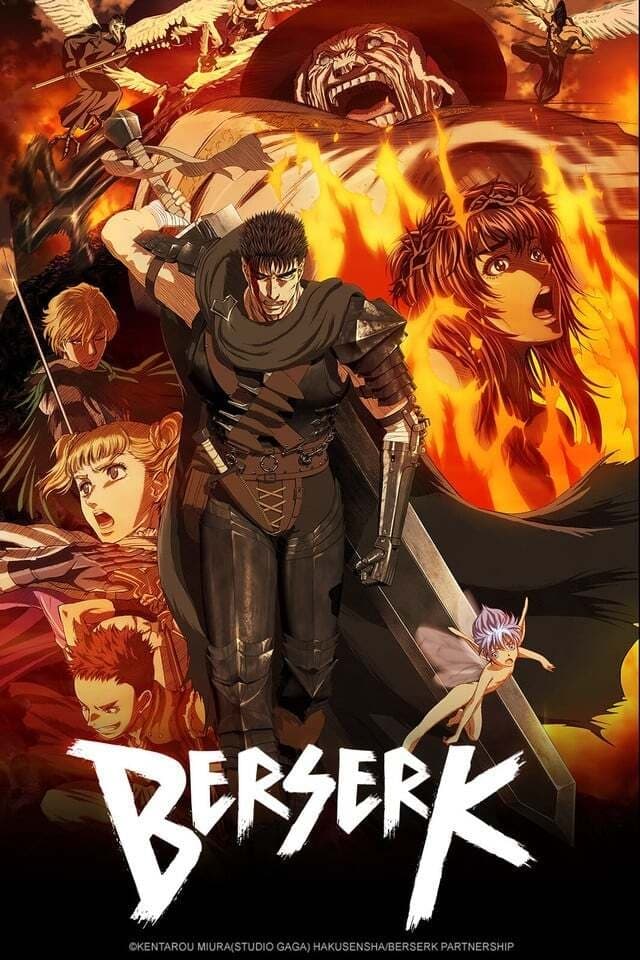
The 2016 ‘Berserk’ adaptation received a lot of criticism for its poor CGI, which didn’t capture the beautiful, detailed artwork of Kentaro Miura. Fans who had followed the series for a long time were let down by the stiff character animations and repetitive sounds, especially the constant clashing of swords. The adaptation also left out important story arcs, making the plot feel fragmented. Although the original story is still considered a classic, this version’s technical problems frustrated many viewers and serves as a warning about using 3D animation in dark fantasy series.
‘The Promised Neverland’ (2019–2021)
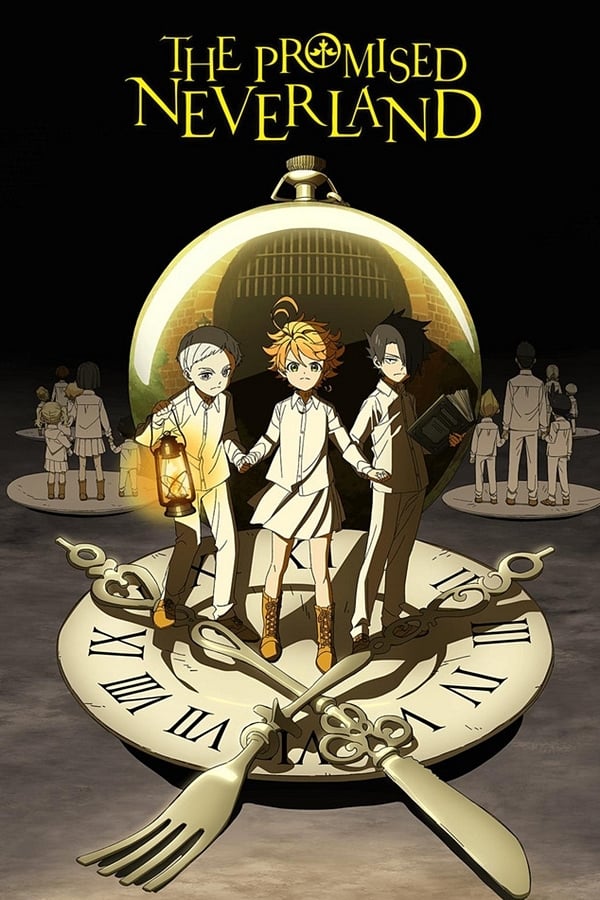
I was a huge fan of ‘The Promised Neverland’ after its amazing first season, so I was really excited for season two. But honestly, it was a massive disappointment. They skipped over so much of the story from the manga, including the entire ‘Goldy Pond’ arc, which was really important for the characters and the world they lived in. It felt like they just cut out a huge chunk of the story! Then, the ending was just a quick slideshow trying to cram the rest of the manga into a few minutes. It completely ruined the emotional impact, and the show’s ratings dropped fast because everyone was expecting a proper adaptation. It’s still talked about as one of the biggest anime letdowns in recent memory, and I completely agree.
‘Pupa’ (2014)
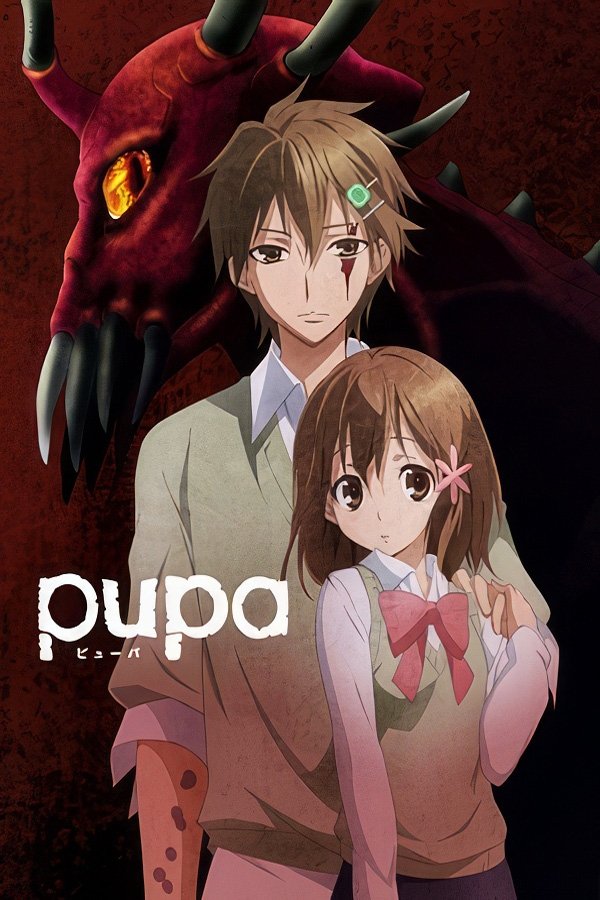
The manga ‘Pupa’ was a creepy and well-regarded horror story known for its intense and unsettling narrative. Unfortunately, the anime version suffered from very short, four-minute episodes that didn’t capture the original’s depth or suspense. Significant censorship further weakened the horror aspects, making many scenes confusing. Fans felt the short length and visual limitations prevented a successful adaptation of the story’s psychological themes, and the anime was largely seen as a wasted chance to bring a unique horror concept to life.
‘ChäoS;HEAd’ (2008)
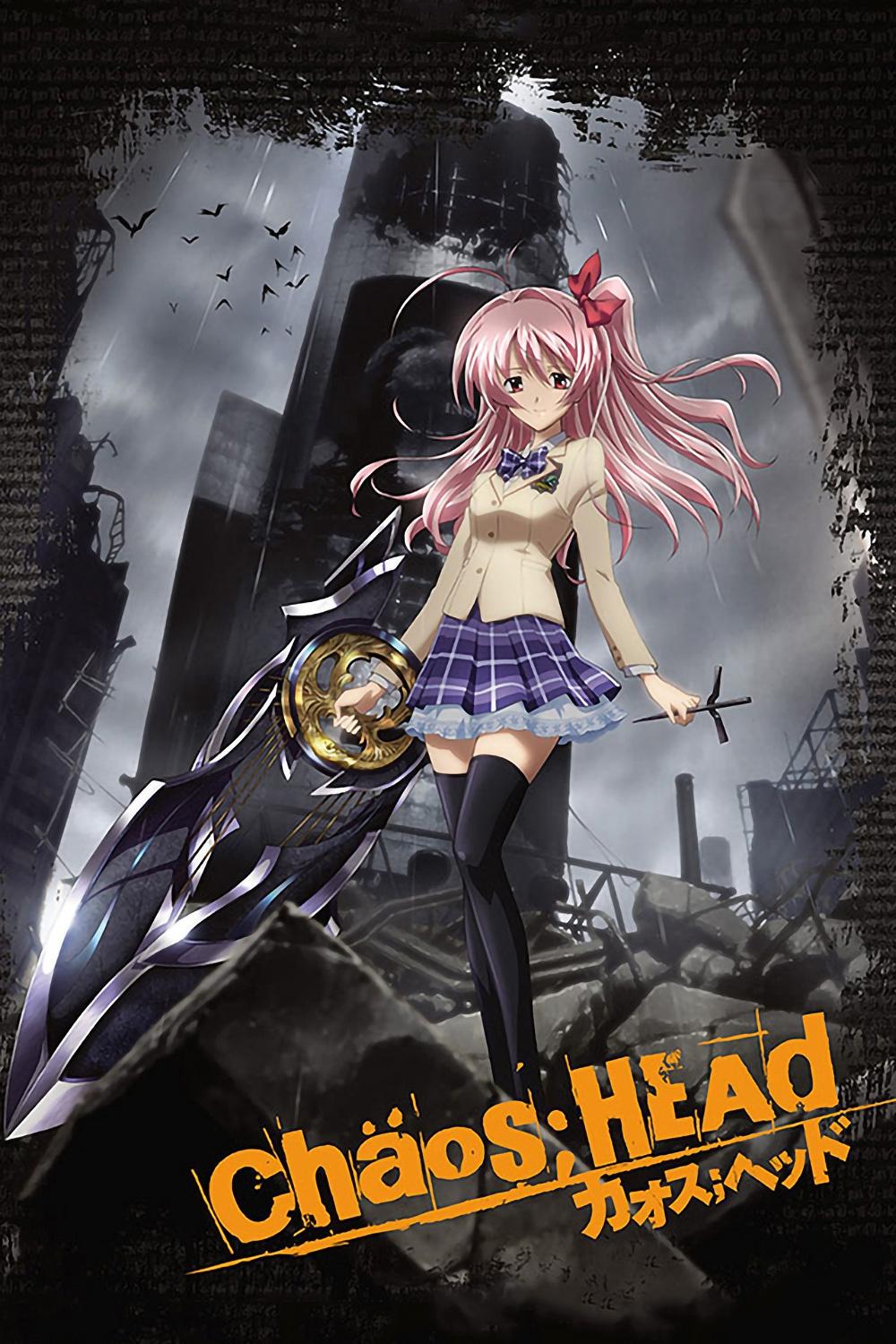
The anime adaptation of the popular sci-fi visual novel ‘Chaos;Head’ struggled to fit its extensive story into just twelve episodes. The show’s complex plot and the main character’s unreliable perceptions were rushed, leaving many viewers feeling lost. To meet the time constraints, the series cut back on character development, which diminished the impact of key moments. Fans of the original game were especially let down by the simplified ending, which didn’t account for the game’s multiple storylines. This adaptation is frequently used as an example of the challenges involved in turning lengthy visual novels into short anime series.
‘Flowers of Evil’ (2013)
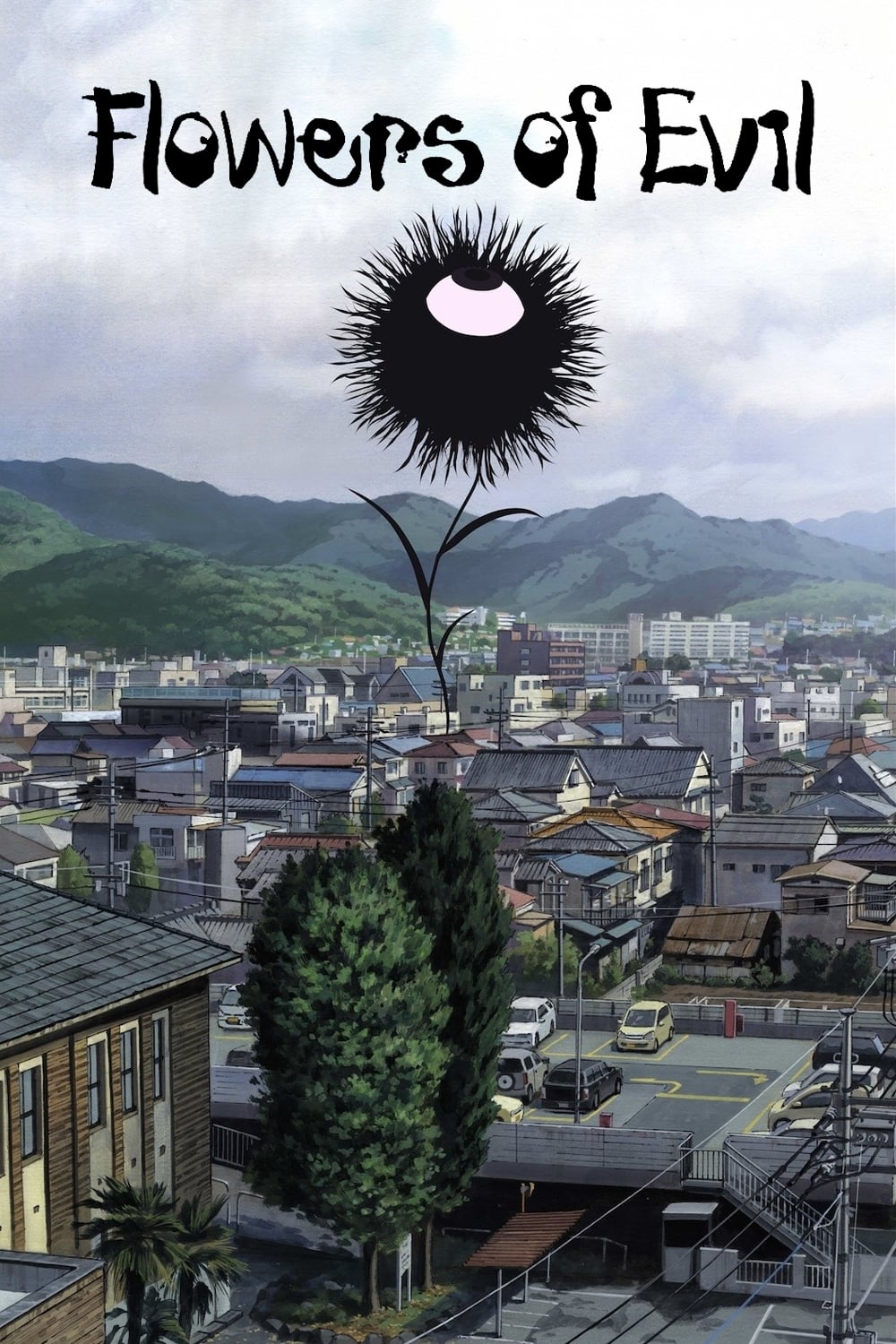
The anime ‘Flowers of Evil’ used a technique called rotoscoping, which made the animation look more realistic than typical anime, but also somewhat disturbing. This was done on purpose to match the dark themes of the original manga. However, it turned off many longtime fans. Some viewers felt the new character designs were distracting and took away from the story’s emotional impact. The anime’s slower pace, combined with the change in art style, also disappointed fans of the manga’s original, more dynamic look. While some critics appreciated the show’s bold visual choices, the new style remains a point of contention.
‘Junji Ito Collection’ (2018)
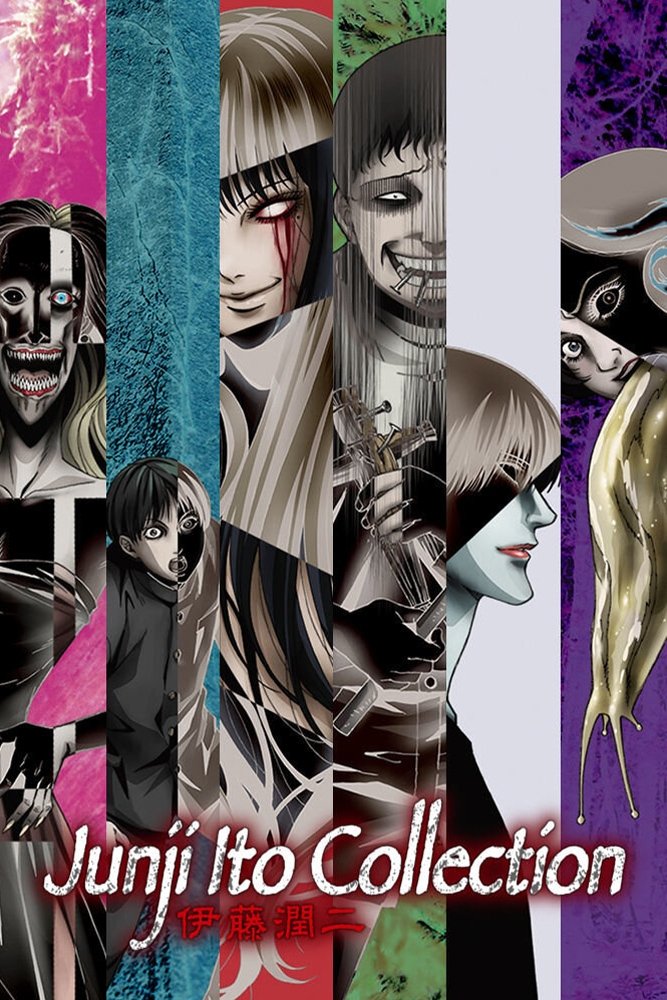
Junji Ito is famous for his detailed and disturbing horror artwork, which is challenging to bring to life in animation. The ‘Junji Ito Collection’ anime received criticism for its simple visuals and weak animation, failing to recreate the frightening feeling of his original manga. The stories often lost their power in the adaptation, as the pacing and sense of dread didn’t come across effectively. Many viewers felt the series tried to include too many stories in one season, sacrificing quality. Ultimately, it’s often seen as a weak version of Ito’s incredible work.
‘The Seven Deadly Sins’ (2014–2021)
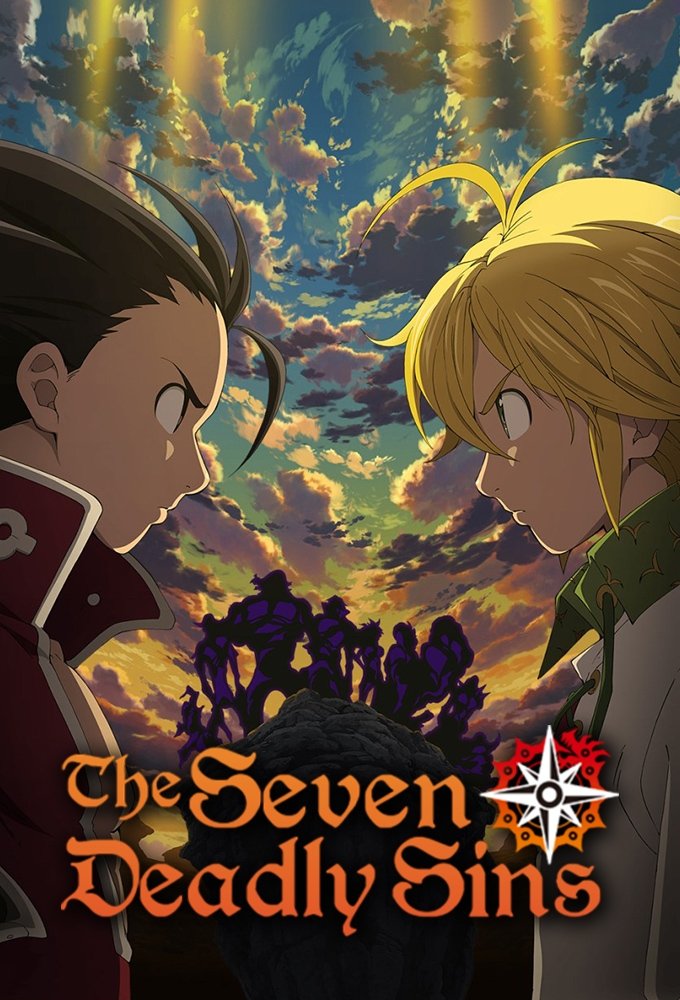
The first few seasons of ‘The Seven Deadly Sins’ were popular, but the animation quality noticeably declined beginning with the “Wrath of the Gods” arc. A switch to a new animation studio resulted in characters looking inconsistent and fight scenes that felt awkward and poorly done, frustrating many viewers. A particularly criticized moment was the censoring of blood during an important battle, which fans felt undermined the show’s serious tone. These production issues overshadowed the story’s climax and led to widespread disappointment and memes within the anime community.
‘Tokyo Ghoul’ (2014–2018)
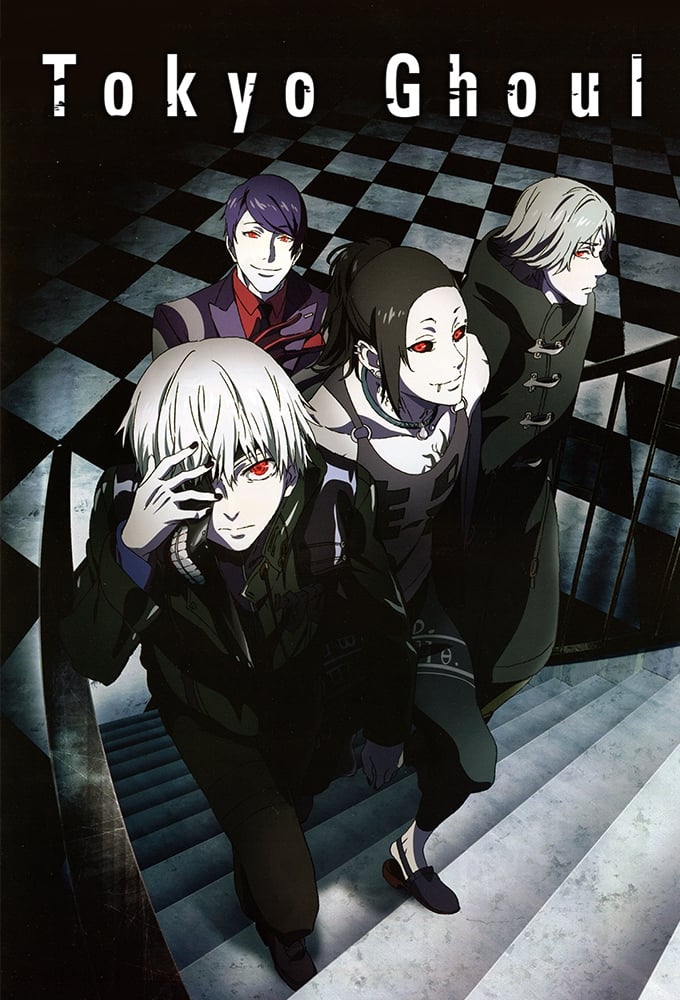
The anime series ‘Tokyo Ghoul’ started as a close adaptation of the manga, but it quickly moved away from the source material with its second season, ‘Tokyo Ghoul √A’. This season created its own storyline, ignoring the complex plot of the original manga by Sui Ishida. Later seasons attempted to follow the manga again, but they rushed through the story, leaving out important details. Viewers unfamiliar with the manga found the later parts confusing because of the many characters and events that were skipped. This inconsistency throughout the series is a major complaint among fans.
‘Rosario + Vampire’ (2008)
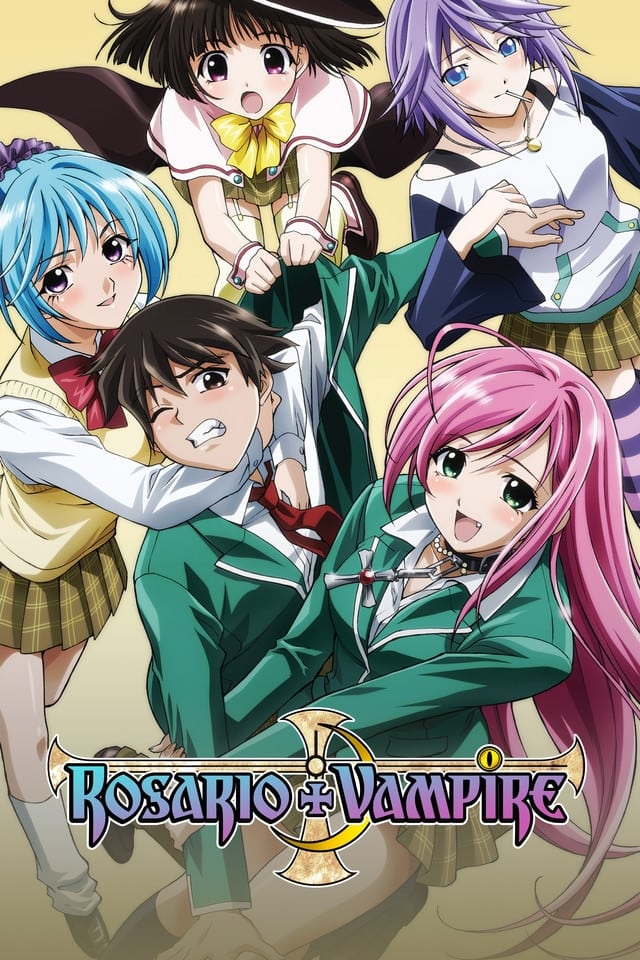
The ‘Rosario + Vampire’ manga started as a lighthearted harem comedy but evolved into a more serious action series. Unfortunately, the anime adaptation primarily emphasized comedic moments and fanservice, leaving out much of the character development and darker themes that appeared later in the manga. Many fans were frustrated that the anime didn’t focus on the protagonist’s growth and power, instead relying on repeated jokes. This caused the anime to feel like a simple parody, a far cry from the complex and epic story found in the original manga. As a result, manga fans often recommend skipping the anime altogether.
‘Record of Ragnarok’ (2021–2023)
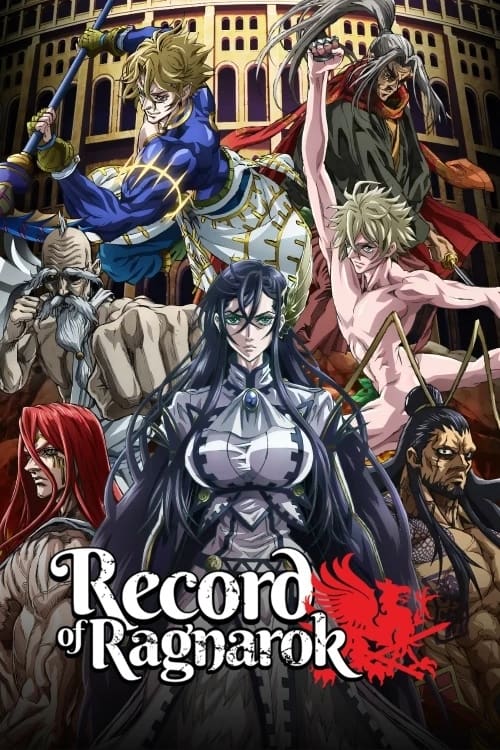
As a big fan of ‘Record of Ragnarok,’ I was really excited for the anime adaptation. The manga is all about these incredible, fast-paced battles between gods and humans, so I expected the anime to be the same. Honestly, I was pretty disappointed when it first came out. A lot of the fights felt really static, like a slideshow instead of a dynamic battle. While the voice acting and music were great, it just didn’t capture the energy of the manga. It felt like so much of the awesome artwork and intensity was lost. The second season was a little better, but that initial impression was definitely a letdown.
‘The Way of the Househusband’ (2021)
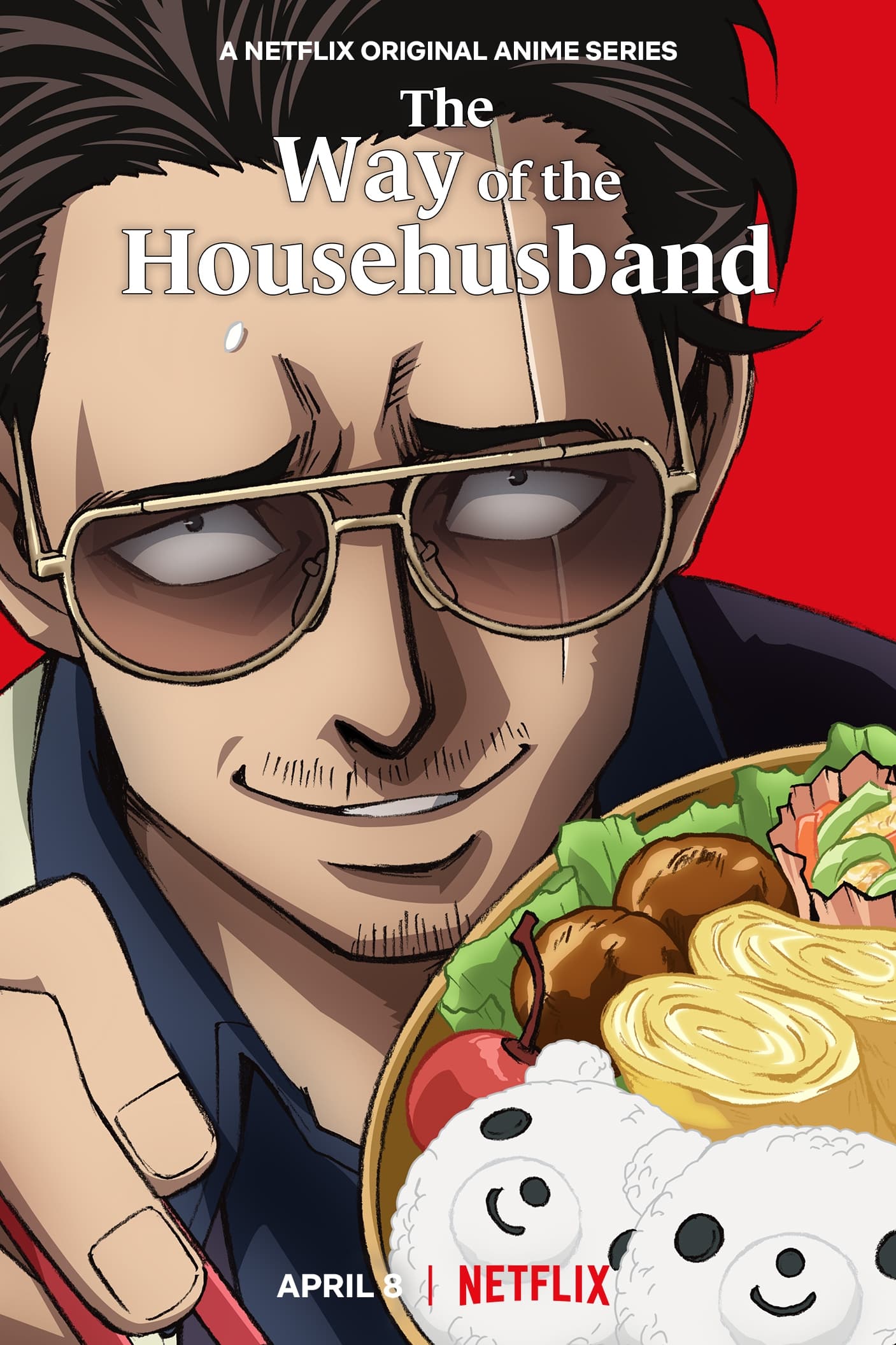
The anime adaptation of ‘The Way of the Househusband’ faced criticism for its unusual visual style. Instead of traditional animation, it used a ‘motion comic’ approach, which some viewers found disappointing. The creators explained this was intentional, aiming to maintain the comedic pacing of the original manga. However, many felt the limited movement made it look more like a moving comic strip than a typical anime. Despite a strong vocal performance by Kenjiro Tsuda, the visuals remain a major point of contention, as the static presentation didn’t live up to the energy of the manga’s artwork and divided fans.
‘Umineko: When They Cry’ (2009)
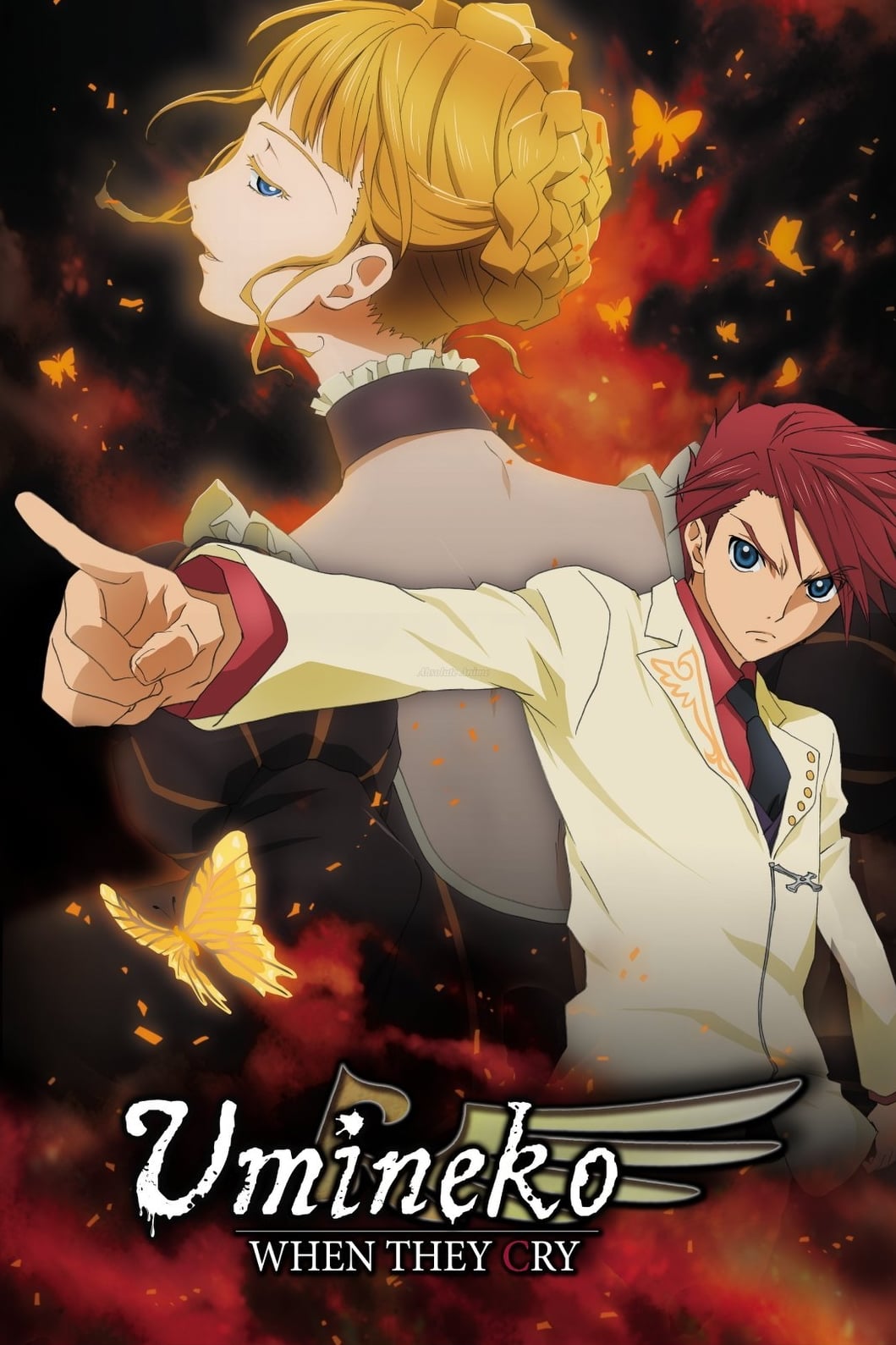
Umineko: When They Cry is a complex visual novel known for its elaborate murder mystery and intricate clues. The anime adaptation, while covering the first four episodes in 26 episodes, unfortunately left out many important clues. This made it very difficult for viewers to follow the mystery and ultimately felt unsatisfying, as the anime didn’t cover the entire story. Many fans were also disappointed with the animation quality, believing it didn’t live up to the high standard of the original game. Because of these issues, the series is often used as an example of how not to adapt a complicated story.
‘Deadman Wonderland’ (2011)
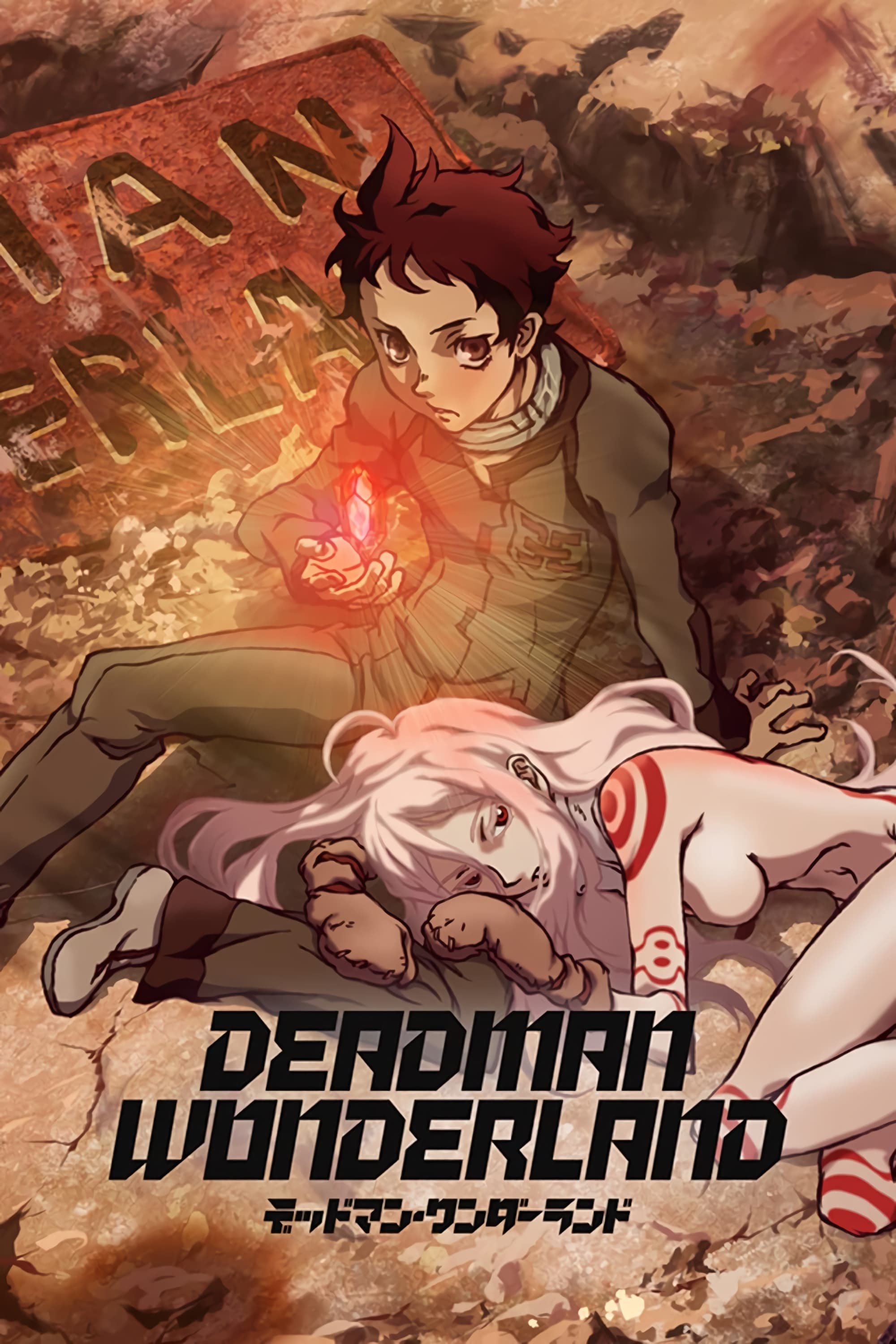
‘Deadman Wonderland’ started strong with its grim atmosphere and interesting concept, but it soon disappointed manga readers due to important characters being removed. Cutting figures like Azami prevented the anime from accurately continuing the story in a potential second season. The series concluded abruptly with many storylines unfinished, and it felt more like an advertisement for the manga than a complete story on its own. These cuts led many to see the anime as a weak adaptation of the original material.
‘Blade of the Immortal’ (2008)
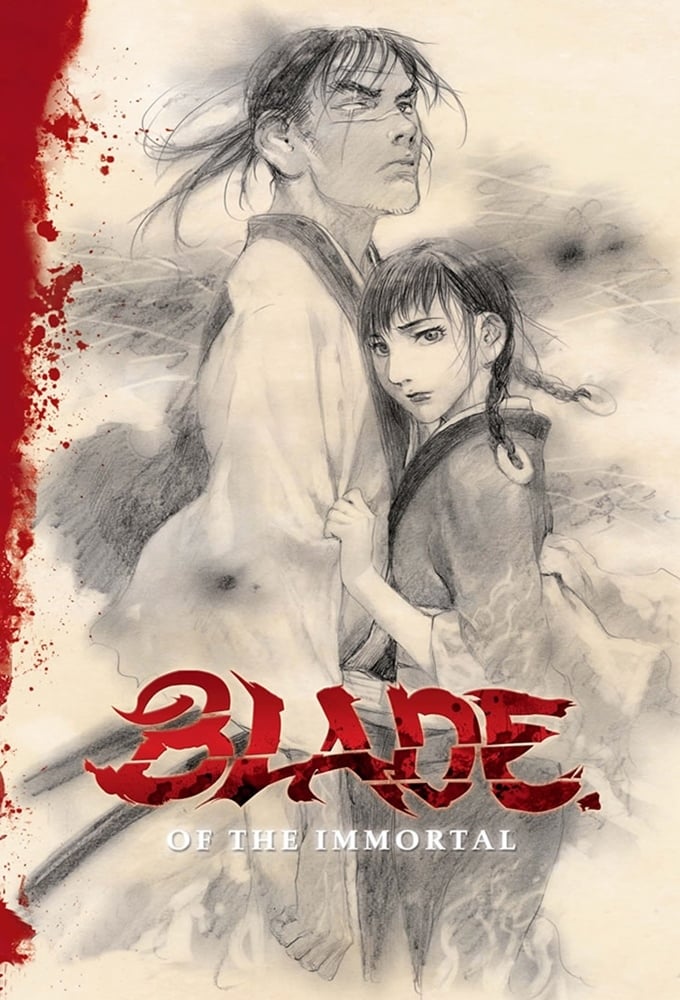
The 2008 anime series of ‘Blade of the Immortal’ didn’t quite live up to its source material. Trying to fit a lengthy manga story into just thirteen episodes meant significant character development and important plotlines had to be cut. Many viewers also felt the animation quality wasn’t strong enough for a show famous for its dynamic and violent sword fights. As a result, fans of the manga found the adaptation felt hurried and lacked emotional depth. Though a more recent version was made, the 2008 series is still often remembered as a disappointing attempt to bring the manga to life.
‘Gantz’ (2004)
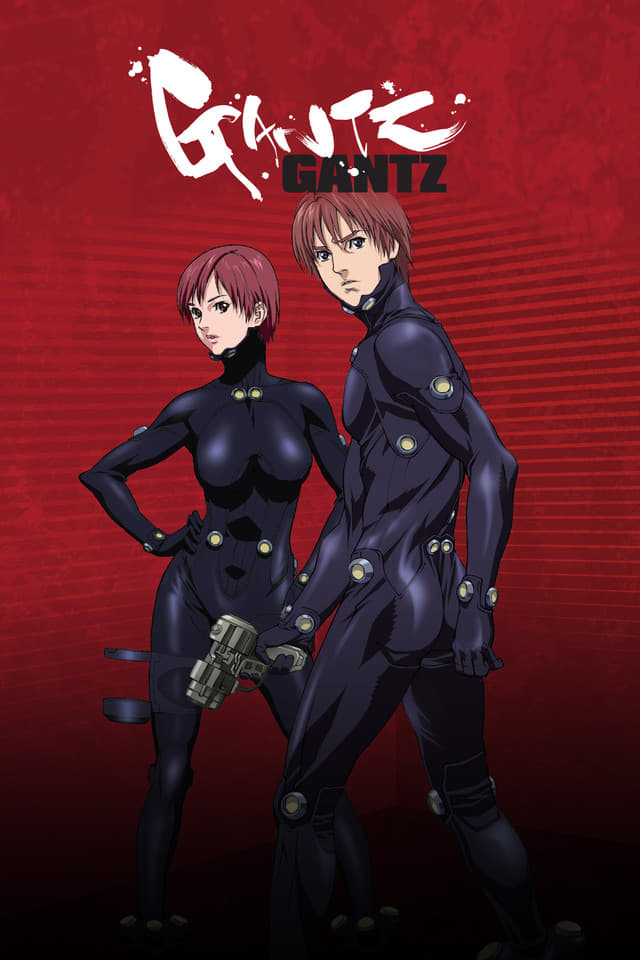
The ‘Gantz’ anime is famous for its intense violence and dark themes, but the adaptation didn’t quite live up to the source material. It included a lot of unnecessary scenes and, because the original manga wasn’t finished yet, the anime ended with a completely new conclusion that many fans disliked. The story also slowed down towards the end, which disappointed viewers eager for more action. Most fans agree that the manga is a much better way to experience the ‘Gantz’ story.
‘Akame ga Kill!’ (2014)

The anime ‘Akame ga Kill!’ initially stayed true to its manga source material, but the two began to differ as the series neared its conclusion. The anime creators decided to create their own ending, which unfortunately led to the deaths of several important characters who lived in the manga. Many viewers felt this ending was hurried and didn’t feel natural, and they preferred the more complete and satisfying conclusion of the original manga. The final episodes were also criticized for becoming excessively bleak without enough story build-up. As a result, the anime often divides opinions among fans who are familiar with the entire manga series.
‘Fate/stay night’ (2006)
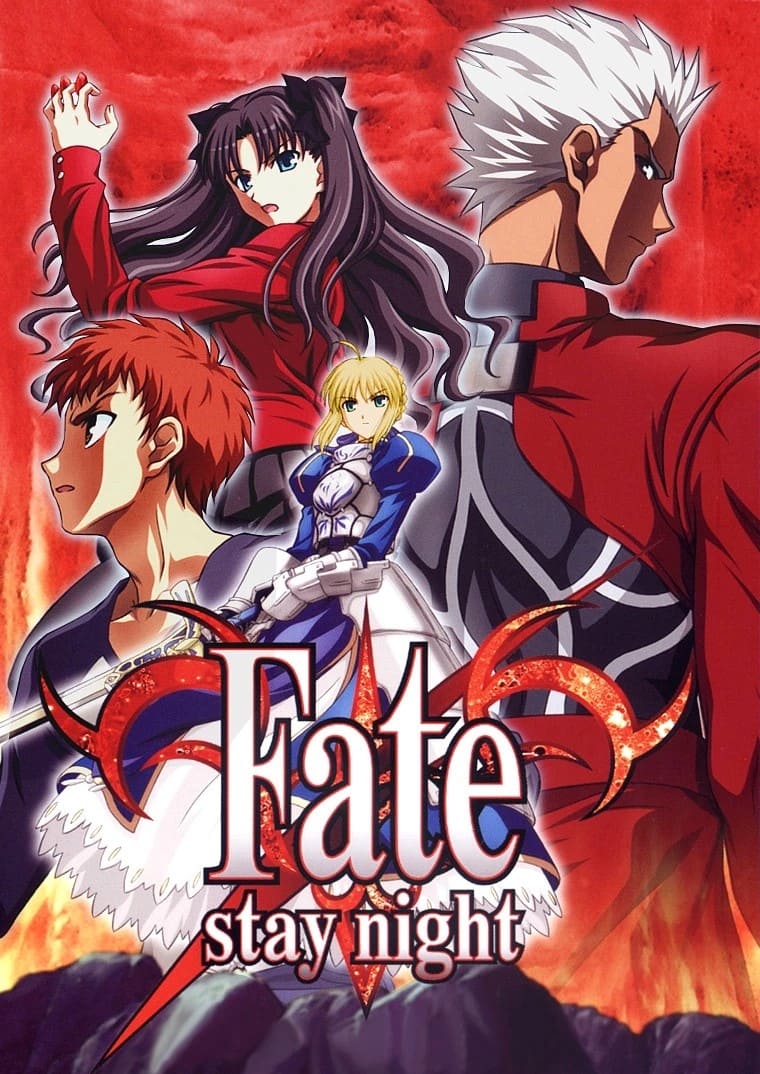
Studio Deen’s 2006 anime version of ‘Fate/stay night’ tried to blend storylines from different parts of the original game. This created a confusing and unfocused plot, especially since it was meant to follow a specific storyline. Many fans were also unhappy with the animation, which didn’t measure up to later versions made by Ufotable. It also revealed plot points from other storylines, making it hard for new viewers to understand. Although it helped make the series popular, most fans now consider it the least successful adaptation of the story.
‘Soul Eater’ (2008–2009)
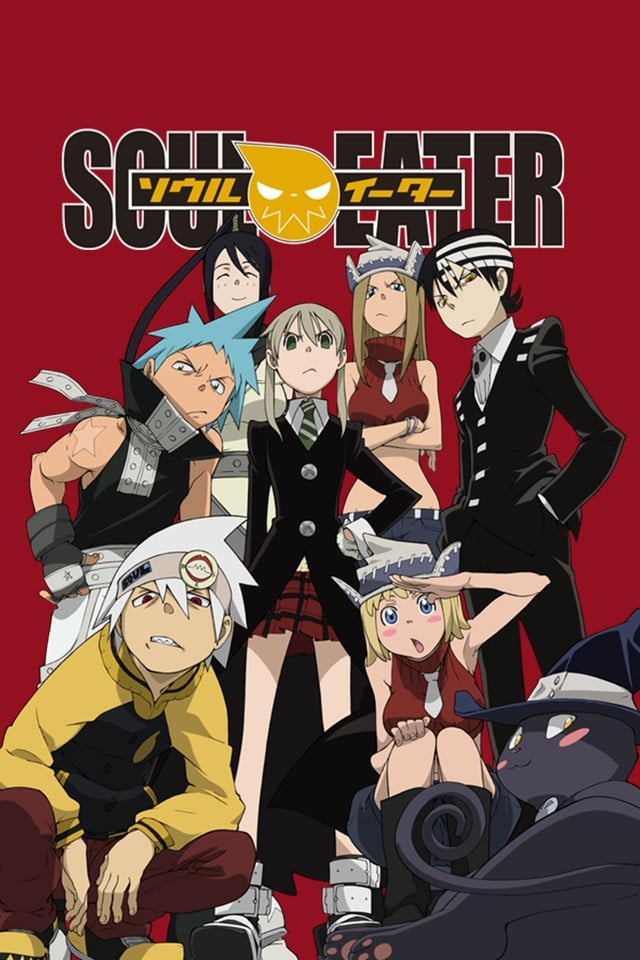
For most of its run, the ‘Soul Eater’ anime was a very accurate and visually appealing adaptation of the manga. However, like many anime from that time, it eventually surpassed the manga’s progress and had to create its own ending. This original ending, particularly the final battle and how the story concluded, received criticism for being too simple and overly reliant on themes of bravery, which didn’t quite fit with the series’ tone. Fans were also disappointed that the complex world-building from the later parts of the manga wasn’t included. Despite having excellent music and animation, the ending continues to be a source of debate among fans.
‘Claymore’ (2007)
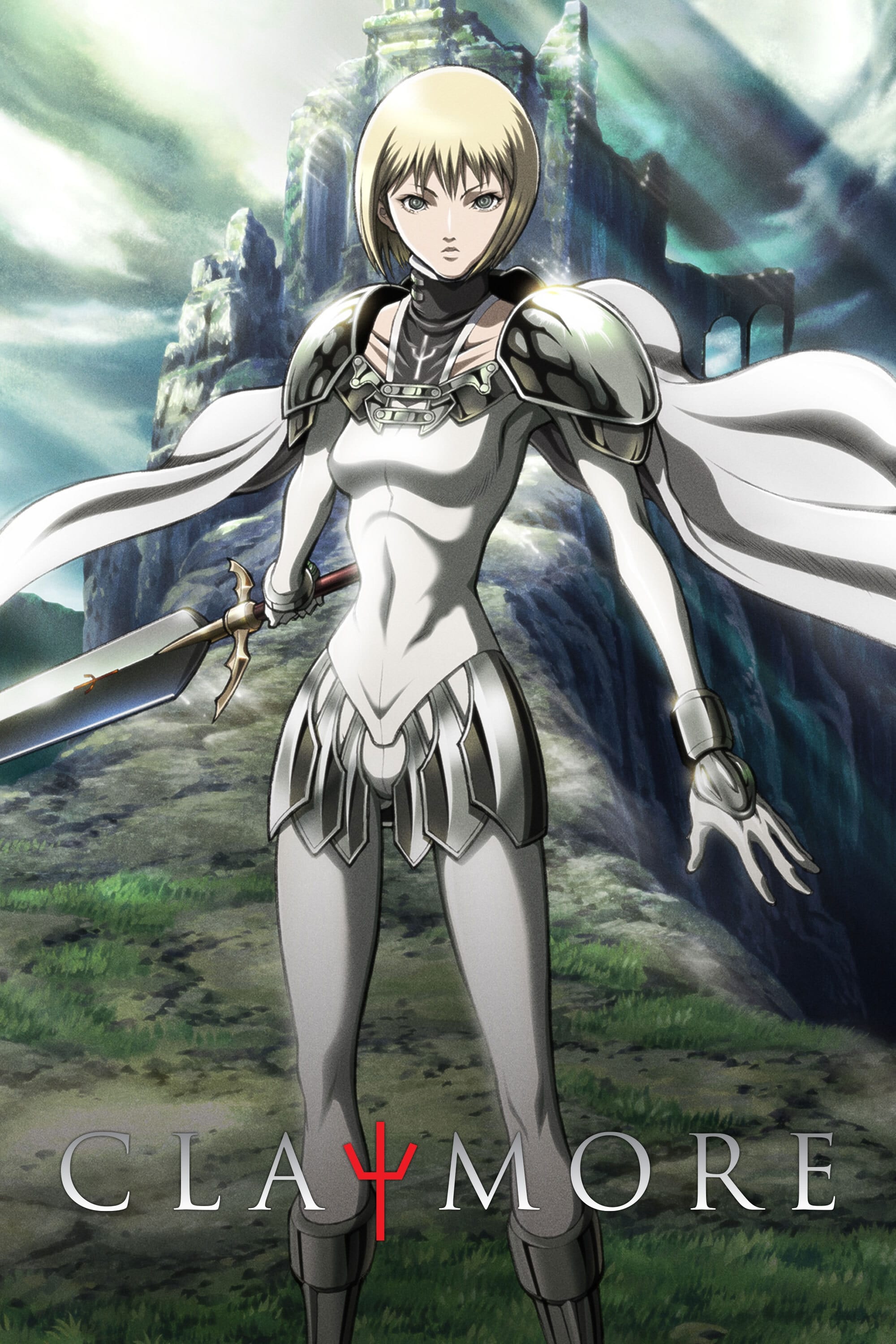
Claymore is a dark fantasy series known for its exciting action and bleak setting. Unfortunately, the anime adaptation ended differently than the original manga, and many fans were disappointed. The anime’s ending felt rushed, leaving important storylines unfinished, as the manga continued much longer. Viewers felt the final episodes didn’t live up to the rest of the series and didn’t respect the established world-building. Because a second season was never made to address these issues, many now recommend reading the manga instead of watching the anime.
‘Blue Exorcist’ (2011)
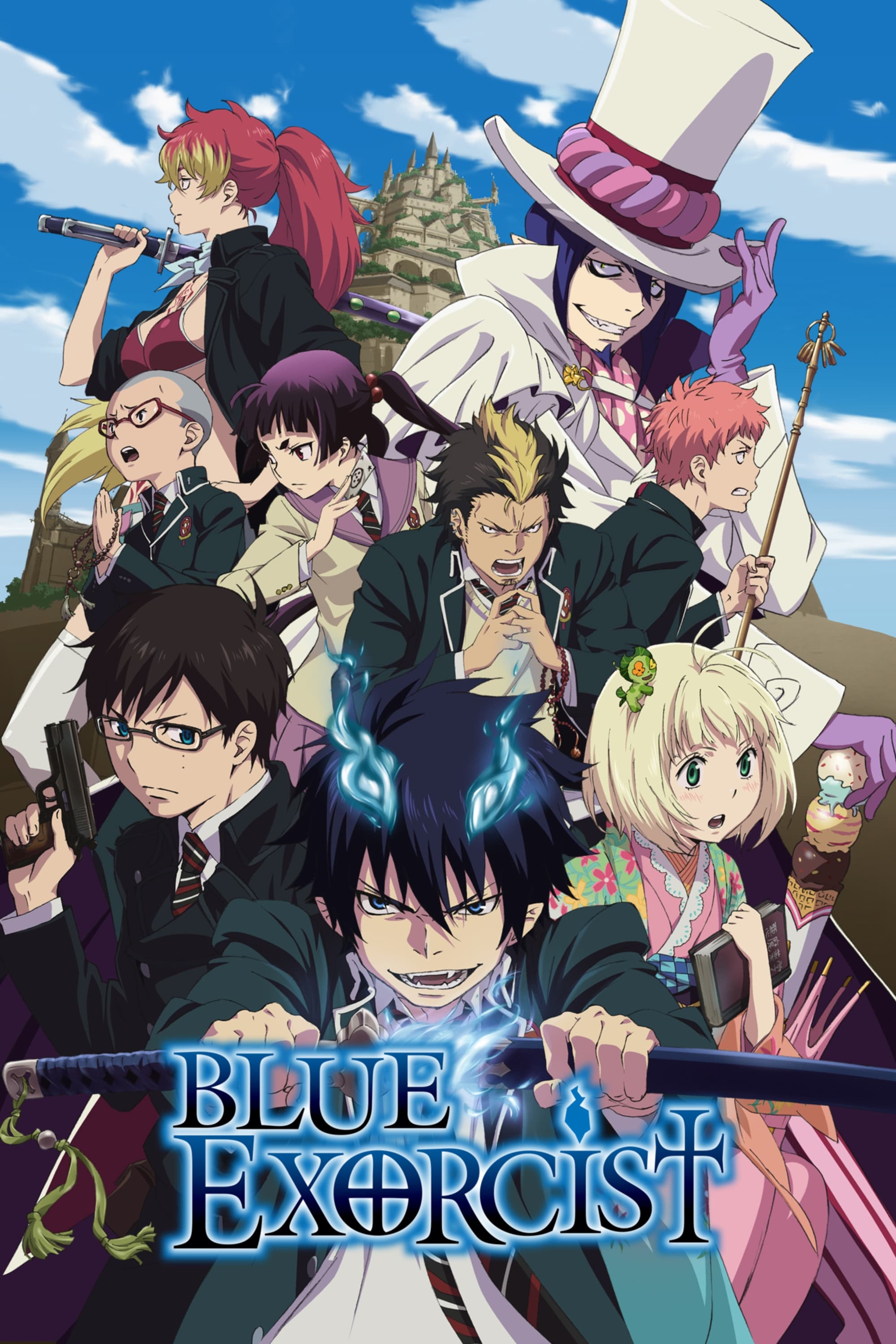
Okay, let’s talk about ‘Blue Exorcist’. I remember being really into the first season, but around episode seventeen, the anime took a hard left turn from the original manga. It created its own ending, throwing in stuff the creator hadn’t planned. Then, years later, when the second season, ‘Kyoto Saga’, finally arrived, it basically had to undo those last few episodes of season one to get back on track with the manga’s storyline. Honestly, it was jarring! As a longtime fan, I – and a lot of others – found the whole thing incredibly frustrating. The manga just flows so much better, and it’s clear many of us prefer that consistent story to the anime’s bumpy ride.
‘Kingdom’ (2012–2013)
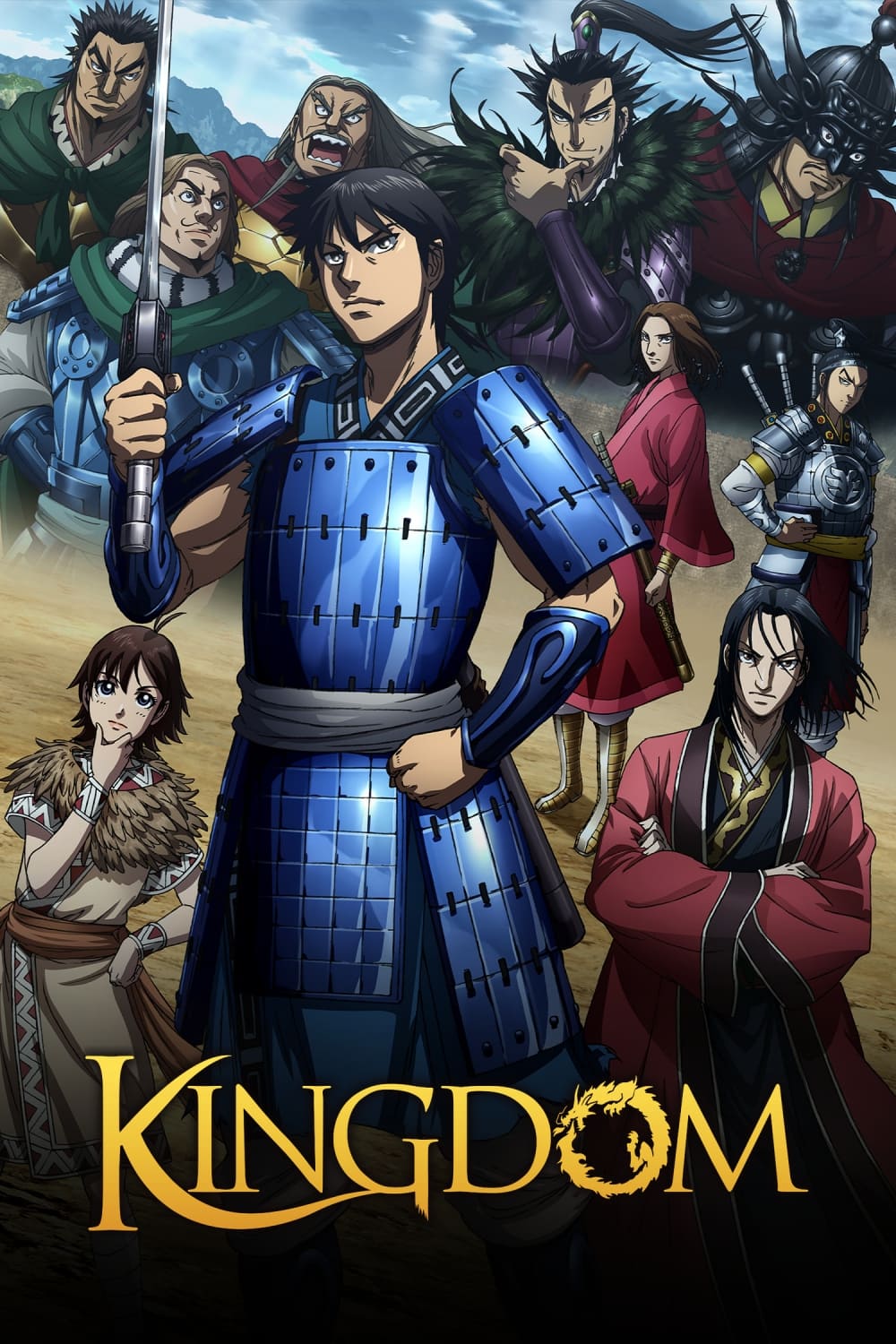
The first season of ‘Kingdom’ is remembered for its noticeably poor computer-generated imagery, which many viewers found distracting and hard to enjoy. The awkward animation and inconsistent character designs detracted from the grand scope of the historical battles. Although the story is praised as a brilliant example of strategy and warfare, the initial visuals discouraged some people from continuing with the series. Later seasons featured much better traditional animation, but the first season’s reputation still lingers. Many fans of the original manga actually recommend starting with the source material instead of watching the first season.
‘Fruits Basket’ (2001)
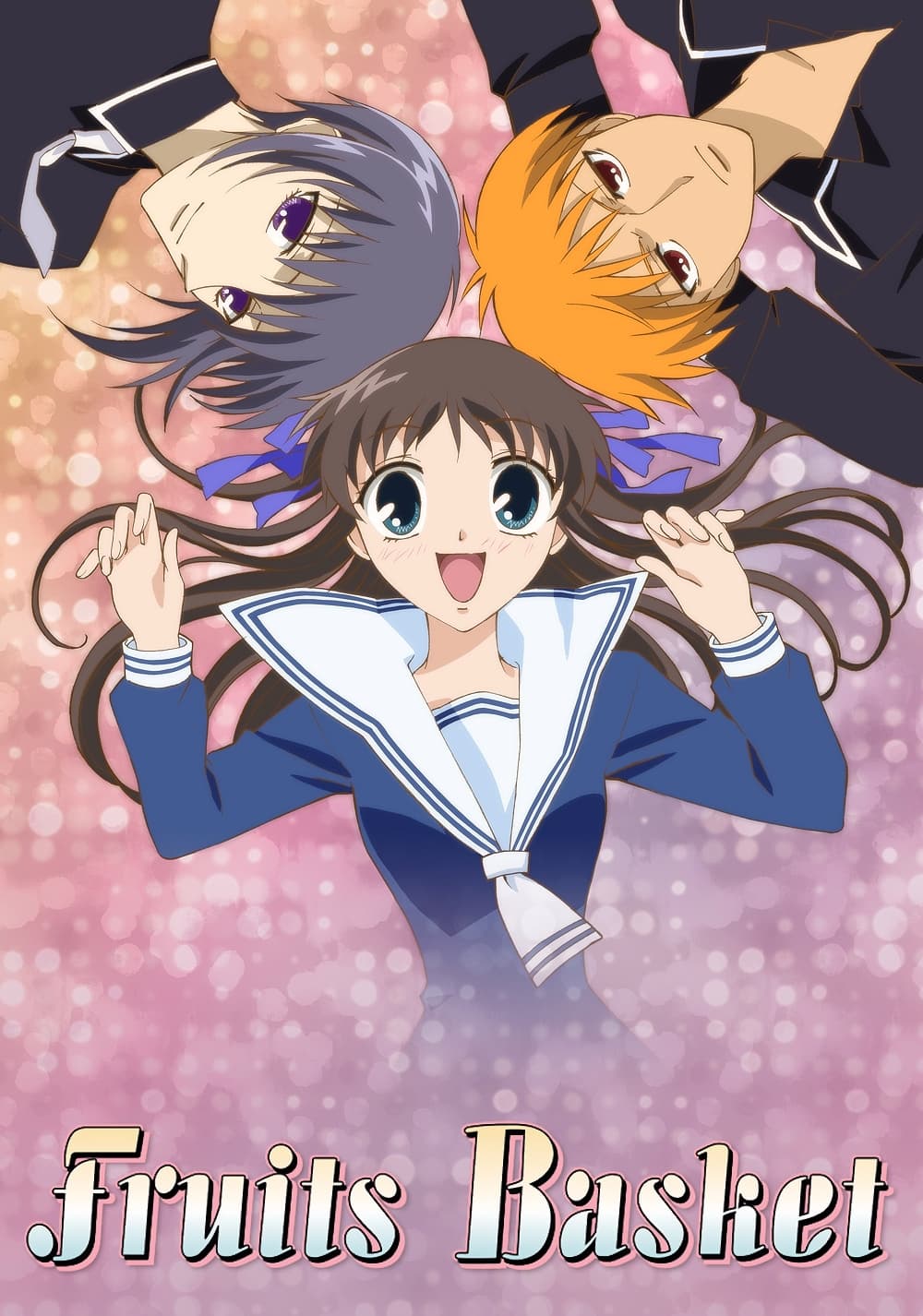
The original ‘Fruits Basket’ anime from 2001 was well-liked, but it only covered part of the manga story and leaned heavily into comedy. It also had an ending that wasn’t part of the manga and didn’t really resolve the Sohma family’s complicated curse. The manga author, Natsuki Takaya, wasn’t happy with some of the changes made. This ultimately led to a complete reboot in 2019 that followed the entire manga story accurately. Now, when compared to the full 2019 version, the 2001 anime is considered unfinished and doesn’t quite match the overall tone of the story.
‘Hellsing’ (2001–2002)
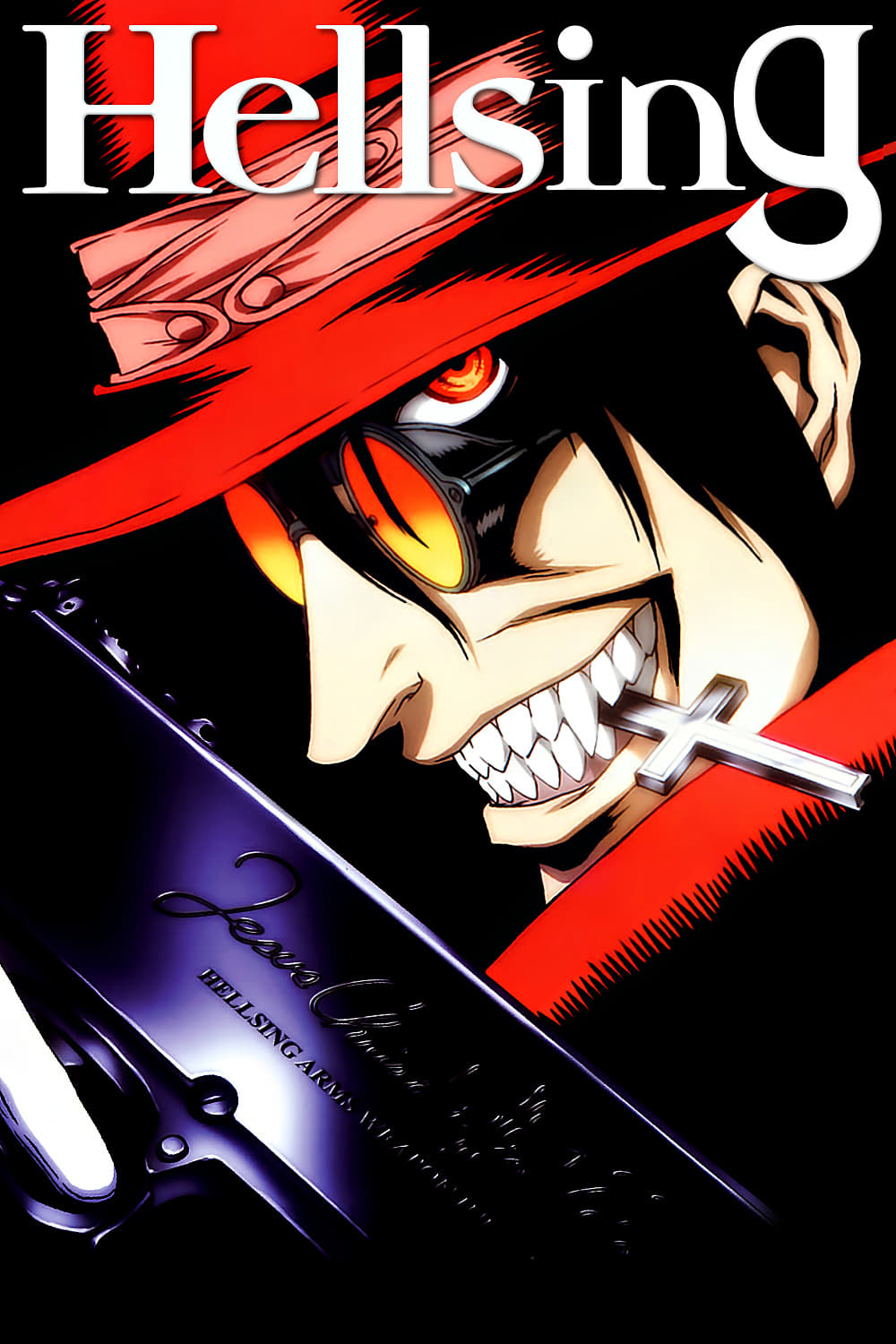
The first ‘Hellsing’ anime quickly moved away from the manga, creating its own villain and plot. Although it had a unique style and music, it didn’t capture the grand, gothic horror feel of the original manga. Manga fans were let down by missing characters and changes to Alucard’s history. These concerns were later fixed with ‘Hellsing Ultimate,’ which closely followed the manga’s story. Now, the 2001 anime is mostly seen as an interesting but ultimately unsuccessful attempt to adapt the source material.
‘Devil Lady’ (1998–1999)
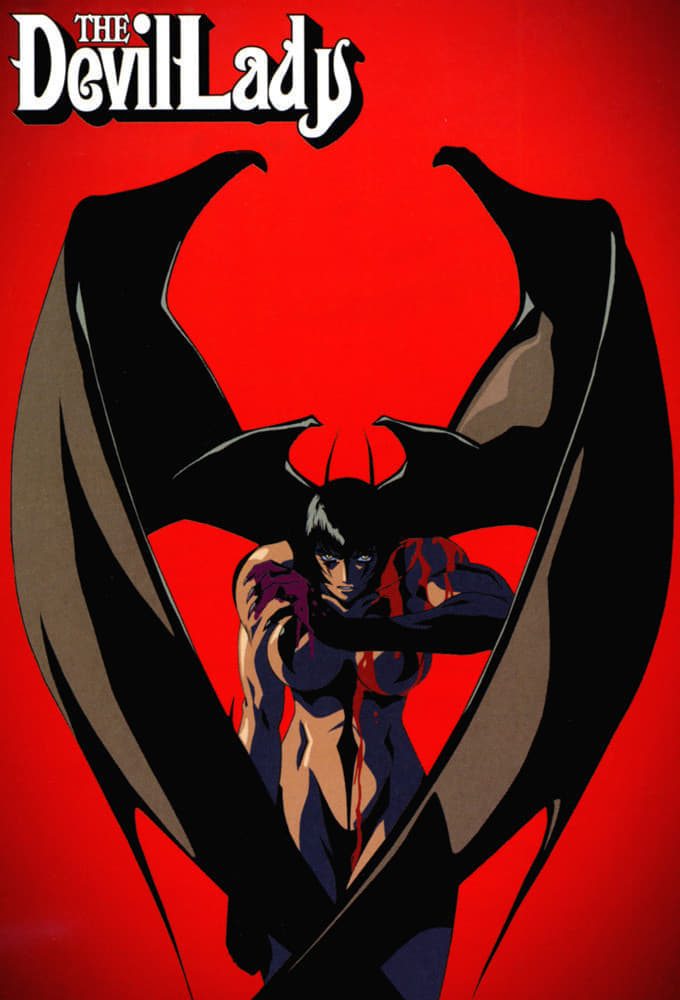
‘Devilman Lady’ reimagined Go Nagai’s original manga, creating a story with a noticeably different feel. The anime delved into deeper psychological and philosophical ideas, but it moved away from the simpler horror and action of the manga. Some manga fans were surprised by the changes to the main character’s story and the world itself. The anime’s slower pace and darker look were also quite different from the fast-paced, energetic style of the original. Though it has gained its own audience, many fans of the source material consider it a fairly loose adaptation that doesn’t quite capture the spirit of the original.
Share your thoughts on which anime adaptations you found the most disappointing in the comments.
Read More
- Invincible Season 4 Gender Swaps Tech Jacket As Fans Question Major Comic Change
- Building Agents That Learn and Improve Themselves
- Gold Rate Forecast
- Superman Flops Financially: $350M Budget, Still No Profit (Scoop Confirmed)
- Silver Rate Forecast
- Games That Faced Bans in Countries Over Political Themes
- Trading Crypto with AI: A New Approach to Portfolio Management
- Unveiling the Schwab U.S. Dividend Equity ETF: A Portent of Financial Growth
- 22 Films Where the White Protagonist Is Canonically the Sidekick to a Black Lead
- 15 Films That Were Shot Entirely on Phones
2026-01-14 05:51