Nvidia. The name hangs in the air like a bad omen, doesn’t it? The 800-pound gorilla of parallel processing, they call it. More like a silicon deity, worshipped by every data center priest and algorithm shaman from here to the digital beyond. They had a head start, SURE, a clean runway into the generative AI madness. But complacency, my friends, is a DISEASE. And in the high-stakes game of artificial intelligence, diseases spread FAST.
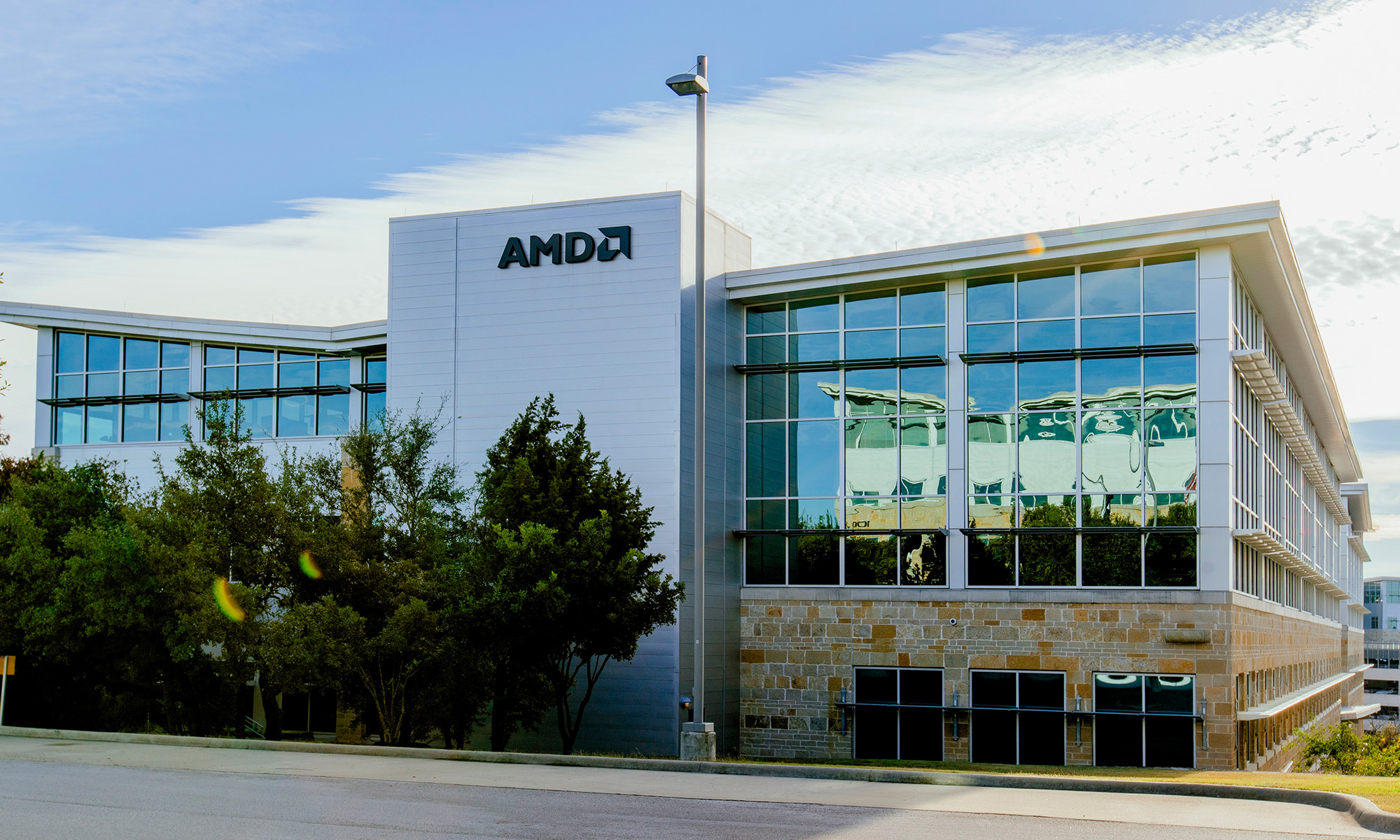
That leaves Advanced Micro Devices, AMD, slithering in the undergrowth. For years, they were the scrappy underdog, the company perpetually “about to” make a move. A lot of hot air and broken promises. But something’s shifted. The air smells different. I’ve been watching this play out for a long time, and I’m starting to think this isn’t just incremental progress. This is… a metamorphosis. They’re not just building chips anymore; they’re building an alternative. A goddamn REBELLION.
Hyperscalers: The Beasts Are Stirring
The hyperscalers – Microsoft, Meta, Oracle, OpenAI – these are the leviathans that will decide who wins and who loses. And they’re starting to diversify. They’re COMPLEMENTING their Nvidia stacks with AMD’s Instinct accelerators. Let that sink in. They’re not replacing Nvidia… yet. But they’re hedging their bets. They’re sniffing the wind, sensing a vulnerability. It’s like watching sharks circle a wounded whale. A cautious dance, but a dance nonetheless.
This isn’t about testing. This isn’t about edge cases. These guys are throwing SERIOUS workloads at AMD’s silicon. Both training AND inference. They’re seeing results. And when the biggest players in the game start shifting their allegiance, you pay attention. You PAY. ATTENTION.
The real kicker? AMD could be offering a lower-cost alternative. Unit economics, baby. Big Tech doesn’t care about loyalty. They care about the bottom line. And if AMD can deliver the same performance for less money, Nvidia’s pricing power is going to take a hit. A big one.
ROCm vs. CUDA: The Battle for Control
Nvidia’s CUDA ecosystem? It’s a gilded cage. Powerful, yes, but it locks you in. AMD’s ROCm platform? It’s open source. It’s a wrench. It’s the ability to tinker, to customize, to break things and rebuild them better. This isn’t just a technical difference; it’s a philosophical one. It’s about control. It’s about freedom.
The hyperscalers don’t want to be beholden to a single supplier. They want options. They want leverage. Integrating AMD into their stacks gives them that. It’s a subtle power play, but it’s a POWER PLAY nonetheless. Nvidia’s structural moat? It’s starting to show cracks.
Don’t mistake AMD for just a cheaper alternative. They’re building a comprehensive solution. CPUs, networking products, the whole shebang. They’re not just selling chips; they’re selling an ecosystem. They’re positioning themselves as a strategic partner, not just a component supplier.
The hyperscalers are projected to spend over $500 BILLION on AI infrastructure this year. That’s a RIVER of money. And AMD is angling for a bigger slice of that river. A significant slice. I’m not saying they’ll take over the world, but I wouldn’t be surprised to see their market share continue to climb.
Nominal gains? That’s all it takes. A few percentage points here, a few percentage points there. It adds up. It accelerates revenue. It expands profit margins. It creates a virtuous cycle. And that, my friends, is a beautiful thing.
2026. That’s the year to watch. AMD’s evolving position in the data center market could trigger a significant revaluation. The market is starting to realize that this isn’t just a minor contender. This is a core pillar supporting the AI infrastructure boom. It’s a slow burn, but it’s gaining momentum. And when that momentum hits critical mass… HOLD ON TIGHT.
Read More
- Invincible Season 4 Gender Swaps Tech Jacket As Fans Question Major Comic Change
- Silver Rate Forecast
- Gold Rate Forecast
- 15 Films That Were Shot Entirely on Phones
- Building Agents That Learn and Improve Themselves
- 22 Films Where the White Protagonist Is Canonically the Sidekick to a Black Lead
- 20 Movies Where the Black Villain Was Secretly the Most Popular Character
- Celebs Who Narrowly Escaped The 9/11 Attacks
- 14 Movies Where the Black Character Refuses to Save the White Protagonist
- Trading Crypto with AI: A New Approach to Portfolio Management
2026-02-01 21:34