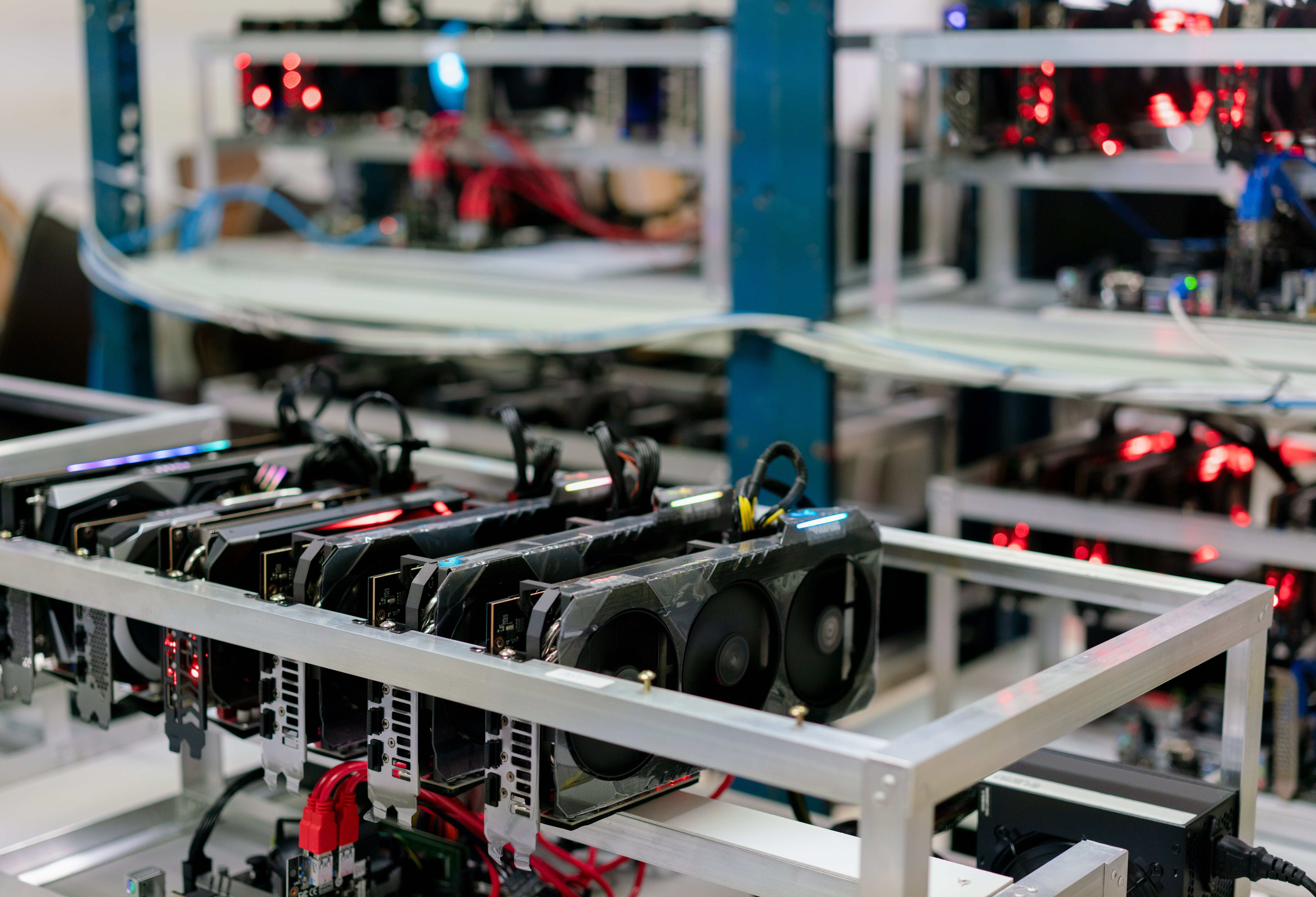
Okay, let’s talk chips. Not the kind you dip in guacamole, although frankly, those are a better investment right now. We’re talking about the silicon kind, specifically the ones powering everything AI. Everyone’s hyperventilating about Nvidia (NVDA 1.56%), and rightly so – they basically are the AI infrastructure at this point. Ninety-two percent market share? That’s less “market leader” and more “benevolent dictator.” But here’s the thing about dictatorships: someone always brings a strongly worded letter… or, in this case, a competing GPU.
Enter Advanced Micro Devices (AMD 2.33%), or AMD, because honestly, saying “Advanced Micro Devices” feels like you’re trying to impress someone at a tech conference. It doesn’t. They’re currently nibbling around the edges of the data center GPU market with about 4% share. It’s like being the opening act for Beyoncé. You’re… there. But they’re doing something smart. They’re not trying to be Nvidia. They’re trying to be the slightly cooler, slightly less expensive alternative. Think of it as the Gap to Nvidia’s Gucci.
And it’s working. They just landed a deal with OpenAI – hundreds of thousands of chips, plus the potential for OpenAI to take a 10% stake in AMD. That’s a lot of money. Over $100 billion, they’re saying. Which, let’s be real, is a number that makes my brain hurt. Then Meta Platforms signed on for 6 gigawatts of AMD’s Instinct GPUs. Gigawatts! It sounds like a villain’s power source. Even Microsoft and Oracle are getting in on the action, though they’re still hedging their bets with Nvidia. Smart. Diversification is key. Unless you’re a tech CEO, in which case, all-in on the metaverse is apparently the move.
Look, I’m not saying AMD is going to dethrone Nvidia anytime soon. That’s like expecting a minivan to win the Indy 500. But they’re building momentum. And they’re doing it with a surprisingly effective strategy: offering comparable performance at a lower price. It’s the “good enough” approach. And in a world where everyone is chasing the impossible, “good enough” is often… well, good enough. Their 2025 numbers show $34.6 billion in revenue – up 34% – and earnings per share grew 26%. Not bad. Not Nvidia-level bad, but solid.
Here’s the thing about margins. AMD’s are lower than Nvidia’s (12.3% vs. 55.6%). Shocking, I know. But that’s the price of being the “value” option. It’s like choosing the hotel with free breakfast over the one with a rooftop infinity pool. You save money, but you miss out on the Instagram opportunities. However, it allows them to chip away at Nvidia’s dominance. And honestly, a little competition is good for everyone. Except maybe Nvidia’s shareholders. But hey, you can’t make an omelet without breaking a few eggs… or disrupting a massively profitable tech monopoly.
So, should you buy AMD? I’m not a financial advisor, so don’t take this as investment advice. I just spend a lot of time looking at charts and pretending to understand complex algorithms. But I will say this: diversifying your GPU portfolio seems like a smart move. Don’t put all your eggs in one basket, especially if that basket is controlled by a company that could potentially corner the market on artificial intelligence. It’s a little scary, a little exciting, and a whole lot of silicon. And frankly, in this market, that’s enough to get my attention.
Read More
- Invincible Season 4 Gender Swaps Tech Jacket As Fans Question Major Comic Change
- Silver Rate Forecast
- Gold Rate Forecast
- 15 Films That Were Shot Entirely on Phones
- Building Agents That Learn and Improve Themselves
- 22 Films Where the White Protagonist Is Canonically the Sidekick to a Black Lead
- 20 Movies Where the Black Villain Was Secretly the Most Popular Character
- Celebs Who Narrowly Escaped The 9/11 Attacks
- 18 TV Series Filming Rehearsals as Bonus Content
- Trading Crypto with AI: A New Approach to Portfolio Management
2026-03-15 08:12