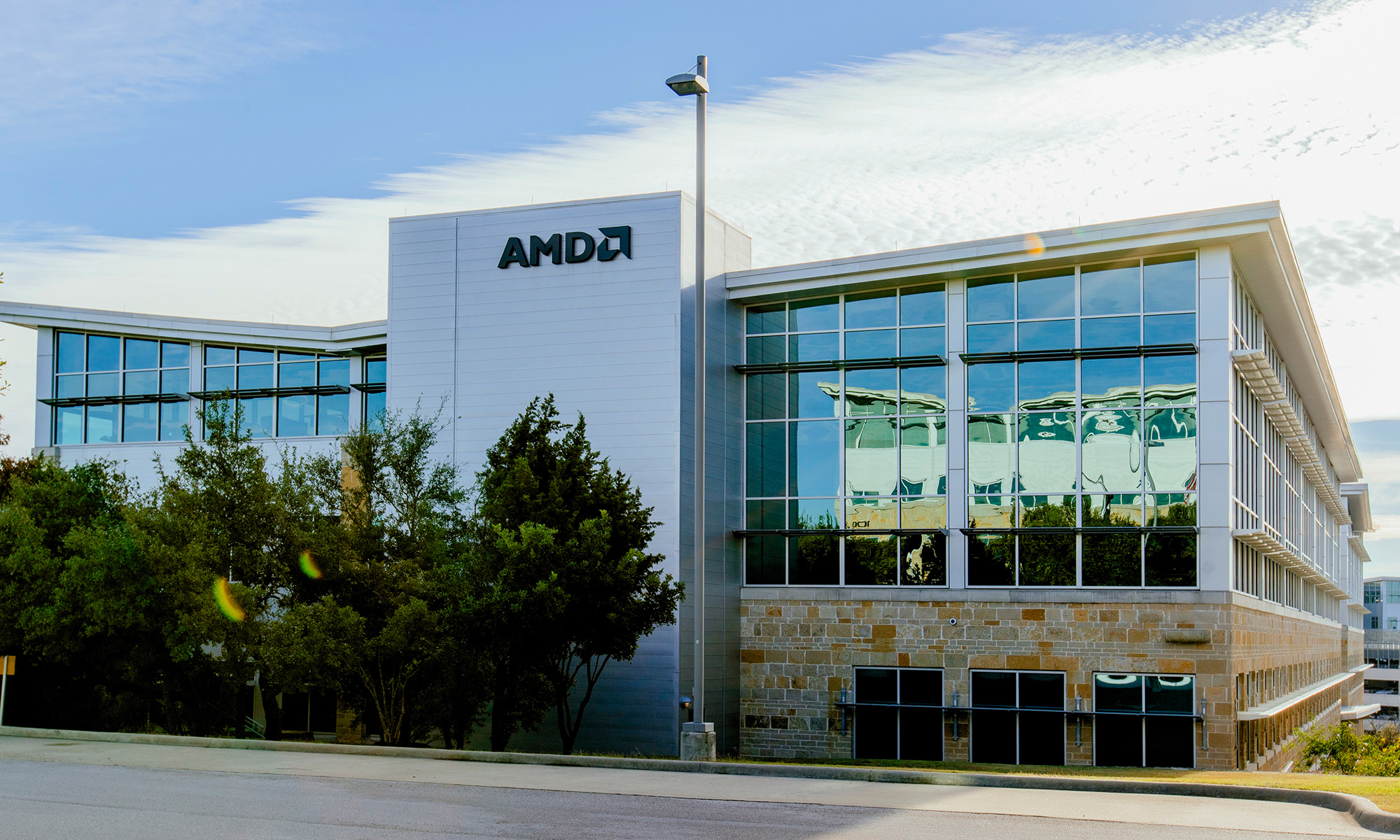
Advanced Micro Devices, a purveyor of silicon and, increasingly, the promise of artificial intelligence, finds itself at a juncture. Its chips, once confined to the gaming consoles of Microsoft and Sony – transient amusements for a distracted populace – now underpin the ambitions of the data center, that modern-day equivalent of the Siberian gulag, where computation is both liberation and control. The recent disquiet in the markets, a 15% diminution of share value following the fourth quarter reports, is not merely a numerical fluctuation. It is a symptom, a tremor indicating a deeper structural fragility.
The company’s trajectory, once ascending, now hinges upon the capricious whims of OpenAI, a privately-held entity whose valuation exceeds that of many nations. This dependence, this consignment of future earnings to a single customer, is a perilous undertaking. It is a form of economic serfdom, a relinquishing of agency in the pursuit of short-term gain. The reported withdrawal of a proposed $100 billion investment by Nvidia, a behemoth in its own right, is not a mere financial adjustment. It is a signal, a chilling premonition of uncertainty surrounding OpenAI’s viability. The sheer scale of OpenAI’s commitments – $281 billion to Microsoft’s Azure, $300 billion to Oracle – is breathtaking, a testament to unrestrained ambition and a disregard for the fundamental laws of economic sustainability.
The projected purchase of 6 gigawatts of GPU compute capacity from AMD by 2030 – a figure that staggers the imagination – appears increasingly as a phantom obligation. OpenAI’s current revenue, a paltry $20 billion annually, falls woefully short of fulfilling these commitments. The inevitable consequence? A relentless pursuit of further investment, a perpetual dependence on the largesse of others. The situation is a stark reminder of the inherent instability of ventures built on speculation and unsustainable promises.
During the investor conference call, the AMD CEO, Ms. Su, attempted to assuage concerns regarding the OpenAI arrangement. The assurance of initial MI450 GPU shipments in the second half of 2026 offers a momentary reprieve, a fragile shield against the encroaching anxieties. These GPUs, boasting a purported 36-fold performance increase, represent a technological advance, yet they are merely tools, instruments in a larger, more complex game. The Helios data center rack, with its specialized hardware and software, is a marvel of engineering, but it cannot alter the fundamental realities of supply, demand, and financial solvency. The promised capacity, a staggering 3 to 6 million GPUs, represents a monumental expenditure, a potential graveyard of silicon should OpenAI falter.
The Illusion of Growth
AMD’s total revenue for 2025 reached $34.6 billion, with the data center segment contributing a record $16.6 billion – a figure presented as evidence of robust growth. However, such metrics, divorced from context, are deceptive. The dependence on a single, precarious customer undermines the very foundations of this growth. The projected annual increase of 60% in data center revenue, while impressive on the surface, is predicated on the fulfillment of OpenAI’s obligations. Should those obligations remain unfulfilled, the illusion of growth will dissipate, revealing a landscape of diminished expectations and unrealized potential.
A Cautious Assessment
AMD’s price-to-earnings ratio of 49.9, exceeding that of Nvidia (43.5), suggests a premium valuation that appears, at best, optimistic. Nvidia, the established leader in AI hardware, generates greater revenue and demonstrates faster growth. AMD’s premium valuation, therefore, lacks justification. While a long-term investor might be tempted by the prospect of accelerated growth, prudence dictates caution. The current market jitters, coupled with AMD’s high valuation, render the stock vulnerable to further decline.
Patience, in this instance, is not merely a virtue; it is a necessity. A more favorable buying opportunity may present itself in the coming months, as the market recalibrates its expectations and acknowledges the inherent risks associated with this ambitious, yet precarious, venture. The situation demands a dispassionate assessment, a willingness to confront the uncomfortable truths that lie beneath the surface of optimistic projections.
Read More
- Gold Rate Forecast
- Games That Faced Bans in Countries Over Political Themes
- Silver Rate Forecast
- Unveiling the Schwab U.S. Dividend Equity ETF: A Portent of Financial Growth
- 22 Films Where the White Protagonist Is Canonically the Sidekick to a Black Lead
- Superman Flops Financially: $350M Budget, Still No Profit (Scoop Confirmed)
- 20 Movies Where the Black Villain Was Secretly the Most Popular Character
- Celebs Who Narrowly Escaped The 9/11 Attacks
- 14 Movies Where the Black Character Refuses to Save the White Protagonist
- Vecna’s Ultimate Goal on STRANGER THINGS 5 and How The Party Can Defeat Him
2026-02-08 16:52