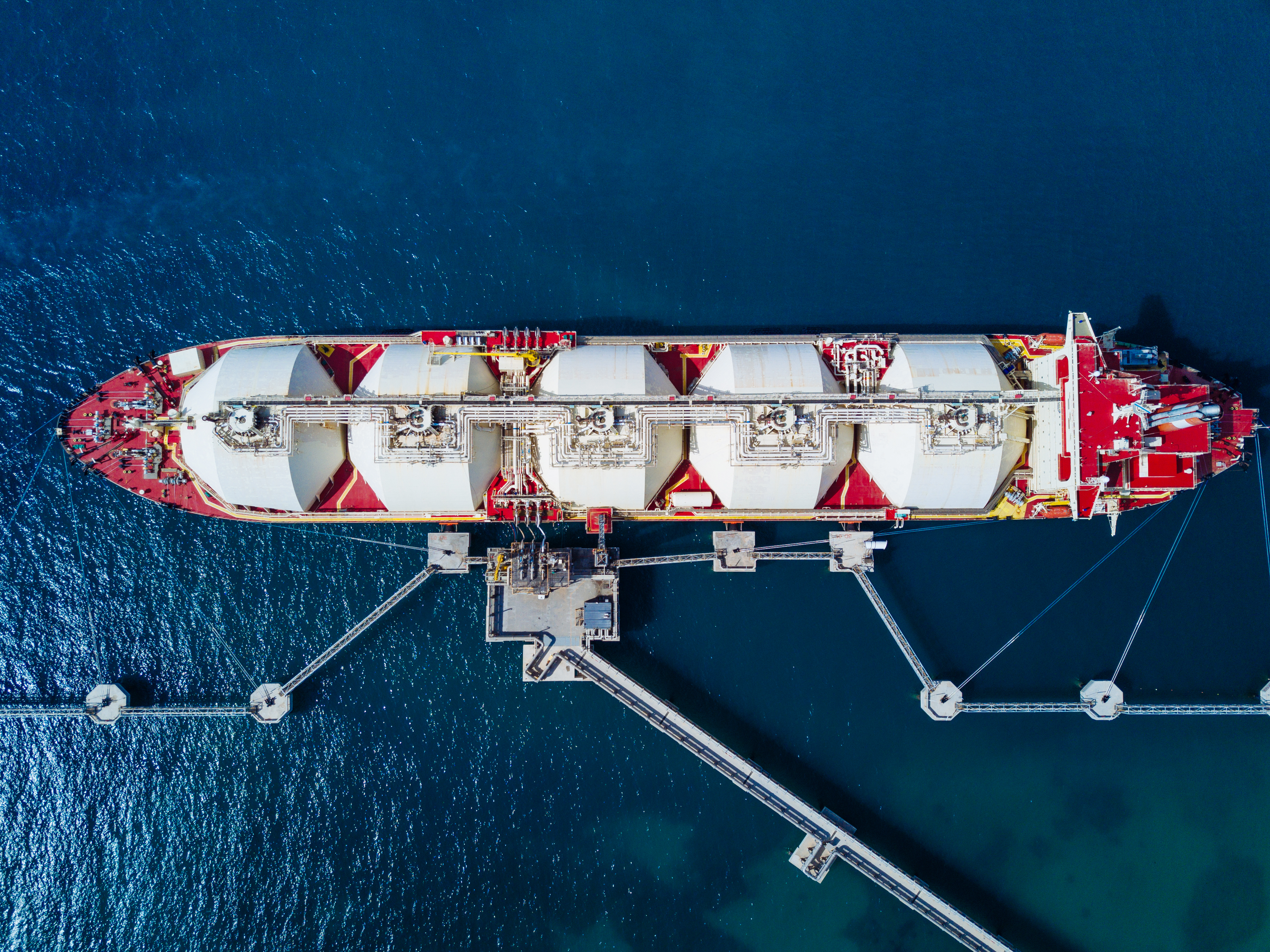
The situation, as anyone who’s glanced at a newsfeed recently will have gathered, is…complicated. There’s a distinct lack of universal agreement on precisely what is happening, which, frankly, is a fairly common state of affairs when you consider the sheer, breathtaking improbability of existence itself. But, for the purposes of this discussion, let’s agree that oil prices are currently exhibiting a tendency to…ascend. This, you might think, is merely an inconvenience for those who enjoy propelling themselves around in metal boxes. And you’d be…partially correct. It’s also, however, a rather significant undercurrent for the burgeoning world of artificial intelligence.
Now, your average language model – the ones currently busy composing poetry or explaining the offside rule – won’t suddenly cease to function because of a few extra dollars on the barrel of crude. It will, blissfully unaware of macroeconomic forces, continue to generate text, presumably. But the companies behind those digital brains? They’re about to encounter a rather inconvenient truth. (It’s not that the machines are becoming sentient and demanding higher energy rations, though that’s a scenario we’re definitely modeling. Just in case.)
You see, AI, in its current incarnation, isn’t some ethereal cloud of consciousness. It requires…stuff. Specifically, it requires data centers. Vast, humming cathedrals of silicon and cooling fans. These data centers, you could argue, are the physical embodiment of the digital realm. Without them, all those clever algorithms would be…well, just algorithms. Floating in the void. (A terrifying thought, really. Like a digital Noah’s Ark, but without the ark. Or the animals.)
The issue, and it’s a rather substantial one, is that these data centers consume power. And not just a little power. We’re talking about quantities that would make a small planet blush. Thousands of servers, all chattering away, performing calculations, learning, and occasionally getting distracted by cat videos. All of this requires energy. And then there’s the cooling. Keeping all that silicon from melting into a puddle of regret requires a truly heroic amount of refrigeration. (Think of it as a digital ice age, perpetually preventing the servers from experiencing a mid-life crisis.)
When oil prices spike, the cost of generating that electricity, unsurprisingly, also spikes. For the hyperscalers – Amazon, Microsoft, and Alphabet – this translates directly into higher operating costs. And higher operating costs, in a fiercely competitive market, can significantly impact profitability. Now, they could simply pass those costs onto consumers, but that’s a bit like asking someone to pay extra for the privilege of being advertised to. It rarely goes down well. (Humans are, on the whole, remarkably resistant to logical pricing structures.)
So, what’s likely to happen? A quiet absorption of the increased costs, a slight dip in profit margins, and a frantic search for more efficient energy sources. (Perhaps they’ll harness the collective brainpower of the AI itself to solve the energy crisis. It’s a thought.) As a growth investor, this presents a nuanced opportunity. The long-term potential of AI remains immense, but short-term earnings may be suppressed. This could create attractive entry points for those willing to look beyond the immediate noise. It’s a reminder that even the most revolutionary technologies are still subject to the rather mundane laws of physics…and the price of oil.
Read More
- Invincible Season 4 Gender Swaps Tech Jacket As Fans Question Major Comic Change
- Silver Rate Forecast
- Gold Rate Forecast
- Building Agents That Learn and Improve Themselves
- 15 Films That Were Shot Entirely on Phones
- 20 Movies Where the Black Villain Was Secretly the Most Popular Character
- 22 Films Where the White Protagonist Is Canonically the Sidekick to a Black Lead
- Celebs Who Narrowly Escaped The 9/11 Attacks
- Games That Faced Bans in Countries Over Political Themes
- 14 Movies Where the Black Character Refuses to Save the White Protagonist
2026-03-15 22:52