
As a film lover, I’ve noticed something really interesting happening lately. More and more actresses are openly talking about roles they took earlier in their careers and how they see them differently now. It’s often about realizing past projects didn’t do a great job with representation – things like whitewashing or just a general lack of diversity. They’re expressing regret if their characters reinforced harmful stereotypes or didn’t give a voice to communities that deserved to be heard. To me, it shows a positive shift – Hollywood stars are finally being held accountable and are connecting with audiences in a more thoughtful way. It’s a sign of the times, and I think it’s a good thing.
Anne Hathaway
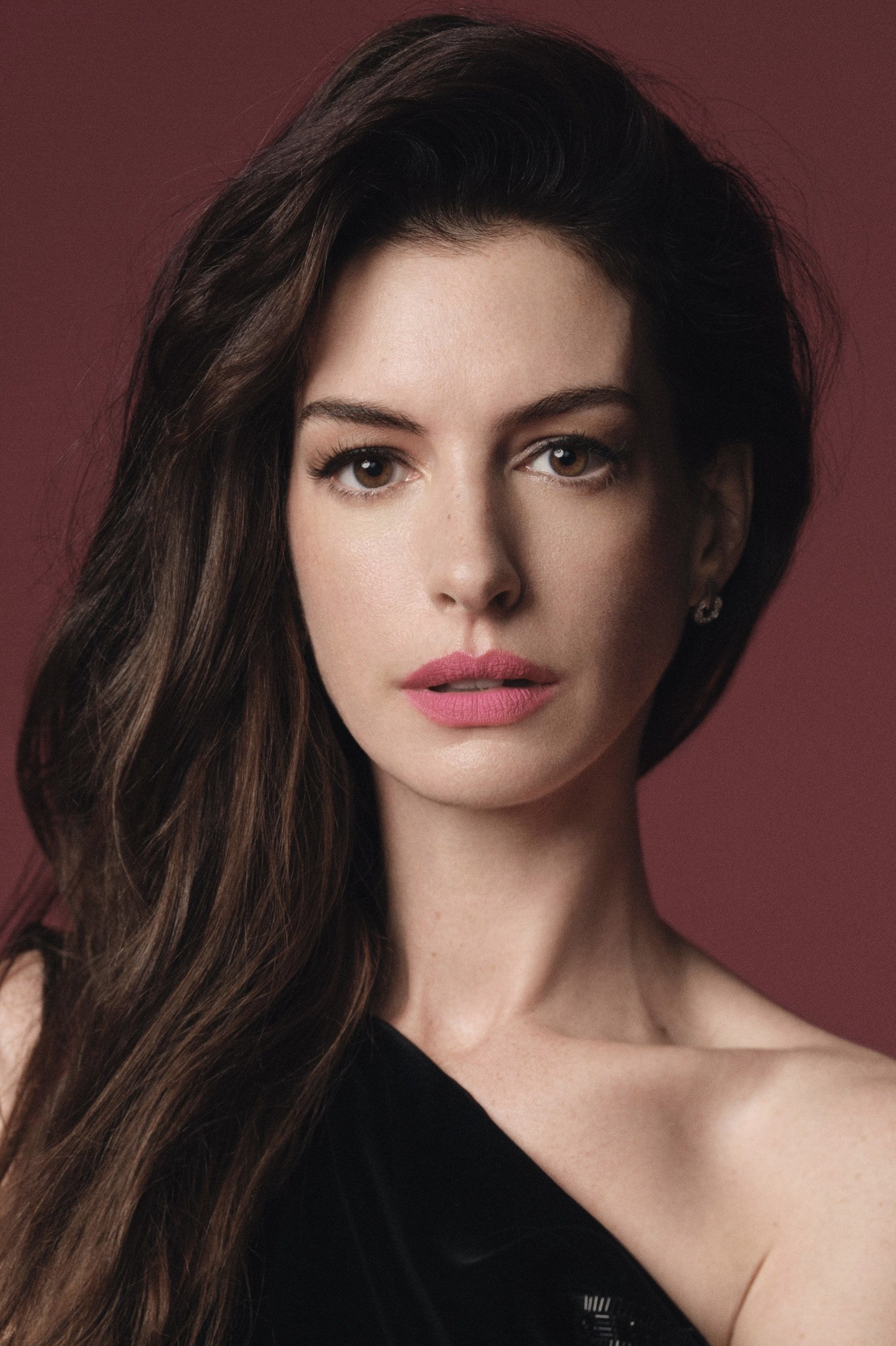
Anne Hathaway apologized after her movie ‘The Witches’ sparked criticism about how her character was portrayed. Many viewers felt the character’s appearance was insensitive to people with limb differences. Hathaway explained she hadn’t realized the connection between the character’s design and the experiences of those with limb differences, and she deeply regretted causing any pain. She’s committed to being more inclusive in her future work and has been working with advocacy groups to learn how visual choices in movies can affect others.
Scarlett Johansson
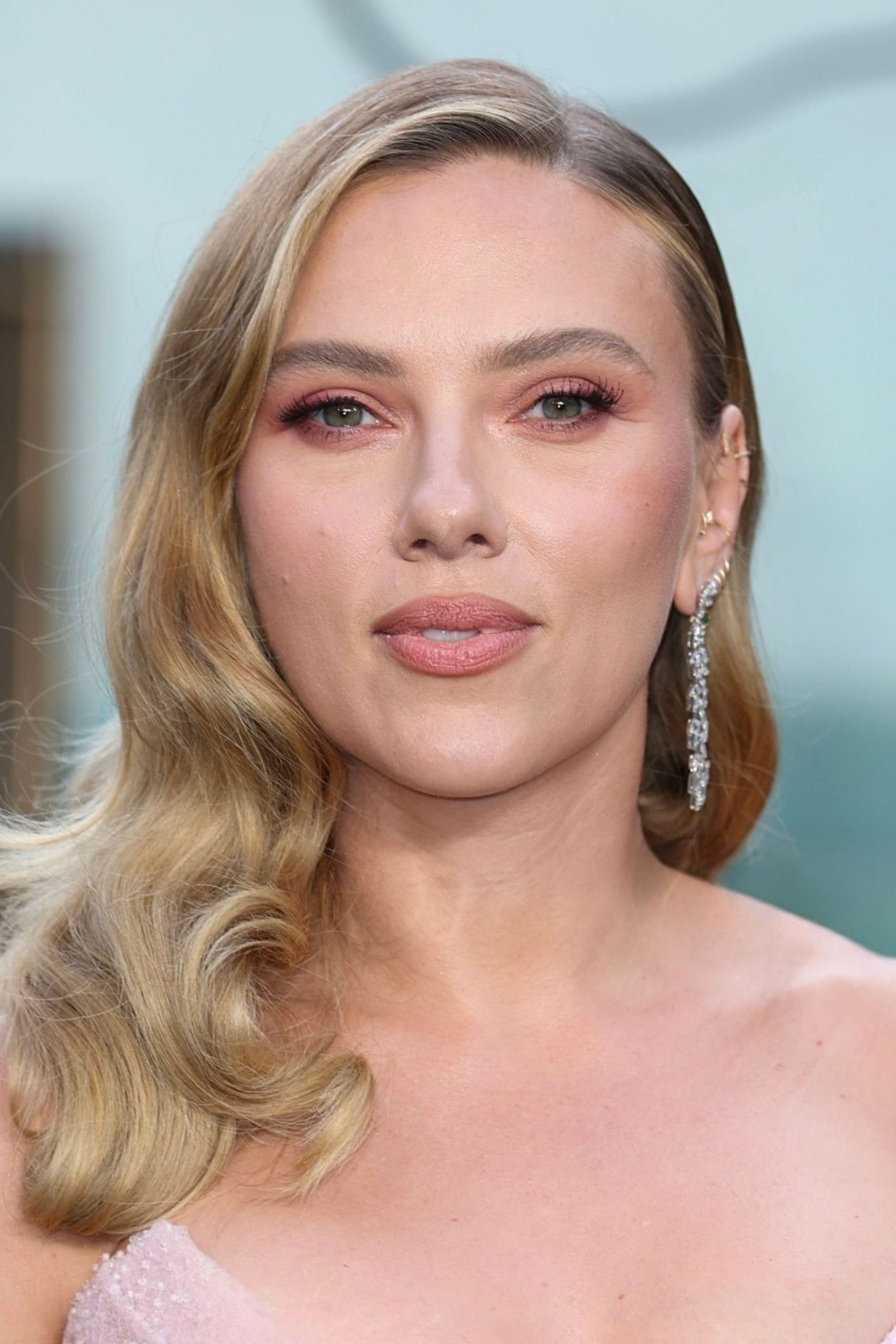
Scarlett Johansson received criticism for playing the main role in the film ‘Ghost in the Shell’, with many people arguing that the part should have gone to an actress of Japanese heritage. She later agreed that the discussion about a lack of diversity in Hollywood was valid. Following similar public concerns, she also stepped away from the film ‘Rub & Tug’, where she was originally cast as a transgender man. Johansson has since said she didn’t respond well to the initial criticism and wants to see more diversity in film.
Zoe Saldaña
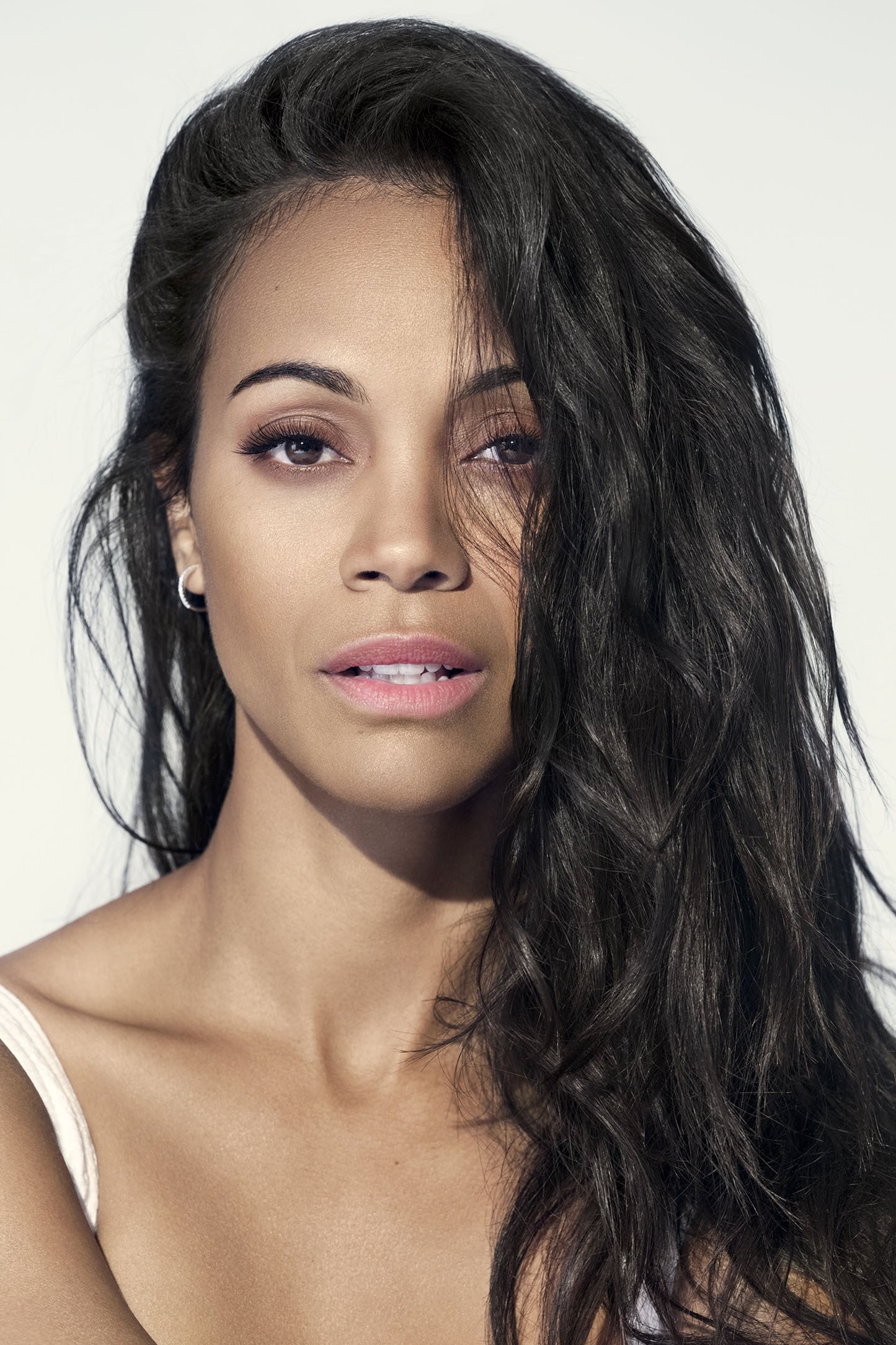
Zoe Saldana starred as Nina Simone in a biographical film, but the production quickly faced backlash. Critics pointed out that Saldana wore makeup to darken her skin and a prosthetic nose to more closely resemble Simone. Saldana has since said she regrets taking the part, explaining she should have pushed for a Black actress to play the role. She apologized for not understanding how important Simone’s appearance was to her identity and legacy. Now, she encourages filmmakers to be more thoughtful when portraying stories about racial identity.
Emma Stone
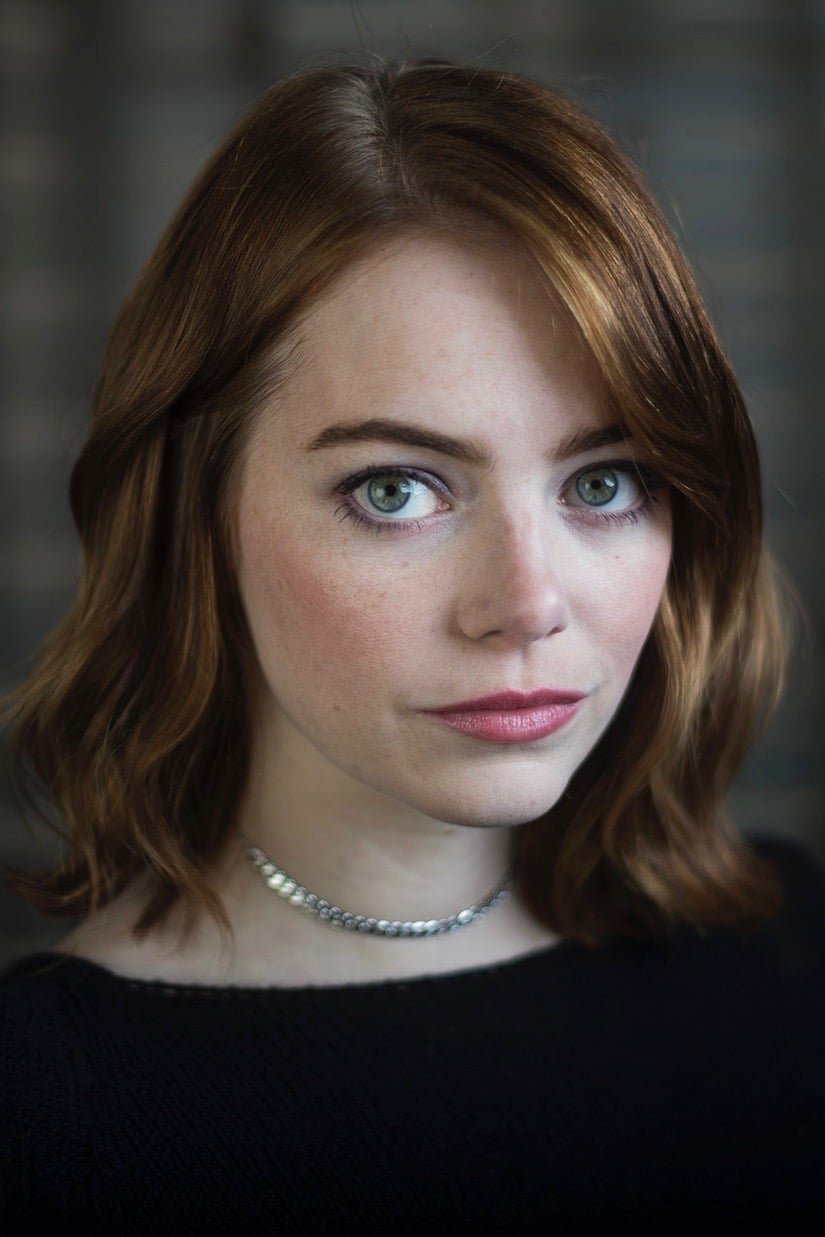
Okay, so remember ‘Aloha’ with Emma Stone? Well, she played a character who was supposed to be part Chinese and Native Hawaiian, and honestly, it caused a huge uproar – and rightly so. There was a lot of discussion about why an Asian American actress hadn’t been cast in the role, and it brought up a really important point about representation in Hollywood. Emma actually addressed it pretty directly, even apologizing during an awards show and in interviews. She admitted she’d become the butt of jokes about it, but she understood why people were upset. Since then, she’s been a big advocate for more authentic stories and better representation for all kinds of people in the film industry, which I really respect.
Gwyneth Paltrow
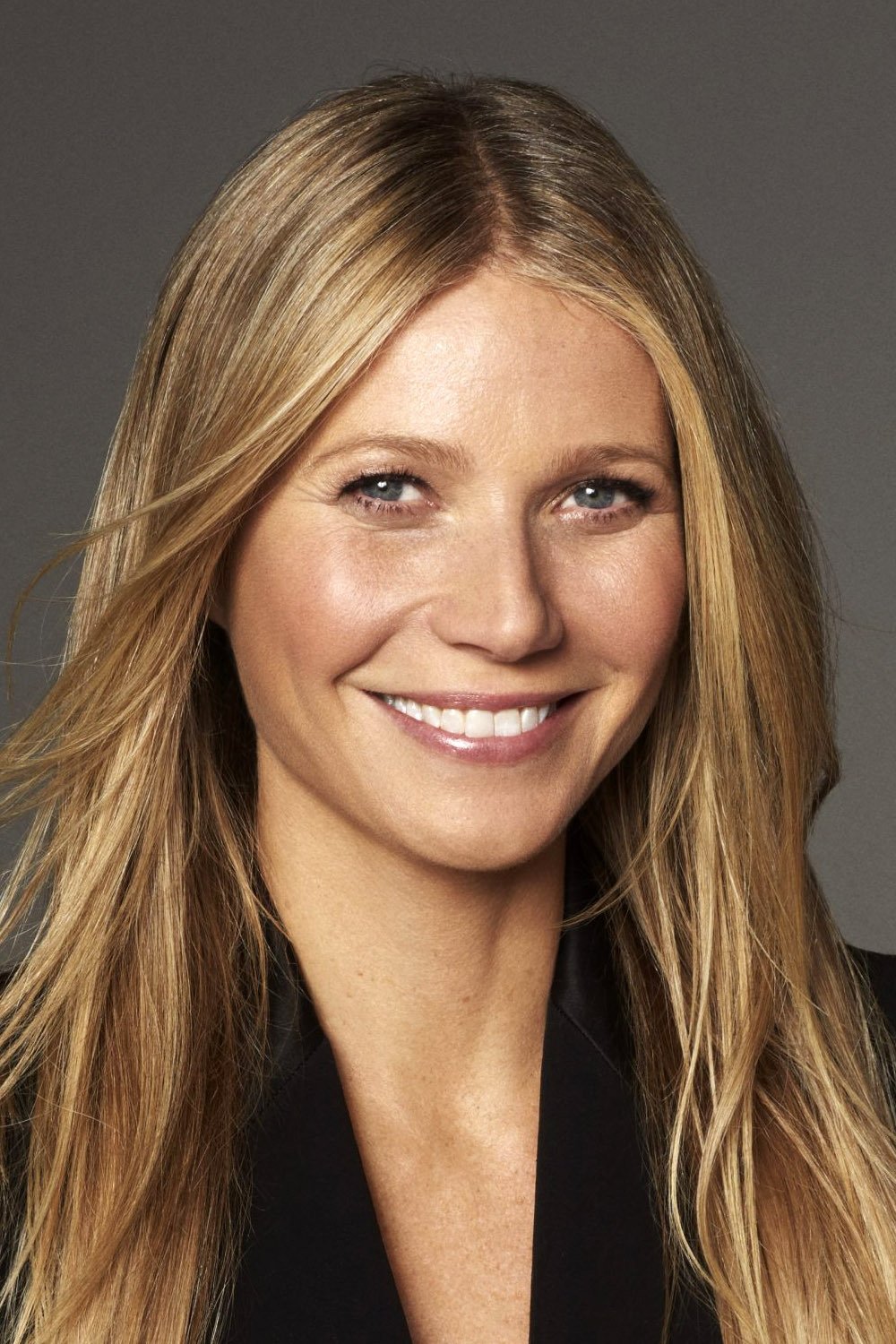
Gwyneth Paltrow wore a prosthetic suit to appear larger for her role in the movie ‘Shallow Hal’. She later explained that wearing the suit in public was a disheartening experience, as she felt ignored and noticed how differently people behaved towards her. Paltrow has expressed regret over making the film, feeling it relied too much on making fun of someone’s weight. She realized the movie’s message didn’t match her own beliefs about body image and treating people with respect, and now avoids roles that use physical appearances for laughs.
Halle Berry
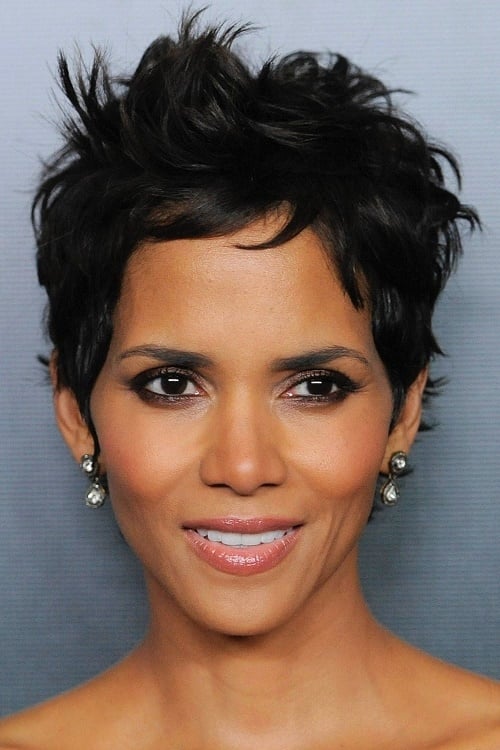
Halle Berry initially expressed interest in playing a transgender man in an upcoming role, but after hearing concerns from the LGBTQ+ community about the importance of transgender actors portraying transgender characters, she decided against it. She publicly apologized for her initial comments and acknowledged that the story was best told by someone with lived experience. Berry thanked her fans for their feedback and committed to using her platform to support authentic casting in the future.
Viola Davis
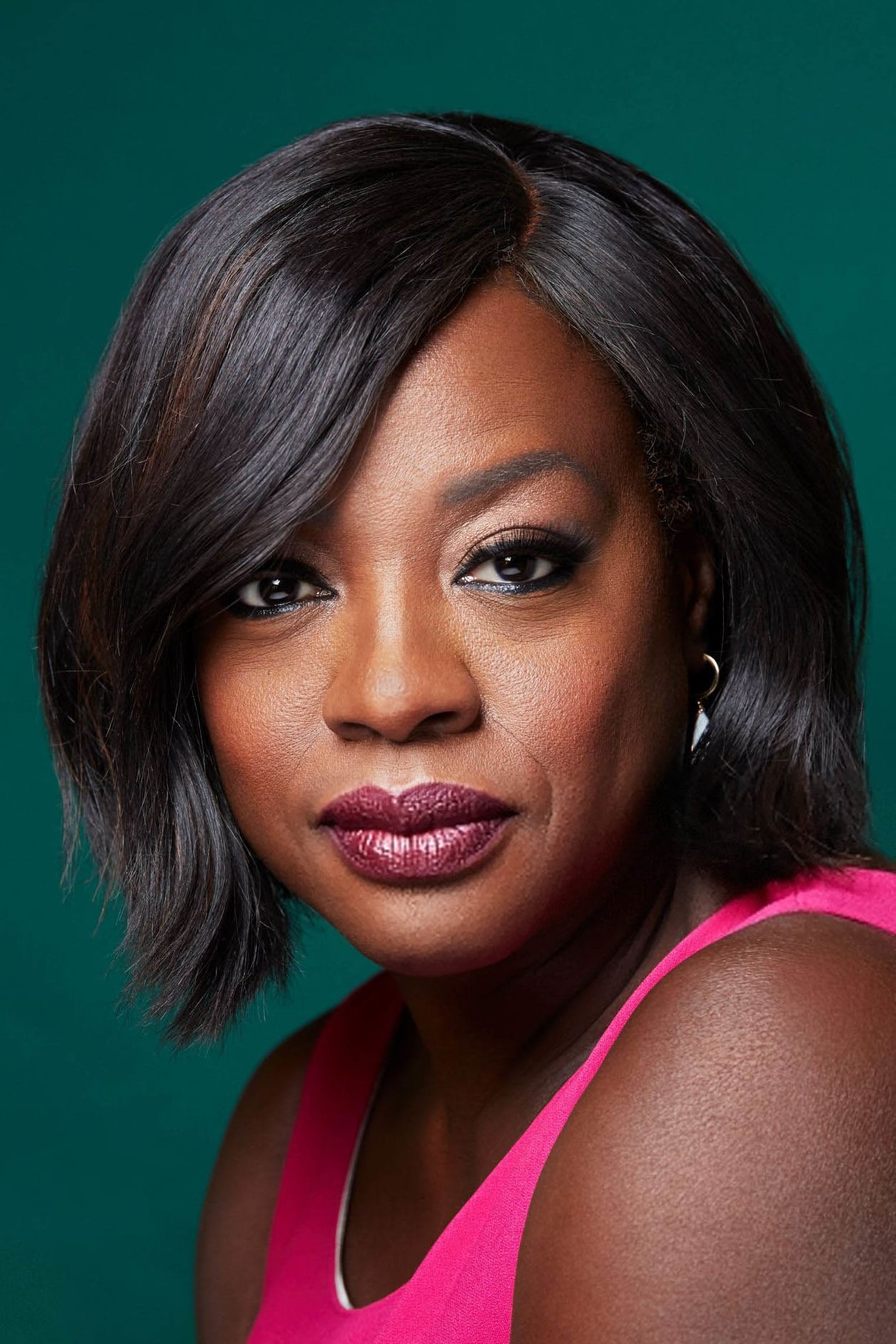
Viola Davis received an Oscar nomination for her work in the movie ‘The Help,’ but she’s since said she regrets being a part of it. She believes the film prioritized the viewpoints of white characters over the real stories of the Black maids it depicted. Davis felt the script didn’t fully capture or honor the voices of the women she played, and now she actively seeks roles that offer a more truthful and complete portrayal of Black women’s lives and experiences.
Jennifer Lawrence
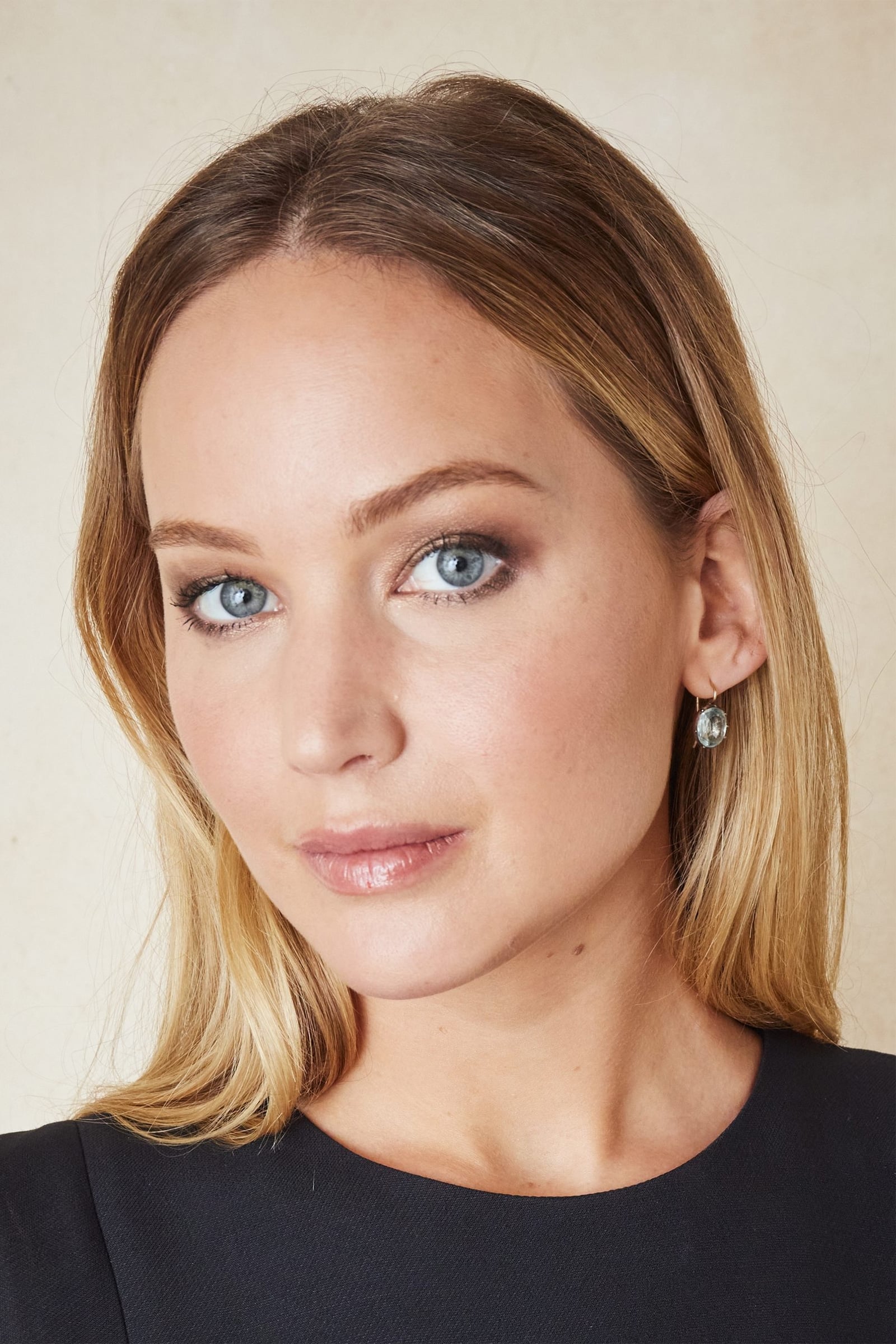
Jennifer Lawrence and Chris Pratt starred in the sci-fi film ‘Passengers,’ which received a mixed reaction from critics. Lawrence later said she should have taken her friend Adele’s advice, who cautioned her about the risks of making space movies. She felt the finished film didn’t quite live up to the promise of the initial script and that it ultimately disappointed fans. Lawrence expressed regret over the project, admitting she hadn’t fully trusted her gut about the story. As a result, she’s now more careful when choosing big-budget films to star in.
Katherine Heigl
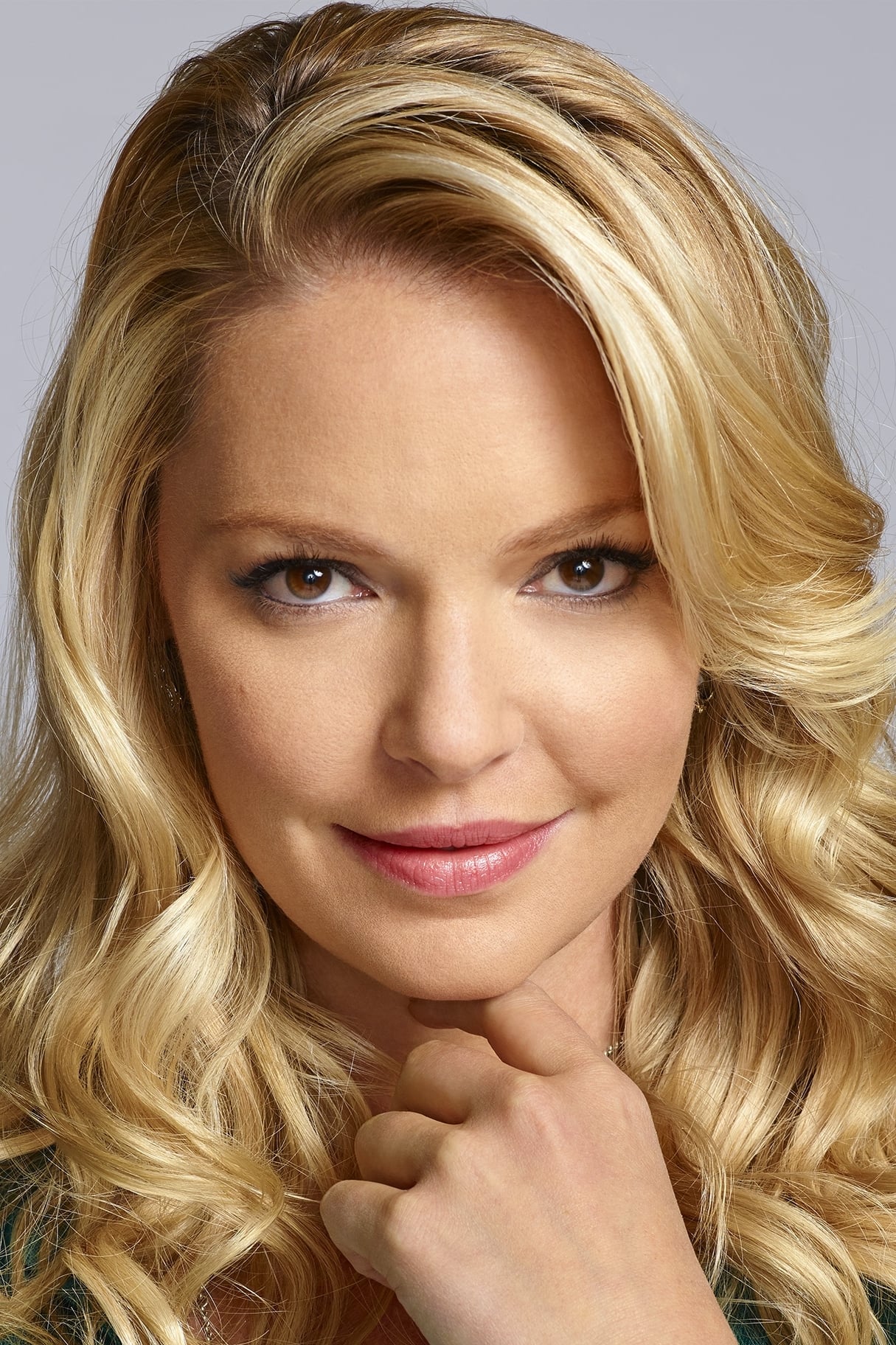
Katherine Heigl became well-known for her role in the comedy ‘Knocked Up,’ but she later expressed some reservations about the film. She felt it leaned towards sexism and didn’t portray women as funny or relaxed. This led to a public disagreement with the director and other actors that lasted for years. Eventually, Heigl explained her views and apologized for how she had initially shared them. While she had a good experience overall, she still felt the way women were depicted in the script was problematic.
Rooney Mara
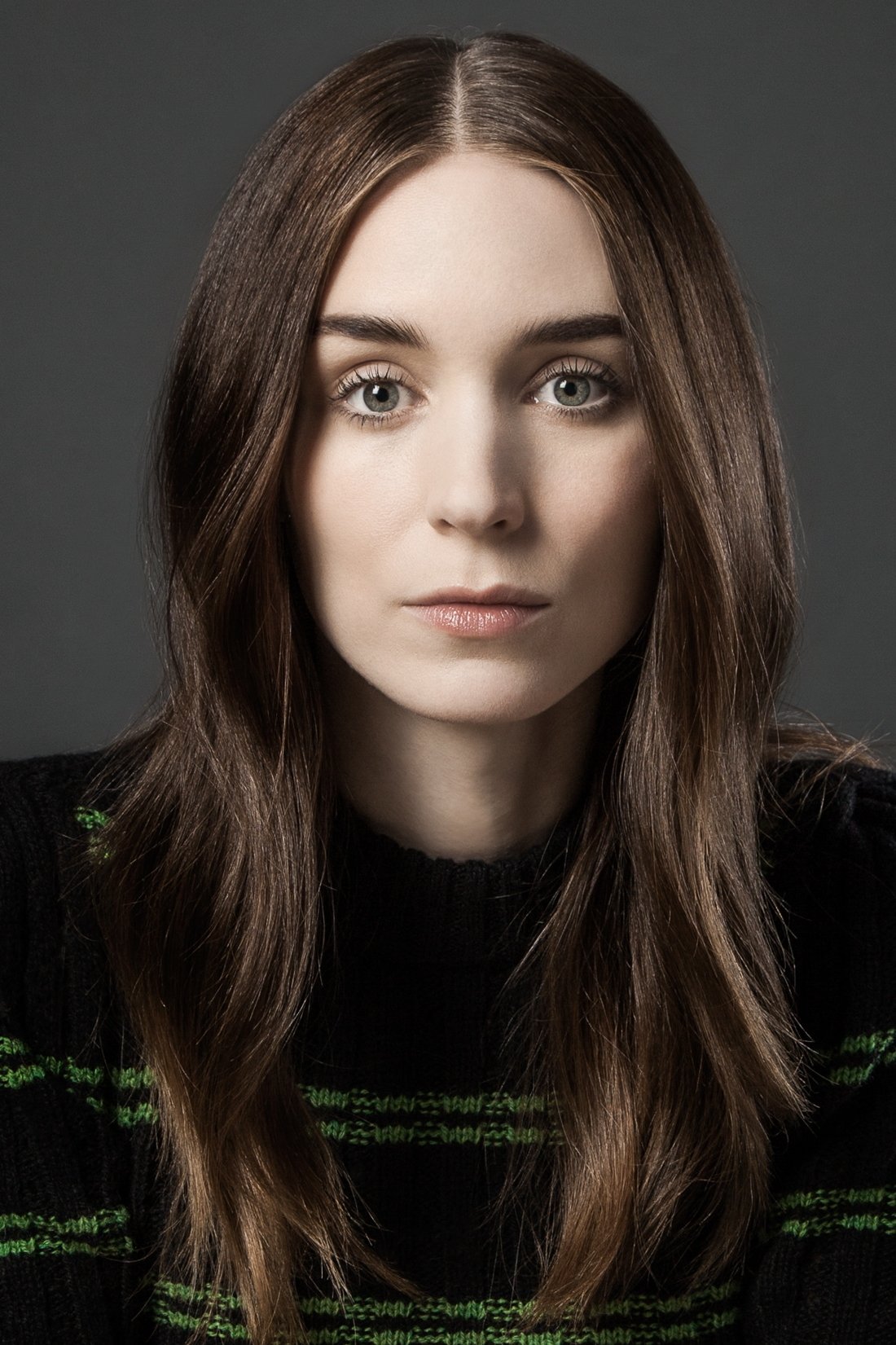
Rooney Mara starred as Tiger Lily in the movie ‘Pan,’ a new take on the classic Peter Pan story. Her casting sparked online criticism because the character is traditionally portrayed as Indigenous, and a white actress was chosen for the role. Mara later said she regretted being part of the controversy surrounding the film’s lack of diversity, acknowledging it was a fair criticism and something she should have thought more carefully about. She emphasized that she didn’t want to contribute to the underrepresentation of minority groups in film.
Thandiwe Newton

During interviews for her film ‘Gods Country,’ Thandiwe Newton spoke openly about colorism in Hollywood. She emotionally apologized to actresses with darker skin tones, acknowledging that she may have taken roles that could have gone to them. Newton explained that her lighter complexion had given her advantages in the industry, and she wants to help change the system by raising awareness about unfair casting practices. She stressed the need for people in the entertainment industry to understand their own privilege.
Jessica Alba
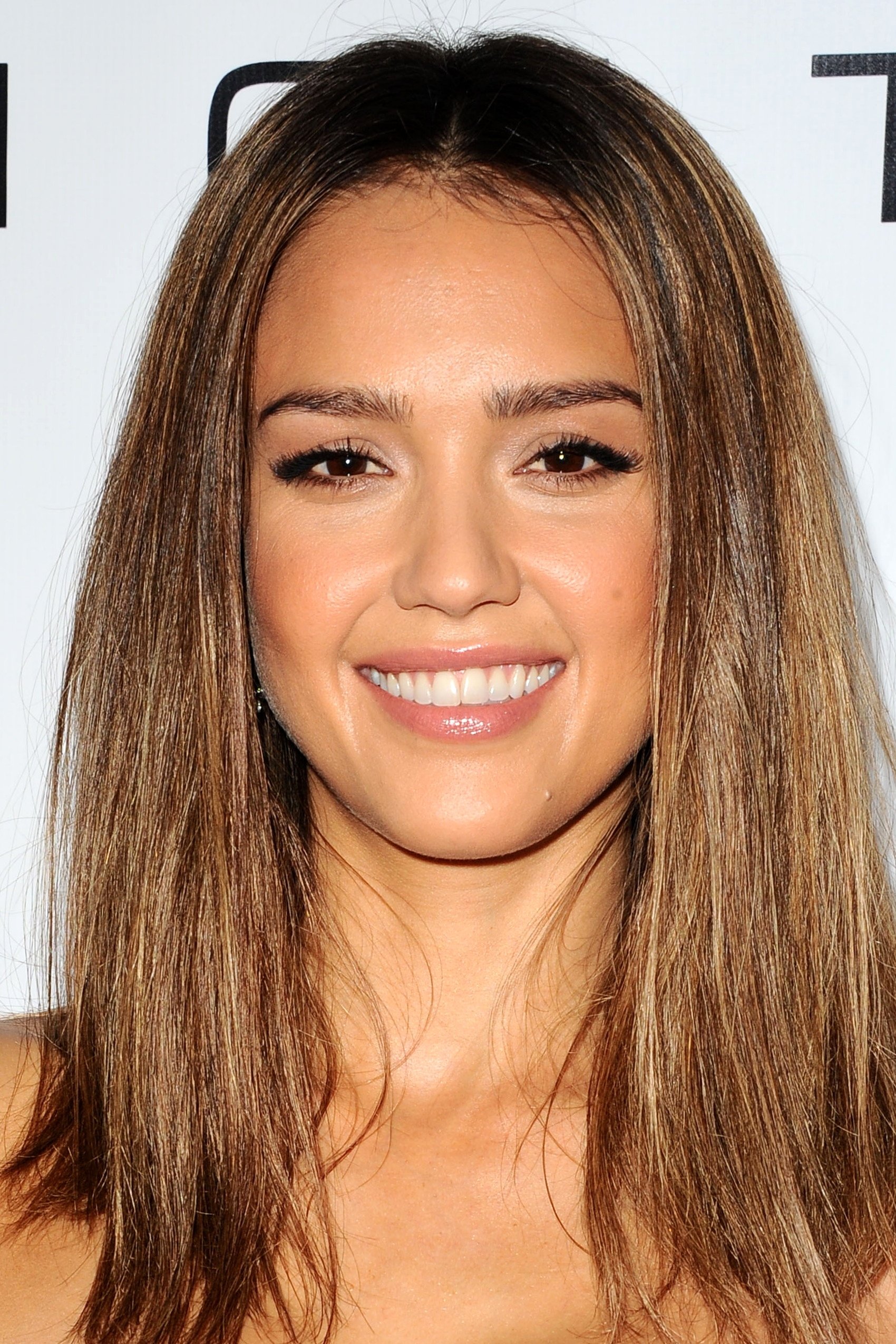
Jessica Alba, who played Sue Storm in ‘Fantastic Four: Rise of the Silver Surfer,’ had a difficult time making the film. She shared that the director once told her to appear more attractive even while portraying sadness, and that her genuine emotions weren’t considered good enough. This made her doubt herself as an actress and regret being involved in the project. Alba has said the experience almost made her stop acting altogether. Since then, she’s focused on her business career, but continues to speak out about the challenges women face in the film industry.
Megan Fox
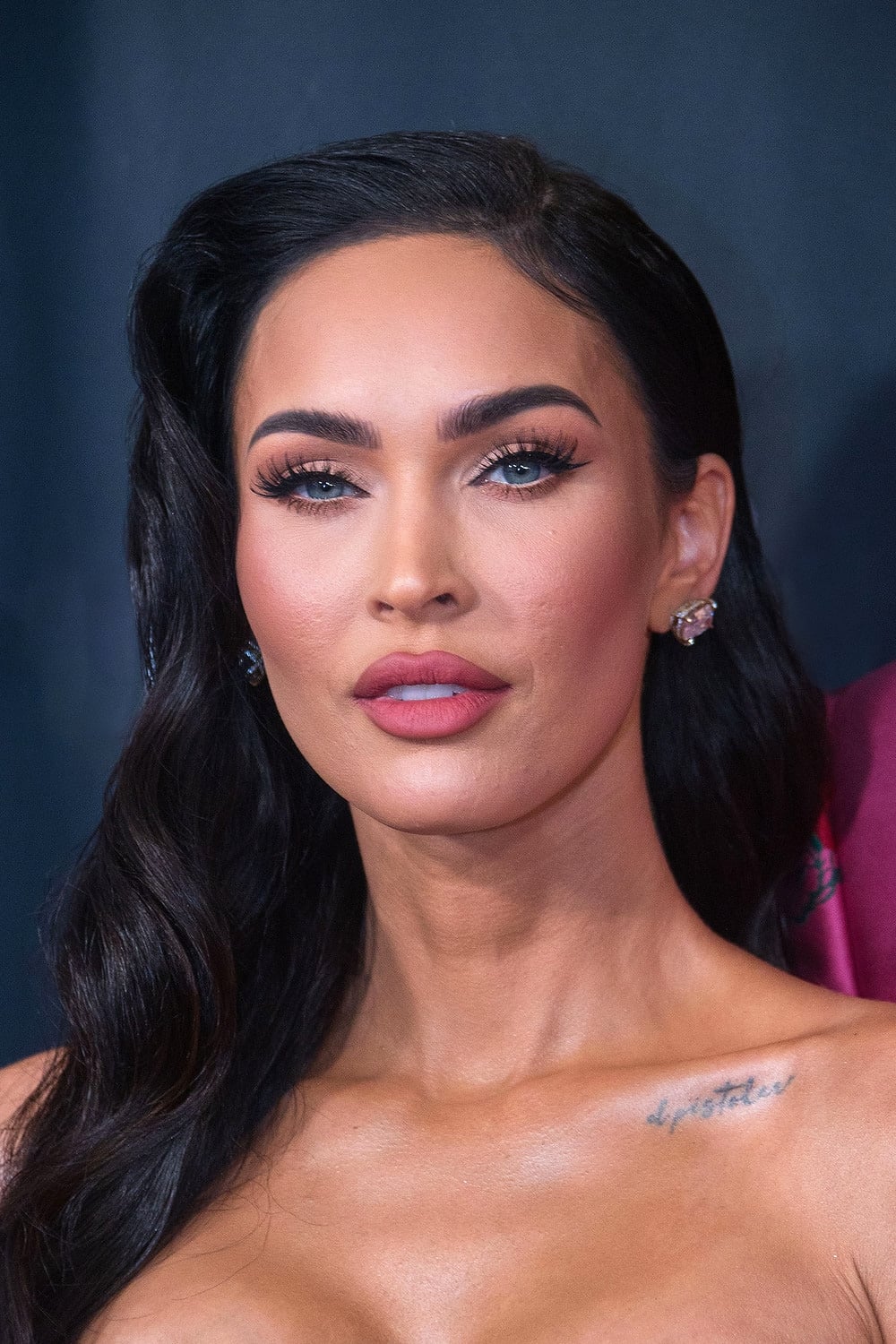
Megan Fox became a global star thanks to the ‘Transformers’ movies, but she had a difficult relationship with the director. She publicly described the set as being run like a dictatorship, which ultimately led to her being replaced in the third film. Later, Fox apologized for how she expressed herself and admitted she hadn’t acted maturely. She’s since made amends with the director and has thought a lot about what she learned from that experience.
Shailene Woodley
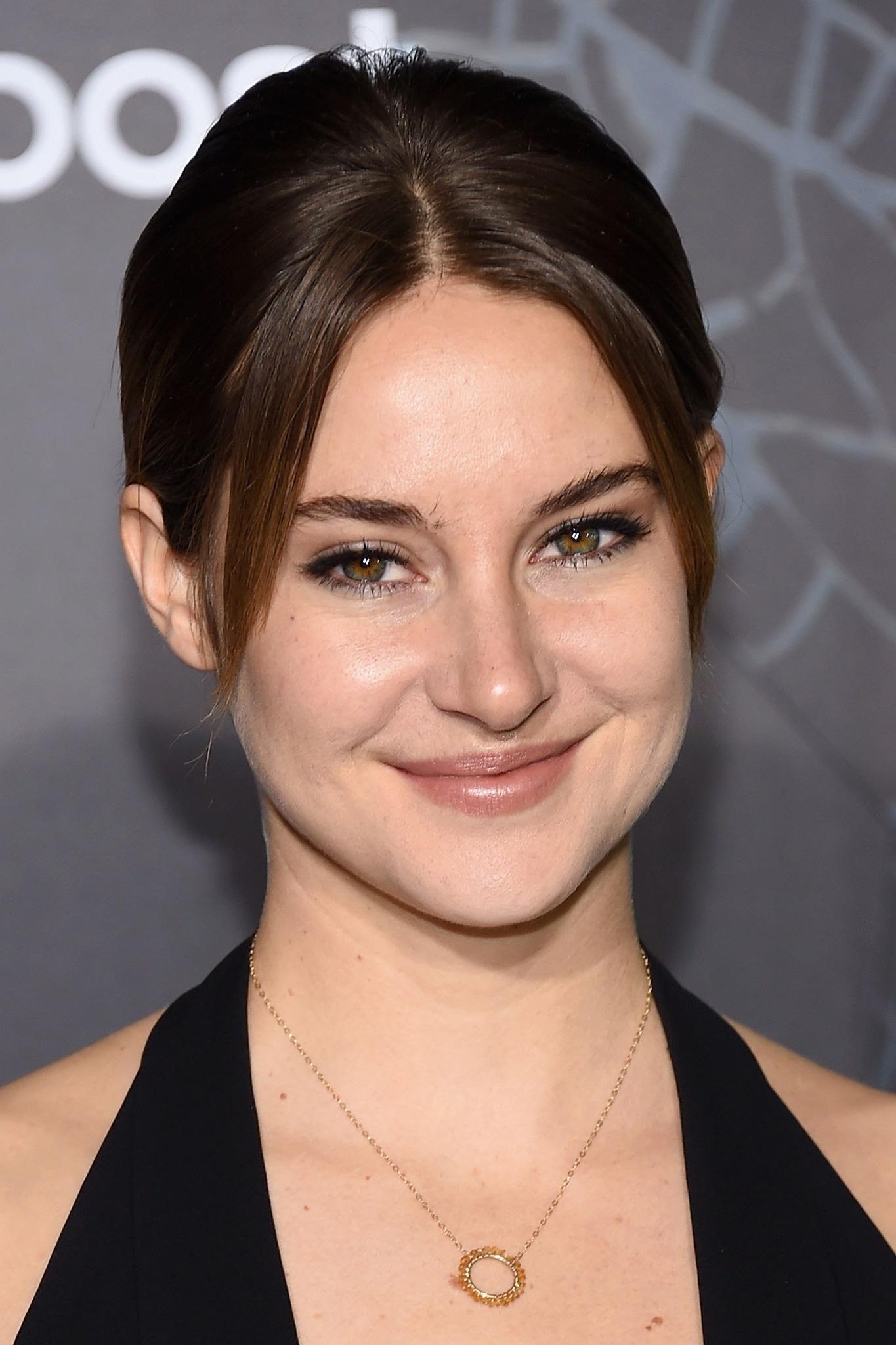
Shailene Woodley first became well-known for her role in the TV show ‘The Secret Life of the American Teenager’. However, as the series went on, she found herself increasingly uncomfortable with the show’s themes and the messages it conveyed. She explained that the storylines didn’t match her own values and she felt pressured to support things she disagreed with. Woodley even apologized to her fans for the show’s direction and was glad when it ended. Now, she focuses on choosing projects that align with her passion for social and environmental causes.
Sarah Jessica Parker
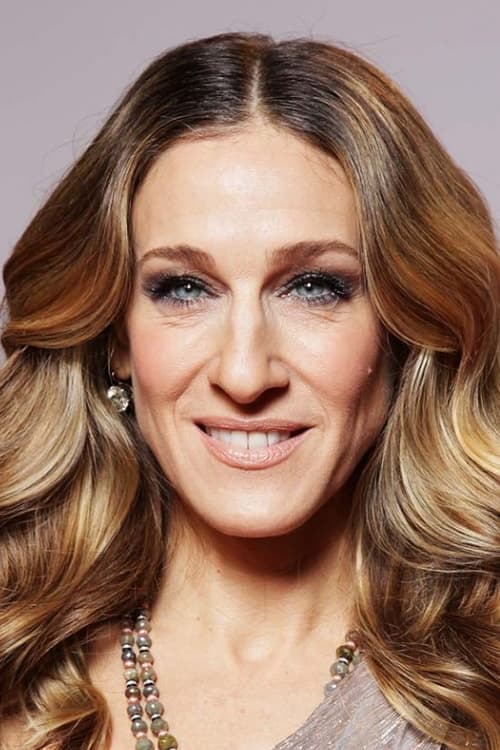
Sarah Jessica Parker reprised her iconic role as Carrie Bradshaw in ‘Sex and the City 2,’ but the film received widespread criticism for its portrayal of Middle Eastern culture and how different it was from the original series. Parker later confessed the movie didn’t live up to expectations and understood viewers’ disappointment. She admitted the filmmakers could have approached the cultural aspects with more care. Since then, she’s been working to bring the franchise back with a fresh, more inclusive perspective.
Jamie Lee Curtis
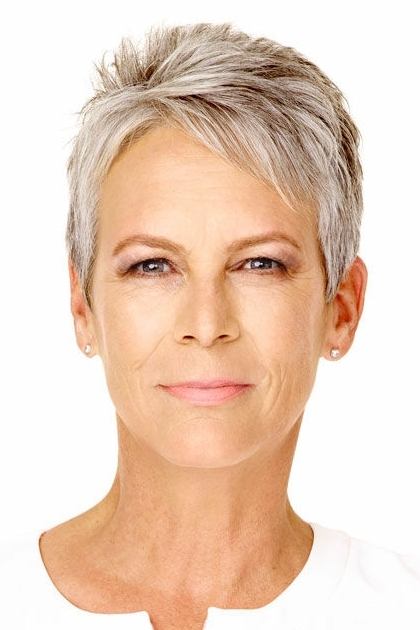
Jamie Lee Curtis acted in the sci-fi horror movie ‘Virus,’ but she’s always been very open about how much she disliked it. She often says it’s the worst film she’s ever been in, even after a long and successful career. She’s apologized to fans who saw the movie and has made jokes about how bad it was in interviews. Curtis has explained that the movie’s production was difficult and the finished product didn’t live up to her expectations. She’s unusual among actors for being so honest and direct when talking negatively about her own work.
Sandra Bullock
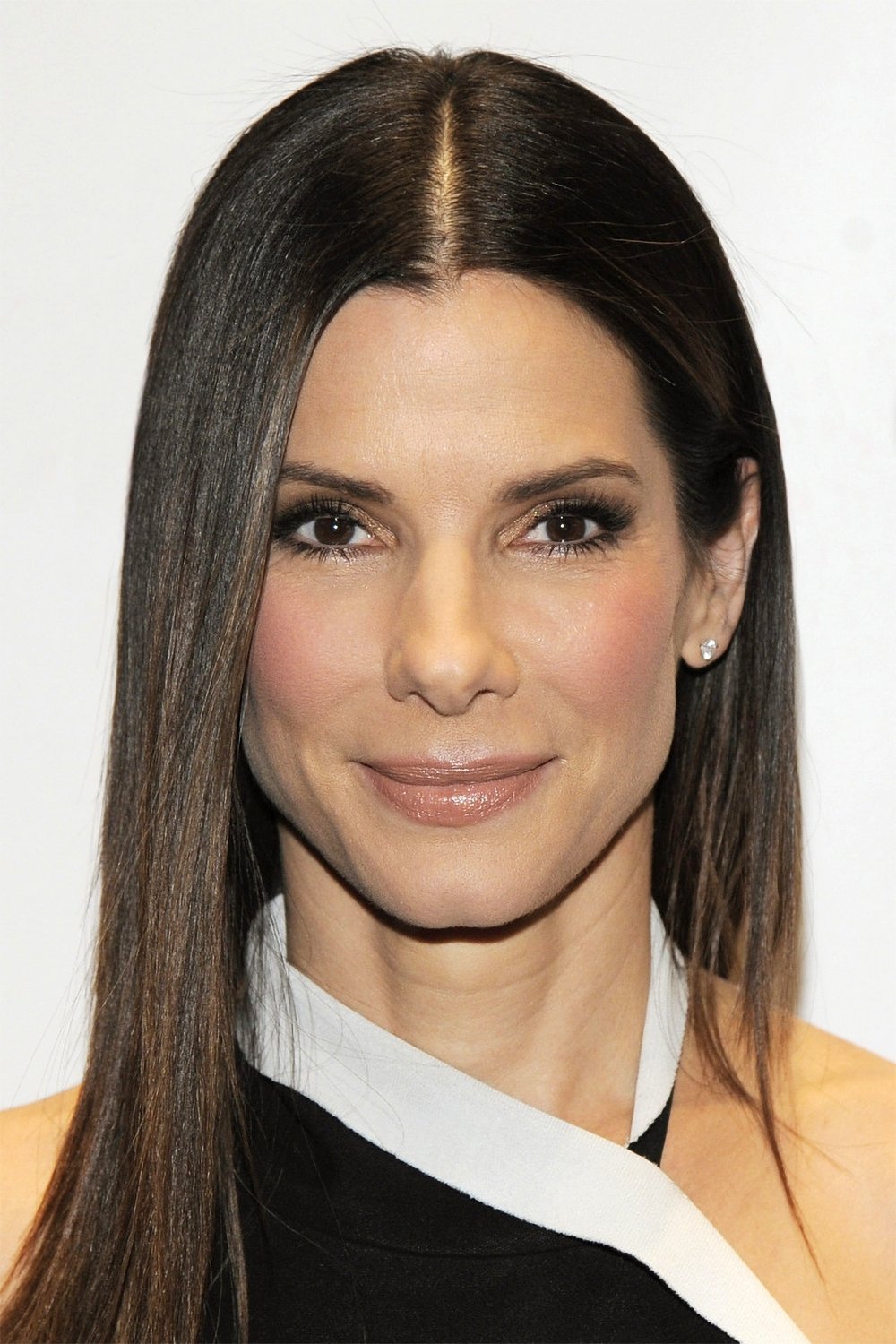
Sandra Bullock famously starred in ‘Speed 2: Cruise Control,’ a sequel widely considered to be one of the most pointless ever made. Bullock has openly expressed her embarrassment about the film, even admitting it didn’t make much sense. She pointed out that a slow-moving boat just couldn’t create the same excitement as the original’s speeding bus. She’s apologized to viewers for being a part of it and still feels awkward talking about it years later. Because of this experience, she now carefully considers whether a story truly needs a sequel before agreeing to participate.
Jenny Slate
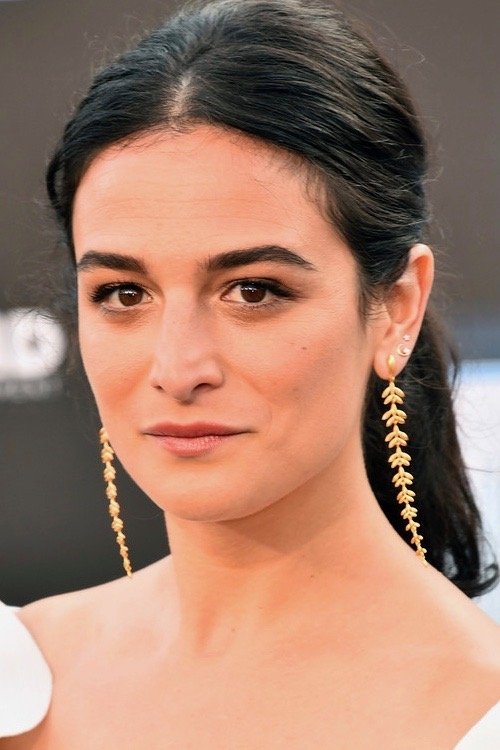
Jenny Slate voiced the character Missy on the animated show ‘Big Mouth’. After a few seasons, she decided to step down so a Black actress could take on the role. Slate explained she regretted initially playing a character of color and realized it reflected her own biases. She understood that her involvement had overshadowed Black voices and experiences, highlighting the issue of white privilege. Ayo Edebiri was then cast to ensure the character was authentically portrayed.
Kristen Bell
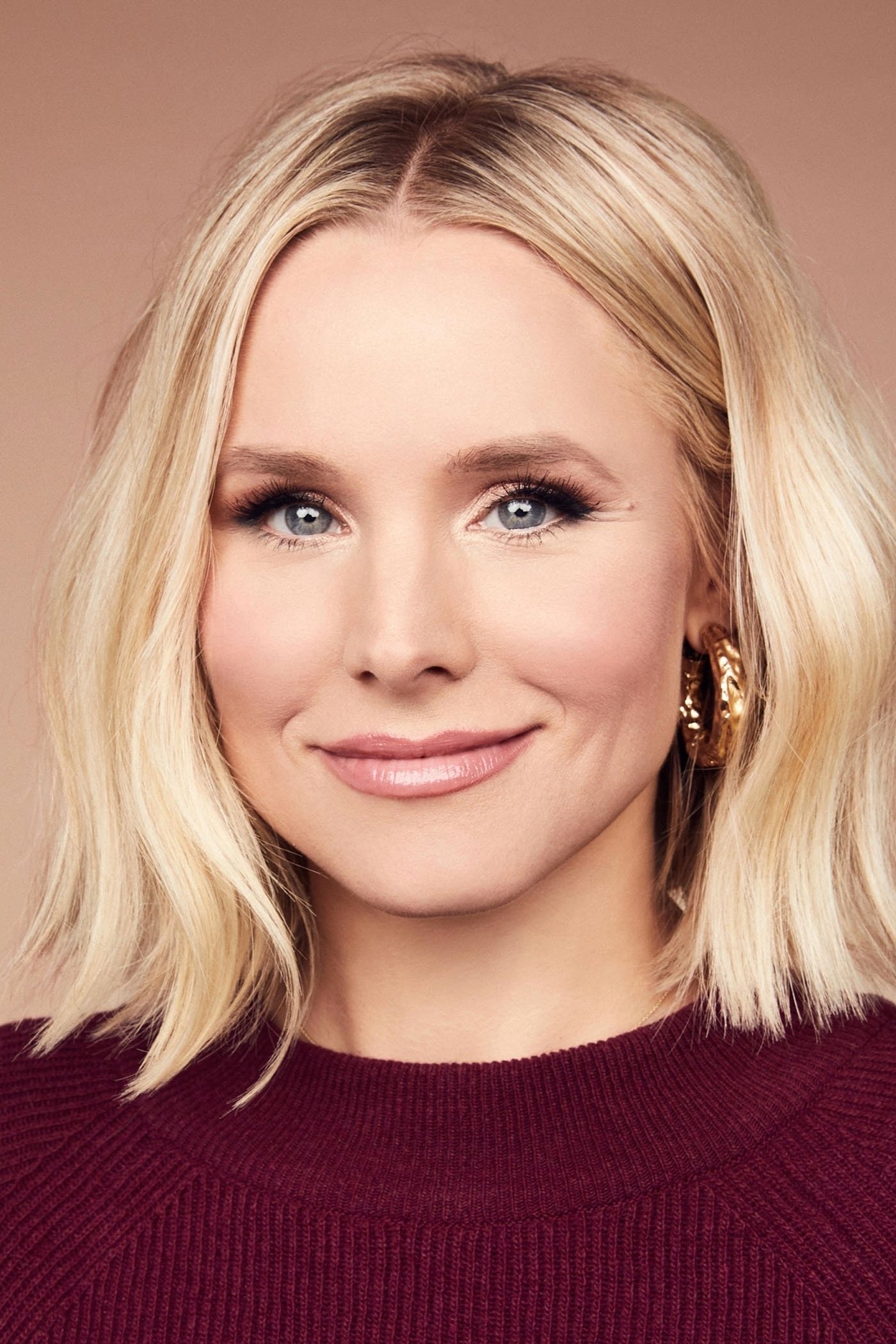
Kristen Bell, who voiced the character Molly on the animated series ‘Central Park’, and the show’s creators decided to recast the role with a Black or mixed-race actor. Bell realized it was important for a person of color to voice the character and apologized for not understanding that initially. She admitted it was a mistake and a sign of her privilege. Bell fully supports finding a new actor and believes it’s a positive step towards more diversity in voice acting.
Alison Brie
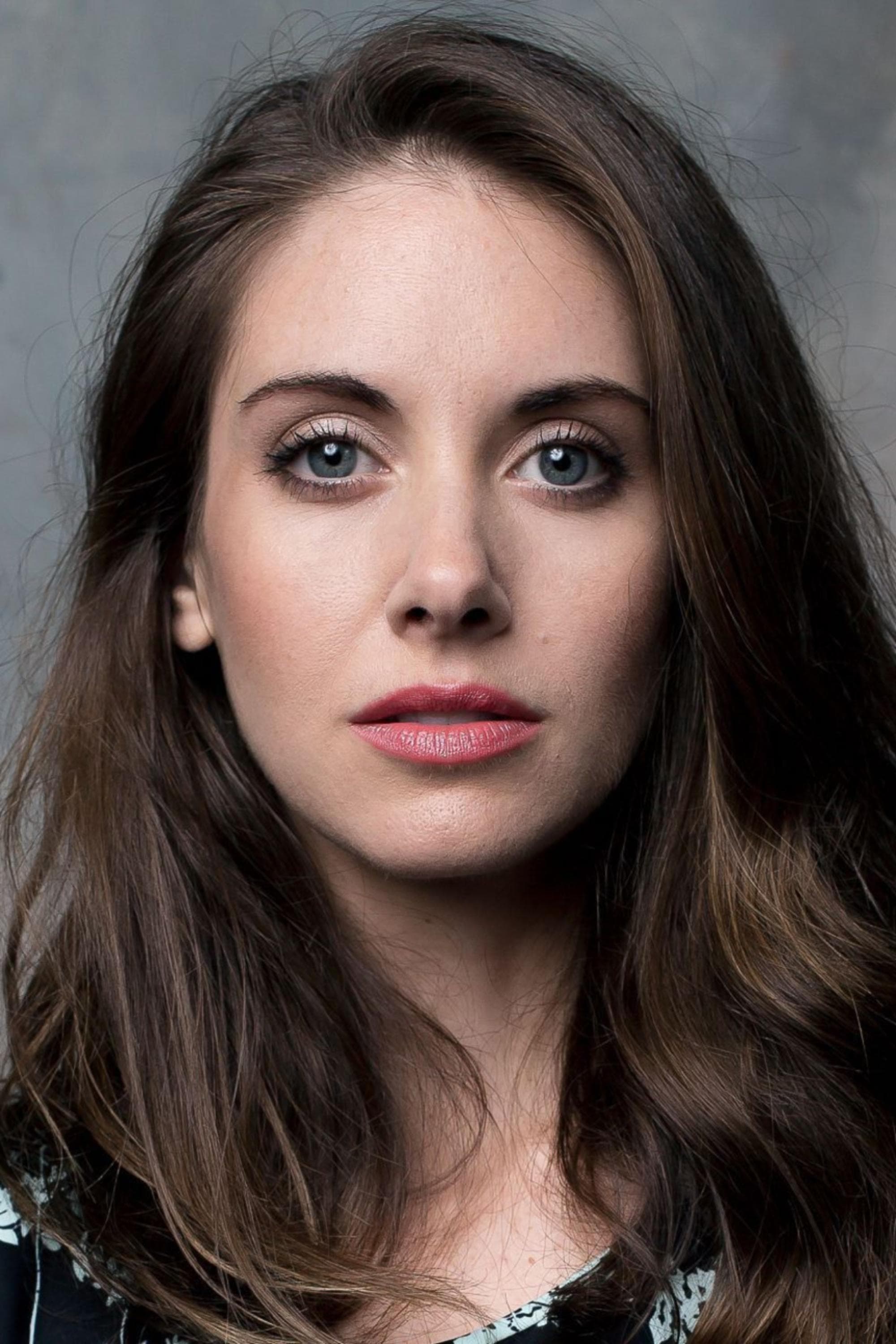
Alison Brie, who voiced the character Diane Nguyen on ‘BoJack Horseman,’ later apologized for taking the role, acknowledging that a Vietnamese actress should have been cast instead. She realized the importance of actors of color voicing characters of the same background for authentic representation and stated she wishes she had understood this when the show began. Since then, Brie has become a supporter of fairer casting in animated series.
Felicity Huffman
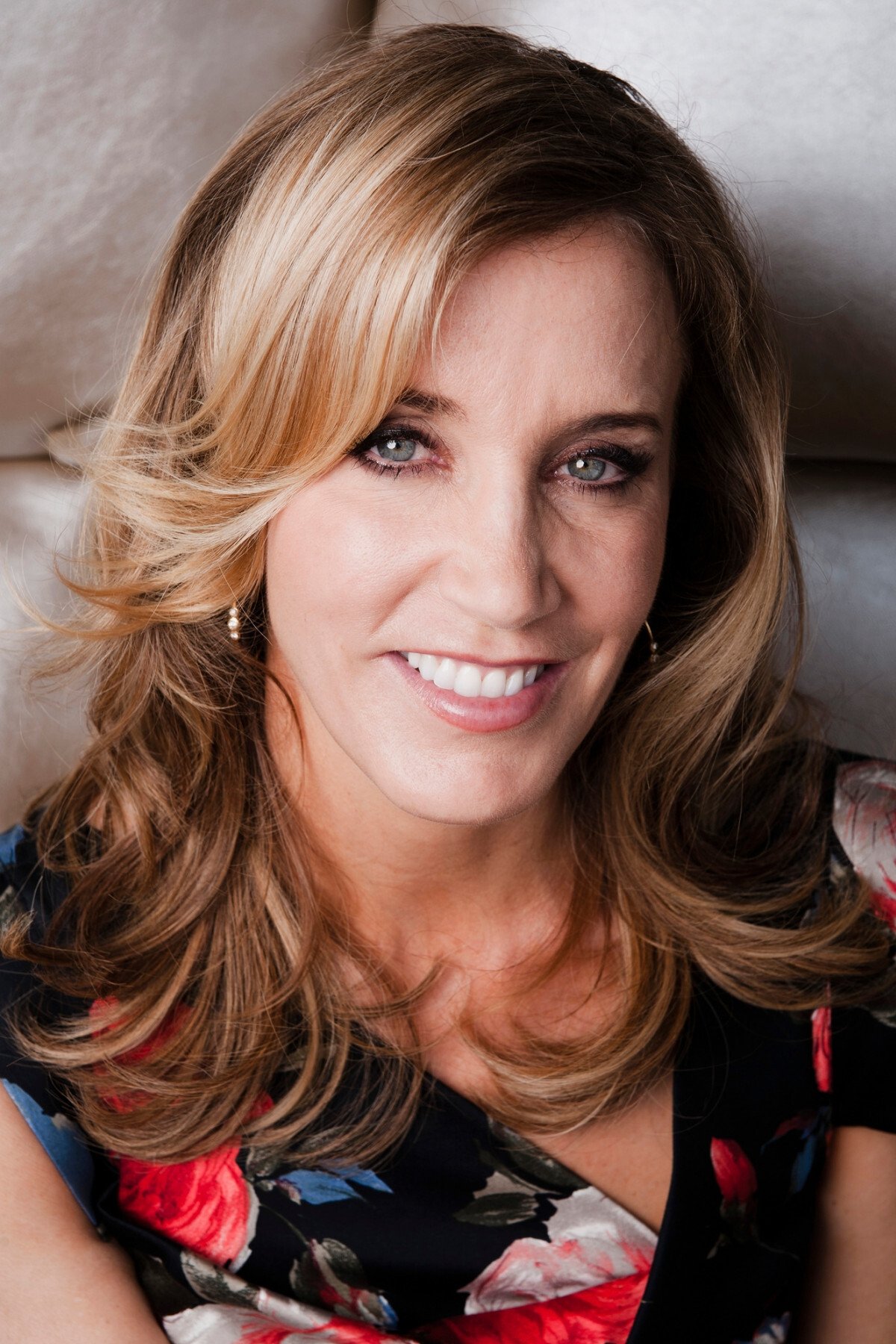
Felicity Huffman was nominated for an Academy Award for her role as a transgender woman in the film ‘Transamerica’. Looking back, she’s recognized the criticism aimed at cisgender actors taking on transgender characters. Huffman has said she wouldn’t accept the role now, believing those opportunities should go to transgender actors. She apologized for contributing to a past pattern of casting that often left the transgender community out, and now advocates for genuine and accurate representation in all forms of storytelling.
Julianne Moore
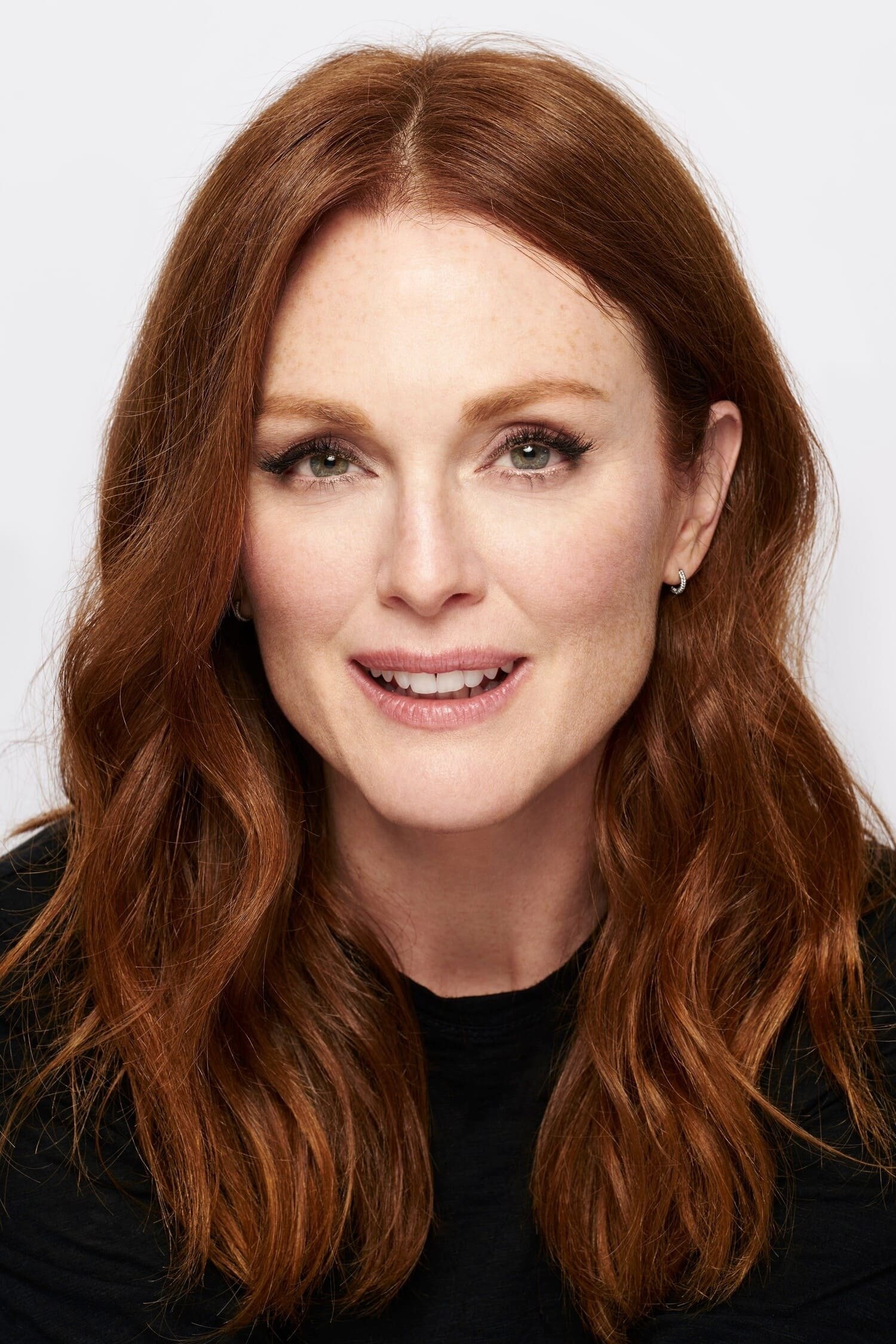
Julianne Moore played one half of a lesbian couple raising children in the film ‘The Kids Are All Right,’ which was praised for its depiction of contemporary families. However, the actress later reflected on the debate surrounding straight actors taking on queer roles. She expressed regret for not being a member of the community she portrayed and acknowledged how important it is for actors to draw on their own experiences. Moore said she’d probably make a different decision about the role if she were offered it today, and she continues to support casting LGBTQ+ actors in roles that represent their identities.
Kate Winslet
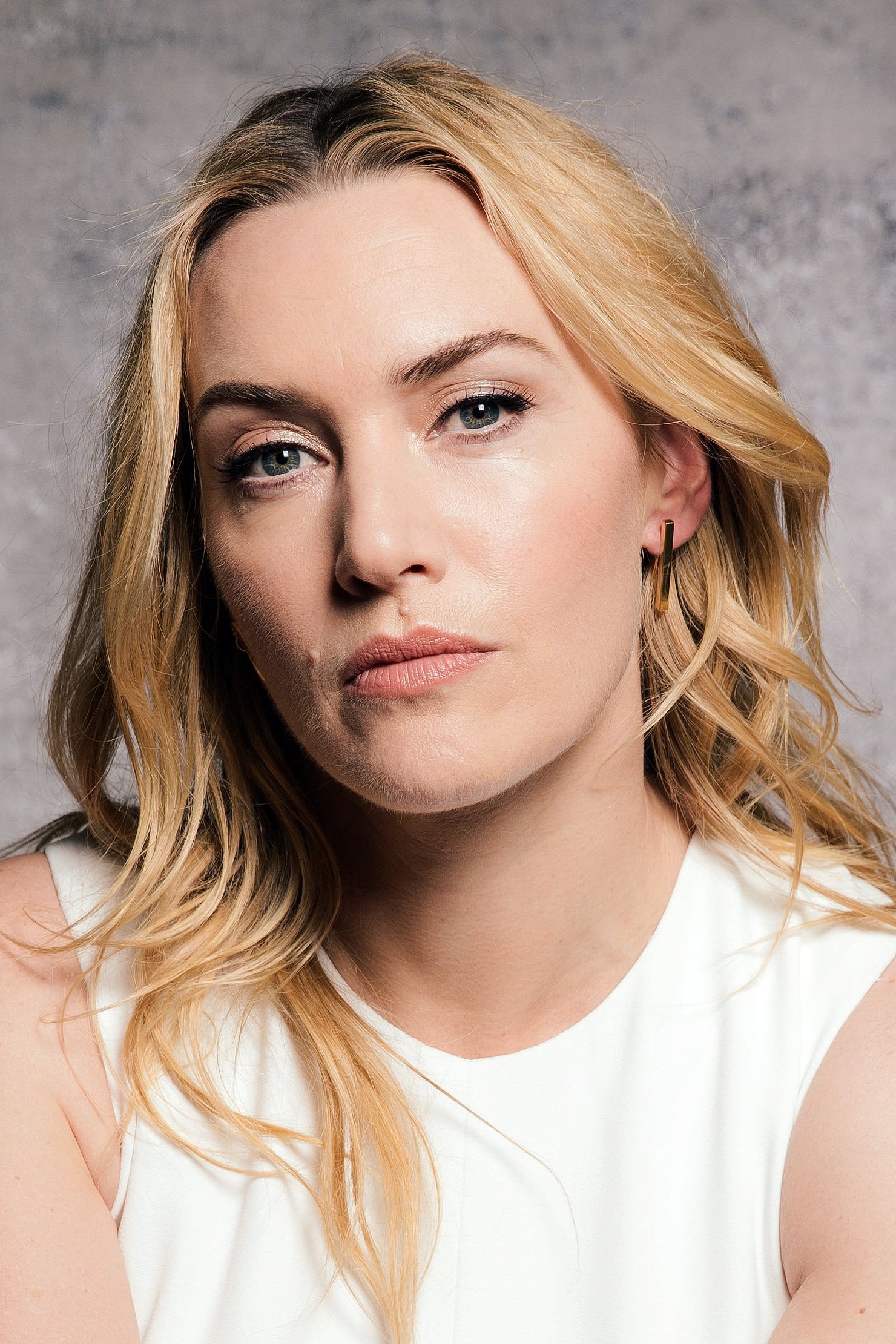
Looking back, I really struggle with the fact that Kate Winslet worked with Woody Allen and Roman Polanski early in her career on films like ‘Wonder Wheel’ and ‘Carnage’. She’s been very open about how much she regrets those choices now, especially knowing what we do about their personal lives and the allegations against them. She’s said herself she doesn’t understand what she was thinking at the time, and that she should have demanded more accountability from herself. It’s powerful to hear her take responsibility for those decisions, acknowledging she should have considered the impact of supporting people whose behavior she now finds unacceptable. She’s clearly committed to making more conscious choices about who she works with going forward, and I respect her for that.
Elliot Page
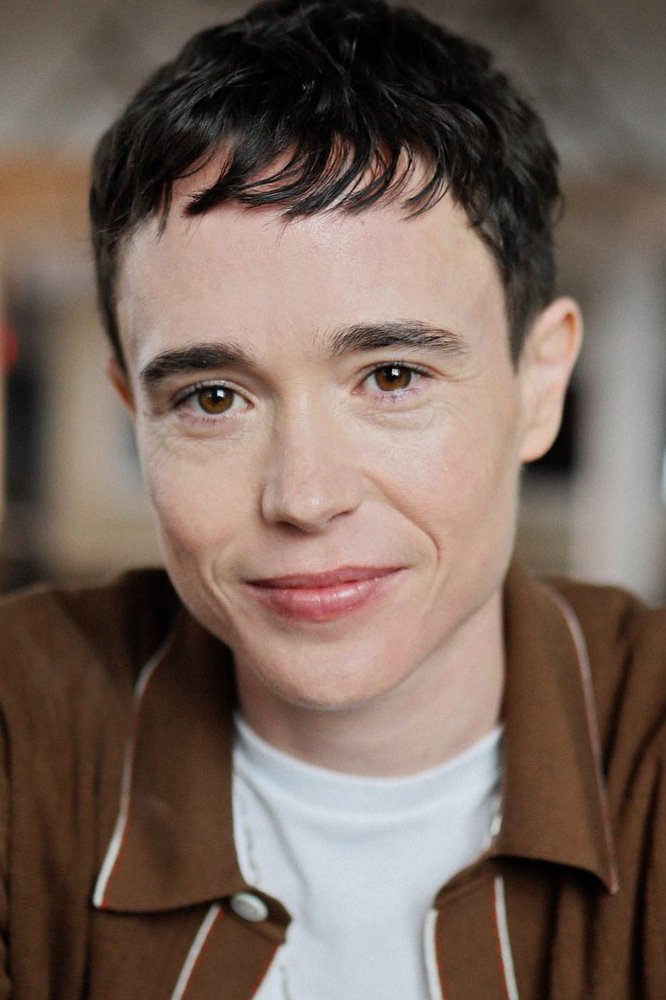
Before publicly coming out, Elliot Page acted in Woody Allen’s film ‘To Rome with Love.’ Later, Page expressed deep regret for being involved in the project, calling it the biggest professional mistake of their life and a compromise of their principles. They apologized to fans and those who have experienced abuse for supporting Allen’s career. Since then, Page has become a strong voice for fairness and safety in the film industry.
Brie Larson
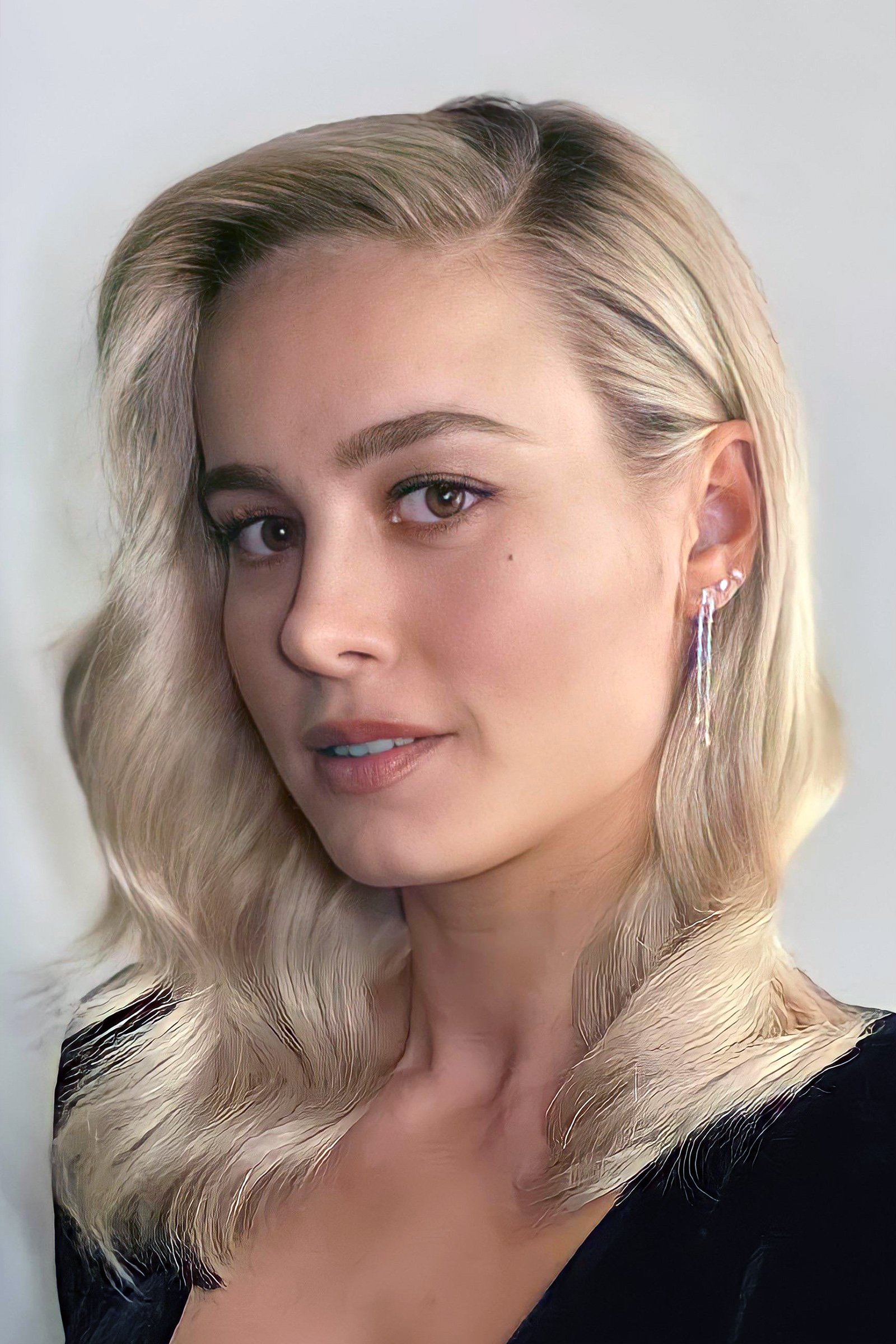
Brie Larson appeared in the movie ‘Basmati Blues,’ a musical romantic comedy that received criticism for potentially offensive portrayals of Indian culture and for presenting a storyline where a Western character ‘saves’ people in India. Many felt the film relied on harmful stereotypes and focused too much on the Western lead solving problems that belonged to the local community. Larson responded to the criticism, saying she didn’t intend to offend anyone and now recognizes the film had issues. Since then, she’s chosen roles in projects that support diverse perspectives and avoid predictable storylines.
Elizabeth Olsen
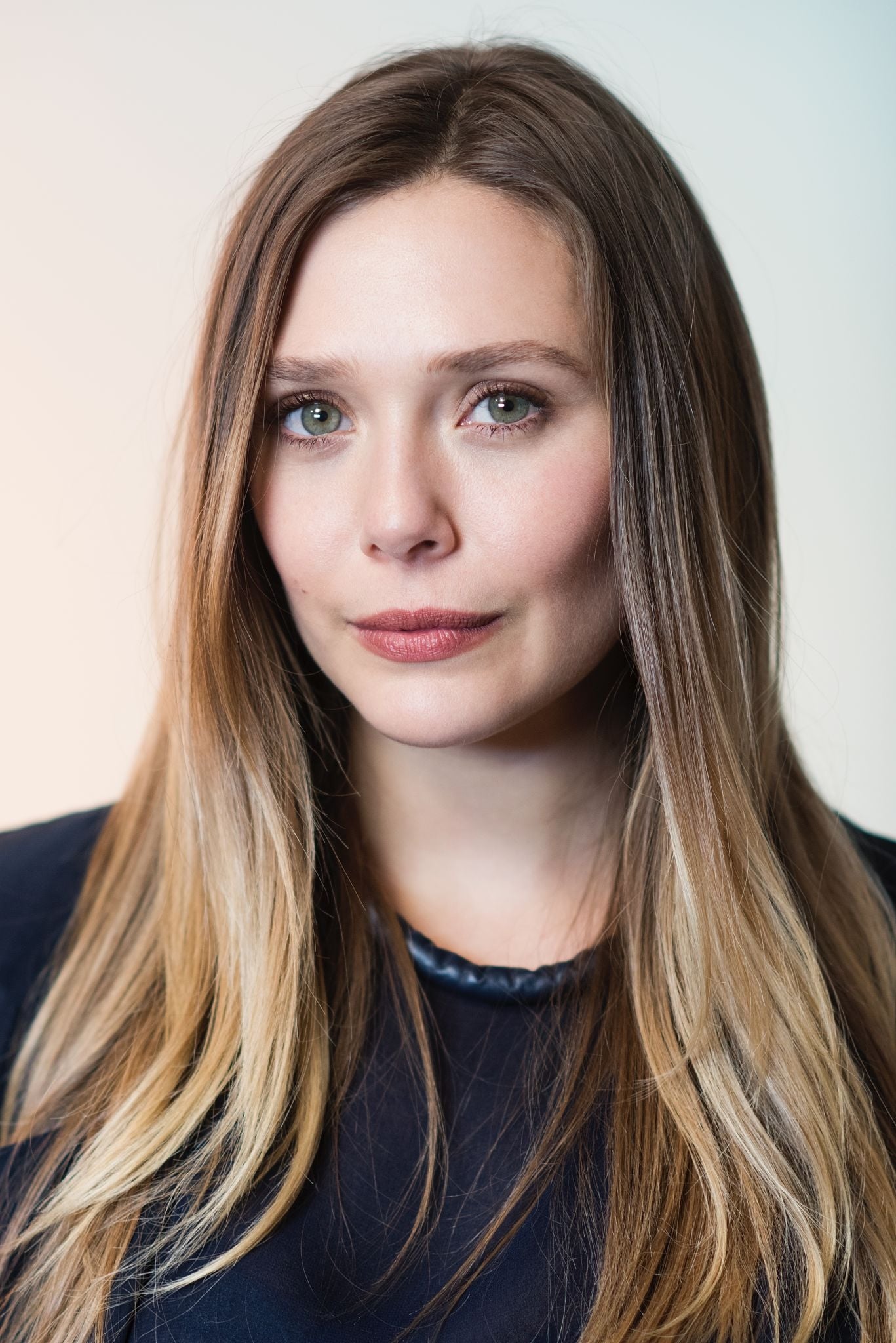
Elizabeth Olsen, who plays Wanda Maximoff in Marvel films, has spoken about how uncomfortable she was with her character’s original costume. She felt the tight corset and revealing top from ‘Avengers: Age of Ultron’ were inappropriate, especially compared to the more practical outfits worn by her male co-stars. Olsen apologized for the overly sexualized look and argued for a more functional and contemporary design. Eventually, Wanda received a new costume that better reflected her evolving strength and character. Olsen continues to emphasize the need for comfortable and respectful costumes for actresses.
Keira Knightley
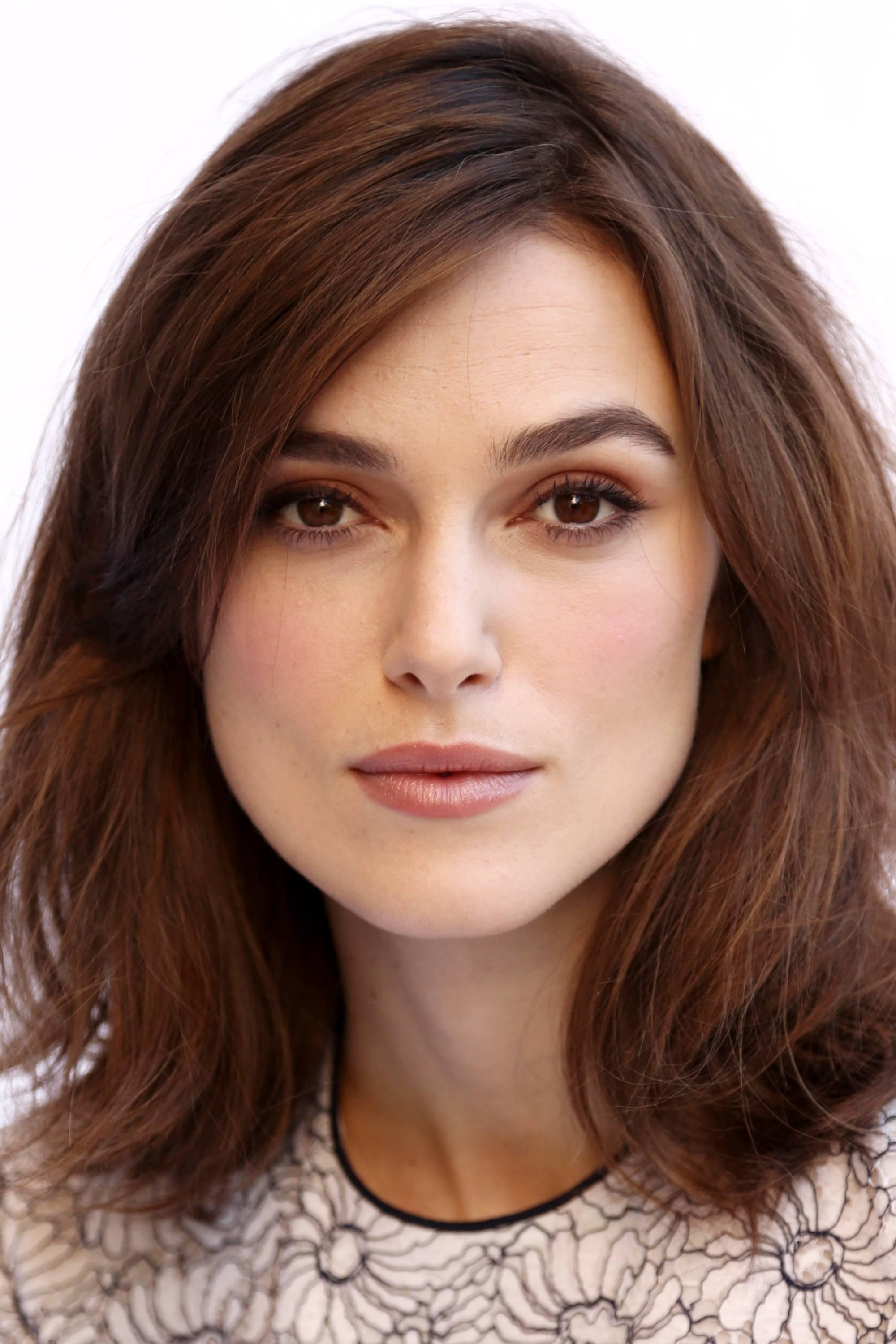
Keira Knightley appeared in the musical drama ‘Begin Again,’ but later faced public criticism from the film’s director. Although the director later apologized, Knightley also spoke about the tension that arose during filming. She admitted the difficult atmosphere on set may have impacted her performance and offered a sort of apology for any issues with her work. Since then, she’s prioritized working with directors who create a more positive and collaborative environment.
Evangeline Lilly
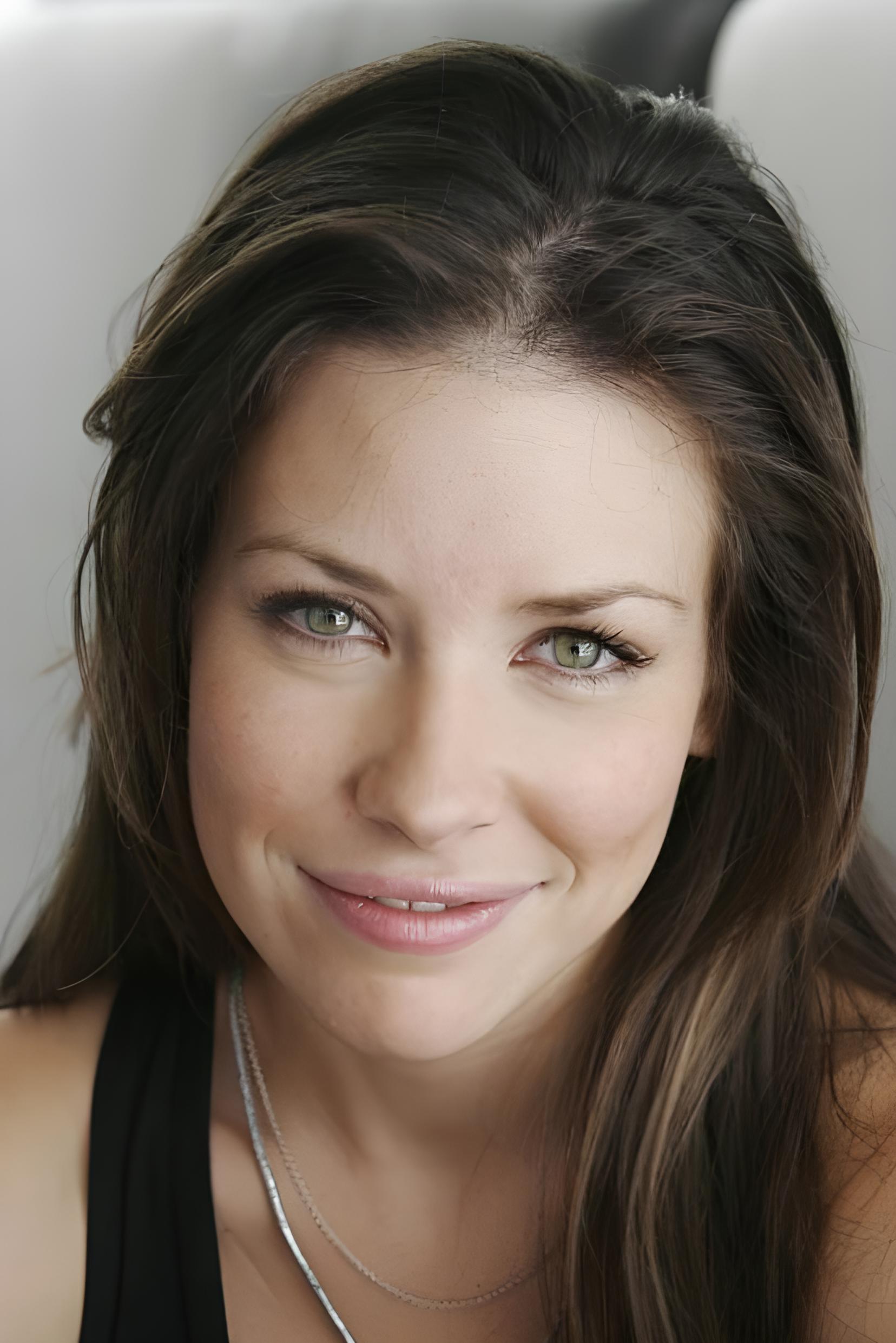
Evangeline Lilly, known for her role in ‘Lost,’ has spoken about feeling pressured to perform nude scenes during her time on the show. She recounted being deeply upset and feeling unsafe during one particular scene, and later apologized to both her younger self and her fans for not asserting her boundaries. She has vowed to never again allow herself to be put in such a position. Since then, Lilly has become a vocal supporter of having intimacy coordinators available on all film and TV sets to protect actors.
Amanda Seyfried
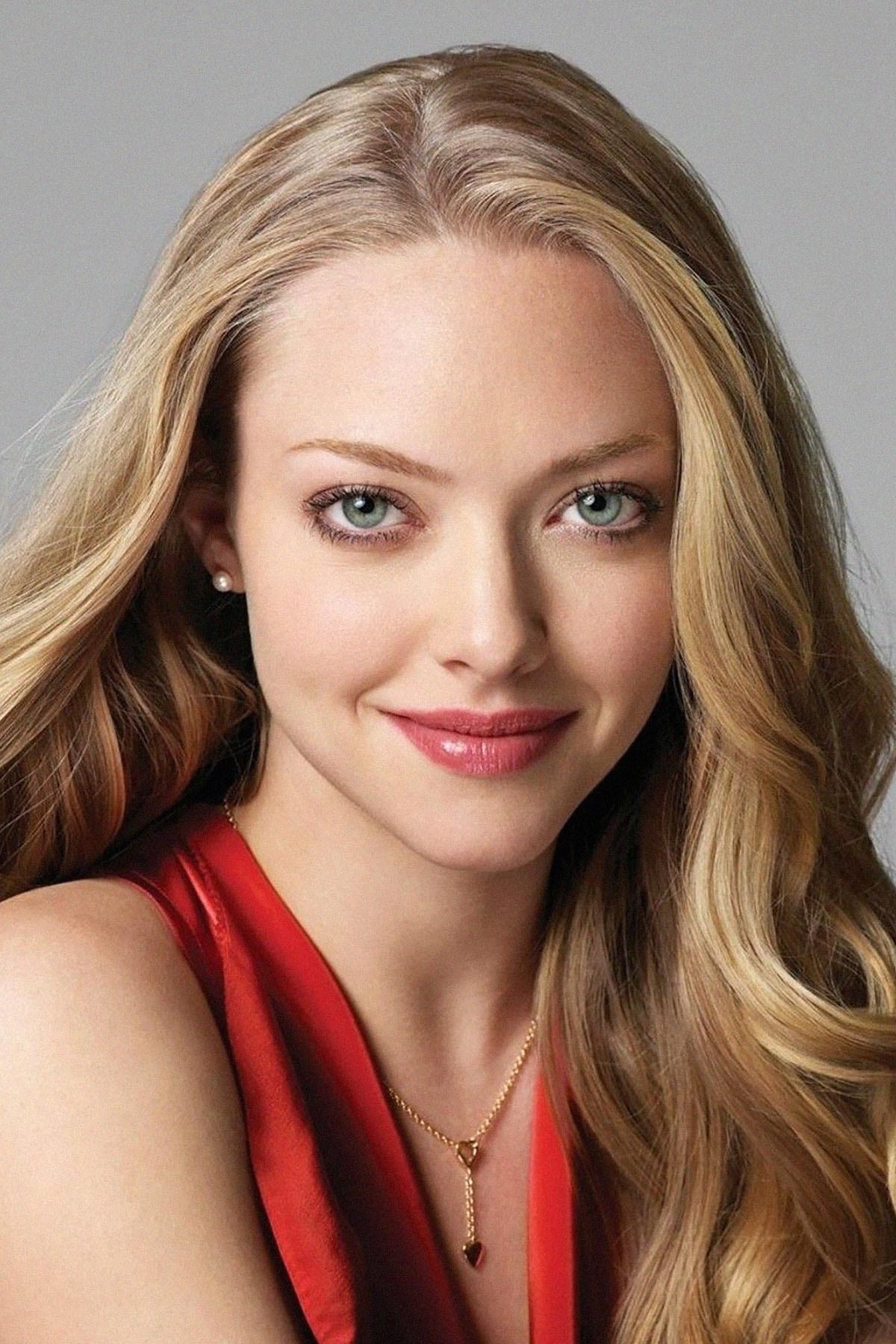
Amanda Seyfried appeared in the fantasy film ‘Red Riding Hood,’ which aimed to benefit from the success of popular supernatural romance stories. However, she later said the movie wasn’t one of her proudest achievements and that she regretted being involved. She felt the script and the final result didn’t live up to what audiences wanted. Since then, Seyfried has focused on roles in better-received films, choosing projects with well-developed characters. She’s honest about the experience and the importance of choosing substance over simply following trends.
Jennifer Garner
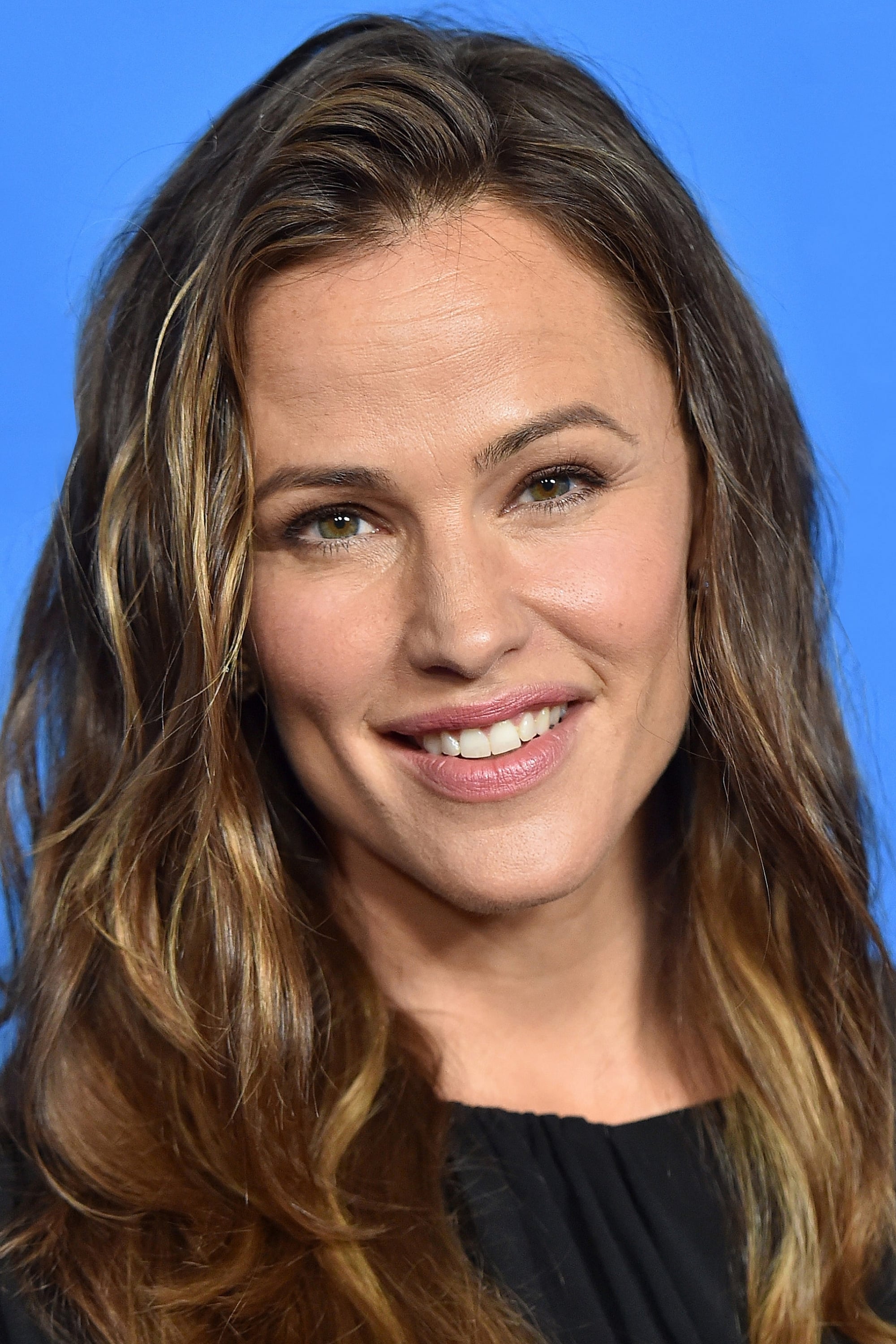
Jennifer Garner first played Elektra in ‘Daredevil’ and later starred in her own spin-off film, ‘Elektra’. She apparently disliked the movie even before it came out, telling people it was poorly made. Garner has since apologized to fans for the film’s disappointing quality and weak story, believing the character deserved better. Despite her negative experience with the solo movie, she later agreed to reprise the role in another project, hoping to give Elektra a more satisfying conclusion.
Rachel Zegler
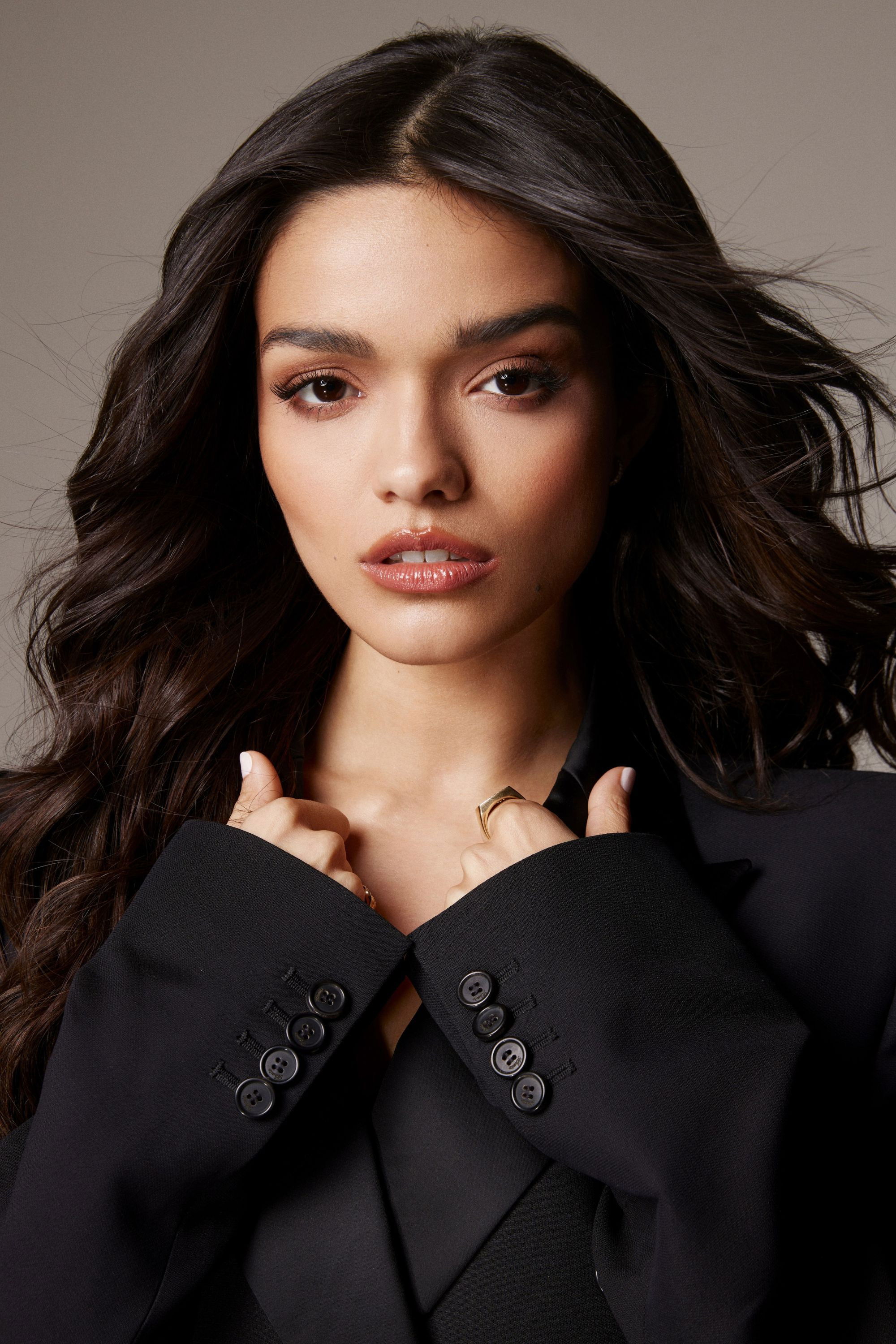
Rachel Zegler received backlash after sharing her thoughts on the original ‘Snow White’ movie while working on the new live-action version. She first said the classic story felt old-fashioned and highlighted the problematic behavior of the prince. After noticing fans were upset, she explained her views more carefully and apologized for any disrespect she may have shown. Zegler emphasized that she respects the history of ‘Snow White’ but also wants to update the character for modern audiences. She’s now promoting the film by focusing on thankfulness and honoring the story’s legacy.
Awkwafina
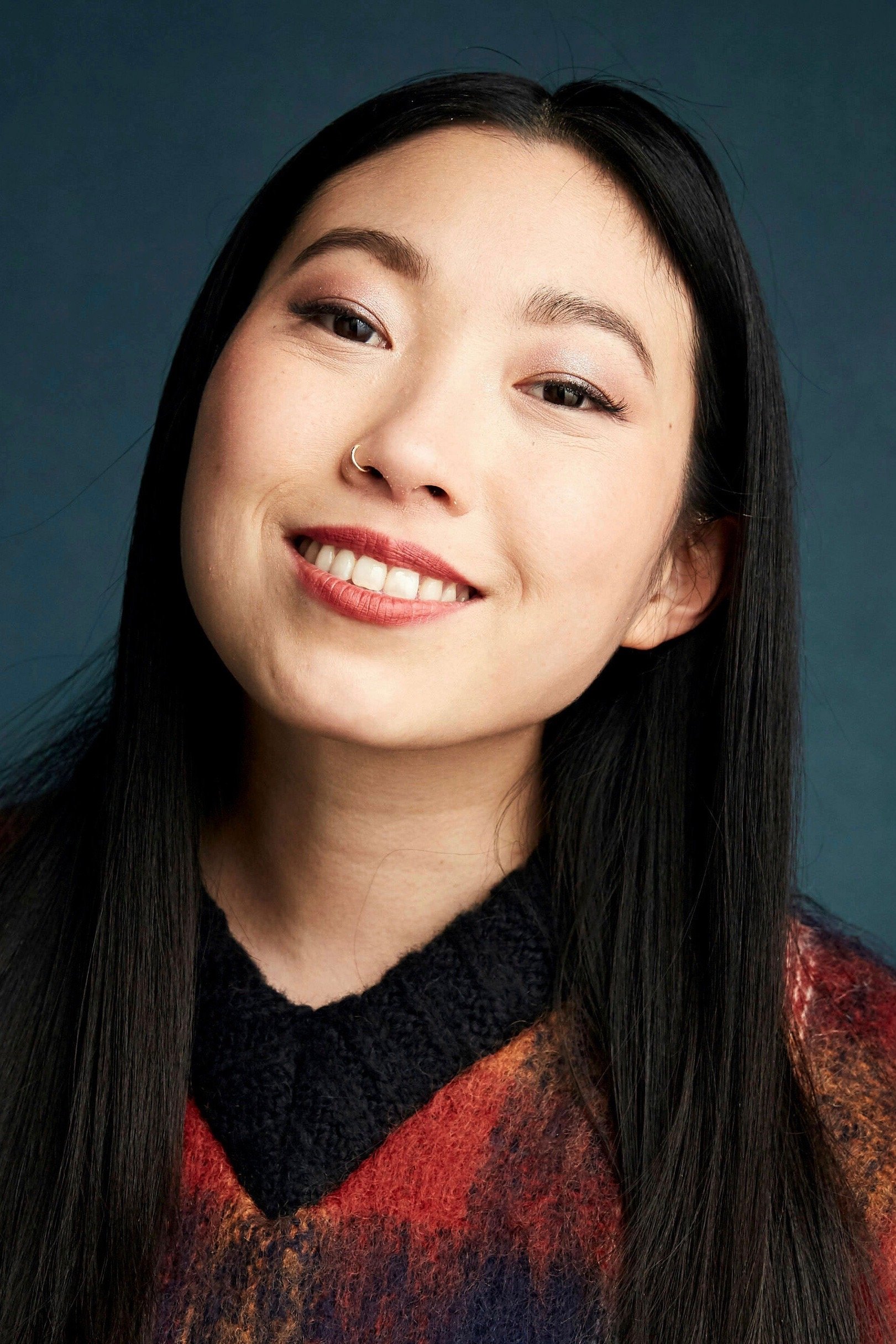
Awkwafina recently responded to criticism about her use of speech patterns associated with Black culture in her acting and music. She released a statement recognizing the history and importance of African American Vernacular English and admitted that her use of it could be seen as inappropriate. Awkwafina apologized for any hurt she caused and said she’s committed to understanding the issue better. She also explained that as an Asian American in Hollywood, she’s still figuring things out and is now choosing roles that don’t depend on using these speech patterns for laughs.
Chloë Grace Moretz
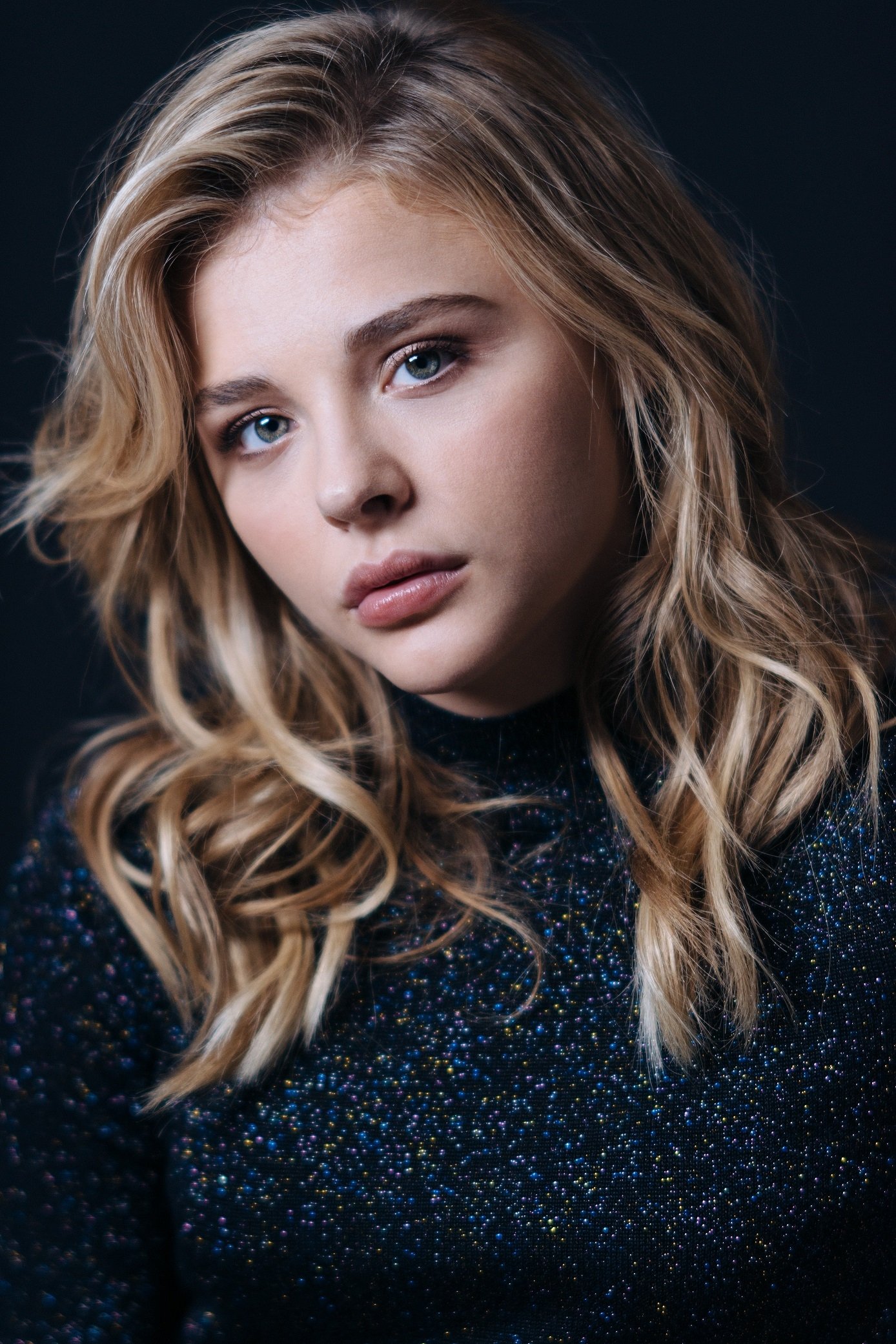
I was so upset when I saw the marketing for ‘Red Shoes and the Seven Dwarfs,’ the animated film I voice starred in. It was awful and seemed to shame women for not being thin. I immediately apologized to my fans because that campaign absolutely didn’t reflect what the movie was about, and honestly, I had no say in how those ads were made. I’m a huge believer in body positivity, and I felt terrible that the marketing caused so much offense. It really wasn’t what I wanted to put out there.
Blake Lively
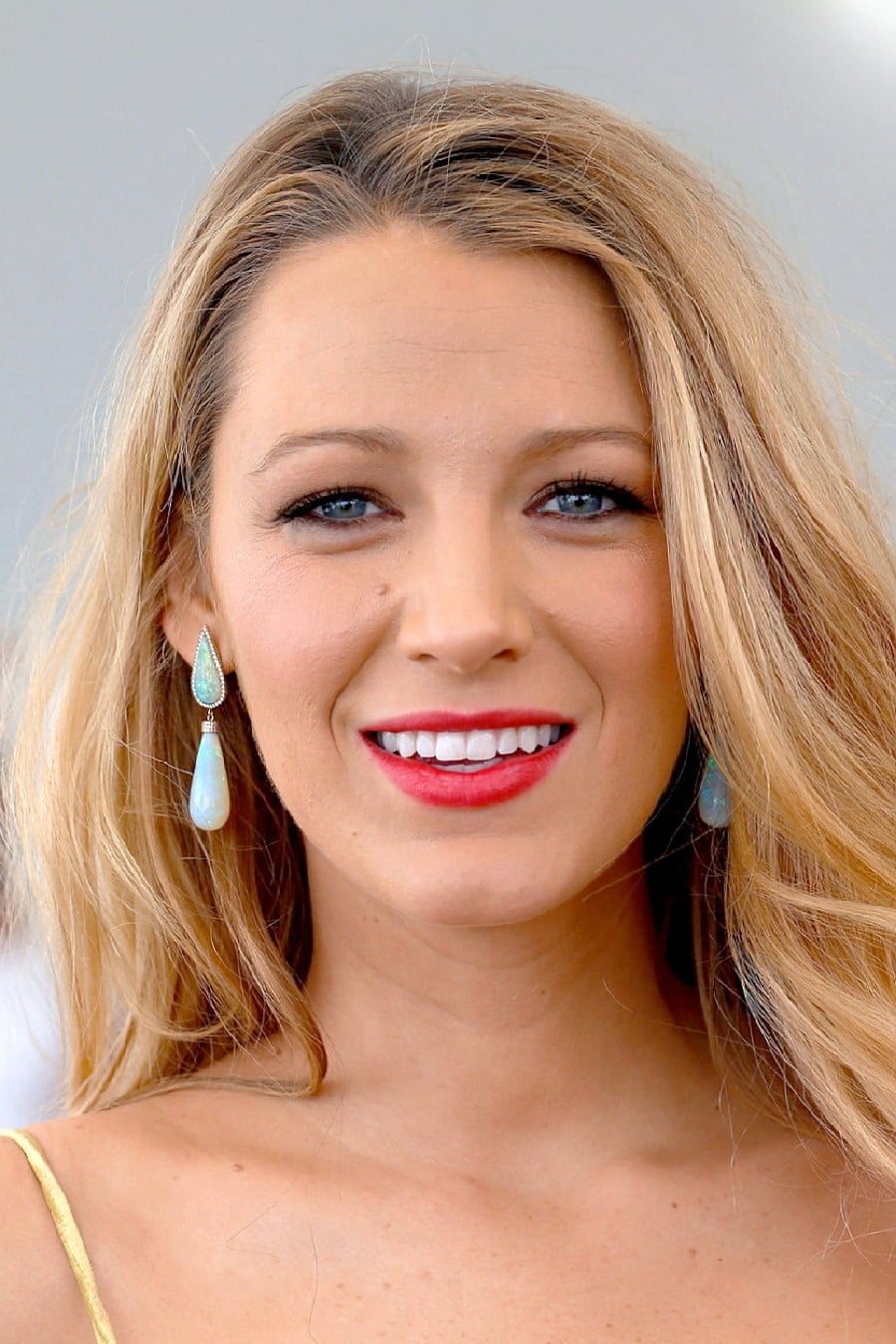
Blake Lively appeared in the superhero movie ‘Green Lantern,’ and she’s now playfully acknowledged it wasn’t a success, joining her co-star in joking about its flaws. She’s admitted the film didn’t live up to expectations for anyone involved and has often hinted she’d prefer to move past it. Despite apologizing for how the movie turned out, Lively does fondly remember meeting her future husband during filming. Since then, she’s concentrated on more realistic and complex roles in dramas and thrillers, allowing her to demonstrate her acting abilities.
Diane Keaton
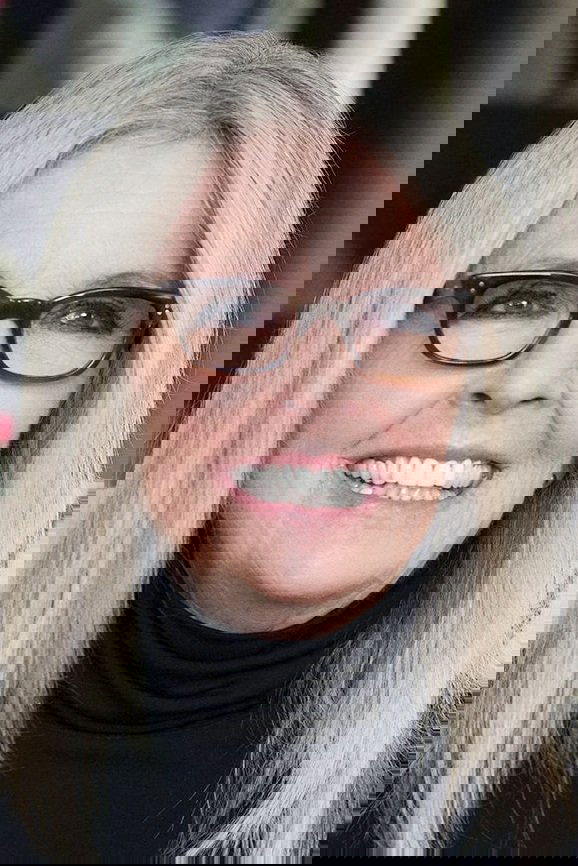
Diane Keaton famously worked with Woody Allen throughout her career, most notably in the film ‘Annie Hall’. When allegations against Allen surfaced, she faced calls to speak about their past collaborations. Keaton eventually shared her conflicted feelings and apologized for any pain her continued association with him may have caused. She recognized how difficult this was for those affected. Despite this, Keaton remains a celebrated actress, but is now grappling with the challenging implications of her earlier work.
Michelle Rodriguez
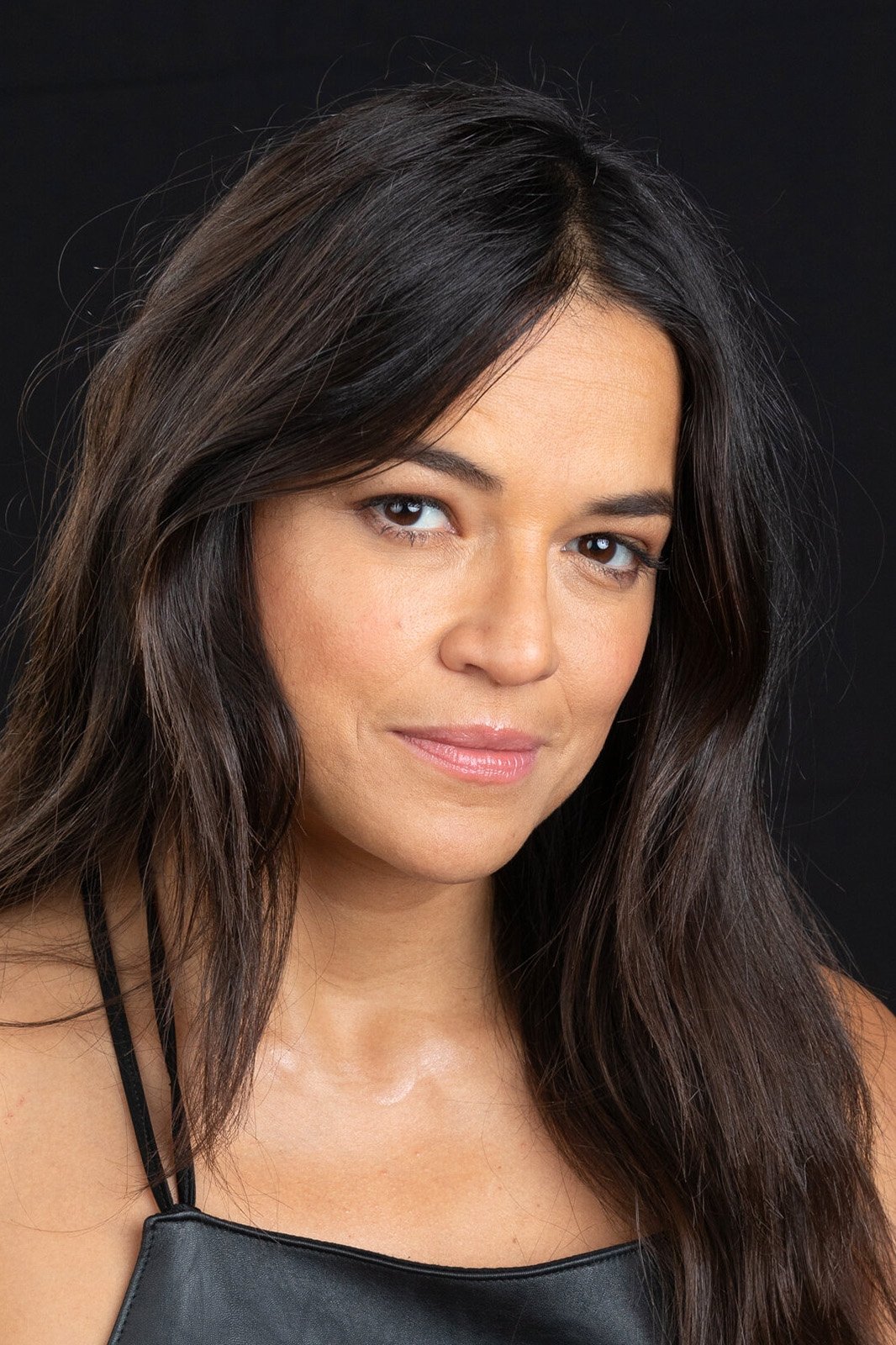
Michelle Rodriguez, a long-time star of the ‘Fast and Furious’ movies, spoke out about the way female characters were handled in the series. She was unhappy that women were often given less important roles or made to compete with each other, and she publicly said she’d consider leaving if things didn’t change. After apologizing to fans for not raising her concerns earlier, she asked the filmmakers to bring more women onto the writing team. Her comments led to improvements in the scripts and gave female characters more significant roles in later films. Rodriguez remains committed to seeing strong, independent women better represented in action movies.
Julianna Margulies
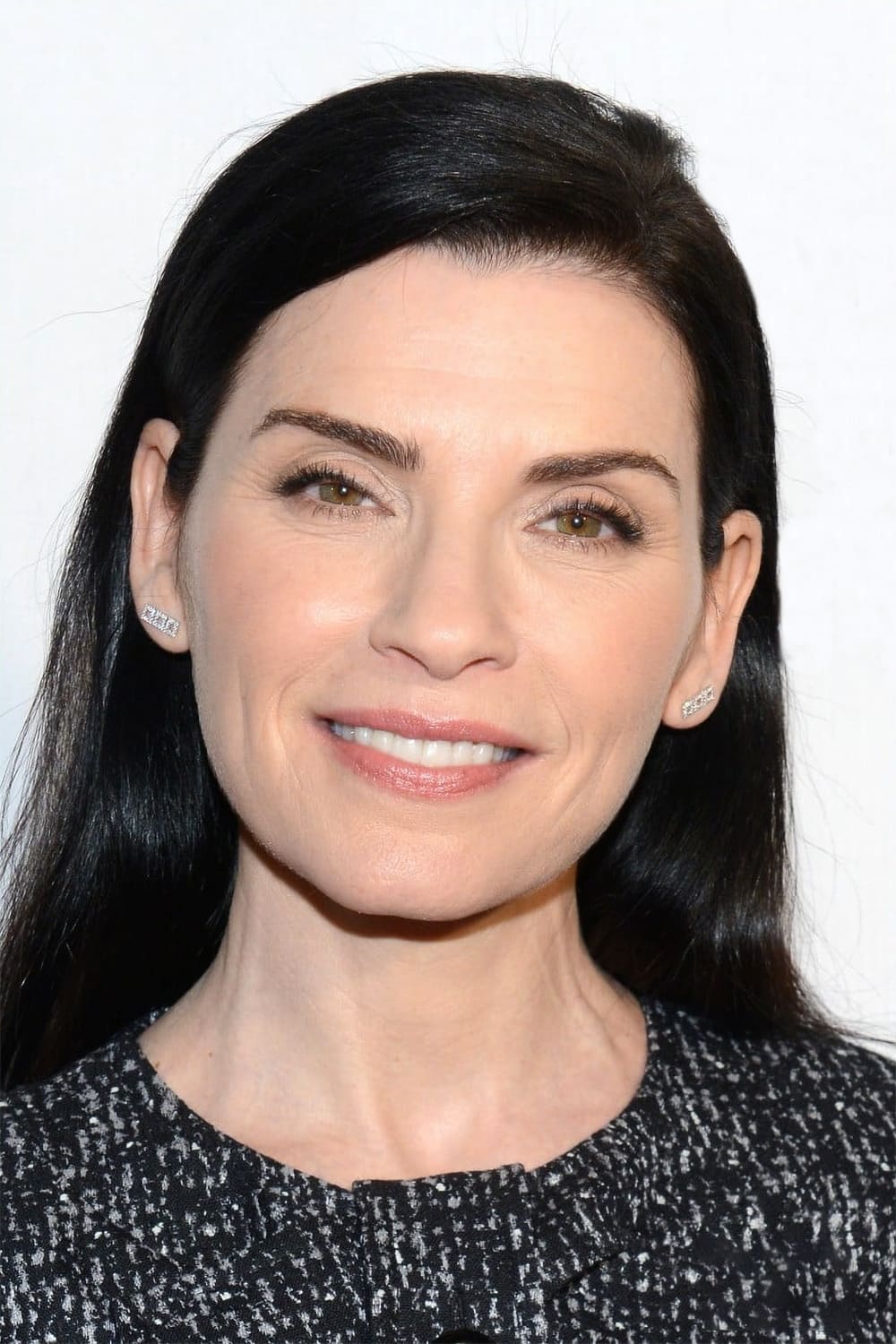
As a movie and TV lover, I was really interested in the discussion around Julianna Margulies’ role in ‘The Morning Show.’ It brought up a really important point about straight actors playing queer characters. At first, she defended taking the part, but she later realized the LGBTQ+ community had valid concerns. She apologized for not being sensitive enough in her initial response and admitted that who gets to play these roles really does matter. She’s said that having this conversation – about who gets to tell certain stories – is crucial for making Hollywood a more inclusive place, and she’s definitely been more thoughtful about the impact of her work on marginalized communities since then. It’s good to see actors engaging with these issues and learning.
Courteney Cox
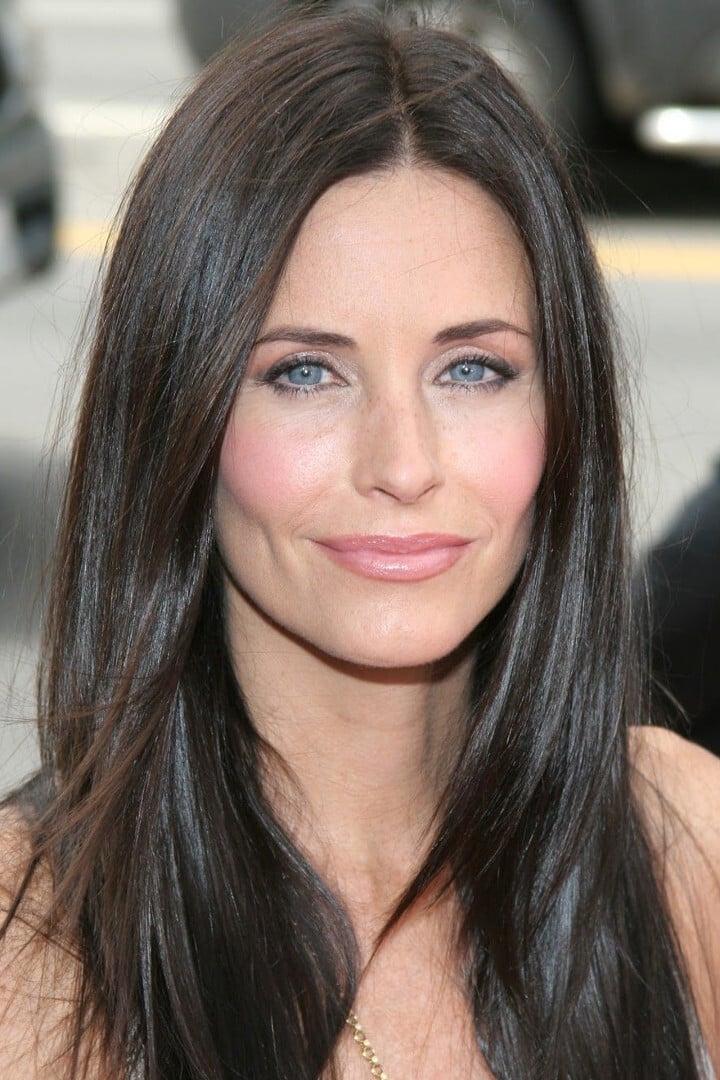
Courteney Cox, famous for playing Monica Geller on the hit show ‘Friends,’ recently addressed a running gag from the series where her character’s past weight was a source of humor. For those scenes, Cox wore a costume to appear heavier, which has since been criticized as hurtful. Cox has admitted that those jokes don’t hold up well today and she regrets being part of them. She explained that attitudes towards body image were different in the 90s and early 2000s, but now understands how important it is to promote positive and respectful body images.
Amy Schumer
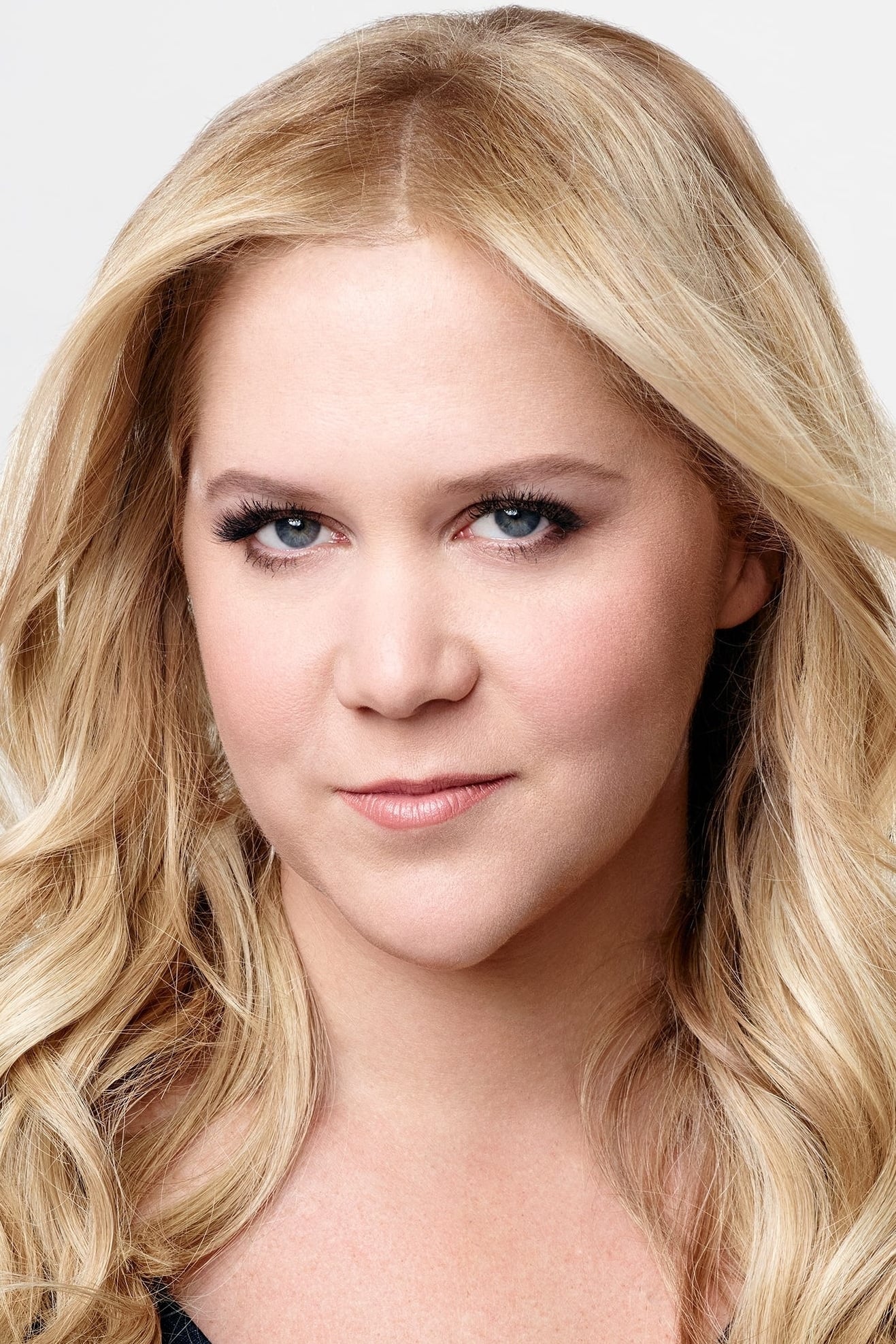
The comedy film ‘I Feel Pretty,’ starring Amy Schumer, sparked criticism from the body positivity community. Many felt the movie implied a woman needed to look traditionally beautiful – in this case, through a fictional head injury – to feel good about herself. Schumer responded by apologizing if the film’s message was misinterpreted, explaining it was intended to be empowering but acknowledging that it didn’t resonate with everyone. She has continued to speak out about self-esteem and unrealistic beauty standards since then.
Share your thoughts on these public apologies in the comments.
Read More
- 20 Movies Where the Black Villain Was Secretly the Most Popular Character
- Transformers Under the Microscope: What Graph Neural Networks Reveal
- Celebs Who Narrowly Escaped The 9/11 Attacks
- Trading on Thin Air: AI Agents Conquer Crypto Volatility
- Silver Rate Forecast
- Invincible Season 4 Gender Swaps Tech Jacket As Fans Question Major Comic Change
- Gold Rate Forecast
- Every Notable ‘Star Trek: The Original Series’ Actor Who Died
- 22 Films Where the White Protagonist Is Canonically the Sidekick to a Black Lead
- Trading Smarter: AI-Powered Execution Schedules
2025-12-28 23:20