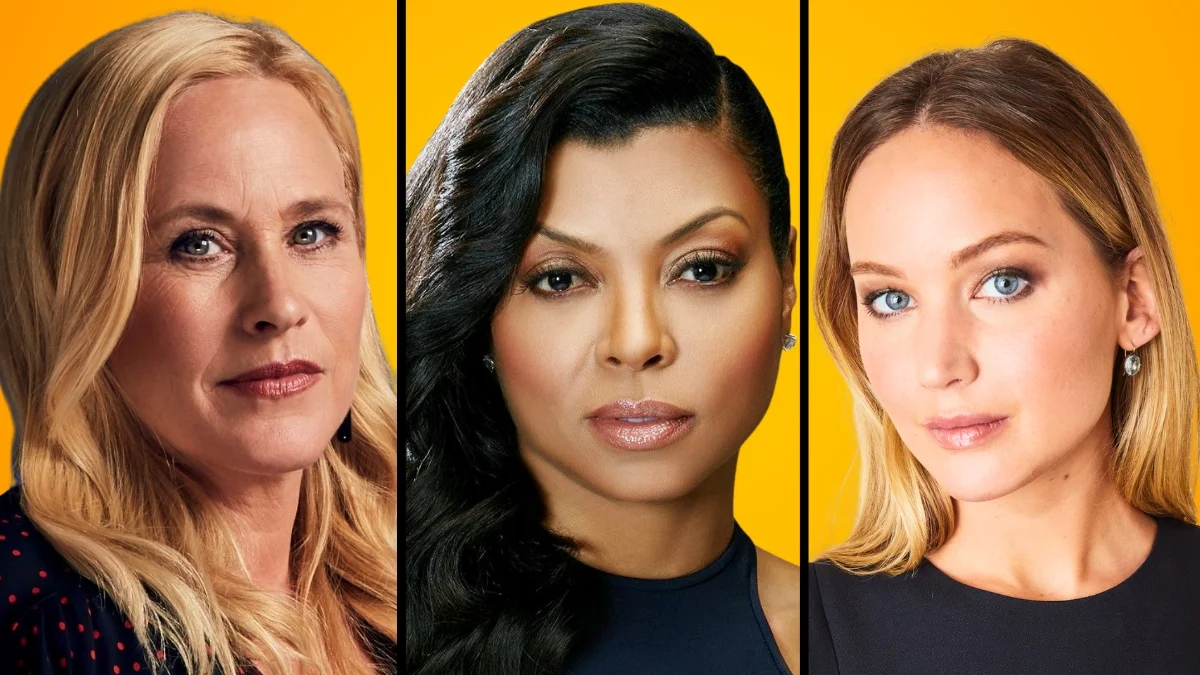
The entertainment industry continues to struggle with a significant pay gap between men and women, especially for leading roles. Many actresses are now speaking up and asking for equal pay and openness about salaries, but some have faced negative consequences like stalled contract talks, being unfairly labeled as problematic, or even losing job opportunities. This shows how difficult it is for women to challenge the way things have always been done in Hollywood. The following actresses have shared their experiences with these inequalities and the resulting backlash they faced.
Mo’Nique
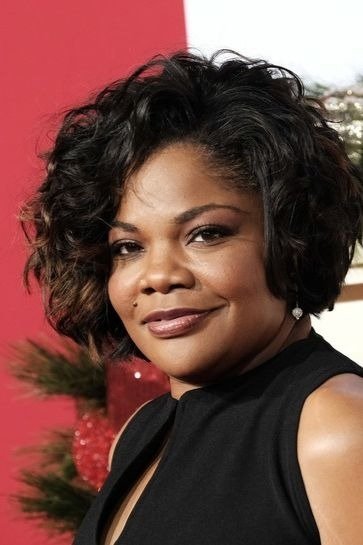
As a huge movie and comedy fan, I remember being really shocked when Mo’Nique publicly called out Netflix. She felt she was offered a lot less money for her stand-up special than other comedians, and she believed it was because she’s a Black woman. She actually sued them, saying they tried to undervalue her and then actively hurt her career when she pushed back. After a long legal battle, they finally reached a settlement in 2022. Honestly, it brought a lot of much-needed attention to the fact that Black women often get paid less in the entertainment industry, and it really made people think about how studios treat experienced performers of color.
Gabrielle Union
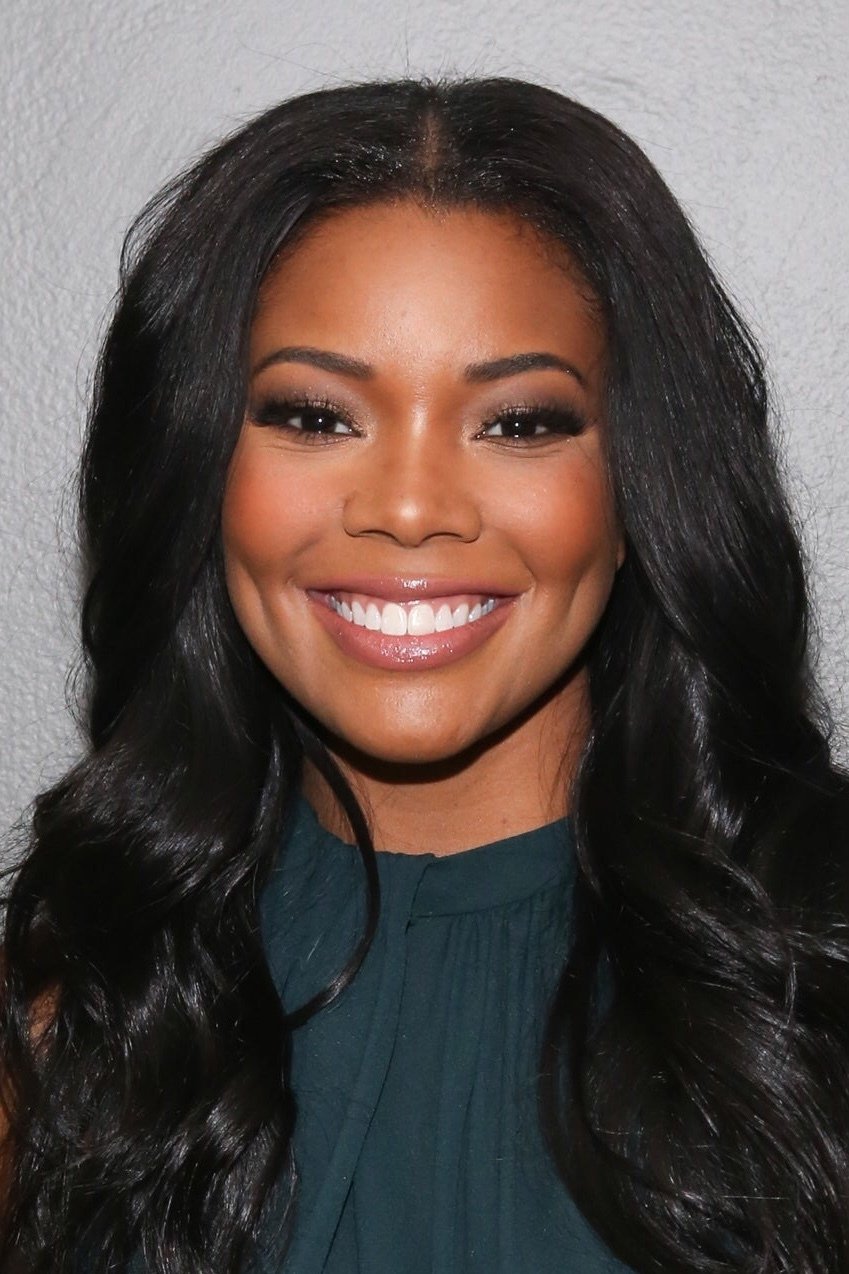
Gabrielle Union left ‘America’s Got Talent’ after raising concerns about a negative and unfair work environment, including issues with how she was judged on her appearance and unequal pay. She reported these problems and eventually reached an agreement with NBC, but the situation showed the challenges of speaking up about problems within large companies. Since then, Union has actively campaigned for improvements in how studios address and resolve internal complaints.
Patricia Arquette
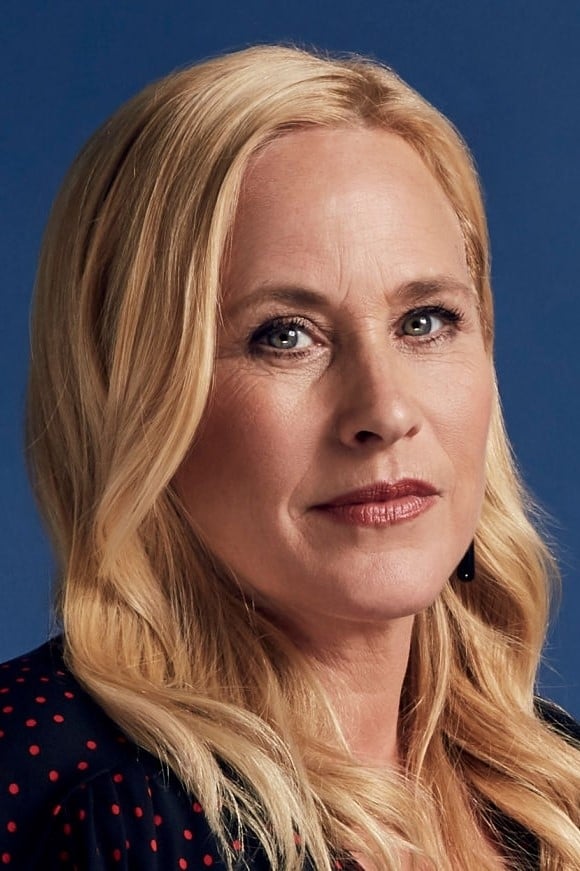
Patricia Arquette faced career setbacks after using her 2015 Oscar acceptance speech to call for equal pay. She said some film studios and production companies lost interest in working with her following her public statement. Despite this, she continued to fight for the cause, even speaking to Congress about the Equal Rights Amendment. Her story is a well-known example of how speaking out on important issues can sometimes have negative consequences for actors in Hollywood.
Neve Campbell
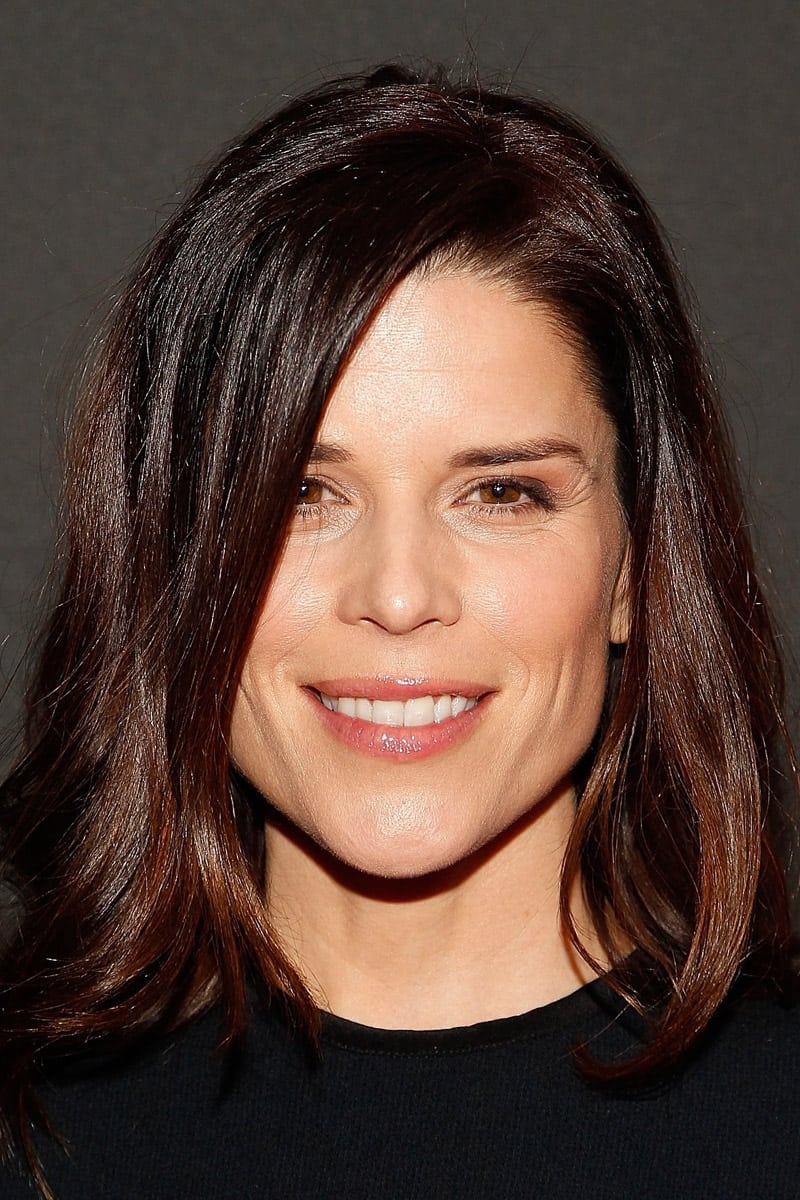
Neve Campbell decided not to participate in ‘Scream 6’ because she felt the salary offered to her didn’t match her contributions to the film series. She believed a male actor with a similar career length would have been offered more. Talks with the studio stopped when she wouldn’t accept the offer, and she ultimately didn’t appear in the sixth movie. Many viewed her decision as a protest against the tendency to underpay established actresses in horror films.
Ruth Wilson
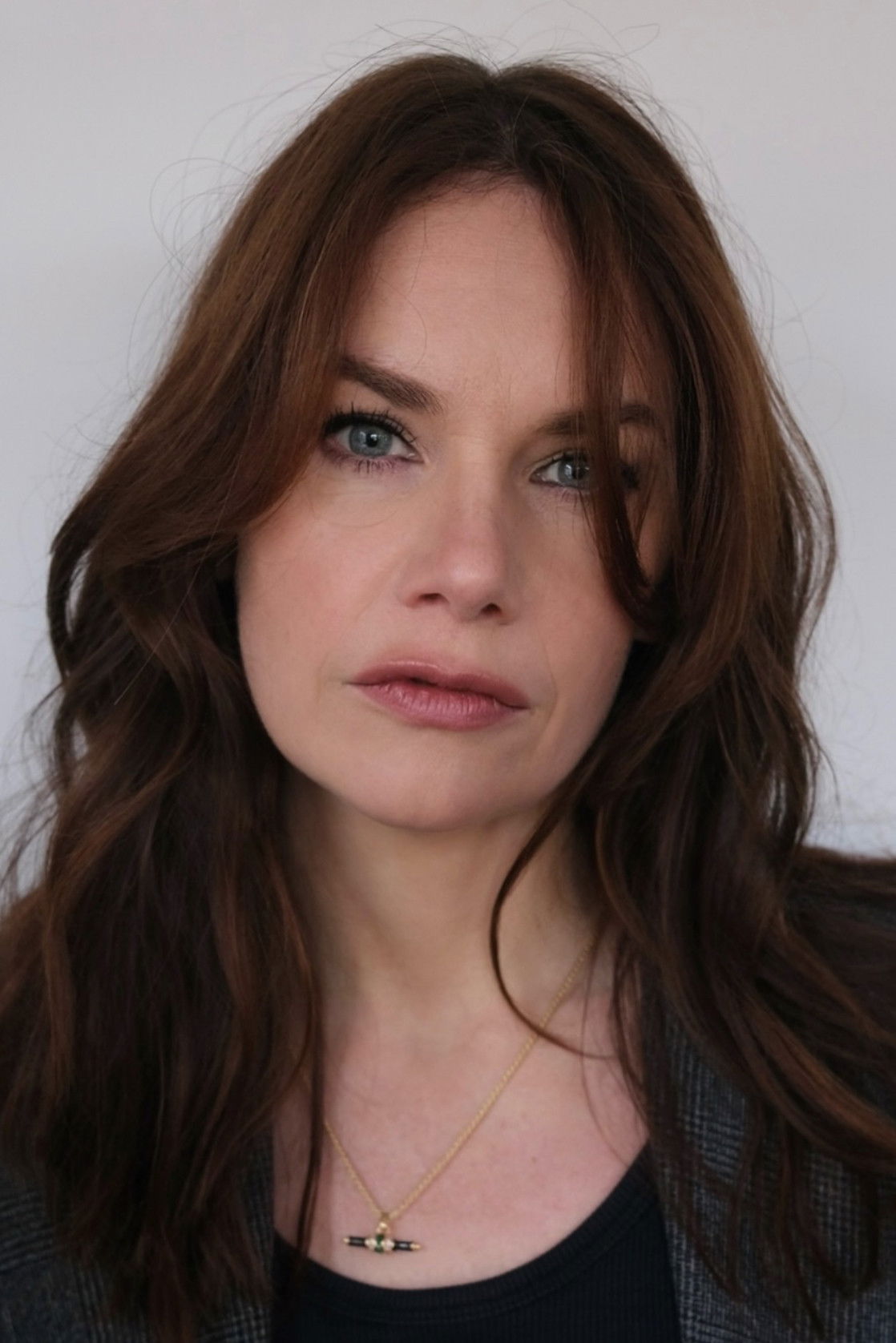
Ruth Wilson left the popular show ‘The Affair’ because of unfair pay and a difficult work environment. She later explained that she earned much less than her co-star, Dominic West, even though they had equal roles. After raising her concerns, the situation at work became so challenging that she decided to leave. Wilson has since stressed the need for clear and open contracts in television to ensure everyone is paid fairly.
Jennifer Lawrence
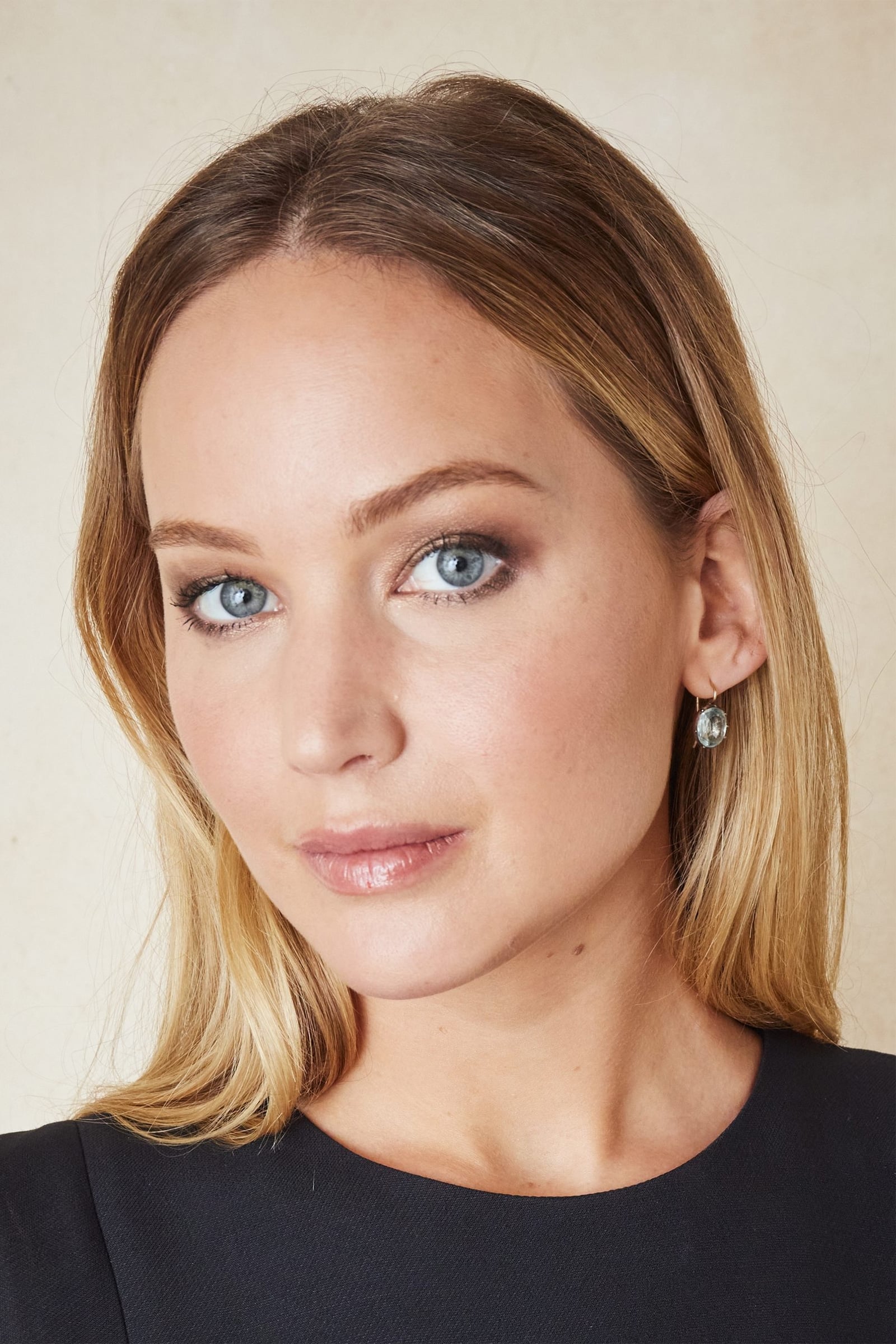
I remember when the Sony hack brought the issue of Hollywood pay disparity to the forefront, and Jennifer Lawrence really took the lead in addressing it. She wrote so honestly about how she’d felt pressured to avoid appearing ‘difficult’ during the ‘American Hustle’ negotiations, and how that led to her being paid less. It was fascinating, and frankly a little disheartening, to see the backlash she faced after speaking up – everyone suddenly had an opinion on her ‘market value.’ Thankfully, she learned from that experience and was able to secure equal pay with her co-star in ‘Passengers,’ which was a really positive step forward.
Ellen Pompeo
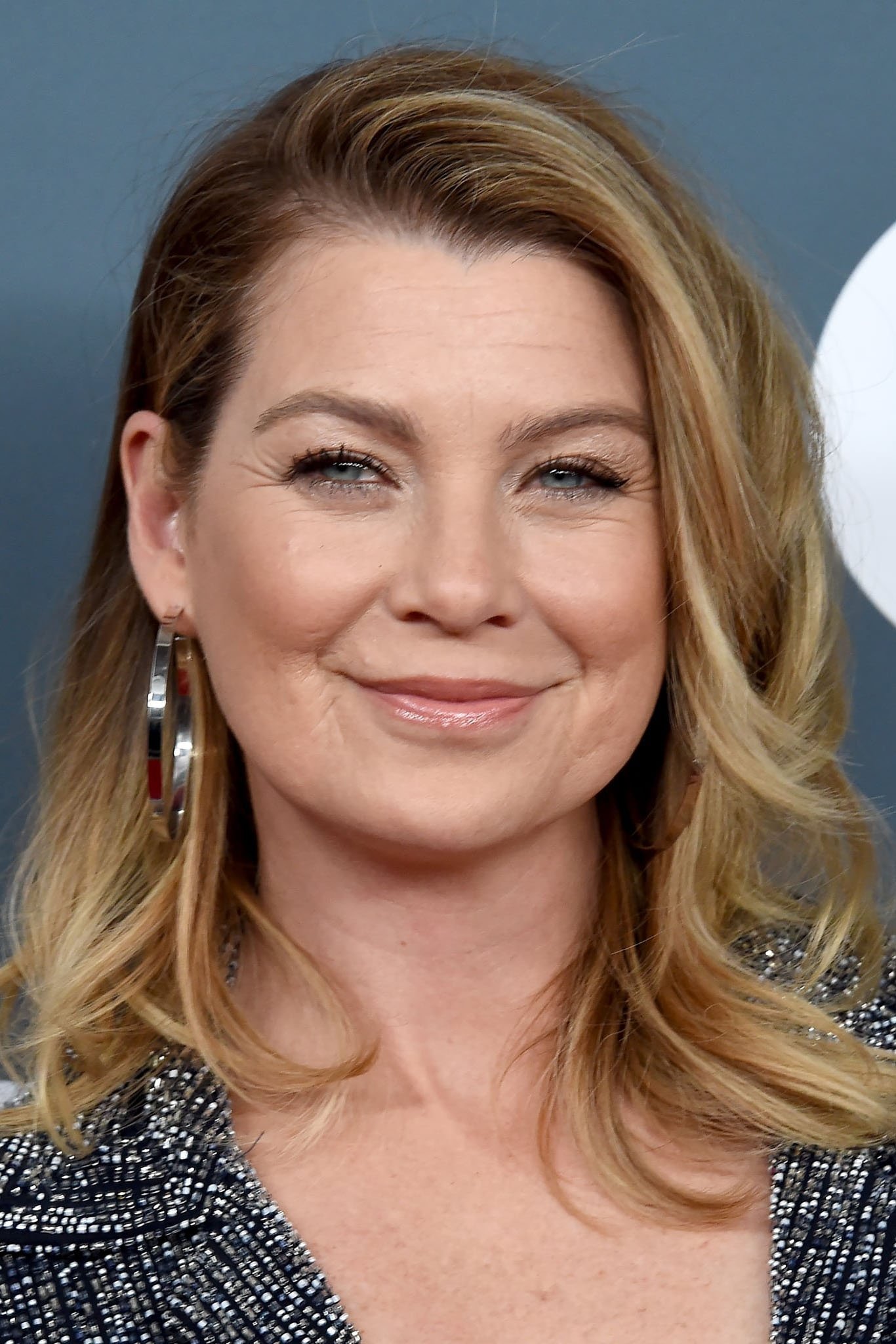
Ellen Pompeo shared that it was a tough fight to become the highest-paid actress in a dramatic TV series. During contract negotiations for ‘Grey’s Anatomy,’ the studio often used her male co-star to try and limit her salary. They essentially told her the show could do fine without her if they had him, especially when she asked to be paid more. She was only able to get a fair deal – one that matched her importance to the show – after he left the series.
Gillian Anderson
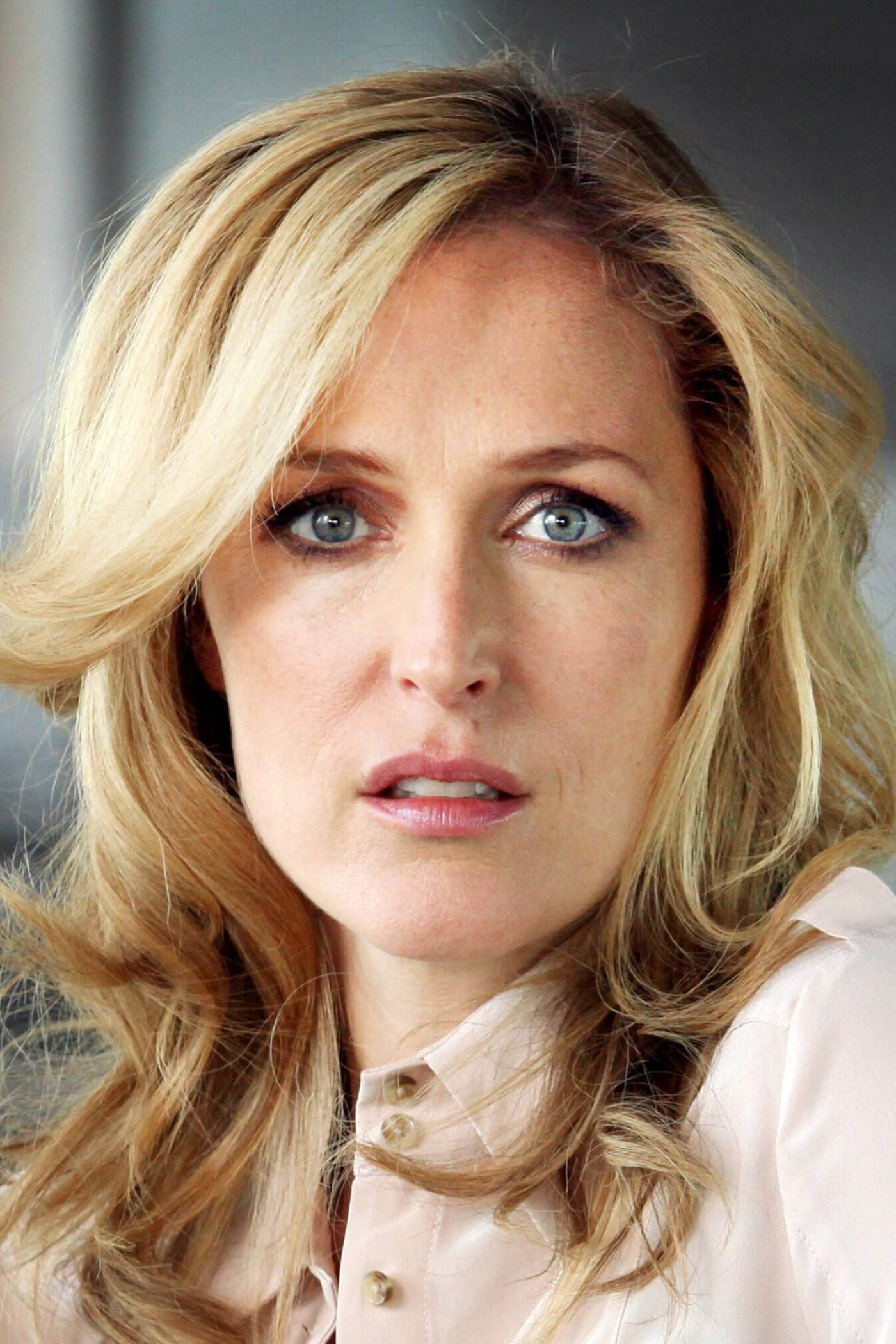
When ‘The X-Files’ was revived in 2016, Gillian Anderson was initially offered half the salary of her co-star, David Duchovny. Despite her character, Dana Scully, being crucial to the show’s popularity, the studio was hesitant to pay her the same amount. Anderson publicly revealed this pay gap, which pressured the producers to give her equal pay for the revival. She also noted that achieving pay equality during the show’s original run had been a long and difficult process.
Taraji P. Henson
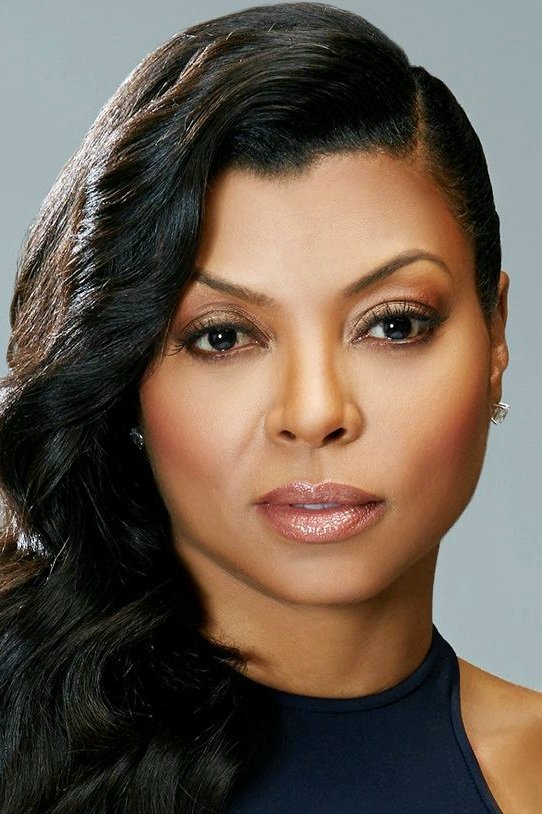
Taraji P. Henson has often spoken about how difficult it is to be a Black woman working in Hollywood, describing it as emotionally draining when it comes to getting paid fairly. While promoting ‘The Color Purple,’ she tearfully explained that even after years of success, she’s still having to fight for equal pay. She shared that she’s often told projects can’t afford her, despite her history of successful films. This openness shed light on the continuing challenge for experienced actresses to receive appropriate compensation for their work.
Michelle Williams
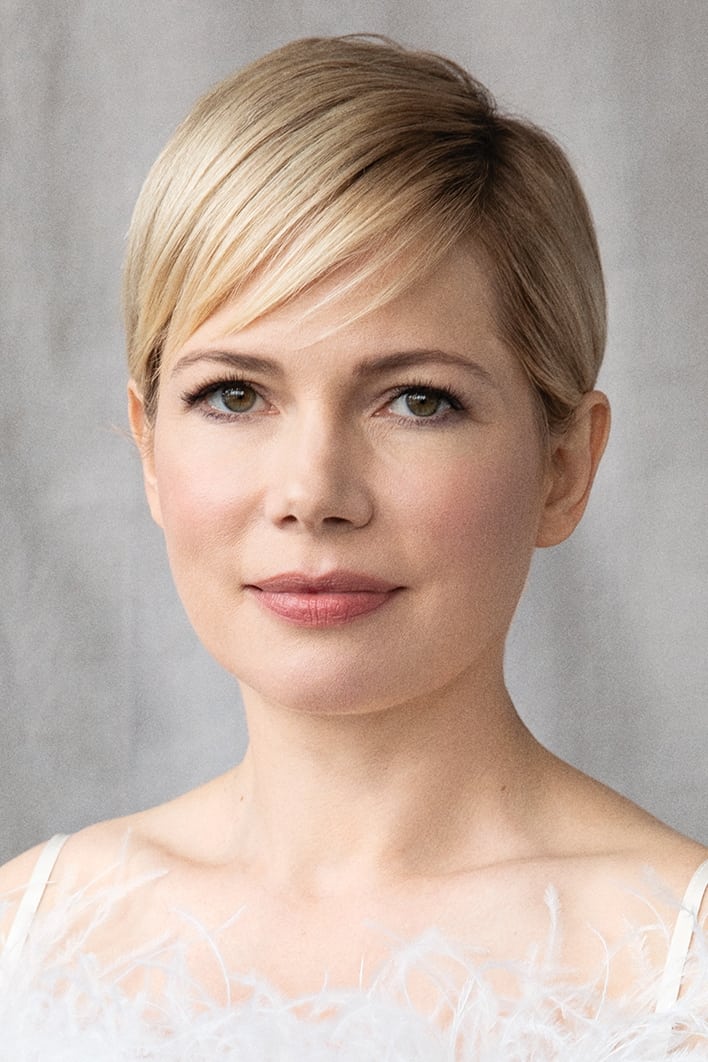
The issue of equal pay came to the forefront when it was discovered that Michelle Williams earned less than $1,000 for additional filming on ‘All the Money in the World’, while her co-star, Mark Wahlberg, made $1.5 million for the same work. This huge difference sparked public anger, and Wahlberg ultimately donated his salary to the Time’s Up Legal Defense Fund. Williams shared that the situation left her feeling powerless and highlighted how little control many actresses have when negotiating their contracts.
Emmy Rossum
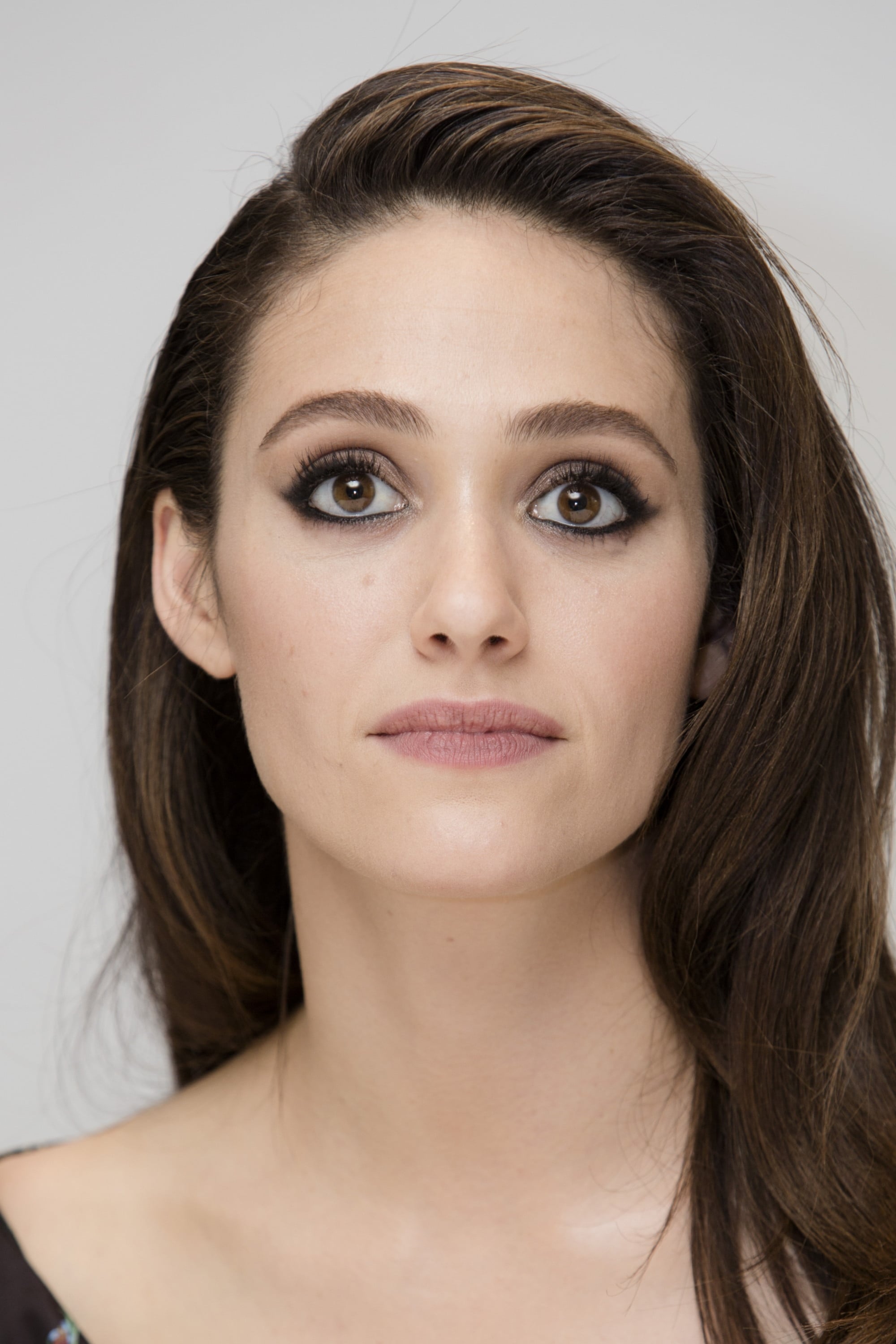
Emmy Rossum had a tense disagreement with the producers of ‘Shameless’ when she asked to be paid the same amount as her co-star, William H. Macy. She felt she deserved equal pay after carrying so much of the show’s emotional weight for several seasons. Filming for the eighth season was temporarily put on hold while the studio considered her request and the potential consequences of losing her. Ultimately, Rossum succeeded in getting equal pay, which paved the way for other actresses in similar TV shows to ask for the same.
Tracee Ellis Ross
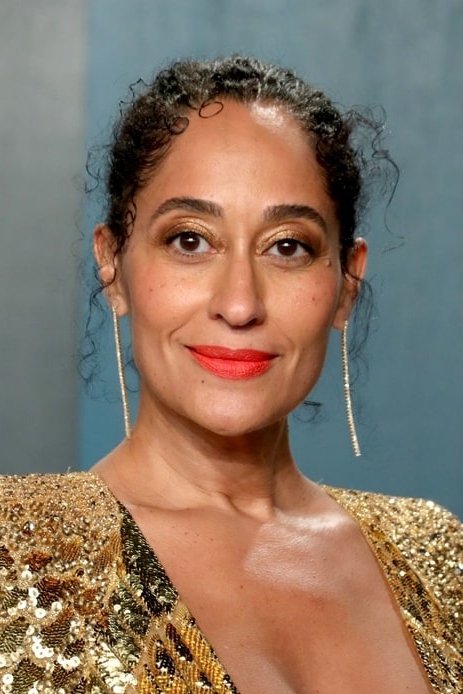
When it came time to renew ‘Black-ish’ for a fifth season, it became public that Tracee Ellis Ross earned considerably less than her co-star, Anthony Anderson. Ross was reportedly prepared to appear in fewer episodes unless the pay difference was reduced. Her willingness to speak out about this issue put pressure on the studio and network to resolve the unfairness. Eventually, a new agreement was reached, but the situation demonstrated how challenging it can be to renegotiate existing contracts.
Salma Hayek
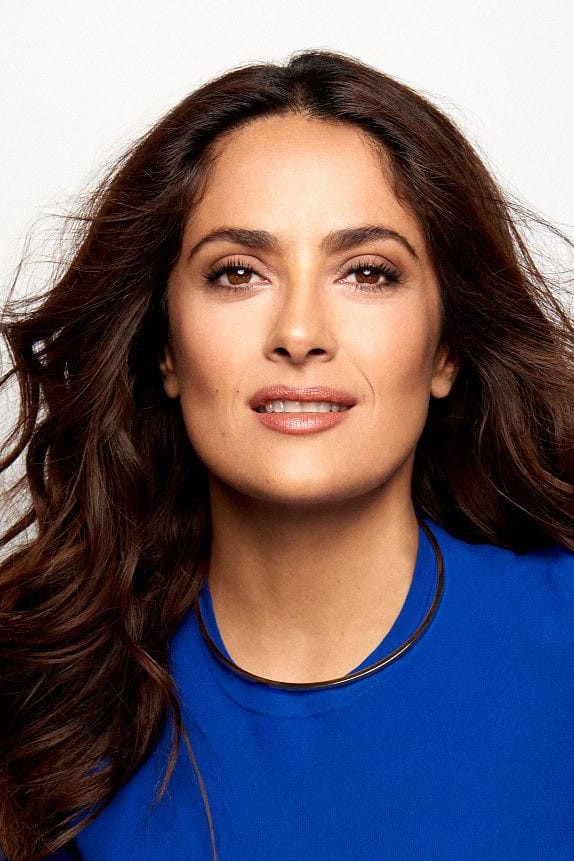
Salma Hayek has shared how challenging it was to make the movie ‘Frida,’ including facing financial pressure from Harvey Weinstein. She explained that the studio tried to stop the film from being completed and didn’t provide the funding they had promised, seemingly to control her and punish her for something. Hayek also pointed out that she consistently earned less than her male colleagues, despite being a well-known international star. Her story highlights how studios can use money to control or silence women in the industry.
Rose McGowan
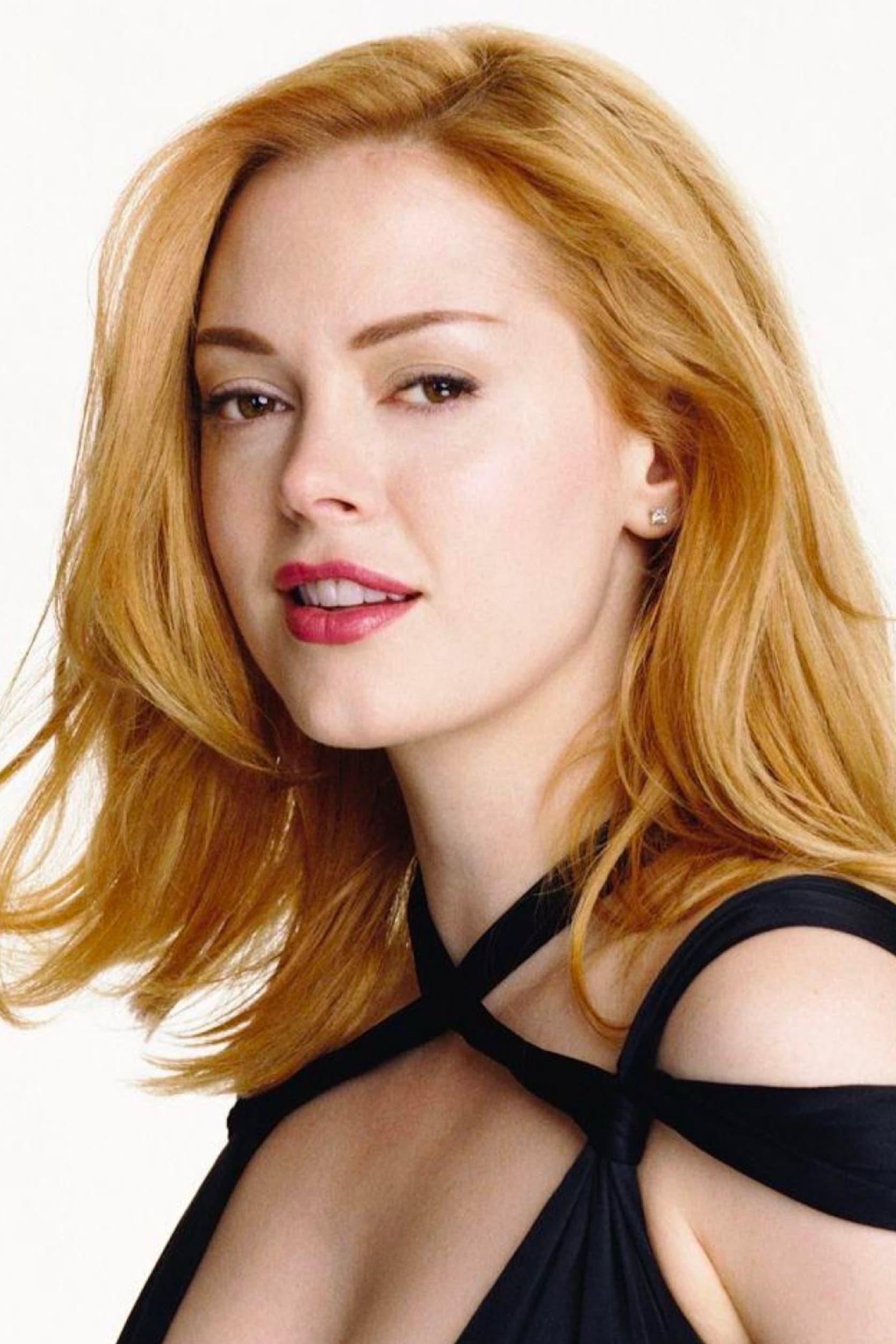
Rose McGowan has repeatedly stated that she was effectively shut out of major film and television projects after publicly criticizing the harmful environment and unfair pay practices in Hollywood. She believes that speaking out about the mistreatment of women led to a dramatic drop in job offers. McGowan was among the first to publicly identify those she felt were responsible for hindering her career. Her experience is often seen as a warning to others in the industry about the potential consequences of challenging powerful studio leaders.
Jessica Chastain
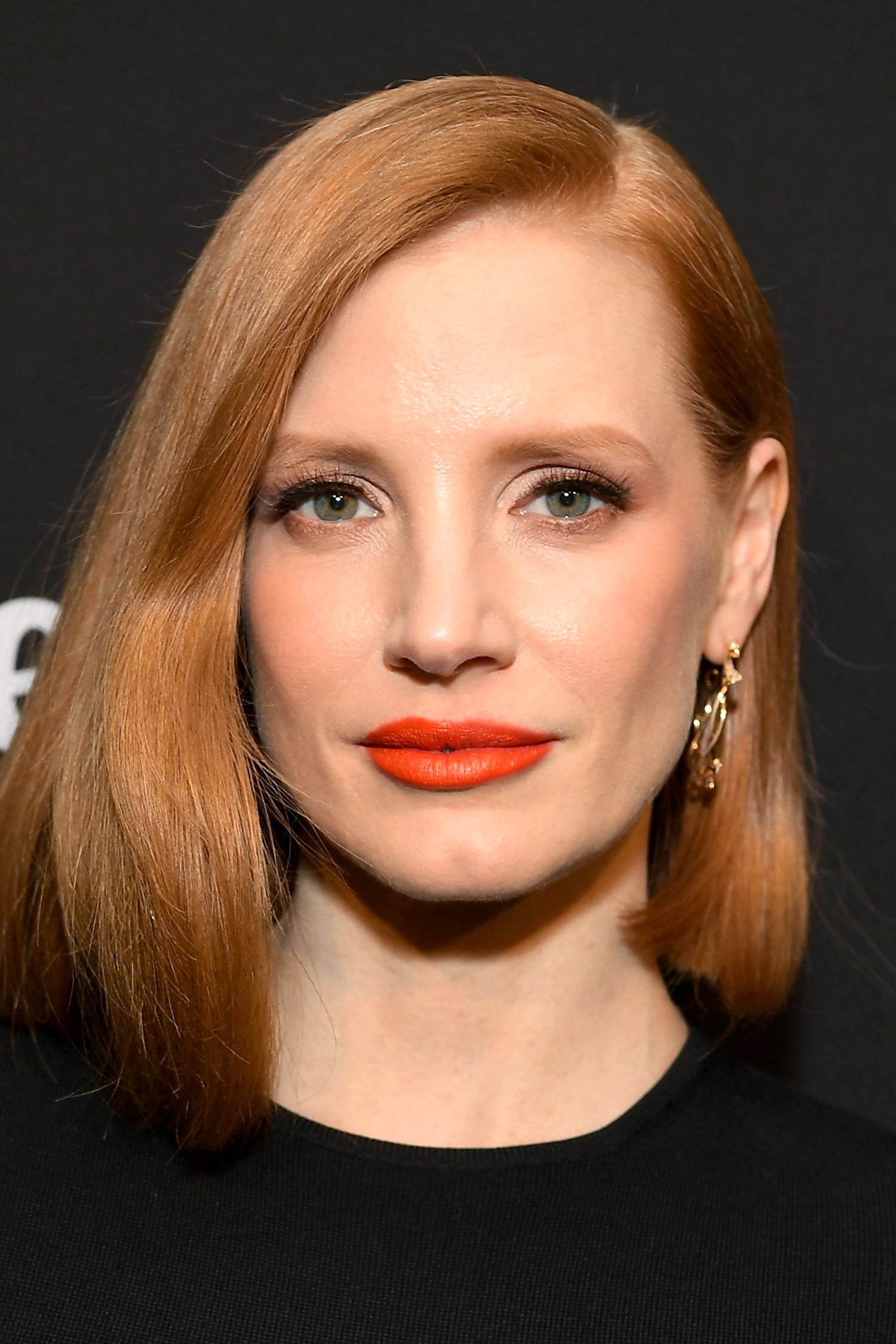
Jessica Chastain consistently demands to know how much her male co-stars are paid before accepting a role. She’s admitted this commitment to fairness has cost her some significant opportunities, as some studios haven’t been willing to share that information. Chastain is prepared to turn down work rather than compromise on equal pay. Despite her continued success, she points out that asking for fair wages is often seen as a problem in the film industry.
Octavia Spencer
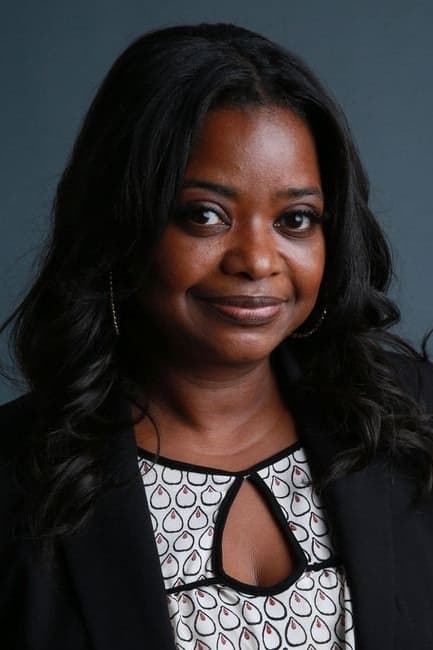
Octavia Spencer shared that Jessica Chastain helped her negotiate a fairer salary for a film they both worked on. Spencer, an Academy Award winner, explained that she often started salary negotiations at a disadvantage compared to her white female colleagues. By negotiating together, they convinced the studio to increase Spencer’s initial offer by five times. This highlighted the importance of allies working together to challenge unfair pay practices in the film industry.
Hilary Swank
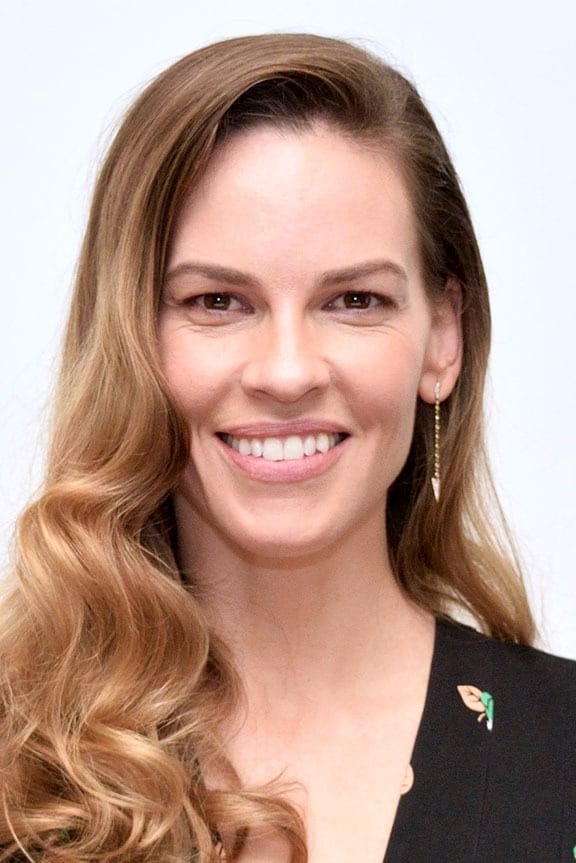
Hilary Swank revealed she was once offered significantly less pay than her male co-star – just $500,000 compared to his $10 million – even though she had already won two Academy Awards. When she asked for a fairer salary, the studio apparently chose a different actress who was willing to work for even less money. Swank shared this experience to highlight how studios often prioritize profits over the achievements and experience of women in film. She’s now working to bring more openness to salary negotiations so these large pay gaps don’t happen behind closed doors.
Debra Messing
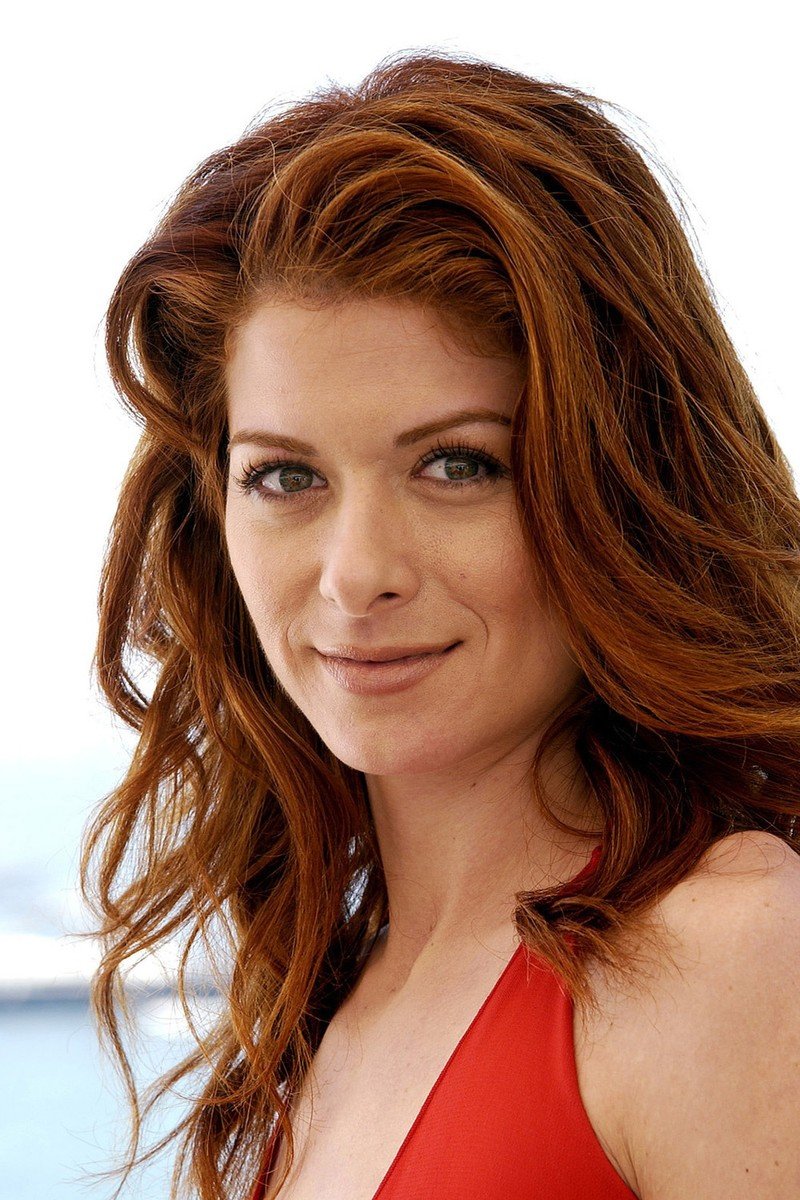
I was really fascinated to hear about what Debra Messing and Megan Mullally went through when ‘Will & Grace’ came back. Apparently, they had to fight hard to get paid the same as Eric McCormack and Sean Hayes, arguing that the show really relied on all four of us equally. It sounds like things got pretty tense with the studio during those negotiations, but thankfully they eventually got equal pay! It’s inspiring to see Debra now encouraging other women to know their value and be strong when it comes to their contracts – it’s a really important message.
Natalie Portman
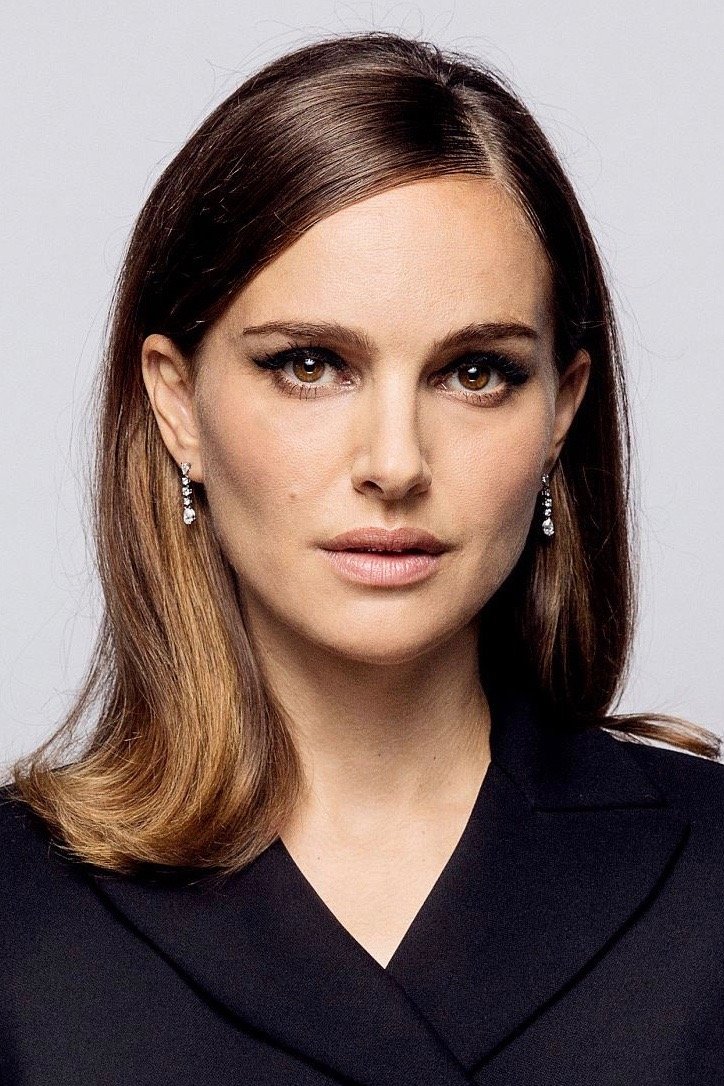
Natalie Portman recently shared that she earned three times less than Ashton Kutcher for their movie, ‘No Strings Attached.’ She admits she didn’t react strongly enough at the time, explaining that the film industry often discouraged speaking out about unfair pay. This realization motivated her to support movements like “Time’s Up,” aiming to prevent young actresses from experiencing the same pay gap. Her experience confirmed what many other successful actresses had already known – that women are often paid significantly less than their male counterparts.
Evan Rachel Wood
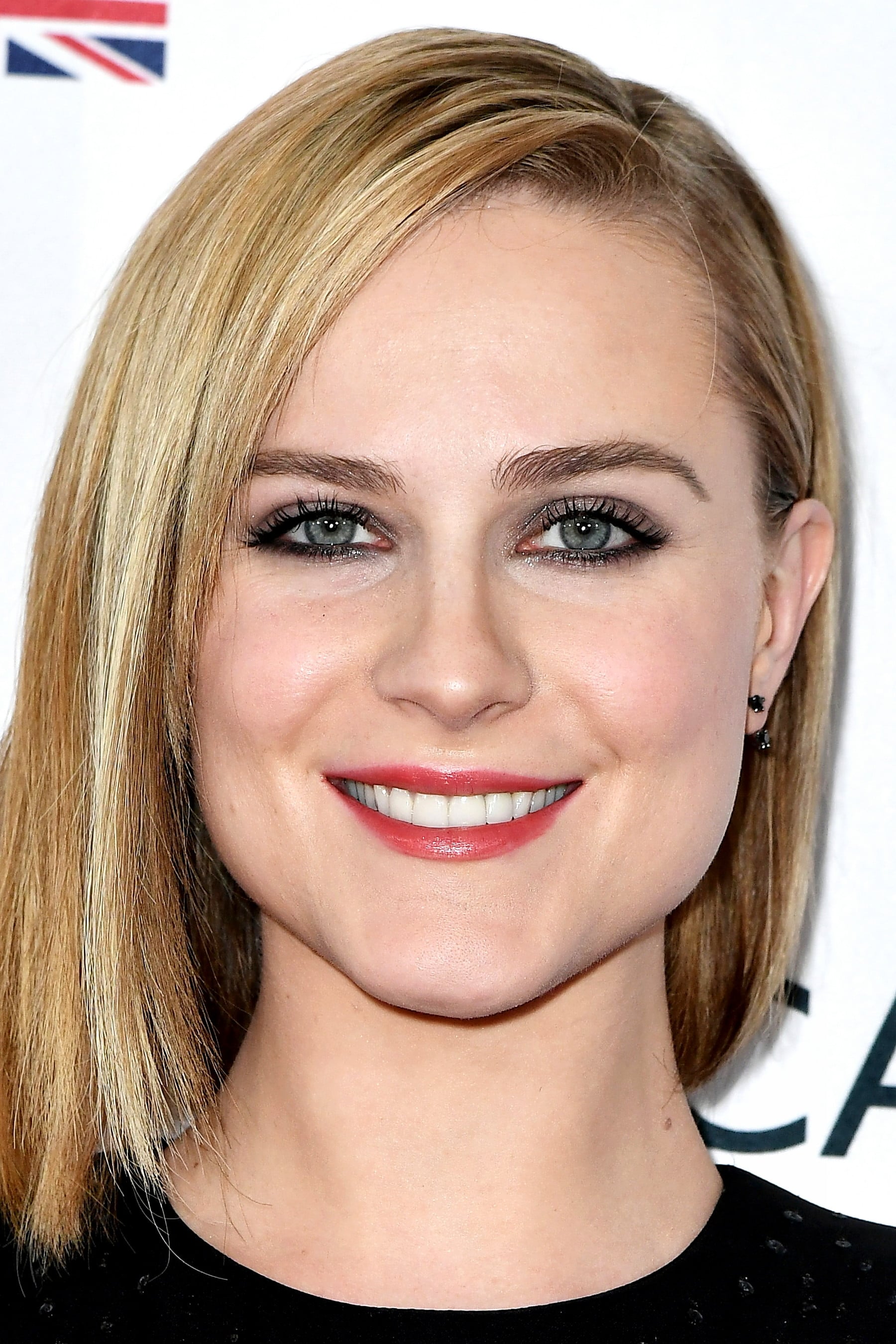
For years, Evan Rachel Wood advocated for equal pay on the HBO show ‘Westworld,’ and finally succeeded in season three. She was repeatedly told the show couldn’t afford to pay her the same as her male colleagues, but she continued to push for fairness. Eventually, the studio agreed to match her compensation with the highest-paid male actors. Wood has since emphasized the need to be courageous and ask for what you deserve, even when facing resistance.
Share your thoughts on these industry pay gap struggles in the comments.
Read More
- 20 Movies Where the Black Villain Was Secretly the Most Popular Character
- Can AI Lie with a Picture? Detecting Deception in Multimodal Models
- 25 “Woke” Films That Used Black Trauma to Humanize White Leads
- 22 Films Where the White Protagonist Is Canonically the Sidekick to a Black Lead
- Silver Rate Forecast
- Top 10 Coolest Things About Invincible (Mark Grayson)
- When AI Teams Cheat: Lessons from Human Collusion
- From Bids to Best Policies: Smarter Auto-Bidding with Generative AI
- Unmasking falsehoods: A New Approach to AI Truthfulness
- Top 20 Dinosaur Movies, Ranked
2026-01-20 04:47