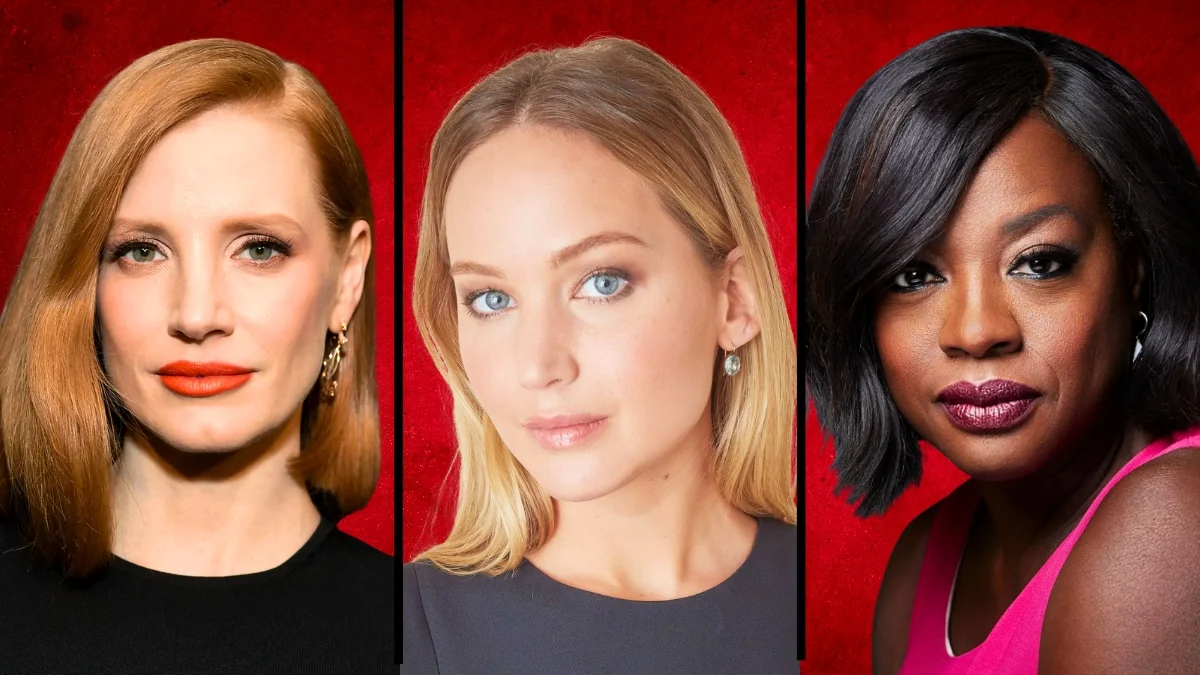
As a long-time supporter, I’ve watched for years as what really happened behind the scenes in Hollywood stayed hidden. These brave women risked everything – their careers, their reputations – to expose the unfairness and even abuse that was happening. They spoke up about unequal pay and predatory behavior, and it’s been incredible to see the changes they’ve sparked. Their courage has completely changed how movies and TV shows are made, not just here, but all over the world. They’ve broken down walls and started a vital conversation about holding people accountable for their actions.
Rose McGowan
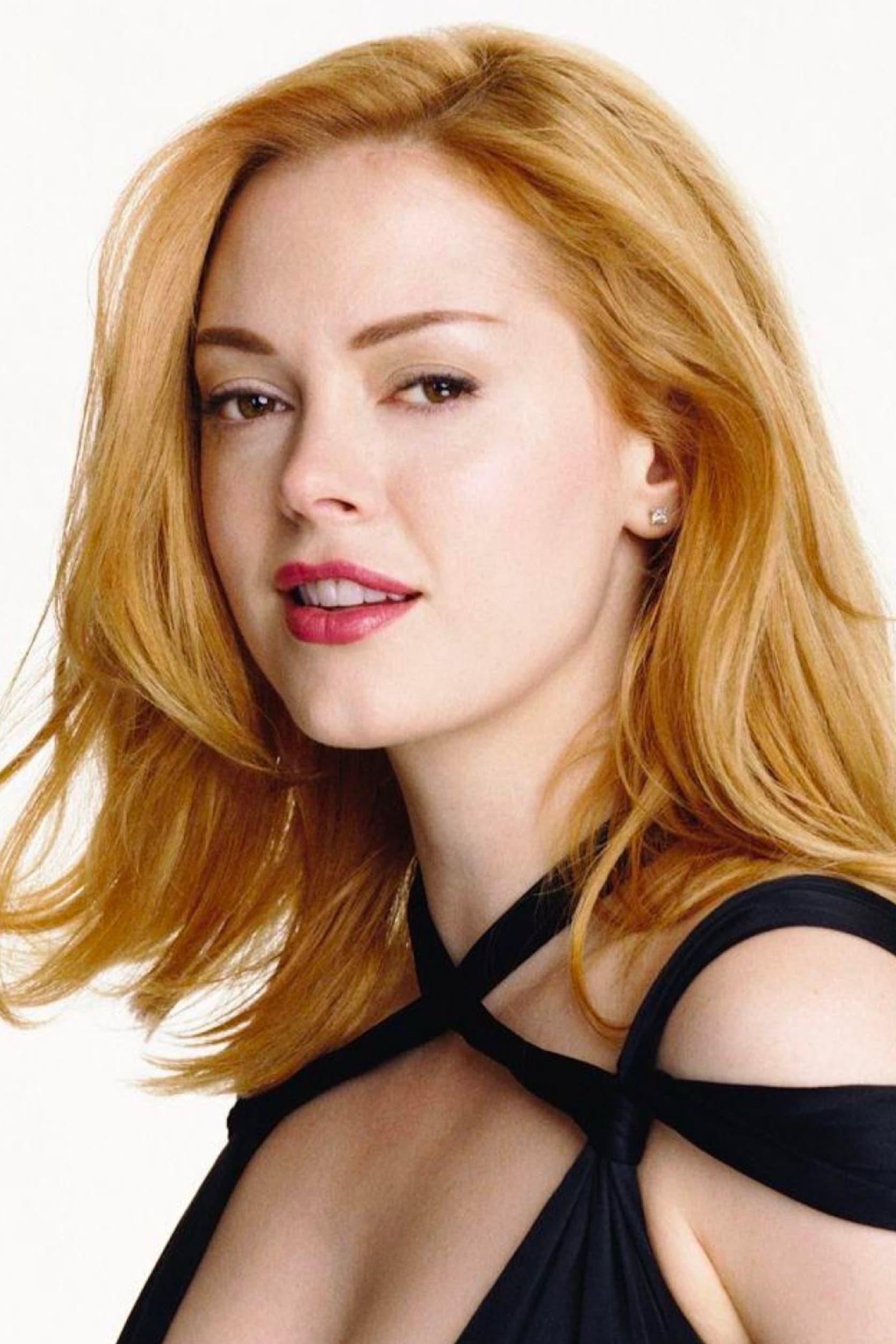
Rose McGowan was among the first women to publicly accuse Harvey Weinstein of sexual assault, and her actions helped launch the Me Too movement. She revealed how Weinstein used private investigators and secret agreements to silence those who accused him for years. In her memoir, ‘Brave,’ McGowan described the widespread sexism and abuse within the film industry. By speaking out, she sparked major changes in how Hollywood addresses misconduct. She continues to be a strong voice against the systems that shield abusers in the entertainment world.
Ashley Judd
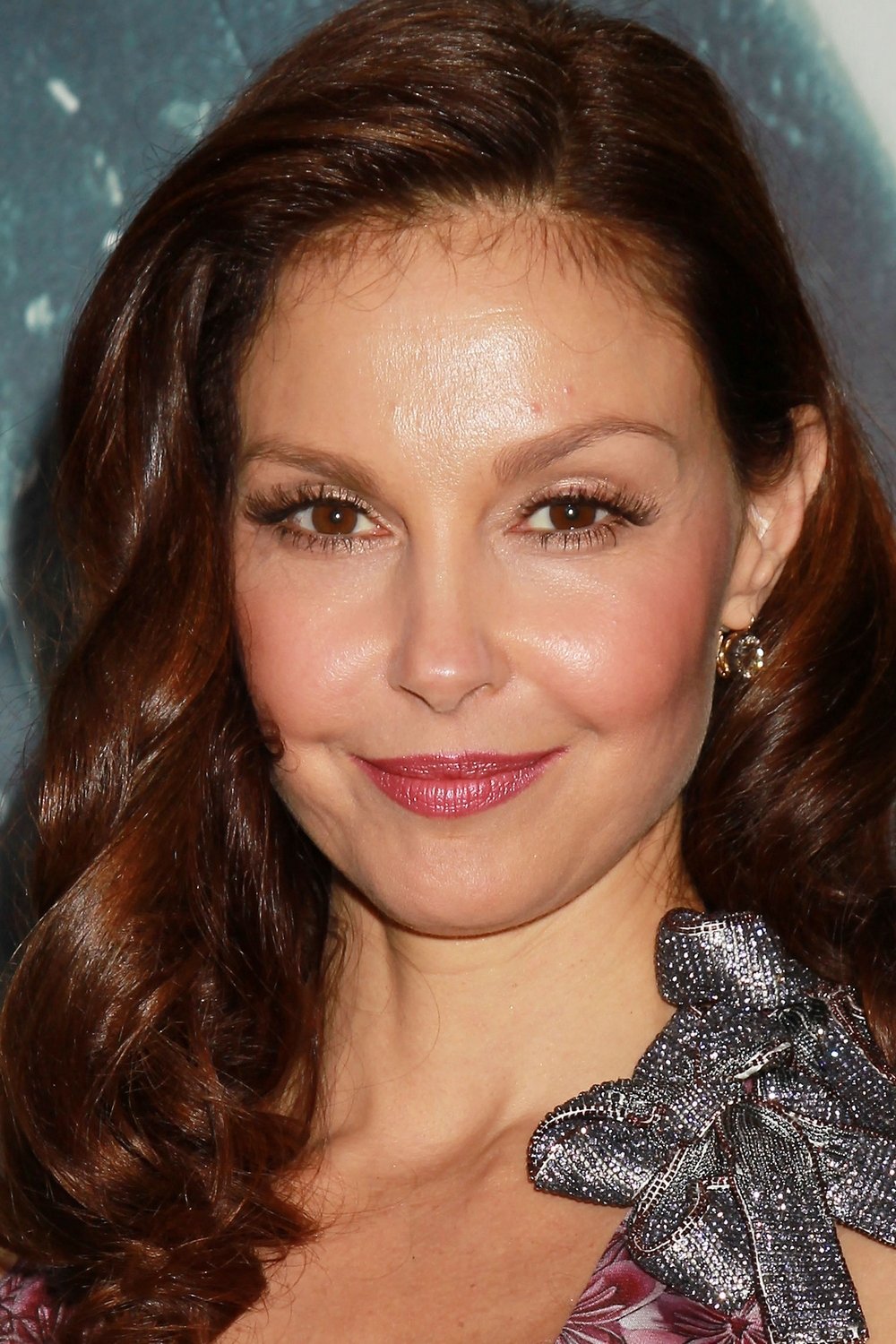
In a 2017 report, Ashley Judd publicly shared her experience with harassment by a powerful movie executive. She explained that when she rejected his advances, she was effectively shut out of opportunities, including a role in ‘The Lord of the Rings.’ Judd later sued the executive for damaging her career. Her story brought attention to the informal ways actresses protected each other by sharing warnings about problematic individuals. She continues to work towards creating a safer and more equitable environment for young performers.
Viola Davis
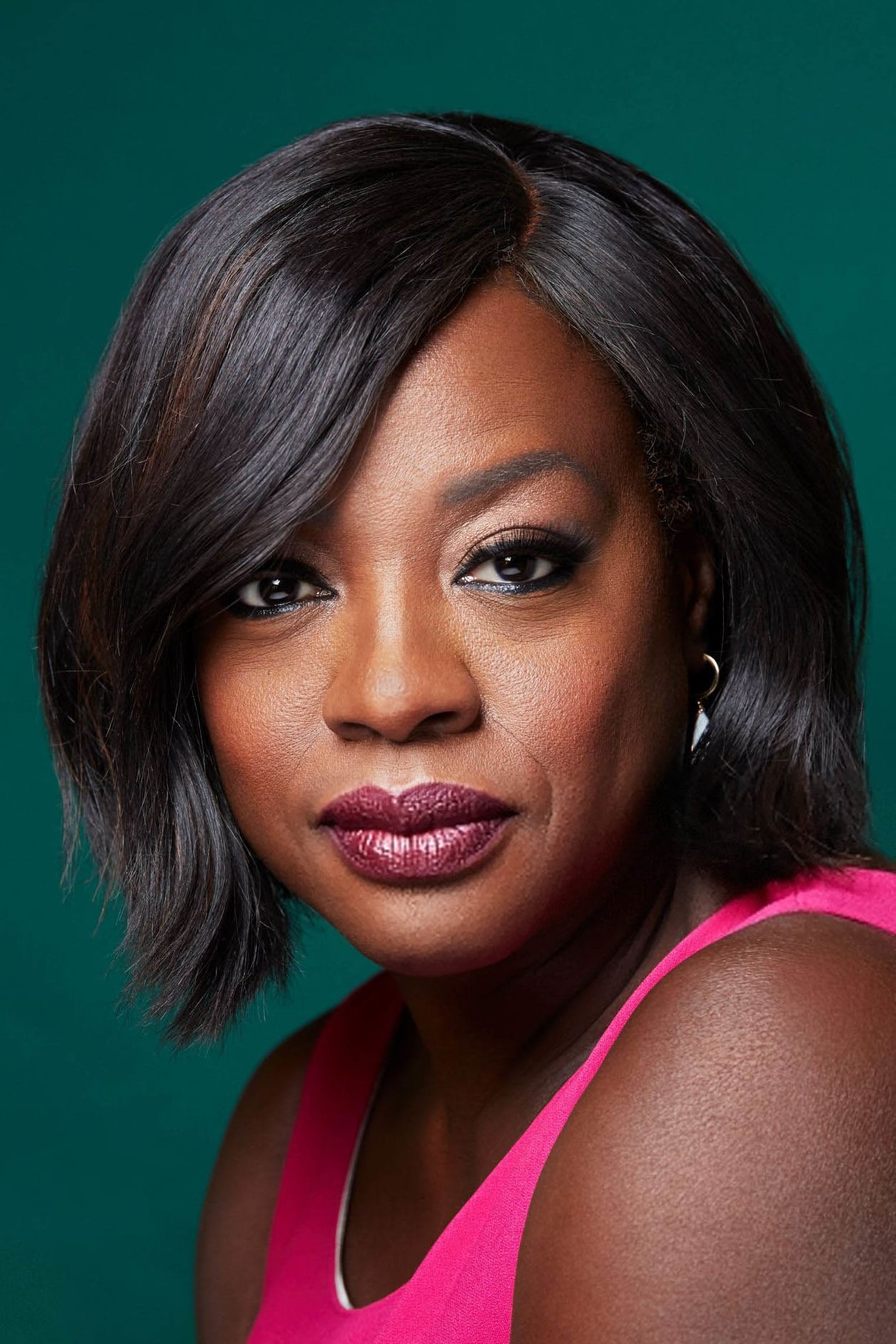
Viola Davis has consistently spoken out about the unfair pay and limited opportunities for women of color in Hollywood. She’s pointed out that despite having a successful career similar to Meryl Streep’s, she doesn’t receive equal pay or recognition. Davis has shown how Hollywood’s focus on “diversity” is often just for show, without real commitment to fair wages. By openly discussing the small opportunities offered to Black actresses, she’s pushed studios to re-evaluate how they value diverse talent. She continues to be a strong advocate for fairness in film and television.
Jennifer Lawrence
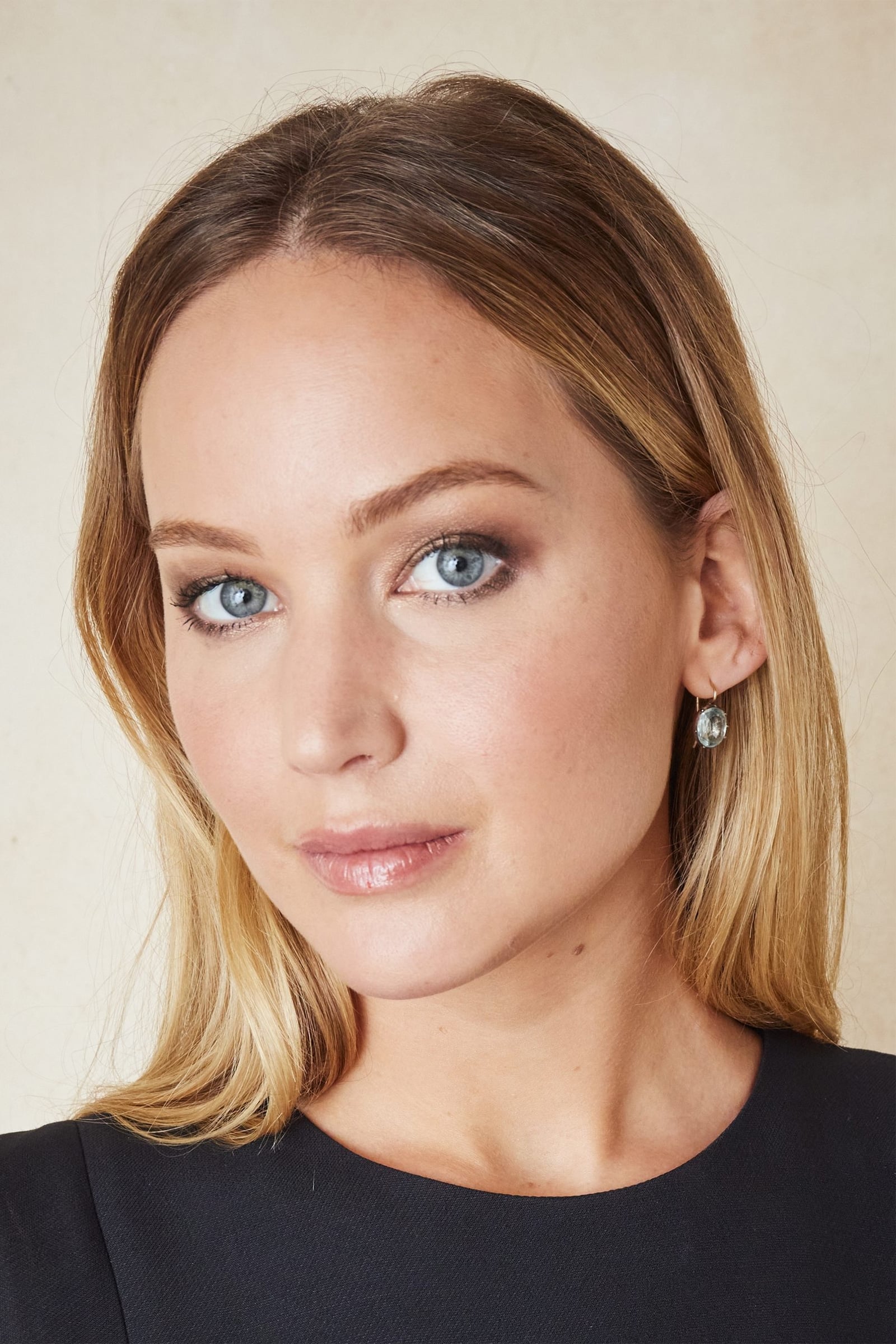
I remember when the Sony hack blew the lid off Hollywood’s pay disparities, and Jennifer Lawrence really put herself out there by speaking up. She wrote this incredibly honest essay about how she’d been paid less than her male co-stars in ‘American Hustle,’ and it wasn’t just about the money. She explained this real fear actresses have – being seen as ‘difficult’ if they try to negotiate for what they deserve. It was a brave move, and it definitely opened the floodgates. Suddenly, other big names started demanding to see what everyone else was making, and it sparked a huge global conversation about how unfairly women are paid in the entertainment industry. It was a pivotal moment, honestly.
Thandiwe Newton

Thandiwe Newton has openly discussed the sexual exploitation she experienced at the beginning of her career, detailing how a director filmed her inappropriately during an audition and then shared the footage with others in the film industry for their entertainment. She also described a difficult and intimidating atmosphere while filming ‘Mission: Impossible 2’. By speaking out about these experiences, Newton shed light on the need for better protection and supervision on film sets, and has become a leading voice in advocating for the use of intimacy coordinators to ensure a safe working environment.
Evan Rachel Wood
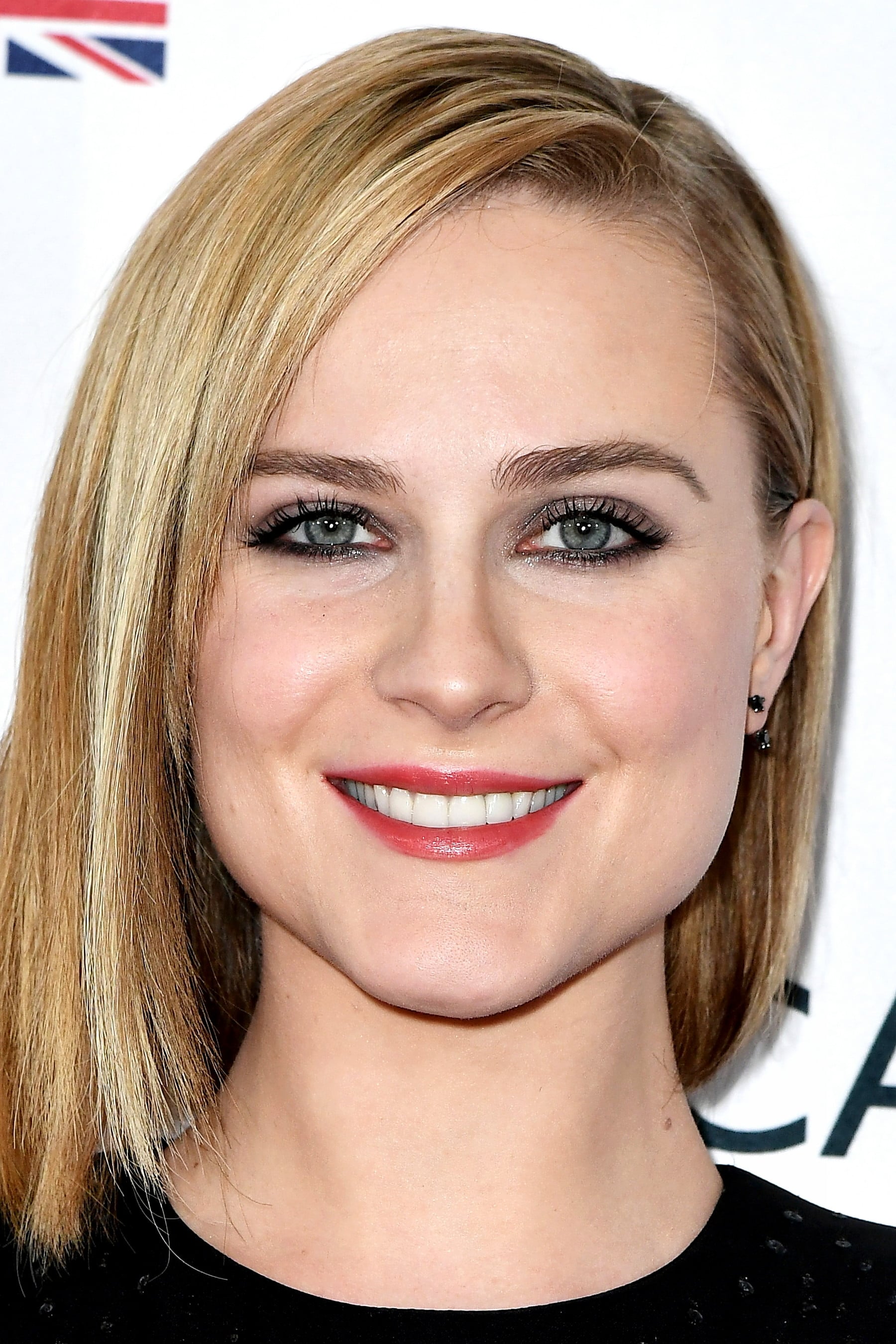
Evan Rachel Wood spoke to Congress about her experiences with domestic violence and sexual assault while working in the entertainment industry. She later publicly identified her abuser, describing how he manipulated and groomed her when she was a young actress. Wood highlighted a troubling pattern within the industry where the well-being of performers is often overlooked to prioritize profits. Her work as an advocate led to the passage of the Phoenix Act, which gives survivors more time to pursue legal action in domestic violence cases. She continues to raise awareness about the dangers of predatory behavior and how to recognize the warning signs.
Mila Kunis
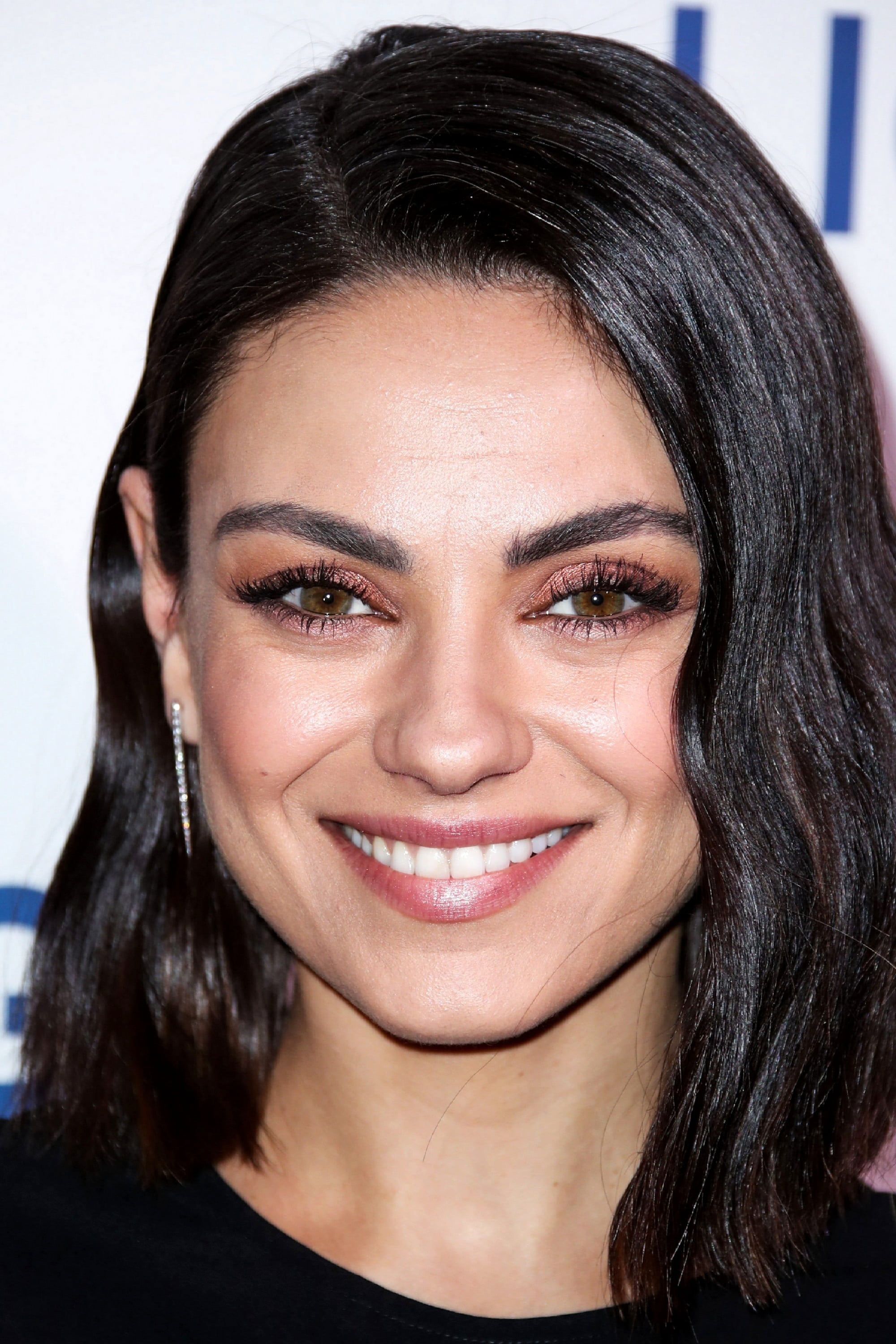
Mila Kunis shared a letter describing the unfair sexism she faced as an actress and producer. She recounted how a producer threatened to ruin her career when she declined to do a suggestive photoshoot. Kunis explained that this kind of intimidation is often used to pressure actresses into appearing in a sexualized way in marketing materials. She believes these threats are common for women in Hollywood, even successful ones, and called for a change in the male-dominated culture within studios.
Reese Witherspoon
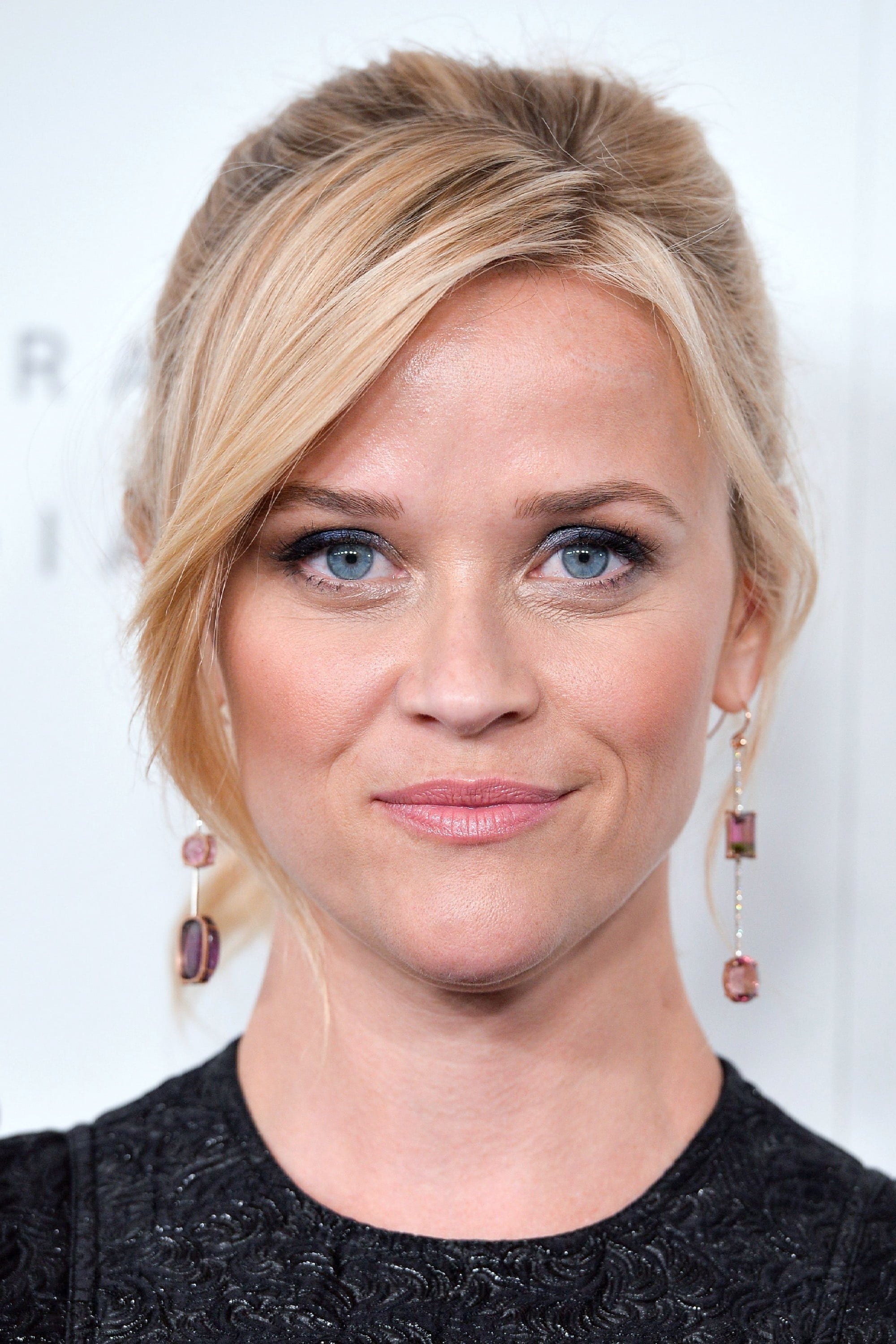
Reese Witherspoon recently revealed she was sexually assaulted by a director when she was 16. She felt she couldn’t speak out then because her career relied on getting approval from influential men. Now, through her production company, Hello Sunshine, she focuses on stories told by and about women and works to create safer workplaces. Witherspoon explained that in the 1990s, harassment was often dismissed as just “part of the job.” By sharing her story, she’s helped others, especially former child actors, feel validated and know they weren’t alone in experiencing similar abuse.
Mira Sorvino
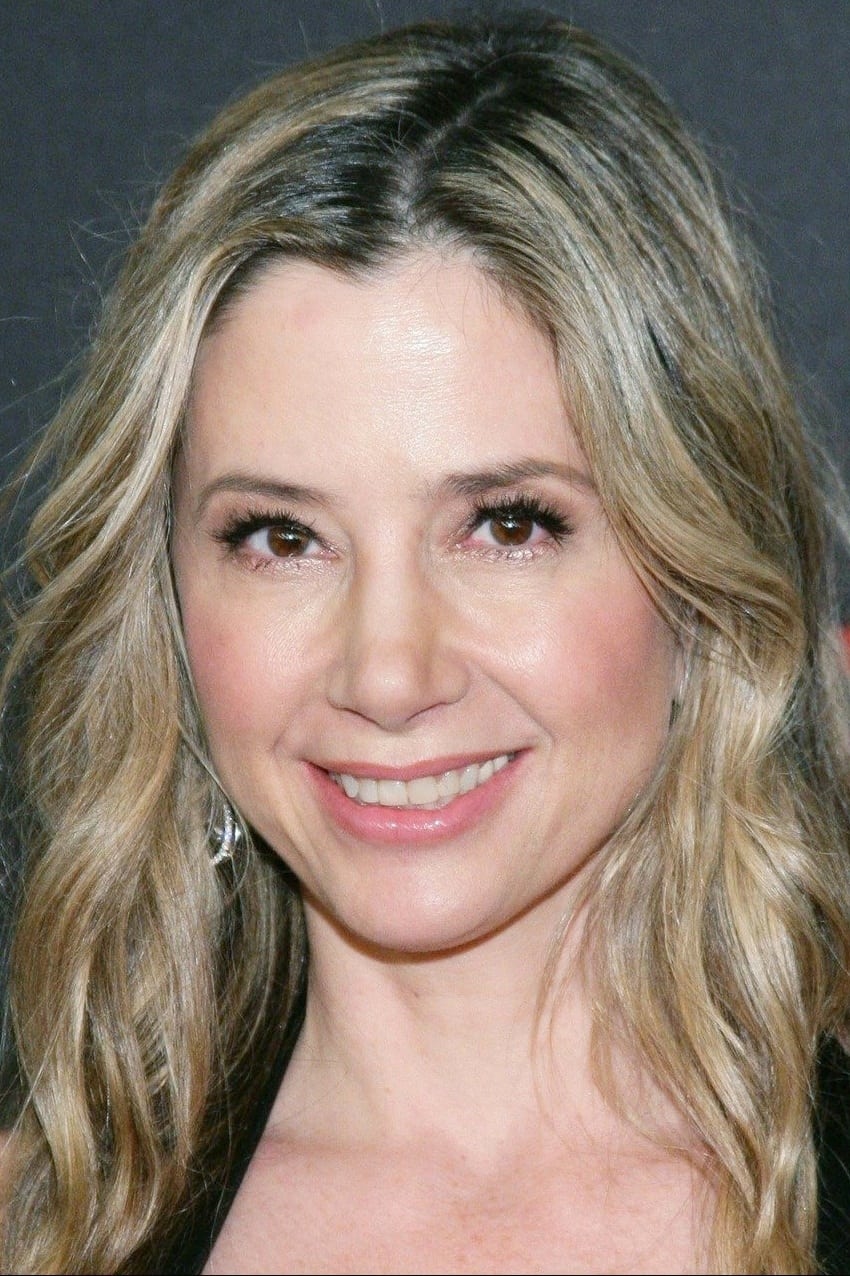
Mira Sorvino shared that her acting career suffered after she turned down unwanted advances from a studio executive. Director Peter Jackson later confirmed he was warned Sorvino was ‘difficult,’ which he believes was done to sabotage her chances of getting roles. This highlighted a pattern of powerful people in the industry ‘blacklisting’ women who spoke up or asserted themselves. After winning an Academy Award for ‘Mighty Aphrodite,’ Sorvino’s career took a downturn because of these hidden actions. Now, she’s a strong advocate for laws that would legally protect people who report wrongdoing in the film industry.
Salma Hayek
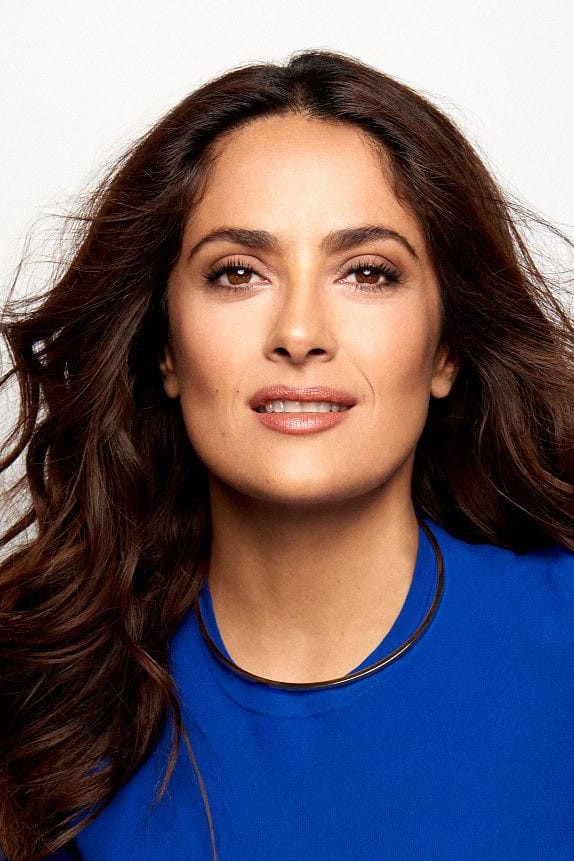
Salma Hayek described the difficult experience of making the film ‘Frida,’ detailing how she was constantly harassed, verbally abused, and subjected to unreasonable requests by the studio executive in charge. She explained that she was pressured into filming a nude scene to guarantee the movie’s completion. Hayek’s story sheds light on the significant challenges and pressures faced by women producing films, and how they can be particularly vulnerable when dealing with exploitative distributors. By sharing her experience, she brought attention to the difficulties women encounter when trying to create their own work.
Gwyneth Paltrow
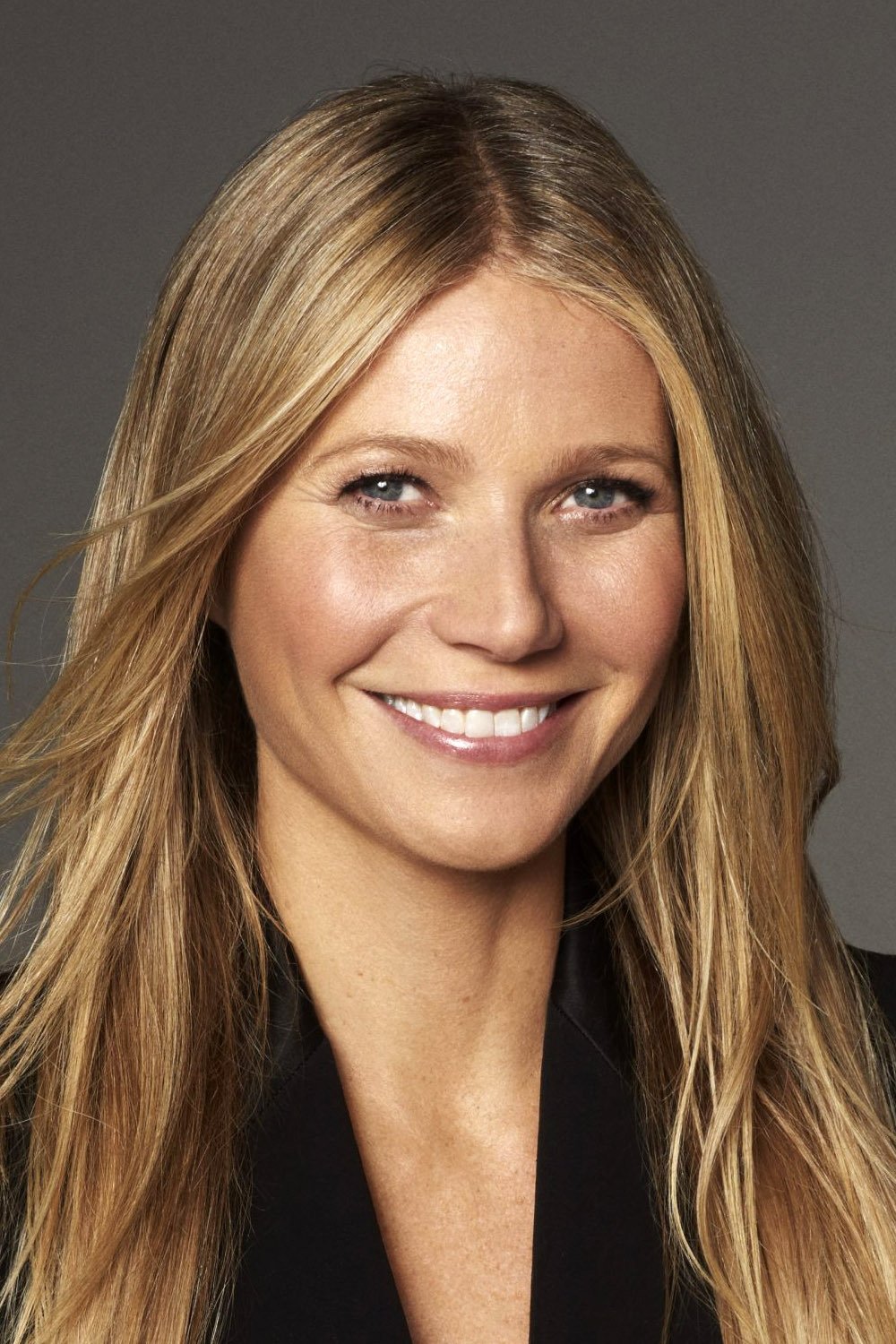
Gwyneth Paltrow publicly revealed she was harassed early in her career while working at Miramax. She explained that she was told to stay silent to protect her rising career. Paltrow highlighted a pattern where agents and managers often advised young actors and actresses to ignore inappropriate behavior to avoid damaging their prospects. Her willingness to speak out initially helped build the case against powerful abusers in the film industry. Since then, she’s become a strong advocate for improved mentorship opportunities for young women working in film.
Geena Davis
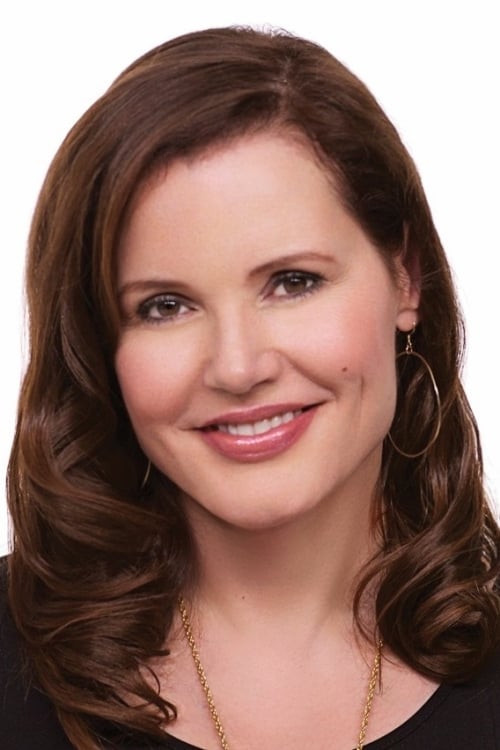
Geena Davis is working to highlight the problem of gender inequality in media through her institute. Her research shows a significant difference in how much screen time and dialogue male and female characters receive, even in a well-known film like ‘Thelma & Louise’. Davis has also spoken about her own experiences with ageism in Hollywood, noting that male actors often continue to find success as they age while women are frequently overlooked. This data-driven approach is challenging studios to recognize and address their hidden biases when it comes to casting and creating stories. Davis continues to be a leading advocate for equal representation for women in all aspects of the film industry.
Jennifer Aniston
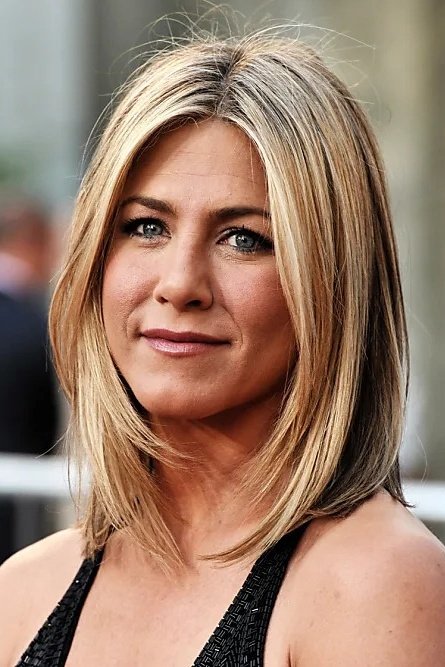
Jennifer Aniston recently shared how she faced bullying and pressure to lose weight early in her career from powerful people in the industry. She explained that she was pushed to meet impossible beauty standards just to get acting roles. Aniston also criticized the tabloids, saying they often get information from studio leaks and then exploit actresses’ personal lives to sell movies. She’s become a well-respected voice speaking out about these issues and advocating for both privacy and mental health within the entertainment industry.
Carey Mulligan
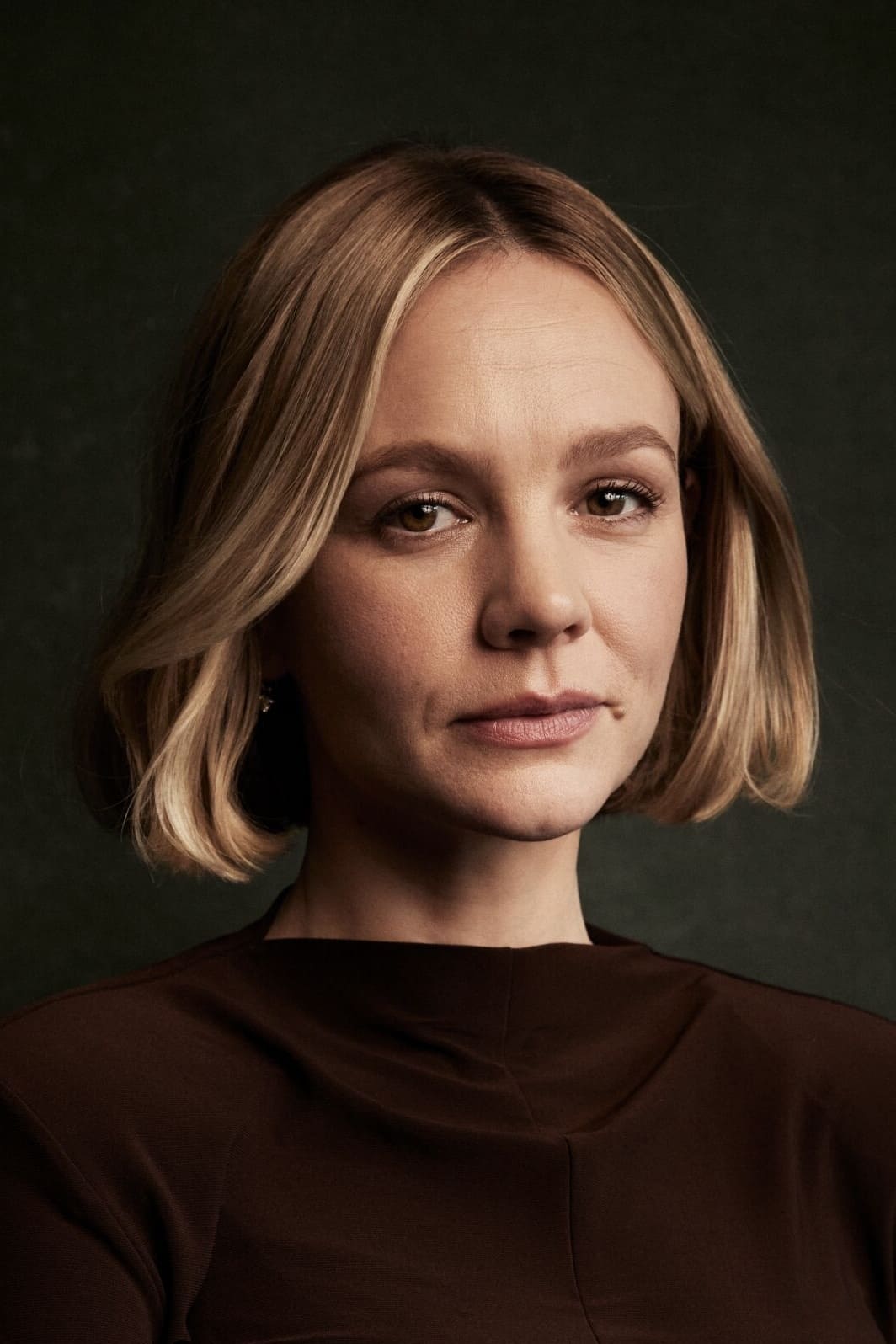
Carey Mulligan spoke out against the sexism she sees in film criticism, particularly the focus on actresses’ appearances. She specifically criticized a review that questioned whether she was attractive enough for her role in ‘Promising Young Woman’. Mulligan explained that this kind of comment isn’t just a one-off incident, but part of a larger problem where women in film are often judged more on how they look than on their acting ability. She highlighted how these kinds of criticisms can affect the roles women are offered. Her comments have sparked a more thoughtful conversation about gender and film criticism.
Bryce Dallas Howard
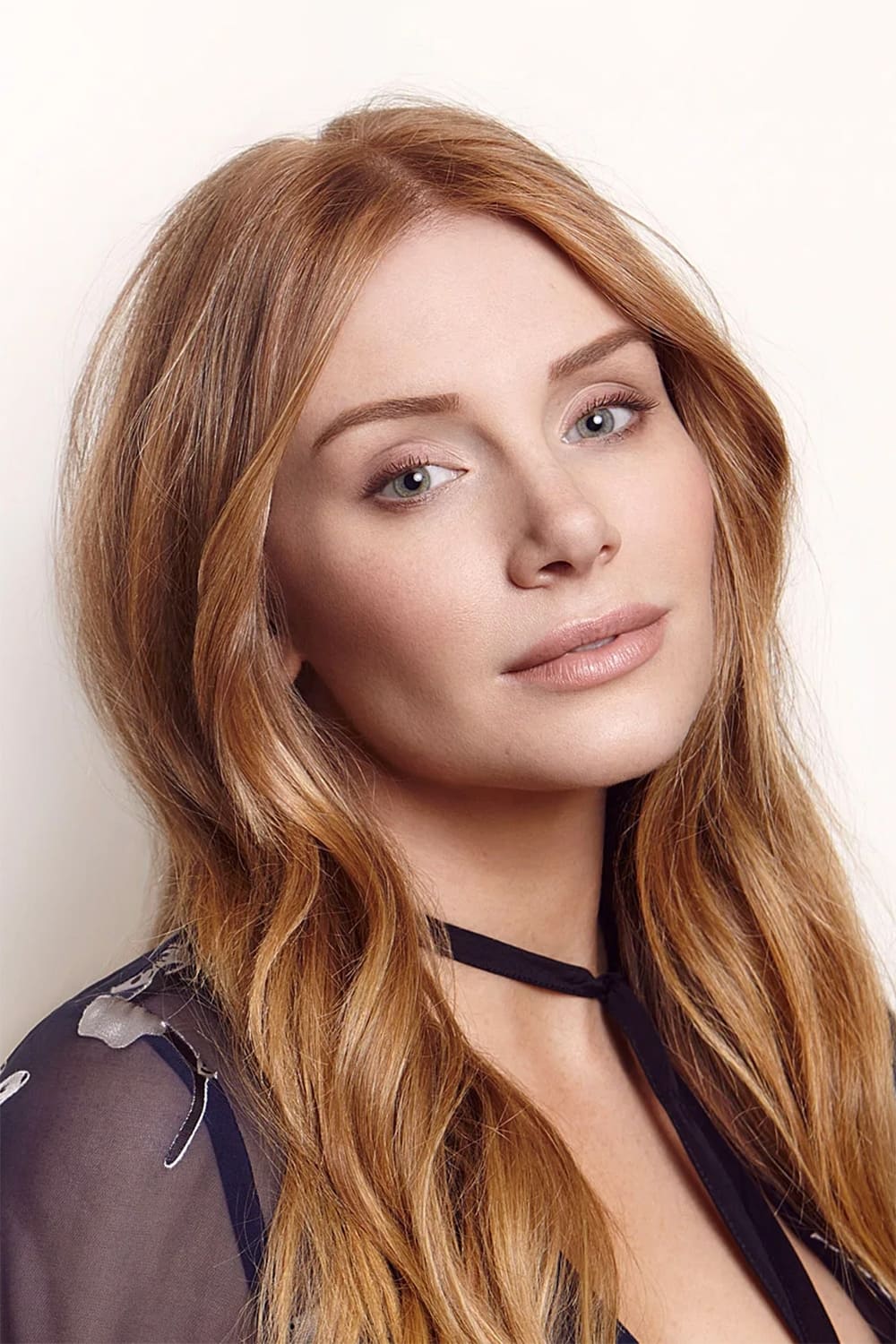
Bryce Dallas Howard has shared that she earned considerably less than her ‘Jurassic World’ co-star, despite earlier reports suggesting a more equal salary. She explained that being new to the franchise put her at a disadvantage during pay negotiations. Fortunately, Chris Pratt advocated for her to receive equal pay for opportunities outside the films, such as theme park attractions and video games. Howard’s experience underscores the value of male support in achieving fair wages and reveals that reported salary numbers aren’t always accurate.
Michelle Williams
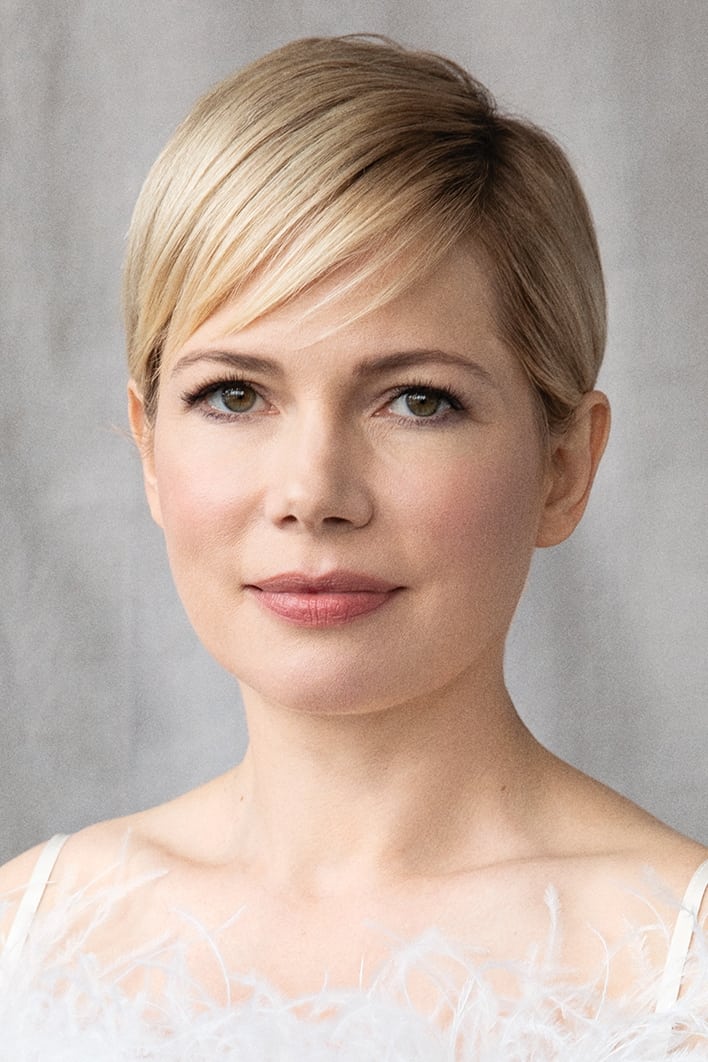
During reshoots for the film ‘All the Money in the World’, Michelle Williams highlighted a significant pay gap. She earned less than $1,000 for the additional work, while her male co-star received $1.5 million. This unfair difference sparked public anger, and her co-star ultimately donated his earnings to the Time’s Up Legal Defense Fund. Williams later shared her experience with Congress, demonstrating the lack of openness regarding contracts in Hollywood. The situation became a key example in the ongoing effort to achieve equal pay for equal work.
Jessica Chastain
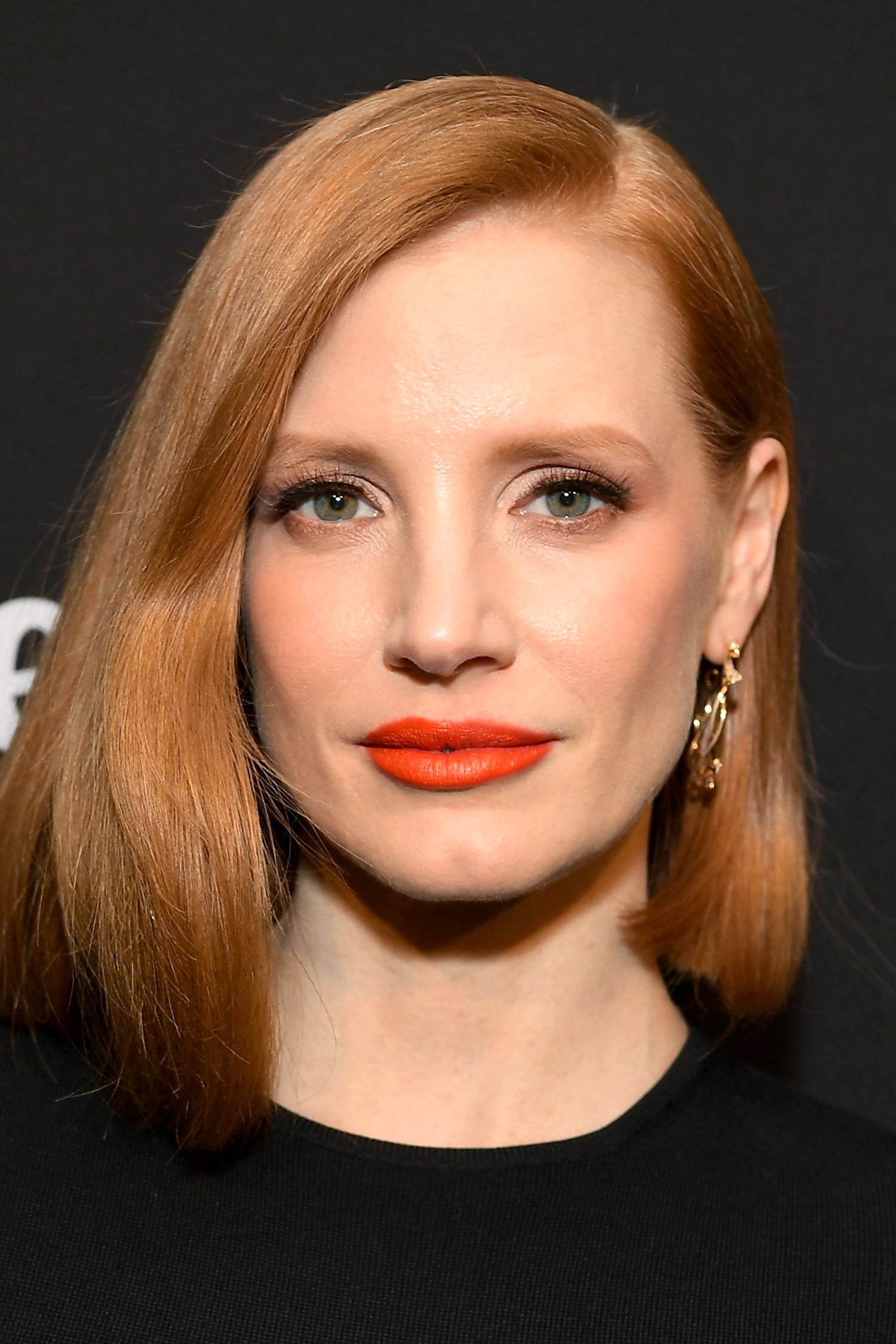
Jessica Chastain is a strong supporter of open salary information and has turned down acting jobs when she learned she would be paid much less than her male co-stars. She once rejected a large film role because the studio wouldn’t reveal how much her male colleague was earning. Chastain also famously negotiated a significant raise for Octavia Spencer on a project they worked on together, increasing Spencer’s salary fivefold. She’s highlighted how studios often try to pit actors against each other to keep women’s pay lower. Her insistence on equal pay clauses has encouraged other actresses to ask for the same treatment.
Taraji P. Henson
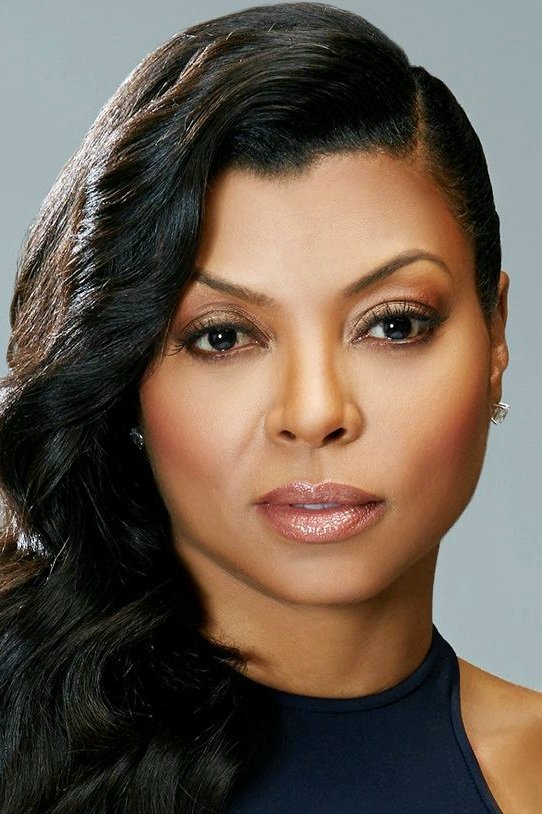
Taraji P. Henson has often talked about how unfairly low her pay was after being nominated for an Academy Award for ‘The Curious Case of Benjamin Button’. She shared that, even as a leading actress in the film, she had to cover her own travel and lodging costs during promotional events. Henson has highlighted the expectation that Black actresses should simply be thankful for any work they get, instead of receiving fair compensation. Recently, she emotionally explained that the expenses of maintaining a career don’t add up with how little she actually earns. Her openness has brought attention to the financial difficulties faced by even highly successful Black women in Hollywood.
Ellen Pompeo
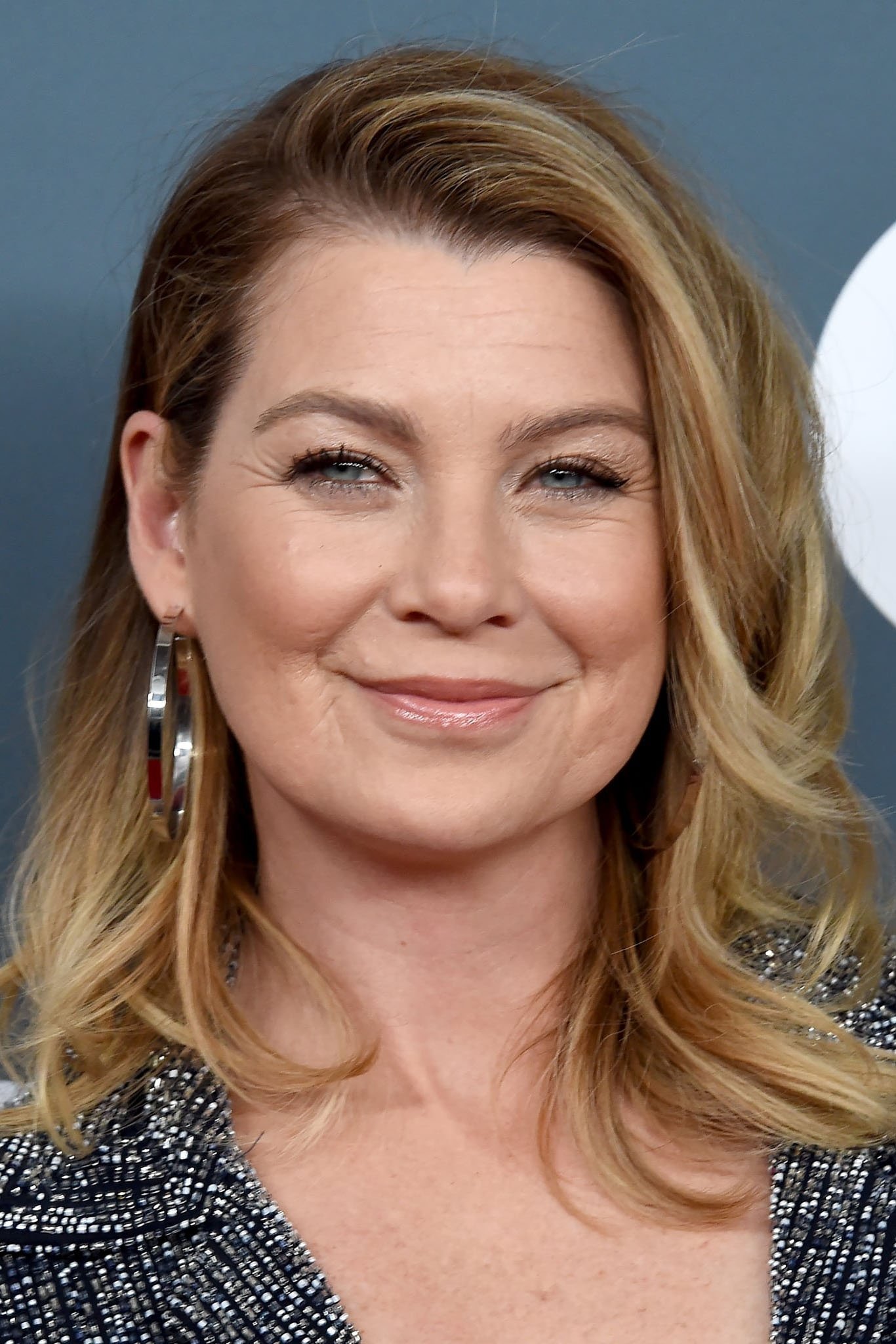
Ellen Pompeo recently shared her experience of becoming the highest-paid actress in a TV drama. She described the challenging and sometimes negative atmosphere during the first seasons of ‘Grey’s Anatomy’ and how hard it was to negotiate with the studio. Pompeo explained that she often faced being undervalued and was told the show revolved around her male co-star. By openly discussing her $20 million salary, she hoped to inspire other women to confidently advocate for themselves in their own negotiations. Now, she mentors other actresses, helping them navigate the business aspects of the television industry.
Octavia Spencer
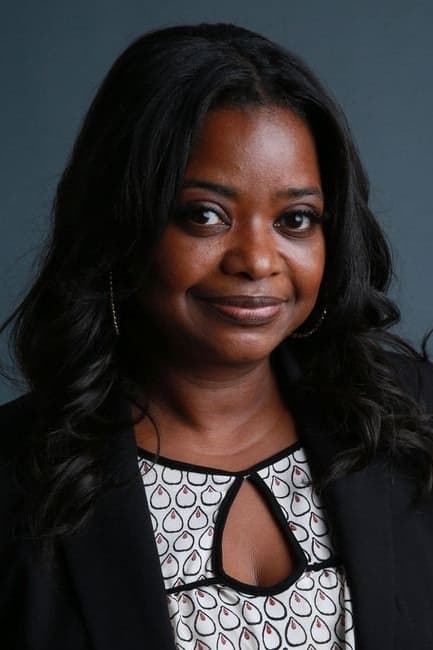
Octavia Spencer has spoken candidly about the obstacles Black actresses face in Hollywood, especially when it comes to earning fair profits from their films. She revealed that Jessica Chastain supported her in negotiating a significantly higher salary. Spencer has highlighted the hidden practices that often prevent actors of color from achieving top-level pay. She’s also discussed the struggles of finding stylists on set who are experienced with Black hair and skin. Thanks to her efforts, productions are now more likely to prioritize diversity among their hair and makeup teams.
Zoe Saldaña
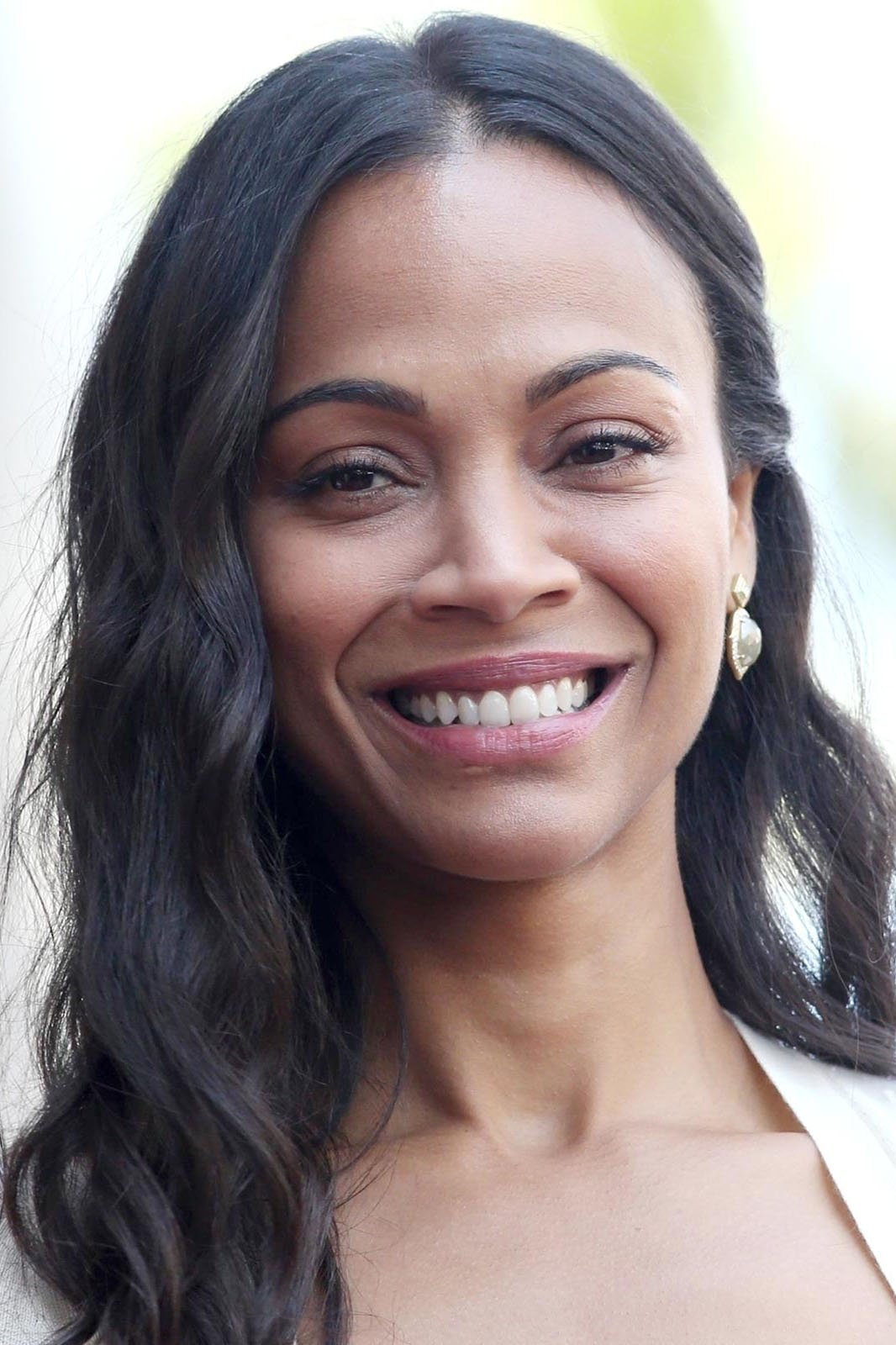
Zoe Saldaña spoke about the challenges she’s faced in Hollywood, including dealing with producers who let their egos get in the way and a lack of support for mothers working on set. She shared an example of a studio denying childcare while generously providing perks for male stars, highlighting the unfair treatment of actresses with families. Saldaña also described the pressure to be agreeable while contributing creatively to big franchises like ‘Guardians of the Galaxy.’ Her experiences have started a conversation about the need for more family-friendly practices in the film industry.
Gabrielle Union
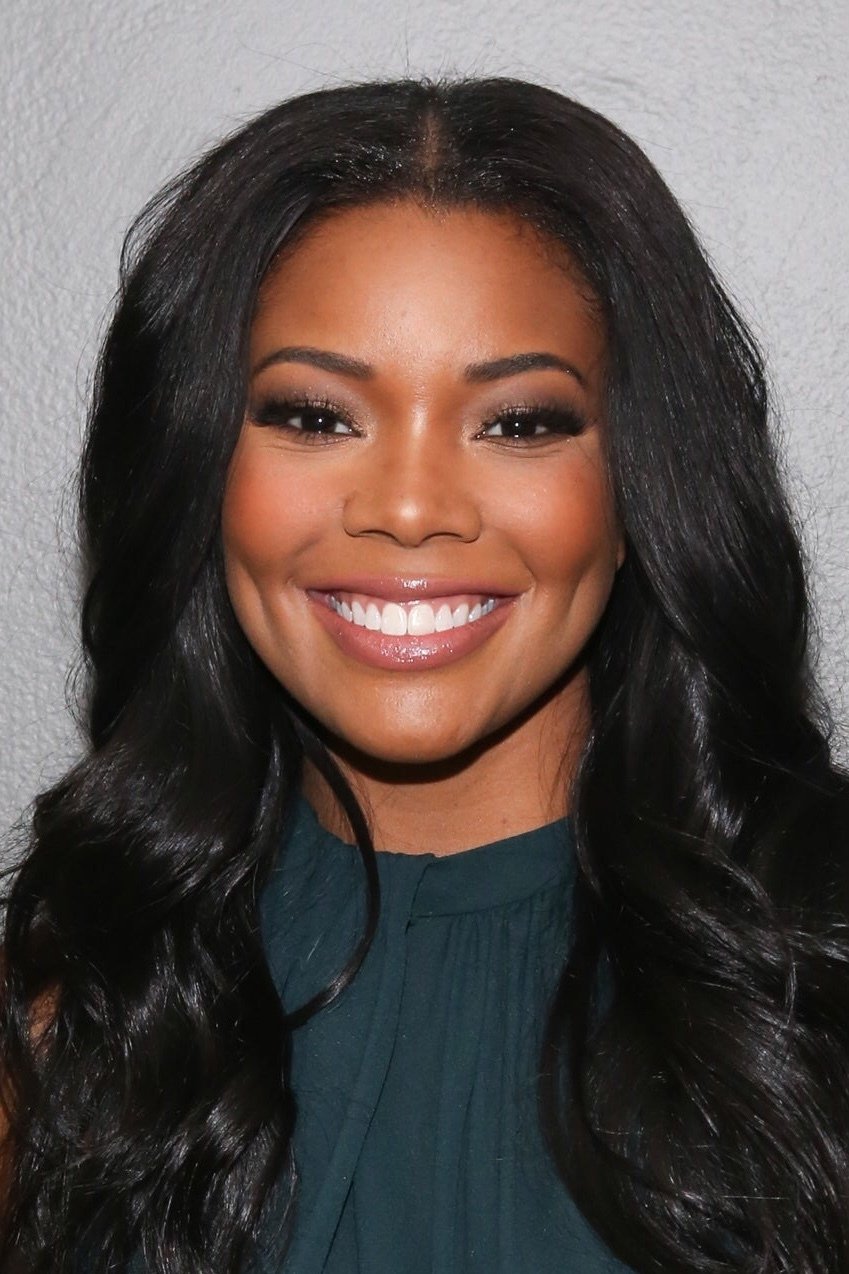
Gabrielle Union spoke out against a major television network, alleging a harmful and prejudiced environment on the set of ‘America’s Got Talent’. She described instances of inappropriate comments and a failure to hold those responsible accountable. Union explained that when she raised these issues, she faced negative consequences instead of solutions. Her experience sheds light on the challenges people face when they try to expose problems within large media companies. She remains committed to creating more positive and welcoming work environments throughout the entertainment industry.
Constance Wu
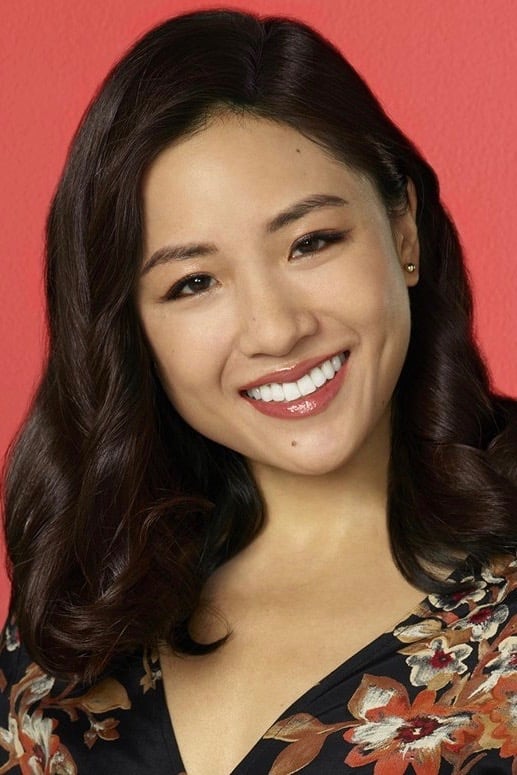
Constance Wu shared that a producer sexually harassed her while she was filming the first seasons of ‘Fresh Off the Boat’. She felt pressured to stay silent, fearing it would harm the show and the careers of those she worked with. Wu explained that being a pioneering figure as the first or only representative of her community created a difficult situation for her as a victim of abuse. She detailed the long-lasting emotional impact of keeping this secret in her memoir, ‘Making a Scene’. By speaking out, she’s helped create a safe space for other Asian American actors to discuss the specific challenges they experience.
Jameela Jamil
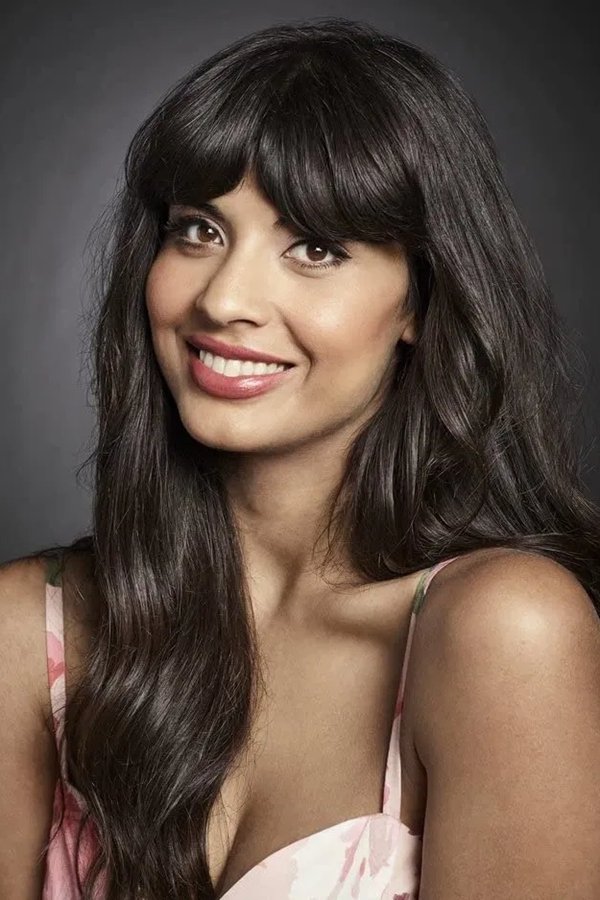
As a total film and media obsessive, I’ve been really impressed with Jameela Jamil’s work. She’s been so outspoken about how the entertainment industry pushes these impossible body standards and this whole toxic ‘diet culture’ thing. She’s really shone a light on just how much airbrushing and digital manipulation goes on in magazines and ads – it’s shocking! What I love is that she didn’t just complain; she started the ‘I Weigh’ movement, which is all about valuing ourselves for who we are, not just how we look. She constantly calls out celebrities and companies that push dangerous weight-loss stuff on young people, and honestly, it’s making a difference. I’ve noticed a lot of magazines are actually starting to think twice about how much they Photoshop and are being more upfront about edits, and I think Jameela’s activism is a big reason why.
Lena Dunham
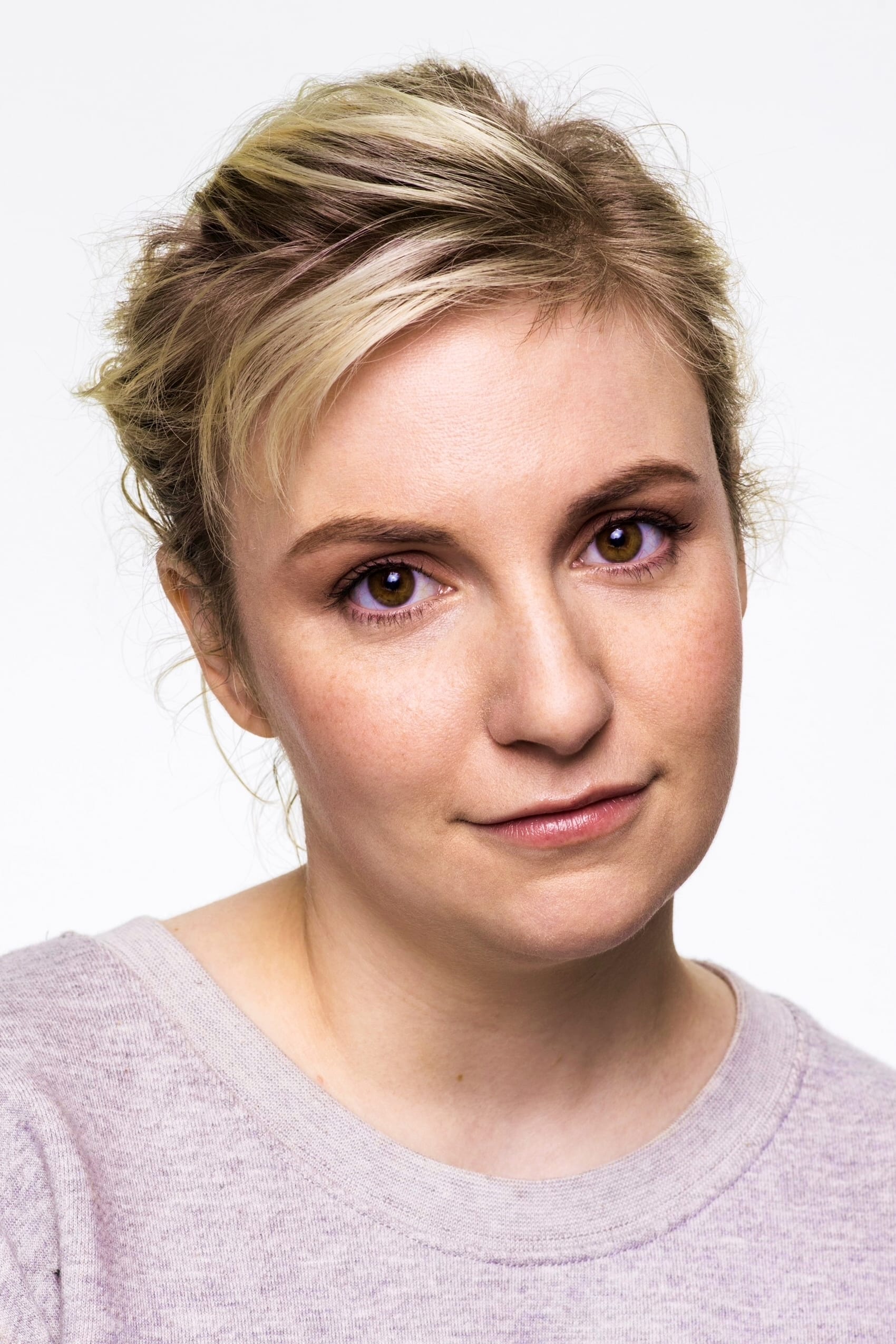
Lena Dunham has openly discussed the entertainment industry’s focus on thinness and the pressure on women to fit a particular body image. She’s shared that people often complimented her weight loss, even when it was due to being sick or stressed. Dunham highlighted the unspoken expectation that actresses need to be a certain size to get leading roles. She’s used her voice to promote body acceptance and more diverse portrayals of women in media. Her show, ‘Girls,’ was groundbreaking in its realistic depiction of women’s bodies and lives.
Sarah Polley
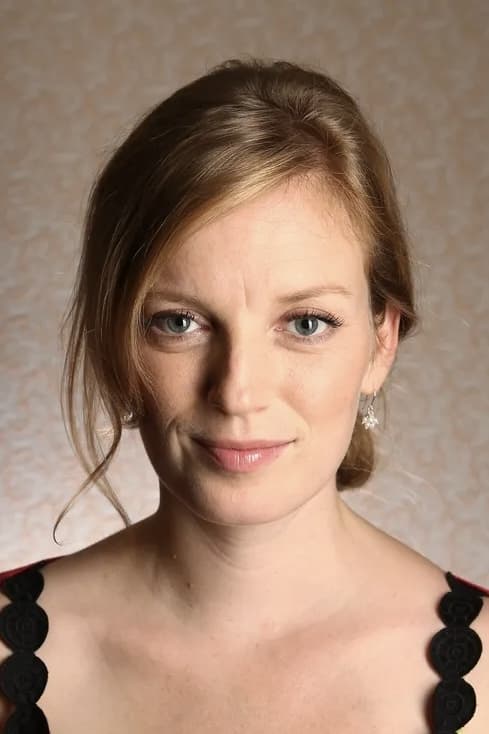
In a series of essays, Sarah Polley described the risky and unsafe environment she experienced as a child actor while filming ‘The Adventures of Baron Munchausen.’ She revealed that director Terry Gilliam often prioritized getting the perfect shot, even if it meant putting her in danger. Polley’s stories shed light on how little protection child actors had in the 1980s. Now a director herself, she makes sure her actors are safe and treated well, and her work questions the idea that creative vision justifies compromising safety on a film set.
Tippi Hedren
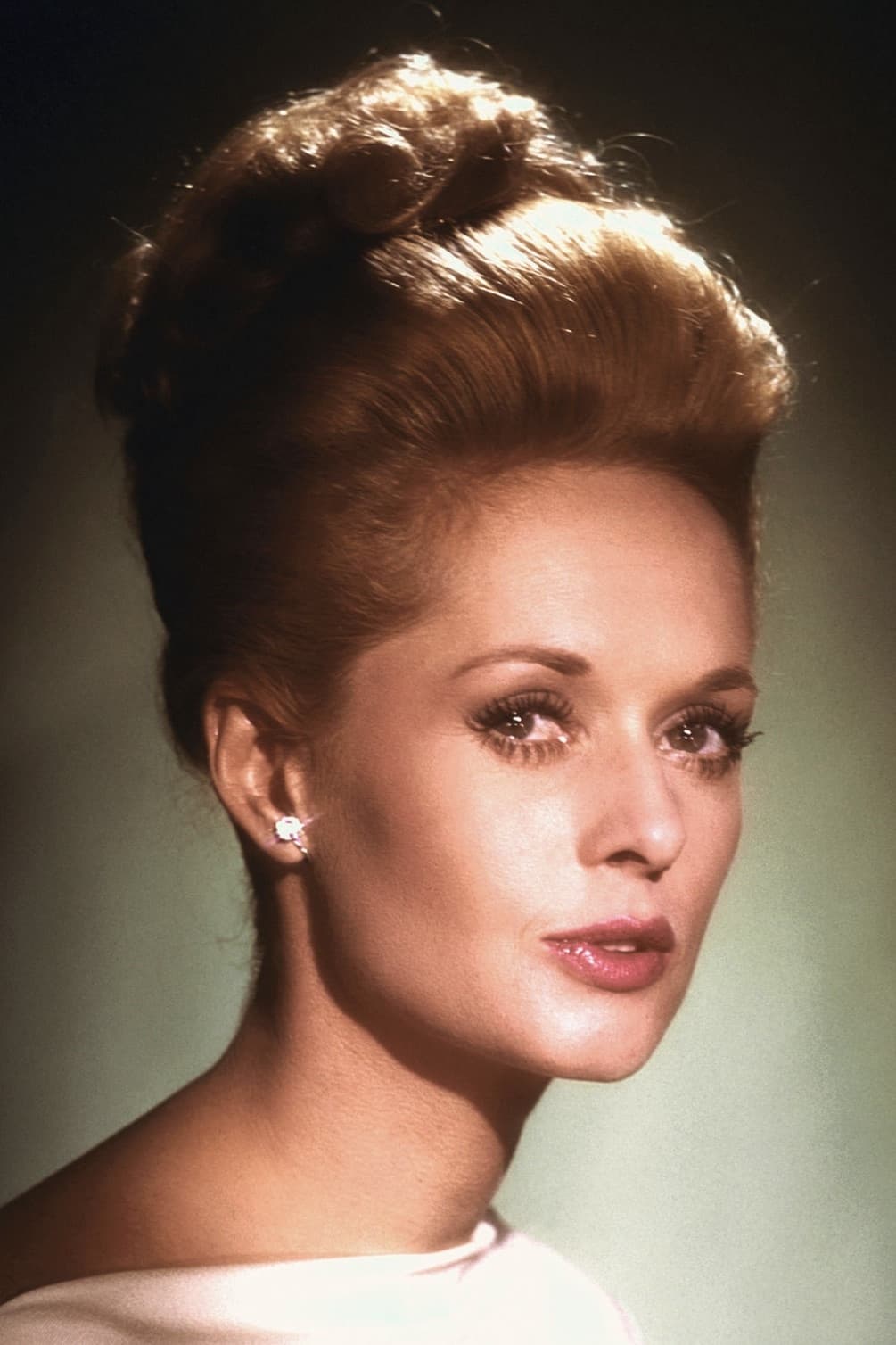
Tippi Hedren was one of the first actresses to publicly share how director Alfred Hitchcock mistreated her. In her autobiography, she described how he damaged her career when she rejected his unwanted romantic attention. Hedren explained that Hitchcock used a restrictive contract to prevent her from working with other filmmakers for years. Her experience highlighted the significant control directors once had over actors. Since then, she’s become a strong voice for both animal welfare and protecting actors from unfair contract terms.
Judy Garland
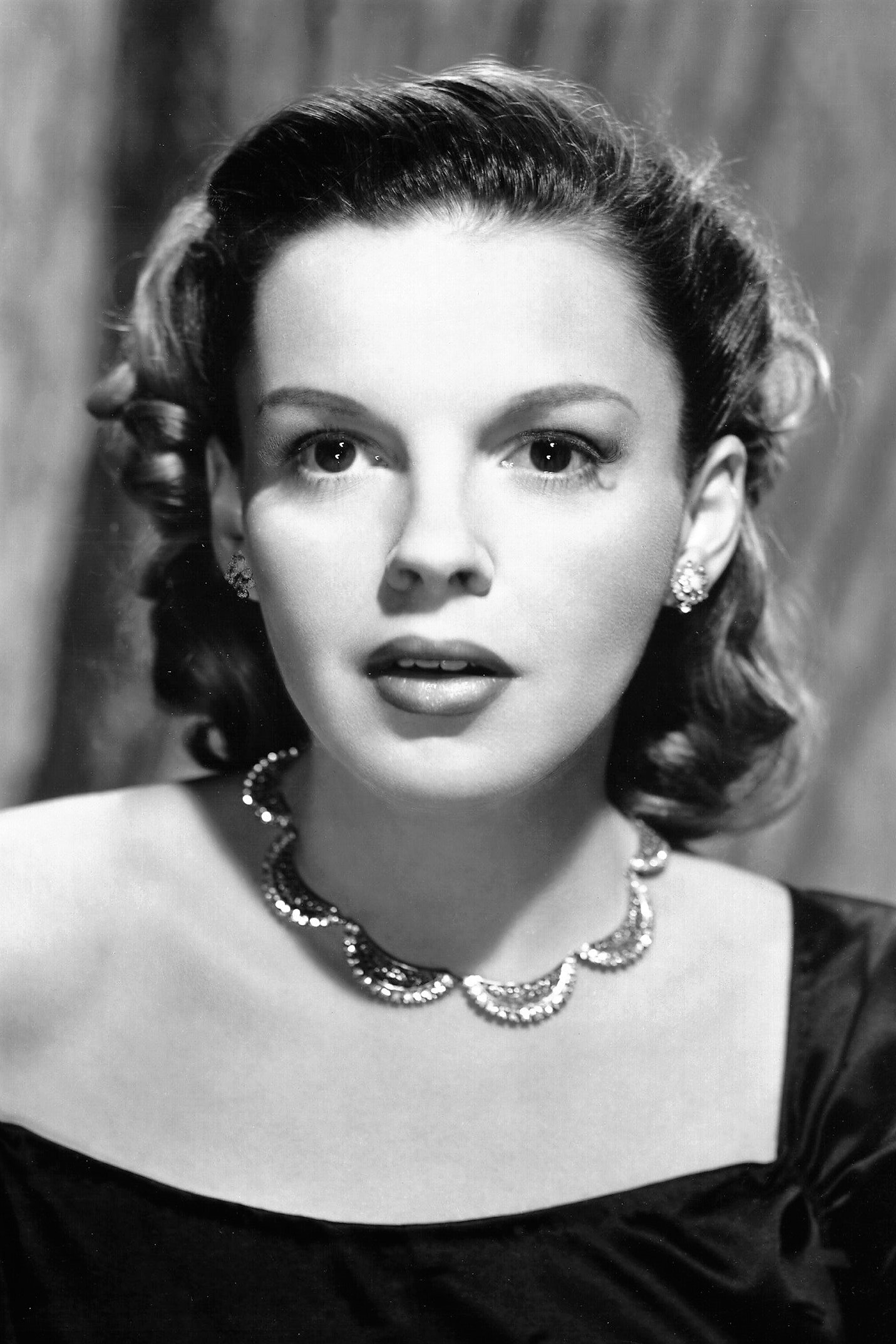
The story of Judy Garland’s experiences at MGM revealed the harsh realities behind the glamorous image of Hollywood’s studio system. The studio reportedly gave her stimulants to stay awake and work, and then sedatives to help her sleep, creating a damaging cycle of dependency. This led to lifelong struggles with addiction and mental health issues. Garland’s case highlighted how stars were essentially manufactured, with little to no concern for their health. Her experiences ultimately contributed to the development of modern laws protecting performers, both children and adults.
Maureen O’Hara
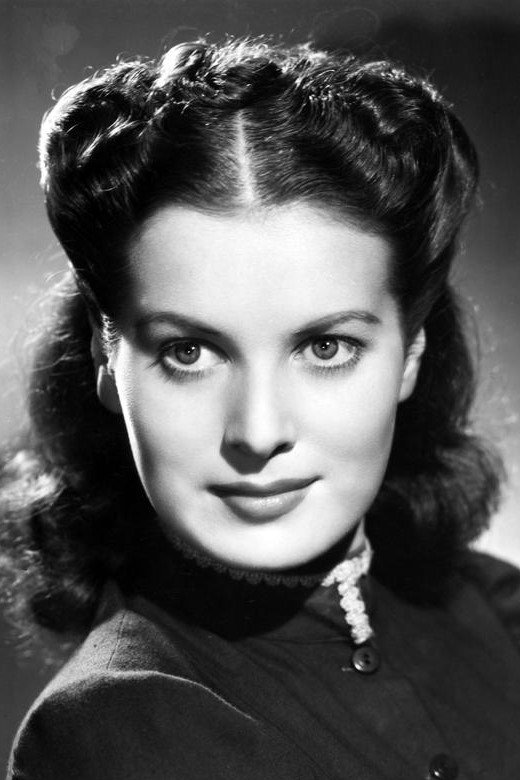
Maureen O’Hara was famous for rejecting the exploitative practices common in Old Hollywood, where producers often demanded sexual favors in exchange for roles. She openly discussed how she was frequently denied opportunities because she refused to be mistreated, and she bravely spoke out against the predatory behavior of those in power. O’Hara’s career stands as a testament to her strong principles and her refusal to sacrifice her values for the sake of fame.
Debbie Reynolds
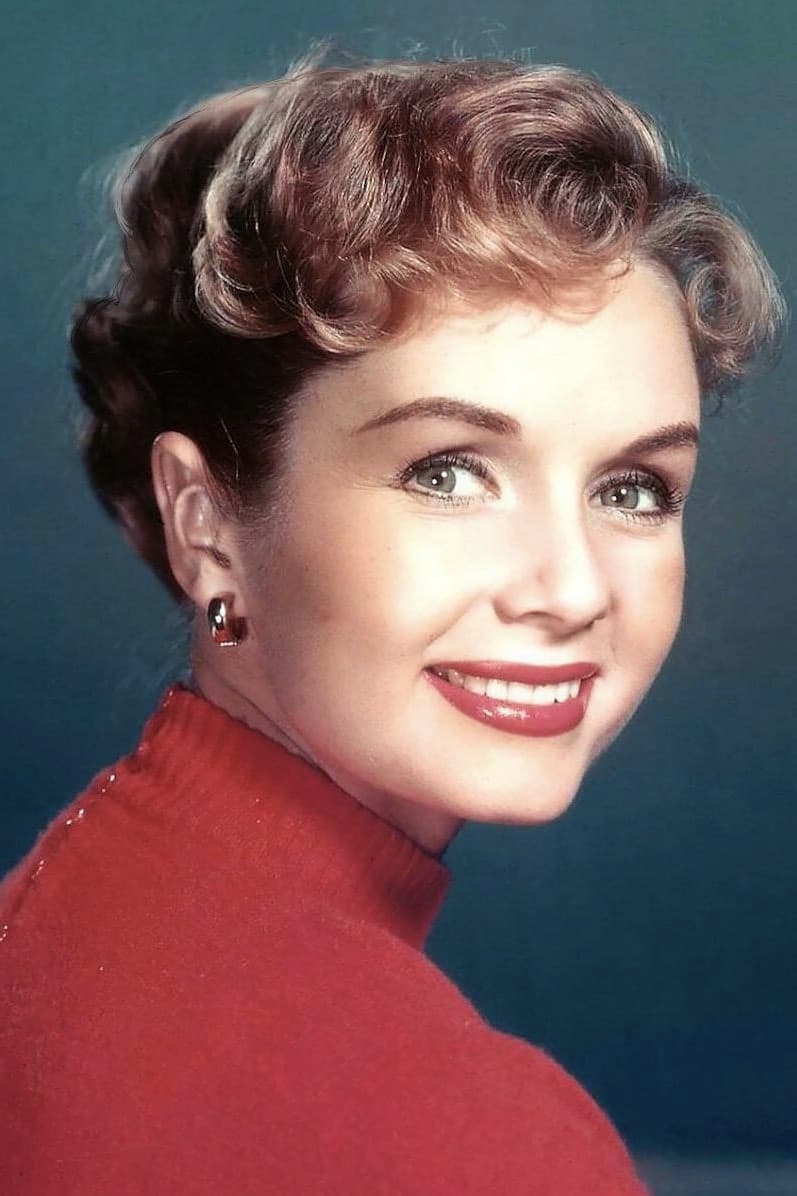
Debbie Reynolds openly discussed how unfair studio contracts were for actors, and how little financial security they offered. She explained how studios essentially controlled every aspect of their stars’ lives – from what they did in public to who they dated. Reynolds also revealed her own financial struggles later in life, caused by unfavorable business practices within the industry. Throughout her career, she worked to save Hollywood’s past while also cautioning others about how quickly fame can disappear. By being so honest, she helped future generations of artists understand the importance of managing their money wisely.
Florence Pugh

Florence Pugh has openly discussed the pressure she felt to alter her appearance when she first started acting. She shared that a studio executive once insisted she lose weight and even change her facial structure to achieve success. Pugh resisted these demands and has since become an advocate against body shaming in Hollywood. She powerfully responded to negative comments about a sheer dress she wore, asserting her right to make her own choices about her body. By refusing to conform to industry standards, Pugh has become a role model for genuine self-expression among young actors.
Zendaya

Zendaya has spoken out about the lack of diversity among hair and makeup artists on movie sets, explaining that she frequently has to do her own hair and makeup because stylists aren’t equipped to work with her hair type or skin tone. She’s also discussed the issue of colorism in Hollywood, recognizing that her lighter complexion gives her advantages that other Black actresses may not have. Zendaya uses her platform to push for more inclusive hiring practices and to shed light on the often-unseen biases that still exist in the industry.
Lupita Nyong’o
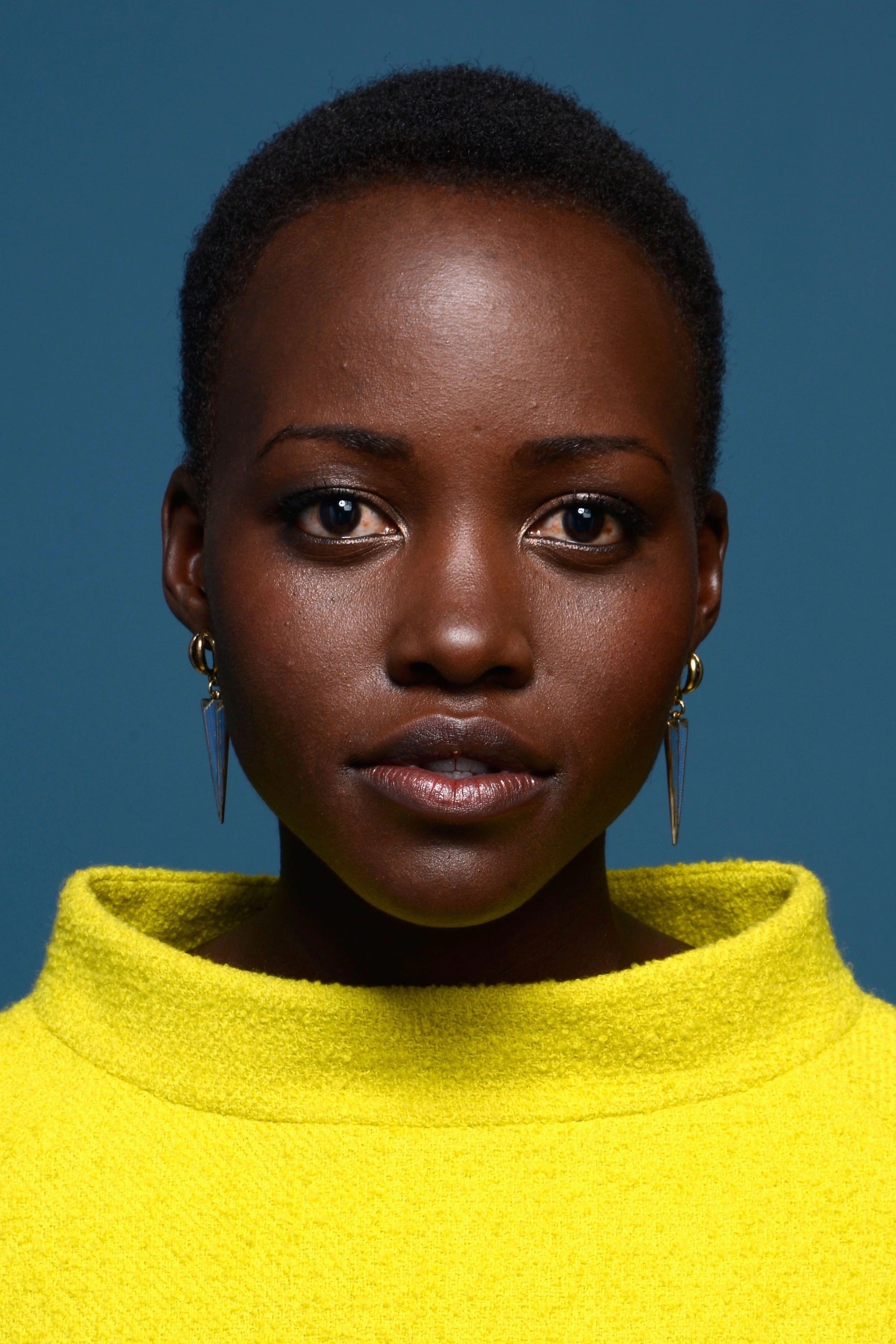
Lupita Nyong’o bravely shared her experience in a New York Times article about a powerful producer who attempted to exploit his position to pressure her. She described how his unwanted advances were deliberate and began when she was still in school. Nyong’o admitted feeling both shame and blame after the incidents – a common reaction among those who have experienced similar trauma. Her story was a key part of the evidence that ultimately led to the producer being held accountable, and she continues to work to protect young women starting out in the entertainment industry.
Amber Tamblyn
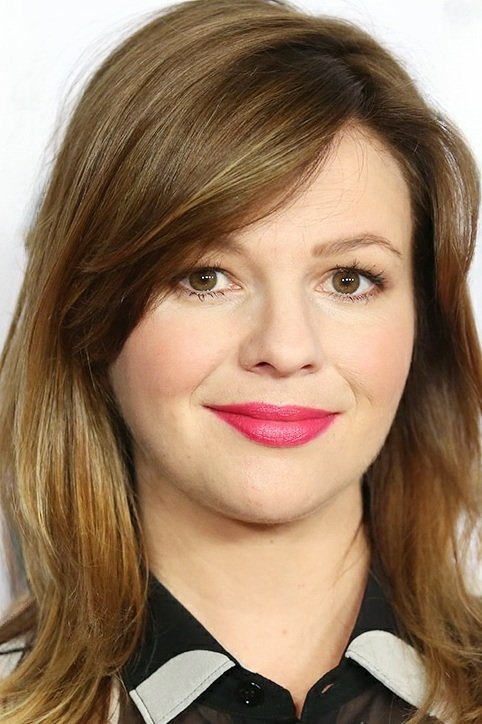
Amber Tamblyn has been a strong voice against unfair and sexist demands placed on actresses during auditions. She recently shared an example of a casting director asking actors to wear revealing clothing, arguing that these requests are about appealing to a male perspective rather than assessing talent. Tamblyn has also spoken out about how women are often dismissed or doubted when they report inappropriate behavior to their agencies. Through her writing and activism, she explores the connections between art, politics, and achieving equality for women.
Mo’Nique
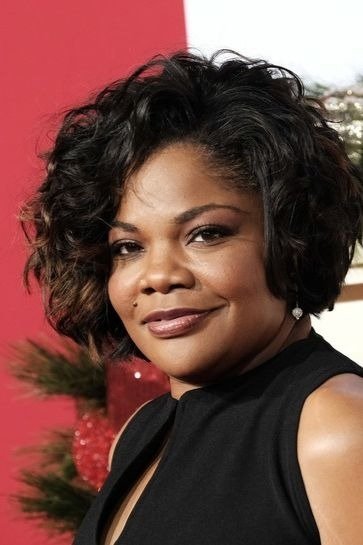
Mo’Nique started a significant conversation within the entertainment industry when she called for a boycott of a major streaming service after receiving what she considered a very low offer for a comedy special. She revealed that the offer was much lower than what white and male comedians received for similar work. Mo’Nique also explained that she felt ostracized after winning an Oscar for ‘Precious’ because she wouldn’t work for free to promote projects. Although her claims were initially doubted, they ultimately sparked a wider discussion about how Black performers aren’t always valued fairly. Her fight for fair compensation ended with a settlement, which many viewed as a win for equal treatment.
Melissa Benoist
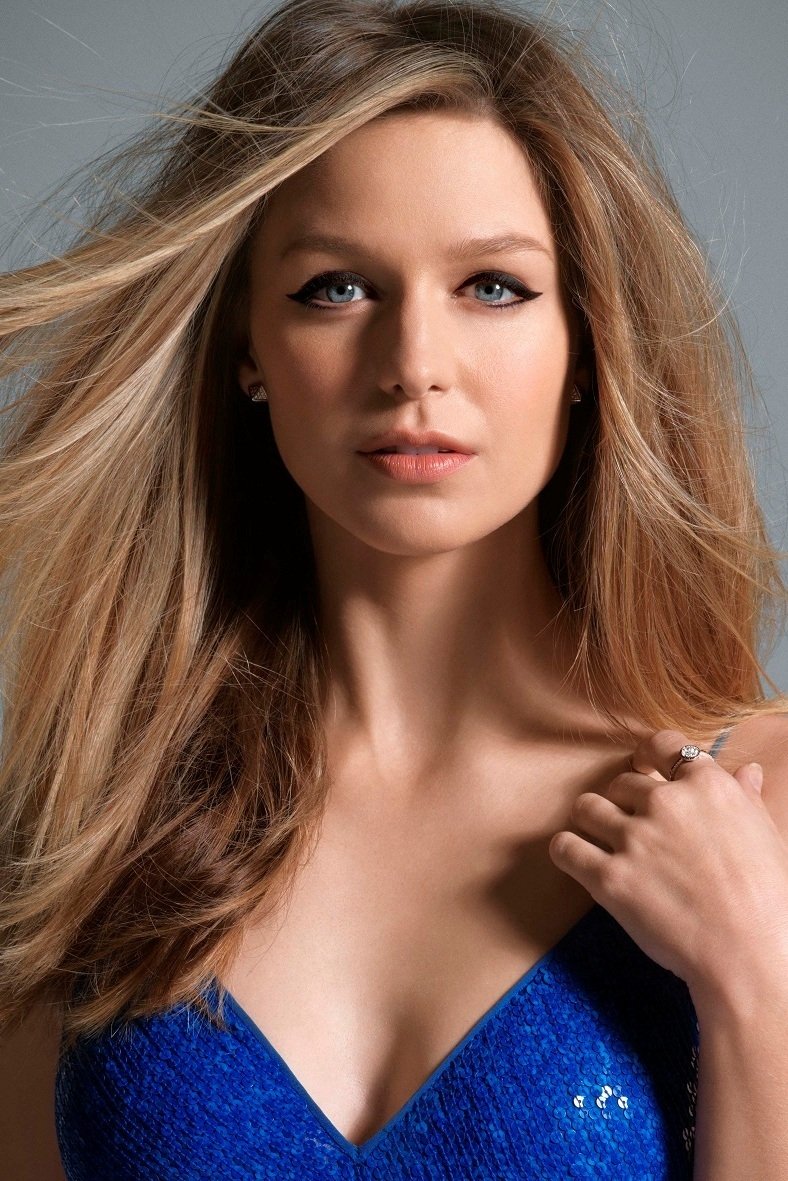
Melissa Benoist bravely shared her story of surviving domestic violence, which happened while she was working on a popular TV show. She spoke out about how common it is for people in the entertainment industry to stay silent about personal struggles, and the pressure to appear flawless in public. Benoist revealed the challenges of hiding her injuries during filming and the emotional strain of keeping her situation secret. By sharing her experience, she’s helped reduce the shame associated with domestic abuse, especially for women in the public eye, and has become an advocate for survivors.
Alyssa Milano
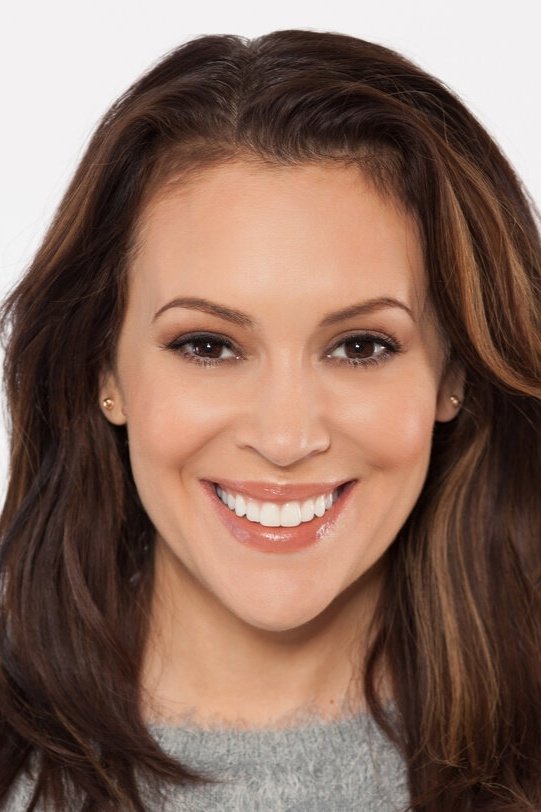
Alyssa Milano was a key figure in bringing the Me Too movement to prominence by urging women to share their experiences with harassment online. This helped reveal just how widespread the problem was, demonstrating that it wasn’t just a few isolated incidents but a much larger, systemic issue. Milano has also used her influence to support the Equal Rights Amendment and push for better legal protections for workers across all fields. She has publicly shared her own experiences with inappropriate behavior, even as a successful actress, highlighting that harassment affects people at all levels. Her initial call for women to speak out transformed what began as an issue within the entertainment industry into a worldwide movement.
Charisma Carpenter
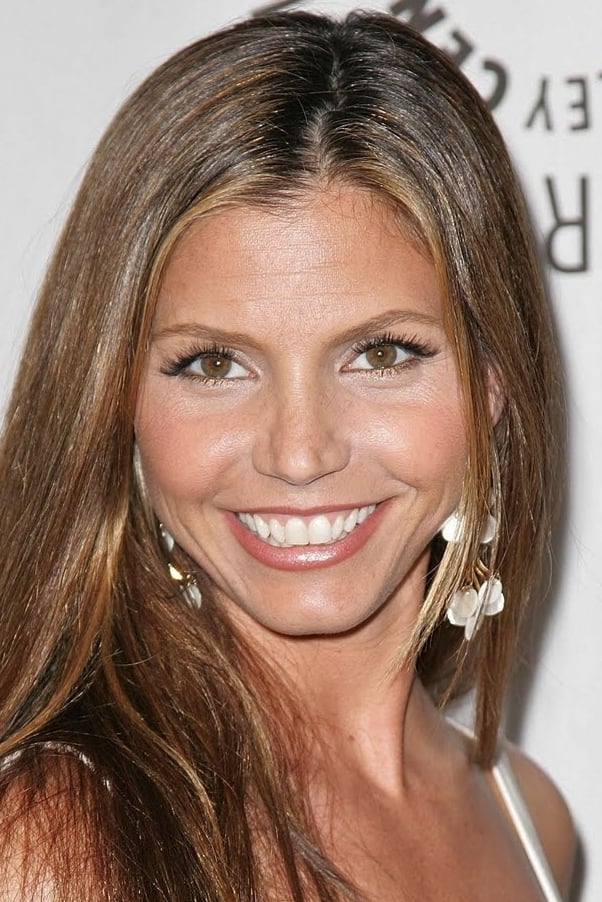
Charisma Carpenter publicly described what she experienced as harmful and unkind behavior from showrunner Joss Whedon while working on ‘Buffy the Vampire Slayer’ and ‘Angel.’ She claims he made fun of her pregnancy and hinted at firing her, creating a difficult and uncomfortable work atmosphere. Carpenter’s willingness to speak out encouraged other actors who had worked with Whedon to share their own experiences with emotional abuse. Her story also brought attention to the limited workplace protections available on television sets in the late 1990s and early 2000s. As a result of her statement, people have begun to reconsider Whedon’s career and how he will be remembered.
Sarah Michelle Gellar
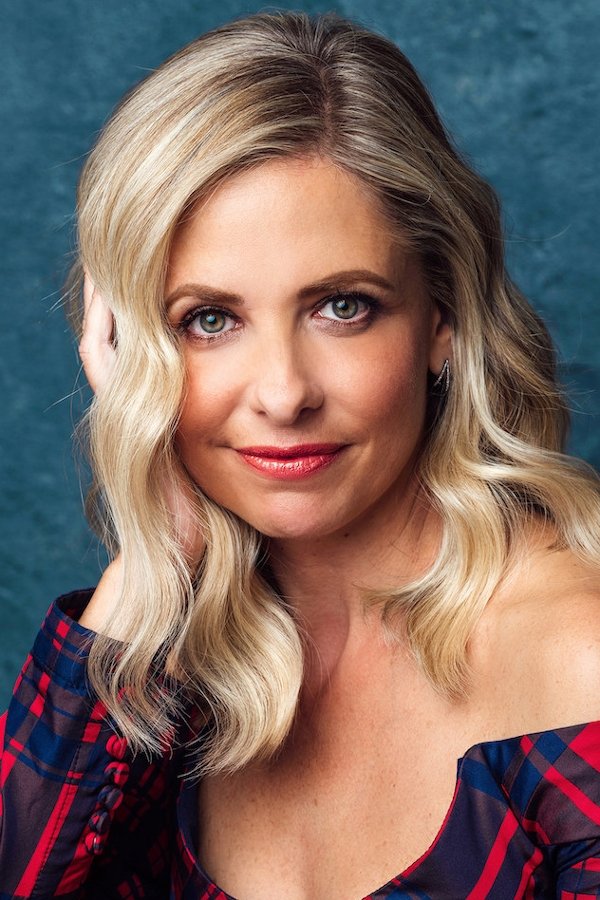
After accusations surfaced against Joss Whedon, Sarah Michelle Gellar publicly separated herself from him. While she remains proud of ‘Buffy the Vampire Slayer,’ she made it clear she didn’t want to be linked to the harmful work environment he fostered. Gellar’s support of her fellow cast members strengthened their accusations and revealed the hidden difficulties on set. She’s also discussed the common power imbalances on television sets during that time and stressed the importance of strong, positive leadership. Her words highlighted how crucial it is for lead actors to create a healthy atmosphere for everyone involved in a production.
Rebecca Ferguson
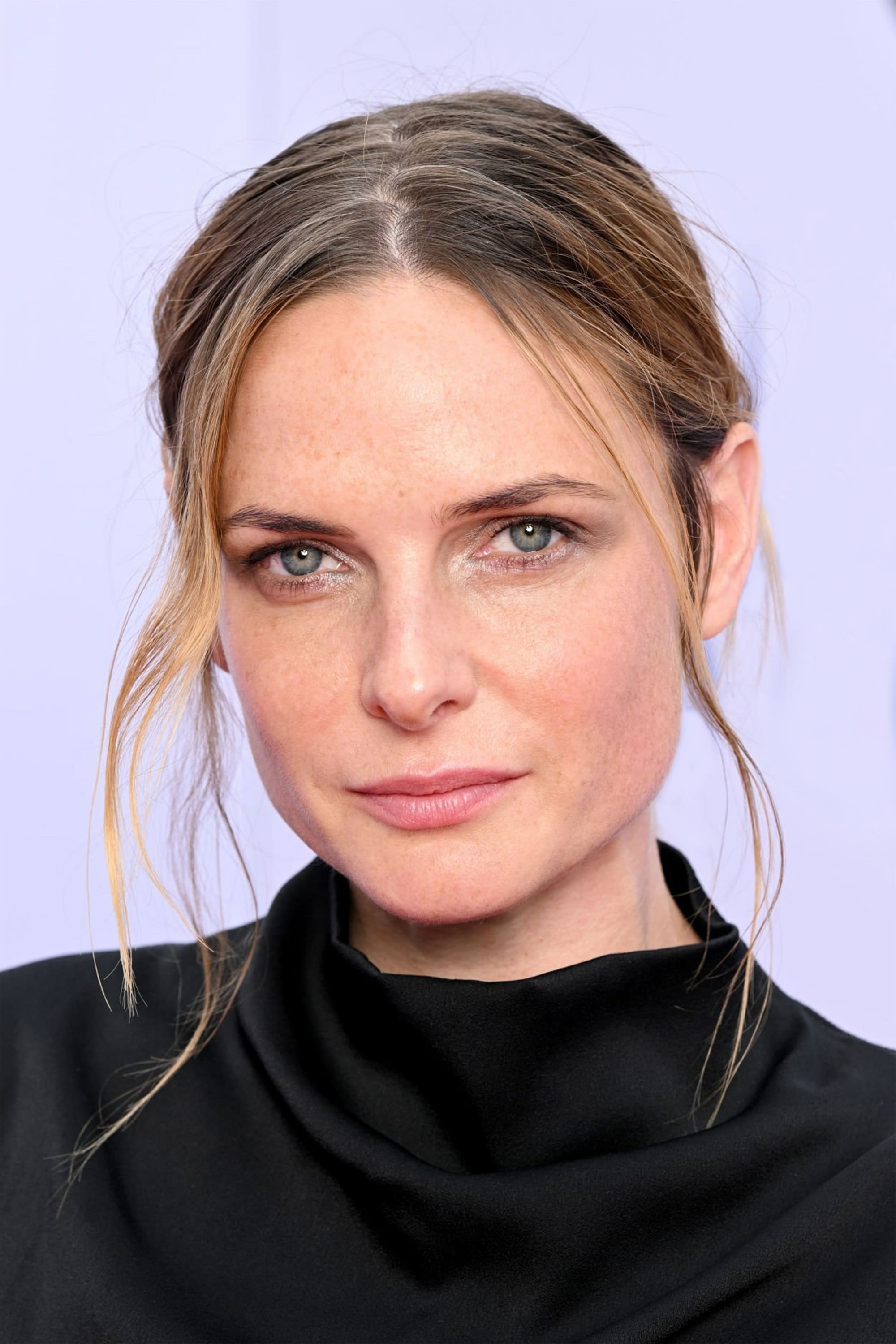
Rebecca Ferguson shared a story about a difficult experience on set where a co-star verbally abused her, even shouting at her. She requested to work separately, using a tennis ball as a stand-in for the actor. Ferguson was disappointed by the lack of support from the film’s producers, who she felt should have intervened. The story quickly spread online, sparking discussion about problematic behavior from actors and prompting others to share their own experiences with bullying on set. Ferguson hopes her story will empower others to stand up for themselves, no matter who the other person is.
Let us know what you think about these recent industry changes and how they’ve affected Hollywood in the comments below.
Read More
- 20 Movies Where the Black Villain Was Secretly the Most Popular Character
- Celebs Who Narrowly Escaped The 9/11 Attacks
- Transformers Under the Microscope: What Graph Neural Networks Reveal
- Top 20 Dinosaur Movies, Ranked
- Silver Rate Forecast
- Trading on Thin Air: AI Agents Conquer Crypto Volatility
- Gold Rate Forecast
- 22 Films Where the White Protagonist Is Canonically the Sidekick to a Black Lead
- Every Notable ‘Star Trek: The Original Series’ Actor Who Died
- Games That Faced Bans in Countries Over Political Themes
2026-01-09 19:54