Diversity, Equity, and Inclusion (DEI) efforts are now common in Hollywood, influencing who gets cast and the kinds of stories being told. Although many people in the film industry support these changes, some actresses have expressed concerns that they feel pressured to follow certain agendas or that their creative freedom is limited. Some have criticized the use of quotas or requirements for diverse casting, and others have chosen to work with different companies that don’t prioritize modern diversity goals. This list focuses on actresses who have publicly opposed these shifts in the industry or have intentionally chosen career paths that avoid them.
Gina Carano
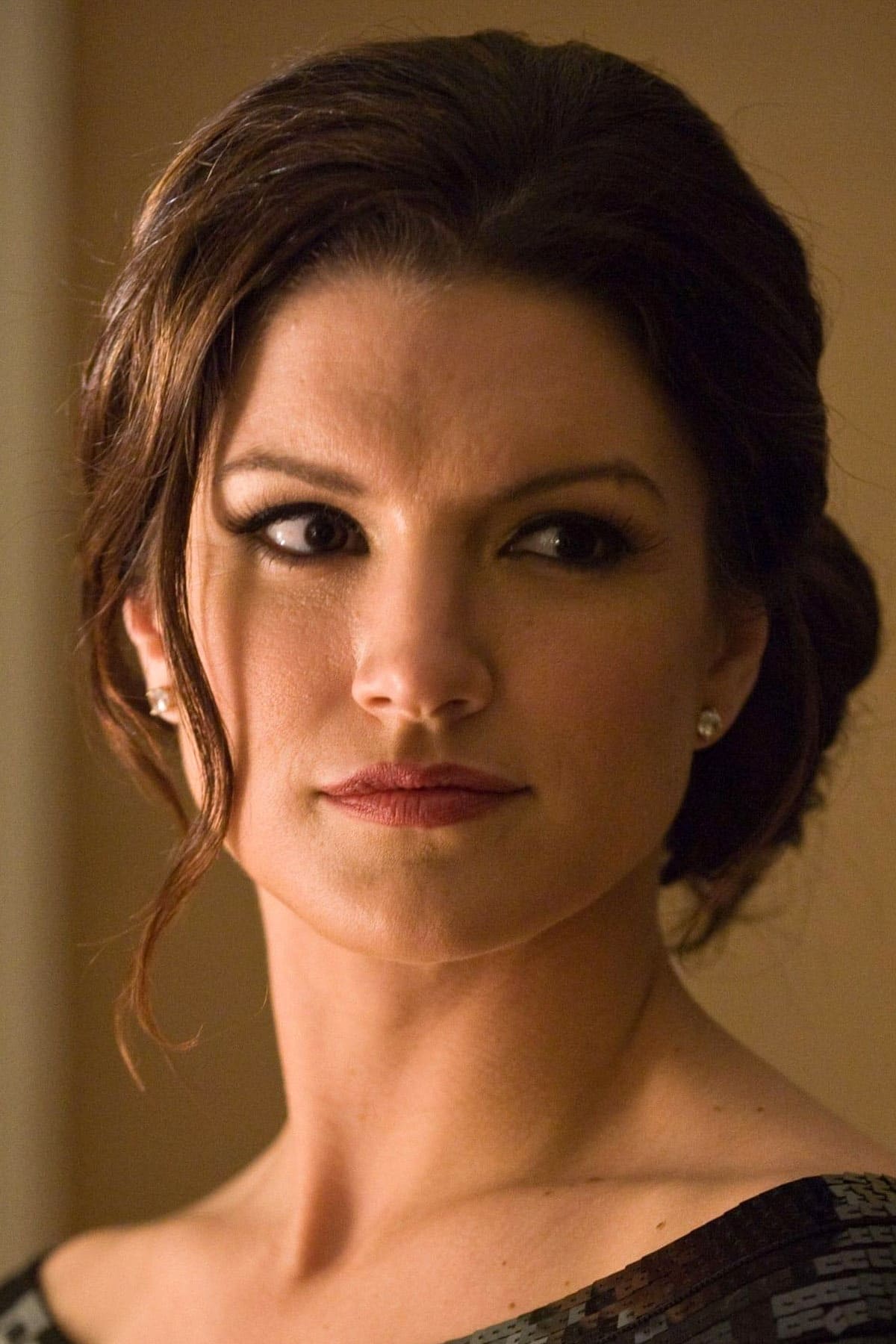
Gina Carano’s firing from ‘The Mandalorian’ sparked a discussion about free speech and company rules in Hollywood. She often shared controversial opinions on social media, including criticism of how people use pronouns and broader political issues, which ultimately led to Disney letting her go. Carano claimed she was unfairly targeted because of her conservative beliefs and resisted what she saw as pressure to conform. She then sued Disney and Lucasfilm, arguing against the practice of requiring actors to align with certain ideologies. Since leaving mainstream Hollywood, she’s been working with media companies that actively oppose what they call “woke” culture to create her own films.
Kirstie Alley
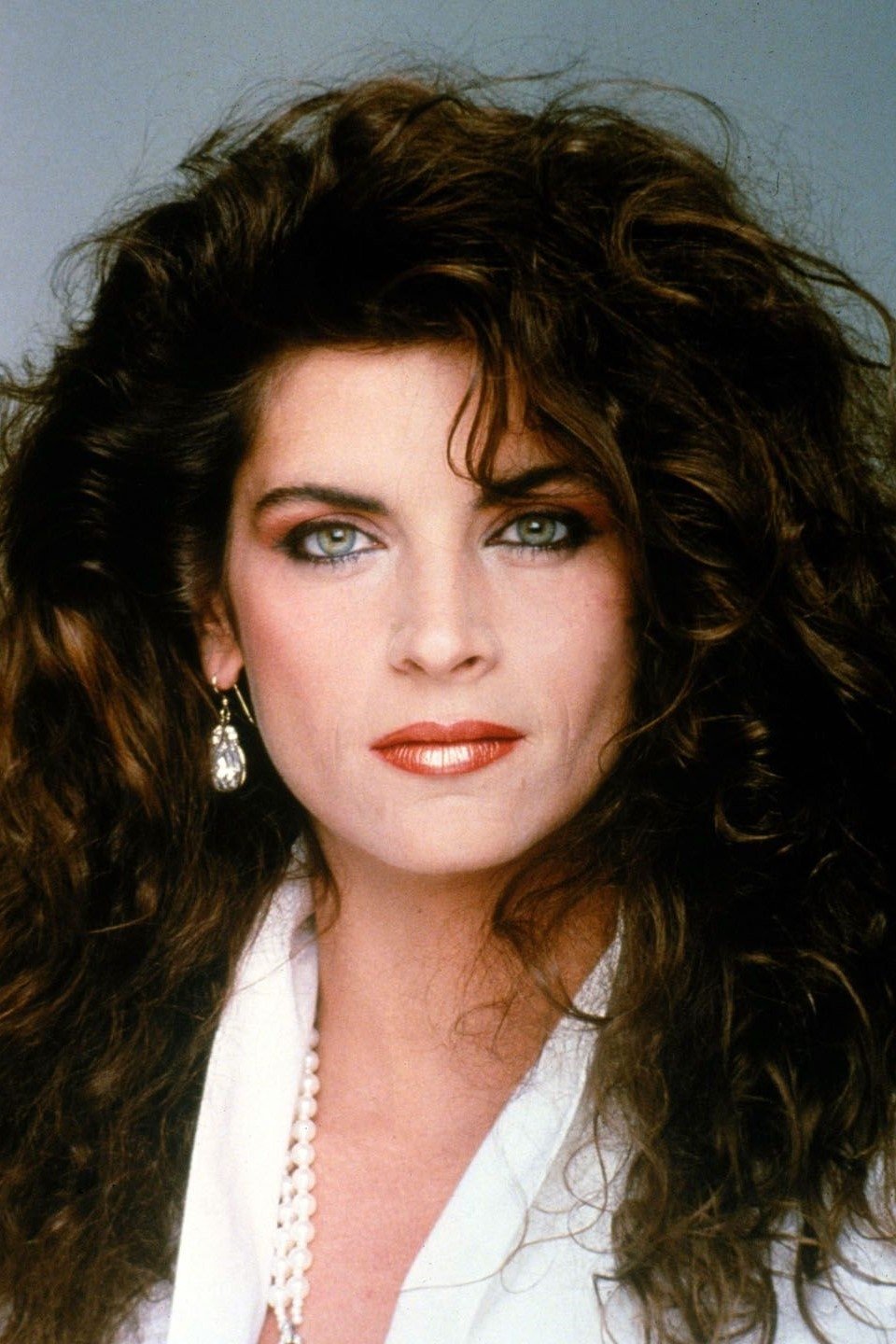
Kirstie Alley, before her death, was a strong critic of the Academy Awards’ new rules for diversity and inclusion. When the Academy said films hoping to win Best Picture needed to meet certain quotas for representation, Alley called the rules unfair to artists and compared them to controlling behavior. She believed that movies should be judged on their quality and originality, not on whether they meet specific requirements for race or gender. While she later said she generally supported diversity, she continued to oppose requiring studios to hire based on these factors. Her comments led to a large discussion about the balance between artistic freedom and the goal of creating more equitable representation in the film industry.
Roseanne Barr
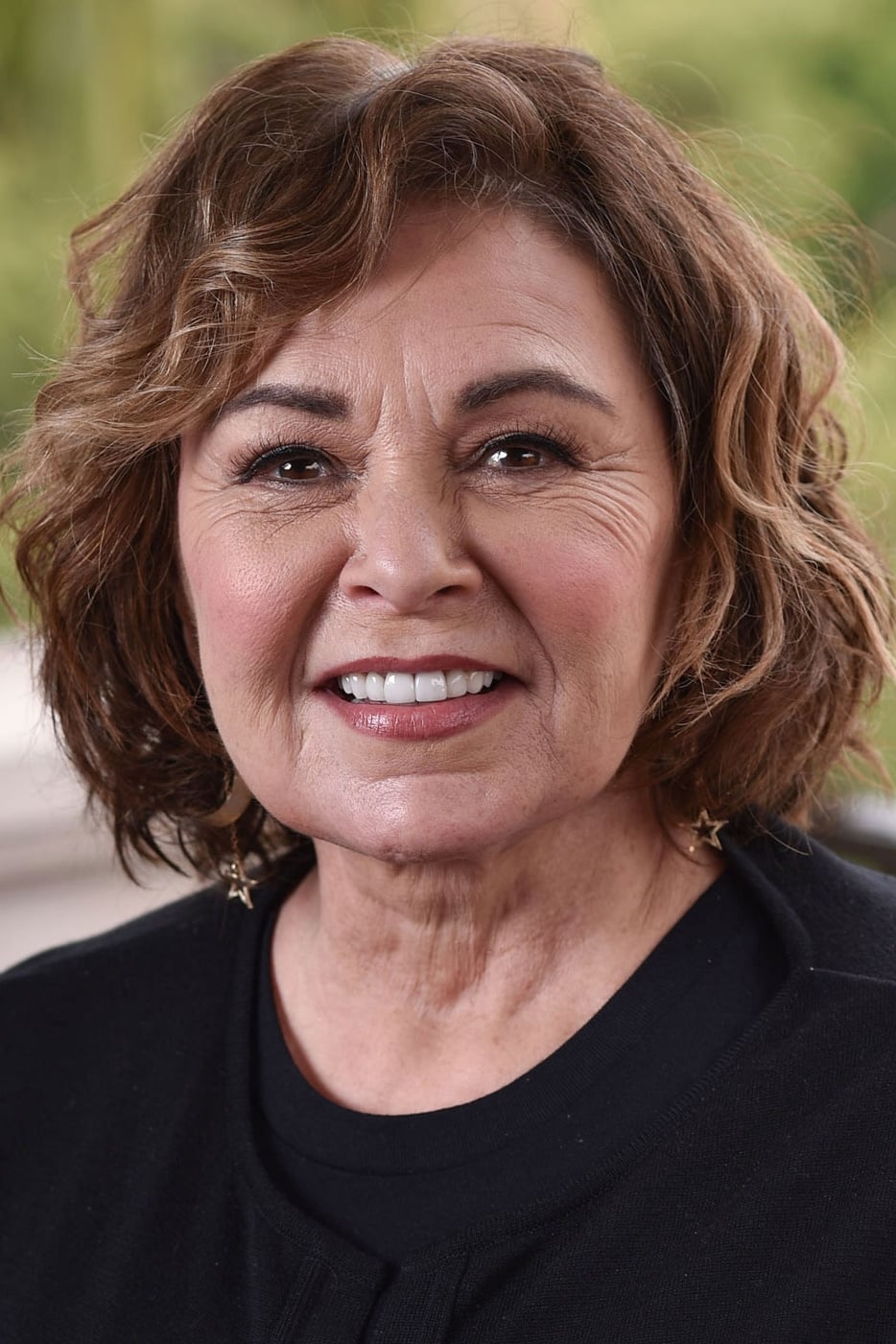
Roseanne Barr has strongly criticized what she calls the “woke mind virus” and the direction of the entertainment industry. Following the cancellation of her show ‘Roseanne’ after a problematic tweet, she began speaking out against what she sees as an overemphasis on political correctness, believing it stifles comedy. Barr argues that diversity initiatives and “cancel culture” prevent comedians from being truly edgy or representing the lives of everyday working people. She’s now using alternative media outlets to express her disapproval of Hollywood’s progressive policies, and her stand-up comedy often pokes fun at the sensitivity and focus on identity politics common in today’s media.
Stacey Dash
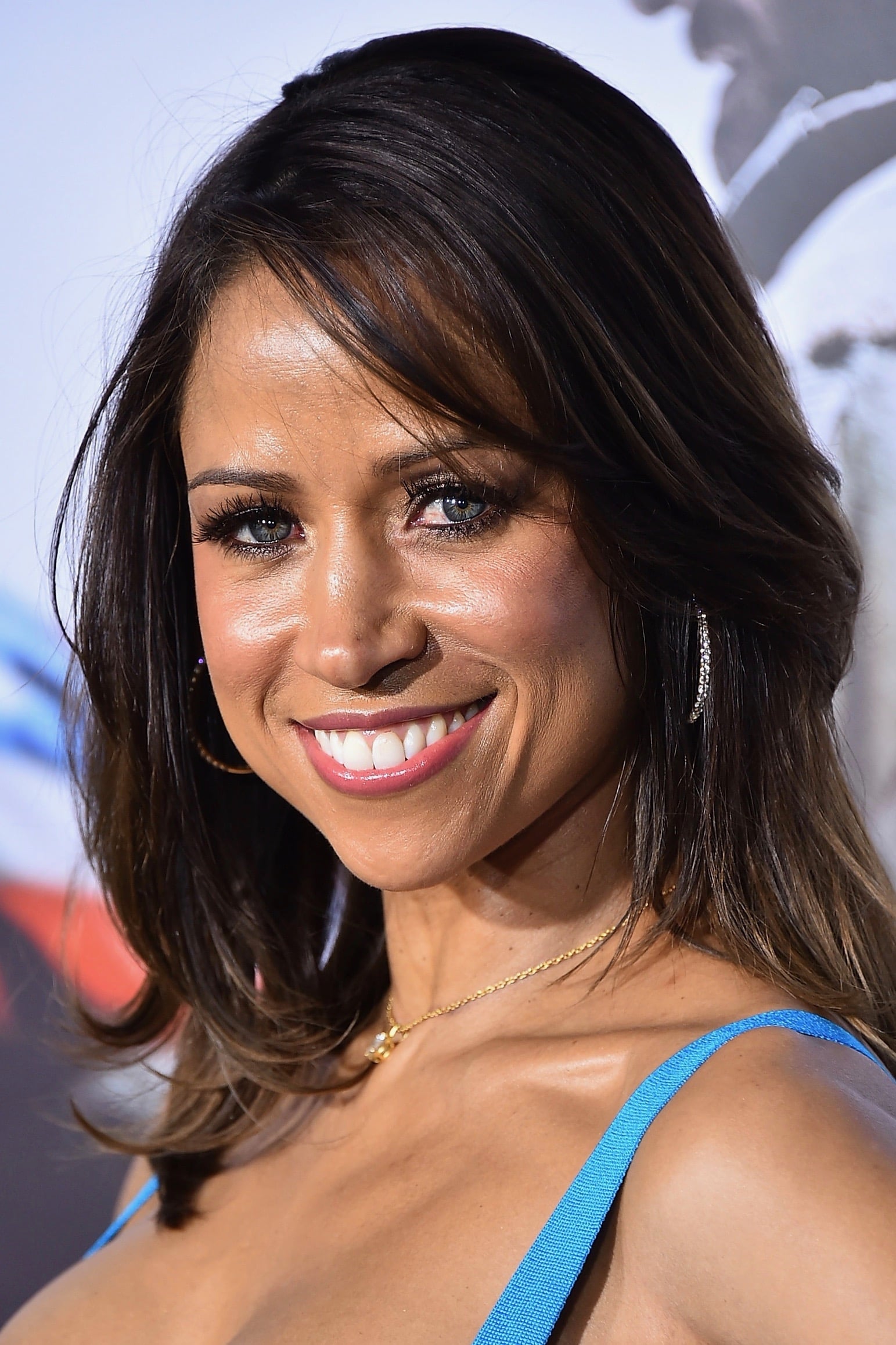
As a film fan, I remember Stacey Dash so fondly from ‘Clueless,’ but it’s been fascinating – and honestly, a little sad – to watch her career evolve. She became really outspoken about her conservative views, and that led to some pretty controversial statements. She openly questioned things like BET and Black History Month, arguing they actually kept us separate instead of bringing us together. She believed that to truly achieve equality, we needed to stop focusing on race and treat everyone based on their individual merits. It definitely caused a rift between her and a lot of people in Hollywood, but she stuck to her guns, consistently criticizing the industry for prioritizing race over a person’s character. It’s a complicated situation, but it’s clear she genuinely believes in what she’s saying.
Candace Cameron Bure
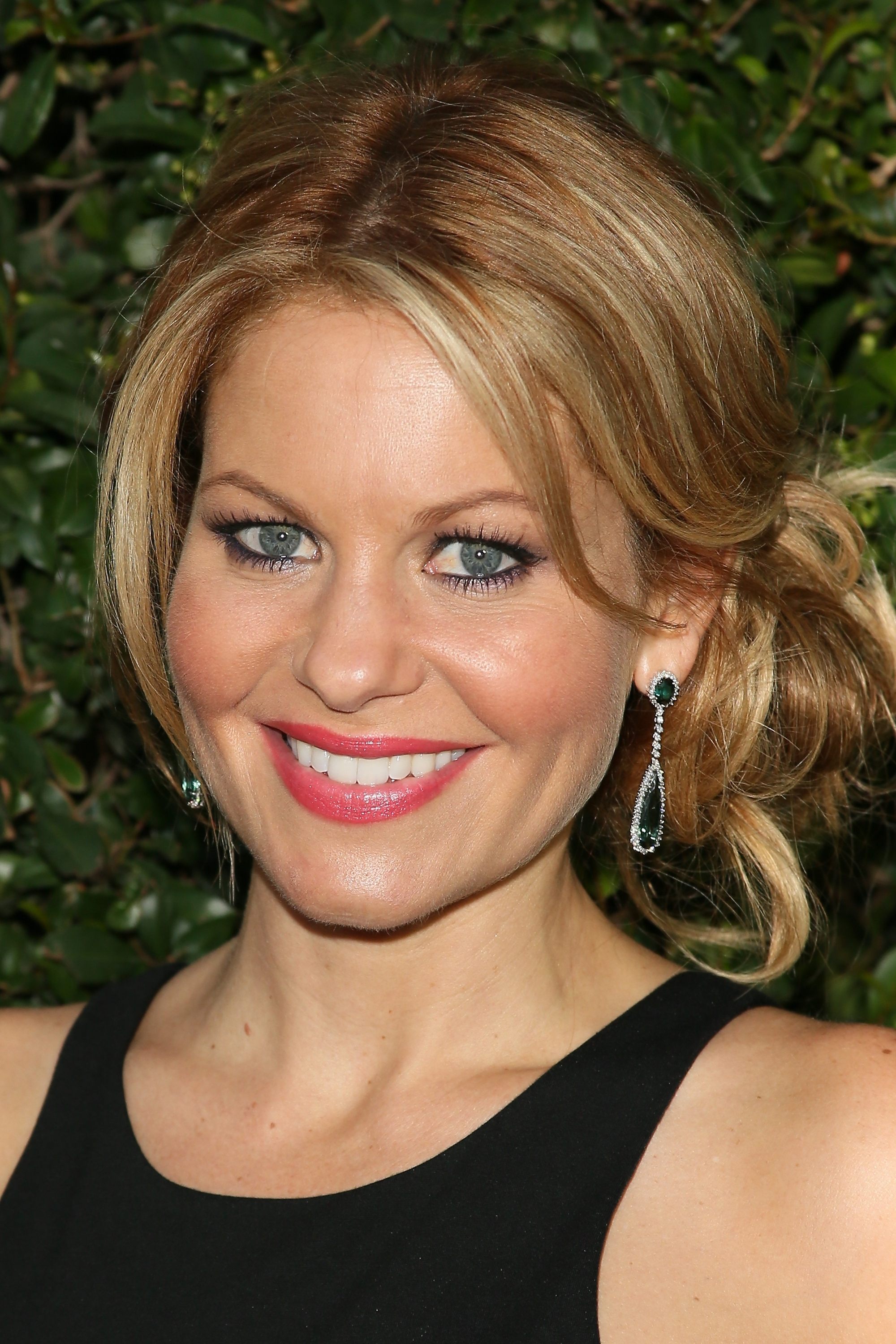
Candace Cameron Bure left Hallmark Channel for Great American Family because she wanted to focus on stories centered around “traditional marriage.” This move was seen by many as a statement against the increasing inclusion of LGBTQ+ stories and diverse representation in other networks. Now the chief creative officer at Great American Family, Bure oversees content that reflects her conservative, faith-based beliefs. Her decision highlights a growing separation between mainstream entertainment that emphasizes diversity, equity, and inclusion, and programming that focuses on traditional family values.
Samaire Armstrong
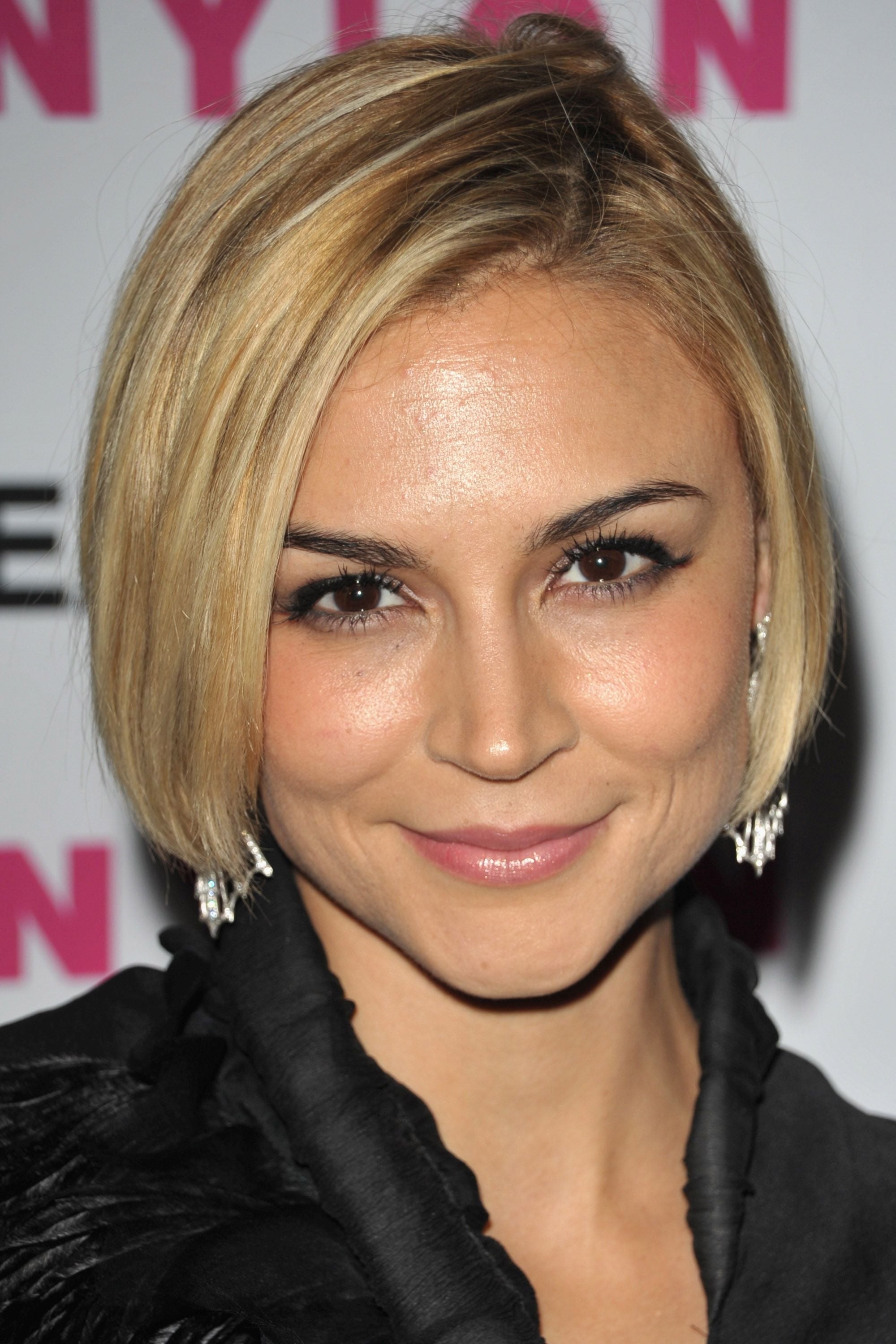
Samaire Armstrong, an actress known from shows like ‘The O.C.’ and ‘Dirty Sexy Money,’ has become a prominent political voice, speaking out against what she sees as excessive political correctness in Hollywood. During the protests of 2020, she publicly disagreed with the Black Lives Matter movement and the focus on identity politics within the entertainment industry. Now, she uses her public profile to promote conservative viewpoints and has even run for local office, campaigning against current approaches to education and social issues. Armstrong often argues that Hollywood prioritizes appearing virtuous over actually addressing important problems, and her career has increasingly moved away from acting and toward political discussion.
Victoria Jackson
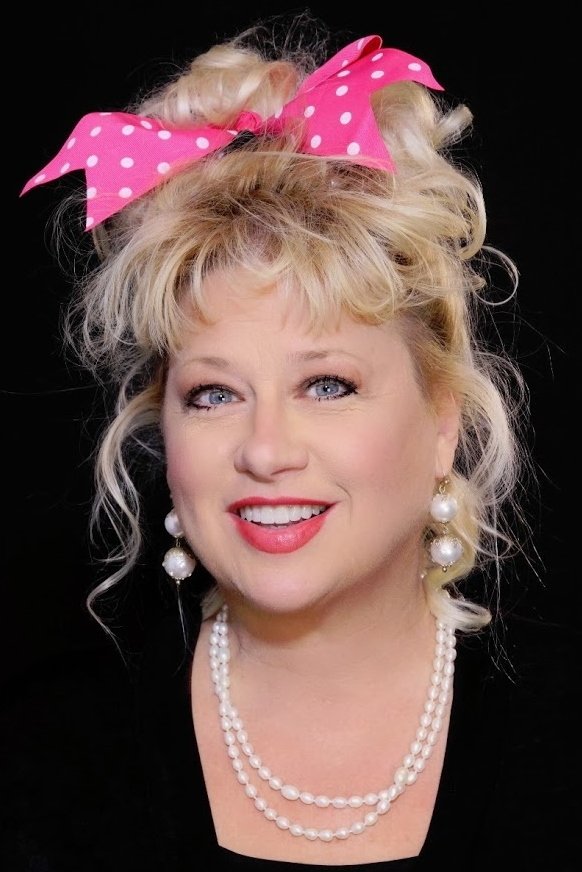
Victoria Jackson, who used to be on ‘Saturday Night Live,’ has consistently spoken out against what she sees as a liberal bias in the entertainment industry and the increasing visibility of different ways of life. She often protests content she finds offensive or harmful, particularly depictions of LGBTQ+ people. Jackson believes that Hollywood’s efforts to include more diversity go against traditional Christian beliefs and threaten the stability of society. Because of her strong opinions, she’s largely been excluded from mainstream comedy, but she still performs for conservative audiences. Her work centers on protecting what she considers the traditional moral values of American culture from progressive changes.
Kristy Swanson
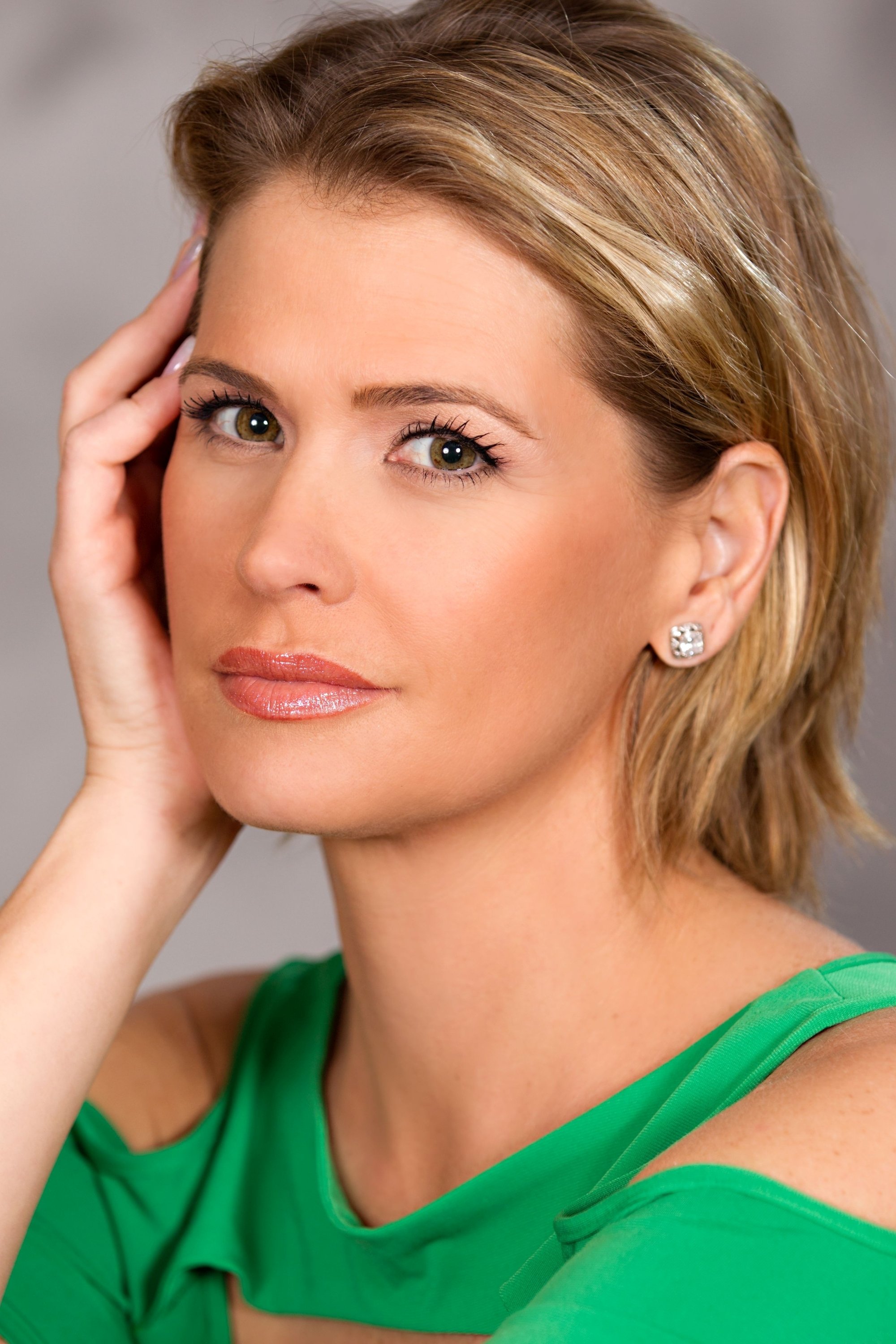
Kristy Swanson, best known as the original Buffy the Vampire Slayer, has become a vocal conservative voice in Hollywood. She frequently uses social media to speak out against progressive policies and what she sees as “cancel culture.” Swanson defends individuals who have faced backlash for their political views, arguing that actors shouldn’t be forced to share a specific ideology. She’s critical of what she describes as a “mob mentality” influencing diversity and casting choices, and often connects with fans who feel left out by the messages in today’s movies and TV shows. She continues to act in independent films that aren’t bound by the inclusion requirements of major studios.
Drea de Matteo
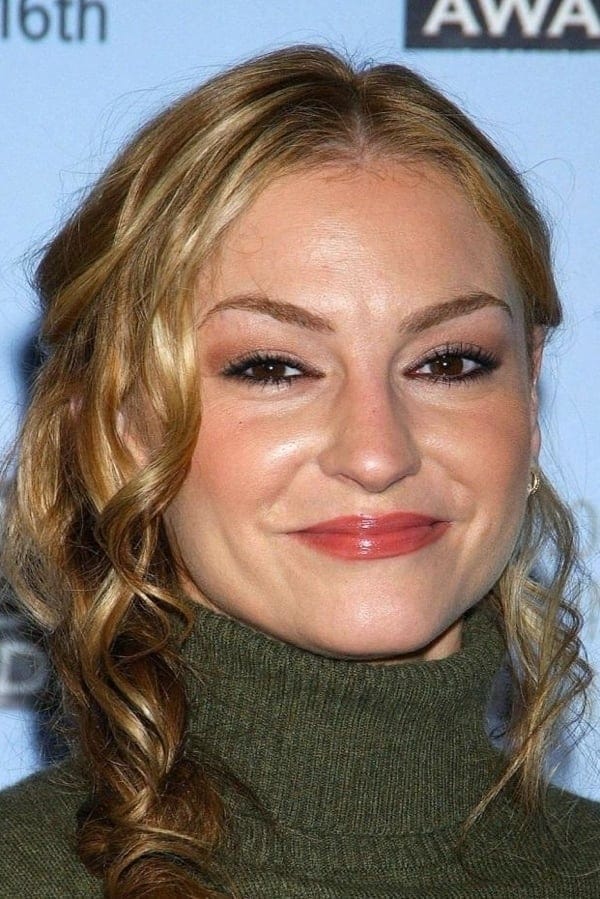
Drea de Matteo, famous for her role in ‘The Sopranos’, strongly opposed vaccine requirements in the entertainment industry, seeing them as an overreach of corporate power and similar to being judged on political beliefs. As a result, she’s now using platforms like OnlyFans and independent media to work outside the traditional “Hollywood system.” De Matteo has also spoken out against what she calls the industry’s “woke” culture, suggesting many actors quietly agree with her but are afraid to say so. She’s a strong believer in personal freedom and isn’t backing down from her opinions, even if they go against the mainstream. Her career choices demonstrate her unwillingness to conform to the industry’s growing demands for everyone to think alike.
Sam Sorbo
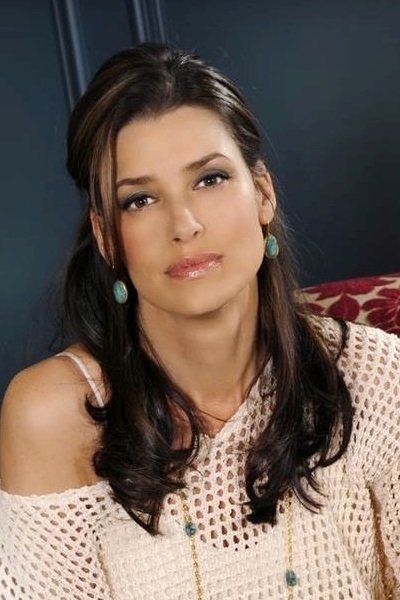
Sam Sorbo is an actress and advocate for education who actively opposes what she sees as progressive ideas taking hold in schools and the entertainment industry. She believes that Hollywood’s focus on inclusivity is an attempt to influence children and undermine traditional family structures. Sorbo often speaks at events about building an alternative entertainment industry that doesn’t follow diversity and inclusion guidelines and instead champions traditional values. She and her husband, Kevin Sorbo, create independent, faith-based films as a direct contrast to mainstream Hollywood content.
Charlotte Rampling
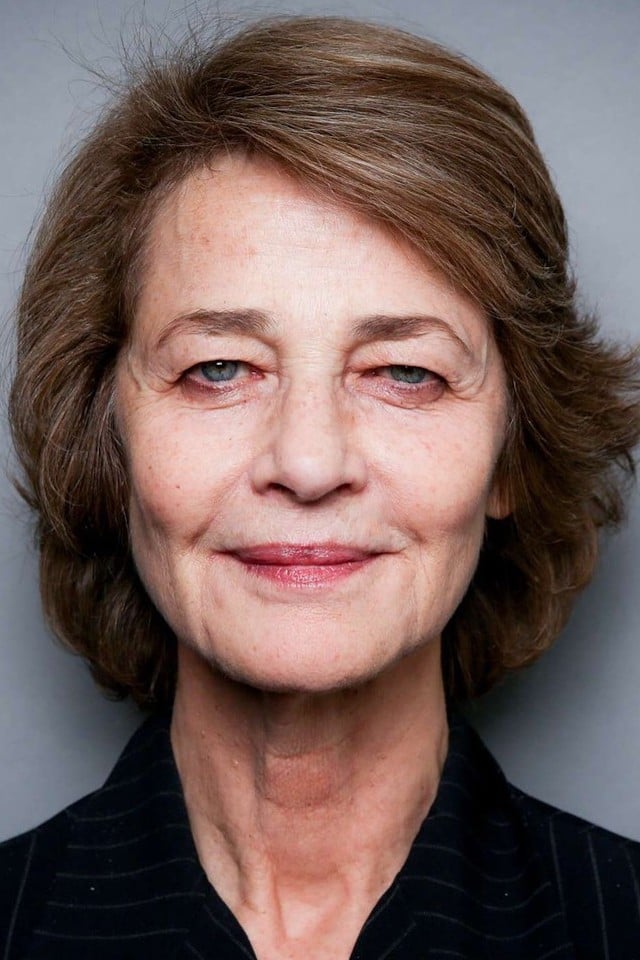
Actress Charlotte Rampling caused a stir during the debate over diversity in the Oscars when she described the push for more representation as “racist to whites.” She believed that focusing on quotas and representation compromised the awards’ focus on artistic quality and unfairly disadvantaged some performers. Rampling suggested that sometimes, actors from minority groups simply didn’t deliver performances strong enough to earn a nomination. These comments were widely seen as opposition to efforts to create a more equitable Academy. While she later said she regretted how her words came across, her initial response revealed resistance to categorizing people based on identity.
Catherine Deneuve

Catherine Deneuve, a famous French actress, publicly criticized the #MeToo movement, suggesting it had gone too far and was unfairly targeting people. She worried it was stifling creativity and damaging personal relationships, and felt it resembled a “witch hunt.” While not directly addressing company diversity policies, Deneuve opposed what she saw as a wave of overly strict American values influencing art and culture. She believes it’s dangerous to quickly judge and exclude people based on accusations, and argues that an artist’s personal life should be separate from their work. Her views reflect a European perspective that differs from the American focus on identity politics and controlling behavior in the arts.
Brigitte Bardot
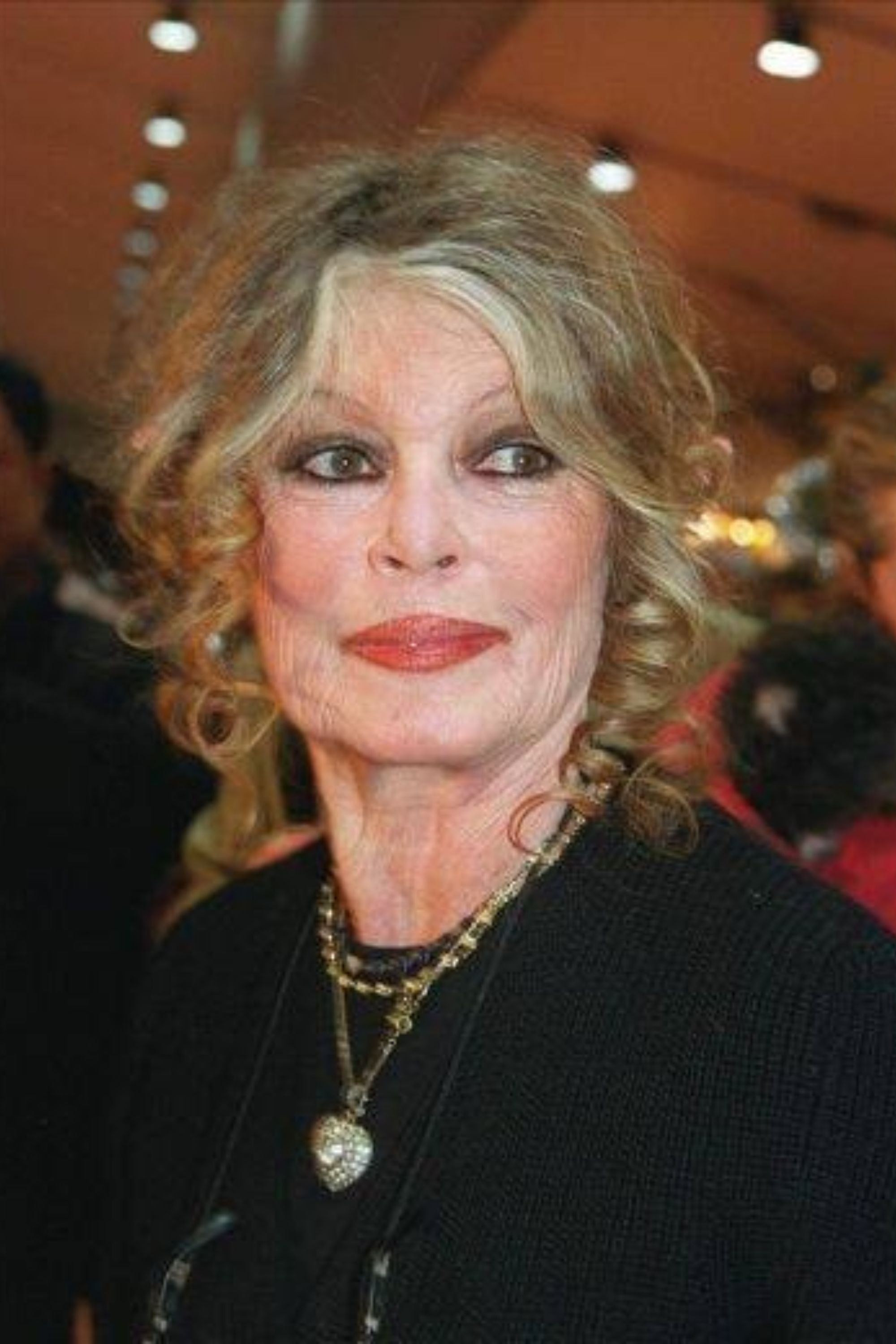
Brigitte Bardot has distanced herself from the entertainment world for years and often speaks out against current social trends and the blending of cultures. Because of her views, which are against diversity and inclusion efforts, she’s been penalized with fines in France for promoting racial hatred. Bardot believes society and the media have abandoned traditional values in favor of what she calls a progressive, globalized outlook. She also criticizes the film industry’s emphasis on diverse representation, seeing it as artificial and driven by politics. She represents a bygone era of filmmaking that strongly opposes today’s social justice principles.
Goldie Hawn
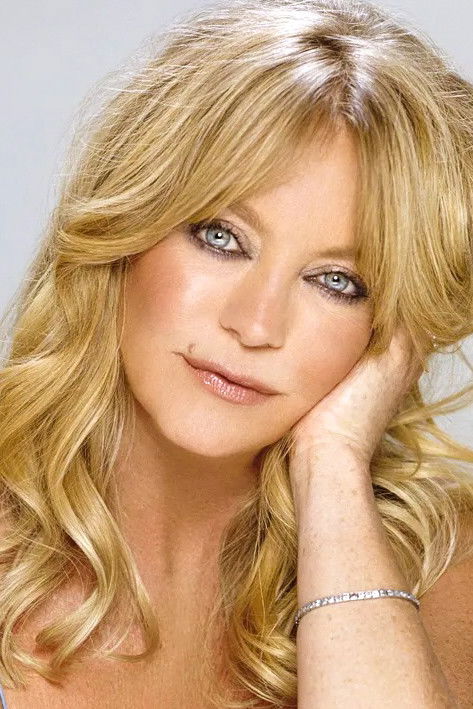
Goldie Hawn worries that today’s Hollywood films aren’t as enjoyable as they used to be, because they often feel like they’re trying to tell people what to think instead of simply entertaining them. She remembers a time when movies aimed to inspire wonder, but now she feels they often push social or political messages that turn audiences off. Hawn thinks movies should unite people, not create division through overly obvious messaging. While she hasn’t criticized efforts to increase diversity directly, she’s pointing out that a focus on these issues is changing the kinds of stories being told. She believes filmmakers should prioritize connecting with audiences on a human level, rather than pushing specific political viewpoints.
Jennifer Aniston
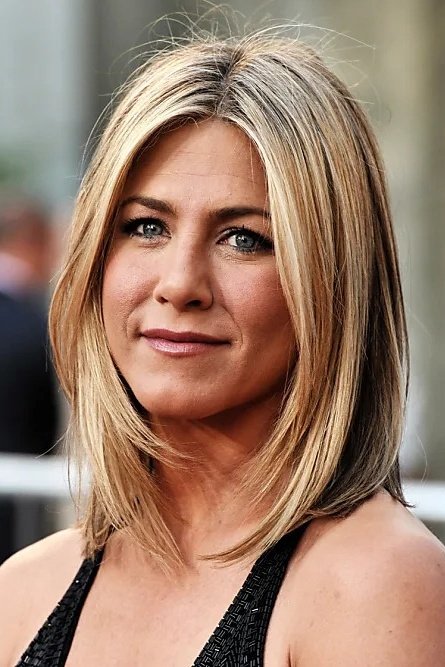
Jennifer Aniston recently shared her thoughts on how much comedy has changed, saying it’s become harder to be funny because people are easily offended. She pointed out that younger viewers now criticize the show ‘Friends’ for not being diverse enough and for jokes that don’t meet today’s standards for inclusivity. Aniston believes comedy should be about playfully poking fun at life, but that’s being limited by people being overly sensitive and carefully monitoring what’s said. This raises a conflict between traditional comedy and what’s considered acceptable entertainment now. She feels comedians need to be able to perform without worrying about facing backlash or being ‘canceled’.
Helena Bonham Carter
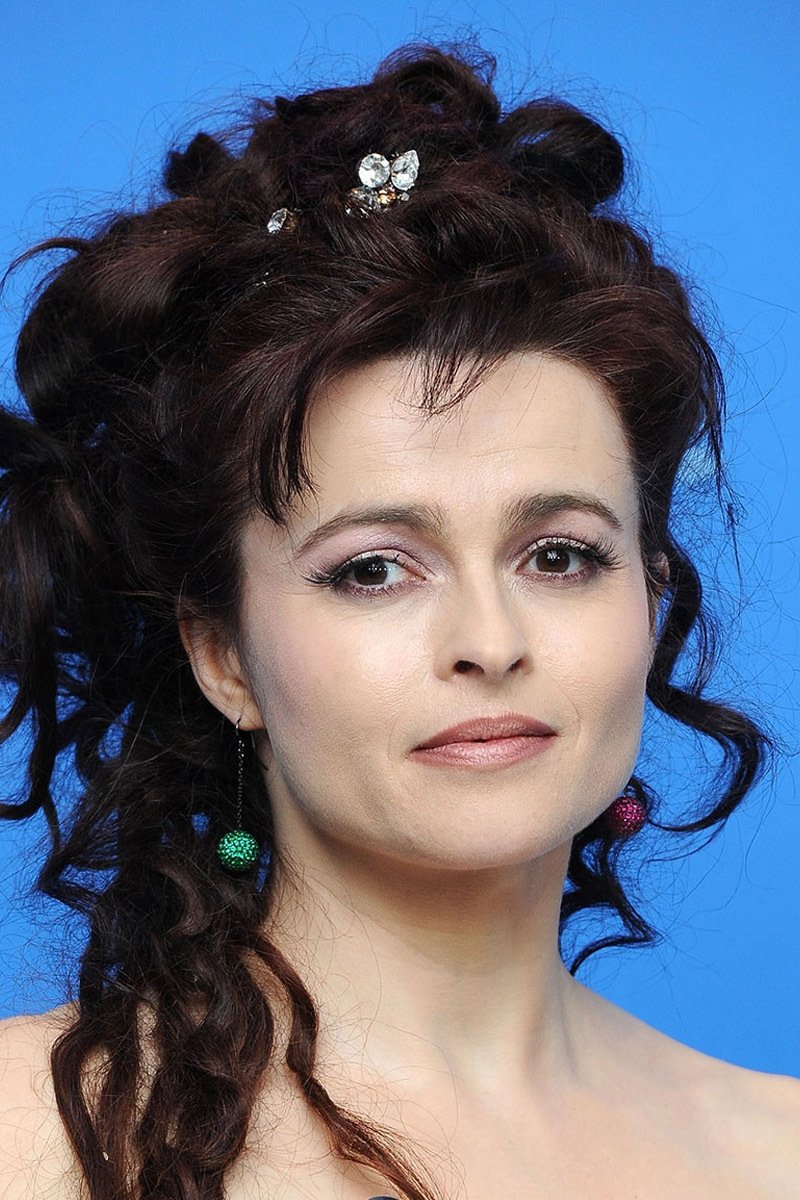
Helena Bonham Carter has criticized the current trend of “cancel culture,” describing it as a harmful “witch hunt.” She defended colleagues like Johnny Depp and J.K. Rowling, arguing that people shouldn’t be completely shunned for mistakes or differing views. Bonham Carter believes there’s a lack of understanding and forgiveness, and that the harsh judgment in the arts is damaging to creativity and open discussion. She feels the industry’s focus on moral perfection is overly punishing and stifles honest expression.
Scarlett Johansson
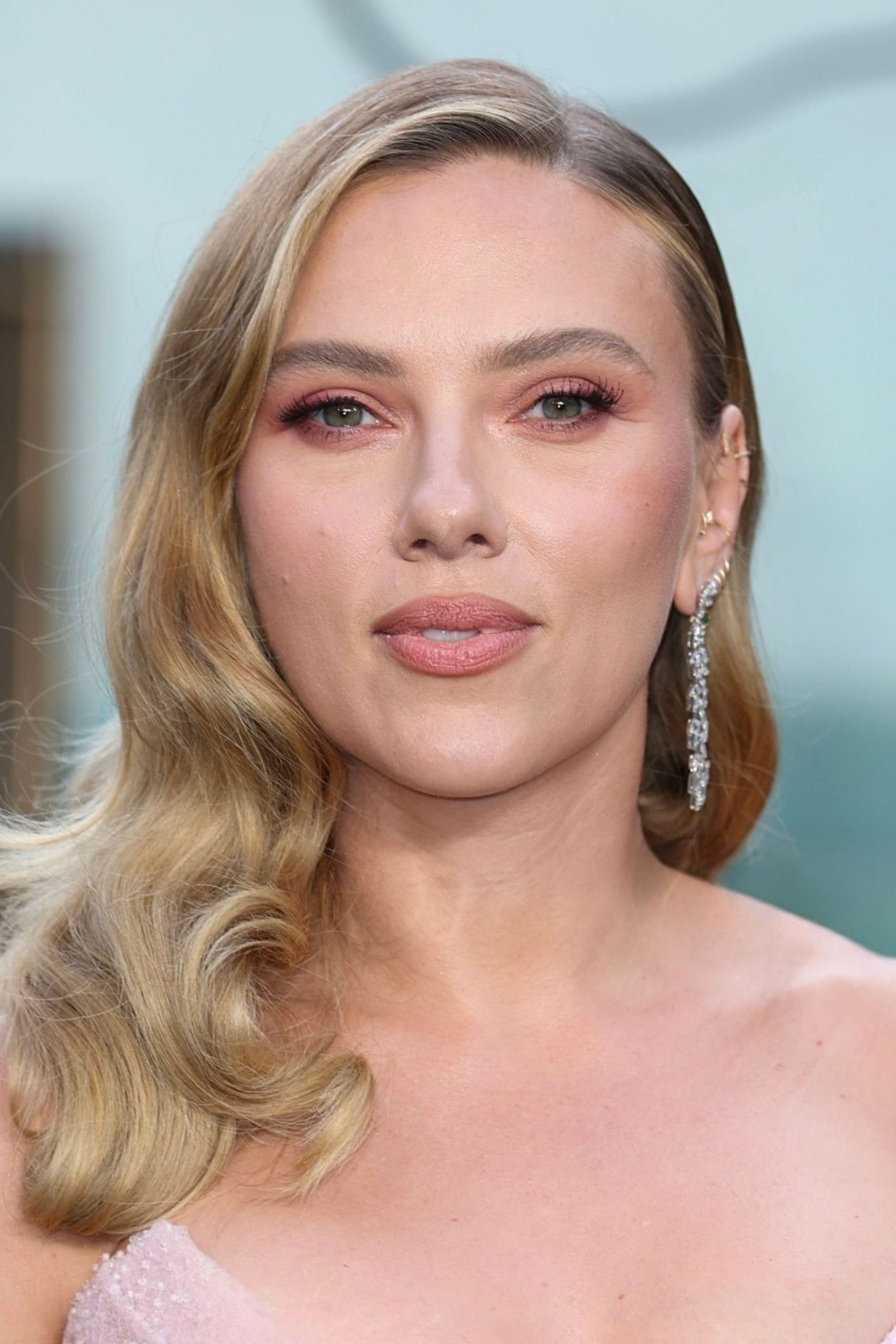
I’ve been following the discussions around Scarlett Johansson and her casting choices, and it’s been a complicated situation. She once said that as an actor, she felt she should be able to play any role, regardless of the character’s background. This came after a lot of criticism for taking roles that some people felt should have gone to actors from marginalized groups – like a transgender character or an Asian character in ‘Ghost in the Shell’. She pushed back against what she saw as overly strict ‘political correctness’ in casting, arguing it limited an actor’s range. While she eventually stepped away from the trans role, she still believes in the idea that acting should allow for playing a wide variety of characters, regardless of personal identity.
Emily Blunt
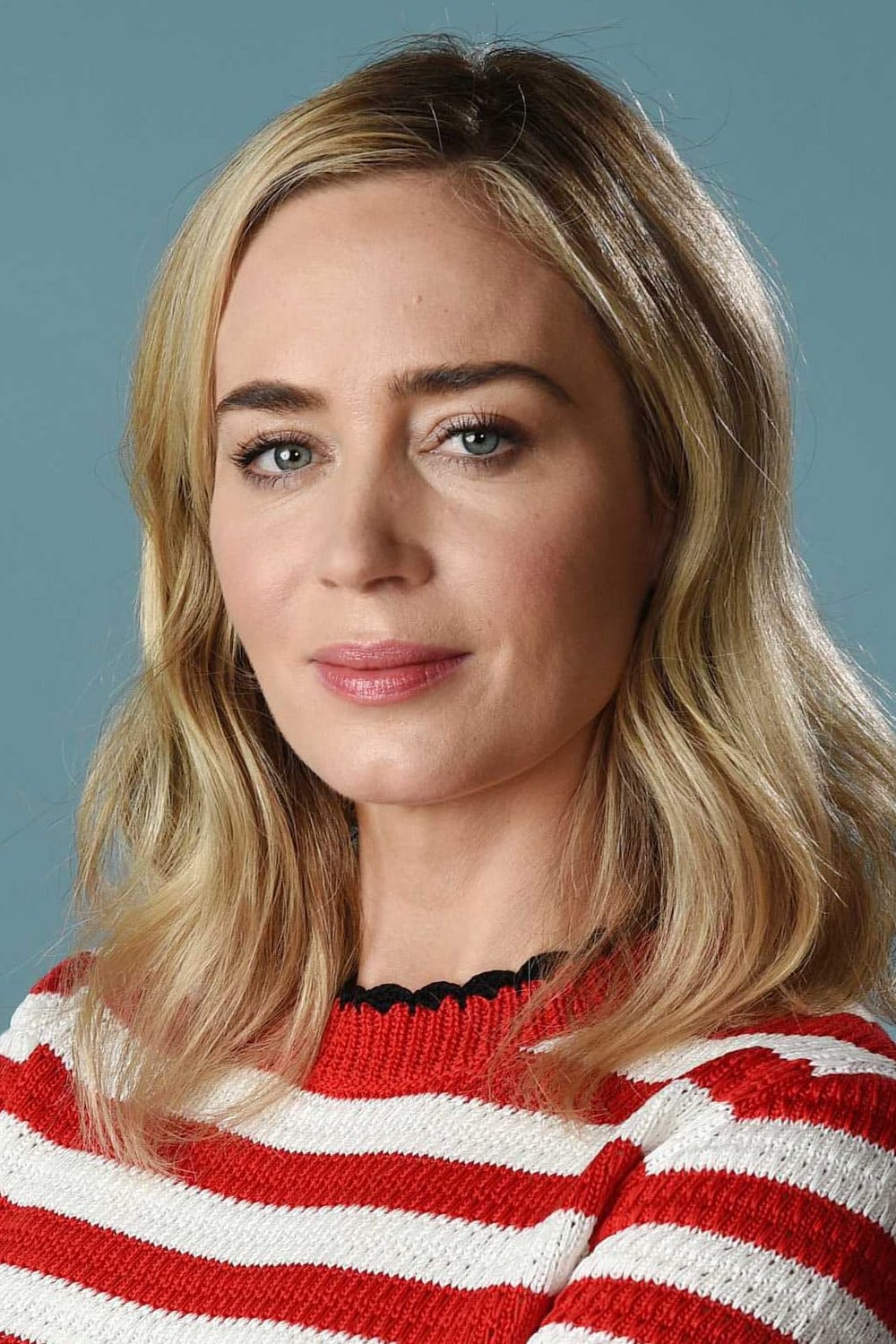
Emily Blunt is tired of the “strong female lead” trope, which often comes from efforts to empower women in film and television. She finds the label uninspired and believes it frequently leads to characters who are overly stoic and lack realistic emotions or weaknesses. Blunt argues that trying to force these types of characters to address gender imbalances often results in poorly written and shallow roles. She prefers complex characters with flaws and hidden depths over the perfect, sanitized versions often expected to meet modern diversity standards. Her main point is that well-intentioned efforts to promote diversity can sometimes unintentionally hurt the quality of storytelling.
Janine Turner
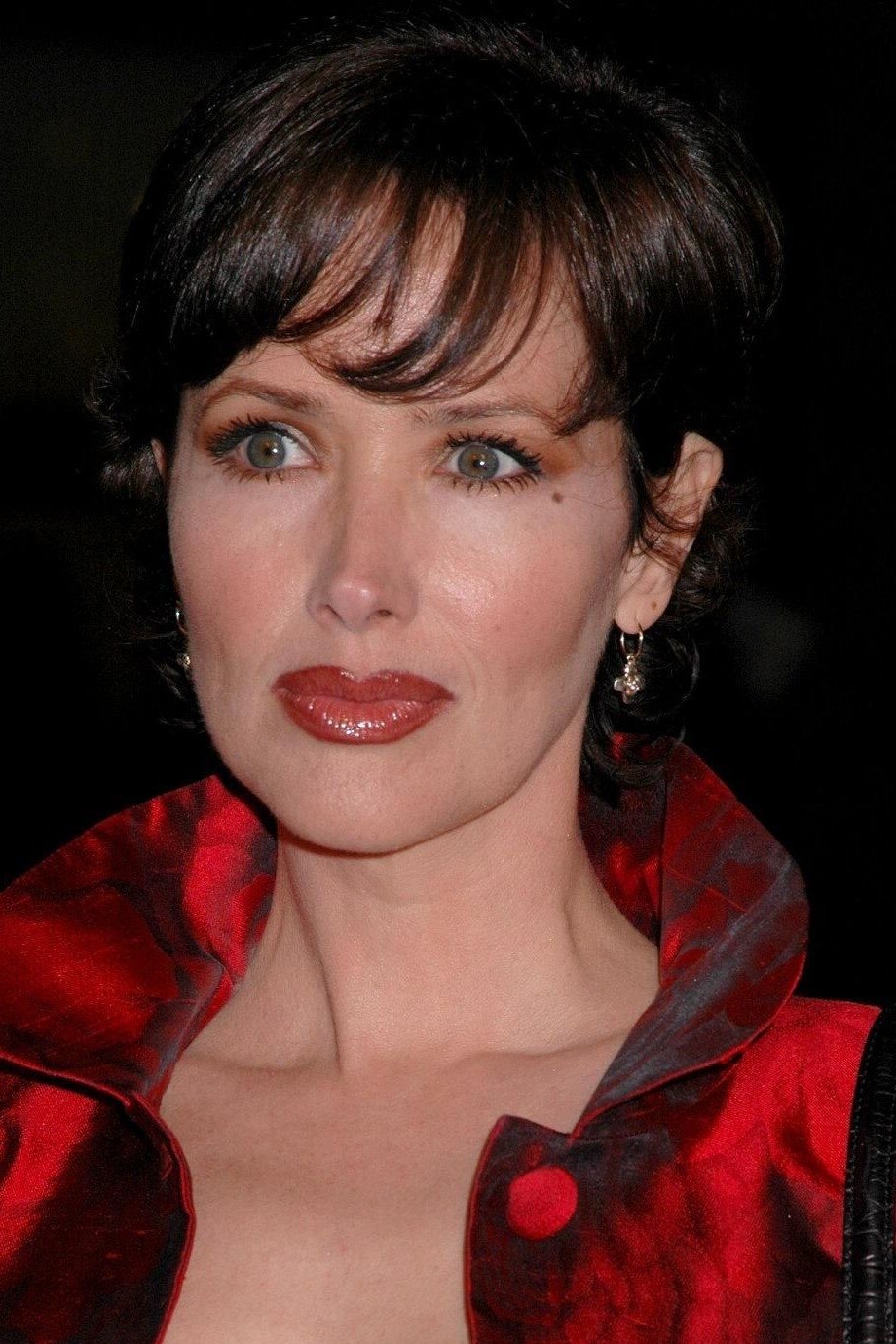
Janine Turner, known for her role in ‘Northern Exposure,’ is a committed conservative activist who feels that Hollywood unfairly overlooks perspectives that aren’t liberal. She created her own organization to champion the Constitution and traditional American ideals, working independently from major film studios. Turner has discussed the challenges of being a conservative woman in an industry that often expects everyone to share the same political beliefs. She’s critical of the tendency for casting and production choices to be based on conformity rather than individual merit. As a result, she’s now focusing her work on educational and patriotic projects instead of typical entertainment.
Danica McKellar
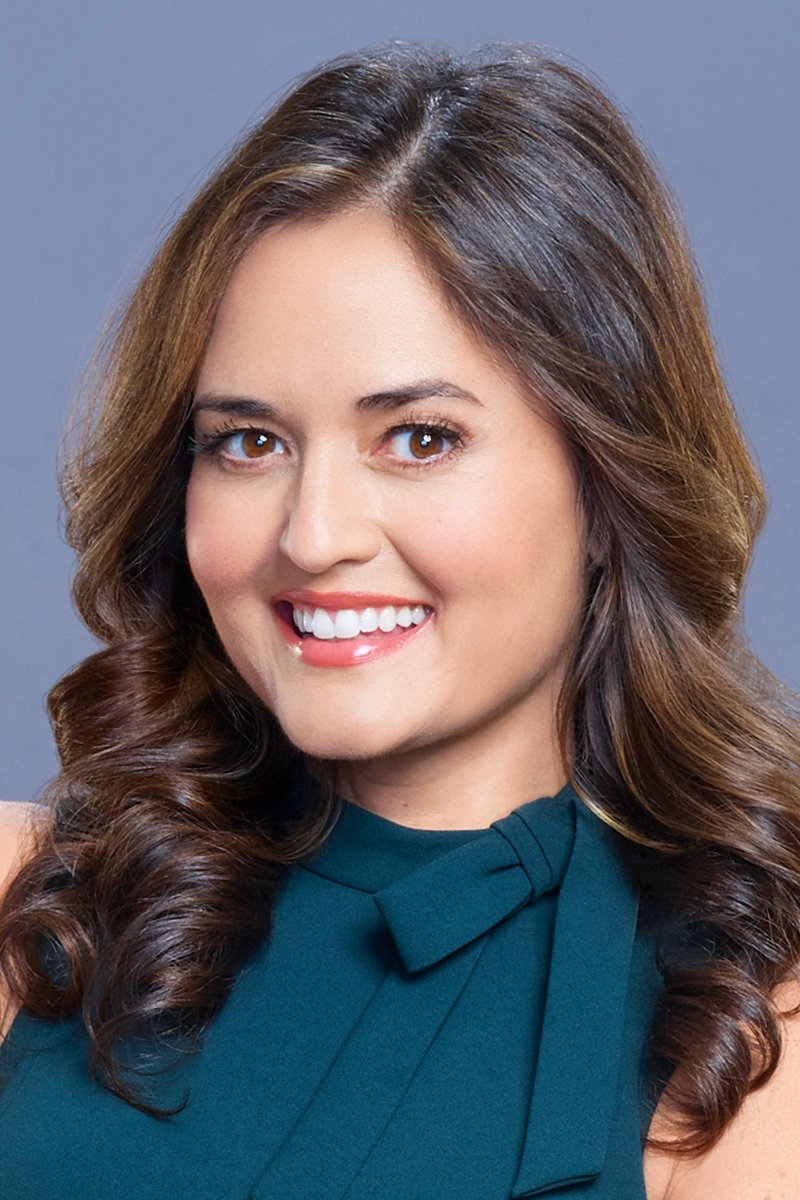
As a fan, I was pretty surprised when Danica McKellar left Hallmark for Great American Family (GAC). It seems like GAC was specifically created as an alternative to channels like Hallmark that were starting to focus more on diverse stories. Danica has talked about wanting to be somewhere that aligns with her beliefs and lets her make the kind of feel-good, classic movies she loves. Basically, she felt Hallmark was pushing for more diversity than she was comfortable with, so she chose to work with GAC instead, where she can continue making films that appeal to viewers who prefer more traditional stories and representation. It’s all about finding the right fit for the kind of content she wants to create.
Jen Lilley
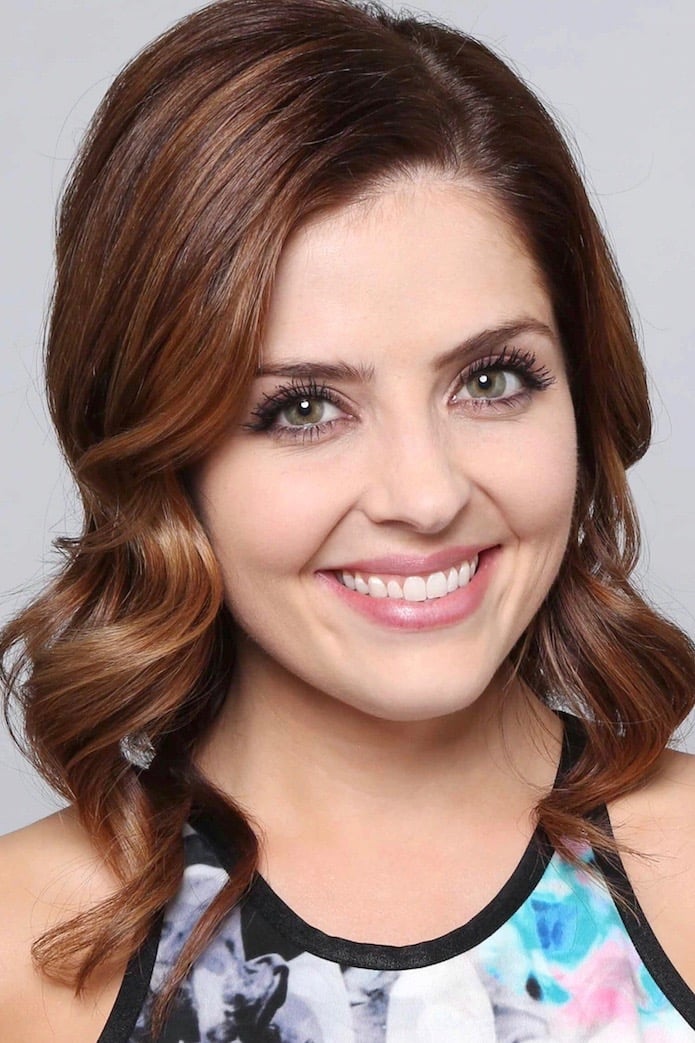
Like Candace Cameron Bure, Jen Lilley signed a deal with Great American Family to create content reflecting her beliefs. She appreciates the network’s emphasis on faith, family, and patriotism, setting it apart from other networks that have become more inclusive. Lilley intentionally chose to work where she doesn’t have to meet current diversity and inclusion requirements. She openly supports the network as a welcoming place for viewers who feel left out by changes in popular culture, and is now focused on creating a brand that honors traditional American values.
Jill Wagner
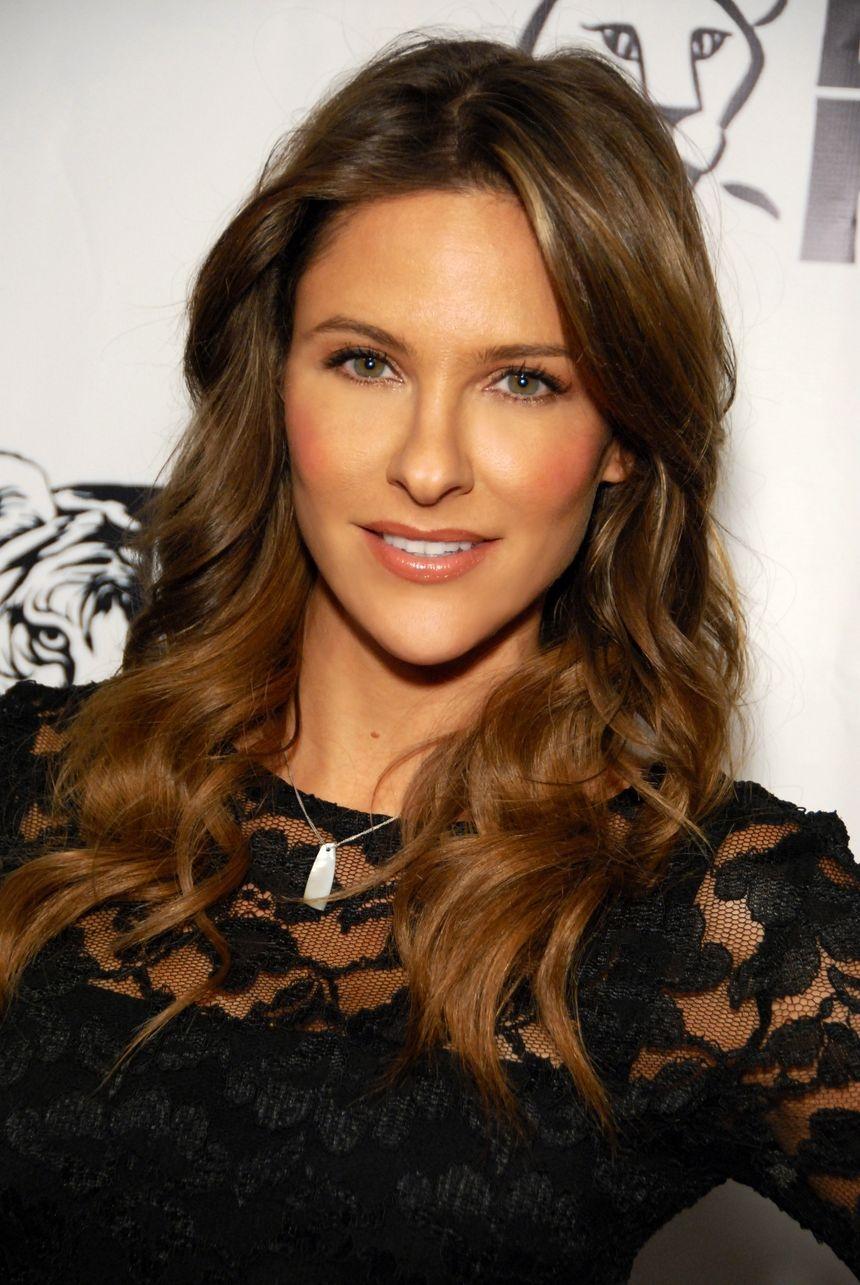
Jill Wagner is a leading figure at Great American Family, both in front of and behind the camera. She’s helping the network create shows that steer clear of what she sees as current Hollywood trends, focusing instead on stories that celebrate military families and traditional religious values. Wagner supports the network’s goal of offering programming different from what’s typically found on mainstream channels. She aims to tell stories that appeal to a specific part of the American audience, prioritizing themes of patriotism and faith over broader diversity initiatives.
Alexa PenaVega
Alexa and Carlos PenaVega have moved their work to Great American Family so they can create movies and shows that align with their Christian faith. They’ve been upfront about wanting to work on projects that don’t conflict with their beliefs. While they previously worked with Hallmark, they decided to switch networks as Hallmark began to feature a wider range of stories and lifestyles. The PenaVegas are now dedicated to creating content that celebrates traditional family values.
Jessica Lowndes
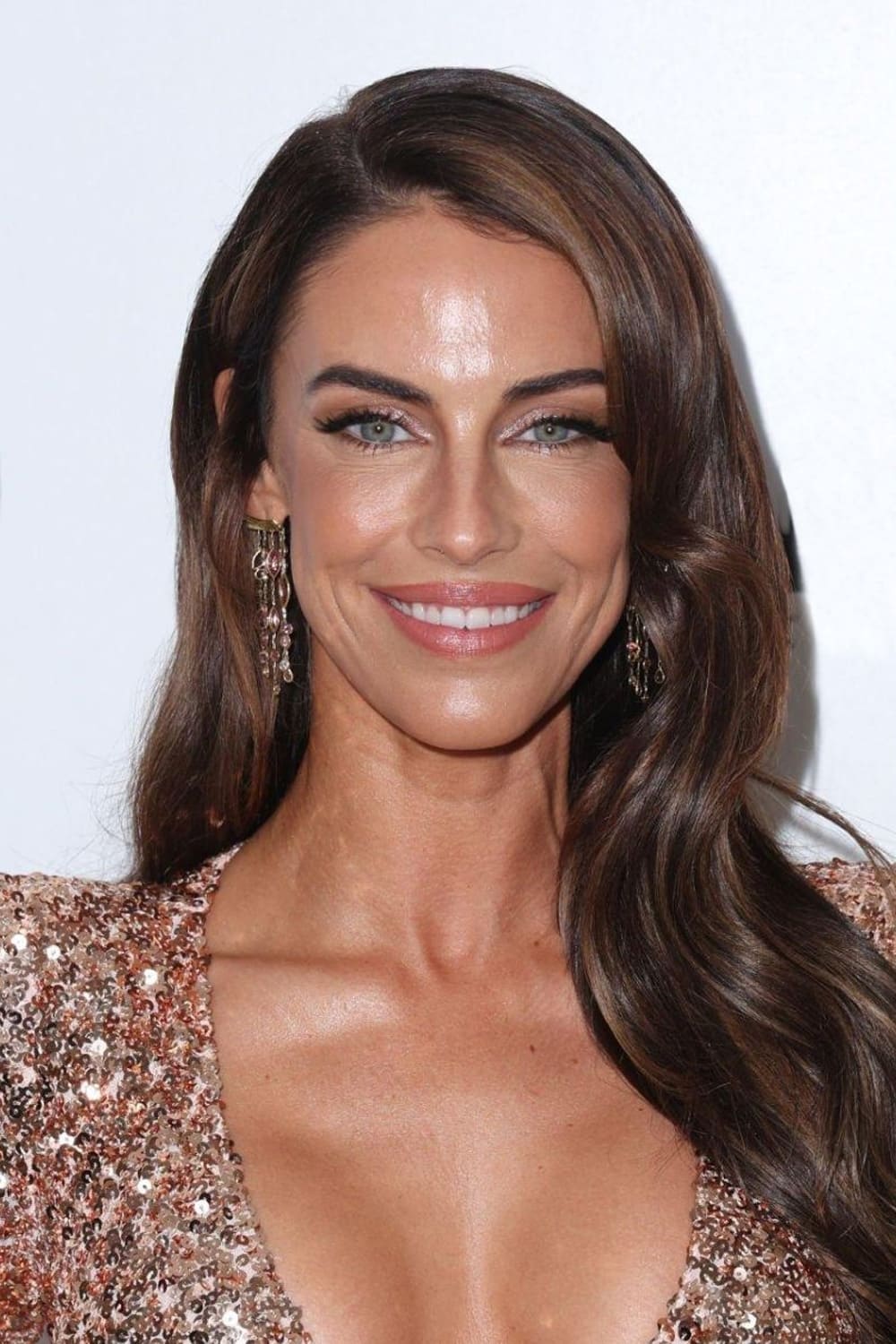
Actress Jessica Lowndes, known for her role on ‘90210’, has moved to Great American Family, where she writes, directs, and stars in movies. Her films fit with the network’s focus on classic, feel-good romances that don’t include current social issues. Lowndes appreciates the ability to create stories without feeling pressured to meet diversity requirements, allowing her to connect with a more conservative audience. This represents a growing demand for entertainment outside of the mainstream Hollywood focus on diversity and inclusion.
Merritt Patterson
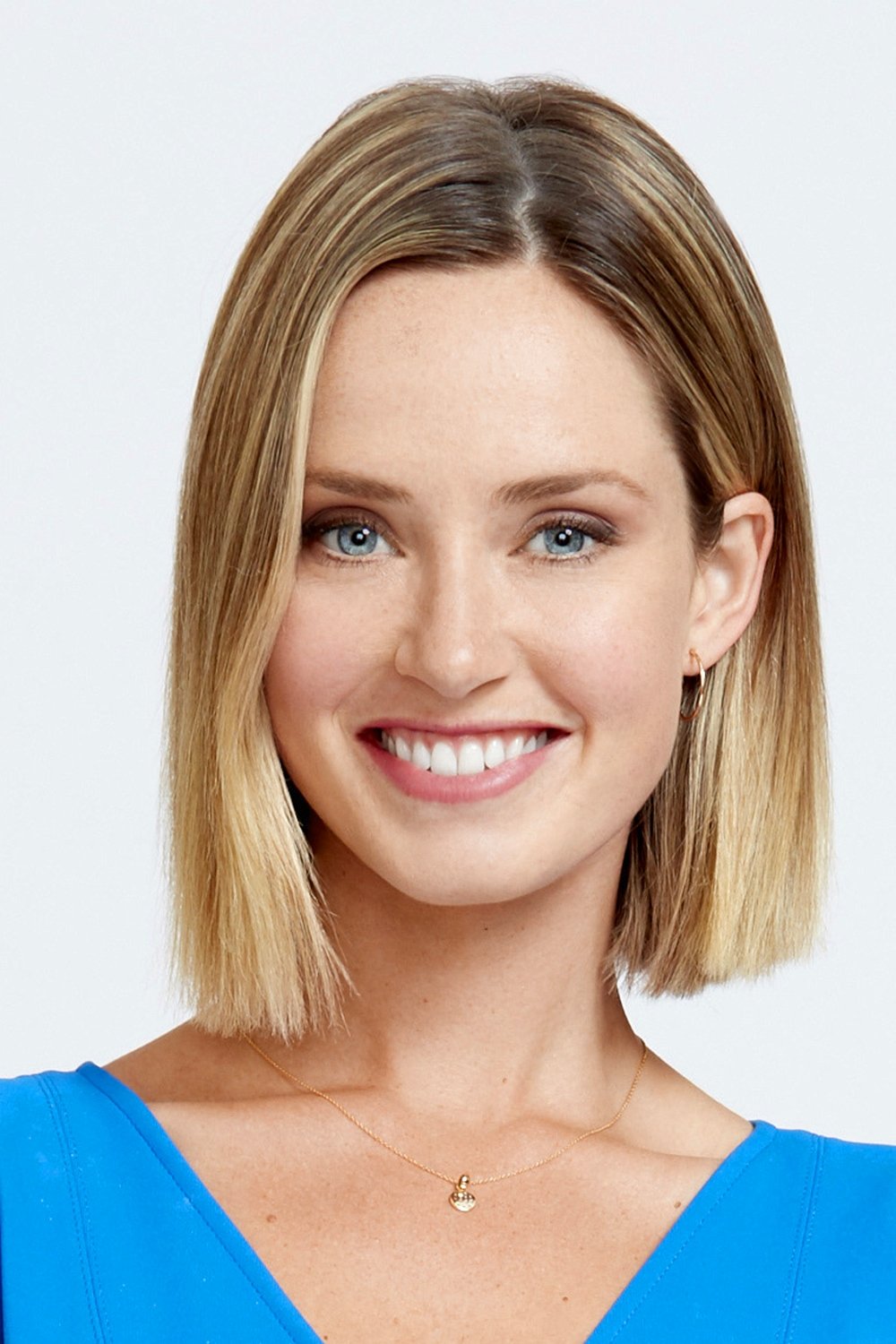
Merritt Patterson is a familiar face in classic romance films who now appears on Great American Family. Her choice to work with the network strengthens its commitment to actors and actresses who prefer content based on traditional values. By joining GAC, she supports a network built as a response to the evolving content on Hallmark and similar channels. Her recent work now appeals to viewers who specifically want to see entertainment that doesn’t include the diversity and inclusion efforts found in more mainstream shows. She continues to be an important part of the growing market for family-friendly entertainment with a traditional focus.
Lori Loughlin
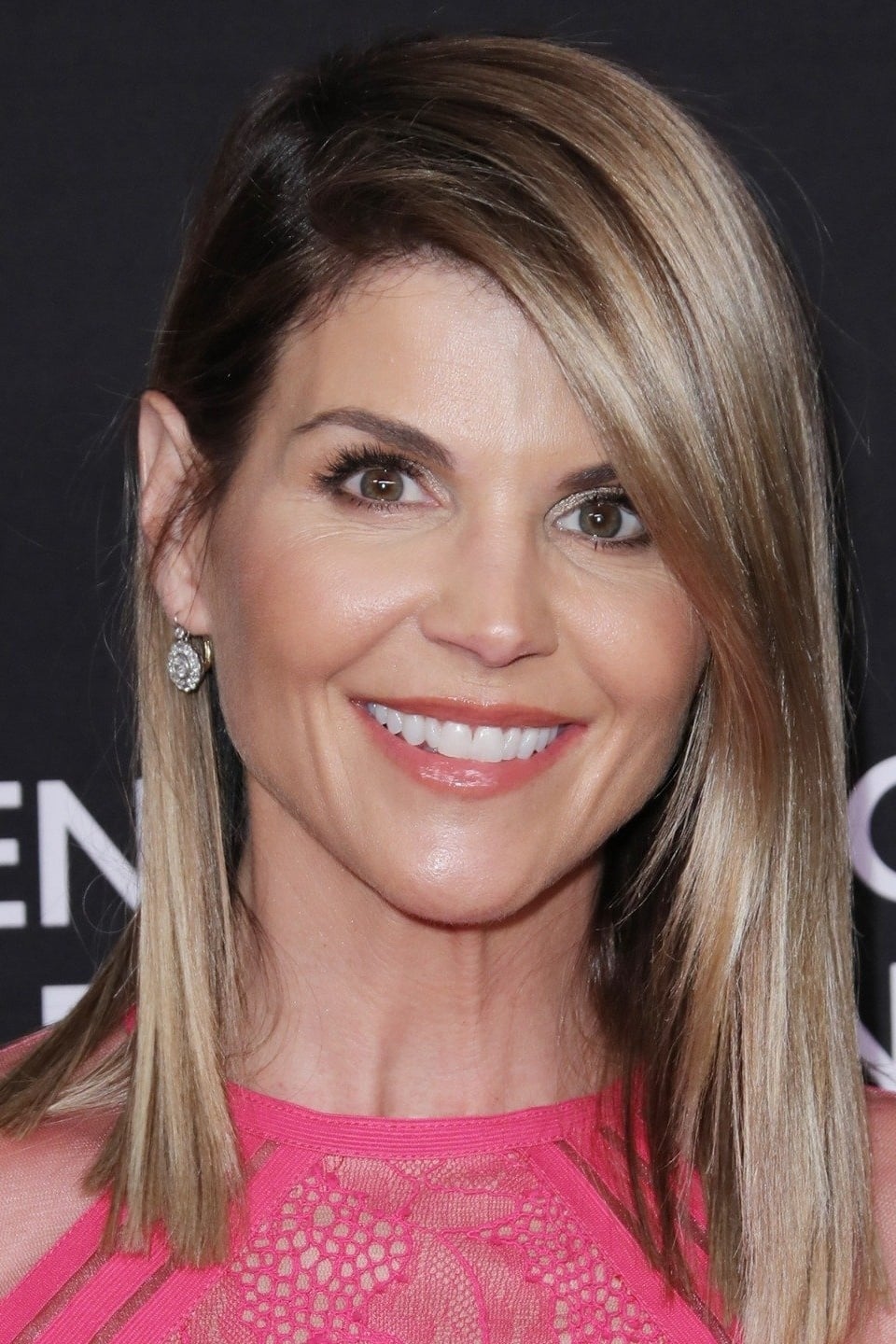
I was really surprised to see Lori Loughlin back on TV after everything that happened, and it was interesting that it was with Great American Family, not one of the bigger networks that had distanced themselves from her. It felt like GAC really welcomed her with open arms, which was a different vibe than what you often see in Hollywood these days. It’s almost like they’re building a place for people who don’t quite fit the mainstream mold, and she definitely brought some much-needed star power to the network. Her roles seem to be all about second chances and small-town life, which totally fits with GAC’s focus and overall feel. She’s been quietly making a comeback, and it’s cool to see her finding a place where she can work again.
Morgan Brittany
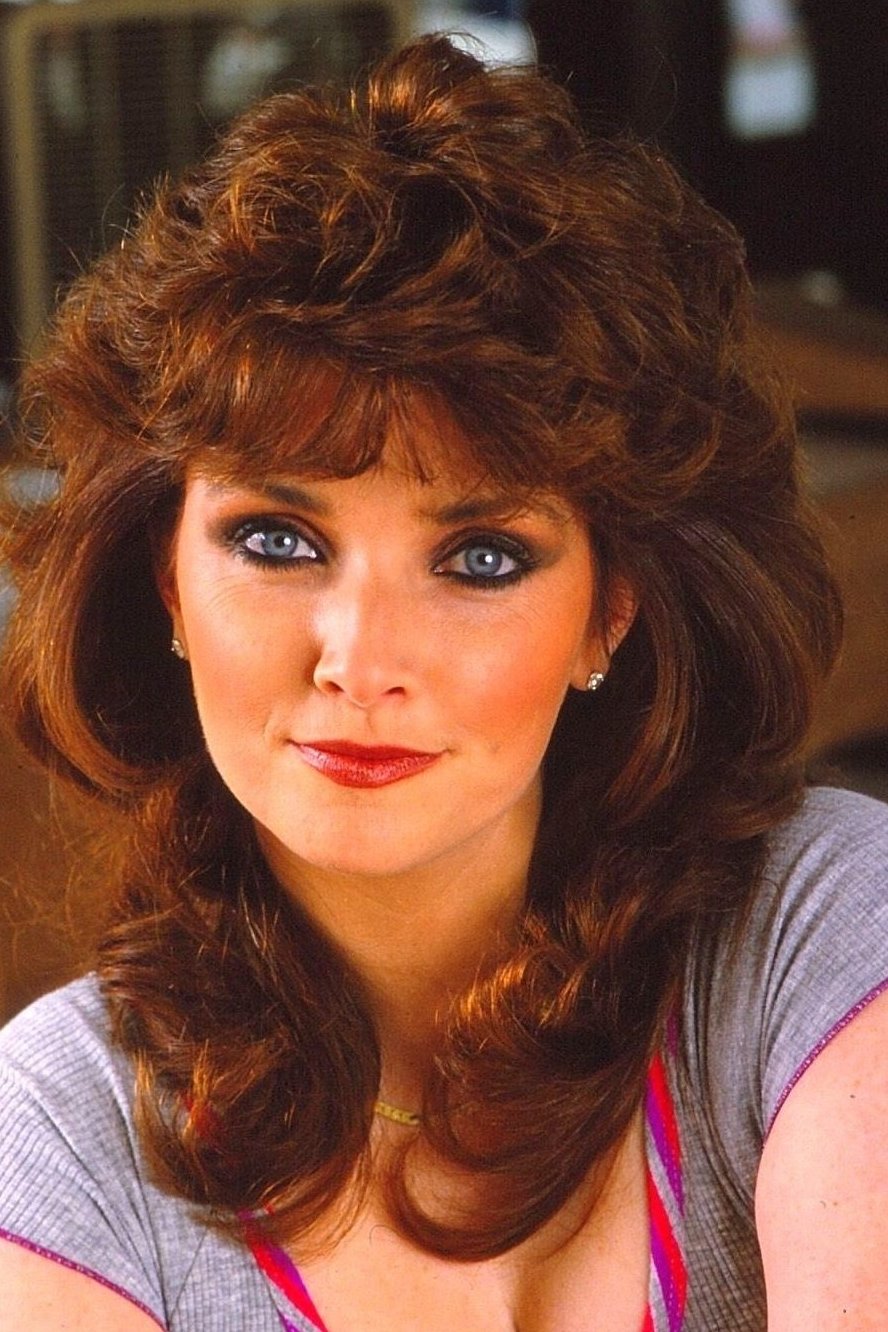
Morgan Brittany, the actress known from ‘Dallas’, is a vocal conservative who often speaks out against what she sees as a liberal slant in Hollywood. She’s a commentator and writer who believes the entertainment industry has become disconnected from mainstream America, focusing instead on the values of those on the coasts and pushing progressive ideas. Brittany is against the promotion of liberal viewpoints through movies and TV shows, and wants to see more stories that celebrate patriotism. She also feels that diversity, equity, and inclusion efforts are part of a larger attempt to change American culture and push aside traditional beliefs. Her work is specifically focused on challenging what she sees as a strong left-wing influence in the media.
Bo Derek
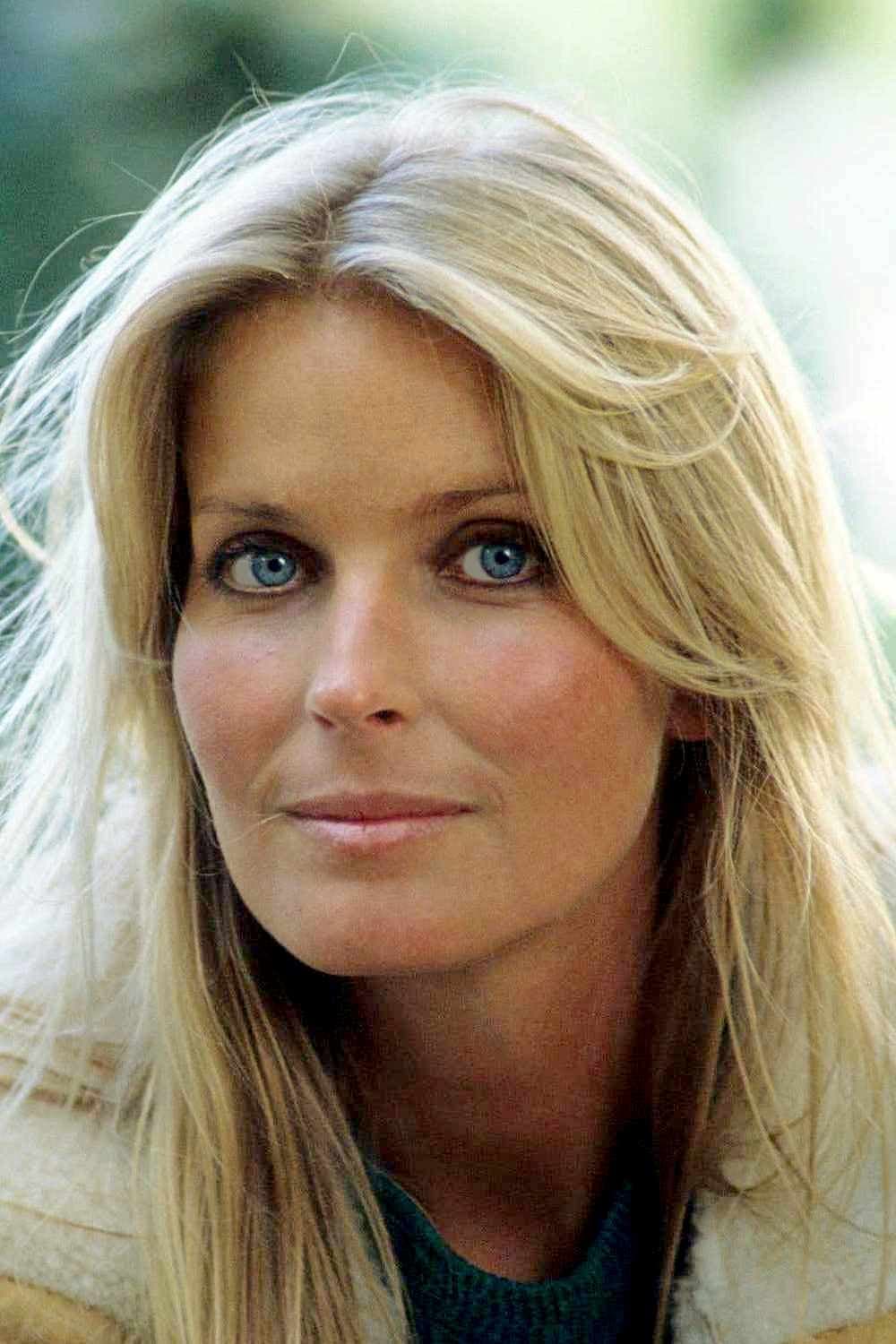
Bo Derek is known as an independent voter who often supports Republican candidates and defends conservative public figures, which is unusual for most people in Hollywood. She’s spoken out about a lack of tolerance in the entertainment industry, believing that differing political views aren’t always welcomed unless they align with mainstream opinions. Derek has publicly supported Donald Trump, claiming media criticism of him was frequently unfair or blown out of proportion. She focuses her advocacy on causes like animal welfare and supporting veterans, rather than the focus on identity politics common in Hollywood. Throughout her career, she’s largely remained free from the control of major studios.
Patricia Heaton
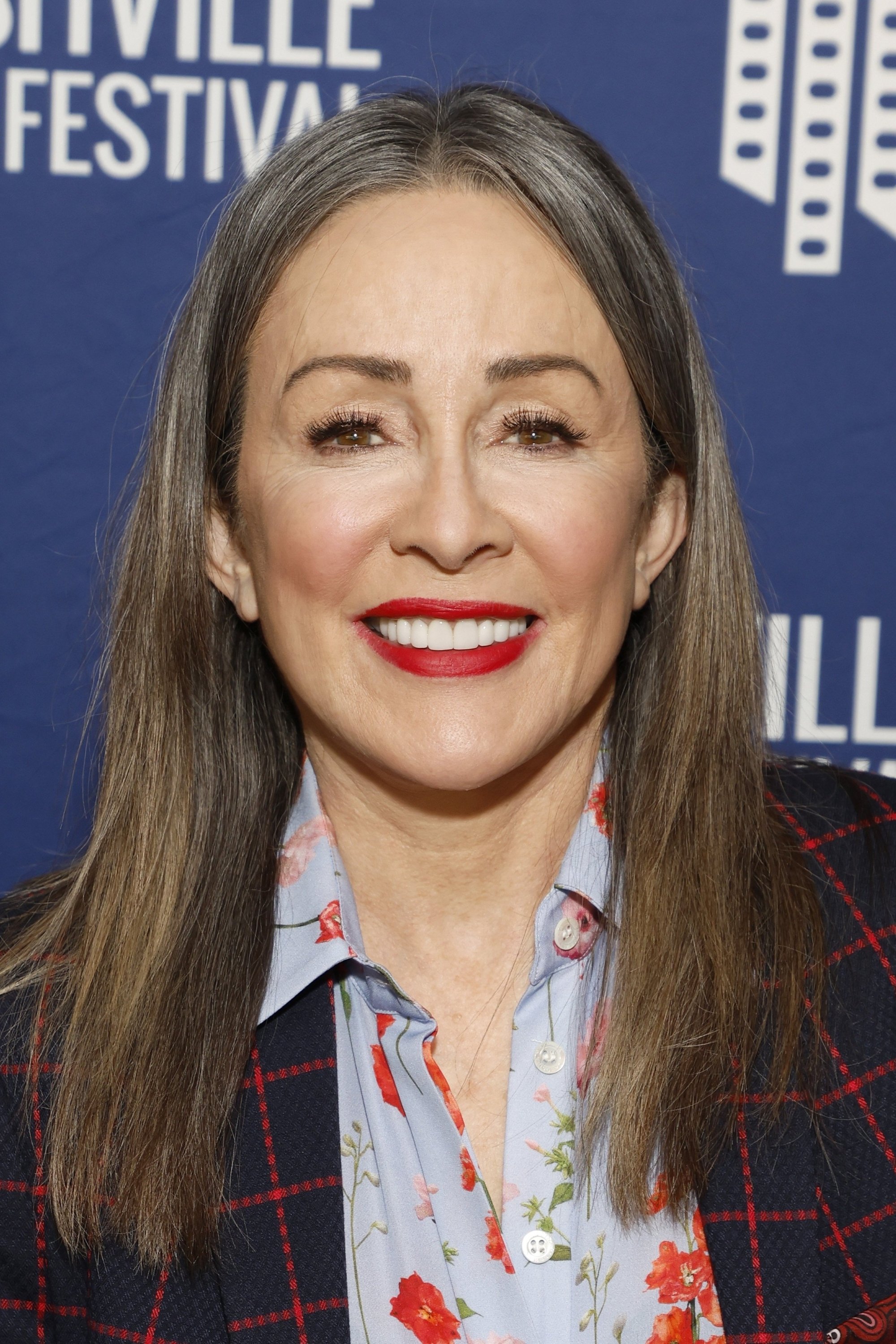
Patricia Heaton is a rare conservative voice in Hollywood who openly shares her pro-life beliefs. She often uses her public platform to speak out for religious freedom and challenge what she sees as unfairness in the media. She’s pointed out that the entertainment industry often promotes inclusivity but doesn’t seem to welcome conservative or religious viewpoints. Heaton often finds herself as the only conservative person on a film or TV set, which she believes shows a lack of diverse thinking in the industry. While she believes in being kind to others, she strongly disagrees with current cultural trends that she feels push aside people of faith. Despite continuing to work in the industry, she remains a vocal critic of its tendency to think and act alike.
Julie Delpy
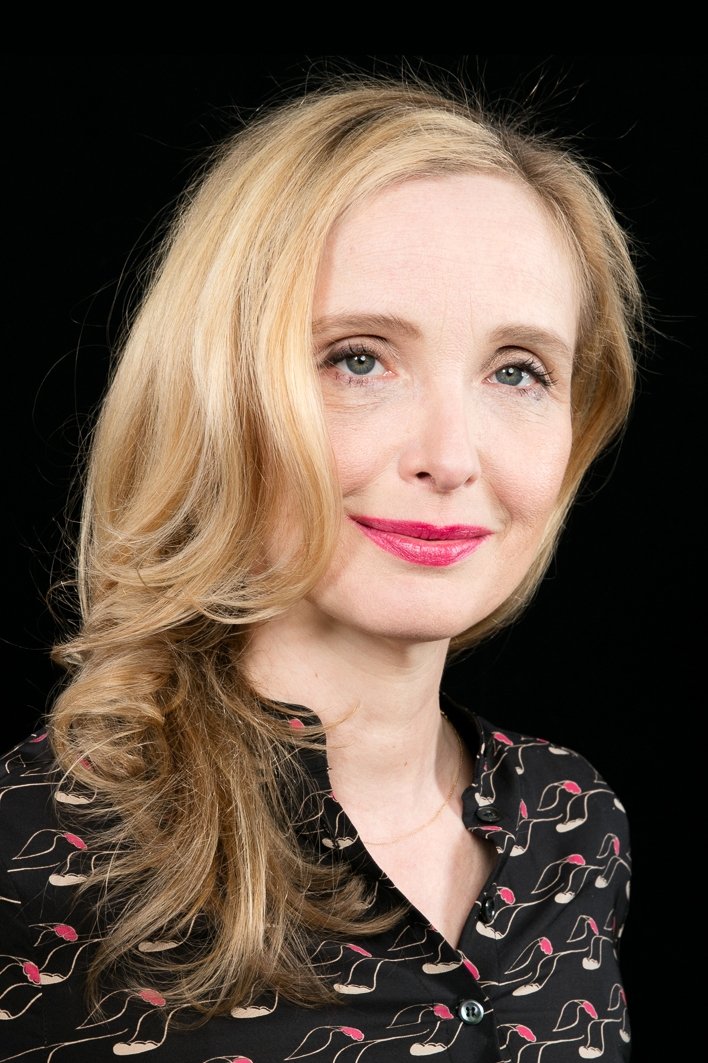
Julie Delpy received criticism for saying it felt difficult to be a white woman in Hollywood when talking about the need for more diversity. She explained she felt unheard and unable to share her own challenges as a female filmmaker, arguing that the focus on who has suffered the most made it hard for anyone to speak up. While she later apologized, her original comments showed how frustrated she was with the way conversations about diversity, equity, and inclusion were categorizing people and overlooking individual experiences. Her statement also reflected the difficulties some established figures are facing as the entertainment industry changes quickly.
Read More
- Top 20 Dinosaur Movies, Ranked
- 20 Movies Where the Black Villain Was Secretly the Most Popular Character
- 25 “Woke” Films That Used Black Trauma to Humanize White Leads
- Celebs Who Narrowly Escaped The 9/11 Attacks
- Silver Rate Forecast
- Spotting the Loops in Autonomous Systems
- Gold Rate Forecast
- 22 Films Where the White Protagonist Is Canonically the Sidekick to a Black Lead
- From Bids to Best Policies: Smarter Auto-Bidding with Generative AI
- Can AI Lie with a Picture? Detecting Deception in Multimodal Models
2026-01-21 02:52