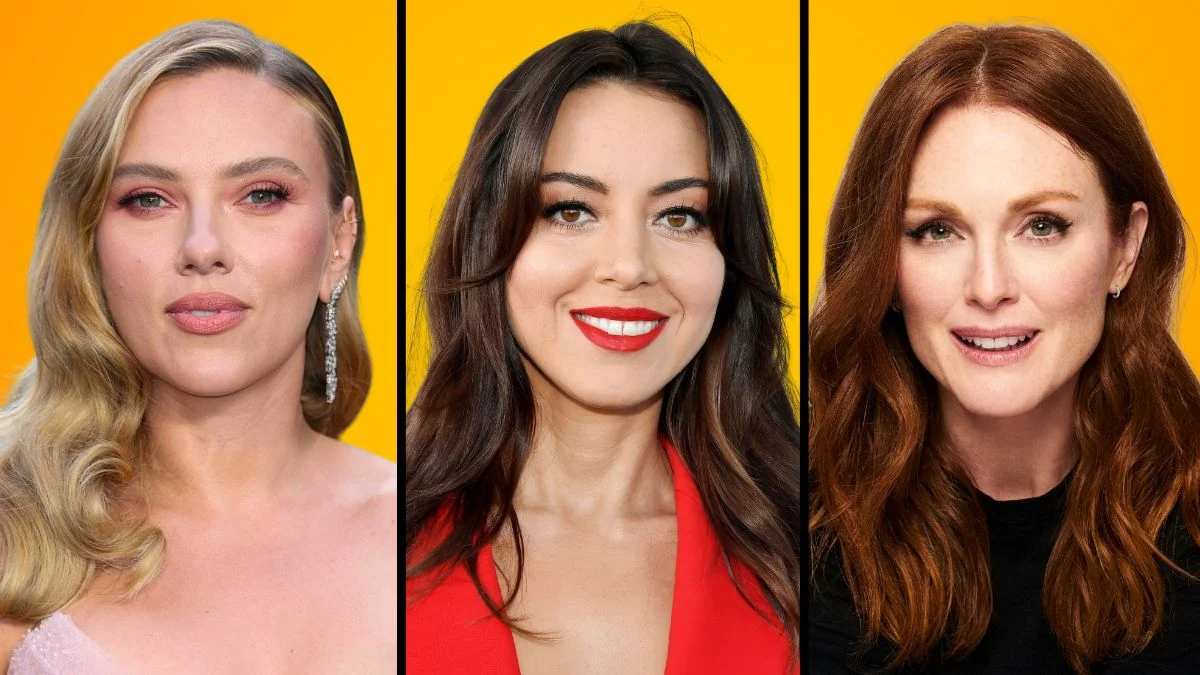
The fast development of artificial intelligence is causing a lot of discussion in Hollywood, particularly about protecting the work and images of actors and other artists. Many performers are worried that AI could threaten their jobs and control over their own creative work. This was a major reason behind the 2023 SAG-AFTRA strike, as members pushed for strong contract rules to prevent being replaced by digital versions of themselves. Here are some women who have spoken out against the growing use of AI in the entertainment industry.
Justine Bateman
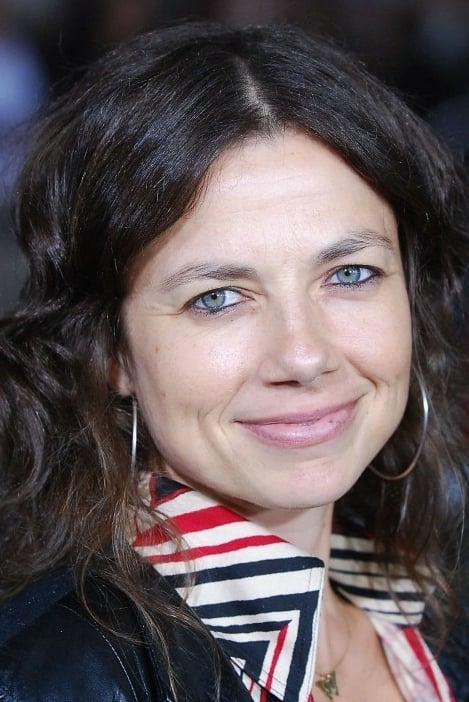
Bateman is a leading voice speaking out against the use of artificial intelligence in filmmaking. She advises the actors’ union, SAG-AFTRA, on the technical aspects of generative AI during negotiations. As a filmmaker herself, she often warns artists that AI could diminish the human creativity in movies. Her main goal is to push for strong rules that stop studios from using AI to replace actors with digital copies.
Scarlett Johansson
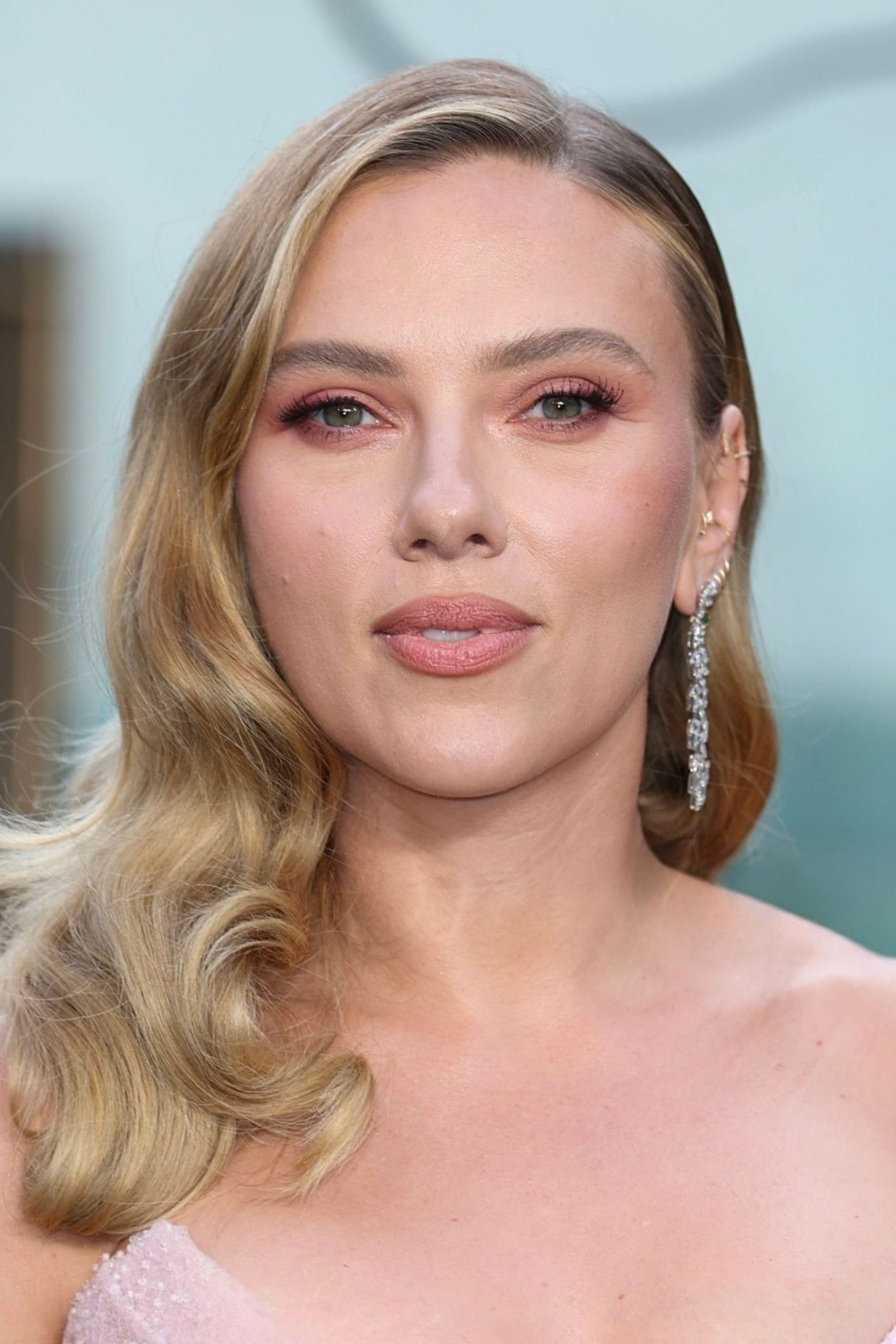
Scarlett Johansson publicly opposed OpenAI after they launched a voice assistant that closely resembled her own. She explained that she had previously refused a request to license her voice, but a similar one was released anyway. Johansson then sought legal help to compel OpenAI to reveal how the voice was made, bringing attention to the risk of performers having their voices used without permission.
Fran Drescher
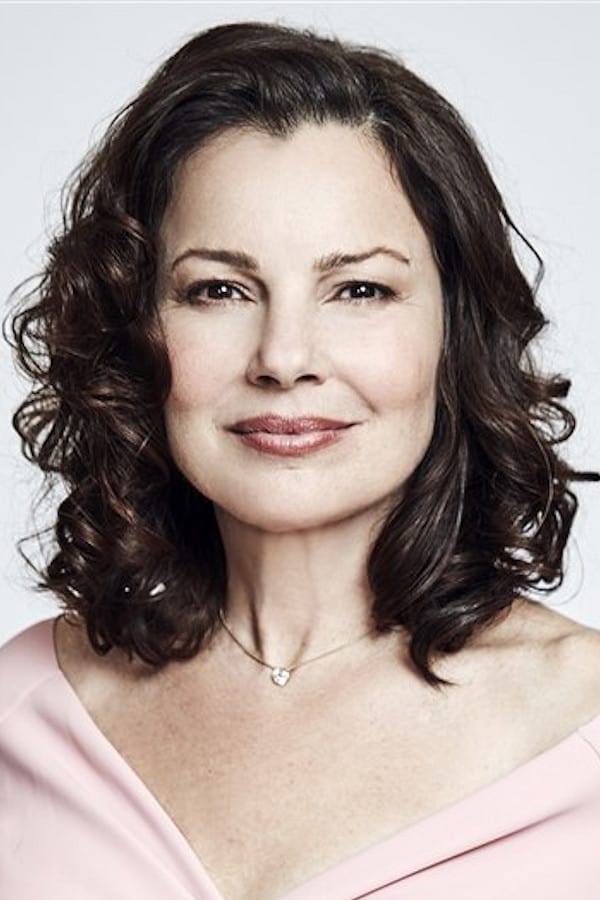
During the 2023 actors’ strike, SAG-AFTRA president Fran Drescher strongly opposed the use of artificial intelligence to replace actors, both in background roles and as leading performers. She passionately argued that actors deserve to be protected from being replaced by technology. Ultimately, her leadership led to a new contract that requires consent and payment whenever an actor’s likeness is digitally recreated. Drescher views this as a crucial fight to protect the heart of creative work.
Keira Knightley
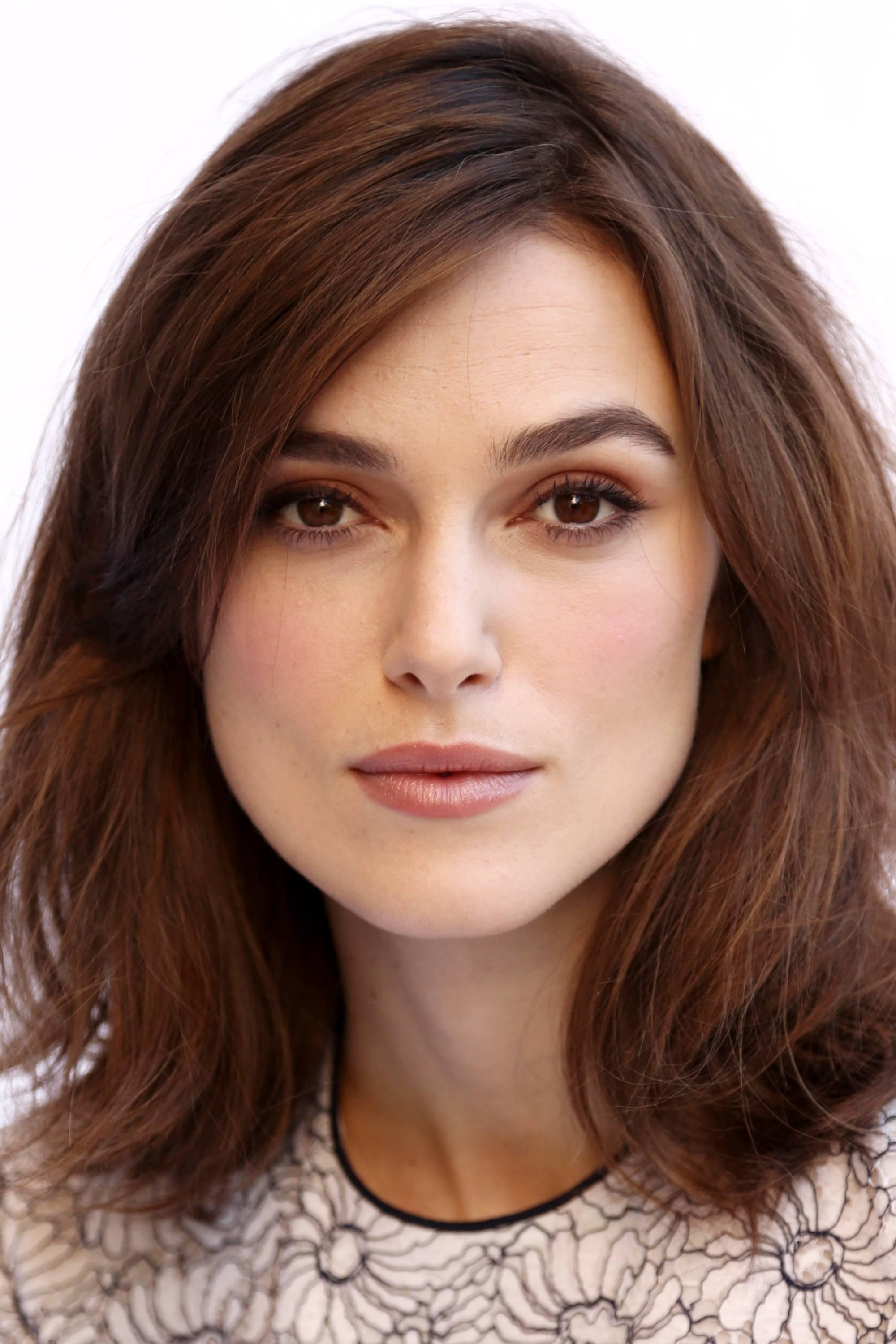
I have to say, Keira Knightley is really ahead of the curve. She’s spoken out about how worried she is about deepfakes and the idea of someone stealing your image digitally. In fact, she’s actually taken legal steps to copyright her face – which is a first, as far as I know! She feels, and I agree, that this technology is particularly scary for actresses and other women in the public eye. It’s a bold move, and I think she’s setting a really important precedent for how performers can protect themselves in this new digital world.
Jamie Lee Curtis
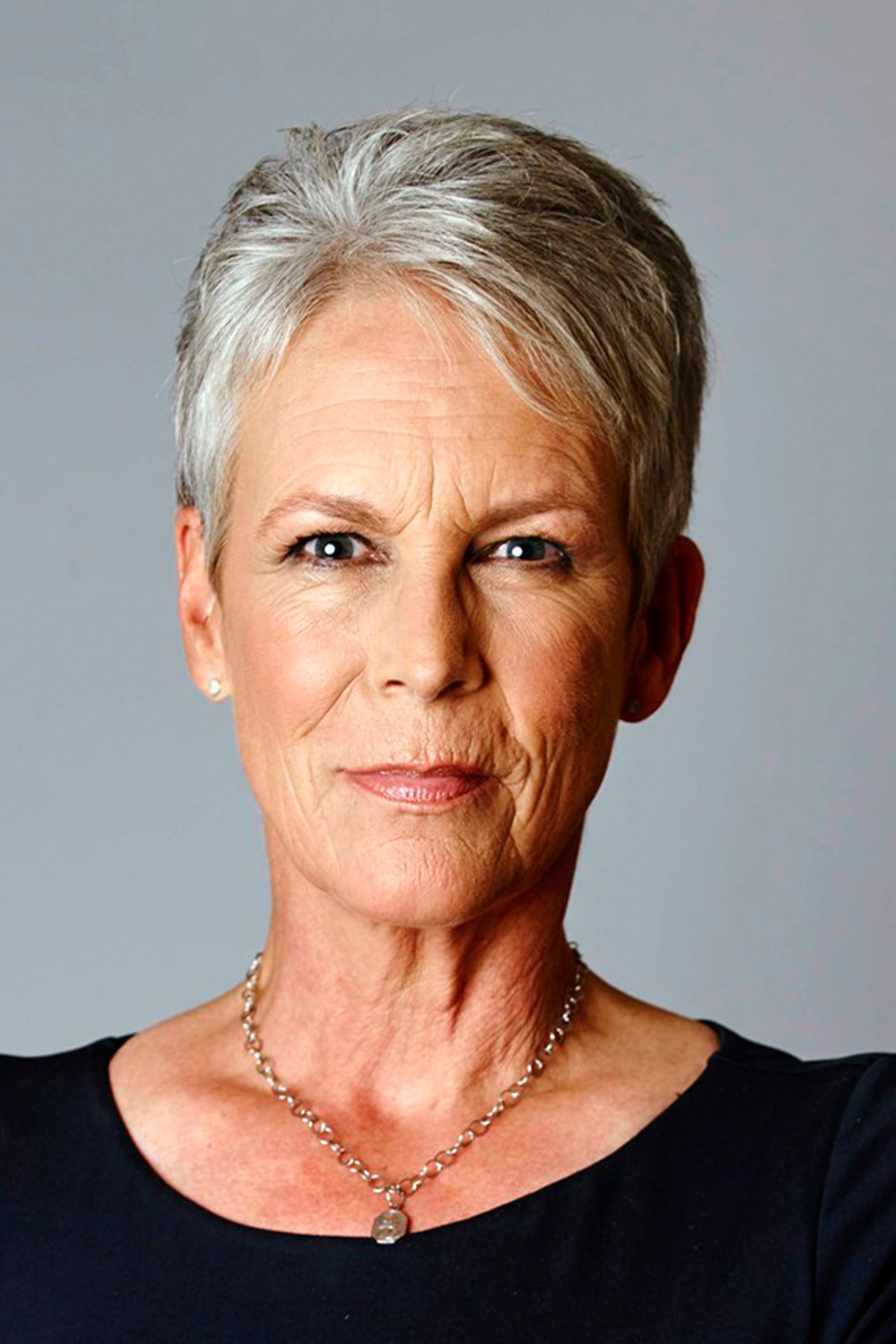
As a film critic, I’ve been following Jamie Lee Curtis’s strong stance against AI in filmmaking, and it’s been admirable. From the very beginning of the strikes, she’s been vocal about not wanting to see movies crafted by algorithms, and she makes a powerful point. For her, and I agree, storytelling is fundamentally about human connection, and that’s what this technology threatens. She really threw her weight behind the guild’s refusal to compromise without solid guarantees against being replaced by digital creations – and I applaud her for it.
Tatiana Maslany
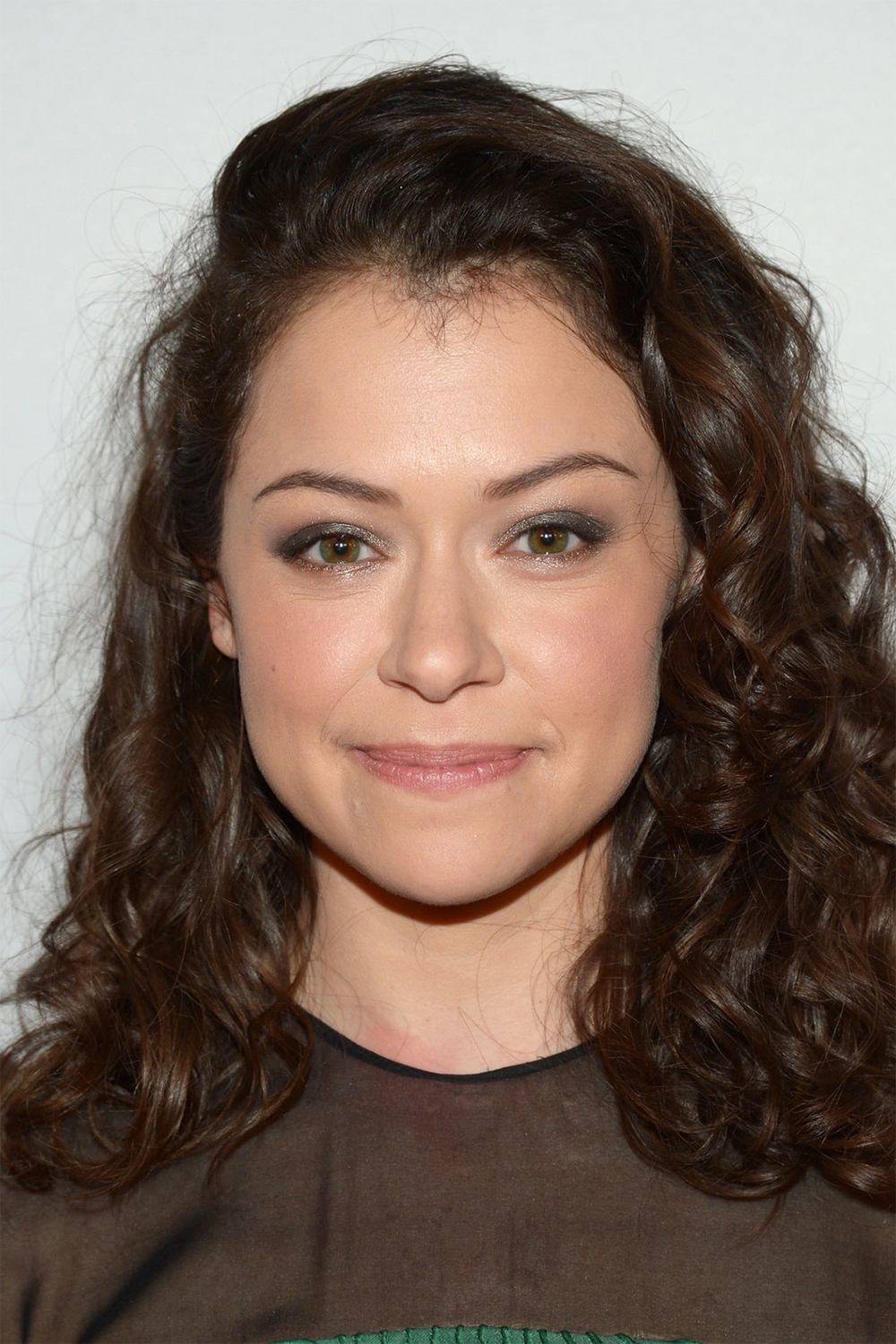
Tatiana Maslany, the lead actress in ‘She-Hulk: Attorney at Law,’ has spoken out against the practice of studios scanning background actors and potentially using their digital likenesses forever. She argues that this allows studios to own a performer’s image and use it repeatedly without additional compensation. Maslany emphasized that this technology particularly harms working actors who depend on background roles for income, and she brought attention to the real threat AI poses to those just starting out in the industry.
Rachel Zegler
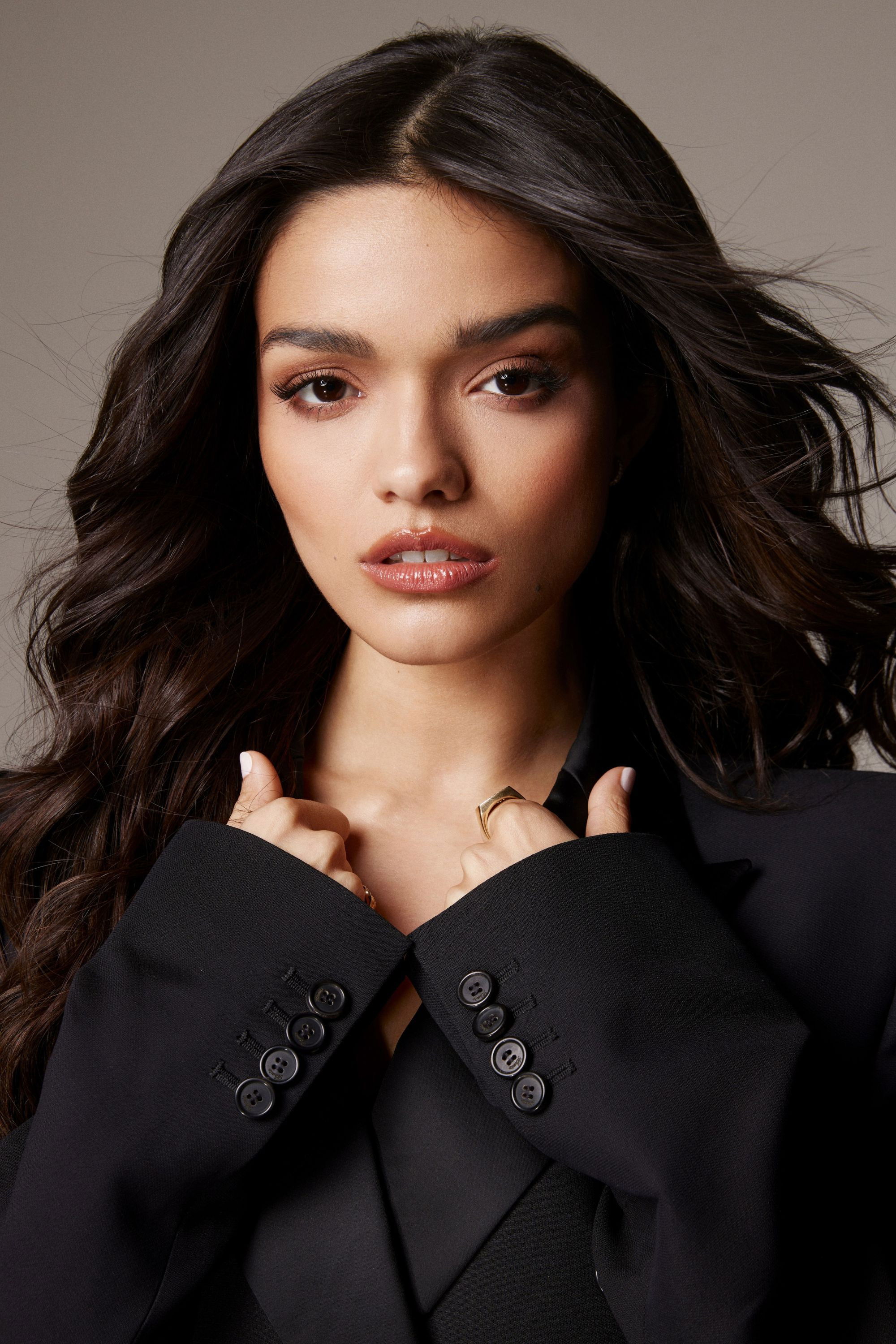
During the promotion of her recent films, Rachel Zegler spoke out about the need for actors to be fairly paid when AI technology is used to recreate their performances. She believes that if studios use digital versions of actors, those actors deserve compensation for every hour the AI is used, highlighting concerns that AI could be used to avoid paying fair wages and residuals. Zegler continues to champion the importance of valuing and maintaining genuine human performance.
Zelda Williams
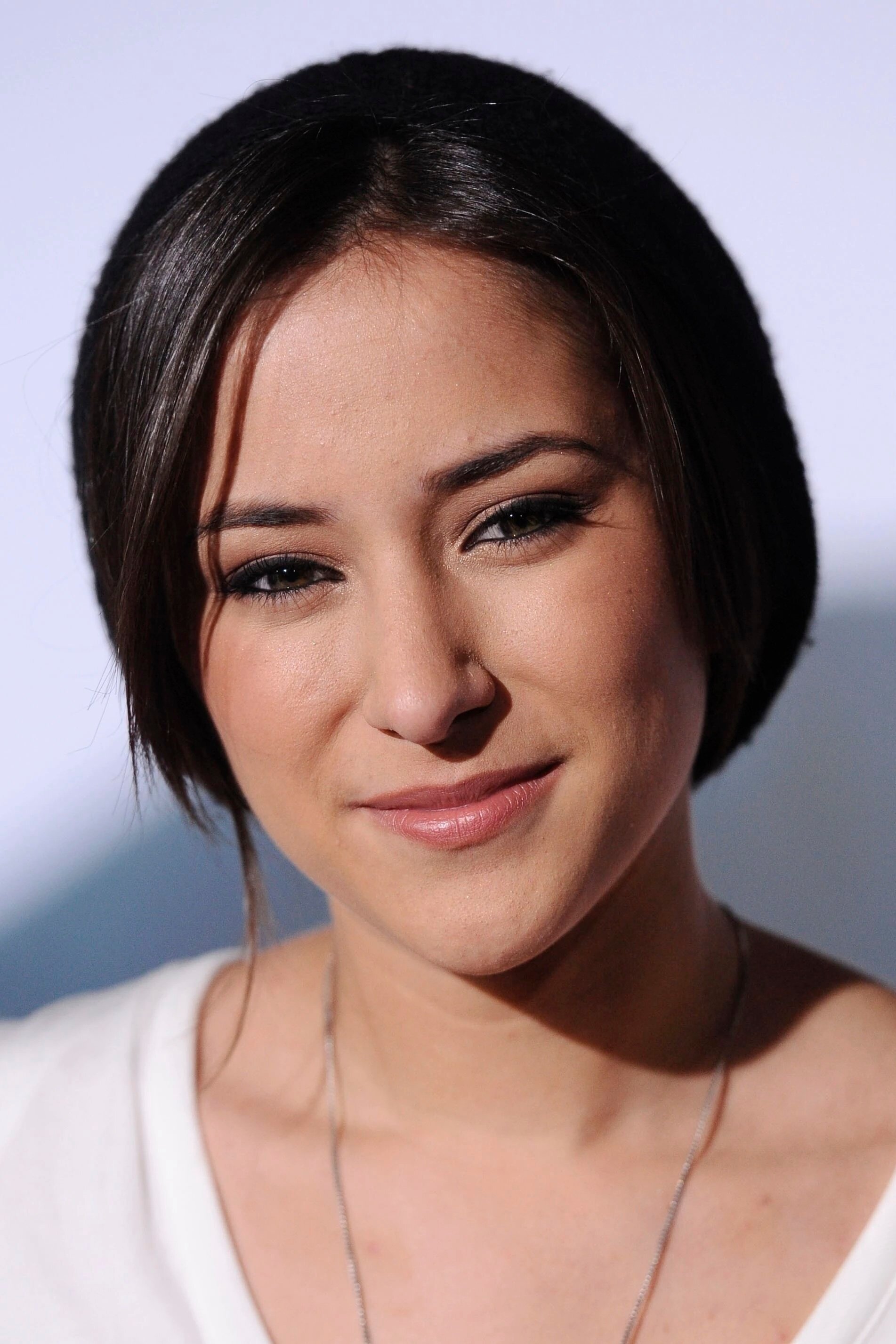
Zelda Williams publicly opposed the use of artificial intelligence to replicate the voice of her father, Robin Williams. She called the technology a frightening and unnatural creation, suggesting it assembles pieces of a person without capturing their true essence. The actress and director appealed to the entertainment industry to honor the rights of both current and deceased performers. She shared her personal experience to emphasize the emotional harm and ethical problems caused by digitally recreating someone’s likeness without their permission.
Viola Davis
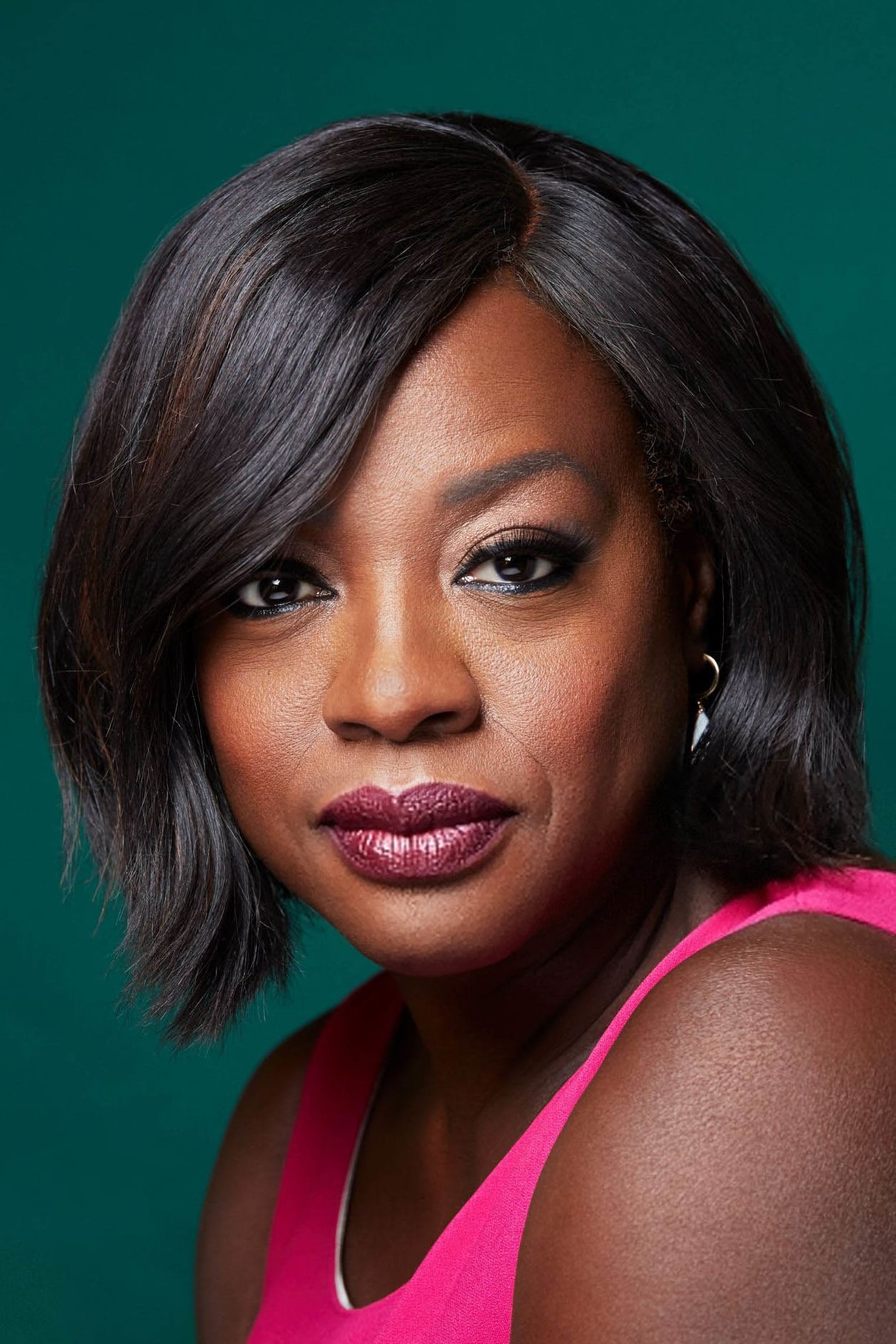
Davis strongly believes actors should own their image and voice. She publicly supported a letter asking union leaders to protect performers from the misuse of artificial intelligence. She argues that computers can’t replicate genuine human emotion and advocates for contracts that prevent studios from using an actor’s likeness forever without permission.
Meryl Streep
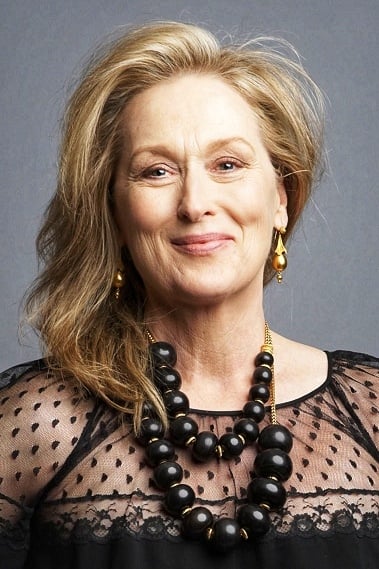
Meryl Streep publicly supported the actors’ cause by signing a letter to SAG-AFTRA leaders, warning that the industry was facing a critical moment. She stated she was willing to strike to protect actors from being replaced by artificial intelligence. Her involvement sent a strong message to the studios that even highly respected actors saw AI as a major concern. Streep believes in prioritizing the skills and artistry of human performers over cheaper, technology-based solutions.
Jennifer Lawrence
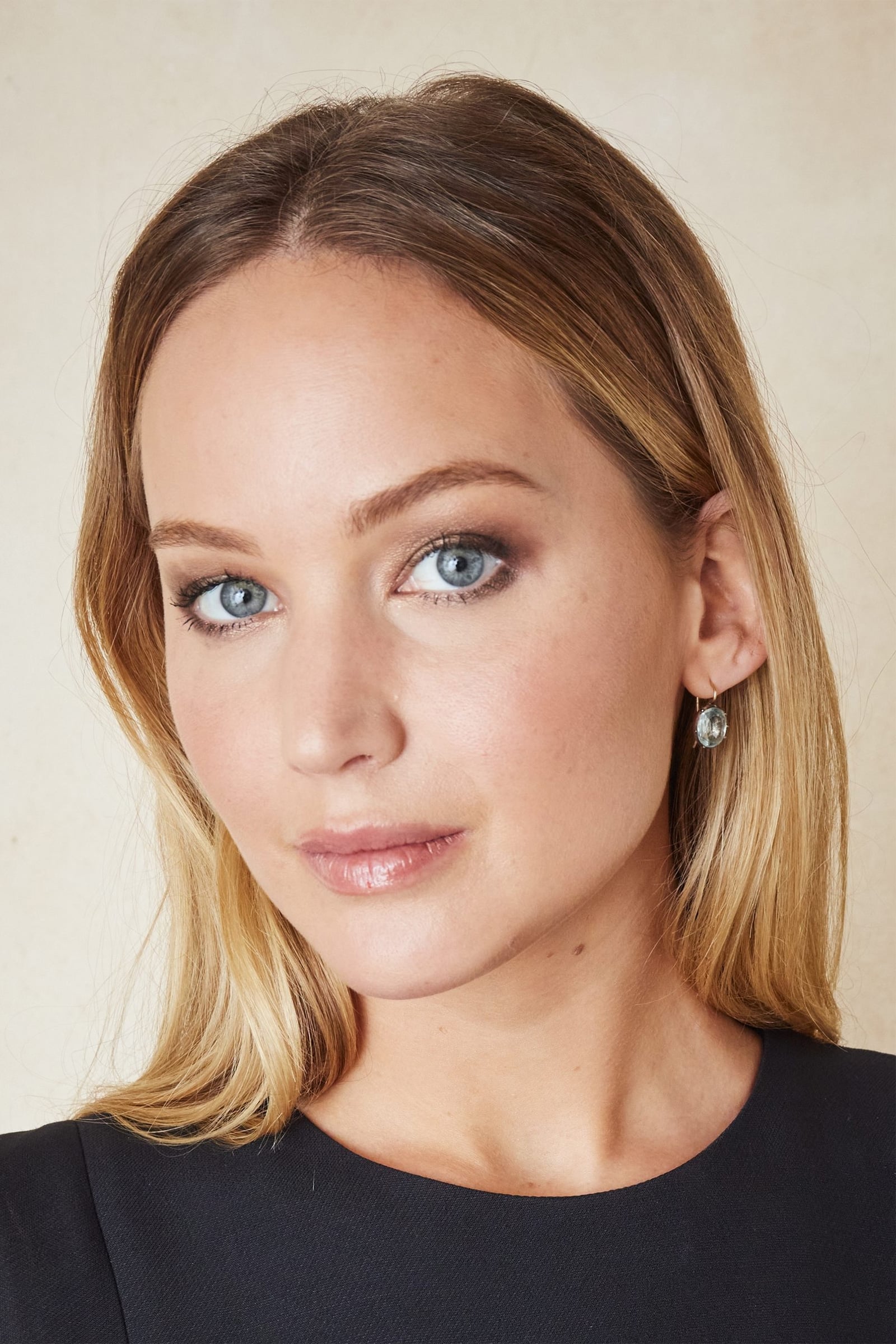
Jennifer Lawrence joined a group of prominent actors in urging the union to firmly resist the growing use of artificial intelligence. She publicly stated that safeguards against AI are essential for the future of the film industry. Her support brought increased media focus to the risks AI poses during contract talks. Lawrence firmly believes that the creativity and skill of human filmmakers cannot be replicated by technology.
Jane Fonda
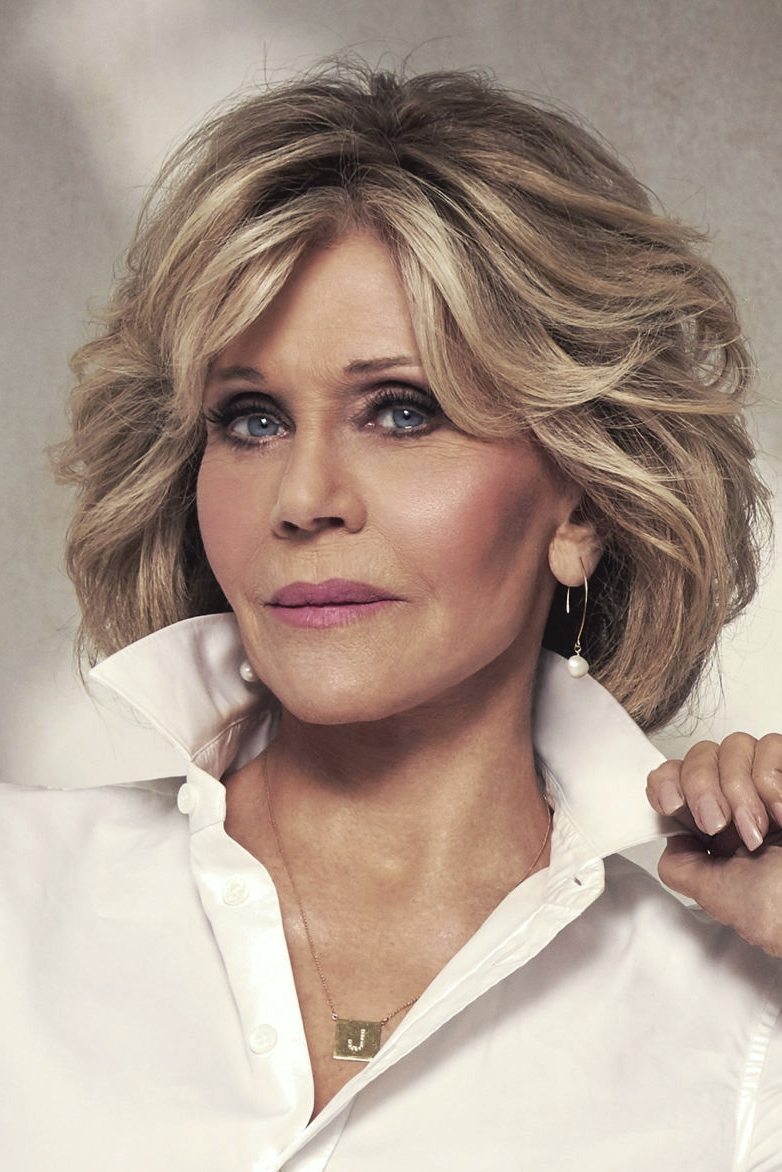
Jane Fonda often joined protests, warning about the risks of unchecked technological development. She explained that the struggle against artificial intelligence was linked to larger issues facing workers and the need to protect them from corporate exploitation. The acclaimed actress pointed out that studios would likely choose technology over people if it lowered costs. She remains a strong supporter of robust union regulations that ensure technology assists workers instead of replacing them.
Susan Sarandon
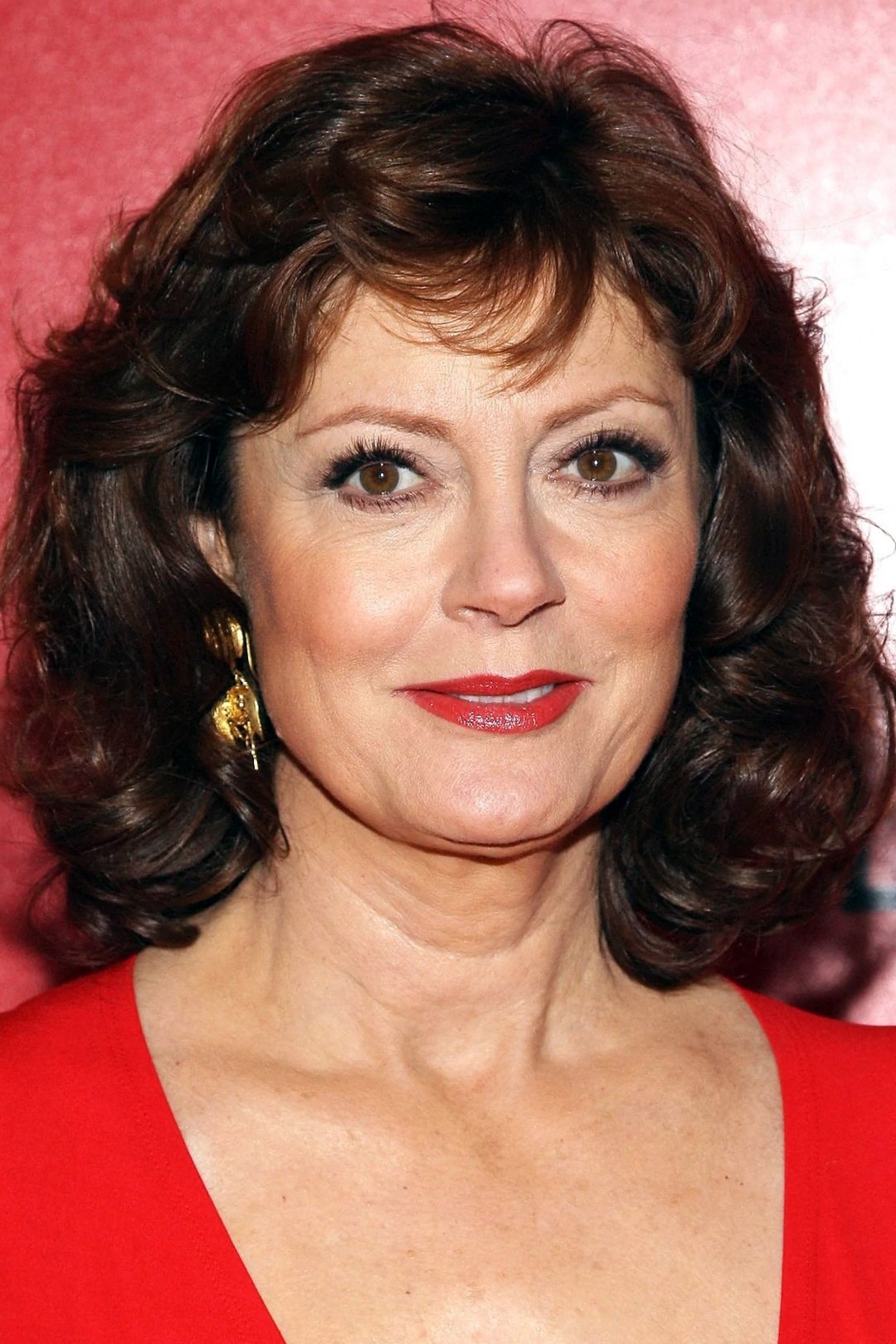
I’ve been really impressed watching Susan Sarandon stand with us on the picket lines. She’s been vocal about her worries that AI could eventually take away work from everyday actors if things aren’t handled carefully. What really resonated with me was her criticism of how studios seem to see actors as just numbers, not as the artists we are. She firmly believes, and so do I, that stories need a human touch to truly connect with people.
Jessica Chastain
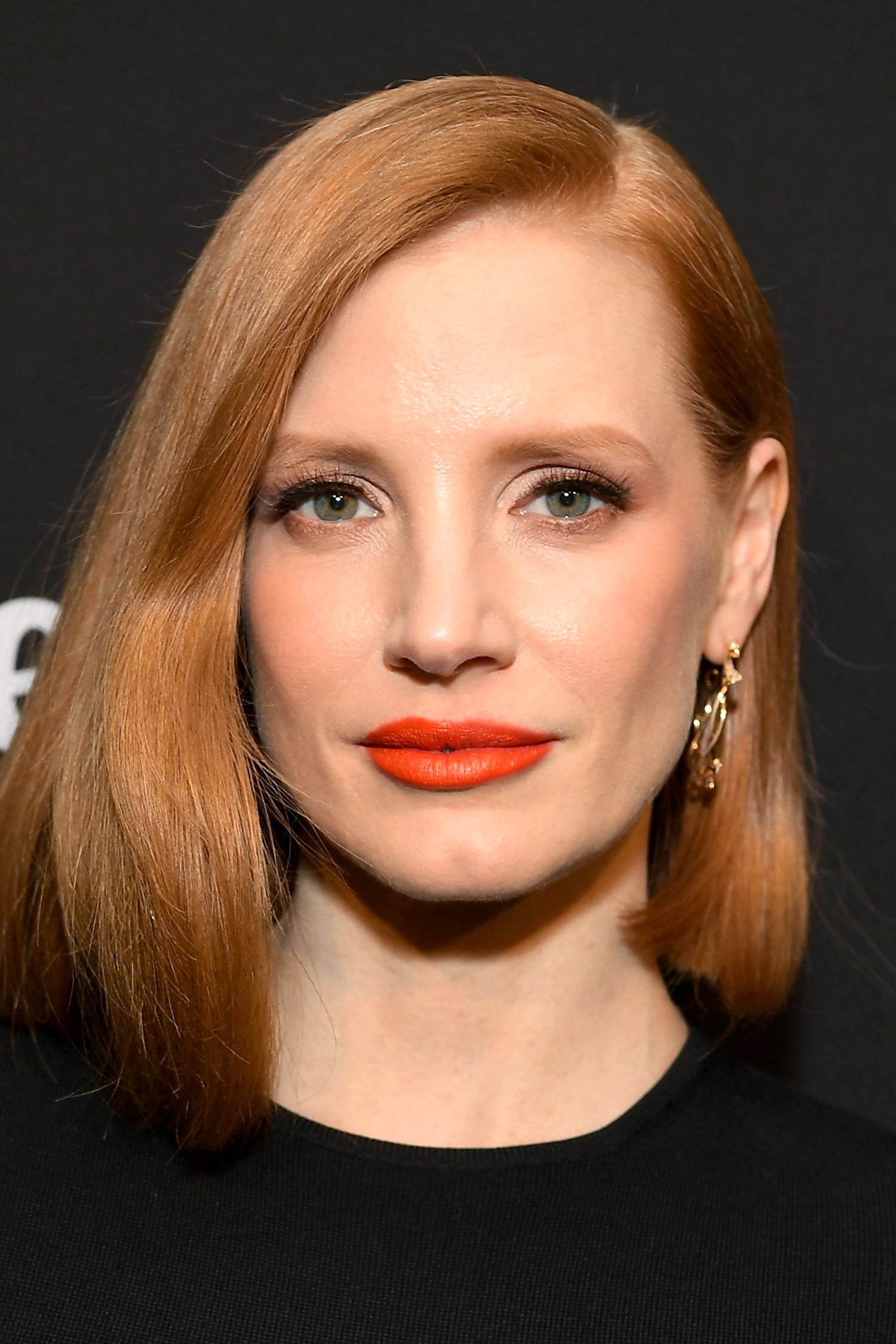
Chastain publicly supported the actors’ strike, emphasizing the need to protect performers from having their digital likenesses exploited. She spoke to the media about the union’s efforts to give actors control over how their image is used, arguing that the entertainment industry needs regulations to maintain the genuine connection audiences want. She joined her fellow actors in calling for mandatory consent for any digital reproduction of a person’s image.
Emily Blunt
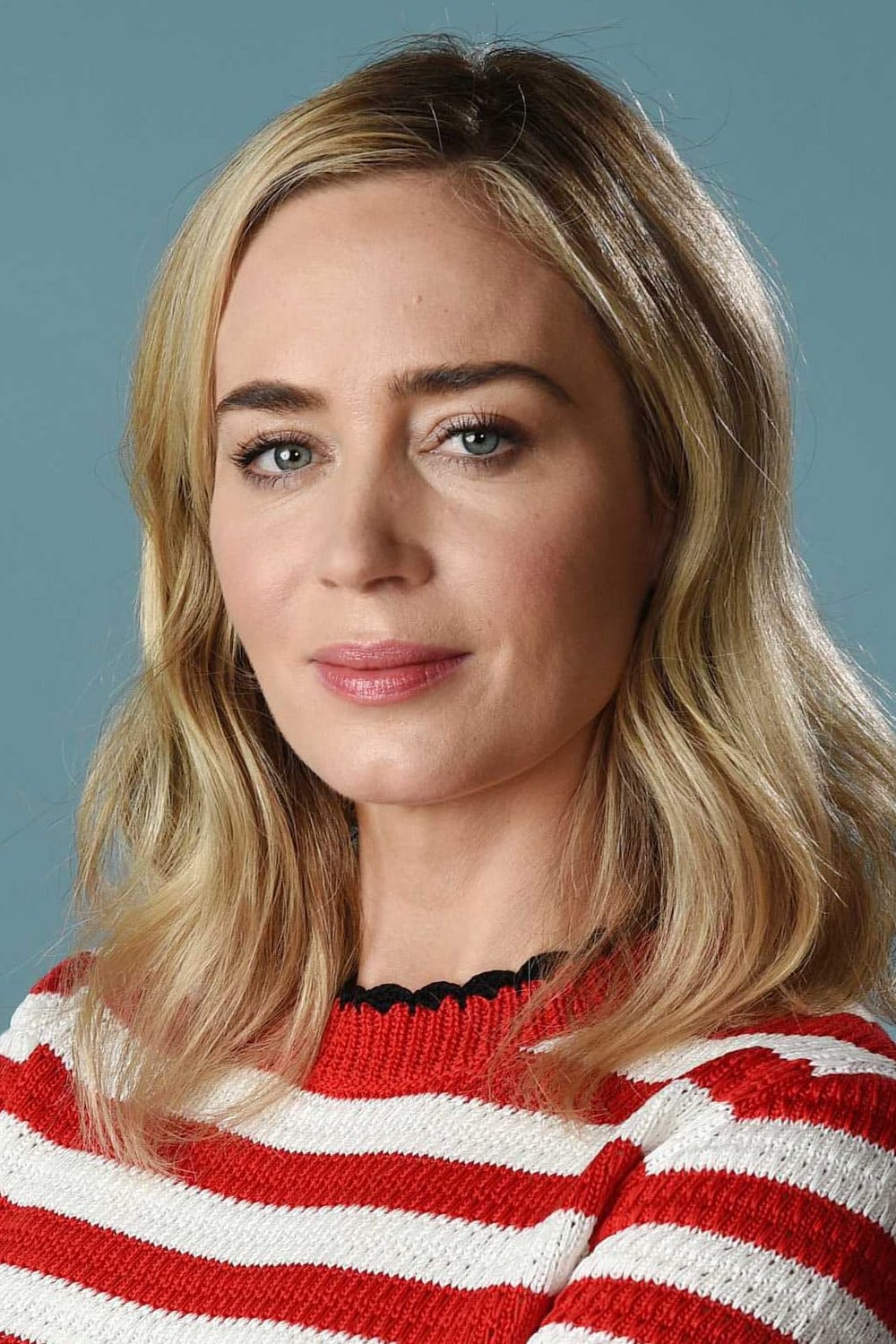
When the actors’ strike began, Emily Blunt showed her support by leaving the premiere of ‘Oppenheimer’. She explained that fair payment for actors, especially regarding the use of artificial intelligence and reruns, is essential for the future of the profession. Her decision quickly brought international focus to the union’s requests. Blunt believes technology should help actors, not replace them.
Julianne Moore
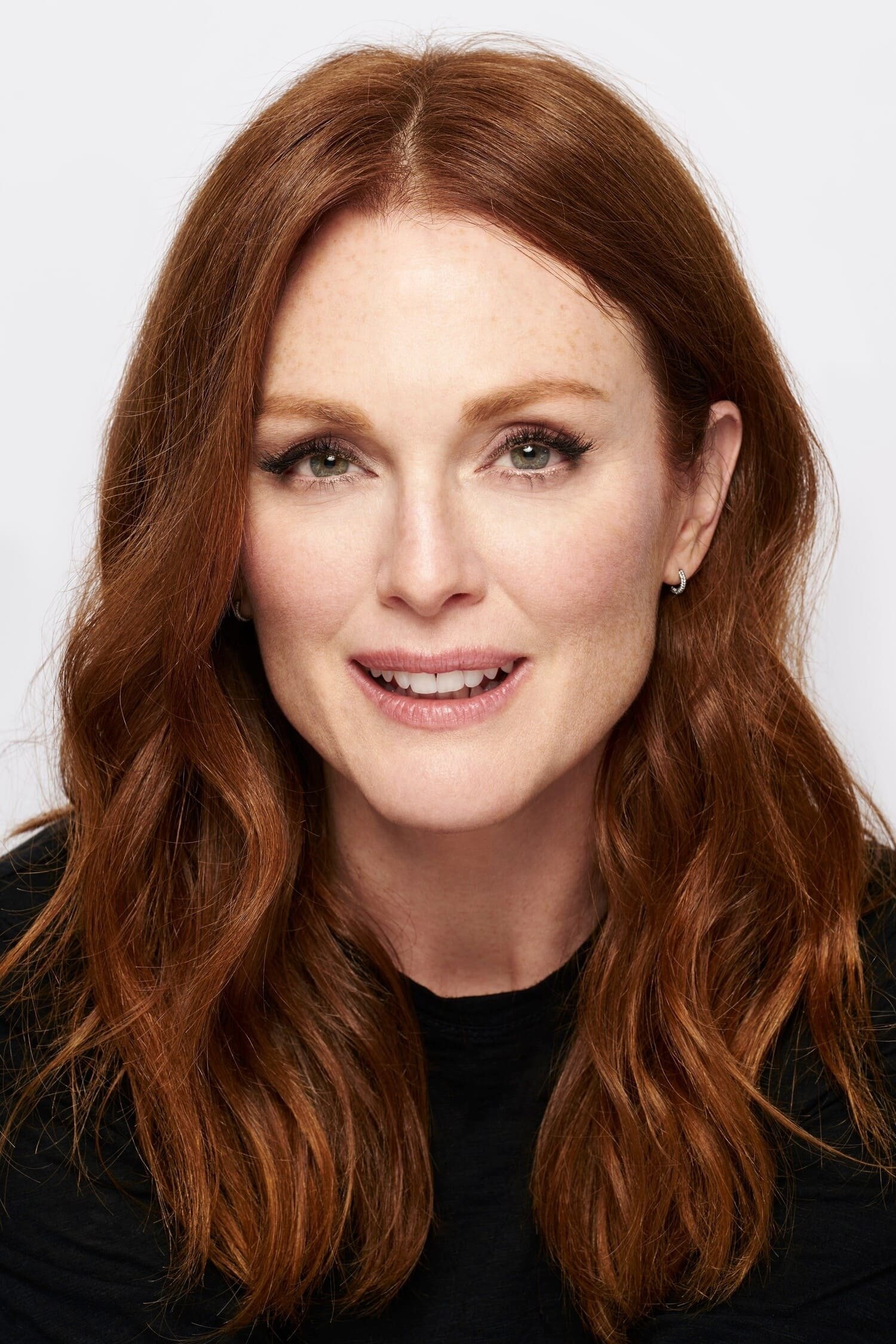
Naomi Moore was a prominent voice among those calling on the union to strongly address concerns about artificial intelligence. She’s worried studios might use digital copies of actors without fair pay. Moore believes performers have a basic right to control how their image is used, and her position highlights the importance of establishing clear legal rules around the creation of digital likenesses.
Charlize Theron
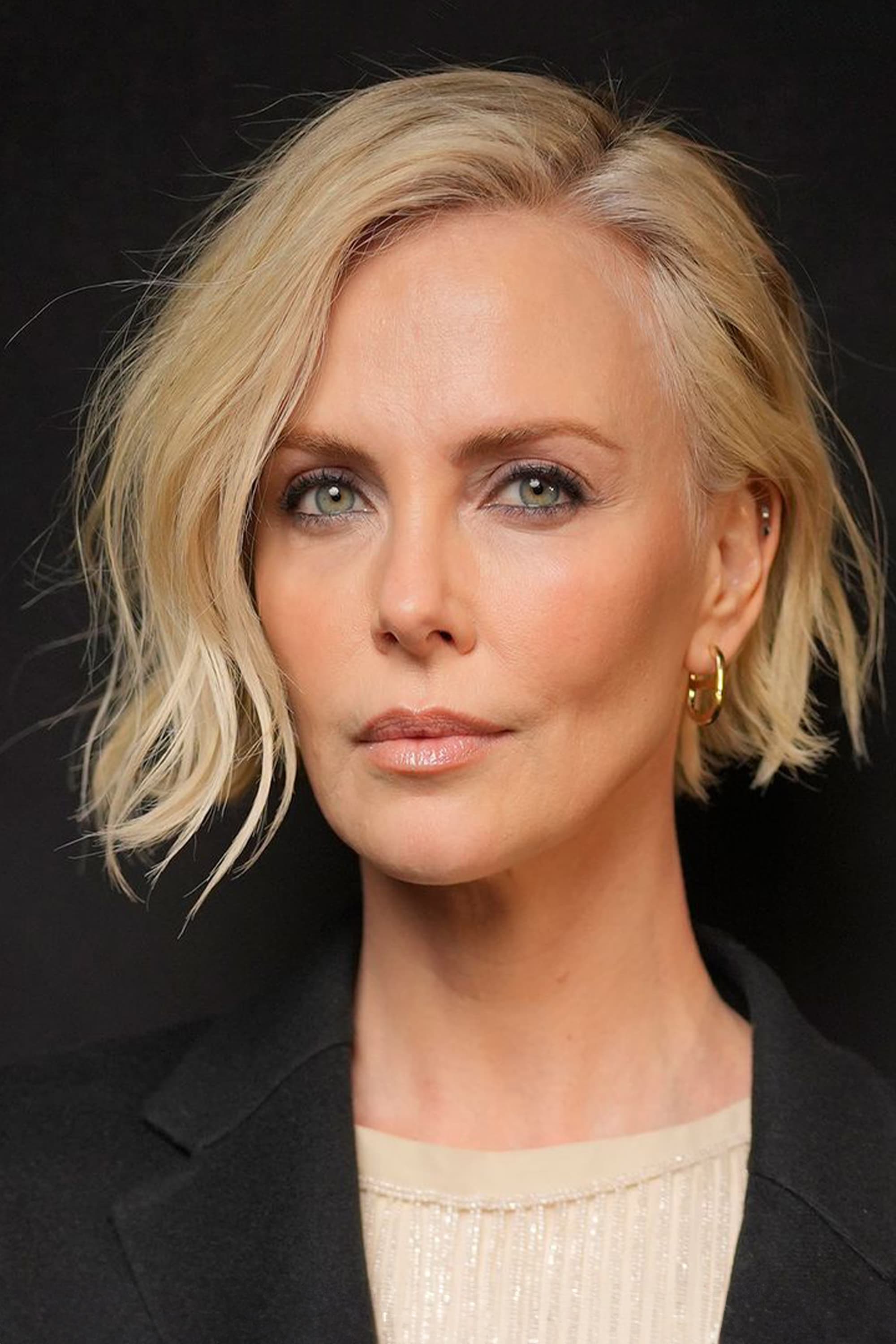
Theron backs stricter rules about how movie studios can use AI. She believes this technology isn’t just a risk for extras, but could also affect the quality of performances by main actors. She’s calling for contracts that give actors control over how their likeness is used, and she strongly opposes the creation and use of digital copies of actors without their permission.
Rosario Dawson
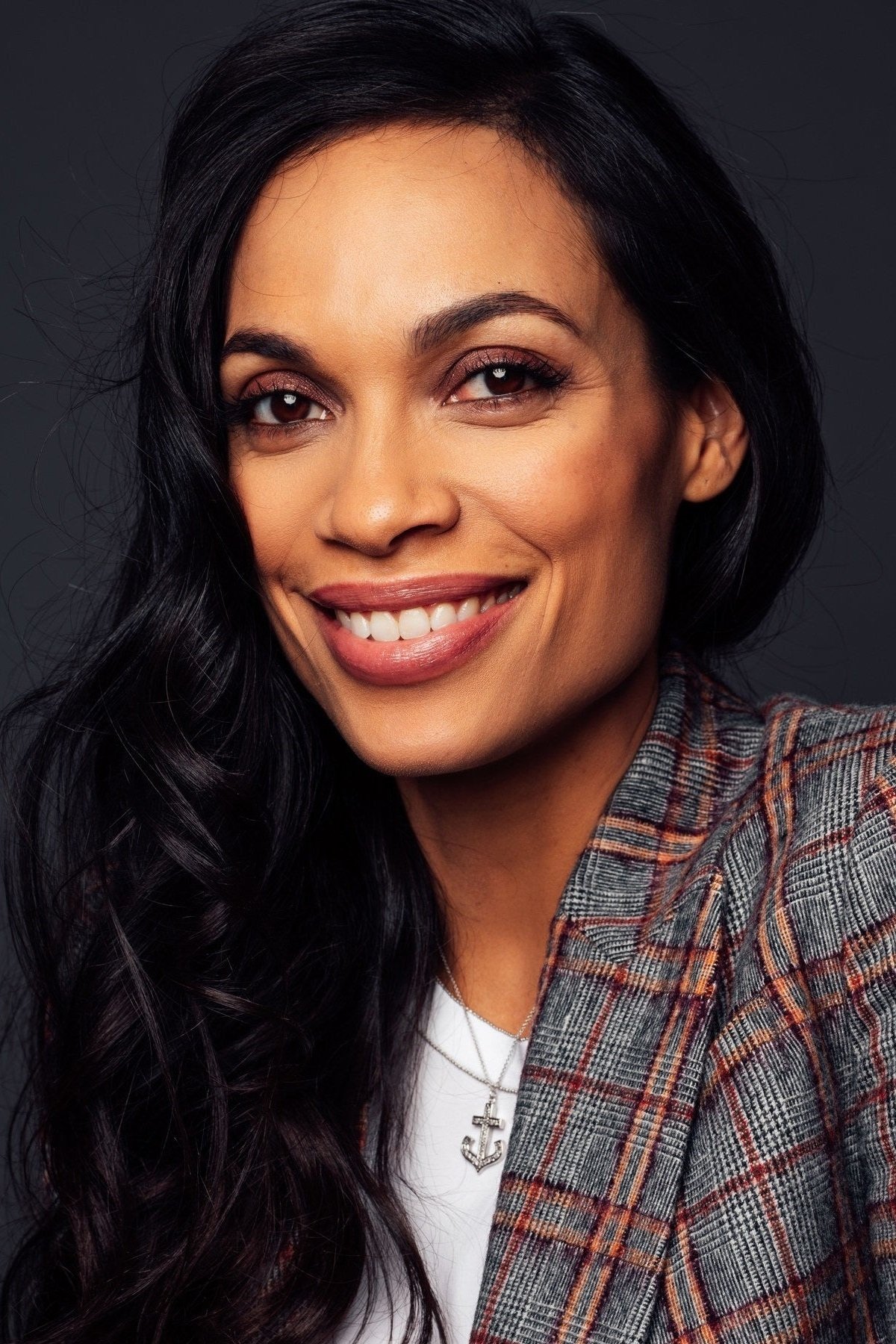
Dawson often spoke out during the protests, explaining how the proposed use of AI would disrespect actors. She pointed out how unfair it was for studios to want to digitally copy actors for just one day’s pay and then use those copies indefinitely. She stressed that the core issue was about respecting actors’ rights and ensuring they have control over their own work. Dawson believes technology should empower artists, not just benefit companies.
Olivia Wilde
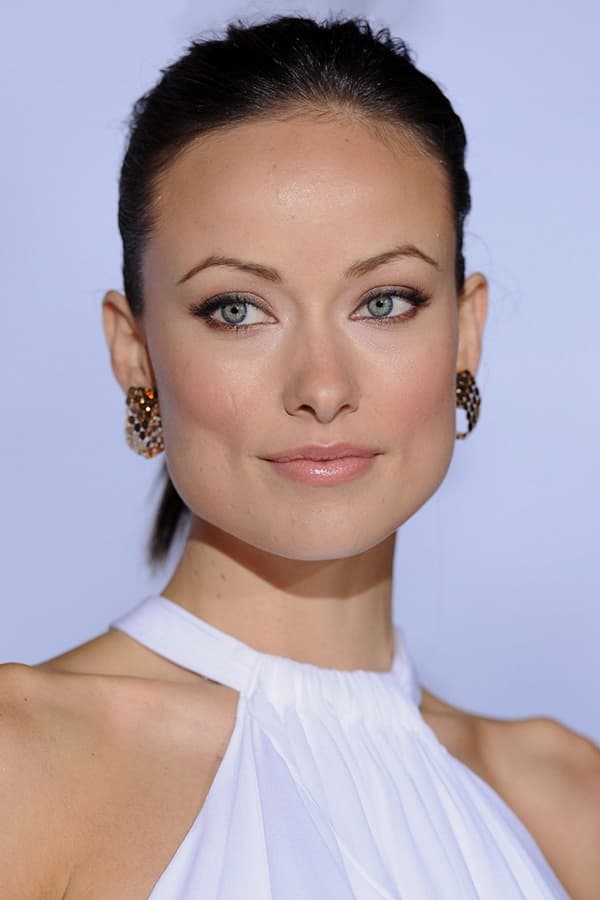
During the strike, Wilde discussed how directing and acting are connected, especially with the rise of artificial intelligence. She believes that true creativity comes from the unpredictable decisions humans make, something AI can’t copy. Wilde worries that AI could make all stories feel the same and wants to protect the unique, imperfect qualities that actors bring to their performances.
Mandy Moore
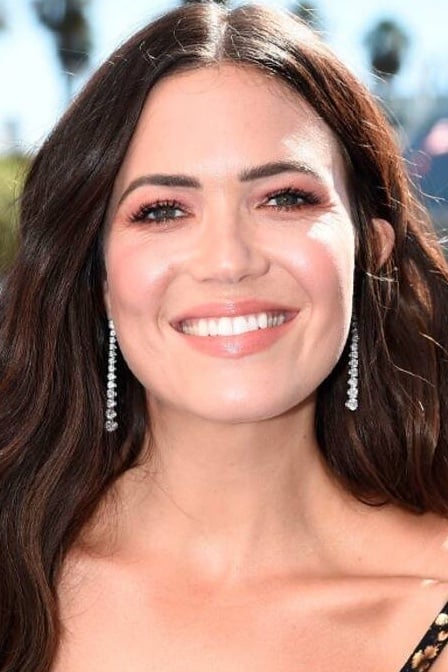
Moore openly discussed how streaming services are reducing actor pay and how artificial intelligence could further threaten their income. She explained that if AI is allowed to create performances, it will become even harder for actors to earn a living, and emphasized that the core issue is protecting the ability of working actors to maintain a comfortable lifestyle. She believes that prioritizing efficiency shouldn’t come at the cost of artistic quality.
Juliette Lewis
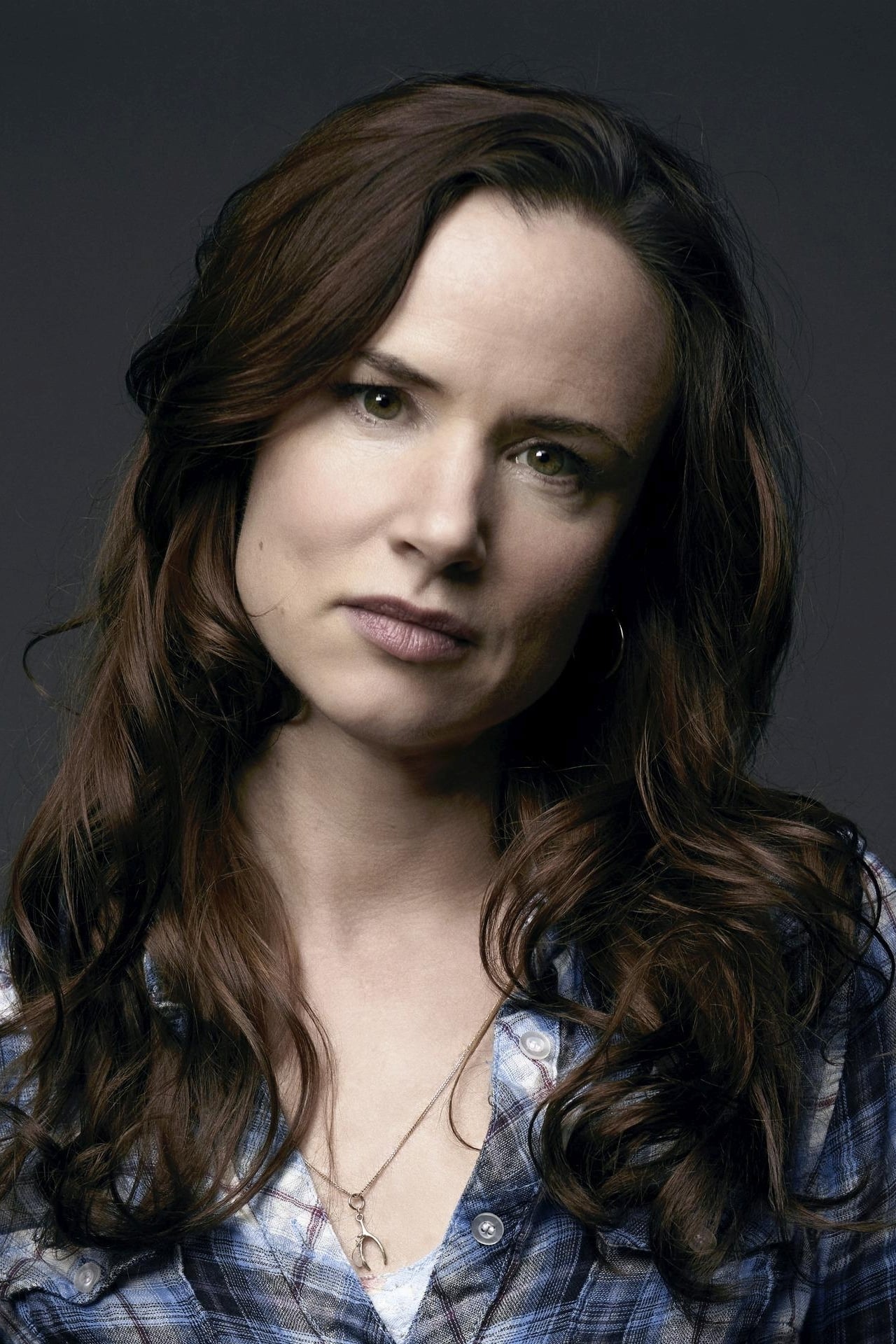
Lewis spoke out against the studio’s plans to use digital scanning, sharing her concerns on social media. She couldn’t believe the industry was trying to replace the human element of acting with automation. Lewis believes a real person brings a special, irreplaceable energy to a role, and she sees using AI as a cold, uninspired way to create art.
Lupita Nyong’o
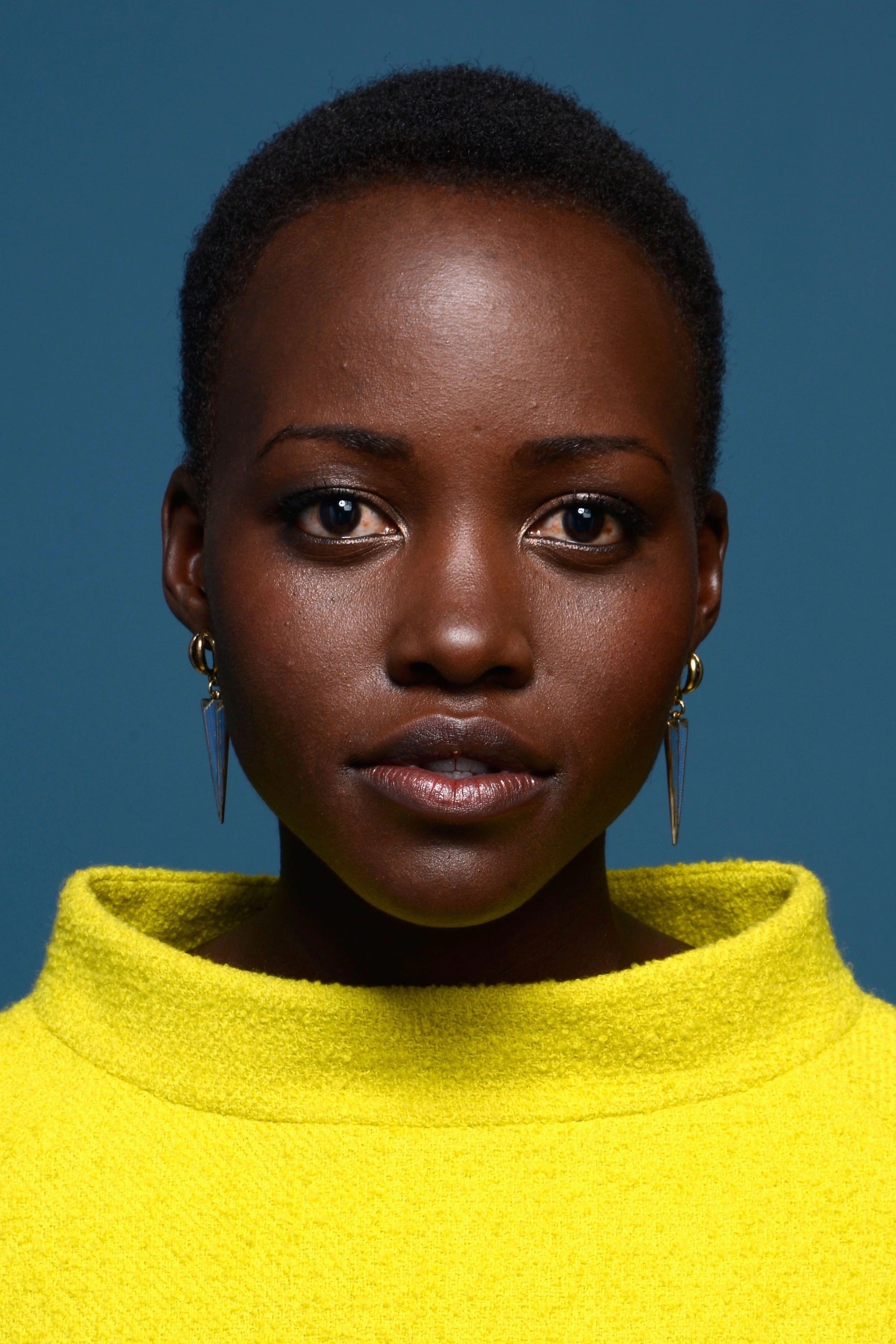
Nyong’o sent a letter to union leaders urging them to fight for strong safeguards regarding artificial intelligence. She believes an actor’s likeness – their face and voice – is something they should personally own. Nyong’o also points out that the misuse of digital technology often harms those with fewer resources to fight back legally. She’s calling for contracts to include clear, unbreakable agreements about consent.
Florence Pugh

Florence Pugh publicly supported the actors’ strike and the broader movement to establish rules around how technology is used in filmmaking. She joined her fellow cast members in pausing all publicity work to show solidarity with the union’s goals. Pugh feels that an actor’s actual presence is a vital part of what makes a film special, and she’s against any practice that disconnects a performance from the actor who delivered it.
Sarah Paulson
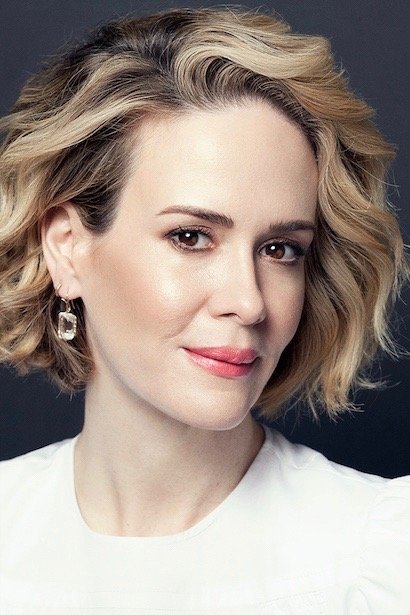
Paulson spoke out during the recent Hollywood labor dispute, expressing her worries about how AI is changing the industry. She believes that without rules, AI could harm the art of acting. She supports the union’s work to set limits on how this technology is used, arguing that people ultimately connect with and want to see real human performances.
Amy Schumer
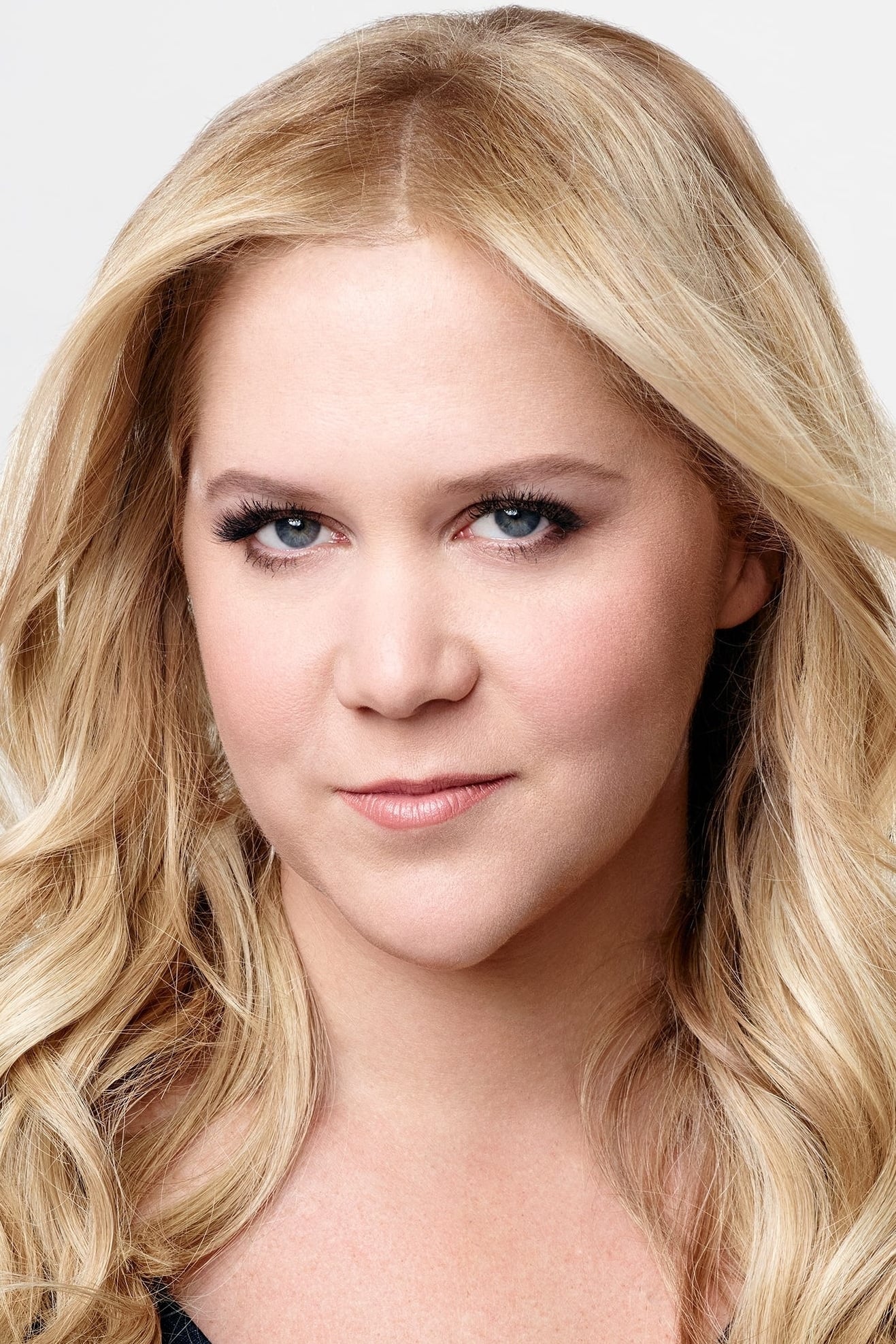
J.J. Schumer has joined other celebrities in urging the union to address the growing issue of artificial intelligence. She’s using her voice to emphasize that performers need to have control over how their image and identity are used digitally. Schumer believes AI could lead to the unauthorized use of someone’s likeness, and she supports fair payment when a digital version of a performer is used.
Riley Keough
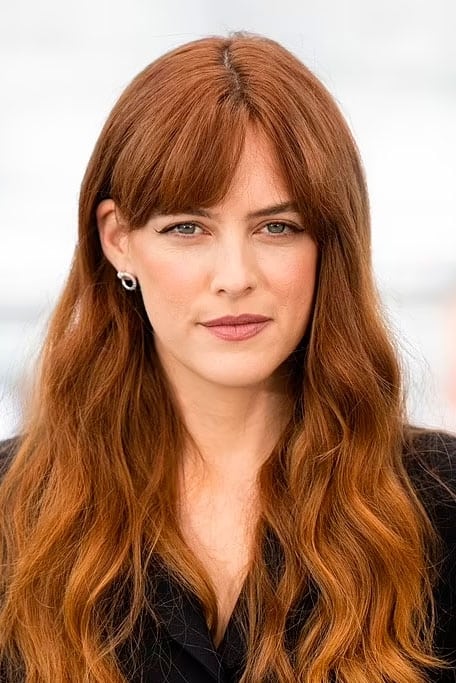
Keough advocates for protecting performers’ rights in the age of digital copies. She signed a letter asking the union to fight for a deal that safeguards the future of acting as a profession. Keough feels the heart of filmmaking lies in human performance and is against using digital replicas for commercial gain.
Christina Ricci
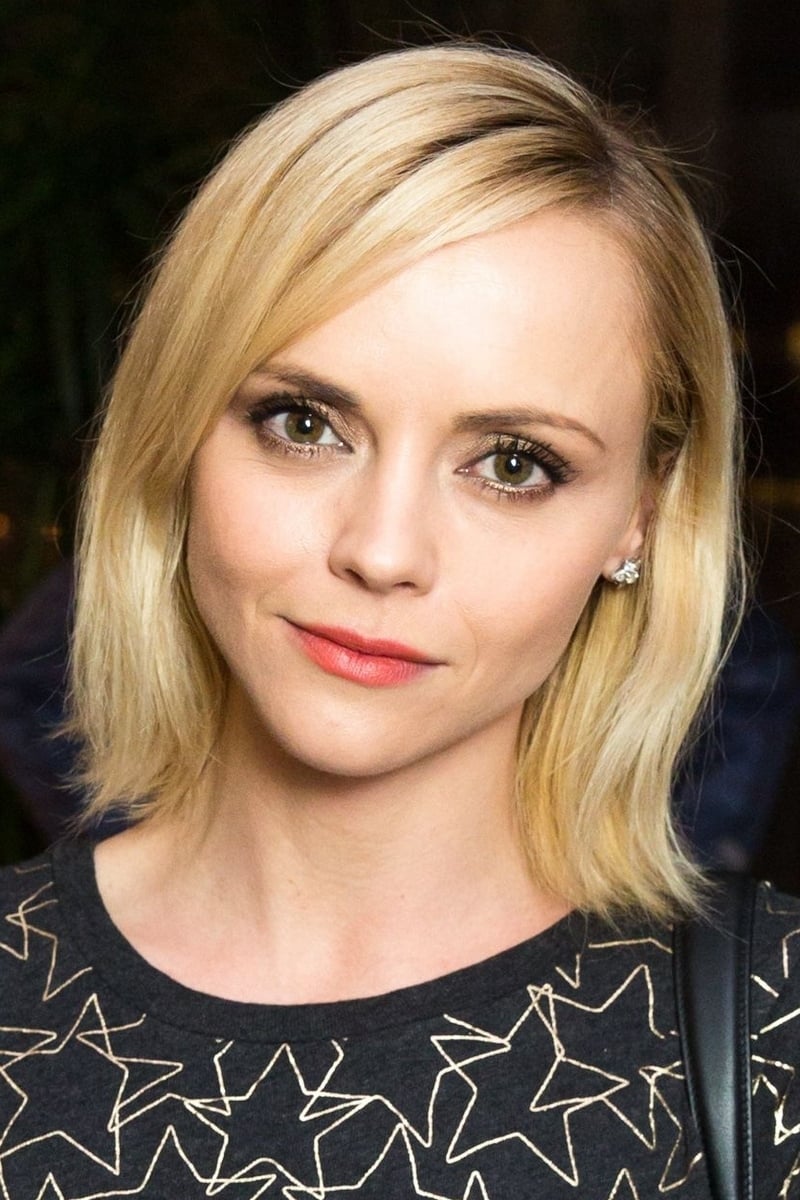
Ricci has consistently spoken out about protecting actors’ rights and preventing large companies from taking advantage of them. She publicly stated that artificial intelligence is a serious danger to actors and their careers. She believes there should be a clear difference between work done by humans and content created by AI, and she supports the union’s efforts to ensure the entertainment industry remains focused on human creativity.
Lena Dunham
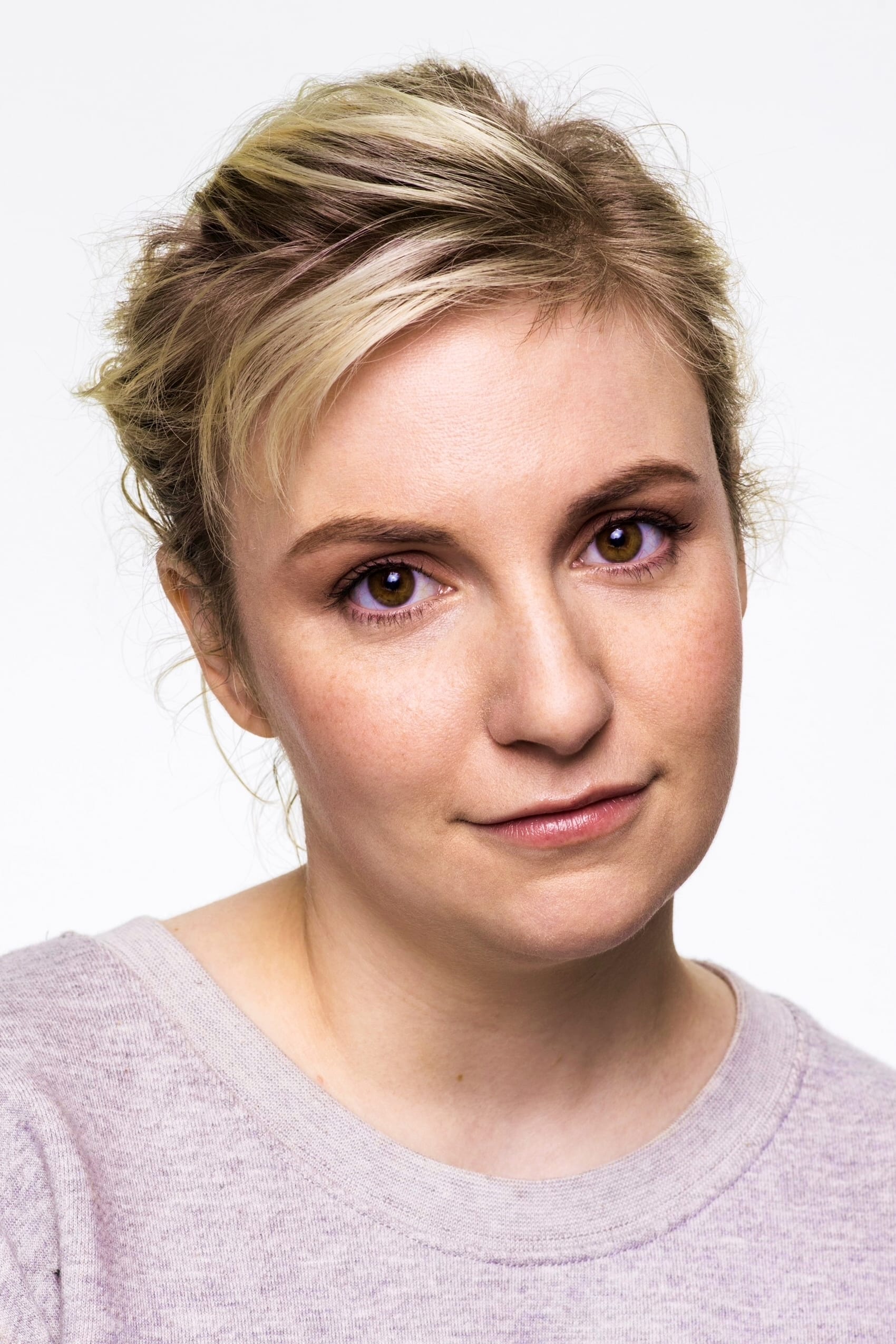
Lena Dunham added her voice to an open letter urging SAG-AFTRA leaders to prioritize negotiations around artificial intelligence. She’s worried the entertainment industry is heading in a direction that doesn’t value the work of human artists. Dunham supports protecting the roles of writers and actors, arguing against replacing them with AI-generated content. She believes authentic, personal stories are essential to creating meaningful art.
Julia Louis-Dreyfus
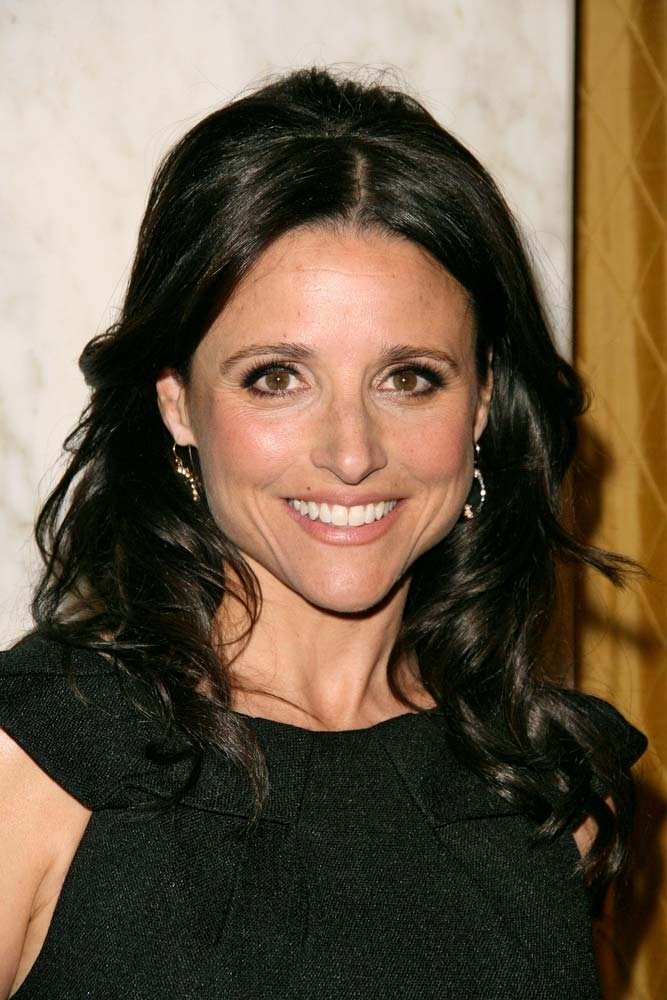
Julia Louis-Dreyfus is speaking out about the need for strong rules around artificial intelligence. She added her name to a letter urging leaders not to compromise on protecting digital rights. The actress, known for her comedic timing, believes that true humor relies on uniquely human skills that computers can’t replicate. She’s advocating for preserving the art of comedy and preventing it from being taken over by automation.
Laura Linney
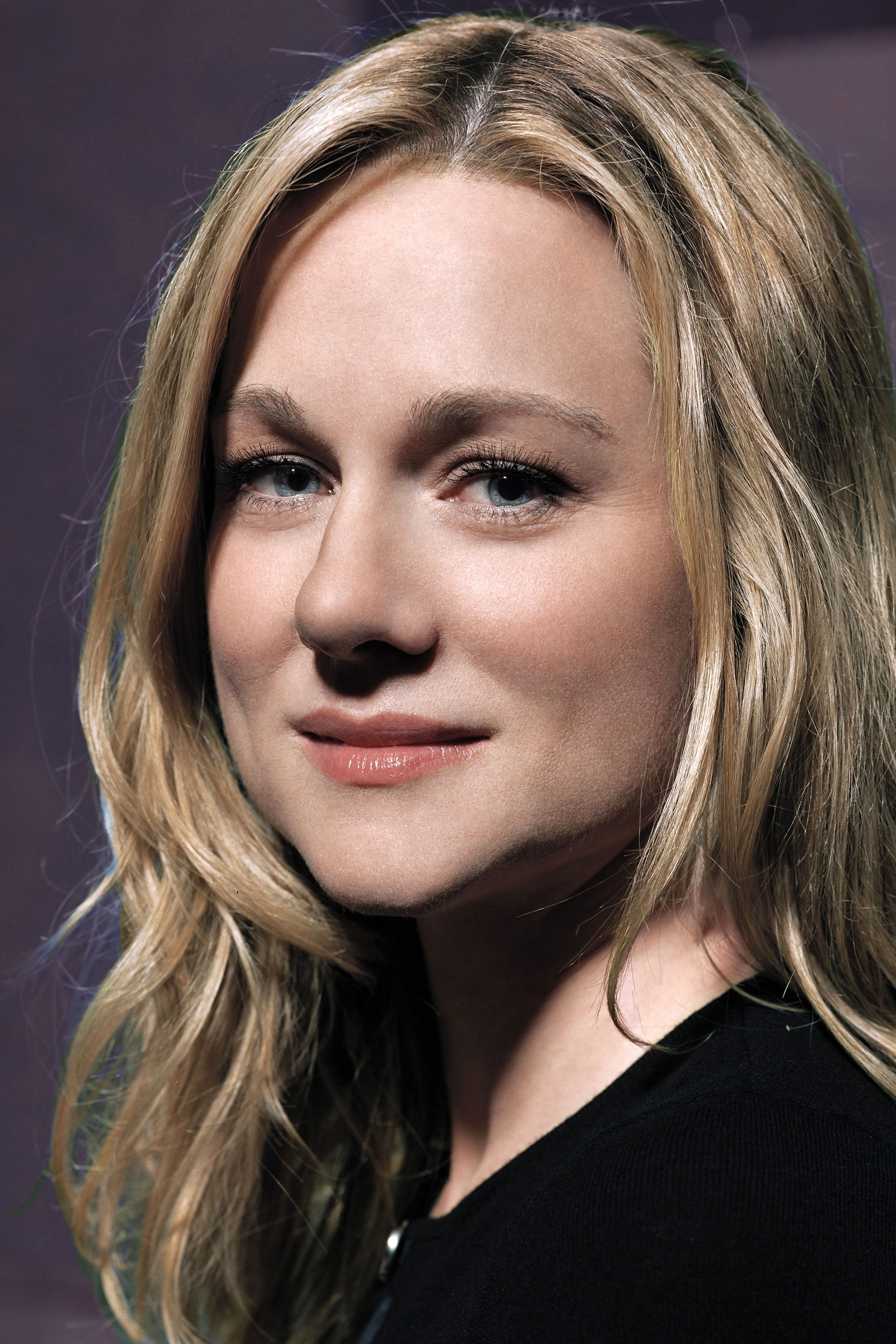
Linney joined a group effort to protect actors’ jobs from being taken over by technology. She signed a letter to union leaders explaining that AI poses a serious threat to the profession. Linney believes that truly compelling acting relies on a human connection and genuine emotion, and she’s against using technology to create artificial performances.
Danai Gurira
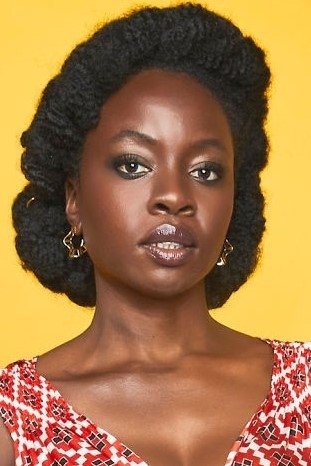
Danai Gurira championed the rights of actors and performers during recent contract talks. She publicly supported the union’s demand for strong protections against the use of artificial intelligence. Gurira, who is both an actress and a playwright, stressed how important it is for people to control how their image and work are used. She believes a digital copy of someone can never truly replace a real performance.
Michelle Williams
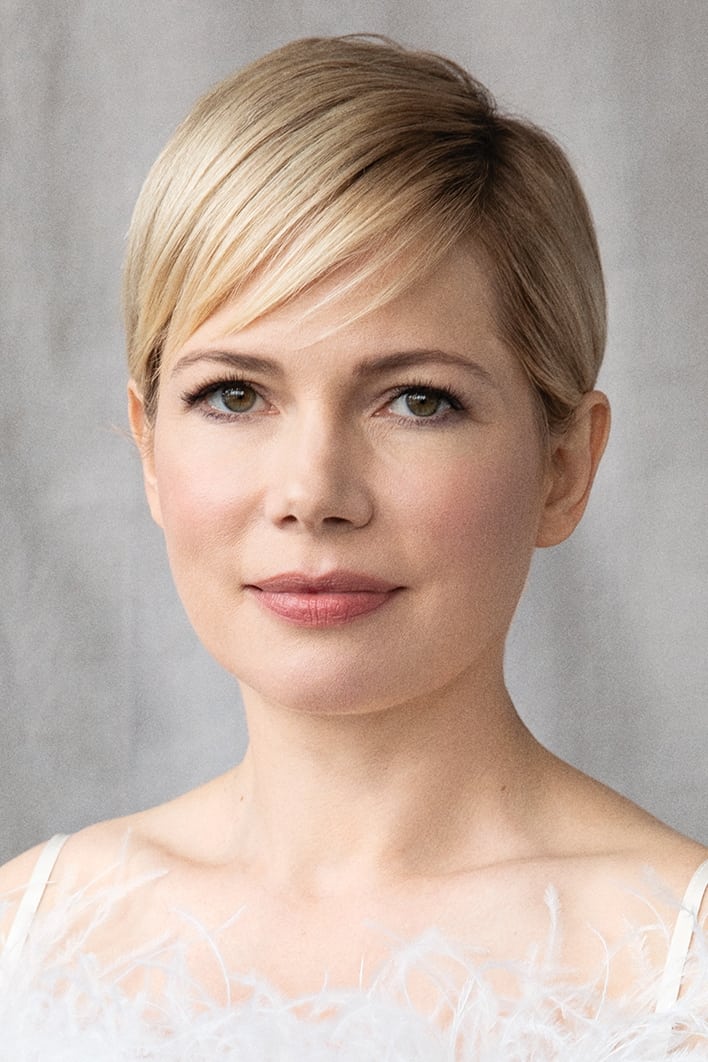
Williams joined actors calling for strong safeguards against the use of artificial intelligence. She signed a letter arguing that this moment is crucial for the future of work in Hollywood. She believes that the unique qualities of acting can’t be replicated by AI and supports keeping human performance central to filmmaking.
Aubrey Plaza

Plaza voiced her support for the strike and the battle against the unauthorized use of actors’ images by artificial intelligence. She also signed a letter urging union leaders to firmly protect performers’ rights to their likeness. The actress believes AI could seriously harm the future of comedy and is standing with the union to ensure consent is obtained before anyone’s image is used digitally.
Cate Blanchett
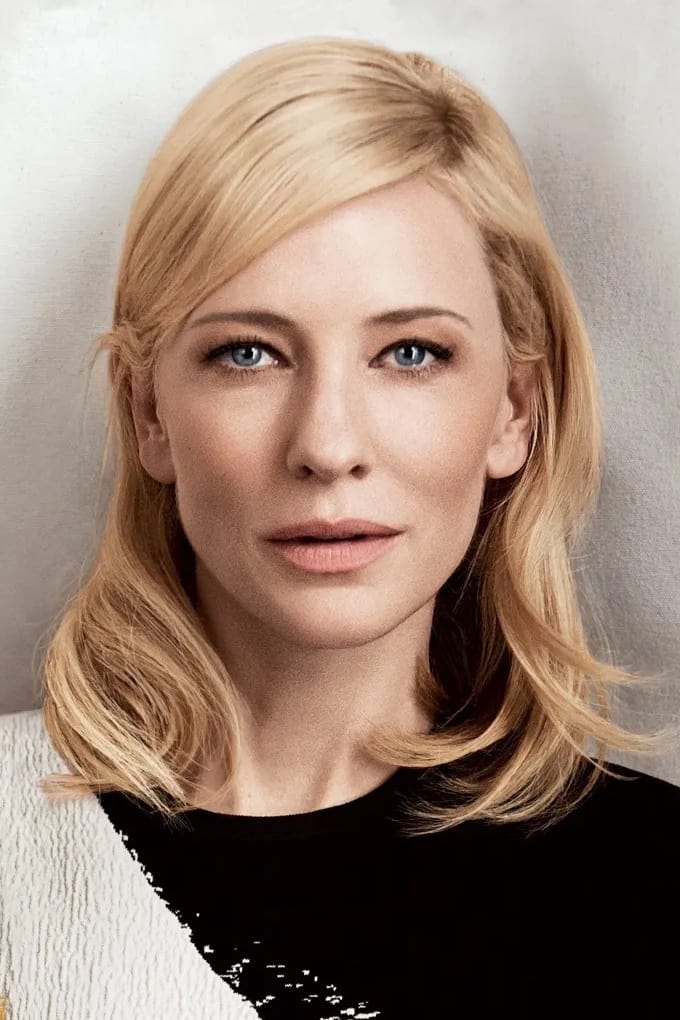
Cate Blanchett has expressed concern that over-reliance on technology could stifle creativity in filmmaking. She cautions against the industry becoming complacent and using algorithms as shortcuts, arguing that cinema should remain grounded in human connection and artistry. Blanchett believes AI should be a resource for artists, not replace them.
Quinta Brunson
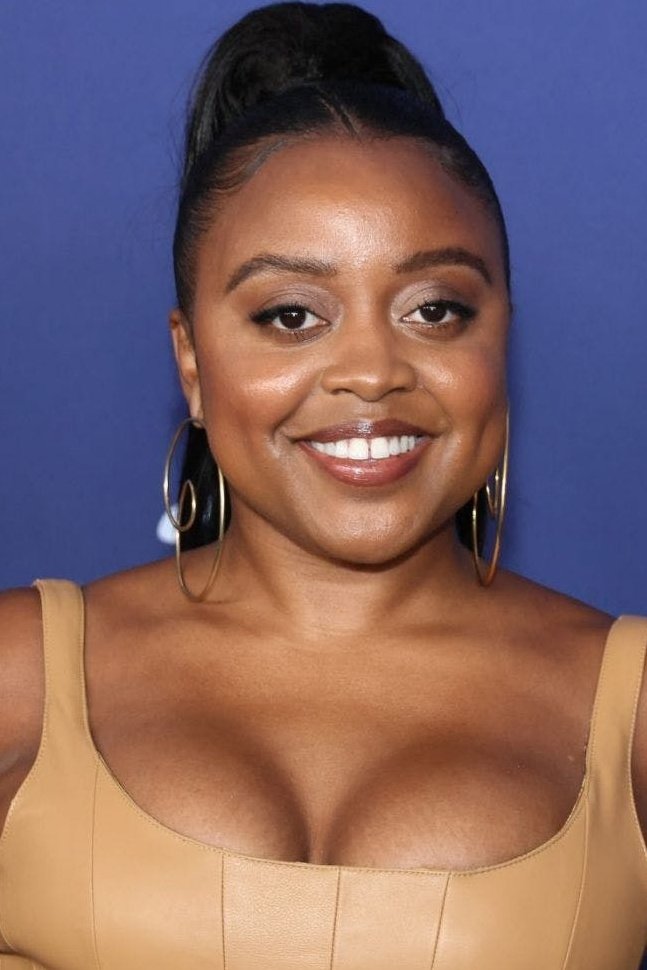
Brunson is a dedicated supporter of workers’ rights and protecting the rights of artists. She publicly backed the recent strikes by writers and actors, which aimed to limit the use of artificial intelligence in their fields. She feels that the unique quality of human performance is essential to making television engaging, and she’s against using AI to devalue the work of people in the industry.
Rooney Mara
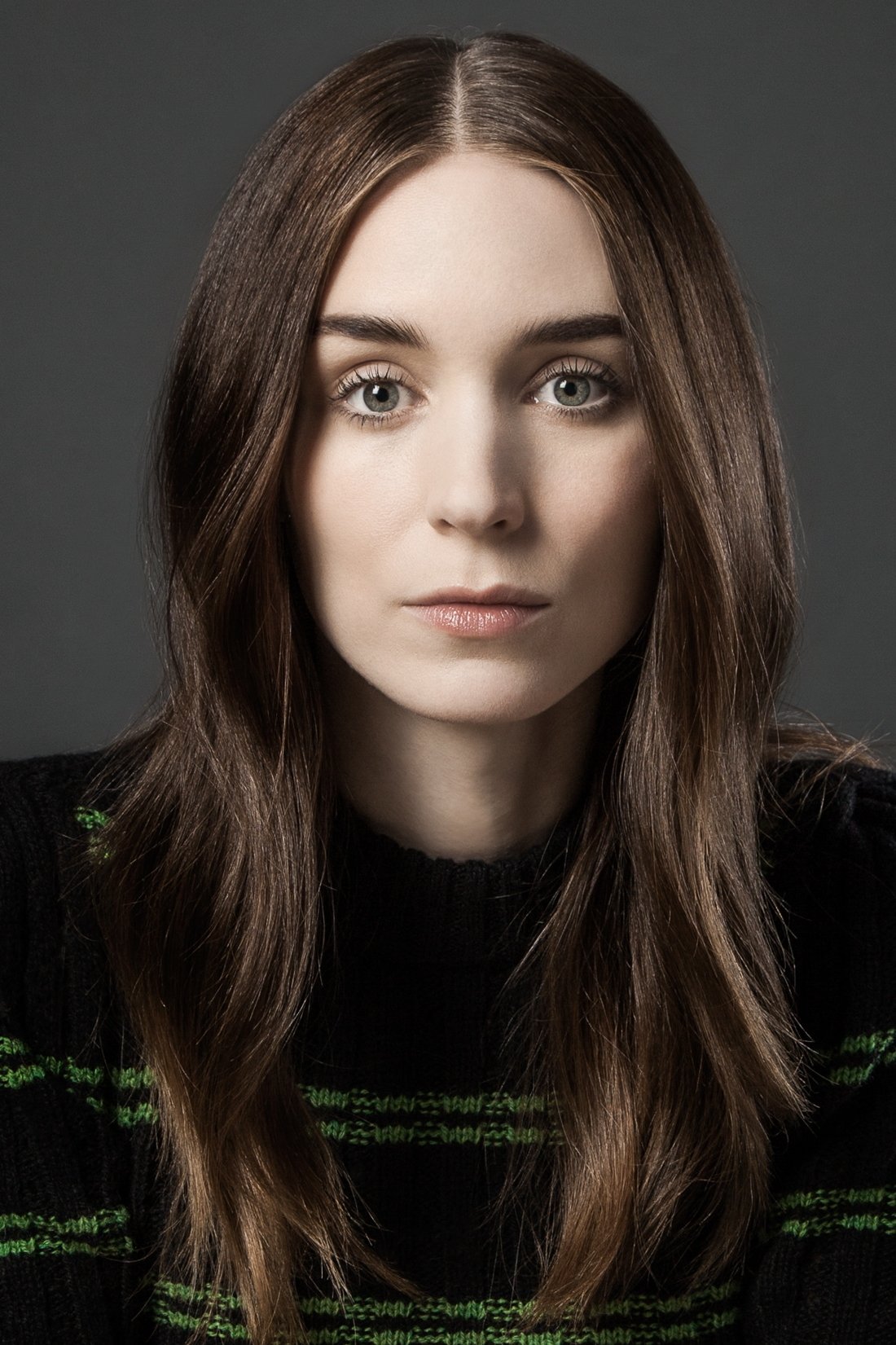
Mara has added her voice to a growing number of prominent actresses calling for stronger safeguards against the risks of artificial intelligence. She believes the actors’ union must protect the future of acting by preventing digital replacements. Mara prioritizes genuine performance over flawless technology and advocates for limiting the use of AI when developing characters.
Claire Foy
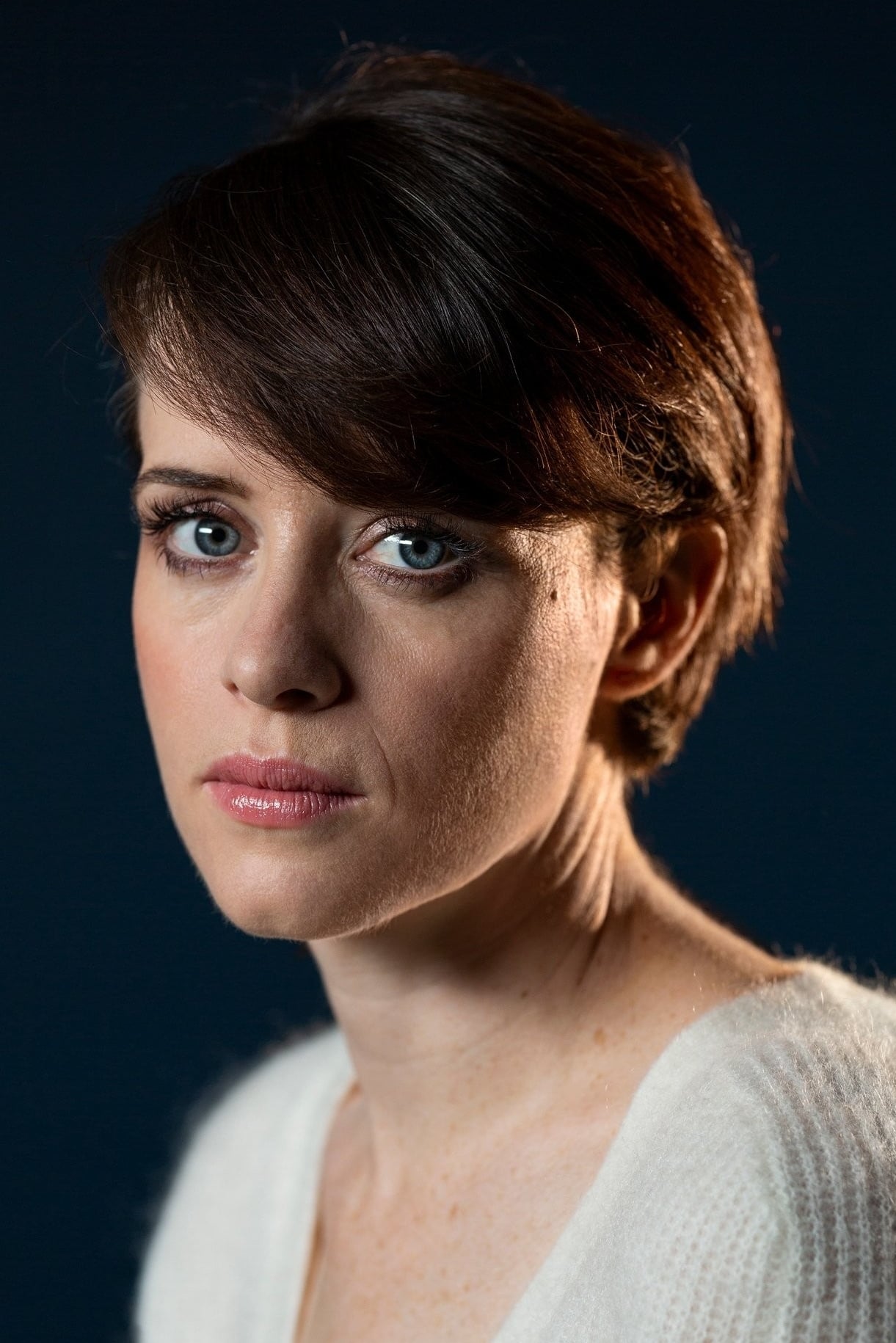
Foy advocated for legal rules around how artificial intelligence is used. She also signed a letter asking her union to focus on protecting performers’ digital likenesses. She feels an actor’s individual identity is their most valuable possession and doesn’t want contracts to allow studios to use digital versions of them forever.
Dakota Johnson
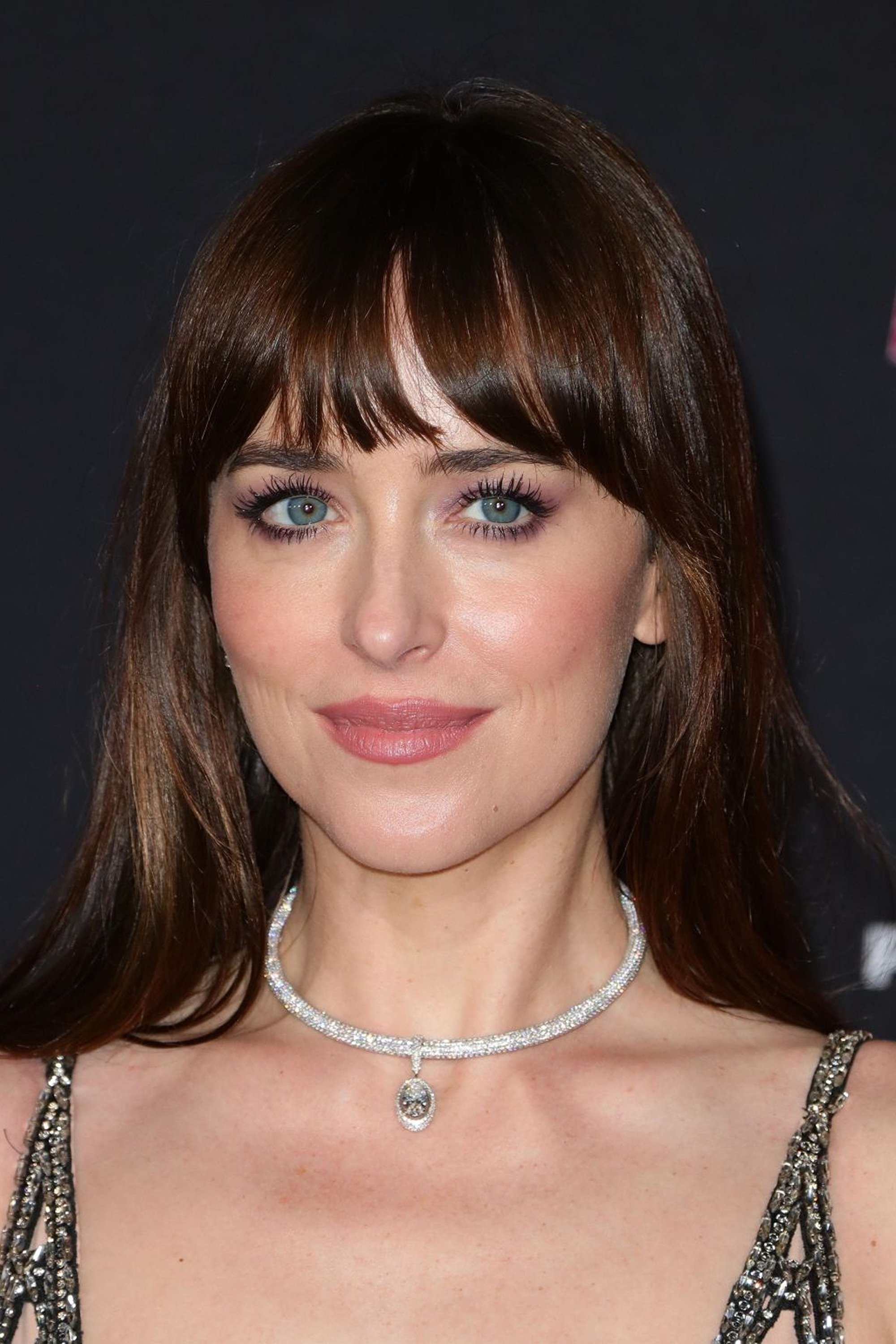
As a critic, I was really struck by what Johnson had to say about the ongoing strike. She’s firmly on the side of the writers and actors, and rightly so, emphasizing how vital it is to protect the creative control that makes filmmaking special. She signed that letter to the negotiators because she sees this AI issue as a real threat to the heart of our industry – she believes, and I agree, that something truly magical is lost when we prioritize computer-generated content over genuine human performance and artistry. She’s a strong voice for preserving the traditional ways of making movies, and it’s a message we need to hear.
Sheryl Lee Ralph

Ralph strongly believes it’s crucial to keep entertainment human. She explained that while technology is advancing, it can’t replace the genuine emotion and personal experiences actors bring to their performances. The experienced actress sees opposing AI as defending the value and dignity of artists, and she advocates for rules that protect human talent from being replaced by technology.
Yvette Nicole Brown
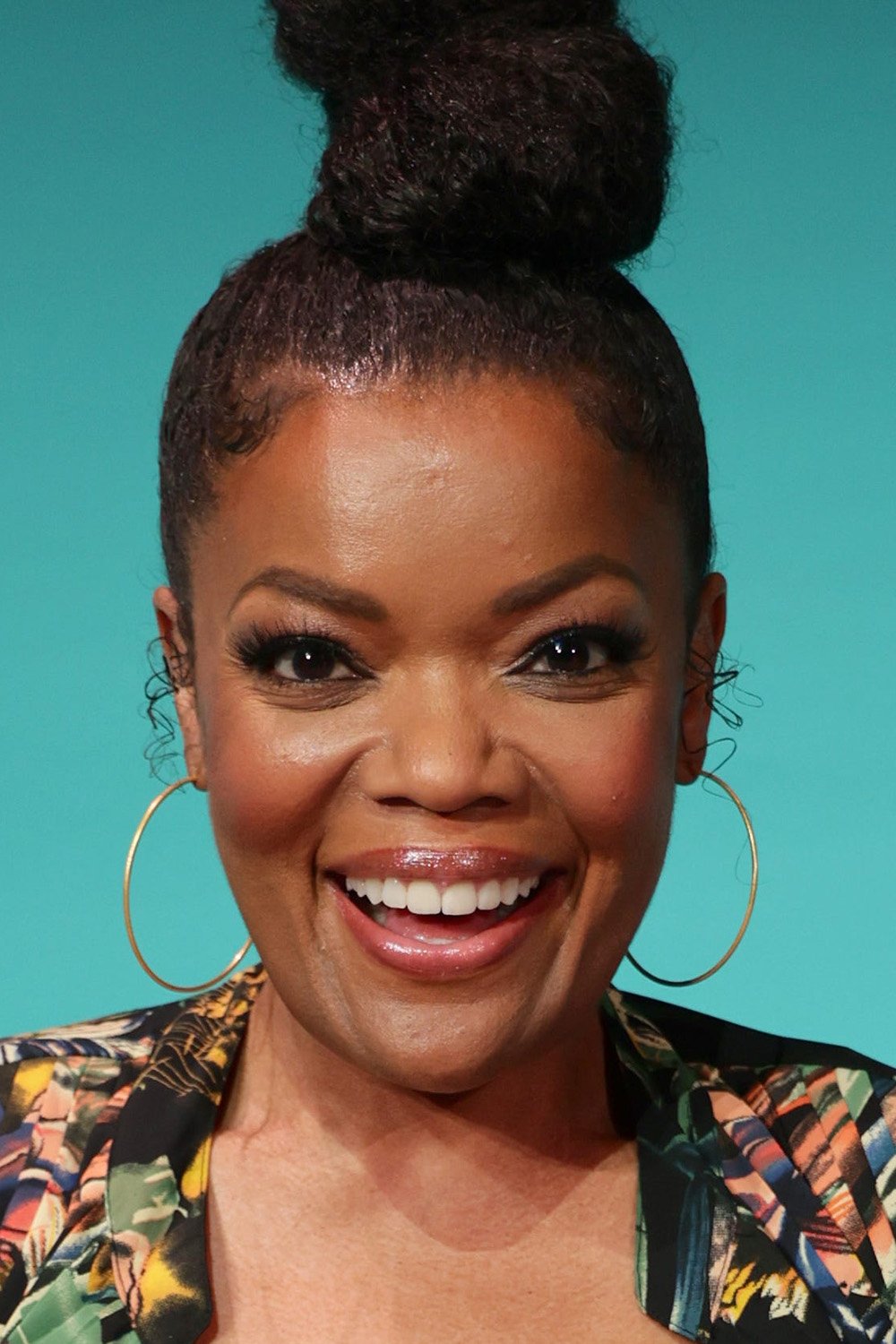
Brown was a leading voice raising concerns about the potential risks of AI, both online and during the strikes. She explained how the technology could eliminate jobs for background actors and even lead roles. She strongly believes that people should be prioritized in filmmaking and television, and she actively fought for the new contract protections that are now helping to ensure that happens.
Piper Perabo
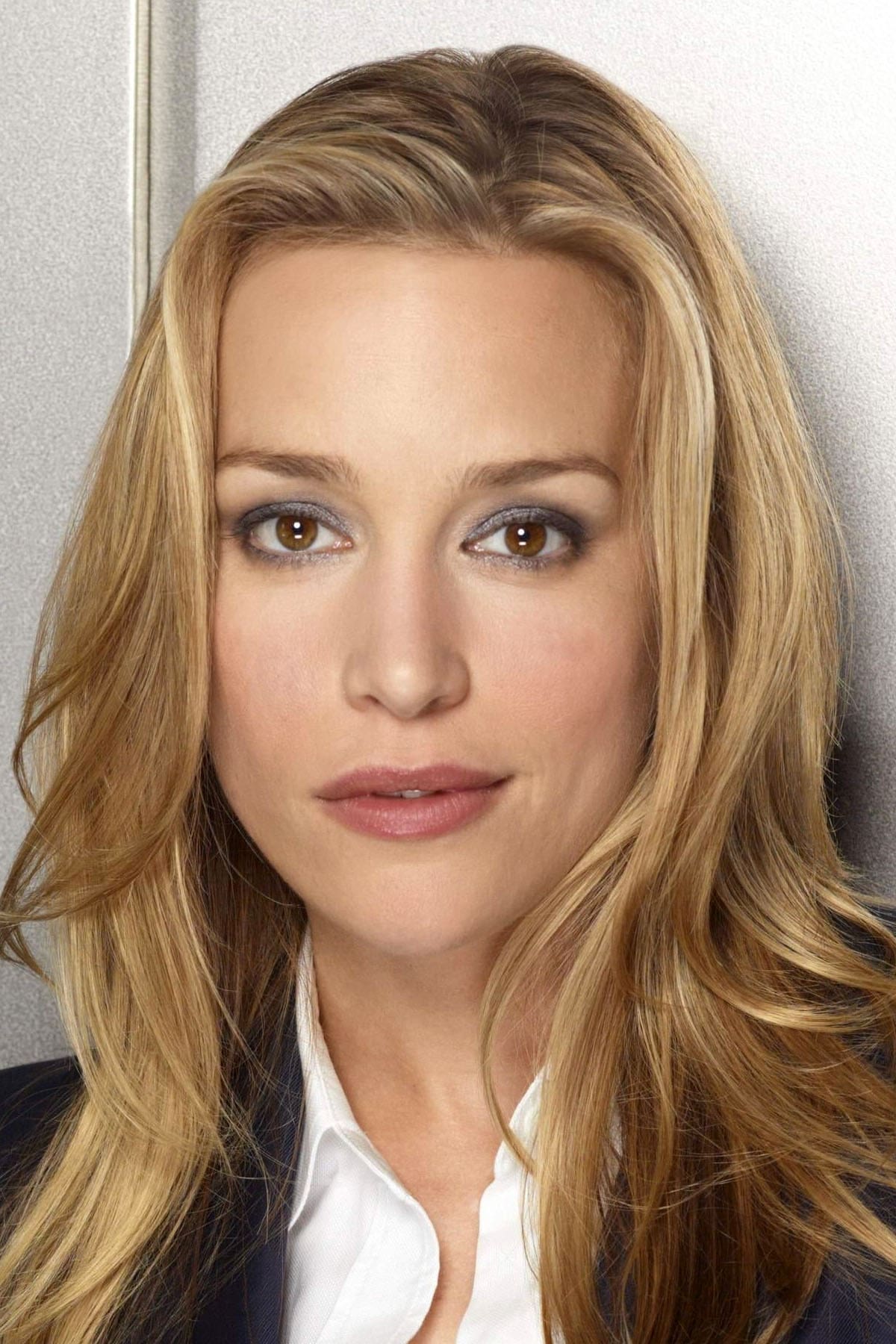
I’ve been so impressed watching Perabo speak out during the strike. She really gets what’s at stake with digital rights – how things have changed with technology and how contracts need to catch up. What struck me most is her conviction that actors need protection, that their faces and performances shouldn’t be used for profit without their permission. She’s absolutely right to insist on consent and fair compensation; it’s a matter of basic respect and fairness.
Natasha Lyonne
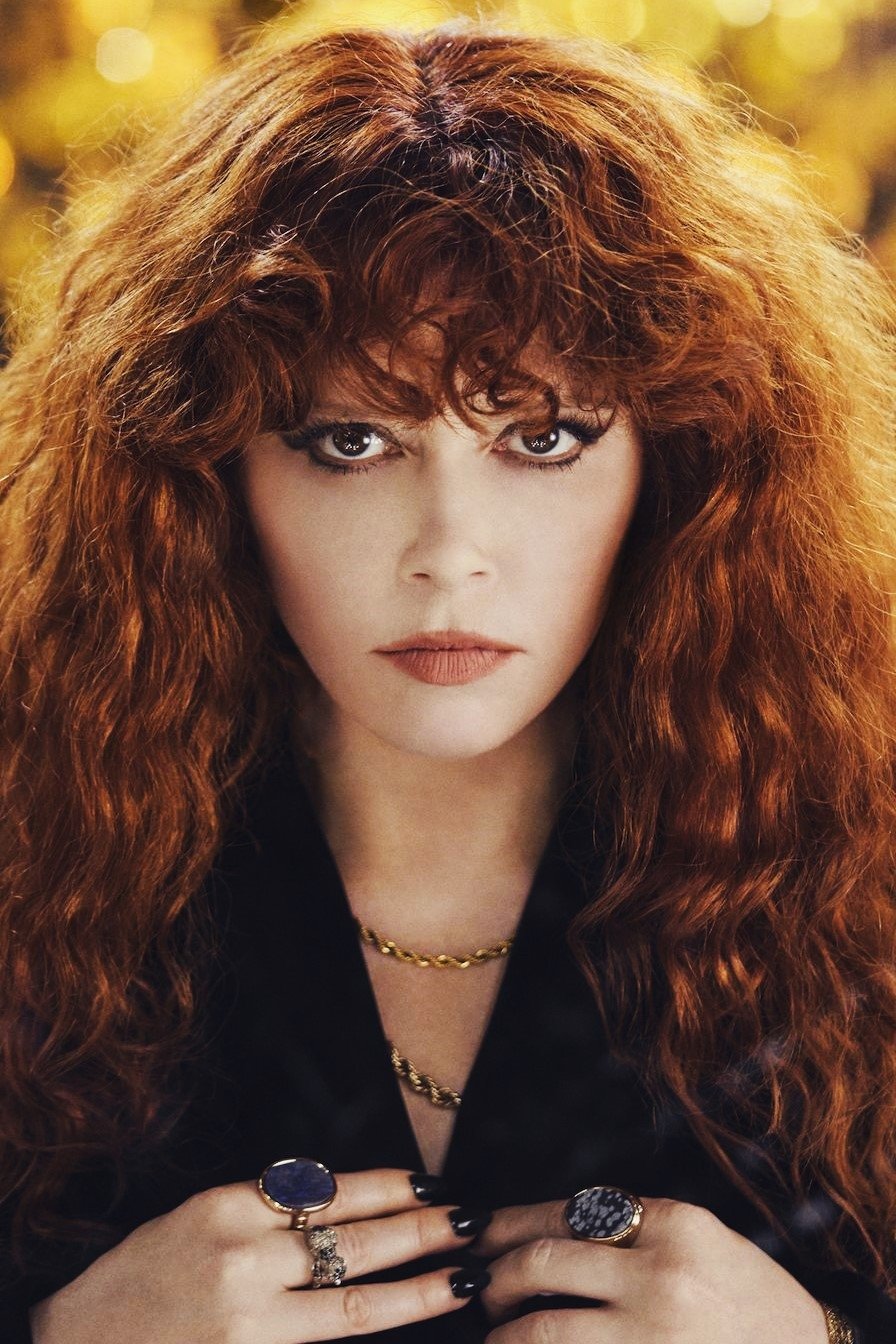
Lyonne joined a group pushing for limits on how generative AI is used. She signed a letter asking her union to strongly oppose the use of AI to replace human actors. As a creator and performer, she believes in the unique qualities of human artistry and worries that algorithms will lead to predictable, unoriginal work.
Keke Palmer

Taylor Palmer has consistently spoken out about the importance of artists owning their creative work and how it’s presented. She recently joined a call for the union to strongly protect artists from the potential harms of AI. Palmer believes that technology shouldn’t be used to avoid paying artists fairly, and she envisions a future where creators have full control over their online presence.
Constance Wu
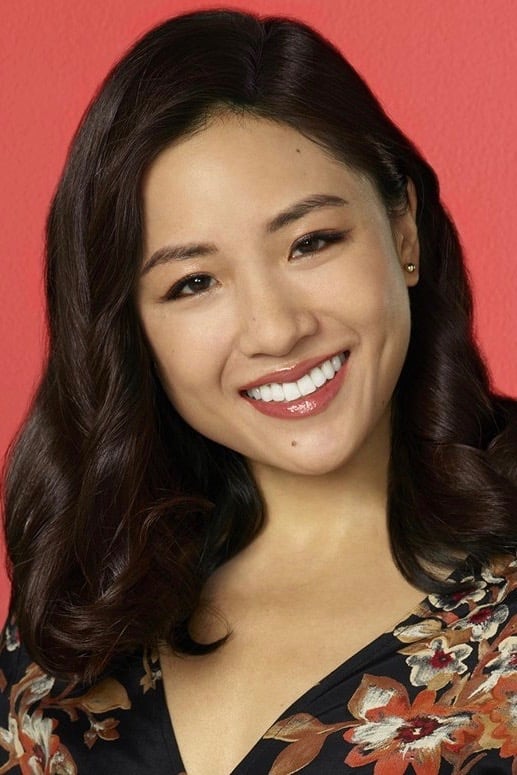
Wu joined a group of actresses asking their union to protect them from having their likenesses misused with new digital technologies. She signed a letter explaining that artificial intelligence is a major worry for performers. Wu believes that genuine emotion in acting can’t be created artificially and that real actors are still essential for telling stories.
Maya Hawke
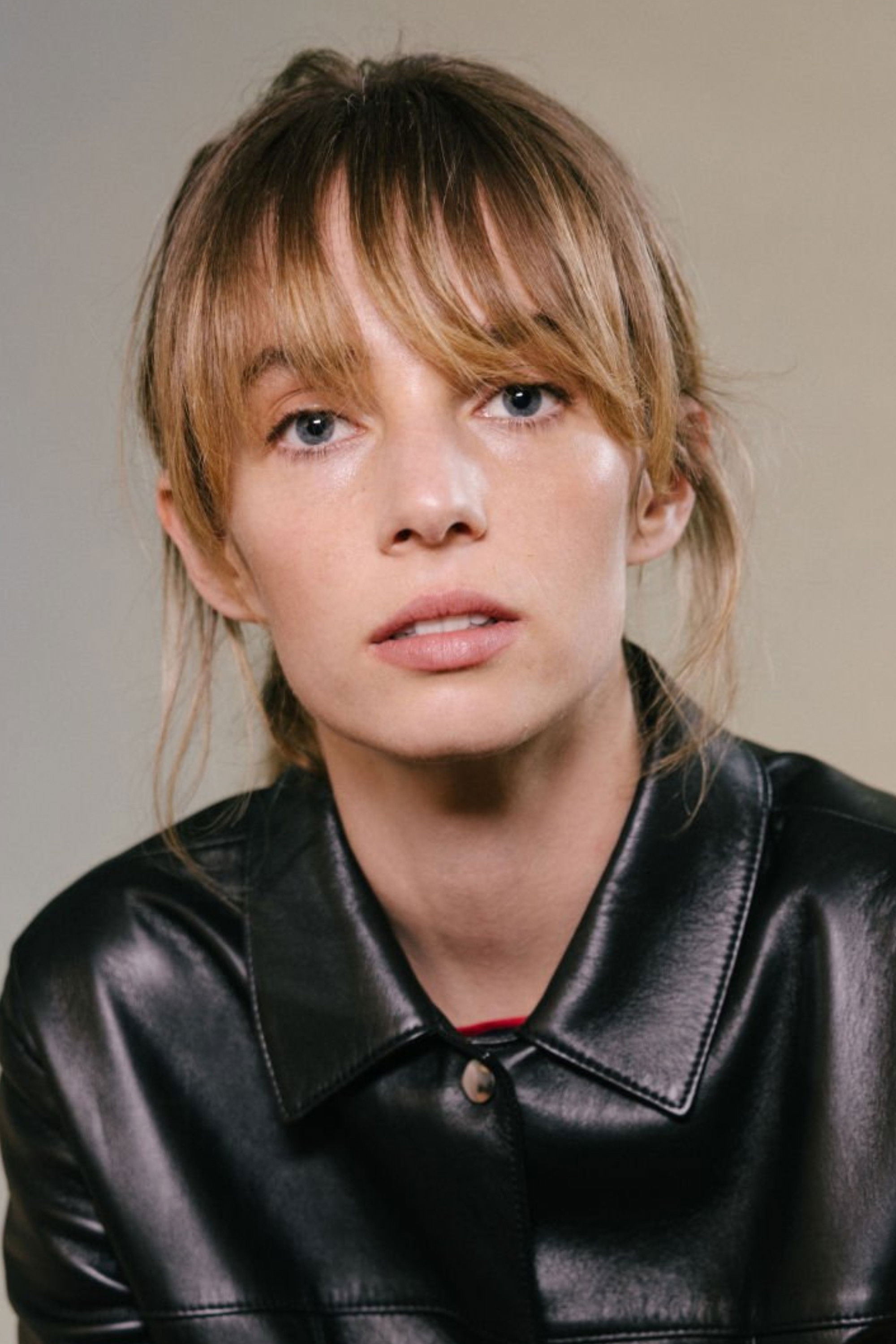
Hawke publicly backed the actors’ strike, especially their concerns about artificial intelligence. She also signed a letter urging studio leaders to protect digital rights. The actress feels that the imperfections and spontaneity of human performances are what give them value, and she’s critical of the artificial and impersonal quality of content created by AI.
Sarah Polley
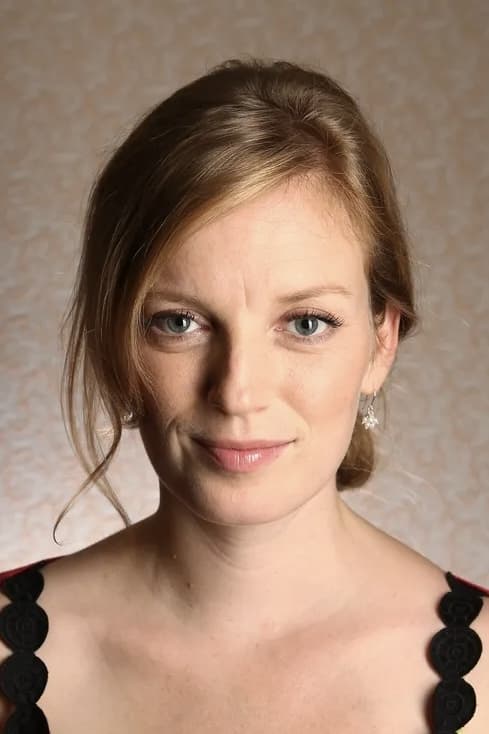
As a lifelong movie lover, I’ve always been struck by Sarah Polley’s thoughts on what makes a story truly resonate. She’s really highlighted how crucial it is to have a human point of view in filmmaking. She’s worried, and frankly, so am I, that AI could start churning out scripts and performances that feel…empty, lacking that real emotional depth that comes from genuine understanding. She’s a strong advocate for protecting writers and actors, making sure algorithms don’t take over their creative process. For her, and I agree, art has to come from actual lived experience – from being human. It’s about connection, and I don’t think AI can replicate that.
Share your thoughts on the role of AI in cinema in the comments.
Read More
- Top 20 Dinosaur Movies, Ranked
- 20 Movies Where the Black Villain Was Secretly the Most Popular Character
- Celebs Who Narrowly Escaped The 9/11 Attacks
- 25 “Woke” Films That Used Black Trauma to Humanize White Leads
- Spotting the Loops in Autonomous Systems
- The 10 Most Underrated Jim Carrey Movies, Ranked (From Least to Most Underrated)
- The Best Directors of 2025
- Gold Rate Forecast
- Transformers Under the Microscope: What Graph Neural Networks Reveal
- Every Notable ‘Star Trek: The Original Series’ Actor Who Died
2026-01-26 19:30