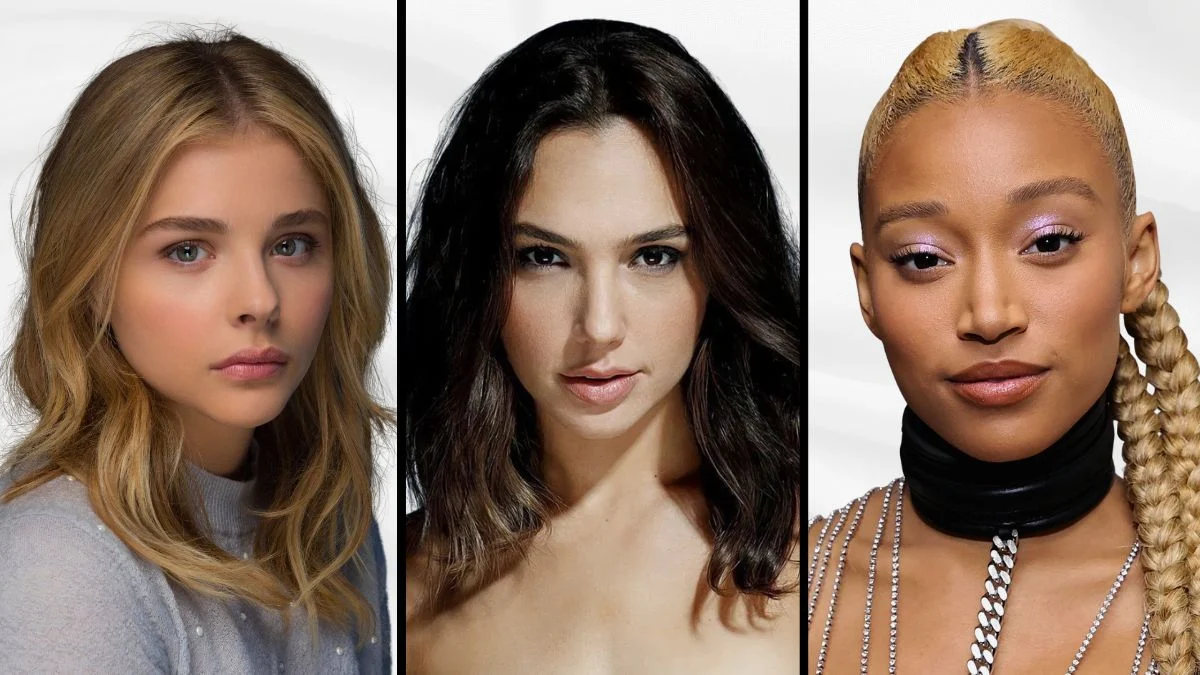
The connection between actors and directors is often a careful mix of artistic ideas and personal beliefs. Recently, several well-known actresses have spoken out against directors, accusing them of adding political messages to their films that felt fake or were just for show. These criticisms usually focus on situations where social issues seemed to be used to promote a film, rather than being a natural part of the story. From concerns about a lack of diversity to disagreements over changes made to the plot, these actresses have used their public voice to push for more honest and authentic portrayals in movies and television.
Viola Davis
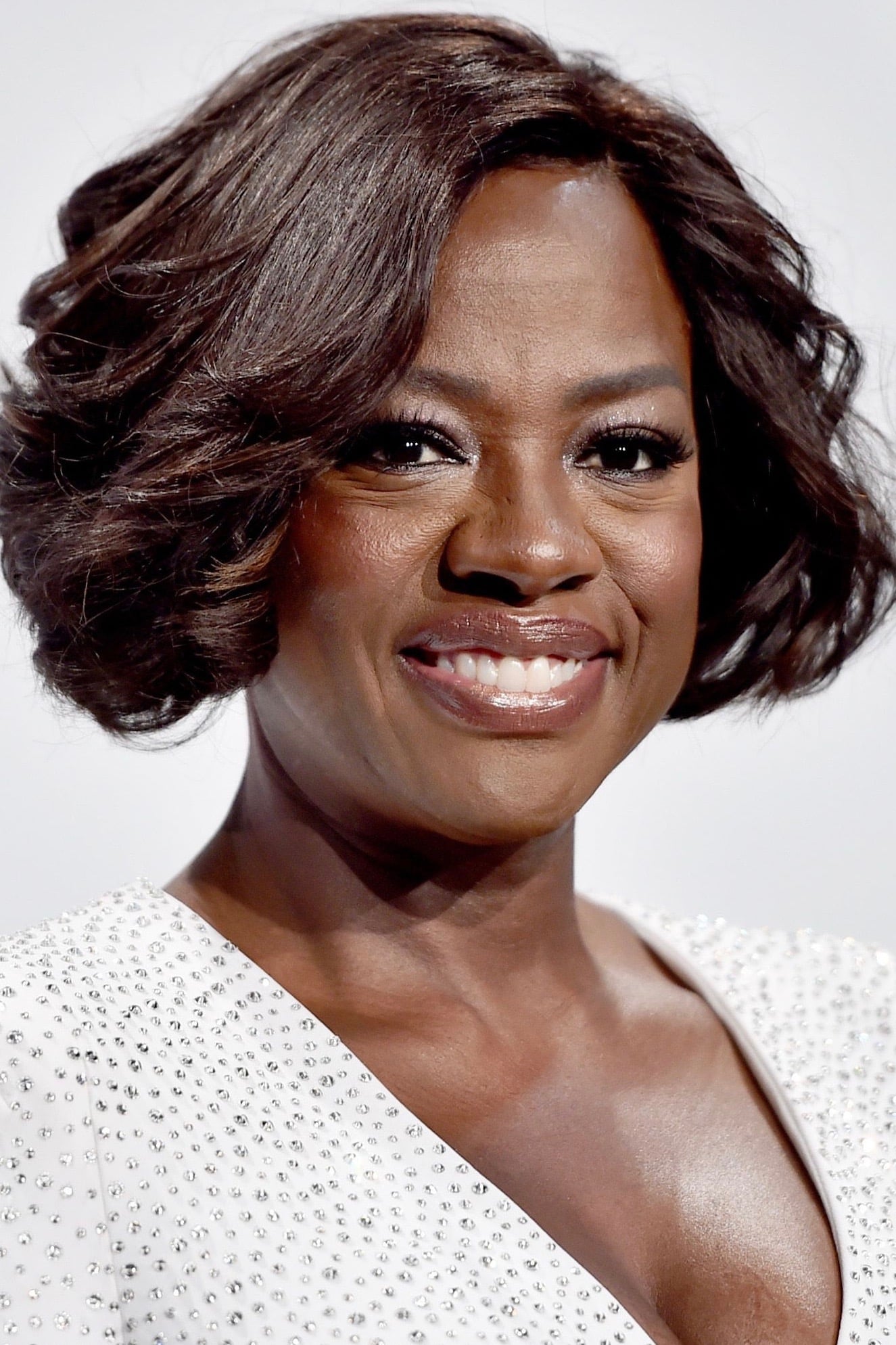
Viola Davis has publicly stated she regrets being part of the movie ‘The Help.’ She explained that the film seemed more focused on making white viewers feel comfortable than on truthfully portraying the lives of Black women who worked as maids. Davis felt the movie didn’t give those women a real chance to share their own stories, and that the filmmakers chose a less challenging and more politically safe approach instead of showing the difficult realities of the time.
Katherine Heigl
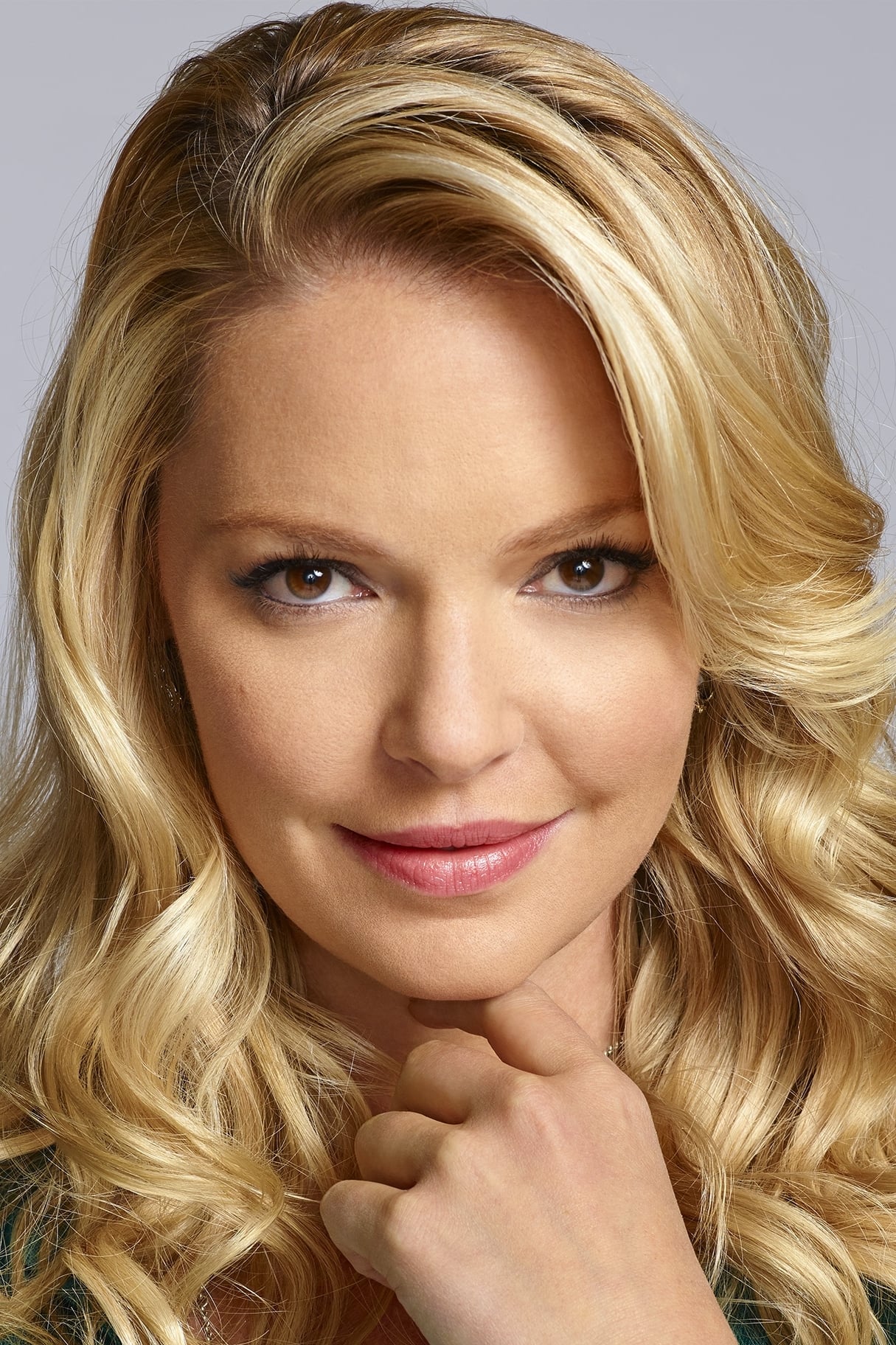
Katherine Heigl received criticism for saying the movie ‘Knocked Up’ had some sexist elements. She explained that the film portrayed women as serious and rigid, while the men were shown as charming and lighthearted. Heigl believed the director used comedy to promote outdated and harmful stereotypes about gender roles. This led to ongoing discussions about how women are depicted in films produced by Judd Apatow.
Jenna Ortega
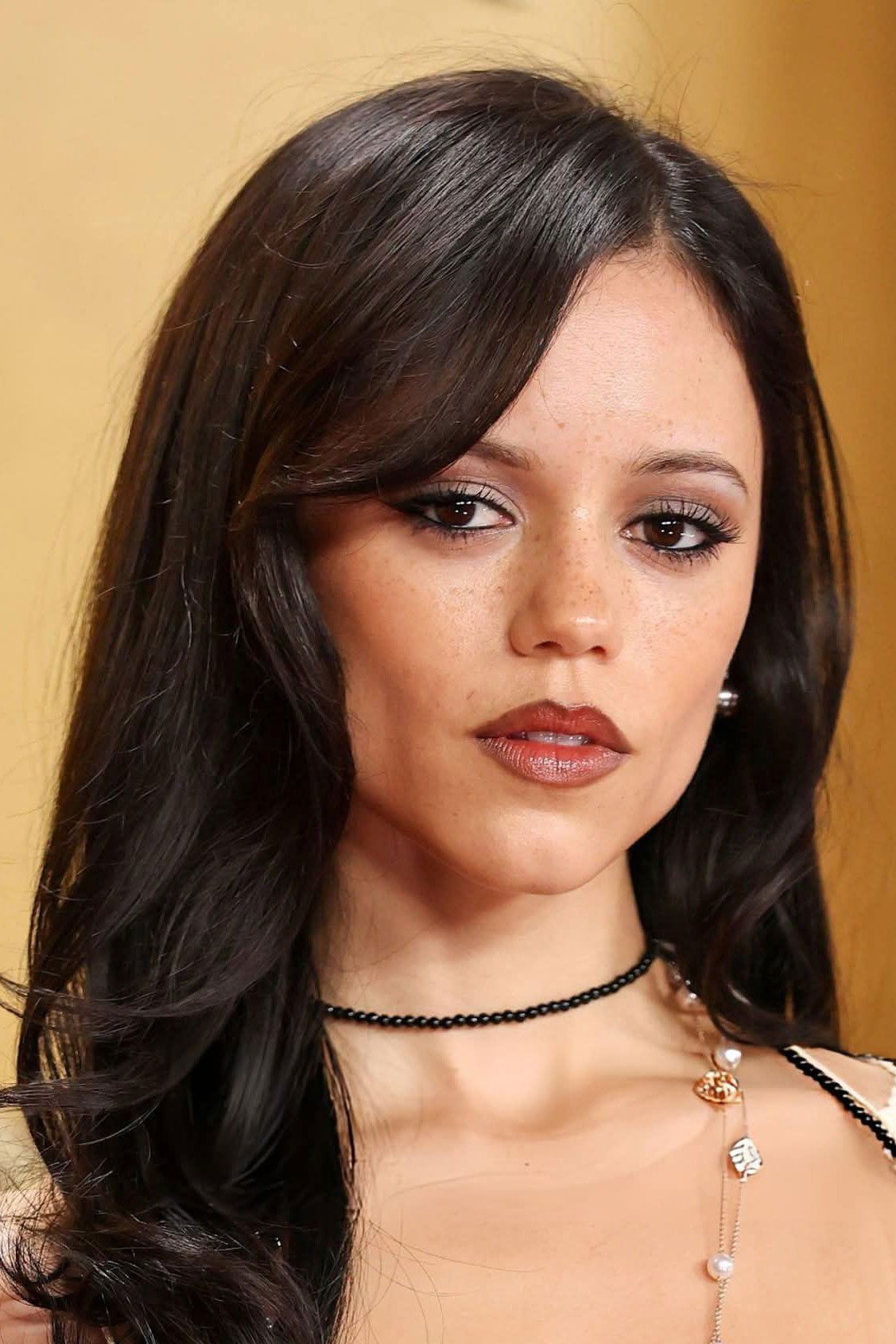
Jenna Ortega has shared that she often pushed back on creative decisions while filming ‘Wednesday’. She felt some storylines and lines didn’t fit her character, so she actively rewrote parts of the script. She wanted to make sure Wednesday stayed true to herself, rather than being changed to simply follow popular trends. Ortega stepped in because she believed certain choices prioritized broad appeal over staying faithful to the character’s core personality.
Salma Hayek Pinault
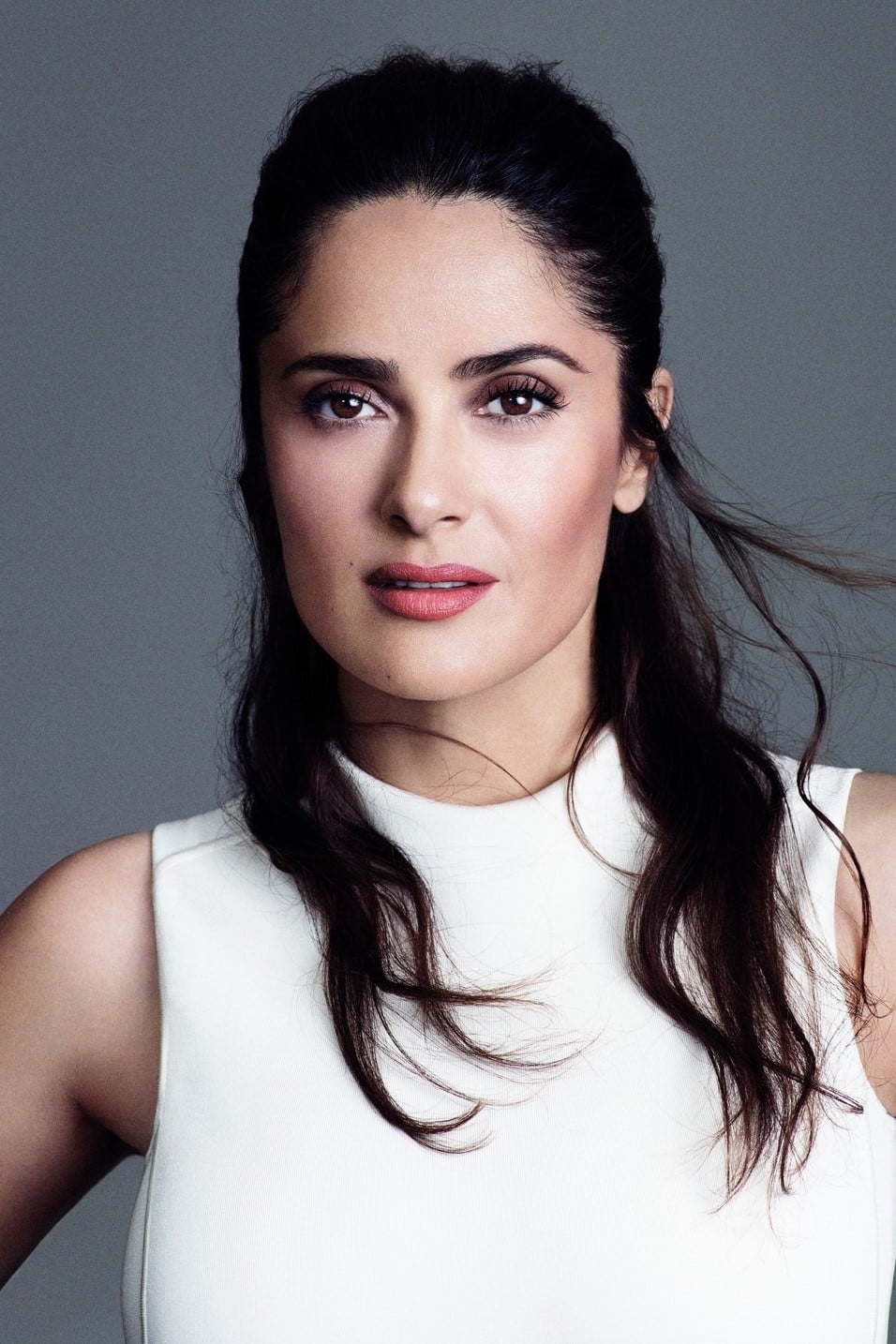
Salma Hayek Pinault has spoken openly about the significant pressure Harvey Weinstein put on her while making the film ‘Frida’. He repeatedly tried to change the movie in ways that would have compromised its artistic integrity and the true story it was telling. Hayek fought to keep the focus on Frida Kahlo’s life and challenges, resisting attempts to make the film overly sexualized. Her determination to protect Frida’s story serves as a powerful example of an artist standing up to exploitative filmmaking practices.
Rachel Zegler
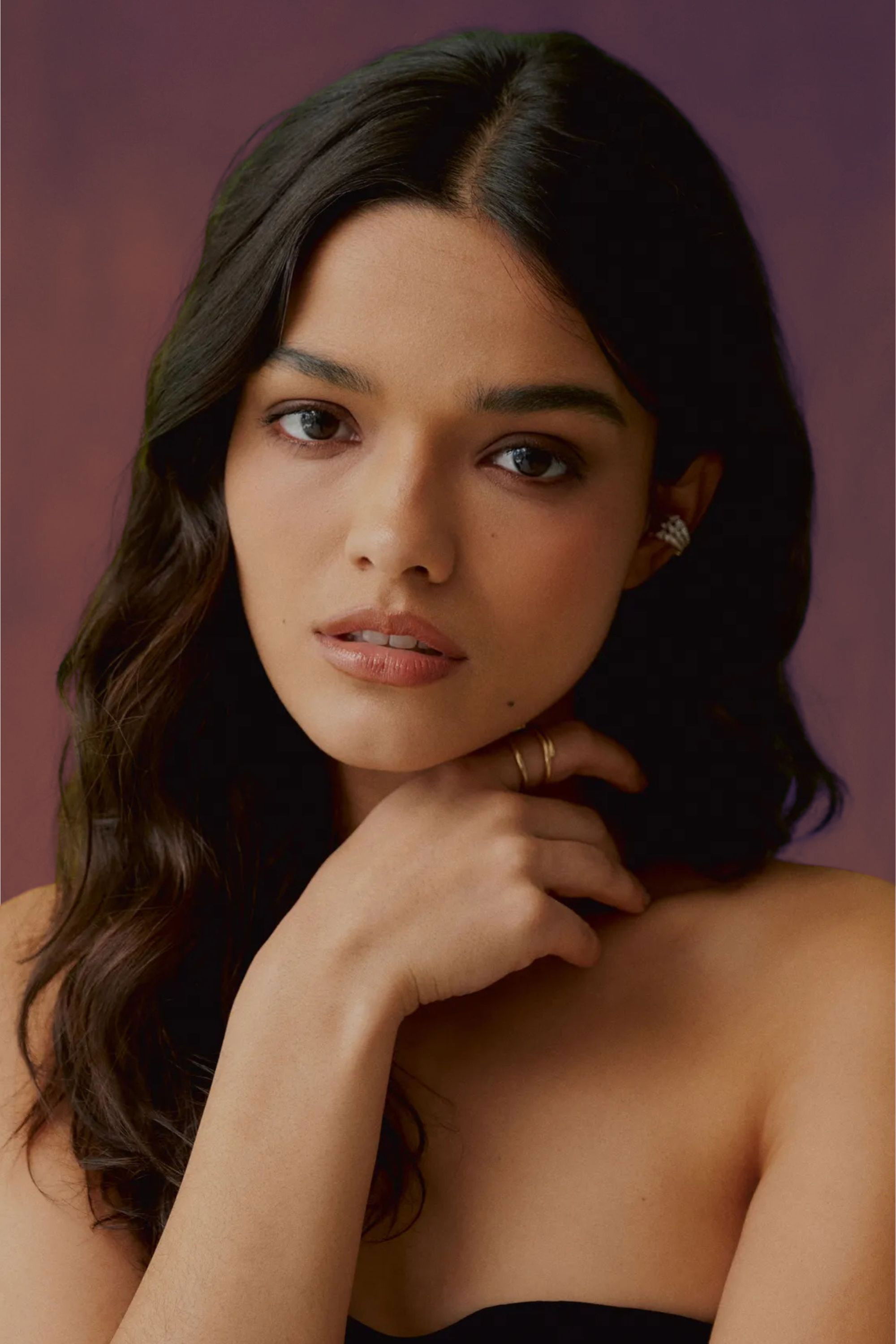
Rachel Zegler sparked debate after sharing her thoughts on the new live-action ‘Snow White’ film. She pointed out that the original story feels old-fashioned, especially when it comes to romance and how women are portrayed. Zegler explained the remake will likely move away from the idea of Snow White needing to be rescued, and instead focus on her becoming a strong leader. This change has led to a larger discussion about whether updating classic stories is done for artistic reasons or simply to appeal to modern audiences.
Michelle Rodriguez
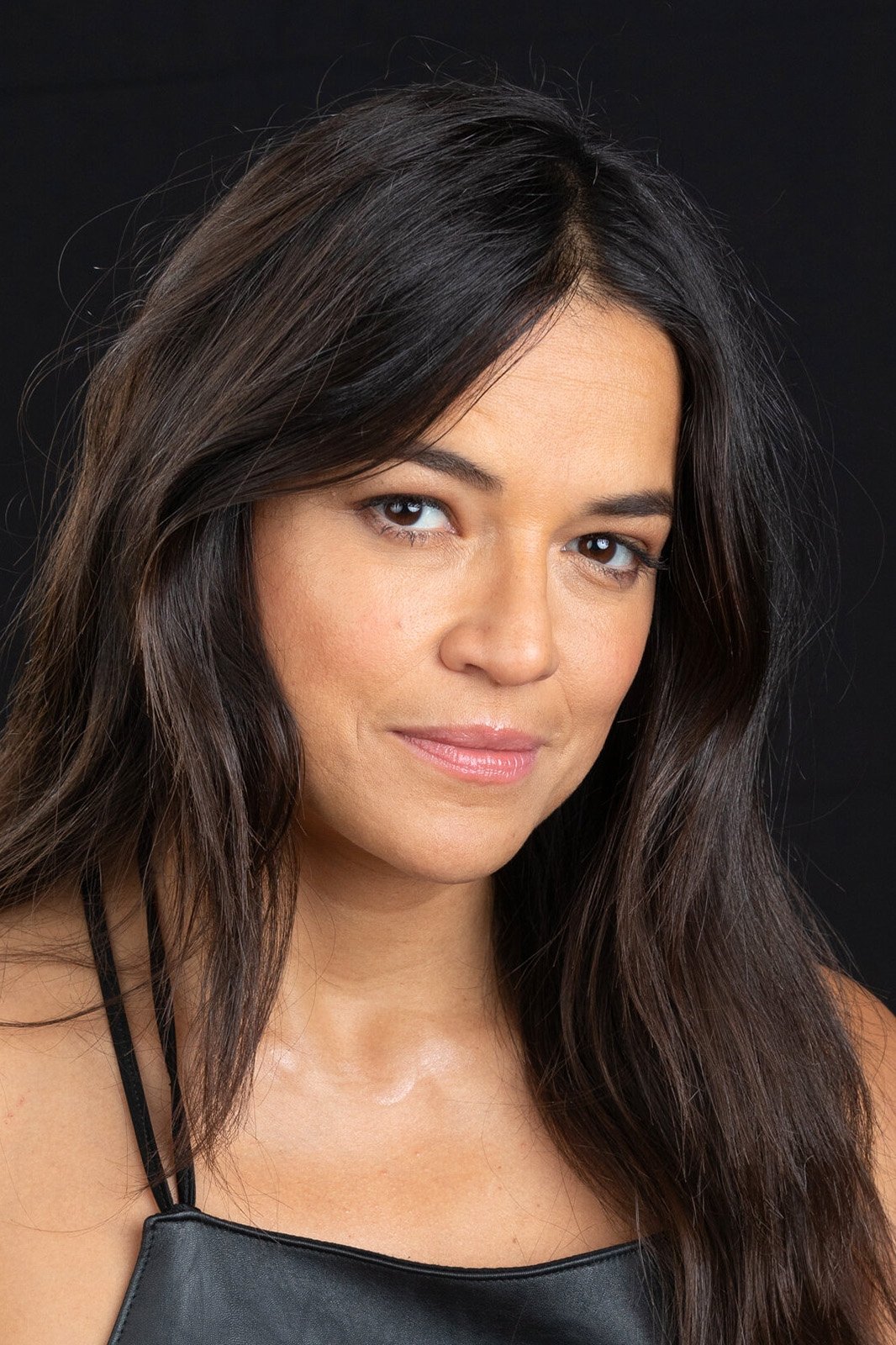
Michelle Rodriguez was prepared to leave the ‘Fast & Furious’ movies unless the portrayal of female characters improved. She felt the films focused too much on male characters and didn’t give the women enough meaningful connections with each other. Rodriguez believed the movies presented a superficial idea of female empowerment without giving the actresses substantial storylines. Ultimately, her public stance led to the women in the cast having bigger and more important roles.
Tessa Thompson
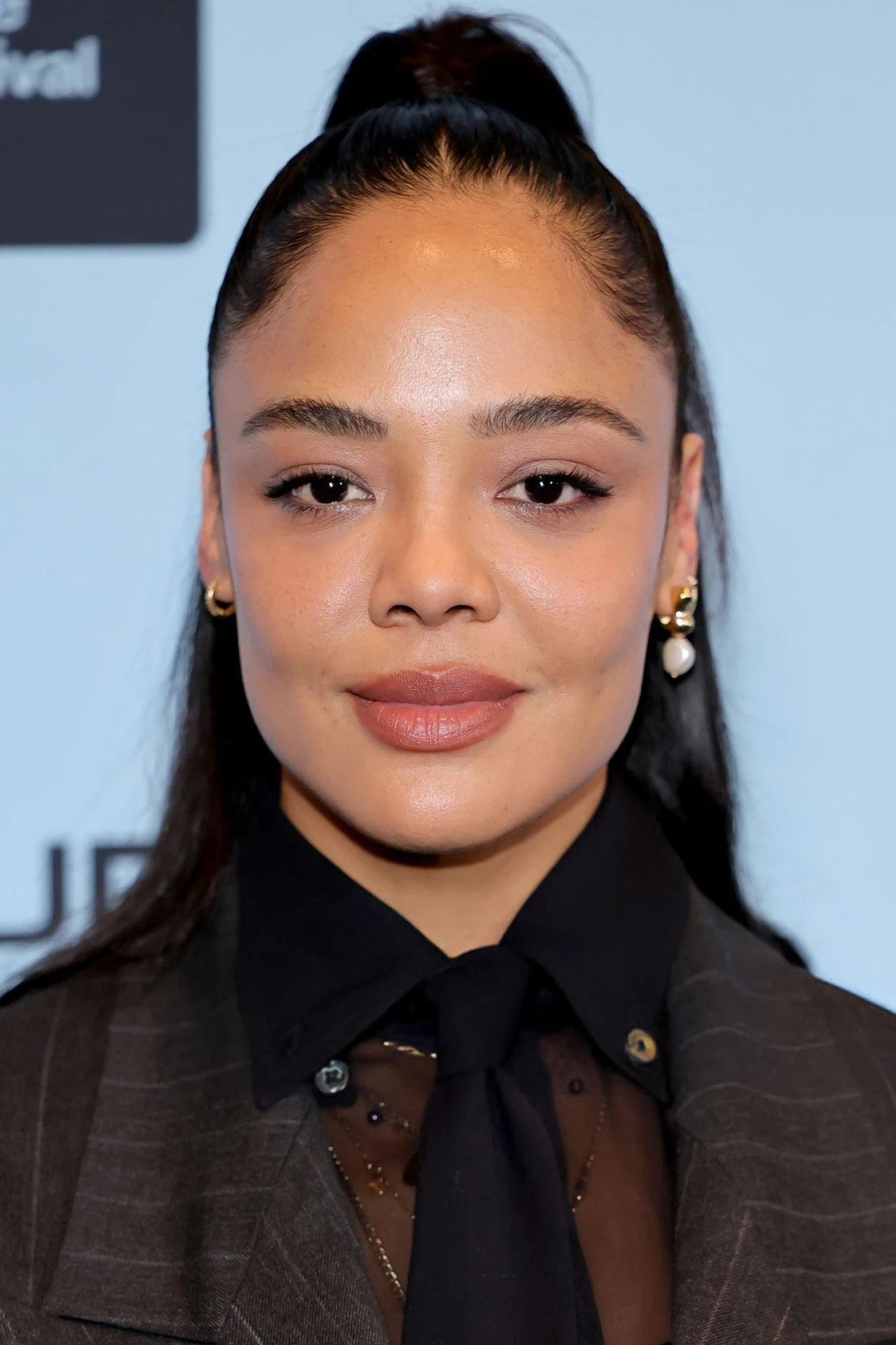
Tessa Thompson has often spoken about how important it is to see genuine representation in Marvel movies. During the making of ‘Thor: Love and Thunder,’ she asked for her character’s background and identity to be clearly shown. She’s worried that sometimes studios only use diversity for marketing, instead of making it a real part of the story. Thompson continues to encourage filmmakers to weave inclusive stories into their films organically, rather than adding them in as an afterthought.
Chloë Grace Moretz

Chloë Grace Moretz spoke out against the promotional campaign for her movie, ‘Red Shoes and the 7 Dwarfs.’ She was upset because the ads seemed to criticize the main character’s body by holding her up to unrealistic beauty standards. Moretz stated she wasn’t aware of the ads and was shocked by their message, especially for young viewers. She explained that the film itself was meant to be uplifting, but the marketing team promoted a harmful idea.
Emma Stone
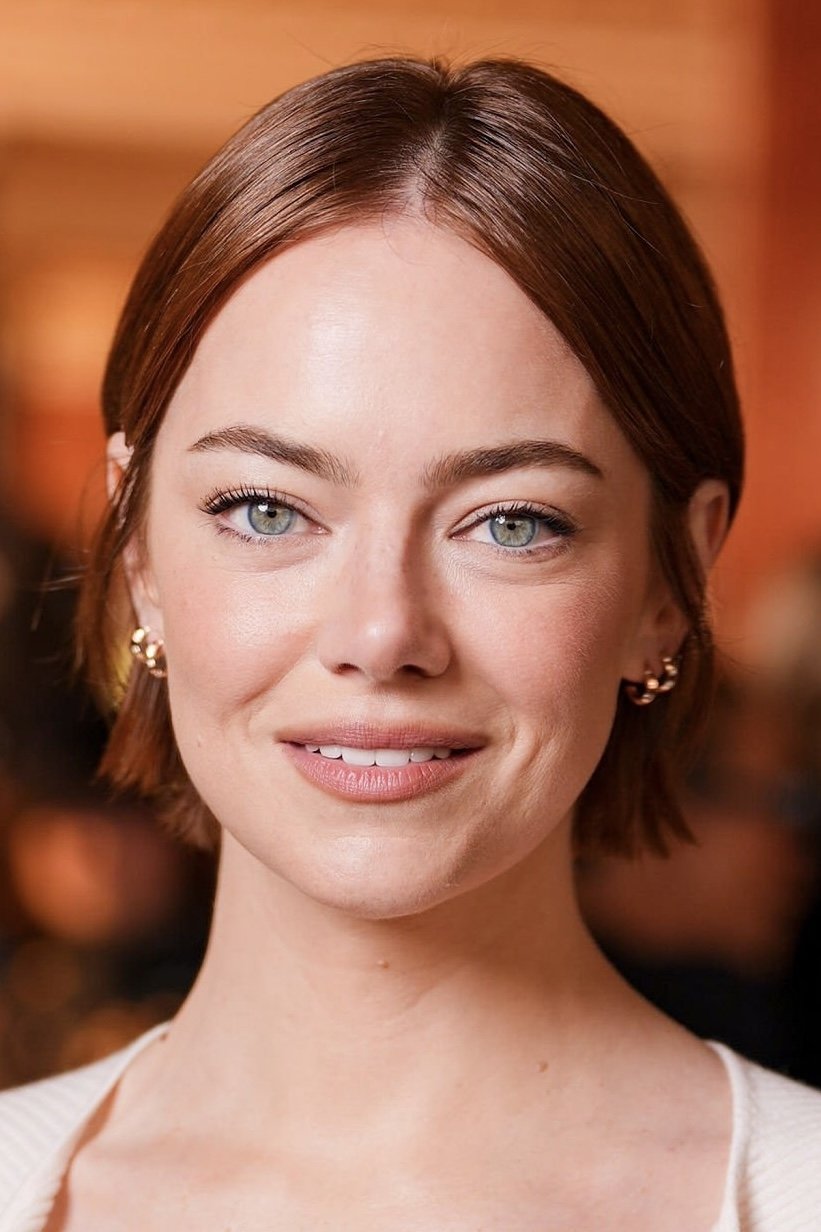
Emma Stone has spoken about her regret over playing a character with Asian and Hawaiian roots in the movie ‘Aloha.’ The decision sparked criticism of ‘whitewashing’ – the practice of casting white actors in roles meant for people of color. Stone acknowledged that the situation highlighted a bigger issue in Hollywood: the lack of genuine diversity in casting. She’s since used the experience to advocate for more accurate and representative casting choices, ensuring actors authentically reflect the characters they play.
Scarlett Johansson
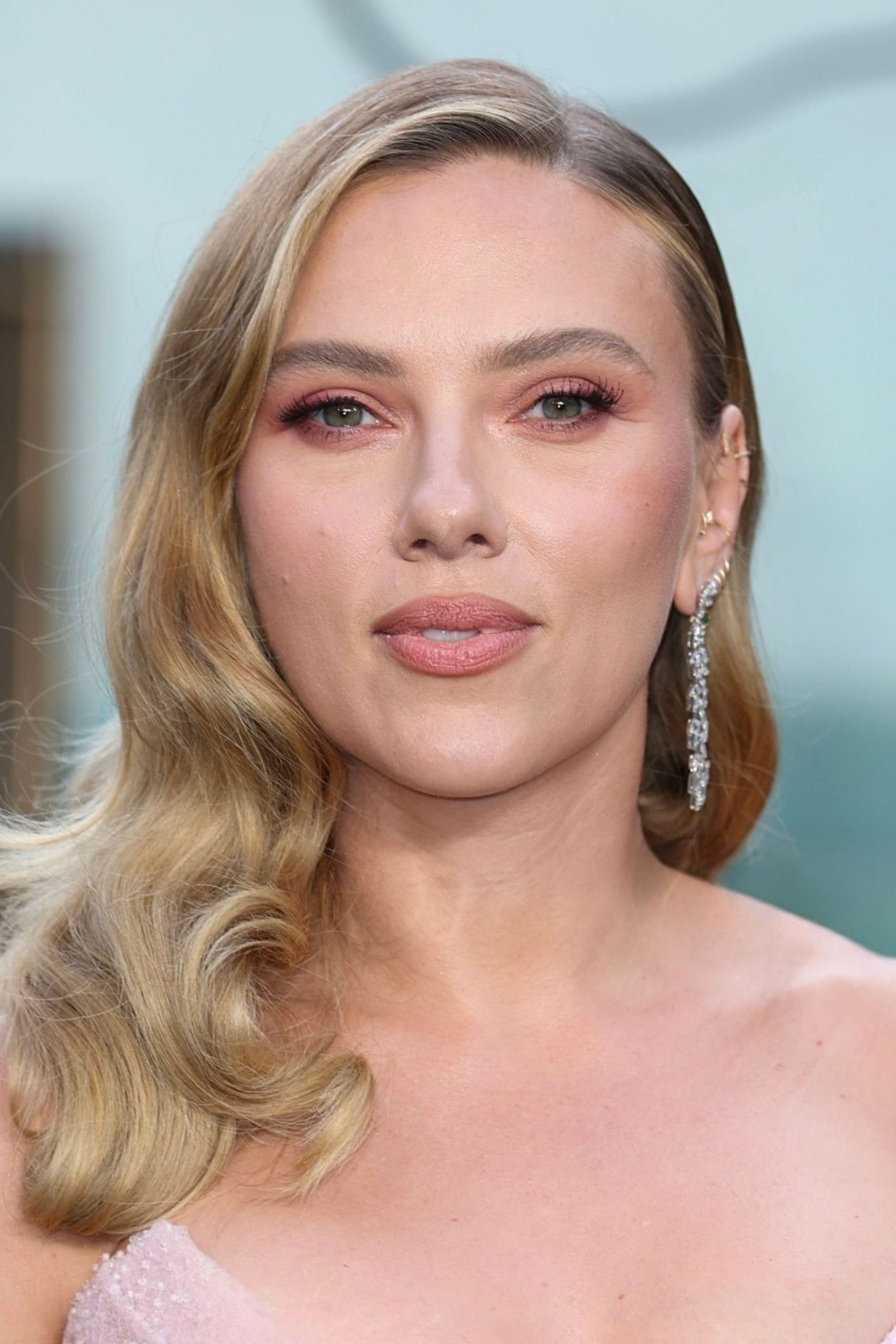
Scarlett Johansson received significant criticism for her role in the movie ‘Ghost in the Shell’. Many people felt the film used ‘whitewashing’ – casting a white actress to play a character originally created as Japanese. Although she initially defended the casting choice, she later admitted the concerns about cultural appropriation were valid. This sparked a wider conversation within the film industry about how to ethically adapt stories and characters from other cultures for Western audiences.
Thandiwe Newton

Thandiwe Newton has spoken about the tough time she had filming ‘Mission: Impossible 2’. She felt she was treated as a sexual object and was frustrated that her character didn’t have much influence on the story. Newton explained that the filmmakers seemed more focused on how she looked than on her acting. Her story sheds light on the difficulties faced by women of color in action movies during the early 2000s.
Rose McGowan
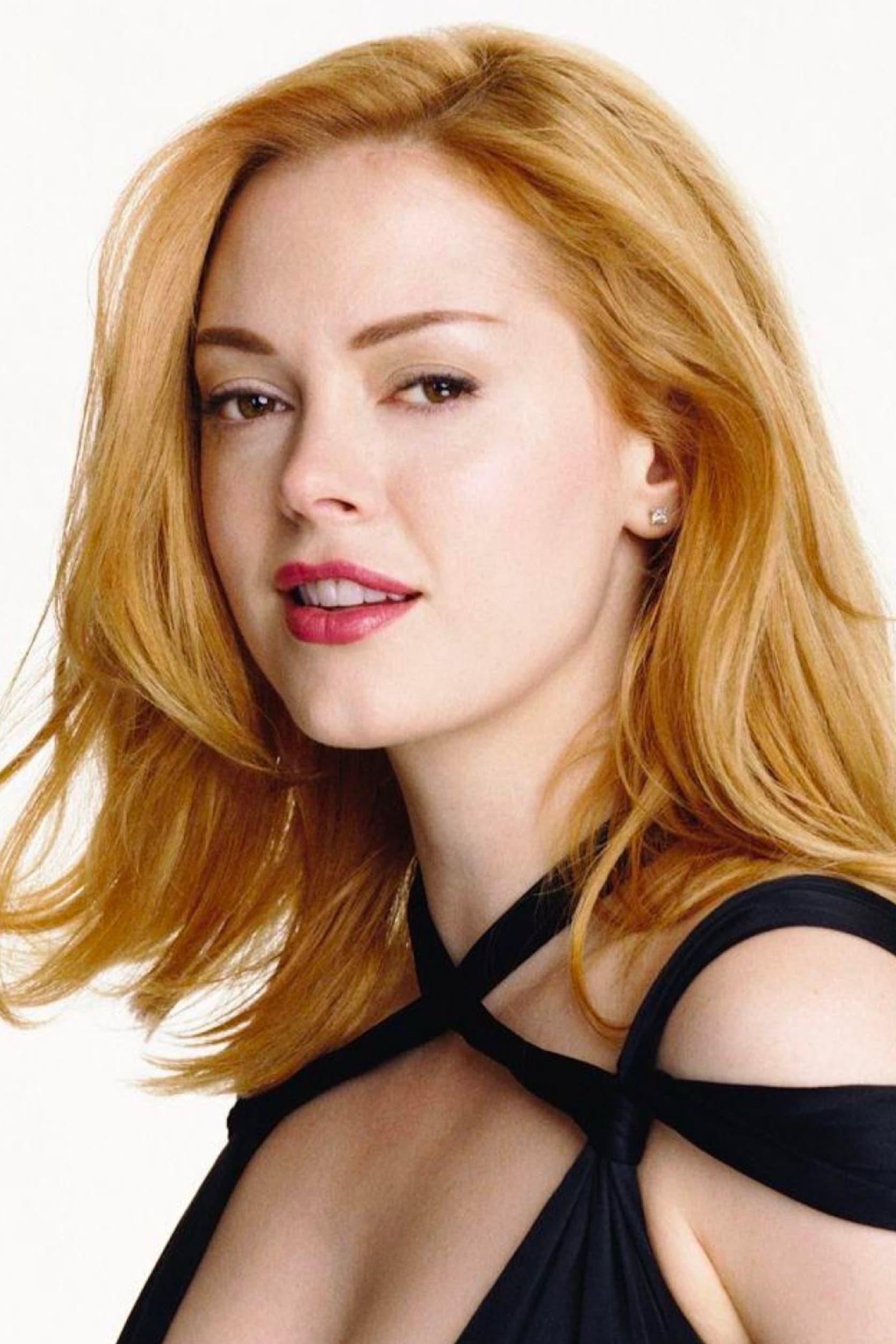
Rose McGowan has been a vocal critic of the entertainment industry, particularly how it deals with gender issues. She famously pointed out a movie script that included detailed and inappropriate instructions about what female characters should wear, arguing that this promoted a harmful and exploitative view of women. Her work as an activist was a key factor in bringing wider attention to the issues of harassment and inequality within Hollywood.
Gal Gadot
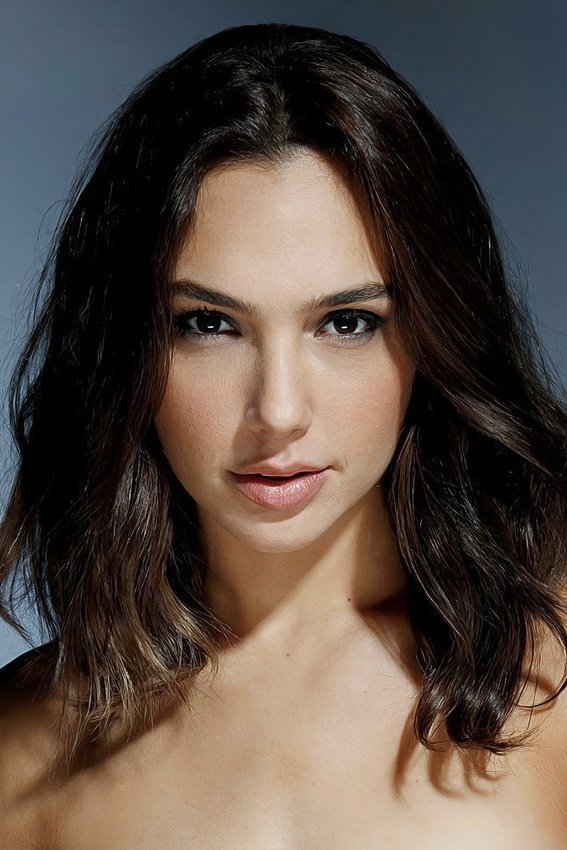
Gal Gadot experienced problems while working with director Joss Whedon during the reshoots for ‘Justice League’. She stated that Whedon threatened her career after she raised concerns about her character’s portrayal and the script. Gadot insisted on maintaining the established character of Wonder Woman, as seen in her previous film. This situation highlighted issues with a negative work environment and the lack of consideration for women’s perspectives in large-scale movie productions.
Charisma Carpenter
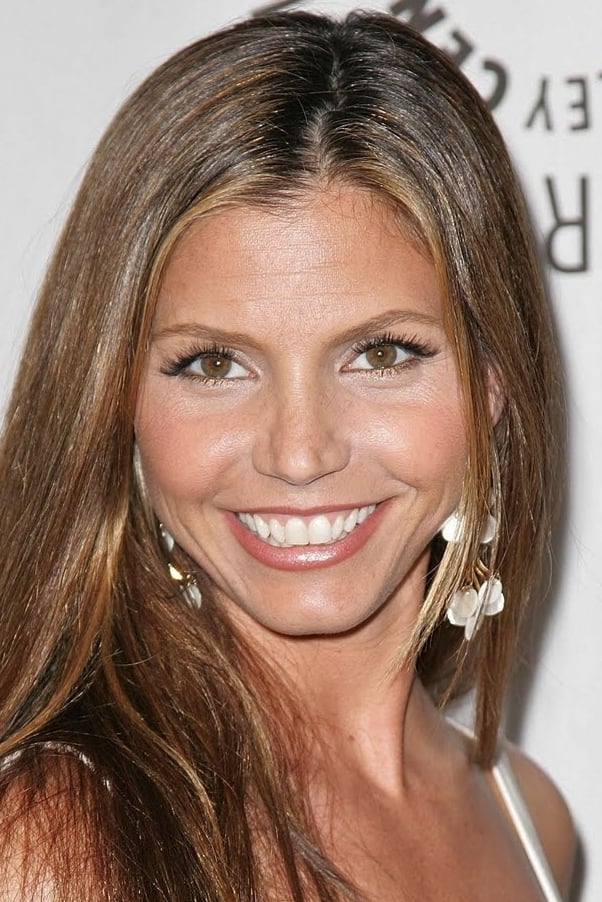
Charisma Carpenter described how Joss Whedon retaliated against her both professionally and personally while they worked on ‘Angel.’ She claims Whedon was unkind about her pregnancy and misused his authority to diminish her role on the show. Carpenter felt the show’s writers created a storyline that unfairly penalized her for becoming pregnant. Her courage in speaking out later inspired other actors from the show to share their own negative experiences with the director.
Cynthia Erivo
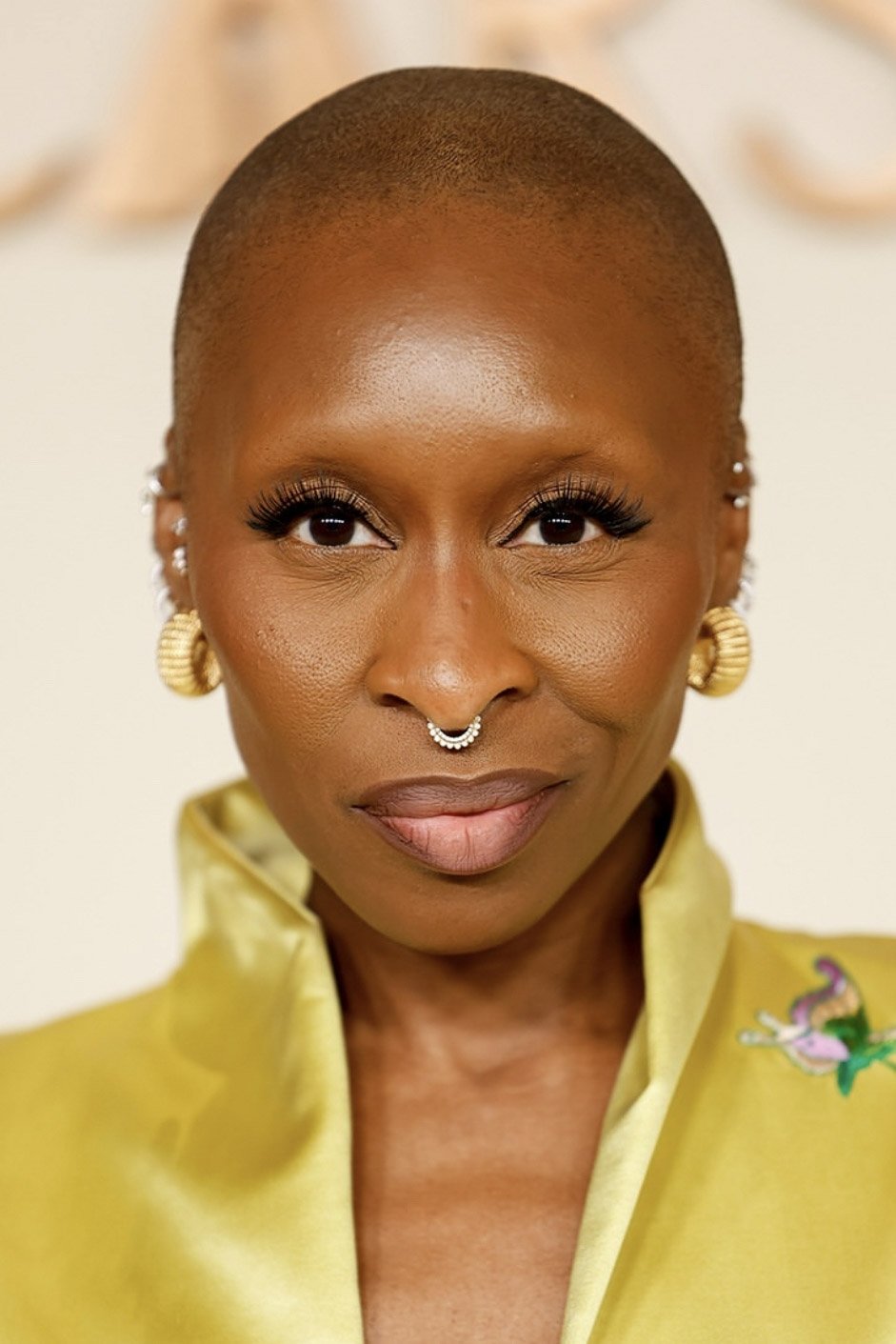
Cynthia Erivo has discussed the challenges of playing famous historical figures like Harriet Tubman, and the intense attention that comes with it. She’s responded to criticism about whether films dealing with difficult past events genuinely convey important messages. Erivo believes filmmakers need to dig deeper than just the basics to truly honor the people they’re portraying, and her work often involves finding a balance between creative freedom and historical truth.
Amandla Stenberg
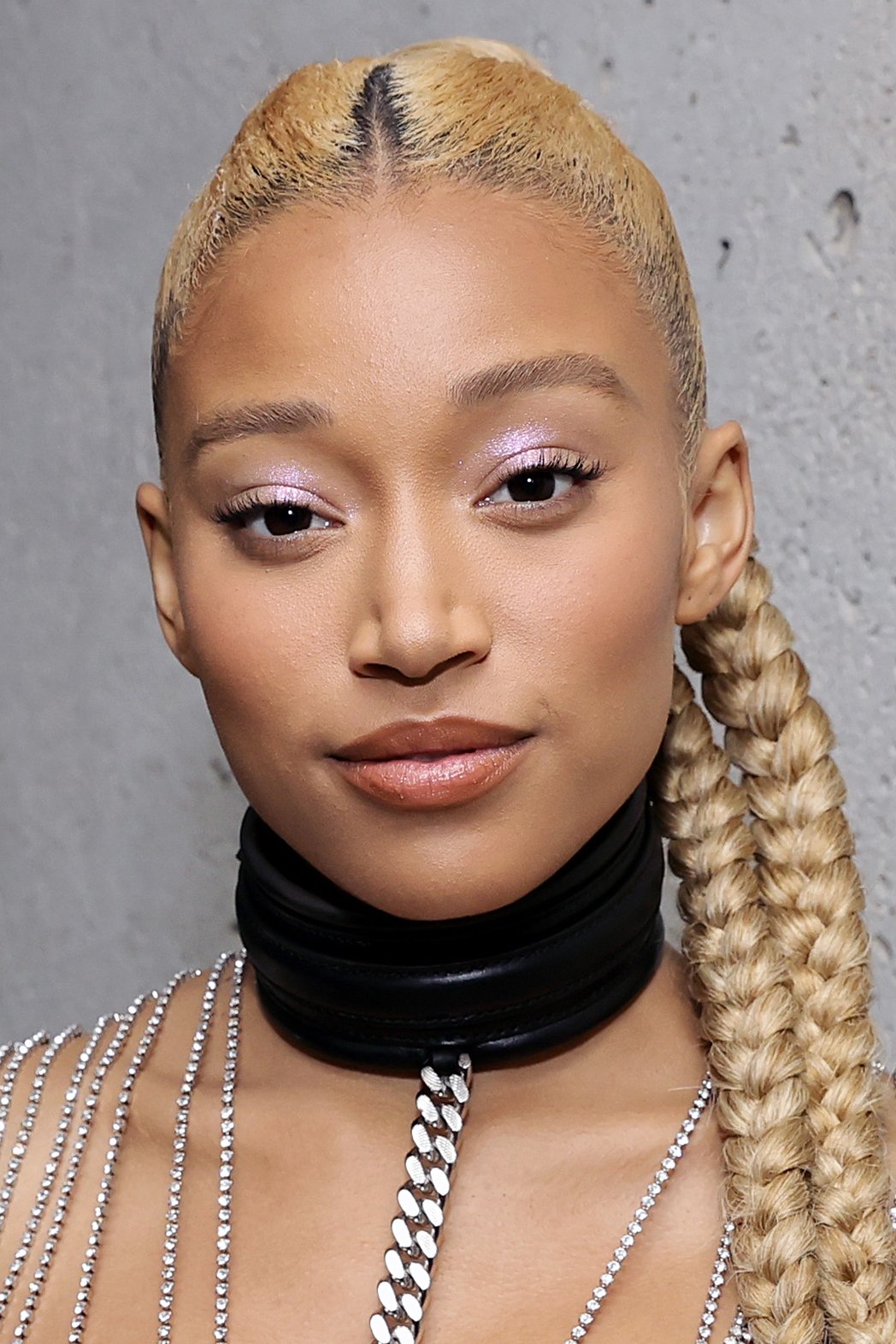
I really admire Amandla Stenberg and how openly she talks about her work. She’s pointed out that some projects dealing with race can oversimplify things, which is something I totally get. She believes, and I agree, that we need stories that are more complex and avoid relying on tired old clichés. It’s clear she wants to see movies tackle important issues with honesty and real depth, and I think that’s fantastic.
Constance Wu
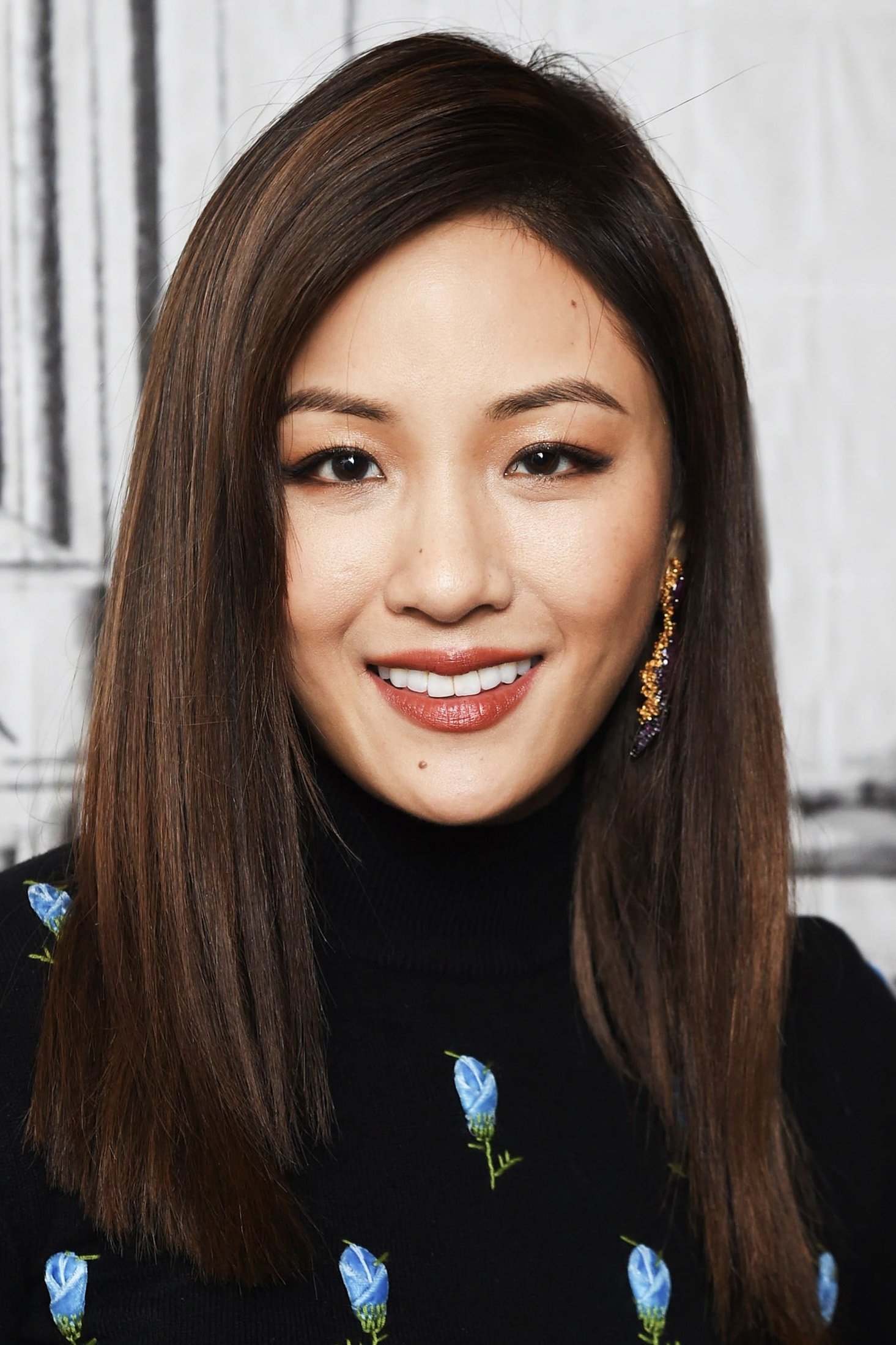
Constance Wu received attention after voicing her feelings about the renewal of ‘Fresh Off the Boat’. Although her initial reaction was misunderstood, she explained she was upset about missing out on a different, more demanding role. She felt the show had become repetitive and wasn’t offering the kind of genuine storytelling she cared about. Her experience showed how difficult it can be for actors to balance creative fulfillment with long-term TV contracts.
Sandra Oh
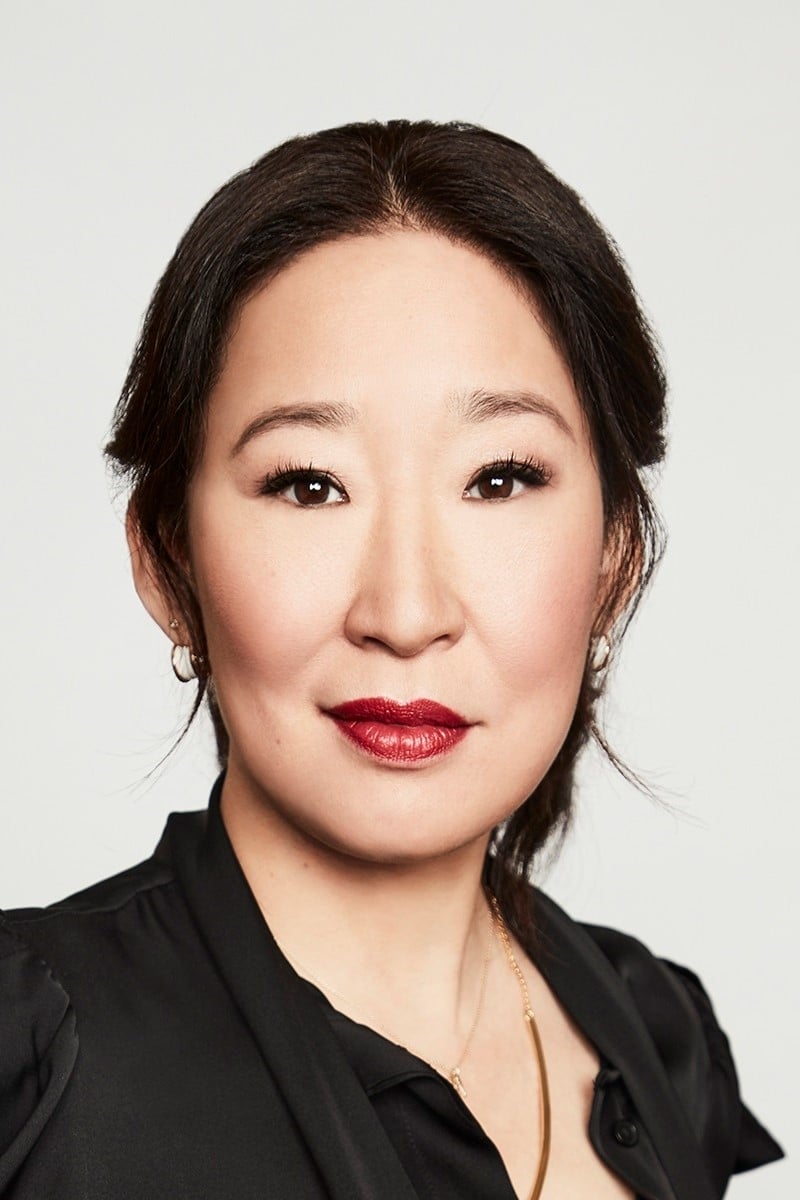
Sandra Oh consistently seeks out roles with more nuance and cultural authenticity. While on ‘Grey’s Anatomy,’ she worked with writers to prevent her character from falling into tired stereotypes. She’s often had to challenge directors who wanted to use her heritage simply as a story device. Ultimately, she believes that true diversity in storytelling comes from inclusive writing and directing, not just diverse casting.
Florence Pugh
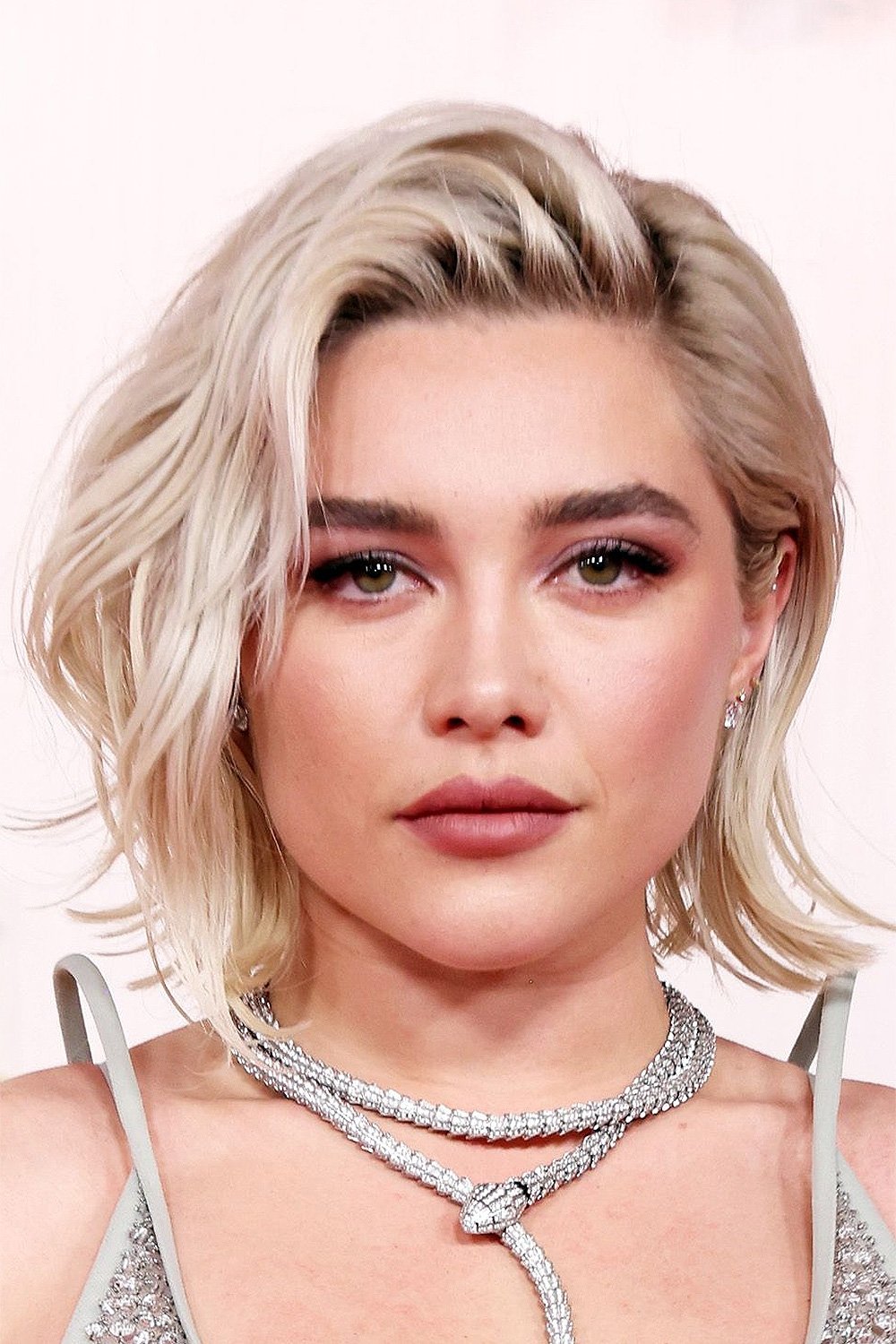
Florence Pugh spoke out about the intense public interest in her personal life, explaining how it took attention away from her movie ‘Don’t Worry Darling’. She seemed to step back from promoting the film as rumors spread about disagreements with the director. Pugh made it clear she wanted the focus to be on the movie itself, rather than the drama and speculation surrounding it. Her dedication to her work during a difficult time impressed many in the industry.
Jessica Chastain
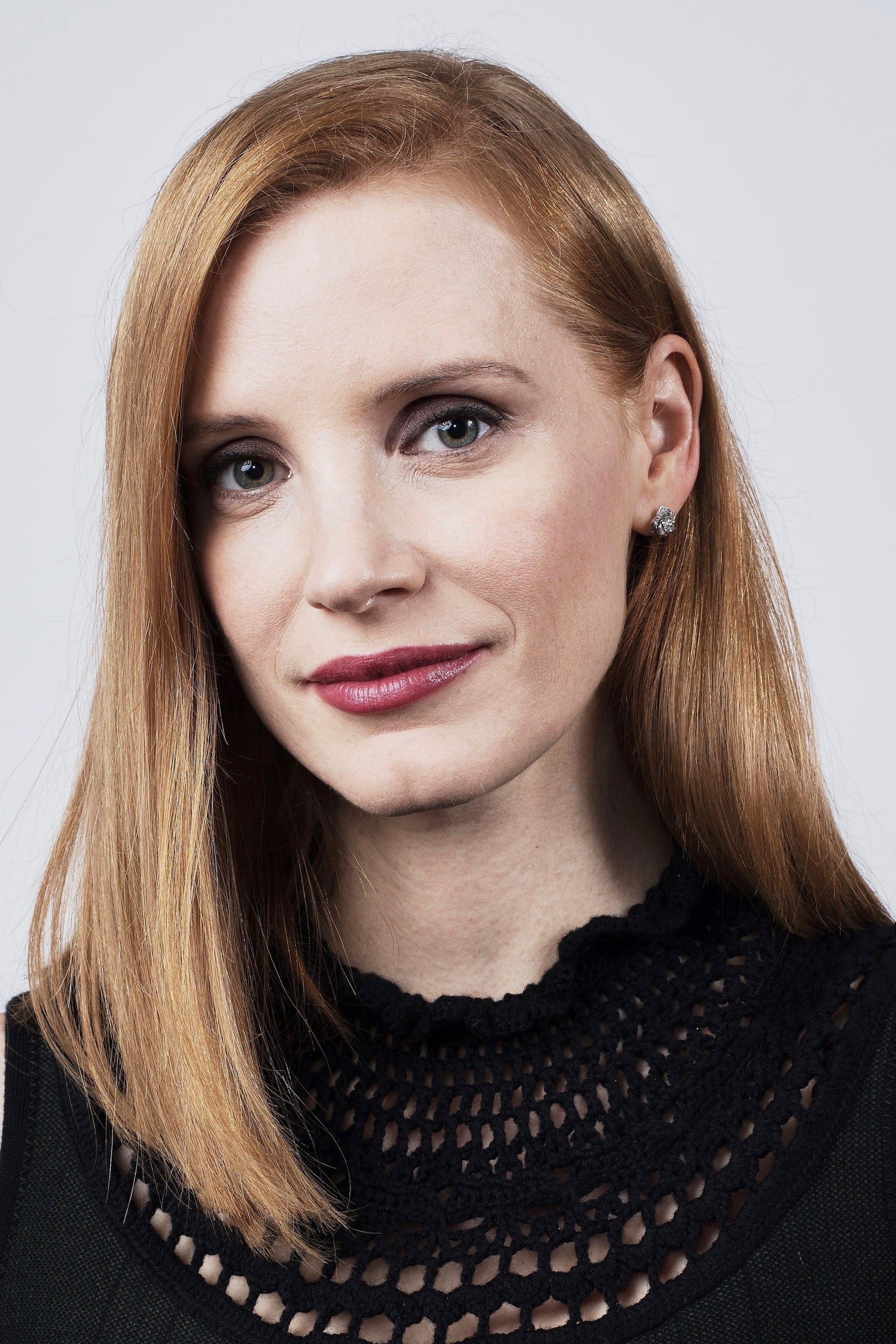
Jessica Chastain has been thinking about her work in the movie ‘The Help’ and agrees with the valid points made by her colleague, Viola Davis. She understands the film may not have fully succeeded in its goal of showing racial inequality because it focused too much on the stories of white characters. Since then, she’s been more careful about the projects she chooses, wanting to make sure they tell stories in a fair and honest way. She’s still dedicated to using her platform to encourage more balanced and equitable storytelling in Hollywood.
Charlize Theron
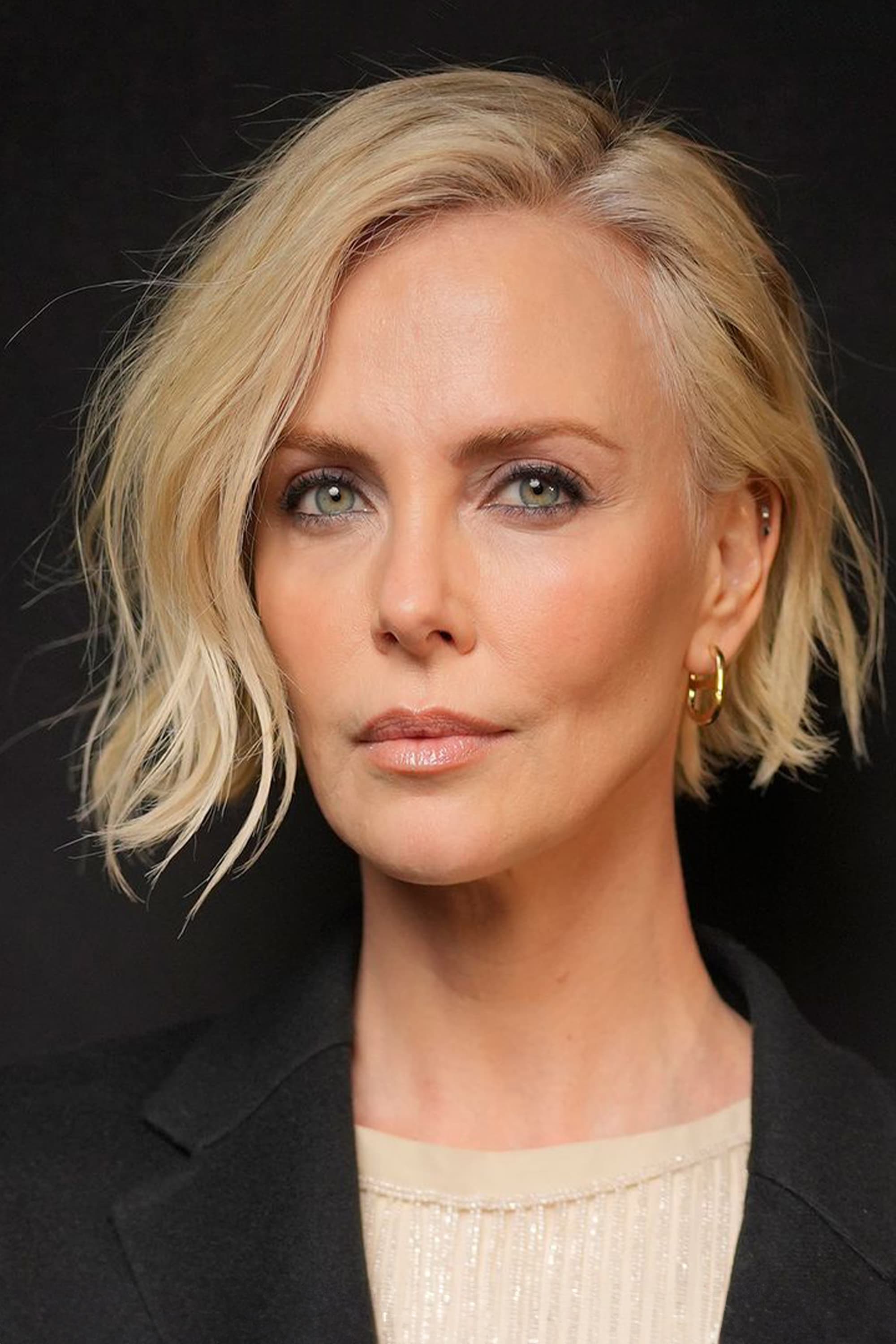
Charlize Theron recently discussed the challenges of making ‘Mad Max: Fury Road,’ describing a very demanding and tense filming environment. She explained that the director had a clear, but sometimes difficult, vision for the movie, which caused disagreements among the actors. Theron is also a strong supporter of equal pay in Hollywood and has publicly criticized productions that don’t treat actresses with the same consideration as actors. Because she speaks out about these issues, she’s become a leading voice for positive change in the film industry.
Emily Blunt
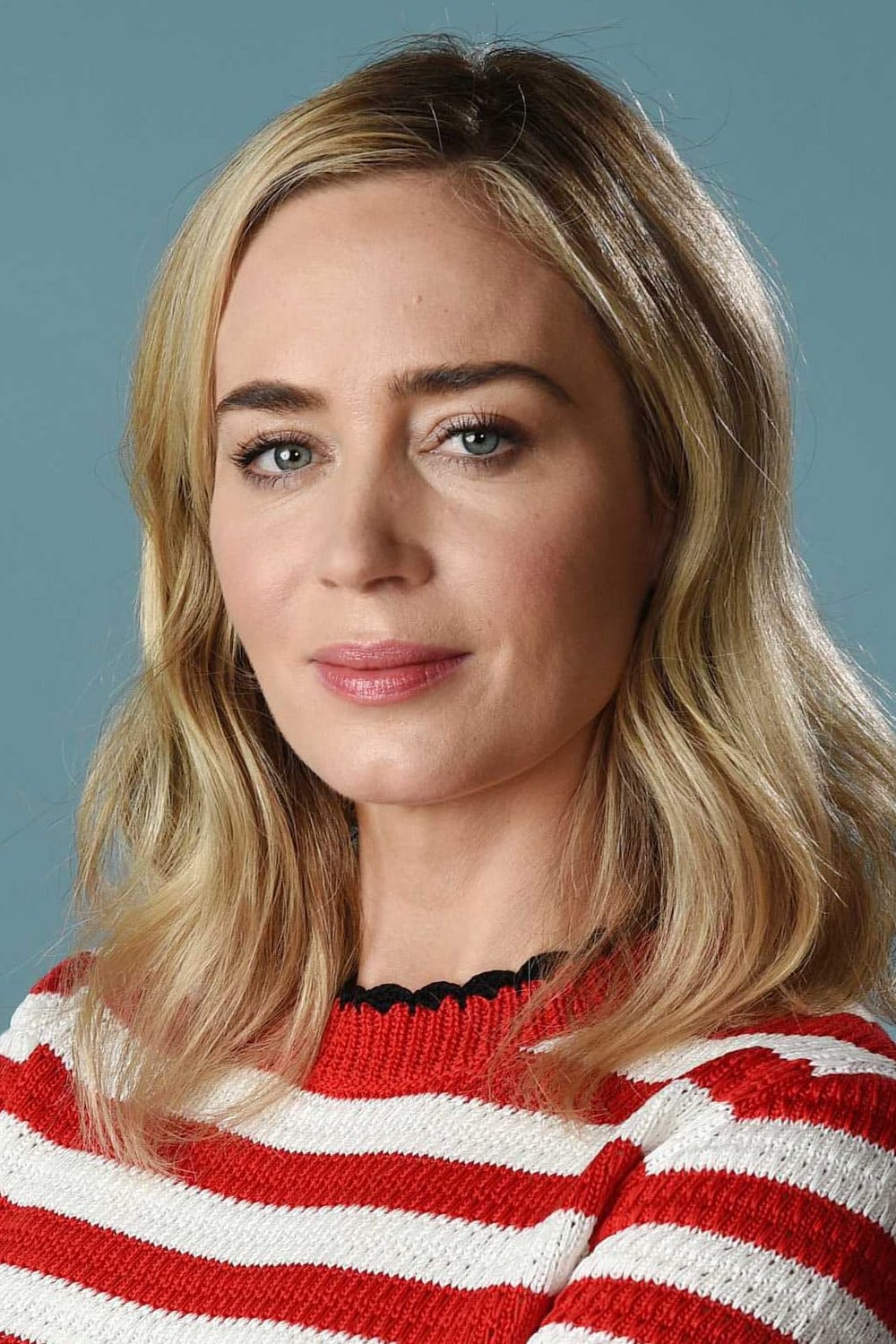
Emily Blunt strongly opposed any attempts to make her character in ‘Sicario’ appear weaker. Initially, the filmmakers even thought about changing the lead to a male actor, believing it would appeal to a wider audience. Ultimately, Blunt and the director agreed to keep the character female, but Blunt insisted on maintaining her strength and professionalism. Her powerful performance demonstrated that female characters in action films don’t need to be made vulnerable to be compelling.
Anne Hathaway
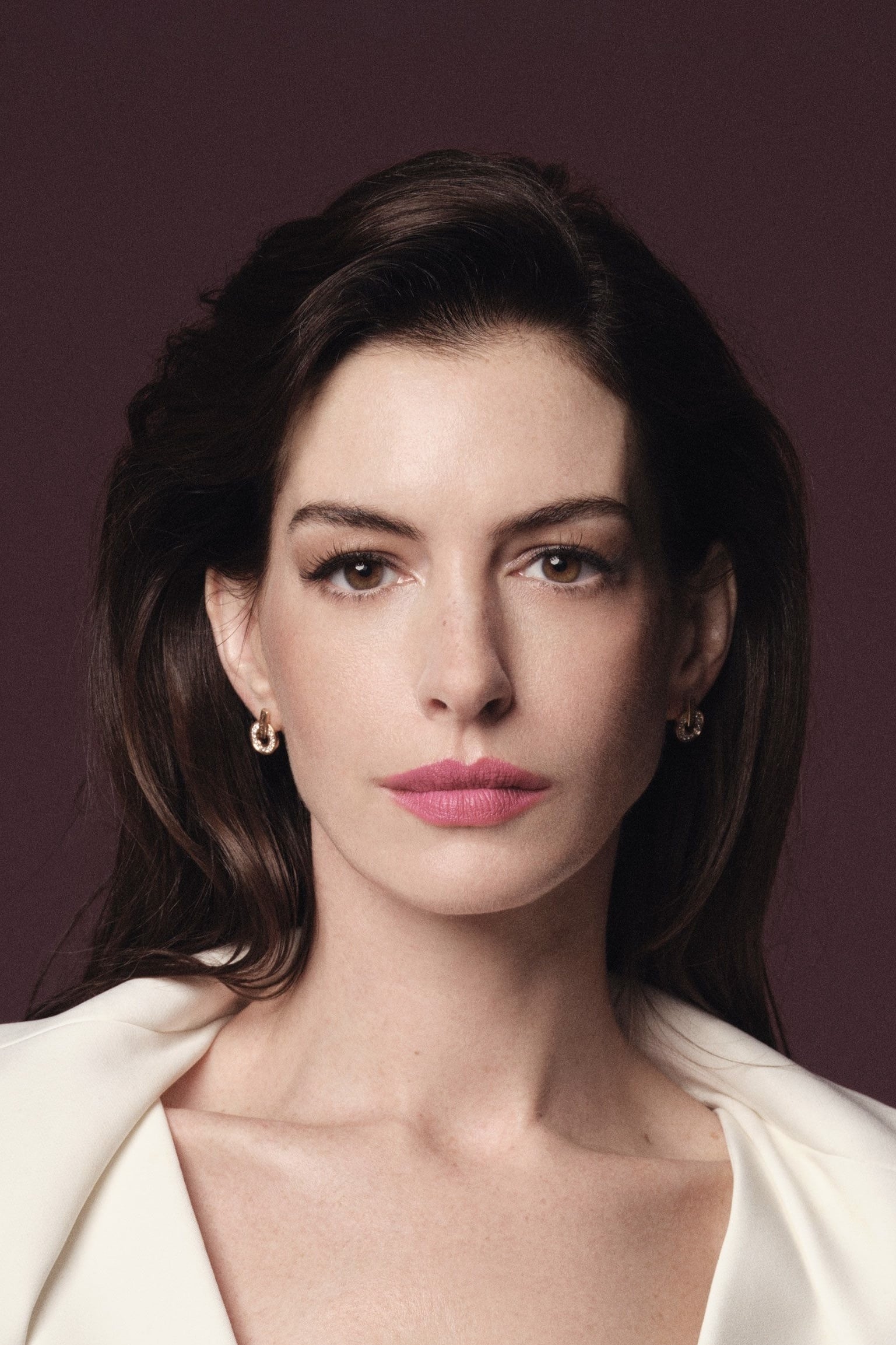
As a lifelong movie fan, I was really surprised to see the reaction to Anne Hathaway’s role in ‘The Witches.’ It turns out the way her character was presented, specifically her physical characteristics, unintentionally played into harmful stereotypes about people with limb differences. Anne quickly apologized, and it felt genuine – she admitted the filmmakers hadn’t fully thought through how the character’s design might be perceived and the impact it could have. It was good to see her take responsibility for what was clearly a misstep in the storytelling.
Natalie Portman
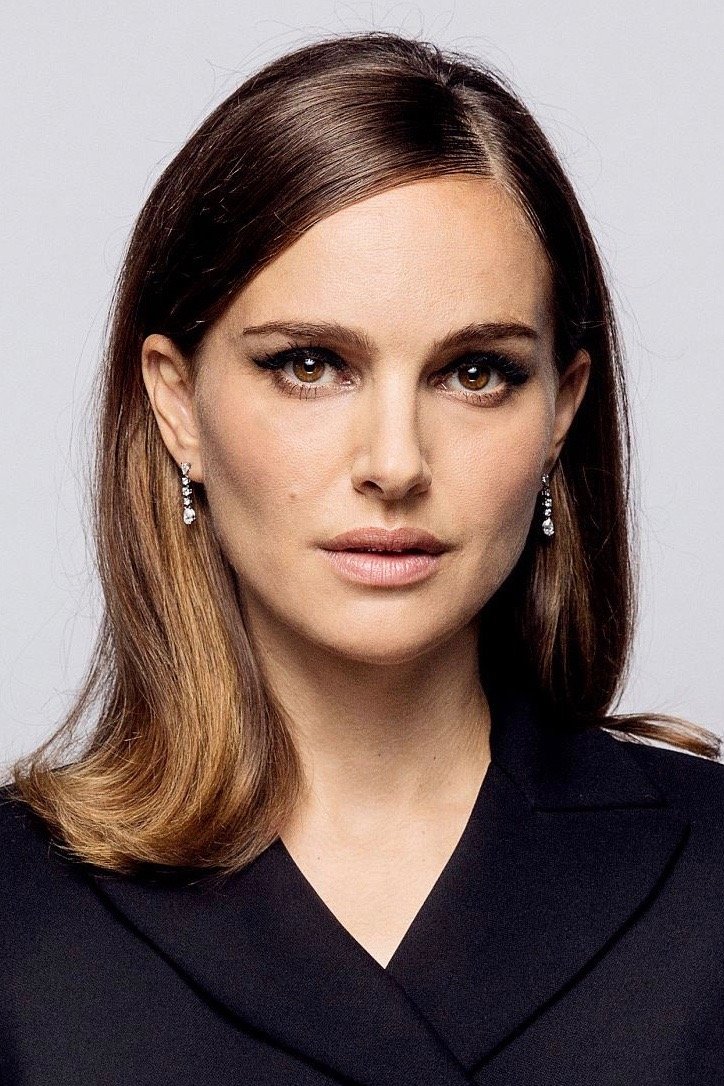
Natalie Portman has consistently used her platform at award shows to highlight the underrepresentation of women directing films. She notably called attention to the lack of female nominees at the Golden Globes. Portman has also spoken out about how female characters are often portrayed in big movie franchises, and her efforts to promote more diverse filmmaking continue to drive discussions about gender equality in the industry.
Kelly Marie Tran
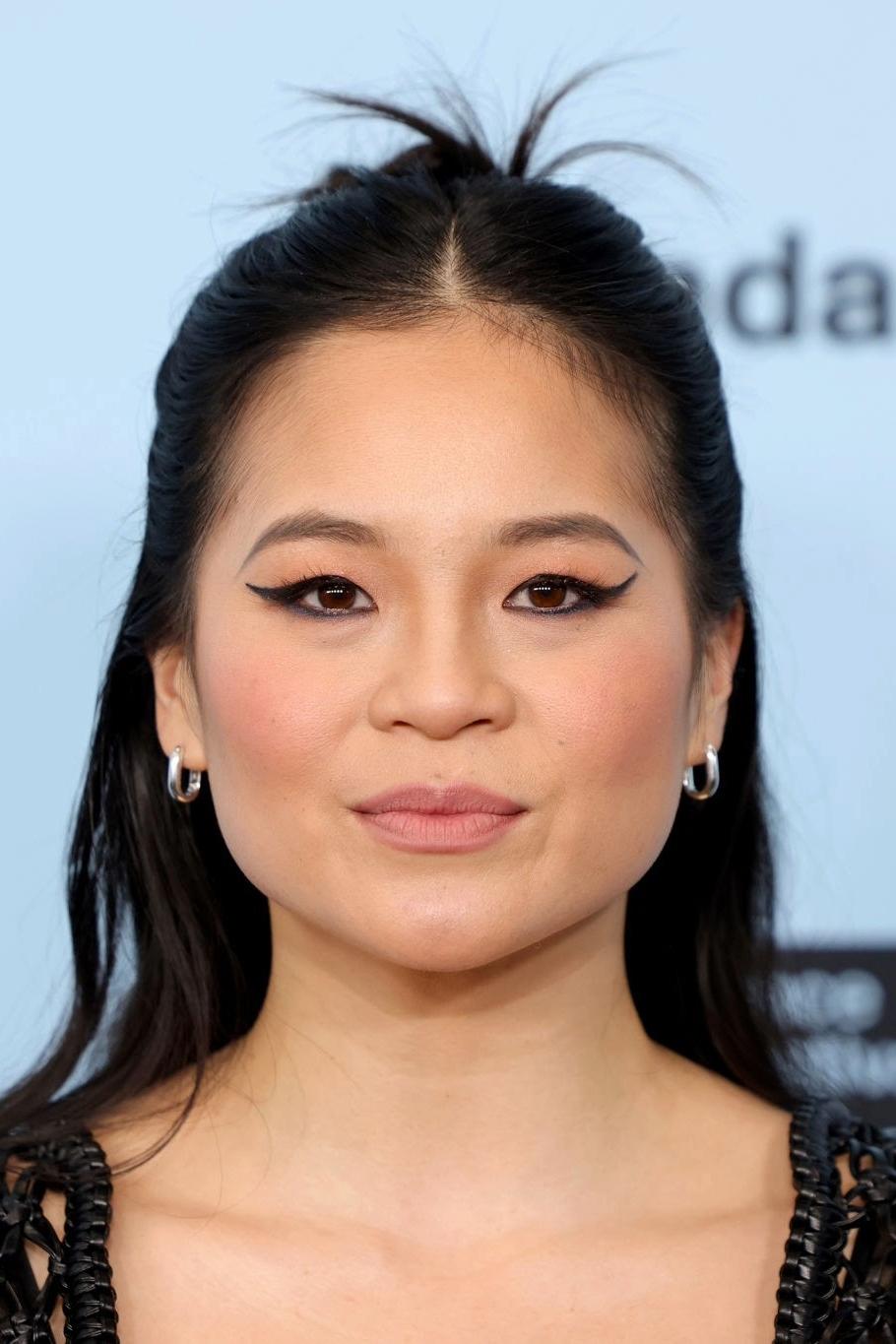
After Kelly Marie Tran appeared in ‘Star Wars: The Last Jedi’, she was subjected to intense online harassment. She later wrote about how this experience made her think deeply about how society treats women of color. Tran also pointed out that the entertainment industry needs to do more to shield performers from hateful attacks online. Her decision to leave social media became a key part of the larger conversation about the negative side of being a fan.
Naomie Harris
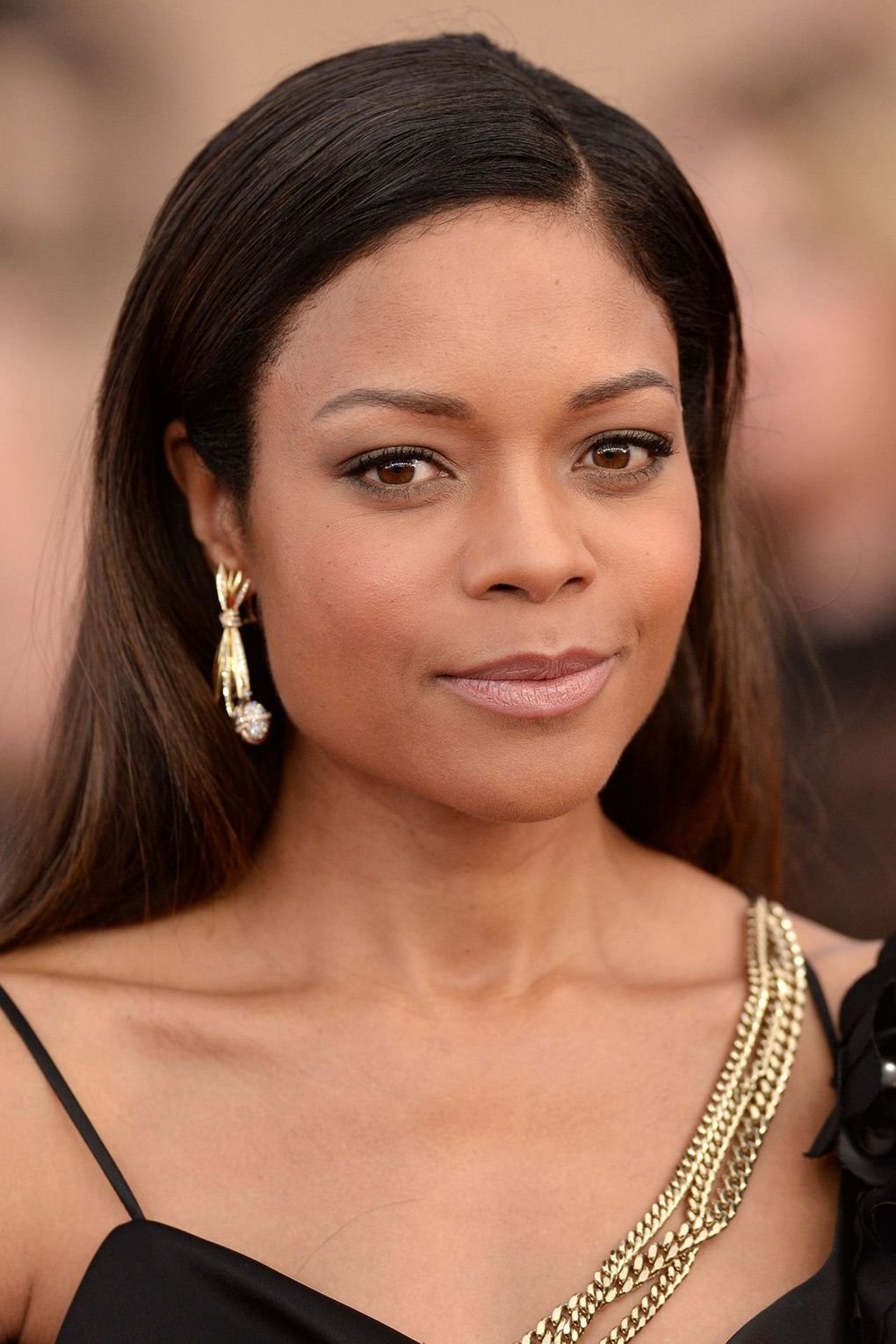
Naomie Harris talked about how her character, Eve Moneypenny, changed throughout the James Bond films. She advocated for Moneypenny to be more than just a romantic interest, wanting her to have a stronger, more professional part in the stories. Harris believed this was important for updating the Bond films and moving beyond outdated views on gender. Ultimately, her suggestions helped create a more modern version of the character that would resonate with today’s audiences.
Lashana Lynch

Lashana Lynch discussed the strong negative reaction she faced when her character was revealed as the new 007 in ‘No Time to Die’. She explained that the filmmakers were dedicated to making the James Bond franchise more diverse, even though some fans disagreed. Lynch saw the role as an important move towards telling more inclusive stories in classic films, and stressed that it was about making real progress, not just making a political point.
Zendaya

Zendaya carefully selects her roles to avoid being seen as simply a diversity symbol. She collaborates with directors to create complex characters who are more than just their race. She’s also spoken about wanting more people of color in leadership roles behind the scenes. Ultimately, her career demonstrates a dedication to transforming the entertainment industry from within.
Issa Rae
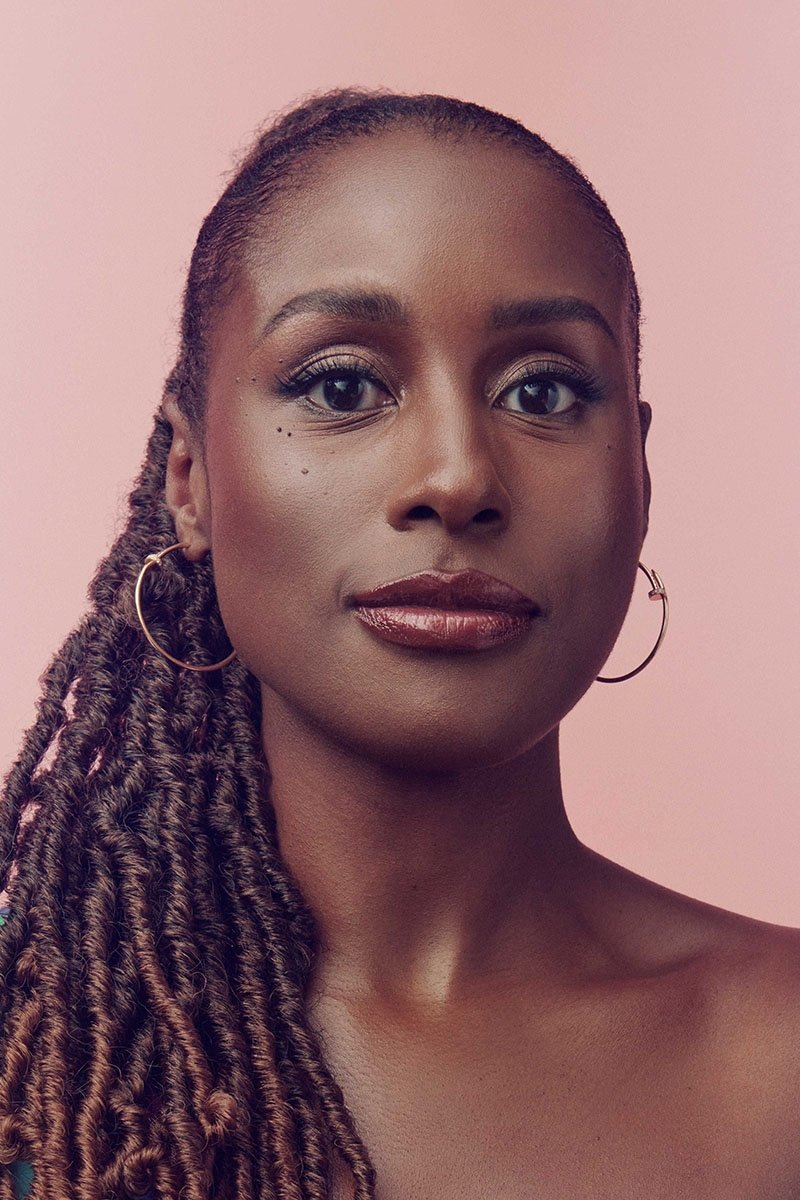
Issa Rae has become known for telling genuine stories focused on the lives of Black women. She’s spoken out against Hollywood’s habit of creating projects that only scratch the surface of diverse experiences. Rae believes it’s important for creators to own their work and have creative freedom, rather than simply fulfilling diversity requirements set by companies. Her hit show, ‘Insecure,’ has helped open doors for more complex and authentic stories.
Quinta Brunson
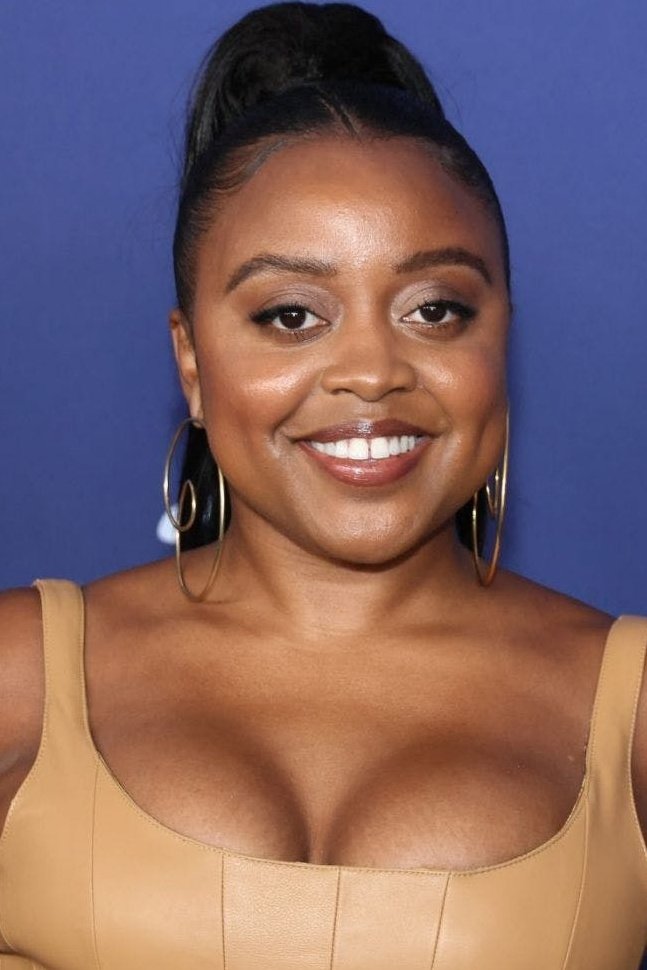
Quinta Brunson’s show, ‘Abbott Elementary,’ realistically portrays the challenges facing American public schools. She intentionally keeps the show’s political themes connected to the daily experiences of teachers, avoiding empty gestures and instead focusing on the characters’ authentic struggles. This honest approach has been praised by both critics and educators.
Mindy Kaling

As a huge animation fan, I’ve been following the conversation around Mindy Kaling’s ‘Velma,’ and it’s been interesting to see the reactions. She’s really tackled some tricky stuff, trying to update these iconic characters for today’s world and make the show more inclusive. She’s talked about how any change to a well-known story brings a lot of criticism, no matter what your intentions are. Ultimately, she’s staying true to her vision and telling stories that feel personal to her, and honestly, I respect that.
Awkwafina
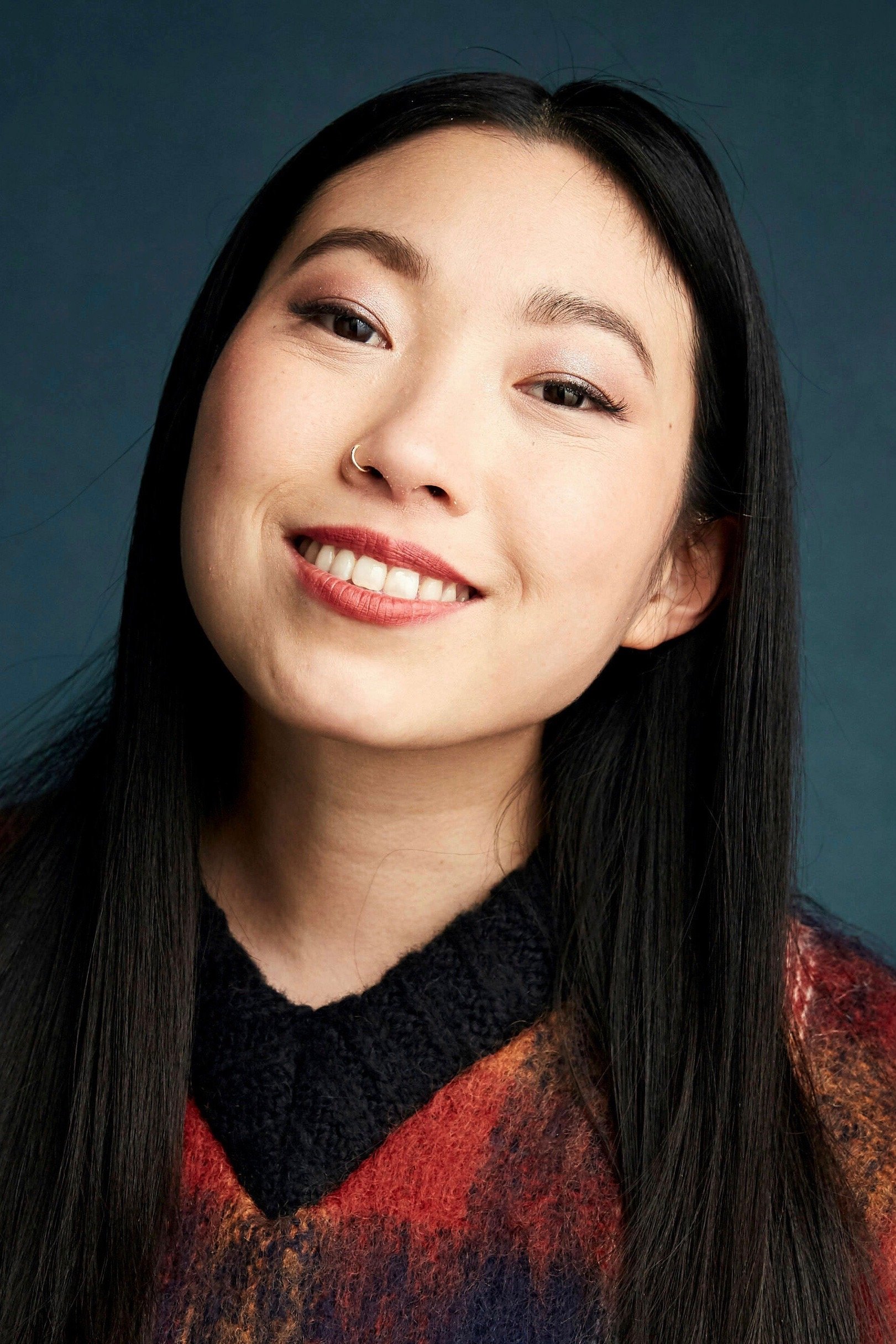
Awkwafina’s career has involved thoughtful discussions about how Asian culture is portrayed and the way she uses language in her roles. She’s been involved in projects that highlight Asian heritage, but has also faced questions about whether her performances feel genuine. She continues to explore these issues, aiming to understand her impact on the world of film. Many praised her work in ‘The Farewell’ for its realistic and heartfelt depiction of family and loss, avoiding political themes.
Gabrielle Union
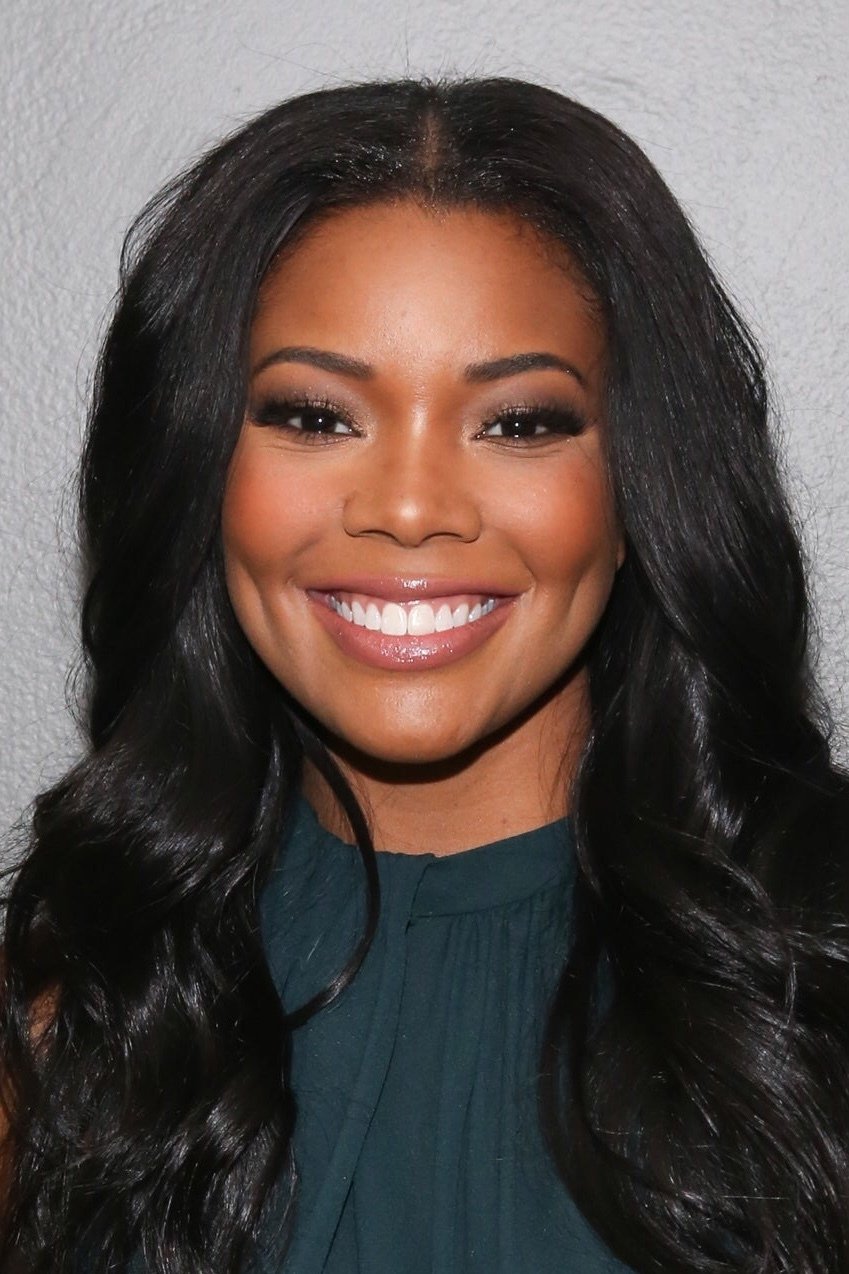
Gabrielle Union publicly shared her negative experiences as a judge on ‘America’s Got Talent,’ claiming the show’s producers overlooked racism and sexism happening on set. She pointed out that the show presented a family-friendly image to the public, which didn’t match the reality behind the scenes. Union’s willingness to speak up prompted an official investigation and sparked a larger conversation about responsibility and fairness in reality TV.
Mo’Nique
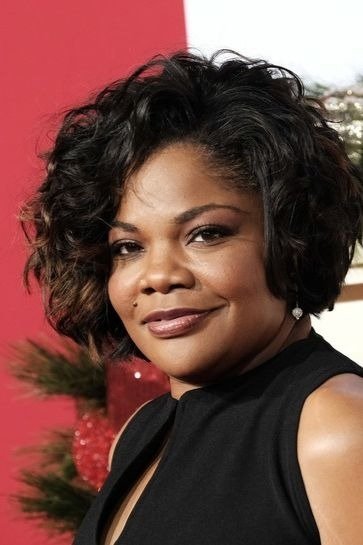
Mo’Nique has stated for years that her career suffered after she declined to work without pay to promote the film ‘Precious’. She felt the producers and directors were unfairly asking her to work for free and didn’t appreciate her contributions as an actress. She’s consistently spoken out about the different standards Black women face in Hollywood when it comes to fair pay and opportunities. Eventually, her efforts led to public apologies and a renewed look at her career.
Janet Hubert
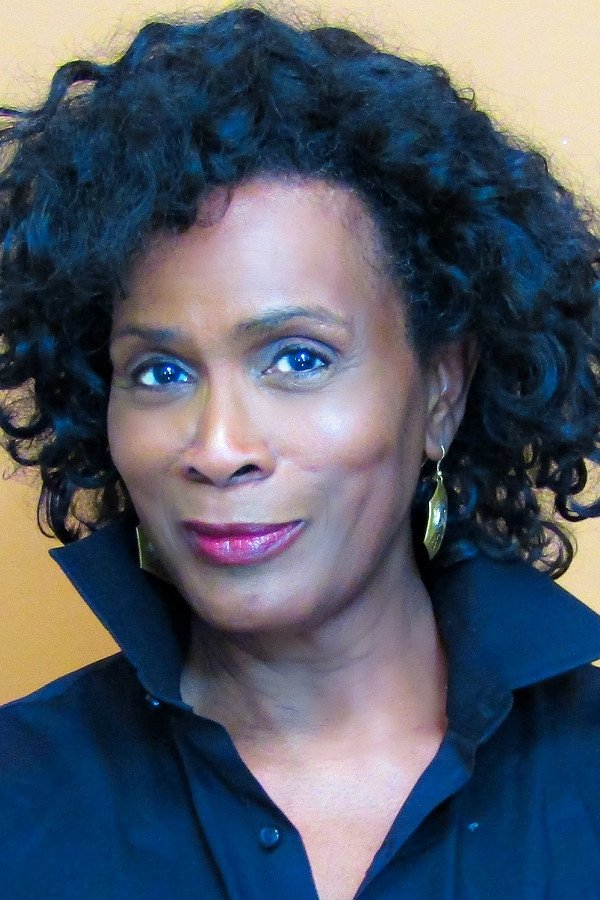
For decades, Janet Hubert has talked about why she left ‘The Fresh Prince of Bel-Air’. She claimed the show’s work environment was challenging and that the storyline for her character was changed unfairly. Hubert felt she was wrongly seen as problematic simply for advocating for her rights as an actress. Her eventual reunion with the cast showed how much lasting damage behind-the-scenes issues can have on a performer’s career and well-being.
Evan Rachel Wood
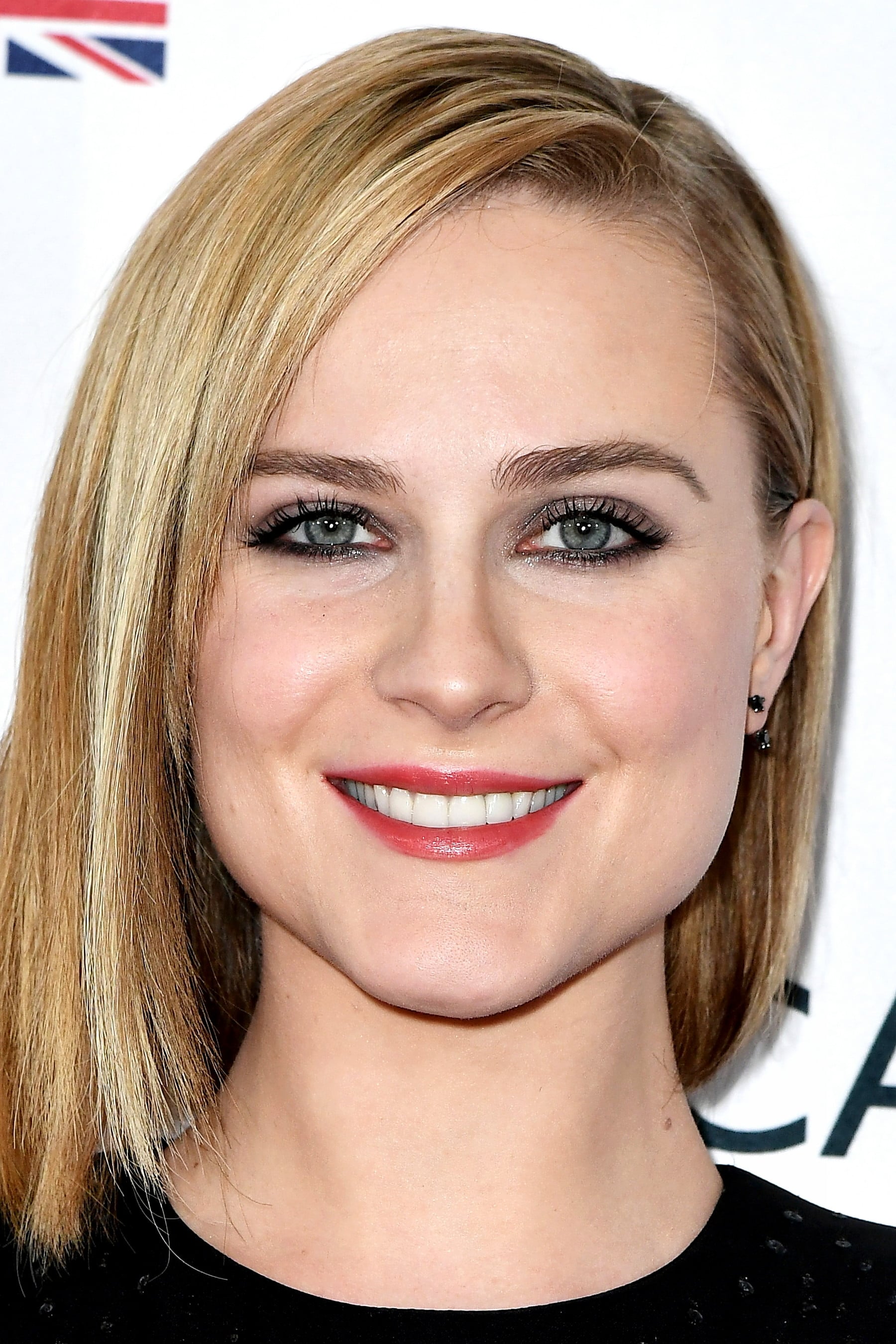
Evan Rachel Wood has spoken out about the importance of having intimacy coordinators on film and TV sets, drawing on her experiences with shows like ‘Westworld’. She’s criticized directors who haven’t handled sensitive scenes with female actors appropriately, and she’s a strong advocate for creating a safer, more open work environment for all performers. Her work on this issue has helped to improve industry standards and protect actors from both emotional and physical harm.
Kim Cattrall

Kim Cattrall has publicly explained why she chose not to return for more ‘Sex and the City’ movies or shows. She described a difficult and unhealthy environment, and felt the storylines weren’t a good fit for her character or her own life anymore. Cattrall has said her decision was about valuing herself and moving on from a project that had run its course. This led to a lot of discussion about the challenges of working on a long-running TV series.
Shailene Woodley
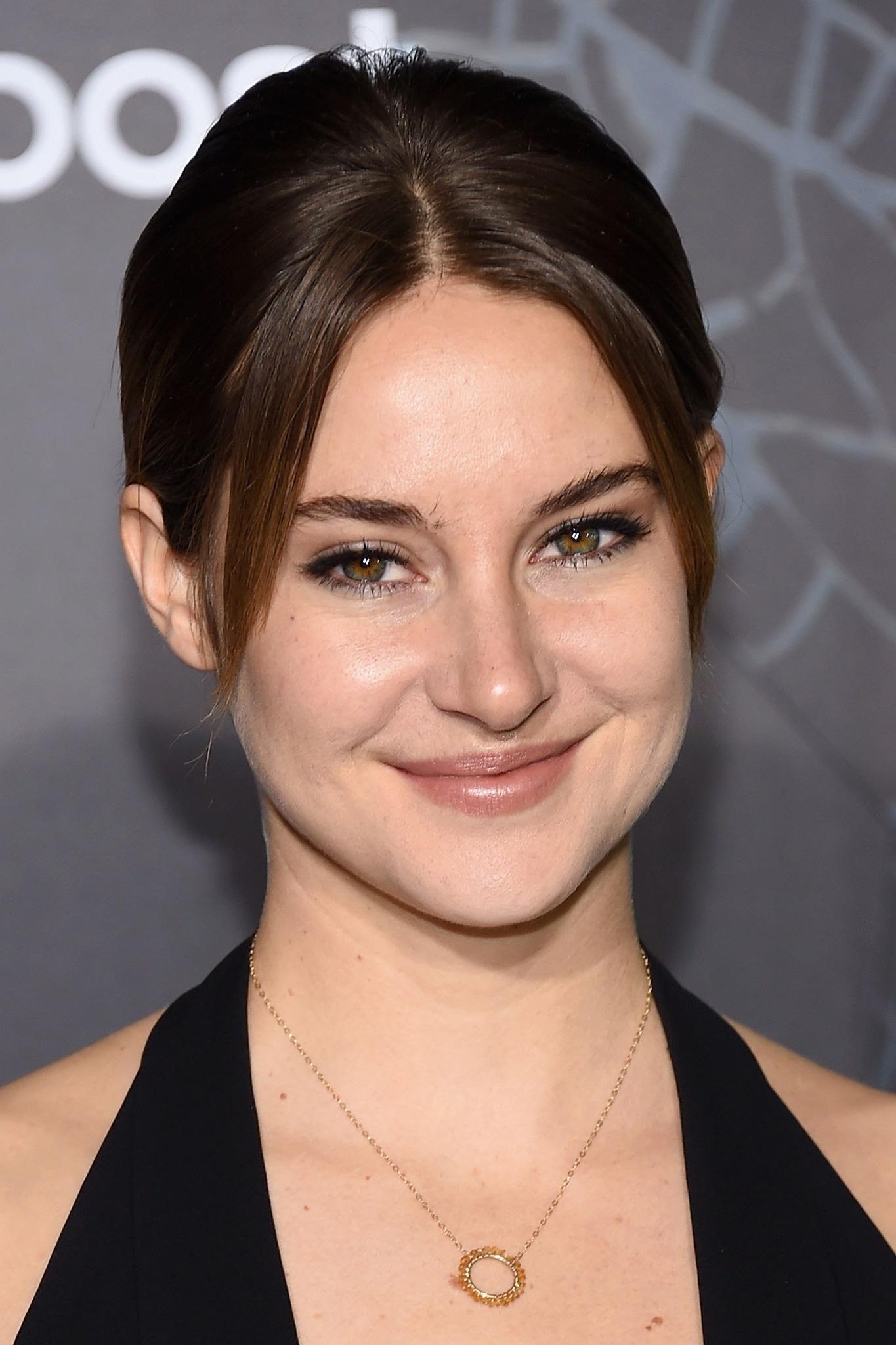
Shailene Woodley is known for openly sharing her political views, even when they differ from what film studios might prefer. While promoting the ‘Divergent’ movies, she consistently spoke out about environmental and social concerns. She’s sometimes pointed out that large franchises can sometimes simplify important messages to reach a wider audience. She continues to work on big films while also dedicating herself to community-level activism.
Lupita Nyong’o
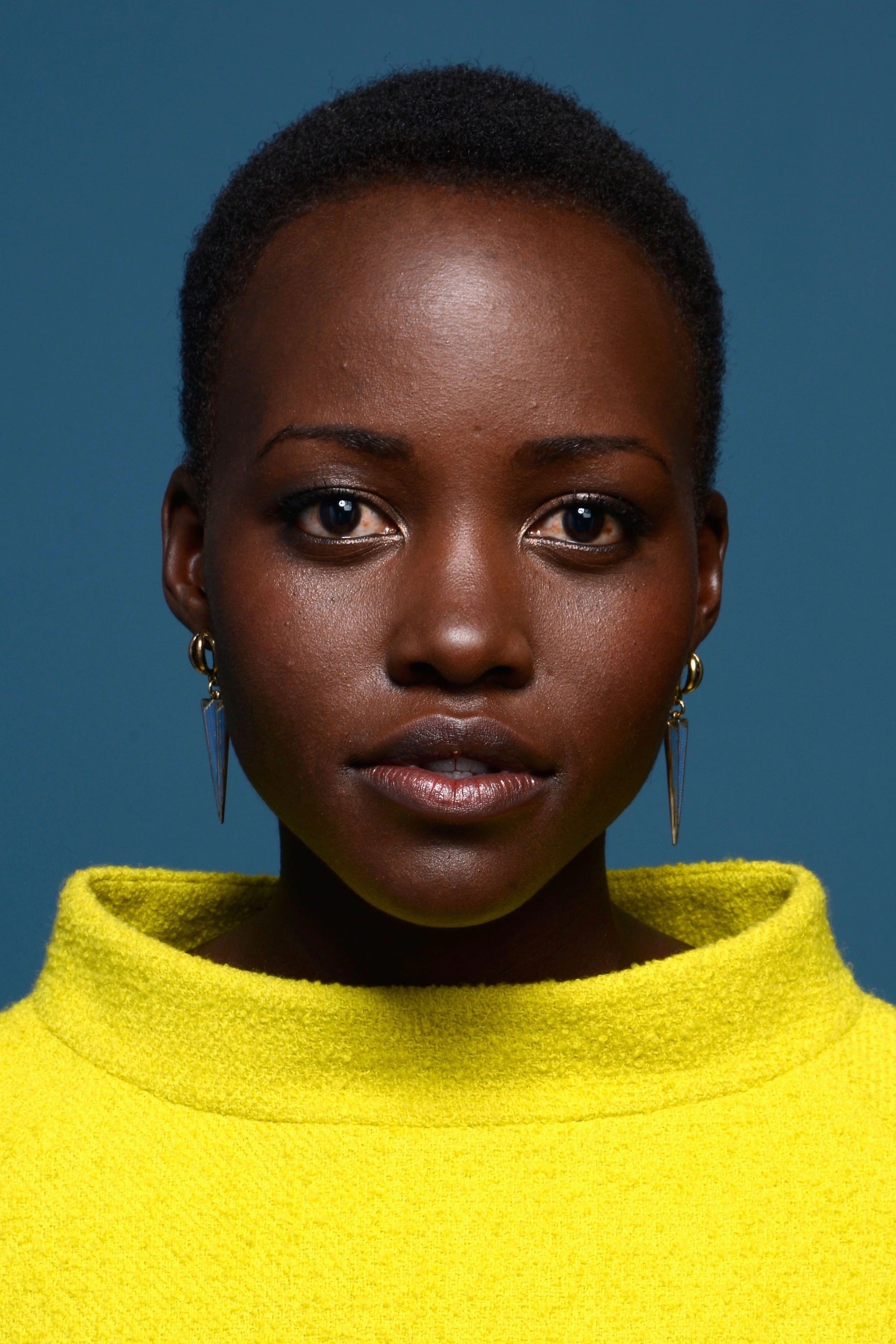
Lupita Nyong’o emphasizes the need to stay true to cultural roots when making big-budget films. She actively seeks out and supports projects that showcase African culture with respect and nuance, and she’s careful about stories that only include diversity for show. Nyong’o’s work consistently highlights how important it is to have genuine and meaningful representation in media.
America Ferrera
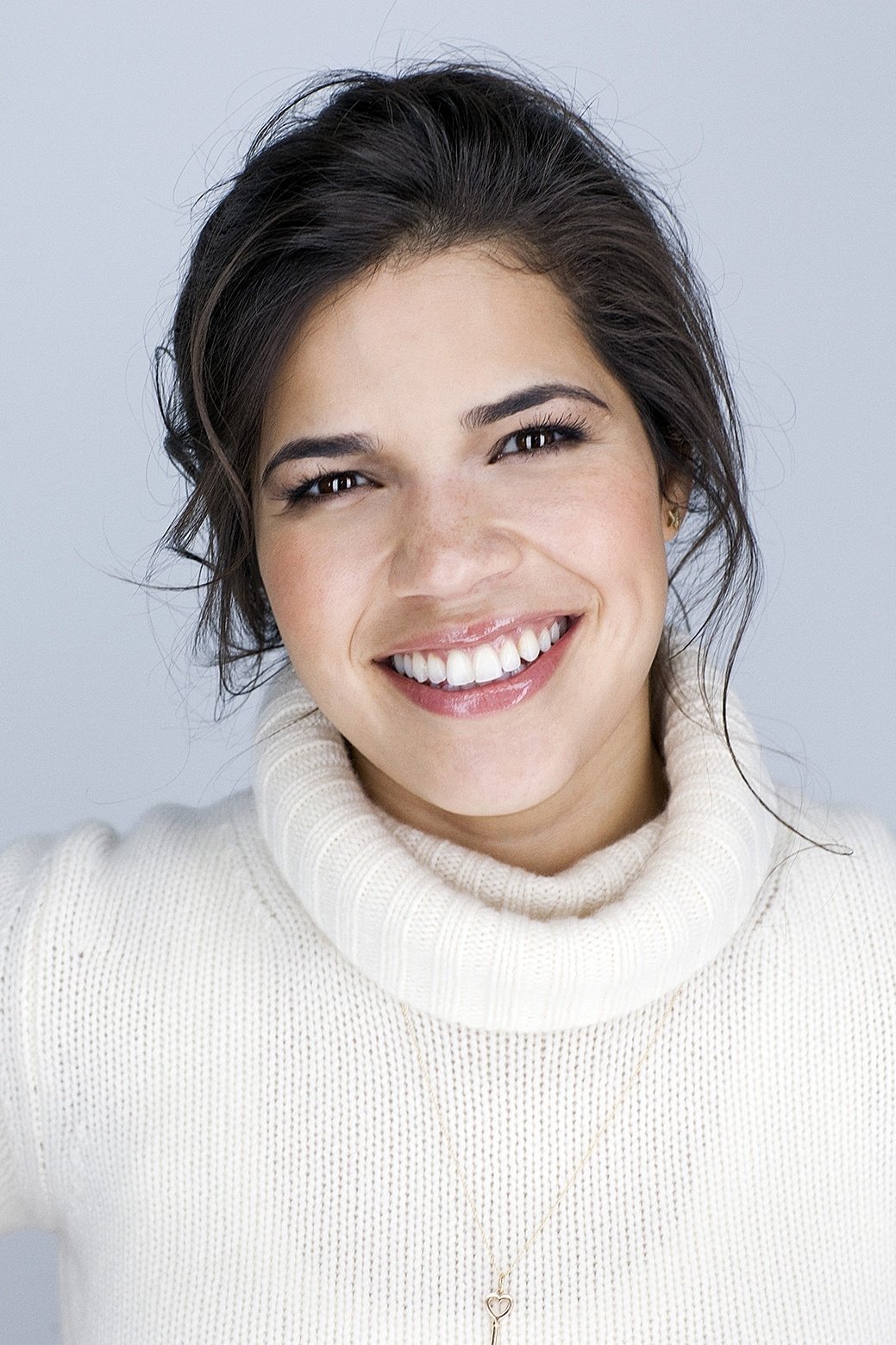
America Ferrera has spoken out about the challenges Latina actresses face in Hollywood. She’s criticized filmmakers for using predictable stereotypes and not creating complex characters for women of color. Throughout her career, she’s worked to overcome these obstacles through her acting and by advocating for change. A particularly impactful moment was her speech in the ‘Barbie’ movie, which went viral and highlighted the conflicting demands placed on women today.
We’d love to hear your opinions on how these actresses are breaking boundaries – please share them in the comments below!
Read More
- 20 Movies Where the Black Villain Was Secretly the Most Popular Character
- 25 “Woke” Films That Used Black Trauma to Humanize White Leads
- Top 20 Dinosaur Movies, Ranked
- Gold Rate Forecast
- Silver Rate Forecast
- 22 Films Where the White Protagonist Is Canonically the Sidekick to a Black Lead
- Can AI Lie with a Picture? Detecting Deception in Multimodal Models
- Top 10 Coolest Things About Invincible (Mark Grayson)
- Celebs Who Narrowly Escaped The 9/11 Attacks
- From Bids to Best Policies: Smarter Auto-Bidding with Generative AI
2026-03-25 06:49