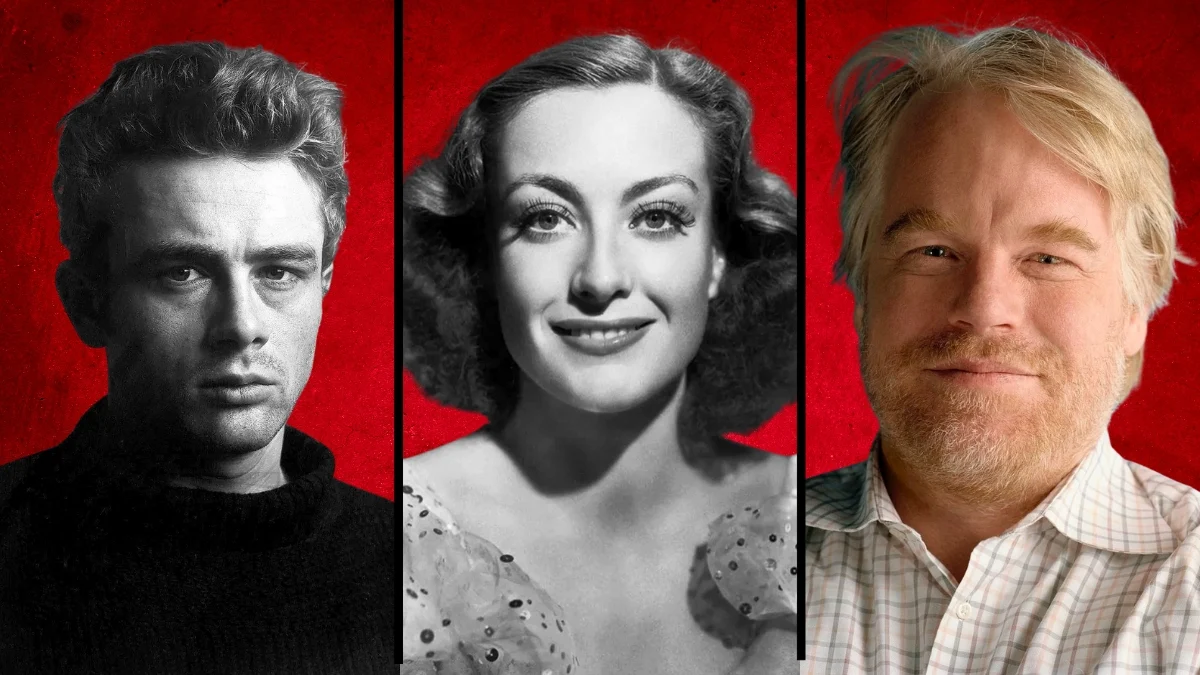
Movie stars often appear to the public as carefully created images, built by studios and PR teams during their lives. But after an actor dies, new information often comes to light that changes how we understood them. These revelations can include previously unknown personal difficulties or surprising acts of generosity. These discoveries then make us rethink the star’s life and career, seeing them in a more honest and nuanced way.
Joan Crawford
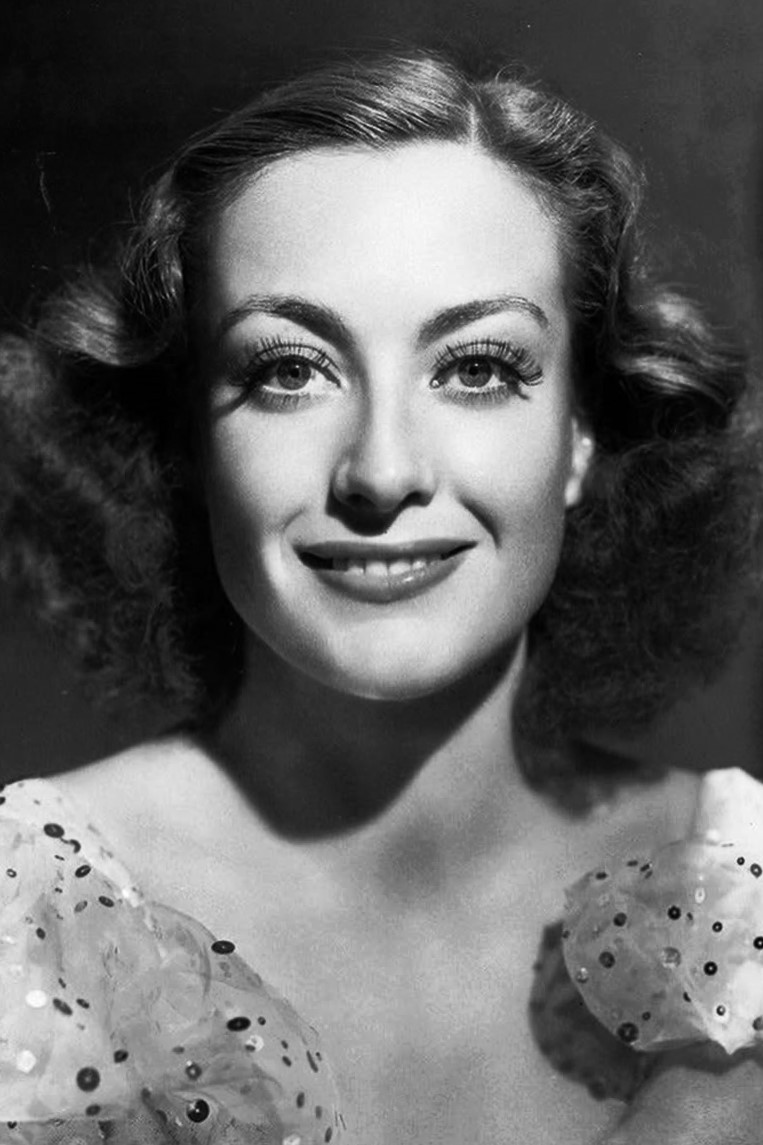
Following Joan Crawford’s death, her daughter, Christina Crawford, published a memoir called Mommie Dearest in 1978. The book revealed shocking accusations of intense physical and emotional abuse, dramatically changing how the public viewed Joan Crawford – from a dedicated actress to a cruel mother. The truthfulness of Christina’s claims is still debated today, but the book remains a famous and influential celebrity biography.
Bing Crosby
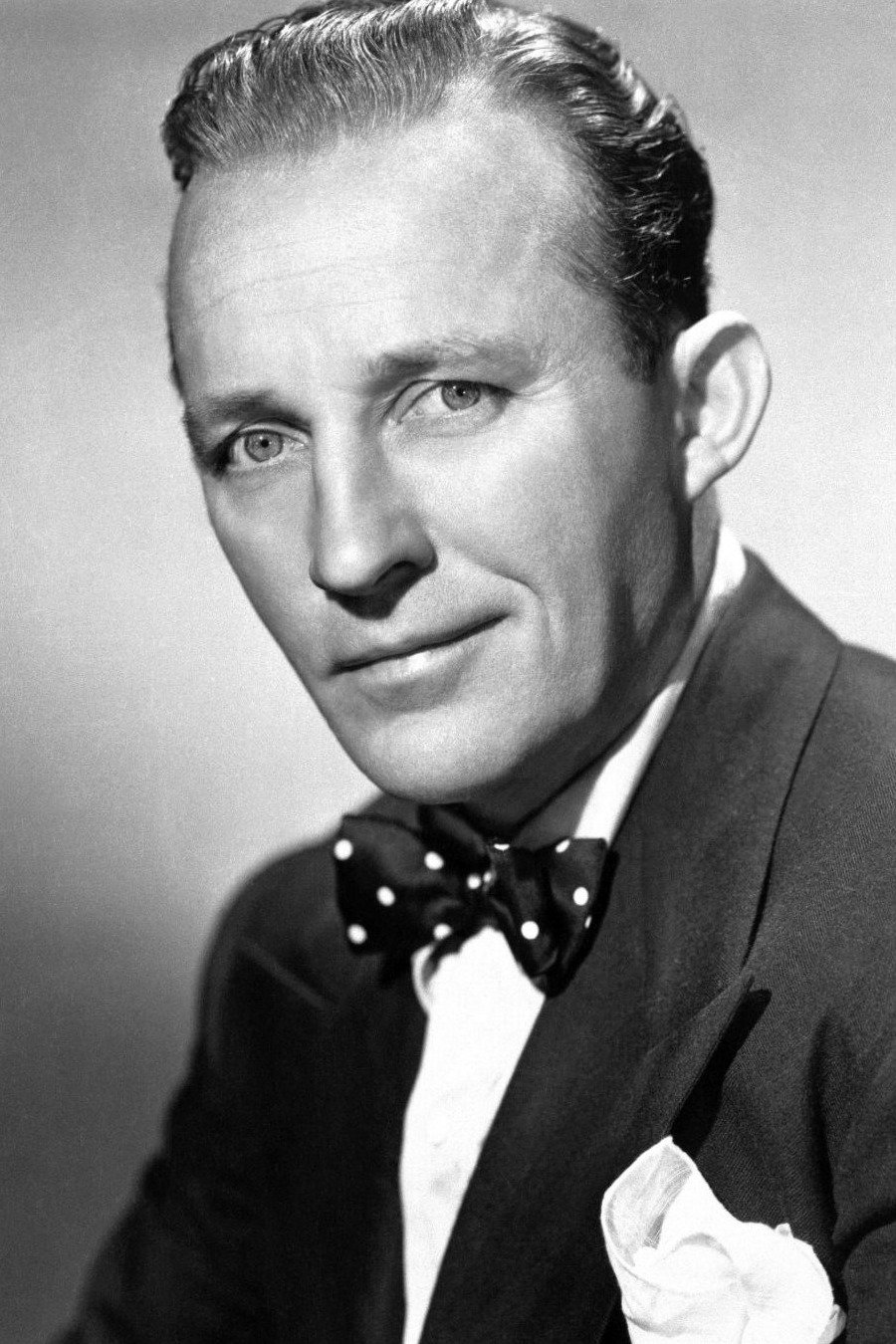
Bing Crosby, the famous singer and star of ‘Going My Way,’ experienced a change in how the public remembered him after he passed away. His son, Gary Crosby, wrote a memoir revealing a childhood marked by fear and physical punishment. This contrasted sharply with the kind and comforting image Crosby had carefully built throughout his career. Though some family members disagreed with the book’s portrayal, it significantly complicated Crosby’s legacy for many of his fans.
Rock Hudson
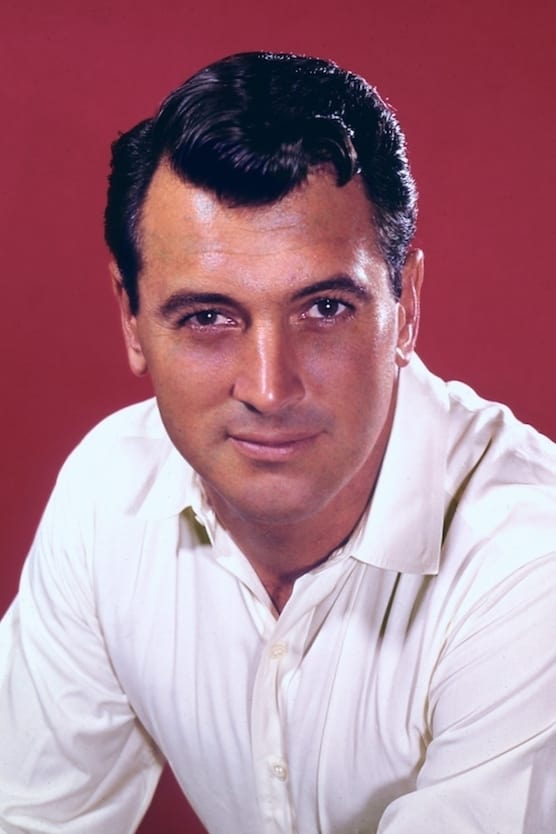
Rock Hudson was a popular movie star, known for films like ‘Pillow Talk’ and his traditionally masculine image. His death in 1985 from complications of AIDS was a turning point in how people understood the disease. After his death, it became known that he had lived privately as a gay man throughout his career. This revelation helped people connect with the human side of the AIDS crisis and sparked important conversations about how LGBTQ+ people were treated in Hollywood.
Audrey Hepburn
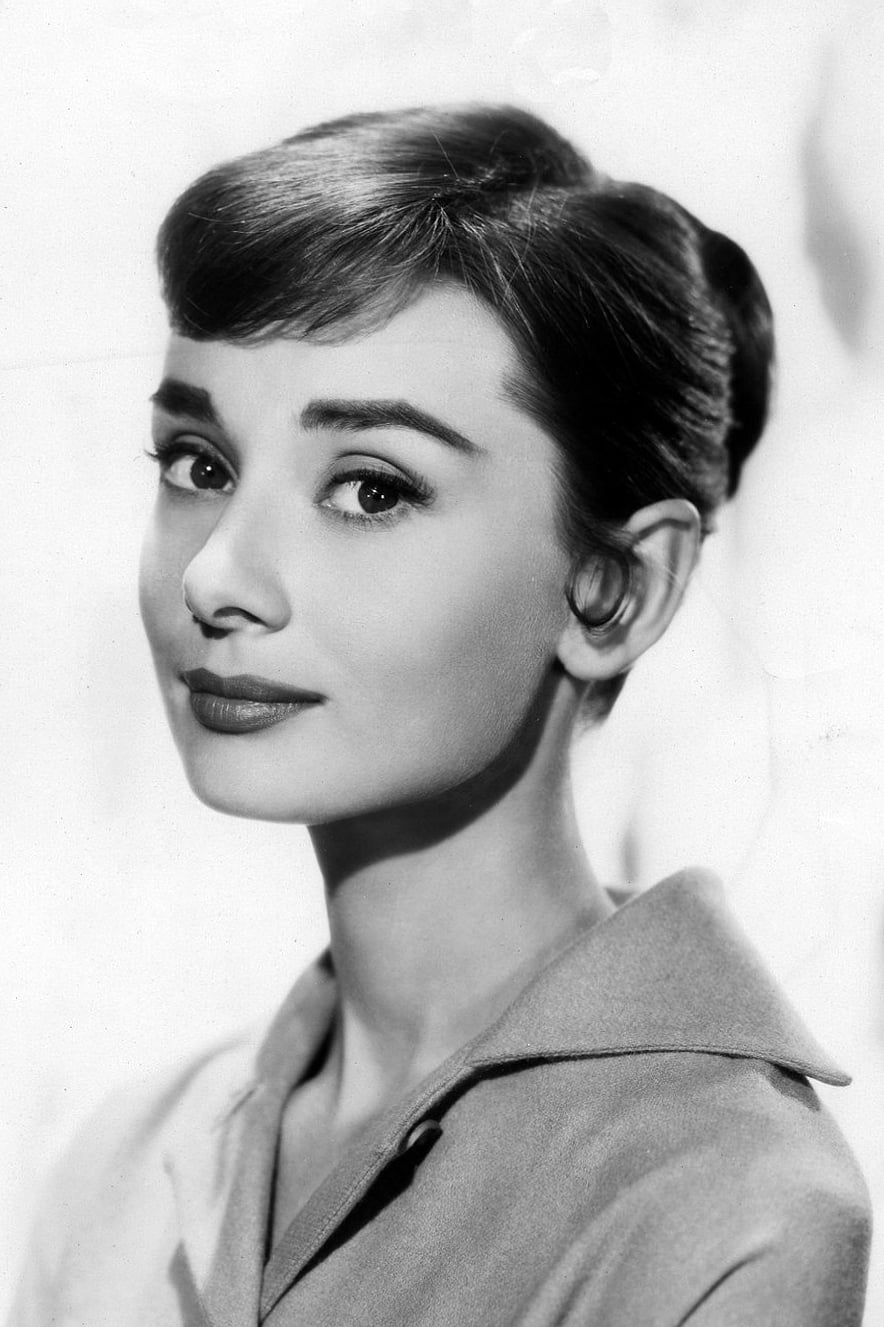
Audrey Hepburn was famous for her grace and her iconic role in ‘Breakfast at Tiffany’s,’ but many didn’t know about her courageous actions during World War II. After her death, biographies revealed she actively participated in the Dutch resistance. She used her dancing talents to collect funds and bravely carried hidden messages concealed in her shoes. This discovery changed how people viewed her, establishing her not just as a style icon, but as a true hero.
Robin Williams
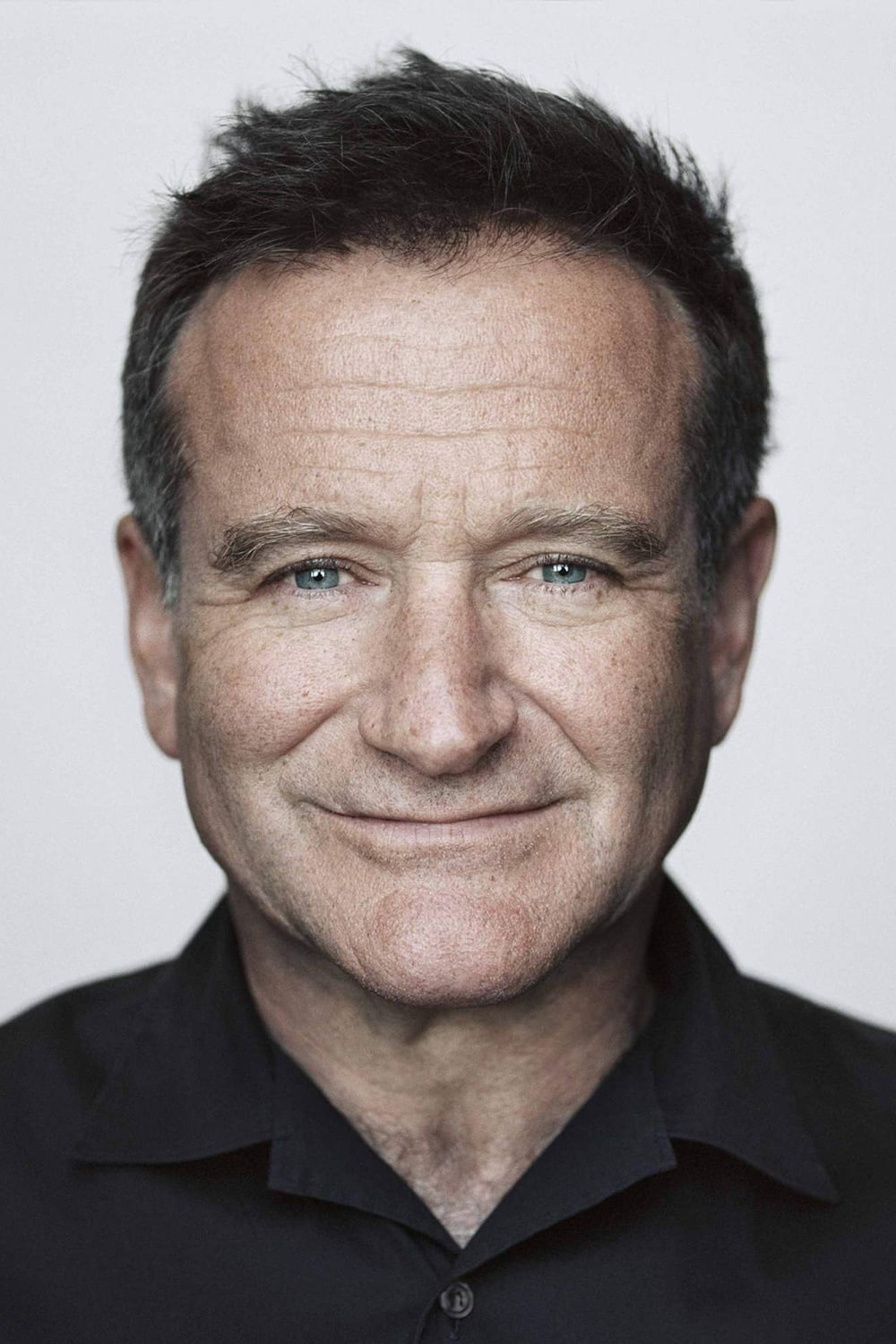
I was heartbroken, like so many others, when Robin Williams died in 2014. At first, everyone thought he was dealing with depression or money problems, but it turned out to be something much more complicated. He was actually battling Lewy body dementia, a really tough and incurable disease that affects the brain. It completely changed how we understood what happened – it wasn’t just a struggle with mental health, but a devastating fight against a disease that was slowly taking away his ability to think and function. It was a truly tragic loss, knowing he was fighting something so difficult.
Cary Grant
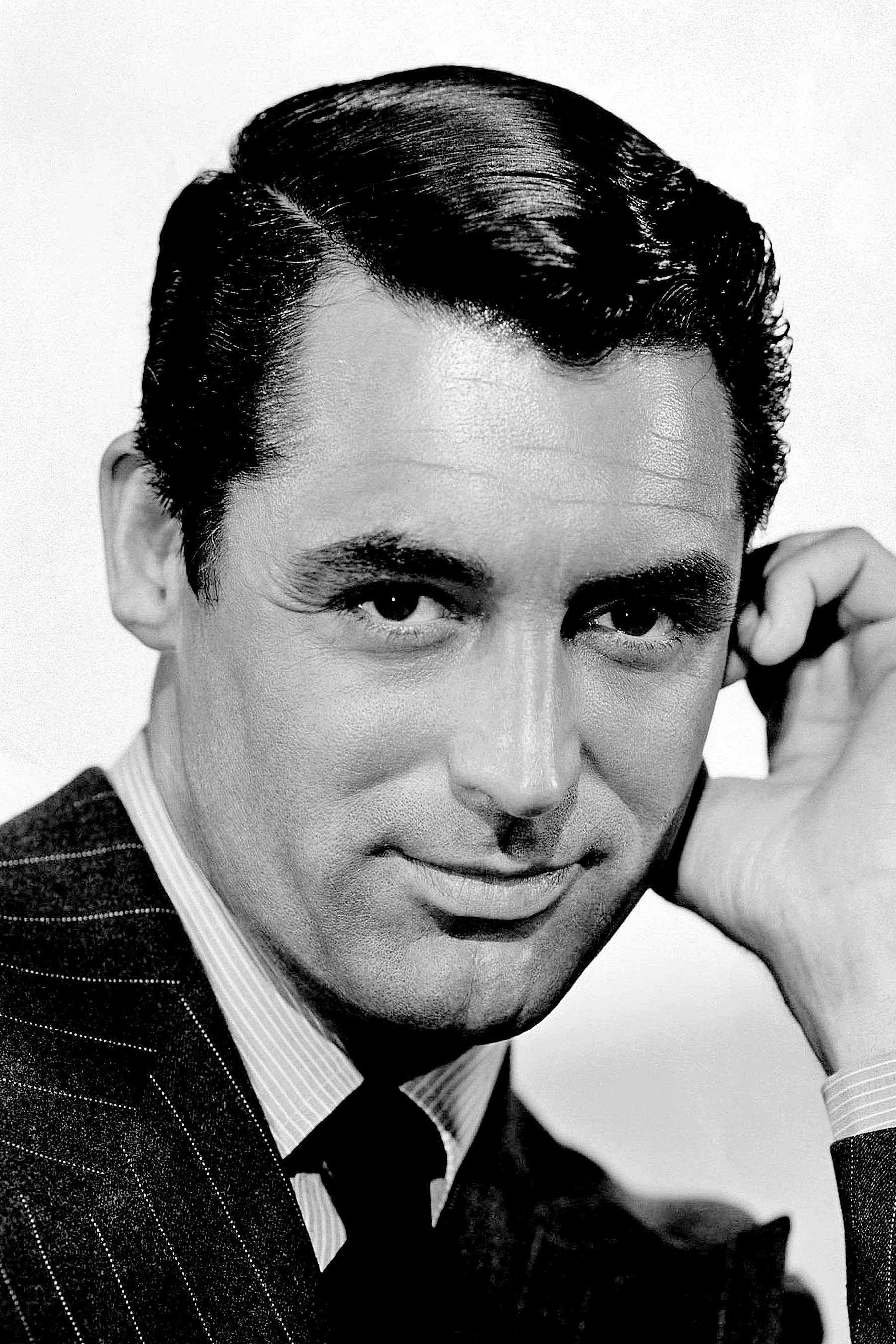
Though Cary Grant seemed to effortlessly embody mid-century sophistication on screen, his personal life was surprisingly complicated. After his death, biographies revealed he used LSD for therapy – a practice well ahead of its time. These accounts, along with discoveries about his complex sexuality and multiple marriages, suggest he was hiding parts of himself. As a result, modern audiences often find him more human and relatable than they might have before.
Kirk Douglas
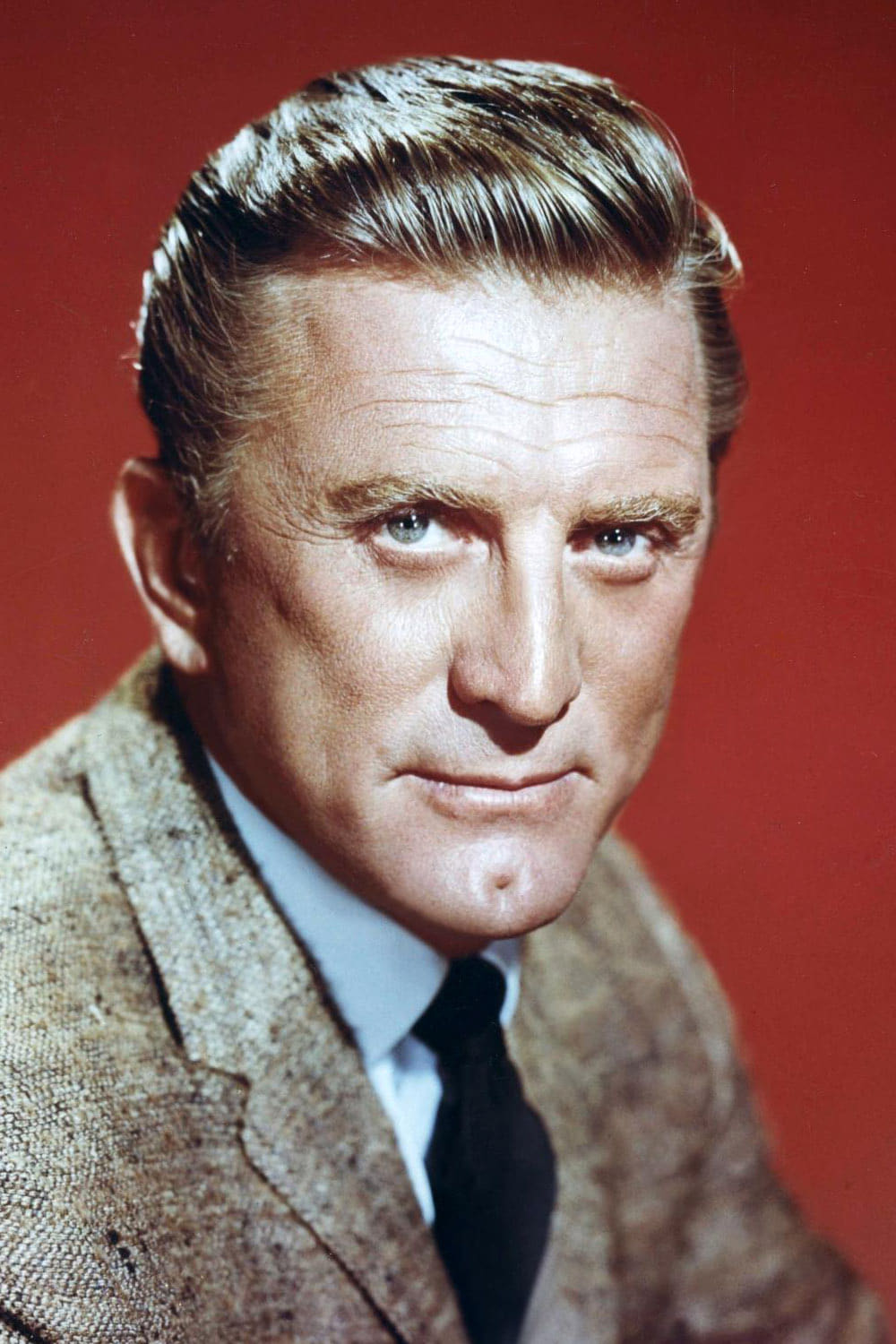
As a longtime fan, it’s been really upsetting to hear about the allegations surrounding Kirk Douglas. He was such a huge star, a real icon from Hollywood’s golden age, and I always admired him. But since his passing in 2020, Natalie Wood’s sister, Lana, has spoken more openly about a disturbing incident – an alleged assault on Natalie when she was just a teenager. It’s awful, and it’s definitely changed how I see him. It’s sparked a really important, but difficult, conversation about how much power the studios had back then and how that affected people.
Carrie Fisher
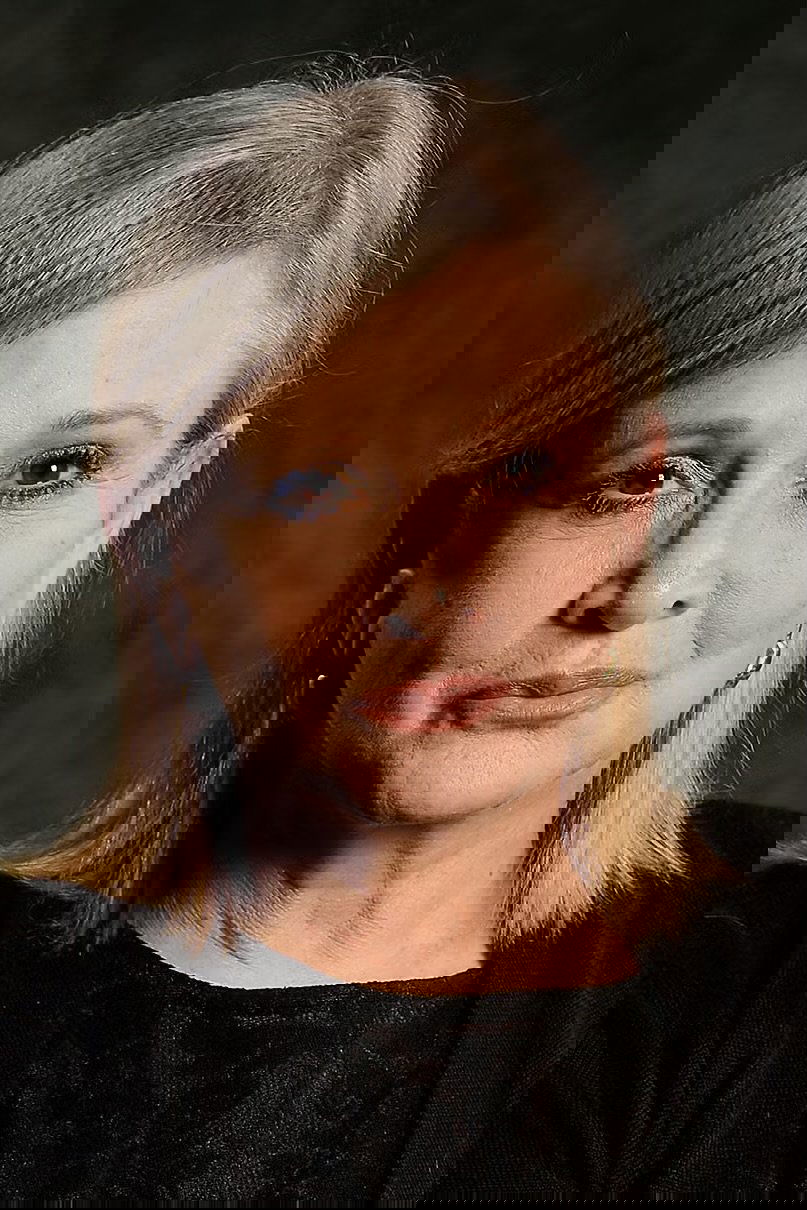
Carrie Fisher, best known for playing Princess Leia in ‘Star Wars,’ shared a deeply personal story in her last memoir, ‘The Princess Diarist,’ published shortly before she passed away. The book detailed a romantic relationship she had with her ‘Star Wars’ co-star, Harrison Ford, while filming the first movie in 1976. This disclosure offered a new understanding of the strong connection between the two actors, and surprised many fans who had no idea about this hidden part of their history for over forty years.
Heath Ledger
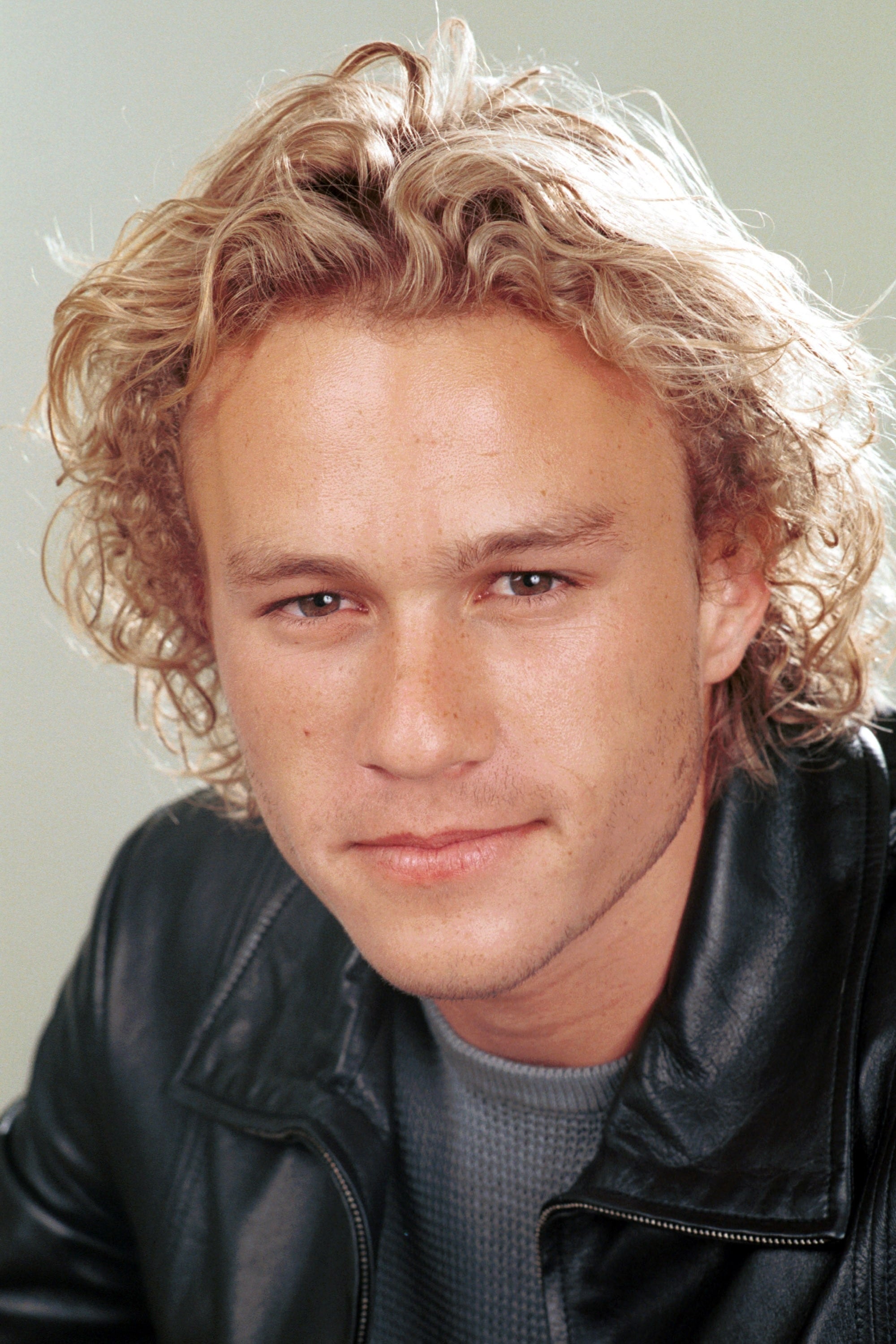
The actor known for playing the Joker in ‘The Dark Knight’ sadly passed away, and many people immediately speculated about his mental health. There was a widespread belief that the intense and dark nature of the role had contributed to his death and that he was struggling with depression. However, his family later explained that he actually enjoyed playing the character and was doing well. This information helped correct the false idea that the role itself was to blame for his tragic passing.
Bette Davis
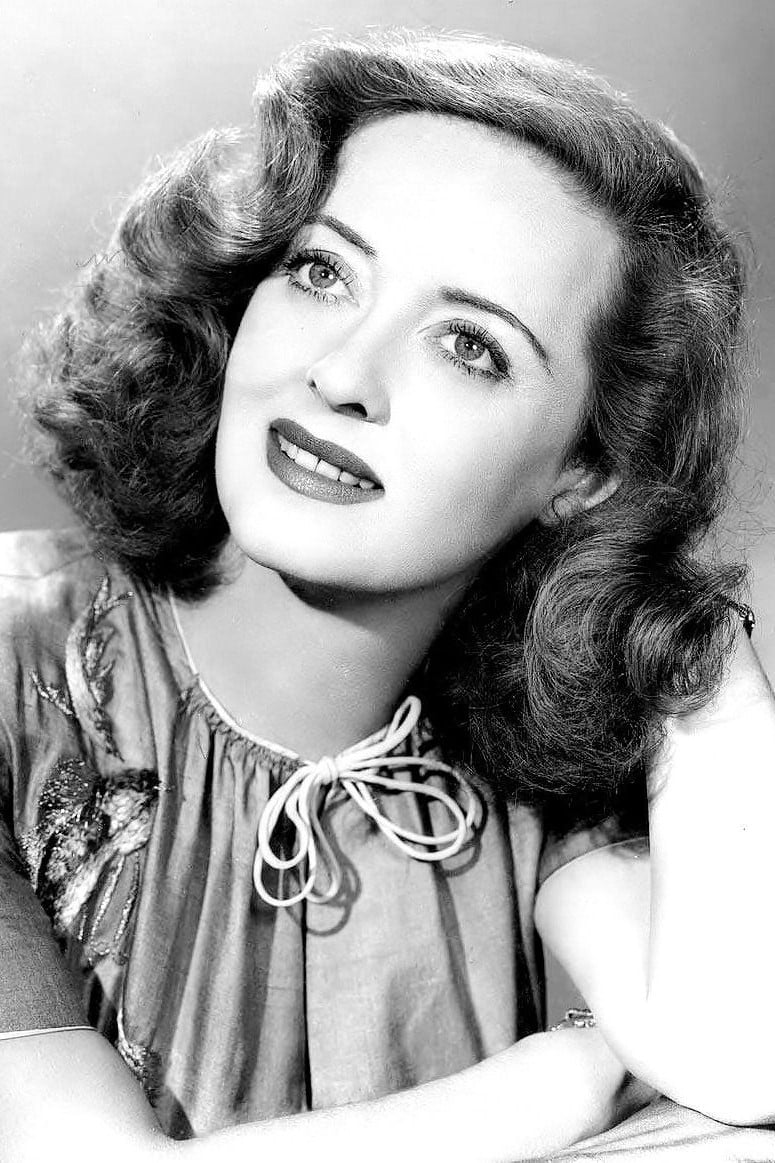
Bette Davis, the famous actress from ‘All About Eve,’ was known for both her strong will and incredible talent. After she passed away, her daughter, B.D. Hyman, published a memoir called My Mother’s Keeper that depicted Davis as a controlling and emotionally troubled mother. This book caused a public uproar, similar to the controversy surrounding the memoir about Joan Crawford, and sparked a discussion about the private lives of celebrities. Davis was deeply upset by the book during her lifetime, but its full effect on how she’s remembered became clear after her death.
Marlon Brando
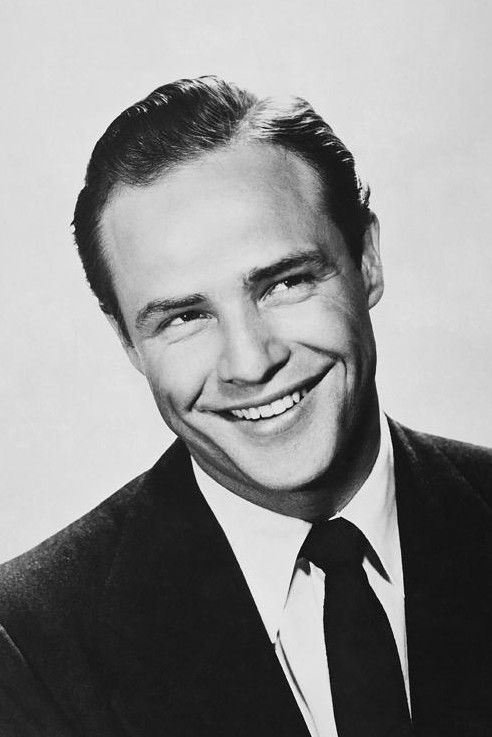
As a long-time admirer of Marlon Brando, it’s been really difficult to hear about the issues surrounding ‘Last Tango in Paris’. Years after the film came out, Maria Schneider shared that a particularly sensitive scene wasn’t discussed with her beforehand, and that Brando and the director had planned it without her knowledge, hoping to get a more genuine reaction. Honestly, it’s led me to rethink how he worked and how he treated the women he collaborated with. It’s a really troubling side to a performer I’ve always respected.
Elizabeth Taylor
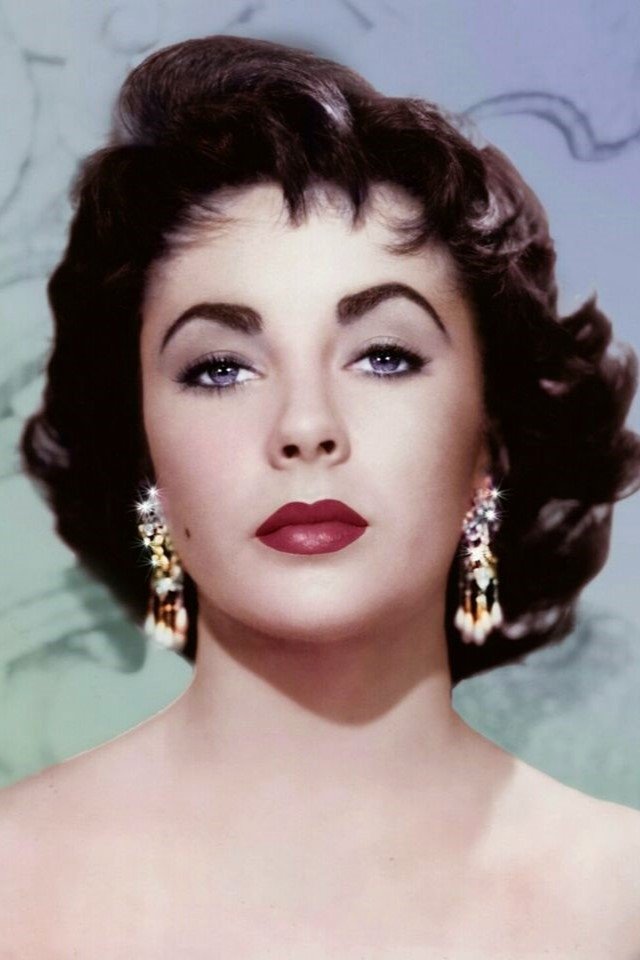
Elizabeth Taylor was famous for her iconic roles in films like ‘Cleopatra’ and ‘Who’s Afraid of Virginia Woolf,’ and for her glamorous public image. However, after her death, it came to light that she secretly ran an underground network during the AIDS epidemic, providing people with experimental treatments. She used her home as a hub for distribution and personally funded the entire operation. This courageous and hidden activism has cemented her legacy not just as a talented actress, but as a true humanitarian hero.
John Wayne
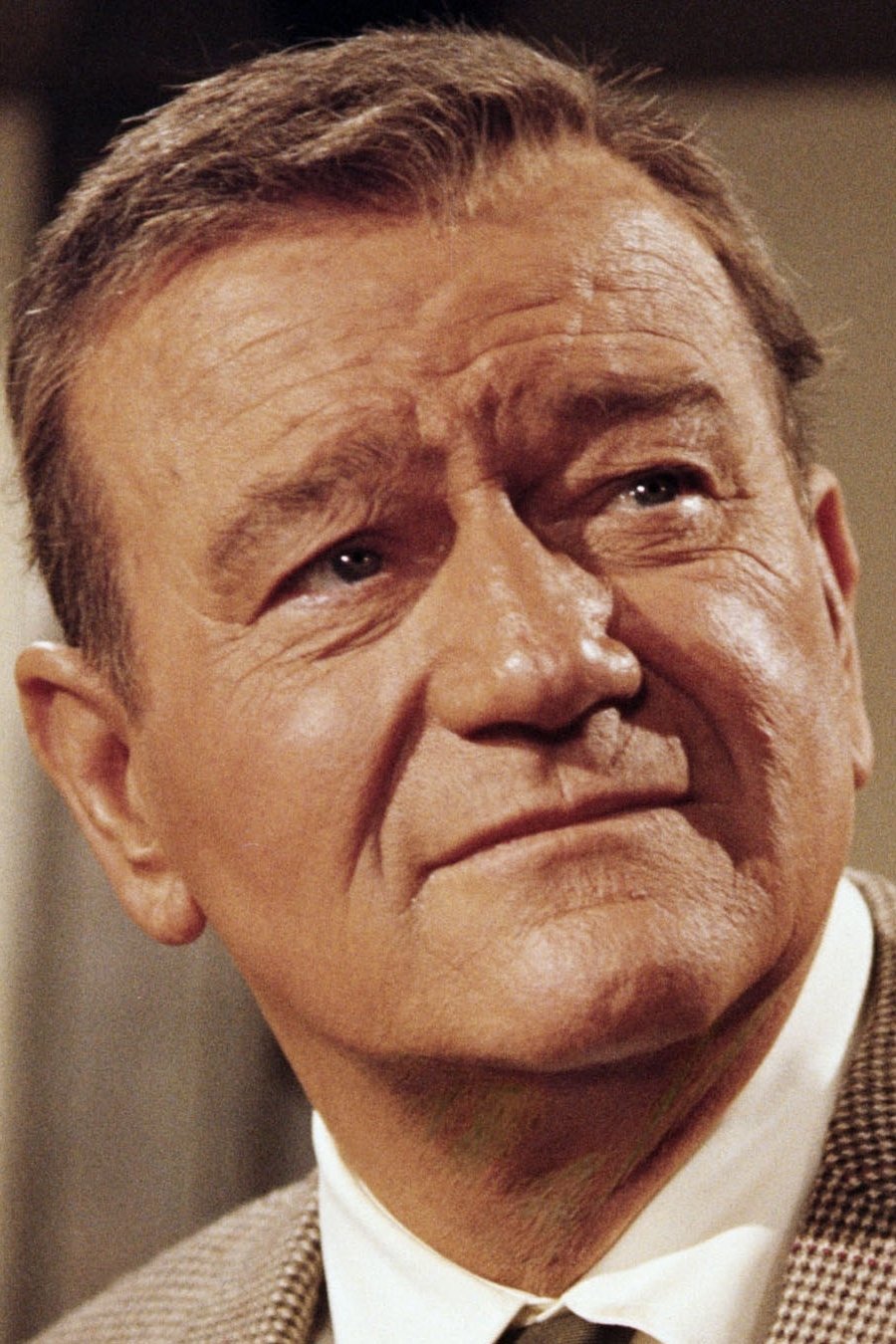
For decades, the famous cowboy actor known for ‘The Searchers’ was widely admired by his fans. However, a 1971 interview with Playboy recently gained attention online. In it, he shared opinions about race and history that many people today find upsetting and prejudiced. As a result, his role in film history is now being reconsidered, and some public recognitions have been removed.
James Dean
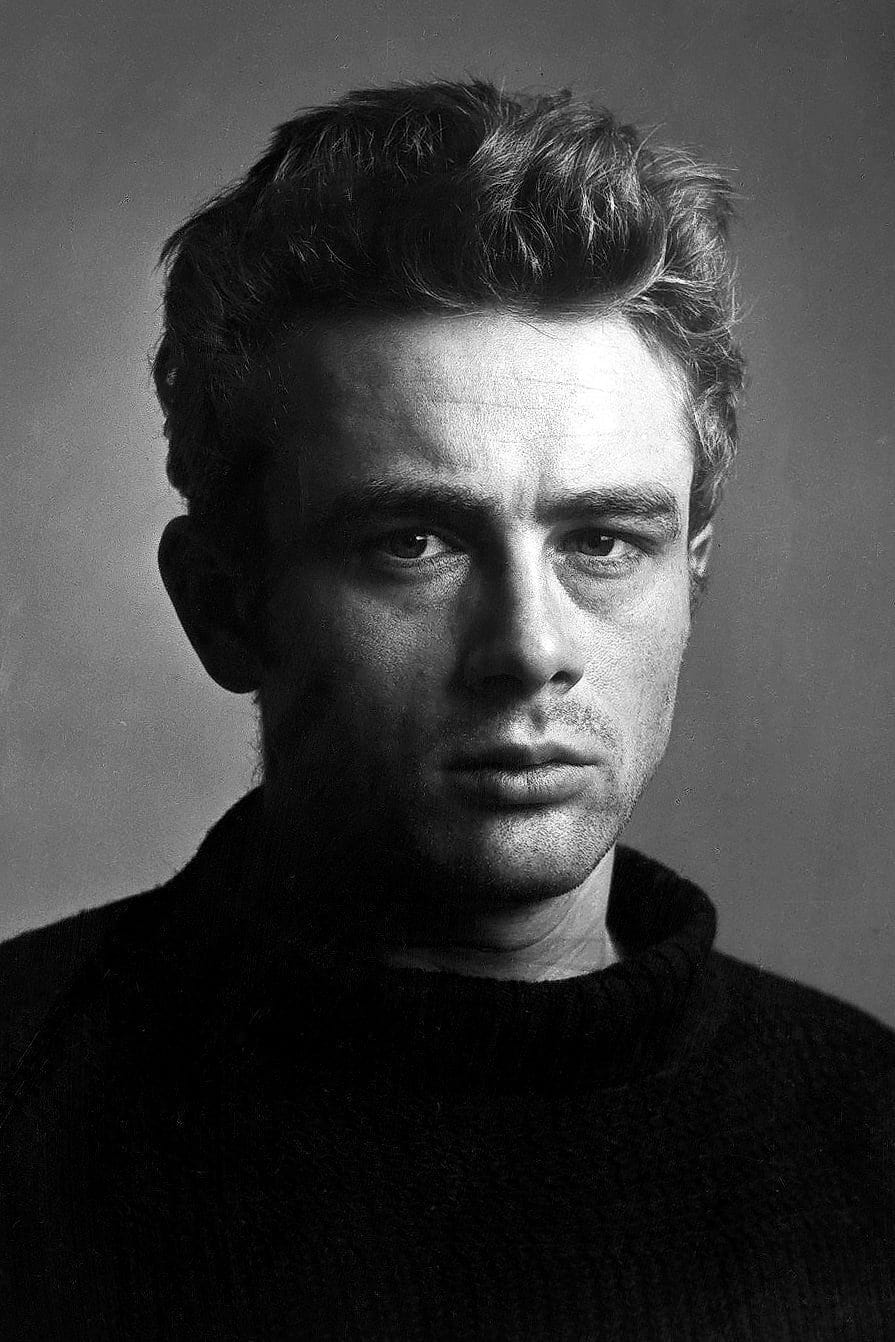
James Dean, the star of ‘Rebel Without a Cause,’ died at a young age and remains an iconic figure representing teenage rebellion and effortless cool. After his death, biographies revealed a complex romantic life, including relationships with men. These details were hidden during his life to protect his image as a classic Hollywood leading man. Recognizing his full story has made him a significant figure in the history of LGBTQ+ visibility in film.
Anthony Perkins
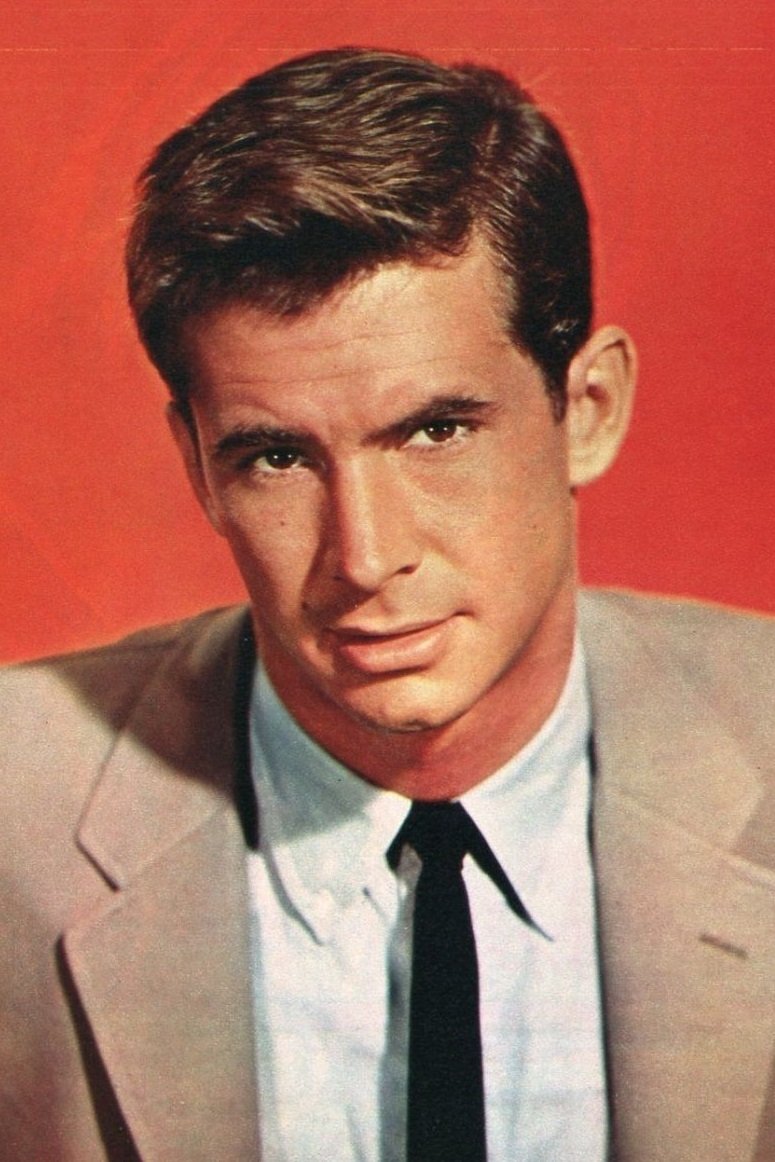
Anthony Perkins, famous for his role in ‘Psycho,’ was a very private person despite being a well-known horror icon. Only after his death from AIDS-related complications did people learn about the difficulties he faced. He secretly endured years of conversion therapy, constantly worried his true self would be revealed, potentially ruining his career. His life is a sad example of how damaging the old Hollywood studio system could be to its stars.
Peter Sellers
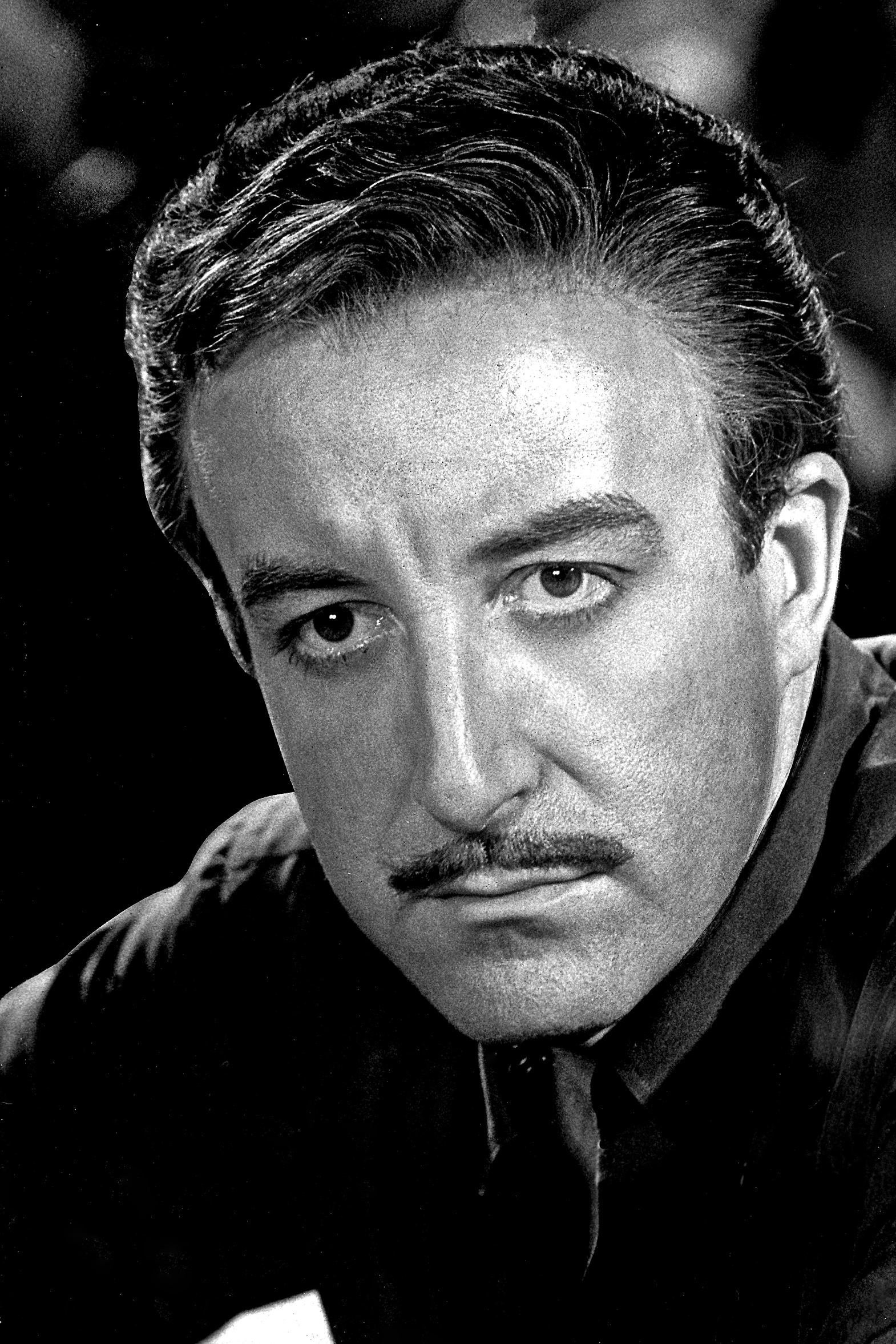
The actor famous for ‘The Pink Panther’ was loved by audiences for his funny and diverse roles. However, books written after his death showed a different side of him, revealing a difficult personal life and unpredictable behavior during filming. Those who knew him – his children and coworkers – described him as someone who could be very unkind and emotionally unavailable, even to family and friends. This revealed a deeply troubled man who seemed to have trouble separating his own identity from the characters he portrayed.
Hattie McDaniel
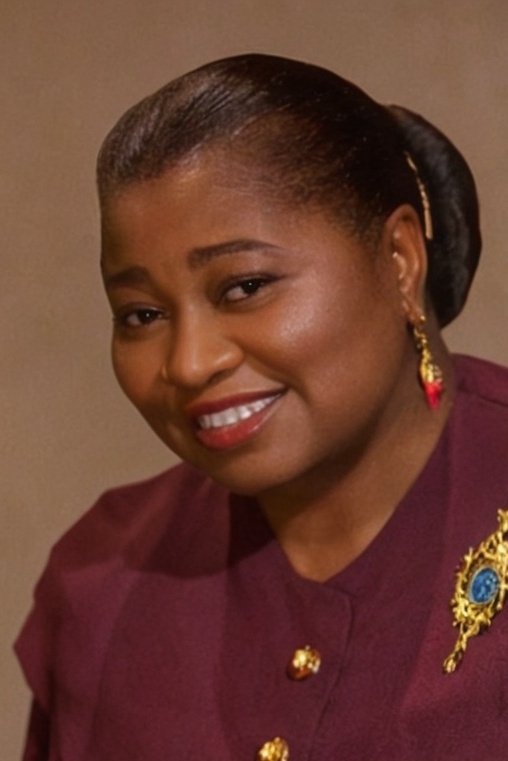
Hattie McDaniel, the first African American to win an Oscar for her role in ‘Gone with the Wind,’ faced considerable hardship both during her life and after her death. Despite requesting burial at Hollywood Forever Cemetery in her will, she was initially denied access due to racial discrimination. This denial has become a key example in current conversations about how Black performers were historically treated in Hollywood. Today, her accomplishments are remembered alongside the discrimination she experienced.
Gary Coleman

The actor best known from ‘Diff’rent Strokes’ faced many difficulties with money and the law, which became clear after he passed away. It was revealed that his parents hadn’t managed his earnings well, leaving him with almost nothing from his time as a child star. He also struggled with ongoing health problems that impacted his life both professionally and personally. These details sadly showed how often young performers are taken advantage of in the entertainment industry.
Chadwick Boseman
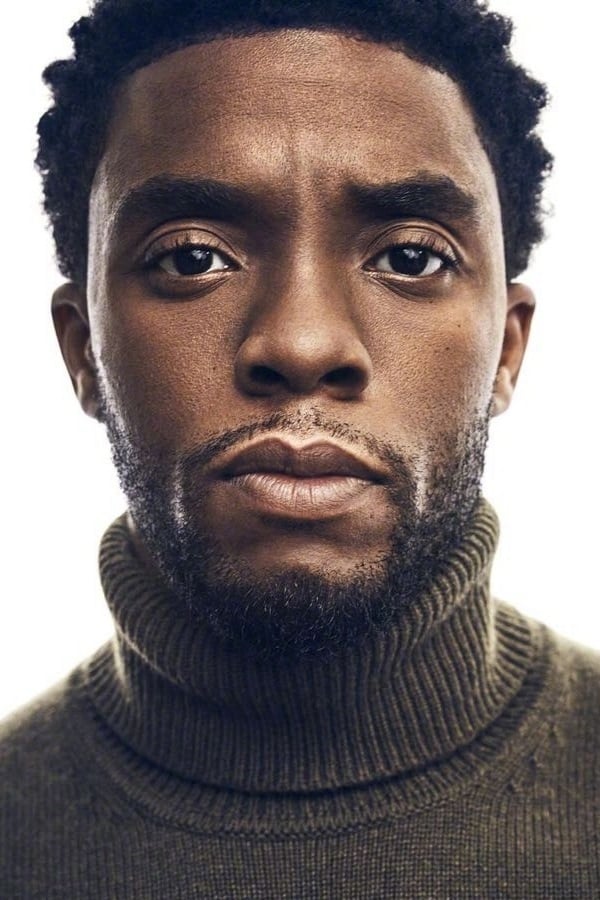
Chadwick Boseman, the actor known for his role in ‘Black Panther’, sadly passed away in 2020 after fighting colon cancer privately. He received his diagnosis four years prior but chose not to share the news with the public or most of his coworkers. Throughout his illness, he continued to star in several big films, all while undergoing numerous surgeries and chemotherapy sessions. The news of his quiet strength and perseverance has deeply touched his fans and cemented his status as a true hero.
Paul Newman
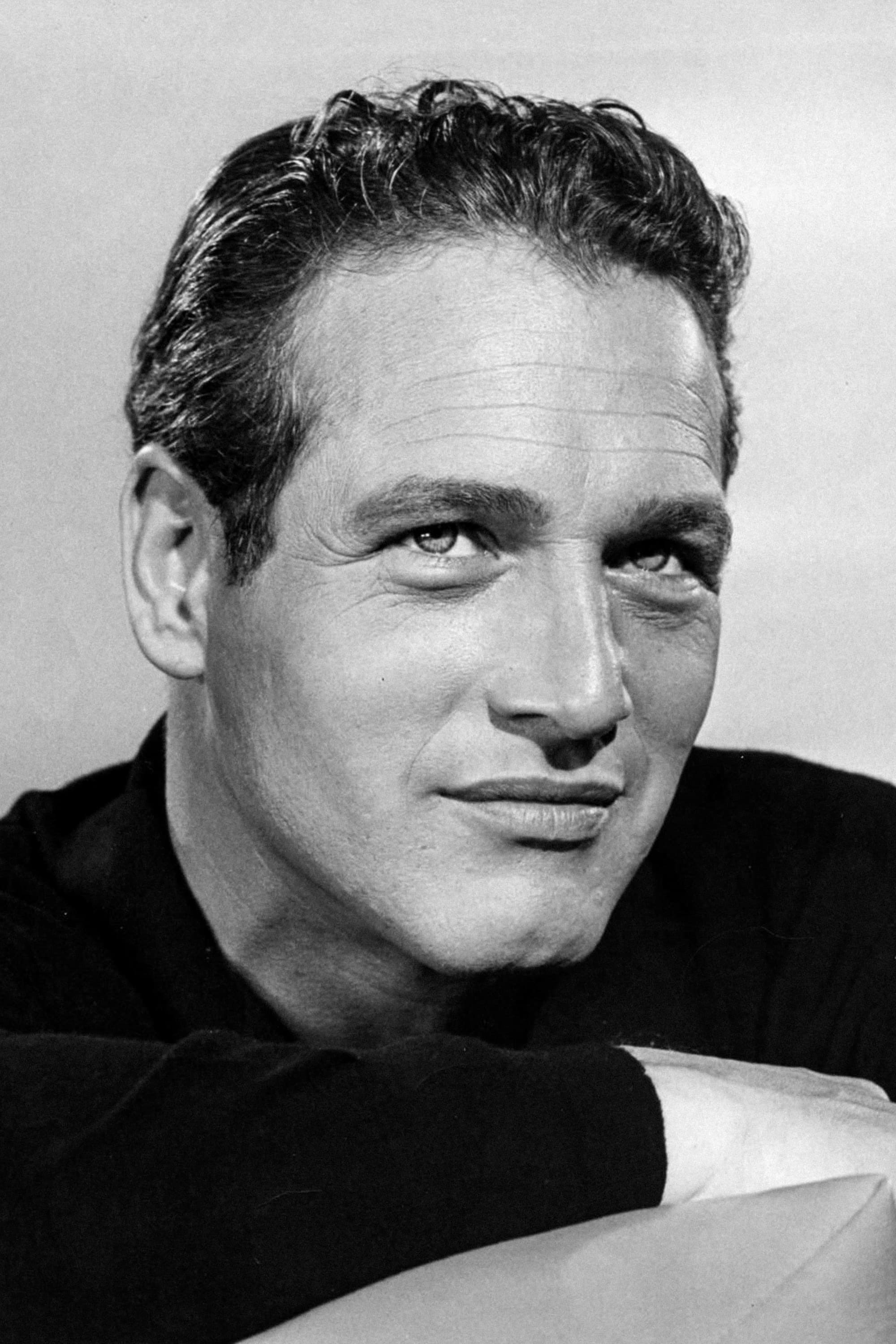
Paul Newman was famous for giving back through his food company, but the true extent of his generosity wasn’t known until after he died. The star of ‘The Hustler’ secretly donated over $600 million to different charities during his lifetime. After his death, his estate continued to manage these donations, ensuring his work to help children and protect the environment would continue. His incredible generosity has cemented his place as one of the most important philanthropists in Hollywood history.
Philip Seymour Hoffman
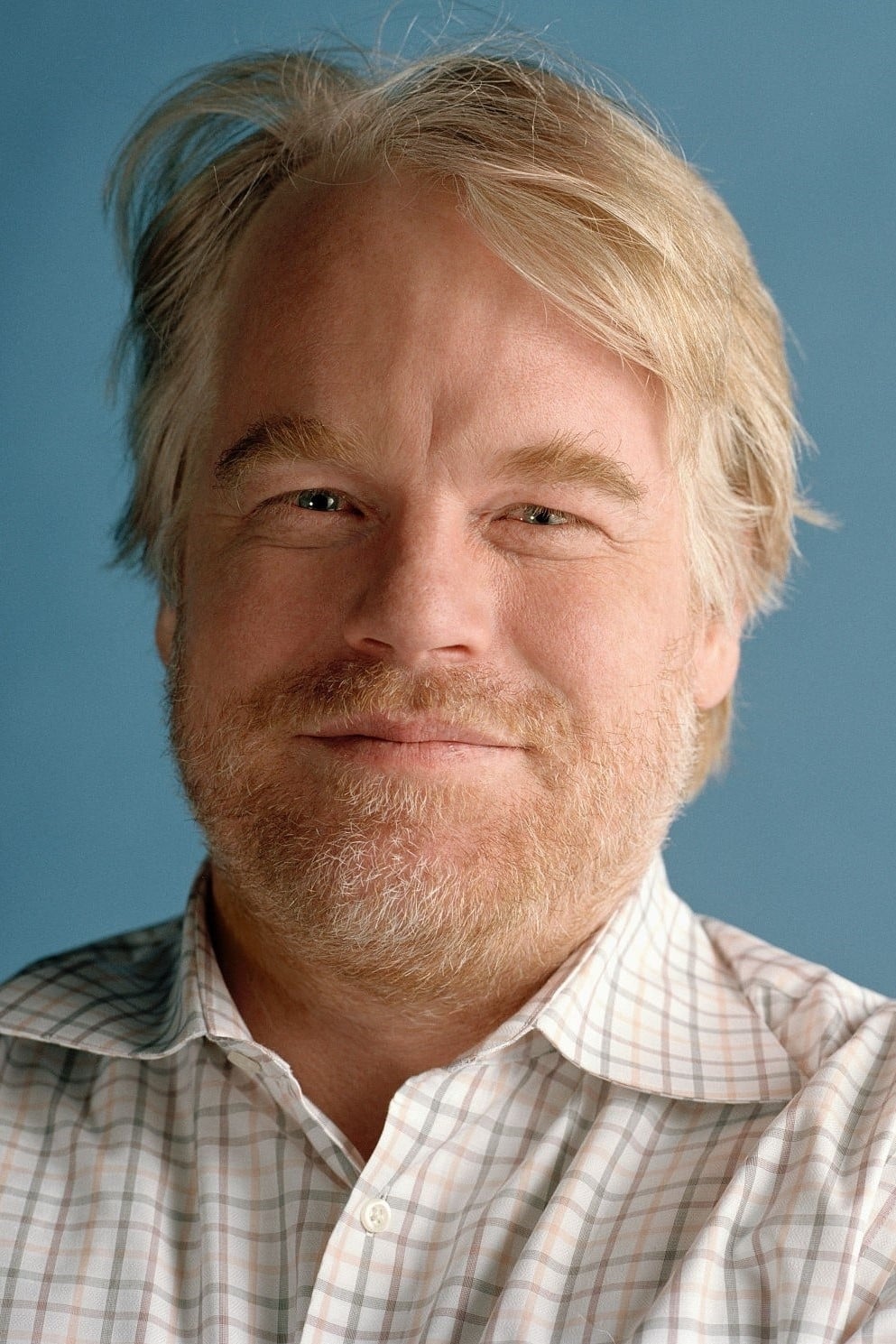
The actor who starred in ‘Capote’ was highly regarded as one of the best of his time, but sadly passed away in 2014. Recently, personal diaries and stories from friends showed how deeply he struggled with addiction. These writings revealed a man who understood his own inner battles and fought them fiercely. Learning about his private struggles adds a heartbreaking dimension to the sensitive and often emotional performances he gave in films.
River Phoenix
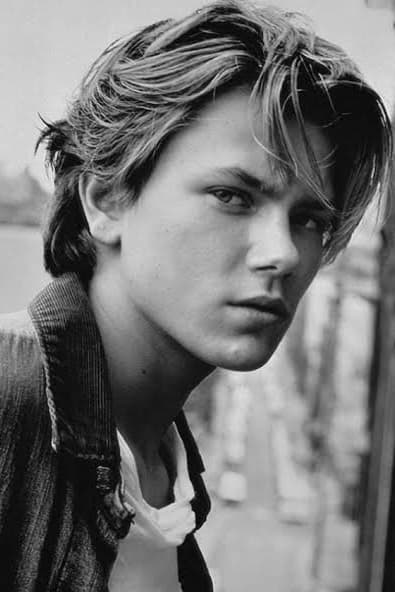
I was so shocked when I heard about River Phoenix’s death outside that nightclub back in 1993. It felt like the world stopped. Over time, those closest to him – his friends and family – started sharing what his life was really like, and it gave me a much deeper understanding of how much pressure he was under as a young actor and someone who really cared about the environment. It’s a sad story, and honestly, it feels like a warning about how dangerous things could be in Hollywood back then.
Marilyn Monroe
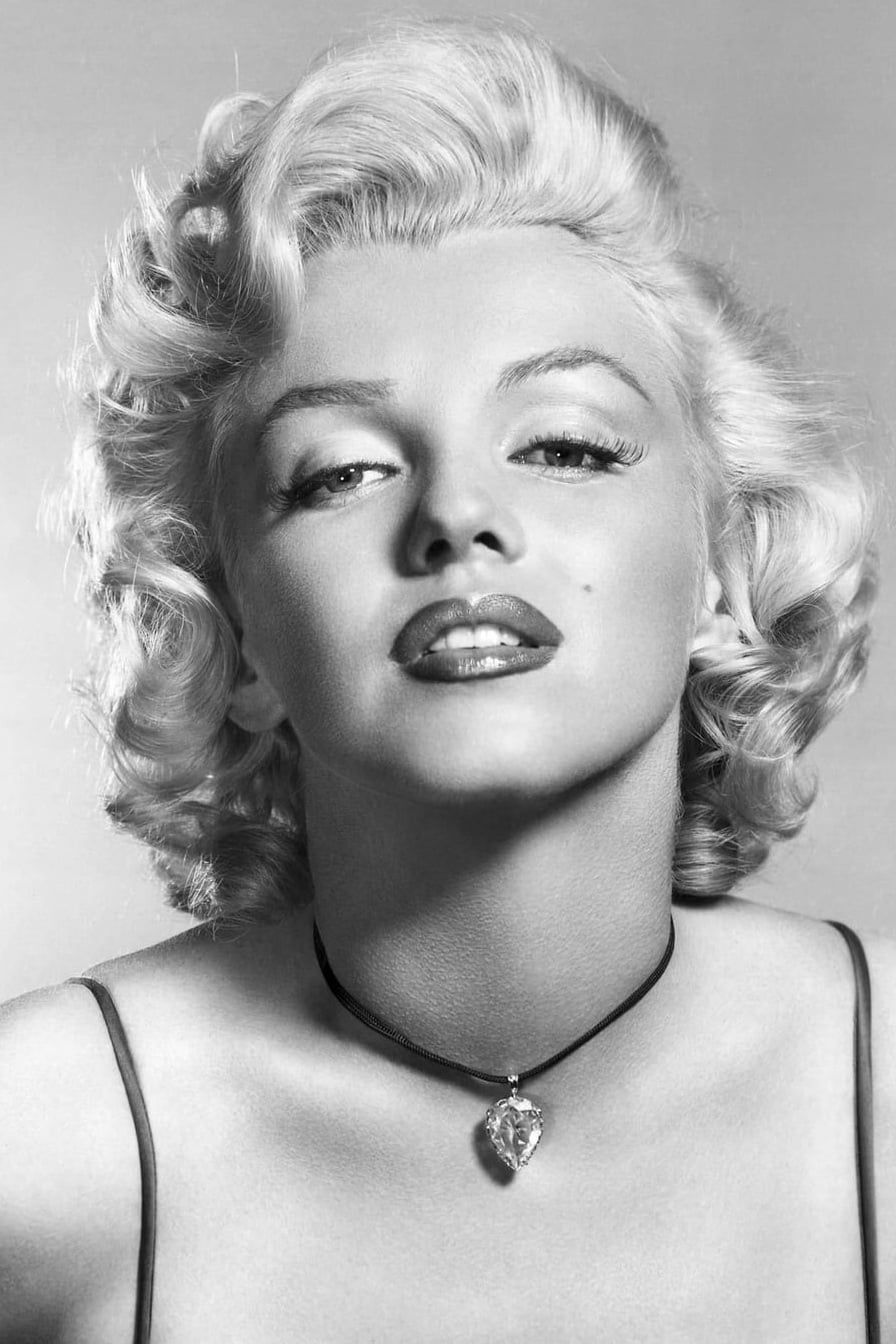
Marilyn Monroe, the star of ‘Some Like It Hot,’ has been the subject of many biographies since her death in 1962. New research into her medical records and diaries has shown just how much physical pain and illness she endured. Details about her battle with endometriosis and the treatments she received give us a fresh understanding of her behavior on movie sets. This information is changing the way people view her, shifting the focus from her being difficult to recognizing her as someone bravely coping with serious, and at the time, undiagnosed health problems.
Billie Holiday
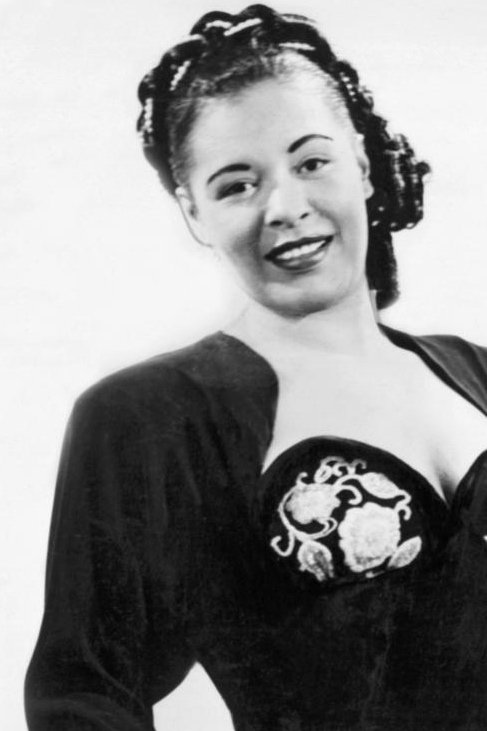
Billie Holiday is celebrated as one of the greatest singers of all time, but she also appeared in the film ‘New Orleans’ and continues to be a significant cultural figure. Recent discoveries show that during the early days of the ‘war on drugs,’ the Federal Bureau of Narcotics deliberately targeted her. Records indicate that her legal issues were frequently caused by government officials who disagreed with her activism and her powerful song, ‘Strange Fruit.’ Understanding this history has changed how people view her, shifting the focus from a personal struggle with addiction to her being a victim of unfair and systematic persecution.
Loretta Young
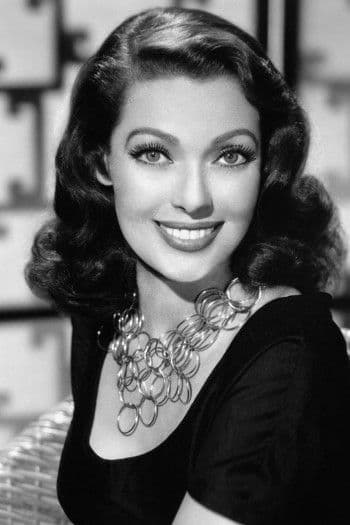
Loretta Young, known for her role in ‘The Farmer’s Daughter,’ carefully cultivated a wholesome and religious public persona throughout her career. It was later revealed, after her death, that her daughter, Judy Lewis, was actually the biological child she had with Clark Gable. Young worked hard to conceal her pregnancy and the birth, fearing a scandal that could have destroyed her career in the 1930s. This story illustrates the intense pressures and hidden lives many actors experienced during Hollywood’s golden age.
Share your thoughts on these posthumous revelations in the comments.
Read More
- 20 Movies Where the Black Villain Was Secretly the Most Popular Character
- Celebs Who Narrowly Escaped The 9/11 Attacks
- 25 “Woke” Films That Used Black Trauma to Humanize White Leads
- Top 20 Dinosaur Movies, Ranked
- Transformers Under the Microscope: What Graph Neural Networks Reveal
- The 10 Most Underrated Jim Carrey Movies, Ranked (From Least to Most Underrated)
- 22 Films Where the White Protagonist Is Canonically the Sidekick to a Black Lead
- Trading on Thin Air: AI Agents Conquer Crypto Volatility
- The Best Directors of 2025
- Silver Rate Forecast
2026-01-29 07:23