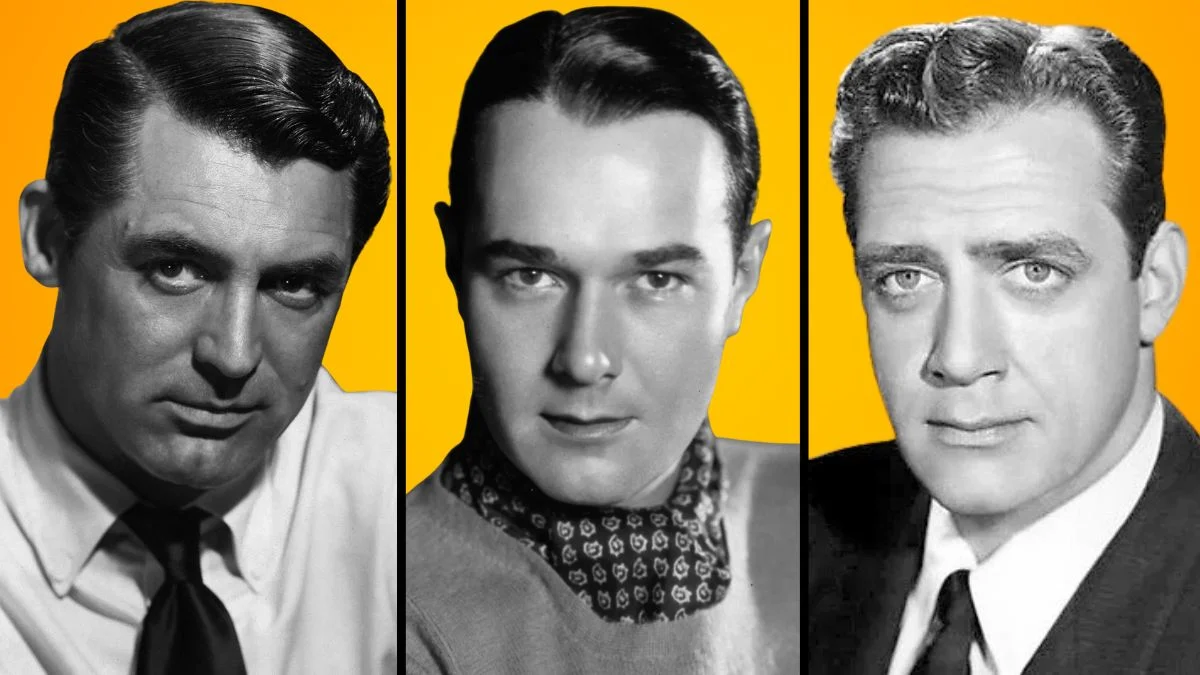
For many years, Hollywood enforced strict personal rules on its biggest stars. Studios used contracts and public relations teams to make sure leading actors appeared to fit traditional ideas about men and relationships. This created a difficult situation for performers, who often had to hide their true selves because studio executives worried it would hurt ticket sales. As a result, many stars were pressured into fake marriages or relationships to meet the expectations of the time, while their real lives remained private.
Rock Hudson
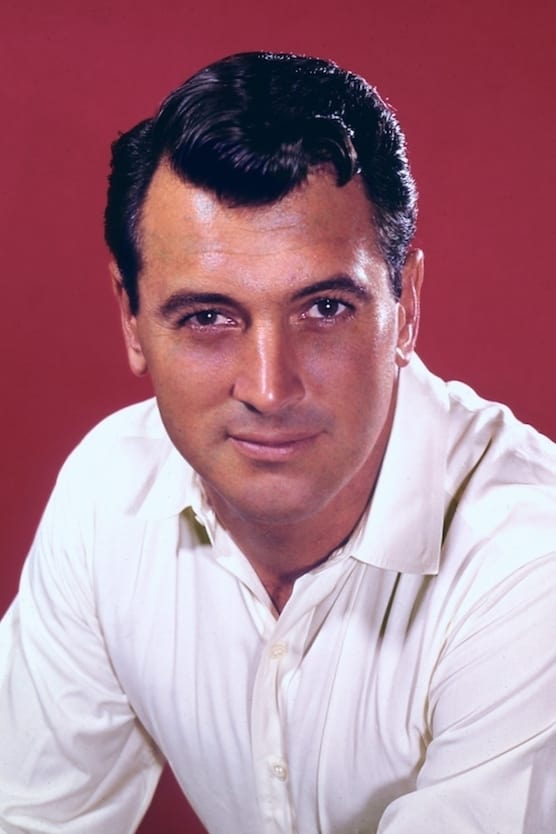
In the heyday of Hollywood, studios completely controlled the public image of their biggest male stars. Rock Hudson’s career was carefully managed by Henry Willson, who arranged a marriage to Phyllis Gates to hide rumors about his personal life. The studio worked hard to create a public perception of Hudson as heterosexual through planned publicity and fabricated love stories. He kept his true sexuality private for many years to safeguard his successful career and protect the studio’s profits.
Tab Hunter
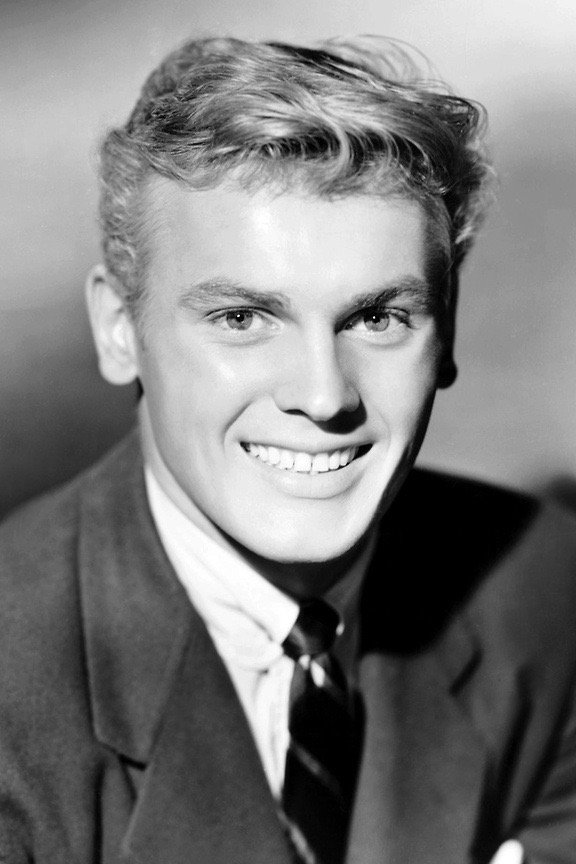
In the 1950s, Warner Bros. carefully crafted Tab Hunter’s image as the perfect teenage idol. To protect his popularity, the studio pushed him to publicly date actresses like Natalie Wood. Studio executives knew about Hunter’s private life but warned him that not meeting their strict standards could ruin his career. He ultimately left the major studios to gain more control over his life and work.
William Haines
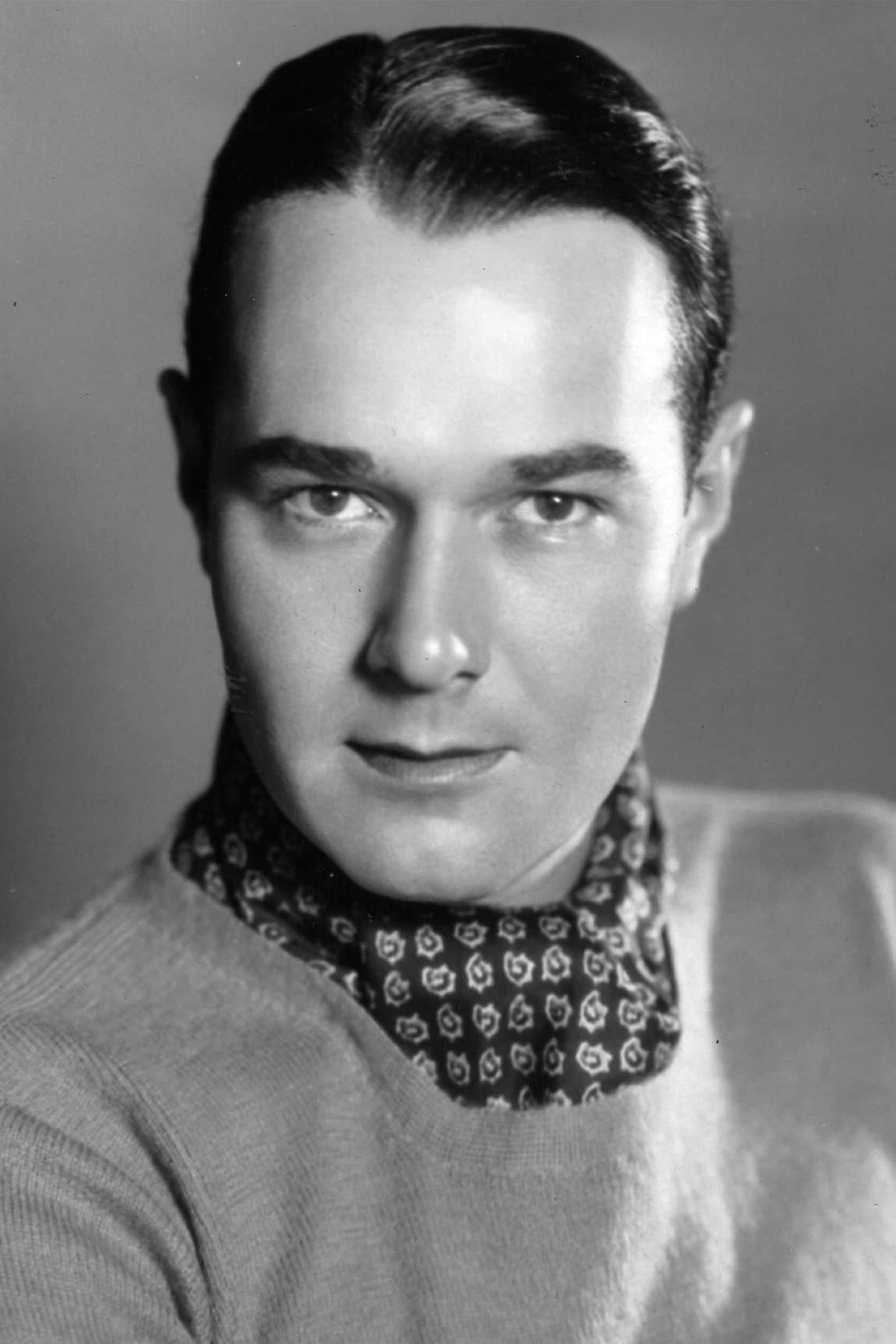
William Haines was a major silent film star until he faced a difficult choice from Metro-Goldwyn-Mayer. The studio’s head, Louis B. Mayer, insisted Haines marry a woman to conceal his relationship with Jimmy Shields. When Haines refused, the studio ended his career by firing him and preventing him from working again. He preferred to leave Hollywood altogether rather than live a secret life under the studio’s control.
Cary Grant
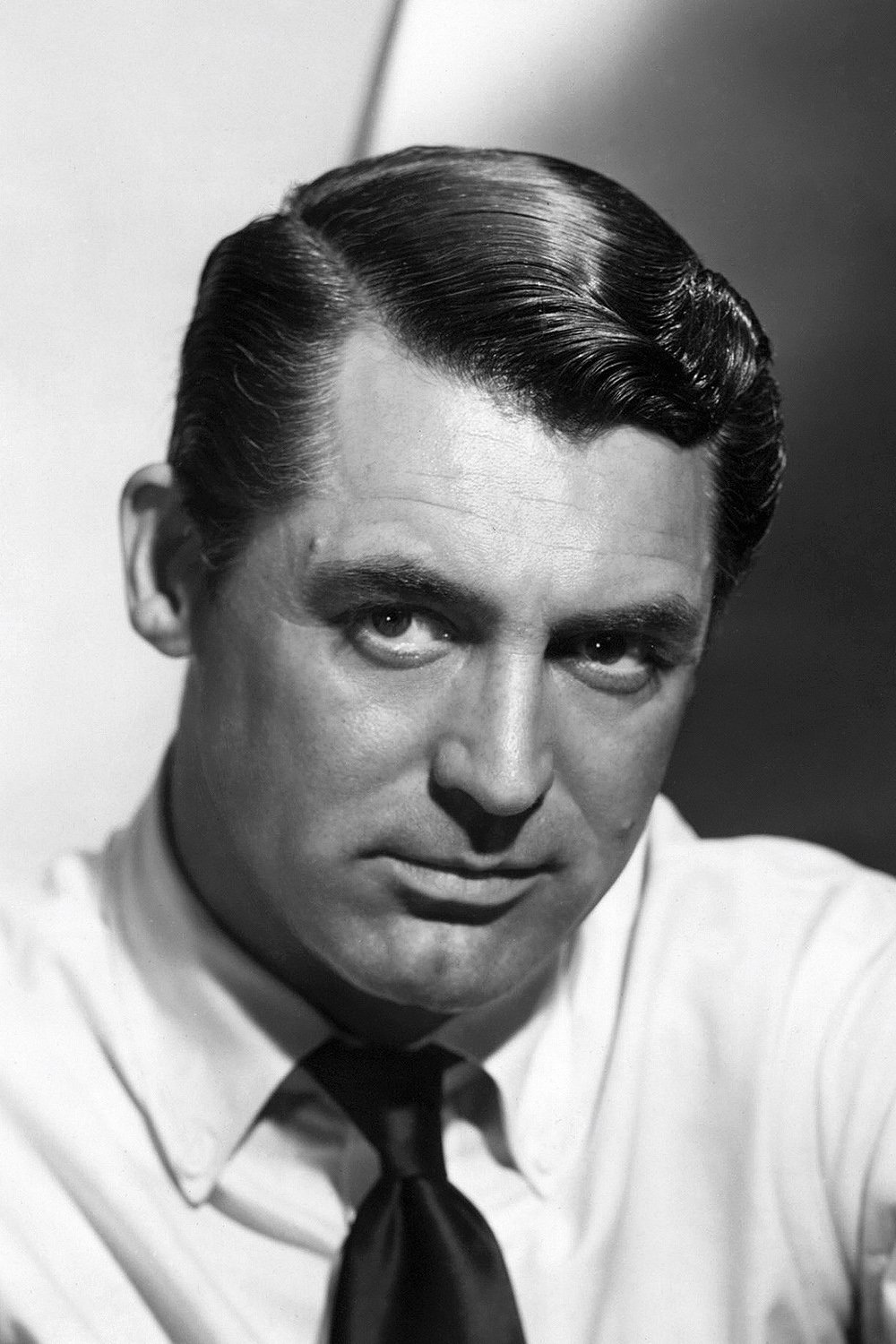
Cary Grant was the ideal suave movie star, and his public image was carefully guarded by the studio. Despite living with fellow actor Randolph Scott for years, they were forced to participate in photoshoots portraying them as everyday bachelors. Studio executives and publicists constantly worked to shape his private life into a story of conventional romance. Maintaining this perfect image was a key part of his career for decades.
Anthony Perkins
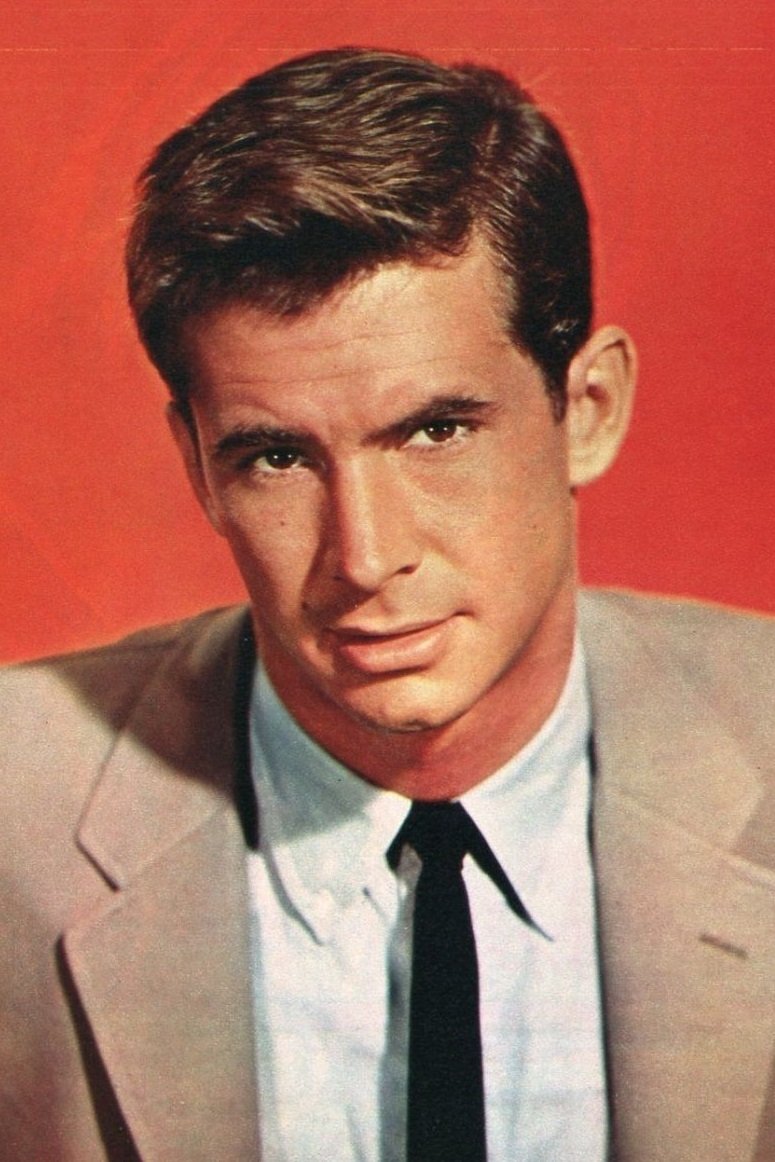
After Anthony Perkins became famous with the 1960 film ‘Psycho’, he struggled with intense pressure regarding his personal life. Studio executives worried rumors about his sexuality would damage his public image, so they pushed him into fake dates and even suggested therapy aimed at changing his sexual orientation. This pressure forced him to keep his private life completely secret.
George Nader
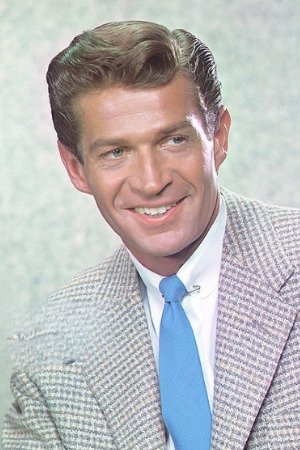
As a classic film buff, it always saddened me to learn about George Nader. He was a genuinely handsome and talented leading man, but his career was tragically derailed to protect Rock Hudson. When a scandal threatened Hudson, the studio essentially threw Nader under the bus, feeding the tabloids a fabricated story about him instead. It was a devastating blow, and it pretty much ended his run as a big star in Hollywood. He ended up moving to Europe to keep acting, where thankfully, he wasn’t under the same intense studio control.
Raymond Burr
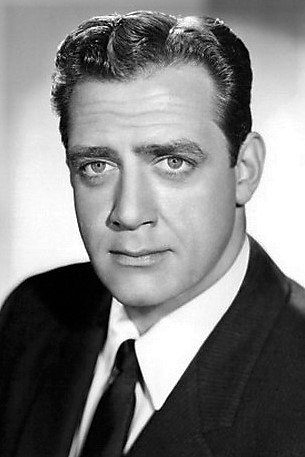
Raymond Burr was famous for playing strong, authoritative characters in shows like ‘Perry Mason’ and ‘Ironside’. To keep his long-term relationship with Robert Benevides private, the studio created false stories about him being a widower. These lies were meant to protect his career, as television audiences at the time were often prejudiced. For almost his entire career, Burr lived a secret double life to meet the expectations of the television network.
Montgomery Clift
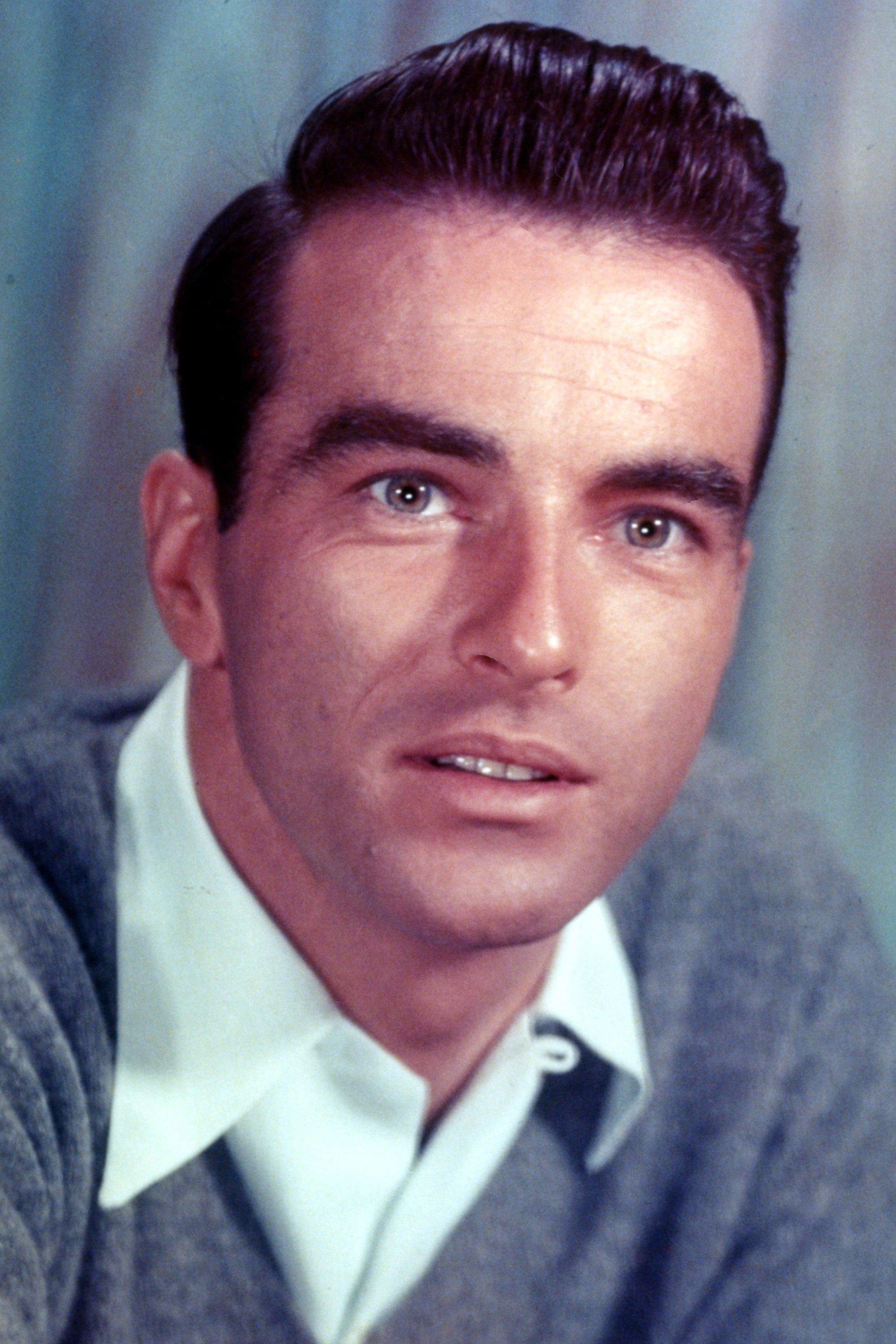
Montgomery Clift was a highly respected actor famous for his powerful and realistic performances, particularly in films like ‘A Place in the Sun’. Studio bosses were anxious that his personal life might damage his image as a leading romantic figure. They actively tried to control the narrative by setting him up on dates with actresses like Elizabeth Taylor to divert attention from the media. Clift found this constant need to hide his true self and the intense scrutiny of his private life by studio executives deeply troubling.
Robert Reed
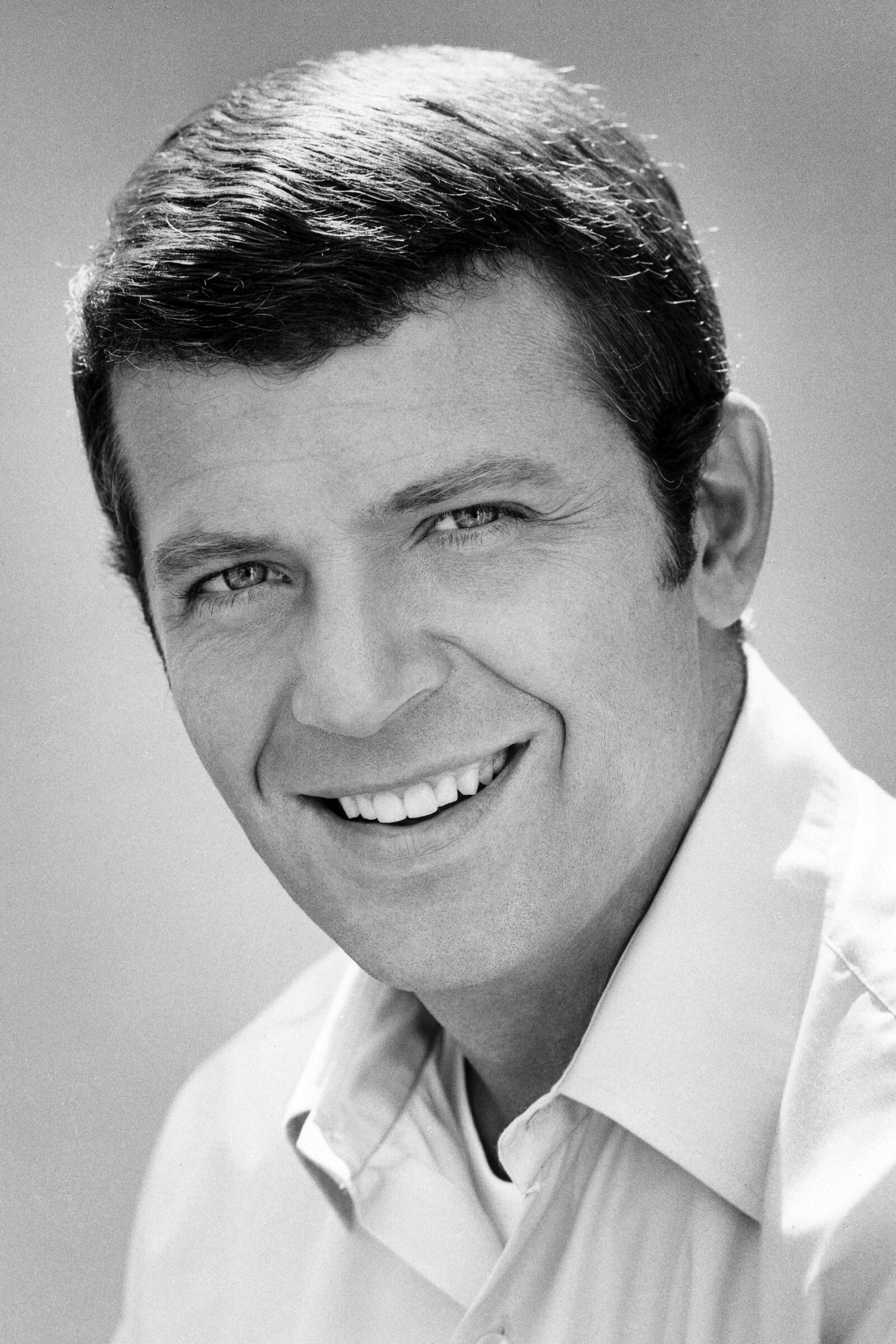
Robert Reed, famous for playing the father on ‘The Brady Bunch’ in the late 1960s and 70s, felt immense pressure to hide his personal life. The network feared that if he revealed his true self, the show would be cancelled and his career ruined. To protect the show’s image, he kept his identity private and never spoke about it publicly.
Richard Chamberlain
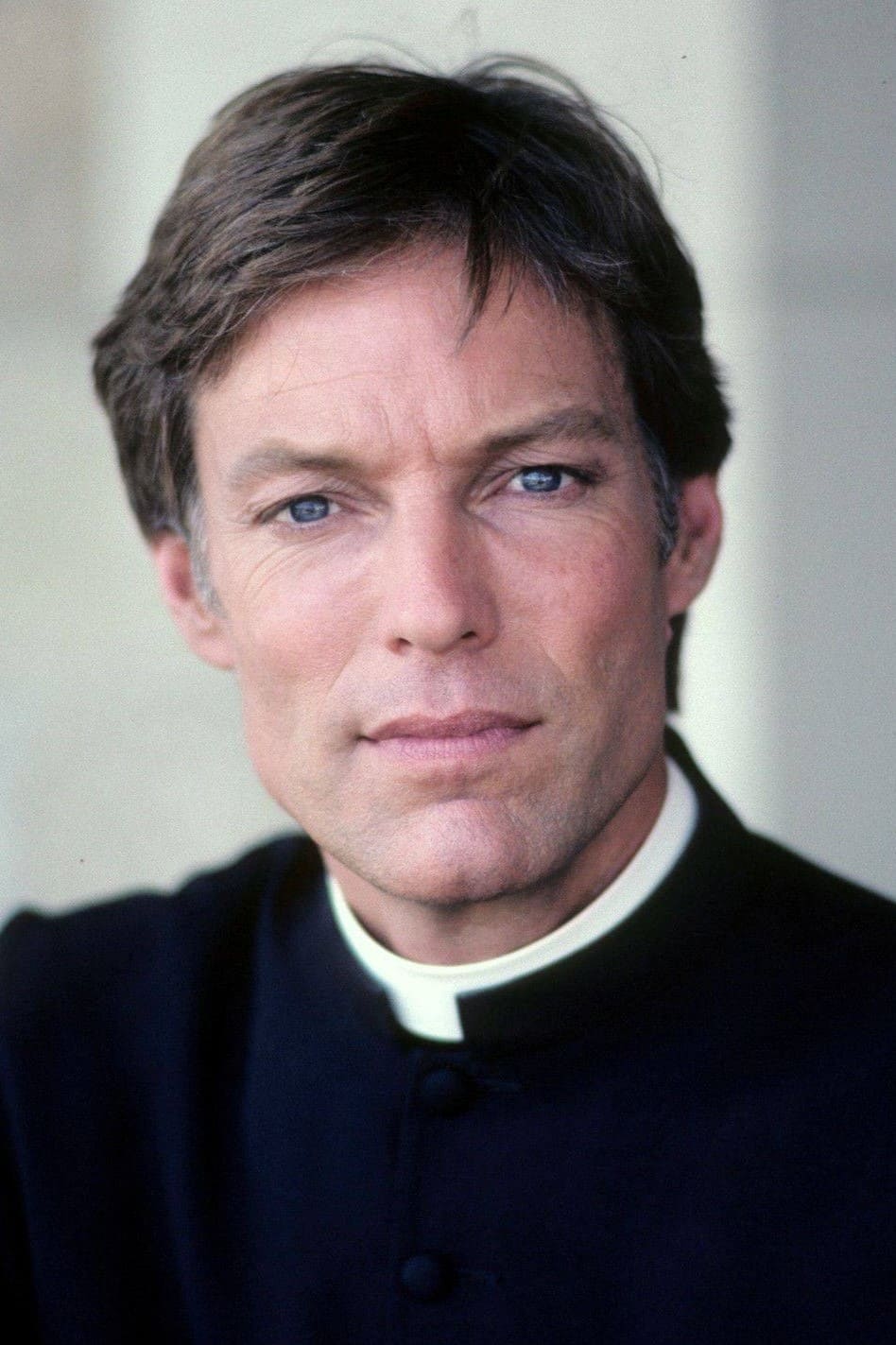
Richard Chamberlain became a huge star thanks to his role in ‘Dr. Kildare’ and later became famous for leading many successful miniseries. At the peak of his career, those around him – like his agents and studio executives – warned him that revealing he was gay would ruin his career. He was presented to the public as a romantic interest for women, and the entertainment industry actively concealed his long-term relationships with men. He didn’t feel secure enough to live openly as his true self until many years later, after the old studio system had lost much of its power.
Tyrone Power
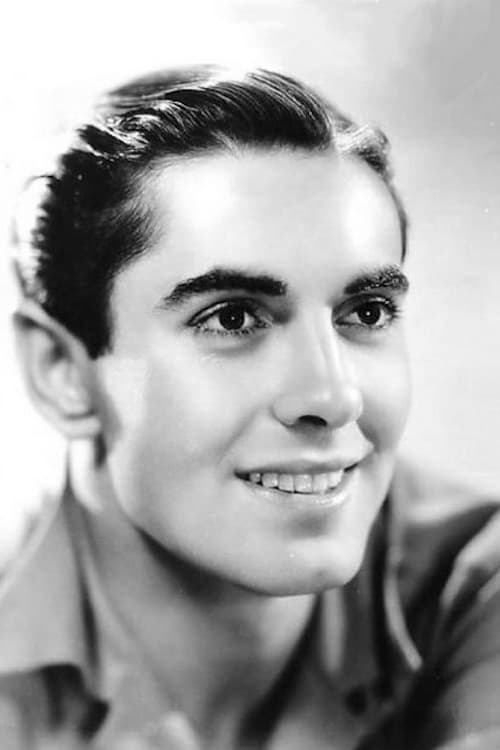
Tyrone Power was a hugely popular leading man in the 1930s and 40s, known for his roles in adventure and romance movies. The studio, Twentieth Century-Fox, worked tirelessly to control his public persona, carefully crafting an image of traditional masculinity. They even arranged marriages and public relationships with other actresses to prevent any damaging rumors from spreading. Throughout his career as a major movie star, he was constantly under pressure to maintain this carefully constructed image.
Danny Kaye
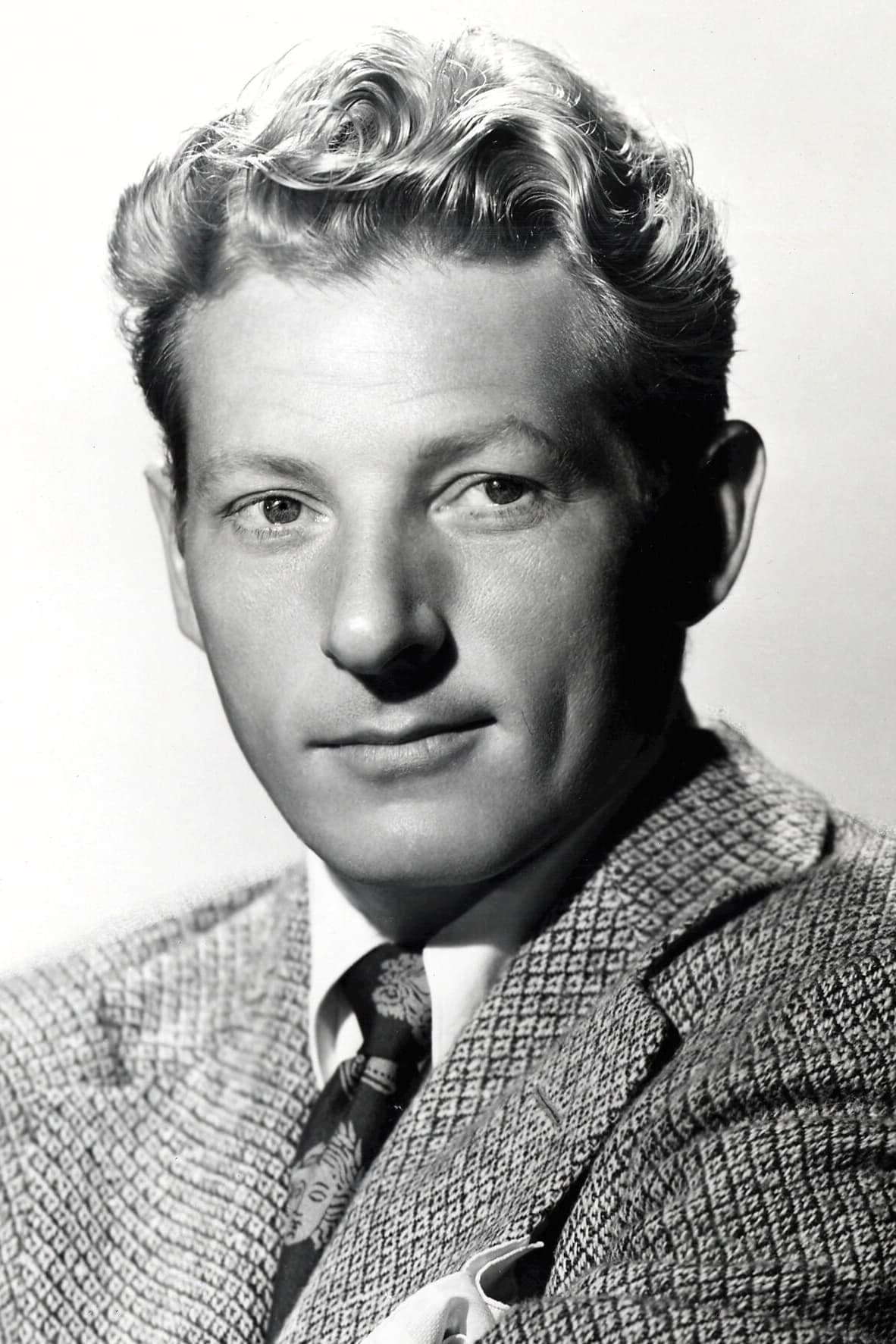
Danny Kaye was a popular actor and entertainer who performed in theater, movies, and television for many years. Despite being happily married, he had private relationships that the studio tried to conceal, fearing they would harm his reputation as a wholesome, family-friendly comedian. He cooperated with these requests to protect his status as a leading star.
Sal Mineo
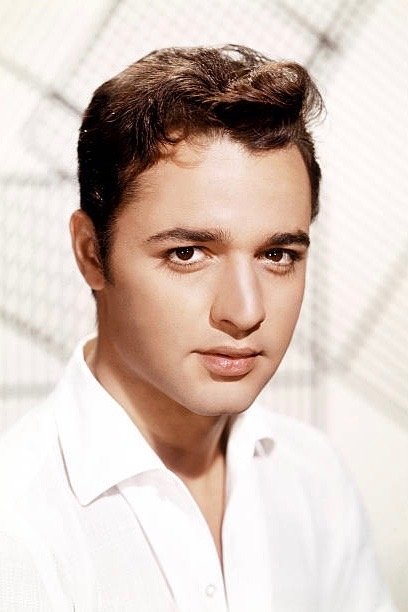
Sal Mineo became famous as a teen in ‘Rebel Without a Cause’ and quickly became a popular figure for young fans. However, as he grew older, Hollywood became less accepting of him being himself. Studio executives cautioned him that his career would be harmed if he didn’t conceal his private life and conform to their expectations. As he started to push back against being forced to hide his identity, he found fewer and fewer acting opportunities.
Clifton Webb
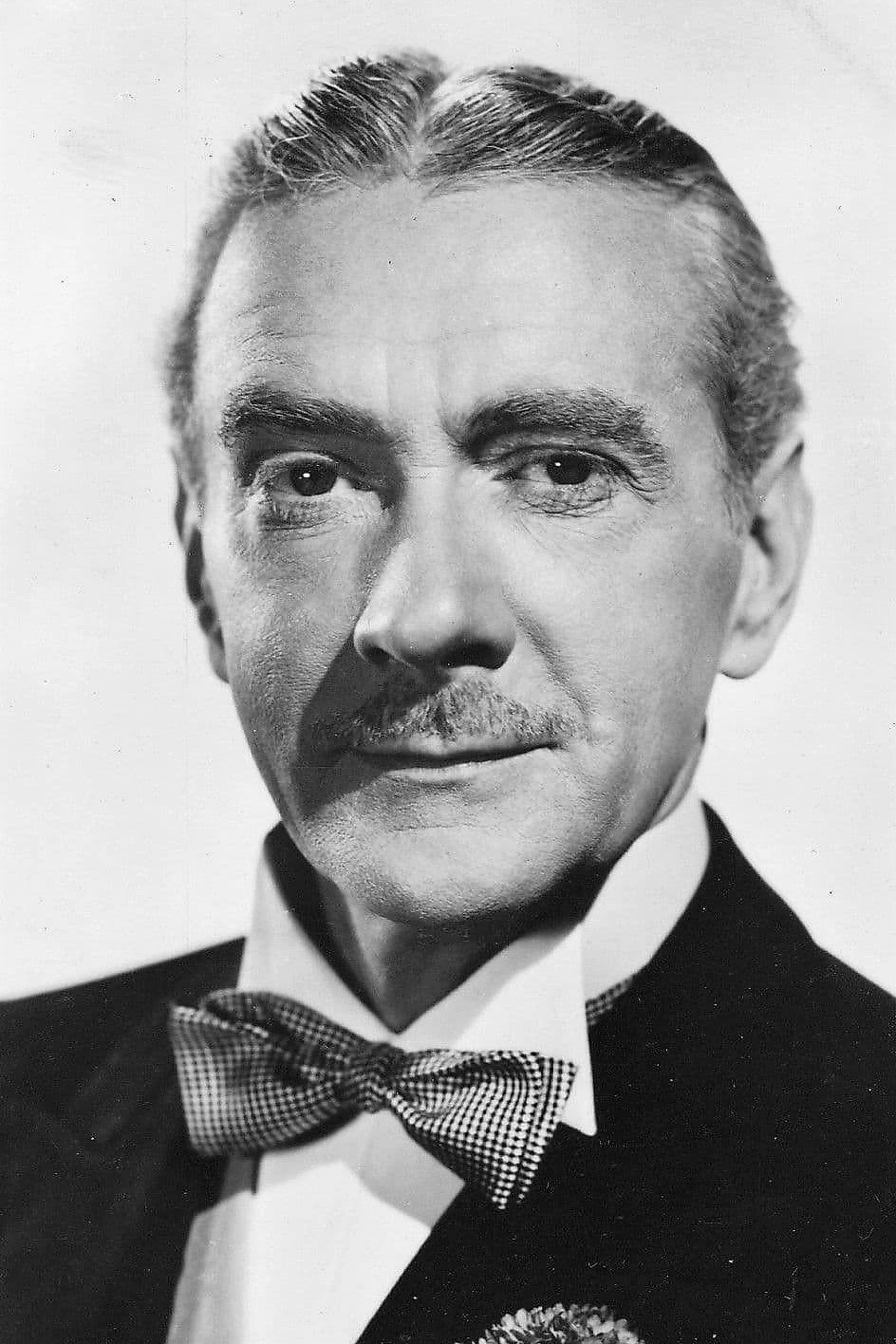
Clifton Webb was a talented and respected actor in both theater and film, earning multiple Academy Award nominations. While those close to him knew his personal life, the studio pressured him to publicly present himself as a lifelong bachelor living with his mother. This was a typical tactic used by the film industry to avoid scrutiny of older actors’ private lives. Webb had to maintain this facade to continue landing leading roles in popular movies.
James Dean
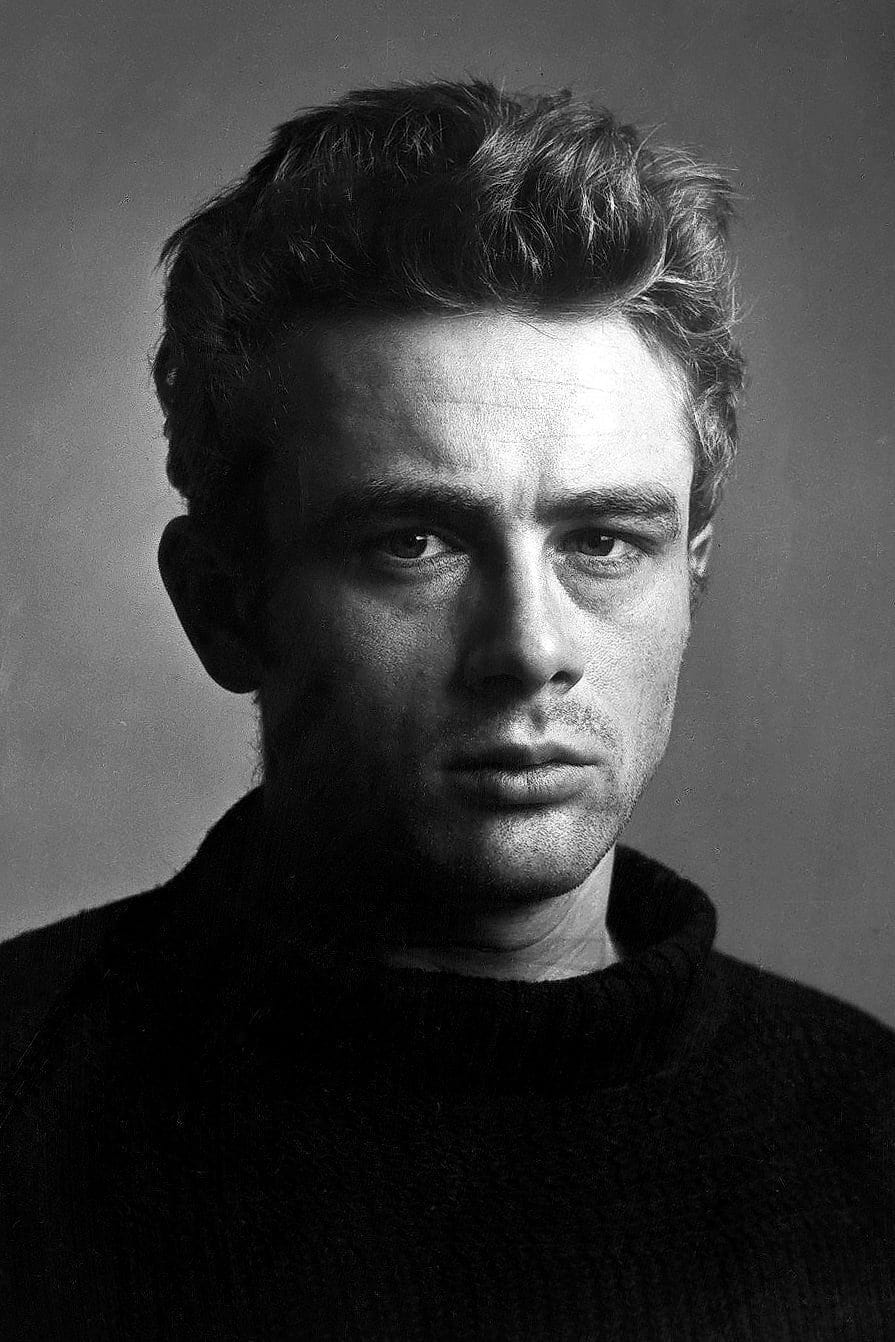
James Dean quickly became a cultural icon, despite only appearing in three major films before his tragic death. Warner Bros. worked hard to build his image as a rebellious, yet conventionally masculine, young man to attract female fans. Studio publicity teams often arranged photoshoots with young actresses to control his public image and prevent rumors about his personal life. Even during his brief career, the pressure to fit the studio’s expectations was a significant and constant weight on him.
Cesar Romero
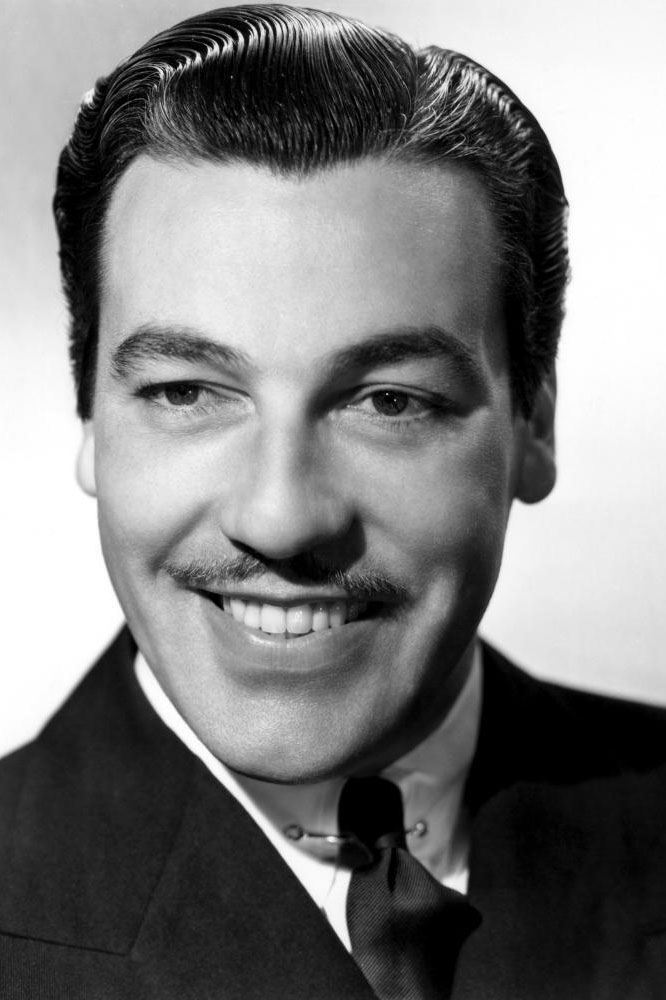
Cesar Romero was a talented actor who appeared in musicals and is best remembered for playing the Joker in the ‘Batman’ TV show. He was a popular figure in Hollywood for many years and was jokingly known as the ultimate bachelor. This image was actually created by the film industry to avoid discussing his private life. Romero remained devoted to the studio system and never contradicted the persona they had created for him.
Vincent Price
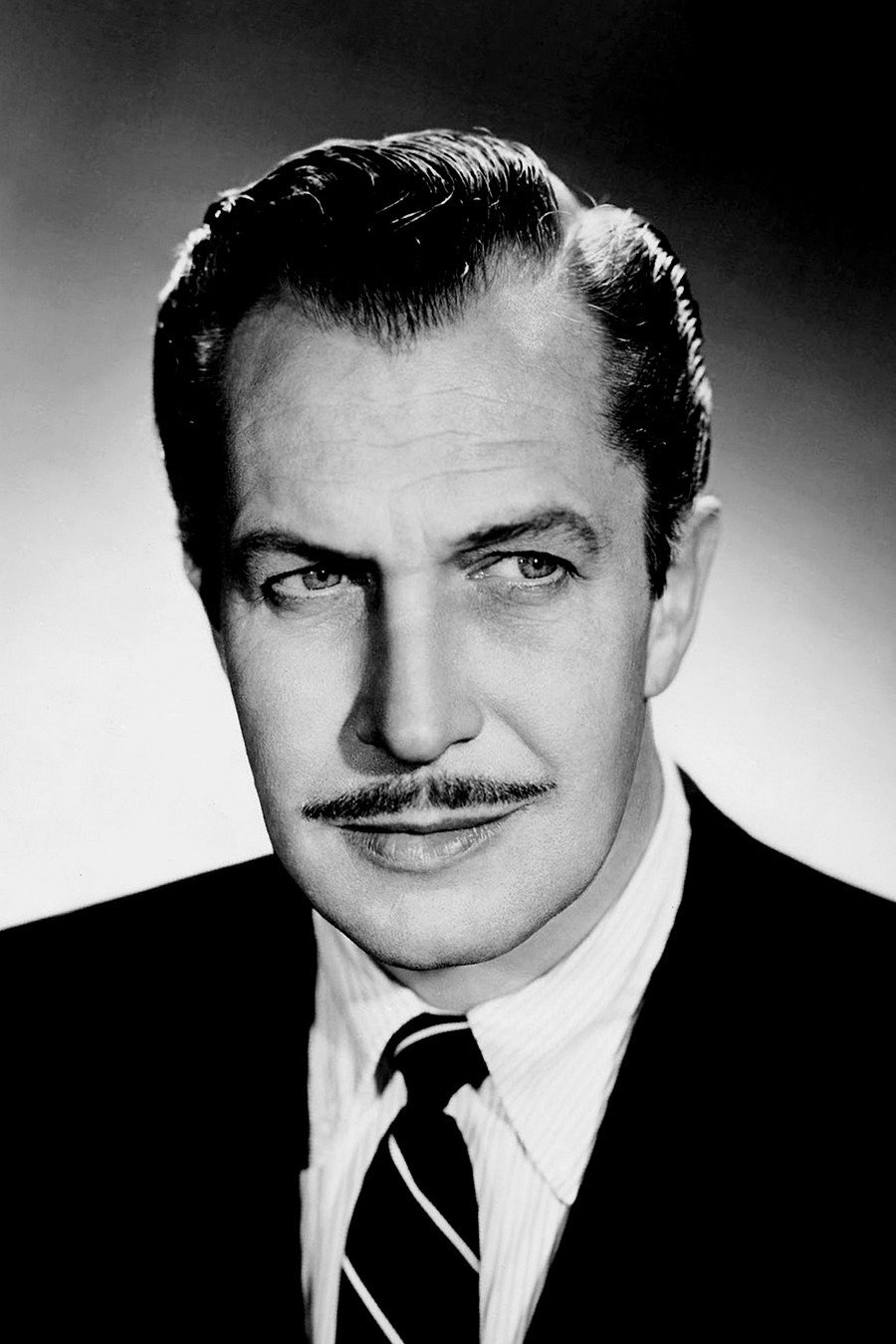
Vincent Price was a celebrated horror actor known for his refined taste and love of art and culture. Studios carefully cultivated an image of sophistication and intelligence for him. To appeal to the more traditional viewers of the era, he was advised to keep his personal life, especially his relationships, private. The film industry wanted to protect his reputation and ensure he remained a popular and profitable actor.
Roddy McDowall
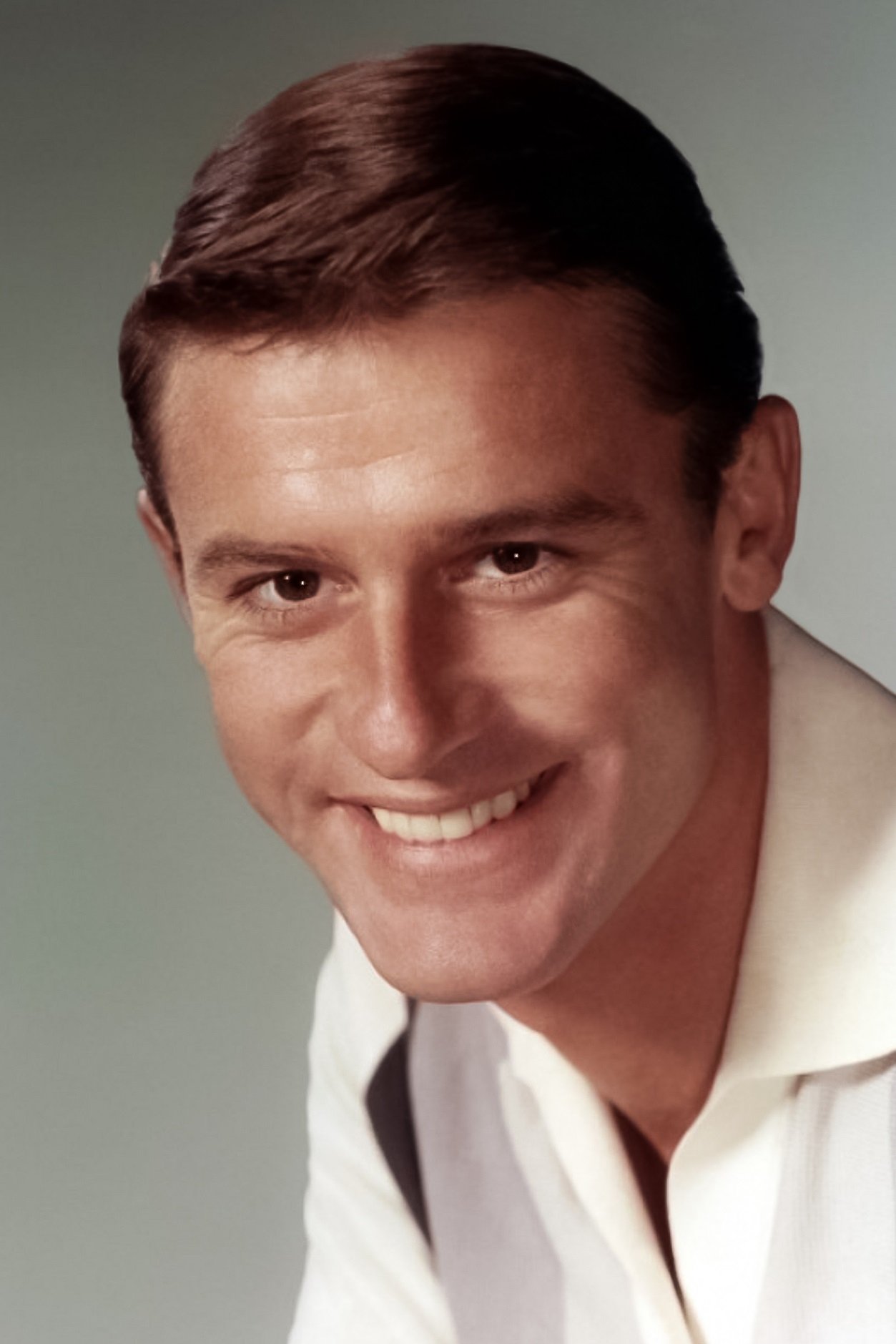
Roddy McDowall started acting as a child and continued to have a successful career as an adult. He was a popular figure in Hollywood and friends with many famous stars. However, like many actors at the time, he had to keep his private life completely separate from his work. It was widely understood that staying discreet was essential for a lasting career in the entertainment industry.
Dirk Bogarde
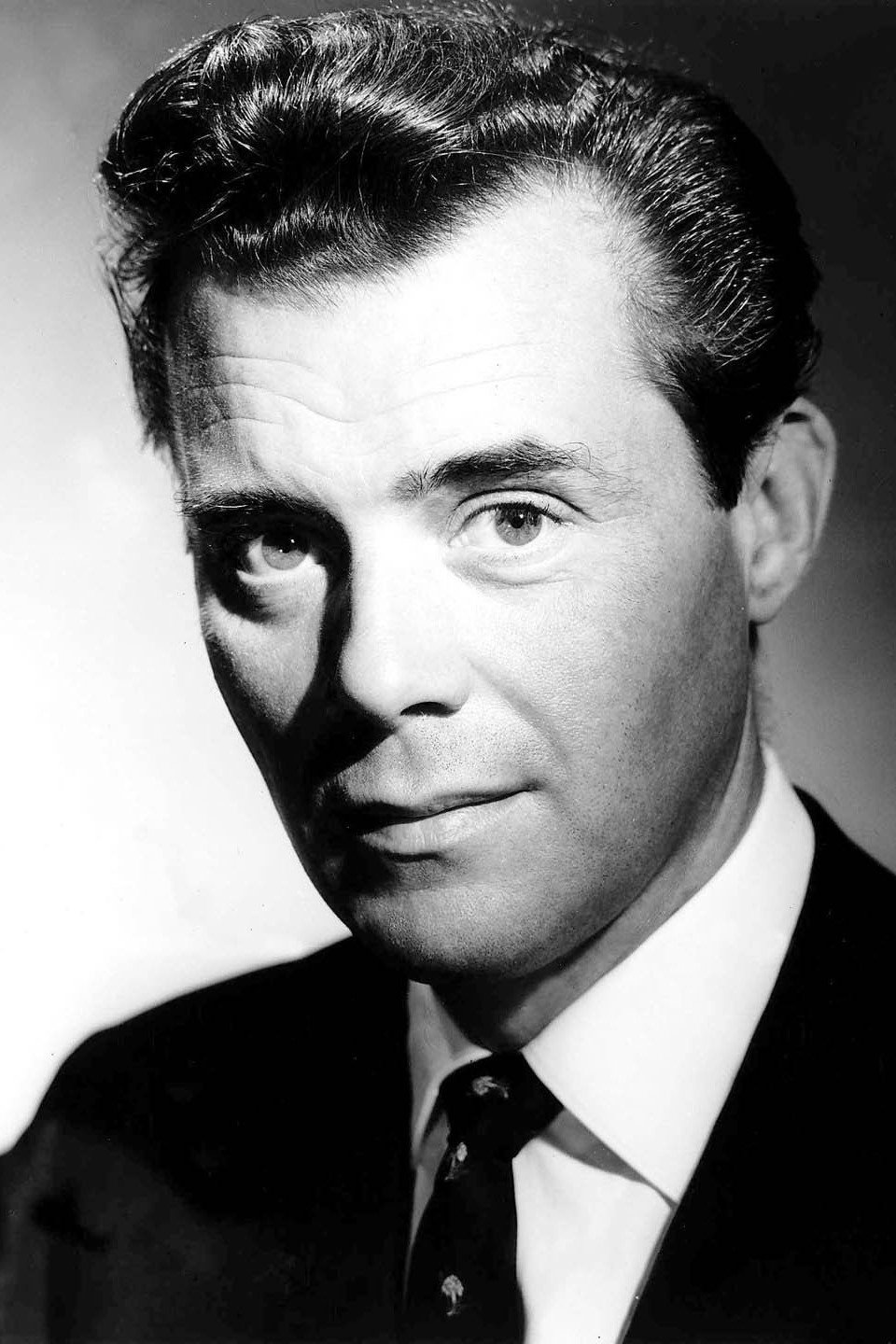
Dirk Bogarde was a huge star in British films and a popular romantic figure in the 1950s. The film studio he worked for, Rank Organisation, tightly controlled his public image and insisted he appear single. For decades, he kept his long-term relationship private while the studio continued to promote him to female audiences. Later in his career, he chose to play more challenging and meaningful roles that allowed him to express himself more fully.
John Gielgud
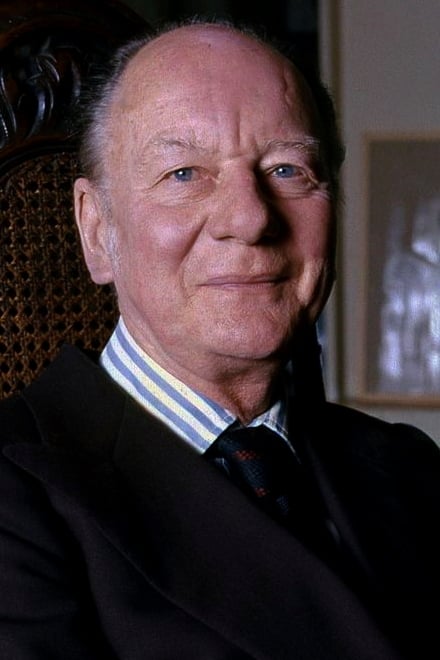
John Gielgud was a celebrated British actor who faced a public scandal in the 1950s. When he was arrested for a private issue, he worried it would end his career because of the strong social disapproval at the time. Fortunately, people in the entertainment industry supported him and emphasized his exceptional talent, allowing him to continue working. However, he had to remain quiet about his personal life for many years after the incident.
Farley Granger
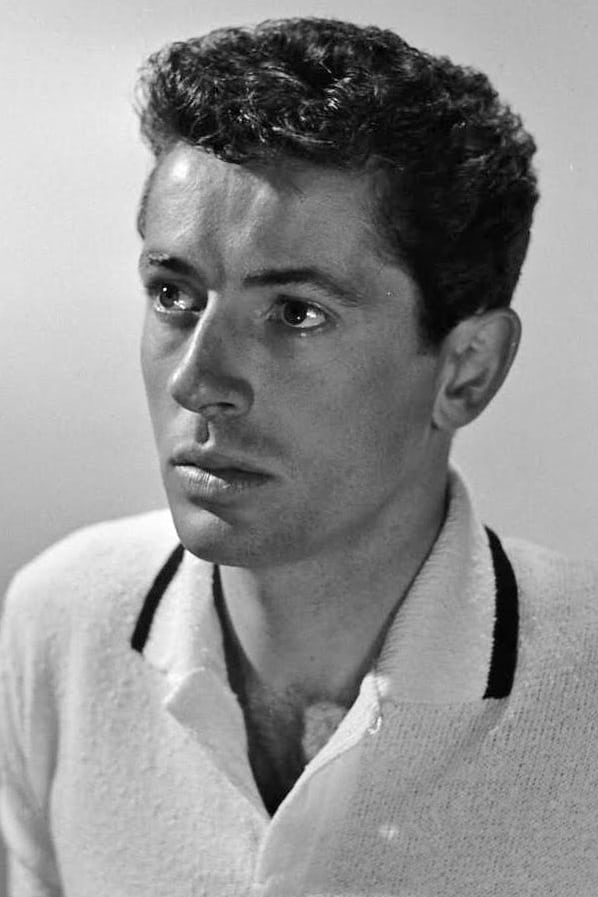
Farley Granger appeared in iconic films like Alfred Hitchcock’s ‘Strangers on a Train’ and ‘Rope.’ As a studio contract player, he faced constant pressure to keep his relationships secret, both with men and women. Hollywood had a very specific image for leading men, and Granger felt the strain of meeting those expectations. Ultimately, he left the film industry to return to the stage, where he felt he had more freedom and control over his life.
James Coco
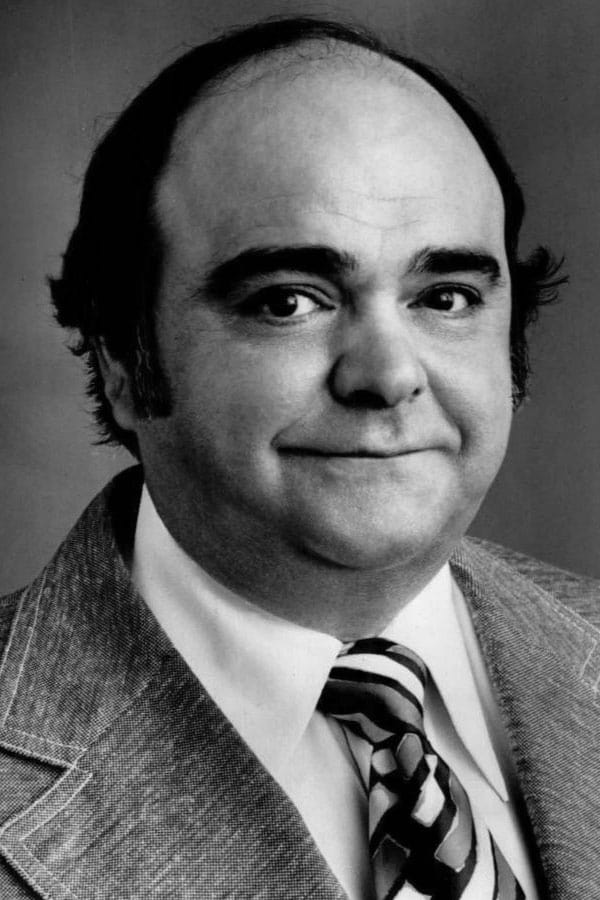
James Coco was a gifted character actor known for his performances in movies and TV. He frequently played funny or unusual roles, but he kept his personal life private. Studio executives believed revealing his true identity would harm his career, so he adhered to the industry’s expectations to maintain his work in a highly competitive environment.
Victor Buono
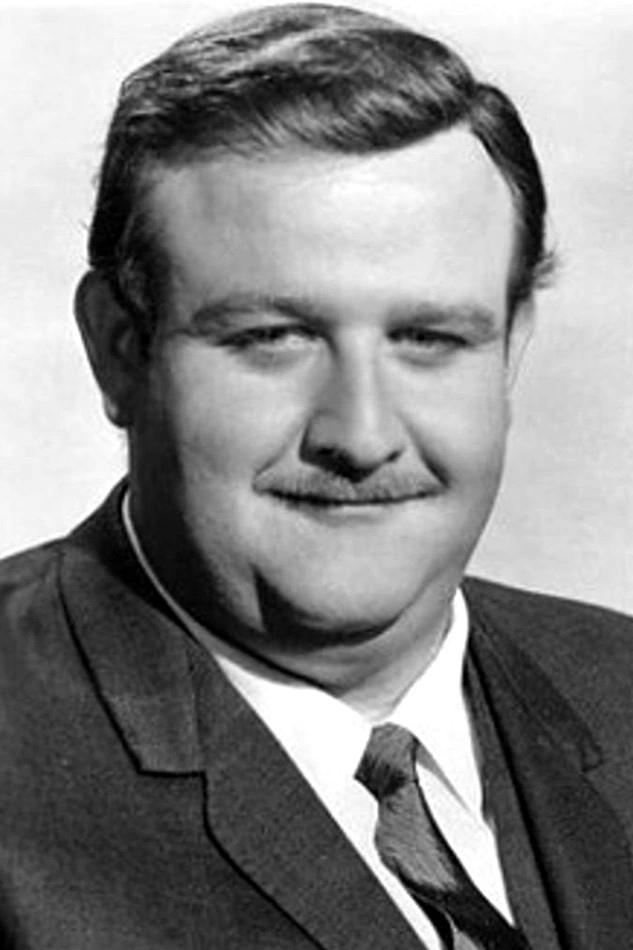
Victor Buono was a well-known actor, even receiving an Academy Award nomination, and starred in films like ‘What Ever Happened to Baby Jane?’ and many TV shows. He was a physically imposing man who commanded attention on screen. At the time, studio executives thought it was best for character actors like him to keep their personal lives private, believing it helped maintain their careers. Buono largely followed this advice, living a quiet and secluded life.
Paul Lynde
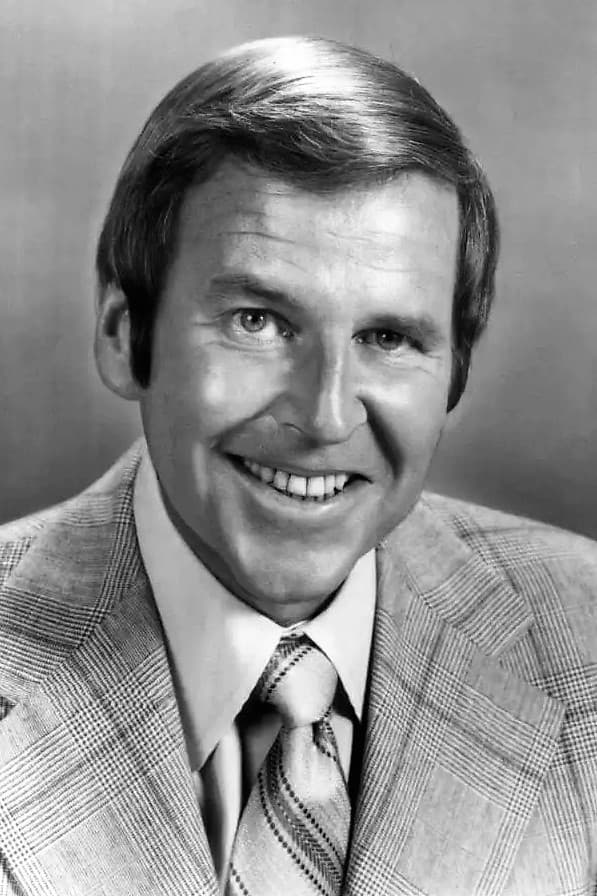
Paul Lynde was a remarkably funny comedian best known for his appearances on ‘The Hollywood Squares’ and several sitcoms. Although he often played a flamboyant and playfully suggestive character on TV, he was never able to publicly acknowledge his true self. Those in charge of his career worried that openly coming out would cost him fans and limit his reach with general audiences. This created a difficult situation, forcing him to carefully separate his on-screen persona from his personal life.
Charles Nelson Reilly
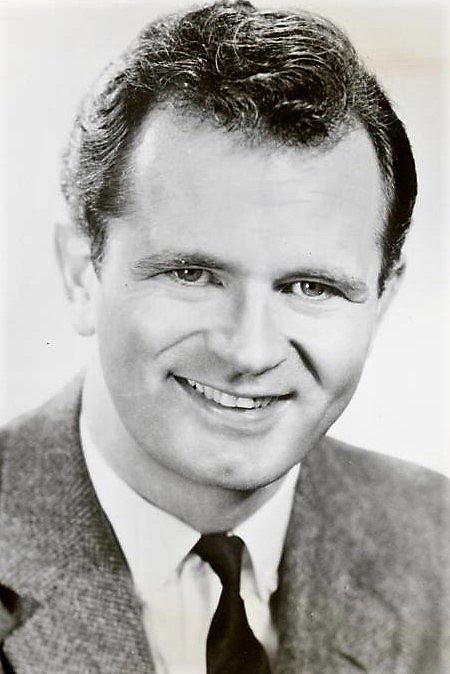
Charles Nelson Reilly was a popular performer on Broadway and a frequent guest on TV game shows. While his energetic and unique style was seen as part of his comedic persona, he kept his personal life private. TV executives often cautioned him that his career relied on not publicly revealing his relationships and maintaining a family-friendly image. This division between his public and private self was typical for entertainers during that time.
Jim Nabors

Jim Nabors became incredibly famous playing Gomer Pyle and was a cherished face on American TV. Because he portrayed such a wholesome and innocent character, the television network worried about anything that might affect his public image. They often spread stories linking him to female celebrities to deflect attention from his private life. For many years, he carefully maintained this public persona to safeguard the popularity of his shows and his music.
Dick Sargent
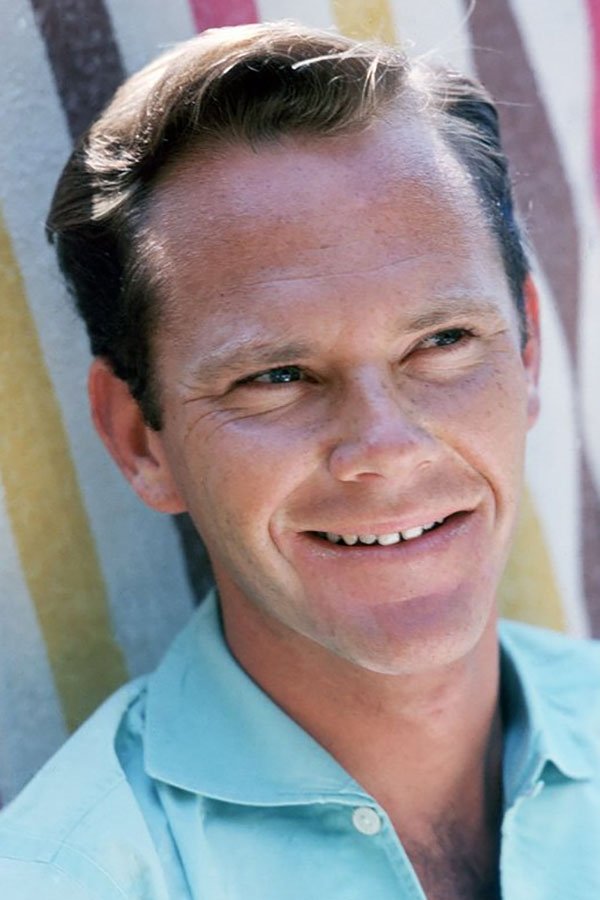
Dick Sargent is most remembered for taking over the role of Darrin Stephens on the hit TV show ‘Bewitched’. Playing the husband in such a well-known family meant he faced a lot of pressure to appear conventional. Studio and network leaders warned him that being open about his true self would end his career. He didn’t publicly come out until much later in life, when he felt safe from potential backlash in the entertainment industry.
Jeremy Brett
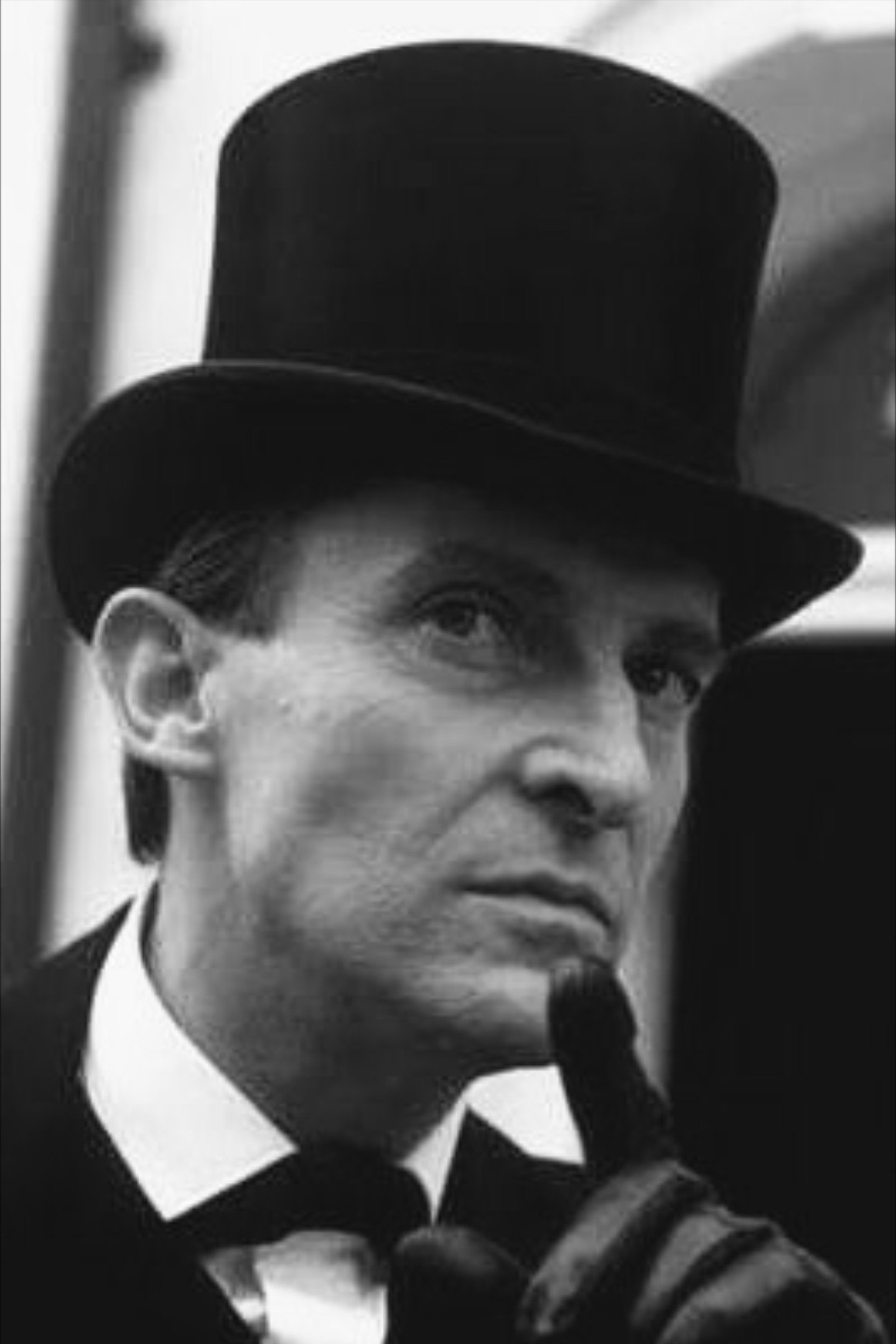
Jeremy Brett is famous for his portrayal of Sherlock Holmes on TV, and many consider him the best. Throughout his successful career as a handsome leading man, those around him tried to protect his private life from the press. He found it difficult to balance the expectations of being a public figure with his personal struggles, especially the pressure to hide his true self.
Laurence Olivier
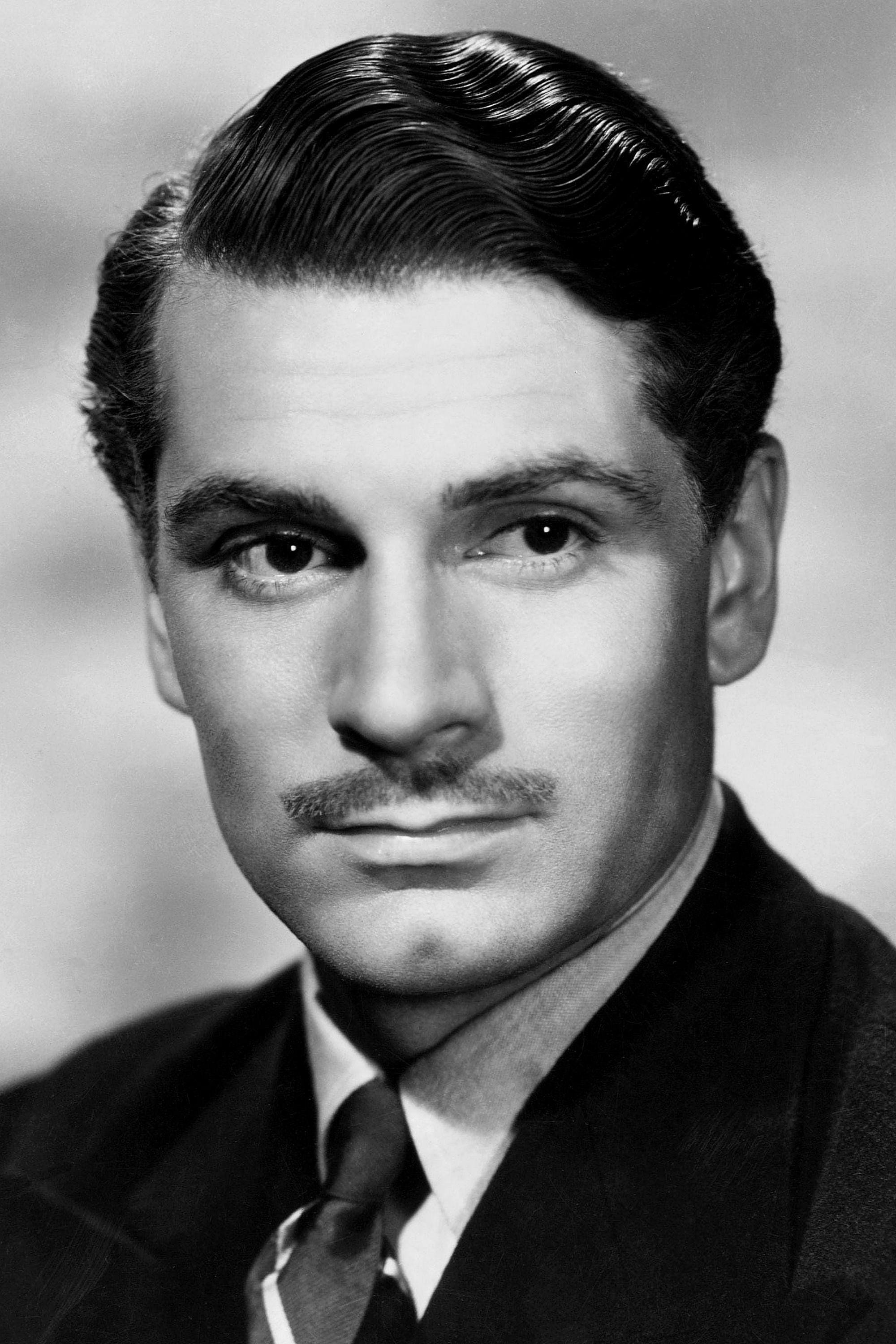
Laurence Olivier is widely considered one of the greatest actors of his time, achieving enormous fame in both theater and film. Though married to well-known actresses, his personal life was complicated, and those in the film industry actively worked to control the narrative. Studio executives were determined to maintain his image as a legendary romantic hero and a symbol of British artistry. He understood that keeping certain details of his life private was essential for protecting his career.
Robert Walker
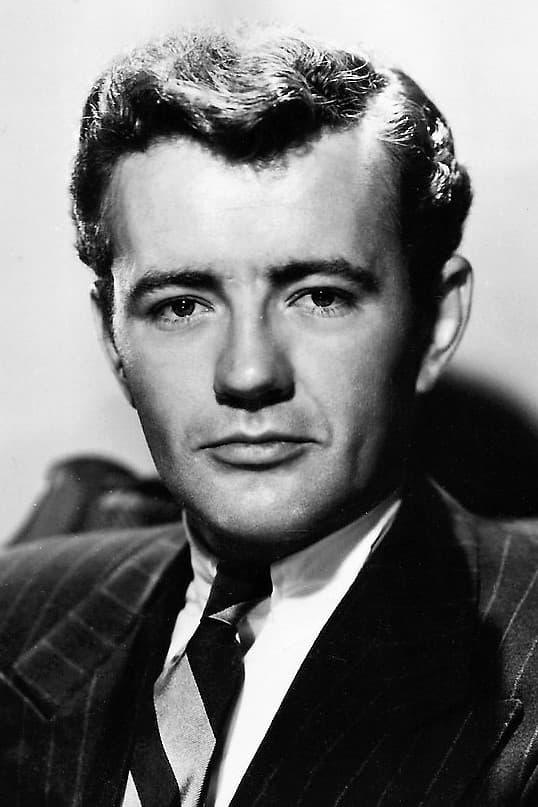
Robert Walker was a talented actor known for films like ‘Strangers on a Train,’ but he died young. The film studio carefully controlled his public image, including his relationships, wanting to present him as a classic leading man. This pressure from the studio system clearly affected his well-being, as he found it difficult to live up to their expectations.
George Maharis
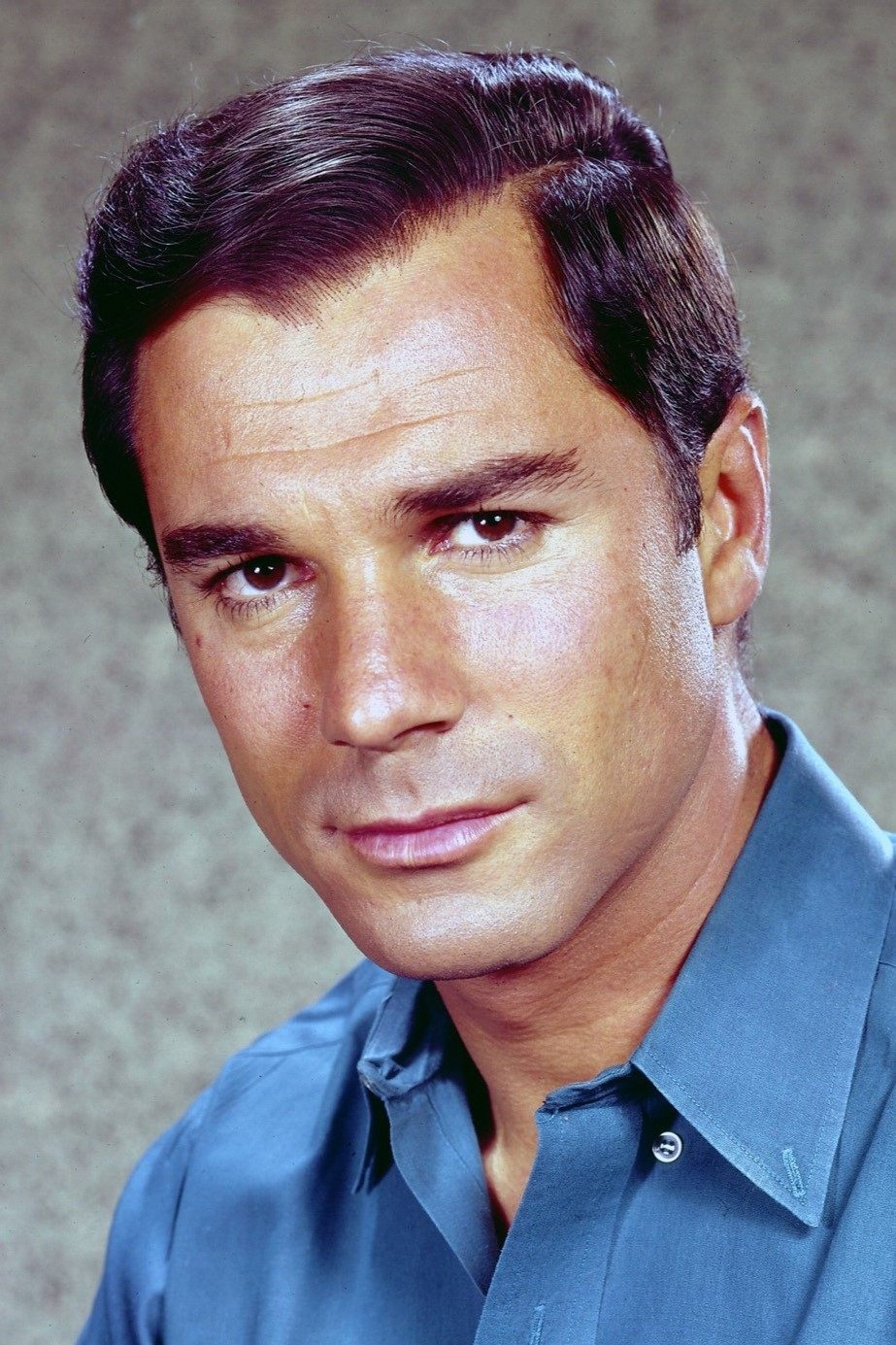
George Maharis was a well-known actor in the 1960s, famous for playing a lead role in the TV show ‘Route 66’. He was becoming a major star when a legal issue arose that could have exposed details about his private life. As a result, the entertainment industry and the network quickly stopped supporting him, and he lost his position as a leading man. After the studio stopped trying to manage his public image, it proved very difficult for him to return to his previous level of success.
Charles Laughton
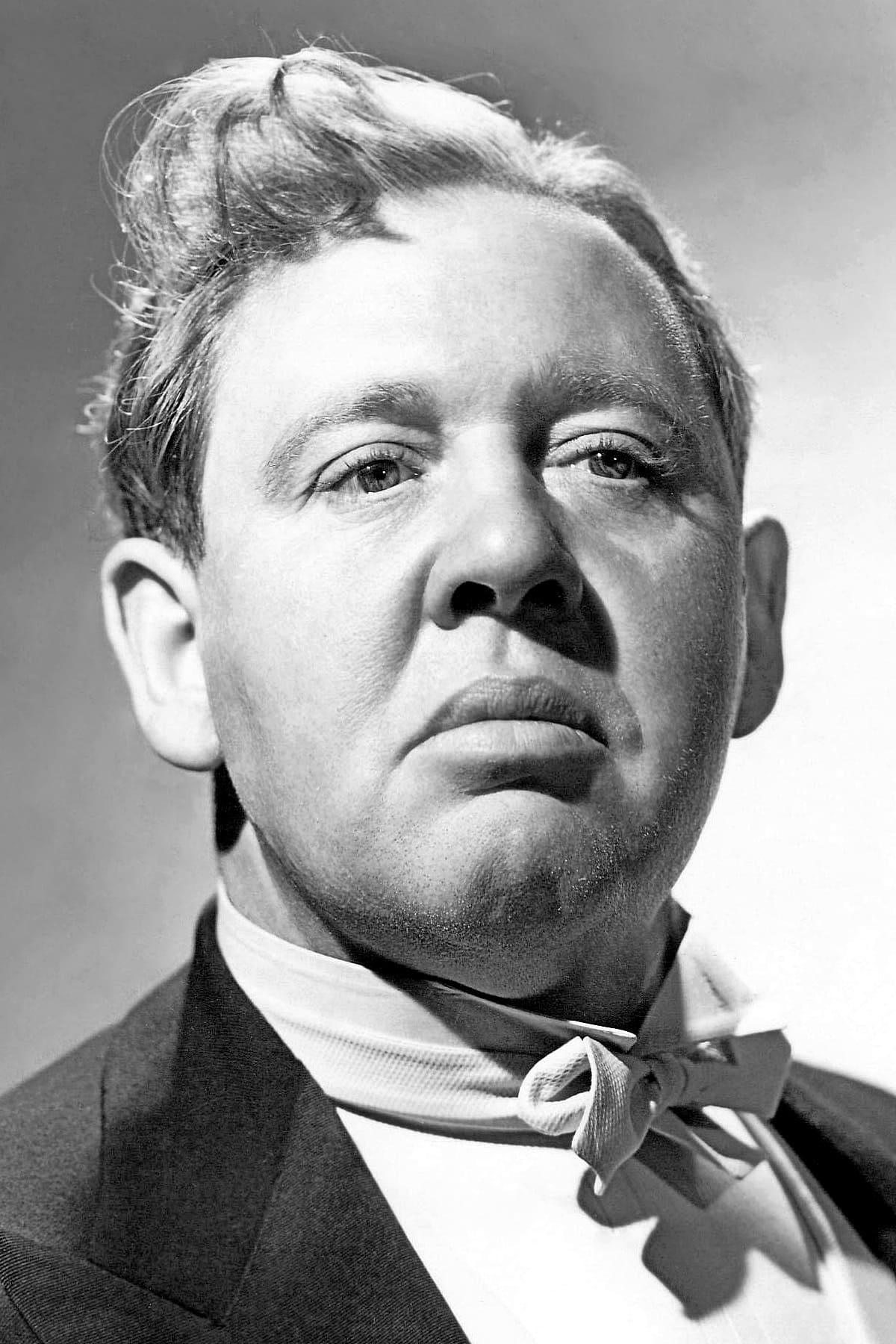
Charles Laughton was a remarkably talented actor and director, famous for winning an Oscar for his role in ‘The Private Life of Henry VIII’. Though incredibly successful, he worried constantly about his personal life becoming public. His wife, Elsa Lanchester, played a key role in shaping the image the studios wanted, helping him stay a beloved star. For decades, he carefully kept a hidden side of his life private from both fans and the media.
Nils Asther
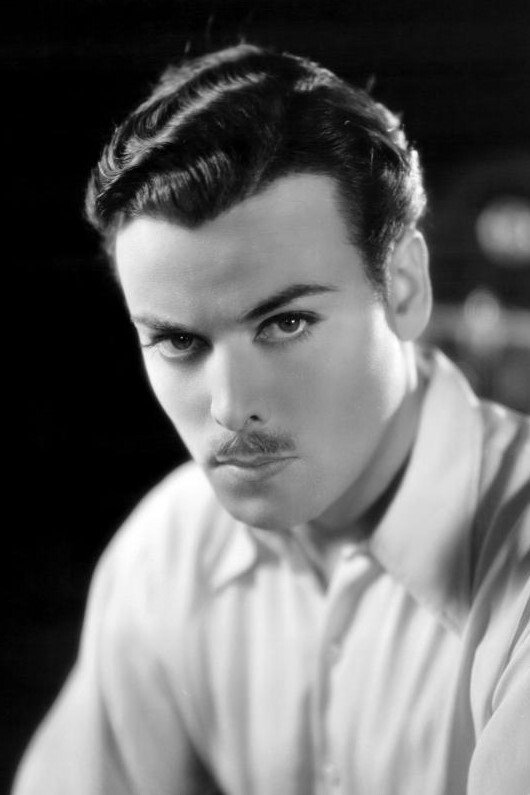
Nils Asther was a Swedish actor who became a Hollywood star during the silent film era and the early days of talking pictures. The studio heavily promoted his mysterious and romantic appeal, and they pushed him into a fake marriage with Vivian Duncan. This was done solely for publicity, to conceal his private life from his increasingly large number of fans. Ultimately, the pressures of the Hollywood system became overwhelming, and his career declined.
Helmut Berger
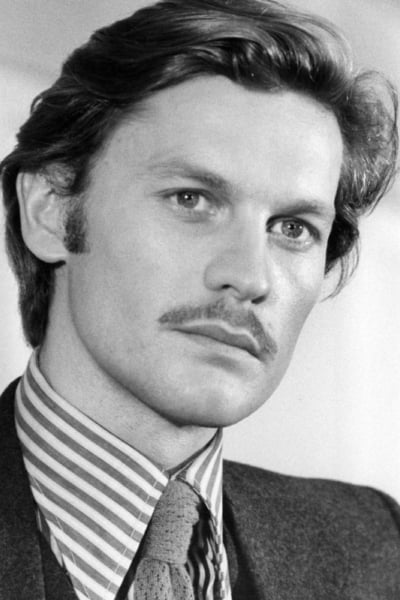
I was always captivated by Helmut Berger, a truly magnetic Austrian actor who really shone in European films, and even made a splash in America. It was fascinating to me how much more accepted he was in Europe; when he came to Hollywood, he faced a lot of resistance. The American studio heads just didn’t seem to understand his openness and individuality, and they kept trying to mold him into something he wasn’t. He fought against that, which I always admired, but it put him in a difficult position with the people calling the shots.
Alain Delon
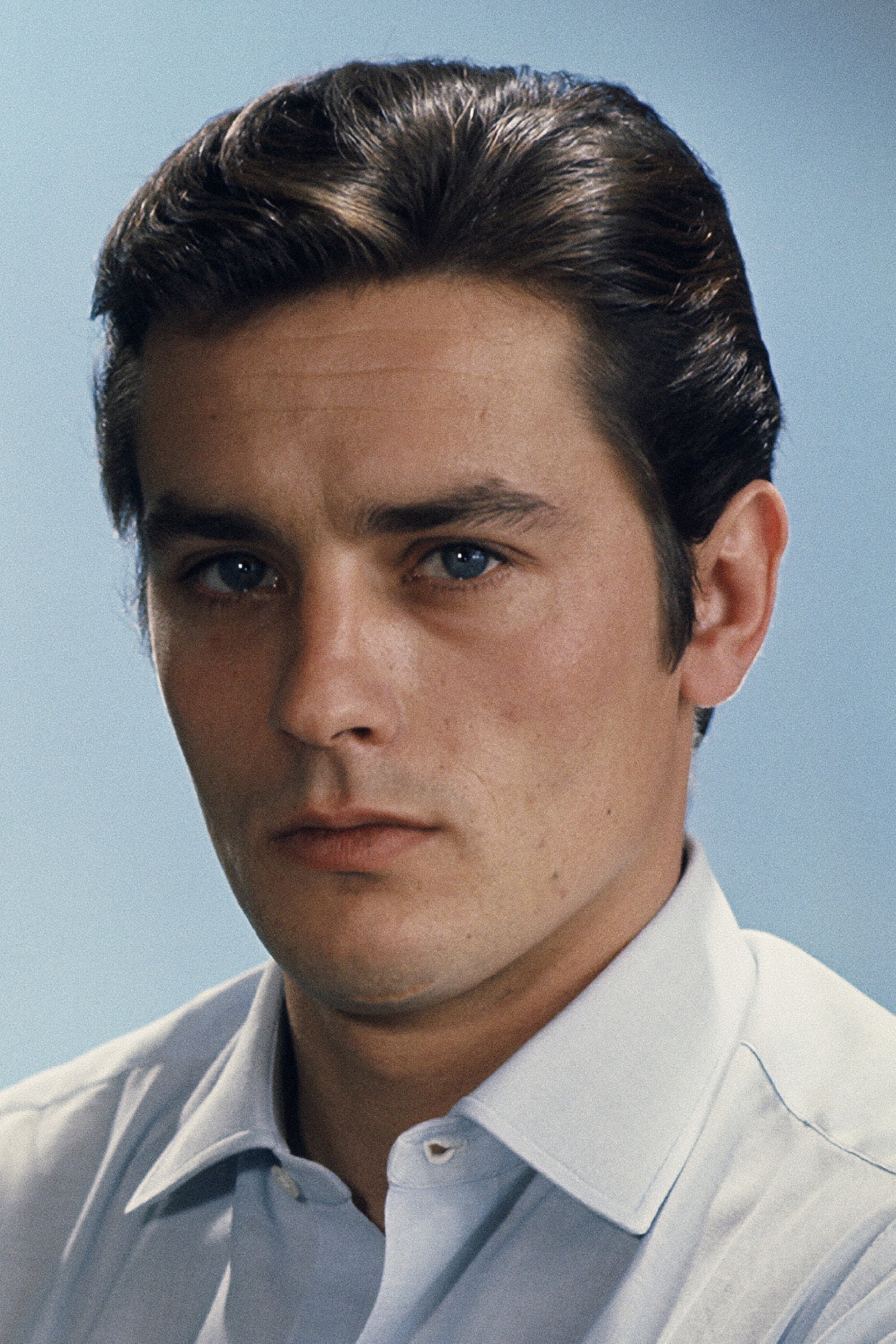
Alain Delon was a hugely popular French actor and a major sex symbol for many years. He carefully cultivated a public image as a handsome and enigmatic leading man, attracting fans worldwide. Throughout his career, there was a strong focus on controlling his private life to protect his reputation and ensure he remained a valuable asset to the film industry. He became a prime example of a star whose public image was fiercely protected.
Jean Marais
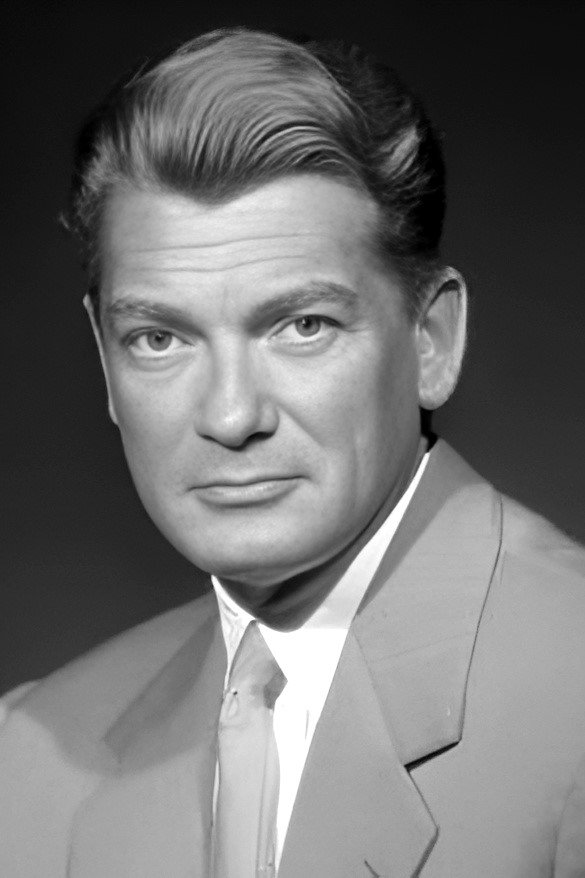
Jean Marais was a prominent actor in French films and had a close personal and creative partnership with the famous director Jean Cocteau. While people in the Parisian art scene knew about their relationship, the film studios preferred they kept it private. Marais was often cast in roles that highlighted his good looks and strong, heroic character to appeal to general audiences. He carefully managed his career by keeping his private life separate from his public persona.
David Manners
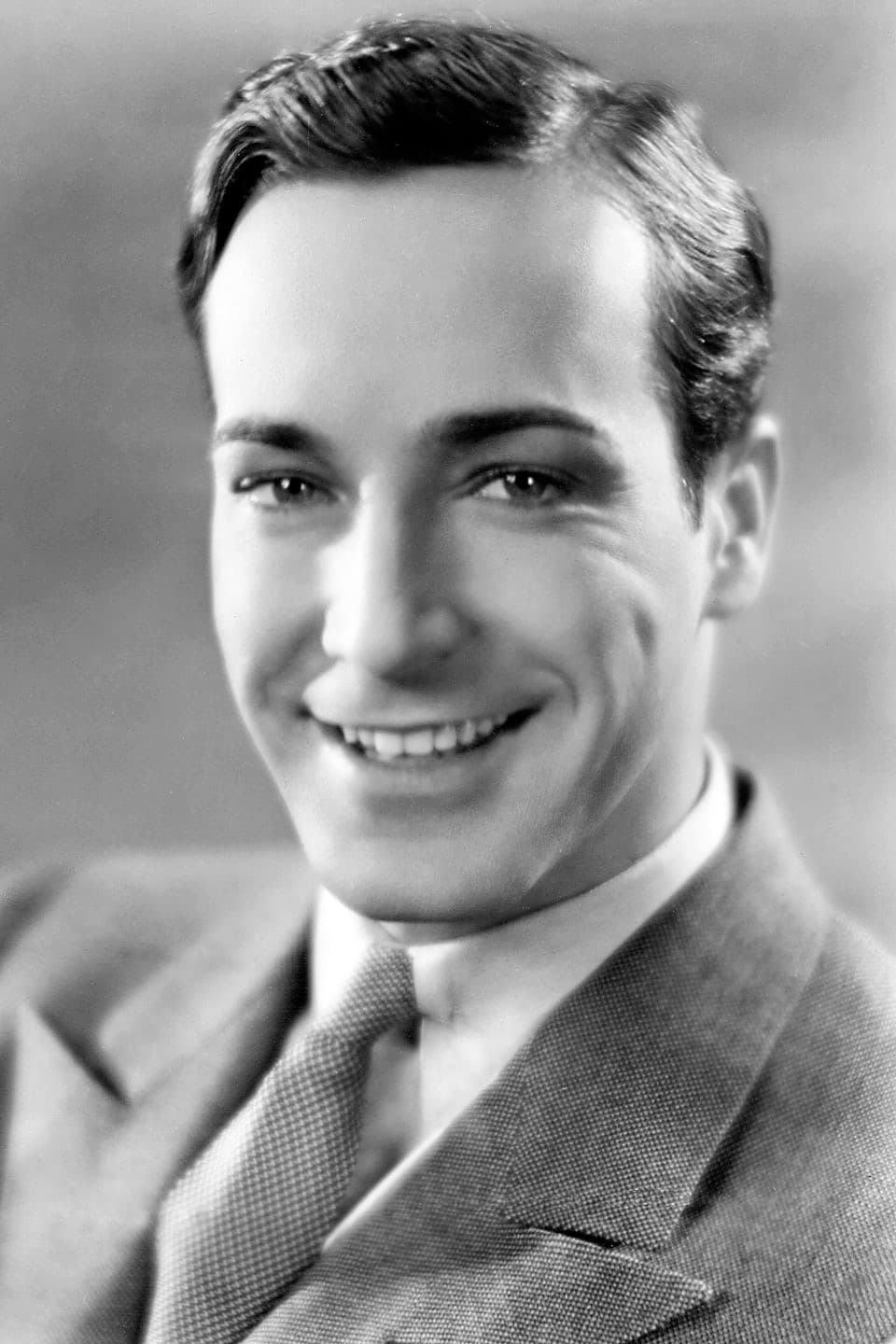
David Manners was a well-known actor in the 1930s, starring in famous horror films like ‘Dracula’ and ‘The Mummy’. He became frustrated with the studio’s control over his private life and the promotional events he was forced to do. At the peak of his career, he decided to leave Hollywood altogether and live a more genuine life running a ranch. He was unusual for his time, successfully choosing to live openly by leaving the film industry.
Franklin Pangborn
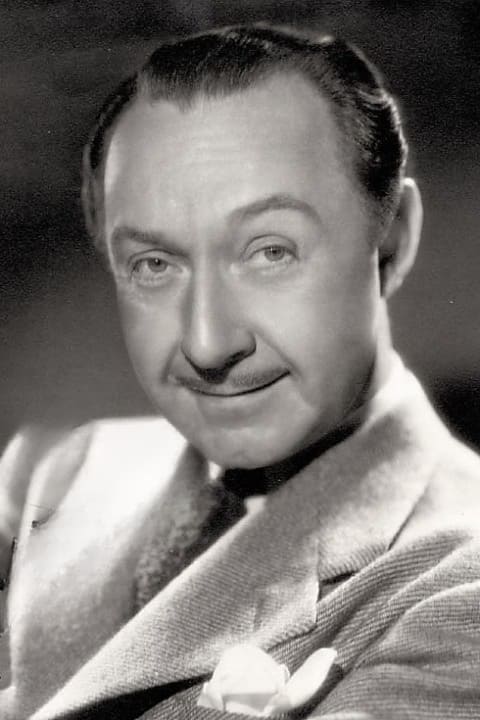
Franklin Pangborn was a prolific character actor, appearing in countless films where he typically played anxious or uptight roles. Hollywood used his on-screen persona to portray specific types of characters without ever recognizing him as an individual. The studios readily hired him, but only as long as he stayed within the established boundaries of his comedic style. He lived a private life and didn’t attempt to break free from the limitations the industry imposed on him.
Edward Everett Horton
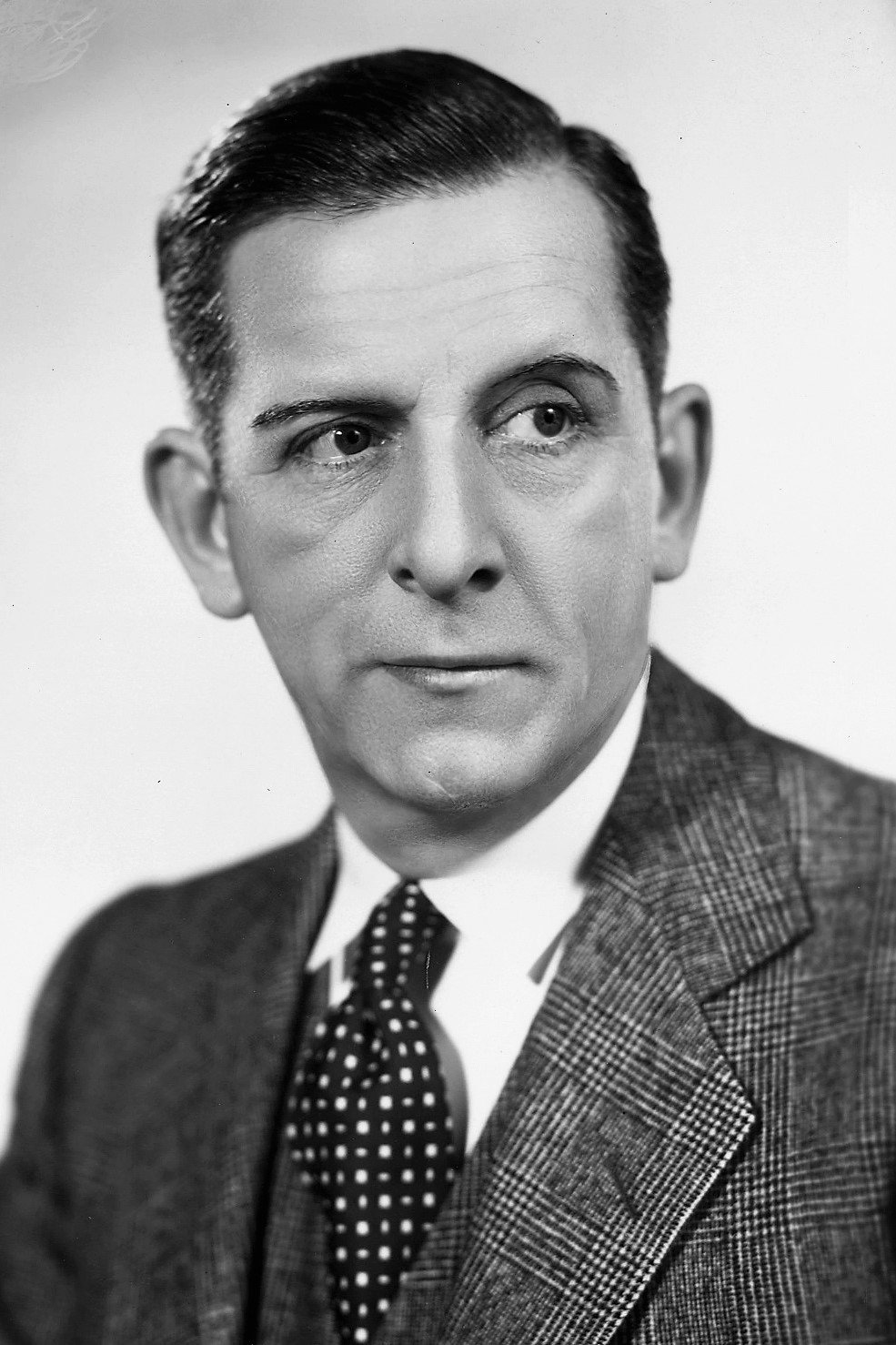
Edward Everett Horton was a popular character actor who worked in film and television for decades, starting in the days of silent movies. He was best known for playing anxious and clumsy characters in many classic comedies. Like most supporting actors of his generation, he kept his personal life private, remaining a lifelong bachelor and avoiding public discussion of his affairs.
Please share your thoughts on these historic Hollywood stories in the comments.
Read More
- Gold Rate Forecast
- Games That Faced Bans in Countries Over Political Themes
- Silver Rate Forecast
- 22 Films Where the White Protagonist Is Canonically the Sidekick to a Black Lead
- Unveiling the Schwab U.S. Dividend Equity ETF: A Portent of Financial Growth
- How to Do Sculptor Without a Future in KCD2 – Get 3 Sculptor’s Things
- Celebs Who Narrowly Escaped The 9/11 Attacks
- 14 Movies Where the Black Character Refuses to Save the White Protagonist
- 20 Movies Where the Black Villain Was Secretly the Most Popular Character
- The Best Directors of 2025
2026-03-23 05:48