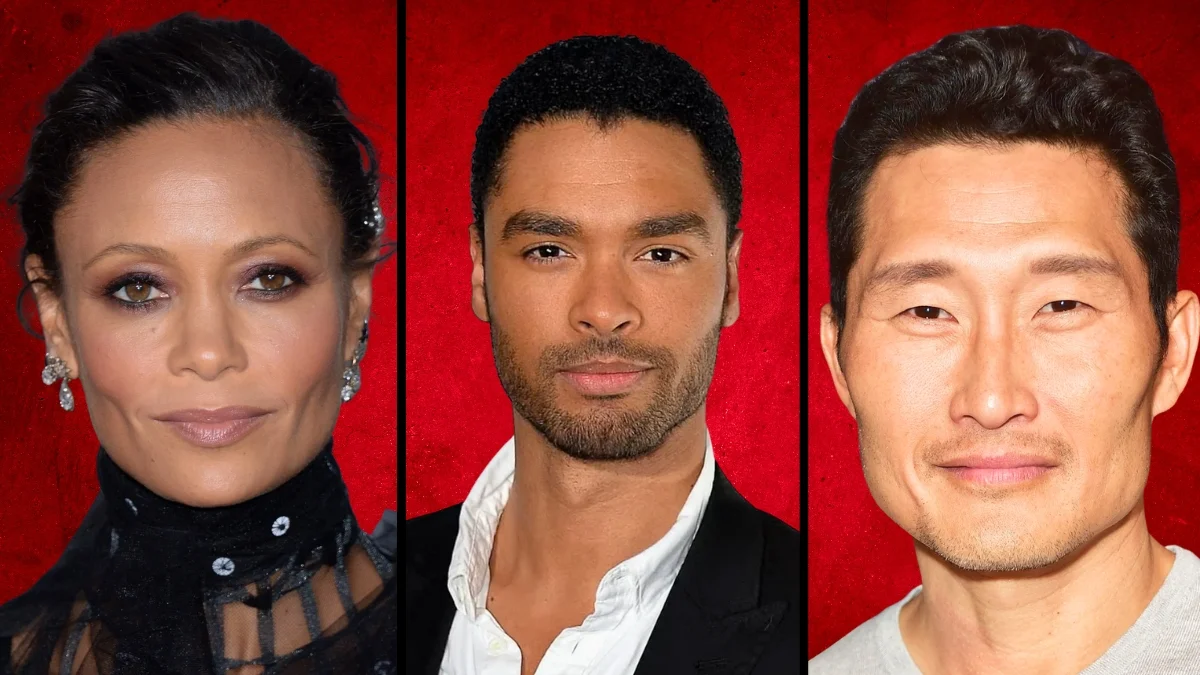
The success of a movie or TV series often depends on who’s cast and how it’s advertised. Sometimes, actors face tough conditions on set to further their careers, but a few have turned down big paychecks because of racism. They refused to participate in projects that featured whitewashing, harmful stereotypes, or marketing that didn’t respect their background. Here’s a look at actors who chose to stand up for their values and left or rejected major roles as a result.
Thandiwe Newton

Thandiwe Newton almost starred in the 2000 ‘Charlie’s Angels’ movie with Cameron Diaz and Drew Barrymore, but she left the project after a troubling meeting with studio head Amy Pascal. Newton felt Pascal’s ideas for her character relied too much on harmful racial stereotypes and focused on objectifying her for marketing purposes. Specifically, the proposed opening scene involved an overly sexualized close-up shot that Newton found unacceptable. She chose to leave the film to avoid contributing to these damaging tropes.
Ed Skrein
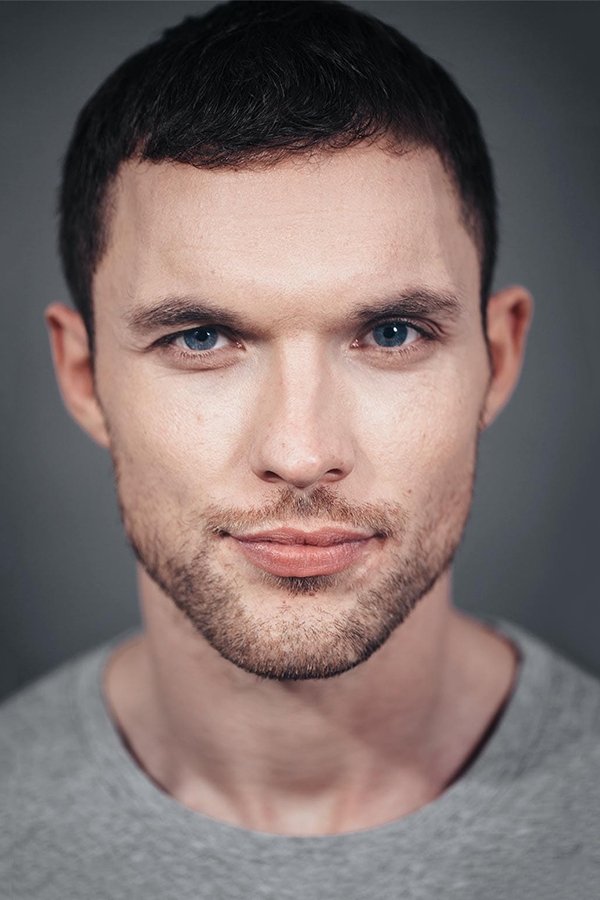
When Ed Skrein was chosen to play Major Ben Daimio in the 2019 ‘Hellboy’ reboot, fans protested. The character is Japanese-American in the original comics, and many felt it was wrong to cast a white actor in the role. Skrein responded to the criticism about ‘whitewashing’ – casting a white actor to play a person of color – and decided to leave the film. This allowed the studio to find an actor who more accurately represented the character, and Daniel Dae Kim was eventually cast in the part.
Dave Chappelle
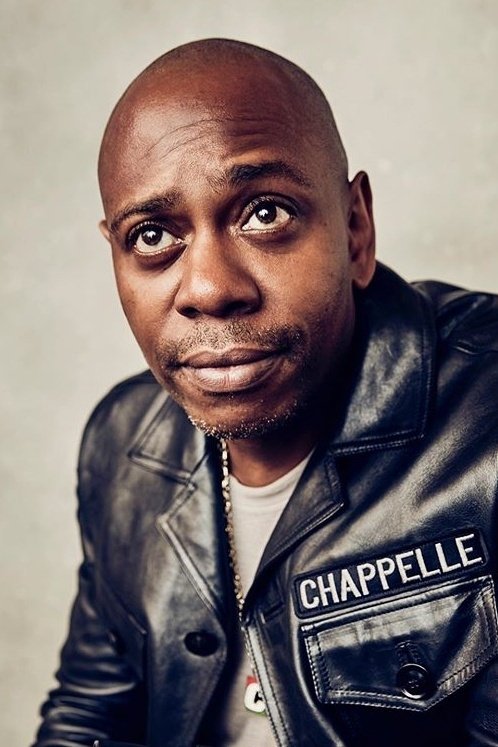
Dave Chappelle famously quit his Comedy Central show, ‘Chappelle’s Show,’ walking away from a $50 million deal while they were making the third season. He felt uncomfortable with how audiences were interpreting his sketches and how they were being used in promotions, believing it actually strengthened harmful stereotypes instead of challenging them. A particular moment, when a crew member laughed inappropriately at a sketch, made him feel like he was acting irresponsibly. He left for Africa to escape the situation, feeling his work was becoming like a modern-day minstrel show. Ultimately, Chappelle prioritized his principles and the well-being of his community over continuing the show.
Hank Azaria
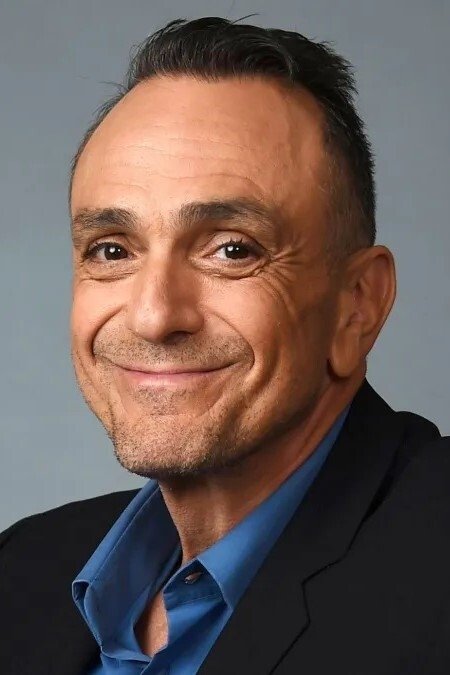
For over thirty years, Hank Azaria was the voice of Apu Nahasapeemapetilon on ‘The Simpsons.’ He stopped voicing the character after a documentary, ‘The Problem with Apu,’ pointed out how it promoted harmful stereotypes and led to racist bullying. Azaria admitted his portrayal had been a damaging caricature, presented as harmless humor for many years. He suggested the role should be taken over by a South Asian actor or eliminated entirely. This decision represented a major change in how long-running animated shows approach inclusivity and representation.
Mike Henry
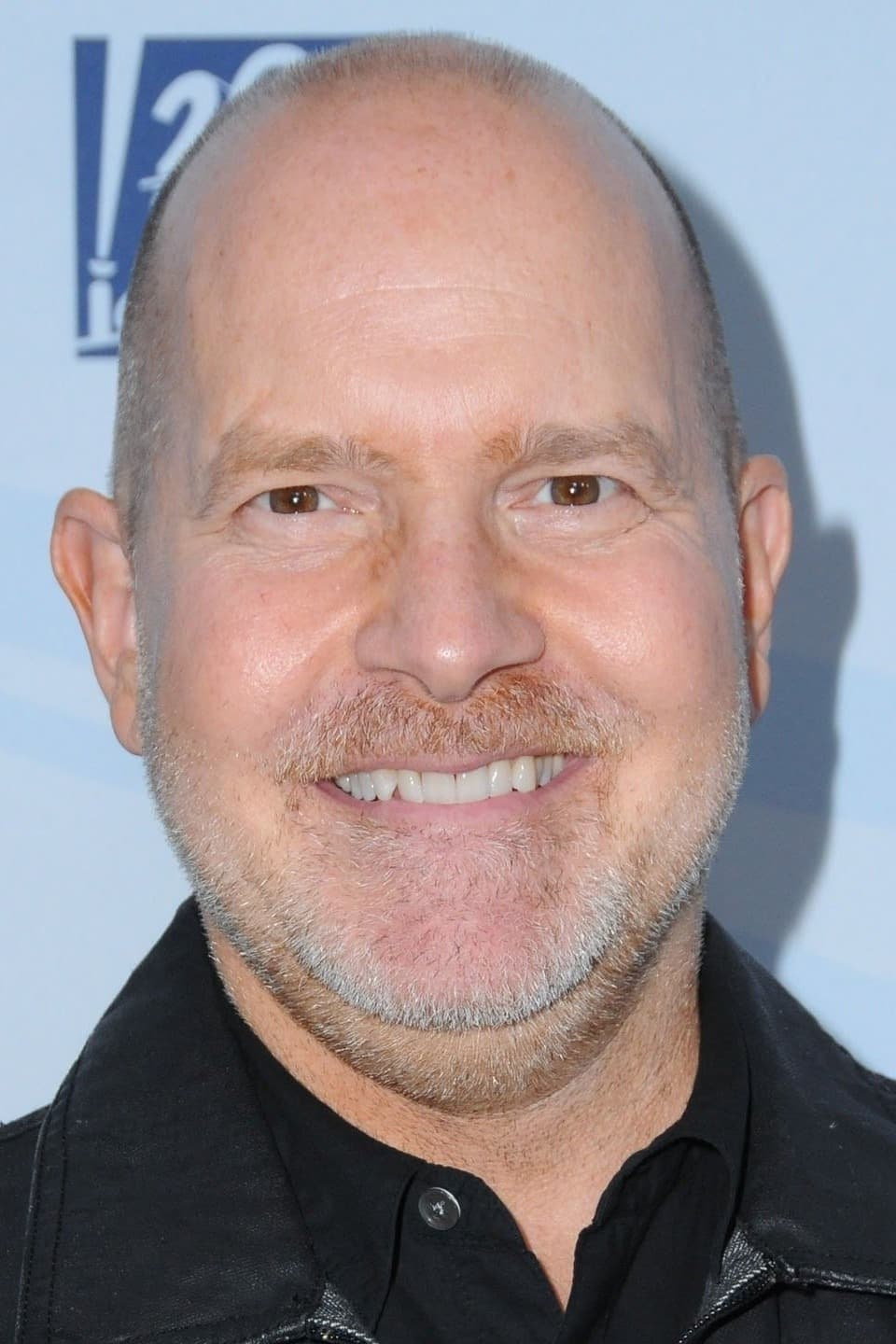
For twenty years, Mike Henry provided the voice for Cleveland Brown on ‘Family Guy’ and its spin-off. He decided to stop voicing the character, believing that actors of color should play characters of color. This decision came as the entertainment industry was increasingly focused on authentic casting and representation. Henry felt it was no longer right for a white actor to profit from a Black character, and his departure allowed the show to find a Black actor to take on the role in future seasons.
Jenny Slate
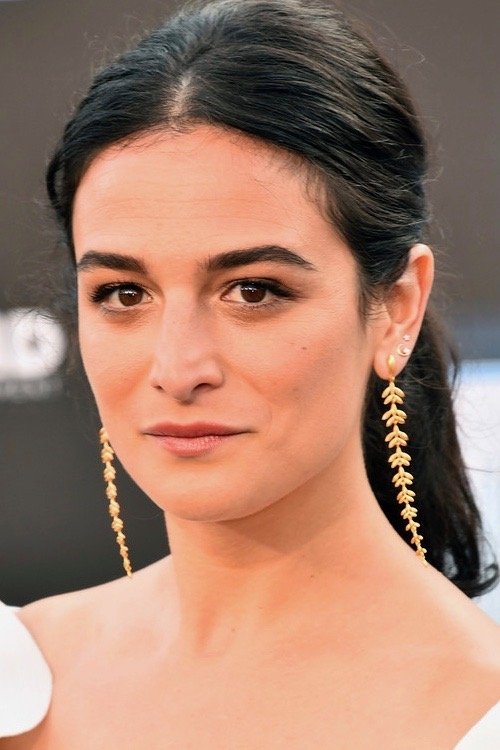
Jenny Slate, who voiced the character Missy on the animated show ‘Big Mouth’, asked to step down from the role. She felt a Black character should be voiced by a Black actor, acknowledging that her initial decision to take the part had unintentionally contributed to the lack of Black representation in media. Slate wanted to create an opportunity for more authentic voices in animation, and Ayo Edebiri was later cast to take over the role.
Kristen Bell
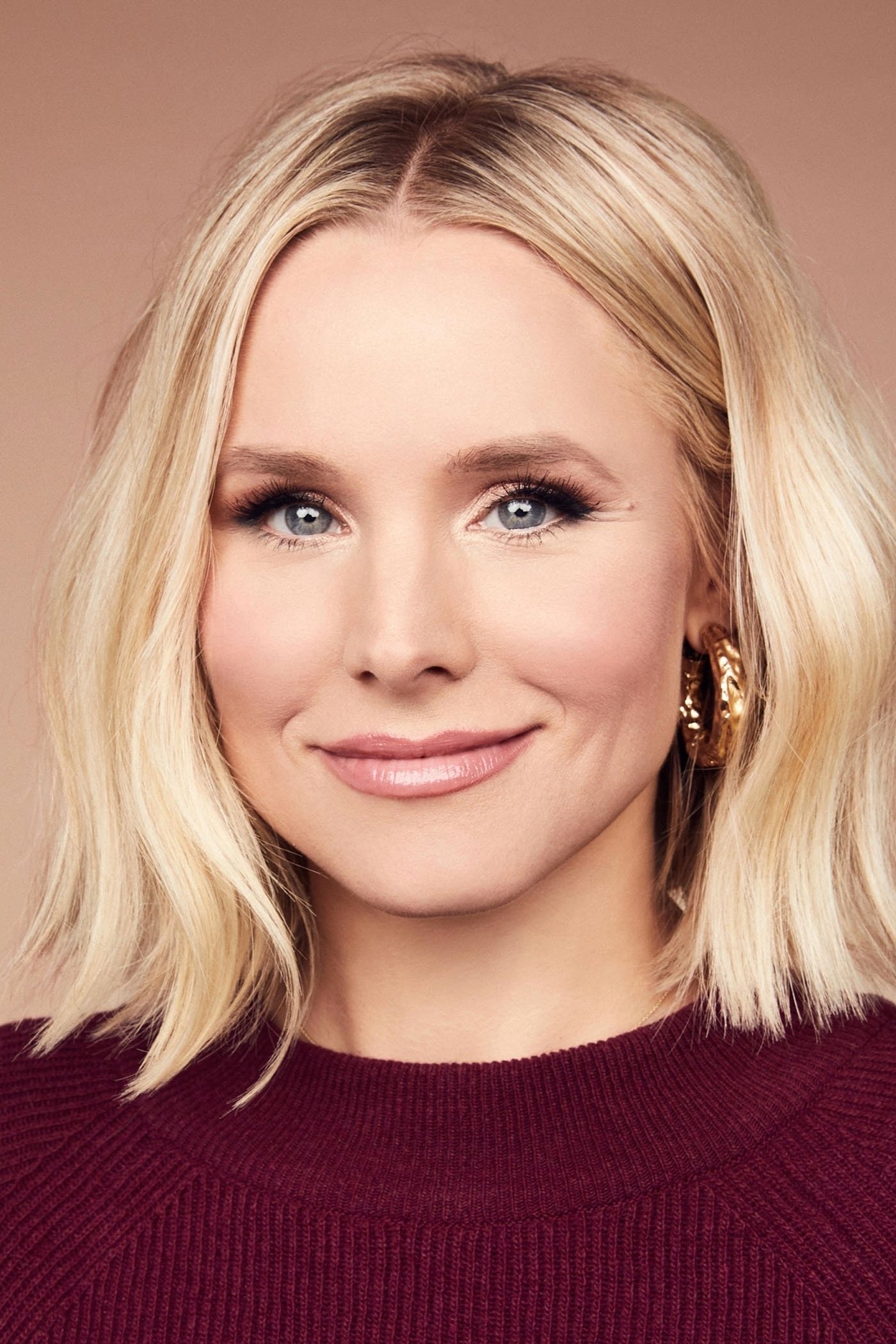
Kristen Bell, who voiced the character Molly in the Apple TV+ show ‘Central Park,’ decided to leave the role. Both Bell and the show’s creators agreed it was important to find someone who could more authentically portray a mixed-race character, as Bell realized her casting hadn’t fully considered that experience. This decision was made to help the show improve its representation and was part of a larger trend in the entertainment industry to address issues of whitewashing in voice acting.
Chadwick Boseman
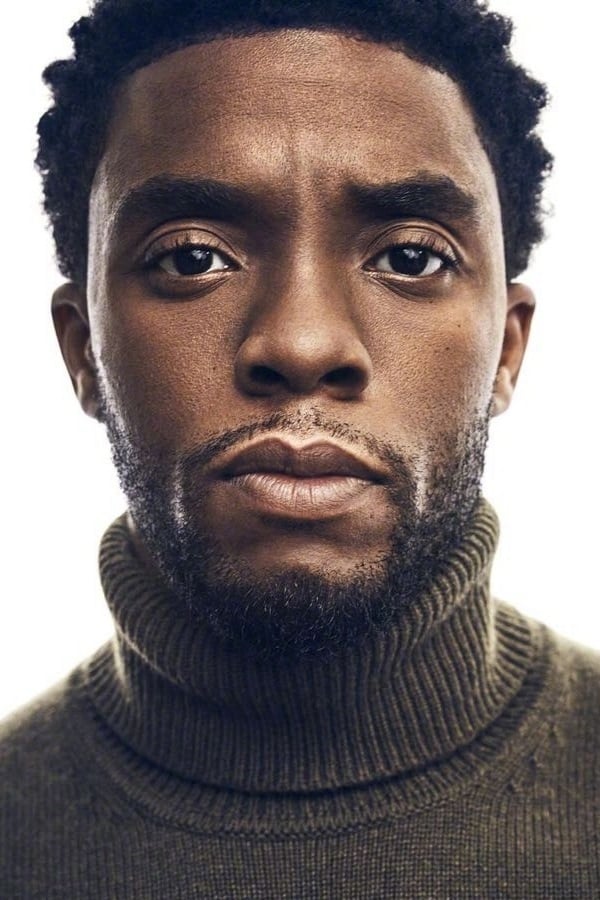
Chadwick Boseman began his acting career with a part on ‘All My Children,’ where he played a young gang member. However, he was soon fired after speaking out against the stereotypical nature of the role. Boseman believed the character perpetuated harmful images of young Black men and attempted to work with producers on revisions. Though labeled difficult, he remained firm in his commitment to accurate representation, and this early experience ultimately shaped his career.
Orlando Jones
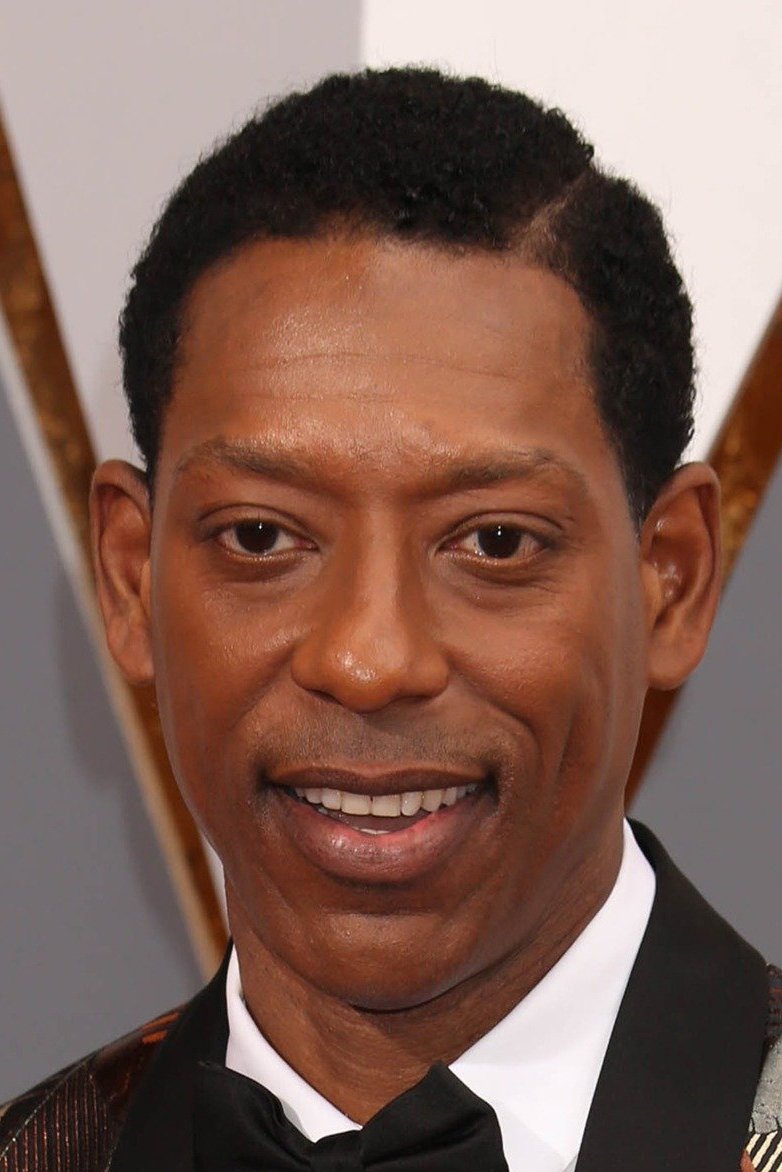
Orlando Jones was let go from his role as Mr. Nancy in the Starz series ‘American Gods’. Jones said the new showrunner felt his character’s strong reactions weren’t a good representation for Black audiences. He argued this was an attempt to soften the show’s messages about race to appeal to a wider audience, and criticized the production company for not upholding its commitment to diverse viewpoints. His departure sparked a strong negative reaction from fans, who were upset with how the show was addressing issues of race.
Ray Fisher
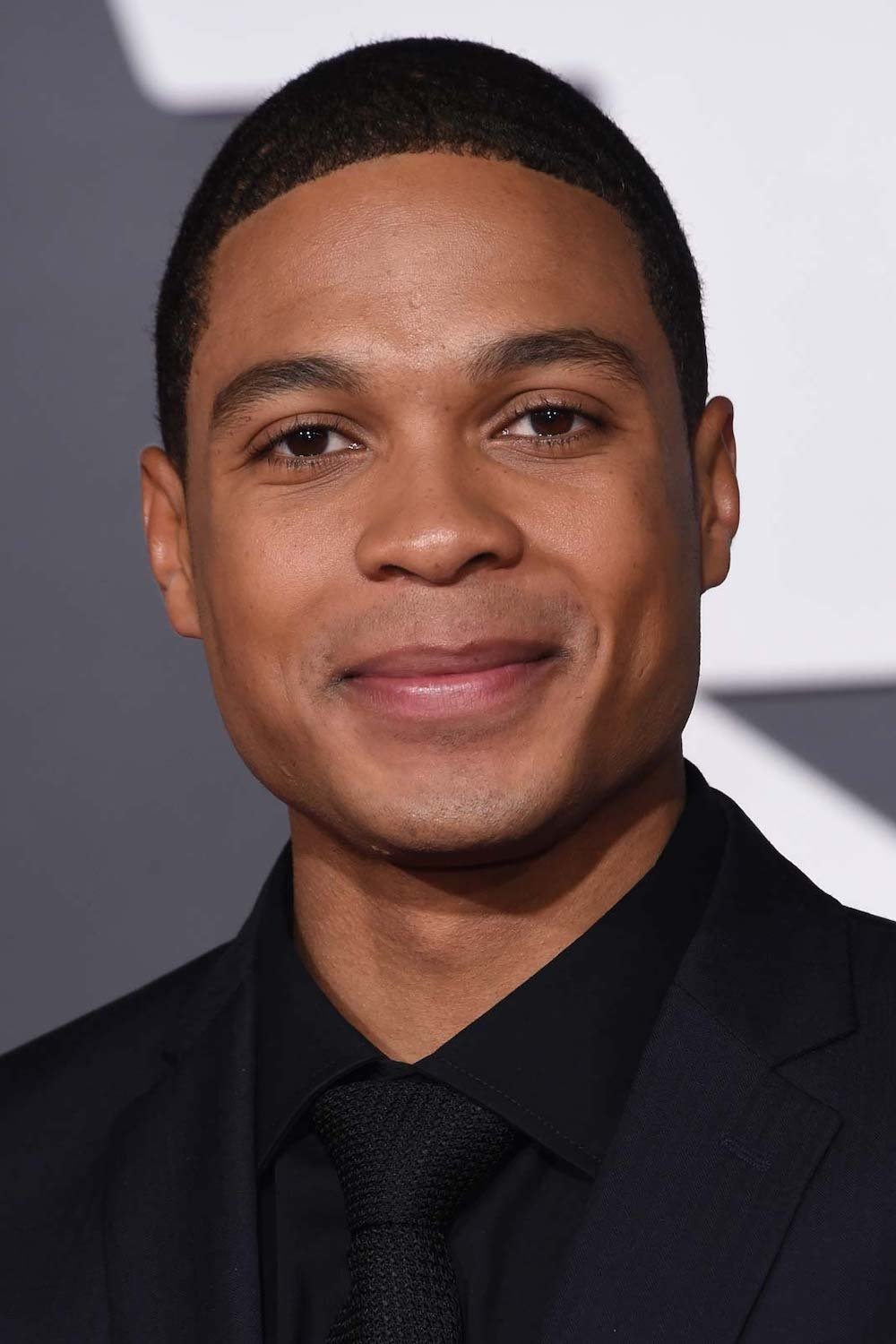
Ray Fisher, who played Cyborg in ‘Justice League,’ left the DC Universe after publicly clashing with the studio. He alleged that director Joss Whedon and studio leaders behaved abusively and made racially insensitive choices that reduced his part in the film. Fisher also claimed the studio’s public relations team prioritized protecting those in power instead of addressing the racism he faced during filming. As a result, he was removed from ‘The Flash’ and left the franchise. Fisher continues to advocate for better treatment and accountability for actors of color in the entertainment industry.
Regé-Jean Page
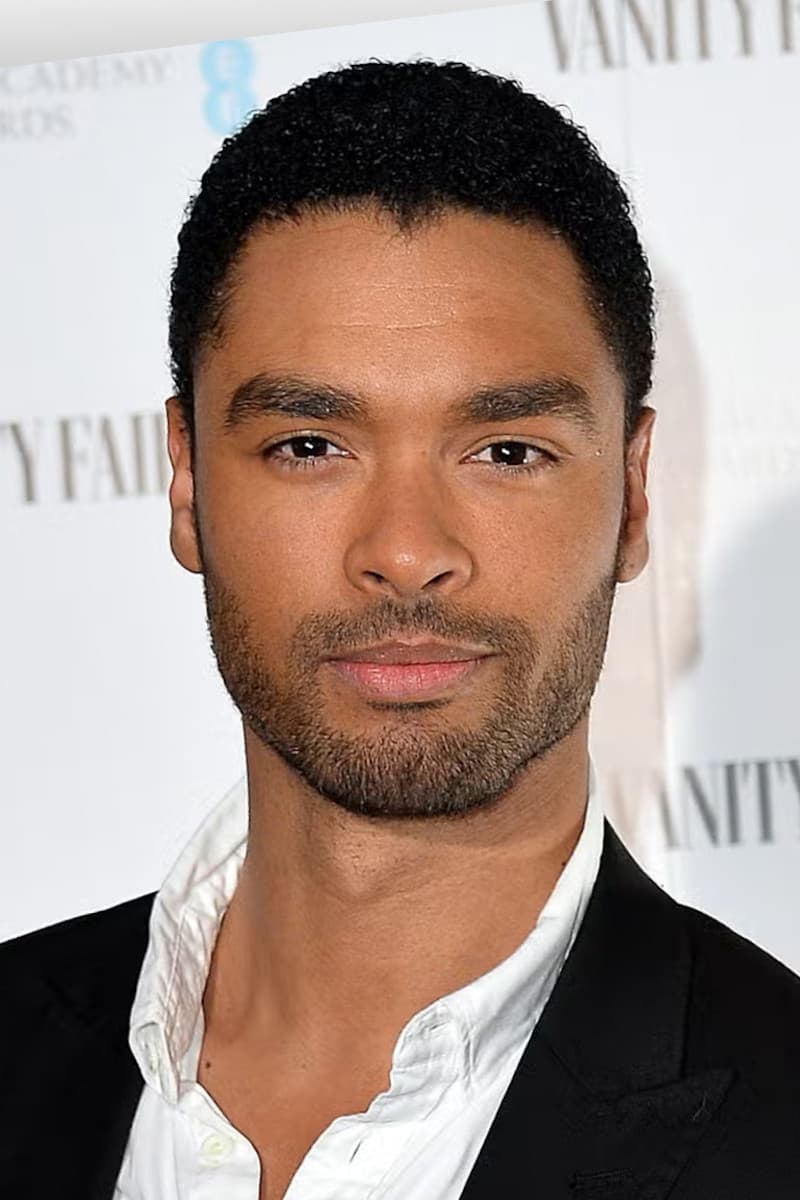
Regé-Jean Page tried out for the role of Seg-El in the show ‘Krypton,’ which was meant to tell the story before Superman. He didn’t get the part, reportedly because someone in charge worried about Superman having a Black grandfather. Page later said he chose not to pursue the role after hearing this feedback about his race. This situation showed how some older superhero franchises can be limited in their thinking when it comes to casting. Ultimately, Page found much greater success in projects that were happy to have him on board.
Amandla Stenberg
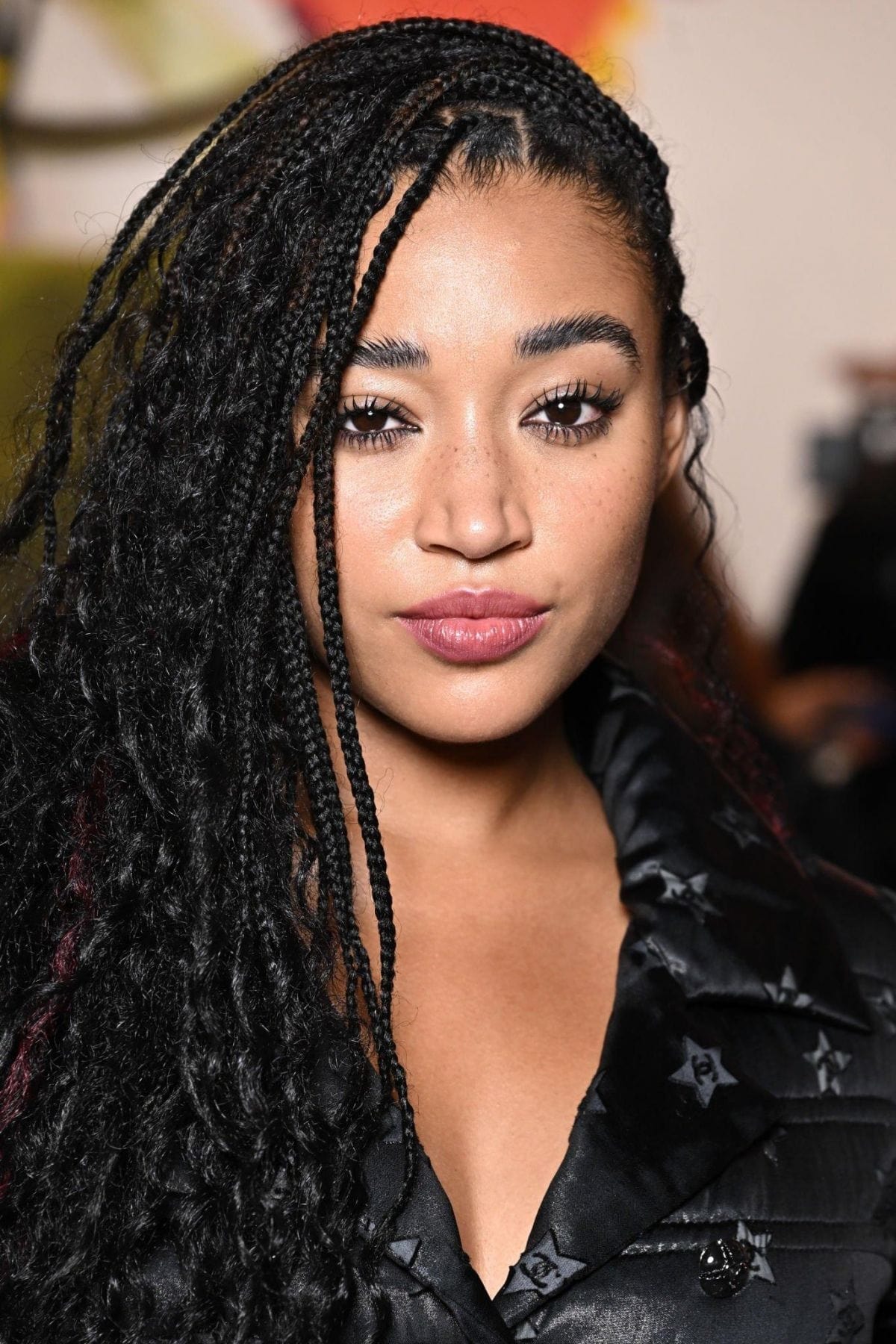
Amandla Stenberg was offered the chance to audition for the part of Shuri in ‘Black Panther,’ but she turned it down. She felt a darker-skinned actress would be a better fit for the role of the African princess, believing her own casting would be unfair and wouldn’t properly represent the film’s cultural goals. Stenberg explained she sometimes chooses not to pursue roles when she feels another actor is more suitable. This decision ultimately led to Letitia Wright being cast and helped maintain the film’s commitment to authentic representation.
Marcus Chong
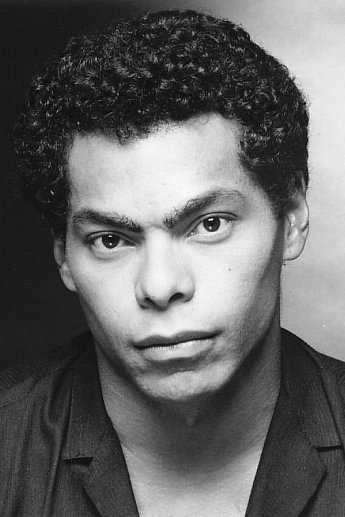
Marcus Chong, who famously played Tank in the first ‘Matrix’ movie, wasn’t in the sequels. This was due to a major disagreement with the filmmakers regarding his pay and accusations of racial discrimination. Chong felt the studio didn’t appreciate his work and attempted to suppress him when he asked to be compensated fairly. He later made a documentary about being left out of the franchise and what he believed was a deliberate effort to harm his career. His departure remains a well-known and contentious event in science fiction film history.
Terrence Howard
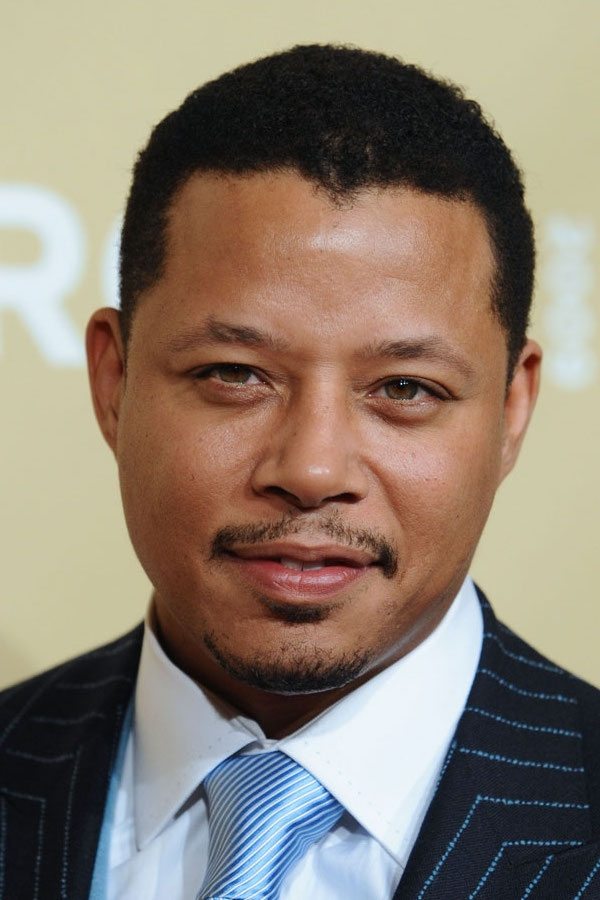
Terrence Howard earned the most money of any actor in the first ‘Iron Man’ movie as James Rhodes. However, he wasn’t asked back for the sequel when the studio requested a significant reduction in his salary. Howard stated that studio executives told him the franchise would succeed regardless of his involvement and didn’t appreciate his contributions. He believed the money saved from his contract was used to increase Robert Downey Jr.’s pay. Don Cheadle then took over the role for all subsequent ‘Iron Man’ films.
Ricky Whittle
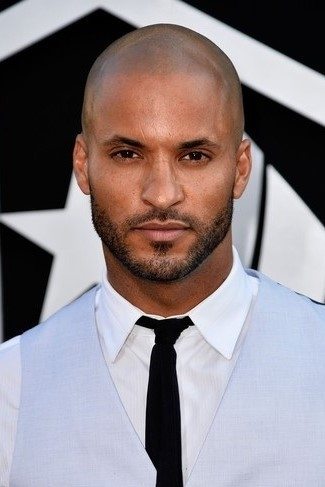
Ricky Whittle, known for his role as Lincoln on the show ‘The 100’, left after alleging that the showrunner, Jason Rothenberg, bullied him and diminished his character’s importance. Whittle explained that his storyline was drastically reduced, leading to less visibility in the show’s promotion and plot. He felt his character was being used as a tool rather than developed as a person, and ultimately decided to leave the negative work environment to find more fulfilling roles.
Adewale Akinnuoye-Agbaje
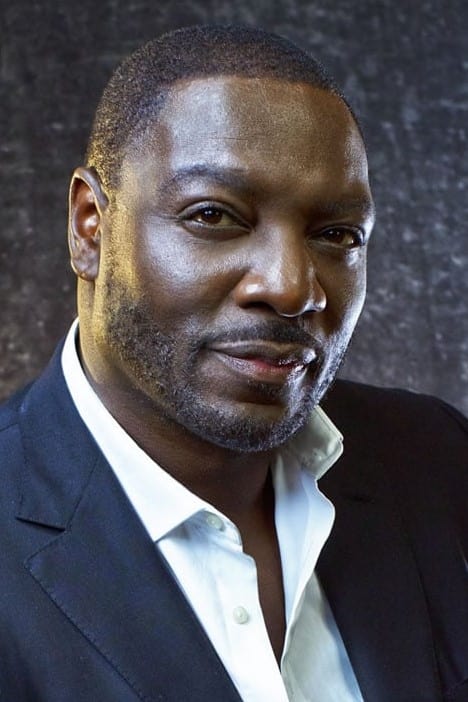
Adewale Akinnuoye-Agbaje, known for his role as Mr. Eko in ‘Lost,’ asked the show’s creators to remove his character. He felt the role was limited by stereotypes and he wasn’t pleased with where the show was filmed. He was also disappointed that the character wasn’t developing as originally discussed. His decision meant the writers had to drastically change their plans for Mr. Eko, as Akinnuoye-Agbaje prioritized his own happiness and career over the show’s success.
John Boyega
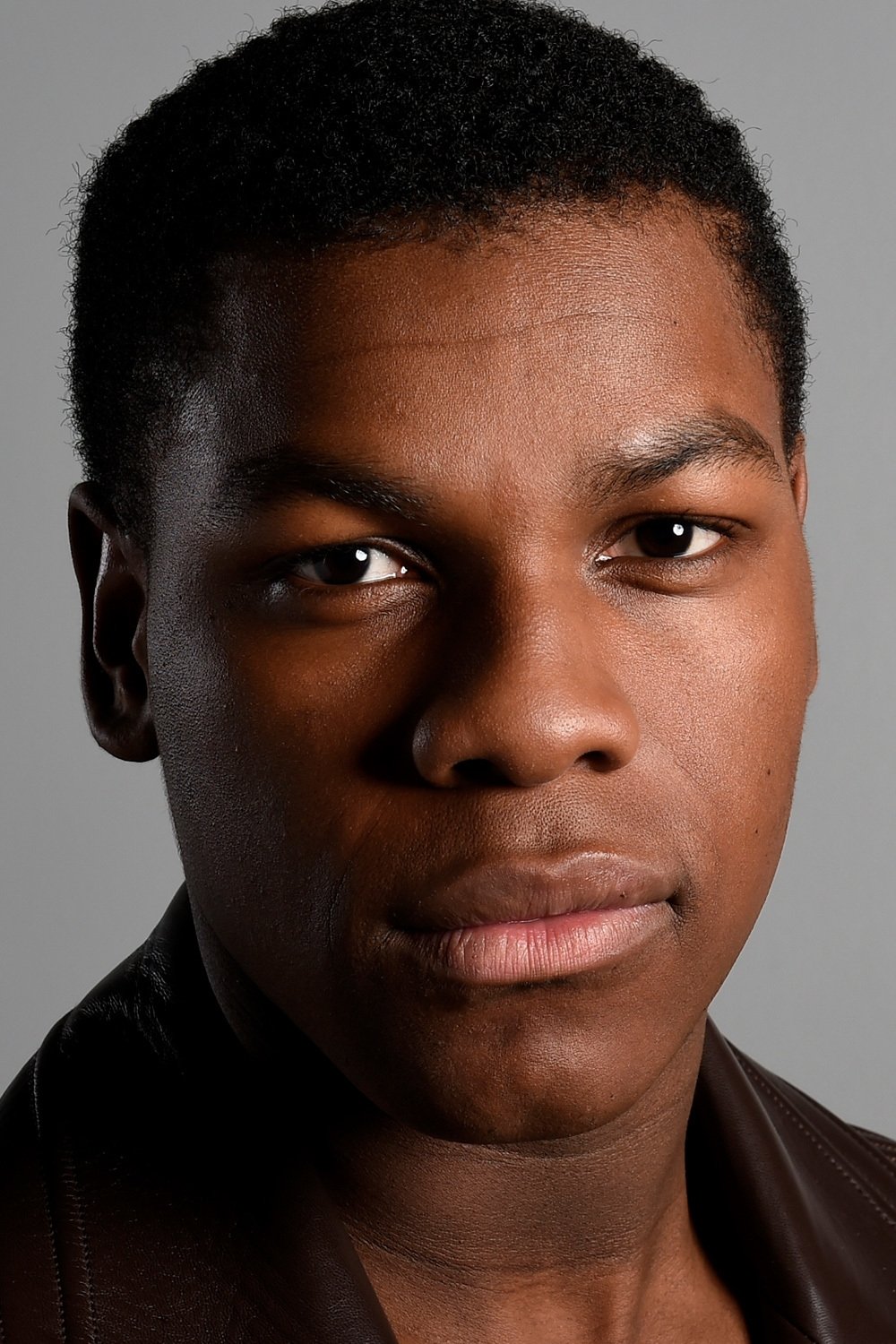
John Boyega, who played Finn in the recent ‘Star Wars’ films, has stepped away from the franchise. He publicly criticized the way the studio promoted the movies, pointing out that his character was downplayed on international posters and given a less important storyline. Boyega felt the studio presented him as a key actor but didn’t defend him when he faced racist abuse online. He’s made it clear he doesn’t want to reprise the role unless things change. His experience brought attention to the challenges diverse actors face when studios fail to adequately support and promote them.
Daniel Dae Kim
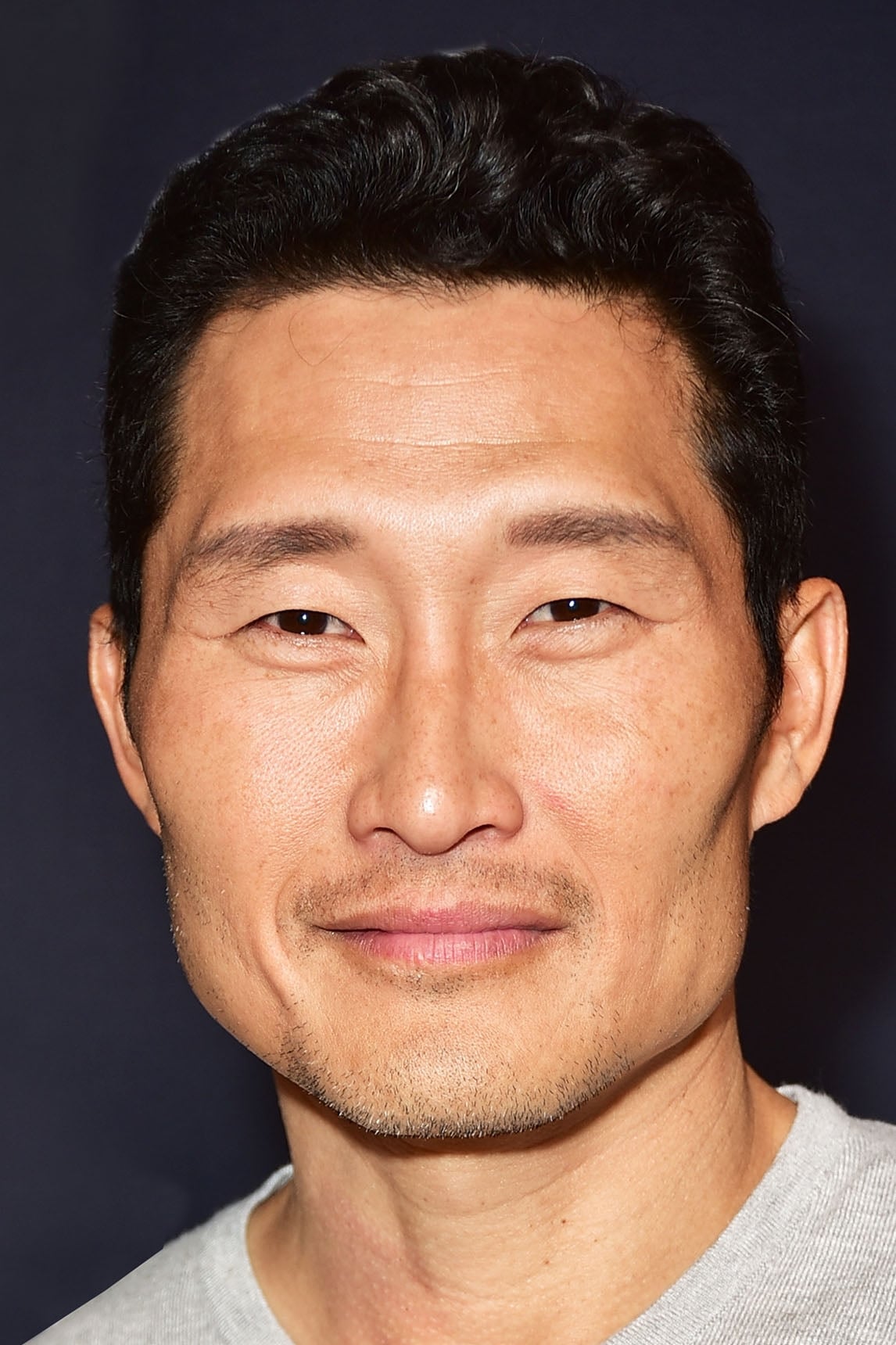
Daniel Dae Kim played Chin Ho Kelly on ‘Hawaii Five-0’ for seven seasons. He left the show after disagreements over his contract, as he was seeking equal pay compared to his white colleagues. Despite the show’s success being built on the entire cast, the network didn’t offer equal salaries to its Asian American lead actors. Kim explained that achieving fairness is often difficult and he decided to leave. His decision brought attention to the issue of how actors of color are valued in popular TV shows.
Grace Park
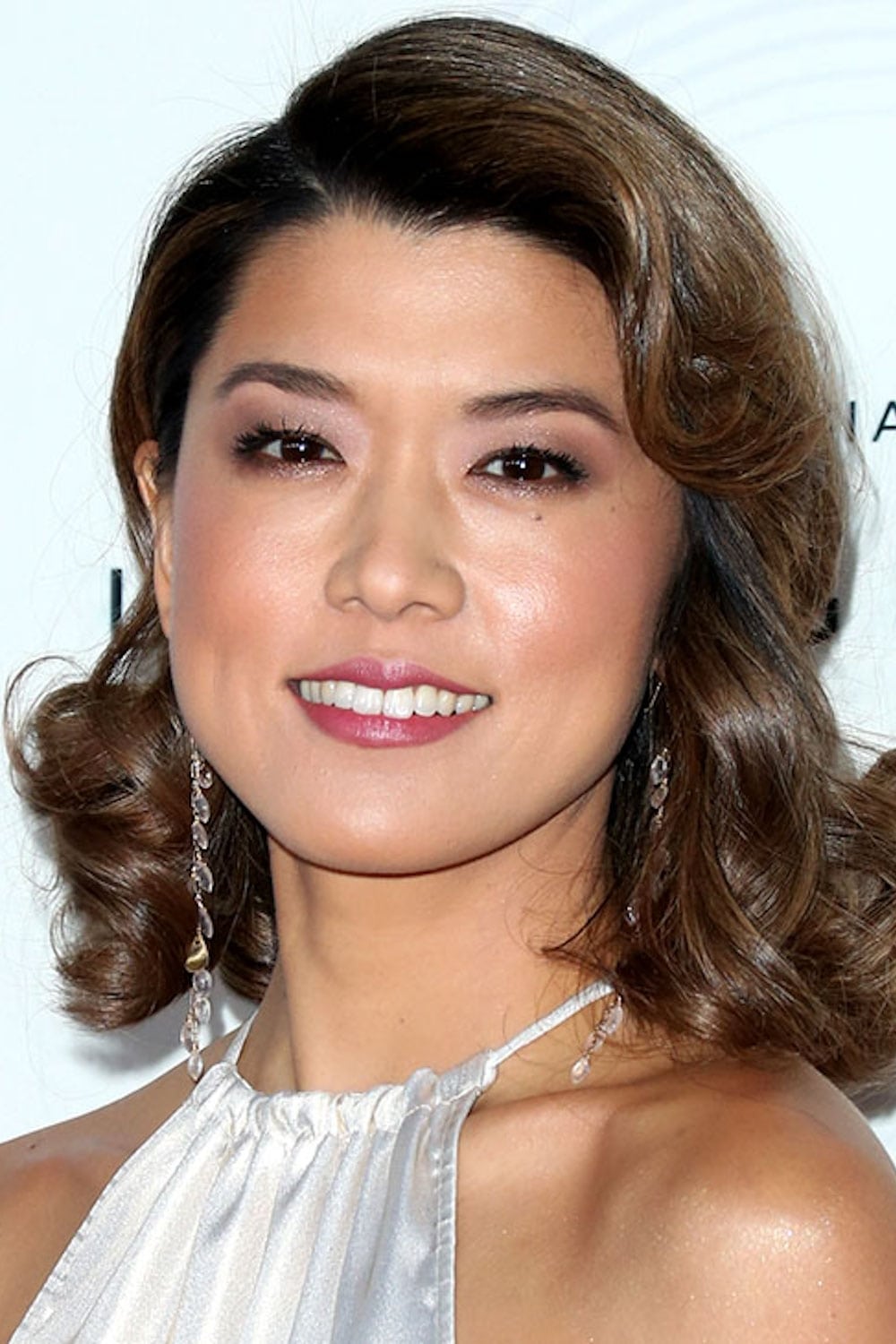
Grace Park, who played Kono Kalakaua on ‘Hawaii Five-0’ with Daniel Dae Kim, left the show after the network wouldn’t give her the same salary as her white co-stars. Park insisted on being paid fairly, recognizing her important role in the show’s popularity around the world. She decided to leave rather than accept a deal that she felt didn’t value her as an Asian American actress. Her choice brought attention to the fact that actors of color often earn less than their white counterparts, even when working as part of a team.
Gabrielle Union
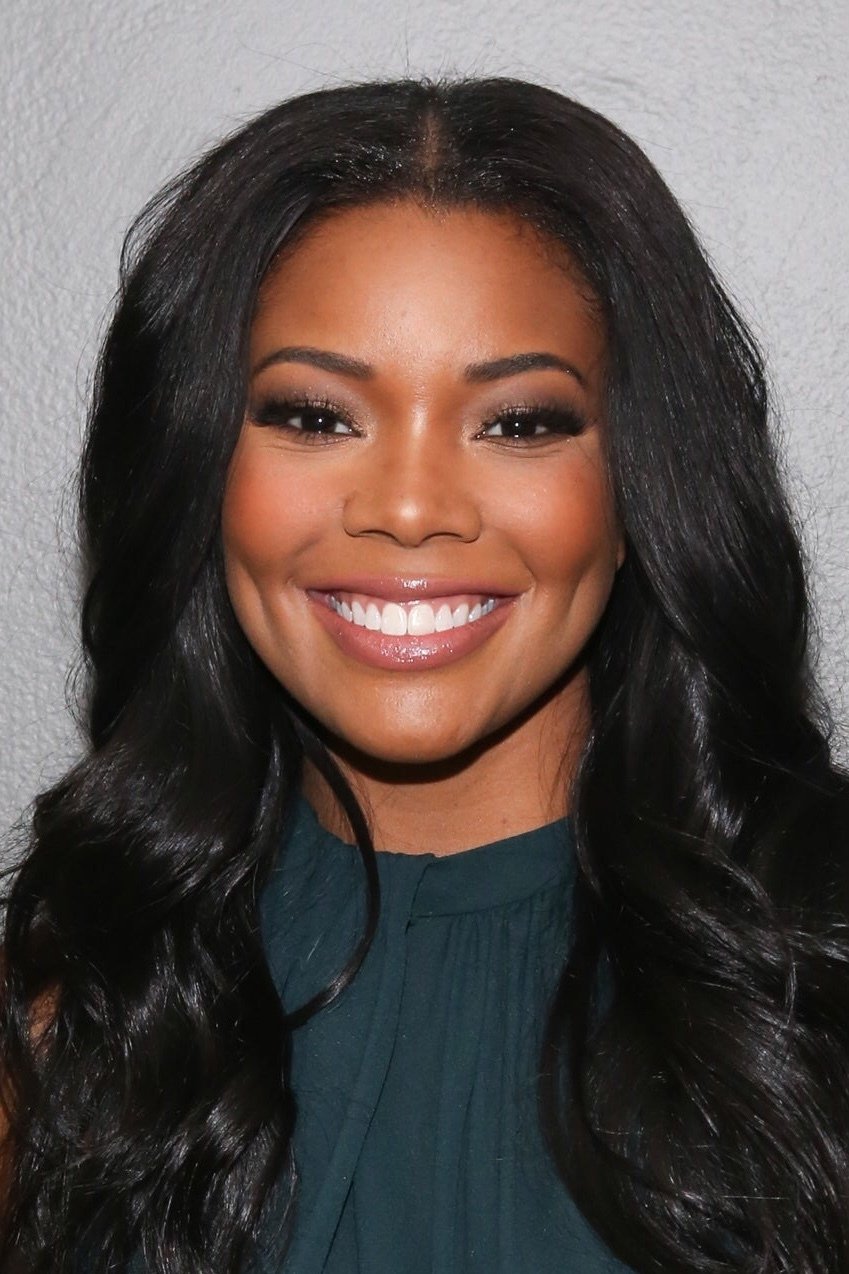
Gabrielle Union was a judge on ‘America’s Got Talent’ for one season before leaving due to concerns about a negative and discriminatory work environment. She spoke out about racially insensitive jokes and criticism of her appearance, claiming the network didn’t take her complaints seriously. Union’s decision to raise these issues led to an investigation and a wider discussion about racism in reality TV production.
Share your thoughts on these casting controversies in the comments.
Read More
- Trading on Thin Air: AI Agents Conquer Crypto Volatility
- 20 Movies Where the Black Villain Was Secretly the Most Popular Character
- Invincible Season 4 Gender Swaps Tech Jacket As Fans Question Major Comic Change
- Silver Rate Forecast
- 22 Films Where the White Protagonist Is Canonically the Sidekick to a Black Lead
- 15 Films That Were Shot Entirely on Phones
- Gold Rate Forecast
- Trading Smarter: AI-Powered Execution Schedules
- Celebs Who Narrowly Escaped The 9/11 Attacks
- Smarter Order Execution: How AI is Outperforming Wall Street’s Playbook
2025-12-17 02:47