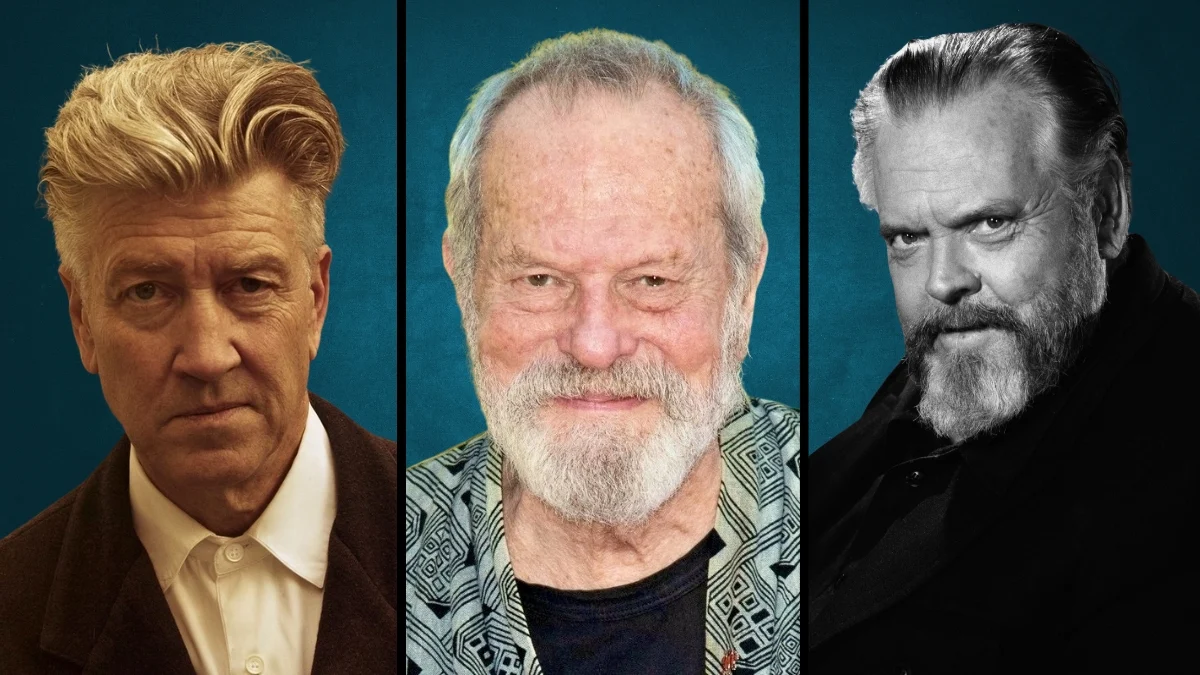
Many Hollywood stars are surprisingly talented artists beyond acting. Some actors use drawing and painting to help them plan scenes and understand their characters better before filming. These sketches and paintings often become the foundation for the movie’s overall mood and visual style. Here are a few famous examples of actors who’ve used art to shape their most memorable roles.
Terry Gilliam
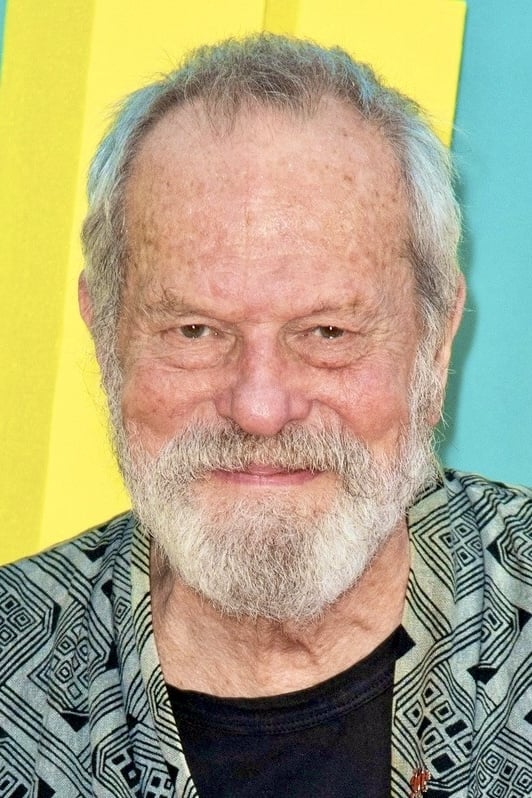
Terry Gilliam started his career as an animator and cartoonist with the famous comedy group Monty Python. He’s known for his distinctive visual style, which begins with detailed drawings for every shot of his films. These elaborate and imaginative storyboards create the dreamlike feel of movies like ‘Brazil’ and ’12 Monkeys’. Because of his background as an artist, he can clearly explain even the most complex fantasy scenes to his camera crew.
Sylvester Stallone
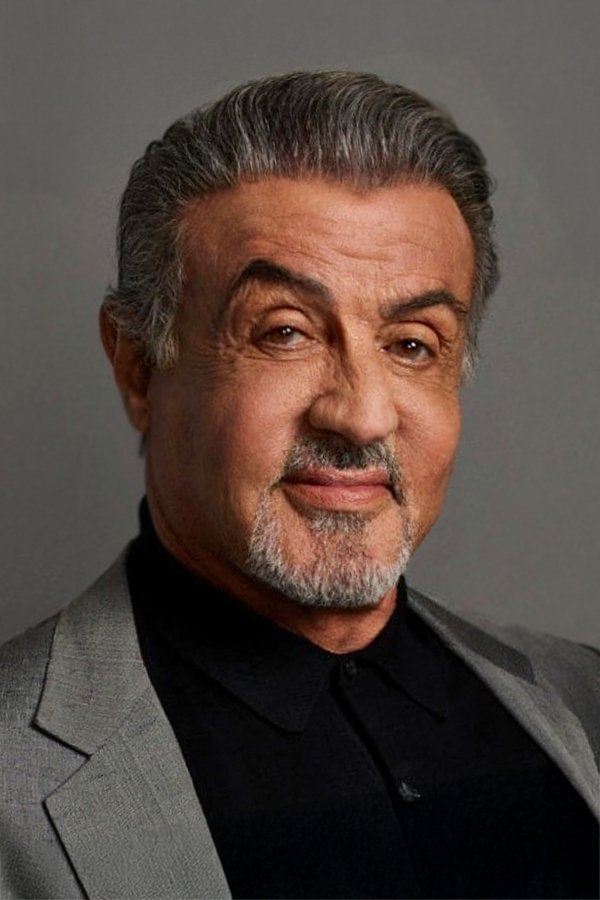
Sylvester Stallone is a talented painter, and he uses art to deeply understand his characters. Before making the movie ‘Rocky,’ he created paintings to capture the film’s tough, realistic feel and help convince others of his vision. His bold, expressive style reflects the intense energy and physical strain of boxing, qualities he then brought to life on screen. These paintings help him plan the movie’s colors and overall mood before filming even begins.
Heath Ledger
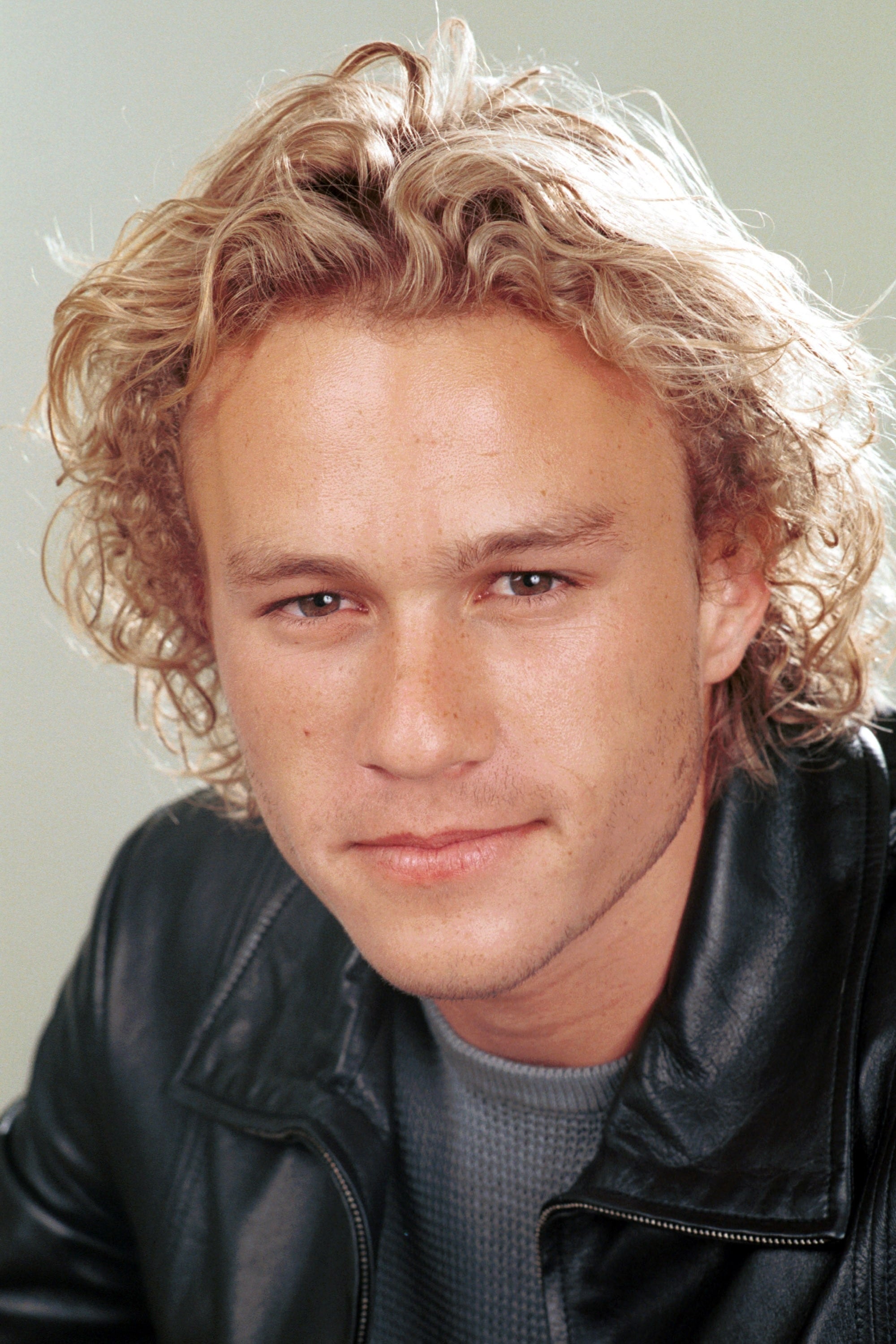
To get into character for ‘The Dark Knight’, Heath Ledger made a disturbing and detailed journal. It wasn’t a typical script or storyboard; instead, he filled it with chaotic drawings and collages to help him understand and portray the Joker’s twisted mindset. The journal included images of hyenas and clowns, along with handwritten notes exploring the character’s dark and hopeless worldview, effectively mapping out the Joker’s psychological breakdown.
Johnny Depp
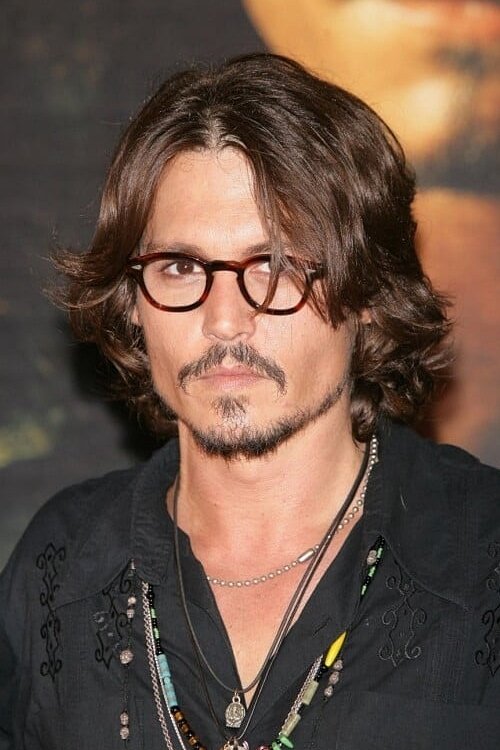
Before filming, Johnny Depp often sketches his characters to discover their unique qualities and appearance. His watercolor drawings for ‘Edward Scissorhands,’ for example, were key to creating the character’s delicate and gothic style. He shares these sketches with the costume and makeup teams to ensure his transformations are based on a clear artistic vision.
Taika Waititi
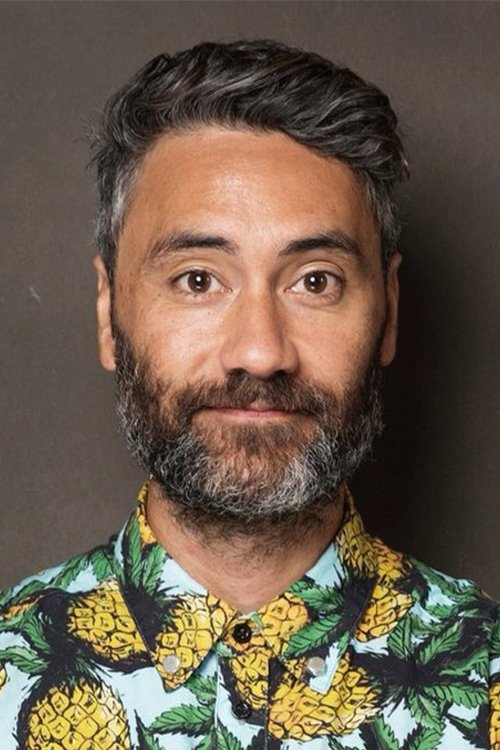
Taika Waititi is famous for creating his own storyboards, which are usually funny and intentionally simple. He draws scenes for movies like ‘Thor: Ragnarok’ to show his team how he envisions the action and the humor. These sketches aren’t meant to be strict instructions, but rather a flexible guide that allows actors and crew to add their own ideas while still keeping the overall look and feel of the film consistent. His skills as an artist help him create movies that are both visually exciting and funny.
Takeshi Kitano
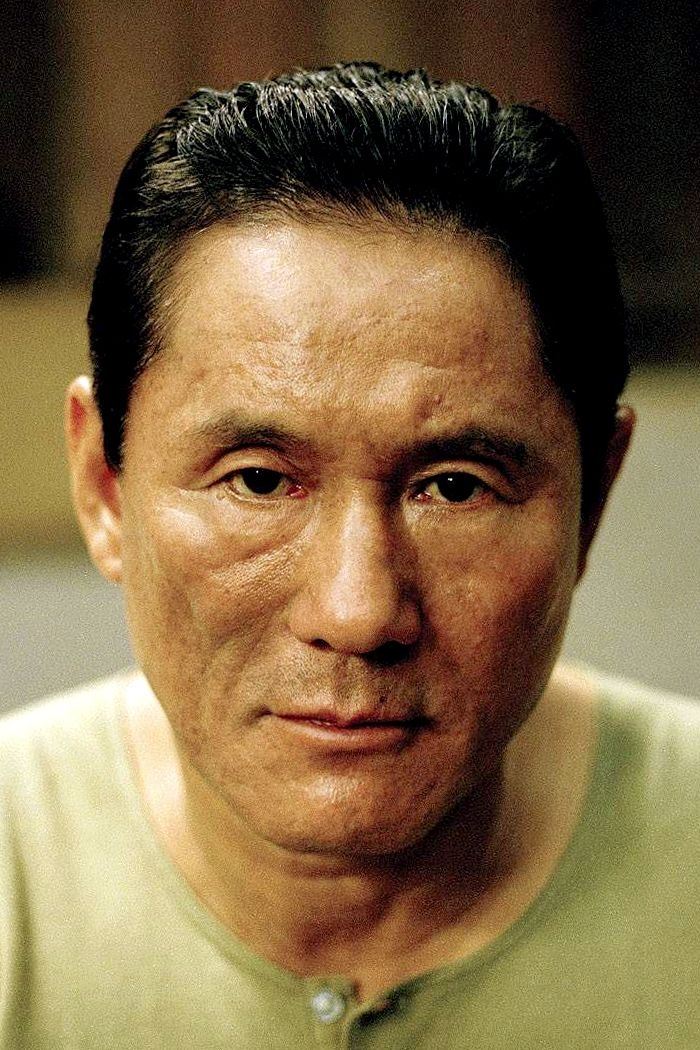
Takeshi Kitano is a well-known Japanese actor and director, but he’s also a skilled painter. Interestingly, the artwork featured in his film ‘Hana-Bi’ was created by Kitano himself while he was recovering from a motorcycle accident. He often uses painting to plan out key emotional moments and visual ideas for his crime films. This personal touch gives his movies a unique and thoughtful visual style.
Orson Welles
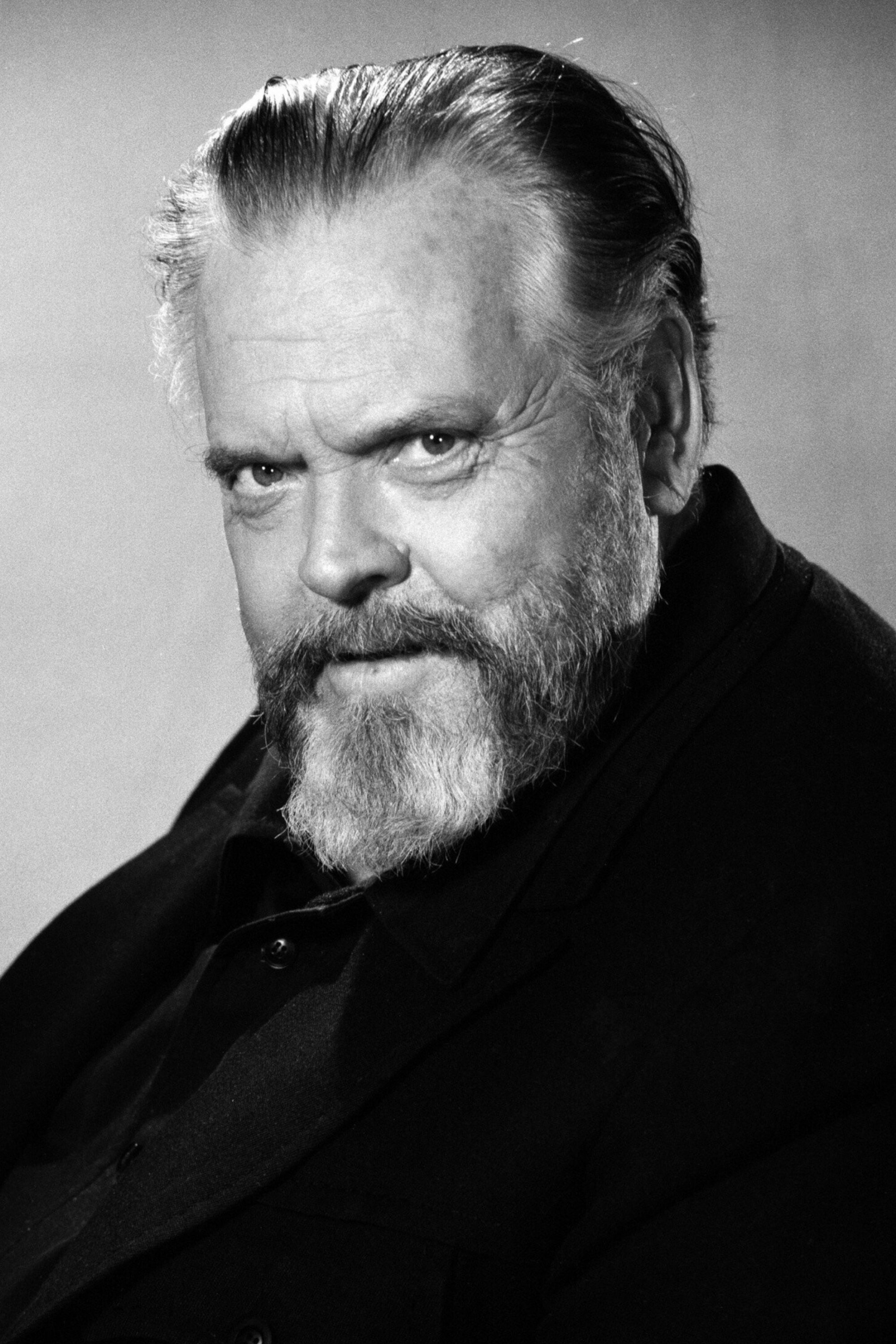
Orson Welles was a talented visual artist who carefully planned each shot in ‘Citizen Kane’ to create the most dramatic effect. He was a master of light and shadow, and used sketches to map out the film’s groundbreaking deep-focus cinematography. These storyboards served as detailed guides for the unusual camera angles, which often puzzled the technical crew. This careful planning enabled Welles to create one of the most visually stunning and complex films ever made.
Dennis Hopper

Dennis Hopper was a talented photographer and painter who played a key role in shaping the visual style of ‘Easy Rider.’ He didn’t just act in the film; he also planned how it looked, capturing the spirit of the 1960s counterculture and the unique beauty of the American landscape. His skill with composition made the open road feel like a character in itself, blending classic Hollywood techniques with the more experimental filmmaking styles of the era.
Viggo Mortensen
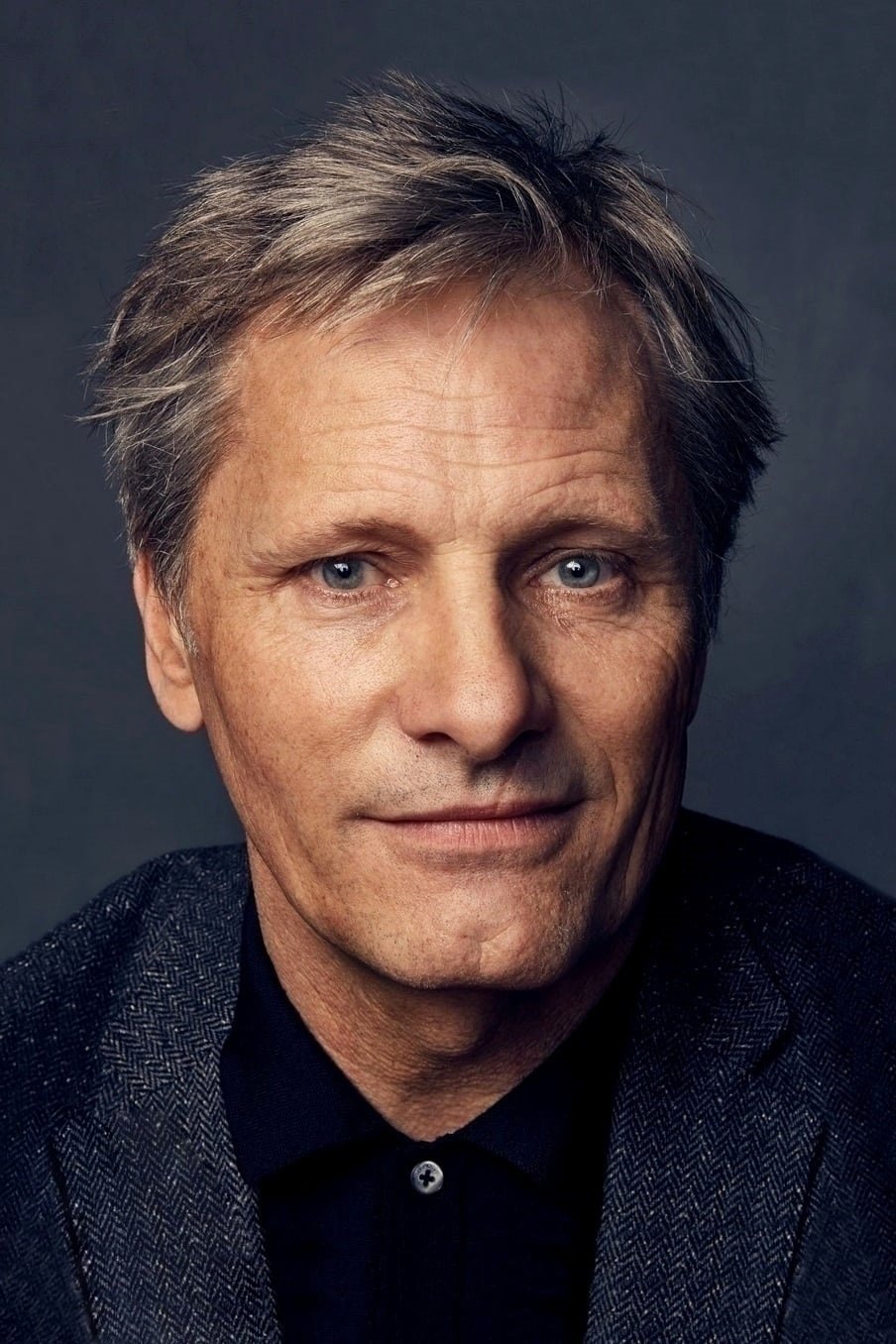
Viggo Mortensen isn’t just an actor – he’s also a talented poet and painter. He even painted the large murals featured in his movie ‘A Perfect Murder.’ He frequently sketches during filming, both to capture the environment and to better understand his characters. This artistic side helps him bring a sense of realism to his roles and the films he’s in, and it keeps him creatively stimulated during breaks on set.
Jim Carrey
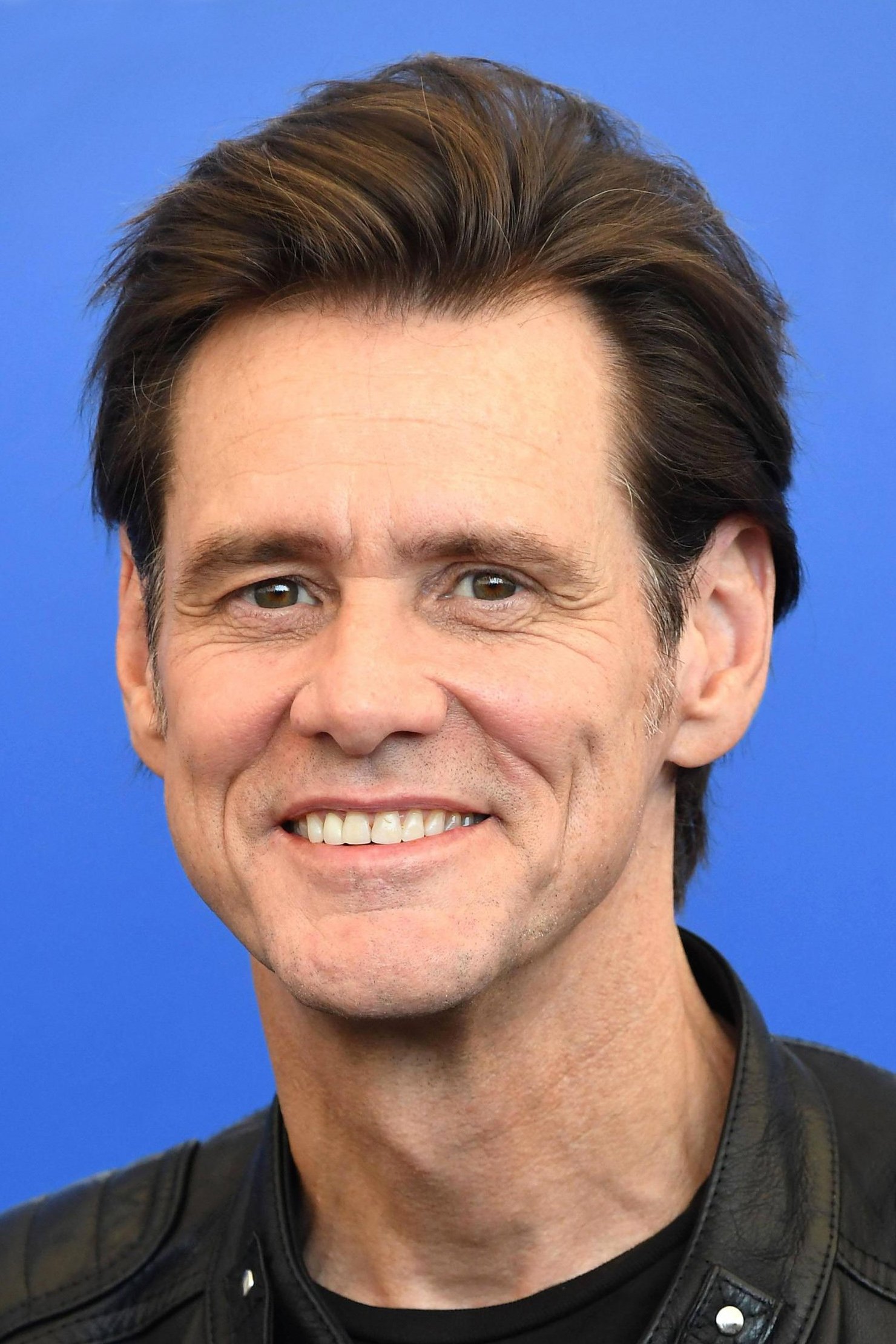
Jim Carrey is a very active painter, and he uses his art as an outlet for the intense energy he’s known for in his acting. He often sketches out ideas and concepts that mirror the strange or over-the-top world of his characters. This helps him develop the physical humor and facial expressions he’s famous for. His studio is a private space where he can freely express his emotions without the limits of a screenplay.
Anthony Hopkins
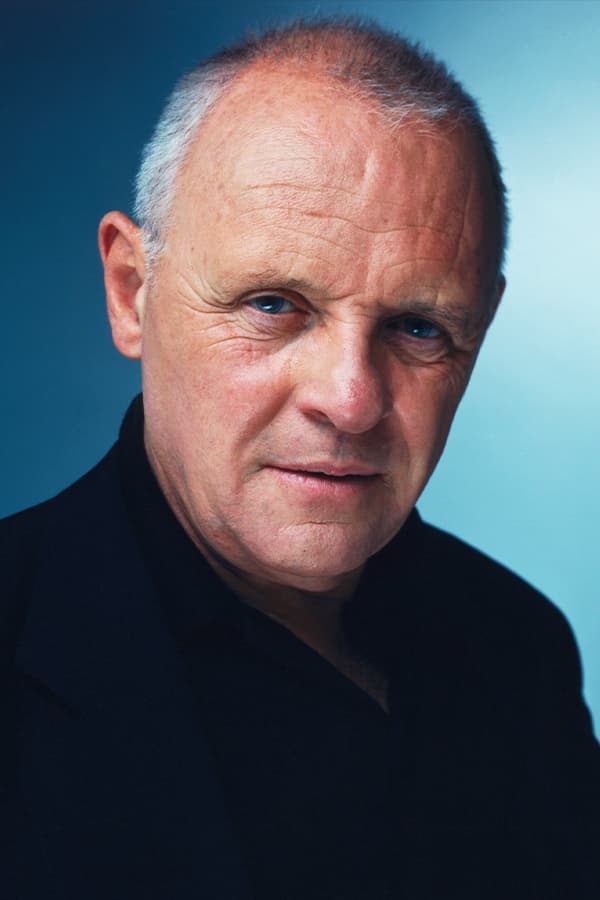
Anthony Hopkins creates sketches and designs right on his scripts to help him understand the flow of his lines. He uses these drawings as memory aids to learn his dialogue and control the speed of his performance. He often includes faces or mandala-like shapes to reflect whether a scene is chaotic or calm. This turns his script into a kind of artwork that guides how he acts.
Matthew Gray Gubler
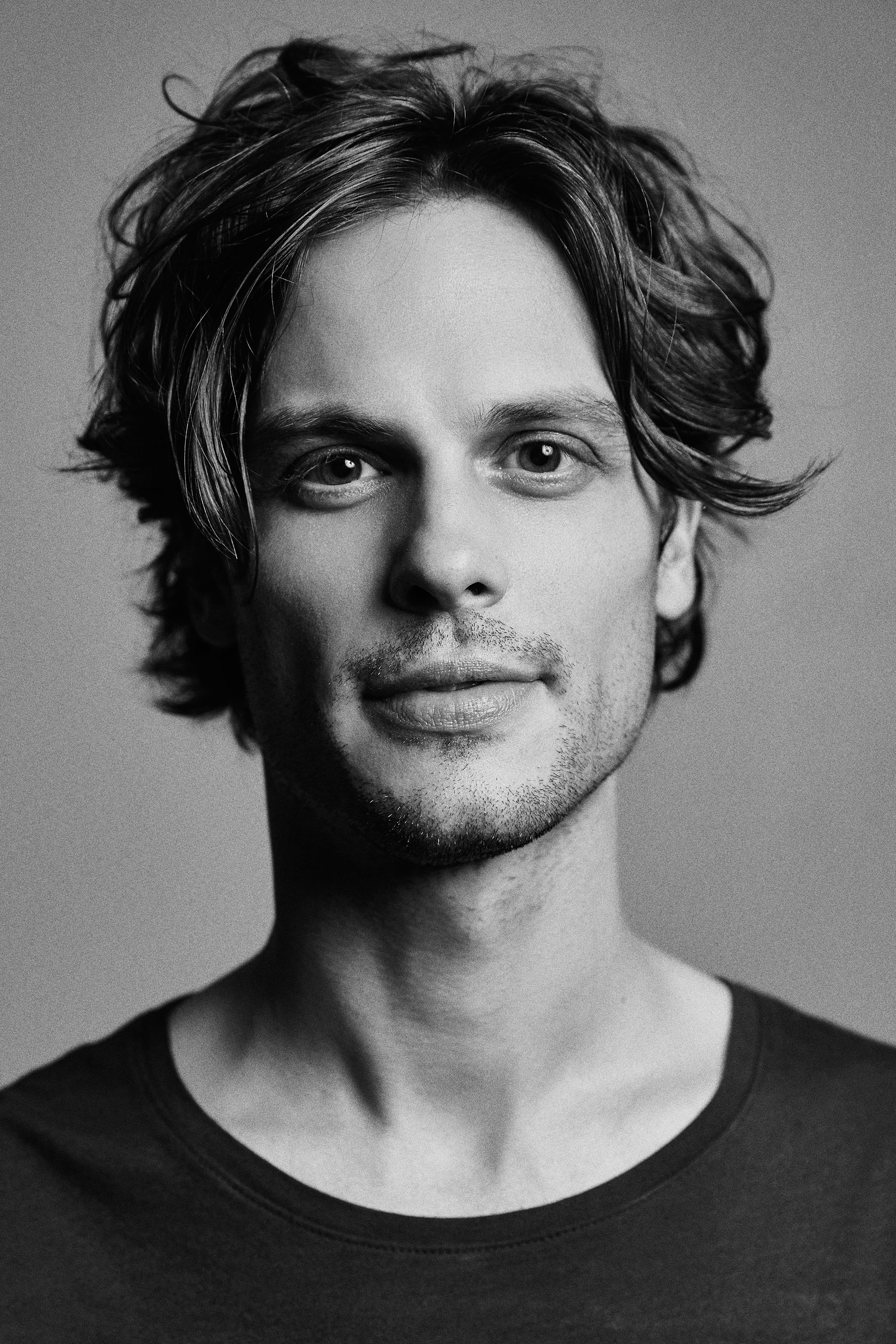
Matthew Gray Gubler, who directs episodes of ‘Criminal Minds’, personally creates storyboards for the show’s often frightening visuals. With a filmmaking background, he uses these drawings to make sure each episode has a consistently creepy and suspenseful atmosphere. His sketches frequently include disturbing and unsettling imagery, helping him to maintain a distinct and terrifying visual style throughout the series.
James Franco
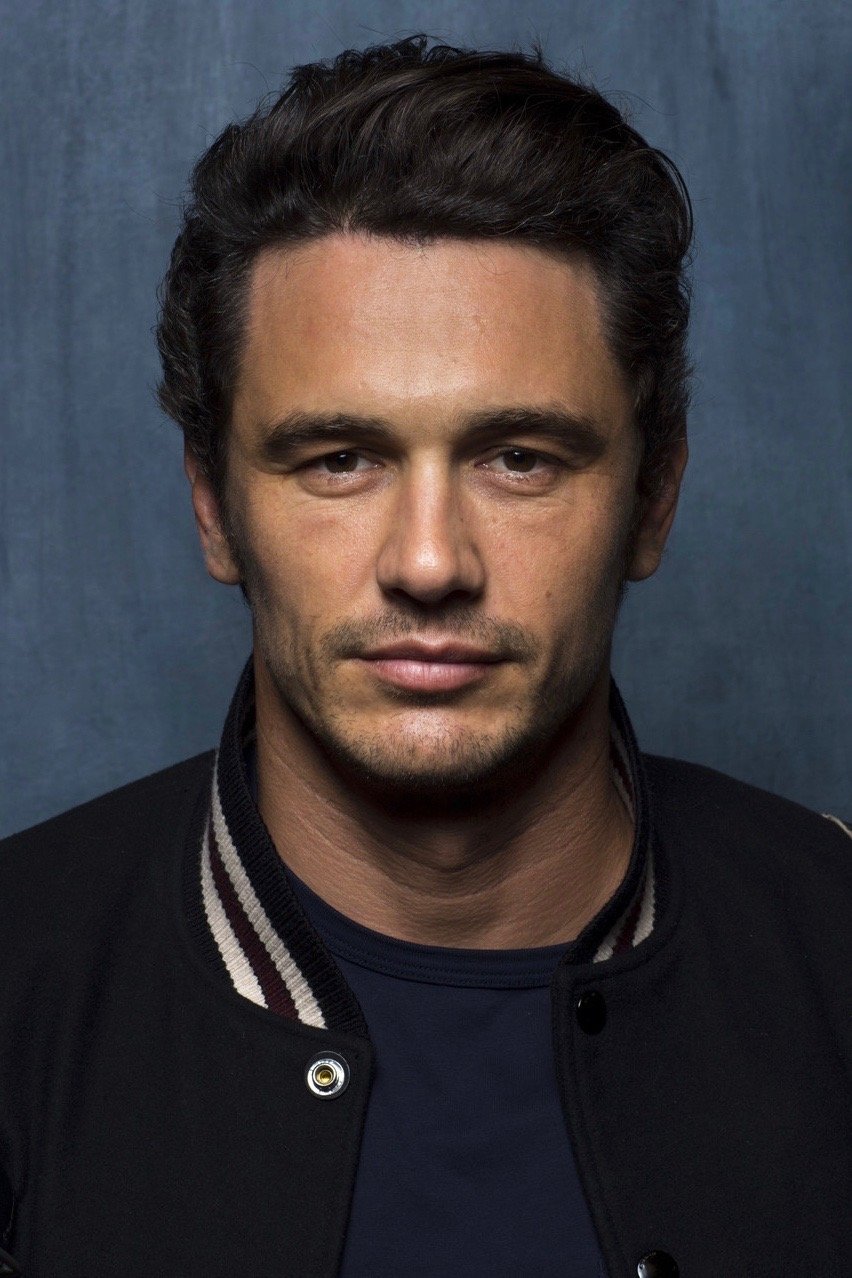
As a huge movie buff, I’ve always been fascinated by James Franco’s work. He’s not just an actor, but a true visual artist, and I’ve learned he actually starts with storyboards – almost like comic strips – to map out his really experimental films and art pieces. For him, filmmaking isn’t separate from his other art; it’s all connected. He uses these sketches to get a handle on the stories, which often don’t follow a typical beginning-to-end structure. It’s a really interesting approach that leads to films that are more about creating a feeling or a certain look than just telling a straightforward story. It’s less about what happens and more about how it feels.
Lucy Liu
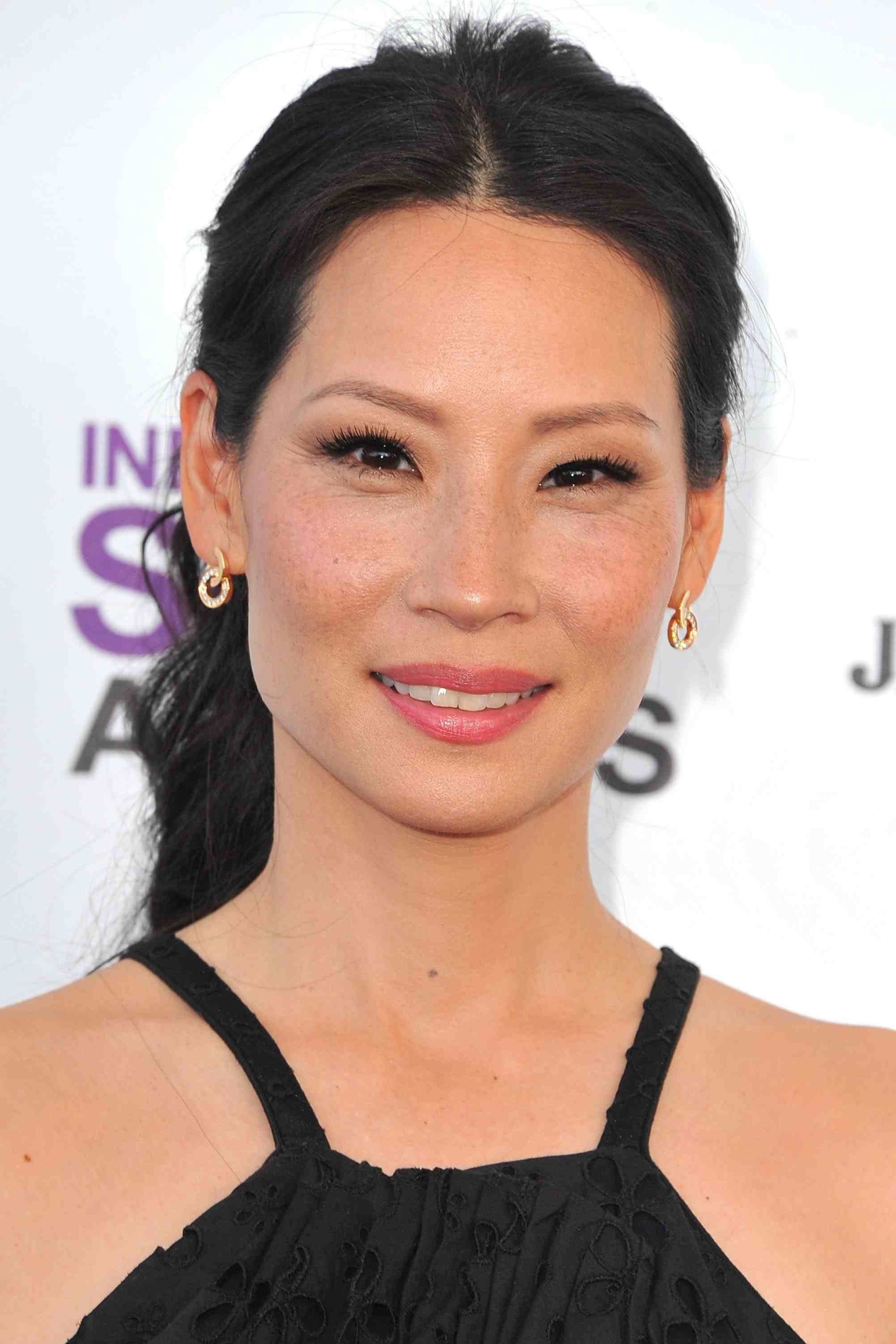
Lucy Liu is a talented artist who works with many different materials and has showcased her art in galleries using her Chinese name. When she directs TV episodes, her artistic background shines through in how she visually tells the story – from the way shots are framed to the colors used. She uses sketches to clearly communicate her ideas to the film crew, ensuring every visual detail is just right. Being both an actress and an artist gives her a unique and strong sense of style when she directs.
Shia LaBeouf
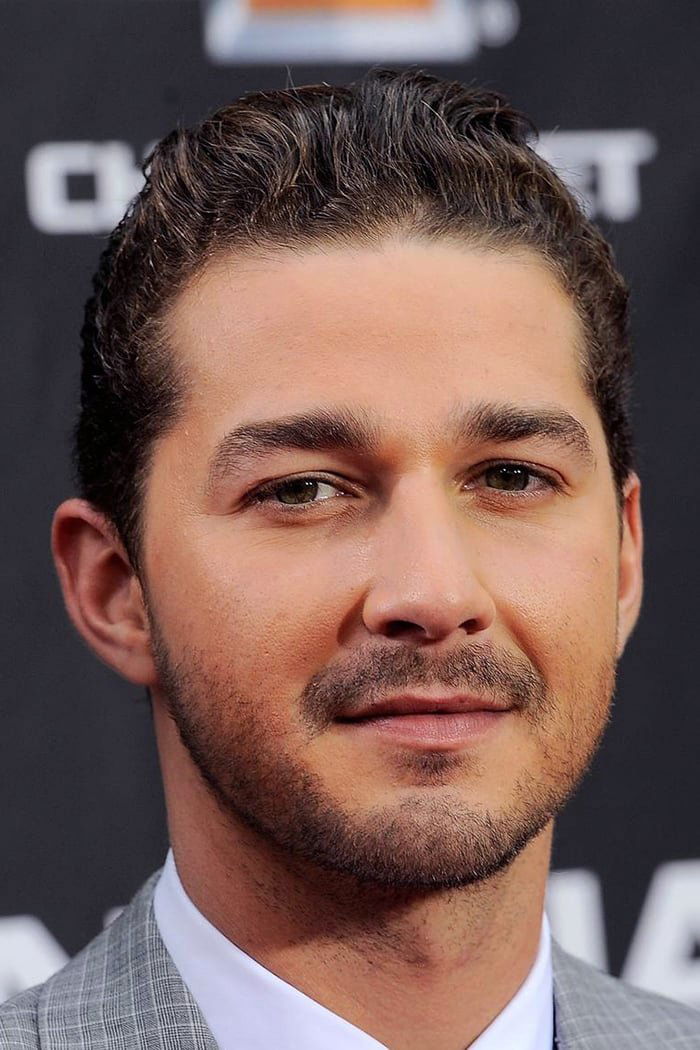
Shia LaBeouf wrote the movie ‘Honey Boy’ as a sort of comic book, using drawings to explore his difficult childhood experiences while he was in treatment. These drawings became the first plan for how the movie would look and helped create its honest and heartbreaking feel. Working this way – visually processing his memories – helped him share his story with the director, and ultimately led to a film that’s both visually unique and deeply emotional.
John Huston
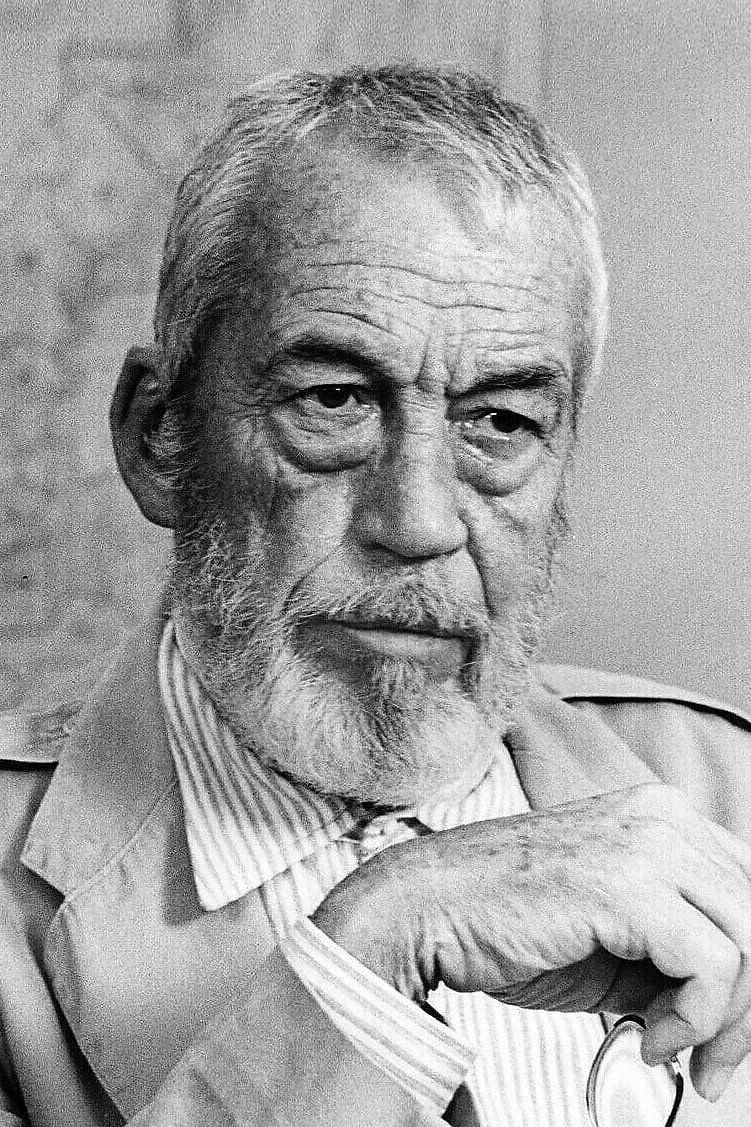
As a big fan of ‘The Maltese Falcon’, I’ve always been struck by how visually stunning it is. Knowing that John Huston was originally a painter really explains it! He wasn’t just pointing a camera; he meticulously planned every shot, almost like creating a painting. He’d sketch out scenes beforehand, figuring out the camera angles to build that classic film noir tension. It was incredibly efficient too – he knew exactly what he wanted, saving time and money on set. That kind of preparation really set him apart as a director who had a clear vision from the start.
David Lynch
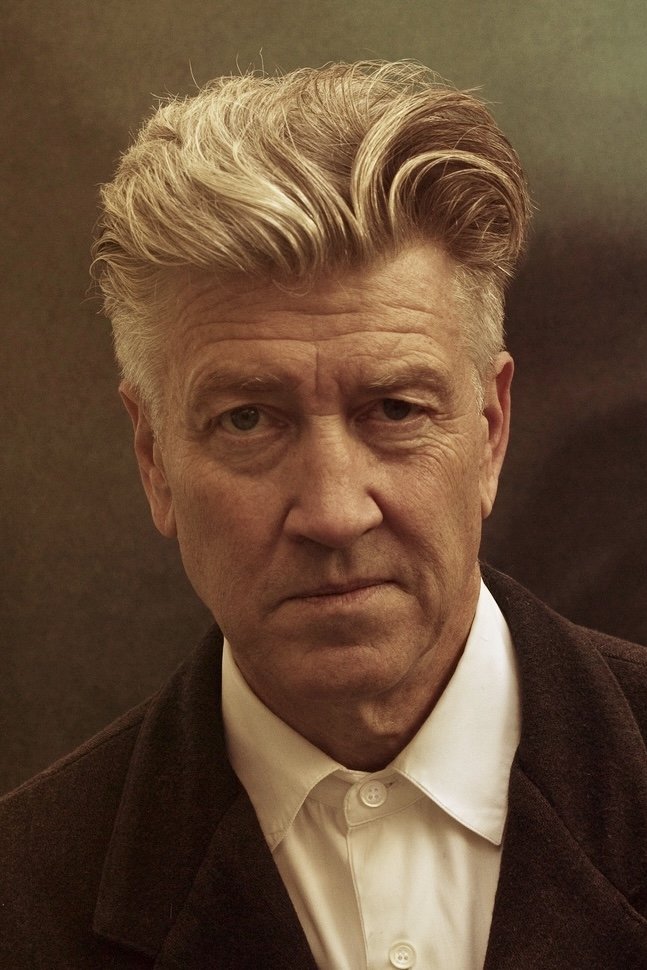
David Lynch, best known as a director, originally trained as a painter. He meticulously plans his projects with detailed storyboards and sketches to capture his unique, surreal style. These visuals are central to his work, creating the unsettling and dreamlike atmosphere he’s famous for. Lynch is committed to his artistic vision and uses his drawings to ensure all aspects of a production match it.
Mathieu Kassovitz
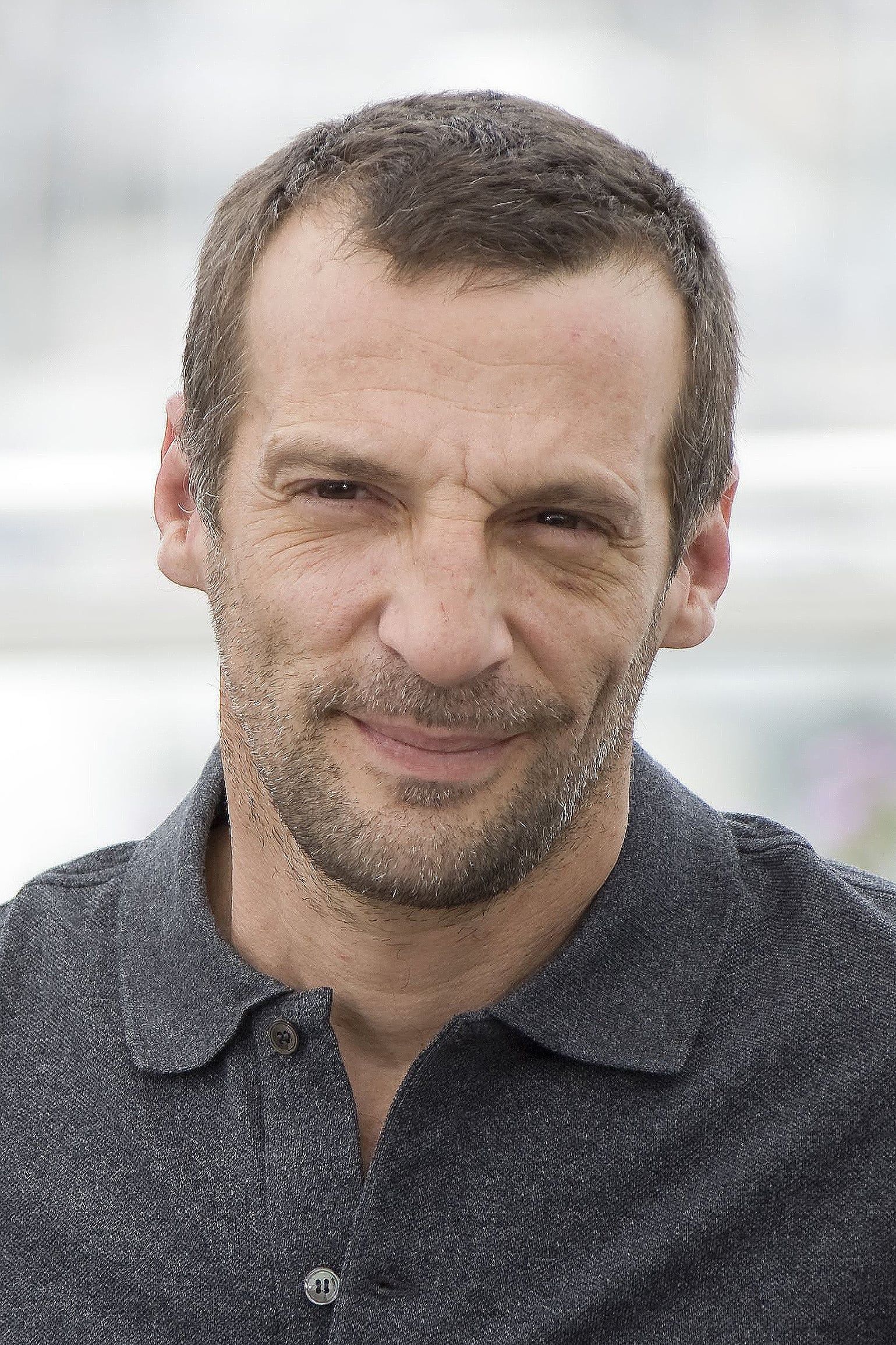
Mathieu Kassovitz carefully planned every shot in ‘La Haine’ using storyboards, aiming for a realistic and impactful black and white look. He not only directed the film but also starred in it, creating a visual style and pace that matched the story’s intense energy and the backdrop of the riots. These detailed plans allowed for complex camera work, following the characters through the housing projects, and were key to capturing the story’s raw power within a carefully designed visual style.
Xavier Dolan

Xavier Dolan is a hands-on filmmaker, personally designing costumes and planning every shot for his powerful, emotional movies like ‘Mommy’. He carefully oversees all visual details to make sure the way a scene looks matches the actors’ intense performances. He even plays with different screen shapes and colors in his storyboards to show what his characters are feeling inside. This complete control over the creative process comes from his passion for making films that are unified and visually stunning.
Robert Redford
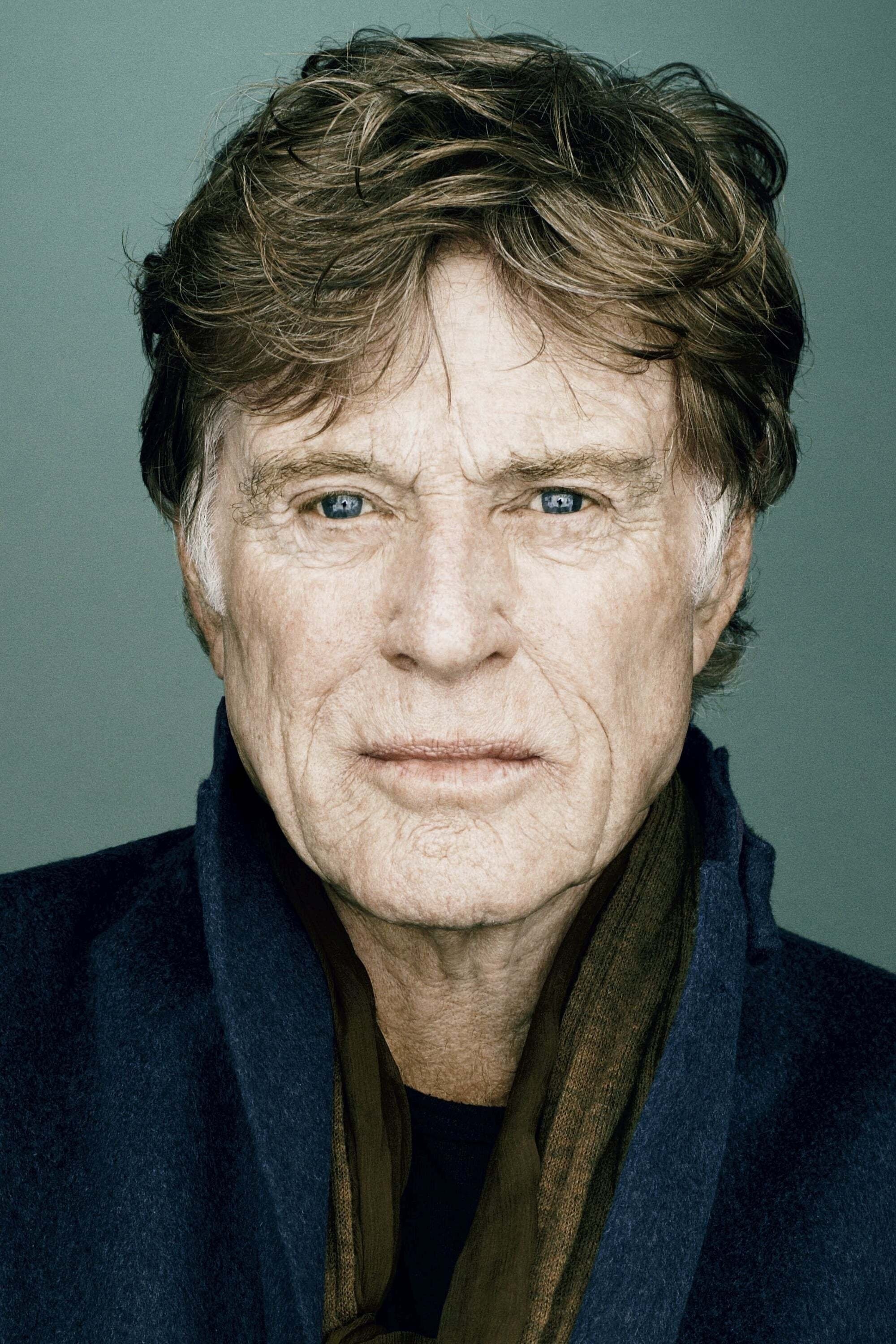
Before becoming a famous actor, Robert Redford actually began his studies as a painter and honed his skills by sketching across Europe. Later, when he directed the film ‘Ordinary People’, he drew on this artistic background to visually represent the emotional distance between characters. He used his knowledge of composition to create scenes that felt lonely and stark, demonstrating a talent that went beyond his acting abilities.
Tell us which actor’s artistic talent surprised you the most by leaving a note in the comments.
Read More
- Top 20 Dinosaur Movies, Ranked
- 20 Movies Where the Black Villain Was Secretly the Most Popular Character
- 25 “Woke” Films That Used Black Trauma to Humanize White Leads
- Silver Rate Forecast
- Gold Rate Forecast
- Spotting the Loops in Autonomous Systems
- From Bids to Best Policies: Smarter Auto-Bidding with Generative AI
- Celebs Who Narrowly Escaped The 9/11 Attacks
- 22 Films Where the White Protagonist Is Canonically the Sidekick to a Black Lead
- Can AI Lie with a Picture? Detecting Deception in Multimodal Models
2025-12-11 05:46