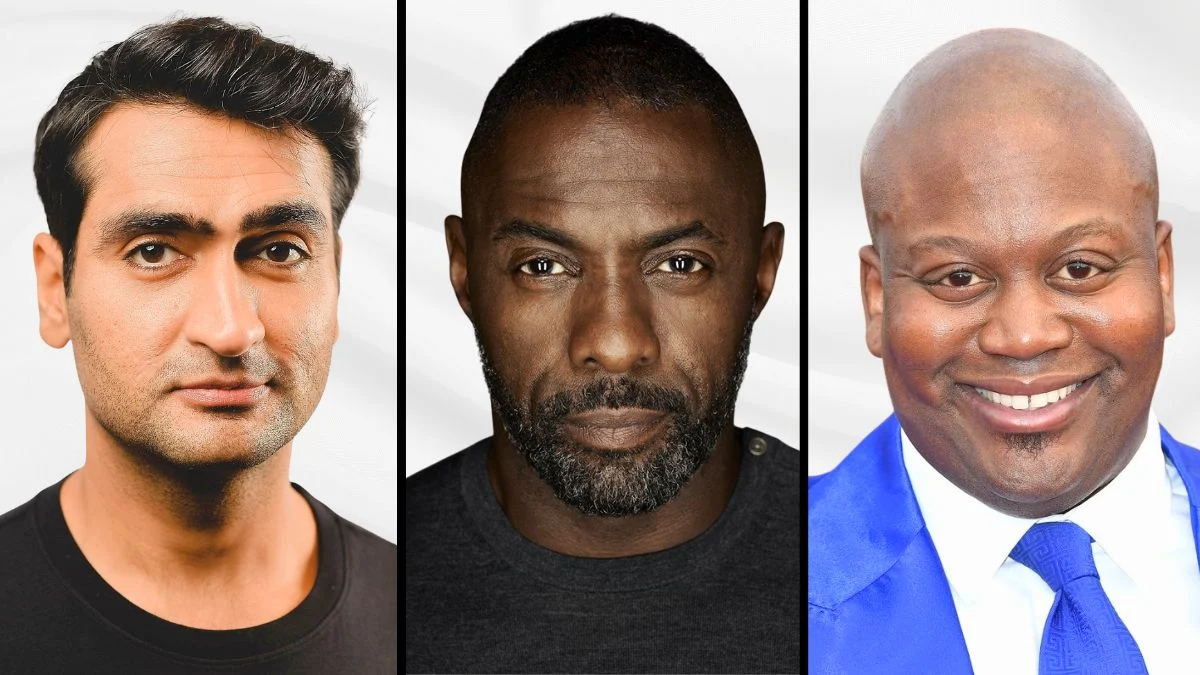
Cinema is changing as leading male actors are pushing back against tired, predictable roles. For a long time, actors of color and LGBTQ+ actors were often limited to stereotypical characters like criminals or comic relief. Now, these talented performers are using their platform to ask for more nuanced and realistic roles in big movies and shows. By refusing to play into these clichés, they’re helping to create a more diverse and genuine representation of people on screen. This is a combined effort to take control of storytelling and show that an actor’s range shouldn’t be limited by bias or outdated expectations.
Idris Elba
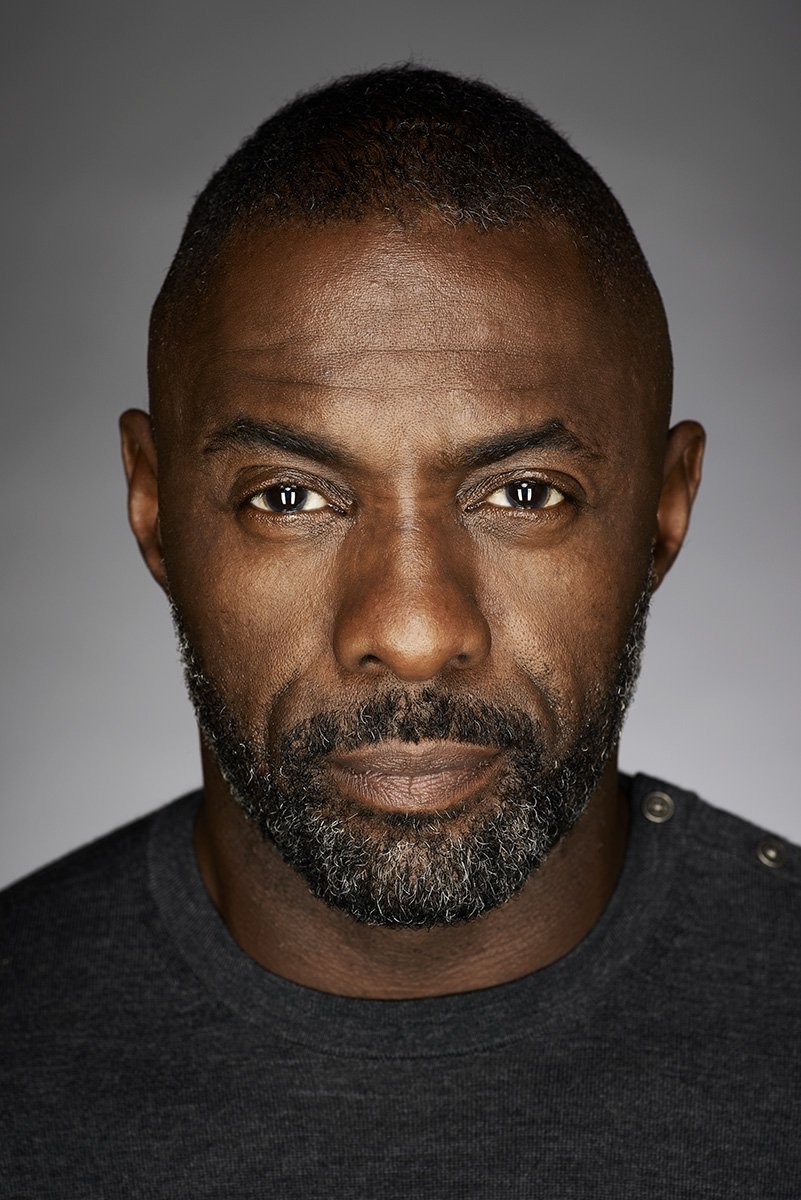
Idris Elba first gained widespread recognition for his role as the smart and powerful drug dealer Stringer Bell in the TV series ‘The Wire’. Since then, he’s been open about wanting to avoid being typecast as a villain or someone who relies on physical strength. He deliberately chooses roles that allow him to demonstrate his versatility, like his lead character in ‘Luther’ and his portrayal of Nelson Mandela in ‘Mandela Long Walk to Freedom’. Elba has stated he wants to play complex, multi-faceted leading men, rather than characters defined by crime or violence. He consistently picks projects that aim to redefine how Black men are seen in film and television.
John Boyega
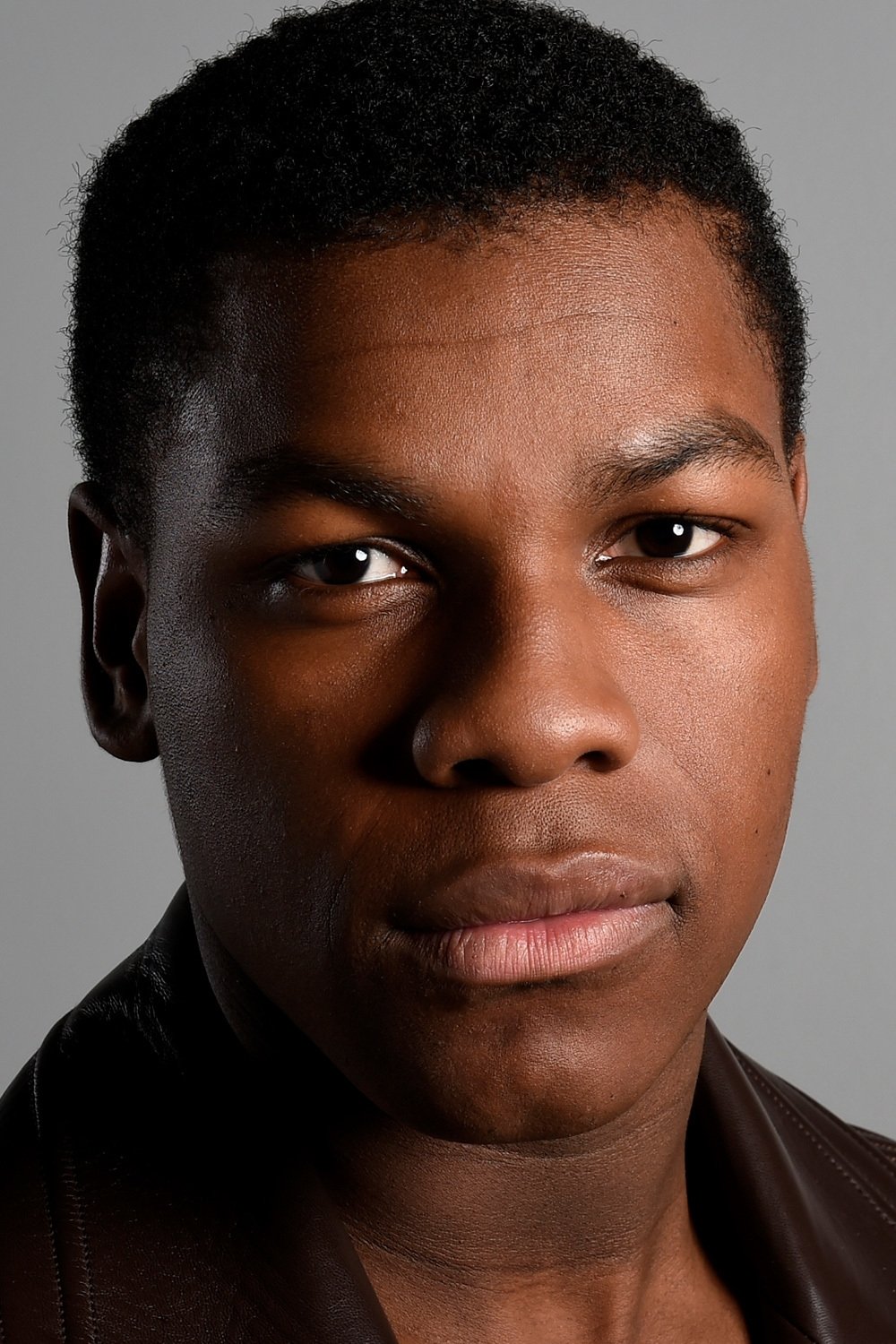
John Boyega has openly discussed the challenges he faced being typecast and how characters of color are often portrayed in big film series like ‘Star Wars’. He’s now seeking roles with more depth and control, and intentionally chose to work on ‘Small Axe’ to share powerful, untold stories about Black history and community. Boyega wants to move beyond the typical ‘sidekick’ roles often given to young Black actors and champion stories where performers of color are fully in charge of their characters and narratives.
Michael B. Jordan
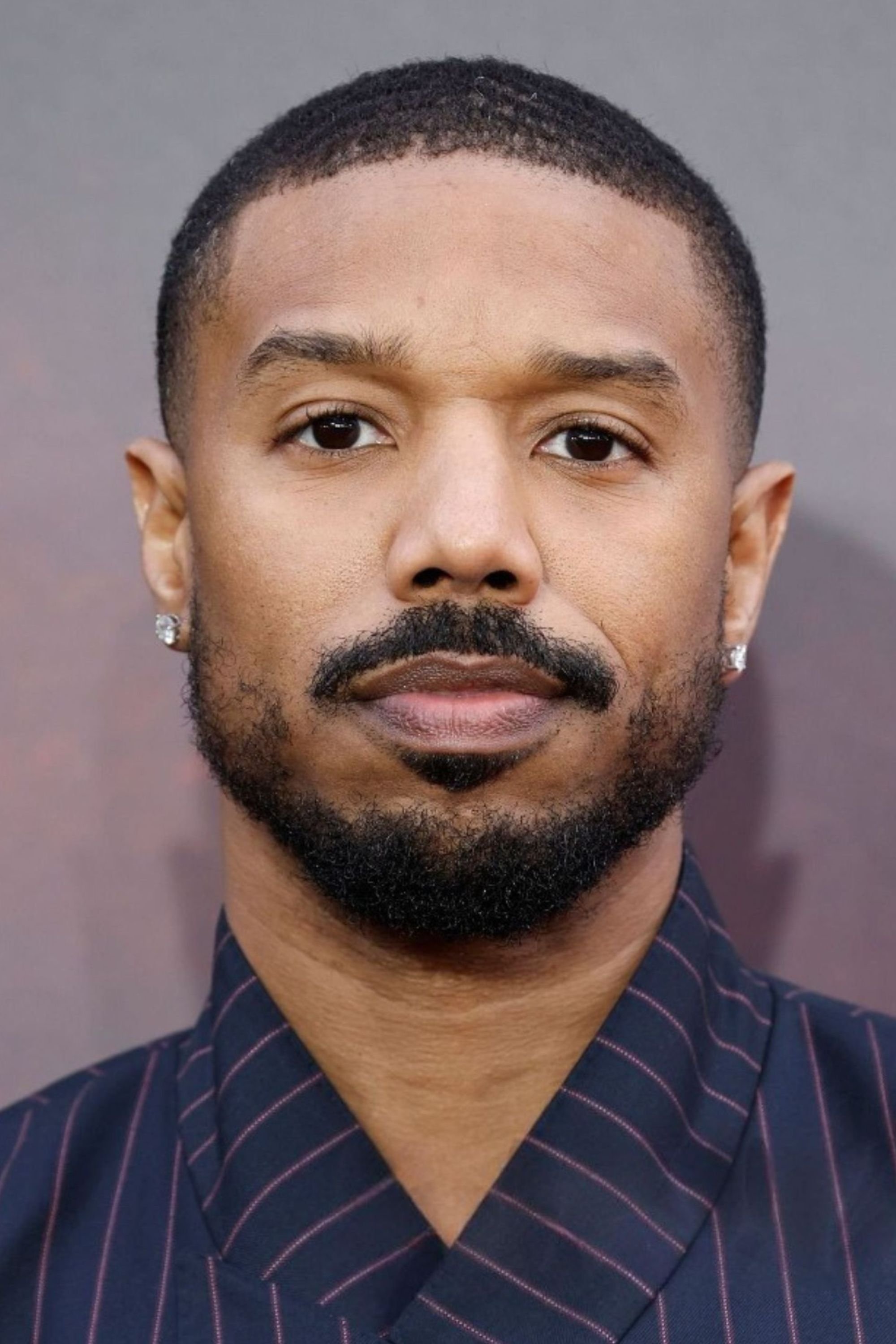
Early in his career, Michael B. Jordan intentionally sought roles that weren’t written with Black actors in mind, specifically avoiding stereotypical characters. He asked his agents to find parts originally created for white actors, wanting to move beyond the typical roles of criminals or sidekicks. His success in films like ‘Creed’ and ‘Black Panther’ proved he could carry major action movies with depth and feeling. Now, through his production company, Jordan focuses on creating diverse stories that avoid harmful clichés. He continues to prioritize characters who are both strong and emotionally vulnerable.
Riz Ahmed
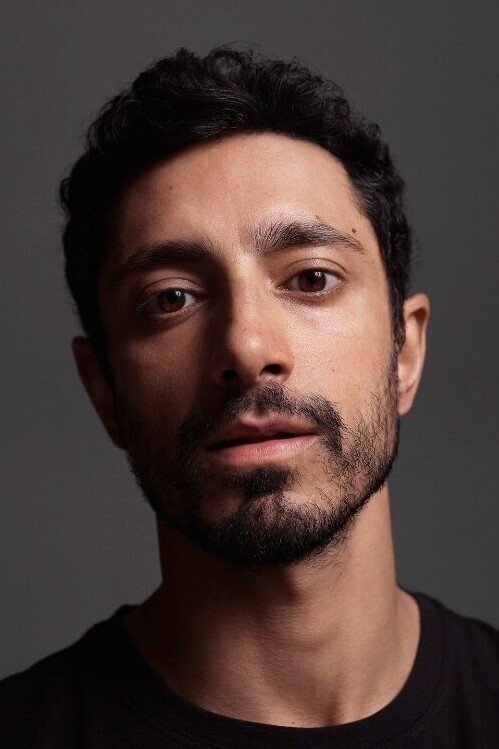
Riz Ahmed has consistently spoken out about the limited and stereotypical roles available to Muslim and South Asian actors. He describes a progression in representation, starting with being typecast in roles focused solely on ethnicity or as villains. He’s broken through this barrier himself, as seen in films like ‘Sound of Metal,’ where his character’s identity is less important than his personal story. Ahmed pushes the film industry to move beyond harmful clichés and embrace complex, realistic portrayals of people from these backgrounds, advocating for scripts that allow for richer and more nuanced storytelling.
Billy Porter
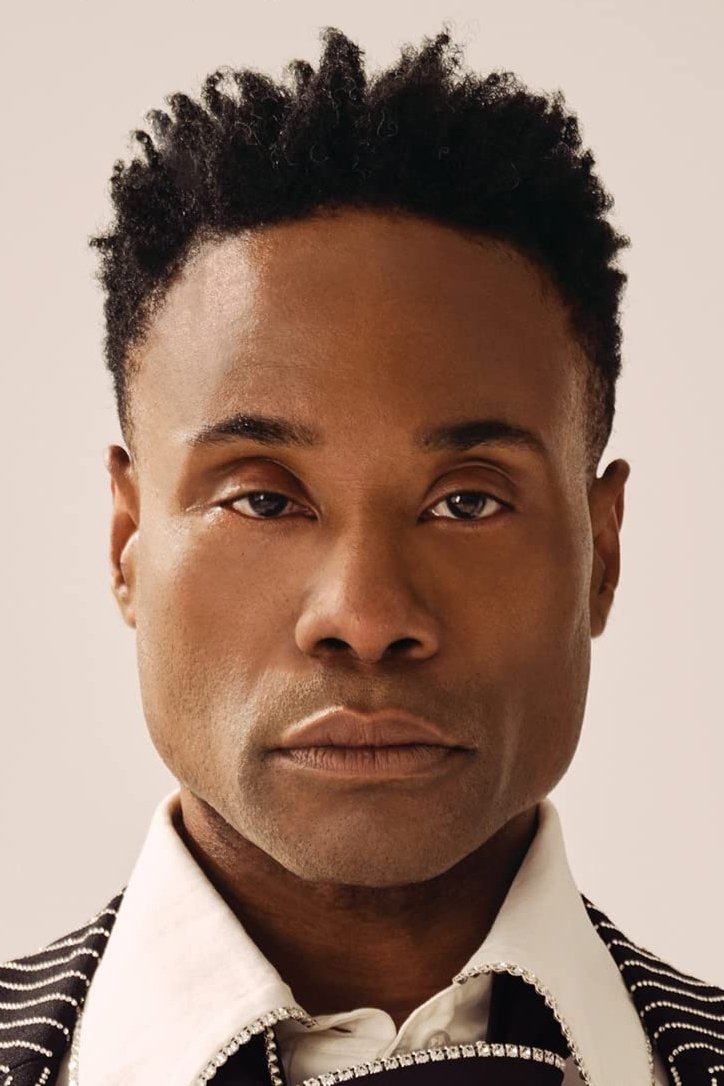
Billy Porter has long challenged the stereotype of the ‘sassy friend’ often assigned to actors of color who are also LGBTQ+. He gained recognition by actively seeking roles, like the one in ‘Pose’, that allowed him to demonstrate his acting skills and emotional complexity. Porter has made it clear he’s no longer interested in playing supporting characters and wants to portray fully developed individuals with their own stories and struggles. This has made him a leader for other LGBTQ+ performers aiming for leading roles in Hollywood.
Tituss Burgess
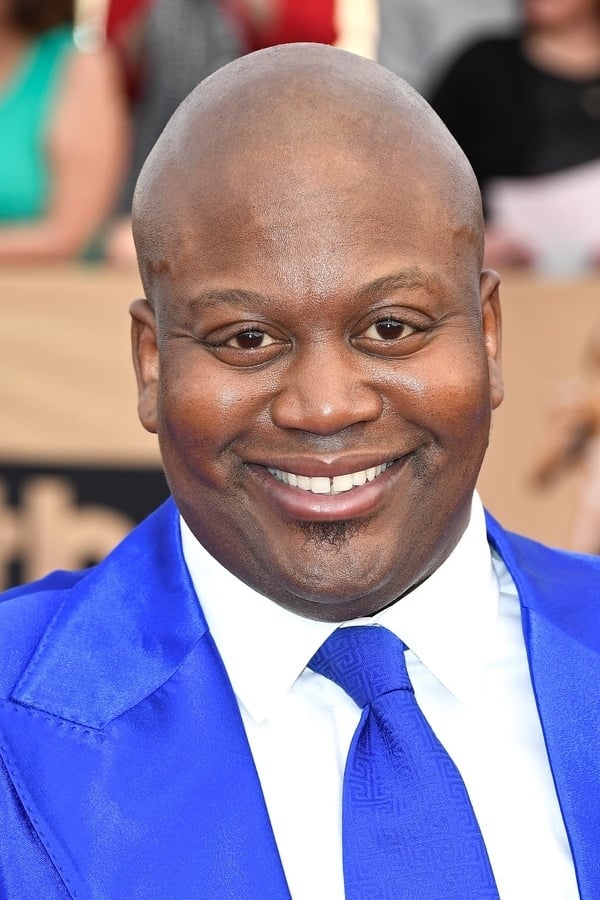
Tituss Burgess is well-known for his hilarious performance in ‘Unbreakable Kimmy Schmidt,’ but he’s hoping to take on different kinds of roles. He doesn’t want to be typecast as just the funny, outgoing sidekick. He’s actively searching for projects that will let him show his dramatic acting skills and use his singing voice in more complex ways. Burgess feels it’s important for queer Black men to be represented as more than just comedic figures—he wants to see them play serious and romantic leading roles too. He’s continuing to push boundaries in his career and find work that challenges what people expect from him.
Colman Domingo

Colman Domingo consistently chooses roles that are dignified and multifaceted, no matter the type of project. He’s spoken about wanting to avoid the stereotypical characters often given to Black and LGBTQ+ actors. Whether in ‘Fear the Walking Dead’ or ‘Rustin,’ he’s shown he can powerfully lead a story. Domingo actively rejects being typecast as a comedic sidekick or a minor character, and is committed to telling stories that capture the full range of human emotions and experiences.
Damson Idris
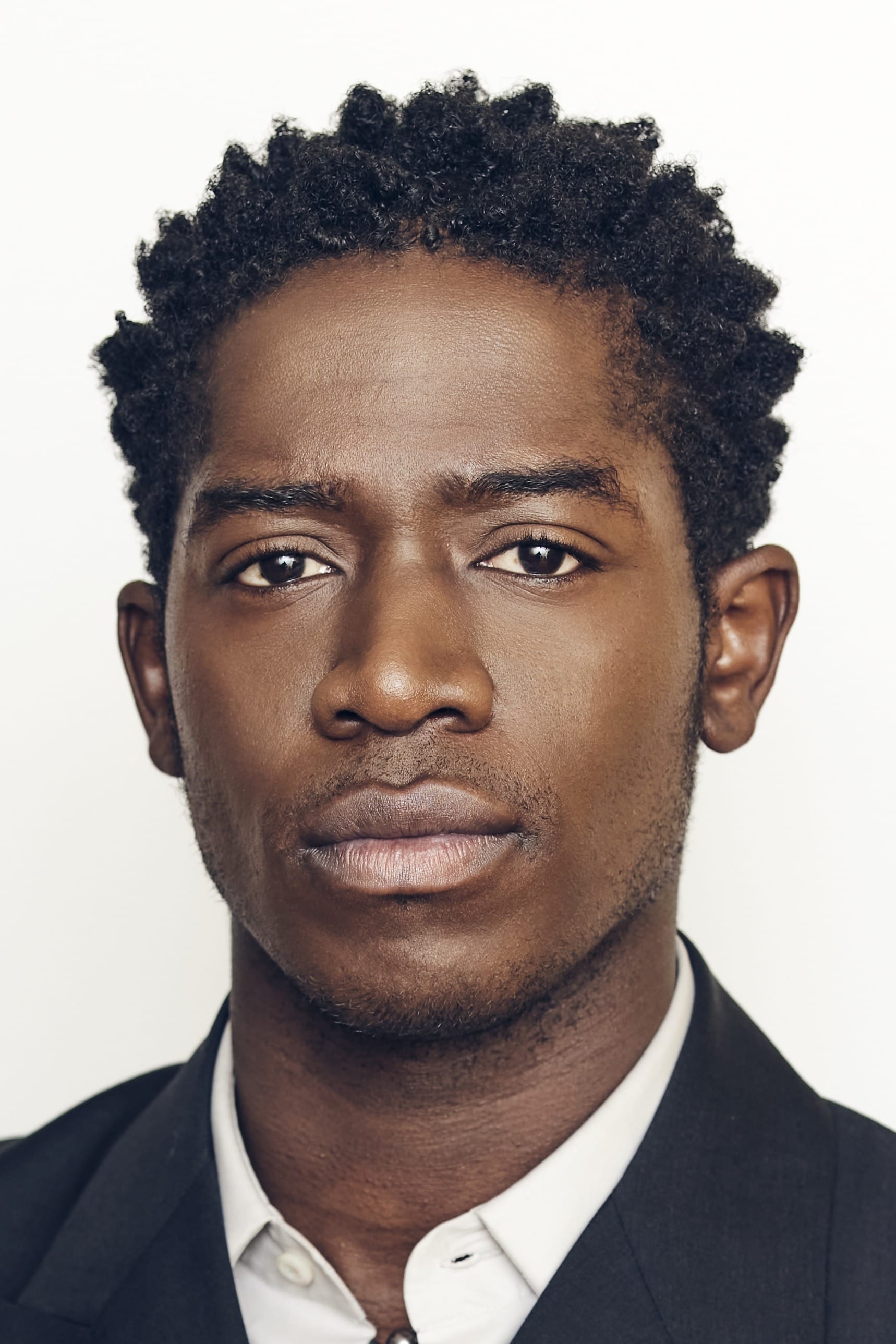
Damson Idris became well-known for playing a drug dealer in the show ‘Snowfall,’ and while the role helped launch his career, he’s now looking for different kinds of parts. He wants to move beyond roles focused on crime and tough characters, and is interested in projects involving fashion, international adventures, or more traditional leading man stories. Idris aims to demonstrate his acting abilities are much broader than the typical roles offered to young Black British actors in America, and he’s carefully choosing his next projects to showcase his versatility.
Daniel Kaluuya
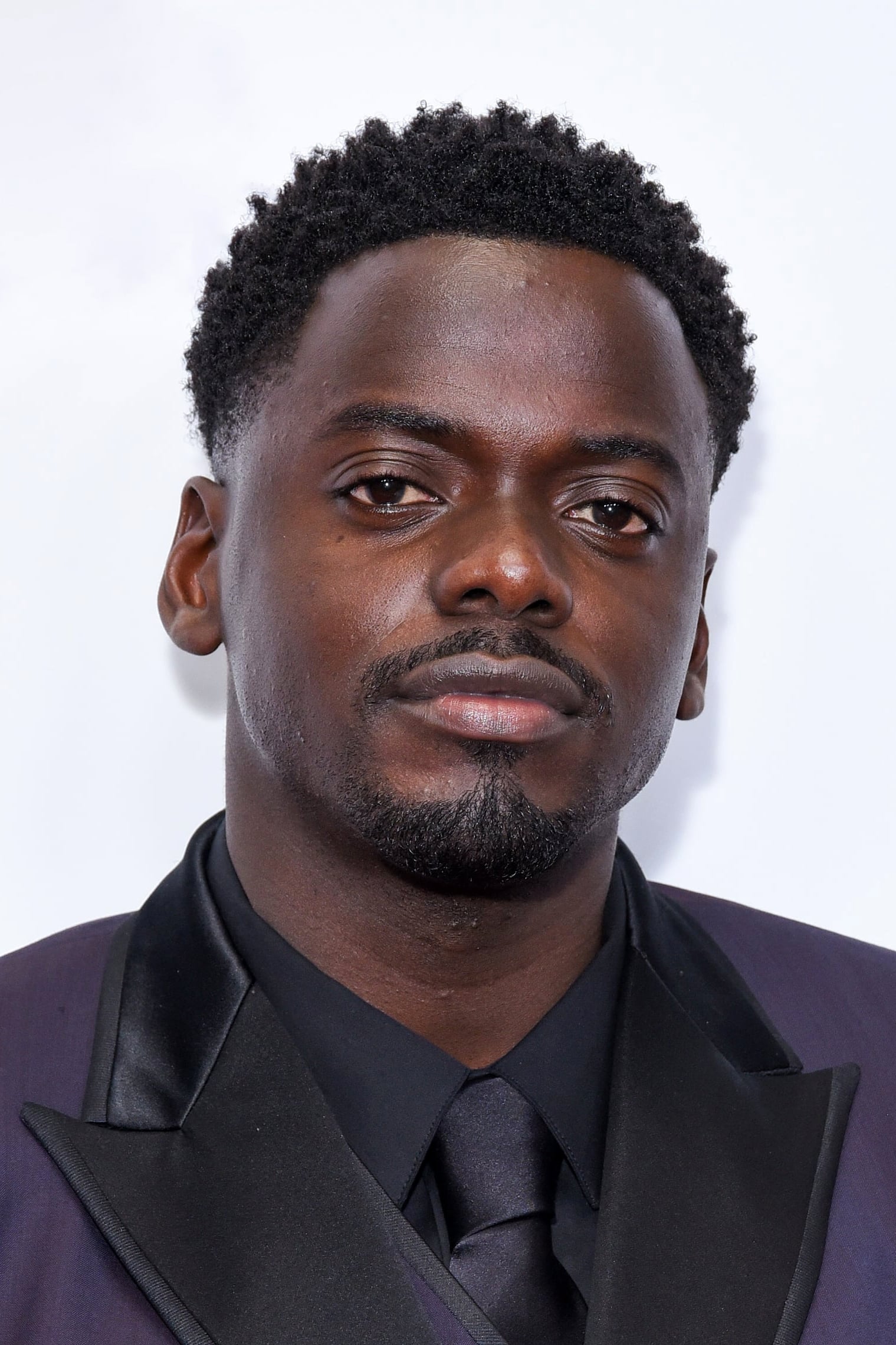
Since becoming well-known with ‘Get Out’, Daniel Kaluuya has been careful about the roles he chooses. He’s not interested in projects that only show suffering within the Black community or focus on street life without a meaningful message. Kaluuya looks for roles in thought-provoking and complex films, like ‘Judas and the Black Messiah’, that explore history or the human mind. He also avoids playing supporting characters, which often happens to actors of color after a successful first role. Ultimately, he’s committed to making ambitious, high-quality films that truly engage viewers.
Anthony Mackie
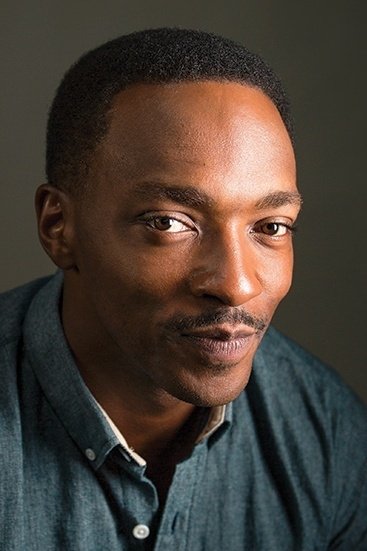
Anthony Mackie has frequently talked about how the traditional idea of a ‘movie star’ can limit opportunities for Black actors. Though he’s well-known for his heroic roles, like his character in ‘Captain America,’ he’s actively seeking parts that are more complex and nuanced. He wants to play characters whose stories aren’t solely focused on race or defined by being a supporting player to a white lead. Mackie is branching out into various genres, like sci-fi and historical dramas, to showcase his range. He consistently speaks out about the need for more creative control for actors within the film industry.
Dev Patel

Dev Patel has come a long way since his early role as an awkward teen in ‘Skins,’ and is now a leading actor, as seen in ‘Lion.’ He’s spoken about how frustrating it was to only be offered roles that emphasized his ethnicity or cast him as a comedic sidekick. Determined to change that, Patel directed and starred in ‘Monkey Man,’ creating the kind of action hero he always wanted to see. He’s moved beyond playing supporting characters in comedies and is now focusing on powerful, physically challenging roles that showcase his talent and earn him recognition.
Kumail Nanjiani
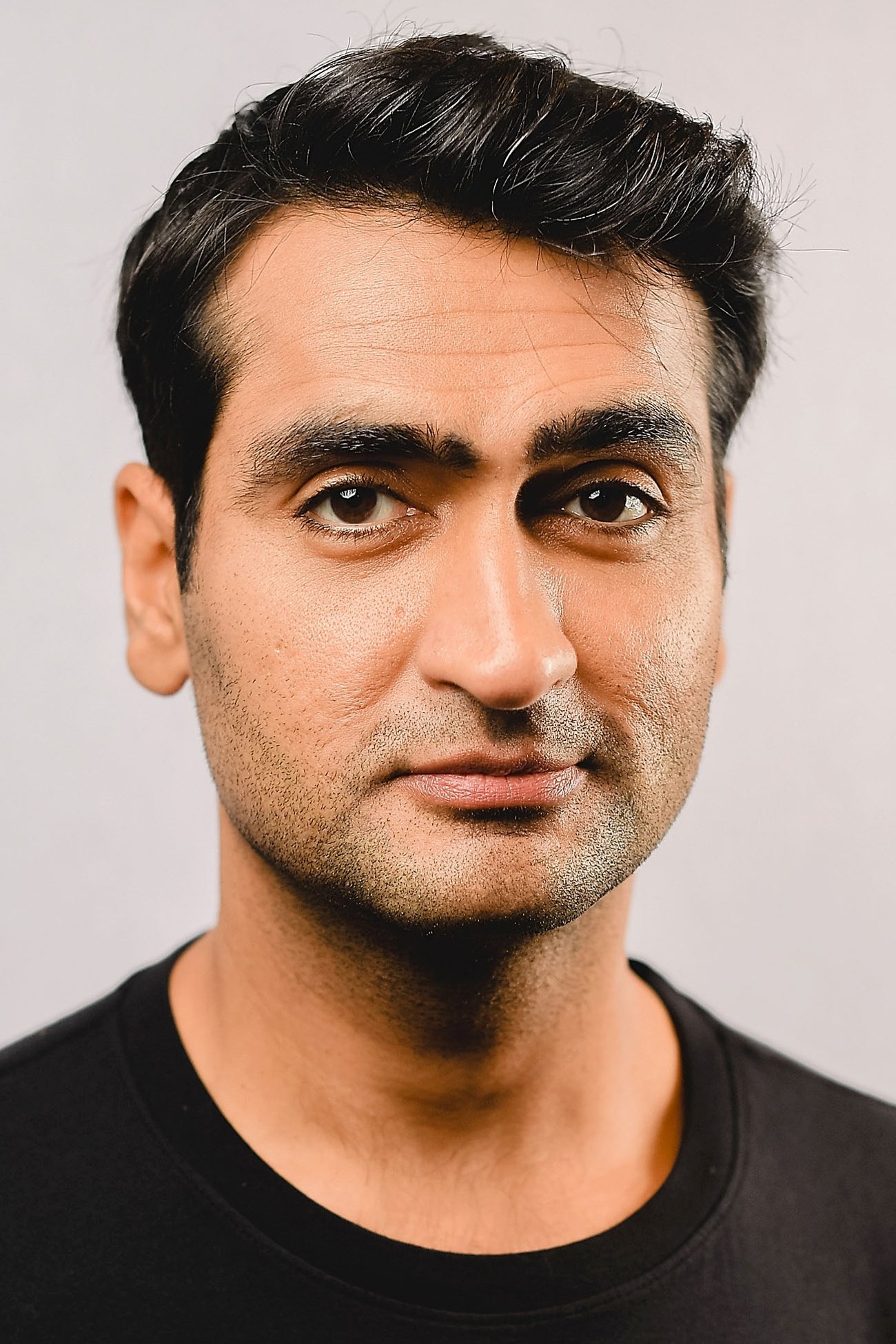
Kumail Nanjiani built a career playing supporting roles, often as a tech expert or someone a bit awkward. He then made a dramatic change to his physical appearance, wanting to move beyond those types of characters. Nanjiani hopes to be seen as a leading man – in both romantic and action roles – which are typically given to actors from different backgrounds. He wants to challenge the stereotype that South Asian men are only suitable for comedic roles. His work in projects like ‘The Big Sick’ and ‘Welcome to Chippendales’ demonstrates his dedication to telling more realistic and layered stories.
Kal Penn
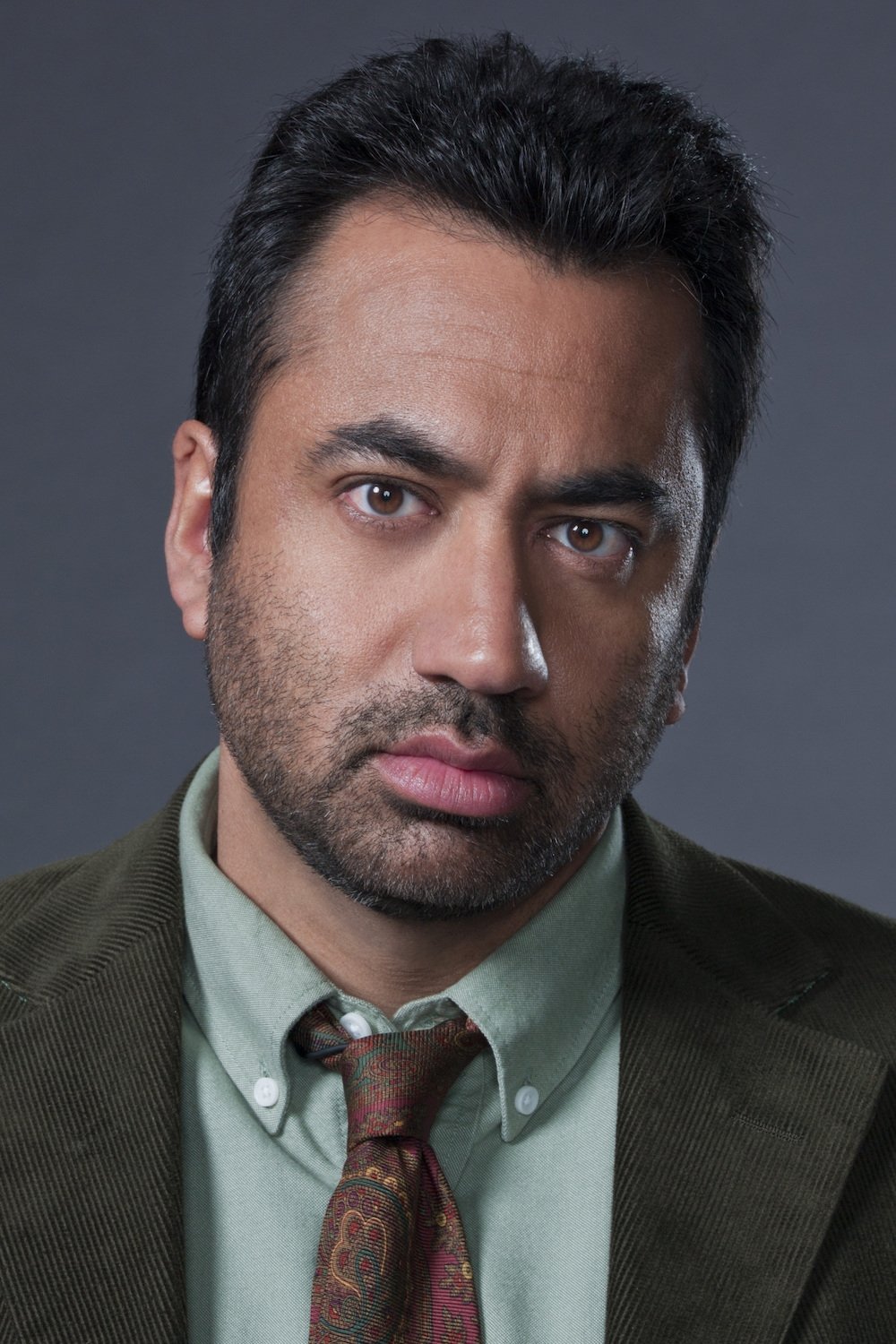
I’ve always been a fan of Kal Penn – he really broke out with ‘Harold and Kumar,’ which was hilarious. But what I admire even more is how he transitioned into more serious acting and even got involved in politics. He’s talked about how frustrating it was early in his career, constantly being asked to do accents or play villainous roles. He really wanted to portray Indian Americans as just… regular people, with all sorts of different lives and jobs. He’s made it clear he’s over those tired, stereotypical roles that just rely on clichés for a quick laugh. Honestly, his career is a great example of how you can move from being known for a specific type of comedy to earning respect in drama and public service. It’s inspiring to see!
Ramy Youssef
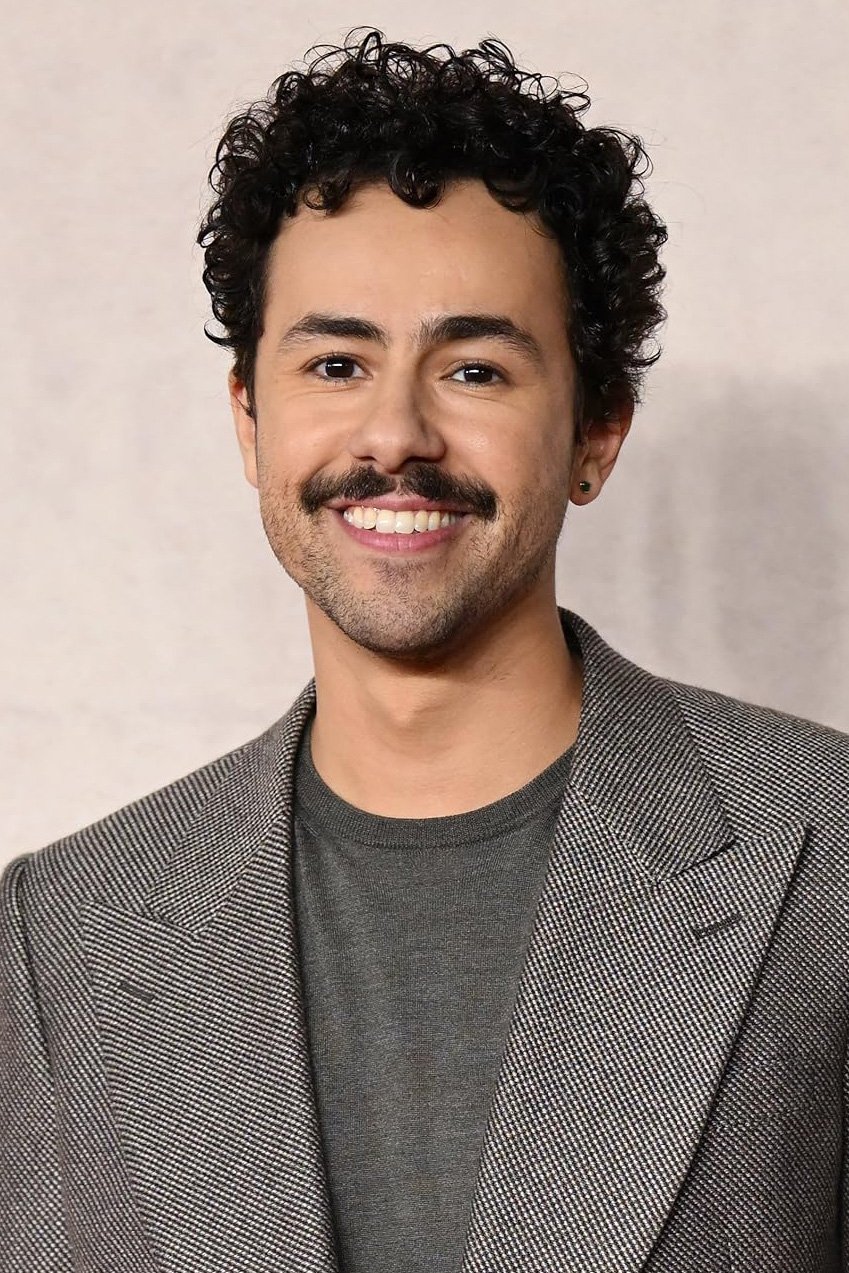
Ramy Youssef’s show, ‘Ramy,’ offers a realistic and complex portrayal of a Muslim American man’s life. Youssef intentionally avoids playing stereotypical roles often given to actors with similar backgrounds. Instead, he focuses on relatable stories about faith, everyday struggles, and the ordinary moments in life. He deliberately steers clear of the typical media depictions of Muslims as either perfect figures or dangerous extremists, proving that specific, personal stories are far more powerful than broad generalizations.
Sterling K. Brown
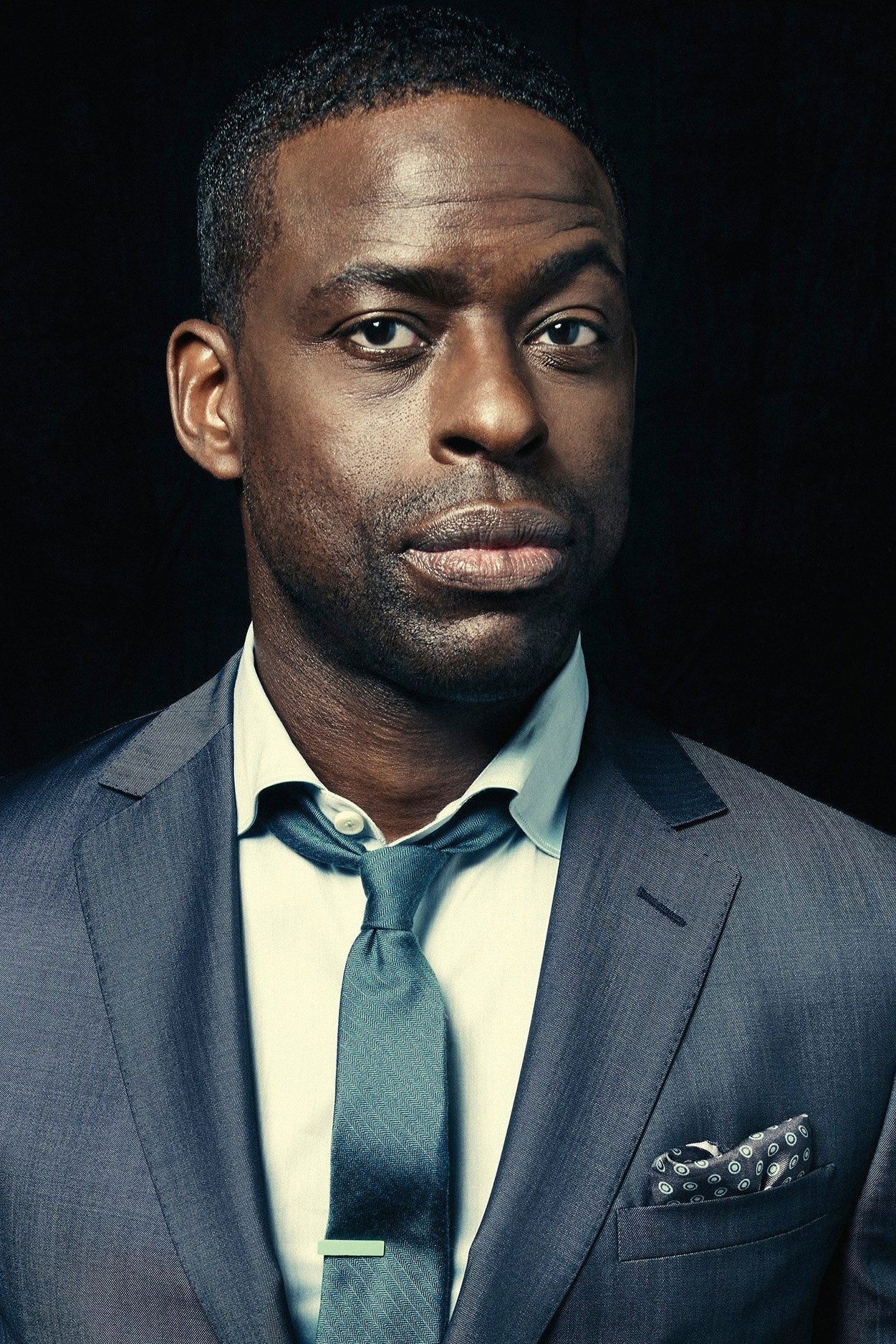
Sterling K. Brown is now at a point in his career where he can carefully select the roles he takes. He’s frequently discussed wanting to see more Black men portrayed as complex, emotionally open, and successful professionals. He actively avoids stereotypical roles like criminals or supporting characters, instead choosing parts that showcase fatherhood, professional drive, and thoughtful introspection. His work on ‘This Is Us’ changed how audiences view Black men leading dramas focused on family life. He continues to prioritize projects that offer nuanced and insightful perspectives on family and identity.
Brian Tyree Henry
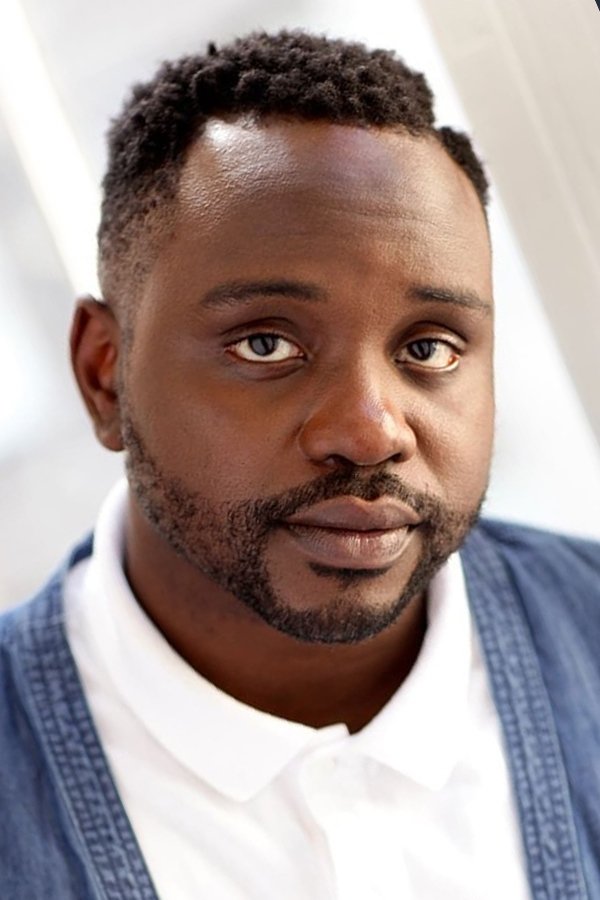
Brian Tyree Henry is known for the depth and sensitivity he brings to his acting, as seen in shows like ‘Atlanta’ and the film ‘Causeway’. He’s now actively looking for roles that go beyond comedic or tough-guy stereotypes. Henry wants to play characters with inner lives, showcasing men who are allowed to be vulnerable, complex, and emotionally open. He’s more interested in exploring the nuances of the human experience than simply playing characters defined by their physical appearance.
Lakeith Stanfield
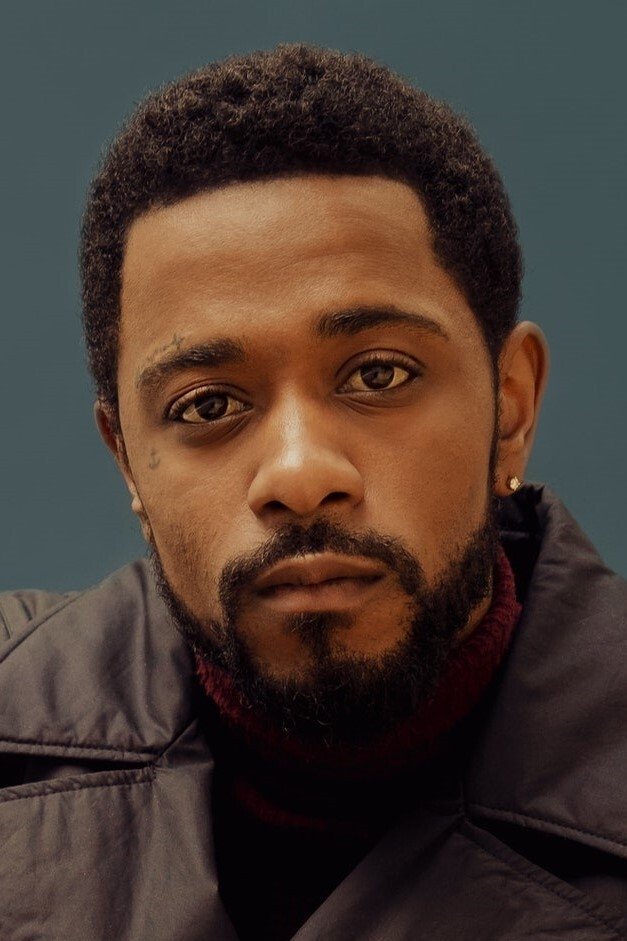
Lakeith Stanfield has built a reputation for choosing unusual and surprising roles, deliberately avoiding predictable character types. Unlike many young Black actors, he’s gravitated towards unconventional and experimental projects. Stanfield has said he prefers characters that don’t fit easily into any stereotype, and this is evident in films like ‘Sorry to Bother You’ and ‘The Book of Clarence’. By consistently taking risks, he’s established himself as a truly original voice in Hollywood.
Mahershala Ali
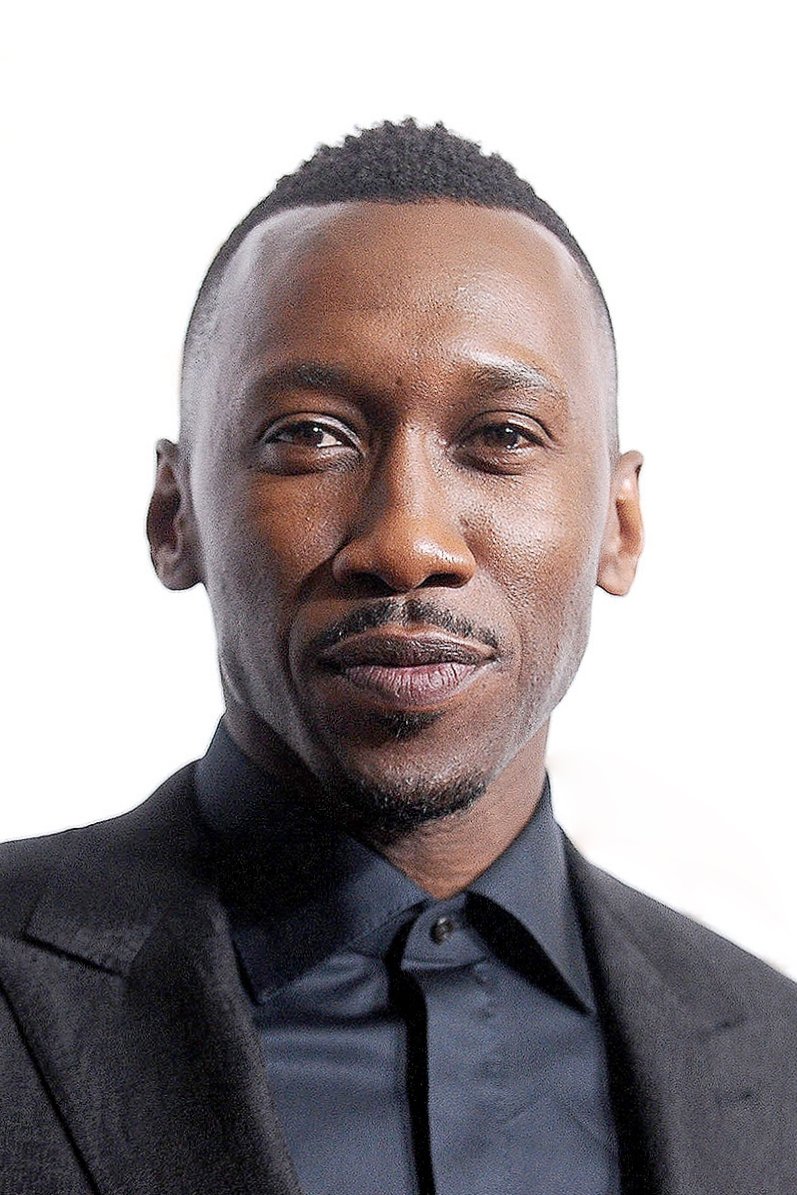
Mahershala Ali has won two Oscars by consistently choosing roles that are strong, dignified, and complex. He’s known for avoiding parts that rely on harmful stereotypes or simplify Black characters. Instead, he looks for roles, like those in ‘Moonlight’ and ‘Green Book’, that allow him to portray characters with grace and depth. He’s moved beyond playing stereotypical ‘tough guy’ or minor villain roles, and is now recognized for his contributions to meaningful and thought-provoking cinema.
Yahya Abdul-Mateen II
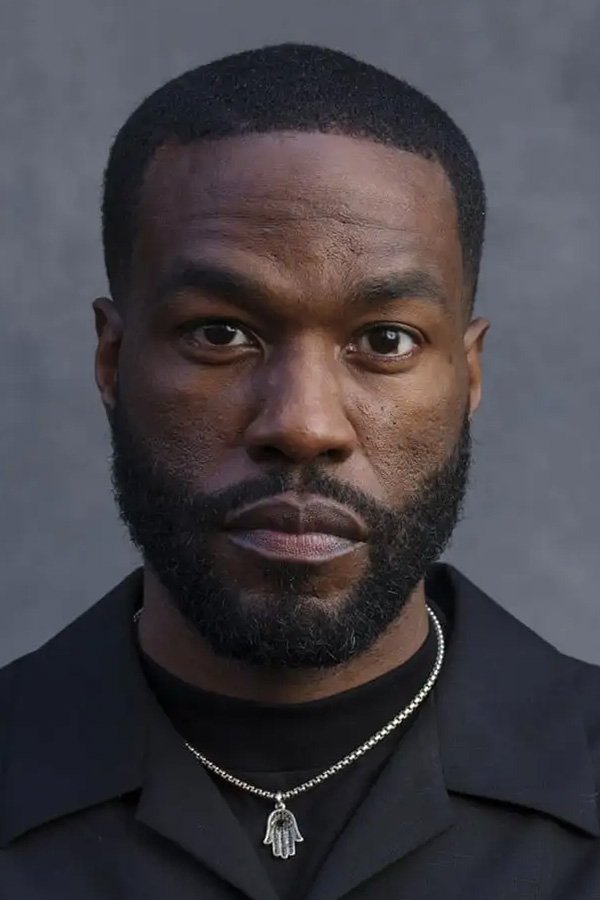
Yahya Abdul-Mateen II has become a prominent leading actor by carefully selecting projects that align with his artistic goals. He actively seeks roles that allow him to portray heroes, romantic leads, and characters with depth, and he intentionally avoids being typecast in supporting or villainous roles. His performances in shows like ‘Watchmen’ and ‘Candyman’ demonstrated his ability to carry complex narratives with nuance and strength. He continues to challenge Hollywood to recognize his range and cast him as a commanding lead.
Winston Duke
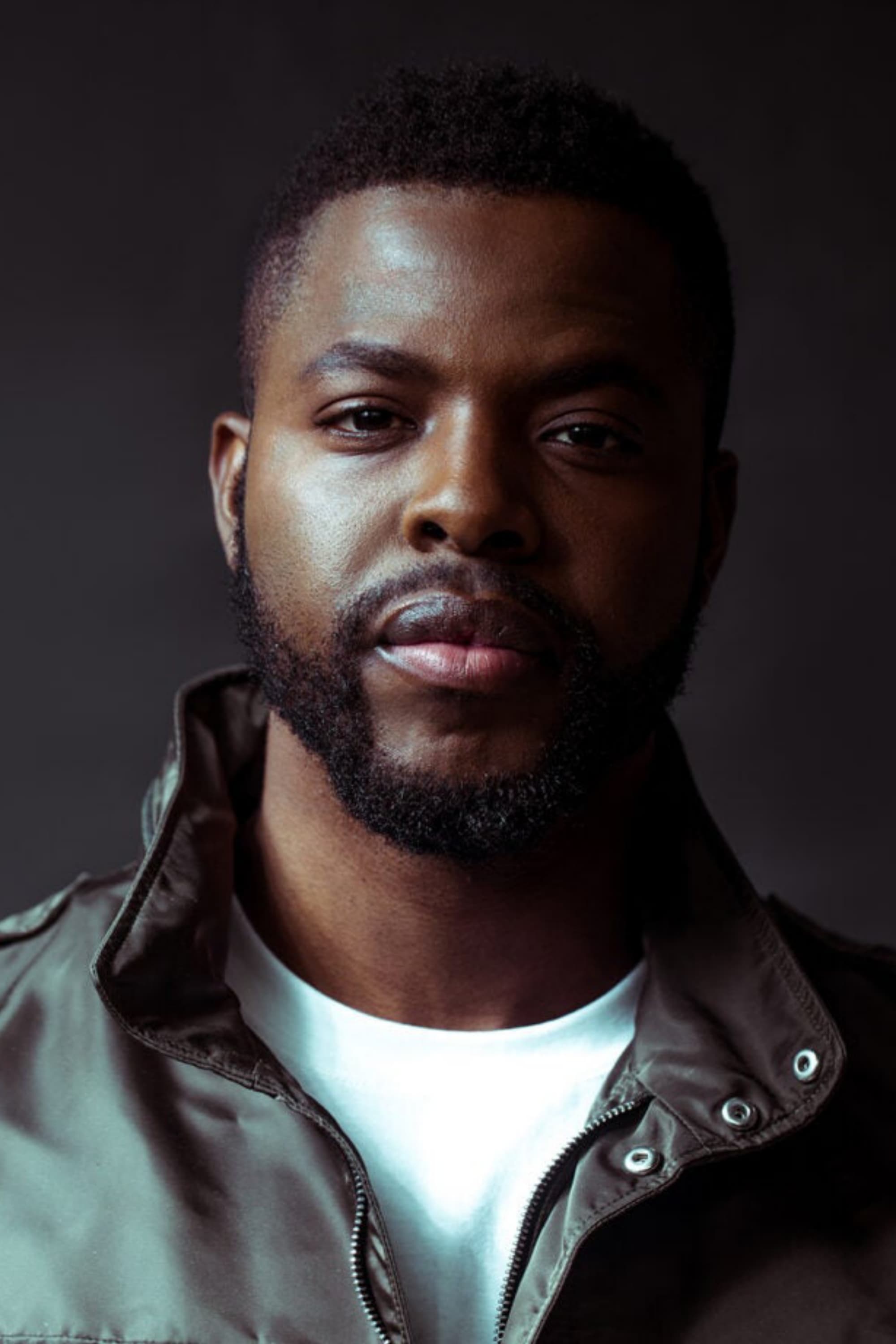
Winston Duke gained recognition in ‘Black Panther’ and has since been working to broaden the types of roles available to large Black men in film. He’s actively avoided being typecast as simply the strong or intimidating character, instead seeking parts that showcase his intelligence and emotional range. His work in ‘Nine Days’ demonstrated his ability to powerfully convey emotion and carry a film on his own. Duke continues to challenge and overcome the physical stereotypes that have historically limited actors of his stature.
Jeffrey Wright
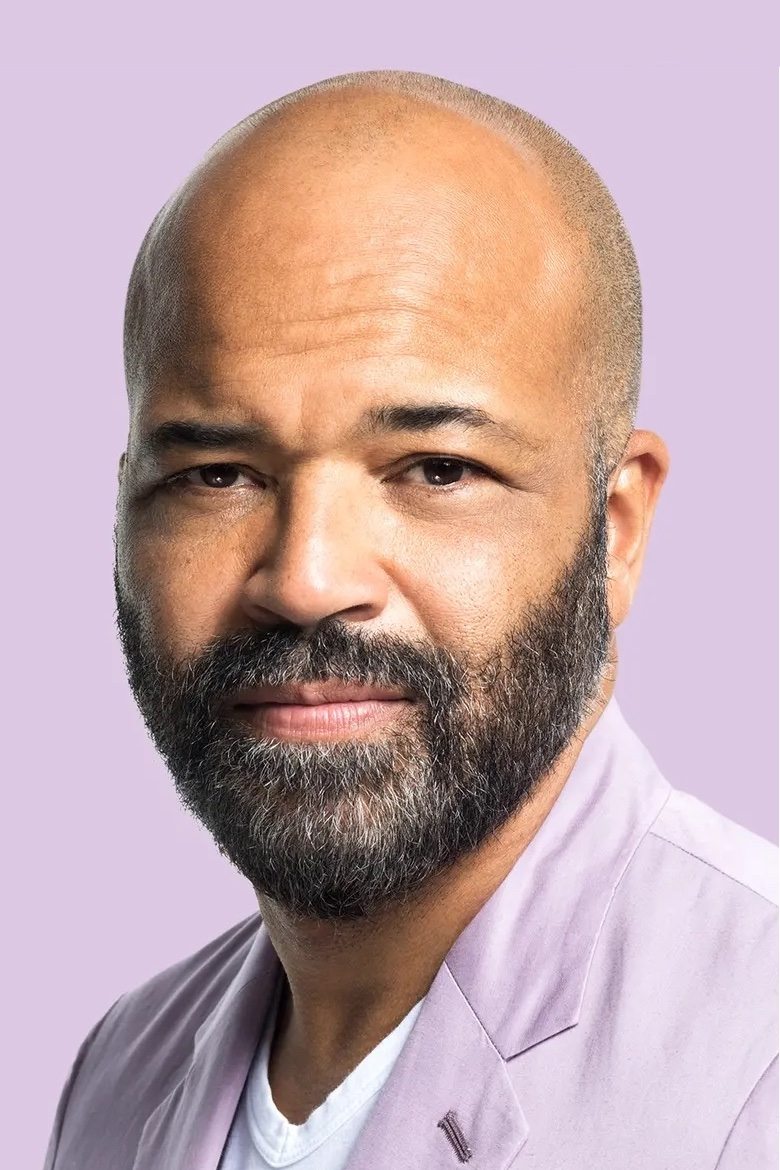
Jeffrey Wright is a remarkably versatile actor, often hailed as one of the best of his generation. Throughout his career, he’s deliberately chosen complex roles that move beyond stereotypes, focusing on characters who are intelligent or highly skilled, no matter where they come from. His performances in shows like ‘Westworld’ and films like ‘American Fiction’ showcase his dedication to sophisticated and compelling stories. He’s consistently proven that a Black actor can seamlessly inhabit any role and any world.
David Harewood
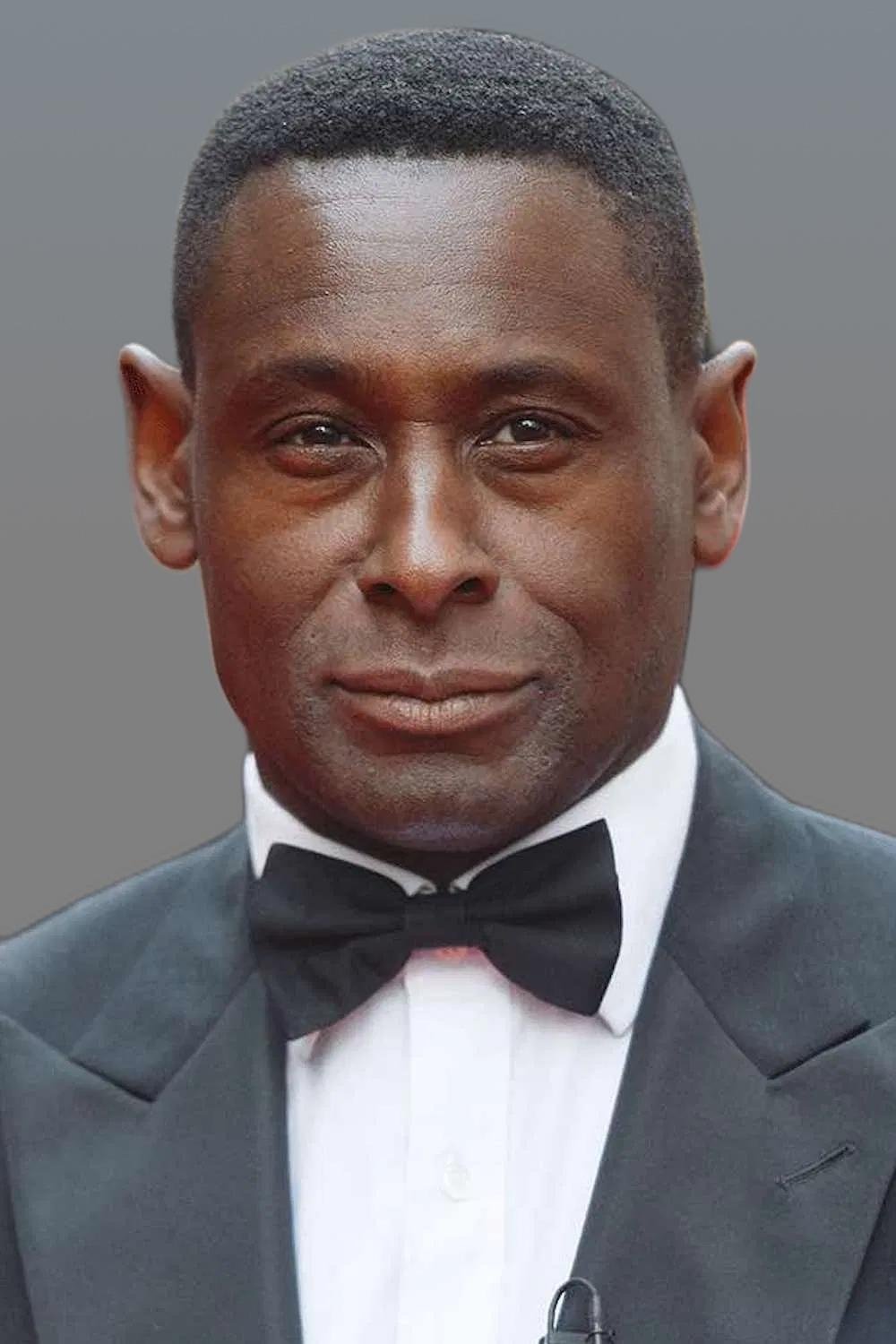
As a film lover, I really admire David Harewood’s work, not just as an actor, but as an advocate. He’s been so open about the challenges he faced early in his career, feeling typecast here in the UK with roles that always seemed to revolve around crime or social problems. It’s amazing how moving to the States opened doors for him to play characters with real power and depth – professionals, leaders, just… more complex people. He hasn’t stopped speaking out about the bigger issues either, the way the industry keeps boxing actors in, and I think his voice is incredibly important in pushing for real change globally.
Trevante Rhodes
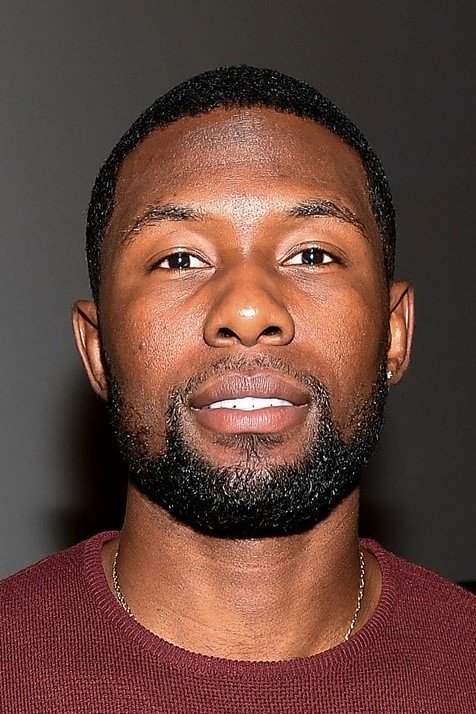
Trevante Rhodes quickly gained recognition for his role in ‘Moonlight,’ where he played a character who defied typical tough-guy stereotypes. Since then, he’s been selective about the roles he takes, looking for parts that require more than just physical strength. Rhodes is drawn to stories that delve into the complex inner lives of men who are often overlooked or seen as simple. He wants to portray characters with depth, history, and emotional resonance, and his career demonstrates his commitment to bringing humanity to every performance.
Aldis Hodge
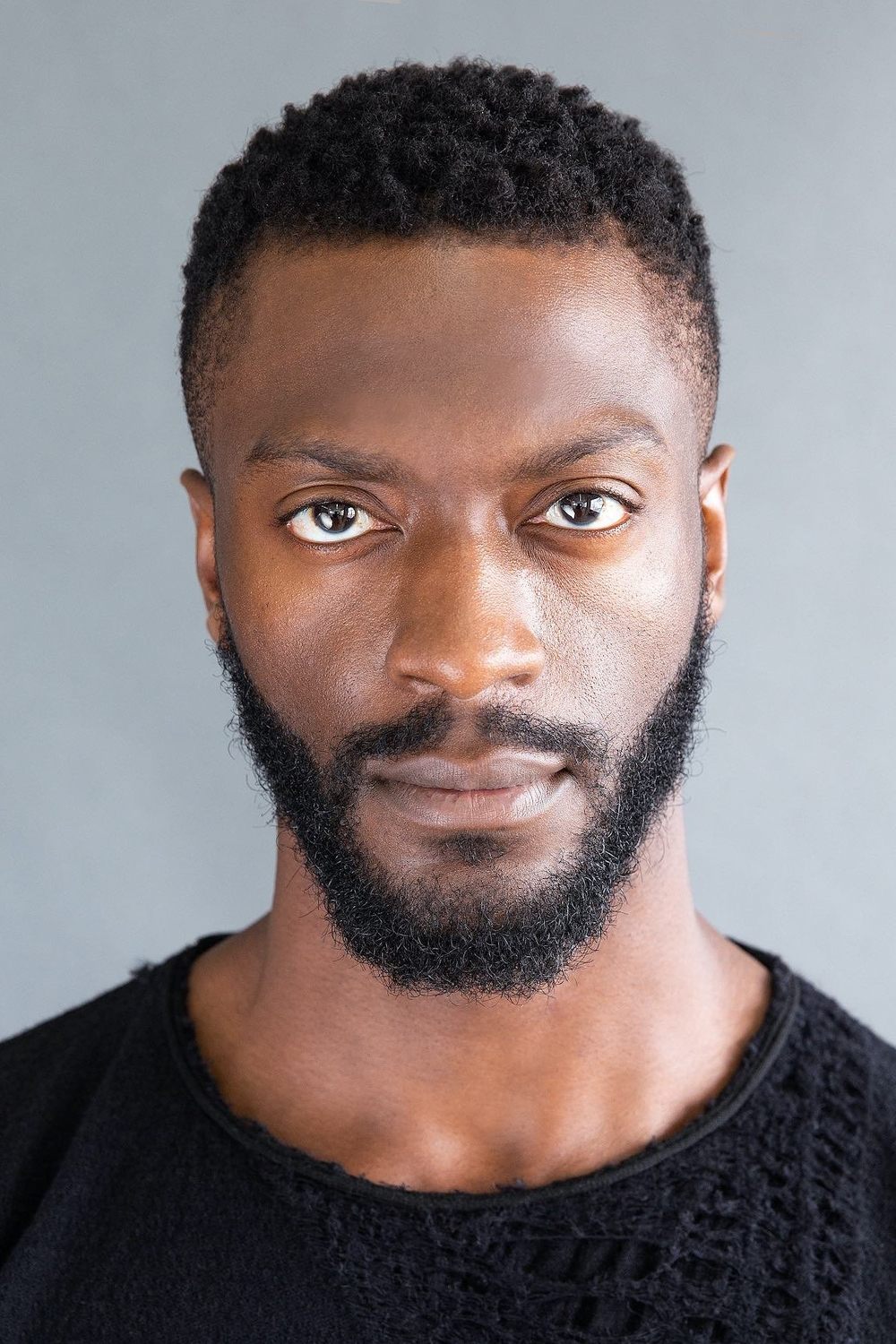
Aldis Hodge has been working in the entertainment industry since childhood and has witnessed how roles for Black men have changed over time. He’s passionate about taking on leading roles that highlight intelligence, strong leadership, and technical abilities. Hodge deliberately chooses roles that move beyond stereotypical criminal characters, preferring projects like ‘Hidden Figures’ or ‘City on a Hill’. He feels true representation means showing Black men in a wide variety of professional and social settings, and he’s committed to building a career defined by skill and adaptability.
Corey Hawkins
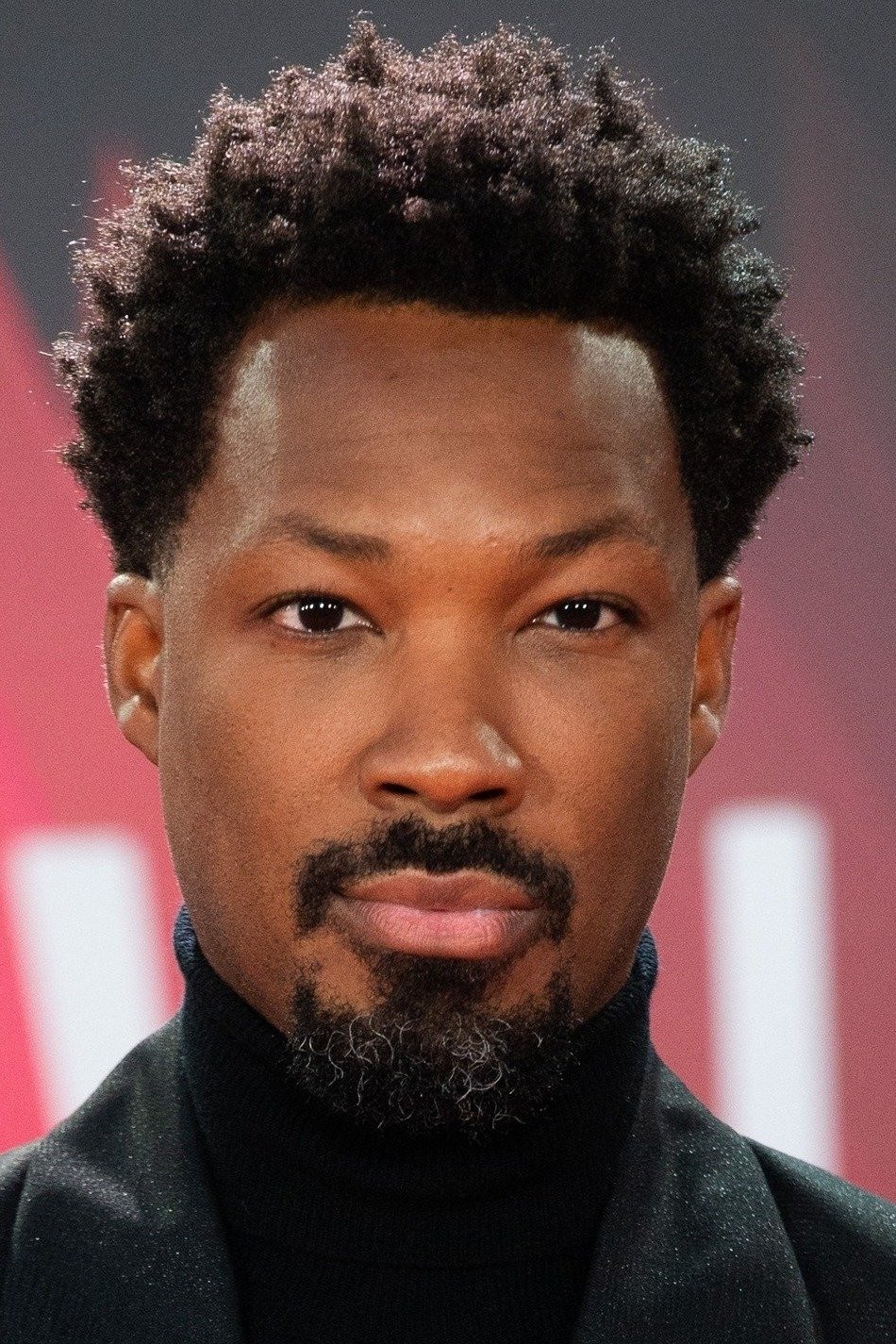
Corey Hawkins has moved beyond playing characters based on real people, like Dr. Dre, and is now starring in big movies and plays. He’s committed to roles that require strong acting technique and offer a challenge. Hawkins doesn’t want to be typecast in typical urban stories after finding success in that genre. Instead, he actively pursues roles in Shakespearean plays and large musical productions to show off his range and prove his dedication to the art of acting.
Regé-Jean Page
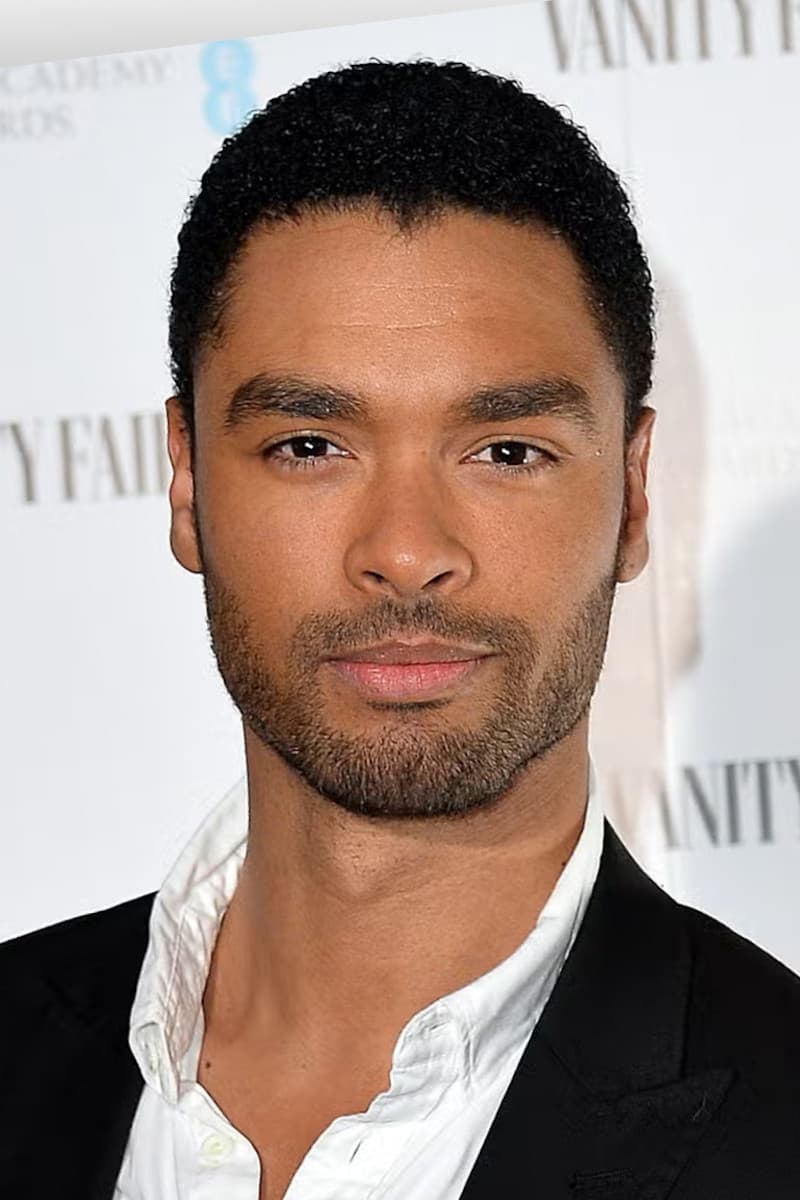
Regé-Jean Page gained international fame with ‘Bridgerton,’ but he’s determined to show he’s capable of much more than just romantic roles. He’s intentionally avoided repeating similar characters, choosing instead to pursue projects in genres like action and spy thrillers. Page wants to prove he can be a dynamic leading man and isn’t interested in being typecast as a sidekick or a supporting character. He’s building a career with a wide range of roles, spanning different time periods and filmmaking styles.
Kingsley Ben-Adir
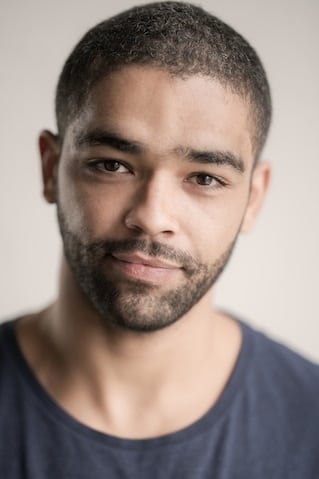
Kingsley Ben-Adir is known for his thoughtful and nuanced portrayals of famous historical figures. He focuses on revealing the person behind the public image, and actively seeks out roles with complex emotional depth. He prefers to play characters who are intelligent, influential, and creative, as demonstrated by his compelling work in films like ‘One Night in Miami’ and ‘Bob Marley One Love’.
Leslie Odom Jr.
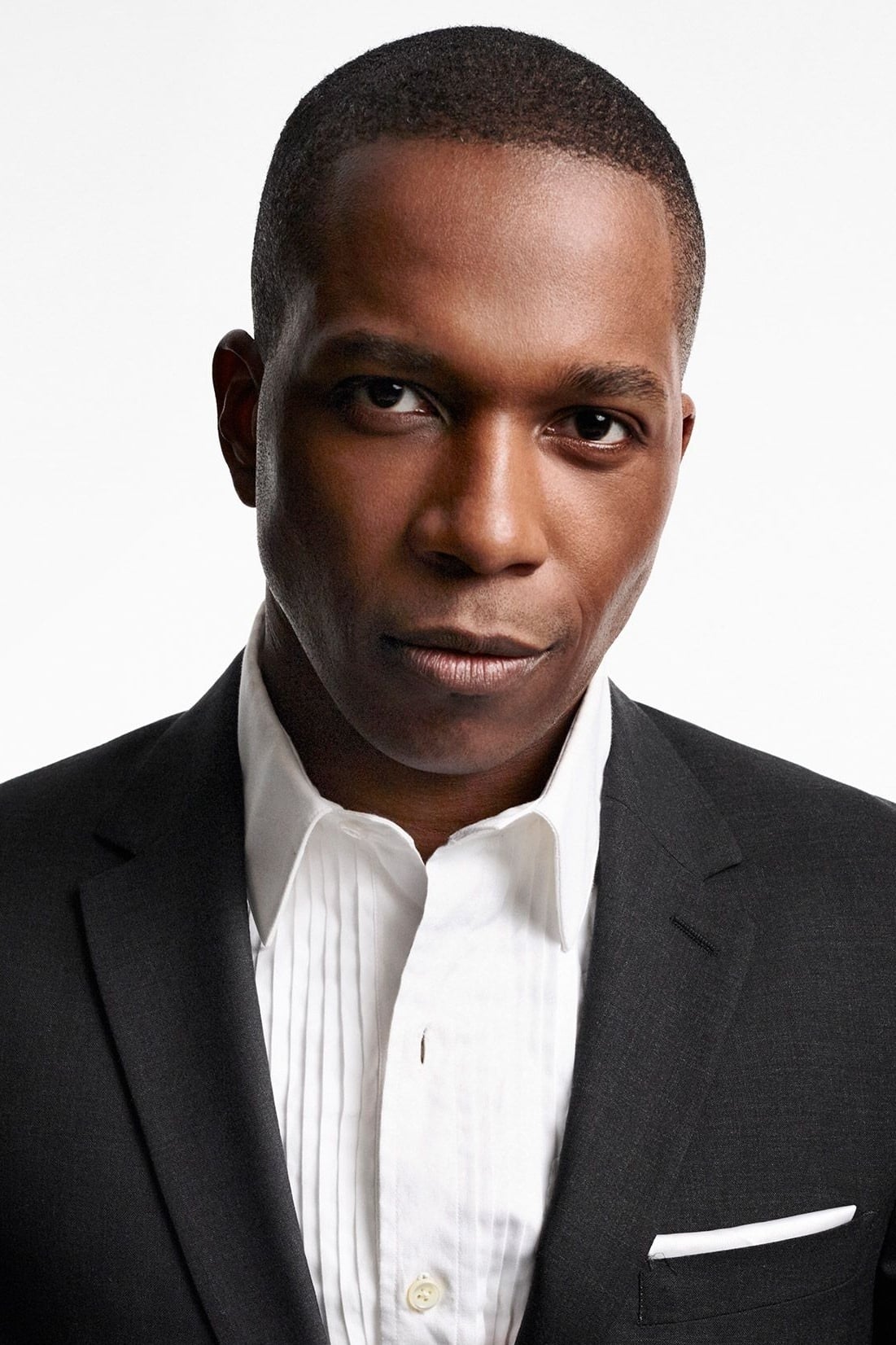
Leslie Odom Jr. has transitioned from Broadway to film by carefully choosing roles that showcase his talents. He wants to play leading characters – people who drive the story – and is no longer interested in supporting roles. Odom Jr. seeks projects that allow him to fully utilize his skills, including both his musical and acting abilities. He’s now focused on finding challenging and inspiring roles where he can take center stage.
Daveed Diggs
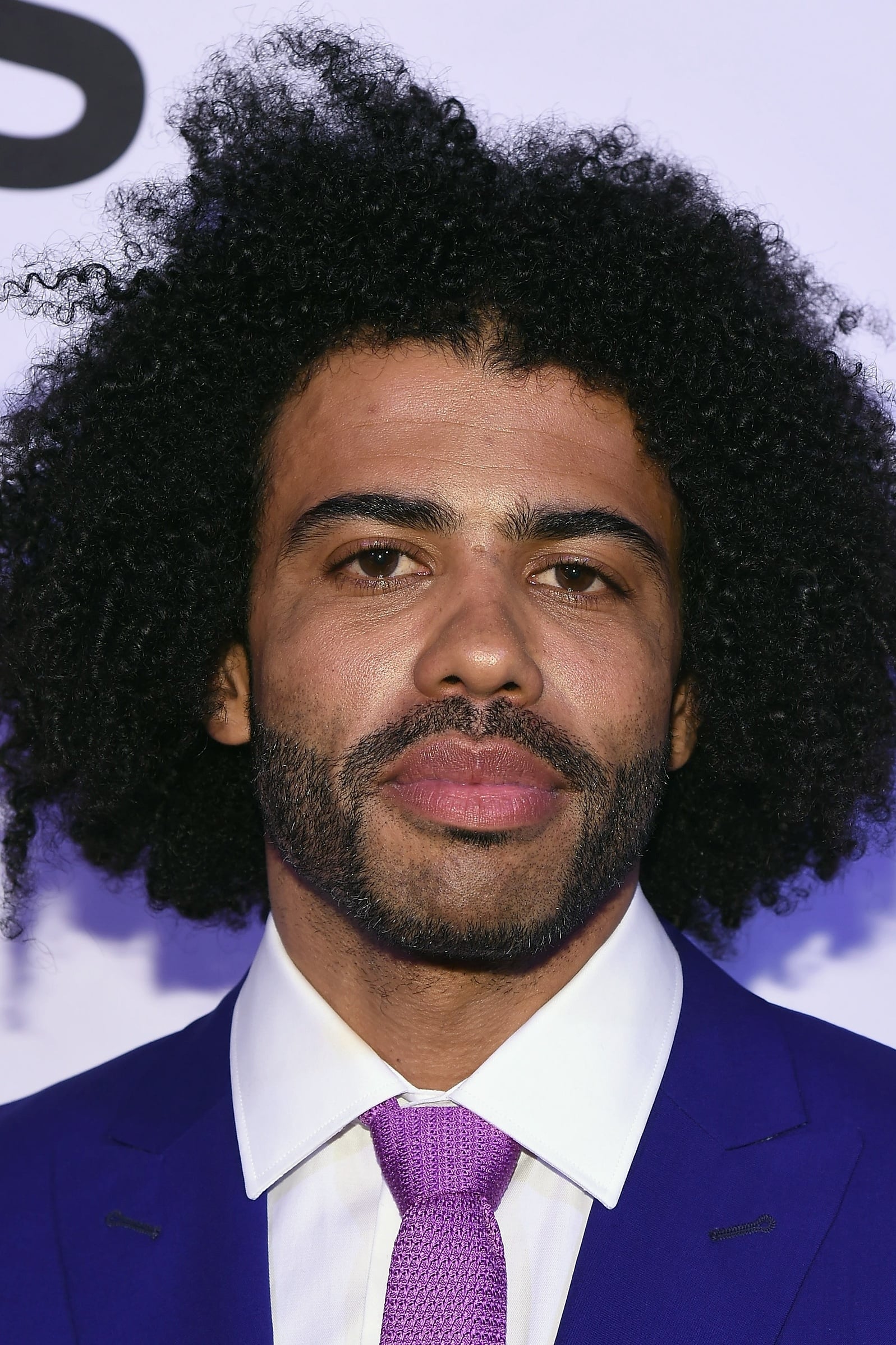
Daveed Diggs is a remarkably versatile performer known for challenging artistic conventions. He actively avoids roles that fall into tired racial tropes or predictable stories about city life. Instead, Diggs seeks out projects that are innovative, thought-provoking, and address important social issues. Whether in films like ‘Blindspotting’ or his voice acting work, he consistently chooses roles that offer fresh and insightful perspectives. He’s a true creative talent who resists being limited by what’s expected of him in the entertainment industry.
Will Sharpe
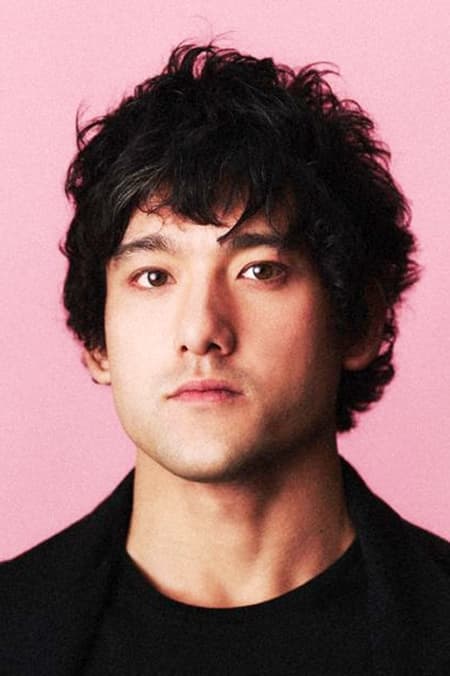
I’m a big fan of Will Sharpe – he’s such a talented actor and director, and he really stood out to me in ‘The White Lotus’! What I admire most is that he’s actively pushing against typecasting. He doesn’t want to play the same old roles often given to Asian actors, and instead looks for characters who are flawed, complicated, and genuinely human. He’s not interested in being the ‘nice guy’ or the stereotypical tech whiz. It’s clear he’s dedicated to telling stories that feel real, unpredictable, and emotionally raw, and that really comes through in his work.
Ncuti Gatwa
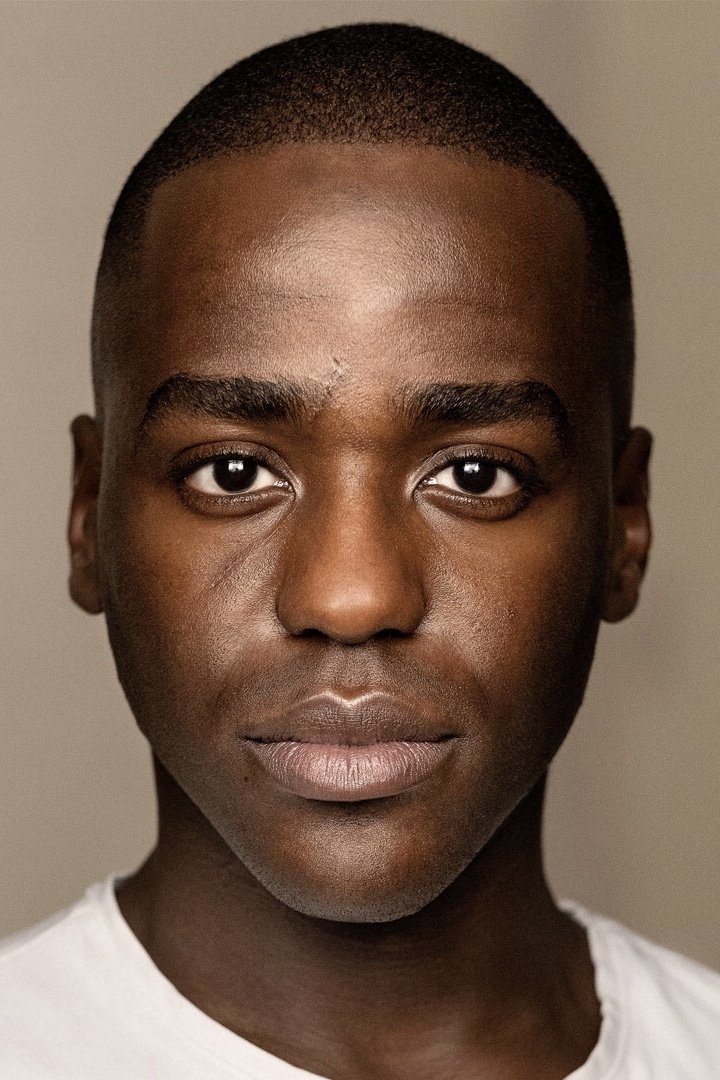
I’ve been a huge fan of Ncuti Gatwa ever since ‘Sex Education.’ What really struck me was how he took a character that could have easily been just the funny best friend and made him so much more. He brought this incredible vulnerability and a really layered family background to the role, giving it real depth. Now, seeing him as the Doctor in ‘Doctor Who’ is amazing – he’s clearly capable of carrying a huge show! It’s clear he’s dedicated to playing characters who are really at the heart of the story, and his career so far just proves what happens when you bring genuine emotion and complexity to everything you do.
Jeremy Pope
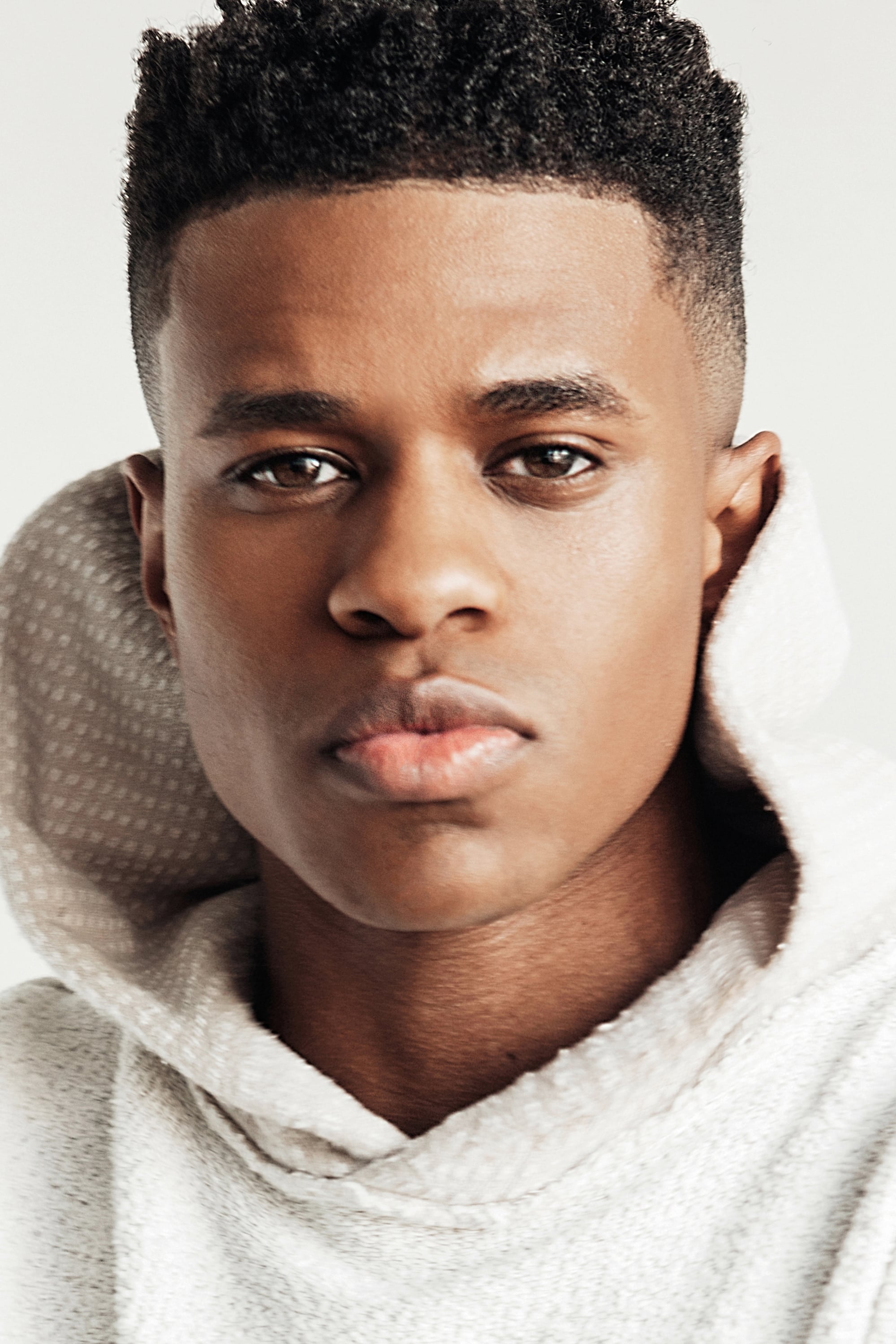
Jeremy Pope is a groundbreaking actor who has earned nominations for his work in both theater and film. He intentionally chooses roles that portray the full depth of Black, queer characters, moving beyond typical stereotypes often seen in media. Pope looks for leading roles that are both powerful and emotionally resonant. His performances in projects like ‘The Inspection’ and ‘Hollywood’ showcase his ability to deliver deeply moving and impactful performances.
Andrew Scott
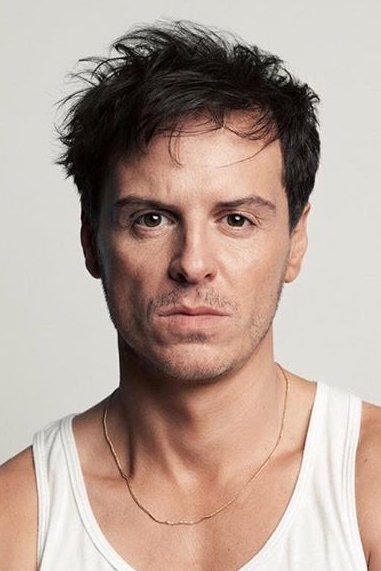
Andrew Scott is a highly in-demand actor known for convincingly portraying both villains and heroes. He’s expressed frustration with being typecast based on his sexuality or limited to playing stereotypical supporting roles. Scott actively chooses characters who are troubled, complex, or carry a sense of inner sadness, like those he played in ‘Sherlock’ and ‘All of Us Strangers.’ He consistently seeks out nuanced and contradictory roles, and his career demonstrates a talent for making unexpected choices.
Rupert Everett
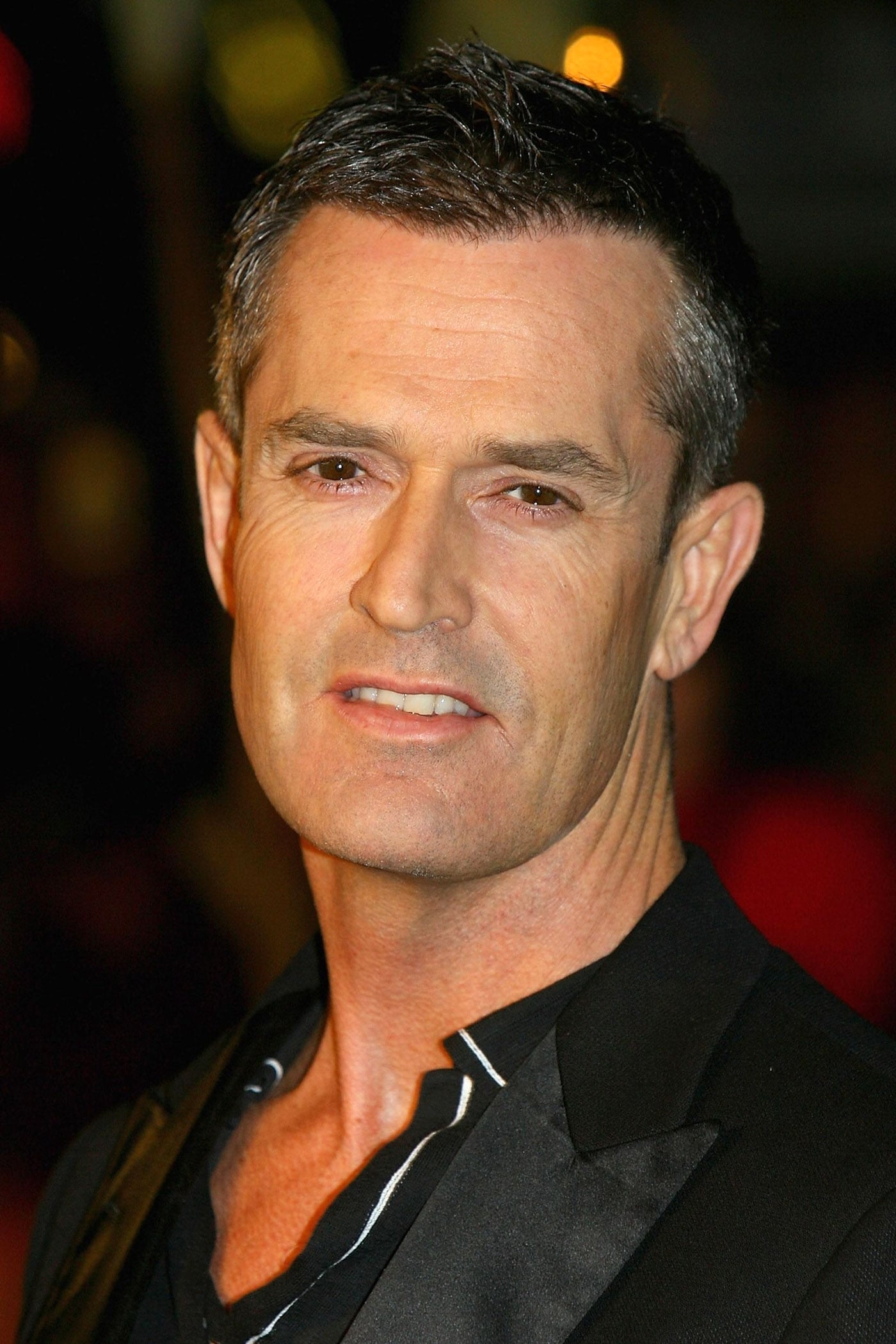
Rupert Everett achieved prominence in Hollywood as one of the first openly gay leading men. He has often discussed how, after appearing in ‘My Best Friend’s Wedding,’ he was frequently offered roles as a supporting character specifically defined by his sexuality. More recently, he’s pursued a wider range of roles, allowing him to demonstrate his skills as both an actor and a writer. Everett has consistently spoken out against the practice of limiting queer actors to stereotypical supporting roles, and continues to focus on projects that align with his own artistic goals.
Jesse Williams
Jesse Williams leveraged his time on ‘Grey’s Anatomy’ to advocate for social issues and pursue a wider range of acting roles. He’s been a strong voice for showing Black men as complex individuals, not just as physical figures or love interests. He actively seeks out challenging roles in independent films and theater, focusing on stories about justice, identity, and the need for broader societal change. His work demonstrates a dedication to meaningful and thought-provoking projects beyond mainstream television.
Common
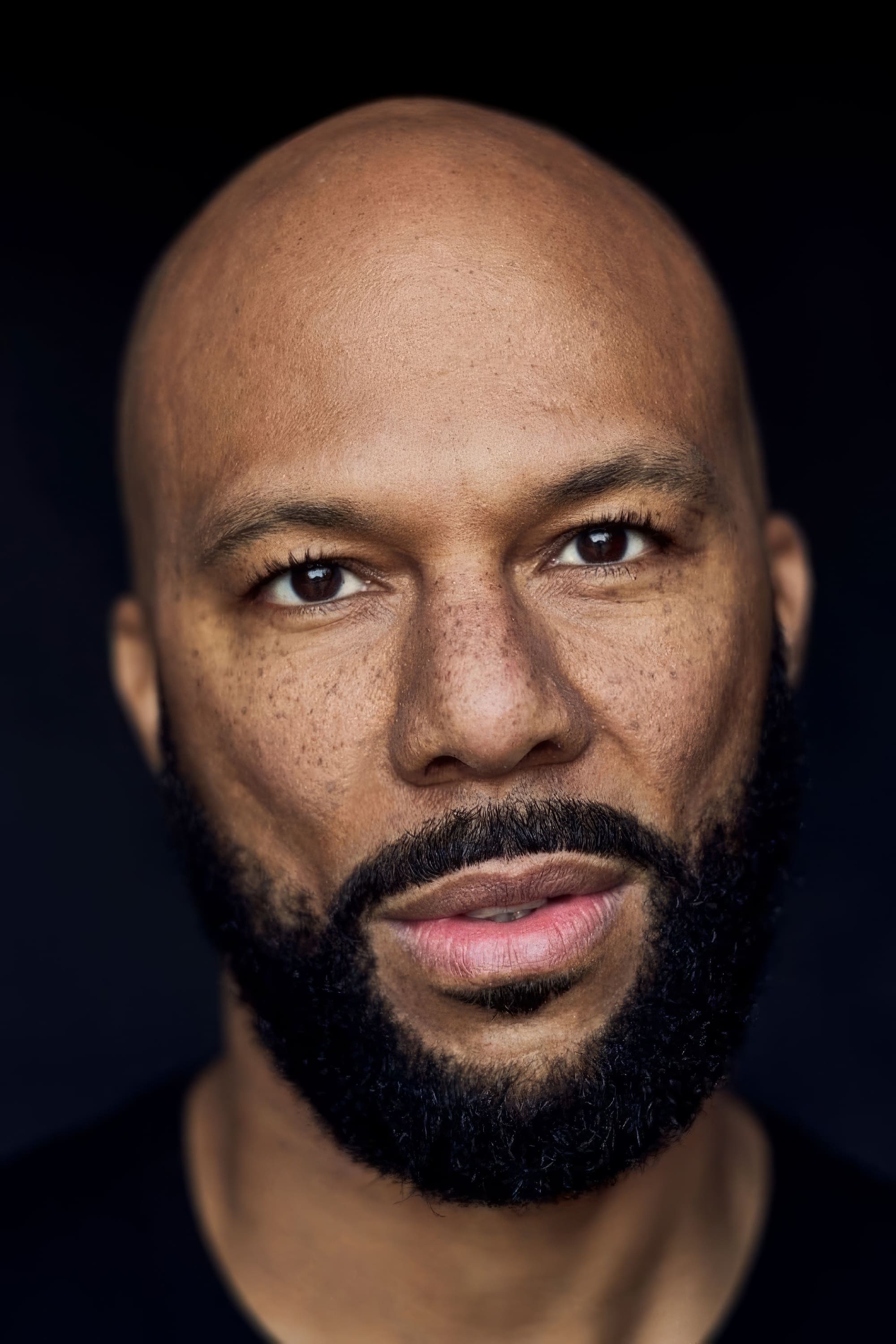
Common has made a successful shift from being a well-known rapper to a recognized actor. He’s expressed wanting to avoid the typical tough or criminal roles often given to former rappers, and instead looks for characters who are peaceful, wise, and professionally accomplished. He’s proven his versatility by playing a wide variety of roles, from hitmen to civil rights figures, and continues to choose projects that reflect his beliefs in positivity and human connection.
Quincy Isaiah
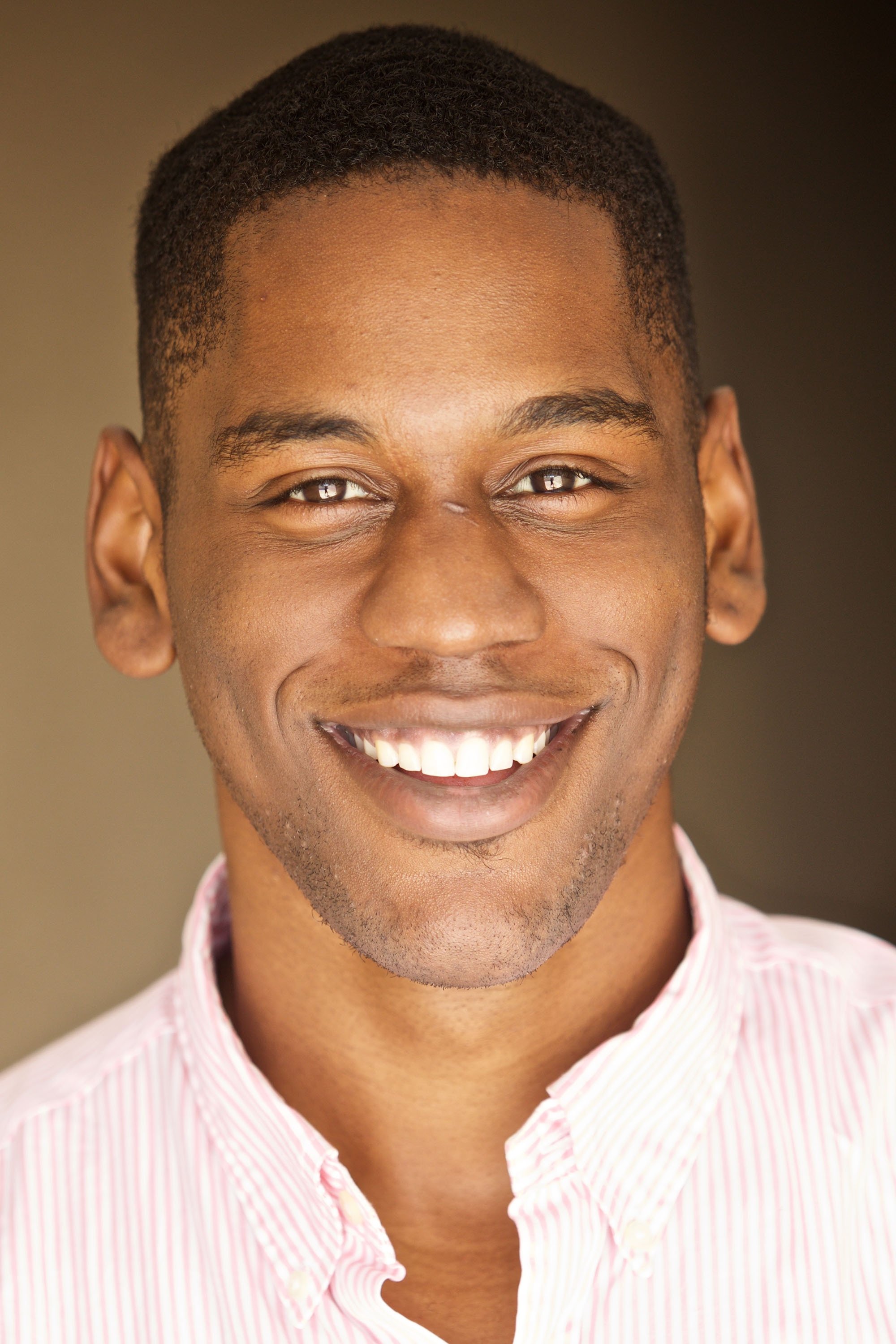
I’ve been really impressed watching Quincy Isaiah since ‘Winning Time.’ He’s amazing as Magic Johnson, but what I find even more exciting is how he’s looking to expand his acting range. He’s told me he doesn’t want to be typecast as just the athletic guy, and really wants to dig deep into complex characters and show their emotional sides. He’s actively seeking roles that let him be the heart of the story, not just a supporting player. It’s clear he’s building towards a career where he’s known for his dramatic skills, and I can’t wait to see what he does next.
Jabari Banks
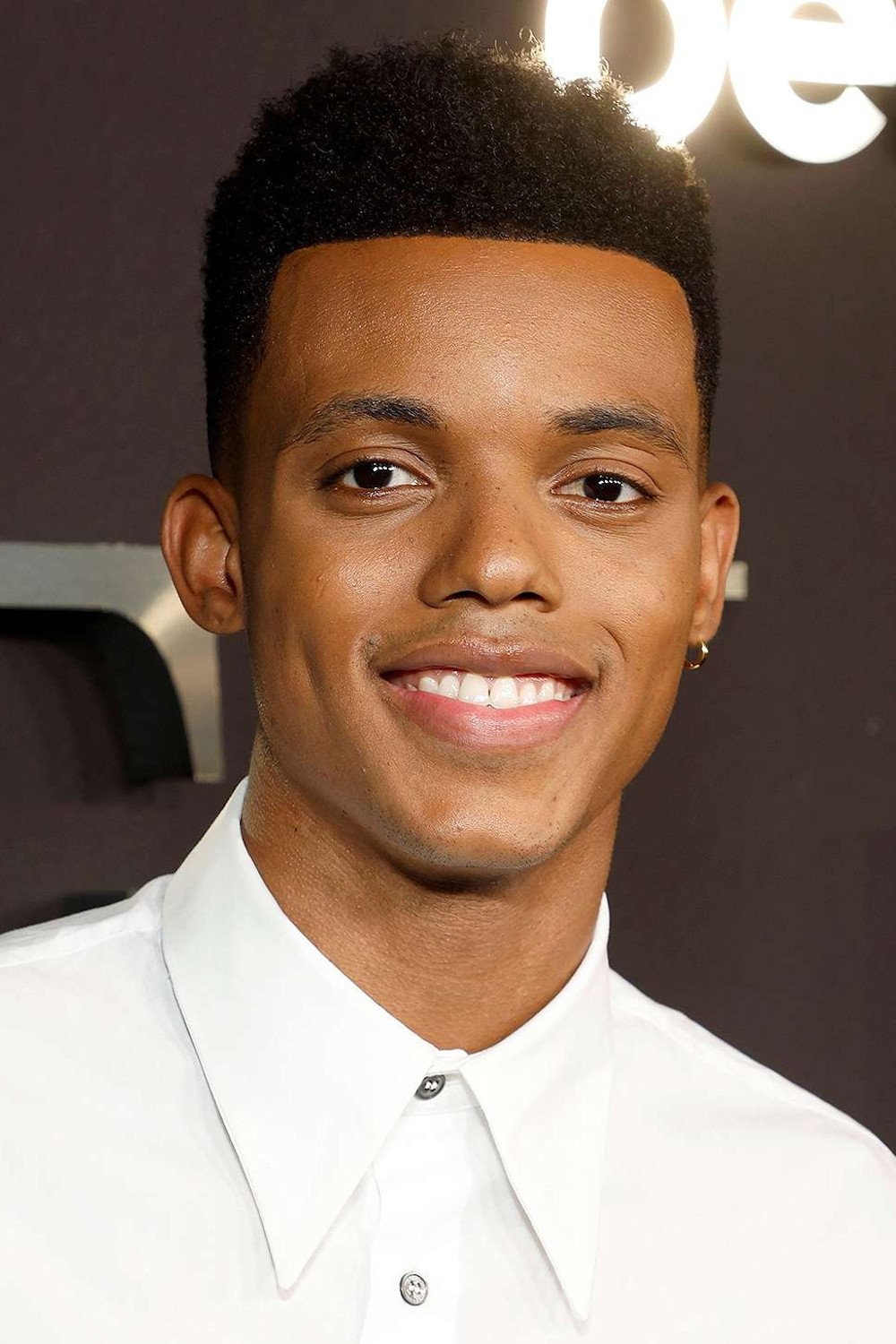
Jabari Banks powerfully reimagined the character of Will in the ‘Bel-Air’ series, bringing a more serious and nuanced portrayal to the role. Looking ahead, he’s determined to move beyond typical stereotypes often associated with young Black men and is actively seeking roles with compelling stories, dramatic tension, and intricate family relationships. Banks aims to showcase the depth and ambition of young Black men through his work, and his career is already demonstrating a commitment to impactful and well-crafted storytelling.
Adewale Akinnuoye-Agbaje
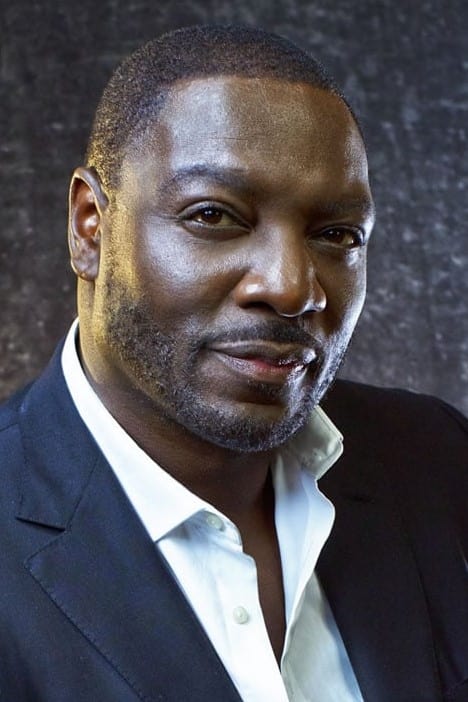
Adewale Akinnuoye-Agbaje is well-known for playing strong, often intimidating characters in shows like ‘Oz’ and ‘Lost,’ but he’s been working to broaden his career. He’s discussed how his imposing physique often led to him being typecast as villains or criminals. Now, he’s directing and choosing roles that allow him to explore his Nigerian roots with nuance and depth. His film ‘Farming’ was a particularly meaningful project, delving into themes of identity and belonging and moving beyond stereotypical tough-guy roles. He continues to be a commanding actor who is pushing for more diverse and complex representation in the entertainment industry.
Djimon Hounsou
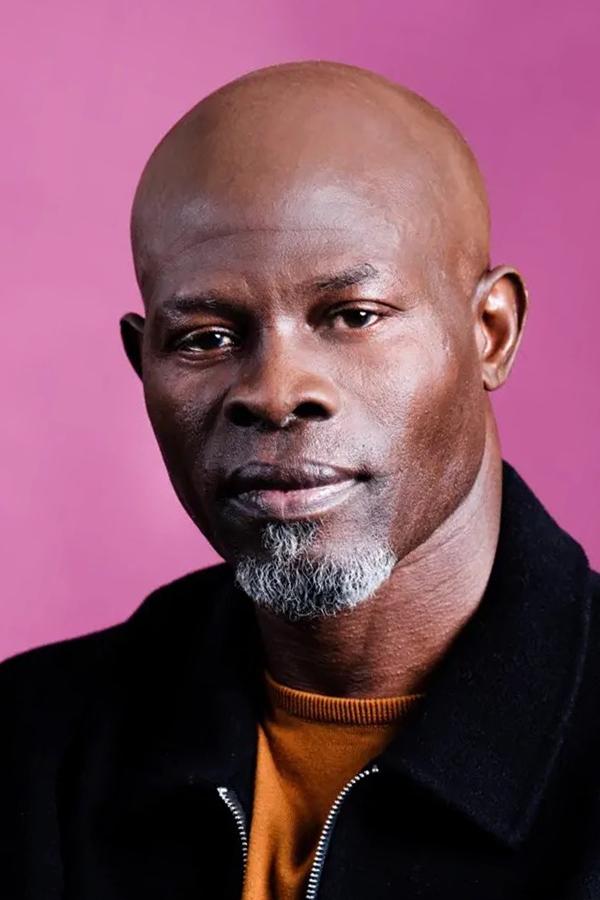
Djimon Hounsou has worked steadily in Hollywood for many years, but he’s often been typecast in roles as either a primitive figure or a villain. He’s spoken openly about his disappointment in not receiving the same leading roles as other actors. Hounsou now focuses on projects that honor his African heritage while allowing him to portray inspiring, relatable heroes. He’s determined to move beyond roles that simply depict him as a faceless enemy or a minor character. His career demonstrates his dedication and his fight for respectful and meaningful representation.
Chiwetel Ejiofor
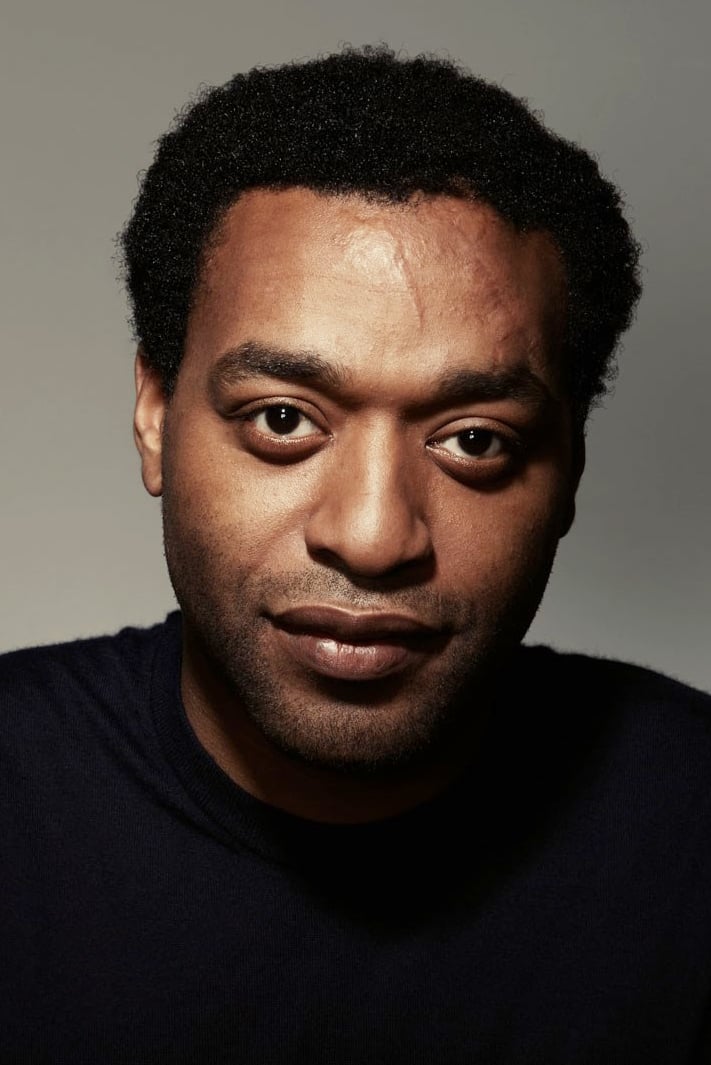
Chiwetel Ejiofor is a remarkably versatile actor known for taking on demanding roles that push boundaries. He often chooses historical dramas and in-depth character explorations over more conventional stories. Ejiofor focuses on understanding the inner lives of his characters, no matter their background. His performances in films like ’12 Years a Slave’ and ‘The Boy Who Harnessed the Wind’ demonstrate his dedication to impactful storytelling, and his avoidance of clichés has earned him widespread respect as an actor.
David Oyelowo
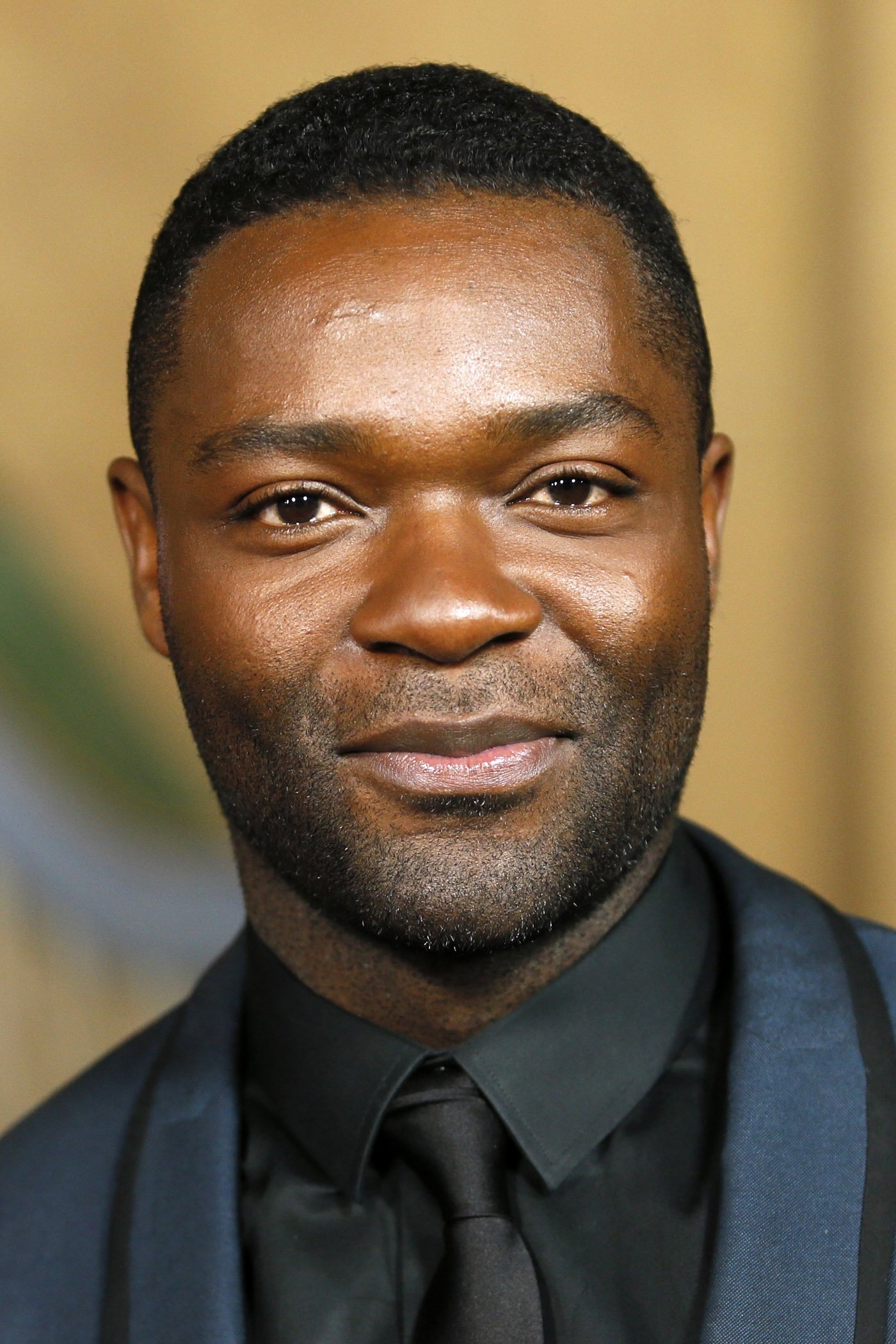
David Oyelowo has become a prominent actor in historical and dramatic films by carefully selecting roles that matter to him. He’s discussed how important it is for Black actors to portray a wide range of characters – from royalty and leaders to everyday fathers – and move beyond the typical, limiting roles often offered. Oyelowo focuses on telling meaningful stories that will resonate with audiences and leave a lasting impression, and his performances are known for their grace and thoughtfulness.
Omar Sy
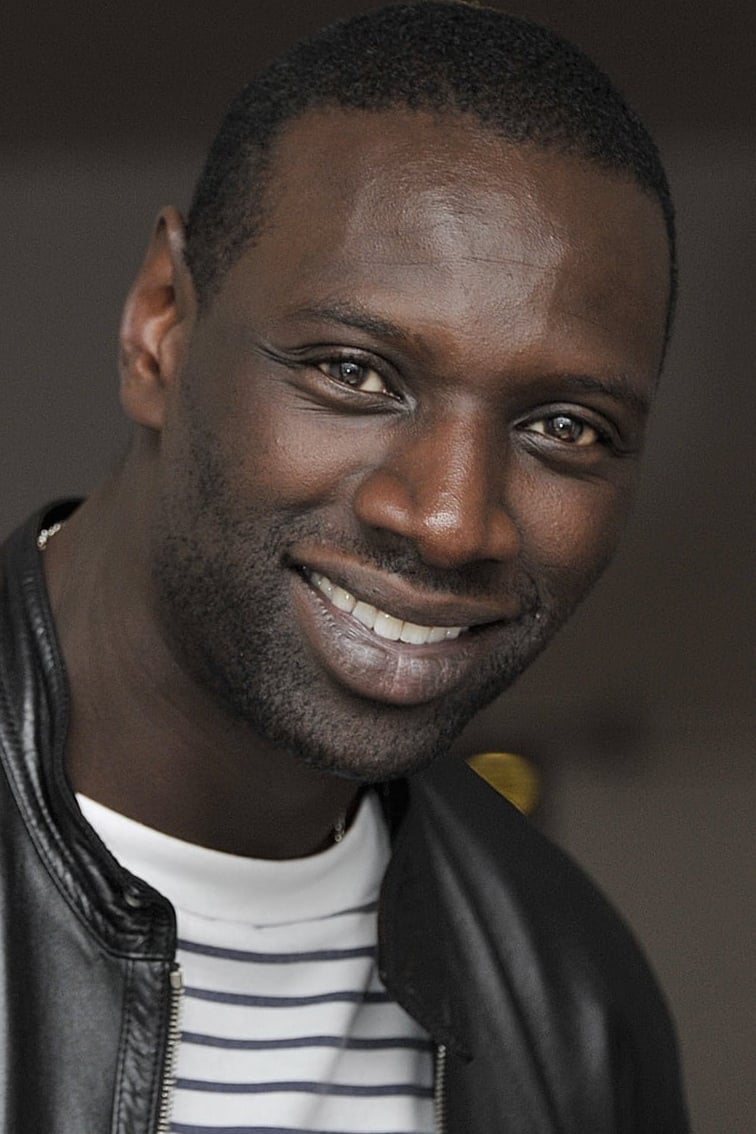
Omar Sy first gained worldwide recognition with the film ‘The Intouchables’ and has since built a thriving career in both French and American cinema. He’s discussed how he actively chooses roles that avoid stereotypical portrayals – like being typecast as a criminal or simply for comic relief – in Hollywood. Sy looks for leading roles where he can play charming, smart characters who are at the heart of the story. He’s found success with the series ‘Lupin,’ where he plays a clever and resourceful master of disguise. Through his work, he’s paving the way for more opportunities for French and Black actors around the world.
Gael García Bernal
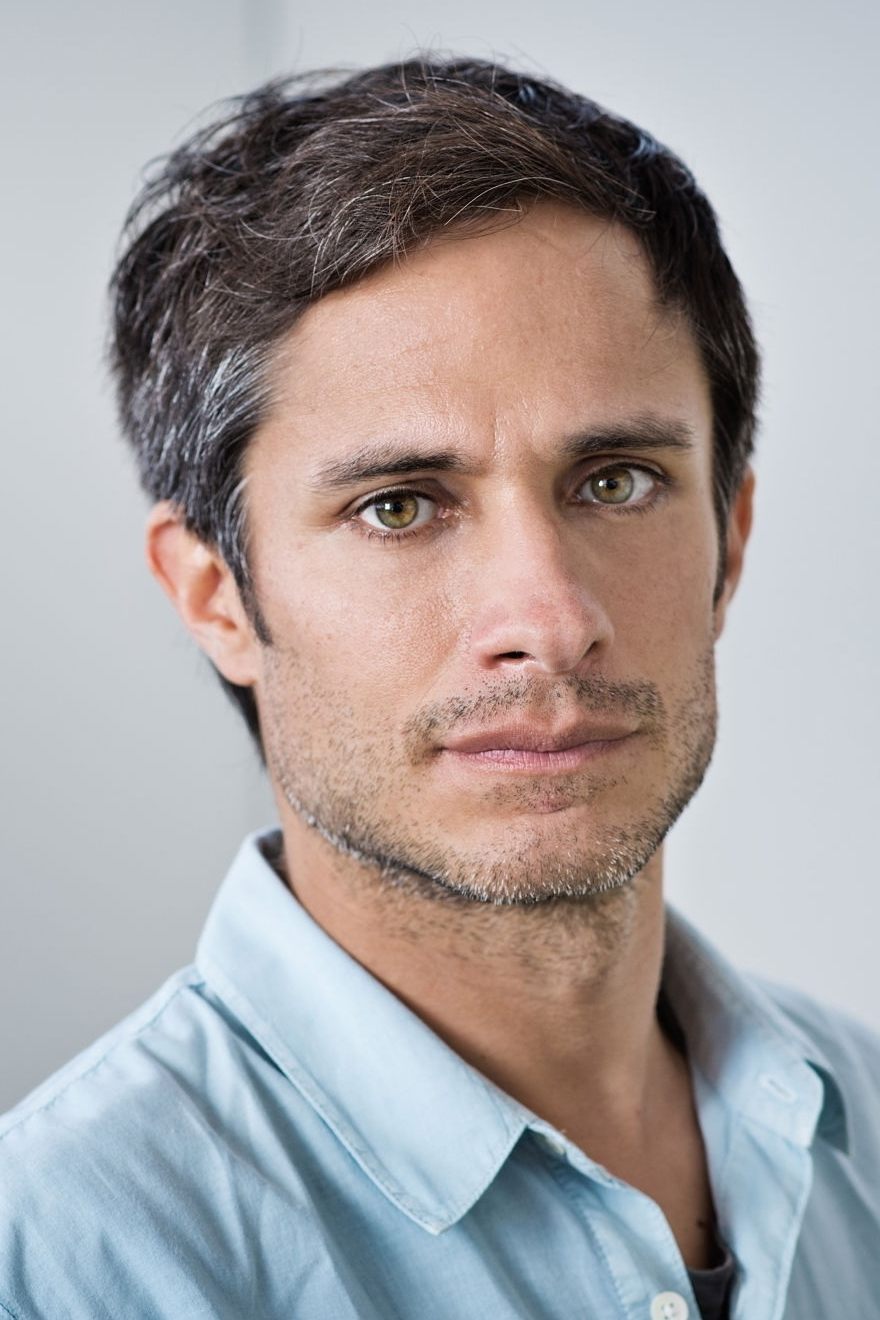
Gael García Bernal actively works against the limited and often stereotypical roles typically offered to Latino actors in Hollywood. He consistently chooses complex, thought-provoking characters over common tropes like drug dealers or migrant workers. Bernal seeks out stories that delve into the human experience and address issues of social justice, particularly in Latin America and around the world. He often collaborates with directors who value depth and originality over tired clichés. Throughout his career, he’s demonstrated a strong commitment to both artistic quality and social responsibility.
Diego Luna
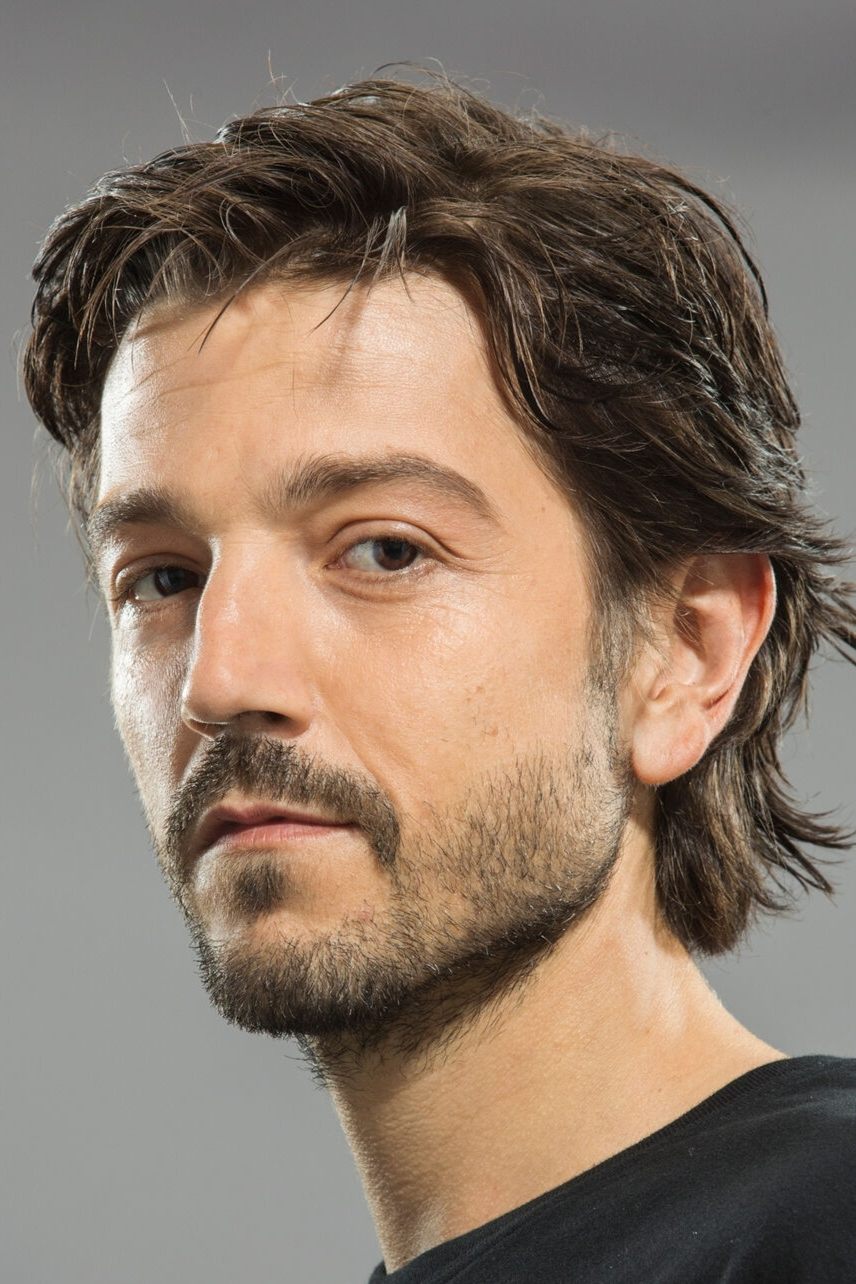
I’m such a fan of Diego Luna! What I admire most is how he navigates between big-budget films and really meaningful, independent projects. He’s been so outspoken about wanting to see Latino characters portrayed with depth and complexity – not just as stereotypes. He clearly looks for roles, like the one in ‘Andor,’ that have a real sense of history and aren’t afraid to explore difficult questions. And it’s not just acting; he’s committed to creating stories himself, stories that offer a more honest and nuanced view of the world. He’s becoming a really powerful voice for better representation, and it’s inspiring to watch.
Oscar Isaac
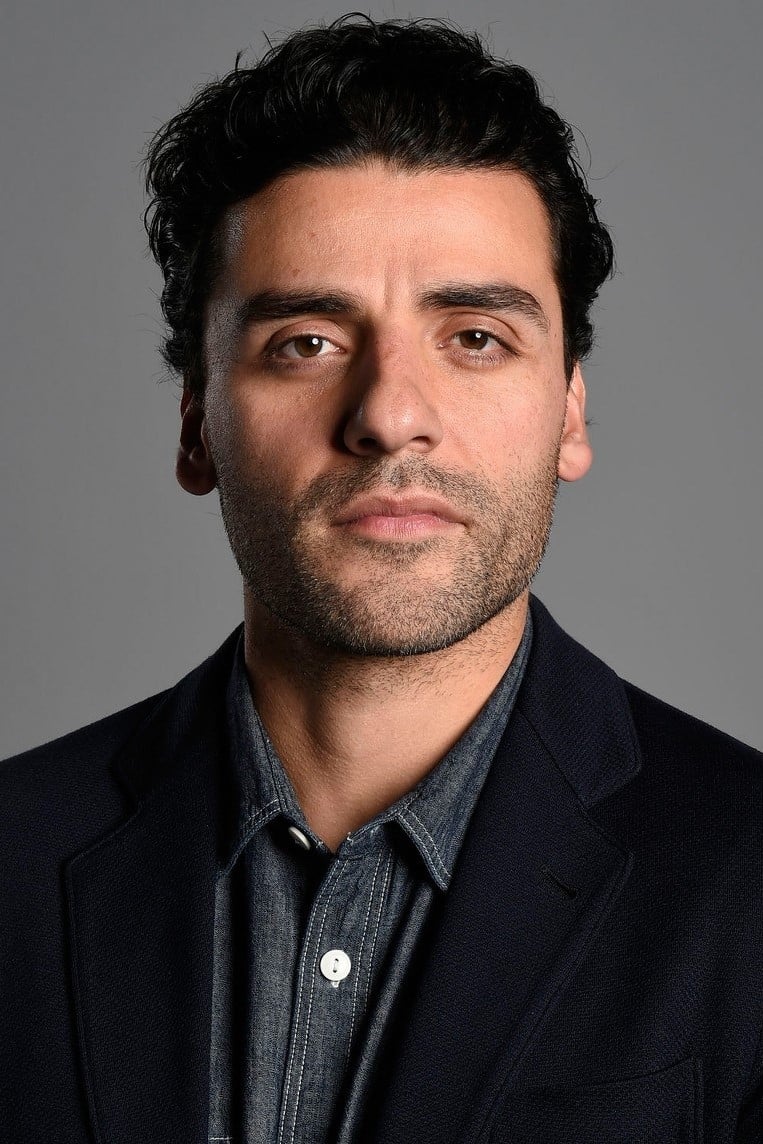
Oscar Isaac is a remarkably versatile actor who has played diverse roles throughout his career. Early on, he often found himself typecast as either a typical villain or simply filling a diversity requirement. Now, he actively seeks out characters with complex inner lives and distinct personalities, moving beyond superficial roles based on ethnicity. He’s left behind the days of playing one-note bad guys, and his performances in projects like ‘Inside Llewyn Davis’ and ‘Moon Knight’ demonstrate his commitment to stories built around compelling characters.
Pedro Pascal
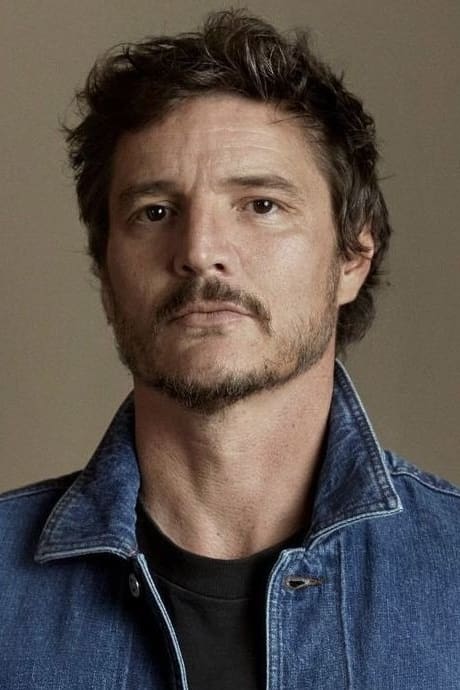
Pedro Pascal has quickly become a fan favorite, largely thanks to roles as strong, caring characters. After years of playing smaller parts – often criminals – he now focuses on characters with deep emotions and a strong sense of responsibility. Themes of fatherhood and guidance are particularly important to him, and have contributed to his recent success. Pascal is a great example of an actor who overcame being typecast and achieved major stardom through dedication and smart choices.
Stephan James
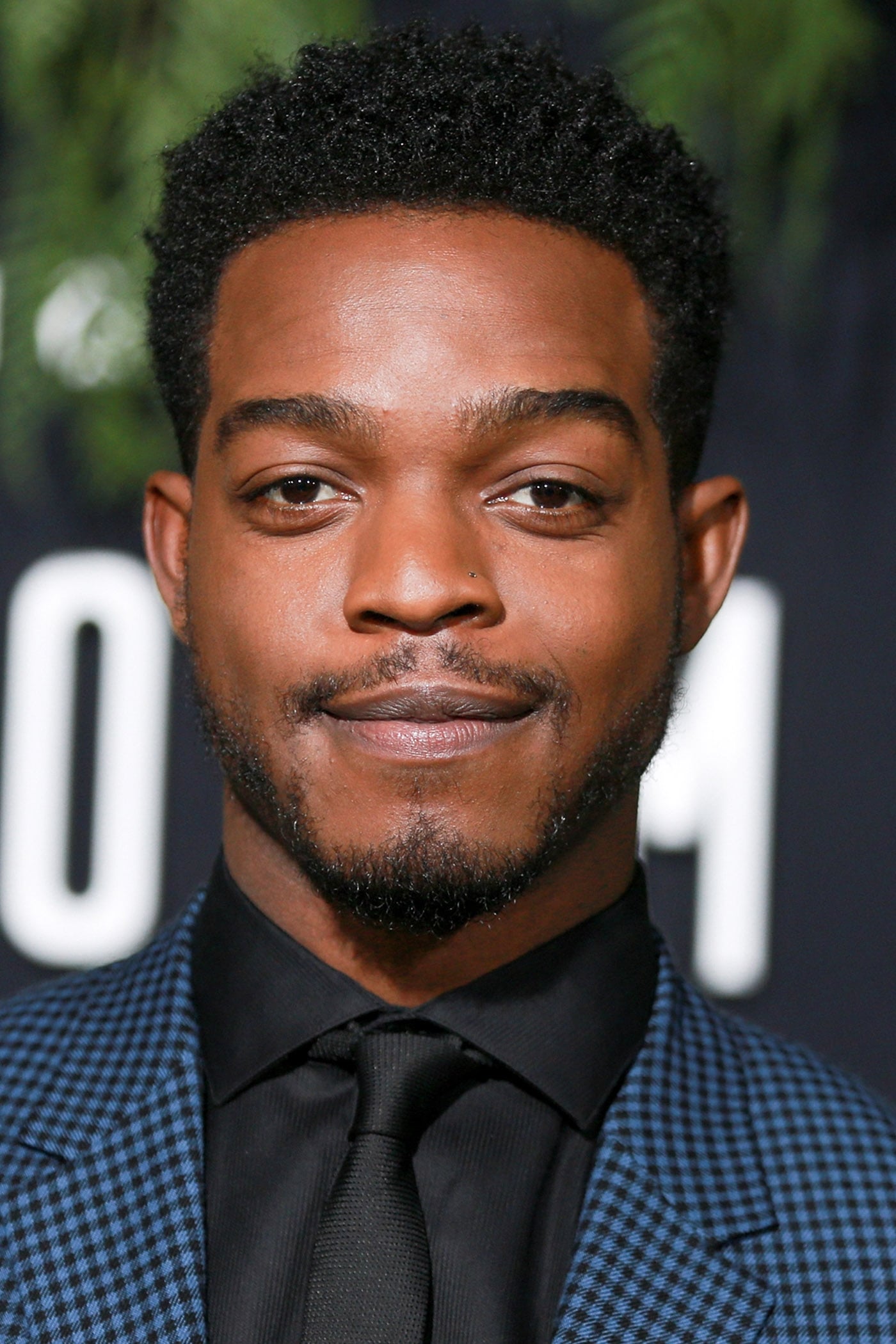
Stephan James has rapidly gained recognition as a leading actor by consistently choosing roles that celebrate Black achievement and important historical events. He’s intentionally avoided stereotypical roles often given to young actors, like those focused on crime or street life. Instead, James looks for projects where he can portray athletes, civil rights leaders, and multifaceted contemporary characters, always striving to show their complete humanity and potential. He’s committed to creating a lasting body of work that will be remembered for years to come.
Tell us which of these actors has inspired you the most in the comments.
Read More
- Gold Rate Forecast
- Games That Faced Bans in Countries Over Political Themes
- Silver Rate Forecast
- 15 Films That Were Shot Entirely on Phones
- Unveiling the Schwab U.S. Dividend Equity ETF: A Portent of Financial Growth
- 20 Movies Where the Black Villain Was Secretly the Most Popular Character
- Brent Oil Forecast
- New HELLRAISER Video Game Brings Back Clive Barker and Original Pinhead, Doug Bradley
- Superman Flops Financially: $350M Budget, Still No Profit (Scoop Confirmed)
- 14 Movies Where the Black Character Refuses to Save the White Protagonist
2025-12-27 07:30